Tag: GERMANY

  • Berlin Wall Memorial, Germany: Travel Guide & Tips

    Berlin Wall Memorial, Germany: Travel Guide & Tips

    Berlin Wall Memorial, Germany

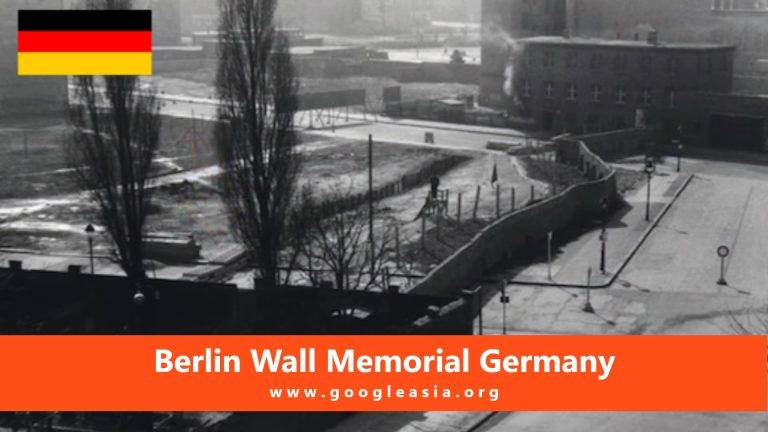
    The Berlin Wall Memorial is a memorial and museum complex in Germany that traces the history of the Berlin Wall. It includes the last remaining pieces of the wall, a documentation center, a visitors’ center, an exhibition, and a memorial to those who died trying to cross the wall.

    Introduction

    The Berlin Wall Memorial stands as a poignant reminder of one of the most significant historical divisions of the 20th century. Located in the heart of Berlin on Bernauer Straße, this memorial site commemorates the Cold War era division of the city and the profound impact it had on its residents.

    History and Significance

    Establishment and Layout

    The Berlin Wall Memorial was officially opened on August 13, 2005, to honor the victims of the Berlin Wall and to educate visitors about the stark realities of division. Spanning approximately 1.4 kilometers from Mauerpark to Nordbahnhof, the memorial site includes various elements that illustrate the Wall’s impact.

    Features of the Memorial

    Central Memorial Wall

    At the heart of the memorial stands a 19.3-meter tall memorial wall, serving as a solemn tribute to those affected by the Wall’s presence. This central structure is a focal point for reflection and remembrance.

    Information Plates and Plaques

    Throughout the memorial area, visitors encounter informative plates and plaques that provide historical context and personal stories, offering a deeper understanding of the Wall’s construction and its consequences.

    Visitor’s Centre and Documentation Centre

    Adjacent to the memorial wall, the visitor’s centre and documentation centre offer comprehensive exhibitions and educational resources. These facilities delve into the history of the Berlin Wall, its impact on Berliners, and the broader geopolitical implications of the Cold War.

    Chapel and Symbolic Sculpture

    Within the memorial complex, there is a chapel for quiet contemplation and a symbolic sculpture representing the reunification of Germany. These elements add spiritual and artistic dimensions to the site’s commemorative purpose.

    Remaining Wall Segment and “Death Strip”

    A preserved segment of the Berlin Wall remains at the site, providing a tangible connection to history. Nearby, the “death strip” serves as a stark reminder of the dangers and hardships faced by those attempting to cross the Wall.

    Visitor Experience

    Remembrance and Education

    The Berlin Wall Memorial serves as a crucial educational tool, reminding visitors of the importance of freedom and the devastating impact of political division. It stands as a testament to the resilience of Berliners and their journey towards reunification.

    Accessibility and Public Engagement

    Open 24 hours a day, the memorial welcomes thousands of visitors annually, offering guided tours and educational programs to deepen understanding of this critical period in history. Its central location makes it easily accessible for tourists and locals alike.

    Things to Do

    Visiting the Berlin Wall Memorial offers a profound journey through history, commemorating the division of Berlin during the Cold War. Here are 10 essential activities to experience at the memorial:

    Visit the German Historical Museum

    Explore Cold War History

    Located near the Berlin Wall Memorial, the German Historical Museum provides comprehensive insights into the history of the Berlin Wall and the Cold War era. Discover artifacts and exhibits that illuminate the political and social contexts of this pivotal period.

    Take a Tour of the East Side Gallery

    Artistic Expression on the Wall

    The East Side Gallery is a must-see section of the Berlin Wall adorned with murals by artists from around the world. Stretching 1.3 kilometers, it serves as an outdoor art gallery that documents the Wall’s rise and fall through vibrant and thought-provoking artwork.

    Visit Checkpoint Charlie

    Iconic Cold War Landmark

    Explore Checkpoint Charlie, the famous border crossing point between East and West Berlin during the Cold War. Visit the museum nearby to learn about the history of Checkpoint Charlie and its role as a symbol of the divided city.

    Explore the Berlin Wall Memorial Park

    Reflect at the Memorial Site

    Wander through the Berlin Wall Memorial Park, which includes an information center, the Chapel of Reconciliation, and a preserved section of the Berlin Wall. Take a guided tour to delve into personal stories and historical events that shaped the Wall’s legacy.

    See Bernauer Straße

    Historical Milestone

    Bernauer Straße was once a prominent street divided by the Berlin Wall. Today, it serves as a poignant memorial site with preserved sections of the Wall and informative displays. Walk along its footpaths and watch historical film clips documenting key moments in the Wall’s history.

    Visit the Topography of Terror

    Understand Third Reich History

    Located on the former site of the Gestapo headquarters, the Topography of Terror museum offers insights into the Nazi regime’s terror apparatus. Explore exhibits detailing the repression, persecution, and resistance during the Third Reich.

    Visit Potsdamer Platz

    Symbol of Reunification

    Potsdamer Platz, once a desolate no-man’s land divided by the Berlin Wall, is now a vibrant public square symbolizing Berlin’s reunification. Explore its modern architecture, cultural attractions, and historical exhibitions that highlight its transformation.

    Attend a Show at the East Side Gallery

    Cultural Performances

    Experience the dynamic cultural scene at the East Side Gallery’s open-air theater. Attend theatrical performances, film screenings, and talks that explore themes related to the Berlin Wall’s history, art, and impact on society.

    Stop by the White Cross Memorial

    Tribute to the Fallen

    Pay homage at the White Cross Memorial, a poignant tribute to the individuals who lost their lives while attempting to cross the Berlin Wall in search of freedom. Reflect on the personal sacrifices and the enduring quest for liberty.

    Check Out the Chapel of Reconciliation

    Symbol of Peace and Reflection

    Visit the Chapel of Reconciliation, built on the site of a former border guard tower. This serene chapel serves as a symbol of repentance and reconciliation, offering a tranquil space for contemplation amidst the memorial’s grounds.

    Foods

    When visiting the Berlin Wall Memorial in Germany, exploring its historical significance can work up an appetite. Luckily, Berlin offers a variety of delicious foods that reflect its vibrant culinary scene. Here are some must-try dishes:

    Currywurst

    Description:

    Currywurst is a beloved German street food consisting of a grilled or fried sausage, typically pork, cut into slices and seasoned with curry ketchup. It’s often served with a sprinkling of curry powder and can be enjoyed with a side of fries.

    Where to Find:

    Look for food stalls or small eateries near the Berlin Wall Memorial for an authentic taste of this local favorite.

    Doner Kebab

    Description:

    Originating from Turkey but immensely popular in Berlin, doner kebab features slices of meat, usually lamb, chicken, or beef, roasted on a vertical rotisserie. The meat is then wrapped in a flatbread or pita and garnished with fresh vegetables and sauces like tzatziki or garlic sauce.

    Where to Find:

    Numerous kebab stands are scattered around Berlin, providing a quick and satisfying meal for visitors exploring the city.

    Bratwurst

    Description:

    Bratwurst is a classic German sausage made from pork, beef, or veal. It’s seasoned with a blend of spices like marjoram, nutmeg, and white pepper, then grilled or pan-fried. Typically served with mustard and a crusty bread roll, it’s a staple street food.

    Where to Find:

    Look for food vendors or traditional German pubs (‘Biergarten’) near the memorial offering this hearty snack.

    Schnitzel

    Description:

    Schnitzel consists of thinly pounded meat (usually pork or veal) coated with flour, beaten eggs, and breadcrumbs, then fried until golden brown. It’s often served with lemon wedges and potato salad or fries.

    Where to Find:

    Many restaurants in Berlin feature schnitzel on their menus, providing a substantial meal option after a day of sightseeing.

    Kartoffelpuffer

    Description:

    Kartoffelpuffer, also known as potato pancakes, are made from grated potatoes mixed with flour, eggs, onions, and seasoning. They’re fried until crispy and served with applesauce or sour cream.

    Where to Find:

    Look for vendors at food markets or stalls offering these savory pancakes as a delightful snack.

    Käsespätzle

    Description:

    Käsespätzle is a comforting dish of soft egg noodles mixed with grated cheese, often Emmental or Gruyère. The mixture is layered and baked until the cheese melts and forms a golden crust.

    Where to Find:

    Seek out traditional German restaurants (‘Gasthaus’) for an authentic taste of this hearty dish.

    Spätzle

    Description:

    Spätzle are soft egg noodles similar to dumplings, typically served as a side dish or main course. They’re boiled and then pan-fried with butter and topped with grated cheese.

    Where to Find:

    Look for eateries specializing in Swabian or Bavarian cuisine, where spätzle is a regional specialty.

    Berliner

    Description:

    A Berliner is a round, yeast-raised doughnut filled with sweet jam or custard, and sometimes topped with powdered sugar. It’s a popular treat in Berlin, especially for those with a sweet tooth.

    Where to Find:

    Bakeries and pastry shops throughout Berlin offer Berliners, making them a delightful dessert option after exploring the Berlin Wall Memorial.

    Hotels

    Visiting the Berlin Wall Memorial in Germany presents an opportunity not only to explore history but also to experience comfortable accommodations nearby. Here are some recommended hotels in the vicinity:

    Weinmeister – Mitte & Suites Hotel

    Overview:

    Located in Berlin’s Mitte district, Weinmeister – Mitte & Suites Hotel offers stylish and contemporary accommodations. It’s known for its modern design and convenient access to cultural attractions.

    Features:

    • Modern rooms with sleek decor
    • Rooftop terrace with city views
    • Fitness center
    • Bar and lounge area

    Hotel Augusta

    Overview:

    Hotel Augusta provides cozy and welcoming rooms near the Berlin Wall Memorial. It’s appreciated for its homely atmosphere and proximity to public transportation.

    Features:

    • Comfortable rooms with classic furnishings
    • Buffet breakfast included
    • Courtyard garden
    • Bicycle rental available

    MEININGER Hotel Berlin Mitte

    Overview:

    MEININGER Hotel Berlin Mitte offers budget-friendly options including private rooms and dormitories. It’s ideal for travelers seeking affordability without compromising on comfort.

    Features:

    • Various room types available
    • Game zone and lounge area
    • Guest kitchen for self-catering
    • Bicycle rental and tours offered

    Hotel Adlon Kempinski

    Overview:

    Hotel Adlon Kempinski is a luxurious choice near the Brandenburg Gate and a short distance from the Berlin Wall Memorial. It’s renowned for its opulent accommodations and impeccable service.

    Features:

    • Elegant rooms and suites with luxurious amenities
    • Michelin-starred restaurant
    • Spa and wellness facilities
    • Indoor pool and fitness center

    Hotel Concorde Berlin

    Overview:

    Hotel Concorde Berlin offers modern accommodations in a prime location, close to major landmarks including the Berlin Wall Memorial. It’s known for its contemporary design and excellent service.

    Features:

    • Stylish rooms with modern amenities
    • Fitness center and sauna
    • Restaurant serving international cuisine
    • Business center and meeting facilities

    NH Collection Berlin Mitte am Checkpoint Charlie

    Overview:

    NH Collection Berlin Mitte am Checkpoint Charlie provides comfortable rooms in a central location, near Checkpoint Charlie and within reach of the Berlin Wall Memorial. It caters well to both leisure and business travelers.

    Features:

    • Stylish rooms with modern amenities
    • Wellness area with sauna and fitness room
    • Restaurant and bar serving local and international dishes
    • Meeting rooms and conference facilities

    The Student Hotel Berlin Mitte

    Overview:

    The Student Hotel Berlin Mitte offers vibrant and youthful accommodations suitable for short-term and long-term stays. It’s designed to provide a dynamic living experience in a central location.

    Features:

    • Colorful and contemporary rooms with workspace
    • Gym and fitness facilities
    • Social spaces and communal areas
    • On-site restaurant and bar

    Contel Hotel

    Overview:

    Contel Hotel offers practical accommodations with easy access to public transportation, making it convenient for exploring the Berlin Wall Memorial and other attractions in the city.

    Features:

    • Cozy rooms with modern furnishings
    • Breakfast buffet available
    • Garden terrace
    • Bicycle rental and ticket service

    Novotel Berlin Mitte

    Overview:

    Novotel Berlin Mitte provides family-friendly accommodations with spacious rooms and convenient amenities. It’s centrally located, offering easy access to the Berlin Wall Memorial and nearby sights.

    Features:

    • Family rooms available
    • Fitness center and sauna
    • On-site restaurant and bar
    • Business center and meeting rooms

    CityApartments at Checkpoint Charlie

    Overview:

    CityApartments at Checkpoint Charlie offers self-catering apartments near Checkpoint Charlie and the Berlin Wall Memorial. It’s ideal for travelers seeking independence and flexibility during their stay.

    Features:

    • Fully equipped apartments with kitchenette
    • Concierge service
    • Wi-Fi access
    • Close proximity to public transportation

    Conclusion

    Choosing the right hotel near the Berlin Wall Memorial can greatly enhance your experience of exploring this historic site and the vibrant city of Berlin. Whether you prefer luxury accommodations with top-notch amenities or budget-friendly options that provide comfort and convenience, these recommended hotels offer a range of choices to suit different preferences and needs. Plan your stay accordingly to make the most of your visit to this iconic landmark in Germany’s capital.

    Berlin Wall Memorial Germany Premier Monument

    Summary

    • Attraction: Berlin Wall Memorial
    • Country: Germany
    • Continent: Europe
    • Capital Name: Berlin
    • Language: German (official), English
    • Currency: Euro
    • Nationality: Germans (German: Deutsche)
    • Category: #Destination #Europe #GERMANY 

    Frequently Asked Questions

    What are Berlin Wall Memorial’s nearby must-visit attractions or landmarks?

    The Berlin Wall Memorial is located in the central part of Berlin, and there are several must-visit attractions and landmarks nearby. Here are some notable places to explore in the vicinity:

    1. Mauerpark: Mauerpark is a vibrant public park known for its Sunday flea market and open-air karaoke sessions. It’s a short walk from the Berlin Wall Memorial and offers a lively atmosphere.
    2. Bernauer Strasse: The street where the Berlin Wall Memorial is located, Bernauer Strasse, itself has historical significance. Explore the outdoor exhibition along the street that provides additional insights into the history of the wall.
    3. Berlin Wall Documentation Center: Located near the Nordbahnhof station, the Berlin Wall Documentation Center (Gedenkstätte Berliner Mauer Dokumentationszentrum) provides further information about the history of the wall and its impact.
    4. Nordbahnhof (North Station): This historic train station, Nordbahnhof, played a role in the division of Berlin during the Cold War. The station area includes information panels detailing its history.
    5. Chapel of Reconciliation: Situated within the Berlin Wall Memorial grounds, the Chapel of Reconciliation is a modern church with a unique design. It’s worth a visit for its architectural significance.
    6. St. Marien Church: St. Marien Church, also known as Marienkirche, is one of the oldest churches in Berlin. It’s located in the Alexanderplatz area and is known for its medieval architecture.
    7. Alexanderplatz: Alexanderplatz is a central square with a mix of modern and historic buildings. It’s a bustling area with shops, restaurants, and the iconic TV Tower (Fernsehturm), offering panoramic views of the city.
    8. Brandenburg Gate: While a bit farther away, the Brandenburg Gate is an iconic symbol of Berlin and a must-visit landmark. It’s a historical gate that once marked the entrance to the city.
    9. Reichstag Building: The Reichstag Building is the seat of the German parliament and is known for its glass dome, offering panoramic views of Berlin. Advanced booking is recommended for visits.
    10. Holocaust Memorial: The Memorial to the Murdered Jews of Europe, also known as the Holocaust Memorial, is located near the Brandenburg Gate. It consists of a field of concrete slabs commemorating the victims of the Holocaust.

    These attractions provide a mix of historical, cultural, and recreational experiences, allowing you to explore the diverse facets of Berlin’s history and contemporary life.

    Why should you visit Berlin Wall Memorial?

    Visiting the Berlin Wall Memorial is a powerful and educational experience that provides insight into a crucial period of German and Cold War history. Here are several reasons why you should consider visiting the Berlin Wall Memorial:

    1. Historical Significance: The Berlin Wall was a physical manifestation of the division between East and West Germany during the Cold War. Visiting the memorial allows you to understand the historical context of this division and the impact it had on individuals and communities.
    2. Educational Exhibits: The memorial features informative exhibits, documentation, and multimedia presentations that detail the history of the Berlin Wall, escape attempts, and the lives of those affected by the division.
    3. Remains of the Wall: The Berlin Wall Memorial includes preserved sections of the original wall, watchtowers, and other elements that visually represent the physical barrier that once separated East and West Berlin.
    4. Documentation Center: The Documentation Center on-site provides a comprehensive overview of the political and social aspects of the Berlin Wall. It includes personal stories, photographs, and artifacts.
    5. Chapel of Reconciliation: The Chapel of Reconciliation, located within the memorial grounds, serves as a place for contemplation and reflection. It symbolizes hope and reconciliation after the reunification of Germany.
    6. Memorial Grounds: The memorial encompasses a large area that includes open spaces, pathways, and greenery. It offers visitors a peaceful environment for contemplation and remembrance.
    7. Free Admission: The Berlin Wall Memorial is open to the public, and admission is generally free of charge. This makes it an accessible destination for both tourists and locals.
    8. Cultural and Emotional Impact: The memorial serves as a poignant reminder of the human cost of division and the struggle for freedom. It evokes a range of emotions and encourages visitors to reflect on the importance of unity and peace.
    9. Location in the City: The memorial is conveniently located in central Berlin, making it easy to include in your itinerary alongside other significant landmarks and attractions in the city.

    Visiting the Berlin Wall Memorial provides an opportunity to engage with history, gain a deeper understanding of the consequences of political division, and reflect on the resilience and hope that led to the eventual reunification of Germany

    How to go to Berlin Wall Memorial?

    The Berlin Wall Memorial, also known as Gedenkstätte Berliner Mauer in German, is located in the central part of Berlin. Here are general directions on how to get to the Berlin Wall Memorial:

    Address: Bernauer Str. 111, 13355 Berlin, Germany

    By Public Transportation:

    1. S-Bahn (Suburban Train): Take the S-Bahn to the Nordbahnhof station (S1, S2, or S25 lines). From there, it’s about a 10 to 15-minute walk to the Berlin Wall Memorial.
    2. U-Bahn (Subway): The closest U-Bahn station is Bernauer Str. (U8 line). From the station, it’s approximately a 5 to 10-minute walk to the memorial.
    3. Tram: Tram lines M10 and M8 also have stops near the Berlin Wall Memorial.

    By Bus:

    Bus lines 245 and 147 have stops in the vicinity of the memorial.

    By Car:

    If you’re driving, you can use GPS or maps to navigate to the Berlin Wall Memorial. There is limited on-street parking available in the area.

    Tourist Buses:

    Many guided tours and hop-on-hop-off buses in Berlin include the Berlin Wall Memorial in their routes. Check with local tour operators or use tourist bus services if you prefer a guided experience.

    It’s always a good idea to check for any changes in public transportation schedules, road closures, or other relevant information before you travel. The Berlin Wall Memorial is an important historical site, and signs and information boards are available on-site to guide visitors through its various exhibits and areas.

    Are there any halal food options near the Berlin Wall Memorial?

    The Berlin Wall Memorial itself may not have dedicated dining facilities, but in the surrounding areas of Berlin, especially in urban neighborhoods, you can likely find various dining options, including those offering halal food. I recommend exploring nearby streets or using online resources to locate restaurants that cater to halal dietary preferences. Additionally, you may inquire with locals or staff at your accommodation for specific recommendations on halal dining options near the Berlin Wall Memorial.

    How accessible is halal food in Berlin Wall Memorial?

    The Berlin Wall Memorial itself is primarily a historical site and open-air museum that commemorates the division of Berlin by the Berlin Wall during the Cold War. It doesn’t typically have restaurants or dining facilities on-site. However, the surrounding area in Berlin may have various dining options, including those serving halal food.

    If you’re looking for halal food near the Berlin Wall Memorial, you might need to explore the nearby neighborhoods or visit restaurants and eateries in the broader city of Berlin. Urban areas, especially those with diverse populations, are more likely to offer a range of dining choices, including halal options.
    Consider checking online platforms, such as restaurant review websites or mobile apps, to find halal restaurants near the Berlin Wall Memorial or in the city. Additionally, you can ask locals or staff at your accommodation for recommendations on halal dining options in the vicinity.

  • Visiting River Rhine Cruise, Germany: Travel Guide & Tips

    Visiting River Rhine Cruise, Germany: Travel Guide & Tips

    River Rhine Cruise, Germany

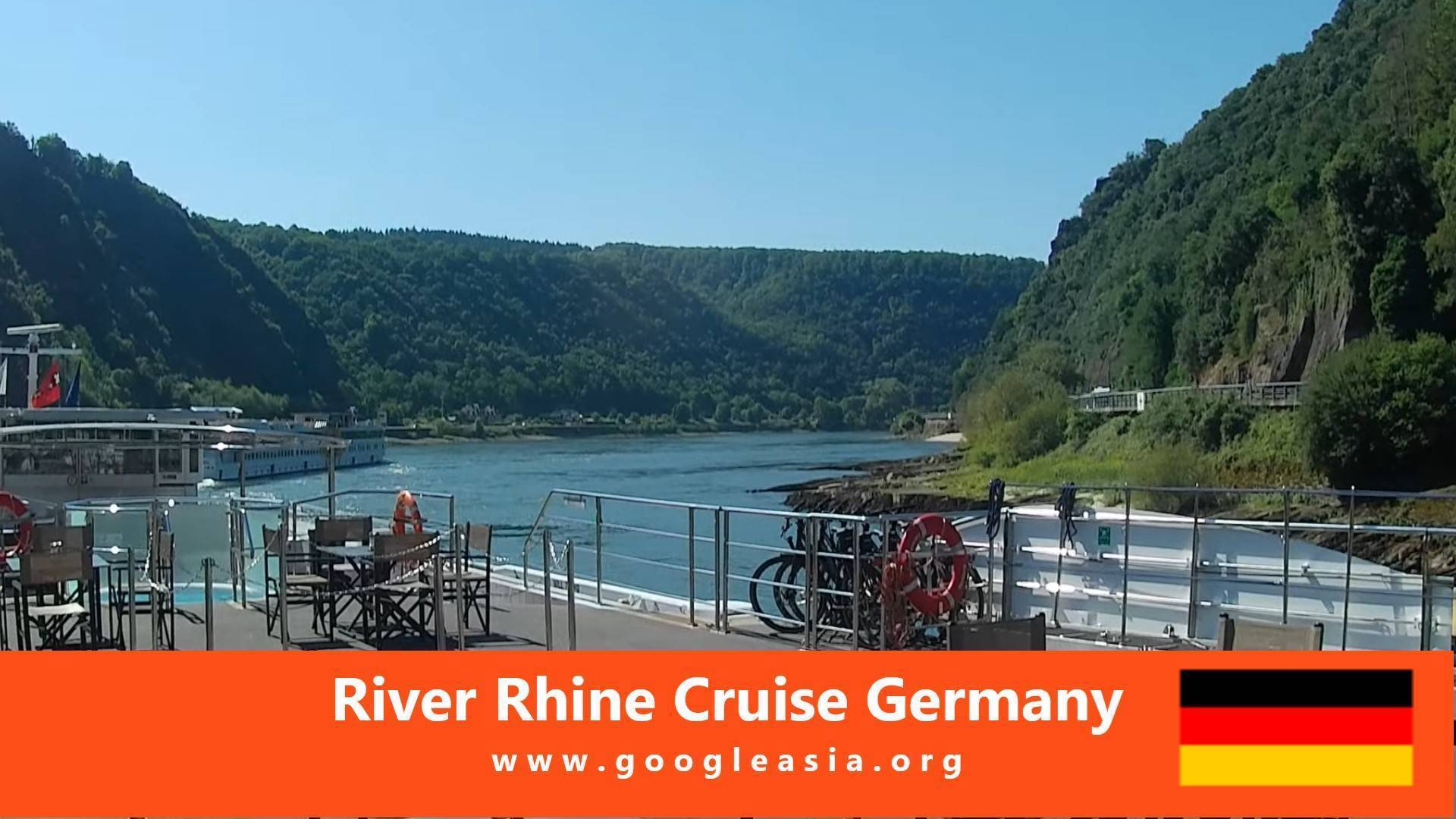
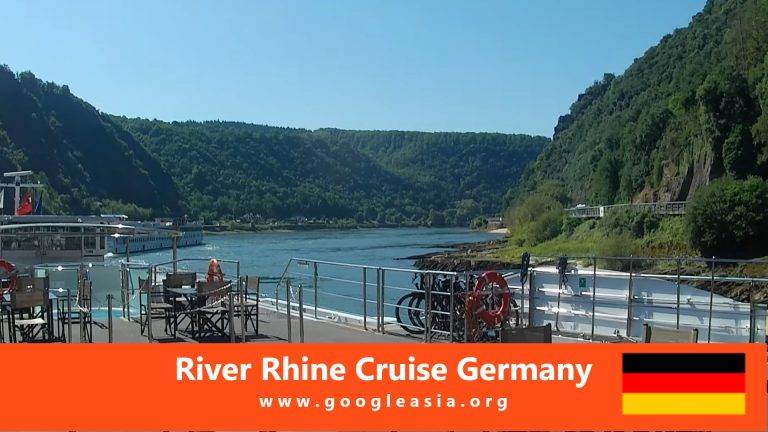
    Experience River Rhine Cruise like no other. Explore ancient castles, riverside towns, quintessential vineyards, and take in the amazing landscapes. From Cologne to Koblenz and Rudesheim, you’ll be sure to have a wonderful time. The tour includes visits to stunning landmarks, delicious food and wine, and plenty of time to relax while sailing the Rhine. Enjoy the unique history and incredible beauty of Germany on a River Rhine Cruise!

    Introduction

    A River Rhine cruise in Germany offers an unparalleled way to experience the rich tapestry of German cities, monuments, and culture. Flowing through picturesque landscapes and historic towns, the Rhine presents travelers with a journey filled with natural beauty, iconic landmarks, and cultural treasures.

    Cruising Along the Rhine

    Overview:

    A River Rhine cruise immerses travelers in the breathtaking scenery and cultural heritage of Germany. The river winds its way through charming towns, majestic castles, and serene vineyards, offering a glimpse into the country’s diverse landscapes and history.

    Highlights:

    • Natural Wonders: Experience stunning natural landscapes, including lush vineyards and picturesque valleys that line the Rhine.
    • Historic Castles: Encounter fairytale-like castles perched atop hills, such as the iconic Marksburg Castle and the romantic Burg Eltz.
    • Cultural Gems: Explore vibrant cities like Cologne with its impressive cathedral and Koblenz with its historic Old Town.
    • Wine Villages: Visit quaint villages renowned for their winemaking traditions, such as Rüdesheim and Bacharach.
    • Palaces and Fortresses: Discover magnificent palaces like Schloss Johannisburg and medieval fortresses guarding the riverbanks.

    Experiencing Local Flavors and Traditions

    Activities:

    • Beer-Tasting Classes: Participate in local beer-tasting sessions to savor the flavors of traditional German brews.
    • Scenic Excursions: Take guided tours through vineyards and along scenic trails offering panoramic views of the Rhine Valley.
    • Culinary Delights: Indulge in exquisite local cuisine during onboard dinners and enjoy themed dining experiences.
    • Historical Tours: Join expert-led excursions to delve into the history of the Rhine’s ancient castles and medieval towns.

    Cultural Enrichment:

    • Local Festivals: Experience regional festivals and events celebrating German culture, music, and traditions.
    • Art and Architecture: Appreciate Gothic cathedrals, Baroque palaces, and half-timbered houses that dot the riverside towns.
    • Shopping: Explore markets and boutiques in charming towns to find unique souvenirs and local crafts.

    Things to Do

    A River Rhine cruise in Germany offers a wealth of experiences, from exploring historic castles to savoring local cuisine and soaking in breathtaking scenery. Here’s a guide to the must-do activities along the way:

    Visit the Loreley Rock

    Overview:

    The Loreley Rock is a legendary steep slate rock formation overlooking the Rhine Gorge. According to folklore, a siren once enchanted sailors here. It offers panoramic views of the river, cliffs, castles, and vineyards.

    Activities:

    • Scenic Views: Enjoy stunning vistas of the Rhine Valley from atop the Loreley Rock.
    • Photo Opportunities: Capture memorable photos of the picturesque landscape.
    • Historical Context: Learn about the rock’s cultural significance and folklore.

    Explore Marksburg Castle

    Overview:

    Marksburg Castle is a well-preserved medieval fortress perched on a hilltop overlooking the Rhine. It offers insights into medieval defensive architecture and provides panoramic views of the river valley.

    Activities:

    • Guided Tours: Take a tour of the castle to learn about its history and architecture.
    • Castle Grounds: Explore the courtyard, towers, and living quarters within the castle.
    • Panoramic Views: Marvel at the scenic views of the Rhine River and surrounding countryside.

    Rhine Gorge

    Overview:

    The Rhine Gorge, a UNESCO World Heritage Site, is a picturesque 13-mile stretch of the river characterized by steep vineyards, quaint villages, and medieval castles.

    Activities:

    • Cruise Excursions: Take a leisurely boat ride through the gorge to admire its natural beauty.
    • Wine Tasting: Visit local wineries along the Rhine to sample regional wines and learn about viticulture.
    • Hiking Trails: Explore hiking trails that offer scenic overlooks of the gorge and river.

    Local Wineries & Vineyards

    Overview:

    The Rhine region is renowned for its vineyards and wine production. A visit to local wineries offers a chance to taste award-winning wines and experience the viticulture traditions of the area.

    Activities:

    • Wine Tasting: Participate in guided tastings to sample Rieslings and other regional wines.
    • Vineyard Tours: Take guided tours through vineyards to learn about grape cultivation.
    • Culinary Experiences: Pair wines with local specialties such as cheese and charcuterie.

    Sample Local Food & Cuisine

    Overview:

    German cuisine along the Rhine reflects its rich culinary heritage, featuring hearty dishes and local specialties.

    Activities:

    • Dining Experiences: Enjoy onboard dinners featuring regional dishes like schnitzel, sausages, and pretzels.
    • Market Visits: Explore local markets in towns along the Rhine to taste street food and buy artisanal products.
    • Cooking Classes: Take cooking classes to learn how to prepare traditional German dishes.

    Shopping

    Overview:

    Towns along the Rhine offer opportunities to shop for souvenirs, local crafts, and gourmet products.

    Activities:

    • Market Exploration: Browse markets for handcrafted goods, pottery, and local delicacies.
    • Boutique Visits: Visit boutique shops in towns like Rüdesheim and Bacharach for unique gifts.
    • Bartering: Engage in friendly bartering with vendors for a fun shopping experience.

    Foods

    Exploring the culinary landscape during a River Rhine cruise in Germany offers a delightful journey through traditional dishes and regional specialties. Here’s a guide to some of the must-try foods along the way:

    Spätzle

    Description:

    Spätzle is a beloved German noodle dish made from wheat flour, eggs, salt, and water. It’s known for its hearty texture and is often served with cheese and crispy fried onions.

    Where to Enjoy:

    Look for traditional German restaurants or onboard dining options that feature local cuisine.

    Bratwurst

    Description:

    Bratwurst is a flavorful sausage made from pork or beef, seasoned with herbs and spices. It’s traditionally grilled and served with sauerkraut or sautéed onions, accompanied by creamy mashed potatoes.

    Where to Enjoy:

    Visit local markets or specialty sausage vendors along the Rhine’s riverside towns.

    Knödel

    Description:

    Knödel are savory dumplings made from potatoes or bread, filled with ingredients like meat or fruit. They are often served with rich sauces, adding depth to the dish.

    Where to Enjoy:

    Look for Bavarian-style restaurants or join culinary excursions during your cruise.

    Germanswein

    Description:

    Germanswein refers to German white wines, particularly Riesling, which are renowned for their quality and variety. They are a perfect complement to the local cuisine and are widely enjoyed onboard river cruises.

    Where to Enjoy:

    Savor wines during onboard tastings or visit wineries along the Rhine for a more immersive experience.

    Flammkuchen

    Description:

    Flammkuchen is a crispy, thin-crust pizza-like dish topped with crème fraîche, bacon, and onions. It offers a savory and satisfying combination of flavors.

    Where to Enjoy:

    Look for traditional Alsatian bistros or specialty restaurants in towns like Rüdesheim and Bacharach.

    Hamburgers

    Description:

    German-style hamburgers feature a juicy patty topped with sauerkraut and mustard, offering a unique twist on this classic fast-food favorite.

    Where to Enjoy:

    Casual eateries and bistros along the riverbanks often feature specialty burgers on their menus.

    Schnitzel

    Description:

    Schnitzel consists of thinly sliced pork or veal, breaded and fried until golden brown. It’s served with lingonberry jam sauce or a creamy mushroom sauce for added flavor.

    Where to Enjoy:

    Onboard dining options or traditional German taverns offer excellent schnitzel dishes.

    Himmel un Ääd

    Description:

    Himmel un Ääd translates to “Heaven and Earth,” a traditional dish featuring mashed potatoes, apples, and onions, often accompanied by bacon or smoked sausage.

    Where to Enjoy:

    Visit Cologne and surrounding regions to savor this comforting and flavorful dish.

    Indian Curry

    Description:

    German restaurants offer their take on curries, typically featuring potatoes and chili peppers, adding a spicy kick to the culinary journey.

    Where to Enjoy:

    Explore multicultural dining options in cities along the Rhine for a taste of global flavors.

    Local Fish and Seafood

    Description:

    Fresh catches of local fish and seafood highlight the river’s bounty, offering seasonal delights prepared in various traditional styles.

    Where to Enjoy:

    Seafood restaurants along the Rhine serve up fresh catches, providing a taste of the region’s maritime heritage.

    Hotels

    Exploring the River Rhine via cruise offers a unique way to experience Germany’s historic landscapes and charming towns. Here are some of the best hotels to consider for your stay along the route:

    Rheinterrassen Hotel

    Overview:

    Rheinterrassen Hotel is known for its stunning views of the Rhine River and the surrounding vineyards. It offers comfortable accommodations and is conveniently located for exploring nearby attractions.

    Features:

    • Scenic Views: Rooms with balconies overlooking the Rhine.
    • Restaurant: Onsite dining offering local cuisine.
    • Wellness Facilities: Spa and wellness center for relaxation.

    Mercure Hotel Koblenz

    Overview:

    Mercure Hotel Koblenz is centrally located in Koblenz, making it an ideal base for exploring the city and nearby sights along the Rhine.

    Features:

    • Modern Rooms: Comfortable accommodations with contemporary amenities.
    • Restaurant and Bar: Onsite dining options serving international and regional dishes.
    • Fitness Center: Facilities for staying active during your stay.

    Rome Hotel Rheinpanorama

    Overview:

    Rome Hotel Rheinpanorama offers panoramic views of the Rhine River and is known for its tranquil atmosphere and friendly service.

    Features:

    • Panoramic Views: Rooms with views of the river and the surrounding countryside.
    • Family-Owned: Personalized service and attention to detail.
    • Outdoor Terrace: Relaxation areas to enjoy the views.

    Holiday Inn Koblenz

    Overview:

    Holiday Inn Koblenz provides modern accommodations with a focus on comfort and convenience, suitable for both business and leisure travelers.

    Features:

    • Business Facilities: Meeting rooms and business services available.
    • Fitness Center: Onsite gym facilities for guests.
    • Restaurant: Dining options offering a range of international cuisines.

    Europa Hotel

    Overview:

    Europa Hotel is a boutique-style accommodation offering a cozy atmosphere and personalized service, located in a charming Rhine town.

    Features:

    • Boutique Ambiance: Unique decor and attention to detail in room design.
    • Garden Terrace: Outdoor spaces for relaxation.
    • Local Experience: Proximity to local attractions and cultural sites.

    Rheinhotel Dreesen

    Overview:

    Rheinhotel Dreesen is a historic hotel with a rich tradition of hospitality, offering elegant accommodations along the Rhine River.

    Features:

    • Historic Charm: Classic architecture and period furnishings.
    • Fine Dining: Gourmet restaurant serving regional specialties.
    • Private Gardens: Tranquil outdoor areas for guests to enjoy.

    Hampton by Hilton Boppard

    Overview:

    Hampton by Hilton Boppard offers modern amenities and comfortable accommodations in the picturesque town of Boppard, known for its vineyards and medieval architecture.

    Features:

    • Contemporary Rooms: Spacious and well-equipped guest rooms.
    • Complimentary Breakfast: Daily breakfast included with the stay.
    • Fitness Center: Facilities for guests to maintain their fitness routine.

    Hotel Rhein Jacoby

    Overview:

    Hotel Rhein Jacoby is a family-run establishment known for its warm hospitality and convenient location along the Rhine River.

    Features:

    • Family Atmosphere: Personalized service and attention to guest needs.
    • River Views: Rooms with views of the Rhine River.
    • Onsite Restaurant: Dining options featuring local and international dishes.

    Hotel Moselstern

    Overview:

    Hotel Moselstern offers comfortable accommodations in a scenic setting along the Moselle River, a tributary of the Rhine, known for its vineyards and picturesque towns.

    Features:

    • Riverfront Location: Direct access to the Moselle River.
    • Spa and Wellness: Facilities for relaxation and rejuvenation.
    • Gourmet Dining: Restaurant offering regional cuisine and wines.

    Hotel Rheinlust

    Overview:

    Hotel Rheinlust is a historic hotel located in the heart of the Rhine Valley, offering classic charm and modern comforts.

    Features:

    • Riverside Location: Views of the Rhine River from rooms and public areas.
    • Traditional Style: Elegant decor and period furnishings.
    • Event Facilities: Spaces for weddings, conferences, and special events.
    River Rhine Cruise Germany

    Summary

    • Attraction: River Rhine Cruise
    • Country: Germany
    • Continent: Europe
    • Capital Name: Berlin
    • Language: German (official), English
    • Currency: Euro
    • Nationality: Germans (German: Deutsche)
    • Category: #Destination #Europe #GERMANY 

    Conclusion

    Choosing the right hotel along your River Rhine cruise route can enhance your experience of exploring this beautiful region of Germany. Whether you prefer modern amenities, historic charm, or scenic views, these hotels offer a range of options to suit different preferences and ensure a memorable stay.

    Frequently Asked Questions

    What are River Rhine Cruise’s must-visit attractions or landmarks?

    A River Rhine Cruise offers the opportunity to explore a variety of must-visit attractions and landmarks along the river. Here are some notable stops and points of interest that you may encounter on a Rhine River Cruise:

    1. Cologne Cathedral (Kölner Dom):
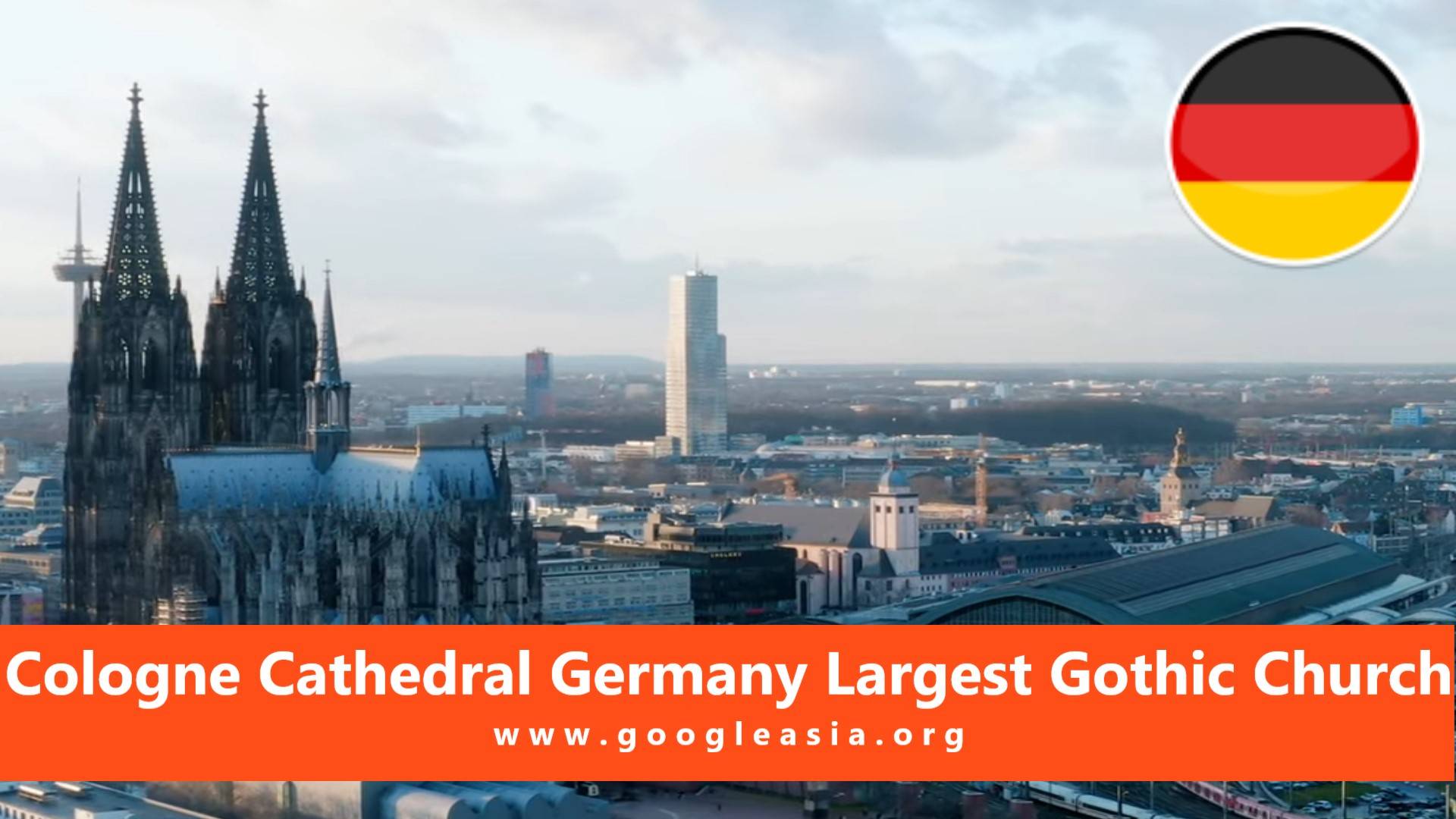
      • One of Germany’s most iconic landmarks, the Cologne Cathedral is a Gothic masterpiece with stunning architecture and houses the Shrine of the Three Kings.
    2. Marksburg Castle:
      • Perched on a hill overlooking the Rhine, Marksburg Castle is one of the few medieval hilltop castles that has never been destroyed. It offers a glimpse into medieval life and has panoramic views.
    3. Lorelei Rock:
      • A legendary rock formation on the Rhine, Lorelei is associated with folklore and myths. The steep cliffs create a picturesque setting, and the area is known for its scenic beauty.
    4. Rhine Gorge:
      • The Rhine Gorge is a UNESCO World Heritage Site known for its stunning landscapes, vineyards, and numerous castles along the riverbanks.
    5. Rüdesheim:
      • This charming town in the Rhine Valley is famous for its wine and the Drosselgasse, a narrow alley with lively restaurants and wine taverns.
    6. Heidelberg Castle:
      • Although situated a bit farther from the river, Heidelberg Castle is a historic landmark with a rich history and offers panoramic views of the city and the Neckar River.
    7. Strasbourg Cathedral (Cathédrale Notre-Dame de Strasbourg):
      • Located in Strasbourg, France, this Gothic cathedral is known for its impressive facade and intricate carvings. The city itself is a blend of French and German influences.
    8. Ehrenbreitstein Fortress:
      • Overlooking the confluence of the Rhine and Moselle rivers in Koblenz, Ehrenbreitstein Fortress is one of Europe’s largest and best-preserved fortresses.
    9. Basel Minster (Basler Münster):
      • The Basel Minster is a Gothic cathedral in Switzerland, situated on a hill overlooking the Rhine. It features stunning architecture and provides panoramic views of the city.
    10. Worms Cathedral (Wormser Dom):
      • A significant Romanesque cathedral in the city of Worms, Germany, the Worms Cathedral has a rich history and architectural beauty.

    These are just a few examples, and the specific landmarks you encounter can vary depending on your chosen cruise itinerary. The Rhine River is known for its cultural richness, historical significance, and scenic beauty, making each stop along the cruise an opportunity to explore and appreciate the diversity of the region.

    Is River Rhine Cruise a suitable travel destination for solo adventurers, honeymooning couples, or those traveling with families?

    A River Rhine Cruise is a versatile travel option that can cater to various types of travelers, making it suitable for solo adventurers, honeymooning couples, and families. Here’s why it can be a good fit for each group:

    1. Solo Adventurers:
      • Scenic Exploration: Solo travelers can enjoy the breathtaking landscapes along the Rhine River and take in the historical and cultural sights.
      • Guided Excursions: River cruises often include guided excursions to towns and cities, providing an opportunity for solo travelers to explore with the assistance of knowledgeable guides.
      • Onboard Socializing: Many river cruise ships offer communal areas and activities, allowing solo adventurers to meet fellow travelers and make new connections.
    2. Honeymooning Couples:
      • Romantic Atmosphere: The picturesque views, charming riverside towns, and vineyards create a romantic setting, making a Rhine River Cruise an ideal choice for couples.
      • Wine Tasting: The Rhine Valley is known for its vineyards, providing opportunities for couples to indulge in wine tastings and enjoy romantic moments together.
    3. Families:
      • Educational Opportunities: Families can benefit from the historical and cultural aspects of the cruise, with guided tours and excursions providing educational experiences for children.
      • Comfort and Convenience: River cruises offer a comfortable and convenient way for families to explore multiple destinations without the hassle of frequent hotel changes.
      • Onboard Amenities: Cruise ships often have amenities suitable for families, including family-friendly cabins, dining options, and entertainment.

    While a River Rhine Cruise can accommodate different types of travelers, it’s essential to consider the specific cruise company, ship amenities, and itinerary when planning your trip. Some cruise lines may cater more explicitly to certain demographics or offer themed cruises that align with specific interests. Researching and choosing a cruise that matches your preferences will enhance the overall experience, regardless of whether you are traveling solo, as a couple, or with a family.

    Why should you visit River Rhine Cruise?

    A River Rhine Cruise offers a unique and picturesque way to explore one of Europe’s most iconic rivers. Here are compelling reasons why you should consider experiencing a Rhine River Cruise:

    1. Scenic Beauty: The Rhine River is renowned for its stunning landscapes, including vineyards, medieval castles, and charming villages. A cruise allows you to enjoy these scenic views from the comfort of your ship.
    2. Historical Castles and Fortresses: The Rhine is dotted with numerous castles and fortresses that showcase the region’s rich history. Cruising along the river provides an opportunity to see and learn about these historic landmarks.
    3. Cultural Exploration: The Rhine River flows through regions with diverse cultures, including Germany, France, and Switzerland. A cruise allows you to explore the cultural richness of these areas through visits to charming towns and cities.
    4. Vineyards and Wine Tasting: The Rhine Valley is a famous wine-producing region. Cruise itineraries often include stops at vineyards where you can enjoy wine tastings and learn about the local winemaking traditions.
    5. Relaxation and Comfort: River cruises are known for their comfortable and leisurely pace. Enjoy the amenities on board, including lounges, dining options, and entertainment, while taking in the scenic beauty of the Rhine.
    6. Easy Exploration of Cities: Many Rhine River Cruises stop at key cities along the route, such as Cologne, Strasbourg, and Basel. This allows you to explore these urban centers with guided tours or at your own pace.
    7. Convenience and Unpack Once: With a river cruise, you only need to unpack once, making it a convenient way to explore multiple destinations along the Rhine without the hassle of frequent hotel changes.
    8. Guided Excursions: Cruise packages often include guided excursions to historical sites, landmarks, and cultural attractions. This enhances your understanding of the regions you visit.
    9. Romantic Atmosphere: The Rhine’s scenic beauty and the charm of its riverside towns create a romantic atmosphere, making a river cruise a popular choice for couples and honeymooners.
    10. Flexibility in Itineraries: Various cruise lengths and itineraries are available, allowing you to choose the one that best fits your preferences and time constraints. A River Rhine Cruise combines relaxation, cultural exploration, and breathtaking scenery, providing a memorable and enriching travel experience. Whether you’re interested in history, wine, or simply enjoying the tranquil beauty of the river, a Rhine River Cruise offers something for every traveler.

    How to go to River Rhine Cruise?

    The River Rhine spans several countries, and there are various locations along the river where you can embark on a Rhine River Cruise. The most popular starting points are often in Germany, particularly in cities like Cologne, Mainz, and Koblenz. Here’s a general guide on how to go to a River Rhine Cruise:

    1. Choose Your Departure Point:

    • Decide on the city or location where you want to start your Rhine River Cruise. Common departure points in Germany include Cologne, Mainz, Koblenz, and Basel in Switzerland.

    2. Book Your Cruise:

    • Select a Rhine River Cruise that suits your preferences in terms of duration, itinerary, and cruise company. You can book directly through the cruise company’s website or use travel agencies that specialize in river cruises.

    3. Arrive at the Departure City:

    • Plan your journey to the city where your cruise departs. You can typically reach these cities by train, car, or sometimes by air, depending on your location.

    4. By Train:

    • Many Rhine River Cruise departure cities are well-connected by train. Major train stations in Germany, such as Cologne Hauptbahnhof (Cologne Central Station) and Mainz Hauptbahnhof, are convenient for travelers.

    5. By Car:

    • If you’re driving, you can reach the departure cities by car. Check the availability of parking facilities near the cruise terminal or inquire if your cruise company offers parking options.

    6. By Air:

    • If your departure city has an airport, you can consider flying there. However, for many Rhine River Cruise embarkation points, train or car travel may be more practical.

    7. Arrive Early:

    • Plan to arrive in the departure city a day or two before your cruise to allow for any unexpected travel delays and to explore the city.

    8. Cruise Terminal:

    • On the day of departure, make your way to the designated cruise terminal or embarkation point. Cruise companies usually provide information about the boarding process and terminal location.

    9. Enjoy Your Cruise:

    • Once on board, you can relax and enjoy the scenic beauty of the River Rhine as you cruise along its historic and picturesque route.

    Keep in mind that specific details may vary depending on the cruise company and your chosen departure city, so it’s recommended to check with your cruise provider for precise embarkation instructions.

    How accessible is halal food in River Rhine Cruise?

    The accessibility of halal food during a River Rhine Cruise can vary depending on the cruise company and the specific cruise route. River cruises typically offer onboard dining options, and some cruise companies may accommodate special dietary needs, including halal food. Here are some tips to consider:

    1. Contact the Cruise Company:
      • Reach out to the cruise company in advance to inquire about their dining options and whether they can provide halal meals. Some companies may be willing to accommodate dietary preferences with prior notice.
    2. Special Requests:
      • During the booking process, make a special request for halal meals. Most cruise companies appreciate advance notice to make necessary arrangements.
    3. Research Itinerary Stops:
      • If the cruise includes stops at towns or cities along the River Rhine, you can explore local dining options during shore excursions. In larger towns or cities, you may have a better chance of finding restaurants offering halal cuisine.
    4. Pack Snacks:
      • Consider bringing some halal snacks or packaged meals with you, especially if you have specific dietary requirements. This can be helpful during times when halal options may be limited.
    5. Ask Onboard Staff:
      • Once onboard, communicate with the cruise staff or dining personnel about your dietary preferences. They may provide information about available options or assist in making suitable arrangements.

    It’s important to note that the availability of halal food during a River Rhine Cruise can vary, and the level of accommodation may differ between cruise companies. Being proactive by contacting the cruise company, making special requests, and exploring local options during stops can enhance the likelihood of finding suitable halal food options during your cruise.

  • Zugspitze: Germany’s Highest Peak

    Zugspitze: Germany’s Highest Peak

    Zugspitze Bavaria, Germany

    The Zugspitze is Germany’s highest mountain, standing at 9,717 feet above sea level. Located in Bavaria in the far southeastern corner of the country, this iconic landmark has been drawing adventurers since the 19th century. From the top of the mountain, one can experience stunning views of the surrounding Alpine landscapes and nearby countries, including Austria and Switzerland.

    Introduction

    Overview

    Located in the Bavarian Alps, Zugspitze stands as the tallest mountain in Germany, soaring close to 10,000 feet above sea level. Its prominence not only makes it a significant natural landmark but also a premier destination for adventurers and nature enthusiasts alike.

    Geographical Attributes

    Zugspitze’s geographical location and attributes play a pivotal role in its allure. Situated in the Bavarian Alps, it offers panoramic views of the surrounding alpine landscape, showcasing some of the most breathtaking vistas in Europe.

    • Elevation: Nearly 10,000 feet, making it the highest point in Germany.
    • Topography: Steep slopes and rocky terrain, ideal for hiking and climbing.
    • Climate: Alpine climate with cold winters and mild summers, affecting accessibility and activities.

    Attractions

    Visitors to Zugspitze can partake in a diverse range of activities, ensuring there’s something for every type of traveler.

    Outdoor Adventures

    The mountain provides various opportunities for outdoor exploration and adventure sports.

    • Hiking: Extensive trails catering to different skill levels, offering scenic routes through alpine meadows and rocky paths.
    • Climbing: Challenging ascents for mountaineers, with routes that vary in difficulty.
    • Skiing: Winter sports enthusiasts can enjoy skiing and snowboarding during the snowy months.

    Tourist Attractions

    Beyond its natural beauty, Zugspitze boasts cultural and historical points of interest.

    • Cable Car: Accessible via cable car, providing a thrilling journey with panoramic views of the Alps.
    • Historical Site: Features a World War I bunker, offering insights into the region’s history and strategic importance.

    Visitor Information

    Planning a trip to Zugspitze involves considering various logistical aspects to ensure an enjoyable experience.

    Accessibility and Transportation

    • Access Routes: Options include cable cars and hiking trails, each offering unique perspectives of the mountain.
    • Transportation: Convenient access from nearby towns and cities, enhancing accessibility for tourists.

    Accommodation and Facilities

    • Lodging: Nearby accommodations ranging from hotels to mountain huts, catering to different preferences and budgets.
    • Facilities: Visitor centers, restaurants, and souvenir shops available on the mountain, ensuring comfort and convenience for visitors.

    Things to Do

    Gondola Ride to the Top

    Embark on a breathtaking gondola ride to the summit of Zugspitze, offering panoramic views of the majestic Alps.

    • Duration: Approximately 10 minutes
    • Scenic Views: Capture stunning aerial perspectives
    • Accessibility: Suitable for all visitors, including families and elderly

    Zugspitze Glacier Ski Area

    Experience world-class skiing amidst the stunning backdrop of the Zugspitze Glacier Ski Area.

    • Skiing Season: From October to May (depending on snow conditions)
    • Facilities: Ski rentals, lessons, and après-ski options available
    • Slope Varieties: Catering to both beginners and experienced skiers

    King’s Chair Chairlift

    Ascend to Zugspitze’s summit via the King’s Chair Chairlift, offering unparalleled views of the Bavarian countryside.

    • Chairlift Experience: Scenic ride lasting approximately 30 minutes
    • Panoramic Vistas: Ideal for photography enthusiasts
    • Comfort: Seats designed for optimal viewing and comfort

    Cable Cars Down the Alps

    Descend from Zugspitze’s heights with a serene cable car journey, showcasing the natural beauty of the Alpine landscape.

    • Scenic Descent: Enjoy panoramic windows for uninterrupted views
    • Convenience: Multiple departures throughout the day
    • Accessibility: Wheelchair accessible options available

    Hiking Adventures

    Explore Zugspitze’s diverse trails on foot, immersing yourself in the region’s flora, fauna, and natural splendor.

    • Trail Options: Ranging from leisurely strolls to challenging hikes
    • Guided Tours: Available for historical and ecological insights
    • Safety Tips: Prepare with appropriate footwear and weather gear

    King’s Chair Restaurant

    Indulge in Bavarian culinary delights at the King’s Chair Restaurant, nestled in the summit area of Zugspitze.

    • Menu Highlights: Traditional Bavarian dishes and locally sourced ingredients
    • Ambiance: Spectacular views complement dining experience
    • Reservations: Recommended during peak seasons

    Zugspitze Museum

    Delve into Zugspitze’s history and folklore at the Zugspitze Museum, offering a glimpse into the mountain’s cultural significance.

    • Exhibits: Interactive displays and artifacts
    • Educational Value: Learn about geology, mountaineering, and local legends
    • Opening Hours: Check for seasonal variations

    Cliff Walk

    Embark on an exhilarating Cliff Walk along the rocky edges of Zugspitze, providing a thrilling perspective of the Alpine heights.

    • Adventure Experience: Secure pathways for safe exploration
    • Scenic Thrills: Admire panoramic views from elevated viewpoints
    • Safety Measures: Follow guidelines for a memorable but safe adventure

    Shopping in Nearby Towns

    Explore charming towns like Grainau, Garmisch-Partenkirchen, and Leutasch for unique souvenirs and cultural treasures.

    • Local Markets: Browse handmade crafts and traditional memorabilia
    • Cultural Insights: Discover Bavarian customs and local artisans
    • Transportation: Convenient access from Zugspitze by car or public transit

    Zugspitze Ice Palace

    Visit the Zugspitze Ice Palace, a frozen wonderland sculpted by ice artist Max Mauro, showcasing intricate ice formations.

    • Artistic Creations: Ice sculptures depicting local fauna and Alpine scenes
    • Temperature: Maintained at freezing levels year-round
    • Visitor Experience: Dress warmly for an immersive icy adventure

    Foods

    Schnitzel

    Savor the classic German schnitzel, a breaded and fried cutlet of meat that epitomizes traditional German comfort food.

    • Ingredients: Typically pork, chicken, or veal
    • Preparation: Thinly pounded, coated in breadcrumbs, and fried until golden
    • Accompaniments: Often served with lemon wedges, potato salad, or fries

    Knödel

    Enjoy Knödel, hearty dumplings made from a mixture of flour, potato, and breadcrumbs, served in various regional styles.

    • Varieties: Potato knödel (Kartoffelknödel) or bread knödel (Semmelknödel)
    • Sauces: Served with rich sauces such as mushroom gravy or butter

    Kaiserschmarrn

    Indulge in Kaiserschmarrn, a beloved Austrian dessert or hearty breakfast dish known for its fluffy texture and sweet toppings.

    • Ingredients: Made with eggs, flour, sugar, and milk
    • Toppings: Served with powdered sugar, berry compote, and sometimes raisins

    Käsespätzle

    Try Käsespätzle, a Bavarian specialty featuring small, soft egg noodles mixed with melted cheese and topped with crispy onions.

    • Ingredients: Egg noodles (spätzle) and Emmental or Gruyère cheese
    • Texture: Comforting and creamy with a crispy topping of fried onions

    Leberkäse

    Taste Leberkäse, a grilled Bavarian-style meatloaf made from finely ground pork and beef, typically served warm.

    • Preparation: Baked or grilled until crispy on the outside
    • Serving: Sliced thick and often served in a bread roll with mustard

    Kasespatzle Gröstl

    Experience Kasespatzle Gröstl, a hearty dish of fried onions and boiled potatoes topped with cheese-filled dumplings.

    • Combination: Perfect blend of crispy onions, soft potatoes, and savory cheese-filled dumplings

    Raclette

    Enjoy Raclette, a Swiss and French dish that involves melting cheese and serving it over potatoes, pickles, and cured meats.

    • Cheese: Traditionally Raclette cheese melted and scraped onto plates
    • Accompaniments: Served with potatoes, gherkins, and onions

    Brezn

    Satisfy your cravings with Brezn, traditional Bavarian pretzels known for their chewy texture and distinctive knot shape.

    • Serving: Typically served with butter or alongside various types of mustard
    • Pairing: Perfect accompaniment to beer or enjoyed as a snack on its own

    Rösti

    Experience Rösti, Swiss-style grated and fried potatoes served as a side dish or main course with a variety of toppings.

    • Toppings: Can include cheese, bacon, or fried egg
    • Crispness: Outer layer crispy while remaining soft inside

    Apfelstrudel

    Indulge in Apfelstrudel, a delicate pastry filled with apples, raisins, and cinnamon, often served warm with vanilla sauce.

    • Pastry: Thin layers of flaky dough filled with a sweet and aromatic apple mixture
    • Tradition: Enjoyed as a dessert or a comforting treat throughout the day

    Hotels

    Planning a visit to Zugspitze, Germany’s highest peak, warrants careful consideration of where to stay to make the most of your experience. Whether you prefer luxurious accommodations or cozy alpine retreats, Zugspitze offers a range of hotels that cater to various tastes and needs.

    Garmisch-Partenkirchen Parkhotel

    Overview

    Located in the heart of Garmisch-Partenkirchen, this hotel blends traditional Bavarian charm with modern amenities. It’s renowned for its panoramic views of Zugspitze and excellent service.

    Facilities

    • Rooms: Luxurious suites with mountain views.
    • Dining: Fine dining restaurant serving Bavarian specialties.
    • Spa: Wellness center with sauna and massage services.

    Activities

    • Skiing: Close proximity to ski slopes.
    • Hiking: Access to scenic trails.

    Hotel Alpenhotel Eck

    Overview

    A family-run hotel known for its hospitality and picturesque setting. It offers a cozy atmosphere perfect for relaxation after a day of exploring.

    Facilities

    • Rooms: Comfortable rooms with alpine decor.
    • Dining: On-site restaurant serving regional cuisine.
    • Garden: Tranquil garden area with mountain views.

    Activities

    • Cycling: Rental bikes available.
    • Sightseeing: Close to local attractions.

    Reindl’s Partenkirchner Hof

    Overview

    An elegant hotel with a long history of hosting guests in style. It combines classic elegance with modern comforts, appealing to discerning travelers.

    Facilities

    • Rooms: Stylish rooms with luxurious amenities.
    • Dining: Michelin-starred restaurant.
    • Wellness: Spa and fitness facilities.

    Activities

    • Culture: Near museums and historic sites.
    • Shopping: Boutique shops within walking distance.

    Hotel Jagdhof

    Overview

    Situated in a peaceful location, Hotel Jagdhof offers a tranquil retreat with stunning mountain views. It’s known for its personalized service and attention to detail.

    Facilities

    • Rooms: Spacious rooms with balcony options.
    • Dining: Gourmet restaurant with terrace.
    • Pool: Indoor swimming pool.

    Activities

    • Golf: Nearby golf courses.
    • Nature: Hiking and nature walks.

    Hotel Walzmühle

    Overview

    A boutique hotel with a focus on sustainability and organic living. It’s a haven for eco-conscious travelers seeking a peaceful stay amidst nature.

    Facilities

    • Rooms: Eco-friendly rooms with natural materials.
    • Dining: Organic cuisine served in a cozy atmosphere.
    • Garden: Permaculture garden on-site.

    Activities

    • Workshops: Eco-awareness workshops.
    • Farm Visits: Visits to local organic farms.

    Hotel-Pension Alphorn

    Overview

    A charming guesthouse offering a warm welcome to visitors. It provides comfortable lodging and personal service at an affordable price.

    Facilities

    • Rooms: Cozy rooms with traditional decor.
    • Dining: Homely breakfast served daily.
    • Lounge: Relaxing lounge area.

    Activities

    • Skiing: Access to nearby ski areas.
    • Cultural Tours: Organized tours to local attractions.

    Hotel Zugspitze

    Overview

    As its name suggests, this hotel offers proximity to Zugspitze, making it an ideal base for outdoor enthusiasts. It combines convenience with comfort.

    Facilities

    • Rooms: Modern rooms with mountain views.
    • Dining: Casual dining options.
    • Location: Close to cable car stations.

    Activities

    • Skiing: Direct access to slopes.
    • Adventure Sports: Paragliding and mountaineering.

    Sporthotel Grainau

    Overview

    Nestled in the picturesque village of Grainau, this hotel caters to sports enthusiasts and families alike. It’s known for its comprehensive sports facilities.

    Facilities

    • Rooms: Family-friendly accommodations.
    • Sports: Tennis courts and fitness center.
    • Pool: Indoor and outdoor pools.

    Activities

    • Sports: Skiing, snowboarding, and hiking.
    • Family Fun: Kids’ club and playground.

    Hotel Schachenhof

    Overview

    A cozy retreat offering personalized service in a serene setting. It’s perfect for those seeking tranquility away from the hustle and bustle of city life.

    Facilities

    • Rooms: Comfortable rooms with mountain views.
    • Dining: Regional cuisine served in a rustic dining room.
    • Library: Quiet reading area.

    Activities

    • Wellness: Sauna and relaxation treatments.
    • Nature Trails: Access to scenic walking paths.

    Alpenhotel Fischer

    Overview

    Located in the charming village of Grainau, Alpenhotel Fischer is known for its warm hospitality and breathtaking views of Zugspitze.

    Facilities

    • Rooms: Elegant rooms with balcony options.
    • Dining: Fine dining restaurant with panoramic terrace.
    • Wellness: Spa and wellness center.

    Activities

    • Nature: Guided hikes and mountain excursions.
    • Culture: Excursions to local attractions.

    Conclusion

    Choosing the best hotel in Zugspitze depends largely on your preferences and the purpose of your visit. Whether you prioritize proximity to ski slopes, luxurious amenities, or eco-friendly practices, there’s a hotel that fits your needs. From the historic elegance of Reindl’s Partenkirchner Hof to the sustainable ethos of Hotel Walzmühle, each accommodation offers a unique experience amidst the stunning landscapes of Zugspitze, ensuring a memorable stay for every traveler.

    Zugspitze Bavaria Highest Mountain in Germany

    Summary

    • Attraction: Zugspitze Bavaria Highest Mountain in Germany
    • Country: Germany
    • Continent: Europe
    • Capital Name: Berlin
    • Language: German (official), English
    • Currency: Euro
    • Nationality: Germans (German: Deutsche)
    • Category: #Destination #Europe #GERMANY 

    Frequently Asked Questions

    What are Zugspitze’s must-visit attractions or landmarks?

    Zugspitze itself is the main attraction, standing as the highest peak in Germany and offering breathtaking panoramic views. However, there are specific features and attractions on Zugspitze that visitors often find compelling:

    1. Zugspitze Summit: The summit itself is the primary attraction, providing stunning views of the surrounding Alpine landscape. The 360-degree panorama encompasses snow-capped peaks, deep valleys, and on clear days, views extending to neighboring countries.
    2. Zugspitzplatt: Zugspitzplatt is a high plateau just below the summit, accessible by the Zugspitze Glacier Cable Car. It offers a unique vantage point and serves as a starting point for various activities, including skiing in the winter.
    3. Zugspitze Glacier Cable Car: This cable car takes visitors from the Eibsee valley to Zugspitzplatt, offering a scenic journey with stunning views of the surrounding mountains and glaciers.
    4. Eibsee Cable Car: Providing access to the summit from the German side, the Eibsee Cable Car offers breathtaking views of the Eibsee Lake and the surrounding Alpine scenery.
    5. Zugspitzbahn Railway: The Zugspitzbahn is a cogwheel railway that takes visitors on a historic and scenic journey to Zugspitze. The railway has been in operation since 1930, and the ride provides excellent views.
    6. Ice Palace: Located on Zugspitzplatt, the Ice Palace is an underground cave with intricate ice formations, sculptures, and tunnels. It offers a unique and otherworldly experience.
    7. Meteorological Observatory: The summit of Zugspitze is home to a meteorological observatory, providing valuable weather data. Visitors can learn about the scientific aspects of monitoring weather conditions at such high altitudes.
    8. Climbing Zugspitze: For more adventurous visitors, climbing Zugspitze is an option, although it requires mountaineering skills and proper equipment. The Höllental and Reintal routes are among the challenging ascent options.

    While Zugspitze itself is the primary attraction, the journey to the summit via cable cars and railways, coupled with the unique features like the Ice Palace, adds to the overall experience. The surrounding landscapes, including Eibsee Lake and the Alpine scenery, contribute to Zugspitze’s allure as a must-visit destination for nature and adventure enthusiasts.

    What are Zugspitze’s nearby must-visit attractions or landmarks?

    Zugspitze is surrounded by stunning landscapes and picturesque towns in the Bavarian and Tyrolean Alps. While the primary attraction is the summit itself, there are several nearby must-visit attractions and landmarks that enhance the overall experience. Here are some notable places to explore near Zugspitze:

    1. Eibsee Lake: Located at the base of Zugspitze, Eibsee is a crystal-clear alpine lake surrounded by lush forests. Visitors can enjoy boat rides, hiking trails around the lake, and breathtaking views of Zugspitze’s reflection in the water.
    2. Garmisch-Partenkirchen: This charming town at the foot of Zugspitze offers traditional Bavarian architecture, vibrant markets, and cultural events. Explore the historic Ludwigstrasse, visit local museums, and experience the town’s Alpine flair.
    3. Partnach Gorge (Partnachklamm): A dramatic gorge near Garmisch-Partenkirchen, Partnach Gorge features a narrow passage with towering rock walls and a rushing river. Hiking trails lead visitors through this natural wonder.
    4. Linderhof Palace: One of King Ludwig II’s fairy-tale castles, Linderhof Palace is surrounded by beautifully landscaped gardens. The palace is known for its opulent interiors and stunning grounds.
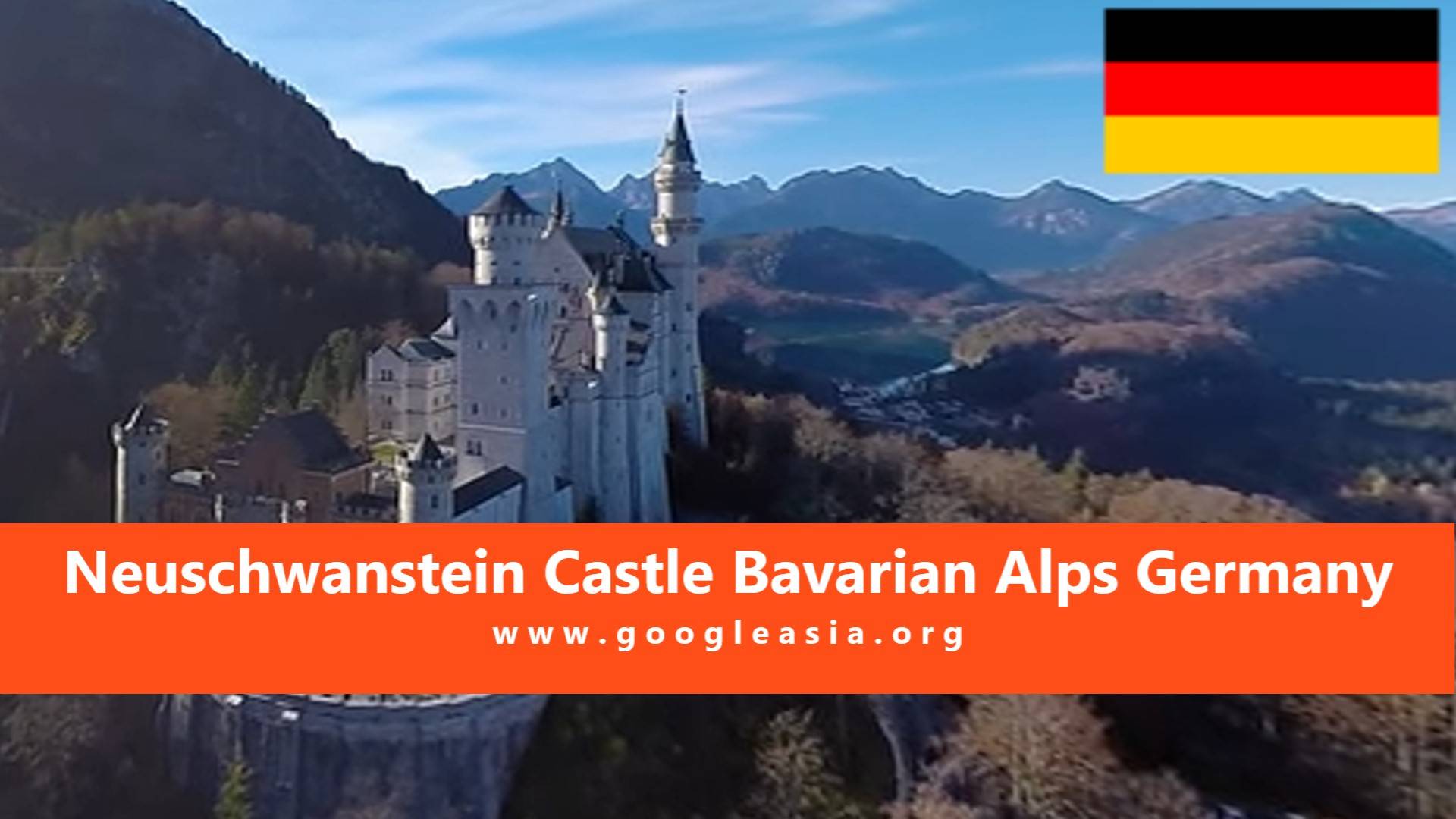
    5. Neuschwanstein Castle: While a bit farther away, Neuschwanstein Castle is an iconic Bavarian castle and a symbol of romantic architecture. It’s worth a visit for its fairy-tale-like appearance and scenic surroundings.
    6. Zwieselalm: A popular hiking destination, Zwieselalm offers breathtaking views of the surrounding mountains. Hikers can explore trails leading to alpine meadows and enjoy the serene natural beauty.
    7. Mittenwald: A picturesque town known for its colorful houses and violin-making tradition. Mittenwald is surrounded by mountains and is a great place for leisurely strolls and exploring local craftsmanship.
    8. Ettal Abbey (Kloster Ettal): A Benedictine monastery with a stunning baroque church and beautiful grounds. Visitors can tour the abbey, visit the church, and explore the nearby Ettal village.
    9. Grainau: A lovely village located near Zugspitze, Grainau offers traditional Bavarian charm and serves as a gateway to outdoor activities. It’s a starting point for hikes and has its own lake, the Eibsee.
    10. Murnau am Staffelsee: Known for its lakeside setting and artistic heritage, Murnau am Staffelsee offers a peaceful retreat with scenic landscapes. The town has connections to the art movement known as the “Blue Rider.” These nearby attractions complement the Zugspitze experience, providing a mix of natural beauty, cultural richness, and historical landmarks. Whether you’re interested in outdoor activities, charming towns, or exploring Bavaria’s cultural heritage, the Zugspitze region has much to offer.

    Is Zugspitze a suitable travel destination for solo adventurers, honeymooning couples, or those traveling with families?

    Zugspitze can be a suitable travel destination for a variety of travelers, including solo adventurers, honeymooning couples, and families. Here’s how Zugspitze caters to different types of travelers:

    1. Solo Adventurers:
      • Outdoor Activities: Solo adventurers can explore the numerous hiking trails, especially during the summer months. Zugspitze offers solo travelers the opportunity to immerse themselves in nature and enjoy outdoor activities.
      • Winter Sports: In the winter, solo travelers can engage in skiing, snowboarding, and other winter sports. The region’s snowy landscapes provide a picturesque setting for solo exploration.
    2. Honeymooning Couples:
      • Romantic Views: Zugspitze’s panoramic views and romantic alpine landscapes make it a charming destination for honeymooning couples. The breathtaking scenery and the serene atmosphere create a romantic ambiance.
      • Culinary Experiences: Couples can enjoy intimate dining experiences at mountain huts and restaurants, savoring local Bavarian and Tyrolean cuisine.
    3. Families:
      • Outdoor Adventures: Zugspitze offers a range of family-friendly outdoor activities, including hiking trails suitable for various skill levels. Families can explore the region together and enjoy the natural beauty.
      • Winter Fun: During the winter, families can partake in winter sports, and the surrounding areas provide opportunities for snowball fights and building snowmen.
    4. General Considerations:
      • Cross-Border Exploration: The location of Zugspitze, straddling the border between Germany and Austria, offers a unique cross-border adventure for all types of travelers.
      • Historical and Cultural Interest: Zugspitze’s historical significance, including its role during World War II, can interest travelers with a curiosity about history and culture.

    It’s important to note that Zugspitze’s appeal lies in its natural beauty and outdoor activities. While it may not be a bustling city destination, it provides a tranquil and scenic retreat for those seeking a mountainous escape. Travelers should consider the seasonal variations, with summer offering hiking opportunities and winter providing a snowy wonderland for winter sports enthusiasts. Additionally, families and couples can find enjoyment in the various attractions and activities Zugspitze has to offer.

    Why should you visit Zugspitze?

    Zugspitze, the highest peak in Germany, offers a spectacular destination for nature enthusiasts, adventure seekers, and those seeking breathtaking alpine views. Here are compelling reasons why you should visit Zugspitze:

    1. Panoramic Views: Enjoy unparalleled panoramic views from the summit, providing sweeping vistas of the Bavarian and Tyrolean Alps. On clear days, you can see as far as four countries: Germany, Austria, Switzerland, and Italy.
    2. Outdoor Activities: Zugspitze is a haven for outdoor activities, including hiking in the summer and skiing or snowboarding in the winter. The surrounding landscapes offer a diverse range of trails for all levels of hikers and skiers.
    3. Zugspitzbahn Railway: Experience the historic Zugspitzbahn, a cogwheel railway that takes you on a scenic journey to the summit. The railway has been in operation since 1930 and provides stunning views during the ascent.
    4. Eibsee Cable Car: Take the Eibsee Cable Car for a unique and breathtaking ride to Zugspitze. The cable car offers stunning views of the Eibsee Lake and the surrounding mountains.
    5. Ice Palace: Explore the fascinating Ice Palace, an underground cave with ice formations, sculptures, and tunnels. It provides a unique and otherworldly experience.
    6. Cross-Border Adventure: Zugspitze straddles the border between Germany and Austria, offering a cross-border adventure. You can enjoy the cultural diversity of both regions.
    7. Winter Wonderland: In the winter, Zugspitze transforms into a winter wonderland with opportunities for skiing, snowboarding, and other winter sports. The snow-covered landscapes add a magical touch to the surroundings.
    8. Historical Significance: Learn about the historical significance of Zugspitze, including its use as a strategic observation point during World War II. The summit has witnessed various historical events over the years.
    9. Eibsee Lake: Visit the picturesque Eibsee Lake, located at the base of Zugspitze. The crystal-clear waters and the reflection of the surrounding mountains create a stunning backdrop.
    10. Culinary Delights: Enjoy local Bavarian and Tyrolean cuisine at mountain huts and restaurants on the Zugspitze. Savor traditional dishes while taking in the stunning alpine scenery.

    Whether you’re a nature lover, adventure enthusiast, or someone seeking a serene escape, Zugspitze offers a diverse range of experiences throughout the year. From outdoor activities to cultural exploration and awe-inspiring views, Zugspitze is a destination that caters to a wide range of interests.

    How to go to Zugspitze?

    Reaching Zugspitze, the highest peak in Germany, involves a combination of transportation modes. Zugspitze can be accessed from the German side (Bavaria) or the Austrian side (Tyrol). Here’s a general guide on how to go to Zugspitze:

    From the German Side (Garmisch-Partenkirchen):

    **1. By Air:

    • The nearest major airport is Munich Airport (Flughafen München), located approximately 120 kilometers from Garmisch-Partenkirchen. From the airport, you can take a train or bus to Garmisch-Partenkirchen.

    2. By Train:

    • Garmisch-Partenkirchen has a train station with good rail connections. You can take a train from Munich or other major cities to Garmisch-Partenkirchen.

    3. By Car:

    • If driving, you can reach Garmisch-Partenkirchen by car. The town is well-connected by roads, and parking facilities are available.

    4. From Garmisch-Partenkirchen to Zugspitze:

    • From Garmisch-Partenkirchen, you can take the Zugspitze Railway (Zugspitzbahn) or the Eibsee Cable Car (Eibseeseilbahn) to reach the Zugspitze summit. Both options provide stunning views of the surrounding landscapes.

    From the Austrian Side (Ehrwald or Lermoos):

    1. By Air:

    • Innsbruck Airport (Flughafen Innsbruck) is the nearest major airport on the Austrian side. From Innsbruck, you can take a train or bus to Ehrwald or Lermoos.

    2. By Train or Bus:

    • From Innsbruck, you can take a train or bus to Ehrwald or Lermoos, both of which are Austrian towns near Zugspitze.

    3. By Car:

    • If driving, you can reach Ehrwald or Lermoos by car. Parking facilities are available in these towns.

    4. From Ehrwald or Lermoos to Zugspitze:

    • From Ehrwald, you can take the Ehrwalder Almbahn cable car to the Zugspitze. Alternatively, from Lermoos, the Grubigsteinbahn cable car provides access to the Zugspitze.

    On the Zugspitze:

    Once you arrive at the Zugspitze summit, you can enjoy panoramic views, engage in winter sports (if applicable), and explore the surrounding areas.

    It’s important to check the current transportation options, schedules, and any specific requirements based on the season and weather conditions, as Zugspitze is a popular destination for both winter and summer activities.

    How accessible is halal food in Zugspitze?

    Zugspitze, the highest peak in Germany, is a popular destination for skiing, hiking, and enjoying panoramic views. While Zugspitze is primarily known for its outdoor activities, finding halal food options in the area may require some consideration. Here are a few tips:

    1. Mountain Huts and Restaurants:
      • Zugspitze has mountain huts and restaurants around the summit and nearby areas. While they may not explicitly offer halal menus, some places might have vegetarian or seafood options that adhere to certain dietary restrictions.
    2. Communicate Dietary Preferences:
      • When dining in restaurants or mountain huts, it’s advisable to communicate your dietary preferences, including halal requirements, to the staff. They may be able to provide information about suitable menu choices or make adjustments to accommodate your needs.
    3. Bring Your Own Snacks:
      • To ensure you have halal options, consider bringing some pre-packaged halal snacks or meals with you. This can be particularly helpful during outdoor activities when dining choices may be limited.
    4. Check with Accommodations:
      • If you are staying in accommodations around Zugspitze, such as hotels or lodges, inquire with the staff about the availability of halal options or if they can guide you to nearby restaurants that cater to specific dietary requirements.
    5. Explore Nearby Towns:
      • Zugspitze is surrounded by towns and villages in the Bavarian Alps. Consider exploring nearby towns where you may find a more diverse range of dining options, including those that offer halal cuisine.

    It’s important to note that Zugspitze is primarily known for its outdoor and adventure activities, and the dining options on the mountain itself may be limited compared to larger towns or cities. Planning ahead, bringing snacks, and communicating with local establishments can contribute to a more comfortable dining experience for those seeking halal food options.

  • Heidelberg Castle, Germany: Ultimate Travel Guide & Tips

    Heidelberg Castle, Germany: Ultimate Travel Guide & Tips

    Heidelberg Castle, Germany

    Heidelberg Castle is one of the most iconic landmarks in Germany, perched high on a hill overlooking the city. Built in the early 1400s, it has been home to many aristocrats, suffered several fires and wars, and was eventually abandoned. Today, visitors can explore the ruins, take in the beautiful view, and enjoy a traditional meal at one of the on-site restaurants.

    Introduction

    Heidelberg Castle, nestled in the charming city of Heidelberg, Germany, stands as a testament to centuries of history and architectural splendor. This iconic landmark has captured the imaginations of visitors worldwide, offering a glimpse into the region’s rich past and enduring cultural significance.

    History and Architecture

    Origins and Construction

    Heidelberg Castle’s origins trace back to the 13th century when construction began under the rule of the Counts Palatine of the Rhine. Over the centuries, it underwent numerous reconstructions and expansions, blending Gothic and Renaissance styles. Despite facing destruction from wars, earthquakes, and fires, each setback was met with resilient restoration efforts, preserving its grandeur.

    Architectural Highlights

    • Gothic Influence: Initial structures reflected Gothic architecture, characterized by pointed arches and intricate stonework.
    • Renaissance Additions: Later expansions introduced Renaissance elements, such as symmetrical designs and classical motifs.
    • Palatinate and Free Imperial Palace: The castle comprises two major complexes, each serving distinct administrative and residential functions.

    Features and Attractions

    Cultural Significance

    Heidelberg Castle is revered not only for its architectural beauty but also as a symbol of Heidelberg’s cultural heritage. It has inspired artists, poets, and scholars throughout history, contributing to its status as a cultural icon in Germany.

    Visitor Experience

    • Public Access: Visitors can explore the castle grounds, including the ruins of the German Youth Hostel and a restaurant offering panoramic views.
    • Terrace: The castle boasts a terrace accessible to the public, providing stunning vistas of Heidelberg and the Neckar River valley.

    Tourism and Legacy

    Heidelberg Castle is among the most visited castles in Germany, attracting tourists from around the globe. Its majestic presence atop the Königstuhl hill offers a picturesque backdrop to the cityscape below, making it a favorite among history enthusiasts and sightseers alike.

    Conservation Efforts and Future Prospects

    Preservation Efforts

    • Restoration Projects: Ongoing conservation initiatives ensure the castle’s structural integrity and historical authenticity.
    • Educational Programs: The castle serves as an educational site, offering insights into medieval architecture and historical preservation.

    Future Outlook

    As a symbol of resilience and cultural pride, Heidelberg Castle continues to evolve, adapting to modern tourism while honoring its storied past. Its role as a cultural beacon in Heidelberg remains steadfast, promising future generations an enriching glimpse into Europe’s architectural and historical tapestry.

    Things to Do

    Heidelberg Castle, perched majestically above the Neckar River, offers visitors a wealth of historical intrigue and scenic beauty. Whether you’re a history buff, a culture enthusiast, or simply seeking breathtaking views, the castle promises a memorable experience.

    Visit the Historic Great Hall and Heidelberg Tun

    Overview

    The Historic Great Hall within Heidelberg Castle is a testament to medieval grandeur. Here, visitors can marvel at the architecture and historical artifacts, including the famed Heidelberg Tun, one of the world’s largest wine barrels.

    Features

    • Great Hall: Admire the medieval architecture and intricate details.
    • Heidelberg Tun: View the colossal wine barrel, steeped in local folklore and history.

    Tour the Palace and Gardens

    Overview

    Explore the expansive palace grounds and meticulously maintained gardens, offering a glimpse into centuries of aristocratic life and Renaissance aesthetics.

    Features

    • Palace Tour: Wander through the opulent chambers and romantic courtyards.
    • Gardens: Stroll through the colorful court garden, complete with fountains and pavilions.

    Climb the Spiral Staircase or Take the Cable Car

    Overview

    Ascend to the castle’s summit for panoramic views of Heidelberg and the Neckar River valley, either via the historic spiral staircase or the modern cable car.

    Features

    • Spiral Staircase: Experience the medieval charm of the castle’s original stairway.
    • Cable Car: Enjoy a scenic ride offering aerial perspectives of the castle and surrounding landscape.

    Attend Guided Tours and Cultural Events

    Overview

    Immerse yourself in the castle’s rich history and cultural offerings through guided tours and seasonal events that celebrate Heidelberg’s vibrant heritage.

    Features

    • Night Watchman Tour: Join an engaging tour to discover tales of medieval life and folklore.
    • Museum Visit: Explore the castle’s museum, showcasing artifacts and narratives of its storied past.
    • Events: Participate in festivals like the Christmas Market, Medieval Festival, and Wine Festival for a taste of local traditions and flavors.

    Enjoy Views from the Castle’s Terrace

    Overview

    Unwind on the castle’s terrace, offering unparalleled views of Heidelberg’s skyline, the Neckar River, and the sprawling palace grounds.

    Features

    • Panoramic Views: Capture memorable photos of Heidelberg’s iconic landmarks from a vantage point atop the castle.
    • Relaxation: Take a moment to savor the serene atmosphere and scenic beauty surrounding the castle.

    Foods

    Heidelberg Castle not only offers a rich historical experience but also tantalizes visitors with a variety of delicious German dishes. From hearty meats to delectable desserts, the castle’s culinary offerings are sure to satisfy every palate.

    Schäufele: Smoked Pork Shoulder

    Overview

    Schäufele is a traditional German dish featuring smoked pork shoulder, typically served with savory dumplings and tangy potato salad. It’s a hearty meal that reflects the region’s love for robust flavors and comforting fare.

    Attributes

    • Ingredients: Smoked pork shoulder, dumplings, potato salad.
    • Flavors: Rich, smoky, savory.

    Spätzle: German Egg Noodles

    Overview

    Spätzle are soft egg noodles, often paired with cheese, onions, and bacon. This beloved dish showcases the simplicity and heartiness of German cuisine, perfect for soaking up flavorful sauces.

    Attributes

    • Ingredients: Egg noodles, cheese, onions, bacon.
    • Preparation: Boiled and often pan-fried for a crispy texture.
    • Serving Style: Accompaniment to meats or served as a main dish.

    Wine-Sausage: Regional Delicacy

    Overview

    Wine-sausage is a premium pork sausage infused with the flavors of regional white wine. It’s a savory treat that highlights the culinary craftsmanship and local ingredients of the Heidelberg area.

    Attributes

    • Ingredients: Pork, regional white wine.
    • Texture: Juicy and flavorful.
    • Pairing: Perfect with mustard and freshly baked bread.

    Sauerbraten: Marinated Roast

    Overview

    Sauerbraten is a marinated beef or pork roast, slow-cooked to tender perfection and served with a rich, tangy gravy. It’s a classic German dish that embodies the tradition of hearty, satisfying meals.

    Attributes

    • Marination: Vinegar-based marinade for tenderizing.
    • Flavors: Tangy, savory, robust.
    • Accompaniments: Often served with red cabbage and potato dumplings.

    Zigeunerschnitzel: Crispy Pork Cutlets

    Overview

    Zigeunerschnitzel consists of crispy pork cutlets topped with a spicy tomato and pepper sauce. It’s a flavorful dish that combines the crispiness of the schnitzel with the zesty tang of the sauce.

    Attributes

    • Ingredients: Pork cutlets, tomato, peppers.
    • Preparation: Breaded and fried until golden.
    • Sauce: Spiced tomato and pepper sauce.

    Schweriner Wurst: Hunter’s Sausage

    Overview

    Schweriner Wurst is a Hunter’s Sausage made from ground pork, spices, and pieces of liver. It’s a savory delight often enjoyed as part of a charcuterie platter or as a standalone snack.

    Attributes

    • Ingredients: Ground pork, spices, liver.
    • Texture: Firm and flavorful.
    • Pairing: Ideal with mustard and fresh bread.

    Käsekuchen: German Cheesecake

    Overview

    Käsekuchen is a creamy German cheesecake known for its rich texture and delightful blend of cheese, eggs, and sugar. It’s a decadent dessert that satisfies sweet cravings.

    Attributes

    • Ingredients: Cheese, eggs, sugar.
    • Texture: Creamy and smooth.
    • Flavors: Mildly sweet with a hint of tanginess.

    Tarte Flambée: Alsatian Specialty

    Overview

    Tarte Flambée is a traditional dish from Alsace, featuring thinly sliced onions, bacon, and crème fraîche atop a thin, crispy crust. It’s a savory treat that pairs well with local wines.

    Attributes

    • Ingredients: Onions, bacon, crème fraîche.
    • Preparation: Baked until crust is crispy.
    • Serving Style: Cut into squares for sharing.

    Metzgerplatte: Charcuterie Platter

    Overview

    Metzgerplatte is a cold dish consisting of a variety of charcuterie items such as sausages, salamis, and cured ham. It’s perfect for sharing and sampling different flavors of the region.

    Attributes

    • Selection: Assorted sausages, salamis, cured ham.
    • Presentation: Arranged on a platter with pickles and mustard.
    • Accompaniments: Bread or pretzels.

    Lebkuchen: Traditional German Cookies

    Overview

    Lebkuchen are traditional German cookies flavored with almonds and spices like cinnamon and cloves. They’re a beloved holiday treat that complements a cup of coffee or tea.

    Attributes

    • Ingredients: Almonds, spices (cinnamon, cloves).
    • Texture: Soft and chewy.
    • Seasonality: Often enjoyed during Christmas markets.

    Hotels

    Heidelberg Castle, a symbol of historical grandeur, attracts visitors from around the world. Choosing the right accommodation near the castle ensures a memorable stay amidst the charm of this picturesque city.

    Schlosshotel Heidelberg

    Overview

    Schlosshotel Heidelberg offers a luxurious retreat in close proximity to Heidelberg Castle. Nestled amidst scenic hills, this hotel provides elegant rooms with breathtaking views of the castle. Guests can unwind at the on-site spa or relax on the rooftop terrace featuring a hot tub.

    Attributes

    • Location: Heart of Heidelberg, near the castle.
    • Rooms: Stunning views, luxurious amenities.
    • Facilities: Spa, rooftop terrace with hot tub.

    Hotel Augustinenhof

    Overview

    Located near Heidelberg Castle, Hotel Augustinenhof charms guests with its elegant rooms offering panoramic views of the city. The hotel features an indoor pool, fitness center, and sauna, providing relaxation after exploring the castle and surrounding attractions.

    Attributes

    • Location: Near Heidelberg Castle, panoramic city views.
    • Rooms: Elegant décor, modern amenities.
    • Facilities: Indoor pool, fitness center, sauna.

    Holiday Inn Heidelberg-Handschuhsheim

    Overview

    Situated in the leafy Handschuhsheim neighborhood, Holiday Inn Heidelberg-Handschuhsheim offers modern comfort just minutes from the Old Town and Heidelberg Castle. Guests enjoy amenities such as free Wi-Fi, a heated indoor pool, and easy access to local attractions.

    Attributes

    • Location: Handschuhsheim neighborhood, near Old Town.
    • Rooms: Modern design, comfortable accommodations.
    • Facilities: Free Wi-Fi, heated indoor pool.

    Leonardo Hotel Heidelberg

    Overview

    Leonardo Hotel Heidelberg provides a rustic charm in a 19th-century villa setting, offering a peaceful environment near the Old Town and Heidelberg Castle. Guests appreciate the delightful breakfast, free parking, and spa area with a sauna.

    Attributes

    • Location: Peaceful setting, 10-minute walk to Old Town.
    • Rooms: Rustic décor, comfortable amenities.
    • Facilities: Breakfast, free parking, spa area with sauna.

    Crowne Plaza Heidelberg City Centre

    Overview

    Located just minutes away from the Old Town and Heidelberg Castle, Crowne Plaza Heidelberg City Centre offers chic accommodations with modern suites boasting city views. Guests enjoy the on-site spa, fitness center, and convenient access to local attractions.

    Attributes

    • Location: Near Old Town and Heidelberg Castle.
    • Rooms: Modern suites, city views.
    • Facilities: On-site spa, fitness center.

    Conclusion

    Choosing the best hotel near Heidelberg Castle ensures both convenience and comfort during your visit to this historic city. Whether you prefer the luxurious amenities of Schlosshotel Heidelberg, the elegant charm of Hotel Augustinenhof, the modern comforts of Holiday Inn Heidelberg-Handschuhsheim, the rustic ambiance of Leonardo Hotel Heidelberg, or the chic accommodations of Crowne Plaza Heidelberg City Centre, each hotel offers a unique experience that complements the beauty and allure of Heidelberg Castle. Enjoy your stay amidst the historic charm and modern conveniences of these exceptional accommodations.

    Heidelberg Castle Most Iconic Landmarks in Germany

    Summary

    • Attraction: Heidelberg Castle Most Iconic Landmarks
    • Country: Germany
    • Continent: Europe
    • Capital Name: Berlin
    • Language: German (official), English
    • Currency: Euro
    • Nationality: Germans (German: Deutsche)
    • Category: #Destination #Europe #GERMANY 

    Frequently Asked Questions

    What are Heidelberg Castle’s must-visit attractions or landmarks?

    Heidelberg Castle boasts several must-visit attractions and landmarks within its historic grounds:

    1. Great Heidelberg Tun: Marvel at the Great Heidelberg Tun, one of the largest wine barrels in the world. This enormous barrel has a capacity of approximately 219,000 liters and is an iconic feature within the castle.
    2. Ottheinrich Building: Explore the Ottheinrich Building, a Renaissance-style structure that served as the residence of Elector Ottheinrich. It features impressive architecture and houses the German Pharmacy Museum.
    3. Friedrich Building: Visit the Friedrich Building, another section of the castle complex, which includes the Elizabeth Gate and the Hortus Palatinus, a terraced garden that was part of a Renaissance landscaping project.
    4. Heidelberg Castle Gardens: Enjoy the picturesque castle gardens, offering beautiful green spaces, terraces, and scenic views of the Neckar Valley. The gardens provide a peaceful retreat within the castle grounds.
    5. Heidelberg Tun Antechamber: Step into the antechamber adjacent to the Great Heidelberg Tun, featuring intricate woodwork and decorative elements. It serves as an impressive entrance to the barrel room.
    6. Ottheinrichsbau Kitchen: Visit the Ottheinrichsbau Kitchen, an area that once housed the castle’s kitchen facilities. The kitchen exhibits historical culinary tools and provides insights into medieval cooking practices.
    7. Heidelberg Castle Terrace: Take in panoramic views from the Heidelberg Castle Terrace, offering a stunning vantage point overlooking the city of Heidelberg and the Neckar River.
    8. St. George’s Fountain: Admire St. George’s Fountain, a Renaissance-style fountain located in the courtyard. The fountain features a statue of St. George slaying the dragon.
    9. Frederick V Building: Explore the Frederick V Building, a section of the castle complex named after Elector Frederick V. This building includes the English Building and the Winter Building.
    10. Casemates (Souterrains): Venture into the castle’s casemates, underground passages and vaults that served various purposes, including storage and defense. The casemates provide a glimpse into the castle’s military history.
    11. Elizabeth Gate: Pass through the Elizabeth Gate, an ornate entrance to the castle complex. It is part of the Friedrich Building and showcases intricate Renaissance architecture.

    These attractions collectively offer a comprehensive experience of Heidelberg Castle’s history, architecture, and cultural significance. Visitors can immerse themselves in the rich heritage of this iconic landmark.

    What are Heidelberg Castle’s nearby must-visit attractions or landmarks?

    Heidelberg Castle is situated in a picturesque setting, and there are several nearby must-visit attractions and landmarks in the charming city of Heidelberg:

    1. Old Town (Altstadt): Explore the historic Old Town, with its cobblestone streets, charming squares, and well-preserved medieval architecture. The Old Town is home to the Karl Theodor Bridge, also known as the Old Bridge, offering scenic views of the castle.
    2. Karl Theodor Bridge (Alte Brücke): Stroll across the Karl Theodor Bridge, a beautiful and iconic pedestrian bridge spanning the Neckar River. It provides an excellent vantage point for capturing panoramic views of Heidelberg Castle.
    3. Philosophers’ Walk (Philosophenweg): Take a leisurely walk along the Philosophers’ Walk, a scenic path on the opposite side of the Neckar River. It offers panoramic views of the city, the castle, and the surrounding landscape.
    4. Heidelberg University: Visit Heidelberg University, one of the oldest universities in Germany, founded in 1386. The university’s campus includes the historic Old University building and the Studentenkarzer, a former student prison with graffiti-covered walls.
    5. Heiliggeistkirche (Church of the Holy Spirit): Explore the Heiliggeistkirche, a Gothic church located in the heart of the Old Town. The church features impressive architecture and houses the tombs of past Palatinate electors.
    6. Hauptstraße (Main Street): Wander along Hauptstraße, Heidelberg’s main street, lined with shops, cafes, and historical buildings. It’s a vibrant area for shopping, dining, and soaking in the city’s atmosphere.
    7. Studentenkarzer (Student Prison): Visit the Studentenkarzer, a historic student prison where mischievous students were once confined. The walls are adorned with humorous and artistic student graffiti.
    8. Marktplatz (Market Square): Experience the lively atmosphere of Marktplatz, the central market square in the Old Town. The square is surrounded by colorful buildings and often hosts events and markets.
    9. Church of the Holy Ghost (Heiliggeistkirche): Explore the Church of the Holy Ghost, a beautiful medieval church with a rich history. The church’s tower provides panoramic views of the city.
    10. Heidelberg Zoo: For those interested in wildlife, Heidelberg Zoo is located on the opposite side of the Neckar River. It’s a family-friendly attraction with a variety of animals and exhibits.

    These nearby attractions complement the visit to Heidelberg Castle, creating a well-rounded experience of the city’s history, culture, and natural beauty.

    Why should you visit Heidelberg Castle?

    Heidelberg Castle, with its rich history and stunning architecture, is a must-visit destination for several compelling reasons:

    1. Historical Significance: Heidelberg Castle is a symbol of German Romanticism and boasts a history dating back to the 13th century. It has played a pivotal role in German history and witnessed various cultural and political changes.
    2. Architectural Marvel: The castle showcases a blend of architectural styles, including Gothic, Renaissance, and Baroque. Its impressive structure and detailed design make it a captivating sight for architecture enthusiasts.
    3. Panoramic Views: Perched on the Königstuhl hill, the castle offers breathtaking panoramic views of the city of Heidelberg, the Neckar River, and the surrounding hills. The scenery from the castle grounds is particularly picturesque.
    4. Great Heidelberg Tun: Within the castle, visitors can marvel at the “Great Heidelberg Tun,” one of the largest wine barrels in the world. This enormous barrel has become a famous attraction within the castle walls.
    5. Historical Collections: The castle houses the German Pharmacy Museum, showcasing the history of pharmacy and medicine. Additionally, the castle’s interiors feature collections of art, furniture, and artifacts, providing insights into different periods.
    6. Gardens and Courtyards: Explore the castle’s beautiful gardens and courtyards, offering peaceful settings and charming green spaces. The gardens provide a serene escape with lovely views of the surrounding landscape.
    7. Cultural Events: Heidelberg Castle hosts various cultural events, concerts, and performances throughout the year. The castle’s courtyard serves as a unique venue for these events, adding a cultural touch to your visit.
    8. Walking Trails and Funicular Ride: Enjoy scenic walks around the castle grounds and nearby trails. You can also take the Bergbahn funicular railway for a delightful ride up to the castle, providing additional views of Heidelberg.
    9. Old Town Connection: The castle is closely linked to Heidelberg’s charming Old Town (Altstadt). Visitors can stroll through the historic streets, visit the Karl Theodor Bridge, and explore the town’s cultural and culinary offerings.
    10. Photographic Opportunities: Heidelberg Castle offers numerous photo opportunities, capturing the majestic architecture, beautiful surroundings, and the romantic ambiance that characterizes the region.

    Whether you’re interested in history, architecture, or simply seeking a picturesque and cultural experience, Heidelberg Castle provides a compelling destination with a unique blend of charm and significance.

    How to go to Heidelberg Castle?

    To reach Heidelberg Castle, you can follow these general directions. Keep in mind that transportation options may vary, and it’s recommended to check for the latest information based on your starting location and the current local conditions:

    By Car:

    1. From Heidelberg City Center:
      • Navigate towards the Old Town (Altstadt) of Heidelberg.
      • Follow signs to the castle or use GPS navigation to reach the castle’s parking area.
      • There is a parking lot near the castle, from where you can walk to the entrance.

    By Public Transportation:

    1. From Heidelberg Main Station:
      • Take a bus or tram from the Heidelberg Hauptbahnhof (main station) to the “Bismarckplatz” station.
      • From Bismarckplatz, you can transfer to Bus 33 or 34, which takes you directly to Heidelberg Castle.
    2. By Funicular Railway:
      • You can take the Bergbahn funicular railway, also known as the Heidelberger Bergbahnen, from Kornmarkt in the Old Town.
      • The funicular will take you up to the castle, offering scenic views along the way.

    On Foot:

    1. From Heidelberg Old Town:
      • You can enjoy a scenic walk from the Old Town to Heidelberg Castle.
      • Follow the signs or ask locals for directions to the castle. The walk provides picturesque views of the city and the Neckar River.

    Guided Tours:

    1. Organized Tours:
      • Consider joining a guided tour that includes transportation to Heidelberg Castle. Many tour operators offer comprehensive packages.

    Important Tips:

    • Check Local Transportation:
      • Verify the current bus or tram schedules if you plan to use public transportation.
    • Parking Information:
      • If driving, check the availability of parking near the castle and any associated fees.
    • Opening Hours:
      • Confirm the opening hours of Heidelberg Castle before planning your visit.
    • Weather Conditions:
      • Be prepared for varying weather conditions, especially if walking or taking outdoor transportation.

    Always check for the most up-to-date information, as transportation options and schedules may change. Additionally, consider any COVID-19-related guidelines or restrictions that may affect your travel plans.

    Are there any halal food options near the Heidelberg Castle?

    Heidelberg Castle is located in the historic city of Heidelberg, Germany. While the availability of halal food options can vary, especially in a predominantly non-Muslim area, it’s possible to find restaurants or eateries offering halal choices near the Heidelberg Castle. Here are a few suggestions:

    1. Explore the Old Town (Altstadt):
      • The Old Town of Heidelberg, where the castle is situated, has a variety of restaurants and cafes. Some establishments may offer halal options or vegetarian choices that align with dietary preferences.
    2. Ask Locals or Restaurant Staff:
      • Inquire with locals or the staff at nearby restaurants about halal food options. They can provide recommendations or guide you to places that accommodate halal dietary requirements.
    3. International Cuisine Restaurants:
      • Restaurants serving international cuisine, such as Middle Eastern, Mediterranean, or Asian, may offer halal options. Check with the restaurant staff or review their menu to identify suitable choices.
    4. Use Online Platforms:
      • Utilize online platforms and review websites to find restaurants in the vicinity of Heidelberg Castle. Look for reviews or information specifically mentioning halal options.
    5. Halal Food Apps:
      • Consider using halal food apps or websites that provide information about halal restaurants and eateries. These platforms can be helpful in identifying suitable dining options. Remember to communicate your dietary preferences clearly with the restaurant staff to ensure that your food meets halal standards. Additionally, the availability of halal options may change, so it’s advisable to check recent reviews or contact the establishments directly for the latest information
  • Miniatur Wunderland, Germany: Travel Guide & Tips

    Miniatur Wunderland, Germany: Travel Guide & Tips

    Miniatur Wunderland, Germany

    Miniatur Wunderland in Hamburg is home to the world’s largest model railway, encompassing more than 16,000 metres of track. The model railway is populated with over 9,000 tiny locomotives, buildings and landscapes, giving visitors an exciting and entertaining tour through various sections of the world.

    Introduction

    Miniatur Wunderland in Hamburg, Germany, stands as a marvel of miniature engineering and immersive storytelling. This iconic attraction offers visitors a chance to explore detailed replicas of German cities and landscapes, complete with interactive elements that bring the miniature world to life.

    Concept and Layout

    Miniatur Wunderland is a vast complex featuring meticulously crafted miniature replicas of Germany’s streets, cities, and landmarks. The attraction boasts intricate model railway layouts, a simulated airport, and dynamic landscapes that capture the essence of each region.

    Features

    • Miniature Replicas: Detailed models of German cities and landmarks.
    • Interactive Elements: Soundscapes, light shows, and motion simulation rides.
    • Railway Systems: Real trains running through the model layouts.

    Immersive Mini-Germany

    Miniatur Wunderland offers a sensory journey through miniaturized Germany, where visitors can experience the sights, sounds, and even smells of iconic German locales.

    • Sights: Authentic miniature German landmarks and architecture.
    • Sounds: Ambient soundscapes that enhance the realism.
    • Smells: Simulated scents to evoke a sense of place.

    Interactive Railway Systems

    One of the highlights of Miniatur Wunderland is its interactive railway systems, where visitors can watch real trains traverse the intricate model landscapes.

    • Realism: Precision-engineered railway layouts.
    • Movement: Trains running on schedules, mimicking real-world operations.
    • Engagement: Opportunities for hands-on interaction with railway controls.

    Simulated Airport Experience

    The simulated airport within Miniatur Wunderland offers a unique glimpse into aviation operations, complete with miniature planes, terminals, and bustling airport activities.

    • Detail: Authentically recreated airport environments.
    • Activity: Miniature planes taxiing, taking off, and landing.
    • Atmosphere: Busy airport ambiance with ground crews and passenger activities.

    Popularity and Visitor Experience

    Miniatur Wunderland is renowned as one of the most popular tourist attractions in northern Germany, drawing visitors from around the world to marvel at its miniature wonders.

    • Appeal: All-ages attraction with something for everyone.
    • Accessibility: Easily accessible location in Hamburg.
    • Entertainment Value: Engaging exhibits and activities for hours of exploration.

    Things to Do

    Miniatur Wunderland in Hamburg, Germany, is a captivating destination that offers visitors a chance to immerse themselves in intricate miniature worlds. From expansive model railway systems to detailed replicas of international landmarks, the attraction promises an unforgettable experience.

    Guided Tours of Model Worlds

    Overview

    Embark on a guided tour through Miniatur Wunderland’s intricate model worlds, where knowledgeable guides provide insights into the craftsmanship and stories behind each miniature scene.

    Attributes

    • Expertise: Guided tours led by knowledgeable guides.
    • Education: Learn about the artistry and engineering behind the miniatures.
    • Engagement: Interactive explanations and behind-the-scenes details.

    Explore the Model Railway System

    Overview

    Miniatur Wunderland boasts a spectacular model railway system spanning over 11,000 meters of track, showcasing diverse landscapes and operational trains that mimic real-world railways.

    Attributes

    • Scale: Intricate details of miniature cities, countryside, and industrial areas.
    • Movement: Trains running on schedules, crossing bridges, and passing through tunnels.
    • Variety: Different regions and themes represented through railway layouts.

    Northern German Elbe Valley

    Overview

    Witness the Northern German Elbe Valley, covering an expansive area of 10,000 square meters within Miniatur Wunderland. Experience the charm of northern German landscapes and architecture in miniature form.

    Attributes

    • Scale: Detailed replication of northern German cities and countryside.
    • Scenery: Rivers, forests, and urban developments authentically recreated.
    • Accuracy: Architectural landmarks and cultural nuances captured in miniature.

    Venice Canals and Hamburg Harbour

    Overview

    Admire the intricate details of the Venice Canals, where miniature gondolas glide through waterways lined with iconic Venetian architecture. Experience the bustling life of Hamburg Harbour with miniature ships and waterfront activities.

    Attributes

    • Detail: Miniature replicas of Venetian buildings, bridges, and gondolas.
    • Activity: Animated scenes of ships, cranes, and harbor life in Hamburg.
    • Atmosphere: Captures the essence of both Venice and Hamburg waterfronts.

    Simulated Airport Experience

    Overview

    Get a glimpse into the daily operations of a large airport within Miniatur Wunderland. Marvel at miniature planes taxiing, taking off, and landing at a bustling airport terminal.

    Attributes

    • Realism: Miniature airport infrastructure and aircraft.
    • Activity: Dynamic scenes of airport operations, including ground crews and passenger activity.
    • Technology: Automated movements and realistic sound effects.

    Albula Railway in Switzerland and American Landscapes

    Overview

    Explore Switzerland’s scenic Albula Railway, featuring miniature trains traversing mountainous landscapes and iconic Swiss villages. Experience the grandeur of American landscapes with replicas of Las Vegas and the Grand Canyon.

    Attributes

    • Scenery: Swiss Alps, charming villages, and American natural wonders.
    • Culture: Miniature replicas capturing local architecture and landmarks.
    • Imagination: Transported to different continents through detailed miniature scenes.

    4D Movie Experience: “A Day in Miniatur Wunderland”

    Overview

    Enjoy a multisensory adventure with the 4D movie experience, “A Day in Miniatur Wunderland,” combining 3D visuals with special effects like wind, water sprays, and seat movements to enhance the cinematic journey.

    Attributes

    • Engagement: Immersive storytelling through multimedia technology.
    • Experience: Interactive elements that synchronize with the film’s narrative.
    • Entertainment: Delightful experience for all ages, adding depth to the Miniatur Wunderland visit.

    Foods

    Miniatur Wunderland in Hamburg, Germany, not only offers captivating miniature worlds but also tantalizes visitors with a selection of delicious German foods. Here are some of the best food items to savor during your visit:

    Currywurst with French Fries

    Overview

    Currywurst is a quintessential German street food featuring grilled or fried pork sausage, sliced and smothered in curry ketchup. Served alongside crispy French fries, it’s a hearty and flavorful treat.

    Attributes

    • Ingredients: Pork sausage, curry ketchup, French fries.
    • Flavors: Savory, slightly spicy from the curry.
    • Traditional Snack: Popular across Germany for its satisfying flavors.

    German Pretzel

    Overview

    The German Pretzel, or “Brezel,” is a classic baked pastry known for its distinctive knot-like shape and crispy exterior. Enjoyed with mustard or butter, it’s a delightful snack or accompaniment to beer.

    Attributes

    • Texture: Crispy on the outside, soft and chewy inside.
    • Flavor: Salty with a hint of sweetness from the dough.
    • Cultural Significance: Symbolic in German cuisine and culture.

    Bavarian Bratwurst

    Overview

    Bavarian Bratwurst is a savory sausage made from finely minced pork or veal, seasoned with spices like marjoram, nutmeg, and white pepper. Grilled to perfection, it’s a staple at German festivals and markets.

    Attributes

    • Ingredients: Pork or veal, spices.
    • Preparation: Grilled or pan-fried.
    • Flavor Profile: Juicy and flavorful with hints of spice.

    Kartoffelpuffer

    Overview

    Kartoffelpuffer, also known as potato pancakes, are crispy fried pancakes made from grated potatoes mixed with eggs, flour, and onions. Served with applesauce or sour cream, they’re a savory delight.

    Attributes

    • Ingredients: Potatoes, eggs, flour, onions.
    • Texture: Crispy exterior, tender inside.
    • Serving: Often enjoyed as a side dish or snack.

    Rote Grütze

    Overview

    Rote Grütze is a traditional German dessert made from a variety of red berries, such as strawberries, raspberries, and red currants, cooked with sugar and thickened with starch. Served cold with vanilla sauce or whipped cream, it’s a refreshing sweet treat.

    Attributes

    • Ingredients: Red berries, sugar, starch.
    • Flavor: Sweet-tart from the berries, enhanced by creamy accompaniments.
    • Seasonality: Popular in summer when berries are in season.

    Sausage and Potato Salad

    Overview

    Sausage and Potato Salad, or “Wurstsalat,” is a hearty dish featuring slices of German sausage tossed with potatoes, onions, and a tangy vinegar-based dressing. It’s a satisfying meal or appetizer.

    Attributes

    • Ingredients: Sausage, potatoes, onions, vinegar dressing.
    • Flavor Profile: Tangy from the dressing, savory from the sausage.
    • Traditional Dish: Enjoyed across Germany with regional variations.

    Potato Soup

    Overview

    Potato Soup, or “Kartoffelsuppe,” is a comforting dish made from potatoes simmered with vegetables, herbs, and sometimes bacon or sausage. Served hot, it’s a warming option on chilly days.

    Attributes

    • Ingredients: Potatoes, vegetables, herbs, optional bacon or sausage.
    • Texture: Creamy and hearty.
    • Flavor: Savory with hints of herbs and smokiness.

    Dampfnudeln

    Overview

    Dampfnudeln are steamed German dumplings made from yeast dough, often served with vanilla sauce or fruit compote. They’re soft, fluffy, and perfect for satisfying a sweet tooth.

    Attributes

    • Ingredients: Yeast dough, served with vanilla sauce or fruit compote.
    • Texture: Soft and airy.
    • Flavor: Mildly sweet with a hint of yeastiness.

    Sweet Apple Fritters

    Overview

    Sweet Apple Fritters, or “Apfelküchle,” are slices of apple dipped in batter and fried until golden and crispy. Served dusted with powdered sugar, they’re a delightful dessert or snack.

    Attributes

    • Ingredients: Apple slices, batter, powdered sugar.
    • Preparation: Fried until crispy.
    • Flavor: Sweet and fruity.

    Lebkuchen (Gingerbread)

    Overview

    Lebkuchen is traditional German gingerbread flavored with honey, almonds, and spices such as cinnamon, cloves, and nutmeg. It’s often decorated with icing and enjoyed during festive seasons.

    Attributes

    • Ingredients: Honey, almonds, spices.
    • Texture: Soft and chewy.
    • Flavor: Rich with warm spices and sweetness from honey.

    Hotels

    Miniatur Wunderland in Hamburg, Germany, is a captivating attraction that draws visitors from around the world. Choosing the right accommodation nearby ensures convenience and comfort during your visit. Here are some of the best hotels to consider:

    Slavery City Hotel – Hamburg

    Overview

    Located in the heart of Hamburg, Slavery City Hotel offers modern accommodations with stylish décor and amenities. It’s conveniently situated for exploring Miniatur Wunderland and other attractions in the city.

    Attributes

    • Location: Central Hamburg, near Miniatur Wunderland.
    • Rooms: Contemporary design, comfortable furnishings.
    • Facilities: Restaurant, bar, fitness center.

    Park Hyatt Hamburg

    Overview

    Park Hyatt Hamburg is a luxurious hotel offering elegant rooms and suites overlooking the city or inner courtyard. It provides a tranquil retreat with spa services and gourmet dining options.

    Attributes

    • Location: Central Hamburg, short distance to Miniatur Wunderland.
    • Rooms: Spacious and luxurious, city views.
    • Facilities: Spa, restaurant, rooftop terrace.

    Hotel Atlantic Kempinski

    Overview

    Hotel Atlantic Kempinski is an iconic hotel with a rich history and classic charm. Located near the Alster Lake, it offers grand rooms and suites, fine dining, and impeccable service.

    Attributes

    • Location: Near Alster Lake, accessible to Miniatur Wunderland.
    • Rooms: Elegant décor, luxurious amenities.
    • Facilities: Michelin-starred restaurant, spa, fitness center.

    Grand Elysée Hamburg

    Overview

    Grand Elysée Hamburg is a sophisticated hotel with spacious rooms and suites, complemented by extensive wellness facilities including a pool and sauna. It’s ideal for both leisure and business travelers.

    Attributes

    • Location: Close to Miniatur Wunderland, in central Hamburg.
    • Rooms: Modern and comfortable accommodations.
    • Facilities: Wellness area, multiple dining options.

    Hotel Hafen Hamburg

    Overview

    Hotel Hafen Hamburg offers a unique maritime experience with rooms overlooking the harbor or the city. It combines nautical charm with modern comforts and is conveniently located near Miniatur Wunderland.

    Attributes

    • Location: Overlooking Hamburg harbor, near Miniatur Wunderland.
    • Rooms: Nautical-themed décor, harbor views.
    • Facilities: Restaurant with panoramic views, bar.

    The George Hotel Hamburg

    Overview

    The George Hotel Hamburg exudes boutique elegance with individually designed rooms and a rooftop terrace offering views of the city. It’s known for its stylish ambiance and personalized service.

    Attributes

    • Location: Central Hamburg, close to Miniatur Wunderland.
    • Rooms: Unique and stylish interiors.
    • Facilities: Rooftop terrace, restaurant, bar.

    Motel One Hamburg-Alster

    Overview

    Motel One Hamburg-Alster offers affordable yet stylish accommodations with a focus on modern design and comfort. It’s a convenient choice for budget-conscious travelers exploring Miniatur Wunderland.

    Attributes

    • Location: Near Alster Lake, short distance to Miniatur Wunderland.
    • Rooms: Contemporary design, comfortable beds.
    • Facilities: Bar, lounge area.

    Radisson Blu Hotel, Hamburg Airport

    Overview

    Radisson Blu Hotel, Hamburg Airport, provides convenient accommodations for travelers flying into Hamburg. It offers modern rooms, a fitness center, and easy access to Miniatur Wunderland via public transport.

    Attributes

    • Location: Near Hamburg Airport, with easy access to Miniatur Wunderland.
    • Rooms: Comfortable and well-equipped.
    • Facilities: Fitness center, restaurant.

    Le Méridien Hamburg

    Overview

    Le Méridien Hamburg is a contemporary hotel with sleek rooms and suites overlooking the Alster Lake. It features a spa, fitness center, and innovative dining options, making it a luxurious choice near Miniatur Wunderland.

    Attributes

    • Location: Overlooking Alster Lake, close to Miniatur Wunderland.
    • Rooms: Modern design, lake views.
    • Facilities: Spa, fitness center, restaurant.

    Hotel Continental Hamburg

    Overview

    Hotel Continental Hamburg offers a blend of traditional elegance and modern comfort. Located centrally, it provides cozy rooms and a welcoming atmosphere for guests exploring Miniatur Wunderland.

    Attributes

    • Location: Central Hamburg, near Miniatur Wunderland.
    • Rooms: Comfortable furnishings, classic décor.
    • Facilities: Restaurant, bar, lounge.

    Conclusion

    Choosing the best hotel near Miniatur Wunderland ensures a pleasant and convenient stay while exploring this fascinating attraction in Hamburg, Germany. Whether you prefer the luxury of Park Hyatt Hamburg or the nautical charm of Hotel Hafen Hamburg, each hotel offers unique features and amenities to enhance your visit. From central locations to stylish accommodations, these hotels cater to a range of preferences and budgets, making them ideal choices for your stay near Miniatur Wunderland. Enjoy the convenience and comfort as you explore the miniature wonders of Hamburg’s famous attraction.

    Miniatur Wunderland Hamburg Germany Model Railway

    Summary

    • Attraction: Miniatur Wunderland Hamburg Model Railway
    • Country: Germany
    • Continent: Europe
    • Capital Name: Berlin
    • Language: German (official), English
    • Currency: Euro
    • Nationality: Germans (German: Deutsche)
    • Category: #Destination #Europe #GERMANY 

    Frequently Asked Questions

    What are Miniatur Wunderland’s must-visit attractions or landmarks?

    Within Miniatur Wunderland itself, there are several must-visit attractions and landmarks, as the exhibition is divided into various themed sections. Some of the highlights include:

    1. Miniature Replicas of Famous Cities and Landmarks: Explore the detailed miniature replicas of iconic cities and landmarks from around the world. Each section is meticulously crafted to represent the architecture and atmosphere of the respective locations.
    2. Airport Knuffingen: Witness the bustling activity at the intricately designed airport, complete with miniature planes taking off and landing. The attention to detail, including moving vehicles and animated scenes, adds to the realism.
    3. Grand Canyon and Rocky Mountains: Experience the beauty of the American West with a miniature representation of the Grand Canyon and Rocky Mountains. The landscapes, canyons, and rock formations are brought to life in stunning detail.
    4. Scandinavia: Discover the charm of Scandinavian countries with miniature replicas of cities, landscapes, and structures. The Nordic-themed section showcases the unique architecture and natural beauty of the region.
    5. Switzerland: Marvel at the Alpine landscapes, complete with miniature trains winding through mountainous terrain. The Swiss section captures the essence of Switzerland, known for its picturesque villages and scenic vistas.
    6. Italy and Venice: Enjoy the romantic atmosphere of Italy with miniature replicas of famous landmarks such as the Colosseum and the Leaning Tower of Pisa. The Venice section features canals, gondolas, and iconic architecture.
    7. Harz Mountains: Experience the charm of the Harz region in Germany, known for its picturesque landscapes and historic villages. The miniature representation includes mountains, forests, and quaint villages.
    8. Knuffingen Fire Department: Witness the firefighting action in the Knuffingen Fire Department section, where miniature firefighters and vehicles respond to emergencies with realistic animations.
    9. Hamburg: Explore a detailed miniature version of the city of Hamburg itself. Recognize landmarks like the Elbphilharmonie, St. Michael’s Church, and other iconic structures that are part of the city’s skyline.
    10. Day and Night Transitions: Appreciate the dynamic nature of Miniatur Wunderland, as the exhibits transition from day to night. The lighting effects create a magical atmosphere, and the scenes take on a different character as darkness falls.

    These are just a few highlights within Miniatur Wunderland, and the exhibition continually evolves with new additions and updates. The combination of craftsmanship, technology, and creativity makes each section a must-see for visitors of all ages.

    What are Miniatur Wunderland’s nearby must-visit attractions or landmarks?

    Hamburg, where Miniatur Wunderland is located, is a city with a rich cultural and historical heritage. There are several must-visit attractions and landmarks near Miniatur Wunderland. Here are some notable ones:

    1. Speicherstadt: Miniatur Wunderland is situated in the Speicherstadt district, known for its historic warehouses and beautiful architecture. Take a stroll through the area to appreciate the red-brick buildings and enjoy the canals.
    2. Elbphilharmonie: A modern architectural marvel, the Elbphilharmonie is a concert hall situated on the banks of the Elbe River. Even if you don’t attend a concert, you can explore the plaza for panoramic views of the city.
    3. HafenCity: This urban development project is adjacent to the Speicherstadt and is home to modern architecture, shops, restaurants, and cultural spaces. It’s a vibrant area to explore.
    4. St. Michael’s Church (St. Michaelis Kirche): One of Hamburg’s most iconic landmarks, St. Michael’s Church features impressive Baroque architecture and offers panoramic views of the city from its tower.
    5. Hamburg Dungeon: If you’re interested in a unique and interactive journey through Hamburg’s dark and mysterious history, the Hamburg Dungeon is a captivating attraction located nearby.
    6. Rickmer Rickmers: A historic three-masted sailing ship permanently moored as a museum ship, offering insights into maritime history.
    7. Planten un Blomen: A beautiful park in the heart of the city, known for its botanical gardens, water features, and recreational areas. It’s a peaceful escape from the urban hustle.
    8. Hamburg City Hall (Hamburger Rathaus): A stunning neo-Renaissance building, the city hall is an architectural gem located in the heart of Hamburg’s Altstadt (Old Town).
    9. Alster Lakes: The Alster lakes, particularly the Binnenalster (Inner Alster) and Außenalster (Outer Alster), offer scenic landscapes and opportunities for boat trips or leisurely walks.
    10. Hamburg Kunsthalle: Art enthusiasts may enjoy visiting the Hamburg Kunsthalle, one of the largest art museums in Germany, featuring an extensive collection of paintings, sculptures, and more.

    These attractions, along with Miniatur Wunderland, provide a diverse range of experiences, from historical landmarks to modern developments, making Hamburg a city with something for every visitor.

    Why should you visit Miniatur Wunderland?

    Visiting Miniatur Wunderland offers a unique and captivating experience for several reasons:

    1. World’s Largest Miniature Model Railway: Miniatur Wunderland holds the title of being the largest miniature model railway in the world. The level of detail and intricacy in the miniature landscapes is unparalleled, making it a fascinating attraction for both adults and children.
    2. Diverse Themes and Regions: The exhibition features miniature replicas of various regions and themes, including iconic landmarks, cities, and landscapes from around the world. You can explore different countries and scenarios, each meticulously crafted with attention to detail.
    3. Interactive Elements: Miniatur Wunderland goes beyond static displays. There are interactive elements and scenes that change dynamically, adding an extra layer of engagement. Visitors can participate in certain aspects of the exhibits, enhancing the overall experience.
    4. Day-to-Night Transitions: One remarkable feature is the day-to-night transitions. The lighting changes to simulate different times of the day, creating a realistic and immersive atmosphere. It adds a dynamic element to the models, making them come alive.
    5. Attention to Detail: The level of craftsmanship and attention to detail in the miniature models is extraordinary. From tiny people and vehicles to realistic landscapes, every element is carefully crafted to provide an authentic and captivating experience.
    6. Educational Value: Miniatur Wunderland isn’t just entertaining; it also offers educational value. Visitors can learn about geography, history, and different cultures as they explore the diverse exhibits.
    7. Innovative Technology: The exhibition incorporates innovative technology to enhance the visitor experience. Modern features like computer-controlled animations, sound effects, and interactive elements contribute to the overall allure.
    8. Appeal to All Ages: Miniatur Wunderland is suitable for visitors of all ages. Whether you’re a model train enthusiast, a history buff, or just looking for a unique and enjoyable outing, the exhibition caters to a wide range of interests.
    9. Immersive and Enchanting Atmosphere: Walking through the miniature landscapes creates a magical and enchanting atmosphere. The combination of visual and auditory elements contributes to an immersive experience that transports visitors to different parts of the world.
    10. Award-Winning Attraction: Miniatur Wunderland has received numerous awards and accolades, further attesting to its exceptional quality and popularity among visitors.

    Overall, Miniatur Wunderland offers a one-of-a-kind experience that combines artistry, technology, and education in a way that appeals to a diverse audience.

    How to go to Miniatur Wunderland?

    To visit Miniatur Wunderland in Hamburg, Germany, follow these steps:

    1. Arrival in Hamburg: If traveling internationally, arrive in Hamburg by air, train, or other means.
    2. Transportation within Hamburg: Use public transportation like buses or trains to reach the Speicherstadt district.
    3. Address: Miniatur Wunderland is at Kehrwieder 2-4, Block D, 20457 Hamburg, Germany.
    4. Public Transport: The nearest S-Bahn station is Stadthausbrücke. It’s a short walk to Miniatur Wunderland.
    5. By Car: Use GPS to navigate. Check for parking options and availability.
    6. Opening Hours: Confirm on the official website or contact Miniatur Wunderland for current hours.
    7. Tickets: Purchase tickets online or at the entrance to avoid queues.
    8. Enjoy Your Visit: Explore the intricate miniature models and displays across different themed sections.

    For the latest information, check Miniatur Wunderland’s official website or contact them directly.

    How accessible is halal food in Miniatur Wunderland?

    Miniatur Wunderland, located in Hamburg, Germany, is a miniature model railway exhibition and one of the world’s largest of its kind. While it primarily focuses on showcasing intricate model landscapes and scenarios, it may not have specific dining facilities like a traditional restaurant.

    The Miniatur Wunderland might not offer halal food within its premises. Visitors to Miniatur Wunderland are advised to check the latest information on the official website or contact the venue directly to inquire about any changes in services, including the availability of halal food options.

    If you have specific dietary requirements, including a preference for halal food, you may also consider exploring nearby restaurants or eateries in Hamburg that cater to halal cuisine. Hamburg is a diverse city, and you may find various dining options that meet your dietary preferences in the surrounding areas.

    Always verify the current information and check with the venue or relevant authorities for the most up-to-date details regarding food options and services.

  • Museum Island Berlin: A UNESCO World Heritage Site

    Museum Island Berlin: A UNESCO World Heritage Site

    Museum Island in Berlin, Germany

    Museum Island in Berlin, Germany is a must-see destination featuring five world-renowned museums including the Pergamon Museum, Altes Museum, Neues Museum, Alte Nationalgalerie, and the Bode Museum. This UNESCO World Heritage Site offers a unique cultural experience and incredible insight into Berlin’s rich history and vibrant art scene. Whether you’re an art enthusiast or simply looking for something special to do in Berlin, Museum Island is a must-visit.

    Introduction

    Overview

    Located in the heart of Berlin, Germany, Museum Island is a UNESCO World Heritage Site renowned for its rich cultural and historical significance. Comprising five distinct museums, it offers visitors a comprehensive journey through art, archaeology, and cultural artifacts from various epochs.

    Key Highlights

    1. Pergamon Museum
      • Location: Museum Island, Berlin, Germany
      • Specializations: Ancient Greek, Middle Eastern, and Islamic art
      • Notable Exhibits:
        • Ishtar Gate of Babylon
        • Market Gate of Miletus
        • Altar of Zeus from Pergamon Acropolis
    2. Old National Gallery
      • Location: Museum Island, Berlin, Germany
      • Focus: 19th and 20th-century art
      • Highlight Sections:
        • German expressionism
        • Pre-World War I avant-garde
    3. Bode Museum
      • Location: Museum Island, Berlin, Germany
      • Collections:
        • Sculptures from the Middle Ages
        • Byzantine and Baroque art
    4. Altes Museum
      • Location: Museum Island, Berlin, Germany
      • Artifacts:
        • Greek and Roman sculpture
        • 19th-century art
        • Coin Cabinet (one of the world’s oldest coin collections)
    5. New Museum
      • Location: Museum Island, Berlin, Germany
      • Exhibitions:
        • 19th-century artwork
        • Contemporary exhibitions

    Historical and Cultural Significance

    Museum Island Berlin stands as a testament to the intellectual and artistic achievements of humanity across centuries. It symbolizes Germany’s dedication to preserving and presenting its cultural heritage to both domestic and international audiences.

    UNESCO World Heritage Status

    • Designation: UNESCO World Heritage Site
    • Criteria: Outstanding universal value in terms of cultural significance and historical depth
    • Impact: Draws scholars, historians, and art enthusiasts from around the globe

    Visitor Experience and Accessibility

    Visiting Museum Island Berlin offers a unique opportunity to delve into diverse collections housed within a compact and picturesque setting. Its centralized location allows for convenient exploration on foot, ensuring an immersive experience for all visitors.

    Accessibility Information

    • Location: Central Berlin, easily reachable by public transportation
    • Facilities: Visitor amenities including cafes, gift shops, and guided tours
    • Accessibility: Accommodations for individuals with disabilities

    Things to Do

    Visit the Pergamon Museum

    • Location: Museum Island, Berlin, Germany
    • Collections: Greek and Roman antiquities, Islamic art, Assyrian art
    • Highlights: Ishtar Gate of Babylon, Market Gate of Miletus, Altar of Zeus

    See the Neues Museum

    • Location: Museum Island, Berlin, Germany
    • Artifacts: Ancient Egyptian treasures
    • Must-See: Single-Head Colossal Statue, Bust of Queen Nefertiti

    Tour the Altes Museum

    • Location: Museum Island, Berlin, Germany
    • Artifacts: Roman, Greek, and Etruscan artifacts
    • Architecture: Neoclassical style, impressive rotunda

    Check out the Berlin Cathedral

    • Location: Museum Island, Berlin, Germany
    • Architecture: Neo-Renaissance style, intricate mosaic dome
    • Feature: Climb to the dome for panoramic views

    Explore the Bode Museum

    • Location: Museum Island, Berlin, Germany
    • Art: Sculpture, prints, paintings, coins
    • Special: Byzantine art collection, Renaissance masterpieces

    Visit the Museum Island

    • Location: Museum Island, Berlin, Germany
    • Attraction: UNESCO World Heritage Site
    • Details: Five museums, historical significance

    Discover the Hamburger Bahnhof Museum

    • Location: Invalidenstraße 50-51, 10557 Berlin, Germany
    • Focus: Modern art, eclectic collection
    • Unique: Largest collection of contemporary art in Berlin

    Visit the Jewish Museum

    • Location: Lindenstraße 9-14, 10969 Berlin, Germany
    • Exhibit: History and culture of Jewish people in Germany
    • Architecture: Daniel Libeskind’s modern design

    Be Inspired by the Alte Nationalgalerie

    • Location: Bodestraße 1-3, 10178 Berlin, Germany
    • Artwork: 19th-century paintings, prints, sculptures
    • Highlight: Romanticism and German realism

    Experience the Garden Square at the Kulturforum

    • Location: Matthäikirchplatz, 10785 Berlin, Germany
    • Area: 20,000 square meters
    • Feature: Ideal for leisurely walks and relaxation

    Foods

    Spätzle and Currywurst at Imbißbude

    Description:

    Imbißbude offers a delightful combination of Spätzle, a traditional German pasta dish, and Currywurst, a popular Berlin street food.

    Location:

    Imbißbude, Museum Island, Berlin, Germany

    Curry Miese at CurryM

    Description:

    Curry Miese is a unique currywurst dish known for its distinctive sauce and spice blend, offering a memorable taste of Berlin’s culinary scene.

    Location:

    CurryM, Museum Island, Berlin, Germany

    Apfelkuchen at Café im Bode-Museum

    Description:

    Apfelkuchen, or German apple cake, served at Café im Bode-Museum is a must-try dessert offering a perfect blend of sweetness and texture.

    Location:

    Café im Bode-Museum, Museum Island, Berlin, Germany

    Bergsalat from Aroma

    Description:

    Bergsalat, a refreshing mountain salad featuring fresh ingredients and a tangy dressing, provides a light and flavorful dining option.

    Location:

    Aroma, Museum Island, Berlin, Germany

    Hähnchenwurst at Café im Berliner Dom

    Description:

    Café im Berliner Dom serves Hähnchenwurst, a delicious chicken sausage that reflects both German and local flavors.

    Location:

    Café im Berliner Dom, Museum Island, Berlin, Germany

    Cheese Platter at The Cafe

    Description:

    The Cafe at Museum Island offers a delightful cheese platter showcasing a variety of cheeses, perfect for cheese enthusiasts.

    Location:

    The Cafe, Museum Island, Berlin, Germany

    Riesling Tiramisu at Der Jägerhof

    Description:

    Der Jägerhof’s Riesling Tiramisu combines the flavors of traditional tiramisu with the subtle sweetness of Riesling wine.

    Location:

    Der Jägerhof, Museum Island, Berlin, Germany

    Wiener Schnitzel at Trautmann’s Eismanufaktur

    Description:

    Trautmann’s Eismanufaktur serves a classic Wiener Schnitzel, a breaded and fried veal or pork cutlet, offering a taste of Austrian-German cuisine.

    Location:

    Trautmann’s Eismanufaktur, Museum Island, Berlin, Germany

    Sushi at Genusswandel

    Description:

    Genusswandel offers a selection of fresh and flavorful sushi, providing a unique dining experience amidst Museum Island’s cultural attractions.

    Location:

    Genusswandel, Museum Island, Berlin, Germany

    Turkish Pizza at The Palmengarten Cafe

    Description:

    The Palmengarten Cafe serves Turkish Pizza, a savory flatbread topped with flavorful ingredients, providing a taste of Turkish cuisine in Berlin.

    Location:

    The Palmengarten Cafe, Museum Island, Berlin, Germany

    Hotels

    InterContinental Berlin

    Description:

    InterContinental Berlin is a luxurious five-star hotel situated at the heart of Museum Island. It offers top-notch amenities, including spacious rooms, fine dining options, and stunning views of the city.

    Location:

    InterContinental Berlin, Museum Island, Berlin, Germany

    The Ritz-Carlton, Berlin

    Description:

    The Ritz-Carlton, Berlin, located near Museum Island, offers deluxe amenities and unparalleled service. It is renowned for its elegant accommodations, fine dining restaurants, and excellent hospitality.

    Location:

    The Ritz-Carlton, Berlin, Museum Island, Berlin, Germany

    Grand Hyatt Berlin

    Description:

    Grand Hyatt Berlin is a five-star hotel within walking distance to Museum Island. It features luxurious facilities, including a spa, multiple dining options, and stylishly appointed rooms.

    Location:

    Grand Hyatt Berlin, Museum Island, Berlin, Germany

    Hotel am Steinplatz

    Description:

    Hotel am Steinplatz offers luxury accommodations just a few minutes’ walk from Museum Island. It boasts an indoor pool, free Wi-Fi, and a delightful restaurant serving gourmet cuisine.

    Location:

    Hotel am Steinplatz, Museum Island, Berlin, Germany

    Novotel Berlin City Hauptbahnhof

    Description:

    Novotel Berlin City Hauptbahnhof is a family-friendly hotel conveniently located near Museum Island. It provides comfortable rooms, family amenities, and is a great choice for budget-conscious travelers.

    Location:

    Novotel Berlin City Hauptbahnhof, Museum Island, Berlin, Germany

    Conclusion

    Choosing the right hotel while visiting Museum Island in Berlin, Germany, ensures a comfortable and enjoyable stay amidst the city’s cultural treasures. Whether opting for the luxury of InterContinental Berlin or The Ritz-Carlton, Berlin, with their opulent amenities and proximity to Museum Island, or the convenience and affordability of Grand Hyatt Berlin, Hotel am Steinplatz, or Novotel Berlin City Hauptbahnhof, each option offers unique advantages to suit different preferences and budgets. Staying in these recommended hotels not only provides easy access to Museum Island’s attractions but also enhances the overall experience with their excellent services and facilities.

    Museum Island Berlin Germany

    Summary

    • Attraction: Museum Island Berlin
    • Country: Germany
    • Continent: Europe
    • Capital Name: Berlin
    • Language: German (official), English
    • Currency: Euro
    • Nationality: Germans (German: Deutsche)
    • Category: #Destination #Europe #GERMANY 

    Frequently Asked Questions

    What are Museum Island Berlin’s must-visit attractions or landmarks?

    Museum Island (Museumsinsel) in Berlin is home to several world-renowned museums and cultural institutions. Each museum is a must-visit attraction in its own right. Here are the key museums on Museum Island:

    1. Pergamon Museum: Known for its impressive collection of ancient artifacts and monumental architectural reconstructions, including the Pergamon Altar, the Ishtar Gate, and the Market Gate of Miletus.
    2. Neues Museum (New Museum): Houses artifacts from prehistoric times to the early 20th century, including the iconic bust of Nefertiti and other Egyptian, prehistoric, and classical antiquities.
    3. Altes Museum (Old Museum): Features a comprehensive collection of classical antiquities, including Greek, Roman, and Etruscan artifacts. The building itself is an architectural gem.
    4. Bode Museum: Known for its extensive sculpture collection, including medieval sculptures, Byzantine art, and the Numismatic Cabinet, which houses a vast collection of coins and medals.
    5. Alte Nationalgalerie (Old National Gallery): Showcases a superb collection of 19th-century European paintings and sculptures, including works by Caspar David Friedrich, Karl Friedrich Schinkel, and Auguste Rodin.

    These museums collectively offer a rich and diverse array of art, artifacts, and historical treasures. When visiting Museum Island, you can purchase a combined ticket that provides access to all the museums, allowing you to explore the full breadth of the island’s cultural offerings. Additionally, the architecture of the museums and the setting along the River Spree contribute to the overall charm of Museum Island.

    What are Museum Island Berlin’s nearby must-visit attractions or landmarks?

    Museum Island is situated in the heart of Berlin, surrounded by several must-visit attractions and landmarks. Here are some notable places near Museum Island:

    1. Berlin Cathedral (Berliner Dom): Located just north of Museum Island, the Berlin Cathedral is a stunning example of Baroque architecture. Visitors can explore the cathedral’s interior and climb to the dome for panoramic views of the city.
    2. Alexanderplatz: A large public square and transportation hub, Alexanderplatz is known for its iconic TV tower (Fernsehturm) and offers shopping, dining, and entertainment options.
    3. Brandenburg Gate (Brandenburger Tor): A symbol of German unity, the Brandenburg Gate is an iconic neoclassical monument located west of Museum Island. It’s a historic and photogenic landmark.
    4. Reichstag Building: The seat of the German parliament, the Reichstag Building, is known for its glass dome offering views of the city. Advance registration is required to visit the dome.
    5. Tiergarten Park: A sprawling park located southwest of Museum Island, Tiergarten offers green spaces, walking paths, and attractions like the Victory Column (Siegessäule).
    6. Checkpoint Charlie: Visit the historic Checkpoint Charlie, a former border crossing point between East and West Berlin during the Cold War. The site includes a museum detailing the history of the Berlin Wall.
    7. Holocaust Memorial (Memorial to the Murdered Jews of Europe): Located near Brandenburg Gate, this poignant memorial consists of concrete slabs of varying heights, creating a thought-provoking and somber atmosphere.
    8. Potsdamer Platz: Once a no-man’s-land during the Cold War, Potsdamer Platz is now a vibrant area with modern architecture, shopping centers, theaters, and restaurants.
    9. Gendarmenmarkt: A picturesque square surrounded by the Konzerthaus, the French Cathedral, and the German Cathedral. It’s a great place for a leisurely stroll and enjoying the architecture.
    10. Topography of Terror Documentation Center: Situated near Checkpoint Charlie, this center provides historical insights into the Nazi regime and the SS headquarters during World War II.
    11. DDR Museum: Explore the interactive DDR Museum to learn about life in East Germany during the division of the city.

    These nearby attractions complement the cultural richness of Museum Island and provide a diverse range of experiences, from historical sites to modern urban spaces.

    Why should you visit Museum Island Berlin?

    Museum Island (Museumsinsel) in Berlin is a UNESCO World Heritage site and one of the most significant cultural and historical complexes in the world. Here are several compelling reasons to visit Museum Island:

    1. Architectural Marvels: Museum Island is home to a collection of impressive museums, each housed in architecturally significant buildings. The structures themselves are works of art, contributing to the overall aesthetic appeal of the island.
    2. UNESCO World Heritage Site: The entire Museum Island complex is designated as a UNESCO World Heritage site, recognized for its outstanding universal value in terms of art, history, and culture.
    3. Diverse Collections: The museums on Museum Island house diverse and extensive collections of art, artifacts, and historical treasures. The Pergamon Museum, the Altes Museum, the Neues Museum, the Bode Museum, and the Alte Nationalgalerie collectively offer a rich tapestry of human history and creativity.
    4. Ancient Art and Artifacts: Explore ancient civilizations through exhibits featuring Greek, Roman, and Egyptian art and artifacts. The Pergamon Museum, for example, showcases monumental structures such as the Pergamon Altar and the Ishtar Gate.
    5. Nefertiti Bust: Marvel at the iconic Nefertiti Bust in the Neues Museum. This masterpiece of ancient Egyptian art is renowned for its beauty and historical significance.
    6. European Paintings and Sculptures: The Alte Nationalgalerie features a superb collection of European paintings and sculptures from the 19th century, including works by artists like Caspar David Friedrich and Auguste Rodin.
    7. Cultural and Historical Exhibits: Museum Island provides a comprehensive overview of world cultures and history, allowing visitors to explore different periods and regions through the exhibits and displays.
    8. Island Location: Situated in the heart of Berlin, Museum Island is conveniently located, making it easy to incorporate into a broader exploration of the city. The island is also surrounded by the River Spree, adding to its scenic appeal.
    9. Educational Experience: Whether you’re an art enthusiast, a history buff, or simply curious about different cultures, Museum Island offers a rich educational experience with its well-curated exhibitions and displays.
    10. Central Cultural Hub: Museum Island serves as a central hub for culture and the arts in Berlin. It reflects the city’s commitment to preserving and showcasing its cultural heritage.

    Visiting Museum Island is not just a trip to individual museums but an immersion into the collective cultural and historical narrative that these institutions convey. It’s a must-visit destination for anyone interested in art, history, and the shared heritage of humanity.

    How to go to Museum Island Berlin?

    Museum Island (Museumsinsel) is located in the heart of Berlin, Germany. It is easily accessible by public transportation, and you can follow these general steps to reach Museum Island:

    By Public Transport:

    1. Arrive in Berlin: If you are coming from outside Berlin, arrive in the city by train, bus, or plane.
    2. Use Public Transportation:
      • S-Bahn (Suburban Train): The closest S-Bahn station to Museum Island is Hackescher Markt. From there, it’s a short walk to the museums.
      • U-Bahn (Underground): The U-Bahn station closest to Museum Island is U-Bahn station Friedrichstraße. It’s also within walking distance.
      • Tram: Tram lines M1, M2, and M4 stop at the Lustgarten, which is near Museum Island.
    3. Walk or Transfer: Depending on where you arrive in Berlin, you may need to transfer from one mode of public transportation to another or simply walk to Museum Island.

    By Car:

    1. Navigate to the Island:
      • Use GPS or a navigation app to reach Museum Island. The address for the Lustgarten area is Am Lustgarten, 10178 Berlin, Germany.
    2. Parking:
      • There are parking facilities available in the area, but parking spaces might be limited. Consider using public transport if you want to avoid parking challenges.

    By Foot:

    1. Explore Berlin on Foot:
      • If you are already in central Berlin, you can explore Museum Island on foot. It’s located in the Mitte district, and you can easily walk to the island from nearby attractions.

    General Tips:

    • Plan Ahead: Check the opening hours of the specific museum(s) you want to visit on Museum Island, as they may vary.
    • Public Transportation Tickets: If using public transportation, make sure you have a valid ticket. Berlin has an integrated public transportation system, and tickets are generally valid for buses, trams, U-Bahn, and S-Bahn within certain zones.

    Always check for any updates or changes in public transportation schedules or routes, especially if you’re visiting during holidays or special events.

    Are there any halal food options near the Museum Island Berlin?

    There were halal food options available near Museum Island in Berlin. However, keep in mind that the restaurant scene can change, and it’s advisable to check for the latest information. Here are some general tips to find halal food near Museum Island:

    1. Ask Locals or Staff: Locals or staff members at hotels, museums, or information centers can often provide recommendations for halal dining options in the vicinity.
    2. Use Online Platforms: Utilize online platforms and apps such as Google Maps, Yelp, or HalalTrip to search for halal restaurants near Museum Island. These platforms often include reviews and ratings from other visitors.
    3. Explore the Surrounding Areas: Check the nearby districts, such as Mitte, for diverse dining options. Larger cities like Berlin typically have a variety of international cuisines, including halal choices.
    4. Visit Turkish or Middle Eastern Restaurants: Turkish and Middle Eastern restaurants often offer halal options. Check for establishments serving cuisine from regions with halal culinary traditions.
    5. Contact Restaurants Directly: If you find a restaurant that seems promising but you’re unsure about their halal options, consider calling them directly to inquire.
    6. Check Online Halal Directories: There are online directories specifically focused on halal dining options. These directories can provide information on halal restaurants in various cities, including Berlin.

    Always verify the halal status of a restaurant, as definitions of “halal” may vary, and establishments may change their offerings.

  • Visiting Cologne Cathedral, Germany: Your Ultimate Travel Guide

    Visiting Cologne Cathedral, Germany: Your Ultimate Travel Guide

    Cologne Cathedral, Germany

    Cologne Cathedral is a renowned landmark of the city of Cologne, Germany. It is an immense Gothic cathedral, constructed over a period of 632 years, and stands as the largest Gothic church in Northern Europe. It is a popular tourist attraction, and its renowned towers, spires and sculptures attract visitors from all around the world.

    Introduction

    Historical Significance

    Description:

    Cologne Cathedral, a Catholic church located in central Cologne, Germany, serves as the seat of the Archbishop of Cologne. It is recognized for its Gothic architecture and stands as the largest Gothic church in Northern Europe.

    Location:

    Cologne Cathedral, Cologne, Germany

    UNESCO World Heritage Site

    Description:

    Designated as a UNESCO World Heritage Site, Cologne Cathedral is a testament to the medieval history of Cologne and remains one of Germany’s most important cultural landmarks.

    UNESCO Designation:

    World Heritage Site

    Architectural Marvel

    Description:

    Constructed in the Gothic style, Cologne Cathedral’s architectural grandeur includes two towering spires, reaching nearly 150 meters high, defining the city’s skyline.

    Architectural Style:

    Gothic

    Cultural and Religious Significance

    Description:

    Beyond its architectural prowess, Cologne Cathedral holds immense cultural and religious significance, housing numerous artworks and priceless relics.

    Religious Affiliation:

    Catholic Church

    Things to Do

    Climbing the South Tower

    Description:

    Climb the famous South Tower of Cologne Cathedral for stunning panoramic views of the city and its surroundings.

    Location:

    South Tower, Cologne Cathedral, Cologne, Germany

    Visiting the Relic Chamber

    Description:

    Explore the world-famous relic chamber at Cologne Cathedral, housing an extensive collection of Christian relics, including Saint Paul’s and the Three Magi’s remains.

    Location:

    Relic Chamber, Cologne Cathedral, Cologne, Germany

    Exploring the Treasure Chamber

    Description:

    Discover one of Germany’s most important art collections at the Treasure Chamber, featuring ancient sculptures, and gold and silver artifacts dating back to the 10th century.

    Location:

    Treasure Chamber, Cologne Cathedral, Cologne, Germany

    Touring the Cathedral Crypt

    Description:

    Take a guided tour of the Cathedral Crypt, home to the tombs of 12 medieval archbishops.

    Location:

    Cathedral Crypt, Cologne Cathedral, Cologne, Germany

    Attending a Service

    Description:

    Participate in a religious service at Cologne Cathedral, offering a variety of services including Catholic Mass, Taizé prayer services, and occasionally Jewish services.

    Location:

    Cologne Cathedral, Cologne, Germany

    Relaxing in the Medieval Cathedral Garden

    Description:

    Enjoy some peaceful moments in the serene Medieval Cathedral Garden, located within the cathedral precincts.

    Location:

    Medieval Cathedral Garden, Cologne Cathedral, Cologne, Germany

    Taking a Guided Tour

    Description:

    Embark on a guided tour of Cologne Cathedral to delve deeper into its history, architecture, and artistic significance.

    Location:

    Cologne Cathedral, Cologne, Germany

    Climbing the North Tower

    Description:

    Ascend the North Tower of Cologne Cathedral for impressive views of the cityscape, offering a different perspective from the South Tower.

    Location:

    North Tower, Cologne Cathedral, Cologne, Germany

    Exploring Art at the Museum of the Diocese of Cologne

    Description:

    Visit the Museum of the Diocese of Cologne, housed within the cathedral, to admire its collection of artworks and artifacts.

    Location:

    Museum of the Diocese of Cologne, Cologne Cathedral, Cologne, Germany

    Enjoying Views from the South Tower

    Description:

    Take a ride in the Cathedral’s lift to the top of the South Tower and savor breathtaking views of Cologne and the Rhine River.

    Location:

    South Tower, Cologne Cathedral, Cologne, Germany

    Foods

    Kartoffelpuffer (German Potato Pancakes)

    Description:

    Kartoffelpuffer are classic German potato pancakes, crispy and golden-brown, made from grated potatoes and onions, served as a delightful snack.

    Where to Enjoy:

    Near Cologne Cathedral, various local eateries offer this traditional treat.

    Kölsch Beer

    Description:

    Kölsch beer is Cologne’s famous local brew, served in a small, cylindrical glass called a “Stange”. It’s best enjoyed in a lively beer garden atmosphere.

    Where to Enjoy:

    Local beer gardens and pubs around Cologne Cathedral offer authentic Kölsch beer experiences.

    Bratwurst

    Description:

    Bratwurst, a traditional German sausage, is served with a Brötchen (small roll) and spicy mustard, making it a perfect snack while admiring the Cathedral’s architecture.

    Where to Enjoy:

    Look for food stalls and restaurants near Cologne Cathedral serving this savory delight.

    Kranzkuchen

    Description:

    Kranzkuchen is a delightful pastry filled with butter and cinnamon, traditionally enjoyed during Christmastime in Germany.

    Where to Enjoy:

    Bakeries and cafes around Cologne offer this seasonal treat, adding a sweet touch to your visit near the Cathedral.

    Rheinische Sauerbraten

    Description:

    Rheinische Sauerbraten is a marinated beef dish with a sweet-and-sour flavor profile, served with wine gravy, sauerkraut, and mashed potatoes.

    Where to Enjoy:

    Local restaurants in Cologne offer this hearty dish, providing a taste of traditional Rhineland cuisine.

    Hotels

    Victor’s Residenz-Hotel Köln

    Description:

    Victor’s Residenz-Hotel Köln offers modern accommodations with a focus on comfort and convenience, located near Cologne Cathedral.

    Rating:

    4 stars

    Hotel-Pension Autentico

    Description:

    Hotel-Pension Autentico provides cozy rooms and personalized service, ideal for budget-conscious travelers near Cologne Cathedral.

    Rating:

    3 stars

    Dionysos Hotel

    Description:

    Dionysos Hotel offers comfortable lodging with a welcoming atmosphere, perfect for travelers seeking a relaxed stay near Cologne Cathedral.

    Rating:

    3 stars

    The New Yorker Hotel

    Description:

    The New Yorker Hotel features contemporary rooms and excellent amenities, providing a stylish option near Cologne Cathedral.

    Rating:

    4 stars

    Hotel im Wasserturm

    Description:

    Hotel im Wasserturm offers luxurious accommodations in a historic water tower setting, providing a unique and upscale experience near Cologne Cathedral.

    Rating:

    5 stars

    Hotel Pullman Cologne

    Description:

    Hotel Pullman Cologne combines modern elegance with exceptional service, catering to both business and leisure travelers near Cologne Cathedral.

    Rating:

    5 stars

    Maritim Hotel Köln

    Description:

    Maritim Hotel Köln offers spacious rooms and extensive facilities, including a spa and multiple dining options, conveniently located near Cologne Cathedral.

    Rating:

    4 stars

    Radisson Blu Hotel, Köln

    Description:

    Radisson Blu Hotel, Köln boasts stylish accommodations with panoramic city views, offering a luxurious stay near Cologne Cathedral.

    Rating:

    4 stars

    Friesenstrasse Loft Hotel

    Description:

    Friesenstrasse Loft Hotel provides boutique-style rooms with a focus on comfort and design, offering a unique lodging experience near Cologne Cathedral.

    Rating:

    4 stars

    Grand Elysée Hotel Köln

    Description:

    Grand Elysée Hotel Köln offers upscale amenities and elegant accommodations, ideal for travelers seeking luxury near Cologne Cathedral.

    Rating:

    4 stars

    Conclusion

    Selecting the perfect hotel near Cologne Cathedral ensures a memorable stay in Cologne, Germany. Whether you opt for the modern comforts of Victor’s Residenz-Hotel Köln, the cozy ambiance of Hotel-Pension Autentico or Dionysos Hotel, or the luxurious settings of Hotel im Wasserturm or Hotel Pullman Cologne, each offers unique amenities tailored to enhance your experience. From budget-friendly options to luxurious stays, these hotels not only provide convenient access to Cologne Cathedral but also ensure a comfortable and enjoyable visit to this historic city.

    Cologne Cathedral Germany Largest Gothic Church

    Summary

    • Attraction: Cologne Cathedral
    • Country: Germany
    • Continent: Europe
    • Capital Name: Berlin
    • Language: German (official), English
    • Currency: Euro
    • Nationality: Germans (German: Deutsche)
    • Category: #Destination #Europe #GERMANY 

    Frequently Asked Questions

    What are Cologne Cathedral’s nearby must-visit attractions or landmarks?

    Cologne offers a variety of attractions and landmarks in the vicinity of the Cologne Cathedral. Here are some must-visit places nearby:

    1. Hohenzollern Bridge: This iconic bridge spans the Rhine River and is known for its love locks. It offers a great view of the Cologne Cathedral and the cityscape. Visitors often enjoy walking across the bridge and taking in the scenic surroundings.
    2. Cologne Old Town (Altstadt): The historic Old Town is a charming area with narrow cobblestone streets, colorful houses, and a vibrant atmosphere. You can explore the historic architecture, visit local shops, and try traditional German cuisine in one of the many restaurants.
    3. Great St. Martin Church: Located near the Rhine River, this Romanesque church is another architectural gem in Cologne. Its distinctive architecture and historical significance make it a worthwhile stop.
    4. Ludwig Museum: Art enthusiasts will appreciate the Ludwig Museum, which houses an impressive collection of modern and contemporary art. The museum is known for its extensive Pop Art collection, including works by artists like Andy Warhol.
    5. Roman-Germanic Museum (Römisch-Germanisches Museum): This museum is dedicated to the Roman history of Cologne. It features artifacts from the Roman period, including mosaics, sculptures, and everyday items, providing insights into the city’s ancient past.
    6. Cologne Chocolate Museum (Imhoff-Schokoladenmuseum): Located on the Rheinauhafen peninsula, this museum is a treat for chocolate lovers. It explores the history of chocolate and offers interactive exhibits, along with delicious tastings.
    7. Cologne Cable Car (Kölner Seilbahn): For a unique perspective of the city, take a ride on the Cologne Cable Car. It crosses the Rhine River, providing panoramic views of the cathedral and the cityscape.
    8. Cologne Zoo (Kölner Zoo): If you’re traveling with family or enjoy wildlife, the Cologne Zoo is a popular destination. It features a diverse range of animals and habitats in a beautifully landscaped setting.
    9. Cologne City Hall (Kölner Rathaus): The City Hall is a Gothic-style building located in the Old Town. Its architecture is impressive, and you can explore its historical chambers and the tower for a panoramic view of the city.

    These attractions, combined with the Cologne Cathedral, offer a rich and varied experience for visitors exploring the city.

    Why should you visit Cologne Cathedral?

    Cologne Cathedral, also known as Kölner Dom, is a magnificent Gothic cathedral located in Cologne, Germany. There are several compelling reasons to visit this iconic landmark:

    1. Architectural Marvel: The Cologne Cathedral is a stunning example of Gothic architecture. Its intricate details, soaring spires, and impressive facade make it a masterpiece that took centuries to complete. The cathedral’s design and construction are awe-inspiring, showcasing the skill and artistry of the craftsmen who built it.
    2. Cultural and Historical Significance: The cathedral is not just a beautiful structure; it also holds significant cultural and historical importance. Construction began in 1248 and was only completed in 1880, making it one of the most ambitious building projects of the Middle Ages. It has survived centuries, witnessing various historical events and serving as a symbol of resilience.
    3. Religious Significance: Cologne Cathedral is a major pilgrimage site and an important religious center. It houses the Shrine of the Three Kings, which is believed to contain the relics of the Magi, or the Three Wise Men, making it an important destination for Christians.
    4. Panoramic Views: Visitors can climb to the top of the cathedral towers for breathtaking panoramic views of the city and the Rhine River. The climb is rewarded with a unique perspective on Cologne, and on clear days, you can see as far as the Siebengebirge hills.
    5. World Heritage Site: The Cologne Cathedral is a UNESCO World Heritage Site, recognized for its cultural and architectural significance. It attracts millions of visitors each year from around the world.
    6. Cultural Events: The cathedral hosts various cultural events, concerts, and exhibitions throughout the year. This adds a dynamic aspect to the visitor experience and provides an opportunity to appreciate the cathedral in different contexts.
    7. Location: Situated on the banks of the Rhine River, the Cologne Cathedral is centrally located, making it easily accessible for tourists. It’s also surrounded by other attractions, including museums, shops, and restaurants.

    Whether you are interested in history, architecture, religion, or simply enjoy breathtaking views, Cologne Cathedral offers a rich and rewarding experience for visitors.

    How to go to Cologne Cathedral?

    Cologne Cathedral (Kölner Dom) is located in the heart of Cologne, Germany, and is easily accessible by various modes of transportation. Here’s how you can reach Cologne Cathedral:

    By Public Transport:

    1. Arrive in Cologne:
      • If you are traveling internationally, arrive in Cologne by train, bus, or plane.
    2. Use Public Transportation:
      • From the central train station (Köln Hauptbahnhof), which is well-connected to regional and national transportation networks, you can reach the Cologne Cathedral by foot or by using public transportation.
      • The Cologne Cathedral is a short walk from the central station, and you can follow signs or ask for directions.
    3. By Tram or Bus:
      • The cathedral is also served by various tram and bus lines. Check the local transportation system for the most convenient options.

    By Car:

    1. Navigate to the Cathedral:
      • If you are driving, use GPS or a navigation app to reach the Cologne Cathedral. The address is Domkloster 4, 50667 Köln, Germany.
    2. Parking:
      • There are parking facilities in the vicinity, but parking in the city center can be challenging. Consider using public transport if you want to avoid parking hassles.

    By Foot:

    1. Explore Cologne on Foot:
      • If you are already in the city center, it’s easy to explore Cologne on foot. The cathedral is a prominent landmark and should be visible from various points in the city.

    Cycling:

    1. Use Bike Paths:
      • Cologne has bike-friendly paths, and you can reach the cathedral by bicycle if you prefer cycling.

    General Tips:

    • Visitor Information Center: If you have any questions or need assistance upon arrival, you can visit the Cologne Tourist Information Center, which is located near the cathedral.
    • Check Opening Hours: Confirm the opening hours of the Cologne Cathedral, especially if you plan to visit the interior or climb to the top of the towers.

    Cologne Cathedral is one of the most iconic landmarks in the city, and its central location makes it easily accessible for visitors using various modes of transportation.

    Are there any halal food options near the Cologne Cathedral?

    Cologne Cathedral (Kölner Dom) is located in the heart of Cologne, Germany, and the surrounding area offers a variety of dining options, including some with halal food. While specific restaurants may change, here are general tips to find halal food near the Cologne Cathedral:

    1. Check Online Platforms:
      • Utilize online platforms and apps such as Google Maps, Yelp, or HalalTrip to search for halal restaurants near the Cologne Cathedral. These platforms often include reviews and ratings from other visitors.
    2. Ask Locals or Staff:
      • Locals or staff members at hotels, information centers, or shops in the area can provide recommendations for halal dining options.
    3. Explore Nearby Districts:
      • Check the nearby districts, such as the Altstadt (Old Town) or the area around the central station, for diverse dining options. Larger cities like Cologne typically have a variety of international cuisines, including halal choices.
    4. Visit Turkish or Middle Eastern Restaurants:
      • Turkish and Middle Eastern restaurants often offer halal options. Check for establishments serving cuisine from regions with halal culinary traditions.
    5. Contact Restaurants Directly:
      • If you find a restaurant that seems promising but you’re unsure about their halal options, consider calling them directly to inquire.
    6. Check Online Halal Directories:
      • There are online directories specifically focused on halal dining options. These directories can provide information on halal restaurants in various cities, including Cologne.

    Always verify the halal status of a restaurant, as definitions of “halal” may vary, and establishments may change their offerings.

  • Visiting Black Forest, Germany: Ultimate Travel Guide & Tips

    Visiting Black Forest, Germany: Ultimate Travel Guide & Tips

    The Black Forest, Germany

    The Black Forest is a large, lush forest in southwestern Germany, renowned for its beauty and wild game, including the cuckoo clock-making region of Triberg. With its dense canopy of fir, pine and spruce trees, this forest stands as a testament to nature’s beauty.

    Introduction

    Overview

    Description:

    The Black Forest is a densely wooded mountain range located south of Freiburg, Germany, celebrated for its picturesque landscapes, charming villages, and outdoor activities.

    Location:

    South of Freiburg, Germany

    Attractions

    Explore the stunning scenery, hiking trails, cycling routes, and skiing opportunities that draw tourists to the Black Forest year-round.

    Popular Activities

    Hiking, cycling, skiing

    Culinary Delights

    Indulge in the famous Black Forest Cake, a traditional dessert featuring layers of chocolate cake with cherries and cream, originating from this region.

    Signature Dish: Black Forest Cake

    Wellness and Relaxation

    Enjoy the spas and thermal baths nestled within the Black Forest, offering relaxation amidst the area’s natural beauty.

    Notable Features: Spas, thermal baths

    Natural Beauty

    Experience the rolling hills, crystal-clear streams, snow-capped peaks, and dense forests that define the breathtaking landscapes of the Black Forest.

    Landscapes: Rolling hills, forests, streams, peaks

    Things to Do

    Visit the Feldberg

    Description:

    Feldberg, the highest peak in the Black Forest at 1,493 meters (4,898 feet), offers breathtaking panoramic views of the surrounding mountainous landscape.

    Location:

    Feldberg, Black Forest, Germany

    Ride the Schwarzwaldbahn

    Description:

    Experience the scenic beauty of the Black Forest aboard the Schwarzwaldbahn (Black Forest Railway), one of Europe’s oldest mountain railways, connecting Hausach to Triberg and Horb to Schiltach.

    Location:

    Schwarzwaldbahn, Black Forest, Germany

    Tour the Cuckoo Clock Museum

    Description:

    Explore the world’s largest collection of cuckoo clocks at the Black Forest Cuckoo Clock Museum, offering a fascinating glimpse into the history and craftsmanship of these iconic timepieces.

    Location:

    Cuckoo Clock Museum, Black Forest, Germany

    Hike the Wutach Gorge

    Description:

    Discover the stunning Wutach Gorge, a picturesque canyon in the southwestern Black Forest National Park, offering hiking trails for all skill levels amidst breathtaking natural scenery.

    Location:

    Wutach Gorge, Black Forest, Germany

    Enjoy a Spa Day

    Description:

    Indulge in relaxation at renowned spas in Baden-Baden, Bad Liebenzell, or St. Blasien, known for their therapeutic massages, rejuvenating treatments, and soothing thermal baths.

    Locations:

    Baden-Baden, Bad Liebenzell, St. Blasien, Black Forest, Germany

    Visit Schlösser und Gärten

    Description:

    Explore the enchanting castles and gardens of the Black Forest, such as Baden-Baden’s Residenzschloss and Siebenburgen’s Neuschwanstein Castle, offering a glimpse into Germany’s regal past.

    Locations:

    Various locations in Black Forest, Germany

    Sample the Schnapps

    Description:

    Taste the famous schnapps of the Black Forest, including popular flavors like peppermint and plum, to savor a traditional local beverage.

    Locations:

    Local distilleries, Black Forest, Germany

    Wine Tasting

    Description:

    Embark on a wine tour to sample the finest wines of the Black Forest, known for its rich winemaking history and picturesque vineyards.

    Locations:

    Vineyards in Black Forest, Germany

    Enjoy the Festivals

    Description:

    Participate in local festivals such as the Carnival of Cultures in Triberg or Jugendfest in Dornstetten, celebrating German culture with music, food, and traditional festivities.

    Locations:

    Triberg, Dornstetten, Black Forest, Germany

    Explore the Beautiful Lakes

    Description:

    Relax and unwind at stunning lakes like Lake Titisee and Lake Schluchsee, offering opportunities for swimming, watersports, and picturesque views amidst the tranquil Black Forest scenery.

    Locations:

    Lake Titisee, Lake Schluchsee, Black Forest, Germany

    Foods

    Flammkuchen

    Description:

    Flammkuchen is a traditional flatbread topped with creamy cheese, onions, bacon, and various toppings, beloved in the Black Forest region.

    Where to Enjoy:

    Local restaurants and taverns in the Black Forest, Germany

    Schwarzwälder Schinken

    Description:

    Schwarzwälder Schinken is a smoked ham hock served with potatoes and cabbage, renowned as a specialty of the Black Forest area.

    Where to Enjoy:

    Local eateries and traditional German pubs in the Black Forest, Germany

    Spätzle

    Description:

    Spätzle are egg noodles typically served with cheese and onions, offering a comforting and hearty dish in the Black Forest cuisine.

    Where to Enjoy:

    Restaurants and gastropubs throughout the Black Forest, Germany

    Käsespätzle

    Description:

    Käsespätzle combines spätzle with melted cheese and fried onions, a favorite comfort food dish in the Black Forest region.

    Where to Enjoy:

    Local taverns and traditional German restaurants in the Black Forest, Germany

    Maultaschen

    Description:

    Maultaschen are German ravioli filled with various ingredients, often served with a side salad, showcasing regional flavors in the Black Forest.

    Where to Enjoy:

    Dining establishments and gasthofs across the Black Forest, Germany

    Schwarzwälder Kirschtorte

    Description:

    Schwarzwälder Kirschtorte is a famous dessert consisting of layers of cherries, cream, and chocolate, originating from and beloved in the Black Forest region.

    Where to Enjoy:

    Bakeries, cafes, and pastry shops specializing in traditional desserts in the Black Forest, Germany

    Zwiebelkuchen

    Description:

    Zwiebelkuchen is a savory tart made with onions and bacon, often served as an appetizer or light meal in the Black Forest area.

    Where to Enjoy:

    Local pubs, wine taverns, and restaurants in the Black Forest, Germany

    Federweisser

    Description:

    Federweisser is a popular sparkling wine made from grape must, enjoyed during the harvest season in the Black Forest region.

    Where to Enjoy:

    Wine festivals, local vineyards, and wine bars in the Black Forest, Germany

    Kuchen

    Description:

    Kuchen refers to various types of sweet cakes served with cream and fresh fruit, a delightful treat found in the Black Forest region.

    Where to Enjoy:

    Bakeries, cafes, and tea rooms offering homemade cakes in the Black Forest, Germany

    Sauerkraut

    Description:

    Sauerkraut, a fermented cabbage dish, is commonly served with sausage or pork dishes, showcasing traditional flavors in the Black Forest cuisine.

    Where to Enjoy:

    Traditional German taverns, breweries, and local restaurants in the Black Forest, Germany

    Hotels

    Hotel Restaurant Richter’s zur Tanne, St. Märgen

    Description:

    Hotel Restaurant Richter’s zur Tanne offers cozy accommodations and excellent dining options in the picturesque town of St. Märgen.

    Location:

    St. Märgen, Black Forest, Germany

    Hotel Restaurant Mooshof, Schluchsee

    Description:

    Hotel Restaurant Mooshof provides comfortable rooms and is ideally situated near Lake Schluchsee, offering a tranquil retreat in the heart of the Black Forest.

    Location:

    Schluchsee, Black Forest, Germany

    Hotel Burg Heinfels, Biberach

    Description:

    Hotel Burg Heinfels offers historic charm with modern amenities, set in the quaint village of Biberach amidst the scenic landscapes of the Black Forest.

    Location:

    Biberach, Black Forest, Germany

    Hotel Panorama am Feldberg, Feldberg

    Description:

    Hotel Panorama am Feldberg boasts stunning views of the Feldberg mountain, offering luxurious accommodations and a peaceful ambiance in the Black Forest.

    Location:

    Feldberg, Black Forest, Germany

    Freizeit- und Erlebnishotel Schluchsee, Schluchsee

    Description:

    Freizeit- und Erlebnishotel Schluchsee provides family-friendly accommodations with leisure facilities and is located near Lake Schluchsee, ideal for outdoor enthusiasts.

    Location:

    Schluchsee, Black Forest, Germany

    Hotel Reichskuechenmeister, Bad Peterstal-Griesbach

    Description:

    Hotel Reichskuechenmeister offers traditional German hospitality and modern comforts in the charming town of Bad Peterstal-Griesbach, nestled in the Black Forest.

    Location:

    Bad Peterstal-Griesbach, Black Forest, Germany

    Der Breitmatt, Baiersbronn

    Description:

    Der Breitmatt features stylish rooms and gourmet dining options in Baiersbronn, known for its Michelin-starred restaurants and scenic surroundings in the Black Forest.

    Location:

    Baiersbronn, Black Forest, Germany

    Hotel Adler, Furtwangen im Schwarzwald

    Description:

    Hotel Adler provides comfortable accommodations in Furtwangen im Schwarzwald, offering a blend of modern amenities and traditional Black Forest hospitality.

    Location:

    Furtwangen im Schwarzwald, Black Forest, Germany

    Hotel Forellenhof, Feldberg

    Description:

    Hotel Forellenhof offers a serene lakeside retreat near Lake Feldberg, featuring cozy rooms and a peaceful atmosphere amidst the natural beauty of the Black Forest.

    Location:

    Feldberg, Black Forest, Germany

    Hotel Restaurant Kreuz, Schonach

    Description:

    Hotel Restaurant Kreuz provides charming accommodations and is centrally located in Schonach, offering easy access to local attractions and activities in the Black Forest.

    Location:

    Schonach, Black Forest, Germany

    Conclusion

    Choosing to stay in one of these excellent hotels in the Black Forest, Germany, ensures a delightful and memorable experience surrounded by the region’s natural beauty and cultural charm. Whether you prefer the lakeside tranquility of Hotel Restaurant Mooshof and Hotel Forellenhof, the historic ambiance of Hotel Burg Heinfels and Hotel Reichskuechenmeister, or the panoramic views offered by Hotel Panorama am Feldberg, each hotel offers unique amenities and a warm hospitality that enhances your visit to this stunning region of Germany. Enjoy your stay amidst the lush landscapes, quaint villages, and rich heritage of the Black Forest.

    The Black Forest Germany

    Summary

    • Attraction: The Black Forest
    • Country: Germany
    • Continent: Europe
    • Capital Name: Berlin
    • Language: German (official), English
    • Currency: Euro
    • Nationality: Germans (German: Deutsche)
    • Category: #Destination #Europe #GERMANY 

    Frequently Asked Questions

    What are the Black Forest’s must-visit attractions or landmarks?

    The Black Forest, located in southwestern Germany, is a region rich in natural beauty, cultural heritage, and unique attractions. Here are some must-visit landmarks and attractions in the Black Forest:

    1. Triberg Waterfalls: Among the highest waterfalls in Germany, Triberg Waterfalls are a spectacular natural attraction. The falls cascade through the dense forest, and there are walking trails that offer stunning views.
    2. Lake Titisee: A serene and picturesque lake, Lake Titisee is surrounded by the Black Forest’s beauty. Visitors can enjoy boat rides, lakeside strolls, and water activities while taking in the scenic landscapes.
    3. Hohenzollern Castle: Although not directly in the Black Forest, Hohenzollern Castle is a majestic fortress on Mount Hohenzollern. It provides panoramic views of the surrounding countryside and is a captivating historical site.
    4. Freiburg Minster (Freiburger Münster): Located in the charming city of Freiburg, the Freiburg Minster is a stunning Gothic cathedral. Climb to the top for panoramic views of the city and the surrounding region.
    5. Vogtsbauernhof Open-Air Museum: Situated in Gutach, this open-air museum showcases traditional Black Forest farm life. Visitors can explore well-preserved farmhouses, mills, and workshops, gaining insight into the region’s history.
    6. Mummelsee: Nestled in the northern Black Forest, Mummelsee is a picturesque glacial cirque lake. Surrounded by legends and myths, it provides a tranquil setting for visitors.
    7. Baden-Baden: Known for its luxurious spas, Baden-Baden is a spa town with elegant architecture, beautiful parks, and cultural attractions like the Festspielhaus.
    8. Schwarzwälder Freilichtmuseum Vogtsbauernhof: This open-air museum in Gutach offers a glimpse into the Black Forest’s rural life with historic farmhouses, workshops, and exhibits.
    9. Schluchsee: A large reservoir surrounded by forests, Schluchsee is a popular destination for outdoor activities such as hiking, cycling, and water sports.
    10. Ravenna Gorge (Ravennaschlucht) and Höllentalbahn Railway: The Ravenna Gorge is a narrow and scenic gorge, and the Höllentalbahn is a historic railway line offering breathtaking views.
    11. Alpirsbach Abbey (Kloster Alpirsbach): A medieval monastery in Alpirsbach, known for its impressive architecture and a museum showcasing regional history and art.
    12. Triberg: In addition to its waterfalls, Triberg is famous for being the cuckoo clock capital of the world. Visitors can explore clock shops and museums dedicated to this traditional craft.

    Exploring these attractions allows visitors to appreciate the natural beauty, cultural heritage, and unique experiences that the Black Forest has to offer.

    What are the Black Forest’s nearby must-visit attractions or landmarks?

    The Black Forest region in Germany is surrounded by various must-visit attractions and landmarks that complement the natural beauty and cultural richness of the area. Here are some nearby highlights:

    1. Triberg Waterfalls: Located in the town of Triberg, these waterfalls are among the highest in Germany. The falls cascade through the lush forest, creating a spectacular natural display. Visitors can explore hiking trails and enjoy the scenic beauty.

    2. Lake Titisee: A picturesque lake situated in the heart of the Black Forest, Lake Titisee is known for its clear waters and scenic surroundings. Visitors can engage in water activities, take boat rides, or simply relax by the lakeside.

    3. Baden-Baden: Famous for its luxurious spas, Baden-Baden is a spa town that exudes elegance. Visitors can indulge in spa treatments at the Caracalla Baths or Friedrichsbad, stroll through the beautiful parks, and explore the town’s cultural attractions.

    4. Freiburg im Breisgau: A vibrant university town, Freiburg offers a charming old town with medieval architecture, including the Freiburg Minster. The city is known for its lively atmosphere, cafes, and cultural events.

    5. Vogtsbauernhof Open-Air Museum: Located in Gutach, this museum showcases traditional Black Forest farm life and historic buildings. Visitors can explore farmhouses, mills, and workshops, gaining insight into the region’s rural heritage.

    6. Schluchsee: This large reservoir is surrounded by forests and offers opportunities for water activities, hiking, and cycling. It’s a serene destination for those seeking outdoor adventures.

    7. Mummelsee: Situated in the northern Black Forest, Mummelsee is a picturesque glacial cirque lake. It is surrounded by myths and legends and provides a tranquil setting for visitors to enjoy nature.

    8. Hohenzollern Castle: While not directly in the Black Forest, Hohenzollern Castle is a stunning fortress located on Mount Hohenzollern. It offers panoramic views of the surrounding countryside and is a worthwhile day trip from the Black Forest.

    9. Ravenna Gorge and Devil’s Bridge (Teufelsbrücke): The Ravenna Gorge is a narrow, picturesque gorge with hiking trails, and the Devil’s Bridge spans the gorge. The area is known for its natural beauty and the challenging Höllentalbahn railway line.

    10. Alpirsbach Abbey: This medieval monastery in Alpirsbach is known for its impressive architecture and houses a museum showcasing regional history and art.

    Exploring these nearby attractions allows visitors to experience the diversity of the Black Forest region, from natural wonders and cultural landmarks to charming towns and historical sites.

    Is the Black Forest a suitable travel destination for solo adventurers, honeymooning couples, or those traveling with families?

    Absolutely! The Black Forest caters to various types of travelers, making it a versatile destination suitable for solo adventurers, honeymooning couples, and families. Here’s why it’s a great fit for each group:

    Solo Adventurers:

    1. Outdoor Activities: The Black Forest offers an abundance of solo-friendly outdoor activities, such as hiking, cycling, and exploring nature. Solo travelers can embark on trails, discover charming villages, and enjoy the solitude of the forest.
    2. Cultural Exploration: Solo adventurers can immerse themselves in the local culture, visit historical sites, and interact with friendly locals. The region’s folklore, traditional crafts, and cuisine provide a rich cultural experience.
    3. Flexibility: Solo travelers have the flexibility to set their own pace, explore hidden gems, and take spontaneous detours. The well-marked trails and reliable public transportation make it easy for solo exploration.

    Honeymooning Couples:

    1. Romantic Settings: The Black Forest’s picturesque landscapes, charming villages, and cozy accommodations create a romantic atmosphere. Honeymooners can enjoy intimate moments in scenic locations.
    2. Spa Towns: The luxurious spa town of Baden-Baden, nestled in the Black Forest, provides a perfect setting for couples to relax and indulge in spa treatments, thermal baths, and romantic walks.
    3. Candlelit Dinners: Many hotels and restaurants in the Black Forest offer romantic candlelit dinners featuring local cuisine. Couples can savor delicious meals in a charming, intimate setting.

    Families:

    1. Family-Friendly Activities: The Black Forest offers a variety of family-friendly activities, including hiking trails suitable for all ages, wildlife parks, and adventure parks.
    2. Cuckoo Clock Workshops: Families can explore workshops where traditional cuckoo clocks are made. It’s an engaging and educational experience for children and adults alike.
    3. Lake Titisee: Families can enjoy the tranquil shores of Lake Titisee, where kids can play, and parents can relax. Boat rides and lakeside strolls make it a family-friendly destination.
    4. Open-Air Museums: Open-air museums like the Vogtsbauernhof provide an interactive and educational experience, showcasing traditional Black Forest farm life. It’s a great way for families to learn about the region’s history.

    Overall, the Black Forest’s diverse offerings make it a suitable destination for a wide range of travelers, ensuring that solo adventurers, honeymooning couples, and families can all find activities and experiences tailored to their preferences.

    Why should you visit the Black Forest?

    The Black Forest, located in southwestern Germany, is a captivating and diverse destination with numerous reasons to visit:

    1. Scenic Beauty: The Black Forest is renowned for its stunning landscapes, characterized by dense forests, rolling hills, charming villages, and picturesque valleys. Visitors can enjoy breathtaking views and tranquil surroundings.
    2. Outdoor Activities: The region offers a plethora of outdoor activities, including hiking, cycling, and skiing. There are well-marked trails and routes suitable for all levels, allowing visitors to explore the natural beauty at their own pace.
    3. Cultural Heritage: Rich in cultural history, the Black Forest is home to traditional half-timbered houses, historic castles, and charming villages. Visitors can immerse themselves in the local culture, folklore, and craftsmanship.
    4. Cuckoo Clocks and Craftsmanship: The Black Forest is famous for its traditional cuckoo clocks. Visitors can witness the craftsmanship involved in making these iconic timepieces and explore local workshops to purchase authentic handmade souvenirs.
    5. Triberg Waterfalls: One of the highest waterfalls in Germany, the Triberg Waterfalls, is a must-visit attraction. The cascading water in a lush forest setting provides a mesmerizing natural spectacle.
    6. Lake Titisee: This beautiful lake is surrounded by forests and offers a peaceful setting for relaxation and water activities. Visitors can take boat rides, stroll along the shores, or enjoy the local cafes and shops.
    7. Baden-Baden Spa Town: The Black Forest is home to the luxurious spa town of Baden-Baden. Visitors can indulge in spa treatments, explore the historic Friedrichsbad and Caracalla Baths, and enjoy the town’s elegant ambiance.
    8. Gastronomy: The region boasts delicious cuisine, including Black Forest ham, cherry-based dishes, and traditional Black Forest cake (Schwarzwälder Kirschtorte). Visitors can savor authentic local flavors in charming restaurants.
    9. Cycling Routes: The Black Forest is a haven for cyclists with well-developed cycling routes, both on and off-road. Cyclists can explore the diverse landscapes while enjoying the fresh air and scenic views.
    10. Open-Air Museums: Open-air museums like the Vogtsbauernhof showcase the region’s rural heritage. Visitors can step back in time to experience traditional Black Forest farm life and architecture.

    Whether you’re seeking outdoor adventures, cultural exploration, or simply a tranquil retreat surrounded by nature, the Black Forest offers a wide range of experiences for all types of travelers.

    How to go to the Black Forest?

    Getting to the Black Forest in Germany largely depends on your starting point, but here’s a general guide:

    By Air:

    1. Nearest Airports:

      • The closest major airport is usually EuroAirport Basel-Mulhouse-Freiburg (BSL/MLH/BSL) in Switzerland/France.

      • Alternatively, you can fly into airports in Stuttgart (STR) or Zurich (ZRH), depending on your final destination within the Black Forest.

    By Train:

    1. Train Travel:

      • Germany has an extensive and efficient train system. You can take a train to cities like Freiburg, Karlsruhe, or Offenburg, which are gateway cities to the Black Forest.

      • From these cities, you can then take regional trains or buses to reach specific towns or areas within the Black Forest.

    By Car:

    1. Driving:

      • Renting a car provides flexibility, especially for exploring the more remote areas of the Black Forest.

      • Major highways connect cities like Frankfurt, Stuttgart, or Zurich to the Black Forest region.

    Specific Directions:

    1. Freiburg:

      • If you’re heading to the southern part of the Black Forest, Freiburg is a common entry point. You can take a train to Freiburg Hauptbahnhof (main station) or drive there from major cities.

    2. Triberg:

      • If you’re interested in the waterfalls and picturesque scenery around Triberg, you can take a train to Triberg station or drive.

    3. Titisee-Neustadt:

      • For the scenic Titisee area, consider taking a train to Titisee station or driving.

    Tips:

    • Public Transportation: The Black Forest has a well-developed public transportation system, including buses and trains. Check local schedules and routes for the specific area you plan to visit.

    • Accommodation: Consider staying in larger towns like Freiburg, Baden-Baden, or smaller charming villages within the Black Forest. This allows you to explore the region easily.

    • Tourist Information: Utilize local tourist information centers for maps, transportation advice, and recommendations on places to visit.

    Remember to check the latest travel information, schedules, and any travel restrictions or requirements, especially if you are traveling internationally.

    Are there any halal food options near the the Black Forest?

    The Black Forest region, known for its picturesque landscapes in southwestern Germany, may not be specifically known for a high concentration of halal food options. However, larger towns and cities in and around the Black Forest may offer some halal dining choices. Here are some general tips:

    1. Larger Cities: If you are visiting larger cities near the Black Forest, such as Freiburg, Karlsruhe, or Stuttgart, you are more likely to find a variety of restaurants, including those offering halal options. Look for Middle Eastern, Mediterranean, or Asian restaurants that may serve halal dishes.
    2. Online Directories and Apps: Utilize online resources and food-related apps that specialize in listing halal restaurants. These platforms often provide user reviews and ratings, helping you find suitable dining options in the vicinity.
    3. Local Recommendations: Consult with locals, hotel staff, or residents in the area. They may be able to guide you to restaurants or eateries that cater to halal dietary preferences.
    4. International Cuisine: Seek out restaurants that serve international cuisine, as they may offer halal choices. Mediterranean, Turkish, and Middle Eastern restaurants are more likely to have halal options on their menus.
    5. Communication: If you’re uncertain about the halal status of a particular dish, don’t hesitate to ask the restaurant staff about their preparation methods and ingredient sourcing.

    Remember that the availability of halal food can vary, and it’s advisable to plan ahead or inquire locally to ensure you have suitable dining options during your visit to the Black Forest region.

  • Brandenburg Gate: Best Destination to Visit in Germany

    Brandenburg Gate: Best Destination to Visit in Germany

    Brandenburg Gate, Germany

    The Brandenburg Gate is undoubtedly one of Berlin’s most iconic landmarks. It’s not just a beautiful piece of architecture; it’s a monument rich in history and meaning. This stunning gate has stood at the heart of Berlin for centuries and continues to be a symbol of unity and peace in Germany. If you’re planning a trip to Berlin, this landmark should definitely be on your list.

    Introduction

    Located at Pariser Platz, the Brandenburg Gate is more than just an impressive archway. It has witnessed some of the most pivotal moments in Germany’s history, making it an essential stop for anyone visiting Berlin. Let’s take a deeper dive into what makes this monument so special.

    The Historical Significance

    A Monument with a Rich History

    The Brandenburg Gate was designed by architect Carl Gotthard von Langhans and completed in 1791. Initially built as a symbol of peace, it has since become a powerful symbol of both German unity and European reconciliation.

    Witness to Major Events

    Throughout history, the Brandenburg Gate has played a central role in some of Berlin’s most important moments. It stood as a symbol during the division of East and West Berlin and became even more significant after the fall of the Berlin Wall in 1989. Its reunification with the city marked a new era of unity.

    Architectural Beauty

    A Stunning Neoclassical Design

    This monumental gate is a prime example of neoclassical architecture. With its 12 towering Doric columns and grand design, it’s not just a gateway but an extraordinary piece of art in its own right. The gate’s grandeur is enhanced by its symmetrical shape, evoking a sense of strength and balance.

    The Iconic Quadriga

    Atop the Brandenburg Gate is the Quadriga, a statue of the Goddess of Victory riding a chariot drawn by four horses. This stunning sculpture represents peace and triumph, making it a standout feature of the monument.

    Politically and Culturally Important

    A Symbol of German Unity

    During the Cold War, the Brandenburg Gate stood at the dividing line between East and West Berlin. Today, it serves as a potent reminder of the country’s resilience and the triumph of unity over division. It embodies Germany’s struggles and achievements, making it a must-see for anyone interested in the nation’s history.

    An Integral Part of Berlin’s Political Life

    The Brandenburg Gate has hosted countless important events, from royal processions to protests and celebrations. It continues to be a center of political and cultural activity, reflecting Berlin’s ever-evolving identity.

    Things to Do

    Visiting the Brandenburg Gate offers more than just a photo opportunity. There’s so much to experience around this iconic landmark, and it’s all within reach when you visit Berlin.

    Take in the Views at the Brandenburg Gate

    It’s impossible to visit Berlin without seeing the Brandenburg Gate. Take some time to admire its stunning architecture and snap a few pictures. Whether you’re visiting during the day or night, the gate looks impressive from every angle.

    Where to Go:
    Brandenburg Gate, Pariser Platz, Berlin, Germany

    Watch the Changing of the Guard

    One of the most fascinating experiences at the Brandenburg Gate is witnessing the Changing of the Guard ceremony. It’s a glimpse into Berlin’s military traditions, and the ceremony itself is both elegant and moving.

    When to See It:
    Hourly, check the local schedule for precise times.

    Pay a Visit to the Holocaust Memorial

    Not far from the Brandenburg Gate is the Holocaust Memorial, a solemn and poignant tribute to the millions of lives lost during the Holocaust. Take a moment to reflect at this powerful site.

    Where to Find It:
    Holocaust Memorial, Berlin, Germany

    Attend a Concert or Cultural Event

    Throughout the year, the Brandenburg Gate is a venue for various cultural events, including outdoor concerts and performances. Check local event schedules to see if there’s anything happening during your visit.

    What’s On:
    Visit local listings for upcoming events.

    Take a Historic Tour of Berlin

    To truly understand Berlin’s rich history, consider taking a guided tour of the city. The Brandenburg Gate is often the focal point, and you’ll hear fascinating stories about its role in shaping Berlin’s past.

    Where to Start:
    Guided tours available locally. Ask around for more details.

    Shop for Souvenirs

    Don’t forget to pick up a keepsake from your visit! The Brandenburg Gate gift shop offers a range of souvenirs, from postcards to keychains and toys, so you can take a piece of Berlin home.

    Where to Go:
    Touri-Shop, Pariser Platz, Berlin, Germany

    Taste the Local Cuisine

    Berlin’s culinary scene is as vibrant as its history. Near the Brandenburg Gate, you’ll find a variety of local dishes like currywurst and traditional German pastries. It’s a great way to fuel up after your sightseeing adventure.

    Where to Eat:
    Cafes and food stalls near the Brandenburg Gate, Berlin, Germany

    Check Out Museum Island

    Just a short distance away from the Brandenburg Gate, Museum Island is home to some of Berlin’s most famous museums, including the Pergamon Museum and the Altes Museum. If you’re into art and history, it’s a must-visit.

    Where to Go:
    Museum Island, Berlin, Germany

    Explore Berlin by Bus

    For a convenient way to see all of Berlin’s major attractions, hop on the Berlin City Tour Bus. The Brandenburg Gate is a key stop on the route, giving you a great view of the city.

    Where to Catch It:
    Available at major tourist hubs throughout Berlin.

    Foods

    Berlin is known for its hearty food, and there’s no better place to try local dishes than near the Brandenburg Gate. Here are a few must-try options:

    Currywurst

    This beloved street food features a bratwurst sausage slathered in a spicy curry ketchup sauce. It’s a true Berlin classic and a tasty snack while you explore the city.

    Where to Find It:
    Street vendors and eateries near the Brandenburg Gate

    Spätzle

    Spätzle is a traditional German dish made of egg noodles. It’s often served with cheese and vegetables, offering a satisfying meal that’s perfect for any time of day.

    Where to Try It:
    Traditional German taverns and restaurants near the Brandenburg Gate

    Berliner Doughnut

    No visit to Berlin would be complete without tasting a Berliner doughnut, filled with jam or custard. This sweet treat is a local favorite and a perfect dessert.

    Where to Enjoy It:
    Bakeries around Berlin, especially near the Brandenburg Gate

    Rostbratwurst

    Rostbratwurst is a grilled sausage served with mustard and a bread roll. It’s a simple but delicious meal that’s perfect for a quick bite.

    Where to Find It:
    Street food vendors and eateries around the Brandenburg Gate

    Berliner Weisse

    This unique Berliner Weisse is a sour wheat beer that’s traditionally served with woodruff or raspberry syrup. It’s refreshing and adds a local twist to your beverage options.

    Where to Try It:
    Bars and beer gardens around the Brandenburg Gate

    Conclusion

    Visiting the Brandenburg Gate isn’t just about admiring its beauty; it’s about stepping into the heart of Berlin’s history and culture. From its iconic architecture to its significant role in Germany’s reunification, this monument is a must-see for anyone traveling to Berlin.

    Don’t Wait! Plan Your Trip Today
    If you’re ready to immerse yourself in Berlin’s rich history and vibrant culture, make sure to add the Brandenburg Gate to your itinerary. It’s a place where history comes alive and where you can create lasting memories.

    Book Your Visit to Berlin Today!
    Don’t miss the chance to explore one of Europe’s most iconic landmarks. The Brandenburg Gate awaits you!

    The Brandenburg Gate Berlin Germany

    Summary

    • Attraction: The Brandenburg Gate
    • Country: Germany
    • Continent: Europe
    • Capital: Berlin
    • Language: German (official), English
    • Currency: Euro (EUR)
    • Nationality: German (in German: Deutsche)
    • Category: #Destination #Europe #GERMANY 

    Frequently Asked Questions

    What are the Brandenburg Gate’s nearby must-visit attractions or landmarks?

    The Brandenburg Gate is located in the heart of Berlin, and its surroundings are rich with other must-visit attractions and landmarks. Here are some nearby points of interest:

    1. Reichstag Building: Just a short walk from the Brandenburg Gate, the Reichstag is the seat of the German Parliament. Visitors can take a guided tour to explore the historic building and enjoy panoramic views from the glass dome.
    2. Holocaust Memorial (Memorial to the Murdered Jews of Europe): Adjacent to the Brandenburg Gate, this powerful and thought-provoking memorial consists of concrete slabs of varying heights and is dedicated to the victims of the Holocaust.
    3. Tiergarten Park: Berlin’s largest and most famous park, Tiergarten, is located west of the Brandenburg Gate. It’s a beautiful green space with walking paths, sculptures, and the iconic Victory Column.
    4. Pariser Platz: The square surrounding the Brandenburg Gate, Pariser Platz, is a hub of activity. It features historic buildings, embassies, and is a central point for events, festivals, and gatherings.
    5. Berlin Wall Memorial: Explore the remnants of the Berlin Wall at the Berlin Wall Memorial, a short distance north of the Brandenburg Gate. The memorial includes a documentation center and a preserved section of the wall.
    6. Checkpoint Charlie: A historic checkpoint during the Cold War, Checkpoint Charlie is a symbolic site marking the former border crossing between East and West Berlin. The Checkpoint Charlie Museum provides insights into this period.
    7. Unter den Linden Boulevard: This grand boulevard stretches from the Brandenburg Gate to Alexanderplatz. Lined with trees and historical buildings, it’s a pleasant avenue for a stroll, featuring shops, cafes, and cultural institutions.
    8. Gendarmenmarkt: A beautiful square with architectural gems like the German and French Cathedrals and the Konzerthaus (Concert Hall). Gendarmenmarkt is known for its classical beauty and hosts events and markets.
    9. Potsdamer Platz: A major public square and entertainment district, Potsdamer Platz features modern architecture, shopping centers, restaurants, and is a lively area for entertainment and nightlife.
    10. Topography of Terror Documentation Center: Located near the site of the former Gestapo and SS headquarters, this center provides information about the Nazi regime and its crimes.
    11. DDR Museum: Explore life in East Germany at the DDR Museum, an interactive museum showcasing the everyday life and history of the German Democratic Republic.

    These attractions, combined with the Brandenburg Gate, offer a comprehensive experience of Berlin’s history, culture, and architectural beauty.

    Why should you visit the Brandenburg Gate?

    The Brandenburg Gate is a historic and iconic landmark in Berlin, Germany, and there are several compelling reasons to visit:

    1. Historical Significance: The Brandenburg Gate is a symbol of German unity and an important historical site. It has witnessed significant events throughout Germany’s history, including the fall of the Berlin Wall and the reunification of East and West Germany.
    2. Architectural Grandeur: Built in the 18th century, the gate is a masterpiece of neoclassical architecture. Its design, inspired by the Acropolis in Athens, features iconic columns, a chariot on top, and intricate reliefs.
    3. Pariser Platz: The gate stands at the heart of Pariser Platz, a vibrant square surrounded by important buildings and embassies. It’s a central point for various cultural, political, and social events.
    4. Symbol of Peace: The Brandenburg Gate has come to symbolize peace and unity. It was originally commissioned as a sign of peace, and today, it represents the reunification of Germany and the end of the Cold War.
    5. Strategic Location: Situated at the end of Unter den Linden Boulevard and near the Tiergarten park, the gate is a focal point for exploring Berlin’s major attractions. It marks the entrance to the historic center of the city.
    6. Memorial Plaques: The gate features memorial plaques commemorating important historical events. Visitors can learn about the gate’s role in various periods, including World War II and the division of Berlin.
    7. Cultural Events: Pariser Platz and the Brandenburg Gate serve as venues for cultural events, festivals, and celebrations. It’s a dynamic and lively area that attracts both locals and tourists.
    8. Photographic Opportunities: The gate is a popular subject for photographers. Its striking architecture, especially when illuminated at night, provides excellent photo opportunities.
    9. Proximity to Other Landmarks: The Brandenburg Gate is near other significant landmarks, such as the Reichstag building and the Holocaust Memorial. Exploring the area allows visitors to appreciate the historical and cultural richness of Berlin.
    10. Symbol of Freedom: During the Cold War, the Brandenburg Gate became a powerful symbol of division and, eventually, reunification. It represents the triumph of freedom and the end of the ideological divide in Europe.

    Visiting the Brandenburg Gate offers a chance to delve into German history, appreciate architectural beauty, and experience the symbolic significance of this iconic structure in the heart of Berlin.

    How to go to the Brandenburg Gate?

    The Brandenburg Gate is a prominent landmark located in the heart of Berlin, Germany. Here are various ways to reach the Brandenburg Gate

    By Public Transportation:

    1. S-Bahn (Suburban Train): The Brandenburger Tor S-Bahn station (S1, S2, S25 lines) is near the gate. Exit the station and walk a short distance to reach the Brandenburg Gate.
    2. U-Bahn (Subway): The Brandenburger Tor U-Bahn station (U55 line) is also close to the gate. Follow the signs from the station to reach the Brandenburg Gate.
    3. Bus: Several bus lines, including 100 and 200, have stops near the Brandenburg Gate. Check the local bus network for the most convenient route.

    By Train:

    1. Berlin Hauptbahnhof (Central Station): From the central station, you can take the S-Bahn (S5, S7, S75 lines) directly to the Brandenburger Tor station.
    2. Ostbahnhof (East Station) or Zoo Station: Take the S-Bahn (S5, S7, S75 lines) to Brandenburger Tor from either Ostbahnhof or Zoo Station.

    By Tram:

    1. Tram Lines M1, 12, or M4: Some tram lines pass near the Brandenburg Gate. Check the tram network and disembark at the Unter den Linden/Friedrichstraße stop.

    By Car:

    1. Driving: If you are driving, you can use GPS navigation to reach Pariser Platz, where the Brandenburg Gate is located. Parking may be limited, so it’s advisable to use public transportation if possible.

    By Bike or On Foot:

    1. Walking or Cycling: Berlin is a pedestrian-friendly city, and walking or cycling is a great way to explore. Many major attractions, including the Brandenburg Gate, are located in close proximity to each other.

    Tourist Buses:

    1. Hop-On Hop-Off Buses: Many hop-on-hop-off bus tours include stops at the Brandenburg Gate. These tours provide an overview of the city’s main attractions.

    Ensure you check current transportation schedules, especially if there are any changes or disruptions. The Brandenburg Gate is situated in a central and easily accessible part of Berlin, making it convenient for visitors to reach by various means of transportation.

    Is it difficult to find halal food near the Brandenburg Gate?

    Finding halal food near the Brandenburg Gate in Berlin should not be overly challenging, as the city is known for its diverse culinary scene. Berlin, being a multicultural metropolis, offers a range of dining options, including halal establishments. Here are some tips to find halal food near the Brandenburg Gate:

    1. Muslim-Friendly Restaurants: Look for restaurants that explicitly advertise as halal or Muslim-friendly. Berlin has neighborhoods with a significant Muslim population, and you can find halal options serving various cuisines.

    2. Middle Eastern Cuisine: Explore Middle Eastern restaurants, as they often provide halal dishes. These establishments might serve Lebanese, Turkish, or Persian cuisine, and some are located within a reasonable distance from the Brandenburg Gate.

    3. Online Platforms: Use online restaurant platforms, review websites, or apps that specify halal options. Websites like Zabihah or HalalTrip often provide information on halal restaurants worldwide, including Berlin.

    4. Local Recommendations: If you’re comfortable, ask locals or hotel staff for recommendations. They may be aware of nearby halal restaurants and can provide insights into the local dining scene.

    5. Vegetarian or Seafood Options: In non-halal-specific restaurants, consider exploring vegetarian or seafood dishes. These options are more likely to adhere to halal dietary preferences, but it’s always advisable to confirm with the restaurant staff.

    6. Check Menus and Labels: Once at a restaurant, carefully review the menu and ask about the preparation methods. Some places may not explicitly state halal but can accommodate specific dietary requests.

    7. Ethnic Neighborhoods: Explore neighborhoods with diverse communities, as they often have a higher likelihood of hosting halal eateries. Kreuzberg and Neukölln are areas in Berlin known for their multicultural vibe and diverse food offerings.

  • Neuschwanstein Castle: A Must-Visit Landmark in Germany

    Neuschwanstein Castle: A Must-Visit Landmark in Germany

    Neuschwanstein Castle, Germany

    Neuschwanstein Castle is Germany’s most iconic and enchanting destination, attracting millions of visitors each year. Nestled in the Bavarian Alps, this fairy-tale castle offers breathtaking views, stunning architecture, and a rich history that makes it a must-see for anyone traveling to Germany. Whether you’re exploring its ornate interiors or admiring the picturesque surroundings, Neuschwanstein Castle promises an unforgettable experience. Discover why it’s the best destination in Germany and plan your visit to this magical landmark today!

    Neuschwanstein Castle stands as one of Germany’s most breathtaking and iconic landmarks. Nestled amidst the towering Bavarian Alps, this enchanting castle draws visitors worldwide with its fairy-tale charm and historical grandeur. Built in the 19th century by King Ludwig II, it remains an epitome of grandeur, with its striking Romanesque and Gothic architecture. This article takes you through its rich history, magnificent architecture, cultural impact, and the numerous attractions awaiting you during your visit.

    Introduction

    Located in the heart of Bavaria, Neuschwanstein Castle is a stunning blend of architectural splendor and historical significance. With its towering turrets, picturesque surroundings, and opulent interiors, it has long captivated visitors, making it a must-see destination for any traveler to Germany.

    History and Construction

    Construction Period

    Neuschwanstein Castle was constructed over 17 years, from 1869 to 1886, under the direction of King Ludwig II of Bavaria. This extraordinary project was never fully completed, but what was built is nothing short of a masterpiece.

    Architectural Style

    The castle combines Romanesque Revival and Gothic architectural elements, with its tall turrets and grand towers resembling something straight out of a medieval fairy tale. The exquisite design reflects King Ludwig’s deep admiration for the romanticized medieval past, blending historical influences with his personal aesthetic.

    Design and Architecture

    Exterior Features

    As you approach the castle, you’ll be greeted by its grand exterior. The intricate towers, decorative balconies, and Romanesque-style windows create a fairy-tale-like appearance. It is surrounded by lush greenery and offers some of the most picturesque views of the Bavarian Alps.

    Interior Features

    Inside the castle, you’ll find a rich display of late medieval motifs, ornate wood carvings, and frescoes that highlight the grandeur of the 19th-century royal life. Marble floors, intricate woodwork, and a captivating collection of artifacts add to the castle’s allure, creating a royal ambiance throughout.

    Cultural Significance

    Patronage of Richard Wagner

    Neuschwanstein Castle was designed as a tribute to the works of composer Richard Wagner, whom King Ludwig II admired deeply. The architecture and interior designs of the castle reflect themes and imagery from Wagner’s operas, making the castle a homage to both the king’s musical tastes and his love for the arts.

    Pop Culture Impact

    Over the years, Neuschwanstein Castle has made its way into popular culture, appearing in films, television series, and even on the German 10 Euro cent coin. It is widely recognized as the inspiration behind Disney’s Sleeping Beauty Castle, further solidifying its place in popular culture.

    Visitor Information

    Whether you’re here for the rich history, the stunning views, or the fairy-tale charm, there are plenty of activities to enjoy during your visit to Neuschwanstein Castle.

    Guided Tours of Neuschwanstein Castle

    One of the best ways to explore the castle is by joining a guided tour. Knowledgeable guides will share the fascinating history of King Ludwig II and the castle itself, ensuring a deeper understanding of this historical marvel.

    Where to Experience:
    Guided tours are available daily from the castle’s visitor center, offering insights into the royal history and cultural significance of the site.

    Open-Air Concerts and Events

    Imagine enjoying a musical performance while surrounded by the stunning landscape of the Bavarian Alps. Neuschwanstein Castle hosts open-air concerts during the summer months, allowing visitors to indulge in the beautiful soundscapes in the heart of nature.

    Where to Experience:
    Check the event calendar at Neuschwanstein Castle for available dates and times to attend these unique performances.

    Castle Accommodation

    For an unforgettable experience, you can stay overnight in the castle’s luxurious accommodations. Feel like royalty as you enjoy a unique night in a historic castle surrounded by the beauty of the Alps.

    Where to Experience:
    Reservations for castle accommodations can be made in advance through the castle’s official channels.

    Marienbrücke (Mary’s Bridge)

    A short hike from the castle leads you to Marienbrücke, a bridge offering the most stunning panoramic views of the castle, nestled perfectly in the landscape. It’s an ideal spot for photography enthusiasts!

    Where to Experience:
    Accessible by foot from the castle, this bridge provides some of the best photo opportunities for visitors.

    Hiking Trails: Embrace Nature

    The surrounding Bavarian Alps offer a variety of hiking trails that provide not only physical exercise but breathtaking views of the castle. Whether you’re a casual walker or an experienced hiker, there’s a trail for every level.

    Where to Experience:
    Trails start from the castle grounds, offering various difficulty levels and scenic routes through the surrounding forested area.

    Souvenir Shopping in Hohenschwangau

    Don’t forget to bring home a piece of Bavaria! You’ll find charming shops selling everything from handcrafted Bavarian souvenirs to delicious local treats.

    Where to Experience:
    Explore the village of Hohenschwangau, where a variety of shops offer a wide selection of Bavarian-themed items.

    Foods

    After exploring the castle and its grounds, it’s time to indulge in some traditional Bavarian cuisine. Neuschwanstein Castle’s dining halls serve a variety of dishes that are as rich in flavor as the history of the castle itself.

    Bavarian Potato Dumplings

    These hearty, rich dumplings are a staple of Bavarian cuisine. Served with gravy, they’re the perfect comfort food to enjoy after a long day of sightseeing.

    Where to Enjoy:
    Available in the castle’s dining halls, Bavarian Potato Dumplings are a delicious and filling dish.

    Dungeons and Dragons Soup

    For something unique, try the Dungeons and Dragons Soup—a flavorful concoction of smoked ham, vegetables, and soft-boiled eggs. It’s a medieval-inspired dish that adds a little bit of the past to your culinary experience.

    Where to Enjoy:
    Available in the castle’s dining rooms, this hearty dish is sure to warm you up.

    Schweinebraten (Roast Pork)

    No trip to Bavaria would be complete without tasting Schweinebraten, a savory roast pork dish served with classic sides. It’s a quintessential meal for any visitor.

    Where to Enjoy:
    Indulge in Schweinebraten in the castle’s dining halls, prepared with authentic Bavarian flavors.

    Conclusion

    Neuschwanstein Castle is more than just an architectural wonder; it’s a journey into the past, filled with royal intrigue, artistic passion, and breathtaking views. From its fairytale exterior to its luxurious interior and rich history, the castle promises an unforgettable experience for every traveler.

    Plan Your Visit Now!
    Don’t miss out on the chance to explore one of the most iconic castles in the world. Book your tickets today and prepare to be amazed by Neuschwanstein Castle’s timeless beauty.

    Explore Bavaria’s Best Kept Secret!
    Ready to immerse yourself in history, culture, and breathtaking landscapes? Neuschwanstein Castle is waiting for you.

    Neuschwanstein Castle Bavarian Alps Germany

    Summary

    • Attraction: Neuschwanstein Castle
    • Country: Germany
    • Continent: Europe
    • Capital: Berlin
    • Language: German (official), English
    • Currency: Euro (EUR)
    • Nationality: German (in German: Deutsche)
    • Category: #Destination #Europe #GERMANY 

    Frequently Asked Questions

    What are Neuschwanstein Castle’s must-visit attractions or landmarks?

    Neuschwanstein Castle itself is the main attraction in the area, known for its fairytale-like architecture and rich history. While the castle itself is the primary focus, here are some specific features and points of interest within and around Neuschwanstein Castle that visitors should explore:

    1. Neuschwanstein Castle Interior: Take a guided tour to explore the opulent and elaborately decorated rooms inside the castle, including the Throne Hall, King’s Bedroom, and the Singer’s Hall. The intricate craftsmanship and artistic details are remarkable.
    2. Mary’s Bridge (Marienbrücke): This bridge, also known as Queen Mary’s Bridge, provides stunning panoramic views of Neuschwanstein Castle from a higher vantage point. It’s a popular spot for photography and offers a unique perspective of the castle.
    3. Hohenschwangau Castle: Visit the nearby Hohenschwangau Castle, the childhood residence of King Ludwig II. Explore the furnished rooms and enjoy views of the Alpsee lake.
    4. Alpsee Lake: Situated at the foot of both Neuschwanstein and Hohenschwangau castles, Alpsee Lake offers a scenic setting for a leisurely stroll, boat rides, and relaxation.
    5. Fairy-Tale Trail: Walk or hike through the scenic surroundings of Neuschwanstein Castle. The Fairy-Tale Trail offers picturesque views of the castle and the surrounding mountains.
    6. Tegelberg Mountain: Take a cable car to Tegelberg Mountain for breathtaking views of the Alps. The mountain offers opportunities for hiking and paragliding.
    7. Pöllat Gorge: A natural attraction near Neuschwanstein, Pöllat Gorge is a narrow ravine with a walking trail that provides another perspective of the castle.
    8. Bavarian Alps: The castle is surrounded by the majestic Bavarian Alps, offering stunning vistas. The natural beauty of the region provides ample opportunities for outdoor activities, including hiking and photography.
    9. Schwangau: Explore the nearby village of Schwangau, where you can find shops, cafes, and a charming atmosphere. It serves as a gateway to both Neuschwanstein and Hohenschwangau castles.

    While Neuschwanstein Castle itself is the main draw, exploring the surrounding areas allows visitors to fully appreciate the natural beauty and cultural richness of the Bavarian region. The combination of the castle, surrounding landscapes, and nearby attractions creates a memorable and enchanting experience.

    What are Neuschwanstein Castle’s nearby must-visit attractions or landmarks?

    The Neuschwanstein Castle is surrounded by a picturesque region in Bavaria, Germany, offering a range of nearby attractions and landmarks. Here are some must-visit places in the vicinity of Neuschwanstein Castle:

    1. Hohenschwangau Castle: Located just a short distance from Neuschwanstein, Hohenschwangau Castle is the childhood residence of King Ludwig II. Visitors can explore its beautifully furnished rooms and enjoy panoramic views of the Alpsee lake.

    2. Alpsee Lake: This stunning lake is situated at the foot of both Neuschwanstein and Hohenschwangau castles. It’s an ideal spot for a leisurely stroll, boat rides, or enjoying the scenery.

    3. Marienbrücke (Mary’s Bridge): A bridge that offers breathtaking views of Neuschwanstein Castle from a higher vantage point. It’s a popular spot for photography and enjoying the surrounding landscape.

    4. Tegelberg Mountain: Adventure enthusiasts can take a cable car to Tegelberg Mountain for panoramic views of the Alps. The area offers opportunities for hiking and paragliding.

    5. Füssen: A charming town near Neuschwanstein, Füssen boasts colorful medieval buildings, cobblestone streets, and the St. Mang’s Basilica. It’s a delightful place to explore with a rich history.

    6. Wieskirche (Pilgrimage Church of Wies): A UNESCO World Heritage site, Wieskirche is a stunning Rococo church known for its ornate interior and picturesque setting.

    7. Schwangau: The village of Schwangau is the gateway to both Neuschwanstein and Hohenschwangau castles. It offers shops, cafes, and a pleasant atmosphere for visitors.

    8. Falkenstein Castle Ruins: Explore the ruins of Falkenstein Castle, perched on a hill overlooking the Pöllat Gorge. The hike to the castle provides scenic views of the surrounding landscape.

    9. Forggensee Lake: A large reservoir near Füssen, Forggensee Lake is known for its water-based activities, including boat trips and water sports, with the Alps in the background.

    10. Oberammergau: Famous for its Passion Play, Oberammergau is a picturesque village known for its painted houses, woodcarving tradition, and the Pilatushaus Museum.

    11. Linderhof Palace: Another of King Ludwig II’s castles, Linderhof Palace is known for its opulent interiors and beautifully landscaped gardens. It’s a short drive from Neuschwanstein.

    12. Ehrenberg Castle Ensemble: Located near the town of Reutte in Austria, the Ehrenberg Castle Ensemble includes multiple castles and fortifications. It’s an intriguing historical site with panoramic views.

    Exploring these nearby attractions allows visitors to immerse themselves in the cultural, historical, and natural beauty of the Bavarian region surrounding Neuschwanstein Castle.

    Why should you visit Neuschwanstein Castle?

    Visiting Neuschwanstein Castle is a captivating experience, and there are several compelling reasons why this fairytale-like castle is a must-visit destination:

    1. Architectural Marvel: Neuschwanstein Castle is an architectural masterpiece, characterized by its fairy-tale appearance, towers, and intricate details. It embodies Romanticism and was commissioned by King Ludwig II of Bavaria in the 19th century.
    2. Scenic Location: Nestled in the Bavarian Alps near the town of Füssen, the castle is situated in a picturesque landscape. The surrounding mountains, lakes, and forests add to the enchanting atmosphere.
    3. Inspiration for Disney: Neuschwanstein Castle served as an inspiration for Disney’s Sleeping Beauty Castle. Its iconic silhouette and dreamlike setting evoke a sense of wonder and magic.
    4. History and Culture: The castle is rich in history, reflecting the eccentric tastes and aspirations of King Ludwig II. Visitors can learn about the Bavarian monarchy, the life of King Ludwig II, and the architectural influences of the time.
    5. Panoramic Views: The castle offers stunning panoramic views of the Bavarian countryside. From certain viewpoints, you can see Hohenschwangau Castle, the Alpsee lake, and the scenic landscape that inspired Ludwig II.
    6. Interior Beauty: While the exterior is enchanting, the castle’s interior is equally impressive. Guided tours allow visitors to explore the lavishly decorated rooms, including the Throne Hall, King’s Bedroom, and the Singer’s Hall.
    7. Hohenschwangau Castle: Neuschwanstein is located near Hohenschwangau Castle, the childhood residence of King Ludwig II. Visitors often explore both castles, gaining insights into the king’s life and the historical context.
    8. Natural Surroundings: The castle is surrounded by the Ammergebirge and Tannheimer Mountains, providing opportunities for outdoor activities such as hiking and photography.
    9. Photographic Opportunities: Neuschwanstein Castle is one of the most photographed landmarks in the world. The castle’s romantic silhouette against the backdrop of the Bavarian Alps offers countless photo opportunities.
    10. Cultural Events: The castle occasionally hosts cultural events, concerts, and performances, adding a dynamic and artistic dimension to the visitor experience.
    11. Accessibility: Located not far from major cities like Munich, Neuschwanstein Castle is accessible for day trips or as part of a broader exploration of Bavaria.

    Whether you are interested in history, architecture, nature, or simply appreciate the allure of fairy tales, Neuschwanstein Castle provides a magical and unforgettable experience.

    How to go to Neuschwanstein Castle?

    Neuschwanstein Castle, located in the Bavarian Alps near the town of Füssen in Germany, is a popular tourist destination. Here are various ways to reach Neuschwanstein Castle:

    By Train and Bus:

    1. Train to Füssen:

      • Take a train to Füssen, the nearest town to Neuschwanstein Castle. Trains run from major cities like Munich and Augsburg.

    2. Bus to Hohenschwangau:

      • From Füssen, you can take a bus to Hohenschwangau, the village at the base of the castle hill. The bus ride is short, and Hohenschwangau is the starting point for the uphill journey to Neuschwanstein.

    By Car:

    1. Driving:

      • If you prefer to drive, you can rent a car and take the A7 Autobahn. Exit at Füssen, and follow the signs to Hohenschwangau. Parking is available near the castle.

    On Foot:

    1. Walking:

      • If you are in Füssen, you can also choose to walk to Hohenschwangau. The distance is approximately 4 kilometers, and it’s a scenic route.

    Shuttle Services:

    1. Shuttle Buses:

      • During the tourist season, there are shuttle buses available from the village of Hohenschwangau to Neuschwanstein Castle. These buses run regularly and can save you from the uphill walk.

    Practical Tips:

    • Ticket Information: Neuschwanstein Castle is a popular attraction, and tickets can be purchased at the Ticket Center in Hohenschwangau. It’s advisable to book tickets in advance, especially during peak tourist seasons.

    • Guided Tours: Guided tours of the castle are available, and it’s the only way to access the interior. Be sure to join a tour to explore the beautiful rooms and learn about the history of the castle.

    • Hiking Trails: If you enjoy hiking, there are trails leading up to Neuschwanstein Castle. The most common trail is from Hohenschwangau, and it offers panoramic views of the surrounding landscape.

    • Weather Considerations: Check the weather conditions before planning your visit. The castle can look even more enchanting in the snow, but adverse weather might affect transportation options.

    • Comfortable Shoes: Wear comfortable shoes, especially if you plan to explore the surrounding areas or hike to viewpoints.

    Remember to check current transportation schedules and any special arrangements, especially during holidays or events. Neuschwanstein Castle is a stunning destination, and the journey to reach it is part of the experience, offering breathtaking views of the Bavarian landscape.

    Are there any halal food options near the Neuschwanstein Castle?

    Neuschwanstein Castle, located in Bavaria, Germany, is in a picturesque but relatively rural area. Finding halal food options directly near the castle might be more challenging compared to urban areas. However, there are some general suggestions you can consider:

    1. Bring Your Own: Given the limited dining options near Neuschwanstein Castle, you might consider bringing your own halal snacks or a packed meal.
    2. Nearby Towns or Villages: Explore nearby towns or villages, such as Hohenschwangau or Füssen, for dining options. Larger towns tend to have more diverse culinary offerings, including international cuisines.
    3. Ask Locals: Inquire with locals, especially hotel staff or residents, for recommendations on halal-friendly eateries. They may be aware of nearby restaurants or cafes that can accommodate dietary preferences.
    4. Vegetarian Options: Even if a restaurant is not explicitly halal, vegetarian options are often available and can be a safer choice for those with specific dietary restrictions.
    5. Online Maps and Apps: Use online maps or food-related apps to search for restaurants or eateries that offer halal options. Some apps specialize in listing halal-friendly establishments.
    6. Local Markets: Explore local markets or grocery stores for fresh produce, snacks, and other halal-friendly items.

    It’s important to note that the availability of halal food can vary in different regions, especially in rural or tourist-centric areas. Planning ahead, checking online resources, and being flexible with food choices can enhance your experience near Neuschwanstein Castle. Additionally, contacting local establishments directly to inquire about their menu options and food preparation methods is advisable.

  • Germany: Best Destinations and Must-See Attractions

    Germany: Best Destinations and Must-See Attractions

    Germany

    Germany is a country full of fascinating history, stunning landscapes, and vibrant cities. From the fairy-tale castles along the Romantic Road to the cultural hubs of Berlin and Munich, there’s something for every traveler. Whether you’re exploring ancient castles, hiking in the Bavarian Alps, or experiencing world-class art and history, Germany offers endless opportunities for adventure. Dive into our guide to discover the best destinations and must-see attractions that will make your trip to Germany unforgettable.

    Introduction

    Discover Germany, a country known for its impressive history, modern cities, and rich cultural heritage. Berlin, the capital, is a vibrant city filled with iconic landmarks like the Brandenburg Gate, the Berlin Wall, and world-class museums. From the medieval charm of Bavaria to the dynamic urban life in cities like Munich and Hamburg, Germany offers diverse experiences, making it a top destination in Europe.

    Hot & Trending Destination

    Click below to start exploring and find your next destination.

    Germany Best European Countries to Visit

    Frequently Asked Questions

    What are Germany’s must-visit cities?

    Germany boasts numerous cities, each with its own unique charm, history, and attractions. Here are some must-visit cities in Germany:

    1. Berlin: The capital city is a vibrant cultural hub with a rich history. Explore landmarks like the Brandenburg Gate, Berlin Wall, and Museum Island. Enjoy its diverse neighborhoods, art scene, and nightlife.
    2. Munich (München): Famous for Oktoberfest, Munich offers a mix of tradition and modernity. Visit Marienplatz, Nymphenburg Palace, and the English Garden. Experience Bavarian culture in beer gardens and historic sites.
    3. Hamburg: A major port city, Hamburg features the historic Speicherstadt, HafenCity, and the iconic Elbphilharmonie. Enjoy its maritime atmosphere, cultural events, and lively neighborhoods.
    4. Cologne (Köln): Home to the impressive Cologne Cathedral, this city along the Rhine River boasts historic architecture, vibrant neighborhoods, and cultural events.
    5. Frankfurt: A financial and business hub, Frankfurt is known for its modern skyline and cultural attractions. Explore the historic Römer, St. Bartholomew’s Cathedral, and the Palmengarten.
    6. Heidelberg: Famous for its romantic castle and picturesque Old Town, Heidelberg is a charming city along the Neckar River. Visit Heidelberg Castle and the oldest university in Germany.
    7. Dresden: Often called “Florence on the Elbe,” Dresden features Baroque architecture, the Zwinger Palace, and the Frauenkirche. The city offers a rich cultural experience.
    8. Nuremberg (Nürnberg): Steeped in history, Nuremberg has a well-preserved medieval Old Town, the Nuremberg Castle, and the Documentation Center Nazi Party Rally Grounds.
    9. Leipzig: Known for its cultural scene, Leipzig is associated with Johann Sebastian Bach and the peaceful revolution of 1989. Explore the Old Town, St. Thomas Church, and the Bach Museum.
    10. Bremen: A maritime city with a rich history, Bremen is famous for the Bremen Town Musicians. Visit the historic market square, the Roland statue, and the Schnoor district.
    11. Düsseldorf: A city along the Rhine River, Düsseldorf is known for its fashion, arts, and modern architecture. Explore the Altstadt, the Rhine promenade, and the Königsallee shopping street.
    12. Aachen: Steeped in history, Aachen is known for its cathedral, Charlemagne’s Palatine Chapel, and the Aachener Printen (gingerbread cookies). The city has a charming Old Town.

    These cities showcase the diversity of Germany, offering a mix of historical landmarks, cultural experiences, and modern attractions. Depending on your interests, each city provides a unique and memorable experience.

    What are Germany’s must-visit destinations?

    Germany offers a diverse range of must-visit destinations, from vibrant cities to charming countryside. Here are some top destinations to explore:

    1. Berlin: The capital city is a hub of history, culture, and modernity. Visit iconic landmarks like the Brandenburg Gate, explore world-class museums, and experience the city’s dynamic atmosphere.
    2. Munich: Known for its cultural events, beer gardens, and historic architecture, Munich is a blend of tradition and modernity. Don’t miss the Marienplatz, Nymphenburg Palace, and the famous Oktoberfest.
    3. Cologne: Home to the stunning Cologne Cathedral, this city along the Rhine River offers a vibrant arts scene, historic neighborhoods, and a lively atmosphere.
    4. Hamburg: A bustling port city with a rich maritime history, Hamburg features the historic Speicherstadt, the modern HafenCity, and a vibrant nightlife along the Reeperbahn.
    5. Heidelberg: Famous for its romantic castle, charming Old Town, and the oldest university in Germany, Heidelberg is a picturesque destination along the Neckar River.
    6. Rothenburg ob der Tauber: A beautifully preserved medieval town on the Romantic Road, Rothenburg is known for its half-timbered houses, cobblestone streets, and the charming Market Square.
    7. Dresden: The “Florence on the Elbe” boasts Baroque architecture, the Zwinger Palace, the Frauenkirche, and a scenic riverside setting.
    8. The Romantic Road (Romantische Straße): A scenic route through picturesque villages and historic towns, including Würzburg, Augsburg, and Dinkelsbühl.
    9. Neuschwanstein Castle: Located in the Bavarian Alps, this fairytale castle is one of the most iconic symbols of Germany.
    10. The Black Forest (Schwarzwald): Known for its dense forests, charming villages, cuckoo clocks, and the beautiful Lake Titisee, the Black Forest offers a tranquil retreat.
    11. Nuremberg: Rich in history, Nuremberg features a well-preserved medieval Old Town, the Nuremberg Castle, and the historic Nazi Party Rally Grounds.
    12. The Rhine Valley: A UNESCO World Heritage site, the Rhine River Valley is famous for its scenic landscapes, vineyards, and historic castles.
    13. Potsdam: Explore the beautiful Sanssouci Palace, gardens, and parks in this city near Berlin, known for its historical significance and UNESCO-listed sites.
    14. Bavarian Alps: Outdoor enthusiasts can enjoy the breathtaking landscapes of the Bavarian Alps, including the Zugspitze, Germany’s highest peak.

    These destinations offer a mix of history, culture, natural beauty, and unique experiences, making Germany a captivating and diverse travel destination.

    What are Germany’s must-visit attractions or landmarks?

    Germany is home to a wealth of must-visit attractions and landmarks that showcase its rich history, culture, and natural beauty. Here are some notable ones:

    1. Neuschwanstein Castle: A fairytale castle nestled in the Bavarian Alps, Neuschwanstein is one of the most iconic and photographed castles in the world.
    2. Brandenburg Gate (Brandenburger Tor): Located in Berlin, this neoclassical gate is a symbol of German reunification and a key landmark in the capital city.
    3. Cologne Cathedral (Kölner Dom): A stunning Gothic cathedral in Cologne, it is one of the largest cathedrals in Europe, with impressive architecture and panoramic views from its towers.
    4. The Berlin Wall and East Side Gallery: Explore remnants of the Berlin Wall, a symbol of the Cold War, and visit the East Side Gallery, an outdoor art gallery featuring murals on the remaining wall sections.
    5. The Black Forest (Schwarzwald): A picturesque region known for its dense forests, charming villages, cuckoo clocks, and the beautiful Lake Titisee.
    6. Reichstag Building: In Berlin, the Reichstag is the German Parliament building. Visitors can take a guided tour and enjoy panoramic views from the glass dome.
    7. Heidelberg Castle: Perched on a hill overlooking the city of Heidelberg, this castle is a blend of Renaissance and Gothic architecture, offering stunning views of the Neckar River.
    8. Dachau Concentration Camp Memorial Site: A sobering and important historical site near Munich, Dachau was the first Nazi concentration camp opened in Germany.
    9. The Romantic Road (Romantische Straße): A scenic route through picturesque villages and medieval towns, including Rothenburg ob der Tauber and Würzburg.
    10. Sanssouci Palace: Located in Potsdam, Sanssouci is a UNESCO World Heritage site with a beautiful palace and stunning gardens built during the reign of Frederick the Great.
    11. Nuremberg Castle: A medieval castle complex overlooking the city of Nuremberg, featuring historical buildings and impressive views.
    12. The Rhine River Valley: Known for its scenic landscapes, vineyards, and charming castles along the Rhine, a boat cruise or a drive through the valley is a delightful experience.

    These attractions offer a diverse range of experiences, from historical landmarks and cultural sites to natural wonders, making Germany a captivating destination for travelers.

    Is Germany a suitable travel destination for solo adventurers, honeymooning couples, or those traveling with families?

    Absolutely, Germany is a versatile travel destination that caters to various types of travelers:

    1. Solo Adventurers:
      • Safe and Efficient: Germany is known for its safety, efficient public transportation, and well-maintained infrastructure, making it ideal for solo travelers.
      • Diverse Experiences: Solo adventurers can explore historic cities, hike in the beautiful countryside, and immerse themselves in the country’s rich cultural scene.
    2. Honeymooning Couples:
      • Romantic Settings: The country offers romantic settings like the fairytale Neuschwanstein Castle, the scenic Rhine River, and charming villages like Rothenburg ob der Tauber.
      • Luxurious Accommodations: There are many romantic hotels and cozy bed-and-breakfasts across the country.
    3. Families:
      • Family-Friendly Attractions: The country has a range of family-friendly attractions, including theme parks like Europa-Park, the Black Forest, and the enchanting Harz Mountains.
      • Educational Experiences: Museums, castles, and interactive exhibits provide educational and entertaining experiences for families.
    4. Cultural Enthusiasts:
      • Historic Cities: Cities like Berlin, Munich, and Heidelberg are rich in history, boasting museums, historical sites, and architectural wonders.
      • Music and Arts: Germany’s cultural scene includes world-class orchestras, opera houses, and museums showcasing renowned artworks.
    5. Nature and Adventure Seekers:
      • Scenic Landscapes: From the Bavarian Alps to the Rhine Valley, Germany offers diverse landscapes for outdoor activities like hiking, cycling, and skiing.
      • National Parks: Explore national parks such as the Bavarian Forest or the Saxon Switzerland National Park.
    6. Food Enthusiasts:
      • Culinary Delights: German cuisine is diverse, with specialties like sausages, pretzels, and schnitzels. Culinary enthusiasts can explore regional dishes and indulge in fine dining.
    7. Christmas Market Enthusiasts:
      • Magical Markets: During the holiday season, Germany’s Christmas markets are famous worldwide. Cities like Nuremberg and Cologne offer enchanting festive atmospheres.

    Whether you’re seeking cultural experiences, outdoor adventures, romantic getaways, or family-friendly activities, Germany has a lot to offer, making it a suitable destination for a wide range of travelers.

    Is Germany a suitable travel destination for solo adventurers, honeymooning couples, or those traveling with families?

    Germany is a versatile travel destination that caters to a variety of interests, making it suitable for different types of travelers. Here’s a breakdown for solo adventurers, honeymooning couples, and families:

    1. Solo Adventurers:
      • Germany is a safe destination with efficient public transportation, making it easy for solo travelers to explore cities and countryside.
      • There are numerous cultural attractions, historic sites, and vibrant cities offering a range of activities for solo adventurers.
      • The country has a well-developed network of hostels, making it affordable for solo travelers to find accommodation and connect with fellow travelers.
    2. Honeymooning Couples:
      • Germany has picturesque landscapes, charming villages, and romantic cities like Heidelberg and Rothenburg ob der Tauber, making it an ideal destination for couples.
      • There are many luxurious hotels, spas, and gourmet restaurants, particularly in cities like Munich and Berlin, providing a romantic setting for honeymooners.
      • The country’s rich cultural heritage, including castles and historic sites, adds a touch of charm to a honeymoon itinerary.
    3. Families:
      • Germany is family-friendly, with numerous attractions suitable for all ages. Cities like Berlin and Munich offer interactive museums and parks for children.
      • The country has a well-maintained transportation system, making it easy for families to travel between cities and explore different regions.
      • Germany’s diverse cuisine caters to various tastes, and there are plenty of outdoor activities, such as hiking in the Black Forest or exploring the Bavarian Alps.

    In summary, Germany can be a suitable travel destination for solo adventurers, honeymooning couples, and families, thanks to its diverse offerings and infrastructure. However, personal preferences, interests, and the specific locations within Germany should be considered when planning a trip.

    What’s the climate like in Germany?

    Germany experiences a temperate seasonal climate with moderate temperatures throughout the year. The climate is influenced by its location in Central Europe and the North Atlantic Drift. Here’s a general overview of the climate in Germany:

    1. Spring (March to May):
      • Spring brings milder temperatures, with daytime highs ranging from 10 to 20 degrees Celsius (50 to 68 degrees Fahrenheit).
      • Blooming flowers and blossoming trees make this a visually appealing time to visit.
    2. Summer (June to August):
      • Summers are generally warm, with temperatures ranging from 20 to 30 degrees Celsius (68 to 86 degrees Fahrenheit).
      • July and August are the warmest months, and it’s a popular time for outdoor activities and festivals.
      • Rainfall is relatively evenly distributed throughout the summer.
    3. Autumn (September to November):
      • Autumn sees a gradual cooling, with temperatures ranging from 10 to 20 degrees Celsius (50 to 68 degrees Fahrenheit).
      • The fall foliage is stunning, particularly in wooded areas like the Black Forest.
    4. Winter (December to February):
      • Winters can be cold, especially in the eastern and southern regions. Average temperatures range from 0 to 5 degrees Celsius (32 to 41 degrees Fahrenheit).
      • The southern part of Germany, including the Bavarian Alps, may experience snowfall, making it a popular destination for winter sports enthusiasts.
    5. Overall:
      • Rainfall is spread fairly evenly throughout the year, but there might be slightly more precipitation in the summer months.
      • Germany can experience occasional extreme weather events, such as heatwaves in summer or cold snaps in winter.

    Keep in mind that these are general patterns, and regional variations can occur. Northern areas, including cities like Hamburg, generally have milder winters compared to the southern regions, such as Munich and the Bavarian Alps, where winters can be colder with more snowfall. It’s advisable to check the specific weather conditions for the region you plan to visit and pack accordingly.

    Why should you visit Germany?

    Germany is a diverse and culturally rich country that offers a wide range of attractions and experiences for travelers. Here are several reasons why you might consider visiting Germany:

    1. Rich History and Culture:
      • Germany boasts a rich history, with numerous castles, historic sites, and well-preserved medieval towns. Cities like Berlin, Munich, and Nuremberg showcase a blend of historical and modern architecture.
    2. World-Class Cities:
      • Berlin, the capital, is known for its vibrant arts scene, historical significance, and eclectic neighborhoods.
      • Munich offers a mix of tradition and modernity, with its historic architecture, beer gardens, and cultural events.
      • Hamburg is a bustling port city with a maritime flair, while Frankfurt is a financial hub with a modern skyline.
    3. Picturesque Landscapes:
      • Germany is home to diverse landscapes, including the Bavarian Alps, the Black Forest, the Rhine River Valley, and the Baltic Sea coastline.
      • Outdoor enthusiasts can enjoy hiking, skiing, and water activities in various regions.
    4. Culinary Delights:
      • German cuisine is diverse, with specialties such as sausages, pretzels, schnitzel, and regional dishes like currywurst and Sauerbraten.
      • The country is also famous for its beer culture, hosting Oktoberfest in Munich, one of the world’s largest beer festivals.
    5. Efficient Transportation:
      • Germany has an excellent and efficient public transportation system, making it easy to explore the country by train or bus.
      • The Autobahn, Germany’s highway system, allows for convenient road travel.
    6. Cultural Events and Festivals:
      • Germany hosts numerous cultural events and festivals throughout the year, celebrating music, art, literature, and film.
      • Oktoberfest in Munich, the Berlin International Film Festival, and the Cologne Carnival are just a few examples.
    7. Innovative Technology and Engineering:
      • Germany is known for its contributions to science, technology, and engineering. Visitors interested in these fields can explore museums and exhibitions dedicated to advancements in these areas.
    8. Warm Hospitality:
      • Germans are known for their warm hospitality and friendliness, making visitors feel welcome.

    Whether you’re interested in history, culture, outdoor activities, or culinary experiences, Germany has something to offer for a wide range of interests and preferences.

    How can one travel to Germany?

    Traveling to Germany can be done by various means, depending on your location and preferences. Here are common ways to travel to Germany:

    1. By Air:
      • Flying is one of the most common and efficient ways to travel to Germany. Major international airports in cities like Frankfurt, Munich, Berlin, and Düsseldorf serve as gateways to the country.
      • Numerous airlines operate flights to and from Germany, offering a range of options for international travelers.
    2. By Train:
      • If you’re in a neighboring European country, high-speed and regional trains connect Germany with its neighboring nations through an extensive rail network.
      • The Deutsche Bahn (German Railway) operates both domestic and international train services.
    3. By Car:
      • Germany has an extensive and well-maintained road network, and traveling by car is a popular option. The Autobahn, famous for sections without speed limits, is the country’s highway system.
      • If you’re traveling from neighboring European countries, you can easily drive into Germany.
    4. By Bus:
      • Long-distance buses are another affordable option for traveling to Germany, especially if you’re coming from nearby European countries.
      • Several companies provide international bus services to major German cities.
    5. By Sea:
      • If you’re arriving from Scandinavia or the UK, ferry services operate to ports in northern Germany, such as Kiel and Hamburg.
    6. Visa Requirements:
      • Check the visa requirements for your nationality before planning your trip. Most non-European Union citizens need a visa to enter Germany for tourism or business purposes.
    7. Travel Insurance:
      • It’s advisable to have travel insurance that covers health emergencies and unexpected events during your trip.

    Always check the latest travel advisories and entry requirements, as they can change, especially considering global events and health situations. Additionally, make sure your passport is valid for the duration of your stay and meets any entry requirements.

    Is it difficult to find halal food in Germany?

    Finding halal food in Germany is generally not difficult, especially in larger cities with diverse populations. Germany is home to a significant number of Muslims, and many restaurants, particularly in urban areas, cater to halal dietary restrictions. Here are some tips to help you find halal food in Germany:

    1. Urban Centers:

      • Larger cities, such as Berlin, Frankfurt, Munich, and Hamburg, have a more diverse range of restaurants and eateries, including those that serve halal food. You are likely to find a variety of options in these areas.
    2. Turkish and Middle Eastern Restaurants:

      • Turkish and Middle Eastern cuisines often include halal options, and Germany has a substantial Turkish population. Look for restaurants that specialize in kebabs, shawarma, and other dishes from these regions.
    3. Halal Certification:

      • Some restaurants display halal certification or explicitly mention that they serve halal food. This information is typically visible on menus, signage, or websites.
    4. Online Resources:

      • Use online resources and apps that specialize in finding halal restaurants. Websites like Zabihah and HalalTrip provide information on halal options in various countries, including Germany.
    5. Ask Locals or Hotel Staff:

      • If you’re unsure, don’t hesitate to ask locals or hotel staff for recommendations. They might be able to direct you to nearby halal options.
    6. International Chains:

      • International fast-food chains often have halal options in their menus in areas with a significant Muslim population. Check with the specific restaurant or chain to confirm.
    7. Visit Muslim Neighborhoods:

      • Explore neighborhoods with a higher concentration of Muslim residents. You are likely to find halal grocery stores, bakeries, and restaurants in these areas.
    8. Plan Ahead:

      • If halal options are essential for your dietary preferences, consider planning your meals in advance. Research and identify halal restaurants or grocery stores near your accommodation.

    While it may be easier to find halal options in urban areas, the availability of halal food has been expanding across the country. As always, it’s a good idea to communicate your dietary preferences clearly when ordering food, even in restaurants that are likely to offer halal options.

    How accessible is halal food in Germany?

    Halal food is generally accessible in Germany, especially in larger cities and areas with diverse populations. In urban centers like Berlin, Frankfurt, Munich, and Hamburg, you can find a variety of restaurants catering to halal dietary restrictions. Turkish and Middle Eastern cuisines are often available, and some establishments display halal certification. Online resources, such as specialized apps and websites, can help you locate halal options. Additionally, asking locals, exploring neighborhoods with a higher Muslim population, and planning your meals in advance can enhance your experience in finding halal food in Germany.

    Summary

    • Country: Germany
    • Continent: Europe
    • Capital: Berlin
    • Official Language: German (official), English
    • Currency: Euro (EUR)
    • Nationality: Germans (German: Deutsche)
    • Categories: #Destination #Europe #Germany 

error: Content is protected !!