Tag: FRANCE

  • Visiting Pont du Gard, France: Your Ultimate Travel Guide

    Visiting Pont du Gard, France: Your Ultimate Travel Guide

    Pont du Gard, France: Must-Visit Destination

    Pont du Gard is a bridge in France you must visit because it was built by an ancient Roman. Read here for more info about the best destinations in Europe. 

    Introduction

    The Pont du Gard is an extraordinary example of ancient Roman engineering and a stunning architectural marvel. Located in the Gard département of southern France, this Roman aqueduct bridge is a testament to the ingenuity of Roman civil engineering. Here’s an in-depth look at this remarkable historical site.

    Historical Significance

    Roman Engineering Mastery

    The Pont du Gard was built during the 1st century AD by the Roman Empire to transport water from the spring at Uzès to the Roman colony of Nemausus (modern-day Nîmes). Spanning the Gardon River, this aqueduct is not just a bridge but a vital piece of infrastructure that supported the thriving city of Nemausus.

    UNESCO World Heritage Status

    In 1985, the Pont du Gard was designated a UNESCO World Heritage Site, recognizing its outstanding universal value and its significance in the history of engineering and architecture. This status underscores the bridge’s importance as a symbol of Roman technological prowess and historical influence.

    Architectural Highlights

    The Structure of the Aqueduct

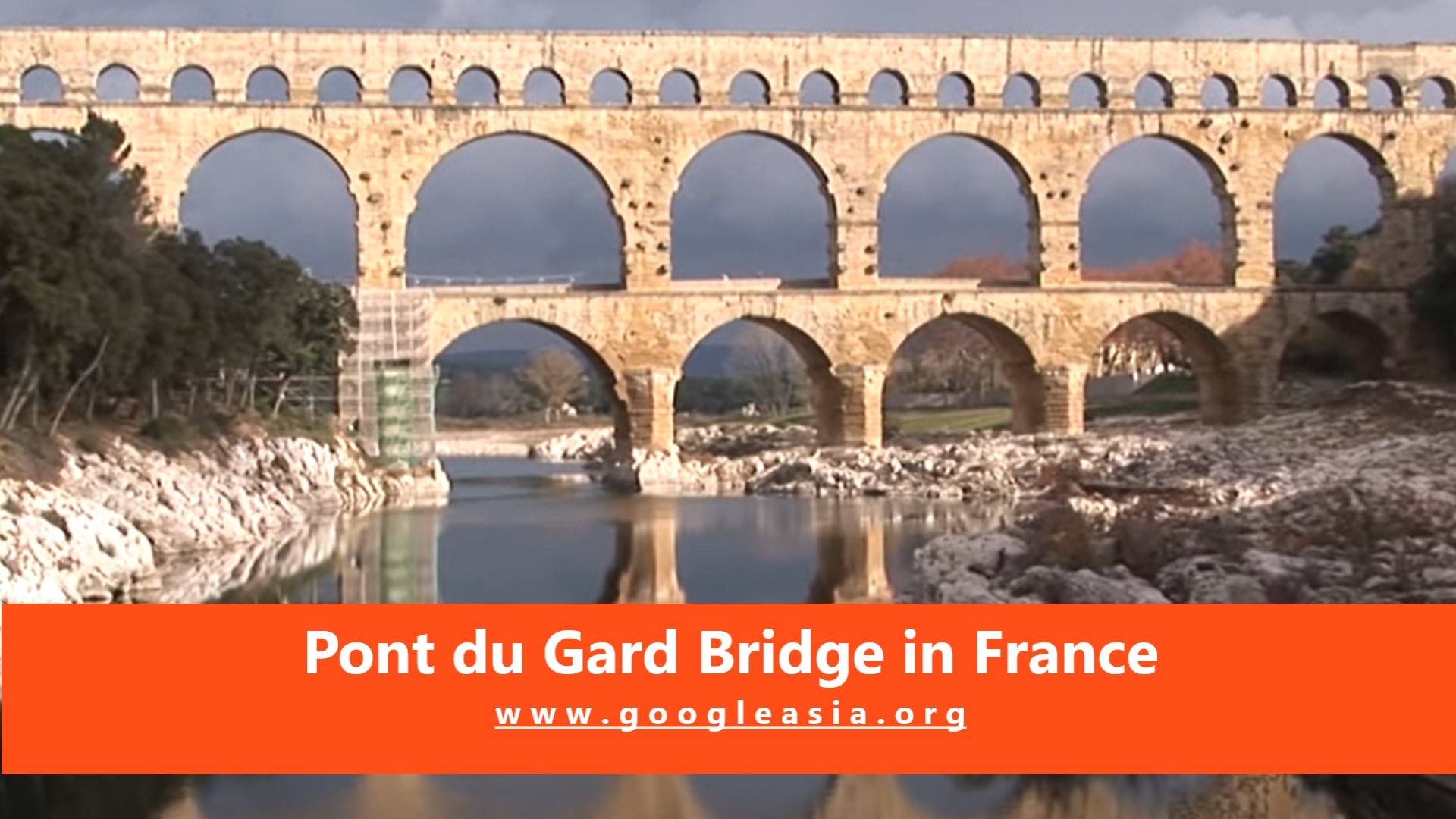
    The Pont du Gard stands at an impressive height of nearly 50 meters (160 feet) and stretches over 270 meters (885 feet) in length. Its three tiers of arches showcase Roman architectural ingenuity and mastery. The structure is built from local limestone and has been remarkably well-preserved over the centuries.

    The Three Tiers of Arches

    • First Tier: The bottom tier consists of six large arches, which support the entire weight of the aqueduct and distribute the load across the structure. These arches were essential for bridging the Gardon River and ensuring stability.
    • Second Tier: The middle tier features eleven arches, which allowed the aqueduct to rise above the river and maintain its gradient for transporting water. This tier also helped in maintaining the aqueduct’s structural integrity.
    • Third Tier: The top tier, with its thirty-five smaller arches, housed the channel through which the water flowed. This design ensured that the water could be transported efficiently across the bridge.

    Visitor Experience

    Exploring the Pont du Gard

    Visitors to the Pont du Gard can enjoy walking along the bridge, exploring its impressive arches, and learning about its history through informative displays and exhibitions. The site offers various viewpoints for capturing photographs of the aqueduct against the backdrop of the surrounding landscape.

    The Museum and Interpretive Center

    The nearby museum provides detailed insights into the history and construction of the Pont du Gard. Exhibits include artifacts, models, and interactive displays that illustrate the engineering techniques used by the Romans and the significance of the aqueduct in ancient times.

    Outdoor Activities

    The area around the Pont du Gard is perfect for outdoor activities. Visitors can enjoy picnicking by the river, swimming, or taking scenic walks along the surrounding trails. The natural beauty of the region complements the historical grandeur of the aqueduct, offering a well-rounded experience.

    Practical Information

    Getting There

    The Pont du Gard is easily accessible from the town of Vers-Pont-du-Gard. It is well-connected by road, and there are ample parking facilities for visitors. The site is also reachable by public transport, including buses that run from Nîmes and Avignon.

    Opening Hours and Tickets

    The Pont du Gard is open year-round, with extended hours during the peak tourist season. It is advisable to check the official website for up-to-date information on opening hours, ticket prices, and any special events or closures.

    Accessibility

    The site is generally accessible to visitors with mobility issues, with pathways and ramps designed to accommodate wheelchair users and those with limited mobility. There are also accessible restrooms and facilities available.

    Things to Do

    The Pont du Gard is not only a marvel of ancient Roman engineering but also a beautiful destination offering a variety of activities for visitors. Whether you’re interested in history, outdoor adventures, or simply enjoying the natural beauty of the area, there’s something for everyone. Here’s a guide to making the most of your visit to this iconic site.

    Enjoy a Boat Ride

    Scenic River Cruise

    Take a leisurely boat ride along the Gardon River for a unique perspective of the Pont du Gard. This relaxing cruise allows you to appreciate the grandeur of the Roman aqueduct and the stunning natural landscape surrounding it.

    Guided Boat Tours

    Consider joining a guided boat tour to gain deeper insights into the history of the Pont du Gard and its significance. Guides often provide interesting commentary and historical context, enhancing your experience.

    Visit the Museum

    Exhibits on Roman Engineering

    The Pont du Gard Museum offers a wealth of information about the construction and history of the aqueduct. Exhibits include models, artifacts, and interactive displays that detail the engineering marvels of ancient Rome.

    Educational Workshops

    Participate in educational workshops and demonstrations at the museum. These sessions provide hands-on learning opportunities about Roman construction techniques and the historical importance of the aqueduct.

    Go Swimming

    River Swimming

    The Gardon River, with its clear and inviting waters, is perfect for a refreshing swim. The river’s shallow areas are ideal for families and those looking for a leisurely dip.

    Safety and Regulations

    Be sure to follow local guidelines and safety regulations while swimming. The river can have varying depths and currents, so it’s important to stay informed and swim in designated areas.

    Walk Across the Bridge

    Leisurely Stroll

    Walking across the Pont du Gard is a must-do activity. Enjoy the breathtaking views of the river and the surrounding countryside as you stroll along the ancient structure.

    Photography Opportunities

    Don’t forget your camera! The bridge and its surroundings offer fantastic photo opportunities, capturing the elegance of Roman architecture against the backdrop of nature.

    Have a Picnic

    Picnic Spots

    Bring a picnic and find a scenic spot by the river or in the designated picnic areas around the site. Enjoy your meal with a view of the majestic Pont du Gard and the tranquil waters of the Gardon River.

    Local Cuisine

    Consider packing local French delicacies such as cheese, baguettes, and pâtés for a truly authentic picnic experience. There are also nearby cafes and eateries where you can pick up food and drinks.

    Go Kayaking

    Explore by Kayak

    Rent a kayak or canoe and explore the Gardon River. Kayaking provides a fun and active way to take in the natural beauty of the area and get up close to the Pont du Gard from the water.

    Guided Kayak Tours

    For a more informative experience, join a guided kayak tour. Guides can offer insights into the river’s ecology and the historical significance of the Pont du Gard.

    Enjoy a Wine Tasting

    Local Wineries

    The region around the Pont du Gard is renowned for its vineyards and wines. Visit local wineries to sample some of the finest wines from the area.

    Wine Tours

    Many wineries offer guided tours and tastings, providing a chance to learn about the winemaking process and the characteristics of regional wines.

    Take a Hike

    Hiking Trails

    Explore the picturesque countryside surrounding the Pont du Gard with a hike. There are several trails of varying difficulty levels, offering stunning views of the aqueduct and the natural landscape.

    Scenic Views

    Hiking trails provide excellent vantage points for observing the Pont du Gard from different perspectives and enjoying the beauty of the Gardon River and its surroundings.

    Foods

    The Pont du Gard, an ancient Roman aqueduct located in the South of France, is not only a marvel of engineering but also a gateway to some of the region’s most delightful culinary experiences. The area surrounding this historical site boasts a rich and varied food scene that showcases the best of Provencal cuisine. Whether you’re looking to savor hearty stews, light salads, or savory pastries, there is something to please every palate. Here’s a guide to some of the best foods you can enjoy near Pont du Gard.

    Bouillabaisse: A Classic Seafood Delight

    Origin and Ingredients

    Bouillabaisse is a traditional seafood stew that hails from Marseille. This dish combines various types of fish, shellfish, and aromatic herbs to create a complex and flavorful broth.

    Serving Suggestions

    Typically served with a side of rouille (a garlicky, saffron-infused mayonnaise) and crusty bread, Bouillabaisse is a comforting and satisfying meal that perfectly represents the coastal flavors of the region.

    Ratatouille: A Flavorful Provencal Stew

    Ingredients and Preparation

    Ratatouille is a vegetable stew made from a mix of eggplant, zucchini, bell peppers, tomatoes, and herbs. It is a quintessential Provencal dish that highlights the fresh produce of the region.

    Best Pairings

    Enjoy Ratatouille with a side of crusty bread or as a topping for grilled meats. Its rich and aromatic flavors make it a versatile dish that pairs well with many other Provencal specialties.

    Lamb Navarin: Hearty and Savory

    What is Lamb Navarin?

    Lamb Navarin is a traditional French stew made with lamb and seasonal vegetables. This dish is particularly popular during the colder months due to its rich and hearty nature.

    Ideal Accompaniments

    This stew is best served with potatoes or a rustic loaf of bread to soak up the delicious sauce.

    Poulet Basquaise: A Regional Favorite

    Ingredients and Cooking Method

    Poulet Basquaise is a Basque-inspired chicken stew featuring bell peppers, tomatoes, and a blend of aromatic spices. This dish is known for its vibrant flavors and tender chicken.

    Serving Tips

    Serve Poulet Basquaise with rice or pasta to complement the rich, tomato-based sauce.

    Daube Provencal: A Slow-Cooked Delight

    The Essence of Daube Provencal

    Daube Provencal is a slow-cooked beef stew that simmers with red wine, vegetables, and herbs. This dish is a staple in Provencal cuisine and is known for its deep, robust flavors.

    Best Side Dishes

    Enjoy Daube Provencal with polenta or mashed potatoes to fully appreciate its rich, meaty sauce.

    Socca: A Savory Chickpea Pancake

    What Makes Socca Special?

    Socca is a thin, crispy pancake made from chickpea flour and olive oil. It is a popular street food in the Provence region and is enjoyed for its nutty flavor and crispy texture.

    How to Serve

    Socca is often served as an appetizer or snack, and it pairs well with a glass of local rosé wine.

    Fougasse: Provencal Flatbread

    Ingredients and Variations

    Fougasse is a type of flatbread that is often seasoned with olive oil, herbs, and sometimes olives or cheese. It is similar to Italian focaccia but with a Provencal twist.

    Ideal Accompaniments

    Fougasse is perfect on its own or with a simple salad. It also makes a great accompaniment to soups and stews.

    Tapenade: An Olive Lover’s Spread

    What is Tapenade?

    Tapenade is a savory spread made from olives, capers, and anchovies. This flavorful paste is commonly served with crusty bread or used as a dip for vegetables.

    How to Enjoy Tapenade

    Spread Tapenade on slices of baguette or use it as a topping for grilled meats and vegetables.

    Soupe au Pistou: A Classic Vegetable Soup

    Key Ingredients

    Soupe au Pistou is a vegetable soup enriched with a pistou sauce made from basil, garlic, and olive oil. This refreshing soup is a great way to enjoy the fresh vegetables of the season.

    Best Ways to Serve

    Soupe au Pistou is typically served with a generous dollop of pistou stirred in just before eating. Pair it with a side of crusty bread for a complete meal.

    Salade Nicoise: A Light and Refreshing Salad

    Composition and Ingredients

    Salade Nicoise is a classic French salad featuring tuna, hard-boiled eggs, olives, and green beans, all dressed in a light vinaigrette. This salad is a staple in Provencal cuisine and is perfect for a light lunch or dinner.

    How to Serve

    Serve Salade Nicoise chilled or at room temperature. It pairs well with a glass of chilled white wine or rosé.

    Hotels

    The Pont du Gard, a stunning Roman aqueduct and a UNESCO World Heritage site, is a prime destination in the South of France. To fully enjoy your visit to this historic landmark, it’s essential to find comfortable and convenient accommodations. Here’s a guide to some of the best hotels in and around the Pont du Gard area, each offering unique amenities and a welcoming atmosphere.

    Hotel Le Mas Des Oliviers, Uzès

    Overview

    Located in the charming town of Uzès, Hotel Le Mas Des Oliviers offers a serene retreat surrounded by olive groves and lush gardens. The hotel provides a blend of rustic charm and modern comfort.

    Key Features

    • Comfortable Rooms: Stylishly decorated with traditional Provencal touches.
    • On-site Amenities: Outdoor pool, free Wi-Fi, and a complimentary breakfast.
    • Proximity: Approximately 20 minutes from Pont du Gard.

    Le Mas des Carassins, Remoulins

    Overview

    Le Mas des Carassins is a beautiful boutique hotel situated in Remoulins, a short drive from Pont du Gard. The hotel is known for its elegant decor and relaxing ambiance.

    Key Features

    • Luxurious Rooms: Spacious and well-appointed with modern amenities.
    • On-site Amenities: Outdoor pool, gardens, and a gourmet restaurant.
    • Proximity: Just a 10-minute drive to Pont du Gard.

    Le Moulin de la Roque, Remoulins

    Overview

    Le Moulin de la Roque is a charming hotel housed in a converted mill, offering a unique stay with historical character. Its location in Remoulins makes it a convenient base for exploring the region.

    Key Features

    • Historical Charm: Rooms with exposed stone walls and rustic decor.
    • On-site Amenities: Outdoor pool, restaurant, and beautiful garden.
    • Proximity: Approximately 10 minutes from Pont du Gard.

    Le Mas de La Roque, Remoulins

    Overview

    Another excellent option in Remoulins, Le Mas de La Roque, provides a cozy and intimate setting for guests. It combines traditional Provencal architecture with modern comforts.

    Key Features

    • Comfortable Rooms: Warm and inviting with contemporary furnishings.
    • On-site Amenities: Pool, free Wi-Fi, and a delightful breakfast.
    • Proximity: A short 10-minute drive to Pont du Gard.

    Holiday Inn Express Avignon Sud – Pont Du Gard, Avignon

    Overview

    Holiday Inn Express Avignon Sud offers a modern and convenient stay with easy access to Pont du Gard. Located in Avignon, this hotel provides a more contemporary option with ample amenities.

    Key Features

    • Modern Rooms: Equipped with all essential amenities.
    • On-site Amenities: Free breakfast, fitness center, and business services.
    • Proximity: About a 15-minute drive from Pont du Gard.

    Grand Hotel de Nîmes, Nîmes

    Overview

    Situated in Nîmes, this grand hotel provides a luxurious experience with top-notch facilities. Its location allows easy access to both Pont du Gard and the historic city of Nîmes.

    Key Features

    • Elegant Rooms: Stylish and spacious with high-end furnishings.
    • On-site Amenities: Outdoor pool, restaurant, and extensive conference facilities.
    • Proximity: Roughly 30 minutes from Pont du Gard.

    Hotel Archange, Uzès

    Overview

    Hotel Archange is a boutique hotel located in Uzès, offering a blend of classic and contemporary design. It provides a charming and relaxing stay with easy access to the surrounding attractions.

    Key Features

    • Sophisticated Rooms: Elegant decor with modern amenities.
    • On-site Amenities: Garden, free Wi-Fi, and a delicious breakfast.
    • Proximity: Approximately 20 minutes from Pont du Gard.

    La Bastide de Boulbonne, Boulbonne

    Overview

    La Bastide de Boulbonne is a quaint and picturesque hotel located in Boulbonne. This charming establishment offers a peaceful escape in a beautiful setting.

    Key Features

    • Cozy Rooms: Traditional decor with comfortable furnishings.
    • On-site Amenities: Outdoor pool, garden, and a restaurant.
    • Proximity: About 20 minutes from Pont du Gard.

    Hotel La Cachette, Remoulins

    Overview

    Hotel La Cachette is a welcoming and affordable option in Remoulins. It offers a comfortable stay with convenient access to local attractions, including Pont du Gard.

    Key Features

    • Simple Rooms: Functional and well-maintained.
    • On-site Amenities: Free Wi-Fi, restaurant, and outdoor seating.
    • Proximity: Just a short drive from Pont du Gard.

    Mas D’Artigny, Remoulins

    Overview

    Mas D’Artigny provides a rustic and charming stay with a focus on traditional Provencal hospitality. Located in Remoulins, it offers a relaxed environment close to the famous aqueduct.

    Key Features

    • Traditional Rooms: Featuring rustic decor and modern comforts.
    • On-site Amenities: Garden, outdoor pool, and free Wi-Fi.
    • Proximity: Approximately 10 minutes from Pont du Gard.

    Conclusion

    Finding the right accommodation near Pont du Gard can significantly enhance your visit to this historic site. Whether you prefer the rustic charm of Le Moulin de la Roque, the modern convenience of Holiday Inn Express Avignon Sud, or the elegance of Grand Hotel de Nîmes, each of these hotels offers a unique experience. Consider your preferences for proximity, amenities, and atmosphere to choose the best option for your stay. Enjoy your visit to the Pont du Gard and the beautiful surroundings of Southern France!

    Pont du Gard Bridge in France

    Summary

    • Attraction: Pont du Gard
    • Country: Paris
    • Continent: Europe
    • Capital Name: Paris
    • Language: French
    • Category: #Destination #Europe #FRANCE 

    Frequently Asked Questions

    Where is Pont du Gard located?

    The Pont du Gard is located in the southern part of France, in the region of Occitanie. Specifically, it is situated near the town of Vers-Pont-du-Gard, which is approximately 13 kilometers (about 8 miles) northeast of the city of Nîmes. The Pont du Gard is a well-preserved ancient Roman aqueduct bridge that spans the Gardon River and is renowned for its architectural and historical significance. It is a UNESCO World Heritage Site and a popular tourist attraction in the region.

    How to go to Pont du Gard?

    To visit the Pont du Gard, you can use various modes of transportation depending on your starting point. Here are some general guidelines:

    1. By Car:
      • If you have access to a car, driving is one of the most convenient ways to reach Pont du Gard. The site is well-connected by roads, and there is a dedicated parking area.
    2. Public Transportation:
      • Train: You can take a train to the Nîmes or Avignon railway stations, both of which are relatively close to Pont du Gard. From there, you can use local buses, taxis, or organized tours to reach the site.
      • Bus: Regional buses may have routes that stop near Pont du Gard. Check the local bus schedule and routes for options.
      • Organized Tours: Many tour operators offer day trips to Pont du Gard from nearby cities. These tours often include transportation, a guide, and sometimes additional stops at other attractions.
    3. Bicycle:
      • If you enjoy cycling, some visitors choose to bike to Pont du Gard. There are bike rental options, and the region may have dedicated bike paths.
    4. Guided Tours:
      • Joining a guided tour is a convenient option, especially if you prefer not to navigate transportation on your own. Many tours depart from nearby cities and include transportation to and from Pont du Gard.
    5. Walking:
      • If you are staying in the vicinity or in a nearby town, and you enjoy walking, it might be possible to hike to Pont du Gard, depending on the distance.

    Before your visit, check the local transportation schedules, especially if you plan to rely on buses or trains. Additionally, confirm the opening hours and any entrance fees for Pont du Gard. Planning ahead will help ensure a smooth and enjoyable trip to this historical and architectural landmark.

    What are Pont du Gard’s must-visit attractions or landmarks?

    Pont du Gard itself is the primary attraction, and its architectural and historical significance makes it a must-visit destination. However, in the surrounding area, there are additional attractions and landmarks that complement the visit to Pont du Gard:

    1. Pont du Gard Visitor Center: Learn more about the history and engineering of the aqueduct at the visitor center, which features exhibitions, displays, and multimedia presentations.
    2. La Bégude: Museum of the Roman Camps: Located near Pont du Gard, this museum provides insights into the daily life of Roman soldiers who guarded the aqueduct.
    3. The Pont du Gard Site: Explore the bridge itself, marveling at the three tiers of arches and the Roman engineering that allowed the aqueduct to span the Gardon River. The surroundings, including the river and the natural landscape, add to the beauty of the site.
    4. Aqueduct of Nîmes: While not as famous as Pont du Gard, the Aqueduct of Nîmes is another Roman aqueduct worth exploring. It supplied water to the city of Nîmes.
    5. Maison Carrée: Located in Nîmes, this exceptionally well-preserved Roman temple is a prime example of classical Roman architecture.
    6. Arena of Nîmes (Les Arènes): An ancient Roman amphitheater in Nîmes, it is well-preserved and still used for events today.
    7. Uzès: A picturesque town with a medieval character, Uzès is known for its charming streets, the Duchy of Uzès, and the Uzès Market.
    8. Avignon: While a bit farther away, the city of Avignon is rich in history and culture. The Palais des Papes (Palace of the Popes) and the Pont Saint-Bénézet are notable attractions.
    9. Haribo Museum: Located in Uzès, this museum offers a fun experience, especially for families. It showcases the history and production of Haribo candies.
    10. Nature Activities: Enjoy the natural beauty of the area by exploring walking trails, kayaking on the Gardon River, or simply relaxing in the scenic surroundings.

    Exploring these attractions alongside Pont du Gard provides a well-rounded experience, combining ancient history, architectural marvels, and the charm of the Provence region in southern France.

    What are Pont du Gard’s nearby must-visit attractions or landmarks?

    While Pont du Gard itself is the main attraction in the region, there are several nearby places worth exploring. Here are some must-visit attractions and landmarks near Pont du Gard:

    1. Pont du Gard Visitor Center: Learn more about the history and engineering behind the aqueduct at the visitor center. The center offers educational exhibits and multimedia presentations.
    2. La Bégude de Poulenc: This archaeological site near Pont du Gard features remains of a Roman settlement and an ancient olive oil mill. It provides insights into daily life during Roman times.
    3. Museum of the Roman Camps (La Bégude): Located near Pont du Gard, this museum explores the life of Roman soldiers who guarded the aqueduct and includes artifacts from the Roman era.
    4. Uzès: A charming medieval town not far from Pont du Gard, Uzès is known for its historic architecture, cobbled streets, and the Place aux Herbes, a picturesque square with a lively market.
    5. Gorges du Gardon: Explore the natural beauty of the Gorges du Gardon, a scenic area with hiking trails and opportunities for kayaking or canoeing on the Gardon River.
    6. Saint-Quentin-la-Poterie: This nearby village is famous for its pottery and ceramics. Visit local workshops and studios to see traditional craftsmanship.
    7. Château de la Bastide: A historic castle located near Pont du Gard, offering panoramic views of the surrounding countryside.
    8. Nîmes: While a bit farther away, the city of Nîmes is known for its well-preserved Roman monuments, including the Arena of Nîmes and the Maison Carrée.
    9. Avignon: Another historical city with notable landmarks like the Palais des Papes (Palace of the Popes) and the Pont Saint-Bénézet. Avignon is known for its rich history and cultural heritage.
    10. Haribo Museum: Located in Uzès, this museum showcases the history and production of Haribo candies. It’s a fun and family-friendly attraction.

    Exploring these nearby attractions will provide a comprehensive experience of the region surrounding Pont du Gard, blending ancient history, natural beauty, and the cultural richness of Provence in southern France.

    Why should you visit Pont du Gard?

    Visiting Pont du Gard is a captivating experience for several compelling reasons:

    1. Architectural Marvel: Pont du Gard is an extraordinary example of ancient Roman engineering and architecture. The well-preserved three-tiered aqueduct bridge is not only functional but also aesthetically stunning, showcasing the ingenuity of Roman builders.
    2. Historical Significance: As a UNESCO World Heritage Site, Pont du Gard holds immense historical importance. Built in the 1st century AD, the aqueduct served to supply water from the Eure spring to the city of Nemausus (Nîmes) over a distance of about 50 kilometers (31 miles).
    3. Engineering Feat: The construction of Pont du Gard demonstrates the advanced engineering skills of the ancient Romans. The precision in the design, the use of natural materials, and the ability to create a structure that has withstood the test of time are all remarkable aspects of this aqueduct.
    4. Natural Setting: The bridge is situated in a picturesque natural setting along the Gardon River. The surrounding landscape, with its gorges, cliffs, and greenery, adds to the beauty of the site.
    5. Scenic Views: Visitors can enjoy panoramic views of the surrounding countryside from the top of the bridge. The viewpoints offer a unique perspective on the Roman aqueduct and the picturesque scenery.
    6. Educational Experience: Pont du Gard provides an educational experience for visitors interested in Roman history and architecture. The site offers information panels, exhibits, and a visitor center that enhance the understanding of the aqueduct’s purpose and construction.
    7. Outdoor Activities: The area around Pont du Gard offers opportunities for outdoor activities such as hiking, walking, and picnicking. The Gardon River is also popular for activities like kayaking and canoeing.
    8. Cultural Events: Pont du Gard serves as a venue for various cultural events, including concerts, theatrical performances, and festivals. The historical site becomes a unique backdrop for artistic and cultural celebrations.
    9. Photography Opportunities: The iconic silhouette of Pont du Gard against the natural backdrop makes it a fantastic subject for photography. The play of light and shadows during different times of the day adds to the visual appeal.
    10. Family-Friendly: Pont du Gard is a family-friendly destination. Children and adults alike can appreciate the grandeur of the aqueduct, explore the visitor center, and enjoy the outdoor spaces.

    Visiting Pont du Gard provides a multi-faceted experience, combining history, architecture, natural beauty, and recreational activities. Whether you’re interested in ancient civilizations, outdoor adventures, or simply appreciating breathtaking landmarks, Pont du Gard offers a unique and enriching destination.

    Is there any halal food available in the vicinity of the Pont du Gard?

    Finding halal food in the immediate vicinity of Pont du Gard might be challenging, as the area is more known for its historical and natural attractions rather than a wide range of dining options. However, you can explore nearby towns or cities for halal food. Here are some tips:

    1. Uzès: Uzès is a charming medieval town close to Pont du Gard. While it may not have numerous halal-specific options, you might find restaurants or cafes that offer halal dishes or vegetarian options. It’s always a good idea to inquire with the staff about their menu.
    2. Nîmes: Nîmes is a larger city located nearby, and it may have a more diverse culinary scene. Check for Middle Eastern or North African restaurants, as they often serve halal food. Additionally, international cuisine restaurants may have vegetarian or halal options.
    3. Avignon: Avignon is a bit farther but still within reasonable distance. As a larger city, Avignon is likely to offer a broader range of dining choices, including those that cater to specific dietary preferences.
    4. Online Resources: Utilize online resources such as restaurant review websites, travel forums, or apps that focus on halal dining. Travelers often share their experiences and recommendations, helping you find suitable options.
    5. Ask Locals or Accommodation Staff: If you’re staying in the area, don’t hesitate to ask locals or the staff at your accommodation for recommendations. They may be aware of nearby places that offer halal food.
    Remember that the availability of halal food can vary, and it’s a good idea to plan ahead by researching potential dining options or seeking recommendations. While the focus of Pont du Gard is primarily on its historical and natural attractions, nearby towns and cities may provide a more diverse culinary experience.

  • Visiting French Riviera, France: Your Ultimate Travel Guide

    Visiting French Riviera, France: Your Ultimate Travel Guide

    French Riviera, France

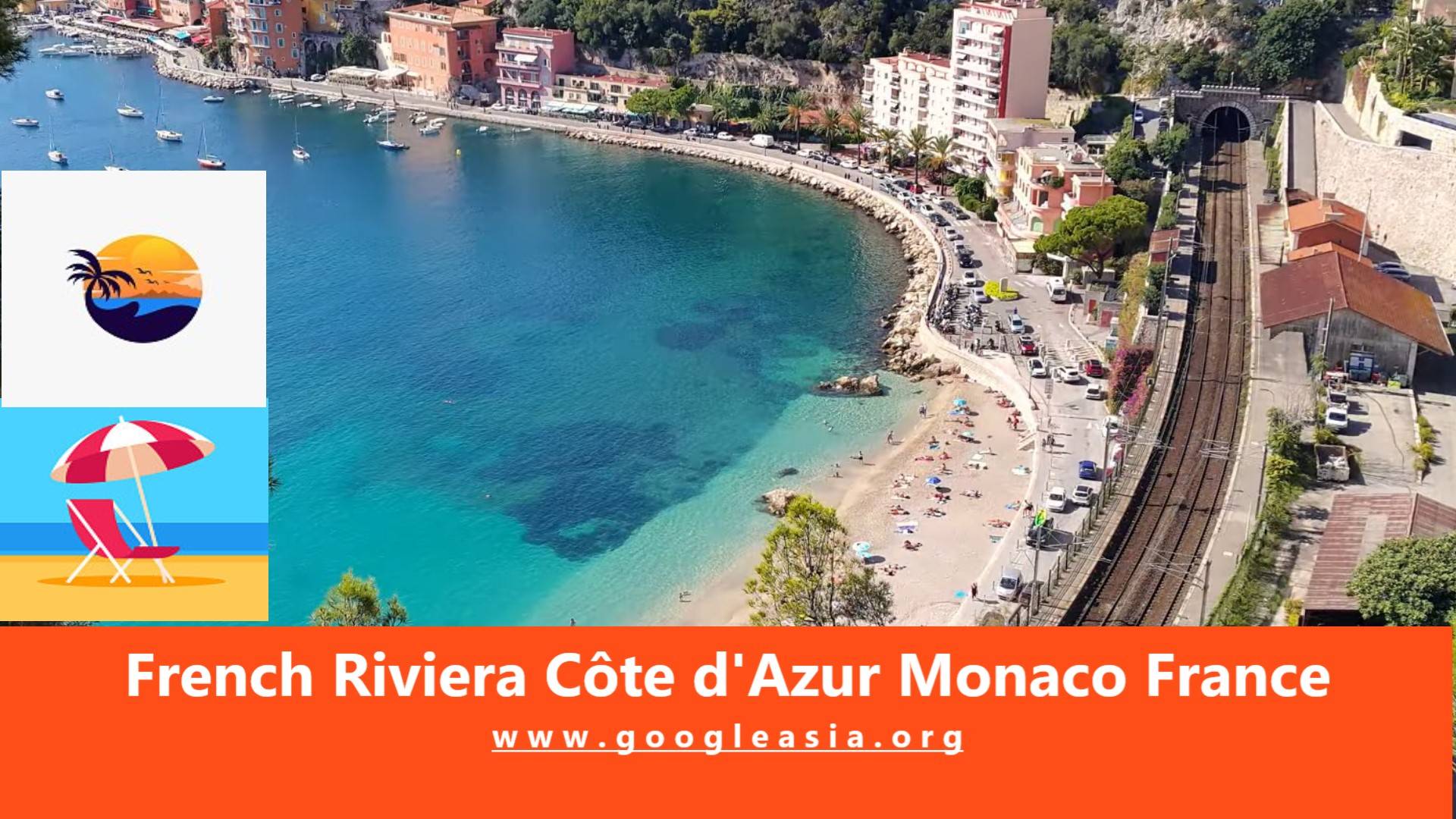
    French Riviera also known as Côte d’Azur located at Monaco France and rated as the best beach in Europe. Read here for more information about the best destinations around the world.

    Introduction

    The French Riviera, also known as the Côte d’Azur, is an enchanting stretch of coastline in southeastern France that boasts a unique blend of natural beauty, luxury, and cultural richness. From the opulent city-state of Monaco to the vibrant city of Nice, the Riviera offers a diverse array of experiences that captivate visitors from around the globe.

    The Glamour of Monaco

    Monaco’s Exclusive Appeal

    Monaco is a tiny yet extraordinarily glamorous sovereign city-state. Known for its upscale lifestyle and exclusive events, this tiny principality is renowned for its lavish casinos, luxury yachts, and high-end shopping. The Casino de Monte-Carlo, with its ornate architecture and opulent interiors, is a symbol of Monaco’s affluence and elegance.

    Architectural Marvels

    Monaco’s architectural landscape features a blend of historic charm and modern sophistication. The Prince’s Palace, perched on a cliff, offers panoramic views of the Mediterranean and a glimpse into the royal history of the principality. The modernist design of the Grimaldi Forum complements the classic beauty of the palace, showcasing Monaco’s diverse architectural influences.

    The Cultural Hub of Nice

    Vibrant Art and Culture

    Nice, the largest city on the French Riviera, is a cultural and artistic hub. Its renowned Promenade des Anglais offers breathtaking views of the azure waters of the Mediterranean and is a focal point for leisurely strolls. The city’s numerous museums and galleries, including the Musée Marc Chagall and the Musée Matisse, celebrate its rich artistic heritage.

    Culinary Delights

    Nice’s culinary scene is as diverse as its culture. The city’s markets, such as the Cours Saleya, are famous for their fresh produce and vibrant atmosphere. Local specialties, including the classic Niçoise salad and socca, a savory chickpea pancake, offer a taste of the region’s rich gastronomic traditions.

    The Mediterranean Climate

    Year-Round Sunshine

    The Mediterranean climate of the French Riviera ensures that it remains a desirable destination throughout the year. With its mild winters and hot summers, the region’s weather is perfect for enjoying outdoor activities, from beach outings to exploring charming coastal villages.

    Seasonal Festivals

    The French Riviera hosts a variety of festivals throughout the year, each celebrating different aspects of the region’s culture and lifestyle. The Cannes Film Festival, held annually, attracts celebrities and filmmakers from around the world, while the Nice Carnival showcases vibrant parades and local traditions.

    The Allure of the Riviera’s Beaches

    Exclusive Beach Resorts

    The French Riviera is home to some of the world’s most exclusive beach resorts. From the private sands of the Hôtel Negresco in Nice to the luxurious beach clubs of Cannes, the Riviera’s beaches offer an unparalleled level of comfort and sophistication.

    Natural Beauty

    Beyond the luxury resorts, the Riviera’s natural beauty is equally captivating. The clear, turquoise waters and stunning coastal landscapes provide a picturesque backdrop for relaxation and recreation. Beaches like Pampelonne near Saint-Tropez are renowned for their pristine sands and crystal-clear waters.

    Things to Do

    The French Riviera, or Côte d’Azur, is renowned for its stunning landscapes, luxurious lifestyle, and vibrant cultural experiences. Whether you’re drawn to historical sites, natural beauty, or glamorous events, this glamorous Mediterranean coastline offers something for everyone. Here’s a guide to some of the best things to do in this exquisite region:

    Visit the Prince’s Palace of Monaco

    Explore Royal History

    The Prince’s Palace of Monaco is a must-see for anyone visiting the Riviera. Situated on a rocky outcrop overlooking the Mediterranean, this historic palace offers a glimpse into Monaco’s royal heritage. Tour the opulent state rooms, marvel at the stunning architecture, and explore the collection of historic artifacts that tell the story of the Grimaldi family.

    Witness the Changing of the Guard

    Don’t miss the Changing of the Guard ceremony, which takes place daily at 11:55 AM. This colorful event showcases traditional military uniforms and provides a unique insight into Monaco’s royal traditions.

    Enjoy the Beaches

    Relax on Iconic Beaches

    The French Riviera boasts some of the most beautiful beaches in the world. Whether you prefer the luxurious private beaches of Cannes and Nice or the more rugged, natural shores of Villefranche-sur-Mer, there’s a perfect spot for every beach lover.

    Try Water Sports

    For the adventurous, many of the Riviera’s beaches offer opportunities for water sports such as jet skiing, paddleboarding, and snorkeling. The clear blue waters and stunning coastal views make these activities even more enjoyable.

    Explore Nice

    Stroll Through the Old Town

    Nice’s Old Town, or Vieux Nice, is a charming maze of narrow streets, colorful buildings, and bustling markets. Explore the local shops, cafes, and historical landmarks, and be sure to visit the famous Cours Saleya Flower Market.

    Enjoy the Promenade des Anglais

    Take a leisurely stroll along the Promenade des Anglais, a beautiful boulevard that runs along the seafront. It’s an ideal place for people-watching, cycling, or simply soaking in the Mediterranean atmosphere.

    Experience the Nightlife

    Nice offers a vibrant nightlife scene, with numerous bars, clubs, and entertainment venues. Whether you’re looking for a chic cocktail bar or a lively nightclub, there’s something for every taste.

    Visit Cannes

    Wander the Croisette

    Cannes is famous for its glamorous Croisette Boulevard, lined with luxury hotels, boutiques, and cafes. Enjoy a leisurely walk and take in the upscale atmosphere of this iconic seaside resort.

    Indulge in Shopping

    Cannes is a shopper’s paradise. Explore the high-end shops and designer boutiques along Rue d’Antibes and enjoy a shopping spree in one of the most stylish cities on the Riviera.

    Visit Monaco’s Oceanographic Museum

    Discover Marine Life

    Monaco’s Oceanographic Museum, perched on a cliff overlooking the sea, is one of the oldest aquariums in the world. Explore its impressive collection of marine species, including sharks, sea turtles, and colorful fish, and learn about marine conservation efforts.

    Enjoy Interactive Exhibits

    The museum also features interactive exhibits and educational displays about oceanography and marine ecosystems, making it a great destination for families and marine enthusiasts.

    Take a Boat Trip

    Cruise the Coastline

    Embark on a boat trip to fully appreciate the French Riviera’s stunning coastline. Enjoy breathtaking views of the cliffside villages, hidden coves, and luxurious yachts. Many tours offer opportunities for swimming, snorkeling, and enjoying a gourmet meal on board.

    Explore Nearby Islands

    Consider visiting nearby islands such as Île Sainte-Marguerite or Île Saint-Honorat, where you can explore beautiful landscapes, historic sites, and tranquil beaches.

    Go Skiing

    Hit the French Alps

    While the French Riviera is known for its sunny beaches, it’s also a gateway to the French Alps. During the winter months, you can enjoy skiing and snowboarding in renowned resorts such as Val d’Isère and Courchevel, which are just a few hours’ drive from the Riviera.

    Visit the Villages of St-Paul-de-Vence and Èze

    Discover Charming Villages

    St-Paul-de-Vence and Èze are two of the Riviera’s most picturesque villages. Wander through their cobbled streets, visit local artisan shops, and enjoy breathtaking views of the surrounding countryside and coastline.

    Explore Art and History

    St-Paul-de-Vence is known for its vibrant arts scene, with numerous galleries and artist studios. Èze offers stunning panoramic views and the exotic Jardin Exotique, a beautiful garden filled with cacti and succulents.

    Experience the Monaco Grand Prix

    Watch the F1 Race

    The Monaco Grand Prix is one of the most prestigious events in the world of motorsports. Held annually in May, this Formula 1 race takes place on the narrow and challenging streets of Monaco. Experience the excitement of high-speed racing and the glamour of one of the Riviera’s most celebrated events.

    Explore the Great Esterel Massif Natural Park

    Hike Through Stunning Landscapes

    The Great Esterel Massif Natural Park offers some of the most beautiful hiking trails in the French Riviera. Explore rugged red-rock landscapes, lush forests, and panoramic viewpoints that showcase the region’s natural beauty.

    Enjoy Outdoor Activities

    In addition to hiking, the park offers opportunities for mountain biking, rock climbing, and bird watching. It’s a paradise for outdoor enthusiasts looking to connect with nature.

    Foods

    The French Riviera, or Côte d’Azur, is not only famous for its stunning landscapes and glamorous lifestyle but also for its delectable cuisine. This Mediterranean region boasts a rich culinary tradition that reflects its diverse cultural influences and abundant local produce. Here are some of the best foods to try when visiting this picturesque part of France:

    Bouillabaisse

    A Classic Fish Stew

    Bouillabaisse is a quintessential dish of the French Riviera, particularly associated with the city of Marseille. This rich and flavorful fish stew combines various local fish and seafood, such as red rascasse, conger eel, and mussels, with tomatoes, leeks, and aromatic herbs. The stew is typically served with a side of rouille sauce—a garlicky, saffron-infused mayonnaise—and crusty bread.

    Enjoy the Local Twist

    Each chef may put their unique spin on bouillabaisse, so don’t hesitate to sample different versions. The best ones often feature a harmonious balance of flavors and a variety of fish and shellfish.

    Socca

    A Savory Chickpea Flatbread

    Socca is a popular street food and snack throughout the French Riviera, particularly in Nice. This thin, crispy flatbread is made from chickpea flour, olive oil, and seasoning. It’s typically cooked in a wood-fired oven and served warm, often sprinkled with black pepper.

    Perfect for Snacking

    Socca is often enjoyed as a quick snack or appetizer. Its savory and nutty flavor pairs well with a glass of local rosé wine or as part of a casual meal with fresh vegetables.

    Salade Niçoise

    A Hearty Mediterranean Salad

    Salade Niçoise is a vibrant salad originating from Nice. This classic dish includes fresh ingredients such as tomatoes, green beans, boiled eggs, tuna, olives, and sometimes anchovies. The salad is typically dressed with a simple vinaigrette made from olive oil and vinegar.

    A Refreshing Meal

    Salade Niçoise is perfect for a light yet satisfying meal. Its combination of fresh vegetables and protein makes it both nutritious and delicious, especially when enjoyed on a sunny terrace overlooking the Mediterranean.

    Ratatouille

    A Provençal Vegetable Stew

    Ratatouille is a traditional Provençal dish that features a medley of seasonal vegetables such as eggplant, zucchini, bell peppers, tomatoes, and onions. Cooked slowly with herbs and olive oil, this vegetable stew is a comforting and flavorful dish.

    Versatile and Delicious

    Ratatouille can be served as a main course or as a side dish. It’s often enjoyed with a slice of crusty bread or as an accompaniment to grilled meats and fish.

    Pissaladière

    A Savory Onion Tart

    Pissaladière is a type of pizza-like dish from Nice that features a topping of caramelized onions, anchovies, and olives on a crisp pastry base. This savory tart is typically enjoyed as a snack or light lunch.

    A Flavorful Snack

    The combination of sweet onions, salty anchovies, and briny olives makes pissaladière a unique and flavorful treat. It’s a great way to experience the traditional flavors of the French Riviera in a convenient and delicious form.

    Fougasse

    A Sweet and Savory Pastry

    Fougasse is a versatile Provençal bread that can be either sweet or savory. It’s often enjoyed for breakfast or as a snack and can be flavored with ingredients like olives, herbs, or cheese. Sweet versions might include ingredients like raisins or figs.

    Start Your Day Right

    The crispy, golden crust and soft, flavorful interior make fougasse a delightful way to start your day. Pair it with a café au lait or a glass of fresh orange juice for a true Provençal breakfast experience.

    Daube Provençale

    A Rich Beef Stew

    Daube Provençale is a slow-cooked beef stew that embodies the heartiness of Provençal cuisine. Made with beef, red wine, tomatoes, and a variety of vegetables, this dish is slowly braised to achieve tender, flavorful meat.

    Perfect for Dinner

    Daube Provençale is ideal for a satisfying dinner. The rich and robust flavors make it a comforting choice, especially when served with creamy mashed potatoes or crusty bread.

    Tarte Tropézienne

    A Classic French Dessert

    Tarte Tropézienne is a delicious dessert that hails from Saint-Tropez. This sweet pastry features a soft, brioche-like dough filled with a creamy mixture of pastry cream and whipped cream. The cake is often dusted with sugar and has a light, airy texture.

    An Irresistible Treat

    This dessert is perfect for indulging after a meal or as a sweet treat with coffee. Its combination of fluffy brioche and rich cream makes it a memorable and delectable experience.

    Farçou

    A Provençal Vegetable Pie

    Farçou is a traditional Provençal vegetable pie that features a savory filling made from a mix of seasonal vegetables and herbs encased in a flaky pastry crust. It’s a great option for vegetarians and is often served as a light lunch or appetizer.

    A Flavorful Vegetarian Option

    Farçou’s blend of fresh vegetables and herbs provides a delightful burst of flavors. Enjoy it warm or at room temperature for a tasty and satisfying meal.

    Anchoïade

    A Flavorful Anchovy Dip

    Anchoïade is a savory dip made from anchovies, garlic, and olive oil, often served with fresh vegetables or crusty bread. This flavorful spread is a staple in Provençal cuisine and offers a taste of the region’s love for anchovies.

    Perfect for Sharing

    Anchoïade is ideal for sharing with friends and family. Serve it as part of a charcuterie board or as an appetizer to enjoy the unique and salty flavors of the French Riviera.

    Hotels

    The French Riviera, renowned for its luxury and glamour, offers some of the world’s most exclusive and beautiful hotels. Whether you’re looking for opulent accommodations in Monaco or a serene retreat by the sea, the Côte d’Azur has a range of options to suit every taste. Here’s a guide to some of the best hotels in this stunning region:

    Monaco

    Hotel Metropole Monte-Carlo

    Location: Monte-Carlo, Monaco

    Highlights:

    • Luxurious Accommodations: Features elegant rooms and suites with stunning views of the Mediterranean or Monte-Carlo.
    • Gourmet Dining: Home to the Michelin-starred restaurant, Odyssey, led by renowned chef Christophe Cussac.
    • Exceptional Amenities: Includes a lavish spa, a chic pool area, and personalized service.

    Why Stay Here: This hotel offers a blend of classic luxury and contemporary style, making it a favorite among those seeking a glamorous stay in Monaco.

    Fairmont Monte Carlo

    Location: Monte-Carlo, Monaco

    Highlights:

    • Prime Location: Situated right on the Mediterranean Sea, offering panoramic views.
    • Dining Options: Features several dining venues including the renowned Nobu, known for its exquisite Japanese cuisine.
    • Wellness Facilities: Includes a full-service spa, a fitness center, and a rooftop pool.

    Why Stay Here: The Fairmont Monte Carlo combines luxury with a vibrant atmosphere and excellent dining options, perfect for those who want to experience Monaco’s nightlife and elegance.

    Hotel de Paris Monte-Carlo

    Location: Monte-Carlo, Monaco

    Highlights:

    • Historic Charm: A historic hotel with stunning Belle Époque architecture and luxurious interiors.
    • Casino Access: Directly linked to the Monte-Carlo Casino, offering easy access to one of Monaco’s most famous landmarks.
    • High-End Amenities: Includes a spa, fine dining options, and beautiful views of the Mediterranean.

    Why Stay Here: For those who appreciate historic luxury and want to be at the heart of Monte-Carlo’s entertainment scene, Hotel de Paris offers an unmatched experience.

    Hôtel Hermitage Monte-Carlo

    Location: Monte-Carlo, Monaco

    Highlights:

    • Elegance and Sophistication: Features a classic Belle Époque design with modern comforts.
    • Exclusive Service: Offers personalized service and exclusive access to the Monte-Carlo Casino.
    • Luxury Spa: Includes a luxurious spa with a range of treatments and wellness services.

    Why Stay Here: This hotel provides a serene, opulent retreat in the heart of Monte-Carlo, ideal for those seeking elegance and tranquility.

    Côte d’Azur

    Grand-Hôtel du Cap-Ferrat, A Four Seasons Hotel

    Location: Saint-Jean-Cap-Ferrat, France

    Highlights:

    • Secluded Elegance: Set on a private peninsula with stunning sea views.
    • Luxurious Facilities: Includes a renowned spa, a Michelin-starred restaurant, and an iconic pool area.
    • Beautiful Gardens: Surrounded by lush gardens and a private beach.

    Why Stay Here: This hotel offers unparalleled luxury and privacy, making it a top choice for those seeking a secluded and glamorous getaway on the French Riviera.

    La Réserve de Beaulieu

    Location: Beaulieu-sur-Mer, France

    Highlights:

    • Classic Luxury: A timeless hotel with elegant interiors and a rich history.
    • Exceptional Service: Renowned for its impeccable service and personalized attention.
    • Seaside Location: Located directly on the Mediterranean, with stunning views and easy beach access.

    Why Stay Here: La Réserve de Beaulieu offers a blend of classic luxury and exceptional service in a beautiful seaside setting.

    Hotel du Cap-Eden-Roc

    Location: Antibes, France

    Highlights:

    • Legendary Prestige: Known for its historical significance and celebrity guests.
    • Spectacular Views: Located on a cliff with panoramic views of the Mediterranean Sea.
    • Top-Notch Facilities: Includes a famous seaside restaurant, a beautiful pool area, and a private beach.

    Why Stay Here: This iconic hotel is perfect for those seeking a legendary experience with breathtaking views and exceptional service.

    Hotel La Pérouse Nice

    Location: Nice, France

    Highlights:

    • Charming Location: Situated on the Promenade des Anglais with stunning views of the Bay of Angels.
    • Stylish Rooms: Features beautifully decorated rooms and suites with modern amenities.
    • Rooftop Terrace: Includes a panoramic rooftop terrace and a seasonal outdoor pool.

    Why Stay Here: Hotel La Pérouse offers a perfect blend of charm and modernity with spectacular views and a central location in Nice.

    La Villa Mauresque

    Location: Saint-Raphaël, France

    Highlights:

    • Boutique Charm: A small, intimate hotel with a unique Mediterranean style.
    • Personalized Service: Known for its warm, personalized service and tranquil atmosphere.
    • Beautiful Gardens: Features lush gardens and a private pool area.

    Why Stay Here: For those seeking a cozy, boutique experience with a personal touch and beautiful surroundings, La Villa Mauresque is an excellent choice.

    Conclusion

    The French Riviera offers a range of luxurious and charming hotels that cater to every type of traveler. Whether you’re looking for the historical grandeur of Monaco’s finest establishments or the serene elegance of a seaside retreat, the Côte d’Azur promises an unforgettable stay. Each of these hotels provides a unique experience, combining stunning locations, exceptional service, and luxurious amenities to ensure a memorable visit to this glamorous region.

    French Riviera Côte d'Azur Monaco France

    Summary

    • Attraction: French Riviera
    • Country: Paris
    • Continent: Europe
    • Capital Name: Paris
    • Language: French
    • Category: #Destination #Europe #FRANCE 

    Frequently Asked Questions

    Where is French Riviera located?

    The French Riviera, also known as the Côte d’Azur, is a glamorous and picturesque coastline located in the southeastern corner of France. It stretches along the Mediterranean Sea and encompasses the southeastern part of the country. The French Riviera begins around the city of Cassis, east of Marseille, and extends all the way to the border with Italy.

    Major cities and destinations along the French Riviera include Nice, Cannes, Saint-Tropez, Monaco, Antibes, and Menton, among others. This region is renowned for its stunning beaches, luxurious resorts, vibrant nightlife, and cultural attractions. The French Riviera is a popular destination for tourists seeking a combination of sun, sea, and sophisticated Mediterranean lifestyle.

    How to go to the French Riviera aka Côte d’Azur?

    Getting to the French Riviera, also known as the Côte d’Azur, is relatively easy as the region is well-connected by various modes of transportation. The specific transportation method may depend on your starting point, but here are general guidelines:

    1. By Air:
      • Airport: The region has several airports, with Nice Côte d’Azur Airport being a major international gateway. Other airports include Marseille Provence Airport and Toulon-Hyères Airport.
      • Flights: Book a flight to one of the major airports on the French Riviera. Direct flights or connecting flights from major cities around the world are available.
    2. By Train:
      • TGV (High-Speed Train): The French Riviera is well-connected by train. The TGV offers high-speed train services from major cities like Paris to destinations such as Nice, Cannes, and Marseille.
    3. By Car:
      • Driving: If you prefer flexibility and want to explore the region at your own pace, renting a car is an option. The French Riviera is accessible by well-maintained highways and roads.
    4. By Bus:
      • Long-Distance Buses: Some companies operate long-distance buses that connect various cities in France, including the French Riviera. Check schedules and routes for options that suit your travel plans.
    5. By Boat:
      • Cruise Ships: Cruise ships often make stops along the French Riviera, especially in popular ports like Nice and Cannes.
    6. By Coach or Shuttle:
      • Shuttle Services: Some shuttle services operate between major airports and cities on the French Riviera. Check for airport transfers or shared shuttle services.
    7. Car Rental:
      • Car Hire: If you fly into an airport, you can easily rent a car at the airport to explore the region. Many rental companies have offices at major airports.

    Once you arrive on the French Riviera, you can use local transportation, such as buses and trains, to explore different towns and attractions along the coast. Additionally, taxis and ride-sharing services may be available for shorter distances.

    Consider your preferences, travel itinerary, and starting location when choosing the most suitable mode of transportation to the French Riviera.

    What are French Riviera aka Côte d’Azur’s must-visit attractions or landmarks?

    The French Riviera, also known as the Côte d’Azur, is renowned for its stunning landscapes, glamorous resorts, and cultural attractions. Here are some must-visit attractions and landmarks on the French Riviera:

    1. Promenade des Anglais (Nice): A famous boulevard along the Mediterranean in Nice, offering beautiful sea views, beaches, and vibrant promenades.
    2. Monte Carlo Casino (Monaco): An iconic casino in the heart of Monaco, known for its luxurious setting and glamorous atmosphere.
    3. Palais des Festivals et des Congrès (Cannes): The venue for the Cannes Film Festival, this iconic building is situated on the famous Boulevard de la Croisette.
    4. Old Town (Vieille Ville) – Nice: Explore the charming narrow streets, historic architecture, and lively markets in Nice’s Old Town.
    5. Musée Matisse (Nice): Dedicated to the works of artist Henri Matisse, this museum showcases a significant collection of his paintings and sculptures.
    6. Saint-Paul de Vence: A picturesque medieval village known for its art galleries, charming streets, and the historic Fondation Maeght art museum.
    7. Château de la Napoule (Mandelieu-la-Napoule): A beautiful castle with gardens located near Cannes, offering stunning views of the Mediterranean.
    8. Cap Ferrat: A scenic peninsula known for its luxurious villas, gardens, and the historic Villa Ephrussi de Rothschild.
    9. Eze Village: Perched high above the Mediterranean, Eze Village is famous for its medieval charm and stunning views.
    10. Antibes Old Town: Wander through the historic Old Town of Antibes, featuring narrow streets, a market, and the iconic Picasso Museum.
    11. Corniche Roads: Drive or take a scenic route along the Corniche roads, offering breathtaking views of the coastline and landscapes.
    12. Villa Kerylos (Beaulieu-sur-Mer): A Greek-inspired villa built in the early 20th century, showcasing the elegance of ancient Greek architecture.
    13. Musée Marc Chagall (Nice): Dedicated to the works of artist Marc Chagall, this museum houses a collection of his paintings, stained glass, and sculptures.
    14. Grasse: Known as the perfume capital, Grasse offers the opportunity to explore perfume factories and learn about the art of fragrance.
    15. Monastery of Cimiez (Nice): Visit this historic monastery with beautiful gardens, a church, and the Matisse Museum.

    These attractions represent just a fraction of the diverse and culturally rich experiences that the French Riviera has to offer. Whether you’re interested in art, history, or simply enjoying the Mediterranean lifestyle, the Côte d’Azur has something for everyone.

    What are French Riviera aka Côte d’Azur’s nearby must-visit attractions or landmarks?

    The French Riviera, or Côte d’Azur, is surrounded by numerous attractions and landmarks that offer diverse experiences. Here are some nearby must-visit places:

    1. Verdon Gorge: Located a bit inland, the Verdon Gorge is often considered one of the most beautiful canyons in Europe. The turquoise waters of the Verdon River flow through the dramatic limestone cliffs.
    2. Saint-Tropez: Famous for its glamorous beaches, luxury yachts, and vibrant nightlife, Saint-Tropez is a renowned destination on the French Riviera.
    3. Porquerolles Island: A short ferry ride from Hyères, Porquerolles is the largest of the Golden Islands. It boasts pristine beaches, hiking trails, and a charming village.
    4. Esterel Massif: A stunning coastal mountain range with red volcanic rocks, the Esterel Massif offers scenic drives, hiking trails, and panoramic views of the Mediterranean.
    5. Île Sainte-Marguerite: Located just off the coast of Cannes, this island is known for its natural beauty, historic Fort Royal, and the infamous Man in the Iron Mask mystery.
    6. Villa Ephrussi de Rothschild (Cap Ferrat): A palatial villa surrounded by beautiful gardens, Villa Ephrussi de Rothschild offers a glimpse into the opulent lifestyle of the early 20th century.
    7. Menton: Known for its picturesque Old Town, gardens, and the annual Lemon Festival, Menton is a charming town on the French-Italian border.
    8. Palais Princier de Monaco (Monaco Palace): Explore the official residence of the Prince of Monaco, located on the rock of Monaco overlooking the Mediterranean.
    9. Gorges du Loup: A scenic canyon with waterfalls, hiking trails, and opportunities for rock climbing, Gorges du Loup is a nature lover’s paradise.
    10. Villa Kerylos (Beaulieu-sur-Mer): A reconstructed Greek villa inspired by ancient Greek architecture, Villa Kerylos offers a unique cultural experience.
    11. Cassis: A picturesque fishing port, Cassis is known for its calanques (inlets), charming harbor, and vibrant markets.
    12. Lérins Islands: Just off the coast of Cannes, the Lérins Islands include Île Saint-Honorat and Île Sainte-Marguerite, known for their natural beauty and historic sites.
    13. Glamorous Beach Clubs: Experience the luxurious beach clubs along the French Riviera, such as Club 55 in Saint-Tropez or Plage Beau Rivage in Nice.
    14. Chapelle du Rosaire (Vence): Designed by Henri Matisse, this chapel in Vence is a unique example of modernist religious art.
    15. Naval Museum of Ollioules: Explore maritime history in this museum located in the medieval village of Ollioules.

    These nearby attractions complement the allure of the French Riviera, offering a mix of natural beauty, cultural richness, and glamorous destinations.

    Is the French Riviera aka Côte d’Azur a suitable travel destination for solo adventurers, honeymooning couples, or those traveling with families?

    The French Riviera, or Côte d’Azur, is a versatile travel destination that caters to a wide range of travelers, making it suitable for solo adventurers, honeymooning couples, and families. Here’s why:

    1. Solo Adventurers:
      • Culture and Exploration: Solo travelers can immerse themselves in the rich cultural experiences, explore charming towns, visit museums, and indulge in the vibrant atmosphere of cities like Nice and Cannes.
      • Outdoor Activities: The region offers various outdoor activities, such as hiking in the Esterel Massif, water sports along the coastline, and exploring natural wonders like the Verdon Gorge.
    2. Honeymooning Couples:
      • Romantic Settings: The French Riviera is synonymous with romance, offering picturesque landscapes, glamorous beaches, and charming villages that create a perfect setting for honeymooning couples.
      • Luxury and Elegance: Upscale resorts, Michelin-starred restaurants, and luxurious accommodations are abundant, providing couples with a romantic and sophisticated experience.
    3. Families:
      • Beaches and Water Activities: The family-friendly beaches, especially in places like Nice and Antibes, offer a safe and enjoyable environment for families to relax and play. Water activities like kayaking and paddleboarding are also popular.
      • Historical and Cultural Attractions: Families can explore historical sites, such as the Old Towns in Nice and Antibes, and engage in cultural activities like visiting museums and art galleries.
    4. Diverse Attractions:
      • Entertainment and Nightlife: The French Riviera offers a lively nightlife scene, making it suitable for those seeking entertainment and socializing, especially in cities like Cannes and Saint-Tropez.
      • Family-Friendly Events: Various family-friendly events, festivals, and markets take place throughout the year, providing entertainment for visitors of all ages.
    5. Nature and Adventure Enthusiasts:
      • Scenic Landscapes: Nature enthusiasts can explore the stunning landscapes of the Esterel Massif, the Verdon Gorge, and the Calanques, providing opportunities for hiking, biking, and outdoor adventures.
      • Gardens and Parks: Beautiful gardens, such as the one surrounding Villa Ephrussi de Rothschild, offer serene escapes for those who appreciate nature.

    While the French Riviera offers a luxurious and glamorous experience, it is also diverse enough to accommodate different travel preferences. Whether you’re seeking relaxation, adventure, romance, or family-friendly activities, the Côte d’Azur has something to offer for every type of traveler.

    Why should you visit the French Riviera aka Côte d’Azur?

    Visiting the French Riviera, also known as the Côte d’Azur, offers a multitude of compelling reasons that make it a highly sought-after travel destination. Here are some key reasons why you should consider visiting the French Riviera:

    1. Stunning Beaches: The French Riviera is renowned for its beautiful sandy beaches and crystal-clear Mediterranean waters. Relax on the glamorous beaches of Nice, Cannes, or Saint-Tropez.
    2. Glamorous Resorts and Lifestyle: Experience the opulence and luxury associated with the French Riviera. The region is famous for its upscale resorts, Michelin-starred restaurants, and glamorous nightlife, attracting celebrities and jet-setters from around the world.
    3. Cultural Richness: Explore charming old towns, historic sites, and cultural attractions. Places like Nice, Antibes, and Eze offer a blend of history, art, and architecture.
    4. Iconic Events: Attend world-famous events and festivals, such as the Cannes Film Festival, Monaco Grand Prix, and the Nice Carnival. These events add an extra layer of excitement and glamour to your visit.
    5. Majestic Landscapes: Enjoy the breathtaking scenery of the French Riviera, including the rugged cliffs of the Esterel Massif, the stunning views from medieval villages like Saint-Paul de Vence, and the picturesque calanques near Cassis.
    6. Art and Museums: Immerse yourself in the art scene of the region. Visit museums like the Musée Matisse in Nice, the Picasso Museum in Antibes, and the Fondation Maeght in Saint-Paul de Vence.
    7. Charming Villages: Explore the quaint and charming villages that dot the coastline and the inland areas. Each village has its unique character, offering a glimpse into traditional Provençal life.
    8. Gardens and Parks: Experience the beauty of carefully manicured gardens, such as those surrounding Villa Ephrussi de Rothschild or the Jardin Exotique in Monaco.
    9. Outdoor Activities: Engage in a variety of outdoor activities, including hiking in the Esterel Massif, water sports along the coast, and exploring the Verdon Gorge for adventure enthusiasts.
    10. Mild Mediterranean Climate: Enjoy a pleasant Mediterranean climate with mild winters and warm summers, making it an attractive destination year-round.
    11. Culinary Delights: Indulge in the delicious Provençal cuisine, featuring fresh seafood, Mediterranean flavors, and local specialties. The region’s restaurants and markets offer a gastronomic delight.
    12. Historical Landmarks: Visit historical landmarks such as the Palais des Papes in Avignon, the Roman amphitheater in Nîmes, and the Chapelle du Rosaire in Vence.
    13. Luxury Shopping: Shop in the exclusive boutiques and designer stores that line the streets of cities like Cannes and Saint-Tropez.
    14. Cultural Events: Experience cultural events and performances, including classical concerts, art exhibitions, and theater productions.
    15. Relaxation and Wellness: Unwind at luxurious spas and wellness retreats, taking advantage of the region’s focus on relaxation and well-being.

    The French Riviera offers a perfect blend of natural beauty, cultural richness, and sophistication, making it an alluring destination for a diverse range of travelers. Whether you seek relaxation, adventure, or cultural immersion, the Côte d’Azur has something to offer for every traveler’s preference.

    Is there any halal food available in the vicinity of the French Riviera aka Côte d’Azur?

    While the French Riviera is known for its diverse culinary scene, including many seafood and Mediterranean specialties, finding specifically halal food may be a bit challenging. However, larger cities and areas with diverse populations often have restaurants or eateries that cater to various dietary preferences, including halal options. Here are some tips:

    1. Urban Centers: In cities like Nice, Cannes, and Marseille, you may find restaurants with halal options, particularly in neighborhoods with a diverse population.
    2. Mediterranean Cuisine: Many traditional Mediterranean dishes are naturally halal, such as vegetarian mezze, falafel, hummus, and certain seafood dishes. Mediterranean-style restaurants might offer halal-friendly choices.
    3. Local Markets: Explore local markets where you might find fresh produce, fruits, and ingredients to prepare your own halal meals if you have access to a kitchen.
    4. Online Resources: Utilize online resources, travel forums, or apps that focus on halal dining. Travelers often share their experiences and recommendations.
    5. Ask Locals or Accommodation Staff: If you’re staying in the area, don’t hesitate to ask locals or the staff at your accommodation for recommendations. They may be aware of nearby places that offer halal food.

    6. International Cuisine: Restaurants serving Middle Eastern, North African, or South Asian cuisine are more likely to have halal options. Check menus or inquire with staff about their preparation methods.

    While halal options may not be as prevalent as in regions with larger Muslim populations, you can still enjoy a variety of delicious and culturally diverse meals in the French Riviera. It’s advisable to plan ahead, research potential dining options, and inquire about halal choices when visiting restaurants.

  • Visiting Chamonix, France: Your Ultimate Travel Guide & Tips

    Visiting Chamonix, France: Your Ultimate Travel Guide & Tips

    Chamonix, France: Must-Visit Destination

    Did you know that Chamonix Mont Blanc in France was held the first Winter Olympic year 1924? Read here for more information about the best destinations in Europe.

    Introduction

    Chamonix, a picturesque commune nestled in the Haute-Savoie department of the Auvergne-Rhône-Alpes region, is one of France’s premier destinations for both winter sports enthusiasts and outdoor adventurers. Located at the foot of Mont Blanc, the highest peak in the Alps, Chamonix offers breathtaking landscapes, world-class skiing, and a wealth of year-round activities.

    The Majestic Mont Blanc

    Europe’s Highest Peak

    Mont Blanc, standing at 4,810 meters (15,780 feet), is the crowning glory of the French Alps. This towering peak, often referred to as the “Roof of Europe,” dominates the Chamonix skyline and is a major draw for mountaineers and trekkers from around the world.

    Mont Blanc in Winter

    During the winter months, Mont Blanc transforms into a snowy wonderland, drawing skiers and snowboarders to its pristine slopes. The surrounding mountains offer a variety of snow-covered trails, ranging from beginner to expert levels, making it a haven for winter sports enthusiasts.

    Skiing and Snowboarding

    Premier Ski Resorts

    Chamonix is renowned for its exceptional ski resorts, which cater to a wide range of skill levels. The area features numerous ski zones, including the famous Granges d’en Haut, Les Houches, and the more challenging off-piste terrains like the Vallée Blanche.

    Snowboarding Thrills

    For snowboarders, Chamonix provides diverse terrain parks and backcountry options. The resort’s varied slopes ensure that both freestylers and powder hounds will find ample opportunities to enjoy their favorite activities.

    Hiking and Climbing

    Scenic Hiking Trails

    Beyond winter sports, Chamonix is a paradise for hikers. The town offers an extensive network of trails that cater to all levels of hikers, from leisurely walks to challenging mountain treks. Popular trails include the Tour du Mont Blanc, a multi-day trek that circles the iconic peak, and the Aiguille du Midi, which provides stunning views from its summit.

    Climbing Adventures

    Chamonix is also a world-renowned destination for climbing. The area provides numerous climbing routes, from classic alpine climbs to challenging rock faces. The famous Mont Blanc massif offers some of the most iconic climbing experiences in Europe.

    Vibrant Nightlife and Dining

    Après-Ski Scene

    Chamonix’s lively après-ski scene is a key part of its charm. The town is home to a variety of bars and pubs where visitors can unwind after a day on the slopes. From cozy, traditional pubs to trendy cocktail bars, there’s something for everyone.

    Gastronomic Delights

    The dining scene in Chamonix is equally impressive, featuring a range of restaurants that cater to diverse tastes. Whether you’re looking for gourmet French cuisine, hearty alpine fare, or international dishes, the town’s eateries provide delicious options. Notable spots include La Calèche, known for its traditional Savoyard dishes, and Albert 1er, which offers refined, contemporary French cuisine.

    Exploring the Town

    Charming Streets

    Chamonix itself is a charming town with a blend of traditional alpine architecture and modern amenities. Wander through its picturesque streets, enjoy the local boutiques, and take in the beautiful mountain scenery.

    Cultural Attractions

    In addition to its natural beauty, Chamonix offers cultural attractions such as the Musée Alpin, which showcases the history and culture of the region, and the historic church of Saint-Michel, adding a touch of historical interest to your visit.

    Year-Round Activities

    Summer Fun

    In the warmer months, Chamonix continues to offer a wealth of activities. Besides hiking and climbing, visitors can enjoy mountain biking, paragliding, and scenic cable car rides. The area’s lush landscapes and clear alpine air make it a refreshing summer destination.

    Winter Wonderland

    During the winter, Chamonix’s extensive ski areas and snow-covered trails ensure that it remains a top destination for winter sports. The town’s well-equipped facilities and vibrant winter atmosphere make it a favorite among snow enthusiasts.

    Things to Do

    Chamonix, situated in the heart of the French Alps, is a paradise for outdoor enthusiasts and adventure seekers. With its stunning landscapes and varied terrain, this iconic destination offers an extensive array of activities throughout the year. Here’s a comprehensive guide to some of the best things to do in Chamonix:

    Ski or Snowboard

    Explore World-Class Slopes

    Chamonix is renowned for its exceptional skiing and snowboarding opportunities. With over 600 km of slopes catering to all skill levels, it’s a dream destination for winter sports enthusiasts. From gentle beginner runs to challenging off-piste areas, there’s something for every type of skier and snowboarder.

    Notable Ski Areas

    • Les Granges d’en Haut: Ideal for families and beginners, with gentle slopes and excellent facilities.
    • Les Houches: Known for its diverse terrain and beautiful views.
    • Vallée Blanche: A famous off-piste route offering breathtaking scenery and challenging conditions for advanced skiers.

    Hike or Climb

    Discover Alpine Beauty

    The Mont Blanc massif provides some of the most spectacular hiking and climbing opportunities in the Alps. Trails range from easy walks to challenging climbs, offering stunning views of glaciers, waterfalls, and panoramic alpine vistas.

    Popular Hikes and Climbs

    • Tour du Mont Blanc: A multi-day trek that circles Mont Blanc, providing unparalleled views of the surrounding mountains.
    • Aiguille du Midi: A challenging climb for experienced mountaineers, offering dramatic views and technical routes.

    Take a Cable Car

    Ascend to New Heights

    The Aiguille du Midi cable car is a must-do experience in Chamonix. It takes you to the highest cable car station in Europe at 3,842 meters, where you can enjoy stunning views of Mont Blanc and the surrounding peaks.

    Additional Cable Car Rides

    • Panoramic Mont-Blanc: Offers incredible views of the Mont Blanc range and the French, Swiss, and Italian Alps.
    • Brévent-Flégère: Provides panoramic views of Chamonix and the surrounding areas.

    Paraglide

    Soar Above Chamonix

    For a thrilling experience, consider a tandem paragliding flight. Soar high above Chamonix and take in breathtaking views of the valley and Mont Blanc from the sky.

    Tandem Paragliding Flights

    • Take-off Points: Various locations around Chamonix, including Planpraz and the Aiguille du Midi.
    • Flight Duration: Ranges from 15 to 30 minutes, depending on the package.

    Visit Mer de Glace

    Explore France’s Largest Glacier

    Take the Montenvers Train to the Mer de Glace, a massive glacier located at 1,913 meters. The glacier is home to ice caves and crevasses that you can explore, offering a unique glimpse into the icy world of the Alps.

    Notable Attractions

    • Ice Caves: Carved into the glacier, these caves provide an intriguing view of the ice formations.
    • Glacier Museum: Learn about the history and science of glaciers and the local environment.

    Go Dog Sledding

    Experience a Unique Adventure

    Dog sledding is a fantastic way to explore the snowy landscapes of Chamonix. Glide through the valley on a sled pulled by a team of huskies and enjoy the thrill of this traditional winter sport.

    Dog Sledding Tours

    • Tours Duration: Typically last between 1 to 2 hours.
    • Tour Locations: Various locations around Chamonix, including the Argentière glacier area.

    Take a Mountain Bike Ride

    Conquer Alpine Trails

    Mountain biking in Chamonix offers a variety of trails suited for all levels of riders. Whether you’re looking for a scenic ride or a technical downhill experience, the mountain bike trails in Chamonix deliver.

    Notable Trails

    • Les Houches Bike Park: Offers trails for different skill levels, including technical descents and flowy single tracks.
    • Tour du Mont Blanc: A scenic trail that can be enjoyed on a mountain bike, offering spectacular views and varied terrain.

    Go Ice Climbing

    Challenge Yourself

    Ice climbing on the frozen walls of the Mont Blanc massif provides an exhilarating experience for climbers. With routes of varying difficulty, it’s a perfect activity for both beginners and experienced ice climbers.

    Ice Climbing Spots

    • Glacier du Tour: Offers a range of ice climbing routes.
    • Le Mer de Glace: Known for its challenging ice formations.

    Visit the Alpine Museums

    Learn About Local Culture

    Chamonix’s alpine museums offer insights into the history and culture of the Mont Blanc area. These museums are ideal for those interested in learning more about the region’s heritage.

    Recommended Museums

    • Musée Alpin: Showcases the history of Chamonix and its development as a mountaineering destination.
    • Musée de la Montagne: Focuses on alpine culture and mountain life.

    Go Heli-Skiing

    Experience Unmatched Adventure

    For an extraordinary skiing adventure, consider heli-skiing. Take a helicopter to access some of the most remote and untouched ski runs in the Alps, offering a thrilling experience with fresh, powdery slopes.

    Heli-Skiing Details

    • Location: Various locations around Chamonix.
    • Experience Level: Typically suitable for advanced skiers.

    Foods

    Chamonix, nestled in the heart of the French Alps, is not only renowned for its stunning landscapes and outdoor activities but also for its hearty, flavorful alpine cuisine. The region’s culinary offerings are a delightful mix of traditional Savoyard dishes and classic French favorites. Here are some of the best foods to try when visiting Chamonix:

    Fondue Savoyarde

    A Classic Alpine Delight

    Description: Fondue Savoyarde is a quintessential dish of the French Alps. It consists of melted cheese, typically Gruyère and Comté, combined with white wine and a touch of garlic. The gooey cheese mixture is served in a communal pot where diners dip cubes of crusty bread.

    Why Try It: This dish is perfect for warming up after a day on the slopes and provides a cozy, communal dining experience that’s emblematic of the region’s culinary tradition.

    Raclette

    Melty Cheese Goodness

    Description: Raclette is a traditional Swiss dish that has become a staple in the French Alps. It involves melting Raclette cheese and scraping it over boiled potatoes, charcuterie (such as ham and salami), and pickles.

    Why Try It: This dish offers a rich, comforting experience with its combination of creamy melted cheese and savory accompaniments. It’s an excellent choice for a hearty meal.

    Croziflette

    A Hearty Alpine Pasta Bake

    Description: Croziflette is a spicier variation of the traditional fondue, made using crozets (small pasta from the Savoy region), cheese, and bacon. This dish is baked until bubbly and golden.

    Why Try It: Combining the flavors of fondue with the satisfying texture of pasta, Croziflette offers a unique and comforting dish that’s perfect for cold Alpine evenings.

    Tartiflette

    Comfort in a Dish

    Description: Tartiflette is a classic dish from the Savoy region, featuring layers of potatoes, Reblochon cheese, bacon, and onions. The ingredients are baked together to create a rich, creamy, and flavorful casserole.

    Why Try It: This dish is a great way to enjoy the rich, comforting flavors of alpine cuisine and is especially satisfying after a day of outdoor activities.

    Rösti

    A Swiss Potato Classic

    Description: Rösti is a traditional Swiss dish made from grated potatoes that are pan-fried until crispy and golden. Often served with a fried egg on top, it’s a hearty and delicious option for breakfast or brunch.

    Why Try It: Rösti is a versatile and satisfying dish that showcases the simplicity and deliciousness of Alpine cooking.

    Croque Monsieur

    A French Classic

    Description: The Croque Monsieur is a grilled ham and cheese sandwich, typically made with Gruyère or Emmental cheese and béchamel sauce. It’s a delicious and indulgent treat.

    Why Try It: This French classic is a great option for a quick, satisfying meal. Its rich flavors and crispy texture make it a popular choice.

    Fondue Bourguignonne

    A French Twist on Fondue

    Description: Fondue Bourguignonne involves dipping pieces of beef into hot oil. It’s often accompanied by a variety of dipping sauces and served with vegetables and potatoes.

    Why Try It: This dish offers a fun and interactive dining experience, perfect for meat lovers and those looking to enjoy a social meal with friends or family.

    Fondue Chinoise

    A Savory Hotpot

    Description: Fondue Chinoise is a hotpot-style dish where diners cook thin slices of meat and vegetables in a simmering broth. It’s typically served with a selection of dipping sauces.

    Why Try It: This dish provides a lighter alternative to cheese-based fondues and offers a flavorful and customizable dining experience.

    Croissants

    A French Pastry Classic

    Description: Croissants are buttery, flaky pastries that are a staple of French bakeries. They are best enjoyed fresh and warm, often with a bit of jam or butter.

    Why Try It: A warm, freshly baked croissant is the perfect way to start your day in Chamonix. Its light, flaky texture and rich, buttery flavor are quintessentially French.

    Crêpes

    Thin and Delicious

    Description: Crêpes are thin pancakes that can be filled with a variety of sweet or savory ingredients. Popular fillings include Nutella, fresh fruit, ham, cheese, and more.

    Why Try It: Crêpes are incredibly versatile and can be enjoyed as a sweet treat or a savory meal, making them a delightful choice for breakfast, lunch, or dessert.

    Hotels

    Chamonix, with its breathtaking alpine scenery and vibrant mountain town atmosphere, offers a range of accommodation options to suit various tastes and budgets. Whether you’re seeking luxury, comfort, or a cozy retreat, here’s a guide to some of the best hotels in Chamonix:

    Hotel Mont Blanc

    Luxury and Elegance

    Location: Central Chamonix
    Highlights:

    • Five-Star Comfort: This luxury hotel provides elegant rooms and suites with stunning views of Mont Blanc.
    • Gourmet Dining: Features a Michelin-starred restaurant, Le Matafan, offering refined French cuisine.
    • Exceptional Amenities: Includes a full-service spa, indoor pool, and beautiful gardens.

    Why Stay Here: Hotel Mont Blanc is ideal for those seeking a high-end experience with top-notch amenities and an unbeatable location in the heart of Chamonix.

    Mercure Chamonix Centre

    Convenient and Comfortable

    Location: Chamonix Town Center
    Highlights:

    • Central Location: Perfectly situated for easy access to the town’s shops, restaurants, and ski lifts.
    • Modern Comforts: Offers comfortable rooms with contemporary decor and amenities.
    • Amenities: Features a restaurant, bar, and a wellness center with a sauna and fitness room.

    Why Stay Here: This hotel provides a great balance of comfort and convenience, making it a solid choice for both skiers and explorers.

    Hotel Beau Site

    Charming and Cozy

    Location: Near Chamonix Town Center
    Highlights:

    • Traditional Alpine Style: Offers charming, rustic rooms with a warm, cozy atmosphere.
    • Stunning Views: Rooms feature beautiful views of Mont Blanc and the surrounding mountains.
    • Personalized Service: Known for its friendly and attentive service.

    Why Stay Here: Hotel Beau Site is perfect for those looking for a charming, traditional alpine experience with personal touches and fantastic views.

    Hotel Aiguille du Midi

    Classic Alpine Ambiance

    Location: Chamonix Town Center
    Highlights:

    • Classic Decor: Features classic Alpine decor and a relaxed atmosphere.
    • Great Location: Conveniently located near the Aiguille du Midi cable car station and central Chamonix.
    • Amenities: Offers a restaurant, bar, and comfortable rooms.

    Why Stay Here: Ideal for those wanting to be close to the cable car and central Chamonix, with a classic Alpine feel.

    Hotel Le Morgane

    Stylish and Modern

    Location: Central Chamonix
    Highlights:

    • Contemporary Design: Offers modern, stylish rooms with contemporary amenities.
    • Spa Facilities: Includes a spa, sauna, and indoor pool.
    • Dining Options: Features a gourmet restaurant and bar.

    Why Stay Here: Hotel Le Morgane is great for those who appreciate modern design and a relaxing spa experience, with easy access to the town.

    Hotel Les Aiglons

    Relaxing Retreat

    Location: A short walk from Chamonix Town Center
    Highlights:

    • Comfortable Rooms: Provides spacious and well-appointed rooms with modern amenities.
    • Spa and Wellness: Features a spa, sauna, and indoor pool.
    • Restaurant and Bar: Offers a restaurant and a lounge bar with a cozy atmosphere.

    Why Stay Here: Perfect for those looking for a relaxing retreat with excellent wellness facilities and a short walk to the town center.

    Hotel Les Grands Montets

    Ideal for Ski Enthusiasts

    Location: Argentiere, Chamonix
    Highlights:

    • Ski-In/Ski-Out: Located close to the Granges d’en Haut ski area, offering convenient access to the slopes.
    • Comfortable Rooms: Features comfortable rooms with views of the surrounding mountains.
    • Amenities: Includes a restaurant, bar, and wellness area with a sauna.

    Why Stay Here: This hotel is perfect for avid skiers who want to be close to the slopes and enjoy a range of amenities.

    Hotel Altitude

    Cozy and Affordable

    Location: Chamonix Town Center
    Highlights:

    • Charming Rooms: Offers cozy, well-maintained rooms at a more affordable price.
    • Great Location: Centrally located, making it easy to explore Chamonix.
    • Friendly Service: Known for its warm hospitality and personal service.

    Why Stay Here: Hotel Altitude is an excellent choice for budget-conscious travelers who still want to enjoy a central location and a cozy atmosphere.

    Hotel Heliopic

    Modern and Family-Friendly

    Location: Near Chamonix Town Center
    Highlights:

    • Family-Friendly: Provides a range of family-oriented amenities, including a kids’ area.
    • Spa Facilities: Features a large wellness center with a spa, sauna, and hot tubs.
    • Dining: Includes a restaurant serving French cuisine and a relaxed bar area.

    Why Stay Here: Ideal for families or groups looking for modern accommodations with comprehensive wellness facilities.

    Hotel Le Hameau Albert 1er

    Historic and Luxurious

    Location: Chamonix Town Center
    Highlights:

    • Historical Charm: This historic hotel offers luxurious rooms with traditional alpine decor.
    • Gourmet Dining: Features a Michelin-starred restaurant and a bistro with a focus on local cuisine.
    • Wellness: Includes a beautiful spa, sauna, and a heated indoor pool.

    Why Stay Here: For a blend of historic charm and luxury, Hotel Le Hameau Albert 1er provides an exceptional experience with fine dining and top-notch amenities.

    Conclusion

    Chamonix offers a diverse range of accommodations, from luxurious five-star hotels to cozy, budget-friendly options. Whether you’re looking for proximity to the slopes, modern amenities, or a charming alpine atmosphere, Chamonix has something to suit every traveler’s needs. Each of these hotels provides a unique experience, ensuring a comfortable and memorable stay in one of the most beautiful regions of the French Alps.

    Chamonix Mont Blanc France

    Summary

    • Attraction: Chamonix Mont Blanc France
    • Country: Paris
    • Continent: Europe
    • Capital Name: Paris
    • Language: French
    • Category: #Destination #Europe #FRANCE 

    Frequently Asked Questions

    Where is Chamonix Mont Blanc located?

    Chamonix Mont Blanc, commonly known as Chamonix, is a town situated in the Haute-Savoie department in the Auvergne-Rhône-Alpes region in southeastern France. It is located near the borders of Switzerland and Italy, in the French Alps. Chamonix is renowned for its picturesque mountain scenery and is a popular destination for outdoor activities, particularly skiing and mountaineering.

    How to go to Chamonix Mont Blanc?

    Getting to Chamonix Mont Blanc can depend on your starting location, but here are some general guidelines:

    1. By Air:
      • The nearest major airport is Geneva Airport (GVA) in Switzerland, which is approximately 88 kilometers (55 miles) from Chamonix.
      • Lyon-Saint Exupéry Airport (LYS) is another option, located about 220 kilometers (137 miles) away.
    2. By Train:
      • Chamonix has a train station, and you can take a train from major cities like Geneva, Lyon, or Paris to get there. The journey offers scenic views of the Alps.
    3. By Car:
      • If you prefer driving, Chamonix is accessible by road. The town is about 15 kilometers from the junction of the A40 motorway.
    4. Shuttle Services:
      • There are shuttle services available from Geneva Airport to Chamonix. These can be more convenient if you don’t want to drive or take the train.
    5. Bus Services:
      • There are also bus services connecting Chamonix with nearby cities. This can be a cost-effective option.
    6. Taxi or Car Rental:
      • Taxis and car rental services are available at airports and train stations if you prefer private transportation.

    Before planning your trip, it’s advisable to check the current transportation options, schedules, and any travel restrictions that may be in place. Additionally, weather conditions, especially in winter, can affect travel plans, so it’s essential to stay informed about road and weather conditions.

    What are Chamonix Mont Blanc’s must-visit attractions or landmarks?

    Chamonix Mont Blanc offers a stunning natural setting with numerous attractions and landmarks for visitors to enjoy. Here are some must-visit places in and around Chamonix:

    1. Aiguille du Midi: Take a cable car to Aiguille du Midi for breathtaking panoramic views of the Mont Blanc massif and surrounding Alps. You can also access the Valley Blanche ski run from here.
    2. Montenvers Mer de Glace: Reachable by the historic Montenvers Railway, this site offers a view of the Mer de Glace glacier. A gondola and ice cave provide a unique experience.
    3. Chamonix-Mont-Blanc Town Centre: Explore the charming town center with its pedestrianized streets, shops, cafes, and restaurants. The Aiguille du Midi cable car station is also located here.
    4. Brevent-Flegere Ski Area: Enjoy skiing or take the cable car to Brévent for stunning views of Mont Blanc. The area is popular for both winter and summer activities.
    5. Les Houches Ski Resort: Located just outside Chamonix, Les Houches offers excellent skiing and snowboarding opportunities, as well as hiking and mountain biking in the summer.
    6. Lac Blanc: Hike to Lac Blanc for a stunning alpine lake surrounded by glaciers and mountain peaks. The hike offers breathtaking views and a serene natural environment.
    7. Chamonix Alpine Museum: Learn about the history of Chamonix, mountaineering, and the development of winter sports at this interesting museum.
    8. Aiguille du Plan: Another peak in the Mont Blanc massif, accessible by cable car, offering awe-inspiring views and opportunities for mountaineering.
    9. Gorges de la Diosaz: Explore the Gorges de la Diosaz, a beautiful natural canyon with waterfalls and pathways, accessible through a guided tour.
    10. Saint Michel’s Church: Visit the Church of Saint Michel, an iconic church in the town center with a unique alpine architectural style.

    Remember that Chamonix is not just a winter destination; it offers outdoor activities and stunning landscapes throughout the year. Whether you’re into skiing, hiking, or simply enjoying the mountain scenery, Chamonix has something to offer for every visitor.

    What are Chamonix Mont Blanc’s nearby must-visit attractions or landmarks?

    Chamonix Mont Blanc is surrounded by beautiful alpine landscapes and is in close proximity to several must-visit attractions and landmarks. Here are some nearby places worth exploring:

    1. Courmayeur (Italy): Cross the border into Italy and visit Courmayeur, a charming Italian town located at the foot of Mont Blanc. Enjoy the Italian Alpine atmosphere, shops, and restaurants.
    2. Annecy: Approximately 100 kilometers away, the town of Annecy is known as the “Venice of the Alps” due to its picturesque canals and medieval architecture. The stunning Lake Annecy adds to its allure.
    3. Megève: A picturesque ski resort town located about 30 kilometers from Chamonix, Megève offers charming cobblestone streets, a medieval church, and excellent skiing.
    4. Les Contamines-Montjoie: This charming village is about 30 kilometers from Chamonix and is surrounded by beautiful mountains. It’s a great destination for hiking and enjoying the natural beauty.
    5. Merano (Italy): A bit farther away, but worth considering, Merano is an attractive spa town in the Italian Alps, known for its thermal baths, botanical gardens, and scenic surroundings.
    6. Sixt-Fer-à-Cheval: Explore the Cirque du Fer-à-Cheval, a stunning glacial cirque with waterfalls and high limestone cliffs. It’s a great destination for hiking and nature enthusiasts.
    7. Les Bossons Glacier: Witness the Les Bossons Glacier, which is easily accessible from Chamonix. You can take a short hike or drive to viewpoints for a closer look at the glacier.
    8. Argentière: This charming village is located just north of Chamonix and offers access to the Grands Montets ski area. It’s a quieter alternative to Chamonix with excellent skiing opportunities.
    9. Sallanches: Visit the nearby town of Sallanches, located in the Arve Valley, for its historic architecture, including the Saint-Jacques Church.
    10. Tré-le-Champ: A small hamlet in the Chamonix Valley, Tré-le-Champ is a starting point for various hiking trails, including those leading to Lac Blanc.

    Whether you’re interested in exploring nearby towns, enjoying outdoor activities, or marveling at natural wonders, the Chamonix Mont Blanc region provides a diverse range of options for all kinds of travelers.

    Is Chamonix Mont Blanc a suitable travel destination for solo adventurers, honeymooning couples, or those traveling with families?

    Chamonix Mont Blanc is a versatile travel destination that caters to various types of travelers, making it suitable for solo adventurers, honeymooning couples, and families. Here’s why:

    1. Solo Adventurers:
      • Chamonix is a haven for solo adventurers, especially those interested in outdoor activities such as hiking, mountaineering, skiing, and paragliding.
      • The town offers a vibrant atmosphere with numerous shops, restaurants, and bars, providing opportunities to meet like-minded individuals.
      • Solo travelers can explore the stunning natural landscapes, take part in guided tours, and challenge themselves with various outdoor pursuits.
    2. Honeymooning Couples:
      • Chamonix Mont Blanc’s romantic alpine setting makes it an ideal destination for honeymooning couples.
      • Scenic cable car rides, picturesque hikes, and charming town streets create a romantic atmosphere.
      • Luxury accommodations and fine dining options are available, allowing couples to enjoy a romantic getaway surrounded by breathtaking mountain views.
    3. Families:
      • Families will find plenty of activities to suit all ages, both in winter and summer.
      • The region offers family-friendly skiing and snowboarding opportunities during the winter months, with ski schools for children.
      • In the summer, families can enjoy hiking, sightseeing, and exploring nearby attractions like the Mer de Glace glacier and Aiguille du Midi.
      • The town has parks, playgrounds, and easy walking paths suitable for families with young children.
    4. Adventure Enthusiasts:
      • Chamonix is renowned for its adventurous spirit, attracting those who seek excitement and outdoor challenges.
      • Mountaineers, climbers, and extreme sports enthusiasts can find world-class opportunities, including access to iconic peaks like Mont Blanc.
    5. Nature and Wellness Seekers:
      • Chamonix provides a peaceful and rejuvenating environment for those seeking a break in nature.
      • Hiking trails, alpine lakes, and scenic viewpoints offer opportunities for relaxation and tranquility.
      • Spa facilities and wellness options are available for those looking to unwind and pamper themselves.

    Whether you’re an adrenaline junkie, a couple seeking a romantic escape, or a family looking for outdoor adventures, Chamonix Mont Blanc offers a diverse range of experiences to cater to different preferences and interests.

    Why should you visit Chamonix Mont Blanc?

    Visiting Chamonix Mont Blanc offers a unique and compelling experience due to several reasons:

    1. Breathtaking Alpine Scenery: Chamonix is nestled in the French Alps, surrounded by towering peaks, glaciers, and picturesque valleys. The stunning natural beauty, including the iconic Mont Blanc, provides a breathtaking backdrop for any visit.
    2. World-Class Skiing and Snowboarding: Chamonix is a renowned winter sports destination, offering some of the best skiing and snowboarding opportunities in the world. The diverse range of slopes caters to all skill levels, from beginners to expert skiers and snowboarders.
    3. Outdoor Adventure: Whether you’re into hiking, mountaineering, paragliding, or ice climbing, Chamonix is an adventure enthusiast’s paradise. The region provides a playground for a variety of outdoor activities, making it an ideal destination for those seeking excitement and challenges.
    4. Aiguille du Midi: The cable car to Aiguille du Midi is a must-visit attraction, offering unparalleled panoramic views of the Alps, including Mont Blanc. It’s a thrilling experience that provides a unique perspective of the surrounding mountainous landscapes.
    5. Historic Charm: Chamonix retains its historic charm with alpine architecture, cobblestone streets, and a welcoming town center. Explore the local shops, cafes, and restaurants while enjoying the relaxed mountain atmosphere.
    6. Montenvers Mer de Glace: Take the scenic Montenvers Railway to witness the impressive Mer de Glace glacier. The journey offers stunning views, and you can explore the ice cave for a unique experience.
    7. Diverse Seasons: Chamonix is a year-round destination. In winter, it’s a winter sports paradise, while in summer, the region transforms into a hiking and outdoor recreation haven. Each season brings its own set of activities and breathtaking landscapes.
    8. Adventure Capital of Europe: Chamonix is often referred to as the “Adventure Capital of Europe” due to its reputation for extreme sports and mountaineering. It attracts adrenaline junkies from around the world looking to conquer challenging peaks and slopes.
    9. Cultural and Culinary Delights: The town offers a mix of cultural experiences, including museums and events, allowing visitors to learn about the region’s mountaineering history. Additionally, Chamonix boasts a diverse culinary scene with a range of restaurants serving both local and international cuisine.
    10. Accessible from Major Cities: Chamonix is easily accessible from major European cities, particularly Geneva. The convenience of transportation options, including trains and buses, makes it a feasible destination for a short or extended stay.

    In summary, Chamonix Mont Blanc is a destination that appeals to nature lovers, adventure seekers, winter sports enthusiasts, and those looking for a unique and unforgettable experience in the heart of the French Alps.

    Is there any halal food available in the vicinity of the Chamonix Mont Blanc?

    Chamonix Mont Blanc, being a popular international destination, does offer some options for halal food, but the choices might be more limited compared to larger urban areas. Here are a few suggestions to find halal food in the vicinity:

    1. Local Restaurants and Cafes: Some restaurants in Chamonix may offer halal options or be willing to accommodate dietary preferences. It’s a good idea to check with the staff or look at the menu to identify suitable choices.
    2. International Cuisine: Restaurants that serve international cuisine, such as Middle Eastern, Indian, or Turkish, may have halal options on their menus. Look for establishments that specialize in these types of cuisine.
    3. Grocery Stores: You can also visit local grocery stores or markets to purchase halal ingredients and prepare your own meals if you have access to a kitchen.
    4. Check with Accommodations: If you’re staying in a hotel or vacation rental, inquire with the staff about halal dining options. Some accommodations may be able to provide information on nearby restaurants or offer in-house dining options.
    5. Online Resources: Utilize online platforms, such as travel forums, review websites, or apps like Yelp or TripAdvisor, to find recommendations from other travelers regarding halal dining options in Chamonix.

    It’s advisable to plan ahead and do some research before your trip to identify specific places that cater to halal dietary preferences. Additionally, consider contacting restaurants directly to confirm their menu offerings and preparation methods. Keep in mind that the availability of halal food may vary, so flexibility in dining choices can be helpful during your visit to Chamonix Mont Blanc.

  • Visiting Loire Valley, France: Your Ultimate Travel Guide

    Visiting Loire Valley, France: Your Ultimate Travel Guide

    Loire Valley, France: Must-Visit Destination

    Discover the enchanting Loire Valley Castles, must-see marvels in France. From medieval fortresses to Renaissance palaces, explore the rich history, stunning architecture, and picturesque landscapes. Your gateway to the best destinations in Europe awaits!

    Introduction

    The Loire Valley, often referred to as the “Garden of France,” is a picturesque region renowned for its stunning châteaux (castles) that grace the banks of the Loire River. Stretching through central France, this area boasts a rich historical and architectural heritage, with many of its castles built by French royalty from the 10th to the 17th centuries. Each château tells a story of France’s regal past and showcases a variety of architectural styles, from fortified towers to opulent palaces. Here’s an overview of what makes the Loire Valley an extraordinary destination.

    Historical Significance

    Royal Residences

    Era: The Loire Valley castles were primarily constructed between the 10th and 17th centuries. They served as royal residences, hunting lodges, and administrative centers, reflecting the grandeur and power of French royalty and nobility.

    Architectural Evolution: The region’s châteaux exhibit a range of architectural styles, from medieval fortifications to Renaissance palaces, illustrating the evolving tastes and advancements in French architecture over the centuries.

    Notable Châteaux

    Château de Chambord

    Location: Chambord, Loir-et-Cher

    Highlights:

    • Architectural Marvel: Built by King François I, Chambord is renowned for its distinctive French Renaissance architecture, featuring a complex layout, ornate façades, and an impressive double-helix staircase.
    • Extensive Grounds: The château is surrounded by a vast forested parkland, ideal for leisurely strolls and wildlife viewing.
    • Cultural Significance: Chambord is a UNESCO World Heritage site and stands as one of the most recognizable symbols of French architecture.

    Why Visit: Chambord’s striking design and expansive grounds make it a must-see for anyone interested in Renaissance architecture and royal history.

    Château de Chenonceau

    Location: Chenonceaux, Indre-et-Loire

    Highlights:

    • Architectural Gem: Often referred to as the “Château des Dames,” Chenonceau is celebrated for its elegant Renaissance and Gothic architecture. It spans the Cher River, giving it a unique and picturesque setting.
    • Gardens and Interiors: The château features beautifully landscaped gardens and lavishly decorated interiors that reflect its history as a residence for notable women, including Diane de Poitiers and Catherine de Médici.
    • Historic Influence: Chenonceau played a significant role in French history, particularly during the Renaissance period.

    Why Visit: Chenonceau’s combination of stunning architecture, beautiful gardens, and historical significance makes it a highlight of the Loire Valley.

    Château de Cheverny

    Location: Cheverny, Loir-et-Cher

    Highlights:

    • Classic Design: Known for its classic French classical architecture, Cheverny is one of the best-preserved châteaux in the Loire Valley. It boasts a harmonious design and meticulous interiors.
    • Hunting Lodge: The château has been used as a hunting lodge since its construction in the early 17th century and continues to host hunting events.
    • Inspirational Setting: Cheverny served as inspiration for the Tintin comic series, particularly the fictional Château de Moulinsart.

    Why Visit: Cheverny offers a glimpse into the daily life of French nobility with its well-preserved interiors and historical relevance.

    Activities and Experiences

    Exploring the Grounds

    Gardens and Parks: Many châteaux in the Loire Valley are surrounded by beautifully landscaped gardens and expansive parks. Visitors can enjoy leisurely walks, picnics, and even guided tours to learn more about the historical significance and botanical features of the gardens.

    Scenic Views: The elevated towers and terraces of the châteaux provide breathtaking views of the Loire River and the surrounding countryside. These vantage points are perfect for photography and appreciating the natural beauty of the region.

    Cultural and Historical Tours

    Guided Tours: Most châteaux offer guided tours that delve into their history, architecture, and the lives of their former inhabitants. These tours provide a deeper understanding of the significance and stories behind each château.

    Themed Events: Throughout the year, many châteaux host special events, including historical reenactments, cultural festivals, and art exhibitions. These events offer unique opportunities to experience the grandeur of the Loire Valley in a dynamic and engaging way.

    Things to Do

    The Loire Valley, renowned for its picturesque landscapes, stunning châteaux, and rich cultural heritage, offers a wide range of activities that cater to history buffs, nature lovers, and adventure seekers alike. Here’s a guide to the best things to do when exploring this enchanting region:

    Tour the Châteaux of the Loire Valley

    Discover Architectural Marvels

    Château de Chambord:

    • Highlights: This iconic Renaissance castle is famous for its elaborate architecture, including the double-helix staircase and intricate façade.
    • Experience: Explore its grand halls, expansive grounds, and enjoy scenic views from its towers.

    Château d’Amboise:

    • Highlights: Known for its historical significance and connection to Leonardo da Vinci, this château features a blend of Gothic and Renaissance styles.
    • Experience: Visit Leonardo da Vinci’s final resting place and enjoy panoramic views of the Loire River.

    Château de Cheverny:

    • Highlights: Renowned for its classic French architecture and well-preserved interiors, Cheverny also served as inspiration for the Tintin series.
    • Experience: Tour the opulent rooms and explore the surrounding grounds.

    Château de Villandry:

    • Highlights: Famous for its exquisite formal gardens, including ornamental, vegetable, and water gardens.
    • Experience: Wander through the meticulously designed gardens and enjoy the floral displays.

    Enjoy the Gardens

    Stroll Through Beautiful Landscapes

    Château de Villandry Gardens:

    • Highlights: Known for its impressive Renaissance-style gardens, featuring geometric patterns and vibrant flowerbeds.
    • Experience: Take a leisurely walk through the different garden areas, including the ornamental garden, water garden, and vegetable garden.

    Château de Chenonceau Gardens:

    • Highlights: The château’s gardens are renowned for their elegance, including the Diane de Poitiers garden and Catherine de Médici garden.
    • Experience: Enjoy a stroll through these beautifully landscaped gardens, with their seasonal blooms and classic design.

    Take a Bike Tour

    Explore the Countryside on Two Wheels

    Bike Tours of the Loire Valley:

    • Highlights: Cycling tours offer a fantastic way to explore the valley’s rolling hills, vineyards, and châteaux.
    • Experience: Rent a bike or join a guided tour to traverse scenic routes, visit charming villages, and take in the beautiful landscapes.

    Taste the Local Wines

    Savor Regional Delights

    Loire Valley Wines:

    • Highlights: The region is famous for its diverse wine production, including Sauvignon Blanc, Chenin Blanc, and Cabernet Franc.
    • Experience: Visit local wineries and vineyards for tastings, tours, and to learn about the wine-making process.

    Visit the Local Villages

    Discover Quaint Charm

    Local Villages:

    • Highlights: The Loire Valley is dotted with charming villages like Amboise, Blois, and Chinon, each offering unique character and local flavor.
    • Experience: Explore quaint streets, visit local markets, enjoy café culture, and soak in the regional ambiance.

    Attend a Festival

    Immerse Yourself in Local Culture

    Touraine Festival:

    • Highlights: A cultural festival celebrating the art and history of the Touraine region with music, performances, and local cuisine.
    • Experience: Participate in various cultural events and explore local traditions.

    Festival of the Loire:

    • Highlights: Held in Orléans, this festival celebrates the Loire River with historical reenactments, music, and local food.
    • Experience: Enjoy festivities along the river, including boat parades and medieval-themed events.

    Jazz Festival:

    • Highlights: The Loire Valley hosts jazz festivals featuring performances from international and local jazz musicians.
    • Experience: Attend concerts and enjoy live jazz in a scenic setting.

    Go Hiking

    Explore the Natural Beauty

    Guided Hiking Tours:

    • Highlights: Hiking tours provide a chance to explore the valley’s natural beauty, including forests, hills, and riverbanks.
    • Experience: Join a guided tour or hike independently to discover hidden trails and scenic views.

    Take a Boat Tour

    Cruise the Loire River

    River Cruises:

    • Highlights: Boat tours offer a unique perspective of the Loire Valley, showcasing the châteaux and picturesque landscapes along the river.
    • Experience: Relax on a river cruise, enjoy guided commentary, and take in the stunning views of the valley’s historic sites and natural beauty.

    Foods

    The Loire Valley is not only renowned for its majestic châteaux and picturesque landscapes but also for its rich culinary heritage. The region’s cuisine is deeply rooted in traditional French cooking, featuring hearty, flavorful dishes that highlight local ingredients. Here’s a guide to some of the best foods you should try when visiting the Loire Valley:

    Rillettes de Tours

    A Savory Pork Pâté

    Description:

    • Ingredients: Made from pork belly that is slow-cooked for several hours in its own fat until tender and then shredded. The mixture is seasoned with spices and often served with a layer of fat on top.
    • Serving Suggestion: Typically spread on toasted bread or served with pickles and butter.

    Why Try It: Rillettes de Tours offers a rich and indulgent taste of local pork specialties, embodying the essence of traditional Loire Valley charcuterie.

    Tourteau Fromagé

    A Unique Cheese Cake

    Description:

    • Ingredients: A choux pastry base filled with a creamy cheese mixture, often made with local cheeses. The cake is typically characterized by its distinctive cracked top and rich, creamy interior.
    • Serving Suggestion: Enjoy as a dessert or as a delightful afternoon snack with a cup of tea or coffee.

    Why Try It: Tourteau Fromagé is a local delicacy that showcases the region’s love for cheese in a unique and delicious form.

    Quiche Lorraine

    A Classic French Tart

    Description:

    • Ingredients: A savory tart with a pastry crust filled with a mixture of eggs, cream, bacon, and cheese, often seasoned with onions and nutmeg.
    • Serving Suggestion: Served warm or cold, often as a light lunch or starter.

    Why Try It: This classic quiche offers a taste of traditional French cuisine and is a staple in the region’s culinary repertoire.

    Poulet de Bresse

    Renowned French Chicken

    Description:

    • Ingredients: Poulet de Bresse is a highly regarded chicken from the Bresse region, known for its tender, flavorful meat. It is often cooked in a creamy sauce or roasted to perfection.
    • Serving Suggestion: Enjoy it roasted, braised, or in a rich sauce, highlighting its delicate flavor.

    Why Try It: Poulet de Bresse is celebrated for its exceptional taste and is a prime example of high-quality French poultry.

    Andouillettes

    A Distinctive Sausage

    Description:

    • Ingredients: Made from pork intestines, this sausage is seasoned with spices and smoked for a unique flavor. It has a distinctive, robust taste that can be an acquired preference.
    • Serving Suggestion: Usually grilled or fried, and often accompanied by mustard or a simple sauce.

    Why Try It: Andouillettes offer a distinctive taste of French charcuterie and are a traditional part of regional cuisine.

    Rillons de Tours

    Savory Pork Belly

    Description:

    • Ingredients: Rillons de Tours are cubes of pork belly that are slow-cooked in fat until tender, then crisped up for texture. They are often served with a creamy sauce.
    • Serving Suggestion: Typically enjoyed as a hearty snack or appetizer, often paired with bread or pickles.

    Why Try It: This dish provides a rich, flavorful experience of local pork preparations, offering a taste of traditional Loire Valley cuisine.

    Salade Lyonnaise

    A Classic French Salad

    Description:

    • Ingredients: Made with fresh lettuce, bacon lardons, croutons, and a tangy vinaigrette dressing. It often includes a poached egg on top.
    • Serving Suggestion: Served as a refreshing starter or light main course.

    Why Try It: Salade Lyonnaise is a great way to enjoy the flavors of France in a light, satisfying dish that highlights the use of quality ingredients.

    Gâteau de Foie

    A Rich Duck Liver Cake

    Description:

    • Ingredients: This cake is made with duck liver, butter, and spices, creating a rich and flavorful dish. It often has a smooth, pâté-like texture.
    • Serving Suggestion: Typically served as a luxurious appetizer or a decadent dessert.

    Why Try It: Gâteau de Foie provides an opportunity to experience the rich flavors of duck liver in a unique and elegant presentation.

    Hotels

    The Loire Valley, renowned for its stunning châteaux and picturesque landscapes, offers a range of exceptional accommodations that allow visitors to experience the region’s grandeur and charm. Here are some of the best hotels to consider for a memorable stay in the Loire Valley:

    Château de la Bussière

    A Historic Château Stay

    Location: La Bussière, Loiret

    Highlights:

    • Historic Ambiance: This 17th-century château features elegant rooms and a grand setting amidst beautiful gardens and parkland.
    • Amenities: Enjoy luxurious accommodations, gourmet dining, and scenic walks through the château’s extensive grounds.
    • Experience: Immerse yourself in the historic atmosphere and enjoy the serene surroundings.

    Château de la Chatonnière

    A Charming Retreat

    Location: Noyers-sur-Cher, Loir-et-Cher

    Highlights:

    • Architectural Beauty: This château offers a blend of classic charm and modern comfort, with beautifully decorated rooms and stylish interiors.
    • Amenities: Features include a gourmet restaurant, lush gardens, and comfortable rooms with historic touches.
    • Experience: Relax in a peaceful setting while exploring the nearby vineyards and historic sites.

    Château de Noirieux

    Elegant and Idyllic

    Location: Briollay, Maine-et-Loire

    Highlights:

    • Refined Atmosphere: Set in a beautiful park, this château offers a serene escape with elegantly furnished rooms and sophisticated décor.
    • Amenities: Includes a restaurant serving local cuisine, well-maintained gardens, and a peaceful ambiance.
    • Experience: Enjoy a tranquil stay with easy access to nearby historic attractions and scenic landscapes.

    Château de Selles

    A Regal Experience

    Location: Selles-sur-Cher, Loir-et-Cher

    Highlights:

    • Historic Setting: This château provides an authentic experience with its period furnishings and grand architecture.
    • Amenities: Offers comfortable rooms, charming interiors, and access to beautiful gardens.
    • Experience: Revel in the historical elegance of this château while exploring the surrounding countryside.

    Château de Beaulieu

    A Majestic Stay

    Location: Tours, Indre-et-Loire

    Highlights:

    • Luxurious Accommodations: The château features refined rooms and suites with elegant décor and modern amenities.
    • Amenities: Includes gourmet dining, extensive grounds, and a serene atmosphere.
    • Experience: Experience the luxury and grandeur of staying in a historic château while exploring the nearby city of Tours.

    Château de Chambord

    Iconic Luxury

    Location: Chambord, Loir-et-Cher

    Highlights:

    • World-Famous Château: Known for its stunning Renaissance architecture, Chambord offers an exclusive experience within its historic walls.
    • Amenities: Includes luxurious rooms with views of the château grounds, gourmet dining options, and access to the extensive parkland.
    • Experience: Stay in a historic setting with direct access to one of the most iconic châteaux in the Loire Valley.

    Château de Chenonceau

    A Fairytale Setting

    Location: Chenonceaux, Indre-et-Loire

    Highlights:

    • Enchanting Atmosphere: This château, spanning the Cher River, offers a unique stay with stunning views and elegant interiors.
    • Amenities: Enjoy luxury accommodations, beautiful gardens, and gourmet dining.
    • Experience: Immerse yourself in the romantic ambiance and history of this iconic château.

    Château de Villandry

    A Garden Paradise

    Location: Villandry, Indre-et-Loire

    Highlights:

    • Gardens and Elegance: Famous for its beautiful formal gardens, this château offers elegant accommodations and a picturesque setting.
    • Amenities: Features include comfortable rooms, access to the gardens, and fine dining options.
    • Experience: Enjoy the charm of Villandry’s gardens and the luxurious atmosphere of the château.

    Château de Chaumont-sur-Loire

    Artistic Retreat

    Location: Chaumont-sur-Loire, Loir-et-Cher

    Highlights:

    • Artistic Flair: Known for its annual International Garden Festival, this château offers a blend of historic charm and artistic inspiration.
    • Amenities: Includes stylish rooms, access to the festival gardens, and fine dining.
    • Experience: Stay in a château with a rich artistic heritage and enjoy the unique garden designs and exhibitions.

    Hotel Château de l’Epinay

    Classic French Elegance

    Location: Saint-Georges-sur-Loire, Maine-et-Loire

    Highlights:

    • Traditional Elegance: This classic French château offers comfortable rooms and charming décor.
    • Amenities: Features include beautiful gardens, a restaurant with regional cuisine, and a peaceful setting.
    • Experience: Enjoy a relaxing stay with a blend of historic charm and modern comforts.

    Conclusion

    The Loire Valley offers an array of exceptional accommodations that allow visitors to experience the region’s rich history and stunning landscapes. Whether you choose to stay in a grand historic château like Château de Chambord or enjoy the elegant surroundings of Château de Chenonceau, each property provides a unique and memorable experience. From luxurious amenities to charming historic settings, these hotels offer the perfect base for exploring the enchanting Loire Valley.

    Loire Valley Castles City in France

    Summary

    • Attraction: Loire Valley Castles
    • Country: France
    • Continent: Europe
    • Capital Name: Paris
    • Language: French
    • Category: #Destination #Europe #FRANCE 

    Frequently Asked Questions

    Where is the Loire Valley Castles located?

    The Loire Valley Castles, also known as the Châteaux de la Loire, are located in the Loire Valley, a region in central France. The Loire Valley is renowned for its picturesque landscapes, vineyards, and a concentration of magnificent castles that showcase various architectural styles. The region is situated along the Loire River, and the castles are scattered across the valley.

    Some of the most famous Loire Valley Castles include:

    1. Château de Chambord
    2. Château de Chenonceau
    3. Château de Cheverny
    4. Château de Villandry
    5. Château d’Amboise
    6. Château de Azay-le-Rideau
    7. Château de Usse
    8. Château de Saumur
    9. Château de Chinon
    10. Château de Blois

    These castles are known for their architectural grandeur, historical significance, and beautiful surroundings. The Loire Valley, often referred to as the “Garden of France,” is a UNESCO World Heritage site and attracts visitors from around the world for its cultural and historical treasures. The central location of the Loire Valley makes it easily accessible from cities like Tours and Orleans.

    How to go to Loire Valley Castles?

    Getting to the Loire Valley Castles is relatively easy, and there are several transportation options depending on your starting point and preferences. Here are common ways to reach the Loire Valley:

    1. By Train:
      • TGV (High-Speed Train): The TGV offers high-speed train services from major cities like Paris to cities in the Loire Valley, such as Tours and Blois. The journey from Paris to Tours, for example, takes around one hour.
    2. By Car:
      • Rental Car: Renting a car provides flexibility and allows you to explore the Loire Valley at your own pace. The region is well-connected by highways, and driving gives you access to more remote castles and scenic routes.
    3. Guided Tours:
      • Organized Tours: Numerous tour companies offer guided tours to the Loire Valley from Paris or other nearby cities. These tours often include transportation, guided visits to several castles, and additional insights from knowledgeable guides.
    4. Bus Services:
      • Intercity Buses: Some bus companies provide services to cities in the Loire Valley. However, public transportation options might be limited compared to trains or organized tours.
    5. River Cruises:
      • Loire River Cruises: Some companies offer river cruises along the Loire River, providing a unique perspective on the castles. This option is more leisurely and may include stops at various castles.
    6. Domestic Flights:
      • Flights to Nearby Airports: While there are no major airports directly in the Loire Valley, you can fly to nearby cities like Tours or Nantes and then use local transportation to reach the castles.
    7. Bicycle Tours:
      • Cycling Tours: The Loire Valley is known for its scenic cycling routes. Some travelers opt for cycling tours that allow them to explore the castles and countryside by bike.

    Tips:

    • Choose a Central Base: Consider staying in a centrally located city like Tours, Blois, or Amboise, which provides easy access to multiple castles.
    • Plan Your Itinerary: Research the castles you want to visit and plan your itinerary accordingly. Some castles may require advance reservations for tours.
    • Check Opening Hours: Castles may have varying opening hours and days of operation, so check in advance.
    • Seasonal Considerations: Some castles may be more crowded during peak tourist seasons, so consider visiting during the shoulder seasons for a more relaxed experience.

    Whether you prefer the convenience of a guided tour, the flexibility of driving, or the scenic views from a train, there are various options to suit different preferences and travel styles.

    What are Loire Valley Castles’s must-visit attractions or landmarks?

    The Loire Valley, known for its stunning châteaux (castles), boasts a wealth of architectural treasures and historical landmarks. Here are some must-visit attractions and landmarks among the Loire Valley Castles:

    1. Château de Chambord: One of the most iconic châteaux, Chambord is known for its distinctive French Renaissance architecture and a double helix staircase attributed to Leonardo da Vinci.
    2. Château de Chenonceau: Spanning the River Cher, Chenonceau is celebrated for its elegant design, beautiful gardens, and its history involving influential women throughout the centuries.
    3. Château de Cheverny: This well-preserved castle features impressive interiors, a Tintin exhibition, and daily dog feedings by the famous pack of hunting hounds.
    4. Château de Villandry: Renowned for its remarkable Renaissance gardens, Villandry’s terraced, ornamental, and vegetable gardens are a highlight.
    5. Château d’Amboise: Perched overlooking the Loire River, Amboise is famous for its role in French history and as the final resting place of Leonardo da Vinci.
    6. Château de Azay-le-Rideau: Reflecting in the Indre River, Azay-le-Rideau is admired for its fairytale-like appearance and Renaissance architecture.
    7. Château de Usse: Often associated with the Sleeping Beauty fairy tale, Usse is an enchanting castle with turreted towers and lovely surroundings.
    8. Château de Saumur: Overlooking the Loire River, Saumur Castle houses the Museum of Decorative Arts, showcasing art and furnishings from the 15th to 19th centuries.
    9. Château de Chinon: Rich in history, Chinon Castle was a residence of Henry II of England and features panoramic views of the Vienne River.
    10. Château de Blois: With its distinct architecture representing four different periods, Blois Castle offers a fascinating journey through French history.
    11. Château de Langeais: Known for its medieval fortress architecture, Langeais is famous for hosting the marriage of Charles VIII and Anne of Brittany.
    12. Château de Clos Lucé: Leonardo da Vinci spent the last years of his life in this manor, and it now serves as a museum showcasing his inventions and artworks.
    13. Château de Valençay: Combining Renaissance and classical styles, Valençay features beautiful gardens, a hedge maze, and an intriguing mix of architectural elements.
    14. Château de Sully-sur-Loire: This medieval fortress on the banks of the Loire River boasts impressive towers, a moat, and beautiful gardens.
    15. Château de Villesavin: A charming château with a farm, chapel, and gardens, Villesavin offers a glimpse into rural life during the Renaissance.

    These châteaux represent just a selection of the many treasures the Loire Valley has to offer, providing a captivating blend of architectural marvels, historical significance, and picturesque landscapes.

    What are Loire Valley Castles’s nearby must-visit attractions or landmarks?

    In addition to the stunning Loire Valley Castles, the region offers several nearby attractions and landmarks that contribute to the overall charm and cultural richness. Here are some must-visit attractions near the Loire Valley Castles:

    1. Puy du Fou: While not directly in the Loire Valley, Puy du Fou is a historical theme park located to the west. It features spectacular live shows and reconstructions of historical events, making it a unique and entertaining experience.
    2. Tours: The city of Tours is a hub in the region, known for its historic Old Town, lively markets, and the Basilica of Saint Martin. Stroll through Place Plumereau and explore the vibrant atmosphere of this charming city.
    3. Villandry Gardens: While Château de Villandry is famous for its gardens, a specific visit to the Villandry Gardens is worthwhile. Explore the meticulously designed ornamental, water, and vegetable gardens.
    4. Caves of Cinq-Mars-la-Pile: Discover the troglodyte dwellings and cave systems in the village of Cinq-Mars-la-Pile. These underground spaces showcase the historical use of caves in the Loire Valley.
    5. Chinon: The town of Chinon, located near Chinon Castle, is known for its medieval architecture, cobbled streets, and wine. Visit the medieval fortress and enjoy the picturesque setting along the Vienne River.
    6. Château de Langeais: Explore the charming town of Langeais, which is home to the medieval Langeais Castle. The town’s market square and historic streets add to its allure.
    7. Fontevraud Abbey: Just outside the Loire Valley, Fontevraud Abbey is a UNESCO World Heritage site. This historic abbey complex includes the burial site of Eleanor of Aquitaine, Richard the Lionheart, and King Henry II.
    8. Château de Cheverny: While the castle itself is a major attraction, the nearby Tintin exhibition at Château de Cheverny adds a unique and cultural dimension to the visit.
    9. Château de Chaumont-sur-Loire: Explore the castle itself and the International Garden Festival held annually in the castle’s grounds. The festival showcases innovative garden designs from artists worldwide.
    10. Le Cadre Noir de Saumur: Visit the National School of Equitation in Saumur to witness the traditional horsemanship of the Cadre Noir, one of the most prestigious equestrian institutions.
    11. Château de Sully-sur-Loire: Besides the castle, enjoy a stroll through the charming village of Sully-sur-Loire and along the banks of the Loire River.
    12. Angers: Explore the city of Angers, known for its medieval fortress (Château d’Angers) housing the Apocalypse Tapestry, and its beautiful parks, including the Terra Botanica theme park.
    13. Clos Lucé: Visit the nearby town of Amboise and explore Clos Lucé, where Leonardo da Vinci spent the last years of his life. The estate offers insights into the life and works of the famous artist.

    These nearby attractions complement the castle experience, providing a diverse range of cultural, historical, and scenic encounters in the Loire Valley region.

    Why should you visit Loire Valley Castles?

    Visiting the Loire Valley Castles offers a captivating journey into the heart of French history, architecture, and culture. Here are compelling reasons why you should explore the Loire Valley Castles:

    1. Architectural Marvels: The Loire Valley is home to an extraordinary collection of châteaux, each showcasing distinctive architectural styles spanning medieval fortresses to Renaissance palaces. The diversity in design and construction is a visual delight.
    2. Historical Significance: Many of the castles played crucial roles in French history, from serving as royal residences to witnessing key events. Exploring these historic landmarks provides insights into the country’s past.
    3. Cultural Heritage: The Loire Valley is recognized as a UNESCO World Heritage site, acknowledging its cultural significance. The châteaux represent the epitome of French Renaissance and medieval architecture.
    4. Gardens and Landscapes: Beyond the castles, the meticulously landscaped gardens surrounding them are a feast for the senses. From formal French gardens to picturesque natural landscapes, the greenery enhances the overall experience.
    5. Wine and Gastronomy: The Loire Valley is renowned for its vineyards and wine production. The region’s gastronomy, including local cheeses and fresh produce, complements the castle visits, offering a complete sensory experience.
    6. Scenic Countryside: The Loire Valley’s picturesque countryside, with its vineyards, rolling hills, and charming villages, adds to the allure. Driving or cycling through the region provides a scenic backdrop to your castle exploration.
    7. Romantic Atmosphere: The fairytale-like appearance of many castles creates a romantic ambiance. Couples often find the Loire Valley an ideal destination for a romantic getaway or even a wedding.
    8. Art and Culture Exhibitions: Some castles host art exhibitions, cultural events, and performances, providing additional reasons to visit. These events offer a contemporary perspective within the historical settings.
    9. Accessibility: The Loire Valley is easily accessible from major French cities, such as Paris, making it a convenient destination for both domestic and international travelers.
    10. Outdoor Activities: The region offers opportunities for outdoor activities, including hiking, cycling, and hot air balloon rides, allowing visitors to appreciate the landscape from different perspectives.
    11. Local Markets and Festivals: Experience the vibrant local culture by visiting markets and participating in festivals. These events showcase regional products, crafts, and traditions.
    12. Charming Villages: The towns and villages surrounding the castles, such as Amboise and Chinon, exude charm with their cobbled streets, traditional architecture, and inviting atmosphere.
    13. Educational Value: Visiting the Loire Valley Castles provides an educational experience, allowing visitors to learn about art, architecture, and historical events in an engaging and immersive way.
    14. Unique Features: Some castles, like Château de Chambord with its double helix staircase or Château de Chenonceau spanning the River Cher, boast unique features that make them stand out.
    15. Photographic Opportunities: The castles and their surroundings offer endless photo opportunities. Capture the beauty of these landmarks and create lasting memories.

    Whether you’re interested in history, architecture, nature, or simply seeking a romantic getaway, the Loire Valley Castles offer a multifaceted and enchanting destination that appeals to a wide range of interests and preferences.

    Is there any halal food available in the vicinity of the Loire Valley Castles?

    While the Loire Valley is renowned for its historic castles and picturesque landscapes, finding specifically halal food options might be limited in the immediate vicinity of the castles. The region’s culinary scene predominantly features traditional French cuisine, which may not always cater specifically to halal dietary requirements.

    However, in larger towns and cities surrounding the Loire Valley, such as Tours or Blois, you may find more diverse dining options, including restaurants that offer halal dishes. Here are some tips to help you find halal food in the vicinity of the Loire Valley Castles:

    1. Urban Centers: Explore larger towns and cities nearby, where there’s a higher likelihood of finding diverse dining options. Cities like Tours and Blois may have restaurants that serve halal food.
    2. Local Recommendations: Ask locals or inquire at your accommodation for recommendations on restaurants that offer halal options. Locals often provide valuable insights into the best places to eat.
    3. International Cuisine: Look for restaurants serving international cuisine, such as Middle Eastern, Mediterranean, or South Asian restaurants. These establishments are more likely to offer halal dishes.
    4. Online Resources: Utilize online platforms, travel forums, or apps that focus on halal dining. Travelers often share their experiences and recommendations, helping you find suitable places to eat.
    5. Vegetarian Options: While not necessarily halal, vegetarian options can be a safer choice if specific halal options are scarce. Confirm with the restaurant staff about the preparation methods.

    It’s essential to plan ahead and conduct some research before your visit to identify potential dining options that align with your dietary preferences. Keep in mind that the availability of halal food can vary, and it’s advisable to check with individual restaurants regarding their menu offerings.

  • Visiting Mont Saint-Michel, France: Travel Guide

    Visiting Mont Saint-Michel, France: Travel Guide

    Mont Saint Michel, France: Must-Visit Destination

    Mont Saint Michel is our favorite places to visit in France. Located in Normandy, this small island boasts both cultural and historical sights. Read here for more info.

    Introduction

    Mont Saint-Michel, often described as one of the most enchanting places in France, is an island commune in Normandy renowned for its striking beauty, historical depth, and architectural splendor. Here’s an in-depth look at what makes Mont Saint-Michel a must-visit destination:

    Unique Island Setting

    A Natural and Historical Wonder

    Location:

    • Geography: Mont Saint-Michel is situated on a rocky islet at the mouth of the Couesnon River, approximately one kilometer off the country’s northwestern coast.
    • Tidal Phenomenon: The island’s isolation varies with the tides; it is accessible by a causeway during low tide but becomes an island at high tide. The dramatic tidal changes are among the most significant in Europe, creating a constantly shifting landscape around the island.

    Highlights:

    • Picturesque Views: The island offers breathtaking panoramic views of the bay, particularly captivating during the dramatic tidal shifts that surround it.
    • Architectural Silhouette: The silhouette of Mont Saint-Michel, with its towering abbey, medieval walls, and quaint village streets, is a masterpiece of historical and architectural design.

    Historical Significance

    A Place Steeped in History

    Early Origins:

    • Foundation: The abbey’s origins trace back to the 8th century when the Bishop of Avranches, Saint Aubert, established a small sanctuary here after reportedly receiving a vision of the archangel Michael.
    • Medieval Role: Mont Saint-Michel became a major pilgrimage site during the Middle Ages. It also served as a strategic fortification and symbol of resistance during the Hundred Years’ War, showcasing its historical importance in both religious and military contexts.

    Notable Events:

    • Religious Significance: Over the centuries, the abbey has played various roles, from a pilgrimage site to a place of retreat and study.
    • Historical Conflicts: During the Hundred Years’ War, Mont Saint-Michel’s position made it a symbol of French resistance against English forces.

    Architectural Marvel

    A Gothic Masterpiece

    Abbey Complex:

    • Gothic Architecture: The abbey is a prime example of Gothic architecture, featuring soaring spires, intricate stained glass, and a stunning façade.
    • Defensive Walls: The stout defensive walls and towers were designed to withstand sieges and reflect the abbey’s military role.

    Key Features:

    • Abbey Church: The church, with its grand nave and stunning choir, is a focal point of the abbey, showcasing medieval craftsmanship and artistic design.
    • Monastic Buildings: The complex includes various monastic buildings, cloisters, and refectories, each contributing to the overall historical ambiance.

    Scenic Views

    A Dynamic Landscape

    Bay Views:

    • Panoramic Scenes: The views from Mont Saint-Michel include sweeping vistas of the surrounding bay, with the changing tides creating a dynamic and ever-changing landscape.
    • Tidal Variations: The island’s exposure to the significant tidal shifts adds to its dramatic and picturesque quality, offering different perspectives at various times of the day.

    Natural Beauty:

    • Fluctuating Horizons: The interplay of light and water, combined with the shifting tides, enhances the island’s ethereal beauty, making each visit unique.

    Charming Streets and Alleys

    Medieval Atmosphere

    Village Exploration:

    • Historic Streets: The narrow, winding streets of the village below the abbey are lined with historic houses, quaint shops, and cozy cafes, offering a glimpse into medieval life.
    • Local Amenities: Visitors can explore museums, souvenir shops, and restaurants, immersing themselves in the island’s charm and history.

    Cultural Experiences:

    • Local Cuisine: Sample traditional French cuisine in the island’s eateries, including local specialties and regional dishes.
    • Craftsmanship: Discover artisanal crafts and local goods in the quaint shops and markets.

    Access and Tourism

    A Premier Destination

    Access:

    • Causeway: The island is accessible by a causeway during low tide. At high tide, the causeway is submerged, emphasizing the island’s unique tidal characteristics.
    • Visitor Experience: Guided tours are available, providing insights into Mont Saint-Michel’s history, architecture, and cultural significance.

    UNESCO World Heritage Site:

    • Recognition: Mont Saint-Michel and its bay were designated as a UNESCO World Heritage site in 1979, recognizing its outstanding cultural and architectural value.

    Tourist Appeal:

    • Popularity: As one of France’s most visited landmarks, Mont Saint-Michel attracts millions of tourists annually. It offers a range of experiences, from exploring the abbey to enjoying scenic views and historical tours.

    Things to Do

    Mont Saint-Michel, a captivating island commune in Normandy, France, offers a rich array of activities for visitors. From exploring its medieval architecture to savoring local delicacies, here are some of the best things to do at this enchanting site:

    Visit the Gothic-Style Abbey

    Discover Medieval Splendor

    Highlights:

    • Abbey Tour: Climb the winding staircases and explore the various levels of the abbey. Admire its Gothic spires, cloisters, and chapels, each showcasing medieval craftsmanship.
    • Architectural Marvel: The abbey is renowned for its grand nave, stunning stained glass windows, and intricate stonework. Don’t miss the views from the abbey’s terrace, offering panoramic vistas of the bay.

    Experience:

    • Historical Insights: Learn about the abbey’s role in history, from its origins as a pilgrimage site to its significance during the Hundred Years’ War.

    Take a Guided Tour

    Uncover Hidden Stories

    Highlights:

    • Local Guides: Join a guided tour to gain deeper insights into Mont Saint-Michel’s history, architecture, and legends. Guides often share fascinating stories and lesser-known facts.
    • Comprehensive Overview: Tours typically cover key sites, including the abbey, the medieval streets, and important landmarks, providing a well-rounded experience.

    Experience:

    • Interactive Learning: Engage with the guide’s narrative to enhance your understanding of the island’s historical and cultural significance.

    Explore the Surrounding Nature

    Enjoy Scenic Beauty

    Highlights:

    • Bay Walks: Take a leisurely stroll around the bay to enjoy the natural landscape. The area is rich with wildlife and offers changing views with the tides.
    • Nature Trails: Explore designated nature trails that offer a different perspective of Mont Saint-Michel and its surroundings.

    Experience:

    • Tidal Variations: Observe the dramatic changes in the bay’s landscape as the tides shift, creating a dynamic and ever-changing scenery.

    Enjoy the Local Specialty

    Savor Unique Flavors

    Highlights:

    • Marenne-Style Oysters: Try the famous Marenne-style oysters, a local delicacy known for their fresh and briny flavor. They are often served with a glass of crisp white wine.
    • Seafood Delights: Explore other seafood options in local restaurants, including mussels and seafood platters.

    Experience:

    • Culinary Tradition: Enjoying oysters in the region where they are freshly harvested offers an authentic taste of the local cuisine.

    Visit the Grand Rue

    Wander Historic Streets

    Highlights:

    • Charming Streets: Stroll along the Grand Rue, a cobblestone street lined with historic houses, quaint shops, and cafes. It’s a great place to soak in the medieval atmosphere.
    • Breathtaking Views: The street offers stunning views of the bay and the island’s architecture, making it a picturesque spot for photography.

    Experience:

    • Local Life: Experience the island’s charm and discover unique shops and artisan boutiques.

    Soak Up the Sun

    Relax and Unwind

    Highlights:

    • Nearby Beaches: Take a break at one of the nearby beaches, such as the sandy stretches on the mainland. Enjoy sunbathing or simply relaxing with views of Mont Saint-Michel.
    • Scenic Picnics: Pack a picnic and enjoy the beautiful surroundings, taking in the fresh air and serene environment.

    Experience:

    • Relaxation: Use the time to unwind and appreciate the natural beauty of the area.

    Try the Local Cuisine

    Taste Regional Dishes

    Highlights:

    • Omelette-Soufflé: Sample the famous omelette-soufflé, a light and airy dish made with eggs and often served with local ingredients.
    • Regional Delights: Explore other local dishes, such as creamy seafood stews and rich pâtés.

    Experience:

    • Gastronomic Adventure: Discover the unique flavors of the region and enjoy a culinary experience that complements your visit.

    Visit the Local Museums

    Learn About History and Culture

    Highlights:

    • Museums: Visit local museums to gain a deeper understanding of Mont Saint-Michel’s history, culture, and heritage. Museums often feature exhibits on medieval life, maritime history, and art.
    • Cultural Insights: Explore artifacts and interactive displays that provide context to the island’s significance.

    Experience:

    • Educational: Enhance your visit by learning more about the historical and cultural aspects of Mont Saint-Michel.

    Spend the Night

    Enjoy a Peaceful Stay

    Highlights:

    • Local Accommodations: Stay in one of the local hotels or guesthouses to fully immerse yourself in the island’s ambiance. Options range from cozy inns to luxurious hotels.
    • Evening Atmosphere: Experience the tranquility of Mont Saint-Michel after the day-trippers have left. The evenings offer a magical atmosphere with fewer crowds.

    Experience:

    • Extended Exploration: Spend more time exploring and savoring the island’s beauty at a relaxed pace.

    Foods

    When visiting Mont Saint-Michel, the culinary offerings are as delightful as the island’s stunning views. Here’s a guide to some of the best local foods you should try in and around Mont Saint-Michel:

    Moules Frites (Mussels and Fries)

    A French Classic

    Description:

    • Mussels: Fresh mussels are typically cooked in a savory white wine and garlic sauce, sometimes enhanced with shallots, parsley, and cream.
    • Fries: Crispy, golden French fries are served alongside, making this dish a satisfying and popular choice.

    Where to Try:

    • Local Restaurants: Many eateries around Mont Saint-Michel feature Moules Frites on their menu. Look for traditional bistros and seafood restaurants.

    Experience:

    • Flavorful and Filling: The combination of tender mussels and crispy fries offers a perfect balance of flavors and textures.

    Salade Mont Saint Michel

    A Fresh and Tasty Salad

    Description:

    • Ingredients: This salad features a mix of lettuce, tomatoes, hard-boiled egg, crispy bacon, and goat cheese, all drizzled with a creamy vinaigrette dressing.
    • Presentation: Often served as a hearty and refreshing meal option.

    Where to Try:

    • Local Cafés: Many cafés and bistros in the Mont Saint-Michel area serve this salad, especially those offering traditional French cuisine.

    Experience:

    • Nutritious and Delicious: The blend of fresh ingredients and creamy dressing makes this salad a delightful choice for a light yet satisfying meal.

    Crêpes

    Versatile and Delicious

    Description:

    • Savory Crêpes: Filled with ingredients like ham, cheese, mushrooms, and sometimes eggs, savory crêpes offer a hearty meal.
    • Sweet Crêpes: Classic fillings include Nutella, jam, and sugar, making for a delightful dessert or treat.

    Where to Try:

    • Crêperies: Look for crêperies in the Mont Saint-Michel region where you can enjoy freshly made crêpes with a variety of fillings.

    Experience:

    • Customizable Delight: Whether you prefer savory or sweet, crêpes can be tailored to your taste, offering a versatile dining experience.

    Galettes Saucisses (Sausage Galettes)

    A Regional Favorite

    Description:

    • Buckwheat Pancakes: These savory buckwheat pancakes are filled with sausage, onions, and other vegetables, making for a satisfying and flavorful dish.

    Where to Try:

    • Local Restaurants: Find this dish at traditional Breton eateries or food stalls around Mont Saint-Michel.

    Experience:

    • Hearty and Flavorful: The combination of buckwheat galettes with savory fillings provides a rich and comforting meal.

    Coquilles Saint-Jacques (Scallops)

    A Seafood Delicacy

    Description:

    • Scallops: Fresh scallops are often prepared with a creamy white wine sauce, highlighting their delicate flavor.
    • Preparation: They can be served as an appetizer or main course, usually accompanied by vegetables or a side of rice.

    Where to Try:

    • Fine Dining Restaurants: Many restaurants in the Mont Saint-Michel area feature Coquilles Saint-Jacques, showcasing local seafood expertise.

    Experience:

    • Elegant Dining: Enjoying scallops prepared with a creamy sauce offers a taste of French elegance and culinary finesse.

    Tarte Aux Pommes (Apple Tart)

    A Classic French Dessert

    Description:

    • Apple Tart: A traditional dessert featuring a buttery pastry crust filled with spiced apples. It’s often served warm with a dollop of whipped cream or a scoop of vanilla ice cream.

    Where to Try:

    • Bakeries and Cafés: Many local bakeries and cafés offer Tarte Aux Pommes, especially as a seasonal dessert.

    Experience:

    • Sweet and Comforting: This tart is a comforting and delicious way to end a meal, embodying classic French dessert traditions.

    Hotels

    When visiting Mont Saint-Michel, finding the right place to stay can enhance your experience of this breathtaking destination. Here are some of the best hotels near Mont Saint-Michel, each offering unique amenities and proximity to the island:

    Relais du Roy

    Classic Comfort and Convenience

    Description:

    • Location: Situated just a short distance from Mont Saint-Michel, this hotel offers easy access to the island.
    • Amenities: Features comfortable rooms, a restaurant, and beautiful views of the surrounding area.
    • Highlights: Enjoy a classic French experience with excellent service and proximity to the island’s attractions.

    Experience:

    • Ideal for: Visitors looking for traditional French hospitality and a comfortable stay near Mont Saint-Michel.

    La Mère Poulard

    Historic Charm and Culinary Excellence

    Description:

    • Location: Located within the medieval walls of Mont Saint-Michel, this historic hotel is famous for its restaurant and traditional cuisine.
    • Amenities: Offers charming rooms, renowned dining options, and an authentic medieval ambiance.
    • Highlights: Known for its famous omelette and historic significance, making it a unique choice for an immersive experience.

    Experience:

    • Ideal for: Guests who want to stay within the island itself and enjoy classic French gastronomy.

    Hôtel Le Grand Béllvédère

    Luxury with Panoramic Views

    Description:

    • Location: Offers stunning panoramic views of Mont Saint-Michel and the surrounding bay.
    • Amenities: Provides luxurious rooms, a spa, and fine dining options.
    • Highlights: Enjoy breathtaking vistas and high-end accommodations, perfect for a relaxing stay.

    Experience:

    • Ideal for: Those seeking a luxurious and scenic retreat with exceptional views.

    Mercure Mont Saint-Michel

    Modern Comfort and Accessibility

    Description:

    • Location: Conveniently located near the Mont Saint-Michel shuttle bus, providing easy access to the island.
    • Amenities: Features contemporary rooms, a restaurant, and modern facilities.
    • Highlights: Offers modern comfort and convenience with excellent transport links to Mont Saint-Michel.

    Experience:

    • Ideal for: Travelers looking for a modern hotel with easy access to the island and nearby attractions.

    La Maison d’Olivier

    Cozy and Personalized Stay

    Description:

    • Location: Located in the nearby town of Pontorson, providing a peaceful setting with easy access to Mont Saint-Michel.
    • Amenities: Offers cozy rooms, a welcoming atmosphere, and a restaurant.
    • Highlights: Known for its personalized service and charming decor, offering a homely feel.

    Experience:

    • Ideal for: Guests who prefer a cozy and personalized stay with a short drive to Mont Saint-Michel.

    Hôtel Les Terrasses Poulard

    Historic Elegance and Scenic Views

    Description:

    • Location: Situated in the heart of Mont Saint-Michel, this hotel features historic architecture and scenic views.
    • Amenities: Provides comfortable rooms, a restaurant with a view, and easy access to the island’s attractions.
    • Highlights: Offers a blend of historic charm and modern comfort, with stunning views of the surrounding bay.

    Experience:

    • Ideal for: Visitors who want to stay within Mont Saint-Michel and enjoy both historical and modern amenities.

    Hôtel Les Arcades

    Affordable and Comfortable

    Description:

    • Location: Located in the nearby town of Pontorson, offering affordable accommodations with good access to Mont Saint-Michel.
    • Amenities: Features comfortable rooms and a friendly atmosphere.
    • Highlights: A budget-friendly option that provides comfort and convenience.

    Experience:

    • Ideal for: Budget-conscious travelers seeking comfortable accommodations near Mont Saint-Michel.

    Hôtel La Croix Blanche

    Traditional and Elegant

    Description:

    • Location: Situated in the nearby town of Pontorson, this hotel offers a traditional French experience with easy access to Mont Saint-Michel.
    • Amenities: Provides elegant rooms, a restaurant, and a charming atmosphere.
    • Highlights: Known for its traditional decor and excellent service.

    Experience:

    • Ideal for: Guests looking for a blend of traditional elegance and comfort near Mont Saint-Michel.

    Hôtel La Vicomté

    Relaxed and Quaint

    Description:

    • Location: Located in the charming town of Pontorson, offering a relaxed and quaint atmosphere with easy access to Mont Saint-Michel.
    • Amenities: Features comfortable rooms and a welcoming environment.
    • Highlights: Provides a relaxed stay with a touch of quaint French charm.

    Experience:

    • Ideal for: Those who appreciate a relaxed and charming atmosphere with proximity to Mont Saint-Michel.

    Hôtel La Croix d’Or

    Classic French Hospitality

    Description:

    • Location: Situated in Pontorson, this hotel offers classic French hospitality and a comfortable stay.
    • Amenities: Features cozy rooms, a traditional restaurant, and a friendly atmosphere.
    • Highlights: Known for its classic French charm and attentive service.

    Experience:

    • Ideal for: Travelers looking for traditional French hospitality and a convenient location near Mont Saint-Michel.

    Conclusion

    Whether you prefer staying within the medieval walls of Mont Saint-Michel or in the nearby charming towns of Pontorson and Avranches, these hotels offer a range of options to suit different preferences and budgets. From historic charm and luxury to cozy and affordable accommodations, you can find a place that enhances your visit to this iconic French destination.

    Mont Saint Michel Normandy France

    Summary

    • Attraction: Mont Saint Michel Normandy France
    • Country: Paris
    • Continent: Europe
    • Capital Name: Paris
    • Language: French
    • Category: #Destination #Europe #FRANCE 

    Frequently Asked Questions

    Where is the Mont Saint Michel located?

    Mont Saint-Michel is located in Normandy, France. It is situated approximately one kilometer off the country’s northwestern coast, at the mouth of the Couesnon River. The Mont Saint-Michel is known for its dramatic tidal variations and is part of the Normandy and Brittany regions. The nearest major town is Avranches, which is about 15 kilometers to the south. The site is a rocky island that becomes connected to the mainland via a causeway at low tide but is surrounded by water at high tide. Mont Saint-Michel and its bay are listed as a UNESCO World Heritage site.

    How to go to Mont Saint Michel?

    Getting to Mont Saint-Michel involves a combination of transportation options, as the island is located off the mainland. Here are general guidelines on how to reach Mont Saint-Michel:

    1. By Train and Shuttle:
      • Take a train to Pontorson or Dol-de-Bretagne, which are the nearest train stations to Mont Saint-Michel.
      • From the train station, you can catch a shuttle bus to Mont Saint-Michel. The shuttle service is well-coordinated with train arrivals.
    2. By Car:
      • If you’re driving, you can reach Mont Saint-Michel by car. There is a parking area on the mainland where you can leave your car, and from there, you can take a shuttle or walk to the island.
    3. By Bus:
      • Some bus companies provide direct services to Mont Saint-Michel from major cities or tourist hubs. Check for scheduled bus tours or transportation options.
    4. Organized Tours:
      • Joining an organized tour is a convenient option. Tours often include transportation, guided visits, and additional insights into the history and architecture of Mont Saint-Michel.
    5. Cycling:
      • Mont Saint-Michel is accessible by bike, and there are designated cycling routes leading to the island. Biking provides a scenic and eco-friendly way to reach the site.

    Tips:

    • Check Tide Schedule: Mont Saint-Michel is surrounded by water at high tide and becomes a rocky island at low tide. Check the tide schedule before planning your visit to experience both aspects.
    • Parking: If you’re driving, use the designated parking areas on the mainland. From there, you can take the shuttle or walk to Mont Saint-Michel.
    • Shuttle Services: Shuttle buses operate regularly between the parking areas, train stations, and Mont Saint-Michel. The shuttle ride is short, and it provides a picturesque approach to the island.
    • Walking: Depending on the tide and weather conditions, you may have the option to walk to Mont Saint-Michel. Follow the causeway, but be aware of the changing tides.
    • Accommodations: Consider staying overnight on or near Mont Saint-Michel to experience the site in different lighting and fewer crowds.

    It’s essential to plan your transportation in advance, considering factors such as the tide schedule, your preferred mode of transportation, and whether you’re coming from nearby towns or major cities. Always check for the latest information and transportation options based on your travel plans.

    What are Mont Saint Michel’s must-visit attractions or landmarks?

    Mont Saint-Michel is a UNESCO World Heritage site and a marvel of medieval architecture. While the entire island itself is a historical and architectural attraction, there are specific landmarks and points of interest that visitors should explore:

    1. Abbey of Mont Saint-Michel (Abbaye du Mont Saint-Michel): The central attraction, the abbey dates back to the 8th century. Explore the Gothic architecture, crypts, and panoramic views from the terraces.
    2. Mont Saint-Michel Village: Wander through the charming village with its cobblestone streets, medieval houses, and small shops. The village offers a glimpse into the daily life of the inhabitants.
    3. Fortifications and Ramparts: Walk along the fortifications and ramparts that surround the island, providing both defensive structures and stunning views of the bay.
    4. La Grande Rue: The main street of the village, La Grande Rue, is lined with shops, restaurants, and historic houses. Stroll along this bustling street to soak in the atmosphere.
    5. Church of Saint-Pierre: Located outside the walls of Mont Saint-Michel, this parish church features a distinctive spire and is worth a visit.
    6. Historical Museums: Explore museums on the island that showcase the history, architecture, and traditions of Mont Saint-Michel.
    7. Les Merveilleux Bakery: Indulge in the local delicacy known as “Les Merveilleux,” a type of meringue pastry, at one of the island’s bakeries.
    8. The Wheel of Main Street (La Roue de la Rue Principale): A giant Ferris wheel offering breathtaking views of Mont Saint-Michel and the surrounding landscape.
    9. Tidal Phenomenon: Witness the impressive tidal variations around Mont Saint-Michel, where the island is surrounded by water at high tide and accessible by foot at low tide.
    10. Chapelle Saint-Aubert: A small chapel dedicated to Saint Aubert, located near the entrance to the abbey. It provides a peaceful space for reflection.
    11. The Causeway: Walk along the causeway that leads to Mont Saint-Michel. Be aware of the changing tides, as the island is accessible on foot during low tide.
    12. Scenic Views: Take advantage of various viewpoints on the island, providing stunning vistas of the bay, the surrounding landscape, and the abbey itself.

    Exploring Mont Saint-Michel is like stepping back in time, and each corner of the island offers a unique perspective on its rich history and architectural heritage.

    What are Mont Saint Michel’s nearby must-visit attractions or landmarks?

    While Mont Saint-Michel itself is a remarkable attraction, the surrounding area offers additional points of interest to explore. Here are some nearby must-visit attractions and landmarks:

    1. Saint-Malo: A historic walled city located about an hour from Mont Saint-Michel. Saint-Malo is known for its medieval architecture, beaches, and vibrant atmosphere.
    2. Dinan: A picturesque medieval town with well-preserved half-timbered houses, cobbled streets, and a charming port. Dinan is approximately an hour’s drive from Mont Saint-Michel.
    3. Cancale: Famous for its oysters, Cancale is a coastal town known for its seafood restaurants and beautiful views of the Bay of Mont Saint-Michel.
    4. Avranches: The nearest major town to Mont Saint-Michel, Avranches has historical sites, including the Manuscripts of Mont Saint-Michel Museum and the Jardin des Plantes.
    5. Château de Fougères: About an hour from Mont Saint-Michel, this medieval castle is one of the largest fortress complexes in Europe, offering a fascinating glimpse into medieval life.
    6. Granville: A seaside resort town with a historic old town, a naval museum, and beautiful beaches. Granville is approximately 45 minutes from Mont Saint-Michel.
    7. Villedieu-les-Poêles: Known for its traditional copperware production, this charming town features cobbled streets and a bell foundry. It’s about 30 minutes from Mont Saint-Michel.
    8. Pontorson: The town closest to Mont Saint-Michel, Pontorson is a gateway to the island. It has its own charm and is worth exploring.
    9. Cap Fréhel: A scenic headland with dramatic cliffs and panoramic views of the coastline. Cap Fréhel is about 1.5 to 2 hours from Mont Saint-Michel.
    10. Mont Dol: A small hill with a chapel offering panoramic views of the surrounding countryside and Mont Saint-Michel. It’s a short drive from the island.

    These nearby attractions provide a mix of historical sites, coastal landscapes, and charming towns, enhancing the overall experience of a visit to Mont Saint-Michel.

    Is Mont Saint Michel a suitable travel destination for solo adventurers, honeymooning couples, or those traveling with families?

    Mont Saint-Michel is a versatile travel destination that caters to a variety of travelers, making it suitable for different types of visitors. Here’s how it caters to solo adventurers, honeymooning couples, and families:

    1. Solo Adventurers:
      • Exploration: Solo travelers can explore the abbey, medieval village, and surrounding areas at their own pace, taking in the rich history and unique atmosphere.
      • Photography: Mont Saint-Michel offers fantastic photo opportunities, making it an ideal destination for solo adventurers who enjoy capturing stunning landscapes and architectural details.
      • Quiet Reflection: Solo travelers can find moments of quiet reflection, especially during less crowded times, to appreciate the tranquility and beauty of the island.
    2. Honeymooning Couples:
      • Romantic Atmosphere: Mont Saint-Michel’s fairytale-like appearance and romantic ambiance make it a perfect destination for couples celebrating their honeymoon.
      • Scenic Views: Enjoying sunset or sunrise views of Mont Saint-Michel and the surrounding bay adds a romantic touch to the experience.
      • Charming Accommodations: There are charming hotels and accommodations on the island, providing a romantic setting for couples.
    3. Families:
      • Educational Experience: Mont Saint-Michel offers a unique educational experience for families, allowing children to learn about medieval history, architecture, and tidal phenomena.
      • Outdoor Activities: Families can enjoy walks on the causeway, exploring the village, and taking in the scenic surroundings. Be cautious with changing tides when walking.
      • Accessibility: The island is accessible by shuttle or walking, making it manageable for families with children. Consider visiting during less crowded times for a more relaxed experience.

    Tips for All Travelers:

    • Check Tides: Be aware of the changing tides, as they significantly impact the island’s accessibility and appearance.
    • Plan Ahead: Check the weather forecast and plan your visit to experience Mont Saint-Michel under different lighting conditions.
    • Accommodations: Consider staying on the island or in nearby towns for a unique experience, especially for couples or families looking to spend more time in the area.

    Whether you’re seeking a solo adventure, a romantic getaway, or a family-friendly destination, Mont Saint-Michel’s combination of history, architecture, and natural beauty offers a memorable experience for diverse types of travelers.

    Why should you visit Mont Saint Michel?

    Visiting Mont Saint-Michel is a unique and unforgettable experience that offers a combination of historical, architectural, and natural wonders. Here are compelling reasons to visit Mont Saint-Michel:

    1. Architectural Marvel: The abbey and medieval village perched on a rocky island are architectural masterpieces. Explore the Gothic abbey, charming streets, and defensive fortifications.

    2. Historical Significance: Mont Saint-Michel has a rich history dating back to the 8th century. Learn about its role as a strategic fortress, abbey, and pilgrimage site, making it a UNESCO World Heritage site.

    3. Unique Tidal Phenomenon: Witness the dramatic tidal variations, where the island is surrounded by water at high tide and becomes accessible by foot at low tide. The changing landscape adds to the island’s mystique.

    4. Scenic Beauty: Enjoy breathtaking views of the bay, surrounding countryside, and the picturesque village. The island’s silhouette against the horizon is a sight to behold.

    5. Cultural Experience: Immerse yourself in the medieval ambiance of the village, complete with cobblestone streets, historic houses, and charming shops. Experience the unique atmosphere of this living heritage site.

    6. Spiritual and Religious Heritage: Visit the abbey, a center of medieval Christianity. Explore the abbey’s chapels, crypts, and cloisters, and appreciate the spiritual significance of Mont Saint-Michel.

    7. Photography Opportunities: Capture stunning images of the abbey, village, and bay. The changing light throughout the day provides diverse photographic possibilities.

    8. Romantic Getaway: The fairytale-like appearance of Mont Saint-Michel makes it a popular destination for romantic getaways. Enjoy a quiet stroll through the village or share a romantic moment overlooking the bay.

    9. Outdoor Activities: Walk along the causeway, hike in the surrounding countryside, or participate in guided tours to discover more about the island’s natural and cultural aspects.

    10. Culinary Delights: Savor local cuisine in the island’s restaurants, with an emphasis on seafood and regional specialties. Enjoy a meal with a view of the bay.

    11. Nighttime Illumination: Experience the magical illumination of Mont Saint-Michel at night. The abbey and village are lit up, creating a captivating and enchanting atmosphere.

    12. Accessibility: Mont Saint-Michel is easily accessible from major cities in France. Whether by car, train, or organized tours, reaching the island is convenient for travelers.

    13. Educational Value: Mont Saint-Michel offers an educational journey through time, providing insights into medieval life, architecture, and the relationship between nature and human history.

    14. Nearby Attractions: Explore nearby towns, castles, and coastal landscapes to complement your visit to Mont Saint-Michel.

    Visiting Mont Saint-Michel provides a multifaceted experience, combining history, architecture, spirituality, and natural beauty. Whether you’re a history enthusiast, a nature lover, or seeking a romantic escape, Mont Saint-Michel offers something for everyone.

    Is there any halal food available in the vicinity of the Mont Saint Michel?

    Finding specifically halal food options in the immediate vicinity of Mont Saint-Michel may be limited, as the region’s culinary offerings predominantly feature traditional French cuisine. However, you may explore the following options:

    1. In Mont Saint-Michel: Check with local restaurants and cafes to inquire about halal menu options. Some establishments may be willing to accommodate dietary preferences.
    2. Nearby Towns: Explore nearby towns or cities, such as Pontorson or Avranches, for a potentially broader range of dining options. Larger towns may have restaurants that offer halal dishes or vegetarian options.
    3. Self-Catering: Consider bringing your own halal snacks or meals, especially if you have dietary restrictions. There might be areas suitable for picnics, but be mindful of local regulations.
    4. Local Markets: Visit local markets to purchase fresh fruits, vegetables, and other food items. You can create your own halal meals using locally sourced ingredients.
    5. Contacting Restaurants in Advance: Before your visit, contact restaurants in the area to inquire about their menu options and whether they can accommodate halal dietary requirements.

    It’s essential to plan ahead and communicate your dietary preferences with restaurant staff to ensure a comfortable dining experience. While the availability of halal food may be limited, exploring nearby towns and engaging with local establishments may provide suitable options for your needs.

  • Visiting Notre-Dame Cathedral, France: Travel Guide

    Visiting Notre-Dame Cathedral, France: Travel Guide

    Notre Dame Cathedral, France: Must-Visit Destination

    Notre Dame Cathedral located in Paris and one of the most attracting places to visit in France. Read here for more info about best destinations in Europe.

    Introduction

    Notre-Dame Cathedral, located in the heart of Paris, is one of the world’s most renowned examples of Gothic architecture and a symbol of France’s rich cultural and historical heritage. This iconic cathedral has captivated visitors for centuries with its grandeur, intricate design, and profound significance.

    Architectural Splendor

    Gothic Mastery

    Overview:

    • Era of Construction: Notre-Dame’s construction began in 1163 and continued for nearly 200 years, reflecting the evolution of Gothic architecture.
    • Key Features: The cathedral showcases quintessential Gothic elements, including pointed arches, ribbed vaults, and flying buttresses that support its towering structure.

    Highlights:

    • Flying Buttresses: These external supports are essential for distributing the weight of the cathedral’s massive stone walls and stained glass windows.
    • Intricate Facades: The cathedral’s façades are adorned with elaborate carvings and sculptures, depicting biblical scenes and figures.
    • Gargoyles: Iconic stone gargoyles serve both as decorative elements and functional water spouts.

    Iconic Rose Windows

    Overview:

    • Design: Notre-Dame is famous for its stunning rose windows, which are masterpieces of stained glass art.
    • Size and Detail: The windows are characterized by their large, circular designs and vibrant colors, depicting biblical scenes and saints.

    Highlights:

    • West Rose Window: The largest and most famous, showcasing a circular design with intricate patterns.
    • North and South Rose Windows: Equally magnificent, adding to the cathedral’s kaleidoscopic beauty.

    Religious and Historical Significance

    A Site of Major Events

    Overview:

    • Coronations: Notre-Dame has been the site of several significant events, including the coronation of Napoleon Bonaparte as Emperor of France in 1804.
    • Religious Ceremonies: The cathedral has hosted numerous important ceremonies, including weddings and state funerals.

    Highlights:

    • Crown of Thorns: The cathedral houses the Crown of Thorns, believed to have been worn by Jesus Christ during his crucifixion, adding to its spiritual significance.
    • Relics and Artifacts: The cathedral holds many religious artifacts and works of art, drawing pilgrims and tourists alike.

    Victor Hugo’s Influence

    Overview:

    • Literary Fame: Victor Hugo’s novel “The Hunchback of Notre-Dame” (1831) brought global attention to the cathedral, highlighting its architectural beauty and cultural importance.
    • Preservation Efforts: The novel played a crucial role in the preservation of Notre-Dame, galvanizing public support for its maintenance and restoration.

    Highlights:

    • Characterization: The novel’s portrayal of the cathedral and its characters helped cement Notre-Dame’s place in popular culture.
    • Restoration Advocacy: Hugo’s work contributed to a greater awareness and appreciation of the cathedral’s historical value.

    Recent Challenges and Restoration

    Devastating Fire

    Overview:

    • Incident: In April 2019, a catastrophic fire ravaged Notre-Dame, causing significant damage to the roof and spire.
    • Impact: The fire led to an outpouring of global support for the restoration of the cathedral.

    Highlights:

    • Immediate Response: Emergency efforts focused on saving the structure and its treasures from further damage.
    • Restoration Plans: Extensive restoration work is underway, with the goal of returning Notre-Dame to its former glory.

    Ongoing Restoration

    Overview:

    • Scope of Work: The restoration includes repairing damaged elements, restoring the spire, and preserving the cathedral’s artistic and architectural heritage.
    • Funding and Support: Significant financial contributions and international support are fueling the restoration efforts.

    Highlights:

    • Historical Accuracy: The restoration aims to maintain historical accuracy while incorporating modern techniques to ensure durability.
    • Community Involvement: The project represents a collective effort to preserve one of the world’s most cherished cultural landmarks.

    Cultural and Tourist Attraction

    UNESCO World Heritage Site

    Overview:

    • Designation: Notre-Dame Cathedral is a UNESCO World Heritage site, recognized for its architectural and historical significance.
    • Visitor Experience: The cathedral attracts millions of visitors annually, who come to admire its beauty and learn about its rich history.

    Highlights:

    • Tourist Draw: Despite the ongoing restoration, Notre-Dame continues to be a major tourist destination, drawing visitors from around the globe.
    • Cultural Symbol: The cathedral remains an enduring symbol of Paris and French heritage, embodying the city’s artistic and historical legacy.

    Things to Do

    Notre-Dame Cathedral, a masterpiece of Gothic architecture, offers a wide range of activities and experiences for visitors. Whether you are interested in its architectural beauty, its historical significance, or its cultural events, there’s something for everyone. Here’s a guide to the best things to do at Notre-Dame Cathedral:

    Explore the Cathedral’s Interior

    Take a Guided Tour

    Overview:

    • Details: Join a guided tour to gain in-depth knowledge about the cathedral’s history, architecture, and significant events.
    • Experience: Professional guides provide fascinating insights into the cathedral’s construction, the artistry of its stained glass windows, and the stories behind its sculptures.

    Highlights:

    • Historical Context: Learn about the cathedral’s role in French history, including its part in key historical events.
    • Architectural Features: Discover details about the Gothic architectural elements and the significance of the various design choices.

    Attend a Religious Service

    Overview:

    • Details: Experience the spiritual ambiance of Notre-Dame by attending one of its regular religious services.
    • Service Times: Services include daily Mass, special religious ceremonies, and traditional events like Christmas and Easter.

    Highlights:

    • Atmosphere: Feel the serenity and grandeur of the cathedral as you join worshippers in this historic setting.
    • Music: Enjoy the magnificent organ music and choral performances that accompany the services.

    Admire the Cathedral’s Artistry

    Admire the Architecture and Stained Glass Windows

    Overview:

    • Details: Marvel at the cathedral’s Gothic architecture, including its pointed arches, ribbed vaults, and flying buttresses.
    • Windows: The stunning rose windows and other stained glass panels are renowned for their intricate designs and vivid colors.

    Highlights:

    • Gothic Features: Observe the soaring nave, the intricate carvings on the façade, and the symbolic design elements.
    • Rose Windows: Take in the details of the West, North, and South rose windows, each a masterpiece of medieval stained glass art.

    Visit the Treasury

    Overview:

    • Details: Explore the cathedral’s treasury, which houses priceless religious artifacts and relics.
    • Artifacts: View items such as the Crown of Thorns, relics of saints, and elaborate liturgical vestments.

    Highlights:

    • Relics: Learn about the history and significance of the artifacts preserved in the treasury.
    • Art Collection: See examples of medieval craftsmanship and religious art.

    Enjoy Panoramic Views and Surroundings

    Climb the Towers

    Overview:

    • Details: Climb the 387 steps to the top of the Notre-Dame towers for breathtaking panoramic views of Paris.
    • Experience: The climb offers a unique vantage point to see the cityscape and the Seine River.

    Highlights:

    • Views: Enjoy a bird’s-eye view of iconic Paris landmarks, such as the Eiffel Tower and the Louvre.
    • Gargoyles: Get close to the famous gargoyles and statues that adorn the cathedral’s exterior.

    Take a Boat Tour on the Seine

    Overview:

    • Details: Embark on a Seine River boat tour to view Notre-Dame from the water.
    • Experience: The boat tour provides a different perspective of the cathedral’s façade and its reflection on the river.

    Highlights:

    • Scenic Views: Capture stunning photos of Notre-Dame with the city’s skyline in the background.
    • Relaxation: Enjoy a relaxing cruise while learning about Parisian landmarks from the water.

    Immerse in Local Culture

    Browse Local Shops and Cafés

    Overview:

    • Details: Explore the shops and cafés lining the square in front of Notre-Dame.
    • Experience: Enjoy local cuisine, shop for souvenirs, and soak up the vibrant atmosphere.

    Highlights:

    • Shopping: Find unique Parisian gifts, books, and souvenirs.
    • Dining: Sample French pastries, coffee, and other delights at nearby cafés.

    Attend a Classical Music Concert

    Overview:

    • Details: Attend one of the classical music concerts held in Notre-Dame Cathedral.
    • Experience: The cathedral’s acoustics enhance the experience of listening to performances by renowned musicians and choirs.

    Highlights:

    • Music: Enjoy works by famous composers performed in one of Paris’s most historic venues.
    • Atmosphere: Experience the combination of music and architecture in an extraordinary setting.

    Explore Historical Aspects

    Participate in the Palm Sunday Procession

    Overview:

    • Details: Join the Palm Sunday procession, a traditional religious event that takes place at Notre-Dame.
    • Experience: Witness the ceremonial procession and celebrate with the local community.

    Highlights:

    • Tradition: Engage in a long-standing tradition with deep cultural and religious significance.
    • Ceremony: Observe the rituals and festivities associated with Palm Sunday.

    Visit the Crypt

    Overview:

    • Details: Explore the crypt located beneath Notre-Dame to uncover its archaeological and historical significance.
    • Experience: The crypt houses exhibits about the cathedral’s history and archaeological finds from the site.

    Highlights:

    • History: Learn about the history of Notre-Dame and the ancient structures that once stood on the site.
    • Exhibits: See artifacts and models that provide context for the cathedral’s evolution.

    Foods

    Exploring the area around Notre-Dame Cathedral provides not only a feast for the eyes but also for the palate. Paris is renowned for its culinary delights, and the neighborhoods surrounding Notre-Dame offer a range of delectable options. Here’s a guide to some of the best foods to try near Notre-Dame Cathedral:

    Classic French Delights

    Crêpes

    Overview:

    • Details: Thin, delicate pancakes filled with sweet or savory ingredients.
    • Popular Fillings: Nutella, strawberries, ham, cheese, and mushrooms.

    Where to Try:

    • Crêperies: Look for charming crêperies in the Latin Quarter or near the Île de la Cité.

    Highlights:

    • Sweet Crêpes: Indulge in classic sweet versions with fillings like caramel and banana.
    • Savory Crêpes: Try galettes with fillings such as ham, cheese, and eggs.

    Quiche

    Overview:

    • Details: A savory tart filled with eggs, cream, cheese, and various other ingredients.
    • Popular Varieties: Quiche Lorraine (bacon), quiche with mushrooms, and quiche with spinach.

    Where to Try:

    • Bistros and Cafés: Look for local bistros or cafés serving traditional French quiche.

    Highlights:

    • Texture: Enjoy the rich, creamy filling and flaky pastry crust.

    Escargots

    Overview:

    • Details: Snails cooked in garlic butter, herbs, and sometimes wine.
    • Preparation: Often served in their shells with a flavorful garlic and parsley sauce.

    Where to Try:

    • Traditional French Restaurants: Seek out restaurants specializing in classic French cuisine.

    Highlights:

    • Flavor: A unique culinary experience, known for its rich and buttery taste.

    Bouillabaisse

    Overview:

    • Details: A traditional Provençal fish stew made with various types of fish, shellfish, and aromatic herbs.
    • Serving Style: Typically served with rouille (a garlic-saffron sauce) and crusty bread.

    Where to Try:

    • Seafood Restaurants: Find restaurants that offer traditional French seafood dishes.

    Highlights:

    • Richness: Enjoy the complex flavors from a variety of seafood and spices.

    Sweet Treats and Pastries

    Macarons

    Overview:

    • Details: Elegant, colorful cookies made with almond flour and filled with a variety of flavors.
    • Popular Flavors: Raspberry, chocolate, pistachio, and vanilla.

    Where to Try:

    • Patissiers: Visit renowned patisseries such as Ladurée or Pierre Hermé.

    Highlights:

    • Texture: Delicate and chewy, with a crisp shell and creamy filling.

    Gelato

    Overview:

    • Details: Italian-style ice cream known for its rich flavor and creamy texture.
    • Popular Flavors: Chocolate, pistachio, and seasonal fruits.

    Where to Try:

    • Gelaterias: Look for gelato shops in the nearby neighborhoods or along the Seine.

    Highlights:

    • Creaminess: Enjoy the smooth texture and intense flavors.

    Croissants

    Overview:

    • Details: Flaky, buttery pastries often enjoyed for breakfast.
    • Popular Varieties: Plain, chocolate, and almond croissants.

    Where to Try:

    • Bakeries: Try local bakeries or patisseries for fresh, delicious croissants.

    Highlights:

    • Flakiness: Savor the layers of buttery, flaky pastry.

    Pastries

    Overview:

    • Details: A variety of sweet baked goods such as éclairs, tarts, and mille-feuille.
    • Popular Choices: Éclairs filled with cream, fruit tarts, and layered mille-feuille.

    Where to Try:

    • Patissiers: Explore local patisseries for a selection of exquisite French pastries.

    Highlights:

    • Variety: Enjoy a range of textures and flavors in classic French pastries.

    Savory Options

    Sandwiches and Panini

    Overview:

    • Details: Quick and satisfying meals often filled with meats, cheeses, and vegetables.
    • Popular Choices: Ham and cheese sandwiches, grilled panini with assorted fillings.

    Where to Try:

    • Cafés and Bistros: Find local cafés or bistros serving freshly made sandwiches and panini.

    Highlights:

    • Convenience: Ideal for a casual meal or snack while exploring the area.

    Steak Frites

    Overview:

    • Details: A classic French dish featuring a juicy steak paired with crispy French fries.
    • Preparation: The steak is often served with a choice of sauces.

    Where to Try:

    • Brasseries and Bistros: Look for traditional French brasseries offering this popular dish.

    Highlights:

    • Classic: A staple of French cuisine, combining tender steak with perfectly cooked fries.

    Hotels

    Staying near Notre-Dame Cathedral allows you to immerse yourself in the historic heart of Paris while enjoying convenient access to the city’s major attractions. Here are some of the best hotels in the area:

    Luxury Hotels

    Hôtel Notre Dame – Astotel

    • Overview: A charming boutique hotel with modern amenities and a warm atmosphere.
    • Location: Just a short walk from Notre-Dame Cathedral.
    • Features: Stylish rooms, complimentary snacks and beverages, and a cozy lounge.

    Hotel Ritz Paris

    • Overview: An iconic luxury hotel offering opulent accommodations and exceptional service.
    • Location: Located in the Place Vendôme, a short distance from Notre-Dame Cathedral.
    • Features: Elegant rooms, fine dining, a world-class spa, and a renowned bar.

    Mid-Range Hotels

    Hotel Le Citizen

    • Overview: A contemporary hotel offering a blend of comfort and style with great views of the Canal Saint-Martin.
    • Location: Conveniently located near public transportation and not far from Notre-Dame.
    • Features: Modern rooms, a complimentary breakfast, and friendly service.

    Hôtel du Jeu de Paume

    • Overview: A charming hotel located in the Marais district, offering a comfortable and welcoming stay.
    • Location: A short distance from Notre-Dame Cathedral and other key attractions.
    • Features: Comfortable rooms, stylish decor, and a cozy atmosphere.

    Hotel du Petit Moulin

    • Overview: A boutique hotel with unique, individually decorated rooms.
    • Location: Situated in the vibrant Marais neighborhood, close to Notre-Dame.
    • Features: Stylish design, personalized service, and a creative ambiance.

    Budget-Friendly Hotels

    Le Relais du Louvre

    • Overview: A comfortable and well-appointed hotel offering good value for money.
    • Location: Close to the Louvre Museum and within walking distance of Notre-Dame.
    • Features: Cozy rooms, a welcoming staff, and convenient amenities.

    Hotel de la Place des Vosges

    • Overview: Located in the heart of the Marais, this hotel provides a charming stay with a great location.
    • Location: Near the picturesque Place des Vosges and within walking distance of Notre-Dame.
    • Features: Elegant rooms, a friendly atmosphere, and a prime location.

    Hotel Langlois

    • Overview: A traditional Parisian hotel offering comfortable accommodations at a reasonable price.
    • Location: Situated in the 9th arrondissement, accessible to Notre-Dame by public transport.
    • Features: Classic decor, a hearty breakfast, and a central location.

    Hotel Saint-Paul Rive Gauche

    • Overview: A quaint hotel with a historic charm and modern comforts.
    • Location: Located in the Latin Quarter, a short distance from Notre-Dame.
    • Features: Cozy rooms, a traditional Parisian ambiance, and friendly service.

    Conclusion

    Whether you’re looking for luxury, mid-range comfort, or budget-friendly options, the area around Notre-Dame Cathedral offers a variety of hotels to suit different preferences and budgets. From opulent stays at the Hotel Ritz Paris to charming boutique hotels like Hôtel du Jeu de Paume and Hotel Le Citizen, you’ll find accommodations that enhance your Parisian experience while keeping you close to one of the city’s most iconic landmarks.

    Notre Dame Cathedral Paris France

    Summary

    • Attraction: Notre Dame Cathedral
    • Country: Paris
    • Continent: Europe
    • Capital Name: Paris
    • Language: French
    • Category: #Destination #Europe #FRANCE 

    Frequently Asked Questions

    Where is Notre Dame Cathedral located?

    Notre-Dame Cathedral is located in Paris, France. Specifically, it is situated on the Île de la Cité, a small island in the Seine River. The address of Notre-Dame Cathedral is:

    Cathédrale Notre-Dame de Paris 6 Parvis Notre-Dame – Pl. Jean-Paul II, 75004 Paris, France

    The cathedral is a masterpiece of French Gothic architecture and has been a symbol of Paris for centuries. It attracts millions of visitors each year who come to admire its stunning architecture, historical significance, and the cultural heritage it represents.

    How to go to the Notre Dame Cathedral?

    To reach Notre-Dame Cathedral in Paris, you can use various modes of transportation, including public transport, walking, or private vehicles. Here are some options:

    1. Public Transportation:
      • Metro: Take the Paris Métro (subway) to the station called “Cité” on Line 4. The Cité station is located very close to Notre-Dame on the Île de la Cité.
      • RER (Regional Express Network): If you are coming from a more distant location in Paris, you can use RER lines B or C and get off at the “Saint-Michel – Notre-Dame” station.
    2. Bus:
      • Numerous bus lines serve the area around Notre-Dame. You can check local bus schedules and routes to find the most convenient option.
    3. Batobus:
      • Batobus is a boat shuttle service on the Seine River. Notre-Dame is one of the stops. Taking a Batobus offers a scenic route and a unique perspective of Paris.
    4. Walking:
      • Notre-Dame Cathedral is centrally located in Paris, and depending on your proximity, walking might be a convenient option. Paris is a pedestrian-friendly city, and walking allows you to enjoy the surroundings.
    5. Bicycle:
      • Paris has a bike-sharing system called “Vélib.” You can rent a bike and cycle to Notre-Dame, exploring the city at your own pace.
    6. Taxi or Ride-Sharing:
      • Taxis and ride-sharing services are available throughout Paris. You can use apps like Uber or hail a taxi to take you directly to Notre-Dame.
    7. Car:
      • If you prefer to drive, you can use a car to reach Notre-Dame. However, keep in mind that parking in central Paris can be challenging, and it’s often more convenient to use public transportation.

    Note:

    • Check the latest public transportation schedules and routes, as they may be subject to changes.
    • Consider using a navigation app on your smartphone for real-time directions.

    Once you arrive at Notre-Dame Cathedral, you’ll be able to enjoy the impressive architecture, historic surroundings, and the cultural significance of this iconic landmark in Paris.

    What are Notre Dame Cathedral’s must-visit attractions or landmarks?

    Notre-Dame Cathedral in Paris is a masterpiece of Gothic architecture, rich in history and artistic significance. Here are some must-visit attractions and landmarks within the cathedral:

    1. Gargoyles and Chimera Gallery: Explore the exterior of the cathedral to view the iconic gargoyles and grotesques. The Chimera Gallery features mythical creatures and offers panoramic views of Paris.
    2. Rose Windows: Notre-Dame is known for its exquisite rose windows. The North Rose Window, South Rose Window, and the West Rose Window are intricate examples of medieval stained glass craftsmanship.
    3. The Great Organ: Notre-Dame houses a magnificent organ with five keyboards and 109 stops. Attend a concert or appreciate the organ’s grandeur during a visit.
    4. The Nave and Choir: Walk through the grand nave, the central part of the cathedral, and admire the choir with its beautiful sculptures and decorations.
    5. Statues and Sculptures: Marvel at the numerous statues and sculptures adorning the cathedral, including the Gallery of Kings on the western facade.
    6. The Treasury: Visit the Treasury to see a collection of religious artifacts, including liturgical objects, relics, and sacred vessels.
    7. Crypt Archaeological Excavations: Explore the archaeological crypt beneath Notre-Dame, which reveals the foundations of earlier structures and provides insights into the history of the site.
    8. Saint Denis and Saint Genevieve Statues: Admire the statues of Saint Denis and Saint Genevieve, located on the exterior of the cathedral.
    9. The Pieta: Located inside Notre-Dame, the Pieta is a sculpture depicting the Virgin Mary cradling the body of Jesus after the crucifixion.
    10. The Bells: Learn about the cathedral’s historic bells, including the famous Emmanuel Bell in the South Tower.
    11. The Holy Crown of Thorns: Notre-Dame housed the Holy Crown of Thorns, a relic believed to be from the crown placed on Jesus’ head during the crucifixion. While the relic is temporarily relocated due to the fire, it remains a significant part of Notre-Dame’s history.
    12. The Square Jean XXIII Garden: Relax in the garden located to the east of Notre-Dame, offering a peaceful retreat with views of the cathedral and the Seine River.

    These attractions collectively contribute to Notre-Dame Cathedral’s cultural, historical, and artistic significance, providing visitors with a comprehensive experience of this iconic landmark in Paris.

    What are Notre Dame Cathedral’s nearby must-visit attractions or landmarks?

    The area surrounding Notre-Dame Cathedral in Paris is rich with historical sites, landmarks, and charming neighborhoods. Here are some must-visit attractions located near Notre-Dame:

    1. Sainte-Chapelle: A short walk from Notre-Dame, Sainte-Chapelle is renowned for its stunning stained glass windows depicting biblical scenes. It is located within the Palais de la Cité.
    2. The Latin Quarter (Quartier Latin): Explore the Latin Quarter, known for its lively atmosphere, narrow streets, and historic charm. It’s home to the Sorbonne University and numerous cafes, bookshops, and boutiques.
    3. Île Saint-Louis: Connected to Île de la Cité, this smaller island features elegant townhouses, boutiques, and cafes. Take a leisurely stroll and enjoy the peaceful ambiance.
    4. The Conciergerie: Located on Île de la Cité, the Conciergerie was a former royal palace and later a prison. Visit to see the medieval architecture and learn about its historical significance.
    5. Pont Neuf: The oldest standing bridge across the Seine River, Pont Neuf offers picturesque views of the river, Île de la Cité, and the surrounding architecture.
    6. The Panthéon: A neoclassical mausoleum containing the remains of distinguished French citizens. It’s located in the Latin Quarter and provides an impressive view of Paris from its dome.
    7. Musée de Cluny (Musée National du Moyen Âge): Explore this museum dedicated to the Middle Ages, housing an extensive collection of medieval artifacts, tapestries, and sculptures.
    8. Luxembourg Gardens (Jardin du Luxembourg): A beautiful public park where you can relax, stroll through manicured gardens, and admire the Luxembourg Palace.
    9. The Seine River: Take a boat cruise along the Seine River to appreciate the cityscape, passing under iconic bridges and enjoying views of Notre-Dame and other landmarks.
    10. Les Bouquinistes: Along the banks of the Seine, the green book stalls known as bouquinistes offer a unique shopping experience for antique books, prints, and souvenirs.
    11. Hôtel de Ville (City Hall): The historic City Hall of Paris, located in the 4th arrondissement. Admire the impressive architecture and, if applicable, explore any ongoing exhibitions or events.
    12. Musée d’Orsay: Cross the Seine to visit the Musée d’Orsay, housed in a former railway station, and explore its extensive collection of Impressionist and Post-Impressionist masterpieces.

    These nearby attractions complement the visit to Notre-Dame Cathedral, providing a diverse and enriching experience for visitors exploring the heart of Paris.

    Is Notre Dame Cathedral a suitable travel destination for solo adventurers, honeymooning couples, or those traveling with families?

    Notre-Dame Cathedral is a versatile travel destination that can cater to a variety of travelers, making it suitable for different types of visitors. Here’s how it appeals to solo adventurers, honeymooning couples, and families:

    1. Solo Adventurers:
      • Historical Exploration: Solo adventurers can delve into the rich history and architecture of Notre-Dame Cathedral, exploring its interior, attending guided tours, and enjoying a sense of solitude while appreciating the cultural heritage.
      • Photography Opportunities: The iconic landmarks, intricate details, and surroundings provide ample opportunities for solo photographers to capture stunning images.
      • Cultural and Spiritual Experience: Solo travelers can immerse themselves in the spiritual atmosphere of the cathedral, participating in any religious services or moments of reflection.
    2. Honeymooning Couples:
      • Romantic Setting: Notre-Dame Cathedral’s Gothic architecture and the romantic ambiance of the Île de la Cité create a picturesque setting, making it a popular choice for couples on honeymoon.
      • Scenic Views: Enjoy panoramic views of Paris from the cathedral towers or take a romantic stroll along the Seine River, savoring the enchanting atmosphere of the surrounding area.
    3. Families:
      • Educational Experience: Notre-Dame Cathedral offers a historical and educational experience for families, with opportunities for children to learn about medieval architecture, art, and religious history.
      • Cultural Significance: Families can appreciate the cultural and religious significance of the cathedral, and the nearby parks provide space for children to play and relax.
      • Accessible Location: The central location of Notre-Dame makes it easily accessible for families exploring Paris with children. The proximity to other attractions enhances the overall family experience.

    Tips for All Travelers:

    • Check the opening hours and any scheduled events or services at Notre-Dame Cathedral.
    • Consider visiting during less crowded times to enhance the experience.
    • Explore nearby attractions, parks, and charming neighborhoods to make the most of your visit to the Île de la Cité.

    Whether you’re seeking a solo adventure, a romantic getaway, or a family-friendly destination, Notre-Dame Cathedral offers a blend of history, architecture, and cultural richness suitable for diverse types of travelers.

    Why should you visit Notre Dame Cathedral?

    Visiting Notre-Dame Cathedral in Paris is a captivating experience for various reasons, encompassing its historical, architectural, cultural, and spiritual significance. Here are compelling reasons to visit Notre-Dame Cathedral:

    1. Gothic Architecture: Notre-Dame is a masterpiece of Gothic architecture, showcasing intricate details, flying buttresses, pointed arches, and stunning rose windows. The cathedral’s design is a testament to medieval craftsmanship.
    2. Historical Significance: With a history dating back to the 12th century, Notre-Dame Cathedral has witnessed centuries of events, including coronations, weddings, and historical milestones. Explore its past through the architecture and artifacts within.
    3. Religious and Spiritual Heritage: As a functioning Catholic cathedral, Notre-Dame remains a place of worship. Attend a Mass, appreciate the religious art and symbolism, or simply enjoy a moment of quiet reflection.
    4. Bell Towers and Panoramic Views: Climb to the top of the cathedral’s towers for panoramic views of Paris. Admire the cityscape, the Seine River, and iconic landmarks from this elevated vantage point.
    5. Rose Windows: Marvel at the breathtaking rose windows, particularly the North Rose Window, South Rose Window, and the West Rose Window. These stained glass masterpieces depict biblical scenes in vibrant colors.
    6. The Great Organ: Notre-Dame houses an impressive organ with a rich history. Attend a concert or visit during a musical event to experience the grandeur of the instrument.
    7. Gargoyles and Chimera Gallery: Explore the exterior and encounter the famous gargoyles and grotesques. The Chimera Gallery offers unique views of Paris and the Seine.
    8. Cultural Experience: Notre-Dame Cathedral is a symbol of French culture and history. Appreciate the cultural significance through its art, sculptures, and the stories embedded in its stones.
    9. The Crypt Archaeological Excavations: Discover the archaeological crypt beneath the cathedral, unveiling the foundations of earlier structures and providing insights into the site’s evolution.
    10. Literary and Artistic Inspiration: Notre-Dame has inspired countless works of literature, art, and film, including Victor Hugo’s “The Hunchback of Notre-Dame.” Visit to experience the setting that sparked creative endeavors.
    11. The Holy Crown of Thorns: Though temporarily relocated due to the fire, Notre-Dame is home to the Holy Crown of Thorns, a significant Christian relic.
    12. The Île de la Cité: Notre-Dame is located on the Île de la Cité, one of the two remaining natural islands in the Seine River. Explore the island’s charm, parks, and nearby landmarks.

    Visiting Notre-Dame Cathedral is not only an architectural exploration but also an opportunity to connect with history, art, and spirituality in the heart of Paris. The cathedral’s enduring beauty and cultural resonance make it a must-visit destination for travelers.

    Is there any halal food available in the vicinity of the Notre Dame Cathedral?

    Finding specifically halal food options in the immediate vicinity of Notre-Dame Cathedral may be limited, as the area is known for its traditional French cuisine. However, you can explore the following options:

    1. Nearby Restaurants: Check with local restaurants and cafes in the vicinity of Notre-Dame to inquire about their menu options. Some establishments may offer halal dishes or vegetarian alternatives.
    2. Halal Restaurants in Paris: Explore the broader area of Paris, including neighborhoods with a diverse culinary scene. You can find halal restaurants offering a variety of cuisines, such as Middle Eastern, North African, or Asian, in different parts of the city.
    3. Muslim-Friendly Areas: Consider areas with a higher Muslim population, where you are more likely to find restaurants catering to halal dietary preferences. Areas like Belleville and Goutte d’Or are known for their multicultural communities.
    4. Use Halal Food Apps: Utilize halal food apps or websites that provide information about halal restaurants, reviews, and menus in Paris. Popular apps include Zabihah and HalalTrip.
    5. Self-Catering: If you have specific dietary requirements, you might consider self-catering by purchasing halal ingredients from grocery stores or markets. This allows you to prepare your own meals.

    It’s important to plan ahead, inquire with local establishments, and explore neighborhoods with diverse culinary offerings to find halal food options that suit your preferences. While the immediate vicinity of Notre-Dame Cathedral may have limited halal options, Paris as a whole offers a wide range of culinary experiences to accommodate different dietary needs.

  • Visiting Louvre Museum, France: Your Ultimate Travel Guide

    Visiting Louvre Museum, France: Your Ultimate Travel Guide

    Louvre Museum, France: Must-Visit Destination

    Louvre Museum is a historic landmark in Paris, France and the most visited museum in the world built by Philip II (Philip Augustus). Read here for more information.


    Louvre Museum Historic Landmark in Paris, France

    Summary

    • Attraction: Louvre Museum Historic Landmark in Paris, France
    • Country: Paris
    • Continent: Europe
    • Capital Name: Paris
    • Language: French
    • Category: #Destination #Europe #FRANCE

    Introduction

    The Louvre Museum, located in Paris, France, is one of the world’s largest and most renowned art museums. Housed in the historic Palais du Louvre, the museum offers a vast collection of art and artifacts spanning thousands of years and various cultures. Here’s a detailed look at what makes the Louvre a must-visit destination:

    Historical Background

    Origins

    • Foundation: The Louvre was originally built as a fortress in the late 12th century by King Philip II. It was later transformed into a royal residence during the 16th century and eventually became a public museum in 1793, during the French Revolution.

    Architectural Evolution

    • Design: The Louvre’s architecture reflects its long history, blending medieval fortifications with Renaissance and modern additions. The most notable modern addition is the glass pyramid designed by architect I. M. Pei, which serves as the main entrance to the museum.

    Collections

    Iconic Artworks

    • Mona Lisa: Painted by Leonardo da Vinci, the Mona Lisa is perhaps the most famous painting in the world. Her enigmatic smile and da Vinci’s masterful technique make it a focal point of the museum.
    • Venus de Milo: This ancient Greek statue is celebrated for its elegant form and historical significance as a representation of the goddess Aphrodite.
    • Winged Victory of Samothrace: A stunning Hellenistic sculpture of the Greek goddess Nike, the Winged Victory is admired for its dramatic composition and dynamic movement.

    Diverse Collections

    • Ancient Civilizations: The Louvre’s Egyptian Antiquities collection includes mummies, sarcophagi, and statues from ancient Egypt. Its Greco-Roman collection features sculptures and artifacts from ancient Greece and Rome.
    • European Art: The museum houses masterpieces from the Middle Ages through the 19th century, including works by Rembrandt, Vermeer, and Eugène Delacroix.
    • Oriental Antiquities: The museum also has an extensive collection of art from the Near East, including Mesopotamian and Persian artifacts.

    Museum Experience

    Exhibitions

    • Permanent Exhibits: The Louvre’s permanent collection is divided into eight departments, including Near Eastern Antiquities, Egyptian Antiquities, Greek, Etruscan, and Roman Antiquities, and more.
    • Special Exhibitions: The museum regularly hosts temporary exhibitions showcasing art and artifacts from around the world. These exhibitions often focus on specific artists, movements, or historical periods.

    Visitor Amenities

    • Guided Tours: The Louvre offers various guided tours, including themed tours focused on specific artworks, periods, or artists. These tours provide in-depth insights and enhance the museum experience.
    • Educational Programs: The museum provides educational programs for schools, families, and art enthusiasts, including workshops, lectures, and interactive activities.

    Practical Information

    • Location: The Louvre Museum is situated on the Right Bank of the Seine River in Paris, within the 1st arrondissement.
    • Opening Hours: The museum is generally open daily except Tuesdays. Hours may vary, so checking the museum’s official website for the latest information is recommended.
    • Admission: While some areas of the museum are free, there is an admission fee for accessing the main collections and exhibitions. Free entry is offered on the first Saturday of each month and on specific public holidays.

    Things to Do

    1. Admire the Mona Lisa

    Overview: Leonardo da Vinci’s Mona Lisa is undoubtedly the Louvre’s most famous exhibit. This iconic painting, known for its enigmatic smile and masterful use of sfumato, is displayed in a climate-controlled glass case to ensure its preservation. The portrait’s fame and the sense of mystery surrounding it draw visitors from around the world.

    Tips:

    • Timing: Visit early in the day or during off-peak hours to avoid large crowds.
    • Photography: While you can take photos, ensure you don’t use flash to preserve the artwork.

    2. Explore the Egyptian Antiquities

    Overview: The Louvre’s Egyptian Antiquities collection offers a fascinating glimpse into ancient Egypt. You can see a vast array of artifacts including statues, mummies, jewelry, and sarcophagi. Key pieces include the Sphinx of Tanis and the Seated Scribe.

    Highlights:

    • Grand Gallery: This area is home to many of the museum’s most famous Egyptian artifacts.
    • Interactive Displays: Look out for interactive elements that provide additional context and information.

    3. Take in the Venus de Milo

    Overview: The Venus de Milo, an ancient Greek statue thought to represent Aphrodite, is renowned for its missing arms and graceful form. This masterpiece of Hellenistic sculpture is one of the Louvre’s star attractions.

    Tips:

    • Viewpoint: The statue is prominently displayed in the Sully Wing, offering a clear view from multiple angles.

    4. View the Crown Jewels of France

    Overview: The Crown Jewels of France collection showcases an array of dazzling gems, including crowns, tiaras, and other regal accessories. This collection reflects the opulence of French royalty.

    Notable Items:

    • The Imperial Regalia: These include items used in French coronations and ceremonies.

    5. Wander Through the Paintings

    Overview: The Louvre houses an extensive collection of paintings spanning centuries and styles. Works by Titian, Rembrandt, and other master painters offer a deep dive into the history of art.

    Must-Sees:

    • The Wedding at Cana: This massive painting by Paolo Veronese is displayed in the same gallery as the Mona Lisa.
    • Liberty Leading the People: Eugène Delacroix’s famous painting that symbolizes the July Revolution of 1830.

    6. Marvel at the Winged Victory of Samothrace

    Overview: The Winged Victory of Samothrace is an imposing marble statue of the Greek goddess Nike, celebrated for its dramatic composition and sense of motion. It is positioned at the top of a staircase, adding to its grandeur.

    Viewing Tips:

    • Perspective: View the statue from the base of the staircase to fully appreciate its scale and the sense of dynamic movement.

    7. Visit Napoleon’s Apartment

    Overview: Napoleon III’s Apartments offer a glimpse into the opulence of 19th-century French imperial life. The rooms are adorned with luxurious furnishings, elaborate decor, and period-specific artifacts.

    Highlights:

    • Decor: The apartments showcase a mix of French Second Empire style and intricate design details.

    8. View the Greek and Roman Antiquities

    Overview: The Louvre’s Greek and Roman Antiquities collection features an impressive array of classical sculptures, vases, and pottery. This collection includes the Apollo of Belvedere and the Caryatids from the Erechtheion.

    Noteworthy Exhibits:

    • The Aphrodite of Melos: Known for its beauty and mystery, this statue is another highlight of the Greek collection.
    • Roman Busts: The collection includes several detailed busts of Roman emperors and notable figures.

    Foods

    When visiting the Louvre Museum, you have the opportunity to indulge in some classic French culinary delights. Here are some must-try foods that are both delicious and representative of Parisian cuisine:

    Croque Monsieur

    Description: This quintessential French sandwich features ham and cheese grilled between slices of bread. It’s crispy on the outside and gooey on the inside, often topped with béchamel sauce.

    Where to Try:

    • Café Marly: Located near the Louvre, this café offers a classic Croque Monsieur with a refined twist.

    Pain au Chocolat

    Description: Also known as a chocolate croissant, this pastry is a favorite breakfast item in Paris. It’s made from buttery, flaky dough filled with rich chocolate.

    Where to Try:

    • Maison Pichard: A local bakery that offers some of the best pain au chocolat in Paris.

    Macaron

    Description: These colorful, delicate cookies consist of two almond meringue shells filled with a variety of flavored ganaches. They are a Parisian specialty and come in numerous flavors.

    Where to Try:

    • Ladurée: Famous for its macarons, Ladurée is a must-visit for these sweet treats.

    Baguette

    Description: The classic French bread, known for its crisp crust and soft interior, is a staple in Parisian cuisine. It’s perfect with cheese, pâté, or simply on its own.

    Where to Try:

    • Le Grenier à Pain: Renowned for its artisanal baguettes, it’s a great place to pick up a fresh loaf.

    Quiche Lorraine

    Description: This savory tart features a creamy filling made from eggs, cream, cheese, and bits of ham. It’s a delicious option for lunch or a light dinner.

    Where to Try:

    • Le Comptoir du Relais: Known for its tasty quiches and traditional French fare.

    Crêpes

    Description: Thin pancakes that can be filled with a variety of sweet or savory ingredients. Classic sweet fillings include Nutella or strawberries, while savory options might include ham and cheese.

    Where to Try:

    • Crêperie Bretonne: Offers a wide range of both sweet and savory crêpes.

    Salade Niçoise

    Description: A hearty salad from Nice, typically consisting of tuna, olives, green beans, tomatoes, and potatoes, often dressed with a vinaigrette.

    Where to Try:

    • Le Fumoir: A stylish bistro serving a delicious version of Salade Niçoise.

    Croque Madame

    Description: Similar to the Croque Monsieur, but with the addition of a fried or poached egg on top. It’s a satisfying and indulgent choice.

    Where to Try:

    • Les Fines Gueules: A charming bistro known for its variations on classic French dishes, including the Croque Madame.

    Escargot

    Description: A traditional French dish of snails cooked with garlic, parsley, and butter. It’s a unique experience for adventurous eaters.

    Where to Try:

    • Le Comptoir du Relais: Known for its traditional French cuisine, including escargot.

    Moules Frites

    Description: Mussels cooked in a white wine and garlic sauce, served with crispy French fries. This dish is a beloved classic in France.

    Where to Try:

    • Le Bouillon Pigalle: Offers a great version of Moules Frites in a classic Parisian setting.

    Hotels

    When visiting the Louvre Museum, one of the world’s premier art destinations, choosing a nearby hotel can enhance your experience, providing convenient access to both the museum and the vibrant heart of Paris. Here’s a guide to some of the best hotels in the area, each offering unique features and comfortable accommodations.

    Luxury and Classic Elegance

    Hôtel du Louvre

    Description: Located directly across from the Louvre, Hôtel du Louvre offers luxurious accommodations with stunning views of the museum’s glass pyramid. The hotel’s elegant interiors and top-notch service make it a prime choice for travelers seeking a high-end experience.

    Features:

    • Michelin-starred restaurant
    • Opulent rooms with historic charm
    • Central location with easy access to nearby attractions

    Hotel St. Germain des Pres

    Description: Situated in the Saint-Germain-des-Prés area, this hotel blends classic Parisian elegance with modern comforts. It’s a short distance from the Louvre, offering guests a charming stay in one of Paris’s most iconic neighborhoods.

    Features:

    • Stylishly decorated rooms
    • Proximity to the Louvre and other landmarks
    • Renowned for its personalized service

    Boutique and Contemporary Charm

    Hotel Littre

    Description: A refined boutique hotel located in the Montparnasse district, Hotel Littre combines contemporary amenities with a cozy atmosphere. While slightly farther from the Louvre, it offers a more tranquil environment and excellent dining options.

    Features:

    • Chic and modern interiors
    • Elegant restaurant and bar
    • Close to public transportation

    Hôtel des Grands Boulevards

    Description: This stylish hotel in the 2nd arrondissement features a trendy design and a lively atmosphere. With its mix of contemporary and classic Parisian elements, it provides a unique experience close to the Louvre.

    Features:

    • Rooftop terrace with panoramic views
    • Trendy restaurant and cocktail bar
    • Convenient location near the Louvre

    Historic and Charming

    Hotel de la Place des Vosges

    Description: Nestled in the Marais district, this hotel is set in a historic building and offers a charming stay with a classic Parisian vibe. It’s within walking distance of the Louvre and provides a quaint, picturesque setting.

    Features:

    • Classic Parisian architecture
    • Cozy, individually decorated rooms
    • Close to historic sites and shopping

    Hotel de l’Empire

    Description: A historic hotel that exudes old-world charm, Hotel de l’Empire is known for its classic decor and comfortable accommodations. Its location offers easy access to the Louvre and other central Paris attractions.

    Features:

    • Traditional French décor
    • Comfortable rooms with modern amenities
    • Conveniently located for sightseeing

    Stylish and Modern

    Hotel Montparnasse

    Description: Located in the vibrant Montparnasse area, this hotel provides modern amenities in a stylish setting. Though a bit further from the Louvre, it offers a comfortable stay with easy access to the city’s public transportation system.

    Features:

    • Modern, well-appointed rooms
    • On-site dining options
    • Accessible location with good transit links

    Hotel Crayon

    Description: A boutique hotel with a quirky design, Hotel Crayon offers a playful and artistic atmosphere. Its proximity to the Louvre makes it a great choice for those wanting to be close to the museum and other cultural landmarks.

    Features:

    • Unique, colorful décor
    • Personalized service
    • Proximity to the Louvre and nearby attractions

    Convenient and Comfortable

    Hôtel des Grands Boulevards

    Description: Combining modern style with historic charm, Hôtel des Grands Boulevards is located in a lively area near the Louvre. Its eclectic design and comfortable amenities make it a popular choice among travelers.

    Features:

    • Stylish rooms with contemporary touches
    • Vibrant restaurant and bar
    • Close to shopping and cultural sites

    Hotel Daunou Opera

    Description: Situated near the Palais Garnier and the Louvre, Hotel Daunou Opera offers a blend of comfort and convenience. Its central location provides easy access to major attractions and public transportation.

    Features:

    • Comfortable, modern rooms
    • Central location for easy exploration
    • Friendly, efficient service

    Conclusion

    Choosing the right hotel near the Louvre Museum can significantly enhance your Parisian experience. Whether you’re seeking luxury, boutique charm, or modern comfort, each of these hotels offers unique features and a prime location for exploring one of the world’s greatest cultural landmarks. From the elegant Hôtel du Louvre to the trendy Hôtel des Grands Boulevards, there is an option to suit every taste and budget, ensuring that your stay in Paris is both memorable and convenient.

    Frequently Asked Questions

    Where is Louvre Museum located?

    The Louvre Museum (Musée du Louvre) is located in Paris, France. The museum is situated on the right bank of the Seine River in the 1st arrondissement, near the heart of the city. The exact address of the Louvre Museum is:

    Louvre Museum (Musée du Louvre) Rue de Rivoli, 75001 Paris, France

    The Louvre is one of the world’s largest and most famous art museums, housing an extensive collection of art and artifacts, including the iconic painting “Mona Lisa.” Its central location makes it easily accessible for visitors exploring Paris.

    How to go to the Louvre Museum?

    Getting to the Louvre Museum in Paris is convenient due to its central location. Here are several transportation options:

    1. Metro:
      • The Louvre is served by two metro stations: Palais Royal – Musée du Louvre (Lines 1 and 7) and Louvre-Rivoli (Line 1). Use these metro lines to reach the museum easily.
    2. Bus:
      • Numerous bus lines have stops near the Louvre. Check local bus schedules and routes to find the most convenient option based on your starting point.
    3. Bicycle:
      • Paris has a bike-sharing system called “Vélib.” You can rent a bike and cycle to the Louvre, utilizing the city’s bike lanes and paths.
    4. Taxi or Ride-Sharing:
      • Taxis and ride-sharing services are available throughout Paris. You can use apps like Uber or hail a taxi to take you directly to the Louvre.
    5. Walking:
      • Depending on your location in Paris, walking to the Louvre might be a pleasant option. Paris is a pedestrian-friendly city, and walking allows you to explore the surroundings.
    6. Seine River Cruise:
      • If you prefer a scenic route, consider taking a Seine River cruise. Some boat services offer stops near the Louvre, providing a unique perspective of the museum from the water.

    Note:

    • Check the latest metro and bus schedules, especially if you are traveling during non-peak hours.
    • Verify any temporary closures or changes in access to the Louvre, as these may occur due to renovations or special events.

    Once you arrive at the Louvre Museum, you’ll be able to explore its vast collection of art and historical artifacts, including masterpieces like the Mona Lisa and the Venus de Milo. Consider planning your visit during less crowded times for a more enjoyable experience.

    What are Louvre Museum’s must-visit attractions?

    The Louvre Museum in Paris is home to an extensive collection of art and historical artifacts spanning thousands of years. Here are some must-visit attractions within the Louvre:

    1. Mona Lisa (La Joconde): Leonardo da Vinci’s iconic portrait of a woman is one of the most famous and recognizable paintings in the world. Visitors from around the globe come to see the Mona Lisa.
    2. Venus de Milo: This ancient Greek statue of Aphrodite, the goddess of love and beauty, is renowned for its classical beauty and graceful form.
    3. Winged Victory of Samothrace (Nike of Samothrace): A magnificent Hellenistic sculpture depicting the goddess Nike, the Winged Victory stands on a ship’s prow and conveys a sense of triumphant motion.
    4. The Wedding Feast at Cana: Painted by Veronese, this large-scale Renaissance masterpiece depicts the biblical miracle of Jesus turning water into wine at the wedding in Cana.
    5. Liberty Leading the People: Painted by Eugène Delacroix, this iconic artwork symbolizes the July Revolution of 1830 in France and the pursuit of liberty.
    6. The Raft of the Medusa: Created by Théodore Géricault, this dramatic painting depicts the survivors of a shipwreck adrift at sea, emphasizing the struggles and triumph of the human spirit.
    7. The Code of Hammurabi: An ancient Babylonian law code inscribed on a black diorite stele, it is one of the earliest and most complete written legal codes.
    8. The Great Sphinx of Tanis: This colossal sphinx from the Temple of Amun in Tanis is a symbol of ancient Egyptian art and mythology.
    9. Saint John the Baptist: Leonardo da Vinci’s painting of Saint John the Baptist, characterized by the artist’s masterful use of light and shadow.
    10. The Coronation of Napoleon: Painted by Jacques-Louis David, this monumental work depicts the coronation of Napoleon Bonaparte as Emperor of the French in 1804.
    11. The Venus of Urbino: Created by Titian, this Renaissance painting is a sensual depiction of a reclining nude woman, showcasing the artist’s mastery of color and composition.
    12. Islamic Art Collections: Explore the Louvre’s extensive collection of Islamic art, including manuscripts, ceramics, textiles, and architectural elements.

    These are just a few highlights, and the Louvre’s vast collection encompasses art and artifacts from diverse cultures and time periods. Plan your visit carefully to make the most of your time in this world-renowned museum.

    What are Louvre Museum’s nearby must-visit attractions or landmarks?

    The Louvre Museum is situated in the heart of Paris, and its central location provides easy access to many other iconic attractions and landmarks. Here are some nearby must-visit attractions and landmarks:

    1. Palais Royal: Explore the beautiful Palais Royal and its surrounding gardens. The Palais Royal is known for its striped columns and courtyard with Daniel Buren’s art installation.
    2. Jardin des Tuileries: Adjacent to the Louvre, these historic gardens offer a peaceful retreat with fountains, sculptures, and tree-lined paths. It’s a great place to relax and enjoy the scenery.
    3. Place de la Concorde: One of the largest public squares in Paris, Place de la Concorde is known for its historical significance and the impressive Luxor Obelisk. It offers panoramic views down the Champs-Élysées.
    4. Champs-Élysées: Take a stroll down the renowned Champs-Élysées, one of the world’s most famous avenues. Enjoy shopping, dining, and the vibrant atmosphere.
    5. Arc de Triomphe: Walk or take public transport to the Arc de Triomphe, a symbol of French national pride. Climb to the top for stunning views of the city.
    6. Musée de l’Orangerie: Located in the Tuileries Gardens, this museum houses a notable collection of Impressionist and Post-Impressionist paintings, including works by Monet and Renoir.
    7. Sainte-Chapelle: A short walk from the Louvre, Sainte-Chapelle is renowned for its stunning stained glass windows depicting biblical scenes.
    8. Île de la Cité: Explore the historic island in the Seine River, home to Notre-Dame Cathedral, the Conciergerie, and picturesque riverside views.
    9. Pont des Arts: Also known as the “Love Lock Bridge,” Pont des Arts offers a charming pedestrian crossing over the Seine River with views of the Louvre and the Eiffel Tower.
    10. Musée d’Orsay: Cross the Seine to visit the Musée d’Orsay, housed in a former railway station, and explore its extensive collection of Impressionist and Post-Impressionist masterpieces.
    11. Hôtel de Ville (City Hall): The historic City Hall of Paris, located in the 4th arrondissement. Admire the impressive architecture and, if applicable, explore any ongoing exhibitions or events.
    12. The Seine River: Consider taking a boat cruise along the Seine River to enjoy scenic views of the Louvre, Notre-Dame, and other landmarks.

    These nearby attractions complement the visit to the Louvre Museum, providing a diverse and enriching experience for visitors exploring the heart of Paris.

    Is Louvre Museum a suitable travel destination for solo adventurers, honeymooning couples, or those traveling with families?

    The Louvre Museum is a versatile travel destination that caters to a diverse range of visitors, making it suitable for solo adventurers, honeymooning couples, and families. Here’s how the Louvre appeals to each type of traveler:

    1. Solo Adventurers:
      • Cultural Exploration: Solo adventurers can immerse themselves in the vast collection of art and artifacts spanning various cultures and historical periods.
      • Artistic Inspiration: The museum offers a solo traveler the opportunity to appreciate world-renowned masterpieces and discover new artistic perspectives.
      • Educational Experience: Solo visitors can take their time exploring the exhibits, reading about the artworks, and gaining insights into art history.
    2. Honeymooning Couples:
      • Romantic Setting: The Louvre’s grand architecture, beautiful courtyards, and artistic ambiance create a romantic atmosphere for couples.
      • Iconic Artworks: Couples can enjoy viewing famous artworks together, such as the Mona Lisa and the Venus de Milo, making their visit memorable.
      • Cultural Experience: Exploring the Louvre provides a unique cultural experience for couples, allowing them to share the beauty of art and history.
    3. Families:
      • Educational for Children: Families can turn the visit into an educational experience for children, introducing them to art, history, and different cultures.
      • Engaging Exhibits: The Louvre offers engaging exhibits and activities suitable for family members of all ages, fostering a love for art and learning.
      • Accessibility: The museum’s central location makes it accessible for families exploring Paris with children, and the diverse collection caters to varying interests.

    Tips for All Travelers:

    • Plan ahead and prioritize specific exhibits or artworks you want to see to make the most of your visit.
    • Consider using audio guides or guided tours for a more informative experience.
    • Check the Louvre’s schedule for any temporary exhibitions, events, or special tours.
    • Visit during less crowded times for a more comfortable and enjoyable experience.

    Whether you’re seeking a solo cultural adventure, a romantic exploration for couples, or a family-friendly outing, the Louvre Museum offers a rich and diverse experience that can be tailored to different preferences and interests.

    Why should you visit Louvre Museum?

    Visiting the Louvre Museum in Paris is a compelling and enriching experience for several reasons:

    1. World-Renowned Art Collection: The Louvre is home to an extensive and diverse collection of art and artifacts spanning from ancient civilizations to the 19th century. It boasts masterpieces from renowned artists like Leonardo da Vinci, Michelangelo, Rembrandt, and many others.
    2. Iconic Artworks: Witness iconic artworks, including the Mona Lisa, the Venus de Milo, the Winged Victory of Samothrace, and the Liberty Leading the People. These masterpieces are celebrated globally and have shaped art history.
    3. Historical Significance: Explore the historical significance of the Louvre, a former royal palace turned museum. The architecture itself is a testament to France’s rich history, with parts of the museum dating back to medieval times.
    4. Cultural Diversity: The Louvre’s collection represents diverse cultures and civilizations, including Egyptian, Greek, Roman, Islamic, and Asian art. It provides a global perspective on art and history.
    5. Educational Opportunities: The museum offers educational programs, guided tours, and resources for visitors of all ages. It’s an opportunity to learn about art history, archaeology, and the evolution of human creativity.
    6. Architectural Marvels: Appreciate the grandeur of the Louvre’s architecture, from the glass pyramid entrance to the historic structures of the Cour Carrée. The juxtaposition of old and modern architectural elements is captivating.
    7. Temporary Exhibitions: In addition to its permanent collection, the Louvre hosts temporary exhibitions, showcasing thematic displays, specific artists, or historical periods. These exhibitions offer fresh perspectives and new discoveries.
    8. Scenic Gardens and Courtyards: Enjoy the serene Jardin des Tuileries and the Louvre’s courtyards, providing tranquil spaces to relax amidst art and nature.
    9. Cultural Events: The Louvre occasionally hosts cultural events, concerts, and performances, adding a dynamic and contemporary dimension to the museum experience.
    10. Accessibility: Located in the heart of Paris, the Louvre is easily accessible and well-connected, making it a central hub for cultural exploration in the city.
    11. Inspiration for Creativity: For artists and creatives, the Louvre serves as a wellspring of inspiration. Many writers, painters, and filmmakers have drawn inspiration from the museum’s vast collection.
    12. Symbol of Paris: The Louvre is an iconic symbol of Paris, and a visit provides a cultural immersion into the essence of the city.

    Whether you’re an art enthusiast, a history buff, or a casual visitor, the Louvre Museum offers a captivating journey through time and creativity, making it a must-visit destination in Paris.

    Are there any halal food options near the Louvre Museum?

    Finding specifically halal food options near the Louvre Museum in Paris may require some exploration, as the immediate vicinity is known for its traditional French cuisine. However, you can consider the following options:

    1. Nearby Restaurants: Explore nearby restaurants and cafes in the surrounding area of the Louvre Museum. Some establishments may offer halal dishes or vegetarian options.
    2. Halal Restaurants in Paris: Venture further into Paris to find halal restaurants that specialize in cuisines from various cultures, such as Middle Eastern, North African, or Asian cuisines. Areas with a higher Muslim population, such as Belleville or Goutte d’Or, are known for their diverse culinary offerings.
    3. Use Halal Food Apps: Utilize halal food apps or websites that provide information about halal restaurants, reviews, and menus in Paris. Popular apps include Zabihah and HalalTrip.
    4. Self-Catering: Consider self-catering by purchasing halal ingredients from grocery stores or markets near the Louvre Museum. This allows you to prepare your own meals according to your dietary preferences.
    5. Food Delivery Services: Some food delivery services in Paris offer halal options. You can use apps like Uber Eats, Deliveroo, or Just Eat to explore halal food delivery options near the Louvre Museum.
    6. Ask Locals or Staff: Don’t hesitate to ask locals or staff members at the Louvre Museum for recommendations on nearby halal food options. They may be able to provide helpful suggestions based on your preferences.

    While the immediate vicinity of the Louvre Museum may have limited halal food options, Paris as a whole offers a diverse culinary landscape with opportunities to explore and discover delicious halal dishes from various cultures.

  • Palace of Versailles: Best Destination to Visit in France

    Palace of Versailles: Best Destination to Visit in France

    Palace of Versailles: Must-Visit Iconic Landmarks in France

    Visit the Palace of Versailles, one of the most iconic spots near Paris. From its stunning architecture to the beautiful gardens, it’s a place that brings history to life. Whether you’re into history, art, or simply want to explore the beauty of France, Versailles is a must-see. It’s an unforgettable experience that shows off the best of French culture and royal grandeur.

    Introduction

    The Palace of Versailles is more than just a grand structure—it’s a powerful symbol of French monarchy, history, and luxury. Located about 20 kilometers from Paris, the palace is renowned for its stunning architecture and lush gardens, drawing millions of visitors every year. Once a humble hunting lodge, it was transformed into a magnificent palace by King Louis XIV in the 17th century. Today, it stands as a UNESCO World Heritage Site and a major tourist attraction, offering visitors an immersive experience into the opulent world of French royalty.

    The Origin of the Palace of Versailles

    From Humble Beginnings to Royal Grandeur

    In 1623, King Louis XIII established a hunting lodge on the site that would later become the Palace of Versailles. It was Louis XIV, also known as the Sun King, who saw the potential of the site and turned it into a royal palace. In 1682, he moved the French court here, marking the beginning of Versailles’ transformation into a symbol of royal authority and architectural splendor.

    A Turning Point in French History

    The palace remained the heart of the French monarchy until the French Revolution in 1789, when the lavish estate became a symbol of excess. The monarchy’s downfall began here, as King Louis XVI and Queen Marie Antoinette were forced to leave Versailles for Paris during the revolution. Despite the changes in political power, the palace continues to be a cherished historical site today.

    Architectural and Artistic

    Exploring the Magnificent Architecture

    The Palace of Versailles is known for its Baroque architectural style, with classical influences that give the palace an air of elegance and power. One of the most famous rooms in the palace, the Hall of Mirrors, is a perfect example of the grandeur that defines Versailles. The hall’s 357 mirrors reflect the stunning chandeliers and offer a beautiful view of the gardens outside, making it an unforgettable sight.

    The Grand and Petit Trianon

    Within the estate, the Grand Trianon and Petit Trianon are two smaller, yet equally beautiful, palaces. Louis XIV used the Grand Trianon as a retreat, while Marie Antoinette found solace in the Petit Trianon—a private escape from the formalities of court life. These spaces offer a more intimate glimpse into the private lives of the royal family.

    The Gardens of Versailles

    The gardens of Versailles are as iconic as the palace itself. Designed by André Le Nôtre, the gardens feature meticulous flowerbeds, sweeping lawns, and numerous fountains and sculptures. The design reflects the beauty and power of nature as controlled by the monarchy, emphasizing the grandeur of the palace.

    A Look at the Fountains

    One of the most well-known features in the gardens is the Latona Fountain, which depicts the myth of Latona and her children. The fountains in the gardens, such as this one, tell stories and add to the visual magnificence of the estate, creating a lasting impression on visitors.

    Key Attractions

    Must-See Highlights During Your Visit

    • Hall of Mirrors: This breathtaking room, with its stunning mirrors and chandeliers, is a must-see during any visit.
    • Royal Apartments: Wander through the rooms where French royalty once resided, admiring the elegant furnishings and exquisite decor.
    • Gardens: Don’t miss the expansive gardens, with their intricate designs, fountains, and scenic views of the Grand Canal.
    • Trianon Palaces: Visit the Grand and Petit Trianon to explore the more private side of royal life.

    Explore Marie Antoinette’s Hamlet

    Marie Antoinette’s Hamlet is a peaceful, rustic retreat on the palace grounds. Designed to resemble a village, it allowed the queen to escape the rigid royal court and enjoy simpler pleasures. The Petit Trianon and Queen’s Hamlet offer a personal look at her life beyond the palace’s formal walls.

    Practical Information

    When and How to Visit Versailles

    The Palace of Versailles is open every day except Mondays, making it an accessible destination for tourists. It’s easily reachable from Paris via public transport, with the RER C train taking visitors directly to the palace. Be sure to check the official website for current hours and ticket availability.

    Accessibility and Visitor Services

    Versailles is fully accessible to all visitors, with services available to ensure a comfortable experience. There are guided tours, audio guides, and amenities for families and individuals with disabilities, making it a welcoming destination for everyone.

    Things to Do

    Tour the Grand Apartments

    The Grand Apartments and State Apartments showcase the opulence of royal life. Walk through rooms filled with stunning furniture, artwork, and decorations that tell the story of the reign of Louis XIV.

    Take a Boat Ride on the Grand Canal

    For a unique perspective of the estate, rent a rowboat or take a guided boat tour along the Grand Canal. The serene waters provide a peaceful view of the palace and its gardens, making it an unforgettable experience.

    Attend a Performance at the Royal Opera House

    The Royal Opera House at Versailles is another spectacular feature of the palace. Attend a world-class performance in this historic venue, and appreciate the lavish surroundings as you immerse yourself in French culture.

    Foods

    No visit to Versailles is complete without sampling some of the delicious French cuisine offered at local restaurants and cafés. Here are a few dishes to try during your visit:

    Classic French Dishes

    • Pot-au-Feu: A traditional French stew made with tender beef, vegetables, and aromatic herbs. It’s a comforting and hearty dish that’s perfect for a cold day.
    • Coq au Vin: This chicken dish is braised in red wine with mushrooms, lardons, and garlic, creating a deep, savory flavor that’s quintessentially French.

    French Desserts to Savor

    • Gâteau Saint-Honoré: A decadent dessert made from puff pastry, custard, and caramelized sugar, it’s a must-try for anyone with a sweet tooth.
    • Tarte Tatin: An upside-down apple tart, caramelized to perfection, offering a delicious taste of classic French baking.

    Iconic French Delicacies

    • Escargot: For the more adventurous, escargot (snails) cooked in garlic and butter offer a true French delicacy.
    • Soupe à l’Oignon: This rich, savory onion soup is topped with melted cheese and is perfect for warming up on a chilly day.

    Plan Your Visit to the Palace of Versailles

    A trip to the Palace of Versailles is a step back into French history and royalty. From the magnificent Hall of Mirrors to the serene beauty of the royal gardens, there’s something for everyone at Versailles. Whether you’re drawn to its architectural wonders, rich history, or culinary delights, the palace is a truly unforgettable experience.

    Ready to Discover Versailles?

    Don’t wait to experience the magnificence of the Palace of Versailles. Plan your visit now, and immerse yourself in the history, culture, and beauty that this iconic destination has to offer!

    Palace of Versailles France

    Summary

    • Attraction: Palace of Versailles France
    • Country: France
    • Continent: Europe
    • Capital: Paris
    • Language: French
    • Currency: Euro (EUR)
    • Nationality: French
    • Category: #Destination #Europe #FRANCE 

    Frequently Asked Questions

    Where is the Palace of Versailles located?

    The Palace of Versailles, known as Château de Versailles in French, is located in the city of Versailles, a suburb southwest of Paris, France. The exact address of the Palace of Versailles is:

    Palace of Versailles (Château de Versailles) Place d’Armes, 78000 Versailles, France

    The Palace of Versailles is renowned for its opulent architecture, extensive gardens, and historical significance. It served as the principal royal residence of France during the reign of Louis XIV and later became a symbol of absolute monarchy. Today, it is a UNESCO World Heritage site and a popular tourist destination.

    How to go to Palace of Versailles?

    Getting to the Palace of Versailles from Paris is relatively easy, and you have several transportation options. Here are the most common ways to reach the Palace of Versailles:

    1. Train (RER C):
      • Take the RER C (commuter train) from central Paris to the Versailles Rive Gauche station. The journey takes about 30-40 minutes.
      • From the Versailles Rive Gauche station, it’s approximately a 10-minute walk to the Palace of Versailles.
    2. Versailles Express Shuttle:
      • The Versailles Express shuttle bus operates from the Eiffel Tower to the Palace of Versailles. It provides a direct and convenient option for visitors.
      • Check the schedule and departure point for the Versailles Express shuttle.
    3. Versailles Tour Buses:
      • Several tour companies in Paris offer guided tours to the Palace of Versailles. These tours often include transportation, a guide, and sometimes skip-the-line access to the palace.
      • Check with local tour operators or online platforms for available options.
    4. Car or Taxi:
      • If you prefer a private mode of transportation, you can take a taxi or hire a car to drive from Paris to the Palace of Versailles.
      • Parking facilities are available near the palace if you choose to drive.
    5. Bicycle:
      • For a more active and scenic option, you can rent a bicycle and ride from Paris to Versailles. The journey takes approximately 1.5 to 2 hours, depending on your starting point in Paris.

    Tips:

    • Check the RER C train schedule, especially if you plan to visit the Palace of Versailles on your own. Trains are frequent, but schedules may vary.
    • Consider purchasing tickets in advance, especially during peak tourist seasons, to avoid long lines at the palace entrance.
    • If you’re taking public transportation, keep an eye on the return schedule to ensure you have ample time to explore and return to Paris.

    The Palace of Versailles is a popular day trip from Paris, offering a glimpse into France’s royal history and the grandeur of the palace and its gardens.

    What are Palace of Versailles’s must-visit attractions or landmarks?

    The Palace of Versailles is a sprawling complex with numerous attractions and landmarks, each offering a glimpse into the opulence and history of this former royal residence. Here are some must-visit attractions within the Palace of Versailles:

    1. Hall of Mirrors (Galerie des Glaces): This iconic gallery is famous for its 17 mirrored arches facing windows that overlook the palace gardens. It hosted significant events, including the signing of the Treaty of Versailles.
    2. Palace Gardens (Jardins de Versailles): Explore the meticulously landscaped gardens, featuring fountains, sculptures, and grand avenues. The gardens are a masterpiece of landscape architecture and cover an extensive area.
    3. Royal Apartments (Appartements du Roi et de la Reine): Visit the lavishly decorated apartments of King Louis XIV and Queen Marie Antoinette, showcasing the grandeur of royal living during the 17th and 18th centuries.
    4. Queen’s Hamlet (Hameau de la Reine): A picturesque hamlet built for Queen Marie Antoinette, complete with a farm, cottages, and gardens. It reflects her desire for a more rustic and pastoral escape from court life.
    5. Grand Trianon: A smaller palace located within the estate of Versailles, the Grand Trianon served as a retreat for the French monarchs. Its pink marble façade and gardens are notable features.
    6. Petit Trianon: A smaller château set in its own garden, the Petit Trianon was Marie Antoinette’s private residence. The estate includes the charming Temple of Love and the Queen’s Theatre.
    7. Apollo Fountain (Bassin d’Apollon): Marvel at the grand Apollo Fountain, a focal point in the gardens adorned with a statue of the sun god Apollo driving his chariot.
    8. Marble Court (Cour de Marbre): Enter the central courtyard of the palace, surrounded by classical architecture and statues. It provides a stunning entrance to the State Apartments.
    9. Royal Chapel (Chapelle Royale): Visit the ornate Royal Chapel, a place of worship within the palace where royal ceremonies and weddings took place.
    10. Royal Opera (Opéra Royal): Admire the beautiful Royal Opera, a grand theater within the palace known for its opulent décor and intricate details.
    11. King’s State Apartments (Grand Appartement du Roi): Explore the series of rooms used by the king for official functions, including the King’s Bedchamber and the Council Chamber.
    12. Museum of the History of France (Musée de l’Histoire de France): Discover the historical significance of Versailles through exhibitions and displays, including artifacts and artworks from various periods.

    These attractions collectively provide a comprehensive experience of the Palace of Versailles, showcasing its architectural splendor, artistic treasures, and historical importance. Plan your visit to immerse yourself in the grandeur of this UNESCO World Heritage site.

    What are Palace of Versailles’s nearby must-visit attractions or landmarks?

    The Palace of Versailles is surrounded by several attractions and landmarks in the town of Versailles and its vicinity. Here are some nearby must-visit attractions:

    1. Versailles Gardens and Park: Explore the expansive gardens and park surrounding the Palace of Versailles. Admire the meticulously designed landscapes, fountains, and sculptures. The Grand Canal is a notable feature.
    2. Grand Trianon: Located within the grounds of Versailles, the Grand Trianon is a smaller palace with beautiful gardens. It served as a retreat for French monarchs and is known for its pink marble architecture.
    3. Petit Trianon: Visit the Petit Trianon, a charming château and estate that was Marie Antoinette’s private residence. The estate includes the Queen’s Hamlet, Temple of Love, and the Queen’s Theatre.
    4. Versailles City Center: Explore the historic center of Versailles with its charming streets, shops, and cafes. Place d’Armes and the Versailles Cathedral (Cathédrale Saint-Louis de Versailles) are noteworthy landmarks.
    5. Versailles Market (Marché Notre-Dame): Experience the local atmosphere at the Versailles market, where you can find fresh produce, artisanal goods, and traditional French treats. It is located in the Notre-Dame district.
    6. Palace of Versailles Train Station: The train station itself is an architectural landmark. It connects Versailles to central Paris, making it convenient for visitors arriving by train.
    7. Musée Lambinet: This municipal museum in Versailles is housed in a historical mansion and showcases local history and art. It provides insights into Versailles beyond the royal palace.
    8. Potager du Roi (Kitchen Garden of the King): Visit the King’s Kitchen Garden, a beautiful and historic garden that once supplied fresh produce to the palace. It is located near the Palace of Versailles.
    9. Pavillon de la Lanterne: A historic residence located near Versailles, the Pavillon de la Lanterne served as a retreat for French presidents. While not always open to the public, its gardens and exterior are worth admiring.
    10. Château de Malmaison: Located a short distance from Versailles, Château de Malmaison was the residence of Napoleon Bonaparte and Josephine. It features period furnishings and beautiful gardens.

    These nearby attractions complement a visit to the Palace of Versailles, providing additional insights into the history, culture, and natural beauty of the surrounding area.

    Is Palace of Versailles a suitable travel destination for solo adventurers, honeymooning couples, or those traveling with families?

    The Palace of Versailles is a versatile travel destination that appeals to a wide range of visitors, making it suitable for solo adventurers, honeymooning couples, and families. Here’s how it caters to each type of traveler:

    1. Solo Adventurers:
      • Cultural Exploration: Solo travelers can immerse themselves in the rich history and cultural heritage of the Palace of Versailles. The extensive collection of art, architecture, and gardens provides ample opportunities for exploration.
      • Historical Significance: The palace has a significant historical background, offering solo adventurers the chance to delve into the lives of French monarchs and the political events that unfolded within its walls.
      • Self-Guided Tours: Solo visitors can take self-guided tours at their own pace, focusing on areas that interest them the most, whether it’s the opulent interiors, the gardens, or the Trianon estates.
    2. Honeymooning Couples:
      • Romantic Setting: The Palace of Versailles, with its grandeur, gardens, and historical charm, creates a romantic atmosphere perfect for honeymooning couples.
      • Photogenic Landmarks: Couples can capture romantic moments against the backdrop of iconic landmarks like the Hall of Mirrors, the gardens, and the Grand Trianon.
      • Private Estates: Explore the more secluded areas, such as the Petit Trianon and the Queen’s Hamlet, for a more intimate and romantic experience.
    3. Families:
      • Educational Experience: Families can turn the visit into an educational experience for children, introducing them to art, history, and the grandeur of royal living.
      • Gardens and Outdoor Activities: The extensive gardens provide a space for families to enjoy outdoor activities, picnics, and even rowing on the Grand Canal.
      • Family-Friendly Exhibits: The palace offers family-friendly exhibits and activities, making the visit engaging and informative for visitors of all ages.

    Tips for All Travelers:

    • Consider purchasing tickets in advance, especially during peak tourist seasons, to avoid long lines at the palace entrance.
    • Check the schedule for any special events, fountain shows, or musical performances in the gardens, as they can enhance the overall experience.
    • Plan enough time to explore both the palace and its gardens thoroughly.

    Whether you’re seeking a solo cultural adventure, a romantic exploration for couples, or a family-friendly outing, the Palace of Versailles offers a captivating journey through time and beauty.

    Why should you visit Palace of Versailles?

    Visiting the Palace of Versailles is a unique and enriching experience for several compelling reasons:

    1. Historical Significance: The Palace of Versailles played a central role in French history, serving as the principal residence of French kings and queens, particularly during the reign of Louis XIV. Exploring the palace allows visitors to immerse themselves in the grandeur and political history of France.
    2. Architectural Grandeur: The palace is renowned for its opulent architecture, exemplifying the height of French Baroque style. The Hall of Mirrors, the Royal Chapel, and the King’s State Apartments showcase exquisite craftsmanship and intricate details.
    3. World-Famous Gardens: The meticulously landscaped gardens of Versailles are a masterpiece of landscape design. Visitors can stroll through the ornate parterres, marvel at the fountains, and enjoy the serenity of the Grand Canal.
    4. Iconic Hall of Mirrors: The Hall of Mirrors is one of the most iconic rooms in the palace. Its 17 mirrored arches reflect the gardens through the palace windows, and it was the setting for significant historical events, including the signing of the Treaty of Versailles.
    5. Royal Apartments: Explore the sumptuously decorated Royal Apartments, including the King’s Bedchamber and the Queen’s Bedchamber. These spaces provide insight into the daily lives and ceremonies of French royalty.
    6. Trianon Estates: The Grand Trianon and Petit Trianon are smaller palaces located within the Versailles estate. They served as retreats for French monarchs and are surrounded by picturesque gardens.
    7. Queen’s Hamlet: Discover the Queen’s Hamlet, a charming rural retreat created for Marie Antoinette. The rustic cottages, farm, and gardens offer a unique glimpse into the queen’s desire for a simpler life.
    8. Cultural Exhibits: The palace hosts temporary exhibitions and cultural events that add depth to the visitor experience. These exhibits may focus on art, history, or specific aspects of Versailles’ heritage.
    9. Musical Fountain Shows: During certain times of the year, the gardens come alive with musical fountain shows, enhancing the visitor experience with water displays and classical music.
    10. Symbol of Absolute Monarchy: Versailles symbolizes the era of absolute monarchy in France, showcasing the power and splendor of the Bourbon dynasty. The palace’s architecture and layout reflect the ideals and aspirations of the monarchy.
    11. Educational Opportunities: The Palace of Versailles offers educational programs and guided tours, providing visitors with a deeper understanding of the historical and artistic significance of the site.
    12. Day Trip from Paris: Located just a short distance from Paris, the Palace of Versailles makes for an excellent day trip, allowing visitors to step back in time and experience the grandeur of French royalty.

    Visiting the Palace of Versailles offers a multifaceted experience, blending art, history, and nature in a setting that has left an indelible mark on the cultural heritage of France.

    Is there any halal food available in the vicinity of the Palace of Versailles?

    Finding specifically halal food options in the immediate vicinity of the Palace of Versailles might be a bit challenging, as the area is more known for its traditional French cuisine. However, you can explore a few options:

    1. Versailles Town Center: The town of Versailles has various restaurants and cafes in its center. While not explicitly halal, some establishments may offer vegetarian or seafood options suitable for those with specific dietary preferences.
    2. Versailles Market: Check out the local markets in Versailles, such as the Versailles Market (Marché Notre-Dame). You might find fresh produce, fruits, and snacks that meet halal dietary requirements for a picnic in the palace gardens.
    3. Bring Your Own Food: Consider bringing your own halal food or snacks to enjoy a picnic in the gardens. There are areas within the palace grounds where visitors can relax and have a meal.
    4. Explore Nearby Areas: If you’re open to venturing a bit further, you can explore the town of Saint-Cyr-l’École or other nearby neighborhoods where you might find a more diverse range of dining options.
    5. Use Halal Food Apps: Utilize halal food apps or websites that provide information about halal restaurants, reviews, and menus in the broader region of Versailles or neighboring areas.

    While the immediate vicinity of the Palace of Versailles may not have dedicated halal restaurants, exploring nearby towns and utilizing local markets can provide some flexibility in meeting dietary preferences. Additionally, bringing your own food for a picnic in the beautiful palace gardens can be a delightful and customizable option.

  • Eiffel Tower: A Must-Visit Icon of Paris, France

    Eiffel Tower: A Must-Visit Icon of Paris, France

    Eiffel Tower

    If you’re planning a trip to Paris, the Eiffel Tower is a sight you simply cannot miss. Whether you’ve seen it in photos or movies, nothing compares to standing beneath this monumental structure. Let’s dive into everything you need to know about this iconic landmark and why it’s an absolute must-visit during your stay in France.

    Introduction

    The Story Behind Its Creation

    Designed by the genius engineer Gustave Eiffel, this towering masterpiece was built for the 1889 Exposition Universelle (World’s Fair), celebrating 100 years since the French Revolution. Standing tall at 324 meters, the Eiffel Tower was the world’s tallest man-made structure until 1930, when the Chrysler Building took over in New York.

    How It Was Built

    Construction of the Eiffel Tower began in 1887, and amazingly, it was finished in just two years. The tower’s intricate iron lattice design became an instant symbol of modern engineering, blending beauty and innovation in a way no one had ever seen before.

    A Global Symbol

    The Romance Factor

    The Eiffel Tower isn’t just famous for its design or views—it’s also become a symbol of romance. Many couples flock here for proposals, romantic dinners, and to celebrate special moments. There’s just something about the tower that makes Paris feel even more magical.

    Sparkling Lights at Night

    Every evening, the Eiffel Tower shines with thousands of twinkling lights, and every hour on the hour, it sparkles for five minutes. It’s a dazzling sight that adds to the tower’s charm, making it even more enchanting at night.

    Practical Tips for Visitors

    Buying Tickets

    To avoid long lines, it’s a good idea to buy your tickets online ahead of time. This way, you can skip the queues and head straight to the fun!

    Best Time to Visit

    The Eiffel Tower is open daily, with hours that vary by season. It’s usually open from early morning to late at night, giving you plenty of time to explore.

    Accessibility

    The tower has elevators for easy access, but during peak times, there might be a wait for the lift to the top. For a more adventurous experience, you can take the stairs up to the second floor for a more personal, up-close view of the ironwork.

    Structure

    Exploring the Levels

    First and Second Levels

    The first two levels are where the fun begins. You can either take the stairs or hop on the elevator to reach them. The first level even has a glass floor, so you can look straight down at the city below—talk about a thrill! Here, you’ll find exhibitions, souvenir shops, and even dining options, like the casual 58 Tour Eiffel restaurant.

    The Top Level

    The third level is the pinnacle of your Eiffel Tower experience. You can only get there by elevator, but once you’re up, you’ll be treated to a breathtaking 360-degree view of Paris. It’s perfect for capturing those postcard-worthy moments.

    What to Expect

    Incredible Views

    The Eiffel Tower offers some of the most stunning views of Paris. Whether you’re gazing at the Seine River, the Notre-Dame Cathedral, or the charming streets of Montmartre, there’s always something beautiful to see. And let’s not forget—it’s equally magical when the tower is lit up at night.

    Dining with a View

    You’ll find a range of dining options at the tower. At 58 Tour Eiffel, you can enjoy a casual meal while taking in panoramic views. But if you’re looking for something more refined, head to Le Jules Verne, a Michelin-starred restaurant on the second floor. Either way, you won’t be disappointed.

    Shopping and Souvenirs

    No trip to the Eiffel Tower is complete without picking up a memento. From miniature replicas of the tower to postcards and French-themed gifts, you’ll find something for everyone. It’s a great way to remember your time in Paris.

    Things to Do

    Climb the Tower

    If you’re feeling adventurous, try climbing the stairs to the second floor. It’s a bit of a workout (674 steps!), but you’ll be rewarded with an amazing view of Paris, plus a closer look at the tower’s stunning structure. If you prefer a smoother ride, elevators will take you straight to the top in no time.

    Take a Seine River Cruise

    For a different perspective of the Eiffel Tower, hop on a Seine River cruise. You’ll get to see the tower from the water, as well as other Paris landmarks like the Louvre and Notre-Dame Cathedral. There are even dinner cruises if you want to enjoy a gourmet meal while cruising past Paris’s famous monuments.

    Relax at the Champ de Mars

    The Champ de Mars park, right beneath the Eiffel Tower, is a fantastic spot to relax and enjoy the view. Pack a picnic, lie on the grass, and take in the tower from below—it’s a perfect way to unwind after a day of sightseeing.

    Book a Guided Tour

    If you’re a history buff, consider taking a guided tour of the Eiffel Tower. You’ll learn about its fascinating past, the engineering behind it, and how it became the cultural icon it is today. Skip-the-line tours are also available if you’re short on time.

    Foods

    The Eiffel Tower isn’t just about views—it’s also about indulging in delicious French cuisine. From roasted duck to delicate macarons, there’s plenty to tempt your taste buds.

    Roasted Duck

    This classic French dish is a must-try for food lovers. The rich flavor and crispy skin make it a true French delicacy. Head to Le Jules Verne for an unforgettable gourmet experience.

    Seafood Delights

    If you’re into seafood, you’ll find an array of fresh oysters, shrimp, and more. The 58 Tour Eiffel restaurant serves up some of the freshest seafood in Paris, paired with a nice glass of white wine for the ultimate experience.

    Sweet Treats

    You can’t visit Paris without trying macarons—these sweet, colorful pastries are an absolute treat. Available in various flavors, they’re perfect for a quick pick-me-up while enjoying the view.

    Quick Facts

    Eiffel Tower Quick Info
    NameEiffel Tower
    AddressChamp de Mars, 5 Av. Anatole France, 75007 Paris, France
    GPS Position48.8584° N, 2.2945° E
    RegionÎle-de-France
    CountryFrance
    Construction StartedJanuary 28, 1887
    OpenedMarch 31, 1889
    Height330 meters (1,083 feet)
    ArchitectStephen Sauvestre
    EngineerGustave Eiffel
    MaterialWrought Iron
    Floors3 accessible levels
    Visitor FacilitiesRestaurants, shops, observation decks
    Annual VisitorsOver 7 million
    Official Websitetoureiffel.paris
    UNESCO StatusPart of Paris, Banks of the Seine World Heritage Site
    Lighting20,000 bulbs used for nightly illumination
    Tickets AvailableOnline and on-site

    Conclusion

    The Eiffel Tower isn’t just a building; it’s a global symbol of Paris, romance, and French culture. Whether you’re visiting for the breathtaking views, the delicious food, or the unforgettable experiences, there’s something for everyone. Make sure it’s on your list the next time you’re in Paris—you won’t regret it.

    Ready to Explore the Eiffel Tower?

    Book your tickets in advance and start planning your visit to one of the most iconic landmarks in the world. You won’t want to miss out on this unforgettable Parisian experience!

    Eiffel Tower the Best Landmarks in Paris France

    Summary

    • Attraction: Eiffel Tower
    • Country: France
    • Continent: Europe
    • Capital: Paris
    • Language: French
    • Currency: Euro (EUR)
    • Nationality: French
    • Category: #Destination #Europe #FRANCE 

    Frequently Asked Questions

    Where is the Eiffel Tower located?

    The Eiffel Tower (Tour Eiffel) is located in the city of Paris, France. The exact address of the Eiffel Tower is:

    Champ de Mars, 5 Avenue Anatole France, 75007 Paris, France

    The Eiffel Tower is situated on the Champ de Mars park near the Seine River, providing stunning views of Paris from its various observation decks. It is one of the most iconic landmarks in the world and a popular destination for visitors to the French capital.

    How to go to Eiffel Tower?

    Getting to the Eiffel Tower in Paris is relatively easy, and you can use various modes of transportation. Here are some common ways to reach the Eiffel Tower:

    1. Public Transportation:
      • Metro: Take the Paris Metro to the Bir-Hakeim station (Line 6) or Trocadéro station (Lines 6 and 9). Both stations are within walking distance of the Eiffel Tower.
      • RER (Suburban Train): The RER C line has a station called Champ de Mars – Tour Eiffel, located near the tower.
    2. Bus:
      • Several bus lines serve the Eiffel Tower, including Bus 42, 69, 82, and 87. Check local bus routes and schedules for the most convenient option.
    3. Batobus (Seine River Shuttle):
      • If you prefer a scenic route, you can take the Batobus, a boat shuttle service on the Seine River. The Eiffel Tower has a Batobus stop.
    4. Bicycle:
      • Paris has a bike-sharing program called Vélib’, and there are bike rental shops throughout the city. Cycling to the Eiffel Tower can be a pleasant and eco-friendly option.
    5. Walking:
      • Depending on your location in Paris, you may choose to walk to the Eiffel Tower. It can be a delightful stroll, especially if you’re in the central districts of the city.
    6. Taxi or Ride-Sharing:
      • Taxis and ride-sharing services are widely available in Paris. You can request a ride to drop you off near the Eiffel Tower.
    7. Car:
      • If you’re driving, you can use a GPS or navigation app to reach the Eiffel Tower. Parking facilities are available nearby, but they can be limited, especially during peak hours.

    Tips:

    • Consider using public transportation or walking, as traffic and parking can be challenging in central Paris.
    • Check the opening hours of the Eiffel Tower, especially if you plan to visit at specific times or during the evening when the tower is illuminated.

    Navigating Paris is relatively straightforward due to its well-developed transportation network, making it convenient to reach the iconic Eiffel Tower from various parts of the city.

    What are Eiffel Tower’s must-visit attractions or landmarks?

    The Eiffel Tower itself is the main attraction, offering breathtaking panoramic views of Paris from its observation decks. However, there are specific elements within and around the Eiffel Tower complex that enhance the overall visitor experience. Here are some must-visit attractions at the Eiffel Tower:

    1. Eiffel Tower Observation Decks:
      • Climb to the various observation decks of the Eiffel Tower for unparalleled views of Paris. The first and second floors offer panoramic perspectives, and the summit provides a higher vantage point.
    2. Champ de Mars Park:
      • The large park surrounding the Eiffel Tower, known as Champ de Mars, is an excellent place for picnics, relaxation, and enjoying the iconic structure from a distance.
    3. Gustave Eiffel’s Office:
      • Visit a replica of Gustave Eiffel’s office on the third floor, showcasing the engineer’s workspace and offering insights into the tower’s construction.
    4. Eiffel Tower Illumination:
      • Witness the Eiffel Tower’s dazzling illumination during the evening hours. The tower is adorned with sparkling lights every hour on the hour, creating a magical display.
    5. Eiffel Tower Restaurants:
      • Enjoy a meal or a drink at one of the Eiffel Tower’s restaurants. Le 58 Tour Eiffel on the first floor and Le Jules Verne on the second floor offer a dining experience with stunning views.
    6. Historical Exhibits:
      • Explore the historical exhibits on the first and second floors, providing information about the construction, evolution, and significance of the Eiffel Tower.
    7. Souvenir Shops:
      • Browse through the souvenir shops on the Eiffel Tower premises, offering a variety of Eiffel Tower-themed merchandise, gifts, and memorabilia.
    8. Eiffel Tower Light Show:
      • Experience the sparkling light show that occurs for a few minutes every hour after sunset, adding a touch of magic to the tower’s nighttime ambiance.
    9. Events and Festivals:
      • Check for special events, exhibitions, and festivals that occasionally take place around the Eiffel Tower. These events add an extra layer of cultural and entertainment experiences.
    10. Photography Spots:
      • Identify strategic photography spots around the Eiffel Tower to capture memorable images from different angles and perspectives.
    11. Seine River Cruise: (adjacent attraction)
      • Take a Seine River cruise departing from near the Eiffel Tower to enjoy stunning views of the iconic landmark from the water.

    While the Eiffel Tower itself is the primary attraction, these additional elements contribute to a comprehensive and unforgettable visit to one of the world’s most iconic landmarks.

    What are Eiffel Tower’s nearby must-visit attractions or landmarks?

    The Eiffel Tower is surrounded by several must-visit attractions and landmarks in the heart of Paris. Here are some nearby points of interest that you may want to explore:

    1. Champ de Mars: The large public park stretching between the Eiffel Tower and École Militaire offers a relaxing space for picnics, walks, and enjoying views of the tower.
    2. Trocadéro Gardens: Located across the Seine River from the Eiffel Tower, the Trocadéro Gardens provide a fantastic vantage point for photographing the tower. It’s a popular spot with fountains and gardens.
    3. Palais de Chaillot: Situated on the Trocadéro, the Palais de Chaillot houses several museums and theaters. Its terrace offers stunning views of the Eiffel Tower.
    4. Seine River Cruises: Embark on a Seine River cruise from the nearby docks to enjoy a unique perspective of the Eiffel Tower and other landmarks along the river.
    5. Musée du Quai Branly – Jacques Chirac: This museum, dedicated to the arts and civilizations of Africa, Asia, Oceania, and the Americas, is located along the Seine River and can be easily reached from the Eiffel Tower.
    6. École Militaire: A prominent military academy with a history dating back to the 18th century. It’s located near the Champ de Mars and contributes to the historical ambiance of the area.
    7. Invalides (Hôtel des Invalides): A complex of buildings with military museums and monuments, including the tomb of Napoleon Bonaparte. It’s a short walk from the Eiffel Tower.
    8. Pont Alexandre III: A beautiful and ornate bridge spanning the Seine River, known for its decorative lampposts, sculptures, and excellent views of the Eiffel Tower.
    9. Quai Branly Promenade: Stroll along the quays of the Seine River for picturesque views of the Eiffel Tower and enjoy the ambiance of the riverside.
    10. Rue Saint-Dominique: A charming street near the Eiffel Tower with shops, cafes, and restaurants. It provides a pleasant walk and a chance to explore the local neighborhood.
    11. Musée Rodin: Home to the works of the renowned sculptor Auguste Rodin, including “The Thinker.” The museum and its gardens are a bit farther from the Eiffel Tower but worth a visit.

    Exploring the area around the Eiffel Tower offers a mix of historical landmarks, cultural institutions, and scenic spots, providing a well-rounded experience of this iconic Parisian location.

    Is Eiffel Tower a suitable travel destination for solo adventurers, honeymooning couples, or those traveling with families?

    The Eiffel Tower is a versatile travel destination that caters to various types of travelers, making it suitable for solo adventurers, honeymooning couples, and families. Here’s how the Eiffel Tower appeals to different types of travelers:

    1. Solo Adventurers:
      • Cultural Exploration: Solo travelers can immerse themselves in the cultural and historical significance of the Eiffel Tower. Exploring the exhibits, learning about its construction, and enjoying panoramic views offer a fulfilling solo experience.
      • Photography Opportunities: The Eiffel Tower provides numerous opportunities for solo adventurers to capture iconic and stunning photographs. Different times of the day and night offer unique perspectives.
    2. Honeymooning Couples:
      • Romantic Setting: The Eiffel Tower is one of the most romantic landmarks globally, making it an ideal destination for honeymooning couples. Enjoying a meal at one of the tower’s restaurants or taking an evening stroll in the nearby gardens creates unforgettable moments.
      • Proposal Location: Many couples choose the Eiffel Tower as a romantic setting for proposals, adding an extra layer of significance to their visit.
    3. Families:
      • Educational Experience: Families can turn the visit to the Eiffel Tower into an educational experience for children. Learning about the tower’s history, architecture, and cultural impact can be both entertaining and informative.
      • Picnics and Relaxation: The nearby Champ de Mars provides a spacious area for families to have picnics, play, and enjoy the scenic surroundings. Children can also appreciate the open spaces for running and playing.

    Tips for All Travelers:

    • Consider purchasing tickets in advance to skip the lines, especially during peak tourist seasons.
    • Check the schedule for special events, such as light shows or cultural exhibits, which can enhance the overall experience.
    • Plan to visit during different times of the day to witness the Eiffel Tower in varying lighting conditions.

    Whether you’re seeking a cultural experience, a romantic getaway, or a family-friendly outing, the Eiffel Tower offers a memorable and iconic setting for travelers of all types. The versatility of the attraction, along with its central location in Paris, makes it a must-visit destination for a wide range of visitors.

    Why should you visit Eiffel Tower?

    Visiting the Eiffel Tower is a must for several compelling reasons, making it one of the most iconic and visited landmarks in the world:

    1. Architectural Marvel: The Eiffel Tower is a masterpiece of engineering and design, representing the pinnacle of 19th-century architecture. Its intricate lattice ironwork and soaring height make it a symbol of innovation and artistic achievement.
    2. Cultural Symbol: The Eiffel Tower is synonymous with Paris and France, serving as a cultural symbol and a global icon of romance, elegance, and French identity. It has become one of the most recognizable structures on the planet.
    3. Panoramic Views: Ascending the Eiffel Tower provides breathtaking panoramic views of Paris. The observation decks on different levels offer a unique perspective of the city’s landmarks, including the Seine River, Notre-Dame Cathedral, and Montmartre.
    4. Romantic Setting: The Eiffel Tower is often associated with romance, making it a popular destination for couples, proposals, and honeymooners. The enchanting views, especially during sunset, create a magical atmosphere that adds to its allure.
    5. Photography Opportunities: The Eiffel Tower is a photographer’s dream, offering countless opportunities for capturing stunning images. The changing light conditions throughout the day and the tower’s sparkling light show at night make it a dynamic subject.
    6. Historical Significance: Built in 1889 for the Exposition Universelle (World’s Fair) to celebrate the 100th anniversary of the French Revolution, the Eiffel Tower holds historical significance. It has witnessed over a century of events and remains an enduring symbol of France’s rich history.
    7. Culinary Experience: Enjoy a meal or a drink at one of the Eiffel Tower’s restaurants. Le 58 Tour Eiffel on the first floor and Le Jules Verne on the second floor offer a unique dining experience with unparalleled views.
    8. Light Shows: The Eiffel Tower is illuminated with sparkling lights every evening, creating a dazzling light show. The hourly display, known as the “sparkle,” adds a touch of magic to the Parisian skyline.
    9. Accessible Location: Situated in the heart of Paris, the Eiffel Tower is easily accessible by public transportation, making it a convenient landmark to visit during your stay in the city.
    10. Champ de Mars and Gardens: The area surrounding the Eiffel Tower includes the scenic Champ de Mars park and gardens, providing a picturesque setting for picnics, leisurely walks, and relaxation.

    Visiting the Eiffel Tower is not just an architectural journey; it’s an immersive experience that captures the essence of Parisian culture, history, and romance. Whether you’re an architecture enthusiast, a history buff, a romantic at heart, or a casual traveler, the Eiffel Tower offers a memorable and enriching experience.

    Is it difficult to find halal food in the vicinity of the Eiffel Tower?

    Finding halal food in the vicinity of the Eiffel Tower is not difficult, as Paris is a diverse and multicultural city that caters to various dietary preferences, including halal options. Here are some tips to find halal food near the Eiffel Tower:

    1. Local Restaurants and Cafés: Explore the nearby neighborhoods, such as the 7th arrondissement, for local restaurants and cafés that offer halal dishes. Paris has a vibrant culinary scene with diverse cuisines.
    2. Halal Restaurants: Look for dedicated halal restaurants in the vicinity. Paris has numerous halal eateries serving a range of cuisines, including Middle Eastern, North African, and Asian dishes.
    3. Muslim-Friendly Areas: Consider areas with a significant Muslim population, as they are more likely to have halal options. Check out neighborhoods like Goutte d’Or or Belleville, which are known for their diverse communities.
    4. Online Resources: Utilize online resources and apps that provide information about halal restaurants in Paris. Websites and apps like Zabihah, HappyCow, or Yelp can help you locate halal options near the Eiffel Tower.
    5. Ask Locals: If you’re unsure, don’t hesitate to ask locals or hotel staff for recommendations. They can guide you to nearby places that serve halal cuisine.
    6. Vegetarian and Seafood Options: In many non-halal restaurants, you can find vegetarian and seafood options that adhere to halal dietary requirements. Confirm with the staff about the preparation methods.
    7. Supermarkets and Grocery Stores: Check out supermarkets or grocery stores in the area for halal products and ready-made meals. This can be a convenient option for those looking for on-the-go halal options.

    Remember that Paris is a cosmopolitan city with a diverse culinary scene, and you are likely to find halal food options within a reasonable distance from the Eiffel Tower. Taking the time to explore different neighborhoods and using online resources can enhance your chances of finding suitable halal dining choices.

  • France: Best Destinations and Must-See Attractions

    France: Best Destinations and Must-See Attractions

    France

    France is a country that promises timeless beauty, rich history, and unforgettable experiences. From the iconic Eiffel Tower in Paris to the sun-kissed beaches of the French Riviera, there’s something for everyone. Explore the art and culture in the Louvre, wander through the charming streets of Nice, or take in the stunning views from the castles of the Loire Valley. Whether you’re in search of world-class cuisine, historic landmarks, or picturesque countryside, France offers endless destinations to discover. Plan your dream trip to France today!

    Introduction

    Discover the allure of France, a country famous for its rich culture, stunning landmarks, and world-class cuisine. Paris, the capital, is home to iconic sites like the Eiffel Tower, Louvre Museum, and Notre-Dame Cathedral. Whether you’re exploring charming villages in Provence, relaxing on the French Riviera, or indulging in fine dining, France offers an unforgettable experience for every traveler.

    France Best European Countries to Visit

    Hot & Trending Destination

    Click below to start exploring and find your next destination.

    Summary

    • Country: France
    • Continent: Europe
    • Capital: Paris
    • Official Language: French
    • Currency: Euro (EUR)
    • Nationality: French
    • Categories: #Destination #Europe #France 

    Frequently Asked Questions

    What are France’s must-visit cities?

    France is home to numerous captivating cities, each with its own unique charm, history, and cultural offerings. Here are some must-visit cities in France:

    1. Paris: The capital city, known as the “City of Light,” is famed for iconic landmarks like the Eiffel Tower, Louvre Museum, Notre-Dame Cathedral, and the Champs-Élysées.
    2. Marseille: A vibrant port city on the Mediterranean, offering historic sites, a bustling Old Port (Vieux-Port), and cultural diversity.
    3. Lyon: Renowned for its culinary scene, Lyon boasts historical architecture, the Basilica of Notre-Dame de Fourvière, and the traboules (hidden passageways).
    4. Nice: Located on the French Riviera, Nice is known for its Promenade des Anglais, beautiful beaches, and the historic Old Town (Vieux Nice).
    5. Bordeaux: Famous for its wine, Bordeaux features elegant architecture, the Place de la Bourse, and the Cité du Vin wine museum.
    6. Strasbourg: A picturesque city with a blend of French and German influences, featuring the Strasbourg Cathedral, Petite France district, and the European Parliament.
    7. Toulouse: Known as the “Pink City” due to its terracotta buildings, Toulouse offers aerospace attractions, historic landmarks, and a lively atmosphere.
    8. Nantes: A city on the Loire River with artistic installations, the Château des Ducs de Bretagne, and the Machines of the Isle of Nantes.
    9. Montpellier: A historic city with a youthful vibe, Montpellier features the Place de la Comédie, medieval architecture, and the oldest botanical garden in France.
    10. Avignon: Famous for the Palais des Papes (Palace of the Popes) and the Pont Saint-Bénézet, Avignon is a city rich in medieval history.
    11. Lille: A northern city with Flemish influences, Lille boasts grand squares, historic architecture, and a vibrant cultural scene.
    12. Aix-en-Provence: A charming Provencal town known for its elegant streets, fountains, and the Cours Mirabeau.
    13. Cannes: Famous for its film festival, Cannes offers glamorous beaches, the Boulevard de la Croisette, and luxury boutiques.
    14. Nîmes: Known for its well-preserved Roman structures, including the Arena of Nîmes and the Maison Carrée.
    15. Rennes: The capital of Brittany with a medieval Old Town, the Parlement de Bretagne, and a lively cultural scene.

    These cities showcase the diverse offerings of France, from art and architecture to culinary delights and historical treasures.

    What are France’s must-visit destinations?

    France is a country with a wealth of must-visit destinations, ranging from iconic landmarks to picturesque regions. Here are some top destinations in France:

    1. Paris: The capital city is a global cultural hub with iconic landmarks such as the Eiffel Tower, Louvre Museum, Notre-Dame Cathedral, and the Champs-Élysées.
    2. French Riviera: Known for glamorous resorts like Nice, Cannes, and Saint-Tropez, the French Riviera offers stunning Mediterranean beaches and vibrant nightlife.
    3. Provence: Famous for its lavender fields, charming villages like Gordes, and the picturesque landscapes of the Luberon region.
    4. Loire Valley: Renowned for its historic châteaux, including Château de Chambord and Château de Chenonceau, the Loire Valley is a UNESCO World Heritage site.
    5. Mont Saint-Michel: A medieval abbey perched on a rocky island, Mont Saint-Michel is one of France’s most iconic landmarks.
    6. Bordeaux Wine Region: A paradise for wine enthusiasts, Bordeaux is known for its vineyards, wineries, and charming towns like Saint-Émilion.
    7. Normandy: Rich in history, Normandy features the D-Day Landing beaches, the medieval town of Bayeux, and the stunning Mont Saint-Michel.
    8. Alsace: A region with charming half-timbered houses, Alsace is known for its wine route, Strasbourg, and Colmar.
    9. Dordogne: A picturesque region with medieval castles, prehistoric caves, and the scenic Dordogne River.
    10. Corsica: An island in the Mediterranean known for its diverse landscapes, including mountains, beaches, and historic towns like Bonifacio.
    11. Annecy: Often called the “Venice of the Alps,” Annecy is known for its charming canals, medieval architecture, and the pristine Lake Annecy.
    12. Giverny: The former home of Claude Monet, Giverny is famous for its enchanting gardens that inspired some of his masterpieces.
    13. French Alps: A haven for outdoor enthusiasts, the French Alps offer world-class skiing, hiking, and breathtaking mountain scenery.
    14. Carcassonne: A fortified medieval city with a stunning citadel, Carcassonne is a UNESCO World Heritage site.
    15. Chamonix-Mont-Blanc: A popular destination for skiing and mountaineering, Chamonix-Mont-Blanc offers stunning views of the Alps and the iconic Mont Blanc.

    These destinations showcase the diversity of France, from cultural landmarks and historic sites to natural wonders and culinary delights.

    What are France’s must-visit attractions or landmarks?

    France is home to numerous must-visit attractions and landmarks, each with its own historical, cultural, and architectural significance. Here are some of the top attractions in France:

    1. Eiffel Tower (Paris): An iconic symbol of Paris and France, offering panoramic views of the city from its observation decks.
    2. Louvre Museum (Paris): One of the world’s largest and most visited art museums, housing masterpieces like the Mona Lisa and the Venus de Milo.
    3. Versailles Palace (Versailles): A grand palace known for its opulent architecture, stunning gardens, and the Hall of Mirrors.
    4. Mont Saint-Michel: A medieval abbey perched on a rocky island in Normandy, often surrounded by tidal waters.
    5. Notre-Dame Cathedral (Paris): A Gothic masterpiece on Île de la Cité, known for its intricate architecture and historic significance.
    6. Château de Chambord (Loire Valley): A Renaissance castle with a distinctive French architectural style, surrounded by a vast estate.
    7. Sainte-Chapelle (Paris): A Gothic chapel renowned for its breathtaking stained glass windows depicting biblical scenes.
    8. Pont du Gard (Occitanie): A well-preserved Roman aqueduct bridge, now a UNESCO World Heritage site.
    9. D-Day Landing Beaches (Normandy): Historic beaches where the Allied forces landed during World War II, with museums and memorials.
    10. Musée d’Orsay (Paris): Housed in a former railway station, this museum showcases an extensive collection of Impressionist and Post-Impressionist masterpieces.
    11. Carcassonne Citadel (Occitanie): A fortified medieval city with defensive walls and towers, representing a well-preserved medieval fortress.
    12. Palais des Papes (Avignon): The historic palace of the popes, a significant monument in Avignon.
    13. Château de Chenonceau (Loire Valley): A picturesque castle spanning the River Cher, known for its stunning architecture and gardens.
    14. Giverny (Normandy): The former home and garden of Impressionist painter Claude Monet, a source of inspiration for many of his works.
    15. Panthéon (Paris): A neoclassical mausoleum housing the remains of notable French figures, including Voltaire and Marie Curie.

    These landmarks represent a fraction of the cultural and historical richness that France offers, attracting millions of visitors each year.

    Is France a suitable travel destination for solo adventurers, honeymooning couples, or those traveling with families?

    France is a versatile travel destination that caters to a wide range of travelers, making it suitable for solo adventurers, honeymooning couples, and families. Here’s how France appeals to different types of travelers:

    1. Solo Adventurers:
      • Cultural Exploration: Solo travelers can immerse themselves in the rich cultural offerings of cities like Paris, explore museums, art galleries, and historical landmarks.
      • Scenic Landscapes: From the picturesque countryside of Provence to the dramatic cliffs of Normandy, this country offers diverse landscapes for solo adventurers to explore.
    2. Honeymooning Couples:
      • Romantic Settings: France is synonymous with romance, and destinations like Paris, the French Riviera, and the Loire Valley provide a romantic backdrop for honeymooners.
      • Charming Accommodations: Honeymooners can find intimate boutique hotels, luxurious châteaux, and cozy bed and breakfasts to enhance their romantic experience.
    3. Families:
      • Family-Friendly Attractions: France offers numerous family-friendly attractions, including Disneyland Paris, Futuroscope, and Puy du Fou theme park.
      • Historical and Educational: Families can explore historical landmarks, museums, and cultural sites, providing educational opportunities for children.
    4. Cultural Enthusiasts:
      • World-Class Museums: The country is home to some of the world’s most renowned museums, such as the Louvre, Musée d’Orsay, and Centre Pompidou, appealing to those with a passion for art and history.
      • Theatres and Performances: Cultural enthusiasts can enjoy performances in theaters, opera houses, and attend cultural events and festivals.
    5. Nature and Adventure Seekers:
      • Outdoor Activities: Outdoor enthusiasts can engage in activities such as hiking in the Alps, skiing in the French Alps, or exploring the scenic landscapes of the French countryside.
      • Wine and Culinary Adventures: France’s diverse regions offer culinary delights, and wine enthusiasts can explore vineyards and wine estates.
    6. Food Enthusiasts:
      • Culinary Delights: France is a paradise for food enthusiasts, offering world-class cuisine, from Michelin-starred restaurants to charming bistros and local markets.

    Whether travelers seek cultural immersion, romantic experiences, family fun, outdoor adventures, or culinary delights, France’s diverse offerings make it an appealing destination for a wide range of interests and preferences.

    What’s the climate like in France?

    France has a diverse climate due to its varied geography, encompassing coastal areas, mountains, and plains. Here is a general overview of the climate in different regions of France:

    1. Mediterranean Coast (e.g., Nice, Marseille):
      • Summers: Hot and dry, with temperatures often exceeding 30°C (86°F).
      • Winters: Mild and wet, occasional cooler temperatures.
    2. Atlantic Coast (e.g., Bordeaux, Nantes):
      • Summers: Generally mild with moderate temperatures.
      • Winters: Mild and relatively wet, with temperatures rarely dropping below freezing.
    3. Paris and Central France (e.g., Lyon, Burgundy):
      • Summers: Warm to hot, with occasional heatwaves.
      • Winters: Cold, with temperatures often near or below freezing. Snowfall is possible.
    4. Alps and Mountainous Regions (e.g., Grenoble, Chamonix):
      • Summers: Pleasant, with cooler temperatures at higher altitudes.
      • Winters: Cold, with significant snowfall, making it ideal for winter sports.
    5. Northern France (e.g., Lille, Normandy):
      • Summers: Mild and relatively cool.
      • Winters: Cool, with temperatures often near freezing. Rainfall is evenly distributed throughout the year.
    6. Southwest (e.g., Toulouse, Biarritz):
      • Summers: Warm to hot, with occasional thunderstorms.
      • Winters: Mild, with some cooler temperatures.

    It’s important to note that these are generalizations, and local variations can occur. France experiences four distinct seasons, and climate conditions can vary depending on the specific region and proximity to bodies of water or mountains. When planning a visit, it’s advisable to check the specific weather forecast for the region and time of year you plan to travel.

    What is the largest country in the Europe?

    The largest country in Europe, both in terms of land area and population, is Russia. Russia extends across Eastern Europe and Northern Asia and is the largest country globally.

    Is there any halal food available in France?

    Yes, there is halal food available in France. In major cities and tourist areas, you can find halal restaurants, markets, and food establishments that cater to halal dietary requirements. Additionally, many supermarkets and grocery stores offer halal-certified products. However, the availability of halal food may vary depending on the region and locality within France.

    Is it difficult to find halal food in France?

    Finding halal food in France is generally not difficult. In major cities and tourist destinations, you’ll find halal options, including restaurants, markets, and dedicated halal food establishments. However, availability may vary in smaller towns or rural areas. It’s advisable to check for halal certification or inquire at eateries to ensure adherence to halal dietary requirements.

error: Content is protected !!