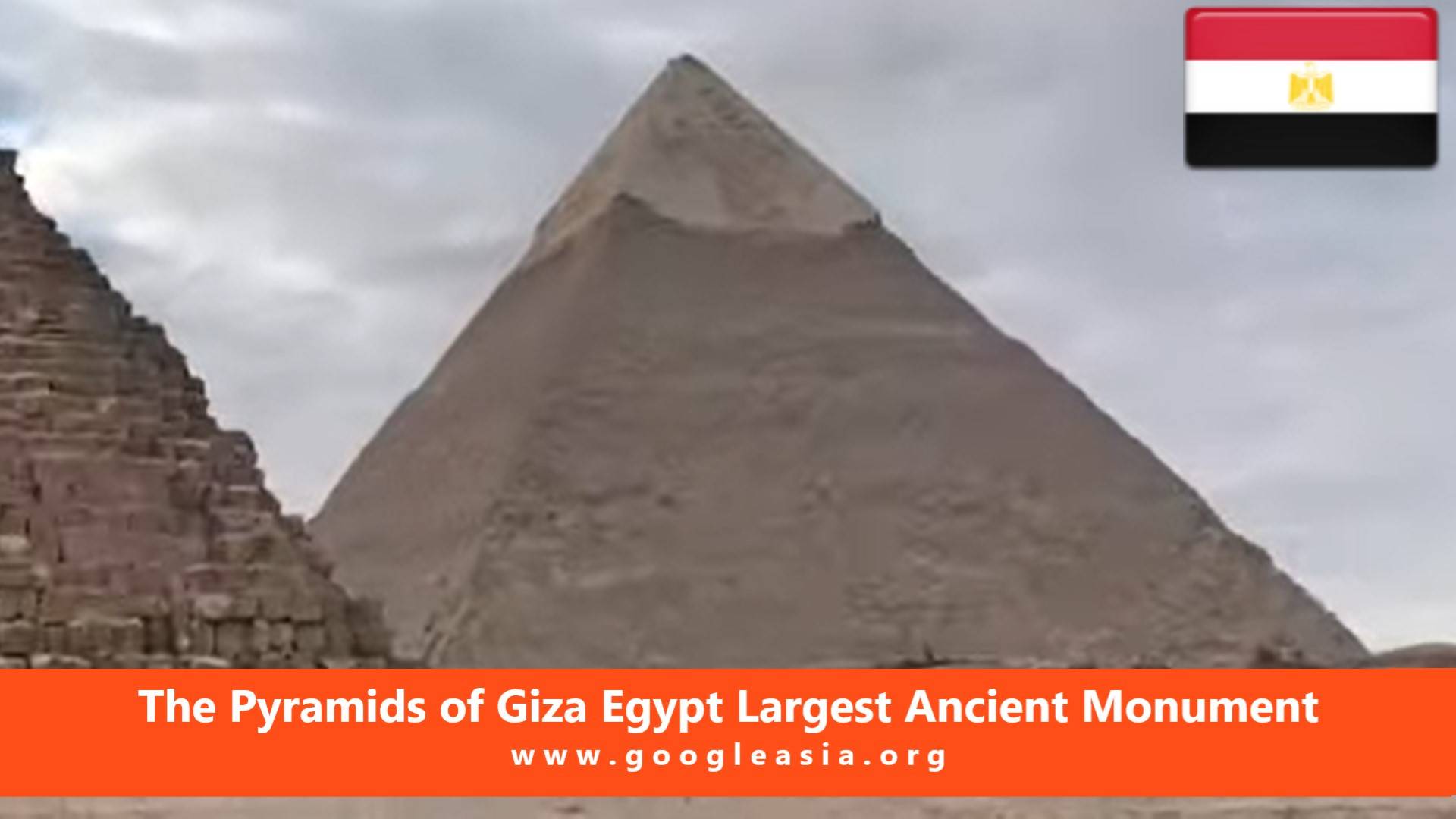
Visiting the Pyramids of Giza is like stepping back in time to the heart of ancient Egypt. These awe-inspiring structures, including the iconic Great Pyramid and the mysterious Sphinx, are among the most famous landmarks in the world. Whether you’re a history lover or simply seeking an unforgettable experience, Giza offers a unique opportunity to explore the wonders of Egypt. Don’t miss out on this once-in-a-lifetime adventure to one of the world’s most extraordinary destinations.
Introduction
If you’re dreaming of exploring one of the most iconic landmarks on Earth, The Pyramids of Giza in Egypt should be on the top of your list. These ancient marvels have stood the test of time for over 4,500 years, and their mystery continues to captivate travelers, archaeologists, and historians alike. Located just outside Cairo on the west bank of the Nile River, the Pyramids of Giza are a testament to the incredible skill and vision of the ancient Egyptians.
The Fascinating Engineering
The construction of the Pyramids of Giza remains one of the most astonishing feats of ancient engineering. The precision with which these colossal structures were built is mind-blowing. For example, the alignment of the pyramids with the cardinal points of the compass and their connection to Orion’s Belt is just one of the mysteries that continue to fascinate experts.
How Did They Do It?
Historians and archaeologists have long debated the methods used to build these monumental tombs. Some believe ramps, sledges, and sheer manpower were the primary techniques used to move and place the massive stone blocks, while others speculate about more advanced methods that could have been employed. What’s certain is that the ancient Egyptians had a remarkable understanding of engineering and geometry.
Inside the Pyramids
The interiors of these pyramids are just as fascinating as their exteriors. Inside the Great Pyramid, for example, you’ll find the Grand Gallery, a long passageway that leads up to the King’s Chamber, where the pharaoh’s body was once laid to rest. The walls are adorned with hieroglyphics and symbols, and there’s even an intricate ventilation system to keep the tomb from becoming too stuffy.
The Rich Historical and Cultural Significance
The Pyramids of Giza were built during the Fourth Dynasty of Egypt’s Old Kingdom, between 2580 and 2560 BC. These awe-inspiring structures were not only tombs for the pharaohs but also symbols of their divine power and connection to the gods.
Tombs for Pharaohs
Each pyramid was part of a larger complex that included smaller tombs for queens, temples for worship, and other structures to help the deceased pharaoh make their journey into the afterlife. The tombs were filled with treasures, artifacts, and inscriptions meant to assist the pharaoh in the next world.
A National Treasure
Today, the Pyramids of Giza are not only a source of pride for Egypt but also a valuable cultural heritage for the world. They attract scholars, tourists, and explorers from all corners of the globe who are eager to learn more about the ancient Egyptian civilization.
Attractions
When you think of Egypt, chances are the Pyramids of Giza are the first thing that comes to mind. These massive structures are more than just tombs—they are symbols of Egypt’s rich history and its once-flourishing civilization. As the last surviving member of the Seven Wonders of the Ancient World, the Pyramids of Giza continue to awe millions of visitors every year.
Three Majestic Pyramids
The Giza pyramid complex consists of three main pyramids, each one serving as a tomb for a different pharaoh. Here’s a quick overview of these incredible structures:
The Great Pyramid of Khufu (Cheops): The largest and most famous of the three, standing at 146.6 meters (481 feet) tall. This massive structure was the tallest man-made building on Earth for over 3,800 years. It’s made up of over 2.3 million stone blocks, each weighing around 2.5 tons.
The Pyramid of Khafre: A little smaller than the Great Pyramid but no less impressive. The Pyramid of Khafre is best known for the nearby Great Sphinx, which is believed to be the guardian of the tomb.
The Pyramid of Menkaure: The smallest of the three at 65 meters (213 feet) tall, but still a marvel of engineering. The Pyramid of Menkaure contains an elaborate internal structure and impressive exterior.
Things to Do
Visiting the Pyramids of Giza is an experience like no other. From exploring ancient tombs to enjoying a camel ride through the desert, here are some top activities to check out when you’re at the site:
Explore the Great Pyramid of Khufu
Climb to the King’s Chamber: Wander through the tunnels inside the Great Pyramid to see the incredible precision of ancient Egyptian engineering and experience the eerie stillness of the tomb.
See Ancient Artifacts: Inside the pyramid, discover fascinating artifacts like pottery, jewelry, and tools that offer a glimpse into the lives of ancient Egyptians.
Visit the Great Sphinx
Admire the Sphinx: The Great Sphinx, with its lion’s body and human head, has been guarding the pyramids for over 4,500 years. It’s one of the most iconic images of ancient Egypt.
Perfect Photo Opportunities: Be sure to capture some incredible photos with the Sphinx in the background. It’s a must-have shot for any traveler.
Explore the Solar Boat Museum
See the Reconstructed Khufu Ship: The museum houses the remains of the Khufu ship, an ancient vessel that was buried alongside the pharaoh. It’s a fascinating insight into Egyptian funerary practices and transportation.
Camel and Horseback Rides
Desert Adventure: For a unique experience, take a camel or horseback ride around the Giza Plateau. This offers an unforgettable view of the pyramids and surrounding desert.
Enjoy a Guided Tour
Expert Guides: Join a guided tour to learn all about the pyramids’ history, architecture, and cultural significance. A knowledgeable guide can bring the stories and mysteries of the pyramids to life.
Sound and Light Show
Evening Entertainment: Don’t miss the Sound and Light Show at the pyramids in the evening. The show uses dramatic lighting and narration to tell the history of ancient Egypt.
Foods
Exploring the Pyramids of Giza is also an opportunity to dive into Egypt’s culinary traditions.
Local Dishes
Here are some local dishes you must try:
Koshari
Egypt’s national dish, made with macaroni, rice, lentils, and chickpeas, topped with fried onions and spicy tomato sauce.
Falafel
These crispy, deep-fried patties made from chickpeas or fava beans are a favorite street food in Egypt.
Shawarma Chicken
Marinated chicken cooked on a vertical rotisserie, often served in a pita wrap with garlic sauce and pickles.
Kofta Kebabs
Grilled skewers of spiced meat, usually lamb or beef, served with vegetables and dips.
Sweet Treats
Baklava
A sweet pastry made with layers of filo dough, honey, and nuts. Perfect for dessert.
Tamarind Lemonade
A refreshing drink made with tamarind pulp, lemon, sugar, and water—a great way to cool off on a hot day.
Conclusion
The Pyramids of Giza are more than just ancient stones; they are a connection to a civilization that shaped much of the world’s history. Standing in front of them, you can’t help but feel the weight of time and the greatness of ancient Egypt. Whether you’re exploring the pyramids, riding a camel across the desert, or enjoying local food, a visit to the Pyramids of Giza is an unforgettable experience that you’ll cherish forever.
The Petronas Twin Towers are an iconic symbol of Malaysia and a must-visit destination in Kuala Lumpur. Standing tall at 452 meters, these stunning towers offer breathtaking views of the city from the Skybridge and observation deck. Whether you’re admiring the architectural beauty, shopping at the Suria KLCC mall, or exploring the surrounding park, the Petronas Twin Towers promise an unforgettable experience. Don’t miss the chance to visit this world-famous landmark and see Kuala Lumpur from new heights.
Introduction
If you’re planning a trip to Kuala Lumpur, there’s one spot that you absolutely can’t miss—the Petronas Twin Towers. These towering beauties stand at an impressive 452 meters, and are not just the tallest twin towers in the world, but also a symbol of Malaysia’s growth and ambition. With their sleek, modern design and cultural significance, the Petronas Twin Towers will leave you in awe the moment you set eyes on them.
The Architecture
César Pelli’s Masterpiece
The Petronas Twin Towers were designed by the renowned architect César Pelli, and their design is a stunning blend of Islamic influences and Postmodern architecture. You can spot the Islamic motifs woven into the building’s structure, giving the towers a unique cultural vibe that sets them apart from any other skyscraper. It’s no wonder they’ve become an iconic symbol for the city and Malaysia as a whole.
What Makes the Towers Stand Out?
The towers are made up of two individual structures, linked together by a skybridge on the 41st and 42nd floors. The skybridge itself is pretty special—it’s not just a way to get from one tower to the other, but also gives you a jaw-dropping panoramic view of Kuala Lumpur below. It’s one of the coolest things to do in the city, hands down.
A Piece of History
When the Petronas Twin Towers were completed back in 1996, they were the tallest buildings in the world. While they no longer hold that title (thanks to the Burj Khalifa in Dubai), they still claim the title of the tallest twin buildings on Earth.
Things to Do
Get a Bird’s Eye View on the 86th Floor
One of the main reasons people visit the Petronas Twin Towers is the observation deck on the 86th floor. Whether you visit during the day or in the evening, the view of Kuala Lumpur’s skyline is breathtaking. The city lights at night? Absolutely mesmerizing. It’s the perfect spot to grab some photos and take in the beauty of the city.
Pro Tips:
Visit during sunset for the best view.
Don’t forget your camera!
Explore Suria KLCC Mall
Located right at the base of the towers, Suria KLCC is more than just a shopping mall. Sure, it has luxury brands and cool boutiques, but there’s so much more to explore. The mall houses a rainforest nursery with over 200 species of plants and animals—talk about a nature oasis in the middle of a bustling city!
What You’ll Love:
Shopping for luxury brands and local finds.
Taking a peaceful stroll through the rainforest park beneath the towers.
A Cultural Touch at the Petronas Gallery
If you’re into art, make sure to check out the Petronas Gallery. It features both local and international art—everything from modern sculptures to traditional paintings. Whether you’re an art connoisseur or just looking for something interesting to do, it’s a great stop.
Dive into the Deep at Aquaria KLCC
For an entirely different experience, head downstairs to Aquaria KLCC, an underwater aquarium filled with thousands of marine species. If you love sea life or have kids with you, this is a must-see. It’s one of the largest aquariums in the region and offers a chance to walk through glass tunnels surrounded by sea creatures, including sharks and stingrays.
Highlights:
Get up close to over 5,000 aquatic species.
Walk through underwater tunnels—feels like you’re in the ocean!
Watch the Musical Fountain Show
If you’re visiting on a Sunday evening, don’t miss the Musical Fountain Show. It’s a colorful display of water, music, and lights that perfectly captures the spirit of Malaysia. It’s free to watch and offers a fun, cultural experience for everyone.
Visit the Skybridge at Sunset
If there’s one thing I recommend above all, it’s taking a trip to the Skybridge at sunset. The views of the city at that time are just stunning. You get to see the city transition from daylight to night, with the buildings lighting up in a beautiful array of colors.
Foods
No visit to the Petronas Twin Towers is complete without indulging in some local and international cuisine. The towers are home to several restaurants that offer a variety of flavors, so you’re in for a treat.
Spice Restaurant
If you’re a fan of Indian food, make sure to stop by Spice Restaurant. You’ll find an incredible array of dishes—rich curries, tandoori, and spiced vindaloo. It’s a great spot to fuel up after a busy day of sightseeing.
Sky 360 Café
Craving something different? Sky 360 Café offers an amazing mix of Asian favorites and local dishes, all with a view that’s hard to beat. It’s the perfect place for a meal while soaking in the sights of Kuala Lumpur.
Seri Melayu Gallery
Seafood lovers will feel right at home at Seri Melayu Gallery. Whether you’re after fresh lobster, prawns, or traditional Malaysian seafood dishes, this restaurant has it all.
Don’t Miss These Dishes:
Beef rendang at Nasi Lemak Corner – a must-try for anyone who wants to taste traditional Malaysian flavors.
Satay at SkyBar – these skewers are served with a delicious peanut sauce.
Chocolate fondue at ChocolateBar by Ritz-Carlton – because why not indulge in something sweet after your sightseeing?
Conclusion
The Petronas Twin Towers are more than just a famous landmark in Kuala Lumpur—they’re an experience you won’t forget. Whether you’re captivated by the incredible design, the view from the observation deck, the shopping, or the delicious food, there’s so much to see and do at these iconic towers. It’s an absolute must-see on your trip to Malaysia!
Ready to Explore?
Don’t wait—plan your visit to the Petronas Twin Towers today! Whether you’re heading up to the observation deck or shopping in Suria KLCC, you’re in for an unforgettable experience.
Summary
Attraction Name: Petronas Twin Towers
Country: Malaysia
Continent: Asia
Capital Name: Kuala Lumpur
Language: Bahasa Melayu (Official), English, Mandarin, Tamil
Currency: Malaysian Ringgit (MYR)
Nationality: Malaysian
Category: #Destination #Asia #MALAYSIA
Frequently Asked Questions
Where is Petronas Twin Towers located?
The Petronas Twin Towers are located in Kuala Lumpur, Malaysia. They are iconic skyscrapers that have become a symbol of Malaysia’s modernity and economic prowess.
How to go to Petronas Twin Towers?
To get to the Petronas Twin Towers in Kuala Lumpur, Malaysia, you have several transportation options:
By Train (LRT): Take the Kelana Jaya Line (LRT) and alight at KLCC Station. This station directly connects to the Suria KLCC shopping mall, which is located at the base of the Petronas Towers.
By Monorail: Take the KL Monorail and disembark at Bukit Nanas Station. From there, it’s a short walk to the nearest LRT station (Dang Wangi) where you can transfer to the Kelana Jaya Line to reach KLCC Station.
By Bus: Several buses serve the KLCC area. Look for buses that mention “KLCC” or “Petronas Twin Towers” as part of their route. Use Google Maps or local transportation apps for specific bus routes and schedules.
By Taxi or Ride-Sharing Services: Taxis and ride-sharing services are widely available in Kuala Lumpur. Ensure the driver knows you want to go to the Petronas Twin Towers or KLCC to avoid any confusion.
On Foot: Depending on where you are in Kuala Lumpur, you can walk to the Petronas Towers if you are staying nearby. Follow signs towards KLCC or ask locals for directions.
What are Petronas Twin Towers’s must-visit attractions or landmarks?
When visiting the Petronas Twin Towers in Kuala Lumpur, Malaysia, there are several highlights you shouldn’t miss:
Skybridge: Explore the iconic double-decker skybridge that connects the two towers at the 41st and 42nd floors. It offers panoramic views of the city and is a prime photo spot.
Observation Deck: Ascend to the 86th floor for breathtaking views from the observation deck. It’s a perfect vantage point to admire Kuala Lumpur’s skyline and landmarks.
Suria KLCC: This expansive shopping mall at the base of the towers offers a wide range of retail, dining, and entertainment options. It’s a great place to relax and shop after your tower visit.
KLCC Park: Adjacent to the towers, this beautifully landscaped park provides greenery amidst the urban environment. It’s ideal for a leisurely stroll or for enjoying the dancing fountain show in the evening.
Aquaria KLCC: Located beneath the convention center near the towers, Aquaria KLCC is an impressive aquarium showcasing a diverse array of marine life, including sharks, stingrays, and tropical fish.
Is Petronas Twin Towers a suitable travel destination for solo adventurers, honeymooning couples, or those traveling with families?
The Petronas Twin Towers in Kuala Lumpur, Malaysia, offers a diverse experience for various types of travelers:
Solo Adventurers: Solo travelers can enjoy exploring the towers and surrounding areas at their own pace. The observation deck provides breathtaking views, and the nearby KLCC Park offers a tranquil escape amidst the bustling city.
Honeymooning Couples: The Twin Towers’ iconic skyline views and romantic ambiance make it a popular choice for honeymooners. The luxurious hotels and fine dining options in the vicinity provide a perfect setting for a memorable stay.
Families: Families traveling with children can visit the Petrosains Discovery Centre and the Aquaria KLCC, located within the Twin Towers complex. These attractions offer interactive exhibits and marine life experiences that are both educational and entertaining for all ages.
Why should you visit Petronas Twin Towers?
Visiting the Petronas Twin Towers offers a unique and breathtaking experience for several reasons. These iconic towers, once the tallest buildings in the world, provide panoramic views of Kuala Lumpur from their observation deck, Skybridge, and even higher up in the towers themselves. Beyond the stunning architecture and impressive height, the towers symbolize Malaysia’s modernity and economic prowess. Whether you’re interested in architecture, city views, or simply want to experience a cultural landmark, the Petronas Twin Towers are a must-visit destination in Kuala Lumpur.
Is there any halal food available in the vicinity of the Petronas Twin Towers?
Yes, there are several options for halal food near the Petronas Twin Towers. You can find a variety of restaurants offering halal-certified dishes within walking distance or a short drive away. Malaysian cuisine often includes halal options, and there are also international restaurants nearby that cater to halal dietary requirements. It’s advisable to check with the restaurant or refer to online reviews for specific halal options and recommendations based on your preferences.
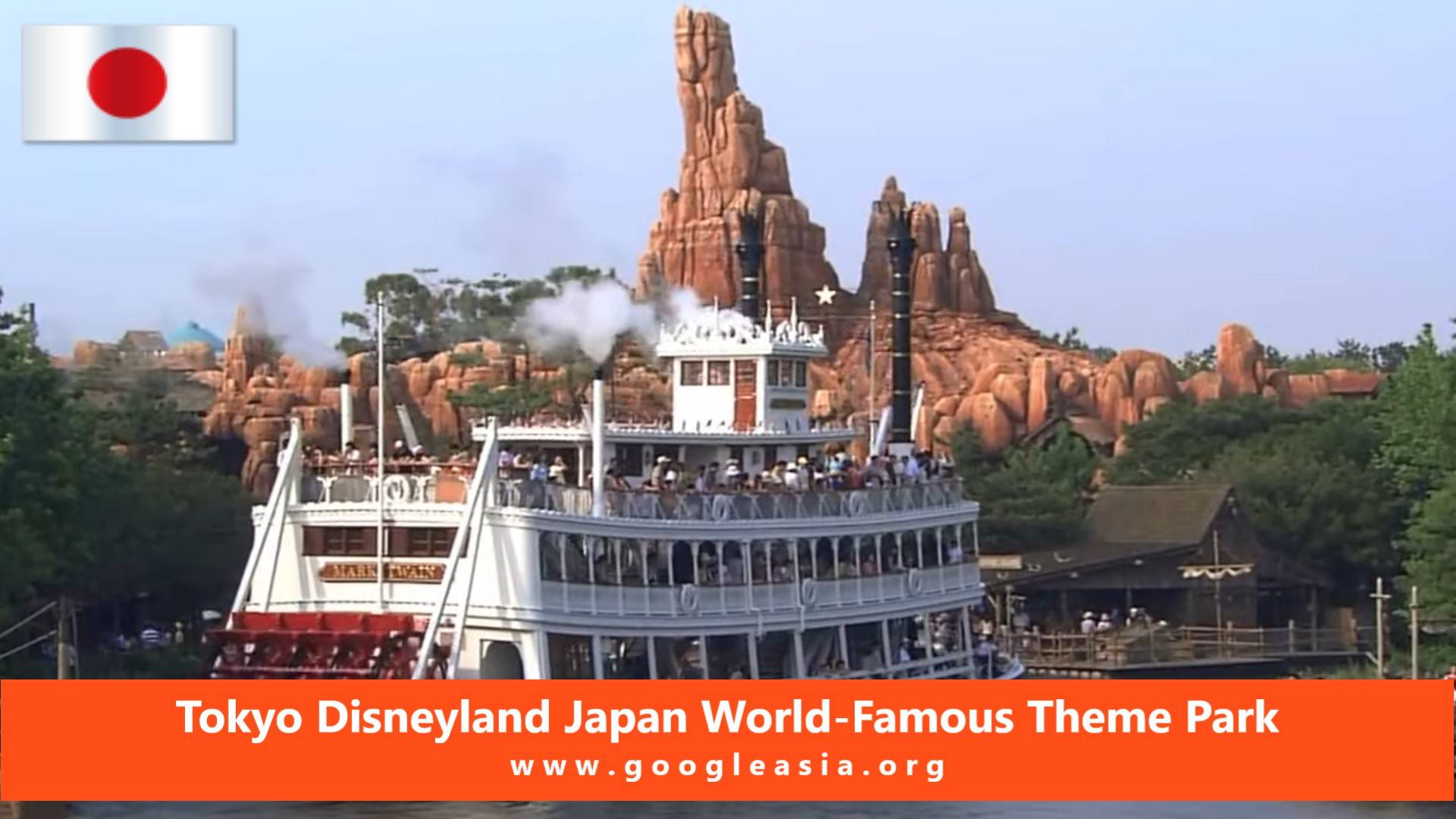
Located in Urayasu, Chiba, Japan, Tokyo Disneyland is one of the most iconic theme parks in the world. Opened in April 1983, it is part of the Tokyo Disney Resort, alongside Tokyo DisneySea.
Introduction
Tokyo Disneyland is home to legendary attractions, spectacular shows, and exclusive merchandise that make it a must-visit for Disney lovers. Whether exploring Fantasyland, enjoying thrilling rides, or indulging in Japanese Disney cuisine, Tokyo Disneyland offers unforgettable magical moments.
Attractions
Key Attractions
World Bazaar
Modeled after early 20th-century America, this shopping district offers souvenirs, dining, and an immersive atmosphere under a covered arcade.
Adventureland
Step into exotic worlds with rides like Pirates of the Caribbean and Jungle Cruise, bringing stories to life.
Westernland
Explore the Wild West with attractions like Big Thunder Mountain, a high-speed roller coaster adventure.
Critter Country
Home to Splash Mountain, this area blends Disney storytelling and water ride thrills.
Fantasyland
The heart of Disney magic, featuring beloved attractions like Peter Pan’s Flight, Dumbo the Flying Elephant, and It’s a Small World.
Tomorrowland
A futuristic land showcasing Space Mountain, Buzz Lightyear’s Astro Blasters, and the Star Wars-themed Star Tours.
Toontown
A vibrant world where guests can meet Mickey and Minnie, explore character-themed attractions, and enjoy interactive experiences.
DisneySea
Mediterranean Harbor
A stunning coastal town-inspired area, featuring gondola rides and a breathtaking nighttime show.
Mermaid Lagoon
An underwater kingdom inspired by The Little Mermaid, filled with interactive attractions.
Arabian Coast
Step into Aladdin’s world with rides like Sindbad’s Storybook Voyage and Magic Lamp Theater.
Lost River Delta
Uncover ancient ruins and thrilling adventures, including Indiana Jones Adventure and Raging Spirits.
American Waterfront
Capturing early 20th-century New York, this area features Tower of Terror and the grand S.S. Columbia.
Port Discovery
A marine exploration-themed zone, home to attractions like Aquatopia and Nemo & Friends SeaRider.
Shows
Thrilling Rides
Monsters, Inc. Ride & Go Seek – Use flashlights to help find Boo in an interactive adventure.
Big Hero 6-The Series – Join Hiro and Baymax in a high-tech world filled with excitement.
Spectacular Shows and Parades
Dreaming Up! Parade – A daytime celebration of Disney characters, storytelling, and stunning floats.
Nighttime Spectacular – Fireworks, music, and dazzling effects light up the sky in this grand performance.
Character Interactions
Mickey’s House & Meet Mickey – Capture magical moments with Mickey in his home.
Fantasyland Character Greetings – Meet Disney princesses like Cinderella and Snow White.
Shopping & Exclusive Merchandise
World Bazaar – Discover Disney-themed collectibles, apparel, and rare souvenirs.
Queen of Hearts Banquet Hall – A royal-themed dining experience inspired by Alice in Wonderland.
Mickey-Shaped Waffles & Popcorn – Iconic snacks for a delightful Disney experience.
A Culinary Adventure
Savory Delights
Tokyo DisneySea Curry Bun – A spicy, savory snack filled with rich flavors.
Kaki Gyoza – Crispy seafood dumplings, packed with bold taste.
Sweet Treats
Taiyaki – A fish-shaped pastry with delicious fillings.
Cotton Candy Ice Cream – A colorful, fun dessert for all ages.
Fusion and Innovation
Ramen Burger – A bunless twist on a classic, swapping bread for ramen patties.
Tokyo Fried Chicken – A sweet and spicy exclusive Disney recipe, offering a unique flavor profile.
Conclusion
Tokyo Disneyland is unmatched in magic and adventure! Here’s why it should be at the top of your travel bucket list:
Exclusive attractions found only in Tokyo Disney Resort
A mix of traditional Disney magic and Japanese innovation
Immersive themed lands that bring stories to life
World-class entertainment, parades, and live shows
Family-friendly experiences for all ages
Unique Disney merchandise and Japanese-inspired treats
Ready to step into the magic? Book your trip today and make lifelong Disney memories!
Summary
Attraction Name: Tokyo Disneyland
Country: Japan
Continent: Asia
Capital: Tokyo
Language: Japanese
Currency: Japanese Yen
Nationality: Japanese
Category: #Destination #Asia #Japan #Disneyland
Quick Information
Category
Details
Location
1-1 Maihama, Urayasu, Chiba, Japan
GPS Coordinates
35.6340° N, 139.8804° E
Opening Date
April 15, 1983
Main Attractions
Space Mountain, Pirates of the Caribbean, Big Thunder Mountain, It’s a Small World
Disney Parks
Tokyo Disneyland & Tokyo DisneySea
Popular Dining
Queen of Hearts Banquet Hall, Mickey Waffles, Popcorn, Curry Bun
Shopping Spots
World Bazaar, Adventureland Bazaar, Disney-themed merchandise
Unique Experiences
Exclusive Japanese-themed Disney food, unique merchandise, live entertainment
Accessibility
Wheelchair-friendly attractions, multilingual guides, family facilities
Ticket Pricing
Varies by season; discounts for early booking
Best Time to Visit
Spring & Autumn for pleasant weather, weekdays to avoid crowds
Annual Events
Halloween Disney Celebration, Christmas Spectacular, Summer Disney Festival
Nearby Hotels
Tokyo Disneyland Hotel, Disney Ambassador Hotel, Hotel MiraCosta
Transportation
Accessible via JR Maihama Station; shuttle buses available
Official Website
[Tokyo Disneyland Official Site](https://www.tokyodisneyresort.jp/en/)
Frequently Asked Questions
Where is Tokyo Disneyland located?
Tokyo Disneyland is located in Urayasu City, Chiba Prefecture, Japan. Here are the details:
Address: Tokyo Disneyland 1-1 Maihama, Urayasu, Chiba 279-0031, Japan
Location: Tokyo Disneyland is situated southeast of central Tokyo, within the Tokyo Disney Resort area. It is easily accessible from Tokyo by train or bus, making it a popular destination for both locals and international visitors.
Access: Visitors can reach Tokyo Disneyland by taking a train to Maihama Station on the JR Keiyo Line or JR Musashino Line, followed by a short walk or monorail ride to the park entrance.
How to go to Tokyo Disneyland?
To reach Tokyo Disneyland, you can follow these general directions based on starting from central Tokyo:
By Train:
From Tokyo Station or Shinjuku Station:
Take the JR Chuo Line (Rapid) or JR Sobu Line (Rapid) to Tokyo Station.
At Tokyo Station, transfer to the JR Keiyo Line or JR Musashino Line bound for Maihama Station (approximately 15-20 minutes).
From Maihama Station to Tokyo Disneyland:
From Maihama Station, it’s a short walk (about 15 minutes) or you can take the Disney Resort Line monorail (not covered by JR Pass) to Tokyo Disneyland Station (1 stop, about 5 minutes).
By Bus:
Direct Buses from Tokyo:
Direct buses operate from various locations in Tokyo to Tokyo Disneyland. Check with bus companies for schedules and routes.
Tips:
Tokyo Disney Resort Line: The Disney Resort Line monorail connects Maihama Station to Tokyo Disneyland, Tokyo DisneySea, and resort hotels. It’s a convenient way to travel within the resort area.
Tickets: Purchase your park tickets in advance to avoid long lines at the entrance.
Crowd Considerations: Weekdays generally have fewer visitors compared to weekends and holidays. Consider visiting during off-peak times for a more relaxed experience.
What’s the climate like in Tokyo Disneyland?
Tokyo Disneyland experiences a temperate climate typical of the Kanto region of Japan. Here’s what you can generally expect:
Seasonal Variations:
Spring (March to May): Mild temperatures with cherry blossoms blooming, making it a popular time to visit.
Summer (June to August): Hot and humid, with occasional rain showers and high temperatures. It can be crowded due to summer vacations.
Autumn (September to November): Mild and pleasant, with colorful foliage in late autumn. It’s another popular time for visitors.
Winter (December to February): Cool to cold temperatures, occasionally dropping below freezing, especially at night. It’s less crowded but festive due to holiday decorations.
Rainfall:
Rainfall is spread throughout the year, with slightly more precipitation during the summer months. It’s advisable to carry an umbrella or raincoat, especially in the rainy season (June to mid-July) and typhoon season (late summer to early autumn).
Clothing Recommendations:
In summer, lightweight clothing and sunscreen are essential due to the heat and humidity.
In winter, layering with a warm coat and accessories like gloves and a hat is recommended, especially for cooler evenings.
Park Experience:
The climate can affect your park experience, with more indoor attractions being popular during hot or rainy days.
Seasonal events and decorations at Tokyo Disneyland are tailored to enhance the visitor experience regardless of the weather.
What are Tokyo Disneyland’s must-visit attractions or landmarks?
Tokyo Disneyland offers a wide range of attractions and landmarks that are must-visits for any visitor. Here are some highlights you shouldn’t miss:
Cinderella’s Castle:
The iconic centerpiece of Tokyo Disneyland, Cinderella’s Castle is a stunning landmark where you can take memorable photos and explore the charming interior.
Pirates of the Caribbean:
This classic boat ride takes you through detailed pirate scenes filled with animatronics and special effects, bringing the swashbuckling world of pirates to life.
Space Mountain:
A thrilling indoor roller coaster that takes you on a high-speed adventure through outer space. It’s a must-visit for thrill-seekers.
It’s a Small World:
This beloved boat ride features vibrant scenes and animatronic dolls from around the world, singing the famous “It’s a Small World” song. It’s a delightful attraction for all ages.
Enchanted Tiki Room:
A lively and entertaining show featuring animatronic birds, flowers, and tikis, all set to catchy tunes in a tropical paradise setting.
Big Thunder Mountain:
This exhilarating mine train roller coaster takes you on a wild ride through a rugged, Old West-inspired landscape.
Haunted Mansion:
A spooky but fun attraction that guides you through a mansion filled with ghostly figures and supernatural surprises.
Splash Mountain:
A log-flume ride that combines storytelling, animatronics, and a thrilling drop into a splash-filled finale.
Monsters, Inc. Ride & Go Seek:
An interactive dark ride where you use a flashlight to find hidden characters from the Monsters, Inc. movie. It’s fun and engaging for both kids and adults.
Tokyo Disneyland Electrical Parade Dreamlights:
A dazzling nighttime parade featuring illuminated floats and beloved Disney characters. It’s a spectacular and magical experience that lights up the night.
Is Tokyo Disneyland a suitable travel destination for solo adventurers, honeymooning couples, or those traveling with families?
Yes, Tokyo Disneyland is a versatile destination that caters to solo adventurers, honeymooning couples, and families. Here’s why:
Solo Adventurers
Self-Paced Exploration: Solo travelers can enjoy the freedom to explore the park at their own pace, choosing attractions, shows, and dining options that suit their preferences.
Single Rider Lines: Some attractions offer single rider lines, allowing solo visitors to experience popular rides with shorter wait times.
Photo Opportunities: The park offers numerous picturesque spots perfect for solo travelers to capture memories.
Honeymooning Couples
Romantic Atmosphere: The magical ambiance of Tokyo Disneyland, with its enchanting castles, themed lands, and nighttime fireworks, creates a romantic setting for couples.
Special Experiences: Couples can enjoy romantic dinners at themed restaurants, share sweet treats, and experience attractions together.
Memorable Moments: Attractions like “It’s a Small World,” “Pirates of the Caribbean,” and the nighttime “Electrical Parade Dreamlights” provide memorable experiences to share.
Families
Family-Friendly Attractions: Tokyo Disneyland offers a wide range of attractions suitable for all ages, from gentle rides for young children to exciting adventures for older kids and adults.
Entertainment: The park features shows, parades, and character meet-and-greets that entertain and delight children and adults alike.
Convenient Facilities: Family-friendly amenities such as baby care centers, stroller rentals, and kid-friendly dining options make visiting with children more comfortable and enjoyable.
Overall Benefits
Diverse Attractions: With a variety of attractions, shows, and entertainment options, Tokyo Disneyland offers something for everyone, regardless of age or travel style.
Quality Service: The park’s high standards of service, cleanliness, and attention to detail ensure a pleasant experience for all visitors.
Seasonal Events: Special events and seasonal celebrations add extra excitement and variety to the park’s offerings, making each visit unique.
Why should you visit Tokyo Disneyland?
Tokyo Disneyland is a must-visit destination for several reasons, appealing to a wide range of visitors. Here are some key reasons why you should consider visiting:
Magical Atmosphere:
Tokyo Disneyland captures the enchanting spirit of Disney, bringing beloved characters and stories to life in an immersive, magical environment.
Unique Attractions:
The park features classic Disney attractions as well as unique rides and experiences not found in other Disney parks. Notable attractions include “Pooh’s Hunny Hunt,” “Monsters, Inc. Ride & Go Seek,” and “Enchanted Tiki Room: Stitch Presents Aloha E Komo Mai!”
High-Quality Entertainment:
Enjoy world-class parades, shows, and nighttime spectaculars that showcase Disney’s storytelling and production excellence. The seasonal events and themed celebrations add to the vibrant atmosphere.
Family-Friendly Experience:
Tokyo Disneyland offers something for visitors of all ages, making it an ideal destination for families. From gentle rides for young children to thrilling attractions for teens and adults, everyone can find something to enjoy.
Cultural Fusion:
The park blends traditional Disney magic with Japanese culture, creating a unique experience. You can enjoy Disney-themed attractions and merchandise with a distinct Japanese twist.
Exceptional Hospitality:
Known for its high standards of service, Tokyo Disneyland offers exceptional hospitality. The friendly and helpful cast members (staff) ensure that your visit is smooth and enjoyable.
Stunning Theming and Design:
The park’s meticulous attention to detail in theming and design makes each area a visual treat. From Cinderella Castle to the immersive lands like Adventureland and Fantasyland, every corner of the park is beautifully crafted.
Delicious Food Options:
While halal food options are limited, the park offers a wide variety of delicious snacks and meals, including unique Japanese Disney treats. Be sure to try the popular popcorn in different flavors and the seasonal sweets.
Memorable Souvenirs:
Tokyo Disneyland offers exclusive merchandise that you won’t find in other Disney parks. These unique souvenirs make for great keepsakes and gifts.
Convenient Access:
Located in Urayasu, Chiba, just outside of Tokyo, the park is easily accessible by public transportation, making it a convenient day trip or part of a larger Tokyo itinerary.
Is it difficult to find halal food in Tokyo Disneyland?
Finding halal food in Tokyo Disneyland can be challenging, as the park does not have many halal-certified dining options. However, there are ways to manage and enjoy your visit while adhering to halal dietary requirements:
Limited Halal Options:
Tokyo Disneyland does not have specific halal-certified restaurants. Most food options within the park are not halal.
Alternative Choices:
Opt for vegetarian or seafood meals available at various dining spots within the park. While not halal-certified, these options may be more suitable for those following a halal diet.
Pack your own halal snacks or meals to bring with you to the park. There are picnic areas where you can enjoy your own food.
Nearby Halal Restaurants:
Consider dining at halal-certified restaurants outside the park in nearby areas such as Maihama or Urayasu. These locations have more diverse dining options, including halal cuisine.
Planning Ahead:
Use apps and websites that cater to Muslim travelers, such as Halal Navi or HappyCow, to find nearby halal-friendly dining options.
Contact Tokyo Disneyland’s guest services in advance to inquire about dietary accommodations and any potential halal meal options that may be available.
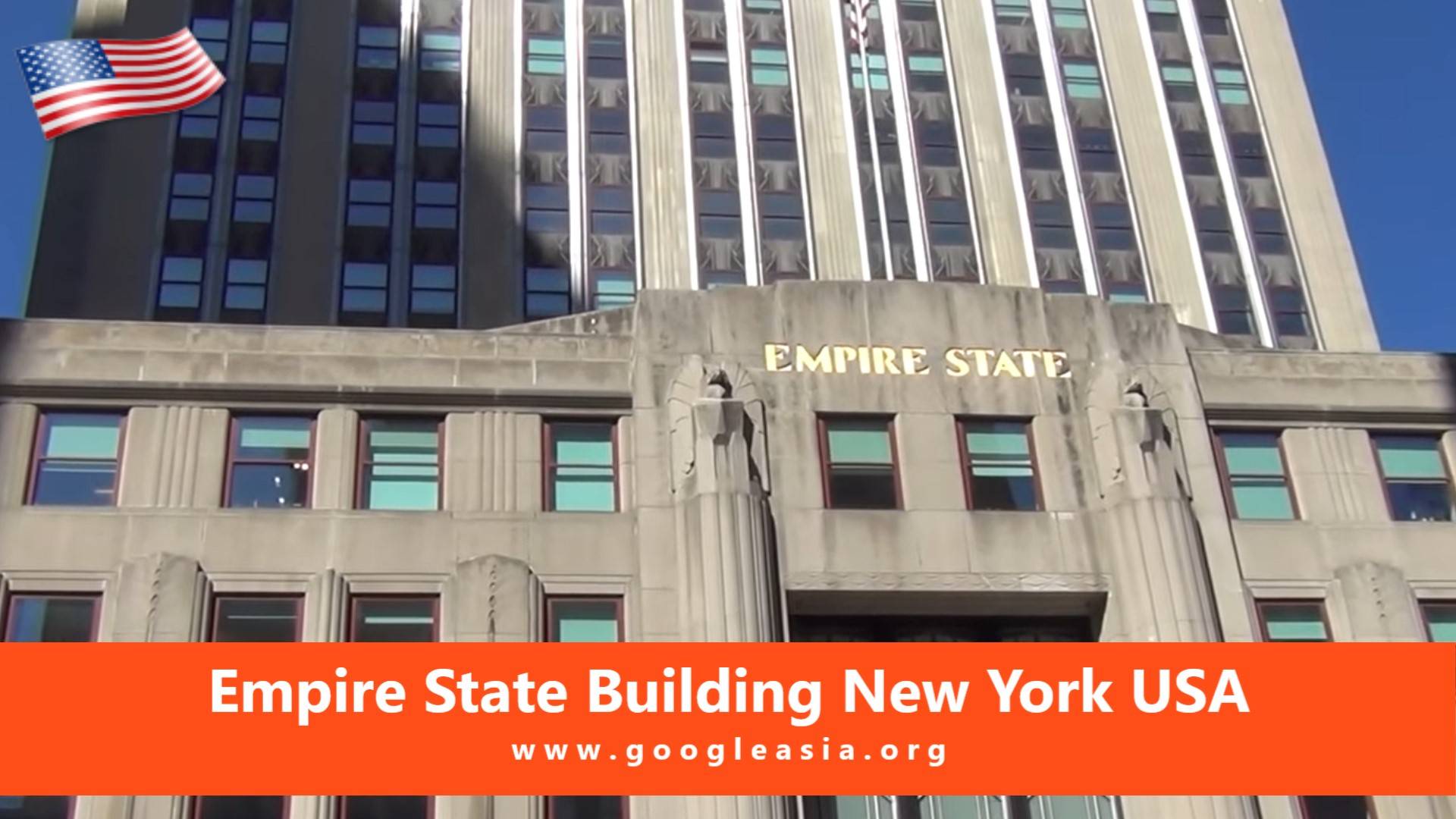
The Empire State Building is one of the most iconic landmarks in all of the United States and as such is a popular tourist destination for people from all over the world. Its recognizable architecture and historical significance make it a must-see when visiting the Big Apple. Its observation deck offers unparalleled 360-degree views of the city skyline and Hudson River, a truly beautiful and once-in-a-lifetime experience. Additionally, its gorgeous Art Deco lobby has become an iconic piece of American history and is an exciting spot to explore and take photos.
The Empire State Building is one of the most recognizable symbols of New York City, standing at 443 meters tall. It is located in the heart of Manhattan, between 5th and 34th streets, and is constructed in the Art Deco design style. A visual icon of the United States, it is a popular tourist attraction beloved by locals and visitors alike.
Introduction
The Empire State Building stands as an enduring symbol of New York City’s grandeur and innovation. This Art Deco masterpiece, towering in Midtown Manhattan, is not only a testament to architectural excellence but also an iconic cultural landmark. Here’s an in-depth look at what makes the Empire State Building a must-see attraction.
Historical Significance
Construction and Design
Designed by the architectural firm Shreve, Lamb & Harmon, the Empire State Building was built during one of the most ambitious periods of skyscraper construction in the early 20th century. Construction began in 1930 and was completed in 1931, remarkably fast for its time. At its completion, it stood as the tallest building in the world, reaching a height of 1,454 feet (443.2 meters) including its antenna.
Architectural Style
The building’s design epitomizes the Art Deco style, characterized by its sleek lines, geometric patterns, and ornate details. Its exterior features a limestone facade and a distinctive terraced crown, which is illuminated in various colors to mark special occasions and holidays, adding to its iconic status.
Cultural Impact
Film and Media
The Empire State Building has made a significant impact on popular culture and has been featured in numerous films, television shows, and photographs. Its most famous appearance is perhaps in the classic film “King Kong” (1933), where the titular character climbs the skyscraper in one of cinema’s most memorable scenes.
Tourist Attraction
With over 4 million visitors per year, the Empire State Building is one of the most visited tourist destinations in New York City. Visitors come to marvel at the building’s architectural splendor, experience its observation decks, and enjoy the surrounding city views.
Modern-Day Relevance
Sustainability Efforts
In recent years, the Empire State Building has embraced sustainability, undertaking significant retrofits to improve energy efficiency. These upgrades include advanced lighting systems, enhanced insulation, and energy-efficient windows, aligning the building with modern environmental standards.
Ongoing Significance
Despite changes in the skyline and advancements in skyscraper technology, the Empire State Building remains a symbol of American ingenuity and urban development. It continues to attract millions of tourists and stands as a testament to the spirit of New York City.
Things to Do
The Empire State Building is not just a landmark; it’s a hub of activities and experiences that showcase its rich history, stunning architecture, and breathtaking views. Whether you’re visiting for the panoramic vistas, historical insights, or unique attractions, there’s plenty to do at this iconic New York City destination.
Observation Decks
86th Floor Observation Deck
The 86th Floor Observation Deck is the main highlight of the Empire State Building experience. It offers:
Panoramic Views: Enjoy stunning vistas of up to five states—New York, New Jersey, Connecticut, Pennsylvania, and Massachusetts.
Outdoor Deck: An open-air deck allows for unobstructed views and fantastic photo opportunities.
Day and Night Views: Visit during the day for a sprawling view of the cityscape or come at night to see the city lights sparkle.
102nd Floor Observation Deck
The 102nd Floor Observation Deck is the topmost level of the building and provides:
Even Higher Vantage Point: The indoor deck offers a more immersive and expansive view of New York City from 1,250 feet above ground.
Glass-enclosed Observation: Enjoy the view from a fully enclosed space with floor-to-ceiling windows for unobstructed sights.
Museum and Historical Exhibits
Empire State Building Museum
Historical Exhibits: The museum features interactive displays and exhibits about the building’s history, from its construction in the 1930s to its status as a cultural icon.
Art Deco Artifacts: Explore exhibits on the Art Deco style, including architectural drawings, models, and historical photographs.
Interactive Attractions
SkyRide
Virtual Experience: The SkyRide is an indoor virtual simulation ride that gives visitors a bird’s-eye view of New York City as if they were flying above it. It’s an engaging way to experience the city’s landmarks and neighborhoods.
Audio Tours
Guided Information: Audio tours are available in multiple languages, providing detailed information about the Empire State Building’s history, architecture, and significance. These tours help enrich your visit with fascinating facts and stories.
Art and Architecture
Art Deco Lobby
Lobby Art: The lobby of the Empire State Building features stunning Art Deco murals and sculptures, including a large mural by Allie Townsend that depicts the observatory and surrounding skyline.
Architectural Details: Admire the intricate design elements that reflect the building’s grandeur and historical significance.
Height Marker
Historical Marker: Outside the building, visit the height marker on the sidewalk near the 86th floor entrance. This spot marks the original height of the building and is a great photo op for visitors.
Special Experiences
Sunrise and Sunset Viewings
Romantic and Scenic: For an unforgettable experience, visit the observation decks during sunrise or sunset. The changing light creates dramatic and beautiful views of the city and its surroundings.
Special Events
Seasonal and Special Events: The Empire State Building often hosts special events, including fireworks displays, holiday celebrations, and theatrical performances. Check the building’s event calendar to see if any coincide with your visit.
Foods
The Empire State Building isn’t just an architectural marvel; it also boasts a diverse range of dining options that cater to a variety of tastes. Whether you’re in the mood for a gourmet burger, classic New York hotdogs, or international cuisine, there’s something to satisfy every palate. Here’s a guide to the best foods you can enjoy while visiting this iconic skyscraper.
Gourmet Burgers and Classic Eats
Burger Joint
Gourmet Burgers: Burger Joint is a must-visit for burger enthusiasts. Known for its classic, no-frills burgers, this spot offers a selection of juicy patties with a variety of toppings.
Specialty Sandwiches: Try the Georgia Chopped BBQ Sandwich for a tangy and flavorful twist on a classic barbecue sandwich.
Fries and Shakes: Don’t miss out on the crispy fries and rich milkshakes that perfectly complement the burgers.
Big Daddy’s Old-Fashioned Hotdogs
Classic Frankfurters: Big Daddy’s Old-Fashioned Hotdogs serves some of the best frankfurters in New York City. Enjoy these quintessential hotdogs with your choice of classic toppings.
Taste of NYC: This stand offers a delicious taste of New York’s hotdog culture, making it a great snack while exploring the Empire State Building.
Sweet Treats and Desserts
Junior’s Cheesecake
New York Cheesecake: Junior’s Cheesecake is renowned for its creamy and rich cheesecakes. Choose from varieties such as raspberry swirl and strawberry shortcake for a classic New York dessert experience.
Dessert Delights: Perfect for a sweet finish to your visit, Junior’s cheesecakes are a treat you won’t want to miss.
International and Specialty Cuisine
Käthe Wohlfahrt
German Fare: Located on the 86th floor, Käthe Wohlfahrt offers a taste of Germany with bratwursts and sausages. This spot is ideal for those craving hearty and flavorful German dishes.
Authentic Flavors: Enjoy traditional German flavors in the heart of New York City.
Café USA
American Classics: Café USA provides a range of all-American options, including coffee, donuts, sandwiches, and salads. It’s a great spot for a casual meal or a quick snack.
Convenient Choice: With its central location, Café USA is a convenient choice for visitors looking for a simple and satisfying meal.
Heartland Brewery Midtown
Craft Beers and Comfort Food: Heartland Brewery Midtown offers a robust menu that includes burgers, pizzas, salads, and sandwiches. Pair your meal with some of the city’s best craft beers.
Relaxed Atmosphere: Enjoy a relaxed dining experience with a variety of hearty options and local brews.
Diverse Dining Options
International Cuisine
Varied Flavors: For those interested in international cuisine, the Empire State Building features restaurants offering a range of flavors from Italian and Thai to Latin American dishes.
Global Palate: Explore diverse culinary options and enjoy a global dining experience within the iconic setting of the Empire State Building.
Applebee’s
Traditional American Fare: Applebee’s provides a familiar menu with apps, entrees, and desserts. It’s a reliable choice for a satisfying meal that caters to a variety of tastes.
Comfortable Dining: With a range of options, Applebee’s ensures there’s something for everyone in your party.
Quick Facts
Attribute
Details
Name
Empire State Building
Address
350 Fifth Avenue, New York, NY 10118, USA
GPS Coordinates
40.748817° N, 73.985428° W
State
New York
City
New York City
Neighborhood
Midtown Manhattan
Construction Start
March 17, 1930
Completion Date
April 11, 1931
Opening Date
May 1, 1931
Height (to tip)
1,454 ft (443.2 m)
Height (roof)
1,250 ft (381 m)
Floors
102
Observation Decks
80th, 86th, and 102nd floors
Architectural Style
Art Deco
Architect
Shreve, Lamb & Harmon
Developer
Empire State Inc.
Owner
Empire State Realty Trust
ZIP Code
10118
Website
esbnyc.com
Summary
Attraction Name: Empire State Building New York
Country: United States of America (USA)
Continent: North America
Capital Name: Washington, D.C.
Language: English
Currency: United States dollar
Nationality: U.S. citizen
Category: #Destination #NorthAmerica #USA
Frequently Asked Questions (FAQ)
Where is Empire State Building located?
The Empire State Building is situated in the heart of Midtown Manhattan, New York City. Its exact address is 350 Fifth Avenue, New York, NY 10118, at the intersection of Fifth Avenue and West 34th Street. This iconic skyscraper stands as a landmark of New York City’s skyline and is easily recognizable due to its distinctive Art Deco design and towering height. It’s a popular attraction for tourists, offering observation decks with breathtaking views of the city and beyond.
How can one travel to Empire State Building?
There are several ways to travel to the Empire State Building:
Subway: You can take the subway to reach the Empire State Building. The nearest subway stations include:
34th Street – Herald Square (B, D, F, M, N, Q, R, W trains)
34th Street – Penn Station (1, 2, 3 trains)
34th Street – Penn Station (A, C, E trains)
Bus: Various bus routes run along or near Fifth Avenue and 34th Street, providing convenient access to the Empire State Building.
Taxi or Ride-Share: Taxis and ride-sharing services are readily available in New York City and can drop you off near the Empire State Building entrance.
Walking: Depending on your location in Midtown Manhattan, walking to the Empire State Building can be a pleasant option, especially if you’re exploring nearby attractions.
Tourist Buses: Many hop-on hop-off tourist buses include stops at the Empire State Building, making it easy to visit as part of a sightseeing tour.
Private Car: If you prefer private transportation, you can arrange for a car service or drive yourself to nearby parking facilities.
What are Empire State Building’s must-visit attractions or landmarks?
Observation Decks: The Empire State Building offers two main observation decks:
86th Floor Observatory: This is the main observation deck with outdoor and indoor viewing areas offering panoramic views of New York City. It’s renowned for its sweeping vistas, including Central Park, the Hudson River, and iconic skyscrapers.
102nd Floor Observatory: Located higher up, this enclosed deck provides even more expansive views, although it’s often less crowded and requires a separate ticket.
Art Deco Lobby: The building’s stunning lobby features intricate Art Deco details, including a grand staircase, murals, and a beautiful ceiling with celestial motifs. It’s a perfect spot for history and architecture enthusiasts.
Dare to Dream Exhibit: Situated on the 80th floor, this exhibit delves into the construction and engineering marvels of the Empire State Building. It offers insights into its history through interactive displays and historical artifacts.
Historical Exhibits: Throughout the building, various exhibits showcase the Empire State Building’s cultural significance, its impact on pop culture, and notable events that have taken place there.
Night Views: Visiting the Empire State Building at night provides a magical experience with the city illuminated below. The city lights create a spectacular backdrop for photography enthusiasts and romantic outings alike.
Empire State Building Run-Up: For those seeking adventure and fitness challenges, participating in the annual Empire State Building Run-Up race is a thrilling opportunity. Athletes race up the stairs to the 86th floor, testing their endurance and enjoying unique views along the way.
Is Empire State Building a suitable travel destination for solo adventurers, honeymooning couples, or those traveling with families?
Solo Adventurers: The Empire State Building is an excellent destination for solo adventurers. It offers breathtaking views of New York City, historical exhibits, and the opportunity to explore one of the world’s most iconic skyscrapers independently. The observation decks and exhibits provide a rich cultural and architectural experience that solo travelers can enjoy at their own pace.
Honeymooning Couples: Visiting the Empire State Building can be a romantic experience for honeymooning couples, especially if they opt for a visit during sunset or at night. The stunning views and the Art Deco ambiance of the lobby create a memorable backdrop for couples looking to celebrate their new union. It’s a popular spot for proposals and romantic gestures due to its iconic status and beautiful views.
Families: The Empire State Building is also suitable for families traveling with children. While young children might not appreciate the historical exhibits as much, they can enjoy the excitement of riding elevators to the observation decks and marveling at the city views. The experience can be educational as well, offering insights into architecture and urban planning. Families can visit during daytime hours to avoid crowds and make the most of their visit.
Why should you visit Empire State Building?
Visiting the Empire State Building is a must for several compelling reasons:
Iconic Landmark: It’s one of the most recognizable landmarks in the world, symbolizing the ambition and innovation of New York City.
Breathtaking Views: The observation decks on the 86th and 102nd floors offer unparalleled panoramic views of New York City and beyond. You can see landmarks like Central Park, the Statue of Liberty, and the Hudson River.
Art Deco Architecture: The building’s lobby and exterior showcase stunning Art Deco design, with intricate details that reflect the glamour of the 1930s.
Historical Significance: It’s steeped in history, from its construction during the Great Depression to its role in popular culture, movies, and as a beacon of resilience.
Interactive Exhibits: The Dare to Dream exhibit and other displays offer insights into the building’s construction, engineering feats, and its impact on New York City and global architecture.
Romantic Atmosphere: It’s a popular spot for proposals and romantic outings, especially at sunset or during the evening when the city lights up.
Cultural Experience: Visiting the Empire State Building provides a cultural immersion into New York City’s skyline and architectural heritage, making it a memorable experience for travelers of all ages.
Is there any halal food available in the vicinity of the Empire State Building?
Yes, there are several halal food options available in the vicinity of the Empire State Building, located in Midtown Manhattan, New York City. Here are a few recommendations:
The Halal Guys: Known for their famous chicken and gyro over rice platters, The Halal Guys have a location near the Empire State Building at 6th Avenue and West 53rd Street. They offer a quick and convenient halal dining experience.
Kabab King: Located on 37th Street between 5th and 6th Avenues, Kabab King offers a variety of Pakistani and Indian halal dishes, including kebabs, biryanis, and curries.
Pita Press: This Mediterranean eatery on 36th Street between 5th and 6th Avenues offers halal options such as falafel, chicken shawarma, and other Middle Eastern delights in a casual setting.
Ali Baba Turkish Cuisine: Situated on 34th Street near Park Avenue, Ali Baba Turkish Cuisine serves authentic Turkish dishes, including kebabs and mezes, with halal-certified options available.
Mamoun’s Falafel: Located on 8th Street near the Empire State Building, Mamoun’s Falafel is a popular spot for Middle Eastern street food, offering falafel sandwiches, shawarma, and other halal options.
Marvel at the breathtaking Niagara Falls, Canada — where thundering cascades meet unforgettable attractions. From boat rides and sky‑high views to charming towns and wine country, this destination offers adventure and romance. Plan your Niagara Falls trip today and experience one of the world’s greatest natural wonders!
Introduction
Niagara Falls is one of the most iconic and breathtaking natural wonders in the world. Straddling the border between Ontario, Canada, and New York, USA, this awe-inspiring destination features three stunning waterfalls: Horseshoe Falls, American Falls, and Bridal Veil Falls. Famous for its sheer power and beauty, Niagara Falls is a must-visit destination for nature lovers, thrill-seekers, and anyone eager to experience a truly unforgettable adventure. Whether you’re here for a boat tour, hiking trail, world-class cuisine, or vibrant nightlife, Niagara Falls offers something for everyone.
Budget Travel $100
Visiting Niagara Falls on a $100 budget is possible with careful planning. The most iconic attraction—the waterfalls themselves—is completely free to view, whether from the promenade along the Canadian side or by walking across the Rainbow Bridge. Public transport options like WEGO buses cost about $7 for a day pass, making it easy to move between attractions. Affordable meals can be found in local diners or fast-food spots for $10–15, while budget travelers often rely on grocery stores for snacks and drinks.
Entrance fees vary: the Journey Behind the Falls costs about $23, while the Butterfly Conservatory is around $17. Hostels or budget hotels start at $30–40 per night, meaning $100 can cover transport, food, and one or two paid attractions, especially if you mix in free experiences like hiking trails and fireworks shows.
Stretching this budget requires prioritizing free attractions and local food options. For example, travelers can enjoy the nightly fireworks over the falls, seasonal festivals, and scenic walking trails at no cost. Visiting during the off-season (spring or autumn) reduces accommodation prices and avoids peak crowds. A sample $100 plan might include $7 for a bus pass, $15 for meals, $23 for Journey Behind the Falls, $17 for the Butterfly Conservatory, and $35 for a hostel stay, leaving a few dollars for snacks. By combining free views with one or two paid experiences, travelers can enjoy Niagara Falls without overspending.
Tips for UK and US Travelers
For both UK travelers and US travelers, visiting Niagara Falls is straightforward but requires preparation. Documentation is essential: US citizens can cross freely with a valid passport, while UK citizens need a passport and may require an eTA (Electronic Travel Authorization) for entry into Canada. Currency exchange is another key point: Canada uses the Canadian dollar, and while cards are widely accepted, carrying some cash is useful for small purchases.
Another important consideration is health and safety. The area is safe and tourist-friendly, but weather can vary dramatically—summer is hot and crowded, while winter is icy but less expensive. Cultural respect is simple: Canadians value politeness, and tipping is customary at 15–20% in restaurants. Travelers should also note that Niagara Falls is split between Canada and the US, so crossing the border requires proper documentation. Planning realistically, mixing free attractions with one or two paid experiences, and embracing flexibility ensures a rewarding visit.
1‑Day Itinerary (Niagara Falls Highlights)
Morning (8:00 AM – 11:00 AM)
Journey Behind the Falls: Walk through tunnels to stand directly behind the cascading water.
Niagara Parks Botanical Gardens: Stroll through lush gardens and visit the Butterfly Conservatory.
Midday (11:30 AM – 2:00 PM)
Maid of the Mist / Hornblower Cruise: Get up close to the falls on a thrilling boat ride.
Lunch with a View: Dine at a restaurant overlooking the falls.
Afternoon (2:30 PM – 5:00 PM)
Skylon Tower: Enjoy panoramic views from 775 feet above the falls.
Clifton Hill: Explore attractions, arcades, and entertainment.
Evening (5:30 PM – 8:00 PM)
Falls Illumination: Watch the waterfalls light up in vibrant colors.
Dinner in Niagara‑on‑the‑Lake: End the day with fine dining and local wine.
Attractions
Horseshoe Falls
Horseshoe Falls is the largest of the three waterfalls that form Niagara Falls, straddling the Canada–United States border between Table Rock on the Canadian side and Terrapin Point/Goat Island on the U.S. side, and is renowned for the sheer volume of water that pours over its crest. The crest measures about 2,700 feet (820 metres) across and the vertical drop is approximately 167 feet (51 metres), making the Horseshoe Falls the most powerful freshwater waterfall in the world by volume; during peak daytime tourist hours more than 168,000 cubic metres (about 6 million cubic feet) of water pass over the crest every minute, and roughly 90 percent of the Niagara River’s flow goes over the Horseshoe Falls while the remainder feeds the American and Bridal Veil Falls.
Best Viewing Spots and Visitor Access
Prime vantage points for Horseshoe Falls include Queen Victoria Park and the Observation Deck at Table Rock, both managed by Niagara Parks, which also operates the Journey Behind the Falls experience that descends visitors into tunnels and observation portals cut into the bedrock for a close, thunderous perspective of the falls; these attractions emphasize safety gear and seasonal operating windows because of intense spray and variable water flows.
American Falls and Bridal Veil Falls
The American Falls and Bridal Veil Falls sit entirely on the U.S. side of the river and offer a contrasting, more intimate viewing experience to the Horseshoe Falls, with the American Falls spanning roughly 260 metres (about 850 feet) in width and a vertical face that ranges in effective height due to rock debris at the base, while Bridal Veil Falls is a smaller, separate cascade divided from the American Falls by Luna Island, creating distinct viewpoints and walkways on Goat Island and the Observation Tower.
Viewing Points and Unique Features
Top spots to view the American Falls and Bridal Veil Falls include the Observation Tower, Goat Island, and the Cave of the Winds tour, where wooden walkways and decks bring visitors close to the base of Bridal Veil Falls; these American‑side experiences are subject to seasonal closures and recommend waterproof clothing because of heavy mist and spray.
Things to Do
Niagara Falls offers a compact mix of natural spectacle and curated attractions where the Horseshoe Falls delivers one of the world’s most powerful freshwater flows, and visitors can choose experiences that range from soaking boat rides to behind‑the‑falls tunnels and aerial viewpoints.
Hornblower Niagara Cruise
The Hornblower Niagara Cruise departs from the Canadian shore and takes passengers on a 20‑minute voyage into the mist at the base of the Horseshoe Falls, with timed ticketing, frequent departures in season, and complimentary recyclable ponchos provided to protect riders from spray; the boarding area is located on Niagara Parkway and the attraction lists a central contact phone for reservations and information.
Journey Behind The Falls
Journey Behind the Falls descends approximately 125 feet by elevator into 130‑year‑old tunnels cut into the bedrock, with observation portals and an outdoor deck that place visitors directly behind and beside the cascading Horseshoe Falls; Niagara Parks notes that during peak flow more than 2,800 cubic metres of water per second travel over the brink, making the subterranean vantage uniquely thunderous and wet.
Niagara SkyWheel
The Niagara SkyWheel on Clifton Hill provides a high, enclosed‑cabin Ferris wheel experience that yields panoramic views of the falls and the Niagara River, especially dramatic at night when the falls are illuminated, and is a low‑effort way to gain a broad visual orientation of the falls corridor and surrounding entertainment district.
Casino Niagara And Fallsview Casino Resort
Casino Niagara and Fallsview Casino Resort combine large gaming floors with headline entertainment and multiple dining options, with Fallsview Casino Resort integrated into a hotel complex that overlooks the falls and is frequently chosen by visitors seeking both nightlife and proximity to the main attractions.
Cave Of The Winds
Cave of the Winds on the American side uses wooden walkways and a series of decks to bring visitors to the base of Bridal Veil Falls where guests experience intense mist and the roar of falling water; waterproof clothing is strongly recommended for this close‑range, high‑spray attraction.
Niagara River Recreation Trail
The Niagara River Recreation Trail runs along the gorge and provides extensive paved and mixed‑surface routes for walking, running, and cycling with continuous river and gorge views, making it an ideal low‑cost way to experience the landscape and connect multiple parks and lookout points along the corridor.
Parks And Gardens
Niagara Parks manages Queen Victoria Park, the Niagara Botanical Gardens, and numerous landscaped viewpoints; seasonal floral displays, formal gardens, and riverside promenades are maintained year‑round and are free or low‑cost to visit, offering calm contrasts to the high‑energy attractions near the falls.
Adventure Tours
Adventure operators around Niagara offer zip‑lining across the gorge, helicopter flights for aerial perspectives, and white‑water rafting on the Niagara River, each requiring advance booking during peak months and varying by weather and seasonal operating windows; these activities provide dramatically different vantage points of the same river system that feeds the falls.
Hotels
Luxury Resorts
Marriott Fallsview Hotel & Spa
The Niagara Falls Marriott Fallsview Hotel & Spa overlooks the Horseshoe Falls from Fallsview Boulevard and offers a full‑service spa, multiple on‑site dining options, and indoor pool facilities, making it a top choice for travelers seeking panoramic falls views and upscale amenities; the hotel is located at 6740 Fallsview Blvd, Niagara Falls, ON L2G 3W6 and lists a main phone number 905‑357‑7300 for reservations.
The Ritz‑Carlton Toronto
The Ritz‑Carlton, Toronto provides Forbes Five‑Star luxury in downtown Toronto with refined rooms, a signature spa, and proximity to major cultural venues, situated at 181 Wellington St W, Toronto, ON M5V 3G7 with a central phone contact (416) 585‑2500 for reservations and concierge services.
Budget‑Friendly Options
Econo Lodge By The Falls
Econo Lodge By The Falls positions budget travelers within walking distance of the Falls and Clifton Hill entertainment district, offering basic amenities such as an indoor pool and complimentary parking, located at 5781 Victoria Ave., Niagara Falls, ON L2G 3L6 with phone (905) 356‑2034; it’s a practical low‑cost option for visitors prioritizing proximity over luxury.
Comfort Inn Clifton Hill
Comfort Inn Clifton Hill sits one block from the falls on Clifton Hill and features family‑oriented amenities including a large indoor pool and free breakfast, making it a convenient, value‑focused base for sightseeing; the property’s address is 4960 Clifton Hill, Niagara Falls, ON L2G 3N4 and the listed phone is (905) 358‑3293.
Family‑Friendly Stays
Great Wolf Lodge Niagara Falls
Great Wolf Lodge Niagara Falls combines a 100,000‑square‑foot indoor water park with themed family suites, on‑site dining, and year‑round children’s programming, located at 3950 Victoria Avenue, Niagara Falls, ON L2E 7M8 with reservation contacts published by the resort.
Sheraton On The Falls
Sheraton On The Falls offers family suites, direct access to Fallsview attractions, and an indoor waterpark complex connected to the hotel, making it a popular choice for families who want both comfort and immediate access to the falls corridor, located at 5875 Falls Avenue, Niagara Falls, ON L2G 3K7 with a toll‑free reservations line listed by the brand.
Foods
Seafood Specialties
Grilled Lake Ontario Whitefish
Grilled Lake Ontario whitefish is prized for its delicate, flaky texture and mild, slightly sweet flavor, and the species is identified scientifically as Coregonus clupeaformis; lake whitefish are native to the Great Lakes, hold cultural importance for Indigenous communities, and are a significant freshwater commercial species whose populations and fisheries are monitored by provincial and federal agencies.
Fish And Chips
Fish and chips remain a staple along the Niagara corridor and lakeshore dining scenes, where local whitefish or Atlantic imports are commonly battered and fried and paired with hand‑cut fries and malt vinegar, offering a quick, familiar seafood option for visitors seeking casual, high‑value meals.
Lobster And Scallops
Lobster and scallops appear on many upscale menus near the falls and in regional fine‑dining rooms, where chefs often source lobster and scallops from Atlantic Canada and pair them with seasonal produce and local wines to create refined, falls‑view tasting menus that emphasize freshness and texture.
Comfort Foods
Barbecue Ribs
Barbecue ribs are widely available in Niagara’s smokehouses and casual restaurants, where low‑and‑slow cooking over wood or charcoal and finishing with a smoky, tangy sauce produces tender meat that often falls from the bone, typically served with classic sides like coleslaw, baked beans, and cornbread for a full comfort‑food plate.
Steak And Burgers
Steak and burgers dominate local steakhouses and gastropubs, with Ontario beef and grain‑fed cuts showcased on chargrills or broilers and gourmet burgers featuring local cheeses, house pickles, and artisan buns, making them reliable choices for visitors seeking hearty, familiar fare after a day of sightseeing.
Sweet Treats
Butter Tarts
Butter tarts are a quintessential Canadian dessert consisting of a flaky pastry shell filled with a gooey mixture of butter, brown sugar or syrup, and egg; the butter tart is widely regarded as an iconic Canadian pastry with documented recipes dating back to early 20th‑century Ontario and remains the subject of regional debates over additions like raisins or nuts.
BeaverTails
BeaverTails are a popular tourist pastry originating in Ontario and sold widely at falls‑side vendors and seasonal kiosks; the hand‑stretched, deep‑fried dough is shaped like a beaver’s tail and topped with cinnamon sugar, chocolate, or fruit spreads, and the BeaverTails brand began in Killaloe, Ontario in 1978 before expanding nationally and internationally.
Conclusion
Niagara Falls is not just a natural wonder; it’s a destination that offers a blend of breathtaking beauty, thrilling activities, rich history, and culinary delights. Whether you’re looking to get up close to the roaring waterfalls, enjoy a boat ride, or indulge in delicious local cuisine, Niagara Falls has something to offer every type of traveler.
Ready to create unforgettable memories? Book your Niagara Falls adventure now and experience the magic for yourself!
Summary
Attraction: Niagara Falls
Country: Canada
Continent: North America
Capital Name: Ottawa
Language: English
Currency: The Canadian Dollar
Nationality: Canadian
Category: #Destination #NorthAmerica #CANADA
Visitor Information
Address: Ontario, Canada (border with New York, USA)
Telephone: +1 (country code), local numbers vary by attraction
Website: https://www.niagarafallstourism.com
E-mail: info@niagarafallstourism.com
Entry Fee: Free to view; fees apply for attractions (boat tours, towers, museums)
Business Hours: Attractions generally open 9:00 AM – 10:00 PM (seasonal variations)
Frequently Asked Questions
Where is Niagara Falls located?
Niagara Falls is located on the border between Ontario, Canada, and New York, United States. The falls are situated approximately 27 kilometers (17 miles) north-northwest of Buffalo, New York, and 121 kilometers (75 miles) south-southeast of Toronto, Ontario. The Niagara River flows from Lake Erie to Lake Ontario, forming three waterfalls collectively known as Niagara Falls: the Horseshoe Falls (largest and most famous), the American Falls, and the Bridal Veil Falls.
How to go to Niagara Falls?
To visit Niagara Falls, you have several transportation options depending on your starting point and whether you plan to travel from the Canadian or American side:
Traveling to Niagara Falls from the Canadian Side (Ontario):
By Air:
Toronto Pearson International Airport (YYZ): If arriving by air, Toronto Pearson Airport is the closest major international airport. From there, you can rent a car, take a shuttle, or use public transportation to Niagara Falls.
Buffalo Niagara International Airport (BUF): Another option is to fly into Buffalo, New York, and then cross the border to Niagara Falls.
By Car:
From Toronto: Niagara Falls is about 1.5 to 2 hours’ drive south of Toronto. Take the QEW (Queen Elizabeth Way) highway towards Hamilton and then follow signs for Niagara Falls.
From Buffalo: Niagara Falls is about a 30-minute drive north from Buffalo. Take Interstate 190 north, which becomes the Queenston-Lewiston Bridge at the border.
By Bus:
Several bus companies operate daily services from Toronto and other nearby cities to Niagara Falls. Greyhound, Megabus, and Coach Canada are some options.
In Niagara Falls, local transit and shuttles are available to get around the area.
By Train:
VIA Rail Canada operates train services to Niagara Falls from Toronto. The train station is located downtown, and you can then take local transportation or walk to the falls area.
Local Transportation:
In Niagara Falls, Ontario, you can use the WEGO bus system, taxis, or rental cars to explore the city and visit attractions like the falls, Clifton Hill, and Niagara Parks.
Traveling to Niagara Falls from the American Side (New York):
By Air:
Buffalo Niagara International Airport (BUF): If arriving by air, Buffalo’s airport is the closest major airport. Rent a car or take a shuttle to Niagara Falls, which is about a 30-minute drive north.
By Car:
From Buffalo: Niagara Falls is accessible via Interstate 190 north. Follow signs for Niagara Falls and cross the border using the Rainbow Bridge or the Peace Bridge.
By Bus:
Greyhound and other bus companies offer services to Niagara Falls from various cities, including Buffalo and New York City.
By Train:
Amtrak operates train services to Niagara Falls, New York, from cities like New York City and Chicago. The station is located downtown, and local transportation or taxis can take you to the falls.
Local Transportation:
In Niagara Falls, New York, you can use local buses, taxis, or rental cars to explore the area, including attractions like Niagara Falls State Park and the Niagara Falls Observation Tower.
Crossing the Border:
Passport: If crossing the border between Canada and the United States, ensure you have valid identification such as a passport. Check current border crossing requirements and any travel restrictions before your trip.
Tips:
Parking: Both sides of Niagara Falls offer paid parking options near the attractions.
Tourist Information: Visitor centers on both sides provide maps, guides, and information about attractions and activities.
How can one travel to Niagara Falls?
Traveling to Niagara Falls can be done by various means depending on your starting point and whether you plan to visit from the Canadian or American side. Here are the general options:
Traveling to Niagara Falls from the Canadian Side (Ontario):
By Air:
Toronto Pearson International Airport (YYZ): Fly into Toronto Pearson Airport, the closest major airport. From there, you can rent a car, take a shuttle, or use public transportation to Niagara Falls, approximately 1.5 to 2 hours away by road.
Buffalo Niagara International Airport (BUF): Alternatively, fly into Buffalo, New York, and drive north to Niagara Falls, about a 30-minute drive.
By Car:
From Toronto: Take the QEW (Queen Elizabeth Way) highway south towards Niagara Falls. This route provides scenic views of Lake Ontario and is a straightforward drive.
From Buffalo: Drive north on Interstate 190, crossing the border into Canada via the Rainbow Bridge or Peace Bridge. Follow signs to Niagara Falls.
By Bus:
Several bus companies operate services from Toronto and nearby cities to Niagara Falls. Options include Greyhound, Megabus, and Coach Canada. In Niagara Falls, local transit and shuttles are available.
By Train:
VIA Rail Canada offers train services from Toronto to Niagara Falls. The train station is centrally located, allowing easy access to attractions via local transportation or on foot.
Local Transportation:
WEGO buses operate throughout Niagara Falls, connecting major hotels, attractions, and downtown areas. Taxis and rental cars are also available for more flexibility.
Traveling to Niagara Falls from the American Side (New York):
By Air:
Buffalo Niagara International Airport (BUF): Fly into Buffalo’s airport, which is the closest major airport to Niagara Falls, New York. From there, it’s a short drive north to the falls.
By Car:
From Buffalo: Drive north on Interstate 190, crossing into Niagara Falls, New York. Follow signs to Niagara Falls State Park and other attractions.
By Bus:
Greyhound and other bus companies provide services to Niagara Falls, New York, from various cities including Buffalo and New York City.
By Train:
Amtrak offers train services to Niagara Falls, New York, from cities like New York City and Chicago. The train station is downtown, close to Niagara Falls State Park.
Local Transportation:
Niagara Falls, New York, offers local buses, taxis, and rental cars to explore the area. Attractions like Niagara Falls State Park and the Observation Tower are easily accessible.
Crossing the Border:
Passport: When traveling between Canada and the United States, ensure you have valid identification such as a passport. Check current border crossing requirements and any travel restrictions before your trip.
Tips:
Parking: Both sides of Niagara Falls have paid parking options near major attractions.
Tourist Information: Visitor centers on both sides provide maps, guides, and information about attractions and activities.
What are Niagara Falls’s must-visit attractions or landmarks?
Niagara Falls offers a variety of must-visit attractions and landmarks that showcase the natural beauty and excitement of this iconic destination:
Niagara Falls State Park (American Side):
American Falls: View the majestic American Falls up close from various observation points within the park.
Bridal Veil Falls: Another part of the trio of waterfalls that make up Niagara Falls, accessible from Goat Island.
Niagara Falls (Canadian Side):
Horseshoe Falls: Experience the breathtaking Horseshoe Falls, the largest and most famous of the Niagara Falls, offering stunning views from the Canadian side.
Journey Behind the Falls: Take an elevator ride down to tunnels behind Horseshoe Falls for a unique perspective of the cascading water.
Niagara Falls Boat Tours:
Maid of the Mist (American Side) / Hornblower Niagara Cruises (Canadian Side): Board a boat tour that takes you close to the base of the falls, providing an exhilarating experience and fantastic photo opportunities.
Niagara Falls Observation Tower (American Side):
Enjoy panoramic views of the falls and the Niagara River from the Observation Tower, offering stunning vistas of both American and Bridal Veil Falls.
Niagara Parkway and Niagara Gorge:
Drive or bike along Niagara Parkway, which runs parallel to the Niagara River, offering scenic views of the river and gorge.
Explore hiking trails in Niagara Gorge, such as the Niagara Glen Nature Reserve, for views of the rapids and whirlpool downstream from the falls.
Clifton Hill (Canadian Side):
Known as the “Street of Fun,” Clifton Hill offers a lively atmosphere with attractions like museums, arcades, mini-golf, and themed restaurants.
Niagara Falls Illumination and Fireworks:
Witness the falls illuminated in vibrant colors during evening light displays, often accompanied by fireworks (seasonal).
Niagara Parks Botanical Gardens and Butterfly Conservatory (Canadian Side):
Explore beautifully landscaped gardens and observe exotic butterflies at the Butterfly Conservatory.
Niagara Fallsview Casino Resort (Canadian Side):
Try your luck at the casino and enjoy dining, entertainment, and shopping with views of the falls.
Historical and Cultural Attractions:
Visit attractions like Old Fort Niagara (American Side) and Niagara Falls History Museum (Canadian Side) to learn about the region’s history and heritage.
Is Niagara Falls a suitable travel destination for solo adventurers, honeymooning couples, or those traveling with families?
Niagara Falls is indeed a versatile travel destination suitable for various types of travelers:
Solo Adventurers:
Adventure Activities: Solo travelers can enjoy thrilling experiences such as Maid of the Mist boat tours or Journey Behind the Falls, offering unique perspectives of the falls.
Hiking and Exploration: There are hiking trails in Niagara Gorge and opportunities for outdoor exploration, which can be ideal for solo adventurers seeking solitude in nature.
Honeymooning Couples:
Romantic Settings: Niagara Falls provides a picturesque backdrop for romantic moments, especially from the Canadian side with views of Horseshoe Falls.
Luxurious Accommodations: Upscale hotels and resorts offer honeymoon packages with spa treatments, fine dining, and rooms with stunning views of the falls.
Wine Tours: Nearby Niagara-on-the-Lake offers wine tours and tastings, perfect for couples looking to relax and enjoy local wines.
Families:
Family-Friendly Attractions: Niagara Falls State Park and Niagara Parks on the Canadian side offer attractions suitable for families, such as boat tours, observation towers, and interactive museums.
Clifton Hill: Known for its entertainment options like arcades, mini-golf, and themed restaurants, Clifton Hill is a fun area for families to explore together.
Nature and Parks: Families can enjoy outdoor activities like hiking, biking, and picnicking in Niagara Falls State Park and surrounding areas.
Why should you visit Niagara Falls?
There are several compelling reasons to visit Niagara Falls, making it a must-see destination for travelers from around the world:
Natural Wonder: Niagara Falls is one of the most famous natural attractions globally, renowned for its powerful cascades and breathtaking beauty. Witnessing the massive volumes of water plunging over the falls is a truly awe-inspiring experience.
Iconic Landmarks: The falls themselves—comprising the Horseshoe Falls, American Falls, and Bridal Veil Falls—are iconic landmarks that have captivated visitors for centuries. Each offers unique viewing perspectives and experiences.
Adventure Activities: Visitors can embark on thrilling adventures, such as Maid of the Mist boat tours (or Hornblower Niagara Cruises from the Canadian side), which take you right up to the base of the falls for an up-close encounter with the rushing waters.
Scenic Views: Whether from observation towers, scenic overlooks, or hiking trails along Niagara Gorge, the views of Niagara Falls and the surrounding landscapes are spectacular and perfect for photography enthusiasts.
Historical and Cultural Significance: Niagara Falls has a rich history, from its significance to Indigenous peoples to its role in the development of tourism and hydroelectric power. Explore historical sites like Old Fort Niagara and learn about the area’s cultural heritage.
Entertainment and Dining: Both sides of Niagara Falls offer a variety of entertainment options, including casinos, theaters, museums, and vibrant dining scenes. Clifton Hill on the Canadian side is particularly famous for its family-friendly attractions and nightlife.
Proximity to Other Attractions: Niagara Falls is conveniently located near other notable attractions. Explore nearby Niagara-on-the-Lake for its wineries and charming town, or take a scenic drive along Niagara Parkway.
Year-Round Appeal: Niagara Falls is a destination that can be visited throughout the year. Each season offers a different perspective—whether it’s the lush greenery of summer, the colorful foliage of fall, the icy wonderland of winter, or the blooming flowers of spring.
Accessibility: Located within easy reach from major cities like Toronto and Buffalo, Niagara Falls is accessible by car, bus, train, and air travel, making it a convenient getaway for both short trips and extended vacations.
Family-Friendly Destination: With its mix of natural beauty, adventure activities, entertainment options, and family-friendly attractions, Niagara Falls is suitable for travelers of all ages, making it a memorable destination for families and solo adventurers alike.
Is it difficult to find halal food in Niagara Falls?
Finding halal food in Niagara Falls can be somewhat challenging, primarily due to the limited number of dedicated halal restaurants in the immediate vicinity of the falls. However, there are a few options and considerations:
Toronto and Buffalo: If you’re traveling from Toronto or Buffalo, both cities have a broader range of halal dining options. Consider dining at halal-certified restaurants there before visiting Niagara Falls.
Grocery Stores: Some grocery stores in Niagara Falls may carry halal-certified products, including meats and packaged foods. This can be an option if you have access to kitchen facilities.
Vegetarian/Vegan Options: While not halal-certified, vegetarian and vegan restaurants may offer dishes that meet halal dietary restrictions. It’s advisable to inquire about ingredients and preparation methods.
Chain Restaurants: Some international chain restaurants in Niagara Falls may offer vegetarian options that are suitable for halal diets. Confirm with staff regarding ingredients and preparation to ensure compliance with halal standards.
Online Research: Use online platforms and apps to search for halal food options in Niagara Falls. Review websites and travel forums may provide updated information and recommendations from other travelers.
Looking to experience a piece of England’s history? The Tower of London is one of the country’s most iconic landmarks. From its centuries-old history to the incredible Crown Jewels, it offers a fascinating look at royal life and England’s past. Whether you’re a history buff or just exploring, a visit to the Tower of London is sure to be a memorable part of your UK trip.
Introduction
Nestled along the banks of the River Thames in central London, the Tower of London is a treasure trove of history. Whether you’re captivated by royal stories, medieval fortifications, or the legacy of Britain’s monarchy, this remarkable site offers something for everyone. Dating back to 1066, the Tower has witnessed centuries of royal intrigue, scandal, and military evolution, making it one of the most iconic landmarks in England. If you’re planning to visit London, the Tower of London is an absolute must-see.
A Symbol of Power
From Fortress to Royal Residence
Originally built by William the Conqueror after the Norman invasion, the Tower of London started its life as a fortress. Over the years, it evolved into a royal residence, a prison, and even a mint. The central structure, the White Tower, remains the oldest and most recognizable part of the castle.
Evolution Over Time
As different monarchs took their turn overseeing the Tower, it underwent expansions and renovations. Each addition reflected the changing needs of the time, from military defense to royal ceremonies and treasures.
The History
Royal Palace and Fortress
Although many know the Tower of London as a place of incarceration, it has also served as a royal residence for kings and queens, including Henry III and Edward I. During the height of its use as a royal palace, it was a symbol of power and luxury.
A Place of Incarceration and Execution
It’s also infamous for its use as a prison and execution site. Figures like Anne Boleyn and Lady Jane Grey met their tragic ends here, and their stories are woven into the Tower’s dark, yet captivating, history.
The Crown Jewels
The Crown Jewels are housed within the Tower of London, making it a prime destination for anyone interested in the British monarchy. These precious jewels have been used in coronations for centuries, including the iconic Imperial State Crown and Sovereign’s Sceptre.
Budget Travel $100
Visiting the Tower of London on a $100 budget requires balancing ticket costs, food, and transport. A standard adult ticket is about £29.90 (roughly $38), which is the largest expense. Public transport is affordable if you use an Oyster card or contactless payment, with a single Underground ride costing around £2.80 ($3.50), so budgeting £10 ($13) for travel covers your day.
For meals, you can enjoy a traditional pub lunch near Tower Hill for £12–£15 ($15–$19), often including fish and chips or a hearty pie. If you prefer lighter fare, sandwiches or bakery items from chains like Pret A Manger cost £5–£7 ($6–$9), leaving room for coffee or tea at about £3 ($4). With careful choices, you can comfortably enjoy the Tower, transport, and food within $100, even saving a little for a small souvenir such as a postcard or guidebook.
The key to stretching your budget is combining paid entry with free experiences nearby. After exploring the Tower’s highlights—such as the Crown Jewels, medieval White Tower, and Yeoman Warder tours—you can stroll along the Tower Bridge and the Thames riverbank at no cost. This allows you to immerse yourself in London’s atmosphere without overspending.
By mixing affordable meals, efficient transport, and free sightseeing, $100 ensures you experience both the Tower’s history and the surrounding cityscape without financial strain.
Tips for USA Travellers
For visitors from the USA, understanding local customs and logistics will make your Tower of London trip smoother. Book tickets online in advance to avoid long queues, as this is one of London’s busiest attractions. Unlike many American museums, the Tower is a working historic site, so expect stricter rules about photography in certain areas, especially around the Crown Jewels.
Carry a contactless card or Oyster card, as cash is less commonly used in London compared to the USA. Also, note that British dining times differ slightly—lunch is often earlier than in Spain but later than in the USA, typically around 1 pm.
Another important tip is to manage expectations about scale and time. The Tower’s history spans nearly 1,000 years, and it is impossible to see everything in one visit. Focus on highlights such as the Crown Jewels, the medieval armour in the White Tower, and the famous ravens, which are part of the site’s legend. USA travellers should also be aware that London’s Underground is safe and efficient, but walking is essential, so wear comfortable shoes.
Finally, remember that tipping in the UK is modest compared to the USA—usually 10% in restaurants if service is good, and not expected in pubs. Respecting local etiquette and planning ahead ensures a richer, smoother experience at this historic fortress.
Attractions
The White Tower
Discover the Oldest Structure
The White Tower, built as part of William the Conqueror’s original design, is the heart of the entire Tower of London. With its medieval design and architectural magnificence, the White Tower stands as a reminder of the Tower’s military origins.
Exhibits Within the White Tower
Inside the White Tower, you can explore a fascinating collection of historical armour and weaponry, including the Line of Kings exhibition, which displays royal armor worn by British monarchs throughout history.
The Crown Jewels
A Glimpse at the Nation’s Treasures
The Crown Jewels are displayed in the Jewel House, and they remain some of the most significant and cherished items in the history of the British monarchy. Visitors will get an up-close look at iconic artifacts like the Sovereign’s Sceptre and the famous Imperial State Crown.
Cultural and Historical Significance
The Crown Jewels represent centuries of royal traditions and ceremonies, playing a central role in coronations and other royal rites of passage.
Yeoman Warders (Beefeaters)
Meet the Beefeaters
The Yeoman Warders, better known as Beefeaters, are responsible for guarding the Tower and its valuable treasures. Dressed in their distinctive red and black uniforms, these guardians also serve as expert tour guides, offering in-depth insights into the history and significance of the Tower.
Things to Do
Must-Do Activities
Experience the Ceremony of the Keys
One of the most popular and historically significant events at the Tower is the Ceremony of the Keys. This centuries-old tradition occurs each evening, marking the locking of the Tower gates. Tickets are limited, so it’s best to book in advance for a chance to witness this symbolic and ceremonial event.
Explore the Bloody Tower
The Bloody Tower is notorious for its dark history, including the imprisonment of the young Princes in the Tower, whose mysterious disappearance has fueled countless theories. Visiting this part of the Tower allows you to walk in the footsteps of some of history’s most intriguing figures.
Visit the Tower’s Ravens
Ravens are an integral part of the Tower’s lore. According to legend, the Tower of London will fall if the ravens ever leave. Fortunately, the Tower keeps a flock of ravens who are cared for and protected, and they play a central role in the Tower’s cultural and historical identity.
Explore the Area
Take a Thames River Cruise
A Thames River Cruise provides a unique perspective on the Tower. View the Tower from the water, capturing stunning photographs as you cruise past other famous landmarks in London. It’s a peaceful way to take in the sights and sounds of the city.
Enjoy Traditional British Cuisine
The Tower’s surroundings are home to some of the best British pubs and restaurants. After your visit, indulge in classic dishes like fish and chips, roast beef with Yorkshire pudding, or a hearty shepherd’s pie at nearby eateries. These meals will provide the perfect end to a day of exploration.
Conclusion
A visit to the Tower of London is a journey through England’s royal past and a chance to witness one of the world’s most remarkable historic sites. Whether you’re fascinated by the Crown Jewels, intrigued by tales of intrigue and imprisonment, or simply captivated by its medieval architecture, the Tower remains a must‑see destination in London. Add it to your itinerary and experience the living history of Britain’s capital.
Book your tickets now and immerse yourself in the rich history of one of the world’s most famous landmarks. From its royal history to its mysterious legends, the Tower of London promises to leave you with unforgettable memories. Don’t miss out on this iconic site during your next visit to London!
What are Tower of London’s nearby must-visit attractions or landmarks?
The Tower of London is surrounded by several must-visit attractions and landmarks in the heart of London. Here are some notable places to explore in the vicinity:
Tower Bridge: Adjacent to the Tower of London, Tower Bridge is an iconic symbol of London. Walk across the bridge or visit the Tower Bridge Exhibition for panoramic views of the city.
The Shard: One of London’s modern landmarks, The Shard is a skyscraper offering breathtaking views of the city. Visit the Shard’s viewing platform for a unique perspective of London’s skyline.
St. Katharine Docks: A short walk from the Tower, St. Katharine Docks is a picturesque marina with restaurants, shops, and a relaxing waterfront atmosphere.
HMS Belfast: Moored on the River Thames near the Tower Bridge, HMS Belfast is a historic warship that is now a museum. Explore the ship and learn about its naval history.
City Hall: Designed by architect Norman Foster, City Hall is the headquarters of the Greater London Authority. Its distinctive shape and modern architecture make it a notable landmark.
The Clink Prison Museum: Located near the Southwark Cathedral, The Clink is a museum that showcases the history of the notorious Clink Prison, providing insights into London’s criminal past.
Southwark Cathedral: A short distance from the Tower, Southwark Cathedral is a historic church with beautiful architecture and a tranquil atmosphere. Explore its interior and surroundings.
The Globe Theatre: A reconstructed version of the famous Shakespearean Globe Theatre stands on the South Bank of the Thames. Attend a play or take a guided tour to learn about the history of this iconic venue.
Borough Market: One of London’s oldest markets, Borough Market is a food lover’s paradise. Explore a variety of fresh produce, gourmet foods, and international cuisine.
Tate Modern: Located on the South Bank, Tate Modern is a contemporary art museum housed in a former power station. Explore its extensive collection of modern and contemporary artworks.
The Millennium Bridge: Connecting St. Paul’s Cathedral with Tate Modern and Globe Theatre, the Millennium Bridge is a pedestrian suspension bridge offering scenic views of the River Thames.
St. Paul’s Cathedral: Cross the River Thames via the Millennium Bridge to reach St. Paul’s Cathedral. Explore the iconic church, climb to the dome, and enjoy panoramic views of London.
Is Tower of London a suitable travel destination for solo adventurers, honeymooning couples, or those traveling with families?
The Tower of London is a versatile travel destination suitable for various types of travelers, including solo adventurers, honeymooning couples, and families. Here’s why it caters to different interests:
Solo Adventurers:
Historical Exploration: Solo adventurers can delve into the rich history of the Tower, exploring its medieval architecture, royal stories, and the Crown Jewels.
Guided Tours: Joining guided tours or audio guides allows solo travelers to learn about the Tower’s history and significance in an engaging way.
Panoramic Views: The Tower provides panoramic views of the surrounding area, offering solo visitors an opportunity to enjoy the cityscape.
Honeymooning Couples:
Romantic Setting: The historic and romantic ambiance of the Tower makes it a unique destination for couples, especially those interested in British history.
Waterfront Atmosphere: The Tower’s location along the River Thames and its proximity to Tower Bridge contribute to a picturesque setting.
Private Tours: Consider private tours for a more intimate experience and the chance to explore specific areas of interest.
Families:
Educational Opportunities: Families can engage in educational experiences, learning about medieval history, royal ceremonies, and the castle’s role in British heritage.
Interactive Exhibits: The Tower features interactive exhibits, live historical reenactments, and family-friendly activities, making it engaging for children.
River Cruises: Combine a visit to the Tower with a family-friendly River Thames cruise for a scenic and enjoyable outing.
All Visitors:
Crown Jewels: The Tower houses the Crown Jewels, a highlight for visitors of all ages. The stunning collection includes crowns, scepters, and other regalia.
Yeoman Warder Tours: The Yeoman Warders (Beefeaters) conduct entertaining and informative tours, sharing intriguing stories and anecdotes about the Tower’s history.
Ravens: The famous resident ravens add a touch of folklore, and visitors can witness their daily feeding and learn about their role in the tower’s legend.
Why should you visit Tower of London?
Visiting the Tower of London is a captivating experience that offers a blend of history, architecture, and cultural significance. Here are compelling reasons to explore the Tower of London:
Historical Significance:
The Tower of London boasts a history spanning over 1,000 years, with origins as a Norman fortress and subsequent roles as a royal palace, prison, and treasury.
Explore the White Tower, a symbol of Norman military architecture, and discover its historical exhibits, showcasing armor, weapons, and royal artifacts.
Crown Jewels:
Witness the dazzling Crown Jewels, including crowns, orbs, and scepters, displayed in the Jewel House. The collection represents centuries of monarchy and royal ceremonies.
Yeoman Warder Tours:
Join a Yeoman Warder (Beefeater) tour for a lively and entertaining exploration of the Tower’s history. Warders share intriguing stories, legends, and anecdotes about the fortress.
Medieval Architecture:
Marvel at the medieval architecture of the Tower, exemplified by the White Tower and its formidable presence. The complex includes various towers, walls, and structures with unique historical significance.
Royal Palace and Prison:
The Tower has served as both a royal residence and a prison throughout its history. Visit the Medieval Palace to see recreated royal chambers and the infamous Traitors’ Gate.
Ravens and Legend:
Encounter the resident ravens, known as the guardians of the Tower. According to legend, if the ravens ever leave, the Tower and the monarchy will fall.
Interactive Exhibits:
Engage with interactive exhibits and displays that bring the history of the Tower to life. Multimedia presentations, touchscreens, and immersive experiences cater to modern visitors.
Waterfront Location:
Enjoy the scenic location along the River Thames, with views of Tower Bridge. The waterfront setting adds to the overall charm and photo-worthy moments.
Special Events and Ceremonies:
Attend special events, ceremonies, or reenactments that take place within the Tower’s grounds, providing a deeper understanding of its historical context.
World Heritage Site:
The Tower of London is a UNESCO World Heritage Site, recognized for its architectural and historical significance, making it a must-visit destination for history enthusiasts.
Educational Opportunities:
Ideal for students and history enthusiasts, the Tower provides educational programs and resources, allowing visitors to delve into England’s medieval and Tudor periods.
Panoramic Views:
Climb the walls of the Tower for panoramic views of the city, offering a unique perspective on London’s skyline.
How to go to the Tower of London?
The Tower of London is located in the heart of London, and you can reach it easily using various modes of transportation. Here’s how to get to the Tower of London:
By Tube (Subway):
Nearest Tube Station: Tower Hill Station (Circle and District lines).
Exit the station and follow the signs for the Tower of London. The entrance is a short walk from the station.
By Train:
Nearest Overground Station: London Fenchurch Street.
From Fenchurch Street, the Tower is a 15-minute walk. Follow signs to Tower Bridge and the Tower of London.
By Bus:
Bus Routes: Several bus routes serve the Tower Hill area. Buses 15, 42, 78, 100, and RV1 are among those that stop near the Tower of London.
By River Boat:
Thames Clippers: Enjoy a scenic boat ride along the River Thames with Thames Clippers services. Alight at Tower Pier, and the Tower of London is within walking distance.
By Car:
Parking: If driving, there is limited parking available near the Tower. It’s advisable to use public transportation due to traffic and parking constraints.
By Bicycle:
Cycle Hire: London has a bicycle hire scheme, and there are docking stations near the Tower of London. Consider cycling along the designated routes.
Walking:
River Walks: The Tower of London is easily accessible by walking along the River Thames. Enjoy a stroll along the riverbanks and follow signs to the Tower.
Guided Tours:
Organized Tours: Many guided tours of London include a visit to the Tower of London. Check for tours that match your preferences.
Important Tips:
Public Transportation Cards: Consider using an Oyster card or contactless payment card for seamless travel on public transportation.
Check Operating Hours: Confirm the opening hours of the Tower of London before planning your visit.
Online Tickets: Purchase tickets online in advance to avoid queues at the ticket counter.
Is there any halal food available in the vicinity of Tower of London?
Yes, the vicinity of the Tower of London offers a variety of dining options, including some that cater to halal dietary preferences. Here are a few recommendations for finding halal food near the Tower of London:
Restaurants and Cafes: Explore the nearby areas such as St. Katharine Docks, where you can find restaurants and cafes offering diverse cuisines, including those that serve halal options. Check with individual establishments or look for signage indicating halal menus.
Local Markets: Borough Market, located a bit farther from the Tower, is known for its diverse food offerings. Some stalls may offer halal options, so it’s worth exploring and inquiring about specific dietary requirements.
Halal-Friendly Chains: Look for well-known restaurant chains or fast-food outlets that offer halal choices. Some international and British chains may have halal-certified options on their menus.
Online Platforms: Utilize online platforms and apps that specialize in locating halal dining options. Apps like Zabihah or HalalTrip provide information about halal-friendly restaurants in specific areas.
Ask Locals or Staff: Inquire with locals or the staff at your accommodation about nearby halal dining options. They can provide recommendations based on your preferences and dietary needs.
Street Food Markets: London is home to various street food markets, and some stalls may offer halal choices. Check the market’s website or ask vendors about halal options.
Hotel Restaurants: If you’re staying at a hotel near the Tower of London, check if the hotel’s restaurant offers halal meals or if they can accommodate specific dietary requests.
If you’re planning a trip to Paris, the Eiffel Tower is a sight you simply cannot miss. Whether you’ve seen it in photos or movies, nothing compares to standing beneath this monumental structure. Let’s dive into everything you need to know about this iconic landmark and why it’s an absolute must-visit during your stay in France.
Introduction
The Eiffel Tower stands as a symbol of Parisian elegance and global wonder. Rising above the city skyline, it has captivated millions with its architectural brilliance and romantic charm. Whether admired from the banks of the Seine or explored up close, the Eiffel Tower offers travelers a chance to connect with France’s cultural heritage and modern spirit. From dazzling light shows to panoramic views, this landmark is more than a monument—it’s an experience.
The Story Behind Its Creation
Designed by the genius engineer Gustave Eiffel, this towering masterpiece was built for the 1889 Exposition Universelle (World’s Fair), celebrating 100 years since the French Revolution. Standing tall at 324 meters, the Eiffel Tower was the world’s tallest man-made structure until 1930, when the Chrysler Building took over in New York.
How It Was Built
Construction of the Eiffel Tower began in 1887, and amazingly, it was finished in just two years. The tower’s intricate iron lattice design became an instant symbol of modern engineering, blending beauty and innovation in a way no one had ever seen before.
A Global Symbol
The Romance Factor
The Eiffel Tower isn’t just famous for its design or views—it’s also become a symbol of romance. Many couples flock here for proposals, romantic dinners, and to celebrate special moments. There’s just something about the tower that makes Paris feel even more magical.
Sparkling Lights at Night
Every evening, the Eiffel Tower shines with thousands of twinkling lights, and every hour on the hour, it sparkles for five minutes. It’s a dazzling sight that adds to the tower’s charm, making it even more enchanting at night.
Practical Tips for Visitors
Buying Tickets
To avoid long lines, it’s a good idea to buy your tickets online ahead of time. This way, you can skip the queues and head straight to the fun!
Best Time to Visit
The Eiffel Tower is open daily, with hours that vary by season. It’s usually open from early morning to late at night, giving you plenty of time to explore.
Accessibility
The tower has elevators for easy access, but during peak times, there might be a wait for the lift to the top. For a more adventurous experience, you can take the stairs up to the second floor for a more personal, up-close view of the ironwork.
Attractions
Exploring the Levels
First and Second Levels
The first two levels are where the fun begins. You can either take the stairs or hop on the elevator to reach them. The first level even has a glass floor, so you can look straight down at the city below—talk about a thrill! Here, you’ll find exhibitions, souvenir shops, and even dining options, like the casual 58 Tour Eiffel restaurant.
The Top Level
The third level is the pinnacle of your Eiffel Tower experience. You can only get there by elevator, but once you’re up, you’ll be treated to a breathtaking 360-degree view of Paris. It’s perfect for capturing those postcard-worthy moments.
What to Expect
Incredible Views
The Eiffel Tower offers some of the most stunning views of Paris. Whether you’re gazing at the Seine River, the Notre-Dame Cathedral, or the charming streets of Montmartre, there’s always something beautiful to see. And let’s not forget—it’s equally magical when the tower is lit up at night.
Dining with a View
You’ll find a range of dining options at the tower. At 58 Tour Eiffel, you can enjoy a casual meal while taking in panoramic views. But if you’re looking for something more refined, head to Le Jules Verne, a Michelin-starred restaurant on the second floor. Either way, you won’t be disappointed.
Shopping and Souvenirs
No trip to the Eiffel Tower is complete without picking up a memento. From miniature replicas of the tower to postcards and French-themed gifts, you’ll find something for everyone. It’s a great way to remember your time in Paris.
Budget Travel $100
Experiencing the Eiffel Tower with a $100 budget can be both memorable and manageable if you plan wisely. The entrance ticket to the tower itself is reasonably priced, with options to climb the stairs or take the elevator, leaving room in your budget for other activities. For food, instead of dining at the restaurants inside the tower, you can enjoy a picnic nearby by purchasing fresh baguettes, cheese, and fruit from local shops, which is far cheaper and still offers a quintessential Parisian experience. Public transport such as metro tickets or day passes are inexpensive and provide easy access not only to the Eiffel Tower but also to other attractions around Paris. By combining affordable meals, efficient transport, and the iconic entrance fee, you can enjoy the Eiffel Tower and its surroundings without exceeding your $100 budget.
Stretching your budget further means making smart choices throughout the day. After visiting the tower, you can walk along the Seine River or relax in the Champ de Mars park, both of which are free and offer stunning views. If you want to explore more, consider visiting nearby landmarks like Trocadéro or Les Invalides, which are accessible by metro and often have low-cost or free entry options. By balancing simple meals, public transport, and free cultural experiences, your $100 can cover a full day of sightseeing centered around the Eiffel Tower while still leaving room for small indulgences like a coffee or pastry.
Tips for USA Travellers
For travellers from the USA, a few cultural and practical points can make the visit smoother. Currency exchange is best handled through ATMs rather than airport kiosks, as the rates are more favorable. Language basics such as greeting staff with “Bonjour” before asking questions are appreciated and create friendlier interactions, even though many employees speak English. Public transport etiquette requires keeping your ticket until the end of the ride, since inspectors may check at random. Dining customs differ from the USA, as meals are slower and tipping is modest, usually rounding up the bill rather than leaving a large percentage.
Another important aspect is cultural respect—dress neatly when visiting the tower and avoid loud behavior in queues or observation decks, as Parisians value politeness and calm in public spaces. Be mindful of security checks, which are strict at the Eiffel Tower, and allow extra time for bag inspections. Unlike in the USA, where large portions and fast service are common, expect smaller servings and a more leisurely pace when eating nearby. By being aware of these differences and showing respect for local customs, USA travellers can enjoy a smoother, more authentic experience at one of the world’s most famous landmarks.
Things to Do
Climb the Tower
If you’re feeling adventurous, try climbing the stairs to the second floor. It’s a bit of a workout (674 steps!), but you’ll be rewarded with an amazing view of Paris, plus a closer look at the tower’s stunning structure. If you prefer a smoother ride, elevators will take you straight to the top in no time.
Take a Seine River Cruise
For a different perspective of the Eiffel Tower, hop on a Seine River cruise. You’ll get to see the tower from the water, as well as other Paris landmarks like the Louvre and Notre-Dame Cathedral. There are even dinner cruises if you want to enjoy a gourmet meal while cruising past Paris’s famous monuments.
Relax at the Champ de Mars
The Champ de Mars park, right beneath the Eiffel Tower, is a fantastic spot to relax and enjoy the view. Pack a picnic, lie on the grass, and take in the tower from below—it’s a perfect way to unwind after a day of sightseeing.
Book a Guided Tour
If you’re a history buff, consider taking a guided tour of the Eiffel Tower. You’ll learn about its fascinating past, the engineering behind it, and how it became the cultural icon it is today. Skip-the-line tours are also available if you’re short on time.
Foods
The Eiffel Tower isn’t just about views—it’s also about indulging in delicious French cuisine. From roasted duck to delicate macarons, there’s plenty to tempt your taste buds.
Roasted Duck
This classic French dish is a must-try for food lovers. The rich flavor and crispy skin make it a true French delicacy. Head to Le Jules Verne for an unforgettable gourmet experience.
Seafood Delights
If you’re into seafood, you’ll find an array of fresh oysters, shrimp, and more. The 58 Tour Eiffel restaurant serves up some of the freshest seafood in Paris, paired with a nice glass of white wine for the ultimate experience.
Sweet Treats
You can’t visit Paris without trying macarons—these sweet, colorful pastries are an absolute treat. Available in various flavors, they’re perfect for a quick pick-me-up while enjoying the view.
Quick Facts
Eiffel Tower Quick Info
Name
Eiffel Tower
Address
Champ de Mars, 5 Av. Anatole France, 75007 Paris, France
GPS Position
48.8584° N, 2.2945° E
Region
Île-de-France
Country
France
Construction Started
January 28, 1887
Opened
March 31, 1889
Height
330 meters (1,083 feet)
Architect
Stephen Sauvestre
Engineer
Gustave Eiffel
Material
Wrought Iron
Floors
3 accessible levels
Visitor Facilities
Restaurants, shops, observation decks
Annual Visitors
Over 7 million
Official Website
toureiffel.paris
UNESCO Status
Part of Paris, Banks of the Seine World Heritage Site
Lighting
20,000 bulbs used for nightly illumination
Tickets Available
Online and on-site
Conclusion
The Eiffel Tower isn’t just a building; it’s a global symbol of Paris, romance, and French culture. Whether you’re visiting for the breathtaking views, the delicious food, or the unforgettable experiences, there’s something for everyone. Make sure it’s on your list the next time you’re in Paris—you won’t regret it.
Book your tickets in advance and start planning your visit to one of the most iconic landmarks in the world. You won’t want to miss out on this unforgettable Parisian experience!
Summary
Attraction: Eiffel Tower
Country: France
Continent: Europe
Capital: Paris
Language: French
Currency: Euro (EUR)
Nationality: French
Category: #Destination #Europe #FRANCE
Frequently Asked Questions
Where is the Eiffel Tower located?
The Eiffel Tower (Tour Eiffel) is located in the city of Paris, France. The exact address of the Eiffel Tower is:
Champ de Mars, 5 Avenue Anatole France, 75007 Paris, France
The Eiffel Tower is situated on the Champ de Mars park near the Seine River, providing stunning views of Paris from its various observation decks. It is one of the most iconic landmarks in the world and a popular destination for visitors to the French capital.
How to go to Eiffel Tower?
Getting to the Eiffel Tower in Paris is relatively easy, and you can use various modes of transportation. Here are some common ways to reach the Eiffel Tower:
Public Transportation:
Metro: Take the Paris Metro to the Bir-Hakeim station (Line 6) or Trocadéro station (Lines 6 and 9). Both stations are within walking distance of the Eiffel Tower.
RER (Suburban Train): The RER C line has a station called Champ de Mars – Tour Eiffel, located near the tower.
Bus:
Several bus lines serve the Eiffel Tower, including Bus 42, 69, 82, and 87. Check local bus routes and schedules for the most convenient option.
Batobus (Seine River Shuttle):
If you prefer a scenic route, you can take the Batobus, a boat shuttle service on the Seine River. The Eiffel Tower has a Batobus stop.
Bicycle:
Paris has a bike-sharing program called Vélib’, and there are bike rental shops throughout the city. Cycling to the Eiffel Tower can be a pleasant and eco-friendly option.
Walking:
Depending on your location in Paris, you may choose to walk to the Eiffel Tower. It can be a delightful stroll, especially if you’re in the central districts of the city.
Taxi or Ride-Sharing:
Taxis and ride-sharing services are widely available in Paris. You can request a ride to drop you off near the Eiffel Tower.
Car:
If you’re driving, you can use a GPS or navigation app to reach the Eiffel Tower. Parking facilities are available nearby, but they can be limited, especially during peak hours.
Tips:
Consider using public transportation or walking, as traffic and parking can be challenging in central Paris.
Check the opening hours of the Eiffel Tower, especially if you plan to visit at specific times or during the evening when the tower is illuminated.
What are Eiffel Tower’s must-visit attractions or landmarks?
The Eiffel Tower itself is the main attraction, offering breathtaking panoramic views of Paris from its observation decks. However, there are specific elements within and around the Eiffel Tower complex that enhance the overall visitor experience. Here are some must-visit attractions at the Eiffel Tower:
Eiffel Tower Observation Decks:
Climb to the various observation decks of the Eiffel Tower for unparalleled views of Paris. The first and second floors offer panoramic perspectives, and the summit provides a higher vantage point.
Champ de Mars Park:
The large park surrounding the Eiffel Tower, known as Champ de Mars, is an excellent place for picnics, relaxation, and enjoying the iconic structure from a distance.
Gustave Eiffel’s Office:
Visit a replica of Gustave Eiffel’s office on the third floor, showcasing the engineer’s workspace and offering insights into the tower’s construction.
Eiffel Tower Illumination:
Witness the Eiffel Tower’s dazzling illumination during the evening hours. The tower is adorned with sparkling lights every hour on the hour, creating a magical display.
Eiffel Tower Restaurants:
Enjoy a meal or a drink at one of the Eiffel Tower’s restaurants. Le 58 Tour Eiffel on the first floor and Le Jules Verne on the second floor offer a dining experience with stunning views.
Historical Exhibits:
Explore the historical exhibits on the first and second floors, providing information about the construction, evolution, and significance of the Eiffel Tower.
Souvenir Shops:
Browse through the souvenir shops on the Eiffel Tower premises, offering a variety of Eiffel Tower-themed merchandise, gifts, and memorabilia.
Eiffel Tower Light Show:
Experience the sparkling light show that occurs for a few minutes every hour after sunset, adding a touch of magic to the tower’s nighttime ambiance.
Events and Festivals:
Check for special events, exhibitions, and festivals that occasionally take place around the Eiffel Tower. These events add an extra layer of cultural and entertainment experiences.
Photography Spots:
Identify strategic photography spots around the Eiffel Tower to capture memorable images from different angles and perspectives.
Seine River Cruise: (adjacent attraction)
Take a Seine River cruise departing from near the Eiffel Tower to enjoy stunning views of the iconic landmark from the water.
What are Eiffel Tower’s nearby must-visit attractions or landmarks?
The Eiffel Tower is surrounded by several must-visit attractions and landmarks in the heart of Paris. Here are some nearby points of interest that you may want to explore:
Champ de Mars: The large public park stretching between the Eiffel Tower and École Militaire offers a relaxing space for picnics, walks, and enjoying views of the tower.
Trocadéro Gardens: Located across the Seine River from the Eiffel Tower, the Trocadéro Gardens provide a fantastic vantage point for photographing the tower. It’s a popular spot with fountains and gardens.
Palais de Chaillot: Situated on the Trocadéro, the Palais de Chaillot houses several museums and theaters. Its terrace offers stunning views of the Eiffel Tower.
Seine River Cruises: Embark on a Seine River cruise from the nearby docks to enjoy a unique perspective of the Eiffel Tower and other landmarks along the river.
Musée du Quai Branly – Jacques Chirac: This museum, dedicated to the arts and civilizations of Africa, Asia, Oceania, and the Americas, is located along the Seine River and can be easily reached from the Eiffel Tower.
École Militaire: A prominent military academy with a history dating back to the 18th century. It’s located near the Champ de Mars and contributes to the historical ambiance of the area.
Invalides (Hôtel des Invalides): A complex of buildings with military museums and monuments, including the tomb of Napoleon Bonaparte. It’s a short walk from the Eiffel Tower.
Pont Alexandre III: A beautiful and ornate bridge spanning the Seine River, known for its decorative lampposts, sculptures, and excellent views of the Eiffel Tower.
Quai Branly Promenade: Stroll along the quays of the Seine River for picturesque views of the Eiffel Tower and enjoy the ambiance of the riverside.
Rue Saint-Dominique: A charming street near the Eiffel Tower with shops, cafes, and restaurants. It provides a pleasant walk and a chance to explore the local neighborhood.
Musée Rodin: Home to the works of the renowned sculptor Auguste Rodin, including “The Thinker.” The museum and its gardens are a bit farther from the Eiffel Tower but worth a visit.
Is Eiffel Tower a suitable travel destination for solo adventurers, honeymooning couples, or those traveling with families?
The Eiffel Tower is a versatile travel destination that caters to various types of travelers, making it suitable for solo adventurers, honeymooning couples, and families. Here’s how the Eiffel Tower appeals to different types of travelers:
Solo Adventurers:
Cultural Exploration: Solo travelers can immerse themselves in the cultural and historical significance of the Eiffel Tower. Exploring the exhibits, learning about its construction, and enjoying panoramic views offer a fulfilling solo experience.
Photography Opportunities: The Eiffel Tower provides numerous opportunities for solo adventurers to capture iconic and stunning photographs. Different times of the day and night offer unique perspectives.
Honeymooning Couples:
Romantic Setting: The Eiffel Tower is one of the most romantic landmarks globally, making it an ideal destination for honeymooning couples. Enjoying a meal at one of the tower’s restaurants or taking an evening stroll in the nearby gardens creates unforgettable moments.
Proposal Location: Many couples choose the Eiffel Tower as a romantic setting for proposals, adding an extra layer of significance to their visit.
Families:
Educational Experience: Families can turn the visit to the Eiffel Tower into an educational experience for children. Learning about the tower’s history, architecture, and cultural impact can be both entertaining and informative.
Picnics and Relaxation: The nearby Champ de Mars provides a spacious area for families to have picnics, play, and enjoy the scenic surroundings. Children can also appreciate the open spaces for running and playing.
Tips for All Travelers:
Consider purchasing tickets in advance to skip the lines, especially during peak tourist seasons.
Check the schedule for special events, such as light shows or cultural exhibits, which can enhance the overall experience.
Plan to visit during different times of the day to witness the Eiffel Tower in varying lighting conditions.
Why should you visit Eiffel Tower?
Visiting the Eiffel Tower is a must for several compelling reasons, making it one of the most iconic and visited landmarks in the world:
Architectural Marvel: The Eiffel Tower is a masterpiece of engineering and design, representing the pinnacle of 19th-century architecture. Its intricate lattice ironwork and soaring height make it a symbol of innovation and artistic achievement.
Cultural Symbol: The Eiffel Tower is synonymous with Paris and France, serving as a cultural symbol and a global icon of romance, elegance, and French identity. It has become one of the most recognizable structures on the planet.
Panoramic Views: Ascending the Eiffel Tower provides breathtaking panoramic views of Paris. The observation decks on different levels offer a unique perspective of the city’s landmarks, including the Seine River, Notre-Dame Cathedral, and Montmartre.
Romantic Setting: The Eiffel Tower is often associated with romance, making it a popular destination for couples, proposals, and honeymooners. The enchanting views, especially during sunset, create a magical atmosphere that adds to its allure.
Photography Opportunities: The Eiffel Tower is a photographer’s dream, offering countless opportunities for capturing stunning images. The changing light conditions throughout the day and the tower’s sparkling light show at night make it a dynamic subject.
Historical Significance: Built in 1889 for the Exposition Universelle (World’s Fair) to celebrate the 100th anniversary of the French Revolution, the Eiffel Tower holds historical significance. It has witnessed over a century of events and remains an enduring symbol of France’s rich history.
Culinary Experience: Enjoy a meal or a drink at one of the Eiffel Tower’s restaurants. Le 58 Tour Eiffel on the first floor and Le Jules Verne on the second floor offer a unique dining experience with unparalleled views.
Light Shows: The Eiffel Tower is illuminated with sparkling lights every evening, creating a dazzling light show. The hourly display, known as the “sparkle,” adds a touch of magic to the Parisian skyline.
Accessible Location: Situated in the heart of Paris, the Eiffel Tower is easily accessible by public transportation, making it a convenient landmark to visit during your stay in the city.
Champ de Mars and Gardens: The area surrounding the Eiffel Tower includes the scenic Champ de Mars park and gardens, providing a picturesque setting for picnics, leisurely walks, and relaxation.
Is it difficult to find halal food in the vicinity of the Eiffel Tower?
Finding halal food in the vicinity of the Eiffel Tower is not difficult, as Paris is a diverse and multicultural city that caters to various dietary preferences, including halal options. Here are some tips to find halal food near the Eiffel Tower:
Local Restaurants and Cafés: Explore the nearby neighborhoods, such as the 7th arrondissement, for local restaurants and cafés that offer halal dishes. Paris has a vibrant culinary scene with diverse cuisines.
Halal Restaurants: Look for dedicated halal restaurants in the vicinity. Paris has numerous halal eateries serving a range of cuisines, including Middle Eastern, North African, and Asian dishes.
Muslim-Friendly Areas: Consider areas with a significant Muslim population, as they are more likely to have halal options. Check out neighborhoods like Goutte d’Or or Belleville, which are known for their diverse communities.
Online Resources: Utilize online resources and apps that provide information about halal restaurants in Paris. Websites and apps like Zabihah, HappyCow, or Yelp can help you locate halal options near the Eiffel Tower.
Ask Locals: If you’re unsure, don’t hesitate to ask locals or hotel staff for recommendations. They can guide you to nearby places that serve halal cuisine.
Vegetarian and Seafood Options: In many non-halal restaurants, you can find vegetarian and seafood options that adhere to halal dietary requirements. Confirm with the staff about the preparation methods.
Supermarkets and Grocery Stores: Check out supermarkets or grocery stores in the area for halal products and ready-made meals. This can be a convenient option for those looking for on-the-go halal options.
Experience the majestic Matterhorn, Switzerland’s most iconic peak. From scenic hikes to panoramic views, every journey is unforgettable. Plan your adventure today and discover the magic of the Alps!
Introduction
The Matterhorn is one of the most celebrated mountains in Europe and a true symbol of the Swiss Alps. Famous for its distinctive pyramid shape and impressive elevation, it straddles the border between Switzerland and Italy. Whether you’re an adventure seeker, a nature lover, or a history enthusiast, the Matterhorn promises an unforgettable experience. From mountaineering challenges to scenic viewpoints, this Alpine marvel continues to captivate travelers from around the globe.
Location and Elevation
The Matterhorn stands proudly at an elevation of 4,478 meters (14,692 feet), making it one of the highest peaks in the Alps. Located on the border of Switzerland and Italy, it dominates the landscape of the Pennine Alps. Its nearly symmetrical shape makes it a highly recognizable natural landmark that attracts travelers and mountaineers worldwide.
Iconic Status
The Matterhorn’s striking profile has made it a symbol of Swiss pride. It’s famously featured on the Swiss 10-franc coin and is one of the most photographed mountains globally. Its allure draws not only mountaineers but also photographers, adventurers, and anyone in awe of nature’s grandeur. The Matterhorn’s majestic presence has turned it into a universal symbol of the Alps.
Historical Significance
The First Ascent
The Matterhorn’s first ascent on July 14, 1865, remains a landmark event in mountaineering history. A British team, led by Edward Whymper, reached the summit after a challenging climb. However, their victory was overshadowed by tragedy, as four of the climbers fell to their deaths during the descent. This event marked a pivotal moment in alpine exploration and remains a poignant part of the Matterhorn’s legacy.
Impact on Climbing Culture
The Matterhorn’s steep slopes and challenging routes solidified its reputation as one of the ultimate climbs for mountaineers. Its iconic ascent set the stage for future alpine expeditions and continues to inspire climbers who dream of conquering one of the world’s most demanding mountains.
Budget Travel $100
Visiting the Matterhorn on a budget of $100 in a day is possible if you plan carefully, since train tickets from nearby towns like Zermatt will be your biggest expense, costing around CHF 25–30 for regional travel. Once in Zermatt, you can enjoy free attractions such as walking through the charming old town, hiking marked trails that offer spectacular views of the peak, and exploring the surrounding alpine scenery without paying entrance fees.
For meals, skip restaurants and buy supermarket food like bread, cheese, and fruit for CHF 15–20, which is both authentic and affordable. If you want to enrich your experience, you can budget for a single cable car ride to a mid‑station such as Furi or Schwarzsee, which costs around CHF 25–30, leaving enough for a coffee or pastry at a local café. By combining public transport, supermarket meals, and one scenic lift ride, you can enjoy a full day at the Matterhorn without overspending.
Tips for USA and UK Travellers
For visitors from the USA and UK, it is important to remember that Switzerland uses the Swiss franc (CHF) rather than the euro, so exchanging money in advance or using a card with low foreign transaction fees will save you money.
The Matterhorn is located near Zermatt, a car‑free village, so you must arrive by train, which is the most efficient and scenic way to travel. Language varies by region, with German being the primary language in Zermatt, but English is widely understood in tourist areas, so communication is rarely a problem. Weather in the Alps can change quickly, so packing layered clothing and sturdy hiking shoes is essential even in summer. Finally, cultural etiquette values punctuality and respect for nature, so staying on marked trails and being mindful of local customs will make your trip smoother and more enjoyable.
Attractions
Zermatt and Cervinia
Zermatt, a charming Swiss town, is the perfect base for exploring the Matterhorn. The car-free village is packed with restaurants, hotels, and shops. On the opposite side, Cervinia offers access to ski slopes and additional Italian experiences.
Practical Information
Getting There
Zermatt is easily accessible by train from major Swiss cities, including Zurich and Geneva. Once in Zermatt, there are multiple options for excursions, including hikes, cable cars, and guided tours centered around the Matterhorn.
Best Time to Visit
The best time to visit depends on your interests:
Summer: Ideal for hiking, climbing, and sightseeing with stable weather.
Winter: Perfect for skiing and snowboarding, though weather can be more unpredictable.
Things to Do
Ski and Snowboard
The Matterhorn Glacier Paradise is Europe’s highest ski area, with over 200 kilometers of ski runs. Whether you’re an expert or beginner, you’ll find slopes suitable for your skill level, making it a premier destination for snow sports enthusiasts.
Go Glacier Walking
Explore the Matterhorn Glacier on a guided glacier walking tour. Walk through crevasses, ice caves, and witness the unique beauty of glacial formations while learning about the region’s geology.
Ride the Cable Car
Take a ride on the Matterhorn Glacier Paradise cable car for unparalleled views of the Matterhorn and surrounding Swiss Alps. The journey itself is a visual treat.
Visit the Ice Palace
The Ice Palace, carved into the glacier, offers visitors a magical experience. Explore intricate ice sculptures and marvel at the stunning frozen chambers and tunnels.
Enjoy a Picnic
For a more relaxed experience, pack a picnic and enjoy it at one of the scenic spots around the Matterhorn. The alpine serenity and dramatic landscape make for the perfect backdrop to a peaceful meal.
Explore the Alpine Village
The charming village of Zermatt, at the foot of the Matterhorn, is a delightful place to explore. Walk through its narrow streets, visit quaint shops, and savor traditional Swiss cuisine at one of the local restaurants.
Climbing and Mountaineering
The Matterhorn is renowned for its challenging climbing routes. One of the most popular is the Hörnli Ridge, known for its technical difficulty. Only experienced climbers should attempt the summit, and hiring a professional guide is strongly advised to ensure safety during the ascent.
Hiking and Scenic Trails
For those seeking a less strenuous activity, the Matterhorn region offers stunning hiking trails that provide spectacular views of the peak. Notable trails include:
Gornergrat Railway: Provides breathtaking panoramic views of the Matterhorn and surrounding peaks.
Five Lakes Walk: A scenic route with views of the Matterhorn reflected in serene alpine lakes.
Foods
Classic Swiss Dishes
Raclette
A must-try Swiss dish, Raclette involves melted cheese scraped over boiled potatoes, pickles, and cured meats. It’s perfect for warming up after a long day on the slopes.
Fondue
Another Swiss classic, Fondue features melted cheese served with bread cubes. It’s a social meal, ideal for sharing with friends and family.
Rösti
Rösti is a Swiss potato dish that’s crispy on the outside and soft on the inside. Often served with bacon, cheese, or eggs, it’s perfect for breakfast or a side dish.
Local Specialties
Birchermüesli
This classic Swiss breakfast dish made with oats, yogurt, nuts, and fresh fruit is a nutritious start to your day.
Bündner Gerstensuppe
A hearty barley soup made with bacon, potatoes, and onions. This warm, flavorful dish is perfect for replenishing your energy after outdoor activities.
Cheese Fondue Bread
For a delicious twist on traditional fondue, Cheese Fondue Bread is designed specifically for dipping into melted cheese, offering a perfect balance of crispy and soft textures.
Sweet Treats
Swiss Chocolate
Indulge in the finest Swiss chocolate while exploring the region. From rich dark chocolate to creamy milk varieties, Swiss chocolate is an essential treat.
Conclusion
The Matterhorn is an iconic alpine peak offering a wide range of outdoor activities, breathtaking views, and rich cultural experiences. Whether you’re seeking adventure in the Swiss Alps, moments of serenity in stunning landscapes, or a deeper connection to nature, the Matterhorn has something for everyone. From hiking and skiing to exploring the beautiful Zermatt region, this majestic mountain provides an unforgettable experience for travelers and nature enthusiasts alike. Pack your gear and get ready for an adventure to one of the world’s most iconic destinations.
Are you ready to explore the beauty and majesty of the Matterhorn? Book your next alpine adventure to Zermatt, where stunning views, unforgettable experiences, and delicious Swiss cuisine await! Don’t miss out on the opportunity to make memories that will last a lifetime.
Summary
Attraction: Matterhorn Switzerland Mountain in Europe
Country: Switzerland
Continent: Europe
Capital: Bern
Language: French, Italian, German, Romansh
Currency: Swiss Franc (CHF)
Nationality: Swiss
Category: #Destination #Europe #Switzerland
Frequently Asked Questions
Where is the Matterhorn located?
The Matterhorn is a mountain located in the Pennine Alps on the border between Switzerland and Italy. Its precise coordinates are approximately 45.9764° N latitude and 7.6587° E longitude. The mountain is one of the most iconic and recognizable peaks in the Alps, known for its distinctive pyramid shape. The town of Zermatt in Switzerland is a popular base for those wanting to explore the Matterhorn region. The mountain is renowned for its challenging climbing routes and is a major attraction for mountaineers and tourists alike.
How can one travel to the Matterhorn?
Traveling to the Matterhorn involves reaching the surrounding region, with Zermatt in Switzerland being a common base for visitors. Here are the general steps to travel to the Matterhorn:
International Travel: If you are coming from abroad, the nearest international airports are in Switzerland and Italy. Geneva Airport (GVA) and Zurich Airport (ZRH) in Switzerland, as well as Milan Malpensa Airport (MXP) in Italy, are common entry points.
Train Travel to Zermatt: Zermatt is a car-free village, and the preferred mode of transport is by train. From major Swiss cities like Geneva, Zurich, or Bern, take a train to Zermatt. The scenic train journey offers stunning views of the Swiss Alps.
Car Travel to Täsch and Shuttle to Zermatt: If you’re driving, you can reach the village of Täsch, which is the last point accessible by private vehicles. From Täsch, you can take a shuttle or use the Matterhorn Gotthard Bahn train to reach Zermatt.
Cable Car or Train from Zermatt to Gornergrat: To get closer to the Matterhorn, consider taking the Gornergrat Bahn (cogwheel train) or the Gornergrat Railway from Zermatt to Gornergrat. This vantage point provides spectacular views of the Matterhorn.
Cable Car to Klein Matterhorn (Matterhorn Glacier Paradise): For a close-up view of the Matterhorn, take the cable car from Zermatt to the Klein Matterhorn (Matterhorn Glacier Paradise). It is one of the highest cable cars in Europe and offers breathtaking views.
Climbing or Hiking: For adventurous travelers and mountaineers, there are climbing routes to the summit of the Matterhorn. Guided climbs are recommended for those with mountaineering experience. Additionally, there are various hiking trails around the Matterhorn for different skill levels.
Accommodation in Zermatt: Stay in Zermatt, where you’ll find a range of accommodations, including hotels, chalets, and lodges. From Zermatt, you can easily access transportation to different points around the Matterhorn.
Weather Considerations: Be aware of the weather conditions, especially if you plan to ascend the Matterhorn or explore the surrounding areas. Weather in the mountains can change rapidly, and it’s essential to be prepared.
What is Matterhorn’s must-visit attractions or landmarks?
The Matterhorn itself is the primary attraction, and its iconic pyramid shape makes it a stunning natural landmark visible from various vantage points. However, the surrounding region offers several must-visit attractions and landmarks for visitors:
Gornergrat: Take the Gornergrat Bahn or Gornergrat Railway from Zermatt to reach the Gornergrat summit. From here, you’ll have breathtaking panoramic views of the Matterhorn and surrounding peaks. It’s a popular spot for photography and enjoying the alpine scenery.
Klein Matterhorn (Matterhorn Glacier Paradise): Accessible via the highest cable car in Europe, the Klein Matterhorn offers a close-up view of the Matterhorn. The viewing platform provides stunning vistas, and you can experience snow and ice year-round.
Hiking Trails: Explore the hiking trails around the Matterhorn for various skill levels. The Five Lakes Walk is a scenic trail offering reflections of the Matterhorn in alpine lakes. The Hörnli Hut is a destination for experienced climbers and hikers.
Zermatt Village: The car-free village of Zermatt serves as a base for Matterhorn exploration. Stroll through its charming streets, visit local shops, and enjoy Swiss cuisine in the restaurants. The Gornergrat Railway departs from Zermatt.
Hörnli Ridge: The Hörnli Ridge is the most famous route for climbing the Matterhorn. While climbing requires advanced mountaineering skills, viewing the Hörnli Hut from a distance is an experience in itself.
Schwarzsee (Black Lake): Schwarzsee is a mountain lake situated on the Hörnli Ridge route. It provides a serene setting with reflections of the Matterhorn. It’s a destination for hikers and climbers.
Theodul Pass: The Theodul Pass is a high mountain pass connecting Zermatt in Switzerland with Breuil-Cervinia in Italy. It’s a popular route for skiing and mountaineering and offers panoramic views of the surrounding peaks.
Matterhorn Museum: Located in Zermatt, the Matterhorn Museum provides insights into the history of Zermatt, the development of mountaineering, and the first ascent of the Matterhorn in 1865.
Hörnli Hut: While reaching the summit may require advanced mountaineering skills, the Hörnli Hut is a base camp for climbers. It offers a glimpse into the challenging ascent of the Matterhorn.
Stellisee: Stellisee is another mountain lake near Zermatt with stunning reflections of the Matterhorn. It’s accessible via hiking trails, and the scenery is particularly beautiful during sunrise and sunset.
What is Matterhorn’s nearby must-visit attractions or landmarks?
The Matterhorn is surrounded by a stunning alpine landscape, and the nearby region offers several must-visit attractions and landmarks. Here are some notable places to explore near the Matterhorn:
Gornergrat: Reachable by the Gornergrat Bahn (cogwheel train) from Zermatt, Gornergrat offers panoramic views of the Matterhorn and surrounding peaks. It’s a popular viewpoint, and the observation platform provides breathtaking vistas.
Zermatt Village: The car-free village of Zermatt is a charming destination with cobbled streets, traditional chalets, and a variety of shops and restaurants. It serves as a base for exploring the Matterhorn region.
Klein Matterhorn (Matterhorn Glacier Paradise): Take the cable car to Klein Matterhorn, one of the highest cable cars in Europe. The viewing platform provides close-up views of the Matterhorn, and you can experience snow and ice year-round.
Hiking Trails: Explore the numerous hiking trails around Zermatt and the Matterhorn. The Five Lakes Walk is a scenic route offering stunning reflections of the Matterhorn in alpine lakes. Hiking enthusiasts can choose trails based on their preferences and skill levels.
Gorner Gorge: Located near Zermatt, the Gorner Gorge is a natural wonder with wooden walkways and bridges that allow visitors to explore the gorge’s unique rock formations, waterfalls, and pools.
Theodul Pass: The Theodul Pass is a high mountain pass connecting Zermatt in Switzerland with Breuil-Cervinia in Italy. It’s a picturesque area with panoramic views of surrounding peaks and serves as a route for skiing and mountaineering.
Hörnli Hut: While reaching the summit of the Matterhorn may be a challenging climb, the Hörnli Hut is a base camp for climbers. It’s located on the Hörnli Ridge and provides accommodation for those attempting the ascent.
Matterhorn Museum: Situated in Zermatt, the Matterhorn Museum offers insights into the history of Zermatt, the development of mountaineering, and the first ascent of the Matterhorn in 1865.
Stellisee: Stellisee is a mountain lake near Zermatt with stunning reflections of the Matterhorn. It’s accessible via hiking trails, and the scenery is particularly beautiful during sunrise and sunset.
Riffelsee: Riffelsee is another picturesque lake near Gornergrat with reflections of the Matterhorn. It’s a popular spot for photographers and can be reached by hiking or taking the Gornergrat Bahn.
Is Matterhorn a suitable travel destination for solo adventurers, honeymooning couples, or those traveling with families?
The Matterhorn and its surrounding region in Zermatt, Switzerland, cater to various types of travelers, making it a suitable destination for different preferences and travel styles:
Solo Adventurers:
Hiking and Climbing: Solo adventurers who enjoy outdoor activities such as hiking and climbing will find numerous trails and routes around the Matterhorn. The region offers challenging hikes and climbs, providing a rewarding experience for those seeking adventure.
Scenic Views: Solo travelers can appreciate the breathtaking panoramic views from Gornergrat and Klein Matterhorn. These vantage points offer stunning landscapes and opportunities for solitude.
Honeymooning Couples:
Romantic Setting: The Matterhorn’s iconic shape and the charming village of Zermatt create a romantic atmosphere, making it a popular choice for honeymooning couples. Enjoying a scenic cable car ride, exploring the village, and experiencing the beauty of the Alps together can create memorable moments.
Luxury Accommodations: Zermatt offers luxury hotels and chalets with romantic settings and mountain views, providing a perfect backdrop for a honeymoon.
Families:
Outdoor Activities: Families traveling with children can enjoy outdoor activities like hiking, exploring the Gorner Gorge, or taking scenic train rides. The region offers family-friendly trails and attractions.
Educational Opportunities: The Matterhorn Museum in Zermatt provides educational insights into the history of the region, making it an engaging experience for families.
Skiing and Winter Sports: During the winter months, families can engage in skiing and other winter sports in the surrounding areas.
Adventure Enthusiasts:
Mountaineering: For experienced climbers, the Matterhorn presents a challenging ascent. The Hörnli Route is famous but requires advanced mountaineering skills. Guided climbs are available for those seeking adventure.
Skiing and Snowboarding: The region offers excellent skiing and snowboarding opportunities, attracting enthusiasts looking for winter sports adventures.
Nature and Photography Enthusiasts:
Scenic Beauty: Nature enthusiasts and photographers will appreciate the stunning alpine landscapes, mountain lakes like Stellisee and Riffelsee, and the reflections of the Matterhorn in various vantage points.
Floral Beauty: The region is known for its diverse flora, including alpine flowers, adding to the natural beauty.
Why should you visit Matterhorn?
Visiting the Matterhorn is a compelling experience for a variety of reasons, making it a must-see destination for travelers. Here are some reasons why you should consider visiting the Matterhorn:
Iconic Symbol: The Matterhorn is one of the most iconic and recognizable mountains in the world. Its distinct pyramid shape has made it a symbol of the Swiss Alps and a landmark known globally.
Scenic Beauty: The Matterhorn is surrounded by stunning alpine landscapes, including glaciers, mountain lakes, and picturesque valleys. The views from vantage points like Gornergrat and Klein Matterhorn offer breathtaking panoramas of the surrounding peaks.
Outdoor Activities: The region around the Matterhorn provides a playground for outdoor enthusiasts. Hiking, climbing, skiing, and snowboarding are popular activities, catering to adventure seekers year-round.
Gornergrat Railway: Take the Gornergrat Bahn, one of the highest cogwheel railways in Europe, to reach the Gornergrat summit. The journey itself offers spectacular views, and the summit provides an unparalleled vantage point for observing the Matterhorn and neighboring peaks.
Klein Matterhorn (Matterhorn Glacier Paradise): Reachable by cable car, Klein Matterhorn offers a close-up view of the Matterhorn and an opportunity to experience snow and ice at high altitudes. The panoramic views from the viewing platform are extraordinary.
Climbing Challenge: For experienced mountaineers, the Matterhorn presents a challenging ascent. The Hörnli Route is the most famous, but climbing the Matterhorn requires advanced mountaineering skills. Guided climbs are available for those seeking this adventurous challenge.
Zermatt Village: The car-free village of Zermatt, nestled at the base of the Matterhorn, adds to the charm of the region. Explore its quaint streets, traditional chalets, and enjoy Swiss hospitality in local restaurants.
Cultural Experience: Learn about the history of the region and the first ascent of the Matterhorn in 1865 at the Matterhorn Museum in Zermatt. Gain insights into the development of mountaineering and the impact of this iconic mountain.
Photography Opportunities: The Matterhorn provides stunning photographic opportunities, whether capturing the mountain against the sunrise or sunset, reflections in alpine lakes, or the changing colors of the landscape throughout the day.
Romantic Setting: The Matterhorn’s silhouette and the scenic surroundings create a romantic atmosphere, making it a popular destination for couples, proposals, and honeymoons.
How accessible is halal food in the Matterhorn?
Finding halal food directly in the immediate vicinity of the Matterhorn, especially in the mountainous and rural regions surrounding Zermatt, can be challenging. The focus of the area is primarily on outdoor activities, alpine landscapes, and adventure tourism.
However, in the town of Zermatt, which serves as a base for exploring the Matterhorn, you may find a limited number of restaurants offering halal options. Zermatt is a well-developed tourist destination with various dining establishments, including international cuisine. It’s advisable to check with specific restaurants in Zermatt to inquire about their menu and whether they offer halal dishes.
Here are some tips to find halal food in the Zermatt area:
Ask Locals or Hotel Staff: Locals or staff at your accommodation in Zermatt may provide recommendations for restaurants that offer halal options or may be able to guide you to suitable places.
Check Menus in Advance: Before dining at a restaurant, it’s a good idea to check their menu online or in person to see if they offer halal choices. Many restaurants in tourist destinations provide menu information on their websites.
Diversify Cuisine Options: Look for restaurants offering international cuisines such as Middle Eastern, Indian, or Mediterranean, as they may be more likely to have halal choices.
Supermarkets and Grocery Stores: If you prefer more flexibility, you can also explore local supermarkets or grocery stores in Zermatt. You may find halal products and ingredients for self-catering.
Use Mobile Apps: Utilize mobile apps or websites that specialize in providing information about halal restaurants. Apps like Zabihah or HalalTrip can help you locate suitable dining options.
The Colosseum in Rome is a must-see for anyone visiting Italy. As one of the most iconic landmarks in the world, this ancient amphitheater lets you step back in time and imagine the grandeur of ancient Rome. From its breathtaking architecture to its fascinating history of gladiators and epic events, the Colosseum is a true masterpiece and one of Italy’s top attractions. Don’t miss the chance to experience it firsthand and uncover the stories hidden within its walls.
Introduction
The Colosseum, located in the heart of Rome, is one of the most recognizable landmarks in the world. Built nearly 2,000 years ago, this ancient amphitheater once hosted gladiatorial contests, public spectacles, and dramatic performances. Today, it stands as a symbol of Roman engineering and cultural heritage, attracting millions of visitors each year. Walking through its towering arches and stone corridors offers a glimpse into the grandeur of ancient Rome and its enduring legacy.
A Monument to Roman Engineering
The Colosseum, located in the heart of Rome, stands as a testament to Roman engineering and architectural brilliance. Built between 70-80 AD under emperors Vespasian and Titus, the Colosseum was the largest amphitheater in the Roman Empire and could hold up to 80,000 spectators. Its elliptical structure and robust design highlight the advanced engineering techniques of its time.
A Landmark of the Roman Empire
The Colosseum served as the epicenter of entertainment, where gladiatorial contests, public executions, and wild animal hunts were held. These events were not only forms of entertainment but also powerful tools for social control and political propaganda for the ruling emperors.
Center of Entertainment in Ancient Rome
Throughout its history, the Colosseum hosted gladiator battles, mock naval battles, and animal hunts, offering the Roman citizens grand spectacles. The arena was a platform to demonstrate Rome’s power and impress the masses with thrilling, often brutal performances.
Practical Information
Budget Travel $100
Travelers on a $100 budget can enjoy the Colosseum by purchasing standard entry tickets, which are affordable and often include access to nearby sites such as the Roman Forum and Palatine Hill. Staying in budget accommodations or hostels in central Rome helps reduce costs, while enjoying local trattorias or street food keeps meals inexpensive. Exploring the exterior of the Colosseum and surrounding piazzas is free, offering stunning views without extra expense.
Tips for USA Travellers
Visitors from the USA can make their journey smoother by booking tickets online in advance to avoid long queues, carrying some cash for small purchases as not all vendors accept cards, and respecting local customs when visiting religious or historic sites nearby. It is also helpful to download offline maps since mobile coverage inside the Colosseum’s thick stone walls can be limited.
To avoid long waiting times, it is advisable to purchase tickets in advance. Various types of tickets are available, including skip-the-line tickets and combined entry tickets that also include access to the Roman Forum and Palatine Hill.
Attractions
Grand Design and Structure
The Colosseum’s architectural design is an outstanding achievement of ancient engineering. Its robust structure consists of arches and vaults that allowed for the construction of a massive, multi-tiered building. The use of concrete in construction was revolutionary at the time and enabled the Colosseum to withstand the test of time despite earthquakes and natural disasters.
The Arena Floor and the Hypogeum
The arena floor was originally covered with sand, which helped absorb blood from the fierce gladiator battles that took place. Beneath the floor lies the hypogeum, a complex network of tunnels and chambers where gladiators and wild animals were kept before being brought to the stage. The hypogeum was an essential part of the dramatic and often deadly performances staged in the Colosseum.
Roman Forum
Adjacent to the Colosseum lies the Roman Forum, a vast archaeological site that was once the political and commercial heart of the Roman Empire. Walking through the ruins of temples, basilicas, and government buildings offers a deep understanding of Roman life and the cultural significance of the Colosseum.
The Palatine Hill
Another nearby site is the Palatine Hill, where the city of Rome was originally founded. The hill offers breathtaking views of the Colosseum and Roman Forum, allowing you to imagine life during Rome’s imperial peak. It’s a perfect spot to reflect on the grand history of ancient Rome.
Highlights:
Panoramic views of the Colosseum and surrounding Roman landscape.
Explore the ruins of imperial palaces and gardens.
Discover the birthplace of Rome and its earliest settlements.
Evening Illumination: A Magical Experience
The Colosseum is particularly enchanting when illuminated at night. Consider visiting in the evening to experience the monument bathed in a golden glow. The serene atmosphere and fewer crowds create a unique and memorable experience of this historical landmark.
Top Things to Do
Guided Tours
A guided tour provides invaluable insights into the Colosseum’s history, architecture, and cultural significance. With expert guides, you’ll learn about the construction process, the events that took place here, and the daily lives of gladiators. Many tours also include access to areas closed to the public, offering a rare glimpse into the Colosseum’s hidden sections.
Explore the Hypogeum
The hypogeum, a labyrinth of tunnels beneath the Colosseum, offers a fascinating view into how gladiatorial contests were staged. Here, animals and gladiators were kept before being brought into the arena. Exploring the underground chambers reveals the complex logistics that made these ancient spectacles possible.
Climb to the Top
For breathtaking views of both the Colosseum and the surrounding cityscape, climb to the upper levels. From the top, you’ll appreciate the sheer scale and architectural brilliance of the structure, along with spectacular views of ancient Rome.
Visit the Third Tier
Although access to the third tier is limited, it provides unparalleled views of the Colosseum’s interior. It’s a unique perspective that few visitors experience, offering a quieter and more intimate atmosphere with fewer crowds.
Walk Down Via Sacra
The Via Sacra, or Sacred Way, is the main road that led to the Roman Forum. Walking this historic path allows you to trace the footsteps of ancient Romans, offering a sense of connection to the city’s ancient past.
Admire the Architecture
As you explore the exterior of the Colosseum, take time to appreciate its remarkable design, with its arches, columns, and intricate details. These features reflect the ingenuity of Roman engineers and architects.
Foods
Classic Italian Dishes
Pizza: Enjoy Roman-style pizza with fresh toppings at nearby pizzerias like Pizzeria Luzzi (Pizzas here are typically €7–10 (~$8–11 USD) or Pizzeria La Montecarlo offers pizzas around €8–12 (~$9–13 USD).
Pasta: Don’t miss classic Roman pasta dishes like Cacio e Pepe or Carbonara, which you can enjoy at:
Da Enzo al 29 (Trastevere, about 15 minutes from Colosseum): Carbonara or Cacio e Pepe €10–13 (~$11–14 USD) or
Trattoria Da Fortunato (near Piazza Navona, but still walkable): Handmade pasta €12–15 (~$13–16 USD)..
Sweet Treats
Tiramisu
For dessert, indulge in Tiramisu at places like Pompi or Antico Forno Roscioli.
Pompi: Famous for its tiramisu, often considered the “king of tiramisu” in Rome.
Flavors: Classic coffee, strawberry, pistachio, and more.
Price: €5–6 (~$5–7 USD) per portion.
Antico Forno Roscioli: A historic bakery known for traditional Roman desserts.
Price: €4–6 (~$4–7 USD) per slice.
Style: More rustic, authentic Roman tiramisu compared to Pompi’s modern variations.
Gelato
Savor artisanal gelato from Gelateria dei Gracchi or Fatamorgana for a perfect sweet ending to your day.
Gelateria dei Gracchi: Artisanal gelato with natural ingredients.
Price: €2–3 (~$2–3 USD) per scoop.
Highlights: Seasonal fruit flavors, pistachio, and chocolate.
Fatamorgana: Creative gelato shop with unique flavor combinations.
Price: €1.50–3 (~$2–3 USD) per scoop.
Highlights: Vegan-friendly options, exotic blends like basil-walnut-honey or avocado-lime.
Conclusion
The Colosseum is not just a historical landmark; it’s a symbol of ancient Rome’s grandeur and engineering prowess. A visit to this remarkable structure provides insight into the power, culture, and innovation of the Roman Empire. Whether you’re admiring the architecture, exploring the underground chambers, or simply soaking in the panoramic views, the Colosseum is a must-see on any visit to Rome.
Don’t miss out on the chance to witness the glory of the Colosseum. Book your guided tour today to experience one of the greatest historical wonders of the world! Create unforgettable memories and step back in time to ancient Rome.
Summary
Attraction Name: Colosseum
Country: Italy
Continent: Europe
Capital: Rome
Language: Italian
Currency: Euro (€)
Nationality: Italian
Category: #Destination #Europe #Italy
Frequently Asked Questions
Where is Colosseum located?
The Colosseum, also known as the Flavian Amphitheatre, is located in the center of Rome, Italy. Specifically, it is situated just east of the Roman Forum. The address of the Colosseum is Piazza del Colosseo, 1, 00184 Roma RM, Italy.
How to go to Colosseum in Rome?
Getting to the Colosseum in Rome can be done using various modes of transportation. Here are some common ways to reach the Colosseum:
Walking: If you’re in the central areas of Rome, particularly near the Roman Forum or Palatine Hill, you can easily walk to the Colosseum. Follow the signs or use a map to guide you.
Public Transportation: Rome has an extensive public transportation system. You can take the metro to the Colosseo station (Metro Line B). The Colosseum is a short walk from the metro station.
Bus: Numerous bus lines serve the Colosseum area. Check the local bus routes that pass by or stop near the Colosseum and take a bus accordingly.
Tram: Tram Line 3 has a stop near the Colosseum. Check the tram routes and schedules to plan your journey.
Taxi: Taxis are readily available in Rome. You can hail a taxi or find one at designated taxi stands. Provide the address or mention the Colosseum, and the driver will take you there.
Hop-On Hop-Off Bus: Many tourists use the Hop-On Hop-Off buses that operate in Rome. These buses typically have stops at major attractions, including the Colosseum.
Bicycle: Rome has a bike-sharing system, and cycling is a popular way to explore the city. You can ride a bike to the Colosseum and use designated bike racks for parking.
Guided Tours: Joining a guided tour is not only a convenient way to reach the Colosseum but also provides you with insightful information about the history and significance of the monument.
What are Colosseum’s must-visit attractions or landmarks?
The Colosseum in Rome is a magnificent ancient amphitheater with a rich history. While the Colosseum itself is the main attraction, the surrounding area also features significant landmarks and points of interest. Here are some must-visit attractions and landmarks near the Colosseum:
Roman Forum (Foro Romano): The Roman Forum is a sprawling archaeological site that was the center of ancient Roman public life. It includes ruins of temples, basilicas, and government buildings.
Palatine Hill (Palatino): Adjacent to the Roman Forum, Palatine Hill is one of Rome’s Seven Hills and is known for its historical significance and archaeological remains.
Arch of Constantine (Arco di Costantino): This triumphal arch stands near the Colosseum and commemorates the victory of Emperor Constantine in 312 AD.
Capitoline Museums (Musei Capitolini): Located on Capitoline Hill, these museums house an extensive collection of ancient Roman artifacts and art.
Circus Maximus: An ancient Roman chariot racing stadium situated in the valley between the Aventine and Palatine hills.
Arch of Titus (Arco di Tito): An ancient Roman triumphal arch located on the Via Sacra, commemorating the victories of Emperor Titus.
Basilica of Santa Francesca Romana: A medieval church with beautiful mosaics, located near the Roman Forum.
Temple of Venus and Roma: Once the largest temple in ancient Rome, it is situated on the Velian Hill and offers panoramic views of the Colosseum.
Ludus Magnus: The remains of a gladiator training school located near the Colosseum, providing insights into the lives of ancient Roman gladiators.
Basilica di San Clemente: A multi-layered church with archaeological excavations beneath, revealing different periods of Roman history.
Trajan’s Market (Mercati di Traiano): A complex of buildings thought to be the world’s oldest shopping mall, now hosting museums and exhibitions.
Arch of Septimius Severus (Arco di Settimio Severo): A triumphal arch located in the Roman Forum, commemorating the victories of Emperor Septimius Severus.
What are Colosseum’s nearby must-visit attractions or landmarks?
Near the Colosseum in Rome, there are several must-visit attractions and landmarks that complement the experience of visiting this iconic ancient amphitheater. Here are some nearby points of interest:
Roman Forum (Foro Romano): Just a short walk from the Colosseum, the Roman Forum is an extensive archaeological site that was the center of ancient Roman life. It includes ruins of temples, basilicas, and government buildings.
Palatine Hill (Palatino): Adjacent to the Roman Forum, Palatine Hill is one of Rome’s Seven Hills and is known for its historical significance and archaeological remains, including the House of Augustus and the House of Livia.
Arch of Constantine (Arco di Costantino): Located near the Colosseum, this triumphal arch commemorates the victory of Emperor Constantine in 312 AD.
Capitoline Museums (Musei Capitolini): Situated on Capitoline Hill, these museums house a vast collection of ancient Roman artifacts and art, including sculptures, paintings, and archaeological finds.
Circus Maximus: A short distance from the Colosseum, Circus Maximus was an ancient Roman chariot racing stadium and mass entertainment venue.
Basilica of Santa Francesca Romana: This medieval church with beautiful mosaics is located near the Roman Forum and offers a glimpse into Rome’s religious history.
Arch of Titus (Arco di Tito): Found on the Via Sacra near the Roman Forum, this ancient Roman triumphal arch commemorates the victories of Emperor Titus.
Basilica di San Clemente: A multi-layered church with archaeological excavations beneath, revealing different periods of Roman and Christian history.
Trajan’s Market (Mercati di Traiano): This complex of buildings near the Colosseum is thought to be the world’s oldest shopping mall, now hosting museums and exhibitions related to ancient Rome.
Arch of Septimius Severus (Arco di Settimio Severo): Located in the Roman Forum, this triumphal arch commemorates the victories of Emperor Septimius Severus.
Is Colosseum a suitable travel destination for solo adventurers, honeymooning couples, or those traveling with families?
The Colosseum in Rome is a versatile travel destination suitable for various types of travelers, including solo adventurers, honeymooning couples, and families. Here’s why:
Solo Adventurers:
Cultural Exploration: Solo travelers can immerse themselves in the rich history and culture of ancient Rome as they explore the Colosseum and nearby historical sites like the Roman Forum and Palatine Hill.
Flexible Itinerary: Solo adventurers have the flexibility to set their own pace, spend as much time as they want at each location, and explore additional areas of interest.
Honeymooning Couples:
Romantic Atmosphere: The Colosseum and its surroundings provide a romantic backdrop, especially during sunrise or sunset. Couples can enjoy a leisurely stroll, take photos, and create lasting memories.
Historical Romance: The historical significance of the Colosseum adds an extra layer of romance, making it a unique and memorable experience for couples.
Families:
Educational Experience: Families with children can turn the visit into an educational adventure. The Colosseum offers insights into ancient Roman history, architecture, and gladiatorial contests.
Entertaining for Kids: Children often find the Colosseum fascinating, and the nearby Circus Maximus provides additional space for kids to explore.
General Considerations:
Accessibility: The Colosseum is easily accessible, with well-maintained pathways and ramps. However, families with strollers or those with mobility concerns should plan accordingly.
Guided Tours: Families and couples can benefit from guided tours that provide informative and engaging explanations of the Colosseum’s history, bringing the site to life for all members.
While the Colosseum is a popular attraction, it’s advisable to plan visits during non-peak hours to avoid large crowds. Families may also want to consider purchasing tickets in advance. Additionally, there are often entertaining events and reenactments that appeal to a diverse range of visitors.
Why should you visit Colosseum?
Visiting the Colosseum in Rome is a compelling and enriching experience for several reasons:
Historical Significance: The Colosseum is a symbol of ancient Rome’s grandeur and engineering prowess. It was commissioned in AD 72 and is the largest amphitheater ever built, serving as a venue for gladiatorial contests, animal hunts, and public spectacles.
Architectural Marvel: As one of the most iconic structures of ancient Rome, the Colosseum showcases remarkable architecture and engineering. Its innovative design, including a complex system of ramps and trapdoors, allowed for elaborate and dramatic performances.
Cultural Heritage: The Colosseum is a UNESCO World Heritage Site and represents a crucial part of Italy’s cultural heritage. Visiting this iconic monument provides a tangible connection to the history and cultural achievements of ancient Rome.
Gladiatorial History: Explore the history of gladiatorial combat and the lives of the gladiators who fought in the arena. The Colosseum’s underground chambers and passages offer insights into the behind-the-scenes aspects of these spectacles.
Spectacular Views: Climb to the upper levels of the Colosseum for panoramic views of Rome. You can see the Roman Forum, Palatine Hill, and other significant landmarks, providing a unique perspective of the city.
Archaeological Significance: The Colosseum is part of a larger archaeological complex that includes the Roman Forum and Palatine Hill. Exploring this area allows you to delve into the heart of ancient Roman civilization.
Educational Experience: The Colosseum offers educational opportunities for visitors of all ages. Museums and exhibitions on-site provide historical context and artifacts related to the amphitheater’s history.
Photography Opportunities: The Colosseum’s iconic architecture, especially during golden hours, offers fantastic photography opportunities. Capture the monument from different angles, both from the outside and inside.
Guided Tours: Joining a guided tour provides a deeper understanding of the Colosseum’s history and architecture. Knowledgeable guides can share fascinating stories and details about the amphitheater.
Cultural Events: The Colosseum occasionally hosts cultural events, concerts, and special exhibitions, enhancing the overall experience for visitors.
Is there any halal food available in the vicinity of the Colosseum?
While Rome, including the area around the Colosseum, may not be widely known for a plethora of specifically halal restaurants, you can still find dining options that offer halal choices or vegetarian options. Here are some tips to find halal food in the vicinity of the Colosseum:
International Restaurants: Look for international or Middle Eastern restaurants in the area, as they are more likely to offer halal options. Some restaurants may explicitly mention halal on their menus.
Vegetarian and Seafood Options: Many Italian dishes are based on vegetables, seafood, and grains. You can find vegetarian or pescatarian options in local restaurants, providing a halal-friendly choice.
Ask Locals: Inquire with locals or the staff at your accommodation for recommendations on places that offer halal food. They may be aware of specific restaurants or eateries that cater to halal preferences.
Online Platforms: Use online restaurant review websites or apps to search for eateries in the area that specifically mention halal options. Travel forums can also be helpful for recommendations.
Modify Orders: In some restaurants, you may be able to modify dishes to suit your dietary preferences. Communicate with restaurant staff about your halal requirements, and they may be willing to accommodate your needs.
Grocery Stores and Markets: Explore local grocery stores and markets to find fresh fruits, vegetables, and other halal ingredients. You can use these to prepare meals if you have access to kitchen facilities.