Tag: EGYPT

  • Egypt Travel Guide: Explore Ancient Wonders and Timeless Beauty

    Egypt Travel Guide: Explore Ancient Wonders and Timeless Beauty

    Egypt

    Egypt is a country that blends ancient wonders with modern energy, making it a truly unique destination. Whether you’re marveling at the Great Pyramids of Giza, gazing at the Sphinx, or exploring the ancient temples of Luxor, there’s no shortage of incredible historical sites to discover. Don’t miss the chance to cruise down the Nile River, a journey that offers a different perspective of this timeless land. If you’re looking to relax or dive into an underwater adventure, the Red Sea is the perfect place to unwind. With so much to offer, Egypt promises a once-in-a-lifetime experience that will stay with you forever.

    Introduction

    Egypt is one of the world’s most iconic travel destinations, blending ancient history with modern adventure. From the legendary Pyramids of Giza and the Sphinx to the bustling streets of Cairo and the tranquil waters of the Nile, Egypt offers a journey through time. Visitors can explore temples in Luxor, cruise along the river, or relax on the Red Sea coast. With its unique mix of heritage, culture, and natural beauty, Egypt promises an unforgettable experience for every traveler.

    Budget Travel $100

    Travelers on a $100 budget can enjoy Egypt by staying in affordable guesthouses or budget hotels, eating at local restaurants or street food stalls to save money, and using public transport such as minibuses or trains for economical travel. Exploring free attractions like local markets, city walks, and riverfront views allows you to experience Egypt’s charm without overspending.

    Tips for USA Travellers

    Visitors from the USA can make their journey smoother by packing light to simplify connecting flights, carrying cash since smaller shops may not accept cards, and respecting local customs to engage meaningfully with Egyptian communities. It is also wise to download offline maps, as mobile coverage can be patchy in rural or desert areas, ensuring smooth navigation throughout the trip.

    Hot & Trending Destination

    Click below to start exploring and find your next destination.

    Egypt Best African Countries to Visit

    Conclusion

    Egypt is more than a destination—it is a living museum of human history and culture. With its monumental pyramids, ancient temples, and vibrant cities, the country offers experiences that are both enriching and affordable. By planning wisely, you can enjoy every moment of your Egyptian adventure without compromise. Start your journey today and let Egypt’s timeless wonders inspire your travels!

    Summary

    • Country: Egypt
    • Continent: Africa
    • Capital: Cairo
    • Official Language: Arabic
    • Currency: Egyptian Pound (EGP)
    • Nationality: Egyptian
    • Category: #Destination #Africa #EGYPT 

    Frequently Asked Questions

    What are Egypt’s must-visit cities?Egypt is a country rich in history and culture, with cities that showcase its ancient wonders and vibrant modern life. Here are 10 cities in Egypt that you must consider visiting:

    1. Cairo: The capital and largest city, Cairo is a bustling metropolis that houses iconic landmarks such as the Pyramids of Giza, the Sphinx, and the Egyptian Museum.
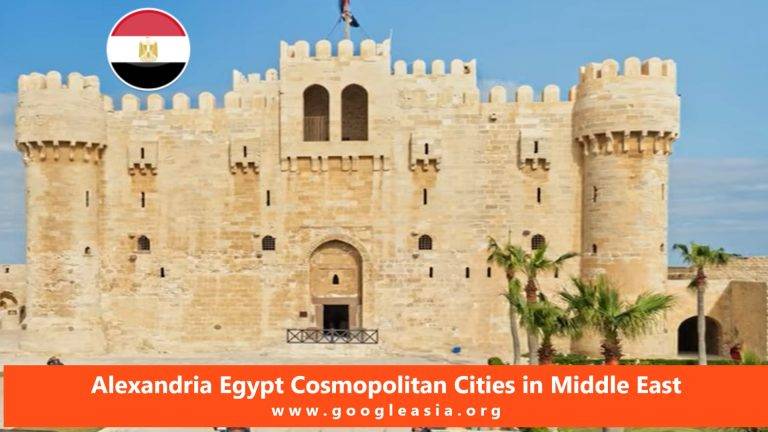
    2. Alexandria: A historic city on the Mediterranean coast, Alexandria boasts ancient wonders like the Catacombs of Kom El Shoqafa, the Citadel of Qaitbay, and the Montaza Palace.
    3. Luxor: Known as the “World’s Greatest Open-Air Museum,” Luxor is home to the Valley of the Kings, Karnak Temple, and the Luxor Temple, offering a glimpse into ancient Egyptian civilization.
    4. Aswan: Located along the Nile, Aswan is famous for the High Dam, Philae Temple, and the Nubian villages, providing a tranquil setting and showcasing traditional Nubian culture.
    5. Sharm El Sheikh: A resort city on the Red Sea, Sharm El Sheikh is renowned for its stunning beaches, coral reefs, and vibrant nightlife.
    6. Hurghada: Another popular Red Sea destination, Hurghada is a paradise for water sports enthusiasts, offering crystal-clear waters and vibrant marine life.
    7. Dahab: Known for its laid-back atmosphere, Dahab is a beach town on the Gulf of Aqaba, perfect for diving, snorkeling, and enjoying the desert landscape.
    8. Asyut: Situated along the Nile, Asyut is known for its historical sites, including the Temple of El-Tabenna and the Coptic Monastery of the Virgin Mary.
    9. Ismailia: Located on the Suez Canal, Ismailia offers a tranquil setting with parks, gardens, and the Ismailia Museum showcasing the region’s history.
    10. Port Said: A strategic city at the northern entrance of the Suez Canal, Port Said features historic architecture, the Suez Canal Authority Building, and the Port Said Military Museum.

    What are the best attractions in Egypt that you must visit?

    Egypt is home to a plethora of historical and cultural attractions that captivate visitors from around the world. Here are 10 must-visit attractions in Egypt:

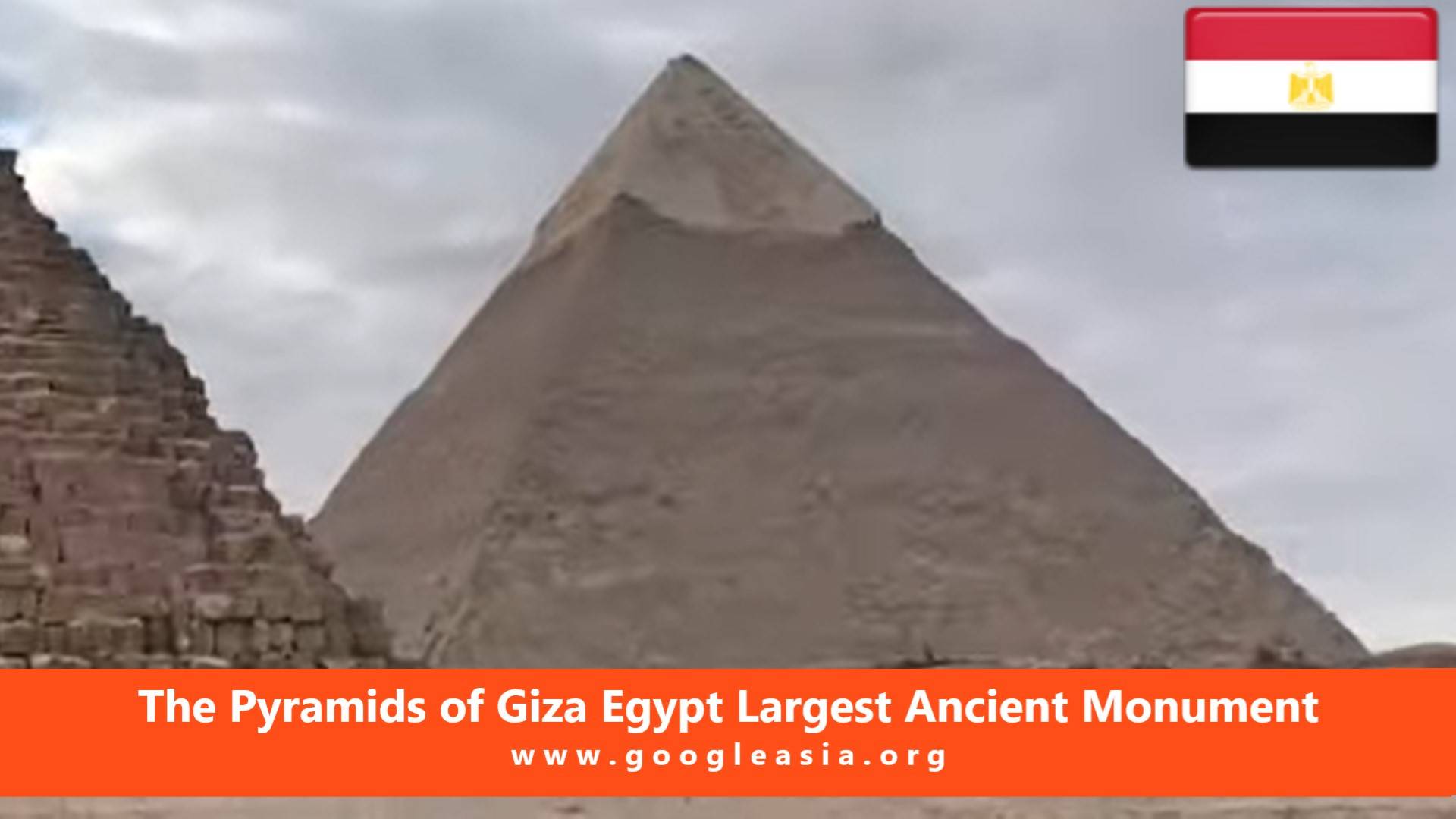
    1. Pyramids of Giza: Iconic symbols of ancient Egypt, the Pyramids of Giza (including the Great Pyramid of Khufu) and the Sphinx are UNESCO World Heritage Sites and should be at the top of any traveler’s list.
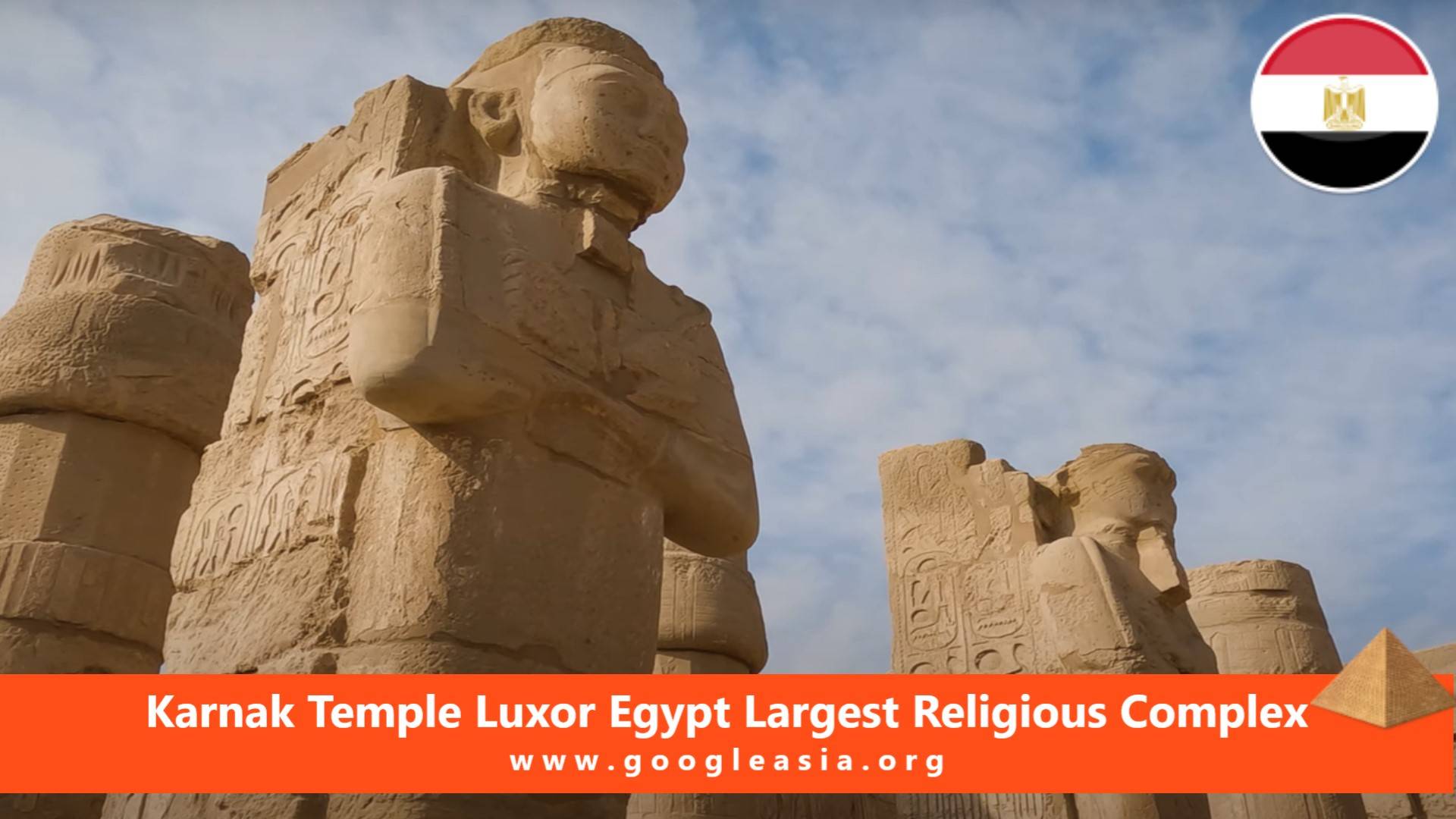
    2. Karnak Temple Complex: Located in Luxor, Karnak is one of the largest temple complexes in the world, featuring an array of temples, chapels, and obelisks.
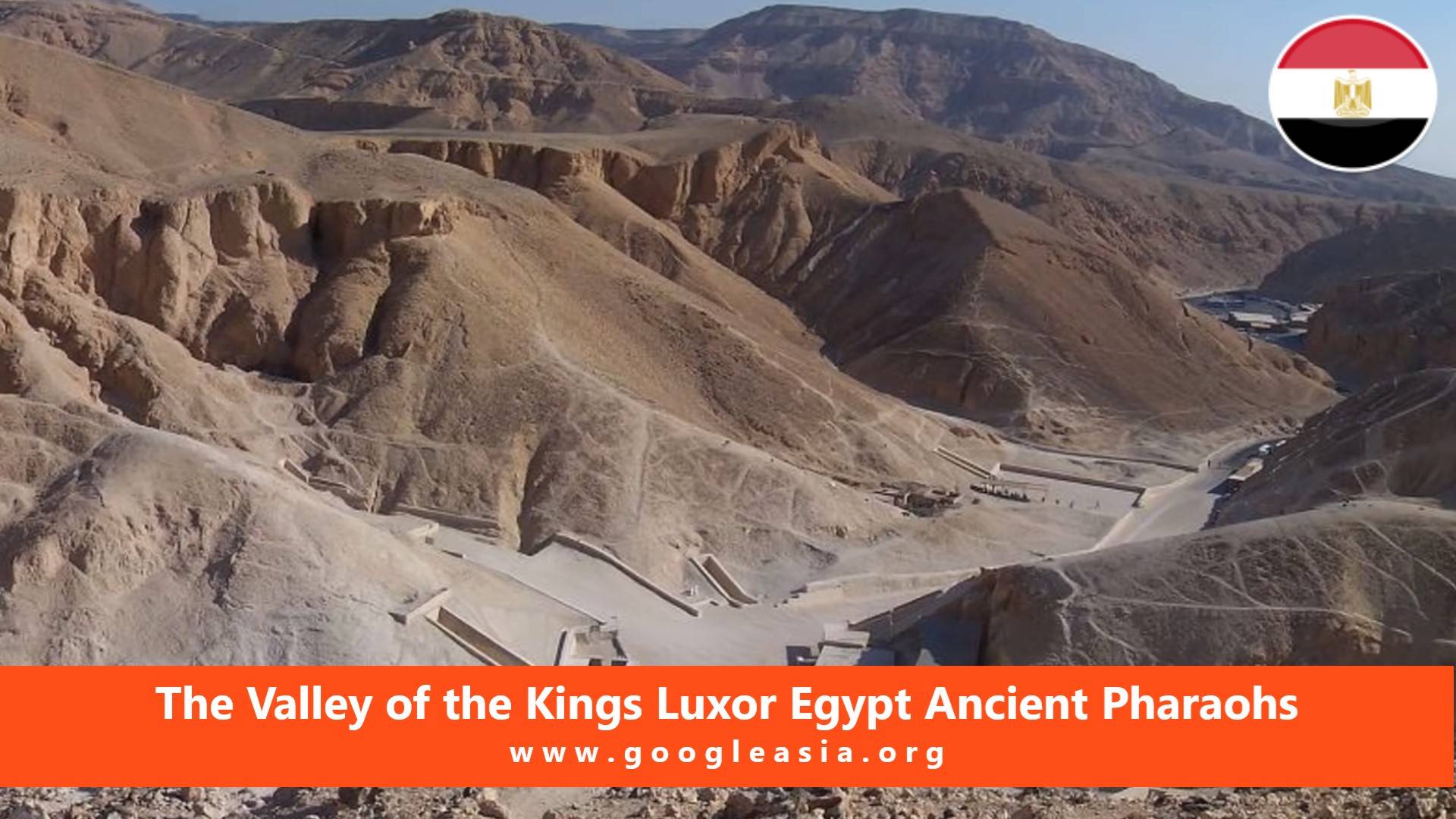
    3. Valley of the Kings: Near Luxor, this burial ground is where pharaohs like Tutankhamun were laid to rest. Explore the elaborately decorated tombs hidden within the Valley’s rocky hills.
    4. Abu Simbel Temples: Constructed by Ramses II, the temples of Abu Simbel stand as impressive monuments on the shores of Lake Nasser, showcasing colossal statues and intricate carvings.
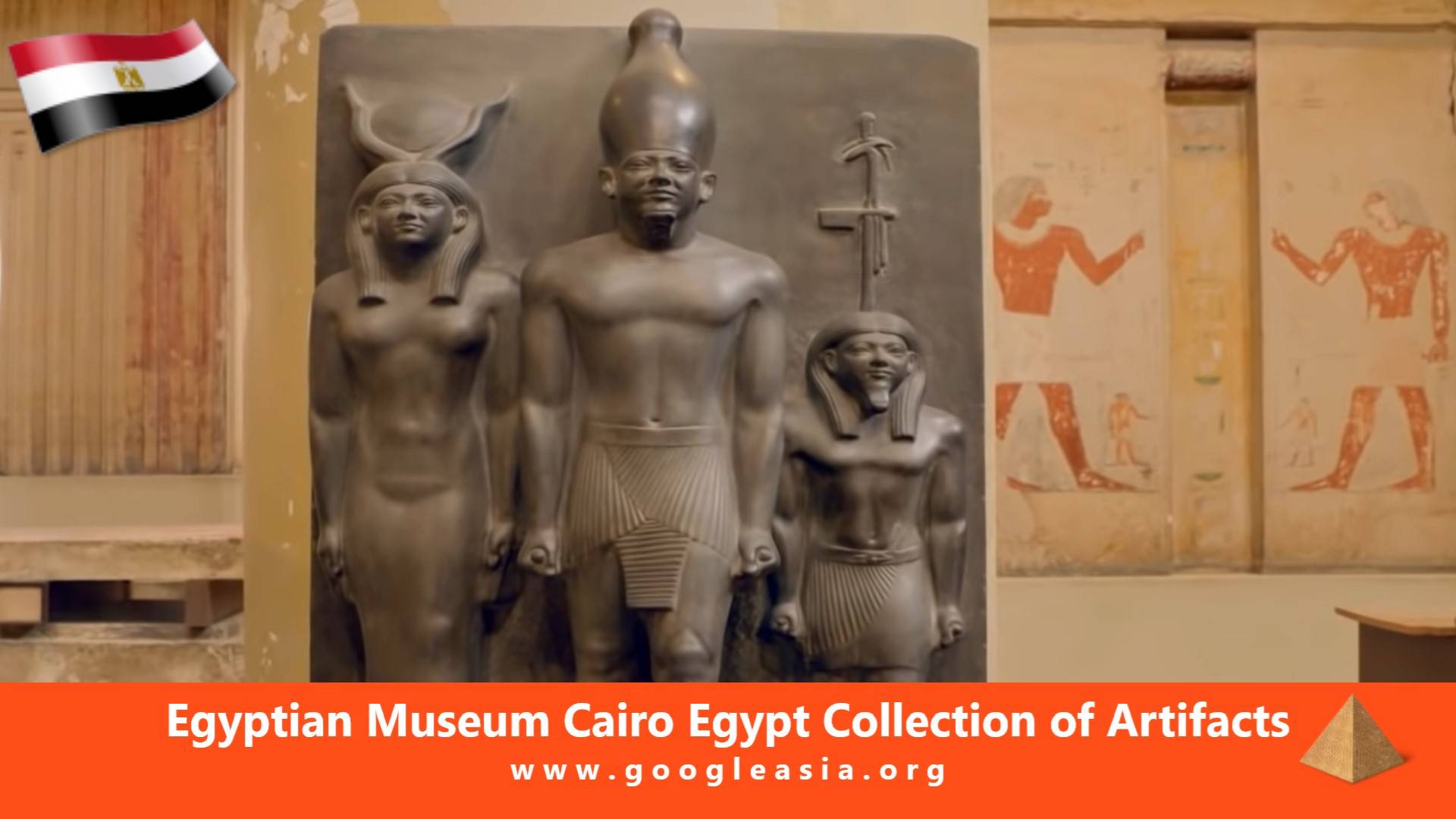
    5. Egyptian Museum (Cairo Museum): Located in Cairo, this museum houses an extensive collection of ancient Egyptian artifacts, including the treasures of Tutankhamun.
    6. Aswan High Dam: An engineering marvel, the Aswan High Dam controls the flow of the Nile River and offers stunning views of Lake Nasser.
    7. Philae Temple: Rescued from the rising waters of Lake Nasser, Philae Temple is dedicated to the goddess Isis and showcases beautiful reliefs and columns.
    8. Siwa Oasis: A peaceful retreat in the Western Desert, Siwa Oasis is known for its unique culture, ancient ruins, and the Temple of the Oracle.
    9. Islamic Cairo (Old Cairo): Explore the historic district of Islamic Cairo, home to medieval mosques, bustling markets like Khan El Khalili, and the Citadel of Saladin.
    10. White Desert: Located in the Western Desert, the White Desert features surreal landscapes with chalk rock formations, creating an otherworldly experience.

    Curious about exploring Egypt’s wonders? Which 10 must-visit destinations, blending ancient history with natural beauty, top your travel list in this captivating country?

    Egypt is a destination with a diverse range of attractions, from ancient wonders to natural beauty. Here are 10 must-visit destinations in Egypt:

    1. Cairo: The bustling capital is a cultural hub, home to the Pyramids of Giza, the Sphinx, and the Egyptian Museum, making it a must-visit destination.
    2. Luxor: Often referred to as the “world’s greatest open-air museum,” Luxor boasts the Valley of the Kings, Karnak Temple, and Luxor Temple, showcasing ancient Egyptian history.
    3. Aswan: Located along the Nile, Aswan is known for its High Dam, Philae Temple, and the Nubian villages, providing a serene and picturesque setting.
    4. Alexandria: A historic coastal city, Alexandria offers landmarks such as the Citadel of Qaitbay, the Catacombs of Kom El Shoqafa, and the Bibliotheca Alexandrina.
    5. Sharm El Sheikh: A popular resort city on the Red Sea, Sharm El Sheikh is renowned for its coral reefs, vibrant marine life, and luxurious beaches.
    6. Hurghada: Another Red Sea gem, Hurghada is a paradise for water sports enthusiasts, offering crystal-clear waters and diverse marine ecosystems.
    7. Dahab: Known for its relaxed atmosphere, Dahab is a beach town on the Gulf of Aqaba, perfect for diving, snorkeling, and enjoying the desert landscape.
    8. Siwa Oasis: Nestled in the Western Desert, Siwa Oasis is an enchanting destination with unique culture, ancient ruins, and the Temple of the Oracle.
    9. Marsa Alam: A Red Sea coastal town, Marsa Alam is known for its pristine beaches, vibrant coral reefs, and opportunities for underwater adventures.
    10. White Desert: Located in the Western Desert, the White Desert features surreal landscapes with chalk rock formations, creating an otherworldly experience.

    What is the history of Egypt from the beginning to the present day?

    The history of Egypt is an intricate tapestry woven over millennia, shaped by ancient civilizations, conquerors, and cultural influences. Here’s a concise overview of key periods in Egypt’s history:

    1. Ancient Egypt (c. 3100 BCE – 332 BCE): The ancient Egyptian civilization emerged along the Nile River. Notable periods include the Early Dynastic, Old Kingdom (Pyramids of Giza), Middle Kingdom, and New Kingdom (including the reign of powerful pharaohs like Ramses II).
    2. Persian, Greek, and Roman Periods (525 BCE – 395 CE): Egypt fell under Persian rule, followed by the conquest of Alexander the Great. Later, it became a Roman province, witnessing the rule of Cleopatra.
    3. Byzantine Period (395 CE – 641 CE): After the Roman Empire’s division, Egypt became part of the Byzantine Empire. Christianity gained prominence during this era.
    4. Islamic Conquest (641 CE): Arab-Muslim forces led by Amr ibn al-As conquered Egypt, marking the beginning of Islamic rule. Cairo was founded in 969 CE.
    5. Fatimid and Ayyubid Dynasties (969 CE – 1250 CE): Cairo flourished under the Fatimids, followed by the Ayyubid rule. Saladin, a prominent figure during the Crusades, ruled during this period.
    6. Mamluk Sultanate (1250 CE – 1517 CE): The Mamluks, slave soldiers, established their rule, contributing to the development of Cairo’s architecture and culture.
    7. Ottoman Period (1517 CE – 1882 CE): Egypt became part of the Ottoman Empire. Muhammad Ali Pasha initiated reforms in the 19th century but faced European influence.
    8. British Occupation (1882 CE – 1952 CE): Following political and economic turmoil, Egypt became a British protectorate. The Suez Canal played a pivotal role during this period.
    9. Independence and Republic (1952 CE – Present): The 1952 Revolution led to the establishment of the Republic of Egypt. Gamal Abdel Nasser, Anwar Sadat, and Hosni Mubarak played significant roles in the nation’s modern history. The 2011 Egyptian Revolution brought political changes.

    Is it difficult to travel to Egypt?

    Egypt is generally a popular and accessible travel destination. However, the ease of travel can be influenced by various factors, including your nationality, current travel regulations, and the prevailing global or regional conditions. Here are some considerations:

    1. Visa Requirements: Check the visa requirements based on your nationality. Some visitors may need a visa to enter Egypt, while others may be eligible for visa-free entry or visas upon arrival.
    2. Safety and Security: Stay informed about the current safety and security situation in Egypt. While many areas are safe for tourists, it’s advisable to stay updated on any travel advisories issued by your government.
    3. Health Precautions: Be aware of any health-related guidelines, vaccinations, or health precautions recommended for travelers to Egypt. This may include considerations related to COVID-19 or other health concerns.
    4. Cultural Sensitivity: Familiarize yourself with the local customs and traditions to ensure a respectful and enjoyable experience. Dress modestly, especially when visiting religious sites, and be mindful of local etiquette.
    5. Local Transportation: Egypt has a well-developed transportation infrastructure, and major cities have airports, public transportation, and taxis. Plan your transportation options based on your itinerary.
    6. Language: Arabic is the official language, but English is widely spoken in tourist areas. Learning a few basic Arabic phrases can enhance your experience.
    7. Currency: The official currency is the Egyptian Pound (EGP). Ensure you have some local currency for small purchases, and major credit cards are commonly accepted.
    8. Tourist Attractions: Egypt is home to iconic attractions such as the Pyramids of Giza, the Sphinx, Luxor, and the Nile River. Plan your itinerary to explore these historical and cultural treasures.

    Is it difficult to find halal food in Egypt?

    Egypt, with its predominantly Muslim population, generally offers a good availability of halal food. In larger cities and popular tourist destinations, finding halal options is relatively easy. Here are some considerations:

    1. Urban Areas: In major cities like Cairo, Alexandria, and Sharm El Sheikh, you’ll find a variety of restaurants offering halal cuisine. International food chains and local eateries often adhere to halal standards.
    2. Local Cuisine: Egyptian cuisine includes many dishes that are naturally halal, such as falafel, koshari, and various grilled meats. Local markets and street food stalls often offer halal options.
    3. Halal Restaurants: Look for restaurants that explicitly advertise as halal. These establishments are dedicated to serving halal meals and are commonly found in urban centers.
    4. Ethnic Restaurants: Restaurants serving Middle Eastern, Egyptian, and other regional cuisines typically offer halal options. Confirm with the staff to ensure that the food meets halal standards.
    5. Hotels and Accommodations: Hotels, especially those catering to international tourists, usually provide halal options in their dining facilities. It’s advisable to inform your hotel about your dietary preferences in advance.
    6. Online Resources: Utilize online resources, such as halal restaurant directories or travel forums, to find recommendations and reviews from fellow travelers who have visited Egypt.
    7. Communication: When dining out, communicate your dietary restrictions clearly with restaurant staff to ensure that your meals align with halal standards.

    What’s the climate like in Egypt?

    Egypt has a predominantly desert climate, characterized by hot temperatures and low precipitation. Here are the key features of Egypt’s climate:

    1. Desert Climate:
      • The majority of Egypt experiences a desert climate, with hot summers and mild winters.
      • Daytime temperatures can soar to over 40°C (104°F) during the summer months, especially in inland areas.
    2. Seasons:
      • Summer (May to September): Hot and dry, with temperatures reaching their peak in July and August.
      • Autumn (October to November): Transition to cooler temperatures, with more comfortable weather.
      • Winter (December to February): Mild daytime temperatures, cooler nights, and occasional rainfall, especially in northern regions.
      • Spring (March to April): Gradual warming, with pleasant temperatures before the onset of summer.
    3. Regional Variations:
      • Coastal Areas: Coastal regions, including cities like Alexandria and Hurghada, experience milder temperatures due to the moderating influence of the Mediterranean or Red Sea.
      • Inland Areas: Inland areas, including Cairo and Luxor, tend to have more extreme temperature variations between day and night.
    4. Sandstorms:
      • Egypt can experience sandstorms, especially in the desert regions. These storms can reduce visibility and create challenging travel conditions.
    5. Rainfall:
      • Egypt is generally arid, with very low annual rainfall. Rainfall is infrequent and mostly occurs in the winter months. The Nile Delta and northern coastal areas receive slightly more precipitation than the rest of the country.
    6. Humidity:
      • Humidity levels are typically low, especially in the desert regions. Coastal areas may experience higher humidity, particularly during the summer months.
    7. Red Sea Resorts:
      • Popular Red Sea resorts like Sharm El Sheikh and Hurghada enjoy a subtropical desert climate, with hot temperatures and very low humidity. These areas are popular for sunbathing and water activities.
  • Alexandria, Egypt: Jewel of the Mediterranean

    Alexandria, Egypt: Jewel of the Mediterranean

    Alexandria, Egypt

    Explore the allure of Alexandria, Egypt – a city rich in history, from the iconic Library of Alexandria to stunning Mediterranean vistas. Delve deeper for a captivating journey through time.

    Alexandria, Egypt is a coastal city in the north of the country. It was founded by Alexander the Great in 331 BC and has over 5,000 years of history. It is known for its ancient monuments, museums, and its bustling harbor. It is considered to be one of the most cosmopolitan cities in the Middle East.

    Introduction

    Alexandria, located on Egypt’s northern coast, stands as a testament to a rich history spanning millennia and a vibrant present as one of Egypt’s key economic centers.

    Historical Significance

    Founded by Alexander the Great in 331 BC, Alexandria quickly rose to prominence as a hub of trade, culture, and learning in the ancient world. It became renowned as the “jewel of the Mediterranean,” attracting scholars, philosophers, and artisans from across the known world.

    Modern Cityscape

    Today, Alexandria retains its cosmopolitan charm and remains Egypt’s second-largest city, boasting a population exceeding 5 million. Its strategic location on the Mediterranean coast, approximately 225 kilometers northwest of Cairo, ensures its significance as a major seaport and economic hub.

    Economic Hub and Industries

    Alexandria plays a pivotal role in Egypt’s economy, hosting a variety of industries such as textiles, cement, chemicals, marble, and steel production. These sectors contribute significantly to the city’s economic vitality and employment opportunities.

    Cultural and Educational Hub

    Home to the iconic Bibliotheca Alexandrina, Alexandria pays homage to its historical role as a center of learning and scholarship. The Bibliotheca Alexandrina, one of the largest libraries in the world, stands as a beacon of knowledge and cultural exchange, attracting researchers and intellectuals globally.

    University of Alexandria

    Additionally, Alexandria is proud to host the University of Alexandria, Egypt’s largest university. This esteemed institution is a cornerstone of higher education in the region, offering a diverse range of academic disciplines and research opportunities.

    Alexandria continues to captivate visitors with its blend of ancient heritage and modern dynamism. From its storied past as a center of learning to its bustling port and thriving industries, Alexandria remains an indispensable part of Egypt’s cultural and economic landscape.

    Things to Do

    Alexandria, Egypt, offers a wealth of experiences for visitors, blending ancient history with vibrant modern attractions. Here’s a guide to the top activities and sights to explore:

    Explore Ancient Sites

    Discover Alexandria’s rich history through its ancient sites, including:

    • The Catacombs of Kom el Shoqafa: Marvel at these ancient underground tombs, a blend of Egyptian, Greek, and Roman architectural styles.
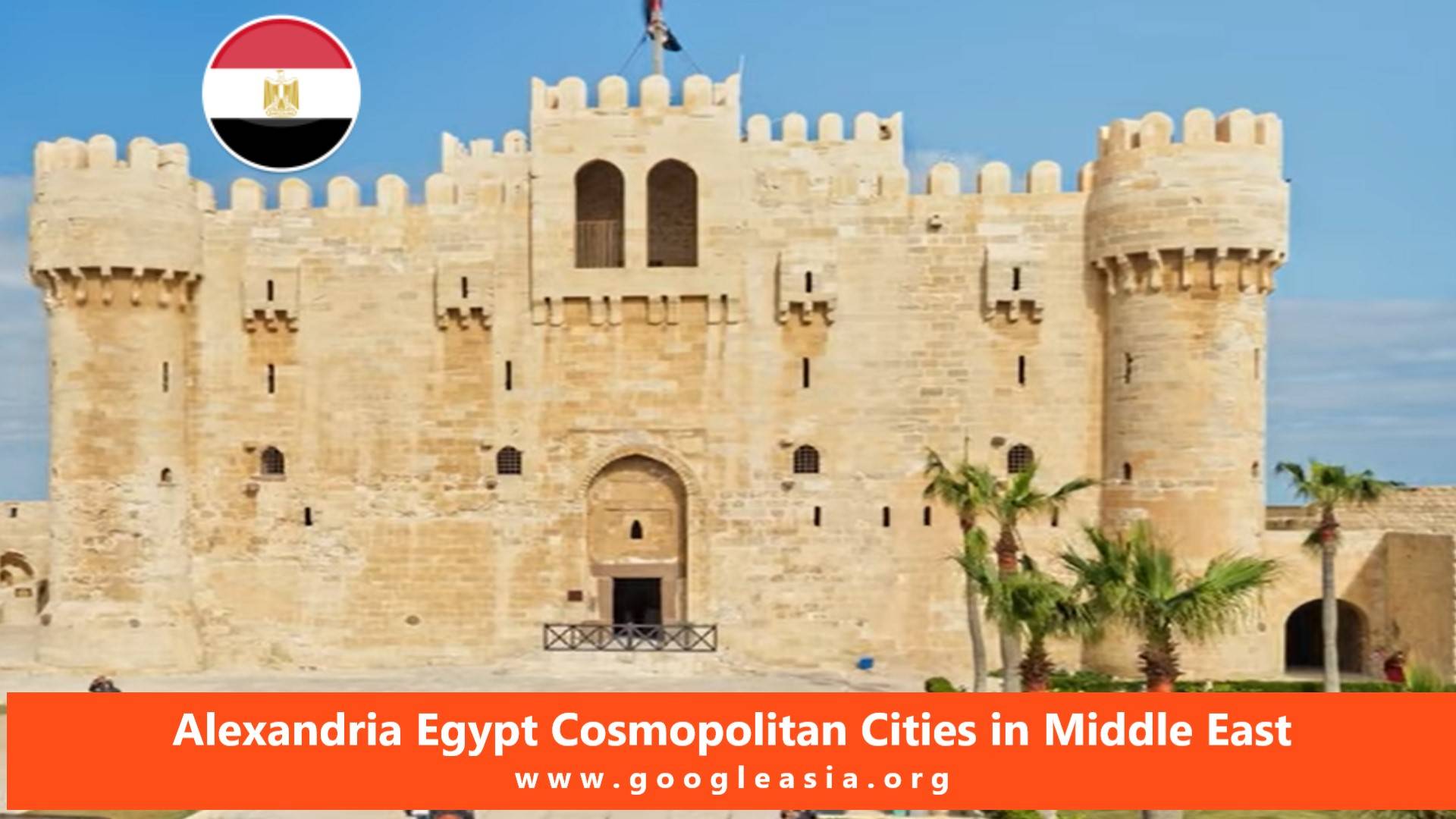
    • Citadel of Qaitbay: Visit this historic fortress built in the 15th century on the site of the ancient Pharos Lighthouse, one of the Seven Wonders of the Ancient World.
    • Pompey’s Pillar: Admire this massive Roman triumphal column, standing over 25 meters tall and dating back to the 4th century AD.

    Cultural and Museums

    Immerse yourself in Alexandria’s cultural heritage:

    • Bibliotheca Alexandrina: Explore one of the world’s most significant libraries, a modern tribute to the ancient Library of Alexandria.
    • Alexandria National Museum: Learn about Alexandria’s history and archaeology through its impressive collection of artifacts and exhibits.

    Stroll Along the Corniche

    Take a leisurely walk along the Corniche, Alexandria’s waterfront promenade overlooking the Mediterranean Sea. Enjoy beautiful views, bustling cafes, and a relaxing atmosphere.

    Visit Modern Attractions

    Experience Alexandria’s modern offerings:

    • Stanley Bridge: Walk or drive across this iconic bridge spanning the Stanley Bay, offering stunning views of the city and the sea.
    • Montazah Palace Gardens: Relax in these lush gardens surrounding the Montazah Palace, once a royal retreat and now a public park.

    Shopping and Dining

    Indulge in Alexandria’s culinary and shopping scene:

    • Souq El Attarine: Explore this traditional market filled with spices, textiles, and local crafts.
    • Seafood Restaurants: Enjoy fresh seafood dishes at restaurants along the Corniche, offering a taste of Alexandria’s maritime heritage.

    Outdoor Activities

    Engage in outdoor adventures:

    • Beach Day at Montazah Beach: Relax on the sandy shores of Montazah Beach, ideal for swimming and sunbathing.
    • Watersports: Try snorkeling, diving, or boat trips to explore the vibrant marine life of the Mediterranean.

    Nightlife and Entertainment

    Experience Alexandria’s nightlife:

    • Coffeehouses and Cafes: Visit local coffeehouses for traditional Egyptian coffee or enjoy a relaxing evening at trendy cafes.
    • Cultural Performances: Attend concerts, theater performances, or traditional music shows at venues like the Alexandria Opera House.

    Foods

    Alexandria, Egypt, offers a diverse and rich culinary scene that reflects its cultural heritage and coastal location. Here are some of the must-try foods when visiting Alexandria:

    Traditional Egyptian Dishes

    • Rice and Beans: A staple of Egyptian cuisine, often served with a mix of vegetables, herbs, and spices, offering a hearty and flavorful meal.
    • Koshari: A beloved dish made from rice, lentils, macaroni, and fried onions, topped with a spicy tomato sauce. It’s a filling and delicious comfort food.
    • Mahshi: Stuffed vegetables such as zucchini and eggplant filled with a mixture of rice, herbs, and sometimes meat. It’s a flavorful and aromatic dish.
    • Fatta: A traditional dish combining cooked rice, roasted lamb or chicken, and a variety of herbs and spices. It’s often served on special occasions.

    Iconic Alexandria Flavors

    • Molokhia: A dish featuring shredded greens served with stewed chicken or beef, garlic sauce, and lemon juice. It’s a unique and healthy option.
    • Ful Medames: A classic Egyptian breakfast made of fava beans, olive oil, garlic, lemon juice, and parsley. It’s nutritious and full of flavor.
    • Kebab: Grilled meats, typically lamb or beef, served with sides like hummus or tahini sauce. It’s a popular choice for a hearty meal.
    • Bamia: A savory stew of okra and beef, served with rice. The combination of tender meat and flavorful okra makes it a satisfying dish.

    Alexandria Specialties

    • Falafel (Ta’ameya): Deep-fried patties made from chickpeas or fava beans, often served in pita bread with tahini sauce, fresh vegetables, and pickles. It’s a tasty and popular street food.
    • Shakshouka: A dish of poached eggs in a spicy tomato and pepper sauce. It’s a flavorful option for breakfast or brunch.
    • Feteer: A flaky pastry that can be filled with a variety of sweet or savory ingredients. It’s a versatile and delicious dish.
    • Gambari (Shrimp): Fresh shrimp dishes reflecting Alexandria’s coastal location, often grilled or cooked in flavorful sauces.

    Hotels

    Alexandria, Egypt, offers a variety of top-notch hotels that cater to different tastes and preferences. Here are five of the best hotels to consider for a comfortable and memorable stay:

    Four Seasons Hotel Alexandria at San Stefano

    Address: 399 El Geish Road, San Stefano, Alexandria

    Overview: The Four Seasons Hotel Alexandria at San Stefano is a luxury hotel offering stunning views of the Mediterranean Sea. It features elegant rooms and suites, exceptional dining options, a private beach, and a luxurious spa.

    Highlights:

    • Private beach and outdoor infinity pool
    • Several fine dining restaurants and bars
    • Luxurious spa and wellness center
    • Family-friendly amenities and activities

    Hilton Alexandria Corniche

    Address: 544 El Geish Road, Sidi Bishr, Alexandria

    Overview: Situated along the Corniche, the Hilton Alexandria Corniche offers modern amenities and panoramic sea views. The hotel boasts stylish rooms, a rooftop pool, and multiple dining options, including Lebanese and Mediterranean cuisine.

    Highlights:

    • Rooftop pool with sea views
    • Multiple on-site dining options
    • Private beach club with shuttle service
    • Fitness center and wellness spa

    Steigenberger Cecil Hotel Alexandria

    Address: 16 Saad Zaghloul Square, Raml Station, Alexandria

    Overview: Steigenberger Cecil Hotel is a historic hotel in the heart of Alexandria, known for its classic charm and modern comfort. It offers well-appointed rooms, a charming restaurant, and a convenient location near major attractions.

    Highlights:

    • Historic charm with modern amenities
    • Central location near attractions and shopping
    • Elegant restaurant and bar
    • Business and meeting facilities

    Helnan Palestine Hotel

    Address: Montazah Gardens, Alexandria

    Overview: Nestled within the lush Montazah Gardens, Helnan Palestine Hotel offers a serene retreat with beautiful sea views. The hotel features spacious rooms, a private beach, and extensive gardens, making it an ideal choice for relaxation.

    Highlights:

    • Location within Montazah Gardens
    • Private beach and outdoor pool
    • Multiple dining options with sea views
    • Spacious rooms and suites with balconies

    Radisson Blu Hotel, Alexandria

    Address: Mehwar El Taameer, Northern Coast Road, Alexandria

    Overview: Located in the new development area of Alexandria, the Radisson Blu Hotel offers contemporary accommodations and a range of amenities. Guests can enjoy modern rooms, an outdoor pool, and a selection of dining options.

    Highlights:

    • Modern design and comfortable rooms
    • Outdoor pool and fitness center
    • Variety of on-site restaurants and bars
    • Business center and conference facilities
    Alexandria Egypt Cosmopolitan Cities in Middle East

    Summary

    • Attraction Name: Alexandria
    • Country: Egypt
    • Continent: African
    • Capital Name: Cairo
    • Language: Arabic
    • Currency: Egyptian Pound
    • Nationality: Egyptian
    • Category:  #Destination #Africa #EGYPT 

    Frequently Asked Questions

    What are Alexandria’s must-visit attractions or landmarks?

    Alexandria, Egypt, boasts a rich history and numerous attractions. Must-visit landmarks include:

    1. Qaitbay Citadel: A historic fortress on the Mediterranean Sea.
    2. Bibliotheca Alexandrina: A modern library paying homage to the ancient Great Library.
    3. Montaza Palace: A royal palace surrounded by beautiful gardens.
    4. Pompey’s Pillar: A massive granite column from ancient times.
    5. Catacombs of Kom El Shoqafa: Underground tombs exhibiting a blend of Egyptian and Roman art.
    6. Stanley Bridge: A picturesque bridge connecting the city to the island of Pharos.
    7. Royal Jewelry Museum: Showcasing jewelry from Egypt’s royal families.
    8. Alexandria National Museum: Exhibiting artifacts from Alexandria’s history.
    9. Corniche: A scenic waterfront promenade offering stunning views.
    10. Abu Abbas al-Mursi Mosque: A prominent mosque with intricate Islamic architecture.

    Is Alexandria a suitable travel destination for solo adventurers, honeymooning couples, or those traveling with families?

    Alexandria can be a suitable travel destination for various types of travelers, including solo adventurers, honeymooning couples, and families. Here’s a breakdown:

    1. Solo Adventurers:
      • Alexandria offers a rich history, vibrant culture, and diverse attractions that solo adventurers can explore.
      • The city’s walkable streets, historic sites, and cultural landmarks provide opportunities for solo exploration.
    2. Honeymooning Couples:
      • Alexandria’s romantic seaside setting, picturesque landscapes, and historical charm make it a suitable destination for honeymooning couples.
      • Coastal views, romantic strolls along the Corniche, and visits to historic sites create a memorable experience.
    3. Families:
      • Families can enjoy a mix of cultural, historical, and recreational activities in Alexandria.
      • Kid-friendly attractions, such as Montaza Palace gardens and the Alexandria Zoo, cater to family needs.

    What’s the climate like in Alexandria?

    Alexandria, located on the Mediterranean coast, has a Mediterranean climate characterized by mild, wet winters and hot, dry summers. Here are the key features of the climate in Alexandria:

    1. Summer (June to September):
      • Summers are hot and dry.
      • Daytime temperatures often range from 28°C to 33°C (82°F to 91°F).
      • August is typically the hottest month.
    2. Autumn (October to November):
      • Autumn brings a gradual decrease in temperatures.
      • Daytime temperatures become more moderate, ranging from 23°C to 28°C (73°F to 82°F).
    3. Winter (December to February):
      • Winters are mild and somewhat wet.
      • Daytime temperatures range from 17°C to 20°C (63°F to 68°F).
      • Rainfall occurs, with December being one of the wetter months.
    4. Spring (March to May):
      • Spring sees a gradual increase in temperatures.
      • Daytime temperatures range from 19°C to 25°C (66°F to 77°F).
      • It is a pleasant season with blooming flowers.
    5. Humidity:
      • Humidity levels are relatively moderate due to the coastal location.
      • The Mediterranean Sea helps moderate temperatures and prevents extreme heat.
    6. Sea Breezes:
      • Alexandria experiences refreshing sea breezes, especially during the hot summer months, making the climate more comfortable.

    Why should you visit Alexandria?

    Visiting Alexandria offers a captivating blend of history, culture, and coastal beauty. Here are compelling reasons to explore this Egyptian city:

    1. Historical Riches: Alexandria boasts a deep historical heritage, from the ancient Library of Alexandria to the Qaitbay Citadel, offering a journey through Egypt’s past.
    2. Cultural Marvels: The city is home to modern cultural institutions like the Bibliotheca Alexandrina, paying homage to the ancient Great Library, and museums showcasing Egypt’s diverse history.
    3. Mediterranean Charm: Enjoy the Mediterranean Sea’s scenic beauty with the city’s stunning coastline, providing a perfect backdrop for leisurely walks along the Corniche.
    4. Architectural Wonders: Marvel at architectural gems like Pompey’s Pillar, Catacombs of Kom El Shoqafa, and the historic Stanley Bridge.
    5. Montaza Palace: Immerse yourself in the royal ambiance of Montaza Palace, surrounded by lush gardens, offering a serene escape.
    6. Culinary Delights: Savor Egyptian cuisine at local eateries, experiencing the flavors of the region, and enjoy seafood by the Mediterranean.
    7. Vibrant Atmosphere: Alexandria’s lively atmosphere, bustling markets, and friendly locals create an authentic and welcoming environment.
    8. Coptic and Islamic Heritage: Explore religious landmarks such as the Abu Abbas al-Mursi Mosque and the Coptic Orthodox Cathedral of St. Mark.
    9. Unique Blend of Old and New: Witness the juxtaposition of ancient ruins with modern city life, offering a unique perspective on Egypt’s historical evolution.
    10. Relaxing Seaside Retreat: Whether it’s enjoying a coffee at a seaside cafe or taking a boat trip, Alexandria provides a relaxing escape by the sea.

    Is there any halal food available in Alexandria?

    Yes, Alexandria, being a predominantly Muslim city, offers a variety of halal food options. You can find numerous restaurants, cafes, and street food stalls that adhere to halal dietary standards. Traditional Egyptian dishes, including grilled meats, falafel, koshari, and seafood, are often prepared in accordance with halal requirements.

    When dining out, you can look for signage indicating that the establishment serves halal food. Additionally, local eateries in predominantly Muslim areas are likely to follow halal practices.

    Is it difficult to find halal food in Alexandria?

    No, it is not difficult to find halal food in Alexandria. As a predominantly Muslim city, Alexandria offers a variety of halal food options. You can find numerous restaurants, street vendors, and cafes that serve halal dishes, including traditional Egyptian cuisine.

    In areas with a significant Muslim population, adherence to halal standards is common. Restaurants often have clear signage indicating that they serve halal food. Additionally, locals are generally aware of halal dietary requirements.

    How to go to Alexandria?

    Getting to Alexandria depends on your starting point. Here are common transportation options:

    By Air:

    1. Borg El Arab Airport (HBE): Located about 40 kilometers southwest of Alexandria, this airport serves domestic and limited international flights.
      • From the airport, you can take a taxi or arrange for private transportation to Alexandria.
    2. Cairo International Airport (CAI): The largest airport in Egypt is in Cairo, about 220 kilometers from Alexandria.
      • From Cairo, you can take a train, bus, or hire a private car to Alexandria.

    By Train:

    1. Alexandria Railway Station: The city is well-connected by train services, including high-speed trains.
      • Trains from Cairo and other major cities provide a comfortable and scenic journey.

    By Bus:

    1. Intercity Buses: Buses connect Alexandria with various cities across Egypt.
      • Bus terminals like El-Mahatet El-Rammel serve both local and long-distance routes.

    By Car:

    1. Driving: You can rent a car and drive to Alexandria. The road network is generally good, and the journey from Cairo takes about 2.5 to 3 hours, depending on traffic.

    By Sea:

    1. Ferries: While less common, there are ferries connecting Alexandria to some Mediterranean destinations.
  • Discover Sharm el-Sheikh, Egypt: An Idyllic Resort Town

    Discover Sharm el-Sheikh, Egypt: An Idyllic Resort Town

    Sharm el-Sheikh, Egypt

    Dive into paradise at Sharm el-Sheikh, Egypt. White-sand beaches, vibrant coral reefs, and thrilling water activities await. Discover the Red Sea’s charm and more in this coastal haven.

    Sharm el-Sheikh is a premier resort town in Egypt located on the southern tip of the Sinai Peninsula. It offers stunning beaches, a variety of outdoor activities, and a vibrant nightlife scene. It’s also a popular place for diving, snorkeling, and other water sports. Whether you’re looking for adventure or relaxation, Sharm el-Sheikh has something for everyone.

    Introduction

    Sharm el-Sheikh is a magnificent resort town located on the southern tip of the Sinai Peninsula in Egypt. Known for its idyllic beaches, turquoise seas, and prime scuba diving sites, this coastal paradise offers a unique fusion of Bedouin culture and modern luxuries.

    Stunning Beaches and Aquatic Activities

    Beautiful Beaches:
    Sharm el-Sheikh is home to some of the most beautiful beaches in the world, featuring pristine sands and crystal-clear waters. Whether you’re looking to relax under the sun or take a refreshing swim, the beaches here provide the perfect setting.

    Aquatic Adventures:
    The town is renowned for its variety of aquatic activities. With over 300 diving centers, it is a haven for scuba diving enthusiasts. The vibrant coral reefs and diverse marine life make it a top destination for underwater exploration. Additionally, visitors can enjoy snorkeling, windsurfing, and parasailing.

    Attractions and Activities

    Ras Mohammed National Park:
    One of the major attractions in Sharm el-Sheikh is the Ras Mohammed National Park. This protected area is home to diverse wildlife, including various species of fish, birds, and mammals. The park offers excellent diving and snorkeling spots, allowing visitors to witness its underwater wonders.

    St. Catherine’s Monastery:
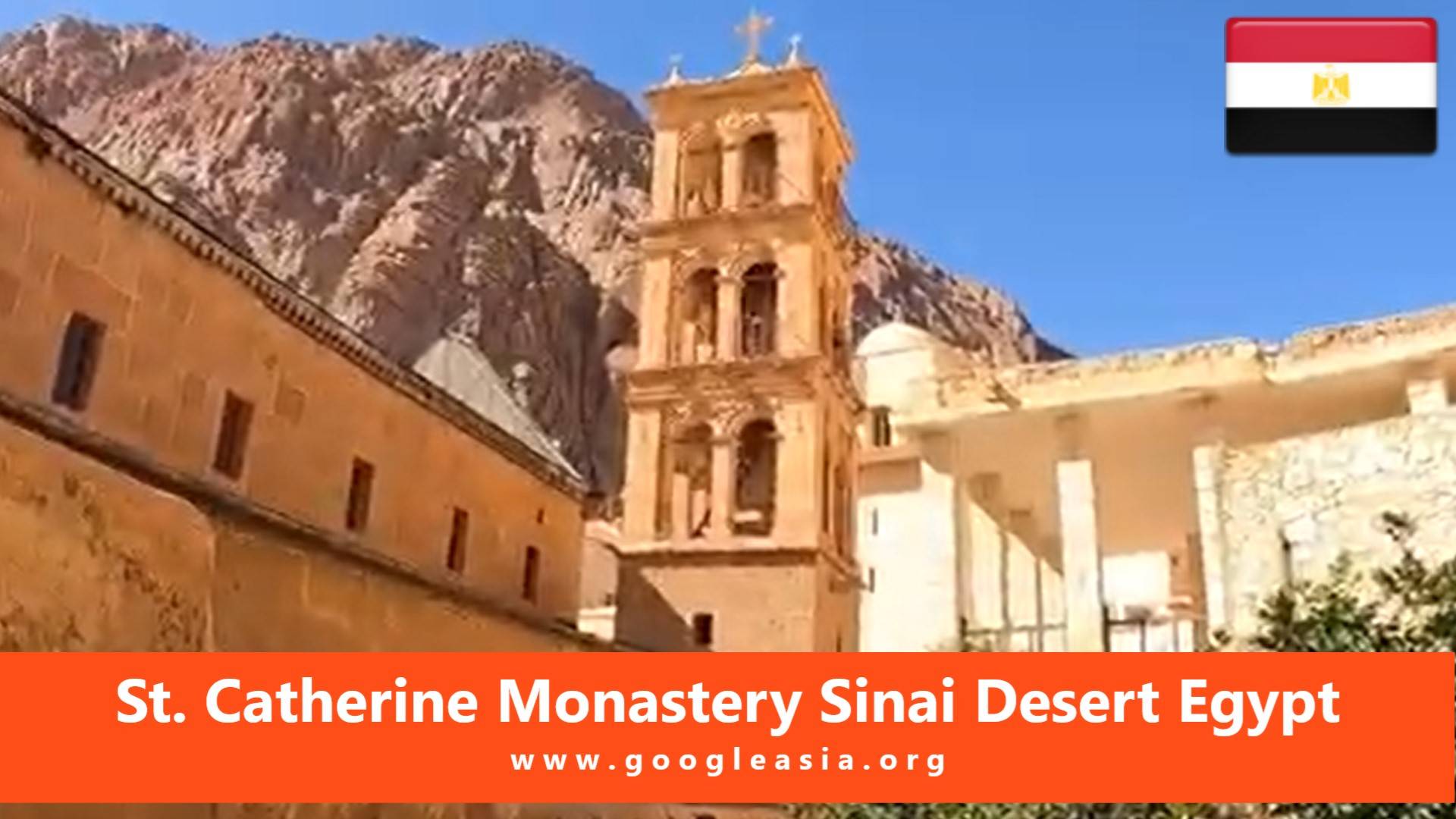
    For those interested in history and culture, a visit to St. Catherine’s Monastery is a must. This ancient monastery, located at the foot of Mount Sinai, is one of the oldest Christian monasteries in the world. It houses ancient manuscripts, icons, and the reputed Burning Bush, making it a significant religious and historical site.

    Golf Courses:
    Sharm el-Sheikh also caters to golf enthusiasts with several well-maintained golf courses. These courses offer stunning views of the surrounding desert and mountains, providing a unique golfing experience.

    Gastronomic Experiences:
    The town boasts a great selection of gastronomic experiences, from local Bedouin cuisine to international dishes. Visitors can enjoy fresh seafood, traditional Egyptian dishes, and a variety of international cuisines at the many restaurants and cafes.

    Things to Do

    Sharm el-Sheikh, located in the southeast corner of the Sinai Peninsula, is renowned for its crystal-clear waters, lush coral reefs, and palm-studded beaches. This premier tourist and diving destination has become the capital of international vacations in the Red Sea. Here are some of the top activities to enjoy in Sharm el-Sheikh:

    SCUBA Diving and Snorkeling

    Vibrant Underwater World

    SCUBA Diving:
    Sharm el-Sheikh offers a variety of excellent sites for scuba diving. Whether you are a beginner or an experienced diver, you will be amazed by the vibrant coral reefs and the colorful marine life. Popular dive sites include the Ras Mohammed National Park and the wreck of the SS Thistlegorm.

    Snorkeling:
    If you prefer to stay closer to the surface, snorkeling is a fantastic option. You can snorkel right off the beach or join a guided tour to explore the coral gardens and underwater wonders.

    Visit the City Markets

    Cultural Exploration

    Local Markets:
    Exploring the markets of Sharm el-Sheikh is a delightful experience. The bustling bazaars offer a wide range of souvenirs, spices, jewelry, and traditional items. It’s a great way to immerse yourself in local culture and find unique gifts.

    Go on a Desert Safari

    Adventure in the Desert

    4×4 Jeep Safari:
    Embark on a thrilling 4×4 jeep safari into the desert. The adventure includes sandboarding, camel rides, and a Bedouin-style dinner under the stars. It’s an unforgettable way to experience the beauty of the Sinai desert.

    Take a Boat Tour

    Explore the Red Sea

    Charter a Boat:
    Charter a boat to explore the calm waters of the Red Sea. Enjoy activities like snorkeling around shipwrecks, discovering underwater shrines, or watching dolphins play in the distance. The boat tours offer a relaxing and scenic way to see the region.

    Visit the Beach

    Relaxation and Fun

    Beach Activities:
    Spend some time relaxing on the beautiful beaches of Sharm el-Sheikh. Whether you want to sunbathe, swim, or take a yoga class on the beach, the miles of coastline offer the perfect spot for everyone.

    Take a Day Trip to St. Catherine’s Monastery

    Historical Exploration

    St. Catherine’s Monastery:
    A world heritage site located near Sharm el-Sheikh, St. Catherine’s Monastery is filled with history and culture. As one of the oldest and most famous monasteries in the world, it offers a fascinating glimpse into ancient religious history.

    Visit the National Parks

    Natural Wonders

    National Parks:
    Explore the national parks of the Sinai Peninsula. Whether you visit Dahab’s canyon or Ras Mohammed National Park, you’ll be amazed by the natural beauty and diverse wildlife of these desert landscapes.

    Go on an ATV Adventure

    Thrilling Ride

    ATV Trip:
    For an adrenaline rush, take an ATV trip deep into the desert. Experience the excitement of riding a 4-wheeler and stop by a Bedouin village to learn about local life and traditions.

    Foods

    Sharm el-Sheikh is not only a paradise for beach lovers and adventure seekers but also a culinary haven. Here are some of the best foods to try while visiting this beautiful coastal city:

    Traditional Egyptian Dishes

    Kushari

    Description:
    Kushari is a popular Egyptian dish made from a combination of lentils, rice, and macaroni, topped with a spicy tomato sauce and garnished with crispy fried onions. It’s a hearty and flavorful vegetarian option.

    Attributes:

    • Ingredients: Lentils, rice, macaroni, tomato sauce, fried onions
    • Taste: Savory and slightly spicy
    • Best Time to Eat: Lunch or dinner

    Seafood Delicacies

    Spicy Seafood

    Description:
    Given its coastal location, Sharm el-Sheikh offers an abundance of fresh seafood. Try spicy calamari, grilled fish, and shrimp, often seasoned with local spices and herbs.

    Attributes:

    • Ingredients: Calamari, fish, shrimp, spices, herbs
    • Taste: Spicy and savory
    • Best Time to Eat: Lunch or dinner

    Middle Eastern Favorites

    Shawarma

    Description:
    Shawarma is a kebab-like wrap made from marinated and slow-cooked lamb, beef, or chicken, typically served with vegetables and tahini sauce in a flatbread.

    Attributes:

    • Ingredients: Lamb, beef, or chicken, flatbread, vegetables, tahini sauce
    • Taste: Rich and savory
    • Best Time to Eat: Lunch or dinner

    Stuffed Pigeon

    Description:
    Stuffed pigeon is a traditional Egyptian dish where pigeons are filled with a savory stuffing made from rice or bulgur wheat, nuts, and spices, then roasted to perfection.

    Attributes:

    • Ingredients: Pigeon, rice or bulgur wheat, nuts, spices
    • Taste: Savory and aromatic
    • Best Time to Eat: Dinner

    Egyptian Fuul

    Description:
    Fuul is a staple Egyptian stew made from fava beans, onions, garlic, and various spices. It’s often enjoyed with flatbread and is a common breakfast dish.

    Attributes:

    • Ingredients: Fava beans, onions, garlic, spices
    • Taste: Earthy and savory
    • Best Time to Eat: Breakfast or lunch

    Local Specialties

    Bamya

    Description:
    Bamya is a traditional okra stew made with beef or lamb, tomatoes, and spices. It’s a comforting and flavorful dish often served with rice or bread.

    Attributes:

    • Ingredients: Okra, beef or lamb, tomatoes, spices
    • Taste: Savory and slightly tangy
    • Best Time to Eat: Lunch or dinner

    Falafel

    Description:
    Falafel are spiced chickpea patties that are deep-fried and typically served in pita bread with tahini sauce and salad. They are a popular street food in Egypt.

    Attributes:

    • Ingredients: Chickpeas, spices, herbs
    • Taste: Crunchy and flavorful
    • Best Time to Eat: Breakfast, lunch, or snack

    Desserts

    Umm Ali

    Description:
    Umm Ali is a sweet, sticky dessert made from layers of puff pastry soaked in milk, mixed with nuts and crushed coconut, and baked to perfection. It’s often compared to bread pudding.

    Attributes:

    • Ingredients: Puff pastry, milk, nuts, coconut
    • Taste: Sweet and creamy
    • Best Time to Eat: Dessert

    Hotels

    Sharm el-Sheikh offers a range of luxurious accommodations to enhance your vacation experience. Here are some of the best hotels to stay in Sharm el-Sheikh:

    Four Seasons Resort Sharm El Sheikh

    Description:
    The Four Seasons Resort offers an unparalleled luxury experience with its stunning beachfront location, elegant rooms, and world-class amenities. The resort features multiple swimming pools, fine dining restaurants, and a luxurious spa.

    Attributes:

    • Location: Beachfront
    • Amenities: Multiple swimming pools, fine dining, spa, private beach
    • Best For: Couples, families, luxury travelers

    Conrad Sharm El Sheikh Resort

    Description:
    Conrad Sharm El Sheikh Resort is known for its exceptional service and beautiful surroundings. The resort offers spacious rooms, a private beach, and various dining options, along with a range of water sports and activities.

    Attributes:

    • Location: Beachfront
    • Amenities: Private beach, multiple dining options, water sports, swimming pools
    • Best For: Families, couples, water sports enthusiasts

    The Reef Oasis Blue Bay Resort

    Description:
    The Reef Oasis Blue Bay Resort is a family-friendly resort with extensive facilities including swimming pools, a water park, and several restaurants. The resort is also known for its excellent diving and snorkeling opportunities.

    Attributes:

    • Location: Beachfront
    • Amenities: Water park, multiple swimming pools, diving center, restaurants
    • Best For: Families, diving enthusiasts

    The Savoy Sharm El Sheikh

    Description:
    The Savoy offers a luxurious stay with its beautifully landscaped gardens, multiple dining options, and a range of recreational activities. The hotel features spacious rooms and suites, a private beach, and a top-notch spa.

    Attributes:

    • Location: Beachfront
    • Amenities: Gardens, multiple dining options, spa, private beach
    • Best For: Couples, families, luxury travelers

    Savita Resort and Spa

    Description:
    Savita Resort and Spa is a modern resort offering a variety of recreational facilities, including swimming pools, a spa, and multiple dining options. The resort provides a relaxing atmosphere with stunning views of the Red Sea.

    Attributes:

    • Location: Beachfront
    • Amenities: Swimming pools, spa, restaurants, fitness center
    • Best For: Couples, families, spa enthusiasts

    Rixos Sharm El Sheikh

    Description:
    Rixos Sharm El Sheikh is an all-inclusive luxury resort known for its exceptional service and facilities. The resort features multiple restaurants, bars, swimming pools, and a private beach, along with various entertainment options.

    Attributes:

    • Location: Beachfront
    • Amenities: All-inclusive, multiple restaurants and bars, private beach, entertainment
    • Best For: Families, couples, all-inclusive travelers

    Delta Sharm Resort & Spa

    Description:
    Delta Sharm Resort & Spa offers a comfortable stay with its spacious accommodations, beautiful gardens, and multiple pools. The resort has a variety of dining options and a well-equipped spa.

    Attributes:

    • Location: Close to the beach
    • Amenities: Swimming pools, gardens, spa, dining options
    • Best For: Families, couples, budget travelers

    Jolie Ville Resort and Casino

    Description:
    Jolie Ville Resort and Casino is a vibrant resort featuring a casino, multiple dining options, and extensive recreational facilities. The resort offers comfortable rooms and is situated close to Naama Bay.

    Attributes:

    • Location: Close to Naama Bay
    • Amenities: Casino, dining options, recreational facilities
    • Best For: Couples, families, entertainment seekers

    Coral Sea Holiday Village & Aqua Park Resort

    Description:
    Coral Sea Holiday Village & Aqua Park Resort is perfect for families, offering an aqua park, multiple swimming pools, and a range of activities for all ages. The resort provides comfortable accommodations and various dining options.

    Attributes:

    • Location: Beachfront
    • Amenities: Aqua park, swimming pools, family-friendly activities, dining options
    • Best For: Families, water park enthusiasts

    Conclusion

    Sharm el-Sheikh is the perfect holiday destination for water sports enthusiasts, beach lovers, and culture seekers alike. Its combination of natural beauty, rich cultural heritage, and modern amenities ensures that every visitor has a memorable and enjoyable stay.

    Explore the wonders of Sharm el-Sheikh and immerse yourself in its vibrant culture and stunning landscapes. Whether you’re diving into the depths of the Red Sea or exploring ancient monasteries, this resort town offers an unforgettable Egyptian experience.

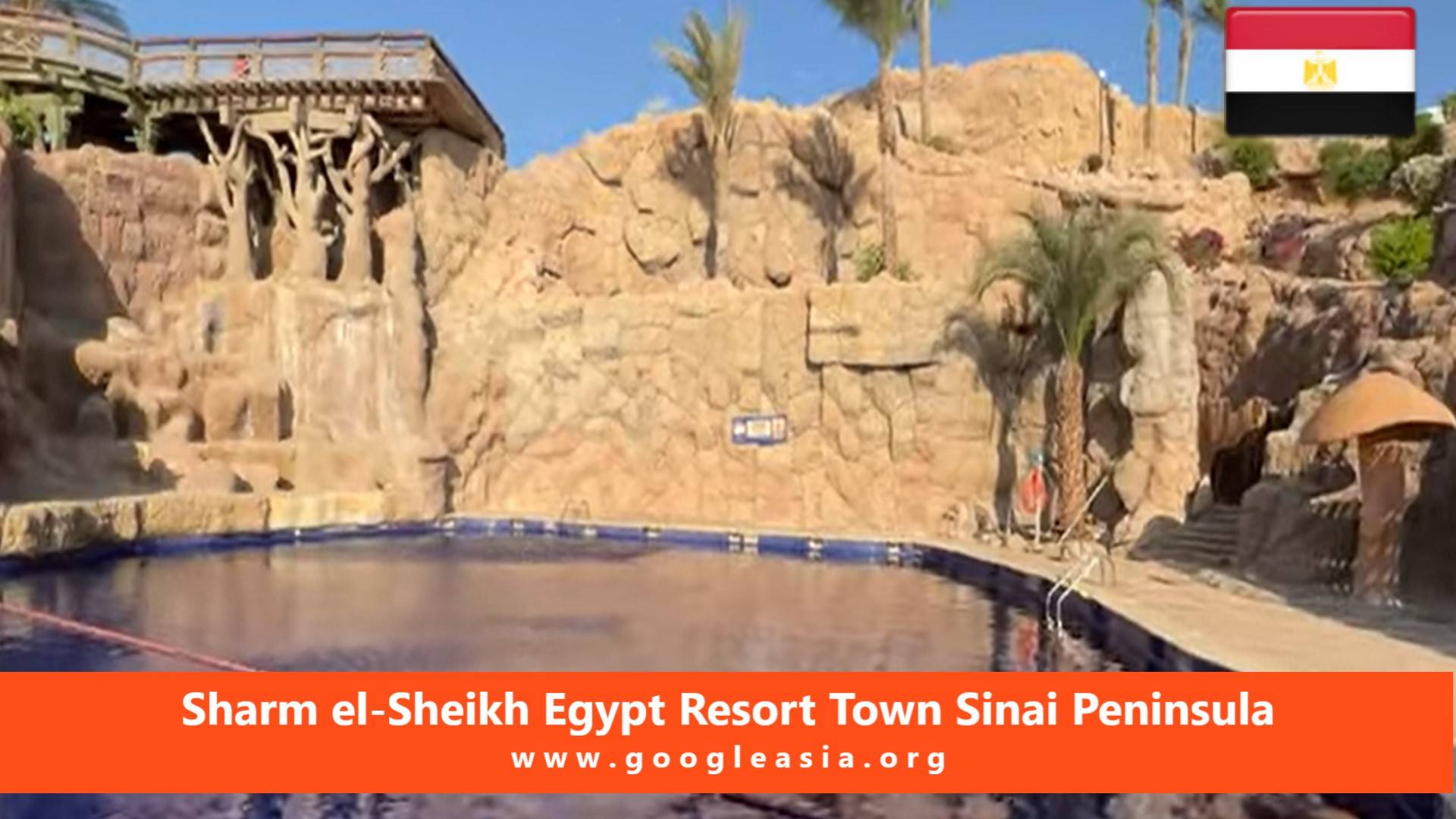
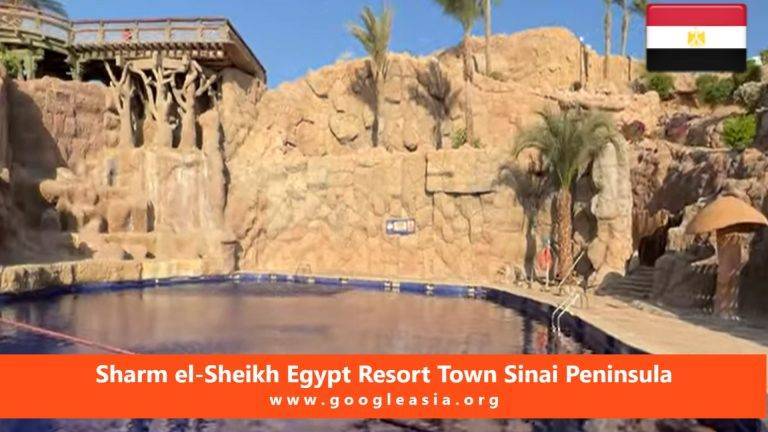
    Sharm el-Sheikh Egypt Resort Town Sinai Peninsula

    Summary

    • Attraction Name: Sharm el-Sheikh
    • Country: Egypt
    • Continent: African
    • Capital Name: Cairo
    • Language: Arabic
    • Currency: Egyptian Pound
    • Nationality: Egyptian
    • Category:  #Destination #Africa #EGYPT 

    Frequently Asked Questions

    What are Sharm el-Sheikh’s must-visit attractions or landmarks?

    Sharm el-Sheikh offers a variety of attractions and landmarks catering to different interests. Here are some must-visit places in Sharm el-Sheikh:

    1. Naama Bay: The heart of Sharm el-Sheikh’s nightlife and shopping scene, offering vibrant markets, restaurants, and beachfront cafes.
    2. Ras Mohammed National Park: A renowned marine protected area with stunning coral reefs and diverse marine life, making it a paradise for snorkelers and divers.
    3. Tiran Island: Known for its exceptional diving spots, Tiran Island offers crystal-clear waters, coral gardens, and the famous shipwreck of the SS Thistlegorm.
    4. Naama Bay Promenade: A picturesque waterfront area with a lively atmosphere, perfect for evening strolls, shopping, and dining.
    5. Old Market (Sharm Old Town): Explore traditional markets with a wide range of goods, including spices, jewelry, textiles, and souvenirs.
    6. Sharm El Maya: A historic area with a charming old port, cafes, and restaurants offering a more relaxed atmosphere compared to Naama Bay.
    7. Soho Square: An entertainment complex with shops, restaurants, a dancing fountain, and live performances, providing a family-friendly atmosphere.
    8. Ras Um Sid Cliff: A scenic viewpoint offering breathtaking views of the Red Sea, especially during sunset.
    9. Shark’s Bay: Another popular beach area with luxury resorts, water activities, and stunning views.
    10. Nabq Protected Area: Explore the natural beauty of Nabq with mangrove forests, salt marshes, and unique wildlife, including migratory birds.

    Is Sharm el-Sheikh a suitable travel destination for solo adventurers, honeymooning couples, or those traveling with families?

    Sharm el-Sheikh is a versatile travel destination that caters to various types of travelers. Here’s how it suits different groups:

    1. Solo Adventurers:
      • Sharm el-Sheikh can be an exciting destination for solo travelers, especially those interested in water activities like diving and snorkeling.
      • The vibrant nightlife, desert excursions, and the opportunity to meet fellow travelers make it an appealing choice for solo adventurers.
    2. Honeymooning Couples:
      • The city’s scenic beaches, luxurious resorts, and romantic settings make Sharm el-Sheikh a popular choice for honeymooners.
      • Private beachfront dinners, sunset cruises, and the overall romantic atmosphere contribute to a memorable experience.
    3. Families:
      • Sharm el-Sheikh is family-friendly, offering a range of activities for all ages. Many resorts have family-oriented amenities and entertainment.
      • Snorkeling, water parks, and desert adventures provide options for family-friendly experiences.

    What’s the climate like in Sharm el-Sheikh?

    Sharm el-Sheikh has a desert climate, characterized by hot temperatures and very low precipitation. Here are the key features of the climate in Sharm el-Sheikh:

    1. Summer (June to September):
      • Summers are extremely hot, with daytime temperatures often exceeding 40°C (104°F).
      • July and August are the hottest months.
      • Nights remain warm, providing little relief from the heat.
    2. Autumn (October to November):
      • Autumn sees a gradual decrease in temperatures.
      • Daytime temperatures become more moderate, ranging from 25°C to 32°C (77°F to 90°F).
    3. Winter (December to February):
      • Winters are mild and comfortable.
      • Daytime temperatures range from 18°C to 25°C (64°F to 77°F).
      • Nights can be cooler, but temperatures rarely drop significantly.
    4. Spring (March to May):
      • Spring brings a gradual warming of temperatures.
      • Daytime temperatures range from 22°C to 30°C (72°F to 86°F).
    5. Sunshine and Low Humidity:
      • Sharm el-Sheikh experiences abundant sunshine throughout the year.
      • Humidity levels are generally low, contributing to the arid desert climate.
    6. Red Sea Moderation:
      • The Red Sea has a moderating effect on temperatures, preventing extreme heat or cold.
    7. Little Rainfall:
      • Rainfall is scarce, and the region is arid. Most of the precipitation occurs in the winter months, but it remains minimal.

    Why should you visit Sharm el-Sheikh in Egypt?

    Visiting Sharm el-Sheikh in Egypt offers a myriad of attractions and experiences, making it a popular destination. Here are compelling reasons to explore this resort city:

    1. Scenic Beauty: Nestled on the Red Sea coast, Sharm el-Sheikh boasts stunning beaches, clear turquoise waters, and vibrant coral reefs, making it a paradise for water enthusiasts.
    2. World-Class Diving: Renowned as a top diving destination, Sharm el-Sheikh’s underwater world is teeming with diverse marine life and captivating coral formations. The Ras Mohammed National Park is a must-visit for divers.
    3. Water Activities: Beyond diving, enjoy various water activities such as snorkeling, windsurfing, parasailing, and boat trips. The Red Sea’s warm waters provide an ideal playground.
    4. Spectacular Coral Reefs: Explore the vibrant coral reefs of Tiran Island and Ras Mohammed, offering unforgettable underwater landscapes for snorkelers and divers.
    5. Adventure in the Desert: Embark on desert excursions, including camel rides, quad biking, or jeep safaris, to experience the beauty of the Sinai Peninsula’s arid landscapes.
    6. Luxurious Resorts: The place is home to a range of luxurious resorts offering world-class amenities, spa facilities, and breathtaking views of the Red Sea.
    7. Nightlife: The city comes alive at night with a vibrant nightlife scene. Enjoy beach parties, live music, and a variety of entertainment options.
    8. Cultural Experiences: Visit the Old Town (Naama Bay) for a taste of local culture, where you can explore markets, sample traditional cuisine, and experience Egyptian hospitality.
    9. Historical Sites: Explore nearby historical sites, such as St. Catherine’s Monastery and Mount Sinai, adding cultural and religious dimensions to your visit.
    10. Gateway to Sinai: Sharm el-Sheikh serves as a gateway to the Sinai Peninsula, allowing visitors to explore the region’s rich history, including the biblical sites of Mount Sinai and the Burning Bush.

    Is it difficult to find halal food in Sharm el-Sheikh?

    No, it is not difficult to find halal food in Sharm el-Sheikh. As a popular tourist destination, the place caters to a diverse range of visitors, including those seeking halal dining options. Here are some ways to find halal food in the area:

    1. Halal Restaurants: Sharm el-Sheikh has several restaurants that specifically cater to halal dietary requirements. These establishments often display clear signage indicating their adherence to halal standards.
    2. Hotel Dining: Many hotels and resorts in Sharm el-Sheikh offer halal food options, particularly in their main dining facilities. It’s advisable to inquire with the hotel about their dining choices.
    3. Local Cuisine: Traditional Egyptian and Middle Eastern cuisine, including dishes like falafel, grilled meats, and seafood, is often prepared in accordance with halal principles. Explore local eateries for authentic halal experiences.
    4. Communication: When dining out, communicate your dietary preferences clearly with the restaurant staff. They are generally accommodating and can provide information about halal options.
    5. Online Resources: Utilize online resources, such as halal restaurant directories or travel forums, to find recommendations and reviews from fellow travelers who have visited Sharm el-Sheikh.

    How to go to Sharm el-Sheikh?

    Traveling to Sharm el-Sheikh is typically done by air due to its distance from major cities. Here are common ways to reach Sharm el-Sheikh:

    1. By Air:
      • Sharm El Sheikh International Airport (SSH): Located in the city, the airport serves international and domestic flights.
      • Book a flight from major airports worldwide.
    2. Domestic Flights:
      • If you’re already in Egypt, consider taking a domestic flight from Cairo or other major cities to Sharm El Sheikh.
    3. By Car:
      • Sharm el-Sheikh is a long drive from major Egyptian cities, but some travelers prefer road trips. Roads are generally well-maintained.
    4. By Bus:
      • Intercity buses operate between cities in Egypt. However, the journey can be long.
    5. By Ferry:
      • In the past, there were ferry services from Hurghada to Sharm el-Sheikh, but availability can vary.
  • Exploring Dahab, Egypt: A Coastal Gem in the Sinai Peninsula

    Exploring Dahab, Egypt: A Coastal Gem in the Sinai Peninsula

    Dahab, Egypt

    Discover the charm of Dahab, Egypt – a seaside paradise known for its laid-back atmosphere, vibrant coral reefs, and adventurous spirit. Dive deeper for an unforgettable Red Sea getaway.

    Dahab is a small coastal resort town in the Sinai Peninsula of Egypt. With a beautiful coastline of coral reefs, turquoise waters and windsurfing and kitesurfing spots, it is a great destination for scuba divers, beachgoers and outdoor sports lovers alike.

    Introduction

    Dahab, nestled on the eastern coast of the Gulf of Aqaba, holds a special allure as a prime destination in Egypt’s Sinai Peninsula. This quaint coastal town, located approximately 85km northeast of Sharm el-Sheikh, beckons travelers with its blend of natural beauty and cultural richness.

    Natural Wonders and Activities

    Dahab is renowned for its stunning coral reefs and vibrant marine life, making it a paradise for diving enthusiasts and snorkelers alike. The crystal-clear waters of the Red Sea offer glimpses into an underwater world teeming with colorful fish and intricate coral formations. Safari trips into the surrounding desert reveal breathtaking landscapes and opportunities for adventure.

    Cultural Treasures and Local Flavor

    Beyond its natural attractions, Dahab invites visitors to delve into its cultural tapestry. The town’s history is intertwined with traditional Bedouin settlements, where ancient customs and hospitality endure. Exploring the local markets reveals a vibrant scene where handmade crafts, spices, and traditional attire abound. Sampling authentic Egyptian and Bedouin cuisine adds a savory dimension to the Dahab experience, showcasing dishes rich in flavor and history.

    Strategic Trade Hub

    Dahab’s geographical position also underscores its significance as a pivotal trade hub. Situated between Egypt, Israel, and Jordan, the town historically facilitated safe passage for traders moving goods across borders. Today, this strategic location continues to foster economic exchanges and cultural interactions, contributing to Dahab’s dynamic identity.

    Things to Do

    Dahab, nestled along the picturesque Gulf of Aqaba in Egypt’s Sinai Peninsula, beckons adventurers and relaxation-seekers alike with its diverse range of activities. From underwater explorations to cultural immersions, Dahab promises a memorable escape amidst stunning natural beauty and vibrant local traditions.

    Dive into Adventure and Culture

    Snorkeling and Scuba Diving

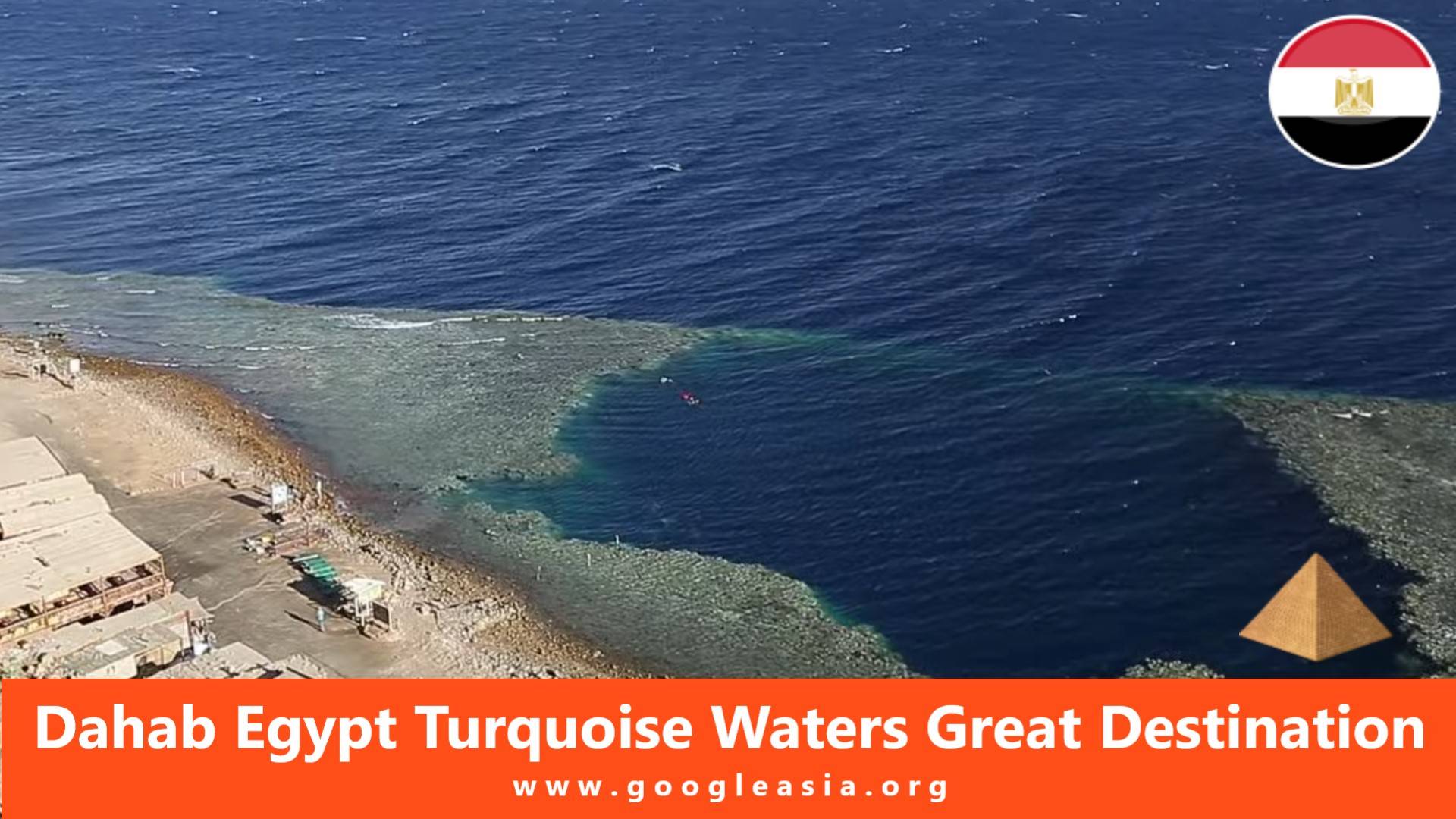
    Dahab is celebrated for its exceptional snorkeling and scuba diving opportunities. The azure waters of the Gulf of Aqaba harbor some of Egypt’s most breathtaking coral reefs, including iconic sites like the Blue Hole and Lighthouse Reef. Dive enthusiasts can marvel at a kaleidoscope of marine life, from colorful fish to intricate coral formations.

    Cycling Adventures

    Rent a bicycle to explore Dahab’s diverse landscapes. Trails wind through desert plains and alongside the coast, offering glimpses of Bedouin settlements and ancient archaeological sites. Whether you prefer leisurely rides or challenging mountain paths, cycling provides an immersive way to appreciate Dahab’s natural beauty.

    Kite Surfing

    With consistent northern winds, Dahab is a haven for kite surfing enthusiasts of all levels. Beginners can take lessons at local kite surfing schools, while seasoned surfers can enjoy adrenaline-pumping sessions on the waves. The vibrant kite surfing community adds a dynamic flair to Dahab’s coastal charm.

    Immerse Yourself in Local Traditions

    Bedouin Culture

    Experience the rich heritage of the Bedouin people who have inhabited the Sinai Peninsula for centuries. Engage in cultural tours to traditional Bedouin camps, where you can learn about their nomadic lifestyle, enjoy Bedouin tea, and admire handicrafts like woven rugs and intricate jewelry.

    Jeep Safaris

    Embark on a thrilling jeep safari adventure into Dahab’s rugged terrain. Traverse desert landscapes, ancient valleys, and hidden oases while learning about the region’s geology and history from knowledgeable guides. Jeep safaris offer opportunities for stunning photography and encounters with local wildlife.

    Camel Riding

    Discover Dahab’s desert landscapes on a serene camel ride. Guided tours take you through sandy plains and rocky hills, providing panoramic views of the Sinai mountains and the Red Sea coast. Camel riding offers a tranquil contrast to the town’s bustling activities, perfect for sunset excursions.

    Mountain Biking

    For adrenaline enthusiasts, Dahab offers exhilarating mountain biking trails. Explore challenging routes through rocky terrain and desert landscapes, guided by experienced local cyclists. Mountain biking in Dahab promises not only thrilling rides but also unforgettable vistas of the surrounding wilderness.

    Foods

    Dahab, nestled along the Red Sea in Egypt’s Sinai Peninsula, offers a tantalizing array of culinary experiences that blend local flavors with Middle Eastern influences. Whether you’re a seafood enthusiast, a lover of hearty breakfasts, or someone seeking traditional street food delights, Dahab promises a feast for every palate.

    Explore Dahab’s Vibrant Food Scene

    Fresh Seafood

    Savor the bounty of the Red Sea with fresh seafood dishes, including grilled fish, shrimp, and calamari. Locally caught and expertly prepared, these dishes highlight Dahab’s coastal charm.

    Omelettes and Wraps

    Kickstart your day with flavorful omelettes or wraps filled with fresh vegetables, cheese, and herbs—a popular choice for breakfast or a quick bite on the go.

    Hummus and Falafel

    Indulge in creamy hummus paired with warm pita bread or enjoy crispy falafel sandwiches, a beloved vegetarian option that’s both satisfying and flavorful.

    Kebabs and Grilled Vegetables

    Treat yourself to succulent kebabs—be it beef, chicken, or lamb—grilled to perfection and served with aromatic rice or alongside grilled vegetables, such as eggplant and peppers.

    Sweet Treats: Pastries and Desserts

    End your meal on a sweet note with traditional Middle Eastern pastries like baklava, a rich dessert layered with nuts and sweet syrup, or kanafeh, a cheese pastry soaked in honey.

    Kofta Dishes and Manoushe

    Delight in kofta, seasoned ground meat shaped into patties or skewers and grilled to perfection, or grab a quick bite of manoushe—a flatbread topped with za’atar or cheese, perfect for a quick snack.

    Fruit Juices and Smoothies

    Cool off with refreshing fruit juices and smoothies made from local fruits like mango and guava, offering a rejuvenating break from exploring Dahab’s sunny shores.

    Hotels

    Dahab, a charming coastal town in Egypt’s Sinai Peninsula, offers a range of accommodation options that cater to various preferences and budgets. Whether you seek luxurious resorts or cozy boutique hotels, Dahab has something to offer for every traveler.

    Luxurious Escapes

    Lahami Bay Beach Resort

    Situated on the shores of the Red Sea, Lahami Bay Beach Resort is renowned for its stunning beachfront location, spacious rooms, and excellent amenities including multiple dining options and water sports facilities.

    Sinai Bay Resort and Hotel

    A haven for relaxation, Sinai Bay Resort and Hotel boasts serene surroundings and luxurious accommodations. Guests can enjoy private beach access, spa treatments, and gourmet dining experiences.

    With its opulent design and extensive spa facilities, Golden Shore Luxury Resort and Spa offers a tranquil retreat. The resort features elegant rooms, multiple pools, and a variety of dining choices.

    Boutique Charms

    Seven Heaven Dahab Hotel

    Nestled in the heart of Dahab, Seven Heaven Dahab Hotel offers cozy rooms with modern amenities. The hotel’s rooftop terrace provides panoramic views of the Red Sea and the mountains.

    La Strada Hotel

    Located along Dahab’s promenade, La Strada Hotel combines comfort with a prime location. Guests can unwind in stylish rooms and enjoy easy access to shops, cafes, and the beach.

    La Perla Hotel

    Known for its warm hospitality and tranquil atmosphere, La Perla Hotel offers a peaceful retreat with personalized service. The hotel features a garden courtyard and comfortable accommodations.

    Charming Retreats

    Sunrise Garden Beach Resort

    Surrounded by lush gardens and overlooking the Red Sea, Sunrise Garden Beach Resort offers a relaxed ambiance. The resort boasts spacious rooms, a large pool, and direct beach access.

    Blue Beach Club & Hotel

    Ideal for water sports enthusiasts, Blue Beach Club & Hotel offers beachfront accommodations with easy access to diving and snorkeling sites. The hotel’s laid-back vibe and friendly staff ensure a pleasant stay.

    Precious Sands Resort

    Set against the backdrop of the Sinai Mountains, Precious Sands Resort provides a tranquil setting for guests seeking peace and quiet. The resort features comfortable rooms and a serene atmosphere.

    Hub Dahab Resort & Accommodation

    Hub Dahab Resort & Accommodation offers a blend of comfort and convenience. Located close to Dahab’s main attractions, the resort provides modern amenities and a welcoming atmosphere.

    Conclusion

    Dahab’s allure lies in its ability to blend thrilling outdoor adventures with cultural immersion. Whether you’re diving into vibrant coral reefs, exploring ancient pathways on a bicycle, or experiencing the hospitality of the Bedouin people, Dahab offers a unique and enchanting escape on Egypt’s Red Sea coast. Embrace the spirit of adventure and relaxation in Dahab, where every moment promises discovery and delight.

    Dahab Egypt Turquoise Waters Great Destination

    Summary

    • Attraction Name: Dahab
    • Country: Egypt
    • Continent: African
    • Capital Name: Cairo
    • Language: Arabic
    • Currency: Egyptian Pound
    • Nationality: Egyptian
    • Category:  #Destination #Africa #EGYPT 

    Frequently Asked Questions

    What are Dahab’s must-visit attractions or landmarks?

    Dahab offers a range of attractions and landmarks, combining natural beauty, water activities, and cultural experiences. Here are some must-visit places in Dahab:

    1. Blue Hole: A world-famous diving site with a deep sinkhole, attracting divers from around the globe. It’s known for its stunning underwater formations and marine life.
    2. Lagoon: Dahab’s lagoon is a shallow and calm area, ideal for swimming, snorkeling, and water sports. It’s particularly suitable for families.
    3. The Canyon: Another iconic diving site, the Canyon features a crack in the sea floor leading to a vertical chimney, providing a unique underwater experience.
    4. Ras Abu Galum Protectorate: A protected area north of Dahab known for its stunning landscapes, coral reefs, and the opportunity to experience Bedouin culture.
    5. Mount Sinai: While not in Dahab itself, Mount Sinai is a popular day trip destination for those seeking a challenging hike and breathtaking views, especially at sunrise or sunset.
    6. Wadi Gnai: A picturesque wadi (valley) surrounded by mountains, offering hiking opportunities and a tranquil setting.
    7. Dahab Beach: The main beach area in Dahab where visitors can relax, enjoy water activities, and take in the laid-back atmosphere.
    8. Nabq National Park: Explore the diverse ecosystems of this national park, located nearby, with mangroves, dunes, and coral reefs.
    9. Dahab’s Old Market: A bustling market where you can experience local culture, shop for souvenirs, and enjoy traditional cuisine.
    10. Wind and Kite Surfing Centers: Dahab’s consistent winds make it a great location for wind and kite surfing. There are dedicated centers offering equipment rental and lessons.

    Is Dahab a suitable travel destination for solo adventurers, honeymooning couples, or those traveling with families?

    Dahab is a versatile destination that caters to various types of travelers, offering a mix of adventure, relaxation, and unique experiences. Here’s how Dahab suits different groups:

    1. Solo Adventurers:
      • Dahab is an excellent destination for solo travelers seeking adventure and exploration. The laid-back atmosphere, friendly locals, and diverse activities like diving and desert excursions make it an ideal place for solo adventurers.
    2. Honeymooning Couples:
      • The serene beaches, romantic sunsets, and the overall tranquil atmosphere make Dahab a romantic destination for honeymooning couples. Luxury resorts and intimate beachfront settings contribute to a memorable experience.
    3. Families:
      • Dahab is family-friendly, offering a range of activities suitable for all ages. The shallow waters of the lagoon are ideal for family swimming, and the desert excursions provide unique experiences for exploration.

    What’s the climate like in Dahab?

    Dahab has a desert climate, characterized by hot temperatures, low humidity, and minimal rainfall. Here are the key features of Dahab’s climate:

    1. Summer (June to September):
      • Summers in Dahab are hot and dry.
      • Daytime temperatures can exceed 40°C (104°F).
      • Nights remain warm, providing little relief from the heat.
    2. Autumn (October to November):
      • Autumn sees a gradual decrease in temperatures.
      • Daytime temperatures become more moderate, ranging from 25°C to 32°C (77°F to 90°F).
    3. Winter (December to February):
      • Winters are mild and comfortable, with daytime temperatures ranging from 18°C to 25°C (64°F to 77°F).
      • Nights can be cooler, but temperatures rarely drop significantly.
    4. Spring (March to May):
      • Spring brings a gradual warming of temperatures.
      • Daytime temperatures range from 22°C to 30°C (72°F to 86°F).
    5. Sunshine and Low Humidity:
      • Dahab experiences abundant sunshine throughout the year.
      • Humidity levels are generally low, contributing to the arid desert climate.
    6. Red Sea Moderation:
      • The Red Sea has a moderating effect on temperatures, preventing extreme heat or cold.

    Why should you visit Dahab?

    Visiting Dahab offers a unique and laid-back experience, making it a popular destination for a diverse range of travelers. Here are compelling reasons to explore Dahab:

    1. Stunning Beaches: Dahab is renowned for its beautiful beaches with soft sands and crystal-clear waters, providing a tranquil setting for relaxation and water activities.
    2. World-Class Diving: The Red Sea’s rich marine life and vibrant coral reefs make the place a premier destination for diving and snorkeling. The Blue Hole and the Canyon are iconic dive sites.
    3. Laid-Back Atmosphere: Unlike some bustling tourist hubs, Dahab maintains a relaxed and bohemian atmosphere, attracting those seeking a more laid-back and authentic experience.
    4. Sinai Desert Adventures: Dahab serves as a gateway to the Sinai Desert, offering opportunities for camel treks, jeep safaris, and hikes, allowing visitors to explore the unique landscapes.
    5. Windsurfing and Kitesurfing: The consistent winds of the Red Sea make Dahab a popular spot for windsurfing and kitesurfing enthusiasts. The lagoon at Dahab is particularly suitable for these activities.
    6. Cultural Diversity: Dahab has a diverse community, welcoming travelers from around the world. This cultural mix is reflected in the local cuisine, arts, and events.
    7. Lively Nightlife: While not as bustling as some larger cities, Dahab has a vibrant nightlife scene. Enjoy beachside cafes, laid-back bars, and occasional beach parties.
    8. Dahab’s Lagoon: The lagoon here provides a calm and shallow area, ideal for swimming and water sports. It’s particularly suitable for families with children.
    9. Mount Sinai Excursions: Dahab is a starting point for excursions to Mount Sinai, where visitors can climb to the summit for a breathtaking sunrise or sunset experience.
    10. Affordability: Compared to some other Red Sea destinations, the place often offers more affordable accommodations, dining, and activities, making it attractive to budget-conscious travelers.

    Is it difficult to find halal food in Dahab?

    Dahab, like many destinations in Egypt, offers a variety of dining options, including restaurants that serve halal food. As a predominantly Muslim country, it is generally not difficult to find halal food in Dahab. Here are some points to consider:

    1. Local Cuisine: Many Egyptian and Middle Eastern dishes are inherently halal, and local restaurants often follow halal practices.
    2. Seafood Options: Dahab, being a coastal town, is known for its fresh seafood. Seafood is generally considered halal, and you can find a variety of dishes along the beachfront.
    3. Communication: When dining out, you can communicate your dietary preferences to the restaurant staff, and they are usually accommodating. Confirming the halal status of the food is always a good practice.
    4. Halal Signs: Some restaurants in Dahab may have clear signage indicating that they serve halal food. This is especially common in areas frequented by tourists.
    5. International Cuisine: Dahab has a diverse culinary scene, including international cuisine. Many restaurants serving international dishes also provide halal options.

    How can one travel to Dahab?

    Traveling to Dahab, a popular destination on the Red Sea coast of Egypt, can be done through various means. Here are common ways to reach to this place:

    1. By Air:
      • Sharm El Sheikh International Airport (SSH): The nearest major airport is Sharm El Sheikh International Airport, located approximately 90 kilometers away from Dahab.
        • After arriving at SSH, you can take a taxi, shuttle, or private transportation to Dahab.
    2. By Bus:
      • Intercity buses operate between Sharm El Sheikh and Dahab. The journey takes about 1.5 to 2 hours.
      • Bus services may vary, and it’s advisable to check schedules and availability.
    3. By Taxi or Private Transfer:
      • Taxis and private transfers are available from Sharm El Sheikh to Dahab. It’s recommended to negotiate the fare beforehand or use reputable taxi services.
    4. By Car:
      • Renting a car is an option for those who prefer to drive. The journey from Sharm El Sheikh to Dahab takes approximately 1.5 to 2 hours, depending on traffic and road conditions.
    5. By Desert Safari:
      • Some travelers opt for a desert safari experience, especially if combining a visit to Dahab with exploring the surrounding desert landscapes.
  • Exploring the Red Sea Beaches of Egypt: Natural Beauty and Activities Await

    Exploring the Red Sea Beaches of Egypt: Natural Beauty and Activities Await

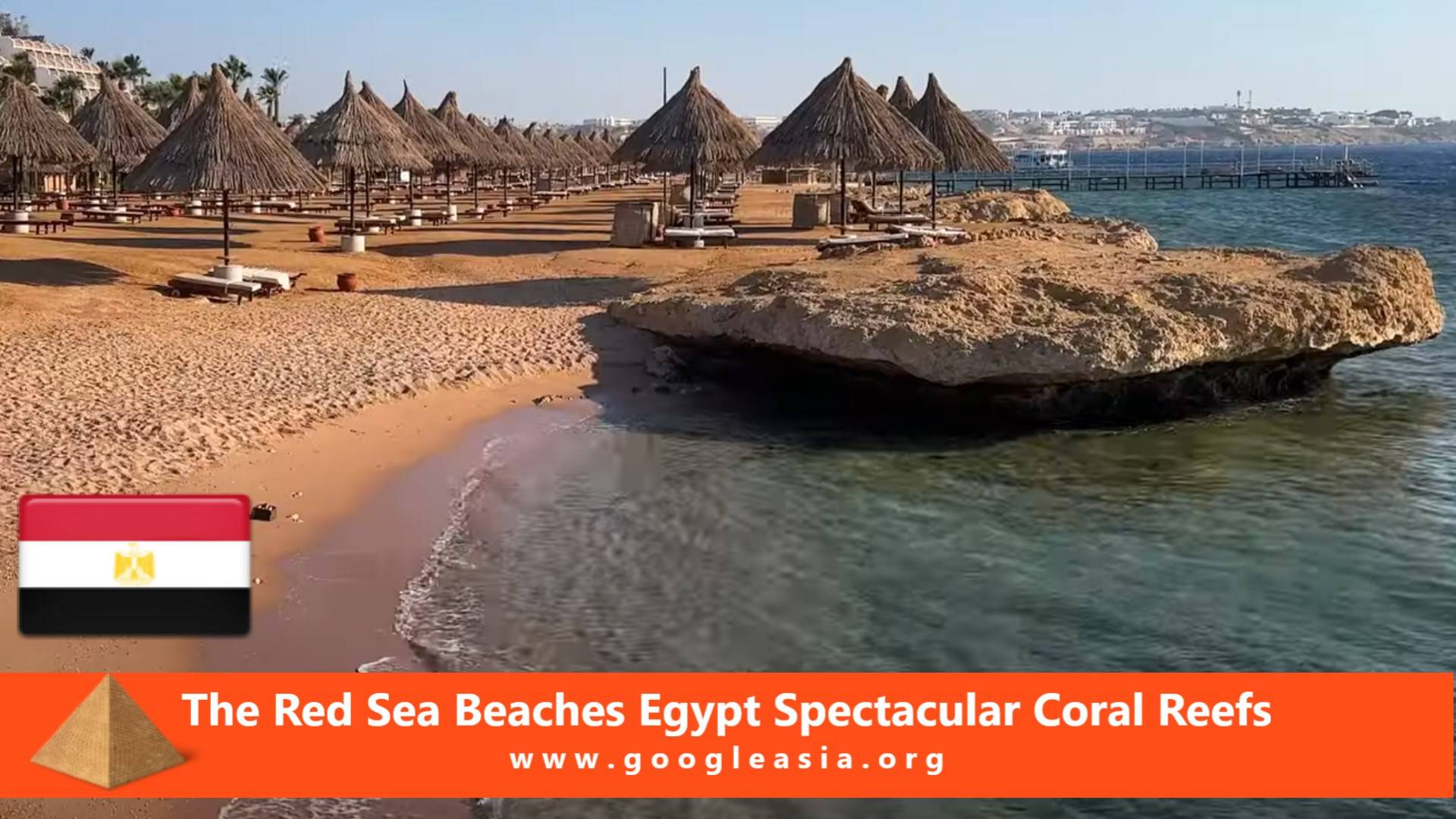
    The Red Sea Beaches, Egypt

    Escape to the mesmerizing Red Sea beaches – where golden sands meet crystal-clear waters. Explore vibrant coral reefs and unwind in paradise. Dive into more details for your perfect coastal retreat.

    The Red Sea Beaches in Egypt are a breathtaking sight, offering miles of crystal-clear waters and pristine white beaches. From snorkeling and diving to swimming and sunbathing, the beaches will give you an unbeatable holiday experience.

    Introduction

    The Red Sea beaches of Egypt are renowned for their stunning natural beauty, offering visitors an unparalleled beach resort holiday experience. With deep blue waters, expansive stretches of white sand, and vibrant coral reefs, these beaches create idyllic scenes perfect for relaxation and exploration.

    Spectacular Scenery and White Sand Beaches

    The Red Sea coastline is adorned with pristine white sand beaches that stretch for miles, inviting visitors to unwind under the Egyptian sun. The crystal-clear waters of the Red Sea provide a mesmerizing backdrop, ideal for swimming, sunbathing, and leisurely walks along the shore.

    Diving and Snorkeling Paradise

    Beyond its picturesque beaches, the Red Sea is celebrated for its exceptional diving and snorkeling opportunities. The region boasts some of the world’s most spectacular coral reefs, teeming with a kaleidoscope of marine life. Divers and snorkelers can explore vibrant coral gardens, encounter colorful fish species, and marvel at underwater landscapes that rival any tropical paradise.

    Thrilling Water Sports and Activities

    The Red Sea beaches cater to adventure enthusiasts with a plethora of water sports activities. From exhilarating boating excursions and jet skiing to tranquil fishing trips, there’s something for everyone seeking an adrenaline rush or a peaceful day on the water.

    Ideal Destination for Beach Holiday Lovers

    Whether you’re seeking a romantic getaway, a family vacation, or a solo retreat, the Red Sea beaches of Egypt offer an enticing blend of relaxation and adventure. With luxurious beach resorts, charming seaside towns, and a warm, welcoming atmosphere, this region promises a memorable beach holiday experience.

    Things to Do

    The Red Sea beaches in Egypt offer a diverse array of activities that cater to every visitor’s interests, from relaxation to adventure and cultural exploration.

    Scuba Diving Adventures

    Discover the mesmerizing underwater world of the Red Sea with scuba diving. Renowned for its crystal-clear waters and vibrant marine life, the Red Sea boasts some of the world’s best diving spots. Explore coral reefs teeming with colorful fish, encounter majestic sea turtles, and dive deep to uncover hidden underwater wrecks.

    Snorkeling Excursions

    For a closer look at the Red Sea’s marine wonders, snorkeling is an ideal choice. Crystal-clear waters and rich coral reefs provide an opportunity to observe tropical fish, graceful stingrays, and even gentle sea turtles—all visible from the surface.

    Boating and Yachting

    Take to the calm waters of the Red Sea for a boating or yachting adventure. Whether renting a boat for a day or embarking on a leisurely cruise, visitors can explore secluded coves, picturesque lagoons, and archaeological sites along the coastline. The stunning scenery makes every journey memorable.

    Exploring Ancient Ruins

    Delve into Egypt’s rich history by exploring ancient ruins near the Red Sea beaches. Visit iconic sites such as the Temple of Ramses II at Abu Simbel or discover ancient tombs and vibrant Bedouin villages scattered throughout the region. These historical sites offer a glimpse into Egypt’s great civilizations and cultural heritage.

    Nightlife and Dining

    Experience the vibrant nightlife of Red Sea beach towns as the sun sets. Enjoy authentic Egyptian cuisine at local restaurants, where fresh seafood and traditional dishes are a highlight. After dinner, unwind with a stroll along the promenade or indulge in cocktails and live music at beachfront bars and clubs.

    Foods

    The Red Sea beaches in Egypt offer a delectable array of dishes that celebrate fresh seafood and Middle Eastern flavors, ensuring a delightful dining experience by the sea.

    Fresh Seafood Extravaganza

    Indulge in the bounty of the Red Sea with a variety of seafood dishes. Grilled calamari, lobster prepared to perfection, fish fillets bursting with flavor, succulent prawns, smoked sea bass, and baked fish are among the favorites. These dishes showcase the region’s rich marine resources and are best enjoyed with a view of the sparkling waters.

    Grilled Meats and Kebabs

    For those craving heartier fare, grilled meats are a popular choice. Savor tender chicken and juicy steak cooked to perfection over an open flame, accompanied by aromatic Middle Eastern spices. Kebabs, whether made from lamb, beef, or chicken, offer a flavorful option that satisfies any appetite.

    Middle Eastern Classics

    Explore traditional Middle Eastern dishes such as shawarma wraps, filled with grilled meats or falafel—crispy chickpea patties served with fresh vegetables and creamy tahini sauce. These handheld delights are perfect for a quick bite between beach activities.

    Rice Dishes and Salads

    Complement your meal with aromatic rice dishes, such as fragrant pilaf or savory rice with seafood. Fresh salads bursting with local produce, herbs, and tangy dressings provide a refreshing accompaniment to any main course.

    Hotels

    When planning your stay at the Red Sea beaches in Egypt, choosing the right accommodation can elevate your beach vacation experience. Here are some of the top-rated hotels that promise luxury, comfort, and stunning views of the Red Sea.

    Baron Palace Saii, Sinai

    Set against the backdrop of Sinai’s rugged mountains and overlooking the Red Sea, Baron Palace Saii offers an opulent retreat with spacious rooms, multiple dining options, and a range of leisure activities including water sports and spa treatments.

    Iberotel Miramar Al Aqah Beach Resort, Fujairah

    Located in Fujairah, this beachfront resort boasts panoramic views of the Red Sea. It features elegant rooms, lush gardens, a private beach, and a variety of restaurants offering international cuisine.

    Le Meridien Dahab Resort, Sinai

    Nestled along the coast of Dahab, Le Meridien Dahab Resort combines contemporary luxury with traditional Egyptian charm. Guests can enjoy beachfront villas, a tranquil spa, and easy access to diving and snorkeling sites.

    Taba Heights Marriott Red Sea Resort, Sinai

    Surrounded by lush gardens and with direct access to a private beach, Taba Heights Marriott Red Sea Resort offers upscale accommodations with stunning views. The resort features multiple pools, a golf course, and an array of dining options.

    Jaz Mirabel Beach, Sharm El Sheikh

    Located in Sharm El Sheikh, Jaz Mirabel Beach provides a luxurious beachfront experience with spacious rooms, extensive gardens, and a variety of restaurants and bars. Guests can enjoy water sports, spa treatments, and nightly entertainment.

    Four Seasons Resort Sharm El Sheikh, Sinai

    Known for its unparalleled luxury and exceptional service, Four Seasons Resort Sharm El Sheikh offers panoramic views of the Red Sea. The resort features elegant rooms and suites, multiple swimming pools, a world-class spa, and fine dining options.

    Amwaj Oyoun Resort & Spa, Sharm El Sheikh

    A beachfront oasis in Sharm El Sheikh, Amwaj Oyoun Resort & Spa offers stylish accommodations, a private beach, and a range of leisure activities including diving, snorkeling, and spa treatments.

    Dome Marina InterContinental Resort & Spa, Sharm El Sheikh

    Boasting a prime location in Sharm El Sheikh, Dome Marina InterContinental Resort & Spa offers luxurious rooms and suites with stunning sea views. The resort features multiple swimming pools, a spa, and a variety of dining options.

    Sheraton Miramar Resort El Gouna

    Located in the picturesque town of El Gouna, Sheraton Miramar Resort offers upscale accommodations with views of the Red Sea. The resort features a private beach, water sports facilities, and a golf course nearby.

    The Three Corners Ocean View Hotel, El Gouna

    Situated on the shores of El Gouna, The Three Corners Ocean View Hotel offers comfortable rooms with sea views, multiple swimming pools, and direct access to the beach. Guests can enjoy water sports, excursions, and dining at the hotel’s restaurants.

    Conclusion

    Whether you’re drawn to the underwater wonders of scuba diving and snorkeling, the tranquility of boating on calm seas, or the allure of ancient history and vibrant nightlife, the Red Sea beaches in Egypt promise an unforgettable vacation experience. With activities to suit every interest and breathtaking natural beauty all around, the Red Sea beaches invite visitors to explore, relax, and indulge in the magic of this enchanting coastal region.

    The Red Sea Beaches Egypt Spectacular Coral Reefs

    Summary

    • Attraction Name: The Red Sea Beaches
    • Country: Egypt
    • Continent: African
    • Capital Name: Cairo
    • Language: Arabic
    • Currency: Egyptian Pound
    • Nationality: Egyptian
    • Category:  #Destination #Africa #EGYPT 

    Frequently Asked Questions

    What are the must-visit attractions or landmarks on the Red Sea beaches in Egypt?

    Here are the must-visit attractions or landmarks on the Red Sea beaches in Egypt:

    1. Ras Mohammed National Park (Near Sharm El Sheikh): Diverse marine life, coral reefs, and iconic dive sites.
    2. The Blue Hole (Dahab): World-famous diving site with a deep sinkhole.
    3. Giftun Islands (Near Hurghada): Pristine beaches, coral reefs, and popular snorkeling spots.
    4. Tiran Island (Near Sharm El Sheikh): Coral reefs, diverse marine life, and boat excursions.
    5. El Gouna (Near Hurghada): Modern resort town with beautiful beaches and a marina.
    6. Makadi Bay (Near Hurghada): Sandy beaches, coral reefs, and water sports opportunities.
    7. Abu Dabbab (Near Marsa Alam): Shallow sandy shores, known for dugongs and sea turtles.
    8. Dolphin House (Near Marsa Alam): Encounter dolphins in their natural habitat, popular for snorkeling.
    9. Nuweiba Beach (Nuweiba): Laid-back beach destination with mountain views.
    10. Aqaba Marine Park (Jordan): Coral reefs and diverse marine life in the Gulf of Aqaba.

    Is Red Sea beaches in Egypt a suitable travel destination for solo adventurers, honeymooning couples, or those traveling with families?

    The Red Sea beaches in Egypt cater to a diverse range of travelers, making it a suitable destination for solo adventurers, honeymooning couples, and families. Here’s how the Red Sea beaches can accommodate different types of travelers:

    1. Solo Adventurers:
      • Adventure Activities: The place offers a plethora of water sports and adventure activities such as snorkeling, diving, windsurfing, and desert excursions, making it an exciting destination for solo travelers seeking adventure.
      • Diverse Experiences: Solo adventurers can explore the vibrant marine life, embark on desert safaris, and immerse themselves in the local culture.
    2. Honeymooning Couples:
      • Romantic Settings: Many Red Sea beach resorts provide a romantic atmosphere with private beaches, luxurious accommodations, and spa services, making it an ideal destination for honeymooning couples.
      • Sunset Views: The stunning sunsets over the Red Sea and the serene beach settings create a romantic ambiance.
    3. Families:
      • Family-Friendly Resorts: The Red Sea has numerous family-friendly resorts with shallow beaches, kids’ clubs, and activities suitable for children, making it an excellent choice for family vacations.
      • Safe Swimming: The calm and shallow waters in some areas along the Red Sea coastline are suitable for children to enjoy safe swimming.
    4. Diverse Accommodations:
      • Luxury Resorts: The Red Sea offers luxury resorts with high-end amenities and services for those seeking a lavish experience.
      • Budget-Friendly Options: There are also budget-friendly accommodations and guesthouses for travelers looking for more economical options.
    5. Water Enthusiasts:
      • Diving and Snorkeling: The Red Sea’s vibrant coral reefs and marine life make it a paradise for divers and snorkelers. Both beginners and experienced enthusiasts can enjoy the underwater world.
    6. Relaxation Seekers:
      • Tranquil Atmosphere: Some areas along the coast provide a tranquil atmosphere, making it suitable for travelers seeking relaxation and rejuvenation.

    What’s the climate like in Red Sea beaches in Egypt?

    The climate along the Red Sea beaches in Egypt is characterized by a hot desert climate with high temperatures and low humidity. Here are the key features of the climate in the Red Sea coastal areas, including popular destinations like Sharm el-Sheikh, Hurghada, and Dahab:

    1. Hot Summers:
      • Temperature: During the summer months (June to September), daytime temperatures can soar well above 40°C (104°F) in many Red Sea beach destinations.
      • Sunshine: The region experiences long hours of sunshine, making it a sun-drenched destination.
    2. Mild Winters:
      • Temperature: Winters (December to February) are mild and comfortable, with daytime temperatures ranging from 18°C to 25°C (64°F to 77°F).
      • Nights: Nights can be cooler during the winter, but temperatures rarely drop significantly.
    3. Little to No Rainfall: The Red Sea coastal areas receive minimal rainfall throughout the year. Rainfall is infrequent, and the region is considered arid.
    4. Moderating Effect of the Red Sea: The Red Sea has a moderating effect on temperatures, preventing extreme heat or cold. The sea’s proximity contributes to milder temperatures compared to inland desert regions.
    5. Consistent Winds: The coastal areas often experience consistent winds, particularly during the summer months. This makes the Red Sea a popular destination for water sports such as windsurfing and kitesurfing.
    6. Diving Conditions: The Red Sea’s warm waters are conducive to year-round diving. Water temperatures remain relatively high, providing comfortable conditions for underwater activities.

    Why should you visit Red Sea beaches?

    Visiting the Red Sea beaches offers a unique and diverse range of experiences, making it a popular destination for travelers worldwide. Here are compelling reasons to visit the Red Sea beaches:

    1. Crystal-Clear Waters: The Red Sea is renowned for its exceptionally clear and turquoise waters, providing ideal conditions for snorkeling and diving. The visibility allows for a stunning view of the underwater world.
    2. Vibrant Coral Reefs: The Red Sea is home to some of the world’s most vibrant and diverse coral reefs. Snorkelers and divers can explore these underwater ecosystems, teeming with colorful fish, marine life, and intricate coral formations.
    3. World-Class Diving: The destination is a top-tier diving destination with numerous world-renowned dive sites. From the Blue Hole in Dahab to Ras Mohammed National Park near Sharm el-Sheikh, divers can encounter unique underwater landscapes and marine species.
    4. Water Sports: Beyond diving, the Red Sea offers a playground for various water sports, including windsurfing, kitesurfing, jet-skiing, and parasailing. The consistent winds make it an ideal destination for water enthusiasts.
    5. Desert Adventures: The destination is surrounded by captivating desert landscapes. Travelers can embark on desert safaris, camel rides, and jeep excursions to explore the arid beauty of the region.
    6. Luxurious Resorts: The Red Sea boasts a selection of luxurious resorts and hotels along its coastline. Visitors can enjoy world-class amenities, spa treatments, and stunning views of the sea.
    7. Historical and Cultural Sites: The Red Sea region is rich in history, with nearby attractions like Mount Sinai in Egypt and the ancient city of Petra in Jordan. These sites offer a blend of history and natural beauty.
    8. Relaxation and Wellness: Many Red Sea destinations provide a tranquil and serene atmosphere, making it an ideal place for relaxation and wellness. Visitors can indulge in spa treatments and yoga retreats by the sea.
    9. Family-Friendly Activities: The shallow waters and family-friendly resorts make the place a great destination for family vacations. Children can enjoy safe swimming, water activities, and entertainment options.
    10. Sunsets and Scenic Views: The Red Sea offers breathtaking sunsets and picturesque views, creating a romantic atmosphere for couples and a stunning backdrop for photographers.

    Is there any halal food available in Red Sea beaches in Egypt?

    Yes, you can find halal food options in the Red Sea beach destinations in Egypt. Egypt is a predominantly Muslim country, and as such, halal food is widely available throughout the country, including in popular tourist destinations along the Red Sea. Here are some key points to keep in mind:

    1. Local Cuisine: Many Egyptian dishes are inherently halal, and local restaurants often adhere to halal practices. Traditional Egyptian cuisine, such as grilled meats, seafood, and vegetarian options, is commonly available.
    2. Seafood: The Red Sea region is known for its fresh seafood. Seafood is generally considered halal, and you can find a variety of fish and seafood dishes at restaurants along the coast.
    3. International Cuisine: Popular tourist destinations like Sharm el-Sheikh and Hurghada offer a diverse range of international restaurants. Many of these establishments provide halal options or can accommodate halal requests.
    4. Communication: When dining out, you can communicate your dietary preferences to the restaurant staff, and they are usually accommodating. Confirming the halal status of the food is always a good practice.
    5. Halal Signs: Some restaurants may have clear signage indicating that they serve halal food. This is especially common in areas frequented by tourists.

    How to go to Red Sea beaches in Egypt?

    To reach the Red Sea beaches in Egypt, you can choose from multiple transportation options depending on your departure point and specific destination along the Red Sea coast. Here are general guidelines for reaching popular Red Sea beach destinations in Egypt:

    1. Sharm el-Sheikh:
      • By Air: Fly into Sharm El Sheikh International Airport (SSH) from various international airports. Many major airlines operate direct flights to Sharm el-Sheikh.
      • By Land: If you are already in Egypt, you can reach Sharm el-Sheikh by intercity buses or private transportation from cities like Cairo.
    2. Hurghada:
      • By Air: Hurghada International Airport (HRG) is the main airport serving the region. Book a direct flight to Hurghada from international airports.
      • By Land: Hurghada is accessible by road from other Egyptian cities. Bus services and private transportation are available.
    3. Dahab:
      • By Air: The nearest major airport is Sharm El Sheikh International Airport (SSH). From Sharm el-Sheikh, you can take a taxi, bus, or private transportation to Dahab.
      • By Land: Intercity buses and private transfers are available from other Egyptian cities.
    4. Marsa Alam:
      • By Air: Marsa Alam International Airport (RMF) is the primary airport serving the region. Direct flights are available from international airports.
      • By Land: Marsa Alam can be reached by road from other Egyptian cities. Transportation options include buses and private transfers.
    5. Nuweiba:
      • By Land: If traveling from Cairo, you can take an intercity bus to Nuweiba. Private transportation is also an option.
  • Visiting Egyptian Museum: Your Ultimate Travel Guide & Tips

    Visiting Egyptian Museum: Your Ultimate Travel Guide & Tips

    Egyptian Museum

    Step into the treasures of Egypt at the Egyptian Museum, Cairo. Explore millennia-old artifacts, mummies, and pharaohs’ legacies. Dive into the past, unraveling stories of an ancient civilization. Discover more about this historical journey.

    The Egyptian Museum in Cairo is one of the world’s largest and oldest museums dedicated to ancient Egyptian antiquities. Located in Cairo, Egypt, it dates back to 1858 and houses a vast collection of over 160,000 artifacts of Pharaonic, Greco-Roman, Coptic, and Islamic origin. Visitors can explore the majestic statues, pottery, jewelry, furniture, and other items that date as far back as 2,000 BC, providing visitors with a window into the culture and history of Ancient Egypt.

    Introduction

    Located in the heart of Cairo’s historic center, the Egyptian Museum stands as a testament to the rich history and cultural heritage of Ancient Egypt. This renowned institution is a treasure trove of over 120,000 artifacts, spanning millennia of Egyptian civilization.

    A Glimpse into Ancient Egypt’s Legacy

    Extensive Collection of Artifacts

    The Egyptian Museum houses an unparalleled collection of artifacts, offering a comprehensive journey through Egypt’s ancient past. From pre-dynastic times to the late period, the museum showcases relics from the daily life, religious practices, and royal tombs of the pharaohs.

    Iconic Treasures

    Among its most famous exhibits is the exquisite gold mask of Tutankhamun, a symbol of Egypt’s wealth and craftsmanship. Visitors can also marvel at the elaborate sarcophagus of Meresankh III and the captivating Seated Statue of Khafre, which reflects the mastery of ancient Egyptian sculpture.

    Monumental Sculptures

    The museum is home to monumental sculptures such as the Colossi of Memnon, which once guarded the mortuary temple of Amenhotep III, and the timeless Great Sphinx of Giza, an enduring symbol of Egyptian civilization’s grandeur.

    Engaging Exhibits and Educational Resources

    Interactive Displays

    In addition to its vast collection, the Egyptian Museum offers interactive exhibits that bring ancient artifacts to life. Visitors can engage with multimedia presentations, explore virtual reconstructions, and gain deeper insights into Egypt’s cultural legacy.

    Temporary Exhibitions and Films

    The museum regularly hosts temporary exhibitions that delve into specific aspects of ancient Egyptian history and culture. These exhibitions provide a dynamic and evolving experience for visitors, complemented by educational films that enrich understanding of Egypt’s past.

    Things to Do

    The Egyptian Museum in Cairo stands as a beacon of Egypt’s ancient history, offering visitors a profound journey through millennia-old treasures and artifacts. Here’s a guide to the enriching experiences awaiting you at this renowned institution.

    Delve into Ancient Artifacts and Treasures

    Discover the Tutankhamun Collection

    Begin your exploration with the famed Tutankhamun collection, showcasing over 5,000 artifacts including the iconic death mask of King Tutankhamun. Marvel at ancient statues, jewelry, and funerary items that provide insights into royal life and burial practices of ancient Egypt.

    Explore the Mummy Room

    Step into the Mummy Room to encounter some of Egypt’s most illustrious figures from history, including Ramses II, Seti I, and Queen Hatshepsut. Witness the preserved remains of these ancient rulers, offering a glimpse into their lives and the ancient Egyptian belief in the afterlife.

    Papyrus Scrolls and Inscriptions

    Delve into the world of ancient Egyptian writing and documentation with a visit to the museum’s extensive collection of papyrus scrolls and inscriptions. These artifacts reveal details about daily life, religious beliefs, and administrative practices of ancient Egypt.

    Engage with History and Culture

    Library and Research Materials

    Explore the museum’s library, which houses a wealth of books, manuscripts, and research materials dedicated to the study of ancient Egypt. Discover thousands of scholarly works and historical documents that deepen your understanding of Egypt’s rich cultural heritage.

    Storeroom Exploration

    Take a behind-the-scenes glimpse into the museum’s storeroom, where countless artifacts spanning Egypt’s history await further study and exhibition. This unique opportunity offers a perspective on the preservation and curation of Egypt’s archaeological treasures.

    Appreciate Architectural Grandeur

    Admire the Museum’s Architecture

    Beyond its rich collections, appreciate the architectural beauty of the Egyptian Museum. Marvel at the grand domed ceilings and intricate designs of the atrium and galleries, which enhance the overall experience of exploring ancient Egypt’s legacy.

    Souvenirs and Mementos

    Visit the Gift Shop

    Conclude your visit at the museum’s gift shop, where you can find unique souvenirs such as jewelry, scarves, handmade paper, and postcards inspired by ancient Egyptian art and motifs. Take home a piece of Egypt’s cultural heritage as a lasting memory of your visit.

    Foods

    Experience the flavors of Egypt’s rich culinary heritage at the Egyptian Museum, where traditional dishes and street food favorites await to tantalize your taste buds.

    Authentic Egyptian Cuisine

    Koshari

    Savor the iconic Egyptian comfort food, Koshari, a hearty dish of lentils, rice, macaroni, and fried onions topped with tangy tomato sauce and garlic vinegar.

    Kebab

    Indulge in tender Kebabs, served with creamy tahini sauce and accompanied by warm flatbread, offering a delightful blend of flavors and textures.

    Ful Medames

    Enjoy Ful Medames, a traditional Egyptian breakfast staple made from simmered fava beans seasoned with garlic, lemon juice, and olive oil, served with warm bread.

    Falafel (Ta’ameya)

    Delight in crispy Falafel (known locally as Ta’ameya), made from ground fava beans and herbs, served with fresh vegetables and tahini sauce.

    Shawarma

    Treat yourself to Shawarma, a popular street food dish featuring thinly sliced seasoned lamb or chicken, wrapped in pita bread with tahini sauce, tomatoes, and pickles.

    Savory Street Food and Snacks

    Mahshi

    Indulge in Mahshi, stuffed vegetables such as eggplant, peppers, and zucchini filled with seasoned rice and cooked in a savory tomato sauce.

    Fattah

    Experience Fattah, a comforting dish of crispy fried bread layered with garlic, tomatoes, and topped with crunchy fried onions, providing a satisfying blend of textures and flavors.

    Molulah

    Try Molulah, a traditional Egyptian street snack of boiled fava beans or chickpeas served with tahini sauce, offering a savory and nutritious treat.

    Hotels

    Discover luxurious accommodations conveniently located near the Egyptian Museum, offering comfort and convenience for your stay in Cairo.

    Luxurious Stays in Cairo’s Heart

    Baron Palace Cairo Hotel

    Situated directly in front of the Egyptian Museum, Baron Palace Cairo Hotel offers opulent accommodations with a health club, outdoor pool, and beauty salon, making it ideal for both leisure and business travelers seeking luxury and convenience.

    InterContinental Cairo Citystars

    Located within the CityStars complex near the Egyptian Museum, InterContinental Cairo Citystars provides luxurious rooms, multiple dining options, a spa, and private pools, ensuring a relaxing stay with easy access to shopping and entertainment.

    Novotel Cairo Airport

    Conveniently positioned just 5 minutes from the Egyptian Museum and opposite Cairo International Airport, Novotel Cairo Airport offers modern amenities, comfortable rooms, and convenient transit options for travelers.

    Cairo Marriott Hotel & Omar Khayyam Casino

    A short walk from the Egyptian Museum, Cairo Marriott Hotel & Omar Khayyam Casino features stylish rooms, an outdoor pool, and various dining options, providing a blend of modern comfort and historic charm in downtown Cairo.

    Ramses Hilton

    Only a few minutes’ walk from the Egyptian Museum, Ramses Hilton boasts luxurious accommodations with fine-dining restaurants, a health club, and stunning views of the Nile River, offering a luxurious retreat in the heart of Cairo.

    Conclusion

    For enthusiasts of ancient history and culture, the Egyptian Museum in Cairo is a must-visit destination that promises a captivating journey through the millennia-old civilization of Egypt. With its unparalleled collection of artifacts, iconic treasures, and engaging exhibits, the museum offers a profound exploration of Egypt’s enduring legacy. Plan your visit to delve into the mysteries and marvels of Ancient Egypt at this extraordinary museum.

    Egyptian Museum Cairo Egypt Collection of Artifacts

    Summary

    • Attraction Name: Egyptian Museum
    • Country: Egypt
    • Continent: African
    • Capital Name: Cairo
    • Language: Arabic
    • Currency: Egyptian Pound
    • Nationality: Egyptian
    • Category:  #Destination #Africa #EGYPT 

    Frequently Asked Questions

    What are Egyptian Museum’s must-visit attractions or landmarks?

    The Egyptian Museum in Cairo is a treasure trove of ancient artifacts and historical wonders. Here are some must-visit attractions and landmarks within the Egyptian Museum:

    1. The Tutankhamun Galleries: Explore the extensive collection from the tomb of the young pharaoh Tutankhamun, including the iconic golden death mask and other exquisite artifacts.
    2. The Royal Mummies Room: Witness the well-preserved mummies of some of Egypt’s most prominent pharaohs, providing a unique glimpse into ancient Egyptian funerary practices.
    3. The Rosetta Stone: View the famous Rosetta Stone, a key artifact in deciphering ancient Egyptian hieroglyphs and a crucial piece in understanding the history of Egypt.
    4. The Narmer Palette: Admire one of the earliest known historical documents, depicting the unification of Upper and Lower Egypt by King Narmer.
    5. The Statue of Khafre: Marvel at the colossal statue of Pharaoh Khafre, known for constructing the second-largest pyramid at Giza.
    6. The Akhenaten Collection: Explore artifacts from the reign of Pharaoh Akhenaten, including depictions of the sun disc Aten and the radical artistic style of the Amarna Period.
    7. The Solar Boat: Discover the reconstructed solar boat of Pharaoh Khufu, providing insight into ancient Egyptian beliefs about the afterlife and the journey of the soul.
    8. The Sarcophagi Collection: Admire a variety of intricately decorated coffins and sarcophagi from different periods, showcasing the craftsmanship and religious beliefs of ancient Egyptians.
    9. The Jewelry Collection: View a stunning array of ancient Egyptian jewelry, including necklaces, bracelets, and amulets, reflecting the craftsmanship and symbolism of the time.
    10. The Colossal Statues: Witness colossal statues of pharaohs and deities, including statues of Amenhotep III and Ramesses II, demonstrating the grandeur of ancient Egyptian art.

    Is Egyptian Museum a suitable travel destination for solo adventurers, honeymooning couples, or those traveling with families?

    The Egyptian Museum in Cairo is a suitable travel destination for various types of travelers, offering a rich and immersive experience in ancient Egyptian history and culture. Here’s how the museum caters to different types of visitors:

    1. Solo Adventurers:
      • Educational Experience: Solo adventurers interested in history and archaeology can explore the museum at their own pace, delving into the fascinating world of ancient Egypt.
      • In-Depth Exploration: Solo travelers have the flexibility to spend as much time as they want at each exhibit, ensuring a thorough exploration of the artifacts.
    2. Honeymooning Couples:
      • Romantic Setting: The museum’s historical and awe-inspiring exhibits create a unique and memorable atmosphere for couples interested in cultural experiences.
      • Shared Learning: Honeymooning couples can share in the wonder of discovering ancient artifacts and discussing the historical significance of each exhibit.
    3. Families:
      • Educational for Children: Families with children can turn the museum visit into an educational experience, introducing young ones to the wonders of ancient Egypt.
      • Varied Exhibits: The museum’s diverse exhibits cater to different interests, ensuring that family members of all ages find something captivating.
    4. Educational Tours:
      • Guided Tours: The museum offers guided tours, providing valuable insights into the history and significance of each exhibit. This can enhance the educational experience for all types of travelers.
    5. Cultural Enthusiasts:
      • Deep Dive into History: Those passionate about history and culture can indulge in the extensive collection, including iconic artifacts like the Rosetta Stone and Tutankhamun’s treasures.

    What’s the climate like in Egyptian Museum?

    The Egyptian Museum, located in Cairo, experiences a desert climate, characterized by hot temperatures and low precipitation. The climate in Cairo, where the museum is situated, is generally arid with distinct seasonal variations. Here’s an overview of the climate in the area:

    1. Hot Summers: From June to September, Cairo experiences hot and dry summers. Daytime temperatures can often exceed 35°C (95°F) and sometimes reach over 40°C (104°F).
    2. Mild Winters: Winters, from December to February, are milder and more comfortable. Daytime temperatures typically range from 15°C to 25°C (59°F to 77°F), with cooler evenings.
    3. Spring and Autumn: Spring (March to May) and autumn (October to November) are transitional seasons with moderate temperatures. Spring is characterized by blossoming flowers, while autumn sees a gradual cooling after the summer heat.
    4. Little Precipitation: Cairo receives minimal rainfall throughout the year. Rainy days are infrequent, and the city is considered one of the driest capitals in the world.
    5. Sandstorms: Occasionally, especially during the transitional seasons, sandstorms may occur due to the proximity of the Sahara Desert.

    Why should you visit Egyptian Museum?

    Visiting the Egyptian Museum in Cairo offers a profound and captivating experience for travelers interested in ancient history and archaeology. Here are compelling reasons to visit the Egyptian Museum:

    1. Treasures of Tutankhamun: Witness the iconic treasures from the tomb of Tutankhamun, including the famous golden death mask, jewelry, and artifacts that provide insights into the life of the young pharaoh.
    2. Historical Significance: Explore a vast collection of artifacts spanning over 5,000 years of ancient Egyptian history, showcasing the richness and complexity of one of the world’s earliest civilizations.
    3. Rosetta Stone: Marvel at the Rosetta Stone, a key artifact in deciphering ancient Egyptian hieroglyphs and unlocking the mysteries of the past.
    4. Royal Mummies: Pay homage to some of Egypt’s greatest pharaohs by viewing the well-preserved mummies in the Royal Mummies Room, providing a unique connection to ancient Egyptian rulers.
    5. Narmer Palette: Admire one of the earliest known historical documents, the Narmer Palette, depicting the unification of Upper and Lower Egypt and symbolizing the foundation of the Egyptian state.
    6. Cultural and Educational Experience: Immerse yourself in the cultural heritage of Egypt and gain a deeper understanding of ancient Egyptian beliefs, customs, and daily life through the diverse exhibits.
    7. Archaeological Discoveries: Explore artifacts from various archaeological sites across Egypt, offering a comprehensive overview of the country’s archaeological wealth.
    8. Solar Boat: See the reconstructed solar boat of Pharaoh Khufu, providing insights into ancient Egyptian beliefs about the afterlife and the journey of the soul.
    9. Colossal Statues: Marvel at colossal statues of pharaohs and deities, showcasing the grandeur of ancient Egyptian art and sculpture.
    10. Educational Tours and Guides: Take advantage of guided tours and educational programs offered at the museum, providing context and detailed information about the exhibits.
    11. Architectural Heritage: Appreciate the architectural design of the museum building itself, which complements the historical treasures it houses.
    12. Gateway to Ancient Egypt: As one of the world’s premier museums of ancient history, the Egyptian Museum serves as a gateway for enthusiasts and scholars to explore the wonders of ancient Egypt.

    Are there any halal food options around the Egyptian Museum?

    Yes, there are halal food options available in the vicinity of the Egyptian Museum in Cairo. The city of Cairo, being predominantly Muslim, offers a variety of restaurants and eateries that serve halal food. Visitors can explore the surrounding areas to find restaurants and cafes that cater to halal dietary preferences. It’s advisable to look for establishments with halal signage or inquire with the staff to ensure that the food meets halal standards. Cairo’s diverse culinary scene includes traditional Egyptian dishes, Middle Eastern cuisine, and international options, providing visitors with a range of halal dining choices near the Egyptian Museum.

    How to go to Egyptian Museum?

    To reach the Egyptian Museum in Cairo, you can follow these general directions:

    Address: Egyptian Museum Tahrir Square, Downtown, Cairo, Egypt

    By Taxi or Ride-sharing:

    1. If you’re in Cairo, you can easily find a taxi or use a ride-sharing service like Uber or Careem.
    2. Provide the driver with the address or simply mention “Egyptian Museum” in Tahrir Square.

    By Public Transportation:

    1. Metro:
      • The Cairo Metro is a convenient option. The Sadat Station is the closest to Tahrir Square.
      • From the metro station, it’s a walkable distance to the museum.
    2. Bus:
      • Public buses also operate in Cairo, and you can check for routes that pass through Tahrir Square.

    By Walking:

    1. If you are in the vicinity of Tahrir Square or downtown Cairo, the museum is likely within walking distance.
    2. Tahrir Square is a central landmark, and the museum is situated nearby.

    Note:

    • The Egyptian Museum is located in Tahrir Square, a central and well-known area in Cairo, making it accessible by various means of transportation.
    • Traffic conditions in Cairo can vary, so it’s advisable to plan your journey accordingly.
  • Visiting Abu Simbel Temples, Egypt: Travel Guide

    Visiting Abu Simbel Temples, Egypt: Travel Guide

    Abu Simbel Temples, Egypt

    Uncover the majesty of Abu Simbel Temples, Egypt’s ancient wonders. Marvel at colossal statues and intricate carvings that echo tales of pharaohs. Immerse yourself in a journey through time. Delve into more captivating details.

    The Abu Simbel Temples are two massive rock temples in Aswan, Egypt, built by the Pharaoh Ramses II around 1264 BC. The two temples feature large statues of Ramses and various Egyptian gods, standing guard over the entrance. They are considered to be one of the greatest examples of ancient Egyptian architecture and have become a popular tourist attraction.

    Introduction

    Discover the awe-inspiring Abu Simbel Temples, monumental structures steeped in ancient history and cultural significance, nestled in the city of Aswan, Egypt.

    A Testament to Pharaonic Grandeur

    Historical Background

    Built during the reign of Pharaoh Ramses II in the 13th century BCE, the Abu Simbel Temples are a testament to the grandeur and power of ancient Egypt. They were constructed to honor Ramses II himself and the gods Ptah, Re-Horakhty, and Amun-Re, reflecting the pharaoh’s divine and earthly authority.

    The Great Temple

    The Great Temple of Abu Simbel is the larger of the two temples, adorned with colossal statues of Ramses II standing 20 meters tall at the outer entrance. These imposing statues symbolize the pharaoh’s might and divine presence, welcoming visitors into a sanctuary dedicated to both gods and ruler.

    Intricate Wall Paintings

    Inside the Great Temple, intricate wall paintings depict scenes from Ramses II’s military campaigns and religious ceremonies, showcasing the pharaoh’s achievements and devotion to the gods. These detailed artworks offer a glimpse into the ancient Egyptian worldview and royal propaganda.

    The Small Temple of Nefertari

    Dedicated to Queen Nefertari

    Adjacent to the Great Temple stands the Small Temple of Abu Simbel, dedicated to Ramses II’s beloved queen, Nefertari. Despite its smaller size, this temple is renowned for its facade featuring statues of Ramses II and Nefertari, symbolizing marital devotion and love in ancient Egypt.

    Relocation Efforts

    In a monumental engineering feat in 1963, the Abu Simbel Temples were relocated to higher ground to prevent their submersion under the rising waters of Lake Nasser, following the construction of the Aswan High Dam. This UNESCO-led Nubian Campaign ensured the preservation of these ancient treasures for future generations.

    Modern Significance and Tourism

    Tourist Attraction

    Today, the Abu Simbel Temples stand as one of Egypt’s most iconic tourist attractions, drawing visitors from around the globe to marvel at their architectural splendor and historical significance. The temples serve as a poignant reminder of Egypt’s rich cultural heritage and the enduring legacy of its pharaohs.

    Things to Do

    Explore the Great Temple of Abu Simbel

    The Great Temple of Abu Simbel, built by Pharaoh Ramesses II in the 13th century BC, stands as a monumental tribute to Egypt’s ancient glory. Carved into the cliffs of the Nubian desert, this temple complex is a marvel of engineering and artistry.

    Statue Marvels

    At the entrance, visitors are greeted by four colossal statues of Ramses II, each standing at over 20 meters tall. These imposing figures, known as the Colossi of Abu Simbel, symbolize the pharaoh’s divine power and authority.

    Interior Splendor

    Inside the temple, intricate reliefs and hieroglyphics adorn the walls, depicting scenes from Ramesses II’s military conquests and religious rituals. The central chamber is dedicated to the gods Amun, Ra-Harakhte, and Ptah, underscoring the pharaoh’s devotion and divine status.

    Crypt and Sanctuary

    Deep within the temple lies a sanctuary where Ramesses II’s statue once stood, believed to embody his eternal spirit. Nearby, a hidden crypt contains the pharaoh’s mummified remains, surrounded by sacred inscriptions and offerings.

    Visit the Small Temple of Abu Simbel

    Purpose and Design

    Dedicated to the goddess Hathor, the Small Temple of Abu Simbel exudes a serene and intimate atmosphere compared to its grand counterpart. Constructed to honor Ramesses II’s beloved wife, Queen Nefertari, and the goddess Hathor herself, this temple is a testament to love and devotion.

    Architectural Highlights

    Two imposing statues of Ramesses II flank the entrance, accompanied by figures of Hathor and Nefertari. The temple’s inner sanctum features elegant pillars and intricately carved reliefs depicting scenes of daily life, religious ceremonies, and the queen’s divine connection.

    Spiritual Significance

    Throughout history, pilgrims and travelers have sought blessings from Hathor, goddess of music, dance, and fertility, within the temple’s hallowed halls. The serene ambiance invites contemplation and reflection amidst ancient wonders.

    Discover the Surrounding Grounds

    Scenic Beauty

    Surrounded by the stark beauty of Lake Nasser and the Nubian Desert, the Abu Simbel Temples offer breathtaking panoramic views. The sun-drenched landscape enhances the temples’ natural hues of sandstone, creating a timeless tableau of nature and ancient architecture.

    Museum Exploration

    Adjacent to the temples, a small museum houses a collection of artifacts discovered during archaeological excavations. These treasures offer insights into daily life, religious practices, and artistic achievements of the ancient Egyptians, enriching the visitor’s understanding of Abu Simbel’s cultural legacy.

    Foods

    Grilled Fish

    Abu Simbel’s traditional grilled fish is a local specialty, known for its fresh flavor and simple preparation. Often seasoned with local herbs and spices, it’s a must-try for visitors exploring the culinary delights of Aswan.

    Lentils

    Lentils are a staple in Egyptian cuisine and are commonly served as a side dish or incorporated into hearty stews. At Abu Simbel, lentils offer a nutritious and flavorful complement to any meal.

    Shakshuka

    Shakshuka is a beloved dish in Egypt, featuring poached eggs in a rich tomato sauce spiced with peppers, onions, and garlic. It’s a savory delight that reflects the region’s vibrant culinary heritage.

    Bamia

    Bamia is a flavorful stew made with tender lamb, okra, and tomatoes. This hearty dish is slow-cooked to perfection, infusing each bite with robust flavors and textures.

    Fattah

    Fattah is a traditional Egyptian dish that combines rice, bread, and meat (usually beef or lamb) topped with a garlic-tomato sauce and yogurt. It’s a comforting and filling meal often served during festive occasions.

    Kushari

    Kushari is a popular Egyptian street food made with rice, pasta, and lentils, topped with crispy fried onions and a tangy tomato sauce. Its satisfying blend of textures and flavors makes it a favorite among locals and tourists alike.

    Ful Medames

    Ful Medames is a classic Egyptian breakfast dish made with slow-cooked fava beans seasoned with garlic, lemon juice, and olive oil. It’s often enjoyed with freshly baked bread and makes for a nutritious start to the day.

    Kebab

    Kebabs in Egypt are typically made with marinated, grilled meats (such as beef or chicken) served alongside fresh vegetables and a side of salad. They offer a delicious taste of local spices and grilling techniques.

    Ful Mudammas

    Ful Mudammas is a flavorful appetizer made with cooked fava beans, seasoned with garlic, lemon juice, and olive oil. It’s a simple yet satisfying dish that’s perfect for sharing or enjoying on its own.

    Om Ali

    Om Ali is a traditional Egyptian dessert made with layers of pastry, nuts (such as almonds or pistachios), raisins, and milk or cream. Baked to golden perfection, it’s a rich and indulgent treat that’s perfect to end a meal.

    Hotels

    Temple View Hotel

    Located near the Abu Simbel Temples, Temple View Hotel offers stunning views of the ancient monuments from its rooms and terrace. It provides comfortable accommodations with modern amenities, making it an ideal choice for travelers seeking proximity to the temples.

    Hotel Ramada

    Hotel Ramada is renowned for its luxurious accommodations and excellent service. Situated conveniently close to Abu Simbel Temples, it offers a range of amenities including spacious rooms, dining options, and recreational facilities.

    Lake Nasser Cruise Hotel

    For a unique experience, Lake Nasser Cruise Hotel offers accommodations on a cruise ship docked on Lake Nasser near Abu Simbel. Guests can enjoy breathtaking views of the lake and temples, along with comfortable cabins and onboard dining.

    Sun City Abu Simbel Resort

    Sun City Abu Simbel Resort is a charming hotel offering a blend of comfort and traditional Egyptian hospitality. It features well-appointed rooms, a restaurant serving local and international cuisine, and easy access to Abu Simbel Temples.

    Abu Simbel Hotel & Resort

    Abu Simbel Hotel & Resort provides a tranquil retreat near the temples, with spacious rooms and a range of facilities including a swimming pool and a restaurant. Its serene ambiance offers a relaxing stay amidst the desert landscape.

    Abu Simbel Palace Hotel

    Abu Simbel Palace Hotel combines modern comforts with Egyptian architectural elements. Its location near the temples allows guests to explore the historical site conveniently, while enjoying amenities such as a rooftop terrace with panoramic views.

    New Abu Simbel Hotel

    New Abu Simbel Hotel offers budget-friendly accommodations without compromising on comfort. It provides a convenient base for exploring Abu Simbel Temples, with clean rooms and essential amenities for a pleasant stay.

    Hotel Oasis

    Hotel Oasis offers a peaceful setting amidst the desert scenery near Abu Simbel Temples. It features comfortable rooms, a restaurant serving local specialties, and a garden area where guests can relax after a day of sightseeing.

    Grand Abu Simbel Hotel

    Grand Abu Simbel Hotel boasts spacious accommodations with modern furnishings and scenic views of the surrounding landscape. Its location provides easy access to the temples, making it a preferred choice for travelers seeking comfort and convenience.

    Royal View Hotel

    Royal View Hotel offers panoramic views of Lake Nasser and Abu Simbel Temples. It features well-appointed rooms, a restaurant serving Egyptian and international dishes, and friendly hospitality to enhance the guest experience.

    Conclusion

    The Abu Simbel Temples in Aswan, Egypt, epitomize the majesty and artistic prowess of ancient Egyptian civilization. From the colossal statues of Ramses II to the intricate reliefs and paintings that adorn their interiors, these temples continue to captivate and inspire visitors, offering a profound glimpse into Egypt’s glorious past. A visit to Abu Simbel promises an unforgettable journey through history and mythology, showcasing the enduring legacy of one of Egypt’s greatest pharaohs.

    Abu Simbel Temples Aswan Egypt Statues of Ramses

    Summary

    • Attraction Name: Abu Simbel Temples
    • Country: Egypt
    • Continent: African
    • Capital Name: Cairo
    • Language: Arabic
    • Currency: Egyptian Pound
    • Nationality: Egyptian
    • Category:  #Destination #Africa #EGYPT 

    Frequently Asked Questions

    What are Abu Simbel’s must-visit attractions or landmarks?

    The primary attractions in Abu Simbel are the two magnificent temples carved into the rock cliffs during the reign of Pharaoh Ramesses II. Here are the must-visit attractions at Abu Simbel:

    1. Great Temple of Ramesses II: The colossal Great Temple is dedicated to Pharaoh Ramesses II and various gods, including Ra-Harakhty, Amun, and Ptah. The facade features four seated statues of Ramesses II, each reaching 20 meters in height.
    2. Temple of Hathor and Nefertari: This smaller but equally impressive temple is dedicated to Queen Nefertari and the goddess Hathor. The facade displays six statues, four of Ramesses II and two of Nefertari.
    3. Inner Chambers and Sanctuaries: Explore the inner chambers of both temples, adorned with intricate carvings depicting religious scenes, battles, and offerings to the gods. The sanctuaries hold statues of the deities.
    4. Sun Festival: If visiting around February 22 or October 22, experience the Sun Festival when sunlight penetrates the temple’s inner sanctuary and illuminates the statues of the gods, including Ra-Harakhty.
    5. Statues of the Pharaoh: Admire the colossal statues of Pharaoh Ramesses II seated on the throne, showcasing detailed craftsmanship and symbolism. The statues depict the pharaoh’s authority and divine connection.
    6. Lake Nasser Scenery: Take in the scenic views of Lake Nasser, the artificial lake created by the construction of the High Dam. The temples overlook the lake, providing a picturesque backdrop.
    7. Sound and Light Show: Attend the evening Sound and Light Show for a dramatic retelling of the history of Abu Simbel. The temples are illuminated, creating a mesmerizing atmosphere.
    8. Visitor Center and Museum: Explore the Visitor Center and on-site museum, where exhibits provide additional information about the construction and relocation of the temples in the 1960s.
    9. Ancient Egyptian Quarry: Visit the nearby ancient quarry, known as the Northern Quarry, where some of the stone used in the construction of the temples was extracted.

    Is Abu Simbel Temples a suitable travel destination for solo adventurers, honeymooning couples, or those traveling with families?

    Abu Simbel Temples can be a suitable travel destination for various types of travelers, including solo adventurers, honeymooning couples, and families. Here’s a breakdown of why each group might find Abu Simbel appealing:

    1. Solo Adventurers:
      • Historical Exploration: Solo adventurers interested in history and archaeology will find Abu Simbel captivating. The temples are a testament to ancient Egyptian civilization, offering a unique and immersive historical experience.
      • Photography Opportunities: The colossal statues and intricate carvings provide excellent opportunities for solo photographers to capture the grandeur of the temples.
    2. Honeymooning Couples:
      • Romantic Setting: Abu Simbel’s awe-inspiring temples and the scenic backdrop of Lake Nasser create a romantic atmosphere. Couples can enjoy exploring the historical site together.
      • Sun Festival Experience: Timing a visit during the Sun Festival, when sunlight illuminates the inner sanctuary, can be a special and romantic experience for couples.
    3. Families:
      • Educational Experience: Families with children can turn the visit into an educational experience, introducing them to ancient Egyptian history and culture.
      • Cultural Exposure: Exposing children to historical wonders like Abu Simbel can be enriching, fostering an appreciation for different cultures and civilizations.
    4. Guided Tours for All:
      • Educational Tours: Guided tours are available, providing valuable insights for all types of travelers. Guides can enhance the experience by sharing historical and cultural information.
    5. Logistical Considerations:
      • Remote Location: Abu Simbel is in a remote location, so travelers should consider logistics and plan their trip well. Flights are available from major cities like Cairo and Aswan.
      • Climate Awareness: Travelers should be mindful of the hot desert climate, especially during the summer months, and plan activities accordingly.

    What’s the climate like in Abu Simbel?

    The climate in Abu Simbel, where the famous temples are located, is characterized by its desert conditions. Here’s an overview of the climate in Abu Simbel:

    1. Hot Desert Climate: Abu Simbel experiences a hot desert climate, also known as a desert climate or arid climate. This means that the region is typically hot and dry throughout the year.
    2. Hot Summers: Summers in Abu Simbel, which typically span from May to September, are extremely hot with scorching temperatures. Daytime temperatures often exceed 40°C (104°F), and temperatures can be even higher during heatwaves.
    3. Mild Winters: Winters in Abu Simbel, from November to February, are milder but still warm. Daytime temperatures range from 20°C to 25°C (68°F to 77°F), making it a more comfortable time to visit compared to the scorching summer months.
    4. Limited Precipitation: Abu Simbel receives very little rainfall throughout the year. Rainfall is minimal, and the region is considered one of the driest places on Earth.
    5. Sunny Days: The region enjoys abundant sunshine year-round, with clear skies and sunny days being the norm. This makes it an ideal destination for sun-seeking travelers.
    6. Extreme Temperature Variations: Abu Simbel experiences significant temperature variations between day and night, with daytime temperatures being hot and nighttime temperatures dropping considerably. Travelers should be prepared for these fluctuations, especially if visiting during the cooler months.

    Why should you visit Abu Simbel Temples?

    Visiting the Abu Simbel Temples is a remarkable experience, and there are several compelling reasons to explore this historical site in southern Egypt:

    1. Architectural Marvel:Abu Simbel is renowned for its impressive rock-cut temples, especially the Great Temple of Ramesses II. The temples showcase ancient Egyptian architectural expertise and grandeur.
    2. Historical Significance: Built during the reign of Pharaoh Ramesses II in the 13th century BCE, the temples have immense historical importance, commemorating the victory at the Battle of Kadesh and honoring the pharaoh and his queen, Nefertari.
    3. Iconic Statues: The Great Temple features colossal statues of Pharaoh Ramesses II seated on the throne, with smaller statues of family members. The intricate details of the statues and carvings are awe-inspiring.
    4. Sun Festival: Twice a year, on February 22 and October 22, sunlight penetrates the temple’s inner sanctuary and illuminates the statues of the gods, including the sun god Ra. This event attracts tourists and photographers from around the world.
    5. Engineering Feat: The relocation of the temples in the 1960s to save them from submersion in Lake Nasser showcases an incredible engineering achievement. The entire complex was dismantled and reassembled in a higher location.
    6. Lake Nasser Scenery: The temples overlook Lake Nasser, providing a stunning backdrop. Visitors can enjoy the tranquil scenery and take boat trips on the lake.
    7. Cultural Insight: Exploring Abu Simbel offers insights into ancient Egyptian religion, mythology, and the significance of temples in their society. The intricate carvings depict various aspects of religious beliefs.
    8. UNESCO World Heritage Site: Abu Simbel is a UNESCO World Heritage Site, recognized for its cultural and historical significance. It is one of Egypt’s most iconic landmarks.
    9. Nefertari’s Temple: The smaller temple is dedicated to Queen Nefertari, showcasing the significance of royal women in ancient Egypt. It features elegant statues and carvings.
    10. Unique Sound and Light Show: Some visitors opt to attend the Sound and Light Show at Abu Simbel in the evening, where the temples are illuminated, and narrations provide a dramatic retelling of the site’s history.

    How to go to Abu Simbel Temples?

    Abu Simbel Temples are located in the southern part of Egypt, near Lake Nasser. The temples are a UNESCO World Heritage Site and are known for their historical and cultural significance. Here’s how you can reach Abu Simbel:

    By Air:

    1. Flights from Cairo: The most common way to reach Abu Simbel is by taking a domestic flight from Cairo International Airport to Abu Simbel Airport. The flight duration is approximately two hours.
    2. Flights from Aswan: Another option is to fly from Aswan International Airport to the site. Flights are shorter, taking around 30-40 minutes.

    By Road:

    1. From Aswan: If you prefer overland travel, you can take a road trip from Aswan to Abu Simbel. The distance is around 280 kilometers (175 miles), and the journey takes approximately 3 to 4 hours by car or bus.
    2. Organized Tours: Many visitors opt for organized tours that include transportation by bus or minivan from Aswan to Abu Simbel. These tours often include guided visits to the temples.

    Note:

    • Travelers are advised to check the current transportation options and schedules, as they may vary.
    • Consider guided tours or travel packages that include transportation, especially if you’re not familiar with the region.
    • The temples are situated near the border with Sudan, so it’s essential to have the necessary permits and comply with travel regulations.

    Are there any halal food options around the Abu Simbel Temples?

    Given the remote location of Abu Simbel Temples in southern Egypt, options for halal food directly around the temples may be limited. However, some tours or organized visits to this site may include meals or provide information about nearby dining options.

  • Karnak Temple in Luxor: A Masterpiece of Ancient Egypt

    Karnak Temple in Luxor: A Masterpiece of Ancient Egypt

    Karnak Temple in Luxor, Egypt

    Embark on a mesmerizing journey at Karnak Temple, Luxor. Behold colossal columns, intricate hieroglyphs, and ancient mysteries. Uncover the grandeur of Egypt’s past. Discover more about this extraordinary historical landmark.

    Karnak Temple is an ancient temple complex located in Luxor, Egypt. It is the largest religious complex in Egypt, encompassing a vast mix of temple structures, chapels and other monuments. Built over 2000 years ago, it is considered to be one of the most impressive examples of ancient Egyptian art and architecture.

    Introduction

    Karnak Temple, situated on the east bank of the Nile River in Luxor, Egypt, stands as a testament to the grandeur and spiritual significance of ancient Egyptian civilization. This vast complex of temples, chapels, pylons, and other structures is not only one of the largest religious sites in the ancient world but also one of the most visited archaeological sites along the Nile.

    Historical Significance

    Karnak Temple covers approximately 100 hectares and was dedicated primarily to the worship of Amun-Ra, the Sun God of ancient Egypt. Its construction spanned over 3000 years, with each successive pharaoh adding to its splendor, making it a reflection of evolving architectural styles and religious beliefs across different dynasties.

    The Great Temple of Amun

    At the heart of Karnak Temple lies the Great Temple of Amun, the largest structure within the complex. This monumental temple was dedicated to Amun-Ra, the chief deity of Thebes during the New Kingdom. It features colossal columns, massive pylons, and spacious courtyards that once hosted grand religious ceremonies and rituals.

    Architectural Marvels

    The temple complex is renowned for its architectural achievements, showcasing elements such as the famed Hypostyle Hall. This hall is adorned with towering columns—some reaching 23 meters in height—carved with intricate hieroglyphs and reliefs depicting pharaohs and gods. The precision and scale of these columns reflect the advanced engineering capabilities of ancient Egyptian craftsmen.

    Religious and Symbolic Elements

    Throughout Karnak Temple, visitors can explore a rich tapestry of Egyptian symbolism and religious practices. Elaborate obelisks, massive statues of gods and pharaohs, and meticulously carved reliefs on temple walls provide insights into the religious rituals, cosmology, and divine hierarchy of ancient Egypt.

    Cultural Legacy and World Heritage

    Karnak Temple’s significance extends beyond its architectural prowess. As a UNESCO World Heritage Site, it stands as a symbol of Egypt’s rich cultural heritage and its enduring legacy in art, religion, and architecture. The preservation efforts continue to uncover new discoveries about ancient Egyptian life and beliefs, offering scholars and visitors alike a window into the past.

    Visiting Karnak Temple

    Today, Karnak Temple welcomes visitors from around the world who come to marvel at its monumental structures and immerse themselves in the mysteries of ancient Egypt. Guided tours provide in-depth explanations of its history and significance, allowing visitors to appreciate the craftsmanship and spiritual devotion that went into its creation.

    Things to Do

    Karnak Temple in Luxor, Egypt, stands as a monumental testament to ancient Egyptian architecture, religion, and culture. Spanning an impressive 600,000 square meters, this sprawling temple complex offers visitors a glimpse into the grandeur of the ancient world.

    Explore the Fallen Obelisks

    Begin your journey through Karnak Temple by marveling at the fallen obelisks scattered throughout the complex. These towering monuments, once among the tallest in the world, are adorned with intricate hieroglyphs and carvings that tell stories of pharaohs and gods.

    Hypostyle Hall: A Forest of Columns

    Step into the Hypostyle Hall, a vast chamber supported by 134 towering sandstone columns. Admire the monumental scale of these pillars, intricately decorated with hieroglyphs and reliefs depicting scenes of ancient battles, religious rituals, and divine offerings.

    Statues and Sculptures

    Discover the multitude of statues and sculptures that populate Karnak Temple, some dating back over 4,000 years. These lifelike representations of pharaohs, gods, and mythical creatures provide insights into the artistic prowess and religious beliefs of ancient Egypt.

    Enclosed Sanctuaries and Sacred Spaces

    Visit the two enclosed sanctuaries dedicated to gods such as Amun-Ra and Montu, where priests performed sacred rituals and offerings. Experience the spiritual ambiance of these inner sanctums, adorned with symbolic carvings and statues.

    Avenue of Sphinxes

    Stroll along the Avenue of Sphinxes, a majestic pathway lined with 42-meter-long sphinx statues that once connected Karnak Temple to the Luxor Temple. Imagine the grand processions and religious ceremonies that once took place along this sacred route.

    Sacred Lake

    Reflect at the Sacred Lake, an ancient reservoir used for ceremonial purification and ritual offerings. Marvel at its tranquil waters and imagine the religious ceremonies that once took place on its shores, enhancing the spiritual significance of Karnak Temple.

    Uncovering Ancient Ruins

    While exploring Karnak Temple, witness ongoing archaeological excavations that continue to uncover new insights into Egypt’s ancient past. Discover hidden tombs, preserved artifacts, and structural remains that offer a glimpse into daily life and religious practices.

    Foods

    Karnak Temple in Luxor, Egypt, not only offers a glimpse into ancient history but also provides a variety of culinary delights that visitors can enjoy after exploring its monumental architecture and rich cultural heritage.

    Tahini-Stuffed Grape Leaves

    Tahini-stuffed grape leaves are a delectable Middle Eastern delicacy found near Karnak Temple. These kafta-style rolls combine nutty tahini and tender grape leaves, offering a flavorful appetizer or snack.

    Shrimp and Eggplant Stew

    Indulge in a comforting stew of succulent shrimp and eggplant simmered in a rich tomato sauce. This hearty dish reflects the flavors of the region and is perfect for warming up after a day of exploration.

    Marinated Chicken Kabobs

    Savor the succulent flavors of marinated chicken kabobs, seasoned with traditional Middle Eastern spices. Grilled to perfection, these kabobs offer a delicious and satisfying meal option near Karnak Temple.

    Roasted Cauliflower

    Roasted cauliflower, seasoned with a blend of lemon and garlic, is a flavorful side dish that complements any meal. Its tender texture and zesty flavors make it a popular choice among visitors.

    Grilled Halloumi

    Enjoy tangy halloumi cheese, grilled to perfection and served with a creamy tahini dipping sauce. This dish offers a delightful blend of textures and flavors that is sure to satisfy your palate.

    Fattoush Salad

    Fattoush salad combines soft pita bread with fresh vegetables, herbs, and spices, creating a refreshing and nutritious Mediterranean salad. It’s an ideal choice for a light and flavorful meal option.

    Hummus Platter

    Delight in smooth and creamy hummus, served with fresh pita bread and topped with olives, nuts, and feta cheese. This classic Middle Eastern dish is perfect for sharing and enjoying as an appetizer.

    Tagine Platter

    Enjoy a flavorful tagine, a traditional stew of vegetables, herbs, spices, and shredded chicken, served with a side of couscous. This dish offers a taste of authentic Middle Eastern cuisine near Karnak Temple.

    Spiced Lentil Soup

    Warm up with spiced lentil soup, made with yellow lentils and a blend of traditional Middle Eastern spices. This comforting soup is a popular choice for its hearty flavors and nourishing ingredients.

    Baklava

    Indulge in baklava, a classic dessert made with layers of thin pastry filled with a sweet and rich mixture of nuts and honey. This decadent treat is the perfect way to conclude your culinary journey near Karnak Temple.

    Hotels

    Karnak Temple in Luxor, Egypt, attracts visitors from around the world to explore its ancient wonders. For those planning a visit, here are some of the best hotels conveniently located near Karnak Temple:

    Kamilah Hotel

    Kamilah Hotel offers comfortable accommodations with modern amenities, making it a popular choice for travelers seeking proximity to Karnak Temple. The hotel provides easy access to the temple complex and features facilities such as a restaurant, pool, and scenic views.

    Crowne Plaza Luxor Resort & Spa

    Crowne Plaza Luxor Resort & Spa combines luxury with convenience, offering spacious rooms, fine dining options, and a range of leisure facilities. Located near Karnak Temple, it provides stunning views of the Nile River and easy access to historical sites.

    Al Moudira

    Al Moudira is a boutique hotel known for its unique architecture and tranquil ambiance. Nestled amidst lush gardens, it offers a peaceful retreat near Karnak Temple, with elegantly decorated rooms, a spa, and personalized service.

    Sonesta St. George Hotel Luxor

    Sonesta St. George Hotel Luxor boasts luxurious accommodations and sweeping views of the Nile River. Its proximity to Karnak Temple makes it an ideal choice for travelers looking to explore both ancient history and modern comfort.

    Park Luxor Hotel

    Park Luxor Hotel offers affordable accommodations without compromising on comfort. Located near Karnak Temple, it features clean rooms, friendly service, and essential amenities for a pleasant stay in Luxor.

    Club Magic Life Kalawy Luxor

    Club Magic Life Kalawy Luxor provides an all-inclusive resort experience with a range of activities and entertainment options. Situated close to Karnak Temple, it offers spacious accommodations, dining venues, and recreational facilities.

    Holiday Village Karnak Hotels & Resort

    Holiday Village Karnak Hotels & Resort is a family-friendly destination offering comfortable rooms and a variety of amenities. With its proximity to Karnak Temple, guests can enjoy easy access to historical sites and leisure activities.

    Karnak Temple Villas

    Karnak Temple Villas provide self-catering accommodations with privacy and flexibility. Ideal for families or groups, these villas offer modern conveniences and are located within a short distance from Karnak Temple.

    Hotel In Luxor Karnak

    Hotel In Luxor Karnak offers budget-friendly accommodations with a focus on comfort and convenience. Situated near Karnak Temple, it provides easy access to local attractions and services for a pleasant stay in Luxor.

    Medinet Luxor Hotel & Spa

    Medinet Luxor Hotel & Spa offers a relaxing retreat with its spa facilities and comfortable rooms. Located near Karnak Temple, it provides a tranquil setting amidst the bustling city, making it a popular choice for leisure travelers.

    Conclusion

    Karnak Temple in Luxor, Egypt, remains a masterpiece of ancient architecture and religious devotion. Its sprawling complex of temples and monuments continues to inspire awe and fascination, inviting travelers to explore the wonders of one of the greatest civilizations in history. As you walk through its sacred grounds and monumental halls, you cannot help but be captivated by the enduring legacy of Karnak Temple and its place in the cultural tapestry of Egypt.

    Karnak Temple Luxor Egypt Largest Religious Complex

    Summary

    • Attraction Name: Karnak Temple
    • Country: Egypt
    • Continent: African
    • Capital Name: Cairo
    • Language: Arabic
    • Currency: Egyptian Pound
    • Nationality: Egyptian
    • Category:  #Destination #Africa #EGYPT 

    Frequently Asked Questions

    What are Karnak Temple’s nearby must-visit attractions or landmarks?

    Karnak Temple in Luxor, Egypt, is a vast complex with numerous attractions and landmarks, showcasing the grandeur of ancient Egyptian architecture and religious practices. Here are some must-visit attractions within Karnak Temple:

    1. Great Hypostyle Hall: The Great Hypostyle Hall is a colossal structure with 134 towering columns, some reaching 21 meters in height. The hall served as a place of assembly and worship, and its sheer scale is awe-inspiring.
    2. Avenue of Sphinxes: The Avenue of Sphinxes is a long processional avenue lined with sphinx statues that once connected Karnak Temple to Luxor Temple. It provides a majestic entrance to the temple complex.
    3. Sacred Lake: The Sacred Lake within the temple complex was used for ritualistic purposes. Visitors can explore the serene surroundings, and the lake is often surrounded by statues and shrines.
    4. Obelisks: Karnak Temple features several obelisks, including the famous obelisk of Queen Hatshepsut. These tall, tapering structures are adorned with hieroglyphs and symbols.
    5. Temple of Amun-Re: The main temple dedicated to the god Amun-Re is the central focus of Karnak. It consists of various courts, halls, and sanctuaries, each with its unique architectural elements.
    6. Luxor Obelisk: The Luxor Obelisk, originally part of Karnak Temple, now stands in the Place de la Concorde in Paris. It serves as a reminder of the temple’s historical connections beyond Egypt.
    7. Statues of Ramesses II: Karnak is adorned with numerous statues, including those of Pharaoh Ramesses II. Colossal statues of the pharaoh seated on the throne can be found throughout the complex.
    8. Temple of Khonsu: The Temple of Khonsu is dedicated to the moon god Khonsu, the son of Amun and Mut. It is one of the temples within the Karnak complex and features its unique architectural elements.
    9. Temple of Ptah: Dedicated to the god Ptah, the Temple of Ptah is another significant structure within Karnak Temple. Ptah was associated with craftsmanship and creation.
    10. Chapels and Shrines: Explore various chapels and shrines dedicated to different deities within the temple complex, each showcasing unique carvings and religious significance.
    11. Red Chapel of Hatshepsut: The Red Chapel, dedicated to the god Amun, was built by Queen Hatshepsut. Its reliefs depict religious ceremonies and offerings.
    12. Sound and Light Show: Consider attending the evening Sound and Light Show at Karnak Temple, where the complex is illuminated, and a narration provides insights into its history.

    Is Karnak Temple a suitable travel destination for solo adventurers, honeymooning couples, or those traveling with families?

    Karnak Temple in Luxor, Egypt, is a versatile destination suitable for various types of travelers, including solo adventurers, honeymooning couples, and families. Here’s why each group might find Karnak Temple appealing:

    1. Solo Adventurers:
      • Historical Exploration: Solo adventurers interested in history and archaeology will find Karnak Temple a fascinating site. Exploring the vast complex and learning about ancient Egyptian religious practices can be a rewarding experience.
      • Photography Opportunities: Solo photographers will appreciate the intricate details, colossal columns, and statues that provide excellent subject matter for capturing unique and stunning shots.
    2. Honeymooning Couples:
      • Romantic Setting: Karnak Temple, with its grand architecture and historical significance, can provide a unique and romantic backdrop for honeymooning couples.
      • Cultural Experience: Couples can share in the cultural and historical experience of exploring Karnak Temple together, creating lasting memories.
    3. Families:
      • Educational Value: Karnak Temple offers an educational experience for families, providing insight into ancient Egyptian history, mythology, and religious practices. It can be an enriching destination for children.
      • Outdoor Exploration: Families can enjoy exploring the vast temple complex together, appreciating the grandeur of the architecture and the unique features, such as the Great Hypostyle Hall and the Sacred Lake.
    4. Guided Tours for All:
      • Educational Tours: Guided tours are available, enhancing the experience for solo travelers, couples, and families alike. Knowledgeable guides can provide historical context and engage visitors of all ages.
    5. Logistical Considerations:
      • Accessibility: Karnak Temple is easily accessible from Luxor, and its central location makes it convenient for travelers staying in various parts of the city.
      • Cultural Sensitivity: Families should be mindful of the historical and religious significance of the site and ensure that children understand the importance of respectful behavior.

    What’s the climate like in Karnak Temple?

    Karnak Temple is situated in Luxor, Egypt, which experiences a desert climate. The climate in this region is characterized by hot temperatures and minimal precipitation. Here are some details about the climate in Luxor, where Karnak Temple is located:

    1. Hot Desert Climate: Luxor has a hot desert climate, typical of many locations in Egypt. This means that temperatures can be extremely high, especially during the summer months.
    2. Hot Summers: Summers in Luxor, which extend from May to September, are exceptionally hot. Daytime temperatures often surpass 40°C (104°F), and heatwaves are common.
    3. Mild Winters: Winters (November to February) are milder, with daytime temperatures ranging from 20°C to 25°C (68°F to 77°F). Nights can be cooler, but it remains relatively pleasant for outdoor activities.
    4. Limited Precipitation: Luxor experiences minimal rainfall throughout the year. Rain is infrequent, and the region is characterized by arid conditions.
    5. Sunny Days: Luxor enjoys abundant sunshine throughout the year. Clear skies and sunny days are the norm, making it an ideal destination for those seeking sunlight.
    6. Extreme Temperature Variations: Luxor, including Karnak Temple, can experience significant temperature variations between day and night. While days are hot, nights can be relatively cooler, especially during the winter.

    Tips for Visitors:

    • Sun Protection: Given the intense sunlight, visitors are advised to use sun protection, including sunscreen, hats, and sunglasses.
    • Hydration: Staying hydrated is crucial, especially during the hot summer months. Carry a water bottle and drink plenty of fluids.
    • Appropriate Clothing: Lightweight and breathable clothing is recommended, along with comfortable footwear for exploring the temple complex.

    Why should you visit Karnak Temple in Egypt?

    Visiting Karnak Temple in Luxor, Egypt, is a captivating experience for travelers interested in ancient history, architecture, and Egyptian mythology. Here are compelling reasons to explore Karnak Temple:

    1. Historical Significance: Karnak Temple is one of the most significant religious complexes from ancient Egypt. It served as the main place of worship dedicated to the god Amun, his wife Mut, and their son Khonsu.
    2. Architectural Grandeur: The temple complex is an architectural marvel, featuring colossal statues, towering columns, and intricate carvings. The Great Hypostyle Hall is particularly impressive with its forest of massive columns.
    3. Great Hypostyle Hall: Explore the Great Hypostyle Hall, a vast area with 134 towering columns, some reaching 21 meters in height. The hall served as a place of assembly and worship.
    4. Avenue of Sphinxes: Walk along the Avenu0e of Sphinxes, a long processional avenue lined with sphinx statues that once connected Karnak Temple to Luxor Temple.
    5. Sacred Lake: Visit the Sacred Lake within the temple complex, which was used for ritualistic purposes. The lake has a serene atmosphere and is surrounded by statues and shrines.
    6. Obelisks and Statues: Admire the obelisks and statues within the temple grounds, including the famous obelisk of Queen Hatshepsut and the massive statues of Ramesses II.
    7. Sound and Light Show: Attend the evening Sound and Light Show at Karnak Temple, where the complex is illuminated, and a narration provides insights into its history and significance.
    8. Historical Evolution: Witness the evolution of Karnak Temple over several centuries, with contributions from various pharaohs, including Amenhotep III, Tutankhamun, and Ramesses II.
    9. Religious Practices: Gain insight into ancient Egyptian religious practices and beliefs. Karnak was a center of pilgrimage and religious ceremonies, reflecting the significance of Amun in Egyptian theology.
    10. Archaeological Discoveries: Karnak continues to be a site of ongoing archaeological discoveries. Explore the mysteries of the past as researchers uncover more about the temple’s history.
    11. UNESCO World Heritage Site: Karnak Temple is part of the UNESCO World Heritage Site of Ancient Thebes, recognizing its cultural and historical importance.
    12. Educational Experience: Karnak provides an educational experience for visitors, offering a glimpse into the religious and architectural achievements of ancient Egypt.

    How to go to Karnak Temple?

    Karnak Temple is located in Luxor, Egypt, and it is easily accessible from various parts of Luxor. Here’s how you can reach Karnak Temple:

    By Air:

    1. Flights to Luxor: If you’re coming from other cities in Egypt or internationally, you can take a flight to Luxor International Airport.

    From Luxor International Airport:

    1. Taxi or Ride-sharing: Taxis and ride-sharing services are available at Luxor International Airport. You can take a taxi or use services like Uber or Careem to reach Karnak Temple.

    From Luxor City:

    1. Taxi: Taxis are readily available in Luxor, and you can take one to Karnak Temple. Confirm the fare with the driver before starting the journey.
    2. Horse Carriage or Bicycle: Luxor is known for horse-drawn carriages, and you can opt for a unique experience by taking a horse carriage to Karnak Temple. Some visitors also choose to explore the city by bicycle.
    3. Walking: If you’re staying in Luxor city, Karnak Temple may be within walking distance, depending on your location. Luxor is a relatively compact city, and walking can be a pleasant way to explore.
    4. Organized Tours: Many visitors opt for organized tours that include transportation to Karnak Temple. These tours often provide additional insights from knowledgeable guides.

    Tips:

    • Confirm the opening hours of Karnak Temple and plan your visit accordingly.
    • Consider visiting during the early morning or late afternoon to avoid the heat, especially if you plan to explore the outdoor areas of the temple complex.
    • If you’re staying in a hotel, inquire about transportation options or shuttle services they may offer to popular attractions.

    Are there any halal food options around the Karnak Temple?

    While Karnak Temple itself may not have specific dining establishments, the city of Luxor, where Karnak Temple is located, offers various dining options, including those serving halal food. Visitors can find restaurants, cafes, and eateries in Luxor that cater to halal dietary preferences.

    Here are some general tips:

    1. Explore Luxor City:
      • Luxor has a range of restaurants serving traditional Egyptian cuisine, and many of them provide halal options. Explore the city to discover local eateries.
    2. Ask Locals or Guides:
      • Local residents and guides can provide recommendations for halal restaurants in Luxor. They are familiar with the area and can guide you to suitable dining options.
    3. Check Restaurant Menus:
      • Before entering a restaurant, you can check its menu to ensure that it offers halal choices. Many restaurants in Luxor are sensitive to diverse dietary needs.
    4. Hotel Dining:
      • If you’re staying in a hotel in Luxor, the hotel’s dining facilities may include halal options. Inquire with the hotel staff about their menu offerings.
    5. Street Food:
      • In some cases, street food vendors may offer halal options. Confirm with the vendor about the preparation methods and ingredients to ensure they align with halal standards.
  • St. Catherine Monastery, Egypt: A Sanctuary of History and Faith

    St. Catherine Monastery, Egypt: A Sanctuary of History and Faith

    St. Catherine Monastery, Egypt

    Experience the spiritual aura of St. Catherine’s Monastery. Nestled beneath majestic mountains, it holds centuries of history and religious treasures. Dive into the serene world of this iconic site. Explore more about its profound legacy.

    St. Catherine Monastery, located in the Sinai Desert of Egypt, is a UNESCO World Heritage Site and one of the oldest monasteries in the world. Dating back to the late 6th century AD, it was founded by the Byzantine Emperor Justinian I to commemorate the site of the divine revelation of Moses.

    Introduction

    St. Catherine Monastery, nestled in the majestic Sinai Desert of Egypt, is a venerable testament to centuries of Christian spirituality and cultural richness. Founded in the 6th century AD, this Greek Orthodox monastery is not only one of the oldest continuously functioning Christian monasteries in the world but also a UNESCO World Heritage Site of immense historical and religious significance.

    Historical Background

    St. Catherine Monastery was established at the foot of Mount Sinai, also known as Jebel Musa, traditionally believed to be the mountain where Moses received the Ten Commandments. Its remote location in the Sinai Peninsula has preserved its ancient traditions and spiritual aura throughout the ages.

    Dedication to St. Catherine of Alexandria

    The monastery is dedicated to St. Catherine of Alexandria, a Christian martyr who was executed in the early 4th century AD for her faith. The site became a place of pilgrimage and reverence for Christians from various denominations over the centuries.

    Architectural and Cultural Treasures

    Manuscript Library

    One of the most renowned features of St. Catherine Monastery is its library, which houses a vast collection of over 3,500 manuscripts. These manuscripts span various languages including Greek, Slavonic, Arabic, Ethiopic, Armenian, Georgian, and Hebrew. They cover a wide range of theological, philosophical, and scientific subjects, offering invaluable insights into medieval scholarship and religious thought.

    Icons and Mosaics

    The monastery is adorned with numerous icons and mosaics crafted in diverse artistic styles over the centuries. These artworks depict religious figures, scenes from the Bible, and saints, reflecting the evolving artistic traditions and spiritual devotion of the monastery’s inhabitants.

    Liturgical Artifacts

    St. Catherine Monastery preserves a rich array of liturgical artifacts used in Orthodox Christian worship. These include chalices, censers, vestments, and other ceremonial items that highlight the monastery’s role as a center of religious practice and contemplation.

    Architectural Beauty and Surroundings

    The exterior of St. Catherine Monastery is characterized by its striking blend of marble and limestone, adorned with intricate carvings and architectural details that reflect Byzantine and later influences. Surrounding the monastery are lush gardens dotted with olive trees and cacti, creating a serene oasis in the desert landscape.

    Things to Do

    St. Catherine Monastery, nestled in the serene Sinai Desert of Egypt, offers visitors a blend of historical intrigue, spiritual contemplation, and natural beauty. Founded in the 6th century AD, this UNESCO World Heritage Site invites exploration and discovery amidst its ancient walls and rugged surroundings.

    Monastery Museum

    Explore the Monastery Museum, home to a captivating collection of artifacts and religious relics. Discover ancient manuscripts, statues, paintings, coins, and other objects that illustrate the rich history and cultural heritage of St. Catherine Monastery.

    Library

    Visit the monastery’s renowned library, which houses a vast collection of books, manuscripts, and rare editions. Delve into theological texts, historical manuscripts, and beautifully illustrated volumes that span centuries of scholarly endeavor.

    Chapel of the Burning Bush

    Experience the Chapel of the Burning Bush, a sacred site revered for its association with Moses and the burning bush. This tranquil chapel invites contemplation and reflection amidst its historical significance and serene surroundings.

    Explore Ancient Cells and Frescoes

    Step back in time as you explore the monastery’s ancient cells once inhabited by monks. Admire the intricate ceiling frescoes and exquisite stained-glass windows that adorn the monastery, offering glimpses into its spiritual and artistic legacy.

    Outdoor Adventures in Sinai Desert

    Embrace the natural wonders of the Sinai Desert with outdoor activities such as trekking, hiking, and camping. Marvel at the rugged mountains, expansive deserts, and breathtaking vistas that surround St. Catherine Monastery, providing opportunities for adventure and exploration.

    Discover Bedouin Culture

    Immerse yourself in the local Bedouin culture with guided tours of nearby villages. Meet Bedouin tribes, learn about their traditional way of life, and gain insights into their customs, hospitality, and enduring connection to the desert landscape.

    Appreciate Monastery Architecture and Scenery

    Take time to admire the unique architecture and serene beauty of St. Catherine Monastery itself. Wander through its courtyards, gardens, and peaceful corners, soaking in the majestic desert views that surround this ancient sanctuary.

    Foods

    St. Catherine Monastery, nestled amidst the serene beauty of the Sinai Desert, offers a taste of traditional and flavorful dishes that reflect the rich culinary heritage of the region. Whether you’re exploring its historical sites or enjoying the peaceful surroundings, these foods are sure to enhance your visit.

    Baklava

    Indulge in Baklava, a classic dessert made with layers of thin pastry filled with nuts and sweetened with honey or syrup. This sweet and rich treat is a favorite among visitors, perfect for satisfying your sweet tooth after exploring the monastery.

    Kefta

    Savor Kefta, a savory dish made with minced lamb, spices, and onions. Grilled to perfection, Kefta offers a hearty and flavorful taste of local cuisine, ideal for a satisfying meal during your visit to St. Catherine Monastery.

    Msaemon

    Try Msaemon, a flavorful dish infused with Aleppo chili and made with lapsi (cracked wheat). This hearty and aromatic dish showcases the culinary influences of the region, providing a delicious taste of traditional Bedouin cuisine.

    St. Catherine’s Kebab

    Enjoy St. Catherine’s Kebab, featuring grilled meat (often lamb or beef) seasoned with local spices and onions. This tender and succulent kebab is a popular choice among visitors seeking an authentic taste of Sinai Desert cuisine.

    Tarhana

    Delight in Tarhana, a comforting tomato-based soup with a rich flavor profile. Made with ingredients such as tomatoes, herbs, and sometimes yogurt or cheese, Tarhana offers warmth and nourishment, perfect for cooler evenings in the desert.

    Local Savory and Sweet Delights

    Explore a variety of local savory and sweet delights offered within the monastery’s premises. From freshly baked bread and aromatic herbs to locally sourced fruits and nuts, these treats provide a unique and memorable culinary experience.

    Hotels

    While St. Catherine Monastery in the Sinai Desert offers a serene and historical retreat, accommodations nearby cater to those seeking a blend of comfort and proximity to this ancient site. Here are some recommended hotels:

    1. Morgenland Village Hotel

      • Located near St. Catherine Monastery, this hotel offers comfortable accommodations amidst the desert landscape, ideal for travelers exploring the monastery and surrounding natural beauty.
    2. Dahab Paradise

      • A boutique hotel in Dahab, close to the Sinai Desert, providing a tranquil retreat with views of desert mountains and a relaxing atmosphere.
    3. Bedouin Moon Hotel

      • Situated in St. Catherine Village, this hotel offers a traditional Bedouin-style experience with basic yet cozy amenities, perfect for immersing in local culture.
    4. Catherine Plaza Hotel

      • Another option in St. Catherine Village, providing convenient access to St. Catherine Monastery and nearby hiking trails, suitable for travelers seeking proximity to historical sites.
    5. Monastery of St. Catherine’s Guesthouse

      • Offers simple guesthouse accommodations within the monastery complex itself, allowing guests a unique opportunity to stay close to this UNESCO World Heritage Site.

    Conclusion

    Visiting St. Catherine Monastery in the Sinai Desert offers not only a glimpse into the ancient traditions of Christian monasticism but also an opportunity to appreciate its vast cultural and historical treasures. From its priceless manuscripts and religious artifacts to its serene gardens and awe-inspiring architecture, the monastery continues to inspire pilgrims and travelers alike with its enduring spiritual significance and profound legacy in the heart of Egypt’s wilderness.

    St. Catherine Monastery Sinai Desert Egypt

    Summary

    • Attraction Name: St. Catherine Monastery
    • Country: Egypt
    • Continent: African
    • Capital Name: Cairo
    • Language: Arabic
    • Currency: Egyptian Pound
    • Nationality: Egyptian
    • Category:  #Destination #Africa #EGYPT 

    Frequently Asked Questions

    What are St. Catherine Monastery’s nearby must-visit attractions or landmarks?

    St. Catherine Monastery, situated in the Sinai Peninsula of Egypt, is surrounded by a stunning natural landscape and other notable attractions. Here are some nearby must-visit attractions and landmarks:

    1. Mount Sinai (Jabal Musa): Ascend Mount Sinai, also known as Mount Horeb, to witness breathtaking sunrise or sunset views. It is a significant pilgrimage site and offers a panoramic view of the surrounding mountains.
    2. Moses’ Well: Visit the Well of Moses, a historical well associated with the biblical story of Moses and the water source that is said to have quenched the thirst of the Israelites.
    3. Mount St. Catherine: Explore Mount St. Catherine, the highest peak in Egypt, located near St. Catherine Monastery. It offers a challenging trek and rewarding views of the surrounding mountains.
    4. Wadi Arbain (Arbaeen Valley): Wadi Arbain is a picturesque valley near St. Catherine’s, known for its natural beauty and hiking opportunities. The area is dotted with granite mountains and offers a serene escape.
    5. St. Catherine Protectorate: Discover the St. Catherine Protectorate, a protected area with diverse flora and fauna. It is a haven for nature enthusiasts, providing a chance to explore the region’s unique biodiversity.
    6. Rock Inscriptions: Explore the surrounding areas for ancient rock inscriptions and petroglyphs that provide insights into the historical significance of the region.
    7. Dahab and the Red Sea: Head to Dahab, a coastal town along the Red Sea, for its relaxed atmosphere, coral reefs, and water activities such as snorkeling and diving.
    8. Monastery of the Forty Martyrs: Visit the Monastery of the Forty Martyrs, a Christian monastery in the vicinity, known for its historical and religious significance.
    9. White Canyon: Embark on a trek through the White Canyon, characterized by its striking white limestone formations. It’s a unique geological site worth exploring.
    10. Colored Canyon: Experience the vibrant hues of the Colored Canyon, known for its colorful rock formations created by mineral deposits.

    Is St. Catherine Monastery a suitable travel destination for solo adventurers, honeymooning couples, or those traveling with families?

    St. Catherine Monastery is a versatile destination that can appeal to various types of travelers, including solo adventurers, honeymooning couples, and families. Here’s why it might be suitable for each group:

    1. Solo Adventurers:
      • Historical Exploration: Solo adventurers interested in history and culture can delve into the rich history of St. Catherine Monastery. The site is steeped in religious and historical significance, offering a unique and immersive experience.
      • Scenic Treks: The surrounding mountainous terrain, including Mount Sinai, provides opportunities for solo treks and hikes. The solitude of the desert landscape can be appealing for those seeking a reflective and adventurous journey.
    2. Honeymooning Couples:
      • Romantic Setting: St. Catherine Monastery, surrounded by the majestic Sinai Mountains, can provide a tranquil and romantic setting for couples. The serene atmosphere and historical charm make it a unique destination for a romantic getaway.
      • Natural Beauty: The nearby natural attractions, such as Mount Sinai and the Red Sea, offer picturesque landscapes that can enhance the romantic experience for honeymooning couples.
    3. Families:
      • Educational Experience: Families can appreciate the educational aspect of St. Catherine Monastery, providing children with insights into history, religion, and cultural diversity.
      • Outdoor Activities: The region offers opportunities for family-friendly outdoor activities, such as hiking, exploring nature reserves, and enjoying the scenic beauty of the Sinai Peninsula.
    4. Spiritual Pilgrims:
      • Religious Significance: St. Catherine Monastery is a significant pilgrimage site for those seeking a spiritual experience. Pilgrims can explore the religious relics, the Burning Bush, and the historical chapels within the monastery.
      • Mount Sinai Pilgrimage: Many pilgrims undertake the pilgrimage to Mount Sinai, which is believed to be the site where Moses received the Ten Commandments.
    5. Nature Enthusiasts:
      • Natural Wonders: The surrounding landscapes, including mountains, valleys, and the Red Sea, offer a variety of natural wonders. Nature enthusiasts can explore the diverse flora and fauna of the St. Catherine Protectorate.
      • Stargazing: The clear desert skies make St. Catherine an excellent destination for stargazing, providing a unique experience for those interested in astronomy.

    What’s the climate like in St. Catherine Monastery?

    St. Catherine Monastery is situated in the Sinai Peninsula of Egypt, and the climate in this region is characterized by desert conditions. Here are the key features of the climate in and around St. Catherine Monastery:

    1. Hot Summers: Summers in the Sinai Peninsula, including the area around St. Catherine, are typically hot. Daytime temperatures can soar, and it’s not uncommon for temperatures to exceed 30°C (86°F) or even higher.
    2. Mild Winters: Winters are milder and more comfortable, with daytime temperatures ranging from around 15°C to 25°C (59°F to 77°F). Nights can be cooler, and temperatures may drop significantly, especially in the mountainous areas.
    3. Low Precipitation: The region experiences very low precipitation throughout the year. Rainfall is infrequent, and the area is characterized by arid conditions.
    4. Extreme Temperature Variations: St. Catherine, being located in a mountainous area, may experience significant temperature variations between day and night. While days can be warm or hot, nights can be notably cooler, especially at higher elevations.
    5. Clear Skies: The desert climate ensures generally clear skies, making St. Catherine Monastery an excellent location for stargazing. The lack of light pollution enhances the visibility of celestial bodies.
    6. Windy Conditions: The Sinai Peninsula is known for its occasional strong winds, which can contribute to the arid conditions of the region. Travelers should be prepared for windy weather, especially in open areas.
    7. Snowfall: Due to its elevation, St. Catherine Monastery and the surrounding mountains may experience occasional snowfall during the winter months. The sight of snow on the mountain peaks is a unique feature of the region.

    Tips for Visitors:

    • Sun Protection: Given the intense sunlight, visitors are advised to use sun protection, including sunscreen, hats, and sunglasses.
    • Layered Clothing: Due to temperature variations, especially in higher elevations, it’s advisable to dress in layers, particularly during the cooler evenings and nights.

    Why should you visit St. Catherine Monastery in Egypt?

    Visiting St. Catherine Monastery offers a captivating journey into history, spirituality, and natural beauty. Here are compelling reasons to explore this timeless wonder:

    1. Historical Significance: Immerse yourself in over 15 centuries of history, discovering the ancient roots of St. Catherine Monastery. It stands as one of the oldest working Christian monasteries, preserving the heritage of the Sinai Peninsula.
    2. Religious Pilgrimage: Embark on a spiritual journey by visiting a site revered in Christianity. St. Catherine’s holds religious significance as it surrounds the biblical site of the Burning Bush and the sacred Mount Sinai.
    3. Architectural Marvels: Marvel at the monastery’s architectural treasures, from the iconic bell tower to the ancient chapel adorned with priceless religious icons. The well-preserved structures showcase Byzantine and medieval influences.
    4. Sacred Relics: Witness the monastery’s rich collection of sacred artifacts, manuscripts, and religious relics. These treasures include ancient manuscripts, icons, and the supposed body of St. Catherine, enhancing the spiritual experience.
    5. Mount Sinai Experience: Climb the legendary Mount Sinai, where Moses is believed to have received the Ten Commandments. The sunrise or sunset views from this sacred peak offer an awe-inspiring spectacle.
    6. Natural Beauty: Immerse yourself in the serene beauty of the Sinai Peninsula’s rugged landscapes. St. Catherine’s surroundings feature majestic mountains, deep valleys, and a clear night sky perfect for stargazing.
    7. Cultural Immersion: Engage with the local Bedouin culture, gaining insights into their traditional way of life. Encounter hospitality, music, and traditions that have endured for generations.
    8. Educational Value: Enrich your understanding of Christian history and the region’s cultural tapestry. St. Catherine’s Monastery serves as an educational hub, providing a window into the past through its libraries and exhibitions.
    9. Tranquil Retreat: Experience a retreat-like atmosphere within the monastery’s walls. The serene courtyards, gardens, and chapels offer a peaceful escape from the bustling world.
    10. Adventure Opportunities: Enjoy outdoor adventures, from trekking in the surrounding mountains to exploring nearby natural wonders like the Colored Canyon. St. Catherine’s offers a gateway to diverse landscapes.
    11. Photography Paradise: Capture timeless moments amidst the monastery’s historic architecture, surrounded by breathtaking vistas. The visual appeal of St. Catherine’s makes it a photographer’s paradise.
    12. UNESCO Recognition: Appreciate a site recognized by UNESCO for its cultural and historical significance. St. Catherine Monastery is part of the UNESCO World Heritage Site of “Southern Sinai.”

    How to go to St. Catherine Monastery?

    Getting to St. Catherine Monastery involves traveling to the Sinai Peninsula in Egypt. Here are general guidelines on how to reach St. Catherine Monastery:

    By Air:

    1. Fly to Cairo or Sharm El Sheikh: The nearest major airports are in Cairo and Sharm El Sheikh. International flights usually land in Cairo, and there are domestic and international flights to Sharm El Sheikh.
    2. Transfer to St. Catherine: From Cairo or Sharm El Sheikh, you can arrange ground transportation to St. Catherine. Options include private car hires, buses, or organized tours.

    By Road:

    1. From Cairo: St. Catherine is approximately a 6 to 7-hour drive from Cairo, depending on traffic and road conditions. The route may take you through the Suez Canal and across the Sinai Peninsula.
    2. From Sharm El Sheikh: If you’re arriving in Sharm El Sheikh, St. Catherine is around a 2 to 3-hour drive. The journey will take you through the scenic landscapes of the Sinai Peninsula.

    Guided Tours:

    1. Organized Tours: Consider joining an organized tour to St. Catherine Monastery. Tours often include transportation, guided visits, and additional stops at key attractions in the region.

    Travel Tips:

    1. Check Travel Restrictions: Before planning your trip, check for any travel restrictions or advisories in the region. Ensure that you have the necessary permits to visit St. Catherine.
    2. Local Transportation: Upon reaching the town of St. Catherine, you may need local transportation to the monastery. Taxis and organized shuttles are typically available.
    3. Accommodations: St. Catherine offers accommodations for visitors. Consider staying overnight to fully experience the tranquility of the surroundings and to embark on a sunrise trek to Mount Sinai.
    4. Respect Local Customs: Be mindful of local customs and dress modestly, especially when entering religious sites. St. Catherine Monastery holds significant religious importance.

    Are there any halal food options around the St. Catherine Monastery?

    St. Catherine Monastery is located in a remote area in the Sinai Peninsula, and the availability of halal food options in the immediate vicinity may be limited. However, here are some considerations:

    1. Monastery Facilities: The monastery itself may not have designated dining facilities or restaurants. Visitors often bring their own food or snacks, especially if they plan to spend an extended period exploring the area.
    2. Local Restaurants: In the town of St. Catherine, you may find local restaurants or eateries that offer traditional Egyptian or Bedouin cuisine. It’s advisable to inquire about halal options and specify any dietary preferences or restrictions.
    3. Bring Your Own: To ensure compliance with halal dietary requirements, consider bringing your own food or snacks. This is especially important if you have specific dietary needs.
    4. Plan Ahead: If you are participating in organized tours or staying in accommodations near St. Catherine, communicate your dietary preferences in advance. Tour operators and hotels may be able to accommodate halal meal requests.
    5. Local Markets: Explore local markets or shops in the area to purchase fresh fruits, vegetables, and other halal products. This can be a convenient option for those who prefer to prepare their own meals.
    6. Be Flexible: Given the remote nature of the region, be flexible in your culinary expectations. Embrace the opportunity to try local specialties and experience the unique flavors of the Sinai Peninsula.
  • Valley of the Kings: The Eternal Legacy of Ancient Egypt

    Valley of the Kings: The Eternal Legacy of Ancient Egypt

    Valley of the Kings

    Discover the Valley of the Kings, Egypt’s most iconic archaeological treasure. From hidden tombs of pharaohs to breathtaking hieroglyphs, this guide explores its history, mysteries, and travel tips. Perfect for history lovers, adventurers, and curious minds. Plan your journey today and step into the world of ancient royalty!

    Introduction

    The Valley of the Kings is one of the most fascinating archaeological sites in the world. Nestled on the west bank of the Nile near Luxor, it served as the burial ground for Egypt’s New Kingdom rulers. With over 60 tombs discovered, this valley continues to reveal secrets of pharaohs, queens, and nobles. Its allure lies not only in its grandeur but also in the mysteries that remain unsolved.

    History and Significance

    The Birth of a Royal Necropolis

    During the New Kingdom (1550–1070 BCE), pharaohs sought hidden tombs to protect their treasures from grave robbers. The Valley of the Kings became the chosen site, offering natural protection and spiritual symbolism.

    Famous Pharaohs Resting Here

    Among the most notable tombs are those of Tutankhamun, Ramses II, and Seti I. Each tomb showcases intricate carvings, vibrant paintings, and treasures that reflect the grandeur of ancient Egypt.

    Mysteries and Discoveries

    The Curse of the Pharaohs

    Legends of curses surrounding tomb discoveries add to the valley’s mystique. While historians dismiss these as myths, they continue to captivate imaginations worldwide.

    Ongoing Excavations

    Archaeologists still uncover new chambers and artifacts. Each discovery reshapes our understanding of Egypt’s past, proving the valley is far from fully explored.

    Modern Technology in Archaeology

    Tools like ground-penetrating radar and 3D mapping allow researchers to explore hidden tombs without damaging them. Innovation meets history in the Valley of the Kings.

    Best Time to Visit

    The ideal time is between October and April when temperatures are cooler. Plan wisely to avoid the scorching summer heat.

    Visitor Tips

    • Wear comfortable shoes – tombs involve walking and climbing.
    • Stay hydrated – the desert climate can be intense.
    • Hire a guide – expert insights enrich the experience.

    Ticket Information

    General entry allows access to three tombs, but special tickets are required for Tutankhamun and Seti I’s tombs.

    Attractions

    Architectural Marvels

    The tombs were designed with elaborate corridors, chambers, and burial halls. Strong emphasis on detail ensured that every wall told a story of gods, afterlife, and royal power.

    Hieroglyphs and Symbolism

    Hieroglyphs inside the tombs depict journeys to the afterlife, prayers to gods, and protective spells. These inscriptions remain a vital source of knowledge about Egyptian beliefs.

    Treasures and Artifacts

    Though many tombs were looted, discoveries like Tutankhamun’s golden mask remind us of the unimaginable wealth buried with Egypt’s rulers.

    Things to Do

    Explore the Tombs

    Walking through the tombs of Tutankhamun, Ramses II, and Seti I is a breathtaking experience. Each tomb is decorated with hieroglyphs and paintings that tell stories of gods, the afterlife, and royal power.

    Visit the Luxor Temple and Karnak Temple

    Just a short drive away, these temples showcase the grandeur of ancient Egyptian architecture. Don’t miss the Avenue of Sphinxes, which connects the two temples.

    Hot Air Balloon Ride Over Luxor

    For a unique perspective, take a sunrise hot air balloon ride. Seeing the Valley of the Kings and the Nile from above is unforgettable.

    Explore the Colossi of Memnon

    These massive statues of Pharaoh Amenhotep III stand guard near the valley and are a must-see for history lovers.

    Foods

    Traditional Egyptian Cuisine

    • Koshari – A hearty mix of rice, pasta, lentils, and tomato sauce.
    • Ful Medames – Slow-cooked fava beans, often eaten for breakfast.
    • Molokhia – A green leafy stew served with rice or bread.

    Sweet Treats

    • Basbousa – A semolina cake soaked in syrup.
    • Baklava – Layers of pastry filled with nuts and honey.

    Dining Experience

    Many restaurants in Luxor offer rooftop dining with views of the Nile. Enjoy authentic Egyptian flavors while watching the sunset over the river.

    Hotels

    Luxury Options

    • Hilton Luxor Resort & Spa – Overlooking the Nile, perfect for relaxation after exploring tombs.
    • Sofitel Winter Palace Luxor – Historic hotel with colonial charm, where famous archaeologists once stayed.

    Mid-Range Choices

    • Steigenberger Nile Palace – Comfortable rooms with great amenities and Nile views.
    • Pavillon Winter Luxor – A cozy option with access to the gardens of the Winter Palace.

    Budget-Friendly Stays

    • Nefertiti Hotel Luxor – Family-run, affordable, and close to major attractions.
    • Oasis Hotel Luxor – Simple yet convenient for travelers on a budget.

    Conclusion

    The Valley of the Kings is more than just a burial site—it’s a journey into Egypt’s soul. From exploring ancient tombs to tasting delicious Egyptian food and staying in hotels that blend comfort with history, this destination offers a complete cultural adventure. Whether you’re a history enthusiast, foodie, or traveler seeking new experiences, Luxor and the Valley of the Kings will leave you with memories that last a lifetime.

    Plan your trip today and step into the timeless world of pharaohs!

    The Valley of the Kings Luxor Egypt Ancient Pharaohs

    Summary

    • Attraction Name: The Valley of the Kings
    • Country: Egypt
    • Continent: Africa
    • Capital Name: Cairo
    • Language: Arabic
    • Currency: Egyptian Pound
    • Nationality: Egyptian
    • Category: #Destination #Africa #Egypt 

    Frequently Asked Questions

    What are The Valley of the Kings’s nearby must-visit attractions or landmarks?

    The Valley of the Kings is situated on the west bank of the Nile River near Luxor, Egypt, and it is surrounded by several other significant archaeological sites and attractions. Here are some nearby must-visit landmarks and attractions:

    1. Valley of the Queens: Adjacent to the Valley of the Kings, the Valley of the Queens served as the burial place for the wives and children of pharaohs. It features beautifully decorated tombs, including the famous Tomb of Nefertari.
    2. Hatshepsut’s Temple (Deir el-Bahari): Explore the mortuary temple of Queen Hatshepsut, known as Deir el-Bahari. The temple is carved into the cliffs and is an architectural marvel with terraced colonnades and statues.
    3. Colossi of Memnon: Witness the massive statues of Amenhotep III known as the Colossi of Memnon. These towering statues once guarded the entrance to the pharaoh’s mortuary temple.
    4. Medinet Habu: Visit the mortuary temple of Ramesses III at Medinet Habu. This well-preserved temple complex includes colorful reliefs, statues, and a massive pylon.
    5. Luxor Temple: Head to Luxor Temple, located in the heart of Luxor. This ancient temple is dedicated to the god Amun and features an avenue of sphinxes leading to the entrance.
    6. Karnak Temple Complex: Explore the vast Karnak Temple Complex, one of the largest temple complexes in the world. Highlights include the Great Hypostyle Hall, the Avenue of Sphinxes, and various temples dedicated to different deities.
    7. Luxor Museum: Discover artifacts from Luxor’s rich history at the Luxor Museum. The museum houses a collection of statues, jewelry, and items from the Valley of the Kings.
    8. Ramesseum: Visit the Ramesseum, the mortuary temple of Ramesses II. The site includes a massive statue of Ramesses II and well-preserved ruins.
    9. Nile River Cruises: Consider taking a Nile River cruise to enjoy scenic views and visit additional temples and archaeological sites along the riverbanks.
    10. Asasif Necropolis: Explore the Asasif Necropolis, which includes tombs of high officials and priests from the New Kingdom. Tombs like the Tomb of Karakhamun offer insights into the lives of non-royal individuals.
    11. Valley of the Artisans (Deir el-Medina): Visit the ancient village of Deir el-Medina, where the artisans and workers who built the tombs in the Valley of the Kings lived. The village provides a glimpse into daily life in ancient Egypt.

    Why should you visit The Valley of the Kings in Egypt?

    Visiting the Valley of the Kings in Egypt offers a profound and enriching experience for history enthusiasts, archaeology lovers, and travelers seeking to unravel the mysteries of ancient Egypt. Here are compelling reasons to explore this UNESCO World Heritage Site:

    1. Historical Significance: The Valley of the Kings served as the burial ground for pharaohs and high-ranking nobles during the New Kingdom period (16th to 11th centuries BCE). It contains over 60 tombs, each intricately designed and adorned with hieroglyphs and artwork.
    2. Royal Tombs: Explore the tombs of some of Egypt’s most illustrious pharaohs, including Tutankhamun, Ramses II, Seti I, and Amenhotep III. The tombs reveal the opulence and beliefs of ancient Egyptian royalty.
    3. Tutankhamun’s Tomb: Visit the famed tomb of Tutankhamun, the boy king, whose burial chamber contained a treasure trove of artifacts. The discovery of Tutankhamun’s tomb by Howard Carter in 1922 is one of the most significant archaeological finds in history.
    4. Architectural Marvels: Marvel at the architectural and artistic achievements of the ancient Egyptians. The tombs feature intricate carvings, colorful murals, and symbolic representations of religious beliefs, providing insights into the afterlife.
    5. UNESCO World Heritage Site: The Valley of the Kings is recognized as a UNESCO World Heritage Site, highlighting its cultural and historical importance. It is part of the larger Theban Necropolis, which includes other notable sites like the Valley of the Queens.
    6. Educational Experience: Gain a deeper understanding of ancient Egyptian beliefs, burial practices, and religious rituals. The tombs’ inscriptions and decorations offer a wealth of information about the culture and spirituality of the time.
    7. Preservation Efforts: Witness ongoing conservation and restoration efforts to preserve the tombs and their contents. Conservation projects aim to protect the delicate artwork and maintain the site for future generations.
    8. Valley of the Queens: Adjacent to the Valley of the Kings is the Valley of the Queens, where the wives and children of pharaohs were buried. Explore this area to see additional tombs and gain a more comprehensive view of ancient Egyptian burial practices.
    9. Scenic Landscape: Enjoy the stunning natural surroundings of the Valley of the Kings, nestled against the backdrop of the arid mountains on the west bank of the Nile. The site’s location adds to the allure of the journey.
    10. Cultural Heritage: Immerse yourself in the cultural heritage of Egypt, connecting with the country’s rich past and the legacy of its iconic rulers.

    How to go to The Valley of the Kings?

    Getting to the Valley of the Kings, located near Luxor, Egypt, involves traveling to Luxor and then making your way to the archaeological site. Here are general guidelines on how to reach the Valley of the Kings:

    By Air:

    1. Fly to Luxor: Luxor International Airport is the nearest airport to the Valley of the Kings. Book a flight to Luxor from major international airports or connect through Cairo.

    By Train:

    1. Train from Cairo: You can take a train from Cairo to Luxor. The journey provides scenic views along the Nile River, and the train station in Luxor is relatively close to the Valley of the Kings.

    By Road:

    1. From Luxor: Luxor is the base for visiting the Valley of the Kings. You can hire a taxi, use local transportation, or join an organized tour to reach the archaeological site.
    2. Taxi or Car Rental: Taxis are available in Luxor and can take you to the Valley of the Kings. Alternatively, you can rent a car if you prefer a self-guided journey. The archaeological site is about a 30-minute drive from central Luxor.
    3. Organized Tours: Many tour operators offer guided tours to the Valley of the Kings, often as part of a larger itinerary that includes other historical sites in Luxor. Organized tours may provide transportation.

    Travel Tips:

    1. Ticket Information: Purchase your entrance tickets to the Valley of the Kings at the site’s ticket office. Tickets typically include access to several tombs, but some may have additional fees.
    2. Guides: Consider hiring a local guide at the entrance for a more informative experience. Guides can provide historical context and insights into the significance of the tombs.
    3. Comfortable Clothing: Wear comfortable clothing and footwear, especially if you plan to explore multiple tombs. The desert climate can be warm, so bring sunscreen, a hat, and water.
    4. Respect Regulations: Adhere to the site’s regulations, including photography restrictions inside the tombs. Respect the historical significance of the Valley of the Kings.

    Are there any halal food options around The Valley of the Kings?

    The Valley of the Kings is located near Luxor, Egypt, and while the immediate vicinity of the archaeological site may not have dedicated dining facilities, Luxor itself offers various dining options, including those serving halal food. Here are some considerations:

    1. Luxor Restaurants: Luxor, being a popular tourist destination, has a range of restaurants offering Egyptian and international cuisine. Many of these establishments are likely to provide halal food options.
    2. Local Egyptian Cuisine: Explore local Egyptian restaurants in Luxor to enjoy authentic Egyptian dishes. Many traditional Egyptian dishes are naturally halal, and you can inquire about the menu’s halal options.
    3. Specify Dietary Preferences: When dining in restaurants, especially if not explicitly labeled as halal, it’s advisable to specify your dietary preferences and inquire about the preparation of dishes.
    4. Hotel Dining: If you are staying in a hotel in Luxor, check with the hotel’s dining facilities. Hotels often offer a variety of cuisine options and may have halal choices.
    5. Local Markets: Explore local markets in Luxor where you can find fresh fruits, vegetables, and other halal products. This can be an option if you prefer to prepare your own meals or snacks.
    6. Plan Ahead with Tours: If you are on an organized tour to the Valley of the Kings, inquire with the tour operator about dining arrangements and whether halal options are available.
    7. Flexibility and Communication: Be flexible in your culinary expectations, and communicate your dietary preferences clearly when ordering. Local establishments are often accommodating and willing to cater to specific dietary needs.
  • The Pyramids of Giza, Egypt: A Visit You’ll Never Forget

    The Pyramids of Giza, Egypt: A Visit You’ll Never Forget

    The Pyramids of Giza, Egypt

    Visiting the Pyramids of Giza is like stepping back in time to the heart of ancient Egypt. These awe-inspiring structures, including the iconic Great Pyramid and the mysterious Sphinx, are among the most famous landmarks in the world. Whether you’re a history lover or simply seeking an unforgettable experience, Giza offers a unique opportunity to explore the wonders of Egypt. Don’t miss out on this once-in-a-lifetime adventure to one of the world’s most extraordinary destinations.

    Introduction

    If you’re dreaming of exploring one of the most iconic landmarks on Earth, The Pyramids of Giza in Egypt should be on the top of your list. These ancient marvels have stood the test of time for over 4,500 years, and their mystery continues to captivate travelers, archaeologists, and historians alike. Located just outside Cairo on the west bank of the Nile River, the Pyramids of Giza are a testament to the incredible skill and vision of the ancient Egyptians.

    The Fascinating Engineering

    The construction of the Pyramids of Giza remains one of the most astonishing feats of ancient engineering. The precision with which these colossal structures were built is mind-blowing. For example, the alignment of the pyramids with the cardinal points of the compass and their connection to Orion’s Belt is just one of the mysteries that continue to fascinate experts.

    How Did They Do It?

    Historians and archaeologists have long debated the methods used to build these monumental tombs. Some believe ramps, sledges, and sheer manpower were the primary techniques used to move and place the massive stone blocks, while others speculate about more advanced methods that could have been employed. What’s certain is that the ancient Egyptians had a remarkable understanding of engineering and geometry.

    Inside the Pyramids

    The interiors of these pyramids are just as fascinating as their exteriors. Inside the Great Pyramid, for example, you’ll find the Grand Gallery, a long passageway that leads up to the King’s Chamber, where the pharaoh’s body was once laid to rest. The walls are adorned with hieroglyphics and symbols, and there’s even an intricate ventilation system to keep the tomb from becoming too stuffy.

    The Rich Historical and Cultural Significance

    The Pyramids of Giza were built during the Fourth Dynasty of Egypt’s Old Kingdom, between 2580 and 2560 BC. These awe-inspiring structures were not only tombs for the pharaohs but also symbols of their divine power and connection to the gods.

    Tombs for Pharaohs

    Each pyramid was part of a larger complex that included smaller tombs for queens, temples for worship, and other structures to help the deceased pharaoh make their journey into the afterlife. The tombs were filled with treasures, artifacts, and inscriptions meant to assist the pharaoh in the next world.

    A National Treasure

    Today, the Pyramids of Giza are not only a source of pride for Egypt but also a valuable cultural heritage for the world. They attract scholars, tourists, and explorers from all corners of the globe who are eager to learn more about the ancient Egyptian civilization.

    Attractions

    When you think of Egypt, chances are the Pyramids of Giza are the first thing that comes to mind. These massive structures are more than just tombs—they are symbols of Egypt’s rich history and its once-flourishing civilization. As the last surviving member of the Seven Wonders of the Ancient World, the Pyramids of Giza continue to awe millions of visitors every year.

    Three Majestic Pyramids

    The Giza pyramid complex consists of three main pyramids, each one serving as a tomb for a different pharaoh. Here’s a quick overview of these incredible structures:

    • The Great Pyramid of Khufu (Cheops): The largest and most famous of the three, standing at 146.6 meters (481 feet) tall. This massive structure was the tallest man-made building on Earth for over 3,800 years. It’s made up of over 2.3 million stone blocks, each weighing around 2.5 tons.
    • The Pyramid of Khafre: A little smaller than the Great Pyramid but no less impressive. The Pyramid of Khafre is best known for the nearby Great Sphinx, which is believed to be the guardian of the tomb.
    • The Pyramid of Menkaure: The smallest of the three at 65 meters (213 feet) tall, but still a marvel of engineering. The Pyramid of Menkaure contains an elaborate internal structure and impressive exterior.

    Things to Do

    Visiting the Pyramids of Giza is an experience like no other. From exploring ancient tombs to enjoying a camel ride through the desert, here are some top activities to check out when you’re at the site:

    Explore the Great Pyramid of Khufu

    • Climb to the King’s Chamber: Wander through the tunnels inside the Great Pyramid to see the incredible precision of ancient Egyptian engineering and experience the eerie stillness of the tomb.
    • See Ancient Artifacts: Inside the pyramid, discover fascinating artifacts like pottery, jewelry, and tools that offer a glimpse into the lives of ancient Egyptians.

    Visit the Great Sphinx

    • Admire the Sphinx: The Great Sphinx, with its lion’s body and human head, has been guarding the pyramids for over 4,500 years. It’s one of the most iconic images of ancient Egypt.
    • Perfect Photo Opportunities: Be sure to capture some incredible photos with the Sphinx in the background. It’s a must-have shot for any traveler.

    Explore the Solar Boat Museum

    • See the Reconstructed Khufu Ship: The museum houses the remains of the Khufu ship, an ancient vessel that was buried alongside the pharaoh. It’s a fascinating insight into Egyptian funerary practices and transportation.

    Camel and Horseback Rides

    • Desert Adventure: For a unique experience, take a camel or horseback ride around the Giza Plateau. This offers an unforgettable view of the pyramids and surrounding desert.

    Enjoy a Guided Tour

    • Expert Guides: Join a guided tour to learn all about the pyramids’ history, architecture, and cultural significance. A knowledgeable guide can bring the stories and mysteries of the pyramids to life.

    Sound and Light Show

    • Evening Entertainment: Don’t miss the Sound and Light Show at the pyramids in the evening. The show uses dramatic lighting and narration to tell the history of ancient Egypt.

    Foods

    Exploring the Pyramids of Giza is also an opportunity to dive into Egypt’s culinary traditions.

    Local Dishes

    Here are some local dishes you must try:

    Koshari

    Egypt’s national dish, made with macaroni, rice, lentils, and chickpeas, topped with fried onions and spicy tomato sauce.

    Falafel

    These crispy, deep-fried patties made from chickpeas or fava beans are a favorite street food in Egypt.

    Shawarma Chicken

    Marinated chicken cooked on a vertical rotisserie, often served in a pita wrap with garlic sauce and pickles.

    Kofta Kebabs

    Grilled skewers of spiced meat, usually lamb or beef, served with vegetables and dips.

    Sweet Treats

    Baklava

    A sweet pastry made with layers of filo dough, honey, and nuts. Perfect for dessert.

    Tamarind Lemonade

    A refreshing drink made with tamarind pulp, lemon, sugar, and water—a great way to cool off on a hot day.

    Conclusion

    The Pyramids of Giza are more than just ancient stones; they are a connection to a civilization that shaped much of the world’s history. Standing in front of them, you can’t help but feel the weight of time and the greatness of ancient Egypt. Whether you’re exploring the pyramids, riding a camel across the desert, or enjoying local food, a visit to the Pyramids of Giza is an unforgettable experience that you’ll cherish forever.

    The Pyramids of Giza Egypt Largest Ancient Monument

    Summary

    • Attraction Name: The Pyramids of Giza
    • Country: Egypt
    • Continent: Africa
    • Capital Name: Cairo
    • Language: Arabic
    • Currency: Egyptian Pound
    • Nationality: Egyptian
    • Category: #Destination #Africa #Egypt 
error: Content is protected !!