Tag: COSTARICA

  • Palo Verde National Park, Costa Rica: Travel Guide & Tips

    Palo Verde National Park, Costa Rica: Travel Guide & Tips

    Palo Verde National Park, Costa Rica: Must-Visit Destination

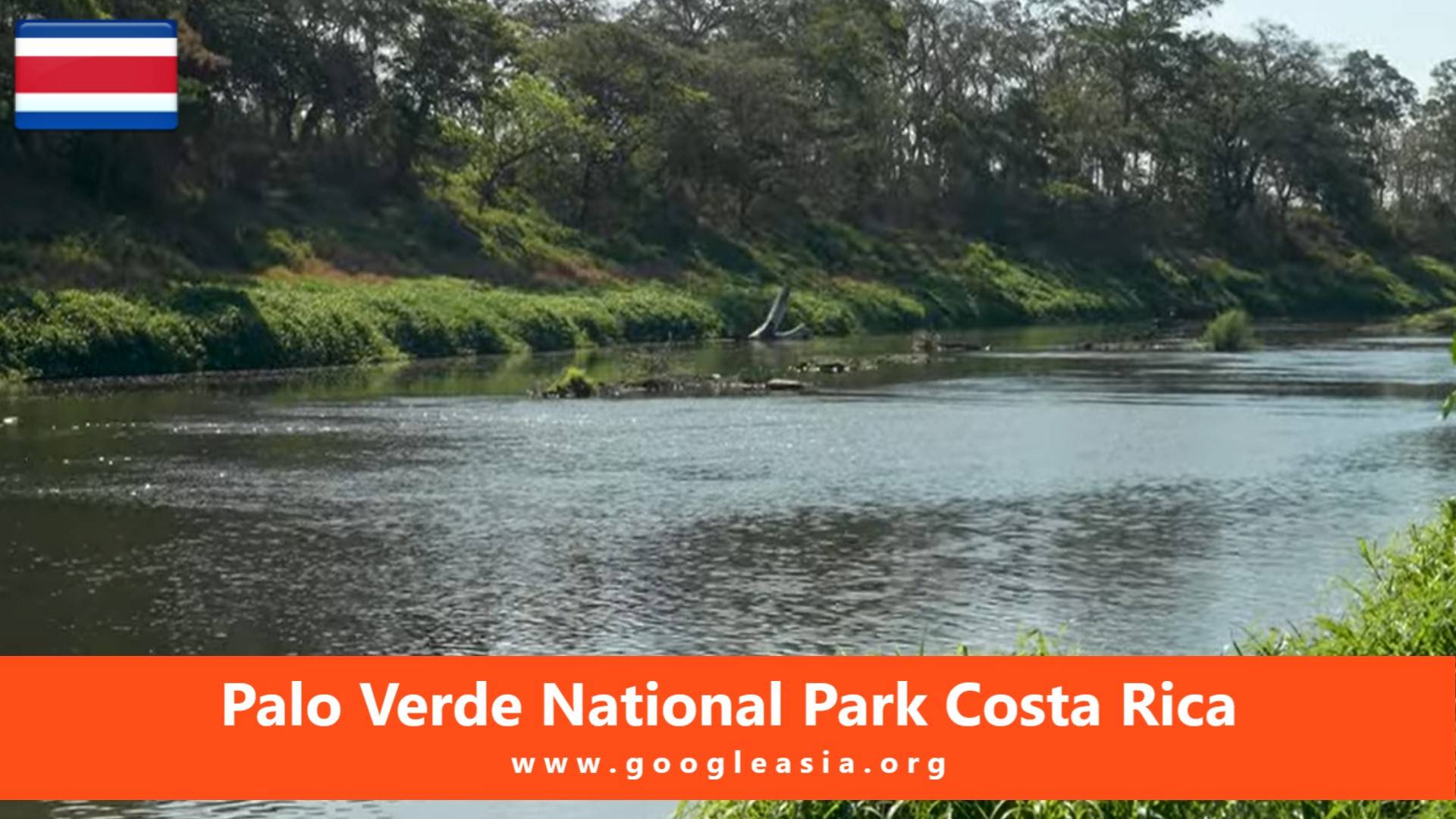
    Palo Verde National Park is located in the northwest of Costa Rica, on the border between Guanacaste Province and Puntarenas Province. It is the largest wetland in the country and is home to several species of migratory birds, fish, reptiles, and mammals. It is known for its stunning landscape and abundance of wildlife. Visitors at Palo Verde National Park can explore the trails, go on boat tours, paddle down rivers, or just relax and take in the sights and sounds of the park.

    You should visit Palo Verde National Park because it is home to an abundance of wildlife, including more than 400 species of birds and 93 species of mammals. It also features incredible scenery, such as its dry tropical forest, floodplain wetlands and mangrove swamps. Finally, the park offers a variety of activities, such as hiking, canoeing, bird watching, camping, and swimming. It’s a great place to explore and experience Costa Rica’s natural beauty.


    Palo Verde National Park Costa Rica Largest Wetland

    Palo Verde National Park, Costa Rica: The Summary

    • Attraction Name: Palo Verde National Park
    • Country: Costa Rica
    • Continent: North America
    • Capital Name: San José
    • Language: Spanish
    • Currency: Costa Rican Colón
    • Nationality: Costa Rican
    • Category: #Destination #NorthAmerica #CostaRica 


    Exploring Palo Verde National Park, Costa Rica

    Nestled in Costa Rica’s Guanacaste province, Palo Verde National Park is a captivating nature reserve that showcases the rich biodiversity of Central America’s wetland ecosystems. Located along the Tempisque River estuary, the park spans an impressive 130 square kilometers and offers a variety of natural landscapes, including lagoons, mangroves, seasonal wetlands, and secondary forests.

    Overview of Palo Verde National Park

    Unique Ecosystem

    Palo Verde National Park is renowned for its diverse ecosystems, which include:

    • Lagoons: These water bodies are crucial for sustaining the park’s wildlife, particularly the extensive bird populations.
    • Mangroves: Found along the river estuary, these coastal forests provide essential habitat for various species.
    • Seasonal Wetlands: These wetlands are vital for the park’s waterfowl, supporting a rich array of aquatic life.
    • Secondary Forests: The park also features areas of regrowth forest, which adds to its biodiversity.

    Biodiversity

    The park is a haven for wildlife enthusiasts, offering sightings of a wide range of species, including:

    • Birds: Palo Verde is famed for having the largest concentration of waterfowl in Central America. Birdwatchers can spot species such as herons, egrets, and kingfishers.
    • Mammals: Look for howler monkeys, spider monkeys, and sloths as you explore the park.
    • Reptiles and Amphibians: Iguanas, various snake species, and frogs add to the park’s diverse fauna.
    • Insects: The park is home to many insects, so be prepared with insect repellent.

    Activities and Attractions

    Wildlife Viewing

    • Birdwatching: With over 300 bird species, including rare and migratory birds, Palo Verde is a paradise for birdwatchers. Early mornings are often the best time for sightings.
    • Wildlife Spotting: Take a guided tour or walk along designated trails to spot monkeys, sloths, and other wildlife.

    Boat Tours

    • River Cruises: Explore the Tempisque River and its surrounding wetlands on a boat tour. These tours provide an excellent vantage point for observing waterfowl and other aquatic species.
    • Guided Tours: Consider joining a guided boat tour for in-depth information about the park’s ecosystems and wildlife.

    Hiking and Nature Trails

    • Walking Trails: Several trails weave through the park’s diverse habitats, offering opportunities for hiking and observing nature.
    • Observation Points: Some trails lead to observation points where visitors can take in panoramic views of the wetlands and river estuary.

    Practical Information

    Accessibility

    • Day Trips: Palo Verde National Park is easily accessible for day trips from major vacation spots in Guanacaste. It’s a popular destination for visitors staying in nearby beach towns like Tamarindo or Playa Hermosa.

    Lodging and Camping

    • Camping: There are designated camping areas within or near the park for those who wish to experience the natural surroundings overnight.
    • Lodging Options: Various lodging options are available in nearby towns, including eco-lodges and small hotels.

    Essential Tips

    • Insect Repellent: The park is home to a variety of biting insects, so be sure to bring insect repellent to protect yourself from mosquitoes and horseflies.
    • Sun Protection: Wear sunscreen, a hat, and sunglasses to protect yourself from the sun while exploring the park.
    • Hydration: Bring plenty of water, especially if you plan to hike or take part in outdoor activities.

    Conclusion

    Palo Verde National Park is a gem in Costa Rica’s Guanacaste province, offering a rich tapestry of ecosystems and an abundance of wildlife. Whether you’re a birdwatcher, wildlife enthusiast, or simply looking to enjoy the beauty of Central America’s wetlands, the park provides a unique and rewarding experience. With its diverse landscapes, vibrant animal life, and accessible location, Palo Verde National Park is a must-visit destination for nature lovers exploring the region.


    Things to Do in Palo Verde National Park, Costa Rica

    Palo Verde National Park, situated in Costa Rica’s Guanacaste Province, offers a diverse range of activities for nature enthusiasts and adventure seekers. With its rich biodiversity, unique ecosystems, and accessible location, the park provides numerous opportunities to explore and experience the beauty of Costa Rica’s tropical dry forests and wetlands. Here are some of the best things to do in Palo Verde National Park:

    Bird Watching

    Why It’s a Must-Do

    Palo Verde National Park is a premier destination for bird watchers, boasting around 350 species of birds. The park’s wetlands, lagoons, and forests create an ideal habitat for a variety of avian life.

    Key Species to Spot

    • Ospreys: Often seen hunting in the park’s waterways.
    • Purple Gallinules: Known for their striking colors.
    • Ibis: Various species can be spotted in the wetlands.
    • Sandpipers: Frequently seen along the riverbanks.
    • Green Kingfishers: A colorful and elusive species.

    Best Birding Spots

    • Wetlands and Lagoons: Ideal for observing waterfowl and shorebirds.
    • Mangroves: Good for spotting species that inhabit coastal environments.
    • Tropical Dry Forest: Home to a variety of forest-dwelling birds.

    Hiking

    Trails and Terrain

    Palo Verde offers a range of hiking options that cater to different fitness levels and interests.

    • Easy Trails: Follow the banks of rivers and meander through mangroves before entering the tropical dry forest. These trails are perfect for a leisurely walk and offer great opportunities for wildlife viewing.
    • Strenuous Trails: For a more challenging hike, explore trails that lead through the Santa Marta Mountains, providing panoramic views and a more rugged terrain.

    What to Expect

    • Flora and Fauna: Enjoy the diverse plant life and keep an eye out for monkeys, deer, and other wildlife.
    • Scenic Views: Trails often offer picturesque views of the park’s wetlands and forests.

    Horseback Riding

    Exploring on Horseback

    Horseback riding is a popular way to explore Palo Verde’s expansive trails. This activity allows you to cover more ground and experience the park from a unique perspective.

    Riding Opportunities

    • Park Trails: Suitable for riders of all skill levels, offering a chance to observe the park’s diverse habitats.
    • Beach Rides: Some tours offer the opportunity to ride along nearby beaches, combining coastal views with wildlife observation.
    • Wildlife Watching: Look out for monkeys, iguanas, and other animals as you ride through the park.

    Camping

    Camping Options

    Palo Verde National Park offers both designated and wild camping opportunities, allowing visitors to immerse themselves in the park’s natural beauty.

    • Designated Campsites: Equipped with picnic tables, grills, and restrooms. These sites are ideal for a more comfortable camping experience.
    • Wild Camping: For a more rugged adventure, you can camp in the wild. Be sure to follow local regulations and guidelines to minimize your impact on the environment.

    Tips for Camping

    • Wildlife Precautions: Store food securely and be aware of local wildlife that might be attracted to your campsite.
    • Permits and Regulations: Check with park authorities for any required permits and guidelines for camping.

    Photography and Nature Observation

    Capturing the Beauty

    Palo Verde is a haven for photographers and nature lovers, offering stunning landscapes and a wealth of wildlife.

    • Lush Landscapes: The park’s diverse ecosystems provide a backdrop for breathtaking photos.
    • Wildlife Photography: Capture images of the park’s diverse animal species in their natural habitat.

    Tips for Photographers

    • Best Times: Early mornings and late afternoons often provide the best lighting for photos.
    • Equipment: Bring binoculars and a zoom lens for capturing distant wildlife.

    Conclusion

    Palo Verde National Park is a treasure trove of natural wonders and outdoor activities. From bird watching and hiking to horseback riding and camping, the park offers something for every nature enthusiast. Whether you’re seeking adventure, relaxation, or stunning photographic opportunities, Palo Verde National Park provides a rich and rewarding experience amidst Costa Rica’s diverse landscapes.

    Best Foods to Try While Visiting Palo Verde National Park, Costa Rica

    Exploring Palo Verde National Park offers not just a chance to immerse yourself in the natural beauty of Costa Rica, but also an opportunity to savor some of the region’s most delicious and traditional foods. Here’s a guide to some of the best foods you can enjoy during your visit:

    Local Fruits and Vegetables

    Fresh and Flavorful

    • Mangoes: Sweet and juicy, these are a refreshing treat, especially during the hot day.
    • Bananas: A convenient and nutritious snack that’s easy to carry.
    • Pineapples: Known for their vibrant flavor and juiciness, pineapples are a local favorite.
    • Oranges: Perfect for a zesty burst of Vitamin C.

    Where to Find Them

    Local vendors and markets around the park often offer these fresh fruits, allowing you to enjoy them as part of a picnic or as a snack on the go.

    Rice and Beans

    Traditional Costa Rican Staple

    • Description: A nutritious and filling combination of rice and beans, often seasoned with local spices.
    • Why It’s Great: It’s a staple that provides energy and is commonly found in various forms throughout Costa Rica.

    How to Enjoy

    Pair it with local meats or as part of a larger meal to keep you fueled for a day of exploration.

    Fried Plantains

    Crispy and Savory

    • Description: Sliced plantains fried until crispy, often served with a sprinkle of salt.
    • Why It’s Great: A popular Costa Rican snack, fried plantains are crunchy, savory, and highly addictive.

    Best Served With

    Enjoy them on their own or as a side dish with other traditional foods.

    Casado

    Classic Costa Rican Dish

    • Description: A hearty meal consisting of rice, beans, and a portion of local meat or fish, served with a side salad.
    • Why It’s Great: It’s a balanced, flavorful meal that provides a taste of traditional Costa Rican cuisine.

    Where to Find It

    Casado is commonly served at local eateries and is a staple in many restaurants around the park.

    Tortas

    Portable and Tasty

    • Description: Thin, crusty sandwiches filled with various ingredients such as cheese, meats, or vegetables.
    • Why It’s Great: Ideal for a quick, on-the-go meal that’s easy to carry and eat while exploring.

    Best Filling Options

    Look for tortas filled with local ingredients for an authentic taste.

    Gallo Pinto

    Popular Breakfast Dish

    • Description: A flavorful mix of rice, beans, onions, and spices, often served with eggs or meat.
    • Why It’s Great: It’s a traditional Costa Rican breakfast dish that provides a hearty start to the day.

    When to Eat

    Enjoy it for breakfast or as a part of a larger meal throughout the day.

    Empanadas

    Delicious and Filling

    • Description: Fried dough pockets filled with meat, cheese, or a combination of both.
    • Why It’s Great: These make for a perfect snack or light meal during a day of activities.

    Where to Find Them

    Local street vendors and small eateries often serve freshly made empanadas.

    Licuados

    Refreshing Beverages

    • Description: Milkshakes made with milk and fresh ripe fruits, blended into a creamy, refreshing drink.
    • Why It’s Great: It’s a cool and hydrating treat, perfect for cooling down after a day of exploring.

    Popular Flavors

    Try flavors like mango, pineapple, or banana for a true tropical experience.

    Conclusion

    Palo Verde National Park not only offers stunning natural beauty and diverse wildlife but also provides an opportunity to indulge in some of Costa Rica’s most delicious foods. From the sweet and juicy local fruits to the hearty and traditional dishes like casado and gallo pinto, the park’s food options enhance the overall experience. Whether you’re snacking on fried plantains or enjoying a refreshing licuado, these foods offer a taste of Costa Rican culture that complements your adventure in this beautiful natural reserve.

    Best Hotels to Stay in and Around Palo Verde National Park, Costa Rica

    When visiting Palo Verde National Park, choosing the right accommodation can enhance your experience by providing comfort and easy access to the park’s natural wonders. Here are some of the best hotels near Palo Verde National Park, each offering unique amenities and convenient locations:

    Gavilan Lodge Hotel & Restaurant

    Location: Rio Frio

    • Overview: A charming lodge offering comfortable accommodations with a focus on eco-tourism.
    • Amenities: Includes a restaurant with local cuisine, guided tours, and a relaxing atmosphere amidst nature.
    • Highlights: Close proximity to the park, excellent for birdwatching and wildlife observation.

    Kura Design Villas

    Location: Puerto Daniel

    • Overview: An upscale option featuring luxurious villas designed for relaxation and privacy.
    • Amenities: Private villas with stunning views, infinity pools, and personalized service.
    • Highlights: High-end accommodation with a focus on comfort and exclusivity, providing a tranquil retreat after exploring the park.

    Hotel Paraiso Tropical

    Location: Rio Frio

    • Overview: A cozy hotel known for its tropical ambiance and friendly service.
    • Amenities: Includes comfortable rooms, a restaurant, and easy access to nearby natural attractions.
    • Highlights: Ideal for travelers seeking a laid-back stay close to the park.

    Bosque del Rio Tigre

    Location: Rio Frio

    • Overview: A nature-focused lodge set in a lush forest, offering a true immersion in the natural environment.
    • Amenities: Provides rustic accommodations, guided tours, and a focus on eco-tourism.
    • Highlights: Excellent for those interested in exploring the surrounding rainforest and rivers.

    Hotel La Quinta

    Location: Rio Frio

    • Overview: A family-friendly hotel offering comfortable rooms and convenient access to local attractions.
    • Amenities: Includes a swimming pool, restaurant, and recreational areas.
    • Highlights: Suitable for families and groups looking for a comfortable base near Palo Verde.

    El Establo Mountain Hotel

    Location: Puerto Daniel

    • Overview: Located in the scenic hills, this hotel offers stunning views and a serene environment.
    • Amenities: Features elegant rooms, a restaurant, and a spa for relaxation.
    • Highlights: Perfect for those who enjoy combining luxury with nature.

    Hotel Rio Las Piedras

    Location: Rio Frio

    • Overview: A welcoming hotel offering comfortable accommodations and personalized service.
    • Amenities: Includes a restaurant, guided tours, and easy access to the park.
    • Highlights: Known for its hospitable staff and convenient location.

    Hotel Aguas Turbias

    Location: Rio Frio

    • Overview: A charming hotel with a focus on eco-friendly practices and comfortable lodging.
    • Amenities: Provides cozy rooms, a restaurant, and guided nature tours.
    • Highlights: Great for eco-conscious travelers looking to experience the natural beauty of the area.

    Hotel La Colina

    Location: Puerto Daniel

    • Overview: A boutique hotel offering personalized service and beautiful views.
    • Amenities: Features well-appointed rooms, a restaurant, and a relaxing atmosphere.
    • Highlights: Ideal for a peaceful stay with easy access to local attractions.

    Hotel Josimar

    Location: Rio Frio

    • Overview: A budget-friendly option with clean and comfortable rooms.
    • Amenities: Includes basic amenities, including a restaurant and tour options.
    • Highlights: Good value for money and a practical choice for budget travelers.

    Conclusion

    Choosing the right hotel near Palo Verde National Park can greatly enhance your visit, whether you prefer luxury, eco-tourism, or budget-friendly options. From the upscale Kura Design Villas to the nature-focused Bosque del Rio Tigre, each accommodation offers unique amenities and convenient access to the park. Whether you’re looking for a tranquil retreat, family-friendly comfort, or a rustic adventure, these hotels provide a range of options to suit your needs and make your visit to Palo Verde National Park memorable.
    Frequently Asked Questions About LOREM: Your Ultimate Guide

    Explore the latest destination attraction with ease through our comprehensive Frequently Asked Questions guide. Discover insightful answers to common queries, providing a seamless experience. Your journey begins with clarity and confidence as we address uncertainties and offer essential information. Let this guide enhance your adventure, ensuring you make the most of the latest destination attraction, leaving no question unanswered.

    Where is Palo Verde National Park located?

    Palo Verde National Park is located in the northwest region of Costa Rica, specifically in the province of Guanacaste. It is situated along the banks of the Tempisque River and covers parts of the Guanacaste Conservation Area. The park is known for its diverse ecosystems, including wetlands, mangrove swamps, seasonal marshes, and dry tropical forests, which support a rich variety of wildlife and bird species.

    How to go to Palo Verde National Park?

    To reach Palo Verde National Park in Costa Rica, here are the typical ways to get there:

    1. By Car: The most flexible way to reach Palo Verde is by renting a car. From San José or Liberia, you can take the Pan-American Highway (Route 1) towards Filadelfia. Then, follow signs to the park, which is located near the Tempisque River in Guanacaste Province. The park entrance is accessible via dirt roads, so a 4WD vehicle might be necessary, especially during the rainy season.
    2. Public Transportation: If you prefer public transportation, you can take a bus from San José or Liberia to the nearest town, Filadelfia. From Filadelfia, you’ll need to arrange a taxi or local transport to take you to the park entrance. Be sure to confirm schedules and connections in advance, as services may be limited.
    3. Guided Tours: Many tour operators offer guided tours to Palo Verde National Park from major tourist areas like Liberia or Tamarindo. These tours often include transportation, guided wildlife excursions, and sometimes meals. It’s a convenient option if you prefer not to drive or organize logistics yourself.
    4. Riverboat Tours: Another unique way to access the park is through riverboat tours along the Tempisque River. These tours typically depart from nearby towns like Filadelfia or Bebedero. They offer scenic views of the park’s wetlands and wildlife, including transportation as part of the tour package.

    Before planning your trip, check current road conditions, especially if you plan to drive, and consider the best option based on your preferences for convenience, flexibility, and budget.

    What are Palo Verde National Park’s must-visit attractions or landmarks?

    Palo Verde National Park in Costa Rica boasts several key attractions that highlight its natural beauty and biodiversity:

    1. Tempisque River: A riverboat tour along the Tempisque River is a must-do activity in Palo Verde. It offers stunning views of the park’s wetlands, mangrove forests, and abundant wildlife, including crocodiles, iguanas, and numerous bird species.
    2. Birdwatching: The park is renowned for birdwatching, with over 300 bird species. Birdwatchers can spot rare and migratory birds like the jabiru stork, scarlet macaw, and various waterfowl. Bird hides and observation points provide excellent viewing opportunities.
    3. Wildlife Viewing: Palo Verde is home to diverse wildlife, including howler monkeys, white-faced monkeys, coatis, and a variety of reptiles and amphibians. Visitors can explore trails and take guided walks to encounter these fascinating creatures.
    4. Natural Habitats: Explore the park’s diverse ecosystems, such as dry tropical forests, mangrove swamps, and seasonal marshes. Each habitat supports unique flora and fauna, offering insights into Costa Rica’s ecological diversity.
    5. Educational Tours: Guided tours and educational programs provide insights into Palo Verde’s conservation efforts, environmental importance, and the challenges faced in protecting its natural resources. These tours are informative for visitors of all ages.

    Visiting these attractions allows travelers to immerse themselves in Palo Verde National Park’s natural wonders, biodiversity, and conservation efforts, making for a memorable and educational experience in Costa Rica.

    Is Palo Verde National Park a suitable travel destination for solo adventurers, honeymooning couples, or those traveling with families?

    Palo Verde National Park in Costa Rica offers something for various types of travelers:

    1. Solo Adventurers: Solo adventurers will find Palo Verde National Park an enriching destination due to its diverse wildlife and natural beauty. Guided tours and riverboat excursions allow solo travelers to explore the park safely while connecting with nature and wildlife photography opportunities.
    2. Honeymooning Couples: For honeymooning couples seeking a blend of adventure and relaxation, Palo Verde offers secluded riverboat tours and nature walks amidst lush landscapes. It’s a peaceful retreat with romantic sunset views over the river and opportunities for intimate wildlife encounters.
    3. Families: Families visiting Palo Verde can enjoy educational experiences and wildlife spotting together. The park’s guided tours are suitable for children, providing insights into Costa Rica’s ecology and wildlife. Riverboat tours are particularly engaging for families, offering a safe and scenic adventure for all ages.

    Overall, Palo Verde National Park caters to a range of interests and travel preferences, making it a versatile destination for solo adventurers, honeymooning couples, and families alike.

    Why should you visit Palo Verde National Park?

    Palo Verde National Park, located in Costa Rica, offers a unique and diverse experience for nature enthusiasts and wildlife lovers. Here are several reasons why visiting Palo Verde National Park is worthwhile:

    1. Rich Biodiversity: The park is renowned for its exceptional biodiversity, especially its bird population. It’s a haven for birdwatchers with over 300 bird species, including rare and migratory birds like the jabiru stork and scarlet macaw.
    2. Wildlife Viewing: Besides birds, Palo Verde is home to diverse wildlife such as howler monkeys, white-faced monkeys, coatis, and various reptiles and amphibians. It’s an excellent place for wildlife photography and observation.
    3. Riverboat Tours: One of the highlights of visiting Palo Verde is taking a riverboat tour along the Tempisque River. This guided tour allows you to explore the park’s wetlands and observe wildlife up close, including crocodiles, iguanas, and waterfowl.
    4. Natural Habitats: The park encompasses a range of ecosystems, including mangrove swamps, dry tropical forests, and seasonal marshes. Each habitat supports unique flora and fauna, offering a glimpse into Costa Rica’s diverse natural landscapes.
    5. Conservation Efforts: Palo Verde National Park plays a crucial role in conserving Costa Rica’s natural heritage. By visiting the park, you support ongoing conservation efforts and sustainable tourism practices.
    6. Educational Opportunities: The park offers educational programs and guided tours that provide insights into Costa Rica’s ecology, conservation challenges, and efforts to protect endangered species.

    Visiting Palo Verde National Park promises a memorable adventure immersed in nature, biodiversity, and Costa Rica’s commitment to environmental conservation.

    Are there any halal food options near the Palo Verde National Park?

    Finding halal food options near Palo Verde National Park in Costa Rica can be challenging due to the limited availability of specifically halal-certified restaurants in the area. However, here are some suggestions and tips:

    1. Nearby Cities: The closest cities to Palo Verde National Park are Liberia and Santa Cruz. While these cities might not have dedicated halal restaurants, some international or vegetarian restaurants may offer halal-friendly options. It’s best to contact the restaurants in advance to inquire about their ability to accommodate halal dietary requirements.
    2. Hotel Restaurants: Some hotels in the region, especially those catering to international tourists, might be able to prepare halal meals upon request. When booking your accommodation, mention your dietary needs and confirm with the hotel if they can provide halal food.
    3. Self-Catering: Consider buying halal ingredients from supermarkets or local markets in larger cities like Liberia. You can prepare your own meals if you have access to a kitchen. Look for fresh fruits, vegetables, grains, and seafood, which are generally permissible.
    4. Bring Your Own Food: If you have specific dietary needs, it might be practical to bring some non-perishable halal food items with you. This ensures you have access to halal food during your trip.
    5. Ask Locals or Guides: When you arrive, ask locals or tour guides if they know of any places that serve halal food. They might have up-to-date information or recommendations for you.
    While halal options might not be abundant, planning ahead and exploring alternative solutions can help you enjoy your visit to Palo Verde National Park while adhering to your dietary requirements.

    Web Directories

    Welcome to our comprehensive web directories! Explore a world of information and resources tailored to your interests and needs. From travel adventures to financial solutions, hobbies, reviews, and more, our curated collection of links offers something for everyone. Click on the above links to start your journey towards discovering new experiences and expanding your horizons. Your next destination awaits!

    1. https://asiaworldtour.com: “Asia World Tour: Your Gateway to Asian and World Adventures”
    2. https://personalfinancingloan.com: “Personal Financing Loan: Your Path to Financial Freedom”
    3. https://hobbyforte.com: “HobbyForte: Discover Your Car Passion, Explore Your Interests”
    4. https://reviewsanything.com: “ReviewsAnything: Your Trusted Source for Honest Gadget Reviews”
    5. https://rumahmampumilik.com: “Rumah Mampu Milik: Your Affordable Homeownership Journey Begins Here”
    6. https://malaysiadigit.com: “MalaysiaDigit: Your Digital Destination for News and Insights”
    7. https://vipmalaysia.com: “VIP Malaysia: Elevate Your Experience in Malaysia”
    8. https://nordiyana.com: “Indulge in Elegance at Nordiyana: Latest Recipe and Culinary Inspirations”
    9. https://e-penyatagaji.com: “E-Penyata Gaji: Simplifying Payroll Management for You”
    10. https://googleasia.org: “Google Asia: Explore the World and Asia’s Wonders with Google Asia”
    11. https://malaysiafit.com: “Malaysia Fit: Your Partner in Health and Wellness”
    12. https://koperasi.info: “Koperasi: Building Communities, Empowering Lives”
    13. https://recipeinside.com: “RecipeInside: Unveiling Culinary Creations, Your Guide to Delicious Dishes”
    14. https://asiahealthcenter.com: “Asia Health Center: Your Source for Holistic Wellness Solutions”
    15. https://nationalhealthcenters.com: “National Health Centers: Your Source for Vital Health Information and Community Care”
    16. https://malaysiabit.com: “MalaysiaBit: Stay Informed, Stay Connected”
    17. https://epenyatagaji.com: “E-Penyata Gaji: Your Digital Payslip Solution”
    18. https://koperasi.work: “Koperasi Work: Collaborate, Innovate, Succeed”
    19. https://koperasi.business: “Koperasi Business: Driving Entrepreneurship, Fostering Growth

    Hashtag / Keywords

     #Destination #NorthAmerica #COSTARICA 

  • Montezuma Waterfalls, Costa Rica: Travel Guide & Tips

    Montezuma Waterfalls, Costa Rica: Travel Guide & Tips

    Montezuma Waterfalls, Costa Rica: Must-Visit Destination

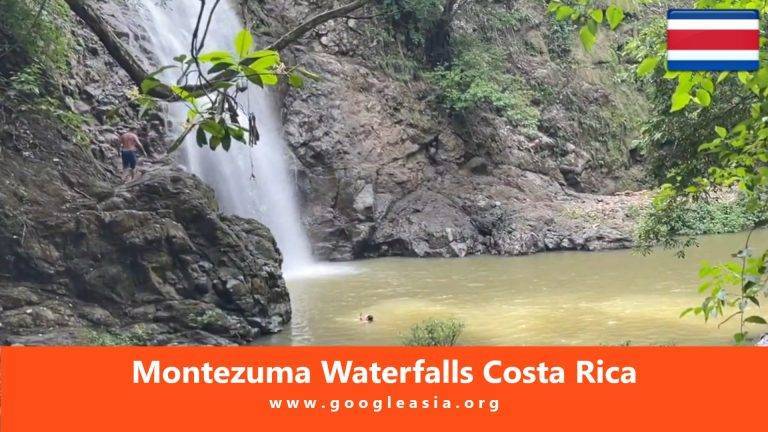
    Montezuma Waterfalls is one of Costa Rica’s most beautiful natural attractions. Located within the Montezuma Biological Reserve, the falls are part of a spectacular 20-acre tropical rainforest that provides habitat for hundreds of species of birds, plants, and wildlife. Visitors can take a dip in the cool, refreshing pools of water beneath the falls, climb up to get an unforgettable view, or enjoy a hike through the pristine jungle.


    Montezuma Waterfalls Costa Rica Natural Attractions

    Montezuma Waterfalls, Costa Rica: The Summary

    • Attraction Name: Montezuma Waterfalls
    • Country: Costa Rica
    • Continent: North America
    • Capital Name: San José
    • Language: Spanish
    • Currency: Costa Rican Colón
    • Nationality: Costa Rican
    • Category:  #Destination #NorthAmerica #COSTARICA 

    Discovering Montezuma Waterfalls, Costa Rica

    Montezuma Waterfalls, located in the enchanting Montezuma River in Costa Rica’s South Pacific region, is a must-visit destination for nature lovers and adventure seekers alike. This stunning natural attraction features a series of cascading falls set in a lush tropical landscape, offering a variety of activities and picturesque views.

    Overview of Montezuma Waterfalls

    The Waterfalls

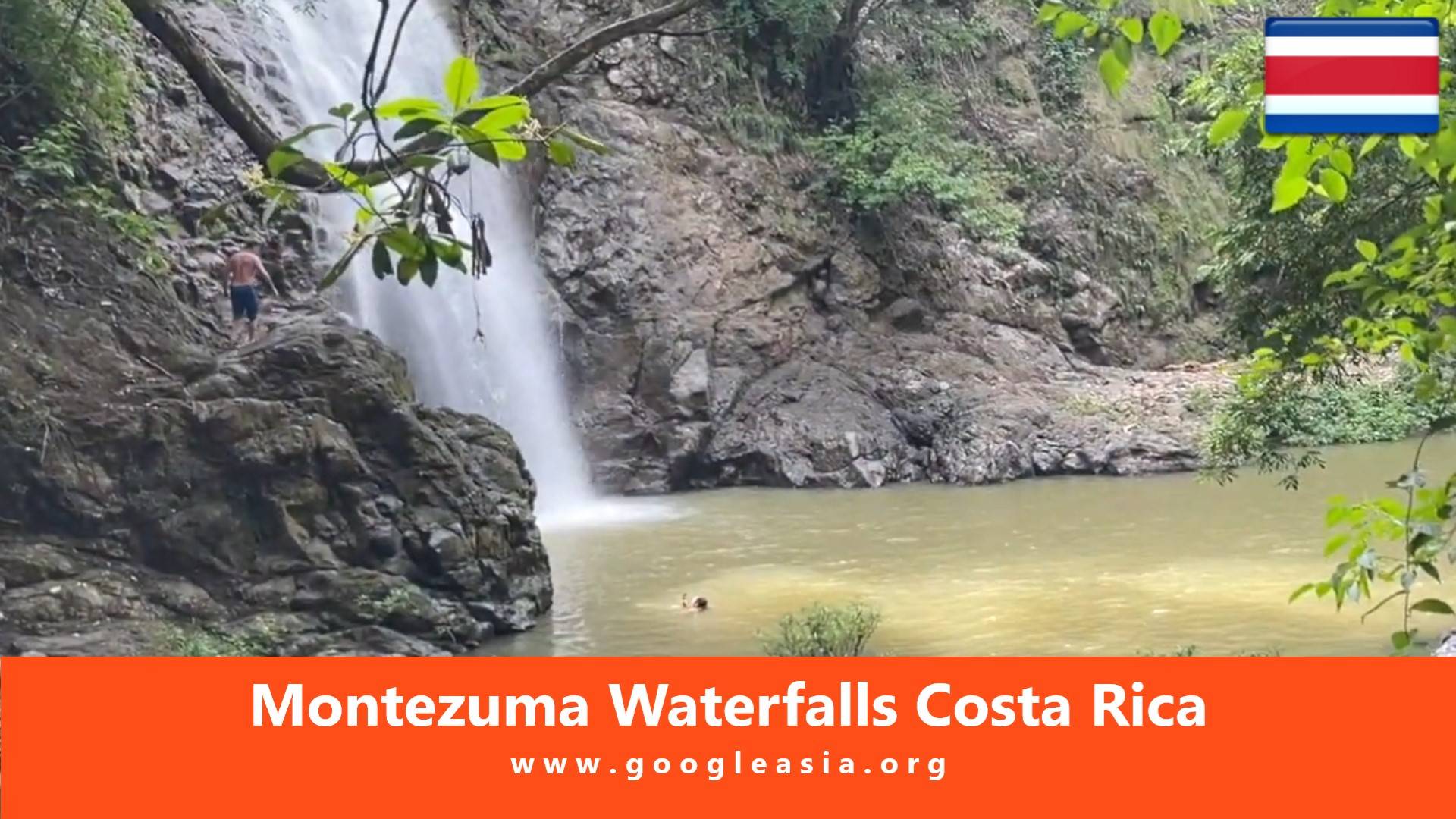
    Montezuma Waterfalls is a series of three beautiful waterfalls that descend through the verdant jungle. The largest waterfall boasts an impressive 70-foot drop, creating a dramatic spectacle that draws visitors from around the world. The falls flow into a natural swimming hole at the bottom, where you can take a refreshing dip and enjoy the natural beauty.

    Cliff Jumping

    For the adventurous, the largest waterfall provides an exciting cliff jumping opportunity. The platform at the base of the waterfall is a popular spot for thrill-seekers looking to leap into the cool, clear waters below. It’s an exhilarating experience, but make sure to follow safety guidelines and local advice before taking the plunge.

    Exploring the Surrounding Area

    Hiking Trails

    The journey to Montezuma Waterfalls involves a scenic hike through lush rainforest. The trails offer a wonderful opportunity to immerse yourself in the local flora and fauna. Along the way, you’ll encounter a variety of wildlife, including howler monkeys, iguanas, and a range of colorful tropical birds. The trails vary in difficulty, so there’s something for hikers of all skill levels.

    Flora and Fauna

    The area around the waterfalls is rich with biodiversity. The dense jungle is home to numerous plant species, from towering trees to vibrant flowers. Wildlife enthusiasts will appreciate the chance to spot various animals, including monkeys and birds, in their natural habitat.

    Nearby Attractions

    Beaches

    Just a short distance from the waterfalls, Montezuma’s beaches offer a relaxing retreat after your adventure. These beaches are perfect for sunbathing, swimming, and capturing stunning photographs of the coastal scenery. The combination of golden sands and azure waters provides a beautiful backdrop for a day of relaxation.

    Local Vistas

    The panoramic views from the surrounding areas are spectacular. Whether you’re enjoying the view from a nearby beach or looking out from the hiking trails, the vistas provide a great opportunity for memorable photos. The contrast between the lush jungle and the sparkling ocean creates a stunning visual experience.

    Conclusion

    Montezuma Waterfalls is a remarkable destination that offers a perfect blend of natural beauty, adventure, and relaxation. With its series of cascading waterfalls, thrilling cliff jumping opportunities, and diverse wildlife, it’s a great spot for those seeking both excitement and tranquility. The surrounding area’s beaches and vistas further enhance the experience, making Montezuma Waterfalls a must-visit location for anyone exploring Costa Rica’s South Pacific region.

    Things to Do in Montezuma Waterfalls, Costa Rica

    Montezuma Waterfalls, nestled in Costa Rica’s lush Puntarenas province, offers a wealth of outdoor activities and natural wonders. From refreshing swims and thrilling adventures to relaxing beach days and wildlife encounters, there’s something for every traveler. Here are some of the best things to do in and around Montezuma Waterfalls:

    Swim Under the Waterfall

    Experience the Crystal-Clear Pool

    One of the main attractions of Montezuma Waterfalls is the chance to swim in the crystal-clear freshwater pool at the base of the 25-meter-high waterfall. The invigorating swim is a highlight of any visit, offering a unique way to connect with the natural beauty of the area.

    Tips for Enjoying the Swim

    • Bring a Waterproof Camera: Capture the magic of your experience with a waterproof camera or phone case.
    • Safety First: Ensure you’re aware of local swimming conditions and any potential hazards around the waterfall.

    Visit the Ravine

    Explore the Lush Vegetation

    The surrounding ravine of Montezuma Waterfalls is a haven for nature enthusiasts. Explore the area filled with lush tropical plants and vibrant flora. The verdant environment provides excellent opportunities for photography and immersive nature experiences.

    Climb for a View

    • Hiking Trails: Climb up the ravine for panoramic views of the valley and waterfall. The elevated perspective offers stunning vistas and great photo opportunities.

    Relax on the Beach

    Enjoy Montezuma’s Beaches

    A short walk from the waterfalls will take you to Montezuma’s beautiful beaches. The sandy shores are perfect for sunbathing, swimming, or simply relaxing while enjoying the tranquil surroundings.

    Beach Activities

    • Sunbathing: Lounge under the sun and soak up the tropical vibes.
    • Scenic Views: The beach offers picturesque views of the coastline and is a great spot for sunset watching.

    Zipline Through the Jungle

    Experience the Rainforest Canopy

    For an exhilarating adventure, try ziplining through the rainforest canopy. Glide over rolling hills, streams, and towering trees while taking in the breathtaking views of the lush landscape.

    Zipline Options

    • Various Courses: Choose from different zipline courses that offer varying lengths and heights for a customized experience.

    Hike to Butterfly Gardens

    Discover the Trails

    Montezuma offers a variety of hiking trails, including one leading to beautiful butterfly gardens. The hike is a chance to witness diverse plant species and colorful butterflies in their natural habitat.

    Butterfly Garden Highlights

    • Flora and Fauna: Enjoy the sight of various butterfly species and learn about their role in the ecosystem.

    Participate in a Whitewater Rafting Tour

    Conquer the Naranjo River

    For those seeking adventure, a whitewater rafting tour on the Naranjo River provides thrilling rapids and scenic river views. It’s an exciting way to experience the region’s natural beauty from a different perspective.

    Tour Details

    • Safety Gear: Make sure to wear provided safety gear and follow all instructions from your guide for a safe experience.

    Go Sea Turtle Watching

    Witness the Nesting Season

    From January to February, Montezuma’s beaches become a nesting ground for sea turtles. This seasonal phenomenon is a remarkable sight, offering the chance to see these majestic creatures up close.

    Viewing Tips

    • Respect Wildlife: Follow local guidelines to ensure minimal disturbance to the nesting turtles.

    Sky Adventures Monteverde Park

    Explore from Above

    For a unique view of the region, head to Sky Adventures Monteverde Park. Enjoy activities like sky trams and suspension bridges that offer a bird’s eye view of the lush landscape.

    Activities Offered

    • Tram Rides: Glide above the canopy for a serene experience.
    • Suspension Bridges: Walk among the treetops and appreciate the rainforest from a different angle.

    Rent a Bike

    Explore at Your Own Pace

    Rent a bike and explore the Montezuma area at your own pace. Cycling allows you to cover more ground and enjoy the sights and sounds of this tranquil paradise.

    Biking Routes

    • Local Trails: Discover scenic routes and hidden gems in and around Montezuma.

    Conclusion

    Montezuma Waterfalls offers a diverse range of activities that cater to both adventure seekers and those looking for relaxation. Whether you’re swimming under the falls, ziplining through the jungle, or simply enjoying the local beaches, there’s something for everyone. Make the most of your visit by exploring all that this Costa Rican gem has to offer, and take home unforgettable memories of its natural beauty and thrilling experiences.

    Best Foods at Montezuma Waterfalls, Costa Rica

    Visiting Montezuma Waterfalls not only offers stunning natural beauty and thrilling adventures but also a chance to savor some delicious local foods. The area around the waterfalls provides a variety of culinary delights that reflect Costa Rica’s vibrant flavors. Here’s a guide to some of the best foods you should try while exploring Montezuma Waterfalls:

    Fresh-Caught Fish

    Taste the Freshness

    Local fishermen catch an array of fresh seafood from the nearby waters, including delectable fish varieties. These fresh catches are often available for purchase at small stalls near the base of the waterfall, offering an opportunity to enjoy some of the freshest fish you’ll ever taste.

    How to Enjoy It

    • Grilled or Fried: Enjoy the fish grilled or fried, depending on your preference.
    • Accompaniments: Typically served with a side of rice, plantains, or a fresh salad.

    Fresh Fruit

    Tropical Delights

    Montezuma offers a bounty of brightly-colored tropical fruits. Look out for stalls and street vendors selling fresh mangoes, pineapples, and bananas, which are perfect for a refreshing snack.

    Fruit Options

    • Mangoes: Sweet and juicy, ideal for a quick energy boost.
    • Pineapples: Tangy and refreshing, perfect for a hot day.
    • Bananas: Great for a quick and easy snack.

    Local Dishes

    Traditional Costa Rican Flavors

    For a true taste of Costa Rican cuisine, try some hearty local dishes. These include:

    • Fried Plantains (Tostones): Crispy and savory, these are a popular side dish or snack.
    • Gallo Pinto: A traditional mix of refried beans and rice, often served with eggs or meat.
    • Chicharrones: Deep-fried pork rinds that are crispy and flavorful.

    Where to Find It

    • Local Restaurants: Many nearby eateries offer these traditional dishes.
    • Street Vendors: Look for food stalls for authentic, freshly prepared options.

    Empanadas

    Savory Pastries

    Empanadas are delicious deep-fried pastries stuffed with a variety of fillings, including cheese, beans, rice, and ground beef. They make for a satisfying snack or meal on the go.

    Filling Options

    • Cheese: Creamy and savory.
    • Beans and Rice: A hearty and traditional option.
    • Ground Beef: Flavorful and satisfying.

    Coconut Water

    Refreshing Hydration

    Coconut water is a perfect way to stay cool and hydrated as you explore the Montezuma Waterfalls. It’s not only refreshing but also packed with electrolytes.

    How to Enjoy It

    • Straight from the Coconut: Often available at local stalls where you can enjoy it fresh from the shell.
    • Chilled: Served chilled for extra refreshment.

    Conclusion

    Montezuma Waterfalls offers a delightful culinary experience that complements its natural beauty. From fresh-caught fish and vibrant tropical fruits to traditional Costa Rican dishes and refreshing coconut water, the local food scene is as diverse and vibrant as the landscape. Whether you’re enjoying a hearty meal or a quick snack, these foods will enhance your visit to this beautiful part of Costa Rica.

    Best Hotels to Stay in and Around Montezuma Waterfalls, Costa Rica

    When visiting Montezuma Waterfalls, choosing the right accommodation can enhance your experience, offering comfort and easy access to the natural wonders of the area. Here’s a curated list of some of the best hotels in and around Montezuma, each offering its own unique charm and amenities.

    Selina Montezuma

    Overview

    Selina Montezuma is known for its vibrant atmosphere and versatile accommodation options, ranging from dormitory-style rooms to private suites. It’s an excellent choice for both solo travelers and groups.

    Key Features

    • Location: Centrally located, providing easy access to Montezuma Waterfalls and local attractions.
    • Amenities: Co-working spaces, outdoor pool, and a restaurant.
    • Additional Perks: Social events and tours organized by the hotel.

    Punto de Vista Cabins & Retreat

    Overview

    Punto de Vista offers a peaceful retreat with private cabins nestled in the jungle, providing an immersive nature experience. The property emphasizes eco-friendly practices and relaxation.

    Key Features

    • Location: Situated in a serene jungle setting, a short drive from Montezuma Waterfalls.
    • Amenities: Private cabins with stunning views, yoga sessions, and wellness treatments.
    • Additional Perks: Tranquil environment perfect for relaxation and meditation.

    Ylang Ylang Beach Resort

    Overview

    Ylang Ylang Beach Resort is a luxurious beachfront property that offers an idyllic escape with easy access to Montezuma Waterfalls. It’s perfect for those seeking a blend of comfort and natural beauty.

    Key Features

    • Location: Directly on the beach, offering stunning ocean views and proximity to Montezuma Waterfalls.
    • Amenities: Private bungalows, outdoor pool, and on-site dining.
    • Additional Perks: Spa services and yoga classes.

    Via Montezuma Cabins

    Overview

    Via Montezuma provides charming cabins set amidst lush gardens, ideal for a cozy stay with easy access to local attractions and the waterfalls.

    Key Features

    • Location: Close to Montezuma’s main attractions and natural sites.
    • Amenities: Fully equipped cabins, garden views, and free WiFi.
    • Additional Perks: Personalized service and a friendly atmosphere.

    Costa Rica Tree House

    Overview

    For a unique stay, Costa Rica Tree House offers an eco-friendly experience in a treetop setting, providing a different perspective of the surrounding jungle and wildlife.

    Key Features

    • Location: Elevated in the trees, offering a unique and immersive jungle experience.
    • Amenities: Comfortable treehouse accommodations, eco-friendly design.
    • Additional Perks: Opportunity to observe wildlife up close.

    Heliconias Nature Lodges

    Overview

    Heliconias Nature Lodges offers a blend of rustic charm and comfort, set within a private nature reserve. It’s perfect for those looking to enjoy both luxury and the natural environment.

    Key Features

    • Location: Nestled in a private reserve near Montezuma.
    • Amenities: Private lodges, outdoor pool, and guided nature tours.
    • Additional Perks: Emphasis on sustainable tourism and nature immersion.

    Casa Corcovado Jungle Lodge

    Overview

    Casa Corcovado provides an upscale jungle lodge experience with an emphasis on eco-tourism and luxury. It’s ideal for those seeking an immersive nature adventure with high-end amenities.

    Key Features

    • Location: Located in the Osa Peninsula, offering a remote and luxurious retreat.
    • Amenities: Luxurious lodges, fine dining, and guided tours.
    • Additional Perks: Comprehensive wildlife experiences and remote setting.

    Gaia Hotel & Reserve

    Overview

    Gaia Hotel & Reserve is a luxury hotel offering a combination of modern comforts and natural beauty. It’s well-suited for travelers seeking a high-end stay with easy access to Montezuma.

    Key Features

    • Location: Situated near the forest and beaches, providing a tranquil setting.
    • Amenities: Elegant accommodations, spa services, and gourmet dining.
    • Additional Perks: Eco-friendly practices and guided tours.

    Hotel Fuego del Sol

    Overview

    Hotel Fuego del Sol offers a comfortable and family-friendly atmosphere with a focus on relaxation and enjoyment. It’s a great choice for those traveling with family or seeking a more laid-back experience.

    Key Features

    • Location: Located a short drive from Montezuma Waterfalls.
    • Amenities: Outdoor pool, spacious rooms, and on-site restaurant.
    • Additional Perks: Family-friendly facilities and relaxed ambiance.

    Botelho’s Jungle Lodge

    Overview

    Botelho’s Jungle Lodge provides a more intimate and eco-friendly lodging option within the lush rainforest surrounding Montezuma.

    Key Features

    • Location: Set deep in the jungle, offering a secluded and immersive experience.
    • Amenities: Simple, comfortable lodgings with a focus on nature.
    • Additional Perks: Eco-friendly practices and personalized service.

    Conclusion

    Choosing the right hotel in Montezuma can significantly enhance your visit to the area, allowing you to fully enjoy the natural beauty and activities around Montezuma Waterfalls. From luxurious beachfront resorts to charming jungle lodges, each of these accommodations offers something unique. Whether you seek adventure, relaxation, or a blend of both, these hotels provide a range of options to suit different preferences and budgets.

    Frequently Asked Questions About Montezuma Waterfalls, Costa Rica: Your Ultimate Guide

    Explore the latest destination attraction with ease through our comprehensive Frequently Asked Questions guide. Discover insightful answers to common queries, providing a seamless experience. Your journey begins with clarity and confidence as we address uncertainties and offer essential information. Let this guide enhance your adventure, ensuring you make the most of the latest destination attraction, leaving no question unanswered.

    Where is Montezuma Waterfalls located?

    Montezuma Waterfalls are located near the town of Montezuma on the southern tip of the Nicoya Peninsula in Costa Rica. Montezuma itself is in the province of Puntarenas, on the Pacific coast. The waterfalls are a popular attraction known for their natural beauty and the opportunity to swim in their pools. Access to the waterfalls typically involves a short hike through lush jungle scenery, making it a favorite spot for nature lovers and adventurers alike.

    How to go to Montezuma Waterfalls?

    To reach Montezuma Waterfalls in Costa Rica, you typically need to follow these steps:

    1. From San José or Liberia: If you’re starting from San José or Liberia, you can take a bus or drive to the town of Puntarenas on the Pacific coast. From there, you can catch a ferry to Paquera or directly to Montezuma, depending on the ferry schedule and availability.
    2. From Paquera to Montezuma: Once in Paquera (if you took the ferry from Puntarenas), you can continue your journey to Montezuma by bus, taxi, or rental car. The road from Paquera to Montezuma is generally well-maintained but can be winding and hilly in parts.
    3. From Montezuma Town to the Waterfalls: Once you arrive in Montezuma town, the waterfalls are located a short distance away. The trailhead to the waterfalls is accessible from the town center, and you’ll need to hike along a well-marked trail through the jungle. The hike is relatively short but involves some stairs and uneven terrain, so wear comfortable shoes suitable for walking.
    4. Guided Tours: Alternatively, many tour operators in Montezuma offer guided tours to the waterfalls, which can include transportation from your accommodation, a guided hike to the waterfalls, and sometimes swimming or relaxation time at the falls.
    5. Travel Tips: Ensure to check the ferry schedules if traveling from Puntarenas to Paquera, as they can vary by season. It’s also a good idea to bring water, sunscreen, and insect repellent for the hike to the waterfalls, as Costa Rica’s tropical climate can be hot and humid.

    By following these steps, you can enjoy the journey to Montezuma Waterfalls and experience the beauty of this natural attraction on the Nicoya Peninsula.

    What are Montezuma Waterfalls’s must-visit attractions or landmarks?

    Montezuma Waterfalls, located near the town of Montezuma on the Nicoya Peninsula in Costa Rica, offer several must-visit attractions and landmarks for visitors:

    1. Waterfalls: The main attraction itself, Montezuma Waterfalls consists of several cascading falls, with the largest one standing about 24 meters (80 feet) tall. The falls are surrounded by lush tropical vegetation, creating a picturesque setting.
    2. Swimming Pools: Below each waterfall, there are natural pools where visitors can swim and cool off in the refreshing waters. Swimming in these pools is a popular activity, especially on hot days.
    3. Hiking Trails: The hike to Montezuma Waterfalls is an attraction in itself, winding through the jungle and along the riverbank. The trail offers opportunities for wildlife viewing and enjoying the natural scenery of Costa Rica’s rainforest.
    4. Cliff Diving: For the adventurous, some parts of the waterfalls allow for cliff diving into the pools below, under the supervision of experienced locals who know the safe spots.
    5. Surrounding Beaches: Montezuma is known for its beautiful beaches, such as Playa Montezuma and Playa Grande. Visitors often combine a visit to the waterfalls with a relaxing day at the beach, making it a well-rounded coastal experience.
    6. Wildlife Watching: While hiking to the waterfalls, keep an eye out for local wildlife, including monkeys, iguanas, and various bird species that inhabit the surrounding rainforest.
    7. Local Culture and Dining: Montezuma town itself offers a bohemian vibe with artisan shops, cafes, and restaurants serving fresh seafood and Costa Rican cuisine. Exploring the town and its cultural offerings can complement your visit to the waterfalls.

    Visiting Montezuma Waterfalls allows travelers to immerse themselves in Costa Rica’s natural beauty and offers a variety of activities suitable for adventure seekers, nature enthusiasts, and those seeking relaxation by the water’s edge.

    Is Montezuma Waterfalls a suitable travel destination for solo adventurers, honeymooning couples, or those traveling with families?

    Montezuma Waterfalls in Costa Rica offers something for various types of travelers:

    1. Solo Adventurers: Solo adventurers will find Montezuma Waterfalls an exciting destination due to the hiking trails through lush jungle, opportunities for wildlife spotting, and the adventurous option of cliff diving into the pools below the falls. It’s a great spot for those seeking outdoor exploration and natural beauty.
    2. Honeymooning Couples: For honeymooning couples, Montezuma Waterfalls offer a romantic setting amidst tropical rainforest and cascading waterfalls. The secluded pools provide a tranquil atmosphere for swimming and enjoying nature together, making it a memorable destination for couples.
    3. Families: Families traveling with children can enjoy visiting Montezuma Waterfalls together. While the hike may require some moderate effort, it’s generally manageable for older children. Swimming in the natural pools is a fun activity for the whole family, and kids can also appreciate the wildlife and lush surroundings.

    Overall, Montezuma Waterfalls cater to a range of interests and preferences, making it a versatile destination suitable for solo adventurers, honeymooning couples looking for a romantic getaway, and families seeking outdoor activities and natural beauty in Costa Rica.

    Why should you visit Montezuma Waterfalls?

    1. Natural Beauty: The waterfalls themselves are a stunning natural attraction, with cascading tiers surrounded by lush tropical vegetation. The setting provides picturesque views and a serene atmosphere, perfect for relaxation and photography.
    2. Swimming and Refreshment: The waterfalls form natural pools below each cascade, offering visitors the opportunity to swim and cool off in crystal-clear waters. It’s a refreshing and rejuvenating experience, especially on hot days.
    3. Adventure and Hiking: Getting to Montezuma Waterfalls involves a scenic hike through the jungle. The trail winds along the riverbank, providing opportunities for wildlife spotting and enjoying Costa Rica’s rich biodiversity. It’s an adventure in itself, suitable for outdoor enthusiasts.
    4. Cliff Diving: For the adventurous, Montezuma Waterfalls offer the thrill of cliff diving into the pools below the falls. Local guides can provide safety tips and guidance for those interested in this exhilarating activity.
    5. Surrounding Area: Montezuma town and its nearby beaches, such as Playa Montezuma and Playa Grande, offer additional opportunities for exploration and relaxation. Visitors can combine a visit to the waterfalls with a beach day or explore the town’s cultural offerings, including local cuisine and artisan shops.
    6. Ecotourism and Conservation: Visiting Montezuma Waterfalls supports sustainable tourism practices and local conservation efforts. The area is part of Costa Rica’s commitment to preserving its natural heritage and promoting ecotourism, making it an ideal destination for environmentally-conscious travelers.

    Overall, Montezuma Waterfalls provide a blend of natural beauty, adventure, and relaxation, making it a memorable destination for visitors to Costa Rica seeking to immerse themselves in nature and outdoor activities.

    Is there any halal food available in the vicinity of the Montezuma Waterfalls?

    Finding halal food near Montezuma Waterfalls in Costa Rica can be challenging due to the limited availability of specifically halal-certified restaurants in the area. Montezuma is a small coastal town known for its bohemian vibe and natural beauty rather than international culinary options.

    However, here are a few tips that might help:

    1. Vegetarian and Seafood Options: Many restaurants in Montezuma offer vegetarian and seafood dishes, which can often be suitable for those following halal dietary restrictions. It’s advisable to inquire about how the food is prepared to ensure it meets your dietary needs.
    2. Self-Catering: Consider preparing your own meals using fresh produce, fruits, and seafood available from local markets or supermarkets. This gives you more control over ensuring your food meets halal standards.
    3. Contacting Restaurants: If you have specific dietary needs, you can contact restaurants in Montezuma ahead of time to inquire about their ability to accommodate halal requests. Some may be willing to prepare a meal according to your requirements if given advance notice.
    4. Nearby Towns: If you’re willing to travel a bit, larger towns like Cobano, which is relatively close to Montezuma, may have more dining options and potentially restaurants that cater to international dietary preferences.

    While options for halal food may be limited directly in Montezuma, with some planning and flexibility, you can still enjoy your visit to the area while adhering to your dietary preferences.

    Web Directories

    Welcome to our comprehensive web directories! Explore a world of information and resources tailored to your interests and needs. From travel adventures to financial solutions, hobbies, reviews, and more, our curated collection of links offers something for everyone. Click on the above links to start your journey towards discovering new experiences and expanding your horizons. Your next destination awaits!

    1. https://asiaworldtour.com: “Asia World Tour: Your Gateway to Asian and World Adventures”
    2. https://personalfinancingloan.com: “Personal Financing Loan: Your Path to Financial Freedom”
    3. https://hobbyforte.com: “HobbyForte: Discover Your Car Passion, Explore Your Interests”
    4. https://reviewsanything.com: “ReviewsAnything: Your Trusted Source for Honest Gadget Reviews”
    5. https://rumahmampumilik.com: “Rumah Mampu Milik: Your Affordable Homeownership Journey Begins Here”
    6. https://malaysiadigit.com: “MalaysiaDigit: Your Digital Destination for News and Insights”
    7. https://vipmalaysia.com: “VIP Malaysia: Elevate Your Experience in Malaysia”
    8. https://nordiyana.com: “Indulge in Elegance at Nordiyana: Latest Recipe and Culinary Inspirations”
    9. https://e-penyatagaji.com: “E-Penyata Gaji: Simplifying Payroll Management for You”
    10. https://googleasia.org: “Google Asia: Explore the World and Asia’s Wonders with Google Asia”
    11. https://malaysiafit.com: “Malaysia Fit: Your Partner in Health and Wellness”
    12. https://koperasi.info: “Koperasi: Building Communities, Empowering Lives”
    13. https://recipeinside.com: “RecipeInside: Unveiling Culinary Creations, Your Guide to Delicious Dishes”
    14. https://asiahealthcenter.com: “Asia Health Center: Your Source for Holistic Wellness Solutions”
    15. https://nationalhealthcenters.com: “National Health Centers: Your Source for Vital Health Information and Community Care”
    16. https://malaysiabit.com: “MalaysiaBit: Stay Informed, Stay Connected”
    17. https://epenyatagaji.com: “E-Penyata Gaji: Your Digital Payslip Solution”
    18. https://koperasi.work: “Koperasi Work: Collaborate, Innovate, Succeed”
    19. https://koperasi.business: “Koperasi Business: Driving Entrepreneurship, Fostering Growth
  • Cahuita National Park, Costa Rica: Travel Guide & Tips

    Cahuita National Park, Costa Rica: Travel Guide & Tips

    Cahuita National Park, Costa Rica: Must-Visit Destination

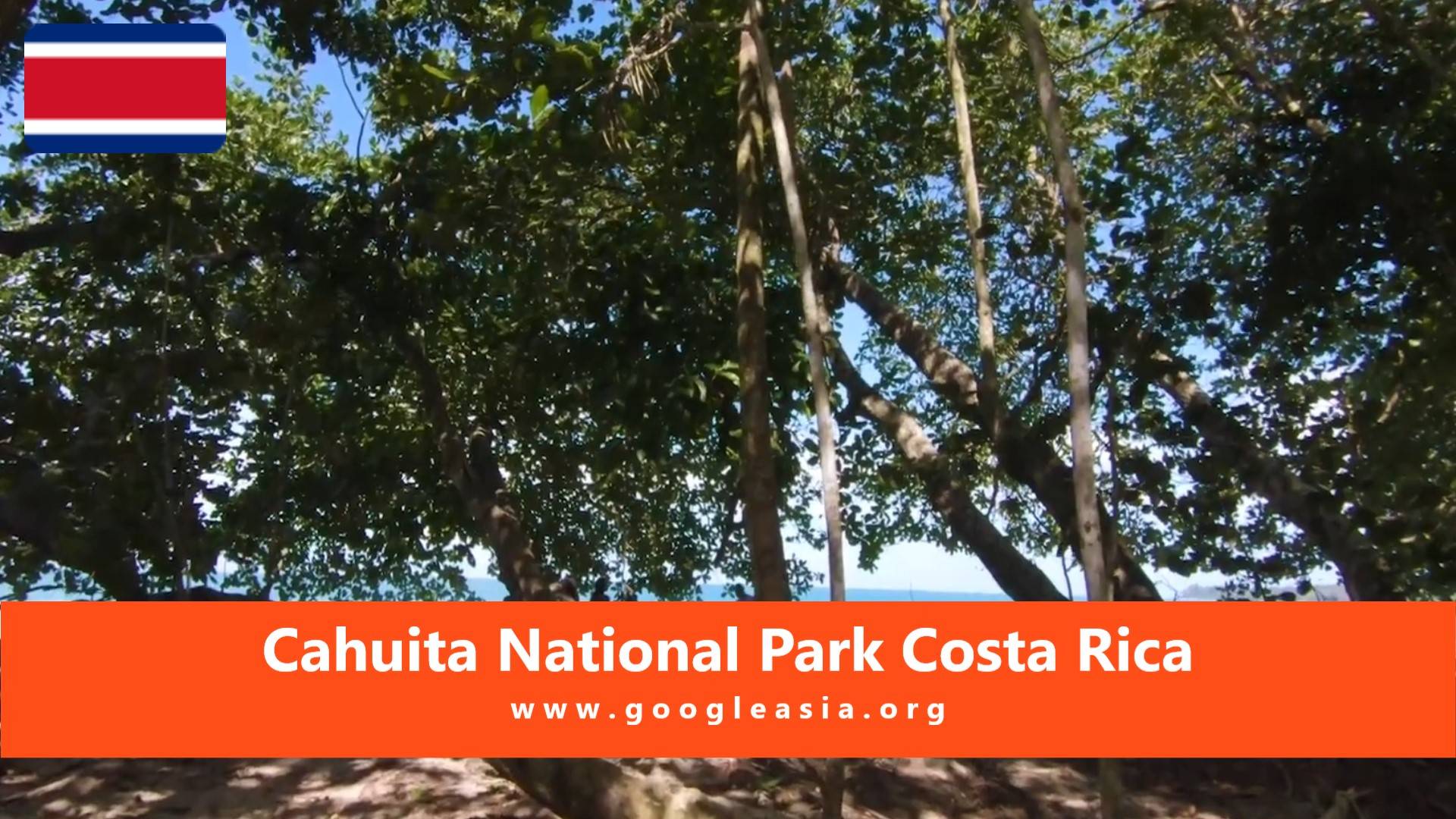
    Cahuita National Park is located on the Caribbean coast of Costa Rica. It is a protected area of tropical dry forest and 250 acres of coral reef, with pristine white sand beaches and self-guided nature trails. This park is home to a variety of wildlife, including monkeys, sloths, iguanas and hundreds of tropical bird species.

    You should visit Cahuita National Park Costa Rica because of its stunning natural beauty and its diverse array of flora and fauna. The park is home to a variety of wildlife species, including white-faced capuchin monkeys, sloths, agoutis, iguanas, and more. It also features a white-sand beach, coral reefs, and a rainforest that is home to over 230 species of birds. Visitors can enjoy swimming, snorkeling, and hiking in the park, which is a great spot for both beginner and experienced nature lovers.


    Cahuita National Park Caribbean Coast of Costa Rica

    Cahuita National Park, Costa Rica: The Summary

    • Attraction Name: Cahuita National Park Costa Rica
    • Country: Costa Rica
    • Continent: North America
    • Capital Name: San José
    • Language: Spanish
    • Currency: Costa Rican Colón
    • Nationality: Costa Rican
    • Category:  #Destination #NorthAmerica #COSTARICA 


    Discover Cahuita National Park, Costa Rica

    Nestled on Costa Rica’s vibrant Caribbean coast, Cahuita National Park is a treasure trove of natural beauty and biodiversity. This stunning park offers a unique blend of ecosystems, from coral reefs and lush rainforests to pristine white sand beaches. It’s a must-visit destination for nature lovers and adventure seekers alike.

    Overview of Cahuita National Park

    Location

    Cahuita National Park is situated in the Limón Province of Costa Rica, along the Caribbean Sea. It’s easily accessible from the nearby town of Cahuita, which serves as a gateway to the park.

    Size and Diversity

    The park covers approximately 1,114 hectares (2,750 acres), with around 600 hectares (1,480 acres) of this area being marine habitat. This combination of land and sea makes Cahuita National Park a hotspot for a variety of ecosystems.

    Key Attractions and Activities

    Explore the Coral Reefs

    • Coral Reef Snorkeling: Cahuita is renowned for its vibrant coral reefs, which are among the best in Costa Rica. Snorkeling and diving provide a chance to see a rich underwater world, including colorful fish, sea turtles, and other marine life.
    • Marine Conservation: The park’s coral reefs are protected areas, crucial for marine biodiversity. Conservation efforts ensure that the reefs remain healthy and vibrant.

    Relax on Beautiful Beaches

    • White Sand Beaches: Cahuita National Park features several stunning white sand beaches. Playa Cahuita and Playa Vargas are among the most popular spots for sunbathing, swimming, and picnicking.
    • Beachfront Trails: The park offers scenic trails that run along the coast, providing breathtaking views of the Caribbean Sea.

    Wildlife Watching

    • Monkey Spotting: The park is home to large populations of White-Faced Monkeys and Howler Monkeys. They are frequently spotted in the park’s lush rainforest.
    • Bird Watching: Cahuita is a paradise for bird enthusiasts, with numerous species including toucans, parrots, and herons.
    • Other Wildlife: Iguanas, crocodiles, and a variety of other tropical animals can also be seen throughout the park.

    Hiking and Nature Trails

    • Park Trails: There are several well-marked trails within the park that offer a chance to explore its diverse ecosystems. Trails like the “Senda de los Búhos” (Owl Trail) and “Senda de la Vida” (Life Trail) provide opportunities to experience the park’s natural beauty up close.
    • Rainforest Exploration: Wander through the dense tropical rainforest to discover the rich flora and fauna of the park.

    Visit Archaeological Sites

    • Pre-Columbian Village: Cahuita National Park also includes archaeological sites that offer insights into the region’s history. The remnants of a pre-Columbian village provide a glimpse into the area’s past.

    Practical Information

    Park Entrance and Fees

    • Entrance Fee: As of the latest update, there is a small entrance fee for visiting Cahuita National Park. Fees contribute to park maintenance and conservation efforts.
    • Opening Hours: The park is generally open every day from early morning to late afternoon. It’s advisable to check current hours before planning your visit.

    Guided Tours

    • Available Tours: Guided tours are available for those who wish to learn more about the park’s ecosystems and wildlife. Local guides provide valuable insights and enhance the visitor experience.

    What to Bring

    • Essentials: Visitors should bring essentials such as sunscreen, insect repellent, comfortable walking shoes, and swimwear. A camera and binoculars are also recommended for wildlife and scenic photography.

    Conclusion

    Cahuita National Park offers an extraordinary blend of natural beauty, rich biodiversity, and cultural heritage. Whether you’re snorkeling in the coral reefs, hiking through the rainforest, or relaxing on a pristine beach, this park provides a memorable Costa Rican adventure. Its diverse ecosystems and abundant wildlife make it a must-visit destination for anyone exploring the Caribbean coast of Costa Rica.


    Things to Do in Cahuita National Park, Costa Rica

    Cahuita National Park, nestled in the southeastern Caribbean coast of Costa Rica, is a treasure trove of natural beauty and adventure. With its lush rainforests, pristine beaches, and vibrant marine life, the park offers a wide array of activities that cater to nature enthusiasts and adventure seekers alike. Here’s a guide to some of the top things to do in Cahuita National Park:

    Explore the Beaches

    Playa Negra

    Playa Negra, known for its unique dark sand, is a favorite spot for those looking to relax and enjoy the serene environment. The gentle waves and less crowded atmosphere make it ideal for a peaceful day by the sea.

    Playa Blanca

    In contrast, Playa Blanca features stunning white sand and crystal-clear waters. This beach is perfect for sunbathing, swimming, and leisurely strolls along the shore. It’s a great spot to unwind after a day of hiking or snorkeling.

    Go Snorkeling and Diving

    Coral Reefs

    The coral reefs in Cahuita National Park are teeming with marine life. Snorkeling offers a chance to witness the colorful underwater world, including vibrant fish, sea anemones, and even the occasional ray. The clear waters ensure excellent visibility.

    Diving Spots

    For those who are certified divers, Cahuita’s diving spots offer deeper exploration of the reef ecosystems. The diverse marine life and the well-preserved reefs make it a rewarding experience.

    Hike Through the Trails

    Main Trail

    The main trail in Cahuita National Park takes visitors through diverse habitats, including rainforests and mangroves. It’s a relatively easy hike that offers opportunities to see wildlife such as monkeys, sloths, and colorful birds.

    Secondary Trails

    For those seeking more adventure, the secondary trails delve deeper into the forest and lead to lesser-known spots within the park. These trails may be more challenging, but they offer a chance to experience the park’s untouched beauty.

    Enjoy Birdwatching

    Common Species

    Cahuita National Park is a birdwatcher’s paradise. Visitors can spot various species of songbirds, hummingbirds, and tanagers that inhabit the area. Early mornings are particularly good for birdwatching.

    Sea Turtles

    The park is also a habitat for four species of sea turtles. While turtle sightings are more common during nesting seasons, the park’s efforts in conservation mean that spotting these majestic creatures is a real possibility.

    Experience Local Culture

    Vendors and Souvenirs

    The park’s entrance areas are dotted with local vendors offering souvenirs, snacks, and crafts. These are great places to pick up a memento of your visit or enjoy some local cuisine.

    Guided Tours

    Consider joining a guided tour to enhance your experience. Local guides provide valuable insights into the park’s ecology, history, and culture, enriching your visit with deeper knowledge and context.

    Conclusion

    Cahuita National Park is a multifaceted destination offering something for everyone. From its inviting beaches and vibrant coral reefs to its diverse wildlife and rich cultural experiences, the park provides a comprehensive slice of Costa Rica’s natural wonders. Whether you’re looking to relax on sunlit shores, dive into an underwater paradise, hike through lush forests, or immerse yourself in local culture, Cahuita National Park promises an unforgettable adventure.

    Best Foods at Cahuita National Park, Costa Rica

    Cahuita National Park, located on the lush Caribbean coast of Costa Rica, is not only renowned for its stunning natural beauty but also for its vibrant and delicious culinary offerings. As you explore the park’s breathtaking landscapes, make sure to indulge in some of the local foods that showcase the rich flavors of the Caribbean. Here’s a guide to some of the best foods to try while visiting Cahuita National Park:

    Fresh Coconut

    Why You Should Try It

    Coconuts are plentiful in Cahuita National Park, with many palm trees lining the coast. They offer a refreshing and hydrating snack, perfect for recharging during your outdoor adventures. Whether you enjoy the coconut water directly from the shell or the sweet, chewy coconut meat, it’s a must-try.

    Where to Find It

    You can often find vendors selling fresh coconuts right on the beach or near park entrances. These vendors usually slice open the coconut for you, making it easy to enjoy on the go.

    Local Fruit

    Wild Mangoes

    Wild mangoes are abundant in the park and offer a juicy, tropical sweetness. They are a delightful snack, especially when freshly picked. You can enjoy them on their own or mixed into a fruit salad.

    Papayas

    Papayas are another local favorite, known for their sweet and slightly musky flavor. They can be eaten fresh or blended into a smoothie for a cool and refreshing treat.

    Fresh Seafood

    Lobster

    Freshly caught lobster is a true delicacy in Cahuita. Local fishermen often offer their catch of the day, and you can enjoy succulent lobster prepared in various ways—grilled, steamed, or even as part of a seafood stew.

    Whole Grilled Fish

    Another seafood highlight is whole grilled fish. Often seasoned with local herbs and spices, it’s a flavorful and satisfying meal that captures the essence of Caribbean cuisine. Look for beachside shacks or local restaurants for the freshest options.

    Caribbean Rice and Beans

    What It Is

    Caribbean Rice and Beans is a classic dish in the region, combining rice and beans with coconut milk and spices. The result is a savory, aromatic dish that is both hearty and comforting.

    Why You Should Try It

    This dish embodies the essence of Caribbean cooking, offering a delightful balance of flavors. It’s commonly served as a side dish but can also be enjoyed as a main course, especially when paired with some fresh seafood or grilled meats.

    Chocolate

    Hot Cacao

    For a warm, comforting drink, try hot cacao. This classic beverage can be enjoyed in various forms, from sweetened versions to those made with rich, unsweetened cacao. It’s perfect for cooling down after a hike or warming up after a swim.

    Chocolate Varieties

    Explore local varieties of chocolate, which may include different extractions and flavors. Sampling local chocolate is a great way to experience the region’s unique take on this beloved treat.

    Conclusion

    Cahuita National Park offers more than just natural beauty—it’s a destination where you can savor a rich array of local flavors. From the refreshing taste of fresh coconut and tropical fruits to the savory delights of Caribbean rice and beans and fresh seafood, the park’s culinary scene is as vibrant and diverse as its landscapes. Don’t miss the opportunity to indulge in these local foods, which perfectly complement your exploration of this stunning corner of Costa Rica.

    Best Hotels to Stay While Visiting Cahuita National Park, Costa Rica

    When visiting Cahuita National Park, Costa Rica, finding the right accommodation can enhance your experience, offering comfort and convenience close to the park’s natural wonders. Here are some of the best hotels in the area, each providing a unique blend of amenities and ambiance:

    Le Cameleon Hotel

    Overview

    Le Cameleon Hotel is a premier choice for travelers seeking luxury and proximity to both Cahuita National Park and Cahuita Beach. This elegant hotel is set amidst lush tropical gardens and offers a blend of modern comfort with natural beauty.

    Key Features

    • Location: Just steps from Cahuita National Park and the beach.
    • Amenities: Outdoor pool, tropical gardens, and top-notch service.
    • Additional Perks: Stylish rooms with private terraces and a variety of on-site dining options.

    Verde Luna

    Overview

    Verde Luna offers a rustic, serene escape on the north side of Cahuita National Park. It’s an ideal spot for those seeking a peaceful retreat while still enjoying convenient access to the park’s attractions.

    Key Features

    • Location: Nestled away on the quieter side of Cahuita National Park.
    • Amenities: Free WiFi, on-site restaurant, and lush surroundings.
    • Additional Perks: Spacious rooms and a relaxing atmosphere.

    Punta Cahuita Lodge

    Overview

    Punta Cahuita Lodge is known for its stunning panoramic views of the Caribbean Sea and its close proximity to Cahuita National Park. It’s a great choice for those who want both natural beauty and comfortable accommodations.

    Key Features

    • Location: Overlooking the Caribbean Sea and adjacent to Cahuita National Park.
    • Amenities: Outdoor pool, free breakfast, and free WiFi.
    • Additional Perks: Beautiful views from the rooms and easy access to the beach.

    Cahuita Point Inn

    Overview

    Cahuita Point Inn provides a tranquil, eco-friendly stay right across the street from Cahuita National Park. This hotel combines comfort with sustainability, making it a great choice for environmentally conscious travelers.

    Key Features

    • Location: Directly across from Cahuita National Park.
    • Amenities: Outdoor pool, on-site restaurant, and complimentary WiFi.
    • Additional Perks: Eco-friendly practices and a relaxing ambiance.

    Hotel Rana Roja

    Overview

    Situated within the boundaries of Cahuita National Park, Hotel Rana Roja offers an immersive experience in nature. This family-friendly hotel combines comfortable lodging with easy access to the park’s attractions.

    Key Features

    • Location: Centrally located within Cahuita National Park.
    • Amenities: Outdoor swimming pool, complimentary breakfast, and WiFi.
    • Additional Perks: On-site restaurant serving authentic local cuisine and a family-friendly atmosphere.

    Conclusion

    Choosing the right hotel can greatly enhance your visit to Cahuita National Park, whether you’re looking for luxury, tranquility, or eco-friendly options. From the elegant Le Cameleon Hotel to the serene Verde Luna and the family-friendly Hotel Rana Roja, each accommodation offers its own unique set of amenities and experiences. Consider your preferences and needs to select the perfect base for your Costa Rican adventure.

    Frequently Asked Questions About Cahuita National Park, Costa Rica: Your Ultimate Guide

    Explore the latest destination attraction with ease through our comprehensive Frequently Asked Questions guide. Discover insightful answers to common queries, providing a seamless experience. Your journey begins with clarity and confidence as we address uncertainties and offer essential information. Let this guide enhance your adventure, ensuring you make the most of the latest destination attraction, leaving no question unanswered.

    Where is Cahuita National Park located?

    Cahuita National Park is located on the southern Caribbean coast of Costa Rica, in the province of Limón. It encompasses an area that includes both terrestrial and marine environments, protecting a diverse range of ecosystems such as tropical rainforests, mangroves, coral reefs, and beaches. The park is situated near the town of Cahuita and is approximately 43 kilometers (27 miles) south of the city of Limón. It’s known for its natural beauty, biodiversity, and opportunities for outdoor activities like hiking, wildlife viewing, snorkeling, and enjoying pristine beaches.

    How to go to Cahuita National Park?

    To reach Cahuita National Park on Costa Rica’s Caribbean coast, you can follow these general steps:

    1. From San José: The most common starting point is San José, the capital city of Costa Rica. From San José, you have a few options:
      • By Car: Renting a car provides flexibility. Take Route 32 from San José towards Limón. From Limón, continue south on Route 36 towards Cahuita. The drive takes approximately 4-5 hours, depending on traffic and road conditions.
      • By Bus: Buses depart regularly from San José to Limón. From Limón, you can catch a local bus or arrange a taxi to Cahuita, which is about a 30-minute drive south of Limón.
    2. From Limón: If you’re already in Limón, you can:
      • By Car: Follow Route 36 south towards Cahuita, which is approximately a 30-minute drive.
      • By Bus or Taxi: Local buses or taxis are available from Limón to Cahuita, offering convenient transportation options.
    3. Arriving in Cahuita: Once you arrive in Cahuita town, which is small and walkable, you can easily access Cahuita National Park:
      • The main entrance to Cahuita National Park is located at the end of Cahuita’s main street, Calle Principal. It’s a short walk from the town center to the park entrance.
      • There are also alternative entrances to the park, such as the Kelly Creek Station and Puerto Vargas Station, which are accessible by car or local transport.
    4. Guided Tours: Many tour operators offer guided tours to Cahuita National Park from popular tourist destinations like San José or Limón. These tours often include transportation, guided hikes through the park, and opportunities for snorkeling or wildlife watching.

    Before planning your trip, check current road conditions, bus schedules, and consider the best option based on your preferences for convenience, flexibility, and budget. Cahuita National Park is a beautiful destination known for its biodiversity and scenic coastline, making it a rewarding stop on any Costa Rican itinerary.

    What are Cahuita National Park’s must-visit attractions or landmarks?

    Cahuita National Park on Costa Rica’s Caribbean coast is known for its natural beauty and diverse ecosystems. Here are some of the park’s must-visit attractions and landmarks:

    1. Coral Reefs: Cahuita National Park is famous for its coral reefs, which are among the most extensive in Costa Rica. Snorkeling or scuba diving in these vibrant reefs allows visitors to encounter a variety of marine life, including colorful fish, rays, sea turtles, and reef sharks.
    2. Playa Blanca and Playa Negra: These stunning white sand beaches are ideal for swimming, sunbathing, and relaxation. Playa Blanca is particularly renowned for its clear waters and picturesque setting, while Playa Negra offers a contrast with its black sand beach.
    3. Hiking Trails: The park features several hiking trails that wind through lush rainforest and along the coastline. Trails like the Perezoso Trail and the Coast Trail offer opportunities for wildlife viewing, birdwatching, and enjoying the park’s natural scenery.
    4. Wildlife Watching: Cahuita National Park is home to a rich diversity of wildlife, including howler monkeys, white-faced monkeys, sloths, raccoons, and various bird species. Guided tours or self-guided hikes provide chances to spot these animals in their natural habitat.
    5. Cultural and Historical Sites: The park also has cultural significance, with indigenous communities nearby and historical artifacts that reflect the area’s past. The Kelly Creek Ranger Station has exhibits on the park’s history and biodiversity.
    6. Conservation Efforts: Exploring Cahuita National Park supports conservation efforts to protect its marine and terrestrial ecosystems. The park is part of Costa Rica’s commitment to sustainable tourism and environmental preservation.

    Visiting these attractions allows travelers to experience Cahuita National Park’s natural beauty, biodiversity, and cultural significance, making it a memorable destination on Costa Rica’s Caribbean coast.

    Why should you visit Cahuita National Park?

    Cahuita National Park, located on Costa Rica’s Caribbean coast, offers several compelling reasons to visit:

    1. Marine Life and Coral Reefs: The park is renowned for its vibrant coral reefs, making it a prime destination for snorkeling and scuba diving enthusiasts. Explore underwater ecosystems teeming with colorful fish, rays, sea turtles, and even reef sharks.
    2. Beaches: Cahuita National Park boasts beautiful white sand beaches lined with coconut palms, offering opportunities for swimming, sunbathing, and relaxation. Playa Blanca and Playa Negra are among the popular beaches within the park.
    3. Wildlife Watching: The park is home to a diverse array of wildlife, including howler monkeys, white-faced monkeys, sloths, raccoons, and numerous bird species. Guided tours and hiking trails provide opportunities to spot these animals in their natural habitat.
    4. Hiking Trails: Explore the park’s trails through lush tropical rainforest, mangrove swamps, and along the coastline. The trails offer opportunities for birdwatching, wildlife observation, and enjoying Costa Rica’s rich biodiversity.
    5. Cultural and Historical Significance: Cahuita National Park is also known for its cultural heritage, with indigenous communities nearby and historical artifacts that highlight the area’s past.
    6. Conservation and Sustainability: Visiting Cahuita National Park supports conservation efforts to protect Costa Rica’s marine and terrestrial ecosystems. The park is part of Costa Rica’s commitment to sustainable tourism and environmental preservation.

    Overall, Cahuita National Park offers a blend of natural beauty, outdoor activities, and cultural experiences, making it a must-visit destination for travelers seeking to explore Costa Rica’s Caribbean coast and its rich biodiversity.

    Is there any halal food available in the vicinity of the Cahuita National Park?

    Finding halal food near Cahuita National Park in Costa Rica can be challenging, as the region is not known for having a large Muslim population or halal-certified restaurants. Cahuita is a small coastal town on the Caribbean coast of Costa Rica, known for its laid-back atmosphere, beaches, and proximity to the national park.

    Here are a few suggestions that might help:

    1. Vegetarian Options: Many restaurants in Cahuita and nearby Puerto Viejo offer vegetarian dishes, which can often be suitable for those following halal dietary restrictions. It’s advisable to inquire about how the food is prepared to ensure it meets your dietary needs.
    2. Seafood: Being a coastal area, seafood is a common and fresh option in local restaurants. Fish and seafood dishes may be a practical choice for adhering to halal dietary guidelines, though it’s important to confirm with the restaurant regarding any preparation methods involving alcohol or non-halal ingredients.
    3. Self-Catering: Consider preparing your own meals using fresh produce, fruits, and seafood available from local markets or supermarkets. This gives you more control over ensuring your food meets halal standards.
    4. Contacting Restaurants: If you have specific dietary needs, you can contact restaurants in Cahuita or Puerto Viejo ahead of time to inquire about their ability to accommodate halal requests. Some restaurants may be willing to adjust their menu or preparation methods if given advance notice.
    5. Nearby Towns: If you’re willing to travel a bit, larger towns like Puerto Viejo de Talamanca, just south of Cahuita, may have more dining options and potentially restaurants that cater to international dietary preferences.

    While options for halal food may be limited directly in Cahuita and its immediate vicinity, with some planning and flexibility, you can still enjoy your visit to Cahuita National Park and the surrounding area while managing your dietary preferences.

    Web Directories

    Welcome to our comprehensive web directories! Explore a world of information and resources tailored to your interests and needs. From travel adventures to financial solutions, hobbies, reviews, and more, our curated collection of links offers something for everyone. Click on the above links to start your journey towards discovering new experiences and expanding your horizons. Your next destination awaits!

    1. https://asiaworldtour.com: “Asia World Tour: Your Gateway to Asian and World Adventures”
    2. https://personalfinancingloan.com: “Personal Financing Loan: Your Path to Financial Freedom”
    3. https://hobbyforte.com: “HobbyForte: Discover Your Car Passion, Explore Your Interests”
    4. https://reviewsanything.com: “ReviewsAnything: Your Trusted Source for Honest Gadget Reviews”
    5. https://rumahmampumilik.com: “Rumah Mampu Milik: Your Affordable Homeownership Journey Begins Here”
    6. https://malaysiadigit.com: “MalaysiaDigit: Your Digital Destination for News and Insights”
    7. https://vipmalaysia.com: “VIP Malaysia: Elevate Your Experience in Malaysia”
    8. https://nordiyana.com: “Indulge in Elegance at Nordiyana: Latest Recipe and Culinary Inspirations”
    9. https://e-penyatagaji.com: “E-Penyata Gaji: Simplifying Payroll Management for You”
    10. https://googleasia.org: “Google Asia: Explore the World and Asia’s Wonders with Google Asia”
    11. https://malaysiafit.com: “Malaysia Fit: Your Partner in Health and Wellness”
    12. https://koperasi.info: “Koperasi: Building Communities, Empowering Lives”
    13. https://recipeinside.com: “RecipeInside: Unveiling Culinary Creations, Your Guide to Delicious Dishes”
    14. https://asiahealthcenter.com: “Asia Health Center: Your Source for Holistic Wellness Solutions”
    15. https://nationalhealthcenters.com: “National Health Centers: Your Source for Vital Health Information and Community Care”
    16. https://malaysiabit.com: “MalaysiaBit: Stay Informed, Stay Connected”
    17. https://epenyatagaji.com: “E-Penyata Gaji: Your Digital Payslip Solution”
    18. https://koperasi.work: “Koperasi Work: Collaborate, Innovate, Succeed”
    19. https://koperasi.business: “Koperasi Business: Driving Entrepreneurship, Fostering Growth
  • Poas Volcano, Costa Rica: Travel Guide & Tips

    Poas Volcano, Costa Rica: Travel Guide & Tips

    Poas Volcano, Costa Rica: Popular Tourist Attraction

    Visiting Poas Volcano Costa Rica is an amazing experience and a must-do for any traveler. It offers breathtaking views of the surrounding landscape and the crater itself, plus the opportunity to admire the surrounding flora and fauna. this place is also home to a remarkable lagoon, which changes its color dependent on the sulfur concentration in the air. For hikers, there are several trails that start off at the ranger station, which allows them to appreciate the area, while learning more about the flora of the area.

    Furthermore, this place is home to an impressive array of cloud and rainforest birds, so birdwatchers will have their work cut out for them. All-in-all, Poas Volcano provides an unparalleled experience with its natural beauty, unique flora and fauna, and incredible landscape.

    Poas Volcano, located in central Costa Rica, is an active stratovolcano with a 1.6 km (1 mile) wide crater filled with a green acidic crater lake. The volcano, which rises to 2708 m (8,885 ft) above sea level, has frequent phreatic eruptions. It is a popular tourist attraction for its beautiful landscape and offers visitors impressive views of the surrounding Central Valley.


    Poas Volcano Costa Rica Popular Tourist Attraction

    Poas Volcano, Costa Rica: The Summary

    • Attraction Name: Poas Volcano
    • Country: Costa Rica
    • Continent: North America
    • Capital Name: San José
    • Language: Spanish
    • Currency: Costa Rican Colón
    • Nationality: Costa Rican
    • Category:  #Destination #NorthAmerica #COSTARICA 

    Discovering Poás Volcano: Costa Rica’s Majestic Natural Wonder

    Poás Volcano, located in central Costa Rica, is a striking example of the country’s dynamic volcanic landscape. Positioned about 29 kilometers northwest of San José, the nation’s capital, Poás stands as one of Costa Rica’s tallest and most active volcanoes. With an elevation of 2,708 meters (8,885 feet) above sea level, it offers both dramatic volcanic activity and breathtaking natural beauty.

    Volcanic Activity and Features

    Active Stratovolcano

    Eruption History: Poás Volcano is known for its explosive eruptions, which have been a defining feature of its activity. Regular eruptions have characterized the volcano’s history, with recent notable eruptions occurring in 2017 and 2019. These eruptions often involve bursts of volcanic rocks, steam, and gases, showcasing the volcano’s raw power.

    Crater Features: The primary attraction of Poás is its impressive crater, known as Laguna Caliente (Hot Lagoon). This active crater lake is famous for its acidic, steaming waters and the constant release of volcanic gases. The park also features other smaller craters, including the dormant Botos Lagoon, which contrasts with the active nature of the main crater.

    Crater Lakes

    Laguna Caliente: The Hot Lagoon is the most active and well-known of Poás’ craters. Its acidic waters and frequent steam emissions make it a fascinating sight. Viewing platforms provide safe and spectacular views of the lagoon and the surrounding volcanic landscape.

    Botos Lagoon: Located on the opposite side of the park, Botos Lagoon is a serene, dormant crater lake surrounded by lush vegetation. Its calm waters and vibrant green surroundings offer a tranquil contrast to the active Hot Lagoon.

    Poás Volcano National Park

    Park Overview

    Establishment: Poás Volcano National Park was established to protect the volcano and its surrounding ecosystems. Covering approximately 65 square kilometers, the park provides a protected environment for various plant and animal species while accommodating visitor interests.

    Visitor Facilities: The park is well-equipped with facilities designed to enhance visitor experiences while ensuring safety. It features paved roads leading to viewing areas and well-maintained trails for hiking.

    Flora and Fauna

    Vegetation: The park’s diverse ecosystems include cloud forests and high-altitude vegetation. Visitors can explore areas rich in orchids, ferns, and bromeliads. The unique plant life thrives in the park’s variable climatic conditions, which range from cool and misty to occasionally sunny.

    Wildlife: Poás is home to a variety of bird species, including the resplendent quetzal, known for its vibrant plumage. Other wildlife includes small mammals and insects adapted to the park’s high-altitude environment.

    Activities and Attractions

    Crater Viewing

    Observation Platforms: The park offers several observation platforms that provide panoramic views of the crater and its surroundings. These vantage points are ideal for witnessing the geothermal activity and the striking landscapes of the park.

    Photography: The dramatic landscapes and active crater make Poás an excellent location for photography. The contrasting features of the Hot Lagoon and the lush Botos Lagoon offer diverse photographic opportunities.

    Hiking and Trails

    Summit Trails: The park features trails that lead to the summit crater and other scenic viewpoints. These trails are well-marked and offer varying levels of difficulty, making them accessible to different types of hikers.

    Nature Walks: In addition to summit trails, visitors can enjoy shorter nature walks that explore the park’s diverse ecosystems and provide opportunities to observe local flora and fauna.

    Visitor Center

    Educational Exhibits: The park’s visitor center offers educational exhibits about the volcano’s geology, the history of its eruptions, and the park’s biodiversity. Informational displays and interactive elements enhance the learning experience for visitors.

    Guided Tours: The visitor center also provides information on guided tours, which offer deeper insights into the park’s geological and ecological features.

    Conclusion

    Poás Volcano stands as one of Costa Rica’s most captivating natural attractions, offering a blend of volcanic activity, stunning landscapes, and rich biodiversity. Its active status and dramatic features make it a must-visit destination for those interested in the wonders of geology and natural beauty. With its accessible trails, informative visitor center, and breathtaking views, Poás Volcano provides an unforgettable experience for travelers exploring the heart of Costa Rica.

    Exploring Poás Volcano: Top Things to Do in Costa Rica’s Majestic National Park

    Poás Volcano, a prominent feature of Costa Rica’s volcanic landscape, offers an array of activities for nature enthusiasts and adventure seekers alike. Located in the Alajuela Province, north of the Central Valley, Poás Volcano National Park is renowned for its dramatic volcanic features, lush forests, and diverse ecosystems. Here’s a guide to the top activities you can enjoy when visiting Poás Volcano.

    Exploring the Poás Volcano Crater

    Crater Viewing

    Main Crater: The primary highlight of Poás Volcano is its spectacular crater, one of the largest active craters in the world. Spanning nearly 800 meters in diameter and 360 meters deep, it offers breathtaking views of the boiling, acidic lagoon at its center. Viewing platforms are strategically placed for safe and unobstructed views.

    Laguna Caliente: The lagoon, or “Hot Lagoon,” is an ever-changing feature that often emits steam and volcanic gases. It’s a fascinating sight and a key attraction for visitors.

    Hiking and Nature Watching

    Trail Exploration

    Summit Trails: Several well-marked trails lead to the summit and around the volcanic area. These trails offer diverse views of the crater, cloud forests, and surrounding landscapes. Trails are suitable for various fitness levels, ranging from easy walks to more challenging hikes.

    Cloud Forest Trails: Experience the unique ecosystem of the cloud forest, which envelops the Poás Volcano. Trails through this high-altitude rainforest provide opportunities to observe the rich flora and fauna that thrive in this environment.

    Flora and Fauna

    Unique Plant Life: The park’s cloud forest is home to a variety of plant species, including orchids, ferns, and mosses. Many of these plants are adapted to the high moisture levels and cooler temperatures of the region.

    Wildlife Spotting: Birdwatchers can look for species such as the Resplendent Quetzal and various hummingbirds. The diverse habitats around Poás support a wide range of wildlife.

    Thermal Springs

    Relaxation and Swimming

    Hot Springs: The area around Poás Volcano features several natural hot springs. These thermal pools vary in temperature, offering everything from relaxing warm baths to hotter, rejuvenating soaks.

    Spa Facilities: Some nearby hotels and lodges offer spa treatments that incorporate the mineral-rich waters of the hot springs, providing a relaxing experience after a day of exploration.

    Cloud Forest Exploration

    Immersive Nature Experience

    Cloud Forest Trails: Delve into the misty cloud forests surrounding Poás. These trails offer an immersive experience in the dense, fog-laden forests that are home to unique species of plants and animals.

    Wildlife Observation: The cloud forest is an ideal place to observe various bird species, including the elusive Quetzal. Guided tours can enhance the experience by providing insights into the forest’s ecosystem.

    Zip-Lining

    Adventure and Views

    Zip-Lining Tours: For those seeking an adrenaline rush, zip-lining tours are available. These tours provide thrilling rides over the forest canopy and offer stunning views of the Poás Volcano and the surrounding landscapes.

    Scenic Flights: Zip-lining allows you to experience the beauty of the forest from a unique perspective, combining excitement with spectacular scenery.

    Horseback Riding

    Exploring on Horseback

    Guided Horseback Tours: Explore the Poás Volcano area on horseback with guided tours. These tours offer a unique way to experience the natural beauty of the park while enjoying panoramic views of the volcano and the surrounding mountains.

    Scenic Trails: The horseback riding trails provide a different perspective of the park’s landscapes, making it a memorable experience for visitors.

    Bird Watching

    Spotting Rare Species

    Birdwatching Opportunities: Poás Volcano National Park is a haven for birdwatchers. The park’s diverse habitats support a wide range of bird species, including the Resplendent Quetzal, toucans, and various hummingbirds.

    Guided Bird Tours: Consider joining a guided birdwatching tour to enhance your chances of spotting rare species and to learn more about the park’s avian inhabitants.

    Biking

    Mountain Biking Trails

    Biking Trails: For those interested in biking, there are several trails around Poás Volcano that cater to different skill levels. The trails offer a mix of terrain, from gentle slopes to more challenging routes.

    Bike Rentals: Some local companies provide bike rentals and guided biking tours, allowing visitors to explore the park’s scenic beauty on two wheels.

    Relaxation and Cultural Immersion

    Local Villages

    Nearby Villages: Take some time to explore the nearby villages, where you can experience authentic Costa Rican culture. Local markets and restaurants offer a taste of traditional cuisine and crafts.

    Cultural Experiences: Engaging with local communities provides insight into Costa Rican traditions and a chance to relax and enjoy the slower pace of village life.

    Star Gazing

    Night Sky Viewing

    Stargazing Opportunities: Poás Volcano offers excellent stargazing opportunities on clear nights. The high altitude and low light pollution provide stunning views of the night sky, including constellations and planets.

    Guided Stargazing: Some local tours offer guided stargazing experiences, providing telescopes and expert guidance to enhance your night sky viewing.

    Conclusion

    Poás Volcano provides a diverse range of activities and experiences, from exploring its dramatic crater to hiking through lush cloud forests and soaking in natural hot springs. Whether you’re seeking adventure, relaxation, or a deeper connection with Costa Rica’s natural beauty, Poás Volcano offers something for everyone. Plan your visit to this majestic volcano and immerse yourself in one of Costa Rica’s most captivating natural wonders.

    The Best Foods to Try at Poás Volcano, Costa Rica

    When visiting Poás Volcano in Costa Rica, you have the opportunity to savor a variety of delicious Costa Rican dishes. Whether you’re dining at local eateries or enjoying food prepared at nearby lodges, here are some must-try foods that will give you a true taste of the region.

    Grilled Vegetables

    Fresh and Flavorful

    Local Produce: Enjoy a medley of freshly grilled vegetables such as bell peppers, zucchini, and tomatoes. These vegetables are often locally sourced and cooked to perfection, enhancing their natural flavors.

    Serving Style: Grilled vegetables are commonly served as a side dish or as part of a main meal, often seasoned with Costa Rican spices and herbs.

    Grilled Meats

    A Taste of Costa Rican BBQ

    Variety of Meats: Sample a range of grilled meats including beef, chicken, and pork. These are typically marinated and grilled over an open flame, giving them a distinctive smoky flavor.

    Popular Dishes: Look for traditional options like carne asada (grilled steak) and chorizo (spicy sausage), which are popular in local cuisine.

    Corn on the Cob

    Simple and Delicious

    Traditional Snack: Corn on the cob, often roasted or grilled, is a popular street food in Costa Rica. It’s typically seasoned with a sprinkle of salt and sometimes with butter or cheese.

    Regional Twist: Some variations include adding local spices or lime juice for an extra burst of flavor.

    Plátanos (Fried or Boiled Bananas)

    Versatile and Tasty

    Fried Plátanos: Known as “plátanos maduros,” these sweet plantains are fried until golden and crispy. They make a great side dish or snack.

    Boiled Plátanos: Boiled plantains, often served with a sprinkle of salt, offer a softer and less sweet alternative.

    Empanadas

    Stuffed Pastries

    Savory Fillings: Empanadas are pastries filled with a variety of ingredients such as cheese, meat, or beans. They are fried or baked until crispy and golden.

    Popular Choices: Try empanadas with local fillings like spiced beef or cheese, which are beloved snacks or appetizers in Costa Rican cuisine.

    Tamales

    Traditional Delights

    Corn-Based Treats: Tamales are made from masa (corn dough) filled with meats, vegetables, or cheese, and then wrapped in banana leaves and steamed.

    Regional Variations: Each tamale has its unique flavor, with options ranging from spicy to mild, depending on the fillings and seasoning.

    Gallo Pinto (Rice and Beans)

    Costa Rican Staple

    Classic Dish: Gallo Pinto is a traditional Costa Rican dish made with a mixture of rice and black beans, often seasoned with onions, peppers, and cilantro.

    Serving Suggestions: It’s commonly served for breakfast with eggs, or as a side dish for lunch or dinner, accompanied by plantains or grilled meats.

    Tostones (Fried Plantains)

    Crunchy and Flavorful

    Double-Fried: Tostones are green plantains that are sliced, fried, smashed, and then fried again until crispy. They’re often served with a garlic dipping sauce or as a side dish.

    Popular Snack: Enjoy tostones as a crunchy snack or alongside other traditional Costa Rican meals.

    Casado

    Complete Meal

    Traditional Plate: Casado is a hearty Costa Rican meal that includes rice, black beans, fried plantains, a side salad, and a protein such as fish, chicken, or pork.

    Balanced Meal: This dish is well-loved for its balanced combination of flavors and nutrients, making it a staple in Costa Rican cuisine.

    Arroz con Leche (Rice Pudding)

    Sweet and Comforting

    Creamy Dessert: Arroz con Leche is a traditional Costa Rican dessert made from rice cooked in milk with sugar and spices like cinnamon and vanilla.

    Popular Treat: This creamy and sweet pudding is often enjoyed as a dessert or a comforting snack, especially on cooler days.

    Conclusion

    Visiting Poás Volcano not only offers stunning natural beauty and adventure but also provides a fantastic opportunity to enjoy some of Costa Rica’s best culinary delights. From grilled meats and vegetables to traditional dishes like Gallo Pinto and Casado, the region’s food reflects its rich culture and natural bounty. Don’t miss the chance to indulge in these local flavors and enhance your visit to this magnificent volcano.

    The Best Hotels to Stay Near Poás Volcano, Costa Rica

    If you’re planning a visit to Poás Volcano, finding the right accommodation can enhance your experience of this stunning natural wonder. Here are some of the best hotels near Poás Volcano, Costa Rica, each offering unique amenities and excellent proximity to the park.

    Hotel La Máquina de Café

    Overview

    • Rating: #1 on TripAdvisor
    • Location: Close to Poás Volcano
    • Unique Features: Family-run with spectacular views

    Amenities

    • Heated Infinity Pool: Enjoy breathtaking views while swimming.
    • Restaurant & Bar: On-site dining options with local and international cuisine.
    • Tour Services: Assistance with planning and booking local tours.

    Why Stay Here?

    Hotel La Máquina de Café offers a unique and intimate experience with its personalized service and panoramic views of Poás Volcano. Its modern amenities and picturesque setting make it a top choice for visitors seeking comfort and convenience.

    Cotecmar Lodge

    Overview

    • Location: Minutes from Poás Volcano National Park
    • Unique Features: Scenic views and outdoor spaces

    Amenities

    • Restaurant & Bar: Features an outdoor terrace for dining with views.
    • Pool & Gardens: Relax in the landscaped gardens and take a dip in the pool.
    • Variety of Room Types: Choose from different rooms to suit your needs.

    Why Stay Here?

    Cotecmar Lodge offers a blend of comfort and natural beauty. Its close proximity to the park and extensive facilities, including a pool and lush gardens, provide a great base for exploring Poás Volcano and its surroundings.

    Poás Volcano Lodge & Spa

    Overview

    • Location: Offers stunning views of the volcano
    • Unique Features: Luxurious amenities with scenic trails

    Amenities

    • Spa: Pamper yourself with various treatments and relaxation services.
    • Pool & Steam Rooms: Enjoy the indoor pool and steam rooms.
    • Complimentary Wi-Fi: Stay connected during your stay.

    Why Stay Here?

    Poás Volcano Lodge & Spa is ideal for travelers seeking a luxurious retreat with extensive amenities. The spa, scenic trails, and modern rooms ensure a comfortable and relaxing stay while being close to Poás Volcano.

    Hotel La Durmiente Finca La Labor

    Overview

    • Location: Short distance from Poás Volcano National Park
    • Unique Features: Rustic accommodation with balconies

    Amenities

    • On-Site Restaurant: Enjoy local cuisine at the hotel restaurant.
    • Room Options: Includes kitchenettes and private balconies.
    • Stunning Views: Rooms offer beautiful views of the volcano.

    Why Stay Here?

    Hotel La Durmiente Finca La Labor provides a charming and rustic experience with its cozy accommodations and excellent views. The proximity to the park and the option of rooms with kitchenettes make it a convenient choice for those looking to explore the area.

    Conclusion

    Staying near Poás Volcano offers a unique opportunity to immerse yourself in the natural beauty and adventure of Costa Rica. Whether you choose a luxurious retreat, a cozy lodge, or a family-run hotel, these accommodations provide comfort, convenience, and stunning views of one of Costa Rica’s most iconic landmarks. Each hotel offers distinct amenities and features, ensuring a memorable stay while exploring the incredible Poás Volcano and its surroundings.

    Frequently Asked Questions About Poas Volcano, Costa Rica: Your Ultimate Guide

    Explore the latest destination attraction with ease through our comprehensive Frequently Asked Questions guide. Discover insightful answers to common queries, providing a seamless experience. Your journey begins with clarity and confidence as we address uncertainties and offer essential information. Let this guide enhance your adventure, ensuring you make the most of the latest destination attraction, leaving no question unanswered.

    Where is Poas Volcano located?

    Poás Volcano is located in Costa Rica, in the Central Valley region, approximately 37 kilometers (23 miles) northwest of the capital city, San José. It is situated within Poás Volcano National Park, which encompasses the volcano and its surrounding area. The park is easily accessible from San José and other nearby towns, making it a popular destination for both local and international visitors interested in exploring Costa Rica’s volcanic landscapes and natural beauty.

    How to go to Poas Volcano?

    To visit Poás Volcano in Costa Rica, you can follow these general steps to reach the national park where the volcano is located:

    1. From San José: The starting point for most visitors is San José, the capital city of Costa Rica. From San José, you have several options:
      • By Car: Renting a car provides flexibility. Take Route 1 (Pan-American Highway) north towards Alajuela. From Alajuela, follow signs to Route 126, which leads to Poás Volcano National Park. The drive takes approximately 1.5 to 2 hours, depending on traffic and road conditions.
      • By Tour: Many tour operators offer guided tours to Poás Volcano from San José. These tours often include transportation, guided visits to the volcano’s crater, and may include stops at other nearby attractions.
    2. Public Transportation:
      • Bus: From San José, you can take a bus to Alajuela or directly to Poás Volcano National Park. Buses depart from Terminal 7-10 in San José. From Alajuela, you may need to transfer to a local bus or taxi to reach the national park.
    3. Entrance to Poás Volcano National Park:
      • Once you arrive at Poás Volcano National Park, you’ll need to pay an entrance fee. The park has facilities such as parking, restrooms, and a visitor center where you can learn about the volcano’s geology and natural history.
    4. Travel Tips:
      • Weather and Clothing: The weather around Poás Volcano can be cool and changeable, so it’s advisable to bring layers of clothing, waterproof gear, and sturdy shoes suitable for walking on uneven terrain.
      • Timing: Cloud cover is common in the mornings, so visiting later in the day might offer clearer views of the crater lake. It’s also a good idea to check weather forecasts before heading to the park.
    5. Safety Considerations:
      • Poás Volcano is an active volcano, and safety regulations may restrict access to certain areas depending on volcanic activity. Follow park guidelines and instructions from park rangers for a safe and enjoyable visit.

    By following these steps, you can plan a visit to Poás Volcano National Park and experience one of Costa Rica’s fascinating natural wonders.

    What’s the climate like in Poas Volcano?

    The climate around Poás Volcano in Costa Rica is characterized by its elevation and proximity to the equator, which influences its weather patterns:

    1. Temperature: Temperatures in the Poás Volcano area typically range from cool to mild due to its higher elevation. Daytime temperatures generally range from 15°C to 25°C (59°F to 77°F), making it relatively cool compared to coastal regions of Costa Rica.
    2. Rainfall: The region experiences a wet and dry season typical of tropical climates. The rainy season, or “green season,” runs from May to November, with the heaviest rainfall occurring from September to October. During the dry season, from December to April, rainfall is less frequent, and days are generally sunnier.
    3. Cloud Cover: Cloud cover is common around Poás Volcano, especially in the mornings. Cloud forests are prevalent in the area, contributing to the unique ecosystem and influencing the visibility around the volcano’s crater.
    4. Humidity: Humidity levels can be high, particularly during the rainy season. The cloud forests and lush vegetation thrive in this humid environment, contributing to the area’s biodiversity.
    5. Weather Variability: Due to its volcanic nature and elevation, weather conditions around Poás Volcano can change rapidly. It’s advisable to be prepared for cooler temperatures, rain showers, and potential fog or cloud cover, especially if visiting the crater area early in the day.

    Visitors to Poás Volcano should consider packing layers of clothing, waterproof gear, and comfortable shoes suitable for hiking in potentially muddy or damp conditions. Checking weather forecasts before traveling and being flexible with plans can help maximize enjoyment of this unique natural attraction in Costa Rica.

    What are Poas Volcano’s nearby must-visit attractions or landmarks?

    Poás Volcano, located in Costa Rica’s Central Valley, offers several nearby attractions and landmarks that complement a visit to the volcano itself:

    1. La Paz Waterfall Gardens: Located within reasonable driving distance from Poás Volcano, La Paz Waterfall Gardens is a private nature reserve and wildlife refuge. It features beautiful waterfalls, gardens with hummingbirds and butterflies, and exhibits showcasing Costa Rica’s biodiversity.
    2. Doka Estate Coffee Tour: Costa Rica is known for its coffee, and Doka Estate offers guided tours that provide insight into the coffee-making process. Visitors can learn about coffee cultivation, processing, and enjoy tastings of locally grown coffee.
    3. La Selva Biological Station: This research station managed by the Organization for Tropical Studies (OTS) is situated in Sarapiquí, not far from Poás Volcano. It’s renowned for its biodiversity and offers guided tours that allow visitors to explore tropical rainforests and observe wildlife.
    4. Sarchí: Known as the birthplace of Costa Rica’s traditional handicrafts, Sarchí is a town famous for its colorful oxcarts and artisan workshops. Visitors can shop for souvenirs, observe artisans at work, and learn about Costa Rican craftsmanship.
    5. Poás Volcano National Park Visitor Center: Within the Poás Volcano National Park itself, the visitor center provides educational exhibits about the volcano’s geology, ecology, and history. It’s an informative stop before or after exploring the crater and hiking trails.
    6. Alajuela City: The city of Alajuela, located nearby, offers cultural attractions such as the Juan Santamaría Museum, dedicated to Costa Rica’s national hero, and the Central Park, where you can experience local life and cuisine.

    These nearby attractions complement a visit to Poás Volcano, offering a variety of experiences ranging from nature and wildlife to cultural and educational opportunities. Whether exploring the volcano’s crater or venturing into the surrounding area, visitors can enjoy Costa Rica’s diverse offerings within a short distance from this natural wonder.

    Why should you visit Poas Volcano?

    Poás Volcano, located in Costa Rica’s Central Valley, offers several compelling reasons to visit:

    1. Active Volcano: Poás Volcano is one of the most active volcanoes in Costa Rica and is known for its impressive crater. Visitors can witness volcanic activity, including steam and gases rising from the crater lake, providing a unique opportunity to observe geological processes in action.
    2. Breathtaking Scenery: The surroundings of Poás Volcano are characterized by lush cloud forests, verdant landscapes, and panoramic views from the crater rim. The area’s natural beauty and diverse ecosystems make it a captivating destination for nature lovers and photographers.
    3. Crater Lake: The main crater of Poás Volcano houses a stunning acidic crater lake known as Laguna Caliente. The lake’s turquoise waters contrast with the volcanic rocks, creating a striking visual spectacle that is both beautiful and scientifically intriguing.
    4. Hiking Trails: The park around Poás Volcano offers hiking trails that lead visitors through cloud forests and up to viewpoints overlooking the crater. These trails provide opportunities for wildlife observation and experiencing Costa Rica’s rich biodiversity firsthand.
    5. Educational Experience: Poás Volcano is a living laboratory for geologists and scientists studying volcanism and its impact on the environment. Visitors can learn about volcanic processes, biodiversity conservation efforts, and the importance of preserving natural habitats.
    6. Accessibility: Located relatively close to San José, Poás Volcano is easily accessible for day trips or longer visits. It offers a convenient escape into nature and a chance to explore Costa Rica’s volcanic landscapes without venturing too far from urban centers.

    Visiting Poás Volcano allows travelers to appreciate the power of nature, learn about volcanic activity, and enjoy breathtaking views in a protected natural environment. It’s a must-visit destination for anyone interested in geology, natural wonders, and outdoor adventures in Costa Rica.

    How accessible is halal food in Poas Volcano?

    Finding halal food near Poás Volcano in Costa Rica can be quite challenging, as the region is not known for having a significant Muslim population or halal-certified restaurants. Poás Volcano is located in a rural area, and the nearby towns primarily cater to local cuisine and international visitors exploring the natural attractions.

    Here are some considerations:

    1. Vegetarian Options: Many restaurants in nearby towns like Alajuela or Heredia offer vegetarian dishes, which can often be suitable for those following halal dietary restrictions. It’s advisable to inquire about how the food is prepared to ensure it meets your dietary needs.
    2. Seafood: Given Costa Rica’s coastal location, seafood is a common option in local restaurants. Fish and seafood dishes may be a practical choice for adhering to halal dietary guidelines, though it’s important to confirm with the restaurant regarding any preparation methods involving alcohol or non-halal ingredients.
    3. Self-Catering: Consider preparing your own meals using fresh produce, fruits, and seafood available from local markets or supermarkets. This gives you more control over ensuring your food meets halal standards.
    4. Contacting Restaurants: If you have specific dietary needs, you can contact restaurants in Alajuela, Heredia, or nearby towns ahead of time to inquire about their ability to accommodate halal requests. Some restaurants may be willing to adjust their menu or preparation methods if given advance notice.
    5. Traveling with Supplies: If you prefer guaranteed halal meals, consider bringing packaged halal food or snacks with you to ensure you have suitable options during your visit to Poás Volcano.

    While options for halal food may be limited directly near Poás Volcano, with some planning and flexibility, you can still enjoy your visit to the area while managing your dietary preferences effectively.

    Web Directories

    Welcome to our comprehensive web directories! Explore a world of information and resources tailored to your interests and needs. From travel adventures to financial solutions, hobbies, reviews, and more, our curated collection of links offers something for everyone. Click on the above links to start your journey towards discovering new experiences and expanding your horizons. Your next destination awaits!

    1. https://asiaworldtour.com: “Asia World Tour: Your Gateway to Asian and World Adventures”
    2. https://personalfinancingloan.com: “Personal Financing Loan: Your Path to Financial Freedom”
    3. https://hobbyforte.com: “HobbyForte: Discover Your Car Passion, Explore Your Interests”
    4. https://reviewsanything.com: “ReviewsAnything: Your Trusted Source for Honest Gadget Reviews”
    5. https://rumahmampumilik.com: “Rumah Mampu Milik: Your Affordable Homeownership Journey Begins Here”
    6. https://malaysiadigit.com: “MalaysiaDigit: Your Digital Destination for News and Insights”
    7. https://vipmalaysia.com: “VIP Malaysia: Elevate Your Experience in Malaysia”
    8. https://nordiyana.com: “Indulge in Elegance at Nordiyana: Latest Recipe and Culinary Inspirations”
    9. https://e-penyatagaji.com: “E-Penyata Gaji: Simplifying Payroll Management for You”
    10. https://googleasia.org: “Google Asia: Explore the World and Asia’s Wonders with Google Asia”
    11. https://malaysiafit.com: “Malaysia Fit: Your Partner in Health and Wellness”
    12. https://koperasi.info: “Koperasi: Building Communities, Empowering Lives”
    13. https://recipeinside.com: “RecipeInside: Unveiling Culinary Creations, Your Guide to Delicious Dishes”
    14. https://asiahealthcenter.com: “Asia Health Center: Your Source for Holistic Wellness Solutions”
    15. https://nationalhealthcenters.com: “National Health Centers: Your Source for Vital Health Information and Community Care”
    16. https://malaysiabit.com: “MalaysiaBit: Stay Informed, Stay Connected”
    17. https://epenyatagaji.com: “E-Penyata Gaji: Your Digital Payslip Solution”
    18. https://koperasi.work: “Koperasi Work: Collaborate, Innovate, Succeed”
    19. https://koperasi.business: “Koperasi Business: Driving Entrepreneurship, Fostering Growth
  • Irazu Volcano, Costa Rica: Travel Guide & Tips

    Irazu Volcano, Costa Rica: Travel Guide & Tips

    Irazu Volcano, Costa Rica: Must-Visit Destination

    You should visit Irazu Volcano because it is the tallest and most active volcano in Costa Rica and one of the most impressive volcanoes in the world. It features stunning views from summit of the volcano, an interesting variety of fauna, and incredible natural scenery. It is also a great spot to visit if you are interested in learning more about the history and culture of Costa Rica, as the volcano is surrounded by remnants of previous volcanic activity.

    Irazu Volcano is the highest volcano in Costa Rica, standing at 11,260 ft tall. It is an active stratovolcano, last erupting in 1963 and is covered by several craters. The most recent full eruption produced huge volumes of ash, which covered neighbouring cities and villages.


    Irazu Volcano Costa Rica

    Irazu Volcano, Costa Rica: The Summary

    • Attraction Name: Irazu Volcano
    • Country: Costa Rica
    • Continent: North America
    • Capital Name: San José
    • Language: Spanish
    • Currency: Costa Rican Colón
    • Nationality: Costa Rican
    • Category: #Destination #NorthAmerica #COSTARICA 


    About Irazu Volcano, Costa Rica

    Irazu Volcano is one of Costa Rica’s most iconic natural landmarks, offering breathtaking views and a unique geological experience. Situated in the Central Volcanic Range, in the Cordillera Central Mountain range, this volcano is renowned for its impressive elevation, stunning crater lake, and frequent historical eruptions.

    Overview

    Location and Elevation

    • Location: Central Volcanic Range, Cordillera Central Mountain range, Costa Rica
    • Elevation: 3,432 meters (11,260 feet) above sea level

    Activity and Eruptions

    • Recent Eruptions: Notable eruptions occurred in 1963, 1965, and 1994
    • Current Status: While Irazu remains an active volcano, it is not considered among the most dangerous in Costa Rica. Its activity is closely monitored by scientists to ensure visitor safety.

    Attractions and Features

    Crater Lake

    • Description: Irazu is famous for its striking deep blue crater lake, which is one of the largest volcanic craters in Costa Rica.
    • Features: The lake’s color and size can vary based on volcanic activity and weather conditions, providing a dynamic and ever-changing view.

    Trails and Hiking

    • Description: Several trails around Irazu offer spectacular views of the volcano and the surrounding landscape. These trails vary in difficulty, catering to both casual walkers and more experienced hikers.
    • Highlights: Trails provide panoramic views of the volcano’s craters, lush rainforest, and, on clear days, the distant Pacific Ocean and Caribbean Sea.

    Surrounding Landscape

    • Flora and Fauna: The area around Irazu is covered with verdant rainforest, home to a diverse array of wildlife including various bird species, mammals, and unique plant life.
    • Scenic Views: From the summit, visitors can experience expansive views of the Central Valley, the Atlantic and Pacific Oceans, and neighboring volcanoes such as Poás and Turrialba.

    Visitor Information

    Access and Transportation

    • How to Get There: Irazu is accessible by car or guided tours from San José, which is approximately 32 kilometers (20 miles) away. The drive up the volcano offers scenic views and is relatively straightforward.
    • Park Facilities: The volcano is part of the Irazú Volcano National Park, which provides amenities such as visitor centers, restrooms, and marked trails.

    Safety and Precautions

    • Safety: While Irazu is a popular tourist destination, visitors should always heed safety guidelines and follow the advice of park rangers. Volcanic activity can be unpredictable, and it’s essential to stay informed about current conditions.
    • Weather: Weather conditions can change rapidly, so be prepared for varying temperatures and potential fog. Dress in layers and bring appropriate gear for both warm and cool conditions.

    Conclusion

    Irazu Volcano is a must-visit destination for nature enthusiasts and adventure seekers traveling to Costa Rica. Its striking crater lake, diverse trails, and stunning views make it a unique and rewarding experience. Whether you’re hiking the trails, marveling at the crater lake, or simply enjoying the surrounding rainforest, Irazu Volcano offers a memorable and picturesque adventure in one of Costa Rica’s most beautiful natural settings.

    Things to Do in Irazu Volcano, Costa Rica

    Irazu Volcano, Costa Rica’s highest active volcano, offers a range of activities for visitors eager to explore its stunning landscapes and rich biodiversity. Here’s a guide to the best things to do when visiting Irazu Volcano:

    Take in the Magnificent View

    • Overview: From the summit of Irazu Volcano, the panoramic views are truly breathtaking. At an elevation of 3,432 meters (11,260 feet), the volcano provides sweeping vistas of the Central Valley, the surrounding Irazu National Park, and, on clear days, both the Caribbean and Pacific coasts.
    • Best Time to Visit: Early morning or late afternoon for the clearest views, as weather conditions can affect visibility.

    Trek the Summit

    • Overview: Hiking to the summit of Irazu Volcano is one of the best ways to experience its grandeur. Several well-marked trails lead to observation points around the crater, offering spectacular views of the volcanic landscape.
    • Trail Details: The hike to the summit generally takes about an hour, with several scenic viewpoints along the way. Be prepared for cooler temperatures and varying weather conditions.
    • Tips: Wear comfortable hiking shoes, bring water, and be ready for a brisk hike with occasional steep sections.

    Explore the Surrounding Area

    • Overview: Irazu National Park encompasses a diverse range of ecosystems, including subtropical forests, lagoons, and cloud forests. Exploring the park’s nature trails offers the chance to experience its rich flora and fauna.
    • Activities: Birdwatching, spotting wildlife such as wild cats and armadillos, and admiring the park’s unique plant species.
    • Access Points: Trails are accessible from various points in the park, with routes varying in difficulty.

    Brace Yourself for Fine Dust

    • Overview: As an active volcano, Irazu can experience intermittent eruptions of dust, ash, and sulfur. This can lead to colder, cloudier conditions around the volcano.
    • Preparation: Dress in layers to stay warm and comfortable, and be prepared for sudden changes in weather. Carry a hat, gloves, and a rain jacket.

    Visit the Historical City of Cartago

    • Overview: Cartago, located near Irazu Volcano, is a city rich in culture and history. It is a UNESCO World Heritage Site with colonial-era architecture and significant historical sites.
    • Key Attraction: Basílica de Nuestra Señora de Los Ángeles, an important religious site in Central America known for its impressive architecture and spiritual significance.
    • Additional Tips: Explore Cartago’s markets, museums, and historical landmarks to fully appreciate its cultural heritage.

    Admire the Laguna Seca

    • Overview: Laguna Seca is a deep-blue crater lake located on the western rim of Irazu’s crater. It is a serene and picturesque spot ideal for quiet contemplation.
    • Features: Surrounded by wild orchids, pitcher plants, and ferns, the lake provides a tranquil setting amidst the volcanic landscape.
    • Activities: Take time to sit by the lake, enjoy the natural beauty, and take photographs of the unique flora and scenery.

    Conclusion

    Irazu Volcano offers a rich array of activities and natural wonders for visitors. From breathtaking views and challenging hikes to exploring diverse ecosystems and immersing in local history, there’s something for everyone. Prepare for varying weather conditions and embrace the unique experiences that make Irazu Volcano a remarkable destination in Costa Rica.

    Best Foods to Try While Visiting Irazu Volcano, Costa Rica

    When visiting Irazu Volcano, Costa Rica, make sure to indulge in some of the country’s delicious and traditional foods. Here’s a guide to the best dishes you can enjoy in the area:

    Empanadas

    • Description: Fried pastries filled with various ingredients such as meat, cheese, or beans. They are crispy on the outside and savory on the inside.
    • Best Where to Try: Local eateries and food stalls around the volcano area.

    Casado

    • Description: A classic Costa Rican plate that includes a hearty combination of rice, beans, fried plantains, a protein (like beef, chicken, or pork), and a side salad.
    • Best Where to Try: Traditional Costa Rican restaurants and local diners in the nearby towns.

    Gallo Pinto

    • Description: This popular breakfast dish consists of seasoned rice and beans mixed together, often served with eggs, cheese, and fried plantains.
    • Best Where to Try: Local cafes and breakfast spots around Irazu Volcano.

    Chorreadas

    • Description: Handmade tortillas topped with melted cheese and often served with a side of cabbage and tomato salsa. They are a savory and cheesy treat.
    • Best Where to Try: Local restaurants and roadside food vendors.

    Patacones

    • Description: Fried plantains that are flattened and fried twice to make them crispy. They are typically served with a variety of dipping sauces.
    • Best Where to Try: Traditional Costa Rican eateries and casual dining spots.

    Barbecued Meats

    • Description: Grilled meats such as steak, chicken, or pork, usually served with tortillas and other side dishes. This is a staple in Costa Rican cuisine.
    • Best Where to Try: Local barbecues and restaurants specializing in grilled meats.

    Platano Maduro (Sweet Plantain)

    • Description: Ripe plantain that is fried to bring out its natural sweetness, often served with sour cream or a sprinkle of cheese.
    • Best Where to Try: Local restaurants and cafes around the volcano.

    Soups and Stews

    • Description: Traditional Costa Rican soups and stews made with beef, pork, chicken, or fish. These dishes are hearty and comforting.
    • Best Where to Try: Local diners and traditional eateries.

    Tres Leches Cake

    • Description: A light sponge cake soaked in a mixture of three kinds of milk (evaporated milk, condensed milk, and heavy cream), often topped with coconut or whipped cream.
    • Best Where to Try: Dessert shops and local restaurants.

    Coffee

    • Description: Freshly brewed Costa Rican coffee, known for its rich flavor and smooth texture. It’s often enjoyed with sugar and cream.
    • Best Where to Try: Local cafes and restaurants, where you can also enjoy the view of the volcano.

    Conclusion

    The area around Irazu Volcano offers a delightful array of Costa Rican culinary experiences. From hearty traditional dishes like casado and gallo pinto to sweet treats like tres leches cake and rich, aromatic coffee, there’s something to satisfy every palate. Be sure to sample these local specialties to fully immerse yourself in the flavors of Costa Rica while enjoying the stunning volcanic landscape.

    Best Hotels to Stay Near Irazu Volcano, Costa Rica

    When planning a visit to Irazu Volcano, selecting the right accommodation can greatly enhance your experience. Whether you prefer luxury, convenience, or a cozy retreat, there are several excellent hotels near Irazu Volcano that cater to different preferences. Here’s a guide to some of the best hotels in the area:

    Paraíso Quetzal Boutique Hotel & Spa

    Overview

    • Description: This charming boutique hotel offers breathtaking views of the surrounding mountains and lush gardens. With a focus on relaxation and comfort, it features a full-service spa and gourmet dining options.
    • Location: Near Cartago, offering convenient access to Irazu Volcano.

    Key Features

    • Amenities: Spa services, fine dining restaurant, and beautiful garden views.
    • Ideal For: Those seeking a peaceful retreat with luxury and relaxation.

    El Establo Mountain Hotel

    Overview

    • Description: Known for its luxurious accommodations and spectacular views, this hotel offers a range of amenities including a spa, swimming pool, and fine dining. It’s an excellent choice for travelers looking for comfort amidst nature.
    • Location: Located in Monteverde, about an hour’s drive from Irazu Volcano.

    Key Features

    • Amenities: Spa, outdoor pool, and on-site dining.
    • Ideal For: Visitors looking for a high-end experience with natural surroundings.

    Los Lagos Hotel & Spa

    Overview

    • Description: This resort is famous for its natural thermal hot springs and lush gardens. It provides a range of recreational activities and a full-service spa, making it a great choice for those who enjoy relaxation and adventure.
    • Location: Situated in La Fortuna, which is a longer drive from Irazu but offers additional attractions.

    Key Features

    • Amenities: Thermal hot springs, spa, and recreational facilities.
    • Ideal For: Those interested in combining a visit to Irazu with exploring other volcanic areas.

    Irazú Hotel & Casino

    Overview

    • Description: Conveniently located near Cartago, this hotel offers comfortable accommodations and a casino for entertainment. It’s a practical choice for those wanting to stay close to Irazu Volcano while enjoying additional amenities.
    • Location: Cartago, providing easy access to Irazu Volcano.

    Key Features

    • Amenities: Casino, on-site restaurant, and comfortable rooms.
    • Ideal For: Travelers seeking convenience and entertainment.

    Marriott Hotel San José Tiskita

    Overview

    • Description: A luxurious hotel with beautiful gardens and elegant rooms, Marriott Hotel San José Tiskita provides a high level of comfort and amenities. While it’s further from Irazu, it offers a top-notch experience.
    • Location: Near San José, suitable for those who prefer urban amenities.

    Key Features

    • Amenities: Gardens, full-service restaurant, and upscale accommodations.
    • Ideal For: Guests looking for luxury and convenience in a city setting.

    Hotel Costa Verde

    Overview

    • Description: Known for its unique accommodations and eco-friendly approach, Hotel Costa Verde offers spectacular views and a variety of activities. It’s a great choice for those interested in wildlife and nature.
    • Location: In Manuel Antonio, which is a considerable drive from Irazu but offers diverse experiences.

    Key Features

    • Amenities: Eco-friendly accommodations, on-site wildlife tours, and breathtaking views.
    • Ideal For: Those combining a visit to Irazu with a stay in a wildlife-rich area.

    Fiori Boutique Hotel

    Overview

    • Description: A boutique hotel offering personalized service and a cozy atmosphere. It’s a great option for a more intimate stay near Cartago.
    • Location: Close to Cartago, providing convenient access to Irazu Volcano.

    Key Features

    • Amenities: Personalized service, charming decor, and comfortable rooms.
    • Ideal For: Visitors seeking a more personal and intimate lodging experience.

    Arenal Mundo Aventura Hotel & Thermal Resort

    Overview

    • Description: This resort features hot springs and a variety of adventure activities. Although it’s further from Irazu, it provides a diverse range of experiences and relaxation options.
    • Location: In Arenal, suitable for those exploring multiple volcanoes.

    Key Features

    • Amenities: Thermal hot springs, adventure tours, and a variety of accommodation options.
    • Ideal For: Guests interested in adventure and wellness.

    La Mariposa Hotel

    Overview

    • Description: This well-regarded hotel is known for its excellent service, beautiful gardens, and stunning views. It provides a tranquil environment with modern amenities.
    • Location: In Atenas, offering a peaceful retreat with some travel required to reach Irazu.

    Key Features

    • Amenities: Beautiful gardens, excellent service, and modern rooms.
    • Ideal For: Those looking for a tranquil stay with comfort and service.

    Hotel La Mariposa Atenas

    Overview

    • Description: Offering a charming and cozy atmosphere, this hotel provides a relaxing retreat with personalized service. It’s a good choice for visitors looking for comfort and a quiet environment.
    • Location: In Atenas, providing a serene setting with some distance from Irazu.

    Key Features

    • Amenities: Cozy accommodations, personalized service, and a tranquil atmosphere.
    • Ideal For: Guests seeking a peaceful retreat with personalized attention.

    Conclusion

    Choosing the right hotel near Irazu Volcano can greatly enhance your visit to this magnificent natural landmark. Whether you prefer luxury, convenience, or a cozy retreat, these hotels offer a range of options to suit various needs and preferences. From high-end resorts to charming boutique hotels, each accommodation provides unique features and amenities, ensuring a memorable stay while exploring the wonders of Irazu Volcano and its surroundings.

    Frequently Asked Questions About Irazu Volcano, Costa Rica: Your Ultimate Guide

    Explore the latest destination attraction with ease through our comprehensive Frequently Asked Questions guide. Discover insightful answers to common queries, providing a seamless experience. Your journey begins with clarity and confidence as we address uncertainties and offer essential information. Let this guide enhance your adventure, ensuring you make the most of the latest destination attraction, leaving no question unanswered.

    Where is Irazu Volcano located?

    Irazú Volcano is located in Costa Rica, specifically in the Central Volcanic Mountain Range, approximately 32 kilometers (20 miles) northeast of the city of Cartago. It is the highest volcano in Costa Rica, standing at an elevation of 3,432 meters (11,260 feet) above sea level. The volcano is within Irazú Volcano National Park, which encompasses its summit and surrounding areas. This location offers stunning views of the Central Valley and is easily accessible from San José, making it a popular destination for both local and international visitors interested in exploring volcanic landscapes and natural beauty in Costa Rica.

    How to go to Irazu Volcano?

    To visit Irazú Volcano in Costa Rica, you can follow these general steps to reach the national park where the volcano is located:

    1. From San José: Most visitors start their journey from San José, the capital city of Costa Rica. From San José, you have several options:
      • By Car: Renting a car provides flexibility. Take Route 2 (Inter-American Highway) east towards Cartago. From Cartago, follow signs to Route 219, which leads to Irazú Volcano National Park. The drive takes approximately 1.5 to 2 hours, depending on traffic and road conditions.
      • By Tour: Many tour operators offer guided tours to Irazú Volcano from San José. These tours often include transportation, guided visits to the volcano’s crater, and may include stops at other nearby attractions.
    2. Public Transportation:
      • Bus: From San José, you can take a bus to Cartago. Buses depart from Terminal 7-10 in San José. From Cartago, you may need to transfer to a local bus or taxi to reach Irazú Volcano National Park.
    3. Entrance to Irazú Volcano National Park:
      • Once you arrive at Irazú Volcano National Park, you’ll need to pay an entrance fee. The park has facilities such as parking, restrooms, and a visitor center where you can learn about the volcano’s geology and natural history.
    4. Travel Tips:
      • Weather and Clothing: The weather around Irazú Volcano can be cool and changeable, so it’s advisable to bring layers of clothing, waterproof gear, and sturdy shoes suitable for walking on uneven terrain.
      • Timing: Cloud cover is common in the mornings, so visiting later in the day might offer clearer views of the crater lake. It’s also a good idea to check weather forecasts before heading to the park.
    5. Safety Considerations:
      • Irazú Volcano is an active volcano, and safety regulations may restrict access to certain areas depending on volcanic activity. Follow park guidelines and instructions from park rangers for a safe and enjoyable visit.

    By following these steps, you can plan a visit to Irazú Volcano National Park and experience one of Costa Rica’s iconic volcanic landscapes and natural beauty.

    What are Irazu Volcano’s nearby must-visit attractions or landmarks?

    Irazú Volcano, located in Costa Rica’s Central Valley, offers several nearby attractions and landmarks that complement a visit to the volcano itself:

    1. Cartago: The city of Cartago, located nearby, is rich in history and culture. Highlights include:
      • Basilica of Our Lady of the Angels (Basílica de Nuestra Señora de los Ángeles): This basilica is a significant pilgrimage site, housing the revered statue of La Negrita, Costa Rica’s patron saint.
      • Ruins of Santiago Apostol Parish: The remains of an old church destroyed by earthquakes provide insight into the region’s colonial history.
      • Cartago Central Market: Explore local produce, handicrafts, and sample traditional Costa Rican cuisine.
    2. Orosi Valley: This picturesque valley near Cartago offers scenic landscapes, thermal springs, and historic sites:
      • Orosi Church (Iglesia de Orosi): One of the oldest churches in Costa Rica, dating back to the 18th century, with beautiful colonial architecture.
      • Tapantí National Park: Known for its cloud forests and diverse wildlife, offering hiking trails and opportunities for birdwatching.
    3. Ujarrás: A small town known for its scenic beauty and historical significance:
      • Ujarrás Ruins: The remains of the old church, one of the oldest in Costa Rica, surrounded by lush vegetation and overlooking a scenic lake.
    4. Irazú Volcano National Park: Besides the volcano itself, the park offers:
      • Crater Lakes: Explore the various crater lakes within the park, such as Diego de la Haya Lake, known for their varying colors and volcanic activity.
      • Hiking Trails: Discover hiking trails that lead through paramo and cloud forests, offering opportunities for wildlife viewing and enjoying Costa Rica’s highland ecosystems.
    5. San José: Costa Rica’s capital city is a short drive from Irazú Volcano, offering additional attractions and cultural experiences:
      • National Museum of Costa Rica: Explore exhibits on Costa Rican history, culture, and biodiversity.
      • National Theater (Teatro Nacional): A historic theater known for its lavish interior and performances.
      • Central Market (Mercado Central): Experience local cuisine, fresh produce, and artisan crafts.

    These nearby attractions complement a visit to Irazú Volcano, offering a blend of natural beauty, cultural heritage, and outdoor activities that showcase the diversity of Costa Rica’s Central Valley region.

    Why should you visit Irazu Volcano?

    Irazú Volcano, located in Costa Rica’s Central Valley, offers several compelling reasons to visit:

    1. Active Volcanic Crater: Irazú Volcano is the tallest volcano in Costa Rica and boasts an impressive main crater known as Diego de la Haya. Visitors can observe volcanic activity, such as steam vents and sulfuric fumaroles, providing a firsthand look at geothermal processes.
    2. Panoramic Views: On clear days, the summit of Irazú offers breathtaking panoramic views of both the Atlantic and Pacific Oceans, as well as the surrounding Central Valley and neighboring volcanoes like Turrialba. The vistas are particularly stunning in the early morning hours before cloud cover rolls in.
    3. Crater Lakes: The main crater of Irazú Volcano contains several crater lakes, including the Diego de la Haya Lake. These lakes vary in color due to mineral deposits and volcanic activity, creating a visually striking landscape against the volcanic rock.
    4. Hiking Opportunities: Irazú Volcano National Park features hiking trails that lead visitors through paramo (high-altitude grasslands) and cloud forests. The trails offer opportunities for wildlife viewing, birdwatching, and experiencing Costa Rica’s unique highland ecosystems.
    5. Cultural Significance: The area around Irazú Volcano holds historical and cultural significance, including nearby towns like Cartago, the former capital of Costa Rica. Visitors can explore colonial architecture, historic churches, and local markets to immerse themselves in Costa Rican culture.
    6. Accessibility: Located approximately 30 kilometers (18 miles) from San José, Irazú Volcano is easily accessible for day trips or longer visits. It offers a convenient escape into nature and a chance to explore Costa Rica’s volcanic landscapes without venturing too far from urban centers.

    Visiting Irazú Volcano allows travelers to witness active volcanic features, enjoy stunning vistas, and experience the natural beauty and cultural heritage of Costa Rica’s Central Valley. It’s a must-visit destination for anyone interested in geology, outdoor adventures, and exploring the diverse landscapes of Costa Rica.

    How accessible is halal food in Irazu Volcano?

    Finding halal food near Irazú Volcano in Costa Rica can be challenging, as the region is not known for having a significant Muslim population or halal-certified restaurants. Irazú Volcano is located in a rural area, and nearby towns primarily cater to local cuisine and international visitors exploring the natural attractions.

    Here are some considerations:

    1. Vegetarian Options: Many restaurants in nearby towns like Cartago or San José offer vegetarian dishes, which can often be suitable for those following halal dietary restrictions. It’s advisable to inquire about how the food is prepared to ensure it meets your dietary needs.
    2. Seafood: Given Costa Rica’s coastal location, seafood is a common option in local restaurants. Fish and seafood dishes may be a practical choice for adhering to halal dietary guidelines, though it’s important to confirm with the restaurant regarding any preparation methods involving alcohol or non-halal ingredients.
    3. Self-Catering: Consider preparing your own meals using fresh produce, fruits, and seafood available from local markets or supermarkets. This gives you more control over ensuring your food meets halal standards.
    4. Contacting Restaurants: If you have specific dietary needs, you can contact restaurants in Cartago, San José, or nearby towns ahead of time to inquire about their ability to accommodate halal requests. Some restaurants may be willing to adjust their menu or preparation methods if given advance notice.
    5. Traveling with Supplies: If you prefer guaranteed halal meals, consider bringing packaged halal food or snacks with you to ensure you have suitable options during your visit to Irazú Volcano.

    While options for halal food may be limited directly near Irazú Volcano, with some planning and flexibility, you can still enjoy your visit to the area while managing your dietary preferences effectively.

    Web Directories

    Welcome to our comprehensive web directories! Explore a world of information and resources tailored to your interests and needs. From travel adventures to financial solutions, hobbies, reviews, and more, our curated collection of links offers something for everyone. Click on the above links to start your journey towards discovering new experiences and expanding your horizons. Your next destination awaits!

    1. https://asiaworldtour.com: “Asia World Tour: Your Gateway to Asian and World Adventures”
    2. https://personalfinancingloan.com: “Personal Financing Loan: Your Path to Financial Freedom”
    3. https://hobbyforte.com: “HobbyForte: Discover Your Car Passion, Explore Your Interests”
    4. https://reviewsanything.com: “ReviewsAnything: Your Trusted Source for Honest Gadget Reviews”
    5. https://rumahmampumilik.com: “Rumah Mampu Milik: Your Affordable Homeownership Journey Begins Here”
    6. https://malaysiadigit.com: “MalaysiaDigit: Your Digital Destination for News and Insights”
    7. https://vipmalaysia.com: “VIP Malaysia: Elevate Your Experience in Malaysia”
    8. https://nordiyana.com: “Indulge in Elegance at Nordiyana: Latest Recipe and Culinary Inspirations”
    9. https://e-penyatagaji.com: “E-Penyata Gaji: Simplifying Payroll Management for You”
    10. https://googleasia.org: “Google Asia: Explore the World and Asia’s Wonders with Google Asia”
    11. https://malaysiafit.com: “Malaysia Fit: Your Partner in Health and Wellness”
    12. https://koperasi.info: “Koperasi: Building Communities, Empowering Lives”
    13. https://recipeinside.com: “RecipeInside: Unveiling Culinary Creations, Your Guide to Delicious Dishes”
    14. https://asiahealthcenter.com: “Asia Health Center: Your Source for Holistic Wellness Solutions”
    15. https://nationalhealthcenters.com: “National Health Centers: Your Source for Vital Health Information and Community Care”
    16. https://malaysiabit.com: “MalaysiaBit: Stay Informed, Stay Connected”
    17. https://epenyatagaji.com: “E-Penyata Gaji: Your Digital Payslip Solution”
    18. https://koperasi.work: “Koperasi Work: Collaborate, Innovate, Succeed”
    19. https://koperasi.business: “Koperasi Business: Driving Entrepreneurship, Fostering Growth
  • Tortuguero National Park, Costa Rica: Travel Guide & Tips

    Tortuguero National Park, Costa Rica: Travel Guide & Tips

    Tortuguero National Park, Costa Rica: Must-Visit Destination

    Tortuguero National Park in Costa Rica is a must-visit destination for nature lovers, ecotourists, and anyone who wants to experience the unique beauty of Central America. The park is home to a rich diversity of wildlife, including primates, reptiles, amphibians, and hundreds of bird species.

    Its unique network of canals and lagoons play home to fresh water turtles and one of the largest green turtle nesting sites in the world, making it a wonderland for those interested in turtle conservation. With its lush rainforest canopy, miles of unpaved walking trails, and three natural lodges, This place provides opportunities to explore and observe nature in its purest form.

    Tortuguero National Park is one of the most important tropical wildlife refuges in Costa Rica, located in the northeastern Caribbean lowlands. Protected by an intricate maze of canals and lagoons, within the rainforests, the park is home to many endangered animals, including the West Indian manatee, jaguar, and a variety of exotic birds and reptiles.


    Tortuguero National Park Costa Rica

    Tortuguero National Park, Costa Rica: The Summary

    • Attraction Name: Tortuguero National Park
    • Country: Costa Rica
    • Continent: North America
    • Capital Name: San José
    • Language: Spanish
    • Currency: Costa Rican Colón
    • Nationality: Costa Rican
    • Category: #Destination #NorthAmerica #COSTARICA 


    About Tortuguero National Park, Costa Rica

    Tortuguero National Park is a captivating natural sanctuary located on the Caribbean coast of Costa Rica. Spanning 7,000 hectares (17,297 acres), this park is a vital wetland area, recognized for its ecological significance and rich biodiversity. Here’s a closer look at what makes Tortuguero National Park a must-visit destination.

    Overview

    Location and Significance

    • Location: Tortuguero National Park is situated in the northeastern part of Costa Rica, along the Caribbean coast.
    • Establishment: The park was established in 1975 and is designated as a Ramsar site, signifying its importance as a wetland of international concern.
    • Protected Areas: The park encompasses a diverse range of ecosystems, including lagoons, canals, beaches, and sea areas.

    Biodiversity

    Flora and Fauna

    • Green Turtles: Tortuguero is renowned for being a critical nesting site for the green sea turtle. The nesting season runs primarily from July to October, attracting visitors and researchers eager to witness this remarkable event.
    • Bird Species: The park is home to over 200 bird species, making it a prime location for birdwatching. Notable species include:
      • Green Kingfisher
      • Great Blue Heron
      • Bare-throated Tiger-Heron
      • Black-crowned Night Heron
      • Slaty-tailed Trogon
    • Mammals: The park shelters several endangered and iconic mammals, including:
      • Central American River Otter
      • Jaguar
      • Tapir
      • Peccary
      • Spider Monkey
    • Reptiles and Amphibians: The park is also home to a variety of reptiles and amphibians, adding to its rich biodiversity.

    Attractions and Activities

    Wildlife Viewing

    • Turtle Nesting: Witnessing the nesting and hatching of green sea turtles is a highlight for many visitors. Guided tours offer insights into the nesting process and the conservation efforts in place.
    • Birdwatching: The park’s diverse bird species provide ample opportunities for birdwatchers to spot rare and beautiful birds.

    Exploring the Park

    • Canal Tours: The park’s extensive network of canals can be explored by boat. Guided boat tours offer a chance to see wildlife up close, including monkeys, birds, and other creatures.
    • Hiking Trails: Although much of the park is best explored by boat, there are trails and boardwalks that provide access to the park’s lush rainforests and wetlands.

    Conservation Efforts

    Environmental Protection

    • Conservation Projects: The park plays a crucial role in the protection of its diverse ecosystems and endangered species. Ongoing conservation projects focus on preserving turtle nesting sites and maintaining the health of the park’s wetlands.
    • Research and Education: Tortuguero National Park serves as an important center for scientific research and environmental education, helping to raise awareness about conservation issues.

    Visiting Information

    Access and Accommodation

    • Getting There: Access to Tortuguero is typically by boat or small aircraft, as the park is not directly accessible by road. Tours often include transportation from nearby towns like La Pavona or Tortuguero village.
    • Lodging: Accommodation options range from eco-lodges and research stations to more comfortable hotels in and around Tortuguero village. Many lodges offer guided tours and packages that include transportation to and from the park.

    Conclusion

    Tortuguero National Park is a treasure trove of biodiversity and natural beauty, making it a must-visit destination for nature enthusiasts and wildlife lovers. From witnessing the dramatic turtle nesting events to exploring the park’s intricate network of canals and wetlands, visitors are sure to have an unforgettable experience. The park’s commitment to conservation and environmental education further enhances its significance as a global ecological gem.


    Things to Do in Tortuguero National Park, Costa Rica

    Tortuguero National Park is a haven for nature enthusiasts, offering a variety of activities to immerse visitors in its rich biodiversity and stunning landscapes. From observing rare wildlife to exploring the park’s waterways, here’s a guide to the top activities you can enjoy in Tortuguero National Park.

    Take a Nature Tour

    Explore the Wonders of the Park

    • Guided Tours: Join a guided nature tour to discover the park’s diverse ecosystems and wildlife. Knowledgeable guides will help you spot unique animals, plants, and birds.
    • Wildlife Spotting: Look out for the Tortuguero National Park’s residents, including monkeys, sloths, and a variety of bird species.
    • Educational Insights: Learn about the Tortuguero National Park’s flora and fauna from experts who provide valuable information about the local environment.

    White-Water Canoeing

    Thrilling River Adventures

    • Experience the Rapids: For an adrenaline-pumping experience, try white-water canoeing in the Tortuguero National Park’s jungle rivers.
    • Safety First: Ensure you’re accompanied by an experienced guide who can navigate the rapids and provide safety instructions.
    • Unique Perspective: Enjoy breathtaking views and a sense of adventure as you maneuver through the park’s waterways.

    Kayak in Deep Water Lagoons

    Tranquil Exploration

    • Gentle Paddling: If you prefer a more relaxed activity, kayaking through Tortuguero’s deep water lagoons is a serene way to explore the Tortuguero National Park.
    • Wildlife Encounters: Kayak tours often offer opportunities to see wildlife up close, including birds and turtles.
    • Scenic Beauty: Enjoy the peaceful surroundings and lush landscapes of the Tortuguero National Park from the water.

    Visit the Culture and Nature Center

    Learn and Discover

    • Educational Exhibits: The Culture and Nature Center offers informative exhibits about the park’s wildlife, ecosystems, and conservation efforts.
    • Multimedia Presentations: Watch videos, slideshows, and other presentations to gain a deeper understanding of Tortuguero National Park.
    • Local Culture: Learn about the cultural significance of the Tortuguero National Park and the role of local communities in its conservation.

    Participate in a Turtle-Watching Tour

    Witness Nesting and Hatching

    • Guided Tours: Join a guided tour to observe the nesting and hatching of sea turtles, a highlight of visiting Tortuguero.
    • Seasonal Events: The best time to see turtle nesting is between July and October. Tours often take place at night, when the turtles come ashore.
    • Conservation Efforts: Learn about the conservation efforts in place to protect these endangered species.

    Hiking

    Explore Diverse Trails

    • UNESCO Biosphere Reserve: Hike through the Tortuguero National Park’s trails to explore its rainforests, wetlands, and coastal areas.
    • Varied Difficulty: Trails range from easy walks to more challenging hikes, offering opportunities to see rare plants and animals.
    • Guided Hikes: Consider taking a guided hike to gain insights into the park’s biodiversity and ecology.

    Birdwatching

    Spot Unique Avian Species

    • Diverse Birdlife: With over 200 bird species in the Tortuguero National Park, birdwatching is a must-do activity. Look for species like the green kingfisher, great blue heron, and slaty-tailed trogon.
    • Guided Tours: Join birdwatching tours to enhance your chances of spotting rare and elusive birds.
    • Photography: Bring your camera to capture the vibrant and diverse bird species in their natural habitat.

    Fishing

    Enjoy Local Angling

    • Fishing Opportunities: The park’s rivers and lagoons offer excellent fishing opportunities. You might catch species like tilapia or bass.
    • Support Local Economy: Fishing helps support local communities and provides an additional way to enjoy the park’s waterways.
    • Guided Fishing Tours: Consider hiring a local guide to enhance your fishing experience and ensure a successful outing.

    Conclusion

    Tortuguero National Park offers a diverse array of activities for visitors to immerse themselves in its natural beauty and vibrant ecosystems. Whether you’re paddling through serene lagoons, hiking through lush rainforests, or observing the incredible sea turtles, there’s something for everyone to enjoy. The park’s unique blend of wildlife, cultural insights, and outdoor adventures makes it a truly unforgettable destination in Costa Rica.

    Best Foods to Try at Tortuguero National Park, Costa Rica

    Tortuguero National Park is not only a haven for wildlife and natural beauty but also a place to savor some of Costa Rica’s delicious and unique culinary offerings. Here’s a guide to the best foods to try during your visit to this stunning park.

    Local Wildlife Delights

    White-Faced Capuchin Monkeys

    • Description: While not a food to try, white-faced capuchin monkeys are a highlight of Tortuguero’s wildlife. Often seen around the lodges and beaches, these monkeys are known for their playful behavior and fruit consumption.
    • Spotting Tip: Look for them climbing through trees or foraging for fruits in the park’s lush surroundings.

    Iguanas

    • Description: Similar to the monkeys, iguanas are frequently seen in the Tortuguero National Park. They thrive in Tortuguero’s hot, humid climate and are often spotted near the forest and beaches.
    • Observation Tip: They are more often seen in their natural habitat rather than served as a dish.

    Delicious Local Dishes

    Coconut Ceviche

    • Description: This refreshing dish combines fresh coconut with citrus juice to create a light, tropical twist on traditional ceviche.
    • Flavor Profile: Tangy, sweet, and savory with a tropical flair.
    • Where to Try: Local restaurants and lodges in the Tortuguero area.

    Tortilla Soup

    • Description: A comforting and hearty soup made with a base of tomatoes, chicken, chorizo, and vegetables, often garnished with crispy tortilla strips.
    • Flavor Profile: Rich, savory, and slightly spicy.
    • Where to Try: Many local eateries and lodge restaurants.

    Fresh Tropical Fruits

    • Description: Enjoy an array of freshly cut exotic fruits such as melon, pineapple, and papaya.
    • Flavor Profile: Sweet and refreshing, perfect for a tropical setting.
    • Where to Try: Lodges and local markets.

    Freshly Caught Seafood

    • Description: Tortuguero’s proximity to the Caribbean coast means fresh seafood is abundant. Look for dishes featuring snapper, langostino, and red snapper.
    • Flavor Profile: Fresh, light, and flavorful with a touch of the sea.
    • Where to Try: Local seafood restaurants and lodge dining.

    Tacos

    • Description: Soft-shell tacos filled with a variety of ingredients like chicken, beef, chorizo, or vegetables, often topped with fresh salsa and guacamole.
    • Flavor Profile: Savory, with a range of flavor combinations depending on the filling.
    • Where to Try: Lodge restaurants and local taco stands.

    Caribbean Saltfish

    • Description: A traditional Caribbean dish featuring saltfish (salted cod) prepared with tomatoes, onions, and peppers.
    • Flavor Profile: Salty, tangy, and aromatic.
    • Where to Try: Caribbean-themed restaurants and local eateries.

    Plantains

    • Description: Plantains are a staple in Costa Rican cuisine, often served fried or baked as a side dish or snack.
    • Flavor Profile: Sweet or savory, depending on preparation.
    • Where to Try: Local restaurants and lodges.

    Coconut Rice & Beans

    • Description: A classic Costa Rican dish made with black beans and white rice cooked in coconut milk, adding a rich, creamy flavor.
    • Flavor Profile: Creamy, savory with a hint of sweetness from the coconut.
    • Where to Try: Local restaurants and traditional eateries.

    Conclusion

    Tortuguero National Park offers a delightful culinary experience, blending traditional Costa Rican flavors with tropical influences. Whether you’re enjoying a fresh seafood meal, savoring the sweetness of exotic fruits, or trying local specialties like coconut ceviche and tortilla soup, the park’s food scene adds another layer of enjoyment to your visit. Don’t miss the opportunity to taste these regional delights while exploring one of Costa Rica’s most unique and biodiverse natural wonders.

    Best Hotels to Stay in Tortuguero National Park, Costa Rica

    Tortuguero National Park is renowned for its lush rainforests, diverse wildlife, and serene waterways. To fully immerse yourself in this natural paradise, staying at one of the park’s best lodges can enhance your experience. Here’s a guide to the top hotels in and around Tortuguero National Park.

    Pachira Lodge

    Overview

    • Description: Nestled along the Tortuguero Canal, Pachira Lodge offers a comfortable and eco-friendly stay with easy access to the park’s attractions.
    • Amenities: Includes guided tours, a swimming pool, and a restaurant serving local and international cuisine.
    • Highlights: Offers opportunities for wildlife spotting right from the lodge and features well-maintained trails.

    Mawamba Lodge

    Overview

    • Description: Located near Tortuguero Village, Mawamba Lodge provides a unique blend of comfort and proximity to the park’s key attractions.
    • Amenities: Features a restaurant, bar, and organized tours to explore the park and surrounding areas.
    • Highlights: The lodge has its own private canal and offers excellent birdwatching opportunities.

    Casa Marbella Tortuguero National Park

    Overview

    • Description: A charming and intimate lodge situated in Tortuguero Village, Casa Marbella offers a personalized experience with a focus on local culture.
    • Amenities: Includes comfortable rooms, a garden, and personalized service.
    • Highlights: Close to local shops and restaurants, with easy access to the park and turtle nesting sites.

    Laguna Lodge

    Overview

    • Description: Positioned on a lagoon, Laguna Lodge provides a tranquil escape with direct access to the park’s waterways.
    • Amenities: Features guided tours, a restaurant, and comfortable rooms with stunning lagoon views.
    • Highlights: Offers a serene environment for relaxation and exploration.

    Safari Lodge

    Overview

    • Description: Safari Lodge combines luxury and adventure with its unique positioning along the Tortuguero Canal.
    • Amenities: Includes a restaurant, guided tours, and spacious rooms with canal views.
    • Highlights: Features a rich diversity of wildlife right on the doorstep and offers a variety of eco-tours.

    Buenavista Lodge

    Overview

    • Description: Buenavista Lodge is an eco-friendly lodge set in a lush rainforest environment, ideal for nature enthusiasts.
    • Amenities: Provides guided tours, a restaurant, and comfortable accommodations.
    • Highlights: Offers immersive rainforest experiences and is committed to sustainable practices.

    Tortuga Lodge & Gardens

    Overview

    • Description: Tortuga Lodge & Gardens is known for its beautiful gardens and prime location on the Tortuguero Canal.
    • Amenities: Features a restaurant, garden, and organized tours.
    • Highlights: Offers a unique combination of garden and canal views, and excellent access to wildlife watching.

    Evergreen Lodge

    Overview

    • Description: Evergreen Lodge offers a blend of comfort and adventure with its location along the Tortuguero River.
    • Amenities: Includes a restaurant, guided tours, and a focus on eco-tourism.
    • Highlights: Provides a unique riverside experience with opportunities for wildlife observation.

    Manatus Hotel

    Overview

    • Description: Manatus Hotel combines luxury and natural beauty, situated along the Tortuguero Canal.
    • Amenities: Features a pool, restaurant, and guided tours.
    • Highlights: Offers upscale accommodations and exceptional service in a prime location for exploring the park.

    Tranquilo Lodge & Retreat

    Overview

    • Description: Tranquilo Lodge & Retreat provides a peaceful retreat with a focus on relaxation and eco-tourism.
    • Amenities: Includes a restaurant, spa services, and organized tours.
    • Highlights: Emphasizes tranquility and wellness, with beautiful natural surroundings and opportunities for wildlife viewing.

    Conclusion

    Tortuguero National Park offers a range of accommodations that cater to different preferences, from eco-friendly lodges to luxury retreats. Each of these hotels provides unique amenities and experiences, ensuring that your stay in this pristine natural environment will be both comfortable and memorable. Whether you’re looking for adventure, relaxation, or an immersive nature experience, these top hotels in Tortuguero National Park are sure to enhance your visit.

    Frequently Asked Questions About Tortuguero National Park, Costa Rica: Your Ultimate Guide

    Explore the latest destination attraction with ease through our comprehensive Frequently Asked Questions guide. Discover insightful answers to common queries, providing a seamless experience. Your journey begins with clarity and confidence as we address uncertainties and offer essential information. Let this guide enhance your adventure, ensuring you make the most of the latest destination attraction, leaving no question unanswered.

    Where is Tortuguero National Park located?

    Tortuguero National Park is located on the northeastern Caribbean coast of Costa Rica. It is part of the Limón Province and covers an area of approximately 77,032 acres (31,174 hectares). The park is situated between the Tortuguero River to the south and the San Juan River to the north, bordering Nicaragua. Access to Tortuguero National Park is primarily by boat or small plane, as there are no roads leading directly to the park due to its remote location within the Caribbean lowlands. The area is known for its rich biodiversity, including various species of turtles, birds, and other wildlife, as well as its extensive network of freshwater creeks and lagoons.

    How to go to Tortuguero National Park?

    To reach Tortuguero National Park in Costa Rica, follow these general steps, as the park is accessible only by boat or plane due to its remote location:

    1. From San José: The journey typically starts from San José, the capital city of Costa Rica.
      • By Road and Boat:
        • Take a road trip to La Pavona or Caño Blanco. Both towns are accessible from San José by driving eastward towards Guápiles on Route 32 (also known as the Braulio Carrillo Highway).
        • From Guápiles, follow signs to Cariari and then to La Pavona or Caño Blanco, where you can park your car securely.
        • At La Pavona or Caño Blanco, board a boat or arrange for a boat tour that will take you through the extensive network of rivers and canals leading to Tortuguero Village and Tortuguero National Park.
      • By Domestic Flight:
        • Alternatively, you can take a domestic flight from San José to Tortuguero Airport, which is located near the village of Tortuguero.
        • Several airlines offer flights from San José to Tortuguero, with flight durations typically around 30 to 45 minutes.
    2. Boat Ride to Tortuguero Village:
      • The boat ride from La Pavona or Caño Blanco to Tortuguero Village takes approximately 1.5 to 2 hours, depending on water conditions and the specific route taken through the river and canal system.
      • Enjoy the scenic journey through lush rainforest, mangroves, and wildlife-rich waterways, which are part of the experience of visiting Tortuguero.
    3. Exploring Tortuguero National Park:
      • Upon arrival at Tortuguero Village, you can explore the national park on foot, by boat tours, or guided hikes.
      • The park offers opportunities for wildlife viewing, birdwatching, visiting nesting sites of sea turtles (seasonal), and exploring the diverse ecosystems of rainforests, lagoons, and beaches.
    4. Travel Tips:
      • Plan your trip in advance, especially if traveling during sea turtle nesting season (July to October) when accommodations can fill up quickly.
      • Wear light, breathable clothing suitable for tropical weather, and bring insect repellent, sunscreen, and other essentials for outdoor activities.

    Visiting Tortuguero National Park provides a unique opportunity to experience Costa Rica’s biodiversity and natural beauty in a remote and pristine environment accessible only by water or air.

    What are Tortuguero National Park’s must-visit attractions or landmarks?

    Tortuguero National Park in Costa Rica offers a wealth of natural wonders and diverse ecosystems to explore. Here are some of the park’s must-visit attractions and landmarks:

    1. Sea Turtle Nesting: Tortuguero is renowned for its sea turtle nesting beaches, where several species, including green turtles, leatherbacks, and hawksbills, come ashore to lay their eggs. Witnessing this natural spectacle during nesting season (July to October) is a highlight for many visitors.
    2. Tortuguero Village: The small village of Tortuguero serves as the gateway to the national park and offers a glimpse into local life. Explore the village’s shops, restaurants, and cultural attractions, and learn about the history and conservation efforts in the area.
    3. Tortuguero Canals: The extensive network of freshwater creeks, rivers, and canals within the park is often referred to as Costa Rica’s “Amazon of the North.” Take a guided boat tour through these waterways to observe wildlife such as caimans, river otters, howler monkeys, and a vast array of bird species.
    4. Hiking Trails: The park features several hiking trails that wind through diverse habitats, including rainforests, swamps, and coastal areas. Trails like the Gavilán or Mora Trails offer opportunities for wildlife viewing and birdwatching.
    5. Tortuguero Hill: Climb Tortuguero Hill (Cerro Tortuguero) for panoramic views of the national park, Caribbean coastline, and surrounding waterways. The hike to the hill’s summit provides a scenic vantage point and is worth the effort for nature enthusiasts and photographers.
    6. Wildlife Watching: Beyond sea turtles, Tortuguero National Park is home to a rich variety of wildlife. Look out for sloths, jaguars (rarely seen), basilisk lizards (Jesus Christ lizards), and a multitude of bird species such as toucans, herons, and kingfishers.
    7. Beaches: Relax on the pristine beaches of Tortuguero, which are nesting grounds for sea turtles and offer tranquil spots to enjoy the Caribbean Sea.
    8. Tortuguero Museum: Learn about the natural history, ecology, and conservation efforts of Tortuguero National Park at the onsite museum in Tortuguero Village.

    Visiting Tortuguero National Park offers a chance to immerse yourself in Costa Rica’s wildlife and natural beauty, with experiences ranging from observing nesting turtles to exploring lush rainforests and waterways teeming with biodiversity.

    Is Tortuguero National Park a suitable travel destination for solo adventurers, honeymooning couples, or those traveling with families?

    Tortuguero National Park in Costa Rica offers a diverse range of experiences that can appeal to various types of travelers:

    1. Solo Adventurers:
      • Wildlife and Nature Enthusiasts: Solo travelers interested in nature and wildlife will find plenty to explore in Tortuguero. The park’s remote location and diverse ecosystems provide opportunities for hiking, wildlife watching, and boat tours through scenic waterways.
      • Photographers: The park’s abundant wildlife and stunning landscapes offer excellent opportunities for photography, from close-ups of wildlife to panoramic views of the Caribbean coastline.
    2. Honeymooning Couples:
      • Romantic Seclusion: Tortuguero’s secluded beaches, serene waterways, and lush rainforests create a romantic setting ideal for couples seeking a tranquil getaway.
      • Special Experiences: Witnessing sea turtle nesting (seasonal), exploring hidden lagoons, and enjoying sunset boat rides can provide memorable experiences for honeymooners.
    3. Families:
      • Educational and Fun: Tortuguero offers educational opportunities for families, with guided tours that highlight the park’s biodiversity, conservation efforts, and local culture.
      • Activities for All Ages: Boat tours, easy hiking trails, and wildlife spotting excursions are suitable for children and adults alike, fostering a sense of adventure and appreciation for nature.
    4. General Considerations:
      • Accommodations: There are lodges and hotels in Tortuguero Village and nearby areas that cater to different preferences and budgets, including family-friendly accommodations and options for couples seeking privacy.
      • Transportation: Access to Tortuguero is primarily by boat or small plane, adding to the adventure of reaching this remote destination. It’s advisable to plan transportation in advance, especially during peak seasons.

    Overall, Tortuguero National Park offers a unique blend of natural beauty, wildlife encounters, and cultural experiences that can appeal to solo travelers seeking adventure, couples looking for romance and seclusion, and families wanting educational and fun activities in a pristine natural environment.

    Why should you visit Tortuguero National Park?

    Tortuguero National Park in Costa Rica is a captivating destination for several compelling reasons:

    1. Rich Biodiversity: Explore one of Costa Rica’s most biodiverse regions, home to a variety of wildlife including jaguars (rarely seen), sloths, monkeys, crocodiles, and numerous bird species. The park’s diverse ecosystems, from rainforests to wetlands and coastal areas, provide ample opportunities for wildlife viewing and birdwatching.
    2. Sea Turtle Nesting: Experience the wonder of sea turtle nesting (seasonal from July to October), where several species including green turtles and leatherbacks come ashore to lay their eggs. Witnessing this natural phenomenon under park supervision is a highlight for many visitors.
    3. Scenic Waterways: Navigate through a network of freshwater creeks, rivers, and canals often referred to as Costa Rica’s “Amazon of the North.” Boat tours offer a unique perspective to explore the park’s lush landscapes, mangroves, and hidden lagoons.
    4. Remote and Serene Setting: Tortuguero’s remote location on Costa Rica’s Caribbean coast ensures a tranquil escape into nature. Relax on pristine beaches, listen to the sounds of the jungle, and immerse yourself in the park’s peaceful ambiance away from urban hustle.
    5. Cultural Insights: Visit Tortuguero Village and learn about local culture and history. Explore the village’s shops, restaurants, and the Tortuguero Museum to gain insights into the area’s conservation efforts and the importance of preserving its natural treasures.
    6. Outdoor Activities: Engage in outdoor activities such as hiking along nature trails, fishing in rivers and lagoons, and kayaking through scenic waterways. These activities cater to adventurers seeking active experiences in a unique natural setting.
    7. Photography Opportunities: Capture stunning photographs of diverse wildlife, vibrant flora, and breathtaking landscapes. From close-ups of exotic birds to panoramic views of the Caribbean coastline, Tortuguero provides endless opportunities for nature photography.

    Visiting Tortuguero National Park allows travelers to immerse themselves in Costa Rica’s natural beauty, encounter diverse wildlife, and appreciate the importance of conservation in preserving these ecosystems. Whether you’re a nature enthusiast, adventure seeker, or simply seeking a peaceful retreat, Tortuguero offers an unforgettable experience in one of the world’s most biodiverse regions.

    Is there any halal food available in the vicinity of the Tortuguero National Park?

    Finding halal food near Tortuguero National Park can be quite challenging due to its remote location and limited infrastructure catering specifically to halal dietary needs. Tortuguero Village, the main access point to the park, primarily offers local cuisine and seafood dishes, but halal-certified options may not be readily available.

    Here are a few considerations:

    1. Vegetarian Options: Many restaurants in Tortuguero Village offer vegetarian dishes, which can often be suitable for those following halal dietary restrictions. It’s advisable to inquire about how the food is prepared to ensure it meets your dietary needs.
    2. Seafood: Given Costa Rica’s coastal location, seafood is a common option in local restaurants. Fish and seafood dishes may be a practical choice for adhering to halal dietary guidelines, though it’s important to confirm with the restaurant regarding any preparation methods involving alcohol or non-halal ingredients.
    3. Self-Catering: Consider preparing your own meals using fresh produce, fruits, and seafood available from local markets or supermarkets in Tortuguero Village. This gives you more control over ensuring your food meets halal standards.
    4. Contacting Restaurants: If you have specific dietary needs, you can contact restaurants in Tortuguero Village ahead of time to inquire about their ability to accommodate halal requests. Some restaurants may be willing to adjust their menu or preparation methods if given advance notice.

    While options for halal food may be limited directly near Tortuguero National Park, with some planning and flexibility, you can still enjoy your visit to the area while managing your dietary preferences effectively.

    Web Directories

    Welcome to our comprehensive web directories! Explore a world of information and resources tailored to your interests and needs. From travel adventures to financial solutions, hobbies, reviews, and more, our curated collection of links offers something for everyone. Click on the above links to start your journey towards discovering new experiences and expanding your horizons. Your next destination awaits!

    1. https://asiaworldtour.com: “Asia World Tour: Your Gateway to Asian and World Adventures”
    2. https://personalfinancingloan.com: “Personal Financing Loan: Your Path to Financial Freedom”
    3. https://hobbyforte.com: “HobbyForte: Discover Your Car Passion, Explore Your Interests”
    4. https://reviewsanything.com: “ReviewsAnything: Your Trusted Source for Honest Gadget Reviews”
    5. https://rumahmampumilik.com: “Rumah Mampu Milik: Your Affordable Homeownership Journey Begins Here”
    6. https://malaysiadigit.com: “MalaysiaDigit: Your Digital Destination for News and Insights”
    7. https://vipmalaysia.com: “VIP Malaysia: Elevate Your Experience in Malaysia”
    8. https://nordiyana.com: “Indulge in Elegance at Nordiyana: Latest Recipe and Culinary Inspirations”
    9. https://e-penyatagaji.com: “E-Penyata Gaji: Simplifying Payroll Management for You”
    10. https://googleasia.org: “Google Asia: Explore the World and Asia’s Wonders with Google Asia”
    11. https://malaysiafit.com: “Malaysia Fit: Your Partner in Health and Wellness”
    12. https://koperasi.info: “Koperasi: Building Communities, Empowering Lives”
    13. https://recipeinside.com: “RecipeInside: Unveiling Culinary Creations, Your Guide to Delicious Dishes”
    14. https://asiahealthcenter.com: “Asia Health Center: Your Source for Holistic Wellness Solutions”
    15. https://nationalhealthcenters.com: “National Health Centers: Your Source for Vital Health Information and Community Care”
    16. https://malaysiabit.com: “MalaysiaBit: Stay Informed, Stay Connected”
    17. https://epenyatagaji.com: “E-Penyata Gaji: Your Digital Payslip Solution”
    18. https://koperasi.work: “Koperasi Work: Collaborate, Innovate, Succeed”
    19. https://koperasi.business: “Koperasi Business: Driving Entrepreneurship, Fostering Growth
  • Corcovado National Park, Costa Rica: Travel Guide

    Corcovado National Park, Costa Rica: Travel Guide

    Corcovado National Park, Costa Rica: Must-Visit Destination

    Corcovado National Park in Costa Rica is one of the most biodiverse places on the planet and is home to thousands of species of plants, birds, mammals, reptiles, amphibians and fish. The park offers some of the best opportunities for wildlife viewing and rainforest exploration in Central America. Visitors can expect to have a unique experience in a primitive and wondrous environment filled with jaguars, white-faced capuchin monkeys, deer, sloths, iguanas, poison dart frogs and macaw parrots. Additionally, Corcovado National Park is a great spot for bird watchers and adventurers alike.

    Corcovado National Park is a World Heritage Site located on the Osa Peninsula of Costa Rica. It is home to a stunning array of biodiversity, featuring over 140 species of mammals and birds, including the endangered squirrel monkey and harpy eagle, and a wide variety of amphibians and reptiles. With over 300 species of trees, Corcovado is a paradise for nature lovers.


    Corcovado National Park Costa Rica Osa Peninsula

    Corcovado National Park, Costa Rica: The Summary

    • Attraction Name: Corcovado National Park
    • Country: Costa Rica
    • Continent: North America
    • Capital Name: San José
    • Language: Spanish
    • Currency: Costa Rican Colón
    • Nationality: Costa Rican
    • Category:  #Destination #NorthAmerica #COSTARICA 


    About Corcovado National Park, Costa Rica

    Corcovado National Park, located on the Osa Peninsula on Costa Rica’s southwest coast, is a crown jewel of Central American biodiversity. Covering over 140,000 hectares (347,000 acres) of pristine tropical rainforest, it offers an unparalleled experience for nature enthusiasts and adventurers. Here’s a closer look at what makes Corcovado National Park a must-visit destination.

    Diverse Ecosystems

    Primary and Secondary Rainforest

    Corcovado National Park features two types of rainforest ecosystems:

    • Primary Rainforest: This is an ancient, untouched forest where trees have reached their full growth, providing a rich habitat for a variety of species.
    • Secondary Rainforest: Areas where the forest has regenerated after disturbance, still rich in biodiversity and crucial for wildlife.

    Mangrove Forest

    The mangrove forests of Corcovado are vital for coastal ecosystems. They provide a breeding ground for many marine species and serve as a buffer against coastal erosion.

    Coastal Swamps

    These wetlands are characterized by their waterlogged conditions and support a variety of specialized plant and animal life. They are crucial for maintaining the ecological balance of the region.

    Marine Habitat

    Corcovado’s marine areas include coral reefs and coastal waters that are home to diverse marine life, including sea turtles and various fish species.

    Rich Wildlife

    Iconic Mammals

    Corcovado is home to a wide array of mammals, including:

    • Baird’s Tapir: An endangered species that roams the forest floor.
    • Sloths: Both two-toed and three-toed sloths can be seen hanging from trees.
    • Jaguar: One of the most elusive and endangered big cats, often found in the dense rainforest.

    Avian Diversity

    The park is a birdwatcher’s paradise with more than 380 species, including:

    • Great Green Macaw: A critically endangered species known for its vibrant colors.
    • Scarlet Macaw: One of the most striking and colorful birds in Central America.

    Trails and Exploration

    Sirena Ranger Station

    The Sirena Ranger Station is the heart of Corcovado National Park and serves as the main access point for visitors. It offers:

    • Camping Facilities: Basic accommodations for those wishing to stay overnight in the park.

    • Trail Access: Numerous trails that explore the park’s diverse ecosystems, including:

      • The Sirena Loop: A popular trail offering views of various habitats and wildlife.
      • Los Patos Trail: Leading through dense rainforest to the park’s northern entrance.
      • La Leona Trail: A coastal trail with stunning ocean views and opportunities to spot marine life.

    Guided Tours

    Due to the park’s remote location and rich biodiversity, guided tours are highly recommended. Experienced guides provide valuable insights into the park’s ecology and help visitors spot elusive wildlife.

    Conservation and Research

    Preservation Efforts

    Corcovado National Park is one of the most well-preserved and protected areas in Costa Rica. Conservation efforts include:

    • Anti-Poaching Patrols: To protect endangered species from illegal hunting.
    • Research Projects: Ongoing studies to monitor wildlife populations and ecosystem health.
    • Community Involvement: Collaborations with local communities to promote sustainable practices and conservation awareness.

    Visitor Guidelines

    To minimize impact on the environment and ensure safety:

    • Permits: Obtain necessary permits for entry and camping.
    • Guided Tours: Use certified guides for trails and activities.
    • Leave No Trace: Follow park rules to minimize environmental impact.

    Conclusion

    Corcovado National Park is a treasure trove of natural beauty and biodiversity. Its diverse ecosystems, rich wildlife, and pristine rainforests make it a must-visit destination for nature lovers and adventurers. Whether you’re trekking through ancient rainforests, observing rare wildlife, or exploring coastal swamps and mangroves, Corcovado offers a rare glimpse into one of the world’s most unspoiled and ecologically significant areas.


    Things to Do in Corcovado National Park, Costa Rica

    Corcovado National Park is a paradise for outdoor enthusiasts and nature lovers, offering a range of activities that showcase its stunning landscapes and diverse wildlife. Here’s a guide to some of the best things to do in Corcovado National Park.

    Hiking

    Explore the Trails

    Hiking is one of the most popular activities in Corcovado National Park. The park features a network of trails that offer various levels of difficulty and showcase different aspects of the park’s ecosystems.

    • Sirena Loop Trail: A moderate trail that loops around the Sirena Ranger Station, providing opportunities to see a variety of wildlife and plant species.
    • Los Patos Trail: A more challenging trail that runs from the northern entrance of the park to the Sirena Station, offering diverse scenery and wildlife sightings.
    • La Leona Trail: This coastal trail provides beautiful ocean views and the chance to spot marine life, such as sea turtles.
    • The Corcovado Trail: An extensive and demanding hike that covers a significant portion of the park, ideal for experienced hikers looking for a comprehensive experience.

    Wildlife and Scenery

    Hiking trails offer a chance to encounter the park’s diverse wildlife, including monkeys, sloths, and various bird species. The lush rainforest, scenic waterfalls, and pristine beaches along the trails add to the experience.

    Kayaking

    Paddle Through Rivers and Lagoons

    Kayaking is a fantastic way to explore the waterways of Corcovado National Park. The park’s rivers, lagoons, and coastal areas offer a unique perspective on its natural beauty.

    • Kayaking Tours: Join guided tours that take you through the park’s diverse aquatic environments. Guides provide insights into the park’s ecosystems and help spot wildlife.
    • Scenic Views: Enjoy panoramic views of the park’s beaches, mangroves, and rainforests from the water.

    Bird-Watching

    Observe Stunning Avian Species

    Corcovado National Park is a bird-watcher’s paradise, home to a variety of stunning bird species.

    • Common Sightings: Look for toucans, ospreys, and scarlet macaws among the park’s dense foliage.
    • Special Tours: Join guided bird-watching tours to maximize your chances of spotting rare and elusive species. Experienced guides can provide valuable information and help identify different birds.

    Fishing

    Try Your Luck at Fishing

    Fishing is a rewarding activity in Corcovado National Park, with opportunities to catch a variety of fish.

    • Fishing Spots: The park’s rivers and coastal waters offer excellent fishing opportunities. Try catching wild trout, sailfish, or kingfish.
    • Fishing Licenses: A fishing license is required to fish in the park. Make sure to obtain a license before embarking on any fishing excursions.

    Camping

    Experience the Park Overnight

    Camping in Corcovado National Park allows visitors to immerse themselves in the park’s natural beauty.

    • Camping Sites: Several camping sites are available throughout the park, including near the Sirena Ranger Station. These sites provide basic amenities and stunning views.
    • Camping Permits: Obtain the necessary permits for camping in advance. Be prepared for basic facilities and the need to follow park rules to minimize your environmental impact.

    Additional Activities

    Wildlife Photography

    • Capture Stunning Images: The park’s rich biodiversity and picturesque landscapes provide excellent opportunities for wildlife and nature photography. Bring a good camera and be ready to capture the park’s unique flora and fauna.

    Night Tours

    • Explore the Park After Dark: Join guided night tours to experience the park’s nocturnal wildlife. Discover the behaviors of animals such as owls, frogs, and insects that are active after dark.

    Conclusion

    Corcovado National Park offers a wealth of activities for visitors to explore and enjoy. Whether you’re hiking through lush rainforests, kayaking in tranquil waters, bird-watching, fishing, or camping under the stars, the park provides a unique opportunity to experience one of Central America’s most pristine and biodiverse environments. With its diverse landscapes and abundant wildlife, Corcovado National Park promises an unforgettable adventure for nature lovers and outdoor enthusiasts alike.

    Best Foods to Try While Visiting Corcovado National Park, Costa Rica

    Exploring Corcovado National Park is not only a feast for the eyes but also a treat for the taste buds. While the park itself doesn’t have a wide array of dining options, the nearby areas and local food vendors offer delicious and authentic Costa Rican cuisine. Here’s a guide to the best foods you can enjoy while visiting Corcovado National Park.

    Local Fruits

    Tropical Freshness

    Corcovado’s lush environment provides a bounty of fresh, tropical fruits. These fruits are often available from local vendors or can be gathered from trees in the region.

    • Pineapple: Sweet and juicy, perfect for a refreshing snack.
    • Papaya: Smooth and flavorful, great for breakfast or in smoothies.
    • Mango: Rich and succulent, ideal for enjoying on its own or in fruit salads.
    • Banana: A convenient and nutritious snack for on-the-go energy.
    • Watermelon: Hydrating and sweet, perfect for cooling down after a hike.

    Local Fish and Seafood

    Fresh and Flavorful

    The coastal waters near Corcovado are rich with seafood, offering some of the freshest catches in Costa Rica. Local restaurants and vendors serve a variety of seafood dishes.

    • Grilled Fish: Freshly caught and grilled to perfection, often served with rice and vegetables.
    • Shrimp: Available in various preparations, including grilled, sautéed, or as part of a seafood platter.
    • Octopus: Tender and flavorful, often served grilled or in a savory sauce.
    • Ceviche: A refreshing dish made from raw fish or seafood marinated in citrus juice, mixed with onions, cilantro, and tomatoes.

    Casado

    Traditional Costa Rican Fare

    Casado is a quintessential Costa Rican dish that provides a hearty and satisfying meal, ideal after a day of outdoor adventures.

    • Ingredients: A typical casado includes white rice, black beans, vegetables, and a protein such as fish, chicken, or pork.
    • Flavor Profile: The combination of flavors and textures makes it a filling and balanced meal.

    Typical Snacks

    Sweet Treats

    Local snacks offer a delightful taste of Costa Rican cuisine and are perfect for enjoying during breaks or after a day of activities.

    • Queque: A sweet, moist cake often enjoyed with coffee or as a dessert.
    • Alfajores: Crunchy cookies filled with dulce de leche or other sweet fillings, making for a tasty and satisfying snack.

    Fresh Juices and Smoothies

    Refreshing and Nutritious

    To cool down and rehydrate after your adventures, enjoy a refreshing smoothie or freshly-squeezed juice made from local fruits.

    • Smoothies: Blended with tropical fruits like mango, papaya, and pineapple, these smoothies are both delicious and nutritious.
    • Fresh Juices: Squeezed on demand from fruits such as watermelon, pineapple, and orange, offering a burst of natural sweetness and refreshment.

    Conclusion

    While Corcovado National Park itself offers limited dining options, the nearby regions and local vendors provide a range of delightful Costa Rican foods. From the fresh, tropical fruits and seafood to traditional dishes like casado and sweet local snacks, there’s plenty to savor. Whether you’re enjoying a refreshing smoothie after a hike or indulging in a hearty plate of casado, the culinary experiences around Corcovado enhance the adventure and beauty of this remarkable national park.

    Best Hotels to Stay Near Corcovado National Park, Costa Rica

    Corcovado National Park is a pristine and remote destination, and finding the right accommodation can enhance your experience. Whether you prefer a luxurious lodge or a more adventurous tent camp, here are some of the best hotels and lodges near Corcovado National Park.

    Corcovado Adventure Tent Camp

    Location: Golfito

    • Description: This eco-friendly tent camp offers a unique and immersive experience in the heart of nature. With comfortable tents and a rustic setting, it provides easy access to the park and the surrounding areas.
    • Amenities: Comfortable beds, shared facilities, and guided tours.

    Aguila de Osa Inn & Resort

    Location: Drake Bay

    • Description: A luxurious resort overlooking the ocean and surrounded by lush rainforest. It offers a blend of comfort and adventure with its stunning views and close proximity to the park.
    • Amenities: Private suites, gourmet dining, swimming pool, and guided tours.

    Lapa Rios Lodge

    Location: Osa Peninsula

    • Description: This eco-lodge is set in a private reserve on the Osa Peninsula, offering an exclusive experience with stunning views and high-end amenities. It’s a short distance from Corcovado National Park.
    • Amenities: Luxurious bungalows, gourmet meals, guided wildlife tours, and a private beach.

    Sirena Ranger Station

    Location: Sirena

    • Description: The Sirena Ranger Station offers basic accommodation directly within the park. Ideal for those looking to experience the park’s interior with minimal impact.
    • Amenities: Basic camping facilities, park ranger services, and direct access to trails.

    Rio Oro Lodge

    Location: Chacarita

    • Description: A comfortable lodge located near the park’s northern entrance, providing easy access to the trails and natural beauty of the region.
    • Amenities: Private rooms, local cuisine, and guided tours.

    La Leona Eco-Lodge

    Location: Manzanillo

    • Description: This eco-lodge is situated near the southern entrance of the park, offering a unique blend of comfort and nature. Its location provides easy access to both the park and the beach.
    • Amenities: Rustic bungalows, local meals, and guided park tours.

    Corcovado Lodge Tent Camp

    Location: Sirena

    • Description: Offering a more rustic experience, this tent camp is located near the Sirena Ranger Station. It provides an immersive rainforest experience with basic amenities.
    • Amenities: Comfortable tents, basic facilities, and guided park tours.

    Casa Corcovado Jungle Lodge

    Location: Puerto Jimenez

    • Description: A luxurious lodge with a focus on eco-friendly practices and comfort. It provides easy access to the park and offers a range of activities and amenities.
    • Amenities: Elegant bungalows, gourmet dining, swimming pool, and guided wildlife tours.

    Corcovado National Park Cabins

    Location: Cano Island

    • Description: These cabins are located on Cano Island, providing a unique combination of rainforest and marine experiences. They offer a tranquil setting with easy access to both the island and the park.
    • Amenities: Basic cabins, snorkeling opportunities, and guided tours.

    Carate Lodge

    Location: Carate

    • Description: Located near the park’s southern entrance, Carate Lodge offers comfortable accommodations with a focus on relaxation and easy access to the park’s trails.
    • Amenities: Private bungalows, local cuisine, and guided park excursions.

    Conclusion

    Whether you’re looking for luxury or a more adventurous stay, the accommodations around Corcovado National Park cater to a range of preferences. From eco-friendly lodges and luxurious resorts to basic tent camps and ranger stations, there’s something for every type of traveler. Staying at one of these recommended hotels will enhance your experience of this extraordinary and biodiverse park, offering both comfort and easy access to its natural wonders.

    Frequently Asked Questions About Corcovado National Park, Costa Rica: Your Ultimate Guide

    Explore the latest destination attraction with ease through our comprehensive Frequently Asked Questions guide. Discover insightful answers to common queries, providing a seamless experience. Your journey begins with clarity and confidence as we address uncertainties and offer essential information. Let this guide enhance your adventure, ensuring you make the most of the latest destination attraction, leaving no question unanswered.

    Where is Corcovado National Park located?

    Corcovado National Park is located on the Osa Peninsula in the southwestern part of Costa Rica. Here are the key details:

    • Geographic Coordinates: Approximately 8.55° N latitude and 83.59° W longitude.
    • Province: Puntarenas Province.
    • Nearby Towns: The park is near several small towns, including Puerto Jiménez to the east and Drake Bay (Bahía Drake) to the northwest. These towns serve as common entry points for visitors to the park.
    • Access Points: The main access points to the park are through ranger stations such as La Leona, Sirena, San Pedrillo, and Los Patos.
    • Surrounding Areas: The park is bordered by the Pacific Ocean to the west and the Golfo Dulce (Sweet Gulf) to the east, with dense tropical rainforests, rivers, and beaches making up its diverse landscapes.

    Corcovado National Park is renowned for its rich biodiversity and is considered one of the most biologically intense places on Earth. Its location on the Osa Peninsula makes it a critical habitat for many species and an important area for conservation.

    How to go to Corcovado National Park?

    Reaching Corcovado National Park involves a combination of travel methods due to its remote location on the Osa Peninsula in Costa Rica. Here are the main options:

    1. From San José:
      • By Air: The quickest way to reach Corcovado is by taking a domestic flight from San José’s Juan Santamaría International Airport (SJO) to either Puerto Jiménez or Drake Bay. Sansa and Nature Air offer regular flights. From Puerto Jiménez or Drake Bay, you can arrange transport to the park’s entrances.
      • By Bus and Boat:
        • Puerto Jiménez: Take a bus from San José to Puerto Jiménez (approximately 8-10 hours). From Puerto Jiménez, you can arrange a 4WD taxi or private transport to Carate, the nearest town to La Leona Ranger Station.
        • Drake Bay: Take a bus from San José to Palmar Norte, then a taxi to Sierpe, and from Sierpe, take a boat to Drake Bay. From Drake Bay, you can arrange a boat or hiking tour to San Pedrillo Ranger Station or Sirena Ranger Station.
    2. From Other Parts of Costa Rica:
      • By Car:
        • Puerto Jiménez: Drive to Puerto Jiménez. The route typically involves driving to the town of Chacarita, then taking Route 245 to Puerto Jiménez. From Puerto Jiménez, drive or take a taxi to Carate and hike to La Leona Ranger Station.
        • Drake Bay: Drive to Sierpe and take a boat to Drake Bay. Alternatively, drive to the town of Chacarita, continue to Rincón de Osa, and take a 4WD vehicle to Drake Bay.
    3. Boat Access:
      • Sirena Ranger Station: Boats to Sirena Ranger Station are available from Drake Bay. These boats typically depart in the morning and offer a scenic ride along the coast.
      • San Pedrillo Ranger Station: Boats to San Pedrillo Ranger Station can also be arranged from Drake Bay, providing another access point to the park.
    4. Guided Tours:
      • Package Tours: Many eco-lodges and tour operators offer package tours that include transportation, accommodations, and guided excursions into Corcovado National Park. This can simplify logistics and ensure a well-organized visit.
    5. Entrance Stations:
      • La Leona Station: Accessible by hiking from Carate Beach.
      • Sirena Station: Reachable by boat from Drake Bay or by hiking from La Leona Station.
      • San Pedrillo Station: Accessible by boat from Drake Bay.
      • Los Patos Station: Reachable by hiking from Puerto Jiménez area or by arranging specific transport.
    6. Local Transport:
      • 4WD Vehicles: Due to rough roads, especially during the rainy season, 4WD vehicles are recommended for traveling within the Osa Peninsula to reach Corcovado’s ranger stations and trailheads.

    Tips:

    • Advance Reservations: It is essential to make advance reservations for park entry, accommodation at ranger stations, and guided tours.
    • Check Conditions: Always check current road and weather conditions, as they can significantly impact travel plans.
    • Plan for Rainy Season: Travel during the rainy season (May to November) can be challenging due to muddy roads and swollen rivers.

    By following these guidelines and planning ahead, you can navigate the remote and beautiful Corcovado National Park, ensuring a rewarding adventure in one of Costa Rica’s most pristine natural areas.

    What are Corcovado National Park’s must-visit attractions or landmarks?

    Corcovado National Park in Costa Rica is renowned for its rich biodiversity and pristine natural landscapes. Here are some of the park’s must-visit attractions and landmarks:

    1. Sirena Biological Station:
      • Wildlife Hub: Sirena Station is the heart of Corcovado, offering the best opportunities to spot wildlife such as tapirs, monkeys, jaguars, and a variety of birds. The station is a common starting point for many of the park’s hiking trails.
      • Accommodation: Staying at Sirena Station provides a unique experience, allowing visitors to immerse themselves in the park’s natural environment with basic but comfortable facilities.
    2. La Leona Station:
      • Coastal Access: Located near the southern entrance of the park, La Leona Station is accessible via a beautiful beach hike from Carate. It’s a great spot for starting hikes and offers stunning coastal views.
      • Trailhead: The station is the starting point for the trail to Sirena Station, which is one of the most popular and scenic hikes in the park.
    3. Los Patos Station:
      • Rainforest Gateway: This station is located on the eastern side of the park and serves as a gateway to the dense rainforest. The trail from Los Patos to Sirena Station is known for its lush vegetation and wildlife sightings.
    4. San Pedrillo Station:
      • Day Hikes and Waterfalls: San Pedrillo Station, located on the northern edge of the park, offers shorter day hikes suitable for visitors with limited time. The area features beautiful waterfalls and diverse wildlife.
      • Access by Boat: The station is accessible by boat from Drake Bay, making it a convenient option for those staying in the area.
    5. Carate Beach:
      • Scenic Beach Walks: Carate Beach is the starting point for the hike to La Leona Station and offers stunning coastal scenery. The beach itself is pristine and provides opportunities for birdwatching and relaxation.
      • Wildlife Encounters: The beach and surrounding areas are great for spotting wildlife, including sea turtles during nesting season.
    6. Hiking Trails:
      • Sirena to La Leona Trail: This popular trail takes you through diverse ecosystems, from dense rainforest to coastal beaches. It’s a challenging but rewarding hike with high chances of wildlife encounters.
      • Sirena to Los Patos Trail: Another scenic route that offers a deeper exploration of the rainforest, with opportunities to see rare species and experience the park’s untouched nature.
    7. Wildlife Viewing:
      • Birdwatching: Corcovado is a birdwatcher’s paradise, with over 400 species of birds, including the magnificent scarlet macaw, toucans, and harpy eagles.
      • Mammals and Reptiles: The park is home to various mammals such as Baird’s tapirs, anteaters, and the elusive jaguar, as well as reptiles like caimans and crocodiles.
    8. Marine Life:
      • Snorkeling and Diving: While not within the park itself, nearby Caño Island Biological Reserve offers excellent snorkeling and diving opportunities, with rich marine life including dolphins, whales, and vibrant coral reefs.

    Visiting these attractions within Corcovado National Park provides a comprehensive experience of its unparalleled biodiversity and natural beauty. Whether you’re hiking through dense rainforests, exploring coastal trails, or staying at one of the biological stations, each landmark offers a unique glimpse into the park’s diverse ecosystems.

    Is Corcovado National Park a suitable travel destination for solo adventurers, honeymooning couples, or those traveling with families?

    Corcovado National Park offers unique experiences that can cater to various types of travelers, but there are specific considerations for each group:

    1. Solo Adventurers:
      • Adventure and Exploration: Solo travelers seeking adventure will find Corcovado ideal for its challenging hiking trails, wildlife spotting, and remote location. The park’s rugged terrain and diverse ecosystems provide ample opportunities for exploration.
      • Guided Tours: Joining guided tours can enhance safety and provide valuable insights into the park’s flora and fauna. Solo adventurers can meet other travelers and share the experience.
    2. Honeymooning Couples:
      • Romantic Seclusion: The park’s remote and pristine setting offers a romantic getaway for couples looking for seclusion and natural beauty. The untouched beaches and lush rainforests create a perfect backdrop for a honeymoon.
      • Unique Experiences: Couples can enjoy unique experiences such as night walks to observe nocturnal wildlife, beach picnics, and guided hikes to remote areas, making their trip memorable and intimate.
    3. Families:
      • Educational Opportunities: Corcovado can be a great destination for families with older children who are interested in nature and wildlife. The park provides educational experiences about biodiversity and conservation.
      • Considerations for Young Children: Families with very young children may find the park’s remote location and rugged conditions challenging. The long hikes, lack of nearby medical facilities, and limited amenities might be less suitable for young kids.
    4. General Considerations:
      • Access and Amenities: The park is remote, and access is primarily by boat or plane. Accommodations are typically eco-lodges or rustic campsites, which may not have the conveniences of more developed areas.
      • Preparation and Planning: Regardless of the type of traveler, thorough preparation is essential. Booking guided tours, arranging accommodations in advance, and packing appropriately for the tropical climate and terrain are crucial for a successful visit.

    Overall, Corcovado National Park is an excellent destination for solo adventurers and honeymooning couples looking for unique, secluded experiences. Families with older children who enjoy nature and adventure will also find it rewarding, though it may be less suitable for families with very young children due to its remote and rugged nature.

    Why should you visit Corcovado National Park?

    Corcovado National Park, located on the Osa Peninsula in Costa Rica, is one of the most biologically diverse places on Earth and offers a multitude of compelling reasons to visit:

    1. Exceptional Biodiversity:
      • Wildlife Viewing: Corcovado is home to an astonishing array of wildlife, including all four of Costa Rica’s monkey species (howler, spider, squirrel, and capuchin monkeys), Baird’s tapirs, jaguars, ocelots, and over 400 bird species such as scarlet macaws and harpy eagles.
      • Marine Life: The park’s coastal areas and surrounding waters are teeming with marine life, including dolphins, whales, sea turtles, and various fish species. Snorkeling and diving opportunities abound in nearby areas like Caño Island Biological Reserve.
    2. Pristine Rainforests:
      • Old-Growth Forests: Corcovado contains some of the last remaining old-growth lowland rainforests in Central America. Visitors can explore these pristine ecosystems, which are largely untouched and offer a glimpse into the natural world as it once was.
    3. Diverse Ecosystems:
      • Varied Habitats: The park encompasses diverse habitats, including rainforests, swamps, mangroves, and beaches. This diversity supports a wide range of flora and fauna, making it a paradise for nature enthusiasts and researchers.
    4. Adventure and Exploration:
      • Hiking Trails: Corcovado offers challenging and rewarding hiking trails that take you through dense jungles, along rivers, and to secluded beaches. Trails such as the Sirena Station to La Leona Station route are popular among adventurous hikers.
      • Guided Tours: Expert-led tours provide valuable insights into the park’s ecology and wildlife, enhancing your understanding and appreciation of the natural surroundings.
    5. Conservation Significance:
      • Protected Area: As one of Costa Rica’s most important conservation areas, Corcovado plays a critical role in preserving biodiversity and protecting endangered species. Visiting the park supports these conservation efforts and promotes sustainable tourism.
    6. Scenic Beauty:
      • Stunning Landscapes: The park’s landscapes range from lush rainforests to rugged coastlines, offering breathtaking scenery at every turn. The sight of pristine beaches, towering trees, and vibrant wildlife creates unforgettable visual experiences.
    7. Remote and Untouched:
      • Off-the-Beaten-Path: Corcovado’s remote location ensures a sense of adventure and seclusion. The park is less crowded than many other tourist destinations, allowing for a more intimate and immersive nature experience.
    8. Cultural Connection:
      • Local Communities: Interact with local communities and learn about their traditional ways of life, which are often closely connected to the natural environment. Eco-lodges and guided tours often highlight sustainable practices and cultural heritage.

    Visiting Corcovado National Park offers a unique opportunity to experience one of the world’s most biologically diverse and ecologically significant areas. Whether you’re a wildlife enthusiast, an adventurous hiker, or someone seeking tranquility in nature, Corcovado provides an unparalleled natural experience.

    Is it difficult to find halal food in Corcovado National Park?

    Finding halal food in Corcovado National Park can be quite challenging due to the park’s remote location and the limited infrastructure catering to specific dietary needs such as halal. Here are some key points to consider:

    1. Remote Location: Corcovado National Park is situated in the Osa Peninsula, a remote and biodiverse area in Costa Rica. The park itself has limited amenities, and the surrounding area, while offering some tourist facilities, may not have specialized food options like halal-certified restaurants.
    2. Local Cuisine: The nearby towns of Puerto Jiménez and Drake Bay, which are common entry points to Corcovado National Park, primarily offer local Costa Rican cuisine. These towns might have limited or no halal-specific dining options.
    3. Seafood and Vegetarian Options: Similar to Tortuguero, you might find seafood and vegetarian dishes that can be suitable for those following halal dietary restrictions. It’s essential to inquire about the ingredients and preparation methods to ensure they meet your dietary needs.
    4. Self-Catering: One practical approach is to prepare your own meals. You can bring non-perishable halal food items with you or buy fresh produce, fruits, and seafood locally. This gives you more control over what you eat and ensures your meals adhere to halal guidelines.
    5. Advance Planning: If you’re staying at a lodge or hotel near the park, it’s worth contacting them in advance to see if they can accommodate halal dietary requests. Some lodges might be willing to prepare meals according to your specifications if notified ahead of time.
    6. Bringing Halal Food: If you have specific dietary requirements, consider bringing your own halal snacks and non-perishable food items when visiting Corcovado National Park. This can ensure you have halal food available even in remote areas.

    In summary, while finding halal food in and around Corcovado National Park can be difficult due to its remote location and limited infrastructure, planning ahead and being flexible with seafood and vegetarian options can help manage your dietary needs during your visit.

    Web Directories

    Welcome to our comprehensive web directories! Explore a world of information and resources tailored to your interests and needs. From travel adventures to financial solutions, hobbies, reviews, and more, our curated collection of links offers something for everyone. Click on the above links to start your journey towards discovering new experiences and expanding your horizons. Your next destination awaits!

    1. https://asiaworldtour.com: “Asia World Tour: Your Gateway to Asian and World Adventures”
    2. https://personalfinancingloan.com: “Personal Financing Loan: Your Path to Financial Freedom”
    3. https://hobbyforte.com: “HobbyForte: Discover Your Car Passion, Explore Your Interests”
    4. https://reviewsanything.com: “ReviewsAnything: Your Trusted Source for Honest Gadget Reviews”
    5. https://rumahmampumilik.com: “Rumah Mampu Milik: Your Affordable Homeownership Journey Begins Here”
    6. https://malaysiadigit.com: “MalaysiaDigit: Your Digital Destination for News and Insights”
    7. https://vipmalaysia.com: “VIP Malaysia: Elevate Your Experience in Malaysia”
    8. https://nordiyana.com: “Indulge in Elegance at Nordiyana: Latest Recipe and Culinary Inspirations”
    9. https://e-penyatagaji.com: “E-Penyata Gaji: Simplifying Payroll Management for You”
    10. https://googleasia.org: “Google Asia: Explore the World and Asia’s Wonders with Google Asia”
    11. https://malaysiafit.com: “Malaysia Fit: Your Partner in Health and Wellness”
    12. https://koperasi.info: “Koperasi: Building Communities, Empowering Lives”
    13. https://recipeinside.com: “RecipeInside: Unveiling Culinary Creations, Your Guide to Delicious Dishes”
    14. https://asiahealthcenter.com: “Asia Health Center: Your Source for Holistic Wellness Solutions”
    15. https://nationalhealthcenters.com: “National Health Centers: Your Source for Vital Health Information and Community Care”
    16. https://malaysiabit.com: “MalaysiaBit: Stay Informed, Stay Connected”
    17. https://epenyatagaji.com: “E-Penyata Gaji: Your Digital Payslip Solution”
    18. https://koperasi.work: “Koperasi Work: Collaborate, Innovate, Succeed”
    19. https://koperasi.business: “Koperasi Business: Driving Entrepreneurship, Fostering Growth
  • Manuel Antonio National Park, Costa Rica: Travel Guide

    Manuel Antonio National Park, Costa Rica: Travel Guide

    Manuel Antonio National Park, Costa Rica: Must-Visit Destination

    Manuel Antonio National Park is one of the most beautiful parks in the country, and a must-see for any traveler visiting Costa Rica. The park is renowned for its pristine beaches, coconut palms, rainforest, and an incredible view of the Pacific Ocean. Visitors to Manuel Antonio National Park can spend their days sunbathing, swimming, hiking trails, and spot sloths, three species of monkeys, lizards, and a myriad of colorful birds.

    Manuel Antonio National Park is a small but scenic park located on the Pacific Coast of Costa Rica. It features stunning white sand beaches and lush rainforest, as well as an abundant variety of animals, including monkeys, iguanas, and sloths. The park is a popular destination for travelers, offering a great escape from everyday life.


    Manuel Antonio National Park Costa Rica Rainforest

    Manuel Antonio National Park, Costa Rica: The Summary

    • Attraction Name: Manuel Antonio National Park Costa Rica
    • Country: Costa Rica
    • Continent: North America
    • Capital Name: San José
    • Language: Spanish
    • Currency: Costa Rican Colón
    • Nationality: Costa Rican
    • Category: #Destination #NorthAmerica #COSTARICA 


    Discovering Manuel Antonio National Park, Costa Rica

    Manuel Antonio National Park, located on the Central Pacific coast of Costa Rica, is one of the country’s most popular and accessible natural wonders. Covering 683 hectares, the park is renowned for its stunning beaches, rich biodiversity, and wide range of recreational activities. Here’s an overview of what makes Manuel Antonio National Park a must-visit destination.

    Natural Beauty and Biodiversity

    Diverse Wildlife

    Manuel Antonio National Park is celebrated for its diverse wildlife, making it a paradise for nature enthusiasts and wildlife photographers. Some of the notable inhabitants of the park include:

    • Monkeys: The park is home to three species of monkeys: the howler monkey, capuchin monkey, and squirrel monkey.
    • Sloths: Both the two-toed and three-toed sloths can be spotted hanging lazily from the trees.
    • Anteaters: These fascinating creatures are occasionally seen foraging in the park.
    • Coatis and Agoutis: These small mammals are commonly spotted in the park’s forests.
    • Reptiles and Amphibians: The park is home to various snakes, iguanas, and colorful amphibians.
    • Birds: The park boasts a variety of tropical birds, including toucans, parrots, and hummingbirds.

    Stunning Beaches

    The park features some of the most picturesque beaches in Costa Rica:

    • Playa Espadilla Sur: Known for its white sandy shores and clear blue waters, it’s perfect for relaxing and swimming.
    • Playa Manuel Antonio: This beach is renowned for its beautiful setting and gentle waves, ideal for families.

    Recreational Activities

    Snorkeling

    Manuel Antonio is a prime destination for snorkeling enthusiasts. The park’s marine environments are teeming with colorful fish, sea turtles, and manta rays. The clear waters and vibrant coral reefs make for an exciting underwater adventure.

    Fishing and Kayaking

    The waters around Manuel Antonio offer excellent opportunities for fishing and kayaking. Whether you’re casting a line or paddling through serene bays, the coastal areas of the park provide a range of enjoyable water-based activities.

    Hiking and Nature Trails

    The park features several well-maintained trails that offer stunning views and opportunities to spot wildlife. Popular trails include:

    • The Main Trail: A relatively easy hike that leads to beautiful viewpoints and beaches.
    • The Punta Catedral Trail: Offers panoramic views of the coastline and is ideal for birdwatching.

    Amenities and Accommodations

    Restaurants and Dining

    Manuel Antonio National Park is surrounded by a variety of dining options, from casual eateries to fine dining restaurants. Local cuisine often features fresh seafood and traditional Costa Rican dishes.

    Hotels and Resorts

    There are numerous accommodations near the park, catering to a range of preferences and budgets. Options include:

    • Luxury Resorts: Offering high-end amenities, stunning views, and easy access to the park.
    • Boutique Hotels: Providing a more intimate and personalized experience.
    • Budget-Friendly Lodgings: Affordable options that don’t compromise on comfort or convenience.

    Conservation and Visitor Information

    Conservation Efforts

    The park is dedicated to preserving its natural beauty and wildlife. Conservation efforts include habitat protection, sustainable tourism practices, and educational programs for visitors.

    Visitor Tips

    • Park Hours: Manuel Antonio National Park is typically open from 7:00 AM to 4:00 PM.
    • Entrance Fees: There is an entrance fee for visitors, which helps support the park’s conservation efforts.
    • Guided Tours: Hiring a guide can enhance your visit by providing insights into the park’s wildlife and ecosystems.

    Conclusion

    Manuel Antonio National Park is a gem on Costa Rica’s Pacific coast, offering a perfect blend of natural beauty, diverse wildlife, and recreational opportunities. Whether you’re exploring its lush trails, snorkeling in crystal-clear waters, or simply relaxing on its pristine beaches, the park promises an unforgettable experience. With its range of accommodations, dining options, and conservation efforts, Manuel Antonio stands out as a premier destination for travelers seeking both adventure and relaxation in one of the world’s most stunning natural settings.


    Things to Do in Manuel Antonio National Park, Costa Rica

    Manuel Antonio National Park, located on Costa Rica’s central Pacific coast, is a paradise for nature lovers, adventure seekers, and beach enthusiasts. Despite its relatively small size, the park offers a diverse range of activities that allow visitors to immerse themselves in its stunning landscapes and rich biodiversity. Here’s a guide to the top things to do while exploring this tropical gem.

    Hiking the Trails

    Explore the Park’s Trails

    Manuel Antonio National Park features four main trails, each offering a unique way to experience the park’s natural beauty. These trails total around 3 kilometers in length and vary in difficulty from easy to moderate.

    • Main Trail: This popular trail leads to beautiful viewpoints and sandy beaches.
    • Punta Catedral Trail: A slightly more challenging trail with stunning views of the coastline and excellent birdwatching opportunities.
    • Cathedral Point Trail: Offers panoramic views and opportunities to spot wildlife.
    • Laguna Trail: This trail provides a quieter experience with lush forest and lagoon views.

    Wildlife Encounters

    As you hike, keep an eye out for the park’s diverse wildlife, including monkeys, sloths, and colorful birds. Guided hikes can enhance your experience by providing insights into the park’s flora and fauna.

    Kayaking Adventures

    Paddle Through Mangroves and Lagoons

    Kayaking is a fantastic way to explore the waterways and coastal areas of Manuel Antonio National Park. Paddle through the serene mangroves and coastal lagoons, where you can enjoy close-up views of the park’s diverse ecosystems.

    • Mangrove Kayaking: Experience the tranquility of the mangroves and spot unique wildlife.
    • Coastal Kayaking: Explore the picturesque coastline and enjoy the views of the park from the water.

    Wildlife Spotting

    Discover the Park’s Biodiversity

    Manuel Antonio is renowned for its incredible biodiversity. As you explore the park, you may encounter a variety of exotic animals:

    • Monkeys: Look for howler monkeys, capuchin monkeys, and squirrel monkeys.
    • Sloths: Spot both two-toed and three-toed sloths hanging from the trees.
    • Iguanas: Commonly seen basking in the sun.
    • Raccoons and Coatis: Often spotted foraging in the park.

    Beach Time

    Relax on Stunning Beaches

    The park is home to some of Costa Rica’s most beautiful beaches, perfect for relaxation and recreation:

    • Playa Espadilla Sur: A pristine white sandy beach ideal for sunbathing and swimming.
    • Playa Manuel Antonio: Known for its gentle waves and scenic beauty, making it perfect for families and beachgoers.
    • Paddleboarding: Enjoy the warm Pacific waters and explore the coastline.

    Bird Watching

    Spot Exotic Birds

    Manuel Antonio National Park is a birdwatcher’s paradise, with over 169 bird species. Look for:

    • Scarlet Macaws: Vibrantly colored and often seen in the park’s treetops.
    • Kingfishers: Frequently spotted near water sources.
    • Herons and Egrets: Commonly found along the park’s shores and lagoons.
    • Hummingbirds: Small, colorful birds that flit among the flowers.

    Nature Tours

    Guided Tours

    To deepen your understanding of the park’s ecosystems, consider joining a guided nature tour. Experienced naturalist guides will provide valuable insights into the park’s wildlife, plant life, and conservation efforts.

    • Wildlife Tours: Focus on spotting and learning about the park’s diverse animals.
    • Ecology Tours: Explore the park’s different habitats and learn about its ecological significance.

    Boating Excursions

    Explore the Coastal Wonders

    Boat tours offer a unique perspective of the park’s coastline and rocky formations. Guided boat tours can include:

    • Coastal Exploration: Discover the park’s rugged coastline and hidden coves.
    • Marine Wildlife Watching: Spot dolphins, sea turtles, and other marine life.

    Conclusion

    Manuel Antonio National Park offers an incredible array of activities for all types of travelers. Whether you’re hiking through lush trails, kayaking in tranquil waters, relaxing on pristine beaches, or spotting exotic wildlife, the park provides a diverse and enriching experience. With its stunning natural beauty and abundant recreational opportunities, Manuel Antonio National Park is a must-visit destination for anyone looking to explore Costa Rica’s natural wonders.

    Best Foods at Manuel Antonio National Park, Costa Rica

    Manuel Antonio National Park is not only a haven for nature lovers but also a fantastic destination for food enthusiasts. The park’s surroundings offer a delightful array of local and tropical flavors. From fresh fruits to traditional Costa Rican dishes, here’s a guide to the best foods you can enjoy while visiting this beautiful area.

    Fresh Fruits

    Tropical Delights

    One of the highlights of eating near Manuel Antonio National Park is the abundance of fresh, tropical fruits. These fruits are not only delicious but also offer a refreshing break from outdoor activities.

    • Pineapple: Sweet and juicy, perfect for a quick snack or in a fruit salad.
    • Starfruit: Known for its star-shaped slices and tangy flavor.
    • Coconuts: Enjoy the refreshing coconut water or the sweet flesh.
    • Papaya: Smooth and sweet, ideal for smoothies or as a fruit bowl topping.
    • Mango: Rich and succulent, a tropical favorite that’s great on its own or in desserts.

    Local Seafood Dishes

    Fresh and Flavorful

    The coastal location of Manuel Antonio means that fresh seafood is a must-try. Local seafood dishes showcase the region’s rich marine bounty.

    • Ceviche: A refreshing dish made from fresh fish or shrimp marinated in lime juice, mixed with tomatoes, onions, and cilantro.
    • Fried Fish: Typically served whole or in fillets, crispy on the outside and tender on the inside.
    • Shrimp Empanadas: Delicious pastry filled with seasoned shrimp, often served with a side of salsa or dipping sauce.

    Traditional Costa Rican Dishes

    Classic Flavors

    To fully experience Costa Rican cuisine, try some of these traditional dishes that are staples in the region.

    • Gallo Pinto: A classic dish of rice and black beans, often enjoyed for breakfast with eggs, plantains, or tortillas.
    • Chifrijo: A hearty combination of rice, beans, caramelized pork, chicharrones (fried pork), and avocado. It’s a flavorful and satisfying dish.
    • Casado: A typical Costa Rican meal featuring rice, black beans, fried plantain, salad, and grilled meat. It offers a balanced and delicious combination of flavors.

    Tortas (Sandwiches)

    Fresh and Versatile

    Tortas are sandwiches made with freshly baked bread and a variety of fillings, making them a convenient and tasty option.

    • Avocado Tortas: Often filled with creamy avocado, cheese, and other fresh ingredients.
    • Meat or Veggie Fillings: Choose from a range of fillings including grilled meats, vegetables, and local cheeses.

    Coconut Sweet Treats

    Indulgent Desserts

    Coconut is a popular ingredient in Costa Rican desserts, offering a sweet and tropical flavor.

    • Arroz con Leche: A creamy rice pudding made with coconut milk, cinnamon, and raisins.
    • Coconut-Based Desserts: Explore other local desserts that feature coconut as a key ingredient, adding a rich and sweet touch.

    Smoothies and Juices

    Refreshing and Nutritious

    Tropical smoothies and juices are perfect for cooling down and rehydrating after a day of exploring.

    • Dragon Fruit Smoothie: Vibrantly colored and packed with nutrients.
    • Papaya Juice: Sweet and refreshing, a great way to enjoy the tropical flavors of the region.
    • Mixed Fruit Juices: Often made with a combination of tropical fruits for a burst of flavor.

    Conclusion

    Manuel Antonio National Park offers a diverse and delicious array of food options that highlight the tropical and traditional flavors of Costa Rica. From fresh fruits and local seafood to traditional dishes and sweet coconut treats, there’s something for every palate. Enjoying these foods will not only satisfy your taste buds but also enhance your overall experience of this beautiful coastal destination.

    Best Hotels to Stay in Manuel Antonio National Park, Costa Rica

    Manuel Antonio National Park, Costa Rica, is a stunning destination renowned for its natural beauty and vibrant wildlife. To fully enjoy your visit, choosing the right accommodation is essential. Here’s a guide to some of the best hotels in and around Manuel Antonio National Park, offering a range of amenities, views, and experiences.

    Parador Resort & Spa

    Luxurious Comfort with Stunning Views

    Parador Resort & Spa offers a blend of luxury and natural beauty. This upscale resort provides panoramic views of the Pacific Ocean and lush rainforest.

    • Amenities: Multiple pools, a full-service spa, fine dining restaurants, and guided tours.
    • Special Features: Elegant rooms with ocean or rainforest views, and excellent service.

    Arenas Del Mar Beachfront & Rainforest Resort

    Beachfront Bliss and Eco-Friendly Luxury

    Arenas Del Mar combines beachfront luxury with rainforest adventure. The resort is known for its commitment to sustainability and its stunning location.

    • Amenities: Direct beach access, eco-friendly practices, an on-site restaurant, and a wellness center.
    • Special Features: Beautiful ocean views, private balconies, and proximity to both beach and rainforest.

    Si Como No Resort & Wildlife Refuge

    Family-Friendly with a Focus on Wildlife

    Si Como No Resort offers a unique blend of luxury and wildlife conservation. The resort is set in a private wildlife refuge, providing opportunities to see diverse species.

    • Amenities: Multiple pools, a spa, a restaurant with panoramic views, and wildlife tours.
    • Special Features: Family-friendly atmosphere, extensive wildlife sightings, and cultural activities.

    Makanda by the Sea

    Exclusive and Elegant Retreat

    Makanda by the Sea is a boutique hotel offering an exclusive and serene retreat. The property is designed to blend seamlessly with the natural surroundings.

    • Amenities: Infinity pools, a gourmet restaurant, and personalized service.
    • Special Features: Luxurious villas and suites with stunning ocean views, and a focus on privacy and relaxation.

    La Mariposa Hotel

    Panoramic Views and Comfort

    La Mariposa Hotel is known for its breathtaking views and comfortable accommodations. The hotel is situated on a hill, offering panoramic vistas of the Pacific Ocean and the surrounding rainforest.

    • Amenities: Infinity pool, on-site restaurant, and well-appointed rooms.
    • Special Features: Spacious rooms with ocean views and a friendly atmosphere.

    Hotel Vista de Olas

    Intimate and Scenic

    Hotel Vista de Olas provides an intimate and scenic retreat with beautiful ocean views and a focus on personal service.

    • Amenities: Infinity pool, restaurant, and private bungalows.
    • Special Features: Secluded location, spectacular sunsets, and a peaceful atmosphere.

    Suyapa Hotel

    Affordable Comfort

    Suyapa Hotel offers a more budget-friendly option without sacrificing comfort. It’s conveniently located for easy access to Manuel Antonio National Park.

    • Amenities: Basic amenities, including a pool and restaurant.
    • Special Features: Affordable rates, friendly service, and proximity to the park.

    El Paso del Puente

    Simple and Convenient

    El Paso del Puente provides a straightforward and convenient option for travelers. It’s a good choice for those looking for simplicity and value.

    • Amenities: Basic accommodations with essential amenities.
    • Special Features: Convenient location and affordable pricing.

    Costa Verde Hotel

    Unique and Historic

    Costa Verde Hotel is renowned for its unique accommodations, including a plane fuselage converted into a suite. The hotel offers a blend of history and comfort.

    • Amenities: Multiple pools, a restaurant, and distinctive rooms.
    • Special Features: The famous “Fuselage Suite,” historical charm, and lush surroundings.

    Hotel Vista Serena

    Relaxed and Scenic

    Hotel Vista Serena offers a relaxed atmosphere with beautiful views of the surrounding area. It’s an excellent option for those seeking tranquility and a scenic setting.

    • Amenities: Pool, restaurant, and comfortable rooms.
    • Special Features: Scenic views, serene environment, and a laid-back vibe.

    Conclusion

    Manuel Antonio National Park offers a diverse range of accommodations to suit various preferences and budgets. Whether you’re looking for luxury, eco-friendly options, or budget-friendly stays, the hotels listed provide a variety of experiences to enhance your visit. From beachfront resorts and wildlife refuges to intimate retreats and unique stays, each hotel offers a different way to enjoy the natural beauty and adventure that Manuel Antonio has to offer.

    Frequently Asked Questions About Manuel Antonio National Park, Costa Rica: Your Ultimate Guide

    Explore the latest destination attraction with ease through our comprehensive Frequently Asked Questions guide. Discover insightful answers to common queries, providing a seamless experience. Your journey begins with clarity and confidence as we address uncertainties and offer essential information. Let this guide enhance your adventure, ensuring you make the most of the latest destination attraction, leaving no question unanswered.

    Where is Manuel Antonio National Park located?

    Manuel Antonio National Park is located on the central Pacific coast of Costa Rica, specifically in the province of Puntarenas. Here are the key details:

    • Geographic Coordinates: Approximately 9.392° N latitude and 84.136° W longitude.
    • Nearby Town: The park is near the town of Quepos, which is about 7 kilometers (4.3 miles) away. Quepos serves as a gateway to the park and offers various accommodations, restaurants, and tourist services.
    • Accessibility: Manuel Antonio National Park is easily accessible by road from San José, Costa Rica’s capital, and other major cities. The journey typically takes around 2.5 to 3 hours by car.
    • Surrounding Area: The park is nestled between the Pacific Ocean to the west and the rugged hills of the coastal rainforest to the east, providing a diverse range of ecosystems from pristine beaches to lush rainforest.

    Visitors to Manuel Antonio National Park can enjoy its natural beauty, abundant wildlife, and recreational activities while appreciating its convenient location along Costa Rica’s scenic Pacific coast.

    How to go to Manuel Antonio National Park?

    To reach Manuel Antonio National Park in Costa Rica, you have several transportation options depending on your starting point. Here’s how to get there:

    From San José (Capital City):

    1. By Car:
      • Route: Take the Pan-American Highway (Route 1) south towards Quepos. From Quepos, follow signs to Manuel Antonio. The total drive takes about 3-4 hours, depending on traffic and road conditions.
      • Road Conditions: Roads are generally well-maintained, but some stretches may have potholes or require caution, especially during the rainy season.
    2. By Bus:
      • Direct Bus: Buses depart from San José’s Terminal Tracopa near the Coca-Cola Bus Terminal. Look for buses heading to Quepos. From Quepos, take a local bus or taxi to Manuel Antonio (15-20 minutes).
      • Travel Time: The bus journey from San José to Quepos takes approximately 3.5-4 hours.
    3. By Shuttle or Private Transfer:
      • Shuttle Services: Several companies offer shuttle services directly from San José hotels to Manuel Antonio. This option is convenient and often includes hotel pick-up and drop-off.
      • Travel Time: Shuttle travel time varies but typically takes around 3-4 hours, depending on traffic and stops.

    From Quepos (Nearest Town):

    1. Local Bus or Taxi:
      • Bus: Buses run frequently between Quepos and Manuel Antonio. Look for buses labeled “Manuel Antonio” or ask locals for assistance. The ride takes about 15-20 minutes.
      • Taxi: Taxis are readily available in Quepos and can take you directly to Manuel Antonio National Park in about 15 minutes.

    Travel Tips:

    • Timing: Consider traveling early in the day to avoid traffic and make the most of your time in the park.
    • Entry Fees: Be prepared to pay entry fees at the park entrance, which support conservation efforts.
    • Accommodations: Stay in Quepos or Manuel Antonio for easy access to the park’s entrance and nearby amenities.

    By planning your transportation ahead of time, you can enjoy a smooth journey to Manuel Antonio National Park, where you can explore its stunning beaches, wildlife, and natural beauty.

    What are Manuel Antonio National Park’s must-visit attractions or landmarks?

    Manuel Antonio National Park in Costa Rica is renowned for its natural beauty, rich biodiversity, and stunning landscapes. Here are some of the must-visit attractions and landmarks within the park:

    1. Playa Manuel Antonio:
      • Iconic Beach: One of the most picturesque beaches in Costa Rica with soft white sand, clear turquoise waters, and surrounded by lush greenery.
      • Swimming and Relaxation: Ideal for swimming, sunbathing, and enjoying the scenic views. It’s also a great spot for picnics and beach activities.
    2. Punta Catedral (Cathedral Point):
      • Scenic Viewpoint: Offers breathtaking panoramic views of the coastline, beaches, and rainforest canopy.
      • Photography: A popular spot for photographers to capture stunning sunsets and coastal landscapes.
    3. Hiking Trails:
      • Sendero Perezoso (Sloth Trail): A short and easy trail known for sloth sightings and birdwatching opportunities.
      • Sendero Playa Espadilla Sur (Espadilla South Beach Trail): Leads to a beautiful secluded beach with views of the Pacific Ocean.
    4. Wildlife Viewing:
      • Monkey Species: Manuel Antonio is home to several monkey species, including howler monkeys, squirrel monkeys, and white-faced capuchins.
      • Sloth Sanctuary: Known for its high population of sloths, providing excellent opportunities to observe these fascinating creatures in their natural habitat.
      • Birdwatching: The park boasts a diverse bird population, including toucans, parrots, and various tropical bird species.
    5. Mangrove Swamps:
      • Boat Tours: Guided boat tours through the park’s mangrove swamps offer a chance to see crocodiles, monkeys, and a variety of bird species.
      • Educational Experience: Learn about the importance of mangrove ecosystems and their role in coastal biodiversity.
    6. Coral Reefs:
      • Snorkeling and Diving: Nearby offshore coral reefs provide opportunities for snorkeling and diving, allowing visitors to explore vibrant marine life including tropical fish, rays, and occasionally sea turtles.
    7. Picnic Areas and Facilities:
      • Facilities: The park provides picnic areas equipped with tables and shelters, making it convenient for visitors to enjoy meals surrounded by nature.
      • Restrooms and Visitor Centers: Well-maintained facilities including restrooms and visitor centers offering information about the park’s ecology, conservation efforts, and guided tour options.
    8. Educational Programs and Guided Tours:
      • Naturalist Guides: Participate in guided tours led by knowledgeable naturalist guides who provide insights into the park’s flora, fauna, and conservation efforts.
      • Night Tours: Some tours offer nighttime walks to observe nocturnal wildlife such as frogs, bats, and insects.

    Visiting these attractions within Manuel Antonio National Park offers a memorable experience filled with natural wonders, wildlife encounters, and opportunities for relaxation and exploration amidst Costa Rica’s breathtaking biodiversity.

    Is Manuel Antonio National Park a suitable travel destination for solo adventurers, honeymooning couples, or those traveling with families?

    Yes, Manuel Antonio National Park is a versatile destination that caters to a wide range of travelers, including solo adventurers, honeymooning couples, and families.

    1. Solo Adventurers:
      • Adventure and Exploration: The park offers numerous hiking trails, stunning beaches, and opportunities for wildlife spotting, making it an ideal destination for solo travelers seeking adventure and exploration.
      • Safety and Accessibility: The well-marked trails and proximity to the town of Quepos ensure that solo adventurers can navigate the area safely and conveniently. Guided tours are also available for those who prefer structured activities.
    2. Honeymooning Couples:
      • Romantic Scenery: With its pristine beaches, lush rainforests, and breathtaking viewpoints, the park provides a perfect romantic setting for honeymooning couples. Couples can enjoy secluded beach spots, sunset views, and intimate nature walks.
      • Relaxation and Activities: The combination of relaxation on beautiful beaches and engaging activities such as snorkeling, kayaking, and wildlife tours offers a balanced experience for couples looking to create unforgettable memories.
    3. Families:
      • Family-Friendly Facilities: The park’s amenities, including picnic areas and well-maintained trails, make it suitable for families. The short and accessible trails are ideal for children and older family members.
      • Educational Opportunities: Families can enjoy learning about the diverse ecosystems and wildlife through guided tours and educational programs, making it an enriching experience for children.
      • Beaches and Activities: The calm waters and safe swimming conditions at the park’s beaches are great for family fun. Children can enjoy building sandcastles, swimming, and spotting animals like monkeys and sloths.

    General Considerations:

    • Accommodation Options: The nearby town of Quepos offers a wide range of accommodations to suit different budgets and preferences, from luxury resorts to budget-friendly hostels.
    • Accessibility: The park’s proximity to Quepos and its relatively easy access from San José make it a convenient destination for all types of travelers.
    • Weather and Timing: Visiting during the dry season (December to April) can provide the best weather conditions for exploring the park, though the park remains beautiful and accessible year-round.

    Overall, Manuel Antonio National Park is a suitable and appealing destination for solo adventurers, honeymooning couples, and families, offering diverse activities and natural beauty to cater to various interests and travel styles.

    Why should you visit Manuel Antonio National Park?

    Manuel Antonio National Park is one of Costa Rica’s most popular and beloved destinations, offering a variety of compelling reasons to visit:

    1. Stunning Beaches:
      • Pristine Beaches: The park features some of the most beautiful beaches in Costa Rica, including Playa Manuel Antonio, Playa Espadilla Sur, and Playa Gemelas. These beaches boast soft white sand, clear turquoise waters, and scenic coastal views.
      • Swimming and Sunbathing: Visitors can enjoy swimming in the calm waters, sunbathing on the soft sands, and relaxing in the idyllic beach setting.
    2. Rich Biodiversity:
      • Wildlife Watching: Manuel Antonio National Park is home to an incredible variety of wildlife. Visitors can spot monkeys (including howler, squirrel, and capuchin monkeys), sloths, iguanas, agoutis, coatis, and a plethora of bird species such as toucans and hummingbirds.
      • Marine Life: The park’s coastal areas are great for spotting marine life, including dolphins, whales (during migration seasons), and various fish species.
    3. Lush Rainforest:
      • Hiking Trails: The park offers a network of well-maintained hiking trails that wind through dense rainforest, providing opportunities to explore the park’s diverse ecosystems. Popular trails include the Main Trail, Cathedral Point (Punta Catedral) Trail, and the Mirador Trail.
      • Flora and Fauna: The trails allow visitors to experience the rich flora and fauna up close, with opportunities to see exotic plants, colorful butterflies, and diverse wildlife.
    4. Scenic Viewpoints:
      • Panoramic Views: Several viewpoints within the park offer breathtaking panoramic views of the coastline, beaches, and surrounding rainforest. These spots are perfect for photography and taking in the natural beauty of the area.
    5. Accessibility:
      • Proximity to Quepos: The park is easily accessible from the nearby town of Quepos, which offers a range of accommodations, restaurants, and tourist services. This makes it convenient for visitors to explore the park without extensive travel.
      • Guided Tours: There are many guided tour options available, providing expert insights into the park’s natural history, wildlife, and ecosystems. Guided tours can enhance the experience and increase the chances of spotting wildlife.
    6. Activities:
      • Water Activities: In addition to swimming, visitors can enjoy snorkeling, kayaking, and paddleboarding in the park’s coastal waters, where they can explore coral reefs and underwater life.
      • Birdwatching: The park is a birdwatcher’s paradise, with numerous species to observe and photograph.
    7. Conservation Efforts:
      • Protected Area: As a protected area, the park plays a crucial role in conserving Costa Rica’s natural heritage. Visiting the park supports conservation efforts and sustainable tourism practices.
    8. Family-Friendly:
      • Suitable for All Ages: The park’s amenities, well-marked trails, and beautiful beaches make it a family-friendly destination. It’s an excellent place for families to explore nature and enjoy outdoor activities together.

    Manuel Antonio National Park offers a unique blend of stunning natural beauty, rich biodiversity, and accessible adventure, making it a must-visit destination for nature lovers, beachgoers, and wildlife enthusiasts.

    Is there any halal food available in the vicinity of the Manuel Antonio National Park?

    Finding halal food near Manuel Antonio National Park can be somewhat challenging, but there are a few options and strategies you can consider:

    1. Local Restaurants:
      • Vegetarian and Seafood Options: Many restaurants in the Manuel Antonio and Quepos areas offer vegetarian and seafood dishes, which can be suitable for those following halal dietary restrictions. Always inquire about how the food is prepared to ensure it meets your dietary needs.
      • Specific Restaurants: Some restaurants may not be halal-certified but can accommodate halal requests by using separate utensils and cookware. It’s best to call ahead and speak with the restaurant staff to explain your dietary requirements.
    2. International Cuisine:
      • Middle Eastern or Indian Restaurants: Check if there are any Middle Eastern or Indian restaurants in the area, as they might offer halal options or be more familiar with halal dietary practices.
    3. Self-Catering:
      • Grocery Stores: You can find fresh produce, seafood, and other ingredients at local grocery stores or markets in Quepos and Manuel Antonio. This allows you to prepare your own meals and ensure they meet halal standards.
      • Accommodations with Kitchens: Consider staying in accommodations that offer kitchen facilities, such as vacation rentals or apartments, so you can cook your own halal meals.
    4. Online Resources and Communities:
      • Halal Travel Websites: Use halal travel websites and apps to search for halal-friendly restaurants and grocery stores in the area. These platforms often provide reviews and recommendations from other Muslim travelers.
      • Local Muslim Community: Reach out to the local Muslim community or mosques in Costa Rica for recommendations on where to find halal food or ingredients.
    5. Packing Your Own Food:
      • Non-Perishable Halal Food: Bring non-perishable halal snacks and food items with you. This ensures you have halal food available, especially if you’re planning to spend extended time in the park or remote areas.

    While halal food options may not be abundant directly near Manuel Antonio National Park, with a bit of planning and flexibility, you can still find suitable meals to enjoy during your visit.

    Web Directories

    Welcome to our comprehensive web directories! Explore a world of information and resources tailored to your interests and needs. From travel adventures to financial solutions, hobbies, reviews, and more, our curated collection of links offers something for everyone. Click on the above links to start your journey towards discovering new experiences and expanding your horizons. Your next destination awaits!

    1. https://asiaworldtour.com: “Asia World Tour: Your Gateway to Asian and World Adventures”
    2. https://personalfinancingloan.com: “Personal Financing Loan: Your Path to Financial Freedom”
    3. https://hobbyforte.com: “HobbyForte: Discover Your Car Passion, Explore Your Interests”
    4. https://reviewsanything.com: “ReviewsAnything: Your Trusted Source for Honest Gadget Reviews”
    5. https://rumahmampumilik.com: “Rumah Mampu Milik: Your Affordable Homeownership Journey Begins Here”
    6. https://malaysiadigit.com: “MalaysiaDigit: Your Digital Destination for News and Insights”
    7. https://vipmalaysia.com: “VIP Malaysia: Elevate Your Experience in Malaysia”
    8. https://nordiyana.com: “Indulge in Elegance at Nordiyana: Latest Recipe and Culinary Inspirations”
    9. https://e-penyatagaji.com: “E-Penyata Gaji: Simplifying Payroll Management for You”
    10. https://googleasia.org: “Google Asia: Explore the World and Asia’s Wonders with Google Asia”
    11. https://malaysiafit.com: “Malaysia Fit: Your Partner in Health and Wellness”
    12. https://koperasi.info: “Koperasi: Building Communities, Empowering Lives”
    13. https://recipeinside.com: “RecipeInside: Unveiling Culinary Creations, Your Guide to Delicious Dishes”
    14. https://asiahealthcenter.com: “Asia Health Center: Your Source for Holistic Wellness Solutions”
    15. https://nationalhealthcenters.com: “National Health Centers: Your Source for Vital Health Information and Community Care”
    16. https://malaysiabit.com: “MalaysiaBit: Stay Informed, Stay Connected”
    17. https://epenyatagaji.com: “E-Penyata Gaji: Your Digital Payslip Solution”
    18. https://koperasi.work: “Koperasi Work: Collaborate, Innovate, Succeed”
    19. https://koperasi.business: “Koperasi Business: Driving Entrepreneurship, Fostering Growth
  • Arenal Volcano: Best Destination to Visit in Costa Rica

    Arenal Volcano: Best Destination to Visit in Costa Rica


    Arenal Volcano: Must-Visit Natural Wonder in Costa Rica

    Arenal Volcano is one of the most unforgettable spots to visit in Costa Rica. Its majestic, cone-shaped peak and lush surroundings make it a paradise for nature lovers. Whether you’re hiking through the rainforest, relaxing in natural hot springs, or simply soaking in the stunning views, Arenal offers a unique experience for every kind of traveler. The area around the volcano is teeming with wildlife, and the adventure opportunities—from zip-lining to exploring lava fields—are endless. For anyone seeking beauty and adventure, Arenal is definitely one of the best destinations in Costa Rica.

    Arenal Volcano: A Jewel of Costa Rica’s Natural Wonders

    Arenal Volcano is one of the most iconic landmarks in Costa Rica and a must-see destination for nature lovers and adventure seekers. Located in the northern region of the country, this active stratovolcano has captivated visitors for decades with its majestic beauty and fascinating geothermal activity. Whether you’re drawn to its lush surroundings, adventurous activities, or panoramic views, Arenal Volcano offers a truly unique experience that’s hard to match anywhere else in the world.

    Introduction to Arenal Volcano

    Arenal Volcano stands proudly within the Arenal Volcano National Park. The park spans over 702 square kilometers (270 square miles) of rich biodiversity, home to a wide variety of flora and fauna. The area has become a symbol of Costa Rica’s commitment to preserving its natural wonders, making it a popular destination for eco-tourism and outdoor activities.

    Location and Significance

    Located near La Fortuna, Arenal Volcano is one of the most active volcanoes in Costa Rica and has been continuously erupting for centuries, with its most notable eruption occurring in 1968, which reshaped the surrounding landscape. Today, the volcano remains an integral part of Costa Rica’s cultural and environmental identity, attracting visitors from around the globe.

    Historical Eruptions

    Since its most significant eruption in 1968, Arenal has erupted several times, creating a dynamic environment filled with lava flows, ashfalls, and pyroclastic flows. While its eruptions have been sporadic in recent years, the volcano remains active, providing a captivating spectacle for visitors lucky enough to witness its power firsthand.

    Natural Beauty and Scenic Views

    Arenal Volcano’s stunning beauty is not just limited to its towering, conical shape but extends to the surrounding landscapes, making it a photographer’s paradise. The area is known for its lush forests, rolling hills, and crystal-clear lakes, all framed by the majestic volcano itself.

    Base Views: The Perfect Picture-Perfect Backdrop

    From the base of the volcano, visitors can experience the iconic, cone-shaped peak of Arenal, often shrouded in mist or framed by dramatic clouds. This makes for an unforgettable view and an excellent opportunity for some breathtaking photographs.

    Volcanic Structure

    The unique conical structure of Arenal is a defining feature, and its distinctive shape stands out against the backdrop of the surrounding forest. The volcano itself offers stunning photo opportunities at every turn, whether you’re looking up at the summit or simply taking in the beauty of the surrounding landscape.

    Summit Views: Panoramic Vistas

    For those seeking the ultimate experience, a hike to the summit offers breathtaking, panoramic views that stretch for miles. From this elevated vantage point, visitors can take in Arenal Lake, lush rainforests, and distant mountain ranges. Whether you’re there to capture a sunrise or sunset, the changing light across the volcanic landscape provides stunning opportunities for photography and reflection.

    Sunrise and Sunset

    Arenal Volcano is known for its spectacular sunrises and sunsets. Watching the early morning mist clear from the volcanic peak or witnessing the vibrant colors of the setting sun over the landscape makes for an unforgettable moment.

    Activities and Adventures Around Arenal Volcano

    Hiking Trails: Explore the Volcano’s Diverse Terrain

    Arenal Volcano National Park offers a wide range of hiking trails that cater to all fitness levels. Whether you’re looking for a relaxed walk or an intense trek, the trails around the volcano provide a diverse range of experiences.

    Popular Trails

    • Easy Trails: Perfect for families and casual hikers, these trails offer scenic views of the volcano and surrounding forest.
    • Moderate Trails: For those seeking more of a challenge, these trails offer closer views of volcanic features and old lava flows.
    • Advanced Trails: Experienced hikers will enjoy the rigorous terrain, rewarded with stunning vistas and a deeper connection to the natural beauty of the area.

    Trail Experiences

    Whether you are walking through dense rainforest or across old lava fields, each trail offers its own unique experience. Visitors will encounter a variety of ecosystems, from tropical rainforests to volcanic rock formations.

    Mountain Biking: Ride Through Rugged Terrain

    For the adrenaline junkies, mountain biking around Arenal Volcano is a thrilling way to experience the park. The rugged trails offer an exciting challenge while taking in the spectacular views of the volcano and surrounding areas.

    Horseback Riding: Explore at a Relaxed Pace

    Take a slower, more scenic route through the jungle by going on a horseback riding tour around Arenal. This leisurely activity offers a unique perspective of the landscape while allowing for a more relaxed experience of Costa Rica’s biodiversity.

    Water-Based Adventures: Rafting and Fishing

    • Fishing: Arenal Lake, just a short distance from the volcano, is a peaceful spot for fishing. The calm waters are home to a variety of fish species, making it an ideal location for anglers looking to unwind.
    • Rafting: For an adrenaline-pumping experience, try white-water rafting on the nearby rivers. The rapids, fed by the volcanic landscape, offer a thrilling experience against the backdrop of lush rainforests.

    Relaxation and Wellness: Hot Springs and Spas

    After an adventurous day of exploring the Arenal Volcano, nothing beats a relaxing dip in one of the region’s natural hot springs. These geothermal springs are heated by the volcano’s geothermal activity, offering therapeutic benefits and a rejuvenating experience.

    Hot Springs and Spa Treatments

    • Tabacón Thermal Resort and Baldi Hot Springs are two of the most popular resorts, known for their luxurious hot springs and beautiful surroundings. These resorts offer multiple thermal pools of varying temperatures to soak in while enjoying the breathtaking views.
    • Spa Treatments: Many resorts offer spa services that use volcanic mud and mineral-rich waters to enhance relaxation and rejuvenation, making them a perfect complement to an adventurous day in the park.

    Unique Experiences Around Arenal Volcano

    Zip Line Tours: Canopy Adventure

    One of the best ways to experience the lush forests around Arenal Volcano is by zip lining through the canopy. These thrilling aerial adventures offer an adrenaline-pumping way to view the volcano and surrounding rainforests from a unique perspective.

    Scenic Views and Thrill

    Zip lines cross over deep valleys and thick jungle, providing spectacular views of the volcano and its surroundings, making it an unforgettable adventure.

    Sky-Trekking and Suspended Bridges: Exploring the Forest Canopy

    For those seeking a more immersive experience, sky-trekking across suspended bridges is an exciting way to explore the forest canopy. These treetop walks allow visitors to get an up-close view of the rainforest’s diverse wildlife and plants.

    Forest Exploration

    Sky-trekking offers a distinctive angle on the forest, giving visitors a chance to witness the biodiversity of the area while surrounded by the beauty of the lush vegetation.

    Best Foods to Try Near Arenal Volcano, Costa Rica

    While visiting Arenal Volcano, you’ll have the chance to sample some of Costa Rica’s most flavorful and traditional dishes. Here are some must-try foods to enjoy during your stay:

    Chorreadas: Costa Rican Cheesy Corn Tortillas

    A delicious snack or side dish, chorreadas are cheesy corn tortillas made with a blend of cheese, onion, and salt. These are a favorite among locals and are best enjoyed with beans or a fresh salad.

    Sancocho: Hearty Stew

    Sancocho is a comforting, hearty stew made with a mix of chicken, beef, or pork and a variety of vegetables. It’s a must-try for anyone looking to experience traditional Costa Rican flavors.

    Casados: The Classic Costa Rican Meal

    A casado is a balanced plate of rice, beans, plantains, and a protein such as beef, chicken, or pork. It’s a filling and satisfying meal that reflects the essence of Costa Rican cuisine.

    Empanadas: Savory Fried Pastries

    Empanadas are fried pastries filled with a variety of ingredients, including meat, cheese, or vegetables. They’re a popular snack or appetizer that can be found at street vendors and small cafes.

    Why Arenal Volcano Should Be on Your Travel Bucket List

    Arenal Volcano is an adventure, a sanctuary, and a place of breathtaking beauty. Whether you’re hiking through lush rainforests, soaking in hot springs, or simply enjoying the stunning views, this Costa Rican gem offers an unforgettable experience. From thrill-seekers to those looking to relax, Arenal Volcano has something for everyone.

    Ready to Experience Arenal Volcano for Yourself?

    Don’t wait—book your Arenal Volcano adventure today and discover the beauty, excitement, and relaxation that await in Costa Rica’s iconic natural wonder. From hiking trails to hot springs and breathtaking vistas, Arenal Volcano promises an experience you won’t soon forget!


    Arenal Volcano Costa Rica Top Tourist Attractions

    Arenal Volcano: Summary

    • Attraction Name: Arenal Volcano Costa Rica
    • Country: Costa Rica
    • Continent: North America
    • Capital Name: San José
    • Language: Spanish
    • Currency: Costa Rican Colón
    • Nationality: Costa Rican
    • Category: #Destination #NorthAmerica #COSTARICA 

    Discover the Top 10 Must-See Destinations in Costa Rica

    Discover the rich culture, breathtaking landscapes, and vibrant cities of Costa Rica. Explore its must-see destinations, each offering unique experiences that will make your Costa Rica adventure truly special.


    Costa Rica

    Web Directories

    Explore a wide range of information and resources tailored to your interests. Whether you’re looking for travel inspiration, financial tips, hobby ideas, product reviews, or more, our carefully selected links have something for everyone. Click the links above to start your journey toward discovering new experiences and expanding your horizons. Your next adventure is just a click away!

    1. https://asiaworldtour.com: “Asia World Tour: Your Gateway to Asian and World Adventures”
    2. https://personalfinancingloan.com: “Personal Financing Loan: Your Path to Financial Freedom”
    3. https://hobbyforte.com: “HobbyForte: Discover Your Car Passion, Explore Your Interests”
    4. https://reviewsanything.com: “ReviewsAnything: Your Trusted Source for Honest Gadget Reviews”
    5. https://rumahmampumilik.com: “Rumah Mampu Milik: Your Affordable Homeownership Journey Begins Here”
    6. https://malaysiadigit.com: “MalaysiaDigit: Your Digital Destination for News and Insights”
    7. https://vipmalaysia.com: “VIP Malaysia: Elevate Your Experience in Malaysia”
    8. https://nordiyana.com: “Indulge in Elegance at Nordiyana: Latest Recipe and Culinary Inspirations”
    9. https://e-penyatagaji.com: “E-Penyata Gaji: Simplifying Payroll Management for You”
    10. https://googleasia.org: “Google Asia: Explore the World and Asia’s Wonders with Google Asia”
    11. https://malaysiafit.com: “Malaysia Fit: Your Partner in Health and Wellness”
    12. https://koperasi.info: “Koperasi: Building Communities, Empowering Lives”
    13. https://recipeinside.com: “RecipeInside: Unveiling Culinary Creations, Your Guide to Delicious Dishes”
    14. https://asiahealthcenter.com: “Asia Health Center: Your Source for Holistic Wellness Solutions”
    15. https://nationalhealthcenters.com: “National Health Centers: Your Source for Vital Health Information and Community Care”
    16. https://malaysiabit.com: “MalaysiaBit: Stay Informed, Stay Connected”
    17. https://epenyatagaji.com: “E-Penyata Gaji: Your Digital Payslip Solution”
    18. https://koperasi.work: “Koperasi Work: Collaborate, Innovate, Succeed”
    19. https://koperasi.business: “Koperasi Business: Driving Entrepreneurship, Fostering Growth

    Frequently Asked Questions About Arenal Volcano: Your Ultimate Travel Guide

    Planning a trip to Arenal Volcano? Our FAQ guide has you covered with all the answers to your most common questions. From essential travel tips to the best things to do, we’ll help you get ready for your adventure. Get the info you need to explore Arenal Volcano with confidence and make the most of your visit.

    Where is Arenal Volcano located?

    Arenal Volcano is located in the northern part of Costa Rica, specifically in the province of Alajuela. It is situated near the town of La Fortuna, which serves as the main gateway to the volcano and its surrounding attractions. The geographic coordinates of Arenal Volcano are approximately 10.4637° N latitude and 84.7037° W longitude.

    This region is known for its lush rainforests, natural hot springs, and diverse wildlife, making it a popular destination for ecotourism and adventure activities in Costa Rica. Arenal Volcano’s conical shape and occasional volcanic activity make it a prominent landmark in the country’s volcanic landscape.

    How to go to Arenal Volcano?

    To travel to Arenal Volcano in Costa Rica, you have several transportation options depending on your starting point and travel preferences:

    1. From San José (Capital City):
      • By Car: Renting a car is a popular option for flexibility and convenience. From San José, take the Inter-American Highway (Route 1) north towards Ciudad Quesada. Continue on Route 141 to La Fortuna, the gateway to Arenal Volcano. The journey takes approximately 3.5 to 4 hours, depending on traffic and road conditions.
      • By Shuttle or Private Transfer: Several tour companies and shuttle services operate between San José and La Fortuna (Arenal’s main town). This option is convenient if you prefer not to drive or navigate on your own.
    2. From Liberia (Daniel Oduber Quirós International Airport):
      • By Car: If arriving by plane to Liberia, renting a car provides flexibility to drive to Arenal. From Liberia, take Route 1 south towards Cañas, then Route 142 towards Tilarán. From Tilarán, follow signs to La Fortuna via Route 142 and Route 143. The drive takes approximately 3 to 3.5 hours.
      • By Shuttle or Private Transfer: Shuttle services are available from Liberia Airport to La Fortuna, providing a comfortable travel option without driving.
    3. Public Transportation:
      • Bus: From San José, take a bus from Terminal 7-10 to La Fortuna. Buses depart several times daily, but the journey can take 4 to 5 hours due to stops and transfers. Check schedules in advance, as they may vary.
    4. Travel Tips:
      • Road Conditions: Roads to Arenal can be winding and mountainous, especially the final stretch to La Fortuna. Be prepared for steep sections and occasional potholes.
      • Ferry Crossing: If driving from San José, consider taking the ferry from Puntarenas to Paquera or Naranjo to shorten the journey. Check ferry schedules and arrive early during peak travel times.
    5. Local Transportation:
      • Taxi and Shuttles: Once in La Fortuna, taxis and shuttle services are available for transportation to accommodations, hot springs, and attractions around Arenal Volcano.

    By choosing the transportation mode that best suits your schedule and comfort level, you can enjoy a scenic journey to Arenal Volcano, one of Costa Rica’s most iconic natural attractions known for its volcanic activity, hot springs, and stunning landscapes.

    What are Arenal Volcano’s must-visit attractions or landmarks?

    Arenal Volcano and its surrounding region in Costa Rica offer a variety of must-visit attractions and landmarks that highlight its natural beauty, adventure opportunities, and cultural richness:

    1. Arenal Volcano National Park:
      • Volcanic Views: Explore trails that lead through primary and secondary rainforest, offering viewpoints where you can observe the majestic Arenal Volcano. The park is ideal for hiking, wildlife spotting, and learning about volcanic history.
    2. La Fortuna Waterfall:
      • Scenic Beauty: Located near the town of La Fortuna, this waterfall cascades into a pristine pool, surrounded by lush rainforest. A hike to the waterfall provides stunning views and a refreshing swim opportunity.
    3. Hot Springs and Thermal Baths:
      • Tabacón Hot Springs: Relax in natural thermal pools heated by volcanic activity, set amidst tropical gardens. Tabacón is one of several hot spring resorts offering a range of pools and spa services.
    4. Lake Arenal:
      • Water Sports: Central America’s second-largest lake offers opportunities for kayaking, stand-up paddleboarding, fishing, and boat tours. The scenic backdrop of the lake against the volcano is perfect for photography.
    5. Arenal Hanging Bridges:
      • Canopy Walk: Explore a network of suspension bridges and trails through the rainforest canopy, providing panoramic views of Arenal Volcano and opportunities to observe wildlife such as monkeys and birds.
    6. Sky Adventures Arenal Park:
      • Zip Lining and Sky Walk: Experience exhilarating zip-line tours over the rainforest canopy or take a guided walk on hanging bridges, offering bird’s-eye views of the volcano and surrounding landscapes.
    7. Ecotermales Fortuna:
      • Natural Hot Springs: Enjoy a quieter and more intimate hot springs experience at Ecotermales Fortuna, known for its natural pools, lush gardens, and peaceful ambiance.
    8. Cultural Tours and Local Experiences:
      • Coffee Plantations: Visit local coffee plantations to learn about Costa Rica’s coffee production process and enjoy tastings of freshly brewed coffee.
      • Artisan Workshops: Explore nearby villages like El Castillo or Nuevo Arenal to discover traditional crafts, including pottery and woodworking.
    9. Observatory Lodge:
      • Volcano Viewing: Stay at the Observatory Lodge for one of the best views of Arenal Volcano, where you can witness eruptions and lava flows from a safe distance.

    Visiting these attractions allows travelers to immerse themselves in Arenal Volcano’s natural wonders, adventure activities, and cultural experiences, providing a memorable journey through Costa Rica’s diverse landscapes.

    Is Arenal Volcano a suitable travel destination for solo adventurers, honeymooning couples, or those traveling with families?

    Arenal Volcano in Costa Rica is a versatile travel destination that caters well to a variety of travelers, including solo adventurers, honeymooning couples, and families:

    1. Solo Adventurers:
      • Adventure Activities: Solo travelers can indulge in adrenaline-pumping activities such as zip-lining through the rainforest canopy, hiking trails with scenic vistas of the volcano, and exploring the diverse flora and fauna.
      • Hot Springs and Relaxation: After a day of adventure, solo adventurers can unwind in natural hot springs or take a relaxing soak in thermal baths, surrounded by the lush rainforest.
    2. Honeymooning Couples:
      • Romantic Settings: Arenal Volcano offers a picturesque backdrop for couples seeking a romantic getaway. Sunset views of the volcano, coupled with candlelit dinners or private hot spring experiences, create memorable moments.
      • Luxury Accommodations: There are luxurious resorts and boutique hotels in the area that offer secluded suites, spa treatments, and personalized services, ideal for honeymooners.
    3. Families:
      • Educational and Family-Friendly Activities: Families can enjoy guided hikes in Arenal Volcano National Park, where they can learn about volcanic history and spot wildlife such as monkeys and toucans.
      • Adventure for All Ages: Many activities, such as canopy tours, boat rides on Lake Arenal, and nature walks, are suitable for children and adults alike, offering a blend of adventure and educational experiences.
      • Accommodation Options: Family-friendly accommodations ranging from resorts with pools and game rooms to vacation rentals with kitchen facilities are available, ensuring comfort and convenience for families.

    Overall, Arenal Volcano provides a perfect balance of adventure, relaxation, and natural beauty, making it an excellent choice for travelers of all types, whether seeking solitude, romance, or family bonding amidst Costa Rica’s stunning landscapes.

    Why should you visit Arenal Volcano?

    Arenal Volcano, located in Costa Rica, is a captivating destination offering a blend of natural beauty, adventure, and relaxation. Here are several compelling reasons to visit:

    1. Active Volcano:
      • Natural Wonder: Arenal Volcano is one of the most iconic and active volcanoes in Costa Rica. Its perfect conical shape and periodic eruptions (last major eruption in 1968) make it a sight to behold, especially when viewing lava flows and volcanic activity at night.
    2. Hot Springs and Thermal Baths:
      • Relaxation and Wellness: The Arenal region is famous for its natural hot springs and thermal baths, fed by geothermal activity. Visitors can soak in these therapeutic waters amidst lush rainforest surroundings, offering relaxation and rejuvenation.
    3. Adventure Activities:
      • Zip Lining and Canopy Tours: Experience the thrill of zip-lining through the canopy of the rainforest, offering exhilarating views of Arenal Volcano and Lake Arenal.
      • Hiking and Nature Trails: Explore hiking trails that wind through the rainforest, providing opportunities to observe diverse flora and fauna, including monkeys, sloths, and colorful bird species.
    4. Lake Arenal:
      • Water Sports: Lake Arenal, Central America’s second-largest lake, offers opportunities for water sports such as kayaking, stand-up paddleboarding, and fishing. The scenic lake backdrop against the volcano creates stunning photo opportunities.
    5. Ecotourism and Conservation:
      • Nature Reserves: Arenal is surrounded by protected areas and national parks, such as Arenal Volcano National Park and Arenal Conservation Area, promoting sustainable ecotourism and preserving biodiversity.
      • Wildlife Watching: The region is rich in wildlife, including toucans, howler monkeys, and jaguars, making it a paradise for nature enthusiasts and photographers.
    6. Cultural Experiences:
      • Local Communities: Engage with local communities and learn about Costa Rican culture through cultural tours, visits to coffee plantations, and artisan workshops.
    7. Accessibility:
      • Transportation: Arenal is easily accessible from major cities like San José, with options for driving or taking organized tours. Once in the area, transportation services are available to explore the volcano and surrounding attractions.

    Visiting Arenal Volcano offers a blend of adventure, relaxation, and natural wonders, making it an ideal destination for travelers seeking to immerse themselves in Costa Rica’s diverse landscapes and vibrant culture.

    Is it difficult to find halal food in Arenal Volcano?

    Finding halal food in the Arenal Volcano area can be challenging due to its rural and nature-focused setting. The region primarily caters to tourists interested in outdoor activities and natural attractions rather than offering a wide range of dining options, especially halal-certified ones.

    Here are some tips to consider if you are looking for halal food near Arenal Volcano:

    1. Larger Towns and Cities: Consider visiting larger towns like La Fortuna, which is a popular base for exploring Arenal Volcano. These towns may have more diverse dining options, including international cuisines where you might find vegetarian or seafood dishes that align with halal dietary restrictions.
    2. Accommodation Options: If staying at a resort or hotel near Arenal, inquire with the staff about dietary preferences and whether they can accommodate halal meals or provide information on nearby dining options.
    3. Self-Catering: Opt for accommodations with kitchen facilities, such as vacation rentals or lodges with shared kitchens. This allows you to prepare your own meals using halal ingredients sourced from local markets.
    4. Online Resources: Utilize halal travel apps or websites that provide information on halal-friendly dining options in Costa Rica. These platforms often include reviews and recommendations from fellow travelers who have visited the area.
    5. Flexibility: While finding halal-certified food may be challenging, with some planning and flexibility, you can still enjoy your visit to Arenal Volcano while managing dietary preferences effectively.

    By exploring these options and planning ahead, you can enhance your experience in Arenal Volcano while maintaining your dietary requirements.

  • Costa Rica: Best Destinations and Must-See Attractions

    Costa Rica: Best Destinations and Must-See Attractions

    Costa Rica

    Ready for your next adventure? Costa Rica is waiting! With its stunning beaches, lush jungles, and incredible wildlife, it’s a place that truly has it all. Whether you’re ziplining through the rainforest or just relaxing by the beach, Costa Rica offers unforgettable experiences. Start planning your trip and discover the best spots to make the most of this beautiful country!

    Hot & Trending Destination

    Click below to start exploring and find your next destination.

    Costa Rica Best North America Countries to Visit

    Summary

    • Country: Costa Rica
    • Continent: North America
    • Capital: San José
    • Language: Spanish (official)
    • Currency: Costa Rican Colón (CRC)
    • Nationality: Costa Rican
    • Popular Hashtags: #Destination #NorthAmerica #CostaRica 

    Frequently Asked Questions

    What are Costa Rica’s must-visit cities?

    Costa Rica is known for its natural beauty and outdoor attractions, and while it may not have large urban centers comparable to some other countries, there are still cities and towns that serve as gateways to the country’s wonders. Here are some must-visit cities and towns in Costa Rica:

    1. San José: The capital city, offering cultural attractions like the National Theater and the Gold Museum. It serves as a central point for exploring the rest of the country.
    2. Alajuela: Near the Juan Santamaría International Airport, Alajuela provides a convenient starting point for exploring the Central Valley. The town has a charming central park and a coffee museum.
    3. Heredia: Known for its colonial architecture, Heredia is a university town with a lively atmosphere. Explore the central plaza and visit the Café Britt coffee plantation.
    4. Liberia: The gateway to the northwestern region and popular Guanacaste Province. Liberia is known for its proximity to national parks, volcanoes, and Pacific beaches.
    5. Puerto Limón: Located on the Caribbean coast, Puerto Limón is known for its Afro-Caribbean culture. Explore nearby Cahuita National Park and the beaches of the southern Caribbean.
    6. La Fortuna: Situated near the Arenal Volcano, La Fortuna is a hub for ecotourism. Visitors can enjoy hot springs, adventure activities, and stunning views of the volcano.
    7. Monteverde: Famous for its cloud forests and rich biodiversity, Monteverde is a haven for nature lovers. Explore the Monteverde Cloud Forest Reserve and experience canopy tours.
    8. Quepos: Close to Manuel Antonio National Park, Quepos is a popular destination for wildlife enthusiasts and beach lovers. The area is known for its biodiversity and beautiful Pacific beaches.
    9. Golfito: A town on the southern Pacific coast, Golfito provides access to the Osa Peninsula and Corcovado National Park. It’s a gateway for eco-adventures and wildlife exploration.
    10. Puerto Viejo de Talamanca: Located on the southern Caribbean coast, Puerto Viejo offers a laid-back atmosphere, beautiful beaches, and a vibrant Afro-Caribbean culture.

    What are Costa Rica’s must-visit destinations?

    Costa Rica is renowned for its diverse natural landscapes and outdoor adventures. Here are some must-visit destinations that showcase the country’s beauty and biodiversity:

    1. Arenal Volcano: Located near La Fortuna, Arenal is an iconic volcano surrounded by lush rainforests. Visitors can enjoy hot springs, hiking trails, and adventure activities.
    2. Monteverde: Famous for its cloud forests, Monteverde offers a unique ecosystem with a rich variety of flora and fauna. Explore canopy bridges, zip-line through the treetops, and discover the Monteverde Cloud Forest Reserve.
    3. Manuel Antonio National Park: Along the Pacific coast, this park is renowned for its pristine beaches, diverse wildlife, and hiking trails. Capuchin monkeys and three-toed sloths are common sightings.
    4. Tortuguero National Park: Accessible by boat or plane, Tortuguero is a unique destination known for its canals, wildlife, and sea turtle nesting sites. Boat tours offer opportunities for wildlife spotting.
    5. Guanacaste Province: Explore the northwestern region with its beautiful beaches, national parks, and the Rincon de la Vieja Volcano. Guanacaste is a popular destination for sun-seekers and adventure enthusiasts.
    6. Corcovado National Park: Located on the Osa Peninsula, Corcovado is a biodiversity hotspot with dense rainforests, pristine beaches, and diverse wildlife. It’s a paradise for nature lovers.
    7. Puerto Viejo de Talamanca: On the southern Caribbean coast, Puerto Viejo offers a laid-back atmosphere, vibrant Afro-Caribbean culture, and stunning beaches. Cahuita National Park is nearby.
    8. Tamarindo: A beach town on the Pacific coast, Tamarindo is known for its surfing, nightlife, and golden beaches. It’s a popular destination for water sports and relaxation.
    9. Irazú Volcano: Witness breathtaking views from the summit of Irazú, Costa Rica’s highest volcano. The surrounding national park offers hiking trails and opportunities for bird watching.
    10. Santa Teresa: A surfers’ paradise on the Nicoya Peninsula, Santa Teresa boasts pristine beaches, a relaxed vibe, and excellent surfing conditions.
    11. Osa Peninsula: A remote and biodiverse region, the Osa Peninsula is home to Corcovado National Park and Golfo Dulce. Explore tropical rainforests, spot wildlife, and enjoy secluded beaches.

    What are Costa Rica’s must-visit attractions or landmarks?

    Costa Rica’s attractions and landmarks showcase its natural beauty, biodiversity, and cultural heritage. Here are some must-visit attractions in Costa Rica:

    1. Arenal Volcano: An iconic and active volcano surrounded by lush rainforests. Hot springs, hiking trails, and adventure activities make it a popular destination.
    2. Monteverde Cloud Forest Reserve: Explore the misty cloud forests with diverse plant and animal species. Walk on canopy bridges or experience the thrill of zip-lining.
    3. Manuel Antonio National Park: A coastal gem with pristine beaches, abundant wildlife, and hiking trails. Capuchin monkeys and sloths are commonly spotted.
    4. Tortuguero National Park: Known for its intricate canal systems, Tortuguero is a haven for wildlife, especially during sea turtle nesting season.
    5. Corcovado National Park: Located on the Osa Peninsula, Corcovado is a biodiversity hotspot with dense rainforests, diverse wildlife, and secluded beaches.
    6. Poás Volcano National Park: Visit the active Poás Volcano and its crater lake. The park also features cloud forests and hiking trails.
    7. La Fortuna Waterfall: A stunning waterfall near Arenal, surrounded by lush vegetation. Visitors can hike to the base and swim in the pool.
    8. Guanacaste Province: Explore the diverse landscapes of Guanacaste, known for its beautiful beaches, national parks, and the Rincon de la Vieja Volcano.
    9. Jade Museum (Museo del Jade): Located in San José, the museum houses an extensive collection of pre-Columbian jade artifacts, showcasing the country’s ancient cultures.
    10. Irazú Volcano National Park: Climb to the summit for panoramic views of the Central Valley. The park is known for its craters, volcanic landscapes, and birdwatching.
    11. Puerto Viejo de Talamanca: Experience the vibrant Afro-Caribbean culture, relax on beautiful beaches, and explore nearby national parks like Cahuita.
    12. Coffee Plantations: Visit coffee plantations like Doka Estate or Café Britt to learn about Costa Rica’s coffee production and enjoy tastings.
    13. The Hanging Bridges of Arenal: Walk through suspended bridges in the treetops for a unique perspective of the rainforest and its inhabitants.
    14. Santa Elena Butterfly Conservatory: Discover the country’s incredible butterfly species and learn about their life cycles in this educational and immersive experience.

    Is Costa Rica a suitable travel destination for solo adventurers, honeymooning couples, or those traveling with families?

    Costa Rica is a highly versatile travel destination that caters to a wide range of travelers, making it suitable for solo adventurers, honeymooning couples, and families. Here’s why:

    1. Solo Adventurers:
      • Outdoor Adventures: The country is a haven for solo travelers seeking outdoor adventures. Activities like zip-lining, hiking, and wildlife watching provide exciting solo experiences.
      • Safety: Costa Rica is considered one of the safest countries in Central America, making it a comfortable destination for solo travelers.
      • Social Atmosphere: Popular tourist areas offer a social atmosphere where solo travelers can meet fellow adventurers.
    2. Honeymooning Couples:
      • Romantic Settings: With its pristine beaches, lush rainforests, and scenic landscapes, Costa Rica provides a romantic backdrop for honeymooners.
      • Luxury Resorts: There are numerous luxury resorts and boutique accommodations that offer privacy and exclusive amenities for couples.
      • Diverse Experiences: Whether it’s relaxing on a beach, exploring wildlife-rich national parks, or enjoying hot springs, the country provides diverse experiences for couples.
    3. Families:
      • Family-Friendly Activities: The country offers a variety of family-friendly activities, including wildlife tours, canopy adventures, and visits to educational attractions.
      • Nature and Wildlife: Families can explore the country’s rich biodiversity through visits to national parks, wildlife reserves, and butterfly gardens.
      • Safe Environment: Costa Rica is known for its safety, making it an ideal destination for families with children.
error: Content is protected !!