Tag: CHILE

  • Galápagos Islands, Must-Visit Nature Lover in Ecuador

    Galápagos Islands, Must-Visit Nature Lover in Ecuador

    Galápagos Islands, Ecuador

    The Galápagos Islands are one of Ecuador’s most iconic and unforgettable destinations that you won’t want to miss. Known for their unique wildlife and pristine landscapes, these islands offer a once-in-a-lifetime experience for nature lovers and adventurers. Explore the diverse ecosystems, swim with sea lions, and encounter exotic species found nowhere else on Earth. If you’re looking for an extraordinary getaway, the Galápagos Islands should be at the top of your list when visiting Ecuador.

    Introduction

    The Galápagos Islands, located approximately 926 kilometers west of Ecuador’s coast, are one of the most unique places on Earth. With its breathtaking landscapes and unrivaled biodiversity, this archipelago offers an exceptional experience for travelers. Whether you’re an adventure seeker, a wildlife enthusiast, or a nature lover, the Galápagos Islands are a must-see destination. Here’s a deep dive into everything you need to know to make the most of your trip.

    Geology and Ecology

    Volcanic Origins: A Geological Wonder

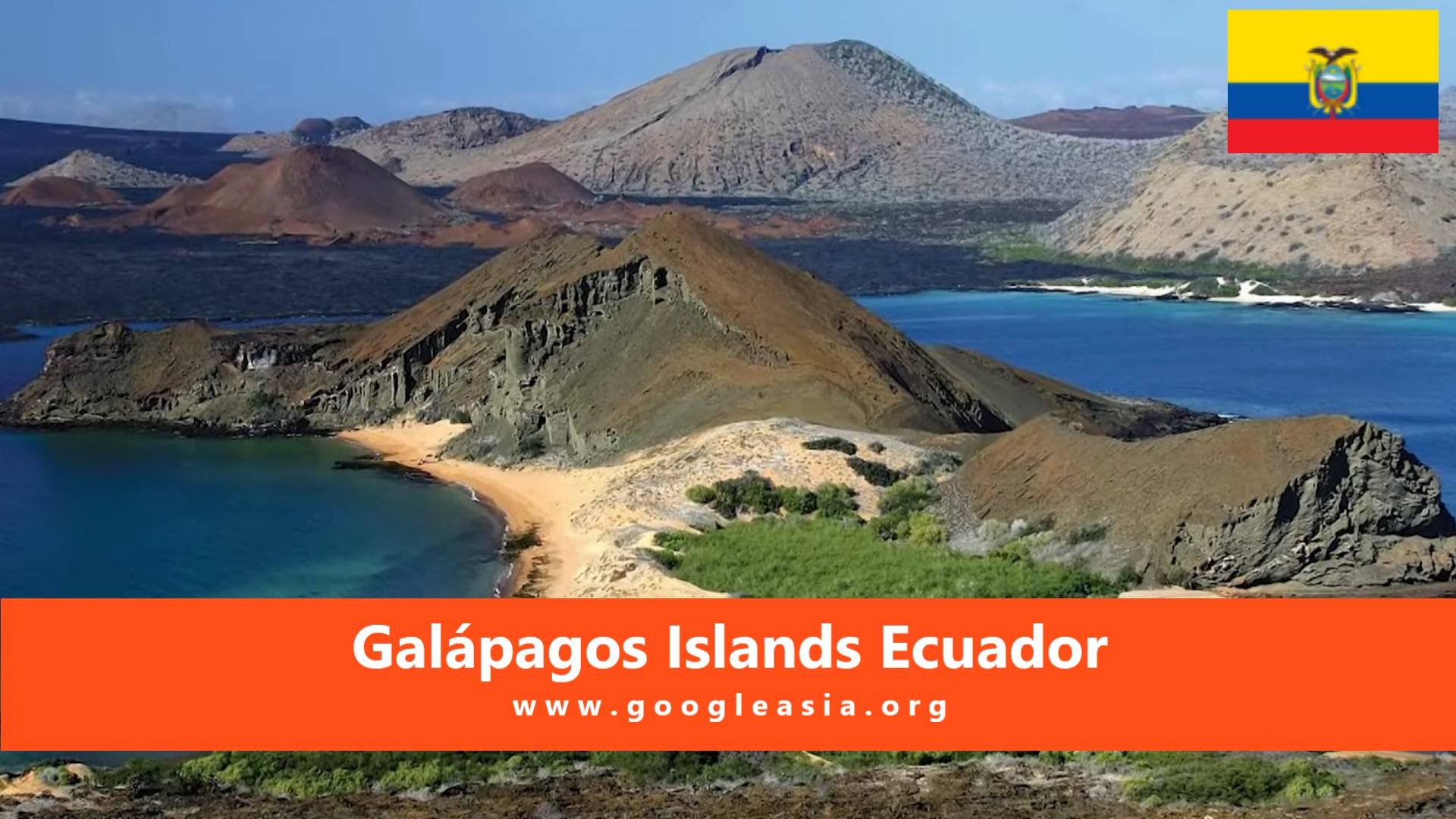
    The Galápagos Islands were born from volcanic activity millions of years ago. Each island showcases distinct volcanic features, from hot springs to spatter cones. The archipelago continues to evolve, offering a dynamic and constantly changing landscape.

    Diverse Wildlife: A Nature Lover’s Paradise

    The islands are home to endemic species found nowhere else in the world. These include giant tortoises, flightless cormorants, and Galápagos penguins. The biodiversity here offers a photographer’s paradise and opportunities for research and wildlife observation like no other place on Earth.

    Varied Geological Formations: From Lava to Life

    The islands’ landscapes range from volcanic craters to tuff cones and lava fields. These geological marvels are not only visually stunning but also provide essential insights into the forces of nature at work over millennia.

    Guidelines

    National Parks and Protected Areas

    Most of the Galápagos Islands are protected as national parks to preserve their fragile ecosystems. These conservation efforts are crucial in maintaining the islands’ natural habitats and ensuring that future generations can enjoy their beauty.

    Regulated Tourism: A Responsible Approach

    To safeguard the islands, tourism is strictly regulated. Permits are required for both tourists and researchers. Hunting and fishing are prohibited to protect the diverse and delicate ecosystems.

    Environmental Impact Awareness

    Tourists are encouraged to adopt responsible tourism practices, such as minimizing their ecological footprint and respecting local wildlife. This ensures that future generations can continue to experience the islands’ natural beauty.

    Things to Do

    Wildlife Exploration: Encounter the Unseen

    The Galápagos Islands are a wildlife haven, home to animals that have evolved in isolation over millions of years. Encounter giant tortoises, marine iguanas, and the iconic blue-footed boobies.

    • Special Feature: Snap unforgettable photos of creatures that are found nowhere else on Earth.

    Sea Kayaking and Snorkeling

    The warm waters of the Galápagos offer some of the world’s best snorkeling. Glide over coral reefs, swim alongside sea lions, and marvel at the vibrant marine life.

    • Tip: Sea kayaking offers a more intimate way to explore the coastal ecosystems.

    Visit Pristine Beaches

    The Galápagos is home to some of the most beautiful, secluded beaches. Picture turquoise waters, white sand, and gentle waves perfect for relaxing or watching wildlife.

    • Must-See: Gardner Bay, with its tranquil waters and playful sea lions.

    4. Snorkeling and Diving

    Dive into the deep blue and discover the underwater wonders of the Galápagos Marine Reserve. See hammerhead sharks, sea turtles, and schools of tropical fish.

    • Recommended Activity: Take a guided diving tour to explore the islands’ vibrant reefs.

    Island Cruises

    Embark on a day cruise to explore different islands and their unique ecosystems. Get a glimpse of diverse landscapes and observe endemic flora and fauna.

    • Insider Tip: Consider a multi-day cruise to fully immerse yourself in the islands’ beauty.

    Cooking Classes

    Join a cooking class to learn how to prepare local Ecuadorian dishes. From ceviche to grilled seafood, you’ll learn how to cook with fresh, local ingredients.

    • Bonus: Enjoy delicious tropical fruits and regional specialties.

    Volcanic Exploration

    For those seeking adventure, hiking to the summit of Sierra Negra Volcano on Isabela Island is a thrilling experience. Marvel at the volcanic calderas and spot endemic bird species along the way.

    • Highlight: The breathtaking panoramic views from the top are unforgettable.

    Off-Road Safaris

    Venture into the rugged, untouched parts of the islands on an exciting 4×4 safari tour. Observe giant tortoises and land iguanas up close as you explore areas few tourists visit.

    • Tip: This is the perfect activity for wildlife photography enthusiasts.

    Foods

    The Galápagos Islands not only offer natural wonders but also a delightful culinary experience. Here are some must-try dishes and local treats:

    Fresh Seafood Delights

    1. Red Snapper: Grilled to perfection, often served with lime and local herbs.
    2. Lobster with Garlic Butter: A succulent delicacy best enjoyed with local vegetables.

    Tropical Fruits Galore

    1. Mangoes, papayas, avocados, and star fruit grown on the islands offer fresh, vibrant flavors.

    Local Specialties

    1. Ceviche: Fresh fish marinated in lime, cilantro, and spices, ideal for a warm island day.
    2. Green Banana Soup: A comforting dish made with squash and yuca, offering rich, hearty flavors.

    Island Treats

    1. Grilled Cormorant: A unique local delicacy, perfect when paired with coconut rice.
    2. Plantains: Fried, baked, or mashed, they’re a versatile snack or side dish.

    Refreshing Island Flavors

    1. Coconut Water: Sip fresh coconut water directly from the fruit for a refreshing experience.

    Conclusion

    The Galápagos Islands are a treasure trove of natural wonders, wildlife, and cultural richness. From the striking volcanic landscapes to the one-of-a-kind species, every corner of the islands tells a story of the Earth’s evolution. Whether you’re an explorer, a nature lover, or someone in search of relaxation, the Galápagos Islands offer an experience you will never forget.

    Ready to explore the Galápagos Islands? Book your adventure today and start your unforgettable journey in this one-of-a-kind paradise. Don’t miss the chance to experience the unique beauty of the Galápagos Islands—a place that’s truly unlike anywhere else on Earth!

    Galápagos Islands Ecuador

    Summary

    • Attraction: Torres del Paine National Park
    • Country: Chile
    • Continent: South America
    • Capital City: Santiago
    • Official Language: Spanish
    • Currency: Chilean Peso
    • Nationality: Chilean
    • Category: #Destination #SouthAmerica #CHILE 

    Frequently Asked Questions

    Where is Galápagos Islands located?

    The Galápagos Islands are located in the Pacific Ocean, approximately 1,000 kilometers (620 miles) west of mainland Ecuador, South America. They are situated right on the equator, making them part of Ecuadorian territory. The archipelago consists of 18 main islands, 3 smaller islands, and 107 rocks and islets, all formed by volcanic activity.

    How to go to Galápagos Islands?

    Traveling to the Galápagos Islands typically involves several steps due to their remote location and specific regulations. Here’s a general guide on how to get to the Galápagos Islands from mainland Ecuador:

    1. Fly to Ecuador: Start by flying into Ecuador’s main international airport, which is located in Quito (Mariscal Sucre International Airport UIO) or Guayaquil (José Joaquín de Olmedo International Airport GYE). Most international flights arrive in these cities.
    2. Book a Flight to Galápagos: From Quito or Guayaquil, you’ll need to book a domestic flight to one of the Galápagos Islands’ main airports:
      • Baltra Island (Seymour Airport – GPS): Serves as the main gateway for flights to the central islands, including Santa Cruz.
      • San Cristóbal Island (San Cristóbal Airport – SCY): Offers flights to the eastern islands, including San Cristóbal itself. Flights to the Galápagos Islands are operated by a few Ecuadorian airlines such as LATAM Ecuador, Avianca Ecuador, and TAME. It’s advisable to book these flights well in advance, as they can fill up quickly, especially during peak tourist seasons.
    3. Entry Requirements: Before traveling to the Galápagos Islands, visitors must obtain a Galápagos Transit Control Card (TCT) and pay an entrance fee, which supports conservation efforts on the islands. These documents are usually arranged by your airline or tour operator and can also be paid for at the airport.
    4. Travel Packages and Tours: Many travelers opt to book travel packages or guided tours to the Galápagos Islands through tour operators. These packages often include flights, accommodations, guided tours, and sometimes meals, making it easier to navigate the islands and experience their unique wildlife and landscapes.
    5. Pack Accordingly: The Galápagos Islands have strict biosecurity regulations to protect their fragile ecosystem. Pack appropriate clothing for warm weather, comfortable walking shoes, sunscreen, and insect repellent. Be mindful of weight restrictions on flights to the islands for luggage and gear.
    6. Explore Islands: Once on the islands, you can explore different islands via guided tours, cruises, or by staying in accommodations on various islands. Each island offers unique wildlife and landscapes, so plan your itinerary accordingly to make the most of your visit.

    What are Galápagos Islands’s must-visit attractions or landmarks?

    The Galápagos Islands are renowned for their incredible biodiversity and unique natural landscapes, offering a variety of must-visit attractions and landmarks for travelers:

    1. Charles Darwin Research Station (Santa Cruz Island): This research facility is dedicated to conservation efforts and provides insight into the islands’ unique ecosystems. Visitors can learn about ongoing research and see giant tortoises up close.
    2. Galápagos Giant Tortoises: These iconic creatures are a must-see attraction. Several islands, including Santa Cruz and Isabela, have tortoise breeding centers where visitors can observe and learn about efforts to protect these endangered species.
    3. Snorkeling and Diving: The Galápagos Islands offer world-class snorkeling and diving opportunities. Highlights include swimming with sea lions, sea turtles, colorful fish, and encountering marine iguanas in their underwater feeding grounds.
    4. Volcanic Landscapes: Explore the unique volcanic landscapes of the islands, such as Sierra Negra Volcano on Isabela Island, which has one of the largest volcanic calderas in the world. Other volcanic formations, lava tubes, and craters offer spectacular hiking and sightseeing opportunities.
    5. Punta Espinosa (Fernandina Island): Known for its impressive colonies of marine iguanas, Punta Espinosa is a prime spot for wildlife viewing. Visitors can also see flightless cormorants, Galápagos penguins, and other seabirds along its rugged coastline.
    6. Bartolomé Island: Famous for its stunning viewpoint overlooking Pinnacle Rock, Bartolomé Island offers one of the most photographed landscapes in the Galápagos. Hike to the summit for panoramic views and snorkel in the clear waters around the island.
    7. Devil’s Crown (Floreana Island): This underwater volcanic crater is a popular snorkeling and diving site. It teems with marine life, including colorful fish, rays, and sharks. Snorkelers can explore the rim of the crater and witness the diversity of underwater species.
    8. Lava Tunnels (Santa Cruz Island): Visit Los Gemelos (The Twins), a pair of volcanic sinkholes, and explore lava tunnels formed by ancient volcanic activity. These tunnels provide a fascinating glimpse into the geological history of the islands.
    9. Darwin Bay (Genovesa Island): A birdwatcher’s paradise, Darwin Bay is home to large colonies of seabirds, including red-footed and Nazca boobies, frigatebirds, and swallow-tailed gulls. Hiking trails and breathtaking views await visitors exploring this remote island.
    10. Puerto Ayora (Santa Cruz Island): The largest town in the Galápagos, Puerto Ayora offers opportunities to visit local markets, shops, and restaurants. It’s also a hub for boat tours, day trips to nearby attractions, and excursions to nearby highlands for giant tortoise sightings.

    Is Galápagos Islands a suitable travel destination for solo adventurers, honeymooning couples, or those traveling with families?

    The Galápagos Islands are a versatile travel destination that can cater to a variety of travelers, each with different interests and preferences:

    1. Solo Adventurers: The Galápagos Islands offer numerous opportunities for solo adventurers to explore and experience its unique biodiversity. Joining guided tours, snorkeling excursions, and hiking trails allows solo travelers to immerse themselves in nature while meeting like-minded individuals. Safety and planning are essential, especially for activities like snorkeling and hiking.
    2. Honeymooning Couples: The Galápagos Islands can be an ideal destination for honeymooning couples seeking a blend of adventure, relaxation, and romance. Luxury cruises or stays in upscale eco-lodges provide intimate settings amidst stunning natural landscapes. Couples can enjoy activities like snorkeling with sea lions, sunset cruises, and private beach picnics, creating memorable experiences together.
    3. Families: Traveling with families to the Galápagos Islands offers educational and adventurous opportunities for children and adults alike. Many tours and accommodations cater to families, providing activities suitable for kids such as easy nature walks, snorkeling in shallow waters, and visits to wildlife breeding centers. Learning about conservation efforts and observing unique wildlife species can be enriching experiences for children.

    Why should you visit Galápagos Islands?

    Visiting the Galápagos Islands offers a plethora of compelling reasons that make it a unique and captivating travel destination:

    1. Extraordinary Biodiversity: The Galápagos Islands are renowned for their unparalleled biodiversity, with species found nowhere else on Earth. It’s a living laboratory where visitors can encounter iconic wildlife such as giant tortoises, marine iguanas, blue-footed boobies, and Galápagos penguins.
    2. Unique Wildlife Encounters: The islands offer incredible opportunities for up-close wildlife encounters. Snorkel with playful sea lions, swim alongside sea turtles, and observe marine iguanas feeding underwater. Land excursions allow visitors to witness endemic species in their natural habitats, offering unparalleled photo opportunities.
    3. Natural Landscapes: From volcanic craters and lava tunnels to pristine beaches and lush highlands, the Galápagos Islands boast diverse and dramatic landscapes. Each island offers distinct geological features, providing scenic vistas and opportunities for hiking, photography, and exploration.
    4. Charles Darwin’s Legacy: The Galápagos Islands played a pivotal role in Charles Darwin’s theory of evolution. Visiting the Charles Darwin Research Station provides insights into ongoing conservation efforts and allows visitors to learn about the islands’ unique ecosystems and endemic species.
    5. Sustainable Tourism: The Galápagos Islands prioritize conservation and sustainable tourism practices. Visitors can support local communities and conservation initiatives while experiencing the islands’ natural beauty responsibly.
    6. Adventure Activities: Whether snorkeling in crystal-clear waters, diving among marine life, kayaking along rugged coastlines, or hiking volcanic trails, the Galápagos Islands offer a wide range of adventurous activities for outdoor enthusiasts.
    7. Educational Opportunities: The Galápagos Islands provide educational experiences for all ages. Guided tours, naturalist-led excursions, and interactive exhibits at visitor centers offer insights into the islands’ geology, ecology, and conservation challenges.
    8. Remote and Serene Atmosphere: Despite their popularity, parts of the Galápagos Islands remain remote and pristine. Away from tourist hubs, visitors can experience tranquility and solitude while connecting with nature in its purest form.
    9. Cultural Experiences: Interactions with local communities and visits to small towns provide cultural insights into Galápagos life. Sample local cuisine, visit markets, and learn about the islands’ history and traditions from residents.
    10. Bucket-List Destination: For many travelers, visiting the Galápagos Islands is a once-in-a-lifetime experience. Its unparalleled natural beauty, unique wildlife, and evolutionary significance make it a destination that captivates and inspires visitors from around the globe.

    Is it difficult to find halal food in Galápagos Islands?

    Finding halal food in the Galápagos Islands can be quite challenging due to the remote and predominantly non-Muslim population of the islands. Here are some considerations:

    1. Limited Availability: The Galápagos Islands primarily cater to tourists interested in ecotourism and wildlife, with a focus on local cuisine and seafood. Halal-specific food options are typically not widely available due to the small local population and limited diversity in culinary offerings.
    2. Special Requests: Travelers following a halal diet may consider contacting accommodations or tour operators in advance to inquire about dietary options. Some establishments may be able to accommodate requests for vegetarian meals or dishes without pork or alcohol, although halal-certified options may still be limited.
    3. Packaged Foods: To ensure dietary needs are met, travelers may choose to bring packaged halal foods or snacks from mainland Ecuador. This can be especially important for maintaining dietary requirements during excursions and tours where dining options are limited.
    4. Flexibility: Being flexible with dietary choices, such as opting for vegetarian dishes or seafood, can expand dining options in local restaurants. While not halal-certified, these options may align closer with halal dietary principles.
  • Discovering Pichilemu, Chile: The Surf Capital and More

    Discovering Pichilemu, Chile: The Surf Capital and More

    Pichilemu, Chile

    Pichilemu Chile is a stunning coastal city offering a unique and exciting experience for visitors of all ages. The beautiful beaches of Pichilemu are renowned for their surfing, offering a wide variety of conditions for all levels of surfers. There is also a diverse range of activities for visitors to enjoy, such as horseback riding, whale-watching, hiking through the nearby national parks, and naturally, taking in the spectacular views from the nearby cliffs of La Ligua.

    With its charming cobblestone streets and brightly coloured buildings, this location is an ideal destination for those looking for a cultural holiday, as the city is known for its gastronomy, vibrant nightlife and festivals. With its coastal beauty, diverse activities, mesmerizing beaches and rich culture, Pichilemu is the perfect destination for a Chilean holiday.

    Pichilemu is a city in central Chile known as the “Capital of Surfing in Chile”. With its beautiful beaches, unique culture and vibrant nightlife, this is a must-visit destination for anyone looking for an exciting and unforgettable experience. Its diverse activities, from surfing to paragliding, make this attraction a paradise for outdoor enthusiasts. From the tranquil beauty of its beaches to the lively celebrations of its festivals, Pichilemu has something for everyone!

    Introduction

    Historical Insights

    Pichilemu, nestled on Chile’s southern coast, boasts a rich historical legacy dating back to its days as a bustling colonial trading port.

    • Colonial Heritage: Once a pivotal trading hub, Pichilemu retains colonial architecture and cultural remnants.
    • Cultural Significance: Historical landmarks and local festivals celebrate its vibrant past.

    Notable Historical Landmarks:

    • Iglesia de la Merced: A historic church showcasing colonial architecture and religious significance.
    • La Puntilla: The site of ancient wharves, offering insights into Pichilemu’s maritime history.

    Natural Beauty and Beaches

    Pichilemu’s allure extends beyond its historical and adventure offerings, encompassing pristine beaches and scenic landscapes.

    • Punta de Lobos: Internationally acclaimed surf spot, renowned for its powerful waves.
    • Playa Principal: A central beach offering sunbathing, swimming, and beachfront dining options.
    • Cahuil Salt Flats: Unique natural formations ideal for photography and birdwatching.

    Hidden Gems:

    • Pichilemu Lagoon: A tranquil oasis for birdwatching and peaceful retreats.
    • Cardenal Caro Park: Green spaces ideal for picnics and leisurely strolls.

    Things to Do

    Surfing

    Pichilemu is renowned as Chile’s premier surfing destination, attracting surfers from around the globe.

    • Surfing Spots: Explore world-class waves at beaches like Punta de Lobos and Infiernillo.
    • Surf Schools: Perfect for beginners to learn from experienced instructors in a scenic setting.
    • Surfing Competitions: Witness or participate in local and international surfing events.

    Tips for Surfing in Pichilemu:

    • Best Seasons: Prime surfing conditions typically occur during Chile’s winter months (April to October).
    • Equipment Rental: Rent surfboards and wetsuits conveniently available near popular surf spots.

    Explore Punta de Lobos

    Punta de Lobos offers more than just great waves; it’s a haven for nature enthusiasts and beach lovers.

    • Wildlife Viewing: Spot dolphins, sea lions, and penguins along the coastline.
    • Photography: Capture stunning views of the Pacific Ocean and rugged coastal landscapes.
    • Relaxation: Enjoy the serene atmosphere and gentle sea breeze on this iconic beach.

    Museums

    Discover the cultural heritage of Pichilemu through its diverse museums.

    • Museo de Pichilemu: Learn about the city’s history, from its indigenous roots to its colonial past.
    • José Francisco Vergara Museum: Explore artifacts and exhibits highlighting local history and traditions.
    • Art Museum: Appreciate contemporary and traditional Chilean art exhibitions.

    Must-See Exhibits:

    • Historical Artefacts: Ancient artifacts and documents showcasing Pichilemu’s evolution.
    • Local Artistry: Paintings, sculptures, and crafts depicting regional culture and landscapes.

    Hiking Adventures

    Embark on outdoor adventures amidst Pichilemu’s natural beauty.

    • Cerro Puntano: Hike to the summit for panoramic views of the coast and surrounding hills.
    • Altos del Hurtado: Explore diverse ecosystems and native flora along well-marked trails.
    • Photography Opportunities: Capture breathtaking sunsets and wildlife encounters during hikes.

    Hiking Tips:

    • Trail Difficulty: Choose trails suitable for your fitness level, ranging from leisurely walks to more challenging hikes.
    • Safety Precautions: Wear appropriate footwear, carry water and snacks, and be mindful of weather conditions.

    Festivals and Events

    Experience the vibrant spirit of Pichilemu through its lively festivals and events.

    • Rodeos: Witness traditional Chilean rodeo competitions showcasing horsemanship and local traditions.
    • Music Festivals: Enjoy live music performances featuring traditional and contemporary Chilean artists.
    • Cultural Celebrations: Participate in religious festivals and cultural events throughout the year.

    Festival Highlights:

    • Feasts and Fairs: Sample local cuisine, crafts, and traditional dances during festive celebrations.
    • Community Engagement: Engage with locals and learn about Chilean customs and traditions.

    Foods

    Pichilemu, Chile, offers a rich tapestry of flavors, blending traditional dishes with fresh coastal ingredients.

    Empanadas

    Empanadas are a staple in Pichilemu’s culinary scene, perfect for a quick bite or a leisurely meal.

    • Ingredients: Filled with a savory mixture of potatoes, onions, and seasoned beef or seafood.
    • Preparation: Handcrafted and baked to golden perfection, showcasing local culinary expertise.
    • Varieties: Explore different fillings and regional variations across local bakeries and restaurants.

    Tips for Enjoying Empanadas:

    • Pairing: Enjoy with a glass of Chilean wine or a refreshing local beer for a complete experience.
    • Best Locations: Seek out traditional bakeries and street vendors for authentic empanada experiences.

    Curanto

    Curanto embodies Pichilemu’s coastal heritage, featuring an array of seafood cooked in a unique clay pot.

    • Ingredients: Fresh seafood such as clams, mussels, and fish, combined with potatoes and local herbs.
    • Cooking Method: Slow-cooked underground or in a traditional clay pot, enhancing flavors and textures.
    • Cultural Significance: Often shared during festive gatherings, reflecting community and culinary traditions.

    Pastel de Choclo

    Pastel de Choclo is a beloved Chilean dish, celebrated for its comforting flavors and satisfying texture.

    • Composition: Layers of ground corn, meat (often chicken or beef), onions, and hard-boiled eggs.
    • Baking: Baked until golden brown, imparting a delicious crust and melding flavors together.
    • Accompaniments: Often served with a side of ensalada chilena (Chilean salad) for a balanced meal.

    Serving Suggestions:

    • Seasonal Variations: Enjoy variations featuring local ingredients and seasonal produce.
    • Family Favorites: Often prepared for gatherings and special occasions, offering a taste of home-cooked comfort.

    Caldillo de Congrio

    Caldillo de Congrio highlights Chile’s rich seafood bounty, featuring the conger eel in a hearty stew.

    • Ingredients: Conger eel simmered with tomatoes, onions, potatoes, and seasoned with spices.
    • Broth: Savory and aromatic, perfect for warming up after a day by the sea.
    • Local Flavor: Reflects the coastal traditions and culinary expertise of Pichilemu.

    Torta de Avellanas

    Torta de Avellanas offers a sweet conclusion to a meal, showcasing Chilean flavors with hazelnuts and dulce de leche.

    • Ingredients: Layers of hazelnut cake filled with creamy dulce de leche.
    • Texture: Nutty and rich, complemented by the caramel sweetness of dulce de leche.
    • Popular Choice: Enjoyed during celebrations and as a treat for special occasions.

    Dessert Delights:

    • Local Bakeries: Discover artisanal variations and fresh twists on traditional desserts.
    • Pairings: Enjoy with a cup of Chilean coffee or a dessert wine for a delightful ending to a meal.

    Hotels

    La Casa Verde Hotel and Apartments (Punta de Lobos)

    Located in Punta de Lobos, La Casa Verde Hotel and Apartments offers a tranquil retreat with direct access to one of Pichilemu’s most famous beaches.

    • Accommodation: Comfortable rooms and apartments with ocean views and modern amenities.
    • Location: Ideal for surf enthusiasts and beachgoers seeking a peaceful atmosphere.
    • Facilities: On-site restaurant, outdoor terrace, and personalized guest services.

    Refugio de Piedra Pública (Punta de Lobos)

    Refugio de Piedra Pública provides a unique lodging experience amidst Punta de Lobos’ natural beauty and surfing paradise.

    • Accommodation: Cozy rooms and cottages crafted with local stone and wood, offering a rustic charm.
    • Scenic Views: Spectacular views of the coastline and sunsets over the Pacific Ocean.
    • Activities: Surf lessons, yoga sessions, and guided nature walks available for guests.

    Hostal & Altozano Hotel

    Hostal & Altozano Hotel offers a central location in Pichilemu, perfect for exploring the city’s attractions and beaches.

    • Accommodation: Budget-friendly rooms and suites with essential amenities for a comfortable stay.
    • Convenience: Close proximity to restaurants, shops, and cultural landmarks.
    • Hospitality: Friendly service and local insights from knowledgeable staff.

    Hotel Las Cardas

    Hotel Las Cardas provides a cozy retreat with a focus on comfort and relaxation in the heart of Pichilemu.

    • Accommodation: Spacious rooms and suites designed for leisure travelers and families.
    • Amenities: On-site restaurant serving Chilean cuisine, lounge area, and garden terrace.
    • Location: Easy access to nearby beaches and recreational activities.

    Hotel La Cantuta

    Hotel La Cantuta offers a blend of modern comfort and traditional hospitality in Pichilemu.

    • Accommodation: Stylish rooms and suites with contemporary furnishings and panoramic views.
    • Services: Spa treatments, fitness center, and gourmet dining options available.
    • Ambiance: Tranquil setting amidst lush gardens, perfect for relaxation after a day of exploring.

    Hostal del Cerro de La Virgen

    Hostal del Cerro de La Virgen provides a peaceful retreat with scenic views of Pichilemu’s coastal landscapes.

    • Accommodation: Comfortable rooms and cabins with private balconies or terraces overlooking the ocean.
    • Activities: Hiking trails nearby, birdwatching, and cultural tours arranged by the hostel.
    • Personalized Service: Family-friendly atmosphere with personalized attention to guests’ needs.

    Patrimonio Pelicano Boutique Hotel

    Patrimonio Pelicano Boutique Hotel offers boutique accommodation with a focus on luxury and personalized service.

    • Accommodation: Elegant suites and rooms decorated with local artwork and craftsmanship.
    • Facilities: Rooftop terrace with panoramic views, spa services, and fine dining restaurant.
    • Exclusive Experience: Ideal for couples and honeymooners seeking a romantic getaway.

    Brisas del Mar Bungalows & Suites

    Brisas del Mar Bungalows & Suites provides spacious accommodations with a home-away-from-home feel near Pichilemu’s beaches.

    • Accommodation: Bungalows and suites equipped with kitchenettes, perfect for extended stays.
    • Family-Friendly: Playground area, BBQ facilities, and gardens for outdoor enjoyment.
    • Location: Peaceful setting away from the hustle and bustle, yet close to local amenities.

    Hostel Oceano Azul

    Hostel Oceano Azul offers affordable lodging with a focus on community and outdoor activities in Pichilemu.

    • Accommodation: Dormitory-style rooms and private rooms catering to budget-conscious travelers.
    • Community Vibes: Common areas for socializing, shared kitchen facilities, and organized excursions.
    • Surfing Culture: Embraces Pichilemu’s surf culture with surfboard rentals and lessons available.

    Refugio Aguas Frias

    Refugio Aguas Frias provides a secluded retreat surrounded by nature, perfect for eco-conscious travelers.

    • Accommodation: Eco-friendly cabins and lodges blending into the natural landscape.
    • Activities: Hiking trails, birdwatching, and opportunities for relaxation in natural hot springs.
    • Sustainability: Focuses on sustainable practices and environmental conservation.

    Conclusion

    Choosing one of these hotels ensures a comfortable and memorable stay while exploring the beauty and attractions of Pichilemu, Chile. Whether you seek luxury, convenience, or a connection with nature, these accommodations cater to diverse preferences and ensure a delightful experience on Chile’s central coast.

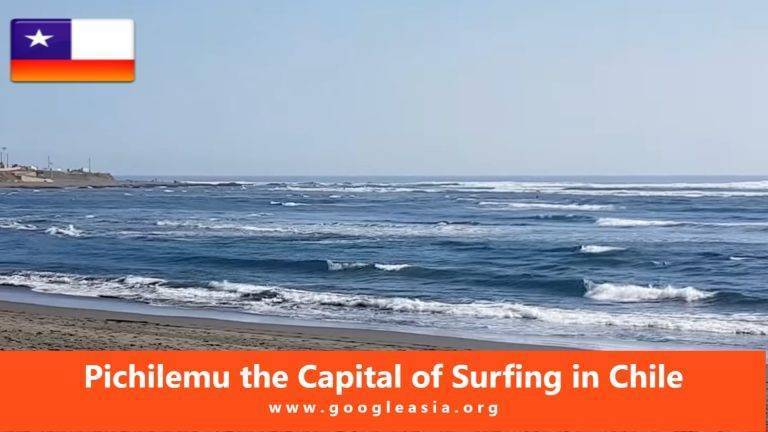
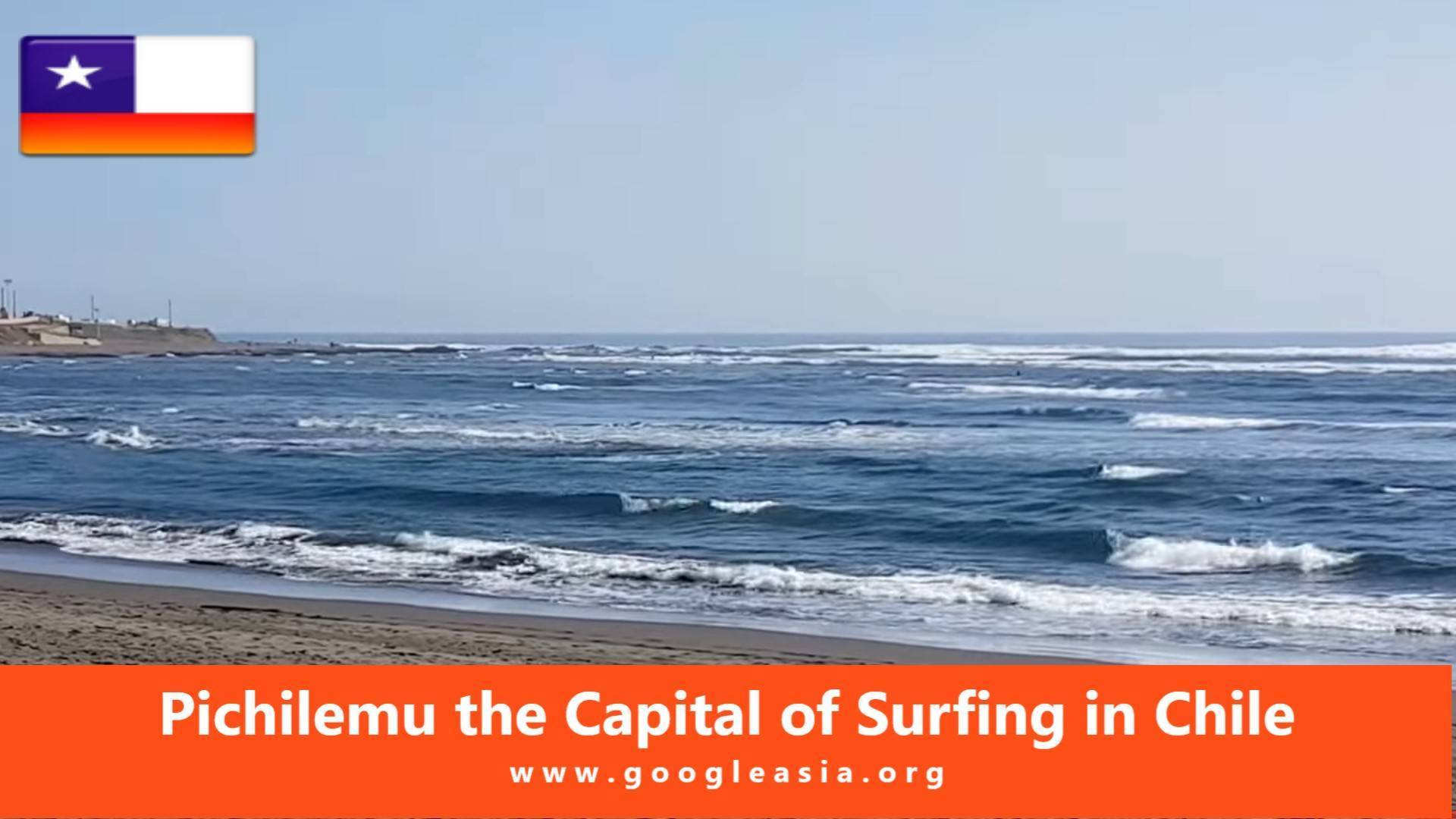
    Pichilemu the Capital of Surfing in Chile

    Summary

    • Attraction: Pichilemu
    • Country: Chile
    • Continent: South America
    • Capital Name: Santiago
    • Language: Spanish
    • Currency: Chilean Peso
    • Nationality: Chilean
    • Category: #Destination #SouthAmerica #CHILE 

    Frequently Asked Questions

    Where is Pichilemu located?

    Pichilemu is a coastal town located in central Chile. It is situated in the O’Higgins Region, specifically in the Cardenal Caro Province. Pichilemu is about 200 kilometers (approximately 124 miles) southwest of Santiago, the capital of Chile. The town is renowned for its beautiful beaches and is particularly famous for its excellent surfing conditions, attracting surfers from around the world.

    How to go to Pichilemu?

    To travel to Pichilemu from Santiago, you have several options:
    By Car:

    • Route: Drive south on Route 5 (Pan-American Highway) from Santiago.
    • Exit: Take the exit toward San Fernando (Ruta 90) and follow the signs to Pichilemu.
    • Drive Time: The journey is approximately 3-4 hours, depending on traffic and road conditions.

    By Bus:

    • Bus Companies: Several bus companies offer direct services from Santiago to Pichilemu, such as Nilahue and Pullman del Sur.
    • Departure Points: Buses typically depart from Terminal Alameda or Terminal San Borja in Santiago.
    • Travel Time: The bus journey takes approximately 3-4 hours.
    • Tickets: It’s advisable to book tickets in advance, especially during weekends and holidays.

    By Train and Bus:

    • Train: Take a train from Santiago’s Estación Central to San Fernando.
    • Bus: From San Fernando, take a bus to Pichilemu.
    • Travel Time: The combined journey by train and bus can take around 4-5 hours.

    By Private Transfer:

    • Booking: You can book a private transfer or a shuttle service from Santiago to Pichilemu.
    • Comfort: This option provides convenience and comfort, with door-to-door service.
    • Travel Time: The journey by private transfer takes approximately 3 hours.

    What are Pichilemu’s must-visit attractions or landmarks?

    Pichilemu, a charming coastal town in Chile, offers several must-visit attractions and landmarks that highlight its natural beauty, cultural heritage, and vibrant surf culture. Here are some of the key places to explore:

    1. Punta de Lobos:

    • Surfing Paradise: Known internationally for its exceptional waves, Punta de Lobos attracts surfers from around the world.
    • Scenic Views: Offers stunning coastal views and is a great spot for photography and enjoying sunsets.

    2. Playa Principal (Main Beach):

    • Central Beach: The main beach in Pichilemu, perfect for sunbathing, swimming, and beach activities.
    • Surf Schools: Ideal for beginners to take surfing lessons with local instructors.

    3. Pichilemu Plaza de Armas:

    • Central Square: Heart of the town with a mix of colonial and modern architecture.
    • Local Culture: Visit cafes, restaurants, and shops around the square to experience local life.

    4. Pichilemu Municipal Market:

    • Fresh Produce: Explore the market for local fruits, vegetables, seafood, and artisan crafts.
    • Culinary Delights: Try traditional Chilean dishes and seafood delicacies.

    5. Casa de la Cultura de Pichilemu:

    • Cultural Center: Learn about the history and culture of Pichilemu through exhibitions and events.

    6. Mirador Cahuil:

    • Viewpoint: Offers panoramic views of Cahuil Beach and the surrounding coastline.
    • Salt Flats: Nearby, visit the salt flats and learn about the traditional salt production methods.

    7. Pueblo de Cahuil:

    • Traditional Village: Explore this quaint fishing village known for its traditional culture and cuisine.
    • Ostiones (Oyster Farms): Try fresh oysters from the local farms.

    8. Museo del Mar (Sea Museum):

    • Marine Life: Discover exhibits showcasing the region’s marine biodiversity and fishing heritage.

    9. Pichilemu Lighthouse (Faro Punta de Pichilemu):

    • Historic Landmark: Climb the lighthouse for panoramic views of Pichilemu and the Pacific Ocean.

    10. Outdoor Activities:Hiking and Nature: Explore nearby hills and nature reserves for hiking and wildlife spotting. – Water Sports: Besides surfing, enjoy activities like kayaking, paddleboarding, and fishing.

    11. Nightlife and Gastronomy:Restaurants and Bars: Experience local cuisine, seafood, and nightlife options around town.
    Pichilemu’s blend of natural beauty, outdoor activities, cultural richness, and surf culture makes it a delightful destination for travelers seeking relaxation, adventure, and unique experiences along Chile’s Pacific coast.

    Is Pichilemu a suitable travel destination for solo adventurers, honeymooning couples, or those traveling with families?

    Pichilemu offers something for various types of travelers, making it a suitable destination for solo adventurers, honeymooning couples, and families alike:
    Solo Adventurers:

    • Surfing: Punta de Lobos is renowned for its world-class waves, attracting solo surfers seeking adventure and challenge.
    • Outdoor Activities: Solo travelers can enjoy hiking, exploring nature reserves, and engaging in water sports like kayaking and paddleboarding.
    • Local Culture: The town’s vibrant surf culture, local markets, and cultural events provide opportunities to connect with locals and other travelers.

    Honeymooning Couples:

    • Romantic Beaches: Pichilemu’s beautiful beaches, such as Playa Principal, offer a picturesque setting for romantic walks and sunset views.
    • Private Accommodations: Several boutique hotels and lodges provide intimate settings and luxurious amenities for couples.
    • Culinary Experiences: Enjoying fresh seafood and local cuisine at seaside restaurants adds to the romantic ambiance.

    Families:

    • Beach Activities: Playa Principal is ideal for family-friendly activities like swimming, building sandcastles, and beach games.
    • Surf Lessons: Surf schools cater to beginners of all ages, making it a fun family activity.
    • Cultural Exploration: Visiting local markets, museums like Museo del Mar, and the town’s Plaza de Armas offers educational experiences for children.
    • Outdoor Adventures: Families can explore nature reserves, go horseback riding, or visit nearby villages like Cahuil for a taste of rural life.

    Why should you visit Pichilemu?

    You should visit Pichilemu for several compelling reasons that highlight its unique charm and appeal:

    1. Surfing Paradise: Pichilemu is internationally renowned for its exceptional surfing conditions, especially at Punta de Lobos. Surfers from around the world flock here to ride the famous waves, making it a must-visit destination for surf enthusiasts.
    2. Natural Beauty: The town boasts beautiful beaches, dramatic cliffs, and stunning coastal landscapes. Whether you’re relaxing on Playa Principal or exploring the rugged coastline, Pichilemu offers breathtaking scenery.
    3. Vibrant Surf Culture: Embrace the laid-back surf culture that permeates Pichilemu. You’ll find surf schools, local surf shops, and a community of surfers who embody the town’s lively and welcoming spirit.
    4. Outdoor Activities: Beyond surfing, Pichilemu offers a range of outdoor activities such as hiking, horseback riding, kayaking, and paddleboarding. Nature lovers and adventure seekers will find plenty to do amidst the region’s natural beauty.
    5. Cultural Experiences: Explore Pichilemu’s rich cultural heritage through visits to local markets, the Casa de la Cultura, and the Museo del Mar. Learn about the town’s fishing history, marine life, and traditional crafts.
    6. Relaxation and Beach Life: Enjoy laid-back days soaking up the sun on Pichilemu’s beaches, where you can unwind, swim, or simply enjoy the coastal scenery. The town offers a relaxed atmosphere perfect for unwinding and rejuvenating.
    7. Gastronomic Delights: Indulge in fresh seafood, traditional Chilean cuisine, and local delicacies at seaside restaurants and cafes. Pichilemu’s culinary scene reflects its coastal location, offering flavorful dishes that highlight the region’s seafood and produce.
    8. Adventure and Exploration: Whether you’re exploring nearby villages like Cahuil or embarking on scenic hikes, Pichilemu invites you to discover its hidden gems and scenic viewpoints.
    9. Romantic Getaway: For couples, Pichilemu provides a romantic setting with its stunning sunsets, secluded beaches, and intimate accommodations. It’s an ideal destination for a romantic escape along Chile’s Pacific coast.
    10. Stargazing: With its clear skies and limited light pollution, Pichilemu offers excellent opportunities for stargazing. Enjoy the spectacle of the night sky, perfect for astronomy enthusiasts or anyone looking to marvel at the stars.

    Is there any halal food available in the vicinity of the Pichilemu?

    Finding halal food in Pichilemu might be challenging due to its location and the predominant local cuisine, which focuses largely on seafood and traditional Chilean dishes. However, here are some suggestions to manage halal dietary requirements while visiting:

    1. Self-Catering: Consider staying in accommodations with kitchen facilities, such as vacation rentals or apartments. This allows you to prepare your own meals using halal ingredients brought from larger cities or purchased locally.
    2. Vegetarian Options: Many restaurants in Pichilemu offer vegetarian dishes, which can be a good alternative when halal meat is not available. Ensure to inquire about the preparation methods to avoid cross-contamination.
    3. Seafood: Since Pichilemu is known for its fresh seafood, you can opt for seafood dishes such as grilled fish or seafood stew, which are generally easier to find and may align with halal dietary principles.
    4. Local Markets: Explore local markets like the Pichilemu Municipal Market for fresh fruits, vegetables, and other halal-friendly ingredients. This allows you to create meals suited to your dietary needs.
    5. Communication: When dining out, communicate your dietary restrictions clearly to restaurant staff. They may be able to offer customized options or suggest dishes that meet your requirements.
  • Chiloe National Park, Chile: A Natural Wonderland

    Chiloe National Park, Chile: A Natural Wonderland

    Chiloe National Park, Chile

    Chiloe National Park Chile is one of the most stunning natural parks in South America. It is the largest protected area in the country and is home to some of the world’s most spectacular coastal scenery, lush natural forests, spectacular wetlands, and iconic creatures such as the Chucao Tapaculo – Chile’s national bird. Visitors can explore the park’s rugged coastline and pristine wilderness on foot; take up some of the 20 hiking trails; or experience the park’s remote beauty from the air on canoe or boat.

    For those looking for a special experience, an overnight stay in a specially designed eco-lodge gives unique insight into the park’s unique landscape and culture. Chiloe National Park Chile is a perfect place for those seeking adventure, relaxation, nature and cultural discovery.

    Chiloe National Park is a stunning nature reserve in Chile, protecting a unique archipelago of over 40 islands and islets, as well as temperate rainforest and pristine coastal scenery. A true paradise for wildlife, the park offers a range of diverse habitats for its rich biodiversity.

    Introduction

    Chiloe National Park, located in the Los Lagos region of Chile, is a jewel of natural beauty and ecological diversity. It stands as the first national park in Chile to be designated by UNESCO as a World Biosphere Reserve, highlighting its global significance. Covering an area of 86,660 acres, this park is not only the second largest in Chile but also one of the most unique, situated on the eastern coast of Chiloé Island amidst the breathtaking Patagonian fjords.

    Unique Ecosystems and Biodiversity

    Diverse Forests and Ecosystems

    • Temperate and Subpolar Forests: Chiloe National Park is renowned for its rich array of temperate and subpolar forests. These forests are characterized by ancient trees, lush undergrowth, and a complex web of life that supports a diverse range of flora and fauna.
    • Rare Plant Species: The park is home to many rare plant species, including the endemic Chilean cypress and the Andean beech. These plants contribute to the park’s unique ecological balance.

    Bird Watching Paradise

    • Over 200 Bird Species: Bird enthusiasts will find Chiloe National Park a paradise, with over 200 species of birds, some of which are endemic to the region. Notable species include the Magellanic woodpecker, the Andean condor, and the Chilean snipe.
    • Ideal Bird Watching Locations: The park offers several prime locations for bird watching, including the lush forests and wetlands where many species can be observed in their natural habitat.

    Marine Life and Activities

    Marine Animals

    • Sea Lions and Dolphins: The coastal areas of Chiloe National Park are frequented by marine mammals such as sea lions and dolphins. These creatures can often be spotted while exploring the park’s coastal regions.
    • Fishing and Whale Watching: The park’s surrounding waters are known for their rich marine life, making them excellent spots for fishing and whale watching. Visitors can enjoy guided tours to experience these activities up close.

    Practical Information for Visitors

    Access and Facilities

    • Getting There: Chiloe National Park is accessible by road from the city of Ancud on Chiloé Island. Visitors can also reach the park via ferry services that connect Chiloé Island with the mainland.
    • Visitor Centers: The park has visitor centers that provide information, maps, and guidance on trails and activities. They are also useful for learning about the park’s wildlife and conservation efforts.

    Tips for a Great Visit

    • Weather: The weather in Chiloe National Park can be unpredictable, so visitors should come prepared for rain and varying temperatures. Dressing in layers and bringing waterproof gear is recommended.
    • Guided Tours: For an enriching experience, consider joining guided tours that offer insights into the park’s ecology, history, and wildlife.

    Things to Do

    Chiloe National Park, nestled in southern Chile near Chiloe Island, is a haven for nature lovers seeking adventure and serenity amidst stunning landscapes and diverse wildlife.

    Outdoor Adventures and Scenic Trails

    Hiking Trails

    • Scenic Routes: Chiloe National Park offers a range of hiking trails that provide stunning views of the park’s diverse landscapes. Trails vary in difficulty, catering to both casual hikers and experienced trekkers.
    • Popular Trails: Some of the most popular trails include the Cascadas de Río Colaco and the Sendero de los Alerces, which lead to spectacular waterfalls and ancient forests.

    Scenic Views

    • Panoramic Vistas: The park’s hiking trails and viewpoints offer panoramic vistas of the Patagonian fjords and the surrounding island landscapes. These breathtaking views make for memorable experiences and excellent photo opportunities.

    Wildlife Watching

    • Birdwatching: With over 100 bird species, including the Chucao Tapaculo and Magellanic Woodpecker, Chiloe National Park is a paradise for bird enthusiasts. Coastal species like cormorants and gulls abound.
    • Marine Life: Spot dolphins, sea lions, and during migration seasons, the majestic blue whale along the park’s coastal waters.

    Kayaking Adventures

    • Coastal Exploration: Paddle through secluded coves and along rugged coastlines, discovering hidden corners of Chiloe National Park. Guided tours offer insights into marine ecology and opportunities for fishing.

    Swimming

    • Beachside Bliss: Enjoy a refreshing swim in the mild waters of Chiloe’s pristine beaches, perfect for relaxation after a day of exploration amidst nature’s splendor.

    Horseback Riding

    • Scenic Rides: Experience the park’s natural beauty from a unique perspective on horseback. Traverse ancient forests, coastal trails, and panoramic viewpoints for breathtaking vistas.

    Picnicking

    • Savor Nature: Numerous scenic spots beckon for picnics amidst the tranquility of Chiloe National Park. Enjoy local delicacies while soaking in the sights and sounds of the forest.

    Camping

    • Overnight Adventures: Choose from several well-equipped campsites within the park to immerse yourself fully in its serene atmosphere. Wake up to birdsong and the rustling of trees, ready for another day of exploration.

    Foods

    Marinated Mussels

    Marinated mussels are a highlight among the seafood offerings at Chiloé National Park. Known for their tender texture and savory marinade, these mussels are a perfect introduction to the flavors of the Chilean coast.

    • Preparation: The mussels are carefully marinated with a blend of local herbs and spices, enhancing their natural brininess.
    • Recommended Dish: Pair marinated mussels with a crisp white wine for a delightful dining experience.

    Curanto: Traditional Feast from Chiloé

    Curanto is a cherished dish in Chiloé, celebrated for its rich blend of shellfish, seafood, and local potatoes. This hearty meal is traditionally prepared in a hole in the ground, offering a unique culinary experience.

    • Ingredients: Typically includes shellfish like clams, mussels, and seafood such as fish or sausage, all layered with potatoes and wrapped in nalca leaves.
    • Cooking Method: Slow-cooked underground, infusing flavors and creating a tender, aromatic dish.
    • Cultural Significance: Curanto is often shared during celebrations, reflecting Chiloé’s cultural heritage.

    Variations of Curanto:

    • Pulmay: A variant where ingredients are cooked in a pot instead of underground.
    • Chapalele: Dumplings made from potatoes and wheat flour, served alongside curanto.

    Smoked Fish

    Smoked fish is another culinary delight at Chiloé National Park, offering a taste of the region’s artisanal smoking techniques.

    • Selection: Varieties may include salmon, trout, or mackerel, smoked to perfection using traditional methods.
    • Flavor Profile: The smoking process imparts a smoky aroma and a rich, nuanced flavor to the fish.
    • Popular Preparation: Often served as a standalone dish or incorporated into salads or pastries.

    Tips for Enjoying Smoked Fish:

    • Pairing: Enjoy with local bread and a glass of Chilean wine for a complete dining experience.
    • Sourcing: Look for smoked fish at local markets or seafood restaurants within the park.

    Ceviche

    Ceviche offers a refreshing taste experience, combining fresh fish with zesty citrus flavors and local ingredients.

    • Ingredients: Fresh tilapia or similar white fish, marinated in lime or lemon juice with cilantro, onions, and sometimes spicy peppers.
    • Texture: The fish is ‘cooked’ in the acidic marinade, resulting in a tender yet firm texture.
    • Accompaniments: Often served with crunchy cancha corn or sweet potatoes for added texture and flavor contrast.

    Local Twist on Ceviche:

    • Regional Variants: Some versions include local shellfish or additional herbs for a unique Chiloé twist.
    • Serving Style: Enjoy ceviche as a refreshing appetizer or light meal, perfect for warm days in the park.

    Hotels

    Santiago’s House Boutique Hotel & Spa (Castro)

    Located in Castro, Santiago’s House Boutique Hotel & Spa offers a luxurious retreat amidst Chiloé National Park’s stunning landscapes.

    • Accommodation: Elegant rooms with modern amenities and picturesque views of the surrounding countryside.
    • Facilities: Spa services, gourmet restaurant serving local cuisine, and personalized concierge services.
    • Unique Features: Tranquil ambiance ideal for relaxation after exploring the park.

    Explora en Patagonia Lodge (Quellón)

    Situated in Quellón, Explora en Patagonia Lodge provides a premium wilderness experience with access to Chiloé National Park’s pristine natural beauty.

    • Accommodation: Spacious rooms and suites with panoramic views of the fjords and forests.
    • Activities: Guided excursions into the park, including hiking, wildlife viewing, and cultural tours.
    • Amenities: Fine dining restaurant, outdoor hot tubs, and a spa offering rejuvenating treatments.

    Chepu Adventure Eco Lodge (Chile Chico)

    Chepu Adventure Eco Lodge is a sustainable accommodation option near Chiloé National Park, emphasizing eco-friendly practices and immersive nature experiences.

    • Accommodation: Cozy cabins and rooms nestled in a forested setting, offering tranquility and connection with nature.
    • Activities: Kayaking, birdwatching, and guided hikes in the nearby Chepu River and wetlands.
    • Hospitality: Warm hospitality with a focus on environmental conservation and local community engagement.

    Hotel Parque Quelhue Spa & Hosteria (Quellón)

    Located in Quellón, Hotel Parque Quelhue Spa & Hosteria provides a comfortable stay with easy access to Chiloé National Park’s southern entrance.

    • Accommodation: Comfortable rooms with modern amenities, some with views of the surrounding gardens.
    • Services: Spa facilities offering relaxation treatments, restaurant serving regional dishes, and friendly staff.
    • Convenience: Close proximity to hiking trails and attractions within Chiloé National Park.

    Hotel Yobel (Ancud)

    In Ancud, Hotel Yobel offers a convenient base for exploring both Ancud and Chiloé National Park’s northern regions.

    • Accommodation: Well-appointed rooms with essential amenities, suitable for both leisure and business travelers.
    • Location: Central location within Ancud, providing easy access to local attractions and dining options.
    • Value: Affordable rates without compromising on comfort and service quality.

    El Sol del Sur (Mocopulli)

    El Sol del Sur in Mocopulli offers a charming stay in a rustic setting, ideal for travelers seeking a peaceful retreat near Chiloé National Park.

    • Accommodation: Rustic-style rooms with cozy interiors and scenic views of the countryside.
    • Atmosphere: Tranquil ambiance amidst gardens and native vegetation, perfect for relaxation.
    • Local Charm: Experience authentic Chiloé hospitality and local culture in a serene environment.

    Portal Rancho Resort (Castro)

    Portal Rancho Resort, located in Castro, combines modern comforts with traditional Chiloé architecture, offering a unique cultural experience.

    • Accommodation: Stylish rooms and suites with amenities such as free Wi-Fi and comfortable furnishings.
    • Dining: On-site restaurant serving Chiloé specialties and international cuisine.
    • Activities: Horseback riding, nature walks, and cultural tours to nearby attractions.

    Hotel Algarrobo (Chilahué)

    Hotel Algarrobo in Chilahué provides a tranquil retreat with easy access to Chiloé National Park’s southern region and coastal attractions.

    • Accommodation: Simple yet comfortable rooms with basic amenities, suitable for budget-conscious travelers.
    • Location: Scenic location amidst natural surroundings, offering a peaceful atmosphere.
    • Hospitality: Friendly service and local insights from knowledgeable staff.

    Hostería Tres Monjes (Queilén)

    Located in Queilén, Hostería Tres Monjes offers a cozy stay in a quaint village setting, perfect for experiencing the local culture and Chiloé’s natural beauty.

    • Accommodation: Intimate rooms with personalized service and views of the village or surrounding landscapes.
    • Local Cuisine: Enjoy traditional Chiloé dishes at the on-site restaurant, showcasing local flavors and ingredients.
    • Activities: Explore nearby beaches, fishing villages, and hiking trails within Chiloé National Park.

    Conclusion

    Choosing one of these hotels ensures not only a comfortable stay but also an opportunity to immerse yourself in the natural wonders and cultural richness of Chiloé National Park, making your visit truly memorable.

    Chiloe National Park Chile

    Summary

    • Attraction: Chiloe National Park
    • Country: Chile
    • Continent: South America
    • Capital Name: Santiago
    • Language: Spanish
    • Currency: Chilean Peso
    • Nationality: Chilean
    • Category: #Destination #SouthAmerica #CHILE 

    Frequently Asked Questions

    Where is Chiloe National Park located?

    Chiloé National Park is located on Chiloé Island, which is part of the Chiloé Archipelago in southern Chile. The national park spans across the western coast of the island and includes a variety of ecosystems such as temperate rainforests, coastal areas, and a range of native flora and fauna. It’s renowned for its biodiversity and scenic landscapes, attracting visitors interested in nature, hiking, and wildlife observation.

    How to go to Chiloe National Park?

    To reach Chiloé National Park, located on Chiloé Island in southern Chile, you have several travel options depending on your starting point:
    From Santiago (by Air and Ferry):

    1. Fly to Puerto Montt: Take a flight from Santiago to El Tepual International Airport in Puerto Montt.
    2. Travel to Chiloé Island: From Puerto Montt, drive or take a bus to Pargua, a town about 30 minutes away.
    3. Cross the Chacao Channel: Board the Balsa Chacao ferry at Pargua. The ferry ride takes approximately 30 minutes to one hour, depending on weather and schedule.
    4. Drive to Chiloé National Park: Once on Chiloé Island, drive along Route 5 Sur towards the town of Chonchi. Follow signs to Chiloé National Park, located on the island’s western coast.

    From Puerto Montt (by Ferry):

    1. Drive to Pargua: It’s a short drive from Puerto Montt to Pargua.
    2. Take the Ferry: Board the Balsa Chacao ferry at Pargua, which crosses the Chacao Channel to Chiloé Island.
    3. Travel to the National Park: Follow Route 5 Sur from Chiloé Island’s eastern side towards Chonchi. Look for signs directing you to Chiloé National Park, situated on the island’s western coast.

    Local Transportation Options:

    • Buses: Regular buses run from Puerto Montt to various towns on Chiloé Island, like Ancud and Castro. From these towns, you can arrange for local transport or taxis to reach the national park.
    • Taxis and Rental Cars: Taxis and rental cars are available on Chiloé Island, offering flexibility for exploring the park and its surroundings independently.

    Travel Considerations:

    • Accommodations: Book lodging in nearby towns such as Castro, Ancud, or Chonchi if planning an extended stay near Chiloé National Park.
    • Weather and Conditions: Check ferry schedules and road conditions, particularly during peak tourist seasons and adverse weather conditions.

    What are Chiloe National Park’s must-visit attractions or landmarks?

    Chiloé National Park, located on Chiloé Island in southern Chile, offers a variety of natural attractions and landmarks that showcase its unique biodiversity and scenic beauty. Here are some of the must-visit places within the park:

    1. Cucao:
      • Cucao Beach: A stunning beach known for its wide sandy shores and views of the Pacific Ocean.
      • Lake Cucao: Adjacent to the beach, this freshwater lake is ideal for birdwatching and enjoying tranquil surroundings.
    2. Sendero de Chile (Chilean Trail):
      • Hiking Trails: The national park features several hiking trails that lead through lush forests, along coastal cliffs, and to viewpoints offering panoramic vistas.
      • Bosque Encantado (Enchanted Forest): A magical forested area with unique flora and fauna, perfect for nature enthusiasts.
    3. Chiloe Island Penguin Colony (Aguila Islet):
      • Wildlife Viewing: Visit Aguila Islet to observe Magellanic and Humboldt penguins in their natural habitat, as well as other seabirds and marine life.
    4. Ancud Gulf Islands:
      • Islands and Islets: Explore the islands and islets scattered across Ancud Gulf, known for their rugged coastline and diverse marine ecosystems.
    5. Cucao River Mouth:
      • Scenic Spot: Where the Cucao River meets the Pacific Ocean, offering picturesque views and opportunities for birdwatching.
    6. Coastal Lookouts:
      • Miradores: Various miradores (lookout points) throughout the park provide breathtaking views of the coastline, sea cliffs, and surrounding landscapes.
    7. Cultural Heritage Sites:
      • Traditional Churches: Some of Chiloé Island’s iconic wooden churches, designated as UNESCO World Heritage Sites, are located near the national park. These churches reflect the region’s unique architectural style and cultural history.
    8. Local Culture and Traditions:
      • Chilote Traditions: Experience the cultural richness of Chiloé Island through its folklore, artisan crafts, and local cuisine, which often features fresh seafood and traditional dishes like curanto.

    Why should you visit Chiloe National Park?

    Visiting Chiloé National Park offers a compelling experience due to its unique blend of natural beauty, biodiversity, and cultural significance. Here are several reasons why you should consider exploring this national park:

    1. Rich Biodiversity: Chiloé National Park is home to diverse ecosystems, including temperate rainforests, coastal areas, wetlands, and freshwater lakes. It supports a variety of flora and fauna, making it a haven for nature enthusiasts and wildlife watchers.
    2. Scenic Landscapes: The park’s landscapes are breathtaking, featuring pristine beaches like Cucao Beach, rugged coastline, dense forests, and stunning viewpoints overlooking the Pacific Ocean. It’s an ideal destination for photography and outdoor exploration.
    3. Hiking and Outdoor Activities: The park offers numerous hiking trails of varying difficulty levels, allowing visitors to explore its natural wonders on foot. Hikes lead through ancient forests, along coastal cliffs, and to scenic viewpoints, providing opportunities for adventure and discovery.
    4. Birdwatching: Chiloé Island is a paradise for birdwatchers, with numerous bird species inhabiting the park’s forests, wetlands, and coastline. Keep an eye out for seabirds, waterfowl, and migratory species, particularly around Lake Cucao and the Cucao River Mouth.
    5. Chilote Culture and Heritage: The park is located on Chiloé Island, known for its rich cultural heritage and distinctive architecture, including traditional wooden churches recognized as UNESCO World Heritage Sites. Visitors can explore local villages, learn about Chilote traditions, and enjoy authentic cuisine.
    6. Penguin Colonies: Aguila Islet within the park hosts colonies of Magellanic and Humboldt penguins. Observing these charismatic seabirds in their natural habitat is a memorable wildlife experience.
    7. Outdoor Adventure: Beyond hiking, visitors can engage in kayaking, fishing, and horseback riding within the park’s boundaries, providing opportunities for active outdoor recreation amidst stunning natural surroundings.
    8. Relaxation and Tranquility: Chiloé National Park offers peaceful settings where visitors can unwind, connect with nature, and escape the hustle and bustle of urban life. It’s an ideal destination for those seeking relaxation and rejuvenation in a pristine natural environment.

    Are there any halal food options near the Chiloe National Park?

    Finding halal food near Chiloé National Park might be challenging due to the predominantly non-Muslim population and the focus on traditional Chilean cuisine, which often includes seafood and meats that may not meet halal standards. However, here are some tips and alternatives:

    1. Self-Catering: Consider staying in accommodations with kitchen facilities, such as vacation rentals or apartments. This allows you to prepare your own meals using halal ingredients brought from larger cities or purchased locally.
    2. Vegetarian Options: Many restaurants in Chiloé offer vegetarian dishes, which can be a good alternative when halal meat is not available. Ensure to inquire about the preparation methods to avoid cross-contamination.
    3. Seafood: Chiloé is known for its fresh seafood. If you consume seafood, opt for dishes like grilled fish or seafood stew, which are generally easier to find and may align with halal dietary principles.
    4. Communication: When dining out, communicate your dietary restrictions clearly to restaurant staff. They may be able to offer customized options or suggest dishes that meet your requirements.
    5. Local Markets: Explore local markets in towns like Castro or Ancud for fresh fruits, vegetables, and other halal-friendly ingredients. This allows you to create meals suited to your dietary needs.
    6. Advance Planning: Plan your meals and dining options ahead of time, especially if you have specific dietary requirements. Research restaurants that may offer vegetarian or customizable dishes.
  • Visiting Cerro San Cristobal, Chile: Travel Guide & Tips

    Visiting Cerro San Cristobal, Chile: Travel Guide & Tips

    Cerro San Cristobal, Chile

    Cerro San Cristobal is a hill located in the north of Santiago, Chile, right next to the border of the Santiago Metropolitan Park. It provides unbeatable views of Santiago, and you can see the snow-covered Andes mountains in the distance. Additionally, there are some amazing activities to take part in such as taking the cable car up to the top of the hill and exploring the Monastery of San Cristobal.

    From the top, visitors can take pictures of the city or the surrounding mountains. It is also a great place to hike, jog, or bike. For those looking for an even more adventurous experience, Cerro San Cristobal offers a great rappel route that leads down to the bottom of the hill. There are also some incredible parks to check out on the way up, as well as a great restaurant.

    Cerro San Cristobal is a hill in the Chilean capital of Santiago. Located to the east of the city center, it stands 880m (2,890 ft) above sea level and provides excellent views of the city and the majestic Andes Mountains. As the highest natural elevation in Santiago, the hill has become a popular spot for tourists and locals alike to take in the beauty of the city and the surrounding landscape.

    Introduction

    Cerro San Cristóbal is a prominent hill located in the northern part of Santiago, Chile, offering a unique blend of natural beauty and cultural significance. Standing at approximately 880 meters (2,887 feet) above sea level, it is one of the most popular and accessible destinations in Santiago for both locals and tourists. Here’s an in-depth look at what makes Cerro San Cristóbal a must-visit attraction.

    Overview

    Location and Access

    • Location: North of Santiago within the city limits.
    • Access: Easily reachable by public transport, with options including buses and taxis. There is also a cable car and funicular railway that transport visitors from the base to the summit.

    Attractions and Features

    The Virgin Mary Statue

    • Description: At the summit, visitors are greeted by a 22-meter tall statue of the Virgin Mary. This impressive monument, known as the Virgen de la Inmaculada Concepción, overlooks Santiago and is a significant religious symbol.
    • Features: The statue is illuminated at night, making it visible from various points in the city.

    Chapel and Cafeteria

    • Chapel: A small chapel is located near the Virgin Mary statue, providing a place for reflection and prayer.
    • Cafeteria: The summit also hosts a cafeteria where visitors can enjoy refreshments while taking in panoramic views.

    Walking Paths and Recreational Areas

    • Walking Paths: Several well-maintained pathways meander up and around the hill, offering scenic walks through lush vegetation and providing beautiful views of Santiago and the Andes.
    • Recreational Areas: The lower slopes of Cerro San Cristóbal are popular for picnicking, jogging, and relaxing.

    Aerial Gondola

    • Description: The Teleférico (aerial gondola) offers a scenic ride from the base of the hill to the summit. This cable car provides panoramic views of Santiago and the surrounding landscapes.
    • Experience: The ride is a favorite among visitors for its sweeping vistas and unique perspective on the city.

    Monumentos and Sculptures

    • Monumento a los Héroes de la Independencia de Chile: This monument honors the heroes of Chilean independence, providing historical context and tribute to the nation’s past.
    • Additional Sculptures: Various other sculptures and memorials dot the area, adding cultural and historical layers to the visit.

    Scenic Views

    City and Surroundings

    • Views: From the summit, visitors can enjoy breathtaking views of Santiago, with the city’s grid layout visible against the backdrop of the Andes Mountains.
    • Mountains: On clear days, the snow-capped peaks of the Andes are visible to the east, providing a stunning contrast to the cityscape.
    • Pacific Ocean: To the west, the distant shimmer of the Pacific Ocean can be seen, adding to the panoramic experience.

    Things to Do

    Cerro San Cristóbal, situated in the heart of Santiago, Chile, is a must-visit destination that offers a mix of natural beauty, cultural attractions, and recreational activities. Here’s a comprehensive guide to making the most of your visit to this iconic hill.

    Explore the Summit

    Ride the Funicular

    • Experience: The funicular railway provides a convenient and scenic ride to the top of Cerro San Cristóbal. It’s a popular choice for visitors who want to enjoy panoramic views of Santiago and the Andes Mountains.
    • Duration: The ride is short, taking just a few minutes to reach the summit.
    • Tip: For the best experience, try to get a seat on the left side of the funicular for unobstructed views.

    Visit the Virgin Mary Statue

    • Description: At the summit, you’ll find a 22-meter tall statue of the Virgin Mary, known as the Virgen de la Inmaculada Concepción. This statue is a significant religious monument and provides excellent photo opportunities.
    • Features: The statue is illuminated at night, making it a landmark visible from various points in Santiago.

    Enjoy Parque Metropolitano

    Explore the Japanese Garden

    • Description: The Japanese Garden offers a serene escape with its beautifully landscaped gardens, koi ponds, and traditional Japanese architecture.
    • Activities: Stroll through the garden, take photos, or simply enjoy the peaceful environment.

    Visit the Santiago Zoo

    • Description: The Santiago Zoo is located within Parque Metropolitano and houses a variety of animal species, including native Chilean wildlife and exotic animals.
    • Highlights: The zoo is family-friendly and provides educational exhibits about the animals.

    Discover the Old Bishop’s House

    • Description: This historical residence at the top of the mountain offers insights into the area’s history and architecture.
    • Activities: Explore the old architecture and learn about the historical significance of the site.

    Hike and Explore

    San Cristóbal Trail

    • Description: One of the most popular hiking trails, the San Cristóbal Trail offers beautiful views of Santiago and the Andes.
    • Difficulty: The trail is relatively easy and suitable for hikers of all levels.
    • Highlights: Enjoy scenic vistas and the natural beauty of Parque Metropolitano.

    Additional Trails

    • Description: Several other trails in the park cater to various skill levels, from leisurely walks to more challenging hikes.
    • Tip: Bring comfortable hiking shoes, water, and sun protection.

    Cultural and Recreational Activities

    Visit the Museum

    • Location: At the summit of Cerro San Cristóbal.
    • Description: The museum features an interesting collection of local and international art, offering a cultural dimension to your visit.
    • Highlights: Explore exhibits that reflect the artistic heritage of Chile and beyond.

    Explore the Blascon Market

    • Location: At the base of Cerro San Cristóbal.
    • Description: The market offers a range of local Chilean cuisine, including delicious empanadas and other traditional dishes.
    • Highlights: Sample authentic Chilean food and enjoy the vibrant market atmosphere.

    Take a City Tour

    • Description: Discover Santiago’s historical and cultural sites, such as the Palacio de La Moneda, Plaza de Armas, and Cerro Santa Lucía.
    • Activities: Join a guided tour to learn more about Santiago’s rich history and architecture.

    Foods

    Cerro San Cristóbal, nestled in the heart of Santiago, Chile, not only offers breathtaking views and recreational activities but also provides a fantastic opportunity to savor some of Chile’s most beloved culinary delights. Here’s a guide to the best foods you can enjoy during your visit to Cerro San Cristóbal.

    Iconic Chilean Dishes

    Machas a la Parmesana

    • Description: Machas a la Parmesana are razor clams topped with parmesan cheese and baked to perfection. This dish is a popular seafood delicacy in Chile, known for its rich and savory flavor.
    • Where to Try: Look for restaurants or food stalls near the base or summit of Cerro San Cristóbal that serve fresh seafood.

    Centolla

    • Description: Centolla, or king crab, is a prized seafood dish known for its sweet, tender meat. Often prepared with garlic, butter, or a simple seasoning, centolla is a luxurious treat.
    • Where to Try: High-end restaurants or seafood eateries in Santiago might offer centolla as part of their menu.

    Empanadas de Pino

    • Description: Empanadas de Pino are traditional Chilean pastries filled with a mix of minced beef, onions, hard-boiled eggs, olives, and spices. They are a staple of Chilean cuisine and make for a perfect snack or meal.
    • Where to Try: Many local bakeries and food vendors around Cerro San Cristóbal offer these delicious pastries.

    Hearty Chilean Comfort Foods

    Chorrillana

    • Description: Chorrillana is a hearty dish made of thick, fried potatoes topped with sautéed beef, onions, and sometimes fried eggs. It’s typically drizzled with mayonnaise and ketchup, making it a satisfying comfort food.
    • Where to Try: You can find chorrillana in casual dining spots or traditional Chilean restaurants around Santiago.

    Lighter, Fresh Options

    Avocado Toast with Salmon and Eggs

    • Description: For a lighter yet filling option, try avocado toast topped with fresh salmon and eggs. This dish offers a combination of creamy avocado, flavorful salmon, and protein-rich eggs, making it a great choice for breakfast or brunch.
    • Where to Try: Cafés and eateries near Cerro San Cristóbal, especially those catering to a health-conscious crowd, often serve variations of avocado toast.

    Where to Find These Foods

    • Base of Cerro San Cristóbal: Several restaurants and food stalls around the base of the hill offer a variety of traditional Chilean dishes, including empanadas and seafood options.
    • Summit of Cerro San Cristóbal: While dining options at the summit are more limited, you might find some snacks and lighter fare available at the cafetorium.
    • Santiago City: For a wider range of options and more gourmet choices, explore Santiago’s food scene. Many high-quality restaurants and seafood eateries in the city serve these iconic dishes.

    Hotels

    Staying near Cerro San Cristóbal offers visitors a unique opportunity to explore the heart of Santiago while being close to one of the city’s most iconic landmarks. Here’s a curated list of the best hotels in the area, catering to various preferences and budgets.

    Luxury and Comfort

    Patios de Cafayate Hotel & Spa

    • Description: This elegant hotel combines luxury with relaxation, offering a full-service spa, beautifully appointed rooms, and stunning views of the surrounding landscapes.
    • Highlights: Spa services, gourmet dining, and top-notch amenities.

    Hotel Terraplén

    • Description: A sophisticated hotel with a blend of modern and classic design. It provides exceptional service and comfort with panoramic views of Santiago.
    • Highlights: Spacious rooms, upscale amenities, and excellent location.

    Mid-Range Options

    Hostal Tierra Dorada

    • Description: A charming and well-rated hostal that offers a cozy atmosphere and personalized service. It’s a great choice for travelers looking for comfort without breaking the bank.
    • Highlights: Friendly staff, comfortable rooms, and good value for money.

    Hotel La Posada de los Volcanes

    • Description: Located near the city center, this hotel offers comfortable accommodations and easy access to local attractions, including Cerro San Cristóbal.
    • Highlights: Central location, comfortable rooms, and helpful staff.

    Hotel Pension Blest

    • Description: A quaint and affordable option providing essential amenities and a warm, welcoming environment. Ideal for budget-conscious travelers.
    • Highlights: Clean rooms, friendly atmosphere, and good location.

    Budget-Friendly Choices

    Hotel Andalucia de los Andes

    • Description: This budget-friendly hotel offers basic yet comfortable accommodations with easy access to Santiago’s main attractions and Cerro San Cristóbal.
    • Highlights: Affordable rates, convenient location, and simple amenities.

    Hotel Camiobre

    • Description: A no-frills hotel that provides a clean and comfortable stay at a reasonable price. It’s an excellent choice for travelers seeking practicality.
    • Highlights: Budget rates, functional rooms, and accessible location.

    Hotel Linares

    • Description: A small, affordable hotel offering basic amenities and a cozy atmosphere. It’s a suitable option for travelers who prioritize value over luxury.
    • Highlights: Low rates, comfortable accommodations, and a central location.

    Boutique and Unique Stays

    Hotel Casa Los Tilos

    • Description: A boutique hotel that combines charm with modern comforts. It’s known for its personalized service and unique décor.
    • Highlights: Stylish interiors, intimate atmosphere, and personalized service.

    Hotel Cumbres del Volcan

    • Description: A distinctive hotel with a focus on providing a unique stay experience. It features a blend of traditional and contemporary design.
    • Highlights: Unique design, cozy ambiance, and excellent customer service.

    Conclusion

    Staying near Cerro San Cristóbal offers a range of accommodation options to suit various preferences and budgets. From luxurious hotels with top-tier amenities to charming hostals and budget-friendly choices, there is something for every traveler. Whether you’re seeking relaxation, convenience, or a unique experience, these hotels provide excellent options for a memorable stay in Santiago.

    Cerro San Cristobal Chile Hill in Santiago

    Summary

    • Attraction: Cerro San Cristobal Chile
    • Country: Chile
    • Continent: South America
    • Capital Name: Santiago
    • Language: Spanish
    • Currency: Chilean Peso
    • Nationality: Chilean
    • Category: #Destination #SouthAmerica #CHILE 

    Frequently Asked Questions

    Where is Cerro San Cristobal located?

    Cerro San Cristóbal is located in Santiago, the capital city of Chile. It is a prominent hill that rises over the northern edge of Santiago’s city center. The hill is part of the larger Metropolitan Park of Santiago (Parque Metropolitano de Santiago), which is one of the largest urban parks in the world. Cerro San Cristóbal offers panoramic views of Santiago and the surrounding Andes mountains, making it a popular destination for tourists and locals alike.

    How to go to Cerro San Cristobal?

    To reach Cerro San Cristóbal in Santiago, Chile, you can follow these steps:
    By Public Transportation:

    1. Metro and Bus:
      • Take the Santiago Metro to the Baquedano station, which serves both Line 1 (red line) and Line 5 (green line).
      • Exit the station and walk towards Plaza Baquedano (Plaza Italia), a major landmark in Santiago.
      • From Plaza Baquedano, look for buses or colectivos (shared taxis) that are headed towards “Parque Metropolitano” or “Cerro San Cristóbal.” These buses will take you directly to the base of the hill.

    By Car:

    • Drive to the base of Cerro San Cristóbal. The main entrance is well-marked, and there are parking facilities available.

    By Funicular (Cable Car):

    • Upon reaching the base of Cerro San Cristóbal, take the funicular (cable car) up to the summit. The funicular station is located near the entrance and provides a scenic ride to the top.

    Tips:

    • Operating Hours: Check the operating hours of the funicular and any entry requirements before your visit.
    • Hiking Option: If you prefer, you can hike up Cerro San Cristóbal instead of taking the funicular. There are hiking trails that lead to the summit, offering a more active and scenic route.

    What are Cerro San Cristobal’s must-visit attractions or landmarks?

    Cerro San Cristóbal in Santiago, Chile, offers several must-visit attractions and landmarks that make it a popular destination for both locals and tourists:

    1. Virgin Mary Statue (Virgen del Cerro San Cristóbal):
      • At the summit of Cerro San Cristóbal stands a large statue of the Virgin Mary, known as the Virgen del Cerro San Cristóbal or Virgen de la Inmaculada Concepción. This iconic statue is a symbol of faith and offers panoramic views of Santiago and the surrounding mountains.
    2. Teleférico (Funicular):
      • The funicular (cable car) ride up Cerro San Cristóbal is an attraction in itself, providing visitors with scenic views as it ascends to the summit. It’s a convenient and enjoyable way to reach the top of the hill.
    3. Viewpoints:
      • Cerro San Cristóbal boasts several viewpoints that offer stunning panoramic vistas of Santiago, including views of the city skyline, the Mapocho River, and the Andes mountains. Popular viewpoints include Mirador Tupahue and Mirador de Pedro de Valdivia.
    4. Japanese Garden:
      • The Jardín Japonés (Japanese Garden) on Cerro San Cristóbal is a serene oasis featuring traditional Japanese landscaping, including ponds, bridges, and cherry blossom trees. It’s a peaceful retreat within the park.
    5. Zoological Park (Zoológico Nacional):
      • Located on the slopes of Cerro San Cristóbal, the Zoológico Nacional (National Zoo) is home to a variety of native and exotic animals. It offers educational experiences and is popular with families and animal enthusiasts.
    6. Santiago Metropolitan Park (Parque Metropolitano):
      • Cerro San Cristóbal is part of the larger Santiago Metropolitan Park, one of the largest urban parks in the world. The park offers extensive green spaces, walking trails, picnic areas, and recreational facilities.
    7. Chilean National Zoo (Zoológico Nacional de Chile):
      • The zoo within the park showcases a diverse array of Chilean wildlife and is dedicated to conservation and education about native species.
    8. San Cristóbal Hill Observatory:
      • At the summit, there is an observatory where visitors can learn about the history and geography of Santiago, as well as enjoy interactive exhibits about the city and its surroundings.

    Is Cerro San Cristobal a suitable travel destination for solo adventurers, honeymooning couples, or those traveling with families?

    Cerro San Cristóbal in Santiago, Chile, is a versatile travel destination suitable for various types of travelers:

    1. Solo Adventurers:
      • Solo adventurers can enjoy exploring Cerro San Cristóbal at their own pace. Whether hiking the trails, taking the funicular to the summit, or visiting the various attractions within Santiago Metropolitan Park, there’s plenty to do and see alone.
    2. Honeymooning Couples:
      • Cerro San Cristóbal offers romantic vistas and serene spots, such as the Japanese Garden, ideal for couples seeking tranquility and breathtaking views of Santiago. The funicular ride and the Virgin Mary statue provide memorable experiences for couples to enjoy together.
    3. Families:
      • Families will find Cerro San Cristóbal a fantastic destination with activities suitable for all ages. Children will particularly enjoy the Santiago Metropolitan Zoo, where they can see a variety of animals, and the funicular ride is a fun adventure for the whole family. The expansive park also offers picnic areas and playgrounds.
    4. All Visitors:
      • For all visitors, Cerro San Cristóbal provides panoramic views of Santiago and the Andes Mountains, making it a must-visit attraction. The park’s extensive green spaces, walking trails, and cultural landmarks, such as the Virgin Mary statue and observatory, ensure there’s something for everyone to enjoy.

    Overall, Cerro San Cristóbal caters to a wide range of interests and preferences, making it a versatile and enjoyable destination for solo travelers, couples, and families alike.
    Why should you visit Cerro San Cristobal?Visiting Cerro San Cristóbal in Santiago, Chile, offers several compelling reasons that make it a worthwhile destination for travelers:

    1. Panoramic Views: The hill provides stunning panoramic views of Santiago and the surrounding Andes Mountains. From the summit, visitors can see the city skyline, the Mapocho River winding through the urban landscape, and the majestic peaks of the Andes in the distance.
    2. Virgin Mary Statue: At the top of Cerro San Cristóbal stands the iconic statue of the Virgin Mary, known as the Virgen del Cerro San Cristóbal or Virgen de la Inmaculada Concepción. This statue is not only a religious symbol but also a cultural landmark that offers a peaceful and contemplative atmosphere.
    3. Cultural and Natural Attractions: The hill is part of the Santiago Metropolitan Park (Parque Metropolitano), one of the largest urban parks in the world. Within the park, visitors can explore attractions such as the Japanese Garden, the Chilean National Zoo (Zoológico Nacional), and several scenic viewpoints.
    4. Outdoor Activities: Cerro San Cristóbal is ideal for outdoor enthusiasts. Visitors can hike the various trails that wind through the park’s lush vegetation, or take the funicular (cable car) for a scenic ride up to the summit. There are also opportunities for jogging, picnicking, and enjoying nature walks.
    5. Educational Opportunities: The park features an observatory where visitors can learn about the history, geography, and ecology of Santiago and its surroundings. Interactive exhibits and educational programs provide insights into the city’s development and natural environment.
    6. Relaxation and Recreation: Whether you’re looking to unwind amidst nature, have a family outing, or enjoy romantic moments with a loved one, Cerro San Cristóbal offers plenty of green spaces, picnic areas, and recreational facilities for everyone to enjoy.
    7. Cultural Heritage: The hill and its surroundings are rich in cultural heritage, including historical landmarks and architectural sites. It’s a place where visitors can immerse themselves in both natural beauty and cultural history.
    8. Accessibility: Located near the city center of Santiago, Cerro San Cristóbal is easily accessible by public transportation or car, making it convenient for both locals and tourists to visit and explore.

    Is there any halal food available in the vicinity of the Cerro San Cristobal?

    Finding halal food near Cerro San Cristóbal in Santiago, Chile, can be challenging due to the predominantly non-Muslim population and the focus on traditional Chilean cuisine, which often includes seafood and meats that may not meet halal standards. However, here are some suggestions and alternatives:

    1. Self-Catering: Consider staying in accommodations with kitchen facilities, such as vacation rentals or apartments. This allows you to prepare your own meals using halal ingredients brought from larger cities or purchased locally.
    2. Vegetarian Options: Many restaurants in Santiago offer vegetarian dishes, which can be a good alternative when halal meat is not available. Ensure to inquire about the preparation methods to avoid cross-contamination.
    3. Seafood: If you consume seafood, you can find restaurants in Santiago that specialize in fresh seafood dishes. Stick to fish and seafood options, which are generally easier to find and may align with halal dietary principles.
    4. International Cuisine: Explore restaurants offering Middle Eastern, Indian, or other international cuisines that may have halal options on their menu. These establishments are more likely to cater to dietary restrictions.
    5. Communication: When dining out, communicate your dietary restrictions clearly to restaurant staff. They may be able to offer customized options or suggest dishes that meet your halal requirements.
    6. Local Markets: Visit local markets in Santiago where you can find fresh fruits, vegetables, and other halal-friendly ingredients. This allows you to create meals suited to your dietary needs.
  • Visiting Santiago, Chile: Your Ultimate Travel Guide

    Visiting Santiago, Chile: Your Ultimate Travel Guide

    Santiago, Chile

    Santiago Chile is rich with culture, scenic landscapes, and vibrant city life – making it an attractive destination for both tourists and locals alike. With a rich indigenous history, beautiful parks, bustling markets, and a lively nightlife, there is no shortage of reasons to visit Santiago. From the landmark of La Moneda to the beachfront district of Las Condes; the city has a variety of attractions and activities to offer. Whether you are looking for a relaxing vacation or a full-on adventure, this attraction in Chile has something to offer to satisfy your needs.

    Santiago, Chile is a vibrant, modern city nestled in a valley at the base of the majestic Andes mountains. The city is full of life and culture, from the lively music, festivals and pubs to delicious food, world-class galleries, and stunning architectural sights. Experience the good life in Santiago and be charmed by its energy, diversity and hospitality.

    Introduction

    Santiago, the vibrant capital of Chile, is a dynamic city that combines rich history, modern development, and natural beauty. Located in the central valley of Chile, this bustling metropolis is surrounded by the Andes Mountains, providing a stunning backdrop to the city’s urban landscape. With a population of over 6 million people, Santiago is not only the largest city in Chile but also a cultural and economic hub of the country.

    Key Attractions and Neighborhoods

    Cultural Hotspots

    • Lastarria: Known for its bohemian vibe, Lastarria is a cultural enclave filled with art galleries, theaters, and eclectic cafes. The neighborhood is famous for its vibrant cultural scene and historic architecture, making it a must-visit for art enthusiasts and history buffs.
    • Bellavista: This lively district is Santiago’s nightlife center, offering a plethora of bars, clubs, and restaurants. Bellavista is also home to the La Chascona house-museum, which was once the residence of the famous poet Pablo Neruda.
    • Downtown Santiago: The city’s core is bustling with activity, from shopping at local markets and international stores to exploring historical sites. Landmarks such as the Plaza de Armas, the Metropolitan Cathedral, and the Cerro Santa Lucia are central attractions.

    Natural Attractions

    • Cerro San Cristóbal: This hill offers panoramic views of Santiago and the Andes Mountains. Visitors can reach the summit via a funicular ride, hike, or even a cable car, and enjoy the beautiful cityscape and surrounding nature.
    • Cerro Santa Lucía: A historic hill in the heart of Santiago, Cerro Santa Lucía provides a green oasis with gardens, fountains, and walking paths. It also features a castle-like structure with sweeping views of the city.

    Culinary Scene

    Santiago boasts a diverse culinary scene that reflects the city’s cultural melting pot. From street food to fine dining, the city offers an array of dining options:

    • Local Cuisine: Traditional Chilean dishes such as empanadas, pastel de choclo (corn pie), and cazuela (stew) are widely available. Santiago’s markets, such as Mercado Central, offer fresh seafood and local specialties.
    • International Flavors: The city is home to a variety of international restaurants serving cuisine from around the world, including Italian, Asian, and Middle Eastern dishes.

    Public Transportation

    Santiago’s public transportation system is well-developed and efficient, making it easy to explore the city. The Santiago Metro is a reliable and extensive network that connects various neighborhoods and key destinations. Additionally, buses and taxis are widely available.

    Things to Do

    Santiago, Chile’s bustling capital, is a city teeming with diverse activities and attractions. From historical landmarks and cultural experiences to natural wonders and vibrant nightlife, there’s something for everyone in this dynamic metropolis. Here’s a guide to some of the best things to do in Santiago:

    Outdoor Activities

    • Ski Resorts: Just a short drive from Santiago, the Andes Mountains offer some of South America’s best ski resorts, such as Valle Nevado, La Parva, and El Colorado. These resorts provide excellent skiing and snowboarding opportunities during the winter months.
    • Vineyards and Wine Tours: Santiago is surrounded by renowned wine regions like the Maipo Valley, where visitors can tour vineyards and sample some of Chile’s world-famous wines. Wine tours often include tastings and insights into the winemaking process.

    Explore the Central Market

    Discover Santiago’s Culinary Scene

    • Historical Charm: Located in the Lastarria neighborhood, the Central Market is a historic site that dates back to the 19th century. The market’s architecture and ambiance reflect Santiago’s rich history.
    • Local Delicacies: Inside, you’ll find a variety of fresh seafood, meats, fruits, and vegetables, as well as traditional Chilean dishes. It’s a great place to sample local specialties like ceviche and empanadas.

    Take a City Tour

    Hop-On Hop-Off Bus Tour

    • Comprehensive Exploration: These buses offer a convenient way to explore Santiago’s major attractions, including the Plaza de Armas, Barrio Bellavista, and Parque Bicentenario.
    • Sightseeing Stops: Key sites include the National Museum of Fine Arts, the Latin American Memorial, and various historic and cultural landmarks.

    Explore the Metropolitan Park

    Enjoy Outdoor Activities

    • Hiking and Nature: This vast park, one of the largest urban green spaces in Santiago, features hiking trails, botanical gardens, and scenic viewpoints.
    • Attractions: Visit the Santiago Zoo, take a leisurely stroll through the park’s diverse landscapes, or enjoy panoramic views from the park’s hills.

    Visit the National Botanical Garden

    Immerse Yourself in Nature

    • Diverse Flora: Covering 70 acres, the National Botanical Garden is home to a wide array of plant species, including native Chilean flora and a recreated prehistoric forest.
    • Scenic Beauty: The park’s majestic oaks and cedars, along with beautifully landscaped gardens, offer a tranquil retreat from the city’s hustle and bustle.

    Discover La Chascona

    Explore Pablo Neruda’s Home

    • Literary History: La Chascona, the former residence of Nobel laureate Pablo Neruda, is located in the Bellavista neighborhood. The house is filled with eclectic artifacts and artistic decorations.
    • Cultural Insight: Learn about Neruda’s life and work while exploring the house’s colorful and unique interior.

    Climb Cerro San Cristóbal

    Enjoy Stunning Views

    • Green Space: Cerro San Cristóbal is Santiago’s largest green space and offers breathtaking views of the city and the Andes Mountains.
    • Activities: You can hike to the summit or take the cable car for panoramic views. At the top, enjoy a visit to the statue of the Virgin Mary and the surrounding gardens.

    Tour Cultural Sites

    Delve into Santiago’s Rich Culture

    • Museums: Visit the Museum of Memory and Human Rights to learn about Chile’s history, or explore the Museum of Visual Arts for contemporary art.
    • Cultural Centers: The Gabriela Mistral Cultural Center and the GAM (Gabriela Mistral Cultural Center) host a range of cultural events and exhibitions.

    Attend Festivals and Events

    Experience Local Traditions

    • Year-Round Festivities: Santiago hosts a variety of festivals throughout the year, from traditional celebrations like the Day of the Dead to unique local events like the dancing Devil ritual.
    • Cultural Experiences: Engage in local customs and enjoy the vibrant atmosphere of these events.

    Appreciate Chilean Fine Wines

    Explore Nearby Wine Regions

    • Casablanca Valley: Just an hour’s drive from Santiago, the Casablanca Valley is renowned for its vineyards and exceptional wines.
    • Wine Tours: Take a guided tour to explore the vineyards, sample fine wines, and enjoy local culinary delights.

    Enjoy Santiago’s Nightlife

    Discover the City’s Evening Vibe

    • Diverse Options: Santiago offers a range of nightlife options, from trendy jazz clubs to lively discos.
    • Hot Spots: The Bellas Artes district is known for its vibrant nightlife scene, with live music venues and stylish bars.

    Foods

    Santiago, Chile, is a city renowned for its vibrant food scene, reflecting the rich cultural tapestry and culinary traditions of the region. From savory pastries to hearty stews and unique local specialties, Santiago offers a delightful array of dishes that capture the essence of Chilean cuisine. Here’s a guide to some of the best foods you must try when visiting this bustling metropolis.

    Empanadas: A Taste of Tradition

    The Basics

    Empanadas are one of the most iconic snacks in Chile. These delicious stuffed pastries come with a variety of fillings and are enjoyed across the country.

    Popular Fillings

    • Beef Empanadas: Typically filled with minced beef, onions, hard-boiled eggs, olives, and spices.
    • Cheese Empanadas: Often made with a blend of local cheeses for a gooey, savory delight.
    • Seafood Empanadas: Featuring ingredients like shrimp or crab, these are a popular choice near the coast.

    Serving Suggestions

    Empanadas are often enjoyed with a side of pebre salsa or a simple green salad, making them a versatile option for any meal.

    Cazuela: Hearty and Comforting

    Overview

    Cazuela is a traditional Chilean stew that combines meat with a variety of vegetables in a flavorful broth.

    Key Ingredients

    • Meat Choices: Beef, chicken, or pork are commonly used.
    • Vegetables: Potatoes, pumpkin, corn, and squash are essential components.
    • Broth: Rich and savory, often seasoned with herbs and spices.

    How to Enjoy

    Cazuela is typically served hot and is perfect for a comforting lunch or dinner, especially during the colder months.

    Curanto: A Feast of Flavors

    Description

    Curanto is a traditional Chilean seafood dish that showcases the bounty of the sea in a communal, flavor-packed presentation.

    Ingredients

    • Seafood: Mussels, clams, and fish are commonly used.
    • Meats: Steak and sometimes chicken or pork are added for richness.
    • Vegetables: Potatoes are a staple in this dish.

    Cooking Method

    Traditionally, curanto is cooked in a large clay pot over an open fire, which imparts a unique smoky flavor to the dish.

    Anticuchos: A Grilled Delight

    Overview

    Anticuchos are skewers of marinated beef heart that are grilled to perfection, offering a distinctive and flavorful experience.

    Ingredients

    • Beef Heart: Marinated in a mix of spices and herbs.
    • Side Dishes: Often served with fried yucca and a spicy dipping sauce.

    Serving Tips

    Anticuchos are a popular street food and are often enjoyed as a hearty snack or appetizer.

    Pebre Salsa: The Chilean Hot Sauce

    What is Pebre?

    Pebre salsa is a traditional Chilean condiment that adds a burst of flavor to a variety of dishes.

    Key Ingredients

    • Tomatoes
    • Onions
    • Cilantro
    • Garlic
    • Hot Peppers
    • Olive Oil

    Uses

    Pebre is commonly used to enhance the flavor of grilled meats, seafood, or even bread.

    Humitas: A Corn Delight

    Description

    Humitas are steamed corn cakes that are a staple of Chilean breakfast cuisine.

    Ingredients

    • Corn: The primary ingredient, mixed with onions, garlic, and cheese.
    • Seasoning: Spices and herbs are added to enhance flavor.

    Cooking Method

    The mixture is wrapped in corn husks and steamed, resulting in a savory, slightly sweet treat.

    Mote con Huesillos: A Sweet Tradition

    What is Mote con Huesillos?

    Mote con Huesillos is a refreshing Chilean dessert made with dried peaches and green wheat.

    Ingredients

    • Dried Peaches (Huesillos)
    • Green Wheat (Mote)
    • Sweet Syrup: Often flavored with cinnamon and sugar.

    Serving Suggestions

    This dessert is typically served chilled and is a popular choice during the summer months.

    Hotels

    Santiago, the vibrant capital of Chile, offers a wide range of accommodation options that cater to various preferences and budgets. Whether you’re looking for luxury, comfort, or a unique experience, Santiago has a hotel to match your needs. Here are some of the best hotels to consider during your stay in Santiago:

    Luxury Hotels

    Ritz-Carlton Santiago

    • Location: El Golf, a prestigious area in Santiago.
    • Features: Luxurious rooms with stunning views, a full-service spa, fine dining restaurants, and a rooftop pool.
    • Why Stay Here: Ideal for travelers seeking high-end comfort and exceptional service in the heart of Santiago.

    Hotel InterContinental Santiago

    • Location: Situated in the upscale neighborhood of Las Condes.
    • Features: Elegant rooms, a well-regarded restaurant, a spa, and an outdoor pool.
    • Why Stay Here: Perfect for both business and leisure travelers looking for a blend of sophistication and convenience.

    Sheraton Santiago Hotel & Convention Center

    • Location: Near the city center with easy access to major attractions.
    • Features: Spacious rooms, a variety of dining options, a large outdoor pool, and a fitness center.
    • Why Stay Here: A great choice for families and business travelers who need a central location with excellent facilities.

    Boutique Hotels

    Hotel Magnolia

    • Location: In the historic center of Santiago, near Plaza de Armas.
    • Features: Stylishly decorated rooms, a rooftop terrace, and a restaurant with local cuisine.
    • Why Stay Here: Offers a chic, intimate atmosphere with easy access to Santiago’s cultural landmarks.

    Hotel Cumbres Lastarria

    • Location: The vibrant Lastarria neighborhood.
    • Features: Modern rooms, an outdoor pool, a restaurant, and a bar with panoramic city views.
    • Why Stay Here: Ideal for travelers who want to be close to the cultural and artistic heart of Santiago.

    Budget-Friendly Hotels

    Hotel Fundador

    • Location: Close to Santiago’s historic center.
    • Features: Comfortable rooms, a complimentary breakfast, and free Wi-Fi.
    • Why Stay Here: Offers good value for money with basic amenities and a convenient location.

    Hotel Libertador

    • Location: In the Providencia area, known for its shopping and dining options.
    • Features: Cozy rooms, a complimentary breakfast, and friendly service.
    • Why Stay Here: A budget-friendly option with a central location and easy access to public transportation.

    Unique Stays

    Hotel Santiago Park Plaza

    • Location: In the heart of Santiago’s business district.
    • Features: Contemporary design, a large outdoor pool, and a well-equipped fitness center.
    • Why Stay Here: Offers modern amenities and is perfect for travelers who want to stay in a bustling business area.

    Fuyu Yacht Resort

    • Location: Near Santiago, offering a unique stay experience.
    • Features: Yacht-based accommodations with luxury amenities and stunning views.
    • Why Stay Here: For a distinctive and memorable stay that combines elegance with adventure.

    Resort Options

    Punta Arenas Resort

    • Location: Located outside Santiago, ideal for a retreat.
    • Features: Scenic views, recreational activities, and relaxing amenities.
    • Why Stay Here: Perfect for travelers looking to explore the natural beauty of the region.

    Mayor’s Resort

    • Location: Close to Santiago with easy access to outdoor activities.
    • Features: Comfortable lodgings, spa facilities, and various leisure options.
    • Why Stay Here: A good choice for those who want a combination of relaxation and proximity to Santiago’s attractions.

    Conclusion

    Santiago offers a diverse range of accommodations to suit every type of traveler. From luxurious hotels like the Ritz-Carlton and InterContinental to charming boutique hotels such as Magnolia and Cumbres Lastarria, there’s something for everyone. Budget-conscious travelers will find value in options like Fundador and Libertador, while those seeking unique experiences can enjoy stays at places like Fuyu Yacht Resort. Whether you’re visiting for business, leisure, or a mix of both, Santiago’s hotels provide the perfect base for exploring this dynamic city.

    Santiago Chile the Majestic Andes Mountains

    Summary

    • Attraction: Santiago
    • Country: Chile
    • Continent: South America
    • Capital Name: Santiago
    • Language: Spanish
    • Currency: Chilean Peso
    • Nationality: Chilean
    • Category: #Destination #SouthAmerica #CHILE 

    Frequently Asked Questions

    Where is Santiago located?

    Santiago is located in the central part of Chile, South America. It is situated in the Santiago Metropolitan Region, within the Santiago Basin, which is surrounded by the Andes Mountains to the east and the Chilean Coastal Range to the west.
    More specifically, Santiago’s geographical coordinates are approximately:

    • Latitude: 33.4489° S
    • Longitude: 70.6693° W

    This central location makes Santiago not only the capital but also the political, cultural, and economic center of Chile.
    How can one travel to Santiago?Traveling to Santiago, Chile, is convenient and accessible from various parts of the world due to its international airport and well-developed transportation infrastructure. Here are the primary ways to travel to Santiago:

    1. By Air:
      • Arturo Merino Benítez International Airport (SCL): Commonly known as Santiago Airport, it is the main gateway to Chile. Located about 15 kilometers northwest of downtown Santiago, it serves numerous international and domestic flights.
      • International airlines from North America, Europe, Australia, and other parts of Latin America operate regular flights to Santiago. Major carriers include LATAM Airlines, American Airlines, Delta Air Lines, United Airlines, British Airways, Air France, and Iberia, among others.
      • From the airport, you can reach downtown Santiago by taxi, shuttle bus, or private transfer. The journey typically takes around 30 minutes to 1 hour, depending on traffic.
    2. By Land:
      • Bus: Santiago is well-connected by long-distance buses from other cities within Chile and neighboring countries like Argentina, Peru, and Bolivia. The main bus terminal in Santiago is the Terminal Santiago (formerly Terminal Rodoviario), located near the Universidad de Santiago Metro station.
      • Car: If traveling from nearby regions or countries, such as from Argentina via the Los Libertadores border crossing, you can drive into Santiago. Chile has well-maintained highways and roads, making road trips a viable option for travelers.
    3. By Train:
      • While train travel within Chile is limited, there are some routes connecting Santiago with nearby cities like Chillán and Temuco. The train service is operated by Tren Central, and the main station in Santiago is Estación Central.
    4. Cruise:
      • Santiago can also be accessed via cruise ships that dock at the port city of Valparaíso, located about 120 kilometers northwest of Santiago. From Valparaíso, travelers can take a shuttle or taxi to Santiago.

    What’s the climate like in Santiago?

    Santiago, Chile, experiences a Mediterranean climate characterized by distinct seasons and relatively mild temperatures throughout the year. Here’s a breakdown of the climate in Santiago:

    1. Summer (December to February):
      • Summers in Santiago are warm and dry. Average daytime temperatures range from 25°C to 35°C (77°F to 95°F), with occasional heatwaves pushing temperatures higher.
      • Rainfall is minimal during this season, with most days being sunny and clear.
    2. Autumn (March to May):
      • Autumn in Santiago is mild and pleasant. Temperatures gradually decrease from the highs of summer to more moderate levels.
      • Daytime temperatures range from 15°C to 25°C (59°F to 77°F). Nights can be cooler, with temperatures dropping to around 5°C to 10°C (41°F to 50°F).
      • Rainfall begins to increase slightly, particularly towards the end of the season.
    3. Winter (June to August):
      • Winters in Santiago are cool and wet. Daytime temperatures typically range from 10°C to 15°C (50°F to 59°F), with colder days occasionally dipping below 5°C (41°F).
      • Rainfall is more frequent during winter, with occasional showers and overcast days. Snowfall is extremely rare in the city itself but can occur in the surrounding mountains.
      • The humidity levels are higher during winter compared to other seasons.
    4. Spring (September to November):
      • Spring in Santiago is mild and variable. Temperatures gradually increase as the season progresses.
      • Daytime temperatures range from 15°C to 25°C (59°F to 77°F). Nights become milder, with temperatures ranging from 5°C to 15°C (41°F to 59°F).
      • Rainfall decreases towards the end of spring, leading into the dry summer months.

    What are Santiago’s must-visit attractions or landmarks?

    Santiago, Chile, boasts a variety of must-visit attractions and landmarks that showcase its cultural richness, natural beauty, and historical significance. Here are some of the top places to visit in Santiago:

    1. Plaza de Armas: The central square of Santiago’s historic center, Plaza de Armas is surrounded by important buildings such as the Metropolitan Cathedral, the Central Post Office, and the historical City Hall.
    2. Cerro San Cristóbal: A prominent hill within Santiago Metropolitan Park (Parque Metropolitano), offering panoramic views of the city and the Andes Mountains. The hill is topped with the iconic Virgin Mary statue (Virgen del Cerro San Cristóbal).
    3. Museo Chileno de Arte Precolombino: A museum dedicated to pre-Columbian art and artifacts from indigenous cultures in Chile and the rest of South America. It’s located in the heart of Santiago’s historic downtown.
    4. La Moneda Palace: The presidential palace of Chile, known for its neoclassical architecture. It houses the Cultural Center La Moneda, which hosts art exhibitions and cultural events.
    5. Barrio Bellavista: A bohemian neighborhood known for its colorful street art, vibrant nightlife, and eclectic mix of restaurants, bars, and art galleries. It’s also home to Pablo Neruda’s former residence, La Chascona, which is now a museum.
    6. Cerro Santa Lucía: A historic hill and park in downtown Santiago, known for its beautifully landscaped gardens, fountains, and viewpoints overlooking the city.
    7. Mercado Central: Santiago’s central market, famous for its fresh seafood restaurants offering traditional Chilean dishes like ceviche and paila marina. It’s a great place to experience local flavors and bustling market atmosphere.
    8. Parque Forestal: A linear park that runs alongside the Mapocho River, featuring green spaces, sculptures, and cultural institutions like the Museum of Fine Arts (Museo Nacional de Bellas Artes).
    9. Santiago Metropolitan Cathedral: The main cathedral of Santiago, located on Plaza de Armas. It’s an architectural landmark with a rich history dating back to the 18th century.
    10. Bellas Artes Neighborhood: Adjacent to Parque Forestal, this neighborhood is known for its elegant buildings, art deco architecture, and cultural venues like the Museum of Contemporary Art (MAC).
    11. Sky Costanera: The tallest building in Latin America, offering an observation deck with 360-degree views of Santiago and the surrounding mountains. It’s located in the Costanera Center complex in the Providencia district.

    Is Santiago a suitable travel destination for solo adventurers, honeymooning couples, or those traveling with families?

    Santiago is indeed a versatile travel destination suitable for various types of travelers:

    1. Solo Adventurers:
      • Solo adventurers will find plenty to explore in Santiago. From historical landmarks and museums to vibrant neighborhoods and outdoor activities like hiking in the nearby mountains, Santiago offers opportunities for independent exploration and adventure.
    2. Honeymooning Couples:
      • Santiago can be a romantic destination for honeymooning couples. Enjoy scenic views of the city from Cerro San Cristóbal, indulge in gourmet dining experiences, and explore charming neighborhoods like Bellavista or Lastarria known for their romantic ambiance and cultural attractions.
    3. Families:
      • Santiago is family-friendly with a range of activities suitable for all ages. Visit interactive museums such as the Museo Interactivo Mirador (MIM), explore parks and playgrounds, and take day trips to nearby attractions like the Maipo Valley or coastal cities such as Valparaíso and Viña del Mar.
    4. All Visitors:
      • Santiago’s diverse offerings cater to different interests and preferences. Whether you’re interested in cultural experiences, outdoor adventures, culinary delights, or shopping, Santiago provides something for everyone to enjoy.
    5. Safety and Convenience:
      • Santiago is known for its safety, making it a reassuring destination for families and solo travelers alike. The city also has an efficient public transportation system, including the Santiago Metro, which makes it easy to navigate and explore different parts of the city.

    Why should you visit Santiago?

    Visiting Santiago, the vibrant capital city of Chile, offers a rich tapestry of experiences that make it a compelling destination for travelers:

    1. Cultural Heritage: Santiago is a city steeped in history and culture, evident in its colonial architecture, museums, and cultural centers. Explore historic neighborhoods like Barrio Lastarria and Plaza de Armas, where you can visit landmarks such as the Metropolitan Cathedral and the Chilean National History Museum.
    2. Natural Beauty: Nestled in a valley surrounded by the Andes Mountains, Santiago boasts breathtaking scenery. Enjoy panoramic views from Cerro San Cristóbal or take a day trip to nearby vineyards or ski resorts in the mountains.
    3. Culinary Delights: Chilean cuisine is diverse and delicious, with influences from Spanish, indigenous Mapuche, and other cultures. Sample traditional dishes like empanadas, pastel de choclo, and fresh seafood, complemented by world-renowned Chilean wines.
    4. Outdoor Activities: Santiago offers ample opportunities for outdoor activities. Explore parks such as Parque Forestal and Parque Bicentenario, go hiking or picnicking in the Andes, or visit Santiago Metropolitan Park for a mix of nature and urban recreation.
    5. Art and Architecture: Discover Santiago’s vibrant arts scene, from street art in neighborhoods like Bellavista to contemporary art galleries and exhibitions. Admire the modern architecture of the city alongside historic landmarks.
    6. Shopping and Markets: Browse local markets like La Vega Central for fresh produce and handicrafts, or shop for souvenirs and artisanal goods in markets such as Mercado Central and Feria Santa Lucía.
    7. Warm Hospitality: Experience Chilean hospitality firsthand through interactions with locals, whether in bustling markets, cozy cafés, or during cultural events and festivals.
    8. Day Trips: Santiago serves as a gateway to diverse day-trip destinations, including the coastal cities of Valparaíso and Viña del Mar, the wine valleys of Maipo and Casablanca, and the ski resorts of Valle Nevado and Farellones.
    9. Safety and Accessibility: Santiago is known for its safety and efficient public transportation system, making it easy to navigate and explore the city and its surroundings.

    Is there any halal food available in the vicinity of the Santiago?

    Finding halal food in Santiago, Chile, can be a bit challenging due to the small Muslim population and the predominant focus on traditional Chilean cuisine, which often includes non-halal ingredients like pork and alcohol. However, there are a few options and strategies you can consider:

    1. International Cuisine Restaurants:
      • Look for Middle Eastern, Indian, or other international restaurants in Santiago. These restaurants are more likely to offer halal options on their menus. Examples include Lebanese, Turkish, or Pakistani restaurants.
    2. Vegetarian and Seafood Options:
      • Many restaurants in Santiago offer vegetarian dishes or seafood options. These can be suitable alternatives when halal meat is not available. Always inquire about the preparation methods to ensure they align with halal dietary guidelines.
    3. Self-Catering:
      • Consider staying in accommodations with kitchen facilities, such as apartments or vacation rentals. This allows you to prepare your own meals using halal ingredients sourced from local supermarkets or specialized stores.
    4. Online Resources:
      • Use online resources such as halal restaurant directories, travel forums, or apps that list halal-certified or halal-friendly eateries in Santiago. These resources can help you identify suitable dining options in advance.
    5. Local Markets:
      • Visit local markets such as La Vega Central or Mercado Central, where you can find fresh fruits, vegetables, and other halal-friendly ingredients. This allows you to create meals tailored to your dietary needs.
    6. Communication:
      • When dining out, communicate your dietary restrictions clearly to restaurant staff. They may be able to accommodate your request or suggest dishes that meet your halal requirements, even if not explicitly labeled as such.
  • Visiting Lauca National Park, Chile: Travel Guide & Tips

    Visiting Lauca National Park, Chile: Travel Guide & Tips

    Lauca National Park, Chile

    Lauca National Park Chile is home to a vast array of scenery, wildlife, and history that make it the perfect destination for any outdoor enthusiast. From its pristine alpine lakes to its impressive volcanoes, Lauca is one of the most spectacular natural attractions in the Andes.

    The park’s high elevation has created a unique ecosystem, where various species of birds and animals thrive. It is also an excellent place to observe ancient archaeological sites, lush valleys, stunning sunsets, and its numerous snow-capped peaks. With so much to see and do, Lauca National Park guarantees an unforgettable adventure.

    Lauca National Park is located in northern Chile and covers an area of 1,322 km² of mountains, lakes, volcanoes, geysers and flora and fauna typical of the Andean-Altiplano region. It is a World Biosphere Reserve and a bird watcher’s paradise with over 130 species.

    Introduction

    Lauca National Park, situated in the stunning Andes Mountains of northern Chile, offers a breathtaking blend of natural beauty and cultural richness. Established as a National Monument in 1979 and officially declared a National Park in 1981, Lauca covers a diverse range of high-altitude environments and is a key destination for nature enthusiasts and cultural explorers alike.

    Overview

    Location and Geography

    Region: Arica and Parinacota Region, northern Chile
    Elevation: The park reaches elevations of up to 6,342 meters (20,807 feet) at the peak of the Parinacota Volcano.
    Area: Approximately 1,379,000 hectares (3,407,000 acres).

    Lauca National Park is nestled within the Central Volcanic Zone of the Andes and is renowned for its dramatic landscapes, including high-altitude lakes, volcanic peaks, and arid steppe environments. The park’s diverse topography ranges from lush grasslands to stark montane deserts.

    Climate and Seasons

    Climate: The park experiences a range of climatic conditions, influenced by its high altitude. The climate can be quite variable, with cold temperatures and strong winds in the higher elevations, while the lower altitudes may experience milder conditions.

    Best Time to Visit: The optimal time to visit Lauca National Park is during the Chilean summer, from December to March, when the weather is generally more stable and accessible for outdoor activities.

    Cultural Significance

    Indigenous Cultures:

    • Aymara: The Aymara people have lived in the Andes for centuries and their traditional practices and customs are deeply intertwined with the region’s natural environment.
    • Quechua: Another indigenous group whose cultural influence is evident in the park’s historical and archaeological sites.

    Cultural Events:

    • Ultramarathon Race of the Birds: An annual event that celebrates both the natural beauty of the park and the cultural heritage of the local communities.

    Attractions

    Lakes and Volcanos

    Glacial Lakes

    Chungara Lake:

    • Description: Located at an altitude of 4,500 meters (14,764 feet), Chungara Lake is one of the highest lakes in the world. It offers stunning reflections of the surrounding peaks and is a critical habitat for local wildlife.
    • Activities: Ideal for birdwatching and photography.

    Cotacotani Lakes:

    • Description: A series of smaller lakes formed by glacial activity, providing picturesque scenery and diverse birdlife.
    • Activities: Great for hiking and observing the unique aquatic ecosystem.

    Parinacota Volcano

    Elevation: Approximately 6,342 meters (20,807 feet)
    Description: One of the park’s most prominent features, Parinacota Volcano, is a stunning stratovolcano that towers above the landscape. Its snow-capped summit and surrounding volcanic terrain create a dramatic backdrop.

    • Activities: Climbing and trekking opportunities for experienced mountaineers.

    Flora and Fauna

    Wildlife

    Giant Andean Condor:

    • Status: Vulnerable
    • Description: One of the largest flying birds in the world, the Andean condor is a majestic species often spotted soaring over the park’s high peaks and open grasslands.

    Vicuñas and Llamas:

    • Description: These camelids are native to the Andean highlands. Vicuñas are particularly known for their fine wool and are often seen grazing in the park’s grassy areas.

    Flamingos:

    • Description: Several species of flamingos can be seen in the park’s high-altitude lakes, adding vibrant colors to the serene landscapes.

    Vegetation

    High-Altitude Steppe:

    • Description: Dominated by hardy grasses and shrubs adapted to the harsh high-altitude environment.

    Montane Desert:

    • Description: Characterized by sparse vegetation, including various resilient plants that can withstand extreme conditions.

    Glacial Flora:

    • Description: Specialized plant species that thrive in the park’s cooler, glacial environments.

    Practical Information

    Access:

    • Nearest City: Arica, Chile
    • Travel: The park can be reached by road from Arica, with several access points and visitor centers providing information and support.

    Visitor Centers:

    • Information: Centers provide maps, permits, and guidance on park regulations and safety.

    Accommodation:

    • Options: Basic lodges and campsites are available within and around the park. It’s advisable to book in advance during peak tourist seasons.

    Things to Do

    Lauca National Park, located in northern Chile, is a breathtaking destination that offers a range of activities amidst its stunning landscapes of turquoise lakes, snow-capped volcanoes, and rich wildlife. Here’s a guide to some of the best things to do in this remarkable park:

    Hiking

    Trail Options

    1. Chungara Lake Trail:

    • Description: This trail offers spectacular views of Chungara Lake and the surrounding volcanic peaks. It’s a relatively easy hike suitable for most fitness levels.
    • Highlights: Scenic lake reflections and expansive views of the Andean mountains.

    2. Parinacota Volcano Ascent:

    • Description: A more challenging trek that leads to the base of Parinacota Volcano. This hike is recommended for experienced trekkers due to the high altitude and rugged terrain.
    • Highlights: Panoramic views from the volcano base and the chance to experience high-altitude landscapes.

    3. Cotacotani Lakes Loop:

    • Description: A moderate hike around the Cotacotani Lakes, featuring varied terrain and opportunities to observe local flora and fauna.
    • Highlights: Beautiful lake views, diverse ecosystems, and birdwatching opportunities.

    Backcountry Hiking and Camping

    Extended Treks:

    • Description: For those seeking a more immersive experience, backcountry hikes can be combined with camping. These routes require more preparation and experience.
    • Highlights: Solitude in nature, stunning night skies, and uninterrupted natural beauty.

    Wildlife Spotting

    Key Species

    1. Flamingos:

    • Description: Several species of flamingos are often found in the high-altitude lakes of the park, especially at Chungara and Cotacotani Lakes.
    • Best Spotting: Early mornings or late afternoons are the best times to observe these colorful birds.

    2. Vizcachas:

    • Description: These rabbit-like rodents are commonly seen in the park’s rocky areas and grassy plains.
    • Best Spotting: Look for them during the cooler parts of the day.

    3. Andean Condors:

    • Description: The majestic Andean condor can sometimes be seen soaring above the park’s high peaks.
    • Best Spotting: Early morning or late afternoon flights are ideal for spotting these large birds.

    Viewing Tours

    1. Boat Tours:

    • Description: Some operators offer boat tours on the park’s lakes, providing a unique perspective for wildlife viewing and photography.

    2. 4×4 Expeditions:

    • Description: Guided 4×4 trips can cover more ground and reach areas that might be difficult on foot, enhancing wildlife spotting opportunities.

    Horse Riding

    Riding Trails

    1. Lake and Volcano Rides:

    • Description: Explore the park’s scenic trails on horseback, offering routes around beautiful lakes and up towards the snow-capped volcanoes.
    • Highlights: Enjoy the stunning landscapes while riding through diverse terrains.

    2. Lessons and Tours:

    • Description: For beginners or those looking to improve their skills, local operators offer horse-riding lessons and guided tours.
    • Highlights: Professional guidance and the chance to ride in some of the park’s most picturesque locations.

    Camping

    Campsites

    1. Designated Campsites:

    • Description: The park has several designated camping areas equipped for visitors. These sites offer spectacular views of the surrounding volcanoes and lakes.
    • Highlights: Stargazing opportunities, tranquility, and a chance to immerse yourself in the park’s natural beauty.

    2. Camping Tips:

    • Preparation: Due to the high altitude, temperatures can drop significantly at night. Be sure to bring warm clothing and camping gear suitable for cold conditions.
    • Permits: Check for any required permits or regulations before setting up camp.

    Fishing

    Fishing Spots

    1. Chungara Lake:

    • Description: Known for its trout and rainbow trout, Chungara Lake is a popular spot for fishing enthusiasts.
    • Permits: Obtain a valid fishing permit from the park’s administrative office.

    2. Cotacotani Lakes:

    • Description: Another excellent location for fishing, offering opportunities to catch various fish species in a serene setting.
    • Permits: Ensure you have the necessary permits and follow local regulations.

    Tips for Fishing

    1. Gear: Bring appropriate fishing equipment for high-altitude conditions and cold water.

    2. Local Regulations: Familiarize yourself with local fishing rules to ensure a responsible and enjoyable experience.

    Foods

    Lauca National Park in northern Chile is not only renowned for its stunning landscapes and diverse wildlife but also for its unique and flavorful cuisine. The park’s location in the Andes provides a range of traditional Andean dishes that highlight local ingredients and culinary practices. Here’s a guide to some of the best foods to try when visiting Lauca National Park:

    Traditional Andean Delicacies

    Cuy (Guinea Pig)

    • Description: A traditional Andean dish, cuy is often roasted or fried and served with various accompaniments.
    • Highlights: Known for its tender meat and rich flavor, it is a staple in many Andean communities.

    Llama

    • Description: Llama meat is lean and flavorful, commonly used in stews, grilled dishes, or as a filling in various recipes.
    • Popular Dishes: Llama stew and grilled llama skewers.

    Guanaco

    • Description: Similar to llama but wilder, guanaco meat is another regional specialty that is often slow-cooked or used in traditional dishes.
    • Popular Dishes: Guanaco stew or roasted guanaco.

    Alpaca

    • Description: Alpaca meat is tender and less fatty compared to other meats. It is often prepared as a stew or grilled.
    • Popular Dishes: Alpaca stir-fry or alpaca steak.

    Local Ingredients and Dishes

    Potatoes

    • Description: Potatoes are a staple in the Andean diet, and many varieties are grown in the region.
    • Popular Dishes:
      • Papa a la Huancaina: Boiled potatoes served with a spicy, creamy cheese sauce.
      • Papas Rellenas: Stuffed potatoes filled with meat or cheese.

    Quinoa

    • Description: Quinoa is a nutrient-rich grain that is a staple in Andean cuisine.
    • Popular Dishes:
      • Quinoa Salad: Often mixed with vegetables and herbs.
      • Quinoa Soup: A hearty and flavorful soup made with vegetables and quinoa.

    Pilar and Humita

    • Pilar:
      • Description: Made with corn, pilar is often prepared with local herbs and spices.
    • Humita:
      • Description: A traditional dish made from steamed corn pudding, sometimes mixed with cheese or meat.

    Seafood

    Trout

    • Description: Freshwater trout from the lakes in and around the park is a popular dish.
    • Popular Preparations: Grilled or baked trout served with roasted vegetables and herbs.

    Wild Salmon

    • Description: Wild salmon from nearby rivers and lakes can be grilled or smoked.
    • Popular Dishes: Grilled salmon with Andean herbs or salmon ceviche.

    Unique Local Flavors

    Anticuchos

    • Description: Skewers of grilled beef heart marinated in spices and herbs.
    • Highlights: A flavorful and unique dish often enjoyed with a side of potatoes or corn.

    Faina

    • Description: A local twist on pizza, faina is made with a chickpea flour base and topped with a variety of ingredients.
    • Highlights: Often served as a side or snack.

    Vegetarian and Sweet Options

    Quinoa Dishes

    • Description: Beyond traditional preparations, quinoa is used in a variety of vegetarian dishes.
    • Popular Dishes: Quinoa burgers, quinoa and vegetable stir-fry.

    Fruits and Desserts

    • Description: Local fruits like apples and mangos are used in desserts and snacks.
    • Popular Treats: Fresh fruit salads, fruit-infused desserts, and honey-spiced apples.

    Hotels

    Lauca National Park, nestled in the stunning Andes Mountains of northern Chile, offers a range of accommodation options that cater to various preferences and budgets. From cozy lodges to luxurious retreats, here are some of the best hotels and lodges to stay in while exploring this remarkable park:

    Luxury and Boutique Lodges

    Las Cuevas de Mojocoya Hotel & Lodge

    • Description: A luxury lodge offering elegant accommodations with breathtaking views of the Andes.
    • Highlights: Upscale amenities, guided tours, and personalized service.

    Park Adventure Lodge & Spa

    • Description: A high-end lodge providing a mix of adventure and relaxation with spa facilities and organized excursions.
    • Highlights: Spa services, adventure activities, and scenic views.

    Altos de Parinacota

    • Description: A boutique lodge located near the Parinacota Volcano, offering comfort and convenience.
    • Highlights: Stunning views, cozy rooms, and easy access to hiking trails.

    Tambo Arua

    • Description: An upscale lodge featuring traditional Andean architecture and modern comforts.
    • Highlights: Gourmet dining, guided tours, and serene surroundings.

    Mid-Range and Comfortable Stays

    Horcones Paradise Hostería

    • Description: A comfortable hostería offering a rustic charm with convenient access to the park’s attractions.
    • Highlights: Friendly service, traditional Andean cuisine, and a cozy atmosphere.

    La Casa del Desierto Cabanas & Spa

    • Description: A charming property featuring cabanas with a focus on relaxation and natural beauty.
    • Highlights: Spa treatments, spacious cabanas, and picturesque views.

    Lauca National Park Lodge

    • Description: A lodge situated within the park, providing easy access to hiking and wildlife viewing.
    • Highlights: Proximity to park attractions, comfortable accommodations, and knowledgeable staff.

    Budget-Friendly Options

    Hotel Carretera 14

    • Description: A budget-friendly hotel offering basic amenities and a convenient location.
    • Highlights: Affordable rates, essential services, and proximity to local attractions.

    Hotel Illampu

    • Description: A simple yet comfortable hotel ideal for travelers looking for affordable accommodations.
    • Highlights: Clean rooms, basic amenities, and friendly service.

    Tanquetrá Hotel & Spa

    • Description: A hotel providing basic amenities with a focus on relaxation and wellness.
    • Highlights: Spa services, comfortable rooms, and a peaceful setting.

    Remote and Unique Stays

    Hotel Illampu

    • Description: Located further from the central park area, this hotel offers a unique remote experience.
    • Highlights: Unique location, traditional decor, and a tranquil environment.

    Conclusion

    Whether you’re looking for luxury, comfort, or budget-friendly options, Lauca National Park offers a range of accommodations to suit various preferences. From high-end lodges like Las Cuevas de Mojocoya and Park Adventure Lodge & Spa to cozy and practical stays like Hotel Carretera 14 and Hotel Illampu, you can find a place that provides comfort and convenience for your visit. Each of these hotels and lodges offers unique features and amenities that enhance your experience in one of Chile’s most stunning natural landscapes.

    Lauca National Park Chile World Biosphere Reserve

    Summary

    • Attraction: Lauca National Park
    • Country: Chile
    • Continent: South America
    • Capital Name: Santiago
    • Language: Spanish
    • Currency: Chilean Peso
    • Nationality: Chilean
    • Category: #Destination #SouthAmerica #CHILE 

    Frequently Asked Questions

    Where is Lauca National Park located?

    Lauca National Park is located in the far north of Chile, in the Arica y Parinacota Region. The park is situated in the Andean altiplano, close to the border with Bolivia, and it is part of the Lauca Biosphere Reserve.
    More specifically, Lauca National Park’s geographical coordinates are approximately:

    • Latitude: 18.2000° S
    • Longitude: 69.3333° W

    The nearest major city to Lauca National Park is Arica, which is about 145 kilometers (90 miles) to the west. The park is known for its stunning high-altitude landscapes, including snow-capped volcanoes, pristine lakes, and diverse wildlife, making it a popular destination for nature lovers and adventurers.
    How can one travel to Lauca National Park?

    Traveling to Lauca National Park requires some planning due to its remote location in the northern Andes of Chile. Here are the primary ways to reach the park:

    By Air:

    1. Fly to Arica:
      • The nearest major airport is Chacalluta International Airport (ARI) in Arica. Regular flights operate to Arica from Santiago and other cities in Chile, serviced by airlines like LATAM, Sky Airline, and JetSmart.
      • From Arica, Lauca National Park is approximately 145 kilometers (90 miles) to the east.

    By Land: 2. From Arica to Lauca National Park:

    • Rent a Car: Renting a car is a popular option for traveling to Lauca National Park. The drive from Arica to the park takes about 3-4 hours via Route 11 (Ruta 11), which is a paved road that passes through the Andean highlands. Ensure your vehicle is suitable for high-altitude driving.
    • Bus: Buses run from Arica to the town of Putre, which is located near the park. From Putre, you can arrange tours or transportation to Lauca National Park. Bus companies such as Turbus and Andimar offer services to Putre.
    • Private Tours: Several tour operators in Arica offer guided tours to Lauca National Park. These tours often include transportation, a guide, and stops at key attractions within the park, such as Chungará Lake and the Parinacota Volcano.

    By Tour: 3. Guided Tours:

    • Day Tours and Multi-Day Tours: If you prefer an organized trip, consider booking a guided tour from Arica. These tours can range from day trips to multi-day excursions and typically cover major highlights of the park.
    • Adventure Tours: For those interested in hiking, wildlife watching, or photography, specialized adventure tours can be arranged with local operators.

    Preparation and Considerations:

    • Altitude: Lauca National Park is located at high altitudes, with elevations ranging from 3,200 meters (10,500 feet) to over 6,300 meters (20,700 feet). Acclimatize yourself to the altitude before engaging in strenuous activities.
    • Weather: The weather in the high Andes can be unpredictable. Bring appropriate clothing for cold temperatures and strong sun exposure.
    • Permits and Regulations: Check if there are any entry fees or permits required for visiting the park. Follow park regulations to protect the environment and wildlife.

    What are Lauca National Park’s must-visit attractions or landmarks?

    Lauca National Park is renowned for its stunning landscapes, rich biodiversity, and unique cultural heritage. Here are some must-visit attractions and landmarks within the park:

    • Chungará Lake: One of the highest lakes in the world, located at an altitude of about 4,517 meters (14,820 feet). The lake is surrounded by snow-capped volcanoes, including the Parinacota and Pomerape volcanoes. It’s a perfect spot for photography and wildlife observation.
    • Parinacota Volcano: An iconic dormant volcano with a nearly perfect conical shape, rising to 6,342 meters (20,807 feet). The volcano is a popular destination for mountaineers and offers spectacular views of the surrounding altiplano.
    • Sajama National Park: Although technically in Bolivia, this park is adjacent to Lauca and often visited together. It features hot springs, geysers, and the Sajama Volcano, the highest peak in Bolivia.
    • Cotacotani Lagoons: A group of interconnected lagoons located near Chungará Lake. The area is known for its picturesque scenery and diverse birdlife, including flamingos, Andean geese, and giant coots.
    • Las Vicuñas National Reserve: Part of the Lauca Biosphere Reserve, this area is home to large herds of vicuñas, as well as guanacos and other wildlife. It’s an excellent place for wildlife spotting and photography.
    • Putre: A charming Andean village near the park that serves as a gateway for visitors. The town itself is worth exploring for its colonial architecture, local culture, and as a place to acclimatize to the altitude.
    • Surire Salt Flat (Salar de Surire): Located to the south of Lauca National Park, this salt flat is home to various flamingo species and other wildlife. The surrounding landscapes are otherworldly and provide great opportunities for exploration and photography.
    • Parinacota Village: A small traditional Andean village within the park, known for its picturesque church and well-preserved colonial architecture. The village offers a glimpse into the traditional way of life of the Aymara people.
    • Guallatiri Volcano: An active volcano located in the southwestern part of the park, known for its fumaroles and occasional steam eruptions. It’s a more remote destination for those seeking adventure.
    • Bofedales: High-altitude wetlands scattered throughout the park, home to diverse plant and animal species. These areas are particularly important for birdwatching and studying the unique ecology of the altiplano.

    Is Lauca National Park a suitable travel destination for solo adventurers, honeymooning couples, or those traveling with families?

    Lauca National Park is a versatile travel destination that can cater to a variety of travelers, including solo adventurers, honeymooning couples, and families. Here’s how it can be suitable for each type of traveler:
    Solo Adventurers:

    • Lauca National Park offers numerous opportunities for solo adventurers looking for unique and challenging experiences. The park’s remote location and high-altitude environment provide a sense of adventure and discovery. Activities such as hiking, wildlife photography, and exploring volcanic landscapes are perfect for solo travelers. The solitude and tranquility of the park make it an ideal destination for those seeking to connect with nature and embark on personal journeys.

    Honeymooning Couples:

    • For honeymooning couples, Lauca National Park offers breathtaking scenery and romantic settings. The stunning vistas of Chungará Lake and the Parinacota Volcano provide perfect backdrops for memorable moments. Couples can enjoy peaceful walks, picnics by the lake, and stargazing in the clear Andean skies. The serene and remote environment allows couples to escape the hustle and bustle of everyday life and enjoy each other’s company in a unique and picturesque setting.

    Families:

    • Families can also find Lauca National Park an enriching destination. The park offers educational opportunities for children to learn about high-altitude ecosystems, Andean wildlife, and indigenous cultures. The relatively gentle trails around Chungará Lake and the Cotacotani Lagoons are suitable for family walks. However, due to the high altitude, it’s important for families to take necessary precautions, such as allowing time for acclimatization and avoiding strenuous activities initially. The village of Putre can serve as a comfortable base for family trips, offering amenities and easy access to the park.

    Considerations for All Travelers:

    • Altitude: The park is located at high altitudes (around 4,500 meters or 14,800 feet), which can affect travelers differently. It’s important for all visitors to acclimatize properly to avoid altitude sickness. Taking it slow, staying hydrated, and recognizing the symptoms of altitude sickness are crucial.
    • Weather: The weather can be unpredictable, with cold temperatures even during the summer. Travelers should pack appropriate clothing for cold weather and be prepared for sudden weather changes.
    • Accessibility: While the park is relatively remote, it’s accessible via Arica and Putre. Travelers should plan their journey carefully and consider guided tours or renting a vehicle suitable for high-altitude driving.

    Why should you visit Lauca National Park?

    Visiting Lauca National Park offers a unique and enriching experience for a variety of reasons. Here are some compelling reasons to explore this remarkable destination:

    1. Stunning Natural Beauty: The park is renowned for its breathtaking landscapes, including the majestic Parinacota and Pomerape volcanoes, the crystal-clear waters of Chungará Lake, and the expansive Cotacotani Lagoons. These natural wonders provide incredible photo opportunities and a chance to immerse yourself in the beauty of the Andean highlands.
    2. Rich Biodiversity: Lauca National Park is home to a diverse array of wildlife, including vicuñas, llamas, alpacas, Andean foxes, and numerous bird species such as flamingos, Andean geese, and giant coots. The park’s high-altitude wetlands and bofedales are particularly rich in birdlife, making it a paradise for birdwatchers and wildlife enthusiasts.
    3. Cultural Heritage: The park is steeped in indigenous Aymara culture. Visiting traditional villages like Parinacota and Putre allows you to experience local customs, architecture, and way of life. The ancient terraces and agricultural practices provide insight into the region’s history and cultural significance.
    4. Adventure and Outdoor Activities: Lauca National Park offers a range of outdoor activities, including hiking, trekking, and mountaineering. Adventurous travelers can explore the park’s diverse terrain, from volcanic peaks to serene lakes, and enjoy the challenge of high-altitude adventures.
    5. Geological Wonders: The park features fascinating geological formations, including volcanoes, lava fields, and hot springs. Exploring these natural features provides a deeper understanding of the region’s volcanic activity and geological history.
    6. Tranquility and Solitude: The park’s remote location and vast, open landscapes offer a sense of tranquility and solitude that is hard to find in more crowded destinations. It’s an ideal place for those seeking to escape the hustle and bustle of city life and reconnect with nature.
    7. Star Gazing: The high altitude and clear skies of Lauca National Park make it an excellent location for stargazing. With minimal light pollution, the night skies offer stunning views of stars, constellations, and celestial phenomena.
    8. Biosphere Reserve: Lauca National Park is part of the Lauca Biosphere Reserve, recognized by UNESCO for its ecological significance. Visiting the park supports conservation efforts and helps protect this unique environment for future generations.
    9. Accessibility: Despite its remote location, Lauca National Park is relatively accessible from the city of Arica. Well-maintained roads and available tours make it possible to visit the park while ensuring a comfortable and safe journey.
    10. Educational Experience: The park offers educational opportunities for learning about high-altitude ecosystems, Andean wildlife, and indigenous cultures. It’s a great destination for families, students, and anyone interested in expanding their knowledge of this unique region.

    Are there any halal food options near the Lauca National Park?

    Finding halal food options near Lauca National Park can be challenging due to its remote location and the limited availability of specialized dietary options in the region. However, there are a few strategies you can consider:

    1. Bringing Your Own Food: Given the remote nature of the park, it’s a good idea to bring your own halal food supplies. Pack non-perishable items such as canned goods, dried fruits, nuts, and other snacks. If you have access to cooking facilities, you can bring ingredients to prepare simple meals.
    2. Staying in Arica or Putre: Larger towns and cities like Arica or Putre may offer more dining options, including the possibility of finding restaurants that can accommodate halal dietary requirements. While dedicated halal restaurants are rare, you can inquire at local eateries about the use of halal ingredients or request vegetarian meals to ensure no cross-contamination with non-halal items.
    3. Vegetarian and Seafood Options: In areas where halal-specific food is not available, you can opt for vegetarian or seafood dishes. Many traditional Chilean dishes include fish, vegetables, and grains, which can be suitable for halal diets. Make sure to confirm with the restaurant about the preparation methods to avoid any non-halal ingredients.
    4. Communicating Your Needs: When dining out, it’s important to communicate your dietary requirements clearly. Learning a few key phrases in Spanish, such as “comida halal” (halal food) or “soy vegetariano/a” (I am vegetarian), can be helpful in explaining your needs to restaurant staff.
    5. Local Markets: Visiting local markets in Arica or Putre can be a good way to find fresh fruits, vegetables, and other ingredients that you can prepare yourself. Markets often offer a variety of produce and can provide an opportunity to buy ingredients that fit your dietary needs.
  • Visiting Valparaiso, Chile: Your Ultimate Travel Guide & Tips

    Visiting Valparaiso, Chile: Your Ultimate Travel Guide & Tips

    Valparaiso, Chile

    The port of Valparaiso, Chile is a vibrant, chaotic port city located on the Pacific Ocean coast and is known for its colorful buildings and vibrant street life. The locals, who call this place Valpo, are a friendly bunch, who love their traditional culture and will happily tell their tales and share stories about their beloved city. One of the most notable characters of Valpo is Don Juan, a local fisherman who can be found perched atop the old jetties and proudly waving a distinctive red flag up his mast to announce the fresh seafood he has just brought in from the sea.

    Introduction

    The city skyline is filled with the landmark hills, port warehouses, and ivy-covered buildings. A Caleche ride leads visitors around the quaint cobblestone streets, taking them past the delightful small shops and cafes. A breeze off the ocean often carries a refreshing marine scent mixed with the fragrant flower blossoms in the air.

    Valparaiso is a city that never sleeps, and the locals are proud to show off their unique culture and vibrant personalities to tourists. Whether it’s the enthusiastic street performers, fascinating museums, or the world-class restaurants, Valpo definitely lives up to its reputation of being a culturally rich city.

    Things to Do

    Valparaíso, often celebrated as the “Jewel of the Pacific,” is a vibrant city brimming with culture, history, and stunning landscapes. Known for its colorful houses, historic funiculars, and artistic vibe, Valparaíso offers a wealth of experiences for every traveler. Here’s a guide to some of the top things to do in this captivating Chilean city.

    Explore the Historic Quarter

    Walking Tour of the UNESCO Historic Quarter

    Valparaíso’s Historic Quarter is a UNESCO World Heritage Site, recognized for its unique urban layout and architecture. Taking a walking tour is one of the best ways to immerse yourself in the city’s history and charm. Highlights include:

    • Cerro Alegre and Cerro Concepción: These hills are known for their vibrant murals, historic buildings, and bohemian atmosphere.
    • El Plan: The city’s central area, rich in colonial architecture and bustling with local life.

    Ride the Vintage Funiculars

    Valparaíso’s steep hills are served by a series of vintage funiculars, some of which date back to the late 19th century. Riding these funiculars is both a practical and scenic way to navigate the city. Notable funiculars include:

    • Ascensor Artillería: Offering panoramic views of the harbor.
    • Ascensor Concepción: Connecting the city center with Cerro Concepción.

    Visit Key Landmarks

    Plaza Sotomayor

    Located in the heart of Valparaíso, Plaza Sotomayor is a significant square surrounded by impressive architecture and historical monuments. Key features include:

    • Monument to the Heroes of Iquique: A grand monument honoring the Chilean navy’s victory in the War of the Pacific.
    • The National Monument of the Chilean Navy Headquarters: An architectural gem worth admiring.

    La Sebastiana

    La Sebastiana, one of Pablo Neruda’s homes, is now a museum dedicated to the Nobel Prize-winning poet. This modern art museum offers:

    • Pablo Neruda’s Collection: Artifacts and memorabilia from the poet’s life.
    • Stunning Views: Panoramic vistas of the city and the Pacific Ocean from the mansion’s terraces.

    Enjoy Cultural and Artistic Experiences

    Explore Art Galleries

    Valparaíso is a hub of artistic expression with numerous galleries showcasing local and international art. Notable galleries include:

    • Valparaíso School of Art: Offering exhibitions and workshops.
    • Valparaíso Cultural Centre: A vibrant space for visual arts and cultural events.
    • Millar Gallery: Featuring contemporary art from Chile and beyond.

    Experience Local Festivals

    Valparaíso hosts a variety of cultural festivals throughout the year, providing a great opportunity to experience local traditions. Key festivals include:

    • Cueca Festival: Celebrating Chile’s national dance, the Cueca.
    • Festival de Abril: Featuring music, dance, and other cultural activities.

    Stroll and Relax

    Muelle Barón Promenade

    The Muelle Barón promenade is an excellent spot for a leisurely walk, offering:

    • Beautiful Sunset Views: Watch the sun set over the harbor.
    • Fishing and Kayaking: Enjoy waterfront activities.

    Parque Cultural de Valparaíso

    The Parque Cultural de Valparaíso is a former prison turned cultural center offering:

    • Art Exhibitions: Rotating displays of visual and performing arts.
    • Panoramic Views: Stunning views of the city from the park’s elevated areas.

    Explore Nearby Attractions

    Isla Negra Day Trip

    Isla Negra, a picturesque island just a short trip from Valparaíso, is known for:

    • Beaches: Relax on beautiful sandy shores.
    • Pablo Neruda’s House: Another of Neruda’s homes, offering insights into his life and work.

    View Graffiti and Street Art

    Valparaíso is famous for its vibrant street art. Wander through neighborhoods such as:

    • Cerro Alegre and Cerro Concepción: These areas are renowned for their colorful murals and artistic expressions.

    Culinary Delights

    Sample Local Seafood

    Valparaíso’s coastal location makes it an ideal place to enjoy fresh seafood. Must-try dishes include:

    • Curanto: A traditional Chilean dish made with potatoes, seafood, and pork.
    • Crab Soup: A rich and flavorful soup made with fresh crab and local spices.
    • Cheesy Seafood Empanadas: Delicious empanadas filled with a variety of seafood and cheese.

    Enjoy a Drink at Café Turri

    Café Turri offers a picturesque setting with:

    • Amazing Views: Enjoy a drink while overlooking the city and the harbor.
    • Relaxing Atmosphere: A perfect spot to unwind and soak in the local ambiance.

    Foods

    Valparaíso, with its vibrant culinary scene, offers a delightful range of traditional Chilean dishes and local specialties. From savory pastries to hearty stews, the city’s food scene is a reflection of its rich cultural heritage and coastal location. Here’s a guide to some of the best foods you should try when visiting Valparaíso.

    Iconic Chilean Dishes

    Pastel de Choclo

    Description: Pastel de Choclo is a beloved Chilean dish that features a savory corn pie. This hearty and comforting dish combines a layer of sweetcorn pudding with a flavorful filling of minced beef, onions, and raisins.

    Key Ingredients:

    • Sweetcorn: The pie’s top layer is made from blended corn, creating a creamy, sweet topping.
    • Minced Beef: A spiced meat mixture forms the base of the pie.
    • Raisins: Added for a touch of sweetness to balance the savory flavors.

    Serving Suggestion: Enjoy pastel de choclo as a main course, paired with a fresh green salad or a side of pickled vegetables.

    Empanadas

    Description: Empanadas are a popular Chilean turnover that can be filled with a variety of ingredients. These delicious pastries are perfect for a snack or a light meal.

    Common Fillings:

    • Cheese: A gooey, melty filling that’s simple yet satisfying.
    • Shredded Beef: Often seasoned with onions and spices for a hearty option.
    • Seafood: A mix of fresh seafood such as crab or shrimp.
    • Mushrooms: For a vegetarian option with a rich, earthy flavor.

    Serving Suggestion: Enjoy empanadas with a side of pebre (a Chilean salsa made from tomatoes, onions, and cilantro) and a glass of local wine.

    Traditional Chilean Specialties

    Curanto

    Description: Curanto is a traditional dish from the Chiloé Archipelago that has become popular in Valparaíso. This dish is made by layering various ingredients and cooking them together, often in a pit or a large pot.

    Key Ingredients:

    • Vegetables: Includes potatoes, sweet potatoes, and corn.
    • Seafood: Such as clams, mussels, and fish.
    • Meats: Includes pork, chicken, and chorizo.

    Serving Suggestion: Curanto is typically served as a communal dish, perfect for sharing with family and friends. It’s often accompanied by a simple green salad and crusty bread.

    Sopaipillas

    Description: Sopaipillas are deep-fried pastries made from a dough of flour, yeast, and butter. They are crispy on the outside and soft on the inside, and can be enjoyed with a variety of accompaniments.

    Common Accompaniments:

    • Pebre: A Chilean salsa made with tomatoes, onions, and cilantro.
    • Honey or Syrup: For a sweet twist.
    • Meats and Sauces: Often served alongside a variety of meats and savory sauces.

    Serving Suggestion: Sopaipillas can be enjoyed as a snack, a side dish, or a dessert. They are versatile and can be adapted to both sweet and savory preferences.

    Local Delicacies

    Seafood Specialties

    Description: Valparaíso, being a coastal city, boasts an array of fresh seafood dishes. From local fish to exotic shellfish, the seafood here is a must-try.

    Popular Options:

    • Ceviche: Freshly marinated seafood with lime juice, onions, and cilantro.
    • King Crab: Known for its sweet, succulent meat, often served steamed or in soups.

    Serving Suggestion: Pair seafood dishes with a crisp white wine or a local Chilean rosé for a refreshing meal.

    Local Wines

    Description: Valparaíso is surrounded by some of Chile’s renowned wine regions, making local wines a great accompaniment to the city’s cuisine.

    Popular Wines:

    • Carménère: A red wine known for its rich, spicy flavors.
    • Sauvignon Blanc: A crisp white wine with notes of citrus and green apple.

    Serving Suggestion: Enjoy a glass of local wine with your meals to enhance the flavors of the dishes and complement the fresh, local ingredients.

    Hotels

    Valparaíso, a city renowned for its vibrant culture and stunning coastal views, offers a diverse range of accommodation options. Whether you’re looking for luxury, boutique charm, or comfortable convenience, there are several excellent hotels to choose from. Here’s a guide to some of the best hotels in Valparaíso and its nearby area.

    Luxury Hotels

    Hotel Palacio Astoreca

    Overview: Hotel Palacio Astoreca is a luxurious boutique hotel set in a beautifully restored 1920s mansion. Located in the heart of Valparaíso, it combines historic charm with modern amenities.

    Key Features:

    • Accommodations: Elegant rooms and suites with stylish décor and views of the city or the bay.
    • Dining: On-site restaurant offering gourmet Chilean and international cuisine.
    • Amenities: Full-service spa, fitness center, and stunning rooftop terrace with panoramic views.

    Casa Higueras Boutique Hotel

    Overview: Casa Higueras Boutique Hotel is a sophisticated property located in a historic mansion. It provides a blend of luxury and personalized service in a tranquil setting.

    Key Features:

    • Accommodations: Chic rooms and suites with unique design elements and garden or city views.
    • Dining: Restaurant featuring local and seasonal ingredients.
    • Amenities: Outdoor pool, garden, and wellness services.

    Mid-Range Options

    Montemar Hotel

    Overview: Montemar Hotel offers comfortable accommodation with a focus on quality and service. Situated in the center of Valparaíso, it provides easy access to major attractions.

    Key Features:

    • Accommodations: Well-appointed rooms with modern amenities.
    • Dining: On-site dining options and room service.
    • Amenities: Free Wi-Fi, business center, and concierge services.

    Hotel Valle del Mar

    Overview: Hotel Valle del Mar is a welcoming mid-range hotel known for its convenient location and friendly atmosphere. It’s a great choice for both leisure and business travelers.

    Key Features:

    • Accommodations: Comfortable rooms with essential amenities.
    • Dining: Breakfast included, with options for other meals available.
    • Amenities: Free Wi-Fi, meeting rooms, and a 24-hour front desk.

    Boutique and Unique Stays

    Casa Galos Hotel & Lofts

    Overview: Casa Galos Hotel & Lofts offers a unique blend of boutique style and modern comfort. Located in the vibrant Cerro Alegre neighborhood, it’s ideal for those seeking a local, artistic vibe.

    Key Features:

    • Accommodations: Stylish rooms and lofts with contemporary design and city views.
    • Dining: Breakfast served daily with a variety of options.
    • Amenities: Free Wi-Fi, rooftop terrace, and tour assistance.

    Vinamara Hotel & Suites

    Overview: Vinamara Hotel & Suites is a boutique hotel offering a cozy and intimate stay with a focus on personalized service and comfort.

    Key Features:

    • Accommodations: Well-designed rooms and suites with modern furnishings.
    • Dining: Breakfast included, with nearby dining options.
    • Amenities: Free Wi-Fi, parking, and a relaxed atmosphere.

    Hotels in Nearby Viña del Mar

    Enjoy Viña del Mar

    Overview: Enjoy Viña del Mar is a prominent hotel located in the nearby city of Viña del Mar. Known for its excellent service and amenities, it’s a great choice if you prefer staying outside of Valparaíso but still close by.

    Key Features:

    • Accommodations: Spacious rooms with contemporary design and ocean views.
    • Dining: Multiple dining options, including fine dining and casual eateries.
    • Amenities: Casino, spa, outdoor pool, and fitness center.

    Dreams del Mar

    Overview: Dreams del Mar offers a luxurious experience with an array of amenities and beautiful views. Located in Viña del Mar, it provides easy access to the region’s attractions.

    Key Features:

    • Accommodations: Elegant rooms and suites with modern décor and ocean views.
    • Dining: Several dining options, including international cuisine and local specialties.
    • Amenities: Casino, spa, swimming pool, and entertainment options.

    Budget-Friendly Choices

    Hostal Viña del Lago

    Overview: Hostal Viña del Lago offers a budget-friendly option with a comfortable and homely atmosphere. Located in Viña del Mar, it’s a great choice for travelers looking for value and convenience.

    Key Features:

    • Accommodations: Simple, clean rooms with basic amenities.
    • Dining: Breakfast included, with nearby dining options.
    • Amenities: Free Wi-Fi, garden, and friendly service.

    Conclusion

    Valparaíso and its surrounding area offer a variety of accommodation options catering to different tastes and budgets. From luxurious hotels like Hotel Palacio Astoreca and Casa Higueras Boutique Hotel to charming boutique options such as Casa Galos and Vinamara Hotel & Suites, there’s something for everyone. For those who prefer to stay in nearby Viña del Mar, Enjoy Viña del Mar and Dreams del Mar offer excellent amenities and beautiful settings. Whether you’re seeking modern luxury, boutique charm, or budget-friendly comfort, Valparaíso and its surroundings have the perfect place for you to stay while exploring this dynamic and historic city.

    Valparaiso Chile Port City Pacific Ocean Coast

    Summary

    • Attraction: Valparaiso
    • Country: Chile
    • Continent: South America
    • Capital Name: Santiago
    • Language: Spanish
    • Currency: Chilean Peso
    • Nationality: Chilean
    • Category: #Destination #SouthAmerica #CHILE 

    Frequently Asked Questions

    Where is Valparaiso located?

    Valparaíso is a coastal city located in central Chile. It is situated on the Pacific Ocean and serves as the capital of the Valparaíso Region. The city is approximately 120 kilometers (75 miles) northwest of Santiago, the capital of Chile. Valparaíso is known for its steep hills, colorful houses, historic funiculars, and vibrant cultural scene. It is also a major port and an important cultural and educational center in Chile.

    How to go to Valparaiso?

    Traveling to Valparaíso, Chile, is relatively straightforward due to its proximity to Santiago. Here are the main ways to get there:
    By Bus:

    1. Buses from Santiago to Valparaíso are frequent and affordable. Several companies operate this route, including Turbus and Pullman Bus.
    2. Buses depart from major bus terminals in Santiago, such as Terminal Alameda and Terminal Pajaritos.
    3. The journey typically takes around 1.5 to 2 hours, depending on traffic and the time of day.
    4. Once you arrive at the Valparaíso bus terminal, you can take a taxi, bus, or funicular to your final destination within the city.

    By Car:

    1. Driving from Santiago to Valparaíso is a convenient option if you prefer more flexibility.
    2. The route is straightforward: take Route 68 (Ruta 68) west from Santiago, which directly connects to Valparaíso.
    3. The drive usually takes about 1.5 to 2 hours, depending on traffic conditions.
    4. There are several scenic spots along the way where you can stop, including vineyards and the Casablanca Valley.

    By Train:

    1. While there is no direct train service from Santiago to Valparaíso, you can take a train to nearby Viña del Mar and then a short bus or taxi ride to Valparaíso.
    2. The Metro Valparaíso (Merval) commuter train runs between Viña del Mar and Valparaíso, making it easy to travel between the two cities.

    By Private Transfer or Taxi:

    1. Private transfers and taxis offer a more comfortable and direct way to travel from Santiago to Valparaíso.
    2. These services can be arranged through various transportation companies or online platforms.

    By Tour:

    1. Many tour operators offer day trips or multi-day tours from Santiago to Valparaíso, often including stops in Viña del Mar and other nearby attractions.
    2. These tours typically provide transportation, a guide, and an itinerary, making it a hassle-free option for visitors.

    What’s the climate like in Valparaiso?

    Valparaíso enjoys a Mediterranean climate, characterized by mild, wet winters and warm, dry summers. Here’s a detailed breakdown of the climate:
    Summer (December to February):

    • Temperature: Average highs range from 24°C to 27°C (75°F to 81°F), with average lows around 14°C to 17°C (57°F to 63°F).
    • Weather: Summers are generally warm and dry, with plenty of sunshine and minimal rainfall. It is a great time to visit for outdoor activities and exploring the city’s attractions.

    Autumn (March to May):

    • Temperature: Average highs range from 21°C to 24°C (70°F to 75°F), with average lows around 11°C to 14°C (52°F to 57°F).
    • Weather: Autumn sees gradually cooling temperatures and a slight increase in rainfall towards May. It is still a pleasant time to visit, with fewer tourists compared to the summer months.

    Winter (June to August):

    • Temperature: Average highs range from 15°C to 17°C (59°F to 63°F), with average lows around 8°C to 10°C (46°F to 50°F).
    • Weather: Winters are mild and wet, with the highest rainfall occurring during these months. Although it is cooler, the temperatures remain relatively mild compared to other regions, and the city retains its charm with a quieter atmosphere.

    Spring (September to November):

    • Temperature: Average highs range from 17°C to 21°C (63°F to 70°F), with average lows around 10°C to 13°C (50°F to 55°F).
    • Weather: Spring sees warming temperatures and decreasing rainfall. The city begins to bloom with flowers and greenery, making it a beautiful time to visit and explore the outdoor spaces.

    What are Valparaiso’s must-visit attractions or landmarks?

    Valparaíso, Chile, is a vibrant and colorful city known for its steep hillsides, historic architecture, street art, and bustling port. Here are some of the must-visit attractions and landmarks in Valparaíso:

    1. Cerro Concepción and Cerro Alegre: These neighboring hills are iconic for their colorful houses, winding streets, and picturesque viewpoints overlooking the city and the Pacific Ocean. They are UNESCO World Heritage sites and offer a blend of historic architecture, cafes, art galleries, and boutique shops.
    2. Paseo Yugoslavo: Located on Cerro Alegre, this charming promenade is lined with historic buildings, cafes, and offers stunning views of the bay and the city below. It’s a great spot for relaxing and taking in the city’s ambiance.
    3. La Sebastiana: One of the former homes of Nobel Prize-winning poet Pablo Neruda, La Sebastiana is now a museum dedicated to his life and work. It offers panoramic views of the city and Pacific Ocean, along with insight into Neruda’s eclectic collections and artistic inspirations.
    4. Valparaíso Harbor and Port: As a major port city, Valparaíso’s harbor is a bustling area filled with maritime activity. Take a boat tour to see the port’s operations up close or simply enjoy the views from the city’s hillsides.
    5. Cerro Artillería: Another hill with stunning views, Cerro Artillería is known for its naval history and the Paseo 21 de Mayo viewpoint, offering panoramic vistas of the harbor and cityscape.
    6. Plaza Sotomayor: This historic square is surrounded by important buildings such as the Chilean Navy Headquarters, the Monument to the Heroes of Iquique, and the historic Valparaíso Stock Exchange. It’s a central point for exploring the city’s architecture and history.
    7. Street Art and Murals: Valparaíso is famous for its vibrant street art scene, with colorful murals adorning many walls throughout the city. Take a walking tour or explore on your own to discover the diverse styles and messages conveyed by local and international artists.
    8. Ascensores (Funiculars): Valparaíso’s steep hills are navigated by a series of funicular railways known as ascensores. These historic lifts provide both practical transportation and a unique experience, offering scenic views during the ascent and descent.
    9. Mercado El Cardonal: This traditional market offers a glimpse into local life and cuisine. Sample fresh seafood, fruits, and local dishes, or simply stroll through the bustling market stalls to experience the city’s culinary diversity.
    10. Museo a Cielo Abierto: Translating to “Open Sky Museum,” this outdoor art gallery features murals and street art on the walls of houses in the La Cruz and Bellavista neighborhoods. It’s a testament to Valparaíso’s creativity and cultural richness.

    Is Valparaiso a suitable travel destination for solo adventurers, honeymooning couples, or those traveling with families?

    Valparaíso is a versatile travel destination that caters to various types of travelers, including solo adventurers, honeymooning couples, and families. Here’s how it can be suitable for each:
    Solo Adventurers:

    • Exploration: Valparaíso’s winding streets, colorful neighborhoods, and vibrant street art make it an ideal destination for solo travelers who enjoy exploring on foot.
    • Cultural Experience: The city’s rich history, UNESCO-listed sites, and museums offer opportunities for solo adventurers to immerse themselves in local culture and heritage.
    • Safety: While exercising usual caution in any city, Valparaíso is generally considered safe for solo travelers, especially in tourist areas.

    Honeymooning Couples:

    • Romantic Atmosphere: Valparaíso’s picturesque hillsides, panoramic viewpoints, and charming cafes create a romantic ambiance perfect for honeymooning couples.
    • Unique Experiences: Couples can enjoy private tours, sunset boat rides, wine tasting in nearby vineyards, and relaxing walks through the city’s historic neighborhoods.
    • Accommodation: There are several boutique hotels and romantic accommodations offering stunning views of the city and the Pacific Ocean, enhancing the honeymoon experience.

    Families:

    • Educational Opportunities: Valparaíso offers family-friendly attractions such as museums, historic sites, and markets that provide educational experiences for children.
    • Outdoor Activities: Families can explore the city’s hillsides via funiculars, visit nearby beaches, or take boat tours of the harbor, providing diverse activities for all ages.
    • Accommodation and Dining: Many hotels and restaurants in Valparaíso cater to families, offering comfortable stays and a variety of dining options to suit different tastes.

    Considerations for All Travelers:

    • Accessibility: Valparaíso’s hills can be challenging for those with mobility issues, but many areas are accessible via funiculars and taxis.
    • Safety: While generally safe, travelers should be aware of pickpocketing in crowded areas and take usual precautions.

    Overall, Valparaíso offers a blend of cultural richness, scenic beauty, and diverse activities that make it a memorable destination for solo adventurers, honeymooning couples, and families alike.
    Why should you visit Valparaiso?There are several compelling reasons why Valparaíso is a must-visit destination:

    1. Colorful Architecture: Valparaíso is renowned for its vibrant and eclectic architecture, with colorful houses perched on steep hillsides overlooking the Pacific Ocean. Each neighborhood offers a unique blend of historic buildings, street art, and panoramic views that are a delight to explore.
    2. UNESCO World Heritage Site: The historic quarter of Valparaíso is a UNESCO World Heritage site, recognized for its cultural significance and architectural diversity. It’s a living museum of 19th and early 20th-century urban development in Latin America.
    3. Street Art and Murals: Valparaíso is a mecca for street art enthusiasts. The city’s walls and alleyways are adorned with colorful murals, graffiti, and urban art, reflecting local culture, social issues, and artistic expression. The Museo a Cielo Abierto (Open Sky Museum) showcases some of the best street art in the city.
    4. Cultural Heritage: The city has a rich cultural heritage shaped by its history as a major port and commercial hub. Visitors can explore museums, historic buildings like La Sebastiana (one of Pablo Neruda’s houses-turned-museum), and the vibrant local arts scene.
    5. Bohemian Vibe: Valparaíso has long attracted artists, writers, and musicians, contributing to its bohemian atmosphere. The city’s numerous cafes, art galleries, and cultural centers offer a glimpse into its creative spirit and intellectual legacy.
    6. Scenic Views: The city’s hills provide stunning panoramic views of the bay, port, and Pacific Ocean. Paseo Yugoslavo, Cerro Concepción, and Cerro Alegre are popular spots to admire these vistas and capture memorable photographs.
    7. Culinary Delights: Valparaíso boasts a diverse culinary scene influenced by its coastal location and cultural diversity. Visitors can savor fresh seafood dishes, traditional Chilean cuisine, and international flavors in its many restaurants, cafes, and markets.
    8. Harbor and Maritime Heritage: As one of Chile’s most important ports, Valparaíso’s harbor is bustling with maritime activity. Boat tours, visits to the port area, and seafood dining experiences offer insights into the city’s maritime heritage.
    9. Funiculars (Ascensores): Valparaíso is famous for its historic funicular railways that transport residents and visitors up and down its steep hillsides. Riding these ascensores provides a unique and scenic perspective of the city’s layout and architecture.
    10. Festivals and Events: Throughout the year, Valparaíso hosts cultural festivals, art exhibitions, music performances, and celebrations that showcase its vibrant cultural scene and community spirit.

    Are there any halal food options near the Valparaiso?

    Finding halal food options near Valparaíso can be challenging, as Chile does not have a large Muslim population, and halal restaurants are not commonly found. However, you may consider the following options:

    1. Vegetarian and Seafood Dishes: Many Chilean dishes are centered around seafood and vegetables, which can often be suitable for halal diets. Look for restaurants that offer vegetarian or seafood options and confirm with the staff about the ingredients used.
    2. International Cuisine: Some international restaurants in Valparaíso may offer dishes that are halal or can be customized to meet dietary restrictions. Mediterranean, Middle Eastern, or Indian restaurants may have options that are suitable.
    3. Self-Catering: If you have access to cooking facilities, consider preparing your own meals using halal ingredients. Supermarkets in Valparaíso may have a selection of halal-certified products or basic ingredients that you can use to cook meals yourself.
    4. Communication: When dining out, communicate your dietary restrictions clearly to restaurant staff. Learn basic Spanish phrases that can help you convey your needs and ask about food preparation methods to ensure they align with halal requirements.
    5. Online Resources: Use online platforms and apps that specialize in halal dining to search for nearby options or to connect with local Muslim communities who may offer advice or recommendations.
  • Easter Island: A Unique Jewel of the Southern Hemisphere

    Easter Island: A Unique Jewel of the Southern Hemisphere

    Easter Island, Chile

    The Easter Island Chile visit is a must-do for anyone visiting the island. The island is home to some of the most impressive stone formations in the world, as well as some of the most interesting history. The visit also offers a chance to see the amazing road system that is built on the island.

    Easter Island, located in the southeast Pacific Ocean, is renowned for its 900 monumental statues known as Moai. These impressive monoliths were carved from volcanic rock by the island’s ancient inhabitants beginning in A.D. 1250. Today, Easter Island is part of Chile and is a UNESCO World Heritage Site.

    Introduction

    Easter Island, or Rapa Nui, is an extraordinary island located in the southeastern Pacific Ocean, about 3,500 kilometers (2,200 miles) west of Chile. Renowned for its enigmatic Moai statues and remote location, Easter Island is a destination steeped in history and cultural significance. Here’s a closer look at this fascinating island.

    Historical Background

    Early Settlement and Exploration

    Easter Island is believed to have been settled by Polynesian people around 500 AD. These early inhabitants developed a complex society and left behind a legacy of remarkable stone statues, known as Moai, that continue to captivate visitors today. The island was first encountered by Europeans when Spanish sailor Nuño de Cárdenas arrived in 1770. Despite this early encounter, the island remained relatively isolated until the late 19th and early 20th centuries.

    Colonial and Modern History

    In 1866, the island was formally annexed by Chile. The Chilean government aimed to protect the island from external threats and integrate it into Chilean territory. Throughout the 18th and 19th centuries, missionaries arrived on the island, beginning with the first Christian presence in 1778. They constructed wooden churches and houses, marking a significant shift from the islanders’ traditional stone construction.

    By the early 20th century, Easter Island faced challenges related to its administration and the preservation of its cultural heritage. In 1967, the Chilean government took further steps to manage the island’s resources and ensure its preservation. The introduction of new measures, including efforts to control the rat population that threatened local flora and fauna, was part of ongoing efforts to protect the island’s environment and cultural heritage.

    Cultural and Archaeological Significance

    Moai Statues

    One of Easter Island’s most famous features is the Moai statues—monumental stone figures that were carved by the island’s early inhabitants. These statues are primarily located along the island’s coast and were erected to honor important ancestors and leaders. The Moai vary in size and style, but they are all characterized by their oversized heads and distinctive features. The statues are a testament to the islanders’ sophisticated craftsmanship and their significant cultural traditions.

    Rapa Nui Language and Traditions

    The indigenous Rapa Nui people have a rich cultural heritage that includes unique language, dance, and traditional ceremonies. The Rapa Nui language is an integral part of the island’s cultural identity and is spoken by many residents. Traditional practices, including the annual Tapati Festival, showcase the island’s vibrant cultural traditions through music, dance, and art.

    Geography and Climate

    Physical Features

    Easter Island is relatively small, measuring approximately 120 kilometers (75 miles) long and 20 kilometers (12 miles) wide. The island features a rugged landscape with volcanic craters, lush vegetation, and stunning coastal cliffs. The highest point on the island is the volcanic cone of Terevaka, which offers panoramic views of the surrounding ocean and landscape.

    Climate

    Easter Island has a subtropical climate, characterized by mild temperatures and relatively high humidity throughout the year. The island experiences two main seasons: a warm, wet season from November to April and a cooler, drier season from May to October. The climate is generally pleasant, making it a suitable destination for year-round travel.

    Modern Developments and Preservation Efforts

    Tourism and Conservation

    Today, Easter Island attracts tourists from around the globe who come to marvel at its Moai statues and explore its unique cultural heritage. The island’s remote location and UNESCO World Heritage status help protect it from over-tourism and ensure that preservation efforts are prioritized. The Chilean government and local organizations work to balance tourism with conservation, ensuring that the island’s natural and cultural resources are maintained for future generations.

    Environmental and Cultural Initiatives

    Efforts to preserve Easter Island’s environment and cultural heritage include initiatives to control invasive species, protect sacred sites, and promote sustainable tourism practices. The local community, in collaboration with international experts, plays a crucial role in these conservation efforts, ensuring that the island’s rich history and natural beauty are safeguarded.

    Things to Do

    Easter Island, or Rapa Nui, is a mesmerizing destination known for its mysterious moai statues, striking landscapes, and rich cultural history. As one of the most remote inhabited islands in the world, it offers a range of unique experiences that make it a bucket-list destination for many travelers. Here’s a guide to some of the best things to do when visiting Easter Island.

    Visit the Ancient Moai Statues

    Explore the Moai Statues

    The moai statues are the most iconic feature of Easter Island. Carved from volcanic tuff, these colossal figures are scattered across the island. Over 800 moai can be found, with some standing majestically while others are partially buried or in various stages of restoration. Key sites to visit include:

    • Ahu Tongariki: The largest and most impressive moai platform, featuring 15 restored statues.
    • Ahu Akivi: Notable for its seven moai facing the ocean, which are unique in that they face away from the shore.

    Learn the History

    A guided tour can provide fascinating insights into the history and significance of these statues, including their cultural and ceremonial importance to the Rapa Nui people.

    Take a Scenic Flight

    Enjoy Aerial Views

    To truly appreciate the scale and beauty of Easter Island, consider taking a scenic flight. Whether by plane or helicopter, these aerial tours offer stunning views of the island’s volcanic landscape, lush valleys, and scattered moai statues.

    Capture the Landscape

    The bird’s eye perspective allows you to capture breathtaking photographs of the island’s unique geography and the locations of its moai statues, providing a memorable souvenir of your trip.

    Explore Rano Raraku Volcano

    Visit the Moai Quarry

    Rano Raraku is the volcanic quarry where most of the island’s moai were carved. The site features numerous partially finished statues still embedded in the volcanic rock, offering a glimpse into the ancient carving process.

    Hike the Volcano

    The area around Rano Raraku is ideal for hiking. You can explore the volcanic crater and enjoy panoramic views of the surrounding landscape, including the distant ocean and other volcanic formations.

    Enjoy the Amazing Waittara Valley

    Discover Unique Landscapes

    The Waittara Valley is a central region of the island known for its distinctive landscapes and ecosystems. It offers lush vegetation and fascinating geological features, providing a contrast to the arid, volcanic terrain found elsewhere on the island.

    Explore Trails

    Hiking trails in this area offer an opportunity to experience the island’s natural beauty up close and enjoy some peaceful time away from the more frequented tourist sites.

    Go Surfing at Anakena Beach

    Surf the Waves

    Anakena Beach, with its white sand and sheltered location, is the premier spot for surfing on Easter Island. The gentle waves and clear waters make it suitable for both novice and experienced surfers.

    Relax on the Beach

    Even if surfing isn’t your thing, Anakena Beach is a perfect place to relax. Enjoy the pristine sand, crystal-clear waters, and the iconic moai statues that line the beach.

    Explore the Coastline on Foot

    Discover Coastal Trails

    The coastline of Easter Island features several scenic trails that offer spectacular views of the ocean and access to secluded coves. Hiking these trails provides a chance to experience the island’s natural beauty and rugged coastline.

    Find Hidden Coves

    Some trails lead to remote and picturesque coves, ideal for swimming, picnicking, or simply soaking in the natural beauty of the island.

    Visit Orongo Ceremonial Village

    Explore Ancient Ruins

    Orongo is an ancient village perched on the edge of the Rano Kau volcano. It was once the center of the Birdman Cult and is renowned for its ceremonial importance and dramatic cliffside location.

    Learn About the Birdman Cult

    At Orongo, you can learn about the Birdman Cult, an important religious practice that involved competition to obtain the first egg of a seabird from a nearby islet. The site features petroglyphs and ceremonial structures related to this ancient tradition.

    Shop and Eat at Hanga Roa

    Enjoy Local Cuisine

    Hanga Roa, the island’s main town, offers a range of dining options where you can sample local Chilean and Rapa Nui cuisine. Enjoy fresh seafood, traditional dishes, and local specialties.

    Shop for Souvenirs

    The town has several shops where you can purchase souvenirs, including traditional crafts, replica moai statues, and island-themed memorabilia.

    Visit the Vinapu Site

    Explore Inca-Style Masonry

    Vinapu is located on the island’s eastern end and is known for its impressive stone masonry. The site features statues and platforms constructed with precise stonework reminiscent of Inca architecture, showcasing the island’s unique cultural influences.

    Examine the Stone Structures

    Take time to explore the stone structures and understand the architectural techniques used by the Rapa Nui people, which highlight their advanced engineering skills.

    Go Swimming and Snorkeling

    Discover Marine Life

    Easter Island’s clear waters are perfect for snorkeling. Explore the coral reefs and vibrant marine life, including colorful fish and unique underwater ecosystems.

    Enjoy Water Activities

    Apart from snorkeling, the island offers opportunities for swimming and other water-based activities, allowing you to enjoy the island’s natural beauty from a different perspective.

    Foods

    Local Seafood Delicacies

    Reef Fish

    Fresh reef fish is a staple on Easter Island, known for its delicate flavor and tender texture. Local fishermen catch a variety of reef fish, which are often grilled or prepared in traditional recipes. Enjoy it with a side of tropical vegetables or a fresh salad for a light and flavorful meal.

    Octopus

    Octopus is another popular seafood choice on the island. It’s typically prepared by grilling or slow-cooking to achieve a tender and flavorful dish. The octopus is often served with local sauces or alongside vegetables and rice.

    Tuna

    Tuna is widely enjoyed on Easter Island, with dishes ranging from fresh sashimi to grilled steaks. The island’s location in the Pacific ensures a steady supply of high-quality tuna, which is a favorite among locals and visitors alike.

    Traditional Main Dishes

    Quinoa Stir Fry

    Quinoa stir fry is a nutritious and flavorful dish that reflects the island’s fusion of traditional and modern ingredients. The quinoa is often cooked with a variety of vegetables, herbs, and spices, creating a hearty and satisfying meal. This dish is particularly popular among health-conscious travelers.

    Pastel de Choclo

    Pastel de Choclo is a traditional Chilean dish that is also enjoyed on Easter Island. This savory corn pie features a layer of sweetcorn pudding topped with a mixture of meat, cheese, eggs, and olives. It combines sweet and savory flavors in a comforting and hearty dish.

    Soups and Stews

    Root Vegetable and Squash Soups

    Soups made from root vegetables and squash are common on Easter Island. These hearty soups are typically flavored with local herbs and spices, providing a comforting and nutritious meal. They often include ingredients such as potatoes, carrots, and pumpkin.

    Beef and Pork Stews

    Beef and pork stews are traditional comfort foods enjoyed by islanders. These stews are slow-cooked with a variety of vegetables and spices, resulting in a rich and flavorful dish that is perfect for a filling meal.

    Popular Snacks and Sides

    Dry Fruits, Nuts, and Seeds

    Dry fruits, nuts, and seeds are commonly eaten as snacks or included in meals. These items provide a sweet and savory contrast and are often enjoyed during breakfast or lunch. They are also a convenient option for travelers exploring the island.

    Ramen and Loempias

    Ramen and loempias (spring rolls) are popular international dishes that have found their way into the local cuisine. Ramen, a Japanese noodle soup, is often enjoyed with a variety of toppings, while loempias are typically filled with vegetables and meat, then fried to a crispy perfection.

    Delicious Desserts

    Tropical Fruits

    Desserts on Easter Island often feature tropical fruits, which are abundant and flavorful. Common fruits used in desserts include:

    • Passion Fruit: Known for its vibrant flavor and aromatic qualities, passion fruit is often used in mousses, tarts, or simply served fresh.
    • Pineapples: Pineapples are enjoyed fresh or in fruit salads and desserts, offering a sweet and tangy flavor.
    • Guavas: Guavas are used in jams, jellies, and desserts, adding a unique tropical taste.

    Mashed Potatoes

    Mashed potatoes are a common side dish and can be served with various main courses. The creamy texture and mild flavor of mashed potatoes complement many traditional dishes, making them a versatile and popular choice.

    Hotels

    Easter Island offers a range of accommodation options that cater to various tastes and budgets. Whether you’re looking for luxury resorts with stunning ocean views or charming boutique hotels with a cozy atmosphere, the island has something to suit every traveler. Here’s a guide to some of the best hotels on Easter Island, ensuring a comfortable and memorable stay during your visit.

    Luxury Resorts

    Explora Rapa Nui

    Overview: Explora Rapa Nui is a luxury resort known for its exclusive experience and stunning location. Situated near the coastline, this hotel offers breathtaking views of the Pacific Ocean and easy access to the island’s main attractions.

    Key Features:

    • Accommodations: Spacious suites with panoramic ocean views, private terraces, and modern amenities.
    • Dining: Gourmet restaurant featuring local and international cuisine with an emphasis on fresh, local ingredients.
    • Amenities: Full-service spa, guided excursions to explore the island’s historical and natural sites, and an outdoor pool.

    Hangaroa Eco Village & Spa

    Overview: Hangaroa Eco Village & Spa is a unique eco-friendly resort that combines luxury with sustainability. The hotel’s design reflects traditional Rapa Nui culture, and it offers a tranquil retreat amidst the island’s natural beauty.

    Key Features:

    • Accommodations: Stylish rooms and suites with contemporary decor, private balconies, and views of the garden or ocean.
    • Dining: On-site restaurant serving a range of local and international dishes, with a focus on sustainable practices.
    • Amenities: A full-service spa, wellness center, and organized cultural and adventure activities.

    Boutique Hotels

    Hotel Vai Moana

    Overview: Hotel Vai Moana is a charming boutique hotel located close to Hanga Roa, the island’s main town. It offers a blend of comfort and traditional Rapa Nui hospitality, making it an excellent choice for travelers seeking a more intimate experience.

    Key Features:

    • Accommodations: Cozy rooms with island-inspired decor and private patios.
    • Dining: Restaurant offering a mix of local and international cuisine, with an emphasis on fresh seafood.
    • Amenities: Outdoor pool, garden area, and easy access to local shops and attractions.

    Hotel Tea Nui

    Overview: Hotel Tea Nui provides a warm and welcoming atmosphere with a focus on personal service. Located in Hanga Roa, it offers convenient access to the town’s amenities and the island’s key sites.

    Key Features:

    • Accommodations: Comfortable rooms with traditional decor and modern conveniences.
    • Dining: On-site restaurant serving a selection of Chilean and Rapa Nui dishes.
    • Amenities: Free Wi-Fi, tour desk, and a beautiful garden area.

    Mid-Range Options

    Hotel Puku Vai

    Overview: Hotel Puku Vai offers a comfortable and affordable stay with a focus on friendly service and convenience. Situated in Hanga Roa, it provides easy access to the town’s shops, restaurants, and cultural sites.

    Key Features:

    • Accommodations: Simple yet comfortable rooms with basic amenities and garden views.
    • Dining: Breakfast is provided, with options for other meals available at local eateries nearby.
    • Amenities: Free Wi-Fi, tour assistance, and a lovely garden area.

    Hotel Otai

    Overview: Hotel Otai is a well-regarded mid-range hotel that offers a blend of comfort and value. It is centrally located, making it a great base for exploring Easter Island’s attractions.

    Key Features:

    • Accommodations: Rooms with traditional decor, private balconies, and essential amenities.
    • Dining: On-site restaurant offering local and international dishes, with a focus on fresh ingredients.
    • Amenities: Outdoor pool, free Wi-Fi, and a tour desk to help plan your island adventures.

    Conclusion

    Easter Island’s diverse range of hotels ensures that there is something to suit every traveler’s preferences and budget. From luxurious resorts like Explora Rapa Nui and Hangaroa Eco Village & Spa to charming boutique options like Hotel Vai Moana and Hotel Tea Nui, you’re sure to find a comfortable and memorable place to stay. Whether you’re seeking modern luxury, eco-friendly accommodations, or a cozy boutique experience, Easter Island offers a variety of options to enhance your visit to this remote and enchanting destination.

    Easter Island Chile Southeast Pacific Ocean

    Summary

    • Attraction: Easter Island
    • Country: Chile
    • Continent: South America
    • Capital Name: Santiago
    • Language: Spanish
    • Currency: Chilean Peso
    • Nationality: Chilean
    • Category: #Destination #SouthAmerica #CHILE 

    Frequently Asked Questions

    Where is Easter Island located?

    Easter Island, also known as Rapa Nui, is located in the southeastern Pacific Ocean. It is part of Chile and is situated approximately 3,700 kilometers (2,300 miles) west of mainland Chile and about 2,000 kilometers (1,200 miles) east of Pitcairn Island, its nearest inhabited neighbor.
    How can one travel to Easter Island?Traveling to Easter Island involves a few key steps due to its remote location in the Pacific Ocean. Here’s how you can get there:

    1. By Air:
      • From Santiago, Chile: The most common way to reach Easter Island is by flying from Santiago, the capital of Chile. Multiple flights operate weekly between Santiago (SCL) and Mataveri International Airport (IPC) on Easter Island. The flight duration is approximately 5 to 6 hours.
      • From Tahiti: There are also occasional flights from Papeete, Tahiti (PPT) to Easter Island, operated by LATAM Airlines.
    2. Flight Options:
      • LATAM Airlines: This is the main carrier operating flights to Easter Island from Santiago. Flights are generally available a few times per week, so it’s advisable to book in advance, especially during peak tourist seasons.
      • Flight Duration: The flight from Santiago to Easter Island typically takes around 5 to 6 hours, depending on the weather conditions and routing.
    3. Visa Requirements:
      • Chilean Entry Requirements: Make sure to check visa requirements for Chile, as Easter Island is part of Chilean territory. Most travelers from countries that don’t require a visa for Chile can visit Easter Island without additional permits.
    4. Local Transportation:
      • To and from the Airport: Mataveri International Airport is located close to Hanga Roa, the main town on Easter Island. Taxis and shuttle services are available at the airport to transport visitors to their accommodations.
    5. Accommodation and Services:
      • Booking in Advance: Accommodations on Easter Island can be limited, especially during peak tourist seasons. It’s advisable to book your accommodation in advance to ensure availability.
      • Local Tours and Activities: Once on the island, consider booking tours to explore the Moai statues, archaeological sites, and natural attractions. Rental cars, bikes, and guided tours are available for exploring the island’s unique landscapes and cultural sites.

    What are Easter Island’s must-visit attractions or landmarks?

    Easter Island, or Rapa Nui, is renowned for its ancient Moai statues and unique Polynesian culture. Here are some of the must-visit attractions and landmarks on the island:

    1. Moai Statues: These iconic stone statues are scattered across the island, primarily concentrated along the coast. The most famous site is Ahu Tongariki, where 15 restored Moai stand on a ceremonial platform, offering a breathtaking sight against the backdrop of the Pacific Ocean.
    2. Rano Raraku: This volcanic crater is the quarry where most of the Moai were carved. It is a significant archaeological site and offers visitors a chance to see unfinished Moai in various stages of production, as well as the stunning natural surroundings of the crater lake.
    3. Orongo: Located on the rim of the Rano Kau volcano, Orongo is a ceremonial village known for its birdman cult rituals. The site includes stone houses and petroglyphs related to the culture and history of Easter Island.
    4. Anakena Beach: This beautiful white-sand beach is not only a great spot for relaxation and swimming but also features Ahu Nau Nau, a platform with several Moai statues restored with their eyes.
    5. Ahu Akivi: This site is unique as it features seven Moai statues that are inland, facing the ocean. It is believed these statues represent the seven explorers sent to discover Rapa Nui by the Polynesian king Hotu Matu’a.
    6. Puna Pau: This small volcanic crater is where the red scoria rock was quarried to make the topknots, or pukao, that were placed on top of some of the Moai statues.
    7. Ana Kai Tangata: A cave known for its ancient paintings, including birdman motifs, located along the coast and offering insight into the island’s early inhabitants.
    8. Hanga Roa: The main town and capital of Easter Island, where visitors can find accommodations, restaurants, and shops, as well as the island’s museum, which houses artifacts and exhibits related to Rapa Nui culture and history.
    9. Rano Kau: A large volcanic crater located near Orongo, offering panoramic views of the island and the Pacific Ocean. The crater lake inside is an important ecological site and home to diverse bird species.
    10. Tongariki Sunrise: Watching the sunrise behind the towering Moai statues at Ahu Tongariki is a memorable experience and a must-do for visitors to Easter Island.

    Is Easter Island a suitable travel destination for solo adventurers, honeymooning couples, or those traveling with families?

    Easter Island, or Rapa Nui, can be a suitable travel destination for various types of travelers,a each finding something unique and captivating to experience:

    1. Solo Adventurers:
      • Exploration: Solo travelers can immerse themselves in the island’s rich history and culture at their own pace, exploring archaeological sites, hiking trails, and interacting with locals.
      • Photography: The island’s stunning landscapes, including Moai statues against dramatic coastal backdrops, offer plenty of opportunities for photography enthusiasts.
      • Learning Opportunity: Solo adventurers can delve deep into the mysteries of Rapa Nui’s ancient civilization, visiting sites like Rano Raraku and Orongo.
    2. Honeymooning Couples:
      • Romantic Settings: Easter Island’s natural beauty, secluded beaches like Anakena, and breathtaking sunsets create a romantic atmosphere perfect for couples.
      • Luxury and Relaxation: There are luxury accommodations available on the island, offering privacy and comfort for honeymooners seeking a peaceful retreat.
      • Cultural Experience: Couples can explore together, learning about the island’s Polynesian culture, enjoying local cuisine, and experiencing traditional performances.
    3. Families:
      • Educational Value: Easter Island offers educational opportunities for families, with its archaeological sites providing insights into ancient civilizations and cultural practices.
      • Outdoor Activities: Families can enjoy outdoor activities such as hiking, swimming at Anakena Beach, and exploring volcanic landscapes like Rano Kau and Rano Raraku.
      • Cultural Immersion: Children can learn about Polynesian culture through visits to museums, attending traditional dance performances, and interacting with local communities.

    Considerations for All Travelers:

    • Accessibility: While Easter Island is relatively small, some sites may require walking or hiking, so travelers with mobility issues should plan accordingly.
    • Respect for Culture: Visitors should respect local customs and regulations, especially regarding archaeological sites and cultural practices related to the Moai statues.
    • Planning Ahead: Due to its remote location, it’s essential to plan accommodations, flights, and tours in advance, especially during peak tourist seasons.

    Why should you visit Easter Island?

    1. Ancient Moai Statues: The island is home to the iconic Moai statues, massive stone figures carved centuries ago by the Rapa Nui people. These statues, with their distinctive features and mysterious allure, are scattered across the island and offer a glimpse into a fascinating ancient civilization.
    2. Archaeological Marvels: Easter Island is rich in archaeological sites, including the quarry of Rano Raraku where the Moai were carved, ceremonial platforms (ahu) where the statues stand, and petroglyphs that provide insights into Rapa Nui culture and history.
    3. Natural Beauty: Beyond its archaeological treasures, Easter Island boasts stunning natural landscapes. From volcanic craters like Rano Kau and Rano Raraku to beautiful beaches such as Anakena, the island offers diverse and picturesque scenery that appeals to nature enthusiasts and photographers.
    4. Cultural Immersion: Visitors have the opportunity to immerse themselves in the unique Polynesian culture of Rapa Nui. This includes traditional dance performances, local cuisine featuring fresh seafood, and interactions with the island’s welcoming community.
    5. Sunsets and Stargazing: Easter Island offers spectacular sunsets over the Pacific Ocean, particularly memorable when viewed from sites like Ahu Tahai or Ahu Tongariki. Additionally, the island’s remote location makes it an excellent spot for stargazing, with clear night skies and minimal light pollution.
    6. Spiritual and Historical Significance: For many, Easter Island holds a spiritual significance due to its isolation and the enduring mystery surrounding the Moai statues. Exploring these ancient sites and reflecting on their cultural significance can be a profound experience.
    7. Adventure and Outdoor Activities: Whether it’s hiking along coastal trails, snorkeling in crystal-clear waters, or exploring volcanic landscapes, Easter Island offers a range of outdoor activities for adventurous travelers seeking exploration and discovery.
    8. Remote Island Charm: Despite its popularity as a tourist destination, Easter Island maintains a sense of remoteness and tranquility. Visitors can escape the hustle and bustle of modern life, enjoying a slower pace and a peaceful atmosphere.
    9. UNESCO World Heritage: Designated as a UNESCO World Heritage site in 1995, Easter Island’s cultural and natural significance is recognized globally, underscoring its importance as a destination for preserving and celebrating human heritage.
    10. Unique Travel Experience: Visiting Easter Island is a once-in-a-lifetime journey for many travelers. Its combination of ancient history, natural beauty, cultural richness, and remote allure offers a unique and enriching travel experience that is unlike any other in the world.

    Is there any halal food available in the vicinity of the Easter Island?

    Finding halal food options on Easter Island can be quite challenging due to its remote location and small local population, which predominantly follows traditional Polynesian and Chilean cuisine. However, here are a few considerations:

    1. Vegetarian and Seafood Options: Many restaurants on Easter Island offer seafood and vegetarian dishes. These options can often align with halal dietary preferences, as they typically do not include pork or non-halal meat.
    2. Communication: When dining out, communicate your dietary restrictions clearly to restaurant staff. Learn basic Spanish phrases that can help you convey your needs and ask about food preparation methods to ensure they align with halal requirements.
    3. Self-Catering: If you have access to cooking facilities, consider preparing your own meals using halal-certified ingredients. Supermarkets on Easter Island may have basic supplies that you can use to cook meals yourself.
    4. Local Advice: Seek advice from locals or your accommodation provider. They may have recommendations or insights into dining options that can accommodate halal dietary preferences, even if dedicated halal restaurants are not available.
  • The Atacama Desert, Must-Visit UNESCO Site in Chile

    The Atacama Desert, Must-Visit UNESCO Site in Chile

    The Atacama Desert, Chile

    The Atacama Desert in Chile is an extraordinary destination that offers one of the most surreal experiences on the planet. Known for its extreme aridity, vast salt flats, towering volcanoes, and ancient ruins, the Atacama Desert presents a paradise for travelers seeking adventure, natural beauty, and an out-of-this-world landscape.

    Whether you’re an avid stargazer, a nature enthusiast, or someone who loves unique, breathtaking scenery, the Atacama Desert has something to offer everyone. In this guide, we’ll explore the incredible natural attractions, activities, and cultural experiences that make the Atacama Desert a must-visit destination.

    Introduction

    The Unique Geography of the Atacama Desert

    The Atacama Desert is the driest desert in the world, located in northern Chile. This vast desert stretches over 600 miles and is characterized by its stark landscapes, including massive salt flats, towering volcanoes, and colorful mountain ranges. It is often compared to Mars due to its alien-like appearance. Here’s why this desert is a top destination for nature lovers:

    The World’s Driest Place

    The Atacama holds the record for the lowest annual rainfall of any desert on Earth. In some areas, it hasn’t rained for centuries. This extreme dryness contributes to its otherworldly appearance and perfect conditions for stargazing.

    Unique Geological Features

    From the expansive salt flats like the Salar de Atacama to the otherworldly landscapes of Valle de la Luna (Valley of the Moon), the desert’s diverse terrain offers stunning photo opportunities and awe-inspiring views.

    Tips for Visiting the Atacama Desert

    Best Time to Visit

    The best time to visit the Atacama Desert is during the Chilean summer, from December to March. During this time, temperatures are warmer, and the desert’s natural attractions are at their most accessible. However, be prepared for temperature variations, as it can get quite cold at night.

    How to Get Around

    San Pedro de Atacama serves as the main hub for exploring the desert. From there, you can join guided tours to visit key attractions. Renting a car is also an option if you prefer to explore independently, but be aware that some roads may require a 4×4 vehicle.

    Things to Do

    Salar de Atacama

    The Salar de Atacama is one of the largest salt flats in the world, creating a striking white expanse set against the desert’s colorful backdrop. The salt crusts create unique patterns, offering incredible photo opportunities, especially at sunrise or sunset.

    Flamingo Watching

    This vast salt flat is also home to a variety of bird species, including flamingos. The sight of these elegant birds strolling across the salt flats is truly captivating and provides an unforgettable experience.

    El Tatio Geysers

    The El Tatio Geysers is one of the highest geyser fields in the world. Visiting early in the morning, when the geothermal activity is most visible, you’ll witness steam vents, hot springs, and bubbling geysers in an awe-inspiring natural spectacle.

    Take a Dip in the Hot Springs

    After exploring the geysers, relax in the nearby Termas de Puritama, natural hot springs nestled in a scenic canyon. The warm, mineral-rich waters offer a soothing experience in the middle of the harsh desert environment.

    Stargazing

    The Atacama Desert is one of the best places in the world to observe the night sky. With minimal light pollution, it offers exceptional visibility of celestial bodies, including the Southern Cross. You can visit world-class observatories like ALMA and Paranal or join guided stargazing tours to explore the wonders of the cosmos.

    Explore the Valle de la Luna (Valley of the Moon)

    Valle de la Luna is one of the most iconic landscapes in the Atacama Desert. The valley’s otherworldly rock formations and towering dunes are reminiscent of the moon’s surface. Watching the sunset here transforms the landscape into a palette of vibrant colors, making it a photographer’s dream.

    Trekking in Valle de la Muerte (Death Valley)

    For the adventurous, Valle de la Muerte offers a challenging but rewarding hiking experience. Its dramatic canyons and rock formations provide stunning views and an adrenaline rush for those who love to explore rugged terrain.

    Cultural and Historical Significance

    San Pedro de Atacama

    San Pedro de Atacama is the gateway to the desert. This quaint town offers a glimpse into the region’s rich history and cultural heritage. It’s home to colonial-era architecture, local markets selling handmade crafts, and museums dedicated to the region’s past.

    Visit Ancient Ruins

    Explore the Pukara de Quitor, an ancient pre-Columbian fortification built by the Atacameño people, or visit Tulor, an ancient village where the Atacameño people lived for thousands of years. These archaeological sites provide fascinating insights into the desert’s long history.

    Indigenous Culture of the Atacama

    The Atacama Desert has been home to indigenous peoples, particularly the Atacameños, for thousands of years. Their ability to thrive in such a harsh environment is a testament to their resilience. Visitors can learn about their traditions, language, and way of life at various cultural centers and historical sites.

    Foods

    Exploring the Atacama Desert is not just about the scenery—it’s also a chance to enjoy unique and flavorful Chilean cuisine. Here are some dishes you must try during your visit:

    Empanadas

    These savory pastries, filled with beef, cheese, or vegetables, are a staple in Chilean cuisine. In the Atacama Desert, you can find empanadas with local fillings, such as spicy chilies and seasoned beef.

    Cazuela

    Cazuela is a traditional Chilean stew made with beef, chicken, potatoes, corn, and squash. It’s a comforting and hearty dish, perfect for cooler desert nights.

    Carne Mechada

    This slow-cooked shredded beef dish, served with rice or bread and flavorful sauces, is a popular Chilean comfort food, perfect after a long day of exploring the desert.

    Cordero al Palo

    This specialty involves roasting lamb on a spit over an open fire, resulting in a smoky, tender dish that reflects the traditional cooking methods of the region.

    Chorrillana

    A dish of fried potatoes topped with beef strips, onions, and sometimes a fried egg, Chorrillana is a satisfying and indulgent meal often enjoyed in casual settings.

    Conclusion

    The Atacama Desert is an exceptional destination that combines natural beauty, adventure, and rich culture. From its surreal landscapes and geothermal wonders to its ancient ruins and cultural sites, this arid wonderland is perfect for those seeking a unique and unforgettable travel experience. Whether you’re an avid stargazer, photographer, or nature lover, the Atacama Desert offers something for everyone.

    Atacama Desert Chile Lagoons and Salt Mountains

    Summary

    • Attraction: Atacama Desert
    • Country: Chile
    • Continent: South America
    • Capital City: Santiago
    • Official Language: Spanish
    • Currency: Chilean Peso
    • Nationality: Chilean
    • Category: #Destination #SouthAmerica #CHILE 

    Frequently Asked Questions

    Where is Atacama Desert located?

    The Atacama Desert is located in northern Chile, extending from the Pacific Ocean to the Andes Mountains. It is considered one of the driest places on Earth and covers a vast area of approximately 105,000 square kilometers (40,600 square miles).

    How to go to Atacama Desert?

    To visit the Atacama Desert in Chile, you typically start your journey from Santiago, the capital city. Here’s how you can get there:

    1. By Air:
      • Flight to Calama: The nearest major city to the Atacama Desert is Calama. You can fly from Santiago (SCL) to El Loa Airport in Calama (CJC). Several airlines, including LATAM Airlines and Sky Airline, operate daily flights between Santiago and Calama.
      • Flight Duration: The flight from Santiago to Calama takes approximately 2 hours and 15 minutes.
    2. From Calama to San Pedro de Atacama:
      • Transfer: From Calama Airport, you will need to arrange transportation to San Pedro de Atacama, the main tourist town and gateway to the Atacama Desert. This is about a 1.5-hour drive.
      • Options: Taxis, shuttle services, and pre-arranged transfers are available at the airport. Some hotels in San Pedro de Atacama also offer airport pickups.
    3. Alternative Routes:
      • From Arica or Antofagasta: If you are traveling from the north of Chile (e.g., Arica or Antofagasta), you can also reach the Atacama Desert by bus or car, though these routes are longer and less commonly used by tourists arriving from international destinations.
    4. Visa Requirements:
      • Chilean Entry Requirements: Ensure you have checked visa requirements for Chile if necessary. Most travelers from countries that do not require a visa for tourism purposes can enter Chile and visit the Atacama Desert without additional permits.
    5. Local Transportation:
      • Around San Pedro de Atacama: Once in San Pedro de Atacama, you can explore the Atacama Desert and its various attractions through guided tours, rental cars, or bicycles, depending on your preferences and the sites you wish to visit.
    6. Accommodation and Services:
      • Booking in Advance: It is advisable to book your accommodation in San Pedro de Atacama in advance, especially during peak tourist seasons, to ensure availability.
    7. Climate and Preparation:
      • Extreme Conditions: Be prepared for the desert’s extreme conditions, including high altitude, dry air, and strong UV radiation. Pack accordingly with sunscreen, hats, and adequate hydration.

    What’s the climate like in Atacama Desert?

    The climate in the Atacama Desert is extremely arid and is often considered one of the driest places on Earth. Here are some key characteristics of the climate in the Atacama Desert:

    1. Lack of Precipitation: The Atacama Desert receives very little rainfall throughout the year. Some areas of the desert may not experience measurable precipitation for years at a time. This extreme aridity is due to the combination of cold ocean currents, geographic factors, and atmospheric conditions.
    2. Temperature Extremes: The desert experiences significant temperature fluctuations between day and night due to its high altitude and clear skies. Daytime temperatures can reach highs of 25-30°C (77-86°F) in some parts, while nighttime temperatures can drop below freezing, especially in higher elevations.
    3. Strong Solar Radiation: The Atacama Desert is characterized by intense sunlight and strong solar radiation due to its high altitude and clear skies. Visitors are advised to take precautions against sunburn and dehydration, especially during outdoor activities.
    4. Fog and Coastal Influence: Along the coastal areas of the Atacama Desert, such as near cities like Antofagasta and Iquique, occasional fog (locally known as “camanchaca”) can occur. This fog contributes to a slight increase in humidity but does not significantly alleviate the overall aridity of the desert.
    5. Microclimates: Despite its overall arid conditions, the Atacama Desert does exhibit microclimates. For example, the valleys and oases within the desert can support more diverse vegetation and wildlife due to occasional water sources and slightly more favorable conditions.

    What are Atacama Desert’s must-visit attractions or landmarks?

    The Atacama Desert in Chile is known for its stunning landscapes, unique geological formations, and cultural sites. Here are some of the must-visit attractions and landmarks in the Atacama Desert:

    1. Valle de la Luna (Valley of the Moon): A surreal landscape resembling the surface of the moon, with salt formations, dunes, and rugged terrain. Sunset tours are popular here for stunning views.
    2. El Tatio Geysers: Located at over 4,000 meters (13,000 feet) above sea level, El Tatio is one of the highest geyser fields in the world. Visitors can witness impressive geothermal activity, including geysers and hot springs, especially spectacular at sunrise.
    3. Salar de Atacama: The largest salt flat in Chile, Salar de Atacama is a vast expanse of salt crust surrounded by volcanoes. It is home to flamingos and other wildlife and offers serene landscapes perfect for photography.
    4. Lagunas Altiplánicas (High-Altitude Lagoons): These stunning lagoons, including Laguna Miscanti and Laguna Chaxa, are surrounded by volcanoes and offer breathtaking reflections of the surrounding landscapes and wildlife viewing opportunities.
    5. Piedras Rojas (Red Stones): Located near the salt flat, Piedras Rojas is known for its striking red rocks and beautiful scenery, contrasting against the blue waters of nearby lagoons.
    6. Tatio Desert Village: A small village near El Tatio Geysers, offering a glimpse into local life and culture in the harsh desert environment.
    7. San Pedro de Atacama: The main town and gateway to the Atacama Desert, San Pedro de Atacama offers accommodations, restaurants, and access to tour operators for exploring the surrounding attractions.
    8. Pukará de Quitor: An ancient stone fortress built by the Atacama people, offering panoramic views of the surrounding desert landscape and the nearby San Pedro River.
    9. Chilean Astronomical Observatories: Due to its clear skies and minimal light pollution, the Atacama Desert is home to several world-class astronomical observatories, offering tours and opportunities for stargazing and astronomy enthusiasts.
    10. Ojos del Salar: Natural saltwater springs in the middle of the desert, surrounded by white salt flats and unique geological formations.

    Is Atacama Desert a suitable travel destination for solo adventurers, honeymooning couples, or those traveling with families?

    The Atacama Desert in Chile offers a range of experiences that can appeal to different types of travelers:

    1. Solo Adventurers:
      • Exploration: Solo travelers can explore the vast and rugged landscapes of the desert at their own pace, visiting remote attractions like the El Tatio Geysers or Valle de la Luna.
      • Adventure Activities: Activities such as hiking, stargazing, and exploring ancient archaeological sites like Pukará de Quitor can provide enriching experiences for solo adventurers.
    2. Honeymooning Couples:
      • Romantic Settings: The surreal landscapes of the Atacama Desert, especially during sunset or under the starry night sky, can create a romantic atmosphere ideal for couples.
      • Luxury Accommodations: San Pedro de Atacama offers a range of accommodations, including luxury hotels and lodges, providing privacy and comfort for honeymooners.
    3. Families:
      • Educational Opportunities: Families can engage in educational experiences such as visiting geothermal fields like El Tatio Geysers or observing wildlife at the salt flats and lagoons.
      • Outdoor Activities: The desert’s unique terrain and geological formations provide opportunities for family-friendly activities like hiking, photography, and exploring cultural sites.

    Considerations for All Travelers:

    • Climate and Altitude: The Atacama Desert is characterized by extreme aridity and high altitude, which may require acclimatization and preparation, especially for families with children.
    • Accessibility: Many attractions in the Atacama Desert require transportation, either by guided tour or rental car, due to their remote locations and challenging terrain.
    • Cultural Sensitivity: Visitors should respect local customs and environmental regulations while exploring the desert, particularly at archaeological sites and natural reserves.

    Why should you visit Atacama Desert?

    1. Stunning Natural Landscapes: The Atacama Desert is renowned for its otherworldly landscapes, including vast salt flats, towering volcanoes, rugged canyons, and surreal rock formations. These landscapes provide endless opportunities for photography and exploration.
    2. Unique Geological Formations: From the lunar-like Valle de la Luna (Valley of the Moon) to the red rocks of Piedras Rojas (Red Stones), the desert showcases a diversity of geological features that are unlike anywhere else on Earth.
    3. Geothermal Wonders: Visitors can witness the impressive geothermal activity at El Tatio Geysers, one of the highest geyser fields in the world. Watching the geysers erupt against the backdrop of the Andes mountains is a breathtaking sight, especially at sunrise.
    4. Clear Skies and Stargazing: The Atacama Desert is famous for its clear skies and minimal light pollution, making it one of the best places in the world for stargazing. Several world-class astronomical observatories are located here, offering visitors a chance to explore the universe through guided tours and telescope observations.
    5. Cultural Richness: The desert is home to ancient indigenous cultures, including the Atacameño people, whose heritage can be explored through archaeological sites such as Pukará de Quitor and ancient petroglyphs scattered throughout the region.
    6. Wildlife Viewing: Despite its harsh conditions, the Atacama Desert supports unique wildlife adapted to its environment. Visitors can spot flamingos, vicuñas, and other species around the salt flats and lagoons.
    7. Adventure Activities: The desert’s rugged terrain offers opportunities for outdoor adventures such as hiking, mountain biking, sandboarding, and exploring remote areas that feel untouched by modern civilization.
    8. Relaxation and Wellness: San Pedro de Atacama, the main town in the region, offers a tranquil atmosphere where visitors can unwind, enjoy local cuisine, and rejuvenate in natural hot springs.
    9. Spiritual and Reflective Experiences: The stark beauty and solitude of the Atacama Desert provide a unique setting for introspection and spiritual connection, away from the hustle and bustle of urban life.
    10. UNESCO World Heritage Sites: Several sites within the Atacama Desert, including the historic town of San Pedro de Atacama and the Humberstone and Santa Laura Saltpeter Works, are designated UNESCO World Heritage Sites, underscoring their cultural and historical significance.

    Is there any halal food available in the vicinity of the Atacama Desert?

    Finding halal food options near the Atacama Desert, particularly in the town of San Pedro de Atacama and its vicinity, can be quite challenging due to its remote location and predominantly non-Muslim population. Here are some considerations:

    1. Vegetarian Options: Many restaurants in San Pedro de Atacama offer vegetarian dishes, which can often align with halal dietary preferences as they typically do not include pork or non-halal meats.
    2. Seafood and Fish: Given Chile’s extensive coastline, seafood and fish are prominent in local cuisine. These options can be considered halal for some Muslim travelers, depending on personal dietary practices.
    3. Self-Catering: If you have access to cooking facilities, consider preparing your own meals using halal-certified ingredients. Basic supplies can be found in local supermarkets, although options may be limited compared to larger cities.
    4. Communication: When dining out, communicate your dietary restrictions clearly to restaurant staff. Learning basic Spanish phrases can help convey your needs and understand food preparation methods.
    5. Local Advice: Seek advice from locals or your accommodation provider. They may have recommendations or insights into dining options that can accommodate halal dietary preferences, even if dedicated halal restaurants are not available.
  • Torres del Paine National Park: Best Destination to Visit in Chile

    Torres del Paine National Park: Best Destination to Visit in Chile

    Torres del Paine National Park, Chile

    Torres del Paine National Park is one of Chile’s most spectacular destinations, offering stunning landscapes of towering granite peaks, turquoise lakes, and vast glaciers. Located in Patagonia, this UNESCO Biosphere Reserve is a haven for outdoor enthusiasts, with opportunities for hiking, wildlife spotting, and breathtaking views at every turn. Whether you’re an adventurer or a nature lover, Torres del Paine should be at the top of your list when visiting Chile for an unforgettable experience.

    Introduction

    Torres del Paine National Park, located in the southern region of Chile, is a natural marvel that captivates visitors with its stunning landscapes, abundant wildlife, and exhilarating outdoor activities. This UNESCO Biosphere Reserve offers something for everyone – whether you’re a passionate hiker, wildlife observer, or someone simply seeking to experience breathtaking beauty. From the towering granite peaks of the Torres to the serene, turquoise waters of its glacial lakes, Torres del Paine promises a one-of-a-kind adventure in the heart of Patagonia.

    Let’s dive into why this park should be on your travel radar, from the unforgettable activities to essential tips for your visit.

    Scenic Wonders

    Granite Spires and Towering Peaks

    The Torres del Paine (Paine Towers) are the park’s most iconic feature. These towering granite spires rise dramatically from the Patagonian landscape, making them one of the most photographed landmarks in the region.

    The Paine Massif

    The Paine Massif, home to the towering Cuernos del Paine (“Horns of Paine”), is an impressive mountain range that forms the backbone of the park. Its jagged peaks create a striking backdrop, perfect for hiking and photography.

    Glacial Lakes

    Don’t miss the breathtaking Lake Pehoé and Grey Lake, both known for their striking turquoise waters. These lakes offer serene reflections of the surrounding mountains and glaciers, making them perfect spots for boat tours and photography.

    Best Time to Visit

    The best time to visit Torres del Paine is during the summer months, from December to March, when the weather is mild and the days are long – perfect for trekking and outdoor activities. While winter (June to August) offers a beautiful, quieter experience with snow-capped landscapes, access to certain trails can be more limited due to weather conditions.

    Things to Do

    Hiking & Trekking: Trails Through Paradise

    W Circuit: The Ultimate Trek

    The W Circuit is one of the most popular treks in Torres del Paine. It spans about 80 miles and takes you through some of the park’s most stunning landscapes, including the Torres, the French Valley, and the Cuernos del Paine. The trek typically takes four to five days to complete, offering a comprehensive experience of the park’s highlights.

    O Circuit: Full Immersion

    For those seeking a more challenging and immersive experience, the O Circuit is a 93-mile trek that encircles the entire Paine Massif. This trek takes around nine to eleven days and offers a deeper dive into Torres del Paine’s diverse ecosystems.

    Base of the Towers

    For a short but rewarding hike, the Base of the Towers trek is a must. It leads to a stunning viewpoint at the base of the Torres del Paine, offering one of the park’s most iconic views of the granite spires and a beautiful glacial lake.

    Kayaking and Water Sports

    Kayaking on Lake Pehoé

    Experience Torres del Paine from a different perspective by kayaking on Lake Pehoé. Paddle through the lake’s crystal-clear waters, surrounded by the stunning landscape of glaciers and snow-capped mountains. It’s a peaceful and scenic way to explore the area.

    Grey Glacier Boat Tours

    For a more adventurous water experience, take a boat tour on Grey Lake, which offers close-up views of the majestic Grey Glacier and its towering icebergs. It’s a thrilling way to witness the power of the park’s glaciers up close.

    Wildlife Watching

    Pumas and Guanacos

    Torres del Paine is one of the best places in the world to spot pumas in the wild, particularly in the early morning or late evening. Guanacos, camelids related to llamas, are also commonly seen grazing throughout the park.

    Andean Condors and Ñandus

    Look to the skies for a chance to spot Andean condors soaring high above the peaks. On the ground, keep an eye out for Ñandus, large flightless birds that are native to the region.

    Hotels

    Camping and Refugios

    If you’re looking to embrace the outdoors fully, camping and staying in refugios (mountain lodges) are great options. These accommodations are spread throughout the park and provide basic but comfortable facilities for trekkers and nature lovers.

    Luxurious Lodging Options

    For those who prefer more comfort, there are several luxury hotels and lodges near the park that offer upscale amenities while providing easy access to Torres del Paine’s incredible landscapes.

    Foods

    Traditional Patagonian Dishes

    Torres del Paine offers a chance to savor local Chilean cuisine. Try curanto, a hearty seafood and meat stew, and pastel de choclo, a savory corn casserole. Both dishes are staples in the Patagonian diet and offer an authentic taste of the region.

    Sweet Treats and Refreshments

    For dessert, enjoy sopaipillas, deep-fried pastries often sprinkled with sugar, or empanadas de pies, sweet pastries filled with fruits or dulce de leche. Pair your meal with a classic Chilean pisco sour or a glass of local wine.

    Conclusion

    With its dramatic landscapes, rich wildlife, and thrilling outdoor activities, Torres del Paine National Park is one of the most spectacular natural destinations in the world. Whether you’re hiking the famous W Circuit, kayaking across turquoise lakes, or simply soaking in the views of towering granite spires, this park offers an unforgettable experience for nature lovers and adventurers alike.

    Ready to Explore

    Don’t wait to experience the wonders of Torres del Paine National Park. Book your adventure now and immerse yourself in the breathtaking beauty of Patagonia. From thrilling hikes to serene landscapes, the adventure of a lifetime is waiting for you!

    Torres del Paine National Park Chile

    Summary

    • Attraction: Torres del Paine National Park
    • Country: Chile
    • Continent: South America
    • Capital City: Santiago
    • Official Language: Spanish
    • Currency: Chilean Peso
    • Nationality: Chilean
    • Category: #Destination #SouthAmerica #CHILE 

    Frequently Asked Questions

    Where is Torres del Paine National Park located?

    Torres del Paine National Park is located in the southern region of Chilean Patagonia. Specifically, it is situated in the Última Esperanza Province in the Magallanes and Chilean Antarctica Region. The park encompasses an area of approximately 242,242 hectares (598,593 acres) and is renowned for its stunning natural beauty, including towering granite peaks, glaciers, lakes, and rich biodiversity.
    How to go to Torres del Paine National Park?To reach Torres del Paine National Park in Chilean Patagonia, here are the typical steps you would follow:

    1. By Air:
      • Flight to Punta Arenas or Puerto Natales: The nearest major airports to Torres del Paine are Punta Arenas (PUQ) and Puerto Natales (PNT). Punta Arenas is a larger city with more flight options, while Puerto Natales is closer to the park but has fewer flight connections.
      • Flight Duration: From Santiago (SCL) to Punta Arenas or Puerto Natales, the flight duration is approximately 3-4 hours.
    2. From Punta Arenas:
      • Bus to Puerto Natales: If arriving in Punta Arenas, take a bus to Puerto Natales, which is the nearest town to Torres del Paine National Park. Buses operate regularly between Punta Arenas and Puerto Natales, with a travel time of approximately 3 hours.
    3. From Puerto Natales to Torres del Paine:
      • Bus or Shuttle: From Puerto Natales, you can take a bus or arrange for a shuttle service to Torres del Paine National Park. The journey takes about 2-3 hours, depending on the specific location within the park you are heading to.
    4. Private Transportation:
      • Rental Car: Another option is to rent a car either in Punta Arenas or Puerto Natales, giving you flexibility to explore the park and its surroundings at your own pace.
    5. Accommodation in Torres del Paine:
      • Lodges and Campsites: Torres del Paine offers a range of accommodation options, including lodges, hotels, and campsites within and around the park. It’s advisable to book accommodation in advance, especially during the peak tourist season (November to March).
    6. Guided Tours:
      • Tour Operators: Many tour operators in Puerto Natales offer guided tours to Torres del Paine, which can include transportation, accommodation, and guided hikes or excursions within the park.
    7. Entrance Fees:
      • Park Entry: Upon entering Torres del Paine National Park, visitors are required to pay an entrance fee. This fee varies depending on nationality and the season.
    8. Climate and Preparation:
      • Weather: Patagonia’s weather is unpredictable, with strong winds and rapid changes in temperature. Pack accordingly with layers, waterproof clothing, sturdy footwear, and essentials for outdoor activities.

    What are Torres del Paine National Park’s must-visit attractions or landmarks?

    Torres del Paine National Park in Chilean Patagonia is renowned for its stunning natural beauty and diverse landscapes. Here are some of the must-visit attractions and landmarks within the park:

    1. Torres del Paine (Towers of Paine): The iconic granite peaks that give the park its name. These three towers, reaching heights of over 2,800 meters (9,200 feet), are a highlight for hikers and photographers, offering breathtaking views especially at sunrise.
    2. Cuernos del Paine (Horns of Paine): Another set of impressive granite peaks with distinctive horn-like shapes, located near Lake Pehoé. They are a prominent feature of the park’s landscape and can be viewed from various viewpoints.
    3. Glacier Grey: A massive glacier that flows from the Southern Patagonian Ice Field into Lake Grey. Visitors can take boat trips to get closer to the glacier or hike to viewpoints overlooking its blue-hued icebergs.
    4. French Valley (Valle Francés): A glacial valley surrounded by steep cliffs and offering spectacular panoramic views of the Paine Massif, including the Cuernos del Paine. Hiking trails lead into the valley, passing through forests and glacial moraines.
    5. Lake Pehoé: A beautiful turquoise-colored lake located in the heart of the park, offering scenic views of the surrounding mountains and the Cuernos del Paine. Boat trips and kayaking are popular activities on the lake.
    6. Salto Grande: A powerful waterfall where the waters of Lake Nordenskjöld plunge into Lake Pehoé. It’s easily accessible from the main road and offers a dramatic sight, especially after periods of heavy rainfall or during snowmelt.
    7. Lago Nordenskjöld: A large glacial lake fed by rivers and melting glaciers, known for its stunning blue-green color. It offers opportunities for photography, hiking along its shores, and enjoying panoramic views of the mountains.
    8. Paine Massif: The central mountain range of the park, characterized by rugged peaks, valleys, and glaciers. It’s a paradise for hikers and mountaineers, with numerous trails ranging from easy walks to challenging treks.
    9. Wildlife Viewing: Torres del Paine is home to a variety of wildlife, including guanacos (wild llamas), foxes, condors, and possibly even pumas (mountain lions). Wildlife spotting is best done early in the morning or late in the afternoon.
    10. Mirador Condor: A viewpoint offering panoramic views of the park’s landscapes, including the Paine Massif, Lake Nordenskjöld, and the surrounding valleys. It’s accessible via a short hike from the main road.

    Is Torres del Paine National Park a suitable travel destination for solo adventurers, honeymooning couples, or those traveling with families?

    Torres del Paine National Park in Chilean Patagonia is a versatile destination that caters to different types of travelers:

    1. Solo Adventurers:
      • Hiking and Exploration: Solo travelers can enjoy hiking trails of varying difficulty levels, from short day hikes to multi-day treks such as the famous W Circuit or the more challenging O Circuit.
      • Photography: The stunning landscapes, including the iconic Torres del Paine and Glacier Grey, provide ample opportunities for photography and solitude.
    2. Honeymooning Couples:
      • Romantic Settings: The park’s breathtaking vistas, turquoise lakes, and majestic peaks create a romantic atmosphere perfect for couples.
      • Luxury Accommodations: Several lodges and hotels within and around the park offer luxurious amenities and private excursions, ideal for honeymooners seeking comfort and relaxation.
    3. Families:
      • Outdoor Activities: Families can enjoy a range of outdoor activities such as hiking, wildlife watching, and boat trips on Lake Pehoé and Lake Grey.
      • Educational Opportunities: The park’s diverse ecosystems provide educational opportunities for children to learn about Patagonian flora, fauna, and geology.

    Considerations for All Travelers:

    • Weather and Climate: Patagonia’s weather can be unpredictable, with strong winds, rain, and rapid temperature changes. Proper clothing and gear are essential for all travelers, especially families with children.
    • Accommodations: While there are accommodations ranging from campsites to luxury lodges, booking in advance is recommended, especially during the peak tourist season (November to March).
    • Physical Fitness: Many activities in Torres del Paine involve hiking and outdoor exploration, which may require a reasonable level of physical fitness. Families and couples should choose activities that suit their fitness levels.

    Why should you visit Torres del Paine National Park?

    Torres del Paine National Park in Chilean Patagonia is a destination that captivates visitors for numerous reasons:

    1. Breathtaking Scenery: The park is renowned for its spectacular landscapes featuring towering granite peaks like the iconic Torres del Paine, rugged mountains, expansive glaciers such as Glacier Grey, turquoise lakes, and cascading waterfalls.
    2. World-Class Hiking Trails: Torres del Paine offers some of the most famous trekking routes in the world, including the W Circuit and the O Circuit. These trails take hikers through diverse terrain, from ancient forests to high mountain passes, offering unforgettable views along the way.
    3. Wildlife Viewing: The park is home to a variety of wildlife, including guanacos (wild llamas), foxes, condors, and possibly even pumas (mountain lions). Wildlife enthusiasts can spot these animals against the backdrop of Patagonia’s rugged landscapes.
    4. Photography Opportunities: The park’s natural beauty and dramatic scenery provide endless opportunities for photographers to capture stunning landscapes, wildlife in their natural habitat, and the changing colors of sunrise and sunset.
    5. Adventure Activities: In addition to hiking, visitors can enjoy activities such as kayaking on Lake Pehoé, taking boat trips to Glacier Grey, horseback riding, and even ice hiking on the glacier.
    6. Cultural and Historical Significance: Torres del Paine has a rich cultural history, with evidence of ancient human settlements and petroglyphs scattered throughout the region, offering insights into the area’s indigenous peoples.
    7. Stargazing: With minimal light pollution, the night skies over Torres del Paine are ideal for stargazing and astrophotography. Visitors can marvel at the Milky Way and constellations visible in the southern hemisphere.
    8. Peace and Serenity: Despite its popularity, Torres del Paine offers vast areas of pristine wilderness where visitors can find solitude and connect with nature, making it a perfect retreat for relaxation and reflection.
    9. Ecotourism and Conservation: The park is committed to sustainable tourism practices and conservation efforts, preserving its natural ecosystems and biodiversity for future generations to enjoy.
    10. UNESCO World Biosphere Reserve: Torres del Paine National Park’s recognition as a UNESCO World Biosphere Reserve underscores its global importance as a protected natural area with exceptional biodiversity and ecological significance.

    Are there any halal food options near the Torres del Paine National Park?

    Finding halal food options near Torres del Paine National Park can be challenging due to its remote location and the predominance of non-Muslim population in the region. Here are some considerations:

    1. Vegetarian Options: Many restaurants in nearby towns like Puerto Natales offer vegetarian dishes, which often do not include pork or non-halal meats. These can be suitable for those adhering to halal dietary restrictions.
    2. Seafood and Fish: Chile’s extensive coastline means that seafood and fish are commonly available in local cuisine. These options may be considered halal by some Muslim travelers, depending on personal dietary practices.
    3. Self-Catering: If possible, consider preparing your own meals using halal-certified ingredients. Basic supplies can be found in supermarkets in Puerto Natales, though options may be limited compared to larger cities.
    4. Communication: When dining out, communicate your dietary restrictions clearly to restaurant staff. Learning basic Spanish phrases can help convey your needs and understand food preparation methods.
    5. Local Advice: Seek advice from locals or your accommodation provider. They may have recommendations or insights into dining options that can accommodate halal dietary preferences, even if dedicated halal restaurants are not available.
  • Chile for US Tourists: Andes Peaks, Desert Wonders & Pacific Charm

    Chile for US Tourists: Andes Peaks, Desert Wonders & Pacific Charm

    Chile

    Discover Chile, a land of extremes—from the Atacama Desert to Patagonia’s glaciers, and vibrant Santiago to remote Easter Island. This long, narrow country offers breathtaking landscapes, rich culture, and unforgettable adventures. Plan your journey today and let Chile surprise you with its diversity.

    Introduction

    Chile is a country that’s as diverse as it is beautiful. From the bustling streets of Santiago, nestled between the Andes mountains, to the dramatic landscapes of Torres del Paine National Park, Chile offers something for everyone. You can explore the otherworldly Atacama Desert, one of the driest places on Earth, or relax in the colorful coastal town of Valparaiso. If you’re a fan of lakes and volcanoes, the Lake District will steal your heart with its stunning scenery. Whether you’re an adventure seeker or someone looking to unwind, Chile’s natural beauty and vibrant culture will leave you in awe.

    Budget Travel $100

    Exploring Chile on a $100 budget is very possible if you focus on local food, public transport, and affordable attractions. In Santiago, the metro and buses cost about $1 per ride, making them the cheapest way to move around the city. Meals can be kept affordable by dining at local “menu del día” restaurants, where a full meal of soup, main dish, and drink costs $4–$6. Street food such as completos (Chilean-style hot dogs) or empanadas can be found for under $2, offering a filling and authentic taste of Chilean cuisine.

    Entrance fees to museums and cultural sites are modest, often ranging from $2–$5, while many attractions such as Plaza de Armas, Cerro Santa Lucía, and city parks are free.

    Accommodation in Chile ranges from hostels at $20–$25 per night to mid-range hotels at $40–$50, so staying in a hostel leaves plenty of room in your $100 budget for food, transport, and attractions. A sample day could include $25 for lodging, $20 for meals, $10 for transport, and $15 for entrance fees, leaving enough for coffee at a local café or souvenirs from artisan markets.

    Free activities such as hiking up Cerro San Cristóbal for panoramic views of Santiago, visiting local markets like La Vega Central, or strolling through the bohemian neighborhood of Bellavista add cultural richness without extra cost. By combining budget lodging, local food, and free cultural sites, you can enjoy Chile’s vibrant culture and landscapes while staying comfortably within a $100 budget.

    Tips for American Travelers

    For American travelers, visiting Chile requires both practical preparation and cultural awareness. Tickets for attractions should be purchased directly at official counters or online through authorized platforms to avoid scams. While credit cards are widely accepted in major cities, carrying cash in Chilean pesos is essential for buses, street vendors, and rural areas.

    Learning basic Spanish phrases such as “¿Cuánto cuesta?” (how much does it cost?) or “gracias” (thank you) can make interactions smoother and show respect for locals. Chileans are generally polite and reserved compared to other Latin American cultures, so maintaining a respectful tone in conversations is appreciated.

    Health and safety are also important considerations. Tap water is safe to drink in Santiago and most urban areas, but bottled water is recommended in rural regions. Petty theft can occur in crowded places, so keeping valuables secure is wise. Americans should also be mindful of electrical outlet differences, as Chile uses 220V outlets, making a universal adapter essential.

    Finally, embracing Chile’s relaxed approach to time will make your trip more enjoyable, as schedules may not always run precisely. By combining cultural sensitivity with practical planning, American travelers can experience Chile not only as a destination for wine and mountains but also as a country rich in history, diverse landscapes, and warm hospitality.

    Hot & Trending Destination

    Chile is a land of diverse landscapes and cultures. From dramatic deserts to lush forests, there is something for every traveler. Check out the top destinations to make your visit truly unforgettable!

    Chile Best South America Countries to Visit

    Summary

    • Country: Chile
    • Continent: South America
    • Capital: Santiago
    • Language: Spanish (official)
    • Currency: Chilean Peso (CLP)
    • Nationality: Chilean
    • Popular Hashtags: #Destination #SouthAmerica #Chile 

    Contact Information

    • Address: Sernatur (National Tourism Service of Chile), Av. Providencia 1550, Santiago, Chile
    • Telephone: +56 2 2431 3000
    • Website: www.chile.travel
    • E‑mail: info@chile.travel
    • Entry Fee: Varies by attraction; many public sites are free
    • Business Hours: Tourist office open Monday–Friday, 9:00 AM – 6:00 PM

    Frequently Asked Questions

    What are Chile’s must-visit cities?

    Chile offers a diverse array of cities, each with its own unique charm and attractions. Here are some must-visit cities in Chile:

    1. Santiago: Chile’s capital and largest city, Santiago, is a dynamic metropolis surrounded by the Andes. Explore the historic neighborhoods, visit cultural institutions like the Museum of Fine Arts, and enjoy the bustling markets.
    2. Valparaíso: Known for its colorful hillsides, street art, and bohemian atmosphere, Valparaíso is a UNESCO World Heritage site. Take a ride on the historic funiculars, wander through vibrant neighborhoods, and admire the Pacific Ocean views.
    3. Viña del Mar: Adjacent to Valparaíso, Viña del Mar is a coastal city famous for its beaches, gardens, and the annual Viña del Mar International Song Festival.
    4. Puerto Varas: Located in the Lake District, Puerto Varas is known for its picturesque setting with views of volcanoes and Lake Llanquihue. Explore the German-influenced architecture and enjoy outdoor activities.
    5. Concepción: A lively city in the Biobío Region, Concepción offers a blend of cultural attractions, parks, and a vibrant nightlife. Visit the Plaza de la Independencia and the University of Concepción.
    6. La Serena: A coastal city known for its colonial architecture, La Serena offers beautiful beaches, historic churches, and the Elqui Valley, famous for its clear skies and observatories.
    7. Antofagasta: Located in northern Chile along the Pacific coast, Antofagasta is a mining and port city with modern amenities and nearby attractions like the Valle de la Luna (Valley of the Moon).
    8. Punta Arenas: Situated in the southernmost region of Chile, Punta Arenas is a gateway to Patagonia. Explore the historic sites, visit the Magellan Strait, and embark on excursions to Torres del Paine National Park.
    9. Iquique: A coastal city in northern Chile, Iquique is known for its beaches, historic architecture, and outdoor activities like surfing and paragliding.
    10. Arica: The northernmost city in Chile, Arica is known for its beaches, archaeological sites, and the iconic Morro de Arica hill offering panoramic views.

    What are Chile’s must-visit destinations?

    Chile is renowned for its diverse landscapes, and there are several must-visit destinations that showcase the country’s natural beauty and cultural richness. Here are some of Chile’s top destinations:

    1. Torres del Paine National Park: Located in Patagonia, Torres del Paine is a breathtaking wilderness with soaring peaks, glaciers, and pristine lakes. It’s a haven for hikers, offering iconic trekking routes.
    2. Atacama Desert: The driest desert in the world, the Atacama Desert is known for its surreal landscapes, salt flats, and stunning stargazing opportunities. Explore the Valle de la Luna and the geysers of El Tatio.
    3. Easter Island (Rapa Nui): Famous for its mysterious Moai statues, Easter Island is a remote and intriguing destination in the Pacific Ocean. Visit archaeological sites and enjoy the Polynesian culture.
    4. Chiloé Archipelago: An island chain off the coast of southern Chile, Chiloé is known for its unique wooden churches, palafitos (stilted houses), and rich folklore. Explore its charming villages and enjoy local cuisine.
    5. Valle de Elqui: Nestled in the Andes, the Elqui Valley is renowned for its clear skies and is a prime location for stargazing. It’s also famous for its vineyards and pisco production.
    6. Puerto Natales: A gateway to Torres del Paine, Puerto Natales is a charming town with scenic views of the Ultima Esperanza Sound. Explore the fjords, glaciers, and enjoy local seafood.
    7. San Pedro de Atacama: A desert oasis, San Pedro de Atacama is a hub for exploring the Atacama Desert. Visit the Moon Valley, salt flats, and take in stunning sunsets.
    8. Pucón: Nestled in the Lake District, Pucón is surrounded by lakes, forests, and volcanoes. It’s an adventure lover’s paradise with activities like hiking, kayaking, and climbing Villarrica Volcano.
    9. Wine Regions (e.g., Maipo Valley, Colchagua Valley): Chile is renowned for its wine, and the various wine regions offer vineyard tours, wine tastings, and a chance to savor exceptional Chilean wines.
    10. Santiago: The capital city, Santiago, is a bustling metropolis with a mix of modern and historic attractions. Explore the historic center, visit museums, and enjoy the city’s vibrant culture.

    What are Chile’s must-visit attractions or landmarks?

    Chile boasts a plethora of must-visit attractions and landmarks that showcase its diverse geography and rich cultural heritage. Here are some notable ones:

    1. Torres del Paine: Iconic granite peaks in Torres del Paine National Park, offering stunning landscapes and world-renowned trekking routes.
    2. Easter Island (Rapa Nui): Famous for its enigmatic Moai statues, a UNESCO World Heritage site that captivates with its archaeological wonders.
    3. Valle de la Luna: Located in the Atacama Desert, this lunar-like landscape features surreal rock formations and is ideal for stargazing.
    4. Chiloé Churches: Unique wooden churches on Chiloé Archipelago, recognized as a UNESCO World Heritage site for their cultural significance.
    5. Viña del Mar Flower Clock: A beautiful floral clock in Viña del Mar, representing the city’s commitment to nature and timekeeping.
    6. La Moneda Palace: The presidential palace in Santiago, known for its neoclassical architecture and historical significance.
    7. San Cristobal Hill: A prominent hill in Santiago with a statue of the Virgin Mary at its summit, providing panoramic views of the city.
    8. Pucón’s Villarrica Volcano: A popular destination for adventure seekers, offering the chance to climb or admire the active Villarrica Volcano.
    9. Moenkopi Trail: Part of the ancient Inca Trail, this archaeological site in northern Chile showcases ancient petroglyphs and rock art.
    10. Petrohué Waterfalls: Located in the Lake District, these impressive waterfalls flow through volcanic rock formations in Vicente Pérez Rosales National Park.
    11. Chilean Fjords: Cruise through the scenic fjords of southern Chile, exploring the breathtaking landscapes and diverse wildlife.
    12. Puerto Montt’s Angelmó Market: A bustling market offering fresh seafood, crafts, and local delicacies, providing a taste of Chilean culture.
    13. Lauca National Park: A high-altitude park in northern Chile known for its stunning landscapes, including Chungará Lake and the Parinacota and Pomerape volcanoes.
    14. Pisco Elqui: Located in the Elqui Valley, famous for its clear skies and pisco production, this region offers vineyard tours and stargazing experiences.
    15. Rano Kau Crater: A volcanic crater on Easter Island, featuring a freshwater lake and panoramic views of the island’s coastline.

    How can one travel to Chile?

    Traveling to Chile can be done through various means depending on your starting point and preferences. Here’s a guide on how to travel to Chile:

    1. By Air:
      • International Flights: Santiago International Airport (SCL), also known as Comodoro Arturo Merino Benítez International Airport, is the main gateway to Chile. It receives flights from major cities worldwide.
      • Domestic Flights: Chile has several domestic airports connecting Santiago with cities like Antofagasta, Punta Arenas, Puerto Montt, and Easter Island (Isla de Pascua). Airlines like LATAM, Sky Airline, and JetSMART operate domestic routes.
    2. By Land:
      • From Argentina: The most common land border crossing from Argentina to Chile is at Paso de Los Libertadores (Los Caracoles), connecting Mendoza in Argentina to Santiago in Chile. There are other border crossings as well, such as Paso Jama and Paso Huahum.
      • From Bolivia: Border crossings from Bolivia to Chile include Hito Cajón near San Pedro de Atacama. These routes are accessible by bus or private vehicle.
      • From Peru: The border crossing between Peru and Chile is at Tacna. Buses and taxis are available for travel between the two countries.
    3. Visa Requirements:
      • Citizens of many countries, including the US, EU countries, Canada, Australia, and New Zealand, can enter Chile visa-free for tourism purposes for a certain period (usually up to 90 days). Check the visa requirements specific to your nationality before traveling.
    4. Health and Safety:
      • Chile generally has good healthcare standards. However, it’s advisable to have travel health insurance and consider vaccinations depending on the regions you plan to visit.
      • Altitude sickness can affect travelers in high-altitude areas such as San Pedro de Atacama and parts of the Andes.
    5. Currency and Banking:
      • The official currency in Chile is the Chilean Peso (CLP). ATMs are widely available in cities and towns, but it’s advisable to carry cash for smaller purchases and in rural areas.
    6. Local Transportation:
      • Within Chile, buses are the primary mode of transportation for traveling between cities and towns. Long-distance buses are comfortable and reliable, operated by companies like Turbus, Pullman Bus, and others.
      • Domestic flights are convenient for traveling long distances within Chile, especially to remote areas like Easter Island.
    7. Accommodation:
      • Chile offers a range of accommodations from budget hostels to luxury hotels. Book accommodations in advance, especially during peak tourist seasons and in popular destinations like Santiago, Valparaíso, and San Pedro de Atacama.
    8. Language and Communication:
      • The official language of Chile is Spanish. While English is spoken in tourist areas, basic Spanish phrases can be helpful for communication, especially in rural areas and smaller towns.
    9. Cultural and Natural Attractions:
      • Chile boasts diverse landscapes, including the Atacama Desert, the Andes Mountains, the Lake District, and Patagonia. Each region offers unique outdoor activities, from hiking and skiing to exploring glaciers and volcanoes.
    10. Safety Considerations:
      • Chile is generally safe for tourists, with low crime rates. However, travelers should take usual precautions regarding petty theft and follow local safety guidelines.

    What’s the climate like in Chile?

    Chile’s climate varies significantly across its diverse geographic regions, which span from the arid Atacama Desert in the north to the icy fjords of Patagonia in the south. Here’s an overview of the climate in different parts of Chile:

    1. Northern Chile (Atacama Desert):
      • Climate: Extremely arid and dry climate, considered one of the driest places on Earth.
      • Temperatures: Daytime temperatures can be hot, reaching highs of 25°C to 30°C (77°F to 86°F) year-round. Nights can be cool, dropping to around 10°C to 15°C (50°F to 59°F).
      • Rainfall: Virtually no rainfall in most parts of the Atacama Desert.
    2. Central Chile (Santiago, Valparaíso):
      • Climate: Mediterranean climate with distinct seasons.
      • Temperatures: Summers (December to February) are warm, with temperatures ranging from 25°C to 35°C (77°F to 95°F). Winters (June to August) are mild, with temperatures around 8°C to 15°C (46°F to 59°F).
      • Rainfall: Most rainfall occurs in winter, particularly between May and August, while summers are typically dry.
    3. Southern Chile (Lake District, Chiloé):
      • Climate: Temperate oceanic climate with high rainfall.
      • Temperatures: Mild temperatures year-round, ranging from 5°C to 20°C (41°F to 68°F).
      • Rainfall: Heavy rainfall throughout the year, with a drier period in summer (January to March).
    4. Southern Patagonia and Tierra del Fuego:
      • Climate: Cold and subpolar oceanic climate with strong winds.
      • Temperatures: Cold temperatures throughout the year, ranging from 0°C to 15°C (32°F to 59°F).
      • Rainfall: High precipitation year-round, often accompanied by snow in winter.
    5. Easter Island (Rapa Nui):
      • Climate: Subtropical climate influenced by the Pacific Ocean.
      • Temperatures: Mild and relatively stable year-round, with average temperatures around 20°C to 25°C (68°F to 77°F).
      • Rainfall: Moderate rainfall throughout the year, with a wetter season from April to September.

    Is Chile a suitable travel destination for solo adventurers, honeymooning couples, or those traveling with families?

    Chile is a versatile travel destination that appeals to a wide range of travelers, including solo adventurers, honeymooning couples, and families. Here’s why Chile is suitable for each group:

    1. Solo Adventurers:
      • Outdoor Adventures: Chile offers diverse landscapes for outdoor activities such as hiking in the Andes Mountains, trekking in Patagonia, and exploring the Atacama Desert.
      • Cultural Exploration: Solo travelers can immerse themselves in Chilean culture by visiting historic cities like Santiago and Valparaíso, exploring local markets, and participating in cultural tours.
      • Safety: Chile is generally considered safe for travelers, with well-developed tourist infrastructure and reliable transportation options.
    2. Honeymooning Couples:
      • Romantic Settings: Chile provides romantic settings, from the vineyards of the Central Valley to the picturesque landscapes of Patagonia and the isolated beauty of Easter Island.
      • Luxury Accommodations: Luxury hotels and resorts cater to couples seeking a romantic getaway, offering amenities such as spas, fine dining, and private excursions.
      • Unique Experiences: Couples can enjoy activities like stargazing in the Atacama Desert, wine tasting in the Colchagua Valley, and cruising through the fjords of southern Chile.
    3. Families:
      • Adventure for All Ages: Chile offers family-friendly activities such as hiking, wildlife spotting, and visiting national parks like Torres del Paine and Lauca National Park.
      • Educational Opportunities: Families can explore Chile’s cultural heritage by visiting museums, historical sites, and indigenous communities.
      • Safety and Accessibility: Chile’s tourist facilities are family-friendly, with accessible accommodations, transportation options, and amenities catering to children and parents alike.

    Considerations for All Travelers:

    • Climate Variations: Chile’s diverse climate ranges from desert in the north to temperate rainforest in the south, so pack accordingly based on the regions and seasons you plan to visit.
    • Altitude: Some destinations like San Pedro de Atacama and parts of the Andes Mountains are at high altitudes. Take precautions to acclimatize gradually, especially with children.

    Why should you visit Chile?

    There are numerous compelling reasons to visit Chile, making it a desirable destination for travelers from around the world:

    1. Diverse Landscapes:
      • Atacama Desert: Explore the driest desert in the world, known for its lunar-like landscapes, salt flats, geysers, and unique rock formations.
      • Andes Mountains: Hike through the rugged Andes, home to snow-capped peaks, pristine lakes, and picturesque valleys offering opportunities for trekking, mountaineering, and skiing.
      • Patagonia: Discover the stunning landscapes of southern Chile, including Torres del Paine National Park with its towering granite peaks, glaciers, and abundant wildlife.
      • Pacific Coast: Enjoy the scenic beauty of Chile’s coastline, from the bustling city beaches of Viña del Mar to the remote and rugged shores of Chiloé Island.
    2. Rich Cultural Heritage:
      • Historic Cities: Visit Santiago, Valparaíso, and other colonial cities with charming architecture, vibrant street art scenes, and cultural landmarks.
      • Indigenous Culture: Learn about Chile’s indigenous peoples, such as the Mapuche, through cultural tours, traditional ceremonies, and visits to indigenous communities.
    3. Outdoor Adventure:
      • Hiking and Trekking: Experience world-class hiking trails in Patagonia, including the famous W Trek in Torres del Paine, and the challenging peaks of the Andes.
      • Water Sports: Enjoy surfing, kayaking, and diving along Chile’s extensive coastline, with excellent conditions for water sports enthusiasts.
    4. Wine and Gastronomy:
      • Wine Regions: Explore Chile’s renowned wine valleys, such as the Maipo Valley and Colchagua Valley, known for producing exceptional wines like Cabernet Sauvignon and Carmenere.
      • Culinary Delights: Indulge in Chilean cuisine, from fresh seafood and traditional dishes like empanadas and pastel de choclo to gourmet dining experiences in Santiago and Valparaíso.
    5. Natural Wonders:
      • Easter Island (Rapa Nui): Marvel at the mysterious Moai statues, explore volcanic landscapes, and learn about Polynesian culture on this remote Pacific island.
      • Geothermal Activity: Witness geothermal activity in the El Tatio Geysers in the Atacama Desert, one of the highest geyser fields in the world.
    6. Accessibility and Safety:
      • Infrastructure: Benefit from Chile’s well-developed tourism infrastructure, including modern airports, highways, and accommodations catering to various budgets.
      • Safety: Enjoy Chile’s reputation as a safe destination for travelers, with low crime rates and welcoming hospitality.
    7. Biodiversity and Wildlife:
      • Birdwatching: Discover Chile’s diverse bird species, including flamingos in the Atacama Desert, condors in the Andes, and penguins in southern Patagonia.
      • Marine Life: Experience wildlife encounters with whales, dolphins, sea lions, and penguins along Chile’s rugged coastline and in the waters surrounding the Galápagos of the Pacific.

    Is it difficult to find halal food in Chile?

    Finding halal food in Chile can be challenging due to the country’s predominantly non-Muslim population and limited awareness of halal dietary requirements. Here are some considerations:

    1. Availability: Dedicated halal restaurants or halal-certified food options are rare in Chile, especially outside major cities like Santiago and perhaps in areas with larger Muslim communities.
    2. Alternative Options: Some international cuisine restaurants, particularly those serving Middle Eastern or Mediterranean food, may offer halal options. It’s advisable to inquire about the ingredients and preparation methods to ensure they meet halal standards.
    3. Local Cuisine Adaptation: Chilean cuisine typically includes meat dishes, but pork is commonly consumed. Finding local dishes that strictly adhere to halal dietary restrictions can be challenging.
    4. Grocery Stores: In larger cities, you may find imported halal food products in specialty grocery stores catering to diverse dietary needs. These stores may stock halal-certified meat, canned goods, and other imported food items.
    5. Communication: Communicate your dietary preferences clearly when dining out. While English may be spoken in tourist areas, basic Spanish phrases can help convey your dietary requirements effectively.
    6. Planning Ahead: Research and plan your meals in advance, especially if you have specific dietary needs. Online platforms and forums where travelers share their experiences can provide insights into finding halal food in Chile.

error: Content is protected !!