Category: Ecuador

Ecuador

  • Visiting Ingapirca Ruins, Ecuador: Your Ultimate Travel Guide

    Visiting Ingapirca Ruins, Ecuador: Your Ultimate Travel Guide

    Ingapirca Ruins, Ecuador

    Ingapirca Ruins Ecuador are some of the most important archaeological sites in Latin America. Located in the Ecuadorian province of Cañar, just three hours from Quito, the Ingapirca Ruins are the largest and best-preserved Inca ruin site in Ecuador, and the most important pre-Columbian archaeological site of the country.

    This incredible site gives visitors the opportunity to explore the architectural legacies of the Inca in an idyllic Andean setting whilst learning more about their fascinating history and culture. Additionally, it provides a great chance to take in the scenery of the stunning golden hills of the Cañar province.

    The Ingapirca Ruins are located in the southern highlands of Ecuador, near the town of Cañar. This Incan archaeological site is one of the largest and most important Incan ruins in South America. The site includes the Kancha, or walled palace, as well as stone structures, temples, carvings and other artifacts. It is a must-see for any visitor to Ecuador and a perfect representation of the Incan empire and its cultural legacy.

    Introduction

    The Ingapirca ruins stand as a testament to the rich history of Ecuador’s highlands, showcasing a blend of Incan and Cañari cultures in a mesmerizing archaeological site. Located approximately 80km northeast of Cuenca, this ancient complex is a significant tourist destination and a window into Ecuador’s pre-Columbian past.

    History and Significance

    Construction and Purpose

    • Period: Believed to have been built between the 13th and 15th centuries.
    • Cultural Influence: A fusion of Incan and Cañari architectural styles and religious practices.
    • Purpose: Likely served as a ceremonial and administrative center for the Incan empire in the region.

    Structures at Ingapirca

    Temple of the Sun

    • Key Features: Notable for its elliptical shape and precise Incan stonework.
    • Function: Likely used for astronomical observations and religious ceremonies.

    Temple of the Moon

    • Characteristics: Smaller in scale compared to the Temple of the Sun but equally significant in cultural importance.
    • Purpose: Dedicated to the worship of lunar deities and associated rituals.

    Other Features

    • Caves: Used for ceremonial purposes or as storage areas.
    • Terraces: Agriculture was crucial; terraces demonstrate advanced farming techniques.
    • Incan Trail: Connected Ingapirca with other important Incan sites, showcasing their engineering prowess.

    Visitor Experience

    Tours and Guides

    • Guided Tours: Available to provide historical context and insights into the site’s significance.
    • Interpretive Center: Offers exhibits and educational resources about the Ingapirca ruins and the cultures that inhabited them.

    Cultural Events

    • Festivals: Occasionally hosts local cultural events and festivals celebrating indigenous traditions and heritage.

    Preservation Efforts and UNESCO Recognition

    Conservation Initiatives

    • Restoration Projects: Ongoing efforts to preserve and restore the Ingapirca Ruins and surrounding areas.
    • UNESCO: Ingapirca is part of Ecuador’s cultural heritage and has been proposed for UNESCO World Heritage status.

    Things to do

    The Ingapirca Ruins in Ecuador offer visitors a profound glimpse into the rich cultural history of the region, blending the architectural marvels of the Cañari and Incan civilizations with the stunning natural landscapes of the highlands. Here are some of the best activities to do when visiting Ingapirca:

    Explore the Temple of the Sun

    Architectural Marvel

    • Structure: Built by the Cañari culture, the Temple of the Sun showcases advanced engineering techniques.
    • Design: Notable for its elliptical shape and precise stonework.
    • Significance: Used for astronomical observations and religious ceremonies.

    Learn about the Incan Empire

    Historical Insight

    • Cultural Heritage: Discover the legacy of the Incan Empire, known for its expansive territory and cultural achievements.
    • Structural Influence: See how the Incans integrated with existing Cañari structures at Ingapirca.

    View the Sunset from the Temple of the Sun

    Scenic Experience

    • Natural Beauty: Witness breathtaking sunset views from the vantage point of the Temple of the Sun.
    • Reflection: Contemplate the historical and cultural significance of the site against the backdrop of the setting sun.

    Hike through the Cloud Forest

    Nature Exploration

    • Trails: Explore hiking routes that wind through lush cloud forests.
    • Biodiversity: Encounter exotic flora and fauna, including unique bird species endemic to the Andean highlands.

    Attend a Guided Tour

    Educational Experience

    • Expert Guidance: Engage with knowledgeable guides who provide insights into the archaeological significance and cultural history of Ingapirca.
    • Narrative: Learn fascinating stories and facts about the site’s ancient inhabitants and their way of life.

    Visit the Ingapirca Museum

    Cultural Exploration

    • Artifacts: Explore artifacts and exhibits that elucidate the daily life, rituals, and customs of the Incan and Cañari peoples.
    • Educational Opportunity: Gain deeper insights into the archaeological discoveries and ongoing research at Ingapirca.

    Admire the Inca Wall

    Architectural Wonder

    • Technique: Marvel at the construction prowess displayed in the Inca Wall, crafted with precision and ingenuity.
    • Symbolism: Reflect on the symbolic and practical importance of this monumental structure within the Ingapirca complex.

    Shop for Souvenirs

    Cultural Souvenirs

    • Local Crafts: Browse shops offering textiles, jewelry, and handicrafts crafted by local artisans.
    • Memorabilia: Take home unique mementos that capture the essence of Ecuadorian culture and heritage.

    Visit a Local Farm

    Cultural Immersion

    • Traditional Activities: Experience traditional farming practices and cuisine firsthand.
    • Local Hospitality: Interact with locals to learn about their customs, culinary traditions, and daily life in the highlands.

    Foods

    To best experience the culinary delights near the Ingapirca Ruins in Ecuador, visitors can savor a variety of traditional dishes that highlight local flavors and ingredients. Here are some of the best foods to try while exploring this historic region:

    Traditional Dishes

    Ceviche

    • Description: A refreshing seafood dish marinated in citrus juices, typically lime or lemon, with onions, tomatoes, and cilantro.
    • Ingredients: Freshly caught seafood like shrimp or fish, mixed with lime juice, onions, tomatoes, and cilantro.
    • Taste: Tangy, fresh, and bursting with coastal flavors.

    Locro

    • Description: A hearty potato-based soup that blends potatoes, cheese, avocado, and sometimes corn.
    • Ingredients: Potatoes, cheese, avocados, and corn, simmered with spices and herbs.
    • Taste: Comforting, creamy, and rich with a variety of textures.

    Llapingachos

    • Description: Fried potato cakes stuffed with cheese and served with peanut sauce, often accompanied by sausage or fried eggs.
    • Ingredients: Mashed potatoes, cheese, and a touch of onion, fried until crispy on the outside.
    • Taste: Savory, crispy, and indulgent, enhanced by the creamy peanut sauce.

    Seafood Delicacies

    Encebollado

    • Description: A fish stew made with yuca, tomatoes, onions, cilantro, and a hint of cumin, often served with avocado and plantain chips.
    • Ingredients: Fresh fish, yuca, tomatoes, onions, and cilantro, seasoned with cumin and spices.
    • Taste: Robust, savory, and filling, perfect for seafood enthusiasts.

    Encocado de Camarones

    • Description: Shrimp cooked in a coconut milk sauce, infused with garlic, onions, peppers, and cilantro.
    • Ingredients: Shrimp, coconut milk, garlic, onions, peppers, and cilantro.
    • Taste: Creamy, slightly sweet from the coconut milk, with a hint of spice.

    Sweet Treats

    Chicha

    • Description: A refreshing fermented drink made from a variety of fruits like papayas or mangoes, sweetened with sugar and sometimes spiced with cinnamon.
    • Ingredients: Fresh fruit, sugar, water, and optional spices like cinnamon.
    • Taste: Sweet, fruity, and slightly tangy, with a hint of spice from the cinnamon.

    Hotels

    Here are some of the best hotels to stay in near the Ingapirca Ruins in Ecuador:

    Loja Galería Hotel & Suites

    • Location: Loja
    • Rating: 4 stars
    • Features: Modern amenities, spacious rooms, on-site restaurant, and free Wi-Fi.
    • Description: A comfortable option with a focus on art and local culture, ideal for business and leisure travelers.

    Hostal Loja Gardens

    • Location: Loja
    • Rating: 3 stars
    • Features: Affordable lodging, garden views, breakfast included, and family-friendly atmosphere.
    • Description: A cozy hostel offering a relaxed environment with easy access to local attractions.

    Hotel Las Orquídeas

    • Location: Loja
    • Rating: 3 stars
    • Features: Tranquil setting, garden area, breakfast buffet, and attentive staff.
    • Description: Known for its peaceful ambiance and personalized service, perfect for nature enthusiasts.

    Hotel Gran Kallpa Loja

    • Location: Loja
    • Rating: 4 stars
    • Features: Elegant decor, spa facilities, gourmet dining, and fitness center.
    • Description: Upscale accommodations offering luxury amenities and a serene atmosphere.

    Hotel La Carolina

    • Location: Loja
    • Rating: 3 stars
    • Features: Central location, rooftop terrace, panoramic views, and cozy rooms.
    • Description: A charming hotel with a focus on comfort and convenience, close to shopping and dining options.

    Hotel El Descanso

    • Location: Loja
    • Rating: 3 stars
    • Features: Rustic charm, mountain views, restaurant on-site, and complimentary breakfast.
    • Description: A retreat-style hotel offering a peaceful environment and easy access to local attractions.

    La Ilusión Hotel

    • Location: Loja
    • Rating: 3 stars
    • Features: Boutique style, personalized service, outdoor pool, and lush gardens.
    • Description: A boutique hotel known for its tranquil atmosphere and attention to detail.

    Senderi Verde Hotel

    • Location: Loja
    • Rating: 3 stars
    • Features: Eco-friendly design, surrounded by nature, organic restaurant, and hiking trails.
    • Description: An eco-conscious hotel offering sustainability-focused accommodations amidst natural beauty.

    Hotel La Estrella

    • Location: Loja
    • Rating: 3 stars
    • Features: Budget-friendly, friendly staff, comfortable rooms, and convenient location.
    • Description: A budget-friendly option with basic amenities and a welcoming atmosphere.

    Hostal La Plazuela

    • Location: Loja
    • Rating: 2 stars
    • Features: Affordable rates, central location, clean rooms, and complimentary Wi-Fi.
    • Description: A budget-friendly hostel offering simplicity and convenience for travelers exploring the area.

    Conclusion

    These hotels near the Ingapirca Ruins in Ecuador offer a range of accommodations to suit different preferences and budgets, ensuring a comfortable stay while exploring this historical and cultural site.

    Ingapirca Ruins Ecuador Incan Archaeological Site

    Summary

    • Attraction: Ingapirca Ruins
    • Country: Ecuador
    • Continent: South America
    • Capital Name: Quito
    • Language: Spanish
    • Currency: the US Dollar
    • Nationality: Ecuadorian
    • Category: #Destination #SouthAmerica #ECUADOR 

    Frequently Asked Questions

    Where is Ingapirca Ruins located?

    The Ingapirca Ruins are located in the Cañar Province of Ecuador, about 80 kilometers (50 miles) north of the city of Cuenca. These ancient ruins are the most significant and well-preserved archaeological site in Ecuador, showcasing the architectural prowess of the Inca Empire. The site features the Temple of the Sun, built with intricately carved stones and positioned to align with the sun during the solstices.

    How to go to Ingapirca Ruins?

    • By Bus: Take a bus from the Terminal Terrestre (bus terminal) in Cuenca. Buses to Ingapirca typically take around 2-3 hours and are operated by several companies. The bus will drop you off near the ruins, and from there, it’s a short walk to the site.
    • By Car: Renting a car and driving to Ingapirca is an option. The drive takes about 1.5 to 2 hours, and you can follow the Pan-American Highway (E35) north from Cuenca and then take the E491 towards Ingapirca.
    • By Tour: Joining a guided tour from Cuenca is a convenient option. Many tour operators offer day trips that include transportation, a guided tour of the ruins, and sometimes additional stops at nearby attractions.

    What are Ingapirca Ruins’s must-visit attractions or landmarks?

    The Ingapirca Ruins, Ecuador’s most significant archaeological site, offer several must-visit attractions:

    1. Temple of the Sun: The most iconic structure at Ingapirca, the Temple of the Sun, is an elliptical building constructed with finely carved stones. It is believed to have been used for religious and astronomical purposes, aligned to the sun during the solstices.
    2. Inca and Cañari Ruins: The site features both Inca and pre-Inca (Cañari) structures. You can see the distinct architectural styles and learn about the cultural integration of these two civilizations.
    3. The Pilaloma Site: This area showcases remains of Cañari tombs and burial sites, providing insights into the funerary practices of the pre-Inca Cañari culture.
    4. The Sun and Moon Faces: Stone carvings depicting faces of the sun and moon, believed to have significant cultural and religious meanings, can be found around the site.
    5. Agricultural Terraces: These terraces demonstrate the advanced agricultural techniques used by the Incas to cultivate crops on steep slopes, an example of their ingenuity in land use.
    6. The Inca Trail: A portion of the original Inca trail that connected the empire from north to south runs through the site. Walking along this trail gives a sense of the historical pathways used by the Incas.
    7. The Museum: The onsite museum offers exhibits of artifacts found at the site, including pottery, tools, and other relics, providing additional context and information about the history and significance of Ingapirca.

    Is Ingapirca Ruins a suitable travel destination for solo adventurers, honeymooning couples, or those traveling with families?

    Solo Adventurers

    • Suitability: High
    • Reasons:
      • Ingapirca Ruins offer a rich historical and cultural experience, perfect for solo adventurers who enjoy exploring ancient sites.
      • The area is safe and well-maintained, making it ideal for independent travelers.
      • Opportunities for guided tours provide both education and social interaction.

    Honeymooning Couples

    • Suitability: Moderate
    • Reasons:
      • While not a traditional romantic destination, the ruins offer a unique and memorable experience for couples interested in history and archaeology.
      • The scenic surroundings and historical significance can add a special touch to a honeymoon itinerary.
      • Nearby accommodations often include charming, intimate settings suitable for couples.

    Families

    • Suitability: Moderate to High
    • Reasons:
      • The educational aspect of the ruins makes it a great destination for families with older children who can appreciate the history and culture.
      • The site is accessible and can be enjoyed at a leisurely pace, making it suitable for families.
      • Some areas may not be suitable for very young children due to uneven terrain, but overall it is a family-friendly destination.

    Additional Information

    • Location: Ingapirca Ruins are located in Ecuador, near the town of Ingapirca.
    • Access: The site is accessible by car or bus from major cities like Cuenca.
    • Activities: Guided tours, exploring the ruins, learning about Incan and Cañari cultures.
    • Facilities: Visitor center, restrooms, and nearby dining options.

    Why should you visit Ingapirca Ruins?

    • Historical Significance: Ingapirca Ruins is the largest and best-preserved archaeological site in Ecuador. It offers a unique glimpse into the ancient Incan and Cañari civilizations.
    • Cultural Experience: Visitors can learn about the rich cultural heritage, architectural marvels, and religious practices of the Incan and Cañari people.
    • Scenic Beauty: The ruins are set in a picturesque landscape, providing stunning views of the surrounding countryside.
    • Educational Opportunities: Guided tours are available, offering in-depth knowledge about the history and significance of the site.
    • Adventure: Exploring the ruins and the nearby trails provides an exciting adventure for history buffs and outdoor enthusiasts alike.
    • Accessibility: The site is easily accessible from major cities like Cuenca, making it a convenient day trip or part of a larger travel itinerary in Ecuador.
    • Family-Friendly: The educational aspect and the well-maintained site make it suitable for families with children who can appreciate historical sites.
    • Unique Experience: Unlike more crowded tourist destinations, Ingapirca offers a more intimate and personal experience with fewer crowds.

    Is there any halal food available in the vicinity of the Ingapirca Ruins?

    • Limited Availability: The availability of halal food near Ingapirca Ruins is quite limited due to the remote location and the small size of nearby towns.
    • Nearby Cities: For a wider range of halal food options, it is advisable to explore larger cities such as Cuenca, which is about 1.5 to 2 hours away by car.
    • Self-Catering: Consider bringing your own halal snacks or meals if you have specific dietary requirements.
    • Local Cuisine: While specifically halal-certified restaurants may be scarce, you might find vegetarian or seafood options that align with your dietary needs.
    • Preparation: Ensure that food preparation methods meet halal standards, which might require communicating your requirements to restaurant staff.
  • Visiting Devil’s Nose Train, Ecuador: Travel Guide & Tips

    Visiting Devil’s Nose Train, Ecuador: Travel Guide & Tips

    Devil’s Nose Train, Ecuador

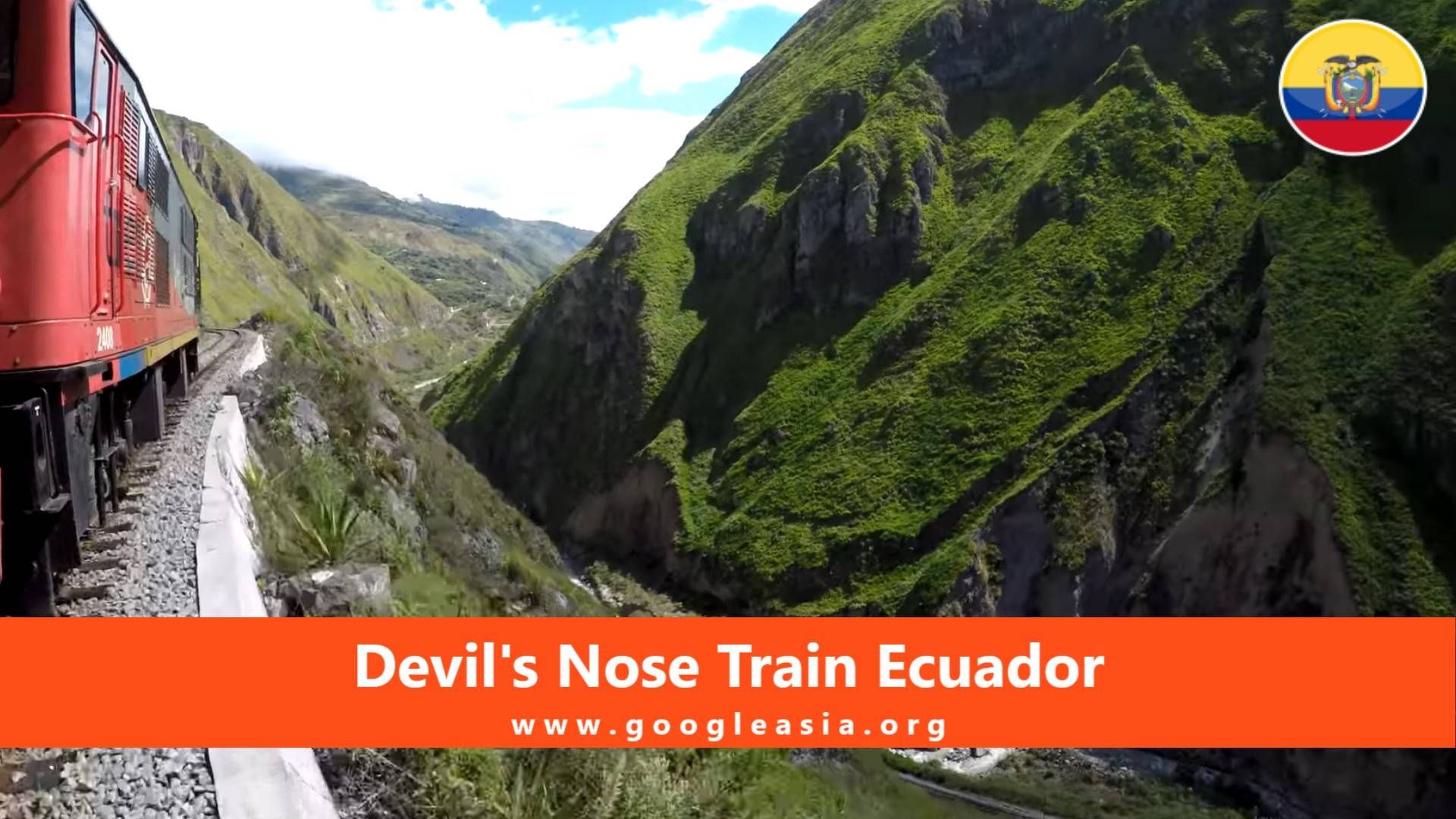
    Devil’s Nose Train Ecuador is an incredible train ride experience through the Andes Mountains – the only one in the world of its kind. This unique train ride takes you through breathtaking scenery and offers amazing views of the surrounding landscape. Along the way, you’ll cross a series of high cliffs, steep canyons and narrow switchbacks, and confront the steepest section of railway on the continent (a 5.5% grade). If you’re looking for a truly unforgettable experience, Devil’s Nose Train Ecuador should definitely be on your bucket list.

    On Ecuador’s Devil’s Nose railway journey you ride through dramatic Andean landscape, with cliffs and roaring waterfalls, between Alausí and Sibambe. You can stop to visit local sights and the ancient Inca ruins of Ingapirca. Board a traditional train, feel the gentle rocking and admire the incredible views!

    Introduction

    History and Construction

    Origins of the Railway

    The Devil’s Nose Train, known locally as “Nariz del Diablo,” has its roots in the early 20th century when it was constructed as part of Ecuador’s ambitious railway system linking the highlands to the coastal regions. The railway was designed to overcome the challenging terrain of the Andes Mountains, providing a crucial transportation route between Quito and Guayaquil.

    Engineering Marvel

    The construction of the Devil’s Nose section was particularly challenging due to its steep gradient and rugged landscape. Engineers devised a unique solution—a series of zigzagging switchbacks—to navigate the nearly vertical descent of the mountain. This engineering feat allows the train to descend gradually while offering passengers breathtaking views of the surrounding valleys and cliffs.

    Route and Scenery

    Starting Point: Alausí

    The journey on the Devil’s Nose Train begins in the quaint town of Alausí, located in the Chimborazo Province of Ecuador. From here, the train embarks on its scenic route through the heart of the Andes, passing through lush green valleys and towering peaks.

    The Devil’s Nose Descent

    The highlight of the journey is the descent down the Devil’s Nose itself. The Devil’s Nose Train maneuvers through a series of switchbacks carved into the mountainside, providing passengers with unparalleled views of the rugged landscape below. This thrilling descent is not only a testament to engineering prowess but also offers a memorable experience of Ecuador’s natural beauty.

    Cultural Insights

    Indigenous Communities

    Throughout the journey, travelers have the opportunity to witness traditional Andean villages and indigenous communities nestled amidst the mountains. These communities have preserved their cultural heritage and offer insights into Ecuador’s rich history and traditions.

    Guides and Narration

    Onboard guides enhance the experience with informative narration about the history of the railway, the surrounding landscape, and the significance of the Devil’s Nose in Ecuadorian culture. Their commentary adds depth to the journey, allowing passengers to appreciate the cultural and historical significance of this iconic railway.

    Practical Information

    Duration and Logistics

    The Devil’s Nose Train journey spans approximately 90 kilometers and can take up to four hours, including stops along the way. Travelers are advised to book tickets in advance, especially during peak tourist seasons, to secure a seat on this popular route.

    What to Expect

    Passengers can expect a scenic ride filled with panoramic views, historical landmarks such as old bridges and tunnels, and encounters with local flora and fauna. The train ride offers a unique perspective of Ecuador’s diverse landscapes and is suitable for travelers of all ages.

    Things to Do

    Historical Exploration

    Ancient Ruins and Colonial Villages

    Embark on a guided tour to explore ancient ruins, colonial Spanish homes, and deserted train tunnels along the Devil’s Nose Train route. These historical sites offer insights into Ecuador’s rich heritage and architectural marvels.

    Cultural Immersion

    Visit local markets and restaurants to experience authentic Ecuadorian cuisine and interact with local artisans. Discover traditional crafts and immerse yourself in the vibrant culture of the Andean region.

    Outdoor Adventures

    Hiking and Nature Walks

    Take a hike along the scenic rivers and lush landscapes surrounding Devil’s Nose. Enjoy breathtaking views of the highlands, rolling hills, and captivating valleys that define Ecuador’s natural beauty.

    Horseback Riding and River Rafting

    Participate in outdoor activities like horseback riding tours or thrilling river rafting adventures on Rio Upano. These excursions offer adrenaline-pumping experiences amidst the stunning backdrop of the Andes.

    Ecotourism and Wildlife

    Bird Watching

    Delight in bird watching opportunities along the Devil’s Nose Train route. Spot a diverse array of avian species endemic to the region, including toucans, hummingbirds, and the elusive Andean condor.

    Wildlife Photography

    Capture stunning photographs of Ecuador’s wildlife, from exotic birds to endemic flora and fauna. The diverse ecosystem of the Andean highlands provides ample opportunities for nature enthusiasts and photographers alike.

    Festivals and Cultural Events

    Seasonal Celebrations

    Participate in local festivals and cultural events that showcase Ecuador’s traditional music, dance, and culinary delights. Experience vibrant celebrations like Carnaval and Bolas festivals that highlight the region’s cultural vibrancy.

    Cultural Workshops

    Attend workshops and demonstrations to learn about traditional crafts, music, and cuisine from local artisans and cultural experts. Engage in hands-on activities that deepen your understanding of Ecuadorian heritage.

    Foods

    Classic Ecuadorian Dishes

    Ceviche

    Enjoy the fresh and tangy flavors of ceviche, a popular seafood dish marinated in lime juice and served with onions, tomatoes, and cilantro. It’s a refreshing choice that highlights Ecuador’s coastal influence.

    Llapingachos

    Indulge in llapingachos, savory potato patties stuffed with cheese and grilled to perfection. These hearty snacks are often served with aji sauce, adding a spicy kick to the dish.

    Fusion Cuisine

    Canelazo

    Warm up with canelazo, a traditional Ecuadorian drink made from aguardiente (sugar cane alcohol), cinnamon, and exotic fruits like naranjilla or pineapple. It’s a comforting beverage enjoyed during chilly Andean evenings.

    Hearty Soups and Stews

    Fanesca

    Savor fanesca, a rich and flavorful soup prepared with a mix of ingredients such as ground corn, lentils, pumpkin, and a variety of beans. It’s traditionally enjoyed during Easter week and showcases Ecuador’s culinary diversity.

    Traditional Delicacies

    Humitas

    Delight in humitas, savory steamed corn cakes wrapped in corn husks. These traditional Ecuadorian treats are filled with cheese, onions, and spices, offering a taste of authentic Andean flavors.

    Tamales

    Try tamales, another Ecuadorian staple made from masa (corn dough) filled with meat, cheese, or vegetables, then wrapped in banana leaves and steamed. They’re perfect for a satisfying meal on the go.

    Hotels

    Hosteria La Compania Hotel Boutique & Spa (Alausí, Ecuador)

    Overview

    • Location: Alausí, Ecuador
    • Type: Boutique Hotel & Spa
    • Highlights: Offers luxurious accommodations with spa facilities, set amidst picturesque surroundings in Alausí.

    Hotel Ferrocarril (Alausí, Ecuador)

    Overview

    • Location: Alausí, Ecuador
    • Type: Hotel
    • Highlights: Located near the train station, providing convenient access to the Devil’s Nose Train experience.

    Casa del Abuelo Guest House (Alausí)

    Overview

    • Location: Alausí, Ecuador
    • Type: Guest House
    • Highlights: A cozy guest house offering a homely atmosphere and personalized service.

    Hostal El Tanque (Alausí)

    Overview

    • Location: Alausí, Ecuador
    • Type: Hostel
    • Highlights: Budget-friendly accommodation with basic amenities, ideal for travelers exploring the Devil’s Nose Train.

    Hotel Ecuador de Alausí (Alausí)

    Overview

    • Location: Alausí, Ecuador
    • Type: Hotel
    • Highlights: Centrally located hotel offering comfortable rooms and easy access to local attractions.

    Hacienda Abraspungo (Riobamba)

    Overview

    • Location: Riobamba, Ecuador
    • Type: Hacienda-style Hotel
    • Highlights: A charming hacienda offering a blend of traditional Ecuadorian architecture and modern comforts.

    Hotel El Mercado (Riobamba)

    Overview

    • Location: Riobamba, Ecuador
    • Type: Hotel
    • Highlights: Known for its vibrant market-themed décor and central location in Riobamba.

    Hotel Inti Punku (Riobamba)

    Overview

    • Location: Riobamba, Ecuador
    • Type: Hotel
    • Highlights: Offers cozy accommodations with a focus on sustainable practices and cultural immersion.

    Hostal San Fernando (Riobamba)

    Overview

    • Location: Riobamba, Ecuador
    • Type: Hostel
    • Highlights: Provides affordable lodging options with a friendly atmosphere and communal spaces.

    Hotel San Andres (San Andres)

    Overview

    • Location: San Andres, Ecuador
    • Type: Hotel
    • Highlights: Offers comfortable rooms and personalized service in a tranquil setting outside of Riobamba.

    Conclusion

    These hotels provide a range of options to suit different preferences and budgets, ensuring a comfortable stay while exploring the attractions around Devil’s Nose Train in Ecuador.

    Devil's Nose Train Ecuador

    Summary

    • Attraction: Devil’s Nose Train
    • Country: Ecuador
    • Continent: South America
    • Capital Name: Quito
    • Language: Spanish
    • Currency: the US Dollar
    • Nationality: Ecuadorian
    • Category: #Destination #SouthAmerica #ECUADOR 

    Frequently Asked Questions

    Where is Devil’s Nose Train located?

    • Country: Ecuador
    • Town: The Devil’s Nose Train departs from the town of Alausí.
    • Region: Alausí is located in the Chimborazo Province, in the central part of Ecuador.
    • Coordinates: Alausí is situated approximately at latitude -2.1995 and longitude -78.8495.

    Additional Information

    • Accessibility: Alausí can be reached by bus or car from major cities like Quito, Guayaquil, and Cuenca. The train station is centrally located in Alausí, making it convenient for travelers.
    • Nearby Attractions: Alausí is a charming town with colorful houses and narrow streets. Besides the train ride, visitors can explore local markets, churches, and other cultural sites.

    How to go to Devil’s Nose Train?

    Solo Adventurers

    • Suitability: High
    • Reasons:
      • Adventure: The challenging terrain and unique switchback design of the train provide an exhilarating experience.
      • Exploration: Solo travelers can enjoy the freedom to explore the historical and cultural aspects of the train journey.
      • Social Opportunities: The guided tours and shared train cars offer opportunities to meet and interact with other travelers.

    Honeymooning Couples

    • Suitability: Moderate to High
    • Reasons:
      • Scenic Views: The breathtaking landscapes and romantic vistas make for a memorable experience.
      • Shared Adventure: Couples can bond over the exciting and unique journey, creating lasting memories.
      • Cultural Enrichment: The cultural presentations and historical significance of the train ride add depth to the experience, making it more than just a scenic tour.

    Families

    • Suitability: High
    • Reasons:
      • Educational: The journey provides educational opportunities for children to learn about Ecuador’s history, engineering marvels, and local cultures.
      • Safe and Comfortable: The train ride is well-organized and safe, making it suitable for families with children.
      • Entertainment: The dramatic scenery and unique train design keep children and adults alike entertained throughout the journey.

    Additional Information

    • Location: The Devil’s Nose Train departs from Alausí, Ecuador.
    • Duration: The train ride typically lasts a few hours, making it a suitable day trip.
    • Facilities: The train is equipped with comfortable seating, restrooms, and sometimes offers onboard refreshments.
    • Booking: It’s advisable to book tickets in advance, especially during peak tourist seasons.

    Is Devil’s Nose Train a suitable travel destination for solo adventurers, honeymooning couples, or those traveling with families?

    Solo Adventurers

    • Suitability: High
    • Reasons:
      • Adventure: The challenging terrain and unique switchback design of the train provide an exhilarating experience.
      • Exploration: Solo travelers can enjoy the freedom to explore the historical and cultural aspects of the train journey.
      • Social Opportunities: The guided tours and shared train cars offer opportunities to meet and interact with other travelers.

    Honeymooning Couples

    • Suitability: Moderate to High
    • Reasons:
      • Scenic Views: The breathtaking landscapes and romantic vistas make for a memorable experience.
      • Shared Adventure: Couples can bond over the exciting and unique journey, creating lasting memories.
      • Cultural Enrichment: The cultural presentations and historical significance of the train ride add depth to the experience, making it more than just a scenic tour.

    Families

    • Suitability: High
    • Reasons:
      • Educational: The journey provides educational opportunities for children to learn about Ecuador’s history, engineering marvels, and local cultures.
      • Safe and Comfortable: The train ride is well-organized and safe, making it suitable for families with children.
      • Entertainment: The dramatic scenery and unique train design keep children and adults alike entertained throughout the journey.

    Additional Information

    • Location: The Devil’s Nose Train departs from Alausí, Ecuador.
    • Duration: The train ride typically lasts a few hours, making it a suitable day trip.
    • Facilities: The train is equipped with comfortable seating, restrooms, and sometimes offers onboard refreshments.
    • Booking: It’s advisable to book tickets in advance, especially during peak tourist seasons.

    Why should you visit Devil’s Nose Train?

    • Spectacular Scenery: The Devil’s Nose Train journey offers breathtaking views of Ecuador’s Andes mountains, valleys, and rivers. The train descends a steep, zigzagging track, providing unique and stunning panoramas.
    • Engineering Marvel: The Devil’s Nose Train is renowned for its impressive engineering. The switchback design, which allows the train to navigate the steep terrain, is considered one of the most challenging and remarkable feats of railroad engineering in the world.
    • Cultural Experience: The train ride often includes cultural presentations, allowing passengers to learn about the history and traditions of the indigenous communities in the region. This enriches the travel experience with a deeper understanding of local culture.
    • Historical Significance: The railway was an essential part of Ecuador’s history, playing a crucial role in connecting the coastal city of Guayaquil with the Andean highlands. Riding the train is like stepping back in time and experiencing a piece of Ecuadorian heritage.
    • Adventure: For thrill-seekers, the steep inclines and sharp curves of the Devil’s Nose Train provide an exhilarating adventure. The train’s nickname, “the most difficult railway in the world,” adds to the sense of adventure.
    • Accessibility: The train ride is accessible to a wide range of travelers, including families, couples, and solo adventurers. The comfortable train cars and organized tours make it easy to enjoy the journey.

    Are there any halal food options near the Devil’s Nose Train?

    • Limited Availability: The availability of halal food near the Devil’s Nose Train, which is located in Alausí, Ecuador, is generally limited due to the small size and remote location of the town.
    • Nearby Cities: Larger cities like Riobamba or Cuenca, which are within a few hours’ drive from Alausí, may offer more options for halal food.
    • Self-Catering: Bringing your own halal snacks or meals is a practical option, especially if you have strict dietary requirements.
    • Local Cuisine: You may find vegetarian or seafood dishes that can accommodate halal dietary restrictions, but ensure to inquire about the ingredients and preparation methods to avoid cross-contamination.
    • Advanced Research: Before your visit, researching and possibly contacting local restaurants in Alausí or nearby cities to inquire about halal options can be helpful.
  • Mindo Cloud Forest, Ecuador

    Mindo Cloud Forest, Ecuador

    Mindo Cloud Forest, Ecuador

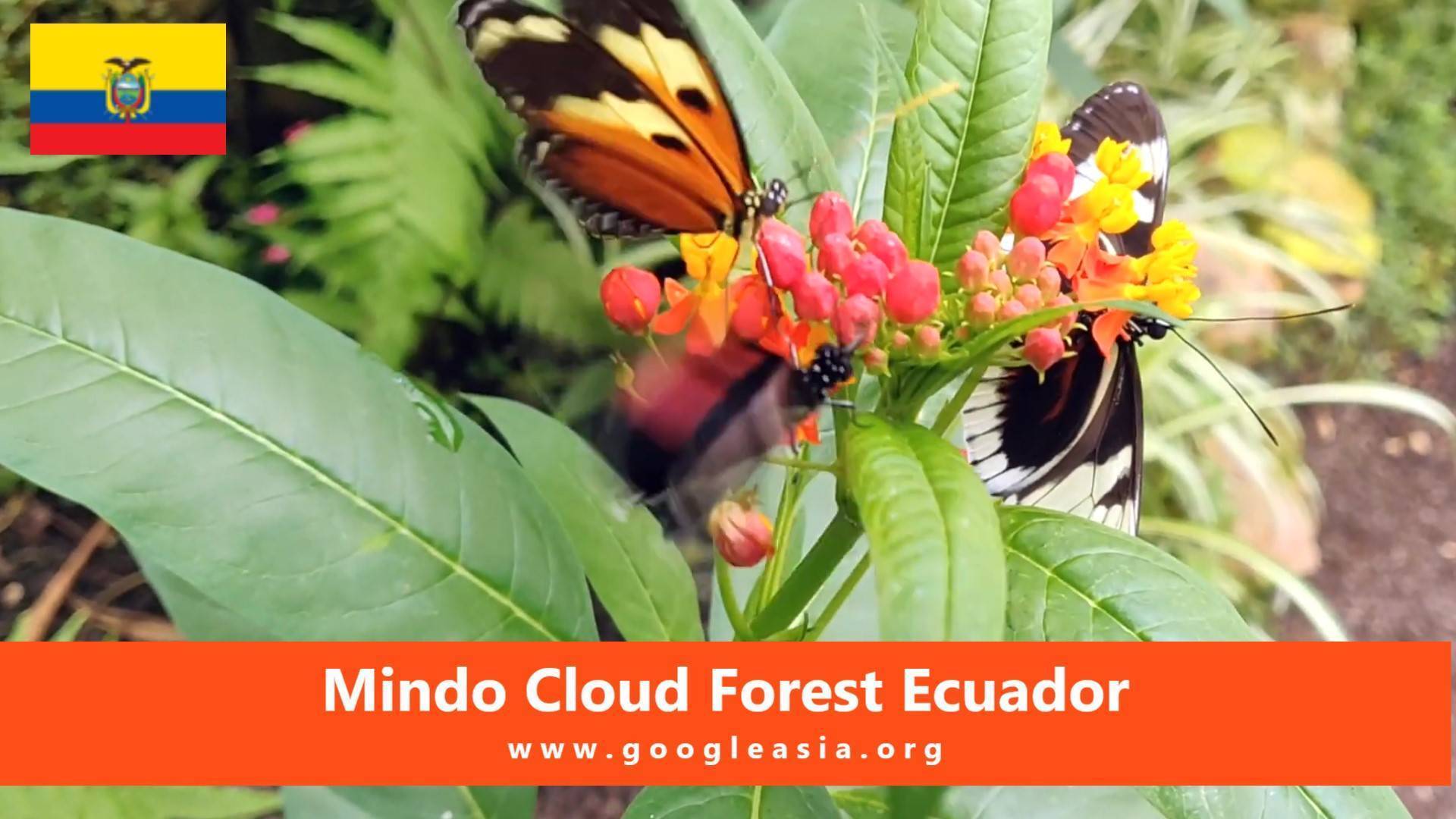
    The Mindo Cloud Forest in Ecuador is an incredibly unique and beautiful ecosystem, offering some of the best adventure, wildlife viewing, and beautiful natural scenery that South America has to offer. The area is home to over 500 species of birds, lush lush vegetation and some of the most spectacular waterfalls in the world. Mindo is a great place for bird watching, hiking, photography, horseback riding, canopy tours, and other outdoor adventures. Plus, it’s a great place to relax and enjoy the peace and quiet of the cloud forest.

    Mindo Cloud Forest is an area of stunning biodiversity, with stunning birdlife and stunning views. Located just two hour’s drive from Quito, the capital of Ecuador, this ecological sanctuary is steeped in cloud forest and wildlife, with a diverse selection of butterflies, birds and orchids.Mindo is an unforgettable place, with the unique opportunity to observe the local wildlife in their natural habitat.

    Introduction

    Location and Geography

    Mindo Cloud Forest is situated near Quito in Ecuador’s Pichincha Province, nestled along the western slopes of the Andes Mountains. Characterized by high rainfall, dense vegetation, and frequent cloud cover, this biodiverse ecosystem thrives in a climate ideal for sustaining a vast array of wildlife.

    Climate and Environment

    • High Rainfall: Mindo Cloud Forest receives ample rainfall throughout the year, contributing to its lush greenery and thriving biodiversity.
    • Cloud Cover: Persistent cloud cover blankets the forest, maintaining high humidity levels essential for supporting diverse flora and fauna.
    • Vegetation: The Mindo Cloud Forest boasts a rich diversity of plant species, from towering trees to vibrant orchids and bromeliads.

    Flora and Fauna

    Mindo Cloud Forest is renowned for its exceptional biodiversity, harboring numerous species of birds, mammals, amphibians, and insects.

    Avian Wonders

    • Toucans: Spot colorful toucans with their distinctive bills, adding a splash of vibrant hues to the forest canopy.
    • Tanagers: Encounter a variety of tanagers, showcasing an array of bright colors amidst the green foliage.
    • Hummingbirds: Witness hummingbirds darting among flowers, their iridescent feathers catching the light.
    • Quetzal: Marvel at the elusive Quetzal, a symbol of beauty and conservation, making occasional appearances in this pristine habitat.

    Conservation Efforts

    Mindo Cloud Forest serves as a focal point for conservation efforts aimed at preserving its delicate ecosystem and promoting sustainable tourism practices.

    • Community Initiatives: Local communities actively participate in conservation projects, emphasizing the importance of protecting biodiversity.
    • Environmental Education: Educational programs raise awareness about the forest’s ecological significance, fostering appreciation and stewardship among visitors.

    Visitor Information

    • Accessibility: Mindo Cloud Forest is accessible from Quito, approximately a 2-hour drive, making it convenient for day trips or extended stays.
    • Accommodations: Choose from eco-lodges and guesthouses nestled within the forest, offering comfortable accommodations amidst nature’s tranquility.
    • Guided Tours: Opt for guided tours to maximize your experience, benefiting from expert insights into the forest’s natural history and conservation efforts.

    Things to Do

    Hiking

    Hiking in Mindo Cloud Forest offers visitors a chance to immerse themselves in its lush landscapes and diverse ecosystems.

    Trail Options

    • Short Hikes: Explore easy trails that wind through the Mindo Cloud Forest, perfect for observing wildlife and enjoying the serene surroundings.
    • Longer Treks: Embark on more challenging hikes that lead deeper into the forest, offering panoramic views and opportunities for birdwatching.

    Bird Watching

    Mindo is celebrated as a premier bird watching destination in South America, boasting over 500 bird species.

    Birding Hotspots

    • Angel Paz Reserve: Encounter elusive species like the Andean Cock-of-the-rock and colorful toucans.
    • Mindo Loma Reserve: Observe hummingbirds and tanagers amidst pristine Mindo Cloud Forest habitats.

    Waterfall Rappelling

    Experience the thrill of rappelling down picturesque waterfalls, a unique adventure in the heart of Mindo.

    Adventure Tours

    • Professional Guides: Join guided tours that ensure safety while providing an exhilarating descent down cascading waterfalls.

    Canopy Tour

    Explore Mindo from above with exhilarating canopy tours, featuring zip lines and suspension bridges.

    Eco-friendly Adventures

    • Zip Line Thrills: Soar through the forest canopy, enjoying bird’s-eye views of the lush vegetation and diverse wildlife.

    Rafting

    Raft down gentle rivers surrounded by Mindo’s verdant landscapes, combining adventure with serene natural beauty.

    River Exploration

    • Tranquil Escapes: Float downstream, spotting wildlife along the riverbanks and enjoying the peaceful ambiance of the Mindo Cloud Forest.

    Canyoning

    Embark on an adrenaline-pumping canyoning adventure, navigating through narrow gorges and cascading waterfalls.

    Adventure Seekers

    • Scenic Challenges: Climb, scramble, and rappel through rocky terrain, exploring hidden corners of Mindo’s rugged landscape.

    Fishing

    Relax with a fishing excursion on Mindo’s rivers, casting lines for wild trout amidst tranquil surroundings.

    Angling Escapes

    • Wildlife Encounters: Enjoy peaceful moments by the river, surrounded by pristine forest and abundant birdlife.

    Biking

    Take a biking tour through Mindo’s scenic trails, exploring the Mindo Cloud Forest at your own pace and discovering hidden gems.

    Nature Exploration

    • Guided Tours: Pedal through diverse landscapes, stopping to observe wildlife and learn about the forest’s ecological importance.

    Foods

    Empanadas

    Flavorful Fillings

    Empanadas are popular snacks or appetizers filled with a variety of ingredients such as cheese, meats, or vegetables.

    Yucca Fries

    Traditional Snack

    Yucca fries are deep-fried to perfection, offering a crispy texture and served hot as a side dish or snack.

    Ceviche

    Tangy and Refreshing

    Ceviche features marinated seafood like shrimp or fish, seasoned with lime juice, onions, and cilantro for a refreshing taste.

    Canelazo Cocktail

    Traditional Drink

    Canelazo is a popular Ecuadorian hot cocktail made with aguardiente, agua de panela (unrefined cane sugar water), and spices like cinnamon.

    Tamales

    Savory Treat

    Tamales are corn dough parcels filled with cheese and spices, wrapped in banana leaves, and steamed to perfection.

    Guanabana Ice Cream

    Cool Dessert

    Guanabana ice cream is made from the sweet and tangy pulp of the soursop fruit, offering a delightful tropical flavor.

    Mazamorra

    Traditional Dessert

    Mazamorra is a sweet dessert made from corn pudding, often served with milk and sweet toppings for a comforting treat.

    Chocolate-Covered Fruit

    Rich Indulgence

    Chocolate-covered fruit combines Ecuador’s renowned cocoa with local tropical fruits, offering a deliciously decadent treat.

    Chocolate Tour

    Discovering Ecuadorian Cocoa

    Join a chocolate tour to sample artisanal chocolates made from locally sourced cocoa beans, showcasing the rich flavors of the region.

    Amazon Fruit

    Tropical Exploration

    Explore exotic Amazon fruits like cocona and chonta, known for their unique flavors and nutritional benefits.

    Locally Brewed Coffee

    Authentic Experience

    Enjoy locally brewed coffee, cultivated in the fertile soils of the Ecuadorian cloud forest, offering rich aromas and flavors.

    Crickets and Grubs

    Unique Cuisine

    Experience the adventurous flavors of crickets and grubs, considered delicacies for their crunchy texture and nutritional value.

    Smoked or Dried Trout

    Local Specialty

    Take home smoked or dried trout as a savory souvenir, reflecting the traditional flavors of Mindo Cloud Forest.

    Hotels

    Papallacta Hot Springs & Spa Resort

    Location and Accessibility

    Nestled in the heart of Mindo Cloud Forest, Papallacta Hot Springs & Spa Resort offers luxurious accommodations with easy access to natural hot springs and spa treatments.

    La Casa del Suizo Hotel

    Scenic Views and Ambiance

    Located along the riverbanks, La Casa del Suizo Hotel provides serene views of the Mindo Cloud Forest and comfortable rooms equipped with modern amenities.

    La Cabaña del Bosque

    Rustic Charm

    La Cabaña del Bosque offers a cozy retreat surrounded by lush greenery and forest trails, ideal for nature lovers seeking a peaceful getaway.

    Papallacta Eco Hotel

    Eco-Friendly Accommodation

    Papallacta Eco Hotel combines sustainability with comfort, offering eco-friendly lodgings and stunning views of the cloud forest landscapes.

    Villa Ventanas del Cielo

    Elevated Views

    Villa Ventanas del Cielo provides panoramic views of the Mindo Cloud Forest canopy, along with spacious rooms and personalized service.

    Lodgenauta

    Personalized Hospitality

    Lodgenauta offers a quaint stay with personalized hospitality, allowing guests to immerse themselves in the natural beauty of Mindo Cloud Forest.

    Casa Rosada: Historic

    Cultural Experience

    Casa Rosada boasts historic charm with its colonial architecture and comfortable accommodations, offering a glimpse into Ecuador’s rich cultural heritage.

    Cabañas del Bosque Lodge

    Family-Friendly Amenities

    Cabañas del Bosque Lodge provides family-friendly amenities amidst the tranquil surroundings of Mindo Cloud Forest, perfect for adventurous families.

    Hostel Ecoturistico El Tinkunaco

    Affordable Stay

    Hostel Ecoturistico El Tinkunaco offers budget-friendly accommodations with a focus on ecotourism, ideal for travelers seeking an affordable yet immersive experience.

    Casa Heliconia: Boutique

    Boutique Style

    Casa Heliconia offers boutique elegance with stylish accommodations and personalized service, providing a comfortable and memorable stay in Mindo Cloud Forest.

    Conclusion

    Whether you seek luxurious spa treatments, riverside tranquility, or eco-friendly lodgings, the best hotels in Mindo Cloud Forest Ecuador cater to a variety of preferences and budgets. From the serene ambiance of La Casa del Suizo Hotel to the rustic charm of La Cabaña del Bosque and the sustainable comfort of Papallacta Eco Hotel, each accommodation offers unique experiences amidst the natural beauty of the cloud forest. Whether you’re planning a family retreat, a romantic getaway, or an adventurous solo trip, these hotels provide a perfect base to explore the wonders of Mindo Cloud Forest and immerse yourself in Ecuador’s rich biodiversity and cultural heritage.

    Mindo Cloud Forest Ecuador

    Summary

    • Attraction: Mindo Cloud Forest
    • Country: Ecuador
    • Continent: South America
    • Capital Name: Quito
    • Language: Spanish
    • Currency: the US Dollar
    • Nationality: Ecuadorian
    • Category: #Destination #SouthAmerica #ECUADOR 

    Frequently Asked Questions

    Where is Mindo Cloud Forest located?

    • Country: Ecuador
    • Region: Mindo Cloud Forest is located in the Pichincha Province.
    • Proximity to Major Cities:
      • Quito: Mindo is approximately 80 kilometers (about 50 miles) northwest of Quito, the capital city of Ecuador.
      • Driving Time: The drive from Quito to Mindo typically takes around 2 to 2.5 hours.
    • Coordinates: The coordinates for Mindo are approximately latitude -0.0565 and longitude -78.7783.

    Additional Information

    • Biodiversity: Mindo Cloud Forest is renowned for its rich biodiversity, including numerous species of birds, butterflies, orchids, and other flora and fauna.
    • Activities: Popular activities in Mindo include birdwatching, hiking, zip-lining, tubing, and visiting butterfly and orchid farms.
    • Climate: The climate is typically cool and moist due to the cloud forest environment, making it a lush and vibrant ecosystem.

    How can one travel to Mindo Cloud Forest?

    From Quito

    1. By Bus:
      • Terminal: Buses to Mindo depart from the Terminal de La Ofelia or Terminal Carcelén in the northern part of Quito.
      • Bus Companies: Cooperativa Flor del Valle is a commonly used bus company for this route.
      • Duration: The bus ride takes approximately 2 to 2.5 hours.
      • Frequency: Buses typically run multiple times a day, but it’s good to check the schedule in advance.
    2. By Car:
      • Route: Drive northwest on E28, also known as the Calacali-La Independencia Road, towards Mindo.
      • Duration: The drive takes about 2 hours, depending on traffic and road conditions.
      • Scenic Route: The drive offers scenic views of the Andean highlands and cloud forest.
    3. By Private Transfer:
      • Options: Private transfers or taxis can be arranged from Quito.
      • Duration: Similar to driving by car, taking about 2 hours.
      • Comfort: This option provides more comfort and flexibility compared to public transport.

    Tips for Traveling

    • Weather: The weather in the cloud forest can be unpredictable, so it’s advisable to bring rain gear and wear layers.
    • Cash: Bring cash, as not all establishments in Mindo accept credit cards.
    • Accommodation: Book accommodations in advance, especially during peak tourist seasons.

    What are Mindo Cloud Forest’s must-visit attractions or landmarks?1. Mindo-Nambillo Ecological Reserve

    • Description: A vast area of protected cloud forest that offers a variety of hiking trails.
    • Activities: Hiking, birdwatching, and visiting waterfalls.
    • Highlight: The Nambillo Waterfall, a stunning spot for swimming and photography.

    2. Butterfly Garden (Mariposas de Mindo)

    • Description: A butterfly sanctuary showcasing various species native to the region.
    • Activities: Learning about butterfly life cycles, feeding butterflies, and photography.
    • Highlight: Hundreds of colorful butterflies in a controlled environment.

    3. Mindo Canopy Adventure (Zip-lining)

    • Description: An exhilarating zip-line course through the cloud forest canopy.
    • Activities: Zip-lining across multiple lines of varying lengths and heights.
    • Highlight: Adrenaline-pumping adventure with stunning aerial views of the forest.

    4. El Quetzal de Mindo

    • Description: A chocolate factory that offers tours to learn about chocolate production from bean to bar.
    • Activities: Chocolate tours, tasting sessions, and purchasing handmade chocolates.
    • Highlight: Tasting fresh, locally-produced chocolate and learning about the process.

    5. Birdwatching Tours

    • Description: Mindo is known as one of the top birdwatching destinations in the world.
    • Activities: Guided tours to spot rare and colorful bird species.
    • Highlight: Spotting species like the Andean Cock-of-the-rock, toucans, and hummingbirds.

    6. Mindo River Tubing

    • Description: A fun and adventurous activity involving floating down the river on inflatable tubes.
    • Activities: Tubing, swimming, and enjoying the natural scenery.
    • Highlight: Thrilling rapids combined with peaceful stretches of the river.

    7. Orchid Garden (El Pahuma Orchid Reserve)

    • Description: A botanical garden dedicated to the conservation and display of orchids.
    • Activities: Guided tours, orchid spotting, and photography.
    • Highlight: Viewing a variety of rare and beautiful orchid species in their natural habitat.

    Additional Information

    • Best Time to Visit: Mindo can be visited year-round, but the dry season (June to September) is ideal for outdoor activities.
    • Preparation: Wear comfortable hiking shoes, bring rain gear, and carry binoculars for birdwatching.

    Is Mindo Cloud Forest a suitable travel destination for solo adventurers, honeymooning couples, or those traveling with families?

    Solo Adventurers

    • Suitability: High
    • Reasons:
      • Adventure Opportunities: Solo adventurers can enjoy activities like hiking, zip-lining, and birdwatching in a stunning natural setting.
      • Freedom to Explore: There are plenty of trails and attractions to explore independently, offering a sense of adventure and discovery.
      • Social Interaction: Joining guided tours or visiting popular spots like the butterfly garden provides opportunities to meet other travelers.

    Honeymooning Couples

    • Suitability: High
    • Reasons:
      • Romantic Setting: The lush, green surroundings and peaceful atmosphere make Mindo Cloud Forest ideal for couples seeking a romantic getaway.
      • Unique Experiences: Activities such as chocolate tours, birdwatching, and relaxing in nature provide memorable shared experiences.
      • Privacy: Many lodges and accommodations offer private cabins or rooms, perfect for honeymooners seeking intimacy.

    Families

    • Suitability: High
    • Reasons:
      • Educational Value: Mindo offers educational opportunities for children to learn about nature, wildlife, and conservation.
      • Family-Friendly Activities: From butterfly gardens to river tubing, there are activities suitable for all ages.
      • Safety: The area is generally safe for families, and accommodations often cater to the needs of children.

    Additional Information

    • Accessibility: Mindo is accessible by road from Quito, making it convenient for travelers.
    • Accommodations: There are various lodging options ranging from budget hostels to eco-lodges and luxury resorts.
    • Weather: Mindo has a mild climate, but it can rain frequently due to its cloud forest environment, so packing rain gear is advisable.

    Why should you visit Mindo Cloud Forest?

    • Biodiversity: Mindo Cloud Forest is one of the world’s most biodiverse regions, home to numerous species of birds, butterflies, orchids, and other flora and fauna.
    • Outdoor Activities: Visitors can enjoy a variety of outdoor activities such as hiking, birdwatching, zip-lining, river tubing, and visiting waterfalls.
    • Scenic Beauty: The lush greenery, misty atmosphere, and serene rivers make Mindo a picturesque destination for nature lovers and photographers.
    • Adventure: Thrilling adventures like zip-lining through the canopy and exploring the forest trails provide excitement and adrenaline.
    • Educational Opportunities: Learn about chocolate production at local farms, visit butterfly gardens, and explore ecological reserves to understand the area’s rich natural heritage.
    • Relaxation: Mindo offers peaceful retreats amidst nature, perfect for relaxation and rejuvenation away from city life.

    Visiting Mindo Cloud Forest promises a blend of natural beauty, adventure, education, and relaxation, making it a captivating destination for travelers of all interests.
    How accessible is halal food in Mindo Cloud Forest?

    • Limited Availability: Halal food options in Mindo Cloud Forest are currently limited due to its focus on ecotourism and remote location.
    • Recommended Preparation: Travelers with halal dietary requirements are advised to bring their own snacks or meals to ensure they can adhere to their dietary needs.
    • Local Cuisine: While specific halal-certified restaurants may be scarce, vegetarian or seafood options may be available. It’s recommended to inquire about food preparation methods to ensure they align with halal standards.
    • Advanced Planning: Before visiting, researching nearby cities or towns for potential halal food options or bringing suitable food items is advisable.

  • La Compania Church: A Gem of Quito’s Baroque Architecture

    La Compania Church: A Gem of Quito’s Baroque Architecture

    La Compania Church, Ecuador

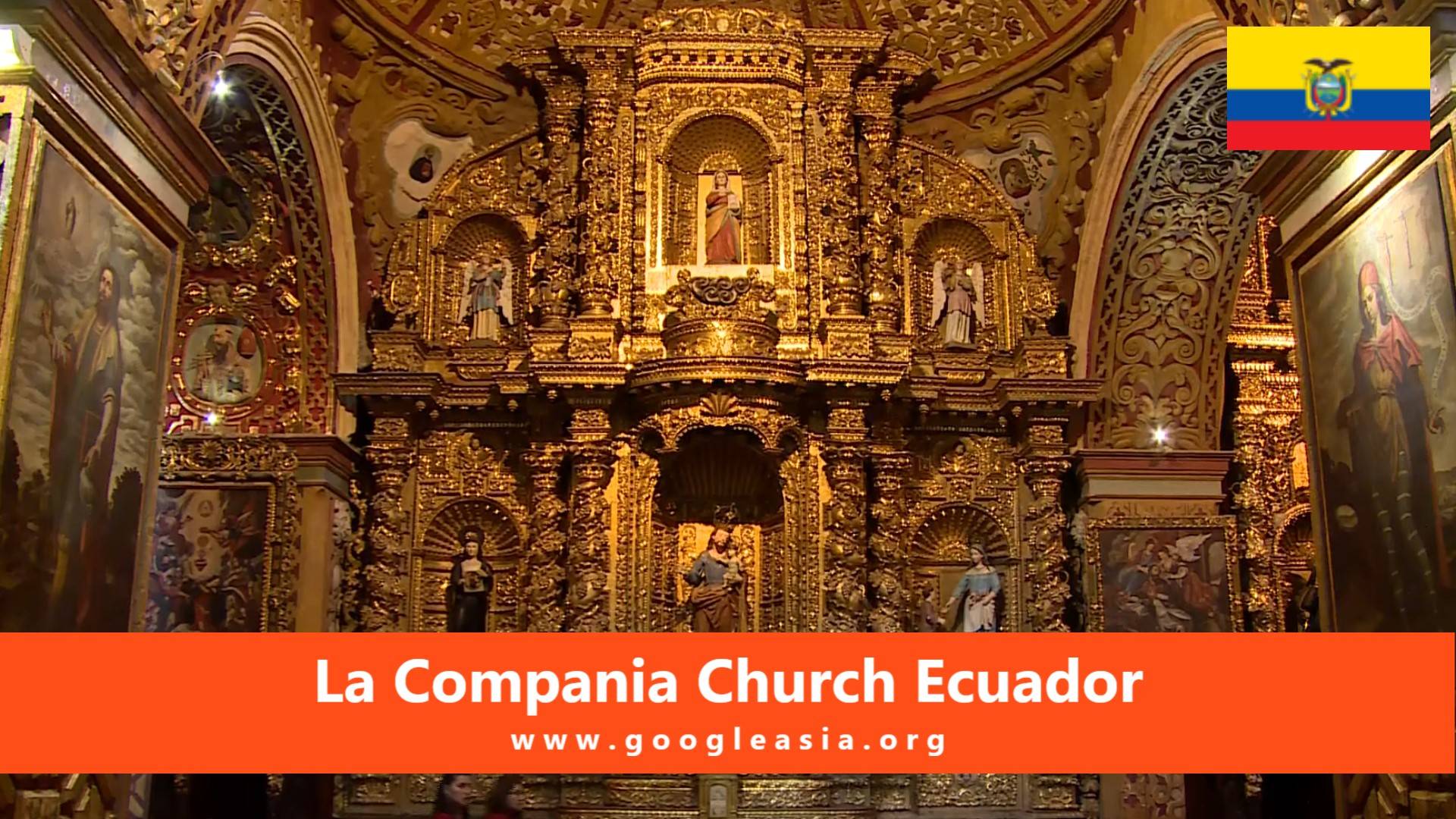
    La Compania Church Ecuador is one of the most iconic religious landmarks in the country. This stunning historical building stands as an emblem of the religious and cultural heritage of Ecuador, and is home to one of the most impressive interior religious decorations in the world. This baroque church also houses a library and a museum, giving visitors a look into the past. Visiting La Compania Church Ecuador is an unforgettable experience that no traveler should miss.

    La Compañia Church in Quito, Ecuador, is one of the oldest and most beautiful churches in South America. Constructed during the mid-sixteenth century, the church is a stunning example of colonial architecture, featuring white-washed walls and red-tiled roofs. The interior of the church is filled with baroque-style decorations, elaborately carved wooden chapels, and a vast collection of religious artifacts. Visitors to La Compañia can admire some of the most stunning artworks in Latin America, including a wooden fountain and an organ made of silver and gold.

    Introduction

    La Compania Church, nestled in the heart of Quito, Ecuador, stands as a testament to Latin American Baroque grandeur and religious fervor.

    History and Architecture

    Origins and Construction

    La Compania Church was initially built between 1605 and 1612 by Jesuit priests, intended to serve as the principal church for Quito’s Spanish colonial city. The construction aimed not only to house worship but also to impress and convert new adherents to Roman Catholicism.

    Architectural Style

    The church exemplifies Baroque architecture, renowned for its elaborate details and intricate ornamentation. Its facade is a stunning example of Spanish colonial architecture in Latin America, adorned with intricate carvings and flourishes.

    UNESCO World Heritage Status

    Recognition and Preservation

    In 1978, La Compania Church was inscribed as a UNESCO World Heritage Site, recognizing its significance as a cultural and historical treasure. The designation underscores its exceptional preservation and architectural significance.

    Interior Splendor

    Artistic Treasures

    Stepping inside, visitors are greeted with a profusion of artistic marvels. The interior of La Compania Church is lavishly decorated with intricate wood carvings, golden altars, and a plethora of artworks. Of particular note are the 34 canvases that narrate the life of Saint Ignatius of Loyola, adding a narrative depth to the church’s visual splendor.

    Visitor Experience

    Accessibility and Admission

    La Compania Church welcomes visitors seven days a week, offering free admission to explore its rich history and ornate interiors. Guided tours are available, providing deeper insights into the church’s architectural significance and religious importance.

    Things to Do

    La Compania Church, nestled in the heart of Quito, Ecuador, stands as a testament to Baroque architecture and religious artistry. Designated as a UNESCO World Heritage Site, this stunning edifice offers visitors a glimpse into Quito’s rich cultural and architectural heritage.

    Admire the Facades

    Holy Trinity Facade

    • Intricate Design: Marvel at the original facade, known as the Holy Trinity, adorned with intricate designs and sparkling golden details.
    • Baroque Splendor: Explore the detailed craftsmanship that reflects the pinnacle of Baroque art in Latin America.

    Façade of Jesus

    • 19th Century Addition: Admire the Façade of Jesus, added in the 19th century, which contrasts with the Holy Trinity yet exhibits its own impressive style and decoration.

    Visit the Interior

    Art and Sculptures

    • Artistic Splendor: Step inside to discover a wealth of artwork and sculptures showcasing various styles prevalent across Latin America.
    • Virgin of Belen: Don’t miss the renowned painting of the Virgin of Belen, prominently displayed in the left nave, a significant piece of religious art.

    Check out the Museum

    Museum of Religious Art

    • Adjacent Treasure Trove: Explore the Museum of Religious Art adjacent to La Compania Church, housing exquisite woodcarvings and canvases depicting Biblical narratives.
    • Cultural Insight: Gain deeper insights into Quito’s religious and artistic heritage through these priceless artifacts.

    Climb to the Cupola

    Spectacular Views

    • Panoramic Perspective: Ascend to the cupola for breathtaking views of Quito’s historic center and its surrounding landscapes.
    • Photography Opportunity: Capture stunning images of the cityscape from this vantage point, offering unparalleled views.

    Admire the Clock Tower

    Historic Symbol

    • Architectural Gem: Marvel at the 18th-century clock tower, an iconic symbol of Quito’s historical significance.
    • Photographic Memory: Capture the timeless beauty of this architectural masterpiece through photography.

    Foods

    Traditional Ecuadorian Dishes

    Ecuadorian cuisine reflects a rich blend of indigenous, Spanish, and African influences, making it a culinary delight for visitors exploring La Compania Church in Quito. Here are some of the best dishes to savor:

    Locro de Papa

    Description: A hearty potato soup prepared with cheese, avocado, and often served with toasted corn kernels (maiz tostado).

    Ceviche

    Description: Fresh seafood (typically shrimp or fish) marinated in lime juice, onions, tomatoes, and cilantro, seasoned with salt and pepper.

    Mote Pillo

    Description: Boiled hominy corn mixed with scrambled eggs and served with a side of cheese and avocado.

    Fanesca

    Description: A traditional soup made during Easter festivities, combining various beans, grains, salted codfish, and milk, garnished with hard-boiled eggs and herbs.

    Seco de Chivo

    Description: A hearty stew made with tender goat meat cooked slowly with beer, cilantro, onions, tomatoes, and spices until tender.

    Delectable Desserts

    Ecuadorian desserts are a delightful finale to any meal, offering sweet flavors and unique textures:

    Arroz con Leche

    Description: A creamy rice pudding flavored with cinnamon and sometimes raisins, served cold or warm.

    Pan de Yucca

    Description: Bread made from yucca flour (cassava), typically soft and slightly sweet, often served with cheese or as a snack on its own.

    Hotels

    Luxury Hotels

    Casa Gangotena

    Location: Plaza San Francisco, Quito
    Description: A luxurious boutique hotel housed in a historic mansion, offering elegant rooms, gourmet dining, and stunning views of the city.

    Hotel Plaza Grande

    Location: Plaza de la Independencia, Quito
    Description: A five-star hotel located in Quito’s main square, featuring luxurious rooms, fine dining options, and impeccable service.

    Boutique Hotels

    Hotel Boutique Portal de Cantuña

    Location: Calle Cantuña, Quito
    Description: A charming boutique hotel with cozy rooms, personalized service, and a central location close to La Compania Church.

    Casa San Marcos Hotel Boutique

    Location: Calle San Marcos, Quito
    Description: A boutique hotel in a restored colonial house, offering stylish rooms, a rooftop terrace, and a peaceful atmosphere.

    Mid-Range Hotels

    Hotel Patio Andaluz

    Location: Calle García Moreno, Quito
    Description: A historic hotel with Andalusian-style architecture, featuring comfortable rooms, a courtyard restaurant, and a central location.

    Hotel Boutique La Merced

    Location: Calle Benalcazar, Quito
    Description: A boutique hotel with elegant rooms, a cozy atmosphere, and proximity to Quito’s historic sites including La Compania Church.

    Budget Hotels

    Hostal de La Rabida

    Location: Calle La Rabida, Quito
    Description: A budget-friendly hotel offering simple rooms, friendly service, and a convenient location in Quito’s old town.

    Hotel San Francisco de Quito

    Location: Calle Sucre, Quito
    Description: A budget hotel with basic amenities, clean rooms, and a strategic location near major attractions in Quito.

    Conclusion

    These hotels offer a range of options to suit different preferences and budgets, providing easy access to La Compania Church and other landmarks in Quito’s historic center.

    La Compania Church Ecuador

    Summary

    • Attraction: La Compania Church
    • Country: Ecuador
    • Continent: South America
    • Capital Name: Quito
    • Language: Spanish
    • Currency: the US Dollar
    • Nationality: Ecuadorian
    • Category: #Destination #SouthAmerica #ECUADOR 

    Frequently Asked Questions

    Where is La Compania Church located?

    • City: La Compania Church, or Iglesia de la Compañía de Jesús, is located in the city of Quito.
    • Country: Ecuador
    • Region: Quito is the capital city of Ecuador, situated in the northern part of the country.
    • Historical District: The church is located in Quito’s historic center, which is a UNESCO World Heritage Site.
    • Coordinates: Approximately latitude -0.2213 and longitude -78.5122.

    Additional Information

    • Architecture: La Compania Church is renowned for its stunning Baroque architecture and intricate decorations, making it one of Quito’s most beautiful churches.
    • Accessibility: The historic center of Quito, including La Compania Church, is easily accessible by foot or by taxi from various parts of the city.
    • Visiting Hours: It’s advisable to check the church’s visiting hours, as they may vary depending on religious services and events.

    How to go to La Compania Church?

    To reach La Compania Church in Quito, Ecuador, you can follow these steps:

    1. From Quito’s Historic Center:
      • Walk: If you’re already in Quito’s historic center, La Compania Church is within walking distance from most landmarks in this area.
      • Taxi: You can easily hail a taxi from various points in the city to take you directly to the church. Taxis are readily available and relatively affordable in Quito.
    2. Public Transport:
      • Bus: If you prefer public transport, you can take a bus to the historic center of Quito and then walk to La Compania Church. Buses in Quito are inexpensive and cover most areas of the city.
    3. From Other Parts of Quito:
      • Taxi or Uber: If you are coming from other parts of Quito outside the historic center, taking a taxi or using a ride-sharing service like Uber is convenient and efficient.
      • Public Transport: You can also take a bus that passes through the historic center and then walk to the church.
    4. Navigational Tips:
      • Address: The church is located in the heart of Quito’s historic district. It’s advisable to have the exact address handy or use a GPS-enabled device to navigate to the church.
      • Landmarks: Quito’s historic center is a UNESCO World Heritage Site, with many notable landmarks nearby. La Compania Church is typically marked on tourist maps and easily recognizable due to its stunning architecture.

    Additional Information

    • Visiting Hours: Check the church’s visiting hours, as they may vary depending on religious services and events.
    • Accessibility: The area around La Compania Church is pedestrian-friendly, making it easy to explore on foot.
    • Tourist Information: Local tourism offices or your accommodation can provide maps and additional guidance on visiting La Compania Church.

    What are La Compania Church’s nearby must-visit attractions or landmarks?

    Here are some notable attractions and landmarks near La Compania Church in Quito’s historic center:

    1. Plaza de la Independencia (Independence Square):
      • Located just a short walk from La Compania Church.
      • A historic square surrounded by important buildings such as the Presidential Palace and the Archbishop’s Palace.
    2. Basílica del Voto Nacional (Basilica of the National Vow):
      • One of Quito’s most iconic landmarks.
      • Known for its neo-Gothic architecture and stunning views from the towers.
    3. San Francisco Church and Convent (Iglesia y Convento de San Francisco):
      • Another UNESCO World Heritage Site.
      • Famous for its impressive colonial architecture and a rich history dating back to the 16th century.
    4. Museo de la Ciudad (City Museum):
      • Offers insights into Quito’s history and culture.
      • Located in a beautifully restored colonial building near Independence Square.
    5. TelefériQo (Quito Cable Car):
      • A short drive or taxi ride from the historic center.
      • Offers panoramic views of Quito and the surrounding mountains from Cruz Loma.
    6. El Panecillo:
      • A hill overlooking Quito with the iconic statue of the Virgin of Quito (Virgen del Panecillo).
      • Provides breathtaking views of the cityscape.

    Additional Information

    • Accessibility: Many of these attractions are within walking distance from La Compania Church in Quito’s historic center.
    • Guided Tours: Guided walking tours of the historic center often include these landmarks, providing cultural and historical insights.
    • Cultural Events: Check for local festivals, markets, and events happening near La Compania Church to enhance your visit.

    Why should you visit La Compania Church?

    Architectural Marvel

    • Baroque Splendor: La Compania Church, or Iglesia de la Compañía de Jesús, is renowned for its stunning Baroque architecture.
    • Intricate Details: The church is adorned with intricate designs, gold leaf decorations, and elaborate sculptures, showcasing the craftsmanship of the colonial era.

    Historical Significance

    • Cultural Heritage: Located in Quito’s historic center, a UNESCO World Heritage Site, the church represents Ecuador’s rich cultural and religious history.
    • Colonial Era: Built in the 17th century, La Compania Church reflects the colonial influence on Quito’s architectural and religious landscape.

    Spiritual Experience

    • Religious Significance: As an active church, La Compania offers visitors a glimpse into Ecuadorian religious practices and traditions.
    • Atmosphere: The church’s interior creates a serene atmosphere, ideal for contemplation and spiritual reflection.

    Artistic Beauty

    • Artistic Masterpiece: Considered one of Quito’s most beautiful churches, La Compania is a testament to the artistic achievements of its time.
    • Ceiling Frescoes: Admire the stunning ceiling frescoes and artwork that adorn the interior, depicting religious themes and stories.

    Cultural Exploration

    • Local Heritage: Visiting La Compania Church allows you to immerse yourself in Ecuador’s cultural heritage and explore its colonial past.
    • Educational Value: Learn about the history of Quito and the influence of Spanish colonial architecture on Latin American cities.

    Additional Information

    • Visiting Hours: Check the church’s schedule for visiting hours, as they may vary depending on religious services and events.
    • Guided Tours: Guided tours are available to provide historical context and insights into the church’s architecture and significance.
    • Photography: Capture the intricate details and grandeur of La Compania Church, but be mindful of any restrictions during religious ceremonies.

    Is there any halal food available in the vicinity of the La Compania Church?

    Currently, finding halal food options near La Compania Church in Quito, Ecuador, can be challenging as Ecuador does not have a significant Muslim population, and halal food establishments may be limited. Here are some suggestions to consider:

    1. Local Restaurants: Inquire directly at nearby restaurants if they can accommodate halal dietary requirements. Some restaurants may be willing to prepare dishes without pork or alcohol upon request.
    2. International Hotels: Larger hotels in Quito, especially those catering to international guests, may have more diverse menu options, including halal-certified or halal-friendly dishes.
    3. Specialty Stores: Some international food stores or specialty markets may offer halal-certified products that you can use to prepare meals if you have access to cooking facilities.
    4. Online Research: Conducting online searches or using apps that specialize in halal food can sometimes yield information about nearby options, although availability may vary.
    5. Local Advice: Consider asking locals or hotel staff for recommendations on where to find halal food in the area. They may be aware of specific restaurants or stores that cater to dietary restrictions.

    Additional Tips

    • Communication: Clearly communicate your dietary preferences and restrictions when ordering food to ensure your needs are understood.
    • Flexibility: While options may be limited, some establishments may be willing to customize dishes to meet halal standards upon request.
  • Exploring Otavalo Market: A Cultural Treasure in Ecuador

    Exploring Otavalo Market: A Cultural Treasure in Ecuador

    Otavalo Market, Ecuador

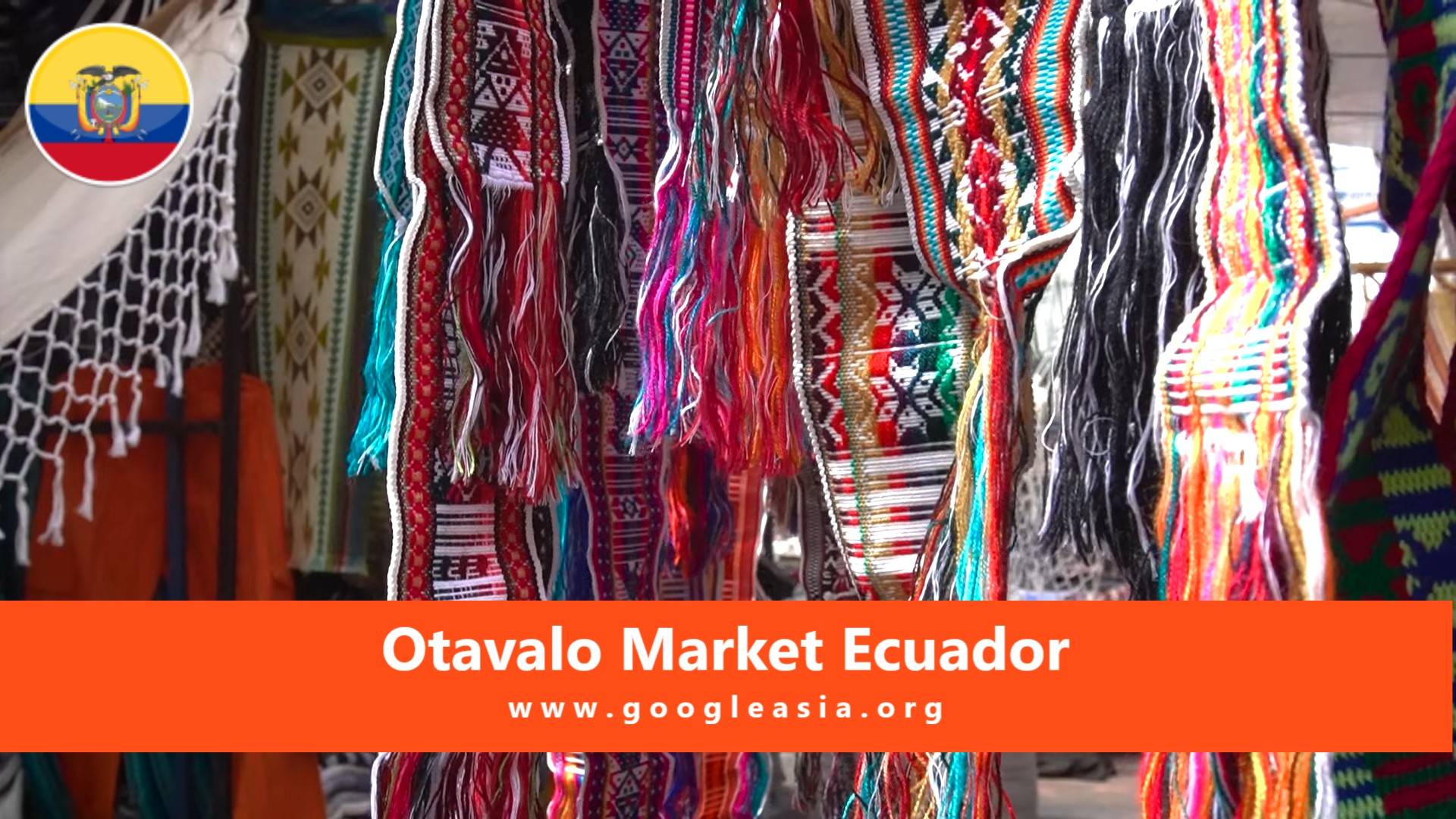
    Otavalo Market in Ecuador is renowned for being one of the most famous markets in South America and one of the most colorful in the world. It’s a great place to find unique souvenirs and handmade crafts, such as traditional clothing, artwork, jewelry, and musical instruments like the Andean flute. You can also find an amazing variety of fresh produce and food, from regional delicacies to fresh-cut flowers. Otavalo Market is also an ideal spot to interact with the local community, learn about their culture and discover the fascinating history of the city’s indigenous people.

    Every Saturday morning in Otavalo, Ecuador, the lively Plaza de los Ponchos market springs to life. Vendors fill the square with colorful blankets, handmade jewelry and crafts, and fresh produce. Here, locals and tourists alike gather to bargain, shop, and enjoy the festive atmosphere.

    Introduction

    The Otavalo Market stands as a testament to Ecuador’s rich artisanal heritage, drawing visitors from around the world to experience its vibrant atmosphere and diverse offerings.

    Market Overview

    Cultural Hub of Artisans

    Located in the picturesque town of Otavalo in the northern Andes Mountains, the Otavalo market springs to life every weekend. It’s renowned as one of Latin America’s largest and most authentic artisan markets, showcasing the talents of local Quechua artisans.

    Shopping Experience

    Handcrafted Treasures

    Visitors can explore a myriad of stalls offering a wide array of handmade goods. Textiles are a highlight, including intricately woven blankets, ponchos, and scarves adorned with traditional Andean designs. Jewelry crafted from silver and semi-precious stones, as well as pottery, paintings, and wood carvings, also fill the bustling Otavalo market.

    Cultural Immersion

    Traditional Attire and Gastronomy

    Immerse yourself in Ecuador’s indigenous cultures as market-goers, often dressed in vibrant traditional attire, engage in lively trade. Sample local delicacies such as llapingachos (potato pancakes), empanadas, and quimbolitos (steamed corn cakes), adding a culinary dimension to your visit.

    Visitor Tips

    Practical Information

    The Otavalo market operates predominantly on Saturdays, though smaller sections are open daily. Bargaining is customary, so embrace the opportunity to negotiate prices while respecting the artisans’ craftsmanship and cultural significance.

    Things to Do

    Otavalo Market in Ecuador offers a vibrant tapestry of cultural experiences and shopping delights, nestled in the heart of the Andean region. Here’s what you can’t miss during your visit:

    Traditional Music and Dancing

    Cultural Performances

    Immerse yourself in the rhythms of Kichwa music and local dances like San Juanito and Pesillo, accompanied by traditional instruments like drums and flutes. Witness cultural heritage come alive through captivating performances throughout the Otavalo market.

    Admire Local Artisans

    Artisanal Crafts

    Explore stalls brimming with handmade treasures—from intricately woven carpets and tapestries to exquisite jewelry, ceramics, and textiles. Engage with local artisans showcasing their craftsmanship, each piece reflecting Ecuador’s rich cultural tapestry.

    Shop for Local Souvenirs

    Unique Finds

    Peruse a myriad of stalls offering local souvenirs, perfect for taking home memories of Ecuador. Discover handmade toys, woven baskets, musical instruments, and small paintings depicting local landscapes and wildlife—a testament to Ecuador’s artistic diversity.

    Try Local Cuisine

    Culinary Delights

    Savor Ecuadorian flavors with street food favorites such as shuco frito (fried pork), hornado (roast pork), and empanadas (stuffed pastries). Indulge in vegetable ceviche and llapingachos (potato pancakes) for a taste of authentic Andean cuisine.

    Take in the Sights and Sounds

    Otavalo Market Atmosphere

    Absorb the lively ambiance of Otavalo Market—street performers enchanting with their talents, bustling stalls adorned with colorful crafts, and the aroma of freshly prepared delicacies filling the air. Immerse yourself in the cultural mosaic that defines this iconic market.

    Foods

    Discovering the vibrant flavors of Otavalo Market in Ecuador unveils a tapestry of traditional dishes and local delicacies, each reflecting the region’s rich cultural heritage.

    Traditional Soups and Stews

    Comforting Classics

    Indulge in hearty soups like Locro de Papa (potato soup), Cazuela de Choclo (corn stew), and Sancocho (meat and vegetable stew), showcasing Ecuador’s culinary prowess in blending fresh ingredients with robust flavors.

    Fresh Fruits and Vegetables

    Farm-to-Table Freshness

    Explore local varieties of tomatoes, avocados, plantains, potatoes, corn, and squash, harvested from nearby farms and highlighting Ecuador’s diverse agricultural bounty.

    Grilled Meats

    Savory Grills

    Savor grilled beef, pork, and chicken, expertly prepared with local spices and herbs, offering a tantalizing taste of Ecuador’s traditional barbecue culture.

    Cheese, Yogurt, and Dairy Products

    Creamy Delights

    Sample artisanal cheeses, creamy yogurts, and other dairy products sourced locally, complementing dishes with their distinctive flavors and textures.

    Local Spices and Herbs

    Flavors of the Andes

    Enhance your culinary adventures with local spices and herbs like Sal de Maíz (corn salt), Miel de Chiva (goat honey), Oregano, and Culantro, adding depth and aroma to Ecuadorian cuisine.

    Street Food

    On-the-Go Delights

    Experience the hustle and bustle of street food culture with Chuzos (grilled skewers), Empanadas (stuffed pastries), Grilled Cheese, and Corn—perfect for a quick bite amidst your market exploration.

    Local Sweets and Treats

    Sweet Indulgences

    Delight in local sweets such as Dulce de Leche (caramel), Bizcochuelas (sponge cake), Helado de Quinoa (quinoa ice cream), and Piloncillos (traditional sugar candies), showcasing Ecuador’s sweet tooth.

    Handcrafted Textiles and Pottery

    Artisanal Creations

    Admire and acquire exquisite Paja Toquilla (straw hats), tapestries, shawls, large ceramic platters, vases, and cups—each a testament to Ecuador’s rich artisanal traditions.

    Local Beverages

    Refreshing Elixirs

    Quench your thirst with local beverages like Sugarcane Juice and Canary Drink, offering refreshing respite amidst your culinary journey through Otavalo Market.

    Hotels

    Explore the best accommodations near Otavalo Market, offering comfort, charm, and scenic surroundings.

    La Mirage Garden Hotel & Spa

    Luxurious Retreat

    A 5-star boutique hotel offering opulent rooms, exquisite gardens, and a spa for ultimate relaxation amidst lush surroundings.

    Casa Lola Santa Fe

    Boutique Elegance

    A charming bed & breakfast featuring cozy rooms, personalized service, and a warm ambiance perfect for a relaxing stay.

    Casa Mojanda Guesthouse

    Quaint Charm

    Located near Otavalo Market, this guesthouse offers rustic charm, breathtaking views, and a serene atmosphere for a peaceful retreat.

    Le Rendez-Vous Otavalo

    Mountain Lodge Serenity

    A quintessential mountain lodge offering cozy accommodations, stunning vistas, and a tranquil ambiance ideal for nature lovers.

    El Olivar Boutique Hotel

    Panoramic Views

    A 4-star hotel boasting stunning views of the surroundings, spacious rooms, and modern amenities for a comfortable stay.

    Condor Huasi Boutique Hotel

    Secluded Retreat

    Nestled in the mountains, this boutique hotel offers seclusion, personalized service, and a connection with nature’s beauty.

    El Peregrino Central Hostel

    Budget-Friendly Comfort

    A budget-friendly hostel offering dormitory-style accommodations, communal spaces, and a convenient location for travelers on a budget.

    Casa Mama Hilda

    Affordable B&B

    An affordable bed & breakfast close to Otavalo Market, offering comfortable rooms, local charm, and a welcoming atmosphere.

    Hotel Hacienda Pinsaquí

    Rustic Elegance

    A rustic country ranch-style inn offering historic charm, spacious grounds, and a glimpse into Ecuador’s rich heritage.

    Santa Lucia Eco Lodge

    Eco-Friendly Haven

    An eco-friendly hotel featuring sustainable practices, breathtaking views, and a serene environment for nature enthusiasts.

    Conclusion

    Whether you seek luxury, rustic charm, or budget-friendly comfort, Otavalo Market in Ecuador offers a range of accommodations to suit every traveler’s preference. From luxurious spa retreats and boutique bed & breakfasts to cozy guesthouses and eco-friendly lodges, these hotels provide a perfect base to explore the cultural richness and natural beauty of Otavalo and its vibrant market scene.

    Otavalo Market Ecuador

    Summary

    • Attraction: Otavalo Market
    • Country: Ecuador
    • Continent: South America
    • Capital Name: Quito
    • Language: Spanish
    • Currency: the US Dollar
    • Nationality: Ecuadorian
    • Category: #Destination #SouthAmerica #ECUADOR 

    Frequently Asked Questions

    Where is Otavalo Market located?

    • Country: Otavalo Market is located in Ecuador.
    • City: The market is situated in the town of Otavalo.
    • Province: Otavalo is in the Imbabura Province.
    • Region: Imbabura Province is in the northern part of Ecuador.
    • Coordinates: Approximately latitude 0.2295 and longitude -78.5248.

    Additional Information

    • Accessibility: Otavalo is accessible by road from Quito and other major cities in Ecuador.
    • Market Days: The market is most vibrant on Saturdays, although smaller markets operate during the week.
    • Local Culture: Otavalo Market is renowned for its indigenous crafts, textiles, and traditional products, making it a significant cultural attraction in Ecuador.

    How to go to Otavalo Market?

    To visit Otavalo Market in Ecuador, follow these travel tips:

    1. From Quito:
      • By Bus: Take a bus from Quito’s northern terminal (Terminal Terrestre Carcelén or Terminal Terrestre Ofelia). Buses to Otavalo are frequent and take approximately 2 to 2.5 hours, depending on traffic and stops.
        • Bus Companies: Several companies operate on this route, including Carcelén, Otavalo, and Norteños.
        • Cost: Bus fares are affordable, and it’s advisable to purchase tickets in advance during peak times.
      • By Car: Renting a car allows for flexibility and scenic views along the Pan-American Highway. The journey typically takes around 1.5 to 2 hours, depending on traffic.
        • Route: Follow the Pan-American Highway north from Quito, passing through valleys and small towns before reaching Otavalo.
    2. Navigational Tips:
      • Landmarks: Otavalo Market is centrally located in Otavalo town. Upon arrival, follow signs or ask locals for directions to Plaza de Ponchos, the main market area.
      • Market Days: The market is most lively on Saturdays, but smaller markets are open throughout the week. Saturdays offer the widest variety of products and cultural experiences.
    3. Public Transport Options:
      • Taxis: Taxis are available in Otavalo town and can take you directly to the market area. Agree on a fare before starting the journey.
      • Walking: If staying near the town center, Otavalo Market is easily accessible on foot, providing an opportunity to explore local shops and cafes along the way.
    4. Accommodation Considerations:
      • Lodging: Consider staying overnight in Otavalo to fully explore the market and nearby attractions. Options range from budget hostels to boutique hotels.

    Additional Information

    • Market Hours: The market typically starts early in the morning and winds down in the afternoon. Arriving early allows for the best selection of goods and cultural experiences.
    • Currency: Have local currency (USD) on hand, as many vendors may not accept credit cards.
    • Local Cuisine: Try traditional Ecuadorian dishes at market stalls or nearby eateries for a taste of local flavors.

    What are Otavalo Market’s must-visit attractions or landmarks?

    Here are some key attractions and landmarks to explore at Otavalo Market in Ecuador:

    1. Plaza de Ponchos:
      • Description: The main square and heart of Otavalo Market.
      • Attractions: Thousands of stalls offering indigenous crafts, textiles, jewelry, and traditional artwork.
      • Highlight: Saturday market days feature the widest variety of products and cultural experiences.
    2. Otavalo Artisan Market:
      • Description: Beyond Plaza de Ponchos, explore adjacent streets and alleys filled with artisanal products.
      • Attractions: Handmade goods such as alpaca wool sweaters, woven blankets, Panama hats, and intricate jewelry.
      • Highlight: Bargaining with local artisans for unique souvenirs and gifts.
    3. Otavalo Animal Market:
      • Description: Held on Saturdays in nearby neighborhoods like nearby neighborhoods like Poncho Plaza, Calderón, and crafts Saturday animal, Highlight: variety livestock poultry,@endforeach

    Why should you visit Otavalo Market?

    Here are compelling reasons to experience Otavalo Market in Ecuador:

    1. Cultural Diversity:
      • Indigenous Heritage: Otavalo Market is a vibrant hub of indigenous culture, showcasing traditional crafts, textiles, and artwork crafted by local artisans.
      • Authenticity: Encounter Ecuador’s rich cultural heritage through the colorful displays of woven goods, intricate jewelry, and handcrafted items unique to the region.
    2. Shopping Experience:
      • Variety of Products: Explore thousands of stalls at Plaza de Ponchos and surrounding areas offering a wide range of goods such as alpaca wool clothing, Panama hats, ceramics, and more.
      • Bargaining: Engage in the local tradition of bargaining to secure unique souvenirs and gifts at competitive prices.
    3. Saturday Market Atmosphere:
      • Bustling Energy: Saturdays are the peak market days, bustling with vendors, locals, and tourists creating a lively atmosphere filled with music, colors, and aromas.
      • Cultural Exchange: Interact with Otavalo’s indigenous community, learn about their customs, and witness traditional music and dance performances.
    4. Scenic Surroundings:
      • Andean Landscape: Immerse yourself in the picturesque surroundings of Otavalo, nestled in the Andean highlands of Ecuador.
      • Nearby Attractions: Explore nearby landmarks like Peguche Waterfall, Cuicocha Crater Lake, and Cotacachi Village, known for its leather goods.
    5. Local Cuisine:
      • Food Stalls: Sample traditional Ecuadorian dishes and snacks sold at the market, providing a taste of local flavors amidst your shopping experience.
      • Coffee: Enjoy Ecuadorian coffee, recognized for its quality and flavor, available at cafes and stalls throughout Otavalo Market.

    Additional Information

    • Market Days: While Saturdays offer the fullest market experience, smaller markets operate during the week, ensuring options for visitors throughout their stay.
    • Accessibility: Otavalo is accessible by road from Quito, making it a feasible day trip or overnight stay option.
    • Cultural Immersion: Engage with local artisans and vendors to gain insight into Ecuador’s indigenous culture and craftsmanship.

    Is it difficult to find halal food in Otavalo Market?

    Finding halal food options at Otavalo Market in Ecuador can be challenging due to the predominance of local and indigenous cuisine that may not typically adhere to halal dietary standards. Here are some considerations:

    1. Local Cuisine: Otavalo Market primarily offers traditional Ecuadorian dishes and snacks, which may include ingredients such as pork and alcohol that are not halal.
    2. Limited Halal Options: There are currently no specific halal-certified or halal-friendly restaurants or stalls reported in Otavalo Market.
    3. Alternative Options:
      • Self-Catering: Consider bringing snacks or meals that adhere to halal guidelines if you prefer to eat within your dietary restrictions.
      • Exploring Nearby Cities: If halal food availability is crucial, consider dining in Quito or larger cities in Ecuador, where there may be restaurants catering to halal preferences due to more diverse culinary offerings.
    4. Communication: When visiting local eateries or stalls, communicate your dietary requirements clearly to ensure that your meal is prepared accordingly.
    5. Online Resources: Utilize apps or websites that specialize in halal food options to search for nearby restaurants or grocery stores that may offer suitable choices.

    Additional Tips:

    • Plan Ahead: Research and plan your meals in advance to ensure a comfortable dining experience while visiting Otavalo Market.
    • Local Advice: Consult with locals or hotel staff for recommendations on where to find halal food or suitable dining options nearby.
  • Discovering Quito, Ecuador: A Jewel of South America

    Discovering Quito, Ecuador: A Jewel of South America

    Quito, Ecuador

    Quito, the capital of Ecuador, is the perfect destination for travelers of all ages. From its stunning natural beauty to its charming colonial centers, bustling nightlife, and affordable prices, Quito offers an irresistible mix of adventure and culture. You can explore the rainforest, admire the snow-capped volcanoes, and even take a cable car ride up to the top of a mountain to take in the city from above. this city is also one of the most affordable cities in South America, with many great deals on its hotels and attractions. Lastly, the city of Quito is known for its vibrant people and unique street culture, making it a great spot for those seeking to experience a truly memorable trip.

    Quito, Ecuador is a vibrant and dynamic city perched high in the Andes Mountains. It is known for its UNESCO-protected historic center, lively festivals and stunning views of the surrounding volcanoes. Quito is a great place to explore, enjoy the stunning scenery and experience the city’s diverse cultures. From delicious street food to quaint cafés, it’s easy to experience the best of Ecuador in Quito.

    Introduction

    Quito, the capital of Ecuador, captivates visitors with its rich cultural tapestry, architectural splendor, and breathtaking natural surroundings.

    Rich Cultural Heritage

    Historical Landmarks

    Quito boasts a wealth of historical landmarks that reflect its colonial past and indigenous roots. Explore the UNESCO World Heritage-listed Old Town, home to stunning churches, convents, and plazas adorned with Baroque architecture.

    Architectural Marvels

    Colonial Charm

    The city’s architecture blends Spanish colonial influence with indigenous aesthetics, evident in landmarks like the Iglesia de la Compañía de Jesús and the Basilica del Voto Nacional. These structures showcase intricate craftsmanship and stunning interiors.

    Natural Beauty

    Andean Panorama

    Surrounded by the majestic Andes Mountains and volcanic peaks, Quito provides ample opportunities for outdoor activities. Explore parks like Parque Metropolitano for hiking and birdwatching, or take a cable car ride up to Cruz Loma for panoramic city views.

    Cultural Attractions

    Museums and Galleries

    Quito’s cultural scene thrives with museums like the Museo de la Ciudad and Centro Cultural Metropolitano, showcasing Ecuadorian art, history, and contemporary exhibitions. Attend cultural performances and festivals that celebrate Quito’s vibrant traditions.

    Things to Do

    Quito, the capital city of Ecuador, beckons travelers with a myriad of cultural, historical, and natural attractions. Here are the top things to do in Quito to make the most of your visit:

    Visit the Historic Centre of Quito

    Colonial Splendor

    Explore the UNESCO World Heritage-listed Historic Centre, one of the largest and best-preserved in Latin America. Wander through grand churches, admire colonial-era architecture, and immerse yourself in Quito’s rich history.

    Watch a Performance at Teatro Sucre

    Cultural Enrichment

    Experience the vibrant arts scene at Teatro Sucre, housed in a stunning neoclassical building. Attend plays, operas, or ballet performances to appreciate Quito’s cultural depth and artistic talent.

    Stroll Through El Panecillo Hill

    Scenic Views

    Climb El Panecillo Hill to see the iconic statue of the Virgin of Quito and enjoy panoramic views of the city. Explore the equatorial line monument and savor traditional street food while taking in the sights.

    Take the Teleférico

    Panoramic Heights

    Ride the Teleférico, Quito’s cable car, to the top of Pichincha volcano. Marvel at breathtaking views of Quito and the surrounding Andean landscape from the gondola.

    Go Shopping at La Mariscal

    Vibrant Atmosphere

    Discover La Mariscal, Quito’s bustling entertainment district. Explore colorful streets adorned with street art, indulge in local cuisine at restaurants, and shop for souvenirs and traditional crafts.

    Visit the Mindo Cloudforest Reserve

    Natural Wonder

    Embark on a day trip to the Mindo Cloudforest Reserve, a haven for biodiversity. Spot diverse bird species, lush vegetation, and cascading waterfalls amidst this ecological paradise.

    Visit the Middle of the World

    Equatorial Experience

    Stand at the Middle of the World, where the Northern and Southern Hemispheres meet. Visit the iconic Equator monument and explore the Intiñan Solar Museum for a scientific perspective on Ecuador’s geoposition.

    Take a Culinary Tour

    Flavorful Journey

    Delve into Ecuador’s culinary delights on a guided tour. Taste traditional dishes like ceviche, grilled beef heart, and guinea pig while learning about the country’s diverse food culture and influences.

    Foods

    Quito, Ecuador, is a haven for food enthusiasts with its diverse and flavorful cuisine. Here are some of the best foods to savor during your visit:

    Ceviche

    Seafood Sensation

    Enjoy ceviche, a refreshing dish of marinated seafood (typically fish or shrimp) in lime juice, garnished with onions, tomatoes, cilantro, and served with crunchy plantain chips.

    Cuy

    Traditional Delicacy

    Try cuy, a traditional Ecuadorian dish of roasted guinea pig, seasoned and served whole with potatoes and aji sauce. It’s a unique culinary experience deeply rooted in Andean culture.

    Mote

    Hearty Staple

    Sample mote, a traditional dish featuring hominy (corn kernels) cooked with beans, served alongside grilled meat (often turkey or pork), avocado, and aji sauce.

    Llapingachos

    Potato Perfection

    Indulge in llapingachos, savory potato pancakes stuffed with cheese, onions, and sometimes eggs. These crispy delights are typically served with a side of sausage, avocado, and tomato salad.

    Hornado

    Roasted Pork Delight

    Savor hornado, a succulent dish of roasted pork loin marinated in beer and spices, served with baked potatoes, salad, and aji sauce. It’s a flavorful centerpiece of Ecuadorian cuisine.

    Mortadella

    Flavorful Omelette

    Treat yourself to mortadella, an Ecuadorian-style omelette made with chorizo, onions, tomatoes, and cheese, creating a savory and hearty breakfast or snack option.

    Hotels

    Here are some of the best hotels to consider when staying in Quito, Ecuador, each offering unique amenities and experiences:

    Hilton Colon Hotel & Casino

    Prime Location and Amenities

    • Location: Conveniently situated near Plaza Grande and major attractions.
    • Amenities: Offers an onsite casino, seven restaurants catering to various cuisines, comfortable accommodations, and excellent service.

    Dann Carlton Quito Hotel

    Central Location with High-End Amenities

    • Location: Located in the heart of the city, close to El Teléférico and other popular sites.
    • Amenities: Features a hot tub, dry sauna, modern gym, and elegant accommodations, making it ideal for both leisure and business travelers.

    InterContinental Quito

    Lavish Comfort and Convenience

    • Location: Strategically positioned near El Quinche and central Quito’s attractions.
    • Amenities: Offers a heated indoor pool, spa services, and luxurious rooms, providing a perfect blend of relaxation and exploration.

    Casa Gangotena

    Historic Charm and Elegance

    • Location: Set in the heart of the old city, offering easy access to historic sites.
    • Amenities: Known for its historic significance and luxury, featuring a gourmet restaurant, wine cellar, and beautifully appointed rooms for a tranquil retreat.

    JW Marriott Hotel Quito

    Scenic Views and Modern Luxury

    • Location: Boasts stunning views of the city and mountains, offering a serene environment.
    • Amenities: Includes a modern gym, sauna, outdoor pool, and sophisticated accommodations, ensuring a luxurious stay with top-notch services.

    Conclusion

    Whether you prefer the convenience of a central location, the historical charm of Casa Gangotena, or the luxurious amenities of JW Marriott, Quito offers a range of excellent hotels to suit every traveler’s preference. Each hotel provides unique experiences and comforts, ensuring a memorable stay in Ecuador’s captivating capital city.

    Quito Ecuador

    Summary

    • Attraction: Quito
    • Country: Ecuador
    • Continent: South America
    • Capital Name: Quito
    • Language: Spanish
    • Currency: the US Dollar
    • Nationality: Ecuadorian
    • Category: #Destination #SouthAmerica #ECUADOR 

    Frequently Asked Questions

    Where is Quito located?

    Quito is the capital city of Ecuador, located in the northwestern part of South America. Here are more specific details:

    1. Country: Ecuador
    2. Province: Pichincha
    3. Region: Andean Highlands
    4. Geographical Coordinates: Approximately latitude 0.1807° S and longitude 78.4678° W

    Additional Information

    • Elevation: Quito is situated at an elevation of about 2,850 meters (9,350 feet) above sea level, making it one of the highest capital cities in the world.
    • Geographic Location: Quito lies just south of the equator, and the city is surrounded by Andean mountains and volcanic peaks, including the notable Pichincha Volcano.

    How can one travel to Quito?

    Traveling to Quito, Ecuador, is convenient with several options available:

    1. By Air:
      • Mariscal Sucre International Airport (UIO): The main gateway to Quito, located about 18 kilometers (11 miles) east of the city center.
      • International Flights: Direct flights to Quito are available from major cities in North America, South America, and Europe. Airlines such as Avianca, LATAM, American Airlines, and Iberia frequently service Quito.
      • Domestic Flights: For those traveling within Ecuador, domestic flights to Quito are available from cities like Guayaquil, Cuenca, and the Galapagos Islands.
    2. By Bus:
      • Intercity Buses: Quito is well-connected by an extensive bus network. You can travel to Quito from other cities in Ecuador, such as Guayaquil, Cuenca, and Baños, using long-distance buses.
      • Bus Terminals: Quito has two main bus terminals, Terminal Quitumbe (serving southern routes) and Terminal Carcelén (serving northern routes).
    3. By Car:
      • Renting a Car: Renting a car is an option for those who prefer to drive. Major international car rental companies operate in Quito.
      • Driving Routes: Quito is accessible via the Pan-American Highway, which connects it to other major cities in Ecuador and neighboring countries.
    4. By Train:
      • Tourist Trains: While not a primary mode of transport, tourist trains like the Tren Crucero offer scenic routes from other parts of Ecuador to Quito. This is more of a leisure option than a regular means of travel.

    Additional Tips:

    • Visas and Entry Requirements: Ensure you have the necessary travel documents and visas required to enter Ecuador.
    • Local Transportation: Once in Quito, use local taxis, buses, or ride-sharing services to navigate the city. The city also has a metro system currently under development, expected to enhance urban transportation.

    What’s the climate like in Quito?

    Quito has a unique climate due to its high altitude and equatorial location. Here’s an overview of what to expect:

    1. Temperature:
      • Mild Year-Round: The temperatures in Quito are relatively mild throughout the year, with average daytime highs ranging from 14°C to 20°C (57°F to 68°F) and nighttime lows from 7°C to 12°C (45°F to 54°F).
      • Little Seasonal Variation: Quito experiences minimal seasonal temperature variation due to its proximity to the equator.
    2. Seasons:
      • Dry Season: June to September is the dry season, characterized by clearer skies and less rainfall. This is generally considered the best time to visit Quito.
      • Rainy Season: October to May is the rainy season, with frequent afternoon showers and occasional thunderstorms. The heaviest rainfall typically occurs from March to May.
    3. Daily Weather:
      • Mornings: Mornings are usually sunny and cool.
      • Afternoons: Clouds often build up in the afternoon, leading to potential rain showers.
      • Evenings: Evenings can be chilly, especially after a rain shower.
    4. Altitude Impact:
      • Thin Air: Quito is situated at an altitude of approximately 2,850 meters (9,350 feet) above sea level. Visitors might experience mild altitude sickness symptoms such as shortness of breath and fatigue upon arrival.
      • UV Radiation: Due to the high altitude, UV radiation is stronger, so wearing sunscreen and protective clothing is important.

    Additional Information:

    • Humidity: The humidity in Quito is relatively moderate throughout the year, averaging around 75-80%.
    • Weather Variability: The weather can change quickly, so it’s advisable to carry a light jacket or raincoat and dress in layers.

    What are Quito’s must-visit attractions or landmarks?

    Quito, Ecuador, is rich in history, culture, and natural beauty. Here are some of the top attractions and landmarks to visit:

    1. La Compañía de Jesús (Church of the Society of Jesus):
      • Description: Known for its stunning Baroque architecture and intricate gold leaf interior.
      • Highlight: The ornate altar and lavishly decorated nave.
    2. Plaza Grande (Independence Square):
      • Description: The central square of Quito, surrounded by important historical buildings.
      • Highlight: The Presidential Palace, Archbishop’s Palace, and the Metropolitan Cathedral.
    3. Basilica del Voto Nacional:
      • Description: A neo-Gothic church offering breathtaking views of Quito from its towers.
      • Highlight: The gargoyles representing Ecuadorian animals and the impressive stained glass windows.
    4. Mitad del Mundo (Middle of the World Monument):
      • Description: A monument marking the equatorial line, located about 26 kilometers (16 miles) north of Quito.
      • Highlight: Stand with one foot in each hemisphere and explore the Intiñan Museum nearby for interactive exhibits about the equator.
    5. TelefériQo:
      • Description: A cable car ride that takes you up the slopes of Volcán Pichincha.
      • Highlight: Panoramic views of Quito and the surrounding Andes Mountains. At the top, there are hiking trails and opportunities for horseback riding.
    6. El Panecillo:
      • Description: A hill topped with a statue of the Virgin of Quito, offering stunning views of the city.
      • Highlight: The panoramic view of Quito’s historic center and the surrounding landscape.
    7. Museo del Banco Central (National Museum of Ecuador):
      • Description: A museum showcasing Ecuador’s rich history and culture.
      • Highlight: Pre-Columbian artifacts, colonial art, and contemporary Ecuadorian art.
    8. Calle La Ronda:
      • Description: A historic street in the Old Town known for its colonial architecture, artisan shops, and vibrant nightlife.
      • Highlight: Evening strolls, local food, and live music.
    9. Parque La Carolina:
      • Description: A large urban park in the modern part of Quito.
      • Highlight: Recreational activities, including paddle boats, a skate park, botanical gardens, and the Vivarium.
    10. Fundación Guayasamín (Guayasamín Museum):
      • Description: A museum dedicated to the works of Oswaldo Guayasamín, one of Ecuador’s most famous artists.
      • Highlight: The Capilla del Hombre (Chapel of Man), an impressive building housing his large-scale works.

    Additional Information

    • Cultural Festivals: If visiting during local festivals like the Fiestas de Quito in December, you can experience vibrant parades, music, and cultural performances.
    • Local Cuisine: Don’t miss trying traditional Ecuadorian dishes at local restaurants and markets, such as ceviche, locro de papa (potato soup), and empanadas.

    Is Quito a suitable travel destination for solo adventurers, honeymooning couples, or those traveling with families?

    Yes, Quito is a versatile travel destination that caters to a wide range of travelers:

    • Solo Adventurers: Quito offers a mix of cultural experiences, historical sites, and outdoor adventures, making it ideal for solo travelers looking to explore independently. The city is generally safe, and there are plenty of opportunities to meet fellow travelers in hostels or on guided tours.
    • Honeymooning Couples: Quito provides a romantic backdrop with its charming colonial architecture, scenic views of the Andes Mountains, and intimate dining options. Couples can enjoy leisurely walks through the historic center, visit museums, and take day trips to nearby natural wonders or hot springs for a relaxing escape.
    • Families: Quito is family-friendly, offering activities that appeal to all ages. Families can explore interactive museums, parks, and cultural attractions in the city. Day trips to nearby natural reserves, like Cotopaxi National Park, or experiences like visiting the equator line can also be exciting for children and educational for everyone.

    Whether you’re traveling solo, as a couple on a honeymoon, or with your family, Quito offers a rich tapestry of experiences that cater to different interests and preferences.

    Why should you visit Quito?There are several compelling reasons to visit Quito:

    1. Historical and Cultural Richness: Quito’s historic center, one of the best-preserved in Latin America, is a UNESCO World Heritage site filled with colonial-era churches, monasteries, and plazas. It offers a glimpse into Ecuador’s rich cultural heritage.
    2. Stunning Scenery: Situated high in the Andes Mountains, Quito boasts breathtaking views of surrounding peaks and valleys. The cityscape itself, nestled in a valley, provides dramatic vistas from various viewpoints.
    3. Gateway to Ecuador’s Natural Wonders: Quito serves as a gateway to Ecuador’s diverse natural attractions. From cloud forests and volcanoes to the Amazon rainforest and the Galápagos Islands (accessible via flights from Quito), there’s no shortage of natural beauty to explore.
    4. Culinary Delights: Quito offers a variety of traditional Ecuadorian dishes and local delicacies. The city’s markets, street food stalls, and restaurants provide a culinary journey through Ecuadorian flavors.
    5. Vibrant Cultural Scene: Beyond its historical sites, Quito has a lively cultural scene with art galleries, theaters, and festivals throughout the year. You can experience traditional music, dance, and local arts and crafts.
    6. Adventure Opportunities: For adventure seekers, Quito offers activities such as hiking, mountain biking, and horseback riding in the surrounding mountains. The nearby Cotopaxi National Park and Pululahua Geobotanical Reserve are popular destinations for outdoor enthusiasts.
    7. Warm Hospitality: Ecuadorians are known for their warmth and hospitality, making visitors feel welcome and comfortable during their stay in Quito.

    Is it difficult to find halal food in Quito?

    Finding halal food in Quito can be a bit challenging compared to larger cities with more diverse culinary options. However, there are some restaurants and establishments in Quito that cater to halal dietary requirements. Here are a few tips to help you find halal food in Quito:

    1. Muslim Communities: Quito does have a small Muslim community, and they often know where to find halal food options. You might want to inquire locally or through online forums for specific recommendations.
    2. Middle Eastern and Indian Restaurants: Some Middle Eastern and Indian restaurants in Quito may offer halal dishes. It’s a good idea to contact them in advance to confirm if they prepare food according to halal standards.
    3. Vegetarian and Seafood Options: If halal-certified meat is not available, you can opt for vegetarian dishes or seafood, which are more readily available in Quito.
    4. Supermarkets and Groceries: Some supermarkets in Quito may carry halal-certified products or ingredients that you can use to prepare meals yourself if you have access to cooking facilities.
    5. Online Apps and Platforms: Using food delivery apps or platforms like Uber Eats or Glovo may also help you locate restaurants that offer halal options or specifically cater to dietary restrictions.
  • Unveiling El Quinche Volcano: Ecuador’s Active Peak

    Unveiling El Quinche Volcano: Ecuador’s Active Peak

    El Quinche Volcano, Ecuador

    El Quinche Volcano Ecuador is an amazing natural wonder located just outside of Quito. The volcano itself is 2,793m (9,154 ft) high and contains spectacular panoramic views of the city of Quito. Visitors can choose from a variety of activities to enjoy during their visit, ranging from hikes to educational programs. In addition, the local culture is a major draw to visitors from around the world. From experiencing traditional Ecuadorian cuisine to learning about the activities of the local indigenous people, El Quinche Volcano is a great way to explore this unique and beautiful corner of the world.

    El Quinche is a volcano in the province of Pichincha, Ecuador. It is composed of several summits and varied shaped crater, some of which are well adapted for a safe ascent. Its principal peak rises to an altitude of 3,976 meters and has an impressive view of Quito and the surrounding Andes mountains. The volcano is well known for its various flora and fauna due to the diverse ecosystems that are located around the volcano’s slopes. It is also popular among hikers and adventure seekers.

    Introduction

    El Quinche Volcano, located in the eastern part of Ecuador’s volcanic arc, is a prominent andesitic stratovolcano that draws adventurers and researchers alike to its dynamic landscape and historical significance.

    Geological and Geographical Context

    Volcanic Features

    El Quinche volcano is characterized by a basaltic-andesite lava dome, a cinder cone, and a lava flow, showcasing its volcanic complexity. Its location on the eastern border of Pichincha and Napo provinces places it approximately 68 km (42 miles) northeast of Quito, Ecuador’s capital.

    Active Nature

    As one of Ecuador’s most active volcanoes, El Quinche has a recorded history of eruptions, with the most recent event occurring in 2002. Its ongoing activity contributes to the region’s geological dynamism and research interest.

    Natural Surroundings

    Scenic Landscape

    Surrounded by a diverse landscape, El Quinche boasts glacial lakes, cascading waterfalls, and tranquil lagoons that enhance its natural allure. These features attract not only adventurers but also scientists studying the volcano’s ecological impact.

    Archaeological Significance

    Cultural Heritage

    El Quinche Volcano is not only a geological wonder but also holds cultural significance. Archaeological sites, including an Incan ceremonial site found on the caldera floor, highlight its historical importance. These discoveries offer insights into the region’s ancient civilizations and their relationship with the volcanic landscape.

    Things to Do

    Hiking to the Summit Crater

    Scenic Trek

    Embark on a hike up El Quinche Volcano to witness its spectacular summit crater. The trail, though steep, offers relatively easy access and rewards climbers with breathtaking views of the surrounding landscape and old lava flows.

    Mountain Biking Adventure

    Explore the Terrain

    Discover the rugged terrain surrounding El Quinche Volcano on a thrilling mountain biking adventure. Navigate through trails while enjoying sightings of native wildlife amidst the picturesque setting.

    Local Market Exploration

    Cultural Discovery

    Visit the vibrant local market in El Quinche to immerse yourself in Ecuadorian culture. Browse through stalls offering fresh produce, crafts, textiles, and traditional items, perfect for finding unique souvenirs.

    White Water Rafting on El Quinche River

    Adrenaline Rush

    Experience the thrill of white water rafting on the El Quinche River’s rapids. Whether you’re a beginner or expert, guided tours offer unforgettable adventures with stunning views of the surrounding landscape.

    Paragliding Over the Volcano

    Aerial Views

    Soar through the skies on a paragliding adventure over El Quinche Volcano. Enjoy guided tours or fly with professional instructors to experience panoramic views and spot native wildlife like eagles and hawks.

    Rock Climbing the Crater Walls

    Scaling Heights

    Challenge yourself with rock climbing on El Quinche’s crater walls. With routes of varying difficulty, climbers can enjoy breathtaking views of the crater lake and surrounding landscapes while testing their skills.

    Guided Horseback Riding

    Scenic Exploration

    Embark on a guided horseback ride through the forests and mountains near El Quinche Volcano. Discover hidden waterfalls, visit local villages, and immerse yourself in the natural beauty and local culture of the area.

    Foods

    El Quinche Volcano in Ecuador not only offers stunning natural beauty but also tantalizes visitors with a rich tapestry of local flavors and traditional dishes.

    Quinchiburo

    Hearty Delight

    Quinchiburo is a famous creamy soup featuring potatoes, cheese, and avocado. It’s a comforting dish that reflects Ecuador’s culinary heritage and is perfect for warming up after exploring the volcano’s surroundings.

    Cuy

    Cultural Delicacy

    Cuy, or guinea pig, holds a significant place in Ecuadorian cuisine. Visitors can enjoy over a dozen variations of this traditional dish, prepared with local spices and roasted to perfection.

    Empanadas

    Flaky Goodness

    Empanadas are savory hand pies filled with meat, cheese, or vegetables. They’re a popular snack in Ecuador and offer a delicious way to experience local flavors while on the go.

    Sopa de Maní

    Nutty Indulgence

    Sopa de maní is a flavorful peanut soup, enriched with vegetables and spices like cumin and oregano. It’s a unique dish that highlights Ecuador’s use of local ingredients in creating delicious culinary experiences.

    Patacón

    Crispy Delight

    Patacón are fried plantain cakes, a beloved side dish or snack in Ecuador. They’re crispy on the outside, soft on the inside, and often served with a variety of toppings or dips for added flavor.

    Fanesca

    Festive Dish

    Fanesca is a traditional soup enjoyed during Easter in Ecuador. It’s made with a rich blend of thirteen ingredients, including grains, beans, and bacalao (salted cod), symbolizing the diversity of Ecuadorian culinary traditions.

    Mote Pillo

    Sweet Indulgence

    Mote pillo is a sweet rice dish flavored with local spices and often served as a dessert or alongside main courses. Its delicate sweetness makes it a perfect ending to a traditional Ecuadorian meal.

    Hotels

    El Quinche Volcano in Ecuador beckons travelers with its natural beauty and adventure opportunities, offering a range of accommodations to suit every visitor’s preferences.

    Hotel Los Arrayanes

    Tranquil Retreat

    Hotel Los Arrayanes provides a serene escape with comfortable accommodations amidst lush surroundings. It’s an ideal base for exploring El Quinche Volcano’s nearby attractions and natural wonders.

    Hotel Bochinche de El Quinche

    Local Charm

    Hotel Bochinche de El Quinche offers a cozy atmosphere and personalized service, making guests feel at home while exploring the volcano’s scenic landscapes and cultural sites.

    Hotel Santa Lucía (Mindo-Nambillo Cloud Forest)

    Nature’s Sanctuary

    Located near the Mindo-Nambillo Cloud Forest, Hotel Santa Lucía offers rustic charm and proximity to diverse wildlife and hiking trails, providing a peaceful retreat for nature enthusiasts.

    Anticucho Lodge (El Quinche Volcano National Park)

    Eco-Friendly Haven

    Anticucho Lodge in El Quinche Volcano National Park focuses on sustainability and offers eco-friendly accommodations amidst breathtaking natural scenery, perfect for eco-conscious travelers.

    Hostería Quinde Mira El Volcán

    Panoramic Views

    Hostería Quinde Mira El Volcán boasts stunning views of El Quinche Volcano, providing comfortable lodgings and a tranquil atmosphere for guests seeking relaxation and natural beauty.

    Hotel Española

    Historic Elegance

    Hotel Española combines historic charm with modern amenities, offering guests a glimpse into Ecuador’s cultural heritage while providing a comfortable stay near El Quinche Volcano.

    Mashpi Lodge (Mindo-Nambillo Cloud Forest)

    Luxury Retreat

    Mashpi Lodge near the Mindo-Nambillo Cloud Forest offers luxury accommodations amidst pristine rainforest surroundings. It’s an ideal choice for travelers seeking a blend of comfort and nature immersion.

    Mariposario Hostal (El Quinche Volcano National Park)

    Budget-Friendly Option

    Mariposario Hostal provides budget-friendly accommodations near El Quinche Volcano National Park, catering to travelers looking for affordability without compromising on location or comfort.

    Hotel La Cienaga

    Countryside Charm

    Hotel La Cienaga offers a peaceful countryside setting with comfortable rooms and personalized service, making it a perfect retreat for relaxation and exploration near El Quinche Volcano.

    Hotel Rey Andino (El Quinche Volcano National Park)

    Adventure Hub

    Hotel Rey Andino serves as a convenient base for adventure seekers exploring El Quinche Volcano National Park. Its comfortable accommodations cater to outdoor enthusiasts and nature lovers.

    Conclusion

    Choosing a hotel near El Quinche Volcano, Ecuador, provides a variety of experiences, from luxury retreats at Mashpi Lodge to eco-friendly stays at Anticucho Lodge. Whether you prefer rustic charm at Mariposario Hostal or historic elegance at Hotel Española, each accommodation offers unique opportunities to explore the volcano’s natural beauty and cultural richness. Whether you’re hiking through lush landscapes or relaxing amidst panoramic views, these hotels ensure a memorable stay amidst Ecuador’s captivating scenery near El Quinche Volcano.

    El Quinche Volcano Ecuador

    Summary

    • Category: #Destination #SouthAmerica #EQUADOR 
    • Attraction: El Quinche Volcano
    • Country: Ecuador
    • Continent: South America
    • Capital Name: Quito
    • Language: Spanish
    • Currency: the US Dollar
    • Nationality: Ecuadorian

    Frequently Asked Questions

    Where is El Quinche Volcano located?

    El Quinche Volcano is located in Ecuador, specifically in the Pichincha Province, northeast of the capital city, Quito. It forms part of the Eastern Cordillera of the Andes Mountains. The volcano is notable for its geological significance and the surrounding area is known for its biodiversity and natural beauty.

    How to go to El Quinche Volcano?

    To visit El Quinche Volcano, here are the general steps you can follow:

    1. Research and Plan: Start by researching information about El Quinche Volcano. This includes its location, accessibility, any permits required, and current conditions.
    2. Travel to the Area: El Quinche Volcano is located in Ecuador. You would typically travel to Quito, the capital city of Ecuador, which is relatively close to the volcano.
    3. Arrange Transportation: From Quito, you would need to arrange transportation to get closer to the volcano. This might involve renting a car, hiring a local guide with transportation, or using public transport options that may get you closer to the base.
    4. Access Points: Identify the nearest accessible point to the volcano. El Quinche is not a highly promoted tourist destination, so access may involve some local knowledge or arrangements.
    5. Guides and Permits: Depending on your plans, you may need a local guide or permits to access certain areas around the volcano. It’s essential to check this in advance to avoid any issues.
    6. Safety and Preparation: Volcanoes can be dangerous, so ensure you are prepared with appropriate gear, clothing, and supplies. It’s also wise to check current volcanic activity and weather conditions before embarking on your journey.
    7. Respect the Environment: When visiting natural areas like El Quinche Volcano, always practice Leave No Trace principles and respect local regulations to preserve the environment.

    If you need specific details like current conditions or the best routes from Quito, it might be helpful to consult with local tourism offices or experienced guides in Ecuador.
    What’s the climate like in El Quinche Volcano?El Quinche Volcano, located in Ecuador, experiences a climate typical of the Andean highlands. Here are some general characteristics of the climate in that region:

    1. Temperature: The temperatures can vary significantly depending on the altitude. At higher elevations where the volcano is located, temperatures can be cooler, especially at night. Daytime temperatures can vary based on the season but generally tend to be mild.
    2. Rainfall: The climate is influenced by the Andean weather patterns, which include a rainy season (typically from November to April) and a drier season (from May to October). The amount of rainfall can vary, but it’s usually more pronounced during the rainy season.
    3. Altitude Effects: As you ascend towards the volcano, the climate may become cooler and more unpredictable. Weather conditions can change rapidly, so it’s essential to be prepared for sudden changes in temperature and weather patterns.
    4. Microclimates: The area around El Quinche Volcano may have diverse microclimates due to variations in altitude, exposure to winds, and local geography. This can result in pockets of different weather conditions even over short distances.
    5. Vegetation and Landscape: The climate supports a range of vegetation types, from lower elevations with more tropical flora to higher elevations where grasslands and sparse shrubbery dominate.

    What are El Quinche Volcano’s nearby must-visit attractions or landmarks?

    El Quinche Volcano, located in Ecuador, experiences a climate typical of the Andean highlands. Here are some general characteristics of the climate in that region:

    1. Temperature: The temperatures can vary significantly depending on the altitude. At higher elevations where the volcano is located, temperatures can be cooler, especially at night. Daytime temperatures can vary based on the season but generally tend to be mild.
    2. Rainfall: The climate is influenced by the Andean weather patterns, which include a rainy season (typically from November to April) and a drier season (from May to October). The amount of rainfall can vary, but it’s usually more pronounced during the rainy season.
    3. Altitude Effects: As you ascend towards the volcano, the climate may become cooler and more unpredictable. Weather conditions can change rapidly, so it’s essential to be prepared for sudden changes in temperature and weather patterns.
    4. Microclimates: The area around El Quinche Volcano may have diverse microclimates due to variations in altitude, exposure to winds, and local geography. This can result in pockets of different weather conditions even over short distances.
    5. Vegetation and Landscape: The climate supports a range of vegetation types, from lower elevations with more tropical flora to higher elevations where grasslands and sparse shrubbery dominate.

    Is El Quinche Volcano a suitable travel destination for solo adventurers, honeymooning couples, or those traveling with families?

    El Quinche Volcano may not be the most common tourist destination compared to other volcanoes in Ecuador like Cotopaxi or Chimborazo. Here’s how it might suit different types of travelers:

    1. Solo Adventurers: For solo adventurers seeking a more off-the-beaten-path experience, El Quinche Volcano could be intriguing. However, due to its less developed tourism infrastructure and potential for rugged terrain, it might be more suitable for experienced hikers or those comfortable exploring independently.
    2. Honeymooning Couples: While Ecuador offers many romantic destinations, El Quinche Volcano might not typically cater to honeymooners looking for luxurious accommodations or easy access to amenities. Couples seeking adventure and a secluded experience might find it appealing if they enjoy hiking and nature.
    3. Families: Traveling with families to El Quinche Volcano could be challenging due to the terrain and potentially limited facilities. Families with older children who are comfortable with outdoor activities like hiking might enjoy exploring the area, but families with younger children might find it less convenient.

    Why should you visit El Quinche Volcano?

    Visiting El Quinche Volcano can be a unique and rewarding experience for several reasons:

    1. Natural Beauty: The volcano and its surrounding area offer stunning natural landscapes, including rugged terrain, volcanic formations, and panoramic views of the Andean highlands.
    2. Secluded Environment: Compared to more popular tourist destinations in Ecuador, El Quinche Volcano is less visited, providing a quieter and more tranquil experience for those seeking solitude in nature.
    3. Hiking and Adventure: The volcano area offers opportunities for hiking and outdoor activities, appealing to adventure enthusiasts who enjoy exploring off-the-beaten-path destinations.
    4. Cultural Exploration: Nearby communities may offer insights into local culture and traditions, providing a chance to interact with indigenous or rural populations and learn about their way of life.
    5. Photography: Photographers can capture unique shots of volcanic landscapes, Andean flora and fauna, and stunning vistas that are less commonly seen in travel photography.
    6. Ecotourism and Conservation: Visiting El Quinche Volcano supports ecotourism efforts in the region, contributing to local conservation efforts and sustainable development initiatives.
    7. Personal Challenge: Climbing or hiking around the volcano can be a personal challenge, offering a sense of achievement and connection with nature.

    Are there any halal food options near the El Quinche Volcano?

    Finding halal food options near El Quinche Volcano might be challenging due to its remote location and the limited infrastructure catering specifically to halal dietary needs. Here are a few considerations:

    1. Quito: Since Quito is the closest major city to El Quinche Volcano, it would likely offer more diverse dining options, including restaurants that might serve halal food. However, availability may still be limited compared to larger cities with larger Muslim populations.
    2. Preparation: If you’re planning to visit the area and require halal food, it’s advisable to prepare in advance. This could involve bringing packaged halal meals, snacks, or ingredients that can be prepared independently if cooking facilities are available.
    3. Local Inquiries: When in Ecuador, particularly in Quito or nearby towns, you can inquire locally at restaurants or accommodations if they can accommodate halal dietary requirements. Some places might be able to prepare meals upon request, though it’s always best to confirm in advance.
    4. Flexibility: While halal-specific options may be limited, you may find vegetarian or seafood dishes that align with dietary preferences. Being flexible and communicating your dietary needs clearly can often lead to suitable meal options.
  • Cotopaxi National Park, Ecuador: Ultimate Travel Guide

    Cotopaxi National Park, Ecuador: Ultimate Travel Guide

    Cotopaxi National Park, Ecuador

    Cotopaxi National Park is an unforgettable experience for adventurers. Located just south of Quito, this majestic national park offers glacier-capped volcanoes, diverse wildlife, and a variety of activities like trekking, horseback riding, and camping. Visitors can also explore its mysterious caves and lagoons, and witness its beautiful glaciers, lakes, and Andean landscape.

    Introduction

    Majestic Cotopaxi Volcano

    Iconic Landmark

    Cotopaxi National Park, nestled in the southern highlands of Ecuador, boasts the impressive Cotopaxi volcano as its centerpiece. Standing tall at 5,897 meters (19,347 feet), Cotopaxi is one of the highest active volcanoes globally, captivating visitors with its snow-capped peak and stunning crater.

    Natural Diversity

    Flora and Fauna

    Encompassing approximately 33,000 hectares, the Cotopaxi National Park is a sanctuary for diverse flora and fauna. It is home to iconic species such as the puma, cougar, spectacled bear, and Andean bear. Bird enthusiasts can delight in spotting over 100 species of birds, adding to the park’s rich biodiversity.

    Things to Do

    Ascend to Cotopaxi Volcano and Explore Surroundings

    Climbing the Majestic Peak

    Ascending Cotopaxi Volcano, towering at 5,897 meters, is a highlight for adventurers. While strenuous, the trek offers panoramic views of the Andean landscape and the chance to conquer one of the world’s highest active volcanoes.

    Hike to Jose Rivas Refuge

    High Altitude Basecamp

    Located at 5,000 meters, Jose Rivas Refuge serves as a crucial stop for climbers. The hike to the refuge is relatively easy, providing stunning vistas and a strategic starting point for summit attempts.

    Visit Limpiopungo Lake

    Tranquil Natural Beauty

    Known as “the Emerald Lake,” Limpiopungo offers a serene setting for camping and wildlife observation. Spot Andean Condors, Spectacled Bears, and other species during quiet moments at sunrise or sunset.

    Horseback Riding Adventure

    Explore on Horseback

    Embark on a guided horseback tour around Limpiopungo Lake, soaking in the park’s diverse landscapes and wildlife encounters. Riders of all levels can enjoy this immersive experience in the heart of nature.

    Take a Safari Tour

    Discover Park Highlights

    Safari tours offer a comprehensive exploration of Cotopaxi National Park’s iconic sites. From guided visits to secluded spots to overnight stays in refuges or campsites, these tours provide insights into the park’s rich biodiversity and cultural heritage.

    Foods

    Traditional Hominy Dishes

    Fanesca: A Lenten Tradition

    Fanesca is a hearty soup made during Lent, featuring a blend of grains, beans, and pumpkin, enriched with bacalao (salted cod) and served with hard-boiled eggs. It’s a flavorful homage to Ecuadorian culinary traditions.

    Local Fruits and Vegetables

    Fresh and Vibrant Produce

    Cotopaxi National Park showcases a variety of local fruits and vegetables. Guava, taxo (banana passionfruit), and tomate de árbol (tree tomato) are popular choices, each offering a burst of tropical flavors.

    Savory Main Dishes

    Hornado: Succulent Roast Pork

    Hornado is a celebrated Ecuadorian dish featuring slow-roasted pork marinated in garlic, cumin, and achiote. Served with potatoes or mote (hominy corn), it’s a savory delight that captures the essence of Ecuadorian cuisine.

    Locro de Papas: Hearty Potato Stew

    Locro de papas is a comforting potato and cheese soup, flavored with onions, garlic, and a hint of cilantro. It’s a staple dish enjoyed throughout Ecuador, perfect for warming up after a day exploring the Cotopaxi National Park.

    Caldo de Gallina: Nourishing Chicken Stew

    Caldo de gallina is a chicken soup known for its rich broth, tender chicken pieces, and hearty portions of potatoes and vegetables. It’s a soul-soothing dish that satisfies both hunger and the senses.

    Delicious Desserts

    Sopa Borracha: Baked Fruit Pudding

    Sopa borracha is a traditional Ecuadorian dessert made with layers of sponge cake soaked in rum and sweetened with raisins, prunes, and figs. It’s a decadent treat enjoyed during festive occasions.

    Cuajada: Evaporated Milk Cake

    Cuajada is a simple yet delightful dessert made from evaporated milk, sugar, and a touch of cinnamon. Its creamy texture and subtle sweetness make it a perfect ending to a traditional Ecuadorian meal.

    Flavorful Snacks

    Yahuarmas: Fried Plantains

    Yahuarmas are crispy fried plantains, served as a savory snack or side dish. Their golden-brown exterior and tender interior offer a delightful contrast in texture and flavor.

    Choclo: Corn Mote

    Choclo refers to corn mote, a popular snack enjoyed throughout Ecuador. It’s boiled or roasted corn kernels, seasoned with salt and often served as a tasty and nutritious treat.

    Longarones: Deep Fried Pork Skins

    Longarones are deep-fried pork skins, crispy and flavorful, making them a savory indulgence that pairs well with local beverages or enjoyed on their own.

    Hotels

    La Cienega Lodge

    Colonial Charm

    La Cienega Lodge offers a glimpse into Ecuador’s colonial history with its elegant architecture and serene surroundings. Guests can enjoy comfortable accommodations and traditional hospitality amidst lush gardens.

    Valle Hermoso Lodge

    Scenic Retreat

    Valle Hermoso Lodge provides a tranquil escape surrounded by picturesque landscapes. Its cozy cabins and personalized service ensure a peaceful stay in the heart of nature.

    Cotopaxi Quito Jungle Lodge

    Jungle Oasis

    Cotopaxi Quito Jungle Lodge combines rustic charm with modern amenities, offering a unique jungle experience. Guests can explore nearby trails and immerse themselves in Ecuador’s natural beauty.

    La Mirage Garden Hotel & Spa

    Luxury and Relaxation

    La Mirage Garden Hotel & Spa indulges guests with luxurious accommodations and rejuvenating spa treatments. Its lush gardens and fine dining options create an oasis of tranquility.

    La Casa del Volcan

    Mountain Views

    La Casa del Volcan provides stunning views of Cotopaxi Volcano, offering cozy rooms and a warm ambiance. It’s an ideal base for exploring the park’s hiking trails and natural attractions.

    Hosteria Quilotoa

    Quaint Mountain Retreat

    Hosteria Quilotoa offers rustic charm with comfortable rooms and scenic views of the surrounding mountains. Guests can enjoy local cuisine and explore nearby Quilotoa Lake.

    Hacienda La Cienega

    Historic Elegance

    Hacienda La Cienega blends history and comfort, featuring colonial architecture and spacious rooms. It offers a glimpse into Ecuador’s past while providing modern amenities for a memorable stay.

    Real Audiencia Hotel

    Urban Comfort

    Real Audiencia Hotel in Quito serves as a convenient base for exploring Cotopaxi National Park. Its central location, comfortable rooms, and friendly service cater to both leisure and business travelers.

    Hotel La Ciénega Ortiz

    Family-Friendly Atmosphere

    Hotel La Ciénega Ortiz offers a welcoming atmosphere with cozy accommodations and personalized service. It’s an excellent choice for families looking to explore the park and its surroundings.

    Quilotoa Lodge

    Eco-Friendly Retreat

    Quilotoa Lodge focuses on sustainability and offers comfortable lodgings near Quilotoa Lake. Guests can enjoy eco-friendly practices and breathtaking views of the Andean landscape.

    Conclusion

    Choosing a hotel in Cotopaxi National Park, Ecuador, offers a range of experiences from luxury and relaxation at La Mirage Garden Hotel & Spa to rustic charm at Hosteria Quilotoa. Whether seeking colonial elegance at La Cienega Lodge or a jungle adventure at Cotopaxi Quito Jungle Lodge, each accommodation provides a unique gateway to explore the park’s natural beauty and cultural heritage. Whether you prefer historic haciendas or eco-friendly lodges, there’s a perfect stay awaiting you in Cotopaxi National Park.

    Cotopaxi National Park Ecuador

    Summary

    • Category: #Destination #SouthAmerica #EQUADOR 
    • Attraction: Cotopaxi National Park Ecuador
    • Country: Ecuador
    • Continent: South America
    • Capital Name: Quito
    • Language: Spanish
    • Currency: the US Dollar
    • Nationality: Ecuadorian

    Frequently Asked Questions

    Where is Cotopaxi National Park located?

    Cotopaxi National Park is located in Ecuador, approximately 50 kilometers (31 miles) south of Quito, the capital city. It is situated in the Andean region of the country, encompassing parts of the Cotopaxi Province and Napo Province. The park is known for its stunning landscapes, including the Cotopaxi volcano, which is one of the highest active volcanoes in the world.

    How to go to Cotopaxi National Park?

    To visit Cotopaxi National Park from Quito, Ecuador, here are the general steps you can follow:

    1. Transportation: Start by traveling from Quito to the entrance of Cotopaxi National Park. You have a few options for transportation:
      • Private Car: Renting a car or hiring a private driver gives you flexibility and allows you to explore the park at your own pace. The journey takes about 1.5 to 2 hours from Quito, depending on traffic and road conditions.
      • Public Bus: Take a bus from Quito to Latacunga, the nearest major town to Cotopaxi National Park. From Latacunga, you can then take another bus or a taxi to the park entrance. Buses from Quito to Latacunga run frequently.
    2. Entrance and Permits: Upon arrival at Cotopaxi National Park, you may need to pay an entrance fee. Check current fees and requirements beforehand. If you plan to hike or explore deeper into the park, inquire about any additional permits needed.
    3. Activities: Inside the park, you can engage in various activities depending on your interests and physical abilities:
      • Hiking: There are trails of varying difficulty levels, including hikes to the Cotopaxi volcano itself or around Limpiopungo Lake.
      • Biking: Mountain biking is popular in the park, and you can rent bikes locally or bring your own.
      • Wildlife Viewing: The park is home to Andean wildlife such as llamas, wild horses, and various bird species. Wildlife viewing can be done from designated viewpoints and trails.
    4. Safety and Preparation: Cotopaxi National Park is at high altitude, so be prepared for cooler temperatures, strong sunlight, and potential altitude effects. Bring appropriate clothing, sunscreen, water, and snacks.
    5. Guided Tours: If you prefer a guided experience, many tour companies offer day trips from Quito to Cotopaxi National Park. This option can provide transportation, a knowledgeable guide, and sometimes additional activities like horseback riding or visits to nearby attractions.

    What are Cotopaxi National Park’s nearby must-visit attractions or landmarks?

    In addition to exploring Cotopaxi National Park itself, there are several nearby attractions and landmarks that visitors often find worth exploring:

    1. Cotopaxi Volcano: The centerpiece of the national park, Cotopaxi Volcano is one of the world’s highest active volcanoes. Visitors can hike around its base, climb to the refuge hut (Refugio José Rivas) at around 4,800 meters (15,748 feet), or even attempt to summit the volcano with proper equipment and guides.
    2. Limpiopungo Lake: Located within Cotopaxi National Park, Limpiopungo Lake is a beautiful spot for wildlife viewing and photography. It’s surrounded by Andean páramo vegetation and offers views of Cotopaxi Volcano on clear days.
    3. Pasochoa Wildlife Refuge: This nearby ecological reserve is known for its diverse flora and fauna, including various bird species. It’s a great place for birdwatching and short hikes.
    4. Latacunga: The nearest major town to Cotopaxi National Park, Latacunga offers a glimpse into Ecuadorian highland culture. It’s known for its colonial architecture, markets, and local cuisine, such as chugchucaras and empanadas de viento.
    5. Quilotoa Crater Lake: While a bit farther (about 2-3 hours from Cotopaxi), Quilotoa Crater Lake is a stunning volcanic crater lake located in the Andes. It offers hiking trails, viewpoints, and the opportunity to see local indigenous communities.
    6. Pujilí: This small town near Cotopaxi is known for its traditional markets, where you can find handicrafts, textiles, and local produce. It’s a good place to experience indigenous culture and shop for souvenirs.

    Is Cotopaxi National Park a suitable travel destination for solo adventurers, honeymooning couples, or those traveling with families?

    Cotopaxi National Park in Ecuador can cater to a variety of travelers, but the suitability depends on what each group is looking for:

    1. Solo Adventurers: Cotopaxi National Park is a great destination for solo adventurers, especially those who enjoy hiking, outdoor activities, and exploring natural landscapes. Hiking trails vary in difficulty, offering options for both beginners and experienced hikers. Solo travelers can also join guided tours for added safety and local insights.
    2. Honeymooning Couples: Cotopaxi National Park can be a romantic destination for honeymooning couples who enjoy nature and adventure. Staying in a cozy lodge near the park and exploring the stunning scenery together, such as hiking to Cotopaxi Volcano or enjoying a peaceful day at Limpiopungo Lake, can create memorable experiences.
    3. Families: Families with children can also enjoy Cotopaxi National Park, although it’s essential to consider the altitude and physical activities involved. Short hikes around Limpiopungo Lake or visits to the visitor centers can be enjoyable for families. Some tour operators offer family-friendly excursions, including horseback riding and educational tours focused on wildlife and conservation.

    Why should you visit Cotopaxi National Park?

    Visiting Cotopaxi National Park in Ecuador offers a range of compelling reasons that make it a worthwhile destination:

    1. Natural Beauty: The park is renowned for its stunning landscapes, dominated by the majestic Cotopaxi Volcano, which stands as one of the highest active volcanoes in the world. The scenery includes Andean páramo grasslands, high-altitude lakes like Limpiopungo, and rugged terrain that attracts nature lovers and photographers alike.
    2. Outdoor Activities: Cotopaxi National Park provides numerous opportunities for outdoor recreation. Hiking trails cater to various skill levels, offering adventurers the chance to explore volcanic terrain and enjoy panoramic views. Activities such as mountain biking, horseback riding, and birdwatching are also popular within the park.
    3. Volcanic Exploration: Cotopaxi Volcano itself is a highlight, offering the possibility to hike to the refuge hut at 4,800 meters (15,748 feet) or even attempt a summit climb with proper preparation. The volcanic landscape and history provide an educational experience for those interested in geology and natural sciences.
    4. Wildlife Viewing: The park is home to diverse wildlife adapted to the high-altitude environment, including Andean condors, wild horses, deer, and various bird species. Observing these animals in their natural habitat adds to the park’s allure.
    5. Cultural Insights: Nearby towns and communities offer opportunities to learn about traditional Andean culture and cuisine. Visitors can experience local markets, sample authentic dishes, and interact with indigenous communities to gain a deeper understanding of Ecuadorian highland culture.
    6. Photography: Whether capturing the dramatic landscapes, wildlife encounters, or cultural scenes, Cotopaxi National Park presents abundant opportunities for photography enthusiasts to capture memorable moments and stunning vistas.
    7. Conservation and Sustainability: Visiting Cotopaxi National Park supports conservation efforts and sustainable tourism practices in the region. By exploring responsibly, visitors contribute to the preservation of this unique natural environment and its cultural heritage.

    Is it difficult to find halal food in Cotopaxi National Park?

    Finding halal food in Cotopaxi National Park itself can be challenging due to its remote location and the limited dining options typically available within or near the park. Here are some considerations:

    1. Preparation: If you follow a halal diet and plan to visit Cotopaxi National Park, it’s advisable to bring your own food or snacks that comply with your dietary requirements. Packaged and non-perishable halal items can be stored easily for day trips or longer stays.
    2. Local Options: Nearby towns like Latacunga, which is a hub for visitors to Cotopaxi, may have more dining options, including restaurants that could potentially offer vegetarian or seafood dishes that align with halal principles. However, specific halal-certified options might still be limited.
    3. Communication: When dining out or arranging meals, communicate your dietary restrictions clearly with restaurant staff or accommodations where you are staying. They may be able to accommodate your needs with advance notice.
    4. Flexibility: While finding strictly halal food can be challenging, staying flexible by opting for vegetarian meals or meals without meat can broaden your dining options in the area.
  • Amazon Basin Rainforest: Best Destination to Visit in Ecuador

    Amazon Basin Rainforest: Best Destination to Visit in Ecuador

    Amazon Basin Rainforest, Ecuador

    The Amazon Basin Rainforest in Ecuador is a must-see for anyone who loves nature and adventure. This incredible part of the world is packed with rich biodiversity, offering a chance to explore lush jungles, encounter fascinating wildlife, and connect with local indigenous cultures. Whether you’re hiking through the dense forest, cruising along winding rivers, or spotting unique species, the Amazon experience is unforgettable. If you’re planning a trip to Ecuador, the Amazon Basin is definitely one destination you won’t want to miss.

    Introduction

    Ecuador’s Amazon Basin Rainforest is a paradise for nature lovers and adventurers alike. This vast and remarkable region is home to an incredible array of species, some of which are found nowhere else on Earth. Spanning much of the eastern part of Ecuador, the Amazon Basin is not just a natural wonder, but a cultural treasure, with indigenous communities that have lived in harmony with the land for centuries.

    Whether you’re an ecotourism enthusiast, a wildlife photographer, or someone in search of adventure, the Amazon Basin offers something extraordinary. From navigating its winding rivers to engaging with its indigenous cultures, the rainforest provides unforgettable experiences that immerse you in the natural world like no other place.

    Biodiversity and Natural Habitat

    Species Diversity: A Living Tapestry of Life

    The Amazon Basin Rainforest is teeming with life, hosting more than 600 mammal species, including elusive jaguars, playful giant otters, and howler monkeys. The region also harbors approximately 2,000 species of birds and reptiles, such as the toucan, macaw, and anaconda.

    • Must-See: Witness rare species like the pink river dolphin and the Amazonian manatee in the wild.

    Ecological Diversity: A Dynamic Rainforest Landscape

    The Amazon Rainforest is a wonder of ecological diversity, with a wide range of habitats created by the intersection of the Amazon Rainforest, the Andes Mountains, and Ecuador’s coastal regions. These habitats include dense wetlands, swamps, and riverbanks, which all support a rich network of plants and animals.

    • Highlight: The region’s waterways, including rivers and streams, are vital for its aquatic ecosystems.

    Human Interaction and Indigenous Communities

    Indigenous Communities: Guardians of the Forest

    Ecuador’s Amazon Basin is home to numerous indigenous tribes such as the Huaorani, Kichwa, and Shuar. These communities rely on the rainforest for subsistence, medicinal plants, and spiritual practices.

    • Cultural Insight: These tribes maintain a unique relationship with the rainforest, ensuring its sustainable use for generations.

    Challenges and Conservation Efforts

    The Amazon Basin Rainforest faces growing threats, such as illegal logging, land speculation, and unsustainable tourism. However, efforts by local communities, NGOs, and governmental organizations are working tirelessly to protect this biodiversity hotspot.

    • Conservation Tip: Support sustainable tourism that helps fund protection efforts for the Amazon Rainforest.

    Things to Do

    River Safaris and Cruises

    Exploring the Amazon Basin by boat is a thrilling way to discover the heart of the rainforest. A river safari allows you to glide through its intricate network of rivers and streams, spotting exotic wildlife like giant otters, pink river dolphins, and even the occasional caiman.

    • Special Tip: Embark on a scenic cruise to enjoy the lush surroundings while spotting wildlife from the comfort of your boat.

    Jungle Trekking and Guided Tours

    Venture deep into the heart of the Amazon Basin on guided jungle treks. Your expert guide will lead you along hidden trails, pointing out indigenous plants and animals, including tapirs, capybaras, and the elusive jaguar.

    • Pro Tip: Bring a camera for once-in-a-lifetime shots of rare species like sloths and anteaters.

    Birdwatching Extravaganza

    The Amazon Rainforest is a paradise for birdwatchers, with over 2,000 species of birds. Whether you’re spotting parrots, toucans, or rare hummingbirds, the variety and vibrancy of these avian creatures will leave you in awe.

    • Birdwatching Tip: Explore from riverbanks to the towering canopy for a full range of bird species.

    Cultural Immersion and Indigenous Encounters

    Engage with indigenous communities to learn about their culture, traditions, and the vital role the forest plays in their lives. Visit ancient Incan ruins and archaeological sites to connect with the rich cultural history of the region.

    • Cultural Insight: Experience traditional crafts, dance, and cooking practices during your visit.

    Foods

    The Amazon Basin is not only rich in biodiversity but also in unique culinary experiences. The rainforest’s natural abundance offers a delightful array of exotic foods and flavors.

    Seafood Extravaganza

    • Grilled Piranhas: Grilled over an open fire, this delicacy brings out the piranha’s tender texture and crispy skin.
    • Boiled Catfish: A simple yet flavorful dish, boiled catfish is a hearty Amazonian favorite.

    Entomophagy

    • Roasted Grubs: These crunchy, nutty creatures are rich in protein and a local treat.
    • Fried Beetle Larvae: A crunchy snack with a mild, buttery flavor that complements the rainforest’s culinary traditions.

    Fruits and Vegetables

    • Guava: Juicy and refreshing, the guava fruit is a natural treat.
    • Chirimoya: This custard-like fruit offers a sweet and creamy texture loved by locals.

    Cacao and Achiote

    • Cacao: The rich, earthy flavor of cacao beans enhances both local dishes and chocolate.
    • Achiote Seeds: Known for their vibrant red color and mild peppery flavor, achiote seeds add color and depth to Amazonian dishes.

    Nuts and Seeds

    • Cashews: These creamy nuts add texture and flavor to both savory and sweet dishes.
    • Brazil Nuts: Rich and buttery, Brazil nuts complement local meals and are a valuable source of nutrients.

    Hearty Soups

    • Caldo de Primavera: This hearty soup, filled with local vegetables and palm hearts, offers warmth and nourishment—perfect after a jungle trek.

    Conclusion

    The Amazon Basin Rainforest in Ecuador is a magical destination, brimming with wildlife, cultural heritage, and ecological wonders. Whether you’re seeking adventure, wildlife encounters, or cultural immersion, this region offers a once-in-a-lifetime experience for travelers looking to explore the heart of the Earth’s most biodiverse ecosystem.

    Ready for the adventure of a lifetime? Book your Amazon Basin Rainforest tour today and discover the wonders of this extraordinary natural world. Embrace the beauty of the rainforest, encounter rare species, and immerse yourself in Ecuador’s rich culture—all while supporting conservation efforts to protect this precious ecosystem!

    Amazon Basin Rainforest Ecuador

    Summary

    • Attraction: Amazon Basin Rainforest
    • Country: Ecuador
    • Continent: South America
    • Capital City: Quito
    • Official Language: Spanish
    • Currency: the US Dollar
    • Nationality: Ecuadorian
    • Category: #Destination #SouthAmerica #EQUADOR 

    Frequently Asked Questions

    Where is Amazon Basin Rainforest located?

    The Amazon Basin Rainforest, often referred to simply as the Amazon Rainforest or Amazonia, is located primarily in South America. It spans across several countries including:

    1. Brazil: The largest portion of the Amazon Rainforest is in Brazil, covering a significant part of the northern region of the country.
    2. Peru: The Amazon Rainforest extends into eastern Peru, encompassing areas along the Amazon River and its tributaries.
    3. Colombia: The southern part of Colombia includes Amazon Rainforest territory, particularly in the Amazonas Department.
    4. Ecuador: The northeastern region of Ecuador borders the Amazon Rainforest, known as the Ecuadorian Amazon.
    5. Venezuela: The southern part of Venezuela includes Amazon Rainforest territory, primarily in the state of Amazonas.
    6. Bolivia: Northern Bolivia contains Amazon Rainforest areas, particularly along the tributaries of the Amazon River.
    7. Guyana, Suriname, French Guiana: These countries in northeastern South America also have parts of the Amazon Rainforest within their borders.

    How can one travel to Amazon Basin Rainforest?

    Traveling to the Amazon Basin Rainforest involves several considerations due to its vast size and diverse accessibility across multiple countries in South America. Here are general steps to travel to the Amazon Basin Rainforest:

    1. Choose a Country: Decide which country’s portion of the Amazon Rainforest you want to explore. Brazil, Peru, Ecuador, and Colombia are popular choices due to their well-established tourism infrastructure and access points.
    2. Select a Gateway City: Each country has gateway cities that provide access to the Amazon Rainforest:
      • Brazil: Manaus and Belém are major entry points to the Brazilian Amazon.
      • Peru: Iquitos and Puerto Maldonado are key cities for accessing the Peruvian Amazon.
      • Ecuador: Coca (Francisco de Orellana) is a common starting point for the Ecuadorian Amazon.
      • Colombia: Leticia, located on the border with Brazil and Peru, is a gateway to the Colombian Amazon.
    3. Choose a Lodge or Tour: Most travelers opt for organized tours or lodge stays within the Amazon Rainforest. Research and choose a lodge or tour operator that suits your interests and budget. Many lodges offer packages that include accommodations, meals, guided excursions, and transportation from the gateway city.
    4. Transportation: Depending on your chosen destination within the Amazon Rainforest:
      • By Air: Fly from major cities like Manaus, Iquitos, Coca, or Leticia to smaller airstrips closer to your lodge or tour starting point.
      • By River: Some lodges and tours involve travel by riverboat along the Amazon River or its tributaries, providing a scenic and adventurous journey deeper into the rainforest.
    5. Prepare for the Environment: The Amazon Rainforest is hot, humid, and can be challenging due to insects, wildlife, and varying weather conditions. Pack appropriate clothing, insect repellent, sunscreen, and any necessary medications.
    6. Respect Local Culture and Environment: Be mindful of local customs, wildlife conservation efforts, and environmental regulations while visiting the Amazon Rainforest. Follow guidelines provided by your lodge or tour operator to minimize impact on the fragile ecosystem.
    7. Safety: Travel with reputable tour operators and follow safety instructions provided by guides. The Amazon Rainforest, while stunningly beautiful, can also present risks such as wildlife encounters and navigation challenges.

    What’s the climate like in Amazon Basin Rainforest?

    The climate in the Amazon Basin Rainforest is characterized by being hot, humid, and generally tropical throughout the year. Here are the main features of the climate:

    1. Temperature: Temperatures in the Amazon Rainforest typically range from warm to hot year-round. Daytime temperatures can vary between 25°C to 35°C (77°F to 95°F), depending on the season and specific location within the rainforest.
    2. Humidity: Humidity levels are very high, often exceeding 80% or even 90% due to the dense vegetation and abundant moisture in the air. This contributes to the rainforest’s lush environment.
    3. Rainfall: The Amazon Rainforest experiences heavy rainfall throughout the year, with no distinct dry season. Annual rainfall can vary widely, but in general, it receives between 1,500 to 3,000 millimeters (59 to 118 inches) of rain annually. Some areas may experience more intense rainfall during certain months.
    4. Seasonal Changes: While there is no pronounced dry season like in some other tropical regions, there may be slight variations in rainfall intensity throughout the year. For example, some regions might experience a slightly drier period typically around July to September.
    5. Microclimates: The rainforest’s dense canopy and topography create microclimates within different areas, influencing factors like temperature, humidity, and precipitation levels over short distances.
    6. Impact on Travel: The climate affects travel and activities in the Amazon Rainforest. Rainfall can lead to muddy trails and increased river levels, impacting accessibility to certain areas. Visitors should be prepared for potential rain showers and plan activities accordingly.

    What are Amazon Basin Rainforest’s must-visit attractions or landmarks?

    Exploring the Amazon Basin Rainforest offers a multitude of incredible attractions and landmarks that showcase its unparalleled biodiversity and natural beauty. Here are some must-visit attractions and landmarks in the Amazon Rainforest:

    1. Amazon River: As the largest river in the world by volume, the Amazon River is a central feature of the rainforest. Boat trips along its vast network of tributaries provide opportunities to witness diverse wildlife and local communities.
    2. Manaus: Located in Brazil, Manaus serves as a gateway to the Amazon Rainforest. Visit the iconic Opera House (Teatro Amazonas), explore the Meeting of Waters (Encontro das Águas) phenomenon, and embark on jungle tours from this vibrant city.
    3. Iquitos: In Peru, Iquitos is another major city offering access to the Amazon Rainforest. Explore the Belén Market, visit nearby wildlife sanctuaries, and take boat excursions along the Amazon River and its oxbow lakes.
    4. Wildlife Viewing: The Amazon Rainforest is home to an incredible array of wildlife, including jaguars, sloths, monkeys, caimans, and thousands of bird species. Wildlife viewing opportunities abound on guided hikes, boat tours, and night excursions.
    5. Canopy Walkways: Experience the rainforest from a different perspective by walking along elevated canopy walkways. These structures provide unique views of the forest canopy, allowing you to observe birds, monkeys, and epiphytes up close.
    6. Indigenous Communities: Many tours offer visits to indigenous communities where you can learn about traditional lifestyles, cultural practices, and medicinal plants. These experiences provide insights into the rich cultural diversity of the Amazon Rainforest.
    7. Amazonian Cuisine: Sample local dishes such as juane (rice and meat wrapped in banana leaves), tacacho (mashed plantains with pork), and various exotic fruits like açaí and camu camu. Local markets offer a taste of Amazonian flavors and ingredients.
    8. Napo Wildlife Center (Ecuador): Located in Ecuador’s Yasuni National Park, this eco-lodge offers sustainable tourism experiences focused on wildlife observation, cultural immersion with indigenous communities, and exploring pristine Amazonian rainforest.
    9. Amazonian Tributaries: Explore the Amazon Rainforest’s diverse landscapes by navigating its tributaries. Visit places like Pacaya-Samiria National Reserve in Peru or Mamirauá Sustainable Development Reserve in Brazil for remote and pristine rainforest experiences.
    10. Conservation Centers: Visit conservation centers and research facilities focused on preserving Amazonian biodiversity. These centers offer educational opportunities and insights into ongoing conservation efforts in the region.

    Is Amazon Basin Rainforest a suitable travel destination for solo adventurers, honeymooning couples, or those traveling with families?

    The Amazon Basin Rainforest can cater to a variety of travelers, each with unique interests and preferences:

    1. Solo Adventurers: The Amazon Rainforest offers a plethora of adventurous activities such as hiking, wildlife spotting, and exploring remote areas. Solo adventurers can join guided tours or stay at eco-lodges that provide opportunities for independent exploration. It’s essential to consider safety precautions and choose reputable operators for a solo journey.
    2. Honeymooning Couples: For couples seeking a blend of adventure and romance, the Amazon Rainforest can be an unforgettable destination. Luxury eco-lodges offer secluded accommodations amidst lush surroundings, with opportunities for private excursions, candlelit dinners, and sunset cruises along serene rivers. It’s a chance to connect with nature and each other in a unique setting.
    3. Families: Traveling with children to the Amazon Rainforest requires planning to ensure safety and comfort. Many eco-lodges and tour operators offer family-friendly activities such as nature walks, canoe trips, and visits to indigenous communities. Educational programs about wildlife and conservation can engage children while providing a memorable and enriching experience for the whole family.

    Why should you visit Amazon Basin Rainforest?

    Visiting the Amazon Basin Rainforest offers a multitude of compelling reasons that make it a captivating and worthwhile destination for travelers:

    1. Breathtaking Biodiversity: The Amazon Rainforest is the most biodiverse place on Earth, home to millions of species of plants, animals, and insects. Exploring this rich ecosystem provides opportunities to encounter unique wildlife, including jaguars, monkeys, sloths, and colorful birds.
    2. Cultural Immersion: The rainforest is also home to numerous indigenous communities with deep-rooted traditions and knowledge of the forest’s resources. Visiting indigenous villages offers insights into their lifestyles, customs, and traditional uses of medicinal plants.
    3. Eco-Tourism Opportunities: Many eco-lodges and tour operators in the Amazon Rainforest focus on sustainable tourism practices, supporting conservation efforts and providing educational experiences about environmental conservation and local cultures.
    4. Adventure and Exploration: The Amazon Rainforest offers endless opportunities for adventure, including hiking through dense jungle trails, boating along winding rivers, fishing for piranhas, and navigating through flooded forests during the rainy season.
    5. Photography: Photographers are drawn to the Amazon Rainforest’s stunning landscapes, vibrant wildlife, and unique flora. Capturing images of exotic birds, towering trees, and breathtaking sunsets provides memorable souvenirs of the journey.
    6. Scientific Research: The rainforest is a vital area for scientific research, contributing to understanding global climate patterns, biodiversity conservation, and discovering potential medical breakthroughs from its diverse plant species.
    7. Natural Wonders: Witnessing natural phenomena such as the meeting of rivers (Encontro das Águas), the expansive Amazon River itself, and the majestic canopy layer of the rainforest provides awe-inspiring experiences.
    8. Environmental Awareness: Visiting the Amazon Rainforest raises awareness about the importance of conservation and sustainable practices. Seeing firsthand the threats facing this ecosystem, such as deforestation and habitat loss, encourages travelers to support efforts to protect it.
    9. Remote and Serene Atmosphere: The vastness of the Amazon Rainforest offers travelers a chance to disconnect from modern life and immerse themselves in the tranquility of nature. Whether relaxing in a hammock on a riverboat or listening to the sounds of the jungle at night, it’s an opportunity to rejuvenate and reconnect with the natural world.

    Are there any halal food options near the Amazon Basin Rainforest?

    Finding halal food options near the Amazon Basin Rainforest can be challenging due to the remote and predominantly non-Muslim population in many areas. Here are some considerations:

    1. Major Cities: Larger cities near the rainforest, such as Manaus in Brazil or Iquitos in Peru, may have more diverse dining options, including restaurants that cater to international cuisines. While specific halal-certified options might be limited, some restaurants may offer vegetarian or seafood dishes that align with halal dietary principles.
    2. Special Requests: When booking accommodations or tours, particularly in larger cities or at eco-lodges, travelers can inquire in advance about dietary needs. Some places may be able to accommodate halal requirements with prior notice, such as preparing meals without pork or alcohol.
    3. Preparation: Travelers following a halal diet may choose to bring packaged halal meals or snacks that can be easily stored and consumed during their stay in the rainforest. This ensures dietary requirements are met, especially in more remote areas where food options may be limited.
    4. Flexibility: While halal-specific options may not always be available, being flexible and opting for vegetarian meals or dishes without meat can widen dining choices in the region.
  • Galápagos Islands, Must-Visit Nature Lover in Ecuador

    Galápagos Islands, Must-Visit Nature Lover in Ecuador

    Galápagos Islands, Ecuador

    The Galápagos Islands are one of Ecuador’s most iconic and unforgettable destinations that you won’t want to miss. Known for their unique wildlife and pristine landscapes, these islands offer a once-in-a-lifetime experience for nature lovers and adventurers. Explore the diverse ecosystems, swim with sea lions, and encounter exotic species found nowhere else on Earth. If you’re looking for an extraordinary getaway, the Galápagos Islands should be at the top of your list when visiting Ecuador.

    Introduction

    The Galápagos Islands, located approximately 926 kilometers west of Ecuador’s coast, are one of the most unique places on Earth. With its breathtaking landscapes and unrivaled biodiversity, this archipelago offers an exceptional experience for travelers. Whether you’re an adventure seeker, a wildlife enthusiast, or a nature lover, the Galápagos Islands are a must-see destination. Here’s a deep dive into everything you need to know to make the most of your trip.

    Geology and Ecology

    Volcanic Origins: A Geological Wonder

    The Galápagos Islands were born from volcanic activity millions of years ago. Each island showcases distinct volcanic features, from hot springs to spatter cones. The archipelago continues to evolve, offering a dynamic and constantly changing landscape.

    Diverse Wildlife: A Nature Lover’s Paradise

    The islands are home to endemic species found nowhere else in the world. These include giant tortoises, flightless cormorants, and Galápagos penguins. The biodiversity here offers a photographer’s paradise and opportunities for research and wildlife observation like no other place on Earth.

    Varied Geological Formations: From Lava to Life

    The islands’ landscapes range from volcanic craters to tuff cones and lava fields. These geological marvels are not only visually stunning but also provide essential insights into the forces of nature at work over millennia.

    Guidelines

    National Parks and Protected Areas

    Most of the Galápagos Islands are protected as national parks to preserve their fragile ecosystems. These conservation efforts are crucial in maintaining the islands’ natural habitats and ensuring that future generations can enjoy their beauty.

    Regulated Tourism: A Responsible Approach

    To safeguard the islands, tourism is strictly regulated. Permits are required for both tourists and researchers. Hunting and fishing are prohibited to protect the diverse and delicate ecosystems.

    Environmental Impact Awareness

    Tourists are encouraged to adopt responsible tourism practices, such as minimizing their ecological footprint and respecting local wildlife. This ensures that future generations can continue to experience the islands’ natural beauty.

    Things to Do

    Wildlife Exploration: Encounter the Unseen

    The Galápagos Islands are a wildlife haven, home to animals that have evolved in isolation over millions of years. Encounter giant tortoises, marine iguanas, and the iconic blue-footed boobies.

    • Special Feature: Snap unforgettable photos of creatures that are found nowhere else on Earth.

    Sea Kayaking and Snorkeling

    The warm waters of the Galápagos offer some of the world’s best snorkeling. Glide over coral reefs, swim alongside sea lions, and marvel at the vibrant marine life.

    • Tip: Sea kayaking offers a more intimate way to explore the coastal ecosystems.

    Visit Pristine Beaches

    The Galápagos is home to some of the most beautiful, secluded beaches. Picture turquoise waters, white sand, and gentle waves perfect for relaxing or watching wildlife.

    • Must-See: Gardner Bay, with its tranquil waters and playful sea lions.

    4. Snorkeling and Diving

    Dive into the deep blue and discover the underwater wonders of the Galápagos Marine Reserve. See hammerhead sharks, sea turtles, and schools of tropical fish.

    • Recommended Activity: Take a guided diving tour to explore the islands’ vibrant reefs.

    Island Cruises

    Embark on a day cruise to explore different islands and their unique ecosystems. Get a glimpse of diverse landscapes and observe endemic flora and fauna.

    • Insider Tip: Consider a multi-day cruise to fully immerse yourself in the islands’ beauty.

    Cooking Classes

    Join a cooking class to learn how to prepare local Ecuadorian dishes. From ceviche to grilled seafood, you’ll learn how to cook with fresh, local ingredients.

    • Bonus: Enjoy delicious tropical fruits and regional specialties.

    Volcanic Exploration

    For those seeking adventure, hiking to the summit of Sierra Negra Volcano on Isabela Island is a thrilling experience. Marvel at the volcanic calderas and spot endemic bird species along the way.

    • Highlight: The breathtaking panoramic views from the top are unforgettable.

    Off-Road Safaris

    Venture into the rugged, untouched parts of the islands on an exciting 4×4 safari tour. Observe giant tortoises and land iguanas up close as you explore areas few tourists visit.

    • Tip: This is the perfect activity for wildlife photography enthusiasts.

    Foods

    The Galápagos Islands not only offer natural wonders but also a delightful culinary experience. Here are some must-try dishes and local treats:

    Fresh Seafood Delights

    1. Red Snapper: Grilled to perfection, often served with lime and local herbs.
    2. Lobster with Garlic Butter: A succulent delicacy best enjoyed with local vegetables.

    Tropical Fruits Galore

    1. Mangoes, papayas, avocados, and star fruit grown on the islands offer fresh, vibrant flavors.

    Local Specialties

    1. Ceviche: Fresh fish marinated in lime, cilantro, and spices, ideal for a warm island day.
    2. Green Banana Soup: A comforting dish made with squash and yuca, offering rich, hearty flavors.

    Island Treats

    1. Grilled Cormorant: A unique local delicacy, perfect when paired with coconut rice.
    2. Plantains: Fried, baked, or mashed, they’re a versatile snack or side dish.

    Refreshing Island Flavors

    1. Coconut Water: Sip fresh coconut water directly from the fruit for a refreshing experience.

    Conclusion

    The Galápagos Islands are a treasure trove of natural wonders, wildlife, and cultural richness. From the striking volcanic landscapes to the one-of-a-kind species, every corner of the islands tells a story of the Earth’s evolution. Whether you’re an explorer, a nature lover, or someone in search of relaxation, the Galápagos Islands offer an experience you will never forget.

    Ready to explore the Galápagos Islands? Book your adventure today and start your unforgettable journey in this one-of-a-kind paradise. Don’t miss the chance to experience the unique beauty of the Galápagos Islands—a place that’s truly unlike anywhere else on Earth!

    Galápagos Islands Ecuador

    Summary

    • Attraction: Torres del Paine National Park
    • Country: Chile
    • Continent: South America
    • Capital City: Santiago
    • Official Language: Spanish
    • Currency: Chilean Peso
    • Nationality: Chilean
    • Category: #Destination #SouthAmerica #CHILE 

    Frequently Asked Questions

    Where is Galápagos Islands located?

    The Galápagos Islands are located in the Pacific Ocean, approximately 1,000 kilometers (620 miles) west of mainland Ecuador, South America. They are situated right on the equator, making them part of Ecuadorian territory. The archipelago consists of 18 main islands, 3 smaller islands, and 107 rocks and islets, all formed by volcanic activity.

    How to go to Galápagos Islands?

    Traveling to the Galápagos Islands typically involves several steps due to their remote location and specific regulations. Here’s a general guide on how to get to the Galápagos Islands from mainland Ecuador:

    1. Fly to Ecuador: Start by flying into Ecuador’s main international airport, which is located in Quito (Mariscal Sucre International Airport UIO) or Guayaquil (José Joaquín de Olmedo International Airport GYE). Most international flights arrive in these cities.
    2. Book a Flight to Galápagos: From Quito or Guayaquil, you’ll need to book a domestic flight to one of the Galápagos Islands’ main airports:
      • Baltra Island (Seymour Airport – GPS): Serves as the main gateway for flights to the central islands, including Santa Cruz.
      • San Cristóbal Island (San Cristóbal Airport – SCY): Offers flights to the eastern islands, including San Cristóbal itself. Flights to the Galápagos Islands are operated by a few Ecuadorian airlines such as LATAM Ecuador, Avianca Ecuador, and TAME. It’s advisable to book these flights well in advance, as they can fill up quickly, especially during peak tourist seasons.
    3. Entry Requirements: Before traveling to the Galápagos Islands, visitors must obtain a Galápagos Transit Control Card (TCT) and pay an entrance fee, which supports conservation efforts on the islands. These documents are usually arranged by your airline or tour operator and can also be paid for at the airport.
    4. Travel Packages and Tours: Many travelers opt to book travel packages or guided tours to the Galápagos Islands through tour operators. These packages often include flights, accommodations, guided tours, and sometimes meals, making it easier to navigate the islands and experience their unique wildlife and landscapes.
    5. Pack Accordingly: The Galápagos Islands have strict biosecurity regulations to protect their fragile ecosystem. Pack appropriate clothing for warm weather, comfortable walking shoes, sunscreen, and insect repellent. Be mindful of weight restrictions on flights to the islands for luggage and gear.
    6. Explore Islands: Once on the islands, you can explore different islands via guided tours, cruises, or by staying in accommodations on various islands. Each island offers unique wildlife and landscapes, so plan your itinerary accordingly to make the most of your visit.

    What are Galápagos Islands’s must-visit attractions or landmarks?

    The Galápagos Islands are renowned for their incredible biodiversity and unique natural landscapes, offering a variety of must-visit attractions and landmarks for travelers:

    1. Charles Darwin Research Station (Santa Cruz Island): This research facility is dedicated to conservation efforts and provides insight into the islands’ unique ecosystems. Visitors can learn about ongoing research and see giant tortoises up close.
    2. Galápagos Giant Tortoises: These iconic creatures are a must-see attraction. Several islands, including Santa Cruz and Isabela, have tortoise breeding centers where visitors can observe and learn about efforts to protect these endangered species.
    3. Snorkeling and Diving: The Galápagos Islands offer world-class snorkeling and diving opportunities. Highlights include swimming with sea lions, sea turtles, colorful fish, and encountering marine iguanas in their underwater feeding grounds.
    4. Volcanic Landscapes: Explore the unique volcanic landscapes of the islands, such as Sierra Negra Volcano on Isabela Island, which has one of the largest volcanic calderas in the world. Other volcanic formations, lava tubes, and craters offer spectacular hiking and sightseeing opportunities.
    5. Punta Espinosa (Fernandina Island): Known for its impressive colonies of marine iguanas, Punta Espinosa is a prime spot for wildlife viewing. Visitors can also see flightless cormorants, Galápagos penguins, and other seabirds along its rugged coastline.
    6. Bartolomé Island: Famous for its stunning viewpoint overlooking Pinnacle Rock, Bartolomé Island offers one of the most photographed landscapes in the Galápagos. Hike to the summit for panoramic views and snorkel in the clear waters around the island.
    7. Devil’s Crown (Floreana Island): This underwater volcanic crater is a popular snorkeling and diving site. It teems with marine life, including colorful fish, rays, and sharks. Snorkelers can explore the rim of the crater and witness the diversity of underwater species.
    8. Lava Tunnels (Santa Cruz Island): Visit Los Gemelos (The Twins), a pair of volcanic sinkholes, and explore lava tunnels formed by ancient volcanic activity. These tunnels provide a fascinating glimpse into the geological history of the islands.
    9. Darwin Bay (Genovesa Island): A birdwatcher’s paradise, Darwin Bay is home to large colonies of seabirds, including red-footed and Nazca boobies, frigatebirds, and swallow-tailed gulls. Hiking trails and breathtaking views await visitors exploring this remote island.
    10. Puerto Ayora (Santa Cruz Island): The largest town in the Galápagos, Puerto Ayora offers opportunities to visit local markets, shops, and restaurants. It’s also a hub for boat tours, day trips to nearby attractions, and excursions to nearby highlands for giant tortoise sightings.

    Is Galápagos Islands a suitable travel destination for solo adventurers, honeymooning couples, or those traveling with families?

    The Galápagos Islands are a versatile travel destination that can cater to a variety of travelers, each with different interests and preferences:

    1. Solo Adventurers: The Galápagos Islands offer numerous opportunities for solo adventurers to explore and experience its unique biodiversity. Joining guided tours, snorkeling excursions, and hiking trails allows solo travelers to immerse themselves in nature while meeting like-minded individuals. Safety and planning are essential, especially for activities like snorkeling and hiking.
    2. Honeymooning Couples: The Galápagos Islands can be an ideal destination for honeymooning couples seeking a blend of adventure, relaxation, and romance. Luxury cruises or stays in upscale eco-lodges provide intimate settings amidst stunning natural landscapes. Couples can enjoy activities like snorkeling with sea lions, sunset cruises, and private beach picnics, creating memorable experiences together.
    3. Families: Traveling with families to the Galápagos Islands offers educational and adventurous opportunities for children and adults alike. Many tours and accommodations cater to families, providing activities suitable for kids such as easy nature walks, snorkeling in shallow waters, and visits to wildlife breeding centers. Learning about conservation efforts and observing unique wildlife species can be enriching experiences for children.

    Why should you visit Galápagos Islands?

    Visiting the Galápagos Islands offers a plethora of compelling reasons that make it a unique and captivating travel destination:

    1. Extraordinary Biodiversity: The Galápagos Islands are renowned for their unparalleled biodiversity, with species found nowhere else on Earth. It’s a living laboratory where visitors can encounter iconic wildlife such as giant tortoises, marine iguanas, blue-footed boobies, and Galápagos penguins.
    2. Unique Wildlife Encounters: The islands offer incredible opportunities for up-close wildlife encounters. Snorkel with playful sea lions, swim alongside sea turtles, and observe marine iguanas feeding underwater. Land excursions allow visitors to witness endemic species in their natural habitats, offering unparalleled photo opportunities.
    3. Natural Landscapes: From volcanic craters and lava tunnels to pristine beaches and lush highlands, the Galápagos Islands boast diverse and dramatic landscapes. Each island offers distinct geological features, providing scenic vistas and opportunities for hiking, photography, and exploration.
    4. Charles Darwin’s Legacy: The Galápagos Islands played a pivotal role in Charles Darwin’s theory of evolution. Visiting the Charles Darwin Research Station provides insights into ongoing conservation efforts and allows visitors to learn about the islands’ unique ecosystems and endemic species.
    5. Sustainable Tourism: The Galápagos Islands prioritize conservation and sustainable tourism practices. Visitors can support local communities and conservation initiatives while experiencing the islands’ natural beauty responsibly.
    6. Adventure Activities: Whether snorkeling in crystal-clear waters, diving among marine life, kayaking along rugged coastlines, or hiking volcanic trails, the Galápagos Islands offer a wide range of adventurous activities for outdoor enthusiasts.
    7. Educational Opportunities: The Galápagos Islands provide educational experiences for all ages. Guided tours, naturalist-led excursions, and interactive exhibits at visitor centers offer insights into the islands’ geology, ecology, and conservation challenges.
    8. Remote and Serene Atmosphere: Despite their popularity, parts of the Galápagos Islands remain remote and pristine. Away from tourist hubs, visitors can experience tranquility and solitude while connecting with nature in its purest form.
    9. Cultural Experiences: Interactions with local communities and visits to small towns provide cultural insights into Galápagos life. Sample local cuisine, visit markets, and learn about the islands’ history and traditions from residents.
    10. Bucket-List Destination: For many travelers, visiting the Galápagos Islands is a once-in-a-lifetime experience. Its unparalleled natural beauty, unique wildlife, and evolutionary significance make it a destination that captivates and inspires visitors from around the globe.

    Is it difficult to find halal food in Galápagos Islands?

    Finding halal food in the Galápagos Islands can be quite challenging due to the remote and predominantly non-Muslim population of the islands. Here are some considerations:

    1. Limited Availability: The Galápagos Islands primarily cater to tourists interested in ecotourism and wildlife, with a focus on local cuisine and seafood. Halal-specific food options are typically not widely available due to the small local population and limited diversity in culinary offerings.
    2. Special Requests: Travelers following a halal diet may consider contacting accommodations or tour operators in advance to inquire about dietary options. Some establishments may be able to accommodate requests for vegetarian meals or dishes without pork or alcohol, although halal-certified options may still be limited.
    3. Packaged Foods: To ensure dietary needs are met, travelers may choose to bring packaged halal foods or snacks from mainland Ecuador. This can be especially important for maintaining dietary requirements during excursions and tours where dining options are limited.
    4. Flexibility: Being flexible with dietary choices, such as opting for vegetarian dishes or seafood, can expand dining options in local restaurants. While not halal-certified, these options may align closer with halal dietary principles.
error: Content is protected !!