Olinda, Brazil
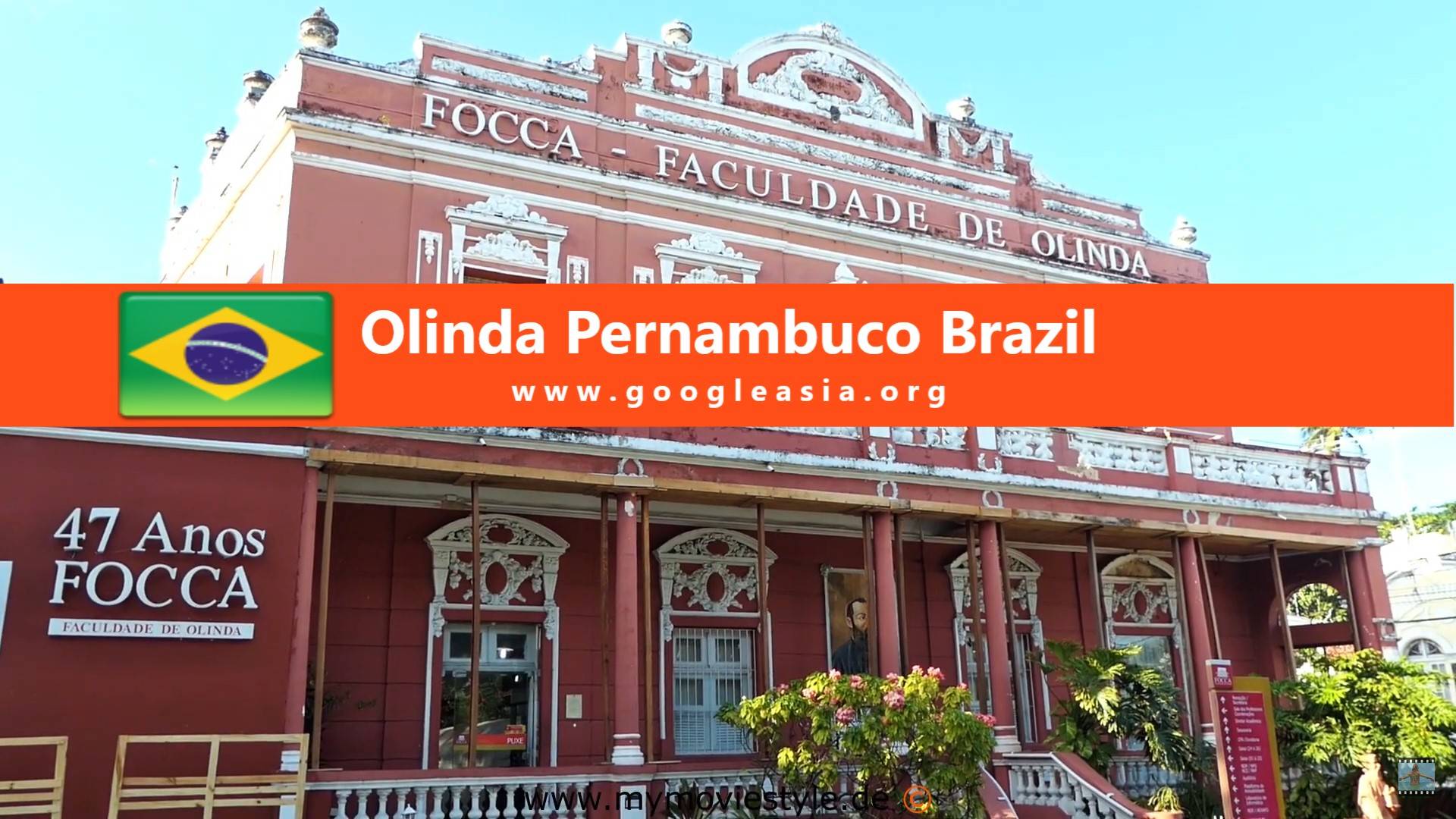
Discover the charm of Olinda, one of Brazil’s most beautiful and historic destinations. Located in Pernambuco, this vibrant colonial town is known for its colorful buildings, cobblestone streets, and rich cultural heritage. With its lively carnival, stunning churches, and breathtaking views of the coast, Olinda offers an unforgettable experience for travelers seeking history, art, and local culture. Don’t miss the chance to explore this UNESCO World Heritage site and immerse yourself in the heart of Brazil’s traditions.
Introduction
Olinda in Brazil is a fascinating and unique destination to explore. A UNESCO World Heritage Site, Olinda’s historic center is home to impressive colonial-style architecture, brightly-colored houses, narrow winding cobblestoned streets, a bustling marketplace, lush tropical gardens, and some of the best Carnival celebrations in the world. It is located only 17 km from Recife and features famous sites such as the Old Cathedral and Convent of São Francisco, the chapel of Nossa Senhora dos Remedios, Forte São Miguel, and Church and Convent of São Bento.
Visitors can also enjoy a variety of delicious local dishes, colorful local crafts, a lively music and dance scene, and stunning natural beauty. Whether you are looking to relax, explore, or experience true Brazilian history and culture, Olinda Pernambuco has something to offer, making it an unforgettable destination to visit.
Olinda is a charming colonial town in the Pernambuco region of Brazil. Its cobblestone streets, colorful buildings, old churches, and stunning views of the Atlantic Ocean make it a wonderful place to explore. The city is known for its lively Carnival celebrations, spectacular yearly art festivals, and vibrant nightlife.
Olinda, nestled in the Brazilian state of Pernambuco, stands as a testament to Brazil’s rich history and vibrant culture. This UNESCO World Heritage Site boasts a well-preserved historical center dating back to the 16th century, adorned with splendid Baroque architecture and a tapestry of colorful festivities.
Historical Significance and Architecture
Renowned for its Baroque architecture and colonial charm. UNESCO Recognition: Designated a World Heritage Site for its cultural and historical importance. Landmarks: Churches and colonial buildings that showcase Brazil’s colonial past.
Baroque Marvels
- Churches: São Bento, Sé Cathedral, and Carmo Church highlight Olinda’s religious heritage.
- Colonial Buildings: Palácio dos Governadores and Mercado da Ribeira reflect architectural elegance.
Cultural Richness and Artistic Heritage
Celebrates renowned Brazilian musicians and artists. Artistic Influence: Fosters creativity with galleries, studios, and vibrant street art. Cultural Events: Carnaval, art festivals, and music performances enrich local life.
Artistic Flourish
- Local Artists: Influential figures like Francisco Brennand and Lula Cardoso Ayres.
- Craftsmanship: Ceramic art and handicrafts embody Olinda’s artisanal spirit.
Suggested Itinerary
- 8:00 AM – Breakfast at a local café (try tapioca pancakes and Brazilian coffee)
- 9:00 AM – 11:00 AM – Stroll through the Historic Center (UNESCO site with colonial houses and artisan shops)
- 11:30 AM – 1:00 PM – Visit the Sé Cathedral (panoramic views of Recife and the coastline)
- 1:00 PM – 2:00 PM – Lunch at a traditional restaurant (regional dishes like moqueca or feijoada)
- 2:30 PM – 4:00 PM – Explore the Convent of São Francisco and nearby baroque churches
- 4:30 PM – 6:00 PM – Wander the art galleries and handicraft markets (local ceramics, woodwork, and paintings)
- 6:30 PM – 8:00 PM – Sunset at Alto da Sé (street food stalls serving tapioca and acarajé)
- 8:30 PM – Dinner with live music in one of Olinda’s bohemian bars
Attractions
Scenic Beauty and Coastal Views
Olinda, located in the state of Pernambuco, is a UNESCO World Heritage Site famous for its colonial architecture and coastal scenery. The city offers panoramic views of the tropical coastline and the Atlantic Ocean, blending historic charm with natural beauty.
Beachfront Charms
- Praia do Carmo: Known for its calm waters and proximity to Olinda’s historic center, making it ideal for families.
- Praia de Casa Caiada: One of Olinda’s main urban beaches, offering wide sandy stretches and views of Recife’s skyline. A sandbank offshore forms a small island, though swimmers must be cautious of strong currents.
Sunset Delights
Scenic spots along the coastline, especially near Alto da Sé, provide breathtaking sunset views over the ocean, making them popular with photographers and visitors alike.
Coastal Wonders
Miradouros (Viewpoints)
The Alto da Sé viewpoint is one of Olinda’s most famous attractions, offering sweeping views of the coastline and Recife. It is also a cultural hub, with local artisans selling crafts and food stalls serving regional snacks.
Beachfront Promenades
Walking along Avenida Liberdade and other seaside promenades allows visitors to enjoy oceanfront ambiance, blending leisure with glimpses of daily life in Olinda.
Things to Do
Here are some of the top things to do in Olinda, Pernambuco, Brazil, offering a blend of cultural exploration, historical immersion, and natural beauty:
Visit the Mosteiro de São Bento
Explore this ancient Dominican monastery founded in 1582, renowned for its stunning baroque architecture and historical significance. Highlights: Baroque chapel, cultural artifacts, and guided tours.
Architectural Marvel
- Baroque Chapel: Intricate design and historical artworks.
- Cultural Significance: Displays of colonial-era religious artifacts.
Explore the Historic Centre
Wander through cobbled streets lined with colorful colonial houses, art galleries, churches, cafes, and vibrant local culture. Highlights: Street musicians, artisanal crafts, and historical landmarks.
Colonial Charm
- Cultural Hub: Galleries, local crafts, and artisanal markets.
- Architectural Gems: Colonial houses and baroque churches.
Walk Around the Walls of Olinda
Experience the centuries-old city walls offering panoramic coastal views and a glimpse into Olinda’s fortified past. Highlights: Scenic viewpoints, coastal vistas, and historical fortifications.
Scenic Views
- Coastal Panoramas: Sunset views over the Atlantic Ocean.
- Historical Insight: Learn about Olinda’s defensive architecture.
Admire the Nossa Senhora do Carmo Church
Visit this 17th-century masterpiece featuring a magnificent wooden façade, gilded carvings, and intricate stained-glass windows. Highlights: Architectural grandeur, religious art, and guided tours.
Architectural Grandeur
- Artistic Details: Carved wooden façade and ornate interiors.
- Cultural Heritage: Religious artworks and historical significance.
Visit the Museu de Arte Sacra
Explore the Museum of Sacred Art showcasing religious art, stone carvings, and colonial-era artifacts. Highlights: Art collections, cultural exhibits, and guided museum tours.
Cultural Exploration
- Religious Art: Displays of sacred artworks and artifacts.
- Colonial Heritage: Historical insights into Pernambuco’s artistic traditions.
Soak up the Sun at Praia de Casa Forte
Relax on this picturesque beach offering swimming, sunbathing, and breathtaking sunset views. Highlights: Beach activities, coastal relaxation, and oceanfront dining.
Beachside Bliss
- Sunset Views: Spectacular ocean vistas and beachfront ambiance.
- Water Activities: Swimming, beach sports, and leisurely walks.
Visit the Parque da Jaqueira
Enjoy a stroll through this expansive public park known for picnics, leisure activities, and scenic landscapes. Highlights: Picnic spots, walking trails, and family-friendly amenities.
Tranquil Oasis
- Natural Setting: Gardens, shaded areas, and recreational facilities.
- Local Favorite: Community gatherings and cultural events.
Sip a Caipirinha at Teatro de Olinda
Experience this charming outdoor theater hosting concerts and plays amidst a lively cultural atmosphere. Highlights: Live performances, caipirinha bars, and evening entertainment.
Cultural Entertainment
- Live Shows: Music concerts and theatrical performances.
- Local Flavor: Traditional caipirinhas and regional refreshments.
Visit the Mangue Palace
Explore this 18th-century cultural landmark housing a museum showcasing regional history and artifacts. Highlights: Historical architecture, museum exhibits, and guided tours.
Historical Insight
- Cultural Exhibits: Artefacts, exhibits, and archival displays.
- Architectural Beauty: Gardens, terraces, and colonial-era design.
Explore Forte das 5 Pontas
Discover this imposing 16th-century fort overlooking the city, offering historical insights and panoramic views. Highlights: Fortifications, historical tours, and coastal defense architecture.
Historical Exploration
- Fort Architecture: Bastions, cannons, and defensive structures.
- Panoramic Views: Cityscapes and Atlantic Ocean vistas.
Foods
Here are some of the best foods to try in Olinda, Pernambuco, Brazil, showcasing the region’s rich culinary heritage:
Carne de Sol
Carne de sol (“sun-dried beef”) is a hallmark of Northeastern Brazilian cuisine. Traditionally, beef is lightly salted and dried under the sun for one or two days—different from full curing, which produces charque (jerky). This method was developed in the sertão (semi-arid interior) as a way to preserve meat before refrigeration.
- Flavor & Texture: Tender and flavorful, often grilled or pan-fried.
- Accompaniments: Served with rice, beans, farofa (toasted cassava flour), and sometimes macaxeira (cassava root).
- Cultural Note: Carne de sol is considered a rustic dish that symbolizes the resilience of sertanejo (backlands) culture.
Peixada Pernambucana
Peixada Pernambucana is a seafood stew from Pernambuco, prepared with coconut milk, tomatoes, onions, peppers, and local spices. Sometimes green bananas are added, reflecting Afro-Brazilian culinary traditions.
- Origins: Influenced by African cooking techniques and Portuguese stews.
- Flavor Profile: Creamy coconut base with fresh fish or shrimp, often served with pirão (a thick cassava flour sauce).
- Cultural Note: A festive dish, often prepared for family gatherings and coastal celebrations.
Buchada de Bode
Buchada de bode is one of Pernambuco’s most famous sertanejo dishes. It is made from goat stomach stuffed with diced offal (liver, intestines, coagulated blood), seasoned with garlic, mint, onions, chili peppers, and herbs, then stewed.
- Origins: Rooted in backlands survival cooking, where no part of the animal was wasted.
- Preparation: The stomach is carefully cleaned, filled, and simmered with spices and lemon juice.
- Cultural Note: Considered a bold dish, deeply tied to sertão identity and often served at rural festivals.
Carne de Sol com Abóbora
This variation combines sun-dried beef with pumpkin, slow-cooked to create a sweet-and-savory balance.
- Flavor Profile: Pumpkin’s natural sweetness complements the saltiness of carne de sol.
- Cultural Note: A comforting dish, popular in family kitchens across the Northeast.
Palmitos com Carne de Sol
Palm hearts (palmitos), harvested from native palms, are cooked with carne de sol.
- Texture: Tender palm hearts add a unique bite to the savory beef.
- Cultural Note: Highlights the use of local Amazonian and Northeastern ingredients in creative combinations.
Quibebe de Abóbora
Quibebe is a creamy pumpkin stew, often enriched with coconut milk, onions, garlic, and spices.
- Origins: Indigenous roots, later adapted with African and Portuguese influences.
- Flavor Profile: Smooth, aromatic, and comforting, often served as a side dish.
Maria Isabel
Maria Isabel is a hearty casserole made with rice, cassava, and sausage.
- Origins: Popular in Piauí and Maranhão, reflecting Portuguese rice traditions and local cassava use.
- Cultural Note: A filling dish, often prepared for celebrations and communal meals.
Rabada com Queijo
Rabada (oxtail stew) is slow-cooked with onions, garlic, chili peppers, and tomatoes, then enriched with cheese.
- Flavor Profile: Tender oxtail infused with spices, with cheese adding creaminess.
- Cultural Note: A rustic dish, often served with polenta or rice, symbolizing hearty backlands cooking.
Assado de Tambaqui
Tambaqui, a freshwater Amazonian fish, is baked in banana leaves over an open fire.
- Flavor Profile: Smoky aroma and natural flavors preserved by the leaves.
- Cultural Note: A traditional preparation method in river communities, highlighting Amazonian culinary heritage.
Carne de Sol com Cumaru
This variation pairs carne de sol with cumaru seeds (Dipteryx odorata), known as “Brazilian vanilla.”
- Flavor Profile: Cumaru adds a fragrant, sweet-spicy note to the savory beef.
- Cultural Note: Reflects culinary creativity and the blending of sertão traditions with Amazonian ingredients.
Conclusion
Olinda is more than a historic town—it’s a living canvas of Brazil’s culture. From its colonial architecture to its vibrant Carnival traditions, the city invites travelers to slow down, wander, and soak in its artistic spirit. Whether you come for a day or stay longer, Olinda leaves you with memories painted in color and rhythm.
Summary
- Attraction Name: Olinda Pernambuco
- Country: Brazil
- Continent: South America
- Capital Name: Brasília
- Language: Portuguese, Spanish, English
- Currency: Brazilian Real
- Category: #Destination #SouthAmerica #Brazil
Contact Information
- Address: Olinda, Pernambuco State, Brazil
- Telephone (Tourist Office): +55 (81) 3439‑1990
- Website:
www.olinda.pe.gov.br - E‑mail: turismo@olinda.pe.gov.br
- Entry Fee: Most attractions are free; guided tours and museum entries may charge small fees (R$ 10 – R$ 30)
- Business Hours: Historic sites generally open daily, 9:00 AM – 5:00 PM; restaurants and bars open until late evening
Frequently Asked Questions
Where is Olinda located?
Olinda is located in the northeastern region of Brazil, specifically in the state of Pernambuco. It is situated just north of the city of Recife, which is the capital of Pernambuco. Olinda is known for its well-preserved colonial architecture, vibrant culture, and its annual Carnaval celebration, making it a popular tourist destination in Brazil.
How to go to Olinda?
To travel to Olinda, Pernambuco, Brazil, you can follow these general guidelines depending on your starting point:
- By Air:
- International Flights: If you are traveling from outside Brazil, you can fly into Recife International Airport (Guararapes-Gilberto Freyre International Airport – REC), which is the closest major airport to Olinda.
- Domestic Flights: From within Brazil, there are numerous daily flights to Recife from major cities such as São Paulo, Rio de Janeiro, Brasília, and Salvador.
- From Recife Airport to Olinda:
- Taxi or Rideshare: Taxis and rideshare services (like Uber) are available from Recife Airport to Olinda. The journey takes approximately 30-40 minutes, depending on traffic conditions.
- Public Transport: You can take a bus from the airport to Recife city center (Terminal Integrado Aeroporto), and from there, transfer to a bus heading towards Olinda. Buses are an economical option but may take longer due to stops along the route.
- By Bus:
- Long-Distance Buses: If you are traveling from other cities in Brazil, there are long-distance buses to Recife. From the main bus terminal in Recife (Terminal Integrado de Passageiros), you can then take a local bus or taxi to Olinda.
- By Car:
- Rental Car: Renting a car gives you flexibility, especially if you plan to explore beyond Olinda. Major highways connect Recife to Olinda, and the drive takes around 20-30 minutes depending on traffic.
- Local Transport in Olinda:
- Once in Olinda, the historic center is compact and walkable. Local buses and taxis are available for travel within the city and to nearby attractions.
- Travel Tips:
- Language: Portuguese is the official language in Brazil. Some basic knowledge of Portuguese can be helpful, especially outside tourist areas.
- Currency: The currency used in Brazil is the Brazilian Real (BRL). It’s advisable to exchange currency at the airport or use ATMs to withdraw cash.
- Safety: As with any travel, be aware of your surroundings and take precautions with your belongings, particularly in crowded areas.
What are Olinda’s must-visit attractions or landmarks?
Olinda, Pernambuco, is renowned for its well-preserved colonial architecture, vibrant cultural scene, and scenic views. Here are some must-visit attractions and landmarks in Olinda:
- Historic Center (Centro Histórico):
- Explore the cobblestone streets and beautifully preserved colonial buildings dating back to the 16th century.
- Highlights include colorful churches, convents, and charming squares like Praça do Carmo and Praça da Sé.
- Churches and Convents:
- Igreja de São Salvador do Mundo: Known for its baroque architecture and stunning interior.
- Convento de São Francisco: Features intricate azulejo tiles and a rich history dating back to the 16th century.
- Igreja da Sé (Cathedral): Offers panoramic views of Olinda and Recife from its bell tower.
- Mercado da Ribeira:
- Experience local culture and cuisine at this traditional market offering fresh produce, handicrafts, and regional delicacies.
- Casa dos Bonecos Gigantes:
- Visit this museum dedicated to giant carnival puppets (bonecos gigantes), which are an integral part of Olinda’s Carnaval festivities.
- Carnaval de Olinda:
- If visiting during February or March, experience one of Brazil’s liveliest and most colorful Carnaval celebrations, known for its music, dance, and elaborate costumes.
- Mirante da Caixa d’Água:
- Climb to this viewpoint for panoramic views of Olinda’s historic center, the Atlantic Ocean, and the skyline of Recife.
- Beaches:
- While Olinda itself is known more for its historic attractions, nearby beaches like Praia de Casa Caiada and Praia do Bairro Novo offer opportunities for relaxation and ocean views.
- Art and Culture:
- Explore local art galleries, studios, and artisan shops showcasing traditional and contemporary Brazilian art.
- Rua do Amparo:
- Wander along this picturesque street lined with colonial mansions, art studios, and quaint cafés.
- Museums and Cultural Centers:
- Museu Regional de Olinda: Learn about the history and culture of Olinda through exhibits and artifacts.
- Museu de Arte Contemporânea de Pernambuco (MAC): Located in the nearby city of Recife, it features contemporary art exhibitions.
Is Olinda a suitable travel destination for solo adventurers, honeymooning couples, or those traveling with families?
Olinda, Pernambuco, offers a diverse range of experiences that cater to different types of travelers:
- Solo Adventurers:
- Olinda’s historic center is compact and safe for solo exploration. Solo travelers can enjoy wandering through the charming streets, visiting museums and art galleries, and experiencing the vibrant local culture.
- The city also hosts cultural events and festivals throughout the year, providing opportunities to engage with locals and other travelers.
- Honeymooning Couples:
- Olinda’s romantic colonial architecture, cobblestone streets, and picturesque views make it a charming destination for honeymooners.
- Couples can enjoy leisurely strolls through the historic center, dine in cozy restaurants offering local cuisine, and soak in the artistic and cultural atmosphere.
- The nearby beaches offer a relaxing escape and beautiful sunsets, perfect for romantic moments.
- Families:
- Olinda can be a family-friendly destination, especially for families interested in history, culture, and art.
- Children and parents alike can explore the historic churches, convents, and museums, learning about Brazil’s colonial past.
- Families can also enjoy the festive atmosphere during Carnaval season, although parents should be prepared for large crowds and lively celebrations.
- Travel Tips:
- Accommodation: There are hotels, guesthouses, and vacation rentals available in Olinda catering to different budgets and preferences.
- Safety: While Olinda is generally safe, it’s essential to exercise common sense and take precautions, especially at night and in crowded areas.
- Local Cuisine: Families and couples can enjoy trying local dishes and seafood specialties at restaurants and markets throughout Olinda.
Why should you visit Olinda?
There are several compelling reasons to visit Olinda, Pernambuco, which make it a unique and vibrant destination in Brazil:
- Historic Architecture: Olinda is renowned for its well-preserved colonial architecture, characterized by colorful buildings, baroque churches, and convents dating back to the 16th century. The historic center is a UNESCO World Heritage site, offering a glimpse into Brazil’s colonial past.
- Cultural Heritage: The city boasts a rich cultural heritage influenced by Portuguese, African, and indigenous traditions. Visitors can explore museums, art galleries, and artisan workshops showcasing traditional crafts and contemporary Brazilian art.
- Carnaval Festivities: Olinda hosts one of Brazil’s most famous Carnaval celebrations, known for its lively street parties, music, and colorful costumes. During Carnaval season, the city comes alive with parades, dance performances, and festivities that attract visitors from around the world.
- Artistic Hub: The city has a thriving artistic community, with numerous art studios, galleries, and cultural centers. Artists and artisans from Olinda contribute to Brazil’s vibrant art scene, creating and showcasing diverse artworks and crafts.
- Scenic Views: Olinda offers panoramic views of the Atlantic Ocean and the nearby city of Recife from viewpoints like Mirante da Caixa d’Água and Alto da Sé. These viewpoints provide stunning vistas of the coastline and the city’s historic skyline.
- Local Cuisine: Visitors can savor traditional Brazilian dishes and regional specialties at local restaurants and eateries. Olinda’s culinary scene includes seafood, tropical fruits, and dishes influenced by African and indigenous culinary traditions.
- Festivals and Events: Beyond Carnaval, Olinda hosts various cultural and religious festivals throughout the year, celebrating local traditions, music, and folklore. These events offer opportunities to immerse oneself in the city’s vibrant cultural life.
- Nearby Beaches: While Olinda itself is more known for its historic attractions, visitors can also explore nearby beaches like Praia de Casa Caiada and Praia do Bairro Novo for relaxation and ocean views.
- Hospitality and Local Culture: Olinda is known for its warm hospitality and welcoming atmosphere. Visitors can interact with locals, participate in cultural activities, and learn about the city’s unique traditions and customs.
Is it difficult to find halal food in Olinda?
Finding halal food in Olinda, Pernambuco, can be challenging due to the predominantly non-Muslim population and culinary traditions in the region. Here are some considerations:
- Limited Availability: Halal food options are not widely available in Olinda compared to larger cities in Brazil with larger Muslim populations.
- Major Cities Nearby: If halal food is a priority, nearby cities like Recife, the capital of Pernambuco, may offer more options. Recife has a more diverse culinary scene and a larger Muslim community, making it easier to find halal restaurants and markets.
- International Cuisine: Some international restaurants in Recife and larger hotels may offer Middle Eastern or Mediterranean cuisine that could potentially include halal options. It’s recommended to inquire about the ingredients and preparation methods to ensure they meet halal dietary standards.
- Self-Catering: Consider staying in accommodations with kitchen facilities, such as vacation rentals or apartments, which allows you to prepare your own meals using halal ingredients sourced from local markets.
- Plan Ahead: If finding halal food is essential for your trip to Olinda, research and plan your dining options in advance. Local residents or hotel staff may also provide recommendations or guidance on where to find halal food options in the area.