Tag: ARGENTINA

  • Visiting Tierra del Fuego National Park, Argentina: Travel Guide & Tips

    Visiting Tierra del Fuego National Park, Argentina: Travel Guide & Tips

    Tierra del Fuego National Park, Argentina

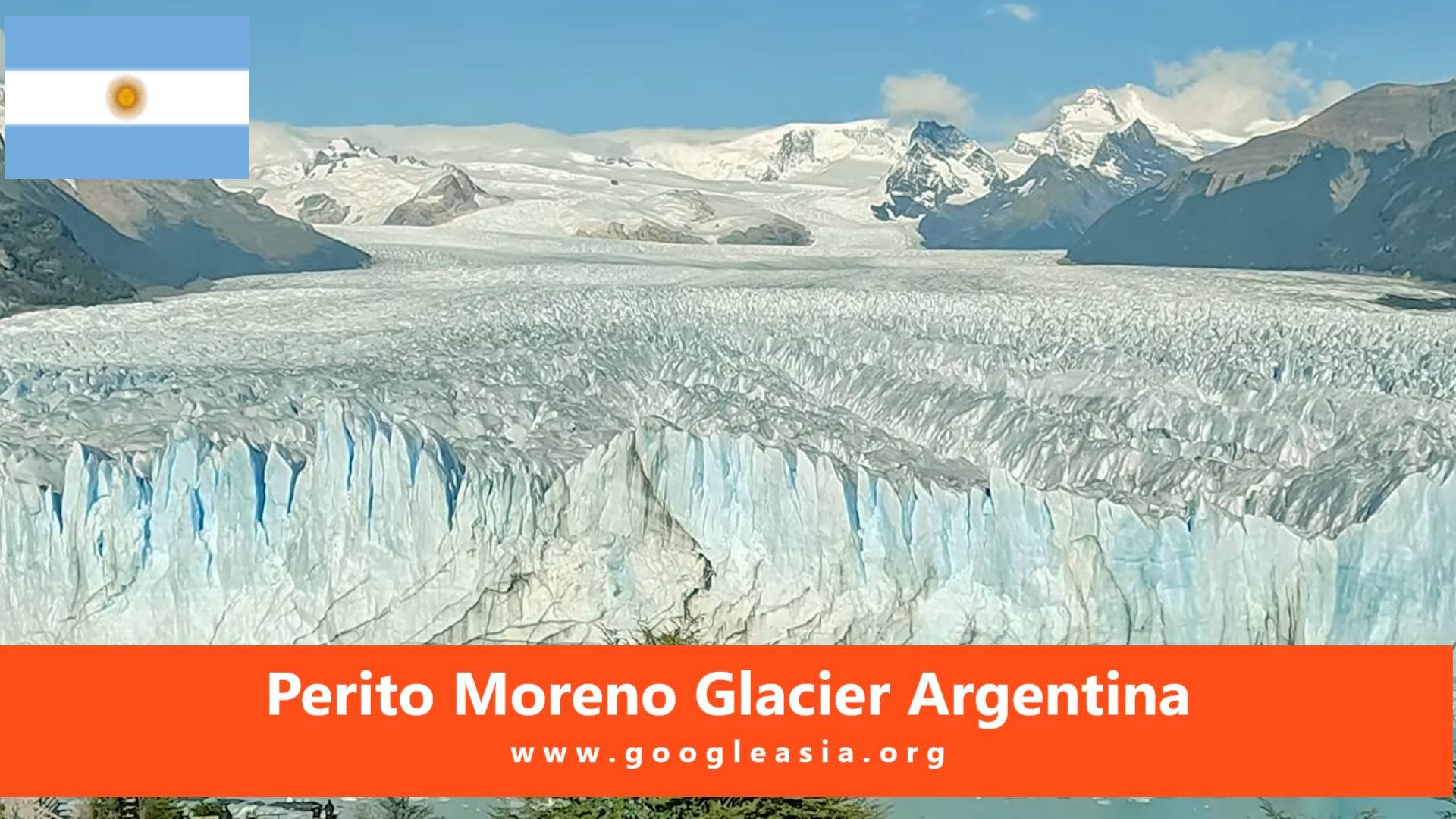
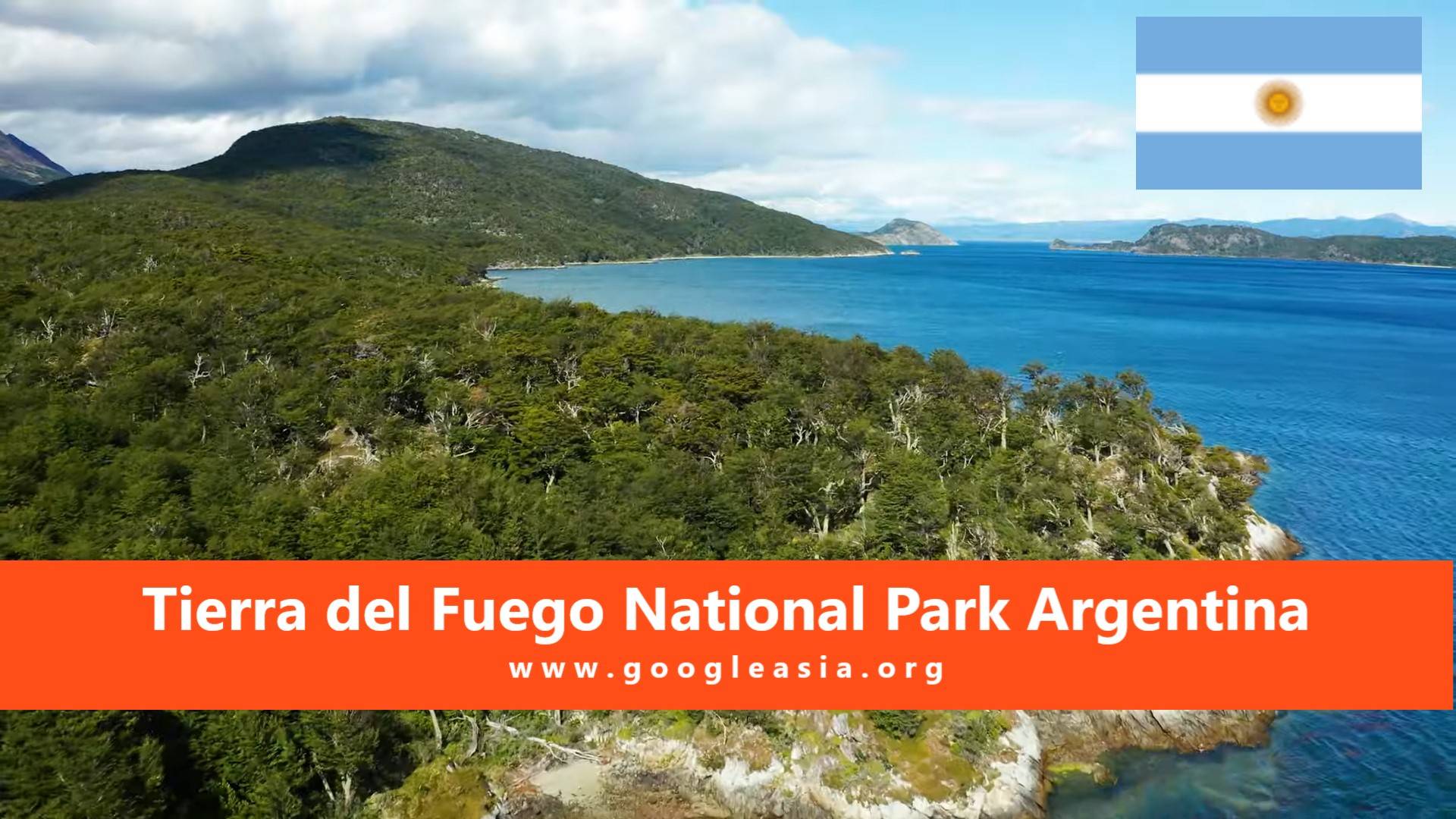
    Tierra del Fuego National Park Argentina is one of the most spectacular and stunningly beautiful natural attractions in South America. This park, located at the tip of the continent in the extreme south of Argentina, is home to some of the world’s most spectacular vistas, and visitors can explore an amazing array of landscapes, from rugged alpine peaks to ancient glaciers, and from remote island wilderness to the renowned Perito Moreno Glacier.

    The park also serves as an excellent base for exploring the plentiful wildlife, including guinea pigs, beavers, ostrich, fox, and even orcas. The park also provides visitors with excellent facilities for camping and canoeing. All in all, Tierra del Fuego National Park Argentina is an incomparable destination for travelers looking for an unforgettable experience in nature.

    Tierra del Fuego National Park is the largest national park in Argentina. It is an amazing site of pristine forests and sub-Antarctic forests located on the southernmost tip of the South American continent. The park offers amazing views, trails and activities like kayaking and horseback riding, allowing visitors to explore the vast wilderness and study its unique beauty.

    Introduction

    Tierra del Fuego National Park, located in the southernmost reaches of Argentina, is a pristine expanse of wilderness characterized by its dramatic landscapes and rich biodiversity. Situated in the Province of Tierra del Fuego, the park spans an impressive 63,000 hectares, making it the largest national park in Argentina. Established on October 15, 1960, this park is a testament to the natural beauty and ecological significance of the region. Here’s a detailed look at what makes Tierra del Fuego National Park a must-visit destination.

    Rugged Landscapes and Natural Wonders

    Mountains and Glaciers

    Tierra del Fuego National Park is renowned for its rugged terrain, which includes a stunning array of mountains and glaciers. The park’s dramatic mountain ranges are a defining feature, providing breathtaking backdrops for outdoor enthusiasts and photographers alike. Notable peaks include the impressive Cerro Condor and Cerro Alvear.

    The glaciers within the park, such as the Martial Glacier, offer awe-inspiring views and opportunities for exploration. These ice formations contribute to the park’s dynamic landscape and play a crucial role in its ecology.

    Forests and Lakes

    The park’s diverse ecosystems include temperate rainforests and pristine lakes. The forests are predominantly composed of lenga and ñire trees, creating a lush, green environment that contrasts beautifully with the surrounding mountains and glaciers.

    Lakes like Lago Roca and Lago Escondido add to the park’s scenic beauty. These serene bodies of water are ideal for kayaking, fishing, and peaceful reflection.

    Flora and Fauna

    Wildlife

    Tierra del Fuego National Park is home to a rich array of wildlife, making it a haven for nature lovers and wildlife enthusiasts. Key species include:

    • Guanacos: These South American camelids are commonly spotted grazing in the park’s open meadows.
    • Andean Foxes: Also known as the gray fox, these animals can be seen traversing the park’s diverse landscapes.
    • Condors: The Andean condor, one of the world’s largest flying birds, can often be seen soaring above the park’s mountains and valleys.
    • Sea Lions: The coastal areas of the park are frequented by sea lions, which can be observed basking on the rocks and swimming in the waters.

    Bird Species

    The park is also a critical habitat for numerous bird species, including the black-faced ibis, the austral parakeet, and various species of ducks and geese. Birdwatchers will find ample opportunities to observe and photograph these fascinating creatures.

    Conservation and Preservation

    As the largest national park in Argentina, Tierra del Fuego National Park plays a vital role in the conservation of southern Patagonian ecosystems. Efforts are ongoing to preserve the park’s unique biodiversity and ensure sustainable tourism practices.

    Things to Do

    Tierra del Fuego National Park, located in the southernmost part of Argentina, is a haven for outdoor enthusiasts and nature lovers. With its rugged landscapes, diverse ecosystems, and abundant wildlife, the park offers a variety of activities for visitors seeking adventure or tranquility. Here’s a comprehensive guide to the top things to do in Tierra del Fuego National Park:

    Hiking and Trekking

    Explore Scenic Trails

    Tierra del Fuego National Park boasts a network of hiking and trekking trails that cater to various skill levels. Key trails include:

    • Laguna Turquesa Trail: This relatively easy hike leads to the stunning turquoise lagoon, offering breathtaking views and a chance to experience the park’s serene beauty.
    • Hito XXIV Trail: For those seeking a more challenging trek, this trail takes you to the park’s southernmost border marker, providing spectacular views of the surrounding landscapes.

    Prepare for Weather Conditions

    The weather in Tierra del Fuego can be unpredictable, with rain and strong winds common. Ensure you bring appropriate rain gear and layered clothing to stay comfortable during your hike.

    Kayaking and Canoeing

    Paddle Through Scenic Waters

    Kayaking and canoeing are excellent ways to explore the park’s coastal waters and lakes. Popular spots for water activities include:

    • Lago Roca: This picturesque lake offers calm waters and stunning views, perfect for a relaxing paddle.
    • Beagle Channel: Venture into the Beagle Channel to experience the park’s coastal scenery and spot marine wildlife.

    Observe Marine Wildlife

    While paddling, keep an eye out for seabirds, sea lions, and other marine species that inhabit the area. The peaceful waters provide an ideal vantage point for wildlife observation.

    Wildlife Watching and Birding

    Spot Diverse Species

    Tierra del Fuego National Park is home to a variety of wildlife. Key species to look for include:

    • Southern Sea Lions: Often seen along the park’s coastal areas, these sea lions are a fascinating sight.
    • Dolphins: Watch for dolphins in the Beagle Channel, where they are known to swim and play.
    • Penguins: Depending on the season, you might spot penguins in the park’s coastal regions.

    Birdwatching Opportunities

    The park’s wetlands and forests are ideal for birdwatching. Look for species such as the Andean condor, the black-faced ibis, and various types of ducks and geese.

    Fishing

    Try Your Luck at Fishing

    Fishing is a popular activity in Tierra del Fuego National Park, with opportunities to catch sea trout, catfish, and other species. The park’s rivers and lakes provide diverse fishing experiences.

    Follow Local Regulations

    Be sure to check local fishing regulations and obtain any necessary permits. Respecting these rules helps protect the park’s ecosystems and ensures sustainable fishing practices.

    Photography

    Capture Stunning Landscapes

    The park’s dramatic landscapes offer incredible photography opportunities. Key spots for capturing stunning photos include:

    • Martial Glacier: The glacier and its surrounding peaks provide a spectacular backdrop for landscape photography.
    • Lago Escondido: The hidden lake offers reflective waters and beautiful scenery, perfect for capturing tranquil moments.

    Wildlife Photography

    For those interested in wildlife photography, the diverse animal species and their natural habitats present excellent opportunities to capture unique images.

    Camping

    Enjoy a Night Under the Stars

    Camping in Tierra del Fuego National Park allows you to experience the park’s natural beauty up close. Designated camping sites are available throughout the park, offering various amenities.

    Choose the Right Campsite

    Popular campsites include:

    • Camping Lago Roca: Located near the lake, this site offers stunning views and easy access to hiking trails.
    • Camping Río Pipo: Situated along the river, this site provides a peaceful setting and good facilities.

    Visiting Museums

    Learn About Local History and Culture

    To gain insights into the region’s history and culture, visit the “Casa de los Navarros” Museum, located within the park. This museum offers exhibits related to the area’s past, including indigenous cultures and early European explorers.

    Explore Regional Exhibits

    The museum’s exhibits provide a deeper understanding of Tierra del Fuego’s unique cultural and historical context, enhancing your overall visit to the park.

    Foods

    Tierra del Fuego National Park, situated in the southernmost part of Argentina, is not only renowned for its breathtaking landscapes but also for its unique and delicious cuisine. The park and its surrounding region offer a variety of local dishes that highlight the flavors of Patagonia. Here’s a guide to some of the best foods to try when visiting Tierra del Fuego National Park:

    Patagonian Lamb

    Traditional Asados

    Patagonian lamb is a staple of local cuisine and is particularly celebrated during asados (barbecues). The lamb is known for its tender, flavorful meat, which is often slow-cooked over an open flame or in a traditional Argentine parrilla (grill). The slow roasting process, combined with local herbs and spices, enhances the meat’s natural flavors.

    Cooking Techniques

    The lamb is typically seasoned with a blend of local herbs and cooked until it reaches perfect tenderness. It’s commonly served with a variety of side dishes such as roasted vegetables, potatoes, and fresh salads.

    King Crab

    A Coastal Delicacy

    King crab is a highly prized seafood in Tierra del Fuego, known for its sweet, rich flavor. The crabs are often caught fresh from the surrounding waters and are a highlight on many local menus.

    How It’s Served

    King crab is typically prepared in several ways, including grilled, steamed, or baked. It’s often served with a simple lemon butter sauce to complement its natural sweetness. Enjoy it as part of a seafood platter or as a main dish.

    Fresh Seafood

    Local Varieties

    The waters around Tierra del Fuego are teeming with fresh seafood, including cod, sea bass, and hake. These fish are commonly featured on restaurant menus and are known for their fresh, delicate flavors.

    Typical Dishes

    Fresh seafood is often prepared simply to highlight its quality. Common preparations include grilled or pan-seared fish, served with local sides like roasted potatoes, sautéed vegetables, or a fresh herb salad.

    Chilean-Style Empanadas

    Savory Snacks

    Chilean-style empanadas are a popular and flavorful snack in Tierra del Fuego. These pastries are filled with a variety of ingredients such as seasoned beef, olives, raisins, and hard-boiled eggs.

    Enjoying Empanadas

    Empanadas are often enjoyed as a quick lunch or snack. They can be baked or fried, and are typically served warm, offering a savory and slightly sweet flavor combination.

    Argentine Steaks

    Prime Cuts

    Argentine steaks are renowned for their quality and flavor, and Tierra del Fuego is no exception. Local steakhouses serve up prime cuts of beef, often marinated and cooked to perfection.

    Grilling Techniques

    Steaks are usually cooked on a parrilla, which allows for even grilling and enhances the beef’s natural flavors. They are typically seasoned with just salt and pepper to let the quality of the meat shine through.

    Guanaco Stew

    Traditional Patagonian Dish

    Guanaco stew is a traditional dish in Tierra del Fuego, featuring guanaco meat, which is a wild relative of the llama. The stew is hearty and flavorful, often made with potatoes, vegetables, and a rich broth.

    Preparation and Serving

    The guanaco meat is slow-cooked to tender perfection, allowing the flavors to meld together. It’s typically served with rustic sides such as mashed potatoes or crusty bread.

    Seafood Soup

    Rich and Hearty

    Seafood soup is a beloved dish in Tierra del Fuego, made with a variety of seasonal seafood including fish, shellfish, and sometimes seaweed. The soup is rich and flavorful, often cooked with a base of tomatoes, onions, and garlic.

    Enjoying the Soup

    The seafood soup is usually served hot and can be a great starter or main course. It’s often accompanied by a slice of crusty bread to soak up the delicious broth.

    Alpine Trout

    Fresh and Local

    Alpine trout, sourced from local streams, is a sought-after delicacy in Tierra del Fuego. The trout is known for its delicate flavor and firm texture.

    Common Preparations

    The trout is often grilled or pan-fried, and can be served with a variety of sides such as sautéed vegetables or a fresh herb salad. It’s a lighter option that highlights the region’s fresh, natural ingredients.

    Hotels

    Tierra del Fuego National Park, situated at the southern tip of Argentina, is not only a haven for outdoor enthusiasts but also a region with a range of high-quality accommodations. Whether you’re looking for luxury, comfort, or a unique local experience, there are several excellent hotels and lodges in and around the park. Here’s a guide to some of the best places to stay:

    Los Cauquenes Resort & Spa

    Overview

    • Location: Ushuaia
    • Features: This luxury resort offers stunning views of the Beagle Channel and the surrounding mountains. It provides an all-inclusive experience with fine dining, a full-service spa, and comfortable rooms with modern amenities.

    Highlights

    • Spa services and wellness treatments
    • Private beach and outdoor activities
    • Gourmet restaurant with local cuisine

    Edén Lodge Patagonia

    Overview

    • Location: Ushuaia
    • Features: Edén Lodge offers a cozy, rustic experience with a focus on comfort and natural surroundings. The lodge is designed to blend seamlessly with the landscape, providing a warm and inviting atmosphere.

    Highlights

    • Proximity to hiking trails
    • Personalized service and guided tours
    • Delicious regional cuisine

    Los Estoraques Estancia and Lodge

    Overview

    • Location: Ushuaia
    • Features: This estancia (ranch) and lodge offer an authentic Patagonian experience with a blend of traditional and modern comforts. The estancia provides a unique glimpse into local life and culture.

    Highlights

    • Horseback riding and farm activities
    • Traditional Argentine barbecue (asado)
    • Scenic views and tranquil environment

    Tierra del Fuego Boutique Hotel

    Overview

    • Location: Ushuaia
    • Features: This boutique hotel offers stylish accommodations with personalized service. It combines modern amenities with a cozy, intimate atmosphere.

    Highlights

    • Central location in Ushuaia
    • High-quality breakfast with local ingredients
    • Comfortable rooms with scenic views

    Los Húsares del Beagle Lodge

    Overview

    • Location: Ushuaia
    • Features: Located near the Beagle Channel, this lodge provides comfortable accommodations with a focus on local charm and hospitality. It’s ideal for those looking to explore the surrounding natural beauty.

    Highlights

    • Warm, rustic décor
    • Proximity to the Beagle Channel and city attractions
    • Friendly, attentive staff

    Austral Fueguino Hotel

    Overview

    • Location: Ushuaia
    • Features: Austral Fueguino Hotel offers a range of amenities including a spa, fitness center, and restaurant. The hotel is well-suited for both relaxation and adventure.

    Highlights

    • Wellness center with massage services
    • Modern rooms with city and channel views
    • On-site dining options

    End of the World Spa & Lodge

    Overview

    • Location: Ushuaia
    • Features: As the name suggests, this lodge offers a unique location and a range of spa services. It’s a great place to unwind after exploring the rugged landscapes of Tierra del Fuego.

    Highlights

    • Spa treatments and relaxation facilities
    • Close to hiking trails and outdoor activities
    • Comfortable, well-appointed rooms

    Hosteria Alakush

    Overview

    • Location: Ushuaia
    • Features: This cozy guesthouse provides a warm and welcoming atmosphere with a focus on personalized service. It’s a great choice for a more intimate and homely stay.

    Highlights

    • Friendly, attentive staff
    • Homemade breakfast and local cuisine
    • Comfortable, quaint rooms

    Hollin Del Faro Hotel

    Overview

    • Location: Ushuaia
    • Features: Hollin Del Faro offers a blend of modern comfort and classic elegance. The hotel is well-positioned for exploring Ushuaia and the surrounding areas.

    Highlights

    • Elegant interior and décor
    • Proximity to city attractions and the waterfront
    • On-site restaurant and bar

    Estancia Los Pingüinos

    Overview

    • Location: Puerto Williams, Chile (close to Tierra del Fuego)
    • Features: Although located just across the border in Chile, this estancia offers a unique opportunity to experience Patagonian hospitality and is a great base for exploring the southern regions of Tierra del Fuego.

    Highlights

    • Authentic estancia experience
    • Proximity to penguin colonies and natural reserves
    • Scenic, remote location

    Conclusion

    Tierra del Fuego National Park and its surrounding areas offer a range of accommodations to suit various preferences and budgets. From luxury resorts and boutique hotels to cozy lodges and traditional estancias, each option provides a unique experience that complements the natural beauty of this remote region. Whether you’re seeking high-end amenities, intimate guesthouses, or an authentic Patagonian experience, these hotels ensure a comfortable and memorable stay while you explore the stunning landscapes and wildlife of Tierra del Fuego.

    Tierra del Fuego National Park Argentina

    Summary

    • Attraction: Tierra del Fuego National Park
    • Country: Argentina
    • Continent: South America
    • Capital Name: Buenos Aires
    • Language: Spanish
    • Currency: Argentine Peso
    • Nationality: Argentinian
    • Category: #Destination #SouthAmerica #Argentina 

    Frequently Asked Questions

    Where is Tierra del Fuego National Park located?

    Tierra del Fuego National Park (Parque Nacional Tierra del Fuego) is located in the southernmost part of Argentina, on the island of Tierra del Fuego. Specifically, it is situated in the southwestern part of the island, near the city of Ushuaia, which is the capital of Tierra del Fuego Province. Ushuaia is often referred to as the “southernmost city in the world” and serves as the gateway to the national park. The park itself encompasses a diverse range of landscapes, including forests, mountains, lakes, and coastline, offering visitors opportunities for hiking, wildlife viewing, and experiencing the natural beauty of the region.

    How to go to Tierra del Fuego National Park?

    To reach Tierra del Fuego National Park, which is located near the city of Ushuaia in Argentina, you can follow these steps:

    1. Arrive in Ushuaia:
      • Start by traveling to Ushuaia, which is accessible by air from major cities in Argentina like Buenos Aires, as well as from other South American countries and occasionally direct flights from cities in Chile.
    2. From Ushuaia to the National Park:
      • By Car: The most flexible way to reach Tierra del Fuego National Park is by renting a car in Ushuaia. The park is located about 11 kilometers (approximately 7 miles) west of Ushuaia along National Route 3 (Ruta Nacional 3). The drive takes around 20-30 minutes depending on traffic and road conditions.
      • By Taxi or Transfer: Taxis are available in Ushuaia and can take you directly to the park entrance. You can also arrange transfers through your accommodation or local tour operators.
      • By Public Bus: Ushuaia has a local bus service that runs to the national park. You can check schedules and routes at the bus station or tourist information centers in Ushuaia.
    3. Entrance to the Park:
      • Upon arriving at Tierra del Fuego National Park, you’ll need to pay an entrance fee. This fee can typically be paid at the park entrance gate or visitor center.
    4. Inside the Park:
      • Once inside the national park, you can explore various trails, viewpoints, and attractions. Popular spots include the End of the World Train Station (where the Train of the End of the World departs), Lapataia Bay, Roca Lake, and various hiking trails that offer stunning views of the Beagle Channel and surrounding landscapes.
    5. Guided Tours:
      • If you prefer a guided experience, many tour operators in Ushuaia offer half-day or full-day tours to Tierra del Fuego National Park. These tours often include transportation, guide services, and sometimes additional activities like hiking or canoeing.
    6. Additional Tips:
      • Weather: Be prepared for changing weather conditions, as Ushuaia and Tierra del Fuego National Park can experience unpredictable weather, even in summer. Dress in layers and bring appropriate gear for outdoor activities.
      • Timing: Plan your visit to the park based on your interests and available time. Half-day visits are common, but if you enjoy hiking or want to explore more remote areas, consider a full-day visit.

    What are Tierra del Fuego National Park’s must-visit attractions or landmarks?

    Tierra del Fuego National Park, located near Ushuaia in Argentina, offers a variety of stunning natural attractions and landmarks that make it a must-visit destination for travelers. Here are some of the park’s highlights:

    1. Lapataia Bay (Bahía Lapataia):
      • Lapataia Bay is located at the end of National Route 3, marking the southern terminus of the Pan-American Highway. It offers scenic views of the Beagle Channel and surrounding mountains. Visitors can walk along the easy trails and enjoy the tranquility of this picturesque bay.
    2. End of the World Train (Tren del Fin del Mundo):
      • This historic narrow-gauge railway takes visitors on a scenic journey through the forested landscapes of Tierra del Fuego National Park. The train ride provides insights into the region’s history and offers views of the Pipo River and the Southern Andes.
    3. Roca Lake (Lago Roca):
      • Roca Lake is a serene lake within the national park, surrounded by lush forests and mountains. It’s a popular spot for picnicking, birdwatching, and enjoying the peaceful natural surroundings.
    4. Beaver Dam Trail (Senda Castorera):
      • This trail offers an opportunity to see the impact of introduced beavers on the ecosystem of Tierra del Fuego. It leads through forests and wetlands where beavers have created dams and altered the landscape, providing insights into local conservation efforts.
    5. Paseo de la Isla Trail:
      • This short trail offers a pleasant walk along the shore of the Lapataia River and through forests, with interpretative signs providing information about the local flora and fauna.
    6. Ensenada Bay (Bahía Ensenada) and Redonda Island (Isla Redonda):
      • Ensenada Bay offers beautiful views of the Beagle Channel and surrounding mountains. Redonda Island, accessible by boat, is a nesting site for seabirds and offers opportunities for birdwatching and exploring coastal landscapes.
    7. Acigami Lake (Laguna Acigami):
      • Acigami Lake is a scenic spot within the national park, surrounded by forests and mountains. It’s a peaceful location for hiking, photography, and enjoying the natural beauty of Tierra del Fuego.
    8. Hiking Trails:
      • Tierra del Fuego National Park offers several hiking trails of varying difficulty, allowing visitors to explore different ecosystems, from dense forests to panoramic viewpoints. Popular trails include the Coastal Path (Sendero Costero) and the Pampa Alta Trail.
    9. Historical Exhibits and Interpretation Centers:
      • The national park features interpretation centers and exhibits that provide insights into the region’s natural history, indigenous cultures, and early explorations. These centers offer educational experiences for visitors interested in the park’s conservation and cultural heritage.

    Why should you visit Tierra del Fuego National Park?

    Visiting Tierra del Fuego National Park offers travelers a unique opportunity to explore and experience the natural beauty, rich biodiversity, and cultural heritage of the southernmost tip of South America. Here are compelling reasons why you should consider visiting Tierra del Fuego National Park:

    1. Stunning Scenery:
      • The national park boasts breathtaking landscapes, including snow-capped mountains, dense forests, serene lakes, and picturesque coastline along the Beagle Channel. The contrast between the Andean mountains and the rugged coastal scenery creates a mesmerizing backdrop for outdoor activities and photography.
    2. End of the World Feeling:
      • Ushuaia, the gateway to Tierra del Fuego National Park, is famously known as the “end of the world” due to its southern location. Visiting the park gives you a sense of being at the southernmost tip of South America, surrounded by pristine wilderness and the vast expanse of the Southern Ocean.
    3. Rich Biodiversity:
      • The park is home to diverse ecosystems, from the sub-Antarctic forests and peat bogs to the coastal marshlands and alpine meadows. It harbors a variety of wildlife, including guanacos, foxes, beavers, and numerous bird species. Birdwatchers can spot condors, eagles, and waterfowl in their natural habitats.
    4. Outdoor Activities:
      • Tierra del Fuego National Park offers ample opportunities for outdoor enthusiasts. Visitors can hike along scenic trails like the Coastal Path (Sendero Costero) or the Pampa Alta Trail, enjoy canoeing or kayaking on tranquil lakes, and embark on boat tours to nearby islands like Redonda Island for birdwatching.
    5. Cultural Heritage:
      • The park preserves the cultural heritage of the indigenous Yaghan and Selk’nam peoples who historically inhabited the region. Interpretive centers within the park provide insights into their traditional lifestyles, hunting techniques, and survival skills in the challenging environment of Tierra del Fuego.
    6. Historical Significance:
      • Tierra del Fuego National Park has historical significance as the site where early European explorers, including Ferdinand Magellan and Charles Darwin, navigated the treacherous waters and documented their encounters with indigenous peoples and unique wildlife.
    7. Photography Opportunities:
      • Photographers will find endless opportunities to capture the dramatic landscapes, wildlife encounters, and unique flora of Tierra del Fuego. Sunrise and sunset over the Beagle Channel, reflections in tranquil lakes, and wildlife in their natural habitats offer spectacular photo opportunities.
    8. Accessibility and Infrastructure:
      • The national park is easily accessible from Ushuaia, which offers a range of accommodations, dining options, and tourist services. Guided tours and visitor facilities within the park ensure a comfortable and informative experience for visitors of all ages and interests.

    Are there any halal food options near the Tierra del Fuego National Park?

    Finding halal food options near Tierra del Fuego National Park can be challenging due to the region’s predominantly non-Muslim population and limited awareness of halal dietary requirements. Here are some considerations and potential options:

    1. Ushuaia Restaurants:
      • Ushuaia, the gateway city to Tierra del Fuego National Park, has a small but growing international community and tourism infrastructure. Some restaurants in Ushuaia may offer vegetarian or seafood options that could be suitable for halal dietary restrictions. It’s advisable to inquire about ingredients and preparation methods to ensure they meet halal standards.
    2. International Cuisine:
      • Restaurants serving Middle Eastern, Mediterranean, or Indian cuisine in Ushuaia may offer dishes that are prepared according to halal guidelines. These restaurants are more likely to be familiar with halal requirements, but it’s still important to confirm before ordering.
    3. Grocery Stores:
      • Larger supermarkets or specialty grocery stores in Ushuaia may carry imported halal-certified food products, such as canned goods, snacks, and packaged foods. This can be an option for purchasing food to prepare meals yourself, especially if you have access to kitchen facilities.
    4. Communication:
      • When dining out, communicate your dietary preferences clearly to restaurant staff. While English may be spoken in tourist areas, basic Spanish phrases can help convey your halal dietary requirements effectively.
    5. Plan Ahead:
      • Research and plan your meals in advance, especially if you have specific dietary needs. Online platforms and travel forums where visitors share their experiences in Ushuaia can provide insights into finding halal food options.
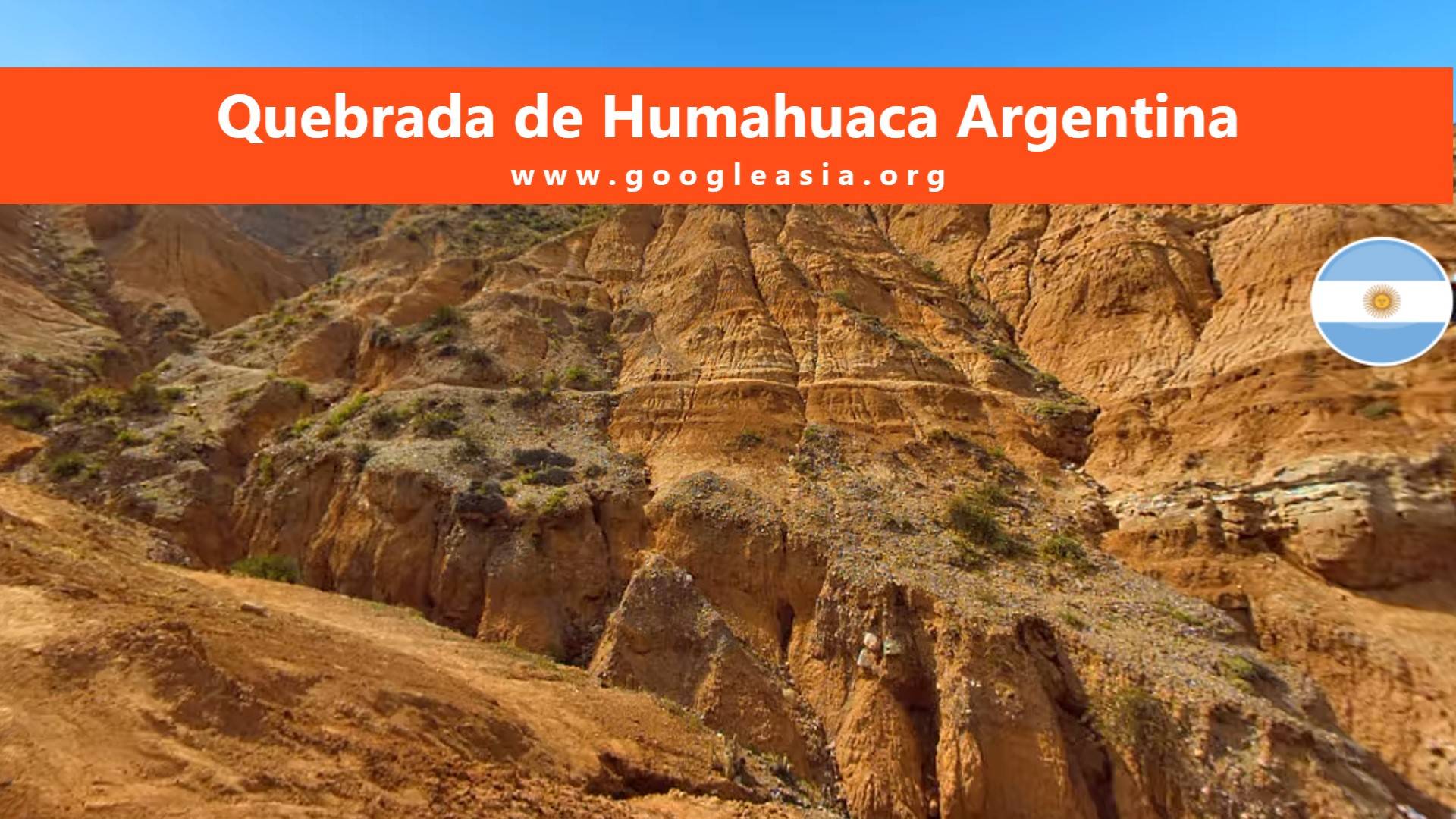
  • Quebrada de Humahuaca, Argentina: Your Ultimate Travel Guide

    Quebrada de Humahuaca, Argentina: Your Ultimate Travel Guide

    Quebrada de Humahuaca, Argentina

    There are many reasons to visit Quebrada de Humahuaca in Argentina. The stunning landscapes of the region have been declared an UNESCO World Heritage Site and are a delight to behold. The area is also known for its unique pre-Columbian culture and archaeological sites, including Incan ruins and rock art.

    It is one of the most stunning destinations in the country, full of stunning mountains, terraced hillsides, and breathtaking canyons. The valley is a great place for outdoor activities, hikes, recreational tours, and local cuisine. Finally, visitors can experience vibrant indigenous culture and cuisine, making it an ideal place to experience the rich culture and history of the region.

    Quebrada de Humahuaca is a beautiful valley in northwestern Argentina, located in Jujuy Province. It is a UNESCO World Heritage Site, known for its spectacular scenery and colorful rock formations. The region has a rich cultural history, with evidence of human settlement dating back 10,000 years. The area has been home to a variety of indigenous peoples and farmers over the centuries, whose influence can still be seen in local customs and celebrations. The area is popular with tourists, who come to experience the awe-inspiring scenery and engaging culture.

    Introduction

    Overview

    Quebrada de Humahuaca is a stunning valley situated in the province of Jujuy, in northwestern Argentina. Known for its dramatic landscapes and rich cultural history, this area is part of the larger Quebrada System that stretches across northwest Argentina. The valley is framed by the towering peaks of the Andes, with Mount Humahuaca standing as a prominent landmark. It is recognized as a UNESCO World Heritage Site for its unique cultural and historical significance, as well as its striking natural beauty.

    Natural Beauty and Geography

    Dramatic Landscape

    Quebrada de Humahuaca features a diverse and striking landscape characterized by rugged mountains, colorful rock formations, and arid highlands. The valley is bordered by the Torotoro Hills to the south and the Porco Hills to the north, creating a dramatic backdrop for the region’s varied terrain. The area is known for its vibrant hues, especially the Seven Colors Hill (Siete Colores), which displays a spectacular array of colors due to its mineral-rich layers.

    Climate

    The climate in Quebrada de Humahuaca is predominantly arid and highland, with cooler temperatures at higher altitudes. Daytime temperatures can be quite warm, but nights can get chilly, especially in the winter months. The region experiences significant temperature fluctuations between day and night.

    Cultural and Historical Significance

    Archaeological Sites

    Quebrada de Humahuaca has been inhabited for over 10,000 years, and its cultural landscape is marked by a variety of archaeological sites. The area features pucarás (ancient fortifications), prehistoric cave paintings, and other remnants of early civilizations. These archaeological sites offer insights into the region’s ancient cultures and their way of life.

    Colonial Architecture

    The valley is also known for its well-preserved colonial architecture, which reflects the influence of Spanish colonization. Historic churches, colonial-era buildings, and traditional adobe houses dot the landscape, showcasing a blend of indigenous and colonial influences.

    Religious Monuments

    In addition to its archaeological and colonial heritage, Quebrada de Humahuaca is home to several important religious monuments. These include churches and shrines that are still used by local communities and are central to the cultural and spiritual life of the region.

    Things to Do

    Quebrada de Humahuaca, nestled in northwestern Argentina near the Bolivian border, is a treasure trove of natural beauty and cultural heritage. From its vibrant rock formations to its rich indigenous culture, this region offers a wide array of activities for every type of traveler. Here’s a guide to some of the must-do experiences in Quebrada de Humahuaca.

    Visit the Town of Purmamarca

    Explore the Hill of Seven Colors

    Purmamarca is renowned for its striking natural landscapes, especially the Cerro de los Siete Colores (Hill of the Seven Colors). This iconic hill showcases a palette of vibrant hues, including pink, red, and ochre, formed by the region’s unique geological history.

    Wander Through the Artisan Market

    The traditional artisan market in Purmamarca is a great place to pick up handcrafted goods. From colorful textiles and jewelry to local pottery, the market offers a glimpse into the region’s artisanal traditions.

    Hiking in San Salvador de Jujuy

    Discover Local Trails

    San Salvador de Jujuy, the provincial capital, is surrounded by a variety of hiking trails. These trails offer panoramic views of the valleys and mountains, making them perfect for nature enthusiasts and hikers alike.

    Visit the Huacalera Observatory

    For a blend of hiking and stargazing, visit the Huacalera Observatory. Situated on a hill, it provides a fantastic vantage point for observing both the terrestrial and celestial landscapes.

    Go on a Jeep Tour

    Explore the Rugged Terrain

    A Jeep tour is an exhilarating way to experience the diverse landscapes of Quebrada de Humahuaca. The off-road adventure allows you to navigate rugged terrain and reach remote spots that are otherwise inaccessible.

    Stop at Scenic Viewpoints

    Throughout the Jeep tour, you’ll have numerous opportunities to stop at scenic viewpoints. These spots offer breathtaking views of the surrounding mountains and valleys, perfect for capturing memorable photographs.

    Visit Tres Cruces National Park

    Experience Diverse Wildlife

    Tres Cruces National Park is a haven for wildlife enthusiasts. Depending on the season, you might encounter various species, including Andean condors, foxes, and llamas.

    Enjoy Snow-Capped Mountains

    The park is also known for its stunning snow-capped peaks. These majestic mountains provide a dramatic backdrop and are ideal for photography and nature walks.

    Go on a Biking Tour

    Bike Through Scenic Routes

    Biking through Quebrada de Humahuaca offers a unique perspective on the region’s natural beauty. You’ll pedal through picturesque landscapes, from rolling hills to dramatic rock formations.

    Combine Adventure with Exercise

    This activity combines the thrill of exploration with physical exercise. It’s an excellent way to stay active while immersing yourself in the region’s stunning scenery.

    Visit Tilcara

    Explore the Town and Its Museums

    Tilcara is a charming village with a rich cultural heritage. Wander through its streets, visit local museums, and learn about the history and traditions of the area.

    Hike Local Trails

    The surrounding trails offer various hiking opportunities. These hikes provide spectacular views of the surrounding mountains and valleys, enhancing your overall experience of the region.

    Explore the Humahuaca Ravine

    Take a Guided Cultural Tour

    The Humahuaca Ravine is a remarkable area known for its cultural and natural significance. Join a guided tour to explore its ancient heritage sites and learn about the local indigenous cultures.

    Admire Stunning Landscapes

    The ravine’s dramatic landscapes, including colorful rock formations and sweeping vistas, are a highlight for visitors. The combination of natural beauty and cultural history makes this a must-visit location.

    Attend the Carnivals

    Experience Traditional Festivals

    Carnival season in Quebrada de Humahuaca is a vibrant time of year. Local festivals feature lively music, dance, and colorful costumes, showcasing the region’s rich cultural traditions.

    Witness Traditional Andean Dances

    During carnival, you might also experience traditional Andean dances. These performances offer a fascinating insight into the cultural practices and festivities of the local communities.

    Visit La Quiaca

    Explore the Border Town

    La Quiaca is situated on the border with Bolivia and provides a unique opportunity to experience the fusion of Argentine and Bolivian cultures. Explore the bustling market, where you can find a variety of souvenirs and local foods.

    Discover the Ruins of San Javier

    Don’t miss the chance to visit the ruins of San Javier, which are believed to be around 1,000 years old. These ancient ruins offer a glimpse into the region’s historical past.

    Foods

    Quebrada de Humahuaca is not only renowned for its breathtaking landscapes and rich cultural heritage but also for its distinctive and delectable regional cuisine. The food in this northwestern part of Argentina reflects both indigenous traditions and local ingredients, creating a culinary experience that’s both authentic and delicious. Here’s a guide to some of the best foods you should try when visiting Quebrada de Humahuaca.

    Empanadas

    Classic Meat Empanadas

    Empanadas are a staple across Argentina, but the versions found in Quebrada de Humahuaca stand out due to their unique regional twists. The classic meat empanadas are typically filled with seasoned ground beef, onions, and spices, offering a savory and satisfying snack or meal.

    Cheese and Vegetable Empanadas

    For a lighter option, try the cheese and vegetable empanadas. These are often filled with a mix of cheese, onions, and local vegetables such as peppers and spinach. They can be enjoyed hot or cold, making them a versatile choice for any time of day.

    Humitas

    Traditional Humitas

    Humitas are a traditional Andean dish that you’ll definitely want to sample. These are steamed corn tamales wrapped in corn husks and usually filled with a mixture of grated corn, cheese, and spices. The result is a soft, flavorful dish that’s both comforting and delicious.

    Sweet vs. Savory Humitas

    In Quebrada de Humahuaca, you can find both sweet and savory versions of humitas. Savory humitas often include cheese and herbs, while sweet variations might feature a touch of sugar or honey, giving them a slightly different flavor profile.

    Chulengo

    Hearty Stew with Local Flavors

    Chulengo is a traditional stew that’s a must-try in Quebrada de Humahuaca. This hearty dish is made with potatoes, chili peppers, onions, and often includes llama or beef. The combination of spices and slow cooking creates a rich, flavorful stew that’s perfect for warming up on a cool day.

    Variations of Chulengo

    While the base ingredients remain consistent, variations of chulengo might include different vegetables or additional spices depending on the local preferences. Be sure to ask for recommendations to get the best version of this regional specialty.

    Tamales

    Classic Beef and Chicken Tamales

    Tamales in Quebrada de Humahuaca are a delightful treat. These tamales are typically filled with beef, chicken, or cheese, wrapped in corn husks, and served with a spicy chili sauce. The flavors are bold and satisfying, making tamales a popular choice for both locals and visitors.

    Vegetarian Tamales

    For a vegetarian option, try tamales filled with cheese and vegetables. These tamales are often accompanied by a tangy salsa or chili sauce that adds an extra layer of flavor.

    Empanadas de Verde

    Vegetable-Filled Empanadas

    Empanadas de Verde are a unique variation of the classic empanada, filled with green vegetables such as spinach, chard, or other local greens. The filling is usually complemented by a spicy sauce made from aji peppers, adding a kick to the otherwise mild and creamy filling.

    Pairing with Local Sauces

    These empanadas are often served with a variety of local sauces, including spicy aji or tangy salsa. Experimenting with different sauces can enhance the flavor and provide a fuller taste of regional cuisine.

    Hotels

    Quebrada de Humahuaca, with its stunning landscapes and rich cultural heritage, offers a variety of accommodation options to suit different preferences and budgets. Whether you’re seeking luxury or a cozy retreat, the region has several hotels and lodges that provide excellent amenities and a comfortable stay. Here’s a guide to some of the best hotels in Quebrada de Humahuaca.

    Villa María Hotel & Spa 46°

    Elegant Accommodations

    Villa María Hotel & Spa 46° offers a blend of elegance and comfort with its well-appointed rooms and stunning views of the surrounding mountains. The hotel features modern amenities and stylish decor, making it a luxurious choice for travelers.

    Relaxing Spa Services

    One of the highlights of Villa María is its spa, which offers a range of treatments designed to help you unwind and rejuvenate. Enjoy massages, facials, and other wellness services while taking in the breathtaking views.

    Casa Real Hotel

    Central Location

    Casa Real Hotel is conveniently located in the heart of Quebrada de Humahuaca, providing easy access to local attractions and dining options. Its central location makes it a great choice for exploring the area.

    Comfortable Rooms

    The hotel features comfortable rooms with contemporary amenities, ensuring a pleasant stay. Guests appreciate the clean, well-maintained accommodations and the friendly, helpful staff.

    El Obraje de Humahuaca

    Traditional Charm

    El Obraje de Humahuaca offers a more traditional and rustic experience, reflecting the local culture and heritage. The hotel is known for its charming decor and warm hospitality.

    Cultural Experience

    Staying here provides an opportunity to immerse yourself in the local culture. The hotel often features cultural activities and events that enhance the overall experience.

    Casa de la Cultura

    Unique Atmosphere

    Casa de la Cultura is a boutique hotel with a unique atmosphere that blends modern comforts with traditional elements. Its distinctive design and cultural touches make it a memorable place to stay.

    Artistic Vibe

    The hotel often showcases local art and crafts, adding to its cultural charm. It’s an ideal choice for travelers who appreciate artistic and cultural experiences.

    Posada de los Montes

    Cozy and Inviting

    Posada de los Montes is a cozy and inviting option for those seeking a more intimate and homely atmosphere. The inn offers comfortable rooms and personalized service, making it a great choice for a relaxing stay.

    Scenic Views

    The location of Posada de los Montes provides beautiful views of the surrounding mountains, enhancing the overall ambiance and experience.

    Hosteria El Cabildo

    Historic Ambiance

    Hosteria El Cabildo combines historic charm with modern amenities. The hotel’s decor reflects its historical roots while providing all the comforts needed for a pleasant stay.

    Personalized Service

    Guests often praise the personalized service and attention to detail at Hosteria El Cabildo. The staff are known for their friendliness and willingness to help with local recommendations.

    Hotel Colores del Valle

    Vibrant Design

    Hotel Colores del Valle stands out with its vibrant and colorful design, reflecting the beauty of the surrounding landscapes. The hotel offers comfortable accommodations with a distinctive flair.

    Family-Friendly

    This hotel is a great option for families, providing spacious rooms and family-friendly amenities. The welcoming atmosphere makes it a popular choice for travelers with children.

    Las Manzanas Doradas

    Tranquil Retreat

    Las Manzanas Doradas offers a tranquil retreat with its serene setting and beautiful surroundings. The hotel’s peaceful atmosphere provides a perfect escape from the hustle and bustle of everyday life.

    Comfortable Accommodations

    Guests can enjoy comfortable and well-appointed rooms, along with a range of amenities designed for relaxation and comfort.

    Casona Luxury Hotel & Spa

    High-End Luxury

    Casona Luxury Hotel & Spa offers a high-end luxury experience with elegant rooms and top-notch facilities. The hotel’s design combines modern comfort with classic style.

    Exclusive Spa Services

    The spa at Casona Luxury Hotel & Spa is renowned for its exclusive treatments and wellness services. It’s an ideal place to indulge in relaxation and rejuvenation.

    El Abundante Hotel & Eco-spa

    Eco-Friendly Accommodations

    El Abundante Hotel & Eco-spa focuses on sustainability and eco-friendly practices, making it a great choice for environmentally-conscious travelers. The hotel blends luxury with environmental responsibility.

    Wellness and Relaxation

    In addition to comfortable accommodations, the eco-spa offers a range of wellness treatments that use natural and organic products. The focus on holistic well-being enhances the overall stay.

    Conclusion

    Quebrada de Humahuaca offers a diverse range of accommodations to suit various tastes and preferences. From luxurious retreats like Villa María Hotel & Spa 46° and Casona Luxury Hotel & Spa to charming and traditional options like El Obraje de Humahuaca and Casa de la Cultura, there’s something for everyone. Whether you’re looking for modern comforts, cultural immersion, or eco-friendly practices, the hotels in Quebrada de Humahuaca promise a memorable and enjoyable stay amidst the stunning landscapes of northwestern Argentina.

    Quebrada de Humahuaca Argentina Jujuy Province

    Summary

    • Attraction: Quebrada de Humahuaca Argentina
    • Country: Argentina
    • Continent: South America
    • Capital Name: Buenos Aires
    • Language: Spanish
    • Currency: Argentine Peso
    • Nationality: Argentinian
    • Category: #Destination #SouthAmerica #Argentina 

    Frequently Asked Questions

    Where is Quebrada de Humahuaca located?

    Quebrada de Humahuaca is located in the province of Jujuy in northern Argentina. It is a narrow mountain valley (quebrada in Spanish) that stretches approximately 155 kilometers (96 miles) along the Rio Grande in the Andean highlands. The Quebrada de Humahuaca is known for its stunning natural beauty, colorful rock formations, indigenous cultures, and historical significance. It was designated as a UNESCO World Heritage site in 2003 due to its cultural and natural importance. The main town and gateway to Quebrada de Humahuaca is Humahuaca, with other notable towns along the valley including Tilcara, Purmamarca, and Uquía.

    How to go to Quebrada de Humahuaca?

    To visit Quebrada de Humahuaca in Argentina, here are the general steps you can follow:

    1. Arrive in Jujuy Province:
      • Start by traveling to the city of San Salvador de Jujuy, which is the capital of Jujuy Province in northern Argentina. You can reach Jujuy by domestic flights from Buenos Aires or other major cities, or by bus from nearby cities like Salta.
    2. Travel to Humahuaca:
      • Humahuaca is the main town and gateway to Quebrada de Humahuaca. From San Salvador de Jujuy, you can travel to Humahuaca by:
        • Bus: There are regular bus services from San Salvador de Jujuy to Humahuaca. The journey takes approximately 3-4 hours, depending on road conditions and stops.
        • Car: If you prefer driving, you can rent a car in San Salvador de Jujuy and drive to Humahuaca. The distance is about 126 kilometers (78 miles), and the drive takes around 2-3 hours, depending on traffic and stops along the way.
    3. Explore Quebrada de Humahuaca:
      • Once in Humahuaca, you can explore Quebrada de Humahuaca by:
        • Local Tours: Consider joining guided tours that explore different sections of the quebrada, including stops at key towns like Tilcara, Purmamarca, and Uquía. These tours often provide insights into the cultural and natural attractions of the region.
        • Public Transport: Local buses or organized tours may also offer transportation to various points of interest within Quebrada de Humahuaca.
    4. Visit Key Attractions:
      • While in Quebrada de Humahuaca, make sure to visit iconic landmarks and attractions such as:
        • Purmamarca: Known for its colorful Cerro de los Siete Colores (Hill of Seven Colors) and the vibrant artisan market.
        • Tilcara: Home to the Pucará de Tilcara, an ancient pre-Inca fortress, and a museum showcasing indigenous artifacts.
        • Uquía: Famous for its colonial church featuring unique paintings of angels with indigenous features.
    5. Enjoy the Scenery and Culture:
      • Take time to appreciate the stunning natural beauty of the quebrada, characterized by rugged mountains, colorful rock formations, and traditional Andean villages. Engage with local culture, enjoy traditional cuisine, and explore handicraft markets.
    6. Return to San Salvador de Jujuy:
      • After exploring Quebrada de Humahuaca, you can return to San Salvador de Jujuy using the same transportation options (bus or car) that you used to arrive.

    Note: It’s advisable to check local transportation schedules, especially for buses, and consider booking tours or accommodations in advance during peak tourist seasons to ensure availability.

    What are Quebrada de Humahuaca’s must-visit attractions or landmarks?

    Quebrada de Humahuaca in Argentina is renowned for its stunning natural landscapes, rich cultural heritage, and historical significance. Here are some of the must-visit attractions and landmarks in Quebrada de Humahuaca:

    1. Cerro de los Siete Colores (Hill of Seven Colors), Purmamarca:
      • One of the most iconic landmarks in Quebrada de Humahuaca, Cerro de los Siete Colores is a hillside in Purmamarca displaying vibrant layers of sedimentary rock in hues of reds, purples, greens, and yellows. It’s a popular spot for photography and enjoying panoramic views of the surrounding area.
    2. Pucará de Tilcara:
      • Located in the town of Tilcara, Pucará de Tilcara is an ancient pre-Inca fortress that dates back to the 12th century. It offers insights into the region’s indigenous history and features reconstructed buildings, a museum with artifacts, and scenic views over the valley.
    3. Iglesia de Uquía:
      • The Church of Uquía is a colonial-era church in the village of Uquía known for its unique paintings depicting angels with indigenous features. The church’s artwork is culturally significant and provides a glimpse into the fusion of indigenous and Spanish influences in the region.
    4. Humahuaca Gorge and Monument to the Heroes of Independence:
      • Humahuaca is a historic town known for its gorge (quebrada), which provides stunning views of the surrounding mountains and rock formations. The Monument to the Heroes of Independence in Humahuaca’s main square commemorates the struggle for Argentine independence.
    5. Tilcara Artisan Market:
      • In Tilcara and other towns within Quebrada de Humahuaca, you’ll find vibrant artisan markets where local artisans sell traditional handicrafts, textiles, ceramics, and artwork. These markets offer opportunities to purchase authentic souvenirs and interact with local artisans.
    6. Carnival of Humahuaca (Carnaval de Humahuaca):
      • If visiting during February or March, experience the vibrant Carnival celebrations in Humahuaca. This traditional festival features colorful costumes, music, dance performances, and parades that showcase the cultural diversity and folklore of the region.
    7. Laguna de los Pozuelos:
      • Located near the town of Abra Pampa, Laguna de los Pozuelos is a high-altitude saltwater lake and wetland area that serves as a habitat for numerous bird species, including flamingos. It’s a designated Ramsar site and ideal for birdwatching and nature enthusiasts.
    8. Salinas Grandes:
      • While not directly in Quebrada de Humahuaca, Salinas Grandes is a vast salt flat located near Purmamarca. It offers stunning views of the expansive white landscape, especially during sunrise or sunset, and is a popular stop for photography and experiencing the unique natural environment.

    Is Quebrada de Humahuaca a suitable travel destination for solo adventurers, honeymooning couples, or those traveling with families?

    Quebrada de Humahuaca in Argentina offers something for various types of travelers, making it a suitable destination for solo adventurers, honeymooning couples, and families. Here’s why:

    1. Solo Adventurers:
      • Solo adventurers will appreciate the opportunity to explore the rich cultural heritage and stunning landscapes of Quebrada de Humahuaca at their own pace. Hiking trails like those around Tilcara and Purmamarca offer solitude amidst breathtaking scenery. Solo travelers can immerse themselves in local culture, visit historical sites like Pucará de Tilcara, and engage with indigenous communities to gain insights into their traditions and daily life.
    2. Honeymooning Couples:
      • Quebrada de Humahuaca’s romantic landscapes, quaint towns, and cultural richness make it an ideal destination for honeymooning couples. Couples can enjoy leisurely walks through colorful markets, scenic drives along the quebrada, and intimate moments admiring sunset views over Cerro de los Siete Colores in Purmamarca. The region’s relaxed atmosphere and unique charm provide a romantic backdrop for memorable experiences.
    3. Families:
      • Families traveling with children can explore Quebrada de Humahuaca together, enjoying activities suitable for all ages. Visits to archaeological sites like Pucará de Tilcara can be educational and engaging for children, while scenic viewpoints and cultural attractions offer opportunities for family bonding and learning. Families can also participate in local festivals, such as the Carnival of Humahuaca, to experience the region’s vibrant traditions.
    4. Accessibility and Amenities:
      • The main towns within Quebrada de Humahuaca, such as Humahuaca, Tilcara, and Purmamarca, offer a range of accommodations, restaurants, and tourist services to cater to different traveler preferences and budgets. Accessibility by road from San Salvador de Jujuy allows for easy exploration of the region, making it convenient for families with young children or elderly members.
    5. Outdoor Activities:
      • Adventure enthusiasts and families alike can enjoy outdoor activities such as hiking, birdwatching at Laguna de los Pozuelos, and visiting natural landmarks like Salinas Grandes. These activities provide opportunities for recreation and exploration in the region’s unique natural environment.

    Why should you visit Quebrada de Humahuaca?

    There are several compelling reasons why you should visit Quebrada de Humahuaca in Argentina:

    1. Natural Beauty: Quebrada de Humahuaca is renowned for its stunning landscapes, characterized by colorful rock formations, towering mountains, and expansive valleys. The iconic Cerro de los Siete Colores (Hill of Seven Colors) in Purmamarca is a prime example of the region’s natural beauty.
    2. Cultural Heritage: The quebrada is steeped in cultural history, with evidence of human habitation dating back thousands of years. Visitors can explore archaeological sites such as the Pucará de Tilcara, a pre-Inca fortress, and learn about the indigenous peoples who have inhabited the region.
    3. UNESCO World Heritage Site: Designated as a UNESCO World Heritage site in 2003, Quebrada de Humahuaca is recognized for its cultural significance, including its role as a historical trade route and the preservation of indigenous traditions and architecture.
    4. Historic Towns and Architecture: The towns within Quebrada de Humahuaca, such as Humahuaca, Tilcara, and Purmamarca, feature charming colonial architecture, cobblestone streets, and historic churches. These towns offer a glimpse into Argentina’s colonial past and indigenous influences.
    5. Local Markets and Artisan Crafts: Visitors can explore vibrant artisan markets in towns like Tilcara and Purmamarca, where local artisans sell traditional handicrafts, textiles, ceramics, and artwork. These markets provide an opportunity to purchase authentic souvenirs and interact with local culture.
    6. Outdoor Activities: The quebrada is a paradise for outdoor enthusiasts, offering hiking trails with panoramic views, birdwatching opportunities at Laguna de los Pozuelos, and scenic drives along the Rio Grande. Outdoor activities allow visitors to immerse themselves in the region’s natural landscapes and diverse ecosystems.
    7. Festivals and Cultural Events: Quebrada de Humahuaca hosts traditional festivals throughout the year, such as the Carnival of Humahuaca, which showcases colorful costumes, music, dance performances, and parades. These events offer a unique opportunity to experience local traditions and folklore.
    8. Hospitality and Local Cuisine: The region’s hospitality industry provides a range of accommodations, from cozy guesthouses to boutique hotels, ensuring a comfortable stay for visitors. Additionally, visitors can savor traditional Andean cuisine, including empanadas, tamales, and llama meat dishes, in local restaurants and eateries.

    Is it difficult to find halal food in Quebrada de Humahuaca?

    Finding halal food in Quebrada de Humahuaca can be challenging due to the region’s predominantly non-Muslim population and limited awareness of halal dietary requirements. The local cuisine in this area typically revolves around traditional Andean dishes and ingredients such as meat (including llama and beef), potatoes, corn, and quinoa, which may not always conform to halal standards.
    Here are some considerations and potential options if you are looking for halal food in Quebrada de Humahuaca:

    1. Vegetarian Options:
      • Look for vegetarian dishes that do not include meat or animal by-products. Many traditional Andean dishes like vegetable stews (locro) or corn-based dishes (humitas) can be suitable for vegetarians.
    2. Seafood Options:
      • In coastal regions or areas near freshwater lakes, seafood may be available as an alternative to meat. However, confirm with the restaurant or vendor about preparation methods to ensure they meet halal standards.
    3. International Cuisine:
      • Some restaurants in larger towns like Tilcara or Humahuaca may offer international cuisine, such as Mediterranean or Middle Eastern dishes, which may include halal options like vegetarian or seafood dishes. It’s advisable to inquire about ingredients and preparation methods before ordering.
    4. Grocery Stores:
      • Larger supermarkets or specialty grocery stores in towns like Tilcara or San Salvador de Jujuy may carry imported halal-certified food products, such as canned goods, snacks, and packaged foods. This can be an option for purchasing food to prepare meals yourself if you have access to kitchen facilities.
    5. Communication:
      • When dining out, communicate your dietary preferences clearly to restaurant staff. While English may be spoken in tourist areas, basic Spanish phrases can help convey your halal dietary requirements effectively.
    6. Plan Ahead:
      • Research and plan your meals in advance, especially if you have specific dietary needs. Online platforms and travel forums where visitors share their experiences in Quebrada de Humahuaca can provide insights into finding halal food options.
  • Visiting El Chalten, Argentina: Your Ultimate Travel Guide & Tips

    Visiting El Chalten, Argentina: Your Ultimate Travel Guide & Tips

    El Chalten, Argentina

    El Chalten Argentina is one of the most popular tourist destinations in Argentina and offers some of the most breathtaking views in the country. It is located at the southern end of Glacier National Park, with its surrounding glaciers, rugged Andean peaks and rivers, and rolling hills. It is the perfect spot for a variety of outdoor activities such as hiking, mountain biking, rafting, and fishing. Additionally, El Chalten is home to a variety of restaurants and cafés, shops, and art galleries to explore, making it a great place to relax and enjoy the scenery.

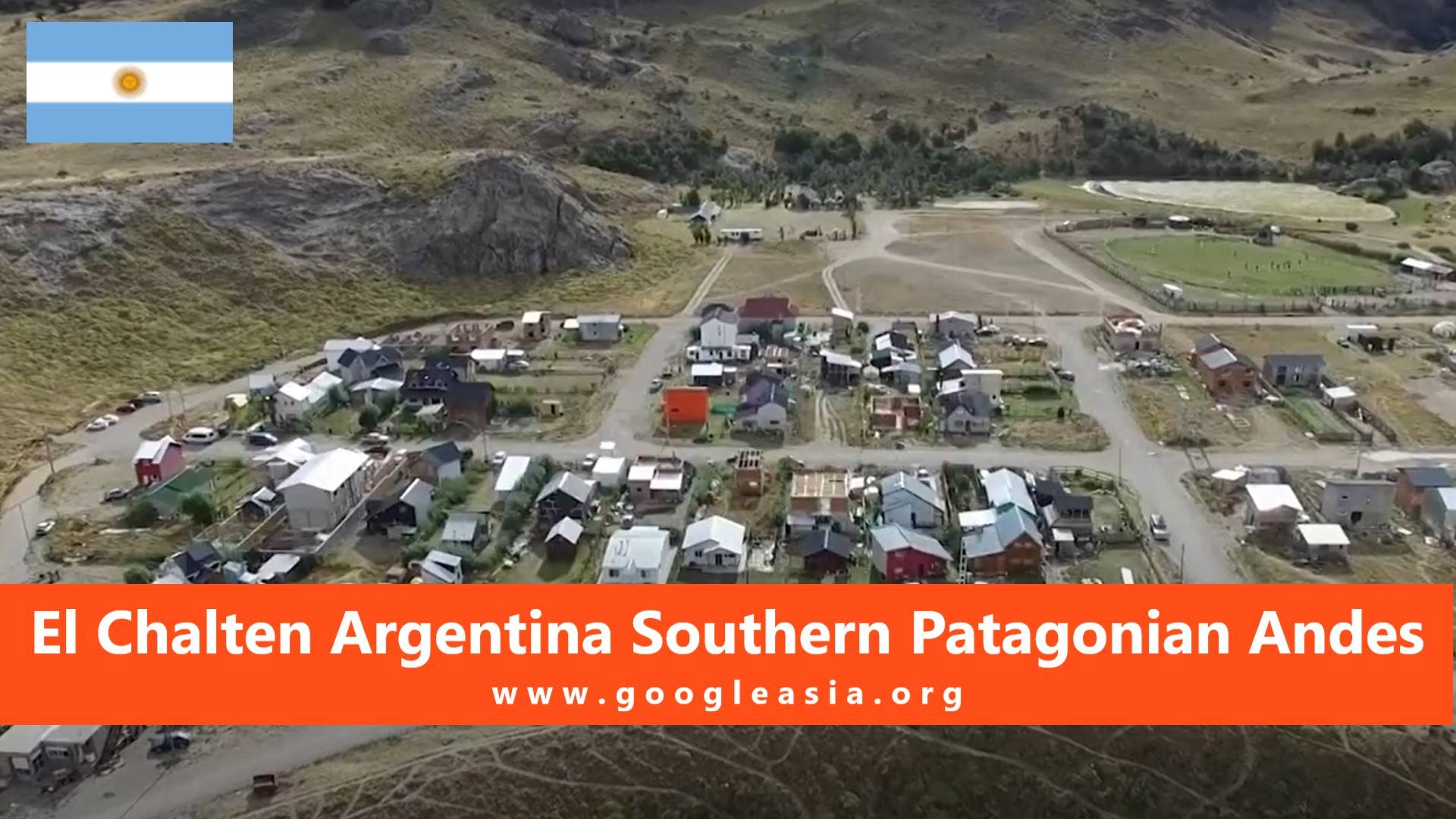
    El Chalten is a small mountain village in Argentina, surrounded by the stunning Southern Patagonian Andes. Located near the base of Mount Fitz Roy and its Glaciers, El Chalten is a mecca for trekkers, climbers, and outdoor adventurers, with plenty of trails and activities to explore the mountains.

    Introduction

    Overview

    El Chaltén is a charming mountain village nestled in the Patagonia region of Argentina. Set against the dramatic backdrop of the southern Andes Mountains, El Chaltén is renowned for its stunning natural beauty and is considered Argentina’s trekking capital. The village, located in the Santa Cruz Province, is a gateway to some of the most breathtaking landscapes in Patagonia, including towering peaks, expansive glaciers, and pristine lakes.

    Scenic Highlights

    Mount Fitz Roy and Cerro Torre

    Mount Fitz Roy and Cerro Torre are two of the most iconic peaks visible from El Chaltén. Fitz Roy, also known as Cerro Chaltén, is a rugged, granite peak that rises to 3,405 meters (11,171 feet) and is revered by climbers and trekkers for its challenging ascents. Cerro Torre, with its needle-like summit, is equally dramatic and known for its severe weather conditions and technical climbing routes. Both peaks offer spectacular views and are central to the area’s appeal.

    Glaciers and Patagonian Ice Fields

    El Chaltén is surrounded by some of Patagonia’s most impressive glaciers and sections of the Patagonian Ice Fields. The nearby Viedma Glacier and Upsala Glacier are accessible for glacier hikes and boat tours. These glaciers contribute to the area’s stunning landscape, offering visitors a chance to witness the powerful forces of nature at work.

    Village and Amenities

    Local Community

    El Chaltén, despite its small size, is a vibrant community of both locals and international travelers. The village has a range of accommodations, from cozy hostels to comfortable hotels, as well as numerous cafes, restaurants, and shops. The local community is dedicated to preserving the natural environment and promoting sustainable tourism.

    Accessibility

    El Chaltén is accessible by road from El Calafate (approximately 220 kilometers away) and Bariloche (about 600 kilometers away). Regular bus services connect El Chaltén with these cities, making it a convenient starting point for exploring Patagonia.

    Things to Do

    El Chaltén, nestled in the heart of Patagonia, is a haven for nature enthusiasts and adventure seekers. Surrounded by dramatic landscapes, towering peaks, and pristine lakes, the village offers a wide range of activities that cater to all interests and skill levels. Whether you’re looking to challenge yourself with a strenuous hike, enjoy leisurely picnics, or simply soak in the stunning views, El Chaltén has something for everyone.

    Adventurous Activities

    Hiking and Trekking

    El Chaltén is renowned for its extensive network of hiking trails, suitable for all levels of experience. Here are some top hikes:

    • Laguna de los Tres: This is one of the most iconic treks, leading to a spectacular glacial lake with views of Mount Fitz Roy. The hike is challenging but rewards you with stunning vistas.
    • Laguna Torre: A moderate hike that takes you to a beautiful lake at the base of Cerro Torre. Along the way, you’ll pass through diverse terrain and enjoy breathtaking scenery.
    • Loma del Pliegue Tumbado: A more demanding trek offering panoramic views of the surrounding valleys and peaks, including Fitz Roy and Cerro Torre.
    • Seven Lakes Trail: A multi-day trek for those seeking a higher elevation challenge, with incredible views of several glacial lakes and the Patagonian landscape.

    Climbing and Mountaineering

    El Chaltén is a world-class climbing destination with challenging routes on Fitz Roy and Cerro Torre. Whether you’re an experienced climber or a novice looking for instruction, the village has climbing schools and experienced guides to help you tackle these iconic peaks.

    Glacier Tours

    Explore the nearby glaciers with guided tours that offer a close-up view of these icy wonders. Options include boat tours and glacier hikes, providing unique perspectives of the region’s massive ice fields.

    Shopping and Local Culture

    Artisan Markets

    For a more relaxed activity, visit the local markets where you can find a variety of artisan crafts, souvenirs, and traditional Argentine goods. Handcrafted items, such as woolen garments, jewelry, and artwork, make for great keepsakes from your trip.

    Food and Dining

    Enjoy authentic Argentine cuisine at local eateries and food stalls. From hearty meals like empanadas and asado (barbecue) to sweet treats such as alfajores, El Chaltén offers a taste of Patagonian flavors. Local cafes and restaurants provide a cozy atmosphere to relax after a day of exploration.

    Relaxing Activities

    Picnicking by the Lakes

    El Chaltén is surrounded by beautiful lakes that are perfect for a leisurely picnic. Laguna Capri and Laguna Torre are excellent spots where you can enjoy breathtaking views of the Andes while having a meal by the shore.

    Scenic Viewpoints

    • Mirador Fitz Roy: A popular viewpoint offering panoramic views of Mount Fitz Roy and the surrounding landscapes. It’s a relatively easy hike to reach the viewpoint, making it accessible for most visitors.
    • Mirador Laguna Torre: Another accessible viewpoint that provides stunning views of Cerro Torre and the glacial lake below.

    Nature Reserves and National Parks

    Los Glaciares National Park

    A UNESCO World Heritage Site, this park is home to some of the most impressive glaciers in Patagonia, including Perito Moreno Glacier. It’s a must-visit for anyone interested in experiencing the natural beauty of ice formations and rugged landscapes.

    Tierra del Fuego National Park

    Located further south, this park is known for its diverse wildlife and striking scenery. While it’s a bit of a drive from El Chaltén, it’s worth a visit if you’re interested in exploring more of Patagonia’s natural wonders.

    Wildlife Viewing

    • Whale Watching: Although not directly in El Chaltén, the nearby areas like Puerto Madryn offer excellent whale-watching opportunities, particularly during the whale migration season (June to December).

    Foods

    El Chaltén, nestled in the heart of Patagonia, offers a delectable array of local and regional dishes that reflect its rich culinary heritage. The village’s cuisine is influenced by its natural surroundings, with an emphasis on locally sourced ingredients such as Patagonian lamb, wild game, and fresh fish. Whether you’re a fan of hearty stews, savory meats, or sweet treats, El Chaltén has something to tantalize your taste buds.

    Signature Dishes and Specialties

    Patagonian Lamb

    Patagonian lamb is a standout dish in El Chaltén, renowned for its tender texture and rich flavor. Often prepared asado-style (grilled), the lamb is seasoned with local herbs and spices, resulting in a deliciously smoky and savory experience. Many local restaurants and estancia (ranch) eateries offer this traditional dish, often accompanied by roasted vegetables and potatoes.

    Locro

    Locro is a traditional Argentine stew that’s particularly popular in Patagonia. This hearty dish features a mix of beans, corn, potatoes, and meats such as pork and beef. It’s seasoned with spices and cooked slowly to create a flavorful and satisfying meal, perfect for warming up after a day of hiking.

    Wild Boar

    Wild boar is another local delicacy that reflects the region’s wild nature. Often served in stews or roasted, the meat has a unique, robust flavor. It’s typically prepared with a variety of vegetables and seasonings, making it a flavorful and memorable dish.

    Freshwater Fish

    El Chaltén’s proximity to numerous lakes and rivers means that freshwater fish such as trout and salmon are readily available. These fish are often grilled, baked, or pan-seared, and can be enjoyed with local sides such as salads or roasted potatoes.

    Falkland Islands Caviar

    For a luxurious treat, try Falkland Islands caviar, which is highly regarded for its delicate flavor and texture. It’s often served on toast or alongside fresh seafood dishes.

    Local Delicacies and Sweet Treats

    Alfajores

    Alfajores are traditional Argentine cookies that are a must-try in El Chaltén. These sweet treats typically consist of two soft cookies filled with dulce de leche (a caramel-like spread) and coated in powdered sugar or chocolate. They are a popular snack or dessert, and you can find them in various bakeries and cafes throughout the village.

    Dulce de Leche Waffles

    For a sweet indulgence, waffles with dulce de leche are a delightful choice. The waffles are often served with a generous topping of the rich, caramelized spread, and sometimes accompanied by fresh fruits or whipped cream.

    Provoleta

    Provoleta is a grilled cheese dish that’s a favorite in Argentine cuisine. It features provolone cheese grilled until melted and bubbly, then seasoned with herbs and spices. It’s usually served as a starter or appetizer and pairs well with crusty bread.

    Empanadas

    Empanadas are savory pastries that come with a variety of fillings. In El Chaltén, you can find empanadas with traditional fillings such as meat and onions or cheese and spinach. Other regional variations might include ham and cheese or even wild game fillings.

    Regional Beverages

    Local Craft Beer

    Craft beer is gaining popularity in Patagonia, and El Chaltén boasts several local breweries offering a range of styles from pale ales to stouts. Pairing a cold, locally brewed beer with a hearty meal is a great way to enjoy the flavors of the region.

    Patagonian Wine

    Patagonia is also known for its wines, particularly from the Neuquén and Río Negro provinces. Local wineries produce a range of red and white wines that complement the rich flavors of Patagonian cuisine. Look for local varieties such as Malbec and Pinot Noir.

    Hotels

    El Chaltén is a charming mountain village in Patagonia that serves as a gateway to some of the most stunning natural landscapes in Argentina. Whether you’re looking for luxury, eco-friendly accommodations, or cozy lodgings with easy access to hiking trails, El Chaltén has a range of options to suit different preferences. Here’s a guide to some of the best hotels in the area:

    Luxury and Boutique Hotels

    Hostería Fitz Roy

    Hostería Fitz Roy is a premium option offering comfortable and stylish accommodations with breathtaking views of Mount Fitz Roy. The hotel features well-appointed rooms, excellent service, and an on-site restaurant serving local and international cuisine. It’s a great choice for those looking to indulge in a bit of luxury while exploring the natural beauty of Patagonia.

    El Casco Art Hotel

    El Casco Art Hotel stands out for its unique blend of luxury and artistic flair. The hotel boasts an impressive collection of Argentine art, combined with high-end amenities such as a spa, gourmet restaurant, and elegant rooms. It’s ideal for travelers seeking a sophisticated experience with a touch of cultural enrichment.

    Eco Hotel Patagonia Atuel

    Eco Hotel Patagonia Atuel offers an eco-friendly stay with stunning views of the surrounding landscape. The hotel emphasizes sustainability and provides comfortable, modern accommodations with easy access to hiking trails. Its eco-conscious design and commitment to environmental practices make it a popular choice among nature lovers.

    Mid-Range Options

    Hotel Los Cerros

    Hotel Los Cerros provides a blend of comfort and convenience with spacious rooms and modern amenities. Located near the heart of El Chaltén, it offers easy access to local attractions and trails. The hotel features a restaurant, a spa, and panoramic views of the mountains, making it a well-rounded choice for travelers.

    Petit Hotel & Spa del Lago

    Petit Hotel & Spa del Lago offers a cozy and intimate atmosphere with a focus on relaxation. The hotel’s spa facilities, including a hot tub and sauna, are perfect for unwinding after a day of hiking. The on-site restaurant serves a variety of local and international dishes, and the rooms offer lovely views of the nearby lakes.

    Patagonia Nomade

    Patagonia Nomade is a charming boutique hotel that combines rustic elegance with modern comfort. Its well-designed rooms and warm atmosphere create a welcoming environment for guests. The hotel is centrally located, making it easy to explore El Chaltén and its surroundings.

    Budget-Friendly and Eco-Conscious Stays

    Hotel Desde Pehuen

    Hotel Desde Pehuen provides a comfortable and affordable option with basic amenities and a friendly atmosphere. The hotel’s location is convenient for accessing local trails and attractions, making it a practical choice for budget-conscious travelers.

    Hotel Lagos del Condor

    Hotel Lagos del Condor offers a good balance between cost and comfort. With spacious rooms and a warm ambiance, it’s a great place to relax after a day of outdoor activities. The hotel is known for its friendly service and is situated near the town center.

    Kah Hus Eco Hotel and Spa

    Kah Hus Eco Hotel and Spa focuses on providing an eco-friendly experience with sustainable practices. The hotel offers comfortable rooms and a relaxing spa, making it a suitable choice for travelers who prioritize environmental responsibility.

    La Casa de los Pies

    La Casa de los Pies is a charming guesthouse that offers a homely and budget-friendly stay. With simple, cozy accommodations and a warm atmosphere, it’s an excellent option for those seeking a more personal and informal lodging experience.

    Conclusion

    El Chaltén offers a diverse range of accommodations that cater to various preferences and budgets. From luxury and boutique hotels like Hostería Fitz Roy and El Casco Art Hotel to eco-conscious options like Eco Hotel Patagonia Atuel and budget-friendly choices like Hotel Desde Pehuen, there’s something to suit every traveler’s needs. Whether you’re looking for comfort, style, or sustainability, these hotels provide a great base for exploring the stunning natural beauty of Patagonia.

    El Chalten Argentina Southern Patagonian Andes

    Summary

    Category: #Destination #SouthAmerica #Argentina 

    Attraction: El Chalten Argentina

    Country: Argentina

    Continent: South America

    Capital Name: Buenos Aires

    Language: Spanish

    Currency: Argentine Peso

    Nationality: Argentinian

    Frequently Asked Questions

    Where is El Chalten located?

    El Chaltén is located in the southern part of Argentina, within the Patagonian region of Santa Cruz Province. Specifically, it is situated within Los Glaciares National Park, near the border with Chile. The town is nestled in the Andes Mountains, surrounded by spectacular scenery, including snow-capped peaks, glaciers, and pristine lakes. El Chaltén is known as the “Trekking Capital of Argentina” due to its proximity to numerous hiking trails, including the popular routes leading to Cerro Fitz Roy and Cerro Torre.

    How can one travel to El Chalten?

    To travel to El Chaltén, Argentina, which is located in a remote and stunning region of Patagonia, you typically have a few options depending on your starting point. Here’s how you can reach El Chaltén:

    1. By Air:
      • The nearest major airport to El Chaltén is the Comandante Armando Tola International Airport (also known as El Calafate Airport – FTE). From Buenos Aires, you can take a domestic flight to El Calafate, which is the closest city with an airport that serves the region.
      • Airlines such as Aerolíneas Argentinas, LATAM, and low-cost carriers like Flybondi and JetSmart operate flights to El Calafate from Buenos Aires and other major cities in Argentina.
      • Once at El Calafate Airport, you have several options to reach El Chaltén:
        • Bus: There are regular bus services from El Calafate to El Chaltén operated by several companies. The journey takes approximately 3 hours and offers scenic views along the way.
        • Rental Car: Renting a car in El Calafate gives you flexibility to explore the area at your own pace. The drive to El Chaltén takes about 3 hours on Route 40 (RP 40), a well-maintained road.
    2. By Bus:
      • If you are already in Argentina, you can take a long-distance bus to El Calafate from cities like Buenos Aires, Bariloche, or Puerto Natales (Chile). From El Calafate, as mentioned earlier, you can then take a connecting bus to El Chaltén.
      • Bus companies such as Chaltén Travel, Caltur, and Taqsa operate services between El Calafate and El Chaltén. It’s recommended to book tickets in advance, especially during the high tourist season (October to April).
    3. Alternative Routes:
      • Some travelers also opt to combine their visit to El Chaltén with a trip to Torres del Paine National Park in Chile. From Puerto Natales (Chile), you can take a bus to El Calafate and then continue to El Chaltén by bus or rental car.
    4. Considerations:
      • Weather and Seasons: The weather in Patagonia can be unpredictable, with strong winds and occasional road closures due to snow or ice in winter (June to August). Plan your trip accordingly and check road conditions if traveling during these months.
      • Accommodation: El Chaltén is a small town popular with trekkers and outdoor enthusiasts, so it’s advisable to book accommodation in advance, especially during the peak trekking season (October to April).

    What’s the climate like in El Chalten?

    El Chaltén, located in the Patagonian region of Argentina, experiences a cool and variable climate influenced by its southern latitude and proximity to the Southern Patagonian Ice Field. Here are some key characteristics of the climate in El Chaltén:

    1. Seasonal Variation:
      • Summer (December to February): Summers in El Chaltén are relatively short and cool. Daytime temperatures typically range from 10°C to 18°C (50°F to 64°F), occasionally reaching higher temperatures on warmer days. This period is the peak tourist season due to milder weather and longer daylight hours for outdoor activities.
      • Autumn (March to May): Autumn sees a gradual decrease in temperatures as the region transitions towards winter. Daytime temperatures range from 5°C to 12°C (41°F to 54°F), with colder mornings and evenings. Autumn foliage adds a scenic backdrop to hiking trails.
      • Winter (June to August): Winters in El Chaltén are cold, with temperatures ranging from -2°C to 5°C (28°F to 41°F) during the day. Nights can be much colder, often dropping below freezing. Snowfall is common, especially in higher elevations, making it a quieter period for tourism.
      • Spring (September to November): Spring brings milder temperatures and increasing daylight hours. Daytime temperatures range from 5°C to 15°C (41°F to 59°F), with occasional cold spells. It’s a transitional period marked by melting snow and blooming wildflowers.
    2. Precipitation:
      • El Chaltén receives moderate precipitation throughout the year, with slightly higher rainfall in the warmer months. The annual precipitation is around 400-500 mm (15.7-19.7 inches). Rainfall is more common in the form of light drizzle or showers, but heavy downpours can occur.
    3. Winds:
      • Patagonia is known for its strong and gusty winds, and El Chaltén is no exception. Winds can be particularly strong, especially in exposed areas and mountain passes. It’s advisable to be prepared for windy conditions while hiking or exploring outdoors.
    4. Microclimates:
      • Due to its proximity to the Andes Mountains and the Southern Patagonian Ice Field, El Chaltén may experience microclimates where weather conditions can change rapidly and vary significantly within short distances. Mountainous terrain can create localized weather patterns, including cloud cover and sudden temperature changes.

    What are El Chalten’s must-visit attractions or landmarks?

    El Chaltén, nestled in the Patagonian region of Argentina, offers breathtaking natural landscapes and outdoor activities. Here are some must-visit attractions and landmarks in and around El Chaltén:

    1. Mount Fitz Roy (Cerro Fitz Roy):
      • Mount Fitz Roy is one of the most iconic peaks in Patagonia, known for its striking granite spires and challenging climbing routes. It’s a must-see for its sheer beauty and dramatic presence in the landscape.
    2. Cerro Torre:
      • Another iconic peak, Cerro Torre is famous for its difficult climbing routes and stunning spire-like shape. It’s a UNESCO World Heritage site and a magnet for climbers and photographers.
    3. Laguna de los Tres:
      • A popular hiking destination, Laguna de los Tres offers stunning views of Mount Fitz Roy and its reflection in the lake. It’s a challenging hike but rewards with breathtaking scenery.
    4. Laguna Torre:
      • This hike leads to Laguna Torre, offering views of Cerro Torre and its glacier. It’s a slightly easier hike compared to Laguna de los Tres but equally rewarding in terms of natural beauty.
    5. Chorrillo del Salto:
      • A picturesque waterfall located close to El Chaltén, easily accessible via a short hike. It’s a tranquil spot surrounded by lush forest and offers a refreshing break from trekking.
    6. Laguna Capri:
      • A scenic lake located along the trek to Laguna de los Tres. It’s a good spot for camping or a picnic with views of Mount Fitz Roy.
    7. Mirador Los Condores and Las Aguilas:
      • These viewpoints offer panoramic vistas of the surrounding mountains and the town of El Chaltén. They’re accessible via short hikes from town and are perfect for sunrise or sunset views.
    8. Sendero Loma del Pliegue Tumbado:
      • A longer but rewarding hike that offers panoramic views of the entire area, including Mount Fitz Roy and the Southern Patagonian Ice Field.
    9. Glacier Viedma:
      • Located near El Chaltén, Glacier Viedma is one of the largest glaciers in Patagonia. Boat tours are available to get closer to the glacier and witness its impressive size and blue hues.
    10. Local Artisan Market:
      • Visit the artisan market in El Chaltén to purchase souvenirs, handicrafts, and local products. It’s a great place to find unique gifts and support local artisans.

    Is El Chalten a suitable travel destination for solo adventurers, honeymooning couples, or those traveling with families?

    El Chaltén is a versatile travel destination that caters to various types of travelers, making it suitable for solo adventurers, honeymooning couples, and families. Here’s why each group might find El Chaltén appealing:

    1. Solo Adventurers:
      • Outdoor Activities: El Chaltén is known as the “Trekking Capital of Argentina,” offering numerous hiking trails of varying difficulty levels. Solo adventurers can explore trails like Laguna de los Tres or Cerro Torre at their own pace, enjoying the pristine wilderness and stunning landscapes.
      • Community Vibe: The town has a relaxed and welcoming atmosphere, making it easy for solo travelers to meet like-minded individuals at hostels, restaurants, or on guided tours.
      • Photography Opportunities: For photographers, the dramatic peaks of Mount Fitz Roy and Cerro Torre provide endless opportunities to capture stunning landscapes and wildlife.
    2. Honeymooning Couples:
      • Romantic Scenery: El Chaltén offers breathtaking natural beauty, with iconic peaks, crystal-clear lakes, and verdant forests providing a romantic backdrop for couples.
      • Secluded Getaways: While the town itself is small, there are upscale accommodations that offer privacy and comfort, ideal for couples seeking a peaceful retreat.
      • Adventure and Relaxation: Couples can enjoy adventurous activities like hiking and glacier tours during the day, followed by romantic dinners with views of the mountains in the evening.
    3. Families:
      • Outdoor Exploration: Families traveling with children can engage in outdoor activities such as hiking, nature walks, and boat tours to glaciers. Many trails are suitable for children, and local guides can accommodate family-friendly excursions.
      • Educational Opportunities: Visiting El Chaltén provides children with opportunities to learn about Patagonian wildlife, geology, and conservation efforts in a natural setting.
      • Safety and Accessibility: The town is relatively safe, and amenities such as accommodations, restaurants, and transportation options cater to families. Trails are well-marked, and guided tours ensure a smooth experience for families with varying ages.

    Why should you visit El Chalten?

    There are several compelling reasons why you should visit El Chaltén, Argentina:

    1. Natural Beauty: El Chaltén is nestled in the breathtaking landscapes of Patagonia, surrounded by towering mountains, glaciers, crystal-clear lakes, and dense forests. The iconic peaks of Cerro Fitz Roy and Cerro Torre dominate the skyline, offering some of the most stunning scenery in South America.
    2. Outdoor Activities: Known as the “Trekking Capital of Argentina,” El Chaltén is a paradise for outdoor enthusiasts. It offers numerous hiking trails of varying difficulty levels, catering to everyone from casual hikers to experienced climbers. Popular hikes include Laguna de los Tres, Laguna Torre, and the challenging trek to Mount Fitz Roy’s base camp.
    3. Photography Opportunities: The dramatic landscapes and ever-changing weather conditions in El Chaltén provide endless opportunities for photography. Capture sunrise over Cerro Fitz Roy, the reflections in Laguna Capri, or the rugged beauty of Glacier Viedma.
    4. Adventure Sports: Beyond hiking, El Chaltén offers opportunities for mountaineering, rock climbing, ice climbing, and horseback riding. Adventurous travelers can explore remote areas, navigate glaciers, or embark on multi-day treks.
    5. Wildlife Viewing: Patagonia is home to diverse wildlife, and El Chaltén offers chances to spot guanacos, Andean condors, foxes, and sometimes even pumas in their natural habitat. Birdwatchers can observe various species of birds, including the Andean condor soaring above.
    6. Peaceful and Remote Atmosphere: Despite its popularity among outdoor enthusiasts, El Chaltén maintains a laid-back and remote atmosphere. Visitors can enjoy tranquility, disconnect from everyday life, and immerse themselves in nature.
    7. Local Culture: Experience the local culture and hospitality of Patagonia through visits to artisan markets, where you can purchase handmade crafts and souvenirs. Sample traditional Argentine cuisine, including Patagonian lamb, and learn about the region’s history and indigenous heritage.
    8. Gateway to Los Glaciares National Park: El Chaltén is located within Los Glaciares National Park, a UNESCO World Heritage site known for its glaciers and stunning landscapes. Exploring the park’s pristine wilderness and protected ecosystems is a unique experience for nature lovers.
    9. Accessible Adventure: While remote, El Chaltén is accessible from El Calafate by road or bus, making it a feasible destination for travelers seeking an off-the-beaten-path adventure in Patagonia.

    Is it difficult to find halal food in El Chalten?

    Yes, it can be quite challenging to find halal food in El Chaltén. The town is small and primarily caters to tourists interested in outdoor activities and adventure sports. The local cuisine focuses heavily on traditional Argentine dishes, which typically include meat such as beef and lamb, often prepared in ways that may not adhere to halal dietary restrictions.
    Here are some considerations if you are looking for halal food in El Chaltén:

    1. Limited Options: The town has a limited number of restaurants and cafes, most of which serve Argentine cuisine. Halal food options, including specifically prepared halal meats or dishes, are not widely available.
    2. Vegetarian and Seafood Alternatives: While traditional Argentine cuisine features meat prominently, you may find vegetarian dishes like empanadas filled with vegetables or cheese. Some restaurants near lakes or rivers may offer seafood options, but confirm the preparation methods to ensure they meet halal standards.
    3. Self-Catering: If you have access to kitchen facilities, consider preparing your own meals using ingredients from local grocery stores or markets. This gives you more control over ensuring your food adheres to halal requirements.
    4. Communication: While English may be spoken in some tourist establishments, most locals primarily speak Spanish. If you have specific dietary needs, it’s helpful to learn basic Spanish phrases to communicate your requirements effectively.
    5. Plan Ahead: If halal food is essential for your travel, consider stocking up on suitable snacks or ready-to-eat meals before arriving in El Chaltén. This ensures you have options while exploring the stunning landscapes and outdoor activities the region offers.

  • Exploring Peninsula Valdés: Argentina’s Wildlife Haven

    Exploring Peninsula Valdés: Argentina’s Wildlife Haven

    Peninsula Valdes, Argentina

    Peninsula Valdes Argentina is a must-visit destination for its incredible wildlife and unique natural beauty. It boasts breathtaking areas such as its dramatic coastline, lush rainforest, rolling hills, and incredible wildlife. The reserve is home to southern right whales, marine mammals such as sea lions, elephant seals, and sea otters, and a rich array of bird species such as penguins, cormorants, and petrels. Whale calves can even be seen off the coastline in the winter months.

    In addition to its stunning wildlife, Peninsula Valdes Argentina is a cultural center, offering delicious local cuisine, and a variety of activities, including guided tours, hiking, and other outdoor adventures.

    Peninsula Valdes is a natural reserve in Argentina, known for its rich landscape and plethora of wildlife, including sea lions, penguins, elephant seals, and orcas. It is a UNESCO designated World Heritage Site, and provides excellent opportunities for whale, bird watching, and deep-sea fishing.

    Introduction

    Peninsula Valdés, located on Argentina’s Atlantic coast in the province of Chubut, is a natural sanctuary renowned for its extraordinary wildlife and striking landscapes. Designated a UNESCO World Heritage Site, this peninsula offers a unique glimpse into one of the world’s most vital and diverse ecosystems. Whether you’re a wildlife enthusiast, a nature lover, or simply looking for breathtaking natural beauty, Peninsula Valdés is a must-visit destination.

    Overview

    A UNESCO World Heritage Site

    Peninsula Valdés is celebrated for its exceptional natural beauty and ecological significance. As a UNESCO World Heritage Site, it is recognized for its outstanding natural landscapes and the diverse wildlife that inhabits it. The peninsula’s designation underscores its global importance and conservation value.

    Geographic Location

    Situated on the eastern coast of Chubut province, Peninsula Valdés juts out into the Atlantic Ocean, creating a unique marine and terrestrial environment. The peninsula’s distinct geography includes vast plains, salt flats, and dramatic cliffs, providing varied habitats for its rich array of wildlife.

    Wildlife and Natural Attractions

    Southern Right Whale

    One of the peninsula’s most famous residents is the southern right whale. These massive marine mammals migrate to the waters around Peninsula Valdés to breed and give birth, making it one of the best places in the world to observe them. The whale-watching season runs from June to December, with peak sightings typically occurring from August to October.

    Southern Elephant Seal

    Peninsula Valdés is also home to large colonies of southern elephant seals. These impressive seals can be seen lounging on the beaches and engaging in dramatic displays of dominance. The best time to see them is from September to April when they come ashore to breed and molt.

    Magellanic Penguins

    The Magellanic penguins are another highlight of the peninsula. These charming birds can be found in large colonies, particularly around Punta Tombo. They are best observed from September to April, during their breeding season, when they can be seen nesting and interacting with their young.

    Guanacos and Rheas

    On land, the peninsula is inhabited by guanacos and rheas. Guanacos, relatives of llamas, graze on the open plains, while rheas, large flightless birds similar to ostriches, roam the grasslands. Both species add to the diverse wildlife experience of the region.

    Conservation and Sustainable Tourism

    Environmental Conservation

    As a UNESCO World Heritage Site, Peninsula Valdés is subject to strict conservation efforts to protect its unique ecosystems and wildlife. Conservation programs focus on preserving the habitats of endangered species, managing tourism impact, and promoting sustainable practices.

    Responsible Tourism

    Visitors to Peninsula Valdés are encouraged to follow responsible tourism guidelines to minimize their impact on the environment and wildlife. This includes respecting wildlife distances, following designated trails, and supporting local conservation efforts.

    Things to Do

    Peninsula Valdés, located on Argentina’s Atlantic coast, is a premier destination for nature lovers and wildlife enthusiasts. With its stunning landscapes, diverse ecosystems, and abundant wildlife, this UNESCO World Heritage Site offers a range of activities that cater to various interests. Here’s a guide to some of the top things to do in Peninsula Valdés.

    Wildlife Encounters

    Take a Boat Tour

    Embarking on a boat tour is one of the best ways to experience the marine life of Peninsula Valdés. These tours allow you to get up close with a variety of sea creatures, including southern right whales, sea lions, and dolphins. During the tour, you’ll also have the opportunity to enjoy the scenic beauty of the coastline and spot a variety of bird species. Tours typically operate from Puerto Pirámides and offer a chance to witness the majestic whales in their natural habitat.

    Go Whale-Watching

    Peninsula Valdés is renowned for its exceptional whale-watching opportunities. From June to December, the waters around the peninsula become a hotspot for southern right whales, which migrate to the area to breed and give birth. Whale-watching tours provide an unforgettable experience as you observe these massive mammals breaching and tail-slapping just offshore.

    Visit the Seal Colonies

    The east coast of Peninsula Valdés is home to large seal colonies, including southern sea lions and elephant seals. One of the best places to see these colonies is at Punta Cantor and the nearby beaches. Watching the playful seal pups and their interactions with adult seals is a highlight for many visitors.

    Check Out the Penguins

    The peninsula is also a key location for penguin watching, particularly the Magellanic penguins. The largest colony is found near the town of Magdalena Bay, where thousands of penguins come to breed from September to April. Observing these charming birds as they waddle and interact is a memorable experience.

    Scenic and Outdoor Activities

    Explore the Rugged Landscape

    Peninsula Valdés offers rugged and dramatic landscapes that are perfect for exploration. Renting a 4×4 vehicle allows you to venture into remote areas of the peninsula, where you can marvel at the steep cliffs, salt flats, and unique geological formations. The rugged terrain provides excellent opportunities for photography and scenic drives.

    Go Diving or Snorkeling

    The waters around Peninsula Valdés are rich with marine life, making diving and snorkeling popular activities. Exploring underwater, you’ll encounter a vibrant array of marine species, including colorful fish, sea urchins, and possibly even marine mammals. Local dive shops offer guided tours to ensure a safe and memorable experience.

    Watch the Birds

    Bird enthusiasts will find plenty to appreciate in Peninsula Valdés, which is home to a diverse range of bird species. The spring and summer months are particularly good for bird-watching, as migratory species arrive. Popular bird-watching spots include the Valdés Peninsula Provincial Park and the lagoons around the peninsula.

    Activities and Exploration

    Hiking Trails

    Peninsula Valdés offers a variety of hiking trails that provide opportunities to explore its diverse landscapes and observe wildlife. Trails range from easy walks to more challenging hikes, allowing visitors to experience the peninsula’s natural beauty up close. Popular trails include those in the Valdés Peninsula Provincial Park, which offer stunning views of the coastline and wildlife.

    Boat Tours

    Boat tours are a popular way to explore the waters around Peninsula Valdés and get close to its marine wildlife. These tours provide an excellent opportunity to see southern right whales, dolphins, and other marine species in their natural habitat. Tours typically operate from the towns of Puerto Pirámides and Puerto Madryn, and they offer a chance to experience the peninsula’s marine environment from a unique perspective.

    Scenic Drives

    Driving around Peninsula Valdés is a fantastic way to take in its diverse landscapes and wildlife. The peninsula’s main roads connect key viewing points and attractions, such as the famous whale-watching spots and seal colonies. A scenic drive also allows for spontaneous wildlife spotting and picturesque views.

    Conservation and Education

    Visit the Peninsula Valdés Interpretive Center

    To gain a deeper understanding of the region’s natural history and conservation efforts, visit the Peninsula Valdés Interpretive Center. The center provides educational exhibits about the local wildlife, ecosystems, and conservation challenges. It’s an excellent place to learn about the importance of preserving this unique environment.

    Foods

    Peninsula Valdés, with its stunning landscapes and rich wildlife, also offers a delightful culinary experience that reflects the region’s diverse influences and local ingredients. Whether you’re a seafood lover or interested in traditional Argentine fare, the cuisine around Peninsula Valdés has something to satisfy every palate. Here’s a guide to some of the best foods to try when visiting this unique destination.

    Fresh Seafood Delights

    Locally Caught Fish

    The Atlantic waters around Peninsula Valdés are known for their fresh fish. Local restaurants serve a variety of fish dishes, from simple grilled fillets to more elaborate preparations. Popular fish types include hake, sea bass, and cod. Enjoying a plate of fresh, local fish is a must-do for seafood enthusiasts.

    Mussels and Squid

    Mussels and squid are other seafood staples in the region. Often featured in local dishes or served as appetizers, these seafood items are typically prepared with minimal seasoning to highlight their natural flavors. They may be grilled, steamed, or sautéed, offering a taste of the ocean.

    Traditional Argentine Dishes

    Empanadas

    Empanadas are a quintessential Argentine dish and a must-try when visiting Peninsula Valdés. These savory pastries are filled with a variety of ingredients, including beef, cheese, onions, and spices. They are either baked or fried and are perfect as a snack or appetizer.

    Locro

    Locro is a hearty, traditional stew that is especially popular in the colder months. This spicy stew typically contains a mix of beans, squash, potatoes, corn, and a variety of meats such as beef and pork. It’s a comforting and flavorful dish that reflects the region’s culinary traditions.

    Chivito

    Chivito is a classic Argentine dish consisting of grilled beef, often served with green onions, tomatoes, and bacon. It’s typically accompanied by potatoes or a fresh salad. This dish showcases the region’s love for grilled meats and is a satisfying meal for meat lovers.

    Adventurous Fare

    Wild Boar

    For those looking to try something a bit more adventurous, wild boar is a local delicacy. Often prepared in stews or roasted, wild boar offers a rich, gamey flavor that contrasts with more familiar meats. It’s a great option for those who enjoy unique and robust flavors.

    Guanaco

    Guanaco, a relative of the llama, is another adventurous option. This lean, gamey meat is typically prepared as steaks or in stews. It’s a traditional food in Patagonia and provides a distinctive taste of the region’s wildlife.

    Patagonian Lamb

    Patagonian lamb is renowned for its tenderness and flavor. Often cooked on a spit or grilled, this lamb is a highlight of local cuisine. The meat is known for its rich, slightly sweet flavor, making it a standout dish in the region.

    Vegetarian Options

    Local Vegetables and Salads

    Vegetarians can enjoy a range of fresh, local vegetables and salads. Seasonal produce is often featured in various dishes, including grilled vegetables, hearty salads, and fresh side dishes. These options provide a refreshing and healthy contrast to the meat-heavy fare.

    Patagonian Pie

    Patagonian pie is a lesser-known but delightful option. This savory pie often contains a mix of vegetables, cheeses, and sometimes local herbs, providing a tasty and satisfying vegetarian option.

    Hotels

    Peninsula Valdés, renowned for its stunning landscapes and rich wildlife, offers a range of accommodation options that cater to various preferences and budgets. Whether you’re seeking luxury, eco-friendly stays, or rustic charm, the area has something to suit your needs. Here’s a guide to some of the best hotels and lodges in and around Peninsula Valdés.

    Luxury and Boutique Hotels

    Estancia Punta Josefina Luxury Boutique Hotel (Puerto Pirámides)

    Situated in Puerto Pirámides, Estancia Punta Josefina offers a luxurious stay with stunning views of the surrounding landscape. This boutique hotel provides elegant accommodations, personalized service, and easy access to whale-watching tours and other local attractions. The hotel’s luxurious amenities ensure a comfortable and memorable stay.

    Estancia Faro Camarones (Puerto Pirámides)

    Another excellent choice in Puerto Pirámides is Estancia Faro Camarones, known for its charming atmosphere and exceptional service. The estancia combines traditional Patagonian architecture with modern comforts, offering guests a unique and upscale experience. Its location provides easy access to local wildlife viewing opportunities.

    Eco-Friendly Lodges

    Los Cinco Acacias Eco Lodge & Spa (Gaiman)

    For those interested in eco-friendly accommodations, Los Cinco Acacias in Gaiman is a standout choice. This eco lodge emphasizes sustainability and offers a relaxing retreat amidst nature. With its focus on environmental conservation and comfort, it provides a tranquil base for exploring the region.

    Punta Cantor Eco Lodge (Puerto Madryn)

    Located near Puerto Madryn, Punta Cantor Eco Lodge is dedicated to sustainable tourism. The lodge offers cozy, eco-friendly accommodations with beautiful views of the surrounding landscape. It’s an excellent choice for those looking to minimize their environmental impact while enjoying comfort and convenience.

    Eco Lands Patagonia (Gaiman)

    Eco Lands Patagonia in Gaiman provides a serene, eco-conscious stay with a focus on integrating with the natural environment. The lodge offers comfortable accommodations and is ideal for guests seeking an eco-friendly experience while exploring the region’s wildlife and natural beauty.

    Rustic and Traditional Stays

    Estancia El Vergel (Cholila)

    For a more traditional Patagonian experience, Estancia El Vergel in Cholila offers rustic charm and a taste of local culture. This estancia provides a comfortable, authentic stay with beautiful views of the surrounding landscapes and easy access to outdoor activities.

    Estancia San Lorenzo (Cholila)

    Estancia San Lorenzo in Cholila is known for its rustic elegance and connection to the land. The estancia offers a genuine Patagonian experience with traditional accommodations and the opportunity to engage in local farming and wildlife activities.

    Resorts and Spas

    Hosteria Punta del Este Resort & Spa (Puerto Pirámides)

    Hosteria Punta del Este in Puerto Pirámides offers a combination of relaxation and luxury with its resort and spa facilities. Guests can enjoy a range of amenities, including a full-service spa, comfortable accommodations, and easy access to local attractions.

    Puesto del Mar Hotel & Spa (Puerto Madryn)

    Puesto del Mar Hotel & Spa in Puerto Madryn is another excellent choice for those seeking a blend of relaxation and luxury. The hotel features a full-service spa, modern accommodations, and beautiful views of the surrounding coastal area.

    Additional Options

    Hotel del Sol (Rawson)

    Located in Rawson, Hotel del Sol provides a more urban accommodation option while still offering comfort and convenience. It’s a good choice for those who prefer a city-based stay with access to the natural attractions of Peninsula Valdés.

    Conclusion

    Peninsula Valdés offers a range of accommodation options that cater to different preferences and budgets. From luxury boutique hotels and eco-friendly lodges to rustic estancias and resort spas, visitors can find a stay that perfectly complements their experience of this extraordinary region. Whether you’re looking for comfort, sustainability, or a traditional Patagonian experience, these hotels provide excellent bases for exploring the natural beauty and wildlife of Peninsula Valdés.

    Peninsula Valdes Argentina UNESCO World Heritage Site

    Summary

    • Attraction: Peninsula Valdes
    • Country: Argentina
    • Continent: South America
    • Capital Name: Buenos Aires
    • Language: Spanish
    • Currency: Argentine Peso
    • Nationality: Argentinian
    • Category: #Destination #SouthAmerica #Argentina 

    Frequently Asked Questions

    Where is Peninsula Valdes located?

    Peninsula Valdés is located on the Atlantic coast of Argentina, in the province of Chubut. It is situated in the northeastern part of the Patagonia region, extending into the southern Atlantic Ocean. The peninsula is known for its rich biodiversity and is recognized as a UNESCO World Heritage site for its importance as a global conservation area. It is a significant wildlife sanctuary and a popular destination for wildlife watching, particularly for its marine mammals such as southern right whales, sea lions, and elephant seals.

    How to go to Peninsula Valdes?

    To reach Peninsula Valdés, Argentina, which is a UNESCO World Heritage site known for its diverse marine wildlife, you typically have several options depending on your starting point. Here’s how you can travel to Peninsula Valdés:

    1. By Air:
      • The nearest major airport to Peninsula Valdés is the El Tehuelche Airport (PMA) in Puerto Madryn, Chubut Province. You can fly to El Tehuelche Airport from Buenos Aires or other major cities in Argentina.
      • From El Tehuelche Airport, you can rent a car or take a bus to Puerto Madryn, which is the gateway town to Peninsula Valdés.
    2. By Bus:
      • From Buenos Aires or other major cities in Argentina, you can take a long-distance bus to Puerto Madryn. Several bus companies operate services to Puerto Madryn, with travel times varying depending on the departure point.
      • Once in Puerto Madryn, you can arrange tours or rent a car to explore Peninsula Valdés. Buses also operate between Puerto Madryn and various points of interest within the peninsula.
    3. Self-Drive:
      • If you prefer flexibility, renting a car in Puerto Madryn allows you to explore Peninsula Valdés at your own pace. The peninsula is accessible via Provincial Route 2 (RP2) from Puerto Madryn, and there are well-maintained roads leading to key attractions.
    4. Organized Tours:
      • Many tour operators in Puerto Madryn offer guided tours to Peninsula Valdés, including wildlife watching excursions, visits to sea lion and elephant seal colonies, and whale-watching tours (seasonal).
      • These tours often include transportation from Puerto Madryn, guiding services, and sometimes meals, making them a convenient option for experiencing the peninsula’s natural wonders.
    5. Travel Considerations:
      • Weather and Seasons: The best time to visit Peninsula Valdés for wildlife watching, especially for southern right whales, is from June to December. During this period, whales migrate to the coastal waters of the peninsula to breed and give birth.
      • Accommodations: While there are limited accommodations directly on Peninsula Valdés, Puerto Madryn offers a range of hotels, guesthouses, and hostels to suit various budgets. It’s advisable to book accommodations in advance, especially during peak tourist seasons.

    Peninsula Valdés offers an extraordinary opportunity to observe marine wildlife in their natural habitat, explore unique geological formations, and enjoy the rugged beauty of the Patagonian coast. Whether you choose to drive, take a bus, or join a guided tour, visiting Peninsula Valdés promises a memorable experience in Argentina’s natural paradise.

    How can one travel to Peninsula Valdes?

    Traveling to Peninsula Valdés in Argentina involves several options depending on your starting point and preferences:

    1. By Air:
      • Step 1: Fly to Trelew Airport (Relocated to Almirante Marcos A. Zar Airport), which is the closest airport to Peninsula Valdés. Airlines such as Aerolineas Argentinas and LATAM Argentina operate flights from Buenos Aires and other major cities in Argentina to Trelew.
      • Step 2: From Trelew Airport, you can reach Puerto Madryn, the main gateway to Peninsula Valdés, by taking a taxi, shuttle service, or renting a car. The distance from Trelew Airport to Puerto Madryn is about 65 kilometers (40 miles), and the drive takes approximately 1 hour.
    2. By Bus:
      • Step 1: Take a long-distance bus from Buenos Aires or other major cities in Argentina to Puerto Madryn. The journey from Buenos Aires to Puerto Madryn by bus takes around 18-20 hours.
      • Step 2: Upon arrival in Puerto Madryn, you can explore Peninsula Valdés by joining organized tours offered by local tour operators. Buses also connect Puerto Madryn to various points of interest within the peninsula.
    3. By Car:
      • Step 1: Rent a car in Trelew or Puerto Madryn if you prefer to have flexibility and independence during your visit to Peninsula Valdés.
      • Step 2: Drive to Puerto Madryn and then take Provincial Route 2 (RP2) to access Peninsula Valdés. The drive from Puerto Madryn to Peninsula Valdés takes approximately 1-1.5 hours, depending on the specific location you want to visit within the peninsula.
    4. Organized Tours:
      • Many tour operators in Puerto Madryn offer guided tours to Peninsula Valdés. These tours typically include transportation from Puerto Madryn, guided visits to wildlife watching spots, such as sea lion colonies and viewpoints for southern right whales, and sometimes meals.
      • Organized tours are a convenient way to explore Peninsula Valdés, especially if you prefer not to drive or arrange transportation on your own.
    5. Travel Considerations:
      • Seasonal Timing: The best time to visit Peninsula Valdés for wildlife viewing is from June to December when southern right whales can be spotted in the waters off the peninsula’s coast. Elephant seals, sea lions, and numerous bird species can also be observed year-round.
      • Accommodations: While there are limited lodging options within Peninsula Valdés itself, Puerto Madryn offers a variety of accommodations, ranging from hotels to guesthouses and hostels. It’s advisable to book accommodations in advance, especially during the peak tourist season.

    Peninsula Valdés is renowned for its rich biodiversity and is a UNESCO World Heritage site, making it a must-visit destination for wildlife enthusiasts and nature lovers. Whether you choose to fly, take a bus, drive, or join an organized tour, you’ll have the opportunity to experience the natural wonders and diverse wildlife of this unique region in Patagonia, Argentina.

    What’s the climate like in Peninsula Valdes?

    The climate in Peninsula Valdés, located on the Atlantic coast of Argentina in the Patagonia region, is characterized by temperate conditions influenced by its proximity to the ocean and the surrounding arid landscape. Here are the key features of the climate in Peninsula Valdés:

    1. Seasonal Variation:
      • Summer (December to February): Summers in Peninsula Valdés are mild to warm, with average high temperatures ranging from 20°C to 25°C (68°F to 77°F). It can occasionally reach higher temperatures, especially in January. Nights are cooler, with temperatures around 10°C to 15°C (50°F to 59°F).
      • Autumn (March to May): Autumn is a transitional season with gradually decreasing temperatures. Daytime highs range from 15°C to 20°C (59°F to 68°F), while nights become colder, averaging around 5°C to 10°C (41°F to 50°F). Rainfall increases slightly during this period.
      • Winter (June to August): Winters in Peninsula Valdés are cool and windy. Daytime temperatures range from 10°C to 15°C (50°F to 59°F), with colder temperatures at night, often dropping to around 0°C to 5°C (32°F to 41°F). Snowfall is rare due to the maritime influence, but frost can occur in inland areas.
      • Spring (September to November): Spring sees temperatures gradually warming up. Daytime highs range from 15°C to 20°C (59°F to 68°F), with nights becoming milder. This season is characterized by strong winds and occasional rain showers.
    2. Precipitation:
      • Peninsula Valdés experiences relatively low annual precipitation, averaging around 200 to 300 millimeters (8 to 12 inches) per year. Most of the rainfall occurs during the winter months, particularly from June to August.
    3. Wind:
      • Wind is a significant characteristic of the climate in Peninsula Valdés, with strong winds commonly blowing from the west and southwest. These winds contribute to the arid conditions and can sometimes reach gale-force speeds, especially during the spring and summer months.
    4. Microclimates:
      • The peninsula’s geography creates microclimates where weather conditions can vary within short distances. Coastal areas may experience milder temperatures and higher humidity compared to inland areas, which tend to be drier and more exposed to wind.
    5. Wildlife Seasonality:
      • The climate of Peninsula Valdés influences the seasonal patterns of its wildlife, including the presence of southern right whales, elephant seals, sea lions, and numerous bird species. The best time to visit for wildlife watching, especially for whales, is typically from June to December.

    Visiting Peninsula Valdés offers the opportunity to experience diverse ecosystems and observe wildlife in their natural habitat against the backdrop of Patagonia’s unique climate. Whether exploring the coastline, visiting sea lion colonies, or observing marine mammals, the climate plays a crucial role in shaping the peninsula’s natural beauty and ecological diversity.

    What are Peninsula Valdes’s must-visit attractions or landmarks?

    Peninsula Valdés, located in Argentina’s Patagonia region, is renowned for its rich biodiversity and stunning natural landscapes. Here are some must-visit attractions and landmarks on Peninsula Valdés:

    1. Puerto Pirámides:
      • A charming village and the main hub for tourism on Peninsula Valdés. Puerto Pirámides offers whale-watching tours (seasonal from June to December) to observe southern right whales in their natural habitat. It’s also a departure point for boat trips to see sea lions and dolphins.
    2. Punta Delgada:
      • Located on the northeastern tip of Peninsula Valdés, Punta Delgada offers panoramic views of the coastline and surrounding waters. It’s known for its historic lighthouse and as a viewpoint for observing southern right whales during their migration season.
    3. Caleta Valdés:
      • A secluded bay and important breeding ground for southern elephant seals and sea lions. Caleta Valdés offers opportunities for wildlife watching from designated viewpoints, allowing visitors to observe these marine mammals up close.
    4. Isla de los Pájaros (Birds Island):
      • A small island off the coast of Peninsula Valdés, known for its diverse birdlife. Visitors can observe various seabird species, including cormorants, gulls, and terns, nesting and roosting on the island’s cliffs.
    5. Punta Norte:
      • Located at the northern tip of Peninsula Valdés, Punta Norte is famous for its orca (killer whale) sightings. Orcas visit the area to hunt sea lions during certain times of the year, providing a unique wildlife spectacle for visitors.
    6. Punta Cantor / Lobería de Punta Cantor:
      • Another prominent sea lion colony where visitors can observe these charismatic marine mammals in their natural habitat. The colony is accessible via a short walk from designated parking areas.
    7. Estancia San Lorenzo:
      • A private ranch on Peninsula Valdés that offers guided tours to view a large colony of Magellanic penguins. It’s one of the largest and most accessible penguin colonies in Patagonia, providing an opportunity to observe these fascinating birds up close.
    8. Wildlife Viewing:
      • Peninsula Valdés is a UNESCO World Heritage site and a hotspot for marine wildlife. In addition to whales, sea lions, and penguins, visitors can spot dolphins, guanacos (wild llamas), rheas (flightless birds), and numerous bird species throughout the peninsula.
    9. Scenic Drives and Lookouts:
      • The peninsula offers several scenic drives and viewpoints where visitors can admire the rugged coastline, cliffs, and diverse landscapes. Highlights include viewpoints overlooking Golfo Nuevo and Golfo San José.
    10. Visitor Centers and Interpretive Centers:
      • Visitor centers such as the Carlos Ameghino Visitor Center and the Interpretive Center in Puerto Pirámides provide information about the natural history, ecology, and conservation efforts on Peninsula Valdés.

    Visiting Peninsula Valdés offers a unique opportunity to immerse yourself in Argentina’s natural heritage, observe diverse wildlife in their natural habitat, and explore pristine coastal landscapes that are rich in biodiversity and ecological significance.

    Is Peninsula Valdes a suitable travel destination for solo adventurers, honeymooning couples, or those traveling with families?

    Peninsula Valdés is a versatile travel destination that caters to a variety of travelers, including solo adventurers, honeymooning couples, and families. Here’s why it’s suitable for each group:

    1. Solo Adventurers:
      • Wildlife and Nature: Solo adventurers can immerse themselves in the natural beauty of Peninsula Valdés, exploring diverse ecosystems and observing marine wildlife such as whales, sea lions, and penguins.
      • Outdoor Activities: There are opportunities for hiking, wildlife watching tours, and exploring coastal landscapes. The rugged terrain and scenic drives offer plenty of adventure for solo travelers who enjoy nature and wildlife photography.
      • Local Culture: Interacting with locals and learning about the region’s cultural heritage can enrich the solo traveler’s experience, especially in Puerto Pirámides and surrounding communities.
    2. Honeymooning Couples:
      • Romantic Setting: Peninsula Valdés provides a picturesque backdrop for a romantic getaway. Stunning sunsets, pristine beaches, and serene landscapes create a peaceful and intimate atmosphere.
      • Whale Watching: Couples can enjoy memorable whale-watching tours (seasonal) from Puerto Pirámides, witnessing the majestic southern right whales breaching and playing in the waters.
      • Luxury Accommodations: Some lodges and hotels in Puerto Pirámides offer comfortable accommodations with amenities catering to couples, ensuring a relaxing and memorable stay.
    3. Families:
      • Educational Experience: Peninsula Valdés offers educational opportunities for families to learn about marine wildlife conservation and ecology. Children can witness sea lions, penguins, and other animals in their natural habitats.
      • Safe Environment: The region is generally safe for families, with organized tours providing guided experiences suitable for children. Viewing platforms and guided walks ensure safe wildlife encounters.
      • Outdoor Adventures: Families can enjoy activities such as boat tours, wildlife safaris, and easy hikes suitable for all ages. The natural landscapes and wildlife sightings provide exciting experiences for children and adults alike.

    Overall, Peninsula Valdés appeals to a wide range of travelers due to its natural beauty, wildlife encounters, and opportunities for outdoor activities. Whether you’re seeking adventure, relaxation, or educational experiences, Peninsula Valdés in Argentina offers a memorable and enriching travel destination for solo travelers, honeymooning couples, and families alike.

    Why should you visit Peninsula Valdes?

    There are several compelling reasons why you should visit Peninsula Valdés in Argentina:

    1. Rich Biodiversity: Peninsula Valdés is a UNESCO World Heritage site known for its exceptional biodiversity, both on land and in the surrounding marine environments. It’s home to numerous marine mammals, including southern right whales, orcas, sea lions, and elephant seals. Visitors have the rare opportunity to observe these animals up close in their natural habitats.
    2. Whale Watching: From June to December, Peninsula Valdés is one of the best places in the world to witness southern right whales. These majestic creatures migrate to the calm waters of Golfo Nuevo and Golfo San José to breed and rear their young. Whale-watching tours from Puerto Pirámides offer unforgettable experiences.
    3. Wildlife Viewing: Beyond whales, Peninsula Valdés offers opportunities to see diverse wildlife such as Magellanic penguins, guanacos (wild llamas), rheas (flightless birds), and various seabirds. Visitors can visit wildlife reserves and viewpoints to observe these animals in their natural habitats.
    4. Natural Landscapes: The peninsula boasts stunning coastal landscapes with cliffs, beaches, and expansive vistas overlooking the Atlantic Ocean. Scenic drives and hiking trails provide opportunities to explore the rugged terrain and enjoy breathtaking views.
    5. Outdoor Activities: Peninsula Valdés is a paradise for outdoor enthusiasts. Activities include wildlife safaris, boat tours, kayaking, snorkeling, and hiking. Adventurers can explore the diverse ecosystems and engage in eco-friendly tourism activities.
    6. Photography Opportunities: The dramatic landscapes and abundant wildlife offer photographers unparalleled opportunities for capturing stunning images. Whether capturing breaching whales, playful sea lions, or panoramic coastal views, Peninsula Valdés is a photographer’s dream.
    7. Cultural and Educational Experiences: Visitors can learn about the region’s cultural heritage and conservation efforts through interpretive centers and guided tours. Educational programs focus on marine conservation, ecology, and the importance of preserving natural habitats.
    8. Remote and Tranquil Atmosphere: Despite its popularity as a tourist destination, Peninsula Valdés maintains a peaceful and remote atmosphere. Away from urban centers, visitors can unwind and reconnect with nature in a serene environment.
    9. World-Class Wildlife Conservation: The peninsula is recognized for its efforts in wildlife conservation and sustainable tourism practices. Visiting Peninsula Valdés supports these conservation efforts and promotes awareness of environmental issues.
    10. Unique Travel Experience: Whether you’re a nature lover, wildlife enthusiast, adventurer, or simply seeking a memorable travel experience, Peninsula Valdés offers a unique blend of natural wonders, outdoor activities, and cultural richness that appeals to travelers of all interests.

    Is there any halal food available in the vicinity of the Peninsula Valdes?

    Finding halal food near Peninsula Valdés can be challenging due to the remote location and the predominant culinary offerings in the area. Here are some considerations:

    1. Limited Options: The surrounding towns near Peninsula Valdés, such as Puerto Madryn and Puerto Pirámides, primarily offer Argentine cuisine, which typically includes meat such as beef and lamb prepared in various styles. Specific halal-certified options are not widely available.
    2. Vegetarian and Seafood Alternatives: While traditional Argentine dishes focus heavily on meat, some restaurants may offer vegetarian options like salads, pastas, and vegetable empanadas. Additionally, coastal towns like Puerto Madryn may have seafood dishes available, which could be a suitable alternative for some dietary preferences.
    3. Self-Catering: If halal food is essential for your diet, consider preparing your own meals if you have access to kitchen facilities. Grocery stores in Puerto Madryn and other larger towns may have basic ingredients that can be used to prepare meals according to your dietary requirements.
    4. Communication: While English may be spoken in tourist establishments, most locals primarily speak Spanish. Learning basic Spanish phrases related to dietary restrictions can help communicate your needs effectively when dining out.
    5. Plan Ahead: If halal food is a priority, it’s advisable to plan and research dining options in advance. Contacting local restaurants or accommodations beforehand to inquire about dietary options can help ensure a more comfortable dining experience during your visit.

  • Discovering Aconcagua: The Majestic Peak of Argentina

    Discovering Aconcagua: The Majestic Peak of Argentina

    Aconcagua, Argentina

    Aconcagua Argentina is an outdoor enthusiast’s dream come true. The country is home to the highest mountain outside of Asia, and Aconcagua itself is one of the Seven Summits. With its stunning views, challenging climbs, and hiking trails, it provides the perfect environment for both experienced and novice mountaineers.

    Whether you are seeking a challenging hike or simply stunning scenery, this place is the perfect destination. Additionally, the surrounding area offers many other natural attractions, such as the Los Glaciares National Park and the valley of the moon.

    Aconcagua is the highest mountain in all of the Americas, standing at an incredible 6,962m in Argentina. Located in the Andes Mountains, just 70km from the Chilean border, Aconcagua is an iconic sight for all mountaineers.

    Introduction

    Aconcagua, the towering giant of the Andes, is a breathtaking natural wonder and a prominent landmark in Argentina. With its formidable height and challenging climate, it draws adventurers and nature enthusiasts from around the globe. Here’s an in-depth look at Aconcagua, its significance, and what makes it such a compelling destination.

    Overview of Aconcagua

    The Highest Peak Outside the Himalayas

    Aconcagua stands proudly as the highest peak in South America and the highest peak outside of the Himalayas. Located in the Andes Mountain range, within Argentina’s Mendoza province, this colossal mountain reaches an impressive elevation of 6,962 meters (22,841 feet) above sea level. Its prominence makes it a notable member of the “Seven Summits,” a prestigious group of the highest peaks on each continent.

    Geographical Location

    Situated in the eastern Andes, Aconcagua’s towering presence dominates the surrounding landscape. The mountain’s proximity to Argentina’s border with Chile adds to its strategic importance and offers spectacular views from various vantage points.

    Climatic Conditions

    Extreme Weather

    The weather at Aconcagua can be extreme and varies significantly with altitude. Temperatures at the summit can plummet to as low as -20° Celsius (-4° Fahrenheit), presenting a formidable challenge for climbers. Despite the harsh conditions, summer temperatures can rise to 15° Celsius (59° Fahrenheit) at lower elevations, creating a stark contrast with the icy peaks.

    Seasonal Considerations

    Winter temperatures are relatively mild compared to the summit’s extreme cold, but climbers must be prepared for rapid weather changes. The summer months offer a more favorable climate for ascent, though the mountain’s high altitude still presents a serious challenge.

    Climbing Aconcagua

    Accessibility and Popularity

    Aconcagua’s ascent is considered relatively straightforward compared to other high peaks. The mountain does not require technical climbing skills or pose significant avalanche risks, making it one of the most accessible major peaks in the world. Despite its accessibility, the mountain’s high elevation requires careful acclimatization to avoid altitude sickness.

    Routes and Challenges

    The Normal Route is the most popular path for climbers, known for its non-technical approach. However, the climb is not without challenges. The mountain’s altitude can lead to severe altitude sickness, and weather conditions can be unpredictable. Climbers should be well-prepared and ideally undertake the ascent with proper guidance and equipment.

    Ecological and Economic Significance

    Local Ecology

    Aconcagua’s rocky slopes and high-altitude environment are home to a variety of unique species. The mountain’s harsh climate supports a range of resilient flora and fauna adapted to the extreme conditions. This includes Andean wildlife such as the Andean condor and guanaco, which have adapted to the rugged terrain.

    Economic Impact

    The mountain plays a crucial role in the local economy. Aconcagua’s status as a major climbing destination draws thousands of visitors each year, contributing significantly to the region’s tourism industry. The influx of climbers and trekkers provides essential income for local communities and supports various businesses, from guides and tour operators to hospitality services.

    Grazing and Land Use

    The lower slopes of Aconcagua are used for grazing sheep and cattle, adding another layer of economic activity to the region. This traditional land use is a testament to the mountain’s role in local agricultural practices.

    Things to Do

    Aconcagua, the highest peak in the Americas, is not just a paradise for mountaineers but also a haven for outdoor enthusiasts and nature lovers. Located in the stunning Andes Mountains of western Argentina, the area surrounding Aconcagua offers a diverse range of activities that cater to various interests. Whether you’re seeking thrilling adventures or tranquil nature experiences, Aconcagua has something for everyone. Here’s a guide to the best things to do in and around Aconcagua.

    Climbing Aconcagua

    Summit Ascent

    For those up for a challenge, climbing Aconcagua is a premier adventure. Standing at 6,962 meters (22,841 feet), the summit is a coveted prize for serious climbers. While the ascent is technically non-technical, the high altitude makes it demanding. Experienced climbers can attempt the climb independently, but it’s highly recommended to hire a local guide, especially if you’re inexperienced, to ensure safety and enhance the experience.

    Preparation and Logistics

    Before attempting the climb, ensure you are well-prepared. Proper acclimatization, gear, and physical conditioning are crucial for a successful ascent. Many climbers opt for guided expeditions to navigate the challenging conditions and ensure a safer journey to the summit.

    Hiking and Trekking

    Day Hikes

    Aconcagua offers a variety of day hikes that cater to different skill levels. Popular trails include the Laguna de los Horcones, a scenic hike that provides stunning views of the surrounding mountains and glaciers. This relatively easy trek offers a taste of the region’s natural beauty without the need for extensive climbing experience.

    Multi-Day Treks

    For those looking for a more immersive experience, multi-day treks around Aconcagua offer breathtaking landscapes and diverse terrain. The Trek to Plaza de Mulas, the base camp for climbers, is a popular route that provides spectacular views of the mountain and its surrounding valleys. This trek allows hikers to experience the full grandeur of Aconcagua while enjoying varied landscapes.

    Fishing in the Aconcagua Valley

    Trout Fishing

    The rivers and streams in the Aconcagua Valley are renowned for their trout fishing. With opportunities to catch both brown and rainbow trout, this region is a haven for fishing enthusiasts. Popular spots for fishing include San Jose de Uspallata, Las Cuevas, and Las Cuevas de Alaquelen. Whether you’re an experienced angler or a beginner, the tranquil setting and abundant fish make for a rewarding experience.

    Bird Watching

    Andean Condors and More

    Aconcagua is a prime location for bird watching, boasting a rich diversity of avian species. The Andean condor, one of the largest flying birds, can often be spotted soaring above the rugged landscapes. Notable bird-watching spots include Vallecitos, Agostinas, and the Plains of Moyano. These areas provide excellent opportunities to observe a variety of bird species in their natural habitat.

    Wine Tasting

    Explore Local Wineries

    The Aconcagua region is famed for its exceptional wines, particularly Torrontés and Malbec. The area’s vineyards produce some of Argentina’s most celebrated wines. Wine tasting tours offer a chance to sample a variety of local wines, learn about the winemaking process, and enjoy the picturesque vineyard landscapes. Many wineries in the region welcome visitors for tours and tastings, making it a great activity for wine enthusiasts.

    Foods

    Aconcagua, nestled in the heart of the Andes, offers not only stunning natural beauty but also a rich culinary experience. The region’s cuisine is a delightful blend of traditional Argentinian fare and regional specialties. From hearty stews to sweet treats, here’s a guide to the best foods you can savor in Aconcagua.

    Traditional Argentinian Delights

    Asado

    Asado is the quintessential Argentinian barbecue and a must-try when visiting Aconcagua. This dish features succulent cuts of beef, including ribs and steaks, cooked over an open flame. Traditionally, asado is accompanied by grilled vegetables, sweet potatoes, and a fresh salad. It’s not just a meal but a social event, often enjoyed with family and friends.

    Empanadas

    Empanadas are a staple of Argentinian cuisine. These crispy pastries are filled with a variety of ingredients such as beef, cheese, chicken, or spinach. They can be baked or fried to a golden perfection. In the Aconcagua region, you can find empanadas with local twists, adding unique flavors to this beloved dish.

    Milanesa

    Milanesa is a breaded meat cutlet that is typically made with beef or chicken. It’s similar to a schnitzel and is often served with mashed potatoes or a simple salad. Milanesa is a popular comfort food in Argentina and offers a satisfying, flavorful meal.

    Choripán

    Choripán is a popular street food consisting of chorizo sausage grilled to perfection and served in a bun. It’s commonly topped with chimichurri sauce and can be accompanied by lettuce, tomatoes, or onions. This simple yet delicious dish is perfect for a quick and flavorful bite.

    Hearty Stews and Specialties

    Locro

    Locro is a traditional Argentinian stew that is thick and hearty. Made with beans, squash, white corn, and chorizo, locro is a comforting dish often enjoyed during colder months or special occasions. Its rich and savory flavors make it a filling and satisfying meal.

    Humita

    Humita is a delightful corn custard made with a mixture of corn, onions, spices, and either cream or white cheese. Steamed in corn husks, humita offers a sweet and savory flavor profile that highlights the region’s use of local ingredients.

    Tamales

    Tamales are a delicious dish made from cornmeal dough filled with beef, pork, chicken, cheese, or vegetables. The filling is wrapped in corn husks and steamed, resulting in a flavorful and moist meal. Tamales are a great way to experience traditional Argentinian cuisine with a unique twist.

    Sweet Treats

    Alfajores

    Alfajores are delectable pastries made with two soft cookies filled with a generous layer of dulce de leche. They are often dusted with powdered sugar or coated in chocolate. These sweet treats are perfect for a quick dessert or snack.

    Churros

    Churros are fried dough pastries that are crisp on the outside and soft on the inside. Typically dusted with sugar and cinnamon, churros are often enjoyed with a side of thick hot chocolate for dipping. They make for a delicious and indulgent treat.

    Tarta de Manzana

    Tarta de Manzana is a classic Argentinian apple tart. It features a sweet custard-like filling and is topped with caramelized apples. This dessert is perfect for those who enjoy a fruity and sweet finish to their meal.

    Conclusion

    Aconcagua offers a rich tapestry of flavors that reflect both its Argentinian roots and regional influences. From the savory satisfaction of asado and the comfort of locro to the sweet indulgence of alfajores and churros, the culinary experiences in Aconcagua are sure to delight any palate. Whether you’re enjoying a hearty stew after a day of hiking or sampling traditional pastries, the region’s food scene provides a flavorful complement to its stunning natural beauty.

    The Best Hotels to Stay in Aconcagua, Argentina

    When visiting Aconcagua, Argentina, finding comfortable and convenient accommodations is key to making the most of your trip. Whether you’re preparing for a climb, enjoying a hiking adventure, or simply soaking in the stunning landscapes, there are a variety of hotels and lodgings to suit your needs. Here’s a guide to some of the best hotels in the Aconcagua region.

    Luxury and Comfortable Stays

    Howard Johnson Hotel Mirador del Aconcagua

    Howard Johnson Hotel Mirador del Aconcagua offers a blend of comfort and luxury with stunning views of the mountain. Located in the nearby town of Mendoza, this hotel provides well-appointed rooms, modern amenities, and a range of services including a restaurant and fitness center. It’s an excellent choice for those seeking comfort and convenience with easy access to Aconcagua.

    Andes Hotel

    Andes Hotel is a popular choice for travelers seeking a comfortable stay with a local touch. Situated in the town of Mendoza, this hotel offers a cozy atmosphere, friendly service, and essential amenities. It’s well-suited for both relaxation and preparing for excursions to Aconcagua.

    Mid-Range Accommodations

    Calle El Sol Apart

    Calle El Sol Apart provides a home-like atmosphere with its apartment-style accommodations. Located in Mendoza, this property offers self-catering options, making it ideal for long stays or families. The spacious apartments come with kitchen facilities, allowing guests to prepare their own meals while enjoying the comforts of home.

    Hotel Termas Rio Blanco

    Hotel Termas Rio Blanco offers a unique stay with its focus on relaxation and wellness. Located near Aconcagua, this hotel features thermal springs and spa services, providing a perfect way to unwind after a day of hiking or climbing. Its serene environment and therapeutic facilities enhance the overall experience.

    Villas de la Conquista Inn

    Villas de la Conquista Inn combines comfort with a rustic charm. Located in the nearby town of Uspallata, this inn offers cozy rooms, a friendly atmosphere, and beautiful views of the surrounding landscapes. It’s an excellent base for exploring Aconcagua and the surrounding areas.

    Budget-Friendly Options

    Hosteria Mirador del Sol

    Hosteria Mirador del Sol offers a comfortable and budget-friendly option in the town of Uspallata. With its warm, welcoming atmosphere and practical amenities, this guesthouse is ideal for travelers seeking an affordable place to stay close to Aconcagua. The property provides easy access to local attractions and outdoor activities.

    Hotel Los Tilos

    Hotel Los Tilos is a budget-friendly hotel located in Mendoza. It offers basic yet comfortable accommodations with essential amenities. This hotel is a good choice for travelers who need a convenient and affordable place to stay while preparing for their Aconcagua adventures.

    Hostels and Unique Stays

    Tent City Hostel

    Tent City Hostel offers a unique and adventurous lodging experience with its glamping-style accommodations. Located in the Aconcagua area, this hostel provides an opportunity to stay close to nature while enjoying the comforts of a well-equipped tent. It’s a great choice for those looking for a more rustic and communal experience.

    Las Cabanas Hotel

    Las Cabanas Hotel features charming cabins that provide a cozy and rustic atmosphere. Situated in Uspallata, this hotel offers a comfortable stay with beautiful views of the surrounding mountains. It’s ideal for travelers seeking a more secluded and nature-oriented experience.

    Puesto de Relajacion Hostel

    Puesto de Relajacion Hostel offers a relaxed and friendly environment for travelers. Located in Mendoza, this hostel provides budget accommodations with a laid-back atmosphere. It’s a good option for those who enjoy a communal setting and are looking to meet other travelers.

    Conclusion

    The Aconcagua region offers a range of accommodations to suit various preferences and budgets. From luxurious stays with breathtaking views to cozy and budget-friendly options, you can find the perfect place to rest and recharge. Whether you’re preparing for an adventurous climb, exploring the natural beauty of the Andes, or simply seeking comfort and convenience, these hotels and lodgings provide a welcoming base for your Aconcagua adventure.

    Aconcagua Argentina Highest Mountain of Americas

    Summary

    • Attraction: Aconcagua Andes Mountain
    • Country: Argentina
    • Continent: South America
    • Capital Name: Buenos Aires
    • Language: Spanish
    • Currency: Argentine Peso
    • Nationality: Argentinian
    • Category: #Destination #SouthAmerica #Argentina 

    Frequently Asked Questions

    Where is Aconcagua located?

    Aconcagua is located in the Andes mountain range, specifically in the province of Mendoza, Argentina. It is the highest mountain in both the Southern and Western Hemispheres, standing at approximately 6,959 meters (22,831 feet) above sea level. Aconcagua is renowned for its challenging climbing routes and is a popular destination for mountaineers and adventurers from around the world.

    How to go to Aconcagua?

    To reach Aconcagua, the highest mountain in the Western Hemisphere located in Argentina, you typically need to plan your journey to the province of Mendoza. Here’s how you can travel to Aconcagua:

    1. Fly to Mendoza:
      • Step 1: Book a flight to Mendoza International Airport (El Plumerillo Airport) in Mendoza City, Argentina. This airport receives domestic flights from Buenos Aires and other major cities in Argentina, as well as international flights from neighboring countries and some direct flights from Europe.
    2. Travel from Mendoza to Aconcagua:
      • Option 1: Self-drive or Rent a Car:
        • Renting a car in Mendoza gives you flexibility. Drive from Mendoza City to Aconcagua Provincial Park. The journey takes about 3 to 4 hours, depending on traffic and road conditions.
        • Follow Route 7 westward from Mendoza City to Uspallata, and then take Route 52 north to Los Penitentes. From Los Penitentes, continue on Route 7 and then Route 149 to reach the Aconcagua Provincial Park entrance.
      • Option 2: Public Transport:
        • Take a bus from Mendoza City to Puente del Inca, a small town near Aconcagua. Buses depart from the Mendoza bus terminal. From Puente del Inca, you can arrange local transport or a taxi to Aconcagua Provincial Park.
      • Option 3: Guided Tours:
        • Many tour operators in Mendoza offer guided tours to Aconcagua. These tours typically include transportation from Mendoza City to Aconcagua Provincial Park, guided hikes, and sometimes meals. They can also arrange permits and accommodation if necessary.
    3. Permits and Regulations:
      • Before visiting Aconcagua, especially if planning to climb, ensure you have the necessary permits and comply with regulations set by the park authorities. Permits are required for climbing and can be obtained in Mendoza or at the park entrance.
    4. Accommodation:
      • Options for accommodation near Aconcagua include lodges, campsites, and mountain refuges within Aconcagua Provincial Park. It’s advisable to book in advance, especially during the climbing season (December to February).
    5. Safety and Preparation:
      • Aconcagua is a challenging mountain, and climbers should be well-prepared with proper equipment, acclimatization plans, and knowledge of high-altitude mountaineering. Seek advice from experienced climbers or local guides if attempting to summit.

    Visiting Aconcagua offers a remarkable adventure in the Andes, whether you plan to climb or simply admire its awe-inspiring presence from the park. Prepare adequately, respect the natural environment, and enjoy the beauty of Argentina’s highest peak.

    What’s the climate like in Aconcagua?

    The climate in Aconcagua varies significantly depending on the altitude and the season. Here’s an overview of the climate you can expect at different elevations:

    1. Base Camp (Confluencia and Plaza de Mulas):
      • At lower altitudes (around 2,800 meters to 4,300 meters), where base camps like Confluencia and Plaza de Mulas are located, the climate is typically arid and dry.
      • Summer (December to February): Daytime temperatures can range from 10°C to 20°C (50°F to 68°F), but temperatures can drop below freezing at night.
      • Winter (June to August): Daytime temperatures range from -5°C to 5°C (23°F to 41°F), with colder nights frequently dropping well below freezing. Snowfall is common during winter.
    2. Higher Altitudes (Above Plaza de Mulas):
      • As you ascend higher towards the summit of Aconcagua (6,959 meters), the climate becomes harsher and colder.
      • High Camps and Summit: Temperatures at high camps (Nido de Cóndores, Berlin Camp) and on the summit can be extremely cold, even in summer. Daytime temperatures at these altitudes can range from -10°C to 5°C (14°F to 41°F), with nighttime temperatures often well below freezing.
      • Wind: Aconcagua is notorious for strong winds, particularly above 5,000 meters (16,400 feet). Wind speeds can be intense and are a significant factor to consider for climbers.
    3. Precipitation:
      • Aconcagua experiences minimal precipitation due to its location in the rain shadow of the Andes. Most precipitation falls as snow, primarily during the winter months.
      • Snowfall can occur at any time of year at higher altitudes, but it is most frequent during the winter climbing season.
    4. Weather Changes:
      • Weather conditions on Aconcagua can change rapidly, with sudden storms, high winds, and temperature fluctuations. Climbers must be prepared for these unpredictable weather patterns.
    5. Climate Considerations for Climbers:
      • Climbing Aconcagua requires careful consideration of the climate and weather conditions. Proper acclimatization, suitable clothing layers, and high-altitude mountaineering gear are essential for safety and success.

    In summary, the climate on Aconcagua varies from arid and mild at lower altitudes to harsh and extreme at higher elevations. Understanding these climate variations and preparing accordingly are crucial for anyone planning to climb or explore Argentina’s highest peak.

    What are Aconcagua’s must-visit attractions or landmarks?

    Aconcagua, being primarily known as a challenging mountain for climbers rather than a tourist destination with specific attractions or landmarks, doesn’t have traditional tourist spots like cities or historical sites. However, for those interested in visiting or exploring Aconcagua, here are some notable features and points of interest:

    1. Aconcagua Provincial Park:
      • The park itself is a protected area surrounding the mountain. It offers stunning natural landscapes, including valleys, glaciers, and diverse flora and fauna. Visitors can hike through the park and enjoy the rugged beauty of the Andes.
    2. Base Camps:
      • Plaza de Mulas: This is the main base camp for climbers attempting to summit Aconcagua via the Normal Route. It’s a bustling campsite during the climbing season, offering basic amenities like tents, refuges, and even some services.
      • Plaza Argentina: Another base camp option for climbers, located on the eastern side of the mountain. It’s less frequented than Plaza de Mulas but serves as a starting point for climbers taking the Polish Glacier Route.
    3. Summit of Aconcagua:
      • The ultimate goal for many climbers is the summit itself. Standing at 6,959 meters (22,831 feet) above sea level, reaching the top of Aconcagua is a significant achievement and offers breathtaking views of the surrounding Andes mountains.
    4. Climbing Routes:
      • Aconcagua offers various climbing routes of varying difficulty, each with its challenges and scenic viewpoints. Popular routes include the Normal Route (Northwest Route) and the Polish Glacier Route, both requiring different skills and equipment.
    5. Flora and Fauna:
      • Despite its harsh climate, Aconcagua and its surroundings host a variety of wildlife adapted to high-altitude conditions. Visitors may encounter species such as condors, guanacos, and vizcachas while exploring the park.
    6. High Camps and Scenic Views:
      • Along the climbing routes, there are high camps like Nido de Cóndores and Berlin Camp, which offer strategic resting points and stunning panoramic views of the Andes mountains.
    7. Adventure and Photography Opportunities:
      • Aconcagua provides ample opportunities for adventure enthusiasts and photographers alike. Whether it’s capturing the rugged terrain, observing wildlife, or experiencing the thrill of high-altitude mountaineering, there’s no shortage of memorable experiences to be had.

    Visiting Aconcagua requires proper planning, permits, and consideration of its challenging environment. While it may not have traditional tourist attractions, its natural beauty and status as the highest peak in the Western Hemisphere make it a magnet for climbers and adventurers seeking a unique and awe-inspiring experience in the Andes.

    Is Aconcagua a suitable travel destination for solo adventurers, honeymooning couples, or those traveling with families?

    Aconcagua is primarily known as a destination for mountaineers and adventurers seeking to climb one of the highest peaks in the world outside of the Himalayas. Whether it’s suitable for different types of travelers depends largely on their interests and level of adventure-seeking:

    1. Solo Adventurers:
      • Aconcagua can be a rewarding destination for solo adventurers who are experienced mountaineers or avid hikers. The challenge of climbing Aconcagua solo requires significant preparation, including physical fitness, high-altitude experience, and technical climbing skills.
      • Solo adventurers can join guided expeditions or climb independently with proper permits and equipment. It offers solitude and a personal achievement in conquering a formidable peak.
    2. Honeymooning Couples:
      • Aconcagua may not be the most conventional choice for honeymooning couples seeking relaxation or romantic experiences. The focus here is on high-altitude climbing and rugged outdoor activities rather than luxury accommodations or leisurely pursuits.
      • However, adventurous couples who enjoy outdoor challenges and spectacular natural landscapes may find Aconcagua appealing for its unique experience and shared accomplishment.
    3. Families:
      • Aconcagua is generally not recommended for families traveling with young children due to its extreme altitude, challenging terrain, and rigorous physical demands. Climbing Aconcagua requires proper acclimatization and is best suited for older teenagers and adults with mountaineering experience.
      • Families interested in visiting Aconcagua can explore the base camps and lower-altitude areas of Aconcagua Provincial Park for hiking and wildlife viewing. However, climbing the peak itself may not be feasible for most family travelers.

    In summary, while Aconcagua offers unparalleled challenges and natural beauty for adventurous travelers and mountaineers, it may not be suitable for everyone. Solo adventurers seeking a personal challenge, adventurous couples looking for a unique experience, and families interested in outdoor exploration can find aspects of Aconcagua appealing. However, careful consideration of physical fitness, experience level, and travel goals is essential when planning a visit to Aconcagua.

    Why should you visit Aconcagua?

    Visiting Aconcagua offers a unique and compelling experience for adventurers and outdoor enthusiasts. Here are several reasons why you should consider visiting Aconcagua:

    1. Highest Peak in the Americas: Aconcagua is the tallest mountain outside of the Himalayas, standing at 6,959 meters (22,831 feet) above sea level. Climbing Aconcagua presents a significant challenge and achievement for mountaineers, offering the opportunity to summit one of the Seven Summits.
    2. Spectacular Natural Beauty: Situated in the Andes mountain range, Aconcagua and its surroundings boast stunning natural landscapes. From rugged peaks to expansive valleys and glaciers, the scenery is awe-inspiring and perfect for landscape photographers and nature enthusiasts.
    3. Outdoor Adventure: Aconcagua offers a range of outdoor activities for adventurers. Climbing routes vary in difficulty, providing challenges for both experienced mountaineers and those seeking to push their limits. Hiking, trekking, and wildlife spotting are also popular activities in Aconcagua Provincial Park.
    4. Wildlife Viewing: Despite its harsh climate, Aconcagua and its surrounding park are home to a variety of wildlife adapted to high-altitude conditions. Visitors may spot condors soaring overhead, guanacos grazing in the valleys, and vizcachas darting among the rocks.
    5. Cultural Experience: Visiting Aconcagua allows you to immerse yourself in the local culture of Mendoza Province in Argentina. Explore nearby towns, taste regional cuisine, and interact with locals who call the foothills of Aconcagua home.
    6. Achievement and Personal Challenge: Climbing Aconcagua is a significant achievement for many climbers. It requires physical preparation, mental toughness, and proper acclimatization. Standing on the summit rewards climbers with unparalleled views and a sense of accomplishment.
    7. Mountaineering Experience: For mountaineers looking to advance their skills and experience in high-altitude climbing, Aconcagua provides an excellent training ground. The mountain’s diverse terrain and challenging conditions offer valuable lessons in expedition planning and mountain safety.
    8. Unique Climate and Environment: Aconcagua’s climate varies from arid lower slopes to icy summit conditions, providing a unique environment to explore and adapt to. The weather can change rapidly, offering a dynamic challenge for adventurers.
    9. Personal Growth and Reflection: Climbing Aconcagua often becomes a journey of personal growth and self-discovery. The physical and mental challenges encountered on the mountain can lead to profound experiences and a deeper understanding of oneself.
    10. Conservation and Sustainability: By visiting Aconcagua and supporting responsible tourism practices, visitors contribute to the conservation efforts of Aconcagua Provincial Park and its fragile ecosystems.

    In conclusion, visiting Aconcagua offers a blend of adventure, natural beauty, cultural immersion, and personal achievement. Whether you’re a seasoned mountaineer seeking a new challenge or an outdoor enthusiast looking to explore iconic landscapes, Aconcagua promises a memorable and rewarding experience in the heart of the Andes.

    Is there any halal food available in the vicinity of the Aconcagua?

    Finding halal food near Aconcagua can be challenging due to the remote location and limited culinary options in the surrounding areas. Here are some considerations:

    1. Limited Availability: The towns and villages near Aconcagua, such as Mendoza City and smaller settlements in the Mendoza Province, primarily offer Argentine cuisine which includes meat such as beef and lamb. Specific halal-certified options are not widely available.
    2. Vegetarian and Seafood Alternatives: While traditional Argentine dishes focus heavily on meat, some restaurants may offer vegetarian options like salads, pastas, and vegetable empanadas. Coastal towns like Mar del Plata or Bahía Blanca may have seafood dishes available which could serve as suitable alternatives.
    3. Self-Catering: If halal food is a must, preparing your own meals might be an option. Some grocery stores around Argentina do offer halal products, ensuring you can enjoy home-made meals while also staying aligned with your dietetic options.

  • Exploring Buenos Aires: The Heartbeat of Argentina

    Exploring Buenos Aires: The Heartbeat of Argentina

    Buenos Aires, Argentina

    Buenos Aires Argentina is a destination rich in culture, art, history, and beauty. For tourists, the country offers a wide range of attractions, from the bustling city center, to colonial buildings, interesting museums, and vibrant nightlife. Visitors traveling to the city will find plenty to see and do, from exploring local neighborhoods and eating delicious Argentine steak to dancing the tango and browsing eclectic stores. There is something for everyone here, making Buenos Aires Argentina a great place for a vacation.

    Buenos Aires is the vibrant capital of Argentina and its most cosmopolitan city. It is a city of contrasts, boasting high-end dining, shopping and culture as well as colorful and unique neighborhoods. Visitors will find plenty of attractions to explore, from its iconic neighborhoods of San Telmo and La Boca to the exquisite architecture in the city center. With its varied nightlife, tango shows, and its famous steak restaurants, Buenos Aires is a city not to be missed.

    Introduction

    Buenos Aires, the bustling capital of Argentina, is a city brimming with energy, culture, and history. As one of the largest urban centers in South America, it is a vibrant mosaic of influences, from its Italian and Spanish roots to its contemporary global presence. Known affectionately as the “Paris of South America,” Buenos Aires offers a rich tapestry of experiences, from its stunning architecture and gourmet cuisine to its lively tango performances and dynamic outdoor spaces. This article delves into the multifaceted allure of Buenos Aires, providing a guide to its must-see attractions, cultural highlights, and unique local experiences.

    Architecture

    Colonial Heritage

    Buenos Aires’ architectural landscape is a fascinating blend of styles, reflecting its colonial past and modern evolution. The city’s colonial heritage is evident in structures like the Cabildo and the Metropolitan Cathedral, which offer a glimpse into its historical roots.

    European Influences

    The city is often compared to Paris due to its European-inspired architecture. Notable examples include the ornate Teatro Colón and the elegant Avenida de Mayo, where Parisian-style buildings create a sophisticated atmosphere.

    Modern Developments

    In contrast, Buenos Aires also embraces modernity with skyscrapers and contemporary designs. The Puerto Madero district showcases sleek, glass-fronted buildings alongside innovative urban planning.

    Cultural Highlights

    Museums and Galleries

    Buenos Aires is home to an array of museums and galleries that cater to diverse interests. The Museo Nacional de Bellas Artes, for example, houses an impressive collection of Argentine and international art, while the MALBA (Museo de Arte Latinoamericano de Buenos Aires) focuses on Latin American art.

    The Tango Tradition

    No visit to Buenos Aires is complete without experiencing its world-famous tango. Venues like El Querandí and Café Tortoni offer authentic tango shows, while the neighborhood of San Telmo is known for its vibrant tango scene and milongas (dance halls).

    Culinary Delights

    The city’s culinary scene is a true reflection of its multicultural makeup. From traditional Argentine steakhouses (parrillas) to Italian trattorias and trendy fusion restaurants, Buenos Aires provides a feast for the senses. Don’t miss out on trying local specialties like empanadas and dulce de leche.

    Things to Do

    Buenos Aires, Argentina’s vibrant capital, is a city teeming with cultural experiences, historical landmarks, and lively attractions. Whether you’re a history buff, art lover, or foodie, there’s something for everyone in this dynamic city. Here’s a guide to the top activities you should consider during your visit to Buenos Aires.

    Enjoy the Tango

    Experience Tango Shows

    Buenos Aires is the birthplace of tango, and no visit is complete without experiencing this iconic dance. Head to renowned tango clubs like El Querandí or Café de los Angelitos for an evening of passionate performances and traditional music. These venues offer an authentic taste of Argentine culture.

    Take a Tango Workshop

    For those who want to immerse themselves even further, consider signing up for a tango workshop. Many studios and clubs offer classes for couples and individuals, where you can learn the basics or refine your dance skills under the guidance of expert instructors.

    Outdoor Activities

    Palermo Parks

    Palermo is renowned for its expansive green spaces, including the Bosques de Palermo, a vast parkland ideal for jogging, picnicking, and boating. The Rosedal, a beautiful rose garden within the park, is a particularly popular spot.

    La Boca and Caminito

    The vibrant neighborhood of La Boca is famous for its colorful houses and artistic vibe. Caminito Street, a lively pedestrian area, is adorned with murals and street performers, making it a must-visit for a taste of Buenos Aires’ artistic spirit.

    Outdoor Markets

    Buenos Aires’ outdoor markets are perfect for exploring local culture and finding unique souvenirs. The San Telmo Market is known for its antiques and artisanal goods, while Feria de Mataderos offers a glimpse into traditional Argentine life with its local crafts and folk performances.

    Explore the Plazas and Parks

    Plaza San Martin

    Plaza San Martin is a central square that often hosts local events and performances, including charming puppet shows. It’s a great place to relax and soak up the local atmosphere while enjoying the surrounding historic architecture.

    Plaza Italia

    In Palermo, Plaza Italia is known for its stunning sculptures and lively ambiance. The park surrounding the plaza is perfect for a leisurely stroll or a quiet break amidst nature.

    Plaza Intendente Alvear

    For panoramic views of Buenos Aires, head to Plaza Intendente Alvear. This spacious plaza offers a wonderful vantage point to admire the city’s skyline and is a favorite spot for both locals and visitors.

    Visit La Recoleta Cemetery

    Explore Historical Tombs

    La Recoleta Cemetery is one of Buenos Aires’ most famous landmarks. Wander through its labyrinth of tombs and mausoleums, where you’ll find elaborate crypts of the city’s influential figures, including Eva Perón.

    Marvel at the Architecture

    The cemetery is also known for its striking architectural styles, from neoclassical to art deco. Take time to appreciate the intricate designs and historical significance of these resting places.

    Discover the Catacombs

    Some parts of the cemetery, including its catacombs, offer a unique glimpse into the city’s past. While exploring, you’ll gain insight into Buenos Aires’ historical elite and their final resting places.

    Browse the Galleries and Museums

    Museo de Arte Latinoamericano (MALBA)

    MALBA is a must-visit for art enthusiasts. It showcases a diverse collection of Latin American modern art, including works by influential artists like Frida Kahlo and Diego Rivera. The museum’s contemporary exhibitions provide a deep dive into regional art trends.

    Museo Nacional de Bellas Artes

    This museum offers an extensive collection of Argentine and international art, ranging from classical to contemporary. It’s also home to fascinating exhibits of dinosaur skeletons and other historical artifacts.

    Feast in San Telmo Marketplace

    Enjoy Market Food

    San Telmo Marketplace is a lively spot where you can indulge in some of the best street food Buenos Aires has to offer. From savory empanadas to sweet alfajor cookies, the market is a food lover’s paradise.

    Experience Live Entertainment

    The market is also known for its vibrant atmosphere, featuring live music and street performers. It’s a great place to experience the lively spirit of Buenos Aires and enjoy some local entertainment.

    Attend a Football Match

    La Bombonera Stadium

    For sports fans, attending a football match at La Bombonera, home of Boca Juniors, is an exhilarating experience. The stadium’s passionate crowd and electric atmosphere make for a memorable outing.

    River Plate Stadium

    Don’t miss the opportunity to visit the River Plate stadium, known for its breathtaking views and storied history. Even if you don’t catch a game, a stadium tour provides insight into one of Argentina’s most successful football clubs.

    Take a Day Trip

    San Antonio de Areco

    A day trip to San Antonio de Areco offers a glimpse into Argentina’s colonial past with its traditional ranches and historic streets. It’s an ideal destination for those interested in Argentine history and culture.

    Valle de Uco

    Explore the stunning vineyards and wineries of Valle de Uco. This region is renowned for its exquisite wines and picturesque landscapes, making it a perfect day trip for wine enthusiasts.

    Estancia Day Trip

    For a taste of the Argentine pampas, book a day trip to an estancia (ranch). Experience traditional gaucho life, enjoy a delicious barbecue, and immerse yourself in the country’s rural heritage.

    Foods

    Buenos Aires is a culinary hotspot where traditional Argentinian flavors blend with international influences to create a vibrant and diverse food scene. From succulent steaks and hearty stews to delectable desserts and world-class wines, the city offers an array of gastronomic delights. Here’s a guide to some of the must-try foods when you visit Buenos Aires.

    Classic Argentinian Dishes

    Asado (Argentinian Steak)

    Asado is more than just a meal; it’s a cultural experience in Argentina. Buenos Aires is famous for its steak, and a visit to Don Julio in Palermo is a must. Known for its expertly grilled steaks, this restaurant serves up tender cuts of meat accompanied by chimichurri and a variety of sauces. It’s the quintessential Argentinian dining experience.

    Empanadas

    Empanadas are a popular snack or appetizer across Argentina. These savory pastries are filled with a variety of ingredients, including beef, chicken, or cheese. The dough is typically either baked or fried to a golden crisp. For an authentic taste, try empanadas from local favorites like La Cocina or El Sanjuanino.

    Chivito

    Originally from Uruguay but widely enjoyed in Buenos Aires, the Chivito is a hearty sandwich made with grilled beef, often served with ham, cheese, lettuce, tomatoes, and a fried egg. Atlantida is a renowned parrilla (steakhouse) where you can enjoy this satisfying sandwich along with a side of Mollejas a la Plancha (grilled chicken gizzards).

    Hearty and Traditional Meals

    Humita en Chala

    Humita en Chala is a traditional dish made of a mixture of corn, cheese, and spices, all steamed in a corn husk. This dish is a true taste of regional Argentinian cuisine and offers a comforting and flavorful meal.

    Locro

    Locro is a traditional stew that’s perfect for those who enjoy hearty, savory dishes. This thick, spicy broth typically contains a combination of beef, chicken, pork, vegetables, and corn. It’s especially popular during national holidays and provides a deep, comforting flavor.

    Delicious Desserts

    Dulce de Leche

    Dulce de leche is a rich, caramel-like spread made from cooked milk and sugar. It’s a staple in Argentinian cuisine and can be found in a variety of desserts or simply spread on bread. Don’t leave Buenos Aires without trying this sweet treat.

    Alfajores

    Alfajores are delightful sandwich cookies made with two wafers filled with a generous layer of dulce de leche. These cookies are often dusted with powdered sugar or coated in chocolate, making them a perfect sweet indulgence.

    Wine and Pairings

    Argentinian Wines

    Buenos Aires is a mecca for wine lovers, with numerous bars and restaurants offering extensive wine lists. Bares de España is a popular spot where you can enjoy a selection of Argentinian wines paired with cheese, olives, and chorizo. The country’s Malbecs are particularly renowned, offering rich and robust flavors that complement a variety of dishes.

    International Favorites

    Sandwiches and More

    In addition to local dishes, Buenos Aires offers a wide range of international cuisine. Atlantida is known for its excellent sandwiches filled with grilled meats and vegetables, offering a unique twist on traditional fare. Their Mollejas a la Plancha are a particular highlight, served with tart salsas and hearty sides.

    Hotels

    Buenos Aires, with its rich history and vibrant culture, offers a wide range of accommodation options that cater to every traveler’s needs. Whether you’re looking for luxury, comfort, or a mix of both, Buenos Aires boasts an impressive array of top-tier hotels. Here’s a guide to some of the best hotels in the city, each offering unique amenities and exceptional service.

    Luxury Hotels

    Four Seasons Hotel Buenos Aires

    Located in the prestigious Recoleta neighborhood, the Four Seasons Hotel Buenos Aires is synonymous with luxury and elegance. The hotel features opulent rooms and suites, a stunning rooftop pool, and a world-class spa. Its central location provides easy access to major attractions, including the Recoleta Cemetery and the city’s finest shopping districts.

    Faena Hotel

    The Faena Hotel is renowned for its avant-garde design and luxurious accommodations. Situated in the vibrant Puerto Madero district, this hotel offers a blend of modern sophistication and historic charm. Guests can enjoy the exquisite Faena Spa, a dazzling pool area, and gourmet dining options. Its unique architecture and chic interiors make it a standout choice.

    Alvear Palace Hotel

    For those seeking timeless elegance, the Alvear Palace Hotel in Recoleta is a top choice. This historic hotel features grand, classic decor, luxurious rooms, and impeccable service. The hotel’s dining options include a Michelin-starred restaurant, and guests can enjoy the exclusive Alvear Spa and fitness center. The Alvear Palace epitomizes luxury and refinement.

    Palacio Duhau – Park Hyatt

    Palacio Duhau – Park Hyatt combines modern luxury with historic charm. Located in the heart of the city, this hotel features a beautifully restored palace with spacious rooms, a stunning garden, and a luxurious spa. The hotel’s dining options include sophisticated restaurants and an impressive wine cellar, making it a perfect choice for both leisure and business travelers.

    High-End Options

    The InterContinental Buenos Aires

    The InterContinental Buenos Aires offers a blend of traditional luxury and modern amenities. Located in the central business district, this hotel is ideal for both business and leisure travelers. It features elegant rooms, a large indoor pool, and a well-equipped fitness center. The hotel’s restaurants and bars provide a variety of dining options for guests.

    Hotel Costa Galana

    Although not located in Buenos Aires itself but rather in nearby Mar del Plata, Hotel Costa Galana is a renowned choice for those who might be exploring beyond the city. It offers stunning views of the ocean, luxurious accommodations, and exceptional service. This hotel is perfect for those seeking a high-end stay with a coastal twist.

    Recoleta Grand Hotel & Spa

    The Recoleta Grand Hotel & Spa provides a chic, modern stay in one of Buenos Aires’ most upscale neighborhoods. This hotel offers stylish, contemporary rooms and a full-service spa. Its location in Recoleta ensures that guests are close to major attractions, including museums, parks, and high-end shopping.

    Stylish and Comfortable

    NH Collection Lancaster

    NH Collection Lancaster combines comfort and convenience with a central location. Located near the bustling Avenida 9 de Julio, this hotel offers modern rooms, a well-equipped fitness center, and a delicious breakfast buffet. It’s an excellent choice for travelers looking for a balance of style and functionality.

    Sheraton Buenos Aires Hotel

    The Sheraton Buenos Aires Hotel offers a blend of comfort and practicality with its central location and extensive amenities. The hotel features spacious rooms, a large outdoor pool, and a well-equipped gym. It’s a great choice for both business travelers and tourists who want to be close to major attractions.

    The Brick Hotel Buenos Aires Mgallery by Sofitel

    The Brick Hotel Buenos Aires Mgallery by Sofitel is known for its elegant, contemporary design and attentive service. Located in the heart of the city, this hotel offers stylish rooms, a sophisticated restaurant, and a modern fitness center. Its prime location makes it a convenient base for exploring Buenos Aires.

    Conclusion

    Buenos Aires offers a range of exceptional hotels that cater to various tastes and budgets. From the opulent luxury of the Four Seasons and Alvear Palace to the stylish comfort of NH Collection Lancaster and The Brick Hotel, there’s something for every traveler. Whether you’re visiting for business or leisure, these top hotels provide a blend of comfort, sophistication, and prime locations, ensuring a memorable stay in Argentina’s vibrant capital.

    Buenos Aires Capital of Argentina

    Summary

    • Attraction: Buenos Aires
    • Continent: South America
    • Capital Name: Buenos Aires
    • Language: Spanish
    • Currency: Argentine Peso
    • Nationality: Argentinian
    • Category: #Destination #SouthAmerica #Argentina 

    Frequently Asked Questions

    Where is Buenos Aires located?

    Buenos Aires, the capital and largest city of Argentina, is located on the eastern coast of South America. Specifically, it is situated on the southeastern coast of the continent, along the western shore of the Río de la Plata estuary. The city itself is positioned in the eastern part of Argentina, near the country’s Atlantic Ocean coastline.

    How to go to Buenos Aires?

    To travel to Buenos Aires, the capital city of Argentina, you have several options depending on your starting point:
    By Air:

    • International Flights: Arrive at Ezeiza International Airport (EZE), located 35 km southwest of the city center. Direct flights are available from major cities worldwide.
    • Domestic Flights: Use Aeroparque Jorge Newbery (AEP), closer to the city center, for domestic and regional flights within South America.

    By Land:

    • Bus: Retiro Bus Station (Terminal de Ómnibus de Retiro) serves long-distance buses from cities across Argentina and neighboring countries.
    • Car: Drive via well-maintained highways from nearby regions within Argentina. Car rentals are available at Ezeiza Airport and in the city.

    By Sea (Cruise):

    • Cruise Ships: Buenos Aires is a popular port of call for cruise ships traveling through South America, with terminals like Terminal de Cruceros Quinquela Martín receiving ships from around the world.

    When traveling to Buenos Aires, consider visa requirements, local currency (Argentine Peso), and transportation options within the city (taxis, Uber, public transport).

    What’s the climate like in Buenos Aires?

    Buenos Aires has a temperate climate characterized by four distinct seasons. Here’s a breakdown of the climate throughout the year:

    1. Summer (December to February):
      • Temperature: Average highs range from 28°C to 31°C (82°F to 88°F), occasionally reaching higher temperatures. Nighttime lows average around 20°C (68°F).
      • Humidity: Summer is humid, with occasional thunderstorms and high humidity levels.
    2. Autumn (March to May):
      • Temperature: Gradual cooling with average highs decreasing from 25°C to 20°C (77°F to 68°F) by May. Nighttime temperatures range from 14°C to 18°C (57°F to 64°F).
      • Weather: Generally pleasant weather with mild to warm days and cooler nights. Rainfall is moderate.
    3. Winter (June to August):
      • Temperature: Average highs range from 15°C to 18°C (59°F to 64°F), with lows between 7°C and 11°C (45°F to 52°F). It can occasionally drop below freezing, but snow is extremely rare.
      • Weather: Winter is relatively dry with sunny days, but cold fronts from the south can bring cooler temperatures and occasional rain.
    4. Spring (September to November):
      • Temperature: Gradual warming with average highs increasing from 19°C to 24°C (66°F to 75°F) by November. Nights become milder, ranging from 12°C to 16°C (54°F to 61°F).
      • Weather: Spring is characterized by variable weather, including sunny days, occasional rain showers, and increasing humidity as summer approaches.

    Overall, Buenos Aires enjoys a mild climate throughout the year, with summers being hot and humid, winters cool and dry, and spring and autumn offering pleasant transitions between the two extremes. Visitors can generally expect comfortable weather conditions suitable for exploring the city’s attractions and enjoying outdoor activities.

    What are Buenos Aires’s must-visit attractions or landmarks?

    Buenos Aires, the vibrant capital of Argentina, offers a wealth of attractions and landmarks that reflect its rich cultural heritage, architecture, and history. Here are some must-visit places when exploring Buenos Aires:

    1. La Boca Neighborhood and Caminito:
      • Known for its colorful buildings and tango culture, Caminito is a vibrant pedestrian street in La Boca. It features street art, tango dancers, and artisan stalls.
    2. Recoleta Cemetery:
      • A historic cemetery in the Recoleta neighborhood, known for its elaborate mausoleums and the burial site of Eva Perón (Evita).
    3. Puerto Madero:
      • A waterfront district known for its modern architecture, restaurants, and recreational spaces. Take a stroll along the waterfront promenade and enjoy the views.
    4. Plaza de Mayo:
      • The main square in Buenos Aires, surrounded by important buildings such as the Casa Rosada (Presidential Palace) and the Metropolitan Cathedral. It is a historical and political center of the city.
    5. Teatro Colón:
      • One of the world’s greatest opera houses, renowned for its acoustics and grand architecture. Guided tours are available to explore its opulent interior.
    6. Palermo Neighborhood:
      • A trendy area with parks (such as Bosques de Palermo and Rosedal), botanical gardens, trendy boutiques, and vibrant nightlife.
    7. San Telmo Market and Antique Fair:
      • A historic neighborhood known for its colonial architecture, cobblestone streets, and the Sunday antique fair at Plaza Dorrego.
    8. MALBA (Museum of Latin American Art of Buenos Aires):
      • A museum featuring an impressive collection of modern and contemporary Latin American art, including works by Frida Kahlo and Diego Rivera.
    9. La Casa Rosada (The Pink House):
      • The Presidential Palace, famous for its pink façade facing Plaza de Mayo. Visitors can take guided tours to learn about Argentina’s political history.
    10. Tango Shows:
      • Experience the passion of Argentine tango by attending a tango show or taking a tango lesson in one of Buenos Aires’ many tango venues.
    11. Avenida 9 de Julio and Obelisco:
      • One of the widest avenues in the world, lined with theaters, shops, and cafes. The Obelisco is an iconic monument located along this avenue.
    12. Feria de Mataderos:
      • A traditional fair held in the Mataderos neighborhood, offering folk music, dance performances, artisan crafts, and regional food.

    Exploring these attractions allows visitors to immerse themselves in Buenos Aires’ cultural diversity, history, and vibrant urban life. Each location offers a unique glimpse into the city’s identity and charm.

    Is Buenos Aires a suitable travel destination for solo adventurers, honeymooning couples, or those traveling with families?

    Buenos Aires offers something for various types of travelers, making it a versatile destination suitable for different interests and travel styles:

    1. Solo Adventurers:
      • Buenos Aires can be a fantastic destination for solo adventurers interested in exploring vibrant city life, cultural attractions, and culinary delights. The city is generally safe for solo travelers, and there’s a lot to discover by wandering through neighborhoods, attending tango shows, visiting museums, and sampling local cuisine.
      • Solo travelers can also join guided tours, take tango lessons, or participate in cooking classes to meet new people and immerse themselves in the local culture.
    2. Honeymooning Couples:
      • Buenos Aires is a romantic city ideal for honeymooning couples seeking a blend of culture, history, and relaxation. Enjoy romantic walks in parks like Bosques de Palermo or along Puerto Madero’s waterfront, indulge in fine dining at upscale restaurants, and attend intimate tango shows.
      • Boutique hotels and luxurious accommodations in charming neighborhoods provide a perfect backdrop for a romantic getaway.
    3. Families:
      • Buenos Aires can be enjoyable for families traveling with children, offering a mix of cultural experiences, outdoor activities, and family-friendly attractions. Explore parks like Bosques de Palermo, visit interactive museums such as Tecnópolis or the Children’s Museum, and enjoy open-air markets like the Feria de Mataderos.
      • Family-friendly accommodations, including hotels with family suites and apartments for rent, cater to the needs of families looking for comfort and convenience.
    4. General Considerations:
      • Safety: While Buenos Aires is generally safe, like any major city, it’s essential to stay vigilant, especially in crowded tourist areas.
      • Local Cuisine: Argentine cuisine, including steaks, empanadas, and dulce de leche, appeals to a wide range of tastes and dietary preferences.
      • Cultural Experiences: Tango shows, live music performances, and art exhibitions provide enriching cultural experiences for all types of travelers.

    In summary, Buenos Aires offers diverse attractions and experiences that cater to solo adventurers seeking adventure, honeymooning couples looking for romance, and families wanting cultural exploration and relaxation. With its welcoming atmosphere and plethora of activities, Buenos Aires invites travelers of all kinds to discover its unique charm and vibrant energy.

    Why should you visit Buenos Aires?

    Visiting Buenos Aires offers a captivating blend of cultural richness, historical significance, and vibrant urban life that makes it a compelling destination for travelers. Here are several reasons why you should consider visiting Buenos Aires:

    1. Rich Cultural Heritage:
      • Buenos Aires is known as the “Paris of South America” for its European-inspired architecture, wide boulevards, and elegant neighborhoods. Explore neighborhoods like Recoleta and Palermo for their charming streets, historic buildings, and vibrant cultural scene.
    2. Passion for Tango:
      • Experience the passion and sensuality of Argentine tango, which permeates the city’s nightlife and cultural fabric. Attend a tango show or take a tango lesson to immerse yourself in this iconic dance form.
    3. World-Class Cuisine:
      • Indulge in Argentina’s renowned culinary delights, including succulent steaks, savory empanadas, and dulce de leche desserts. Buenos Aires boasts a thriving food scene with diverse restaurants, cafes, and markets offering delicious local flavors.
    4. Cultural Events and Festivals:
      • Buenos Aires hosts numerous cultural events and festivals throughout the year, celebrating music, dance, art, and literature. Don’t miss events like the Buenos Aires International Book Fair, the Buenos Aires Tango Festival, and Carnival celebrations.
    5. Historical Landmarks:
      • Discover Buenos Aires’ rich history through its iconic landmarks and monuments. Visit Plaza de Mayo, home to the Casa Rosada (Presidential Palace) and the Metropolitan Cathedral, where Pope Francis served as Archbishop.
    6. Art and Museums:
      • Explore world-class art museums such as the MALBA (Museum of Latin American Art) and the Museo Nacional de Bellas Artes, showcasing masterpieces by Argentine and international artists.
    7. Shopping and Markets:
      • Shopaholics will delight in Buenos Aires’ shopping opportunities, from upscale boutiques in Recoleta to artisan markets like Feria de San Telmo. Purchase leather goods, handmade crafts, and unique souvenirs to remember your trip.
    8. Green Spaces and Outdoor Activities:
      • Relax in Buenos Aires’ picturesque parks and gardens, such as Bosques de Palermo and Jardín Japonés. Enjoy outdoor activities like cycling, rowing on the lakes, or picnicking amidst scenic surroundings.
    9. Nightlife and Entertainment:
      • Experience Buenos Aires’ vibrant nightlife with its eclectic mix of bars, clubs, and live music venues. From trendy cocktail bars in Palermo to traditional milongas (tango clubs), there’s something for every taste.
    10. Warm Hospitality and Atmosphere:
      • Argentine hospitality is renowned for its warmth and friendliness. Engage with locals, savor the café culture, and embrace the lively spirit that defines Buenos Aires’ unique atmosphere.

    Visiting Buenos Aires promises an unforgettable journey filled with cultural immersion, culinary delights, artistic treasures, and the passionate spirit of Argentine life. Whether you’re a history buff, food enthusiast, art lover, or simply seeking vibrant urban experiences, Buenos Aires offers endless opportunities to create lasting memories.

    Is there any halal food available in the vicinity of the Buenos Aires?

    Finding strictly halal food in Buenos Aires can be challenging as Argentina is predominantly Catholic and its cuisine revolves heavily around beef and pork. However, there are a few options for halal-friendly dining:

    1. Middle Eastern and Lebanese Restaurants: Some Middle Eastern and Lebanese restaurants in Buenos Aires may offer halal meat options, as they cater to a Muslim clientele. Examples include Al Shark, Beirut, and Sarkis.
    2. Indian and Pakistani Restaurants: Some Indian and Pakistani restaurants may also serve halal meat. It’s advisable to inquire about the sourcing of meat beforehand. Examples include Delhi Darbar and Tandoor.
    3. Vegetarian and Seafood Options: Many restaurants in Buenos Aires offer vegetarian dishes and seafood options, which can be suitable for halal-conscious travelers.
    4. Grocery Stores and Markets: Look for halal-certified products and ingredients at specialty grocery stores or international food markets. These stores may offer packaged halal-certified meats and other products.
    5. Self-Catering: Consider preparing your own meals if you have access to kitchen facilities. You can purchase halal-certified ingredients from grocery stores and cook your meals according to your dietary requirements.

    While options for strictly halal food are limited, Buenos Aires offers a variety of dining experiences and cuisines that can accommodate halal-conscious travelers with some planning and research. It’s recommended to verify the halal status of ingredients and dishes with restaurant staff or owners before dining.

  • Visiting Puerto Iguazu, Argentina: Your Ultimate Travel Guide

    Visiting Puerto Iguazu, Argentina: Your Ultimate Travel Guide

    Puerto Iguazu, Argentina

    Puerto Iguazu Argentina is home to some of the most beautiful waterfalls in the world. Iguazu Falls is a group of over 200 cascading waterfalls that span three countries, making it one of the most stunning natural wonders of the world. Beyond the spectacular waterfall, its nearby rainforest, abundant wildlife, and quaint towns provide plenty for visitors to explore.

    Additionally, Puerto Iguazú is a great base for day trips to some of Argentina’s most stunning national parks, like Itatiaya and San Ignacio. With its unique blend of natural beauty, laid-back town life, and exciting excursions, Puerto Iguazu Argentina is definitely worth a visit.

    Puerto Iguazu is a small Argentinian town located on the banks of the Iguazu River, on the border of Argentina, Paraguay and Brazil. Puerto Iguazu is a great base for exploring the nearby Iguazu Falls, the giant cascade of 271 cascades that covers an area larger than Victoria Falls. The breathtaking views, exciting activities, and unique wildlife make this place an unmissable destination.

    Introduction

    Puerto Iguazú, located in Argentina’s Misiones Province, is a vibrant city situated at the convergence of Argentina, Paraguay, and Brazil. It serves as a gateway to one of the world’s most awe-inspiring natural wonders—Iguazu Falls—and offers visitors a blend of natural beauty, cultural experiences, and a range of activities. Here’s what you need to know about this dynamic destination:

    Overview

    Geographic Location

    • Position: Nestled on the border of Paraguay and Brazil, Puerto Iguazú is strategically positioned for visitors exploring the tri-border area.
    • Proximity to Iguazu Falls: Just a short drive from the falls, making it the primary hub for tourists heading to this majestic site.

    Climate

    • Weather: The city experiences a subtropical climate, with hot, humid summers and mild winters. The lush environment is perfect for year-round travel, though the wet season can be quite rainy.

    Dining and Nightlife

    Restaurants

    • Local Cuisine: Enjoy traditional Argentine dishes like empanadas, asado, and milanesas at local eateries.
    • International Options: Puerto Iguazú also features a variety of international dining options catering to diverse tastes.

    Bars and Entertainment

    • Vibrant Nightlife: The city boasts a range of bars and entertainment venues where visitors can enjoy live music, cocktails, and a lively atmosphere.

    Accommodations

    Range of Options

    • Hotels: From luxurious resorts and boutique hotels to budget-friendly options, Puerto Iguazú offers accommodations to suit every preference.
    • Eco-Lodges: For those looking to immerse themselves in nature, eco-lodges and hostels provide a unique stay experience.

    Practical Information

    Transportation

    • Getting There: Puerto Iguazú is accessible by flights from Buenos Aires and other major Argentine cities, as well as by road from neighboring countries.
    • Local Transport: The city has a range of transportation options including taxis, buses, and rental cars, making it easy to explore the area.

    Safety and Tips

    • Travel Safety: Puerto Iguazú is generally safe for tourists, but standard precautions should be observed, especially in crowded markets.
    • Health Considerations: It’s advisable to take precautions against mosquito-borne diseases such as dengue fever, and ensure you have adequate travel insurance.

    Things to Do

    Puerto Iguazú, nestled at the confluence of Argentina, Brazil, and Paraguay, is a captivating destination with a variety of activities that cater to nature lovers, adventurers, and cultural enthusiasts alike. Here’s a guide to the best things to do in this picturesque city:

    Visit the Iguazu Falls

    Explore the Falls

    • Description: The Iguazu Falls are one of the most awe-inspiring natural wonders in the world, with their massive cascading waters surrounded by lush rainforest.
    • Activities: Take a boat tour to get up close to the falls, walk along the network of trails and catwalks, or enjoy panoramic views from observation decks.

    Garganta del Diablo (Devil’s Throat)

    • Highlight: This is the most dramatic section of the falls, where the water plummets down with immense force, creating a thunderous roar.
    • Activities: Walk along the trail that leads to the viewpoint for breathtaking views and photographic opportunities.

    Explore the Ecological Jungle Train

    Scenic Ride

    • Description: The Ecological Jungle Train offers a unique way to travel through the dense rainforest.
    • Activities: Enjoy panoramic views of the jungle and look out for wildlife, including various bird species and exotic animals.

    Jungle and Rainforest Exploration

    • Nature Trails: The surrounding rainforest offers numerous hiking trails and nature walks where visitors can experience the rich biodiversity of the region.
    • Wildlife Viewing: Look out for diverse wildlife including toucans, coatis, and various species of monkeys.

    Visit the Three Frontiers Landmark

    Tri-Border Meeting Point

    • Description: This landmark marks the intersection where Argentina, Brazil, and Paraguay meet.
    • Activities: Visit the clock tower and enjoy the view of the confluence of the three countries. It’s a great spot for photographs and understanding the geographical significance of the area.

    Enjoy Shopping at Market

    Local Crafts and Souvenirs

    • Description: The local market in Puerto Iguazú is a bustling spot for shopping.
    • Activities: Browse through a variety of souvenirs, handcrafted items, and local foods. It’s a perfect place to pick up gifts and experience local culture.

    Take a Guided Tour

    Expert Insights

    • Description: To maximize your experience, consider taking a guided tour of the Iguazu Falls and surrounding areas.
    • Activities: Learn about the history, geology, and ecology of the region from knowledgeable guides. Tours can be customized to include specific interests such as wildlife spotting or photography.

    Adventure Activities

    Outdoor Thrills

    • Options: Engage in thrilling activities such as canoeing, river rafting, and zip-lining near the falls.
    • Description: These activities provide an adrenaline-pumping way to experience the natural beauty of the region from a different perspective.

    Visit San Martín Island

    Natural Retreat

    • Description: Located in the middle of the Iguazu River, San Martín Island offers stunning views and a peaceful environment.
    • Activities: Accessible via boat from the mainland, the island is ideal for hiking, picnicking, and relaxing while enjoying the surrounding scenery.

    Enjoy Nature Walks

    Rainforest Exploration

    • Description: Take a walk through the rainforest to experience the rich biodiversity of the region.
    • Activities: Look for exotic plants and animals, and appreciate the natural beauty of the lush environment.

    Visit the Wax Museum

    Unique Experience

    • Description: The Wax Museum in Puerto Iguazú features lifelike wax figures that depict various aspects of local culture and history.
    • Activities: Explore the museum’s exhibits and learn about the region’s heritage through these detailed representations.

    Foods

    Puerto Iguazú, Argentina, offers a delightful array of traditional foods that reflect the rich culinary heritage of the region. From savory dishes to sweet treats, here’s a guide to the best foods to try while visiting this charming city:

    Savory Delights

    Empanadas

    • Description: These delicious pastries are a staple of Argentine cuisine.
    • Fillings: Common fillings include spiced beef, chicken, cheese, and vegetables.
    • Preparation: They can be baked or fried and are often enjoyed as a snack or appetizer.

    Asado

    • Description: Asado is a quintessential Argentine barbecue featuring a variety of grilled meats.
    • Meats: Includes cuts like beef ribs, sausages, and steaks, often cooked on a parrilla (grill).
    • Accompaniments: Typically served with chimichurri sauce, a tangy mix of herbs, garlic, and vinegar.

    Locro

    • Description: A traditional Argentine stew that’s especially popular during colder months.
    • Ingredients: Made with a hearty mix of beans, corn, potatoes, and meats like pork or beef.
    • Flavor: Flavored with spices and herbs, providing a comforting and filling meal.

    Sweet Treats

    Flan

    • Description: A classic Argentine dessert that’s rich and creamy.
    • Toppings: Usually topped with a generous layer of caramel sauce, known as “dulce de leche.”
    • Variations: Some versions may include whipped cream or fresh fruit.

    Dulce de Leche

    • Description: A sweet caramelized milk spread that’s a staple in Argentine desserts.
    • Uses: Often enjoyed on toast, as a filling for pastries, or drizzled over flan.

    Beverages

    Torrontés Wine

    • Description: A unique Argentine white wine known for its aromatic and floral qualities.
    • Flavor: Typically features notes of citrus, peach, and rose, making it a refreshing accompaniment to various dishes.

    Local Beer

    • Description: Argentina has a growing craft beer scene, and Puerto Iguazú offers several local brews.
    • Types: Includes a variety of styles, from light lagers to richer ales, perfect for pairing with local cuisine.

    Snacks and Light Meals

    Choripán

    • Description: A popular Argentine street food consisting of grilled chorizo sausage in a baguette.
    • Toppings: Often served with chimichurri sauce and a side of pickled vegetables.

    Provoleta

    • Description: A delicious appetizer made with provolone cheese, grilled until melted and bubbly.
    • Serving: Typically garnished with oregano and served with crusty bread.

    Hotels

    The Jungle Lodge & Refugio Amazons

    Overview

    Located amidst a lush tropical forest, The Jungle Lodge & Refugio Amazons offers a serene retreat with comprehensive amenities for relaxation and rejuvenation.

    Features

    • Swimming Pool: Enjoy a refreshing swim surrounded by nature.
    • Yoga Classes: Enhance your well-being with yoga sessions in a tranquil environment.
    • Massage Centers: Indulge in therapeutic treatments to unwind after a day of exploration.

    Loi Suites Iguazu Hotel

    Overview

    Loi Suites Iguazu Hotel combines elegance with convenience, providing a luxurious stay near the natural wonders of Puerto Iguazu.

    Features

    • Outdoor Pool and Hot Tub: Relax in a large pool or unwind in a soothing hot tub.
    • Spa: Pamper yourself with a variety of spa treatments.
    • Fitness Center: Stay active with modern exercise facilities.
    • Dining Options: Experience culinary delights with numerous dining venues.
    • Complimentary Shuttle: Convenient transport to Iguazu Falls for easy sightseeing.

    Design Suites Iguazu Hotel & Spa

    Overview

    Situated in a peaceful residential area, Design Suites Iguazu Hotel & Spa offers upscale accommodations close to Iguazu Falls.

    Features

    • Pool and Hot Tub: Enjoy aquatic relaxation with poolside amenities.
    • Spa Services: Rejuvenate with therapeutic spa treatments.
    • Complimentary Shuttle: Convenient transport to local attractions.
    • Quiet Environment: Ideal for a peaceful retreat away from the bustling city.

    Apart Hotel Hosteria de Irupana

    Overview

    Apart Hotel Hosteria de Irupana provides comfortable and affordable lodging options, perfect for budget-conscious travelers.

    Features

    • Swimming Pool: Relax and cool off in the hotel’s pool.
    • Bike and Car Rentals: Explore Puerto Iguazu at your own pace.
    • Complimentary Shuttle: Easy access to tourist sights for added convenience.
    • Value for Money: Great amenities without breaking the budget.

    Sheraton Iguazu Resort & Spa

    Overview

    Sheraton Iguazu Resort & Spa offers luxurious accommodations with modern amenities, ensuring a memorable stay in Puerto Iguazu.

    Features

    • Luxurious Accommodations: Elegant rooms and suites for a comfortable stay.
    • Stylish Pool: Relax in the hotel’s chic pool area.
    • Spa and Fitness Center: Stay fit and unwind with comprehensive wellness facilities.
    • Dining Options: Diverse culinary experiences with multiple dining venues.
    • Complimentary Shuttle: Hassle-free transport to Iguazu Falls for sightseeing.

    Conclusion

    Choosing the best hotel in Puerto Iguazu, Argentina, depends on your preferences for location, amenities, and budget. Whether you seek the tranquility of a jungle lodge like The Jungle Lodge & Refugio Amazons, the luxury of Sheraton Iguazu Resort & Spa, or the convenience of Design Suites Iguazu Hotel & Spa’s residential setting, each option offers unique advantages. Consider what matters most to you—be it proximity to Iguazu Falls, spa services, or leisure facilities—and select the hotel that best complements your travel plans for an unforgettable experience in Puerto Iguazu.

    Puerto Iguazu Argentina

    Summary

    • Attraction: Puerto Iguazu
    • Continent: South America
    • Capital Name: Buenos Aires
    • Language: Spanish
    • Currency: Argentine Peso
    • Nationality: Argentinian
    • Category: #Destination #SouthAmerica #Argentina 

    Frequently Asked Questions

    Where is Puerto Iguazu located?

    Puerto Iguazú is located in the province of Misiones in northeastern Argentina. It is situated at the confluence of the Iguazú and Paraná rivers, near the borders of Argentina, Brazil, and Paraguay. Puerto Iguazú is renowned as the gateway town to the famous Iguazú Falls, one of the largest and most spectacular waterfalls in the world. The town itself serves as a hub for tourists visiting the falls and exploring the surrounding natural attractions in the region.

    How to go to Puerto Iguazu?

    To travel to Puerto Iguazú, the gateway to the magnificent Iguazú Falls, you have several travel options depending on your starting point:
    By Air:

    • International Flights:
      • Fly into Cataratas del Iguazú International Airport (IGR), located approximately 18 kilometers (11 miles) from Puerto Iguazú. This airport serves international flights mainly from nearby countries like Brazil and Paraguay, as well as domestic flights from Buenos Aires and other Argentine cities.
    • Domestic Flights:
      • From Buenos Aires (Aeroparque Jorge Newbery – AEP), airlines operate daily flights to Cataratas del Iguazú Airport (IGR), providing a convenient option for travelers from other parts of Argentina.

    By Land:

    • Bus:
      • Long-distance buses depart from Retiro Bus Station (Terminal de Ómnibus de Retiro) in Buenos Aires to Puerto Iguazú. The journey takes approximately 18-20 hours. Buses also connect Puerto Iguazú with cities like Córdoba, Rosario, and Salta.
    • Car:
      • Puerto Iguazú is accessible by car via National Route 12 from Posadas or National Route 14 from the northwest of Argentina. Both routes offer scenic views of the surrounding landscapes.

    By Water:

    • River Cruises:
      • Tour operators offer river cruises along the Paraná River, which passes near Puerto Iguazú. These cruises often include visits to nearby islands and natural attractions.

    When traveling to Puerto Iguazú, consider checking visa requirements, exchanging currency to Argentine Pesos (ARS), and preparing for warm, humid weather, especially during the summer months. Puerto Iguazú provides various accommodations, ranging from budget-friendly hostels to luxurious resorts, ensuring a comfortable stay while exploring the natural wonders of the region, particularly the breathtaking Iguazú Falls.

    What are Puerto Iguazu’s must-visit attractions or landmarks?

    Puerto Iguazú, located near the iconic Iguazú Falls, offers several must-visit attractions and landmarks that showcase the natural beauty and cultural heritage of the region:

    1. Iguazú Falls (Cataratas del Iguazú):
      • A UNESCO World Heritage site and one of the New Seven Wonders of Nature, Iguazú Falls is a breathtaking series of waterfalls straddling the border between Argentina and Brazil. Explore various viewpoints, trails, and boat rides to experience the sheer power and beauty of the falls.
    2. Iguazú National Park (Parque Nacional Iguazú):
      • Home to the Argentine side of Iguazú Falls, this national park offers pristine rainforest trails, wildlife viewing opportunities, and panoramic vistas of the falls from multiple viewpoints like Garganta del Diablo (Devil’s Throat).
    3. Hito Tres Fronteras:
      • Visit the Three Borders Landmark (Hito Tres Fronteras), where Argentina, Brazil, and Paraguay meet along the Iguazú and Paraná rivers. Enjoy scenic views and cultural displays representing each country’s heritage.
    4. Guira Oga – Wildlife Rescue and Rehabilitation Center:
      • Learn about local wildlife conservation efforts at Guira Oga, a sanctuary dedicated to rescuing and rehabilitating injured and trafficked animals. Guided tours provide insight into the region’s biodiversity and conservation challenges.
    5. La Aripuca:
      • Explore this unique cultural and ecological park featuring a giant replica of an indigenous trap made of local wood. La Aripuca offers exhibitions on indigenous culture, sustainable forestry practices, and local crafts.
    6. Wanda Mines (Minas de Wanda):
      • Take a day trip to the Wanda Mines, located about 50 kilometers from Puerto Iguazú, to see stunning gemstones and semi-precious stones in their natural habitat. Guided tours explain the mining process and geological formations.
    7. Butterfly Garden (Mariposario):
      • Visit a butterfly garden to witness colorful butterflies native to the region fluttering amidst tropical flowers. Learn about their life cycle and ecological importance through educational displays and guided tours.
    8. City Center and Local Markets:
      • Stroll through Puerto Iguazú’s city center to experience local culture, cuisine, and handicrafts. Visit artisan markets like Paseo de la Costanera and sample traditional Argentine dishes at local restaurants.

    Exploring these attractions allows visitors to immerse themselves in the natural wonders, biodiversity, and cultural heritage of Puerto Iguazú and its surroundings. Whether marveling at the majestic Iguazú Falls or learning about local wildlife conservation efforts, Puerto Iguazú offers a memorable experience for travelers seeking adventure and natural beauty.

    Is Puerto Iguazu a suitable travel destination for solo adventurers, honeymooning couples, or those traveling with families?

    Puerto Iguazú is a versatile travel destination that caters well to various types of travelers:

    1. Solo Adventurers:
      • Puerto Iguazú is an excellent destination for solo adventurers looking to explore nature and experience outdoor activities. Visiting the spectacular Iguazú Falls offers plenty of opportunities for hiking, wildlife spotting, and enjoying breathtaking natural scenery. The town itself is welcoming, with options for guided tours and activities that solo travelers can join to meet new people and explore the area.
    2. Honeymooning Couples:
      • For honeymooning couples, Puerto Iguazú offers a romantic setting amidst lush rainforests and the awe-inspiring backdrop of Iguazú Falls. Couples can enjoy intimate walks along trails, scenic boat rides near the falls, and luxurious accommodations with views of the natural surroundings. There are also romantic dining options available in Puerto Iguazú to complement a memorable honeymoon experience.
    3. Families:
      • Families will find Puerto Iguazú to be a family-friendly destination with a range of activities suitable for all ages. Visiting Iguazú Falls is an unforgettable experience for children and adults alike, with options for guided tours that cater to family groups. The area also offers opportunities for educational experiences, such as visiting wildlife sanctuaries like Guira Oga or exploring cultural parks like La Aripuca. Family-friendly accommodations and dining options are available in Puerto Iguazú to ensure a comfortable stay.

    Considerations:

    • Weather: Puerto Iguazú has a subtropical climate, so it’s essential to prepare for warm and humid conditions, especially during the summer months (December to February).
    • Safety: While Puerto Iguazú is generally safe for tourists, it’s advisable to take usual precautions, such as safeguarding belongings and staying on designated trails during visits to natural areas.

    Overall, Puerto Iguazú provides a blend of natural beauty, adventure, and cultural experiences that make it suitable for solo adventurers seeking exploration, honeymooning couples desiring romance, and families looking for memorable outdoor and educational activities.

    Why should you visit Puerto Iguazu?

    Puerto Iguazú is a destination that captivates travelers with its stunning natural beauty, rich biodiversity, and unique cultural experiences. Here are compelling reasons why you should visit Puerto Iguazú:

    1. Iguazú Falls (Cataratas del Iguazú):
      • The primary reason to visit Puerto Iguazú is to witness the awe-inspiring Iguazú Falls, one of the most spectacular waterfalls in the world. Spanning the border between Argentina and Brazil, the falls consist of over 270 individual cascades spread across nearly 3 kilometers (1.8 miles). The thundering waterfalls, surrounded by lush rainforest, create a mesmerizing and unforgettable sight.
    2. Natural Wonders and Biodiversity:
      • Puerto Iguazú is located within the Iguazú National Park, a UNESCO World Heritage site known for its exceptional biodiversity. Explore pristine rainforest trails, encounter diverse wildlife species, and immerse yourself in the natural wonders of this unique ecosystem.
    3. Adventure Activities:
      • The region offers a range of adventure activities for thrill-seekers. Experience exhilarating boat rides near the falls, adventurous hikes along scenic trails, and birdwatching opportunities to spot colorful toucans and other native birds.
    4. Cultural Heritage:
      • Learn about the region’s cultural heritage and indigenous traditions at attractions like La Aripuca, a cultural and ecological park showcasing indigenous craftsmanship and sustainable forestry practices. Visit local markets to purchase traditional crafts and souvenirs.
    5. Wildlife Rehabilitation Centers:
      • Visit Guira Oga, a wildlife rescue and rehabilitation center, to observe native animals being rehabilitated before their release back into the wild. This center provides insights into conservation efforts in the region.
    6. Three Borders Landmark (Hito Tres Fronteras):
      • Explore the meeting point of Argentina, Brazil, and Paraguay at the Three Borders Landmark. Enjoy panoramic views of the Iguazú and Paraná rivers, and experience the cultural influences of these neighboring countries.
    7. Relaxation and Scenic Views:
      • Puerto Iguazú offers opportunities for relaxation amidst natural beauty. Enjoy tranquil moments in riverside parks, take scenic drives through the rainforest, or unwind at hotels and resorts offering stunning views of the surrounding landscapes.
    8. Local Cuisine:
      • Sample traditional Argentine cuisine, including delicious steaks, empanadas, and local specialties influenced by indigenous and immigrant cultures. Puerto Iguazú’s dining scene offers a variety of restaurants and cafes to suit every palate.

    Visiting Puerto Iguazú promises an enriching and unforgettable experience, combining the grandeur of Iguazú Falls with diverse activities, cultural insights, and opportunities to connect with nature. Whether you’re an adventure enthusiast, nature lover, or cultural explorer, Puerto Iguazú invites you to discover its natural wonders and vibrant heritage.

    Is it difficult to find halal food in Puerto Iguazu?

    Finding strictly halal food in Puerto Iguazú can be challenging due to the predominant Catholic culture in Argentina, where beef and pork are prevalent in local cuisine. However, there are a few considerations and options for halal-conscious travelers:

    1. Vegetarian and Seafood Options:
      • Many restaurants in Puerto Iguazú offer vegetarian dishes and seafood options that can be suitable for halal-conscious travelers. These options typically avoid meat altogether or are prepared separately from non-halal ingredients.
    2. International Cuisine:
      • Some international cuisine restaurants in Puerto Iguazú may offer dishes that are halal or halal-friendly. For example, Middle Eastern or Indian restaurants might have options that use halal-certified meat or vegetarian alternatives.
    3. Self-Catering:
      • Consider preparing your own meals if you have access to kitchen facilities. You can purchase halal-certified ingredients from grocery stores in Puerto Iguazú and cook according to your dietary requirements.
    4. Communication with Restaurants:
      • It’s advisable to communicate your dietary restrictions clearly with restaurant staff. While strict halal options may not be readily available, some restaurants may be able to accommodate special requests or provide information about their food preparation methods.
    5. Research and Preparation:
      • Before traveling to Puerto Iguazú, research local dining options and contact restaurants or accommodations in advance to inquire about their ability to accommodate halal dietary preferences.

    While options for strictly halal food in Puerto Iguazú may be limited, travelers can still enjoy a variety of culinary experiences by exploring vegetarian dishes, seafood options, and communicating dietary needs effectively with restaurant staff. Planning ahead and being flexible with dining choices can help ensure a comfortable and enjoyable experience while visiting this beautiful destination.

  • Visiting Mendoza, Argentina: Complete Travel Guide & Tips

    Visiting Mendoza, Argentina: Complete Travel Guide & Tips

    Mendoza, Argentina

    The province of Mendoza in Argentina is home to some of the world’s most renowned wineries and vineyards. It is world-famous for its Malbec varietal, which is produced in the foothills of the Andes Mountains. Beyond outstanding Malbec, Mendoza wineries produce an array of fabulous reds and whites, including Cabernet Sauvignon, Syrah and Chardonnay. In addition, it is home to some of the world’s best sparkling wines, thanks to the unique combination of soil and climate. For those who wish to fully experience the offerings of this place, a trip to Wine Country is a must for its stunning landscape, endless wine tastings and incredible local winemakers.

    Mendoza is one of South America’s major wine producing regions and has become a beloved destination for wine enthusiasts looking to explore Argentina’s renowned malbecs, bonardas, torrontés and more. Located in the majestic and breathtakingly beautiful Andean foothills, this region offers unparalleled scenery and wine experiences like no other.

    Introduction

    Mendoza, Argentina, is a renowned wine-producing region nestled at the foothills of the majestic Andes Mountains. Known globally for its exceptional Malbec wines, Mendoza offers a blend of picturesque landscapes, rich cultural experiences, and world-class wine tourism.

    The Wine Region

    Overview

    • Location: Situated in western Argentina, near the Andes Mountains.
    • Reputation: Famous for Malbec grapes and a thriving wine industry.

    Key Wine Regions

    Luján de Cuyo

    • Climate: Semi-arid with abundant sunshine, ideal for high-quality wine production.
    • Specialty: Known for its premium Malbecs and Cabernet Sauvignons.

    Uco Valley

    • Climate: Cooler with high altitude, which provides unique terroirs.
    • Specialty: Produces complex and aromatic wines, including high-end Malbecs and Sauvignon Blancs.

    Maipú

    • Climate: Similar to Luján de Cuyo with a slightly different soil composition.
    • Specialty: Offers a range of wine styles, from classic Malbecs to innovative blends.

    Wine Tourism

    Vineyard Tours

    • Activities: Tour various wineries to learn about the winemaking process, from grape cultivation to fermentation and aging.
    • Experiences: Many tours include tastings of the region’s renowned wines and pairings with local cuisine.

    Wine Tasting

    • Varieties: Taste a wide selection of wines, including the region’s celebrated Malbecs, as well as other reds, whites, and blends.
    • Events: Participate in wine festivals and events that showcase local and international wines.

    Outdoor Activities

    Hiking

    • Trails: Explore scenic trails in the Andes foothills, offering breathtaking views of the vineyards and mountains.
    • Difficulty Levels: Options range from easy walks to more challenging hikes.

    Horseback Riding

    • Experience: Enjoy guided horseback rides through the vineyards and surrounding landscapes.
    • Scenery: Take in the stunning views of the Andes and the lush vineyards.

    Local Cuisine

    Dining

    • Restaurants: Enjoy gourmet meals at local restaurants and cafés, featuring Argentine and international cuisine.
    • Specialties: Indulge in local dishes such as asado (Argentine barbecue), empanadas, and fresh produce paired with the region’s wines.

    Culinary Experiences

    • Cooking Classes: Participate in cooking classes to learn how to prepare traditional Argentine dishes.
    • Wine Pairing: Discover the art of pairing local wines with food for a complete gastronomic experience.

    Accommodations

    Luxury Options

    • Villas: Stay in luxurious villas and boutique hotels with stunning vineyard views and high-end amenities.
    • Resorts: Enjoy spa services and fine dining at upscale resorts.

    Budget-Friendly Choices

    • Guesthouses: Opt for charming guesthouses and budget hotels that offer comfort and a taste of local hospitality.
    • Hostels: Find economical hostels for a more relaxed stay while exploring the region.

    Things to Do

    Mendoza, Argentina’s premier wine region, is a destination that offers a rich blend of wine experiences, outdoor adventures, cultural exploration, and culinary delights. Here’s a guide to making the most of your visit to this beautiful region:

    Visit a Vineyard

    Wine Tours

    • Vineyard Exploration: Tour some of the region’s most renowned vineyards and wineries, ranging from boutique producers to large-scale operations.
    • Wine Tastings: Sample a diverse range of wines, including the celebrated Malbec and Torrontés, directly from the source.
    • Winemaking Insights: Learn about the winemaking process, from grape cultivation to fermentation and aging.

    Eat at Local Restaurants

    Gourmet Dining

    • Traditional Cuisine: Savor traditional Argentine dishes such as empanadas, alfajores, and juicy steaks.
    • Wine-Paired Menus: Enjoy gourmet meals paired with Mendoza’s finest wines at upscale restaurants.
    • Local Favorites: Explore a variety of dining options, from casual eateries to high-end establishments.

    Enjoy Nature and Outdoor Pursuits

    Outdoor Adventures

    • Hiking and Biking: Explore scenic trails in the Andes foothills and bike through picturesque vineyards.
    • Whitewater Rafting: Experience the thrill of rafting on the Mendoza and Colorado Rivers.
    • Rock Climbing and Zip Lining: Challenge yourself with rock climbing or soar above the Uco Valley Canyon on a zip line.
    • Horseback Riding: Ride through stunning landscapes and vineyards for a unique perspective of the region.

    Get Cultural

    Cultural Experiences

    • Casa de Fader: Visit this museum dedicated to the works of local artist Fernando Fader, showcasing regional art and history.
    • Archaeological Museum: Explore the rich history of the region with exhibits on pre-Columbian artifacts and local history.
    • Historical Buildings: Wander through preserved historical sites to gain insights into Mendoza’s past.

    Shop and Explore Downtown

    Downtown Mendoza

    • Historical Sites: Discover landmarks like the ancient Túpac Inca Yupanqui wall, a testament to the city’s historical significance.
    • Arts and Crafts Market: Visit the Sunday Arts and Crafts Market for unique souvenirs, local crafts, and artisan goods.
    • Local Wines: Pick up some local wines at market stalls for a bargain, perfect for gifting or enjoying later.

    Taste Local Beers

    Craft Beer Scene

    • Beer Bars: Explore Mendoza’s growing craft beer scene by visiting local beer bars and tasting a variety of local brews.
    • Beer Tastings: Sample different styles and flavors of Argentine craft beers, adding a new dimension to your culinary experience.

    Foods

    Mendoza, Argentina, renowned for its exquisite wines, also boasts a vibrant culinary scene. The region’s gastronomy reflects its rich cultural heritage and local ingredients. Here’s a guide to some of the best foods to try in Mendoza:

    Empanadas

    Overview

    • Description: Empanadas are traditional Argentine pastries, often filled with a variety of ingredients.
    • Varieties: Enjoy fillings like cheese, meat (beef, pork, or chicken), seafood, vegetables, and egg.
    • Serving: Typically baked or fried, they make a perfect snack or appetizer.

    Asado

    Argentine Barbecue

    • Description: Asado is a quintessential Argentine dish featuring grilled meats.
    • Varieties: Includes beef ribs, sausages (chorizo), and other cuts of pork or lamb.
    • Preparation: Cooked on a grill (parrilla) over an open flame or charcoal, often served with chimichurri sauce.

    Humita

    Corn-Based Delicacy

    • Description: Humita is a traditional dish made from corn.
    • Ingredients: Typically includes cheese, onions, sweet pepper, and spices.
    • Preparation: Steamed or baked in corn husks, offering a savory and slightly sweet flavor.

    Chivito

    Grilled Beef Sandwich

    • Description: Chivito is a popular Argentine sandwich.
    • Ingredients: Features grilled beef topped with various accompaniments such as lettuce, tomato, cheese, and bacon.
    • Serving: Often served with fries or salad.

    Chimichurri

    Classic Sauce

    • Description: Chimichurri is a garlic-based sauce.
    • Ingredients: Made with parsley, garlic, vinegar, and olive oil.
    • Usage: A staple condiment for grilled meats and vegetables, adding a fresh and zesty flavor.

    Locro

    Hearty Stew

    • Description: Locro is a traditional Argentine stew.
    • Ingredients: Combines beef, pork, and a variety of beans.
    • Serving: Often enjoyed during festivals and special occasions, reflecting the hearty flavors of Argentine cuisine.

    Dulce de Leche

    Sweet Treat

    • Description: Dulce de leche is a caramelized milk spread.
    • Uses: Commonly used as a topping for desserts, cakes, and pastries.
    • Flavor: Rich and sweet, offering a creamy texture that enhances various dishes.

    Mendoza Sangria

    Local Beverage

    • Description: Mendoza Sangria is a refreshing local drink.
    • Ingredients: Made from red or white wine, mixed with juices and fresh fruit.
    • Serving: Ideal for enjoying on a warm day, often served chilled.

    Pastel de Papas

    Potato Dish

    • Description: Pastel de papas is a comforting potato-based dish.
    • Ingredients: Typically layered with meat, vegetables, and spices.
    • Serving: Often served as a side dish or main course, providing a hearty and satisfying meal.

    Chipa

    Cheese Bread

    • Description: Chipa is a traditional cheese bread.
    • Ingredients: Made from cornmeal and cheese, giving it a chewy texture.
    • Serving: A popular snack or breakfast item, enjoyed fresh and warm.

    Hotels

    Mendoza, Argentina’s premier wine region, offers a range of accommodations that cater to different tastes and preferences. Whether you’re seeking luxury, comfort, or a unique experience, here are some of the best hotels to stay in while exploring Mendoza’s wine country:

    Luxury Hotels

    Park Hyatt Mendoza Hotel, Casino & Spa

    • Overview: A five-star hotel offering luxury, comfort, and convenience.
    • Features: Includes a casino, full-service spa, and a range of dining options.
    • Location: Situated in the heart of Mendoza, providing easy access to local attractions and vineyards.

    Cavas Wine Lodge

    • Overview: An exclusive boutique hotel set amidst the vineyards.
    • Features: Private villas with stunning vineyard views, a world-class wine cellar, and a relaxing spa.
    • Location: Located in the Luján de Cuyo wine region, offering an immersive wine experience.

    Finca Adalgisa Boutique & Spa

    • Overview: A charming boutique hotel with a focus on personalized service.
    • Features: Cozy rooms, a small spa, and on-site wine tastings.
    • Location: Nestled in the Uco Valley, providing a serene escape amidst the vineyards.

    Mid-Range Hotels

    Gral. San Martín Plaza Hotel & Suites

    • Overview: A well-appointed hotel offering comfort and convenience.
    • Features: Comfortable rooms, an on-site restaurant, and conference facilities.
    • Location: Centrally located in Mendoza city, ideal for exploring both the city and nearby wineries.

    Gran Hotel Miravalle

    • Overview: A classic hotel with a focus on traditional Argentine hospitality.
    • Features: Spacious rooms, a restaurant, and easy access to local attractions.
    • Location: Positioned in Mendoza city, offering proximity to shopping and dining options.

    Cavas Wine Hotel

    • Overview: A stylish hotel offering a blend of modern amenities and wine culture.
    • Features: Beautifully designed rooms, a spa, and gourmet dining.
    • Location: Located in the heart of wine country, perfect for vineyard visits and wine tasting.

    Boutique and Unique Stays

    Vinas de Garzón Hotel de Campo

    • Overview: A luxurious countryside retreat with a focus on wine and relaxation.
    • Features: Elegant rooms, a winery on-site, and stunning vineyard views.
    • Location: Situated in the nearby Garzón region, offering a unique wine experience.

    Hotel & Suites La Cabaña

    • Overview: A charming and comfortable hotel with a home-like feel.
    • Features: Cozy rooms and suites, a welcoming atmosphere, and a garden area.
    • Location: Conveniently located for exploring both Mendoza city and surrounding vineyards.

    Hotel Garden Salvador

    • Overview: A relaxed and friendly hotel offering good value for money.
    • Features: Simple, comfortable accommodations and a garden area.
    • Location: Centrally located in Mendoza, making it easy to explore the city and its attractions.

    Eco-Friendly Options

    EcoCamp Patagonia

    • Overview: A unique eco-friendly lodge offering a blend of comfort and sustainability.
    • Features: Glamping tents with eco-friendly facilities and a focus on conservation.
    • Location: While primarily located in Patagonia, it offers a different experience that can complement a wine country visit.

    Conclusion

    Mendoza offers a variety of accommodation options, from luxurious retreats and boutique hotels to mid-range stays and unique eco-friendly lodgings. Whether you’re looking to immerse yourself in the local wine culture, enjoy top-notch amenities, or explore the region’s natural beauty, these hotels provide a range of choices to enhance your experience in Argentina’s wine country.

    Wine Country in Mendoza Argentina

    Summary

    • Attraction: Wine Country in Mendoza
    • Continent: South America
    • Capital Name: Buenos Aires
    • Language: Spanish
    • Currency: Argentine Peso
    • Nationality: Argentinian
    • Category: #Destination #SouthAmerica #Argentina 

    Frequently Asked Questions

    Where is Mendoza located?

    Mendoza is located in the western part of Argentina, specifically in the region known as Cuyo. It is situated at the foothills of the Andes Mountains, approximately 1,100 kilometers (680 miles) west of Buenos Aires, the capital city of Argentina. Mendoza is known for its wine production, stunning landscapes, and outdoor recreational opportunities, making it a popular destination for travelers seeking natural beauty and wine tourism experiences.

    How can one travel to Mendoza?

    Traveling to Mendoza, Argentina, offers several convenient options depending on your starting point:
    By Air:

    • International Flights: Mendoza International Airport (Aeropuerto Internacional El Plumerillo – MDZ) is located approximately 11 kilometers northeast of Mendoza city center. It receives international flights primarily from neighboring South American countries like Chile and Brazil. Some airlines also operate direct flights from cities such as Santiago de Chile and São Paulo.
    • Domestic Flights: From Buenos Aires, there are daily flights from Aeroparque Jorge Newbery (AEP) or Ministro Pistarini International Airport (EZE) to Mendoza International Airport. The flight duration is around 2 hours.

    By Land:

    • Bus: Long-distance buses depart from Retiro Bus Station (Terminal de Ómnibus de Retiro) in Buenos Aires to Mendoza. The journey takes approximately 12-14 hours. Mendoza is also well-connected by bus routes from other major Argentine cities like Córdoba, Rosario, and Salta.
    • Car: Mendoza is accessible by car via National Route 7, which connects it to Buenos Aires and Santiago de Chile. This route offers scenic views of the Andes Mountains and vineyards.

    Travel Tips:

    • Visa Requirements: Check visa requirements for Argentina based on your nationality before traveling.
    • Currency: The currency used in Argentina is the Argentine Peso (ARS). Exchange currency at the airport or in the city center.
    • Weather: Mendoza has a semi-arid climate with hot summers and cold winters. Pack accordingly depending on the season of your visit.
    • Accommodations: Mendoza offers a range of accommodations including budget hostels, luxury hotels, and vineyard resorts to suit different traveler preferences.

    Traveling to Mendoza provides access to its renowned wine region, outdoor activities, and stunning landscapes, making it a desirable destination for travelers seeking a blend of culture and natural beauty in Argentina.

    What’s the climate like in Mendoza?

    Mendoza, located in western Argentina, experiences a semi-arid climate with distinct seasons. Here’s an overview of the climate in Mendoza:

    1. Summer (December to February):
      • Summers in Mendoza are hot and dry.
      • Average daytime temperatures range from 30°C to 35°C (86°F to 95°F), sometimes reaching higher.
      • Nights are cooler, with temperatures dropping to around 15°C to 20°C (59°F to 68°F).
      • Rainfall is minimal during this season, with occasional thunderstorms.
    2. Autumn (March to May):
      • Autumn in Mendoza is mild and pleasant.
      • Daytime temperatures gradually decrease from around 25°C to 30°C (77°F to 86°F) in March to 15°C to 20°C (59°F to 68°F) in May.
      • Nights become cooler, ranging from 5°C to 15°C (41°F to 59°F).
      • Rainfall increases slightly compared to summer, particularly in April and May.
    3. Winter (June to August):
      • Winters in Mendoza are cool and dry.
      • Daytime temperatures range from 15°C to 20°C (59°F to 68°F) but can drop lower, especially in June and July.
      • Nights are cold, with temperatures often falling below freezing, ranging from 0°C to 5°C (32°F to 41°F).
      • Snowfall is rare in the city of Mendoza but can occur in the higher elevations of the Andes Mountains.
    4. Spring (September to November):
      • Spring in Mendoza is mild and transitional.
      • Daytime temperatures gradually increase from around 20°C to 25°C (68°F to 77°F) in September to 25°C to 30°C (77°F to 86°F) in November.
      • Nights become milder, ranging from 10°C to 15°C (50°F to 59°F).
      • Rainfall decreases as spring progresses, with occasional showers.

    Overall, Mendoza’s climate is characterized by sunny days throughout the year, making it an ideal destination for outdoor activities such as wine tours, hiking, and exploring the natural beauty of the region. Travelers should pack accordingly based on the season of their visit, ensuring they are prepared for both warm days and cool nights, particularly in winter.

    What are Mendoza’s must-visit attractions or landmarks?

    Mendoza, Argentina, offers a variety of attractions and landmarks that showcase its rich cultural heritage, stunning natural landscapes, and renowned wine industry. Here are some must-visit places and activities in Mendoza:

    1. Wine Tours and Vineyards:
      • Wine Route (Ruta del Vino): Explore Mendoza’s world-class vineyards and wineries, known for producing Malbec and other varietals. Take guided tours, tastings, and learn about the wine-making process.
      • Bodega La Rural: Visit this historic winery to learn about Mendoza’s wine history and sample award-winning wines.
    2. Aconcagua Provincial Park:
      • Aconcagua Mountain: Trekking and climbing expeditions to Mount Aconcagua, the highest peak in the Americas, attract adventurers. The park also offers scenic hiking trails and stunning mountain views.
    3. Plaza Independencia:
      • Plaza Independencia: Mendoza’s main square features lush gardens, fountains, and historical monuments. It’s a vibrant hub for locals and visitors alike, with cafes, restaurants, and cultural events.
    4. Cerro de la Gloria:
      • Cerro de la Gloria: Reachable via Cerro de la Gloria Trail, this hilltop monument honors the Army of the Andes’ liberation efforts. Enjoy panoramic views of Mendoza and the surrounding Andes Mountains.
    5. San Martin Park:
      • San Martin Park: One of Argentina’s largest urban parks, offering extensive green spaces, lakes, and recreational activities like biking, jogging, and picnicking.
    6. Museums and Cultural Sites:
      • Museo Fundacional: Learn about Mendoza’s founding history and archaeological artifacts.
      • Museo del Area Fundacional: Explore exhibits on local history and culture.
      • Independence House (Casa de la Independencia): Historic site where Argentina’s independence movement was planned.
    7. Puente del Inca:
      • Puente del Inca: A natural rock formation and thermal springs located in the Andes Mountains. It’s known for its vibrant colors and historical significance.
    8. Adventure Activities:
      • Rafting and Kayaking: Experience thrilling water sports on the Mendoza River.
      • Hiking and Horseback Riding: Explore scenic trails and landscapes in the Andes foothills.
    9. Cultural Events and Festivals:
      • Fiesta Nacional de la Vendimia: Mendoza’s famous grape harvest festival celebrates wine culture with parades, music, and wine tastings.
    10. Cuisine and Dining:
      • Asado: Enjoy traditional Argentine barbecue and local cuisine at restaurants and street food vendors.

    Mendoza’s blend of natural beauty, cultural attractions, and gastronomic delights makes it a captivating destination for travelers seeking adventure, relaxation, and exploration in Argentina’s wine capital.

    Is Mendoza a suitable travel destination for solo adventurers, honeymooning couples, or those traveling with families?

    Mendoza is a versatile travel destination that caters well to different types of travelers, including solo adventurers, honeymooning couples, and families. Here’s why Mendoza is suitable for each:

    1. Solo Adventurers:
      • Adventure Activities: Mendoza offers a range of outdoor adventures such as trekking, hiking, mountain climbing (including Aconcagua), rafting, and horseback riding. Solo travelers can explore the natural beauty of the Andes Mountains and participate in thrilling activities.
      • Wine Tours: Joining wine tours and visiting vineyards is a popular activity where solo travelers can meet fellow wine enthusiasts and learn about Mendoza’s renowned wine industry.
      • Cultural Exploration: Exploring Mendoza’s museums, historical sites, and attending local events allows solo travelers to immerse themselves in the region’s rich cultural heritage.
    2. Honeymooning Couples:
      • Romantic Vineyard Stays: Many vineyards and wineries offer charming accommodations with beautiful views of vineyards and the Andes, providing a perfect setting for a romantic getaway.
      • Fine Dining: Mendoza boasts excellent restaurants serving Argentine cuisine and local wines, ideal for romantic dinners.
      • Scenic Landscapes: Couples can enjoy scenic drives, horseback riding tours, or relaxing walks through picturesque parks and gardens like San Martin Park and Plaza Independencia.
    3. Families:
      • Outdoor Activities: Families can engage in a variety of outdoor activities suitable for all ages, such as hiking in Aconcagua Provincial Park, visiting Puente del Inca, and enjoying recreational activities in San Martin Park.
      • Cultural and Educational Opportunities: Mendoza’s museums, historical sites, and cultural events provide opportunities for families to learn about Argentine history and culture together.
      • Family-Friendly Accommodations: There are family-friendly hotels and resorts offering amenities like swimming pools, play areas, and organized activities for children.

    Overall, Mendoza’s diverse attractions, natural beauty, cultural richness, and culinary experiences make it a welcoming destination for solo travelers seeking adventure, couples seeking romance, and families looking to bond and explore together.

    Why should you visit Mendoza?

    There are several compelling reasons to visit Mendoza, making it a standout destination in Argentina:

    1. Wine Tourism: Mendoza is synonymous with wine, particularly its Malbec varietal. Visitors can explore numerous wineries, participate in tastings, and learn about the wine-making process in the stunning backdrop of vineyard-covered landscapes.
    2. Scenic Landscapes: Nestled at the foothills of the Andes Mountains, Mendoza offers breathtaking scenery. From snow-capped peaks to lush valleys and desert landscapes, the region is a paradise for nature lovers and outdoor enthusiasts.
    3. Outdoor Activities: Mendoza is a playground for adventure seekers. Activities include trekking in the Andes, climbing Aconcagua (the highest peak in the Americas), rafting in the Mendoza River, and horseback riding through vineyards and mountains.
    4. Cultural Riches: Explore Mendoza’s history and culture through its museums, historical sites, and vibrant festivals. Plaza Independencia and Cerro de la Gloria are notable landmarks showcasing the city’s heritage and artistic contributions.
    5. Relaxation and Spa Retreats: The region offers luxurious spa resorts where visitors can unwind with thermal baths, massages, and other rejuvenating treatments, often paired with scenic views of the Andes.
    6. Gastronomic Delights: Mendoza’s culinary scene is a fusion of Argentine flavors and international influences. Indulge in traditional Argentine asado (barbecue), paired with local wines, or dine in gourmet restaurants showcasing regional cuisine.
    7. Fiesta Nacional de la Vendimia: This annual grape harvest festival in March is a highlight for visitors, featuring parades, music, dance performances, and wine tastings celebrating Mendoza’s viticulture.
    8. Accessibility: Mendoza is easily accessible, with direct flights from Buenos Aires and other major cities, as well as well-maintained road networks for those driving or taking bus tours through the scenic routes.
    9. Hospitality and Accommodations: Whether you prefer luxury resorts, boutique hotels, or budget-friendly hostels, Mendoza offers a range of accommodations to suit different tastes and budgets.
    10. Unique Experiences: From hot air balloon rides over vineyards to stargazing in the clear Andean skies, Mendoza offers unique experiences that make every visit memorable and enriching.

    Overall, Mendoza’s blend of wine culture, natural beauty, outdoor adventures, cultural experiences, and culinary delights makes it a must-visit destination in Argentina for travelers seeking a diverse and enriching travel experience.

    Is it difficult to find halal food in Mendoza?

    Finding halal food in Mendoza can be challenging, as Argentina, in general, does not have a large Muslim population, and halal options may be limited. However, with some effort and planning, it is possible to find halal food in Mendoza. Here are a few tips:

    1. International Restaurants: Some international restaurants in tourist areas may offer halal options or vegetarian dishes that align with halal dietary restrictions. It’s worth contacting restaurants in advance to inquire about their menu options.
    2. Ethnic Cuisine: Look for Middle Eastern or Mediterranean restaurants, as they may serve halal dishes like falafel, hummus, and salads. Again, confirming the halal status of the food with the restaurant staff is advisable.
    3. Self-Catering: If you have access to kitchen facilities, consider shopping at supermarkets and preparing your own meals using fresh fruits, vegetables, grains, and other ingredients that are inherently halal.
    4. Online Resources and Apps: Use halal food apps or websites that list halal-certified or halal-friendly restaurants. These resources can provide insights into where to find suitable dining options in Mendoza.
    5. Local Muslim Community: Reach out to the local Muslim community or Islamic centers in Mendoza, if available. They may be able to provide recommendations or guidance on where to find halal food.
    6. Special Requests: When dining out, don’t hesitate to ask restaurant staff about the ingredients used in dishes and whether they can accommodate special dietary requests to adhere to halal guidelines.

    While it may require some planning and flexibility, travelers looking for halal food in Mendoza can typically find options by exploring different dining establishments and utilizing local resources.

  • Perito Moreno Glacier: Best Destination to Visit in Argentina

    Perito Moreno Glacier: Best Destination to Visit in Argentina

    Perito Moreno Glacier, Argentina

    Explore the majestic Perito Moreno Glacier in Argentina’s Patagonia. Learn about its unique features, witness dramatic calving events, and enjoy thrilling activities like ice walking, kayaking, and stargazing. Book your trip now!

    Introduction

    The Perito Moreno Glacier is one of the most unique natural wonders in Patagonia, Argentina. Located within the majestic Los Glaciares National Park, this living glacier offers breathtaking views, dramatic ice walls, and unforgettable experiences for those who visit. Standing 60 meters high, this living glacier continues to grow and advance, providing visitors with a rare chance to witness the ever-changing natural landscape.

    Whether you’re an avid nature lover, adventurer, or simply a traveler seeking unparalleled beauty, Perito Moreno Glacier is a must-see attraction in Argentina.

    Location and Size

    Perito Moreno Glacier is nestled in Los Glaciares National Park in southwestern Patagonia. It spans approximately 35 kilometers in length and 4.7 kilometers in width. The glacier’s towering ice walls rise up to 74 meters in some sections, creating an imposing and mesmerizing sight.

    A Geological Marvel

    The Southern Patagonian Ice Field is home to this extraordinary glacier, which is one of 47 glaciers in the region. What sets Perito Moreno apart is its advancement, unlike many glaciers around the world that are shrinking due to climate change. The glacier is steadily advancing and frequently experiences dramatic “calving” events where massive chunks of ice break off and crash into the waters of Rio Argentino below.

    Visitor Accessibility

    Perito Moreno Glacier is one of the most accessible glaciers in Patagonia, offering visitors multiple viewing points and boardwalks that provide panoramic views of the glacier. Witnessing the calving events from these overlooks is a highlight for visitors, offering an unforgettable glimpse into the raw power of nature.

    Things to Do

    Guided Tours

    • Boat Tours: Get up close to the glacier from the water, navigating the waters of Lago Argentino to witness the towering ice walls and dramatic calving events.
    • Helicopter Rides: For a truly breathtaking experience, take a helicopter ride to gain an aerial perspective of this massive glacier.
    • Educational Programs: Learn about the glacier’s history, geology, and environmental impact through informative guided tours.

    Ice Walking Tours

    Experience the glacier up close with a guided ice walking tour. These adventurous excursions allow you to walk on the glacier’s surface, explore crevasses, and marvel at the glacier’s sheer size and beauty.

    Kayaking

    For a unique perspective of Perito Moreno Glacier, consider a kayaking tour on Lago Argentino. Paddle through icy waters, getting close to the glacier’s base and taking in the awe-inspiring sight from a completely different angle.

    Stargazing

    For those who want to experience the glacier under the stars, stargazing is a must. Head to nearby hills for panoramic views of the glacier set against a backdrop of the Patagonian night sky—a truly magical experience.

    Scientific and Cultural Significance

    Climate Resilience and Research

    Perito Moreno Glacier is an invaluable scientific site for researchers studying glacial dynamics, climate change, and the natural resilience of ice formations. It offers a rare opportunity for glaciologists to observe a glacier that continues to advance despite the overall decline of glaciers in the region.

    Conservation and Education

    The glacier, as part of Los Glaciares National Park, is carefully managed for conservation and sustainable tourism. Visitors can learn about glacial ecosystems through educational programs, helping to raise awareness about environmental challenges and the importance of preserving these natural wonders.

    Foods

    Exploring Perito Moreno Glacier is not just about incredible natural beauty; it’s also an opportunity to enjoy the unique flavors of Patagonian cuisine. From fresh seafood to hearty Argentine dishes, here’s what you should try:

    Fresh Seafood

    Enjoy freshly caught fish from nearby waters, such as trout, salmon, and crayfish. These are often grilled or prepared in traditional Patagonian recipes.

    Argentine Meat Specialties

    Patagonia is famous for its quality meats, including beef, goat, and lamb. Try a grilled steak, a slow-cooked stew, or a hearty roast that highlights the region’s culinary heritage.

    Traditional Argentine Dishes

    Indulge in classic Argentine dishes like empanadas (savory pastries), locro (a rich stew), and tamales. These meals are perfect for satisfying your hunger after a day of outdoor activities.

    Vegetarian Options

    For plant-based options, enjoy quinoa salads, wild rice dishes, and freshly prepared vegetarian sandwiches. Patagonia offers a variety of fresh ingredients and creative plant-based meals.

    Desserts and Sweets

    • Dulce de Leche Ice Cream: A sweet treat made from dulce de leche, this creamy dessert is a local favorite.
    • Alfajores: A traditional sweet, these cookies are filled with dulce de leche and coated in chocolate or powdered sugar.

    Argentine Wines

    No meal is complete without a glass of Argentine wine. The region is known for producing exceptional red, white, and sparkling wines, which pair perfectly with Patagonian cuisine.

    Conclusion

    Perito Moreno Glacier is one of the most spectacular natural wonders in the world. With its massive ice walls, dramatic calving events, and opportunities for adventure, it’s no wonder this glacier attracts visitors from all over the globe. Whether you’re hiking, kayaking, or simply soaking in the views, the Perito Moreno Glacier offers an unforgettable experience for nature lovers and adventurers alike.

    Plan Your Visit Today!

    If you’re seeking an adventure surrounded by awe-inspiring landscapes, Perito Moreno Glacier is calling your name. Book your Patagonian adventure today, and prepare to witness one of the most magnificent glaciers on Earth!

    Perito Moreno Glacier Argentina

    Summary

    • Attraction: Perito Moreno Glacier
    • Continent: South America
    • Capital City: Buenos Aires
    • Official Language: Spanish
    • Currency: Argentine Peso
    • Nationality: Argentinian
    • Category: #Destination #SouthAmerica #Argentina 

    Frequently Asked Questions

    Where is Perito Moreno Glacier located?

    Perito Moreno Glacier is located in the Los Glaciares National Park in the Santa Cruz Province of Argentina, specifically in the southern part of the Patagonian region. It is situated in the Andes Mountains, near the border with Chile, approximately 78 kilometers (about 48 miles) from the town of El Calafate. This glacier is one of the most famous and accessible glaciers in the world, renowned for its size, beauty, and dynamic ice formations.

    How can one travel to Perito Moreno Glacier?

    Traveling to Perito Moreno Glacier in Argentina involves several options depending on your starting point and travel preferences:

    1. From El Calafate:
      • By Road: El Calafate is the nearest town to Perito Moreno Glacier, located about 78 kilometers away. The most common way to reach the glacier is by road. You can rent a car, take a taxi, or join a guided tour from El Calafate. The journey typically takes around 1.5 to 2 hours, depending on road conditions and stops.
      • Bus Tours: Many tour operators in El Calafate offer bus tours to Perito Moreno Glacier. These tours often include guided visits to viewpoints, boat trips (optional), and sometimes hiking opportunities on the glacier itself.
    2. By Boat:
      • Boat Tours: Another scenic way to reach Perito Moreno Glacier is by taking a boat tour across Lake Argentino. These tours depart from different points in El Calafate and navigate through the lake’s icy waters, offering stunning views of the glacier from the water.
    3. Guided Tours:
      • Guided Tours: Various guided tours are available from El Calafate, ranging from half-day trips to full-day excursions. These tours provide transportation, knowledgeable guides, and sometimes additional activities like trekking on the glacier or visiting nearby viewpoints.
    4. Hiking:
      • Hiking: For more adventurous travelers, some tours offer guided hikes on the glacier itself. These tours typically require proper equipment and expertise due to the glacier’s dynamic nature.
    5. Private Transportation:
      • Private Transportation: If you prefer flexibility in your schedule, you can hire a private car or taxi to take you directly to Perito Moreno Glacier. This option allows you to customize your itinerary and spend more time at specific viewpoints.

    Travel Tips:

    • Entrance Fees: There is an entrance fee to access Los Glaciares National Park, where Perito Moreno Glacier is located. This fee helps maintain the park’s infrastructure and conservation efforts.
    • Weather Conditions: Check weather conditions before your visit, as Patagonia’s weather can be unpredictable. Dress in layers and wear sturdy footwear, especially if planning to hike.
    • Respect the Environment: Follow park regulations and guidelines to preserve the glacier and its surroundings. Avoid leaving any waste and respect wildlife encounters from a safe distance.

    Visiting Perito Moreno Glacier is a memorable experience, offering unparalleled views and opportunities to witness the awe-inspiring natural beauty of Patagonia’s icy landscapes.

    What’s the climate like in Perito Moreno Glacier?

    Perito Moreno Glacier, situated in the Patagonian region of Argentina, experiences a unique climate influenced by its southern latitude and proximity to the Southern Patagonian Ice Field. Here’s an overview of the climate in the Perito Moreno Glacier area:

    1. Cold Temperatures:
      • Due to its location in southern Patagonia, Perito Moreno Glacier has cold temperatures year-round. Summers are cool, and winters are cold, with significant temperature variations between day and night.
    2. Seasonal Temperature Range:
      • Summer (December to February): This is the warmest season, but temperatures remain relatively cool. Daytime temperatures range from 10°C to 15°C (50°F to 59°F), while nighttime temperatures can drop to around 0°C to 5°C (32°F to 41°F).
      • Winter (June to August): Winters are cold, with daytime temperatures typically ranging from 0°C to 5°C (32°F to 41°F). Nighttime temperatures often fall below freezing, with lows ranging from -5°C to -10°C (23°F to 14°F).
    3. Precipitation:
      • Precipitation in the Perito Moreno Glacier area is moderate and fairly evenly distributed throughout the year. Snowfall can occur during the winter months, enhancing the glacier’s icy landscape.
    4. Wind:
      • Patagonia is known for its strong winds, and this area is no exception. Wind speeds can vary, sometimes reaching high velocities, which can affect the perceived temperature and weather conditions.
    5. Microclimates:
      • The glacier and its surroundings can create microclimates due to the unique geography and topography of the region. This can lead to localized weather patterns and variations in temperature and precipitation.
    6. Climate Variability:
      • Weather conditions around Perito Moreno Glacier can be unpredictable, with rapid changes possible throughout the day. Visitors should be prepared for varying weather conditions and dress in layers to accommodate temperature fluctuations.

    Overall, visiting Perito Moreno Glacier offers a chance to experience a cold, pristine environment shaped by the forces of nature, making it a breathtaking destination for travelers seeking natural beauty and adventure in Argentina’s Patagonia region.

    What are Perito Moreno Glacier’s must-visit attractions or landmarks?

    Perito Moreno Glacier, located in Los Glaciares National Park in Argentina, offers several must-visit attractions and landmarks that showcase its natural beauty and geological significance. Here are the top highlights for visitors:

    1. Viewing Platforms:
      • Spectacular Viewpoints: There are several well-maintained viewing platforms strategically positioned to offer stunning views of Perito Moreno Glacier. These platforms provide panoramic vistas of the glacier’s front face, where visitors can witness and hear chunks of ice calving into Lake Argentino.
    2. Boat Tours:
      • Boat Trips: Boat tours are available on Lake Argentino, providing a closer view of Perito Moreno Glacier from the water. These tours often include navigating among icebergs and witnessing the glacier’s towering ice walls from a unique perspective.
    3. Trekking:
      • Mini-Trekking and Big Ice Excursions: Guided trekking tours are available for those interested in exploring the glacier up close. Mini-trekking tours involve walking on the glacier’s surface with crampons, while Big Ice excursions offer more extensive hikes deeper into the glacier’s interior.
    4. Glacier Museum:
      • Glaciarium Museum: Located in El Calafate, the Glaciarium Museum provides an informative and interactive experience about glaciers, including Perito Moreno Glacier. Exhibits cover glaciology, the history of glaciers in Patagonia, and the environmental impact of climate change.
    5. Hiking Trails:
      • Los Glaciares National Park: The park surrounding Perito Moreno Glacier offers various hiking trails that provide different perspectives of the glacier and its surroundings. Trails like the Balconies Trail and the Glacier Viewpoint Trail offer scenic hikes with viewpoints overlooking the glacier.
    6. Photography Opportunities:
      • Photographic Opportunities: The natural beauty and dramatic landscape of Perito Moreno Glacier provide endless opportunities for photography. Capture the glacier’s blue ice, rugged terrain, and wildlife such as Andean condors soaring above.
    7. Wildlife Watching:
      • Fauna and Flora: While visiting Perito Moreno Glacier, keep an eye out for native wildlife such as guanacos, Andean deer, and various bird species. The park is also home to diverse flora adapted to the cold climate and glacial environment.
    8. Ice Trekking and Adventure Sports:
      • Adventure Activities: For adrenaline seekers, options include ice climbing, kayaking among icebergs, and other adventure sports that allow for a more immersive experience in this glacial landscape.

    Perito Moreno Glacier stands out not only for its immense size and beauty but also for the dynamic processes that constantly shape it. Whether you’re admiring it from a distance or exploring its icy surface, visiting Perito Moreno Glacier promises an unforgettable experience in the heart of Argentine Patagonia.

    Is Perito Moreno Glacier a suitable travel destination for solo adventurers, honeymooning couples, or those traveling with families?

    Perito Moreno Glacier is a versatile travel destination that caters to a wide range of travelers, including solo adventurers, honeymooning couples, and families. Here’s why it is suitable for each:

    1. Solo Adventurers:
      • Adventure Activities: Solo travelers can engage in various adventure activities such as trekking on the glacier with crampons, ice climbing, and exploring the rugged terrain of Los Glaciares National Park.
      • Photography: The stunning landscapes and dramatic ice formations provide ample opportunities for solo adventurers to capture unique photographs and enjoy solitude in nature.
      • Guided Tours: Joining guided tours allows solo travelers to meet like-minded individuals and learn about the glacier’s geology and ecology from knowledgeable guides.
    2. Honeymooning Couples:
      • Romantic Setting: Perito Moreno Glacier offers a breathtakingly romantic setting with its pristine blue ice, serene surroundings, and panoramic views from viewing platforms and boat tours.
      • Luxury Accommodations: Nearby towns like El Calafate offer luxury accommodations with views of the glacier, providing a cozy and intimate atmosphere for couples.
      • Adventure and Relaxation: Couples can combine adventurous activities like trekking or boat tours with relaxing moments to enjoy each other’s company in a stunning natural environment.
    3. Families:
      • Educational Experience: Visiting Perito Moreno Glacier provides families with a unique educational experience about glaciers, climate change, and the natural history of Patagonia.
      • Accessibility: The glacier can be accessed via easy-to-navigate trails and viewing platforms, making it suitable for children and elderly family members.
      • Boat Tours: Boat tours on Lake Argentino are family-friendly and allow everyone to enjoy close-up views of the glacier while learning from experienced guides.
    4. Safety and Facilities:
      • Safety: The infrastructure around Perito Moreno Glacier, including well-maintained trails, viewing platforms, and guided tour options, ensures safety for all types of travelers.
      • Facilities: Nearby towns like El Calafate offer amenities such as accommodations, restaurants, and visitor centers that cater to the needs of families and couples alike.

    Overall, Perito Moreno Glacier’s accessibility, natural beauty, and range of activities make it a captivating destination suitable for solo travelers seeking adventure, couples celebrating romance, and families looking to explore and learn together in the heart of Patagonia.

    Why should you visit Perito Moreno Glacier?

    There are several compelling reasons why visiting Perito Moreno Glacier in Argentina should be on your travel bucket list:

    1. Natural Beauty: Perito Moreno Glacier is renowned for its stunning beauty and impressive size. Witnessing the towering ice walls, turquoise-blue crevasses, and the glacier’s dynamic movement is a mesmerizing experience.
    2. Unique Landscape: The glacier is part of the Southern Patagonian Ice Field, one of the largest freshwater reserves on Earth. The surrounding landscape of Los Glaciares National Park, with its rugged mountains and pristine lakes, adds to the scenic allure.
    3. Glacial Dynamics: Perito Moreno Glacier is one of the few advancing glaciers globally, meaning it continuously moves forward and causes dramatic ice calving events. Witnessing massive chunks of ice crash into Lake Argentino is a captivating natural spectacle.
    4. Accessibility: Unlike many glaciers that are remote and inaccessible, Perito Moreno Glacier is relatively easy to visit. It offers well-maintained trails, viewing platforms, and boat tours that provide close-up views without strenuous hiking.
    5. Adventure Activities: For adventure enthusiasts, opportunities abound. Trekking on the glacier with crampons, ice climbing, boat tours among icebergs, and hiking in the surrounding national park offer thrilling experiences amidst breathtaking scenery.
    6. Educational Experience: Learn about glaciology, climate change, and the ecological significance of glaciers. Visitor centers and guided tours provide insights into the glacier’s formation, history, and its role in global ecosystems.
    7. Photography: Photographers will find endless opportunities to capture the glacier’s ever-changing colors, shapes, and textures. From panoramic views to close-ups of ice formations, every angle offers a stunning photo opportunity.
    8. Environmental Conservation: Visiting Perito Moreno Glacier raises awareness about climate change and the importance of preserving natural wonders like glaciers and their ecosystems.
    9. Cultural Experience: Immerse yourself in the local culture of Patagonia, including the indigenous heritage of the region and the charming towns like El Calafate, where you can experience Argentine cuisine and hospitality.
    10. Memorable Travel Experience: Whether you’re seeking adventure, natural beauty, scientific intrigue, or simply a profound connection with nature, visiting Perito Moreno Glacier promises a memorable and awe-inspiring travel experience.

    Perito Moreno Glacier stands as a testament to the Earth’s natural wonders, offering visitors a chance to witness a dynamic and ever-changing landscape that captivates the imagination and leaves a lasting impression.

    Is it difficult to find halal food in Perito Moreno Glacier?

    Finding halal food in Perito Moreno Glacier can be challenging due to the remote and natural setting of the glacier and its surrounding area. Here are some considerations:

    1. Limited Dining Options: Perito Moreno Glacier itself is located within Los Glaciares National Park, which primarily offers basic amenities such as visitor centers, snack bars, and picnic areas. These facilities typically do not cater specifically to halal dietary requirements.
    2. Nearby Towns: The nearest town with more dining options is El Calafate, which is approximately 78 kilometers (about 48 miles) away from the glacier. While El Calafate has a wider variety of restaurants and cafes, including international cuisine, specific halal-certified options may be scarce.
    3. International Cuisine: Some restaurants in El Calafate may serve international cuisine, such as Mediterranean or Middle Eastern dishes, which could potentially offer halal-friendly options. It’s advisable to inquire directly with the restaurant about their menu and food preparation practices.
    4. Self-Catering: If you adhere strictly to halal dietary restrictions, consider self-catering options. You can purchase fresh fruits, vegetables, and other groceries from supermarkets in El Calafate and prepare your own meals.
    5. Advance Planning: Plan ahead and research dining options in El Calafate or bring along suitable snacks and meals to accommodate your dietary needs during your visit to Perito Moreno Glacier.

    While halal food options may be limited in the immediate vicinity of Perito Moreno Glacier, travelers can still enjoy the natural beauty and adventure activities offered by the glacier and nearby areas, with some planning and flexibility regarding dining choices.

  • Iguazu Falls, Must-Visit Natural Wonder in Argentina

    Iguazu Falls, Must-Visit Natural Wonder in Argentina

    Iguazu Falls, Argentina

    Standing at the edge of Iguazu Falls is an experience you’ll never forget. Located on the border of Argentina and Brazil, this incredible natural wonder is made up of over 275 waterfalls, surrounded by lush rainforest. Whether you’re hiking the trails or soaking in the view from various vantage points, the beauty of Iguazu is truly mesmerizing. If you’re looking for an unforgettable adventure in nature, Iguazu Falls is a must-see.

    Introduction

    Iguazu Falls is a natural masterpiece, a must-see destination for anyone traveling to Argentina. Nestled along the border between Argentina and Brazil, this breathtaking waterfall system is one of the world’s largest and most awe-inspiring. With over 275 individual falls, Iguazu is a true wonder of nature, offering stunning views, rich biodiversity, and thrilling adventures for all who visit.

    In this article, we’ll explore everything there is to know about Iguazu Falls, from its stunning geography to the many activities you can enjoy in this remarkable location.

    Geography and Formation

    Location: The mighty Iguazu Falls is positioned on the border of Argentina and Brazil, near the cities of Puerto Iguazu (Argentina) and Foz do Iguaçu (Brazil).

    Size: Stretching over 2.7 kilometers (1.7 miles), the falls feature dramatic cascades up to 82 meters (269 feet) in height, plunging into the Iguazu River below.

    Water Flow: The water flows through a series of churning rapids before plunging over cliffs, creating one of the most spectacular displays of natural power in the world.

    UNESCO World Heritage Site

    In 1984, Iguazu Falls was recognized as a UNESCO World Heritage Site due to its outstanding natural beauty and immense ecological significance. The surrounding Iguazu National Park protects the falls and the surrounding lush rainforest, ensuring that this natural treasure is preserved for generations to come.

    Visitor Experience

    Viewing the Falls: Trails and Walkways

    Iguazu Falls offers numerous viewpoints and trails, making it easy for visitors to immerse themselves in the beauty of the falls. There are carefully maintained pathways that lead to breathtaking vantage points. One of the highlights is the Devil’s Throat – a thunderous, awe-inspiring section where a large number of waterfalls converge into one powerful stream.

    Guarani Heritage and Myths

    The Guarani people, who have inhabited this region for centuries, hold the falls in great reverence. According to Guarani mythology, the falls were created when a powerful serpent-god, Boi, was defeated by a hero who sliced the river, creating the cascading waters. The rich cultural heritage surrounding the falls adds another layer of depth to its allure.

    Things to Do

    Aerial Views and Evening Delights

    For a truly unforgettable experience, consider taking an aerial tour of the falls during sunset. As the sun sets behind the cascades, the view from the sky is nothing short of magical, offering panoramic views of the entire system.

    Additionally, a dinner cruise along the Iguazu River provides a romantic setting for those who want to enjoy a meal while gazing at the illuminated falls.

    Adventure Activities

    For the adventurous spirit, Iguazu Falls offers a range of thrilling activities, including:

    Boat Tours

    Take a boat ride close to the base of the falls for a wet and wild experience. Feel the mist on your face as you get up close to the cascade, hearing the roar of the water as it crashes down.

    Jungle Trekking

    Explore the lush rainforests surrounding the falls, where you can spot wildlife like howler monkeys, ocelots, and toucans. Guided tours are available, offering a unique opportunity to immerse yourself in the incredible biodiversity of the region.

    Horseback Riding

    Another way to explore the area is by horseback. Take a guided ride through the dense rainforest and enjoy the peaceful surroundings far away from the crowds.

    Foods

    A visit to Iguazu Falls is not complete without sampling some of the region’s delicious local cuisine. Here are some must-try dishes:

    • Fried Empanadas: A savory pastry filled with beef, cheese, or corn, perfect for a quick bite.
    • Churrasco with Chimichurri: Argentina’s famous grilled steak served with a zesty chimichurri sauce.
    • Chipa: A cheesy, cornmeal-based bread that pairs perfectly with your adventures.
    • Yerba Mate: Argentina’s national drink – a refreshing herbal tea enjoyed by locals and visitors alike.
    • Alfajores: Sweet sandwich cookies filled with Dulce de Leche, perfect for satisfying your sweet tooth.

    Conclusion

    Iguazu Falls is a destination that offers something for everyone. Whether you’re an adventure seeker, a nature lover, or a culture enthusiast, this UNESCO World Heritage Site will not disappoint. From its stunning natural beauty and diverse wildlife to its thrilling activities and rich cultural heritage, there’s no doubt that Iguazu Falls should be on your travel bucket list.

    Plan Your Trip to Iguazu Falls Today!

    Don’t miss the chance to experience this natural wonder for yourself. Book your Iguazu Falls adventure today, and prepare for a once-in-a-lifetime journey through one of the world’s most incredible landscapes.

    Iguazu Falls Argentina Rainforest and Natural Beauty

    Summary

    • Attraction: Iguazu Falls
    • Continent: South America
    • Capital City: Buenos Aires
    • Official Language: Spanish
    • Currency: Argentine Peso
    • Nationality: Argentinian
    • Category: #Destination #SouthAmerica #Argentina 

    Frequently Asked Questions

    Where is Iguazu Falls located?

    Iguazu Falls is located on the border between Argentina and Brazil, straddling the Iguazu River. The falls are situated within two national parks:

    1. Iguazu National Park, Argentina: The majority (about 80%) of the falls are located within the Iguazu National Park on the Argentine side. The park is in the province of Misiones, in northeastern Argentina, near the city of Puerto Iguazu.
    2. Iguaçu National Park, Brazil: The remaining portion of the falls is within the Iguaçu National Park on the Brazilian side. This park is located in the state of Paraná, near the city of Foz do Iguaçu.

    The border between Argentina and Brazil runs through the Iguazu River just above the falls, creating a natural border between the two countries. Both sides offer spectacular views of the falls and various trails and viewpoints for visitors to experience this natural wonder from different perspectives.

    How to go to Iguazu Falls?

    Getting to Iguazu Falls involves traveling to either the Argentine or Brazilian side, depending on your starting point. Here’s a simplified guide on how to reach Iguazu Falls from major cities:
    From Buenos Aires, Argentina:

    1. By Air: Fly from Buenos Aires (Aeroparque Jorge Newbery or Ezeiza International Airport) to Cataratas del Iguazu International Airport (IGR) in Puerto Iguazu.
    2. By Bus: Take a long-distance bus from Buenos Aires (Retiro Bus Terminal) to Puerto Iguazu. The journey takes about 18 to 20 hours.

    From Rio de Janeiro or São Paulo, Brazil:

    1. By Air: Fly from Rio de Janeiro (Galeão or Santos Dumont Airport) or São Paulo (Guarulhos or Congonhas Airport) to Foz do Iguaçu International Airport (IGU).
    2. By Bus: Travel by bus from Rio de Janeiro (Rodoviária Novo Rio) or São Paulo (Tietê Bus Terminal) to Foz do Iguaçu. The journey takes approximately 18 to 24 hours.

    From Asunción, Paraguay:

    1. By Bus: Take a bus from Asunción to Ciudad del Este (Paraguay) or Foz do Iguaçu (Brazil), then cross the border into Argentina or Brazil to reach Iguazu Falls.

    Once at Puerto Iguazu (Argentina) or Foz do Iguaçu (Brazil), use shuttle services or local buses to reach the respective national parks (Iguazu National Park in Argentina or Iguaçu National Park in Brazil).
    Ensure you have checked visa requirements and entrance fees for Argentina and Brazil if you plan to visit both sides of Iguazu Falls.

    What’s the climate like in Iguazu Falls?

    The climate around Iguazu Falls is tropical and humid, characterized by warm temperatures and significant rainfall throughout the year. Here are the key aspects of the climate in the region:

    1. Temperature:
      • Summer (December to February): The hottest months with temperatures ranging from 25°C to 35°C (77°F to 95°F) during the day. Humidity levels are high, making it feel hotter.
      • Winter (June to August): Cooler temperatures ranging from 15°C to 25°C (59°F to 77°F) during the day. Nights can be cooler, with temperatures dropping to around 10°C to 15°C (50°F to 59°F).
    2. Rainfall:
      • Rainy Season: The region experiences significant rainfall throughout the year, with peak rainfall occurring from November to March. Annual rainfall totals can exceed 2,000 mm (about 79 inches).
      • Dry Season: June to August is generally drier, but occasional rain showers can still occur.
    3. Humidity:
      • High Humidity: Humidity levels are consistently high, especially during the rainy season, contributing to the tropical climate feel.
    4. Vegetation and Environment:
      • The high humidity and abundant rainfall support lush vegetation, including dense rainforests and diverse wildlife around Iguazu Falls.
    5. Best Time to Visit:
      • Dry Season (June to August): Considered the best time to visit due to lower rainfall and more comfortable temperatures for exploring the falls and surrounding areas.
      • Rainy Season (November to March): While rainfall is heavier, the falls are at their most spectacular with increased water flow, creating a more dramatic experience.

    When visiting Iguazu Falls, it’s advisable to prepare for warm and humid conditions year-round, with lightweight clothing, sunscreen, and insect repellent recommended. Always check current weather forecasts and local conditions before planning your trip to ensure a comfortable and enjoyable visit to this natural wonder.

    What are Iguazu Falls’s must-visit attractions or landmarks?

    Iguazu Falls, located on the border between Argentina and Brazil, is a spectacular natural wonder renowned for its stunning beauty and dramatic cascades. Here are the must-visit attractions and landmarks that you should not miss when visiting Iguazu Falls:

    1. Devil’s Throat (Garganta del Diablo):
      • One of the most impressive sections of Iguazu Falls, located on the Argentine side. It features a U-shaped cascade with water plunging over 80 meters (262 feet) into the canyon below. Boardwalks and viewpoints provide breathtaking views of this powerful waterfall.
    2. Upper Circuit (Circuito Superior) and Lower Circuit (Circuito Inferior):
      • These circuits on the Argentine side offer close-up views of numerous waterfalls and cascades from different angles. The Upper Circuit provides panoramic views from above, while the Lower Circuit takes you closer to the base of the falls, offering immersive experiences amidst the mist and rainbows.
    3. Isla San Martín (San Martín Island):
      • Accessible via a short boat ride from the Argentine side, this island offers hiking trails and stunning views of the falls from unique vantage points. It provides an opportunity to see the falls from a different perspective and enjoy the natural surroundings.
    4. Brazilian Side Trails and Viewpoints:
      • The Brazilian side offers panoramic viewpoints and well-maintained trails that provide expansive views of the falls across the gorge. The walkways lead visitors through lush rainforest, offering stunning vistas of the entire waterfall complex.
    5. Macuco Safari (Brazilian Side):
      • A thrilling boat safari experience that takes visitors close to the base of the falls on the Brazilian side. Prepare to get wet as the boat navigates through the rapids towards the powerful cascades, offering a unique and exhilarating perspective of Iguazu Falls.
    6. Bird Park (Parque das Aves – Brazilian Side):
      • Adjacent to the entrance of Iguaçu National Park on the Brazilian side, this bird park houses a diverse collection of tropical birds, including toucans, parrots, and flamingos. It provides an opportunity for birdwatching and learning about the region’s rich biodiversity.
    7. Itaipu Dam (Optional Side Trip):
      • Located near Foz do Iguaçu on the Brazilian side, Itaipu Dam is one of the largest hydroelectric power plants in the world. Guided tours offer insights into the dam’s operations and its impact on the region.
    8. Wildlife Viewing:
      • Both the Argentine and Brazilian sides of Iguazu Falls are home to diverse wildlife, including coatis, capuchin monkeys, and a variety of bird species. Keep an eye out for these animals while exploring the trails and viewpoints.

    These attractions and landmarks offer a comprehensive and awe-inspiring experience of Iguazu Falls, showcasing its natural beauty, power, and ecological richness from different perspectives. Whether exploring the Argentine side for up-close encounters or enjoying panoramic views from Brazil, visiting Iguazu Falls promises an unforgettable journey into one of nature’s most impressive creations.

    Is Iguazu Falls a suitable travel destination for solo adventurers, honeymooning couples, or those traveling with families?

    Iguazu Falls is a highly suitable travel destination for various types of travelers due to its natural beauty, accessibility, and range of activities available. Here’s why it appeals to different types of travelers:

    1. Solo Adventurers:
      • Adventure Activities: Solo travelers can enjoy adrenaline-pumping activities such as boat safaris under the falls, hiking trails, and exploring the diverse flora and fauna.
      • Independent Exploration: There are well-marked trails and viewpoints that allow solo adventurers to explore the falls at their own pace, with opportunities for photography and wildlife spotting.
    2. Honeymooning Couples:
      • Romantic Setting: Iguazu Falls offers a breathtaking and romantic backdrop for couples. The secluded trails and panoramic viewpoints provide intimate moments amidst the natural beauty.
      • Luxury Accommodations: There are luxurious lodges and resorts on both the Argentine and Brazilian sides that offer private suites, spa services, and gourmet dining options, perfect for honeymooners.
    3. Families:
      • Educational Experience: Families can enjoy educational tours and activities that highlight the biodiversity and conservation efforts in the area.
      • Boat Safaris: Children and adults alike will delight in the exhilarating boat safaris that take them close to the base of the falls, providing an unforgettable family adventure.
      • Accessibility: The well-developed infrastructure, including visitor centers, family-friendly accommodations, and easy-to-navigate trails, makes it convenient for families with children of all ages.
    4. General Considerations:
      • Safety: The park authorities prioritize visitor safety with well-maintained facilities and guided tours.
      • Accessibility: Both the Argentine and Brazilian sides of the falls are accessible by various means of transportation, making it convenient for travelers of all ages and abilities.
      • Cultural and Natural Experience: The region offers opportunities to learn about the indigenous cultures, local flora and fauna, and the ecological significance of the falls.

    Overall, Iguazu Falls caters to a wide range of travelers, offering a blend of natural beauty, adventure, relaxation, and cultural experiences that make it a memorable destination for solo adventurers, honeymooning couples, and families alike.

    Why should you visit Iguazu Falls?

    There are several compelling reasons to visit Iguazu Falls, making it a must-see destination for travelers seeking natural wonders and adventure:

    1. Spectacular Natural Beauty: Iguazu Falls is one of the most stunning waterfalls in the world, offering awe-inspiring views of hundreds of cascades tumbling over cliffs amidst lush rainforest. The sheer scale and power of the falls create a breathtaking spectacle that captivates visitors.
    2. Unique Geological Formation: The falls are formed by the Iguazu River plunging over a basaltic rock formation, creating both wide and narrow waterfalls that span nearly 3 kilometers (1.8 miles) in width. The iconic Devil’s Throat is particularly impressive, with water cascading over 80 meters (262 feet).
    3. Rich Biodiversity: The surrounding rainforest is teeming with diverse flora and fauna, including colorful birds, butterflies, and mammals such as coatis and capuchin monkeys. It’s a paradise for nature lovers and photographers interested in capturing the region’s vibrant wildlife.
    4. Adventure Activities: Visitors can enjoy a range of activities, including boat safaris that take you close to the falls, hiking trails through the rainforest, and birdwatching excursions. These activities provide thrilling experiences and opportunities to explore the ecosystem up close.
    5. Cultural Experience: The area is rich in cultural heritage, with indigenous Guarani communities living nearby. Visitors can learn about their traditions, crafts, and lifestyles, adding a cultural dimension to their visit.
    6. Accessibility: Both the Argentine and Brazilian sides of the falls are well-developed with visitor facilities, hotels, and transportation options, making it accessible for travelers of all ages and abilities.
    7. World Heritage Site: Iguazu Falls is a UNESCO World Heritage Site, recognized for its outstanding natural beauty and ecological importance. Visiting contributes to the conservation efforts aimed at preserving this natural wonder for future generations.
    8. Photography Opportunities: Whether capturing panoramic views of the falls from various viewpoints or documenting the diverse wildlife, Iguazu Falls provides endless opportunities for stunning photography.

    Overall, visiting Iguazu Falls offers a unique blend of natural beauty, adventure, cultural richness, and conservation significance that appeals to travelers from around the world. It’s an experience that leaves a lasting impression and should be on every traveler’s bucket list.

    Are there any halal food options near the Iguazu Falls?

    Finding halal food options near Iguazu Falls can be challenging due to the region’s predominantly non-Muslim population and the focus on local cuisine. However, there are a few considerations and options to explore:

    1. Major Cities Nearby: Cities like Foz do Iguaçu in Brazil and Puerto Iguazu in Argentina, which serve as gateways to the falls, may have more diverse dining options, including international cuisines. Look for restaurants that cater to tourists and may offer vegetarian or seafood dishes that could meet halal dietary restrictions.
    2. Vegetarian and Seafood Options: Many restaurants in the area, while not specifically halal-certified, may offer vegetarian dishes or seafood options that align with halal guidelines (e.g., avoiding pork and alcohol). It’s advisable to inquire about ingredients and preparation methods to ensure they meet your dietary requirements.
    3. Self-Catering: Consider staying in accommodations with kitchen facilities or purchasing groceries from local markets to prepare your own meals according to halal standards.
    4. Local Knowledge: Seek advice from local residents, hotel staff, or tour guides who may be able to recommend specific restaurants or food options that accommodate halal preferences.
    5. International Chains: Some international hotel chains or restaurants in larger cities nearby may offer halal-certified or halal-friendly options. It’s recommended to research and contact these establishments in advance to confirm their offerings.

    While halal food options near Iguazu Falls may be limited, with careful planning and exploration of nearby urban centers, you can find suitable dining options that respect halal dietary restrictions.

  • Argentina: Best Destinations and Must-See Attractions

    Argentina: Best Destinations and Must-See Attractions

    Argentina

    Argentina is a country full of incredible diversity and adventure. From the stunning glaciers of Patagonia to the vibrant streets of Buenos Aires, there’s so much to explore. Visit the awe-inspiring Iguazu Falls, trek through the breathtaking Andes Mountains, or wander the picturesque Mendoza wine region. Whether you’re into nature, culture, or history, Argentina has something for every traveler. This guide will help you discover the top spots and hidden gems to make your trip unforgettable.

    Introduction

    Argentina Best South America Countries to Visit

    Frequently Asked Questions

    What are Argentina’s must-visit cities?

    Argentina is home to vibrant cities, each offering a unique blend of culture, history, and modern amenities. Here are some must-visit cities in Argentina:

    1. Buenos Aires: The capital and largest city, Buenos Aires, is a cultural and economic hub known for its European architecture, tango music and dance, and diverse neighborhoods such as Palermo and Recoleta.
    2. Córdoba: Argentina’s second-largest city, Córdoba, is known for its colonial architecture, historic Jesuit missions, and vibrant cultural scene. It’s also a major educational center with numerous universities.
    3. Rosario: Located along the Paraná River, Rosario is a dynamic city known for its parks, historic sites, and cultural offerings. It’s the birthplace of the Argentine flag and boasts a lively waterfront.
    4. Mendoza: Situated in the foothills of the Andes, Mendoza is Argentina’s wine country. The region is famous for its vineyards, wineries, and outdoor activities, including trekking and mountain climbing.
    5. Salta: Nestled in the Andean Northwest, Salta is a colonial city surrounded by mountains and colorful valleys. It offers a mix of historical architecture, cultural events, and access to stunning natural landscapes.
    6. Mar del Plata: A popular coastal city, Mar del Plata is known for its beautiful beaches, vibrant nightlife, and cultural festivals. It’s a popular destination for both locals and tourists.
    7. Ushuaia: Often referred to as the “End of the World,” Ushuaia is the southernmost city in the world. It serves as a gateway to Tierra del Fuego National Park and offers access to Antarctica cruises.
    8. San Juan: Located in the west of Argentina, San Juan is known for its wineries, hot springs, and proximity to Ischigualasto Provincial Park, a UNESCO World Heritage site.
    9. La Plata: The capital city of the Buenos Aires Province, La Plata is known for its neoclassical architecture, parks, and the natural history museum, Museo de La Plata.
    10. San Carlos de Bariloche: Situated in the Andes in northern Patagonia, Bariloche is known for its Swiss-style architecture, stunning lakes, and access to outdoor activities such as skiing and trekking.
    11. Tucumán: A historic city in the northwest, Tucumán is known for its colonial architecture, museums, and as the birthplace of Argentine independence.
    12. Corrientes: Located on the Paraná River, Corrientes is known for its cultural events, traditional chamamé music and dance, and the historic San Juan Bautista Church.

    These cities showcase the diversity of Argentina, from bustling metropolises to charming provincial towns, providing travelers with a rich and varied experience.

    What are Argentina’s must-visit destinations?

    Argentina is a country of diverse landscapes and vibrant cities, offering a wide range of must-visit destinations. Here are some of the top destinations in Argentina:

    1. Buenos Aires: The capital and largest city, Buenos Aires, is a cultural hub known for its European architecture, tango music and dance, and lively neighborhoods such as La Boca and San Telmo.
    2. Bariloche and the Lake District: Nestled in the Andes, this region is characterized by stunning glacial lakes, snow-capped peaks, and picturesque alpine landscapes. Bariloche is a gateway to this enchanting area.
    3. Mendoza: Argentina’s wine country, Mendoza is famous for its vineyards, wineries, and stunning views of the Andes. It’s a paradise for wine enthusiasts and outdoor lovers alike.
    4. Iguazu Falls: One of the world’s most awe-inspiring natural wonders, Iguazu Falls straddles the border with Brazil. The massive waterfalls are set amidst lush rainforest, creating a breathtaking spectacle.
    5. Salta and the Andean Northwest: Salta is a charming colonial city surrounded by mountains, gorges, and colorful valleys. The region offers a mix of cultural heritage and stunning natural landscapes.
    6. Ushuaia: Known as the “End of the World,” Ushuaia is the southernmost city in the world. It serves as a gateway to Tierra del Fuego National Park and offers access to Antarctica cruises.
    7. El Calafate: Located in Patagonia, El Calafate is a base for exploring the Perito Moreno Glacier. The glacier is a mesmerizing natural wonder, and boat tours offer close encounters with its towering ice walls.
    8. Córdoba: Argentina’s second-largest city, Córdoba is surrounded by picturesque hills and valleys. It’s known for its colonial architecture, historic Jesuit missions, and vibrant student culture.
    9. Quebrada de Humahuaca: This UNESCO-listed gorge in the Andean Northwest features colorful rock formations, indigenous villages, and a rich cultural heritage.
    10. Rosario: A major port city on the Paraná River, Rosario is known for its parks, historic sites, and being the birthplace of Argentine national flag creator Manuel Belgrano.
    11. Puerto Madryn: Located on the Patagonian coast, Puerto Madryn is a gateway to the Valdés Peninsula, a UNESCO World Heritage site known for its diverse marine wildlife.
    12. San Juan and Ischigualasto Provincial Park: Ischigualasto, also known as the Valley of the Moon, is a surreal landscape of ancient rock formations and is a UNESCO World Heritage site.

    These destinations showcase the diversity of Argentina, from bustling urban centers to pristine natural wonders, making it a captivating country for travelers.

    What are Argentina’s must-visit attractions or landmarks?

    Argentina is a vast and diverse country with a multitude of must-visit attractions and landmarks. Here are some of the top ones:

    1. Iguazu Falls: Located on the border with Brazil, these magnificent waterfalls are among the largest and most spectacular in the world.
    2. Perito Moreno Glacier: Situated in Los Glaciares National Park, this glacier is a stunning natural wonder. Witnessing the calving of ice chunks is a breathtaking experience.
    3. Buenos Aires: The capital city offers a mix of cultural, historic, and modern attractions. Highlights include the iconic Obelisco, Plaza de Mayo, and the vibrant neighborhoods of La Boca and San Telmo.
    4. Machu Picchu: While the famous Inca citadel is mostly associated with Peru, the northern route, known as the Inca Trail in Argentina, leads to this awe-inspiring archaeological site.
    5. Bariloche and the Lake District: This picturesque region in Patagonia is known for its stunning lakes, snow-capped mountains, and Swiss-style architecture.
    6. Salta and the Andean Northwest: Explore the charming colonial city of Salta, surrounded by mountains and colorful valleys. The Train to the Clouds offers a scenic journey through the Andes.
    7. Quebrada de Humahuaca: A UNESCO World Heritage site, this mountainous gorge is known for its vibrant rock formations and indigenous culture.
    8. Tierra del Fuego: The southernmost tip of Argentina, known as the “End of the World,” offers unique landscapes, including the city of Ushuaia and the Beagle Channel.
    9. Valdés Peninsula: A UNESCO World Heritage site, this wildlife haven is famous for its diverse marine life, including whales, seals, and penguins.
    10. Córdoba: Argentina’s second-largest city is surrounded by scenic hills and is known for its colonial architecture, Jesuit missions, and vibrant cultural scene.
    11. Mendoza: Argentina’s wine country, Mendoza is famous for its vineyards, wineries, and stunning views of the Andes.
    12. El Calafate: Gateway to the glaciers in southern Patagonia, El Calafate is a base for exploring Perito Moreno Glacier and other natural wonders.

    These attractions showcase Argentina’s diversity, from natural wonders to cultural and historical landmarks, providing a rich tapestry for travelers to explore.

    Is Argentina a suitable travel destination for solo adventurers, honeymooning couples, or those traveling with families?

    Argentina is a diverse and versatile travel destination that caters to a wide range of travelers, including solo adventurers, honeymooning couples, and families. Here’s why this country is suitable for each type of traveler:

    1. Solo Adventurers:
      • Cultural Exploration: Argentina’s vibrant cities, such as Buenos Aires, offer solo travelers the chance to explore rich cultural heritage, museums, and vibrant neighborhoods.
      • Adventure Opportunities: From trekking in Patagonia to exploring the Andes, solo adventurers can indulge in various outdoor activities and breathtaking landscapes.
    2. Honeymooning Couples:
      • Romantic Destinations: This country boasts romantic settings, including the charming streets of Buenos Aires, the wine regions like Mendoza, and the stunning landscapes of Bariloche and the Lake District.
      • Wine and Gastronomy: Honeymooners can enjoy exquisite wines, delicious cuisine, and intimate dining experiences in this country ‘s renowned wineries and restaurants.
    3. Families:
      • Diverse Activities: This country offers a variety of family-friendly activities, including exploring the Iguazu Falls, wildlife watching in the Peninsula Valdes, and enjoying the beaches of Mar del Plata.
      • Educational Experiences: Families can learn about Argentina’s history and culture by visiting museums, historical sites, and participating in cultural events.
    4. All Travelers:
      • Natural Wonders: Argentina is home to diverse natural wonders, from the spectacular Iguazu Falls to the stunning landscapes of Patagonia and the Andes, providing awe-inspiring experiences for all travelers.
      • Tango and Cultural Performances: The vibrant cultural scene, including tango performances in Buenos Aires, adds a unique and entertaining element to the travel experience.
      • Warm Hospitality: Argentine hospitality is known for its warmth, making travelers feel welcome and comfortable throughout their journey.

    While Argentina offers a broad range of experiences, it’s important for travelers to consider factors such as the vastness of the country, regional climates, and travel logistics. Planning ahead and understanding the diverse offerings of each region will enhance the overall travel experience in Argentina.

    How can one travel to Argentina?

    Traveling to Argentina can be done via various means depending on your starting point. Here are the primary methods of travel to Argentina:

    1. By Air:
      • International Flights: Most travelers reach Argentina by flying into one of its major international airports. Buenos Aires, specifically Ministro Pistarini International Airport (EZE) and Aeroparque Jorge Newbery (AEP), receives flights from major cities worldwide. Other international airports include Córdoba (COR), Mendoza (MDZ), and Rosario (ROS).
      • Domestic Flights: Once in Argentina, domestic flights operated by Aerolíneas Argentinas and other airlines connect major cities and regions within the country.
    2. By Land:
      • Bus: Argentina has an extensive network of long-distance buses (coaches) operated by companies like Via Bariloche, Flecha Bus, and Andesmar. Buses are a popular and economical way to travel between cities and regions.
      • Car: Travelers can also enter Argentina by car from neighboring countries such as Chile, Uruguay, Brazil, Bolivia, and Paraguay. Border crossings are generally straightforward, but it’s essential to check current regulations and requirements for international vehicle entry.
    3. By Sea:
      • Cruise: Some travelers arrive in Argentina via cruise ships docking at ports such as Buenos Aires or Ushuaia, particularly during Antarctic cruises or South American itineraries.
    4. Visa Requirements:
      • Check visa requirements for Argentina based on your nationality before traveling. Some travelers may require a visa in advance, while others may obtain a visa on arrival or benefit from visa-free entry.
    5. Local Transportation:
      • Within Argentina, transportation options include taxis, rideshare services (Uber and Cabify operate in major cities), and local buses for urban and suburban travel. Trains are limited but available on certain routes.
    6. Travel Tips:
      • Consider exchanging currency (Argentine Peso) upon arrival or using ATMs to withdraw cash, as credit cards are widely accepted but not universally.
      • Plan your itinerary around Argentina’s vast geography and diverse climates, ranging from the Andes mountains to the Pampas plains and Patagonian landscapes.

    By choosing the most convenient mode of transportation based on your location and preferences, you can easily travel to Argentina and explore its rich cultural heritage, natural wonders, and vibrant cities.

    What’s the climate like in Argentina?

    Argentina’s climate varies significantly due to its vast size and diverse geography. Here’s an overview of the climate in different regions:

    1. Northern Argentina (e.g., Salta, Jujuy):
      • Climate: Subtropical with a wet season (summer) and a dry season (winter).
      • Temperature: Hot summers with temperatures reaching 30-35°C (86-95°F) and mild winters averaging around 15-20°C (59-68°F).
    2. Central Argentina (e.g., Buenos Aires, Córdoba):
      • Climate: Temperate with four distinct seasons.
      • Temperature: Warm summers (25-30°C / 77-86°F) and cool winters (5-15°C / 41-59°F). Spring and autumn are pleasant with moderate temperatures.
    3. Southern Argentina (e.g., Patagonia, Tierra del Fuego):
      • Climate: Cold temperate to subpolar, influenced by proximity to Antarctica.
      • Temperature: Summers are cool (10-20°C / 50-68°F) and winters are cold (-2 to 8°C / 28-46°F). Patagonia experiences strong winds year-round.
    4. Western Argentina (e.g., Mendoza, San Juan):
      • Climate: Arid to semi-arid, influenced by the Andes mountains.
      • Temperature: Hot summers (30-35°C / 86-95°F) and mild winters (5-15°C / 41-59°F). The region is known for its desert landscapes and vineyards.
    5. Northeastern Argentina (e.g., Iguazu Falls, Misiones):
      • Climate: Humid subtropical, characterized by high humidity and abundant rainfall.
      • Temperature: Hot and humid summers (25-35°C / 77-95°F) and mild winters (10-20°C / 50-68°F).

    Overall, Argentina’s climate varies widely from subtropical in the north to subpolar in the south, influenced by altitude, ocean currents, and geographic features like the Andes Mountains and the Pampas plains. When planning your visit, consider the regional climate and pack accordingly, especially if traveling across different parts of the country.

    Why should you visit Argentina?

    There are numerous compelling reasons to visit Argentina, making it a diverse and vibrant destination that appeals to travelers from around the world. Here are some key reasons why you should consider visiting Argentina:

    1. Natural Wonders:
      • Iguazu Falls: One of the most spectacular waterfalls in the world, located on the border with Brazil, offering breathtaking views and adventure activities.
      • Patagonia: Known for its stunning landscapes, including glaciers (like Perito Moreno Glacier), rugged mountains, and pristine lakes ideal for trekking, wildlife spotting, and outdoor adventures.
      • Andes Mountains: Stretching along Argentina’s western border, the Andes offer opportunities for hiking, skiing, and enjoying scenic drives through high-altitude passes.
    2. Cultural Richness:
      • Buenos Aires: The capital city is a cultural hub known for its European-style architecture, vibrant neighborhoods like La Boca and Palermo, and a thriving arts and music scene.
      • Tango and Music: Experience the passion of Argentine tango, with opportunities to watch performances, take lessons, and immerse yourself in the local music scene.
      • Gaucho Culture: Discover traditional Argentine cowboy culture in the Pampas region, with estancias (ranches) offering horseback riding, folk music, and barbecue (asado) meals.
    3. Culinary Delights:
      • Argentine Beef: Renowned worldwide for its quality, Argentine beef is a highlight of the local cuisine, especially enjoyed in traditional steakhouses (parrillas).
      • Wine: Explore Argentina’s wine regions, such as Mendoza and Salta, known for producing Malbec and other varietals. Wine tastings and tours offer a taste of the country’s viticultural heritage.
    4. Adventure and Outdoor Activities:
      • Skiing and Mountaineering: Head to the Andes for skiing and snowboarding in winter, with resorts like Cerro Catedral and Las Leñas offering world-class slopes.
      • Whale Watching: Visit Peninsula Valdes for opportunities to see southern right whales and other marine wildlife.
      • Hiking and Wildlife: Explore national parks like Nahuel Huapi, Los Glaciares, and Tierra del Fuego for hiking, birdwatching, and encounters with diverse flora and fauna.
    5. Historical and Architectural Heritage:
      • Colonial Towns: Visit UNESCO World Heritage sites like Jesuit Block and Estancias of Córdoba, showcasing colonial-era architecture and history.
      • Bariloche: Known as Argentina’s “Switzerland,” Bariloche offers alpine-style architecture, chocolate shops, and stunning lakeside views in the Lake District.
    6. Friendly Locals and Hospitality:
      • Argentine people are known for their warmth and hospitality, welcoming visitors with open arms and a passion for sharing their culture and traditions.

    Whether you’re interested in natural wonders, cultural experiences, culinary delights, outdoor adventures, or historical exploration, Argentina offers a rich tapestry of attractions and experiences that promise to leave a lasting impression on any traveler.

    Is it difficult to find halal food in Argentina?

    Finding halal food in Argentina can be challenging, especially outside major cities and tourist areas. Here are some considerations:

    1. Limited Availability: Halal food options are not widely available throughout Argentina, as the majority of the population is not Muslim.
    2. Major Cities: In larger cities like Buenos Aires, Cordoba, and Rosario, there are a few halal restaurants and markets catering to the Muslim population and tourists. These establishments may serve Middle Eastern, Mediterranean, or local Argentine dishes prepared according to halal standards.
    3. International Cuisine: Some international restaurants, particularly those serving Middle Eastern or Mediterranean cuisine, may offer halal options. It’s advisable to inquire about the ingredients and preparation methods to ensure they meet halal requirements.
    4. Supermarkets and Markets: In major cities, you may find imported halal products in specialty supermarkets or markets catering to international communities. These include halal-certified meats, snacks, and packaged foods.
    5. Self-Catering: Consider staying in accommodations with kitchen facilities to prepare your own meals using ingredients from supermarkets. This allows you to adhere to halal dietary guidelines more closely.
    6. Local Awareness: Locals and hotel staff in larger cities can sometimes provide recommendations or guidance on where to find halal food options nearby.
    7. Plan Ahead: If halal food availability is crucial for your travel, research and plan your dining options in advance, particularly if visiting smaller towns or rural areas where options may be extremely limited.

    While it may require some effort and planning, travelers can find halal food options in Argentina, particularly in major urban centers. It’s essential to verify the halal status of food items and establishments to ensure they meet your dietary requirements.

    Summary

    • Country: Argentina
    • Continent: South America
    • Capital: Buenos Aires
    • Language: Spanish (official)
    • Currency: Argentine Peso (ARS)
    • Nationality: Argentinian
    • Popular Hashtags: #Destination #SouthAmerica #Argentina
error: Content is protected !!