Sierra Nevada National Park, Venezuela
Discover the breathtaking Sierra Nevada National Park in Venezuela! From towering Andean peaks to lush cloud forests and traditional villages, this guide helps you experience the park’s highlights. Plan your trip today and immerse yourself in nature—book your visit, hike the trails, and enjoy Venezuela’s alpine paradise!
Introduction
Sierra Nevada National Park is one of Venezuela’s most spectacular natural treasures. Established in 1952, it spans the Andes mountain range and protects Venezuela’s highest peaks, including Pico Bolívar (4,978 m), Pico Humboldt, and Pico Bonpland. The park is a haven for glaciers, páramo ecosystems, and diverse wildlife, making it a must‑visit destination for adventurers and nature lovers alike.
Sierra Nevada National Park protects a high Andean massif in western Venezuela and covers approximately 276,446 hectares, making it one of the country’s largest mountain reserves established to conserve páramo, cloud forest, and glaciated peaks.
Peaks and high‑altitude highlights
The park contains Venezuela’s highest summits, including Pico Bolívar (about 4,978 meters) and neighboring peaks such as Pico Humboldt and Pico Bonpland, which form the core of the Cordillera de Mérida and attract mountaineers and high‑altitude trekkers.
Ecosystems and biodiversity
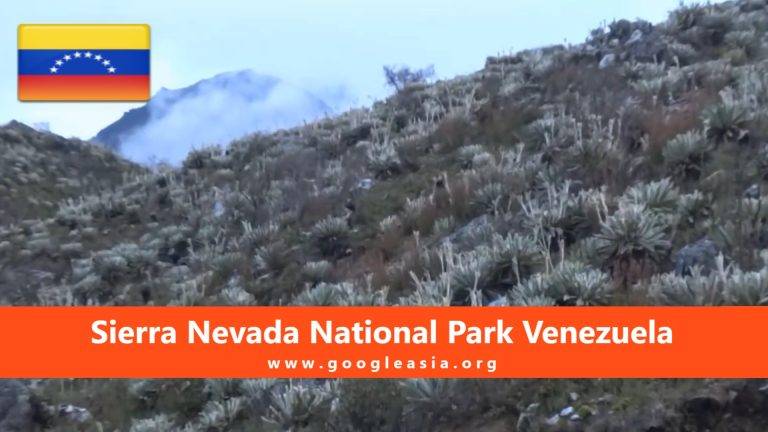
Across its elevational range the park protects cloud forests, montane woodlands, páramo grasslands, and glacial cirques, supporting a mosaic of plant communities and endemic species adapted to cold, wet highland conditions.
Wildlife and birding
Sierra Nevada hosts a diverse fauna including high‑Andean mammals and a rich avifauna; birdwatchers can encounter hummingbirds, tanagers, and other Andean specialists along forest edges and páramo wetlands, while mammals and rare species are best sought with local guides.
Hiking, mountaineering, and refuges
Trails range from accessible day hikes to technical mountaineering routes that require ropes and glacier experience; designated refuges and base camps enable multi‑day ascents, but visitors should acclimatize, hire certified guides for technical climbs, and prepare for rapid weather changes.
Practical visitor information
The park is administered by INPARQUES (Instituto Nacional de Parques) and visitors should check permit requirements, seasonal access restrictions, and safety advisories before travel; the dry season typically offers the clearest skies for trekking and stargazing, while the wet season brings colder, cloudier conditions at altitude.
Budget Travel $100
Sierra Nevada National Park, established in 1952, is one of Venezuela’s oldest national parks and covers about 276,446 hectares (1,067 square miles) in the Andes of Mérida State. It protects some of the country’s highest peaks, including Pico Bolívar (4,978 m / 16,332 ft), Pico Humboldt (4,942 m / 16,214 ft), and Pico Bonpland (4,883 m / 16,020 ft). The park is famous for its páramo ecosystems, glacial lakes, and unique flora such as the frailejón (Espeletia), a plant adapted to high-altitude conditions.
For budget travelers, $100 is more than enough to enjoy two days here once in Mérida. Park entrance fees are modest, usually under $5. Meals in Mérida average $6–10, while lighter options such as arepas or empanadas cost $2–4. Public buses and shared taxis to trailheads cost about $1–3 per ride. Guided hikes to glacial lakes or viewpoints may cost $20–30, but many trails are free to access. With $100, a traveler could allocate $30 for meals, $10 for transport, $15 for park fees and snacks, and $20 for a guided hike, leaving $25 for souvenirs or a special dinner. The real highlights—mountain vistas, alpine lakes, and the chance to see condors—are included at no extra cost.
Tips for American Travelers
For Americans visiting Sierra Nevada National Park, embracing the Andean high-altitude environment is key. The park’s ecosystems range from cloud forests to páramos, so weather can shift quickly—warm days, cold nights, and sudden rain are common. Sturdy shoes, layered clothing, and sun protection are essential. While English may be spoken in some tourist services in Mérida, basic Spanish phrases are very helpful when arranging transport or guides. The local currency is the Venezuelan bolívar (VES), but due to inflation, U.S. dollars are widely accepted, and carrying cash is strongly recommended.
Safety within the park is generally good, but travelers should be prepared for altitude effects—some trails exceed 4,000 meters (13,000 ft), so pacing and hydration are important. The best time to visit is during the dry season (December–April), when skies are clearer and trails more accessible, though the rainy season brings lush greenery and dramatic cloud formations. Finally, Sierra Nevada is not only a natural wonder but also a cultural one: the surrounding villages preserve Andean traditions, and local cuisine—such as trucha frita (fried trout) from mountain streams—is a highlight for visitors.
1-Day Itinerary
- 8:00 AM – Start in Mérida City
- Enjoy a traditional Andean breakfast.
- Visit the local market for fresh produce and crafts.
- 9:30 AM – Cable Car to Pico Espejo
- Ride the world’s longest and highest cable car.
- Stunning views of the Sierra Nevada peaks.
- 11:00 AM – Short Hike in Páramo Ecosystem
- Explore trails with unique frailejón plants.
- Spot native birds and enjoy crisp mountain air.
- 1:00 PM – Lunch in Los Nevados Village
- Taste authentic Andean cuisine.
- Experience local culture and hospitality.
- 3:00 PM – Scenic Drive through Valle de los Nevados
- Panoramic views of mountains and valleys.
- Perfect for photography and relaxation.
- 5:00 PM – Return to Mérida
- Stroll through the historic center.
- End the day with hot chocolate or local coffee.
Things to Do
Sierra Nevada National Park in Venezuela offers a plethora of activities for nature enthusiasts and adventurers alike. Discover the diverse range of experiences awaiting you amidst its stunning landscapes and cultural heritage.
Bird Watching
Explore elevational gradients from montane forest to páramo where rich avian communities include high‑altitude specialists and migratory visitors, making ridge lines, wetlands, and forest edges prime locations for spotting hummingbirds, tanagers, and Andean endemics; bring binoculars and a field guide for the Cordillera de Mérida to maximize sightings.
Hiking and Camping
The park offers multi‑day treks and day hikes across trails that traverse cloud forest, páramo, and glacial cirques; camping at designated refuges and base camps lets visitors experience sunrise over the Andes and access summit routes, but hikers should prepare for rapid weather changes and high‑altitude conditions.
Water Sports and Fishing
Lakes, highland lagoons, and river corridors within the park provide opportunities for canoeing, kayaking, and regulated freshwater fishing in scenic settings; always confirm permitted zones and seasonal restrictions with park authorities before launching water activities.
Adventure Sports
For adrenaline seekers the Sierra Nevada region supports rock climbing, technical mountaineering, and off‑road exploration on rugged Andean terrain; hire certified local guides for technical routes and to ensure safety on steep or glaciated sections.
Wildlife Observation
The park is home to a range of Andean fauna, and careful, quiet observation along forest edges and páramo wetlands increases chances of seeing mammals and endemic species; practice low‑impact viewing and follow park guidelines to protect sensitive habitats.
Cultural Exploration
Visit traditional highland villages and interpretive centers near park entrances to learn about local farming practices, Andean cultural traditions, and the historical relationship between communities and mountain resources, which enriches any nature‑focused itinerary.
Stargazing
High elevation, low light pollution, and clear dry‑season nights make the park an excellent place for stargazing and astrophotography; plan visits during the dry season for the best sky visibility and bring warm layers for cold nights.
Foods
Sierra Nevada National Park in Venezuela not only captivates with its natural beauty but also delights visitors with its diverse and flavorful cuisine. Here are some of the best foods to savor while exploring this scenic national park:
Empanadas
Empanadas are a ubiquitous Venezuelan street food made from cornmeal dough that is shaped, filled, and fried until crisp, with popular fillings including cheese, shredded beef, chicken, and coastal seafood; they are eaten across the country at any time of day and reflect a blend of indigenous and Spanish culinary traditions.
Cachapas
Cachapas are thick sweet corn pancakes made from fresh ground corn and traditionally served with queso de mano, a soft hand‑pulled cheese; they celebrate Venezuela’s corn heritage and are a common roadside breakfast or snack that highlights local agricultural bounty.
Arepas
The arepa is a foundational Venezuelan food made from pre‑cooked cornmeal (harina precocida), grilled or fried and split to be stuffed with fillings such as cheese, shredded meats, avocado, or reina pepiada; arepas are eaten daily and vary regionally in size, texture, and fillings.
Fried Trout and Mountain Proteins
In Andean regions like Mérida, trout farming supplies local restaurants with fresh trucha frita (fried trout) and grilled trout preparations, making freshwater fish a regional specialty distinct from Venezuela’s coastal seafood traditions.
Guasacaca
Guasacaca is a tangy, herb‑forward avocado and cilantro sauce used as a condiment for arepas, empanadas, and grilled meats; its bright, creamy profile—often made with avocado, cilantro, garlic, vinegar, and oil—adds herbal and acidic contrast to fried and starchy dishes.
Quesillo and Sweet Finishes
Quesillo is Venezuela’s silky caramel custard made from eggs, sweetened condensed milk, and caramelized sugar, commonly served chilled in cafés and homes; paired with alfajores or fruit‑based pastries, it represents the country’s rich dessert traditions.
Pabellón Criollo
Pabellón Criollo—shredded stewed beef, black beans, white rice, and sweet fried plantains—is widely regarded as Venezuela’s national dish and offers a balanced taste of savory, starchy, and sweet elements that showcase the country’s culinary fusion.
Hotels
When visiting Sierra Nevada National Park in Venezuela, consider staying at one of these top hotels to enhance your experience amidst the natural beauty and cultural richness of the region:
Paramo El Tejero Hotel, Caracas
Paramo El Tejero Hotel provides a peaceful mountain‑style atmosphere on the outskirts of Caracas, appealing to travelers who want a quiet base away from urban noise while remaining within reach of city attractions; guests value the scenic setting and restful rooms that make early starts for nearby parks and viewpoints easy.
Maruma Hotel & Casino, Maracaibo
Maruma Hotel & Casino blends upscale accommodations with on‑site gaming and evening entertainment, making it a popular choice for visitors seeking both comfort and nightlife; the property’s modern rooms and leisure facilities suit travelers who want a full‑service stay with dining and entertainment options under one roof.
El Maital Hotel, San Cristóbal
El Maital Hotel offers authentic regional hospitality in San Cristóbal, with a location that places guests close to local markets and restaurants; the hotel’s warm service and convenient access to cultural sites make it a practical choice for visitors exploring Táchira’s traditions and cuisine.
Posada de los Llanos Eco‑Lodge, El Vigía
Posada de los Llanos Eco‑Lodge emphasizes sustainable practices and nature immersion, providing eco‑minded travelers with a low‑impact stay surrounded by countryside; the lodge’s environmental commitment and nature‑forward programming appeal to guests seeking wildlife viewing and responsible tourism experiences.
Pico El Aguarao Hotel, Mucuchíes
Pico El Aguarao Hotel is a mountain lodge-style property that offers panoramic highland views and cozy accommodations, ideal for visitors who want direct access to Andean trails and cool‑climate scenery; the hotel’s scenic vantage points and intimate atmosphere suit hikers and couples seeking a nature retreat.
Hotel Sierra Nevada, Tovar
Hotel Sierra Nevada in Tovar presents a blend of regional architecture and comfortable service, appealing to travelers who appreciate hotels that reflect local heritage; the property’s classic décor and personalized hospitality make it a fitting base for exploring nearby valleys and cultural attractions.
Amazonia Hotel, Parque Nacional Amazonia
Amazonia Hotel offers guests a gateway to rainforest exploration, with accommodations designed for immersion in the park’s biodiversity; the hotel’s proximity to trails and wildlife observation opportunities makes it a practical choice for nature enthusiasts and researchers visiting the Amazon region.
Hotel El Pico, Los Roques
Hotel El Pico in Los Roques provides a beachside escape with easy access to coral keys and water sports, catering to travelers who prioritize snorkeling, kiteboarding, and pristine beaches; the hotel’s seaside location and water‑activity services make it ideal for island‑focused vacations.
La Reserva Mariposa Hotel, Merecure
La Reserva Mariposa Hotel is a tranquil retreat set amid natural landscapes, offering quiet rooms and access to nearby nature trails; the property’s focus on relaxation and outdoor exploration appeals to guests seeking a restorative stay away from urban centers.
Hotel Lo Fagundo, El Churi‑Maracaibo
Hotel Lo Fagundo provides practical, budget‑minded accommodations in the El Churi area of Maracaibo, delivering comfortable rooms and essential services for travelers who want convenience without excess; the hotel’s value orientation and accessible location make it a sensible option for short stays and business trips.
Conclusion
A visit to Sierra Nevada National Park offers majestic landscapes, cultural encounters, and unforgettable adventures. Whether you’re hiking, riding the cable car, or exploring Andean villages, this destination promises a unique blend of nature and tradition. Plan your trip now and experience Venezuela’s alpine wonderland at its finest.
Summary
- Attraction: Sierra Nevada National Park
- Country: Venezuela
- Continent: South America
- Capital Name: Caracas
- Language: Spanish
- Currency: Venezuelan Bolívares VEF
- Nationality: Venezuelan
- Category: #Destination #SouthAmerica #VENEZUELA
Contact Information
- Address: Sierra Nevada National Park, Mérida State, Venezuela
- Telephone: +58 (274) 252‑7959 (INPARQUES Mérida Office)
- Website: INPARQUES Official Site
- E‑mail: info@inparques.gob.ve
- Entry Fee: Typically free for general access; guided tours may have separate costs
- Business Hours: Open year‑round; best visiting hours 8:00 AM – 6:00 PM
Frequently Asked Questions
Where is Sierra Nevada National Park located?
Country: Venezuela
Region:
- States: Sierra Nevada National Park is situated in the states of Mérida and Barinas in the western part of Venezuela.
Geographical Features:
- Mountain Range: The park is part of the Andes mountain range.
- Elevation: It includes some of the highest peaks in Venezuela, such as Pico Bolívar and Pico Humboldt.
- Climate: The climate varies with altitude, ranging from tropical at lower elevations to alpine at higher elevations.
Nearby Cities:
- Mérida: The city of Mérida serves as the main gateway to the park. It is known for its universities, colonial architecture, and as a hub for adventure tourism.
Significance:
- Biodiversity: The park is home to a rich variety of flora and fauna, including endemic and endangered species.
- Outdoor Activities: It offers numerous outdoor activities such as hiking, mountaineering, birdwatching, and exploring glacial lakes and valleys.
Sierra Nevada National Park is a prime destination for nature lovers and adventure seekers, offering stunning landscapes and diverse ecosystems.
How to go to Sierra Nevada National Park?By Air:
- Fly to Mérida:
- International: Start by flying into Venezuela. The closest international airport is Simón Bolívar International Airport (CCS) in Caracas.
- Domestic: From Caracas, take a domestic flight to Alberto Carnevalli Airport (MRD) in Mérida city, the gateway to Sierra Nevada National Park.
2. By Land:
- From Mérida City:
- Public Transportation: From Mérida city, buses and taxis are available to nearby towns like Apartaderos or Mucuchies, which are close to the park’s entrance.
- Private Car: Renting a car in Mérida city allows for flexibility and easier access to different parts of the park.
3. Tour Operators:
- Organized Tours: Many tour operators in Mérida offer guided tours to Sierra Nevada National Park. These tours often include transportation, accommodation, and guided hikes or activities within the park.
- Custom Packages: Some operators provide customized packages based on your interests, such as birdwatching, hiking to Pico Bolívar, or exploring the páramo landscapes.
Travel Tips:
- Seasonal Considerations: Plan your visit according to the weather. The dry season (December to April) is generally more favorable for hiking and outdoor activities.
- Altitude: Sierra Nevada National Park includes high-altitude areas, so acclimatization is important, especially if you plan to hike to higher elevations like Pico Bolívar.
- Permits: Check if any permits or entry fees are required for visiting specific areas within the park, and ensure you have them in advance if necessary.
What are Sierra Nevada National Park’s must-visit attractions or landmarks?
Sierra Nevada National Park in Venezuela offers several must-visit attractions and landmarks for nature enthusiasts and adventurers. Here are some of the highlights:
1. Pico Bolívar:
- Highest Peak: At 4,978 meters (16,332 feet), Pico Bolívar is the highest peak in Venezuela.
- Hiking: Popular among hikers and mountaineers for its challenging trails and panoramic views of the Andes and surrounding valleys.
- Glacier: Explore the La Corona Glacier, one of the last glaciers in Venezuela, located near the summit.
2. Pico Humboldt:
- Second Highest Peak: At 4,942 meters (16,214 feet), Pico Humboldt offers spectacular views and is a favorite for trekking and mountaineering.
- Ecological Importance: Known for its diverse flora and fauna, including endemic species adapted to the páramo ecosystem.
3. Laguna Verde:
- Glacial Lake: Located at an altitude of over 4,000 meters (13,123 feet), Laguna Verde is known for its stunning turquoise waters.
- Scenic Beauty: Surrounded by páramo vegetation and rocky peaks, offering serene and picturesque views.
4. páramo Ecosystem:
- Unique Environment: Explore the páramo, a high-altitude ecosystem characterized by grasslands, shrubs, and unique plant species adapted to cold and windy conditions.
- Wildlife: Spot native wildlife such as Andean condors, spectacled bears, and various bird species adapted to the páramo.
5. Los Nevados:
- Glacial Valley: Visit the Los Nevados area, known for its glacial valleys, streams, and hanging valleys carved by ancient glaciers.
- Hiking Trails: Offers diverse hiking trails ranging from easy walks to more challenging routes through rugged terrain and high-altitude landscapes.
6. Mérida Cable Car (Teleférico de Mérida):
- Scenic Ride: Take the cable car ride, one of the longest and highest in the world, ascending from Mérida city to Pico Espejo at 4,765 meters (15,633 feet).
- Panoramic Views: Enjoy breathtaking views of the Andean peaks, Mérida city, and the surrounding countryside during the ascent.
7. La Mucuy Waterfall:
- Natural Beauty: Located near Mérida city, La Mucuy Waterfall is a picturesque cascade surrounded by lush cloud forest.
- Hiking: Accessible via hiking trails, offering a refreshing and tranquil retreat into nature.
8. Andean Villages and Culture:
- Local Communities: Visit nearby villages such as Apartaderos and Mucuchies, known for their traditional Andean architecture, handicrafts, and warm hospitality.
- Cultural Experiences: Experience local festivals, music, and cuisine that reflect the rich cultural heritage of the Andean region.
Is Sierra Nevada National Park a suitable travel destination for solo adventurers, honeymooning couples, or those traveling with families?
Sierra Nevada National Park in Venezuela caters to various types of travelers, offering unique experiences that appeal to solo adventurers, honeymooning couples, and families, each with its considerations:
1. Solo Adventurers:
- Adventure Opportunities: Ideal for solo adventurers interested in challenging hikes, mountaineering, and exploring remote landscapes.
- Safety Considerations: Due to the rugged terrain and high-altitude environment, solo travelers should exercise caution, consider guided tours, and inform others of their plans.
2. Honeymooning Couples:
- Romantic Setting: Offers a romantic backdrop with stunning mountain vistas, serene glacial lakes like Laguna Verde, and cozy accommodations in nearby towns.
- Activities: Couples can enjoy scenic cable car rides, leisurely hikes, and cultural experiences in local villages, creating memorable moments together.
3. Families:
- Educational Experiences: Provides educational opportunities for families to learn about unique ecosystems like the páramo and observe diverse wildlife.
- Accessibility: Some areas, like the Mérida cable car, offer family-friendly activities with panoramic views accessible to all ages.
- Safety: Families should plan for altitude adjustment, choose suitable trails, and ensure accommodations meet their needs.
Overall Considerations:
- Infrastructure: While Mérida city offers amenities and accommodations, facilities within the park itself may be limited. Planning and booking in advance are recommended, especially during peak seasons.
- Seasonal Variations: Weather conditions vary, with dry seasons (December to April) generally being more favorable for outdoor activities. Check weather forecasts and pack accordingly.
Sierra Nevada National Park provides a mix of adventure, natural beauty, and cultural richness, making it a versatile destination for travelers seeking exploration and relaxation amidst Venezuela’s Andean landscapes.
Why should you visit Sierra Nevada National Park?
- Scenic Beauty:
- Andean Landscapes: Experience breathtaking vistas of towering peaks, glacial lakes like Laguna Verde, and lush cloud forests.
- Páramo Ecosystem: Explore unique high-altitude ecosystems with diverse flora adapted to cold and windy conditions.
- Outdoor Activities:
- Hiking and Trekking: Challenge yourself with hikes to Pico Bolívar, Venezuela’s highest peak, or Pico Humboldt, renowned for its biodiversity.
- Cable Car (Teleférico de Mérida): Enjoy one of the world’s longest cable car rides, offering panoramic views of the Andes and Mérida city.
- Wildlife Watching:
- Birdwatching: Spot endemic bird species such as the Andean condor and numerous hummingbird species.
- Fauna: Encounter unique wildlife like spectacled bears, pumas, and various species adapted to the páramo.
- Cultural Richness:
- Local Communities: Visit traditional Andean villages, experience local festivals, and appreciate handicrafts and cuisine.
- History and Heritage: Learn about the indigenous cultures and colonial history that shaped the region.
- Adventure and Exploration:
- Mountaineering: Challenge yourself with mountaineering expeditions to conquer peaks or explore glacial valleys.
- Photography: Capture stunning landscapes, wildlife, and cultural scenes, offering ample opportunities for photography enthusiasts.
- Environmental Significance:
- Conservation: Support conservation efforts in protecting diverse ecosystems, including fragile glacial habitats and endemic species.
- Educational Value: Learn about environmental conservation and sustainable tourism practices in sensitive natural areas.
Are there any halal food options near the Sierra Nevada National Park?
The region, known for its predominantly non-Muslim population, may not have dedicated halal-certified restaurants or establishments. Travelers adhering to halal dietary restrictions may find it challenging to locate certified halal food options in the immediate vicinity of the park.
For travelers requiring halal meals, it’s advisable to plan and pack accordingly, considering bringing non-perishable halal food items or snacks. Additionally, communicating dietary preferences clearly to accommodations or local restaurants in advance may help in arranging suitable meal options, such as vegetarian dishes or seafood prepared in a halal manner.
As the situation regarding dining options can change, especially in tourist hubs like Mérida city nearby, consulting local guides, travel forums, or reaching out to local tourism offices closer to your travel date can provide updated information and assistance in finding halal-compliant food options during your visit to Sierra Nevada National Park.