Punta del Este, Uruguay
Discover Punta del Este, Uruguay’s premier resort city. From the iconic La Mano sculpture on Playa Brava to the serene sands of Playa Mansa, this coastal gem offers luxury, culture, and adventure. Plan your getaway today and experience South America’s St. Tropez!
Introduction
Known as the St. Tropez of South America, Punta del Este is Uruguay’s most famous beach destination. Nestled on the Atlantic coast, it blends golden beaches, upscale resorts, vibrant nightlife, and cultural attractions. Whether you’re chasing waves, sunsets, or fine dining, Punta del Este delivers a glamorous yet relaxed escape.
Practical Tips for Visitors
Getting Around and Best Times
- Best season: December through February (Southern Hemisphere summer) for warm weather, beach life, and the full nightlife program.
- Transport: Punta del Este is walkable within the peninsula; taxis and seasonal shuttle services connect the peninsula to nearby attractions like Casapueblo and inland resorts.
What to Pack and Expect
Bring sun protection, light layers for breezy evenings, and comfortable shoes for walking the rocky viewpoints near Playa Brava and Casapueblo. If you plan to visit museums or upscale restaurants, pack a smart‑casual outfit for evening dining.
Budget Travel $100
Punta del Este is often called the “St. Tropez of South America,” known for its glamorous beaches, nightlife, and upscale dining. However, with $100, travelers can still enjoy the essentials without overspending. Meals at casual restaurants or local cafés average $8–12, while cheaper options such as empanadas or chivitos sandwiches can be found for $3–6.
Public buses cost about $1 per ride, making it easy to move between Playa Brava, Playa Mansa, and the famous La Mano sculpture without relying on taxis. Many attractions are free, including beach access, strolling along the marina, or visiting Casapueblo at sunset, though entry to the museum portion costs around $10. Street markets and artisanal fairs also provide affordable entertainment and shopping opportunities.
With careful planning, $100 can cover two days of exploration. For example, allocating $30 for meals, $10 for transport, $10 for museum entry, and $10 for snacks still leaves $40 for extras such as souvenirs or a special seafood dinner. The beaches themselves are the highlight and cost nothing, offering hours of relaxation and people-watching. This balance makes Punta del Este surprisingly accessible for budget travelers, even though it is often associated with luxury tourism.
Tips for American Travelers
For Americans visiting Punta del Este, adapting to local customs enhances the experience. Uruguayans dine later than in the U.S., with dinner often starting around 9 PM, so adjusting to this schedule helps travelers blend in. While English is spoken in tourist areas, basic Spanish phrases are useful for ordering food or navigating local transport. The local currency is the Uruguayan peso (UYU), and although credit cards are widely accepted, carrying cash is recommended for small purchases at markets or beachside stalls. Safety is generally good, but as in any busy tourist destination, keeping valuables secure is wise, especially in crowded nightlife areas.
Cultural immersion is part of the charm. Punta del Este is not only about beaches but also about art and tradition—visiting Casapueblo, enjoying local seafood, and observing Uruguay’s strong mate culture are all enriching experiences. Americans should also note that Uruguay has a relaxed pace of life, so patience and flexibility go a long way. Finally, while Punta del Este is famous for its luxury resorts, budget-friendly guesthouses and hostels are available, making it possible to enjoy the destination without overspending.
1‑Day Itinerary
Morning (8:00 AM – 11:00 AM)
- Start at Playa Brava to see the iconic La Mano sculpture rising from the sand.
- Enjoy a seaside breakfast at a café overlooking the waves.
Midday (11:30 AM – 2:00 PM)
- Visit Puerto de Punta del Este to watch yachts and fishing boats.
- Lunch at a local parrilla or seafood restaurant by the harbor.
Afternoon (2:30 PM – 5:00 PM)
- Relax at Playa Mansa, known for calm waters perfect for swimming.
- Explore Casapueblo, the stunning cliffside museum and art gallery built by artist Carlos Páez Vilaró.
Evening (6:00 PM – 9:00 PM)
- Stroll along the Rambla for sunset views.
- Dinner at a fine‑dining restaurant in Punta Ballena or downtown Punta del Este.
- Optional: enjoy nightlife at a local bar or casino.
Highlights:
- La Mano sculpture at Playa Brava
- Puerto de Punta del Este harbor
- Playa Mansa for swimming
- Casapueblo art museum and sunset views
Attractions
Punta del Este is Uruguay’s premier seaside resort, famed for its contrasting beaches, upscale nightlife, and striking coastal landmarks. Located on a narrow peninsula where the Río de la Plata meets the Atlantic, the town attracts international visitors each Southern Hemisphere summer with sun, surf, and a compact cultural circuit that’s easy to explore in a few days.
Beaches of Punta del Este
Playa Brava
Playa Brava faces the open Atlantic and is known for stronger surf, dramatic waves, and the iconic sculpture La Mano (Los Dedos) — five fingers emerging from the sand created by Chilean artist Mario Irarrázabal and unveiled in February 1982. The sculpture has become Punta del Este’s most photographed landmark and a symbol of the resort. Surfers and sunset watchers favor Playa Brava for its raw coastal scenery.
Playa Mansa
On the opposite side of the peninsula, Playa Mansa faces the Río de la Plata and offers sheltered, calmer waters ideal for families, swimming, and beginner watersports. The gentle surf and broad sand make it a popular choice for daytime relaxation and water activities such as paddleboarding and jet‑skiing.
Nightlife, Dining, and Avenida Gorlero
Avenida Gorlero
Avenida Gorlero runs through the town center and functions as Punta del Este’s main entertainment artery: cafés, parrillas (grill restaurants), boutique shops, and bars line the avenue. After dark the area pulses with seasonal nightlife—restaurants serving Uruguayan grilled meats and seafood sit alongside cocktail bars and clubs that stay open late during the summer high season.
Resorts and Luxury Amenities
Punta del Este’s resort scene includes internationally known properties that combine accommodation with casinos, spas, and conference facilities. These venues anchor the town’s luxury tourism market and support year‑round events, from high‑end gastronomy to golf and wellness offerings.
Things to Do
Punta del Este, nestled in the department of Maldonado, Uruguay, is a charming seaside resort town celebrated for its natural beauty, vibrant nightlife, and array of activities. Whether you’re a beach lover, a culture enthusiast, or a foodie, Punta del Este offers a diverse range of experiences that cater to every traveler’s preferences.
Sightseeing and Cultural Attractions
Punta del Este condenses coastal scenery, modern art, and historic landmarks into a compact, highly visitable area. Below are the must‑see attractions, each described with concrete, verifiable facts and practical context for visitors.
Casapueblo
Architectural gem and artist’s home Casapueblo is a whitewashed, sculptural complex designed and built by Carlos Páez Vilaró as his home, studio, hotel, and museum. It sits on the Punta Ballena headland about 13 km (8 mi) from Punta del Este and opened as a public site in the 1960s; the complex houses a museum and gallery displaying Páez Vilaró’s works and hosts a daily sunset ritual that draws visitors.
La Mano (The Hand) Sculpture
Iconic beachfront landmark La Mano (also called Los Dedos) is a concrete sculpture by Chilean artist Mario Irarrázabal, installed at Playa Brava and unveiled in February 1982. The five fingers emerging from the sand have become Punta del Este’s most photographed symbol and a widely recognized national landmark.
Faro de Punta del Este (Punta del Este Lighthouse)
Historic maritime beacon The Faro de Punta del Este stands on the peninsula’s eastern tip and is one of the town’s oldest navigational aids. The lighthouse was first erected in the 19th century (constructed 1860) and remains an important coastal landmark offering panoramic views of the bay and Atlantic approaches. The tower and its light historically guided ships entering the Río de la Plata and the Maldonado coast.
Outdoor Activities and Natural Sites
Beaches: Playa Brava, Playa Mansa, Montoya, El Chorro, Bella Vista
Contrasting shorelines
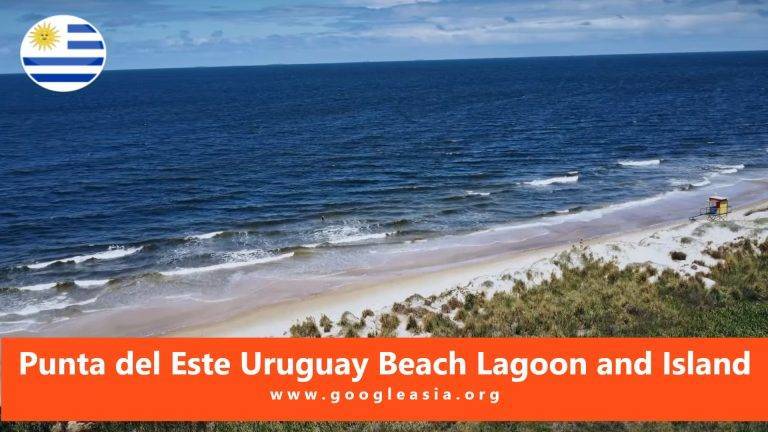
- Playa Brava faces the Atlantic with stronger surf and dramatic waves, popular with surfers and sunset photographers (site of La Mano).
- Playa Mansa faces the Río de la Plata and offers sheltered, calmer waters suited to families and beginner watersports. Other nearby beaches such as Montoya and El Chorro are known for surf breaks and a more relaxed, local vibe. These beaches form the peninsula’s dual character—exposed Atlantic surf on one side and tranquil river waters on the other.
Santa Teresa National Park and Fortaleza de Santa Teresa
Coastal wilderness and colonial fort Parque Nacional Santa Teresa (in Rocha Department, northeast of Punta del Este) protects dunes, forests, and lagoons across roughly 30 square kilometres and includes the Fortaleza de Santa Teresa, a stone fortification first built by the Portuguese in 1762. The park is noted for hiking trails, wildlife (including capybaras and many bird species), and historic military architecture.
Museums, Art and Nightlife
Ralli Museum (Museo Ralli)
Contemporary Latin American art The Ralli Museum in Punta del Este is part of the Ralli network of museums dedicated to contemporary Latin American art and houses a significant collection of modern works in a gardened setting. The museum emphasizes living Latin American artists and often features rotating exhibitions; it is a recommended stop for visitors interested in regional modern art.
Experience Art Museum and Local Galleries
Contemporary exhibitions and private collections Punta del Este’s small museum circuit and private galleries complement the Ralli collection, offering rotating contemporary shows and seasonal exhibitions that reflect Uruguay’s active visual‑arts scene.
Avenida Gorlero and Nightlife
Main commercial and nightlife artery Avenida Gorlero is the town’s central avenue—lined with shops, cafés, parrillas, and bars—and becomes the focal point of evening dining and nightlife during the high season. The avenue connects the peninsula’s commercial core with beaches and cultural venues, making it the natural starting point for after‑dinner walks and nightlife.
Foods
Traditional Uruguayan Dishes
Uruguayan cuisine is defined by meat‑forward traditions, European immigrant influences, and coastal freshness. Below is a concise, fact‑rich guide to the country’s signature dishes and beverages, written in an article style suitable for SEO and travel readers.
Chivito
What It Is
Chivito is Uruguay’s national sandwich: a large bun filled with thin grilled beef (churrasco), ham, mozzarella, tomato, lettuce, mayonnaise, and often bacon and a fried or hard‑boiled egg. It is commonly served with French fries.
Origins and Cultural Note
The chivito was created in Punta del Este in the 1940s when a restaurant improvised a beef version of a requested goat sandwich; the name chivito (diminutive of chivo, “kid”) stuck despite the beef filling. Today it appears on menus from casual cafés to upscale parrillas across Uruguay.
Where to Try It
Look for chivito at parrillas and cafés in Montevideo and Punta del Este; Mercado del Puerto in Montevideo is a reliable spot for classic preparations.
Asado
What It Is
Asado refers both to the social barbecue event and to the assortment of grilled meats served from a parrilla (iron grill). Typical cuts include short ribs, flank, chorizo, and morcilla, often accompanied by chimichurri and simple salads.
Cultural Importance and Consumption Facts
Asado is a central social ritual in Uruguay—family and friends gather around the parrilla for long, communal meals. Uruguay has one of the highest per‑capita meat consumptions in the region; recent national data show beef remains the most consumed meat, underscoring the cultural centrality of asado.
Practical Tip
Attend a local asado or visit a reputable parrilla (look for busy, well‑ventilated places) to experience the full ritual: slow grilling over wood or charcoal and shared plates.
Fresh Seafood and Seafood Platters
Coastal Influence
Uruguay’s Atlantic and Río de la Plata coasts supply fresh fish, calamari, shrimp, and shellfish to restaurants in Montevideo and Punta del Este. Coastal markets and port‑area eateries specialize in grilled fish and fried seafood platters that pair well with light salads and local white wines.
Recommended Areas
For a concentrated seafood experience, head to Mercado del Puerto in Montevideo and the restaurants around La Barra and the port area of Punta del Este.
Empanadas
What They Are
Empanadas are handheld pastries filled with seasoned beef, chicken, cheese, or vegetables. They are sold at bakeries, kiosks, and street stalls and are a practical, portable snack during festivals and daily life.
Regional Variations
Fillings and cooking methods vary by vendor—look for local touches such as olives, hard‑boiled egg, or regional spice blends.
Dulce de Leche and Alfajores
Dulce de Leche Background
Dulce de leche is a caramelized milk spread made by slowly heating sweetened milk until it browns and thickens. It is ubiquitous across Uruguay and used as a filling or topping in countless desserts.
Alfajores and Desserts
Alfajores—two soft biscuits sandwiched with dulce de leche and often coated in chocolate or powdered sugar—are a classic Uruguayan sweet. For a regional specialty, try chajá, a meringue‑and‑cream cake invented in Paysandú in 1927 that remains a national favorite.
Other Popular Street and Festival Foods
- Choripán: Grilled chorizo in a roll, commonly topped with chimichurri.
- Papas Rellenas: Deep‑fried mashed potato croquettes stuffed with seasoned meat.
- Fried Calamari: A coastal favorite sold near beaches and promenades.
These items are staples at street stalls, blocos, and market halls during Carnival and summer festivals.
Local Beverages and Wine Culture
Tannat Wine
Tannat is Uruguay’s signature red grape and is widely regarded as the country’s flagship varietal. Introduced from southwest France in the 19th century, Tannat thrives in Uruguayan terroir and is produced in styles ranging from robust, tannic reds to softer, fruitier bottlings. Wine tourism around Montevideo and the Canelones region offers tastings and vineyard tours.
Craft Beer and Spirits
A growing craft‑beer scene and small distilleries complement the wine culture, offering local brews and spirits that pair well with grilled meats and seafood.
Hotels
Hotel Fasano
- Luxury Accommodation: Known for its elegant design and impeccable service.
- Location: Situated in a prime beachfront location offering stunning ocean views.
- Amenities: Includes a spa, fine dining restaurants, and exclusive guest services.
Conrad Punta Del Este Resort & Casino
- Iconic Resort: Features a vibrant casino and entertainment options.
- Beachfront Setting: Offers direct access to the beach and luxurious accommodations.
- Facilities: Boasts multiple restaurants, bars, and a wide range of recreational activities.
Sofitel
Overview
- French Elegance: Reflects sophisticated French hospitality.
- Scenic Views: Offers panoramic views of the Atlantic Ocean.
- Services: Includes a spa, gourmet dining options, and stylish rooms and suites.
Design Suites
- Modern Design: Emphasizes contemporary architecture and decor.
- Location: Ideally situated for beach access and exploring Punta del Este.
- Facilities: Spa services, rooftop pool, and trendy lounge areas.
Mantra Resort Spa & Casino
- Resort Experience: Combines relaxation with entertainment options.
- Spa and Wellness: Features extensive spa facilities and wellness programs.
- Casino: Offers gaming excitement alongside luxurious accommodations.
Hotel Cocal & Casino
- Casino and Comfort: Features a lively casino and comfortable rooms.
- Central Location: Conveniently located near beaches and local attractions.
- Dining: On-site restaurant offering a variety of cuisine options.
Sheraton Punta Del Este Resort & Spa
- Family-Friendly: Provides amenities for both adults and children.
- Beach Access: Offers direct access to the beach and outdoor pools.
- Services: Includes a full-service spa, fitness center, and multiple dining options.
Hotel Boutique La Huella
- Boutique Charm: Offers intimate and personalized service.
- Style: Reflects local charm with unique decor and ambiance.
- Location: Close proximity to beaches and cultural attractions.
Hotel Casa Pueblo
- Artistic Setting: Located near the famous Casapueblo art museum.
- Scenic Views: Offers breathtaking views of the coastline and sunset.
- Unique Experience: Features artistic influences and cultural significance.
Awa Hotel Boutique & Spa
- Boutique Luxury: Focuses on personalized service and relaxation.
- Spa Retreat: Offers extensive spa treatments and wellness programs.
- Location: Situated in a tranquil environment for a serene getaway.
Conclusion
A trip to Punta del Este is the perfect blend of relaxation and sophistication. With its beaches, art, and lively atmosphere, it’s a destination that captures the essence of Uruguay’s coastal charm. Plan your visit now and indulge in the glamour of Punta del Este.
Summary
- Attraction: Punta del Este
- Country: Uruguay
- Continent: South America
- Capital Name: Montevideo
- Language: Spanish
- Currency: Peso Uruguayo
- Nationality: Uruguayans
- Category: #Destination #SouthAmerica #URUGUAY
Contact Information
- Location: Punta del Este, Maldonado Department, Uruguay
- Activities: Beaches (Playa Brava, Playa Mansa), harbor visits, art museums, nightlife, dining, shopping
- Entry Fee: Free access to beaches and public areas; museums and attractions may charge (Casapueblo approx. 300 UYU)
- Business Hours: Beaches open all day; restaurants and nightlife venues vary (most open late afternoon until midnight or later)
- Contact:
- Telephone: +598 4222 3111 (Maldonado Tourism Office)
- Website: https://www.uruguaynatural.com
- Email:
Frequently Asked Questions
Where is Punta del Este located?
Punta del Este is a coastal city in Uruguay, situated in the Maldonado Department. It is located on a peninsula that extends into the Atlantic Ocean, making it one of the most famous beach resorts in South America.
Geographical Coordinates:
- Latitude: 34.9500° S
- Longitude: 54.9500° W
Proximity to Major Cities:
- Montevideo: Approximately 140 kilometers (87 miles) east of the capital city, Montevideo.
- Maldonado: Directly adjacent to the city of Maldonado.
Region:
- South America
- Country: Uruguay
- Department: Maldonado
How to go to Punta del Este?
From Montevideo:
- By Car:
- Route: Take Route 1 to Route 93, then continue on Route Interbalnearia (Ruta Interbalnearia) eastward.
- Duration: Approximately 1.5 to 2 hours.
- Distance: About 140 kilometers (87 miles).
- By Bus:
- Bus Companies: COT, COPSA, and other local companies offer regular services.
- Departure: Buses leave from Tres Cruces Terminal in Montevideo.
- Duration: Approximately 2 hours.
- Frequency: Buses run frequently throughout the day.
- By Plane:
- Airport: Carrasco International Airport (MVD) in Montevideo.
- Transfer: From the airport, you can rent a car, take a shuttle, or use a bus service to reach Punta del Este.
Direct Flights:
- Capitán de Corbeta Carlos A. Curbelo International Airport (PDP): Located about 20 kilometers (12 miles) from Punta del Este.
- Flights: Some seasonal and international flights arrive directly at this airport.
From Buenos Aires:
- By Ferry:
- Route: Take a ferry from Buenos Aires to Montevideo or Colonia del Sacramento, then travel by bus or car to Punta del Este.
- Ferry Companies: Buquebus, Colonia Express.
- Duration: Ferry to Montevideo takes about 2-3 hours, then an additional 2 hours by bus or car to Punta del Este.
- By Plane:
- Flights: Direct flights from Buenos Aires to Capitán de Corbeta Carlos A. Curbelo International Airport (PDP).
- Duration: Approximately 1 hour flight time.
From Other International Destinations:
- Via Montevideo:
- Fly to Montevideo: International flights land at Carrasco International Airport (MVD).
- Transfer to Punta del Este: Use car rental, shuttle services, or bus to reach Punta del Este from Montevideo.
- Via Buenos Aires:
- Fly to Buenos Aires: International flights land at Ezeiza International Airport (EZE).
- Transfer: Use ferry and bus/car as mentioned above.
What are Punta del Este’s must-visit attractions or landmarks?
Playa Brava and La Mano (The Hand)
Famous beach known for its strong waves, ideal for surfing. The Hand, a giant sculpture emerging from the sand, is an iconic symbol of Punta del Este.
- Activities: Surfing, sunbathing, photo opportunities.
2. Playa Mansa
A calm beach perfect for swimming and relaxing, offering a stunning view of the sunset.
- Activities: Swimming, family-friendly activities, sunset viewing.
3. Casapueblo
A museum, art gallery, and hotel created by Uruguayan artist Carlos Páez Vilaró. The structure resembles Mediterranean architecture and offers breathtaking views of the ocean.
- Activities: Art viewing, staying at the hotel, sunset watching.
4. Punta del Este Lighthouse (Faro de Punta del Este)
An old lighthouse built in 1860, offering panoramic views of the city and coastline.
- Activities: Sightseeing, photography, historical exploration.
5. Avenida Gorlero
The main commercial street in Punta del Este, lined with shops, restaurants, cafes, and entertainment venues.
- Activities: Shopping, dining, nightlife.
6. Isla de Lobos
An island home to one of the largest sea lion colonies in the world. Accessible by boat tours.
- Activities: Boat tours, wildlife watching, photography.
7. La Barra
A vibrant neighborhood known for its colorful houses, trendy shops, art galleries, and lively nightlife.
- Activities: Exploring local culture, shopping, dining, nightlife.
8. Arboretum Lussich
A large park and botanical garden with a diverse collection of native and exotic plants.
- Activities: Nature walks, picnicking, bird watching.
9. Ralli Museum
A museum dedicated to contemporary Latin American art, featuring works by Salvador Dalí, among others.
- Activities: Art viewing, cultural enrichment.
10. Punta Ballena
A scenic area known for its stunning viewpoints and nature trails, located near Casapueblo.
- Activities: Hiking, sightseeing, photography.
Is Punta del Este a suitable travel destination for solo adventurers, honeymooning couples, or those traveling with families?
Solo Adventurers:
- Suitability: Punta del Este can be a great destination for solo adventurers looking to explore beaches, art galleries, and enjoy nightlife. It offers opportunities for surfing, hiking, and cultural exploration.
- Activities: Surfing at Playa Brava, exploring Casapueblo, and enjoying the vibrant atmosphere of Avenida Gorlero.
Honeymooning Couples:
- Suitability: Punta del Este is highly suitable for honeymooning couples seeking romantic beach getaways and luxury accommodations. The scenic views, sunset spots, and fine dining options make it ideal.
- Activities: Relaxing on Playa Mansa, visiting Casapueblo for sunset views, and exploring secluded spots like Punta Ballena.
Families:
- Suitability: Punta del Este can be family-friendly with its calm beaches, family-oriented attractions like Arboretum Lussich, and activities such as boat tours to Isla de Lobos.
- Activities: Swimming at Playa Mansa, visiting the lighthouse, and enjoying family time at local cafes and parks.
Why should you visit Punta del Este?
- Beautiful Beaches: Punta del Este boasts some of Uruguay’s most stunning beaches, catering to both relaxation and water sports enthusiasts. Playa Brava and Playa Mansa offer contrasting experiences, from surfing to tranquil swimming.
- Iconic Landmarks: The Hand (La Mano), a sculpture emerging from the sands of Playa Brava, is an iconic symbol of Punta del Este. The Punta del Este Lighthouse and Casapueblo, an artistic marvel overlooking the ocean, are also must-see attractions.
- Art and Culture: Casapueblo, created by artist Carlos Páez Vilaró, doubles as a museum, hotel, and art gallery, showcasing unique architecture and paintings. The Ralli Museum exhibits contemporary Latin American art, including works by Salvador Dalí.
- Natural Beauty: Punta del Este’s surroundings include lush landscapes and scenic viewpoints, such as Punta Ballena and Arboretum Lussich, ideal for nature lovers and photographers.
- Gastronomy and Nightlife: Avenida Gorlero is the heart of Punta del Este’s dining and entertainment scene, offering a variety of restaurants, cafes, and shops. The area comes alive at night, making it a vibrant destination for nightlife enthusiasts.
- Luxury and Relaxation: Known as a playground for the wealthy, Punta del Este offers upscale accommodations, spas, and golf courses, catering to those seeking luxury and relaxation.
- Family-Friendly Activities: Families can enjoy activities like visiting Isla de Lobos to see sea lions, exploring the Arboretum Lussich, and relaxing on the family-friendly beaches.
How accessible is halal food in Punta del Este?
Finding halal food in Punta del Este might be challenging as Uruguay, in general, does not have a significant Muslim population. However, there are ways to manage:
- Vegetarian Options: Many restaurants offer vegetarian dishes that may be suitable for those looking for halal options.
- Seafood: Uruguay is known for its seafood, and many restaurants specialize in fresh fish and seafood dishes, which could be a halal-friendly choice for some visitors.
- Self-Catering: Consider staying in accommodations with kitchen facilities so you can prepare your own meals using halal ingredients sourced from local supermarkets or specialty stores.
- Online Resources: Use online platforms or apps that cater to halal food to locate any specific restaurants or eateries in Punta del Este that may offer halal-certified or halal-friendly meals.