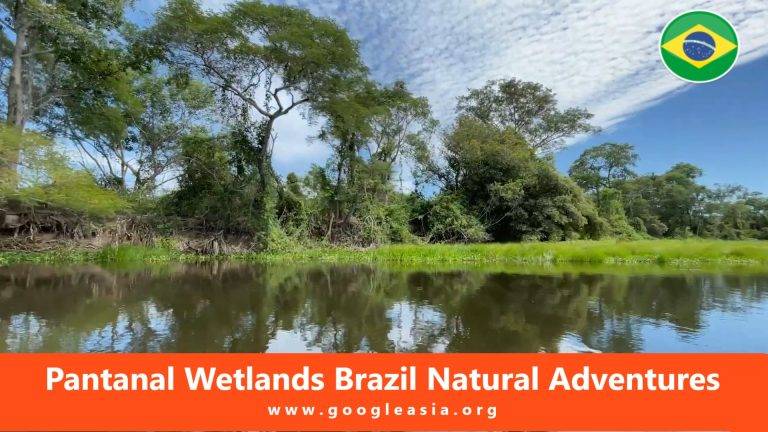
Pantanal Wetlands, Brazil
Discover the Pantanal Wetlands, the world’s largest tropical wetland and a UNESCO World Heritage Site. Explore its incredible biodiversity, suggested activities, and essential visitor information including entry fees, timings, and contact details. Plan your journey today and witness jaguars, caimans, and exotic birds in Brazil’s ultimate wildlife sanctuary!
Introduction
The Pantanal Wetlands in Brazil stand as one of the planet’s largest expanses of wetlands, sprawling across approximately 55,000 square miles (141,800 km2). This vast region is primarily situated within Brazil’s borders, although it also extends into parts of Bolivia and Paraguay. Renowned for its exceptional biodiversity and breathtaking landscapes, the Pantanal is a sanctuary for an extraordinary array of wildlife and vegetation.
Location and Extent
- Location: Situated in Brazil, extending into parts of Bolivia and Paraguay.
- Size: Covers approximately 55,000 square miles (141,800 km2).
Wildlife Diversity
The Pantanal is celebrated for its unparalleled biodiversity, hosting a rich variety of flora and fauna. It is home to an abundance of marshland and aquatic birds, including colorful macaws, imposing jaguars, the world’s largest rodent, the capybara, and the formidable caiman. Rare species such as the maned wolf find refuge here, alongside a diverse community of fish, reptiles, and amphibians.
- Birds: Abundant marshland and aquatic birds, including macaws.
- Mammals: Capybaras, jaguars, and the endangered maned wolf.
- Reptiles and Amphibians: Large variety, including caimans.
Lush Vegetation
The vegetation of the Pantanal is as diverse as its wildlife, encompassing vast stretches of pampas grasslands, towering cacti, elegant palm trees, lush tropical fruit orchards, and the characteristic savannah brush. This rich tapestry of plant life thrives in the wetland environment, contributing to the region’s unique ecological balance.
- Plant Species: Pampas grass, cacti, palms, tropical fruit trees, and savannah brush.
Cultural Heritage
Beyond its natural splendor, the Pantanal boasts a vibrant local culture deeply rooted in its natural surroundings. Traditional festivals and celebrations, such as the “Tupsimba,” a harvest festival honoring the river, provide visitors with a glimpse into the region’s rich cultural heritage. Artisan crafts and local cuisine reflect the creativity and resourcefulness of the communities that have thrived in harmony with the wetlands for generations.
- Festivals: Traditional “Tupsimba” harvest festival.
- Crafts: Artisan crafts reflecting local creativity.
- Cuisine: Local dishes using regional ingredients.
Itinerary with Highlights
- 7:00 AM – Breakfast at your lodge in Campo Grande or Cuiabá (gateway cities to the Pantanal)
- 8:00 AM – 11:00 AM – Guided safari drive (spot capybaras, caimans, and birdlife)
- 11:30 AM – 1:00 PM – Visit a local ranch (learn about Pantaneiro culture and traditions)
- 1:00 PM – 2:00 PM – Lunch at the lodge (regional dishes like arroz carreteiro)
- 2:30 PM – 4:30 PM – Boat ride along the rivers (look out for giant otters and jaguars on the banks)
- 5:00 PM – 6:30 PM – Sunset wildlife viewing (flocks of herons and storks returning to roost)
- 7:00 PM – Dinner followed by optional night safari (spot nocturnal animals like ocelots and anteaters)
Things to Do
Birdwatching
The Pantanal is a paradise for birdwatchers, with over 650 bird species recorded. Iconic sightings include hyacinth macaws—the world’s largest parrot—alongside jabirus, toucans, herons, and raptors. Marshlands, lagoons, and forested areas provide diverse habitats, making it one of the premier birdwatching destinations globally.
Fishing
Fishing in the Pantanal is a cultural tradition and recreational highlight. Its waterways host species such as dorado, pacu, surubim, and jau, prized by anglers for their size and fight. Excursions are often led by experienced guides using motorized or non-motorized boats, blending sport with immersion in the wetlands’ natural beauty.
Air-boat Rides
Air-boat rides provide an exhilarating way to navigate shallow waters and narrow channels inaccessible to traditional boats. These fast-moving vessels allow visitors to reach remote areas of the Pantanal, offering rare perspectives on its vast landscapes and hidden wildlife.
Photography
The Pantanal is considered one of the world’s top destinations for wildlife photography. With over 460 bird species and 230 mammal species, opportunities abound to capture jaguars, macaws, caimans, and sweeping wetland vistas. Local guides often assist photographers in finding optimal locations and times, such as dawn and dusk, when wildlife activity peaks.
Foods
Fish Delicacies of the Pantanal
Tambaqui
Tambaqui (Colossoma macropomum) is one of the most iconic fish of the Amazon and Pantanal. It can grow up to 1 meter long and weigh 30 kg, prized for its delicate flavor and tender flesh. Traditionally grilled over open flames or baked, tambaqui ribs are a regional specialty. Its diet of fruits and seeds gives the meat a unique sweetness.
Pirapitinga
Pirapitinga (Piaractus brachypomus), a close relative of tambaqui, is valued for its firm texture and versatility. It is often prepared grilled, fried, or in stews. Known as a migratory species, pirapitinga plays an important role in local fishing traditions.
Piau
Piau refers to several small freshwater fish species (genus Leporinus), enjoyed for their mild taste. They are commonly used in soups and stews, reflecting the Pantanal’s reliance on river fish for daily meals.
Tucunaré
Tucunaré, or peacock bass (Cichla spp.), is celebrated for its robust flavor and is a favorite among sport fishers. It is often grilled or stewed, and its striking spotted pattern makes it one of the most recognizable fish in the Pantanal.
Versatile Manioc
Cassava (Manihot esculenta) is a cornerstone of Pantanal cuisine. Indigenous peoples perfected its preparation, removing natural toxins to make it safe to eat. Cassava flour (farinha de mandioca) is used in farofa, while tapioca starch creates pancakes and desserts. Boiled, fried, or mashed, cassava adds heartiness to meals and remains Brazil’s most important root crop.
Chicken and Eggs
Local Favorites
Chicken dishes are staples in Pantanal households, often featured in soups, stews, and grilled preparations. Free-range chickens raised in rural communities provide rich flavor.
Egg Dishes
Eggs are incorporated into local recipes, from simple scrambles to hearty rice dishes, adding protein and versatility to everyday meals.
Savory Cheese Varieties
Sarapatel
Sarapatel is a traditional dish of Portuguese origin, made from pork offal cooked in its own blood, seasoned with garlic, onions, and cilantro. It is popular in northeastern Brazil and has spread to Pantanal cuisine, reflecting colonial influences.
Queijo de Coalho
Queijo de coalho is a firm, salty cheese made from cow’s milk, grilled on skewers and sold at beaches and fairs. Its squeaky texture and smoky flavor make it one of Brazil’s most beloved snacks.
Tropical Fruits
Cupuaçu
Cupuaçu (Theobroma grandiflorum), a relative of cacao, is native to the Amazon. Its creamy pulp is used in desserts, juices, and sweets. Cupuaçu is prized for its exotic flavor, often described as a mix of chocolate and pineapple.
Bacaba
Bacaba (Oenocarpus bacaba) is a palm fruit similar to açaí, rich in antioxidants and healthy fats. Traditionally, bacaba juice is prepared by indigenous communities and enjoyed as a refreshing beverage.
Maté Tea
Cultural Beverage
Yerba mate (Ilex paraguariensis) is brewed into maté tea, enjoyed throughout Brazil’s southern regions and the Pantanal. Known for its earthy flavor and caffeine boost, it is consumed socially, often shared from a gourd with a metal straw (bombilla).
Flavorful Grass-Fed Beef
High-Quality Meat
Pantanal beef is renowned for its tenderness and flavor, sourced from cattle raised on natural pastures across the wetlands. The Pantanal is one of Brazil’s major cattle-ranching regions, with ranching traditions dating back to the 18th century.
Traditional Preparations
Beef is used in stews, grilled specialties, and rice dishes, reflecting the region’s ranching heritage.
Regional Culinary Delights
Moqueca Pantaneira
A local variation of moqueca, this fish stew is cooked in coconut milk with regional spices, reflecting tropical influences.
Arroz Carreteiro
A hearty dish made with beef, rice, and vegetables, arroz carreteiro originated with cattle drovers and remains a staple for hungry travelers.
Peixe à Piranha
A unique delicacy, peixe à piranha uses piranha broth to flavor fish dishes, highlighting the Pantanal’s freshwater bounty.
Hotels
The Pantanal Wetlands in Brazil offer a unique opportunity to experience one of the world’s largest and most diverse freshwater wetland ecosystems. For travelers seeking comfort and immersion in nature, several outstanding hotels and lodges cater to varying preferences and budgets.
Pousada da Lontra (Aquidauana)
Located in Aquidauana, often called the “Gateway to the Pantanal,” Pousada da Lontra provides a serene escape surrounded by lush wetlands. Aquidauana is historically significant as a cattle-ranching hub, with traditions dating back to the 18th century.
Accommodation & Facilities
Rustic yet comfortable rooms are equipped with modern amenities. Facilities include an outdoor swimming pool, on-site restaurant serving traditional Brazilian cuisine, and limited spa services. Wi-Fi is available in public areas, and room options range from standard rooms to family suites.
Activities
Guests can enjoy guided wildlife tours, birdwatching, and boat trips along the Aquidauana River, known for its rich biodiversity including capybaras, caimans, and giant river otters.
Rating & Price
Rated 4.5 stars, with a price range of $$$, it balances comfort with authentic Pantanal immersion.
Pantanal Eco Resort (Poconé)
Situated in Poconé, the starting point of the famous Transpantaneira Highway, Pantanal Eco Resort offers luxury in the heart of the wetlands. Poconé is a key access town for safaris and ecological tours.
Accommodation & Facilities
Spacious suites feature private balconies overlooking the wetlands. Facilities include a full-service spa, fitness center, conference facilities, and airport shuttle services.
Activities
Guests can embark on safari tours, horseback riding, and fishing excursions. The resort emphasizes eco-tourism, blending upscale amenities with conservation practices.
Rating & Price
Rated 5 stars, with a price range of $$$$, it is one of the most luxurious stays in the Pantanal.
Pousada Piuval (Poconé)
Pousada Piuval combines rustic charm with modern comfort, making it ideal for nature enthusiasts. Located near Poconé, it sits at the entrance of the Transpantaneira, offering easy access to diverse wildlife habitats.
Accommodation & Facilities
Cozy rooms overlook the surrounding landscape. Facilities include a casual bar/lounge, kid-friendly amenities, bicycle rentals, complimentary parking, and wheelchair-accessible rooms.
Activities
Guests enjoy guided hikes, canoeing, and night safaris. The lodge is known for its birdwatching opportunities, with sightings of hyacinth macaws and jabirus.
Rating & Price
Rated 4 stars, with a price range of $$, it offers affordability without sacrificing authentic Pantanal experiences.
Conclusion
The Pantanal Wetlands are more than a destination—they are a living showcase of South America’s richest biodiversity. From jaguar encounters to birdwatching, every moment here is a chance to connect with nature. Plan responsibly, choose eco‑friendly tours, and immerse yourself in one of the planet’s most extraordinary ecosystems.
Summary
- Attraction: Pantanal Wetlands
- Country: Brazil
- Continent: South America
- Capital Name: Brasília
- Language: Portuguese, Spanish, English
- Currency: The Real
- Category: #Destination #SouthAmerica #BRAZIL
Frequently Asked Questions
Where is Pantanal Wetlands located?
The Pantanal Wetlands are located primarily in Brazil, with smaller portions extending into Bolivia and Paraguay. This expansive tropical wetland is considered one of the world’s largest freshwater wetland ecosystems. It covers an area of approximately 140,000 to 195,000 square kilometers (54,000 to 75,000 square miles) depending on the annual flooding.
In Brazil, the Pantanal spreads across the states of Mato Grosso and Mato Grosso do Sul, encompassing diverse habitats such as marshes, lagoons, and seasonal floodplains. Its rich biodiversity, including numerous species of wildlife and birds, makes it a significant destination for ecotourism and wildlife enthusiasts.
How to go to Pantanal Wetlands?
To reach the Pantanal Wetlands, which are primarily located in Brazil, you typically have a few options depending on your starting point and preferred mode of transportation:
- By Air:
- Cuiabá: The city of Cuiabá in the state of Mato Grosso is a common gateway to the northern Pantanal. You can fly into Marechal Rondon International Airport (CGB) in Cuiabá from major Brazilian cities such as São Paulo, Rio de Janeiro, and Brasília. From Cuiabá, you can arrange for tours or transportation to lodges and ranches within the Pantanal.
- Campo Grande: For access to the southern Pantanal, you can fly into Campo Grande, the capital of Mato Grosso do Sul. The city’s airport, Campo Grande International Airport (CGR), offers flights from major Brazilian cities. Campo Grande serves as a starting point for excursions into the southern Pantanal.
- By Road:
- From Cuiabá or Campo Grande, you can travel to lodges and ranches within the Pantanal by road. Many lodges and eco-resorts offer transportation services from these cities to their accommodations deep within the wetlands.
- Organized Tours:
- One of the most popular ways to explore the Pantanal is through organized tours offered by tour operators and lodges. These tours typically include transportation from Cuiabá or Campo Grande, accommodation, guided activities such as wildlife viewing, birdwatching, hiking, and boat trips along the rivers and marshes.
- Local Transportation:
- Once in the Pantanal, local transportation options may include boats, canoes, or vehicles provided by lodges for exploring the wetlands and accessing remote areas.
- Guided Expeditions:
- For a more immersive experience, guided expeditions into the Pantanal are available, often combining multiple modes of transportation and activities tailored to showcase the wetland’s diverse flora and fauna.
What are Pantanal Wetlands’s must-visit attractions or landmarks?
The Pantanal Wetlands in Brazil offer a unique and biodiverse ecosystem with numerous attractions and landmarks that showcase its natural beauty and wildlife. Here are some must-visit attractions and activities in the Pantanal:
- Wildlife Viewing:
- The Pantanal is renowned for its incredible diversity of wildlife, including jaguars, capybaras, giant otters, caimans, howler monkeys, and over 650 bird species. Wildlife viewing tours, both on foot and by boat, offer opportunities to observe these animals in their natural habitat.
- Birdwatching:
- Bird enthusiasts will find the Pantanal a paradise for birdwatching. Species like hyacinth macaws, toucans, jabirus, and numerous herons and egrets can be spotted along rivers, lagoons, and forests.
- River Safaris:
- Boat safaris along the Pantanal’s rivers and waterways provide a unique perspective of the wetlands. You can explore remote areas inaccessible by road and observe wildlife from a close but safe distance.
- Hiking and Nature Walks:
- Guided hikes and nature walks through the Pantanal’s trails and forests offer opportunities to learn about the region’s flora and fauna, including medicinal plants and unique tree species adapted to the wetland environment.
- Sunset and Sunrise Views:
- Enjoy breathtaking sunsets and sunrises over the expansive wetlands, creating stunning reflections on the water surfaces and illuminating the landscape in golden hues.
- Fishing and Piranha Fishing:
- Fishing excursions are popular in the Pantanal, where you can catch piranhas and other freshwater fish species. Some lodges offer catch-and-release fishing experiences.
- Cultural Experiences:
- Learn about the traditional culture and lifestyle of Pantaneiros (local inhabitants) who live in harmony with the wetlands. Some lodges offer cultural activities and visits to local communities.
- Photography Expeditions:
- Photographers will find endless opportunities for capturing stunning landscapes, wildlife, and birdlife in the Pantanal. Professional guides can assist in finding the best locations and lighting conditions for photography.
- Visit Ecological and Research Centers:
- Some lodges and conservation organizations in the Pantanal operate ecological and research centers where visitors can learn about conservation efforts, environmental education, and ongoing research projects in the region.
- Night Safaris:
- Experience the Pantanal’s nocturnal wildlife on guided night safaris, where you may encounter species such as nocturnal mammals, owls, and other creatures active after dark.
Is Pantanal Wetlands a suitable travel destination for solo adventurers, honeymooning couples, or those traveling with families?
The Pantanal Wetlands in Brazil can be a suitable travel destination for various types of travelers, each finding unique experiences to enjoy:
- Solo Adventurers:
- Solo travelers can explore the Pantanal with guided tours and excursions offered by lodges and tour operators. Activities such as wildlife viewing, birdwatching, hiking, and boat safaris provide opportunities for adventure and immersion in nature. Many lodges also offer communal dining and social activities, allowing solo adventurers to meet fellow travelers.
- Honeymooning Couples:
- The Pantanal offers a romantic and secluded environment for honeymooning couples. Lodges and eco-resorts often provide private accommodations with scenic views of the wetlands. Couples can enjoy sunset boat rides, private nature walks, and candlelit dinners amidst the natural beauty of the Pantanal.
- Families:
- Families traveling with children can have a memorable experience in the Pantanal. Lodges and tour operators offer family-friendly accommodations and activities suitable for all ages. Children can learn about wildlife, participate in nature walks, and enjoy outdoor adventures such as fishing and river safaris. Some lodges also offer educational programs and cultural activities that families can enjoy together.
Why should you visit Pantanal Wetlands?
Visiting the Pantanal Wetlands in Brazil offers a multitude of compelling reasons for travelers seeking an authentic and immersive natural experience:
- Rich Biodiversity: The Pantanal is one of the world’s most biodiverse regions, home to an incredible array of wildlife. Visitors have the opportunity to see iconic species such as jaguars, giant otters, capybaras, caimans, and over 650 bird species, making it a paradise for wildlife enthusiasts and photographers.
- Unique Ecosystem: As the world’s largest tropical wetland, the Pantanal showcases a diverse ecosystem of marshes, lagoons, rivers, and seasonal floodplains. Its distinct landscape and biodiversity provide a unique environment for exploring and learning about nature.
- Birdwatching Paradise: Birdwatchers flock to the Pantanal to observe rare and colorful bird species, including hyacinth macaws, toucans, jabirus, and numerous herons and egrets. The region’s open landscapes and abundant water sources attract a variety of avian species, offering exceptional birdwatching opportunities.
- Natural Beauty: The Pantanal’s vast expanses of untouched wilderness and stunning sunsets over the wetlands create breathtaking scenery. Visitors can enjoy panoramic views, serene waterways, and the tranquility of nature, ideal for relaxation and rejuvenation.
- Outdoor Adventures: The Pantanal offers a range of outdoor activities such as boat safaris, hiking, horseback riding, and fishing. Adventurers can explore remote areas, navigate through water channels, and experience the thrill of encountering wildlife in their natural habitat.
- Cultural Immersion: Visitors to the Pantanal can immerse themselves in the local culture and traditions of Pantaneiros (local inhabitants). Some lodges offer opportunities to interact with communities, learn about their way of life, and participate in cultural activities.
- Conservation and Sustainability: Many lodges and organizations in the Pantanal are committed to conservation efforts and sustainable tourism practices. Visitors can support these initiatives and learn about environmental conservation and wildlife protection in the region.
- Photography Opportunities: Whether you’re a professional photographer or an amateur enthusiast, the Pantanal offers exceptional opportunities for capturing stunning wildlife and landscape photographs. Professional guides and tour operators can assist in finding the best locations and lighting conditions for photography.
Are there any halal food options near the Pantanal Wetlands?
Finding halal food options near the Pantanal Wetlands can be challenging due to its remote and natural setting, primarily catering to ecotourism and wildlife experiences rather than culinary diversity. However, here are some considerations:
- Request in Advance: If you’re staying at a lodge or eco-resort in the Pantanal, it’s advisable to inform them in advance about any dietary restrictions, including halal food requirements. Some lodges may be able to accommodate special dietary needs with prior notice.
- Self-Catering: Depending on the lodge or accommodation, you may have access to kitchen facilities where you can prepare your own meals using halal ingredients that you bring along or purchase in nearby towns.
- Major Cities Nearby: The closest major cities to the Pantanal are Cuiabá in Mato Grosso and Campo Grande in Mato Grosso do Sul. These cities have larger populations and may offer more diverse dining options, including international cuisines. While specific halal restaurants may be limited, you may find restaurants willing to accommodate dietary requests or options that are suitable.
- Local Markets and Supermarkets: Some lodges or accommodations in the Pantanal may be able to arrange for halal ingredients or meals through local markets or supermarkets in nearby towns. This may require prior coordination with the lodge staff.
- Vegetarian Options: In remote areas like the Pantanal, vegetarian options are more common than specific halal-certified dishes. You can inquire about vegetarian meals at lodges, which may be easier to accommodate.
- Bring Snacks: To supplement your meals, consider bringing along non-perishable snacks or items like nuts, dried fruits, and packaged foods that meet your dietary preferences.