Masai Mara National Reserve, Kenya
Get ready for the adventure of a lifetime at Masai Mara National Reserve in Kenya. Explore the stunning landscapes, encounter the Big Five, and dive into the vibrant Maasai culture. Don’t miss out on this unforgettable safari experience – book your trip today!
Introduction
The Masai Mara National Reserve in Kenya is one of Africa’s most celebrated safari destinations. Known for its spectacular wildlife and dramatic landscapes, it’s the perfect place to experience nature in its rawest, most beautiful form. From game drives and balloon safaris to cultural encounters and exquisite local cuisine, the Masai Mara offers unforgettable experiences. Whether you’re an avid wildlife photographer or someone looking to connect with nature, this reserve promises an adventure of a lifetime.
Wildlife Diversity
A Haven for Africa’s Iconic Animals
The Masai Mara National Reserve is a sanctuary for a variety of species, making it a prime spot for wildlife enthusiasts and photographers. This expansive reserve is part of the greater Mara-Serengeti ecosystem, one of the richest biodiversity hotspots in Africa.
Animal Species Found in Masai Mara
Masai Mara is home to an abundance of wildlife. From the majestic lions and leopards to herds of elephants and wildebeest, the reserve is a living tapestry of Africa’s most iconic animals. As a visitor, you’ll have the chance to encounter these creatures in their natural environment, where they coexist in a delicate ecological balance. Some of the most notable animals include:
- Lions
- Leopards
- Cheetahs
- Elephants
- Buffaloes
- Zebras
- Giraffes
The reserve also boasts a range of bird species, making it a haven for birdwatching.
The Great Migration
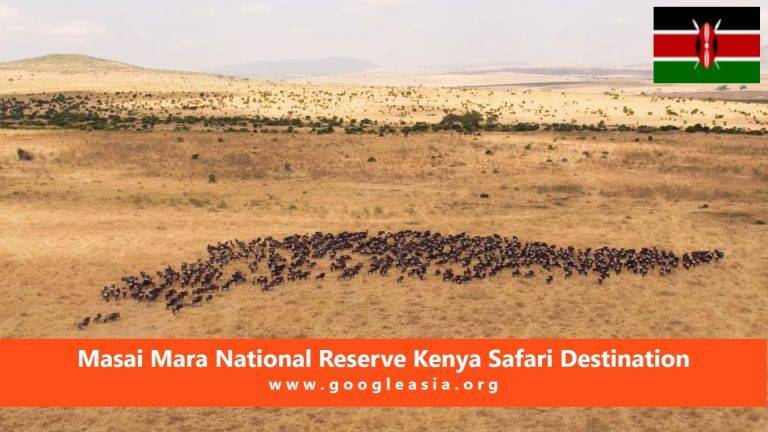
One of the most spectacular sights in the Masai Mara is the Great Migration. Between July and October, over 2 million wildebeest and zebra cross from the Serengeti in Tanzania into the Masai Mara in search of fresh grazing grounds. This natural phenomenon not only showcases nature’s beauty but is also an essential part of the region’s ecological health. The Great Migration is a must-see event that captivates visitors from around the world.
Things to Do
The Masai Mara is undoubtedly one of the best places to witness African wildlife in its natural habitat. Here are some incredible activities you can experience:
Game Drives
A game drive through the Masai Mara is one of the best ways to spot the Big Five—lions, leopards, elephants, buffaloes, and rhinos. These thrilling excursions are led by experienced guides who help spot and identify animals while providing fascinating insights into the behavior of the creatures and the importance of wildlife conservation.
Night Game Drives
For a unique twist, you can opt for a night game drive to discover the nocturnal side of the Masai Mara. Armed with spotlights, guides will help you uncover the mysteries of the night, where you might encounter leopards, hyenas, and other creatures that are more active after dark.
Learn About the Maasai People
Immerse yourself in the vibrant culture of the Maasai people, the indigenous community that lives near the Masai Mara. A visit to a Maasai village offers a chance to engage in traditional dances, observe local customs, and even chat with Maasai elders and warriors. This enriching cultural exchange gives visitors a deeper understanding of the traditions that have thrived in this region for centuries.
Adventure and Leisure Activities
Hot Air Balloon Safaris
Take to the skies for a hot air balloon safari over the vast plains of the Mara. From above, you’ll get a bird’s-eye view of the reserve, its winding rivers, and the wildlife that roams beneath. After your flight, enjoy a traditional champagne breakfast on the savannah to cap off a magical experience.
Hiking and Nature Walks
Explore the reserve on foot with guided nature walks or hiking trails. These walks provide a close-up look at the flora and fauna that make up this ecosystem. From acacia woodlands to rolling hills, the reserve’s diverse landscapes provide endless opportunities for exploration.
Fishing and Boating
For a relaxing activity, try fishing on the Mara River, where you can reel in species like tilapia and catfish. Alternatively, enjoy a scenic boat ride along the river, where you can observe the birdlife and aquatic creatures that call the area home.
Foods
No visit to Masai Mara is complete without savoring some authentic Maasai cuisine. Reflecting the region’s rich culture and landscapes, the food is full of flavor and tradition. Here are some local dishes to try:
- Grilled Wilderness Game: Savor meat like buffalo and venison, grilled over an open fire.
- Uji: A comforting maize porridge served with milk, often eaten for breakfast.
- Ndara: A flavorful stew made with maize, tomatoes, and pulses, slow-cooked to perfection.
- Roasted Maize: A popular snack, roasted and sprinkled with salt and lemon juice.
- Kuku wa Kienyeji: A local chicken dish that’s seasoned with a rich blend of herbs and spices.
- Kachumbari: A fresh Maasai salad made with tomatoes, onions, and coriander.
These meals provide a true taste of the Masai Mara and immerse you further into the local culture.
Conclusion
The Masai Mara National Reserve is more than just a wildlife haven—it’s an experience that engages all the senses. From witnessing the Great Migration to enjoying the flavors of Maasai cuisine, every moment here feels special. Whether you’re an adventure seeker, a culture enthusiast, or simply looking to relax and enjoy the stunning landscapes, the Masai Mara promises memories that will last a lifetime.
Book your Masai Mara safari today and embark on an unforgettable journey through one of Africa’s most breathtaking destinations.
Summary
- Attraction Name: Masai Mara National Reserve
- Country: Kenya
- Continent: Africa
- Capital Name: Nairobi
- Language: Swahili, English
- Currency: Kenyan Shilling
- Nationality: Kenyan
- Category: #Destination #Africa #Kenya
Frequently Asked Questions
Why should you visit Masai Mara National Reserve?
There are several compelling reasons to visit the Masai Mara National Reserve:
- Wildlife Safari Experience:
- The Masai Mara is renowned for its rich biodiversity and offers one of the best wildlife safari experiences in Africa. You can witness the iconic “Big Five” (lion, elephant, buffalo, leopard, and rhinoceros) along with numerous other species.
- Great Migration:
- The Masai Mara is a key location for the Great Migration, where millions of wildebeest, zebras, and other herbivores migrate in search of greener pastures. This natural spectacle, usually occurring between July and October, is a must-see.
- Maasai Culture:
- Interact with the Maasai people and learn about their unique culture. You can visit local villages, witness traditional dances, and gain insights into their way of life.
- Photographic Opportunities:
- The landscape of the Masai Mara, with its vast plains and diverse ecosystems, provides fantastic opportunities for wildlife photography. Capture breathtaking moments of animals in their natural habitat.
- Hot Air Balloon Safaris:
- Experience the Masai Mara from a different perspective by taking a hot air balloon safari. This allows you to view the wildlife from above and witness the sunrise over the Mara.
- Scenic Beauty:
- The reserve is characterized by stunning landscapes, including rolling grasslands, acacia trees, and the Mara River. The Oloololo Escarpment and viewpoints along the Great Rift Valley offer breathtaking panoramic views.
- Bird Watching:
- The Masai Mara is a birdwatcher’s paradise with over 450 bird species. From raptors to waterbirds, the diversity of avian life is impressive.
- Exclusive Conservancies:
- Besides the main reserve, there are private conservancies like Olare Orok Conservancy that offer a more exclusive and intimate safari experience, often with fewer tourists.
- Cultural Experiences:
- In addition to Maasai cultural encounters, you can participate in cultural activities organized by lodges and camps, providing a holistic experience beyond wildlife viewing.
- Conservation Efforts:
- Supporting eco-friendly lodges and conservancies contributes to the conservation of the area’s unique ecosystems and wildlife.
What are Masai Mara National Reserve’s nearby must-visit attractions or landmarks?
While the Masai Mara National Reserve is a captivating destination on its own, there are several nearby attractions and landmarks that you may find interesting:
- Maasai Villages:
- Experience the rich Maasai culture by visiting local villages. Learn about their traditions, customs, and perhaps participate in traditional dances.
- Loita Hills:
- Located to the southeast of the Masai Mara, Loita Hills is known for its scenic landscapes, indigenous forests, and opportunities for hiking and cultural encounters.
- Olare Orok Conservancy:
- Adjacent to the Masai Mara, this conservancy offers a more private and exclusive safari experience with a focus on conservation.
- Mara Triangle:
- This western part of the Masai Mara is known for its abundant wildlife and is managed separately from the rest of the reserve. It offers excellent game viewing opportunities.
- Enkare Narok River:
- This river flows through the reserve, and some accommodations offer activities like bush dinners or sundowners along its banks.
- Oloololo Escarpment:
- The western boundary of the Masai Mara offers stunning panoramic views of the reserve. It’s a great spot for photography and enjoying the scenery.
- Rift Valley Viewpoints:
- Head to designated viewpoints along the Great Rift Valley for breathtaking views of the landscape.
- Lake Naivasha:
- While a bit farther away, Lake Naivasha is a freshwater lake with abundant birdlife. It’s a relaxing place to visit and offers boat safaris.
- Hell’s Gate National Park:
- Closer to Lake Naivasha, Hell’s Gate National Park is known for its unique landscapes, geothermal activity, and opportunities for hiking and rock climbing.
- Narok Town:
- Narok is the gateway to the Masai Mara, and you might pass through it on your way to the reserve. It offers a glimpse of Kenyan town life.
How to go to Masai Mara National Reserve?
To reach the Masai Mara National Reserve, you generally need to travel to Kenya and then make your way to the reserve. Here’s a general guide:
Step 1: International Travel to Kenya
- Flight to Nairobi:
- Most international travelers arrive at Jomo Kenyatta International Airport (NBO) in Nairobi, the capital of Kenya.
Step 2: Nairobi to Masai Mara
By Air:
- Charter Flights:
- Some lodges and camps in the Masai Mara offer charter flights directly from Nairobi’s Wilson Airport to airstrips within the reserve.
By Road:
- Driving:
- You can drive from Nairobi to the Masai Mara, but the journey may take around 5-6 hours depending on road conditions. Consider hiring a reliable driver or using a tour operator.
- Tour Operators and Buses:
- Many tour operators offer safari packages to the Masai Mara that include transportation from Nairobi. You can also find buses and shuttles that provide transport to the reserve.
Step 3: Inside the Reserve
- Safari Vehicles:
- Once inside the Masai Mara, safari vehicles are the primary mode of transportation for game drives. These are usually provided by your accommodation or tour operator.
Important Tips:
- Accommodation Reservations:
- It’s advisable to book your accommodations in advance, especially during the peak safari season, to ensure availability.
- Travel Insurance:
- Consider obtaining travel insurance that covers medical emergencies and trip cancellations.
- Seasonal Considerations:
- The Great Migration is a popular time to visit, but it’s essential to plan accordingly as accommodations may fill up quickly during this period.
Are there any halal food options around the Masai Mara National Reserve?
While there may not be dedicated halal restaurants within the reserve, some lodges, camps, or accommodations near the reserve may offer halal food options upon request. It’s advisable to contact the accommodations directly to inquire about their dining facilities and if they can accommodate halal dietary preferences.