Laguna Garzón, Uruguay
Laguna Garzón, Uruguay is an incredible destination to visit, offering unique and beautiful landscapes, stunning beaches and plenty of outdoor activities. With its laid-back atmosphere, strong Italian influence, amazing views and incredible seafood, Laguna Garzón Uruguay is a great spot for travelers looking for a relaxing and laid-back holiday. Outdoor activities such as fishing, horseback riding, biking and surfing mean that there’s plenty of ways to stay active and make the most of the natural beauty of the area. Laguna Garzón Uruguay is the perfect place for a relaxing vacation, to explore nature and enjoy the laid-back culture.
Laguna Garzón is a picturesque hamlet situated on the small island of Los Esteros, in the province of Rocha in Uruguay. With its unspoiled white sand beaches, clear waters and lush wetlands-lagoon-Atlantic Ocean border, this rural paradise offers a perfect destination for unforgettable vacations. Hike nearby trails, explore wildlife and relax on the pristine beach. Laguna Garzón ensures that travelers will enjoy a rejuvenating experience!
Introduction
Laguna Garzón, located in southern Uruguay, is a captivating natural wonder offering a variety of recreational activities amidst its scenic beauty and diverse wildlife.
Geographic Overview
Southern Uruguay
Laguna Garzón sits on the Atlantic coast at the border between the Maldonado and Rocha departments, where the lagoon and its mouth form a distinctive coastal estuary that draws visitors for shoreline views and wildlife observation.
Departmental Boundary and Bridge
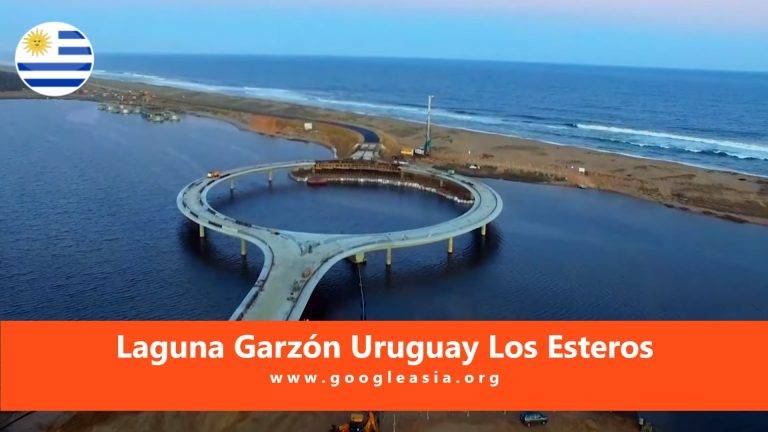
A landmark feature is the circular Laguna Garzón Bridge, designed by Uruguayan architect Rafael Viñoly and inaugurated on 22 December 2015, which links Maldonado and Rocha while providing pedestrian walkways and panoramic viewpoints that encourage drivers to pause and take in the landscape.
Natural Beauty and Wildlife
Shoreline and Estuary Dynamics
The lagoon’s connection to the Atlantic is dynamic: a sand bar at the mouth opens and closes seasonally or by management, creating estuarine conditions that support rich intertidal habitats and make the area ecologically distinct from open beaches.
Birdlife and Wetland Values
Laguna Garzón’s mix of shallow channels, marshy edges, and adjacent dunes provides important habitat for waterfowl and shorebirds, and the bridge and surrounding viewpoints are commonly used by birdwatchers and photographers to observe the lagoon’s avian life.
Visitor Experience and Access
Scenic Views and Activities
The circular bridge functions as both a transport link and a viewing platform, with pedestrian access that makes it easy to photograph the lagoon, watch tides and bird movements, and plan boat or shoreline excursions from nearby access points.
Practical Notes for Travelers
Visitors should check local conditions for sand‑bar openings and boat operations, bring binoculars for wildlife viewing, and use the bridge’s walkways for safe, elevated vantage points that frame Laguna Garzón’s coastal landscape.
Budget Travel $100
Laguna Garzón is a coastal lagoon located between Rocha and Maldonado, famous for its circular bridge designed by architect Rafael Viñoly. The area is a paradise for eco-tourism, birdwatching, and water sports. Visiting on a $100 budget is very feasible since many attractions are free. The lagoon itself is open access, and activities such as walking along the bridge, swimming, or birdwatching cost nothing.
Meals at nearby cafés or roadside eateries average $8–12, while lighter options such as empanadas or sandwiches can be found for $3–5. Public buses connecting José Ignacio, Rocha, and Maldonado cost about $1–2 per ride, making transport affordable. Renting a kayak or paddleboard on the lagoon costs around $10–15 per hour, offering a unique way to explore the waters.
With $100, a traveler could spend two days comfortably. For example, allocating $30 for meals, $10 for transport, $15 for water sports, and $10 for snacks leaves $35 for extras such as souvenirs or a special seafood dinner. The lagoon’s natural beauty is the highlight, offering free entertainment through sunsets, wildlife spotting, and the architectural marvel of the circular bridge. This balance makes Laguna Garzón one of Uruguay’s most budget-friendly yet distinctive destinations.
Tips for American Travelers
For Americans visiting Laguna Garzón, embracing the eco-friendly lifestyle is key. The area is known for its commitment to sustainable tourism, with limited development and a focus on preserving natural habitats. Unlike urban attractions, facilities are basic, so bringing water, snacks, and sun protection is recommended. While English may be spoken in tourist areas, basic Spanish phrases are helpful for ordering food or renting equipment. The local currency is the Uruguayan peso (UYU), and carrying cash is important since rural areas may not always accept cards.
Safety is generally good, but travelers should be prepared for natural conditions—windy weather, sandy paths, and limited facilities are part of the experience. Americans should also note Uruguay’s strong tradition of mate drinking, and it’s common to see locals enjoying it even by the lagoon. Joining in this ritual can be a fun way to connect with locals. Finally, the best time to visit is during the summer months (December–February), when the lagoon is lively and ideal for water sports, though visiting in spring or autumn offers quieter experiences with pleasant weather.
1‑Day Itinerary
Morning (9:00 AM – 11:30 AM)
- Arrive from José Ignacio or Punta del Este (approx. 30–60 minutes by car).
- Walk or drive across the Laguna Garzón Bridge, a unique circular structure.
- Enjoy breakfast at a local eco‑lodge or café.
Midday (12:00 PM – 2:00 PM)
- Go kayaking or paddleboarding on the lagoon’s calm waters.
- Birdwatching: spot herons, flamingos, and migratory species.
- Lunch at a nearby restaurant specializing in fresh seafood.
Afternoon (2:30 PM – 5:00 PM)
- Try kite‑surfing or windsurfing (popular in summer months).
- Explore the surrounding dunes and beaches for scenic views.
- Visit eco‑friendly lodges and learn about conservation efforts.
Evening (6:00 PM – 8:00 PM)
- Watch the sunset from the bridge or lagoon shore.
- Dinner in José Ignacio or return to Punta del Este.
Highlights:
- Iconic circular Laguna Garzón Bridge
- Kayaking, paddleboarding, kite‑surfing
- Birdwatching and eco‑tourism
- Scenic dunes and beaches
- Sunset views over the lagoon
Things to Do
Laguna Garzón, nestled in Uruguay’s Maldonado Department, offers a serene escape with a blend of natural beauty and cultural charm, perfect for leisure and exploration.
Leisurely Walks and Birdwatching
Take gentle walks along Laguna Garzón’s shoreline to enjoy a tranquil atmosphere and varied wetland scenery; the lagoon is part of a larger protected area recognized for its biological diversity and supports more than 220 resident and migratory bird species, including flamingos, black‑necked swans, and coscoroba swans, making early morning and late‑afternoon strolls especially rewarding for birdwatchers.
Water Activities and Boat Tours
Sailing, small‑boat excursions, and guided boat tours are popular ways to explore the lagoon’s channels and tidal mouths, where periodic openings to the Atlantic boost biological productivity and create rich fishing and shellfish grounds; local operators and tour providers run short cruises that highlight birdlife, estuarine ecology, and the lagoon’s connection to the sea.
Laguna Garzón Bridge and Scenic Views
The circular Laguna Garzón Bridge, designed by Uruguayan architect Rafael Viñoly and opened in December 2015, is both a practical crossing between the Maldonado and Rocha departments and a striking viewpoint for photography and shoreline observation; the bridge’s unusual round layout slows traffic and encourages drivers and pedestrians to pause and take in the lagoon vistas.
Sand Bar, Dunes, and Coastal Exploration
The lagoon periodically communicates with the Atlantic Ocean through a sand bar that opens naturally or by management action, a dynamic process that shapes local beaches and dunes and supports high biological productivity in the estuary; nearby coastal stretches and dune systems offer opportunities for beach walks and landscape photography where the lagoon meets the ocean.
Hiking, Coastal Hills, and Nearby Routes
Hiking the coastal hills and tracks between La Barra and José Ignacio reveals varied coastal rock formations and ocean outlooks; these routes are best enjoyed with sun protection and binoculars for wildlife viewing, and they pair well with a stop at the bridge or a boat tour to sample different perspectives of the lagoon and shoreline.
Dining and Local Culture
Restaurants and cafés around Laguna Garzón and in nearby towns emphasize fresh seafood and regional dishes that reflect the lagoon’s estuarine resources; evenings often feature relaxed dining with lake or ocean views, and local guides can recommend seasonal specialties and the best spots for sunset.
Foods
Laguna Garzón, situated in Uruguay’s picturesque Maldonado Department, offers not only stunning natural beauty but also a rich culinary experience. Here are some of the must-try dishes that embody the flavors of this charming region:
Chivito Sandwich
The chivito is Uruguay’s emblematic sandwich: a thin churrasco steak piled with ham, bacon, melted cheese, lettuce, tomato, mayonnaise and often a fried egg, typically served with French fries; the sandwich was popularized in Punta del Este in the 1940s by Antonio Carbonaro and today is treated as a national comfort food found from roadside parrillas to city cafés.
Asado Uruguayan
Asado is both a cooking method and a social ritual in Uruguay, where cuts of beef, chorizos and offal are slow‑cooked over wood or charcoal on a parrilla; the practice traces to gaucho cattle culture and remains central to family gatherings and public parrillas across the country.
Milanesa
Milanesa, a breaded and fried cutlet introduced by Italian immigrants, is a ubiquitous weekday staple in Uruguay and the Río de la Plata region, served plain, topped “a caballo” with a fried egg, or accompanied by fries or salad.
Empanadas
Empanadas are handheld pastries filled with seasoned beef, ham and cheese, or vegetables; sold in bakeries, markets and park kiosks, Uruguayan empanadas reflect Spanish and regional traditions and vary by filling and cooking method (baked or fried).
Choripán
Choripán—grilled chorizo in crusty bread finished with chimichurri or salsa criolla—is a classic street and picnic food in Uruguay and a common starter at asados and outdoor events, prized for its smoky, portable simplicity.
Churrasco
Churrasco in Uruguay refers to thin grilled steaks often served with chimichurri; it highlights the country’s emphasis on high‑quality beef and quick, high‑heat grilling that preserves juiciness and pairs naturally with herb‑based sauces.
Chivito al Caballo and Chivirico
Variations such as chivito al caballo (an open‑faced steak with a fried egg) and local grilled steak sandwiches like chivirico show how Uruguayans adapt steak into portable, layered sandwiches that suit both late‑night city dining and rural parrilla culture.
Puchero and Cazuela
Hearty stews such as puchero and cazuela reflect Spanish and criollo influences: large pots of simmered meats, root vegetables, corn and legumes are traditional winter comfort foods served in homes and local restaurants across Uruguay.
Chipá (Chipa)
Chipá (or chipa) is a cheese‑flavored cassava‑starch bread with Guaraní origins widely eaten across the region; while most strongly associated with Paraguay, chipá and related cheese breads appear in northeastern Uruguay and neighboring provinces as part of shared regional culinary heritage.
Mate
Mate, the infusion of yerba mate leaves drunk through a bombilla, is a daily ritual and social practice in Uruguay—consumed at home, at work and in public spaces—and is a defining element of national identity and hospitality.
Dulce de Leche
Dulce de leche, a caramelized milk spread used in alfajores, pastries and desserts, is ubiquitous in Uruguayan sweets and confectionery and figures prominently in breakfasts, desserts and artisanal ice creams across the country.
Hotels
Laguna Garzón, nestled in the serene Maldonado Department of Uruguay, offers a range of accommodations that cater to different preferences and needs. Whether you seek luxury, adventure, or a tranquil retreat, there’s a hotel in Laguna Garzón to suit your taste.
Bahía Gardián Lodge & Adventure Center
Bahía Gardián Lodge & Adventure Center operates as a small lodge concept in the Laguna Garzón corridor that pairs simple, comfortable rooms with on‑site activity programming such as guided birdwatching, kayak outings, and horseback rides, making it a practical base for visitors who want both lodging and organized outdoor experiences.
Hotel Playa Pan de Azúcar
Hotel Playa Pan de Azúcar sits near coastal beaches and provides straightforward beachfront accommodation for travelers seeking quiet ocean views and easy access to shoreline walks and local seafood restaurants.
Schoolhouse Gastrohotel
Schoolhouse Gastrohotel is a boutique option in the José Ignacio–Laguna Garzón area that emphasizes locally sourced cuisine and intimate service, appealing to travelers who prioritize food‑forward stays and small‑scale design.
Hotel y Termas de Arapey
Hotel y Termas de Arapey is a large thermal resort complex in the Salto region known for its extensive thermal pools, spa facilities, and family‑oriented recreation programs; the Arapey thermal complex operates as a full‑service resort with multiple pools, spa treatments, and organized activities for guests.
Casa Loli
Casa Loli offers rustic, intimate lodging with personalized hospitality and gardened grounds, suited to travelers seeking a quieter, homelike atmosphere close to Laguna Garzón’s natural attractions.
Hotel Ideales
Hotel Ideales provides practical, midrange rooms and basic guest services that suit visitors who want a convenient place to sleep while exploring the lagoon, nearby beaches, and the José Ignacio–La Barra corridor.
Hotel Olimpo
Hotel Olimpo positions itself as a family‑friendly property with family rooms and simple amenities, catering to groups traveling to the Laguna Garzón area for beach and nature activities.
Estancia San Jacinto
Estancia San Jacinto is an example of the region’s rural estancias that offer guests a traditional ranch experience—horseback riding, asado meals, and immersion in gaucho culture—providing a countryside complement to lagoon visits.
La Estancia del Pescador
La Estancia del Pescador markets lakeside or riverside lodging with direct access to fishing and small‑boat activities, appealing to anglers and visitors who want quiet water views and simple, nature‑oriented accommodations.
Laguna Garzón Lodge (Laguna Garzon Lodge)
Laguna Garzón Lodge is a distinctive property on the lagoon’s edge that markets itself as a floating lodge experience with cabins and waterfront decks, praised by guests for its location and sunset views; the lodge is located on Ruta 10 near Km. 190.5 and is frequently recommended for its proximity to the Laguna Garzón Bridge and José Ignacio.
Laguna Garzón Hotel & Spa
Laguna Garzón Hotel & Spa is presented in local listings as a higher‑end option offering spa treatments and wellness amenities that complement the area’s natural attractions, appealing to travelers seeking relaxation after birdwatching, boating, or coastal hikes.
Practical Booking Notes
Properties around Laguna Garzón range from small guesthouses and estancias to boutique lodges and full‑service resorts; the area’s most notable modern infrastructure is the circular Laguna Garzón Bridge, which concentrates visitor access and viewpoints, so check exact locations and transfer options when booking and confirm seasonal opening dates and activity availability with each property.
Conclusion
A visit to Laguna Garzón is a perfect mix of adventure and serenity. With its iconic bridge, diverse wildlife, and eco‑friendly atmosphere, it’s a destination that showcases Uruguay’s natural beauty and innovative spirit. Plan your trip now and immerse yourself in the magic of Laguna Garzón.
Summary
- Attraction: Laguna Garzón
- Country: Uruguay
- Continent: South America
- Capital Name: Montevideo
- Language: Spanish
- Currency: Peso Uruguayo
- Nationality: Uruguayans
- Category: #Destination #SouthAmerica #URUGUAY
Visitor Information
- Location: Between Rocha and Maldonado Departments, Uruguay (near José Ignacio)
- Activities: Kayaking, paddleboarding, kite‑surfing, birdwatching, eco‑tourism, photography
- Entry Fee: Free access to lagoon and bridge; activities may have rental fees
- Business Hours: Open all day; best visited during daylight hours
- Contact:
- Telephone: +598 4472 0000 (Rocha Tourism Office) / +598 4222 3111 (Maldonado Tourism Office)
- Website: https://www.uruguaynatural.com
- Email: turismo@rocha.gub.uy / turismo@maldonado.gub.uy
Frequently Asked Questions
Where is Laguna Garzón located?
Laguna Garzón is located in Uruguay, specifically in the Maldonado Department. It is situated between the cities of Rocha and Maldonado, near the southeastern coast of Uruguay, along Route 10. This coastal lagoon is known for its scenic beauty and is a popular spot for birdwatching and water sports.
How to go to Laguna Garzón?
To reach Laguna Garzón in Uruguay, you can follow these general directions:
- From Montevideo (Capital City):
- Start by driving southeast on Route 9 towards Maldonado.
- Continue on Route 9 until you reach the intersection with Route 10.
- Turn east onto Route 10 towards José Ignacio and continue for approximately 50 kilometers.
- Laguna Garzón will be located along Route 10, just before reaching José Ignacio.
- From Punta del Este:
- Head east on Route 10 towards José Ignacio.
- Follow Route 10 for about 35 kilometers.
- Laguna Garzón will be on your left before reaching José Ignacio.
- Public Transport:
- Public transportation options to Laguna Garzón may be limited. It’s more common to travel by private car or taxi.
- Navigating in the Area:
- Consider using GPS or a navigation app to find specific access points or viewpoints around Laguna Garzón, especially if you plan to explore the surroundings.
What are Laguna Garzón’s must-visit attractions or landmarks?
Laguna Garzón in Uruguay is known for its natural beauty and tranquility. While it’s primarily appreciated for its scenic views and recreational activities, there aren’t specific landmarks or attractions per se. Here are some highlights and activities you can enjoy:
- Scenic Views: Enjoy the panoramic views of the lagoon and surrounding wetlands. It’s a great spot for photography enthusiasts.
- Birdwatching: Laguna Garzón is a haven for birdwatchers, with a variety of bird species frequenting the area, especially migratory birds.
- Water Sports: Popular activities include kayaking, stand-up paddleboarding, and boating. The calm waters of the lagoon make it ideal for these activities.
- Fishing: The lagoon is also a favorite among anglers, offering opportunities for freshwater fishing.
- Nature Exploration: Explore the surrounding wetlands and observe the diverse flora and fauna that inhabit the area.
- Sunset Viewing: Experience breathtaking sunsets over the lagoon, which are particularly stunning from various viewpoints along its shores.
Is Laguna Garzón a suitable travel destination for solo adventurers, honeymooning couples, or those traveling with families?
Laguna Garzón in Uruguay offers a serene and natural setting that can appeal to different types of travelers:
- Solo Adventurers:
- Suitability: Solo adventurers looking for tranquility and outdoor activities like birdwatching, kayaking, and exploring nature will find Laguna Garzón a peaceful retreat.
- Honeymooning Couples:
- Suitability: Laguna Garzón can be a romantic destination for couples seeking a quiet and scenic backdrop. Sunset views over the lagoon and activities like kayaking together can enhance the experience.
- Families:
- Suitability: Families can enjoy bonding activities such as boating, fishing, and picnicking by the lagoon. The calm waters and natural surroundings provide a safe and enjoyable environment for children.
Why should you visit Laguna Garzón?
- Natural Beauty: Laguna Garzón offers stunning panoramic views of the lagoon and surrounding wetlands, perfect for nature lovers and photographers.
- Tranquility: It’s a peaceful destination away from the bustling city life, ideal for relaxation and rejuvenation.
- Outdoor Activities: Enjoy a variety of outdoor activities such as kayaking, stand-up paddleboarding, fishing, and birdwatching.
- Scenic Drives: The route to Laguna Garzón along Route 10 from Punta del Este or Montevideo offers scenic coastal views.
- Sunset Views: Experience breathtaking sunsets over the lagoon, creating memorable moments for visitors.
- Local Culture: Explore the nearby towns and villages to experience Uruguayan coastal life, cuisine, and hospitality.
- Family-Friendly: It’s suitable for families with children, offering safe and calm waters for swimming and various activities to keep everyone entertained.
Is there any halal food available in the vicinity of the Laguna Garzón?
Laguna Garzón. Uruguay, being predominantly Catholic, may not have a wide range of halal dining options in less urban areas. It’s best to check with local restaurants directly or consult online resources that specialize in dietary preferences to find suitable halal food options in the vicinity of Laguna Garzón.