Ciudad Bolivar, Venezuela
Discover Ciudad Bolívar, a historic city on the banks of the Orinoco River. Known for its colonial architecture, vibrant culture, and role as the gateway to Canaima National Park and Angel Falls, this destination blends history with adventure. Plan your trip today and explore Venezuela’s cultural and natural treasures!
Introduction
Ciudad Bolivar, Venezuela is the capital of the Bolivar State and is one of the most important cities in the country due to its strategic location bordering the Orinoco and Caura rivers. It is also one of Venezuela’s most historic cities, with many attractions such as its colonial churches, historical buildings, and a range of outdoor activities such as boat rides, hiking, and camping. It also offers a vibrant nightlife and traditional Venezuelan food, making it a great destination for travelers looking to experience the true culture of the country.
Ciudad Bolivar is a city in Venezuela located at the convergence of the Orinoco and Caroni rivers. The city is surrounded by El Avila National Park, which protects the region’s unique wildlife and vegetation, including endemic species of birds, reptiles, and amphibians. El Avila is a paradise of lush rainforest, towering mountains, and cascading waterfalls.
Historical Overview
Foundation and Legacy
Ciudad Bolívar traces its colonial origins to San Tomás de la Nueva Guayana de la Angostura, founded in 1764, and later became a strategic revolutionary center under Simón Bolívar, who used the city as a headquarters during the independence campaigns; the city was officially renamed Ciudad Bolívar in the 19th century, preserving its legacy as a cradle of Venezuelan republican history.
Cultural Attractions
Architectural Marvels
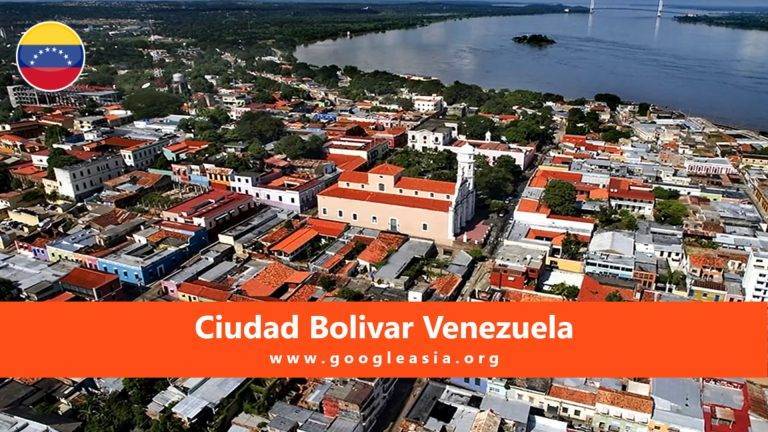
The historic center retains well‑preserved 18th‑ and 19th‑century architecture, with cobbled streets, plazas, and landmark buildings such as the main cathedral and Plaza Bolívar that reflect the city’s colonial and republican eras; museums in the casco histórico curate artifacts and exhibits that contextualize Ciudad Bolívar’s role in national history.
Economic Hub
Industrial Influence
Ciudad Bolívar functions as a regional commercial and logistical node for southeastern Venezuela, positioned at the confluence of the Orinoco and Caroní river systems, which historically supported trade, transport, and the development of local industry; the city’s economy blends public administration, services, and river‑related commerce that serve Bolívar state and interior regions.
Vibrant Markets and Cuisine
Culinary Delights
The city’s markets and riverside eateries showcase fresh tropical produce, river and coastal fish, and classic Venezuelan staples such as arepas, tequeños, and regional stews; Mercado Bolívar and local food stalls are prime spots to sample authentic flavors and seasonal specialties that reflect Guayana’s agricultural and riverine bounty.
Tourism and Recreation
Visitor’s Paradise
Ciudad Bolívar draws visitors for its historic core, Orinoco riverfront, and access to nearby natural attractions, offering river cruises, guided city tours, and excursions to waterfalls and reserves; the combination of cultural heritage and scenic river landscapes makes it a compelling stop for travelers exploring southeastern Venezuela.
Budget Travel $100
Meals at local restaurants average $6–10, while lighter options such as arepas or empanadas cost $2–4. Public buses and shared taxis are inexpensive, about $1–2 per ride, making transport budget-friendly. Entrance fees to cultural sites such as the Jesús Soto Museum of Modern Art or the Casa del Congreso de Angostura are typically under $5, offering affordable access to history and art.
With $100, a traveler could comfortably spend two days in Ciudad Bolívar. For example, allocating $30 for meals, $10 for transport, $10 for museum entries, and $10 for snacks leaves $40 for extras such as souvenirs or a riverside dinner. The Orinoco River itself is a highlight, with the Angostura Bridge—once the longest suspension bridge in Latin America—providing iconic views. Evening strolls along the riverfront are free and lively, reflecting the city’s resilience despite economic challenges. This makes Ciudad Bolívar one of Venezuela’s most budget-friendly destinations for travelers seeking history and culture.
Tips for American Travelers
For Americans visiting Ciudad Bolívar, understanding its historical importance enriches the experience. Dining culture differs from the U.S., with meals often starting later in the evening, so adjusting to this rhythm helps travelers blend in. While English may be spoken in some tourist services, basic Spanish phrases are very helpful when ordering food or navigating local transport. The local currency is the Venezuelan bolívar (VES), but due to inflation, U.S. dollars are widely accepted, and carrying cash is strongly recommended.
Safety requires attention. Venezuela faces economic and political challenges, so travelers should stay updated on advisories and rely on reputable accommodations. Within Ciudad Bolívar, tourist areas such as Plaza Bolívar and the riverfront are generally safe, but keeping valuables secure is wise. Americans should also prepare for the tropical climate: the city’s average annual temperature is about 29 °C (mid-80s °F), with humid conditions along the Orinoco. Finally, Ciudad Bolívar is not only a destination in itself but also the main departure point for flights into Canaima National Park and Angel Falls, making it an essential stop for those seeking Venezuela’s natural wonders.
1‑Day Itinerary
Morning (9:00 AM – 11:30 AM)
- Begin at Plaza Bolívar, the city’s historic center.
- Visit the Cathedral of Ciudad Bolívar, dating back to the 18th century.
- Explore the Casa del Congreso de Angostura, where Simón Bolívar delivered his famous speech.
Midday (12:00 PM – 2:00 PM)
- Walk along the Orinoco River promenade for scenic views.
- Lunch at a local restaurant serving Venezuelan specialties like arepas and cachapas.
Afternoon (2:30 PM – 5:00 PM)
- Tour the Jesús Soto Museum of Modern Art, dedicated to the renowned Venezuelan kinetic artist.
- Explore colonial streets with colorful houses and artisan shops.
- Optional: boat ride on the Orinoco River.
Evening (6:00 PM – 8:00 PM)
- Watch the sunset over the Orinoco River.
- Dinner at a riverside restaurant with traditional Venezuelan cuisine.
Highlights:
- Plaza Bolívar and Cathedral
- Casa del Congreso de Angostura
- Orinoco River promenade
- Jesús Soto Museum of Modern Art
- Colonial streets and artisan shops
Things to Do
Riverboat Tour on Samuel Feo La Cruz
Board a traditional riverboat for a scenic journey along the Orinoco River, where riverboat tours showcase the region’s riparian flora and birdlife and provide sweeping views of the river cliffs and delta that define Ciudad Bolívar’s landscape.
Historic Center
Wander the colonial heart of Ciudad Bolívar, where pastel 19th‑century houses, cobbled streets, and plazas reflect the city’s role in Venezuela’s independence era; key landmarks include the Plaza Bolívar and the neoclassical Catedral de Santo Tomás, both central to the city’s architectural and historical identity.
Indulging in Local Cuisine
Sample traditional Venezuelan fare in riverside cafés and market stalls—arepas, tequeños, and fresh tropical fruits are local staples—while riverside dining offers a chance to pair simple, fresh dishes with views of the Orinoco and the city’s colonial skyline.
Relaxation by the Orinoco River
Spend time along the Orinoco riverbank promenades and viewpoints, where locals and visitors alike enjoy sunsets, boat traffic, and the calming presence of one of South America’s great rivers; guided boat trips extend the experience into nearby riverine landscapes and natural reserves.
J.D. Monteverde Zoo
Visit the J.D. Monteverde Zoo for a family-friendly outing that highlights regional fauna and offers educational exhibits about local wildlife and conservation; the zoo complements other nature‑focused activities in the Guayana region.
Mercado Bolívar Market
Explore Mercado Bolívar and nearby markets to browse colorful stalls selling fresh produce, tropical fruits, and handcrafted souvenirs—markets are ideal for tasting local flavors and finding artisanal mementos of the Guayana region.
Monument to the Liberator
Pay respects at the Monument to Simón Bolívar and stroll Centro Parque and Bolívar Plaza to connect with the city’s historical narrative; these civic spaces host monuments and museums that contextualize Ciudad Bolívar’s role in Venezuela’s independence.
Foods
Seafood Delights
Fresh Catch
Ciudad Bolívar’s riverside location on the Orinoco means freshwater and coastal seafood are staples, with local eateries serving fried pargo (pompano) and river fish alongside shrimp and crab preparations that reflect both Amazonian and Caribbean influences. Ordering the catch of the day is the best way to taste regional freshness, and many restaurants source fish from artisanal fishers who work the Orinoco and nearby tributaries.
Ceviche
Ceviche remains a popular starter in riverside and coastal towns across Venezuela, typically made with fresh fish or shrimp cured in citrus juices and finished with onion and cilantro; in Ciudad Bolívar you’ll find citrus‑bright versions that pair well with local fruit juices and river views.
Venezuelan Classics
Pabellón Criollo
Pabellón Criollo is Venezuela’s signature national dish, composed of shredded stewed beef (carne mechada), black beans (caraotas negras), white rice, and sweet fried plantains (tajadas). The plate symbolizes the country’s cultural fusion and is widely served in restaurants and homes across Venezuela, including Ciudad Bolívar.
Patacones
Patacones are twice‑fried green plantains that become crisp on the outside and tender inside, commonly served as a snack or side dish in markets and casual eateries. In Ciudad Bolívar they appear alongside seafood and stews, often topped with cheese, garlic sauce, or shredded meat.
Arepa con Queso
The arepa is a ubiquitous Venezuelan cornbread, split and stuffed with fillings; the simple arepa con queso (arepa filled with cheese) is a quick, satisfying option available from street vendors to sit‑down restaurants and is a reliable way to sample local dairy and cornmeal traditions.
Modern and Street Food
Vegan Street Tacos
Street food in Ciudad Bolívar has diversified to include plant‑based options such as vegan tacos and arepas filled with beans, roasted vegetables, and plant proteins, reflecting broader trends toward vegetarian and vegan adaptations of traditional Venezuelan dishes.
Quesillo Pan de Jamón and Hallacas
For dessert and festive specialties, quesillo (a caramel custard similar to flan) is a common sweet finish, while pan de jamón (ham bread) and hallacas (a holiday tamale‑like parcel) represent seasonal and celebratory baking traditions that visitors may encounter in markets and bakeries. These items illustrate Venezuela’s sweet and savory holiday repertoire.
Hotels
Hotel Orinoco Plaza
Hotel Orinoco Plaza sits in the city center within easy walking distance of Paseo Orinoco and municipal offices, offering modern, minimalist rooms with complimentary Wi‑Fi and an on‑site restaurant and bar that cater to business and leisure travelers seeking central convenience.
Hotel Sintana
Perched near the historic district, Hotel Sintana provides air‑conditioned rooms with picturesque views of the Orinoco River, making it a popular choice for visitors who want immediate access to the colonial center and riverside promenades.
Hotel Mariscal Sucre
Hotel Mariscal Sucre positions itself as a more upscale option in the city, featuring comfortable suites, leisure facilities such as an outdoor pool and private Jacuzzi, and a well‑rated on‑site restaurant that appeals to travelers seeking a touch of luxury while exploring Ciudad Bolívar.
Hotel San Pedro del Araujo
Located near City Hall and historic plazas, Hotel San Pedro del Araujo offers rooms with panoramic views over the colonial center and convenient access to museums and the Plaza Bolívar, making it a practical base for cultural sightseeing.
Hotel Koukari
Hotel Koukari is a boutique option a short distance from the town center that emphasizes personalized service, elegant rooms, and small‑scale amenities such as a pool and spa treatments, ideal for travelers who prefer intimate, design‑forward lodging close to Ciudad Bolívar’s attractions.
Conclusion
A visit to Ciudad Bolívar offers travelers a blend of history, culture, and adventure. With its colonial charm, riverside views, and role as the gateway to Canaima National Park, the city is a perfect starting point for exploring Venezuela’s natural wonders. Plan your trip now and experience the heritage and beauty of Ciudad Bolívar.
Summary
- Attraction: Ciudad Bolivar
- Country: Venezuela
- Continent: South America
- Capital Name: Caracas
- Language: Spanish
- Currency: Venezuelan Bolívares VEF
- Nationality: Venezuelan
- Category: #Destination #SouthAmerica #VENEZUELA
Visitor Information
- Address: Ciudad Bolívar, Bolívar State, Venezuela
- Activities: Historic tours, museums, river walks, cultural experiences, gateway to Canaima National Park
- Entry Fee: Free access to public areas; museums may charge small fees (approx. 2–5 USD)
- Business Hours:
- Museums: Daily, 10:00 AM – 5:00 PM
- Restaurants: Lunch 12:00 PM – 3:00 PM; Dinner 7:00 PM – late
- Contact:
- Telephone: +58 285 632 1234 (Bolívar State Tourism Office)
- Website: https://www.inparques.gob.ve
- Email: turismo@bolivar.gob.ve
Frequently Asked Questions
Where is Ciudad Bolivar located?
Ciudad Bolívar is located in eastern Venezuela, along the banks of the Orinoco River. It serves as the capital of the state of Bolívar. The city is an important cultural and historical center, known for its colonial architecture and its role in Venezuela’s independence movement. It is situated at the following geographical coordinates:
- Latitude: Approximately 8.1292° N
- Longitude: Approximately 63.5409° W
How to go to Ciudad Bolivar?
1. By Air:
- Ciudad Bolívar Airport (Aeropuerto General Tomás de Heres): The city is served by Ciudad Bolívar Airport, which offers domestic flights from major cities in Venezuela, such as Caracas and Puerto Ordaz.
- Flights: Check for available flights from your location to Ciudad Bolívar. Domestic airlines such as Conviasa and Avior Airlines often operate flights to this airport.
2. By Bus:
- Long-Distance Buses: Ciudad Bolívar is accessible by long-distance bus services from various cities in Venezuela. Major bus companies operate routes connecting Ciudad Bolívar with Caracas, Puerto Ordaz, and other regional cities.
- Bus Terminals: Buses typically arrive at and depart from the main bus terminal in Ciudad Bolívar. Check schedules and book tickets in advance for long-distance travel.
3. By Car:
- Driving: If you prefer to drive, Ciudad Bolívar can be reached by road from major Venezuelan cities. The main highways leading to Ciudad Bolívar are well-connected, though road conditions and safety should be checked beforehand.
- Car Rentals: Consider renting a car if you plan to explore the surrounding regions independently. Rental agencies are available in major cities and airports.
4. By River:
- Orinoco River: Ciudad Bolívar is situated on the Orinoco River, and river transport can be an option for reaching the city, especially from nearby riverine communities. However, this is less common for long-distance travel.
Travel Tips:
- Plan Ahead: Given the current situation in Venezuela, it is advisable to plan your trip carefully, considering factors such as safety, transportation availability, and travel advisories.
- Local Transportation: Once in Ciudad Bolívar, use local taxis, buses, or rental cars to get around the city and visit nearby attractions.
- Check Conditions: Verify the operational status of transportation options and book tickets in advance where possible to ensure smooth travel.
What are Ciudad Bolivar’s must-visit attractions or landmarks?
- Plaza Bolívar:
- Historic Square: The heart of the city, this central plaza is surrounded by colonial buildings and is a perfect spot to start exploring.
- Statue of Simón Bolívar: Admire the statue of Venezuela’s liberator and learn about his role in the country’s independence.
- Casa del Congreso de Angostura:
- Historical Site: This historic building hosted the Angostura Congress in 1819, where Simón Bolívar delivered his famous Angostura Address.
- Museum: Explore exhibits that showcase Venezuela’s independence movement and Bolívar’s contributions.
- Catedral de Ciudad Bolívar (Cathedral of Ciudad Bolívar):
- Colonial Architecture: Visit this beautiful cathedral, one of the oldest in Venezuela, featuring stunning colonial architecture and religious art.
- Cultural Significance: Learn about the city’s religious heritage and its role in the community.
- Museo de Arte Moderno Jesús Soto:
- Modern Art Museum: Named after the famous Venezuelan kinetic artist Jesús Soto, this museum houses a collection of contemporary and kinetic art.
- Interactive Exhibits: Experience interactive and visually engaging exhibits that highlight modern art trends.
- Orinoco River:
- Riverside Views: Enjoy the scenic beauty of the Orinoco River, one of South America’s largest rivers, which runs alongside Ciudad Bolívar.
- Boat Tours: Take a boat tour to explore the river and its surroundings, offering opportunities for birdwatching and nature photography.
- Puente Angostura:
- Iconic Bridge: This impressive bridge spans the Orinoco River and is one of the longest in South America.
- Photographic Opportunity: Capture panoramic views of the river and the city from this engineering marvel.
- Casa Piar:
- Historical Residence: Visit the former residence of General Manuel Piar, an important figure in Venezuela’s independence.
- Exhibits: Learn about Piar’s life and contributions to the country’s history through exhibits and displays.
- Historic Center:
- Colonial Architecture: Wander through the historic center of Ciudad Bolívar, characterized by well-preserved colonial buildings and charming streets.
- Local Markets: Experience the vibrant local culture by visiting markets, shops, and cafes in the area.
- Mirador Angostura:
- Viewpoint: Enjoy stunning panoramic views of the city and the Orinoco River from this popular viewpoint.
- Photography Spot: A great place for taking photos and appreciating the natural and urban landscapes of Ciudad Bolívar.
Is Ciudad Bolivar a suitable travel destination for solo adventurers, honeymooning couples, or those traveling with families?
1. Solo Adventurers:
- Exploration: Solo travelers will enjoy exploring the historic sites, colonial architecture, and museums. The city’s compact size makes it easy to navigate on foot.
- Adventure Activities: The proximity to the Orinoco River offers opportunities for boat tours and outdoor adventures. Solo adventurers can also explore nearby natural attractions like Canaima National Park.
- Safety: While Ciudad Bolívar can be navigated safely with precautions, solo travelers should stay updated on current travel advisories and local safety recommendations.
2. Honeymooning Couples:
- Romantic Spots: The city’s charming colonial streets, scenic plazas, and riverside views provide a romantic setting for couples.
- Cultural Experiences: Couples can enjoy cultural activities, such as visiting the Jesús Soto Modern Art Museum or attending local festivals and events.
- Relaxation: Enjoy leisurely walks along the Orinoco River and quiet moments in historical plazas. Some local hotels may offer romantic packages or services for honeymooners.
3. Families:
- Educational Attractions: Families can visit educational sites like the Casa del Congreso de Angostura and the city’s museums, which are informative and engaging for all ages.
- Parks and Open Spaces: The city has several parks and open spaces where families can relax and children can play.
- Boat Tours: A boat tour on the Orinoco River can be a fun family activity, providing a unique way to see the local wildlife and landscapes.
General Tips:
- Accommodation: Choose accommodations that cater to your travel needs, whether you prefer budget-friendly options or more luxurious stays.
- Local Cuisine: Try local Venezuelan cuisine at restaurants and cafes, keeping in mind dietary restrictions if necessary.
- Safety Precautions: Always stay aware of your surroundings, keep valuables secure, and follow local advice regarding safe areas to visit.
Why should you visit Ciudad Bolivar?
- Historical Significance:
- Colonial Heritage: Ciudad Bolívar boasts well-preserved colonial architecture and landmarks, providing a glimpse into Venezuela’s rich history.
- Congress of Angostura: The city hosted the historic Congress of Angostura in 1819, where Simón Bolívar delivered his famous address, playing a crucial role in Venezuela’s independence movement.
- Cultural Attractions:
- Museo de Arte Moderno Jesús Soto: Named after the renowned kinetic artist, this museum features a remarkable collection of contemporary and kinetic art.
- Local Festivals: Experience vibrant local culture through festivals and events that showcase traditional music, dance, and crafts.
- Scenic Beauty:
- Orinoco River: Enjoy stunning views and boat tours of the Orinoco River, one of South America’s largest rivers, offering unique wildlife and nature experiences.
- Mirador Angostura: Capture panoramic views of the city and river from this popular viewpoint.
- Outdoor Activities:
- Hiking and Nature: Proximity to natural attractions like Canaima National Park allows for adventurous activities such as hiking, wildlife viewing, and exploring the famous Angel Falls.
- Riverside Recreation: Spend time along the riverbanks, enjoying picnics, walks, and leisurely boat rides.
- Culinary Delights:
- Local Cuisine: Sample traditional Venezuelan dishes at local restaurants and markets, experiencing the unique flavors of the region.
- Fresh Produce: Visit local markets for fresh produce and traditional snacks, immersing yourself in the local food culture.
- Architectural Charm:
- Plaza Bolívar: Explore the heart of the city, surrounded by colonial buildings and the statue of Simón Bolívar, perfect for a leisurely stroll.
- Cathedral of Ciudad Bolívar: Admire the beautiful colonial architecture and religious art of one of Venezuela’s oldest cathedrals.
- Educational Experiences:
- Casa del Congreso de Angostura: Learn about Venezuela’s independence history through exhibits and guided tours at this significant historical site.
- Casa Piar: Discover the life and contributions of General Manuel Piar, an important figure in the country’s independence movement.
- Warm and Welcoming Atmosphere:
- Local Hospitality: Experience the warm hospitality of the locals, making your visit memorable and enjoyable.
- Community Engagement: Participate in local activities and engage with the community to gain a deeper understanding of Venezuelan culture and traditions.