Category: Ocean

Only the best oceans are displayed here

  • Exploring the Red Sea Beaches of Egypt: Natural Beauty and Activities Await

    Exploring the Red Sea Beaches of Egypt: Natural Beauty and Activities Await

    The Red Sea Beaches, Egypt

    Escape to the mesmerizing Red Sea beaches – where golden sands meet crystal-clear waters. Explore vibrant coral reefs and unwind in paradise. Dive into more details for your perfect coastal retreat.

    The Red Sea Beaches in Egypt are a breathtaking sight, offering miles of crystal-clear waters and pristine white beaches. From snorkeling and diving to swimming and sunbathing, the beaches will give you an unbeatable holiday experience.

    Introduction

    The Red Sea beaches of Egypt are renowned for their stunning natural beauty, offering visitors an unparalleled beach resort holiday experience. With deep blue waters, expansive stretches of white sand, and vibrant coral reefs, these beaches create idyllic scenes perfect for relaxation and exploration.

    Spectacular Scenery and White Sand Beaches

    The Red Sea coastline is adorned with pristine white sand beaches that stretch for miles, inviting visitors to unwind under the Egyptian sun. The crystal-clear waters of the Red Sea provide a mesmerizing backdrop, ideal for swimming, sunbathing, and leisurely walks along the shore.

    Diving and Snorkeling Paradise

    Beyond its picturesque beaches, the Red Sea is celebrated for its exceptional diving and snorkeling opportunities. The region boasts some of the world’s most spectacular coral reefs, teeming with a kaleidoscope of marine life. Divers and snorkelers can explore vibrant coral gardens, encounter colorful fish species, and marvel at underwater landscapes that rival any tropical paradise.

    Thrilling Water Sports and Activities

    The Red Sea beaches cater to adventure enthusiasts with a plethora of water sports activities. From exhilarating boating excursions and jet skiing to tranquil fishing trips, there’s something for everyone seeking an adrenaline rush or a peaceful day on the water.

    Ideal Destination for Beach Holiday Lovers

    Whether you’re seeking a romantic getaway, a family vacation, or a solo retreat, the Red Sea beaches of Egypt offer an enticing blend of relaxation and adventure. With luxurious beach resorts, charming seaside towns, and a warm, welcoming atmosphere, this region promises a memorable beach holiday experience.

    Things to Do

    The Red Sea beaches in Egypt offer a diverse array of activities that cater to every visitor’s interests, from relaxation to adventure and cultural exploration.

    Scuba Diving Adventures

    Discover the mesmerizing underwater world of the Red Sea with scuba diving. Renowned for its crystal-clear waters and vibrant marine life, the Red Sea boasts some of the world’s best diving spots. Explore coral reefs teeming with colorful fish, encounter majestic sea turtles, and dive deep to uncover hidden underwater wrecks.

    Snorkeling Excursions

    For a closer look at the Red Sea’s marine wonders, snorkeling is an ideal choice. Crystal-clear waters and rich coral reefs provide an opportunity to observe tropical fish, graceful stingrays, and even gentle sea turtles—all visible from the surface.

    Boating and Yachting

    Take to the calm waters of the Red Sea for a boating or yachting adventure. Whether renting a boat for a day or embarking on a leisurely cruise, visitors can explore secluded coves, picturesque lagoons, and archaeological sites along the coastline. The stunning scenery makes every journey memorable.

    Exploring Ancient Ruins

    Delve into Egypt’s rich history by exploring ancient ruins near the Red Sea beaches. Visit iconic sites such as the Temple of Ramses II at Abu Simbel or discover ancient tombs and vibrant Bedouin villages scattered throughout the region. These historical sites offer a glimpse into Egypt’s great civilizations and cultural heritage.

    Nightlife and Dining

    Experience the vibrant nightlife of Red Sea beach towns as the sun sets. Enjoy authentic Egyptian cuisine at local restaurants, where fresh seafood and traditional dishes are a highlight. After dinner, unwind with a stroll along the promenade or indulge in cocktails and live music at beachfront bars and clubs.

    Foods

    The Red Sea beaches in Egypt offer a delectable array of dishes that celebrate fresh seafood and Middle Eastern flavors, ensuring a delightful dining experience by the sea.

    Fresh Seafood Extravaganza

    Indulge in the bounty of the Red Sea with a variety of seafood dishes. Grilled calamari, lobster prepared to perfection, fish fillets bursting with flavor, succulent prawns, smoked sea bass, and baked fish are among the favorites. These dishes showcase the region’s rich marine resources and are best enjoyed with a view of the sparkling waters.

    Grilled Meats and Kebabs

    For those craving heartier fare, grilled meats are a popular choice. Savor tender chicken and juicy steak cooked to perfection over an open flame, accompanied by aromatic Middle Eastern spices. Kebabs, whether made from lamb, beef, or chicken, offer a flavorful option that satisfies any appetite.

    Middle Eastern Classics

    Explore traditional Middle Eastern dishes such as shawarma wraps, filled with grilled meats or falafel—crispy chickpea patties served with fresh vegetables and creamy tahini sauce. These handheld delights are perfect for a quick bite between beach activities.

    Rice Dishes and Salads

    Complement your meal with aromatic rice dishes, such as fragrant pilaf or savory rice with seafood. Fresh salads bursting with local produce, herbs, and tangy dressings provide a refreshing accompaniment to any main course.

    Hotels

    When planning your stay at the Red Sea beaches in Egypt, choosing the right accommodation can elevate your beach vacation experience. Here are some of the top-rated hotels that promise luxury, comfort, and stunning views of the Red Sea.

    Baron Palace Saii, Sinai

    Set against the backdrop of Sinai’s rugged mountains and overlooking the Red Sea, Baron Palace Saii offers an opulent retreat with spacious rooms, multiple dining options, and a range of leisure activities including water sports and spa treatments.

    Iberotel Miramar Al Aqah Beach Resort, Fujairah

    Located in Fujairah, this beachfront resort boasts panoramic views of the Red Sea. It features elegant rooms, lush gardens, a private beach, and a variety of restaurants offering international cuisine.

    Le Meridien Dahab Resort, Sinai

    Nestled along the coast of Dahab, Le Meridien Dahab Resort combines contemporary luxury with traditional Egyptian charm. Guests can enjoy beachfront villas, a tranquil spa, and easy access to diving and snorkeling sites.

    Taba Heights Marriott Red Sea Resort, Sinai

    Surrounded by lush gardens and with direct access to a private beach, Taba Heights Marriott Red Sea Resort offers upscale accommodations with stunning views. The resort features multiple pools, a golf course, and an array of dining options.

    Jaz Mirabel Beach, Sharm El Sheikh

    Located in Sharm El Sheikh, Jaz Mirabel Beach provides a luxurious beachfront experience with spacious rooms, extensive gardens, and a variety of restaurants and bars. Guests can enjoy water sports, spa treatments, and nightly entertainment.

    Four Seasons Resort Sharm El Sheikh, Sinai

    Known for its unparalleled luxury and exceptional service, Four Seasons Resort Sharm El Sheikh offers panoramic views of the Red Sea. The resort features elegant rooms and suites, multiple swimming pools, a world-class spa, and fine dining options.

    Amwaj Oyoun Resort & Spa, Sharm El Sheikh

    A beachfront oasis in Sharm El Sheikh, Amwaj Oyoun Resort & Spa offers stylish accommodations, a private beach, and a range of leisure activities including diving, snorkeling, and spa treatments.

    Dome Marina InterContinental Resort & Spa, Sharm El Sheikh

    Boasting a prime location in Sharm El Sheikh, Dome Marina InterContinental Resort & Spa offers luxurious rooms and suites with stunning sea views. The resort features multiple swimming pools, a spa, and a variety of dining options.

    Sheraton Miramar Resort El Gouna

    Located in the picturesque town of El Gouna, Sheraton Miramar Resort offers upscale accommodations with views of the Red Sea. The resort features a private beach, water sports facilities, and a golf course nearby.

    The Three Corners Ocean View Hotel, El Gouna

    Situated on the shores of El Gouna, The Three Corners Ocean View Hotel offers comfortable rooms with sea views, multiple swimming pools, and direct access to the beach. Guests can enjoy water sports, excursions, and dining at the hotel’s restaurants.

    Conclusion

    Whether you’re drawn to the underwater wonders of scuba diving and snorkeling, the tranquility of boating on calm seas, or the allure of ancient history and vibrant nightlife, the Red Sea beaches in Egypt promise an unforgettable vacation experience. With activities to suit every interest and breathtaking natural beauty all around, the Red Sea beaches invite visitors to explore, relax, and indulge in the magic of this enchanting coastal region.
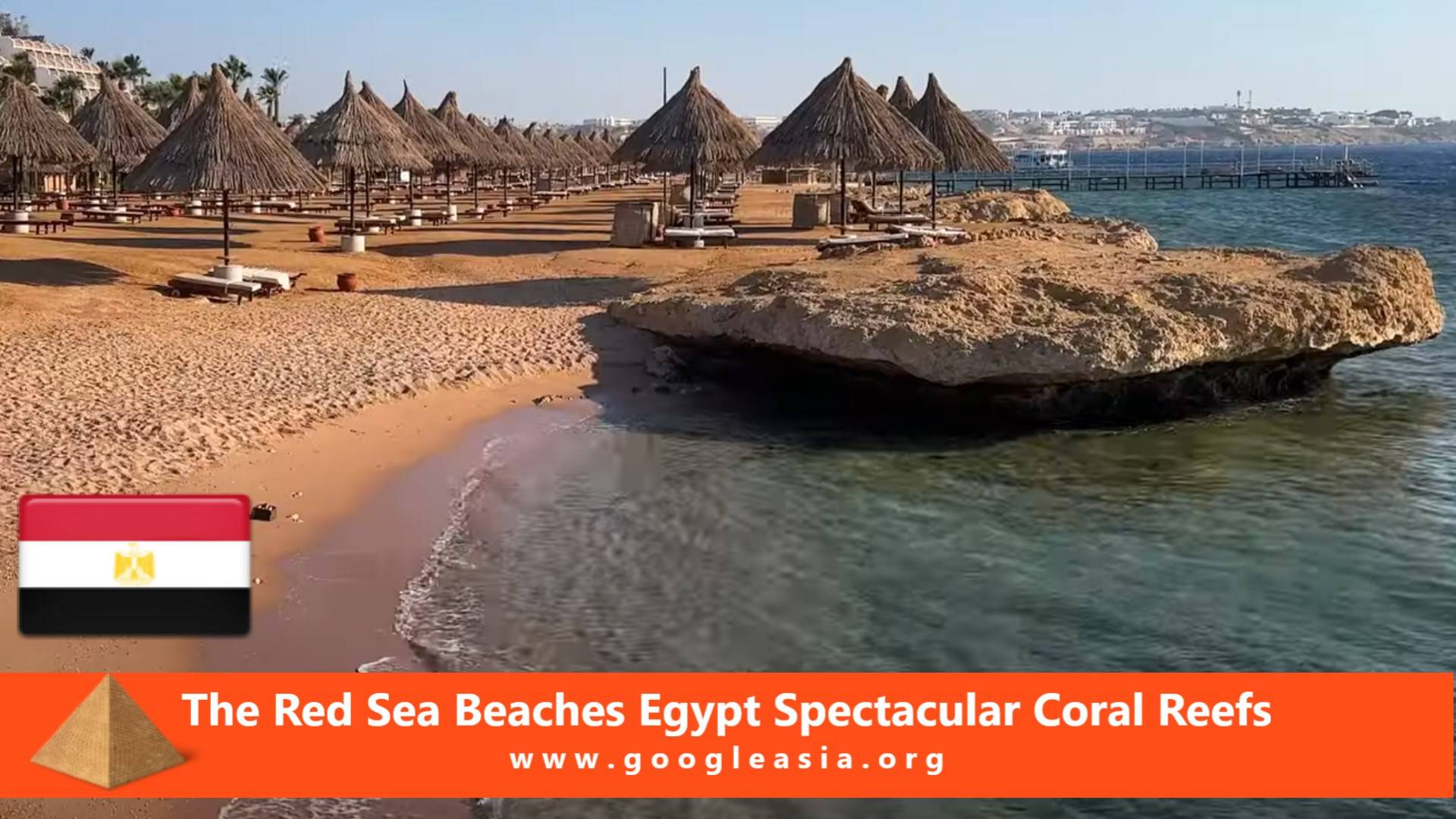
    The Red Sea Beaches Egypt Spectacular Coral Reefs

    Summary

    • Attraction Name: The Red Sea Beaches
    • Country: Egypt
    • Continent: African
    • Capital Name: Cairo
    • Language: Arabic
    • Currency: Egyptian Pound
    • Nationality: Egyptian
    • Category:  #Destination #Africa #EGYPT 

    Frequently Asked Questions

    What are the must-visit attractions or landmarks on the Red Sea beaches in Egypt?

    Here are the must-visit attractions or landmarks on the Red Sea beaches in Egypt:

    1. Ras Mohammed National Park (Near Sharm El Sheikh): Diverse marine life, coral reefs, and iconic dive sites.
    2. The Blue Hole (Dahab): World-famous diving site with a deep sinkhole.
    3. Giftun Islands (Near Hurghada): Pristine beaches, coral reefs, and popular snorkeling spots.
    4. Tiran Island (Near Sharm El Sheikh): Coral reefs, diverse marine life, and boat excursions.
    5. El Gouna (Near Hurghada): Modern resort town with beautiful beaches and a marina.
    6. Makadi Bay (Near Hurghada): Sandy beaches, coral reefs, and water sports opportunities.
    7. Abu Dabbab (Near Marsa Alam): Shallow sandy shores, known for dugongs and sea turtles.
    8. Dolphin House (Near Marsa Alam): Encounter dolphins in their natural habitat, popular for snorkeling.
    9. Nuweiba Beach (Nuweiba): Laid-back beach destination with mountain views.
    10. Aqaba Marine Park (Jordan): Coral reefs and diverse marine life in the Gulf of Aqaba.

    Is Red Sea beaches in Egypt a suitable travel destination for solo adventurers, honeymooning couples, or those traveling with families?

    The Red Sea beaches in Egypt cater to a diverse range of travelers, making it a suitable destination for solo adventurers, honeymooning couples, and families. Here’s how the Red Sea beaches can accommodate different types of travelers:

    1. Solo Adventurers:
      • Adventure Activities: The place offers a plethora of water sports and adventure activities such as snorkeling, diving, windsurfing, and desert excursions, making it an exciting destination for solo travelers seeking adventure.
      • Diverse Experiences: Solo adventurers can explore the vibrant marine life, embark on desert safaris, and immerse themselves in the local culture.
    2. Honeymooning Couples:
      • Romantic Settings: Many Red Sea beach resorts provide a romantic atmosphere with private beaches, luxurious accommodations, and spa services, making it an ideal destination for honeymooning couples.
      • Sunset Views: The stunning sunsets over the Red Sea and the serene beach settings create a romantic ambiance.
    3. Families:
      • Family-Friendly Resorts: The Red Sea has numerous family-friendly resorts with shallow beaches, kids’ clubs, and activities suitable for children, making it an excellent choice for family vacations.
      • Safe Swimming: The calm and shallow waters in some areas along the Red Sea coastline are suitable for children to enjoy safe swimming.
    4. Diverse Accommodations:
      • Luxury Resorts: The Red Sea offers luxury resorts with high-end amenities and services for those seeking a lavish experience.
      • Budget-Friendly Options: There are also budget-friendly accommodations and guesthouses for travelers looking for more economical options.
    5. Water Enthusiasts:
      • Diving and Snorkeling: The Red Sea’s vibrant coral reefs and marine life make it a paradise for divers and snorkelers. Both beginners and experienced enthusiasts can enjoy the underwater world.
    6. Relaxation Seekers:
      • Tranquil Atmosphere: Some areas along the coast provide a tranquil atmosphere, making it suitable for travelers seeking relaxation and rejuvenation.

    What’s the climate like in Red Sea beaches in Egypt?

    The climate along the Red Sea beaches in Egypt is characterized by a hot desert climate with high temperatures and low humidity. Here are the key features of the climate in the Red Sea coastal areas, including popular destinations like Sharm el-Sheikh, Hurghada, and Dahab:

    1. Hot Summers:
      • Temperature: During the summer months (June to September), daytime temperatures can soar well above 40°C (104°F) in many Red Sea beach destinations.
      • Sunshine: The region experiences long hours of sunshine, making it a sun-drenched destination.
    2. Mild Winters:
      • Temperature: Winters (December to February) are mild and comfortable, with daytime temperatures ranging from 18°C to 25°C (64°F to 77°F).
      • Nights: Nights can be cooler during the winter, but temperatures rarely drop significantly.
    3. Little to No Rainfall: The Red Sea coastal areas receive minimal rainfall throughout the year. Rainfall is infrequent, and the region is considered arid.
    4. Moderating Effect of the Red Sea: The Red Sea has a moderating effect on temperatures, preventing extreme heat or cold. The sea’s proximity contributes to milder temperatures compared to inland desert regions.
    5. Consistent Winds: The coastal areas often experience consistent winds, particularly during the summer months. This makes the Red Sea a popular destination for water sports such as windsurfing and kitesurfing.
    6. Diving Conditions: The Red Sea’s warm waters are conducive to year-round diving. Water temperatures remain relatively high, providing comfortable conditions for underwater activities.

    Why should you visit Red Sea beaches?

    Visiting the Red Sea beaches offers a unique and diverse range of experiences, making it a popular destination for travelers worldwide. Here are compelling reasons to visit the Red Sea beaches:

    1. Crystal-Clear Waters: The Red Sea is renowned for its exceptionally clear and turquoise waters, providing ideal conditions for snorkeling and diving. The visibility allows for a stunning view of the underwater world.
    2. Vibrant Coral Reefs: The Red Sea is home to some of the world’s most vibrant and diverse coral reefs. Snorkelers and divers can explore these underwater ecosystems, teeming with colorful fish, marine life, and intricate coral formations.
    3. World-Class Diving: The destination is a top-tier diving destination with numerous world-renowned dive sites. From the Blue Hole in Dahab to Ras Mohammed National Park near Sharm el-Sheikh, divers can encounter unique underwater landscapes and marine species.
    4. Water Sports: Beyond diving, the Red Sea offers a playground for various water sports, including windsurfing, kitesurfing, jet-skiing, and parasailing. The consistent winds make it an ideal destination for water enthusiasts.
    5. Desert Adventures: The destination is surrounded by captivating desert landscapes. Travelers can embark on desert safaris, camel rides, and jeep excursions to explore the arid beauty of the region.
    6. Luxurious Resorts: The Red Sea boasts a selection of luxurious resorts and hotels along its coastline. Visitors can enjoy world-class amenities, spa treatments, and stunning views of the sea.
    7. Historical and Cultural Sites: The Red Sea region is rich in history, with nearby attractions like Mount Sinai in Egypt and the ancient city of Petra in Jordan. These sites offer a blend of history and natural beauty.
    8. Relaxation and Wellness: Many Red Sea destinations provide a tranquil and serene atmosphere, making it an ideal place for relaxation and wellness. Visitors can indulge in spa treatments and yoga retreats by the sea.
    9. Family-Friendly Activities: The shallow waters and family-friendly resorts make the place a great destination for family vacations. Children can enjoy safe swimming, water activities, and entertainment options.
    10. Sunsets and Scenic Views: The Red Sea offers breathtaking sunsets and picturesque views, creating a romantic atmosphere for couples and a stunning backdrop for photographers.

    Is there any halal food available in Red Sea beaches in Egypt?

    Yes, you can find halal food options in the Red Sea beach destinations in Egypt. Egypt is a predominantly Muslim country, and as such, halal food is widely available throughout the country, including in popular tourist destinations along the Red Sea. Here are some key points to keep in mind:

    1. Local Cuisine: Many Egyptian dishes are inherently halal, and local restaurants often adhere to halal practices. Traditional Egyptian cuisine, such as grilled meats, seafood, and vegetarian options, is commonly available.
    2. Seafood: The Red Sea region is known for its fresh seafood. Seafood is generally considered halal, and you can find a variety of fish and seafood dishes at restaurants along the coast.
    3. International Cuisine: Popular tourist destinations like Sharm el-Sheikh and Hurghada offer a diverse range of international restaurants. Many of these establishments provide halal options or can accommodate halal requests.
    4. Communication: When dining out, you can communicate your dietary preferences to the restaurant staff, and they are usually accommodating. Confirming the halal status of the food is always a good practice.
    5. Halal Signs: Some restaurants may have clear signage indicating that they serve halal food. This is especially common in areas frequented by tourists.

    How to go to Red Sea beaches in Egypt?

    To reach the Red Sea beaches in Egypt, you can choose from multiple transportation options depending on your departure point and specific destination along the Red Sea coast. Here are general guidelines for reaching popular Red Sea beach destinations in Egypt:

    1. Sharm el-Sheikh:
      • By Air: Fly into Sharm El Sheikh International Airport (SSH) from various international airports. Many major airlines operate direct flights to Sharm el-Sheikh.
      • By Land: If you are already in Egypt, you can reach Sharm el-Sheikh by intercity buses or private transportation from cities like Cairo.
    2. Hurghada:
      • By Air: Hurghada International Airport (HRG) is the main airport serving the region. Book a direct flight to Hurghada from international airports.
      • By Land: Hurghada is accessible by road from other Egyptian cities. Bus services and private transportation are available.
    3. Dahab:
      • By Air: The nearest major airport is Sharm El Sheikh International Airport (SSH). From Sharm el-Sheikh, you can take a taxi, bus, or private transportation to Dahab.
      • By Land: Intercity buses and private transfers are available from other Egyptian cities.
    4. Marsa Alam:
      • By Air: Marsa Alam International Airport (RMF) is the primary airport serving the region. Direct flights are available from international airports.
      • By Land: Marsa Alam can be reached by road from other Egyptian cities. Transportation options include buses and private transfers.
    5. Nuweiba:
      • By Land: If traveling from Cairo, you can take an intercity bus to Nuweiba. Private transportation is also an option.
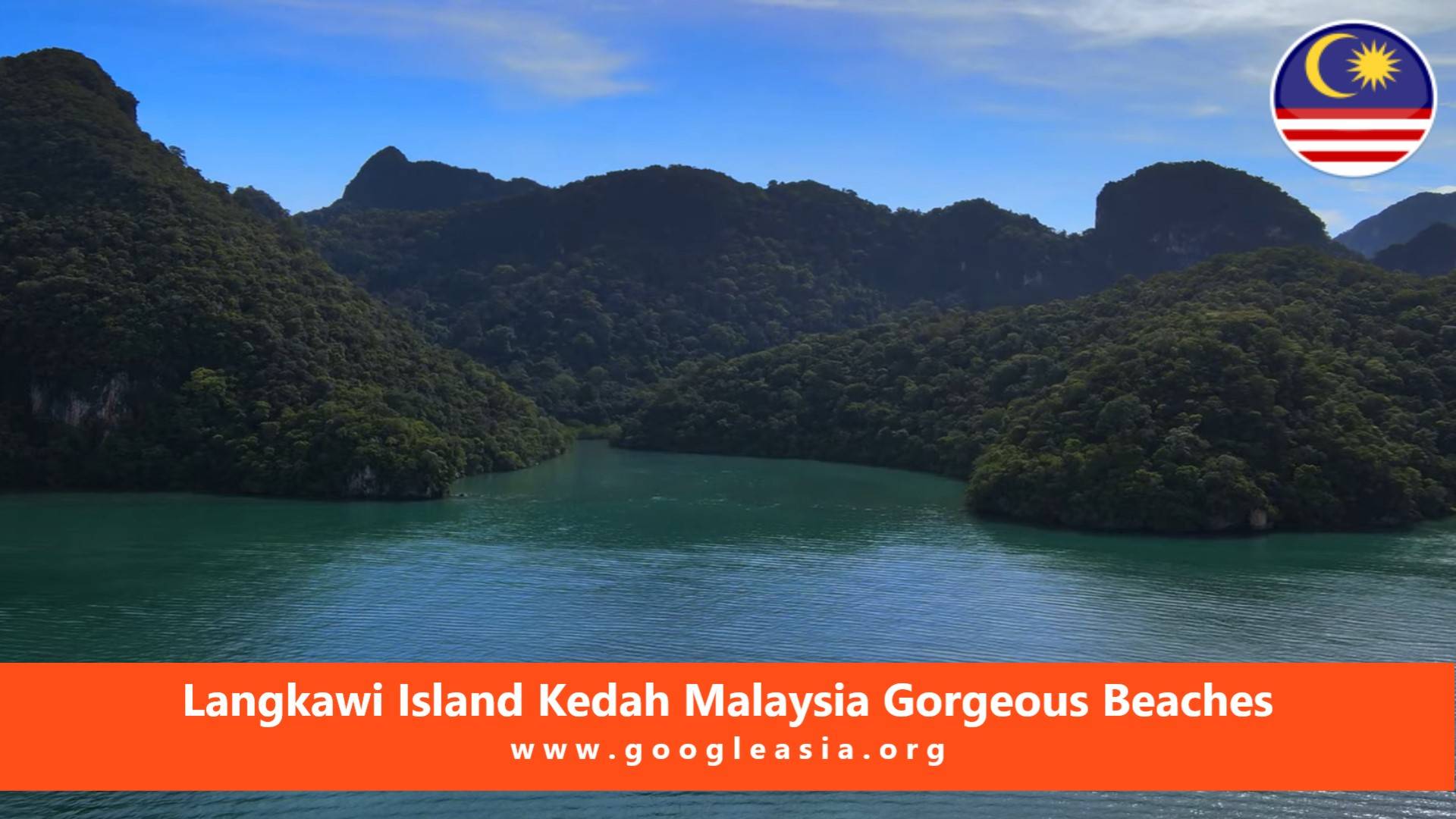
  • Langkawi Island: Best Destination to Visit in Malaysia

    Langkawi Island: Best Destination to Visit in Malaysia

    Langkawi Island, Malaysia

    If you’re looking for a dreamy escape, Langkawi Island should definitely be on your list. Nestled off the northwestern coast of Malaysia, this picturesque archipelago of 99 islands is a perfect blend of natural beauty, adventure, and culture. From pristine beaches to lush jungles and rich local heritage, Langkawi offers something for everyone.

    Introduction

    Langkawi Island is a hidden gem located off the northwest coast of Malaysia, in Kedah. It is an archipelago of 99 islands, with the main island offering visitors a chance to explore beautiful beaches, lush tropical rainforests, exciting adventure activities, and rich cultural experiences. Whether you’re looking for an adrenaline-packed adventure or a peaceful getaway, Langkawi has something for everyone. Let’s dive into what makes Langkawi so special.

    Unmatched Natural Beauty

    Langkawi’s landscape is simply stunning. The island’s UNESCO Global Geopark status speaks volumes about the unique natural wonders you’ll find here. Picture yourself gazing over the rainforest-covered mountains or wandering along the shore with the sound of gentle waves in the background.

    Majestic Peaks and Dense Rainforests

    Langkawi’s Gunung Raya and Gunung Machinchang mountains provide a perfect escape for nature lovers. You can take a hike through the rainforests or opt for something a little more thrilling, like a cable car ride that takes you up high above the island. Trust me, the view from the top is something you’ll never forget.

    Marine Exploration: Dive Into Adventure

    Langkawi is also famous for its crystal-clear waters, making it ideal for snorkeling and scuba diving. But if you’re not into diving, there’s still so much to explore, like sailing or windsurfing. The water is warm and inviting, so no matter your skill level, you’ll find a way to enjoy it.

    Cultural Wonders

    The beauty of Langkawi doesn’t just lie in its landscapes; it’s also in its vibrant culture. From the island’s unique festivals to the rich local traditions, there’s a lot to soak in.

    Traditional Festivals

    One event you absolutely can’t miss is the Langkawi International Music Festival. It brings together a wide variety of musicians from around the world, and the atmosphere is just electric. And if you visit during the Torch-Light Procession, you’ll get to experience a cultural celebration that’s rich in local traditions.

    Enjoying the Local Vibe

    Strolling through the local markets, you’ll find fresh produce, handmade goods, and traditional crafts that make perfect souvenirs. And don’t forget to try the food—it’s not just delicious but a true reflection of Langkawi’s multicultural heritage.

    Things to Do

    Take a Ride on the Langkawi Cable Car

    You haven’t fully experienced Langkawi until you’ve been on the world’s longest free-span cable car ride. It takes you up to Mount Machinchang, where you’ll enjoy panoramic views of the island’s beaches, forests, and neighboring islands. The view is absolutely breathtaking, and I can’t recommend it enough.

    Explore Langkawi’s Waterfalls

    Langkawi’s waterfalls, like Temurun and Seven Wells, are beautiful and tranquil spots where you can take a swim and relax in nature. The hiking trails around these waterfalls are just as stunning, offering a chance to immerse yourself in the island’s natural beauty.

    Birdwatching and Nature Walks

    Langkawi is a paradise for birdwatchers, with over 150 species of birds. Whether you’re an expert or just someone who enjoys spotting wildlife, the island’s diverse ecosystems provide an ideal setting for birdwatching tours.

    Explore Langkawi’s Nature Reserves

    Langkawi has some incredible nature reserves where you can hike, learn about local flora and fauna, and support sustainable tourism. The island’s focus on conservation means that it’s a great place to visit if you want to help preserve the environment while enjoying the beauty of nature.

    Shop Till You Drop—Duty-Free Shopping

    Langkawi is a duty-free shopping paradise. Whether you’re looking for chocolates, alcohol, or even local handicrafts, you’ll find it here at a fraction of the price you would pay elsewhere in Malaysia.

    Foods

    Langkawi’s food scene is another reason to visit. The local dishes are flavorful and packed with spices, offering a unique taste of the island’s culture.

    Must-Try Dishes

    • Satay: These grilled skewers of meat are a popular street food served with a rich peanut sauce that’s absolutely mouth-watering.
    • Nasi Dagang: A fragrant rice dish cooked with coconut milk, paired with a spicy fish curry—a true comfort food.
    • Laksa: A hearty and spicy noodle soup made with seafood or chicken, perfect for cooling off after a day of exploring.

    Sweet Treats and Refreshing Desserts

    After your meal, indulge in a sweet treat like Cendol, a refreshing dessert with shaved ice, coconut milk, and palm sugar syrup. It’s the perfect end to a day of exploring, especially when you’re relaxing by the beach.

    Hotels

    Accommodation Options for Every Budget

    From luxury resorts with stunning sea views to more affordable options that still offer great amenities, Langkawi has accommodations for all types of travelers. Many hotels offer spas, swimming pools, and restaurants with a focus on local ingredients.

    Conclusion

    Langkawi isn’t just a place to visit; it’s a place to experience and fall in love with. Whether you’re lounging on the beach, exploring waterfalls, or sampling delicious local food, there’s no shortage of adventures waiting for you. So, what are you waiting for? Book your trip to Langkawi today and discover the island of your dreams.

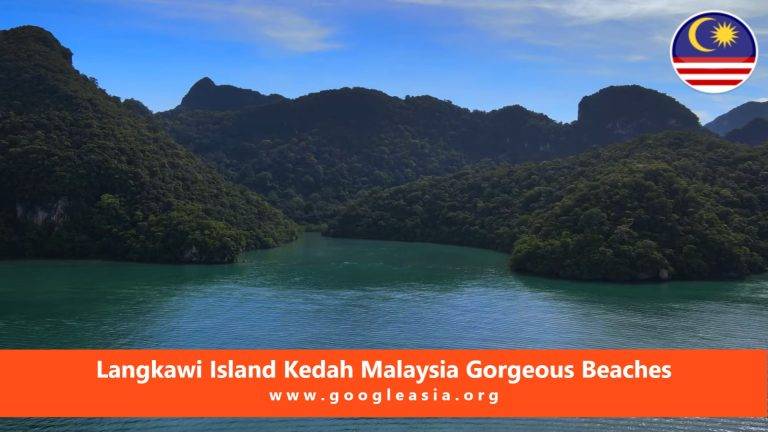
    Langkawi Island Kedah Malaysia Gorgeous Beaches

    Summary

    • Attraction Name: Langkawi Island
    • Country: Malaysia
    • Continent: Asia
    • Capital Name: Kuala Lumpur
    • Language: Bahasa Melayu (Official), English, Mandarin, Tamil
    • Currency: Malaysian Ringgit (MYR)
    • Nationality: Malaysian
    • Category: #Destination #Asia #MALAYSIA 

    Frequently Asked Questions

    Where is Langkawi Island located?

    Langkawi Island is located in the state of Kedah, Malaysia, on the northwest coast of Peninsular Malaysia. It is part of the Langkawi archipelago, which consists of about 99 islands in the Andaman Sea. Here are the key details about Langkawi Island’s location:

    • Country: Malaysia
    • State: Kedah
    • Region: Northwest coast of Peninsular Malaysia
    • Geographic Coordinates: Approximately 6.35° North latitude and 99.84° East longitude

    Langkawi Island is situated close to the border with Thailand and is renowned for its natural beauty, sandy beaches, lush rainforests, and geological formations. The main town and arrival point for visitors is Kuah, where the main ferry terminal and Langkawi International Airport are located. Langkawi’s strategic location in the Andaman Sea also makes it a popular destination for island hopping, marine activities, and exploring the diverse ecosystems of Malaysia’s west coast.

    How to go to Langkawi Island?

    Getting to Langkawi Island involves several transportation options due to its popularity as a tourist destination in Malaysia. Here’s a guide on how to reach Langkawi Island from various starting points:

    By Air:

    1. From Kuala Lumpur (KLIA or KLIA2):
      • Direct Flights: Several airlines operate direct flights from Kuala Lumpur International Airport (KLIA) or Kuala Lumpur International Airport 2 (KLIA2) to Langkawi International Airport (LGK). Flight duration is approximately 1.5 to 2 hours.
      • Airlines: Airlines such as Malaysia Airlines, AirAsia, and Malindo Air offer frequent flights to Langkawi.
    2. From Penang:
      • Direct Flights: Direct flights are available from Penang International Airport (PEN) to Langkawi International Airport (LGK). Flight duration is around 35 to 45 minutes.
    3. From Singapore:
      • Direct Flights: SilkAir (a subsidiary of Singapore Airlines) operates direct flights from Singapore Changi Airport (SIN) to Langkawi International Airport (LGK). Flight duration is approximately 1.5 to 2 hours.

    By Ferry:

    1. From Kuala Kedah or Kuala Perlis (Mainland):
      • Ferry Service: Regular ferry services operate from Kuala Kedah Jetty or Kuala Perlis Jetty on the mainland to Langkawi Jetty (Kuah Jetty) on Langkawi Island.
      • Ferry Operators: Ferry operators include Langkawi Ferry Services and Eagle Ferry. The journey takes approximately 1.5 to 2 hours.
    2. From Penang (Georgetown):
      • Ferry Service: Ferry services are available from Penang Island (Sultan Abdul Halim Ferry Terminal) to Langkawi Island (Kuah Jetty). The ferry journey takes around 2.5 to 3 hours.

    Travel Tips:

    • Booking: It’s advisable to book flights or ferry tickets in advance, especially during peak tourist seasons or holidays.
    • Transportation on Langkawi: Upon arrival at Langkawi International Airport or Kuah Jetty, taxis, rental cars, and hotel shuttles are available for transportation to your accommodation or around the island.
    • Entry Requirements: Ensure you have necessary travel documents and check visa requirements based on your nationality before traveling to Langkawi.

    What’s the climate like in Langkawi Island?

    Langkawi Island, located in Malaysia, experiences a tropical monsoon climate characterized by warm temperatures throughout the year and distinct wet and dry seasons. Here are the key features of Langkawi’s climate:

    1. Temperature: Langkawi has consistently warm temperatures year-round, with little variation between seasons. Average temperatures range from 24°C (75°F) to 34°C (93°F) during the day.
    2. Wet Season: The wet season typically occurs from September to October and May to August. During these months, Langkawi experiences higher rainfall, often in the form of short, intense showers or thunderstorms. Humidity levels are generally higher during the wet season.
    3. Dry Season: The dry season spans from November to April. This period is characterized by lower humidity levels and less frequent rainfall. December to February are considered the driest months, making them popular for tourism.
    4. Monsoon Influence: Langkawi is affected by the northeast monsoon, which brings heavier rainfall and rougher seas to the west coast of Peninsular Malaysia and islands like Langkawi from September to November. However, Langkawi’s location sheltered by the mainland reduces the severity of monsoonal effects compared to other areas.
    5. Sea Conditions: The sea around Langkawi remains warm and pleasant for swimming and water activities throughout the year. Sea conditions are generally calmer during the dry season, making it ideal for boat tours and island hopping.
    6. Best Time to Visit: The best time to visit Langkawi for sunny weather and outdoor activities is typically during the dry season from November to April. However, the island’s lush greenery and natural beauty can be appreciated year-round, with each season offering unique experiences.
    7. Humidity: Langkawi experiences high humidity levels, especially during the wet season, which can make the heat feel more intense. Visitors are advised to stay hydrated and wear light, breathable clothing.

    What are Langkawi Island’s must-visit destinations?

    Langkawi Island offers a variety of must-visit destinations that highlight its natural beauty, cultural heritage, and recreational opportunities. Here are some of the top destinations you should consider exploring when visiting Langkawi:

    1. Langkawi Sky Bridge and Cable Car:
      • The Langkawi Sky Bridge, accessible via the Langkawi Cable Car, offers stunning panoramic views of the rainforest canopy, mountains, and Andaman Sea. It’s a must-visit for its unique engineering and breathtaking vistas.
    2. Pulau Payar Marine Park:
      • A designated marine park known for its crystal-clear waters, Pulau Payar is ideal for snorkeling and diving. Explore vibrant coral reefs, marine life, and enjoy activities like swimming and sunbathing on the island.
    3. Seven Wells Waterfall (Telaga Tujuh):
      • This natural attraction features a series of cascading waterfalls amidst lush rainforest. Visitors can hike to the top to enjoy panoramic views or swim in the natural pools below the falls.
    4. Eagle Square (Dataran Lang):
      • Located in Kuah Town, Eagle Square is a prominent landmark featuring a large sculpture of an eagle in flight. It offers scenic views of the waterfront and is a popular spot for photos and leisurely walks.
    5. Langkawi Wildlife Park and Bird Paradise:
      • This park is home to a variety of exotic birds, reptiles, and mammals in naturalistic habitats. Visitors can interact with animals, attend feeding sessions, and learn about conservation efforts.
    6. Mangrove Tour at Kilim Karst Geoforest Park:
      • Explore the unique mangrove ecosystems and limestone formations of Kilim Karst Geoforest Park on a boat tour. Spot wildlife such as eagles, monkeys, and monitor lizards while learning about the area’s geological significance.
    7. Underwater World Langkawi:
      • One of Malaysia’s largest aquariums, Underwater World Langkawi showcases diverse marine life including sharks, stingrays, and colorful fish. It features an underwater tunnel for an immersive experience.
    8. Tanjung Rhu Beach:
      • Known for its tranquil atmosphere and scenic beauty, Tanjung Rhu Beach offers soft sands and clear waters. It’s perfect for relaxing, enjoying sunset views, and water sports like kayaking.
    9. Langkawi Art in Paradise 3D Museum:
      • This interactive museum features optical illusion artworks where visitors can pose and interact with the exhibits, creating fun and memorable photo opportunities.
    10. Mahsuri’s Tomb (Makam Mahsuri):
      • A historical site surrounded by gardens and a cultural complex, Mahsuri’s Tomb commemorates the legend of Mahsuri, a local maiden wrongfully accused of adultery. It’s a place of historical and cultural interest.

    Tips for Visitors:

    • Timing: Plan your visits to popular attractions early in the day to avoid crowds, especially during peak tourist seasons.
    • Transportation: Renting a car or hiring a taxi can provide flexibility for exploring the island’s attractions at your own pace.
    • Local Cuisine: Sample traditional Malay dishes and seafood at local eateries and night markets for an authentic culinary experience.

    What are Langkawi Island’s must-visit attractions or landmarks?

    Langkawi Island boasts a variety of must-visit attractions and landmarks that showcase its natural beauty, cultural heritage, and recreational opportunities. Here are some of the top attractions you should consider visiting when in Langkawi:

    1. Langkawi Sky Bridge:
      • Suspended high above Gunung Mat Cincang, the Langkawi Sky Bridge offers breathtaking views of the rainforest canopy, mountains, and Andaman Sea. Accessible via the Langkawi Cable Car, this iconic bridge is a must-visit for its panoramic vistas.
    2. Langkawi Cable Car and Oriental Village:
      • The Langkawi Cable Car takes visitors on a scenic ride up Gunung Mat Cincang, passing over lush rainforest and offering stunning views of the surrounding islands. The Oriental Village at the base of the cable car has shops, restaurants, and cultural performances.
    3. Pulau Payar Marine Park:
      • A popular destination for snorkeling and diving enthusiasts, Pulau Payar Marine Park offers crystal-clear waters teeming with marine life. Explore vibrant coral reefs and encounter tropical fish in their natural habitat.
    4. Seven Wells Waterfall (Telaga Tujuh):
      • Located near the Langkawi Cable Car, Telaga Tujuh consists of a series of cascading waterfalls amidst lush greenery. Visitors can hike to the top to enjoy panoramic views or swim in the natural pools.
    5. Eagle Square (Dataran Lang):
      • Eagle Square is a prominent landmark in Kuah Town, featuring a large sculpture of an eagle poised for flight. It offers scenic views of the waterfront and is a popular spot for photos and leisurely strolls.
    6. Underwater World Langkawi:
      • One of Malaysia’s largest aquariums, Underwater World Langkawi showcases a diverse range of marine life, including sharks, stingrays, and colorful fish. It includes an underwater tunnel for an immersive experience.
    7. Mangrove Tour and Kilim Karst Geoforest Park:
      • Explore the unique mangrove ecosystems and limestone formations of Kilim Karst Geoforest Park on a boat tour. Spot wildlife such as eagles, macaques, and monitor lizards while learning about the area’s geological significance.
    8. Langkawi Wildlife Park and Bird Paradise:
      • Ideal for families, this park houses a variety of exotic birds, reptiles, and mammals in naturalistic habitats. Visitors can interact with animals, watch feeding sessions, and enjoy educational presentations.
    9. Mahsuri’s Tomb (Makam Mahsuri):
      • Legend has it that Mahsuri, a local maiden wrongfully accused of adultery, cursed Langkawi for seven generations. Her tomb, surrounded by gardens and a cultural complex, commemorates her story and is a site of historical interest.
    10. Tanjung Rhu Beach:
      • Known for its tranquil atmosphere and pristine sands, Tanjung Rhu Beach is perfect for relaxation and enjoying sunset views. It’s less crowded compared to other beaches, making it ideal for couples and families.

    Tips for Visitors:

    • Transportation: Renting a car or hiring a taxi is recommended for exploring Langkawi’s attractions, especially those outside the main tourist areas.
    • Timing: Plan visits to popular attractions early in the day to avoid crowds and maximize your experience.
    • Local Cuisine: Sample traditional Malay dishes and seafood at local eateries and night markets for an authentic culinary experience.

    Is Langkawi Island a suitable travel destination for solo adventurers, honeymooning couples, or those traveling with families?

    Langkawi Island is indeed a versatile destination that caters well to solo adventurers, honeymooning couples, and families alike. Here’s why Langkawi is suitable for each type of traveler:

    Solo Adventurers:

    1. Adventure Activities: Solo adventurers can indulge in various outdoor activities such as jungle trekking, ziplining, ATV rides, and water sports like snorkeling and diving.
    2. Exploration: Langkawi’s geopark and natural attractions offer opportunities for solo exploration, whether hiking to waterfalls, exploring caves, or visiting secluded beaches.
    3. Cultural Experience: Solo travelers can immerse themselves in local culture by visiting historical sites, attending cultural shows, and exploring traditional villages.
    4. Nightlife and Dining: The island offers a range of dining options and vibrant nightlife spots, where solo travelers can socialize and meet other visitors.

    Honeymooning Couples:

    1. Romantic Beaches: Langkawi’s pristine beaches such as Pantai Cenang and Datai Bay provide a picturesque setting for romantic walks, sunsets, and private moments.
    2. Luxury Resorts: The island boasts luxurious resorts and villas with private pools, spa services, and fine dining options, ideal for honeymooners seeking relaxation and intimacy.
    3. Island Hopping and Cruises: Couples can enjoy private island hopping tours, sunset cruises, and snorkeling trips to explore the surrounding islands and marine life together.
    4. Cultural Experiences: Langkawi offers cultural shows, romantic dinners by the beach, and opportunities to learn about local traditions and crafts, enhancing the honeymoon experience.

    Families:

    1. Family-Friendly Activities: Langkawi has attractions suitable for all ages, including wildlife parks, aquariums, and family-friendly beaches with calm waters for swimming and water sports.
    2. Educational Opportunities: Families can visit educational centers like the Langkawi Underwater World and Bird Paradise to learn about marine life and bird species.
    3. Adventure Parks: Kids and teens can enjoy activities at adventure parks offering zip-lining, rope courses, and ATV rides, ensuring fun-filled days for the whole family.
    4. Accommodation Options: Family-friendly resorts and hotels provide spacious accommodations, kids’ clubs, and amenities such as pools and playgrounds to cater to families’ needs.

    Overall Considerations:

    • Accessibility: Langkawi’s accessibility by direct flights from major cities and its infrastructure cater to diverse traveler preferences, ensuring convenience and comfort.
    • Safety: The island is generally safe for tourists, with a welcoming atmosphere and friendly locals, making it suitable for families and solo travelers alike.

    Why should you visit Langkawi Island?

    Visiting Langkawi Island offers a compelling array of reasons that appeal to various interests and preferences, making it a popular destination in Malaysia. Here are several reasons why you should consider visiting Langkawi Island:

    1. Natural Beauty and Beaches: Langkawi is renowned for its stunning beaches with clear waters and soft sands. Pantai Cenang, Pantai Tengah, and Datai Bay are among the most popular beaches where visitors can relax, swim, and enjoy water sports.
    2. Duty-Free Shopping: Langkawi is a duty-free island, making it a shopping haven for travelers looking to purchase alcohol, chocolates, perfumes, and other goods at attractive prices.
    3. Island Hopping and Water Activities: The island offers opportunities for island hopping tours, where you can explore nearby islands like Pulau Payar Marine Park and Pulau Dayang Bunting. Water activities such as snorkeling, diving, and boat tours are popular among visitors.
    4. Geopark and Natural Wonders: Langkawi is designated as a UNESCO Global Geopark due to its unique geological formations and diverse ecosystems. Visitors can explore attractions like the Langkawi Sky Bridge, Seven Wells Waterfall, and Kilim Karst Geoforest Park.
    5. Cultural and Historical Sites: Langkawi has cultural attractions such as Mahsuri’s Tomb, which tells the legend of Mahsuri, and local villages where visitors can experience traditional Malay culture and crafts.
    6. Cable Car and Sky Bridge: The Langkawi Cable Car takes visitors to the peak of Gunung Mat Cincang, offering panoramic views of the island and the Andaman Sea. The Sky Bridge, accessible from the cable car, provides thrilling views from a suspended bridge.
    7. Wildlife and Nature: Langkawi is home to diverse flora and fauna, including unique bird species and wildlife like monkeys and monitor lizards. Visitors can explore nature reserves and bird sanctuaries such as the Langkawi Wildlife Park and Bird Paradise.
    8. Luxurious Resorts and Spas: Langkawi boasts luxurious resorts and spa facilities, offering relaxation and rejuvenation amidst beautiful surroundings.
    9. Adventure and Outdoor Activities: Beyond beaches and water activities, Langkawi offers opportunities for jungle trekking, ATV rides, ziplining, and cycling, catering to adventure enthusiasts.
    10. Accessibility: Langkawi is easily accessible via direct flights from major cities in Malaysia and neighboring countries, making it a convenient destination for both short getaways and extended vacations.

    Is it difficult to find halal food in Langkawi Island?

    Finding halal food in Langkawi Island is generally not difficult, as the island caters to a diverse range of tourists, including Muslim travelers. Here are several reasons why:

    1. Muslim-Friendly Destination: Langkawi is a popular destination among Malaysian and international Muslim tourists. As such, many restaurants and eateries on the island serve halal-certified or Muslim-friendly food.
    2. Halal Certification: Several restaurants in Langkawi have obtained halal certification from Malaysian authorities, ensuring that their food preparation and ingredients comply with Islamic dietary laws.
    3. Local Cuisine: Malaysian cuisine, which is prevalent in Langkawi, often includes dishes that are naturally halal, such as nasi lemak, roti canai, satay, and various seafood dishes.
    4. Hotel Dining: Most hotels and resorts in Langkawi offer halal options in their dining outlets. They often provide a variety of cuisines, including Malaysian, Arabic, and international dishes that cater to halal dietary requirements.
    5. Local Markets and Street Food: Even in local markets and street food stalls, it’s possible to find halal options, especially those selling fruits, snacks, and traditional Malay delicacies.
    6. Clear Labeling: Many restaurants and eateries in Langkawi clearly label their food as halal or Muslim-friendly, providing transparency for Muslim travelers.
    7. Mosques and Muslim-Friendly Amenities: Langkawi has mosques where travelers can perform prayers, and some hotels offer prayer facilities as well, enhancing the overall Muslim-friendly experience.
  • Visiting Jeju Island, South Korea: Your Ultimate Travel Guide

    Visiting Jeju Island, South Korea: Your Ultimate Travel Guide

    Jeju Island, South Korea: Must-Visit Destination

    Jeju Island is renowned for its natural scenery, including breathtaking beaches and mountains. It is South Korea’s most popular island destination, with iconic landmarks such as Mount Hallasan, the country’s highest peak, and Seongsan Ilchulbong Peak, a stunning volcanic cone. Visitors can explore several national parks, sample the fresh local seafood, and soak up Jeju’s unique culture. There are also plenty of opportunities to enjoy the island’s rich cultural heritage, such as museums and art galleries, and explore its unique cuisine, featuring unique dishes such as wild boar and Hallasan salted mackerel. All in all, Jeju Island is an ideal destination for a memorable holiday.


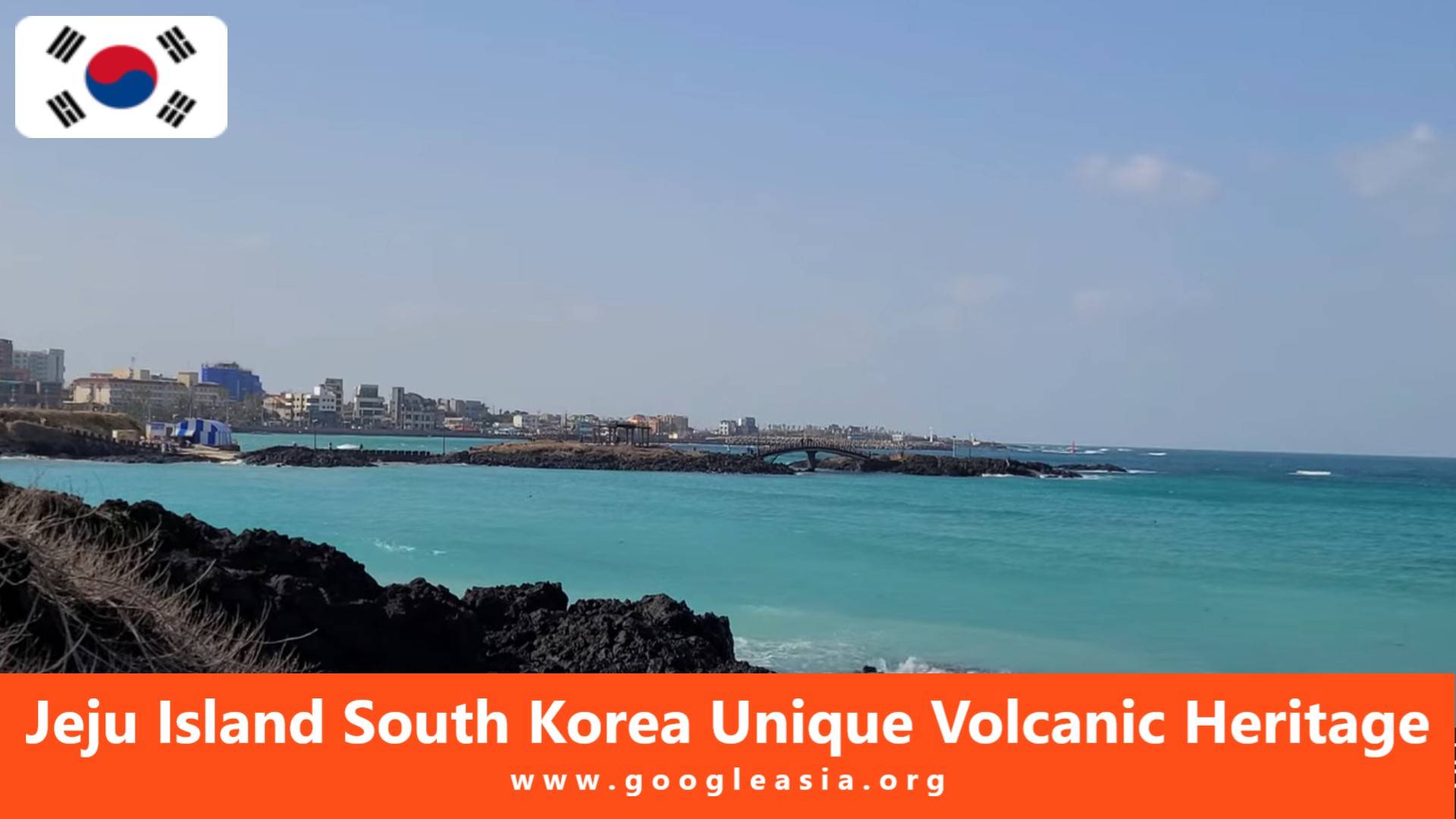
    Jeju Island South Korea Unique Volcanic Heritage

    Jeju Island, South Korea: Summary

    • Attraction Name: Jeju Island
    • Country: South Korea
    • Continent: Asia
    • Capital Name: Seoul
    • Language: Korean
    • Currency: South Korean won
    • Nationality: South Korean
    • Category:  #Destination #Asia #SOUTHKOREA 


    Discover Jeju Island, South Korea

    Overview

    Jeju Island, located off the coast of South Korea, is renowned as a top tourist destination, attracting visitors globally. Known for its stunning natural beauty and rich cultural heritage, Jeju offers a diverse range of activities and sights that appeal to travelers of all interests.

    Activities and Landmarks

    Natural Attractions

    Jeju Island boasts an array of natural wonders, from pristine beaches to picturesque waterfalls and volcanic landscapes. Notable sights include:

    • Beaches: Enjoy sun-soaked shores like Hyeopjae Beach and Jungmun Beach, perfect for relaxation and water sports.
    • Waterfalls: Discover majestic waterfalls such as Cheonjiyeon Falls and Jeongbang Waterfall, surrounded by lush greenery.
    • Volcanic Landscapes: Explore volcanic cones like Hallasan, South Korea’s highest peak, and Seongsan Ilchulbong, a UNESCO World Heritage site known for its sunrise views.

    Cultural Highlights

    Immerse yourself in Jeju’s vibrant culture, characterized by:

    • Local Cuisine: Indulge in Jeju’s unique culinary delights, featuring fresh seafood, aromatic teas, and specialties crafted from local produce.
    • Traditional Activities: Experience cultural traditions through activities like horseback riding, fishing, and visiting local markets.
    • Hot Springs: Relax and rejuvenate in natural hot springs renowned for their therapeutic properties, such as those at the Jeju Hot Spring Tourist Complex.

    Visitor Experiences

    Ideal for…

    Jeju Island caters to diverse traveler interests:

    • Hikers: Navigate scenic trails on Hallasan or explore the Olle Trails network.
    • Golfers: Tee off at world-class golf courses boasting panoramic views.
    • Adventurers: Engage in thrilling outdoor pursuits like cave exploring and submarine tours.
    • Peaceful Retreat Seekers: Find tranquility amidst serene landscapes ideal for relaxation and wellness.

    This structured approach covers the key attractions and experiences that make Jeju Island a must-visit destination, appealing to a wide range of travelers seeking both adventure and cultural immersion.


    Things to Do in Jeju Island, South Korea

    Jeju Island offers a diverse range of activities and experiences, catering to every traveler’s interests. Whether you’re seeking adventure, cultural exploration, or relaxation, Jeju has something for everyone.

    Explore Jeju’s Natural Beauty

    Beach Exploration

    Jeju’s coastline boasts some of South Korea’s most stunning beaches:

    • Hyeopjae Beach: Famous for its clear waters and white sands, ideal for sunbathing and water sports.
    • Jungmun Beach: Surrounded by cliffs and lush forests, offering picturesque views and tranquility.
    • Sehwa Beach: Known for its unique black volcanic sand, a striking contrast against the blue sea.

    Volcanic Landscapes and Lava Tubes

    • Hallasan National Park: Trek up South Korea’s highest peak, Mt. Halla, to explore diverse ecosystems and volcanic terrain.
    • Seongsan Ilchulbong: Witness breathtaking sunrise views from this UNESCO World Heritage site, featuring a volcanic crater and panoramic vistas.
    • Manjanggul Cave: Discover the world’s longest lava tube, showcasing unique geological formations and lava stalactites.

    Cultural and Culinary Delights

    Cultural Exploration

    • Jeju Folk Village Museum: Step back in time to traditional Jeju life with preserved houses, artifacts, and cultural performances.
    • Jeju Stone Park: Explore sculptures and artworks carved from volcanic stone, reflecting Jeju’s artistic heritage.

    Culinary Experiences

    • Jeju’s Local Cuisine: Sample Jeju’s specialties such as fresh seafood, Jeju black pork, and diverse dishes incorporating local ingredients like Hallabong (a type of citrus fruit).
    • Street Food Markets: Visit Dongmun Market and Seogwipo Maeil Olle Market for a taste of local street food delicacies.

    Relaxation and Wellness

    Hot Springs and Spas

    • Jeju Hot Springs: Experience the healing properties of natural hot spring waters at places like Jeju Water World and Sanbangsan Hot Springs.
    • Spa Treatments: Indulge in rejuvenating spa treatments using natural ingredients like volcanic ash and green tea.

    Shopping and Entertainment

    Shopping Excursions

    • Lee Jung Seop Street: Browse art galleries and shops featuring works by local artists and craftsmen.
    • Jeju Shopping Malls: Explore modern shopping centers like Lotte Duty Free and Jeju Shinhwa World for luxury brands and entertainment options.

    Conclusion

    Whether you’re hiking up volcanic peaks, sampling local delicacies, or relaxing in natural hot springs, Jeju Island promises an unforgettable experience blending natural beauty, cultural richness, and modern amenities. Plan your visit to Jeju to discover why it’s a cherished destination for travelers worldwide.

    Best Foods at Jeju Island, South Korea

    Culinary Delights of Jeju Island

    Jeju Island’s cuisine is celebrated for its unique flavors and fresh ingredients, influenced by the island’s rich cultural and geographical diversity.

    Popular Dishes to Try

    Signature Dishes

    • Jjimdak (찜닭): A savory chicken dish braised in a flavorful soy sauce with vegetables, potatoes, and glass noodles.
    • Jogaetang (조개탕): A hearty stew made with clams, vegetables, and often tofu, seasoned with spicy chili paste or soybean paste.
    • Bibimbap (비빔밥): A colorful rice dish topped with assorted vegetables, beef, a fried egg, and served with spicy gochujang (red chili paste) for mixing.

    Local Treats

    • Tangerine Cakes: Soft cakes infused with the citrusy flavor of Jeju’s famous Hallabong tangerines, often found in local bakeries.
    • Abalone Porridge (전복죽): A soothing porridge made with rice and tender abalone, known for its delicate flavor and health benefits.
    • Seafood Pancakes (해물파전): Crispy pancakes filled with a variety of fresh seafood like shrimp, squid, and green onions.
    • Raw Beef Seasonings (육회): A delicacy of raw beef seasoned with sesame oil, garlic, soy sauce, and served with pear and pine nuts.
    • Grilled Jeju Pork Belly (제주 흑돼지 구이): Succulent pork belly from Jeju’s native black pigs, grilled to perfection for a smoky flavor.
    • Haemul Pajeon (해물파전): A savory pancake filled with a medley of seafood and green onions, fried to a crisp golden brown.
    • Nureungji (누릉지): Crispy rice crust scraped from the bottom of a stone pot after cooking rice, often enjoyed as a snack or dessert.

    Culinary Experience on Jeju Island

    From savory stews to delicate seafood dishes and delightful desserts, Jeju Island offers a culinary journey that reflects its natural beauty and cultural heritage. Whether you’re exploring local markets or dining in cozy cafes, these dishes promise to tantalize your taste buds and leave you craving more of Jeju’s delicious offerings.

    Best Hotels to Stay in Jeju Island, South Korea

    Jeju Island offers a variety of accommodations ranging from luxurious resorts to cozy boutique hotels, each offering unique experiences and breathtaking views.

    Luxury Retreats

    Shilla Hotels & Resorts Jeju

    • Location: Nestled on the serene south hillside of Mt. Halla.
    • Highlights: Spectacular sea views, luxurious amenities, and tranquil surroundings.
    • Features: Spacious rooms, fine dining restaurants, spa facilities, and outdoor pools.

    Hyatt Regency Jeju Shilla

    • Distinctive Features: Architecturally unique design with a private beach.
    • Facilities: Elegant rooms with ocean views, multiple dining options, spa services, and recreational activities.
    • Ideal For: Relaxing retreats and indulgent getaways.

    Central Island Comfort

    Lotte Hotel Jeju

    • Location: Central location capturing the essence of Jeju’s beauty.
    • Ambiance: Modern design blending with lush gardens and scenic landscapes.
    • Facilities: Large garden, multiple dining venues, wellness center, and family-friendly amenities.

    Seogwipo Charm

    Seogwipo KAL Hotel

    • Location: Offers views of surrounding mountains and ocean.
    • Accommodation: Comfortable rooms with modern amenities and scenic vistas.
    • Attractions: Proximity to local attractions and outdoor activities.

    Artistic Experience

    Hotel the Art Jeju

    • Theme: Art-centric hotel showcasing exquisite interiors and a sculpture park.
    • Unique Features: Contemporary design, artistic ambiance, and cultural experiences.
    • Appeal: Ideal for art enthusiasts and those seeking a creative atmosphere.

    Conclusion

    Whether you prefer luxury, scenic views, or artistic ambiance, Jeju Island’s diverse range of hotels ensures a memorable stay. From serene retreats nestled in nature to chic urban escapes, these hotels not only offer comfort and convenience but also enhance your experience of this enchanting island paradise.

    Frequently Asked Questions About Jeju Island, South Korea: Your Ultimate Guide

    Explore the latest destination attraction with ease through our comprehensive Frequently Asked Questions guide. Discover insightful answers to common queries, providing a seamless experience. Your journey begins with clarity and confidence as we address uncertainties and offer essential information. Let this guide enhance your adventure, ensuring you make the most of the latest destination attraction, leaving no question unanswered.

    Where is Jeju Island located?

    Jeju Island is located off the southern coast of South Korea, in the Korea Strait. It lies approximately 85 kilometers (53 miles) south of the Korean Peninsula. Geographically, it is situated between 33° and 34° north latitude and 126° and 127° east longitude. Jeju Island is the largest island in South Korea and is known for its volcanic landscape, beaches, and natural beauty, making it a popular tourist destination.

    How to go to Jeju Island?

    1. By Air:
      • From Seoul: The most common way to reach Jeju Island is by flying from Seoul. Both Incheon International Airport (ICN) and Gimpo International Airport (GMP) in Seoul offer numerous daily flights to Jeju International Airport (CJU). Flight duration is approximately 1 hour.
      • From Other Cities: Major cities in South Korea, such as Busan and Daegu, also have direct flights to Jeju International Airport.
    2. By Ferry:
      • From Wando or Mokpo: Ferries operate from Wando and Mokpo on the mainland to Jeju Island. The ferry journey takes several hours, and schedules may vary depending on the season.
      • From other nearby islands: There are also ferries connecting Jeju Island with nearby islands like Udo Island and Marado.
    3. Travel Tips:
      • Flight Booking: Book flights in advance, especially during peak seasons like summer and holidays, to secure seats and possibly get better rates.
      • Ferry Reservations: If traveling by ferry, it’s advisable to check schedules and make reservations ahead of time, particularly during busy travel periods.
      • Local Transport: Upon arrival at Jeju International Airport or the ferry terminal, taxis, buses, and rental cars are available for transportation to various destinations on the island.

    Jeju Island is a popular tourist destination known for its natural beauty and cultural attractions, offering a range of activities and sights to explore for travelers arriving by air or sea.

    What’s the climate like in Jeju Island?

    The climate of Jeju Island is generally mild and subtropical, influenced by its geographical location off the southern coast of South Korea. Here’s an overview of the climate throughout the year:

    1. Spring (March to May): Spring on Jeju Island is mild and pleasant, with temperatures gradually warming up. Average highs range from 15°C to 20°C (59°F to 68°F), making it a comfortable season for outdoor activities and enjoying the blooming cherry blossoms.
    2. Summer (June to August): Summer in Jeju Island is warm, humid, and occasionally rainy due to the East Asian monsoon. Average highs range from 25°C to 30°C (77°F to 86°F), with July and August being the warmest months. It’s a popular time for beachgoers and water sports enthusiasts.
    3. Autumn (September to November): Autumn is one of the best times to visit Jeju Island, with mild temperatures and lower humidity. Average highs range from 20°C to 25°C (68°F to 77°F). The island’s foliage turns vibrant shades of red and yellow, creating picturesque landscapes.
    4. Winter (December to February): Winter on Jeju Island is relatively mild compared to mainland South Korea, but temperatures can still be chilly. Average highs range from 5°C to 10°C (41°F to 50°F), with occasional cold spells. It’s the least busy tourist season, but a good time to enjoy hot springs and indoor attractions.
    5. Precipitation: Jeju Island receives moderate precipitation throughout the year, with slightly higher rainfall in summer due to the monsoon season. Winter tends to be drier, while spring and autumn can bring light to moderate showers.
    6. Wind: The island can experience breezy conditions, especially along the coast. Wind patterns are influenced by the surrounding seas and mountains, contributing to its moderate climate.

    Overall, Jeju Island’s climate makes it a pleasant destination year-round, with each season offering unique experiences and attractions for visitors to enjoy.

    What are Jeju Island’s must-visit attractions or landmarks?

    1. Hallasan National Park: Explore South Korea’s highest mountain, Hallasan, with its diverse ecosystems, crater lake, and scenic hiking trails offering stunning views.
    2. Seongsan Ilchulbong (Sunrise Peak): A UNESCO World Heritage site known for its dramatic volcanic crater and stunning views, especially popular for sunrise hikes.
    3. Jeju Folklore and Natural History Museum: Learn about Jeju’s culture, history, and natural environment through exhibits on traditional life, local flora and fauna, and volcanic formations.
    4. Manjanggul Cave: One of the world’s longest lava tubes, featuring impressive stalactites and stalagmites formed by volcanic activity, offering guided tours underground.
    5. Seopjikoji: A picturesque coastal area known for its scenic walking trails, coastal views, and the filming location for several Korean dramas and movies.
    6. Loveland: A quirky sculpture park featuring over 140 sculptures and artworks depicting various aspects of love, making it a unique and playful attraction.
    7. Cheonjiyeon Waterfall: Enjoy the sight and sound of this beautiful waterfall surrounded by lush vegetation and accessible via well-maintained walking paths.
    8. Osulloc Tea Museum and Plantation: Learn about Jeju’s tea culture, sample a variety of teas, and explore the picturesque tea fields at this educational and scenic destination.
    9. Sangumburi Crater: An extinct volcanic crater featuring a lush green basin and walking trails offering panoramic views of the surrounding countryside.
    10. Jeju Olle Trails: Explore the island’s coastal beauty and rural landscapes by hiking along these well-marked trails, which offer a peaceful way to discover hidden gems.

    Visiting these must-see attractions allows you to experience the natural beauty, cultural heritage, and unique geological formations that make Jeju Island a captivating destination in South Korea.

    What are Jeju Island’s nearby must-visit attractions or landmarks?

    1. Hallasan National Park: Explore South Korea’s highest peak, Hallasan, surrounded by lush forests, crater lakes, and diverse flora. Hiking trails cater to various skill levels, offering breathtaking views from the summit.
    2. Seongsan Ilchulbong (Sunrise Peak): A UNESCO World Heritage site featuring a dramatic volcanic crater with panoramic views of the surrounding sea and coastline. It’s especially popular for sunrise hikes.
    3. Jeju Folklore and Natural History Museum: Discover Jeju’s cultural heritage through exhibits on traditional life, local flora and fauna, and the island’s volcanic origins.
    4. Jeju Loveland: A unique sculpture park celebrating the theme of love and sensuality through colorful and whimsical artworks, making it a quirky and memorable attraction.
    5. Manjanggul Cave: One of the longest lava tubes in the world, offering guided tours through its eerie underground passages and formations created by volcanic activity.
    6. Seongeup Folk Village: Step back in time at this well-preserved traditional village, showcasing Jeju’s rural life with thatched-roof houses, stone walls, and cultural performances.
    7. Jeongbang Waterfall: Enjoy the sight and sound of Jeju’s iconic waterfall cascading directly into the sea, providing a picturesque setting for photography and relaxation.
    8. Udo Island: Accessible by ferry from Jeju, Udo Island offers stunning beaches, coastal scenery, and biking trails, perfect for a day trip from the main island.

    These nearby attractions around Jeju Island showcase its natural beauty, cultural heritage, and unique geological features, providing visitors with a diverse range of experiences to explore and enjoy.

    Is Jeju Island a suitable travel destination for solo adventurers, honeymooning couples, or those traveling with families?

    Yes, Jeju Island is a highly suitable travel destination for various types of travelers:

    1. Solo Adventurers: Ideal for solo travelers interested in outdoor activities such as hiking, cycling, and exploring nature. Jeju’s diverse landscapes, including volcanic terrain and coastal paths, offer plenty of opportunities for exploration and adventure.
    2. Honeymooning Couples: Perfect for couples seeking a romantic getaway amidst stunning natural scenery and tranquil surroundings. Jeju Island’s beaches, picturesque waterfalls, and luxurious resorts provide a romantic atmosphere for honeymooners.
    3. Families: Suitable for families with children interested in outdoor adventures, cultural experiences, and leisure activities. Jeju offers family-friendly attractions such as theme parks, museums, and scenic spots like beaches and caves that cater to all ages.

    Whether you’re looking for adventure, relaxation, cultural immersion, or quality time with loved ones, Jeju Island offers a diverse range of attractions and activities that appeal to solo adventurers, honeymooning couples, and families alike.

    Why should you visit Jeju Island?

    1. Natural Beauty: Jeju Island is renowned for its stunning natural landscapes, including volcanic peaks (such as Hallasan), pristine beaches, waterfalls (like Cheonjiyeon and Jeongbang), and lava tubes (Manjanggul Cave). The island’s UNESCO-listed Geopark highlights its geological significance.
    2. Unique Culture: Experience Jeju’s distinct culture, including traditional haenyeo (female divers), folk villages (like Seongeup), and local cuisine known for its seafood, black pork, and citrus fruits.
    3. Outdoor Activities: Enjoy diverse outdoor activities such as hiking, biking, horseback riding, and water sports like snorkeling, diving, and surfing, taking advantage of the island’s natural beauty.
    4. Historical Sites: Explore historical sites such as Jeju Folklore and Natural History Museum, Yakcheonsa Temple, and Jeju Stone Park, offering insights into the island’s history and culture.
    5. Art and Museums: Visit art galleries, museums (such as Jeju National Museum and Teddy Bear Museum), and exhibitions showcasing contemporary and traditional Korean art.
    6. Relaxation and Wellness: Unwind at luxury resorts, spas, and hot springs, or enjoy leisurely walks along coastal paths and gardens like Hallim Park and Spirited Garden.
    7. Island Attractions: Discover unique attractions like Loveland, a quirky sculpture park, and Mount Hallasan, South Korea’s highest peak offering panoramic views from its summit.

    Jeju Island’s combination of natural beauty, cultural richness, and recreational activities makes it a captivating destination for travelers seeking both relaxation and adventure.


    Is there any halal food available in the vicinity of the Jeju Island?

    Finding halal food on Jeju Island can be somewhat challenging, as the island is known more for its seafood and local Korean cuisine. However, there are a few options you can explore:

    1. Halal Restaurants: Look for halal-certified or Muslim-friendly restaurants in major tourist areas like Jeju City or Seogwipo. These restaurants may offer Middle Eastern, Indian, or other international cuisines that cater to halal dietary restrictions.
    2. Vegetarian/Vegan Options: Some restaurants on Jeju Island offer vegetarian or vegan dishes, which may be suitable if you avoid meat but not necessarily halal-certified.
    3. Hotel Dining: Some hotels on Jeju Island may offer halal-friendly options upon request, especially if you inform them in advance of your dietary needs.
    4. International Cuisine: Look for restaurants serving international cuisine that may have halal options, such as seafood restaurants or cafes offering vegetarian dishes.

    To ensure you have suitable dining options, especially if halal food is a strict requirement, it’s advisable to plan ahead, check online resources, or ask locals for recommendations upon arrival.

    Web Directories

    Welcome to our comprehensive web directories! Explore a world of information and resources tailored to your interests and needs. From travel adventures to financial solutions, hobbies, reviews, and more, our curated collection of links offers something for everyone. Click on the above links to start your journey towards discovering new experiences and expanding your horizons. Your next destination awaits!

    1. https://asiaworldtour.com: “Asia World Tour: Your Gateway to Asian and World Adventures”
    2. https://personalfinancingloan.com: “Personal Financing Loan: Your Path to Financial Freedom”
    3. https://hobbyforte.com: “HobbyForte: Discover Your Car Passion, Explore Your Interests”
    4. https://reviewsanything.com: “ReviewsAnything: Your Trusted Source for Honest Gadget Reviews”
    5. https://rumahmampumilik.com: “Rumah Mampu Milik: Your Affordable Homeownership Journey Begins Here”
    6. https://malaysiadigit.com: “MalaysiaDigit: Your Digital Destination for News and Insights”
    7. https://vipmalaysia.com: “VIP Malaysia: Elevate Your Experience in Malaysia”
    8. https://nordiyana.com: “Indulge in Elegance at Nordiyana: Latest Recipe and Culinary Inspirations”
    9. https://e-penyatagaji.com: “E-Penyata Gaji: Simplifying Payroll Management for You”
    10. https://googleasia.org: “Google Asia: Explore the World and Asia’s Wonders with Google Asia”
    11. https://malaysiafit.com: “Malaysia Fit: Your Partner in Health and Wellness”
    12. https://koperasi.info: “Koperasi: Building Communities, Empowering Lives”
    13. https://recipeinside.com: “RecipeInside: Unveiling Culinary Creations, Your Guide to Delicious Dishes”
    14. https://asiahealthcenter.com: “Asia Health Center: Your Source for Holistic Wellness Solutions”
    15. https://nationalhealthcenters.com: “National Health Centers: Your Source for Vital Health Information and Community Care”
    16. https://malaysiabit.com: “MalaysiaBit: Stay Informed, Stay Connected”
    17. https://epenyatagaji.com: “E-Penyata Gaji: Your Digital Payslip Solution”
    18. https://koperasi.work: “Koperasi Work: Collaborate, Innovate, Succeed”
    19. https://koperasi.business: “Koperasi Business: Driving Entrepreneurship, Fostering Growth
error: Content is protected !!