Category: Japan

Japan

  • Visiting Mount Fuji, Japan: Your Ultimate Travel Guide

    Visiting Mount Fuji, Japan: Your Ultimate Travel Guide

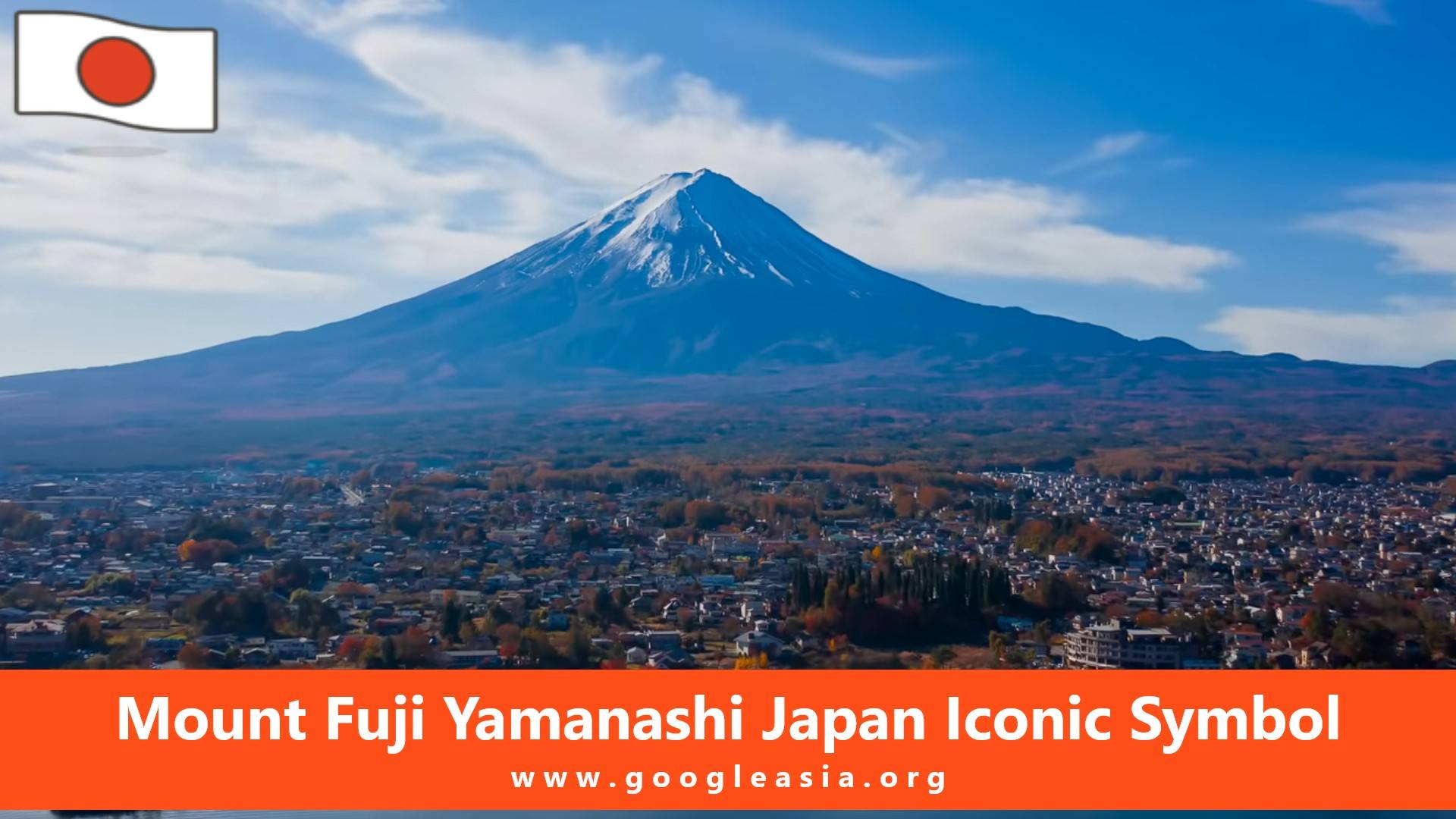
    Mount Fuji in Yamanashi, Japan: Must-Visit Destination

    Mount Fuji is one of the most iconic natural wonders in Japan, and is the country’s highest and most recognizable mountain. Located in Yamanashi Prefecture, Mount Fuji is the perfect natural destination to experience the beauty of Japan firsthand. With its stunning symmetrical cone shape and snow-capped peak, this mountain has long been a source of inspiration for art, photography, and literature. Yamanashi Prefecture is home to many other attractions, making it the perfect destination for an extended stay to explore the surrounding areas.

    A visit to Mount Fuji will give you access to a range of trails, shrines and caves, as well as breathtaking viewpoints. With its stunning natural backdrop, this iconic mountain is a great place for adventure-seekers to scale, hike, or climb. It is also home to the beautiful Lake Kawaguchi and the Fuji Five Lakes region, and the nearby Aokigahara Forest. From cherry blossom and firefly season in the spring, to some of the most spectacular sunrises in the world at the summit of Mount Fuji in the summer, Yamanashi Prefecture is a must-visit for any nature enthusiast.

    Mount Fuji, a majestic volcano in Yamanashi, Japan, is an iconic symbol of Japan. Standing tall at 3776 meters, it’s one of the country’s most iconic sights and attracts thousands of visitors every year. Visiting Mount Fuji offers spectacular views of the surrounding countryside, a thrilling adventure and a chance to appreciate the beauty of nature.


    Mount Fuji Yamanashi Japan Iconic Symbol

    Mount Fuji, Japan: The Summary

    • Attraction Name: Mount Fuji
    • Country: Japan
    • Continent: Asia
    • Capital Name: Tokyo
    • Language: Japanese
    • Currency: Japanese Yen
    • Nationality: Japanese
    • Category:  #Destination #Asia #JAPAN 


    Exploring Mount Fuji: Japan’s Iconic Volcano

    A Natural Wonder of Japan

    Mount Fuji, standing at 12,388 feet (3,776 meters), is an awe-inspiring active volcano located on the island of Honshu in Japan. Its perfectly symmetrical cone shape has made it a symbol of Japan and a UNESCO World Cultural Heritage site since 2013.

    Cultural and Spiritual Significance

    Sacred Sites on Mount Fuji

    • Shrines and Temples Explore the slopes of Mount Fuji, which are dotted with shrines, temples, and religious sites integral to Japanese culture. These sites attract pilgrims and tourists alike seeking spiritual enlightenment amidst natural beauty.
    • Traditional Rituals Experience traditional rituals performed by locals and visitors alike, especially during the climbing season, which involves spiritual practices and reverence for the mountain’s sacred status.

    Outdoor Adventures

    Hiking and Climbing Mount Fuji

    • Climbing Season The climbing season typically runs from early July to mid-September, with August being the peak time due to stable weather conditions. Thousands of hikers and climbers flock to Mount Fuji during this time to conquer its summit and witness breathtaking sunrise views.
    • Routes to the Summit Choose from several trails leading to the summit, ranging from shorter routes that can be completed in a few hours to more challenging paths that span several days. Each route offers unique landscapes and challenges, promising an unforgettable adventure for outdoor enthusiasts.

    Exploring Fuji-Hakone-Izu National Park

    Natural Beauty and Recreation

    • National Park Attractions Mount Fuji is part of the Fuji-Hakone-Izu National Park, renowned for its diverse flora, serene lakes, and hot springs. Visitors can enjoy activities like boating on Lake Kawaguchi, relaxing in hot springs, and exploring the picturesque Hakone region.
    • Scenic Views Take in panoramic views of Mount Fuji from various vantage points within the national park, offering opportunities for photography and appreciation of Japan’s natural splendor.

    Conclusion

    Mount Fuji stands not only as Japan’s highest peak but also as a cultural and natural treasure revered by locals and admired by visitors worldwide. Whether you come to climb its slopes, witness its spiritual sites, or simply marvel at its majestic beauty from afar, Mount Fuji offers an enriching experience that blends outdoor adventure with cultural exploration. Plan your visit during the climbing season to immerse yourself in the traditions and natural wonders that define this iconic volcano and its surroundings.

    Exploring Mount Fuji, Japan’s Iconic Mountain: Things to do

    A Journey to Japan’s Highest Peak

    Mount Fuji stands as an iconic symbol of Japan’s natural beauty, offering a range of activities that cater to every traveler’s interests.

    Activities to Experience on Mount Fuji

    Adventurous Ascents

    1. Climb Mount Fuji Embark on the challenging yet rewarding climb to Mount Fuji’s summit, a feat cherished by adventurers worldwide for its stunning vistas and spiritual significance. Prepare well in advance for this strenuous hike.

    Cultural and Educational Experiences

    • Visit the Fujisan World Heritage Centre Discover the history and significance of Mount Fuji at the Fujisan World Heritage Centre, featuring exhibitions and interactive displays that delve into the mountain’s cultural and natural heritage.

    • Visit a Tea House Immerse yourself in mountain culture at a traditional tea house. Enjoy a serene moment with a cup of matcha tea while marveling at the breathtaking views of Mount Fuji.

    Relaxation and Wellness

    • Hot Springs Rejuvenate in the therapeutic hot springs scattered around Mount Fuji’s base. Experience the soothing waters and unwind amidst serene natural surroundings.

    Seasonal Thrills

    • Skiing During winter, experience exhilarating skiing adventures on Mount Fuji’s slopes, offering unique terrain and scenic vistas for winter sports enthusiasts.

    Natural Wonders

    • Lakeside Views Explore the tranquil lakes nestled at the foot of Mount Fuji. Take a leisurely boat ride to admire the mountain’s reflection in the crystal-clear waters.

    • Go Hiking Discover scenic hiking trails accessible via public transportation, allowing you to immerse yourself in Japan’s picturesque landscapes and diverse flora.

    Cultural Exploration

    • Shopping Browse through local souvenir shops offering a variety of goods, from traditional snacks and tea products to handcrafted artwork and antiques, perfect for taking home a piece of Mount Fuji’s charm.

    Conclusion

    Mount Fuji offers a myriad of experiences that cater to all types of travelers, whether you seek adventure, cultural immersion, relaxation, or exploration of Japan’s natural beauty. From challenging climbs to serene tea house moments and thrilling skiing adventures, there’s something for everyone on this majestic mountain. Make Mount Fuji a priority on your travel bucket list and discover why it remains a must-visit destination in Japan.

    Culinary Delights at Mount Fuji: Exploring Local Flavors

    Savory and Sweet Treats Around Mount Fuji

    Discover the best foods and snacks to savor while visiting Mount Fuji, offering a taste of local Japanese cuisine amidst breathtaking landscapes.

    Top Dishes and Snacks at Mount Fuji

    Delightful Local Cuisine

    1. Tempura Indulge in crispy tempura, featuring lightly battered and deep-fried seafood and vegetables, a favorite dish enjoyed for its delicate flavors and crunchy texture.
    2. Fukuro-soba (Buckwheat Noodles) Taste the simplicity and heartiness of Fukuro-soba, buckwheat noodles served hot or cold with a savory dipping sauce or in a flavorful broth.
    3. Takoyaki Enjoy Takoyaki, savory octopus-filled batter balls cooked to perfection and topped with takoyaki sauce, bonito flakes, and mayonnaise, a popular street food delicacy.

    Fusion Flavors

    • Yaki-curry Delight in Yaki-curry, a unique twist on traditional curry where vegetables and meat are stir-fried with curry sauce, offering a hearty and aromatic dish.
    • Onigiri Grab Onigiri, rice balls filled with various savory ingredients like pickled plum (umeboshi), salmon, or tuna, wrapped in seaweed—a convenient and delicious snack.

    Sweet Indulgences

    • Choco-banana Indulge in Choco-banana, a delightful treat of chocolate-covered bananas, perfect for satisfying your sweet tooth while enjoying the views of Mount Fuji.
    • Kintsuba Try Kintsuba, a sweet cake filled with sweet bean paste, offering a traditional Japanese dessert experience that pairs well with a cup of tea.
    • Taiko-yaki Sample Taiko-yaki, grilled octopus balls filled with savory ingredients and served hot, providing a comforting and flavorful snack.

    Convenience Store Finds

    Explore the convenience stores around Mount Fuji, offering quick and easy meals like:

    • Bento Boxes Choose from a variety of Bento boxes, featuring assortments of rice, meats, fish, and vegetables, ideal for a quick and satisfying meal on-the-go.
    • Onigiri Pick up Onigiri, convenient rice balls filled with various ingredients and wrapped in seaweed, perfect for a quick and portable snack during your exploration.

    Conclusion

    Whether you’re craving savory delights like tempura and yaki-curry or seeking sweet treats such as choco-banana and Kintsuba, Mount Fuji offers a diverse culinary experience that complements its majestic scenery. Don’t miss the opportunity to indulge in these local flavors and convenience store delights while soaking in the natural beauty of Mount Fuji, making your visit a memorable culinary journey through Japan’s iconic landscapes.

    Where to Stay Near Mount Fuji: Top Hotels for an Unforgettable Experience

    Hospitality Choices Around Mount Fuji

    Discover the best accommodations near Mount Fuji, offering breathtaking views and luxurious amenities for your stay near Japan’s iconic peak.

    Top Hotels Near Mount Fuji

    Luxury Retreats in Fujiyoshida

    1. Yunohana Onsen Hotel Gora Kadan (Fujiyoshida) Experience traditional Japanese hospitality and luxurious hot spring baths at Yunohana Onsen Hotel Gora Kadan, nestled in the serene surroundings of Fujiyoshida.
    2. HOSHINOYA Fuji (Fujiyoshida) Immerse yourself in the tranquility of nature at HOSHINOYA Fuji, featuring luxury glamping cabins with unparalleled views of Mount Fuji.
    3. Hotel & Resort Togendai (Fujiyoshida) Enjoy panoramic lake views and convenient access to the Mt. Fuji Ropeway at Hotel & Resort Togendai, ideal for nature enthusiasts and adventure seekers.

    Tranquil Escapes in Fujikawaguchiko

    • Hotel Mount Fuji (Fujikawaguchiko) Relax in comfort at Hotel Mount Fuji, offering cozy accommodations and stunning views of Mount Fuji, perfect for a peaceful retreat.
    • Kawaguchiko Onsen Kusatsu Hotel (Fujikawaguchiko) Indulge in natural hot spring baths and scenic lake views at Kawaguchiko Onsen Kusatsu Hotel, providing a serene escape in Fujikawaguchiko.

    Charming Stays in Fujinomiya

    • La Vista Fujinomiya Resort Hotel (Fujinomiya) Experience panoramic views of Mount Fuji and luxurious accommodations at La Vista Fujinomiya Resort Hotel, ideal for a relaxing getaway near the mountain.

    Lakeside Luxury in Fujikawaguchiko

    • Fuji Lake Hotel (Fujikawaguchiko) Enjoy lakeside views and modern comforts at Fuji Lake Hotel, offering easy access to attractions like Fuji-Q Highland and the Fuji Five Lakes region.

    Serene Retreats in Fujikawaguchiko

    • Hana-No-Mori (Fujikawaguchiko) Discover tranquility amidst nature at Hana-No-Mori, a cozy retreat with traditional Japanese rooms and warm hospitality in Fujikawaguchiko.

    Conclusion

    Whether you prefer luxury resorts with hot spring baths, charming inns with scenic views, or cozy retreats surrounded by nature, the hotels near Mount Fuji cater to every traveler’s needs. Each establishment offers a unique blend of comfort, hospitality, and proximity to Mount Fuji’s stunning landscapes. Choose your ideal accommodation and embark on a memorable journey to explore the beauty and serenity of Mount Fuji and its surroundings in Japan.
    Frequently Asked Questions About Mount Fuji, Japan: Your Ultimate Guide

    Explore the latest destination attraction with ease through our comprehensive Frequently Asked Questions guide. Discover insightful answers to common queries, providing a seamless experience. Your journey begins with clarity and confidence as we address uncertainties and offer essential information. Let this guide enhance your adventure, ensuring you make the most of the latest destination attraction, leaving no question unanswered.

    Where is Mount Fuji located?

    Mount Fuji is located on Honshu Island, Japan, approximately 100 kilometers (62 miles) southwest of Tokyo. It straddles the border between Shizuoka and Yamanashi Prefectures. As the highest peak in Japan, it is a popular destination for climbers and tourists, offering stunning views and cultural significance.

    How to go to Mount Fuji?

    There are several ways to reach Mount Fuji, depending on your starting point and preferred mode of transportation. Here are some common options:

    1. From Tokyo by Train:
      • Take the JR Chuo Line from Shinjuku Station to Otsuki Station.
      • Transfer to the Fujikyu Railway and take the Fujisan Limited Express to Kawaguchiko Station.
    2. From Tokyo by Bus:
      • Take an express bus from Shinjuku Expressway Bus Terminal directly to Kawaguchiko Station or Fujisan Station. The journey takes about 2.5 hours.
    3. By Car:
      • Drive from Tokyo to Mount Fuji via the Chuo Expressway or Tomei Expressway. It’s about a 2-hour drive, depending on traffic conditions.
    4. From Other Major Cities:
      • You can also reach Mount Fuji from other cities like Kyoto, Osaka, or Nagoya by taking the shinkansen (bullet train) to Mishima Station or Shin-Fuji Station, then transferring to a local bus heading towards the mountain.
    5. Tour Packages:
      • Many travel agencies offer guided tours to Mount Fuji, which include transportation and sometimes additional activities like hiking or visiting nearby attractions.

    What are Mount Fuji’s must-visit attractions or landmarks?

    • Chureito Pagoda: Located in the Arakurayama Sengen Park, this pagoda offers one of the most iconic views of Mount Fuji, especially during cherry blossom season. It’s a five-story pagoda built as a peace memorial and provides a picturesque setting with Mount Fuji in the background.

    • Lake Kawaguchi: One of the Fuji Five Lakes, Lake Kawaguchi provides stunning views of Mount Fuji reflected on its surface. Visitors can enjoy boating, fishing, or simply relaxing by the lake. The area is also famous for its hot spring resorts and offers various accommodations with views of the mountain.

    • Fuji-Q Highland: This amusement park is known for its thrilling rides, including some record-breaking roller coasters. Located near the base of Mount Fuji, it offers spectacular views of the mountain, making it a unique spot for thrill-seekers and families alike.

    • Oshino Hakkai: This picturesque village is home to eight ponds fed by snowmelt from Mount Fuji, filtered through volcanic lava. The clear, cold water and traditional thatched-roof houses provide a serene atmosphere, perfect for a relaxing visit.

    • Gotemba Premium Outlets: Located at the base of Mount Fuji, this outlet mall features over 200 stores offering a variety of international and Japanese brands. The mall is designed with an open-air layout, allowing visitors to shop while enjoying views of Mount Fuji.

    • Fujisan Hongu Sengen Taisha: This historic shrine is the head shrine of over 1,300 Sengen shrines across Japan. Dedicated to the deity of Mount Fuji, it has a history dating back to the early Heian period. The shrine is surrounded by beautiful nature and includes a sacred spring.

    • Aokigahara Forest: Also known as the Sea of Trees, Aokigahara is a dense forest at the northwest base of Mount Fuji. It’s known for its historical and mythological significance, as well as its lava caves and beautiful hiking trails. The forest is serene and has an ethereal quality.

    • Fifth Station (Subaru Line 5th Station): Located about halfway up Mount Fuji, the Fifth Station is a popular starting point for climbers. It offers panoramic views, souvenir shops, and restaurants. Visitors who aren’t climbing can still enjoy the stunning scenery and the experience of being partway up the mountain.

    • Shiraito Falls: This stunning waterfall is located near Mount Fuji and is known for its thin, white streams of water that flow down from the lava flows of the volcano. The falls are set in a lush green environment and are particularly beautiful in the autumn when the leaves change color.

    • Fujisan World Heritage Center: This informative center offers exhibitions about the cultural and natural history of Mount Fuji. It’s an excellent place to learn about the mountain’s significance, both culturally and geographically, and to gain a deeper understanding of why it is a UNESCO World Heritage site.

    Is Mount Fuji a suitable travel destination for solo adventurers, honeymooning couples, or those traveling with families?

    Mount Fuji is an ideal destination for all types of travelers.

    • Solo Adventurers: Mount Fuji offers numerous opportunities for solo adventurers to explore its natural beauty and challenge themselves with activities like hiking the famous trails, especially the Yoshida Trail, which is popular among solo hikers. The surrounding areas provide serene environments for self-reflection and adventure.
    • Honeymooning Couples: For honeymooning couples, Mount Fuji provides a romantic backdrop with its picturesque views and tranquil settings. Couples can enjoy luxury stays at resorts like HOSHINOYA Fuji, where they can experience glamping with a view of Mount Fuji, or indulge in hot springs and traditional Japanese hospitality at Yunohana Onsen Hotel Gora Kadan.
    • Families: Families will find plenty of attractions and activities around Mount Fuji suitable for all ages. Accommodations like Hotel Mount Fuji and Kawaguchiko Onsen Kusatsu Hotel offer family-friendly amenities and easy access to nearby attractions such as the Fuji-Q Highland amusement park and the Fuji Five Lakes, providing entertainment and educational experiences for children and adults alike.

    Additional Information

    • Accessibility: Mount Fuji and its surrounding areas are well-connected by public transport, making it accessible for travelers with different preferences.

    • Activities: From hiking and nature walks to cultural experiences and relaxing hot springs, Mount Fuji offers a diverse range of activities catering to solo travelers, couples, and families.

    Why should you visit Mount Fuji?

    Mount Fuji, Japan’s tallest and most iconic peak, offers a multitude of reasons for being a must-visit destination:

    Natural Beauty and Scenic Views

    • Majestic Landscape: Mount Fuji’s symmetrical, snow-capped cone is a breathtaking sight, often surrounded by beautiful landscapes of lakes, forests, and flower fields.
    • Panoramic Views: Visitors can enjoy stunning views from various vantage points, including the Fuji Five Lakes, Hakone, and the surrounding countryside.

    Outdoor Activities and Adventures

    • Hiking and Climbing: Mount Fuji is a popular destination for hikers and climbers. The official climbing season runs from July to early September, offering a challenging yet rewarding experience with spectacular views from the summit.
    • Water Activities: The nearby lakes, such as Lake Kawaguchi, offer activities like boating, fishing, and lakeside picnics.

    Cultural Significance and Heritage

    • Spiritual Importance: Mount Fuji is considered a sacred mountain in Shinto and Buddhist traditions. Pilgrims and visitors often explore the ancient shrines and temples located around the base of the mountain.
    • Cultural Festivals: The area around Mount Fuji hosts various festivals and cultural events, showcasing traditional Japanese music, dance, and crafts.

    Relaxation and Wellness

    • Hot Springs (Onsen): The region is famous for its natural hot springs. Visitors can relax in outdoor baths with views of Mount Fuji, enjoying the therapeutic benefits of the mineral-rich waters.
    • Peaceful Retreats: The tranquil environment and fresh mountain air provide an ideal setting for relaxation and rejuvenation.

    Accessibility and Accommodation

    • Convenient Access: Mount Fuji is easily accessible from Tokyo and other major cities by train, bus, and car, making it a convenient destination for both short trips and extended stays.
    • Diverse Accommodations: The region offers a range of accommodations, from luxury resorts and traditional ryokan (inns) to budget-friendly hotels, catering to all preferences and budgets.

    How accessible is halal food in Mount Fuji?

    Finding halal food around Mount Fuji can be a bit challenging due to the area’s limited availability of specifically halal-certified restaurants. However, there are several options and tips for Muslim travelers to ensure they have access to halal food during their visit:

    Options for Halal Food Near Mount Fuji:

    1. Halal Restaurants:
      • Tokyo and Yokohama: If you are traveling from Tokyo or Yokohama, consider dining in these cities before heading to Mount Fuji. Both cities have a number of halal-certified restaurants offering various cuisines.
      • Fuji Five Lakes Area: There are a few halal or Muslim-friendly restaurants in the Fuji Five Lakes area (e.g., around Lake Kawaguchi), but it’s best to research and confirm in advance.
    2. Vegetarian/Vegan Options:
      • Many Japanese restaurants offer vegetarian or vegan options, which can be a safe choice for Muslim travelers. Dishes like vegetable tempura, salads, and udon or soba noodles with vegetable broth are commonly available.
      • Always check if any dishes contain dashi (a common Japanese broth made from fish) or other non-halal ingredients.
    3. Self-Catering:
      • Convenience Stores: Japanese convenience stores (e.g., 7-Eleven, FamilyMart, Lawson) often stock a variety of vegetarian options like onigiri (rice balls) with vegetable fillings, salads, and snacks that can serve as a quick and accessible meal.
      • Supermarkets: Larger supermarkets may offer a wider selection of fresh fruits, vegetables, bread, and snacks suitable for self-catering.
    4. Bringing Your Own Food:
      • If you are unsure about the availability of halal food, consider bringing your own snacks or meals. Packaged halal meals and snacks can be found in major cities like Tokyo.

    Tips for Ensuring Halal Food:

    1. Research in Advance:
      • Use apps and websites like Halal Navi, HappyCow, or Zabihah to find halal restaurants and vegetarian options near Mount Fuji.
    2. Ask Locals or Hotel Staff:
      • Hotel staff and local guides can often provide recommendations or help you find nearby halal or vegetarian-friendly restaurants.
    3. Language Assistance:
      • Learn a few basic phrases in Japanese to ask about halal food or vegetarian options. For example:
        • “Kore wa halal desu ka?” (Is this halal?)
        • “Watashi wa niku o tabemasen” (I don’t eat meat)
      • Carry a translation card explaining your dietary needs in Japanese to show to restaurant staff.
    4. Check Ingredient Lists:
      • When purchasing packaged food, check the ingredient lists for non-halal items such as alcohol, pork, or gelatin.

    Halal Restaurants Near Mount Fuji:

    • Japanese Halal Restaurant FUJIYAMA (Fujiyoshida): Offers a range of Japanese dishes prepared in accordance with halal guidelines.
    While halal food options around Mount Fuji may be limited, with a bit of planning and flexibility, Muslim travelers can enjoy a fulfilling and worry-free visit to this iconic destination.

    Web Directories

    Welcome to our comprehensive web directories! Explore a world of information and resources tailored to your interests and needs. From travel adventures to financial solutions, hobbies, reviews, and more, our curated collection of links offers something for everyone. Click on the above links to start your journey towards discovering new experiences and expanding your horizons. Your next destination awaits!

    1. https://asiaworldtour.com: “Asia World Tour: Your Gateway to Asian and World Adventures”
    2. https://personalfinancingloan.com: “Personal Financing Loan: Your Path to Financial Freedom”
    3. https://hobbyforte.com: “HobbyForte: Discover Your Car Passion, Explore Your Interests”
    4. https://reviewsanything.com: “ReviewsAnything: Your Trusted Source for Honest Gadget Reviews”
    5. https://rumahmampumilik.com: “Rumah Mampu Milik: Your Affordable Homeownership Journey Begins Here”
    6. https://malaysiadigit.com: “MalaysiaDigit: Your Digital Destination for News and Insights”
    7. https://vipmalaysia.com: “VIP Malaysia: Elevate Your Experience in Malaysia”
    8. https://nordiyana.com: “Indulge in Elegance at Nordiyana: Latest Recipe and Culinary Inspirations”
    9. https://e-penyatagaji.com: “E-Penyata Gaji: Simplifying Payroll Management for You”
    10. https://googleasia.org: “Google Asia: Explore the World and Asia’s Wonders with Google Asia”
    11. https://malaysiafit.com: “Malaysia Fit: Your Partner in Health and Wellness”
    12. https://koperasi.info: “Koperasi: Building Communities, Empowering Lives”
    13. https://recipeinside.com: “RecipeInside: Unveiling Culinary Creations, Your Guide to Delicious Dishes”
    14. https://asiahealthcenter.com: “Asia Health Center: Your Source for Holistic Wellness Solutions”
    15. https://nationalhealthcenters.com: “National Health Centers: Your Source for Vital Health Information and Community Care”
    16. https://malaysiabit.com: “MalaysiaBit: Stay Informed, Stay Connected”
    17. https://epenyatagaji.com: “E-Penyata Gaji: Your Digital Payslip Solution”
    18. https://koperasi.work: “Koperasi Work: Collaborate, Innovate, Succeed”
    19. https://koperasi.business: “Koperasi Business: Driving Entrepreneurship, Fostering Growth
  • Visiting Jigokudani Monkey Park, Japan: Travel Guide

    Visiting Jigokudani Monkey Park, Japan: Travel Guide

    Jigokudani Monkey Park, Japan: Must-Visit Destination

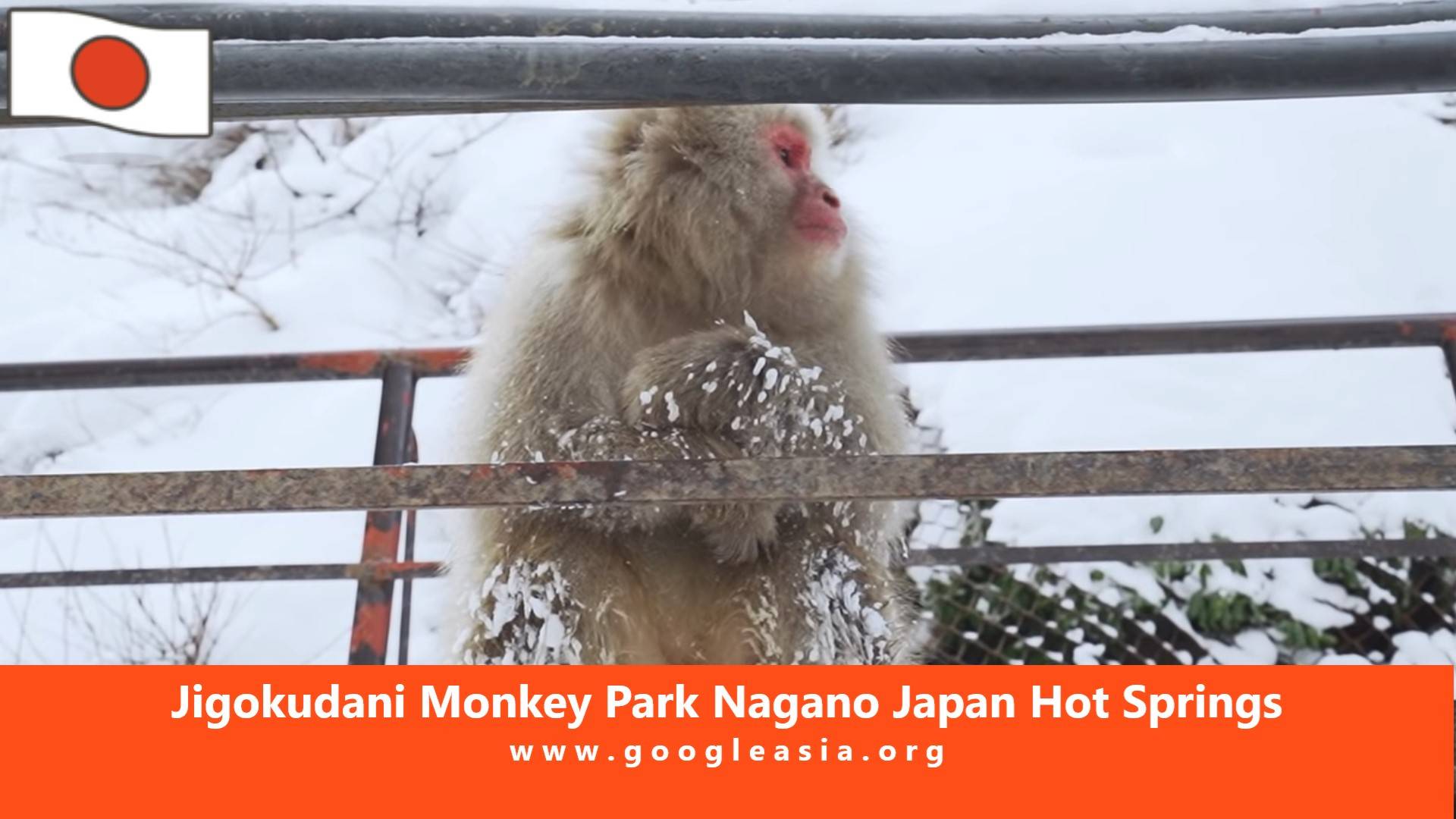
    Jigokudani Monkey Park Nagano in Japan is the perfect place to observe wild Japanese macaque (snow monkeys) in their natural habitat. Also located in Nagano’s Joshinetsu Kogen National Park, it is an incredible spectacle to see the monkeys bathing in the onsen (hot springs) of the park and has become a popular tourist attraction.

    Visitors to the park also have an amazing view of forests, mountains and valleys, and observing the monkeys interacting with each other as well as with humans imparts a sense of awe and wonder.

    Jigokudani Monkey Park is famous for its hotsprings, where you can see the wild Japanese macaques (snow monkeys) bathing in the natural hot springs. Located in Nagano, Japan the park is a great place to get up close and personal with some of the world’s most unique animals. With accessibility from nearby destinations, you can easily explore and enjoy the park, only minutes from the other sights Nagano offers.


    Jigokudani Monkey Park Nagano Japan Hot Springs

    Jigokudani Monkey Park, Japan: The Summary

    • Attraction Name: Jigokudani Monkey Park
    • Country: Japan
    • Continent: Asia
    • Capital Name: Tokyo
    • Language: Japanese
    • Currency: Japanese Yen
    • Nationality: Japanese
    • Category:  #Destination #Asia #JAPAN 


    Exploring Jigokudani Monkey Park: A Glimpse into Nature’s Harmony

    An Overview of Jigokudani Monkey Park

    Jigokudani Monkey Park, known locally as Jigokudani Yaen Kōen, stands as a prominent attraction in Nagano, Japan. Nestled within the Yokoyu River Valley in Joshinetsu Kogen National Park, this park is famed for its population of wild Japanese macaques, affectionately known as “snow monkeys”, who frequent the natural hot springs during the snowy seasons. Beyond its thermal pools and picturesque landscapes, the park offers a captivating window into the social dynamics of these fascinating primates.

    Discovering the Wildlife

    Observing Japanese Macaques

    1. Natural Habitat Witness the Japanese macaques in their natural habitat, displaying behaviors unique to their species as they interact with each other and their environment.
    2. Hot Springs Ritual Experience the iconic sight of snow monkeys relaxing in the rejuvenating hot springs, a behavior that has made Jigokudani famous worldwide.

    Exploring the Park

    • Scenic Trails Wander through the park’s scenic trails, surrounded by serene forests and the tranquil Yokoyu River, offering opportunities for peaceful reflection and wildlife spotting.
    • Educational Facilities Visit the park’s educational facilities to learn more about Japanese macaques, their conservation, and the natural history of the area.

    Cultural and Natural Significance

    Environmental Conservation

    • Preservation Efforts Learn about the park’s conservation initiatives aimed at preserving the habitat of the Japanese macaques and maintaining the ecological balance of the surrounding national park.
    • Visitor Education Engage in educational programs designed to raise awareness about wildlife conservation and sustainable tourism practices in sensitive natural environments.

    Conclusion

    Jigokudani Monkey Park in Nagano, Japan, offers visitors a unique opportunity to witness the captivating behavior of Japanese macaques in their natural habitat. From relaxing in hot springs to exploring scenic trails and learning about conservation efforts, the park combines natural beauty with wildlife conservation, making it a must-visit destination for nature enthusiasts and animal lovers alike. Plan your trip to Jigokudani Monkey Park to immerse yourself in the serene landscapes and fascinating wildlife encounters that define this iconic Japanese attraction.


    Exploring Jigokudani Monkey Park: A Wildlife Adventure in Japan

    Discovering Japan’s Snow Monkeys

    Nestled in Nagano Prefecture, just outside Nagano City, Jigokudani Monkey Park stands as a beloved destination for wildlife enthusiasts eager to encounter Japan’s famous snow monkeys up close.

    Activities and Experiences at Jigokudani Monkey Park

    Observing Snow Monkeys in Hot Springs

    • Hot Spring Bathing Witness the enchanting sight of snow monkeys soaking in the natural hot springs. From observation decks, visitors can observe these playful primates relaxing and grooming in the steamy waters, providing a rare glimpse into their daily lives.
    • Photography Opportunities Capture memorable moments of the snow monkeys in action. While feeding is prohibited, visitors can purchase snacks from the park’s souvenir shop and watch the monkeys interact naturally, perfect for capturing stunning photographs.

    Exploring the Surrounding Trails

    • Hiking Adventures Embark on scenic hikes along the park’s trails, offering varying levels of difficulty to suit all hikers. Explore the lush landscapes and serene surroundings while enjoying panoramic views of the park and its resident wildlife.

    Wildlife Watching Tour

    • Guided Wildlife Tour Learn about the park’s history and the behavior of snow monkeys on a guided Wildlife Watching Tour. Led by knowledgeable guides, this tour provides insights into the monkeys’ habitat, diet, and the significance of the hot springs in their daily lives.

    Conclusion

    Jigokudani Monkey Park offers a captivating blend of natural beauty and wildlife experiences. Whether observing snow monkeys in their natural hot spring habitat, capturing their antics through photography, exploring scenic trails, or learning from expert guides on a wildlife tour, visitors are treated to unforgettable moments in the heart of Nagano Prefecture. Embrace the opportunity to connect with Japan’s unique wildlife and immerse yourself in the tranquility of this remarkable natural sanctuary.

    Exploring Culinary Delights at Jigokudani Monkey Park, Japan

    Delicacies to Savor Amidst Nature’s Splendor

    Discover the diverse and flavorful foods available at Jigokudani Monkey Park, offering a delightful culinary experience amidst the scenic beauty of Japan’s natural wonders.

    Best Foods at Jigokudani Monkey Park

    Local and On-Site Delights

    1. Corn on the Cob Enjoy freshly grilled corn on the cob, a popular snack that complements the park’s rustic charm and provides a satisfying crunch.

    2. Rice Crackers Indulge in traditional rice crackers, offering a blend of savory flavors and crisp textures, perfect for snacking while exploring the park.

    3. Rice Balls (Onigiri) Taste the simplicity and versatility of rice balls, available in various fillings and wrapped in seaweed, ideal for a quick and filling snack.

    On-Site Restaurant Specialties

    • Soba Noodles Delight in authentic soba noodles, known for their nutty flavor and served hot or cold, offering a taste of Japanese culinary tradition.

    • Aemono (Japanese Vegetable Salad) Sample aemono, a refreshing salad of Japanese vegetables dressed in a light, flavorful dressing, highlighting local ingredients and flavors.

    • Tempura Indulge in crispy tempura, featuring lightly battered and deep-fried seafood and vegetables, served piping hot and perfect for a satisfying meal.

    Sweet Treats

    • Boiled Sweet Potatoes Savor boiled sweet potatoes, a comforting and nutritious snack enjoyed for its natural sweetness and earthy flavors.

    • Variety of Ice Cream Flavors Treat yourself to a variety of ice cream flavors, offered at the park to cool down and enjoy amidst the park’s tranquil surroundings.

    Conclusion

    Visiting Jigokudani Monkey Park not only offers the chance to observe snow monkeys in their natural habitat but also provides a delightful culinary journey through local and on-site specialties. From savory rice crackers and soba noodles to comforting boiled sweet potatoes and refreshing ice cream, the park’s culinary offerings cater to a range of tastes and preferences. Whether enjoying a quick snack or indulging in a hearty meal, the food at Jigokudani Monkey Park adds to the overall experience of exploring this unique natural sanctuary in Japan.

    Where to Stay Near Jigokudani Monkey Park: Top Hotels for a Relaxing Retreat

    Serene Accommodations in the Vicinity of Jigokudani Monkey Park

    Discover the best places to stay near Jigokudani Monkey Park, offering comfort and tranquility amidst the natural beauty of Japan’s famous snow monkey habitat.

    Top Hotels Near Jigokudani Monkey Park

    Tranquil Retreats for Nature Enthusiasts

    1. Hotel Denroku Embrace traditional Japanese hospitality at Hotel Denroku, offering a cozy retreat close to Jigokudani Monkey Park.
    2. Kohan No Yado Jigokudani Chikusenso Experience the therapeutic waters of hot springs at Kohan No Yado Jigokudani Chikusenso, surrounded by scenic landscapes near the park.
    3. Hotel Senkei Enjoy a relaxing stay at Hotel Senkei, known for its comfortable accommodations and serene ambiance in the heart of nature.

    Traditional Elegance

    • Hotel Fukuchiin Immerse yourself in the charm of a traditional ryokan experience at Hotel Fukuchiin, offering tatami rooms and exquisite kaiseki meals amidst peaceful surroundings.
    • Nikko Yumoto Onsen Ichiriki Relax in the natural hot spring baths of Nikko Yumoto Onsen Ichiriki, combining modern comforts with the tranquility of nature near Jigokudani Monkey Park.

    Onsen Escapes

    • Hotel Taiko Unwind in the healing waters of onsens at Hotel Taiko, providing rejuvenating experiences after exploring Jigokudani Monkey Park and its surroundings.
    • Hotel Kawarayu Experience traditional Japanese hospitality at Hotel Kawarayu, featuring hot spring baths and comfortable accommodations nestled in nature’s embrace.

    Authentic Ryokan Experiences

    • Hotel Kanaguya Discover the allure of a historic ryokan stay at Hotel Kanaguya, offering cultural immersion and relaxation with its natural hot spring baths.
    • Okunikko Shirakaba-so Onsen Ryokan Retreat to Okunikko Shirakaba-so Onsen Ryokan for a peaceful escape, where serene surroundings and warm hospitality await near Jigokudani Monkey Park.

    Comfort and Convenience

    • Sanroku Jigokudani Onsen Hotel Enjoy comfort and convenience at Sanroku Jigokudani Onsen Hotel, providing modern amenities and easy access to Jigokudani Monkey Park’s attractions.

    Conclusion

    Whether you prefer traditional ryokan experiences, serene hot spring retreats, or modern comforts amidst nature, the hotels near Jigokudani Monkey Park cater to a variety of preferences. Each establishment offers a unique blend of Japanese hospitality and relaxation, ensuring a memorable stay surrounded by the natural beauty and tranquility of this iconic snow monkey habitat. Choose your ideal accommodation and immerse yourself in the charm of Jigokudani Monkey Park with comfort and ease.

    Frequently Asked Questions About Jigokudani Monkey Park, Japan: Your Ultimate Guide

    Explore the latest destination attraction with ease through our comprehensive Frequently Asked Questions guide. Discover insightful answers to common queries, providing a seamless experience. Your journey begins with clarity and confidence as we address uncertainties and offer essential information. Let this guide enhance your adventure, ensuring you make the most of the latest destination attraction, leaving no question unanswered.

    Where is Jigokudani Monkey Park located?

    Jigokudani Monkey Park is located in Nagano Prefecture, Japan, within the Joshinetsu Kogen National Park. Here are the details:

    • Address: Jigokudani Monkey Park 6845 Yamanouchi, Shimotakai District, Nagano 381-0401, Japan
    • Location: Situated in the northern part of Nagano Prefecture, Jigokudani Monkey Park is renowned for its population of Japanese macaques (snow monkeys) that frequent the park’s natural hot springs, especially during the winter months.
    • Access: Visitors typically travel to the nearby towns of Yudanaka or Shibu Onsen by train from Tokyo or Nagano. From there, they take a bus or taxi to Kanbayashi Onsen, followed by a scenic walk through the forest trail to reach Jigokudani Monkey Park.

    Jigokudani Monkey Park offers a unique opportunity to observe wild snow monkeys in their natural habitat and is a popular destination for nature enthusiasts and photographers visiting Japan.

    How to go to Jigokudani Monkey Park?

    To reach Jigokudani Monkey Park in Nagano Prefecture, Japan, follow these directions:

    1. From Tokyo:
      • Take the Hokuriku Shinkansen from Tokyo Station to Nagano Station (approximately 90-100 minutes).
      • At Nagano Station, transfer to the Nagano Dentetsu Line (Nagano Electric Railway) bound for Yudanaka Station (approximately 45-50 minutes).
      • From Yudanaka Station, take a bus or taxi to Kanbayashi Onsen (approximately 15 minutes), which is the nearest bus stop to Jigokudani Monkey Park.
      • From Kanbayashi Onsen, it’s a scenic 30-40 minute walk through the forest trail to reach Jigokudani Monkey Park.
    2. Alternative Route:
      • From Tokyo, take the Hokuriku Shinkansen to Nagano Station as mentioned.
      • From Nagano Station, take a direct bus to Jigokudani Monkey Park. The bus ride takes about 45-50 minutes and drops you off near the park entrance.
    3. Travel Tips:
      • Tickets: Purchase your Shinkansen tickets in advance, especially during peak seasons.
      • Bus Timetables: Check bus schedules in advance as they may vary depending on the season.
      • Walking Trail: The trail from Kanbayashi Onsen to Jigokudani Monkey Park is well-marked and offers a scenic walk through the forest, making it part of the experience.

    Visiting Jigokudani Monkey Park involves a combination of train and bus travel followed by a picturesque walk, providing an opportunity to enjoy both the journey and the destination.

    What are Jigokudani Monkey Park’s must-visit attractions or landmarks?

    Jigokudani Monkey Park in Nagano Prefecture, Japan, features several key attractions that visitors should explore:

    1. Snow Monkeys Bathing: Witness Japanese macaques (snow monkeys) bathing in the park’s natural hot springs, a unique behavior that has made the park famous worldwide.
    2. Observation Deck: Visit the observation deck for a panoramic view of the park and the surrounding mountains, offering an ideal spot for photography and wildlife observation.
    3. Educational Center: Explore the park’s educational center to learn about the ecology, behavior, and conservation efforts related to Japanese macaques. Interactive displays provide insights into these fascinating creatures.
    4. Walking Trails: Take leisurely walks along the park’s scenic trails, which offer opportunities for birdwatching and enjoying the natural beauty of the Joshinetsu Kogen National Park.
    5. Seasonal Changes: Experience the park’s beauty throughout the year, with cherry blossoms in spring, lush greenery in summer, vibrant foliage in autumn, and snowy landscapes in winter enhancing the natural setting.

    Visiting these attractions allows visitors to appreciate the natural environment of Jigokudani Monkey Park and observe its famous inhabitants, the snow monkeys, in their natural habitat.

    Why should you visit Jigokudani Monkey Park?

    Jigokudani Monkey Park, located in Nagano Prefecture, Japan, offers a unique and memorable experience for visitors. Here are compelling reasons to visit:

    1. Wild Snow Monkeys: Observe Japanese macaques, also known as snow monkeys, in their natural habitat enjoying the park’s hot springs. It’s one of the few places in the world where you can see wild monkeys bathing in hot springs during the winter months.
    2. Scenic Natural Beauty: Nestled in the mountains of the Joshinetsu Kogen National Park, the park’s surroundings offer breathtaking scenery, especially during the snowy winter months.
    3. Educational Experience: Learn about the behavior, habitat, and conservation efforts of Japanese macaques through informative displays and guided tours available at the park.
    4. Photography Opportunities: Capture stunning photos of the snow monkeys against the backdrop of natural hot springs and snowy landscapes, creating memorable and unique images.
    5. Relaxing Atmosphere: Enjoy the tranquil and peaceful environment of the park, away from the hustle and bustle of urban life. The park’s setting is ideal for relaxation and reconnecting with nature.
    6. Accessible Nature Experience: While the park involves some walking on natural trails, it’s accessible for visitors of various ages and fitness levels, providing an opportunity to experience nature up close.
    7. Nearby Attractions: Explore other attractions in the region, such as nearby hot spring resorts like Yudanaka Onsen and Shibu Onsen, adding to the overall experience of visiting this scenic part of Japan.

    Visiting Jigokudani Monkey Park offers a blend of wildlife observation, natural beauty, and a peaceful atmosphere, making it a rewarding destination for nature enthusiasts, photographers, families, and anyone seeking a unique and memorable experience in Japan.

    Is it difficult to find halal food in Jigokudani Monkey Park?

    Finding halal food directly within Jigokudani Monkey Park can be challenging due to its remote location and focus on natural wildlife. Here are some considerations:

    1. Limited Dining Options: The park itself is primarily focused on the hot springs and wild snow monkeys, with few dining facilities nearby.
    2. Nearby Towns: Visitors typically stay in nearby towns like Yudanaka or Shibu Onsen, which offer more dining options. While finding halal-certified restaurants may still be limited, there are vegetarian and seafood-based options available.
    3. Plan Ahead: Muslim travelers are advised to plan ahead by researching halal-friendly restaurants in nearby towns or bringing their own snacks and meals if necessary.

    By preparing in advance and exploring dining options in neighboring towns, visitors can still enjoy their experience at Jigokudani Monkey Park while accommodating dietary preferences.

    Web Directories

    Welcome to our comprehensive web directories! Explore a world of information and resources tailored to your interests and needs. From travel adventures to financial solutions, hobbies, reviews, and more, our curated collection of links offers something for everyone. Click on the above links to start your journey towards discovering new experiences and expanding your horizons. Your next destination awaits!

    1. https://asiaworldtour.com: “Asia World Tour: Your Gateway to Asian and World Adventures”
    2. https://personalfinancingloan.com: “Personal Financing Loan: Your Path to Financial Freedom”
    3. https://hobbyforte.com: “HobbyForte: Discover Your Car Passion, Explore Your Interests”
    4. https://reviewsanything.com: “ReviewsAnything: Your Trusted Source for Honest Gadget Reviews”
    5. https://rumahmampumilik.com: “Rumah Mampu Milik: Your Affordable Homeownership Journey Begins Here”
    6. https://malaysiadigit.com: “MalaysiaDigit: Your Digital Destination for News and Insights”
    7. https://vipmalaysia.com: “VIP Malaysia: Elevate Your Experience in Malaysia”
    8. https://nordiyana.com: “Indulge in Elegance at Nordiyana: Latest Recipe and Culinary Inspirations”
    9. https://e-penyatagaji.com: “E-Penyata Gaji: Simplifying Payroll Management for You”
    10. https://googleasia.org: “Google Asia: Explore the World and Asia’s Wonders with Google Asia”
    11. https://malaysiafit.com: “Malaysia Fit: Your Partner in Health and Wellness”
    12. https://koperasi.info: “Koperasi: Building Communities, Empowering Lives”
    13. https://recipeinside.com: “RecipeInside: Unveiling Culinary Creations, Your Guide to Delicious Dishes”
    14. https://asiahealthcenter.com: “Asia Health Center: Your Source for Holistic Wellness Solutions”
    15. https://nationalhealthcenters.com: “National Health Centers: Your Source for Vital Health Information and Community Care”
    16. https://malaysiabit.com: “MalaysiaBit: Stay Informed, Stay Connected”
    17. https://epenyatagaji.com: “E-Penyata Gaji: Your Digital Payslip Solution”
    18. https://koperasi.work: “Koperasi Work: Collaborate, Innovate, Succeed”
    19. https://koperasi.business: “Koperasi Business: Driving Entrepreneurship, Fostering Growth
  • Tokyo Disneyland, Japan: A Must-Visit Destination

    Tokyo Disneyland, Japan: A Must-Visit Destination


    Tokyo Disneyland, Japan

    Located in Urayasu, Chiba, Japan, Tokyo Disneyland is one of the most iconic theme parks in the world. Opened in April 1983, it is part of the Tokyo Disney Resort, alongside Tokyo DisneySea.

    Discovering Tokyo Disneyland: A Magical Experience

    Introduction

    Tokyo Disneyland is home to legendary attractions, spectacular shows, and exclusive merchandise that make it a must-visit for Disney lovers. Whether exploring Fantasyland, enjoying thrilling rides, or indulging in Japanese Disney cuisine, Tokyo Disneyland offers unforgettable magical moments.

    Exploring Tokyo Disneyland

    World Bazaar

    Modeled after early 20th-century America, this shopping district offers souvenirs, dining, and an immersive atmosphere under a covered arcade.

    Adventureland

    Step into exotic worlds with rides like Pirates of the Caribbean and Jungle Cruise, bringing stories to life.

    Westernland

    Explore the Wild West with attractions like Big Thunder Mountain, a high-speed roller coaster adventure.

    Critter Country

    Home to Splash Mountain, this area blends Disney storytelling and water ride thrills.

    Fantasyland

    The heart of Disney magic, featuring beloved attractions like Peter Pan’s Flight, Dumbo the Flying Elephant, and It’s a Small World.

    Tomorrowland

    A futuristic land showcasing Space Mountain, Buzz Lightyear’s Astro Blasters, and the Star Wars-themed Star Tours.

    Toontown

    A vibrant world where guests can meet Mickey and Minnie, explore character-themed attractions, and enjoy interactive experiences.

    Exploring Tokyo DisneySea

    Mediterranean Harbor

    A stunning coastal town-inspired area, featuring gondola rides and a breathtaking nighttime show.

    Mermaid Lagoon

    An underwater kingdom inspired by The Little Mermaid, filled with interactive attractions.

    Arabian Coast

    Step into Aladdin’s world with rides like Sindbad’s Storybook Voyage and Magic Lamp Theater.

    Lost River Delta

    Uncover ancient ruins and thrilling adventures, including Indiana Jones Adventure and Raging Spirits.

    American Waterfront

    Capturing early 20th-century New York, this area features Tower of Terror and the grand S.S. Columbia.

    Port Discovery

    A marine exploration-themed zone, home to attractions like Aquatopia and Nemo & Friends SeaRider.

    Attractions and Shows

    Thrilling Rides

    • Monsters, Inc. Ride & Go Seek – Use flashlights to help find Boo in an interactive adventure.
    • Big Hero 6-The Series – Join Hiro and Baymax in a high-tech world filled with excitement.

    Spectacular Shows and Parades

    • Dreaming Up! Parade – A daytime celebration of Disney characters, storytelling, and stunning floats.
    • Nighttime SpectacularFireworks, music, and dazzling effects light up the sky in this grand performance.

    Character Interactions

    • Mickey’s House & Meet MickeyCapture magical moments with Mickey in his home.
    • Fantasyland Character Greetings – Meet Disney princesses like Cinderella and Snow White.

    Dining: Must-Try Disney Delicacies

    Unique & Classic Favorites

    • Queen of Hearts Banquet Hall – A royal-themed dining experience inspired by Alice in Wonderland.
    • Mickey-Shaped Waffles & PopcornIconic snacks for a delightful Disney experience.

    A Culinary Adventure

    Savory Delights

    • Tokyo DisneySea Curry Bun – A spicy, savory snack filled with rich flavors.
    • Kaki GyozaCrispy seafood dumplings, packed with bold taste.

    Sweet Treats

    • Taiyaki – A fish-shaped pastry with delicious fillings.
    • Cotton Candy Ice Cream – A colorful, fun dessert for all ages.

    Fusion and Innovation

    • Ramen Burger – A bunless twist on a classic, swapping bread for ramen patties.
    • Tokyo Fried Chicken – A sweet and spicy exclusive Disney recipe, offering a unique flavor profile.

    Shopping & Exclusive Merchandise

    • World Bazaar – Discover Disney-themed collectibles, apparel, and rare souvenirs.
    • Adventureland Bazaar – Find adventurous, jungle-inspired gifts.

    Quick Information About Tokyo Disneyland

    Category Details
    Location 1-1 Maihama, Urayasu, Chiba, Japan
    GPS Coordinates 35.6340° N, 139.8804° E
    Opening Date April 15, 1983
    Main Attractions Space Mountain, Pirates of the Caribbean, Big Thunder Mountain, It’s a Small World
    Disney Parks Tokyo Disneyland & Tokyo DisneySea
    Popular Dining Queen of Hearts Banquet Hall, Mickey Waffles, Popcorn, Curry Bun
    Shopping Spots World Bazaar, Adventureland Bazaar, Disney-themed merchandise
    Unique Experiences Exclusive Japanese-themed Disney food, unique merchandise, live entertainment
    Accessibility Wheelchair-friendly attractions, multilingual guides, family facilities
    Ticket Pricing Varies by season; discounts for early booking
    Best Time to Visit Spring & Autumn for pleasant weather, weekdays to avoid crowds
    Annual Events Halloween Disney Celebration, Christmas Spectacular, Summer Disney Festival
    Nearby Hotels Tokyo Disneyland Hotel, Disney Ambassador Hotel, Hotel MiraCosta
    Transportation Accessible via JR Maihama Station; shuttle buses available
    Official Website [Tokyo Disneyland Official Site](https://www.tokyodisneyresort.jp/en/)

    Why Should You Visit Tokyo Disneyland?

    Tokyo Disneyland is unmatched in magic and adventure! Here’s why it should be at the top of your travel bucket list:

    • Exclusive attractions found only in Tokyo Disney Resort
    • A mix of traditional Disney magic and Japanese innovation
    • Immersive themed lands that bring stories to life
    • World-class entertainment, parades, and live shows
    • Family-friendly experiences for all ages
    • Unique Disney merchandise and Japanese-inspired treats

    Ready to step into the magic? Book your trip today and make lifelong Disney memories!


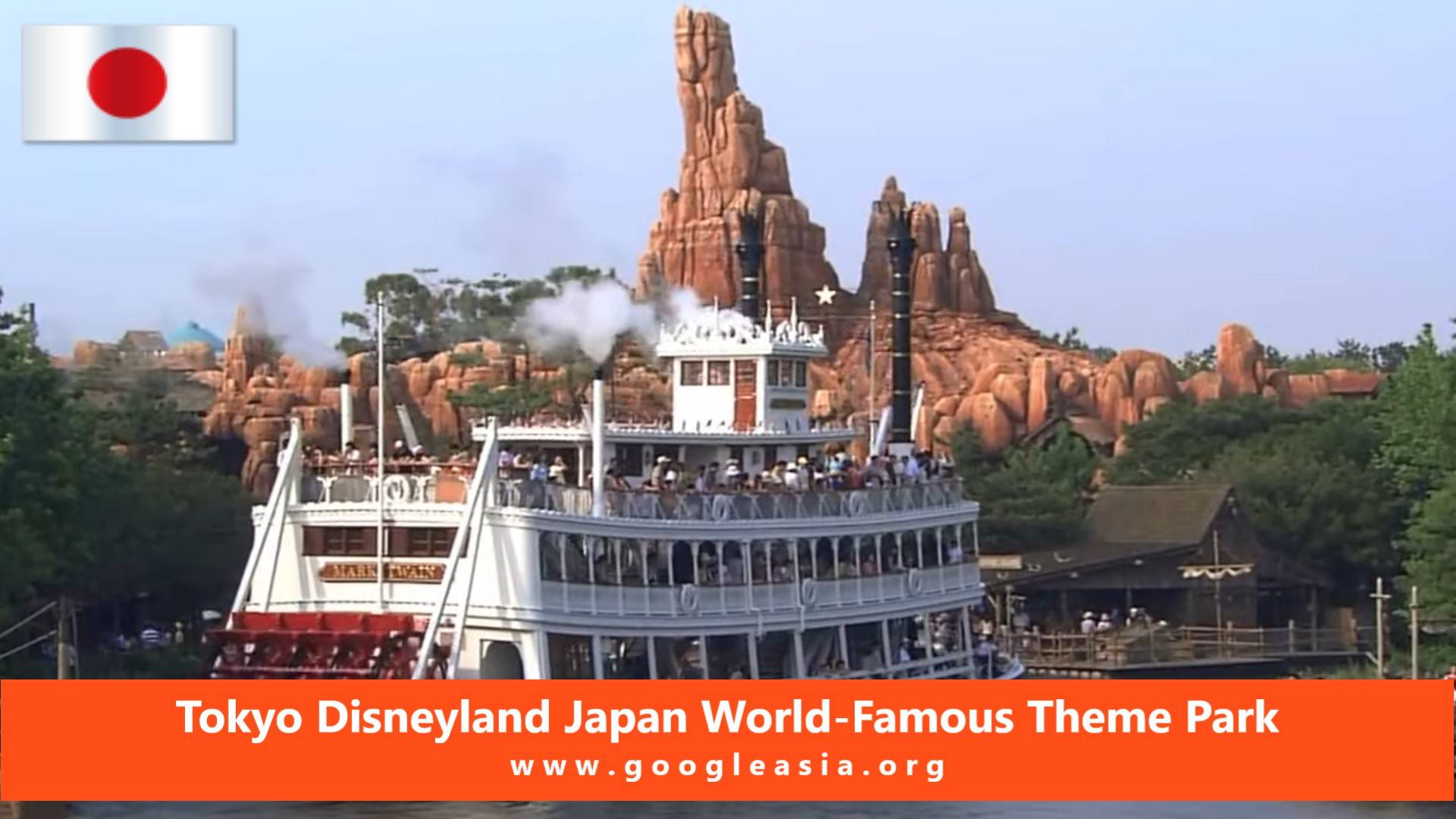
    Tokyo Disneyland Japan World-Famous Theme Park

    Tokyo Disneyland: Summary

    • Attraction Name: Tokyo Disneyland
    • Country: Japan
    • Continent: Asia
    • Capital: Tokyo
    • Language: Japanese
    • Currency: Japanese Yen
    • Nationality: Japanese
    • Category: #Destination #Asia #Japan #Disneyland 

    Discover the Top 10 Must-See Destinations in Japan

    Discover the rich culture, breathtaking landscapes, and vibrant cities of Japan. Explore its must-see destinations, each offering unique experiences that will make your Japan adventure truly special.

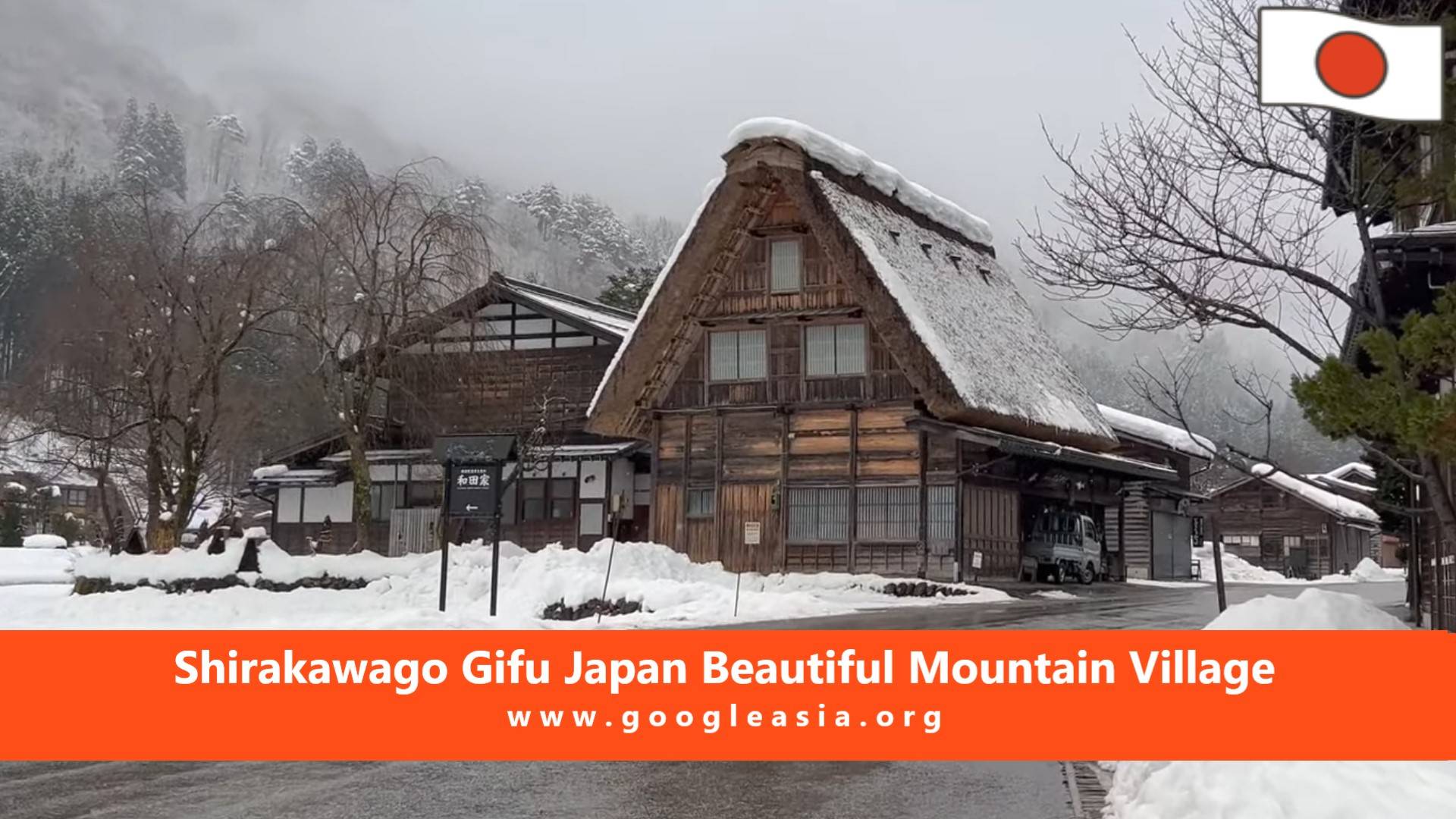
    Visiting Shirakawa-go, Japan: Travel Guide & Tips

    Shirakawa-go Gifu, Japan: Must-Visit Destination Shirakawa-go is a beautiful and unique place to visit because of its stunning traditional architecture, breathtaking landscapes, and rich history….


    Japan

    Web Directories

    Explore a wide range of information and resources tailored to your interests. Whether you’re looking for travel inspiration, financial tips, hobby ideas, product reviews, or more, our carefully selected links have something for everyone. Click the links above to start your journey toward discovering new experiences and expanding your horizons. Your next adventure is just a click away!

    1. https://asiaworldtour.com: “Asia World Tour: Your Gateway to Asian and World Adventures”
    2. https://personalfinancingloan.com: “Personal Financing Loan: Your Path to Financial Freedom”
    3. https://hobbyforte.com: “HobbyForte: Discover Your Car Passion, Explore Your Interests”
    4. https://reviewsanything.com: “ReviewsAnything: Your Trusted Source for Honest Gadget Reviews”
    5. https://rumahmampumilik.com: “Rumah Mampu Milik: Your Affordable Homeownership Journey Begins Here”
    6. https://malaysiadigit.com: “MalaysiaDigit: Your Digital Destination for News and Insights”
    7. https://vipmalaysia.com: “VIP Malaysia: Elevate Your Experience in Malaysia”
    8. https://nordiyana.com: “Indulge in Elegance at Nordiyana: Latest Recipe and Culinary Inspirations”
    9. https://e-penyatagaji.com: “E-Penyata Gaji: Simplifying Payroll Management for You”
    10. https://googleasia.org: “Google Asia: Explore the World and Asia’s Wonders with Google Asia”
    11. https://malaysiafit.com: “Malaysia Fit: Your Partner in Health and Wellness”
    12. https://koperasi.info: “Koperasi: Building Communities, Empowering Lives”
    13. https://recipeinside.com: “RecipeInside: Unveiling Culinary Creations, Your Guide to Delicious Dishes”
    14. https://asiahealthcenter.com: “Asia Health Center: Your Source for Holistic Wellness Solutions”
    15. https://nationalhealthcenters.com: “National Health Centers: Your Source for Vital Health Information and Community Care”
    16. https://malaysiabit.com: “MalaysiaBit: Stay Informed, Stay Connected”
    17. https://epenyatagaji.com: “E-Penyata Gaji: Your Digital Payslip Solution”
    18. https://koperasi.work: “Koperasi Work: Collaborate, Innovate, Succeed”
    19. https://koperasi.business: “Koperasi Business: Driving Entrepreneurship, Fostering Growth

    Frequently Asked Questions About Tokyo Disneyland: Your Ultimate Travel Guide

    Planning a trip to Tokyo Disneyland? Our FAQ guide has you covered with all the answers to your most common questions. From essential travel tips to the best things to do, we’ll help you get ready for your adventure. Get the info you need to explore Tokyo Disneyland with confidence and make the most of your visit.

    Where is Tokyo Disneyland located?

    Tokyo Disneyland is located in Urayasu City, Chiba Prefecture, Japan. Here are the details:

    • Address: Tokyo Disneyland 1-1 Maihama, Urayasu, Chiba 279-0031, Japan
    • Location: Tokyo Disneyland is situated southeast of central Tokyo, within the Tokyo Disney Resort area. It is easily accessible from Tokyo by train or bus, making it a popular destination for both locals and international visitors.
    • Access: Visitors can reach Tokyo Disneyland by taking a train to Maihama Station on the JR Keiyo Line or JR Musashino Line, followed by a short walk or monorail ride to the park entrance.

    Tokyo Disneyland is a major theme park known for its magical attractions, themed lands, and entertainment, making it a favorite destination for families, Disney enthusiasts, and tourists visiting Japan.

    How to go to Tokyo Disneyland?

    To reach Tokyo Disneyland, you can follow these general directions based on starting from central Tokyo:

    By Train:

    1. From Tokyo Station or Shinjuku Station:
      • Take the JR Chuo Line (Rapid) or JR Sobu Line (Rapid) to Tokyo Station.
      • At Tokyo Station, transfer to the JR Keiyo Line or JR Musashino Line bound for Maihama Station (approximately 15-20 minutes).
    2. From Maihama Station to Tokyo Disneyland:
      • From Maihama Station, it’s a short walk (about 15 minutes) or you can take the Disney Resort Line monorail (not covered by JR Pass) to Tokyo Disneyland Station (1 stop, about 5 minutes).

    By Bus:

    1. Direct Buses from Tokyo:
      • Direct buses operate from various locations in Tokyo to Tokyo Disneyland. Check with bus companies for schedules and routes.

    Tips:

    • Tokyo Disney Resort Line: The Disney Resort Line monorail connects Maihama Station to Tokyo Disneyland, Tokyo DisneySea, and resort hotels. It’s a convenient way to travel within the resort area.
    • Tickets: Purchase your park tickets in advance to avoid long lines at the entrance.
    • Crowd Considerations: Weekdays generally have fewer visitors compared to weekends and holidays. Consider visiting during off-peak times for a more relaxed experience.

    Tokyo Disneyland is located in Urayasu City, Chiba Prefecture, just outside central Tokyo. Following these directions will help you navigate easily to the park from Tokyo Station or other major transit points in Tokyo.

    What’s the climate like in Tokyo Disneyland?

    Tokyo Disneyland experiences a temperate climate typical of the Kanto region of Japan. Here’s what you can generally expect:

    1. Seasonal Variations:
      • Spring (March to May): Mild temperatures with cherry blossoms blooming, making it a popular time to visit.
      • Summer (June to August): Hot and humid, with occasional rain showers and high temperatures. It can be crowded due to summer vacations.
      • Autumn (September to November): Mild and pleasant, with colorful foliage in late autumn. It’s another popular time for visitors.
      • Winter (December to February): Cool to cold temperatures, occasionally dropping below freezing, especially at night. It’s less crowded but festive due to holiday decorations.
    2. Rainfall:
      • Rainfall is spread throughout the year, with slightly more precipitation during the summer months. It’s advisable to carry an umbrella or raincoat, especially in the rainy season (June to mid-July) and typhoon season (late summer to early autumn).
    3. Clothing Recommendations:
      • In summer, lightweight clothing and sunscreen are essential due to the heat and humidity.
      • In winter, layering with a warm coat and accessories like gloves and a hat is recommended, especially for cooler evenings.
    4. Park Experience:
      • The climate can affect your park experience, with more indoor attractions being popular during hot or rainy days.
      • Seasonal events and decorations at Tokyo Disneyland are tailored to enhance the visitor experience regardless of the weather.

    Understanding Tokyo Disneyland’s climate helps in planning your visit and ensuring a comfortable and enjoyable experience at the park throughout the year.

    What are Tokyo Disneyland’s must-visit attractions or landmarks?

    Tokyo Disneyland offers a wide range of attractions and landmarks that are must-visits for any visitor. Here are some highlights you shouldn’t miss:

    1. Cinderella’s Castle:
      • The iconic centerpiece of Tokyo Disneyland, Cinderella’s Castle is a stunning landmark where you can take memorable photos and explore the charming interior.
    2. Pirates of the Caribbean:
      • This classic boat ride takes you through detailed pirate scenes filled with animatronics and special effects, bringing the swashbuckling world of pirates to life.
    3. Space Mountain:
      • A thrilling indoor roller coaster that takes you on a high-speed adventure through outer space. It’s a must-visit for thrill-seekers.
    4. It’s a Small World:
      • This beloved boat ride features vibrant scenes and animatronic dolls from around the world, singing the famous “It’s a Small World” song. It’s a delightful attraction for all ages.
    5. Enchanted Tiki Room:
      • A lively and entertaining show featuring animatronic birds, flowers, and tikis, all set to catchy tunes in a tropical paradise setting.
    6. Big Thunder Mountain:
      • This exhilarating mine train roller coaster takes you on a wild ride through a rugged, Old West-inspired landscape.
    7. Haunted Mansion:
      • A spooky but fun attraction that guides you through a mansion filled with ghostly figures and supernatural surprises.
    8. Splash Mountain:
      • A log-flume ride that combines storytelling, animatronics, and a thrilling drop into a splash-filled finale.
    9. Monsters, Inc. Ride & Go Seek:
      • An interactive dark ride where you use a flashlight to find hidden characters from the Monsters, Inc. movie. It’s fun and engaging for both kids and adults.
    10. Tokyo Disneyland Electrical Parade Dreamlights:
      • A dazzling nighttime parade featuring illuminated floats and beloved Disney characters. It’s a spectacular and magical experience that lights up the night.

    These attractions and landmarks are just a few of the many highlights that make Tokyo Disneyland a magical destination. Each offers a unique and memorable experience, ensuring that visitors of all ages have a fantastic time at the park.

    Is Tokyo Disneyland a suitable travel destination for solo adventurers, honeymooning couples, or those traveling with families?

    Yes, Tokyo Disneyland is a versatile destination that caters to solo adventurers, honeymooning couples, and families. Here’s why:

    Solo Adventurers

    • Self-Paced Exploration: Solo travelers can enjoy the freedom to explore the park at their own pace, choosing attractions, shows, and dining options that suit their preferences.
    • Single Rider Lines: Some attractions offer single rider lines, allowing solo visitors to experience popular rides with shorter wait times.
    • Photo Opportunities: The park offers numerous picturesque spots perfect for solo travelers to capture memories.

    Honeymooning Couples

    • Romantic Atmosphere: The magical ambiance of Tokyo Disneyland, with its enchanting castles, themed lands, and nighttime fireworks, creates a romantic setting for couples.
    • Special Experiences: Couples can enjoy romantic dinners at themed restaurants, share sweet treats, and experience attractions together.
    • Memorable Moments: Attractions like “It’s a Small World,” “Pirates of the Caribbean,” and the nighttime “Electrical Parade Dreamlights” provide memorable experiences to share.

    Families

    • Family-Friendly Attractions: Tokyo Disneyland offers a wide range of attractions suitable for all ages, from gentle rides for young children to exciting adventures for older kids and adults.
    • Entertainment: The park features shows, parades, and character meet-and-greets that entertain and delight children and adults alike.
    • Convenient Facilities: Family-friendly amenities such as baby care centers, stroller rentals, and kid-friendly dining options make visiting with children more comfortable and enjoyable.

    Overall Benefits

    • Diverse Attractions: With a variety of attractions, shows, and entertainment options, Tokyo Disneyland offers something for everyone, regardless of age or travel style.
    • Quality Service: The park’s high standards of service, cleanliness, and attention to detail ensure a pleasant experience for all visitors.
    • Seasonal Events: Special events and seasonal celebrations add extra excitement and variety to the park’s offerings, making each visit unique.

    Whether you’re traveling alone, with a partner, or with family, Tokyo Disneyland provides a magical and enjoyable experience that caters to a wide range of interests and preferences.

    Why should you visit Tokyo Disneyland?

    Tokyo Disneyland is a must-visit destination for several reasons, appealing to a wide range of visitors. Here are some key reasons why you should consider visiting:

    1. Magical Atmosphere:
      • Tokyo Disneyland captures the enchanting spirit of Disney, bringing beloved characters and stories to life in an immersive, magical environment.
    2. Unique Attractions:
      • The park features classic Disney attractions as well as unique rides and experiences not found in other Disney parks. Notable attractions include “Pooh’s Hunny Hunt,” “Monsters, Inc. Ride & Go Seek,” and “Enchanted Tiki Room: Stitch Presents Aloha E Komo Mai!”
    3. High-Quality Entertainment:
      • Enjoy world-class parades, shows, and nighttime spectaculars that showcase Disney’s storytelling and production excellence. The seasonal events and themed celebrations add to the vibrant atmosphere.
    4. Family-Friendly Experience:
      • Tokyo Disneyland offers something for visitors of all ages, making it an ideal destination for families. From gentle rides for young children to thrilling attractions for teens and adults, everyone can find something to enjoy.
    5. Cultural Fusion:
      • The park blends traditional Disney magic with Japanese culture, creating a unique experience. You can enjoy Disney-themed attractions and merchandise with a distinct Japanese twist.
    6. Exceptional Hospitality:
      • Known for its high standards of service, Tokyo Disneyland offers exceptional hospitality. The friendly and helpful cast members (staff) ensure that your visit is smooth and enjoyable.
    7. Stunning Theming and Design:
      • The park’s meticulous attention to detail in theming and design makes each area a visual treat. From Cinderella Castle to the immersive lands like Adventureland and Fantasyland, every corner of the park is beautifully crafted.
    8. Delicious Food Options:
      • While halal food options are limited, the park offers a wide variety of delicious snacks and meals, including unique Japanese Disney treats. Be sure to try the popular popcorn in different flavors and the seasonal sweets.
    9. Memorable Souvenirs:
      • Tokyo Disneyland offers exclusive merchandise that you won’t find in other Disney parks. These unique souvenirs make for great keepsakes and gifts.
    10. Convenient Access:
      • Located in Urayasu, Chiba, just outside of Tokyo, the park is easily accessible by public transportation, making it a convenient day trip or part of a larger Tokyo itinerary.

    Visiting Tokyo Disneyland provides a magical experience filled with joy, adventure, and unforgettable memories, making it a must-visit destination for Disney fans and tourists alike.

    Is it difficult to find halal food in Tokyo Disneyland?

    Finding halal food in Tokyo Disneyland can be challenging, as the park does not have many halal-certified dining options. However, there are ways to manage and enjoy your visit while adhering to halal dietary requirements:

    1. Limited Halal Options:
      • Tokyo Disneyland does not have specific halal-certified restaurants. Most food options within the park are not halal.
    2. Alternative Choices:
      • Opt for vegetarian or seafood meals available at various dining spots within the park. While not halal-certified, these options may be more suitable for those following a halal diet.
      • Pack your own halal snacks or meals to bring with you to the park. There are picnic areas where you can enjoy your own food.
    3. Nearby Halal Restaurants:
      • Consider dining at halal-certified restaurants outside the park in nearby areas such as Maihama or Urayasu. These locations have more diverse dining options, including halal cuisine.
    4. Planning Ahead:
      • Use apps and websites that cater to Muslim travelers, such as Halal Navi or HappyCow, to find nearby halal-friendly dining options.
      • Contact Tokyo Disneyland’s guest services in advance to inquire about dietary accommodations and any potential halal meal options that may be available.

    By planning ahead and exploring alternative food options, you can still enjoy a fun and fulfilling visit to Tokyo Disneyland while adhering to your dietary needs.

  • Visiting Hakone Open-Air Museum, Japan: Travel Guide

    Visiting Hakone Open-Air Museum, Japan: Travel Guide

    Hakone Open-Air Museum, Japan: Must-Visit Destination

    The Hakone Open-Air Museum is an outdoor sculpture museum located in Hakone, Kanagawa Prefecture, Japan. The museum opened in 1969, and it is the first open-air modern art museum in Japan. The museum has an extensive collection of sculptures as well as a variety of art pieces. It also features spectacular natural scenery, including a lake, a nearby forest and Mount Fuji in the distance. Visitors can take in the beauty of the outdoor scenery on a pleasant day or walk through the galleries to view the amazing artworks on display.


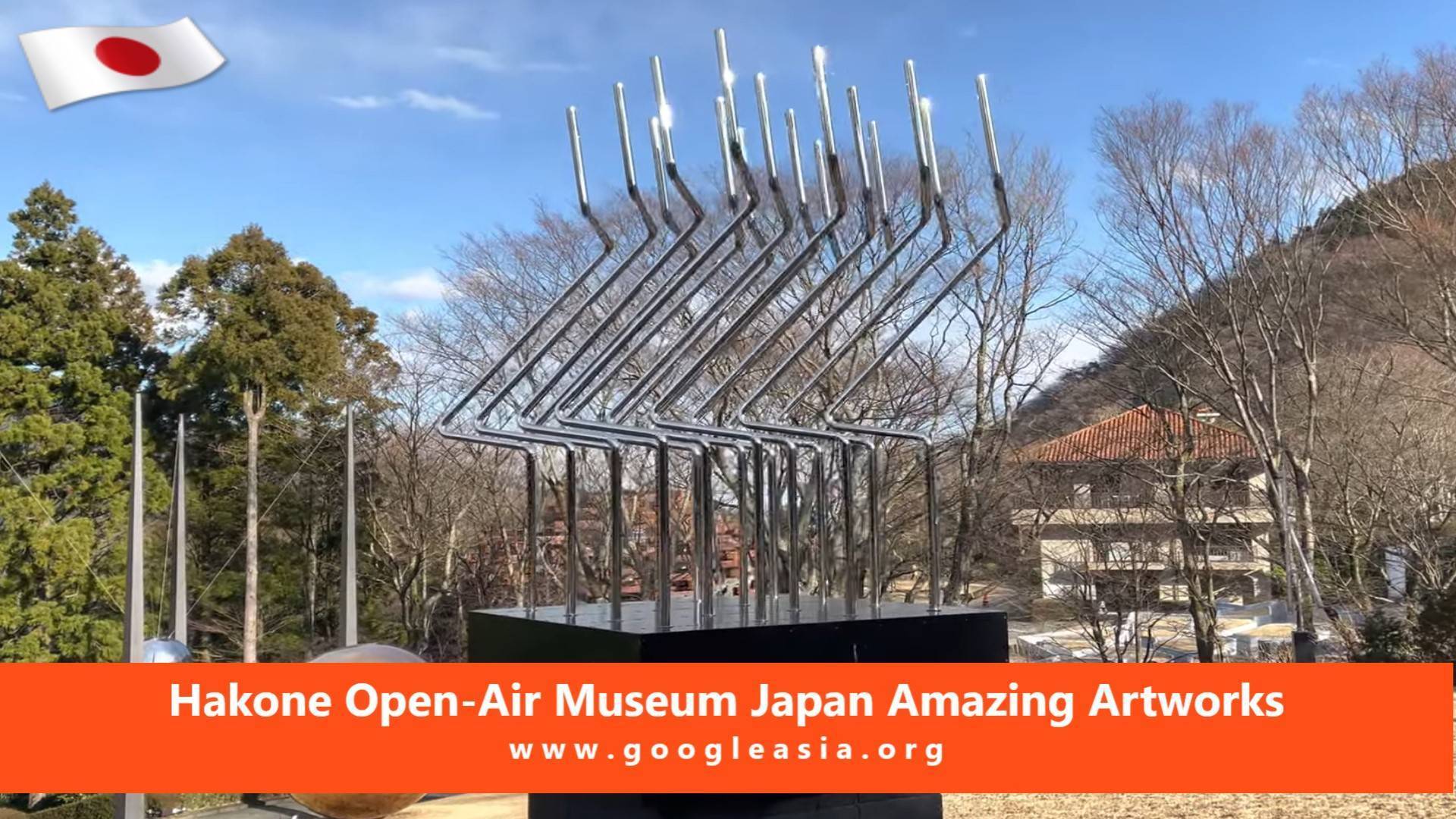
    Hakone Open-Air Museum Japan Amazing Artworks

    Hakone Open-Air Museum, Japan: The Summary

    • Attraction Name: Hakone Open-Air Museum
    • Country: Japan
    • Continent: Asia
    • Capital Name: Tokyo
    • Language: Japanese
    • Currency: Japanese Yen
    • Nationality: Japanese
    • Category:  #Destination #Asia #JAPAN 


    Discovering the Hakone Open-Air Museum: Japan’s Artistic Haven

    Introduction to Hakone Open-Air Museum

    Nestled in the scenic landscapes of Hakone, Japan, the Hakone Open-Air Museum stands as a testament to the harmonious blend of art and nature. Established in 1969, it is Japan’s first open-air museum, spreading across 70,000 square meters and showcasing over 120 sculptures by renowned artists. This cultural gem provides an immersive experience, where visitors can appreciate world-class art amidst stunning natural beauty.

    Exploring the Museum Grounds

    Iconic Sculptures

    1. The Symphonic Sculpture A vibrant tower adorned with stained glass, The Symphonic Sculpture invites visitors to ascend its spiral staircase, offering a kaleidoscopic view of the surrounding area from the top.

    2. Miss Black Power by Niki de Saint Phalle This striking, colorful sculpture stands as a bold statement within the Hakone Open-Air Museum grounds, capturing the attention of all who pass by.

    3. My Sky Hole by Bukichi Inoue An intriguing circular sculpture that frames the sky, My Sky Hole encourages viewers to reflect on the relationship between art and the natural world.

    Indoor Exhibitions

    • Pablo Picasso Pavilion Home to an extensive collection of Picasso’s works, including ceramics, paintings, and prints, the Pablo Picasso Pavilion offers an intimate glimpse into the life and creativity of the legendary artist.

    • Henry Moore Collection Celebrating the work of the renowned British sculptor, this collection showcases several of Henry Moore’s monumental bronze sculptures, each thoughtfully placed within the Hakone Open-Air Museum’s landscape.

    Interactive and Family-Friendly Attractions

    Children’s Pavilion

    1. Woods of Net A whimsical, colorful net structure designed by artist Toshiko Horiuchi MacAdam, Woods of Net provides a safe and fun climbing environment for children, blending play with art.

    2. Curved Space This engaging installation encourages children to explore and interact with art in a playful setting, fostering creativity and imagination.

    Hot Spring Foot Bath

    • Art and Relaxation After exploring the museum, visitors can unwind at the hot spring foot bath, a unique feature that allows guests to soak their feet in warm, mineral-rich waters while enjoying the surrounding art and scenery.

    Seasonal Highlights and Events

    Seasonal Sculptures

    1. Spring Blossoms In spring, the museum grounds are adorned with cherry blossoms, creating a breathtaking backdrop for the sculptures.

    2. Autumn Leaves The vibrant hues of autumn leaves enhance the visual appeal of the Hakone Open-Air Museum, offering a picturesque setting for art enthusiasts.

    Special Exhibitions

    • Rotating Exhibits The Hakone Open-Air Museum regularly hosts special exhibitions, showcasing works by contemporary artists and exploring various themes in art and culture.

    Conclusion

    The Hakone Open-Air Museum is more than just a gallery; it is a unique fusion of art, nature, and cultural experience. From iconic sculptures and immersive indoor exhibitions to interactive spaces for children and relaxing hot spring foot baths, the museum offers something for everyone. Whether you are an art aficionado, a family seeking a fun day out, or simply looking to enjoy the serene beauty of Hakone, this museum promises an unforgettable visit. Plan your trip and immerse yourself in the artistic wonders of the Hakone Open-Air Museum, where every corner holds a new discovery.


    Exploring Hakone Open-Air Museum: A Blend of Art and Nature

    Art and Sculpture Exhibits

    Picasso Pavilion

    The Picasso Pavilion is a must-visit, housing an extensive collection of Pablo Picasso’s works. This exhibit features over 300 pieces, including paintings, prints, sculptures, and ceramics, showcasing the diverse genius of Picasso.

    Symphonic Sculpture

    The Symphonic Sculpture is an iconic tower made of vibrant stained glass. Visitors can ascend the spiral staircase within the tower to enjoy a breathtaking view of the surrounding landscape through the colorful glass.

    Henry Moore Collection

    The Hakone Open-Air Museum boasts an impressive collection of Henry Moore’s sculptures. These large, abstract pieces are thoughtfully placed throughout the gardens, blending seamlessly with the natural surroundings.

    Interactive and Family-Friendly Activities

    Foot Bath Spa

    Relax at the Foot Bath Spa, where you can soak your feet in warm, natural hot spring water while enjoying the serene views of the sculptures and gardens. It’s a perfect way to unwind after exploring the museum.

    Children’s Pavilion

    The Children’s Pavilion offers a variety of interactive exhibits and activities designed for younger visitors. This space encourages children to engage with art through play and creativity.

    Seasonal Attractions

    Seasonal Flower Gardens

    The Hakone Open-Air Museum is surrounded by beautifully maintained gardens that change with the seasons. From cherry blossoms in the spring to vibrant autumn leaves, the gardens offer a picturesque backdrop for the sculptures.

    Outdoor Concerts and Performances

    During certain times of the year, the Hakone Open-Air Museum hosts outdoor concerts and performances. These events provide a unique way to experience the museum, combining art, music, and nature.

    Dining and Shopping

    Gourmet Dining Options

    The Hakone Open-Air Museum features several dining options, including a cafe with panoramic views and a restaurant serving traditional Japanese cuisine. Enjoy a meal while taking in the stunning scenery.

    Museum Shop

    Visit the Hakone Open-Air Museum shop to purchase souvenirs, including art books, prints, and unique items inspired by the exhibits. It’s a great place to find a memento of your visit.

    Conclusion

    The Hakone Open-Air Museum offers a rich and diverse experience for art lovers, nature enthusiasts, and families alike. With its impressive collections, interactive exhibits, and beautiful natural setting, there’s something for everyone to enjoy. Whether you’re exploring the Picasso Pavilion, relaxing at the Foot Bath Spa, or attending an outdoor concert, the museum provides a unique and memorable experience that seamlessly blends art with the tranquility of nature. Plan your visit to the Hakone Open-Air Museum and immerse yourself in this extraordinary cultural oasis in Japan.

    Culinary Delights at Hakone Open-Air Museum: A Guide to the Best Foods

    Traditional Japanese Dishes

    Savory Favorites

    1. Ramen Indulge in a steaming bowl of ramen, featuring rich, flavorful broth, tender noodles, and a variety of toppings like pork, seaweed, and green onions. Each bite offers a taste of traditional Japanese comfort food.

    2. Tempura Enjoy crispy and light tempura, made with seafood or vegetables, delicately battered and fried to perfection. This dish is often served with a dipping sauce and grated daikon radish for a refreshing contrast.

    3. Sushi Savor the artistry of sushi, with fresh fish and perfectly seasoned rice. Choose from a variety of nigiri, sashimi, and rolls, each offering a unique combination of flavors and textures.

    Delightful Donburi

    • Katsudon Experience the heartiness of katsudon, a bowl of rice topped with a deep-fried pork cutlet, egg, and savory sauce. This satisfying dish is a favorite among locals and tourists alike.

    • Unadon Treat yourself to unadon, featuring grilled eel glazed with a sweet soy-based sauce, served over a bed of fluffy rice. The rich flavor and tender texture make it a must-try.

    Local Specialties

    Regional Flavors

    • Hakone Soba Sample Hakone soba, a local specialty made with buckwheat noodles, often served in a hot broth or chilled with a dipping sauce. This dish reflects the region’s culinary traditions and is perfect for any time of year.

    • Kuro-tamago Discover the unique kuro-tamago, or black eggs, boiled in the hot springs of Owakudani. These eggs are believed to extend one’s life and offer a distinctive flavor, making them a popular snack in Hakone.

    Sweet Treats

    • Matcha Desserts Delight in matcha-flavored sweets, including soft serve ice cream, cakes, and mochi. The subtle bitterness of matcha is beautifully balanced with sweetness, creating a harmonious dessert experience.

    • Yuba (Tofu Skin) Experience yuba, the delicate tofu skin often served fresh or in sweetened forms. This nutritious and versatile ingredient can be enjoyed as a snack or dessert.

    International Cuisine

    Western Delicacies

    • Pizza Relish a slice of pizza with a Japanese twist, featuring toppings like teriyaki chicken or seafood. This fusion dish combines the best of both worlds, offering familiar flavors with a local flair.

    • Pasta Enjoy a comforting bowl of pasta, available in a variety of styles and sauces. Whether you prefer a classic tomato-based sauce or a creamy option, the pasta dishes near Hakone Open-Air Museum cater to all tastes.

    Delightful Cafes

    • Coffee and Pastries Take a break at one of the charming cafes around the museum, where you can enjoy freshly brewed coffee and a selection of pastries. The serene setting and delicious treats provide a perfect respite during your visit.

    Conclusion

    The Hakone Open-Air Museum is not only a feast for the eyes with its stunning artworks and scenic views but also a culinary haven offering a wide array of delectable foods. From traditional Japanese dishes and local specialties to international cuisine and delightful sweets, there’s something to satisfy every palate. Make sure to explore these culinary delights and enhance your museum visit with unforgettable flavors.

    Best Hotels to Stay Near Hakone Open-Air Museum, Japan

    Luxurious Accommodations for a Perfect Getaway

    Explore the finest accommodations near the Hakone Open-Air Museum, offering a blend of luxury, comfort, and convenience for an unforgettable stay in Hakone.

    Top Hotels Near Hakone Open-Air Museum

    Premier Luxury Stays

    1. Gora Kadan Experience unparalleled luxury at Gora Kadan, a former imperial retreat that offers exquisite rooms, private hot springs, and stunning views of the surrounding mountains.

    2. Hakone Kowakien Ten-Yu Indulge in the luxurious ambiance of Hakone Kowakien Ten-Yu, featuring modern amenities, open-air hot spring baths, and elegant rooms with breathtaking views of Hakone’s natural beauty.

    Traditional Ryokan Experiences

    • Yoshimatsu Immerse yourself in traditional Japanese hospitality at Yoshimatsu, a luxurious ryokan offering tatami-matted rooms, private onsen, and kaiseki dining experiences that highlight seasonal ingredients.

    • Gora Hanaougi Enjoy a serene and authentic ryokan experience at Gora Hanaougi, where guests can relax in private open-air baths, savor traditional Japanese meals, and enjoy personalized service.

    Contemporary Comforts

    • Hyatt Regency Hakone Resort and Spa Discover contemporary luxury at Hyatt Regency Hakone Resort and Spa, offering spacious rooms, an elegant onsen, and gourmet dining options, all set amidst the stunning backdrop of Hakone.

    • Hakone Hotel Relish modern comforts at Hakone Hotel, featuring stylish rooms, an on-site onsen, and convenient access to the Hakone Open-Air Museum and other local attractions.

    Boutique and Budget-Friendly Options

    • Hotel Green Plaza Hakone Experience affordable luxury at Hotel Green Plaza Hakone, offering comfortable accommodations, scenic views of Mount Fuji, and relaxing hot spring baths.

    • Mizunoto Stay at Mizunoto for a blend of traditional and modern amenities, featuring cozy rooms, onsen facilities, and proximity to the Hakone Open-Air Museum.

    Cozy and Comfortable Retreats

    • Mount View Hakone Enjoy a comfortable stay at Mount View Hakone, offering traditional Japanese rooms, a serene onsen, and easy access to Hakone’s attractions.

    • Hakone Suimeisou Relax in the cozy ambiance of Hakone Suimeisou, featuring well-appointed rooms, rejuvenating hot springs, and a welcoming atmosphere for a memorable stay.

    Conclusion

    From luxurious retreats to traditional ryokan experiences, the hotels near Hakone Open-Air Museum cater to a variety of preferences, ensuring a comfortable and memorable stay. Each accommodation option provides a unique blend of luxury, comfort, and traditional Japanese hospitality, allowing you to fully immerse yourself in the beauty and culture of Hakone. Choose your ideal hotel and enjoy a perfect getaway while exploring the artistic wonders of the Hakone Open-Air Museum.

    Frequently Asked Questions About Hakone Open-Air Museum, Japan: Your Ultimate Guide

    Explore the latest destination attraction with ease through our comprehensive Frequently Asked Questions guide. Discover insightful answers to common queries, providing a seamless experience. Your journey begins with clarity and confidence as we address uncertainties and offer essential information. Let this guide enhance your adventure, ensuring you make the most of the latest destination attraction, leaving no question unanswered.

    Where is Hakone Open-Air Museum located?

    The Hakone Open-Air Museum (箱根 彫刻の森美術館) is located in Hakone, Japan. Specifically, its address is:

    Hakone Open-Air Museum
    1121 Ninotaira, Hakone, Ashigarashimo District, Kanagawa 250-0407, Japan

    The museum is situated in a picturesque setting amidst the natural beauty of Hakone, known for its hot springs, scenic views of Mount Fuji, and tranquil atmosphere. It features a large outdoor exhibition space showcasing sculptures by renowned artists from around the world, as well as indoor galleries displaying various modern and contemporary artworks.

    How to go to Hakone Open-Air Museum?

    To reach the Hakone Open-Air Museum, you can follow these general directions depending on where you are traveling from in Japan:

    From Tokyo:

    1. By Train:
      • Take the JR Tokaido Shinkansen from Tokyo Station to Odawara Station. The journey takes about 35-50 minutes, depending on the type of Shinkansen.
      • At Odawara Station, transfer to the Hakone Tozan Line (a local train operated by Odakyu Railway) bound for Hakone-Yumoto Station. The ride takes about 15 minutes.
      • At Hakone-Yumoto Station, transfer to the Hakone Tozan Railway (a mountain railway) and continue to Gora Station. This leg of the journey takes about 40 minutes.
      • At Gora Station, transfer to the Hakone Tozan Cablecar to Sounzan Station (about 10 minutes).
      • Finally, transfer to the Hakone Ropeway to the last station, Togendai Station (about 10 minutes).
      • From Togendai Station, take a bus (H line) to the Hakone Open-Air Museum (about 15 minutes).

    From Osaka/Kyoto:

    1. By Shinkansen and Train:
      • Take the JR Tokaido Shinkansen from Shin-Osaka Station to Odawara Station (about 2 hours).
      • Follow the same route as from Tokyo: transfer to the Hakone Tozan Line to Hakone-Yumoto, then continue via Gora Station, Hakone Tozan Cablecar, Hakone Ropeway, and bus to the museum.

    Tips:

    • Hakone Free Pass: Consider purchasing a Hakone Free Pass, which covers most of the transportation you’ll need in Hakone, including the trains, cable cars, ropeways, and buses. It’s cost-effective if you plan to explore other attractions in Hakone.
    • Travel Time: The journey from Tokyo to the Hakone Open-Air Museum can take around 2 to 3 hours, depending on connections and waiting times for transfers.
    • Local Transportation: The museum is located near Chokoku-no-Mori Station on the Hakone Tozan Cablecar line. From Togendai Station, where the Hakone Ropeway ends, buses run to the museum frequently.

    Visiting the Hakone Open-Air Museum provides a unique experience of enjoying art in a natural setting, surrounded by the beauty of Hakone’s mountains and landscapes.

    What are Hakone Open-Air Museum’s must-visit attractions or landmarks?

    The Hakone Open-Air Museum offers a variety of attractions and landmarks that blend art with the natural beauty of the surrounding landscape. Here are some must-visit highlights:

    1. Sculpture Park: The museum’s main attraction is its extensive outdoor sculpture park, featuring over 100 sculptures by renowned artists such as Henry Moore, Auguste Rodin, and Niki de Saint Phalle. The sculptures are thoughtfully placed throughout the landscaped gardens, creating a harmonious blend of art and nature.
    2. Picasso Pavilion: This indoor gallery houses an impressive collection of over 300 works by Pablo Picasso, including paintings, prints, ceramics, and sculptures. The collection provides a comprehensive look at Picasso’s diverse artistic career.
    3. Symphonic Sculpture: This unique architectural piece by Gabriel Loire allows visitors to walk inside a stained glass tower. Climbing to the top offers panoramic views of the surrounding landscape, making it both an artistic and sensory experience.
    4. Foot Bath (Ashi-yu): Located in the park, this natural hot spring foot bath allows visitors to relax and soak their feet while enjoying views of the surrounding sculptures and gardens. It’s a great way to unwind and rejuvenate.
    5. Woods of Net: Designed by artist Toshiko Horiuchi MacAdam, this colorful, large-scale crochet structure serves as an interactive play area for children. It’s a delightful space where kids can climb, jump, and explore the vibrant, hand-knitted nets.
    6. Henry Moore Collection: The museum boasts one of the largest collections of Henry Moore sculptures in the world. His abstract forms are strategically placed throughout the park, offering visitors a chance to appreciate his work in a natural setting.
    7. Open-Air Footpath: This scenic walking path takes visitors through the museum’s beautifully landscaped gardens and past many of its outdoor sculptures. It’s an excellent way to explore the museum at a leisurely pace.
    8. Art Hall: This indoor gallery space hosts rotating exhibitions of contemporary art, featuring both Japanese and international artists. It’s a dynamic space that offers something new with each visit.

    Visiting these attractions at the Hakone Open-Air Museum provides a rich and varied experience, allowing you to engage with art in a unique and immersive environment.

    Is Hakone Open-Air Museum a suitable travel destination for solo adventurers, honeymooning couples, or those traveling with families?

    Yes, the Hakone Open-Air Museum is a versatile destination that caters to solo adventurers, honeymooning couples, and families. Here’s why:

    Solo Adventurers

    • Exploration and Reflection: The museum offers ample opportunities for quiet exploration and personal reflection. Solo travelers can enjoy wandering through the sculpture gardens and indoor galleries at their own pace.
    • Inspiration: Art enthusiasts and creatives will find inspiration in the diverse range of sculptures and artworks on display.
    • Nature and Art Combination: The serene natural setting combined with thought-provoking art makes it a perfect spot for solo adventurers seeking a peaceful retreat.

    Honeymooning Couples

    • Romantic Setting: The beautiful outdoor gardens and scenic views provide a romantic backdrop for couples.
    • Shared Experiences: Couples can enjoy exploring the various artworks together, relaxing in the hot spring foot bath, and experiencing the unique installations like the Symphonic Sculpture.
    • Memorable Moments: The interactive and visually stunning exhibits, such as the Woods of Net and the stained glass tower, offer unique photo opportunities and memorable experiences.

    Families

    • Interactive Art: The museum features family-friendly attractions like the Woods of Net, an interactive play area designed for children to climb and explore.
    • Educational Experience: The diverse range of artworks and the educational exhibits in the Picasso Pavilion can provide an enriching experience for both adults and children.
    • Relaxation Spots: Families can take breaks at the foot bath or in the café, making it a comfortable and enjoyable outing for all ages.

    Overall

    • Accessibility: The museum is well-organized and accessible, making it easy for visitors of all ages and travel styles to navigate and enjoy.
    • Variety of Attractions: With both outdoor and indoor exhibits, the museum offers a variety of experiences that cater to different interests and preferences.
    • Scenic Beauty: The stunning natural setting of Hakone enhances the experience, making it a destination worth visiting for anyone.

    Whether you’re traveling alone, with a partner, or with family, the Hakone Open-Air Museum provides a rich and diverse experience that is sure to be enjoyable and memorable.

    Why should you visit Hakone Open-Air Museum?

    Visiting the Hakone Open-Air Museum offers a unique and enriching experience for several compelling reasons:

    1. Integration of Art and Nature

    • Stunning Setting: The museum is set in the picturesque landscape of Hakone, with the natural beauty of the mountains and gardens enhancing the artistic experience.
    • Outdoor Sculptures: The extensive outdoor sculpture park features works by renowned artists, creating a harmonious blend of art and nature.

    2. Diverse Art Collection

    • International Artists: The museum boasts a wide variety of sculptures and artworks from internationally acclaimed artists such as Henry Moore, Auguste Rodin, and Niki de Saint Phalle.
    • Picasso Pavilion: Home to one of the largest collections of Pablo Picasso’s works, the pavilion offers a deep dive into his diverse artistic career, including paintings, ceramics, and sculptures.

    3. Unique Architectural Features

    • Symphonic Sculpture: This colorful stained glass tower allows visitors to walk inside and enjoy panoramic views from the top, providing a unique sensory and visual experience.
    • Woods of Net: An interactive and visually stunning installation designed by artist Toshiko Horiuchi MacAdam, perfect for children and adults alike to explore and enjoy.

    4. Relaxation and Wellness

    • Foot Bath: The museum features a natural hot spring foot bath where visitors can relax and soak their feet while enjoying the surrounding art and scenery.
    • Peaceful Environment: The tranquil atmosphere of the museum and its gardens offers a serene escape from the hustle and bustle of city life.

    5. Family-Friendly

    • Interactive Art for Kids: The museum includes attractions designed specifically for children, making it an engaging and educational experience for families.
    • Educational Exhibits: The diverse range of artworks provides learning opportunities for visitors of all ages.

    6. Cultural Enrichment

    • Art Education: The museum offers insight into modern and contemporary art, allowing visitors to expand their knowledge and appreciation of different art forms and styles.
    • Rotating Exhibits: With rotating exhibitions in the indoor galleries, there is always something new to see and experience.

    7. Accessibility and Convenience

    • Proximity to Tokyo: Located in Hakone, the museum is easily accessible from Tokyo, making it a convenient day trip or part of a longer stay in the region.
    • Well-Maintained Facilities: The museum’s well-maintained paths and facilities ensure a comfortable visit for all guests.

    Visiting the Hakone Open-Air Museum provides a multi-faceted experience that combines art, nature, relaxation, and cultural enrichment. Whether you are an art enthusiast, a nature lover, or simply looking for a peaceful retreat, the museum offers something for everyone.

    Is there any halal food available in the vicinity of the Hakone Open-Air Museum?

    Finding halal food near the Hakone Open-Air Museum can be challenging, as Hakone is a traditional tourist destination and may not have many halal-certified dining options. However, here are some suggestions for finding halal food in the area:

    Options to Consider:

    1. Check with Hotels and Ryokans:
      • Some accommodations in Hakone, especially those catering to international tourists, may be able to prepare halal meals upon request. Contact your hotel or ryokan in advance to inquire about halal options.
    2. Bring Your Own Food:
      • If you have specific dietary needs, bringing your own halal food might be the best option. Many convenience stores and supermarkets in Japan offer a range of packaged food items, some of which may be suitable for halal diets. Look for vegetarian or seafood options, as they are more likely to comply with halal requirements.
    3. Nearby Cities:
      • Larger cities such as Tokyo or Yokohama, which are not too far from Hakone, have a greater selection of halal restaurants. You could consider having your main meals there before or after your visit to Hakone.
    4. Vegetarian/Vegan Restaurants:
      • While not specifically halal, vegetarian or vegan restaurants can offer suitable alternatives. There are a few vegetarian-friendly restaurants in Hakone where you can find plant-based meals that align with halal dietary restrictions.
    5. Online Resources and Apps:
      • Use apps and websites that cater to Muslim travelers, such as Halal Navi or HappyCow, to find halal-friendly dining options in and around Hakone. These platforms can help identify restaurants that offer halal meals or are willing to accommodate halal requests.

    Specific Nearby Options:

    1. Hakone Yuryo:
      • A popular onsen resort that sometimes caters to dietary requests. Contact them ahead of time to see if they can accommodate halal meals.
    2. Gora Brewery & Grill:
      • Located in Gora, a short distance from the museum, this restaurant offers a variety of dishes and might be able to prepare vegetarian meals upon request.
    3. Hakone Bakery & Table:
      • This café near the Hakone-Yumoto Station offers a variety of baked goods and light meals. While not halal-certified, you may find vegetarian options here.

    Web Directories

    Welcome to our comprehensive web directories! Explore a world of information and resources tailored to your interests and needs. From travel adventures to financial solutions, hobbies, reviews, and more, our curated collection of links offers something for everyone. Click on the above links to start your journey towards discovering new experiences and expanding your horizons. Your next destination awaits!

    1. https://asiaworldtour.com: “Asia World Tour: Your Gateway to Asian and World Adventures”
    2. https://personalfinancingloan.com: “Personal Financing Loan: Your Path to Financial Freedom”
    3. https://hobbyforte.com: “HobbyForte: Discover Your Car Passion, Explore Your Interests”
    4. https://reviewsanything.com: “ReviewsAnything: Your Trusted Source for Honest Gadget Reviews”
    5. https://rumahmampumilik.com: “Rumah Mampu Milik: Your Affordable Homeownership Journey Begins Here”
    6. https://malaysiadigit.com: “MalaysiaDigit: Your Digital Destination for News and Insights”
    7. https://vipmalaysia.com: “VIP Malaysia: Elevate Your Experience in Malaysia”
    8. https://nordiyana.com: “Indulge in Elegance at Nordiyana: Latest Recipe and Culinary Inspirations”
    9. https://e-penyatagaji.com: “E-Penyata Gaji: Simplifying Payroll Management for You”
    10. https://googleasia.org: “Google Asia: Explore the World and Asia’s Wonders with Google Asia”
    11. https://malaysiafit.com: “Malaysia Fit: Your Partner in Health and Wellness”
    12. https://koperasi.info: “Koperasi: Building Communities, Empowering Lives”
    13. https://recipeinside.com: “RecipeInside: Unveiling Culinary Creations, Your Guide to Delicious Dishes”
    14. https://asiahealthcenter.com: “Asia Health Center: Your Source for Holistic Wellness Solutions”
    15. https://nationalhealthcenters.com: “National Health Centers: Your Source for Vital Health Information and Community Care”
    16. https://malaysiabit.com: “MalaysiaBit: Stay Informed, Stay Connected”
    17. https://epenyatagaji.com: “E-Penyata Gaji: Your Digital Payslip Solution”
    18. https://koperasi.work: “Koperasi Work: Collaborate, Innovate, Succeed”
    19. https://koperasi.business: “Koperasi Business: Driving Entrepreneurship, Fostering Growth
  • Visiting Hiroshima Peace Memorial Park, Japan: Travel Guide

    Visiting Hiroshima Peace Memorial Park, Japan: Travel Guide

    Hiroshima Peace Memorial Park, Japan: Must-Visit Destination

    Hiroshima Peace Memorial Park is a memorial park in Hiroshima, Japan, dedicated to the victims of the atomic bombing of Hiroshima on August 6, 1945. The park commemorates the suffering of the victims and serves to promote peace among all peoples. The park includes monuments, museums, and memorials honoring those who died, along with various sculptures, parks, and a pond surrounded by cherry trees.


    Hiroshima Peace Memorial Park Japan Atomic Bombing

    Hiroshima Peace Memorial Park, Japan: Summary

    • Attraction Name: Hiroshima Peace Memorial Park
    • Country: Japan
    • Continent: Asia
    • Capital Name: Tokyo
    • Language: Japanese
    • Currency: Japanese Yen
    • Nationality: Japanese
    • Category:  #Destination #Asia #JAPAN 

    Discovering Hiroshima Peace Memorial Park, Japan

    A Testament to Peace and Resilience

    Hiroshima Peace Memorial Park, located in the heart of Hiroshima, Japan, stands as a powerful symbol of peace and a poignant reminder of the devastating impact of nuclear warfare. Established to commemorate the victims of the atomic bombing on August 6, 1945, the park serves as a place of reflection and hope for a nuclear-free world.

    Key Attractions Within the Park

    Iconic Monuments and Memorials

    1. A-Bomb Dome The A-Bomb Dome, originally the Hiroshima Prefectural Industrial Promotion Hall, is one of the few structures left standing after the bomb explosion. Preserved in its ruined state, it has become a UNESCO World Heritage Site and a stark reminder of the bomb’s destructive power.
    2. Children’s Peace Monument Dedicated to the memory of Sadako Sasaki and the thousands of child victims, the Children’s Peace Monument is adorned with thousands of colorful paper cranes, symbolizing peace and hope.
    3. Cenotaph for the A-Bomb Victims The Cenotaph for the A-Bomb Victims is an arched tomb containing a stone chest with a list of names of those who perished due to the bomb. The epitaph reads, “Let all the souls here rest in peace, for we shall not repeat the evil.”

    Museums and Educational Centers

    • Hiroshima Peace Memorial Museum The Hiroshima Peace Memorial Museum offers a comprehensive and harrowing account of the events leading up to, during, and after the atomic bombing. Exhibits include personal artifacts, photographs, and detailed narratives that convey the human suffering caused by the bomb.
    • National Peace Memorial Hall for the Atomic Bomb Victims This hall serves as a space for mourning and remembrance, offering visitors an opportunity to listen to survivors’ testimonies, view photographs, and learn more about the lives lost and affected by the bomb.

    Gardens and Outdoor Spaces

    • Peace Bell Visitors are encouraged to ring the Peace Bell, inscribed with “Know Yourself,” as a gesture of hope and commitment to world peace.
    • Peace Flame The Peace Flame has been burning continuously since it was lit in 1964. It will remain lit until all nuclear weapons on the planet are destroyed.
    • Hiroshima National Peace Memorial Hall for the Atomic Bomb Victims The Hall of Remembrance, located underground, offers a quiet space for contemplation. It features a circular mosaic of Hiroshima before the bombing, composed of 140,000 tiles—each representing a life lost.

    Annual Events and Ceremonies

    Peace Memorial Ceremony

    • August 6th Commemoration Every year on August 6th, a solemn ceremony is held to mark the anniversary of the bombing. The event includes speeches, the release of doves, and a moment of silence at 8:15 AM, the exact time the bomb was dropped.

    Lantern Floating Ceremony

    • Toro Nagashi In the evening of August 6th, the Toro Nagashi ceremony involves the release of paper lanterns on the Motoyasu River. Each lantern carries a message of peace and remembrance, creating a moving visual tribute to the victims.

    Conclusion

    Hiroshima Peace Memorial Park is more than just a historical site; it is a profound symbol of humanity’s resilience and an enduring plea for peace. Through its monuments, museums, and ceremonies, the park honors the memory of those who suffered while educating future generations about the importance of nuclear disarmament. A visit to this park is a poignant reminder of the past and an inspiring call to work towards a peaceful future.

    Exploring Hiroshima Peace Memorial Park: A Journey Through History and Reflection

    Unveiling the Essence of Hiroshima Peace Memorial Park

    Located in the heart of Hiroshima, Hiroshima Peace Memorial Park stands as a poignant symbol of peace and a testament to the resilience of the human spirit. This park is dedicated to the memories of those who perished in the atomic bombing and serves as a solemn reminder of the devastating consequences of war. Here are some of the most meaningful things to do when visiting this historic site.

    Key Attractions and Monuments

    Pay Homage at the Memorial Cenotaph

    1. Memorial Cenotaph The Memorial Cenotaph, shaped like an ancient arch, holds the names of all the known victims of the atomic bomb. Visitors can offer prayers and reflect on the lives lost during the bombing.

    2. Children’s Peace Monument This monument is dedicated to the children who died as a result of the atomic bombing. It features a statue of a young girl holding a paper crane, inspired by Sadako Sasaki, a child victim who became a symbol of peace.

    Visit the Hiroshima Peace Memorial Museum

    • Historical Exhibits The museum houses extensive exhibits detailing the events leading up to the bombing, the immediate aftermath, and the long-term effects of radiation. Personal artifacts, photographs, and testimonies provide a powerful narrative of the tragedy.

    • Educational Programs Engage in educational programs and workshops that aim to foster a deeper understanding of the impact of nuclear weapons and the importance of peace.

    Reflect at the Peace Memorials

    Atomic Bomb Dome (Genbaku Dome)

    • Historical Significance The Atomic Bomb Dome is one of the few structures that survived the bombing and remains in its ruined state as a symbol of hope and a call for world peace. It has been designated a UNESCO World Heritage Site.

    • Photographic Opportunities Capture the haunting beauty of the dome, which stands as a silent witness to the devastation and a powerful reminder of the need for disarmament.

    Peace Bells and Flame of Peace

    • Peace Bells Ring the Peace Bells located throughout the park. Each ring serves as a prayer for peace and a call to eliminate nuclear weapons from the world.

    • Flame of Peace The Flame of Peace has been burning continuously since 1964, symbolizing the hope for a world free of nuclear weapons. It will remain lit until all nuclear bombs on the planet are destroyed.

    Participate in Peace Activities

    Paper Crane Dedications

    • Origami Cranes Join visitors from around the world in folding origami cranes as a tribute to Sadako Sasaki and a wish for global peace. These cranes are displayed at the Children’s Peace Monument.

    • Dedication Ceremonies Participate in or observe dedication ceremonies where people present their paper cranes and share messages of peace and hope.

    Attend Peace Memorial Ceremonies

    • Annual Peace Memorial Ceremony Held every August 6th, this ceremony commemorates the anniversary of the atomic bombing. It includes speeches, a moment of silence, and the release of doves as symbols of peace.

    • Lantern Floating Ceremony In the evening, attend the lantern floating ceremony, where thousands of paper lanterns are set afloat on the Motoyasu River, each carrying messages of peace and remembrance.

    Conclusion

    Hiroshima Peace Memorial Park offers a profound and moving experience that encourages reflection, learning, and a commitment to peace. By visiting the park’s memorials, museums, and participating in peace activities, visitors gain a deeper understanding of the impact of the atomic bombing and the ongoing efforts to promote a nuclear-free world. A visit to Hiroshima Peace Memorial Park is not just a journey through history, but also a call to action for a more peaceful future.

    Culinary Delights at Hiroshima Peace Memorial Park: Exploring Local Cuisine

    Savory Delights Near the Peace Memorial Park

    Discover the best foods to savor while visiting Hiroshima Peace Memorial Park, offering a taste of local flavors amidst its poignant historical significance.

    Must-Try Dishes at Hiroshima Peace Memorial Park

    Authentic Japanese Cuisine

    1. Okonomiyaki Enjoy Hiroshima-style Okonomiyaki, a savory pancake layered with cabbage, noodles, seafood or meat, and topped with a sweet and savory sauce.

    2. Hiroshima-style Tsukemen Indulge in Hiroshima-style Tsukemen, a dipping noodle dish featuring thick, chewy noodles served with a rich, flavorful broth and various toppings.

    Local Street Food Delights

    • Momiji Manju Try Momiji Manju, a maple leaf-shaped cake filled with sweet red bean paste or other fillings, popular as a souvenir and snack in Hiroshima.

    • Oysters Sample fresh Hiroshima oysters, known for their plumpness and sweetness, served raw, grilled, or in various dishes throughout the city.

    Regional Specialties

    • Hiroshima-style Okonomi-mura Visit Okonomi-mura, a multi-story building dedicated to Okonomiyaki, offering a variety of styles and flavors to suit every palate.

    • Hiroshima-style Ramen Taste Hiroshima-style Ramen, featuring a rich, pork-based broth and curly noodles, often topped with pork belly, green onions, and other toppings.

    Sweet Treats and Refreshments

    • Hiroshima Castella Indulge in Hiroshima Castella, a moist and fluffy sponge cake with a history dating back to the Portuguese traders in Nagasaki, now popular throughout Japan.

    • Green Tea Ice Cream Cool off with Green Tea Ice Cream, a refreshing treat infused with the flavors of matcha, offering a delightful contrast to Hiroshima’s savory dishes.

    Conclusion

    Exploring the culinary offerings near Hiroshima Peace Memorial Park adds a flavorful dimension to your visit, showcasing the region’s rich culinary heritage amidst its historical significance. From savory delights like Okonomiyaki and Hiroshima-style Tsukemen to sweet treats such as Momiji Manju and Hiroshima Castella, there’s something to satisfy every palate. Embrace the local flavors and immerse yourself in Hiroshima’s cultural tapestry, ensuring a memorable and delicious experience at every turn.

    Where to Stay Near Hiroshima Peace Memorial Park: Top Hotels for a Peaceful Retreat

    Serene Accommodations in Hiroshima

    Discover the best hotels near Hiroshima Peace Memorial Park, offering tranquility and convenience for your visit to this historic and poignant site in Japan.

    Top Hotels Near Hiroshima Peace Memorial Park

    Luxury and Comfort in Hiroshima

    1. Sheraton Grand Hiroshima Hotel Experience luxury and elegance at Sheraton Grand Hiroshima Hotel, known for its spacious rooms, scenic views, and exceptional hospitality just minutes away from the Peace Memorial Park.
    2. ANA Crowne Plaza Hiroshima Indulge in comfort and style at ANA Crowne Plaza Hiroshima, offering modern amenities, gourmet dining options, and a relaxing ambiance within close proximity to the park.
    3. Rihga Royal Hotel Hiroshima Enjoy a blend of Japanese hospitality and international standards at Rihga Royal Hotel Hiroshima, featuring luxurious accommodations and impeccable service near the city center.

    Contemporary Comforts

    • Hotel Granvia Hiroshima Discover contemporary luxury at Hotel Granvia Hiroshima, offering sleek rooms, fine dining options, and easy access to Hiroshima Peace Memorial Park and other local attractions.
    • Hotel Sunroute Hiroshima Experience convenience and comfort at Hotel Sunroute Hiroshima, known for its central location, cozy accommodations, and warm hospitality, ideal for travelers exploring the city.

    Boutique and Unique Stays

    • Mitsui Garden Hotel Hiroshima Stay at Mitsui Garden Hotel Hiroshima for a boutique experience, featuring stylish rooms, a tranquil garden, and thoughtful amenities near Peace Memorial Park.
    • Ark Hotel Hiroshimaeki Minami Enjoy a cozy retreat at Ark Hotel Hiroshimaeki Minami, offering affordable accommodations, friendly service, and a peaceful atmosphere within walking distance of the park.

    Budget-Friendly Options

    • Capsule Hotel Cube Hiroshima Opt for a unique stay at Capsule Hotel Cube Hiroshima, providing compact yet comfortable capsules, communal facilities, and a convenient base for exploring Hiroshima.
    • APA Hotel Hiroshima-Ekimae Ohashi Experience affordability and comfort at APA Hotel Hiroshima-Ekimae Ohashi, offering compact rooms, modern amenities, and a strategic location near public transport links.

    Conclusion

    Whether you prefer luxury, contemporary comforts, boutique stays, or budget-friendly options, the hotels near Hiroshima Peace Memorial Park cater to diverse preferences while providing easy access to this historic site. Each hotel offers a unique blend of comfort, convenience, and hospitality, ensuring a memorable and peaceful stay in Hiroshima. Choose your ideal accommodation and immerse yourself in the history, culture, and tranquility of Hiroshima Peace Memorial Park with ease.

    Frequently Asked Questions About Hiroshima Peace Memorial Park, Japan: Your Ultimate Guide

    Explore the latest destination attraction with ease through our comprehensive Frequently Asked Questions guide. Discover insightful answers to common queries, providing a seamless experience. Your journey begins with clarity and confidence as we address uncertainties and offer essential information. Let this guide enhance your adventure, ensuring you make the most of the latest destination attraction, leaving no question unanswered.

    Where is Hiroshima Peace Memorial Park located?

    Hiroshima Peace Memorial Park (広島平和記念公園) is located in Hiroshima, Japan. Specifically, its address is:

    Hiroshima Peace Memorial Park
    1-2 Nakajimacho, Naka Ward, Hiroshima, 730-0811, Japan

    The park is situated in the center of Hiroshima City, near the hypocenter of the atomic bombing that occurred on August 6, 1945. It serves as a memorial to the victims of the bombing and promotes peace and nuclear disarmament globally.

    How to go to Hiroshima Peace Memorial Park?

    To reach Hiroshima Peace Memorial Park, you can follow these general directions depending on where you are traveling from within Japan:

    From Tokyo or Osaka/Kyoto:

    1. By Shinkansen (Bullet Train):
      • Take the JR Tokaido/Sanyo Shinkansen from Tokyo Station or Shin-Osaka Station to Hiroshima Station. The journey takes about 4 hours from Tokyo or 1.5 to 2 hours from Osaka.
      • From Hiroshima Station, take the Hiroshima Electric Railway (Hiroden) tram line 2 or 6 to Genbaku Dome-mae (Atomic Bomb Dome) Station. The ride takes about 15 minutes.
      • The Peace Memorial Park is a short walk from Genbaku Dome-mae Station.
    2. By Airplane:
      • If traveling domestically, you can fly to Hiroshima Airport from major cities like Tokyo or Osaka.
      • From Hiroshima Airport, take the limousine bus or a taxi to Hiroshima Station. Then, follow the tram directions as above to reach the Peace Memorial Park.

    From Hiroshima Station:

    • By Tram: From Hiroshima Station, take the Hiroshima Electric Railway (Hiroden) tram line 2 or 6 to Genbaku Dome-mae (Atomic Bomb Dome) Station. The journey takes about 15 minutes.
    • The Peace Memorial Park is a short walk from Genbaku Dome-mae Station.

    Tips:

    • Tram Tickets: Purchase tram tickets at vending machines near tram stops or use a prepaid IC card like ICOCA, PASMO, or Suica for seamless travel.
    • Walking Distance: The Peace Memorial Park is centrally located and can be easily accessed on foot from nearby tram stations.

    Hiroshima Peace Memorial Park is a significant historical site and a place of reflection, honoring the memory of those affected by the atomic bombing in 1945.

    What are Hiroshima Peace Memorial Park’s must-visit attractions or landmarks?

    Hiroshima Peace Memorial Park is a poignant and historically significant site that offers several must-visit attractions and landmarks:

    1. Atomic Bomb Dome (Genbaku Dome): This iconic building, also known as the Atomic Bomb Dome, is the skeletal remains of the Hiroshima Prefectural Industrial Promotion Hall. It was one of the few structures left standing near the hypocenter of the atomic bombing on August 6, 1945. The dome serves as a powerful symbol of peace and a reminder of the devastation caused by nuclear weapons.
    2. Hiroshima Peace Memorial Museum: Located within the park, the Peace Memorial Museum provides a comprehensive overview of the atomic bombing, its aftermath, and the quest for peace. Exhibits include artifacts, photographs, and personal testimonies, offering visitors a profound insight into the impact of nuclear warfare and the importance of peace education.
    3. Cenotaph for the A-bomb Victims: The Cenotaph, designed by architect Kenzo Tange, houses the names of all known victims who died as a result of the atomic bombing. Its arched shape symbolizes a shelter for the souls of the victims and points towards the Atomic Bomb Dome, aligning with the Flame of Peace and the Peace Memorial Museum.
    4. Flame of Peace (Flame of Hiroshima and Nagasaki): Located near the Cenotaph, the Flame of Peace burns continuously since it was lit in 1964. It symbolizes the city’s commitment to nuclear disarmament and serves as a memorial for the victims of the atomic bombings of Hiroshima and Nagasaki.
    5. Children’s Peace Monument: Dedicated to Sadako Sasaki and other child victims of the atomic bombing, the monument features a statue of a girl holding a folded paper crane. It encourages visitors to reflect on the impact of war on innocent children and promotes a message of hope and peace.
    6. Memorial Hall for the Atomic Bomb Victims: This underground hall honors the memories of the atomic bomb victims through displays of personal belongings and photographs. It offers a quieter space for contemplation and remembrance.
    7. Peace Bell: Near the Children’s Peace Monument, the Peace Bell invites visitors to ring it as a symbol of their commitment to peace and reconciliation. The bell’s inscription reads, “Know the World; Never Again Hiroshima.”

    Visiting these landmarks within Hiroshima Peace Memorial Park provides a profound and educational experience, encouraging reflection on the consequences of nuclear war and the importance of global peace efforts.

    Why should you visit Hiroshima Peace Memorial Park?

    There are several compelling reasons to visit Hiroshima Peace Memorial Park:

    1. Historical Significance: Hiroshima Peace Memorial Park stands as a poignant reminder of the devastating impact of the atomic bombing on August 6, 1945. It commemorates the lives lost, promotes peace, and serves as a symbol of resilience and reconciliation.
    2. Atomic Bomb Dome: The park is home to the Atomic Bomb Dome (Genbaku Dome), an iconic structure that survived near the hypocenter of the bombing. It symbolizes the destructive power of nuclear weapons and the hope for a world free from such devastation.
    3. Educational Experience: The Peace Memorial Museum within the park provides a comprehensive overview of the atomic bombing, its aftermath, and the efforts towards nuclear disarmament. It offers educational exhibits, artifacts, and personal testimonies that deepen understanding of the event’s historical context and humanitarian impact.
    4. Promotion of Peace and Reconciliation: Hiroshima Peace Memorial Park promotes peace not only locally but globally. It serves as a platform for dialogue, reflection, and advocacy for nuclear disarmament and non-violence, fostering a commitment to prevent future tragedies.
    5. Cultural and Architectural Heritage: Visitors can appreciate the park’s architecture, including the Cenotaph for the A-bomb Victims and the Flame of Peace. These monuments and structures convey messages of remembrance, unity, and hope across generations.
    6. Symbol of Hope: The park’s symbolic monuments, such as the Children’s Peace Monument and the Peace Bell, inspire visitors to reflect on the resilience of humanity and the importance of preserving peace for future generations.
    7. Personal Reflection and Contemplation: Visiting Hiroshima Peace Memorial Park allows individuals to pay respects to the victims, contemplate the consequences of war, and reaffirm their commitment to promoting peace and reconciliation in their own lives and communities.

    Overall, Hiroshima Peace Memorial Park offers a profound and thought-provoking experience, encouraging visitors to reflect on the past while advocating for a peaceful and nuclear-free future. It serves as a powerful testament to the resilience of the human spirit and the enduring pursuit of global harmony.

    Is there any halal food available in the vicinity of the Hiroshima Peace Memorial Park?

    Finding halal food in the vicinity of Hiroshima Peace Memorial Park can be quite challenging, as Hiroshima is not widely known for halal dining options. The city’s cuisine predominantly features seafood, Hiroshima-style okonomiyaki (a savory pancake), and other local specialties that may not necessarily adhere to halal dietary restrictions.

    However, here are a few suggestions to consider:

    1. International Cuisine: Look for restaurants that serve international cuisine such as Middle Eastern or Indian food. These establishments may offer halal options or be willing to accommodate dietary preferences upon request.
    2. Halal Certification: Check with restaurants directly or look for halal-certified establishments in Hiroshima. While options may be limited, some places catering to international tourists or residents might provide halal dishes.
    3. Alternative Dining: If halal food is not readily available near the Peace Memorial Park, consider bringing along packaged halal meals or snacks. Convenience stores in Japan often carry a variety of food items that may meet halal standards.
    4. Nearby Cities: If halal dining is a priority, consider exploring larger nearby cities like Osaka or Kyoto, where more diverse international cuisines, including halal options, are typically available. These cities are accessible via the Shinkansen (bullet train) from Hiroshima.

    While Hiroshima may not have dedicated halal restaurants in close proximity to the Peace Memorial Park, with some planning and flexibility, visitors can still enjoy their visit while accommodating halal dietary needs.

    Web Directories

    Welcome to our comprehensive web directories! Explore a world of information and resources tailored to your interests and needs. From travel adventures to financial solutions, hobbies, reviews, and more, our curated collection of links offers something for everyone. Click on the above links to start your journey towards discovering new experiences and expanding your horizons. Your next destination awaits!

    1. https://asiaworldtour.com: “Asia World Tour: Your Gateway to Asian and World Adventures”
    2. https://personalfinancingloan.com: “Personal Financing Loan: Your Path to Financial Freedom”
    3. https://hobbyforte.com: “HobbyForte: Discover Your Car Passion, Explore Your Interests”
    4. https://reviewsanything.com: “ReviewsAnything: Your Trusted Source for Honest Gadget Reviews”
    5. https://rumahmampumilik.com: “Rumah Mampu Milik: Your Affordable Homeownership Journey Begins Here”
    6. https://malaysiadigit.com: “MalaysiaDigit: Your Digital Destination for News and Insights”
    7. https://vipmalaysia.com: “VIP Malaysia: Elevate Your Experience in Malaysia”
    8. https://nordiyana.com: “Indulge in Elegance at Nordiyana: Latest Recipe and Culinary Inspirations”
    9. https://e-penyatagaji.com: “E-Penyata Gaji: Simplifying Payroll Management for You”
    10. https://googleasia.org: “Google Asia: Explore the World and Asia’s Wonders with Google Asia”
    11. https://malaysiafit.com: “Malaysia Fit: Your Partner in Health and Wellness”
    12. https://koperasi.info: “Koperasi: Building Communities, Empowering Lives”
    13. https://recipeinside.com: “RecipeInside: Unveiling Culinary Creations, Your Guide to Delicious Dishes”
    14. https://asiahealthcenter.com: “Asia Health Center: Your Source for Holistic Wellness Solutions”
    15. https://nationalhealthcenters.com: “National Health Centers: Your Source for Vital Health Information and Community Care”
    16. https://malaysiabit.com: “MalaysiaBit: Stay Informed, Stay Connected”
    17. https://epenyatagaji.com: “E-Penyata Gaji: Your Digital Payslip Solution”
    18. https://koperasi.work: “Koperasi Work: Collaborate, Innovate, Succeed”
    19. https://koperasi.business: “Koperasi Business: Driving Entrepreneurship, Fostering Growth
  • Visiting Shirakawa-go, Japan: Travel Guide & Tips

    Visiting Shirakawa-go, Japan: Travel Guide & Tips

    Shirakawa-go Gifu, Japan: Must-Visit Destination

    Shirakawa-go is a beautiful and unique place to visit because of its stunning traditional architecture, breathtaking landscapes, and rich history. The Shirakawa-go village is known for its gassho-style thatched-roof farmhouses, some of which are more than 250 years old. Because many of these houses are national treasures, visitors must take a guided tour to explore the village.

    The surrounding area also has stunning scenery, including forests, mountains, and terraced rice fields that are perfect for scenic hikes. Additionally, Shirakawago offers activities like sake tasting, kabuki theater viewing, and the opportunity to experience traditional Japanese culture.


    Shirakawago Gifu Japan Beautiful Mountain Village

    Shirakawago Gifu, Japan: The Summary

    • Attraction Name: Shirakawago Gifu
    • Country: Japan
    • Continent: Asia
    • Capital Name: Tokyo
    • Language: Japanese
    • Currency: Japanese Yen
    • Nationality: Japanese
    • Category:  #Destination #Asia #JAPAN 


    Exploring Shirakawago: A UNESCO World Heritage Site

    A Glimpse into Traditional Japan

    Discover Shirakawa-go, a picturesque UNESCO World Heritage Site nestled in the mountains of central Honshu, Japan. Renowned for its iconic gassho-zukuri farmhouses, this region showcases centuries-old architectural marvels with steep, thatched roofs designed to withstand heavy snowfall.

    Cultural and Natural Splendor

    Architectural Marvels of Gassho-zukuri

    1. Unique Roof Structures Explore the unique gassho-zukuri farmhouses, characterized by their steep, thatched roofs resembling hands clasped in prayer. These structures reflect traditional Japanese design and innovation, designated as a UNESCO World Cultural Heritage Site in 1995.

    2. Historical Monuments and Cultural Experiences Immerse yourself in history with visits to shrines, temples, and historical monuments scattered throughout Shirakawago. Engage in cultural experiences such as farm stays and traditional crafts to deepen your appreciation of local customs and craftsmanship.

    Natural Beauty and Scenic Wonders

    • Stunning Natural Scenery Enjoy the breathtaking natural beauty of Shirakawago, encompassing lush forested mountains, meandering rivers, and picturesque gorges spread across over 1,000 square kilometers.

    • Shirakawa-go Light Festival Experience the enchanting Shirakawago Light Festival, an annual event showcasing traditional wicker illuminations and floats amidst the serene bluish-white glow of village houses, creating a magical atmosphere.

    Planning Your Visit

    Accommodations and Travel Tips

    • Where to Stay Choose from a range of accommodations, including traditional ryokans and guesthouses, to experience authentic Japanese hospitality amidst the charm of Shirakawago.

    • Getting There Access Shirakawa go conveniently by bus or car from major cities like Tokyo and Kyoto, enjoying scenic routes that offer glimpses of rural Japan.

    Conclusion

    Shirakawa-go stands as a testament to Japan’s rich cultural heritage and natural beauty, inviting visitors to immerse themselves in its architectural marvels, scenic landscapes, and vibrant cultural traditions. Whether you’re captivated by the unique gassho-zukuri farmhouses or enchanted by the tranquility of its natural surroundings, a journey to Shirakawa-go promises a memorable exploration of traditional Japan at its finest. Plan your visit to this UNESCO World Heritage Site and discover the timeless allure of Shirakawa-go.


    Exploring Shirakawa-go: A Journey into Traditional Japan

    Cultural Treasures of Gifu’s Mountain Village

    Shirakawa-go, nestled in Gifu Prefecture, Japan, is renowned for its picturesque gassho-zukuri houses and rich cultural heritage. Explore the unique attractions and experiences this charming village has to offer.

    Things to Do in Shirakawa-go

    Discovering Gassho-zukuri Houses

    1. Have a Look at the Gassho-zukuri Houses Explore the iconic thatched-roof houses of Shirakawa-go, designated as UNESCO World Heritage sites. Take guided tours to delve into the history and lifestyle of the village’s traditional architecture.

    Enjoying the Village Atmosphere

    • Enjoy a Stroll Through the Village Take a leisurely stroll through Shirakawa-go’s quaint streets, surrounded by lush mountains and serene countryside, perfect for soaking in the tranquil ambiance.
    • Go Shopping at the Local Shops Browse local shops offering handmade crafts, traditional souvenirs, and freshly made delicacies. Experience local craftsmanship in weaving and discover unique wooden toys and souvenirs.

    Exploring Cultural and Historical Sites

    • Visit the Minkaen Museum Explore the Minkaen Museum, featuring relocated gassho-zukuri houses that provide insights into the traditional way of life in Shirakawa-go.
    • Get the Best View from Ogimachi Castle Ascend Ogimachi Castle for panoramic views of Shirakawa-go and its picturesque surroundings. Discover exhibits showcasing the castle’s historical significance and memorabilia.

    Culinary Delights and Outdoor Adventures

    • Try Some Traditional Cuisines Indulge in local specialties like soba noodles, tempura, buckwheat, and sake at traditional eateries scattered throughout Shirakawa-go.
    • Go For a Hike Embark on hiking trails offering breathtaking views and opportunities to encounter local wildlife, making Shirakawa-go an ideal destination for outdoor enthusiasts.

    Immersing in Local Traditions

    • Attend the Intangible Cultural Activities Participate in seasonal events such as the obon festivals and New Year’s Day praying ceremony, celebrating Shirakawa-go’s unique cultural heritage and traditions.

    Conclusion

    Shirakawa-go beckons travelers with its blend of natural beauty, historic charm, and cultural richness. Whether you’re exploring the iconic gassho-zukuri houses, savoring local cuisine, or hiking amidst stunning landscapes, every experience in Shirakawa-go promises to be memorable. Embrace the tranquility and traditions of this mountain village for an unforgettable journey into traditional Japan.


    Exploring Culinary Delights in Shirakawa-go, Japan

    A Gastronomic Journey through Gifu’s Cultural Gem

    Discover the rich flavors and traditional dishes that define the culinary experience in Shirakawa-go, offering a taste of authentic Japanese cuisine amidst stunning rural landscapes.

    Top Foods to Try in Shirakawa-go

    Delightful Local Specialties

    1. Ogimiyaki Enjoy Ogimiyaki, baked wheat cakes filled with vegetables, a hearty and satisfying dish that reflects local flavors and ingredients.
    2. Oyaki Savor Oyaki, grilled buckwheat cakes stuffed with vegetables, offering a delicious blend of textures and flavors in every bite.
    3. Soba Indulge in Soba, buckwheat noodles served hot or cold, known for their nutty flavor and served with a variety of toppings and dipping sauces.

    Flavorful Side Dishes

    • Tsukemono Taste Tsukemono, a selection of pickled vegetables that complement meals with their crunchy texture and tangy flavors.
    • Yasai Kakiage Crisp up your meal with Yasai Kakiage, a delightful vegetable tempura that showcases the freshest local produce in a light, crispy batter.

    Exquisite Grilled Dishes

    • Yakiu Try Yakiu, grilled cow’s tongue, a savory delicacy loved for its tender texture and rich flavor profile, often enjoyed with a side of dipping sauce.

    Nourishing Soups and Stews

    • Houtou Warm up with Houtou, a hearty soup made with wheat flour noodles and seasonal vegetables, offering comfort in every spoonful.
    • Zōni Taste Zōni, a traditional mochi soup often enjoyed during celebrations, featuring chewy rice cakes in a flavorful broth.

    Rice and Noodle Delights

    • Takikomi Gohan Sample Takikomi Gohan, a seasoned rice dish cooked with vegetables and meat, offering a balanced and satisfying meal in a bowl.
    • Tororo Soba Experience Tororo Soba, buckwheat noodles served with grated yam, adding a unique creamy texture and subtle flavor to the dish.

    Conclusion

    Embark on a culinary adventure in Shirakawa-go, where every dish tells a story of tradition, flavor, and local pride. From savory grilled specialties to comforting soups and noodles, the gastronomic offerings in this picturesque region promise to delight and satisfy every palate. Whether you’re exploring historic villages or enjoying scenic landscapes, don’t miss the opportunity to indulge in these top foods that showcase the best of Gifu’s culinary heritage.

    Where to Stay in Shirakawa-go: Top Hotels for a Tranquil Retreat

    Discovering Serenity in Shirakawa-go

    Explore the best accommodations in Shirakawa-go, offering traditional charm and modern comforts amidst the picturesque landscapes of Gifu Prefecture.

    Top Hotels in Shirakawa-go

    Luxury and Tranquility

    1. Hoshinoya Gifu Experience luxurious ryokan accommodations at Hoshinoya Gifu, blending modern elegance with traditional Japanese hospitality in a serene riverside setting.
    2. LOTTE Hotel Gifu Enjoy modern amenities and breathtaking views at LOTTE Hotel Gifu, offering a comfortable stay with easy access to Shirakawa-go’s cultural attractions.

    Authentic Ryokan Experience

    • Shirakawa-go Minshuku Embrace local hospitality at Shirakawa-go Minshuku, offering cozy guesthouses with warm welcomes and home-cooked meals, perfect for an authentic village experience.
    • Shirakawa-go Okuya Stay in traditional thatched-roof houses at Shirakawa-go Okuya, where rustic charm meets comfort, allowing you to immerse yourself in the local heritage.

    Peaceful Retreats

    • Gokurakukan Relax in the tranquil ambiance of Gokurakukan, a ryokan offering hot spring baths and traditional Japanese rooms, ideal for rejuvenation after exploring Shirakawa-go.
    • Echomoun Enjoy a peaceful stay at Echomoun, known for its serene atmosphere and personalized service, offering a cozy retreat amidst the scenic beauty of Shirakawa-go.

    Mountain Escapes

    • Komadori Sanso Discover Komadori Sanso, nestled in the mountains with stunning views, providing comfortable accommodations and a peaceful environment near Shirakawa-go.
    • Tadasu No Mori Ryokan Experience the charm of Tadasu No Mori Ryokan, surrounded by forests and offering traditional ryokan hospitality, perfect for nature enthusiasts.

    Cultural Immersion

    • Kanazawa Ryokan Stay at Kanazawa Ryokan for a blend of cultural immersion and modern comfort, with easy access to Shirakawa-go’s historic sites and natural beauty.
    • Shirakawa-go Waku Inn Enjoy a welcoming stay at Shirakawa-go Waku Inn, offering cozy accommodations and local insights into the UNESCO World Heritage site of Shirakawa-go.

    Conclusion

    Choosing where to stay in Shirakawa-go depends on your preferences for traditional ryokan charm, modern comforts, or serene mountain retreats. Each hotel and ryokan offers a unique experience, from luxurious riverside stays to cozy village guesthouses, ensuring that your visit to this cultural gem in Gifu Prefecture is both comfortable and memorable. Whether you seek cultural immersion, relaxation in natural hot springs, or panoramic mountain views, Shirakawa-go’s hotels cater to every traveler’s desire for a tranquil retreat amidst Japan’s historic countryside.

    Frequently Asked Questions About Shirakawa-go, Japan: Your Ultimate Guide

    Explore the latest destination attraction with ease through our comprehensive Frequently Asked Questions guide. Discover insightful answers to common queries, providing a seamless experience. Your journey begins with clarity and confidence as we address uncertainties and offer essential information. Let this guide enhance your adventure, ensuring you make the most of the latest destination attraction, leaving no question unanswered.

    Where is Shirakawa-go located?

    Shirakawa-go is located in the Gifu Prefecture of Japan, specifically in the Shokawa Valley. It is situated in a mountainous region in central Japan, known for its traditional gassho-zukuri farmhouses, which are characterized by steep thatched roofs designed to withstand heavy snowfall in the winter. Shirakawa-go, along with nearby Gokayama, is designated as a UNESCO World Heritage site due to its well-preserved traditional architecture and rural landscape. It’s a popular tourist destination, especially during the winter months when the snow-covered scenery enhances its picturesque beauty.

    How to go to Shirakawa-go?

    To visit Shirakawa-go, you typically have a few options depending on where you are traveling from in Japan. Here’s a general guide on how to get to Shirakawa-go:

    From Tokyo or Osaka/Kyoto:

    1. By Train and Bus:
      • From Tokyo: Take the JR Tokaido Shinkansen from Tokyo Station to Nagoya Station (about 1.5 to 2 hours), then transfer to the JR Limited Express Hida train to Takayama Station (about 2.5 hours). From Takayama Station, take a bus operated by Nohi Bus or another local operator to Shirakawa-go (about 50 minutes to 1 hour).
      • From Osaka/Kyoto: Take the JR Tokaido Shinkansen to Nagoya Station (about 50 minutes from Osaka, about 35 minutes from Kyoto), then follow the same route as from Tokyo.
    2. By Highway Bus:
      • Direct highway buses operated by Nohi Bus or other companies run from major cities like Tokyo, Osaka, and Kyoto to Shirakawa-go or nearby Takayama. These buses provide a more direct route without transfers at Nagoya.

    From Takayama:

    • If you are already in Takayama, you can take a direct bus operated by Nohi Bus from Takayama Station to Shirakawa-go (about 50 minutes to 1 hour).

    Tips:

    • Bus Reservations: It’s advisable to make bus reservations in advance, especially during peak tourist seasons (like winter for Shirakawa-go’s snowscape).
    • Travel Time: The journey from Tokyo or Osaka/Kyoto to Shirakawa-go can take around 4 to 5 hours depending on connections and traffic conditions.
    • Local Transportation: Once at Shirakawa-go, the village is small and can be explored on foot. Local shuttle buses or taxis may also be available for getting around.

    Shirakawa-go’s unique architecture and rural beauty make it a popular destination, especially for those interested in experiencing traditional Japanese village life and picturesque landscapes.

    What’s the climate like in Shirakawa-go?

    The climate in Shirakawa-go varies throughout the year, influenced by its mountainous location in central Japan. Here’s a general overview of the climate:

    1. Winter (December to February):
      • Shirakawa-go is known for its heavy snowfall during winter, especially from December to February. The area often experiences deep snow, which enhances its picturesque winter scenery. Temperatures can drop significantly, often below freezing.
    2. Spring (March to May):
      • Spring in Shirakawa-go is cool and gradually warms up. March and early April may still see remnants of snow, but temperatures gradually rise. Cherry blossoms bloom in early April, adding to the scenic beauty of the region.
    3. Summer (June to August):
      • Summers in Shirakawa-go are mild to warm. Daytime temperatures typically range from mild to moderately warm, averaging around 20-25°C (68-77°F). It can be rainy, especially in June and July.
    4. Autumn (September to November):
      • Autumn brings cooler temperatures and vibrant autumn foliage, usually peaking in October. The scenery becomes breathtaking with colorful leaves, making it a popular time for visitors.
    5. Overall Climate:
      • Shirakawa-go experiences a humid continental climate, characterized by distinct seasons with cold winters and relatively warm summers. The village’s location in the mountains contributes to its unique climate patterns, including heavy snowfall in winter.

    When planning a visit to Shirakawa-go, consider the season and its specific climate characteristics to ensure a comfortable and enjoyable experience.

    What are Shirakawa-go’s must-visit attractions or landmarks?

    Shirakawa-go, a UNESCO World Heritage site known for its traditional gassho-zukuri farmhouses and scenic mountainous landscapes, offers several must-visit attractions and landmarks:

    1. Ogimachi Village: The main village area of Shirakawa-go, Ogimachi is known for its picturesque gassho-zukuri farmhouses with steep thatched roofs. Walking through Ogimachi allows visitors to experience the traditional rural architecture of Japan.
    2. Shirakawa-go Heritage Museum: Located in Ogimachi Village, this museum provides insights into the history, culture, and architecture of Shirakawa-go. It’s a great place to learn about the unique construction techniques of gassho-zukuri houses.
    3. Shiroyama Viewpoint: A short hike or drive from Ogimachi, Shiroyama Viewpoint offers panoramic views of Shirakawa-go and its surrounding valley. It’s especially popular for capturing stunning photographs, particularly during sunset or when the village is covered in snow.
    4. Wada House: This preserved gassho-zukuri farmhouse in Shirakawa-go allows visitors to enter and explore its interior, showcasing traditional living spaces and household items. It provides a deeper insight into the daily life of residents in the past.
    5. Myozenji Temple: Located in Shirakawa-go, Myozenji Temple is known for its serene atmosphere and beautiful gardens. It offers a peaceful retreat and a glimpse into local religious practices.
    6. Shirakawa-go Light-Up Events: During winter, Shirakawa-go hosts special light-up events where the village is illuminated at night, showcasing its snowy landscapes and traditional houses in a magical ambiance.
    7. Local Workshops and Craft Centers: Visitors can participate in workshops to experience traditional crafts such as making washi paper or weaving. These activities offer hands-on experiences and insights into local artisanal traditions.

    Exploring these attractions allows visitors to appreciate the cultural heritage, natural beauty, and unique architecture of Shirakawa-go, making it a memorable destination in Japan.

    Is Shirakawa-go a suitable travel destination for solo adventurers, honeymooning couples, or those traveling with families?

    Shirakawa-go is a versatile destination suitable for various types of travelers:

    1. Solo Adventurers: Solo travelers can enjoy exploring the serene village of Shirakawa-go at their own pace. The tranquil surroundings, historical architecture, and local cultural experiences make it an enriching destination for those seeking solitude and immersion in traditional Japanese life.
    2. Honeymooning Couples: Shirakawa-go offers a romantic atmosphere, especially during winter when the village is covered in snow or during the colorful autumn foliage season. The cozy gassho-zukuri farmhouses and scenic viewpoints provide a picturesque backdrop for couples looking to enjoy a peaceful and charming getaway.
    3. Families: Shirakawa-go is family-friendly, offering opportunities for cultural learning and outdoor exploration. Children can appreciate the unique architecture of the gassho-zukuri houses, participate in workshops, and enjoy the natural surroundings of the village and nearby mountains. However, families should consider the weather conditions, especially during winter when heavy snowfall might impact travel and outdoor activities.

    Overall, Shirakawa-go’s blend of cultural heritage, natural beauty, and peaceful atmosphere makes it a delightful destination for solo adventurers, honeymooning couples seeking romance, and families looking to experience traditional Japanese village life together.

    Why should you visit Shirakawa-go?

    There are several compelling reasons to visit Shirakawa-go:

    1. Unique Architecture: Shirakawa-go is renowned for its traditional gassho-zukuri farmhouses, characterized by steep thatched roofs designed to withstand heavy snowfall. These architectural marvels are rare and provide a glimpse into Japan’s rural heritage.
    2. UNESCO World Heritage Site: Designated as a UNESCO World Heritage site, Shirakawa-go is recognized for its outstanding cultural value. It preserves the traditional lifestyle and architectural techniques that have been passed down through generations.
    3. Scenic Beauty: Located in a picturesque mountainous region, Shirakawa-go offers stunning natural scenery year-round. Whether blanketed in snow during winter, adorned with cherry blossoms in spring, vibrant foliage in autumn, or lush greenery in summer, each season brings its own charm.
    4. Cultural Experience: Visitors can immerse themselves in Japanese rural culture through various activities such as visiting local museums, participating in workshops (like pottery or weaving), and exploring historical landmarks like Myozenji Temple.
    5. Local Cuisine: Shirakawa-go offers delicious local cuisine, including regional specialties like soba noodles, tofu dishes, and freshwater fish. Dining in traditional settings enhances the cultural experience.
    6. Historical Insights: Learn about the history and traditions of Shirakawa-go through guided tours or interactions with locals, gaining insights into the daily life and customs of rural Japan.
    7. Peaceful Atmosphere: Shirakawa-go’s rural setting and slower pace of life provide a peaceful retreat from urban hustle and bustle, making it ideal for relaxation and reflection.

    Whether you’re interested in architecture, cultural immersion, scenic beauty, or simply seeking a tranquil escape, Shirakawa-go offers a unique and enriching travel experience in Japan.

    How accessible is halal food in Shirakawa-go?

    Finding halal food in Shirakawa-go can be quite challenging due to its rural and traditional nature, where local cuisine predominantly consists of non-halal ingredients such as pork and other meats. The village primarily caters to traditional Japanese dining experiences, and halal options are limited.

    Here are some considerations:

    1. Limited Halal Options: There are very few, if any, restaurants in Shirakawa-go specifically offering halal-certified dishes. Most local eateries focus on traditional Japanese cuisine, which may not always meet halal dietary requirements.
    2. Alternative Choices: If you’re visiting Shirakawa-go and require halal food, consider bringing along packaged or ready-to-eat halal meals. It’s advisable to check with local accommodations or tourist information centers in advance for any recommendations or assistance in finding suitable dining options.
    3. Nearby Cities: For travelers prioritizing halal food, planning a visit to larger nearby cities like Nagoya, Takayama, or Kanazawa may offer more diverse dining options, including restaurants serving halal-certified meals. These cities are within a reasonable travel distance from Shirakawa-go and can be explored as part of a day trip.
    4. Self-Catering: Another option is to self-cater if possible, using ingredients from grocery stores in nearby towns where halal products may be more accessible compared to the village itself.

    While Shirakawa-go provides a rich cultural and historical experience, travelers requiring halal food should plan accordingly and consider alternative dining arrangements or options available in nearby urban centers.

    Web Directories

    Welcome to our comprehensive web directories! Explore a world of information and resources tailored to your interests and needs. From travel adventures to financial solutions, hobbies, reviews, and more, our curated collection of links offers something for everyone. Click on the above links to start your journey towards discovering new experiences and expanding your horizons. Your next destination awaits!

    1. https://asiaworldtour.com: “Asia World Tour: Your Gateway to Asian and World Adventures”
    2. https://personalfinancingloan.com: “Personal Financing Loan: Your Path to Financial Freedom”
    3. https://hobbyforte.com: “HobbyForte: Discover Your Car Passion, Explore Your Interests”
    4. https://reviewsanything.com: “ReviewsAnything: Your Trusted Source for Honest Gadget Reviews”
    5. https://rumahmampumilik.com: “Rumah Mampu Milik: Your Affordable Homeownership Journey Begins Here”
    6. https://malaysiadigit.com: “MalaysiaDigit: Your Digital Destination for News and Insights”
    7. https://vipmalaysia.com: “VIP Malaysia: Elevate Your Experience in Malaysia”
    8. https://nordiyana.com: “Indulge in Elegance at Nordiyana: Latest Recipe and Culinary Inspirations”
    9. https://e-penyatagaji.com: “E-Penyata Gaji: Simplifying Payroll Management for You”
    10. https://googleasia.org: “Google Asia: Explore the World and Asia’s Wonders with Google Asia”
    11. https://malaysiafit.com: “Malaysia Fit: Your Partner in Health and Wellness”
    12. https://koperasi.info: “Koperasi: Building Communities, Empowering Lives”
    13. https://recipeinside.com: “RecipeInside: Unveiling Culinary Creations, Your Guide to Delicious Dishes”
    14. https://asiahealthcenter.com: “Asia Health Center: Your Source for Holistic Wellness Solutions”
    15. https://nationalhealthcenters.com: “National Health Centers: Your Source for Vital Health Information and Community Care”
    16. https://malaysiabit.com: “MalaysiaBit: Stay Informed, Stay Connected”
    17. https://epenyatagaji.com: “E-Penyata Gaji: Your Digital Payslip Solution”
    18. https://koperasi.work: “Koperasi Work: Collaborate, Innovate, Succeed”
    19. https://koperasi.business: “Koperasi Business: Driving Entrepreneurship, Fostering Growth
  • Visiting Todai-ji Buddhist Temple, Japan: Travel Guide

    Visiting Todai-ji Buddhist Temple, Japan: Travel Guide

    Todai-ji Buddhist Temple, Japan: Must-Visit Destination

    Todai-ji i Buddhist temple is a complex located in the city of Nara, Japan. It is one of Japan’s most famous and historically significant temples and a landmark of Nara. Founded in 752, it is considered one of the most important Buddhist temples in Japan and is the headquarters of the Kegon school of Buddhism. The temple houses the world’s largest bronze statue of the Buddha Vairocana, known in Japanese as Daibutsu. The temple is a listed UNESCO World Heritage Site.

    Todai-ji is one of the most important and largest temples in Nara, Japan. It is the headquarters of the Kegon school of Buddhism and contains the world’s largest bronze Buddha statue, the Daibutsu. This massive bronze statue is 15 meters tall and weighs 500 tons. The temple complex also includes several other important statues and structures, as well as a massive Noh stage. Todai-ji is home to the Shosoin Treasure House, which contains items of Buddhist art and craftsmanship. Todai-ji is an important sightseeing destination in Nara and is a major part of the city’s heritage.


    Todai-ji Buddhist Temple Nara Japan Most Famous

    Todai-ji Buddhist Temple, Japan: The Summary

    • Attraction Name: Todai-ji Buddhist Temple
    • Country: Japan
    • Continent: Asia
    • Capital Name: Tokyo
    • Language: Japanese
    • Currency: Japanese Yen
    • Nationality: Japanese
    • Category:  #Destination #Asia #JAPAN 

    Exploring Todai-ji Buddhist Temple: Japan’s Cultural Jewel

    A Glimpse into History and Significance

    Todai-ji Buddhist Temple, located in Nara, Japan, stands as a testament to the country’s rich cultural and religious heritage. Established in 752, this ancient temple complex is renowned for its historical significance and architectural grandeur.

    Architectural Marvels of Todai-ji

    The Great Buddha Hall

    1. Daibutsuden (Great Buddha Hall) Experience awe-inspiring architecture at Daibutsuden, one of the largest wooden buildings in the world housing the Great Buddha statue, a symbol of Buddhist devotion and artistic achievement.

    Cultural and Religious Significance

    • Great Buddha of Nara Marvel at the majestic Great Buddha (Daibutsu), a towering bronze statue of Buddha Vairocana, embodying serenity and spiritual grace within the temple’s sacred precincts.

    • Kokuzo Bosatsu Discover the mystical Kokuzo Bosatsu statue, revered for wisdom and spiritual enlightenment, housed within Todai-ji’s sanctum, offering a glimpse into Japan’s Buddhist pantheon.

    Visitor Experience at Todai-ji

    Exploring the Temple Grounds

    • Nandaimon Gate Enter through Nandaimon Gate, guarded by majestic statues of Nio guardians, heralding the transition into a sacred realm where history and spirituality converge.

    • Treasure House Delve into history at the Treasure House, displaying precious artifacts, religious relics, and cultural treasures that illuminate Todai-ji’s enduring legacy.

    Rituals and Cultural Activities

    • Ritual Ceremonies Witness traditional rituals and ceremonies held at Todai-ji throughout the year, offering insights into Japanese Buddhist practices and cultural traditions.

    • Calligraphy Workshops Engage in calligraphy workshops, where visitors can learn the art of Japanese brushwork, inspired by Buddhist teachings and cultural aesthetics.

    Conclusion

    Todai-ji Buddhist Temple stands as a cultural beacon in Nara, Japan, offering visitors an immersive journey into the country’s spiritual and artistic heritage. From its awe-inspiring architecture to its revered Great Buddha statue, every aspect of Todai-ji reflects centuries of devotion and craftsmanship. Whether exploring the monumental Daibutsuden or participating in cultural activities, a visit to Todai-ji promises a profound experience of serenity, history, and the enduring spirit of Japanese Buddhism.


    Exploring Todai-ji Buddhist Temple: A Journey into Japanese Culture and History

    A Cultural Gem in Nara

    Discover the wonders of Todai-ji Buddhist Temple, a renowned symbol of Japanese Buddhism and architectural splendor, located in the city of Nara.

    Activities to Enjoy at Todai-ji Buddhist Temple

    Discovering the Great Buddha Hall

    1. Explore the Great Buddha Hall Delve into the awe-inspiring Great Buddha Hall, home to one of the largest bronze statues of Buddha in the world. Marvel at the intricate Japanese Buddhist sculptures and immerse yourself in the serene atmosphere ideal for contemplation and meditation.

    Exploring the Temple Complex

    • Visit Smaller Structures Discover smaller yet equally significant structures within the temple complex, each offering insights into Japan’s rich history and cultural heritage.
    • Attend Buddhist Ceremonies Experience traditional Buddhist ceremonies held within the temple grounds, providing a glimpse into Buddhist culture and beliefs while offering a spiritually enriching experience.

    Nature and Wildlife Encounters

    • Explore the Temple Grounds Wander through the tranquil grounds surrounding the temple, home to wildlife such as monkeys and deer, offering a serene and natural ambiance for exploration and observation.

    Cultural Exploration and Shopping

    • Visit Gift Shops Browse through the gift shops and souvenir stores near the temple, offering a diverse array of traditional Japanese art, souvenirs, and modern trinkets to commemorate your visit.

    Guided Tours

    • Take Guided Tours Engage in guided tours of Todai-ji Buddhist Temple and its surrounding gardens, led by local experts who provide in-depth insights into the temple’s history, architecture, and the cultural significance of Nara.

    Conclusion

    Todai-ji Buddhist Temple in Nara, Japan, offers a wealth of activities that cater to both spiritual seekers and cultural enthusiasts. From exploring the majestic Great Buddha Hall to attending traditional Buddhist ceremonies and encountering wildlife in the temple grounds, every experience at Todai-ji is imbued with historical significance and spiritual serenity. Whether you’re meditating in the shadow of the Great Buddha or discovering treasures in local shops, a visit to Todai-ji promises to be a memorable journey into the heart of Japanese Buddhism and cultural heritage.

    Culinary Delights at Todai-ji Buddhist Temple, Japan

    Exploring Traditional Japanese Cuisine

    Todai-ji Buddhist Temple, a UNESCO World Heritage Site in Japan, not only offers spiritual enlightenment but also tantalizes visitors with a variety of traditional Japanese dishes.

    Must-Try Foods at Todai-ji Buddhist Temple

    Savory Delights

    1. Inaniwa Udon Enjoy the delicate texture of hand-pulled wheat noodles served in a flavorful broth, a dish celebrated for its simplicity and taste.
    2. Tenpura Indulge in tempura-style deep-fried seafood and vegetables, renowned for its light and crispy batter that enhances the natural flavors of each ingredient.

    Refreshing Noodles

    • Zaru Soba Savor cold buckwheat noodles served with a dipping sauce, a refreshing dish that embodies the essence of Japanese culinary finesse and simplicity.

    Hearty Meals

    • Kamameshi Delight in slow-cooked chicken and rice served in a traditional iron pot, offering a comforting blend of flavors and textures.

    Interactive Dining Experience

    • Shabu-Shabu Engage in the interactive dining experience of shabu-shabu, where thinly sliced meats and fresh vegetables are cooked in a simmering broth at your table.

    Seafood Sensation

    • Sushi Treat yourself to an assortment of raw fish and seafood delicacies, meticulously prepared to highlight the flavors of the sea and Japan’s culinary craftsmanship.

    Sweet Treats

    • Kakigori Cool down with Japanese shaved ice topped with sweet syrup, a delightful dessert that refreshes the palate after a satisfying meal.

    Conclusion

    Visiting Todai-ji Buddhist Temple not only offers spiritual enrichment but also a culinary journey through some of Japan’s most cherished traditional dishes. From savory delights like inaniwa udon and tenpura to refreshing options such as zaru soba and kakigori, each dish reflects Japan’s culinary diversity and cultural heritage. Whether you’re a food enthusiast or a visitor seeking cultural immersion, exploring these flavors at Todai-ji adds a unique dimension to your experience of this UNESCO World Heritage Site.

    Where to Stay Near Todai-ji Buddhist Temple: Top Hotels for a Tranquil Retreat

    Accommodations near Todai-ji Buddhist Temple

    Discover serene and comfortable accommodations near Todai-ji Buddhist Temple in Nara, Japan, offering convenience and tranquility for your stay.

    Top Hotels Near Todai-ji Buddhist Temple

    Traditional Japanese Hospitality

    1. Yumoto Tousuiro Ryokan Experience authentic Japanese hospitality at Yumoto Tousuiro Ryokan, offering traditional ryokan accommodations with soothing hot spring baths.
    2. Toshodaiji Ryokan Stay at Toshodaiji Ryokan for a peaceful retreat with tatami-mat rooms, Japanese futons, and a serene atmosphere reflective of Japanese cultural heritage.

    Contemporary Comforts

    • Hotel East 21 Nara Enjoy modern amenities and a convenient location at Hotel East 21 Nara, providing easy access to Todai-ji Temple and other attractions in Nara.
    • Nara Hotel Immerse yourself in luxury at Nara Hotel, known for its historic charm, elegant accommodations, and panoramic views of Nara Park and Todai-ji Temple.

    Convenient and Accessible

    • Hotel Nikko Nara Discover comfort and convenience at Hotel Nikko Nara, offering spacious rooms, excellent dining options, and proximity to Nara’s main attractions.
    • Kintetsu Nara Station Hotel Stay at Kintetsu Nara Station Hotel for easy access to transportation and explore Todai-ji Temple and other landmarks within walking distance.

    Modern Amenities

    • Shiki Nara Hotel Experience a blend of modernity and Japanese hospitality at Shiki Nara Hotel, featuring comfortable rooms and thoughtful amenities for a pleasant stay.
    • Apollo Inn Nara Enjoy a cozy stay at Apollo Inn Nara, known for its warm hospitality, clean accommodations, and convenient location near Todai-ji Temple.

    Tranquil Escapes

    • Palace Hotel Nara Retreat to Palace Hotel Nara for a tranquil escape, offering serene surroundings, comfortable rooms, and easy access to Todai-ji Temple and Nara’s attractions.
    • Hisago no Mori Shirakaba Hotel Nara Stay amidst nature at Hisago no Mori Shirakaba Hotel Nara, featuring peaceful accommodations surrounded by lush greenery, perfect for relaxation.

    Conclusion

    Whether you prefer traditional ryokan experiences, luxurious stays with panoramic views, or modern hotels with convenient amenities, the hotels near Todai-ji Buddhist Temple cater to diverse preferences. Each establishment offers a unique blend of comfort, hospitality, and proximity to Nara’s cultural landmarks, ensuring a memorable stay amidst the serene beauty and historical richness of Todai-ji Temple. Choose your ideal accommodation and enjoy a tranquil retreat in Nara, Japan, surrounded by centuries of Buddhist heritage and natural splendor.

    Frequently Asked Questions About Todai-ji Buddhist Temple, Japan: Your Ultimate Guide

    Explore the latest destination attraction with ease through our comprehensive Frequently Asked Questions guide. Discover insightful answers to common queries, providing a seamless experience. Your journey begins with clarity and confidence as we address uncertainties and offer essential information. Let this guide enhance your adventure, ensuring you make the most of the latest destination attraction, leaving no question unanswered.

    Where is Todai-ji Buddhist Temple located?

    Todai-ji (東大寺) Buddhist Temple is located in Nara, Japan. Specifically, its address is:

    Todai-ji
    406-1 Zoshicho, Nara, 630-8211, Japan

    Nara is a historic city known for its ancient temples and is located to the south of Kyoto and Osaka, making it a popular destination for visitors exploring the cultural heritage of Japan.

    How to go to Todai-ji Buddhist Temple?

    To visit Todai-ji Buddhist Temple in Nara, Japan, you can follow these general directions from major nearby cities like Kyoto or Osaka:

    From Kyoto:

    1. By Train: Take the JR Nara Line from Kyoto Station to JR Nara Station (approximately 45 minutes). From JR Nara Station, you can walk to Kintetsu Nara Station (about 10 minutes) and then take the Kintetsu Nara Line to Kintetsu Nara Station (about 5 minutes). From there, it’s about a 20-minute walk to Todai-ji Temple through Nara Park.

    From Osaka:

    1. By Train: Take the JR Yamatoji Line or the Kintetsu Nara Line from Osaka Station to JR Nara Station or Kintetsu Nara Station (approximately 50-60 minutes). From either station, it’s about a 20-minute walk to Todai-ji Temple through Nara Park.

    Once you’re in Nara:

    • From JR Nara Station or Kintetsu Nara Station, you can follow signs or use a map to walk through Nara Park towards Todai-ji Temple. The walk through the park is scenic and takes you past deer that roam freely in the area.

    Navigating through Nara Park:

    • Nara Park is large and contains many attractions, including Todai-ji Temple and other historical sites. Follow signs directing you towards Todai-ji Temple, which is one of the main landmarks within the park.

    Nara is a compact city and easily navigable on foot from its main train stations to Todai-ji Temple. It’s advisable to check train schedules and routes in advance, especially during peak travel times.

    What are Todai-ji Buddhist Temple’s must-visit attractions or landmarks?

    Todai-ji (東大寺) in Nara, Japan, is renowned for its historical significance and impressive architecture. Here are some must-visit attractions and landmarks within Todai-ji Temple complex:

    1. Great Buddha Hall (Daibutsuden): This massive wooden structure houses one of Japan’s largest bronze statues of Buddha, known as the Great Buddha of Nara (Daibutsu). The hall itself is an architectural marvel and provides a breathtaking glimpse into ancient Japanese craftsmanship.
    2. Great South Gate (Nandaimon): As the main entrance to Todai-ji Temple, the Nandaimon Gate is guarded by two imposing statues of guardian deities. It’s an iconic landmark and marks the beginning of the path leading to the Great Buddha Hall.
    3. Todai-ji Museum: Located near the Great Buddha Hall, this museum exhibits treasures and artifacts related to Todai-ji’s history, including ancient Buddhist statues, scrolls, and ceremonial objects.
    4. Nigatsu-do Hall: Situated on a hillside overlooking Todai-ji Temple, Nigatsu-do Hall offers panoramic views of Nara. It’s known for its Omizutori ceremony held in March, where monks perform sacred rituals and ceremonies.
    5. Kasuga Taisha Shrine: While not directly part of Todai-ji Temple, Kasuga Taisha is an important Shinto shrine located nearby in Nara Park. It features hundreds of stone lanterns and is known for its vibrant festivals and rituals.
    6. Deer Park (Nara Park): Surrounding Todai-ji Temple is Nara Park, home to hundreds of freely roaming deer considered sacred messengers of the Shinto gods. Visitors can feed and interact with these friendly animals.

    Exploring these attractions allows visitors to appreciate the rich cultural heritage and spiritual significance of Todai-ji Temple and its surroundings in Nara, Japan.

    Why should you visit Todai-ji Buddhist Temple?

    There are several compelling reasons to visit Todai-ji Buddhist Temple in Nara, Japan:

    1. Great Buddha Statue: Todai-ji houses one of the largest bronze statues of Buddha in Japan, known as the Great Buddha of Nara (Daibutsu). Standing at over 15 meters tall, this majestic statue is a masterpiece of ancient Japanese Buddhist art and a symbol of peace and serenity.
    2. Historical Significance: Founded in the 8th century, Todai-ji is one of Japan’s most historically significant temples. It played a crucial role in the development of Buddhism and Japanese culture, making it a UNESCO World Heritage site.
    3. Architectural Marvel: The Great Buddha Hall (Daibutsuden) that houses the Great Buddha is an impressive wooden structure rebuilt in the 18th century. Its sheer size and intricate design reflect the architectural prowess of ancient Japan.
    4. Cultural Experience: Visiting Todai-ji offers a deep dive into Japanese religious practices and traditions. Witnessing Buddhist rituals and ceremonies, exploring the temple’s museum, and learning about its history enriches one’s understanding of Japanese spirituality and culture.
    5. Nara Park: Surrounding Todai-ji Temple is Nara Park, a beautiful area where deer roam freely. Interacting with these friendly animals adds to the charm of the visit and provides a unique experience of coexistence between nature and cultural heritage.
    6. Scenic Surroundings: Nara, Japan’s ancient capital, offers a serene setting with lush greenery and historical landmarks. Strolling through Nara Park to Todai-ji Temple provides picturesque views and a peaceful atmosphere.

    Visiting Todai-ji Buddhist Temple is a memorable journey into Japan’s rich cultural and spiritual heritage, offering insights into Buddhism, stunning architecture, and a tranquil escape from modern life.

    Is there any halal food available in the vicinity of the Todai-ji Buddhist Temple?

    Finding halal food near Todai-ji Buddhist Temple in Nara can be a bit challenging as the area is predominantly known for traditional Japanese cuisine. However, there are a few options you can consider:

    1. International Restaurants: Look for international restaurants, such as Indian or Middle Eastern cuisine, that may offer halal options. These restaurants are more likely to be found in central Nara or near major tourist areas.

    2. Halal Certification: Check if restaurants display halal certification or inquire directly with the staff about their menu options to ensure they meet halal dietary requirements.

    3. Nearby Cities: If you have flexibility in travel, larger cities like Osaka or Kyoto, which are not far from Nara, have more diverse dining options, including halal restaurants. You can consider visiting these cities and then exploring Nara and Todai-ji Temple as a day trip.

    4. Online Resources: Use halal restaurant apps or websites like Halal Navi or Halal Gourmet Japan to search for nearby halal-certified restaurants. These resources often provide user reviews and detailed information about menu options.

    While halal food options may be limited directly near Todai-ji Temple, with a bit of planning and exploration, you can find suitable dining choices to complement your visit to this historic and culturally rich area of Japan.

    Web Directories

    Welcome to our comprehensive web directories! Explore a world of information and resources tailored to your interests and needs. From travel adventures to financial solutions, hobbies, reviews, and more, our curated collection of links offers something for everyone. Click on the above links to start your journey towards discovering new experiences and expanding your horizons. Your next destination awaits!

    1. https://asiaworldtour.com: “Asia World Tour: Your Gateway to Asian and World Adventures”
    2. https://personalfinancingloan.com: “Personal Financing Loan: Your Path to Financial Freedom”
    3. https://hobbyforte.com: “HobbyForte: Discover Your Car Passion, Explore Your Interests”
    4. https://reviewsanything.com: “ReviewsAnything: Your Trusted Source for Honest Gadget Reviews”
    5. https://rumahmampumilik.com: “Rumah Mampu Milik: Your Affordable Homeownership Journey Begins Here”
    6. https://malaysiadigit.com: “MalaysiaDigit: Your Digital Destination for News and Insights”
    7. https://vipmalaysia.com: “VIP Malaysia: Elevate Your Experience in Malaysia”
    8. https://nordiyana.com: “Indulge in Elegance at Nordiyana: Latest Recipe and Culinary Inspirations”
    9. https://e-penyatagaji.com: “E-Penyata Gaji: Simplifying Payroll Management for You”
    10. https://googleasia.org: “Google Asia: Explore the World and Asia’s Wonders with Google Asia”
    11. https://malaysiafit.com: “Malaysia Fit: Your Partner in Health and Wellness”
    12. https://koperasi.info: “Koperasi: Building Communities, Empowering Lives”
    13. https://recipeinside.com: “RecipeInside: Unveiling Culinary Creations, Your Guide to Delicious Dishes”
    14. https://asiahealthcenter.com: “Asia Health Center: Your Source for Holistic Wellness Solutions”
    15. https://nationalhealthcenters.com: “National Health Centers: Your Source for Vital Health Information and Community Care”
    16. https://malaysiabit.com: “MalaysiaBit: Stay Informed, Stay Connected”
    17. https://epenyatagaji.com: “E-Penyata Gaji: Your Digital Payslip Solution”
    18. https://koperasi.work: “Koperasi Work: Collaborate, Innovate, Succeed”
    19. https://koperasi.business: “Koperasi Business: Driving Entrepreneurship, Fostering Growth
  • Visiting Tokyo Skytree, Japan: Your Ultimate Travel Guide

    Visiting Tokyo Skytree, Japan: Your Ultimate Travel Guide

    Tokyo Skytree, Japan: Must-Visit Destination

    Tokyo Skytree is one of the main attractions in Japan. It is the world’s tallest tower and offers panoramic views of the city below. It also has a restaurant, souvenir shop, and an observation deck that gives you an amazing view of Tokyo and its surrounding areas. The tower is also one of the busiest tourist attractions in Japan, so it’s definitely worth checking out.

    Tokyo Skytree is a television broadcasting tower and landmark of Tokyo. At a height of 634 meters, it is the tallest structure in Japan and the second tallest structure in the world. It stands on the banks of the Sumida River in the Sumida City ward of Tokyo. The tower features observation decks, restaurants, a shopping mall and other attractions.


    Tokyo Skytree Japan Tallest Structure Television Tower

    Tokyo Skytree, Japan: The Summary

    • Attraction Name: Tokyo Skytree
    • Country: Japan
    • Continent: Asia
    • Capital Name: Tokyo
    • Language: Japanese
    • Currency: Japanese Yen
    • Nationality: Japanese
    • Category:  #Destination #Asia #JAPAN 


    Discovering Tokyo Skytree: Japan’s Iconic Tower

    Architectural Marvel in Sumida

    Tokyo Skytree stands tall at 634 meters (2,080 ft.) in Sumida, Tokyo, Japan, proudly holding the title of the tallest structure in Japan and the second tallest in the world.

    Functionality and Purpose

    Broadcasting Hub

    The tower serves as a pivotal hub for transmitting digital terrestrial television and radio signals across Tokyo and its surrounding areas. Its strategic location ensures widespread coverage, enhancing communication capabilities throughout the region.

    Cultural and Tourist Attraction

    • Observation Decks and ViewsExperience breathtaking panoramic views of Tokyo and beyond from the observation decks of Tokyo Skytree. These decks offer visitors a chance to witness the sprawling metropolis from a unique vantage point, captivating both locals and tourists alike.
    • Shopping and EntertainmentTokyo Skytree is not just a tower but a vibrant commercial facility known as Tokyo Skytree Town. Here, visitors can indulge in shopping for souvenirs, dining at various restaurants, and enjoying entertainment options, making it a complete destination for leisure and exploration.

    Events and Festivals

    • Tokyo Skytree Summer FestivalJoin in the festivities during the Tokyo Skytree Summer Festival, where cultural performances, food stalls, and lively activities celebrate the spirit of summer against the backdrop of this towering landmark.
    • Tokyo Skytree New Year’s Eve CountdownCelebrate the arrival of the new year with the Tokyo Skytree New Year’s Eve Countdown, a spectacular event featuring fireworks, live performances, and a jubilant atmosphere that draws crowds from near and far.

    Conclusion

    Tokyo Skytree stands not only as a technological marvel but also as a cultural icon and vibrant tourist destination in Tokyo. Whether you’re exploring its observation decks for stunning city views, shopping in Tokyo Skytree Town, or participating in seasonal events like the Summer Festival or New Year’s Eve Countdown, a visit to Tokyo Skytree promises an unforgettable experience blending modernity with tradition. Embrace the heights and immerse yourself in the dynamic energy of one of Japan’s most iconic landmarks.

    Exploring Tokyo Skytree: Must-Do Activities for Visitors

    Ascend to Spectacular Heights

    Embark on a journey to Tokyo Skytree and discover a world of breathtaking views and exciting experiences high above the bustling city.

    Top Things to Do at Tokyo Skytree

    Thrilling Sky-High Adventures

    1. Ride the Tokyo Skytree Tembo Deck Experience Tokyo’s skyline like never before from the glass-covered Tokyo Skytree Tembo Deck. Located at the 350-meter and 450-meter marks, enjoy 360-degree panoramic views of the city and its landmarks.

    2. Visit the Sumida Aquarium Explore Japan’s marine life at Sumida Aquarium on the fourth floor. Marvel at jellyfish and sea turtles in uniquely themed exhibits showcasing the diversity of oceanic fauna.

    Shopping and Culinary Delights

    • Shopping and Dining Browse through unique souvenirs from certified regional producers and indulge in a variety of cuisines at the numerous restaurants, cafes, and ice cream parlors scattered across Tokyo Skytree.

    Immersive Experiences

    • Tokyo Skytree 4D Experience Dive into virtual reality with thrilling rides like the 4D SkyTree Flyer and Tower of Terror, offering exhilarating simulations of Tokyo’s famous landmarks.

    • Planetarium Adventures Immerse yourself in award-winning audiovisual projections at the digital planetarium. Enjoy shows like Milky Way Flight, in collaboration with the National Astronomical Observatory of Japan.

    Nature and Relaxation

    • Gardening in the Sky Stroll along the Skytree Garden Path spanning 250 meters, featuring seasonal flowers and outdoor exhibitions that offer a serene retreat amidst urban landscapes.

    Cultural Delights

    • Sake Tasting Delight your palate with traditional Japanese sake at the sake tasting center on the 5th floor. Sample sake from renowned breweries while learning about its cultural significance.

    Capturing Memories

    • SkyTree Terrace Capture stunning views of Tokyo and the iconic SkyTree in the backdrop at SkyTree Terrace, perfect for memorable photos and enjoying the cityscape.

    Conclusion

    Tokyo Skytree offers an unforgettable blend of panoramic views, cultural experiences, and thrilling attractions that cater to every visitor’s interests. Whether you’re exploring the heights of the Tembo Deck, delving into aquatic wonders at Sumida Aquarium, or enjoying shopping and dining, Tokyo Skytree promises an enriching and memorable adventure in the heart of Japan’s capital city.

    Exploring Culinary Delights at Tokyo Skytree, Japan

    Indulge in Top Culinary Offerings

    Discover the best foods to savor while visiting Tokyo Skytree, offering a blend of traditional Japanese flavors and modern delights.

    Must-Try Foods at Tokyo Skytree

    Diverse and Flavorful Choices

    1. Yebisu Yokocho’s Japanese Skewers Enjoy a variety of grilled Japanese skewers, known for their smoky flavors and tender meats, at Yebisu Yokocho.
    2. Pizza at the Skytree View Café Delight in freshly baked pizzas with a stunning view of Tokyo from the Skytree View Café, combining savory toppings with panoramic sights.
    3. Kisoji’s Ground Beef Cutlet Indulge in Kisoji’s crispy ground beef cutlet, a Japanese take on a classic comfort food, perfect for satisfying your cravings.

    Seafood Specialties

    • Kaisendon at the Tokyo Solamachi Sample fresh seafood with Kaisendon (seafood rice bowl) at Tokyo Solamachi, offering a taste of the ocean amidst Skytree’s bustling atmosphere.
    • Shibamata’s Eel Rice Bowl Experience the rich flavors of Shibamata’s eel rice bowl, a local delicacy renowned for its tender eel and savory sauce.

    Sushi and More

    • Sushi at Sushi-Go-Round Enjoy conveyor belt sushi at Sushi-Go-Round, where you can pick and savor a variety of sushi delights conveniently.
    • Okonomiyaki at Skytree Plaza Taste savory okonomiyaki, a Japanese savory pancake, at Skytree Plaza, cooked to perfection with your choice of toppings.

    Street Food Delights

    • Kappabashi Street Food Stalls Explore Kappabashi’s street food stalls for a variety of snacks and treats, offering a taste of local flavors and specialties.
    • Udon at Kitsuneya Savor handmade udon noodles at Kitsuneya, known for their chewy texture and flavorful broth, perfect for a satisfying meal.

    Sweet Treats

    • Matcha Soft Serve at Skytree Café Conclude your culinary journey with creamy matcha soft serve at Skytree Café, offering a refreshing and indulgent dessert.

    Conclusion

    Tokyo Skytree isn’t just a marvel of modern engineering; it’s also a hub of culinary delights. From traditional Japanese skewers and sushi to modern pizzas with a view, the food options at Tokyo Skytree cater to every palate. Whether you’re exploring street food stalls or dining with a panoramic view, each bite offers a taste of Japan’s rich culinary heritage. Make sure to indulge in these gastronomic delights while enjoying the breathtaking views of Tokyo from this iconic landmark.

    Culinary Delights and Accommodations at Tokyo Skytree, Japan

    Exploring Gastronomy at Tokyo Skytree

    Discover the best foods to savor near Tokyo Skytree, offering a delightful culinary journey amidst one of Tokyo’s iconic landmarks.

    Best Foods at Tokyo Skytree

    Japanese Culinary Excellence

    • Sushi Indulge in fresh sushi, meticulously crafted with the finest ingredients, offering a taste of authentic Japanese seafood delicacies.
    • Ramen Enjoy piping hot bowls of ramen, rich in flavor and variety, from traditional tonkotsu to shoyu and miso-based broths.

    Street Food Delights

    • Takoyaki Delight in crispy octopus balls, drizzled with savory sauces and bonito flakes, a popular street food that captures the essence of Osaka’s vibrant food scene.
    • Okonomiyaki Experience the savory pancake filled with cabbage, meat or seafood, topped with a variety of toppings and sauces.

    Sweet Treats

    • Matcha Desserts Savor the delicate flavors of matcha in desserts like matcha parfait, matcha cheesecake, and matcha soft serve ice cream, offering a taste of Japan’s traditional green tea culture.
    • Taiyaki Enjoy fish-shaped pastries filled with sweet red bean paste or custard, a popular snack that combines nostalgia with delicious flavors.

    Best Hotels to Stay in Tokyo Skytree

    Luxury and Comfort

    1. Hotel Grand Palace Tokyo Experience luxury and comfort at Hotel Grand Palace Tokyo, offering elegant accommodations and convenient access to Tokyo Skytree and other major attractions.
    2. Four Seasons Hotel Tokyo Marunouchi Indulge in unparalleled luxury at Four Seasons Hotel Tokyo Marunouchi, featuring exquisite rooms, fine dining, and breathtaking views of Tokyo’s skyline.
    3. Grand Nikko Tokyo Daiba Enjoy a resort-like experience at Grand Nikko Tokyo Daiba, with spacious rooms, panoramic views of Tokyo Bay, and easy access to Tokyo Skytree.

    Convenience and Charm

    • Tokyu Stay Asakusa Discover convenience and comfort at Tokyu Stay Asakusa, providing modern amenities and a cozy ambiance near Tokyo Skytree and historic Asakusa.
    • Tokyu Hotel Embrace Japanese hospitality at Tokyu Hotel, offering comfortable accommodations, dining options, and easy access to Tokyo Skytree and city attractions.

    Cultural Experience

    • Daiichi Hotel Ryogoku Immerse yourself in sumo wrestling culture at Daiichi Hotel Ryogoku, located near Ryogoku Kokugikan, with comfortable rooms and cultural experiences.
    • Citadines Central Shinjuku Enjoy the vibrant atmosphere of Shinjuku at Citadines Central Shinjuku, offering serviced apartments with modern amenities and close proximity to Tokyo Skytree.

    Modern Comforts

    • Cerulean Tower Tokyu Hotel Experience modern elegance at Cerulean Tower Tokyu Hotel, with luxurious accommodations, fine dining, and panoramic views of Tokyo’s skyline.
    • Tokyu Stay Nihombashi Enjoy a relaxing stay at Tokyu Stay Nihombashi, featuring convenient amenities and a central location for exploring Tokyo Skytree and nearby attractions.

    Resort Experience

    • Shinagawa Prince Hotel Discover a resort-like experience at Shinagawa Prince Hotel, offering multiple towers, spacious rooms, and a variety of dining and entertainment options.

    Conclusion

    Whether indulging in Japanese culinary delights or seeking comfortable accommodations, Tokyo Skytree offers a diverse range of experiences. From luxury hotels with panoramic views to cozy stays near cultural landmarks, visitors can immerse themselves in the vibrant culture and hospitality of Tokyo while enjoying the culinary treasures around Tokyo Skytree. Choose your ideal dining experience and accommodation to make the most of your visit to this dynamic cityscape.

    Frequently Asked Questions About Tokyo Skytree, Japan: Your Ultimate Guide

    Explore the latest destination attraction with ease through our comprehensive Frequently Asked Questions guide. Discover insightful answers to common queries, providing a seamless experience. Your journey begins with clarity and confidence as we address uncertainties and offer essential information. Let this guide enhance your adventure, ensuring you make the most of the latest destination attraction, leaving no question unanswered.

    Where is Tokyo Skytree located?

    Tokyo Skytree is located in the Sumida ward of Tokyo, Japan. Specifically, its address is:

    Tokyo Skytree
    1 Chome-1-2 Oshiage, Sumida City, Tokyo 131-0045, Japan

    It stands prominently in the Tokyo Skytree Town complex, near the banks of the Sumida River. The nearest stations are Oshiage Station (on the Tokyo Metro Hanzomon Line, Toei Asakusa Line, and Tobu Skytree Line) and Tokyo Skytree Station (on the Tobu Skytree Line). These stations provide convenient access to Tokyo Skytree and its surrounding attractions.

    How to go to Tokyo Skytree?

    To reach Tokyo Skytree, you can use various transportation options depending on where you are coming from in Tokyo:

    1. By Train:
      • From Tokyo Station: Take the JR Yamanote Line to Kanda Station, then transfer to the Tokyo Metro Hanzomon Line and ride to Oshiage Station (approximately 20-25 minutes).
      • From Shinjuku Station: Take the JR Chuo Line to Kanda Station, transfer to the Tokyo Metro Hanzomon Line, and ride to Oshiage Station (approximately 35-40 minutes).
      • From Shibuya Station: Take the Tokyo Metro Ginza Line to Asakusa Station, then transfer to the Tobu Skytree Line and ride one stop to Tokyo Skytree Station (approximately 25-30 minutes).
    2. By Subway:
      • You can directly take the Tokyo Metro Hanzomon Line or Tobu Skytree Line (depending on your starting point) to Oshiage Station or Tokyo Skytree Station.
    3. By Tobu Skytree Line:
      • If you’re coming from Asakusa or other locations on the Tobu Skytree Line, you can take the train directly to Tokyo Skytree Station.
    4. By Bus:
      • There are also bus services connecting various parts of Tokyo to Tokyo Skytree. Check with local bus operators for routes and schedules.
    5. By Car:
      • If you prefer driving, Tokyo Skytree has a parking facility. However, considering Tokyo’s traffic and limited parking spaces, using public transportation is generally more convenient.

    Once you arrive at Oshiage Station or Tokyo Skytree Station, follow the signs within Tokyo Skytree Town to reach the tower itself. It’s a short walk from either station to the entrance of Tokyo Skytree.

    Make sure to check the most current train schedules and routes, as well as any potential service changes or disruptions that may affect your journey.

    What are Tokyo Skytree’s nearby must-visit attractions or landmarks?

    Tokyo Skytree itself is a prominent landmark and attraction in Tokyo, but in addition to visiting the tower itself, here are some must-visit attractions and landmarks in the vicinity:

    1. Tokyo Solamachi: Located at the base of Tokyo Skytree, this shopping complex offers a wide range of shops, restaurants, and entertainment options, making it a perfect place to explore after visiting the tower.
    2. Asakusa: Nearby Asakusa is a historic district famous for Senso-ji Temple, Tokyo’s oldest and most significant Buddhist temple. The Nakamise shopping street leading to the temple is also worth exploring for traditional snacks and souvenirs.
    3. Sumida Aquarium: Located within Tokyo Skytree Town, Sumida Aquarium showcases a variety of aquatic life, including penguins, jellyfish, and more. It’s a great place for families and marine life enthusiasts.
    4. Sumida Park: Just a short walk from Tokyo Skytree, Sumida Park offers a peaceful riverside environment with cherry blossoms in spring and beautiful views of the Sumida River.
    5. Tokyo Cruise: Enjoy a boat cruise on the Sumida River, which offers a different perspective of Tokyo Skytree and the surrounding area. Cruises often depart from nearby Asakusa.
    6. Oshiage Area: Explore the local neighborhoods around Tokyo Skytree, known for their unique charm, local cafes, and shops. Oshiage offers a glimpse into everyday Tokyo life away from the bustling tourist spots.

    These attractions complement the experience of visiting Tokyo Skytree, providing a blend of modern attractions, cultural heritage, and natural beauty in Tokyo’s bustling eastern district.

    Why should you visit Tokyo Skytree?

    There are several compelling reasons to visit Tokyo Skytree:

    1. Panoramic Views: Tokyo Skytree offers breathtaking panoramic views of Tokyo and beyond. On clear days, you can see Mount Fuji in the distance, and the sprawling cityscape of Tokyo below is mesmerizing.
    2. Observation Decks: It boasts two observation decks, the Tembo Deck at 350 meters and the higher Tembo Galleria at 450 meters, providing different perspectives of the city skyline.
    3. Architecture: As the tallest structure in Japan and one of the tallest towers in the world, Tokyo Skytree’s architecture is a marvel in itself, blending traditional Japanese aesthetics with modern design.
    4. Shopping and Dining: The base of Tokyo Skytree houses a large shopping complex called Tokyo Solamachi, featuring numerous shops, restaurants, and entertainment options.
    5. Cultural Significance: It’s located near Asakusa, a historic district known for Senso-ji Temple and traditional Japanese culture, offering a blend of old and new Tokyo experiences in one visit.
    6. Night Views: Especially at night, Tokyo Skytree lights up, creating a stunning sight against the Tokyo skyline, making it a memorable experience.

    Whether you’re interested in city views, architecture, shopping, or cultural exploration, Tokyo Skytree offers a unique and unforgettable experience for visitors.

    Is there any halal food available in the vicinity of the Tokyo Skytree?

    Yes, there are several options for halal food in the vicinity of Tokyo Skytree. Asakusa, which is close to Skytree, has a number of restaurants that serve halal-certified dishes. Some popular choices include Japanese restaurants offering halal versions of sushi, tempura, and ramen. There are also international options, such as Turkish, Indian, and Middle Eastern restaurants, which often have halal menus. It’s a good idea to check reviews or use halal restaurant directories like Halal Navi or Halal Gourmet Japan to find specific places that meet your dietary preferences.

    Web Directories

    Welcome to our comprehensive web directories! Explore a world of information and resources tailored to your interests and needs. From travel adventures to financial solutions, hobbies, reviews, and more, our curated collection of links offers something for everyone. Click on the above links to start your journey towards discovering new experiences and expanding your horizons. Your next destination awaits!

    1. https://asiaworldtour.com: “Asia World Tour: Your Gateway to Asian and World Adventures”
    2. https://personalfinancingloan.com: “Personal Financing Loan: Your Path to Financial Freedom”
    3. https://hobbyforte.com: “HobbyForte: Discover Your Car Passion, Explore Your Interests”
    4. https://reviewsanything.com: “ReviewsAnything: Your Trusted Source for Honest Gadget Reviews”
    5. https://rumahmampumilik.com: “Rumah Mampu Milik: Your Affordable Homeownership Journey Begins Here”
    6. https://malaysiadigit.com: “MalaysiaDigit: Your Digital Destination for News and Insights”
    7. https://vipmalaysia.com: “VIP Malaysia: Elevate Your Experience in Malaysia”
    8. https://nordiyana.com: “Indulge in Elegance at Nordiyana: Latest Recipe and Culinary Inspirations”
    9. https://e-penyatagaji.com: “E-Penyata Gaji: Simplifying Payroll Management for You”
    10. https://googleasia.org: “Google Asia: Explore the World and Asia’s Wonders with Google Asia”
    11. https://malaysiafit.com: “Malaysia Fit: Your Partner in Health and Wellness”
    12. https://koperasi.info: “Koperasi: Building Communities, Empowering Lives”
    13. https://recipeinside.com: “RecipeInside: Unveiling Culinary Creations, Your Guide to Delicious Dishes”
    14. https://asiahealthcenter.com: “Asia Health Center: Your Source for Holistic Wellness Solutions”
    15. https://nationalhealthcenters.com: “National Health Centers: Your Source for Vital Health Information and Community Care”
    16. https://malaysiabit.com: “MalaysiaBit: Stay Informed, Stay Connected”
    17. https://epenyatagaji.com: “E-Penyata Gaji: Your Digital Payslip Solution”
    18. https://koperasi.work: “Koperasi Work: Collaborate, Innovate, Succeed”
    19. https://koperasi.business: “Koperasi Business: Driving Entrepreneurship, Fostering Growth
  • Visiting Kinkaku-ji Temple: Best Destination in Japan

    Visiting Kinkaku-ji Temple: Best Destination in Japan


    Kinkaku-ji Temple: A Must-Visit Sacred Site in Japan

    Kinkaku-ji Temple, also known as the Golden Pavilion, is one of Japan’s most iconic and serene destinations. Located in Kyoto, this stunning Zen Buddhist temple is renowned for its breathtaking golden exterior, which reflects beautifully in the surrounding pond. Visitors flock to Kinkaku-ji to experience its peaceful atmosphere, admire its exquisite gardens, and marvel at the intricate architecture. Whether you’re a history enthusiast or seeking a moment of tranquility, Kinkaku-ji offers an unforgettable experience and is a must-visit when exploring Japan’s rich cultural heritage.

    The History of Kinkaku-ji: A Sacred Legacy

    Kinkaku-ji Temple, also known as the Golden Pavilion, is one of Kyoto’s most iconic landmarks. This Zen Buddhist temple, covered in shimmering gold leaf, stands as a symbol of Japan’s spiritual heritage and beauty. Whether you’re a culture enthusiast or just looking to marvel at its breathtaking architecture, Kinkaku-ji is a must-see destination.

    Built in the Late 14th Century

    Kinkaku-ji was originally constructed in 1397 as a retirement villa for the shogun Ashikaga Yoshimitsu. After his death, the villa was converted into a Zen Buddhist temple, solidifying its importance as both a historical and religious site. Today, it stands as a UNESCO World Heritage Site, recognized for its beauty and historical significance.

    The Golden Pavilion: An Architectural Masterpiece

    The temple is most famous for its gleaming golden exterior. Covered in gold leaf, the two-story pavilion reflects in the serene pond below, creating a magical and serene atmosphere. The architecture is traditional, with the building divided into three levels, each representing different aspects of Buddhist philosophy:

    • First Floor: Designed in a style called Shinden-zukuri, it reflects aristocratic elegance.
    • Second Floor: Decorated with beautiful woodwork and a spacious viewing deck offering views of the garden and pond.
    • Third Floor: A Zen-inspired top floor covered in gold, with a statue of the Buddha of the Future, symbolizing enlightenment.

    The Gardens: A Perfect Blend of Nature and Architecture

    Exploring the Yoju-do Hall

    One of the highlights of Kinkaku-ji is the Yoju-do Hall, which provides a quiet space for visitors to meditate and reflect. Its tranquil atmosphere allows for an even deeper connection to the temple’s spiritual significance.

    The Hojo Garden: Nature’s Serenity

    The Hojo Garden, surrounding the temple, is a true testament to Japan’s landscaping artistry. Designed to evoke peace and balance, it features ponds, stones, and carefully placed trees that mirror the temple’s architectural beauty.

    Entering the Nio-mon Gate

    As you enter Kinkaku-ji, you’ll walk through the Nio-mon Gate, which is adorned with fierce guardian statues. These statues are believed to protect the temple and its visitors, adding to the spiritual aura that fills the temple grounds.

    Why Kinkaku-ji is a Must-Visit in Kyoto

    A Popular Destination for Travelers

    Whether you’re in Kyoto for a few days or a longer stay, Kinkaku-ji is a place you simply can’t miss. With its stunning gold-leaf pavilion and peaceful surroundings, it draws millions of visitors each year. The blend of history, culture, and architecture makes it a cultural icon in Japan.

    Inspiring Art and Literature

    The Golden Pavilion has inspired countless pieces of literature, including the famous novel *The Temple of the Golden Pavilion* by Yukio Mishima. The story explores themes of obsession and spiritual beauty, highlighting the temple’s influence on both Japanese culture and global arts.

    What to Eat Near Kinkaku-ji: A Taste of Kyoto

    Kyoto’s Traditional Flavors

    While you’re in the area, don’t miss the chance to indulge in Kyoto’s famous cuisine. Here are a few local dishes you should try:

    • Sansai (Mountain Vegetables): These seasonal vegetables are a staple of Kyoto cuisine, prepared in various traditional styles that bring out their fresh, natural flavors.
    • Soba (Buckwheat Noodles): A beloved dish in Japan, these delicate noodles are served hot or cold, offering a simple yet satisfying meal.
    • Tempura: Crispy, deep-fried seafood or vegetables that are light, yet full of flavor.

    Unique Kyoto Specialties

    • Inari-zushi: Vinegared rice wrapped in a deep-fried tofu pocket—sweet, tangy, and perfect for a light meal.
    • Grilled Eel: Known for its sweet glaze and tender texture, grilled eel is a must-try delicacy in Kyoto.
    • Yudofu: A simple yet flavorful dish where tofu is simmered in a broth, showcasing the purity of Japanese cuisine.

    Kinkaku-ji – A Journey of Peace and Beauty

    Visiting Kinkaku-ji is like stepping into a living piece of Japanese history. Its stunning architecture, serene gardens, and spiritual significance make it one of the most memorable destinations in Kyoto. Whether you’re a history lover, architecture enthusiast, or simply someone seeking peace, Kinkaku-ji offers something for everyone.

    Make your way to Kinkaku-ji Temple today and experience the serenity and magnificence of Kyoto’s Golden Pavilion. Plan your visit and immerse yourself in Japan’s timeless beauty!


    Kinkaku-ji Temple Kyoto Japan Golden Pavilion

    Kinkaku-ji Temple: Summary

    • Attraction Name: Kinkaku-ji Temple
    • Country: Japan
    • Continent: Asia
    • Capital Name: Tokyo
    • Language: Japanese
    • Currency: Japanese Yen
    • Nationality: Japanese
    • Category: #Destination #Asia #JAPAN 

    Frequently Asked Questions About Kinkaku-ji Temple: Your Ultimate Travel Guide

    Planning a trip to Kinkaku-ji Temple? Our FAQ guide has you covered with all the answers to your most common questions. From essential travel tips to the best things to do, we’ll help you get ready for your adventure. Get the info you need to explore Kinkaku-ji Temple with confidence and make the most of your visit.

    Where is Kinkaku-ji Temple located?

    Kinkaku-ji Temple, also known as the Golden Pavilion, is located in Kyoto, Japan. Specifically, it is situated in the northern part of Kyoto, in an area called Kinkaku-ji-chō. The temple is surrounded by beautiful gardens and is a prominent example of the Muromachi period (14th-16th centuries) architecture and aesthetics in Japan. The main building of the temple is covered in gold leaf, which gives it its iconic appearance and name.

    How to go to Kinkaku-ji Temple?

    To get to Kinkaku-ji Temple in Kyoto, Japan, you can follow these directions:

    1. From Kyoto Station: Take bus number 101 or 205 from Kyoto Station to Kinkaku-ji Michi bus stop. The bus ride takes approximately 40-45 minutes depending on traffic.
    2. From Downtown Kyoto (Gion/Shijo area): Take bus number 12 or 59 from Shijo Kawaramachi or Gion bus stops to Kinkaku-ji Michi bus stop. This journey typically takes about 30 minutes.
    3. By Taxi: You can also take a taxi directly to Kinkaku-ji Temple from various parts of Kyoto. It’s convenient but more expensive than taking the bus.
    4. Walking: Depending on where you are in Kyoto, it might be possible to walk to Kinkaku-ji if you’re staying nearby. However, this would likely be a longer walk.

    Make sure to check the bus schedules as they can vary by time of day and season.

    What are Kinkaku-ji Temple’s must-visit attractions or landmarks?

    Here are some must-visit attractions or landmarks at Kinkaku-ji Temple:

    1. Kinkaku (Golden Pavilion): The main highlight, a stunning golden pavilion reflecting on the pond, especially beautiful during sunrise or sunset.
    2. Kyōko-chi (Mirror Pond): The pond in front of the pavilion that offers picturesque reflections of Kinkaku and the surrounding garden.
    3. Sekkatei Teahouse: A traditional teahouse located within the temple grounds where visitors can experience a tea ceremony.
    4. Kannonden Hall: The hall that houses statues of Buddha and relics.
    5. Kyōko-chi (Mirror Pond): The garden surrounding the pavilion, which features meticulously landscaped trees, moss, and seasonal flowers.

    These spots collectively create a serene and beautiful experience that makes Kinkaku-ji Temple a must-visit in Kyoto.

    What are Kinkaku-ji Temple’s nearby must-visit attractions or landmarks?

    When visiting Kinkaku-ji Temple in Kyoto, Japan, here are some nearby must-visit attractions and landmarks:

    1. Ryoan-ji Temple: Known for its famous rock garden, Ryoan-ji is a serene Zen temple located close to Kinkaku-ji.
    2. Kinkaku-ji Garden: Apart from the iconic Golden Pavilion, the surrounding gardens of Kinkaku-ji are beautiful and worth exploring.
    3. Arashiyama Bamboo Grove: A short distance from central Kyoto, this bamboo forest is a stunning natural attraction.
    4. Nijo Castle: A UNESCO World Heritage site, Nijo Castle features beautiful gardens and historic architecture.
    5. Imperial Palace Kyoto: The former ruling palace of the Emperor of Japan, now offering guided tours of its grounds.
    6. Gion District: Known for its traditional wooden machiya houses, teahouses, and the chance to spot geisha and maiko.

    These sites offer a mix of historical, cultural, and natural beauty that complement a visit to Kinkaku-ji Temple.

    Why should you visit Kinkaku-ji Temple?

    Kinkaku-ji, or the Golden Pavilion, in Kyoto, Japan, is a UNESCO World Heritage site renowned for its stunning architecture and serene garden setting. Visiting Kinkaku-ji offers a glimpse into Japan’s rich history and aesthetic beauty. The temple’s top two floors are covered in shimmering gold leaf, creating a breathtaking reflection in the surrounding pond, especially stunning during sunrise and sunset. It’s a place where visitors can appreciate the harmony between nature and man-made beauty, making it a must-see for anyone exploring Kyoto’s cultural treasures.

    Are there any halal food options near the Kinkaku-ji Temple?

    While Kinkaku-ji Temple itself does not offer halal food options on-site, there are several restaurants and eateries nearby that cater to halal dietary requirements. You can find halal-certified or halal-friendly establishments offering Japanese cuisine within a short distance from the temple. It’s advisable to check in advance or ask locals or your accommodation staff for recommendations based on your preferences.

    Discover the Top 10 Must-See Destinations in Japan

    Discover the rich culture, breathtaking landscapes, and vibrant cities of Japan. Explore its must-see destinations, each offering unique experiences that will make your Japan adventure truly special.

    Visiting Shirakawa-go, Japan: Travel Guide & Tips

    Shirakawa-go Gifu, Japan: Must-Visit Destination Shirakawa-go is a beautiful and unique place to visit because of its stunning traditional architecture, breathtaking landscapes, and rich history….


    Japan

    Web Directories

    Explore a wide range of information and resources tailored to your interests. Whether you’re looking for travel inspiration, financial tips, hobby ideas, product reviews, or more, our carefully selected links have something for everyone. Click the links above to start your journey toward discovering new experiences and expanding your horizons. Your next adventure is just a click away!

    1. https://asiaworldtour.com: “Asia World Tour: Your Gateway to Asian and World Adventures”
    2. https://personalfinancingloan.com: “Personal Financing Loan: Your Path to Financial Freedom”
    3. https://hobbyforte.com: “HobbyForte: Discover Your Car Passion, Explore Your Interests”
    4. https://reviewsanything.com: “ReviewsAnything: Your Trusted Source for Honest Gadget Reviews”
    5. https://rumahmampumilik.com: “Rumah Mampu Milik: Your Affordable Homeownership Journey Begins Here”
    6. https://malaysiadigit.com: “MalaysiaDigit: Your Digital Destination for News and Insights”
    7. https://vipmalaysia.com: “VIP Malaysia: Elevate Your Experience in Malaysia”
    8. https://nordiyana.com: “Indulge in Elegance at Nordiyana: Latest Recipe and Culinary Inspirations”
    9. https://e-penyatagaji.com: “E-Penyata Gaji: Simplifying Payroll Management for You”
    10. https://googleasia.org: “Google Asia: Explore the World and Asia’s Wonders with Google Asia”
    11. https://malaysiafit.com: “Malaysia Fit: Your Partner in Health and Wellness”
    12. https://koperasi.info: “Koperasi: Building Communities, Empowering Lives”
    13. https://recipeinside.com: “RecipeInside: Unveiling Culinary Creations, Your Guide to Delicious Dishes”
    14. https://asiahealthcenter.com: “Asia Health Center: Your Source for Holistic Wellness Solutions”
    15. https://nationalhealthcenters.com: “National Health Centers: Your Source for Vital Health Information and Community Care”
    16. https://malaysiabit.com: “MalaysiaBit: Stay Informed, Stay Connected”
    17. https://epenyatagaji.com: “E-Penyata Gaji: Your Digital Payslip Solution”
    18. https://koperasi.work: “Koperasi Work: Collaborate, Innovate, Succeed”
    19. https://koperasi.business: “Koperasi Business: Driving Entrepreneurship, Fostering Growth
  • Fushimi Inari Taisha Shrine: Best Destination in Japan

    Fushimi Inari Taisha Shrine: Best Destination in Japan


    Fushimi Inari Taisha, Must-Visit Attraction in Japan

    Fushimi Inari Taisha Shrine in Kyoto is one of Japan’s most famous and awe-inspiring landmarks. Known for its stunning pathway lined with thousands of vibrant red torii gates, the shrine sits at the base of Mount Inari and is dedicated to the Shinto deity of rice, Inari. This incredible site draws visitors from all over the world who come to admire its unique beauty, soak in the spiritual atmosphere, and hike the scenic trails that lead to panoramic views of Kyoto. Fushimi Inari is a must-see destination, offering a mix of history, culture, and natural wonder.

    Unveiling the Essence of Fushimi Inari Taisha

    Nestled in the heart of Kyoto, Japan, Fushimi Inari Taisha is a place where history, spirituality, and natural beauty converge. This revered Shinto shrine attracts millions of visitors annually, captivated by its stunning vermilion torii gates and serene atmosphere. Dedicated to Inari, the deity of rice, agriculture, and prosperity, Fushimi Inari Taisha is not only a place of worship but also a cultural treasure that offers both locals and tourists a deeply immersive experience.

    Journey through History and Culture

    Origins and Significance

    Founded in 711 AD, Fushimi Inari Taisha is one of the oldest and most sacred Shinto shrines in Japan. The shrine’s historical roots are deeply intertwined with the reverence towards Inari, a kami (god) who embodies prosperity and success. Over the centuries, the shrine has flourished as a center of devotion and an essential part of Kyoto’s spiritual landscape.

    Architectural Marvels

    The shrine’s architectural wonder lies in its thousands of vermilion torii gates that wind up the slopes of Mt. Inari. These gates are more than just beautiful structures—they serve as a passage from the physical world to the divine. The torii gates, each donated by individuals or organizations, carry inscriptions that showcase personal prayers, wishes, and connections to the site.

    Spiritual Exploration

    Power Spot of Kyoto

    Fushimi Inari Taisha is often considered a “power spot”—a sacred place believed to radiate spiritual energy and blessings. Visitors embark on a personal spiritual journey as they walk through the endless torii-lined paths, offering prayers and reflections. Surrounded by a peaceful, verdant forest, the site allows a unique connection with nature and the divine.

    Trail of Torii Gates

    The most striking feature of the shrine is its Torii Gate trail. This mesmerizing path, stretching for about 4 km up Mt. Inari, features thousands of gates that create a corridor of red, leading visitors through various smaller shrines dedicated to Inari. The journey is not only a physical trek but a spiritual one as well, encouraging contemplation and self-reflection.

    Visitor Experience and Cultural Significance

    Cultural Encounters

    At Fushimi Inari Taisha, the experience goes beyond just the scenic beauty. One of the most notable features is the donor inscriptions on the torii gates. These inscriptions, made by individuals or organizations who have contributed to the shrine, offer a deeply personal connection to the site, enriching the visitor’s sense of community and history.

    Peak Times and Festivals

    To truly capture the vibrant atmosphere of Fushimi Inari Taisha, it is worth visiting during one of the shrine’s numerous festivals or peak times. During holidays and weekends, the shrine comes alive with cultural events, ceremonies, and special performances, offering a more interactive way to experience the spiritual significance of the site.

    Engaging with Tradition and Nature

    Mount Inari Trails

    The trails leading up Mt. Inari are an unmissable part of the Fushimi Inari Taisha experience. These scenic pathways are dotted with smaller shrines and provide panoramic views of the surrounding landscape, offering both spiritual reflection and natural exploration. The climb is both a meditative and physically rewarding experience.

    Cultural Insights

    As you walk through the trails and explore the area, you’ll encounter a rich tapestry of Shinto traditions and Japanese culture. The local customs, rituals, and interactions with visitors are an integral part of understanding the significance of Fushimi Inari Taisha, connecting the sacred and the everyday.

    Exploring Culinary Delights near Fushimi Inari Taisha Shrine, Japan

    Gastronomic Delights at Fushimi Inari Taisha

    After exploring the shrine, take some time to enjoy the delightful flavors of Kyoto, which can be found in eateries near the shrine. Kyoto’s culinary scene blends traditional Japanese flavors with local specialties, offering a variety of dishes that are as rich in history as the shrine itself.

    Top Foods at Fushimi Inari Taisha

    • Inari Sushi: This iconic dish consists of sweet and savory rice stuffed inside seasoned fried tofu pouches, paying homage to the shrine’s namesake.
    • Kitsune Udon: A comforting bowl of thick wheat noodles served in a savory broth with deep-fried tofu—known for its simplicity and satisfying taste.
    • Kitsune Soba: A lighter dish of buckwheat noodles served with a flavorful broth and deep-fried tofu, offering a refreshing taste after a day of exploring.

    Culinary Highlights

    • Aburi Sushi: Lightly grilled sushi that enhances the natural flavors of seafood and rice—ideal for sushi lovers looking for something unique.
    • Yatai (Street Food): Enjoy local street food near the shrine, including grilled skewers, takoyaki (octopus balls), and other Kyoto specialties.

    Experiencing Kyoto’s Food Culture

    Traditional and Modern Fusion

    Kyoto is renowned for its ability to blend traditional culinary techniques with modern innovations. Whether you’re sampling seasonal delicacies like sakura-mochi (cherry blossom rice cakes) or indulging in a traditional kaiseki (multi-course meal), the city offers a rich, multi-layered food experience.

    Dining Options Near the Shrine

    • Casual Eateries: Cozy cafes and informal eateries provide relaxed atmospheres, perfect for enjoying authentic Kyoto dishes in a friendly setting.
    • Fine Dining: If you’re looking for an upscale experience, nearby fine dining establishments offer expertly crafted dishes that highlight local ingredients.

    Conclusion

    Fushimi Inari Taisha stands as a symbol of Japan’s rich spiritual heritage, drawing visitors from across the world to experience its profound sense of history, culture, and natural beauty. The shrine’s timeless vermilion torii gates not only offer a stunning visual but also lead travelers on a deeply reflective journey through Shinto traditions and Japanese customs. Whether you’re exploring its spiritual significance, hiking the tranquil trails, or savoring the local flavors, Fushimi Inari Taisha promises a unique, soul-stirring experience.

    Ready to begin your spiritual journey? Make sure to visit Fushimi Inari Taisha on your next trip to Kyoto—experience the beauty, culture, and serenity that make this iconic shrine a true treasure of Japan.


    Fushimi Inari Taisha shrine Kyoto Japan Torii Gates

    Fushimi Inari Taisha Shrine: Summary

    • Attraction Name: Fushimi Inari Taisha Shrine
    • Country: Japan
    • Continent: Asia
    • Capital: Tokyo
    • Language: Japanese
    • Currency: Japanese Yen
    • Nationality: Japanese
    • Category: #Destination #Asia #Japan #FushimiInariTaisha #Shrine #TravelJapan 

    Discover the Top 10 Must-See Destinations in Japan

    Discover the rich culture, breathtaking landscapes, and vibrant cities of Japan. Explore its must-see destinations, each offering unique experiences that will make your Japan adventure truly special.

    Visiting Shirakawa-go, Japan: Travel Guide & Tips

    Shirakawa-go Gifu, Japan: Must-Visit Destination Shirakawa-go is a beautiful and unique place to visit because of its stunning traditional architecture, breathtaking landscapes, and rich history….


    Japan

    Web Directories

    Explore a wide range of information and resources tailored to your interests. Whether you’re looking for travel inspiration, financial tips, hobby ideas, product reviews, or more, our carefully selected links have something for everyone. Click the links above to start your journey toward discovering new experiences and expanding your horizons. Your next adventure is just a click away!

    1. https://asiaworldtour.com: “Asia World Tour: Your Gateway to Asian and World Adventures”
    2. https://personalfinancingloan.com: “Personal Financing Loan: Your Path to Financial Freedom”
    3. https://hobbyforte.com: “HobbyForte: Discover Your Car Passion, Explore Your Interests”
    4. https://reviewsanything.com: “ReviewsAnything: Your Trusted Source for Honest Gadget Reviews”
    5. https://rumahmampumilik.com: “Rumah Mampu Milik: Your Affordable Homeownership Journey Begins Here”
    6. https://malaysiadigit.com: “MalaysiaDigit: Your Digital Destination for News and Insights”
    7. https://vipmalaysia.com: “VIP Malaysia: Elevate Your Experience in Malaysia”
    8. https://nordiyana.com: “Indulge in Elegance at Nordiyana: Latest Recipe and Culinary Inspirations”
    9. https://e-penyatagaji.com: “E-Penyata Gaji: Simplifying Payroll Management for You”
    10. https://googleasia.org: “Google Asia: Explore the World and Asia’s Wonders with Google Asia”
    11. https://malaysiafit.com: “Malaysia Fit: Your Partner in Health and Wellness”
    12. https://koperasi.info: “Koperasi: Building Communities, Empowering Lives”
    13. https://recipeinside.com: “RecipeInside: Unveiling Culinary Creations, Your Guide to Delicious Dishes”
    14. https://asiahealthcenter.com: “Asia Health Center: Your Source for Holistic Wellness Solutions”
    15. https://nationalhealthcenters.com: “National Health Centers: Your Source for Vital Health Information and Community Care”
    16. https://malaysiabit.com: “MalaysiaBit: Stay Informed, Stay Connected”
    17. https://epenyatagaji.com: “E-Penyata Gaji: Your Digital Payslip Solution”
    18. https://koperasi.work: “Koperasi Work: Collaborate, Innovate, Succeed”
    19. https://koperasi.business: “Koperasi Business: Driving Entrepreneurship, Fostering Growth

    Frequently Asked Questions About Fushimi Inari Taisha Shrine: Your Ultimate Travel Guide

    Planning a trip to Fushimi Inari Taisha Shrine? Our FAQ guide has you covered with all the answers to your most common questions. From essential travel tips to the best things to do, we’ll help you get ready for your adventure. Get the info you need to explore Fushimi Inari Taisha Shrine with confidence and make the most of your visit.

    Where is Fushimi Inari Taisha located?

    Fushimi Inari Taisha is located in Fushimi Ward in Kyoto, Japan. Specifically, the shrine’s address is 68 Fukakusa Yabunouchicho, Fushimi Ward, Kyoto, 612-0882, Japan. It sits at the base of Mount Inari, which is also part of the shrine’s grounds, with trails that lead up the mountain through thousands of iconic vermilion torii gates. The shrine is easily accessible from JR Inari Station, which is only a short walk away.

    How to go to Fushimi Inari Taisha?

    There are several convenient ways to get to Fushimi Inari Taisha:

    1. By Train:
      • JR Nara Line: Take the JR Nara Line from Kyoto Station to Inari Station. The shrine is a short 5-minute walk from Inari Station. The journey takes about 5 minutes and costs around 150 yen.
      • Keihan Main Line: Take the Keihan Main Line to Fushimi Inari Station. The shrine is about a 5-minute walk from Fushimi Inari Station. This line is convenient if you are coming from the Gion or Higashiyama areas.
    2. By Bus:
      • Kyoto City Bus numbers 5 and 105 stop near Fushimi Inari Taisha. However, the bus can be slower compared to the train due to traffic.
    3. By Taxi:
      • A taxi ride from Kyoto Station to Fushimi Inari Taisha takes about 15 minutes and costs approximately 1,500-2,000 yen.
    4. By Bicycle:
      • If you enjoy cycling, you can rent a bicycle and ride to the shrine. The distance from Kyoto Station to Fushimi Inari Taisha is about 4 kilometers, and there are parking spots for bicycles near the entrance.

    What are Fushimi Inari Taisha’s must-visit attractions or landmarks?

    Fushimi Inari Taisha, located in Kyoto, Japan, is famous for its thousands of vibrant red torii gates that form paths up the sacred Mount Inari. Some of the must-visit attractions and landmarks there include:

    1. Senbon Torii (Thousands of Torii Gates): These iconic gates create stunning pathways through the forested hillside. The most famous spot for photography is the path leading up to the inner shrine.
    2. Main Shrine Buildings: The main shrine complex at the base of the mountain features traditional architecture and is the center of worship for Inari, the Shinto god of rice and prosperity.
    3. Fox Statues: Throughout the shrine grounds, you’ll find statues of foxes, believed to be messengers of Inari. They often hold symbolic items like keys or rice.
    4. Mount Inari Hike: While it can be a strenuous hike, walking up the trails lined with torii gates offers beautiful views of Kyoto and quieter, more serene areas away from the main shrine.
    5. Mysterious Pathways and Forested Areas: Exploring the smaller paths off the main route can lead to quieter spots and hidden shrines, adding to the mystical atmosphere of Fushimi Inari Taisha.

    Visiting early morning or late afternoon can provide a more peaceful experience away from the crowds.

    What are Fushimi Inari Taisha’s nearby must-visit attractions or landmarks?

    Here are some nearby must-visit attractions and landmarks near Fushimi Inari Taisha:

    1. Tofukuji Temple: Known for its beautiful autumn foliage and serene atmosphere, Tofukuji Temple is a short distance from Fushimi Inari. It’s particularly famous for its large wooden gate and extensive gardens.

    2. Fushimi Sake District: Explore the historic sake breweries in the Fushimi District, where you can learn about the traditional brewing process and sample local sake varieties.

    3. Uji City: Located just a short train ride away, Uji City is renowned for its green tea production and historic temples. Visit Byodoin Temple, a UNESCO World Heritage site famous for its Phoenix Hall, and enjoy a stroll along the Uji River.

    4. Kiyomizu-dera Temple: While not as close as the others, Kiyomizu-dera is a significant and picturesque temple in Kyoto, known for its wooden stage that offers panoramic views of the city and cherry blossoms in spring.

    These attractions offer a diverse range of experiences from cultural exploration to natural beauty, making them great complements to your visit to Fushimi Inari Taisha.

    Why should you visit Fushimi Inari Taisha?

    Fushimi Inari Taisha is a must-visit for several compelling reasons. First and foremost, it’s one of Japan’s most iconic Shinto shrines, dedicated to Inari, the Shinto god of rice and prosperity. The shrine complex is famous for its thousands of vibrant red torii gates that form tunnels along hiking trails up the sacred Mount Inari. Each gate, donated by individuals and businesses over centuries, is not only a testament to devotion but also creates a mesmerizing visual spectacle.

    Beyond its aesthetic appeal, Fushimi Inari Taisha offers visitors a unique blend of cultural immersion and natural beauty. As you ascend the mountain, you’ll pass through dense, tranquil forests dotted with smaller shrines, stone fox statues (Inari’s messengers), and serene viewpoints overlooking Kyoto city. The experience provides a profound insight into Japanese spirituality and reverence for nature.

    Moreover, Fushimi Inari Taisha is easily accessible from central Kyoto, making it a convenient destination for travelers. Whether you’re interested in photography, hiking, or simply soaking in the atmosphere of a sacred site, a visit to Fushimi Inari Taisha promises to be a memorable and enriching experience.

    Are there any halal food options near the Fushimi Inari Taisha?

    Finding halal food near Fushimi Inari Taisha in Kyoto is possible, although the shrine complex itself does not offer halal-certified options. Nearby, in the broader Kyoto area, several restaurants and eateries provide halal-friendly dishes. It’s advisable to plan ahead and use resources like halal food apps or websites to locate these establishments. Some restaurants may offer Japanese dishes that can be prepared in a halal manner, such as vegetarian sushi or tempura made with vegetable oil.

    Additionally, Kyoto’s tourist-friendly areas often have international dining options that cater to various dietary needs, including halal, ensuring visitors can enjoy their visit while respecting their dietary preferences.

error: Content is protected !!