Category: Mountain

Only the best mountains are displayed here

  • Discovering Mount Meru: Adventure Awaits on Tanzania’s Second Highest Mountain

    Discovering Mount Meru: Adventure Awaits on Tanzania’s Second Highest Mountain

    Mount Meru, Tanzania

    Discover the majestic beauty of Mount Meru in Tanzania. From challenging treks to panoramic views, explore the allure of this iconic stratovolcano. Read more for an unforgettable adventure.

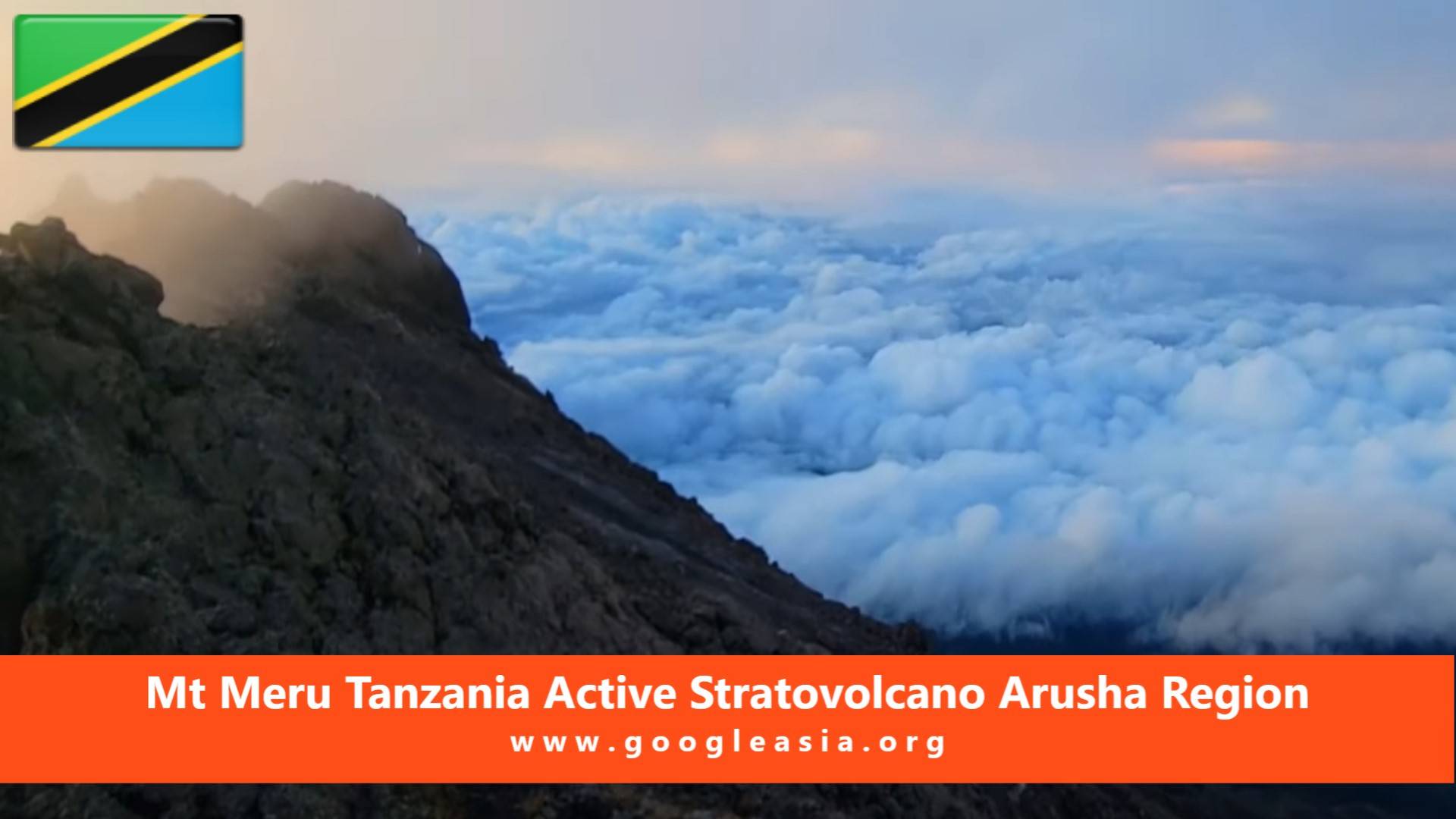
    Mount Meru is an active stratovolcano located in the Arusha region of Tanzania. Towering at 4,565 meters, Mt. Meru is the fifth highest mountain in Africa and is known for its incredible beauty and unique biodiversity. From its summit, visitors can enjoy breathtaking views of Mt. Kilimanjaro and the Muchare and North Pare Mountains.

    Introduction

    Mount Meru, located in Tanzania, stands as the second highest peak in the country, surpassed only by Kilimanjaro. This dormant volcano reaches an impressive elevation of 4,566 meters (14,980 feet) and dominates the skyline of the Arusha region. Known for its striking appearance amidst billowing clouds and frequent rainbows, Mount Meru is a captivating sight and a beloved destination in Tanzania.

    Key Attributes:

    • Location: Situated in Tanzania, within Arusha National Park.
    • Elevation: Stands at 4,566 meters (14,980 feet), making it the second highest peak in Tanzania.
    • Geological Type: Dormant volcano with a distinctive conical shape.
    • Natural Phenomenon: Frequently surrounded by billowing clouds and known for spectacular rainbows.
    • Park Inclusion: Part of Arusha National Park, offering varied landscapes and wildlife.
    • Wildlife Viewing: Opportunities to observe diverse species such as elephants, giraffes, and more.
    • Bird Watching: Rich birdlife, including numerous species endemic to the area.
    • Trekking Difficulty: Suitable for climbers of all abilities, with varying route difficulties.
    • Guided Tours: Highly recommended for navigating more technical routes.
    • Scenic Views: Panoramic vistas of Arusha National Park and, weather permitting, views of Kilimanjaro.

    Gateway to Arusha National Park

    Mount Meru is an integral part of Arusha National Park, contributing to the park’s diverse landscapes and ecosystems. Visitors to the park can enjoy a range of activities beyond climbing, including game viewing and bird watching amidst abundant wildlife.

    Things to Do

    Mount Meru, standing at 4,566 meters within the expansive Arusha National Park, offers a plethora of activities for adventurers and nature enthusiasts alike. While it may be shorter than its famed neighbor Kilimanjaro, Mount Meru’s charm lies in its rich biodiversity and diverse landscapes, making it a captivating destination in Tanzania.

    Hike Up Mount Meru

    Embark on the exhilarating journey of hiking up Mount Meru, a highlight for many visitors. This trek not only challenges your physical endurance but also rewards you with breathtaking vistas of the surrounding landscapes and a chance to immerse yourself in the local culture.

    Key Attributes:

    • Challenge Level: Suitable for hikers with varying experience levels, offering routes tailored to different abilities.
    • Cultural Insight: Learn about the local culture and traditions while interacting with knowledgeable guides.

    Explore Arusha National Park

    Discover the natural wonders of Arusha National Park, where Mount Meru resides. The park boasts diverse wildlife such as zebras, giraffes, buffalos, and baboons amidst lush vegetation, providing ample opportunities for wildlife spotting and nature photography.

    Key Attributes:

    • Wildlife Viewing: Encounter a variety of animals in their natural habitat.
    • Scenic Beauty: Enjoy picturesque landscapes and stunning views of Mount Meru.

    Visit a Maasai Village

    Immerse yourself in the rich cultural heritage of Tanzania by visiting a Maasai village near Mount Meru. Experience traditional dances, songs, and rituals while gaining insight into the daily lives and traditions of the Maasai people.

    Key Attributes:

    • Cultural Exchange: Engage with Maasai villagers and learn about their customs and traditions.
    • Educational Experience: Gain a deeper understanding of the local community and their way of life.

    Tour a Coffee Plantation

    Delve into the world of Tanzanian coffee by visiting a local plantation near Mount Meru. Take a guided tour to learn about the coffee-making process from bean to cup, and savor a freshly brewed cup of homegrown java.

    Key Attributes:

    • Cultural Heritage: Discover the importance of coffee in Tanzanian culture and economy.
    • Tasting Experience: Enjoy the rich flavors of locally produced coffee.

    Enjoy Natural Hot Springs

    Unwind and rejuvenate at the natural hot springs located near Arusha National Park. These geothermal pools offer a tranquil setting surrounded by scenic landscapes, perfect for relaxation after a day of adventure.

    Key Attributes:

    • Natural Wellness: Experience the therapeutic benefits of soaking in mineral-rich hot springs.
    • Scenic Environment: Enjoy serene views and natural beauty while lounging in the springs.

    Participate in Archery

    Engage in the recreational sport of archery amidst the stunning backdrop of Mount Meru and its surroundings. Test your aim and precision while enjoying the fresh air and natural beauty of the area.

    Key Attributes:

    • Outdoor Recreation: Practice archery in a picturesque setting, blending sport with natural exploration.
    • Skill Development: Hone your archery skills under the guidance of experienced instructors.

    Swimming & Water Sports

    Embrace the opportunity for water-based activities near Mount Meru, such as kayaking, stand-up paddleboarding, and swimming. Cool off in the refreshing waters while admiring the scenic vistas of the mountain and surrounding landscapes.

    Key Attributes:

    • Aquatic Adventures: Enjoy a variety of water sports and activities in the natural environment.
    • Scenic Views: Experience Mount Meru from a unique perspective while engaging in water-based fun.

    Foods

    Local Flavors

    Mount Meru in Tanzania not only offers breathtaking landscapes and thrilling adventures but also boasts a diverse culinary scene that caters to a range of tastes. Whether you’re seeking traditional African dishes or international cuisine, Mount Meru ensures a delightful dining experience.

    Grilled Tilapia

    Grilled tilapia is a local favorite, showcasing fresh fish sourced from nearby lakes. Prepared simply with local herbs and spices, it offers a taste of Tanzania’s rich culinary heritage.

    Ugali

    Ugali is a staple food in Tanzania, made from maize flour cooked into a thick, starchy porridge-like consistency. It accompanies many meals and serves as a hearty base for various dishes.

    Chapati

    Chapati, a type of flatbread, is widely enjoyed throughout East Africa. Its soft texture and versatility make it a perfect accompaniment to both local and international dishes.

    Pilau

    Pilau is a fragrant rice dish cooked with spices such as cumin, cardamom, and cloves, often combined with meat (like chicken or beef) or vegetables. It’s a flavorful option that reflects the influence of Arab cuisine in the region.

    International Cuisine

    Mount Meru also boasts a variety of international cuisines, adding to the culinary diversity of the area. Visitors can indulge in:

    • Indian Cuisine: Savory curries, tandoori dishes, and flavorful vegetarian options.
    • Chinese Cuisine: Stir-fries, noodles, and dumplings prepared with fresh local ingredients.
    • Italian Cuisine: Pasta dishes, pizzas, and antipasti served with a Tanzanian twist.

    Key Attributes:

    • Local Ingredients: Fresh fish, locally sourced meats, and seasonal vegetables used in traditional dishes.
    • Cultural Fusion: Blend of African, Arab, and international culinary influences.
    • Restaurant Options: Hotels and eateries offering a range of dining experiences from casual to fine dining.

    Hotels

    Mount Meru in Tanzania offers a range of accommodation options that cater to every traveler’s preference, from luxurious lodges to cozy guesthouses. Whether you’re seeking proximity to nature or modern comforts, these hotels ensure a memorable stay amidst the scenic landscapes.

    Arumeru River Lodge

    Arumeru River Lodge provides a serene retreat nestled amidst lush gardens and overlooking the picturesque Arumeru River. The lodge offers comfortable rooms, delicious dining options, and a tranquil atmosphere ideal for relaxation.

    The Retreat at Maramboi

    The Retreat at Maramboi offers a unique stay near Mount Meru with luxurious tented accommodations. Guests can enjoy stunning views of Lake Manyara and the Rift Valley, along with personalized service and guided activities.

    Kili Villas

    Kili Villas provides exclusive villa accommodations with panoramic views of Mount Meru and Kilimanjaro. The villas feature spacious rooms, private gardens, and a tranquil setting perfect for families or couples seeking privacy and comfort.

    Kajireni Guest House

    Kajireni Guest House offers cozy and affordable lodging near Mount Meru. The guesthouse provides comfortable rooms, friendly service, and a welcoming atmosphere, making it an ideal choice for budget-conscious travelers.

    Mount Meru Hotel

    Mount Meru Hotel is a well-known establishment offering modern amenities and a central location in Arusha. The hotel features spacious rooms, excellent dining options, and facilities such as a swimming pool and conference rooms.

    Impala Hotel

    Impala Hotel combines comfort and convenience with its central location in Arusha. The hotel offers cozy accommodations, friendly service, and amenities including a restaurant, bar, and conference facilities.

    KIA Lodge

    KIA Lodge provides a unique experience with its proximity to Kilimanjaro International Airport. Guests can enjoy comfortable chalet-style accommodations, beautiful gardens, and views of Mount Kilimanjaro, making it an ideal stopover for travelers.

    Rivertrees Country Inn

    Rivertrees Country Inn offers a peaceful retreat amidst lush gardens and a river at the foothills of Mount Meru. The inn features charming cottages, a restaurant serving farm-to-table cuisine, and activities such as nature walks and birdwatching.

    Serena Mountain Village

    Serena Mountain Village offers luxury accommodations within Arusha National Park. The lodge provides elegant rooms with views of Mount Meru, impeccable service, and amenities including a spa, swimming pool, and guided safaris.

    Ngare Sero Mountain Lodge

    Ngare Sero Mountain Lodge offers a secluded escape near Mount Meru. Nestled in a forested area, the lodge features rustic yet comfortable accommodations, personalized service, and activities such as hiking and birdwatching.

    Conclusion

    In conclusion, Mount Meru stands as a prominent natural wonder in Tanzania, offering not only a challenging trek but also stunning natural beauty within the encompassing Arusha National Park. Whether admiring its conical silhouette from afar or conquering its summit, Mount Meru promises an unforgettable experience amidst Tanzania’s diverse landscapes and wildlife.

    Mount Meru Tanzania Active Stratovolcano Arusha Region

    Summary

    • Attraction Name: Mount Meru
    • Country: Tanzania
    • Continent: African
    • Capital Name: Dodoma
    • Language: Swahili and ‎English‎ (de facto)‎
    • Currency: Tanzanian Shilling
    • Nationality: Tanzanian
    • Category:  #Destination #Africa #TANZANIA 

    Frequently Asked Questions

    What are Mount Meru’s nearby must-visit attractions or landmarks?

    Mount Meru, located in Tanzania, is a stratovolcano and part of the Arusha National Park. While the primary attraction is the mountain itself and the trekking opportunities it offers, there are also notable attractions and landmarks in the surrounding area. Here are some must-visit attractions near Mount Meru:

    1. Arusha National Park: Explore the diverse ecosystems within Arusha National Park, which surrounds Mount Meru. The park is known for its varied landscapes, including forests, savannas, and the Momella Lakes. It’s home to a wide range of wildlife, including giraffes, buffalos, zebras, and various bird species.
    2. Ngurdoto Crater: Visit Ngurdoto Crater, a volcanic crater within Arusha National Park. The crater features lush vegetation and is often referred to as the “Little Ngorongoro” due to its resemblance to the larger Ngorongoro Crater.
    3. Momella Lakes: Discover the Momella Lakes, a series of alkaline lakes in Arusha National Park. The lakes are known for their vibrant colors and attract a variety of birdlife, including flamingos.
    4. Ngurdoto Mountain Lodge Viewpoint: Hike or drive to the Ngurdoto Mountain Lodge Viewpoint for panoramic views of Mount Meru and the surrounding landscapes. It provides an excellent vantage point for capturing the beauty of the region.
    5. Climbing Mount Meru: Embark on a trek to the summit of Mount Meru. The trek offers a challenging yet rewarding experience with diverse flora and fauna, stunning landscapes, and the chance to witness sunrise from Socialist Peak.
    6. Tululusia Waterfall: Take a hike to Tululusia Waterfall, located within Arusha National Park. The trail leading to the waterfall offers scenic views, and the waterfall itself is a picturesque natural attraction.
    7. Momella Gate: The Momella Gate is the main entrance to Arusha National Park and serves as the starting point for many Mount Meru treks. The gate is surrounded by beautiful scenery and provides a glimpse of the park’s diverse ecosystems.
    8. Meru Crater Forest Reserve: Explore the Meru Crater Forest Reserve, which surrounds Mount Meru. The forest reserve is part of the larger Mount Meru Conservation Area and is rich in biodiversity.
    9. Elephant Cave: Visit Elephant Cave, a notable site in the foothills of Mount Meru. The cave is known for its ancient rock paintings created by the indigenous Hadzabe people.
    10. Cultural Interaction: Engage with the local Maasai and other tribes residing near Mount Meru. Experience their unique cultures, traditions, and daily life through guided cultural tours.

    Why should you visit Mount Meru?

    Visiting Mount Meru offers a range of compelling reasons, making it a worthwhile destination for those seeking adventure, natural beauty, and cultural experiences. Here are several reasons why you should consider visiting Mount Meru:

    1. Stunning Scenery: Mount Meru, with its distinctive volcanic cone and diverse landscapes, provides breathtaking scenery. From lush rainforests and meadows to alpine deserts, the trek showcases the beauty of Tanzania’s natural environments.
    2. Challenging Trek: Climbing Mount Meru is a challenging trek, making it an excellent option for those seeking adventure and a physical challenge. The ascent to Socialist Peak (the summit) involves varied terrain and rewards trekkers with a sense of accomplishment.
    3. Wildlife Viewing: Arusha National Park, where Mount Meru is located, is home to diverse wildlife. While trekking, you may encounter buffalos, giraffes, monkeys, and a variety of bird species. The park also hosts the Momella Lakes, known for their birdlife.
    4. Acclimatization for Kilimanjaro: Mount Meru is often used as an acclimatization trek for those planning to climb Mount Kilimanjaro, which is the highest peak in Africa. The lower altitude of Mount Meru allows trekkers to acclimate gradually before attempting the higher summit of Kilimanjaro.
    5. Cultural Interaction: Engage with the local communities, including the Maasai people, who reside in the region. Cultural tours and interactions provide insights into traditional practices, customs, and daily life.
    6. Less Crowded than Kilimanjaro: Mount Meru tends to be less crowded than Mount Kilimanjaro, offering a more serene and intimate trekking experience. Trekkers can enjoy the tranquility of the surroundings without the large crowds often encountered on Kilimanjaro.
    7. Rich Biodiversity: The diverse ecosystems around Mount Meru, including rainforests and alpine zones, support a rich biodiversity. Trekkers have the opportunity to observe various plant species, including unique flora adapted to different altitudes.
    8. Panoramic Views: The trek to the summit provides panoramic views of the surrounding landscapes, including the Arusha National Park, the Momella Lakes, and, on clear days, distant views of Mount Kilimanjaro.
    9. Photographic Opportunities: Mount Meru offers numerous picturesque spots, providing photography enthusiasts with ample opportunities to capture the natural beauty of the landscapes, wildlife, and cultural elements.
    10. Sense of Accomplishment: Reaching the summit of Mount Meru, known as Socialist Peak, is a rewarding experience. Trekkers are treated to stunning views and a sense of accomplishment, making the journey memorable.

    How to go to Mount Meru?

    Reaching Mount Meru involves traveling to Arusha, Tanzania, as the mountain is situated within the Arusha National Park. Here are the general steps on how to go to Mount Meru:

    1. International Flight: Fly into Julius Nyerere International Airport (DAR) in Dar es Salaam or Kilimanjaro International Airport (JRO) near Arusha. Kilimanjaro International Airport is the preferred option for those planning to climb Mount Meru.
    2. Domestic Flight to Arusha: If you fly into Dar es Salaam, take a domestic flight to Arusha Airport (ARK) or Kilimanjaro International Airport (JRO). Arusha is the main gateway to Mount Meru and is a convenient starting point for treks.
    3. Overland Travel to Arusha: Alternatively, if you are already in Tanzania, you can reach Arusha by road. Arusha is well-connected by bus and private transport services from major cities in Tanzania.
    4. Arrange for a Guide and Permits: Before trekking Mount Meru, it’s essential to arrange for a licensed guide and obtain the necessary permits. Guided treks are mandatory for safety reasons, and guides can be hired in Arusha.
    5. Transport to Arusha National Park: The trailhead for Mount Meru is at Momella Gate in Arusha National Park. Arrange transport from Arusha to the park entrance. This can be done through your tour operator, or you can hire a vehicle.
    6. Start Trekking: The trek to Mount Meru starts at Momella Gate. The ascent typically involves a multi-day trek, with stops at Miriakamba Hut and Saddle Hut before reaching the summit, Socialist Peak. The route may vary depending on the trekking package chosen.
    7. Accommodations: During the trek, accommodations are provided in mountain huts or camps. Ensure that you have made reservations in advance, and your trekking package includes lodging.
    8. Return to Arusha: After successfully summiting Mount Meru, return to Arusha. The descent follows the same route used for the ascent.
    9. Optional Safari or Further Travel: Consider combining your Mount Meru trek with a safari in the surrounding national parks or plan additional travel within Tanzania.
    10. Weather Considerations: Be mindful of the weather conditions, and plan your trek during the dry season (June to October) for the best experience. Wet seasons can make the trails slippery and challenging.

    Are there any halal food options around the Mount Meru?

    In the vicinity of Mount Meru, particularly in Arusha, Tanzania, finding specific halal food options may require some consideration. Tanzania, in general, has a diverse culinary scene, and while many restaurants may offer vegetarian and seafood options, obtaining halal-certified food can be more challenging.

    Here are some suggestions to find halal food options near Mount Meru:

    1. Local Restaurants: Inquire at local restaurants and eateries about their menu options. Some restaurants in Arusha may offer halal dishes, and the staff can provide information on how food is prepared.
    2. Communicate Dietary Preferences: When dining out, communicate your dietary preferences and inquire about the preparation methods. Chefs and restaurant staff are often accommodating and can modify dishes to meet halal requirements.
    3. Islamic Centers: Check if there are Islamic centers or mosques in Arusha, as they may offer guidance on halal dining options in the area. Local communities can provide insights into where to find halal food.
    4. Specialized Halal Restaurants: Explore the possibility of specialized halal restaurants or establishments in Arusha. While there might not be an abundance, some areas with diverse populations may have restaurants catering to halal dietary needs.
    5. Accommodations: If you are staying in accommodations near Mount Meru or in Arusha, inquire whether they can arrange halal meals for you. Many hotels and lodges are willing to accommodate dietary preferences if notified in advance.
    6. Local Markets: Visit local markets and grocery stores to purchase fresh fruits, vegetables, and other food items. This can be an option for those who prefer to prepare their own meals or snacks.
    7. Online Resources: Check online travel forums, apps, or websites that provide information on halal-friendly dining options in Arusha. Travelers often share their experiences and recommendations.
  • Table Mountain: Best Destination to Visit in South Africa

    Table Mountain: Best Destination to Visit in South Africa

    Table Mountain, South Africa

    Table Mountain is Cape Town’s iconic natural wonder, offering breathtaking views, thrilling adventures, and delicious dining. Whether you’re hiking, paragliding, or enjoying a picnic, there’s something for everyone. Experience Table Mountain today!

    Introduction

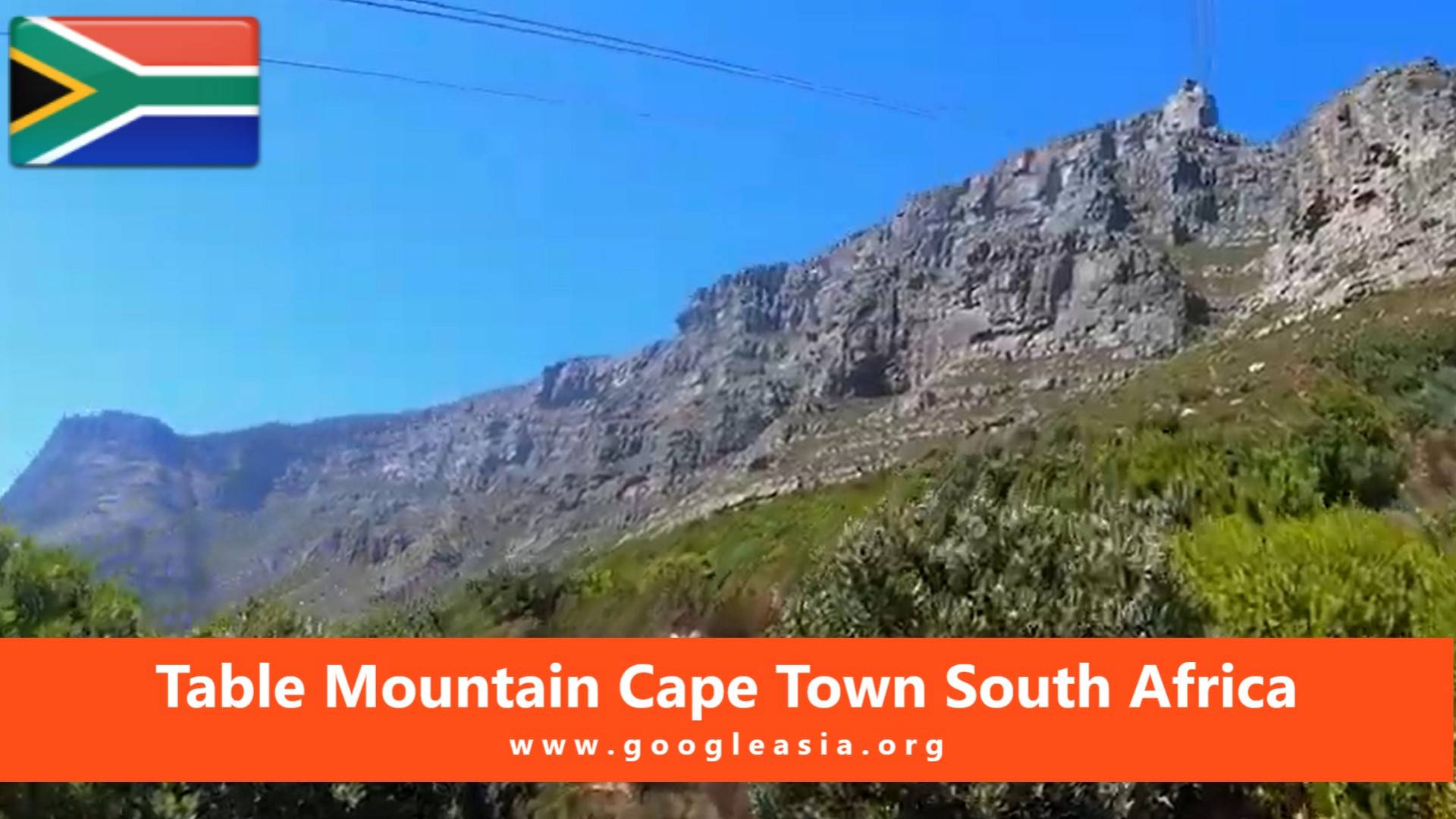
    When you think of Cape Town, the first image that probably comes to mind is Table Mountain. Its flat-topped silhouette has become one of the most iconic images of South Africa, a true symbol of the city. Rising proudly above Cape Town, this natural wonder offers both locals and travelers breathtaking views, outdoor adventures, and an incredible array of biodiversity. Table Mountain isn’t just a mountain; it’s a living testament to the beauty of nature.

    Visiting Table Mountain should be on everyone’s bucket list when they come to Cape Town. Stunning views, unique geological features, and a rich ecosystem make it an essential part of any trip to South Africa. From the moment you set your eyes on it, you know you’re in for something special.

    A Geological Marvel

    Table Mountain’s distinct flat-top shape stands out against the backdrop of Cape Town’s vibrant cityscape. It’s not only a geographical wonder but also an area of great historical importance. The mountain itself is over 600 million years old, a result of centuries of geological forces at work. Its summit stands at 1,085 meters (3,558 feet), providing sweeping panoramic views that stretch as far as the eye can see.

    Did you know? The mountain is considered one of the oldest mountains in the world, having formed long before the city of Cape Town even existed.

    A Diverse Ecosystem

    Beyond its beauty, Table Mountain is also home to an incredibly diverse range of wildlife. It’s part of the Table Mountain National Park, an area that is internationally recognized for its unique flora and fauna. The mountain is part of the Cape Floristic Region, which is listed as a UNESCO World Heritage site.

    Flora: Table Mountain is a sanctuary for more than 2,200 plant species, many of which are endemic to the region. The fynbos vegetation, a kind of shrubby vegetation, covers much of the mountain, offering vibrant splashes of color and unique plant life.

    Fauna: The animals you might encounter range from the adorable rock hyrax (often spotted sunbathing on the rocks) to various bird species like the Cape Sugarbird and Falcon. Look carefully, and you might even spot a baboon or two – though these guys are best admired from a safe distance!

    Things to Do

    Table Mountain offers more than just fantastic views and delicious food—it’s an adventure playground for those who love to get outdoors and explore. Whether you’re into high-octane activities or prefer a more laid-back approach, there’s something for everyone.

    Cable Car Ride

    The Table Mountain Cableway is one of the most popular ways to reach the summit. Not only is it quick and easy, but the rotating cable car gives you a 360-degree view of Cape Town and the ocean as you ascend. It’s a perfect opportunity to snap some stunning photos and appreciate the city’s natural beauty from above.

    Hiking the Trails

    For those who want a bit more of a challenge, hiking is the way to go. Table Mountain has a range of hiking trails that vary in difficulty. Whether you’re looking for an easy stroll or a challenging climb, you’ll be rewarded with amazing views and an up-close look at the mountain’s diverse flora and fauna.

    Paragliding

    If you’re looking for a thrill, why not take to the skies with a paragliding experience? Flying over Table Mountain and the surrounding areas is one of the most exhilarating ways to take in the beauty of Cape Town. With a qualified instructor, you’ll enjoy a safe and exciting ride high above the city.

    Picnic and Camping

    For a more relaxing experience, you can enjoy a peaceful picnic or even camp overnight on the slopes of Table Mountain. With its stunning views and natural serenity, it’s a perfect place to unwind and immerse yourself in the beauty of nature.

    Abseiling and 4×4 Tours

    Adventurers can also try abseiling, where you’ll rappel down the mountain’s cliffs, or take a 4×4 tour to explore hidden corners of the mountain, learning about its history and biodiversity from expert guides.

    Foods

    After a day of hiking or exploring the mountain, you’ll definitely work up an appetite. Luckily, Table Mountain has a variety of dining options that let you enjoy tasty meals while soaking in the spectacular surroundings.

    What’s on the Menu?

    • Burgers: Made with freshly sourced, locally grown beef, these burgers are served with crispy fries that are the perfect balance of crunch and fluffiness.
    • Chicken Wings: Choose from BBQ, Asian citrus, or buffalo sauce – the flavors are bold, and the wings are perfectly crispy and tender.
    • Award-Winning Chili: Rich, hearty, and perfect for colder days, this chili combines beef, pork, and beans with a secret blend of spices that will leave you wanting more.
    • Fresh Salads: If you’re craving something lighter, a crisp, fresh salad with mixed greens, shredded cheese, and homemade vinaigrette should hit the spot.
    • Light Sandwiches: Go for a grilled cheese or panini if you’re in the mood for something simple but satisfying.
    • Desserts: You can’t leave without trying something sweet! The famous carrot cake and freshly baked pies are crowd favorites.

    Conclusion

    Table Mountain is a must-see destination that offers something for everyone. Whether you’re a nature lover, an adventure seeker, or someone simply looking to take in some stunning views, this mountain has it all. From hiking trails to paragliding adventures, delicious meals to serene picnics, Table Mountain is more than just a landmark – it’s an experience. So why wait? Plan your trip to Cape Town today and let Table Mountain welcome you with open arms!

    Table Mountain Cape Town South Africa Attraction

    Summary

    • Attraction Name: Table Mountain
    • Country: South Africa
    • Continent: Africa
    • Capital Name: Pretoria, Cape Town, Bloemfontein
    • Language: English, Afrikaans, Zulu, Xhosa, Sepedi, Tswana, Southern Sotho, Tsonga, Swazi, Venda, Southern Ndebele, Khoekhoegowab
    • Currency: South African Rand
    • Nationality: South African
    • Category: #Destination #Africa #SouthAfrica 

    Frequently Asked Questions

    What are Table Mountain’s nearby must-visit attractions or landmarks?

    Nestled in the heart of Cape Town, Table Mountain is surrounded by a wealth of must-visit attractions and landmarks.

    1. Robben Island: Explore the historic Robben Island, known for its former political prison where Nelson Mandela was held. Ferries depart from the V&A Waterfront.
    2. V&A Waterfront: Experience the vibrant V&A Waterfront, offering shopping, dining, entertainment, and stunning views of Table Mountain and the harbor.
    3. Kirstenbosch National Botanical Garden: Delight in the beauty of Kirstenbosch Gardens, showcasing indigenous flora, sculptures, and the breathtaking backdrop of Table Mountain.
    4. District Six Museum: Discover the poignant history of District Six at the District Six Museum, providing insights into the forced removals during apartheid.
    5. Table Mountain Aerial Cableway: Ascend Table Mountain via the Aerial Cableway for panoramic views of Cape Town, the coastline, and the surrounding mountains.
    6. Lion’s Head: Hike or drive to the summit of Lion’s Head for spectacular views of the city, Atlantic Ocean, and the Twelve Apostles mountain range.
    7. Cape of Good Hope: Journey to the southern tip of the Cape Peninsula and visit the iconic Cape of Good Hope and Cape Point for breathtaking landscapes.
    8. Boulders Beach: Encounter a colony of African penguins at Boulders Beach, providing a unique and charming wildlife experience.
    9. Two Oceans Aquarium: Immerse yourself in marine wonders at the Two Oceans Aquarium, located at the V&A Waterfront.
    10. Iziko South African Museum: Explore the Iziko South African Museum, showcasing natural history, paleontology, and cultural exhibits.
    11. Castle of Good Hope: Step back in time at the Castle of Good Hope, the oldest surviving colonial building in South Africa, offering guided tours and military displays.
    12. Bo-Kaap: Wander through the colorful streets of Bo-Kaap, known for its vibrant houses, Cape Malay culture, and delicious cuisine.

    Is Table Mountain a suitable travel destination for solo adventurers, honeymooning couples, or those traveling with families?

    Nestled in the heart of Cape Town, Table Mountain stands as an iconic destination, offering a versatile appeal to various types of travelers. Here’s a guide of Table Mountain for different types of explorers:

    1. Solo Adventurers: Solo travelers find Table Mountain an ideal destination for exploration. The diverse hiking trails, stunning views, and vibrant atmosphere provide opportunities for independent discovery.
    2. Honeymooning Couples: Table Mountain sets the stage for a romantic retreat. Couples can take the Aerial Cableway to the summit, enjoy sunset views, and savor intimate moments amid the breathtaking scenery.
    3. Families: Families are welcomed to Table Mountain with a range of family-friendly activities. The Aerial Cableway ensures easy access, and the mountaintop offers engaging trails and panoramic views suitable for all ages.

    Why should you visit Table Mountain?

    Standing majestically in Cape Town, Table Mountain beckons visitors with its captivating allure and a multitude of experiences. Here’s a guide, presented without line breaks, on why you should visit this iconic destination:

    1. Panoramic Views: Ascend to the summit for unparalleled panoramic views of Cape Town, the surrounding mountains, and the vast expanse of the Atlantic Ocean.
    2. Hiking Adventures: Embark on exhilarating hiking trails, ranging from easy walks to challenging climbs, providing opportunities for outdoor enthusiasts of all levels.
    3. Aerial Cableway: Take the Table Mountain Aerial Cableway for a scenic and effortless journey to the top, offering breathtaking vistas during the ascent.
    4. Unique Flora and Fauna: Explore the unique fynbos vegetation and encounter diverse flora and fauna, including the elusive rock hyrax, known as the dassie.
    5. Photography Opportunities: Capture postcard-perfect moments against the backdrop of the iconic flat-topped mountain, creating lasting memories of your visit.
    6. Sunset Spectacle: Witness a spectacular sunset from the summit, as the changing colors of the sky cast a magical glow over the city and surrounding landscapes.
    7. Stargazing: Experience mesmerizing stargazing opportunities, especially during clear nights when the city lights twinkle below.
    8. Rich Cultural Heritage: Learn about the cultural significance of Table Mountain, including its role in local folklore and its importance to the indigenous KhoiSan people.
    9. Adventure Sports: For thrill-seekers, Table Mountain offers opportunities for abseiling and rock climbing, providing an adrenaline-pumping experience against a stunning backdrop.
    10. Nature Reserves: Explore the Table Mountain National Park, a UNESCO World Heritage Site, encompassing a rich diversity of ecosystems and outdoor activities.
    11. Family-Friendly Activities: Bring the whole family for a day of fun, with family-friendly trails, picnics, and educational experiences suitable for all ages.
    12. Diverse Dining Options: Indulge in culinary delights at the mountaintop restaurants, where you can savor delicious meals while enjoying breathtaking views.

    How to go to Table Mountain?

    Table Mountain is a famous landmark located in Cape Town, South Africa. To reach Table Mountain, you can follow these general directions:

    1. Fly to Cape Town: If you are coming from outside South Africa, the first step is to fly to Cape Town International Airport (CPT).
    2. Drive or Take Public Transport: From the airport, you can rent a car or take a taxi, shuttle, or public transport to reach the base of Table Mountain.
    3. Table Mountain Aerial Cableway: The most popular way to reach the summit is by taking the Table Mountain Aerial Cableway. The Lower Cable Station is located on Tafelberg Road, off Kloof Nek Road.
    4. Hiking: If you enjoy hiking, there are various trails leading to the summit. Popular routes include Platteklip Gorge, India Venster, and Skeleton Gorge. Be sure to choose a trail that matches your fitness level and experience.
    5. Guided Tours: Another option is to join a guided tour, where a knowledgeable guide can lead you to the summit and provide insights into the flora, fauna, and history of the area.
    6. Weather Check: Before heading to Table Mountain, it’s essential to check the weather conditions. The cableway may be closed in adverse weather, and hiking can be more challenging in certain conditions.
    7. Operating Hours and Tickets: Verify the operating hours of the Table Mountain Aerial Cableway, and consider purchasing tickets in advance, especially during peak tourist seasons. Remember that Table Mountain is a natural attraction, and conditions can change, so always prioritize safety. Check the official Table Mountain website or contact local tourism offices for the latest information and updates before your visit.

    Are there any halal food options around the Table Mountain?

    1. Exploring Halal Food Options around Table Mountain: If you’re looking for halal food options near Table Mountain in Cape Town, you’re in luck as the city is known for its diverse culinary scene. Here are some suggestions:
    2. City Center Restaurants: Explore the city center, where you’ll find numerous restaurants offering halal cuisine. Areas like Long Street and Bree Street are known for their diverse dining options.
    3. Malay Quarter (Bo-Kaap): The historic Malay Quarter, also known as Bo-Kaap, is famous for its colorful houses and vibrant culture. Here, you can find restaurants serving delicious Cape Malay cuisine, which often includes halal options.
    4. Waterfront Dining: The Victoria & Alfred Waterfront is a popular tourist destination with a variety of restaurants. Many of these establishments offer diverse menus, including halal dishes.
    5. Kloof Street Area: Kloof Street is another area known for its trendy restaurants and cafes. You can explore this neighborhood for halal-friendly dining options.
    6. Cape Town International Airport: If you’re arriving or departing from Cape Town, the airport also has restaurants and eateries offering halal food choices.
    7. Local Markets: Check out local markets such as the Neighbourgoods Market or the Old Biscuit Mill, where you might find stalls or vendors offering halal food options.
    8. Ask Locals for Recommendations: Don’t hesitate to ask locals or hotel staff for recommendations. They often have valuable insights into the best halal dining options in the area. Remember to check with individual restaurants about their halal certification or specific halal offerings to ensure they meet your dietary preferences. Enjoy your culinary exploration around Table Mountain!
  • The Majestic Peak of Mount Everest: Must-Visit Adventure in Nepal

    The Majestic Peak of Mount Everest: Must-Visit Adventure in Nepal

    Mount Everest, Nepal

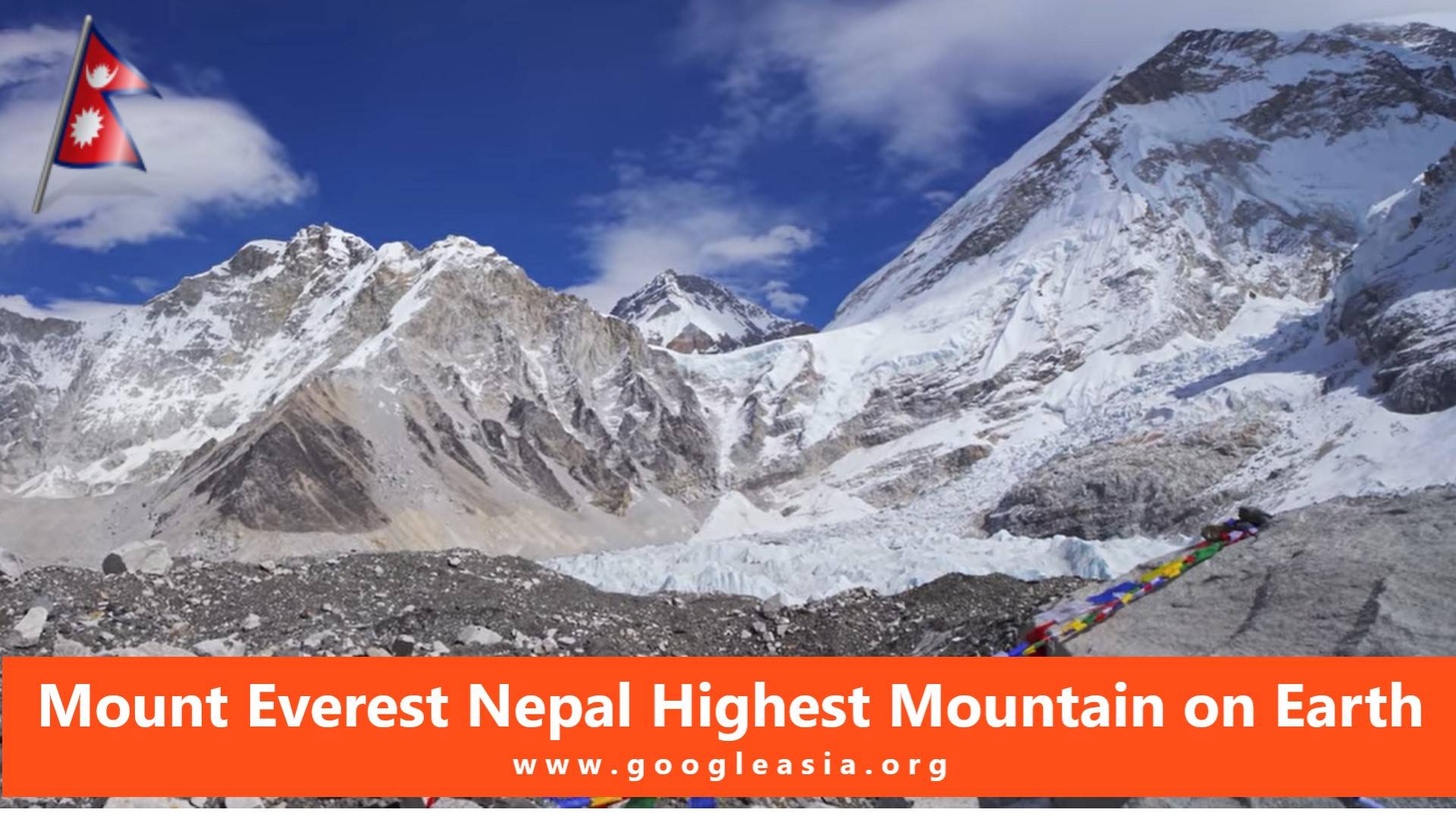
    Standing as the highest peak in the world, Mount Everest is an unforgettable destination for those seeking adventure and natural beauty. Located in Nepal, it’s the perfect place for both experienced trekkers and those who simply want to take in the breathtaking Himalayan landscape. A trek to Everest Base Camp offers stunning views of snow-capped peaks, glaciers, and picturesque villages. Whether you’re tackling the trek or just soaking in the incredible scenery, Mount Everest is a truly once-in-a-lifetime experience you won’t want to miss.”

    Introduction

    Mount Everest, the highest mountain on Earth, is an iconic destination that stands at 8,848 meters (29,028 feet) above sea level. Located in the Mahalangur section of the Himalayas in Nepal, this breathtaking peak draws adventurers from around the globe. Whether you’re a mountaineer eager to conquer its summit or a traveler captivated by its beauty, Mount Everest offers an experience like no other.

    The Highest Peak on Earth

    As the tallest mountain on Earth, Mount Everest represents the ultimate challenge for adventurers. Its towering height, surrounded by rugged Himalayan landscapes, has long been a beacon for explorers, climbers, and thrill-seekers. For those who seek to push their limits, summiting Everest is the epitome of human endurance.

    Cultural Significance and Names

    Known as Sagarmatha in Nepali and Chomolungma in Tibetan, Mount Everest holds immense spiritual significance for the people of Nepal and Tibet. These names reflect the deep cultural and spiritual connection that the mountain shares with the local populations, further enriching its mystique.

    Warm Hospitality and Spirituality

    The Sherpas’ deep spiritual connection to the mountains is reflected in their ancient monasteries and prayer flags. Visitors can experience this warm hospitality by staying in local lodges and learning about the Sherpas’ way of life, adding a profound layer to your journey to Mount Everest.

    Things to Do

    Climbing the Peak

    For those with mountaineering experience, summiting Mount Everest is the ultimate challenge. Climbing Everest requires advanced skills, physical endurance, and the guidance of experienced Sherpa guides. Climbers must be prepared for extreme conditions and plan their ascent carefully, making it one of the most formidable adventures on Earth.

    Monastery Visits and Spiritual Reflection

    The journey around Mount Everest also offers opportunities for spiritual reflection. Tengboche Monastery, nestled in the heart of the Everest region, is one of the most revered sites in the Himalayas. Visitors can witness Buddhist rituals, explore intricate murals, and soak in the serene atmosphere of the mountains.

    Meet the Resilient Sherpa People

    No journey to Mount Everest is complete without experiencing the unique culture of the Sherpa people. Indigenous to the region, the Sherpas are renowned for their mountaineering expertise, hospitality, and spiritual connection to the Himalayas. A trek through the Everest region offers the opportunity to witness Sherpa traditions, visit ancient monasteries, and learn about their customs.

    Summit Photography

    While summiting Mount Everest is reserved for only the most experienced climbers, visitors can still capture unforgettable photos of the peak from nearby viewpoints. The early morning light creates the perfect conditions for stunning images of Everest’s majestic summit against the backdrop of the Himalayan range.

    Trekking to Everest Base Camp

    Trekking to Everest Base Camp is an adventure in itself. It offers travelers the chance to trek through remote villages, dense forests, and rugged terrain, all while experiencing the culture and spirituality of the Sherpa people. The journey culminates at Base Camp, where climbers prepare for their ascent of Mount Everest, offering a once-in-a-lifetime experience for trekkers.

    Explore Namche Bazaar

    Namche Bazaar, a bustling market town situated at 11,286 feet, serves as the gateway to Mount Everest. This vibrant village offers traditional handicrafts, local cuisine, and glimpses of Sherpa culture. It’s the perfect place to immerse yourself in the life of the people living at the foot of the world’s tallest mountain.

    Mountain Biking and Adventure Sports

    For adrenaline junkies, the Everest region offers thrilling opportunities for mountain biking and adventure sports. Ride along rugged trails through lush forests and remote valleys, or try paragliding for a bird’s-eye view of the majestic Himalayas.

    Foods

    Tibetan Momos

    One of the must-try foods around Mount Everest is Tibetan Momos, steamed dumplings filled with vegetables or meat. Often served with a spicy dipping sauce, Momos are a staple in the region and a delicious snack after a day of trekking.

    Sel Roti

    Sel Roti is a traditional Nepali rice doughnut that is typically enjoyed during festivals. Made from rice flour, sugar, and cardamom, this sweet and aromatic treat is perfect with a cup of tea or yogurt after a long day of exploration.

    Thukpa

    Thukpa is a flavorful noodle soup, perfect for warming up in the chilly mountain air. This dish features wheat noodles served in a rich broth with beef or yak meat, garlic, ginger, and onions, making it a comforting meal for trekkers.

    Yak Cheese

    Yak cheese, made from the milk of yaks, is a unique culinary delight found in the Everest region. With its slightly nutty flavor and rich texture, it’s often used in various dishes or enjoyed on its own as a snack.

    Sherpa Stew

    Sherpa Stew is a traditional, hearty dish that includes ingredients like potatoes, lentils, and yak meat, simmered in a flavorful broth. It’s a staple meal for those living in the region and a great way to fuel up after an adventurous day in the Himalayas.

    Conclusion

    Mount Everest is a destination like no other, offering visitors an unparalleled opportunity to experience adventure, culture, and natural beauty. Whether you’re trekking to Base Camp, climbing the summit, or immersing yourself in the Sherpa way of life, this iconic peak offers something for everyone.

    Don’t miss your chance to experience the world’s tallest mountain. Book your trip to Mount Everest today, and get ready for an adventure that will stay with you forever. Whether you’re seeking a challenging trek or a cultural immersion, Mount Everest promises to be a life-changing journey.

    Mount Everest Nepal Highest Mountain on Earth

    Summary

    • Attraction Name: Mount Everest
    • Country: Nepal
    • Continent: Asia
    • Capital Name: Kathmandu
    • Language: Nepali
    • Currency: Nepalese Rupee
    • Nationality: Nepali
    • Category: #Destination #Asia #NEPAL 

    Frequently Asked Questions

    Where is Mount Everest located?

    Mount Everest is located on the border between Nepal and the Tibet Autonomous Region of China in the Himalayas. The summit of Mount Everest, which is the highest point on Earth above sea level, straddles both countries. The southern (Nepalese) side of Everest is the more commonly used route for climbers approaching from Nepal.

    How to go to Mount Everest?

    To reach Mount Everest, the highest peak in the world, requires careful planning and preparation. Here’s a guide on how to embark on this iconic journey:

    1. Choosing Your Route:
      • Most climbers approach Mount Everest from the south, via Nepal.
      • The standard route begins with a flight to Kathmandu, the capital of Nepal.
    2. Obtaining Permits:
      • Obtain a permit to trek in the Sagarmatha National Park, where Mount Everest is located.
      • For climbing Mount Everest itself, a separate climbing permit is required, which is issued by the Nepali government through authorized expedition operators.
    3. Selecting a Trekking or Climbing Operator:
      • Research and select a reputable trekking or climbing operator with experience in organizing Everest expeditions.
      • They will arrange logistics, including permits, accommodations, meals, guides, and porters.
    4. Training and Preparation:
      • Train physically and mentally for the demands of high-altitude trekking or climbing.
      • Acclimatization is crucial to prevent altitude sickness, so plan for gradual ascent and rest days during the trek.
    5. Flying to Lukla or Taking a Jeep:
      • Fly from Kathmandu to Lukla, a small town with a famous airstrip serving as the gateway to the Everest region.
      • Alternatively, a multi-day jeep journey from Kathmandu to Jiri followed by a trek is another route to reach Lukla.
    6. Trekking to Everest Base Camp (EBC):
      • Trek from Lukla through picturesque Sherpa villages like Namche Bazaar, Tengboche, and Dingboche.
      • Reach Everest Base Camp (EBC), located at approximately 5,364 meters (17,598 feet).
    7. Climbing Mount Everest:
      • For climbers aiming to summit Mount Everest, continue from EBC to the higher camps established on the mountain.
      • This involves acclimatization rotations, climbing through the Khumbu Icefall, and ascending the Lhotse Face and Hillary Step.
    8. Summit Attempt:
      • Weather conditions and climbing conditions dictate when summit attempts are made, typically during the spring (April-May) and autumn (September-October) seasons.
      • The final push to the summit (8,848 meters / 29,029 feet) requires determination, skill, and careful pacing.
    9. Descending and Return:
      • After reaching the summit, safely descend back to base camp and gradually trek back to Lukla.
      • Fly back to Kathmandu from Lukla to complete the journey.
    10. Respecting the Environment and Local Culture:
      • Practice Leave No Trace principles to minimize environmental impact.
      • Respect local customs, traditions, and religious sites along the way.

    What’s the climate like in Mount Everest?

    Mount Everest and the surrounding region experience a challenging and highly variable climate due to the extreme altitude and topography. Here are some key points about the climate in the Mount Everest region:

    • Temperature: Temperatures at Mount Everest Base Camp and higher elevations can range from extremely cold to mild, depending on the season. In winter (December to February), temperatures can drop well below freezing, often reaching as low as -20°C (-4°F) or even lower. In summer (June to August), temperatures at Base Camp typically range from 0°C to 15°C (32°F to 59°F).
    • Wind: Winds on Mount Everest are fierce and unpredictable, especially at higher altitudes. They can reach speeds of up to 100 mph (160 km/h) during storms, which is a significant hazard for climbers.
    • Precipitation: The region receives most of its precipitation in the form of snow. Snowfall is common throughout the year, with heavier snowfall occurring during the monsoon season (June to September). The amount of snow can vary greatly from year to year.
    • Monsoon Season: The monsoon season brings heavy rains and snow to the Everest region, typically from June to September. This period is characterized by cloudy skies, reduced visibility, and challenging trekking conditions.
    • Dry Season: The best time to attempt climbs or treks in the Everest region is during the pre-monsoon (spring) and post-monsoon (autumn) seasons. These periods (March to May and September to November) offer more stable weather, clearer skies, and better visibility.
    • Altitude Effects: The high altitude of Mount Everest (8,848 meters / 29,029 feet) means that oxygen levels are significantly lower than at sea level. This altitude poses serious challenges to climbers, including altitude sickness and reduced physical performance.

    What are Mount Everest’s must-visit attractions or landmarks?

    When visiting Mount Everest, there are several iconic attractions and landmarks that you shouldn’t miss:

    1. Everest Base Camp (EBC): This is one of the primary destinations for trekkers and climbers. Located on the south side of Everest in Nepal or the north side in Tibet, EBC offers stunning views of the world’s highest peak and is a hub of activity during climbing seasons.
    2. Kala Patthar: A famous viewpoint near Everest Base Camp on the Nepalese side, Kala Patthar offers one of the best panoramic views of Mount Everest and the surrounding Himalayan peaks. It’s a popular spot for trekkers to witness sunrise over Everest.
    3. Tengboche Monastery: Situated in the Khumbu region of Nepal, Tengboche Monastery is the largest monastery in the area and offers a glimpse into Sherpa culture and Tibetan Buddhism. It’s also known for its picturesque setting with Everest looming in the background.
    4. Namche Bazaar: Known as the gateway to Everest, Namche Bazaar is a vibrant Sherpa town that serves as a commercial and cultural hub for trekkers. It offers markets, bakeries, museums, and stunning views of Everest on clear days.
    5. Gokyo Lakes: Located in the Sagarmatha National Park in Nepal, the Gokyo Lakes are a series of turquoise glacial lakes surrounded by snow-capped peaks, including Cho Oyu. The trek to Gokyo offers an alternative view of Everest and is less crowded than the EBC route.
    6. Sagarmatha National Park: This UNESCO World Heritage site is home to diverse flora and fauna, including rare species like the snow leopard and Himalayan tahr. It encompasses the Everest region and offers trekking opportunities amidst stunning natural beauty.
    7. Khumbu Icefall: A challenging and dangerous section of the route to Everest’s summit from the south side, the Khumbu Icefall is a massive glacier that moves several feet each day. Trekkers can observe it from Everest Base Camp or during climbs.
    8. Sherpa Culture and Villages: Exploring the Sherpa villages such as Khumjung and Pangboche provides insight into the unique culture and traditions of the Sherpa people who call the Everest region home. Visitors can visit monasteries, interact with locals, and experience their hospitality.

    Is Mount Everest a suitable travel destination for solo adventurers, honeymooning couples, or those traveling with families?

    Mount Everest, the world’s highest peak, presents unique challenges and considerations for different types of travelers:

    1. Solo Adventurers:
      • Mount Everest is primarily climbed with the support of experienced guides and Sherpas due to its extreme altitude and technical challenges.
      • Solo climbing is highly discouraged due to safety concerns and the necessity of having a team for support and emergencies.
      • For solo adventurers looking for a trekking experience in the Everest region, alternative routes like the Everest Base Camp Trek offer stunning views and a sense of accomplishment without the need for technical climbing.
    2. Honeymooning Couples:
      • Everest Base Camp Trek can be a memorable and romantic experience for couples who enjoy trekking and adventure.
      • The trek offers breathtaking mountain views, cultural experiences in Sherpa villages, and the chance to explore the Himalayan landscape together.
      • Accommodations along the trek range from basic tea houses to more comfortable lodges, providing options for different preferences and budgets.
    3. Families:
      • Traveling with children to Everest Base Camp or the Everest region requires careful planning and consideration of altitude effects.
      • Families should opt for slower itineraries to acclimatize properly and ensure the safety and well-being of all members.
      • Some trekking companies offer family-friendly packages with experienced guides who understand the needs of children and can adjust the pace accordingly.
      • It’s advisable to check age restrictions with trekking agencies and ensure everyone in the family is physically prepared for the trek.

    Why should you visit Mount Everest?

    1. Iconic Status: Mount Everest is the highest peak in the world, standing at 8,848 meters (29,029 feet) above sea level. Visiting Everest allows you to witness and experience firsthand the pinnacle of human achievement in mountaineering and exploration.
    2. Breathtaking Scenery: The Everest region boasts some of the most spectacular mountain scenery on Earth. From towering snow-capped peaks to deep valleys and glaciers, the landscape is awe-inspiring and offers unparalleled views.
    3. Cultural Encounters: The region is home to the Sherpa people, renowned for their mountaineering skills and hospitality. Visiting Sherpa villages provides a glimpse into their unique culture, traditions, and way of life amidst the rugged Himalayan terrain.
    4. Adventure of a Lifetime: Trekking to Everest Base Camp or climbing the mountain itself is a challenging and rewarding adventure. It allows you to test your limits, experience high-altitude trekking, and immerse yourself in the world of Himalayan mountaineering.
    5. Spiritual Significance: Everest holds spiritual significance for the local Sherpa community and for mountaineers worldwide. Visiting monasteries and stupas along the trekking route offers insight into Buddhist practices and beliefs.
    6. Wildlife and Nature: The Everest region is home to a variety of wildlife, including Himalayan tahrs, musk deer, and numerous bird species. The flora ranges from alpine forests to high-altitude plants, adding to the area’s ecological diversity.
    7. Sense of Achievement: Standing at Everest Base Camp or reaching the summit of Everest (for climbers) provides a profound sense of accomplishment and fulfillment. It’s a journey that challenges you physically and mentally, leaving lasting memories.
    8. Supporting Local Economy: Tourism plays a crucial role in the economy of the Everest region, supporting local communities through employment opportunities, infrastructure development, and sustainable tourism initiatives.
    9. Environmental Awareness: Visiting Everest fosters an appreciation for the fragility of high-altitude ecosystems and encourages responsible tourism practices. It underscores the importance of conservation efforts in preserving the natural beauty of the Himalayas.
    10. Bucket List Experience: For many, visiting Mount Everest is a once-in-a-lifetime dream and a bucket list item. It offers an opportunity to see and experience one of the world’s most famous natural wonders up close.

    Is there any halal food available in the vicinity of the Mount Everest?

    Yes, while the availability of halal food directly in the vicinity of Mount Everest Base Camp or along the trekking routes is limited, it is possible to find options in Kathmandu before beginning your trek. Kathmandu, the capital city of Nepal and the gateway to Everest region treks, has several restaurants and shops that cater to halal dietary requirements. Some restaurants offer Middle Eastern or Indian cuisine which typically includes halal options. It is advisable to stock up on halal snacks and non-perishable items in Kathmandu that you can carry with you during your trek.

    Additionally, local guesthouses and teahouses along the trekking routes might be able to accommodate dietary needs if communicated in advance.

  • Exploring Mount Fuji: Japan’s Iconic Volcano

    Exploring Mount Fuji: Japan’s Iconic Volcano

    Mount Fuji, Japan

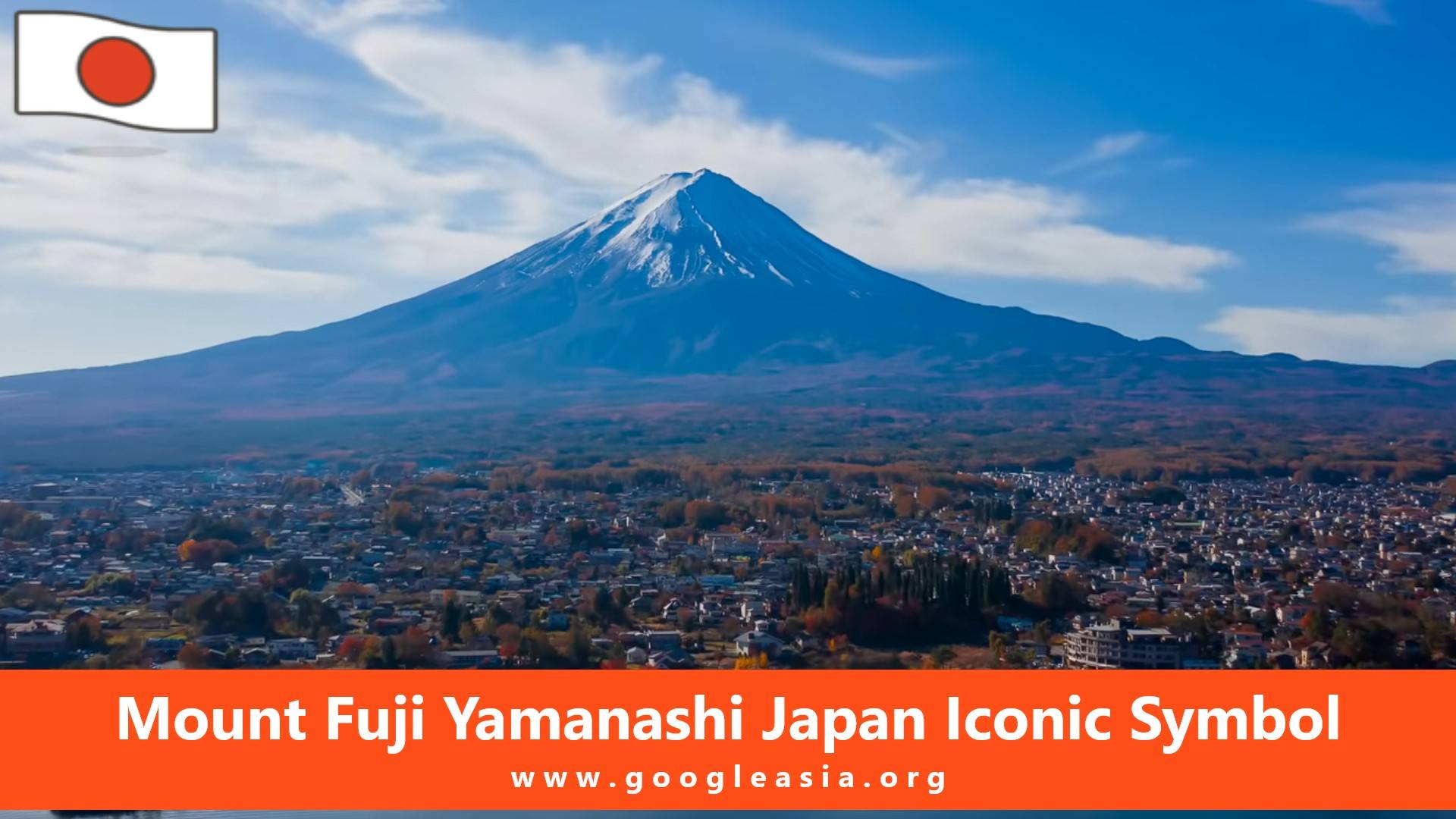
    Mount Fuji is one of the most iconic natural wonders in Japan, and is the country’s highest and most recognizable mountain. Located in Yamanashi Prefecture, Mount Fuji is the perfect natural destination to experience the beauty of Japan firsthand. With its stunning symmetrical cone shape and snow-capped peak, this mountain has long been a source of inspiration for art, photography, and literature. Yamanashi Prefecture is home to many other attractions, making it the perfect destination for an extended stay to explore the surrounding areas.

    A visit to Mount Fuji will give you access to a range of trails, shrines and caves, as well as breathtaking viewpoints. With its stunning natural backdrop, this iconic mountain is a great place for adventure-seekers to scale, hike, or climb. It is also home to the beautiful Lake Kawaguchi and the Fuji Five Lakes region, and the nearby Aokigahara Forest. From cherry blossom and firefly season in the spring, to some of the most spectacular sunrises in the world at the summit of Mount Fuji in the summer, Yamanashi Prefecture is a must-visit for any nature enthusiast.

    Mount Fuji, a majestic volcano in Yamanashi, Japan, is an iconic symbol of Japan. Standing tall at 3776 meters, it’s one of the country’s most iconic sights and attracts thousands of visitors every year. Visiting Mount Fuji offers spectacular views of the surrounding countryside, a thrilling adventure and a chance to appreciate the beauty of nature.

    Introduction

    A Natural Wonder of Japan

    Mount Fuji, standing at 12,388 feet (3,776 meters), is an awe-inspiring active volcano located on the island of Honshu in Japan. Its perfectly symmetrical cone shape has made it a symbol of Japan and a UNESCO World Cultural Heritage site since 2013.

    Cultural and Spiritual Significance

    Sacred Sites on Mount Fuji

    • Shrines and Temples Explore the slopes of Mount Fuji, which are dotted with shrines, temples, and religious sites integral to Japanese culture. These sites attract pilgrims and tourists alike seeking spiritual enlightenment amidst natural beauty.
    • Traditional Rituals Experience traditional rituals performed by locals and visitors alike, especially during the climbing season, which involves spiritual practices and reverence for the mountain’s sacred status.

    Natural Beauty and Recreation

    • National Park Attractions Mount Fuji is part of the Fuji-Hakone-Izu National Park, renowned for its diverse flora, serene lakes, and hot springs. Visitors can enjoy activities like boating on Lake Kawaguchi, relaxing in hot springs, and exploring the picturesque Hakone region.
    • Scenic Views Take in panoramic views of Mount Fuji from various vantage points within the national park, offering opportunities for photography and appreciation of Japan’s natural splendor.

    Conclusion

    Mount Fuji stands not only as Japan’s highest peak but also as a cultural and natural treasure revered by locals and admired by visitors worldwide. Whether you come to climb its slopes, witness its spiritual sites, or simply marvel at its majestic beauty from afar, Mount Fuji offers an enriching experience that blends outdoor adventure with cultural exploration. Plan your visit during the climbing season to immerse yourself in the traditions and natural wonders that define this iconic volcano and its surroundings.

    Things to do

    Mount Fuji stands as an iconic symbol of Japan’s natural beauty, offering a range of activities that cater to every traveler’s interests.

    Adventurous Ascents

    1. Climb Mount Fuji Embark on the challenging yet rewarding climb to Mount Fuji’s summit, a feat cherished by adventurers worldwide for its stunning vistas and spiritual significance. Prepare well in advance for this strenuous hike.

    Cultural and Educational Experiences

    • Visit the Fujisan World Heritage Centre Discover the history and significance of Mount Fuji at the Fujisan World Heritage Centre, featuring exhibitions and interactive displays that delve into the mountain’s cultural and natural heritage.
    • Visit a Tea House Immerse yourself in mountain culture at a traditional tea house. Enjoy a serene moment with a cup of matcha tea while marveling at the breathtaking views of Mount Fuji.

    Relaxation and Wellness

    • Hot Springs Rejuvenate in the therapeutic hot springs scattered around Mount Fuji’s base. Experience the soothing waters and unwind amidst serene natural surroundings.

    Seasonal Thrills

    • Skiing During winter, experience exhilarating skiing adventures on Mount Fuji’s slopes, offering unique terrain and scenic vistas for winter sports enthusiasts.

    Natural Wonders

    • Lakeside Views Explore the tranquil lakes nestled at the foot of Mount Fuji. Take a leisurely boat ride to admire the mountain’s reflection in the crystal-clear waters.
    • Go Hiking Discover scenic hiking trails accessible via public transportation, allowing you to immerse yourself in Japan’s picturesque landscapes and diverse flora.

    Cultural Exploration

    • Shopping Browse through local souvenir shops offering a variety of goods, from traditional snacks and tea products to handcrafted artwork and antiques, perfect for taking home a piece of Mount Fuji’s charm.

    Foods

    Discover the best foods and snacks to savor while visiting Mount Fuji, offering a taste of local Japanese cuisine amidst breathtaking landscapes.

    Top Dishes and Snacks

    Delightful Local Cuisine

    1. Tempura Indulge in crispy tempura, featuring lightly battered and deep-fried seafood and vegetables, a favorite dish enjoyed for its delicate flavors and crunchy texture.
    2. Fukuro-soba (Buckwheat Noodles) Taste the simplicity and heartiness of Fukuro-soba, buckwheat noodles served hot or cold with a savory dipping sauce or in a flavorful broth.
    3. Takoyaki Enjoy Takoyaki, savory octopus-filled batter balls cooked to perfection and topped with takoyaki sauce, bonito flakes, and mayonnaise, a popular street food delicacy.

    Fusion Flavors

    • Yaki-curry Delight in Yaki-curry, a unique twist on traditional curry where vegetables and meat are stir-fried with curry sauce, offering a hearty and aromatic dish.
    • Onigiri Grab Onigiri, rice balls filled with various savory ingredients like pickled plum (umeboshi), salmon, or tuna, wrapped in seaweed—a convenient and delicious snack.

    Sweet Indulgences

    • Choco-banana Indulge in Choco-banana, a delightful treat of chocolate-covered bananas, perfect for satisfying your sweet tooth while enjoying the views of Mount Fuji.
    • Kintsuba Try Kintsuba, a sweet cake filled with sweet bean paste, offering a traditional Japanese dessert experience that pairs well with a cup of tea.
    • Taiko-yaki Sample Taiko-yaki, grilled octopus balls filled with savory ingredients and served hot, providing a comforting and flavorful snack.

    Convenience Store Finds

    Explore the convenience stores around Mount Fuji, offering quick and easy meals like:

    • Bento Boxes Choose from a variety of Bento boxes, featuring assortments of rice, meats, fish, and vegetables, ideal for a quick and satisfying meal on-the-go.
    • Onigiri Pick up Onigiri, convenient rice balls filled with various ingredients and wrapped in seaweed, perfect for a quick and portable snack during your exploration.

    Hotels

    Discover the best accommodations near Mount Fuji, offering breathtaking views and luxurious amenities for your stay near Japan’s iconic peak.

    Luxury Retreats in Fujiyoshida

    1. Yunohana Onsen Hotel Gora Kadan (Fujiyoshida) Experience traditional Japanese hospitality and luxurious hot spring baths at Yunohana Onsen Hotel Gora Kadan, nestled in the serene surroundings of Fujiyoshida.
    2. HOSHINOYA Fuji (Fujiyoshida) Immerse yourself in the tranquility of nature at HOSHINOYA Fuji, featuring luxury glamping cabins with unparalleled views of Mount Fuji.
    3. Hotel & Resort Togendai (Fujiyoshida) Enjoy panoramic lake views and convenient access to the Mt. Fuji Ropeway at Hotel & Resort Togendai, ideal for nature enthusiasts and adventure seekers.

    Tranquil Escapes in Fujikawaguchiko

    • Hotel Mount Fuji (Fujikawaguchiko) Relax in comfort at Hotel Mount Fuji, offering cozy accommodations and stunning views of Mount Fuji, perfect for a peaceful retreat.
    • Kawaguchiko Onsen Kusatsu Hotel (Fujikawaguchiko) Indulge in natural hot spring baths and scenic lake views at Kawaguchiko Onsen Kusatsu Hotel, providing a serene escape in Fujikawaguchiko.

    Charming Stays in Fujinomiya

    • La Vista Fujinomiya Resort Hotel (Fujinomiya) Experience panoramic views of Mount Fuji and luxurious accommodations at La Vista Fujinomiya Resort Hotel, ideal for a relaxing getaway near the mountain.

    Lakeside Luxury in Fujikawaguchiko

    • Fuji Lake Hotel (Fujikawaguchiko) Enjoy lakeside views and modern comforts at Fuji Lake Hotel, offering easy access to attractions like Fuji-Q Highland and the Fuji Five Lakes region.

    Serene Retreats in Fujikawaguchiko

    • Hana-No-Mori (Fujikawaguchiko) Discover tranquility amidst nature at Hana-No-Mori, a cozy retreat with traditional Japanese rooms and warm hospitality in Fujikawaguchiko.

    Conclusion

    Whether you prefer luxury resorts with hot spring baths, charming inns with scenic views, or cozy retreats surrounded by nature, the hotels near Mount Fuji cater to every traveler’s needs. Each establishment offers a unique blend of comfort, hospitality, and proximity to Mount Fuji’s stunning landscapes. Choose your ideal accommodation and embark on a memorable journey to explore the beauty and serenity of Mount Fuji and its surroundings in Japan.

    Mount Fuji Yamanashi Japan Iconic Symbol

    Summary

    • Attraction Name: Mount Fuji
    • Country: Japan
    • Continent: Asia
    • Capital Name: Tokyo
    • Language: Japanese
    • Currency: Japanese Yen
    • Nationality: Japanese
    • Category:  #Destination #Asia #JAPAN 

    Frequently Asked Questions

    Where is Mount Fuji located?

    Mount Fuji is located on Honshu Island, Japan, approximately 100 kilometers (62 miles) southwest of Tokyo. It straddles the border between Shizuoka and Yamanashi Prefectures. As the highest peak in Japan, it is a popular destination for climbers and tourists, offering stunning views and cultural significance.

    How to go to Mount Fuji?

    There are several ways to reach Mount Fuji, depending on your starting point and preferred mode of transportation. Here are some common options:

    1. From Tokyo by Train:
      • Take the JR Chuo Line from Shinjuku Station to Otsuki Station.
      • Transfer to the Fujikyu Railway and take the Fujisan Limited Express to Kawaguchiko Station.
    2. From Tokyo by Bus:
      • Take an express bus from Shinjuku Expressway Bus Terminal directly to Kawaguchiko Station or Fujisan Station. The journey takes about 2.5 hours.
    3. By Car:
      • Drive from Tokyo to Mount Fuji via the Chuo Expressway or Tomei Expressway. It’s about a 2-hour drive, depending on traffic conditions.
    4. From Other Major Cities:
      • You can also reach Mount Fuji from other cities like Kyoto, Osaka, or Nagoya by taking the shinkansen (bullet train) to Mishima Station or Shin-Fuji Station, then transferring to a local bus heading towards the mountain.
    5. Tour Packages:
      • Many travel agencies offer guided tours to Mount Fuji, which include transportation and sometimes additional activities like hiking or visiting nearby attractions.

    What are Mount Fuji’s must-visit attractions or landmarks?

    • Chureito Pagoda: Located in the Arakurayama Sengen Park, this pagoda offers one of the most iconic views of Mount Fuji, especially during cherry blossom season. It’s a five-story pagoda built as a peace memorial and provides a picturesque setting with Mount Fuji in the background.
    • Lake Kawaguchi: One of the Fuji Five Lakes, Lake Kawaguchi provides stunning views of Mount Fuji reflected on its surface. Visitors can enjoy boating, fishing, or simply relaxing by the lake. The area is also famous for its hot spring resorts and offers various accommodations with views of the mountain.
    • Fuji-Q Highland: This amusement park is known for its thrilling rides, including some record-breaking roller coasters. Located near the base of Mount Fuji, it offers spectacular views of the mountain, making it a unique spot for thrill-seekers and families alike.
    • Oshino Hakkai: This picturesque village is home to eight ponds fed by snowmelt from Mount Fuji, filtered through volcanic lava. The clear, cold water and traditional thatched-roof houses provide a serene atmosphere, perfect for a relaxing visit.
    • Gotemba Premium Outlets: Located at the base of Mount Fuji, this outlet mall features over 200 stores offering a variety of international and Japanese brands. The mall is designed with an open-air layout, allowing visitors to shop while enjoying views of Mount Fuji.
    • Fujisan Hongu Sengen Taisha: This historic shrine is the head shrine of over 1,300 Sengen shrines across Japan. Dedicated to the deity of Mount Fuji, it has a history dating back to the early Heian period. The shrine is surrounded by beautiful nature and includes a sacred spring.
    • Aokigahara Forest: Also known as the Sea of Trees, Aokigahara is a dense forest at the northwest base of Mount Fuji. It’s known for its historical and mythological significance, as well as its lava caves and beautiful hiking trails. The forest is serene and has an ethereal quality.
    • Fifth Station (Subaru Line 5th Station): Located about halfway up Mount Fuji, the Fifth Station is a popular starting point for climbers. It offers panoramic views, souvenir shops, and restaurants. Visitors who aren’t climbing can still enjoy the stunning scenery and the experience of being partway up the mountain.
    • Shiraito Falls: This stunning waterfall is located near Mount Fuji and is known for its thin, white streams of water that flow down from the lava flows of the volcano. The falls are set in a lush green environment and are particularly beautiful in the autumn when the leaves change color.
    • Fujisan World Heritage Center: This informative center offers exhibitions about the cultural and natural history of Mount Fuji. It’s an excellent place to learn about the mountain’s significance, both culturally and geographically, and to gain a deeper understanding of why it is a UNESCO World Heritage site.

    Is Mount Fuji a suitable travel destination for solo adventurers, honeymooning couples, or those traveling with families?

    Mount Fuji is an ideal destination for all types of travelers.

    • Solo Adventurers: Mount Fuji offers numerous opportunities for solo adventurers to explore its natural beauty and challenge themselves with activities like hiking the famous trails, especially the Yoshida Trail, which is popular among solo hikers. The surrounding areas provide serene environments for self-reflection and adventure.
    • Honeymooning Couples: For honeymooning couples, Mount Fuji provides a romantic backdrop with its picturesque views and tranquil settings. Couples can enjoy luxury stays at resorts like HOSHINOYA Fuji, where they can experience glamping with a view of Mount Fuji, or indulge in hot springs and traditional Japanese hospitality at Yunohana Onsen Hotel Gora Kadan.
    • Families: Families will find plenty of attractions and activities around Mount Fuji suitable for all ages. Accommodations like Hotel Mount Fuji and Kawaguchiko Onsen Kusatsu Hotel offer family-friendly amenities and easy access to nearby attractions such as the Fuji-Q Highland amusement park and the Fuji Five Lakes, providing entertainment and educational experiences for children and adults alike.

    Additional Information

    • Accessibility: Mount Fuji and its surrounding areas are well-connected by public transport, making it accessible for travelers with different preferences.
    • Activities: From hiking and nature walks to cultural experiences and relaxing hot springs, Mount Fuji offers a diverse range of activities catering to solo travelers, couples, and families.

    Why should you visit Mount Fuji?

    Mount Fuji, Japan’s tallest and most iconic peak, offers a multitude of reasons for being a must-visit destination:

    Natural Beauty and Scenic Views

    • Majestic Landscape: Mount Fuji’s symmetrical, snow-capped cone is a breathtaking sight, often surrounded by beautiful landscapes of lakes, forests, and flower fields.
    • Panoramic Views: Visitors can enjoy stunning views from various vantage points, including the Fuji Five Lakes, Hakone, and the surrounding countryside.

    Outdoor Activities and Adventures

    • Hiking and Climbing: Mount Fuji is a popular destination for hikers and climbers. The official climbing season runs from July to early September, offering a challenging yet rewarding experience with spectacular views from the summit.
    • Water Activities: The nearby lakes, such as Lake Kawaguchi, offer activities like boating, fishing, and lakeside picnics.

    Cultural Significance and Heritage

    • Spiritual Importance: Mount Fuji is considered a sacred mountain in Shinto and Buddhist traditions. Pilgrims and visitors often explore the ancient shrines and temples located around the base of the mountain.
    • Cultural Festivals: The area around Mount Fuji hosts various festivals and cultural events, showcasing traditional Japanese music, dance, and crafts.

    Relaxation and Wellness

    • Hot Springs (Onsen): The region is famous for its natural hot springs. Visitors can relax in outdoor baths with views of Mount Fuji, enjoying the therapeutic benefits of the mineral-rich waters.
    • Peaceful Retreats: The tranquil environment and fresh mountain air provide an ideal setting for relaxation and rejuvenation.

    Accessibility and Accommodation

    • Convenient Access: Mount Fuji is easily accessible from Tokyo and other major cities by train, bus, and car, making it a convenient destination for both short trips and extended stays.
    • Diverse Accommodations: The region offers a range of accommodations, from luxury resorts and traditional ryokan (inns) to budget-friendly hotels, catering to all preferences and budgets.

    How accessible is halal food in Mount Fuji?

    Finding halal food around Mount Fuji can be a bit challenging due to the area’s limited availability of specifically halal-certified restaurants. However, there are several options and tips for Muslim travelers to ensure they have access to halal food during their visit:

    Options for Halal Food Near Mount Fuji:

    1. Halal Restaurants:
      • Tokyo and Yokohama: If you are traveling from Tokyo or Yokohama, consider dining in these cities before heading to Mount Fuji. Both cities have a number of halal-certified restaurants offering various cuisines.
      • Fuji Five Lakes Area: There are a few halal or Muslim-friendly restaurants in the Fuji Five Lakes area (e.g., around Lake Kawaguchi), but it’s best to research and confirm in advance.
    2. Vegetarian/Vegan Options:
      • Many Japanese restaurants offer vegetarian or vegan options, which can be a safe choice for Muslim travelers. Dishes like vegetable tempura, salads, and udon or soba noodles with vegetable broth are commonly available.
      • Always check if any dishes contain dashi (a common Japanese broth made from fish) or other non-halal ingredients.
    3. Self-Catering:
      • Convenience Stores: Japanese convenience stores (e.g., 7-Eleven, FamilyMart, Lawson) often stock a variety of vegetarian options like onigiri (rice balls) with vegetable fillings, salads, and snacks that can serve as a quick and accessible meal.
      • Supermarkets: Larger supermarkets may offer a wider selection of fresh fruits, vegetables, bread, and snacks suitable for self-catering.
    4. Bringing Your Own Food:
      • If you are unsure about the availability of halal food, consider bringing your own snacks or meals. Packaged halal meals and snacks can be found in major cities like Tokyo.

    Tips for Ensuring Halal Food:

    1. Research in Advance:
      • Use apps and websites like Halal Navi, HappyCow, or Zabihah to find halal restaurants and vegetarian options near Mount Fuji.
    2. Ask Locals or Hotel Staff:
      • Hotel staff and local guides can often provide recommendations or help you find nearby halal or vegetarian-friendly restaurants.
    3. Language Assistance:
      • Learn a few basic phrases in Japanese to ask about halal food or vegetarian options. For example:
        • “Kore wa halal desu ka?” (Is this halal?)
        • “Watashi wa niku o tabemasen” (I don’t eat meat)
      • Carry a translation card explaining your dietary needs in Japanese to show to restaurant staff.
    4. Check Ingredient Lists:
      • When purchasing packaged food, check the ingredient lists for non-halal items such as alcohol, pork, or gelatin.

    Halal Restaurants Near Mount Fuji:

    • Japanese Halal Restaurant FUJIYAMA (Fujiyoshida): Offers a range of Japanese dishes prepared in accordance with halal guidelines.
  • Swiss Alps: Scenic Peaks, Villages & Trails

    Swiss Alps: Scenic Peaks, Villages & Trails

    The Swiss Alps Switzerland

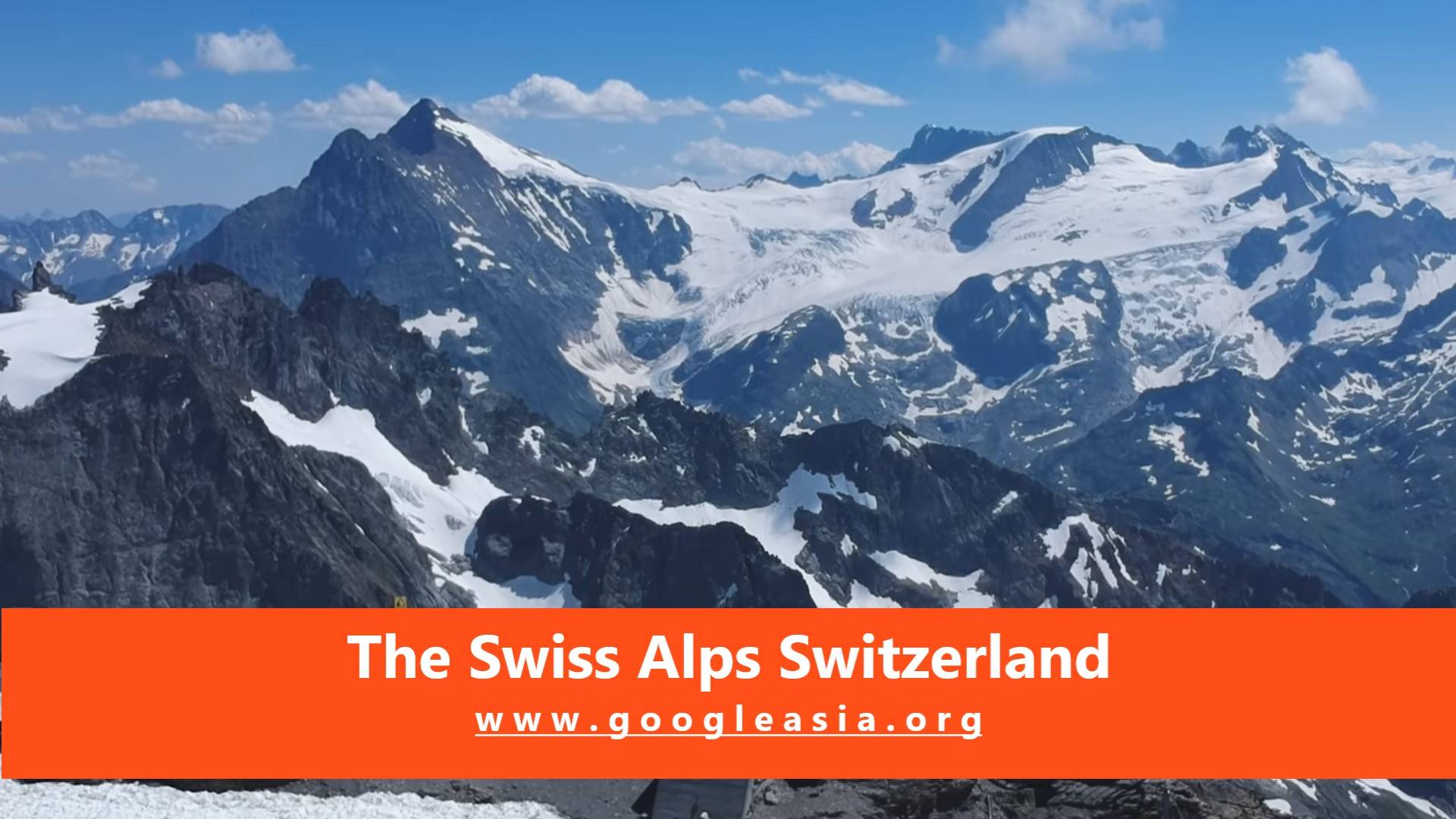
    Explore the Swiss Alps’ dramatic peaks, alpine meadows, and world‑class trails. From glacier panoramas to cozy mountain villages, every route rewards curiosity. Plan your alpine escape today and discover Switzerland’s high‑altitude magic!

    Introduction

    The Swiss Alps is the highest mountain in Switzerland measuring at 4,809 meters, offering the best experiences for skiing, hiking and other activities.

    The Swiss Alps, a breathtaking expanse of mountains in Switzerland, stand as one of Europe’s premier destinations for both winter and summer adventures. Renowned for their stunning beauty and diverse activities, the Alps offer something for every type of traveler. Here’s a comprehensive look at what makes the Swiss Alps so spectacular.

    Overview

    The Majestic Peaks

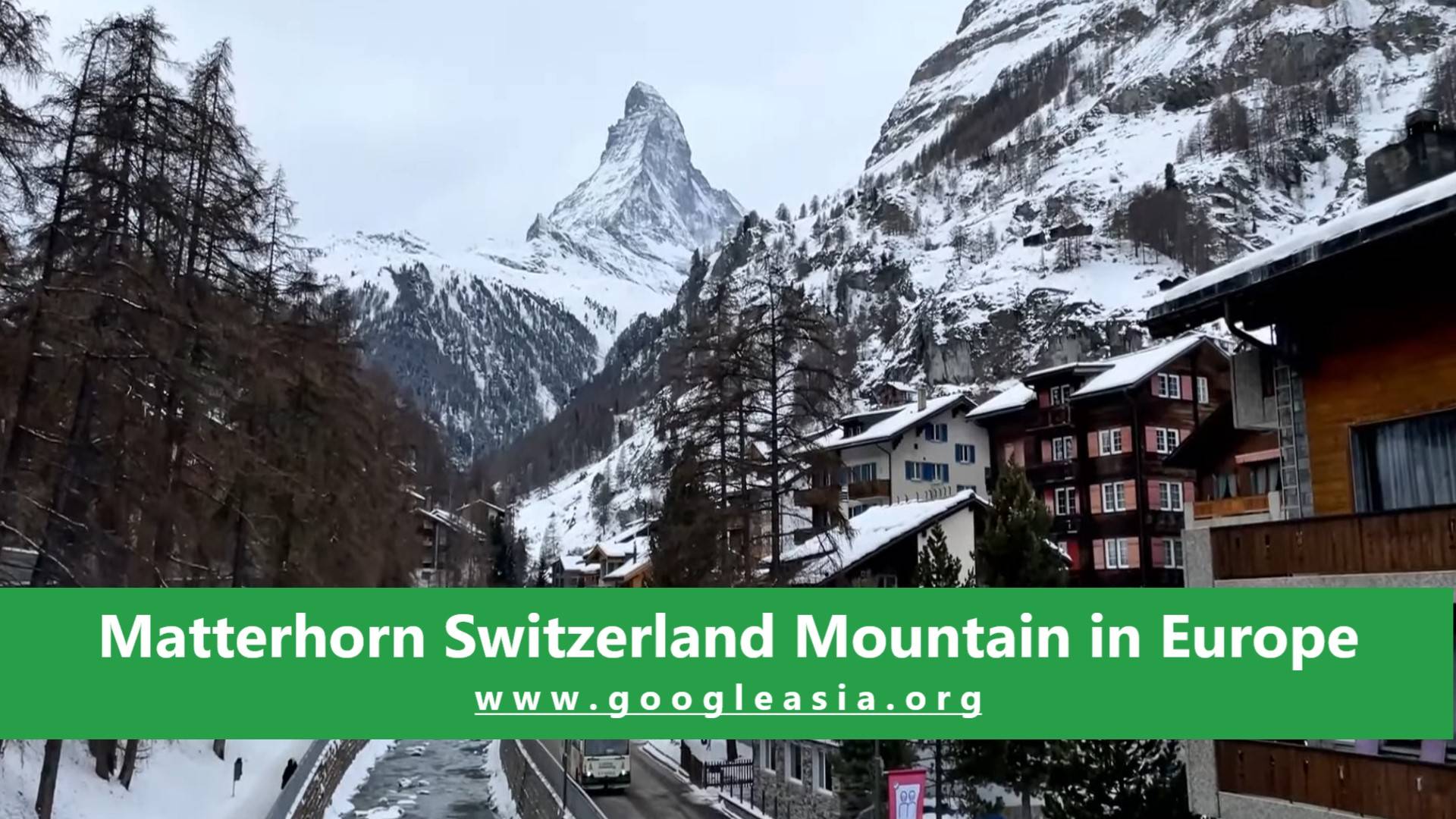
    • Matterhorn:
      • Overview: One of the most iconic and recognizable peaks in the Swiss Alps, the Matterhorn stands at 4,478 meters (14,692 feet) above sea level.
      • Features: Its distinctive pyramid shape and striking profile make it a must-see for visitors.
    • Other Notable Peaks:
      • Dufourspitze: The highest peak in the Swiss Alps, reaching 4,634 meters (15,203 feet).
      • Eiger: Famous for its challenging north face and panoramic views.

    Alpine Geography

    • Mountain Range:
      • Extent: The Swiss Alps cover a significant portion of Switzerland, stretching across several cantons.
      • Terrain: The range includes a mix of rugged peaks, lush valleys, and serene lakes.

    Attractions

    Alpine Lakes

    • Lake Geneva:
      • Overview: A large lake offering stunning views and a range of water activities.
      • Highlights: Located near the city of Geneva with beautiful lakeside promenades.
    • Lake Lucerne:
      • Overview: Known for its picturesque setting and historic paddle steamers.
      • Highlights: Surrounded by mountains and accessible by scenic boat rides.

    Charming Alpine Villages

    • Gstaad:

      • Overview: A picturesque village known for its luxury and traditional Swiss charm.
      • Highlights: Offers upscale shopping and dining experiences.
    • Grindelwald:

      • Overview: A charming village with access to numerous outdoor activities.
      • Highlights: Provides stunning views and a gateway to the Jungfrau region.

    Things to Do

    The Swiss Alps, with their breathtaking landscapes and diverse range of activities, offer something for everyone throughout the year. Whether you’re an adventure seeker or simply looking to enjoy the natural beauty, here’s a comprehensive guide to the best things to do in this iconic mountain range.

    Winter Adventures

    Skiing and Snowboarding

    • Overview: The Swiss Alps are renowned for their world-class skiing and snowboarding facilities, attracting enthusiasts from around the globe.
    • Popular Resorts:
      • Zermatt: Offers a wide range of runs with stunning views of the Matterhorn.
      • St. Moritz: Known for its luxurious ski experience and variety of slopes.
      • Davos: Features extensive ski areas and a vibrant après-ski scene.

    Glacier Sightseeing

    • Overview: Explore some of the most stunning glaciers in the Alps, where you can witness magnificent ice formations and pristine snowfields.
    • Notable Glaciers:
      • Aletsch Glacier: The largest glacier in the Alps, offering spectacular views.
      • Gorner Glacier: Known for its impressive size and proximity to the Matterhorn.

    Summer Activities

    Hiking

    • Overview: Discover the Swiss Alps on foot with trails that offer panoramic views and diverse terrains.
    • Popular Trails:
      • The Eiger Trail: A challenging hike with incredible views of the Eiger.
      • The Matterhorn Glacier Trail: Provides access to the Matterhorn and scenic glacier vistas.

    Mountain Biking

    • Overview: Experience the thrill of mountain biking with a range of trails catering to different skill levels.
    • Top Locations:
      • Verbier: Offers extensive trails through scenic alpine landscapes.
      • Davos: Known for its variety of trails and bike parks.

    Climbing

    • Overview: Test your climbing skills on some of the most challenging and rewarding routes in the Alps.
    • Popular Peaks:
      • Matterhorn: A legendary climb for experienced mountaineers.
      • Monte Rosa: Offers a range of climbing routes for various skill levels.

    Aerial and Scenic Experiences

    Paragliding

    • Overview: Enjoy the thrill of paragliding and take in panoramic views of the Swiss Alps from above.
    • Popular Locations:
      • Interlaken: Known for its stunning paragliding experiences over lakes and mountains.
      • Verbier: Offers exhilarating flights with breathtaking alpine views.

    Hot Air Ballooning

    • Overview: Soar high above the Swiss Alps in a hot air balloon and experience the serene beauty of the mountains from a unique vantage point.
    • Best Spots:
      • Montreux: Provides beautiful views of the Alps and Lake Geneva.
      • Gstaad: Offers scenic balloon rides with views of picturesque villages and mountains.

    Alpine Coaster

    • Overview: Enjoy an adrenaline-pumping ride on an alpine coaster, a thrilling toboggan-like experience down the mountainside.
    • Top Locations:
      • Adelboden: Features a popular alpine coaster with exciting twists and turns.
      • Laax: Known for its fun and fast alpine coaster rides.

    Unique Local Experiences

    Cheese Making

    • Overview: Learn the traditional art of Swiss cheese making from local artisans and taste some of the finest cheeses in the region.
    • Where to Experience:
      • Gruyères: Home to the famous Gruyère cheese, with local workshops and tours.
      • Emmental: Known for Emmental cheese, offering authentic cheese-making experiences.

    Sightseeing

    • Overview: Explore the stunning scenery of the Swiss Alps, whether from the ground or high above in a cable car.
    • Must-See Spots:
      • Jungfraujoch: Known as the “Top of Europe,” offering spectacular views and a range of activities.
      • Schilthorn: Features panoramic views from its revolving restaurant and observation deck.

    Foods

    The Swiss Alps are not only known for their stunning landscapes but also for their delicious and hearty cuisine. The region’s traditional foods reflect its rich cultural heritage and are perfect for satisfying appetites after a day of outdoor adventures. Here are some must-try dishes when you visit the Swiss Alps:

    Classic Swiss Dishes

    Raclette

    • Overview: Raclette is a traditional Swiss dish featuring melted cheese scraped over potatoes, pickles, and various accompaniments.
    • How It’s Served: Often enjoyed with charcuterie, fresh vegetables, and pickled onions.
    • Where to Try: Look for local restaurants or alpine lodges that offer raclette evenings, especially in regions like Zermatt and St. Moritz.

    Fondue

    • Overview: Swiss fondue is a melted cheese dish made from a blend of cheeses, usually Gruyère and Emmental, served with bread, vegetables, and occasionally fruits.
    • How It’s Served: Typically enjoyed by dipping pieces of bread or vegetables into the cheese using long forks.
    • Where to Try: Fondue restaurants and mountain chalets throughout the Alps, especially in areas like Lucerne and Geneva.

    Rösti

    • Overview: Rösti is a traditional Swiss dish made from shredded potatoes that are fried until crispy. It’s often served with cheese, bacon, and onions.
    • How It’s Served: As a side dish or as a main course, often topped with eggs or alongside meats.
    • Where to Try: Commonly found in Swiss diners and alpine eateries, particularly in Bern and Zurich.

    Hearty Alpine Specialties

    Zürcher Geschnetzeltes

    • Overview: A classic Swiss dish from Zurich, Zürcher Geschnetzeltes features veal cooked in a creamy white wine and mushroom sauce.
    • How It’s Served: Typically served with Rösti or noodles.
    • Where to Try: Look for restaurants specializing in Zurich cuisine or Swiss alpine inns.

    Älplermagronen

    • Overview: Älplermagronen is a comforting Swiss dish made with macaroni, potatoes, onions, cheese, and cream, often mixed with a touch of garlic.
    • How It’s Served: Served hot as a main dish, often with a side of applesauce.
    • Where to Try: Traditional alpine restaurants and Swiss mountain huts.

    Bündnerfleisch

    • Overview: Bündnerfleisch is a cured and air-dried beef or pork, known for its rich, intense flavor.
    • How It’s Served: Often enjoyed as a cold cut, typically with bread or cheese.
    • Where to Try: Local charcuterie shops and alpine restaurants in the Graubünden region.

    Breakfast and Light Meals

    Birchermüesli

    • Overview: A traditional Swiss breakfast dish made with oats, fruits, nuts, and yogurt or milk.
    • How It’s Served: Typically served chilled and often accompanied by fresh fruit or honey.
    • Where to Try: Commonly found in Swiss hotels and breakfast spots throughout the Alps.

    Wienerli

    • Overview: Swiss Wienerli are similar to sausages, made from high-quality meat and seasoned to perfection.
    • How It’s Served: Often enjoyed grilled or boiled, usually with mustard and a side of bread.
    • Where to Try: Found at local markets and casual dining spots in the Swiss Alps.

    Hotels

    The Swiss Alps offer some of the most luxurious and breathtaking hotels, each providing stunning views and exceptional amenities. Whether you’re seeking a high-end retreat or a cozy alpine escape, these hotels promise an unforgettable stay in one of the world’s most picturesque regions.

    Luxurious Alpine Retreats

    The Chedi Andermatt

    • Overview: A 5-star resort offering unparalleled luxury and modern amenities with traditional Alpine charm.
    • Features: Includes a world-class spa, gourmet dining, and stunning views of the surrounding mountains.
    • Location: Andermatt, a popular destination for skiing and hiking.

    The Alpina Gstaad

    • Overview: Known for its blend of traditional Swiss style and contemporary luxury, The Alpina Gstaad offers a unique and elegant stay.
    • Features: Features include a luxury spa, indoor pool, and exquisite dining options.
    • Location: Gstaad, renowned for its upscale ambiance and winter sports.

    Hotel Giardino Mountain

    • Overview: A chic and contemporary hotel set amidst the stunning scenery of the Alps.
    • Features: Offers a relaxing spa, fine dining, and spacious rooms with panoramic views.
    • Location: Zermatt, a prime spot for skiing and mountain excursions.

    Iconic Alpine Hotels

    Hotel Schweizerhof Bern

    • Overview: A historic 5-star hotel known for its elegant architecture and outstanding service.
    • Features: Includes luxurious rooms, a top-tier restaurant, and a central location in Bern.
    • Location: Though not directly in the Alps, it’s a great base for exploring the region.

    Parkhotel Bellevue & Spa

    • Overview: A luxurious spa hotel offering exceptional service and stunning mountain views.
    • Features: Includes a comprehensive wellness area, gourmet dining, and stylish rooms.
    • Location: Gstaad, known for its exclusive ambiance and outdoor activities.

    Romantik Hotel Schweizerhof

    • Overview: A charming hotel with a focus on traditional Swiss hospitality and comfort.
    • Features: Offers cozy rooms, a spa, and fine dining options.
    • Location: Grindelwald, a gateway to the Jungfrau region with excellent hiking and skiing.

    Modern Alpine Escapes

    W Verbier

    • Overview: A modern, vibrant hotel combining luxury with a lively atmosphere.
    • Features: Includes a chic spa, trendy dining options, and a lively après-ski scene.
    • Location: Verbier, known for its extensive ski terrain and vibrant nightlife.

    Hotel Gstaaderhof

    • Overview: A comfortable and stylish hotel offering a blend of modern amenities and traditional Swiss charm.
    • Features: Features include a spa, wellness facilities, and a renowned restaurant.
    • Location: Gstaad, a high-end resort town with a variety of winter and summer activities.

    Grand Hotel Zermatterhof

    • Overview: A luxurious hotel with a classic Alpine feel, offering exceptional service and amenities.
    • Features: Includes an extensive spa, gourmet dining, and stunning views of the Matterhorn.
    • Location: Zermatt, a prime location for skiing and exploring the Alps.

    Hotel Guarda Val

    • Overview: A charming, traditional hotel offering a cozy atmosphere and excellent service.
    • Features: Includes comfortable rooms, a well-regarded restaurant, and a spa area.
    • Location: Celerina/Schlarigna, providing easy access to St. Moritz and surrounding attractions.

    Conclusion

    A trip to the Swiss Alps is more than a holiday—it’s a chance to connect with nature, culture, and timeless beauty. From sunrise over snowy ridges to evenings spent in warm alpine inns, the memories linger long after you leave. Pack your boots, bring your camera, and let the Alps show you why they remain one of the world’s most inspiring destinations.

    The Swiss Alps Switzerland

    Summary

    • Attraction: The Swiss Alps Switzerland
    • Country: Switzerland
    • Continent: Europe
    • Capital Name: Bern
    • Language: French, Italian, German, Romansh
    • Category: #Destination #Europe #SWITZERLAND 

    Frequently Asked Questions

    Where is the Swiss Alps located?

    The Swiss Alps are a mountain range located in Switzerland. They extend across the southern part of the country and are known for their stunning beauty, picturesque landscapes, and numerous ski resorts. The Swiss Alps are part of the larger Alps Mountain range, which spans several European countries. The Alps cover a significant portion of Switzerland, providing a popular destination for outdoor activities such as hiking, skiing, and mountaineering.

    How to go to the Swiss Alps?

    To reach the Swiss Alps, you can typically fly into one of Switzerland’s major international airports, such as Zurich Airport or Geneva Airport, and then use public transportation or rent a car to travel to your desired destination within the Swiss Alps. Alternatively, you can take a train directly to towns and villages in the Swiss Alps from various cities across Switzerland and neighboring countries. Once in the Swiss Alps, you can explore the region by hiking, skiing, or using cable cars and mountain railways to access higher elevations and enjoy the breathtaking scenery.

    What are the Swiss Alps’ must-visit attractions or landmarks?

    The Swiss Alps offer a wealth of breathtaking attractions and landmarks. Here are some must-visit places in the Swiss Alps:

    1. Matterhorn: One of the most iconic peaks in the Alps, known for its distinctive pyramid shape. The nearby town of Zermatt is a popular base for exploring the area.
    2. Jungfraujoch: Often referred to as the “Top of Europe,” Jungfraujoch is a high-altitude mountain pass accessible by a scenic train ride. Enjoy panoramic views of the Aletsch Glacier and surrounding peaks.
    3. Lake Geneva: While not in the Alps, the beautiful Lake Geneva is surrounded by Alpine landscapes. The town of Montreux, on the lake’s shores, offers a pleasant atmosphere and hosts the famous Montreux Jazz Festival.
    4. Interlaken: Nestled between Lake Thun and Lake Brienz, Interlaken is a charming town that serves as a gateway to the Jungfrau Region. It offers outdoor activities, shopping, and stunning views.
    5. Swiss National Park: Located in the Engadin Valley, it is Switzerland’s only national park. Visitors can explore pristine alpine landscapes, observe wildlife, and hike through picturesque valleys.
    6. Lauterbrunnen Valley: A picturesque valley with numerous waterfalls, including the famous Staubbach Falls. The surrounding villages, such as Wengen and Mürren, provide access to hiking and skiing.
    7. Gornergrat Railway: Take a scenic train ride to the Gornergrat summit for panoramic views of the Matterhorn and surrounding peaks.
    8. Aletsch Glacier: The largest glacier in the Alps, it’s a UNESCO World Heritage site. Hiking trails and viewpoints around the Aletsch Arena offer stunning vistas.
    9. Grindelwald: A charming village with a stunning backdrop of the Eiger North Face. It’s a hub for outdoor activities and a gateway to the Jungfrau Region.
    10. Rheinwaldhorn: The highest peak in the Swiss canton of Graubünden, offering challenging hiking and mountaineering opportunities.

    What are the Swiss Alps’ nearby must-visit attractions or landmarks?

    In addition to the attractions directly within the Swiss Alps, there are several nearby places worth exploring. Here are some must-visit attractions and landmarks in the vicinity:

    1. Lucerne: Located at the northern edge of the Swiss Alps, Lucerne is a charming city with a well-preserved medieval old town, Chapel Bridge, and the iconic Water Tower. The city is also situated on the shores of Lake Lucerne, offering stunning lake views.
    2. Bern: The capital city of Switzerland, Bern, is not far from the Bernese Oberland region of the Alps. Explore the UNESCO-listed Old Town, featuring Zytglogge clock tower, the Federal Palace, and the Bear Park.
    3. Rhine Falls: While not directly in the Alps, Rhine Falls, located near Schaffhausen, is the largest waterfall in Europe. It’s an impressive natural wonder and can be easily reached from the northern parts of the Swiss Alps.
    4. Chillon Castle: Situated on the shores of Lake Geneva, near Montreux, Chillon Castle is a medieval fortress with picturesque views of the lake and mountains.
    5. Arosa: A charming mountain village in the canton of Graubünden, Arosa offers a serene alpine setting, beautiful lakes, and opportunities for hiking and skiing.
    6. Engadin Valley: Located in the canton of Graubünden, this valley is known for its stunning landscapes, high-altitude lakes, and charming villages like St. Moritz and Pontresina.
    7. Montreux: Nestled on the shores of Lake Geneva, Montreux is famous for its annual jazz festival and scenic lakeside promenade. It serves as a gateway to the nearby Rochers-de-Naye and the Lavaux vineyards.
    8. Zurich: Switzerland’s largest city, Zurich, is a cultural and financial hub located at the northern edge of the Alps. Explore the Old Town, visit museums, and enjoy the vibrant urban atmosphere.
    9. Appenzell: A picturesque town in eastern Switzerland, known for its well-preserved medieval architecture, vibrant traditions, and the scenic Appenzell Alps.
    10. St. Moritz: A world-renowned alpine resort town in the Engadin Valley, famous for winter sports, luxury hotels, and the beautiful Lake St. Moritz.

    Is the Swiss Alpsa suitable travel destination for solo adventurers, honeymooning couples, or those traveling with families?

    The Swiss Alps are a versatile destination that caters to various types of travelers, making it suitable for solo adventurers, honeymooning couples, and families. Here’s why each group might find the Swiss Alps appealing:

    1. Solo Adventurers:
      • Outdoor Activities: Solo travelers who enjoy hiking, skiing, mountaineering, and other outdoor activities will find an abundance of opportunities in the Swiss Alps.
      • Adventure Sports: The region offers activities like paragliding, snowboarding, and zip-lining, providing solo adventurers with thrilling experiences.
      • Scenic Trails: The well-marked hiking trails allow solo travelers to explore the stunning landscapes at their own pace.
    2. Honeymooning Couples:
      • Romantic Settings: The Swiss Alps offer romantic settings with picturesque mountain backdrops, charming villages, and cozy alpine retreats.
      • Secluded Retreats: There are intimate and luxurious accommodations nestled in the mountains, providing couples with privacy and tranquility.
      • Scenic Train Rides: Honeymooners can enjoy scenic train journeys through the mountains, such as the Glacier Express or the Jungfraujoch Railway.
    3. Families:
      • Outdoor Adventures: Families can engage in a variety of outdoor activities suitable for all ages, including hiking, skiing, and family-friendly excursions.
      • Educational Opportunities: The Swiss Alps offer educational experiences, such as visits to nature reserves, interactive museums, and opportunities to learn about local flora and fauna.
      • Scenic Drives: Families can enjoy scenic drives through the Alps, exploring charming villages and enjoying panoramic views.

    Why should you visit the Swiss Alps?

    Visiting the Swiss Alps offers a unique and unforgettable experience, attracting travelers for various reasons. Here are several compelling reasons to explore the Swiss Alps:

    1. Breathtaking Scenery: The Swiss Alps boast stunning landscapes with majestic mountains, picturesque valleys, crystal-clear lakes, and lush meadows. The scenery is postcard-worthy, providing a visual feast for nature lovers.
    2. Outdoor Adventure: The Swiss Alps are a paradise for outdoor enthusiasts. Visitors can engage in a wide range of activities, including hiking, skiing, snowboarding, mountaineering, paragliding, and mountain biking.
    3. World-Class Ski Resorts: Renowned ski resorts like Zermatt, Verbier, and St. Moritz offer exceptional winter sports experiences. Enjoy well-groomed slopes, modern facilities, and breathtaking views while skiing or snowboarding.
    4. Charming Alpine Villages: The region is dotted with charming alpine villages featuring traditional architecture, cobblestone streets, and cozy chalets. These villages provide a quaint and welcoming atmosphere.
    5. Cultural Richness: Explore the unique culture of the Alps, including traditions, local festivals, and delicious alpine cuisine. Each region has its own cultural identity, adding depth to the travel experience.
    6. Iconic Landmarks: The Swiss Alps are home to iconic landmarks such as the Matterhorn, Jungfraujoch, and Aletsch Glacier. These natural wonders draw visitors from around the world.
    7. Adventure Sports: Experience adrenaline-pumping activities like paragliding, zip-lining, and rock climbing against the backdrop of breathtaking mountain scenery.
    8. Scenic Train Journeys: Enjoy some of the most scenic train journeys in the world, like the Glacier Express and the Bernina Express, offering panoramic views of the Alps.
    9. Wellness and Relaxation: Many alpine resorts offer wellness and spa facilities, allowing visitors to unwind in luxurious surroundings after a day of outdoor activities.
    10. Year-Round Appeal: The Swiss Alps are a year-round destination. Whether it’s skiing in the winter, hiking in the summer, or enjoying the colorful autumn foliage, there’s always something to see and do.
    11. Clean and Safe Environment: Switzerland is known for its commitment to environmental conservation and safety. Visitors can enjoy pristine natural surroundings and a sense of security during their travels.
    12. Efficient Infrastructure: The Swiss have an excellent transportation system, making it easy to explore the Alps by train, cable car, or car, providing access to even remote and stunning locations.

    Is it difficult to find halal food in the vicinity of the Swiss Alps?

    Finding halal food in the vicinity of the Swiss Alps can be a bit challenging, especially in more remote or less populated areas. However, in popular tourist destinations and larger towns, you are likely to find some options. Here are a few tips to help you find halal food in the Swiss Alps:

    1. Tourist Areas: In major tourist areas and popular towns, there’s a higher chance of finding restaurants or eateries offering halal options. Tourist destinations often cater to diverse dietary preferences.
    2. Cities and Towns: Larger cities and towns near the Swiss Alps, such as Zurich, Geneva, Lucerne, and Interlaken, tend to have a more diverse range of dining options, including halal restaurants.
    3. Urban Centers: Explore urban centers and commercial areas within or near the Swiss Alps. These areas are more likely to have restaurants or grocery stores offering halal products.
    4. Ask Locals: Locals can be a valuable resource. Inquire at hotels, tourist information centers, or ask locals for recommendations on places that serve halal food.
    5. International Cuisine: Look for restaurants serving international cuisine, as they may offer halal options. Mediterranean, Middle Eastern, or Asian restaurants might have suitable choices.
    6. Online Resources: Use online resources such as travel forums, review websites, or food apps to find information about halal-friendly restaurants in specific locations.
    7. Plan Ahead: If you have dietary restrictions, it’s a good idea to plan your meals in advance, especially in more remote areas. Carry snacks or ready-to-eat halal food, if necessary.

  • Matterhorn Travel Guide for US & UK Travelers

    Matterhorn Travel Guide for US & UK Travelers

    Matterhorn

    Experience the majestic Matterhorn, Switzerland’s most iconic peak. From scenic hikes to panoramic views, every journey is unforgettable. Plan your adventure today and discover the magic of the Alps!

    Introduction

    The Matterhorn is one of the most celebrated mountains in Europe and a true symbol of the Swiss Alps. Famous for its distinctive pyramid shape and impressive elevation, it straddles the border between Switzerland and Italy. Whether you’re an adventure seeker, a nature lover, or a history enthusiast, the Matterhorn promises an unforgettable experience. From mountaineering challenges to scenic viewpoints, this Alpine marvel continues to captivate travelers from around the globe.

    Location and Elevation

    The Matterhorn stands proudly at an elevation of 4,478 meters (14,692 feet), making it one of the highest peaks in the Alps. Located on the border of Switzerland and Italy, it dominates the landscape of the Pennine Alps. Its nearly symmetrical shape makes it a highly recognizable natural landmark that attracts travelers and mountaineers worldwide.

    Iconic Status

    The Matterhorn’s striking profile has made it a symbol of Swiss pride. It’s famously featured on the Swiss 10-franc coin and is one of the most photographed mountains globally. Its allure draws not only mountaineers but also photographers, adventurers, and anyone in awe of nature’s grandeur. The Matterhorn’s majestic presence has turned it into a universal symbol of the Alps.

    Historical Significance

    The First Ascent

    The Matterhorn’s first ascent on July 14, 1865, remains a landmark event in mountaineering history. A British team, led by Edward Whymper, reached the summit after a challenging climb. However, their victory was overshadowed by tragedy, as four of the climbers fell to their deaths during the descent. This event marked a pivotal moment in alpine exploration and remains a poignant part of the Matterhorn’s legacy.

    Impact on Climbing Culture

    The Matterhorn’s steep slopes and challenging routes solidified its reputation as one of the ultimate climbs for mountaineers. Its iconic ascent set the stage for future alpine expeditions and continues to inspire climbers who dream of conquering one of the world’s most demanding mountains.

    Budget Travel $100

    Visiting the Matterhorn on a budget of $100 in a day is possible if you plan carefully, since train tickets from nearby towns like Zermatt will be your biggest expense, costing around CHF 25–30 for regional travel. Once in Zermatt, you can enjoy free attractions such as walking through the charming old town, hiking marked trails that offer spectacular views of the peak, and exploring the surrounding alpine scenery without paying entrance fees.

    For meals, skip restaurants and buy supermarket food like bread, cheese, and fruit for CHF 15–20, which is both authentic and affordable. If you want to enrich your experience, you can budget for a single cable car ride to a mid‑station such as Furi or Schwarzsee, which costs around CHF 25–30, leaving enough for a coffee or pastry at a local café. By combining public transport, supermarket meals, and one scenic lift ride, you can enjoy a full day at the Matterhorn without overspending.

    Tips for USA and UK Travellers

    For visitors from the USA and UK, it is important to remember that Switzerland uses the Swiss franc (CHF) rather than the euro, so exchanging money in advance or using a card with low foreign transaction fees will save you money.

    The Matterhorn is located near Zermatt, a car‑free village, so you must arrive by train, which is the most efficient and scenic way to travel. Language varies by region, with German being the primary language in Zermatt, but English is widely understood in tourist areas, so communication is rarely a problem. Weather in the Alps can change quickly, so packing layered clothing and sturdy hiking shoes is essential even in summer. Finally, cultural etiquette values punctuality and respect for nature, so staying on marked trails and being mindful of local customs will make your trip smoother and more enjoyable.

    Attractions

    Zermatt and Cervinia

    Zermatt, a charming Swiss town, is the perfect base for exploring the Matterhorn. The car-free village is packed with restaurants, hotels, and shops. On the opposite side, Cervinia offers access to ski slopes and additional Italian experiences.

    Practical Information

    Getting There

    Zermatt is easily accessible by train from major Swiss cities, including Zurich and Geneva. Once in Zermatt, there are multiple options for excursions, including hikes, cable cars, and guided tours centered around the Matterhorn.

    Best Time to Visit

    The best time to visit depends on your interests:

    • Summer: Ideal for hiking, climbing, and sightseeing with stable weather.
    • Winter: Perfect for skiing and snowboarding, though weather can be more unpredictable.

    Things to Do

    Ski and Snowboard

    The Matterhorn Glacier Paradise is Europe’s highest ski area, with over 200 kilometers of ski runs. Whether you’re an expert or beginner, you’ll find slopes suitable for your skill level, making it a premier destination for snow sports enthusiasts.

    Go Glacier Walking

    Explore the Matterhorn Glacier on a guided glacier walking tour. Walk through crevasses, ice caves, and witness the unique beauty of glacial formations while learning about the region’s geology.

    Ride the Cable Car

    Take a ride on the Matterhorn Glacier Paradise cable car for unparalleled views of the Matterhorn and surrounding Swiss Alps. The journey itself is a visual treat.

    Visit the Ice Palace

    The Ice Palace, carved into the glacier, offers visitors a magical experience. Explore intricate ice sculptures and marvel at the stunning frozen chambers and tunnels.

    Enjoy a Picnic

    For a more relaxed experience, pack a picnic and enjoy it at one of the scenic spots around the Matterhorn. The alpine serenity and dramatic landscape make for the perfect backdrop to a peaceful meal.

    Explore the Alpine Village

    The charming village of Zermatt, at the foot of the Matterhorn, is a delightful place to explore. Walk through its narrow streets, visit quaint shops, and savor traditional Swiss cuisine at one of the local restaurants.

    Climbing and Mountaineering

    The Matterhorn is renowned for its challenging climbing routes. One of the most popular is the Hörnli Ridge, known for its technical difficulty. Only experienced climbers should attempt the summit, and hiring a professional guide is strongly advised to ensure safety during the ascent.

    Hiking and Scenic Trails

    For those seeking a less strenuous activity, the Matterhorn region offers stunning hiking trails that provide spectacular views of the peak. Notable trails include:

    • Gornergrat Railway: Provides breathtaking panoramic views of the Matterhorn and surrounding peaks.
    • Five Lakes Walk: A scenic route with views of the Matterhorn reflected in serene alpine lakes.

    Foods

    Classic Swiss Dishes

    Raclette

    A must-try Swiss dish, Raclette involves melted cheese scraped over boiled potatoes, pickles, and cured meats. It’s perfect for warming up after a long day on the slopes.

    Fondue

    Another Swiss classic, Fondue features melted cheese served with bread cubes. It’s a social meal, ideal for sharing with friends and family.

    Rösti

    Rösti is a Swiss potato dish that’s crispy on the outside and soft on the inside. Often served with bacon, cheese, or eggs, it’s perfect for breakfast or a side dish.

    Local Specialties

    Birchermüesli

    This classic Swiss breakfast dish made with oats, yogurt, nuts, and fresh fruit is a nutritious start to your day.

    Bündner Gerstensuppe

    A hearty barley soup made with bacon, potatoes, and onions. This warm, flavorful dish is perfect for replenishing your energy after outdoor activities.

    Cheese Fondue Bread

    For a delicious twist on traditional fondue, Cheese Fondue Bread is designed specifically for dipping into melted cheese, offering a perfect balance of crispy and soft textures.

    Sweet Treats

    Swiss Chocolate

    Indulge in the finest Swiss chocolate while exploring the region. From rich dark chocolate to creamy milk varieties, Swiss chocolate is an essential treat.

    Conclusion

    The Matterhorn is an iconic alpine peak offering a wide range of outdoor activities, breathtaking views, and rich cultural experiences. Whether you’re seeking adventure in the Swiss Alps, moments of serenity in stunning landscapes, or a deeper connection to nature, the Matterhorn has something for everyone. From hiking and skiing to exploring the beautiful Zermatt region, this majestic mountain provides an unforgettable experience for travelers and nature enthusiasts alike. Pack your gear and get ready for an adventure to one of the world’s most iconic destinations.

    Are you ready to explore the beauty and majesty of the Matterhorn? Book your next alpine adventure to Zermatt, where stunning views, unforgettable experiences, and delicious Swiss cuisine await! Don’t miss out on the opportunity to make memories that will last a lifetime.

    Matterhorn Switzerland Mountain in Europe

    Summary

    • Attraction: Matterhorn Switzerland Mountain in Europe
    • Country: Switzerland
    • Continent: Europe
    • Capital: Bern
    • Language: French, Italian, German, Romansh
    • Currency: Swiss Franc (CHF)
    • Nationality: Swiss
    • Category: #Destination #Europe #Switzerland 

    Frequently Asked Questions

    Where is the Matterhorn located?

    The Matterhorn is a mountain located in the Pennine Alps on the border between Switzerland and Italy. Its precise coordinates are approximately 45.9764° N latitude and 7.6587° E longitude. The mountain is one of the most iconic and recognizable peaks in the Alps, known for its distinctive pyramid shape. The town of Zermatt in Switzerland is a popular base for those wanting to explore the Matterhorn region. The mountain is renowned for its challenging climbing routes and is a major attraction for mountaineers and tourists alike.

    How can one travel to the Matterhorn?

    Traveling to the Matterhorn involves reaching the surrounding region, with Zermatt in Switzerland being a common base for visitors. Here are the general steps to travel to the Matterhorn:

    1. International Travel: If you are coming from abroad, the nearest international airports are in Switzerland and Italy. Geneva Airport (GVA) and Zurich Airport (ZRH) in Switzerland, as well as Milan Malpensa Airport (MXP) in Italy, are common entry points.
    2. Train Travel to Zermatt: Zermatt is a car-free village, and the preferred mode of transport is by train. From major Swiss cities like Geneva, Zurich, or Bern, take a train to Zermatt. The scenic train journey offers stunning views of the Swiss Alps.
    3. Car Travel to Täsch and Shuttle to Zermatt: If you’re driving, you can reach the village of Täsch, which is the last point accessible by private vehicles. From Täsch, you can take a shuttle or use the Matterhorn Gotthard Bahn train to reach Zermatt.
    4. Cable Car or Train from Zermatt to Gornergrat: To get closer to the Matterhorn, consider taking the Gornergrat Bahn (cogwheel train) or the Gornergrat Railway from Zermatt to Gornergrat. This vantage point provides spectacular views of the Matterhorn.
    5. Cable Car to Klein Matterhorn (Matterhorn Glacier Paradise): For a close-up view of the Matterhorn, take the cable car from Zermatt to the Klein Matterhorn (Matterhorn Glacier Paradise). It is one of the highest cable cars in Europe and offers breathtaking views.
    6. Climbing or Hiking: For adventurous travelers and mountaineers, there are climbing routes to the summit of the Matterhorn. Guided climbs are recommended for those with mountaineering experience. Additionally, there are various hiking trails around the Matterhorn for different skill levels.
    7. Accommodation in Zermatt: Stay in Zermatt, where you’ll find a range of accommodations, including hotels, chalets, and lodges. From Zermatt, you can easily access transportation to different points around the Matterhorn.
    8. Weather Considerations: Be aware of the weather conditions, especially if you plan to ascend the Matterhorn or explore the surrounding areas. Weather in the mountains can change rapidly, and it’s essential to be prepared.

    What is Matterhorn’s must-visit attractions or landmarks?

    The Matterhorn itself is the primary attraction, and its iconic pyramid shape makes it a stunning natural landmark visible from various vantage points. However, the surrounding region offers several must-visit attractions and landmarks for visitors:

    1. Gornergrat: Take the Gornergrat Bahn or Gornergrat Railway from Zermatt to reach the Gornergrat summit. From here, you’ll have breathtaking panoramic views of the Matterhorn and surrounding peaks. It’s a popular spot for photography and enjoying the alpine scenery.
    2. Klein Matterhorn (Matterhorn Glacier Paradise): Accessible via the highest cable car in Europe, the Klein Matterhorn offers a close-up view of the Matterhorn. The viewing platform provides stunning vistas, and you can experience snow and ice year-round.
    3. Hiking Trails: Explore the hiking trails around the Matterhorn for various skill levels. The Five Lakes Walk is a scenic trail offering reflections of the Matterhorn in alpine lakes. The Hörnli Hut is a destination for experienced climbers and hikers.
    4. Zermatt Village: The car-free village of Zermatt serves as a base for Matterhorn exploration. Stroll through its charming streets, visit local shops, and enjoy Swiss cuisine in the restaurants. The Gornergrat Railway departs from Zermatt.
    5. Hörnli Ridge: The Hörnli Ridge is the most famous route for climbing the Matterhorn. While climbing requires advanced mountaineering skills, viewing the Hörnli Hut from a distance is an experience in itself.
    6. Schwarzsee (Black Lake): Schwarzsee is a mountain lake situated on the Hörnli Ridge route. It provides a serene setting with reflections of the Matterhorn. It’s a destination for hikers and climbers.
    7. Theodul Pass: The Theodul Pass is a high mountain pass connecting Zermatt in Switzerland with Breuil-Cervinia in Italy. It’s a popular route for skiing and mountaineering and offers panoramic views of the surrounding peaks.
    8. Matterhorn Museum: Located in Zermatt, the Matterhorn Museum provides insights into the history of Zermatt, the development of mountaineering, and the first ascent of the Matterhorn in 1865.
    9. Hörnli Hut: While reaching the summit may require advanced mountaineering skills, the Hörnli Hut is a base camp for climbers. It offers a glimpse into the challenging ascent of the Matterhorn.
    10. Stellisee: Stellisee is another mountain lake near Zermatt with stunning reflections of the Matterhorn. It’s accessible via hiking trails, and the scenery is particularly beautiful during sunrise and sunset.

    What is Matterhorn’s nearby must-visit attractions or landmarks?

    The Matterhorn is surrounded by a stunning alpine landscape, and the nearby region offers several must-visit attractions and landmarks. Here are some notable places to explore near the Matterhorn:

    1. Gornergrat: Reachable by the Gornergrat Bahn (cogwheel train) from Zermatt, Gornergrat offers panoramic views of the Matterhorn and surrounding peaks. It’s a popular viewpoint, and the observation platform provides breathtaking vistas.
    2. Zermatt Village: The car-free village of Zermatt is a charming destination with cobbled streets, traditional chalets, and a variety of shops and restaurants. It serves as a base for exploring the Matterhorn region.
    3. Klein Matterhorn (Matterhorn Glacier Paradise): Take the cable car to Klein Matterhorn, one of the highest cable cars in Europe. The viewing platform provides close-up views of the Matterhorn, and you can experience snow and ice year-round.
    4. Hiking Trails: Explore the numerous hiking trails around Zermatt and the Matterhorn. The Five Lakes Walk is a scenic route offering stunning reflections of the Matterhorn in alpine lakes. Hiking enthusiasts can choose trails based on their preferences and skill levels.
    5. Gorner Gorge: Located near Zermatt, the Gorner Gorge is a natural wonder with wooden walkways and bridges that allow visitors to explore the gorge’s unique rock formations, waterfalls, and pools.
    6. Theodul Pass: The Theodul Pass is a high mountain pass connecting Zermatt in Switzerland with Breuil-Cervinia in Italy. It’s a picturesque area with panoramic views of surrounding peaks and serves as a route for skiing and mountaineering.
    7. Hörnli Hut: While reaching the summit of the Matterhorn may be a challenging climb, the Hörnli Hut is a base camp for climbers. It’s located on the Hörnli Ridge and provides accommodation for those attempting the ascent.
    8. Matterhorn Museum: Situated in Zermatt, the Matterhorn Museum offers insights into the history of Zermatt, the development of mountaineering, and the first ascent of the Matterhorn in 1865.
    9. Stellisee: Stellisee is a mountain lake near Zermatt with stunning reflections of the Matterhorn. It’s accessible via hiking trails, and the scenery is particularly beautiful during sunrise and sunset.
    10. Riffelsee: Riffelsee is another picturesque lake near Gornergrat with reflections of the Matterhorn. It’s a popular spot for photographers and can be reached by hiking or taking the Gornergrat Bahn.

    Is Matterhorn a suitable travel destination for solo adventurers, honeymooning couples, or those traveling with families?

    The Matterhorn and its surrounding region in Zermatt, Switzerland, cater to various types of travelers, making it a suitable destination for different preferences and travel styles:

    1. Solo Adventurers:
      • Hiking and Climbing: Solo adventurers who enjoy outdoor activities such as hiking and climbing will find numerous trails and routes around the Matterhorn. The region offers challenging hikes and climbs, providing a rewarding experience for those seeking adventure.
      • Scenic Views: Solo travelers can appreciate the breathtaking panoramic views from Gornergrat and Klein Matterhorn. These vantage points offer stunning landscapes and opportunities for solitude.
    2. Honeymooning Couples:
      • Romantic Setting: The Matterhorn’s iconic shape and the charming village of Zermatt create a romantic atmosphere, making it a popular choice for honeymooning couples. Enjoying a scenic cable car ride, exploring the village, and experiencing the beauty of the Alps together can create memorable moments.
      • Luxury Accommodations: Zermatt offers luxury hotels and chalets with romantic settings and mountain views, providing a perfect backdrop for a honeymoon.
    3. Families:
      • Outdoor Activities: Families traveling with children can enjoy outdoor activities like hiking, exploring the Gorner Gorge, or taking scenic train rides. The region offers family-friendly trails and attractions.
      • Educational Opportunities: The Matterhorn Museum in Zermatt provides educational insights into the history of the region, making it an engaging experience for families.
      • Skiing and Winter Sports: During the winter months, families can engage in skiing and other winter sports in the surrounding areas.
    4. Adventure Enthusiasts:
      • Mountaineering: For experienced climbers, the Matterhorn presents a challenging ascent. The Hörnli Route is famous but requires advanced mountaineering skills. Guided climbs are available for those seeking adventure.
      • Skiing and Snowboarding: The region offers excellent skiing and snowboarding opportunities, attracting enthusiasts looking for winter sports adventures.
    5. Nature and Photography Enthusiasts:
      • Scenic Beauty: Nature enthusiasts and photographers will appreciate the stunning alpine landscapes, mountain lakes like Stellisee and Riffelsee, and the reflections of the Matterhorn in various vantage points.
      • Floral Beauty: The region is known for its diverse flora, including alpine flowers, adding to the natural beauty.

    Why should you visit Matterhorn?

    Visiting the Matterhorn is a compelling experience for a variety of reasons, making it a must-see destination for travelers. Here are some reasons why you should consider visiting the Matterhorn:

    1. Iconic Symbol: The Matterhorn is one of the most iconic and recognizable mountains in the world. Its distinct pyramid shape has made it a symbol of the Swiss Alps and a landmark known globally.
    2. Scenic Beauty: The Matterhorn is surrounded by stunning alpine landscapes, including glaciers, mountain lakes, and picturesque valleys. The views from vantage points like Gornergrat and Klein Matterhorn offer breathtaking panoramas of the surrounding peaks.
    3. Outdoor Activities: The region around the Matterhorn provides a playground for outdoor enthusiasts. Hiking, climbing, skiing, and snowboarding are popular activities, catering to adventure seekers year-round.
    4. Gornergrat Railway: Take the Gornergrat Bahn, one of the highest cogwheel railways in Europe, to reach the Gornergrat summit. The journey itself offers spectacular views, and the summit provides an unparalleled vantage point for observing the Matterhorn and neighboring peaks.
    5. Klein Matterhorn (Matterhorn Glacier Paradise): Reachable by cable car, Klein Matterhorn offers a close-up view of the Matterhorn and an opportunity to experience snow and ice at high altitudes. The panoramic views from the viewing platform are extraordinary.
    6. Climbing Challenge: For experienced mountaineers, the Matterhorn presents a challenging ascent. The Hörnli Route is the most famous, but climbing the Matterhorn requires advanced mountaineering skills. Guided climbs are available for those seeking this adventurous challenge.
    7. Zermatt Village: The car-free village of Zermatt, nestled at the base of the Matterhorn, adds to the charm of the region. Explore its quaint streets, traditional chalets, and enjoy Swiss hospitality in local restaurants.
    8. Cultural Experience: Learn about the history of the region and the first ascent of the Matterhorn in 1865 at the Matterhorn Museum in Zermatt. Gain insights into the development of mountaineering and the impact of this iconic mountain.
    9. Photography Opportunities: The Matterhorn provides stunning photographic opportunities, whether capturing the mountain against the sunrise or sunset, reflections in alpine lakes, or the changing colors of the landscape throughout the day.
    10. Romantic Setting: The Matterhorn’s silhouette and the scenic surroundings create a romantic atmosphere, making it a popular destination for couples, proposals, and honeymoons.

    How accessible is halal food in the Matterhorn?

    Finding halal food directly in the immediate vicinity of the Matterhorn, especially in the mountainous and rural regions surrounding Zermatt, can be challenging. The focus of the area is primarily on outdoor activities, alpine landscapes, and adventure tourism.

    However, in the town of Zermatt, which serves as a base for exploring the Matterhorn, you may find a limited number of restaurants offering halal options. Zermatt is a well-developed tourist destination with various dining establishments, including international cuisine. It’s advisable to check with specific restaurants in Zermatt to inquire about their menu and whether they offer halal dishes.

    Here are some tips to find halal food in the Zermatt area:

    1. Ask Locals or Hotel Staff: Locals or staff at your accommodation in Zermatt may provide recommendations for restaurants that offer halal options or may be able to guide you to suitable places.
    2. Check Menus in Advance: Before dining at a restaurant, it’s a good idea to check their menu online or in person to see if they offer halal choices. Many restaurants in tourist destinations provide menu information on their websites.
    3. Diversify Cuisine Options: Look for restaurants offering international cuisines such as Middle Eastern, Indian, or Mediterranean, as they may be more likely to have halal choices.
    4. Supermarkets and Grocery Stores: If you prefer more flexibility, you can also explore local supermarkets or grocery stores in Zermatt. You may find halal products and ingredients for self-catering.
    5. Use Mobile Apps: Utilize mobile apps or websites that specialize in providing information about halal restaurants. Apps like Zabihah or HalalTrip can help you locate suitable dining options.
error: Content is protected !!