Carnival Montevideo, Uruguay
If you’re planning a trip to Uruguay, Carnival Montevideo should definitely be on your list. This vibrant festival takes over the streets of the capital, offering a feast for the senses with lively parades, colorful costumes, and infectious music. The event is a true reflection of Uruguay’s rich cultural mix, blending African, European, and indigenous influences. Whether you’re drawn to the energetic samba rhythms or the creative performances, Carnival Montevideo promises an unforgettable experience. Don’t miss the chance to be part of one of South America’s most exciting celebrations!
Introduction
Carnival Montevideo, Uruguay, is one of the longest-running and most celebrated carnivals in the world. This vibrant festival, celebrated since 1830, attracts thousands of visitors from around the globe. It’s a celebration that blends pageantry, creativity, music, and Uruguayan culture into a spectacular show of elaborate costumes, stunning street parades, and captivating live performances.
Whether you’re a culture enthusiast, music lover, or someone seeking unforgettable experiences, Carnival Montevideo has something for everyone.
Historical Roots
The festival’s core elements—candombe, murga, and tablados—reflect the city’s multicultural history. Candombe drums and rhythms trace back to Afro‑Uruguayan communities; murga combines satirical musical theatre with choral singing; tablados are neighborhood stages where groups perform original sketches and songs. These forms evolved in Montevideo over the 19th and 20th centuries and remain central to Carnival’s identity.
Duration and Timing
Carnival in Montevideo typically begins in mid‑January and continues through late February, often peaking in the weeks before Lent. The season can last up to 40 days, with official parades and nightly performances scheduled across the city; exact dates shift year to year, so travelers should check the current year’s program before planning.
Practical Visitor Guide
Best Events to See
- Desfile de las Llamadas in Barrio Sur and Palermo for candombe and street energy.
- Murga tablados for nightly theatrical competitions and satirical songs.
Tips for Attending
- Book early: major parades and popular tablados sell out; reserve tickets and accommodation well in advance.
- Arrive early for street parades: prime viewing spots fill fast; bring cash for food stalls and artisan vendors.
- Respect local customs: Carnival is a community celebration — follow crowd guidance, avoid obstructing performers, and support local vendors.
Community Participation and Cultural Pride
Neighborhood Investment
Carnival is intensely community‑driven: neighborhoods spend months preparing costumes, choreography, and music. This grassroots involvement turns Carnival into a living expression of local identity and pride, with entire families and generations participating in comparsas and murga groups.
Cultural Showcase for Visitors
For visitors, Carnival offers more than spectacle: it’s an opportunity to experience Uruguay’s layered heritage—Afro‑Uruguayan music, immigrant culinary traditions, and civic satire—all in public spaces from plazas to the Rambla. Official parades, neighborhood tablados, and the Desfile de las Llamadas together provide a comprehensive cultural immersion.
Budget Travel $100
Experiencing Montevideo’s Carnival on a $100 budget is achievable with smart planning. The Carnival season runs from late January through early March, making it the world’s longest carnival, with parades, murgas (satirical musical theater groups), and candombe drum performances filling the streets. Many of the events, especially neighborhood tablados (open-air stages), are either free or cost just a few dollars for entry. A ticket to a major parade, such as the Desfile Inaugural on January 22, 2026, or the Desfile de Escuelas de Samba on January 23, typically costs between $5–10, leaving plenty of room in the budget for food and transport.
Meals at local eateries can be found for $8–12, with cheaper options like empanadas or chivitos sandwiches for $3–5. Public buses cost about $1 per ride, and taxis or ride-hailing apps are affordable for short distances if shared.
With $100, a traveler could attend two parades ($20), enjoy three hearty meals ($30), cover transport for several days ($10), and still have $40 left for snacks, drinks, or souvenirs. The Carnival atmosphere itself is the main attraction, and much of it is free—walking along Avenida 18 de Julio during parades or joining locals in Barrio Sur and Palermo for candombe drumming sessions costs nothing. This makes Carnival one of the most budget-friendly cultural experiences in South America, offering maximum immersion for minimal expense.
Tips for American Travelers
For Americans visiting Montevideo during Carnival, embracing local traditions is essential. Carnival is deeply rooted in Afro-Uruguayan culture, especially through candombe, which features powerful drum lines and vibrant dance. Unlike Rio’s Carnival, Montevideo’s version is more community-oriented, with locals filling the streets and neighborhood stages rather than focusing solely on large-scale tourist spectacles. Travelers should be prepared for late-night events, as parades and performances often begin in the evening and continue past midnight. Adjusting to this rhythm ensures a more authentic experience.
Practical considerations include currency exchange, since the Uruguayan peso (UYU) is the local currency, and while credit cards are widely accepted, cash is useful for small purchases at street stalls. Safety is generally good, but as with any crowded festival, keeping belongings secure is wise. Americans should also note that Uruguay has a strong tradition of mate drinking, and it’s common to see locals carrying thermoses and gourds even during Carnival. Joining in this ritual can be a fun way to connect with locals.
Finally, learning a few basic Spanish phrases will make navigating food stalls, transport, and neighborhood stages much easier, as English is not widely spoken outside tourist areas.
Attractions
The Grand Parade and Desfile de las Llamadas
Desfile de las Llamadas and Barrio Celebrations
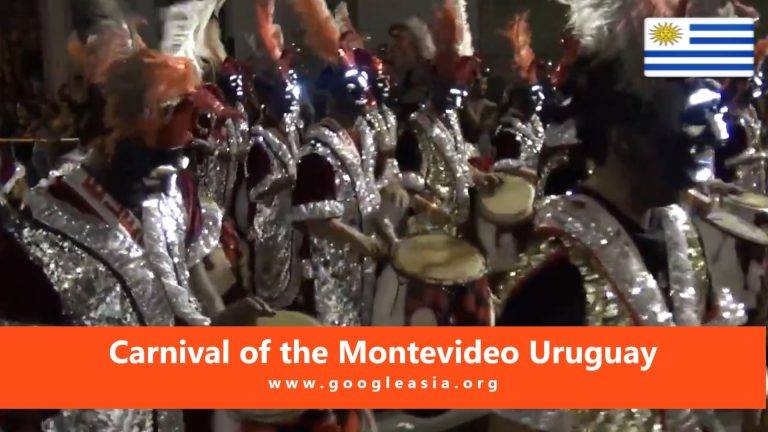
The Desfile de las Llamadas (Parade of the Calls) is the Carnival’s most famous event: a night parade of comparsas (drumming troupes) that fills the streets of Barrio Sur and Palermo with thousands of drummers, dancers, and spectators. The parade foregrounds candombe’s powerful drum ensembles and Afro‑Uruguayan cultural expression.
Floats, Themes, and Comparsas
During the Grand Parade and other official parades, comparsas and performance groups present elaborate costumes, choreographies, and themed floats. Themes range from historical and mythological narratives to contemporary social commentary; groups compete for prizes and public acclaim, making the parades both artistic showcases and community contests.
Things to Do
Historical Roots
Carnival Montevideo grew from the convergence of Afro‑Uruguayan candombe, European theatrical traditions, and local popular culture. Candombe — the drum‑based music and dance brought by Afro‑Uruguayan communities — sits at the heart of the festival, while murga (satirical musical theatre) and tablados (neighborhood stages) developed as distinct urban expressions during the 19th and 20th centuries. These forms together shaped the Carnival’s sound, choreography, and social meaning.
Duration and Timing
The Carnival season typically begins in mid‑January and runs through late February, peaking in the weeks before Lent. The full program can last up to 40 days, with official parades, nightly murga competitions, and neighborhood tablados scheduled across the city; exact dates change each year, so check the current season’s calendar before you travel.
The Grand Parade and Desfile de las Llamadas
Desfile de las Llamadas Night Parade
The Desfile de las Llamadas (Parade of the Calls) is the Carnival’s most internationally famous event. Held in the historic Afro‑Uruguayan neighborhoods of Barrio Sur and Palermo, it features thousands of drummers, dancers, and comparsas (drumming troupes) processing through the streets in a powerful display of candombe rhythm and costume. The parade is both a cultural affirmation and a major public spectacle that draws locals and visitors alike.
Floats Themes and Comparsa Competition
While candombe processions emphasize percussion and dance, the Grand Parade and other official desfile events include comparsas and samba schools that present elaborate floats, themed choreography, and competitive staging. Themes range from historical narratives to contemporary social commentary, and groups are judged on music, costume, choreography, and overall presentation.
Music and Performance Styles
Candombe Drumming Ensemble
Candombe’s sound is produced by three principal drums — chico, repique, and piano — whose interlocking patterns create the parade’s driving rhythm. The drum lines march in coordinated formations called llamadas, and the music’s syncopation and call‑and‑response structure are central to the Carnival’s energy.
Murga and Tablados Nightly Shows
Murga troupes perform satirical, chorus‑based musical theatre on nightly stages known as tablados. Murga pieces combine choral singing, percussion, painted faces, and topical lyrics that lampoon politics and social life; competitions judge murga groups on musicality, script, and staging. Tablados across Montevideo host dozens of nightly shows during the season.
Street Parties Blocos and Community Participation
Blocos Open Air Street Parties
Blocos are neighborhood street parties where locals and visitors dance, sing, and parade informally through city streets. These open‑air gatherings are highly participatory: anyone can join a bloco, and many end with fireworks and late‑night celebrations. Blocos emphasize communal joy and are a primary way neighborhoods express cultural pride.
Neighborhood Investment and Cultural Pride
Carnival is intensely community‑driven: neighborhoods spend months preparing costumes, music, and choreography. Entire families and generations participate in comparsas and murga groups, making Carnival both an artistic competition and a living repository of local identity.
Foods
Montevideo’s Carnival is as much a culinary festival as it is a musical and theatrical one. Street stalls, parrillas, and neighborhood blocos serve quick, portable dishes that fuel dancers and spectators through long nights. Below are the essential foods to try during Carnival, each with concise, verifiable facts to help you taste your way through the celebration.
Signature Carnival Dishes
Chivito Sandwich
What it is: A towering, meat‑forward sandwich built around thin grilled beef (churrasco) with ham, mozzarella, tomato, lettuce, mayonnaise, and often bacon and a fried or hard‑boiled egg. Why try it: The chivito is widely regarded as Uruguay’s national sandwich and is a ubiquitous late‑night and festival food across Montevideo.
Choripán
What it is: Grilled chorizo sausage split in a crusty roll, typically finished with chimichurri or salsa criolla. Why try it: Choripán is a classic asado‑style street sandwich popular across the Southern Cone and a staple at outdoor gatherings and Carnival street stalls.
Empanadas
What it is: Handheld pastries filled with seasoned beef, chicken, cheese, or vegetables; baked or fried. Why try it: Empanadas are portable, widely available from kiosks and food trucks during Carnival, and reflect Spanish and regional filling traditions common in Uruguay.
Alfajores with Dulce de Leche
What it is: Two soft biscuits sandwiched with dulce de leche (caramelized milk) and often coated in chocolate or powdered sugar. Why try it: Alfajores are a beloved Uruguayan sweet with Iberian roots; dulce de leche is a national pantry staple and appears in countless Carnival desserts.
Piri‑Piri Chicken
What it is: Spicy marinated chicken, often served as wings or pieces with fries. Why try it: While not uniquely Uruguayan, spicy grilled chicken variants are common at Carnival food stalls for visitors seeking bold, portable flavors.
Other Savory Treats to Sample
Chajá Cake
What it is: A light, meringue‑and‑sponge cake layered with cream and fruit, invented in Paysandú in 1927. Why try it: Chajá is a national dessert specialty exported regionally and offers a refreshing contrast to fried and grilled street foods.
Papas Rellenas
What it is: Mashed potato croquettes stuffed with seasoned ground meat, shaped and deep‑fried. Why try it: Papas rellenas are a popular festival snack across Latin America and commonly sold at Uruguayan street fairs and Carnival stalls.
Fried Calamari and Seafood Snacks
What it is: Lightly battered squid rings and other fried seafood, often sold near coastal promenades and festival zones. Why try it: Montevideo’s coastal location means fresh seafood is readily available; fried options are ideal for walking and watching performances.
Chajá Sandwich Variation
What it is: A savory sandwich version inspired by the dessert’s name in some local menus—layers of cold cuts and cheese—found at casual cafés. Why try it: Local cafés and confiterías sometimes adapt classic names into savory offerings during Carnival season.
Conclusion
The Montevideo Carnival is a living tradition that blends African rhythms, European theater, and Uruguayan creativity. With its parades, performances, and community spirit, it offers travelers a unique cultural immersion. Plan your visit now and experience the longest carnival in the world.

Summary
- Attraction: Carnival Montevideo Uruguay
- Country: Uruguay
- Continent: South America
- Capital Name: Montevideo
- Language: Spanish
- Currency: Peso Uruguayo
- Nationality: Uruguayans
- Category: #Destination #SouthAmerica #URUGUAY
Visitor Information
- Location: Montevideo, Uruguay (main parades on Avenida 18 de Julio; candombe in Barrio Sur & Palermo)
- Activities: Parades, murga shows, tablados, candombe drumming, samba performances
- Entry Fee: Parades are free to watch; tablados shows may charge a small fee (approx. 100–300 UYU)
- Business Hours: Events typically start in the evening (8:00 PM onward) and run late into the night
- Contact:
- Telephone: +598 1950 (Montevideo City Hall – Tourism Office)
- Website: Montevideo Tourism
- Email: turismo@imm.gub.uy
Frequently Asked Questions
Where is Carnival Montevideo located?
Carnival in Montevideo, Uruguay, is not located in a specific place but is celebrated throughout the city with various events, parades, and festivities. The main carnival activities, including parades of colorful costumes and music, typically take place in different neighborhoods and streets across Montevideo during the carnival season.
How to go to Carnival Montevideo?
To experience Carnival in Montevideo, Uruguay, here are some general tips on how to attend:
- Plan Your Visit: Carnival in Montevideo usually takes place in February or March, so check the exact dates and events beforehand.
- Arrive in Montevideo: Fly into Carrasco International Airport (MVD) or arrive by bus from other parts of Uruguay.
- Accommodations: Book accommodations in Montevideo well in advance, especially if you plan to stay close to the main carnival events.
- Attend Carnival Events:
- Desfile Inaugural (Inaugural Parade): This kicks off the carnival season with a large parade through the city streets.
- Tablados (Open-Air Stages): These are scattered across Montevideo, where murgas (musical groups) perform carnival songs and dances.
- Llamadas: Traditional Afro-Uruguayan parade held in the Barrio Sur and Palermo neighborhoods.
- Transportation: Get around Montevideo using taxis, buses, or walking, depending on where the carnival events are located.
- Safety: Be aware of your surroundings, especially in crowded areas during carnival festivities.
- Enjoy the Festivities: Immerse yourself in the vibrant atmosphere, music, and culture of Carnival in Montevideo, known for its lively and colorful celebrations.
For specific details and schedules, it’s recommended to check closer to the time of Carnival for updates on events and activities.
What are Carnival Montevideo’s must-visit attractions or landmarks?
During Carnival in Montevideo, Uruguay, there are several must-visit attractions and landmarks related to the festivities:
- Desfile Inaugural (Inaugural Parade): This is the official kickoff parade that marks the beginning of the carnival season in Montevideo. It typically features colorful floats, dancers, and musicians parading through the city streets.
- Tablados (Open-Air Stages): These are scattered throughout Montevideo, where murgas (carnival musical groups) perform. Each tablado has its own unique atmosphere and style, offering visitors a chance to experience the vibrant music and dance of Carnival up close.
- Llamadas: This is a traditional Afro-Uruguayan parade held in the neighborhoods of Barrio Sur and Palermo. Llamadas feature drumming groups, dancers in colorful costumes (llamadas), and a lively procession that celebrates Uruguay’s African heritage.
- Teatro de Verano Ramón Collazo: This is a popular venue where some of the main carnival events take place, including the official competitions of murgas, parodistas, and other carnival groups. It’s a must-visit for those interested in the competitive aspect of Uruguayan Carnival.
- Barrio Sur and Palermo: These neighborhoods are significant during Carnival for their cultural and historical importance in Afro-Uruguayan traditions. They host many events and activities during the carnival season, including the Llamadas parade.
- Candombe: While not a specific landmark, candombe drumming is a central part of Uruguay’s carnival culture. It’s performed throughout Montevideo during the carnival season and is a must-experience for understanding the rhythm and spirit of Carnival.
Is Carnival Montevideo a suitable travel destination for solo adventurers, honeymooning couples, or those traveling with families?
Carnival in Montevideo can be a suitable travel destination for various types of travelers:
- Solo Adventurers: Carnival in Montevideo offers a lively and culturally rich experience that solo adventurers can enjoy. It’s an opportunity to immerse oneself in the vibrant atmosphere of carnival parades, music, and cultural events throughout the city.
- Honeymooning Couples: For honeymooning couples interested in unique cultural experiences, Montevideo’s Carnival can provide a festive and romantic atmosphere. It’s a chance to celebrate together amidst colorful parades, lively music, and cultural performances.
- Families: Families traveling with children can also find enjoyment in Montevideo’s Carnival. While some events may be more suitable for adults, there are family-friendly activities like watching parades, visiting tablados (open-air stages), and experiencing the cultural diversity of Uruguay’s carnival traditions.
Why should you visit Carnival Montevideo?
Visiting Carnival in Montevideo, Uruguay, offers several compelling reasons:
- Vibrant Cultural Experience: Carnival in Montevideo is deeply rooted in Uruguayan culture and traditions, showcasing vibrant music, dance, and costumes. It’s an opportunity to witness the unique blend of European and African influences in Uruguay’s carnival celebrations.
- Colorful Parades and Events: The carnival season in Montevideo features colorful parades, lively music performances, and cultural events spread throughout the city. Highlights include the Desfile Inaugural (Inaugural Parade), Llamadas parade in Barrio Sur and Palermo, and performances at various tablados (open-air stages).
- Traditional Afro-Uruguayan Heritage: Carnival in Montevideo includes celebrations of Afro-Uruguayan culture, particularly during the Llamadas parade. This cultural aspect adds depth and meaning to the carnival experience, reflecting Uruguay’s multicultural identity.
- Community Spirit: Carnival in Montevideo is a time of community gathering and celebration. It brings together locals and visitors alike to participate in and enjoy the festivities, fostering a sense of camaraderie and shared cultural pride.
- Competitions and Performances: Carnival in Montevideo also features competitions among carnival groups such as murgas (musical groups), parodistas (comedic performers), and comparsas (dance groups). These performances showcase local talent and creativity in music, dance, and theatrical arts.
- Historical Significance: Montevideo’s Carnival has a long history dating back to the 19th century. It has evolved over time, becoming an integral part of Uruguay’s cultural identity and a significant annual event celebrated by communities across the city.
Is there any halal food available in the vicinity of the Carnival Montevideo?
inding halal food in Montevideo, especially near the carnival venues, can be challenging. Uruguay, predominantly a Catholic country, does not have a large Muslim population, which affects the availability of halal options. However, larger cities like Montevideo may have a few restaurants or markets that offer halal-certified or halal-friendly dishes, typically catering to the diverse international community or tourists with specific dietary needs.
During the Carnival season, it’s advisable to plan ahead and check with local restaurants or hotels in Montevideo that may be able to accommodate halal requests. Some international cuisine restaurants or hotels in tourist areas might offer halal dishes upon request, but availability can vary.