Cabo Polonio, Uruguay
Cabo Polonio is one of the few places in the world where you can still experience a sense of untouched nature. It is a remote fishing village located on a dramatic stretch of the Uruguayan coastline, sitting atop chalk cliffs overlooking a beautiful landscape of dunes and rolling hills.
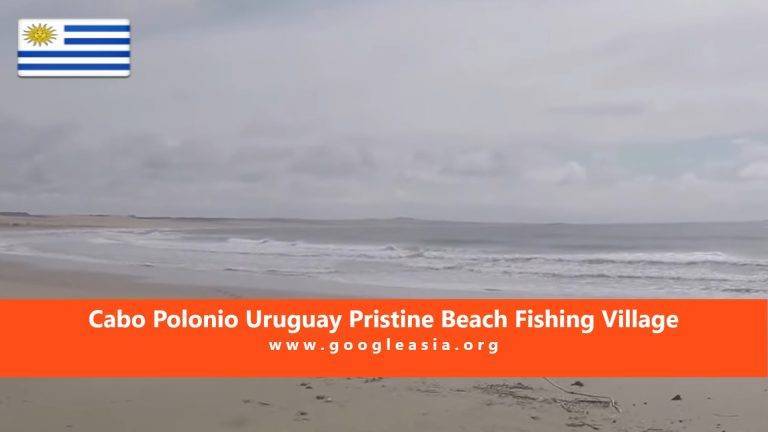
It is a truly unique destination with pristine beaches, old-fashioned fishing boats and a sense of community rarely found anywhere else in the world. Visitors to Cabo Polonio can enjoy relaxing on the beaches, swimming in the waves, exploring the dunes, bird watching, and of course, enjoying the great Uruguayan food. It is the perfect destination for nature lovers and those looking for an escape to a beautiful and pristine place.
Cabo Polonio is a small fishing village located off the coast of Uruguay. It is a quaint and unique vacation spot, known for its rolling sand dunes, pristine beaches, and incredible star-filled night skies. Accessible only by dirt roads, 4x4s, or horses, visitors come to get away from it all and enjoy a peaceful escape to the wild and tranquil area.
Introduction
Cabo Polonio is a quaint coastal village situated in Uruguay’s Rocha Department, characterized by its small population of around 300-400 permanent residents and a seasonal influx of up to 3000 visitors during the peak summer months.
Nestled on a sandbar, Cabo Polonio is surrounded by sandy and rocky beaches, offering breathtaking views of the wild Atlantic Ocean. Its remote location and lack of paved roads contribute to its untouched and serene atmosphere.
1‑Day Itinerary
Morning (9:00 AM – 11:30 AM)
- Arrive via 4×4 transport from the park entrance.
- Walk through the village and enjoy breakfast at a rustic café.
- Visit the Cabo Polonio Lighthouse for panoramic views of the Atlantic Ocean.
Midday (12:00 PM – 2:00 PM)
- Explore the sea lion colony near the lighthouse.
- Lunch at a local eatery serving fresh seafood and traditional Uruguayan dishes.
Afternoon (2:30 PM – 5:00 PM)
- Relax on the Playa Sur or Playa Norte beaches.
- Hike the surrounding dunes for breathtaking coastal views.
Evening (6:00 PM – 9:00 PM)
- Watch the sunset from the lighthouse or dunes.
- Enjoy dinner in the village, followed by stargazing in the clear night sky.
Highlights:
- Cabo Polonio Lighthouse
- Sea lion colony
- Remote beaches and dunes
- Rustic village life
- Stargazing without light pollution
Attractions
Off‑Grid Living and Limited Infrastructure
Cabo Polonio has intentionally minimal infrastructure: there are no paved roads into the village, electricity is limited and often supplied by small local grids or generators, and many buildings retain a rustic, low‑impact character. This lack of conventional services is a defining feature that preserves the area’s natural atmosphere.
Protected Natural Area and Dunes
The surrounding territory is part of a national park and protected coastal system noted for towering sand dunes, native vegetation, and fragile coastal ecosystems. The dunes and beaches are a major draw for visitors seeking unspoiled landscapes and panoramic ocean views.
Sea‑Lion Colony and Wildlife
A large colony of South American sea lions inhabits the rocks and islets near the cape; the colony is one of the area’s principal attractions and has been present since ancient times, making the site important for both tourism and conservation. Guided viewing and respectful distance are recommended to protect the animals and their habitat.
Things to Do
Pristine Beaches and Sand Dunes
Walk the Beaches and Climb the Dunes
Stroll the expansive beaches such as Laguna Negra and Aguas Negras, climb the wind‑sculpted dunes for panoramic Atlantic views, and explore the rocky headlands that frame the cape. The dunes are a defining landscape feature and provide dramatic photo opportunities at sunrise and sunset.
Beach Safety and Etiquette
The coastline is wild and exposed in places; swim only where conditions are safe and follow local signage. Stay on marked paths to protect fragile dune vegetation and avoid accelerating erosion.
Lighthouse Visit and Wildlife Viewing
Cabo Polonio Lighthouse Experience
The historic lighthouse at Cabo Polonio is an iconic landmark and a popular vantage point for sweeping coastal panoramas. Visitors commonly combine a lighthouse visit with walks along the headland for photography and scenic observation.
Sea Lions and Birdlife
A large colony of South American sea lions inhabits the islets and rocks near the cape, making wildlife watching one of the area’s top draws. Coastal bird species and occasional marine mammals add to the biodiversity that attracts naturalists and photographers. Maintain respectful distance and follow park rules when observing animals.
Adventure Activities
Guided 4×4 Dune Crossings and ATV Options
The village is reachable only on foot or by authorized 4×4 vehicles that cross the dunes from the parking area; these dune crossings are an experience in themselves and are often offered as part of guided transfers. Renting ATVs is available in nearby areas for supervised dune exploration, but always confirm local regulations and safety requirements.
Fishing and Boat Excursions
Local fishermen and small operators run fishing trips and coastal excursions from nearby launch points. Deep‑sea and nearshore fishing target species typical of the Atlantic off Rocha; book with licensed operators and check seasonal availability.
Cabo Polonio National Park Trails and Eco Tours
Explore Protected Ecosystems
The Cabo Polonio natural territory is part of Uruguay’s protected coastal system and features dunes, lagoons, and native vegetation. Guided eco‑walks and ranger‑led tours explain the area’s ecology, conservation efforts, and the cultural history of human use of the cape.
Birdwatching and Nature Photography
Early morning and late afternoon are prime times for birdwatching and wildlife photography. Bring binoculars and a telephoto lens to capture distant sea lions and shorebirds without disturbing them.
Camping Stargazing and Nightlife
Beach Camping and Night Skies
Designated camping areas allow visitors to sleep near the dunes and experience the cape’s famously dark night skies. Cabo Polonio’s limited artificial lighting makes it an excellent spot for stargazing and astrophotography.
Seasonal Rhythm
Nightlife note: The hamlet’s social life is highly seasonal. During the southern‑hemisphere summer the village becomes lively with pop‑up events and cultural activity; in the off‑season it returns to a quiet, contemplative pace.
Foods
Cabo Polonio, Uruguay, is not only a picturesque seaside town but also a haven for delicious cuisine that reflects the region’s flavors and culture. Here are some of the best foods you must try during your visit:
Chivitos
The chivito is Uruguay’s emblematic sandwich: a grilled beef steak layered with ham, bacon, cheese, lettuce, tomato, and mayonnaise, often finished with a fried egg and served with fries. In Cabo Polonio you’ll find chivitos offered at family‑run eateries and regional restaurants that balance simple preparation with generous portions—an easy, portable meal after a day on the dunes.
Milanesas
Milanesa is a breaded, pan‑fried cutlet—usually beef or chicken—served plain or with toppings such as tomato sauce and melted cheese. Local menus in Cabo Polonio list milanesas alongside seafood and pizza, reflecting the village’s practical, home‑style approach to dining where hearty, familiar plates are common.
Choripán
Choripán—grilled chorizo in crusty bread—is a ubiquitous street and beach snack across Uruguay. In Cabo Polonio it appears at casual kiosks and small restaurants as a quick, smoky option for walkers and sunset watchers, often accompanied by chimichurri or simple condiments.
Sopa Paraguaya
Sopa paraguaya is a dense cornbread made with cornmeal, cheese, and onions; though its origins are Paraguayan, it is enjoyed across the Río de la Plata region. In Cabo Polonio you may encounter it as a rustic side or homemade offering at family‑style restaurants, where regional recipes are incorporated into daily menus.
Mate con Hongo and Local Infusions
Mate is Uruguay’s national infusion, traditionally prepared with yerba mate. In coastal villages like Cabo Polonio, visitors sometimes find local variations and herbal infusions served in cafés or by artisans—blends that may include local herbs, honey, or mushroom‑based tonics offered by small producers. These variations reflect the area’s artisanal and low‑impact lifestyle rather than a standardized local specialty.
Hotels
Posada Casa de Faro
Posada Casa de Faro offers a tranquil, small‑scale stay close to the dunes and village core, with rustic rooms and a quiet courtyard that reflect Cabo Polonio’s off‑grid character; many guesthouses in the hamlet operate seasonally and emphasize proximity to natural attractions rather than full‑service amenities.
Posada El Peregrino
Posada El Peregrino is a family‑run style inn typical of Cabo Polonio, where warm, personalized hospitality and a central location make it easy to walk to the lighthouse, beaches, and sea‑lion viewing points; travelers often choose these small posadas for their local knowledge and simple breakfasts.
Hostal Golfo Humboldt
Hostal Golfo Humboldt represents the budget end of Cabo Polonio’s lodging spectrum, offering dorms or basic private rooms, communal kitchens, and social common areas that attract backpackers and independent travelers seeking affordable, community‑oriented stays. Booking platforms list multiple hostel options in Cabo Polonio with similar features.
Posada Faro del Cabo
Posada Faro del Cabo sits on an elevated site near the headland and provides panoramic coastal views and easy access to beach trails; small inns in this area trade luxury for direct contact with dunes, sea breezes, and sunset vantage points.
Hotel Sol y Mar
Hotel Sol y Mar is positioned as a family‑friendly option in the region, typically offering modestly appointed rooms, practical amenities, and assistance arranging local transfers and activities such as guided walks or dune crossings—services that are commonly arranged by local hotels during the high season.
Hotel Bahia Cabo Polonio — Hostel
Hotel Bahia and similar hostel‑style lodgings function as backpacker havens with budget rooms, communal kitchens, and local tips for exploring the national park and sea‑lion colony; these properties are useful bases for travelers prioritizing social atmosphere and low cost. Booking and hostel roundups list several such budget stays in Cabo Polonio.
Café de los Pescadores (Lodging with Dining)
Café de los Pescadores combines modest lodging with a seaside dining focus, where guests can expect fresh seafood offerings and a relaxed coastal dining experience that mirrors Cabo Polonio’s simple culinary scene; many small guesthouses pair accommodation with on‑site or nearby eateries.
El Perú Hostel & Suites
El Perú Hostel & Suites and comparable guesthouses blend updated rooms and occasional cultural programming with the hamlet’s low‑impact lifestyle; verify seasonal openings and services before booking, as many establishments operate primarily in the southern‑hemisphere summer.
Villa Punta Grande (Villas and Private Rentals)
Villa Punta Grande represents the type of private villa rental available around Cabo Polonio—secluded cottages or small villas set back from the busiest paths that offer privacy and direct access to dunes and beaches; villa and holiday‑rental listings on major booking sites show a range of private options for groups and families.
Cabo de Vela Hotel (Eco‑minded Stays)
Cabo de Vela Hotel exemplifies a growing local trend toward eco‑friendly, low‑impact hospitality in the Cabo Polonio protected area, with some properties promoting sustainability, nature immersion, and guided eco‑tours; travelers seeking conservation‑minded stays should confirm specific green practices with the property.
Conclusion
A trip to Cabo Polonio is a journey into Uruguay’s wild side. With its untouched landscapes, thriving wildlife, and off‑grid lifestyle, it offers travelers a rare chance to disconnect and reconnect with nature. Plan your visit now and embrace the adventure of Cabo Polonio.
Summary
- Attraction: Cabo Polonio
- Country: Uruguay
- Continent: South America
- Capital Name: Montevideo
- Language: Spanish
- Currency: Peso Uruguayo
- Nationality: Uruguayans
- Category: #Destination #SouthAmerica #URUGUAY
Visitor Information
- Location: Cabo Polonio, Rocha Department, Uruguay
- Access: Only via official 4×4 transport from the park entrance (no private cars allowed)
- Activities: Lighthouse visit, sea lion watching, beach walks, dune hikes, stargazing
- Entry Fee: Approx. 150–250 UYU for park entry and transport
- Business Hours:
- Lighthouse: Daily, 10:00 AM – 6:00 PM
- Restaurants: Vary, typically open for lunch and dinner
- Contact:
- Telephone: +598 4472 0000 (Rocha Tourism Office)
- Website: https://www.uruguaynatural.com
- Email: turismo@rocha.gub.uy
Frequently Asked Questions
Where is Cabo Polonio located?
Cabo Polonio is located in Uruguay, within the Rocha Department along the Atlantic coast. This remote and unique village is situated within the Cabo Polonio National Park, known for its distinctive sand dunes, rugged coastline, and diverse wildlife, including a significant population of sea lions. The area is characterized by its lack of conventional infrastructure, such as paved roads and electricity, making it a popular destination for those seeking a rustic and off-the-grid experience.
How to go to Cabo Polonio?
- By Bus:
- From Montevideo: Take a bus from Montevideo to the town of Castillos or the nearby village of Valizas. Several bus companies operate this route, with a travel time of approximately 4-5 hours.
- From Punta del Este: Buses also run from Punta del Este to Castillos or Valizas, taking around 3-4 hours.
- From Castillos or Valizas:
- Transfer to Terminal de Cabo Polonio: Upon arriving in Castillos or Valizas, transfer to the official terminal for access to Cabo Polonio.
- Park Entrance: Enter Cabo Polonio National Park at the designated entrance, where you’ll find authorized vehicles to take you into the village.
- By Authorized 4×4 Vehicles:
- Purchase Tickets: Buy tickets at the park entrance for the official 4×4 trucks that are authorized to transport visitors to Cabo Polonio. Private vehicles are not allowed beyond the park entrance.
- Journey Through Dunes: The 4×4 journey takes you through the park’s sand dunes and rugged terrain, offering a unique and adventurous experience. The ride typically takes about 30-40 minutes.
- Hiking Option:
- From Valizas: For the more adventurous, it’s possible to hike from Valizas to Cabo Polonio. The hike is about 8 km (5 miles) and takes around 3-4 hours, offering scenic views of the coastline and dunes. Ensure you are prepared with water, proper footwear, and sun protection.
- Travel Tips:
- Pack Essentials: Cabo Polonio is off the grid with limited amenities. Pack essentials like water, snacks, and any personal items you may need.
- Cash: Bring cash, as there are no ATMs in Cabo Polonio.
- Respect the Environment: Follow local guidelines to respect the natural environment and preserve the unique ecosystem of Cabo Polonio National Park.
What are Cabo Polonio’s must-visit attractions or landmarks?
- Cabo Polonio Lighthouse (Faro de Cabo Polonio):
- Iconic Landmark: Climb to the top of this historic lighthouse for panoramic views of the Atlantic Ocean, sand dunes, and the surrounding village.
- Guided Tours: Learn about the history and significance of the lighthouse, which has been guiding ships since 1881.
- Sea Lion Colony:
- Wildlife Watching: Observe the large colony of sea lions that inhabit the rocky islets around Cabo Polonio. It’s one of the largest colonies in South America.
- Photography: Capture stunning photos of these marine mammals in their natural habitat.
- Sand Dunes:
- Adventure and Exploration: Explore the vast and ever-shifting sand dunes that characterize the landscape around Cabo Polonio.
- Hiking and Sandboarding: Engage in activities like hiking, sandboarding, and enjoying the unique terrain.
- Playa Sur and Playa Norte:
- Beaches: Relax on the pristine beaches of Playa Sur (South Beach) and Playa Norte (North Beach). Enjoy swimming, sunbathing, and beachcombing.
- Surfing: The beaches offer good conditions for surfing, especially for those looking for less crowded spots.
- Cabo Polonio National Park:
- Biodiversity: Explore the diverse ecosystems of the national park, which include coastal dunes, forests, and wetlands.
- Guided Tours: Join guided tours to learn about the flora and fauna, as well as conservation efforts in the park.
- Stargazing:
- Clear Skies: With minimal light pollution, Cabo Polonio is an excellent location for stargazing. Enjoy breathtaking views of the night sky and the Milky Way.
- Night Walks: Take peaceful night walks to experience the tranquility and natural beauty under the stars.
- Local Village:
- Rustic Charm: Wander through the village of Cabo Polonio, characterized by its simple and rustic houses, many of which lack electricity and running water.
- Local Cuisine: Sample local foods at small eateries, offering fresh seafood and traditional Uruguayan dishes.
- Cabo Polonio Hostel and Artisan Shops:
- Accommodations: Stay at unique hostels that offer a blend of rustic charm and eco-friendly accommodations.
- Artisan Shops: Visit local artisan shops selling handmade crafts, souvenirs, and artwork.
Is Cabo Polonio a suitable travel destination for solo adventurers, honeymooning couples, or those traveling with families?
1. Solo Adventurers:
- Adventure Opportunities: Cabo Polonio is perfect for solo travelers looking for adventure and solitude. Explore the vast sand dunes, hike along the coast, and enjoy the peaceful, off-the-grid environment.
- Wildlife Watching: Observe the sea lion colony and enjoy birdwatching and other wildlife activities.
- Community Feel: The small, close-knit community provides opportunities to meet fellow travelers and locals.
2. Honeymooning Couples:
- Romantic Setting: The remote and rustic charm of Cabo Polonio offers a romantic escape for couples. Enjoy quiet beaches, stunning sunsets, and cozy accommodations.
- Unique Experiences: Climb the lighthouse together, stargaze under clear skies, and take long walks on the deserted beaches.
- Intimate Atmosphere: The lack of modern infrastructure and the simplicity of life in Cabo Polonio create an intimate and memorable experience.
3. Families:
- Educational Opportunities: Cabo Polonio offers a great educational experience for children to learn about wildlife, ecosystems, and sustainable living.
- Family Activities: Families can enjoy beach activities, exploring the dunes, and observing sea lions. However, the remote nature of Cabo Polonio might be challenging for very young children or those needing more amenities.
- Basic Facilities: Be prepared for basic facilities and bring essential supplies, as amenities are limited.
General Tips:
- Preparation: Pack essentials like water, snacks, and personal items, as shopping options are limited.
- Cash: Bring cash, as there are no ATMs in Cabo Polonio.
- Eco-Friendly Practices: Respect the environment and follow local guidelines to preserve the natural beauty of the area.
Why should you visit Cabo Polonio?
- Natural Beauty:
- Stunning Landscapes: Cabo Polonio is renowned for its dramatic sand dunes, pristine beaches, and rugged coastline, providing breathtaking natural scenery.
- Unique Ecosystems: Explore the diverse ecosystems within Cabo Polonio National Park, from coastal dunes to wetlands.
- Wildlife Watching:
- Sea Lion Colony: Observe one of the largest sea lion colonies in South America. The rocky islets around Cabo Polonio are home to hundreds of these marine mammals.
- Birdwatching: Spot a variety of bird species, including pelicans, seagulls, and other coastal birds.
- Adventure and Exploration:
- Hiking and Sandboarding: Enjoy hiking through the expansive sand dunes and try sandboarding for an exhilarating experience.
- Lighthouse Climb: Climb the historic Cabo Polonio Lighthouse for panoramic views of the Atlantic Ocean and the surrounding landscape.
- Off-the-Grid Experience:
- Rustic Charm: Cabo Polonio is off the grid, with no electricity or running water in most houses, offering a unique opportunity to disconnect and experience a simpler way of life.
- Tranquility: Enjoy the peace and quiet of a remote village free from the hustle and bustle of modern life.
- Stargazing:
- Clear Night Skies: With minimal light pollution, Cabo Polonio is an ideal place for stargazing. The clear skies offer stunning views of the stars and the Milky Way.
- Local Culture:
- Authentic Experience: Immerse yourself in the local culture and lifestyle. The small community is known for its friendly residents and laid-back atmosphere.
- Artisan Shops: Visit local artisan shops selling handmade crafts, souvenirs, and artwork.
- Romantic Getaway:
- Secluded Beaches: Cabo Polonio’s secluded beaches and stunning sunsets make it a perfect romantic getaway for couples seeking a unique and intimate destination.
- Cozy Accommodations: Stay in rustic accommodations that offer a blend of charm and eco-friendliness.
- Eco-Tourism:
- Sustainable Practices: Cabo Polonio promotes eco-friendly tourism, encouraging visitors to respect and preserve the natural environment.
- Conservation Efforts: Learn about local conservation efforts aimed at protecting the unique ecosystems and wildlife of the area.
Is there any halal food available in the vicinity of the Cabo Polonio?
- Limited Options:
- Remote Location: Cabo Polonio is a remote and off-the-grid destination with limited dining options. Most of the food available is local cuisine and may not specifically cater to halal dietary requirements.
- Local Cuisine:
- Seafood: Seafood is a common part of the local diet and can be a suitable option for halal eaters. However, it’s important to check how it is prepared.
- Vegetarian Options: Some local dishes may be vegetarian or can be adapted to meet halal standards. Always ask about the ingredients used.
- Self-Catering:
- Preparation: If you have specific dietary needs, consider bringing your own food supplies or preparing meals yourself. This can ensure that your dietary requirements are met.
- Cooking Facilities: Many accommodations in Cabo Polonio offer basic cooking facilities where you can prepare your own meals.
- Communication:
- Ask and Inquire: When dining out, clearly communicate your dietary restrictions to the staff. They may be able to accommodate your needs or suggest suitable options.
- Local Markets: Visit local markets or stores for fresh produce and ingredients that you can use to prepare halal meals.
- Nearby Towns:
- Castillos and Valizas: Larger towns like Castillos and Valizas, which are transit points to Cabo Polonio, might have more diverse dining options. You may find some restaurants or stores offering halal-friendly food.
- Preparation and Planning:
- Advance Planning: Plan ahead and bring essential food items with you, especially if you have strict dietary requirements.
- Snacks and Essentials: Pack snacks and other essentials that meet your dietary needs for convenience.