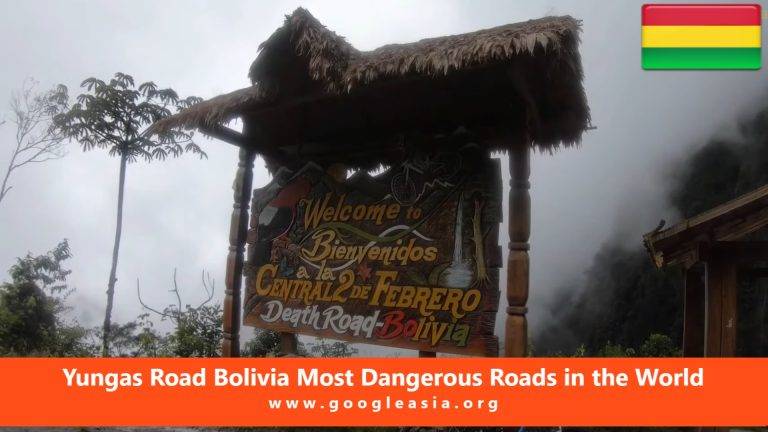
Yungas Road, Bolivia
Yungas Road Bolivia is an incredibly scenic stretch of road that is known as the “world’s most dangerous road” because of its steep cliffs and hairpin turns. The road is a thrilling ride and provides some of the best views in all of Bolivia. Yungas Road also connects the Amazon rainforest of northern Bolivia to the city of La Paz, also known as “The City of the Sky”. Visitors can take in the stunning vistas, explore old ruins, and even enjoy some extreme mountain biking along this road.
The Yungas Road in Bolivia is a stretch of road known as one of the most dangerous roads in the world. It is a winding, single lane road carved into the side of a mountain, with no guardrails and countless hairpin turns. It is considered treacherous due to its steep drop-off, unpredictable fog, and tight curves. The road has claimed over 300 lives since it was built in the 1930s, and drivers must stay alert to avoid potential tragedies.
Introduction
Yungas Road, infamously known as the “Death Road,” is one of the most perilous roads globally. Nestled in Bolivia, this 67-mile stretch connects the capital city of La Paz to the lush town of Coroico. Despite its daunting reputation, it remains a significant route for locals and a thrilling adventure for daring travelers.
Geography and Elevation
The Path of the Road
Yungas Road begins in La Paz, Bolivia’s bustling administrative capital, and descends to Coroico in the Yungas region. The road meanders through the Andes mountains, presenting travelers with breathtaking views and extreme altitude changes.
High Altitude Challenges
At its highest point, Yungas Road reaches an elevation of 15,430 feet (4,700 meters), making it one of the highest roads in the world. The extreme altitude can pose challenges such as altitude sickness and difficulty breathing, adding to the road’s treacherous nature.
Road Conditions
Hairpin Turns and Narrow Sections
The road is notorious for its sharp hairpin turns and extremely narrow sections. In many areas, there is barely enough space for two vehicles to pass each other. The sheer cliffs on one side and the mountain wall on the other create a precarious driving environment.
Steep Drops and Weather Impact
Yungas Road features steep drops with sheer cliff faces and limited guardrails. Weather conditions can worsen the situation; frequent rain and fog can make the road slippery and visibility poor, increasing the risk of accidents.
Traffic and Usage
Heavy Traffic
The road is heavily trafficked by trucks and buses transporting goods and passengers between La Paz and the Yungas region. The volume of traffic, combined with the road’s challenging conditions, contributes to its dangerous reputation.
Mountain Biking Tours
Despite its hazards, Yungas Road has become a popular destination for adventurous mountain bikers. Tours offer a thrilling ride down the road’s winding paths, but participants are advised to take extreme caution and use professional guides.
Safety Concerns
Historical Accidents
Yungas Road has earned its nickname, “Death Road,” due to its high accident rate. Historically, many accidents have occurred, often involving vehicles losing control and plunging off the edge. The combination of narrow lanes, sharp turns, and unprotected cliffs makes this road particularly deadly.
Modern Improvements
In recent years, improvements and alternative routes have been developed to increase safety. A new road has been constructed to divert traffic away from the most dangerous sections of Yungas Road. However, the original road remains a vital route for local communities and a high-risk adventure for thrill-seekers.
Tourism and Adventure
Attractions for Adventurers
For those brave enough to tackle it, Yungas Road offers unparalleled adventure and stunning vistas. The descent provides a unique perspective of Bolivia’s diverse landscapes, from high-altitude tundra to lush rainforest. The thrill of biking down the road attracts thousands of tourists each year, despite the inherent risks.
Guided Tours and Precautions
Tour operators offer guided tours that emphasize safety and preparedness. Participants are equipped with safety gear and provided with thorough briefings before embarking on the descent. Following safety protocols is crucial for reducing risks while enjoying the adrenaline-pumping experience.
Things to Do
Yungas Road, Bolivia, is famous for its breathtaking scenery and daunting conditions. Despite its reputation as one of the world’s most dangerous roads, it offers a wealth of activities and attractions for the adventurous traveler. From stunning natural views to exciting outdoor adventures, here’s a guide to the best things to do on Yungas Road.
Scenic Attractions
Take in the Mesmerizing Views
Yungas Road offers some of the most awe-inspiring views of the Yungas tropical rainforest. As you traverse this winding route, you’ll be treated to a panorama of vibrant green foliage, steep hills, and dramatic valleys. The changing landscapes provide an ever-evolving backdrop, making the drive itself a visual feast.
Visit the Coroico Waterfalls
The Coroico Waterfalls, perched atop a steep hill, are a must-see. These majestic falls cascade into a picturesque lagoon, offering a spectacular natural sight. The journey to the falls also provides stunning views of the surrounding landscape.
Adventure Activities
Ride the Highway of Death
Known locally as El Camino de La Muerte, the Highway of Death is the most famous segment of Yungas Road. The ride along this narrow, switchback road is both exhilarating and nerve-wracking, taking you through fog-shrouded valleys and lush cloud forests. It’s a thrilling experience that should be undertaken with caution.
Go Whitewater Rafting
For thrill-seekers, the Las Guatinas and Azangaro rivers offer some of Bolivia’s best whitewater rafting experiences. The rapids vary in intensity, providing an exciting adventure for both beginners and experienced rafters.
Hiking and Exploration
Take a Hike on the John Kennedy Trail
The John Kennedy Trail, stretching from Patacamaya to Tupiza, is a serene hiking route through eucalyptus forests and lush vegetation. It offers a peaceful respite from the adrenaline-pumping activities and allows hikers to connect with the natural beauty of the Yungas region.
Explore the Ruins of Cobija
Cobija, an abandoned town that once served as the capital of Yungas province, is now a fascinating historical site. Explore the ruins to discover remnants of old buildings and monuments that tell the story of this once-thriving settlement.
Visit the Orureña Archaeological Site
The Orureña site provides insight into the pre-Inca culture of the Yungas region. Archaeological remains and artifacts offer a glimpse into the ancient civilizations that once inhabited the area.
Local Experiences
Grab a Bite in Coroico or Alemane
Both Coroico and Alemane are charming towns along Yungas Road with vibrant dining scenes. Enjoy local delicacies and immerse yourself in the culinary culture of the region. The restaurants offer a unique local flavor and are perfect spots to relax after a day of adventure.
Get Up Close with Local Wildlife
The Yungas region is home to a diverse array of wildlife. From spectacled bears and vultures to toucans and monkeys, the area offers numerous opportunities for wildlife spotting. Bring binoculars and a camera to capture the unique fauna.
Visit the Chapare Cocoa Plantations
The Chapare region, located along Yungas Road, is renowned for its organic cocoa plantations. Tour these plantations to learn about the cocoa production process and enjoy tastings of some of the world’s finest chocolate.
Foods
Yungas Road, Bolivia, is not only a thrilling destination but also a culinary delight. The region offers a variety of traditional Bolivian foods that reflect its rich culture and diverse influences. Here’s a guide to the best foods you can savor along Yungas Road.
Traditional Bolivian Dishes
Salteñas
Salteñas are a Bolivian favorite, often described as the national dish. These savory pastries are filled with a mixture of meat (usually beef or chicken), potatoes, vegetables, and spices. The dough is slightly sweet and baked to a golden crisp, making salteñas a perfect snack or light meal.
Silpancho
Silpancho is a classic Bolivian dish featuring a thinly pounded steak that is breaded and fried, then served over a crispy corn-based patty. It’s topped with potatoes, salad, and a fried egg. This hearty meal is a flavorful and satisfying option for those looking to enjoy local cuisine.
Empanadas
Empanadas are savory turnovers filled with a variety of ingredients, including beef, chicken, or cheese. These deep-fried pastries are often served with a tangy salsa, making them a popular choice for a quick and delicious bite.
Snacks and Street Foods
Chicharrones
Chicharrones are crispy, fried pork rinds that are a beloved snack staple in Bolivia. They are often enjoyed with a side of pickled vegetables or a spicy sauce, providing a crunchy and flavorful treat.
Anticuchos
Anticuchos are skewers of grilled beef heart marinated in vinegar, garlic, and spices. This popular street food is known for its robust flavor and tender texture. Often served with potatoes or corn, anticuchos are a must-try for those seeking authentic Bolivian street food.
Humitas
Humitas are steamed cornmeal dumplings spiced with ají (a type of chili pepper). Typically served with llajwa (a spicy tomato-based salsa), humitas are a delicious street vendor favorite that combines the sweetness of corn with savory spices.
Drinks and Sweets
Mocochinchi
Mocochinchi is a traditional Bolivian drink made from dried peaches simmered with spices, creating a sweet and aromatic beverage. This refreshing drink is enjoyed both hot and cold, offering a unique taste of Bolivian flavors.
Api
Api is a creamy corn-based drink that can be served hot or cold. It’s often flavored with cinnamon and cloves, providing a sweet and comforting drink that’s popular in Bolivia.
Singani
Singani is a Bolivian liquor made from white Muscat of Alexandria grapes. It’s similar to pisco and is often enjoyed as a refreshing cocktail or sipped neat. Singani has a distinctive, smooth flavor that complements many local dishes.
Condiments and Accompaniments
Llajwa
Llajwa is a spicy tomato-based salsa that accompanies many Bolivian dishes. Made with tomatoes, onions, and ají peppers, llajwa adds a flavorful kick to meals, enhancing the overall dining experience.
Hotels
Exploring the Yungas Road, Bolivia’s famously perilous yet stunning route, is a thrilling adventure. To make your journey comfortable and memorable, consider staying at one of the top hotels in the area. Whether you’re looking for luxury or a cozy retreat, here are some of the best hotels to stay near Yungas Road.
Hotels in Luribay
Casa de Montaña Villa Abstgona
- Location: Luribay
- Features: Nestled in the serene mountains, this hotel offers a tranquil retreat with stunning views of the surrounding landscape. It provides comfortable rooms and excellent amenities, ideal for relaxation after a day of exploring.
- Highlights: Scenic views, spacious rooms, peaceful environment.
Hotel Valle Hermoso
- Location: Villa Abstgona
- Features: Known for its beautiful setting and warm hospitality, Hotel Valle Hermoso offers comfortable accommodations with modern amenities. It’s an excellent choice for travelers seeking a blend of comfort and nature.
- Highlights: Beautiful surroundings, friendly staff, comfortable rooms.
Hotels in Cochabamba
Yungas Hotel
- Location: Cochabamba
- Features: A well-regarded hotel that combines convenience with comfort. Yungas Hotel offers modern facilities, making it a great base for exploring the Yungas region.
- Highlights: Modern amenities, central location, good service.
Hostal Tupiza
- Location: Cochabamba
- Features: A budget-friendly option with clean and simple accommodations. Hostal Tupiza provides a cozy environment and basic amenities for a comfortable stay.
- Highlights: Affordable rates, clean rooms, friendly atmosphere.
Hotels in Coroico
Hotel El Refugio
- Location: Coroico
- Features: This charming hotel offers a peaceful retreat with beautiful views of the Yungas rainforest. It provides cozy rooms and excellent service, making it a popular choice among travelers.
- Highlights: Scenic location, cozy accommodations, great service.
Hotel La Cumbre
- Location: Coroico
- Features: A comfortable hotel with well-appointed rooms and beautiful surroundings. Hotel La Cumbre offers a range of amenities to ensure a pleasant stay.
- Highlights: Comfortable rooms, lovely views, convenient amenities.
Hotel Casa Condor
- Location: Coroico
- Features: Known for its distinctive architecture and comfortable rooms, Hotel Casa Condor offers a unique lodging experience with excellent service and beautiful views.
- Highlights: Unique design, great views, attentive service.
Hotels in Carrasco
Elite Yungas Lodge
- Location: Carrasco
- Features: This eco-friendly lodge provides a unique experience with its focus on sustainability and comfort. It offers cozy accommodations amidst the natural beauty of the Yungas region.
- Highlights: Eco-friendly, beautiful surroundings, comfortable rooms.
Hotels in Villa Abstgona
La Cascada Hotel Boutique
- Location: Villa Abstgona
- Features: A boutique hotel offering a blend of luxury and nature. La Cascada provides elegant rooms and stunning views, perfect for those seeking a more upscale experience.
- Highlights: Elegant rooms, stunning views, luxurious amenities.
Additional Recommendations
Hostal Abstgona
- Location: Luribay
- Features: A charming guesthouse offering a homely atmosphere and basic amenities. Hostal Abstgona is ideal for travelers looking for a comfortable yet budget-friendly stay.
- Highlights: Homely feel, budget-friendly, basic amenities.
Conclusion
Staying near Yungas Road offers a variety of accommodation options to suit different preferences and budgets. From luxury lodges and boutique hotels to cozy hostels, each option provides unique features and a chance to experience the natural beauty and culture of Bolivia. Whether you’re seeking comfort, adventure, or a blend of both, these top hotels near Yungas Road ensure a memorable stay as you explore one of Bolivia’s most famous routes.
Summary
- Attraction: Yungas Road
- Country: Bolivia
- Continent: South America
- Capital Name: La Paz, Sucre
- Language: Spanish
- Currency: Bolivian boliviano (BOB)
- Nationality: Bolivian
- Category: #Destination #SouthAmerica #BOLIVIA
Frequently Asked Questions
Where is Yungas Road located?
Yungas Road, also known as “Death Road,” is located in Bolivia, South America. It connects the city of La Paz, which is situated in the highlands, to the region of Coroico in the Yungas region. This road is famous for its dangerous conditions and steep drops, making it a popular destination for adrenaline-seeking cyclists and adventurous travelers.
How to go to Yungas Road?
To reach Yungas Road, you typically start from La Paz, Bolivia, as it’s the nearest major city. Here are the general steps to get there:
- Travel to La Paz: La Paz is accessible by air from major cities in South America, such as Lima, Santiago, Buenos Aires, and São Paulo, among others. El Alto International Airport (IATA: LPB) serves La Paz.
- From La Paz to Yungas Road:
- By Road: The journey from La Paz to Yungas Road involves traveling northeast from the city center. You can hire a private vehicle, take a tour, or rent a car. The road typically passes through the city and descends into the Yungas region.
- Tour Options: Many tour operators in La Paz offer guided tours to Yungas Road, often including transportation, safety equipment (if cycling), and a guide. This is recommended due to the road’s dangerous reputation.
- Public Transport: It’s less common to use public buses directly to Yungas Road due to the road’s conditions and the popularity of guided tours for safety reasons.
- Safety Considerations: Yungas Road is notorious for its narrow lanes, sharp turns, and steep drops, so it’s crucial to prioritize safety. If cycling or driving, ensure you have the necessary experience and equipment. Tours often provide safety gear and knowledgeable guides who are familiar with the road’s challenges.
- Travel Advisory: Check travel advisories and local conditions before embarking on the journey, as road conditions and accessibility can vary, especially during the rainy season (November to March).
What are Yungas Road’s must-visit attractions or landmarks?
Yungas Road, also known as “Death Road,” is more renowned for its adventurous and scenic journey rather than specific attractions or landmarks along the road itself. Here are some highlights and experiences that make it a unique destination:
- Scenic Views: As you descend from the high-altitude city of La Paz into the Yungas region, you’ll experience breathtaking views of the Andes Mountains and lush, tropical landscapes.
- Adventurous Cycling: Yungas Road is famous among thrill-seekers for its downhill cycling tours. These tours start near La Paz and take cyclists through challenging terrain with dramatic drops and stunning scenery.
- Cultural Insights: Along the journey, you may encounter local communities and villages in the Yungas region. This offers a glimpse into the culture and daily life of Bolivia’s diverse population.
- Historical Significance: Originally constructed by Paraguayan prisoners of war in the 1930s, Yungas Road served as the main route connecting La Paz to the Yungas region before a modern highway was built. Its history and engineering challenges add to its allure.
- Adventure Tourism: The road’s reputation as one of the world’s most dangerous highways has made it a magnet for adventure tourists seeking adrenaline-pumping experiences.
Is Yungas Road a suitable travel destination for solo adventurers, honeymooning couples, or those traveling with families?
Yungas Road, often referred to as “Death Road,” is primarily known for its adventurous and challenging nature rather than being a traditional tourist destination with family-friendly activities. Here’s how it caters to different types of travelers:
- Solo Adventurers: Yungas Road is extremely popular among solo adventurers and thrill-seekers, especially those interested in extreme sports like downhill mountain biking. It offers a unique and adrenaline-filled experience with stunning scenery and challenging terrain.
- Honeymooning Couples: While Yungas Road may not be the typical romantic destination, adventurous couples looking for unconventional experiences might find it exhilarating. However, the rugged nature of the road and safety considerations may not align with a traditional honeymoon experience.
- Families: Yungas Road is generally not recommended for families with children due to its dangerous reputation and challenging conditions. The road’s narrow paths, steep cliffs, and lack of safety barriers make it risky for young children and families seeking a safe and relaxed vacation.
Why should you visit Yungas Road?
Visiting Yungas Road, famously known as “Death Road,” offers a unique and thrilling experience for adventurous travelers. Here are compelling reasons why you might consider exploring this iconic route:
- Adrenaline-Pumping Adventure: Yungas Road is renowned for its extreme downhill cycling tours. For adrenaline junkies and adventure enthusiasts, navigating the winding, narrow road with dramatic drops and stunning mountain views provides an exhilarating challenge.
- Breathtaking Scenery: The journey from La Paz down to the Yungas region offers breathtaking views of the Andes Mountains and lush, tropical landscapes. The contrast between the high-altitude cityscape of La Paz and the verdant Yungas valleys below makes for a visually stunning experience.
- Cultural Interaction: Along the road, you may encounter local communities and villages nestled in the mountains. This presents opportunities to interact with indigenous cultures and learn about their traditional ways of life, adding depth to your travel experience.
- Historical Significance: Originally built in the 1930s by Paraguayan prisoners of war, Yungas Road has a rich history. It was the main route connecting La Paz to the Yungas region before a modern highway was constructed, making it an interesting site for history buffs and those interested in Bolivia’s past.
- Bucket List Experience: For many travelers, conquering Yungas Road is a bucket list item. Its reputation as one of the world’s most dangerous highways adds an element of challenge and achievement to your journey.
Are there any halal food options near the Yungas Road?
Finding halal food options near Yungas Road can be challenging due to its remote and mountainous location, primarily catering to adventurous activities rather than offering extensive dining facilities. The area is more known for its rugged terrain and scenic landscapes rather than culinary diversity. Travelers seeking halal food might need to plan ahead and consider bringing suitable provisions or exploring options in larger cities like La Paz before embarking on the Yungas Road adventure.