Valley of the Moon, Bolivia
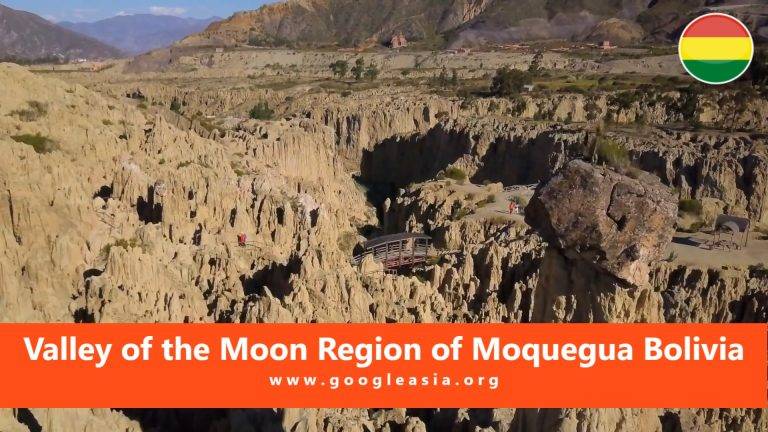
Valley of the Moon, also known as Valley of the Rocks or Valle de la Luna, is a unique geological site located in the Andes of Bolivia. This magical place is home to an array of stunning landscapes, including eroded sandstone formations and monolithic rocks, all bathed in the glow of the moon at night. It’s a great place to explore and take in the spectacular scenery, and visitors can enjoy activities such as hiking, camping, and mountain biking. The valley is also rich in natural resources, so visiting it is a great way to learn about the ecosystem and experience the indigenous culture of the region.
Surrounded by cacti and soaring volcanoes, the Valley of the Moon in Bolivia is an awe-inspiring landscape. Formed by the weathering of volcanic ash, the valley is home to multiple lagoons, vast salt flats and dramatic red rock formations, all offering a breathtaking backdrop of desert scenery.
Introduction
Geological Formation
The Valley of the Moon, known locally as Valle de la Luna, is renowned for its surreal and moon-like landscape. Located in the Atacama Desert spanning northern Chile and southwest Bolivia, this geological marvel is shaped by sandstone, salt, and various mineral deposits. Over millennia, these elements have been sculpted by the relentless forces of wind, sun, and rain, creating a landscape of otherworldly shapes and textures.
Natural Beauty and Features
Spectacular Views
From its highest peaks, the Valley of the Moon offers breathtaking panoramic views of the surrounding desert expanses and distant Andes Mountains. The terrain is characterized by its vibrant hues of red and ochre, contrasting with the stark white of the salt flats nearby. This color palette, combined with the unique geological formations, contributes to the valley’s ethereal and almost extraterrestrial ambiance.
Unique Flora
Despite its harsh desert environment, the Valley of the Moon supports a surprising variety of desert flora. Among its notable inhabitants are unique species of cacti adapted to the arid conditions. These plants not only survive but thrive amidst the extreme temperatures and minimal rainfall, adding to the area’s biological diversity and visual appeal.
Visitor Experience
Tourist Facilities
The valley is accessible via guided tours from nearby towns such as San Pedro de Atacama in Chile and Uyuni in Bolivia. Tour operators provide informative excursions, highlighting the geological processes that shaped the valley and its ecological significance. Basic facilities, including viewpoints and interpretive signs, enhance the visitor experience while preserving the valley’s natural integrity.
Things to do
The Valley of the Moon, or Valle de la Luna, in Bolivia is a mesmerizing natural wonder characterized by its surreal landscapes and unique geological formations. Nestled in the Potosí highlands and overlooking Laguna Hedionda, this area offers visitors a range of activities to immerse themselves in the natural beauty and tranquility of the region.
Horseback Riding Tours
One of the most enchanting ways to explore the Valley of the Moon is through a horseback riding tour. Guided by local experts, these tours take you through stunning landscapes surrounded by the snowcapped peaks of the Cordillera Real mountain range. It’s an opportunity to connect with nature and witness the valley’s beauty from a unique perspective.
Cave of Winds Exploration
Located at an elevation of 3,600 meters, the Cave of Winds is a geological treasure trove offering insights into ancient civilizations and natural formations. Visitors can explore the cave’s depths, marvel at intricate stalactites and stalagmites, and discover ancient cave paintings that depict the cultural significance of this site to the region’s indigenous peoples.
Mountain Biking Adventures
For adrenaline seekers, mountain biking in the Valley of the Moon provides an exhilarating experience. Traverse rugged trails that wind through breathtaking scenery, with panoramic views of the surrounding valleys and distant snow-capped mountains. It’s a perfect blend of adventure and natural beauty.
Thermal Pools Relaxation
A visit to the thermal pools is a must-do activity in the Valley of the Moon. Nestled amidst towering mountains, these warm, mineral-rich pools offer relaxation and rejuvenation amid serene surroundings. Whether you’re unwinding after a day of exploration or simply taking in the tranquil ambiance, the thermal pools provide a soothing retreat.
Flora and Fauna Discovery
The Valley of the Moon is teeming with diverse flora and fauna, showcasing unique species such as the Bolivian national butterfly and the giant hummingbird. Take a leisurely stroll through the area to observe these fascinating plants and animals in their natural habitat, gaining insights into the delicate ecosystem that thrives in this arid environment.
Valley of Death Exploration
Explore the Valley of Death, an area within the Valley of the Moon characterized by striking rock formations and an otherworldly atmosphere. The sculpted walls of solid rock and surreal landscapes create a dramatic backdrop, offering visitors a glimpse into geological processes and natural formations rarely seen elsewhere.
Exploration and Photography
Visitors to the Valley of the Moon can explore its labyrinthine paths and trails, marveling at the sculpted formations and taking in the stark beauty of the desert landscape. Photographers particularly appreciate the interplay of light and shadow on the valley’s intricate geological features, capturing stunning images of this natural wonder.
Foods
When visiting Valley of the Moon, Bolivia, exploring the nearby culinary delights is a must. Here are some of the best foods you can enjoy in the vicinity:
Grilled Salteña
A popular Bolivian pastry filled with either savory beef or chicken stew, deep-fried until golden brown.
Pollo Silpancho
Thinly-pounded chicken fried in a spicy sauce, served atop french fries for a hearty and flavorful meal.
Papa Rellena
A delicious potato ball stuffed with a savory mixture of vegetables, herbs, and spices, fried to perfection.
Pique Macho
A traditional Bolivian dish featuring tender steak strips, accompanied by potatoes, onions, and hot peppers.
Sajra
A spicy and cheesy Bolivian soup made with potatoes, corn, and cheese, offering warmth and robust flavors.
Corn Cholopo
A hearty Bolivian stew made with corn, pepper, cheese, and nuts, providing a rich and satisfying taste.
Queso K’allani
A traditional Bolivian cheese dish combining goat and cow’s-milk cheeses, known for its creamy texture and rich flavor.
Llama Shish Kebab
A regional specialty featuring marinated llama skewers, grilled to perfection and served with potatoes.
Trigo Parlante
A sweet pastry filled with raisins and nuts, dusted with powdered sugar, offering a delightful dessert option.
A sweet corn-based beverage infused with cinnamon and spices, perfect for refreshing yourself after exploring.
Hotels
Refugio del Alto Amazonas Lodge
Refugio del Alto Amazonas Lodge is located on a remote hilltop in the heart of the Amazon rainforest. It offers guests stunning mountain views and an immersive experience in the Amazonian ecosystem.
Accommodations
The lodge provides luxurious accommodations with modern amenities, blending comfort with the natural surroundings. Each room offers breathtaking views of the rainforest and mountains.
Activities and Experiences
Exclusive activities include guided nature walks, birdwatching tours, and visits to indigenous communities. Guests can experience the rich biodiversity of the Amazon up close.
La Estancia Kaata
La Estancia Kaata is situated near the Ucayali River and the Madre de Dios region, surrounded by lush vegetation and diverse wildlife. It offers a true immersion into the Amazon rainforest.
Accommodations
The lodge provides comfortable and rustic accommodations that harmonize with the natural environment. Each room is designed to offer guests a serene retreat amidst the rainforest.
Activities and Experiences
Activities include river excursions, jungle hikes, and cultural encounters with local communities. Guests can explore the flora and fauna of the Amazon while enjoying personalized hospitality.
Casa del Condor
Casa del Condor is located in the remote Puna of the Yungas, within the Valley of the Moon region. It offers sweeping views of the rugged Andes mountains and serene natural surroundings.
Accommodations
The lodge features modern and sustainable accommodations that prioritize comfort and environmental harmony. Guests can enjoy spacious rooms with panoramic views of the valley.
Activities and Experiences
Outdoor activities include trekking, mountain biking, and stargazing sessions. Casa del Condor offers guests an opportunity to reconnect with nature while enjoying luxurious amenities.
Refugio Chilo Chilo
Refugio Chilo Chilo is a hidden gem nestled in the lush vegetation of the Valley of the Moon in the Andes mountains. It offers a secluded retreat surrounded by unique flora and fauna.
Accommodations
The lodge provides cozy accommodations with rustic charm, offering guests a tranquil escape in the heart of nature. Rooms are designed to blend with the natural environment.
Activities and Experiences
Guests can engage in guided nature walks, birdwatching, and photography tours. Refugio Chilo Chilo promises an authentic experience of the Andean ecosystem.
La Roca Ecolodge
La Roca Ecolodge is tucked away in the Valle de las Yungas, near the Bolivian border. Its seventeenth-century style architecture and serene ambiance offer a historic yet relaxing retreat.
Accommodations
The ecolodge features comfortable rooms adorned with traditional décor, providing a unique blend of history and modern comfort. Guests can enjoy panoramic views of the lush valley.
Activities and Experiences
Activities include exploring nearby hiking trails, cultural tours, and enjoying local cuisine. La Roca Ecolodge is ideal for travelers seeking tranquility and immersion in nature.
Conclusion
Staying near the Valley of the Moon in Bolivia offers a unique opportunity to explore some of the most breathtaking natural landscapes and diverse ecosystems in the world. Whether you choose Refugio del Alto Amazonas Lodge for its luxurious Amazon rainforest experience or La Roca Ecolodge for its historic charm near Valle de las Yungas, each of these lodges promises unforgettable accommodations and immersive activities amidst Bolivia’s stunning natural beauty.
Summary
- Attraction: Valley of the Moon Bolivia
- Continent: South America
- Capital Name: La Paz, Sucre
- Language: Spanish
- Currency: Bolivian boliviano (BOB)
- Nationality: Bolivian
- Category: #Destination #SouthAmerica #BOLIVIA
Frequently Asked Questions
Where is Valley of the Moon located?
The Valley of the Moon (Valle de la Luna) is located near La Paz, Bolivia. It’s about 10 kilometers (6.2 miles) south of downtown La Paz, situated in the Pedro Domingo Murillo Province, within the La Paz Department of Bolivia. This unique geological formation is a popular tourist destination known for its otherworldly landscapes resembling the surface of the moon, hence its name.
How to go to Valley of the Moon?
To reach the Valley of the Moon (Valle de la Luna) from La Paz, Bolivia, you can follow these directions:
- By Taxi or Car: The most convenient way is to take a taxi or drive. It’s about a 30-minute drive from downtown La Paz, heading south towards Mallasa.
- Public Transportation:
- Bus: Take a bus from downtown La Paz heading towards Mallasa. Ask the driver to drop you off at Valle de la Luna. Buses are frequent, but schedules may vary.
- Minibus: You can also take a minibus (locally known as “micro”) that travels towards Mallasa or Mallasilla. These are smaller vans that can be more crowded but offer a budget-friendly option.
- Tour: Many travel agencies in La Paz offer guided tours to the Valley of the Moon, which include transportation and a guide. This option can be convenient if you prefer a structured tour with explanations about the geological formations and history of the area.
- Walking: For those who enjoy walking, it’s also possible to hike from certain parts of La Paz, although this can be a longer and more challenging option due to the city’s elevation and distance.
What are Valley of the Moon’s must-visit attractions or landmarks?
The Valley of the Moon (Valle de la Luna) near La Paz, Bolivia, is renowned for its unique geological formations and stunning landscapes. Here are some must-visit attractions and landmarks within the Valley of the Moon:
- Eroded Sandstone Formations: Explore the intricate and otherworldly sandstone formations that resemble the surface of the moon, giving the valley its name.
- Viewpoints: Climb to various viewpoints within the valley to get panoramic views of the surrounding area and appreciate the vastness of the eroded valleys and canyons.
- Walking Trails: Take leisurely walks along marked trails that wind through the valley, allowing you to get up close to the unique rock formations and observe the natural beauty of the area.
- Cueva del Diablo (Devil’s Cave): Discover the Cueva del Diablo, a small cave within the valley known for its interesting rock formations and local legends.
- Sunset Views: Visit during sunset for spectacular views as the sun casts a golden hue over the valley, enhancing the surreal beauty of the landscape.
- Photography Opportunities: Capture the dramatic and surreal landscapes through photography, especially during sunrise or sunset when the lighting is most dramatic.
- Local Flora and Fauna: Observe the unique plants and wildlife that have adapted to this arid environment, including cacti and various desert birds.
- Educational Displays: Learn about the geological processes that have shaped the valley through educational displays and interpretive signs along the trails.
Is Valley of the Moon a suitable travel destination for solo adventurers, honeymooning couples, or those traveling with families?
The Valley of the Moon (Valle de la Luna) in Bolivia is a versatile destination suitable for different types of travelers:
- Solo Adventurers: Solo adventurers will find the Valley of the Moon fascinating for its unique geological formations and the opportunity to explore trails and viewpoints on their own.
- Honeymooning Couples: Couples seeking a romantic and unique experience can enjoy the surreal landscapes and stunning sunset views together, making it a memorable destination for honeymooners.
- Families: Families can visit the Valley of the Moon as part of a day trip from La Paz. It offers educational opportunities about geology and natural history, with easy walking trails suitable for children.
Why should you visit Valley of the Moon?
The Valley of the Moon (Valle de la Luna) near La Paz, Bolivia, is a unique and captivating destination for several reasons:
- Unique Geological Formations: The valley’s landscape resembles the surface of the moon, with bizarre rock formations and eroded hills that create an otherworldly atmosphere.
- Scenic Views: Visitors can enjoy panoramic views of the valley and surrounding mountains, especially at sunrise and sunset when the colors of the rocks change dramatically.
- Educational Experience: It offers insights into geological processes and the natural history of the area, making it an educational destination suitable for students, families, and anyone interested in earth sciences.
- Outdoor Activities: There are opportunities for hiking and exploring the trails that wind through the valley, allowing visitors to immerse themselves in the unique environment.
- Cultural Significance: The valley holds cultural significance as it was an important site for the indigenous Aymara people, adding a layer of historical and cultural interest to the visit.
- Accessibility: Located just a short drive from La Paz, it’s easily accessible for day trips or as part of a broader exploration of the region.
How accessible is halal food in Valley of the Moon?
Halal food options may not be readily available in the Valley of the Moon itself, as it is primarily a natural and geological attraction rather than a developed urban area with restaurants or eateries. Visitors often travel from nearby cities like La Paz to explore the Valley of the Moon, where halal food options might be more accessible due to a diverse culinary scene.