Þingvellir National Park, Iceland
Experience Þingvellir National Park, a UNESCO World Heritage Site where Iceland’s first parliament was founded in 930 AD and the tectonic plates of North America and Eurasia meet. With dramatic fissures, waterfalls, and the crystal‑clear Silfra spring, Þingvellir is a must‑see destination. Plan your visit and explore Iceland’s cultural and natural heart!
Introduction
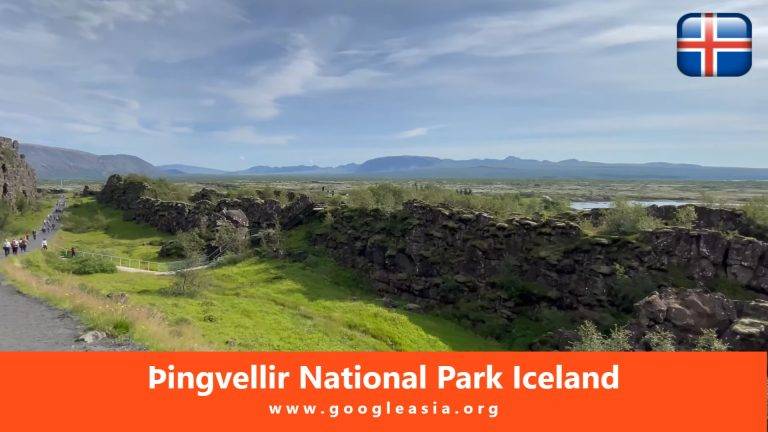
Þingvellir National Park, located less than an hour from Reykjavík, is one of Iceland’s most treasured landmarks. It is the site of the Alþing, the world’s oldest parliament, established in 930 AD, and lies directly on the Mid‑Atlantic Ridge, where tectonic plates drift apart. Visitors can explore geological wonders, historic sites, and pristine waters such as the Silfra fissure, famous for snorkeling and diving.
Geological Features
- Rift Valley: The park lies in the Mid-Atlantic Ridge, showcasing visible rifts and cracks caused by the movement of the North American and Eurasian plates.
- Silfra Fissure: A famous fissure filled with glacial water renowned for its clarity, offering exceptional snorkeling and diving experiences.
Historical Significance
- Iceland’s Parliament: Þingvellir was the site of Iceland’s first parliament, the Alþing, founded in 930 AD.
- Assembly Site: It served as the annual meeting place for Icelandic chieftains to discuss laws, settle disputes, and make decisions for over 800 years.
1‑Day Itinerary
- 8:00 AM – Depart Reykjavík Drive ~45 minutes to Þingvellir National Park.
- 9:00 AM – Visitor Centre Learn about the park’s history and geology through interactive exhibits.
- 10:00 AM – Almannagjá Gorge & Alþing Site Walk through the dramatic gorge and visit the site of Iceland’s first parliament.
- 11:30 AM – Öxarárfoss Waterfall Short hike to a picturesque waterfall within the park.
- 12:30 PM – Lunch/Picnic Enjoy a meal at designated picnic areas or nearby cafés.
- 2:00 PM – Silfra Fissure Optional snorkeling or diving in crystal‑clear glacial waters.
- 4:00 PM – Scenic Walks & Photography Explore trails and capture views of fissures, lakes, and ridges.
- 5:30 PM – Return to Reykjavík Arrive back in the city by evening.
Budget Travel $100
Þingvellir National Park is one of the most budget-friendly destinations in Iceland because entry to the park itself is free, though there is a small parking fee of about $5 near popular sites. This UNESCO World Heritage Site offers incredible value, as visitors can explore dramatic rift valleys, waterfalls, and historic landmarks without paying for entrance tickets.
Food can be managed inexpensively by packing groceries from Reykjavík before heading out, since dining options near the park are limited and costly. Public transport to Þingvellir is minimal, so most travelers either rent a car or join a Golden Circle tour. A rental car for a day can cost $60–80 plus fuel, which makes car-sharing or group tours a practical way to stay within a $100 budget.
A budget traveler could spend $20 on food supplies, $10 on parking and small extras, and the rest on transport, making the day affordable while still rich in experiences. Activities like hiking through Almannagjá gorge, standing between the North American and Eurasian tectonic plates, or visiting Öxarárfoss waterfall are all free. For those seeking adventure, snorkeling in the Silfra fissure is available but costs around $150, which exceeds the budget.
By focusing on the park’s natural and historical highlights, a visitor can enjoy a full day at Þingvellir for under $100, making it one of Iceland’s best-value attractions.
Tips for USA Travellers
For visitors from the USA, one of the most important things to know is that Þingvellir is both a cultural and geological landmark, where Iceland’s parliament, the Alþing, was founded in 930 AD. Unlike many US national parks, there is no entrance fee, but parking charges apply, so carrying a credit card is essential since cash is rarely accepted.
Another key point is that driving is the most practical way to reach the park, located about 45 minutes from Reykjavík, and US travelers should be prepared for narrow roads and changing weather conditions.
Weather preparedness is crucial, as conditions can shift rapidly, even in summer, so packing waterproof clothing and sturdy shoes is necessary for hiking. US visitors should also note that tipping is not customary in Iceland, including at cafés or tour services near the park. Finally, Þingvellir is part of the Golden Circle route, so combining it with nearby attractions like Geysir and Gullfoss waterfall makes for a fuller experience.
By respecting local customs, planning transport carefully, and embracing the park’s free natural wonders, US travelers can enjoy Þingvellir without overspending.
Things to Do
Adventure and Recreation
- Snorkeling: Dive or snorkel in the Silfra Fissure’s crystal-clear waters, with visibility up to 100 meters.
- Fishing: Enjoy fishing opportunities in nearby lakes and rivers.
- Winter Activities: During winter, the park transforms into a snowy wonderland, ideal for activities like cross-country skiing and snowshoeing.
- Wildlife Watching: Encounter diverse wildlife, including birds and occasional mammals.
Go Scuba Diving in Silfra Fissure
Dive or snorkel in Silfra, a fissure between the North American and Eurasian continents, offering unparalleled visibility and geological significance.
Witness the Parliament Site
Visit the site of the world’s oldest existing parliament, the Alþing, established in 930 AD for annual general assemblies.
Hike Through the Natural Wonders
Meander through Almannagjá gorge, Þúfuháls ridge, and other trails showcasing dramatic geological formations and landscapes.
Take a Dip Underwater
Enjoy a swim in the crystal-clear waters of Öxarárfoss waterfall, surrounded by picturesque Icelandic scenery.
Explore the Natural Geysers
Relax and witness the erupting geysers of Geysir and Strokkur, showcasing Iceland’s active geothermal landscape.
Go Horseback Riding
Ride through Þingvellir’s rugged terrain on horseback, offering a unique perspective on its natural beauty and history.
Cross the Bridge Between Continents
Stand on the bridge connecting the North American and Eurasian tectonic plates, symbolizing the park’s geological uniqueness.
Visit the Numerous Waterfalls
Admire Öxarárfoss, Faxi, Göngujahver, and other waterfalls cascading through Þingvellir’s breathtaking landscapes.
Spot Wildlife
Keep watch for Arctic foxes, Bearded vultures, and occasional mink, inhabiting the diverse habitats of Þingvellir National Park.
Go Camping
Pitch a tent, build a campfire, and enjoy a night under Iceland’s starry sky amidst the serene beauty of Þingvellir.
Foods
Grilled Salmon
Grilled salmon is a beloved delicacy at Þingvellir National Park, offering visitors a taste of fresh Icelandic seafood. Typically served with a side of locally grown vegetables and tender Icelandic potatoes, grilled salmon showcases the quality and flavor of the region’s pristine waters.
- Flavor: Delicately smoky with a rich, buttery texture.
- Presentation: Often accompanied by seasonal vegetables and potatoes.
- Local Sourcing: Ingredients sourced locally, ensuring freshness and sustainability.
Icelandic Lamb
Icelandic lamb is renowned for its tender texture and distinct flavor, influenced by the country’s natural grazing lands. At Þingvellir, you can savor Icelandic lamb prepared in various ways, from hearty stews to perfectly grilled cuts, showcasing the traditional Icelandic approach to meat dishes.
- Taste: Mild yet flavorful, with a hint of sweetness from natural grazing.
- Preparation: Stews are often slow-cooked with root vegetables, enhancing the meat’s tenderness.
- Cultural Significance: Reflects Iceland’s farming heritage and sustainable practices.
Reykjafiskur
Reykjafiskur is a traditional Icelandic dish where herring is steamed and stuffed with aromatic herbs. This flavorful and nutritious dish has deep roots in Icelandic culinary history, offering a taste of the country’s coastal bounty.
- Ingredients: Fresh herring combined with locally sourced herbs.
- Cooking Method: Steamed to preserve flavors and nutrients.
- Cultural Tradition: Represents Iceland’s fishing heritage and coastal cuisine.
Skyr
Skyr is an Icelandic dairy product resembling thick yogurt, known for its high protein content and creamy texture. At Þingvellir National Park, Skyr is often served as a refreshing snack or dessert, accompanied by fresh berries or topped with a sweet meringue.
- Texture: Creamy and velvety, with a slightly tangy flavor.
- Nutritional Value: High in protein and low in fat, making it a healthy treat.
- Versatility: Served plain or with various toppings, adapting to different culinary preferences.
Traditional Sweets
Several traditional Icelandic sweets are available at Þingvellir National Park, adding a delightful touch to your culinary experience. Pönnukökur, thin pancakes served with jam or whipped cream, and kleinur, twisted pastries fried to perfection, offer a taste of Iceland’s rich baking traditions.
- Variety: Pönnukökur and kleinur showcase different textures and flavors.
- Heritage: Reflects Iceland’s baking heritage and festive culinary traditions.
- Accompaniments: Often enjoyed with Icelandic jams, creams, or coffee for a complete indulgence.
Conclusion
Exploring Þingvellir National Park in Iceland not only offers breathtaking natural beauty and historical significance but also a chance to savor some of the country’s finest culinary delights. From fresh grilled salmon to traditional Icelandic sweets, the food at Þingvellir reflects the rich cultural heritage and natural bounty of this unique Nordic island nation. Whether you’re hiking through its rugged landscapes or marveling at its geological wonders, indulging in local cuisine adds a delicious dimension to your visit to Þingvellir National Park.
Summary
- Attraction: Þingvellir National Park
- Country: Iceland
- Continent: Europe
- Capital Name: Reykjavík
- Language: Icelandic
- Currency: Icelandic Króna
- Nationality: Icelandic
- Category: #Destination #European #ICELAND
Contact Information
- Address: Þingvellir National Park, 806 Selfoss, Iceland
- Telephone: +354 482 2660
- Website: thingvellir.is
- E‑mail: thingvellir@thingvellir.is
- Entry Fee: Free entry; parking fees apply near main attractions
- Business Hours: Open 24 hours daily
Frequently Asked Questions
What are Þingvellir National Park’s nearby must-visit attractions or landmarks?
Þingvellir National Park is located within the Golden Circle, a popular tourist route in Iceland that includes several other must-visit attractions and landmarks. Here are some nearby destinations you might consider exploring:
- Geysir Geothermal Area: Located approximately 50 kilometers east of Þingvellir, the Geysir Geothermal Area is home to the famous geysers, including the Great Geysir and Strokkur. Strokkur erupts more frequently, making it a captivating sight. The area also features hot springs and bubbling mud pots.
- Gullfoss Waterfall: Also part of the Golden Circle, Gullfoss is one of Iceland’s most iconic waterfalls. The Hvítá River plunges into a deep canyon, creating a spectacular two-tiered cascade. Gullfoss is about 10 kilometers from Geysir and is easily accessible from Þingvellir.
- Kerið Crater: Located about 30 kilometers from Þingvellir, Kerið is a volcanic crater lake with striking red volcanic rock formations. It’s a unique and visually stunning natural attraction.
- Friðheimar Tomato Farm: A greenhouse located near the Golden Circle, Friðheimar is known for cultivating tomatoes using geothermal energy. Visitors can tour the greenhouse, learn about tomato farming, and enjoy tomato-themed dishes at the on-site restaurant.
- Skálholt Historical Site: About 40 kilometers east of Þingvellir, Skálholt is a historic site with a cathedral dating back to the medieval period. It was once the center of religious and cultural activities in Iceland.
- Laugarvatn Fontana Geothermal Baths: Situated by the shores of Lake Laugarvatn, Fontana offers geothermal baths where visitors can relax and enjoy the therapeutic properties of the natural hot springs. It’s a perfect spot to unwind after exploring the nearby attractions.
- Thingvallavatn Lake: The largest natural lake in Iceland, Thingvallavatn is within Þingvellir National Park. The lake provides opportunities for scenic walks, fishing, and enjoying the tranquil surroundings.
- Bruarfoss Waterfall: While not as well-known as some other waterfalls, Bruarfoss is a hidden gem with its vibrant blue waters. It’s located a short drive from Þingvellir and requires a bit of a hike to reach, but the stunning scenery is worth the effort.
Why should you visit Þingvellir National Park?
Þingvellir National Park, located in Iceland, is a UNESCO World Heritage site and holds historical, cultural, and geological significance, making it a unique and compelling destination. Here are some reasons why you should consider visiting Þingvellir National Park:
- Historical Significance: Þingvellir is the site of Iceland’s first parliamentary assembly, known as the Alþingi or Althing. Established in 930 AD, it is one of the oldest parliaments in the world. Walking through the park, you can explore the historic meeting place where early Icelandic settlers gathered to discuss laws, settle disputes, and make important decisions.
- Cultural Heritage: The park is deeply rooted in Icelandic culture and identity. Visiting Þingvellir allows you to connect with the country’s rich cultural heritage and appreciate the importance of this site in shaping Iceland’s history.
- Geological Marvels: The park is situated in a rift valley where the North American and Eurasian tectonic plates are gradually drifting apart. This unique geological setting provides an opportunity to witness the dramatic landscapes created by tectonic activity, including the Silfra Fissure, where you can snorkel or dive between the two continental plates in crystal-clear glacial water.
- Scenic Beauty: Þingvellir National Park boasts stunning natural beauty, including picturesque landscapes, cliffs, and a tranquil lake. The park is surrounded by lava fields, making it a visually captivating destination that showcases Iceland’s diverse and raw natural beauty.
- Outdoor Activities: The park offers a variety of outdoor activities, including hiking trails that lead you through the unique landscapes. The Öxarárfoss waterfall is another attraction within the park that adds to the scenic allure.
- Silfra Snorkeling: Silfra is a fissure filled with glacial water, providing an opportunity for snorkeling or diving in exceptionally clear waters. The underwater visibility is excellent, allowing you to witness the incredible rock formations below the surface.
- Wildlife and Flora: Þingvellir is home to diverse flora and fauna. Birdwatchers can enjoy spotting various bird species, and the park provides a habitat for several native plants. The unique environment supports a range of ecosystems, adding ecological interest to your visit.
- Accessibility: Located within the Golden Circle, Þingvellir is easily accessible from Reykjavik, making it a convenient day trip for those exploring Iceland’s popular tourist route.
How to go to Þingvellir National Park?
Þingvellir National Park is located in southwestern Iceland, approximately 40 kilometers (25 miles) east of Reykjavik. Getting to Þingvellir is relatively straightforward, and you have several options for transportation:
By Car:
- From Reykjavik:
- Drive east on Route 1 (also known as the Ring Road) from Reykjavik.
- After approximately 40 kilometers, take the exit onto Route 36 (Þingvallavegur) towards Þingvellir National Park.
- Scenic Drive:
- The drive from Reykjavik to Þingvellir offers beautiful scenery, including lava fields and mountains. It typically takes about 45 minutes to 1 hour, depending on road conditions and stops.
By Bus:
- Public Bus Services:
- Public bus services operate from Reykjavik to Þingvellir National Park during the summer months. Bus schedules may vary, so it’s advisable to check the timetable in advance.
- Guided Tours:
- Various tour companies offer guided tours to Þingvellir National Park as part of the Golden Circle route, which includes other popular attractions like Geysir and Gullfoss.
By Private Tours and Transfers:
- Private Tours:
- Private tours are available, allowing for a more personalized experience. Many tour operators in Reykjavik offer private tours to Þingvellir National Park.
- Car Rentals:
- Renting a car is a popular option for travelers who prefer flexibility and independence. Numerous car rental agencies operate in Reykjavik, and you can pick up your rental vehicle and drive to Þingvellir.
Considerations:
- Seasonal Access:
- Þingvellir National Park is accessible year-round. However, road conditions may vary, and some routes could be challenging during the winter months. Check for any road closures or travel advisories.
- Entrance Fee:
- While entry to Þingvellir National Park itself is free, there may be charges for parking. It’s recommended to check the park’s official website for the latest information on fees.
- Scenic Stops:
- Along the way, you may want to make stops at other attractions like the Geysir geothermal area and the Gullfoss waterfall, both of which are often part of the Golden Circle route.
- Accommodations:
- If you plan to spend more time in the area, there are accommodations available near Þingvellir National Park. Booking in advance is advisable, especially during the high tourist season.
Are there any halal food options around the Þingvellir National Park?
Finding specific halal food options around Þingvellir National Park in Iceland can be challenging due to the remote nature of the park and the limited dining facilities in the immediate vicinity. However, there are some strategies you can employ to ensure you have suitable food options during your visit:
- Bring Your Own Food: Consider bringing your own halal snacks and meals. Pack items that are easy to carry, non-perishable, and align with your dietary preferences. This is especially important if you plan to spend an extended period exploring the park.
- Check Larger Towns: Before heading to Þingvellir, you can explore larger towns or cities on your way, such as Reykjavik or Selfoss. These locations may have grocery stores where you can purchase halal ingredients or ready-made halal meals.
- Prepare in Advance: Plan your meals in advance and pack a picnic with halal-friendly options. Þingvellir National Park has several designated picnic areas, providing you with an opportunity to enjoy your own food amidst the natural beauty.
- Contact Accommodations: If you are staying in nearby accommodations, such as guesthouses or hotels, inquire whether they can accommodate specific dietary needs. Some accommodations may have kitchen facilities, allowing you to prepare your own meals.
- Online Resources: Utilize online resources and travel forums to check for any updates on halal food options in the area. Travelers often share their experiences and recommendations, which can be valuable in finding suitable food options.
Where is Þingvellir located?
Þingvellir (pronounced “Thingvellir”) is located in southwestern Iceland, approximately 40 kilometers (25 miles) northeast of Reykjavík, the capital city. It is situated on the boundary between the North American and Eurasian tectonic plates, which are slowly moving apart. This geological phenomenon has created a rift valley known as the Almannagjá gorge.