The Golden Temple, India
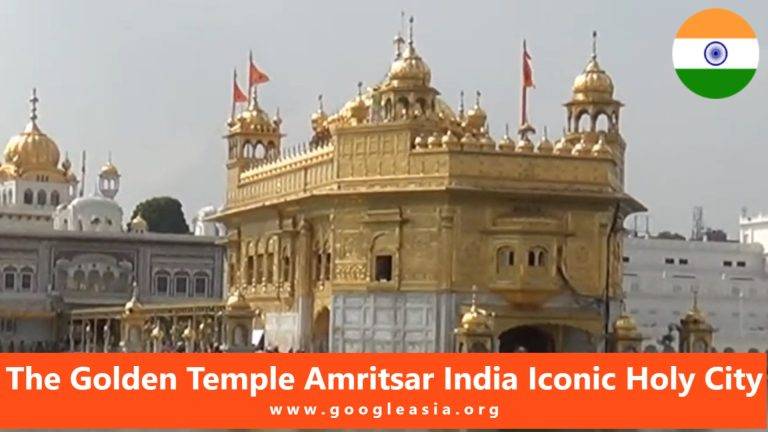
The Golden Temple in Amritsar is one of India’s most iconic and peaceful destinations. Known as Harmandir Sahib, this stunning Sikh temple is famous for its beautiful golden structure that gleams in the sunlight, creating a serene atmosphere for all who visit. Travelers from across the globe come to witness its spiritual beauty, stroll through its tranquil gardens, and connect with the rich history of the Sikh faith. Whether you’re looking for spiritual reflection or simply wish to admire exquisite architecture, the Golden Temple is a must-visit spot in India.
Introduction
The Golden Temple, also known as Harimandir Sahib or Sri Harmandir Sahib, stands as one of the most revered and iconic religious sites in India. Situated in the holy city of Amritsar, Punjab, this stunning gurdwara draws millions of pilgrims and tourists from around the world. It is not just a place of worship but a symbol of unity, spiritual devotion, and Sikh culture.
Architectural Marvel and Spiritual Design
Unique Architecture
The Golden Temple is an architectural masterpiece, blending Islamic and Hindu styles. It is situated in the middle of a serene man-made pool, known as the Amrit Sarovar, and is accessed via a grand marble pathway. This unique design symbolizes the openness and inclusivity of Sikhism, welcoming people from all walks of life.
The Symbolism of the Four Entrances
The four entrances of the Golden Temple symbolize the acceptance of all people, regardless of their background, faith, or ethnicity. This reflects the core values of Sikhism: unity, equality, and service to humanity. The structure is not only a place of worship but also a space for spiritual unity.
Spiritual and Cultural Significance
Preserving Sikh Heritage
The Golden Temple is not only a place of worship but also a center for learning and cultural preservation. The museum located within the complex showcases the history, artifacts, and artworks that reflect the contributions of Sikhism to Indian culture and society.
Experience the Langar
The concept of Langar, the free communal kitchen, is one of the most powerful symbols of Sikhism’s core values. Every visitor, regardless of caste, creed, or religion, is welcome to sit together and share a meal. The Langar embodies the Sikh principle of equality, selfless service, and hospitality.
Things to Do
Exploring the Sacred Amrit Sarovar
The sacred pond, Amrit Sarovar, surrounds the Golden Temple, adding to the tranquility of the experience. Visitors can take a peaceful boat ride around the pond, offering a serene view of the temple’s golden dome and reflecting the sacredness of the surroundings.
Stroll Through the Peaceful Gardens
The gardens within the complex provide a perfect space for contemplation and peace. Lined with vibrant flowers, the gardens offer a tranquil retreat for visitors to connect with the spiritual energy of the Golden Temple.
Witnessing the Palki Sahib Procession
A truly unique experience at the Golden Temple is witnessing the Palki Sahib procession. The Guru Granth Sahib is carried around the temple three times a day in a grand procession, accompanied by hymns and prayers. This ceremony represents the reverence and devotion of the Sikh community to their holy scripture.
Visiting the Libraries:
The Golden Temple complex houses libraries that hold sacred texts and literature about Sikhism’s history and philosophy. These libraries provide visitors with insights into the evolution of Sikhism and its impact on society.
Attractions
The Shimmering Golden Dome
One of the most captivating features of the Golden Temple is its golden dome. Made from pure gold, it gleams in the sunlight, attracting visitors with its majestic beauty. The intricate marble work surrounding the temple adds to the structure’s divine appeal, making it a visual and spiritual marvel.
The Guru Granth Sahib
Inside the sanctum of the Golden Temple, the Guru Granth Sahib, the holy scripture of Sikhism, is placed on a raised platform. Devotees and visitors pay their respects to the Guru Granth Sahib, which is treated with the utmost reverence as the eternal spiritual guide for Sikhs.
Foods
Authentic Punjabi Cuisine
The culinary offerings around the Golden Temple are a reflection of Punjab’s rich food heritage. From spicy curries to freshly baked bread, the food here is sure to satisfy your taste buds and immerse you in the local culture. Some must-try dishes include:
- Amritsari Kulcha: A stuffed flatbread served with spicy chickpea curry, this iconic dish is cooked in a traditional tandoor and is a true delight for food lovers.
- Chole Puri: Fluffy deep-fried bread served with spicy chickpea curry. This dish is a perfect balance of textures and flavors that represent the heart of Punjabi cuisine.
- Sarson ka Saag: A hearty mustard greens-based curry, often paired with Makki di Roti (cornbread), showcasing the agricultural richness of Punjab.
- Kadahi Pakora: Crispy fritters immersed in a flavorful tomato-based curry, offering a burst of robust flavors that define Punjabi culinary artistry.
Classic Comfort Foods
For comfort food lovers, don’t miss these popular Punjabi dishes:
- Dal Makhani: A rich and creamy black lentil curry, slow-cooked to perfection with spices and cream.
- Bhatura: Deep-fried fluffy puff bread served with chickpeas or dal, perfect for a filling meal.
Conclusion
The Golden Temple is not just a religious site; it is a symbol of peace, unity, and devotion. Whether you visit to experience its spiritual aura, explore its architectural beauty, or savor the mouthwatering Punjabi cuisine, The Golden Temple promises to be an unforgettable journey into the heart of Sikhism and India’s rich cultural tapestry.
Plan your visit to The Golden Temple today and immerse yourself in a truly spiritual experience that transcends time and culture.
The Golden Temple of Amritsar is one of the most iconic and popular religious sites in India. Located in the holy city of Amritsar, it is the spiritual and cultural center of the Sikh religion. The golden-hued temple is located in a manmade pool and is surrounded by a sprawling complex of serene buildings and courtyards, making it a must-visit destination for visitors to India.
Summary
- Attraction Name: The Golden Temple
- Country: India
- Continent: Asia
- Capital Name: New Delhi
- Language: Hindi, English
- Currency: Indian Rupee
- Nationality: Indians
- Category: #Destination #Asia #INDIA
Frequently Asked Questions
Where is The Golden Temple located?
The Golden Temple, also known as Sri Harmandir Sahib, is located in the city of Amritsar, Punjab, India. Specifically, it is situated in the heart of the old city, near the intersection of Guru Bazaar Road and Golden Temple Road.
- Address: Golden Temple Rd, Atta Mandi, Katra Ahluwalia, Amritsar, Punjab 143006, India
How to go to The Golden Temple?
To reach The Golden Temple (Sri Harmandir Sahib) in Amritsar, Punjab, India, you have several transportation options due to its central location in the city. Here’s how you can travel to The Golden Temple:
By Air:
Sri Guru Ram Dass Jee International Airport (ATQ):
- Amritsar’s airport located approximately 11 kilometers northwest of The Golden Temple.
- Upon arrival, you can take a prepaid taxi, Uber, or Ola cab from the airport to The Golden Temple. The journey takes about 15-20 minutes, depending on traffic.
By Train:
Amritsar Junction Railway Station:
- Amritsar Junction is a major railway station well-connected to various cities across India.
- From Amritsar Junction, you can hire a taxi, auto-rickshaw, or use local transport like buses to reach The Golden Temple, which is around 3 kilometers away. The travel time is approximately 10-15 minutes.
By Bus:
Amritsar Bus Stand (Amritsar Interstate Bus Terminal):
- Amritsar has a well-developed bus network with buses connecting to major cities and towns in Punjab and neighboring states.
- From the bus stand, you can take a local bus, auto-rickshaw, or taxi to reach The Golden Temple, which is centrally located in the city.
By Taxi or Auto-rickshaw:
Local Transport:
- Taxis and auto-rickshaws are readily available throughout Amritsar.
- You can hire a taxi or auto-rickshaw directly to The Golden Temple from your location within the city.
Travel Tips:
- Timing: Visit early morning or late evening to avoid crowds and experience The Golden Temple in a quieter atmosphere.
- Dress Code: Dress modestly, covering your head with a scarf (available at the temple entrance) and removing shoes before entering the Golden Temple complex.
- Security Check: Be prepared for security checks at the entrance, which may include bag inspections and metal detectors.
What are The Golden Temple’s must-visit attractions or landmarks?
The Golden Temple (Sri Harmandir Sahib) in Amritsar, Punjab, India, is a sacred place of worship and cultural significance for Sikhs worldwide. While the entire complex is integral to the experience, here are some of its must-visit attractions and landmarks:
- Harmandir Sahib (Golden Temple):
- Description: The main Gurdwara (place of worship) covered in gold leaf, symbolizing spiritual purity and resilience.
- Highlights: Witness the gleaming golden exterior, intricate marble work, and the ornate architecture reflecting Sikh and Mughal influences.
- Amrit Sarovar (Pool of Nectar):
- Description: The sacred pool surrounding the Golden Temple, symbolizing purity and offering ritualistic bathing for pilgrims.
- Highlights: Experience the peaceful ambiance and participate in the ritual of taking a dip in the holy waters, believed to cleanse the soul.
- Darbar Sahib (Main Hall):
- Description: The central hall inside the Golden Temple complex where the Guru Granth Sahib (Sikh holy scripture) is enshrined and recited.
- Highlights: Observe the continuous recitation of Gurbani (Sikh hymns) and witness religious ceremonies conducted by Sikh priests.
- Akal Takht:
- Description: Located opposite the Golden Temple, Akal Takht is one of the five Takhts (thrones) of Sikhism and serves as the highest seat of temporal authority.
- Highlights: Visit this historic structure where decisions pertaining to Sikh community issues and religious matters are deliberated.
- Langar Hall (Community Kitchen):
- Description: The largest free kitchen in the world, serving vegetarian meals (langar) to all visitors regardless of religion, caste, or creed.
- Highlights: Participate in the serving or partaking of langar, symbolizing equality, humility, and the spirit of seva (selfless service).
- Guru Ka Langar Museum:
- Description: A museum within the complex showcasing the history and significance of langar in Sikhism, along with historical artifacts.
- Highlights: Learn about the traditions of Sikh hospitality and the logistics behind serving thousands of meals daily.
- Ramgarhia Bunga:
- Description: A historic building within the complex traditionally used by Sikh warriors and now housing a museum and administrative offices.
- Highlights: Explore exhibits on Sikh history, weaponry, and artifacts related to the community’s martial heritage.
Travel Tips:
- Respectful Attire: Dress modestly, covering your head with a scarf (available at the temple entrance) and removing shoes before entering the Golden Temple complex.
- Quiet Reflection: Maintain silence and observe religious practices while inside the Gurdwara.
- Photography: Respect guidelines on photography, especially around the sanctum and during ceremonies.
Why should you visit The Golden Temple?
The Golden Temple, also known as Sri Harmandir Sahib, holds significant cultural, spiritual, and historical importance, making it a compelling destination to visit in Amritsar, Punjab, India:
- Spiritual Significance:
- Sikhism’s Holiest Shrine: The Golden Temple is the holiest Gurdwara (place of worship) and spiritual center of Sikhism. It symbolizes equality, unity, and selfless service (seva).
- Darbar Sahib: Experience the serene ambiance of the Darbar Sahib (main hall), where the Guru Granth Sahib (Sikh holy scripture) is revered and recited daily.
- Architectural Splendor:
- Golden Exterior: The Gurdwara’s exterior is covered in gold leaf, giving it a majestic appearance that shines in sunlight, symbolizing spiritual purity and resilience.
- Sarovar (Holy Pool): Surrounding the Golden Temple is the Amrit Sarovar (Pool of Nectar), where pilgrims bathe and participate in ritualistic purification.
- Cultural Heritage:
- Harmony of Cultures: The Golden Temple welcomes people from all walks of life and is a symbol of religious tolerance and harmony.
- Langar (Community Kitchen): Partake in the langar, a communal meal served free to all visitors regardless of caste, creed, or religion, emphasizing equality and service.
- Historical Legacy:
- Foundation: Founded by Guru Ram Das in the 16th century and further developed by subsequent Sikh Gurus, the Golden Temple has a rich history of resilience and spiritual leadership.
- Events: Witness religious ceremonies, processions, and the daily rituals that highlight Sikh traditions and teachings.
- Community and Service:
- Seva (Selfless Service): Experience the spirit of seva by volunteering in the langar or helping in other community service activities organized within the temple complex.
- Hospitality: Receive warm hospitality from Sikh volunteers (sevadars) who assist visitors and ensure a meaningful experience at the Golden Temple.
Travel Tips:
- Attire: Dress modestly, covering your head and removing shoes before entering the Golden Temple complex.
- Respect: Maintain silence and observe cultural practices while inside the Gurdwara.
- Photography: Capture the beauty of the Golden Temple respectfully, following guidelines on photography within the premises.
Is it difficult to find halal food near The Golden Temple?
Finding halal food near the Golden Temple in Amritsar may require some exploration, as the area primarily offers vegetarian and Sikh cuisine due to the temple’s significance in Sikhism. Here are some considerations and options for finding halal food nearby:
- Local Eateries and Restaurants:
- Vegetarian Options: Many local eateries around the Golden Temple serve vegetarian Punjabi and North Indian cuisine, which are typically safe for Muslim travelers.
- Ask Locals: Inquire with locals or hotel staff for recommendations on nearby restaurants that may offer halal options or can accommodate dietary preferences.
- Hotel Restaurants:
- Hotels in Amritsar: Some hotels, especially those catering to international tourists, may offer more diverse dining options, including dishes that can accommodate halal requirements.
- Check Menus: Before dining, check with the hotel restaurant about halal food options available on their menus.
- Personal Preferences:
- Specify Dietary Needs: When ordering meals, specify your dietary preferences for halal food to ensure they meet your requirements.
- Explore Local Cuisine: Enjoy traditional Punjabi dishes like dal makhani, paneer dishes, and various types of bread, which are widely available in the region.
Travel Tips:
- Local Advice: Seek recommendations from local guides or residents who can suggest nearby eateries that may accommodate halal preferences.
- Cultural Experience: While exploring Amritsar, experience the rich Sikh culture and hospitality through local food and traditions.
- Visiting Hours: Be mindful of the temple’s operational hours and consider dining outside of peak visiting times to avoid crowds.