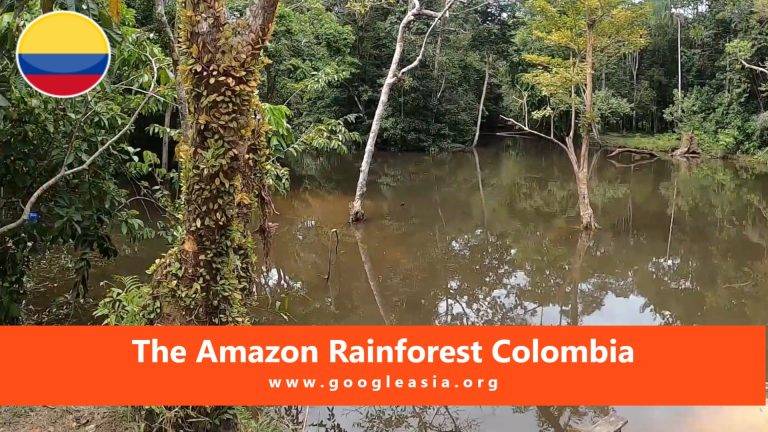
The Amazon Rainforest, Colombia
Journey into Colombia’s Amazon Rainforest, where mighty rivers, lush jungle, and rare wildlife await. From Leticia to Indigenous villages, this guide highlights the best experiences and essential visitor information. Plan your Amazon adventure today and explore nature’s greatest frontier!
Introduction
The Amazon Rainforest Colombia is an incredibly diverse, bio-diverse and ecologically diverse environment, home to some of the most amazing wildlife and plant species on Earth. It is home to some of the world’s last remaining uncontacted tribes, a rich cultural heritage, and is a stunningly beautiful landscape.
The Amazon Rainforest of Colombia is an ecological wonder that represents the third largest tropical rainforest globally. Stretching across 267 million hectares, this vast expanse of biodiversity is often celebrated as a critical component of the planet’s environmental health and cultural heritage. The Amazon Rainforest, located in the western part of Colombia, begins near the Andean mountains and extends to the border with Venezuela. Here, we delve into the remarkable features that define this crucial ecosystem.
Geographic Extent and Importance
The Size and Scope
The Colombian Amazon covers approximately 42% of Colombia’s national territory, making it one of the largest continuous rainforest regions outside Brazil. This vast area represents about 5.5% of the entire Amazon Basin, which itself spans over 7 million km² across South America. Within Colombia, the Department of Amazonas alone covers 109,665 km², with its capital in Leticia, a key gateway to the rainforest. The region is often referred to as Colombia’s “green lung”, underscoring its role in global climate regulation and biodiversity conservation.
The Role of the Andean Mountains
The Colombian Amazon lies at the meeting point of the Andes Mountains and the Amazon Basin. The Andes create an orographic effect, where moist air rises and cools, producing high rainfall. This contributes to the rainforest’s extraordinary biodiversity and supports ecosystems ranging from dense jungle interiors to flooded forests. The transition zone between the Andes and the Amazon is considered one of the most biologically diverse regions on Earth.
Unique Ecosystems
River Systems and Their Impact
The Colombian Amazon is nourished by major rivers such as the Caquetá, Putumayo, and Vaupés, which flow into the Amazon River system. These waterways shape the landscape, create floodplains, and sustain aquatic habitats. The region is home to the largest variety of freshwater fish in the world, including species like the arapaimas and the pink river dolphin (Inia geoffrensis).
Diverse Habitats and Flora
The rainforest features ecosystems such as dense terra firme forests, igapó (blackwater-flooded forests), várzea (whitewater-flooded forests), and savanna-like grasslands. Each supports unique plant and animal communities. Iconic flora includes towering kapok trees, medicinal plants used by indigenous communities, and countless orchid species.
Flora and Fauna
Wildlife of the Amazon Rainforest
The Colombian Amazon is a biodiversity hotspot, home to thousands of species:
- Jaguars: Apex predators that regulate prey populations.
- Howler Monkeys: Famous for their loud vocalizations, heard up to 5 km away.
- Sloths: Arboreal mammals adapted to slow movement and camouflage.
- Giant Otters: Endangered species found in river systems.
- Pink River Dolphins: Unique freshwater cetaceans, culturally significant to indigenous groups.
Avian and Aquatic Species
Birdlife is equally diverse, with over 200 species recorded, including macaws, toucans, and the Santa Marta parakeet (endemic to Colombia). The rivers and wetlands host countless amphibians and fish, making the region one of the richest aquatic ecosystems globally.
Cultural and Historical Significance
Indigenous Cultures
The rainforest is home to several indigenous communities who have lived in harmony with its ecosystems for centuries. These cultures possess deep knowledge of the rainforest’s resources and play a crucial role in its preservation.
Archaeological Sites
Numerous archaeological sites within the rainforest provide insight into ancient civilizations that once thrived in this region. These sites are invaluable for understanding the historical and cultural context of the Amazon.
Budget Travel $100
The Colombian Amazon is centered around Leticia, the border town where most travelers begin their journey. Meals in Leticia average COP 15,000–25,000 ($3.50–$6) for a restaurant lunch, while street food like empanadas or fried fish is often COP 5,000–8,000 ($1–$2). Supermarket basics such as rice, fruit, and bottled water are also inexpensive, with weekly groceries costing COP 180,000–280,000 ($47–$72) depending on quality.
Transport within town is cheap: moto-taxis cost about COP 4,000–8,000 ($1–$2) per ride, and buses are even less. Boat trips along the Amazon River to nearby villages or Isla de los Micos typically cost COP 40,000–80,000 ($10–$20), while guided day tours range from COP 100,000–160,000 ($25–$40).
Entrance fees are modest: small reserves and cultural centers charge COP 8,000–20,000 ($2–$5), while Parque Santander’s famous parrot spectacle is free. With $100, a traveler could cover two days of meals, local transport, and short excursions, or one day of a guided jungle tour (which averages $70–$100 per day including food and lodging). Careful budgeting—such as eating at local almuerzo ejecutivo spots and choosing community-run tours—makes it possible to enjoy the Amazon’s biodiversity without overspending.
Tips for American Travelers
For American travelers, visiting the Amazon requires key considerations. The local currency is the Colombian peso (COP), and while U.S. dollars are accepted in Leticia, pesos are essential for buses, markets, and small shops. Safety is generally good in tourist areas, but travelers should book tours with reputable operators to ensure reliable guides and secure logistics. Health precautions are critical: vaccinations for yellow fever and typhoid are recommended, and insect repellent is essential due to mosquitoes.
Language is another factor: Spanish dominates, and English is limited outside tourist hubs, so learning basic phrases is helpful. The climate is hot and humid year-round, with average temperatures around 27–30°C and frequent rainfall, so packing light clothing, waterproof gear, and sturdy shoes is important.
Free activities like walking tours of Leticia, visiting the Mercado Central, or watching the parrot spectacle at Parque Santander help balance costs. By blending cultural respect, health preparation, and practical planning, Americans can experience the Amazon’s extraordinary wildlife, river landscapes, and indigenous heritage while staying mindful of their $100 budget.
1‑Day Itinerary
- 8:00 AM – Breakfast in Leticia (try tropical fruits like camu camu or açaí)
- 9:00 AM – Boat ride along the Amazon River (spot monkeys, birds, and dolphins)
- 11:00 AM – Visit Isla de los Micos (Monkey Island) for wildlife encounters
- 1:00 PM – Lunch in a riverside lodge (fresh fish and jungle‑inspired dishes)
- 2:30 PM – Explore Indigenous villages (learn traditions and crafts)
- 4:00 PM – Walk through Amacayacu National Park (guided jungle trek)
- 6:00 PM – Sunset on the Amazon River (spectacular views over the water)
- 7:30 PM – Dinner in Leticia (taste local Amazonian cuisine)
Things to Do
The Amazon Rainforest in Colombia is a destination brimming with adventure and discovery. With its unparalleled biodiversity and rich cultural heritage, the rainforest offers a multitude of activities for travelers seeking both natural beauty and cultural experiences. Here are some of the top things to do in this remarkable region.
Explore the Town of Leticia
Walking Tours of Leticia
Leticia, the capital of the Department of Amazonas, sits at the tri-border of Colombia, Brazil, and Peru, making it a unique cultural crossroads. Founded in 1867, it has grown into the gateway to Colombia’s Amazon Rainforest. Walking tours reveal colonial-era architecture, lively plazas, and murals reflecting indigenous and mestizo heritage. The town’s atmosphere blends Colombian, Brazilian, and Peruvian influences, visible in its language, cuisine, and daily life.
Local Markets and Cuisine
Leticia’s Mercado de Leticia is a vibrant hub where visitors can sample Amazonian delicacies. Local dishes often feature pirarucú (arapaima), one of the world’s largest freshwater fish, as well as exotic fruits like copoazú, camu camu, and açaí. Street vendors sell chicha de maíz (fermented corn drink) and juices from guanábana and lulo, offering a taste of indigenous culinary traditions.
Tour Dos Gobernadores Islands
Boat Tours of the Archipelago
The Islas de los Gobernadores, located in the Amazon River near Leticia, are accessible by boat and offer serene landscapes of flooded forests and lush vegetation. These islands are part of the Amazon River archipelago, where seasonal flooding creates dynamic habitats.
Wildlife and Bird Watching
Visitors often spot the pink river dolphin (Inia geoffrensis), a species unique to the Amazon Basin and considered sacred by indigenous groups. Birdwatchers can see species like jacamars, kingfishers, and toucans, while the islands’ shores bloom with wild orchids and heliconias.
Witness Traditional Indigenous Cultures
Guided Tours by Indigenous People
The Colombian Amazon is home to over 70 indigenous groups, including the Ticuna, Bora, and Yagua. Guided tours led by community members provide insight into traditional practices such as maloca ceremonies (communal rituals), shamanic healing, and artisanal crafts.
Festivals and Cuisine
Visitors may participate in cultural festivals featuring traditional dances, music with drums and flutes, and body painting with natural dyes. Indigenous cuisine highlights cassava-based dishes, smoked fish, and fruits harvested from the forest, reflecting sustainable living practices.
Spot Colorful Wildlife
Wildlife Safari Tours
The Colombian Amazon is a biodiversity hotspot, with over 212 mammal species and 800 bird species recorded. Safari tours allow visitors to encounter:
- Toucan and Macaws: Vibrant canopy dwellers.
- Sloths and Monkeys: Arboreal mammals like howler and capuchin monkeys.
- Tree Frogs and Reptiles: Including poison dart frogs and anacondas.
- Jaguars: Rarely seen but present as apex predators.
Bird Watching and Reptile Spotting
Bring binoculars to catch glimpses of rare birds such as the hoatzin or harpy eagle, and explore riverbanks for caimans and iguanas.
Visit the Amazon International Biological Reserve
Ecological Tours of the Reserve
The Amazon International Biological Reserve (Reserva Natural Internacional de la Amazonía) is a protected area spanning parts of Colombia, Brazil, and Peru. Established in the 1970s, it safeguards endangered species and fragile ecosystems.
Conservation and Observation
Tours highlight conservation efforts to protect species like the giant river otter and black caiman, while educating visitors on sustainable practices. Observing wildlife from a distance emphasizes the delicate balance required to maintain the rainforest’s health.
Foods
The Amazon Rainforest in Colombia is not just a haven for biodiversity; it’s also a treasure trove of unique and flavorful foods. The local cuisine reflects the rich natural resources of the region and offers a variety of tastes that are both exotic and integral to daily life. Here’s a look at some of the best foods you can enjoy in this lush and vibrant part of the world.
Cacao
Cacao (Theobroma cacao) has been cultivated in the Amazon for thousands of years. Archaeological evidence shows cacao use in Colombia dating back to around 5,000 years ago, making it one of the earliest domesticated crops in the region.
- Cultural Significance: Indigenous groups such as the Tikuna and Huitoto use cacao in rituals and communal gatherings, often preparing it as a bitter drink mixed with spices.
- Uses and Products: Today, cacao is processed into artisan chocolates, exported globally, and enjoyed locally in traditional beverages. Colombian cacao is prized for its fine flavor, with regions like Arauca and Santander recognized internationally.
Plantains
Plantains are a cornerstone of Colombian cuisine, especially in the Amazon, where they grow abundantly.
- Fried Plantains: Patacones (twice-fried slices) are crispy and savory, while tajadas are sweet fried slices.
- Other Preparations: Grilled or boiled plantains provide softer textures and are often paired with fish or stews.
- Nutritional Value: Rich in carbohydrates, potassium, and fiber, plantains are an essential energy source for rainforest communities.
Cassava
Cassava (yuca) is fundamental to Amazonian diets and has deep cultural importance. Indigenous groups process cassava into cassava flour (harina de yuca), used to make flatbreads and porridges.
- Preparation Methods: Cassava can be boiled, baked, fried, or grated into flour.
- Traditional Dishes: Casabe bread, a thin, crisp flatbread made from cassava flour, is a staple across the Amazon. Sweet cassava cakes are also popular desserts.
- Nutritional Value: Cassava is high in carbohydrates and provides dietary fiber, though it must be carefully prepared to remove natural toxins (cyanogenic compounds).
Fish
The Amazon’s rivers provide a rich variety of fish, forming the backbone of local diets.
- Palometa: A regional favorite, grilled or fried, known for its tender flesh.
- Other Species: Pirarucú (arapaima), one of the world’s largest freshwater fish, is a delicacy often smoked or grilled. Tilapia and catfish are also widely consumed.
- Health Benefits: Amazonian fish are rich in protein and omega-3 fatty acids, supporting heart health and nutrition.
Açaí Berries
Açaí (Euterpe oleracea) grows on palm trees along the Amazon River. Traditionally consumed by indigenous communities, it has become a global “superfood.”
- Health Benefits: Açaí is packed with antioxidants, vitamins, and minerals, believed to boost immune function and vitality.
- Culinary Uses: Locally, açaí is consumed as a pulp or drink. Internationally, it is popular in smoothies and açaí bowls, often topped with granola, fruit, and seeds.
- Cultural Note: In the Amazon, açaí is often mixed with cassava flour to create a filling porridge, reflecting the integration of local staples.
Hotels
When planning a stay in the Amazon Rainforest in Colombia, choosing the right accommodation can significantly enhance your experience. The following hotels and lodges offer unique ways to immerse yourself in the lush surroundings of the rainforest while providing comfort and exceptional service.
El Lodge Natural Amazonia (Leticia, Colombia)
Located in Leticia, the capital of Colombia’s Amazonas Department, El Lodge Natural Amazonia offers travelers direct access to the rainforest while maintaining modern comforts. Leticia itself sits at the tri-border of Colombia, Brazil, and Peru, making it a cultural and ecological crossroads.
- Accommodation: Bungalows designed to blend with the jungle environment, featuring terraces and kitchen facilities.
- Amenities: Swimming pool, Amazonian spa treatments using natural ingredients, and guided jungle excursions.
- Unique Experiences: Birdwatching tours (the region hosts over 800 bird species) and cultural activities with indigenous communities such as the Ticuna and Yagua.
Ariau Amazon Towers (Manaus, Brazil)
Located near Manaus, Ariau Amazon Towers was one of the world’s most famous treetop hotels. Built in the 1980s by Dr. Francisco Ritta Bernardino, it featured elevated walkways stretching over 6 miles (10 km) and suites perched above the canopy. Although the original hotel closed in 2015, it remains legendary in Amazon tourism history.
- Accommodation: Tree-top suites with panoramic rainforest views.
- Amenities: Walking trails, cable cars, butterfly gardens, and jungle restaurants.
- Unique Experiences: Canopy tours and river exploration, offering guests a bird’s-eye perspective of the Amazon.
Blue Morpho Lodge (Alto Jibob, Peru)
Accessible from Iquitos, Blue Morpho Lodge is known for its architectural design that integrates with the rainforest. Iquitos itself is the largest city in the world unreachable by road, emphasizing the lodge’s remote and immersive setting.
- Accommodation: Architecturally striking lodges with comfortable interiors.
- Amenities: Trail systems for exploring diverse flora and fauna, and guided nighttime safaris.
- Unique Experiences: Wildlife observation of nocturnal species such as owls, caimans, and night monkeys, combined with high-end comfort.
Uakari Lodges (Mamirauá, Brazil)
Located in the Mamirauá Sustainable Development Reserve, Uakari Lodges are built on floating structures along the Amazon’s flooded forests. The reserve, established in 1996, is Brazil’s first sustainable development reserve and protects endangered species like the white uakari monkey.
- Accommodation: 11 floating bungalows powered by solar energy, designed for minimal environmental impact.
- Amenities: Guided exploration programs including kayaking, boating, and hiking.
- Unique Experiences: Flooded forest tours led by naturalist guides, offering insights into one of the Amazon’s most unique ecosystems.
Conclusion
Staying at one of these exceptional lodges in the Amazon Rainforest, Colombia offers an unparalleled opportunity to experience the natural beauty and cultural richness of the region. Whether you choose the immersive jungle experience of El Lodge Natural Amazonia, the canopy adventure of Ariau Amazon Towers, the luxurious comfort of Blue Morpho Lodge, or the unique flooded forest exploration at Uakari Lodges, each accommodation provides a distinctive way to connect with the Amazon Rainforest. From guided excursions and wildlife safaris to cultural activities and luxurious amenities, these hotels ensure a memorable and enriching stay in one of the world’s most fascinating ecosystems.
Summary
- Attraction: The Amazon Rainforest
- Country: Colombia
- Continent: South America
- Capital Name: Bogotá
- Language: Spanish
- Currency: Colombian Peso
- Nationality: Colombians (Spanish: Colombianos)
- Category: #Destination #SouthAmerica #COLOMBIA
Contact Leticia Tourism Office
- Address: Leticia Tourist Information Center, Amazonas Department, Colombia
- Telephone: +57 8 592 7743
- Website: colombia.travel
- E-mail: info@colombia.travel
- Entry Fee: Free access to Leticia; guided tours and park entry approx. $10–$50 depending on activity
- Business Hours: Daily, 8:00 AM – 6:00 PM
Frequently Asked Questions
Where is the Amazon Rainforest located?
The Amazon Rainforest, often referred to simply as the Amazon, is located primarily in South America. It spans across several countries, including:
- Brazil
- Peru
- Colombia
- Venezuela
- Ecuador
- Bolivia
- Guyana
- Suriname
- French Guiana
The Amazon Rainforest covers approximately 5.5 million square kilometers (2.1 million square miles) and is the largest tropical rainforest in the world. It is renowned for its biodiversity, dense vegetation, and critical role in regulating the Earth’s climate and oxygen levels.
How can one travel to the Amazon Rainforest?
Traveling to the Amazon Rainforest can be an adventure, and the approach depends largely on which country or region within the rainforest you plan to visit. Here are some general ways to travel to the Amazon Rainforest:
- Brazil:
- Manaus: Many travelers fly into Manaus, a city in the heart of the Brazilian Amazon. From there, you can arrange tours or river cruises into the rainforest.
- Flights: Fly into Manaus International Airport (MAO) from major Brazilian cities like São Paulo or Rio de Janeiro.
- Peru:
- Iquitos: This city in northern Peru is a gateway to the Peruvian Amazon. You can fly into Coronel FAP Francisco Secada Vignetta International Airport (IQT) and take boat tours into the rainforest.
- Puerto Maldonado: In southern Peru, Puerto Maldonado is another entry point to the Amazon Rainforest, accessible by flights from Lima.
- Ecuador:
- Tena: Located in the Ecuadorian Amazon, Tena is a popular starting point for rainforest tours. You can fly into the nearby airports or travel overland from Quito.
- Colombia:
- Leticia: Leticia is a city in southern Colombia, near the borders with Brazil and Peru. It serves as a gateway to the Colombian Amazon. Flights from Bogotá or Medellín can take you there.
- Bolivia:
- Rurrenabaque: Situated in the Bolivian Amazon, Rurrenabaque is accessible by flights from La Paz. It offers tours into Madidi National Park and the surrounding rainforest.
- Guided Tours:
- Many travelers opt for guided tours or river cruises organized by tour operators. These tours typically include transportation, accommodation, meals, and guided excursions into the rainforest.
- River Cruises:
- River cruises along the Amazon River and its tributaries offer a unique way to explore the rainforest, with opportunities to spot wildlife and visit indigenous communities.
- Lodges and Eco-Lodges:
- Eco-lodges and jungle lodges are scattered throughout the Amazon Rainforest, providing accommodations and guided activities tailored to exploring the surrounding wilderness.
What’s the climate like in the Amazon Rainforest?
The climate in the Amazon Rainforest is characterized by its equatorial and tropical nature, marked by high humidity and consistent temperatures throughout the year. Here are the key features of the climate:
- Temperature:
- Generally warm and humid year-round.
- Average temperatures range between 25°C to 30°C (77°F to 86°F) during the day.
- Nighttime temperatures typically drop slightly but remain relatively warm.
- Humidity:
- High humidity levels are prevalent, often exceeding 80% due to the dense vegetation and abundant rainfall.
- Humid conditions contribute to the lush growth of flora and fauna in the region.
- Rainfall:
- The Amazon Rainforest receives significant rainfall throughout the year.
- Rainfall varies depending on the specific location within the rainforest, but annual precipitation can range from 1,500 to 3,000 millimeters (59 to 118 inches).
- Rainfall is more intense during the wet season, which varies by region but generally occurs from December to May.
- Seasonal Variation:
- The Amazon experiences a wet season and a dry season, though the distinction between the two can vary.
- During the wet season, rivers swell and flood, creating dynamic ecosystems and influencing wildlife behavior.
- The dry season sees reduced rainfall, with some areas experiencing drought conditions.
- Biodiversity Influence:
- The climate plays a crucial role in sustaining the Amazon Rainforest’s unparalleled biodiversity.
- Rainfall and temperature patterns influence plant growth cycles, which in turn support diverse animal species adapted to specific ecological niches.
What are the Amazon Rainforest’s must-visit attractions or landmarks?
The Amazon Rainforest is vast and teeming with biodiversity, offering numerous must-visit attractions and landmarks that showcase its natural beauty and ecological significance. Here are some notable highlights:
- Amazon River:
- The Amazon River is the largest river by discharge volume of water in the world. It stretches over 4,345 miles (7,062 kilometers) and is a vital lifeline for the surrounding rainforest and its inhabitants.
- Attractions: River cruises, wildlife spotting (such as pink river dolphins), and fishing excursions.
- Manaus (Brazilian Amazon):
- Manaus serves as a gateway to the Brazilian Amazon and offers access to various tours and expeditions into the rainforest.
- Attractions: The iconic Amazon Theatre (Teatro Amazonas), Meeting of the Waters (where the Rio Negro and Solimões rivers converge), and local markets.
- Iquitos (Peruvian Amazon):
- Iquitos is the largest city in the Peruvian Amazon and a hub for rainforest adventures and eco-tourism.
- Attractions: Exploring the Pacaya-Samiria National Reserve, visits to indigenous communities, and jungle lodges.
- Leticia (Colombian Amazon):
- Leticia is a gateway to the Colombian Amazon and shares borders with Brazil and Peru. It offers a blend of Amazonian culture and wildlife experiences.
- Attractions: Parque Nacional Natural Amacayacu, Amazonian river tours, and canopy walks.
- Ecuadorian Amazon:
- Tena and Coca are key entry points to the Ecuadorian Amazon, known for their biodiversity and indigenous cultures.
- Attractions: Yasuní National Park, Napo River cruises, and traditional Kichwa communities.
- Wildlife Reserves and National Parks:
- Various protected areas within the Amazon Rainforest offer opportunities to observe diverse wildlife and flora.
- Attractions: Madidi National Park (Bolivia), Tambopata National Reserve (Peru), and Cuyabeno Wildlife Reserve (Ecuador).
- Canopy Walkways and Wildlife Watching:
- Experience the rainforest from above with canopy walkways that provide unique perspectives on the forest canopy and wildlife.
- Attractions: Sacha Lodge (Ecuador), Cristalino Lodge (Brazil), and Kapawi Ecolodge (Ecuador).
- Indigenous Communities and Cultural Experiences:
- Engage with indigenous communities to learn about traditional lifestyles, customs, and sustainable practices.
- Attractions: Community-led tours, craft markets, and cultural demonstrations.
Is the Amazon Rainforest a suitable travel destination for solo adventurers, honeymooning couples, or those traveling with families?
The Amazon Rainforest offers something for everyone, making it a suitable travel destination for various types of travelers:
- Solo Adventurers:
- Adventure Opportunities: Solo travelers can embark on adventurous activities such as jungle trekking, wildlife spotting, and river cruises.
- Personal Growth: Exploring the vast rainforest alone can be a transformative experience, fostering independence and self-discovery.
- Community Engagement: Engaging with indigenous communities and local guides provides cultural insights and meaningful interactions.
- Honeymooning Couples:
- Romantic Settings: Secluded lodges and eco-resorts offer privacy amidst stunning natural surroundings, perfect for romantic getaways.
- Unique Experiences: Couples can enjoy activities like sunset river cruises, canopy walks, and stargazing in pristine night skies.
- Relaxation and Rejuvenation: The tranquil ambiance of the rainforest provides an ideal setting for relaxation and reconnecting with nature.
- Families:
- Educational Opportunities: The Amazon Rainforest offers educational experiences for children, teaching them about biodiversity, conservation, and indigenous cultures.
- Activities for All Ages: Families can enjoy guided nature walks, wildlife watching, and interactive experiences in nature reserves.
- Safety Considerations: While the rainforest can be adventurous, families should plan with reputable tour operators and accommodations that cater to children’s needs.
Why should you visit the Amazon Rainforest?
Visiting the Amazon Rainforest offers a multitude of compelling reasons that appeal to nature lovers, adventurers, cultural enthusiasts, and anyone seeking a unique and transformative travel experience. Here are several key reasons why you should consider visiting the Amazon Rainforest:
- Breathtaking Biodiversity: The Amazon Rainforest is the most biodiverse region on Earth, home to millions of species of plants, animals, and insects. It offers unparalleled opportunities to witness wildlife in its natural habitat, including iconic species like jaguars, sloths, macaws, and anacondas.
- Unique Ecosystems: Explore diverse ecosystems within the rainforest, from dense jungles to flooded forests (known as varzea and igapó), and discover how each supports distinct wildlife and plant species.
- Cultural Immersion: Engage with indigenous communities and learn about their traditional lifestyles, customs, and knowledge of the rainforest. These interactions provide valuable insights into sustainable living practices and cultural heritage.
- Adventure Activities: Embark on thrilling adventures such as jungle trekking, wildlife safaris, canoeing or kayaking along Amazonian rivers, and nighttime expeditions to observe nocturnal creatures.
- Natural Wonders: Witness spectacular natural phenomena such as the Meeting of the Waters, where the dark Rio Negro and the sandy-colored Solimões River flow side by side without mixing for several kilometers near Manaus, Brazil.
- Environmental Conservation: Understand the critical role the Amazon Rainforest plays in regulating global climate patterns, carbon sequestration, and biodiversity conservation. Visiting can foster awareness and support for rainforest preservation efforts.
- Photographic Opportunities: Capture stunning photographs of lush landscapes, colorful birds, unique plants like giant water lilies, and rare wildlife that exist only in the Amazon Rainforest.
- Spiritual and Wellness Retreats: Many eco-lodges and retreat centers in the Amazon Rainforest offer serene settings for yoga, meditation, and wellness retreats, allowing visitors to rejuvenate amidst nature.
- Educational Value: Gain firsthand knowledge about tropical ecosystems, ecological interactions, and the importance of rainforest conservation through guided tours and educational programs.
- Sustainability and Responsible Tourism: By visiting the Amazon Rainforest responsibly, you can contribute to sustainable tourism practices that benefit local communities and support conservation initiatives.
How accessible is halal food in the Amazon Rainforest?
Finding halal food in the Amazon Rainforest can be quite challenging due to several factors:
- Remote Locations: Many parts of the Amazon Rainforest are remote and isolated, with limited infrastructure and access to imported goods. Local cuisine typically revolves around fresh produce, fish, and meat that may not adhere to halal dietary guidelines.
- Cultural and Culinary Practices: Indigenous communities and local residents may not be familiar with halal food requirements, as their diets traditionally include a variety of meats and fish prepared in local styles.
- Limited Dietary Options: Eco-lodges and accommodations in the rainforest often provide set meals that are pre-planned and may not cater specifically to halal dietary needs.
- Self-Catering Challenges: Bringing halal food supplies from urban centers may be impractical due to limited transportation options and the perishable nature of certain foods in the rainforest’s humid environment.
- Communication Barriers: Language barriers and cultural differences can make it difficult to communicate specific dietary preferences, such as halal requirements, to local chefs or cooks.
Given these challenges, travelers with halal dietary restrictions should plan accordingly by:
- Researching Options: Identify accommodations or eco-lodges that may be able to accommodate special dietary needs with advance notice.
- Bringing Supplies: Consider bringing non-perishable halal food items or snacks from urban centers to supplement meals.
- Flexible Eating: Be open to vegetarian options or dishes that do not include non-halal meats if specific halal options are unavailable.