Tag: VENEZUELADiscover

  • Los Roques Venezuela: Caribbean Paradise Escape for U.S. Tourists

    Los Roques Venezuela: Caribbean Paradise Escape for U.S. Tourists

    Los Roques Archipelago, Venezuela

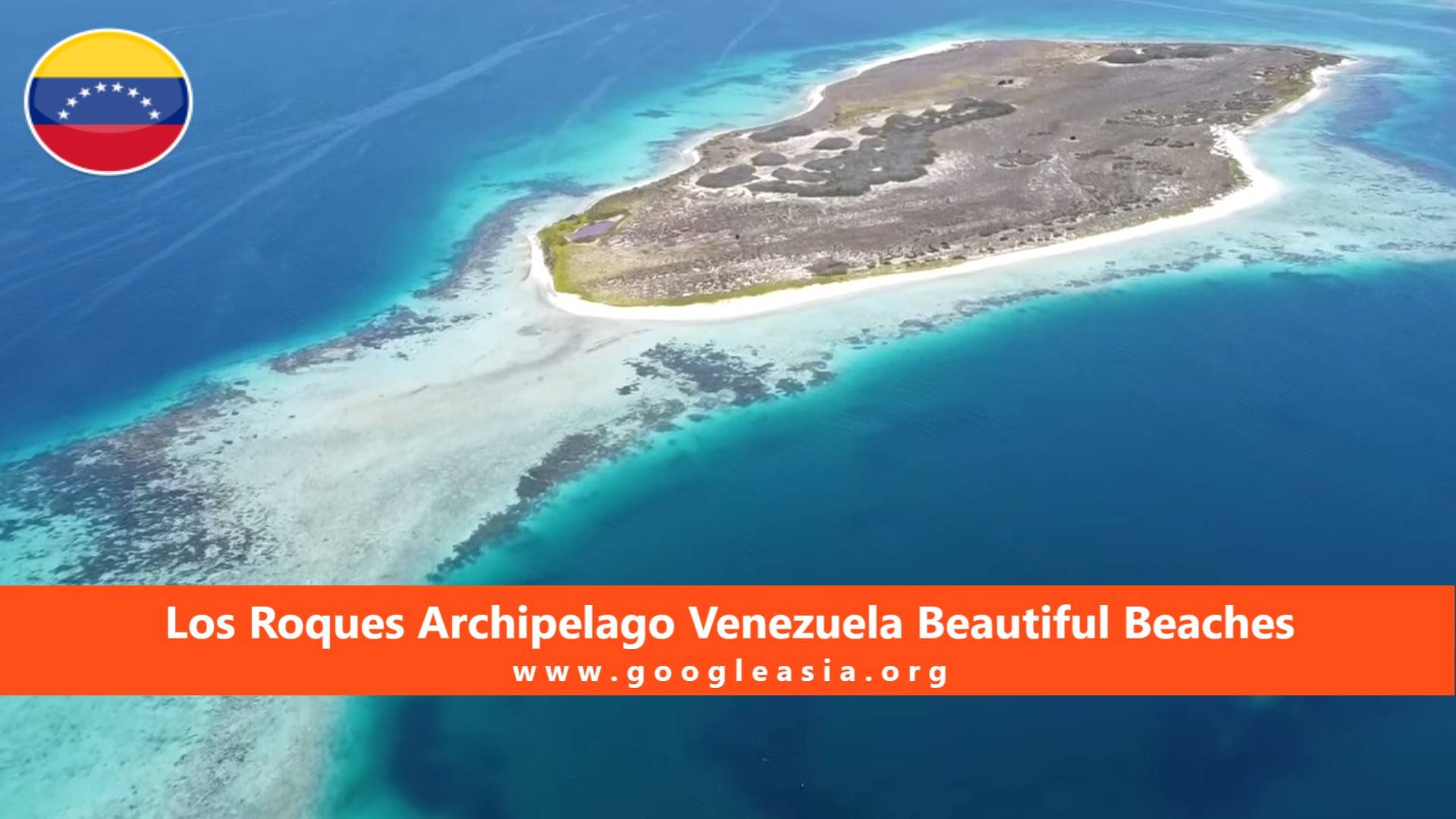
    If you’re dreaming of a tropical getaway, Los Roques Archipelago in Venezuela should be at the top of your list. With its powdery white-sand beaches, crystal-clear waters, and vibrant coral reefs, it’s a paradise for beach lovers, water sports enthusiasts, and anyone looking to escape into nature. Whether you’re snorkeling, kite surfing, or simply soaking up the sun, Los Roques offers a peaceful, idyllic atmosphere that’s perfect for relaxation or adventure. Its unique beauty and tranquil charm make it one of the best destinations to visit in Venezuela, offering a true escape from everyday life.

    Introduction

    Los Roques Archipelago National Park is one of Venezuela’s most breathtaking destinations. Located about 160 km north of Caracas, this protected marine reserve covers more than 40 islands and 250 smaller cays. With crystal‑clear waters, coral reefs, and abundant wildlife, Los Roques is a paradise for eco‑tourism and adventure. Whether you’re seeking water sports, fishing, or simply unwinding on pristine beaches, Los Roques offers a unique Caribbean experience far from the crowds.

    A Secluded Oasis of Over 300 Islands

    Los Roques is an extensive coral archipelago made up of approximately 350 islands, cays, and islets, forming one of the Caribbean’s most intact marine systems; the inhabited land area of the keys totals about 40.6 km² (15.7 sq mi) while the protected marine and terrestrial park that surrounds them covers roughly 221,120 hectares, giving the archipelago exceptional ecological breadth and legal protection. Gran Roque is the archipelago’s main and only permanently inhabited island, serving as the logistical and service hub for visitors, researchers, and park management.

    Natural Setting and Conservation Value

    The archipelago sits in the Leeward Antilles and is characterized by shallow turquoise lagoons, extensive coral reefs, seagrass beds, and mangrove fringes that function as nurseries for reef fish and sea turtles; Los Roques National Park was established in 1972 to protect these habitats, and its designation helps maintain high biodiversity and relatively low-impact tourism compared with many Caribbean destinations. The combination of coral atolls, sandbars, and protected waters makes Los Roques a priority area for marine conservation and sustainable tourism.

    Accessible Only by Boat

    Los Roques is often perceived as remote, but access logistics are specific: the most common and reliable way for tourists to reach the archipelago is by small aircraft from Caracas or La Guaira to Gran Roque, with daily or frequent charter flights operating in high season; boat transfers and private yachts also visit the keys, but regular commercial sea services are limited. Because Gran Roque concentrates accommodations and services, most visitors fly in and then take short boat trips to outer cays for day excursions.

    Budget Travel $100

    Los Roques Archipelago is a national park made up of over 300 islands and cays, famous for turquoise waters, coral reefs, and pristine beaches. Traveling here on a strict $100 budget is possible once inside the islands, but reaching them requires a flight from Caracas to Gran Roque, which typically costs several hundred dollars. Once there, daily expenses are manageable. Meals at local posadas (guesthouses) or beachside eateries average $8–12, while lighter options such as arepas or empanadas can be found for $3–5. Boat trips to nearby cays, such as Cayo de Agua or Francisquí, cost around $15–20 per person, and snorkeling gear rental is about $10–15. Public transport is not available, but walking around Gran Roque is free and easy.

    With $100, a traveler could spend two days comfortably once in the archipelago. For example, allocating $30 for meals, $20 for a boat excursion, $15 for snorkeling gear, and $10 for snacks leaves $25 for small extras such as souvenirs or a special seafood dinner. The beaches themselves are the highlight, offering world-class scenery at no cost. This balance makes Los Roques surprisingly accessible for budget travelers who prioritize natural beauty and simple pleasures over luxury accommodations.

    Tips for American Travelers

    For Americans visiting Los Roques, planning logistics carefully is essential. The only way to reach the archipelago is by small aircraft from Caracas, and flights must be booked in advance. Once in Gran Roque, accommodations range from rustic posadas to boutique lodges, with budget options available. The local currency is the Venezuelan bolívar (VES), but due to inflation, U.S. dollars are widely accepted, and carrying cash is strongly recommended since card payments are limited. While English may be spoken in some tourist services, basic Spanish phrases are very helpful when ordering food or arranging boat trips.

    Safety within Los Roques is generally good, but travelers should be prepared for rustic conditions—limited infrastructure, basic lodging, and reliance on local boats are part of the experience. Americans should also prepare for the tropical climate by bringing sun protection, insect repellent, and waterproof gear. The best time to visit is during the dry season (December–April), when seas are calm and skies are clear, though the wet season offers fewer crowds and lush scenery. Finally, Los Roques is a paradise for snorkeling, diving, and kite surfing, so joining in these activities enhances the cultural and natural immersion beyond simply relaxing on the beaches.

    1‑Day Itinerary

    Morning (8:00 AM – 11:00 AM)

    • Arrive by flight from Caracas to Gran Roque, the main island.
    • Explore the village and enjoy breakfast at a local posada (guesthouse).
    • Take a boat trip to nearby cays such as Cayo de Agua or Francisquí.

    Midday (11:30 AM – 2:00 PM)

    • Snorkel among coral reefs and tropical fish.
    • Relax on white‑sand beaches with turquoise waters.
    • Picnic lunch on the beach.

    Afternoon (2:30 PM – 5:00 PM)

    • Try kite‑surfing or paddleboarding (popular in Francisquí).
    • Visit Cayo de Agua for iconic sandbars and photo opportunities.
    • Return to Gran Roque by boat.

    Evening (6:00 PM – 8:00 PM)

    • Watch the sunset from Gran Roque’s lighthouse.
    • Dinner at a local restaurant serving fresh seafood.

    Highlights:

    • Gran Roque village and lighthouse
    • Cayo de Agua sandbars
    • Francisquí snorkeling and kite‑surfing
    • White‑sand beaches and turquoise waters

    Attractions

    Pristine Beaches and Clear Waters

    • White sand beaches and crystal-clear turquoise waters make the beaches of Los Roques some of the most picturesque in the world. Perfect for sunbathing, swimming, and exploring untouched shores.

    Explore Rich Coral Reefs

    • Dive into the vibrant coral reefs surrounding the islands, where colorful marine life thrives, making it a haven for snorkeling and scuba diving enthusiasts.

    Things to Do

    Whether you’re looking for outdoor adventures, relaxation, or a combination of both, Los Roques offers something special for everyone. Here are the top activities to enjoy:

    Relax on Silky Sand Beaches

    Lose yourself on powdery white sand beaches and secluded coves that fringe the turquoise lagoons; many of the cay beaches are shallow and protected by coral reefs, making them ideal for leisurely swims and sunbathing in calm, clear water. Playa Madrisqui and Cayo de Agua are among the most photographed for their long sandbars and glassy shallows.

    Snorkeling and Scuba Diving

    The archipelago’s coral reefs host vibrant reef fish, sea turtles, and healthy coral gardens, and snorkeling from shallow cays often reveals abundant marine life within a few meters of shore. For certified divers, deeper reefs and scattered shipwrecks provide more complex sites and underwater topography to explore. Los Roques is widely regarded as one of Venezuela’s top dive destinations because of its clarity and biodiversity.

    Bird Watching and Wildlife

    The islands are a magnet for seabirds—brown pelicans, frigatebirds, and terns are commonly seen—while mangrove fringes and lagoons support migratory species and juvenile fish nurseries. Gran Roque and the larger keys offer easy access to mangrove channels where birdwatchers can spot both resident and seasonal species.

    Wander through Mangroves and Lagoons

    Exploring the mangrove-lined channels and shallow lagoons by kayak or panga reveals nursery habitats for reef fish and crustaceans and offers close encounters with juvenile marine life; these sheltered waters are also excellent for calm paddling and photography. Conservation measures within the national park help protect these sensitive ecosystems.

    Fishing Excursions

    Los Roques is famed for sport fishing—anglers target species such as tuna, sailfish, and marlin in offshore waters while flats and reef edges yield snapper, grouper, and bonefish. Local guides and charter boats operate from Gran Roque, offering half- and full-day trips that combine fishing with island-hopping. Sustainable practices and park regulations are important to preserve fish stocks.

    Foods

    No trip to Los Roques is complete without tasting the delicious local Venezuelan cuisine. The island’s seafood offerings are a standout, alongside other regional specialties that will delight your taste buds.

    Ceviche

    Ceviche in Venezuela is typically prepared with freshly caught white fish or shrimp cured in citrus juices, often lime, and finished with red onion, cilantro, and sweet or hot peppers for brightness and texture; the acid firms the fish without heat, creating a chilled, refreshing starter that is especially popular along coastal regions and island communities.

    Steamed Shrimp and Fish Empanadas

    Steamed shrimp served with tangy sauces and fish empanadas filled with local catch and sometimes sweet papaya reflect coastal culinary traditions where seafood is integrated into handheld snacks and casual plates; empanadas in Venezuela vary by region and are commonly made from corn dough and fried or baked, with seafood versions prized near fishing villages.

    Pabellón Criollo

    Pabellón Criollo is widely regarded as Venezuela’s national dish, composed of shredded beef (carne mechada), black beans (caraotas negras), white rice, and sweet fried plantains (tajadas); the combination showcases the country’s blend of indigenous, African, and Spanish culinary influences and is served across homes and restaurants as a hearty, emblematic meal.

    Arroz con Coco

    Arroz con coco is coconut rice commonly paired with seafood, especially along Venezuela’s Caribbean coast where coconut milk and fresh fish are staples; the dish is prepared by simmering rice in coconut milk and often includes a touch of sugar or salt depending on regional taste, making it a natural complement to ceviche and grilled fish.

    Ciruelas and Tres Leches

    Ciruelas—rum-soaked cakes—and Tres Leches cake are popular desserts that reflect Venezuela’s love of moist, richly flavored sweets; Tres Leches is a sponge cake soaked in three milks (evaporated, condensed, and whole milk) and is a common finish on restaurant menus, while rum-infused pastries appear frequently in coastal and festive baking.

    Salads and Roasted Plantains

    Venezuelan cuisine offers vibrant salads using local produce and roasted plantains topped with cheese as satisfying vegetarian choices; tajadas or maduros (sweet fried plantains) are versatile, served as sides or mains with cheese like queso blanco or mozzarella for a savory contrast.

    Cocktails and Local Drinks

    Venezuela’s bar scene highlights rum-based cocktails and local beers, with many coastal restaurants and hotels featuring fresh-fruit mixes and classic rum drinks that pair well with seafood; sampling regional rums and simple, citrus-forward cocktails is a reliable way to complement the country’s coastal flavors.

    Hotels

    For an unforgettable experience, staying at the right accommodation can enhance your enjoyment of this Caribbean paradise. Here are some of the top hotels to consider:

    Posada Cayo de Agua

    Secluded Serenity

    Located on Cayo de Agua, one of Los Roques’ most photographed cays, this type of posada offers direct access to immaculate white sandbars and shallow turquoise lagoons that connect the cay’s two sections; Cayo de Agua is famed for its long sandbar and natural freshwater pockets that historically supplied rainwater to islanders, making it a standout destination inside Los Roques National Park.

    What to expect

    Expect rustic, low-density accommodation with beach access and simple local service, often run by families or small operators who arrange day trips to nearby keys; day visitors typically arrive by boat from Gran Roque and posadas emphasize privacy, snorkeling right off the sandbars, and sunset views over the lagoon.

    Villas Los Roques

    Luxury and Comfort

    On Gran Roque and nearby keys, boutique villas and small luxury properties combine modern amenities with Caribbean charm, offering waterfront rooms, private terraces, and on-site dining that highlights freshly caught seafood; properties such as Paradise Gran Roque exemplify the island’s higher-end lodging options.

    Why choose a villa

    Villas often provide greater privacy, personalized excursions, and direct coordination of fishing, diving, and island-hopping tours, making them ideal for families or groups who want a base for exploring the archipelago while enjoying chef-prepared local cuisine and tailored water-sport packages.

    Grand Roques Hotel

    Gran Roque’s top-rated hotels and boutique properties deliver sophisticated service, on-site restaurants, and easy access to water-based activities such as kiteboarding, sport fishing, and guided snorkeling trips; traveler rankings and boutique listings show Gran Roque as the hub for the archipelago’s best hotel experiences.

    Conclusion

    A visit to Los Roques Archipelago is a journey into Venezuela’s Caribbean paradise. With its pristine beaches, vibrant marine life, and eco‑friendly atmosphere, it’s a destination that combines adventure and relaxation. Plan your trip now and immerse yourself in the natural beauty of Los Roques.
    Los Roques Archipelago Venezuela Beautiful Beaches

    Summary

    • Attraction: Los Roques Archipelago
    • Country: Venezuela
    • Continent: South America
    • Capital Name: Caracas
    • Language: Spanish
    • Currency: Venezuelan Bolívares (VEF)
    • Nationality: Venezuelan
    • Category: #Destination #SouthAmerica #VENEZUELA 

    Visitor Information

    • Address: Los Roques Archipelago National Park, Federal Dependencies, Venezuela
    • Telephone: +58 212 576 4320 (INPARQUES – Venezuelan National Parks Institute)
    • Website: https://www.inparques.gob.ve
    • Email: info@inparques.gob.ve
    • Entry Fee: Approx. 10–20 USD (park entrance; boat tours and activities additional)
    • Business Hours: Open daily, 8:00 AM – 6:00 PM (activities vary by operator)

    Frequently Asked Questions

    Where is Los Roques Archipelago located?

    The Los Roques Archipelago is located in the Caribbean Sea, off the northern coast of Venezuela. It is situated approximately 128 kilometers (80 miles) north of the port of La Guaira in Venezuela’s capital city, Caracas. The archipelago is part of the federal dependencies of Venezuela and is known for its stunning coral reefs, white sandy beaches, and diverse marine life, making it a popular destination for tourists and water sports enthusiasts.
    How to go to Los Roques Archipelago?1. By Air:

    • Flights from Caracas: The primary gateway to Los Roques is through flights from Caracas to Aeropuerto Los Roques (Gran Roque Airport).
    • Flight Duration: Direct flights typically take around 35-40 minutes.

    2. Commercial Airlines:

    • Local Airlines: Several Venezuelan airlines operate regular flights between Caracas and Los Roques, including Aerotuy, Conviasa, and LASER Airlines.
    • Booking Flights: Flights can be booked through airline websites, travel agencies, or local tour operators specializing in Los Roques.

    3. Charter Flights:

    • Private Charters: For more flexibility and convenience, consider chartering a private flight from Caracas or other cities in Venezuela directly to Los Roques.

    4. Travel Tips:

    • Travel Documents: Ensure you have valid travel documents, including any required visas or permits for entry into Venezuela and the Los Roques Archipelago.
    • Accommodations: Book accommodations in advance, especially during peak seasons, as options can be limited.
    • Pack Essentials: Pack light, comfortable clothing suitable for warm weather, sunscreen, and necessary beachwear.

    5. Arrival in Los Roques:

    • Gran Roque Island: Flights typically land at Gran Roque Airport on Gran Roque Island, the main inhabited island in the archipelago.
    • Local Transportation: Most accommodations offer transfers from the airport to your lodging, usually by boat or on foot due to the island’s small size.

    What are Los Roques Archipelago’s must-visit attractions or landmarks?

    1. Cayo de Agua:
      • Picturesque Beaches: Known for its stunning white sandy beaches and turquoise waters.
      • Snorkeling: Excellent snorkeling opportunities among coral reefs teeming with marine life.
    2. Crasqui Island:
      • Secluded Beaches: Quieter than some of the other islands, offering peaceful beach experiences.
      • Relaxation: Ideal for sunbathing, swimming, and enjoying the serenity of the archipelago.
    3. Gran Roque Island:
      • Main Hub: The administrative and tourism center of Los Roques Archipelago.
      • Village Life: Explore colorful houses, local restaurants, and shops offering crafts and souvenirs.
      • Lighthouse: Visit the lighthouse for panoramic views of the archipelago and surrounding waters.
    4. Francisqui Island:
      • Family-Friendly: Shallow waters and gentle waves make it suitable for families with children.
      • Picnic Spots: Enjoy picnics on the beach and snorkeling around the coral reefs.
    5. Cayo de Sal:
      • Birdwatching: Home to various bird species, including flamingos and pelicans.
      • Mangrove Exploration: Explore mangrove forests and their unique ecosystems.
    6. Boca de Cote:
      • Fishing: Popular spot for fishing enthusiasts, offering opportunities to catch bonefish and tarpon.
      • Sunset Views: Watch spectacular sunsets over the Caribbean Sea.
    7. Activities:
      • Snorkeling and Diving: Explore vibrant coral reefs, underwater caves, and shipwrecks.
      • Kiteboarding and Windsurfing: Enjoy windy conditions perfect for water sports enthusiasts.
      • Boat Tours: Take guided boat tours to explore the archipelago’s islands, lagoons, and natural pools.
    8. Marine National Park:
      • Conservation: Learn about efforts to protect the archipelago’s marine biodiversity.
      • Environmental Education: Participate in eco-tours and educational programs about local ecosystems.


    Is Los Roques Archipelago a suitable travel destination for solo adventurers, honeymooning couples, or those traveling with families?

    1. Solo Adventurers:

    • Adventure Opportunities: Solo travelers can enjoy exploring secluded beaches, snorkeling in pristine waters, and participating in water sports like kiteboarding and windsurfing.
    • Flexibility: The archipelago offers flexibility in activities and accommodations, allowing solo adventurers to tailor their experience to personal interests.

    2. Honeymooning Couples:

    • Romantic Settings: Los Roques is renowned for its picturesque beaches, ideal for romantic walks and sunset views.
    • Private Escapes: Many lodges and hotels offer private accommodations with stunning ocean views, perfect for honeymooners seeking tranquility and natural beauty.

    3. Families:

    • Family-Friendly Activities: The archipelago provides opportunities for family bonding through beach outings, snorkeling adventures, and nature exploration.
    • Safe Environment: The shallow, calm waters of some islands are suitable for children, and accommodations often cater to family needs with spacious rooms and kid-friendly amenities.

    General Tips:

    • Accommodations: Choose accommodations that match your travel preferences, whether it’s secluded lodges for privacy or family-friendly resorts with activities for children.
    • Weather Considerations: Plan your visit during the dry season (December to April) for optimal weather conditions and fewer chances of rain.

    Why should you visit Los Roques Archipelago?

    1. Natural Beauty:
      • Pristine Beaches: Explore some of the Caribbean’s most beautiful and untouched beaches with powdery white sand and crystal-clear turquoise waters.
      • Marine Life: Snorkel or dive among vibrant coral reefs teeming with colorful fish, sea turtles, and other marine creatures.
    2. Remote and Secluded Atmosphere:
      • Island Escape: Enjoy a tranquil and secluded environment away from the hustle and bustle of urban life.
      • Privacy: Experience the feeling of having pristine beaches almost to yourself, ideal for relaxation and rejuvenation.
    3. Water Sports and Activities:
      • Snorkeling and Diving: Discover underwater caves, shipwrecks, and diverse marine life in protected marine reserves.
      • Kiteboarding and Windsurfing: Take advantage of consistent winds for thrilling water sports experiences.
    4. Ecotourism and Conservation:
      • Marine National Park: Appreciate efforts to preserve the archipelago’s natural beauty and biodiversity, including various bird species and unique ecosystems.
      • Environmental Education: Learn about conservation efforts and participate in eco-tours focused on sustainability and protection of marine habitats.
    5. Local Culture and Cuisine:
      • Pemon Indigenous Influence: Interact with local communities, learn about Pemon indigenous culture, and enjoy traditional Venezuelan cuisine with fresh seafood and local flavors.
    6. Photography Opportunities:
      • Scenic Views: Capture breathtaking sunsets over the Caribbean Sea and stunning vistas from the top of lighthouses or viewpoints on the islands.
      • Wildlife Photography: Photograph diverse bird species, including flamingos and pelicans, in their natural habitats.
    7. Relaxation and Wellness:
      • Beachfront Accommodations: Stay in charming lodges and boutique hotels offering beachfront views and serene environments.
      • Spa and Wellness: Pamper yourself with spa treatments and yoga sessions amidst the tranquil island setting.

    Is there any halal food available in the vicinity of the Los Roques Archipelago?

    s Los Roques Archipelago is a remote destination primarily known for its natural beauty and marine activities, finding dedicated halal food options nearby can be challenging. The archipelago’s infrastructure is focused more on eco-tourism and marine conservation rather than extensive dining facilities. Here are some considerations:

    1. Local Cuisine: Venezuelan cuisine typically includes dishes like arepas (corn cakes), seafood, and tropical fruits, which may align with halal dietary principles depending on individual preferences and interpretations.
    2. Communication and Preparation: When visiting local restaurants or accommodations, it’s advisable to communicate dietary restrictions clearly and inquire about ingredients and preparation methods to ensure they meet halal standards as closely as possible.
    3. Self-Catering Options: Many accommodations in Los Roques offer kitchen facilities or meal options that can be customized or prepared to accommodate dietary needs if arranged in advance.
    4. Alternative Options: If halal food availability is a priority, considering larger cities in Venezuela like Caracas before or after visiting Los Roques Archipelago may offer more diverse dining options catering to specific dietary requirements.
  • Angel Falls Venezuela: World’s Tallest Waterfall

    Angel Falls Venezuela: World’s Tallest Waterfall

    Angel Falls, Venezuela

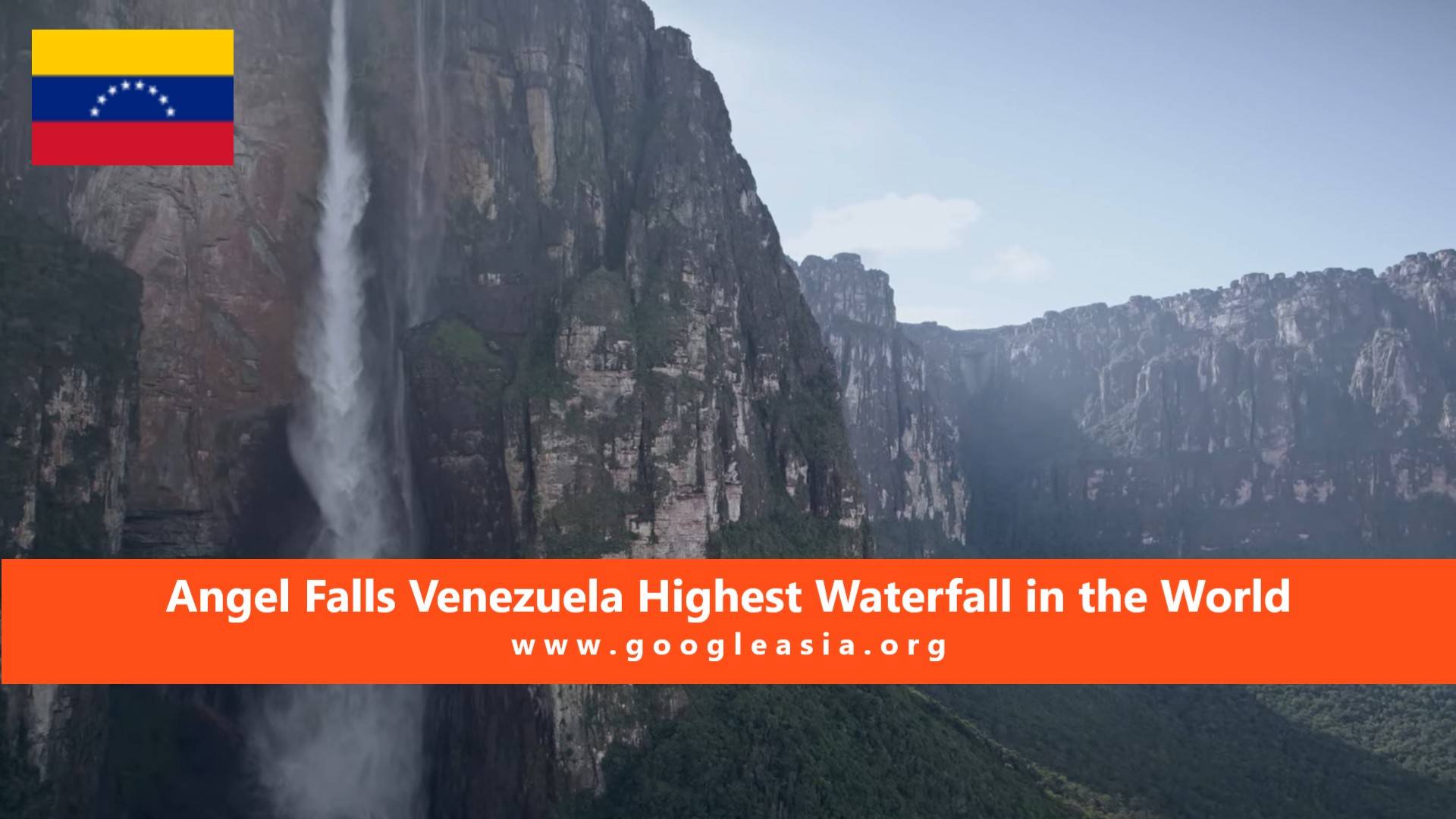
    If you’re looking for an unforgettable adventure, make sure Angel Falls is on your list. Located in Venezuela’s Canaima National Park, this stunning waterfall is the tallest in the world, with water cascading down nearly 1,000 meters. The journey to see Angel Falls is an adventure in itself—whether you’re hiking through lush jungle paths or taking a boat ride along the river. The view of the falls surrounded by the vast wilderness is something you’ll never forget. For nature lovers and thrill-seekers alike, Angel Falls is truly a must-see destination in Venezuela.

    Introduction

    Angel Falls, located in the Gran Sabana region of Venezuela, holds the title of the highest uninterrupted waterfall on Earth. With an impressive drop of 979 meters (3,212 feet), this natural wonder is a must-see for travelers seeking an awe-inspiring adventure. Whether you’re a nature enthusiast, an avid photographer, or simply someone who appreciates the raw beauty of the world’s landscapes, Angel Falls offers an unforgettable experience.
    Plan your visit to Angel Falls now and immerse yourself in the wonder of Venezuela’s most iconic natural treasure.

    Attractions

    Height and Magnificence of Angel Falls

    Angel Falls is the tallest uninterrupted waterfall on Earth, with a total drop of 979 meters (3,212 feet) and a longest single plunge of 807 meters (2,648 feet), creating a continuous, dramatic descent from the summit of Auyán-tepui into the canyon below.

    World’s Highest Uninterrupted Waterfall

    The falls originate on the tabletop massif Auyán-tepui and feed the Churún River before cascading into Devil’s Canyon, producing a near-constant mist plume that can be seen for miles on clear days. Angel Falls holds the world ranking as the tallest single-drop waterfall, a distinction used by geographers and travel authorities when comparing global cataracts.

    Natural Beauty and Surrounding Jungle

    The surrounding landscape is part of the Guiana Highlands, a region of ancient sandstone plateaus and tepuis that supports high levels of endemism. Canaima National Park, which contains Angel Falls, is recognized for its unique table-top mountains and biodiverse tropical rainforest and is protected as a UNESCO World Heritage Site. Visitors approach the falls by river and small aircraft, passing through dense rainforest that shelters species of orchids, bromeliads, primates, and birds found nowhere else.

    The Waterfall Experience

    The uninterrupted drop and the height of the fall produce powerful air currents and a fine spray that fragments the water into a veil before it reaches the canyon floor, so the visible flow can vary seasonally with rainfall. The visual spectacle combines sheer vertical scale with the remote, mist-shrouded jungle setting, making Angel Falls a signature natural landmark for photographers and adventure travelers.

    Historical Significance and Discovery

    The falls are widely associated with American aviator Jimmie Angel, who first flew over the region in 1933 and whose 1937 forced landing on Auyán-tepui brought international attention to the site. Jimmie Angel’s flights and subsequent publicity helped introduce the falls to the wider world, though indigenous Pemon people had long known the waterfall by the name Körepakupai Vená.

    Legacy and Global Recognition

    Today Angel Falls is an iconic destination within Venezuela’s Bolívar state and a focal point for ecotourism in the Guiana Shield. Its combination of unmatched vertical scale, geological context on a tepui, and location inside a protected national park secures its status as one of the planet’s most remarkable natural wonders and a frequent subject in conservation and travel literature.

    Budget Travel $100

    Angel Falls, the world’s tallest uninterrupted waterfall at 979 meters (3,212 feet), is located deep inside Canaima National Park, a UNESCO World Heritage Site in Venezuela. Visiting on a strict $100 budget is challenging because access requires flights into Canaima and guided tours, which are significantly more expensive than local day trips. The national park entrance fee itself is modest, usually under $10, but the real costs come from transport. A round-trip flight from Ciudad Bolívar or Puerto Ordaz to Canaima typically costs several hundred dollars, and boat rides plus guided treks to the base of the falls are included in tour packages that often start around $250–300 per person. Meals in Canaima lodges average $10–15, while lighter options such as sandwiches or empanadas can be found for $3–5.

    With $100, a traveler could cover meals, park fees, and small extras once already inside Canaima, but reaching Angel Falls itself requires a larger budget. For example, allocating $30 for meals, $10 for park fees, $10 for snacks, and $10 for small purchases leaves $40 for local transport or souvenirs. The falls themselves are the highlight, and the breathtaking views are included in the tour cost. While $100 is not enough for the full journey from major Venezuelan cities, it can sustain a traveler for two days once inside Canaima National Park.

    Tips for American Travelers

    For Americans visiting Angel Falls, planning ahead is essential due to the remote location and limited infrastructure. The only way to reach Canaima is by small aircraft, and tours must be booked in advance. Independent travel is not possible, as the falls are accessible only through organized boat rides and jungle treks. The local currency is the Venezuelan bolívar (VES), but due to inflation, U.S. dollars are widely accepted, and carrying cash is strongly recommended. While English may be spoken in some tour services, basic Spanish phrases are very helpful when interacting with locals.

    Safety considerations are important. Venezuela has political and economic challenges, so travelers should stay updated on advisories and rely on reputable tour operators. Within Canaima, safety is generally good, but conditions are rustic—limited electricity, basic lodging, and unpredictable weather are part of the experience. Americans should also prepare for the tropical climate by bringing insect repellent, waterproof gear, and sturdy shoes for jungle treks. Finally, the best time to visit is during the rainy season (June–November), when water flow is strongest, though the dry season offers clearer skies and easier access.

    1‑Day Itinerary

    Morning (7:00 AM – 11:00 AM)

    • Depart Canaima camp by motorized canoe along the Carrao and Churún Rivers.
    • Navigate through jungle scenery and spot wildlife along the way.
    • Arrive at the base trail leading to Angel Falls.

    Midday (11:30 AM – 2:00 PM)

    • Hike through rainforest paths to reach the Mirador Laime viewpoint, offering panoramic views of Angel Falls.
    • Picnic lunch near the viewpoint.

    Afternoon (2:30 PM – 5:00 PM)

    • Optional swim in natural pools formed by the waterfall’s streams.
    • Return by canoe to Canaima camp.

    Highlights:

    • Jungle river journey
    • Mirador Laime viewpoint
    • Swimming in natural pools
    • Immersive rainforest experience

    Things to Do

    Witness the Majesty of Angel Falls

    Angel Falls is the world’s tallest uninterrupted waterfall, plunging 979 metres (3,212 ft) from the lip of Auyán‑tepui, with a longest single drop of about 807 metres (2,648 ft)—an immense vertical curtain that creates mist plumes and dramatic rainbows on sunny days.

    Best Vantage Points and Photography Tips

    For sweeping panoramas, aim for observation points and viewpoints that frame the full vertical descent; early morning and late afternoon light softens shadows and enhances color, while long lenses capture scale and wide angles convey the full drop—bring waterproof protection for gear because mist and spray are constant near the base.

    Explore Canaima National Park and Tepuis

    Angel Falls sits within Canaima National Park, a UNESCO World Heritage Site celebrated for its ancient tabletop mountains (tepuis), exceptional biodiversity, and unique geology—Auyán‑tepui, the plateau that feeds the falls, shapes local microclimates and supports endemic flora.

    Cultural Encounters and Local Guides

    Engage respectfully with the Pemon indigenous communities who live in the region; local Pemon guides provide cultural context, traditional knowledge, and safe navigation of river and jungle routes, enriching visits while supporting community‑based tourism.

    Active Adventures: Hiking, Kayaking, and River Excursions

    Guided hikes through cloud forest trails and river excursions on the Churún and Carrao let visitors experience the tepui landscapes, lagoons and riverine habitats up close; kayaking and boat trips offer intimate views of the falls’ spray zone and the surrounding canyon, with operators tailoring routes to seasonal conditions.

    Foods

    Chivito Sandwich

    The chivito is widely regarded as Uruguay’s signature sandwich, built on a thin grilled steak and commonly layered with ham, cured bacon, melted cheese, a fried egg, lettuce, tomato, and mayonnaise, often served with a side of fries for a hearty meal.

    Choripán

    Choripán pairs grilled chorizo with crusty bread and is typically finished with chimichurri or salsa criolla, making it a favorite at street stalls, asados, and outdoor gatherings for its smoky, portable flavor.

    Empanadas

    Empanadas are handheld pastries filled with seasoned beef, cheese, ham and cheese, or vegetables, sold in bakeries and markets across Uruguay and prized for their variety and convenience as a snack or light meal.

    Chivirico

    Chivirico is a robust grilled‑steak sandwich often topped with melted cheese, bacon, and a house sauce, reflecting Uruguay’s parrilla culture where quality beef becomes a portable, flavor‑forward offering.

    Milanesa

    Milanesa consists of thin, breaded and fried beef or chicken cutlets, commonly served with salad, fries, or topped “a la napolitana” with tomato and cheese, and is a staple of home cooking and casual restaurants.

    Carne Asada

    Carne asada and related asado preparations showcase Uruguay’s emphasis on high‑quality beef and open‑fire grilling, with cuts cooked slowly over wood or charcoal and served simply to highlight natural flavors.

    Pizza

    Uruguayan pizza often features a different cheese balance and generous vegetable toppings, served in family pizzerias as large, shareable pies that reflect Italian influence adapted to local tastes.

    Churrasco

    Churrasco refers to thin grilled steaks typically seasoned with garlic and parsley and served with chimichurri, embodying the country’s love of quick, flavorful grill preparations.

    Mate

    Mate is the national infusion made from yerba mate leaves, consumed throughout the day and shared socially; it’s a cultural ritual that accompanies breakfasts, work breaks, and gatherings across Uruguay.

    Dulce de Leche

    Dulce de leche is a ubiquitous caramel‑like spread used in alfajores, pastries, and desserts, enjoyed on bread or with ice cream and forming a cornerstone of Uruguayan sweets and confectionery.

    Hotels

    Choosing the right accommodation can elevate your experience of Angel Falls. Here are some of the top hotels near the falls:

    Ara Merú Lodge

    Comfortable cabins and organized excursions make Ara Merú a practical base for Angel Falls visits. The lodge is located in the Canaima area and is frequently recommended by travelers for its guided river and jungle transfers to the falls; expect bungalow‑style rooms, communal dining, and packages that include small‑plane or boat logistics.

    Waku Lodge

    Bungalow accommodation with on‑site guiding and easy access to river approaches. Waku Lodge operates in the Canaima region and is known among visitors for its proximity to river transfer points and for arranging multi‑day trips to Angel Falls; reviews note comfortable grounds but advise confirming prices and included services before booking.

    Posada Turística (Canaima area lodges)

    Posada‑style lodges around Canaima camp provide simple, service‑oriented stays with guided excursions. Several small posadas and jungle lodges near the Canaima airstrip offer cabins, communal meals, and packaged transfers to the Churún and Carrao rivers that lead to Angel Falls; these properties are the usual staging points for most visitor itineraries.

    Community and Pemon Camps

    Community‑run camps and Pemon lodgings offer authentic cultural exchange and direct river access. Simple camps such as community campamentos around Canaima provide rustic cabins, Pemon‑led guiding, and meals prepared locally—choosing community operators helps support local livelihoods and often shortens river transfer times to the falls.

    Conclusion

    A visit to Angel Falls is more than a sightseeing trip—it’s an expedition into Venezuela’s wild heart. With its towering drop, pristine jungle, and adventurous access, Angel Falls offers travelers a once‑in‑a‑lifetime encounter with nature. Plan your journey now and witness the world’s tallest waterfall.

    Angel Falls Venezuela Highest Waterfall in the World

    Summary

    • Attraction: Angel Falls
    • Country: Venezuela
    • Continent: South America
    • Capital Name: Caracas
    • Language: Spanish
    • Currency: Venezuelan Bolívares (VEF)
    • Nationality: Venezuelan
    • Category: #Destination #SouthAmerica #VENEZUELA 

    Visitor Information

    • Address: Canaima National Park, Bolívar State, Venezuela
    • Telephone: +58 212 576 4320 (Venezuelan National Parks Institute – INPARQUES)
    • Website: https://www.inparques.gob.ve
    • Email: info@inparques.gob.ve
    • Entry Fee: Approx. 10–20 USD (park entrance; guided tours additional)
    • Business Hours: Park open daily, 8:00 AM – 5:00 PM (guided tours vary by operator)

    Frequently Asked Questions

    Where is Angel Falls located?

    Angel Falls, also known locally as “Salto Ángel,” is located in Venezuela within the Canaima National Park. It is situated in the Gran Sabana region of southeastern Venezuela, specifically in the Guiana Highlands. Angel Falls is part of the Auyán-Tepui (tabletop mountain) and is the world’s highest uninterrupted waterfall, cascading from a height of about 979 meters (3,212 feet).

    How to go to Angel Falls?

    1. By Air:
      • Flights to Ciudad Bolivar or Canaima: Fly from Caracas to Ciudad Bolivar or Canaima Airport.
      • Local Airlines: Several Venezuelan airlines offer flights to Canaima, the gateway to Angel Falls.
      • Flight Duration: Approximately 1-2 hours from Caracas to Ciudad Bolivar or Canaima.
    2. From Canaima:
      • River Tours: Take a river tour from Canaima to reach the base of Angel Falls.
      • Boat Ride: Travel up the Carrao River and hike through the rainforest to get closer to the falls.
    3. Hiking and Tours:
      • Guided Tours: Join guided tours organized by local tour operators in Canaima.
      • Hiking Trails: Hike through the jungle trails to reach viewpoints offering panoramic views of Angel Falls.
    4. Travel Tips:
      • Seasonal Considerations: Plan your visit during the dry season (December to April) for optimal weather and waterfall visibility.
      • Local Guides: Hire experienced guides familiar with the terrain and safety protocols in the rainforest.
    5. Accommodations:
      • Lodging in Canaima: Stay in lodges or camps in Canaima National Park offering accommodations and tour packages to Angel Falls.
    6. Permits and Regulations:
      • Park Entry: Obtain necessary permits and follow park regulations when visiting Canaima National Park and Angel Falls.
      • Environmental Awareness: Respect the natural environment and support conservation efforts in the area.

    What are Angel Falls’s must-visit attractions or landmarks?

    Angel Falls itself is the primary attraction in its remote and stunning natural setting within Canaima National Park in Venezuela. Here are some key highlights and experiences associated with visiting Angel Falls:

    1. Angel Falls (Salto Ángel):
      • Tallest Waterfall: Marvel at the world’s highest uninterrupted waterfall, plunging approximately 979 meters (3,212 feet) from the top of Auyán-Tepui.
      • Viewpoints: Enjoy breathtaking views from various viewpoints along the trekking routes or from the base of the falls, offering different perspectives of this natural wonder.
    2. Canaima National Park:
      • Biodiversity: Explore the diverse ecosystems of Canaima National Park, including tropical rainforests, savannas, and tepui plateaus.
      • Rivers and Lagoons: Discover the beauty of the Carrao River, the lagoons of Canaima, and other natural formations within the park.
    3. Tepui Plateaus:
      • Auyán-Tepui: Experience the mystical presence of Auyán-Tepui, the tabletop mountain from which Angel Falls cascades.
      • Unique Flora: Encounter unique plant species adapted to the tepui environments, some of which are found nowhere else on Earth.
    4. Local Indigenous Culture:
      • Pemon Community: Learn about the indigenous Pemon culture and their traditional way of life in the region.
      • Local Guides: Engage with knowledgeable local guides who can provide insights into the history, legends, and conservation efforts related to Angel Falls and its surroundings.
    5. Adventure Activities:
      • Hiking and Trekking: Embark on guided hikes through the rainforest and along the Carrao River to reach viewpoints or the base of Angel Falls.
      • Boat Tours: Take boat tours along the rivers and lagoons of Canaima to appreciate the natural beauty and wildlife.
    6. Photography Opportunities:
      • Scenic Views: Capture stunning photographs of Angel Falls, the surrounding landscapes, and the dramatic scenery of the Guiana Highlands.
      • Wildlife: Photograph diverse wildlife, including birds, butterflies, and possibly even larger mammals in their natural habitats.

    Is Angel Falls a suitable travel destination for solo adventurers, honeymooning couples, or those traveling with families?

    1. Solo Adventurers:
      • Adventure Opportunities: Solo travelers can enjoy the thrill of exploring remote rainforest trails and experiencing the world’s highest waterfall.
      • Guided Tours: Joining guided tours ensures safety and provides opportunities to meet other adventurers.
    2. Honeymooning Couples:
      • Romantic Setting: Angel Falls offers a breathtaking backdrop for romantic moments and scenic hikes.
      • Private Tours: Consider private tours or accommodations that cater to couples seeking privacy and tranquility.
    3. Families:
      • Educational Experience: Angel Falls provides a unique educational opportunity for children to learn about biodiversity and indigenous cultures.
      • Safety: Families can enjoy guided tours that prioritize safety and include activities suitable for all ages.

    General Tips:

    • Preparation: Plan ahead for accommodations, tours, and necessary permits, especially when traveling with children.
    • Weather Considerations: Visit during the dry season (December to April) for more predictable weather and better hiking conditions.

    Why should you visit Angel Falls?

    1. Natural Wonder:
      • World’s Tallest Waterfall: Experience the awe-inspiring sight of Angel Falls, cascading approximately 979 meters (3,212 feet) from Auyán-Tepui, making it the highest uninterrupted waterfall on Earth.
      • Scenic Beauty: Marvel at the pristine natural surroundings of Canaima National Park, encompassing tropical rainforests, tepui plateaus, and the Carrao River.
    2. Adventure and Exploration:
      • Hiking and Trekking: Embark on guided hikes through lush rainforest trails to reach viewpoints offering stunning vistas of Angel Falls and the surrounding landscapes.
      • Boat Tours: Navigate along the rivers and lagoons of Canaima, discovering hidden gems and diverse wildlife along the way.
    3. Cultural Experience:
      • Indigenous Heritage: Learn about the indigenous Pemon culture, their traditions, and their connection to the land around Angel Falls.
      • Local Guides: Benefit from the expertise of local guides who provide insights into the history, ecology, and conservation efforts in the region.
    4. Photography Opportunities:
      • Scenic Views: Capture breathtaking photographs of Angel Falls against the backdrop of dramatic cliffs and lush vegetation.
      • Wildlife Photography: Spot a variety of birds, butterflies, and other wildlife species unique to the Guiana Highlands.
    5. Remote and Tranquil Setting:
      • Escape to Nature: Escape the hustle and bustle of urban life and immerse yourself in the tranquility of Venezuela’s natural landscapes.
      • Unique Environment: Explore the unique flora and fauna adapted to the tepui ecosystems, some of which are found nowhere else on Earth.
    6. Conservation and Sustainability:
      • Environmental Awareness: Support efforts to conserve Canaima National Park and its biodiversity, including the protection of Angel Falls and its surrounding habitats.
      • Eco-Tourism: Engage in eco-friendly tourism practices that promote sustainability and respect for the natural environment.

    Are there any halal food options near the Angel Falls?

    As Angel Falls is located within the remote and natural setting of Canaima National Park in Venezuela, finding dedicated halal food options nearby can be quite challenging. The area is primarily focused on eco-tourism and adventure activities rather than extensive dining facilities. Here are some considerations:

    1. Local Cuisine: Venezuelan cuisine typically includes dishes like arepas (corn cakes), seafood, and tropical fruits, which may align with halal dietary principles depending on individual preferences and interpretations.
    2. Communication and Preparation: When visiting local lodges or accommodations, it’s advisable to communicate dietary restrictions clearly and inquire about ingredients and preparation methods to ensure they meet halal standards as closely as possible.
    3. Self-Catering Options: Many accommodations in Canaima offer kitchen facilities or meal options that can be customized or prepared to accommodate dietary needs if arranged in advance.
    4. Alternative Options: Given the remote nature of Angel Falls, considering larger cities in Venezuela like Caracas before or after your visit may offer more diverse dining options catering to specific dietary requirements.
error: Content is protected !!