La Paloma and Punta del Diablo, Uruguay
Discover La Paloma and Punta del Diablo, two of Uruguay’s most charming seaside towns. From surfing and whale‑watching in La Paloma to rustic fishing village vibes in Punta del Diablo, these destinations offer adventure and relaxation. Plan your trip today and explore Uruguay’s Atlantic coast!
Introduction
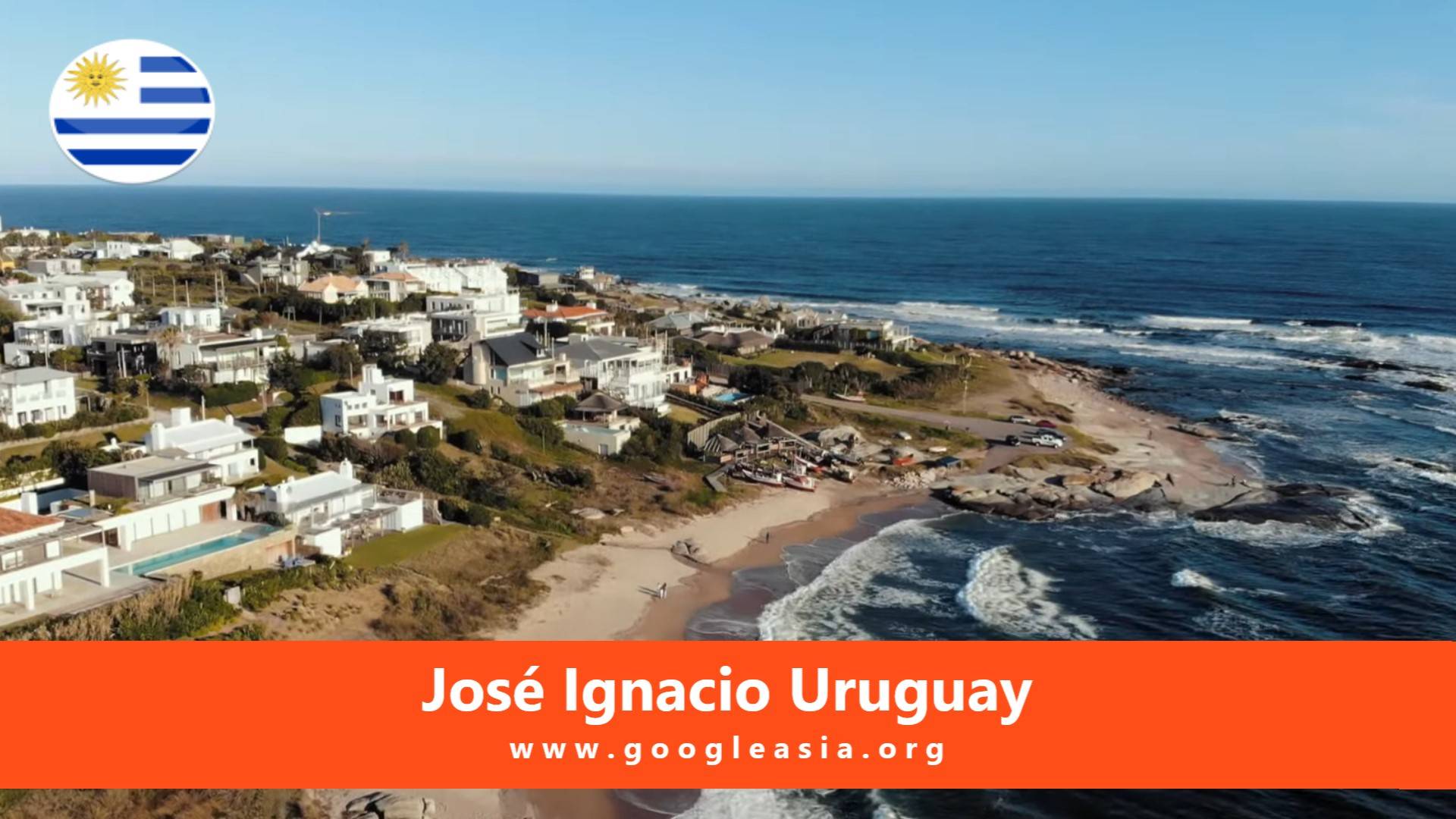
Uruguay’s Atlantic coast is dotted with picturesque towns, and two of the most beloved are La Paloma and Punta del Diablo. La Paloma, located in Rocha Department, is known for its surfing beaches, whale‑watching, and family‑friendly atmosphere. Punta del Diablo, once a humble fishing village, has become a bohemian retreat with colorful houses, artisanal shops, and pristine beaches. Together, they showcase Uruguay’s coastal diversity—perfect for travelers seeking both adventure and tranquility.
Beaches of La Paloma
The beaches of La Paloma are renowned for their pristine sands and clear waters, perfect for sunbathing and swimming.
- Playa de los Botes: Known for its calm waters, ideal for families.
- Playa La Balconada: A favorite spot for surfers due to its consistent waves.
- Playa Anaconda: Secluded and peaceful, perfect for a quiet day by the sea.
Attractions
- Cabo Santa Maria: A scenic viewpoint offering panoramic views of the coastline.
- Lighthouse of La Paloma: Historic landmark providing insight into the maritime heritage of the region.
Popular Festivals
- Carnival: Colorful celebrations with traditional dances and parades.
- Passion-Fruit Liqueurs: Local specialty enjoyed during festivities.
Natural Beauty
- National Park Santa Teresa: Nearby park with diverse wildlife and hiking trails.
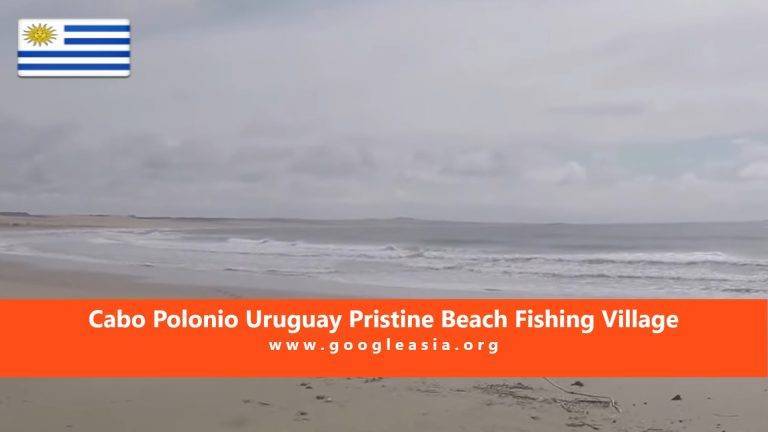
- Punta del Diablo Beaches: Untouched stretches of sand ideal for nature lovers.
Budget Travel $100
La Paloma and Punta del Diablo are both affordable destinations for travelers seeking Uruguay’s natural beauty and laid-back coastal culture. In La Paloma, meals at casual restaurants or beachside cafés average $8–12, while lighter options such as empanadas or sandwiches can be found for $3–5. Public buses cost about $1–2 per ride, and walking or cycling is the best way to explore the beaches and town center. Most attractions, such as Playa Los Botes or Playa La Balconada, are free, and sunset views over the Atlantic are priceless. In Punta del Diablo, food costs are similar, with seafood dishes available for $10–15 and budget-friendly street food for $3–6. Accommodation options range from hostels to rustic cabins, with budget stays starting around $20–30 per night.
With $100, a traveler could comfortably spend two days in either town. For example, allocating $30 for meals, $10 for transport, $10 for snacks, and $10 for small extras leaves $40 for accommodation or souvenirs. The beaches themselves are the highlight, offering hours of relaxation, surfing, or people-watching at no cost. This makes both La Paloma and Punta del Diablo surprisingly accessible for budget travelers, even though they are popular tourist destinations.
Tips for American Travelers
For Americans visiting La Paloma and Punta del Diablo, embracing the relaxed pace of life is essential. These towns are known for their bohemian atmosphere, where locals and visitors alike enjoy simple pleasures like beach walks, fishing, and late-night gatherings. Dining culture differs from the U.S., with meals often starting later in the evening, so adjusting to this rhythm enhances the experience. While English may be spoken in some tourist areas, basic Spanish phrases are helpful for ordering food or navigating local transport. The local currency is the Uruguayan peso (UYU), and although credit cards are accepted in many places, carrying cash is recommended for small purchases at beach stalls or local shops.
Safety is generally good, but as in any tourist destination, keeping valuables secure is wise, especially on crowded beaches or during festivals. Americans should also note Uruguay’s strong tradition of mate drinking, and it’s common to see locals carrying thermoses and gourds even on the sand. Joining in this ritual can be a fun way to connect with locals. Finally, the best time to visit is during the summer season (December–February), when both towns are lively and full of energy, though visiting in the shoulder months of March, April, or November offers quieter experiences with pleasant weather and lower costs.
1‑Day Itinerary
Morning (9:00 AM – 11:30 AM)
- Start in La Paloma with a walk along Playa Los Botes.
- Visit the La Paloma Lighthouse (Faro de La Paloma) for panoramic views.
- Enjoy breakfast at a seaside café.
Midday (12:00 PM – 2:00 PM)
- Head to Playa La Balconada, ideal for swimming and sunbathing.
- Lunch at a local restaurant with fresh seafood.
- Optional: whale‑watching tours (seasonal, July–October).
Afternoon (2:30 PM – 5:00 PM)
- Travel to Punta del Diablo (approx. 1.5–2 hours by car).
- Explore the fishing village and browse artisanal shops.
- Relax at Playa de los Pescadores or Playa Grande.
Evening (6:00 PM – 9:00 PM)
- Watch the sunset from Punta del Diablo’s coastline.
- Dinner at a rustic restaurant serving local fish and Uruguayan wine.
- Enjoy the laid‑back nightlife with live music.
Highlights:
- Sunset views over the Atlantic
- La Paloma Lighthouse and surfing beaches
- Whale‑watching (seasonal)
- Punta del Diablo’s fishing village charm
- Playa Grande and Playa de los Pescadores
Things to Do
Beach Exploration
One of the region’s main draws is its coastline of wide, often uncrowded beaches that attract surfers, sunbathers, and nature lovers; La Pedrera is a well‑known surf spot with consistent breaks, Los Pinos in Punta del Diablo is prized for dramatic sunsets, and quieter coves such as Playa Chica offer sheltered swimming and a more secluded vibe.
La Paloma Beaches and Nearby Shores
La Paloma functions as the largest beach town in Rocha with year‑round services and easy access to multiple shorelines; its beaches and nearby stretches are popular with families and surfers alike, and it serves as a practical base for exploring the Rocha coast.
Punta del Diablo Beaches and Atmosphere
Punta del Diablo retains a rustic, fishing‑village character that blends with a lively summer scene; its beaches and headlands are ideal for sunset photography, beachcombing, and low‑key nightlife centered on seafood restaurants and beach bars.
Water Sports and Activities
The Rocha coastline offers a wide range of water sports: kayaking and coastal cave paddles reveal hidden rock formations, stand‑up paddleboarding suits calmer bays and estuaries, and seasonal wind conditions make parts of the coast suitable for kite‑surfing and windsurfing—local schools and outfitters in La Paloma and Punta del Diablo run lessons and rentals during the high season.
Culinary Delights and Markets
Seafood dominates local menus—fresh fish stews, grilled catches, and simple parrilla plates are staples—and small markets and beachside stalls showcase regional produce and artisanal goods; dining in the evening often pairs local seafood with live music and ocean views.
Cultural and Historical Exploration
Explore small local museums and the historic streets of nearby towns to learn about maritime traditions and coastal life; the area’s fishing heritage and artisanal communities are reflected in galleries, craft markets, and seasonal cultural events that run through the summer months.
Nature and Wildlife
The coastal wetlands and lagoons near Rocha, including Lago de Rocha, are important birding sites where visitors can spot waterfowl and shorebirds; guided nature walks and boat trips help visitors understand the region’s fragile dune systems and estuarine ecology.
Foods
Uruguay, particularly La Paloma and Punta del Diablo, boasts a rich culinary scene that revolves around fresh seafood and hearty meats. Here’s a closer look at some of the best foods you can enjoy in these picturesque beach towns:
La Paloma
Seafood Delicacies
Locro de Cangrejo is a regional crab stew that highlights La Paloma’s access to fresh Atlantic shellfish and coastal produce, making seafood a central part of the town’s culinary identity. Empanadas de Langostinos—shrimp‑filled empanadas—are commonly found in beachside kiosks and family restaurants, offering a portable, flavor‑forward snack for visitors exploring the Rocha coast.
Local Favorites
Chicharrón appears on many local menus as a crispy, savory snack that pairs well with cold beers after a day on the beach. Chivitos, Uruguay’s signature steak sandwich layered with ham, bacon, cheese, egg and mayo, are widely available in La Paloma’s cafés and parrillas and are a go‑to meal for hungry travelers. Milanesa, the breaded and fried cutlet of European origin, is a staple comfort dish served across the town’s family restaurants.
Punta del Diablo
Grilled Delights
Provoleta, a grilled slab of provolone with oregano and lemon, is a popular starter at Punta del Diablo parrillas and beachside eateries that emphasize simple, high‑quality ingredients. Asado and Churrasco reflect Uruguay’s deep grill culture—wood‑fired barbecues and thin grilled steaks are central to social dining in this fishing village. Pulpo al Olivo, tender octopus dressed with olives, onions and tomatoes, showcases the area’s seafood focus and appears on many local menus during the high season.
Hotels
When planning your stay in La Paloma and Punta del Diablo, Uruguay, consider these top-rated accommodations that cater to various preferences and budgets:
La Paloma
Hotel Boutique Las Piedras
Tranquil boutique setting close to the shore; La Paloma is a coastal town in Rocha known for family‑friendly beaches and a relaxed atmosphere, and boutique hotels here typically emphasize personalized service, gardened grounds, and easy beach access.
Be Dream Hostel & Suites
Central, budget‑minded lodging with mixed dorm and private options; hostels and small guesthouses in La Paloma commonly offer communal areas for socializing, bike rentals, and proximity to the town’s main beaches and bus connections, making them popular with backpackers and seasonal visitors.
Las Terrazas La Pedrera
Sea‑view apartments and terrace‑style rooms a short drive from La Paloma; La Pedrera’s apart‑hotel complexes provide kitchenette‑equipped units, terraces with ocean views, and year‑round service, appealing to travelers who want self‑catering options near the beach.
Punta del Diablo
La Estepa Surf House
Surf‑oriented, laid‑back accommodation steps from the breaks; Punta del Diablo is a small fishing village turned surf destination where surf houses and cabins cater to wave riders with board storage, communal kitchens, and easy access to popular surf points.
Hotel La Pedrera
Cozy coastal hotel with pools and family facilities near the beach; the Hotel La Pedrera complex sits within walking distance of local beaches and offers amenities such as indoor and outdoor pools, terraces for sunset views, and seasonal services that support beachside stays.
Conclusion
Visiting La Paloma and Punta del Diablo offers the best of Uruguay’s Atlantic coast. From surfing and whale‑watching to rustic village life and artisanal culture, these destinations provide travelers with unforgettable seaside experiences. Plan your trip now and enjoy Uruguay’s coastal gems.

Summary
- Attraction: La Paloma and Punta del Diablo
- Country: Uruguay
- Continent: South America
- Capital Name: Montevideo
- Language: Spanish
- Currency: Peso Uruguayo
- Nationality: Uruguayans
- Category: #Destination #SouthAmerica #URUGUAY
Visitor Information
- Location: Rocha Department, Uruguay
- La Paloma: approx. 220 km east of Montevideo
- Punta del Diablo: approx. 300 km east of Montevideo
- Activities: Surfing, whale‑watching, lighthouse visits, artisanal shopping, beach walks, dining
- Entry Fee: Free access to beaches and villages; tours and activities vary in cost
- Business Hours:
- Beaches: Open all day
- Restaurants: Lunch 12:00 PM – 3:00 PM; Dinner 7:00 PM – late
- Shops: Typically 10:00 AM – 8:00 PM
- Contact:
- Telephone: +598 4472 0000 (Rocha Tourism Office)
- Website: https://www.uruguaynatural.com
- Email: turismo@rocha.gub.uy
Frequently Asked Questions
Where is La Paloma located?
- Country:
- La Paloma is located in Uruguay, a country in South America.
- Department:
- It is situated in the Rocha Department, which is in the southeastern part of Uruguay.
- Geographic Coordinates:
- Latitude: Approximately 34.6569° S
- Longitude: Approximately 54.1522° W
- Proximity to Major Cities:
- Montevideo: La Paloma is about 230 kilometers (143 miles) east of Montevideo, the capital city of Uruguay.
- Punta del Este: It is roughly 140 kilometers (87 miles) northeast of Punta del Este, a popular resort city in Uruguay.
- Coastal Location:
- La Paloma is a coastal town on the Atlantic Ocean, known for its beautiful beaches and relaxed atmosphere.
Where is Punta del Diablo located?
- Country:
- Punta del Diablo is located in Uruguay, a country in South America.
- Department:
- It is situated in the Rocha Department, which is in the southeastern part of Uruguay.
- Geographic Coordinates:
- Latitude: Approximately 34.0469° S
- Longitude: Approximately 53.5384° W
- Proximity to Major Cities:
- Montevideo: Punta del Diablo is about 300 kilometers (186 miles) east of Montevideo, the capital city of Uruguay.
- Chuy: It is roughly 43 kilometers (27 miles) south of Chuy, a town on the Uruguay-Brazil border.
- Coastal Location:
- Punta del Diablo is a coastal village on the Atlantic Ocean, known for its picturesque beaches, fishing community, and bohemian vibe.
How to go to La Paloma?
- By Car:
- From Montevideo:
- Route: Take Route 1 east from Montevideo until you reach Route 9. Continue on Route 9 towards Rocha. Near Rocha, switch to Route 15 which leads directly to La Paloma.
- Distance: Approximately 230 kilometers (143 miles).
- Travel Time: Around 3 to 4 hours.
- From Montevideo:
- By Bus:
- From Montevideo:
- Bus Companies: COT, Rutas del Sol, and Cynsa offer regular bus services from Montevideo to La Paloma.
- Departure Points: Buses typically depart from the Tres Cruces Bus Terminal in Montevideo.
- Travel Time: Approximately 4 to 5 hours.
- Ticket Booking: Tickets can be booked online or at the bus terminal.
- From Montevideo:
- By Air:
- Nearest Airport: The closest major airport is Carrasco International Airport (MVD) in Montevideo.
- Ground Transportation: From Carrasco International Airport, you can rent a car, take a bus, or arrange for a private transfer to La Paloma.
- By Taxi or Private Transfer:
- Private Services: Several companies offer private transfer services from Montevideo or other nearby cities to La Paloma. This is a convenient but more expensive option.
- Booking: Transfers can be booked in advance online or through travel agencies.
- From Nearby Towns:
- From Punta del Este:
- By Car: Take Route 10 east and then Route 9 northeast until you reach Route 15, which leads to La Paloma. The distance is approximately 140 kilometers (87 miles), with a travel time of around 2 hours.
- By Bus: Regular buses also connect Punta del Este with La Paloma.
- From Punta del Este:
- Local Transportation:
- In La Paloma: Once in La Paloma, local transportation options include taxis, bike rentals, and walking, as the town is relatively small and easy to navigate.
How to go to Punta del Diablo?
- By Car:
- From Montevideo:
- Route: Take Route 1 east from Montevideo, then switch to Route 9 east. Follow Route 9 past Rocha and continue until you reach Route 16. Take Route 16 northeast until you reach Route 9 again, and continue until the turnoff to Punta del Diablo.
- Distance: Approximately 300 kilometers (186 miles).
- Travel Time: Around 4 to 5 hours.
- From Montevideo:
- By Bus:
- From Montevideo:
- Bus Companies: COT, Rutas del Sol, and Cynsa offer regular bus services from Montevideo to Punta del Diablo.
- Departure Points: Buses typically depart from the Tres Cruces Bus Terminal in Montevideo.
- Travel Time: Approximately 5 to 6 hours.
- Ticket Booking: Tickets can be booked online or at the bus terminal.
- From Montevideo:
- By Air:
- Nearest Airport: The closest major airport is Carrasco International Airport (MVD) in Montevideo.
- Ground Transportation: From Carrasco International Airport, you can rent a car, take a bus, or arrange for a private transfer to Punta del Diablo.
- By Taxi or Private Transfer:
- Private Services: Several companies offer private transfer services from Montevideo or other nearby cities to Punta del Diablo. This is a convenient but more expensive option.
- Booking: Transfers can be booked in advance online or through travel agencies.
- From Nearby Towns:
- From Punta del Este:
- By Car: Take Route 10 east and then Route 9 northeast, following the same route as from Montevideo. The distance is approximately 230 kilometers (143 miles), with a travel time of around 3 to 4 hours.
- By Bus: Regular buses also connect Punta del Este with Punta del Diablo.
- From Punta del Este:
- Local Transportation:
- In Punta del Diablo: Once in Punta del Diablo, local transportation options include taxis, bike rentals, and walking, as the village is small and easy to navigate.
What are La Paloma’s must-visit attractions or landmarks?
La Paloma, Uruguay, offers a blend of natural beauty and cultural attractions. Here are some must-visit places:
- La Paloma Beaches:
- Playa La Balconada: Famous for its surfing and beautiful sunsets.
- Playa Los Botes: Ideal for families with calm waters and facilities.
- Playa Anaconda: A quieter beach with scenic views.
- Cabo Santa María Lighthouse:
- Climb the lighthouse for panoramic views of the coastline and surrounding area.
- Cabo Polonio National Park:
- A short drive away, this park offers sand dunes, wildlife viewing (including sea lions), and an off-the-grid experience.
- La Paloma’s Historic Center:
- Explore the town’s quaint streets, local shops, and restaurants offering Uruguayan cuisine.
- Bahía Chica and Bahía Grande:
- Scenic bays ideal for swimming, kayaking, or simply relaxing by the water.
- Isla de La Tuna:
- A small island accessible by boat, perfect for snorkeling and enjoying pristine waters.
- Museo Oceanográfico:
- Learn about the local marine life and history of La Paloma’s fishing community.
- Cerro del Buena Vista:
- Hike to the top for panoramic views of La Paloma and the coast.
- Local Festivals:
- Experience local culture through festivals like Carnival (February/March) and other events celebrating Uruguayan traditions.
What are Punta del Diablo’s must-visit attractions or landmarks?
Punta del Diablo, Uruguay, offers a relaxed atmosphere with natural beauty and local charm. Here are some must-visit attractions:
- Playa del Rivero: Popular for surfing and sunbathing, with scenic rocky formations.
- Cabo Polonio National Park: Nearby park known for its shifting sand dunes, wildlife (including sea lions), and off-the-grid atmosphere.
- Playa de la Viuda: Tranquil beach known for its picturesque rock formations and sunsets.
- Cerro de la Buena Vista: Hike to the top for panoramic views of Punta del Diablo and the coastline.
- Santa Teresa National Park: A short drive away, offering hiking trails, historical sites, and beautiful beaches.
- Faro de Santa Teresa: Visit the lighthouse for stunning views of the coast and surrounding area.
- Local Markets and Artisan Shops: Explore local markets for handmade crafts and souvenirs.
- Cultural Events and Festivals: Experience local culture through events like music festivals and traditional celebrations.
- Fishing Village Atmosphere: Wander through the village to experience its laid-back vibe and local eateries offering fresh seafood.
- Nature Reserves: Explore nearby nature reserves like Laguna Negra for birdwatching and ecological tours.
Is La Paloma a suitable travel destination for solo adventurers, honeymooning couples, or those traveling with families?
Solo Adventurers:
- Suitability: La Paloma can be enjoyable for solo adventurers looking for a peaceful coastal retreat with opportunities for surfing, hiking, and exploring local culture.
- Activities: Solo travelers can engage in activities like surfing at Playa La Balconada, hiking to Cerro del Buena Vista for panoramic views, and visiting local markets and cafes.
Honeymooning Couples:
- Suitability: La Paloma offers a romantic setting with beautiful beaches, stunning sunsets, and a relaxed atmosphere.
- Romantic Activities: Couples can enjoy beach walks, sunset views at Playa La Balconada, dining at local seafood restaurants, and exploring Cabo Santa María Lighthouse.
Families:
- Suitability: La Paloma is a family-friendly destination with calm beaches, family-oriented accommodations, and activities suitable for all ages.
- Family Activities: Families can enjoy swimming at Playa Los Botes, visiting the Museo Oceanográfico, exploring nature at Cabo Polonio National Park (a short drive away), and participating in local festivals.
Why should you visit La Paloma?
- Beautiful Beaches: La Paloma boasts stunning beaches like Playa La Balconada and Playa Los Botes, perfect for sunbathing, swimming, and surfing.
- Natural Beauty: The area is surrounded by scenic coastal landscapes, sand dunes, and the opportunity to explore nearby natural reserves like Cabo Polonio.
- Relaxed Atmosphere: It offers a laid-back vibe ideal for unwinding and enjoying the slower pace of Uruguayan coastal life.
- Outdoor Activities: Visitors can engage in various activities such as hiking, fishing, birdwatching, and exploring local marine life at the Museo Oceanográfico.
- Cultural Exploration: Explore the town’s historic center, local markets, and experience traditional Uruguayan cuisine in charming restaurants and cafes.
- Family-Friendly: La Paloma is suitable for families, with calm beaches, family-oriented accommodations, and activities appealing to all ages.
- Surfing Hotspot: Playa La Balconada is renowned for its waves, attracting surfers from around the world.
- Local Festivals: Experience Uruguayan culture through festivals like Carnival and other local events celebrating music, dance, and community.
Why should you visit Punta del Diablo?
- Scenic Beaches: Punta del Diablo is renowned for its picturesque beaches such as Playa del Rivero and Playa de la Viuda, ideal for sunbathing, swimming, and surfing.
- Natural Beauty: Surrounded by rugged coastline, sand dunes, and nearby natural reserves like Cabo Polonio National Park, offering opportunities for hiking and wildlife viewing.
- Relaxed Atmosphere: The village maintains a laid-back vibe with minimal development, providing a serene escape from bustling city life.
- Surfing and Outdoor Activities: It’s a hotspot for surfing enthusiasts, with consistent waves attracting surfers of all levels. Visitors can also explore hiking trails, go fishing, or enjoy horseback riding along the beach.
- Local Culture: Experience Uruguayan coastal life through its charming local eateries, artisan shops, and occasional festivals that celebrate music, food, and culture.
- Romantic Getaway: Perfect for couples seeking a romantic retreat with stunning sunsets, secluded beaches, and a peaceful ambiance.
- Family-Friendly: While quieter, Punta del Diablo offers family-friendly activities like beachcombing, swimming, and exploring nature reserves suitable for all ages.
- Eco-Tourism: Embrace eco-friendly practices and enjoy a sustainable tourism experience, respecting the natural environment and local community.
Is there any halal food available in the vicinity of the La Paloma?
For the most accurate and detailed information, checking with local restaurants directly or using specialized online resources for dietary accommodations would be the best approach. They can provide comprehensive information about where to find halal food options in the area.