Tag: SPAIN

  • Puente Nuevo Bridge: A Marvel of 18th Century Engineering

    Puente Nuevo Bridge: A Marvel of 18th Century Engineering

    Puente Nuevo Bridge, Spain

    Marvel at the dramatic views and historic charm of Puente Nuevo in Ronda, Spain. Discover this architectural wonder today—plan your visit now!

    Introduction

    The Historical Significance

    Origins and Construction

    The Puente Nuevo Bridge, located in Ronda, Spain, is an architectural and engineering marvel that has captivated visitors for centuries. Its construction began in 1751 and was completed in 1793, taking an impressive 42 years to finish. This monumental project was spearheaded by the architects Juan Antonio Díaz and his son, Francisco Díaz, with the help of an unnamed master mason from Seville. The bridge was designed to connect the two parts of Ronda, which are divided by the dramatic El Tajo Gorge.

    Engineering Feats

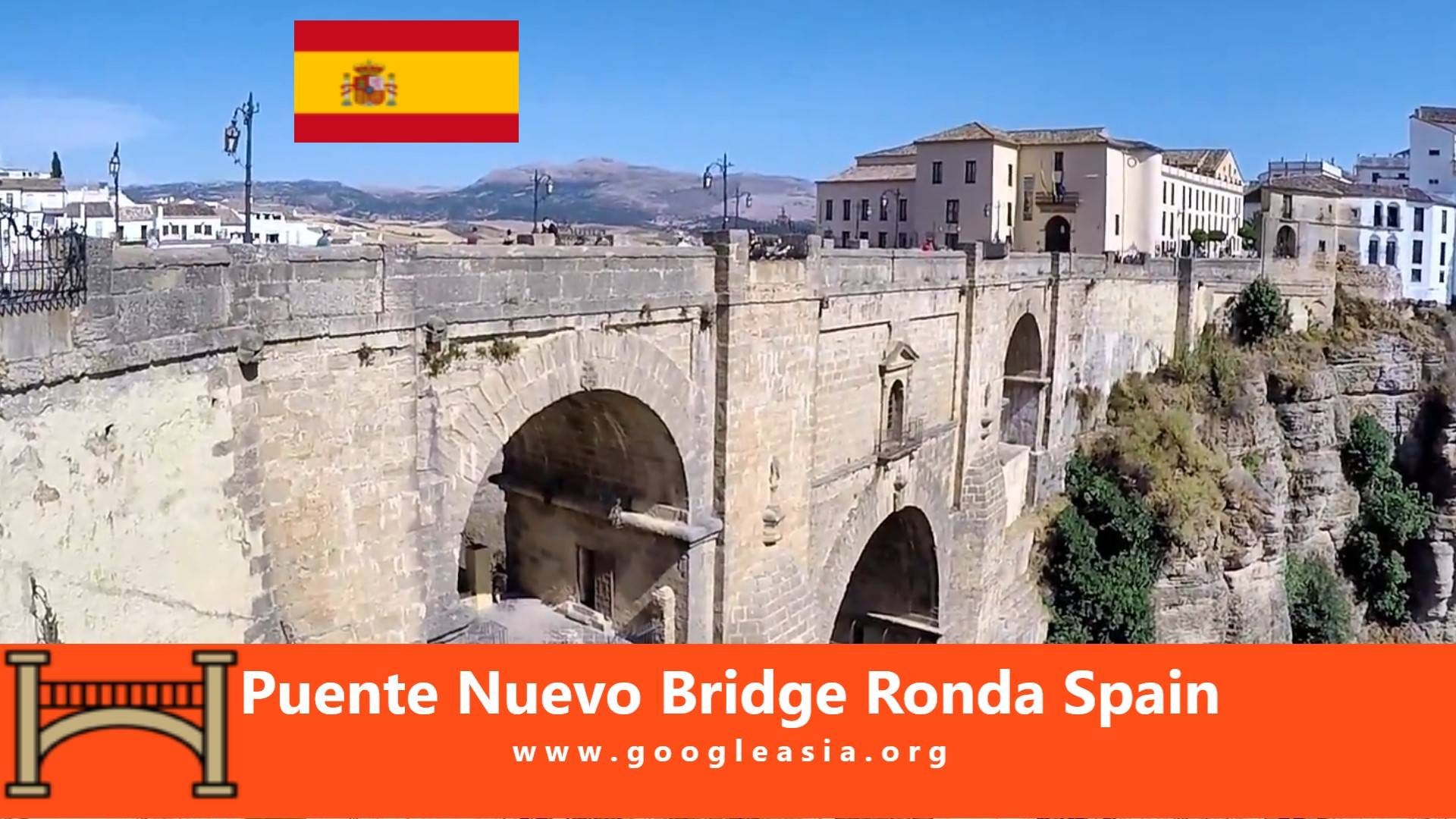
    The Puente Nuevo Bridge stands as a testament to the engineering prowess of the 18th century. Its three imposing arches, with the central arch reaching a height of 110 meters (360 feet) and spanning 96 meters (315 feet), were revolutionary for their time. The bridge was constructed using local limestone, and its design incorporates elements of both Baroque and Neoclassical styles, reflecting the architectural trends of the era.

    The Cultural Impact and Modern Significance

    A Symbol of Ronda

    The Puente Nuevo Bridge has become an iconic symbol of Ronda, representing the city’s rich history and architectural heritage. It is one of the most photographed landmarks in Spain and attracts thousands of tourists each year. Its dramatic presence and historical significance make it a focal point of Ronda’s cultural identity.

    Preservation and Tourism

    Efforts to preserve the Puente Nuevo Bridge have been ongoing since its completion. The bridge is maintained as a historical monument, ensuring that future generations can continue to appreciate its beauty and historical importance. It also plays a significant role in Ronda’s tourism industry, drawing visitors from around the globe who come to marvel at its grandeur and learn about its history.

    Attractions

    The Bridge’s Design

    The Puente Nuevo Bridge is characterized by its grand arches, which are not only functional but also add to the aesthetic appeal of the structure. The central arch, being the largest, was a significant engineering challenge and remains the most striking feature of the bridge. The use of local materials and the careful design of the arches ensure that the bridge blends seamlessly with the surrounding landscape.

    The View and Surroundings

    The location of the Puente Nuevo Bridge offers some of the most breathtaking views in Spain. From its vantage point, visitors can see the lush valley below and the rugged mountain terrain surrounding Ronda. The bridge serves as a natural observation point, offering panoramic vistas that enhance its overall charm and allure.

    Things to Do

    Capture the Perfect Photo

    Iconic Views

    Puente Nuevo Bridge offers some of the most stunning vistas in Spain. Whether you’re a professional photographer or just an enthusiastic traveler, the bridge’s dramatic setting provides a perfect backdrop. Capture the grand arches, the deep El Tajo Gorge below, and the sweeping views of Ronda’s rugged landscape.

    Sunset Photography

    For a truly magical experience, visit the bridge at sunset. The golden hour light casts a warm glow over the stone arches and the surrounding landscape, creating a captivating photo opportunity. The changing colors of the sky and the reflection of the bridge in the gorge add a dramatic flair to your photos.

    Enjoy a Leisurely Walk

    Cross the Bridge

    Walking across Puente Nuevo Bridge allows you to appreciate its architectural magnificence up close. As you cross, take in the impressive scale of the arches and the intricate stonework. The breeze and views make for a pleasant and reflective walk.

    Explore the Surrounding Pathways

    On the other side of the bridge, you can explore scenic pathways that offer additional perspectives of the bridge and the surrounding countryside. These trails are ideal for a peaceful stroll while soaking in the beauty of Ronda’s natural landscape.

    Visit Castillo de Aguila

    Discover the Historic Fortress

    Located a short distance from Puente Nuevo Bridge, Castillo de Aguila (Eagle’s Castle) is a historic fortress that provides another layer of Ronda’s rich history. Explore the castle’s ruins and enjoy the panoramic views of Ronda and the surrounding mountains from its vantage points.

    Learn About the History

    The castle dates back to the Moorish period and played a significant role in Ronda’s defense. A visit to Castillo de Aguila not only offers spectacular views but also provides historical insights into the region’s past.

    Taste Local Cuisine

    Sample Regional Delicacies

    Ronda’s local cuisine is a highlight of any visit. Nearby tapas bars and restaurants offer a variety of traditional Spanish dishes. Try local specialties such as ham croquetas, spicy chorizo, and marinated olives.

    Enjoy a Scenic Meal

    Consider dining at a restaurant with a view of Puente Nuevo Bridge. Enjoy your meal while gazing at the bridge and the picturesque gorge. Many eateries offer outdoor seating, allowing you to fully immerse yourself in the scenic beauty of Ronda.

    Watch a Flamenco Show

    Experience Traditional Dance

    Ronda is renowned for its vibrant flamenco scene. Head to a local bar or café to enjoy a live flamenco performance. This traditional Spanish dance, characterized by its passionate movements and soulful music, offers a cultural experience that complements your visit to the bridge.

    Engage with the Local Culture

    Flamenco shows often feature local performers and offer an authentic glimpse into Spanish culture. Engage with the energetic atmosphere and enjoy the expressive artistry that defines this beloved Spanish tradition.

    Foods

    Gazpacho

    Gazpacho is a quintessential Spanish dish, particularly popular in Andalusia. This cold tomato-based soup is made with fresh ingredients like tomatoes, garlic, onions, cucumbers, and bell peppers. It’s perfect for a refreshing meal, especially on a warm day while exploring Ronda.

    Variations and Local Twists

    While the classic version is always a hit, some local establishments may offer their unique twist on gazpacho, incorporating additional herbs or vegetables to enhance the flavor.

    Salmorejo

    Salmorejo is a richer, thicker version of gazpacho. This creamy cold soup is made from tomatoes, bread, olive oil, and vinegar, then topped with Spanish cured ham, hard-boiled eggs, and sometimes garnished with chopped vegetables. Its smooth texture and robust flavor make it a satisfying dish.

    Perfect for a Light Meal

    Salmorejo is often enjoyed as a light lunch or starter, making it an excellent choice for a mid-day break while sightseeing.

    Carcamusa

    Carcamusa is a traditional Ronda dish that combines cured ham, beans, sausage, and potatoes in a slow-cooked stew. This rich and flavorful dish is perfect for a hearty meal and offers a comforting taste of local cuisine.

    Ideal for a Cozy Meal

    If you’re looking for something filling and warming, carcamusa is an excellent choice, especially during cooler months or after a day of exploration.

    Huevos a la Flamenca

    Huevos a la flamenca is a traditional Spanish dish featuring eggs cooked in a tomato-based sauce with garlic, onions, and peppers. This dish is often baked and can be served with additional ingredients like chorizo or ham.

    A Flavorful Twist on Breakfast

    Though typically enjoyed as a main course, huevos a la flamenca can also be a hearty brunch option, offering a delightful mix of textures and flavors.

    Jamón Serrano

    Jamón serrano is a type of Spanish cured ham known for its delicate flavor and fine texture. Often served in thin slices as a tapa or appetizer, it pairs wonderfully with a glass of Spanish wine or a fresh baguette.

    A Must-Try Tapa

    No visit to Spain is complete without sampling jamón serrano. Enjoy it as part of a charcuterie platter or on its own to appreciate its rich, savory taste.

    Gazpachos de Naranja

    Gazpachos de naranja is a unique dessert version of gazpacho, made with fresh oranges, sugar, orange liqueur, and crushed almond flakes. This sweet and refreshing treat is perfect for ending a meal on a light note.

    A Delightful Dessert

    If you’re in the mood for something sweet after your meal, this orange gazpacho provides a light and flavorful finish, offering a twist on traditional Spanish desserts.

    Espinacas con Garbanzos

    Espinacas con garbanzos is a nutritious dish featuring spinach and chickpeas, often seasoned with olive oil and garlic. This vegetarian dish is both hearty and flavorful, making it a great option for those seeking a lighter yet satisfying meal.

    A Healthy Choice

    This dish is not only delicious but also packed with nutrients, making it an excellent choice for health-conscious diners.

    Ajo Blanco

    Ajo blanco is a traditional Andalusian cold soup made from almonds, garlic, and bread, served chilled and often garnished with grapes. Its creamy texture and nutty flavor make it a distinctive and refreshing choice.

    A Unique Taste Experience

    If you’re looking to try something different, ajo blanco offers a unique taste of Spanish culinary traditions with its combination of almonds and garlic.

    Hotels

    AC Hotel Ronda by Marriott

    The AC Hotel Ronda by Marriott is renowned for its contemporary design and excellent amenities. Located within easy reach of Puente Nuevo Bridge, this hotel offers stylish rooms with modern furnishings, a fitness center, and a restaurant serving both local and international cuisine. Its central location makes it a convenient choice for exploring Ronda.

    Key Features:

    • Location: Close to the city center and major attractions.
    • Amenities: Fitness center, free Wi-Fi, on-site restaurant.
    • Best For: Travelers seeking modern accommodations with excellent amenities.

    Eurostars Hotel Rio Verde

    Eurostars Hotel Rio Verde combines elegance with a welcoming atmosphere. Situated a short distance from Puente Nuevo, this hotel offers comfortable rooms, a well-equipped gym, and an outdoor pool. The on-site restaurant serves a variety of dishes, enhancing the overall guest experience.

    Key Features:

    • Location: Close to the scenic Rio Verde and central Ronda.
    • Amenities: Outdoor pool, gym, restaurant, free Wi-Fi.
    • Best For: Guests looking for a blend of luxury and relaxation.

    Hotel Fuerte Ronda

    Hotel Fuerte Ronda offers a charming Andalusian ambiance and is ideally located near Puente Nuevo. The hotel features traditional decor, spacious rooms, and a lovely terrace with views of the surrounding mountains. Guests can enjoy a meal at the hotel’s restaurant or take advantage of the outdoor pool.

    Key Features:

    • Location: Near Ronda’s historical center and Puente Nuevo.
    • Amenities: Outdoor pool, restaurant, spacious rooms.
    • Best For: Travelers who appreciate traditional Spanish style and ambiance.

    Hotel Cuevas San Miguel

    Hotel Cuevas San Miguel provides a unique lodging experience with its cave-style rooms carved into the mountainside. Located a short drive from Puente Nuevo, this hotel offers a distinctive stay with modern comforts and stunning views of the surrounding landscape.

    Key Features:

    • Location: A short drive from Puente Nuevo, nestled in a unique cave setting.
    • Amenities: Unique cave rooms, scenic views, free Wi-Fi.
    • Best For: Guests seeking a distinctive and memorable stay.

    Hotel El Reino

    Hotel El Reino offers a cozy and comfortable stay with friendly service. Situated within a short distance from Puente Nuevo, this hotel features well-furnished rooms and a relaxed atmosphere. It’s a great option for travelers looking for a more intimate and personal lodging experience.

    Key Features:

    • Location: Conveniently located near central attractions.
    • Amenities: Comfortable rooms, personalized service.
    • Best For: Travelers looking for a cozy, homely atmosphere.

    Hotel El Reino del Abuelo

    Hotel El Reino del Abuelo is perfect for families or groups seeking a comfortable stay near Puente Nuevo. With spacious rooms and a family-friendly environment, this hotel offers a pleasant and relaxed experience. It’s a great choice for those traveling with children or looking for a more laid-back lodging option.

    Key Features:

    • Location: Close to central Ronda and attractions.
    • Amenities: Spacious rooms, family-friendly facilities.
    • Best For: Families and groups seeking a comfortable stay.

    Hotel El Reino de Las Tortugas

    Hotel El Reino de Las Tortugas offers a charming and quaint atmosphere with personalized service. Located not too far from Puente Nuevo, this hotel features unique decor and a welcoming environment. Guests can enjoy a cozy stay with a touch of local character.

    Key Features:

    • Location: Short distance from Puente Nuevo and local attractions.
    • Amenities: Unique decor, personalized service.
    • Best For: Travelers looking for a charming and unique stay.

    Hotel Puente Nuevo

    Hotel Puente Nuevo is ideally situated with stunning views of the famous bridge itself. This hotel offers comfortable accommodations with direct views of Puente Nuevo and easy access to Ronda’s attractions. It’s an excellent choice for those who want to stay close to the iconic landmark.

    Key Features:

    • Location: Direct views of Puente Nuevo, close to major attractions.
    • Amenities: Scenic views, comfortable rooms.
    • Best For: Guests wanting to stay directly near the iconic Puente Nuevo.

    La Casa del Lechero

    La Casa del Lechero provides a traditional Spanish lodging experience with a homely feel. Located a short distance from Puente Nuevo, this guesthouse offers comfortable rooms and a warm atmosphere. It’s ideal for those looking for a more personalized and intimate stay.

    Key Features:

    • Location: Conveniently close to Puente Nuevo.
    • Amenities: Comfortable rooms, traditional decor.
    • Best For: Travelers seeking a homely and traditional stay.

    La Paloma Ronda Hotel Boutique & Spa

    La Paloma Ronda Hotel Boutique & Spa offers a luxurious stay with high-end amenities and a relaxing spa. Located a short distance from Puente Nuevo, this boutique hotel provides elegant accommodations, a wellness center, and a stylish atmosphere.

    Key Features:

    • Location: Close to Puente Nuevo with a luxurious atmosphere.
    • Amenities: Spa, boutique-style rooms, wellness center.
    • Best For: Guests seeking luxury and relaxation in a boutique setting.

    Conclusion

    A visit to Puente Nuevo is a journey into Spain’s architectural brilliance and the natural beauty of Andalusia. Whether you’re drawn by its dramatic setting, its historical significance, or its panoramic views, the bridge promises an unforgettable experience. Make sure to include Puente Nuevo in your Ronda itinerary and witness one of Spain’s most remarkable landmarks.
    Puente Nuevo Bridge Ronda Spain

    Summary

    • Attraction: Puente Nuevo Bridge
    • Country: Spain
    • Continent: Europe
    • Capital Name: Madrid
    • Language: Spanish
    • Category: #Destination #Europe #SPAIN 

    Frequently Asked Questions

    Where is Puente Nuevo Bridge located?

    The Puente Nuevo Bridge is located in the town of Ronda, which is situated in the province of Málaga, Andalusia, southern Spain. Ronda is known for its stunning gorge, El Tajo, and the Puente Nuevo Bridge is a notable landmark that spans the gorge, connecting the old and new parts of the town. The bridge offers breathtaking views of the surrounding landscape and is one of the iconic attractions in Ronda.

    How to go to Puente Nuevo Bridge?

    To reach the Puente Nuevo Bridge in Ronda, Spain, you can follow these general guidelines:

    By Air:

    1. Nearest Airport:
      • The closest major airport is Malaga-Costa del Sol Airport (AGP), which is approximately 100 kilometers away from Ronda.
      • From the airport, you can hire a car, take a taxi, or use public transportation to reach Ronda.

    By Car:

    1. Renting a Car:
      • Renting a car is a convenient option for traveling to Ronda and exploring the surrounding areas. Major car rental companies operate at Malaga Airport.
      • Follow the A-7 and AP-46 highways from Malaga to Ronda.

    By Train:

    1. Train from Malaga:
      • Ronda is connected by train, and you can take a train from Malaga to Ronda. The train journey offers scenic views of the Andalusian countryside.
      • Once you arrive at the Ronda train station, you can take a taxi or walk to the Puente Nuevo Bridge. The bridge is approximately a 15-20 minute walk from the station.

    By Bus:

    1. Bus from Malaga:
      • Buses also connect Malaga to Ronda. The journey takes a couple of hours.
      • After arriving at the Ronda bus station, you can either walk or take a taxi to the Puente Nuevo Bridge.

    On Foot:

    1. Exploring Ronda on Foot:
      • Ronda is a relatively small town, and many of its attractions, including the Puente Nuevo Bridge, can be explored on foot.
      • The bridge is located in the heart of Ronda, connecting the historic old town with the newer part of the town.

    Local Transportation:

    1. Taxis:
      • Taxis are available in Ronda and can take you to the Puente Nuevo Bridge from various points in the town.
    2. Walking:
      • Ronda is a picturesque town with narrow streets, and walking is a pleasant way to explore its beauty. The Puente Nuevo Bridge is a central landmark and can be reached by walking from various parts of the town.

    What are Puente Nuevo Bridge’s must-visit attractions or landmarks?

    Ronda, where the Puente Nuevo Bridge is located, is a town with rich historical and cultural significance. In addition to the iconic bridge, there are several must-visit attractions and landmarks in Ronda. Here are some notable ones:

    1. Puente Nuevo Bridge: As the focal point of Ronda, the Puente Nuevo Bridge is a must-visit. Take in the breathtaking views of the El Tajo gorge and surrounding landscapes from this impressive bridge.
    2. El Tajo Gorge: Explore the stunning El Tajo gorge itself, which the Puente Nuevo Bridge spans. The gorge offers dramatic cliffs and scenic viewpoints.
    3. Alameda del Tajo: A beautiful park located on the edge of the gorge, offering panoramic views of the countryside. It’s a peaceful place to relax and enjoy the surroundings.
    4. Plaza de Toros (Ronda Bullring): Ronda is known for its historic bullring, one of the oldest and most picturesque in Spain. The bullring also houses the Ronda Bullfighting Museum.
    5. Palacio de Mondragón: A palace with beautiful gardens, now serving as the Ronda Museum. The museum exhibits artifacts from Ronda’s history, including Roman and Moorish periods.
    6. Arab Baths (Baños Árabes): Explore the well-preserved Arab Baths dating back to the 13th century, showcasing the Moorish influence in the region.
    7. Church of Santa María la Mayor: Visit this church, a mix of Gothic, Renaissance, and Baroque styles. It houses religious art and offers a glimpse into Ronda’s architectural history.
    8. Jardines de Cuenca: Terraced gardens providing another vantage point to enjoy the views of the surrounding landscapes.
    9. Old Town (La Ciudad): Wander through Ronda’s charming old town with its narrow streets, white-washed buildings, and historic architecture.
    10. Casa del Rey Moro: Explore this historic mansion with beautiful gardens and an ancient well. It provides insights into Ronda’s Moorish past.
    11. Mirador de Aldehuela: A viewpoint that offers spectacular views of the Puente Nuevo Bridge and the El Tajo gorge.
    12. Convento de Santo Domingo: A former convent with a beautiful courtyard, now housing the Municipal Historical Museum.

    What are Puente Nuevo Bridge’s nearby must-visit attractions or landmarks?

    Ronda, where the Puente Nuevo Bridge is located, is surrounded by beautiful landscapes and has several nearby attractions and landmarks worth exploring. Here are some must-visit places near the Puente Nuevo Bridge:

    1. Puente Viejo (Old Bridge): While not as famous as the Puente Nuevo, the Puente Viejo is another historic bridge in Ronda. It’s a charming structure dating back to the 17th century and offers its own unique views of the gorge.
    2. Mirador de Ronda: This viewpoint, also known as the Balcony of Ronda, provides stunning panoramic views of the town, the Puente Nuevo Bridge, and the surrounding countryside. It’s a short walk from the bridge.
    3. Jardines de Cuenca: These terraced gardens offer a peaceful retreat with beautiful greenery and additional viewpoints to admire the scenery.
    4. Arco de Felipe V: Located near the Puente Nuevo, this arch commemorates the visit of King Felipe V to Ronda. It’s part of the historical architecture in the vicinity.
    5. Casa del Gigante: A historic mansion with an interesting architectural facade. It’s situated near the Puente Nuevo and provides a glimpse into Ronda’s historical buildings.
    6. Paseo de Blas Infante: This promenade along the edge of the gorge offers a pleasant stroll with fantastic views. It’s a great place to enjoy the scenery and take photos of the Puente Nuevo Bridge.
    7. Church of Padre Jesús: A charming church with a distinctive tower, located near the Puente Nuevo. It’s part of the picturesque landscape of Ronda.
    8. Cueva del Gato: A natural cave located about 10 kilometers from Ronda. It’s known for its clear waters and is a popular spot for swimming and exploring.
    9. Sierra de las Nieves Natural Park: This nearby natural park offers opportunities for hiking and enjoying nature. It’s known for its diverse flora and fauna.
    10. Acinipo (Ronda la Vieja): The ruins of a Roman city located a short drive from Ronda. Explore the ancient theater and archaeological remains that date back to the Roman period.

    Why should you visit Puente Nuevo Bridge?

    Visiting the Puente Nuevo Bridge in Ronda, Spain, is a captivating experience, and there are several compelling reasons to explore this iconic landmark:

    1. Spectacular Views: The Puente Nuevo Bridge spans the breathtaking El Tajo gorge, offering spectacular panoramic views of the surrounding landscapes. The vantage points from the bridge provide some of the most picturesque scenes in Ronda.
    2. Architectural Marvel: The bridge itself is a remarkable feat of engineering and architecture. Completed in 1793, it took over four decades to construct. The bridge’s grandeur and the sheer depth of the gorge below contribute to its status as a marvel of Spanish bridge design.
    3. Historical Significance: The Puente Nuevo has historical significance as one of the most famous and recognizable landmarks in Spain. It is an integral part of Ronda’s history, connecting the old Moorish town with the newer part of the city.
    4. Symbol of Ronda: The bridge is an iconic symbol of Ronda and is featured prominently in photographs, postcards, and artwork representing the town. Its image is synonymous with the charm and beauty of Ronda.
    5. Photography Opportunities: The Puente Nuevo Bridge provides excellent opportunities for photography. Whether capturing the bridge from afar, walking along its pathways, or taking shots of the El Tajo gorge, photographers will find plenty of inspiration.
    6. Cultural Exploration: Visiting the bridge is an opportunity to immerse yourself in the cultural and historical heritage of Ronda. Learn about the town’s Moorish past and the architectural influences that shaped this iconic structure.
    7. Scenic Walks: The bridge is part of a network of scenic pathways and viewpoints in Ronda. Walking across the bridge and exploring the surrounding areas allows visitors to appreciate the natural beauty and historical charm of the region.
    8. Nearby Landmarks: The Puente Nuevo is situated near other notable landmarks, such as the Puente Viejo, Mirador de Ronda, and Jardines de Cuenca. Exploring these nearby attractions enhances the overall experience of the visit.
    9. Cultural Events: The bridge is occasionally used as a venue for cultural events and festivities, providing a unique setting for concerts, performances, and celebrations.
    10. Local Atmosphere: The area around the Puente Nuevo Bridge is vibrant, with lively streets, charming cafes, and shops. Exploring this part of Ronda allows visitors to soak in the local atmosphere and hospitality.

    Is there any halal food available in the vicinity of the Puente Nuevo Bridge?

    While Ronda may not have a significant Muslim population compared to larger cities, there are still some options for halal food in the vicinity of the Puente Nuevo Bridge. Here are some general suggestions:

    1. International Cuisine Restaurants: Look for restaurants offering international cuisines such as Middle Eastern, Mediterranean, or South Asian. Some of these establishments may serve halal food or be willing to accommodate halal requests.
    2. Seafood and Vegetarian Options: Ronda, being a tourist destination, often has restaurants that specialize in seafood and vegetarian dishes. These establishments may have halal-friendly options, such as vegetable-based dishes or seafood.
    3. Communication with Restaurants: Consider communicating with the local restaurants directly to inquire about their menu and whether they can provide halal meals. Some chefs and restaurant staff may be willing to accommodate specific dietary requests.
    4. Local Markets and Grocery Stores: Explore local markets and grocery stores to find fresh produce, fruits, and snacks that are halal. You can assemble your own meals or find ready-made items that meet halal dietary requirements.
    5. Halal Certification: Inquire with restaurants about halal certification. Some establishments may display signs indicating that they offer halal food, making it easier for Muslim travelers to identify suitable dining options.
  • Prado Museum: Spain’s Artistic Treasure for US & UK Travelers

    Prado Museum: Spain’s Artistic Treasure for US & UK Travelers

    Prado Museum, Spain

    Prado Museum or known as Museo Nacional del Prado is one of the largest and premier art centers in the world. It is located in Madrid, Spain. Read here for more information about the best destinations in Europe you must visit.

    Introduction

    The Prado Museum, or Museo del Prado, stands as a testament to Spain’s rich cultural heritage and artistic prowess. Located in the heart of Madrid, this iconic institution is not only one of the largest art museums globally but also a cornerstone of European art history. With over 8,600 paintings, the Prado Museum boasts the most extensive collection of Spanish art spanning from the 12th century to the early 19th century. Let’s delve into what makes this museum a must-visit for art enthusiasts and history buffs alike.

    Historical Background

    Origins and Founding

    The Prado Museum was inaugurated in 1819 under the reign of King Ferdinand VII. Initially named the Royal Museum of Painting and Sculpture, it was established to showcase the Spanish royal family’s art collection. Over the years, the museum expanded its collection and transformed into a global art institution.

    Architectural Evolution

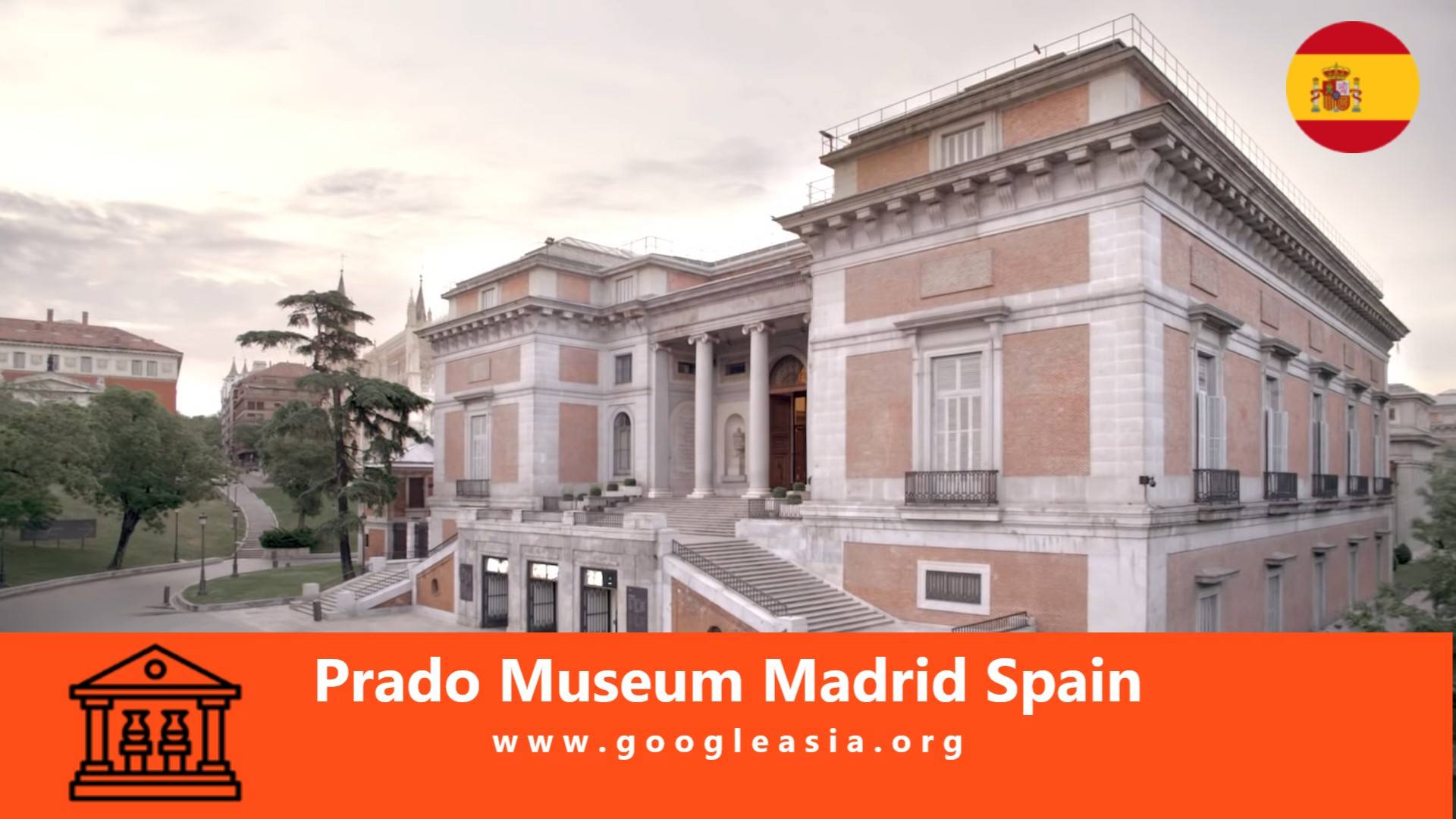
    Designed by architect Juan de Villanueva, the museum’s original neoclassical facade is a prime example of 18th-century architecture. In the 19th and 20th centuries, various extensions and renovations were carried out to accommodate the growing collection, including works by architects like Rafael Moneo and Antonio Fernández Alba.

    Visitor Experience

    Guided Tours and Educational Programs

    The Prado Museum offers various guided tours and educational programs, catering to different age groups and interests. These programs provide deeper insights into the museum’s extensive collection and the historical context of the artworks.

    Special Exhibitions

    The Prado frequently hosts temporary exhibitions that highlight specific themes or artists. These exhibitions provide fresh perspectives and allow visitors to explore lesser-known aspects of art history.

    Budget Travel $100

    Exploring the Prado Museum on a $100 budget is entirely possible with smart planning. A standard adult ticket costs around €15 (approximately $16), and if you visit during the museum’s free entry hours (Monday to Saturday, 6–8 pm, and Sundays, 5–7 pm), you can save that amount for other expenses. Public transport in Madrid is efficient and inexpensive, with a single metro ride costing about €1.50–€2 ($1.60–$2.15), so budgeting around €10 ($11) for round trips and short rides will cover your day.

    For food, you can enjoy a hearty Spanish menu del día (set lunch) at local taverns for €12–€15 ($13–$16), which usually includes a starter, main dish, dessert, and drink. If you prefer lighter meals, tapas and a drink can be found for €8–€10 ($9–$11), leaving room for coffee or churros at a café for about €5 ($5.50). With careful choices, you can comfortably enjoy the museum, meals, and transport within the $100 limit, even leaving space for a small souvenir like a postcard or magnet from the museum shop.

    The key to stretching your budget is balancing paid experiences with free opportunities. Madrid offers plenty of affordable attractions near the Prado, such as strolling through Retiro Park, which is free and located just next to the museum. You can also admire the Neoclassical architecture of the museum building itself, which is a cultural experience without cost.

    By combining free entry hours, inexpensive meals, and public transport, $100 allows you not only to see masterpieces by Velázquez, Goya, and El Greco but also to immerse yourself in the local atmosphere. This approach ensures that your day is rich in culture without overspending, proving that even one of the world’s most important art museums can be enjoyed on a modest budget.

    Tips for USA Travellers

    For visitors from the USA, understanding local customs and logistics can make the Prado Museum experience smoother. Book tickets online in advance to avoid long queues, as the museum is one of Madrid’s busiest attractions. Unlike many American museums, photography is strictly limited inside, so be prepared to enjoy the art without taking pictures. Carry some cash in euros, as smaller cafés and shops nearby may not accept foreign cards, though the museum itself does. Also, remember that Spaniards eat later than Americans; lunch often starts around 2 pm, so plan your meals accordingly to avoid frustration.

    Another important tip is to adjust expectations about scale and time. The Prado’s collection spans from the 12th to early 20th century, with thousands of works, so it is impossible to see everything in one visit. Focus on highlights such as Velázquez’s “Las Meninas” and Goya’s “The Third of May 1808”, which are considered must-sees. USA travellers should also note that Madrid’s metro system is safe and easy to navigate, but unlike in many American cities, walking is a major part of the experience—so wear comfortable shoes.

    Finally, be mindful of cultural etiquette: Spaniards value quiet appreciation in museums, so avoid loud conversations, and remember that tipping in restaurants is modest compared to the USA, usually just rounding up the bill or leaving small change.

    Attractions

    Masterpieces of Spanish Art

    Diego Velázquez

    Velázquez, one of Spain’s most celebrated artists, is prominently featured in the Prado Museum. His masterpieces, including Las Meninas and The Triumph of Bacchus, offer a glimpse into his innovative approach to composition and perspective.

    Francisco de Goya

    Goya’s works are central to the Prado Museum’s collection. His powerful paintings and etchings, such as The Third of May 1808 and The Black Paintings, reflect the tumultuous history of Spain during his time and showcase his dramatic style.

    El Greco

    El Greco, a Greek painter who settled in Spain, is known for his unique style blending Byzantine and Renaissance influences. The Prado Museum features several of his significant works, including The Burial of the Count of Orgaz and View of Toledo.

    Other Notable Artists

    José de Ribera

    Ribera, known for his dramatic use of light and shadow, has several notable works in the Prado Museum. His paintings, such as The Clubfooted Boy and Saint Jerome, highlight his mastery of tenebrism and his focus on realism.

    Zurbarán

    Francisco de Zurbarán’s serene and contemplative works are also well-represented at the Prado. His paintings, like The Apotheosis of Saint Thomas Aquinas and Saint Serapion, are admired for their simplicity and spiritual depth.

    Classical Sculpture and Decorative Arts

    Roman and Greek Sculptures

    In addition to its extensive painting collection, the Prado Museum also houses remarkable classical sculptures. These include Roman copies of Greek masterpieces, offering visitors a broader view of classical art.

    Decorative Arts

    The museum’s collection of decorative arts features exquisite examples of Spanish craftsmanship. From ornate furniture to intricate ceramics, these items reflect the artistic skills of various periods and regions.

    Things to Do

    The Prado Museum, an artistic jewel nestled in Madrid, offers visitors a wealth of activities beyond simply viewing its renowned artworks. Whether you’re an art aficionado, a history enthusiast, or simply looking to spend a memorable day in Madrid, the Prado Museum has something for everyone. Here’s a guide to making the most of your visit.

    Visit the Masterpieces

    Admire Iconic Paintings

    The Prado Museum is renowned for its extraordinary collection of paintings. Take time to marvel at works by Diego Velázquez, including his seminal piece Las Meninas, and delve into the dramatic narratives of Francisco de Goya’s The Third of May 1808. Don’t miss El Greco’s ethereal The Burial of the Count of Orgaz and Titian’s vibrant The Bacchus and Ariadne. Each artwork provides a unique glimpse into the artistic genius of these masters.

    Explore Sculptures and Tapestries

    In addition to paintings, the Prado’s collection includes classical sculptures and intricate tapestries. Examine Roman and Greek sculptures that highlight the museum’s commitment to preserving classical art, and appreciate the rich textures and historical significance of the tapestries that once adorned royal palaces.

    Take in the Decorative Arts

    Discover Elegant Artifacts

    The Prado Museum’s decorative arts collection is a treasure trove of historical craftsmanship. Wander through exhibits showcasing perfume bottles, exquisite furniture, ornate jewelry, and intricate silverware. These artifacts, spanning from the Middle Ages to the 19th century, reflect the artistic and cultural evolution of Spain and Europe.

    Get Lost in the Prints

    Explore the World’s Largest Print Collection

    The Prado Museum houses the largest collection of prints globally, offering an extensive look into the history of printmaking. Dive into works by influential printmakers such as Albrecht Dürer and Rembrandt. The collection provides a fascinating insight into the evolution of print techniques and the impact of printmaking on art history.

    Go Café-Hopping

    Relax at Café de Prado

    After immersing yourself in art and history, take a break at Café de Prado. Located within the museum, this café offers a relaxing environment with a view of the Zocodover Plaza. Enjoy a selection of drinks or light snacks while reflecting on your visit or simply taking in the ambiance.

    Learn Something New

    Engage in Educational Programs

    The Prado Museum provides a range of educational programs and lectures that cater to diverse interests. Attend guided tours that delve into specific themes or exhibitions, or participate in workshops designed to enhance your understanding of art techniques and history.

    Catch a Performance

    Experience “Clásica al Museo”

    For a unique cultural experience, check out the museum’s “Clásica al Museo” performances. These concerts, featuring both classical and modern musicians, are held throughout the year in the Prado’s historic courtyards and galleries. The combination of live music and art creates a memorable and immersive experience.

    Foods

    While visiting the Prado Museum, indulging in some delectable Spanish cuisine is a must. The museum itself offers a selection of food options that showcase traditional Madrid and Spanish dishes. Here’s a guide to the best foods you can enjoy during your visit.

    Cocido Madrileño

    Traditional Madrid Stew

    Cocido madrileño is a hearty and flavorful stew that is quintessentially Madrid. This traditional dish typically features a mix of meats, including beef, pork, and chorizo, slow-cooked with chickpeas and vegetables. The result is a rich and satisfying meal that embodies the essence of Madrid’s culinary heritage.

    Cazuela de Acelgas

    Swiss Chard in Savory Egg-and-Sherry Sauce

    Cazuela de acelgas is a delightful dish featuring Swiss chard cooked in a savory egg-and-sherry sauce. The Swiss chard is tender and flavorful, complemented by the creamy, rich sauce. This dish is a perfect example of how Spanish cuisine often combines simple ingredients to create something truly delicious.

    Salted Cod Omelette

    A Madrid Classic

    The salted cod omelette, or tortilla de bacalao, is a classic Madrid dish. This omelette combines salted cod with eggs to create a fluffy, savory dish. It’s a great way to enjoy the unique flavors of cod in a traditional Spanish preparation.

    Seafood Paella

    Saffron Rice with a Variety of Seafood

    Paella is one of Spain’s most famous dishes, and the seafood version is particularly popular. At the Prado Museum, you can savor a plate of seafood paella, featuring saffron-infused rice topped with a variety of fresh seafood like shrimp, mussels, and clams. It’s a vibrant and flavorful dish that captures the essence of Spanish coastal cuisine.

    Tortilla Española

    The Spanish Omelet

    Tortilla española, also known as the Spanish omelet, is a simple yet delicious dish made with eggs, potatoes, and onions. The Prado Museum offers this classic Spanish favorite, which is served in a variety of ways—from a small tapa to a hearty meal. It’s a must-try for anyone looking to experience traditional Spanish flavors.

    Pan con Tomate

    Grilled Bread with Garlic and Tomato

    Pan con tomate is a simple but delectable Spanish tapa. This dish consists of grilled bread rubbed with garlic and ripe tomatoes, then drizzled with olive oil. It’s a perfect snack or appetizer, offering a taste of traditional Spanish flavors in every bite.

    Pulpo a la Gallega

    Galician-Style Octopus

    Pulpo a la gallega is a beloved dish from Galicia, showcasing octopus seasoned with paprika and served with a drizzle of olive oil. The tender octopus is typically served on slices of boiled potatoes, making it a flavorful and satisfying option for seafood lovers.

    Jamón Serrano

    Cured, Salty Ham

    Jamón serrano is a type of dry-cured Spanish ham that is a staple of Spanish cuisine. The Prado Museum’s food options often feature this delicacy, which is aged to perfection and sliced thinly. It’s an excellent choice for a quick snack or as part of a larger meal.

    Patatas Bravas

    Fried Potatoes with Spicy Tomato Sauce

    Patatas bravas are a popular Spanish tapa consisting of fried potatoes served with a spicy tomato sauce. The crispy exterior and soft interior of the potatoes, combined with the tangy sauce, make for a delightful and addictive snack.

    Gazpacho

    Cold Tomato and Vegetable Soup

    Gazpacho is a refreshing cold soup made from tomatoes and a variety of vegetables. It’s particularly enjoyable during warmer months, offering a light and cooling option. This classic Andalusian dish is a great way to enjoy the vibrant flavors of fresh vegetables.

    Hotels

    Staying near the Prado Museum allows you to fully immerse yourself in Madrid’s rich cultural scene while enjoying convenient access to one of the world’s premier art institutions. Here’s a guide to some of the best hotels in the vicinity of the Prado Museum, ensuring a comfortable and memorable stay.

    Hotel Atlantico Madrid

    Elegant and Central

    Hotel Atlantico Madrid is renowned for its elegant decor and prime location. Situated on Gran Vía, it’s just a short walk from the Prado Museum. The hotel offers comfortable rooms with classic furnishings, modern amenities, and stunning views of the city. Its central location makes it easy to explore Madrid’s vibrant nightlife and other cultural landmarks.

    Hotel Cortes

    Historic Charm

    Hotel Cortes combines historic charm with modern comforts. Located in the heart of Madrid, close to the Prado Museum, this hotel offers a blend of traditional Spanish architecture and contemporary amenities. It’s an excellent choice for those who appreciate a touch of old-world elegance while being conveniently located for museum visits.

    Hesperia Madrid

    Luxury and Sophistication

    Hesperia Madrid is a luxurious option offering sophisticated accommodations and high-end amenities. Located slightly farther from the Prado Museum but still within easy reach, this hotel features stylish rooms, an on-site restaurant, and a wellness center. It’s perfect for travelers seeking a refined and comfortable stay.

    Hotel Miguel Angel by Bluebay

    Opulent Retreat

    Hotel Miguel Angel by Bluebay is an opulent retreat with a focus on luxury and service. Situated in the upscale Salamanca district, it’s a bit further from the Prado Museum but offers spacious rooms, beautiful decor, and a range of facilities, including a spa and gourmet dining. It’s an ideal choice for those seeking a high-end experience.

    Barceló Emperatriz

    Contemporary Elegance

    Barceló Emperatriz provides a blend of contemporary elegance and comfort. Located in the Salamanca district, it’s a short distance from the Prado Museum. The hotel features modern rooms, a chic design, and an on-site restaurant. Its stylish ambiance and attentive service make it a great choice for travelers looking for a luxurious stay.

    Hotel Urban

    Modern and Chic

    Hotel Urban is known for its modern and chic design, combining sleek architecture with a stylish interior. Situated within walking distance of the Prado Museum, it offers comfortable rooms, a rooftop terrace, and an excellent restaurant. The hotel’s contemporary vibe and central location make it a popular choice for art lovers.

    Hospes Madrid

    Boutique Luxury

    Hospes Madrid offers boutique luxury with a focus on personalized service. Located near the Prado Museum, this hotel features beautifully designed rooms, a serene atmosphere, and a spa. Its blend of modern comfort and elegant decor makes it a perfect retreat after a day of exploring Madrid’s cultural treasures.

    Hotel Ritz Madrid

    Classic Elegance

    Hotel Ritz Madrid, a historic luxury hotel, is known for its classic elegance and impeccable service. Located a short walk from the Prado Museum, it offers opulent rooms, exquisite dining options, and a traditional afternoon tea service. Its historic charm and central location make it a distinguished choice for a luxurious stay.

    AC Hotel Recoletos

    Comfortable and Convenient

    AC Hotel Recoletos is a comfortable and convenient option for visitors. Located in the Recoletos area, it’s within walking distance of the Prado Museum. The hotel offers modern rooms, a fitness center, and a business center. Its practical amenities and central location make it a solid choice for travelers seeking comfort and accessibility.

    Meliá Madrid Princesa

    Stylish and Central

    Meliá Madrid Princesa offers stylish accommodations and a central location. Situated in the heart of Madrid, it’s a short distance from the Prado Museum. The hotel features contemporary rooms, a rooftop pool, and several dining options. Its modern amenities and prime location make it a popular choice for visitors to the city.

    Conclusion

    A visit to the Prado Museum is more than an art tour—it’s a chance to connect with Spain’s history, creativity, and identity. With its vast galleries and iconic works, the museum stands as a must‑see destination in Madrid. Whether you’re an art enthusiast or a curious traveler, the Prado promises an unforgettable encounter with some of the greatest masterpieces ever created.

    Prado Museum Madrid Spain

    Summary

    • Attraction: Prado Museum
    • Country: Spain
    • Continent: Europe
    • Capital Name: Madrid
    • Language: Spanish
    • Category: #Destination #Europe #SPAIN 

    Frequently Asked Questions

    Where is Prado Museum located?

    The Prado Museum, officially known as the Museo Nacional del Prado, is located in Madrid, the capital city of Spain. The museum is situated in the Paseo del Prado neighborhood, close to the city center. The exact address of the Prado Museum is:

    Museo Nacional del Prado Paseo del Prado, s/n, 28014 Madrid, Spain

    The museum is renowned for its extensive collection of European art, particularly Spanish art, and is one of the most important cultural institutions in the world. Visitors to Madrid often include the Prado Museum in their itineraries to explore its impressive collection of paintings, sculptures, and other works of art.

    How to go to Prado Museum?

    Getting to the Prado Museum in Madrid is relatively easy due to the city’s well-developed transportation infrastructure. Here are several transportation options:

    By Metro:

    1. Nearest Metro Station: Atocha:
      • The closest metro station to the Prado Museum is Atocha, served by Line 1 (light blue). Once you arrive at Atocha, it’s approximately a 15-minute walk to the museum.
    2. Alternate Metro Stations: Banco de España and Antón Martín:
      • Banco de España (Line 2 – red) and Antón Martín (Line 1 – light blue) are also relatively close metro stations to the Prado Museum. From these stations, it’s about a 10-15 minute walk to the museum.

    By Bus:

    1. Bus Lines to Nearby Stops:
      • Several bus lines have stops near the Prado Museum. Bus numbers 9, 10, 14, 19, 27, 34, and 37 are some of the options. Check the specific routes and stops based on your starting location.

    By Train:

    1. Arriving at Atocha Train Station:
      • If you’re arriving at the Atocha train station, you can take a short walk (about 15 minutes) to reach the Prado Museum.

    By Taxi or Ride-Sharing:

    1. Taxis and Ride-Sharing Services:
      • Taxis and ride-sharing services are widely available in Madrid. You can request a taxi or use a ride-sharing app to get dropped off directly at the museum.

    On Foot:

    1. Walking:
      • If you’re in the city center, walking to the Prado Museum is a pleasant option. The museum is located near several major landmarks, and you can enjoy the surroundings as you make your way there.

    Important Tips:

    • Navigation Apps: Use navigation apps such as Google Maps or Madrid’s public transportation app (EMT Madrid) to plan your route and get real-time information on metro and bus schedules.
    • Tickets and Timings: Check the Prado Museum’s official website for information on tickets, opening hours, and any special exhibitions or events.
    • Local Advice: If unsure about the best route, feel free to ask locals for directions. Madrid is a tourist-friendly city, and many people will be happy to help.

    What are Prado Museum’s must-visit attractions?

    The Prado Museum in Madrid, Spain, is renowned for its extensive collection of European art, particularly Spanish masterpieces. Here are some must-visit attractions within the Prado Museum:

    1. Las Meninas by Diego Velázquez: One of the most famous paintings in Western art, this masterpiece by Velázquez is a complex and intriguing depiction of the Spanish royal family.
    2. The Garden of Earthly Delights by Hieronymus Bosch: Bosch’s triptych is a surreal and imaginative work that has captivated viewers for centuries. The detailed and fantastical scenes are open to various interpretations.
    3. The Annunciation by Fra Angelico: This early Renaissance painting is a serene and beautiful representation of the Annunciation, featuring the angel Gabriel and the Virgin Mary.
    4. The Third of May 1808 by Francisco Goya: Goya’s powerful and emotive depiction of the Spanish resistance against Napoleon’s troops is a poignant representation of the horrors of war.
    5. The Adoration of the Shepherds by El Greco: El Greco’s unique style is on display in this religious painting, featuring elongated figures and vibrant colors.
    6. The Triumph of Death by Pieter Bruegel the Elder: This 16th-century masterpiece is a detailed and thought-provoking portrayal of death’s inevitability, set against a backdrop of a medieval landscape.
    7. Self-Portrait by Albrecht Dürer: A remarkable self-portrait by the German Renaissance artist, showcasing his skill and attention to detail.
    8. The Cardinal by Raphael: This portrait by the Italian Renaissance master Raphael is a fine example of his ability to capture the personality and dignity of his subjects.
    9. The Descent from the Cross by Rogier van der Weyden: A gripping depiction of the grief-stricken moment when Christ is taken down from the cross, displaying Van der Weyden’s emotional intensity.
    10. Saturn Devouring His Son by Francisco Goya: This disturbing and powerful painting is part of Goya’s series of “Black Paintings” and is a gripping representation of the darker aspects of human nature.

    What are Prado Museum’s nearby must-visit attractions or landmarks?

    The Prado Museum is located in the cultural heart of Madrid, and there are several must-visit attractions and landmarks nearby. Here are some recommendations:

    1. Retiro Park (Parque del Retiro): One of Madrid’s most famous parks, located just east of the Prado Museum. It’s a beautiful and expansive green space with gardens, a lake, and various sculptures. You can enjoy a leisurely stroll, rent a rowboat on the lake, or relax in the shade.
    2. Thyssen-Bornemisza Museum: A short walk from the Prado, this museum houses an impressive collection of European art, including works by artists such as Van Gogh, Picasso, and Dali. It provides a comprehensive overview of art from the 13th to the late 20th century.
    3. Reina Sofia Museum: Another world-class museum in close proximity, the Reina Sofia focuses on contemporary and modern art. It is particularly famous for hosting Picasso’s iconic painting, “Guernica.”
    4. Puerta del Sol: One of Madrid’s central squares, Puerta del Sol is a lively area with shops, restaurants, and historical landmarks. It’s also known for the iconic clock on the Casa de Correos building and the symbolic Kilometer Zero marker.
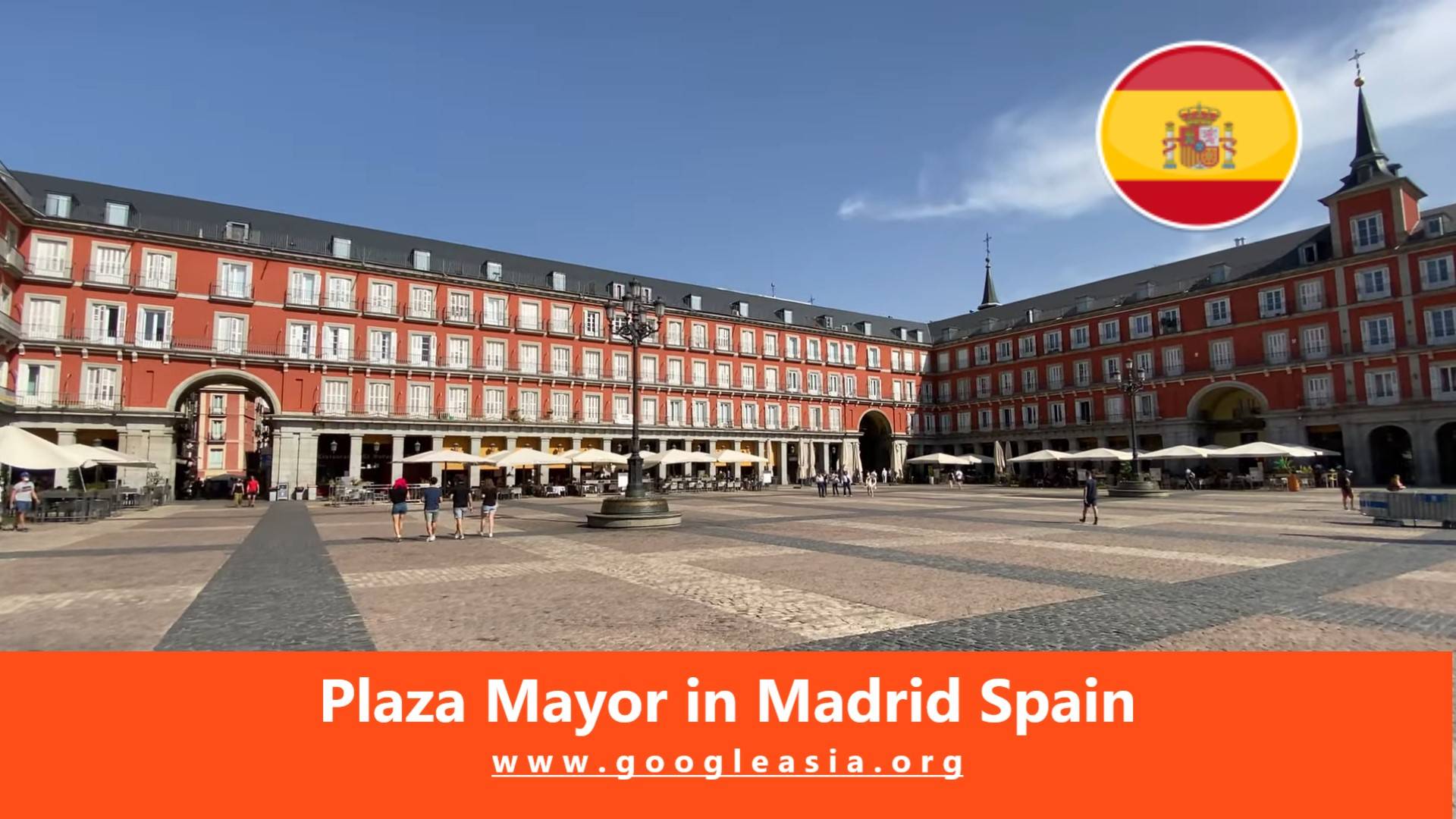
    5. Plaza Mayor: A historic square surrounded by picturesque buildings with arcades, Plaza Mayor is a great place to soak up the atmosphere. It often hosts events, and its surrounding cafes are perfect for people-watching.
    6. Royal Botanical Garden of Madrid (Real Jardín Botánico): Situated near the Prado Museum, this botanical garden is a peaceful oasis with a diverse collection of plants from around the world.
    7. Cibeles Palace (Palacio de Cibeles): Formerly the City Hall, this stunning building now serves as a cultural center. The rooftop terrace offers panoramic views of the city.
    8. Puerta de Alcalá: An iconic neoclassical triumphal arch located in Plaza de la Independencia, near Retiro Park. It’s a symbol of Madrid and a popular spot for photos.
    9. Lope de Vega Theatre (Teatro Lope de Vega): If you’re interested in the performing arts, consider catching a play or musical at this historic theater, located not far from the Prado.
    10. San Jerónimo el Real: A beautiful church with a Gothic and Renaissance facade, situated close to the Prado. It’s worth a visit for its architectural and historical significance.

    Why should you visit Prado Museum?

    Visiting the Prado Museum in Madrid is a highly enriching experience for several reasons:

    1. World-Class Art Collection: The Prado Museum boasts an outstanding collection of European art, particularly emphasizing Spanish artists like Velázquez, Goya, and El Greco. It also features works by renowned international artists such as Raphael, Titian, Bosch, and Rembrandt.
    2. Masters of Spanish Art: The museum is a treasure trove of Spanish art, showcasing masterpieces that span various periods, from the medieval to the modern. Iconic works like Velázquez’s “Las Meninas” and Goya’s “The Third of May 1808” are must-see pieces.
    3. Historical Significance: The Prado Museum is housed in a neoclassical building designed by the architect Juan de Villanueva. The building itself has historical significance, having served various purposes before becoming a museum in the early 19th century.
    4. Diverse Artistic Styles: The collection at the Prado spans different artistic movements, including Renaissance, Baroque, Rococo, and Romanticism. This diversity allows visitors to appreciate the evolution of art over the centuries.
    5. Cultural Heritage: The museum plays a crucial role in preserving and promoting Spain’s cultural heritage. It provides insight into the country’s rich history, traditions, and artistic achievements.
    6. Educational Value: The Prado Museum offers a valuable educational experience for art enthusiasts, students, and tourists alike. Guided tours, educational programs, and informative exhibits enhance the understanding of the artworks and their cultural context.
    7. Temporary Exhibitions: In addition to its permanent collection, the museum regularly hosts temporary exhibitions, allowing visitors to explore specific themes, artists, or periods in greater detail.
    8. Beautiful Setting: The museum is located in the heart of Madrid, making it easily accessible. Its surroundings, including the adjacent Retiro Park and other nearby landmarks, contribute to a pleasant and culturally rich atmosphere.
    9. Architectural Beauty: The Prado’s architecture is a work of art in itself. The elegant design of the building enhances the overall experience, providing a fitting backdrop to the masterpieces housed within.
    10. International Recognition: The Prado Museum is internationally acclaimed and recognized as one of the greatest art museums globally. Its reputation draws art lovers and scholars from around the world.

    Is there any halal food available in the vicinity of the Prado Museum?

    Yes, there are several halal food options available in the vicinity of the Prado Museum in Madrid. As the city is diverse and welcoming to various cultures, you can find restaurants and eateries offering halal dishes. Here are a few recommendations:

    1. Al-Mounia: Located near the Prado Museum, Al-Mounia is a Moroccan restaurant that serves halal dishes. It offers a variety of traditional Moroccan and Middle Eastern cuisine in a cozy atmosphere.
    2. El Sur: This restaurant, situated not far from the Prado, specializes in Spanish and Andalusian cuisine. While it is not exclusively halal, they do offer some halal options, and the staff is usually accommodating to dietary preferences.
    3. Al Andalus: This restaurant is known for its halal Spanish and Andalusian dishes. It’s located within a reasonable distance from the Prado Museum and provides a warm and welcoming ambiance.
    4. Casa Mono: A restaurant offering a mix of Mediterranean and Middle Eastern flavors, Casa Mono is known for its halal-friendly options. It’s within walking distance from the Prado and provides a stylish setting.
    5. Restaurante Aynaelda: Situated near the Prado Museum, this restaurant offers halal options and specializes in Spanish and Mediterranean cuisine. The menu includes a variety of dishes suitable for different dietary preferences.
    6. El Jardín del Mesonero: This restaurant is known for its Spanish and Mediterranean cuisine and is located in the vicinity of the Prado Museum. While it may not be exclusively halal, they often have options that cater to various dietary requirements.

  • Park Güell Spain: Gaudí’s Iconic Barcelona Gem

    Park Güell Spain: Gaudí’s Iconic Barcelona Gem

    Park Guell, Spain

    Park Guell in one the best public park located in Barcelona Spain. This beautiful garden is designed by renowned Antoni Gaudi. Read here to find more info about more interesting places in Europe.

    Introduction

    Park Güell in Barcelona is one of the most extraordinary landmarks in Spain, designed by the visionary architect Antoni Gaudí. Known for its colorful mosaics, organic shapes, and panoramic city views, this UNESCO World Heritage Site blends nature with creativity in a way that captivates millions of visitors each year. Whether you’re an art lover, a history enthusiast, or simply seeking breathtaking scenery, Park Güell offers an unforgettable experience.

    The Vision

    Design Philosophy

    Antoni Gaudí, a leading figure of the Catalan modernist movement, envisioned Park Güell as a residential garden city. Commissioned by Eusebi Güell, a wealthy industrialist and patron of Gaudí, the project began in 1900. Although the residential aspect of the project was never realized, Gaudí’s design transformed the area into a public park that reflects his innovative approach to architecture and design. The park integrates whimsical forms, organic shapes, and vibrant mosaics, all characteristic of Gaudí’s distinctive style.

    Modernist Architecture

    Park Güell is a quintessential example of Catalan modernism, characterized by its imaginative use of materials and forms. Gaudí’s design incorporates natural elements and integrates them seamlessly with architectural features. The park’s intricate mosaic tile work, flowing lines, and fantastical structures create an otherworldly atmosphere that continues to captivate visitors.

    Art Installations and Sculptures

    Gaudí’s Artistic Touch

    Park Güell is adorned with various sculptures and art installations by Antoni Gaudí. These include animal figures, abstract forms, and other artistic elements that enhance the park’s whimsical and fantastical atmosphere. Gaudí’s ability to blend art with architecture is evident throughout the park, creating a cohesive and immersive experience.

    Visitor Experience

    Ticketing and Access

    Park Güell is open daily, with varying hours depending on the season. The Monumental Zone, where the main attractions are located, requires a ticket for entry. It is advisable to purchase tickets in advance, especially during peak tourist seasons, to avoid long wait times.

    Tips for a Great Visit

    • Wear Comfortable Shoes: The park’s terrain includes uneven paths and steep inclines, so comfortable footwear is essential.
    • Bring Water and Snacks: While there are food vendors near the park, bringing your own refreshments can be convenient.
    • Explore the Entire Park: Allow time to wander through both the Monumental Zone and the Austrian Gardens to fully appreciate the park’s diverse features.

    Attractions

    The Serpentine Bench

    One of the most iconic features of Park Güell is the serpentine bench that encircles the main terrace. This undulating bench is adorned with colorful mosaic tiles, known as trencadís. The bench not only serves as a functional seating area but also as a vibrant piece of public art, offering panoramic views of Barcelona.

    The Dragon Staircase

    The Dragon Staircase, or “El Drac,” is a striking entrance feature at Park Güell. This colorful dragon-like sculpture, covered in mosaic tiles, stands guard at the base of the staircase. The dragon is one of Gaudí’s most famous creations and a popular photo spot for visitors. Its vibrant colors and intricate design exemplify Gaudí’s imaginative approach to art.

    The Hypostyle Room

    The Hypostyle Room, also known as the “Columns Hall,” is a grand space supported by 86 columns that resemble tree trunks. The ceiling of the Hypostyle Room is decorated with colorful mosaics, adding to the room’s grandeur. Originally intended as a marketplace, the space is now a central feature of the park, showcasing Gaudí’s architectural ingenuity.

    The Monumental Zone

    The Monumental Zone is the heart of Park Güell, featuring the park’s most iconic structures and artistic elements. This area includes the main terrace, the Dragon Staircase, and other notable features. Access to the Monumental Zone requires an entrance fee, and it is the most visited part of the park.

    The Austrian Gardens

    The Austrian Gardens, located on the eastern side of the park, offer a more tranquil and natural environment. These gardens feature winding paths, lush greenery, and charming pavilions, providing a serene escape from the more crowded areas of the park.

    Things to Do

    Park Güell, a masterpiece by Antoni Gaudí, offers a wealth of activities and experiences for visitors. From leisurely strolls through its whimsical gardens to immersive tours and unique shopping opportunities, there’s something for everyone in this enchanting park. Here’s a guide to making the most of your visit to Park Güell.

    Explore the Gardens and Walkways

    Take a Leisurely Stroll

    Wander through the winding garden paths of Park Güell to fully appreciate its unique blend of nature and architecture. The park’s serpentine paths offer picturesque views and opportunities to discover hidden corners adorned with Gaudí’s distinctive designs.

    Discover the Mosaic-Covered Structures

    Marvel at the intricately designed mosaic-covered structures that define the park’s landscape. Key highlights include the colorful Dragon Staircase and the serpentine bench. These vibrant mosaics, crafted using trencadís (broken ceramic tiles), showcase Gaudí’s innovative approach to decorative art.

    Enjoy the Panoramic Views

    Climb to the Monumental Area

    Ascend to the Monumental Area, the heart of Park Güell, to be rewarded with breathtaking views of Barcelona. From this vantage point, you can see the Mediterranean Sea in the distance and enjoy a sweeping panorama of the city’s skyline.

    Relax on the Terrace

    The main terrace offers a spacious area to sit back and take in the stunning views of Barcelona. The terrace is surrounded by the famous serpentine bench, providing both comfort and a great vantage point for viewing the cityscape.

    Engage in Recreational Activities

    Enjoy a Picnic

    Pack a picnic and enjoy a meal in one of the park’s various gardens. The serene and picturesque settings make it an ideal spot for a relaxing lunch or snack amidst Gaudí’s architectural wonders.

    Take a Yoga Class or Meditation Session

    Participate in a yoga class or meditation session in the tranquil surroundings of Park Güell. These activities offer a unique way to connect with the park’s peaceful atmosphere and enhance your overall experience.

    Learn and Explore

    Join a Gaudí Walking Tour

    Embark on a Gaudí walking tour to gain a deeper understanding of the park’s history and architectural significance. Expert guides provide insights into Gaudí’s creative process and the cultural context of Catalonia, enriching your visit with informative commentary.

    Visit the Greek Theater

    Check out the Greek Theater area of Park Güell for performances of traditional flamenco and other live entertainment. The theater’s picturesque setting adds a special touch to cultural performances and local artistic expressions.

    Shop and Dine

    Browse the Gift Shops

    Explore the park’s gift shops and souvenir stands to find unique mementos of your visit. Items often feature Gaudí-inspired designs and motifs, making them perfect keepsakes or gifts for loved ones.

    Check Out the Chocolate Shop

    Visit the chocolate shop that incorporates Park Güell’s famous tile motifs into their treats. This whimsical shop offers delicious chocolates adorned with the park’s iconic designs, combining a sweet experience with artistic flair.

    Foods

    Park Güell is not only a marvel of Antoni Gaudí’s design but also a delightful destination for sampling some of Barcelona’s most beloved foods. Whether you’re looking for a casual snack or a satisfying meal, the park’s surrounding areas offer a range of delicious Spanish dishes. Here’s a guide to some of the best foods to try while visiting Park Güell.

    Traditional Spanish Favorites

    Pan con Tomate

    Pan con tomate (or pa amb tomàquet) is a quintessential Catalan dish. This simple yet flavorful bread is rubbed with ripe tomatoes, garlic, and drizzled with olive oil. Often topped with anchovies or a sprinkle of salt, it’s a perfect snack to enjoy while exploring the park.

    Patatas Bravas

    Patatas bravas are a popular Spanish tapa consisting of crispy fried potatoes served with a spicy garlic aioli. The combination of crunchy potatoes and tangy sauce makes this dish a favorite among locals and visitors alike.

    Tortilla Española

    Spain’s famous tortilla española, or Spanish omelet, is made with eggs, potatoes, and sometimes onions. This hearty and delicious omelet is a staple of Spanish cuisine and is perfect for a satisfying meal at the park.

    Jamón

    Jamón (cured ham) is a must-try Spanish delicacy. Typically served in thin slices, it’s a flavorful and savory option that pairs wonderfully with a glass of Spanish wine. Look for jamón ibérico or jamón serrano for an authentic taste.

    Seafood Delights

    Calamari

    Calamari can be enjoyed fried or grilled and is often served with a zesty garlic aioli. This popular seafood dish offers a taste of the Mediterranean and makes for a light and flavorful meal option.

    Refreshing Soups

    Gazpacho

    Gazpacho is a refreshing cold soup made from tomatoes, cucumbers, bell peppers, and other fresh vegetables. It’s especially delightful on a warm day and offers a light, healthy option while exploring the park.

    Sweet Treats

    Crema Catalana

    Crema catalana is a traditional Catalan dessert similar to crème brûlée. This silky custard is flavored with cinnamon and lemon, then topped with a caramelized sugar crust. It’s a sweet and satisfying way to end your meal.

    Cheese and Snacks

    Cheese Platter

    A cheese platter featuring a variety of Spanish cheeses, such as Manchego, is an excellent choice for a light snack or appetizer. Served with traditional accompaniments like nuts and dried fruits, it’s perfect for sampling a range of flavors.

    Pintxos

    Pintxos are bite-sized tapas that feature seasonal ingredients and creative toppings. These small, skewered snacks are ideal for trying a variety of flavors in one sitting, offering a taste of local culinary creativity.

    Hotels

    Staying near Park Güell offers a unique opportunity to experience one of Barcelona’s most iconic landmarks while enjoying convenient access to the city’s vibrant culture and attractions. Here’s a guide to some of the best hotels in and around the Park Güell area, providing comfort, style, and proximity to this architectural marvel.

    Luxury and Elegant Accommodations

    Hotel Casa Fuster

    Hotel Casa Fuster is a luxurious 5-star hotel located on Passeig de Gràcia, a short distance from Park Güell. Housed in a modernist building designed by renowned architect Lluís Domènech i Montaner, the hotel offers elegant rooms, a rooftop terrace with stunning city views, and exceptional service. Its central location provides easy access to both Park Güell and other key attractions.

    Hotel Miramar Barcelona

    Hotel Miramar Barcelona is situated on Montjuïc Hill, offering spectacular views of Barcelona and the Mediterranean Sea. Although not directly adjacent to Park Güell, this 5-star hotel provides a luxurious experience with its modern amenities, beautiful gardens, and an outdoor pool. Its location offers easy access to the city center and various attractions.

    Boutique and Stylish Options

    Ohla Hotel

    Ohla Hotel is a chic boutique hotel located in the heart of Barcelona. Known for its contemporary design and artistic touches, it offers a unique blend of style and comfort. While it’s not immediately next to Park Güell, its central location makes it a convenient choice for exploring various parts of the city, including Park Güell.

    Hotel Praktik Garden

    Hotel Praktik Garden provides a stylish and affordable stay with a focus on modern design and comfort. Located in the Eixample district, it offers easy access to public transportation, making it simple to reach Park Güell and other notable attractions in Barcelona.

    Mid-Range and Convenient Stays

    Hotel Europark

    Hotel Europark is a well-rated mid-range hotel located in the Eixample district. It offers comfortable rooms, modern amenities, and a convenient location with easy access to public transportation. It’s a practical choice for visitors who want to explore both Park Güell and other parts of the city.

    Exe Laietana Palace

    Exe Laietana Palace is a comfortable and stylish hotel situated in the Gothic Quarter, not far from Park Güell. This hotel combines modern amenities with classic architecture, offering a pleasant stay with easy access to various attractions in Barcelona.

    Affordable and Practical Choices

    Hotel Bonavista

    Hotel Bonavista is a charming and affordable hotel located in the Gràcia neighborhood, close to Park Güell. It offers a cozy atmosphere and practical amenities, making it a great choice for travelers looking for a budget-friendly option within walking distance of the park.

    Park Güell Hotel

    Park Güell Hotel is a straightforward and budget-friendly option located close to the park itself. It offers simple accommodations with essential amenities, providing a convenient stay for those who want to be near Park Güell without spending too much.

    Hotel Smel Ivotel

    Hotel Smel Ivotel is a practical choice for travelers looking for comfort and convenience. Located in the nearby area of Gràcia, it provides easy access to Park Güell and other attractions. Its affordable rates and functional amenities make it a solid option for budget-conscious visitors.

    Conclusion

    Visiting Park Güell is more than just a sightseeing stop—it’s a journey into Gaudí’s imagination and a celebration of Catalan modernism. From the iconic Dragon Stairway to the sweeping Terrace views, every corner tells a story of innovation and beauty. Make sure to add Park Güell to your Barcelona itinerary and immerse yourself in one of Spain’s most inspiring cultural treasures.

    Park Guell Barcelona Spain

    Summary

    • Attraction: Park Guell
    • Country: Spain
    • Continent: Europe
    • Capital Name: Madrid
    • Language: Spanish
    • Category: #Destination #Europe #SPAIN 

    Frequently Asked Questions

    Where is Park Guell located?

    Park Güell is located in Barcelona, Catalonia, Spain. Specifically, it is situated on Carmel Hill in the Gràcia district of Barcelona. The park is about 4 kilometers (2.5 miles) north of the city center. The address of the main entrance to Park Güell is Carrer d’Olot, s/n, 08024 Barcelona, Spain. Designed by the renowned architect Antoni Gaudí, Park Güell is known for its colorful mosaic architecture, unique sculptures, and panoramic views of Barcelona. It is a UNESCO World Heritage Site and a popular tourist attraction in the city.

    How to go to Park Guell?

    Getting to Park Güell in Barcelona is relatively easy, and you can use public transportation or private means to reach the park. Here are the common methods:

    1. By Metro:

    • Take the metro (L3, the Green Line) to the “Vallcarca” or “Lesseps” station.
    • From either of these stations, it’s about a 15 to 20-minute walk to the entrance of Park Güell. Be aware that there is an uphill walk to reach the park.

    2. By Bus:

    • Bus lines H6, D40, and V17 stop near the main entrance of Park Güell.
    • You can also take the “Hop-On Hop-Off” tourist bus, which has a stop at Park Güell.

    3. By Taxi:

    • Taxis are readily available throughout Barcelona. You can simply tell the taxi driver to take you to Park Güell. The journey time will depend on your starting location.

    4. Walking:

    • If you are staying in the vicinity, walking to Park Güell can be an option. However, keep in mind that the park is situated on Carmel Hill, and there is an uphill climb to reach the entrance.

    5. By Car:

    • If you prefer to drive, you can reach Park Güell by car. However, note that parking in the area might be challenging, and it’s recommended to use public transportation.

    Important Tips:

    • Tickets: Park Güell has an entrance fee, and it’s advisable to purchase tickets in advance, especially during peak tourist seasons.
    • Timings: Check the opening hours of the park, as they may vary depending on the season.
    • Footwear: Wear comfortable shoes, especially if you plan to explore the entire park. The terrain includes stairs and pathways.
    • Sun Protection: Bring sunscreen, a hat, and water, as the park has open spaces, and Barcelona can be sunny.

    What are Park Guell’s must-visit attractions or landmarks?

    Park Güell, designed by the renowned architect Antoni Gaudí, is a UNESCO World Heritage Site and one of Barcelona’s most iconic landmarks. Here are some must-visit attractions within Park Güell:

    1. The Dragon Stairway: The entrance to Park Güell is marked by the famous Dragon Stairway, decorated with a colorful mosaic dragon, also known as “El Drac” or “The Salamander.”
    2. The Hypostyle Room: Located at the top of the stairs, the Hypostyle Room is a large terrace surrounded by a serpentine bench adorned with vibrant mosaics. It offers panoramic views of the city.
    3. The Nature Square: This open space features a large terrace with undulating mosaic patterns, providing a unique and artistic environment for visitors to enjoy.
    4. The Serpentine Bench: Gaudí designed a long, winding bench that curves around the Nature Square. The bench is decorated with colorful ceramic tiles and offers a comfortable place to sit and take in the surroundings.
    5. The Gaudí House Museum: Located within the park, the Gaudí House Museum was once Gaudí’s residence. It now showcases furniture and objects designed by the architect, providing insights into his life and work.
    6. The Austria Gardens: These gardens feature lush greenery and provide a peaceful retreat within the park. They offer a contrast to the vibrant and intricate mosaic designs seen in other areas.
    7. The Greek Theatre: Originally designed as a performance space, the Greek Theatre is a semi-circular area surrounded by a Doric colonnade. It offers breathtaking views of Barcelona.
    8. The Porter’s Lodge Pavilion: This building at the entrance of the park, also known as the Porter’s Lodge, is topped with a unique mushroom-shaped dome and showcases Gaudí’s playful and imaginative architectural style.
    9. The Viaducts: Gaudí designed a series of viaducts and walkways within the park, creating a harmonious blend of nature and architecture.
    10. The Casa Trias: Also known as the Pink House, this building features a distinctive pink hue and is located at the entrance of the park.

    Tips:

    • Purchase tickets in advance, especially during peak tourist seasons.
    • Wear comfortable shoes, as there are inclined paths and stairways.
    • Visit early in the day to avoid crowds and enjoy a more peaceful experience.

    What are Park Guell’s nearby must-visit attractions or landmarks?

    Park Güell is located in the Gràcia district of Barcelona, and there are several other attractions and landmarks in the vicinity that you may find interesting. Here are some must-visit places near Park Güell:

    1. Tibidabo: This mountain offers stunning panoramic views of Barcelona. You can also visit Tibidabo Amusement Park, which is one of the oldest amusement parks in Europe.
    2. Bunkers del Carmel: For another breathtaking panoramic view of the city, visit the Bunkers del Carmel. It’s a bit of a climb, but the scenery is worth it, especially during sunset.
    3. Güell Pavilions: These pavilions were designed by Antoni Gaudí and are located in the Pedralbes neighborhood. While not as famous as Park Güell, they showcase Gaudí’s unique architectural style.
    4. Casa Vicens: Another architectural gem by Gaudí, Casa Vicens is a modernist house with intricate designs and vibrant colors. It’s a short distance from Park Güell.
    5. Gràcia District: Explore the charming streets of the Gràcia neighborhood, known for its bohemian atmosphere, local shops, and lively squares.
    6. Laberint d’Horta: This historical garden is home to a beautiful labyrinth, fountains, and neoclassical statues. It’s a serene and lesser-known spot.
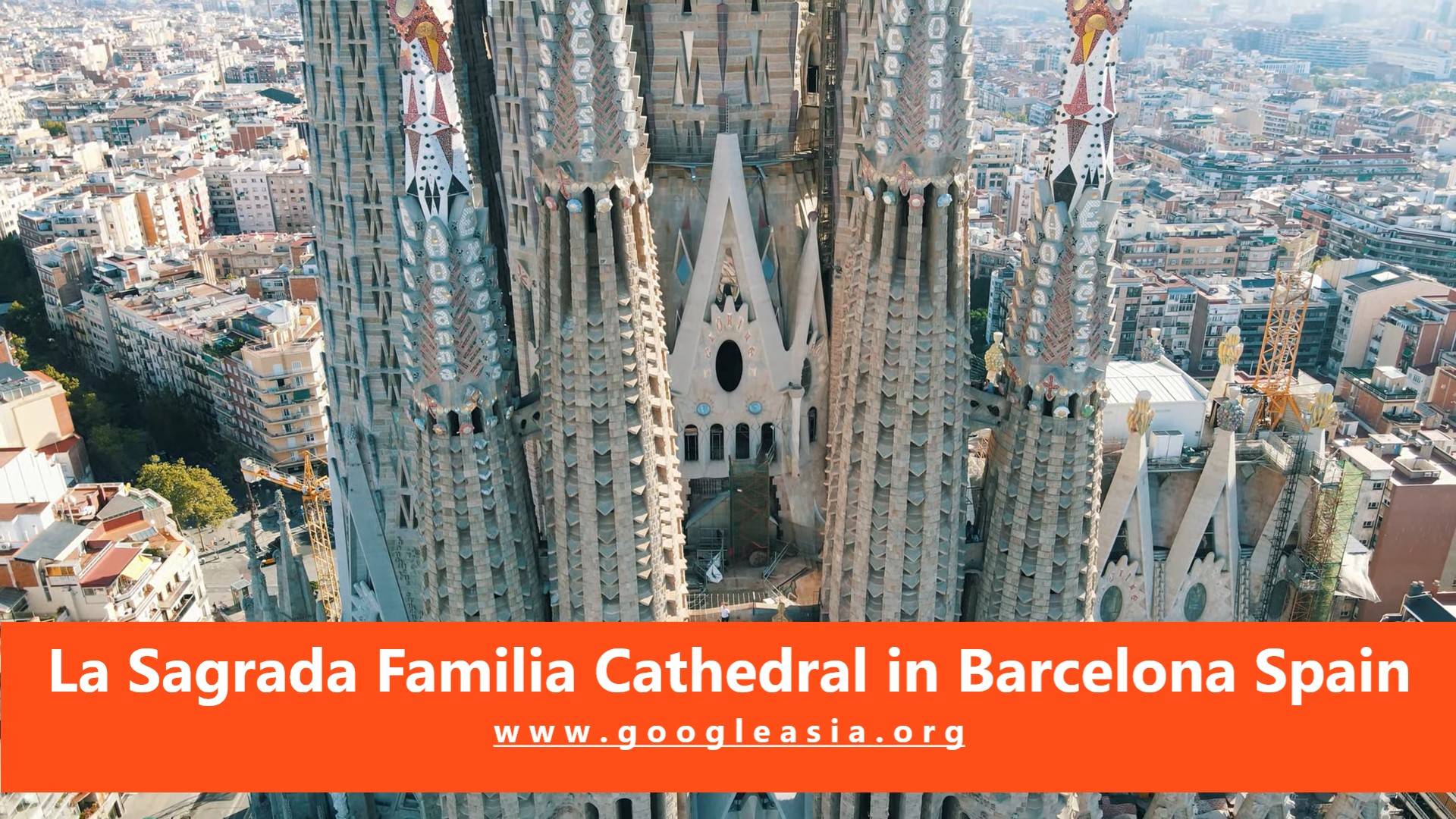
    7. Sagrada Família: While a bit further away, the Sagrada Família is a must-visit landmark in Barcelona. Gaudí’s masterpiece is an iconic symbol of the city.
    8. Casa Batlló and La Pedrera: These two modernist buildings, also designed by Gaudí, are located along the famous Passeig de Gràcia. They are remarkable examples of Catalan Modernism.
    9. Palau de la Música Catalana: A UNESCO World Heritage Site, this concert hall is a masterpiece of Catalan modernism. Take a guided tour to appreciate its architectural and artistic details.
    10. Barri Gòtic (Gothic Quarter): Explore the historic Gothic Quarter with its narrow medieval streets, Gothic architecture, and lively squares. Don’t miss the Barcelona Cathedral and Plaça Reial.

    Is Park Guell a suitable travel destination for solo adventurers, honeymooning couples, or those traveling with families?

    Park Güell in Barcelona is a versatile destination suitable for various types of travelers:

    • Solo Adventurers: Park Güell is an excellent destination for solo travelers who enjoy art, architecture, and scenic landscapes. The vibrant colors, unique structures, and panoramic views offer a captivating experience for those exploring on their own.
    • Honeymooning Couples: For couples seeking a romantic and picturesque setting, Park Güell provides a whimsical and enchanting atmosphere. The beautiful mosaics, lush gardens, and stunning views make it a lovely spot for a leisurely stroll or a romantic picnic.
    • Families: Families can also enjoy Park Güell, especially if traveling with children. The open spaces, interesting architecture, and the playful design of Gaudí’s creations can engage and entertain kids. The park offers a relaxed environment for families to spend quality time together.
    • Photography Enthusiasts: Photographers will find Park Güell to be a treasure trove of captivating subjects. The colorful mosaic structures, architectural details, and panoramic vistas provide ample opportunities for capturing stunning images.
    • Art and History Enthusiasts: Individuals interested in art and history, particularly the works of Antoni Gaudí, will find Park Güell to be a must-visit destination. It offers insight into Gaudí’s unique architectural style and his integration of natural elements into his designs.
    • Nature Lovers: Park Güell’s location on Carmel Hill provides a natural escape within the city. Nature lovers can appreciate the lush greenery, well-maintained gardens, and the overall tranquility of the surroundings.
    • Cultural Travelers: Travelers interested in Catalan Modernism and the cultural heritage of Barcelona will appreciate the significance of Park Güell as a UNESCO World Heritage Site. It reflects the cultural and artistic movements of the early 20th century.

    Why should you visit Park Guell?

    Visiting Park Güell in Barcelona is a unique and enriching experience for several reasons:

    1. Architectural Marvel: Park Güell was designed by the renowned Catalan architect Antoni Gaudí. His distinctive and imaginative architectural style is on full display, featuring colorful mosaic sculptures, undulating forms, and organic shapes that seamlessly blend with nature.
    2. Gaudí’s Creativity: The park showcases Antoni Gaudí’s creative genius and his ability to merge art and architecture. The structures, pathways, and details reflect his passion for natural forms, creating a whimsical and enchanting environment.
    3. Vibrant Mosaics: The park is adorned with vibrant and intricate mosaic work, creating a visual feast for visitors. The use of colorful tiles in various patterns adds a playful and dynamic element to the surroundings.
    4. Panoramic Views: Situated on Carmel Hill, Park Güell offers panoramic views of Barcelona and the Mediterranean Sea. The elevated location provides a serene and picturesque backdrop for exploring Gaudí’s masterpieces.
    5. Historical Significance: Park Güell holds historical significance as one of Gaudí’s major works and is recognized as a UNESCO World Heritage Site. It reflects the cultural and artistic movements of the Catalan Modernism period in the early 20th century.
    6. Unique Architectural Elements: Visitors can marvel at unique architectural elements such as the colorful lizard sculpture at the entrance, the serpentine bench adorned with mosaic tiles, the Hypostyle Room, and the gingerbread house-like structures.
    7. Cultural Experience: Exploring Park Güell provides insight into Catalan culture, history, and artistic expression. It offers a glimpse into the rich artistic heritage of Barcelona and Catalonia.
    8. Relaxing Atmosphere: The park’s expansive green spaces, well-maintained gardens, and walking paths create a tranquil and relaxing atmosphere. It’s an ideal place for a leisurely stroll, picnics, or simply enjoying the natural surroundings.
    9. Photography Opportunities: Park Güell is a paradise for photography enthusiasts. The combination of Gaudí’s architecture, vibrant colors, and scenic views provides endless opportunities for capturing memorable moments.
    10. Cultural Events and Performances: The park occasionally hosts cultural events, performances, and exhibitions, adding to the overall experience and providing additional reasons to visit.

    Are there any halal food options in the vicinity of the Park Guell?

    While Park Güell itself doesn’t have specific dining facilities, there are several halal food options available in the vicinity of Park Güell in Barcelona. Here are some suggestions:

    1. Restaurant Salterio:
      • Address: Carrer de Lluís Antúnez, 3, 08006 Barcelona, Spain
      • Cuisine: Mediterranean, Middle Eastern, Halal
    2. El Meson del Principe:
      • Address: Carrer de Roger de Llúria, 117, 08037 Barcelona, Spain
      • Cuisine: Lebanese, Mediterranean, Halal
    3. Restaurante Aladino:
      • Address: Carrer del Consell de Cent, 377, 08009 Barcelona, Spain
      • Cuisine: Lebanese, Mediterranean, Halal
    4. Aladdin Gracia:
      • Address: Carrer de Francisco Giner, 4, 08012 Barcelona, Spain
      • Cuisine: Middle Eastern, Lebanese, Halal
    5. La Casbah – Restaurant Halal:
      • Address: Carrer de Pau Claris, 19, 08010 Barcelona, Spain
      • Cuisine: Moroccan, Middle Eastern, Halal
  • El Escorial: A Gem of History and Natural Beauty

    El Escorial: A Gem of History and Natural Beauty

    El Escorial, Spain: Must-Visit Destination

    Discover El Escorial, Spain’s royal monastery and palace. Explore its Renaissance architecture, rich history, and cultural treasures. Plan your visit today and step into Spain’s legacy!

    Introduction

    El Escorial is located 45km from Madrid is a municipality in Spain. The architecture is mesmerizing and was conceived by King Philip II. Read here for more information about the best destinations in Europe.

    Situated in the Sierra de Guadarrama mountains, just northwest of Madrid, El Escorial is renowned for its monumental architecture, cultural significance, and stunning landscapes. Here’s an in-depth look at what makes El Escorial a captivating destination.

    Historical Significance

    The Monastery of El Escorial stands as the crown jewel of El Escorial and is a testament to 16th-century Spanish power and architectural innovation. Commissioned by King Philip II of Spain, this grand complex was built between 1563 and 1584. It served as a royal palace, monastery, and burial place, symbolizing both the king’s authority and the might of the Spanish Empire.

    Architectural Masterpiece

    Designed by the architect Juan Bautista de Toledo and later completed by his successor, Juan de Herrera, the Monastery of El Escorial is one of Europe’s most important Renaissance monuments. Its austere, rectangular layout is characterized by a striking symmetry and a monumental façade. The building features a vast central courtyard, an impressive basilica, and an extensive library, reflecting both its religious and intellectual purposes.

    UNESCO World Heritage Site

    In recognition of its historical and architectural significance, the Monastery of El Escorial was designated a UNESCO World Heritage Site in 1984. Its inclusion in this prestigious list underscores its importance as a symbol of Renaissance art and Spanish history.

    The Village

    Charming Atmosphere

    Nestled at the foot of the monastery, the village of El Escorial exudes charm and tranquility. With a population of around 4,919 residents, the town offers a quaint and welcoming atmosphere. Its narrow streets, traditional Spanish architecture, and picturesque squares make it a delightful place to explore.

    Cultural Activities

    In addition to its natural attractions, El Escorial hosts a range of cultural activities:

    • Annual Cultural Festival: The town’s annual cultural festival features live music, dance performances, and theater, celebrating local talent and cultural heritage.
    • Monastery Visits: Tours of the Monastery of El Escorial provide insights into its historical and architectural significance, with guided options available to enrich the experience.

    Attractions

    Royal Basilica of San Lorenzo

    The Royal Basilica of San Lorenzo is the centerpiece of the monastery, showcasing a magnificent Baroque altar and an impressive dome. Its opulent design contrasts with the more austere façade of the monastery, highlighting the architectural diversity within the complex.

    Library of El Escorial

    The Library of El Escorial is one of the most important in Spain, housing an extensive collection of manuscripts, books, and historical documents. Its elegant reading room is adorned with intricate frescoes and provides a glimpse into the intellectual pursuits of the Spanish Renaissance.

    Pantheon of the Kings

    The Pantheon of the Kings is the royal burial site located within the monastery. It houses the remains of many Spanish monarchs, including King Philip II himself. The tombs are elegantly decorated, reflecting the grandeur and solemnity of the site.

    Things to Do

    El Escorial, located in the scenic Sierra de Guadarrama mountains, offers a rich tapestry of historical, cultural, and natural attractions. From exploring monumental architecture to enjoying outdoor activities, there’s a diverse range of experiences to be had in and around this charming town. Here’s a guide to some of the top things to do when visiting El Escorial.

    Explore Historical and Architectural Marvels

    Visit the Royal Monastery of San Lorenzo de El Escorial

    The Royal Monastery of San Lorenzo de El Escorial is the centerpiece of El Escorial. This vast complex includes a palace, church, and monastery, all built by King Philip II. The monastery is renowned for its Renaissance architecture, and it also serves as the final resting place for many Spanish monarchs. A guided tour will reveal its richly decorated interiors, including the grand basilica and the opulent Royal Pantheon.

    Tour the Museo-Biblioteca of El Escorial

    The Museo-Biblioteca of El Escorial houses one of the most important collections of books and art in the world. This historical library is famous for its extensive collection of manuscripts, books, and maps, many of which date back to the 16th century. The museum also features valuable artworks and offers insights into Spain’s intellectual and cultural heritage.

    See the Valley of the Fallen (Valle de los Caídos)

    The Valley of the Fallen is a monumental mausoleum built in honor of those who died during the Spanish Civil War. This site features a massive basilica and an impressive cross perched on a hill, offering panoramic views of the surrounding landscape. The site has historical significance and provides a solemn reminder of Spain’s turbulent past.

    Explore the Palacio de La Granja de San Ildefonso

    A short drive from El Escorial, the Palacio de La Granja de San Ildefonso is a stunning summer palace known for its elaborate Baroque and neoclassical architecture. The palace is surrounded by magnificent gardens, including fountains, trails, and reflecting pools. It’s a beautiful place to explore and enjoy a leisurely walk through its grandiose gardens.

    Enjoy Natural Beauty and Outdoor Activities

    See the Silla de Felipe

    The Silla de Felipe (Felipe’s Chair) is a natural rock formation resembling a throne, situated on a steep mountain. It’s a historical spot that was favored by King Philip II for its panoramic views. A hike to this location offers stunning vistas of the surrounding Sierra de Guadarrama and is a rewarding experience for nature enthusiasts.

    Visit El Escorial Town Square

    The El Escorial Town Square (Plaza de la Villa) is the heart of the town, featuring historical architecture and a lively atmosphere. Surrounded by restaurants, cafes, and shops, it’s a great place to relax, enjoy local cuisine, and soak in the charming ambiance of the town.

    Enjoy La Herradura

    La Herradura is a picturesque lake located in the Sierra de Guadarrama. The area around the lake offers scenic views and a tranquil environment for relaxation. It’s a perfect spot for a leisurely walk or a picnic, surrounded by natural beauty.

    Explore the House of the Infante Don Luis de Borbón (Casa del Infante)

    The House of the Infante Don Luis de Borbón is a historical residence that now hosts art exhibitions. This residence was once home to a member of the Spanish royal family and provides an opportunity to view art in a historic setting.

    Hiking

    Explore the numerous trails that wind through the mountains and forests, providing stunning views and opportunities to connect with nature.

    Horse Riding

    Experience the beauty of the region on horseback, with several local stables offering guided tours and riding lessons.

    Hang Gliding

    For the adventurous, the area provides opportunities for hang gliding, offering spectacular aerial views of the surrounding landscape.

    Golf

    Play a round of golf at nearby courses, which benefit from the beautiful backdrop of the mountains.

    Mountain Biking: Tackle the rugged terrain with mountain biking trails that cater to various skill levels.

    Discover Nearby Historical Sites

    Discover the Aqueduct of Segovia

    Although not in El Escorial, the Aqueduct of Segovia is a must-visit nearby landmark. This nearly 2,000-year-old engineering marvel features an elegant arch stone bridge that stands as a testament to ancient Roman engineering. It’s located about an hour’s drive from El Escorial and is well worth a visit.

    Take a Hike Along King Philip II’s Way

    King Philip II’s Way is a scenic hiking trail that allows visitors to explore the beautiful nature of the Sierra de Guadarrama while passing by historical monuments associated with King Philip II. The trail offers an immersive experience of the region’s natural beauty and historical significance.

    Foods

    El Escorial, with its rich cultural heritage and scenic beauty, is also a great destination for indulging in traditional Spanish cuisine. The region offers a variety of delectable dishes that showcase the flavors of Madrid and the broader Spanish culinary tradition. Here’s a guide to some of the best foods to try while visiting El Escorial.

    Traditional Spanish Dishes

    Tortilla de Patatas

    Tortilla de patatas, or Spanish potato omelet, is a classic Spanish dish made with eggs, potatoes, and sometimes onions. This hearty and flavorful omelet is a staple of Spanish cuisine and can be enjoyed at any time of the day. It’s often served as a tapa or light meal, and you’ll find it on the menu at many local restaurants in El Escorial.

    Paella Valenciana

    Paella Valenciana is a renowned Spanish dish originating from Valencia but enjoyed throughout Spain. It features saffron-infused rice cooked with a mix of seafood, vegetables, and sometimes chicken or rabbit. In El Escorial, you can enjoy a variety of paellas, including seafood and mixed versions, showcasing the region’s fresh ingredients.

    Cocido Madrileño

    Cocido Madrileño is a traditional Madrid-style chickpea stew. This hearty dish is made with a variety of meats (such as beef, pork, and chorizo), vegetables, and chickpeas. It’s typically served in multiple courses, beginning with a rich broth followed by the chickpeas and meats.

    Callos a la Madrileña

    Callos a la Madrileña is a flavorful tripe stew that’s a local favorite in Madrid. It consists of beef tripe cooked with chorizo, blood sausage, and spices, resulting in a rich and hearty dish. It’s a comforting option, especially during the colder months.

    Popular Tapas and Appetizers

    Croquetas

    Croquetas are fried béchamel balls filled with various ingredients, with jamón (Iberian ham) being a popular choice. These crispy and creamy bites are a common tapa in Spain and offer a delicious way to start your meal or enjoy as a snack.

    Gazpacho

    Gazpacho is a refreshing cold tomato soup that’s perfect for warm days. Made with tomatoes, cucumbers, bell peppers, onions, and garlic, this chilled soup is both light and flavorful. It’s a great way to enjoy fresh, seasonal vegetables.

    Jamón Ibérico

    Jamón Ibérico is a premium cured ham from Spain, known for its rich flavor and delicate texture. Often served in thin slices, it’s a must-try for any visitor to Spain. Enjoy it on its own or with a slice of crusty bread.

    Patatas Bravas

    Patatas Bravas are fried potatoes served with a spicy tomato sauce and sometimes a garlic aioli. This popular tapa is perfect for sharing and offers a delightful combination of crispy and tangy flavors.

    Comfort Foods and Desserts

    Huevos a la Flamenca

    Huevos a la Flamenca is a traditional Spanish dish featuring scrambled eggs cooked with tomatoes, onions, and paprika. It’s often served with chorizo or other meats and offers a flavorful and comforting meal.

    Churros con Chocolate

    Churros con chocolate is a beloved Spanish dessert consisting of fried dough pastries served with a rich, thick hot chocolate for dipping. This sweet treat is perfect for breakfast or a snack and is sure to satisfy your sweet tooth.

    Hotels

    El Escorial, located in the scenic Sierra de Guadarrama mountains, offers a range of accommodation options for visitors seeking to explore its rich historical and natural attractions. From luxurious stays to charming rural hotels, here’s a guide to some of the best hotels in and around El Escorial.

    Luxury and Upscale Accommodations

    Parador de El Escorial

    Parador de El Escorial is a prestigious hotel located near the Royal Monastery of San Lorenzo de El Escorial. This upscale establishment combines historical charm with modern amenities. Guests can enjoy elegant rooms, beautiful views of the surrounding mountains, and easy access to the monastery and town center. The hotel also features a restaurant serving local cuisine, making it a top choice for luxury travelers.

    Hotel San Francisco El Grande

    Hotel San Francisco El Grande is another excellent option, offering a blend of modern comfort and traditional style. Located close to El Escorial, this hotel provides spacious rooms, a well-regarded restaurant, and stunning views of the surrounding landscape. Its convenient location makes it a great base for exploring both the town and the nearby attractions.

    Boutique and Stylish Hotels

    Hotel Monteprincipe

    Hotel Monteprincipe is a stylish boutique hotel situated a short drive from El Escorial. Known for its contemporary design and comfortable accommodations, it offers a peaceful retreat with modern amenities. The hotel’s location provides easy access to both El Escorial and the natural beauty of the Sierra de Guadarrama.

    Hotel Antonio Casona Real del Monasterio

    Hotel Antonio Casona Real del Monasterio combines historical charm with modern comfort. Located in a historic building, this boutique hotel features beautifully decorated rooms and personalized service. It’s a great choice for those seeking a unique and intimate stay with close proximity to El Escorial.

    Rural and Charming Hotels

    Hotel Rural Nueve Islas

    Hotel Rural Nueve Islas offers a charming rural experience in the countryside near El Escorial. This hotel features traditional Spanish décor, cozy rooms, and a tranquil setting, ideal for a relaxing getaway. The hotel’s location provides easy access to outdoor activities and the natural beauty of the Sierra de Guadarrama.

    Hotel El Bosque

    Hotel El Bosque is a quaint rural hotel nestled in the forested surroundings of El Escorial. It offers comfortable accommodations with a rustic charm, as well as beautiful views of the mountains and forest. The hotel is perfect for nature lovers and those seeking a peaceful retreat.

    Hotel El Manzano

    Hotel El Manzano is another excellent choice for a rural stay. Located in a serene area near El Escorial, this hotel provides a homely atmosphere with well-appointed rooms and personalized service. It’s a great option for travelers looking to enjoy the natural beauty and tranquility of the region.

    Mid-Range and Practical Options

    Manzanares El Real Hotel

    Manzanares El Real Hotel offers comfortable and practical accommodations a short drive from El Escorial. This hotel features modern rooms, a restaurant, and easy access to the nearby attractions and natural areas. It’s a good choice for those looking for convenience and value.

    Hotel Real Palacio

    Hotel Real Palacio provides comfortable and stylish accommodations with a blend of modern amenities and historical charm. Located in a convenient area, this hotel offers a pleasant stay with easy access to El Escorial and the surrounding region.

    Hotel El Molino

    Hotel El Molino offers a cozy and welcoming atmosphere in a rural setting. It features comfortable rooms and traditional décor, providing a charming and relaxed stay for visitors to El Escorial. Its location makes it a convenient choice for exploring the area.

    Conclusion

    A visit to El Escorial is more than exploring a monument—it’s a journey into Spain’s royal past and cultural identity. From its solemn halls to its breathtaking surroundings, every detail tells a story of faith, power, and artistry. Let El Escorial enrich your travels, leaving you with memories of one of Spain’s most majestic landmarks.

    El Escorial Madrid Municipality in Spain

    Summary

    • Attraction: El Escorial
    • Country: Spain
    • Continent: Europe
    • Capital Name: Madrid
    • Language: Spanish
    • Category: #Destination #Europe #SPAIN 

    Frequently Asked Questions

    Where is El Escorial located?

    El Escorial is a historical residence, monastery, and royal palace complex located in the town of San Lorenzo de El Escorial, in the autonomous community of Madrid, Spain. It is situated about 45 kilometers (28 miles) northwest of the city of Madrid. San Lorenzo de El Escorial is known for its royal monastery, which was commissioned by King Philip II of Spain and completed in the late 16th century. The complex is a UNESCO World Heritage Site and is significant for its architectural, historical, and cultural importance.

    How to go to El Escorial?

    To travel to El Escorial from Madrid, you can use various transportation options, including train, bus, or car. Here are the common methods:

    By Train:

    1. From Madrid:
      • Take a Cercanías train (C-3 line) from Atocha or Chamartín train stations to El Escorial. The journey takes approximately 1 hour.
    2. From El Escorial Train Station to the Monastery:
      • Once you arrive at the El Escorial train station, the monastery is about a 15-20 minute walk. Alternatively, you can take a local bus or a taxi.

    By Bus:

    1. From Madrid:
      • You can take a direct bus from Madrid to El Escorial. The journey typically takes around 45 minutes to 1 hour.
    2. Bus Companies:
      • Check with bus companies like ALSA or Socibus for schedules and routes.

    By Car:

    1. From Madrid:
      • Take the A-6 highway northwest towards La Coruña.
      • Exit onto the M-600 towards Guadarrama/El Escorial.
      • Follow the signs to El Escorial.

    Tips:

    • Train Tickets: You can purchase train tickets at the station or online through Renfe, the Spanish railway company.
    • Bus Tickets: Bus tickets can be purchased at the bus station or online through the respective bus company’s website.
    • Car Rental: If you choose to drive, rental car options are available in Madrid. Make sure to check parking options in El Escorial.
    • Tour Packages: Some tour operators offer guided tours to El Escorial, providing transportation and a guide.
    • Check Schedules: Verify the train or bus schedules before your journey, as they may vary based on the day and time.

    What are El Escorial’s must-visit attractions or landmarks?

    El Escorial, a historical residence, monastery, and royal palace complex located in San Lorenzo de El Escorial, Spain, is rich in architectural and historical significance. Here are some must-visit attractions within El Escorial:

    1. Royal Monastery of San Lorenzo de El Escorial: The centerpiece of El Escorial, this massive complex includes a basilica, a monastery, a royal palace, and a library. Explore the ornate chambers, the Pantheon of the Kings, and the beautiful courtyard.
    2. The Basilica: The Basilica of San Lorenzo El Real is an integral part of the monastery. It features impressive architecture, religious art, and the high altar.
    3. Pantheon of the Kings: This underground chamber houses the marble tombs of Spanish kings and queens, including Philip II, Philip III, and Isabella of Bourbon.
    4. The Library: The Royal Library contains a valuable collection of manuscripts and documents. The frescoed ceiling and antique books make it a fascinating space.
    5. The Palace of Philip II: Explore the living quarters of King Philip II, including his bedroom, office, and the beautiful Patio de los Evangelistas.
    6. The Gardens: The gardens surrounding El Escorial offer a peaceful retreat with fountains, sculptures, and well-maintained greenery.
    7. The Casita del Príncipe and the Casita del Infante: These smaller palaces located in the vicinity of El Escorial provide insight into the royal life during the 18th century.
    8. Valley of the Fallen (Valle de los Caídos): While not part of El Escorial itself, this monumental complex, including a basilica and a giant cross, is nearby. It was commissioned by Francisco Franco and is a controversial historical site.
    9. The Royal Colosseum of Carlos III (Real Coliseo de Carlos III): This well-preserved 18th-century theater is located in the town of San Lorenzo de El Escorial.
    10. La Granjilla de La Fresneda: A country estate located a short distance from El Escorial, known for its gardens, fountains, and historical significance.

    Tips:

    • Guided Tours: Consider taking a guided tour to get in-depth information about the history and architecture of El Escorial.
    • Opening Hours: Check the opening hours and any special events or closures before your visit.
    • Respectful Attire: As a religious and historical site, it’s advisable to dress modestly and respectfully.

    What are El Escorial’s nearby must-visit attractions or landmarks?

    El Escorial and its surrounding area offer several additional attractions and landmarks to explore. Here are some must-visit places near El Escorial:

    1. Valley of the Fallen (Valle de los Caídos): A monumental complex with a basilica and a giant cross, built by Francisco Franco. It’s located close to El Escorial and offers historical and architectural significance.
    2. La Granjilla de La Fresneda: A country estate with beautiful gardens, fountains, and historic buildings. It’s a serene and picturesque spot.
    3. La Silla de Felipe II: A viewpoint named after Philip II, offering panoramic views of the surrounding landscape. It’s a popular spot for hiking and enjoying nature.
    4. The Royal Colosseum of Carlos III (Real Coliseo de Carlos III): Located in the town of San Lorenzo de El Escorial, this 18th-century theater is well-preserved and showcases historical architecture.
    5. Monastery of Santa María de El Paular: Situated in the nearby town of Rascafría, this monastery is known for its Gothic architecture, beautiful cloisters, and serene surroundings.
    6. Navacerrada Pass (Puerto de Navacerrada): A mountain pass offering stunning views and opportunities for hiking. It’s located in the Sierra de Guadarrama National Park.
    7. The Royal Seat of San Lorenzo de El Escorial (Casita del Príncipe): A smaller palace located near El Escorial, it provides insight into the royal life during the 18th century.
    8. Cuelgamuros Cemetery: Adjacent to the Valley of the Fallen, this cemetery has historical significance and is the resting place of some individuals associated with the Spanish Civil War.
    9. Abantos Forest: A forested area near El Escorial, offering walking and hiking trails amid nature.
    10. Sanctuary of El Cristo de El Pardo: Located in the El Pardo neighborhood of Madrid, this sanctuary is known for its religious significance and historical architecture.

    Tips:

    • Transportation: Consider renting a car or using public transportation to explore these nearby attractions.
    • Opening Hours: Check the opening hours of specific attractions, as they may vary.
    • Natural Parks: If you enjoy nature, explore the nearby natural parks and hiking trails for a more outdoor experience.

    Why should you visit El Escorial?

    Visiting El Escorial provides a unique and enriching experience due to its historical, architectural, and cultural significance. Here are compelling reasons why you should consider visiting El Escorial:

    1. Royal Monastery of San Lorenzo de El Escorial: The centerpiece of El Escorial, this grand complex serves as a monastery, royal palace, basilica, and library. It’s a UNESCO World Heritage Site and showcases remarkable architecture and historical importance.
    2. Architectural Marvel: El Escorial is a masterpiece of Renaissance and Spanish Baroque architecture. The complex was commissioned by King Philip II, and its design reflects a harmonious blend of religious and royal elements.
    3. Pantheon of the Kings: Explore the underground Pantheon, where the marble tombs of Spanish monarchs, including Philip II, are located. The site holds historical and cultural significance.
    4. Basilica of San Lorenzo El Real: The basilica within the complex is a stunning example of religious architecture. It houses impressive artwork and religious artifacts.
    5. Royal Library: The Royal Library at El Escorial boasts a valuable collection of manuscripts and documents. The library’s beautiful interior adds to the cultural richness of the site.
    6. Historical Significance: El Escorial played a central role in Spanish history and culture during the reign of Philip II. It was intended to be a symbol of the defense of Catholicism and the Spanish Crown.
    7. Gardens and Surroundings: The gardens surrounding El Escorial provide a tranquil and scenic environment. Take a leisurely stroll through well-maintained greenery and enjoy the peaceful ambiance.
    8. La Granjilla de La Fresneda: Explore the nearby country estate known for its gardens, fountains, and historic structures, adding another layer to the cultural experience.
    9. Cultural Exhibitions and Events: El Escorial often hosts cultural events, exhibitions, and concerts, providing visitors with opportunities to engage with Spanish arts and culture.
    10. Valley of the Fallen (Valle de los Caídos): While controversial, the nearby Valley of the Fallen offers an impressive sight with a monumental basilica and a massive cross.

    Tips:

    • Guided Tours: Consider taking a guided tour to gain in-depth insights into the history and significance of El Escorial.
    • Respectful Attire: As a religious and historical site, it’s advisable to dress modestly and respectfully.

    How accessible is halal food in the vicinity of the El Escorial?

    Finding halal food in the vicinity of El Escorial may be more challenging compared to larger urban areas, as it is a smaller town. However, you can explore various options to meet your dietary preferences:

    1. Local Restaurants: Inquire at local restaurants about their menu options. Some places may offer vegetarian or seafood dishes that align with halal dietary requirements.
    2. International Cuisine: Look for restaurants serving international cuisines, such as Mediterranean or Middle Eastern, as they may have halal options. Always check with the staff about their food preparation methods.
    3. Online Resources: Use online platforms or apps that specialize in halal restaurant recommendations. These resources often provide user reviews and ratings to help you make informed decisions.
    4. Local Markets: Visit local markets or grocery stores to purchase halal ingredients and prepare your own meals if you have access to a kitchen.
    5. Communication: When dining out, communicate your dietary restrictions with restaurant staff. They may be able to accommodate your needs or suggest suitable dishes.
    6. Nearby Cities: If you have the flexibility to travel, consider exploring larger nearby cities where you are more likely to find a diverse range of halal dining options.

  • La Concha Beach Spain Guide: Sun & Scenery

    La Concha Beach Spain Guide: Sun & Scenery

    La Concha Beach, Spain

    Relax at La Concha Beach, Spain’s most famous shoreline. Enjoy its golden sands, calm waters, and vibrant promenade. Plan your seaside getaway today and soak up the beauty of San Sebastián!

    Introduction

    La Concha Beach, or Playa de La Concha, is one of Spain’s most celebrated urban beaches, located in the picturesque city of San Sebastián in the Basque Country. Known for its stunning natural beauty and vibrant atmosphere, La Concha Beach offers a perfect blend of relaxation and recreation, making it a must-visit destination for travelers.

    Scenic Beauty and Atmosphere

    Stunning Sunsets

    One of the highlights of La Concha Beach is its spectacular sunsets. The beach provides a perfect vantage point to watch the sun dip below the horizon, casting a golden glow over the bay and creating a romantic and serene atmosphere. It’s an ideal spot for an evening stroll or a sunset picnic.

    Romantic and Relaxing Ambiance

    The tranquil and scenic environment of La Concha Beach makes it a popular destination for couples looking to enjoy a romantic day out. The combination of beautiful views, soft sands, and the gentle sound of the waves creates a relaxing ambiance perfect for unwinding.

    Attractions

    Iconic Horseshoe-Shaped Bay

    La Concha Beach is nestled within a charming horseshoe-shaped bay, which provides it with a distinctive and breathtaking backdrop. This unique shape not only enhances the scenic beauty but also ensures calm waters, making it an ideal spot for swimming and various water activities. The bay is framed by rolling hills and offers panoramic views of the surrounding landscape.

    Pristine Sands and Clear Waters

    The beach is renowned for its high-quality, golden sands that invite visitors to lounge and soak up the sun. The waters are remarkably clear and clean, providing an excellent environment for swimming and other water sports. The beach’s well-maintained cleanliness and beautiful setting contribute to its reputation as one of Spain’s most beautiful urban beaches.

    Family-Friendly Facilities

    La Concha Beach is well-equipped for families, with numerous amenities designed to enhance the visitor experience:

    • Kid’s Park: A dedicated play area for children ensures that younger visitors have a great time, with safe and engaging equipment.
    • Beach Clubs and Bars: Relax at one of the many beach clubs or bars that line the beach, offering refreshments, snacks, and a vibrant atmosphere.
    • Restaurants: Enjoy a meal with a view at one of the beachside restaurants, which serve a variety of local and international dishes.

    Nearby Attractions

    Monte Igueldo

    Overlooking La Concha Beach is Monte Igueldo, a hill offering panoramic views of the bay and the city. A funicular railway takes visitors to the top, where they can enjoy the scenic vistas and explore the historic amusement park.

    Old Town (Parte Vieja)

    Just a short walk from the beach, the Old Town of San Sebastián is a bustling area known for its narrow streets, vibrant tapas bars, and historic architecture. It’s a great place to explore after a day at the beach, offering a taste of local culture and cuisine.

    San Telmo Museoa

    For those interested in history and culture, the San Telmo Museoa is located nearby. This museum offers insights into Basque history and culture, housed in a beautifully restored convent.

    Things to Do

    La Concha Beach, nestled in the picturesque city of San Sebastián, offers a variety of activities and experiences that cater to both relaxation and adventure. Here’s a guide to some of the best things to do at this stunning beach:

    Relax and Unwind

    Lounge and Sunbathe

    La Concha Beach’s golden sands and gentle waves provide the perfect setting for lounging and sunbathing. Settle into your beach towel or rent a sunbed and soak up the sun while enjoying the breathtaking views of the bay.

    Enjoy Drinks and Tapas

    The beachfront is lined with charming restaurants and bars where you can enjoy refreshing drinks and delicious tapas. Relax with a glass of wine or a cocktail while sampling local delicacies like pintxos, and take in the scenic views.

    Water Activities

    Swimming, Snorkeling, and Kayaking

    La Concha Beach’s clear, clean waters are ideal for swimming. For those interested in exploring underwater, snorkeling can reveal vibrant marine life. Kayaking is also a popular activity, allowing you to paddle around the bay and take in its natural beauty from a different perspective.

    Paddle Surfing and Windsurfing

    If you’re looking for a bit more excitement, try paddle surfing or windsurfing. These activities are popular at La Concha Beach, especially when the conditions are right. Rental services are available on-site for both.

    Rent a Paddle Boat

    Paddle boats are available for rent, offering a fun and leisurely way to explore the bay. Enjoy a peaceful ride while taking in the panoramic views of the beach and the surrounding landscape.

    Sports and Recreation

    Beach Volleyball

    La Concha Beach features designated areas for beach volleyball, where you can join a game or participate in friendly tournaments. The soft sand and beautiful surroundings make for a fantastic sports experience.

    Scenic Exploration

    Walk Up the Nearby Steps

    For spectacular views of La Concha Beach and San Sebastián, take a scenic walk up the steps to the Monte Igueldo area. From the top, you’ll be rewarded with breathtaking panoramic vistas of the bay and the city.

    Explore the Pristine Sand Dunes

    Discover the natural beauty of La Concha Beach by exploring its pristine sand dunes. These dunes add to the beach’s charm and provide a serene environment for a leisurely stroll.

    Cultural and Historical Experiences

    Take Photographs of the Stunning Landscape

    La Concha Beach is renowned for its picturesque beauty, making it a fantastic spot for photography. Capture the stunning landscape with the turquoise waters, golden sands, and dramatic coastal scenery.

    Explore the Nearby Ruins of the Roman Theatre

    While not directly on the beach, the nearby ruins of the Roman theatre offer a glimpse into the area’s historical past. Located a short distance away, these ruins provide a cultural contrast to the natural beauty of the beach.

    Foods

    La Concha Beach in San Sebastián is not only famous for its stunning beauty but also for its excellent food offerings. The beachside area is home to a variety of restaurants and bars where you can savor traditional Spanish cuisine. Here’s a guide to some of the best foods to try while visiting La Concha Beach:

    Classic Spanish Dishes

    Tortilla de Patatas

    Tortilla de Patatas, or Spanish omelet, is a must-try dish. This traditional tapa consists of eggs, potatoes, and onions, seasoned to perfection and cooked into a thick, hearty omelet. It’s typically served with a side of crusty bread and a fresh salad, making it a satisfying and quintessential Spanish meal.

    Paella

    Paella is a renowned Spanish dish originating from Valencia, and it’s perfect for sharing with friends and family. At La Concha Beach, you can enjoy a classic seafood paella, or try a mixed version that includes chicken, seafood, and vegetables. The vibrant flavors and colorful presentation make paella a standout choice for a beachside meal.

    Sweet and Savory Snacks

    Churros

    For a delightful beachside snack, try churros. These crispy, fried pastries are typically enjoyed with a side of thick, rich hot chocolate for dipping. They’re a sweet treat that’s perfect for indulging while taking in the beach views.

    Tostada de Jamón

    Tostada de Jamón is a simple yet delicious Spanish dish consisting of toasted bread topped with jamón ibérico, Spain’s famous cured ham. This savory snack is often served with a drizzle of olive oil and is ideal for a light meal or snack by the beach.

    Hearty and Flavorful

    Caldo Gallego

    Caldo Gallego is a traditional Galician soup made with potatoes, cabbage, chorizo, and sometimes other meats. It’s a hearty, warming dish that can be a comforting option, especially on cooler days at the beach.

    Pulpo a la Gallega

    For a taste of Galician cuisine, try pulpo a la gallega. This dish features tender octopus cooked with olive oil, garlic, paprika, and salt, served alongside boiled potatoes. It’s a flavorful and authentic Spanish seafood dish that’s both satisfying and delicious.

    Fried Delicacies

    Pescaito Frito

    Pescaito frito is a popular dish of assorted fried fish, often served with a side of lemon. This dish is great for sharing and provides a crispy, flavorful taste of Spain’s coastal cuisine.

    Calamares a la Andaluza

    Calamares a la Andaluza consists of deep-fried squid rings, typically served with a side of lemon and a dipping sauce, often aioli. This classic tapa is crispy, tender, and perfect for enjoying with a cold drink while relaxing on the beach.

    Hotels

    La Concha Beach in San Sebastián is not only renowned for its stunning views and vibrant atmosphere but also for its excellent selection of hotels. Here are some of the best accommodations to consider when visiting this picturesque beach:

    Luxury Accommodations

    NH Collection San Sebastián Aranzazu

    NH Collection San Sebastián Aranzazu is a contemporary hotel located a short walk from La Concha Beach. It offers modern amenities, stylish rooms, and excellent service. The hotel’s location makes it convenient for exploring both the beach and the city.

    Gran Hotel María Cristina, a Luxury Collection Hotel

    Gran Hotel María Cristina is a historic and luxurious hotel that epitomizes elegance and sophistication. Located a bit farther from the beach but still within the city center, it offers opulent rooms, fine dining, and exceptional service. It’s ideal for those seeking a high-end experience.

    Hotel de Londres y de Inglaterra

    Hotel de Londres y de Inglaterra is a grand, classic hotel right on La Concha Beach. With its prime location and beautiful sea views, this hotel offers elegant rooms, a stylish restaurant, and a charming atmosphere that perfectly complements a beachside stay.

    Mid-Range Options

    Hotel La Perla

    Hotel La Perla is a boutique hotel located directly on La Concha Beach. It offers comfortable rooms with stunning sea views and is known for its personalized service. The hotel’s location allows for easy access to the beach and surrounding attractions.

    Hotel Niza

    Hotel Niza is another great option situated on the beachfront. This charming hotel provides a relaxed atmosphere, comfortable accommodations, and fantastic views of the bay. Its proximity to La Concha Beach makes it a popular choice among visitors.

    Silken Amara Plaza San Sebastián

    Silken Amara Plaza offers modern and comfortable accommodations with easy access to La Concha Beach. The hotel features a range of amenities, including a fitness center and restaurant, making it a practical choice for travelers.

    Budget-Friendly Choices

    Hotel San Sebastián

    Hotel San Sebastián provides a budget-friendly option close to the beach. It offers basic amenities and comfortable rooms in a convenient location for exploring La Concha Beach and the city.

    Hotel La Pension

    Hotel La Pension is a more economical choice, providing clean and simple accommodations. It is located a bit further from the beach but offers good value for those seeking affordable lodging in San Sebastián.

    Unique Stays

    Hotel de la Concha

    Hotel de la Concha offers a unique stay with its location directly on the beachfront. The hotel provides charming, sea-view rooms and is perfect for those who want to be just steps away from the sand and surf.

    Conclusion

    A visit to La Concha Beach is more than a day by the sea—it’s an immersion into Spanish coastal life, elegance, and tranquility. Whether you’re sunbathing, strolling along the promenade, or enjoying local cuisine nearby, every moment reflects the unique spirit of San Sebastián. Let La Concha Beach be the highlight of your travels, offering memories of one of Spain’s most enchanting shorelines.

    La Concha Beach in Spain

    Summary

    • Attraction: La Concha Beach
    • Country: Spain
    • Continent: Europe
    • Capital Name: Madrid
    • Language: Spanish
    • Category: #Destination #Europe #SPAIN 

    Frequently Asked Questions

    Where is La Concha Beach located?

    La Concha Beach is located in the city of San Sebastián (Donostia in Basque), which is situated in the Basque Country, northern Spain. San Sebastián is known for its picturesque bay and beautiful beaches, and La Concha Beach is one of its most famous and central beaches. The beach is characterized by its crescent shape and fine golden sand, offering stunning views of the bay and the surrounding hills. San Sebastián is a popular destination for its beachfront, culinary scene, and cultural attractions.

    How to go to La Concha Beach?

    To reach La Concha Beach in San Sebastián, you can use various transportation methods depending on your starting point. Here are some general guidelines:

    By Air:

    1. Fly to San Sebastián Airport (EAS):
      • Book a flight to San Sebastián Airport, which is the nearest airport to the city.
    2. From the Airport to La Concha Beach:
      • Use airport transfer services, taxis, or public transportation to reach the city center where La Concha Beach is located.

    By Train:

    1. Arrive at San Sebastián Train Station:
      • If you are traveling by train, arrive at San Sebastián Train Station.
    2. From the Train Station to La Concha Beach:
      • Take a taxi, bus, or walk to the city center where La Concha Beach is situated.

    By Bus:

    1. Bus Services:
      • Depending on your location, you can use intercity buses to reach San Sebastián. The city has a central bus station.
    2. From the Bus Station to La Concha Beach:
      • Use local buses, taxis, or walk to La Concha Beach from the bus station.

    By Car:

    1. Driving:
      • If you are driving, use GPS or maps to navigate to San Sebastián.
    2. Parking:
      • Park your vehicle in one of the city’s parking areas. Note that parking spaces near popular attractions, including La Concha Beach, can be limited.

    On Foot:

    1. Exploring the City Center:
      • If you are already in San Sebastián’s city center, you can easily walk to La Concha Beach. The beach is centrally located, making it accessible on foot.

    Tips:

    • Public Transportation: San Sebastián has an efficient public transportation system, including buses, making it easy to navigate the city.
    • Walking and Cycling: San Sebastián is a walkable and bike-friendly city, so consider exploring the area on foot or by bicycle.
    • Seasonal Variations: Check for any transportation or route adjustments based on the season, as tourist activity may influence accessibility.

    What are La Concha Beach’s must-visit attractions or landmarks?

    La Concha Beach in San Sebastián, Spain, is known for its stunning coastline and vibrant atmosphere. While the beach itself is the main attraction, the surrounding area offers various landmarks and attractions worth exploring. Here are some must-visit places near La Concha Beach:

    1. Mount Urgull: Located at one end of La Concha Bay, Mount Urgull offers panoramic views of the bay and the city. The summit features a historic castle, sculptures, and walking trails.
    2. Mount Igueldo (Monte Igueldo): Situated at the western end of La Concha Beach, Mount Igueldo provides breathtaking views. It also has an old amusement park with a vintage carousel and other attractions.
    3. San Telmo Museoa (San Telmo Museum): A cultural institution showcasing Basque history, art, and culture. The museum is housed in a former Dominican convent and features exhibitions, artwork, and artifacts.
    4. Constitution Square (Plaza de la Constitución): A historic square surrounded by colorful buildings, cafes, and restaurants. It was formerly a bullring and is now a popular gathering place.
    5. Alderdi Eder Gardens: Beautiful gardens located near La Concha Beach, offering a peaceful retreat with sculptures, flowerbeds, and a central fountain.
    6. Kursaal Congress Centre and Auditorium: A modern architectural complex hosting cultural events, conferences, and performances. It is located near the mouth of the Urumea River.
    7. Victoria Eugenia Theatre: A historic theater with a beautiful façade, hosting a variety of performances including plays, concerts, and dance productions.
    8. Old Town (Parte Vieja): Explore the narrow streets of the Old Town, filled with pintxos bars, shops, and vibrant energy. Visit the Basilica of Saint Mary of the Chorus and the Santiago Cathedral.
    9. Urumea River Promenade: Enjoy a leisurely stroll along the promenade beside the Urumea River, offering picturesque views and a relaxing atmosphere.
    10. Aquarium of San Sebastián: Located at the end of La Concha Beach, the aquarium features marine life from the Bay of Biscay and offers an underwater tunnel experience.

    Tips:

    • Climb Mount Urgull and Mount Igueldo early in the day for spectacular sunrise views.
    • Explore the Old Town in the evening to experience the vibrant nightlife and local cuisine.
    • Check for cultural events and performances at the Kursaal Congress Centre and Auditorium.

    What are La Concha Beach’s nearby must-visit attractions or landmarks?

    La Concha Beach in San Sebastián is surrounded by several must-visit attractions and landmarks. Here are some notable places near La Concha Beach:

    1. Mount Urgull: Located at the eastern end of La Concha Bay, Mount Urgull offers panoramic views of the beach and the city. It has a historic castle, the Castillo de la Mota, and is a great spot for hiking.
    2. Mount Igueldo (Monte Igueldo): Situated at the western end of La Concha Beach, Mount Igueldo provides stunning views of the bay. It features an old amusement park, the Parque de Atracciones Monte Igueldo, and a lighthouse.
    3. San Telmo Museoa (San Telmo Museum): A cultural institution housed in a former Dominican convent. The museum showcases Basque history, art, and ethnography.
    4. Constitution Square (Plaza de la Constitución): A historic square in the heart of the Old Town with colorful buildings, cafes, and a lively atmosphere. It was once a bullring and is now a popular meeting place.
    5. Alderdi Eder Gardens: Beautiful gardens located between La Concha Beach and City Hall. The gardens feature sculptures, flowerbeds, and a central fountain.
    6. Kursaal Congress Centre and Auditorium: A modern architectural complex hosting cultural events, conferences, and performances. It is situated near the mouth of the Urumea River.
    7. Victoria Eugenia Theatre: A historic theater with a stunning façade, hosting various performances including plays, concerts, and dance productions.
    8. Old Town (Parte Vieja): Explore the charming streets of the Old Town with narrow alleys, pintxos bars, and local shops. Visit landmarks like the Basilica of Saint Mary of the Chorus and the Santiago Cathedral.
    9. Urumea River Promenade: Enjoy a leisurely walk along the Urumea River Promenade, offering picturesque views and a relaxing ambiance.
    10. Aquarium of San Sebastián: Located at the eastern end of La Concha Beach, the aquarium showcases marine life from the Bay of Biscay. It features interactive exhibits and a transparent tunnel.

    Tips:

    • Pintxos Tasting: Explore the Old Town for a delightful pintxos (small tapas) experience in its numerous bars.
    • Sunset Views: Watch the sunset from Mount Igueldo or Mount Urgull for a spectacular view of La Concha Bay.
    • Cultural Events: Check for cultural events and performances at the Kursaal Congress Centre and Auditorium.

    Is La Concha Beach a suitable travel destination for solo adventurers, honeymooning couples, or those traveling with families?

    La Concha Beach is a versatile destination that caters to various types of travelers, making it suitable for solo adventurers, honeymooning couples, and families. Here’s how La Concha Beach can be an appealing destination for each group:

    Solo Adventurers:

    • Scenic Beauty: Solo travelers can enjoy the stunning views of La Concha Bay and its surrounding landscape. The beach, with its crescent shape and clear waters, provides a picturesque setting for relaxation and exploration.
    • Outdoor Activities: Solo adventurers can engage in outdoor activities such as swimming, paddleboarding, or simply taking a stroll along the beach. Hiking opportunities on nearby Mount Urgull also offer a chance for solo exploration.
    • Cultural Exploration: The proximity of La Concha Beach to San Sebastián’s Old Town allows solo travelers to immerse themselves in the local culture, try pintxos in the vibrant bars, and explore historic landmarks.

    Honeymooning Couples:

    • Romantic Setting: La Concha Beach offers a romantic setting with its golden sands and the gentle curve of the bay. It’s an ideal spot for couples to enjoy intimate moments while taking in the beautiful views.
    • Mount Igueldo Sunset: Couples can take a romantic journey to Mount Igueldo to witness a breathtaking sunset over La Concha Bay, creating unforgettable memories.
    • Fine Dining: San Sebastián’s culinary scene, including the Old Town’s pintxos bars, provides an opportunity for couples to savor delicious meals together.

    Families:

    • Safe Environment: La Concha Beach is known for its calm and safe waters, making it suitable for families with children. The gradual slope of the seabed ensures a gentle entry into the water.
    • Ample Recreational Space: The expansive sandy beach provides enough space for families to set up beach activities, play games, and enjoy a day of relaxation.
    • Aquarium of San Sebastián: Families can visit the Aquarium of San Sebastián, located near La Concha Beach, to explore marine life and engage in educational experiences.
    • Nearby Attractions: Families can easily access nearby attractions, such as Mount Igueldo’s amusement park and the cultural offerings in the city center.

    General Tips:

    • Accommodation Options: San Sebastián offers a variety of accommodation options, ranging from beachfront hotels to family-friendly apartments.
    • Diverse Activities: The destination provides a balance of relaxation, outdoor activities, cultural experiences, and family-friendly attractions.

    Why should you visit La Concha Beach?

    Visiting La Concha Beach in San Sebastián is a captivating experience due to its unique blend of natural beauty, cultural richness, and recreational opportunities. Here are compelling reasons why you should consider visiting La Concha Beach:

    1. Breathtaking Scenery: La Concha Beach is renowned for its stunning scenery with a crescent-shaped bay, golden sands, and clear waters. The picturesque landscape creates a perfect backdrop for relaxation and enjoyment.
    2. Swimming and Water Activities: The calm and gentle waters of La Concha make it an ideal spot for swimming and water activities. Whether you prefer a leisurely swim or engaging in paddleboarding, the beach provides a refreshing aquatic experience.
    3. Mount Igueldo Views: Climb Mount Igueldo for panoramic views of La Concha Bay. The vantage point offers breathtaking perspectives of the beach, the city, and the surrounding landscape, making it a must-visit spot.
    4. Sunset Spectacle: Witnessing the sunset at La Concha Beach is a magical experience. The sun setting over the bay paints the sky with vibrant hues, creating a romantic and unforgettable atmosphere.
    5. Outdoor Recreation: The expansive sandy beach allows for various outdoor activities, including beach volleyball, sandcastle building, or simply relaxing under the sun. The beach provides ample space for both recreation and tranquility.
    6. Cultural Exploration: La Concha Beach is conveniently located near San Sebastián’s Old Town, offering opportunities for cultural exploration. Immerse yourself in the local culture, try traditional pintxos in the charming bars, and visit historic landmarks.
    7. Mount Urgull Hiking: Embark on a hike up Mount Urgull for a rewarding experience. The trail provides not only exercise but also a chance to explore historical sites, such as the Castillo de la Mota, along the way.
    8. Aquarium of San Sebastián: Located near La Concha Beach, the Aquarium of San Sebastián offers a fascinating underwater world to explore. It’s a family-friendly attraction showcasing marine life from the Bay of Biscay.
    9. Culinary Delights: San Sebastián is renowned for its culinary scene, and La Concha Beach is surrounded by eateries and bars. Enjoy delicious seafood, pintxos, and other local delights with a view of the bay.
    10. Relaxation and Tranquility: Whether you seek an active day by the water or a peaceful retreat, La Concha Beach caters to both. The soothing sound of the waves and the serene atmosphere create a perfect setting for relaxation.

    Is there any halal food available in the vicinity of the La Concha Beach?

    Finding halal food near La Concha Beach in San Sebastián may require some exploration, as the availability of halal options can vary. While the city itself may have limited halal-specific establishments, there are general tips to help you find suitable dining options:

    1. International Cuisine: Look for restaurants offering international cuisine, such as Middle Eastern, Mediterranean, or Asian. These establishments may have halal options on their menu.
    2. Seafood Restaurants: San Sebastián is known for its seafood, and many seafood restaurants may offer dishes that align with halal dietary requirements. Confirm with the staff regarding the preparation methods.
    3. Communication: When dining out, communicate your dietary restrictions with the restaurant staff. They may be able to accommodate your needs or suggest suitable dishes.
    4. Online Resources: Use online platforms or apps that specialize in halal restaurant recommendations. These resources often provide user reviews and ratings to help you make informed decisions.
    5. Local Markets: Visit local markets or grocery stores to purchase halal ingredients and prepare your own meals if you have access to a kitchen.
    6. Ask Locals: Inquire with locals or at your accommodation about nearby restaurants or eateries that may offer halal options. They may provide valuable recommendations.
  • Plaza Mayor Spain Travel Guide: History & Charm

    Plaza Mayor Spain Travel Guide: History & Charm

    Plaza Mayor in Madrid, Spain

    Plaza Mayor is a popular square located in Puerta del Sol and the Royal Palace, Madrid. This building and architecture is a must-see attraction in Spain. Explore its vibrant atmosphere, stunning architecture, and cultural heritage. Plan your visit today and experience Spain’s lively heart!

    Introduction

    Plaza Mayor stands as one of Madrid’s most historic and vibrant landmarks. Nestled in the heart of Spain’s capital, this grand square boasts a rich history, stunning architecture, and a lively atmosphere that draws both locals and visitors alike.

    Historical Significance

    Origins and Development

    Plaza Mayor’s origins trace back to the 16th century during the reign of King Philip II. Initially conceived as a marketplace, it quickly evolved into a central hub for various public events. The square was designed by the architect Juan de Herrera, known for his role in the construction of the Escorial Monastery, and later renovated by various architects over the centuries, leading to its eclectic architectural style.

    Architectural Evolution

    The square showcases a blend of architectural styles, with the predominant influence being Baroque. Notable architects such as Francisco de Mora and Juan Gómez de Mora contributed to its current appearance. The buildings around Plaza Mayor exhibit a cohesive design with their uniform façades and intricate ironwork balconies, while the square itself is characterized by its large, rectangular shape surrounded by arcaded walkways.

    Special Events and Festivals

    Plaza Mayor hosts a variety of events throughout the year:

    • Christmas Festivities: The square transforms into a magical Christmas market, with festive decorations, lights, and seasonal stalls selling holiday treats and gifts.
    • San Isidro Fair: Celebrating Madrid’s patron saint, this festival features parades, traditional music, and dance performances.
    • Noche en Blanco: An annual cultural event where museums and galleries open their doors for nighttime exhibitions, performances, and activities.

    Attractions

    The Porticos and Arcades

    The square is encircled by a series of arcades and porticos that offer shelter and create a unique shopping and dining experience. These covered walkways provide a charming setting for exploring the numerous cafés, bars, and shops that line the square.

    The Equestrian Statue of Philip III

    At the center of Plaza Mayor stands the equestrian statue of Philip III, sculpted by Giambologna and cast by his student, Pietro Tacca. The statue, erected in 1616, commemorates the monarch who played a crucial role in the square’s development.

    The Main Building

    The Casa de la Panadería (Bakery House) is the main building of Plaza Mayor and one of its most recognizable features. It houses the Madrid Tourism Office and is notable for its grand façade adorned with frescoes and a clock tower.

    Museums and Historical Sites

    Several museums and historical landmarks are within walking distance of Plaza Mayor:

    • The Royal Palace of Madrid: A short stroll from the square, this opulent palace offers guided tours of its lavish interiors and beautiful gardens.
    • The Prado Museum: Renowned for its extensive collection of European art, including works by Velázquez and Goya.
    • The Almudena Cathedral: Adjacent to the Royal Palace, this cathedral combines modern and traditional architectural elements.

    Things to Do

    Plaza Mayor is a vibrant heart of Madrid, offering visitors a wealth of activities and experiences. Here’s a guide to making the most out of your visit to this iconic square:

    Visit Palacio Real de Madrid

    Palacio Real de Madrid, the Royal Palace, is a short walk from Plaza Mayor. This majestic building, the official residence of the Spanish monarchs for over 200 years, is renowned for its opulent interiors and rich history. Explore its grand halls, ornate rooms, and beautiful gardens to get a glimpse of Spain’s regal past.

    Stroll Through Plaza Mayor Square

    Take a leisurely stroll around Plaza Mayor and admire the impressive architecture of this historic square. The grand arcades, uniform façades, and the central equestrian statue of Philip III make it a picturesque spot for a relaxed walk and plenty of photo opportunities.

    Enjoy a Meal at a Café

    The square is surrounded by a variety of restaurants and cafés, offering everything from traditional Spanish tapas to gourmet dining. Enjoy a meal or a drink while taking in the bustling atmosphere of the square. Don’t miss trying local specialties such as tortilla de patatas or churros at one of the charming establishments.

    Shop at the Local Stores

    Plaza Mayor features several boutiques and stores where you can browse for souvenirs, local crafts, and unique Madrid-themed items. Whether you’re looking for traditional Spanish ceramics or fashionable accessories, the local shops provide a diverse shopping experience.

    Attend a Performance at Casa de la Panadería

    Casa de la Panadería, the historic Bakery House in the center of the square, often hosts cultural events and performances. Check out the schedule to see if there are any flamenco shows, classical concerts, or other cultural events taking place during your visit.

    People Watch

    Find a comfortable spot in one of the many outdoor café terraces and indulge in some people-watching. Plaza Mayor is a vibrant hub of activity, and observing the interactions of locals and tourists alike can be a fascinating experience.

    Hear Street Performers

    Throughout the year, Plaza Mayor becomes a stage for various street performers. From talented musicians to entertaining jugglers and magicians, the performances add a lively and dynamic element to the square. Take some time to enjoy these impromptu shows and the colorful atmosphere they create.

    Scenic Walks

    Take a leisurely stroll around the square and admire its stunning architecture and vibrant atmosphere. The surrounding streets are also lined with charming shops and additional cafés where you can experience the local flavor.

    Photography

    Plaza Mayor provides excellent opportunities for photography, capturing its grand architecture, bustling ambiance, and the lively interactions of both locals and tourists.

    Foods

    Plaza Mayor, with its historic charm and lively atmosphere, is also a great place to savor some of Madrid’s finest culinary offerings. Here are some of the best foods to try while you’re exploring this iconic square:

    Paella

    Paella is a quintessential Spanish dish, known for its saffron-flavored rice and a delightful mix of vegetables, meat, and seafood. Although traditionally associated with Valencia, Madrid offers excellent paella, and you can find it in several restaurants around Plaza Mayor. Be sure to try both the seafood and the mixed varieties.

    Jamón Ibérico

    Jamón Ibérico is Spain’s prized cured ham, renowned for its rich flavor and melt-in-your-mouth texture. It’s often enjoyed as a tapa, served thinly sliced with a glass of Spanish wine or cava. Many cafés and bars around Plaza Mayor offer this delicious treat, making it a perfect snack to enjoy while soaking in the square’s atmosphere.

    Churros

    Churros are a must-try Spanish sweet, especially when paired with a cup of thick, hot chocolate for dipping. The combination of crispy, fried dough and creamy chocolate is a beloved treat in Madrid. Visit one of the many cafés around Plaza Mayor to enjoy this classic Spanish snack.

    Patatas Bravas

    Patatas Bravas are a popular tapa made of crispy fried potatoes served with a spicy tomato sauce and aioli (garlic mayonnaise). This dish is a staple in Madrid and pairs wonderfully with a variety of beverages, making it a great choice for a casual meal or snack at one of Plaza Mayor’s bustling bars.

    Albondigas

    Albondigas are Spanish meatballs served in a rich, flavorful tomato sauce. They are a delicious tapa that complements a cold beer or a glass of wine. Many restaurants and tapas bars around Plaza Mayor serve these savory meatballs, which are perfect for sharing or enjoying as a satisfying snack.

    Seafood

    Despite Madrid’s inland location, the city boasts some exceptional seafood. Dishes like gambas al ajillo (garlic prawns) are popular and offer a taste of Spain’s coastal flavors. Look for seafood specialties at various restaurants and tapas bars around the square to enjoy a fresh and flavorful dining experience.

    Hotels

    Staying near Plaza Mayor offers you the opportunity to immerse yourself in Madrid’s vibrant cultural and historical scene. Here are some of the best hotels in and around Plaza Mayor:

    Room Mate Oscar

    Room Mate Oscar is a stylish, modern hotel located a short distance from Plaza Mayor. Known for its contemporary design and vibrant atmosphere, it offers comfortable rooms, a chic rooftop bar, and personalized service. It’s ideal for those seeking a trendy and comfortable stay in Madrid’s heart.

    Hotel Emperador

    Hotel Emperador is a luxurious hotel situated near Plaza Mayor. It boasts elegant rooms, a rooftop pool with stunning city views, and a fitness center. The hotel’s classic decor and prime location make it a great choice for both leisure and business travelers.

    Hotel Hostal España

    Hotel Hostal España offers a more budget-friendly option while maintaining a high level of comfort and convenience. Located close to Plaza Mayor, it features well-appointed rooms and a friendly atmosphere, making it a solid choice for travelers looking for value in the city center.

    Abalú Hotel Boutique

    Abalú Hotel Boutique is a charming and intimate hotel located not far from Plaza Mayor. Known for its unique design and personalized service, it provides a cozy and stylish environment. The hotel’s boutique nature ensures a distinct and memorable stay.

    Apartosuites Jardines de Sabatini

    Apartosuites Jardines de Sabatini offers a mix of hotel and apartment-style accommodations, making it ideal for longer stays or families. Located close to Plaza Mayor, it features spacious rooms with kitchenettes, a garden area, and easy access to major attractions.

    Cosmopolitan Hotel

    Cosmopolitan Hotel is a modern and elegant hotel within walking distance of Plaza Mayor. It provides comfortable rooms, a fitness center, and a restaurant. Its location makes it a convenient choice for exploring Madrid’s historic and cultural landmarks.

    Hotel Preciados

    Hotel Preciados is situated near Plaza Mayor and offers a central location with comfortable rooms and a range of amenities. Guests appreciate its modern design, attentive service, and proximity to shopping and dining options.

    The Principal Madrid Hotel

    The Principal Madrid Hotel offers a blend of luxury and sophistication. Located a short distance from Plaza Mayor, it features elegantly designed rooms, a rooftop terrace with panoramic views, and a high-end restaurant. It’s perfect for those looking for a premium experience.

    Vincci Centrum

    Vincci Centrum is a stylish and contemporary hotel located close to Plaza Mayor. It offers modern rooms, a buffet breakfast, and a central location that provides easy access to the city’s attractions. Its chic decor and comfortable accommodations make it a popular choice.

    Only You Boutique Hotel Madrid

    Only You Boutique Hotel Madrid combines luxury with a unique design. Situated a short walk from Plaza Mayor, it features individually styled rooms, a vibrant atmosphere, and a trendy restaurant. It’s well-suited for travelers seeking a distinctive and upscale experience.

    Conclusion

    Staying near Plaza Mayor in Madrid offers a range of accommodation options that cater to different tastes and budgets. Whether you’re looking for luxury, boutique charm, or budget-friendly comfort, the hotels in this area provide convenient access to Madrid’s historic sites, vibrant dining scene, and cultural landmarks. Each hotel offers its own unique features and amenities, ensuring a pleasant and memorable stay in Spain’s captivating capital.

    Plaza Mayor in Madrid Spain

    Summary

    • Attraction: Plaza Mayor
    • Country: Spain
    • Continent: Europe
    • Capital Name: Madrid
    • Language: Spanish
    • Category: #Destination #Europe #SPAIN 

    Frequently Asked Questions

    Where is Plaza Mayor located?

    Plaza Mayor is a central square located in the heart of Madrid, the capital city of Spain. Specifically, it is situated in the city’s historic center, known as Madrid de los Austrias (Madrid of the Austrians), and is surrounded by vibrant streets and landmarks. The exact address of Plaza Mayor is Plaza Mayor, 28012 Madrid, Spain. It is a significant and iconic public space, attracting both locals and tourists for its historical, architectural, and cultural significance.

    How to go to Plaza Mayor?

    To reach Plaza Mayor in Madrid, Spain, you can use various modes of transportation depending on your starting point. Here are general guidelines:

    By Metro:

    1. Identify the Nearest Metro Station:
      • Determine the nearest metro station to your location. Madrid’s metro system is extensive, and there are several stations throughout the city.
    2. Choose a Metro Line:
      • Depending on your starting point, choose the metro line that connects to the station nearest to Plaza Mayor.
    3. Arrive at Sol Metro Station:
      • Sol Metro Station is one of the central metro stations in Madrid, and it is a short walk from Plaza Mayor.
    4. Walk to Plaza Mayor:
      • Exit the metro station and follow the signs or directions to Plaza Mayor. The square is within walking distance from Sol Metro Station.

    By Bus:

    1. Identify Nearby Bus Stops:
      • Determine the bus stops closest to your location. Madrid has an extensive bus network.
    2. Select the Appropriate Bus Route:
      • Choose a bus route that passes through or near Plaza Mayor.
    3. Arrive at Plaza Mayor:
      • Once you’ve reached the vicinity of Plaza Mayor, disembark at the nearest bus stop and walk to the square.

    By Taxi or Ride-Sharing:

    1. Hail a Taxi or Use a Ride-Sharing App:
      • Hail a taxi on the street or use a ride-sharing app if available.
    2. Provide Plaza Mayor as the Destination:
      • Instruct the driver to take you to Plaza Mayor.

    On Foot:

    1. Navigate on Foot:
      • If you are already in the city center, Plaza Mayor is easily accessible on foot. Follow signs or maps directing you to the square.

    Tips:

    • Use Navigation Apps: Utilize navigation apps on your smartphone to find the most efficient route to Plaza Mayor based on your starting point.
    • Check Transportation Options: Madrid’s transportation system is well-connected, and there are multiple options for reaching Plaza Mayor. Choose the one that suits your preferences and location.

    What are Plaza Mayor’s must-visit attractions or landmarks?

    Plaza Mayor in Madrid is a historic and vibrant square surrounded by notable landmarks and attractions. Here are some must-visit places within or near Plaza Mayor:

    1. Plaza Mayor itself: Explore the square’s grand architecture, including its characteristic red-brick facades, arcades, and the central statue of King Philip III.
    2. Casa de la Panadería: Admire the Casa de la Panadería, a prominent building on the Plaza Mayor’s north side known for its frescoes and impressive architecture.
    3. Statue of King Philip III: The equestrian statue of King Philip III in the center of the square is a focal point and a popular meeting spot.
    4. Mercado de San Miguel: Head to Mercado de San Miguel, a lively food market located near Plaza Mayor. Enjoy a variety of Spanish tapas, fresh produce, and local specialties.
    5. Puerta del Sol: Walk to Puerta del Sol, another iconic square in Madrid, known for its bustling atmosphere and landmarks like the Tío Pepe sign and the Kilometer Zero plaque.
    6. Plaza de la Villa: Visit Plaza de la Villa, a nearby square with historic buildings such as the Casa de la Villa, which served as Madrid’s city hall for centuries.
    7. Royal Palace of Madrid: Take a short walk to the Royal Palace of Madrid (Palacio Real), the official residence of the Spanish Royal Family. Explore the palace and its beautiful surroundings.
    8. Almudena Cathedral: Adjacent to the Royal Palace, visit Almudena Cathedral, a stunning neo-Gothic cathedral with a mix of traditional and modern architectural elements.
    9. San Isidro Church: Discover the San Isidro Church, located near Plaza Mayor, known for its Baroque style and connections to Madrid’s patron saint, San Isidro.
    10. Cava Baja and Cava Alta: Explore the nearby streets of Cava Baja and Cava Alta in the La Latina neighborhood. These streets are famous for their traditional taverns, restaurants, and nightlife.

    Tips:

    • Historical Walk: Take a historical walk around Plaza Mayor and its surroundings to soak in the rich cultural and architectural heritage.
    • Evening Atmosphere: Plaza Mayor comes alive in the evenings. Enjoy the vibrant atmosphere, street performances, and outdoor dining.
    • Cultural Events: Check for cultural events, markets, or festivals that may take place in or around Plaza Mayor during your visit.

    What are Plaza Mayor’s nearby must-visit attractions or landmarks?

    Plaza Mayor in Madrid is surrounded by several must-visit attractions and landmarks. Here are some notable places near Plaza Mayor:

    1. Puerta del Sol: Located a short walk from Plaza Mayor, Puerta del Sol is one of Madrid’s most famous squares. It features the iconic Tío Pepe sign, the Kilometer Zero marker, and the symbolic Bear and Strawberry Tree statue.
    2. Royal Palace of Madrid (Palacio Real): Situated west of Plaza Mayor, the Royal Palace is the official residence of the Spanish Royal Family. Explore the opulent rooms, the Royal Armory, and the beautiful Sabatini Gardens.
    3. Almudena Cathedral (Catedral de la Almudena): Adjacent to the Royal Palace, Almudena Cathedral is a stunning neo-Gothic cathedral. Visit the interior, which combines traditional and modern architectural elements.
    4. San Isidro Church (Iglesia de San Isidro): Located near Plaza Mayor, this Baroque-style church is dedicated to Madrid’s patron saint, San Isidro Labrador. It houses the remains of the saint and offers a glimpse into Madrid’s religious history.
    5. Mercado de San Miguel: Just a short walk from Plaza Mayor, Mercado de San Miguel is a lively food market where you can sample a variety of Spanish delicacies, tapas, and fresh produce.
    6. Cava Baja and Cava Alta: Explore the charming streets of Cava Baja and Cava Alta in the La Latina neighborhood. These streets are known for their traditional taverns, restaurants, and nightlife.
    7. Plaza de la Villa: Visit Plaza de la Villa, a historic square with well-preserved medieval buildings, including the Casa de la Villa, which served as Madrid’s city hall for centuries.
    8. Teatro Real (Royal Theatre): South of Plaza Mayor, the Teatro Real is Madrid’s opera house. Admire its neoclassical architecture and check for performances or guided tours.
    9. Puerta Cerrada: A street near Plaza Mayor with historical significance. Explore its narrow alleys and discover traditional shops, cafes, and cultural gems.
    10. San Miguel Basilica (Basílica de San Miguel): Located on Calle San Justo, this basilica is known for its Romanesque and Gothic architecture. It’s a historical site worth visiting.

    Tips:

    • Walking Tour: Consider taking a walking tour to explore the historic sites around Plaza Mayor and gain insights into the city’s rich heritage.
    • Evening Stroll: Many of these attractions, including Plaza Mayor, have a vibrant atmosphere in the evenings. Enjoy a leisurely stroll and experience the lively ambiance.

    Why should you visit Plaza Mayor?

    Visiting Plaza Mayor in Madrid offers a unique and immersive experience, providing a blend of historical significance, architectural beauty, cultural richness, and a vibrant atmosphere. Here are compelling reasons to visit Plaza Mayor:

    1. Historical Significance: Plaza Mayor has a rich history dating back to the 17th century when it was commissioned by King Philip III. It has witnessed numerous events, celebrations, and even bullfights over the centuries, making it a historical centerpiece of Madrid.
    2. Architectural Beauty: The square showcases impressive architectural elements, including its iconic red-brick facades, elegant arcades, and the central statue of King Philip III on horseback. The uniformity of the buildings adds to the square’s visual appeal.
    3. Central Statue of King Philip III: The equestrian statue of King Philip III at the center of Plaza Mayor serves as a focal point. It is a popular meeting spot and a symbol of the square’s historical significance.
    4. Lively Atmosphere: Plaza Mayor buzzes with energy, especially in the evenings. The square is surrounded by cafes, restaurants, and shops, creating a lively atmosphere where visitors can enjoy outdoor dining, street performances, and local festivities.
    5. Cultural Events and Festivals: Plaza Mayor hosts various cultural events, concerts, and festivals throughout the year. From traditional celebrations to contemporary performances, the square is a hub of cultural activity.
    6. Mercado de San Miguel: Adjacent to Plaza Mayor, Mercado de San Miguel is a bustling food market where visitors can indulge in Spanish delicacies, tapas, and fresh produce. It’s a gastronomic delight located just a short walk away.
    7. Proximity to Key Landmarks: Plaza Mayor is conveniently located near other significant landmarks, such as Puerta del Sol, the Royal Palace, Almudena Cathedral, and the vibrant La Latina neighborhood. This central location makes it an ideal starting point for exploring Madrid.
    8. Street Performers and Artists: Street performers and artists often showcase their talents in and around Plaza Mayor. From musicians to mime artists, these performances add to the dynamic and entertaining atmosphere.
    9. Shopping Opportunities: The surrounding streets offer a mix of traditional and modern shops, allowing visitors to shop for souvenirs, local crafts, and unique items.
    10. Architectural Harmony: Plaza Mayor’s architectural harmony, with its symmetrical design and well-preserved structures, provides a visually captivating setting for photography and appreciation of Spanish Baroque style.

    Are there any halal food options near the Plaza Mayor?

    Finding specifically halal food options near Plaza Mayor may require some exploration, as the area is known for its diverse culinary offerings. While Madrid may not have a large number of halal-specific restaurants, there are general tips to help you find suitable dining options:

    1. International Cuisine: Look for restaurants offering international cuisine, such as Middle Eastern, Mediterranean, or South Asian. These establishments may have halal options on their menu.
    2. Communication: When dining out, communicate your dietary preferences with the restaurant staff. They may be able to accommodate your needs or suggest suitable dishes.
    3. Online Resources: Utilize online platforms or apps that specialize in halal restaurant recommendations. These resources often provide user reviews and ratings to help you make informed decisions.
    4. Local Markets: Visit local markets or grocery stores to purchase halal ingredients and prepare your own meals if you have access to a kitchen.
    5. Ask Locals: Inquire with locals or at your accommodation about nearby restaurants or eateries that may offer halal options. They may provide valuable recommendations based on their knowledge of the area.
    6. Explore La Latina: The La Latina neighborhood, near Plaza Mayor, is known for its vibrant atmosphere and diverse dining options. Explore the streets of La Latina to discover restaurants that may cater to halal dietary requirements.

  • La Sagrada Familia Cathedral Guide for U.S. and U.K Tourists: Iconic Masterpiece

    La Sagrada Familia Cathedral Guide for U.S. and U.K Tourists: Iconic Masterpiece

    La Sagrada Familia Cathedral, Spain

    Visit La Sagrada Familia, Barcelona’s most iconic cathedral. Discover its unique design, rich symbolism, and breathtaking architecture. Plan your trip today and witness Gaudí’s masterpiece!

    Introduction

    La Sagrada Familia is an architectural marvel and a spiritual beacon located in Barcelona, Spain. Designed by the renowned Catalan architect Antoni Gaudí, this basilica is one of the most iconic landmarks in the world and a UNESCO World Heritage Site. Here’s an in-depth look at this extraordinary monument:

    History and Significance

    La Sagrada Familia has been under construction since 1882, and its development reflects a blend of intricate craftsmanship and visionary design. Gaudí, who dedicated the last years of his life to the project, envisioned the church as a grand representation of his artistic and religious beliefs. The church is expected to be completed in 2026, marking the centennial of Gaudí’s death. Once completed, it will stand as the world’s tallest church, with its highest spire reaching 170 meters (564 feet).

    Gaudí’s Vision

    Gaudí’s approach to the construction of La Sagrada Familia was unconventional. He envisioned a church that would rise organically from its base, a concept that integrated nature’s forms into its structure. Gaudí used models and intricate plans to design the basilica, many of which are still followed by the current architects working on the project.

    Visitor Experience

    • Interior: The interior of La Sagrada Familia is as breathtaking as its exterior. Visitors are greeted by a forest-like ambiance created by the basilica’s soaring columns and stained glass windows, which fill the space with vibrant colors.
    • Towers: Visitors can ascend some of the completed towers via elevators and stairs to enjoy panoramic views of Barcelona.
    • Museum: On-site exhibitions and a museum provide insights into Gaudí’s design process, the construction techniques used, and the history of the basilica.

    Future and Impact

    La Sagrada Familia is not only a place of worship but also a symbol of modern architectural innovation. The ongoing construction involves advanced techniques and materials, reflecting the evolution of building technology since Gaudí’s time. Its completion will be a significant milestone in architectural history, celebrating a century of Gaudí’s legacy.

    Budget Travel $100 and £100

    Visiting La Sagrada Familia in Barcelona with a budget of $100 or £100 is achievable if you plan carefully. The entrance ticket to the basilica is the largest expense, costing around €26–€30 (about $28–$32 or £22–£25), depending on whether you include access to the towers. This still leaves most of your budget for meals and transport.

    For food, Barcelona offers affordable options such as local tapas bars where you can enjoy dishes like pan con tomate, patatas bravas, or churros with chocolate for just a few euros. Public transport is efficient and inexpensive, with metro tickets costing around €2.55 per ride or €11.35 for a 10-ride pass, making it easy to reach the basilica and explore other parts of the city. By combining the ticket price, simple meals, and metro travel, you can comfortably enjoy La Sagrada Familia without exceeding your $100 or £100 budget.

    Stretching your budget further means exploring the surrounding area without additional costs. After visiting the basilica, you can stroll through the nearby Plaça de Gaudí or Plaça de la Sagrada Família parks, which are free and offer excellent views of the cathedral’s exterior. If you want to spend a little more, consider visiting other Gaudí landmarks such as Casa Batlló or Park Güell, which have modest entrance fees but can fit within your budget if you keep meals simple. By focusing on affordable dining, public transport, and free or low-cost attractions, your $100 or £100 can cover a memorable day centered around La Sagrada Familia while still leaving room for small indulgences like coffee or souvenirs.

    Tips for USA and UK Travellers

    For travellers from the USA and UK, understanding Spanish customs and practical details can make the visit smoother. Currency exchange is best handled through ATMs rather than airport kiosks, as the rates are more favorable. Language basics such as “Hola” and “Gracias” are appreciated, even though many staff and locals in tourist areas speak English. Public transport etiquette requires keeping your ticket until the end of the ride, since inspectors may check at random. Dining customs differ from the USA and UK, as meals often start later in the evening and tipping is modest, usually rounding up the bill rather than leaving a large percentage.

    Another important aspect is cultural respect—dress appropriately when visiting La Sagrada Familia, as it is both a historic monument and an active place of worship, and avoid loud behavior inside or in queues. Be mindful of security checks, which are strict at the entrance, and allow extra time for bag inspections. Unlike in the USA or UK, where fast service and large portions are common, expect smaller servings and a slower pace when dining nearby.

    By being aware of these differences and showing respect for local customs, USA and UK travellers can enjoy a smoother, more authentic experience at one of Spain’s most extraordinary landmarks.

    Attractions

    La Sagrada Familia’s design is a unique fusion of Gothic and Art Nouveau (Modernisme) styles, showcasing Gaudí’s innovative approach to architecture. The basilica features:

    • Spire Towers: The basilica will eventually have 18 spires, each representing different religious figures. The tallest spire, dedicated to Jesus Christ, will be the highest in the world.
    • Nativity Facade: This facade is richly adorned with intricate sculptures depicting scenes from the birth of Christ. It exemplifies Gaudí’s attention to detail and his ability to convey religious narratives through architecture.
    • Passion Facade: This facade contrasts with the Nativity Facade, featuring stark and dramatic representations of Christ’s suffering. It reflects Gaudí’s vision of portraying both joy and sorrow through architectural expression.
    • Glory Facade: The final facade, still under construction, will be the grandest of all, representing the celestial glory of Christ and the final destination of the Christian journey.
    • Central Dome: The central dome will feature a bronze mosaic, symbolizing the divine light of Christ.

    Things to Do

    La Sagrada Familia in Barcelona is one of the most iconic landmarks in Spain, known for its stunning architecture and spiritual significance. Whether you’re an architecture enthusiast, a history buff, or a spiritual seeker, there’s something for everyone at this masterpiece designed by Antoni Gaudí. Here’s a guide to the top activities you can enjoy during your visit to La Sagrada Familia.

    Explore the Guided Tours

    La Sagrada Familia offers a range of guided tour options that cater to different interests and schedules.

    Audio Guides

    • Self-Paced Exploration: Audio guides allow you to explore the basilica at your own pace while providing detailed commentary on its history, design, and significance.
    • Multiple Languages: Available in several languages, making it accessible for international visitors.

    In-Person Guided Tours

    • Expert Insights: Led by knowledgeable guides, these tours provide deeper insights into Gaudí’s vision and the basilica’s construction process.
    • Interactive Experience: Opportunity to ask questions and gain a more nuanced understanding of the basilica’s architectural and religious elements.

    Visit Gaudí’s Museum

    Antoni Gaudí’s contributions to La Sagrada Familia are celebrated in the Gaudí Museum, located within the basilica.

    Exhibition Highlights

    • Architectural Models: View original models and blueprints used by Gaudí to design the basilica.
    • Personal Artifacts: Explore personal items and sketches that offer a glimpse into Gaudí’s creative process.
    • Educational Displays: Learn about Gaudí’s life, his architectural innovations, and the evolution of La Sagrada Familia.

    Climb Up the Towers

    One of the most exhilarating experiences at La Sagrada Familia is to climb the towers.

    Tower Visits

    • Elevator Ride: Take an elevator up to one of the completed towers, where you can then climb a spiral staircase for a closer view of the basilica’s architectural details.
    • Panoramic Views: Enjoy breathtaking views of Barcelona from the top, providing a unique perspective on the city’s layout and surrounding landscape.

    Attend a Mass

    For a profound spiritual experience, attend a Mass at La Sagrada Familia.

    Sunday Services

    • Catholic Service: Held every Sunday at 10 am, the Mass offers a chance to participate in worship within this remarkable setting.
    • Special Ceremonies: Check the schedule for additional religious events or special services that might coincide with your visit.

    Admire the Sculptures and Architecture

    Even if you’re not religious, the sculptures and architecture at La Sagrada Familia are worth admiring.

    Facade Exploration

    • Nativity Facade: Admire the detailed sculptures depicting the birth of Christ.
    • Passion Facade: Observe the dramatic representations of Christ’s suffering.
    • Glory Facade: The future facade will celebrate Christ’s celestial glory upon completion.

    Interior Design

    • Forest-like Columns: Marvel at the basilica’s interior columns, which resemble trees and create a forest-like ambiance.
    • Stained Glass Windows: Appreciate the colorful stained glass windows that fill the interior with vibrant light.

    Witness the Light Show

    At sundown, La Sagrada Familia transforms into a magical spectacle.

    Illumination

    • Evening Lighting: The towers and exterior are illuminated, showcasing beautiful light effects that highlight the basilica’s intricate details.
    • Photography Opportunity: Capture stunning images of the basilica’s illuminated facades and the interplay of light and shadow.

    Foods

    While La Sagrada Familia Cathedral is primarily known for its architectural magnificence, Barcelona is also renowned for its rich culinary heritage. Whether you’re exploring the area around the cathedral or looking for a delicious meal nearby, Barcelona offers a plethora of traditional Spanish and Catalan dishes. Here’s a guide to some of the best foods you can enjoy while visiting La Sagrada Familia.

    Traditional Spanish Dishes

    Paella Valenciana

    • Description: A classic Spanish dish made with saffron-infused rice, and typically includes a mix of seafood, poultry, and vegetables.
    • Where to Try: Many local restaurants and tapas bars in Barcelona serve authentic paella, often featuring fresh seafood.

    Spanish Tortilla

    • Description: Also known as a Spanish omelet, this dish is made with eggs, potatoes, and onions, and is a staple of Spanish cuisine.
    • Where to Try: Found in most tapas bars and local eateries, Spanish tortilla is often served as a tapa or a main dish.

    Catalan Specialties

    Gazpacho

    • Description: A refreshing cold soup made from tomatoes, cucumbers, bell peppers, onions, and garlic, typically seasoned with olive oil, vinegar, and salt.
    • Where to Try: Ideal for a light lunch, many restaurants around La Sagrada Familia offer this chilled delight, especially in the warmer months.

    Butifarra con Judías Blancas

    • Description: A traditional Catalan stew made with white beans, garlic, and pork sausage, offering a hearty and flavorful experience.
    • Where to Try: Look for Catalan restaurants or local bistros that specialize in traditional Catalan cuisine.

    Delicious Tapas

    Fresh Seafood Tapas

    • Boquerones: Marinated anchovies that offer a tangy flavor.

    • Gambas a la Plancha: Grilled prawns seasoned with sea salt.

    • Mejillones: Mussels prepared in various styles, often with a white wine or tomato sauce.

    • Calamares: Deep-fried squid rings, typically served with lemon aioli.

    • Where to Try: Tapas bars and seafood restaurants near the cathedral or in the Gothic Quarter.

    Patatas Bravas

    • Description: Crispy fried potatoes served with a spicy tomato sauce and sometimes accompanied by garlic aioli.
    • Where to Try: Popular in tapas bars throughout Barcelona, and a must-try for any visitor.

    Sweet Treats

    Crema Catalana

    • Description: A creamy Catalan custard similar to crème brûlée, flavored with orange zest and cinnamon, and topped with a caramelized sugar crust.
    • Where to Try: Desserts like crema catalana can be found in many Catalan and Spanish restaurants, often as a featured dessert.

    Churros

    • Description: Deep-fried dough pastries, often served with a thick hot chocolate for dipping.
    • Where to Try: Look for churrerías or cafés in the area around La Sagrada Familia for this sweet treat.

    Unique Dishes

    Arroz Negro

    • Description: A type of paella made with squid ink, giving the rice a distinctive black color and rich, seafood flavor.
    • Where to Try: Seafood restaurants and traditional Catalan eateries offer this unique dish, providing an authentic taste of Catalonia.

    Hotels

    When visiting the magnificent La Sagrada Familia Cathedral in Barcelona, finding a comfortable and conveniently located hotel can enhance your experience. Whether you prefer modern amenities, historic charm, or proximity to major attractions, there are several excellent hotels near this iconic landmark. Here’s a list of some of the best hotels in and around the La Sagrada Familia area.

    Luxury and Mid-Range Options

    Catalonia Ramblas

    • Description: Situated on the vibrant Ramblas street, this hotel offers a blend of luxury and convenience. It features elegant rooms, a rooftop terrace with a pool, and a stylish restaurant.
    • Proximity: About 1.5 km from La Sagrada Familia, easily accessible by public transportation or a short taxi ride.
    • Highlights: Central location, rooftop pool, and close to shopping and dining options.

    Novotel Barcelona City

    • Description: A contemporary hotel with modern amenities, Novotel Barcelona City offers spacious rooms, a rooftop pool with panoramic city views, and an on-site restaurant.
    • Proximity: Approximately 1 km from La Sagrada Familia, making it a convenient choice for visitors.
    • Highlights: Rooftop terrace, family-friendly, and close to the metro for easy access to major attractions.

    Classic Choices

    Hotel Arc La Rambla

    • Description: Located along the famous La Rambla street, this hotel combines classic comfort with a central location. It provides a range of amenities including free Wi-Fi and a buffet breakfast.
    • Proximity: Around 1.5 km from La Sagrada Familia, accessible by a short metro ride.
    • Highlights: Central location on La Rambla, comfortable rooms, and easy access to Barcelona’s vibrant nightlife.

    Hotel Front Maritim

    • Description: Positioned closer to the beach, Hotel Front Maritim offers a different perspective on Barcelona, combining seaside charm with modern comforts. It features well-appointed rooms, a gym, and a restaurant.
    • Proximity: About 4 km from La Sagrada Familia, ideal for those who prefer a seaside stay while still being within reach of the cathedral.
    • Highlights: Seaside location, modern facilities, and easy access to beach and promenade.

    Convenient Options

    Salles Hotel Ciutat del Prat

    • Description: Located near the Barcelona-El Prat Airport, this hotel provides easy access for travelers and offers modern amenities including a spa, gym, and restaurant.
    • Proximity: Approximately 15 km from La Sagrada Familia, making it a good choice for those with early flights or who prefer to stay near the airport.
    • Highlights: Airport proximity, spa facilities, and shuttle service to the city center.

    Conclusion

    A visit to La Sagrada Familia is more than admiring architecture—it’s an encounter with vision, devotion, and timeless artistry. Every corner reveals Gaudí’s genius and the ongoing story of a monument still under construction. Let La Sagrada Familia inspire your journey, offering memories of one of the most unique and breathtaking cathedrals ever built.

    La Sagrada Familia Cathedral in Barcelona Spain

    Summary

    • Attraction: La Sagrada Familia Cathedral
    • Country: Spain
    • Continent: Europe
    • Capital Name: Madrid
    • Language: Spanish
    • Category: #Destination #Europe #SPAIN 

    Frequently Asked Questions

    Where is La Sagrada Familia Cathedral located?

    La Sagrada Familia Cathedral, officially known as the Basilica de la Sagrada Família, is located in Barcelona, Catalonia, Spain. Specifically, it is situated in the Eixample district of Barcelona. The address of La Sagrada Familia is Carrer de Mallorca, 401, 08013 Barcelona, Spain.

    Designed by the renowned architect Antoni Gaudí, construction of the basilica began in 1882, and it is still ongoing. La Sagrada Familia is one of Barcelona’s most iconic landmarks and a UNESCO World Heritage Site, attracting millions of visitors each year. The basilica is known for its unique and intricate architectural design, blending Gothic and Art Nouveau elements, and it serves as a significant symbol of Catalan culture and religious identity.

    How to go to La Sagrada Familia Cathedral?

    La Sagrada Familia Cathedral is located in the Eixample district of Barcelona, and you can reach it by various modes of transportation. Here are some common ways to get to La Sagrada Familia:

    1. Public Transportation:
      • Metro: The L2 (Purple Line) and L5 (Blue Line) metro lines both have stations near La Sagrada Familia. The station names are Sagrada Familia (L2) and Sant Pau | Dos de Maig (L5).
      • Bus: Several bus lines also stop near La Sagrada Familia. Check local bus routes for options that bring you close to the basilica.
    2. Taxi or Ride-Sharing:
      • Taxis are readily available in Barcelona. You can easily hail one or find taxi stands throughout the city.
      • Ride-sharing services like Uber or local alternatives are also available in Barcelona.
    3. Bicycle:
      • Barcelona is a bike-friendly city, and you can use the city’s bicycle-sharing system or rent a bike from various providers. There are dedicated bike lanes in many areas.
    4. Walking:
      • Depending on your location in Barcelona, La Sagrada Familia might be within walking distance. Enjoy the city’s architecture and streets as you make your way to the basilica.
    5. Hop-On Hop-Off Bus Tours:
      • Barcelona offers hop-on hop-off bus tours that include stops at major attractions, including La Sagrada Familia. This can be a convenient option for sightseeing.
    6. Car:
      • If you’re driving, you can use a GPS device or a navigation app to reach La Sagrada Familia. However, parking can be challenging in the area, so consider using public transportation if possible.
    7. Guided Tours:
      • Consider joining a guided tour that includes transportation. Many tours offer convenient pick-up and drop-off points, allowing you to explore La Sagrada Familia with the guidance of a knowledgeable tour guide.

    What are La Sagrada Familia Cathedral’s must-visit attractions or landmarks?

    La Sagrada Familia is a masterpiece of architecture, and there are several must-visit attractions within the basilica complex:

    1. Nave and Aisles: The interior of La Sagrada Familia is characterized by its vast nave and aisles. The columns inside resemble a forest, and the play of light creates a surreal and enchanting atmosphere.
    2. Nativity Facade: One of the three facades of La Sagrada Familia, the Nativity Facade, depicts scenes from the birth of Jesus. It is adorned with intricate sculptures and details, showcasing Gaudí’s unique style.
    3. Passion Facade: Another facade, the Passion Facade, represents the suffering and death of Jesus. The stark and angular sculptures convey a dramatic interpretation of the Passion of Christ.
    4. Glory Facade (Under Construction): The third facade, the Glory Facade, is still under construction. It is expected to depict the road to God, the Last Judgment, and the Glory of Heaven.
    5. Sagrada Familia Museum: Located within the basilica complex, the museum provides insights into the history and development of La Sagrada Familia. It showcases Gaudí’s models, sketches, and other artifacts.
    6. Crypt: The crypt of La Sagrada Familia contains the tomb of Antoni Gaudí. Visitors can pay their respects to the renowned architect who dedicated much of his life to the basilica.
    7. Tower of the Passion Facade: For panoramic views of Barcelona, you can take an elevator or climb the stairs to the top of the Tower of the Passion Facade. This offers a unique perspective on the city and the basilica’s architecture.
    8. Sacristy and Choir: The sacristy and choir areas of La Sagrada Familia feature beautiful decorations and details. The sacristy is where liturgical items are stored, and the choir is a space for musicians during religious ceremonies.
    9. School Building: Near the basilica, you’ll find the old school building designed by Gaudí. It’s a lesser-known gem that complements the architectural ensemble.
    10. Gaudi Exhibition Center: Located in the basement of the Sagrada Familia, this exhibition center provides additional information about Antoni Gaudí and his innovative architectural vision.

    What are La Sagrada Familia Cathedral’s nearby must-visit attractions or landmarks?

    Barcelona is a city with a rich cultural and architectural heritage, and there are several must-visit attractions and landmarks near La Sagrada Familia. Here are some notable places to explore in the vicinity:

    1. Hospital de Sant Pau: Located a short distance from La Sagrada Familia, the Hospital de Sant Pau is a modernist complex designed by Lluís Domènech i Montaner. It features beautiful buildings and gardens.
    2. Parc Güell: Another masterpiece designed by Antoni Gaudí, Parc Güell is a public park with colorful mosaics, unique sculptures, and panoramic views of Barcelona. It’s a UNESCO World Heritage Site.
    3. Casa Batlló: This iconic modernist building, also designed by Gaudí, is known for its unique architecture and vibrant colors. Guided tours allow visitors to explore the interior and rooftop terrace.
    4. Casa Milà (La Pedrera): Designed by Antoni Gaudí, Casa Milà is a famous modernist building with undulating stone facades. It hosts exhibitions and cultural events.
    5. Plaça de Catalunya: Barcelona’s central square, Plaça de Catalunya, is a hub for shopping, dining, and cultural events. It serves as a central point for exploring the city.
    6. Barri Gòtic (Gothic Quarter): This historic neighborhood is known for its narrow streets, medieval architecture, and landmarks like the Barcelona Cathedral. It’s a great area for wandering and discovering hidden gems.
    7. Palau de la Música Catalana: A stunning concert hall designed by Lluís Domènech i Montaner, known for its intricate stained glass, sculptures, and modernist architecture.
    8. Arc de Triomf: This triumphal arch was built as the main access gate for the 1888 Barcelona World Fair. It is a picturesque landmark located in a pleasant promenade area.
    9. Mercat de la Sagrada Família: A vibrant local market where you can explore a variety of fresh produce, seafood, and traditional Catalan products. It’s a great place to experience the local atmosphere.
    10. Torre Glòries (Agbar Tower): An innovative skyscraper designed by architect Jean Nouvel, offering a modern contrast to the historic surroundings.

    Why should you visit La Sagrada Familia Cathedral?

    Visiting La Sagrada Familia Cathedral in Barcelona is a highly recommended experience for several compelling reasons:

    1. Architectural Masterpiece: La Sagrada Familia is an extraordinary example of architectural innovation. Designed by the renowned Catalan architect Antoni Gaudí, the basilica features a unique blend of Gothic and Art Nouveau elements, creating a one-of-a-kind masterpiece.
    2. Gaudí’s Legacy: La Sagrada Familia is Antoni Gaudí’s magnum opus, representing his vision and dedication to art and architecture. Exploring the basilica provides insight into Gaudí’s genius and his ability to integrate nature, symbolism, and spirituality into his designs.
    3. Sculptural Details: The exterior of La Sagrada Familia is adorned with intricate sculptures and carvings that depict biblical scenes, religious motifs, and natural elements. Each facade tells a different part of the story, making it a visual feast for visitors.
    4. Symbolism and Religious Significance: La Sagrada Familia is a Catholic basilica, and its architecture is rich in religious symbolism. The basilica tells the story of the life of Jesus Christ through its sculptures, stained glass windows, and various architectural elements.
    5. Stunning Interior: The interior of La Sagrada Familia is equally impressive, with a vast, light-filled nave supported by columns designed to resemble a forest. The play of light through the stained glass windows creates a surreal and spiritual atmosphere.
    6. Ongoing Construction: La Sagrada Familia is a dynamic and evolving work of art. Construction began in 1882, and it is still ongoing. Visitors can witness the craftsmanship and dedication of architects, sculptors, and builders as they contribute to the completion of Gaudí’s vision.
    7. Panoramic Views: Climbing to the top of the towers, such as those on the Nativity or Passion facades, offers breathtaking panoramic views of Barcelona. It’s a unique opportunity to appreciate the cityscape from a different perspective.
    8. Cultural Heritage: La Sagrada Familia is a UNESCO World Heritage Site, recognized for its cultural and historical significance. It is a symbol of Barcelona and Catalonia and attracts millions of visitors from around the world.
    9. Educational Value: The basilica includes a museum that provides additional information about Gaudí, the history of La Sagrada Familia, and the architectural and sculptural elements of the basilica. It offers a deeper understanding of the cultural context and artistic processes involved.
    10. Spiritual Experience: Many visitors find La Sagrada Familia to be a place of spiritual contemplation and reflection, regardless of their religious beliefs. The combination of architectural beauty, natural light, and symbolic elements creates a serene and introspective environment.

    Is there any halal food available in the vicinity of the La Sagrada Familia Cathedral?

    Yes, Barcelona, including the vicinity of La Sagrada Familia, offers various halal dining options to cater to diverse dietary preferences. Here are some tips to find halal food in the vicinity:

    1. Local Restaurants: Explore the area around La Sagrada Familia for local restaurants that serve halal cuisine. Many restaurants in Barcelona, especially in areas with a diverse population, offer a range of halal dishes.
    2. Middle Eastern or North African Restaurants: Look for Middle Eastern or North African restaurants, as they often provide halal options. These establishments may serve dishes influenced by Islamic culinary traditions.
    3. Use Online Resources: Utilize online resources such as restaurant review websites, travel forums, or specialized apps that focus on halal dining. Travelers often share their experiences and recommendations, helping you find suitable options.
    4. Ask Locals or Hotel Staff: Don’t hesitate to ask locals or the staff at your accommodation for recommendations. They may provide information about nearby halal restaurants or places that offer halal choices.
    5. Check Restaurant Menus: Before entering a restaurant, check the menu or inquire with the staff about their offerings to ensure they provide halal options. Some restaurants may specifically label their halal dishes.
    6. Halal Certification: Some restaurants display halal certification, making it easier for you to identify suitable dining options. Look for certification or inquire with the restaurant staff about their menu choices.
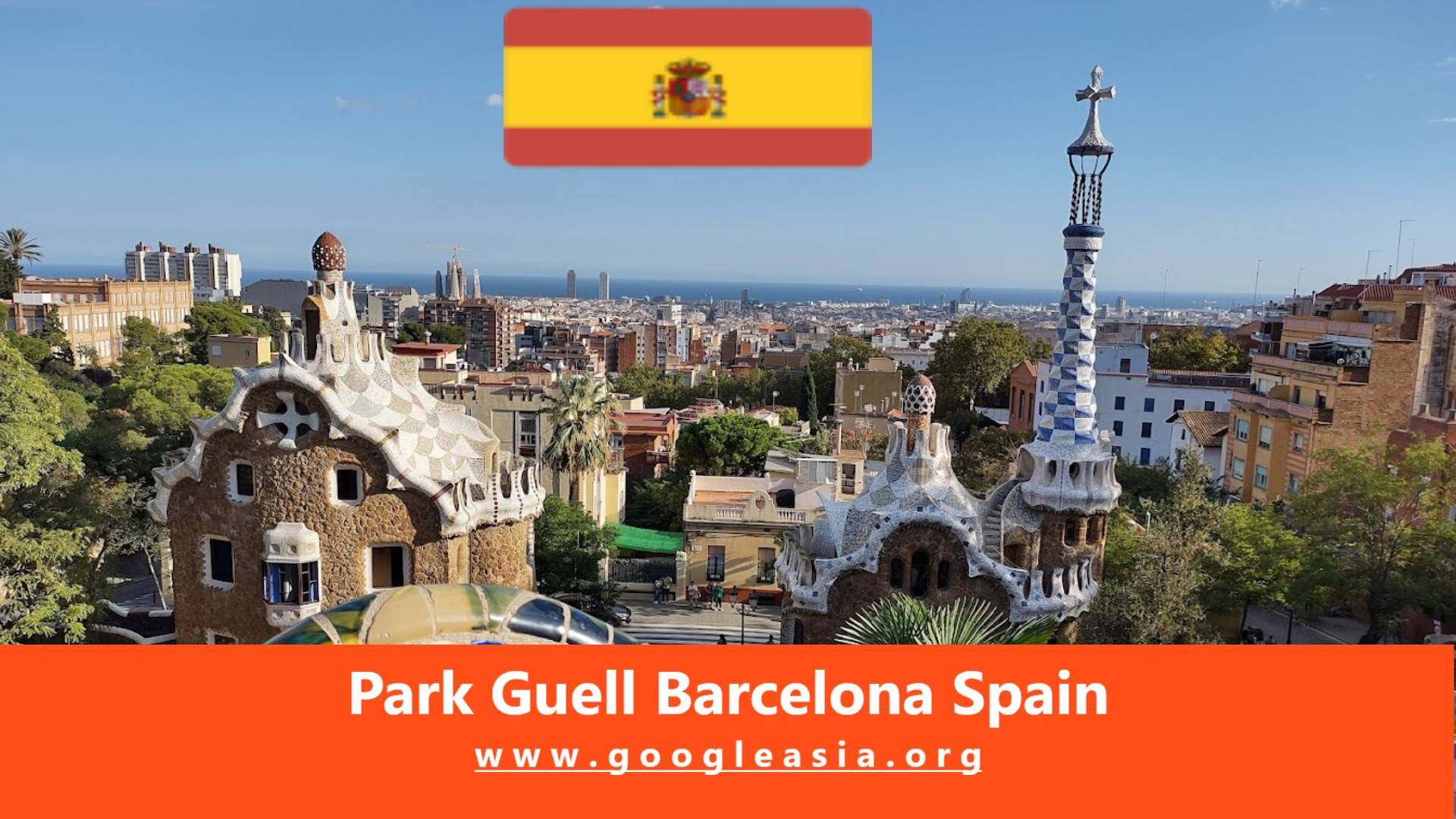
  • Mezquita-Catedral de Córdoba Guide: U.S. & U.K Tourists

    Mezquita-Catedral de Córdoba Guide: U.S. & U.K Tourists

    Mezquita-Catedral de Córdoba, Spain

    The Mezquita-Catedral de Córdoba is one of Spain’s most remarkable landmarks. A unique blend of Islamic and Christian architecture, it offers a fascinating glimpse into the country’s history. Whether you’re interested in its stunning design or rich cultural heritage, this site in Córdoba is a must-see for anyone visiting Spain.

    Introduction

    The Mezquita-Catedral de Córdoba is one of Spain’s most captivating landmarks, offering a unique blend of history, culture, and stunning architecture. Located in Córdoba, this UNESCO World Heritage Site draws millions of visitors each year who are eager to experience the beauty of a place where two different cultures have shaped the city’s identity for centuries.

    A Look Back

    The story of this incredible building dates back to 784 AD when it was originally constructed as the Great Mosque of Córdoba during the reign of the Umayyad Caliphate. Built on the ruins of an earlier Christian church, this mosque quickly became one of the most impressive religious structures in the Muslim world. The mosque was famed for its vast prayer hall and distinctive horseshoe arches—a key feature of Moorish architecture.

    In 1236, following the Christian Reconquista, the mosque was converted into a cathedral. Rather than demolishing the mosque’s features, the Christians simply added to and expanded it, creating a striking contrast between the Islamic and Christian elements that coexist within the building today.

    Architectural Features

    One of the first things that will strike you as you enter the Mezquita-Catedral is the forest of columns and arches that fill the prayer hall. Over 1,000 of these horseshoe arches, with their red-and-white striped design, create a mesmerizing effect, making this one of the most unique religious buildings in the world.

    As you explore further, you’ll see how the cathedral’s Christian additions blend seamlessly with the original structure. The cathedral nave in the center is an obvious contrast to the mosque’s design, with its Renaissance and Baroque elements. It’s fascinating to see how different architectural styles coexist within the same building, each contributing its own charm to the space.

    Significant

    The Mezquita-Catedral isn’t just an architectural marvel; it also tells the story of Spain’s complex history. In 1984, the building was designated a UNESCO World Heritage Site, which recognized its outstanding universal value. The site is a symbol of the religious and cultural fusion that has defined the Iberian Peninsula for centuries.

    Walking through the Mezquita-Catedral, you get a sense of the diverse cultures that have influenced the region—Islamic, Christian, and even Roman. This makes it an essential stop for anyone interested in the rich history of Spain.

    Budget Travel $100 and £100

    The general admission ticket to the Mezquita-Catedral costs around €13 (about $14 or £11), which is a modest expense compared to the grandeur of the site. This leaves most of your budget available for meals and transport. For food, Córdoba is famous for its tapas culture, where small plates such as salmorejo (a cold tomato soup thicker than gazpacho) or fried eggplant with honey can be enjoyed for just a few euros, often accompanied by complimentary bites when ordering drinks. With $100 or £100, you can easily afford several tapas stops throughout the day without overspending.

    Public transport within Córdoba is inexpensive, with local buses costing around €1.30 per ride, though the Mezquita is located in the historic center and is best reached on foot. If you are traveling from another city, a round-trip train ticket from Seville or Málaga can fit within your budget, especially if booked in advance.

    After visiting the Mezquita, you can explore free attractions such as the Roman Bridge, the Jewish Quarter, and Córdoba’s famous patios, which are open to the public during certain times of the year. By combining the entrance fee, affordable meals, and low-cost transport, your $100 or £100 budget easily covers a full day of cultural immersion.

    Tips for USA and UK Travellers

    For visitors from the USA and UK, a few cultural and practical points are essential. Currency exchange is best handled through ATMs rather than airport kiosks, as rates are more favorable. Language basics such as “Hola” and “Gracias” are appreciated, even though many staff in tourist areas speak English. Dining customs differ significantly—meals often begin later in the evening, and tipping is modest, usually rounding up the bill rather than leaving 15–20% as in the USA or 10–12% as in the UK.

    Another important aspect is cultural respect. The Mezquita is both a historic monument and an active place of worship, so visitors should dress modestly and avoid loud behavior inside. Security checks at the entrance are strict, so allow extra time for bag inspections. Unlike in the USA or UK, where fast service and large portions are common, expect smaller servings and a slower pace when dining nearby. By being mindful of these differences and showing respect for local customs, USA and UK travellers can enjoy a smoother, more authentic experience at one of Spain’s most remarkable landmarks.

    Things to Do

    When you visit, there are a few highlights you shouldn’t miss.

    Admire the Horseshoe Arches

    These arches are the centerpiece of the building’s design. The effect of standing in a hall filled with these beautiful arches is simply breathtaking.

    Explore the Cathedral Nave

    It’s fascinating to see the contrast between the Islamic elements of the mosque and the Christian features added later. The cathedral’s grand nave and chapels are a perfect example of this architectural fusion.

    Climb the Bell Tower

    For an incredible view of the city, don’t miss the chance to climb the bell tower. From the top, you’ll have panoramic views of Córdoba and beyond, including the Guadalquivir River and the Sierra Morena mountains.

    Experience Flamenco

    When in Córdoba, flamenco is a must-see. It’s an integral part of Andalusian culture, and there are plenty of places nearby where you can catch an authentic performance.

    Walk Across the Roman Bridge

    This historic bridge connects the Mezquita-Catedral with Córdoba’s old Jewish Quarter. It offers lovely views of the river and is a perfect spot for a leisurely stroll after your visit to the cathedral.

    Foods

    When you visit Córdoba, make sure to try some of the local specialties. Salmorejo, a cold tomato soup, is perfect for a refreshing snack. If you’re in the mood for something hearty, try flamenquín—a breaded and fried pork cutlet that’s a local favorite. And if you’re a fan of cured meats, don’t miss out on jamón serrano, a delicacy that pairs perfectly with local wines.

    Conclusion

    There’s a reason the Mezquita-Catedral de Córdoba is one of Spain’s top tourist destinations. It’s not just about the stunning architecture (though that’s a big part of it); it’s also about the history that’s embedded in its walls. The way it blends Islamic and Christian elements tells the story of Spain’s past and showcases the beauty that comes from cultural exchange.

    Whether you’re standing beneath the arches, exploring the chapels, or taking in the view from the bell tower, the Mezquita-Catedral will leave you in awe. So if you’re planning a trip to Spain, make sure you add this incredible site to your itinerary.

    Visit the Mezquita-Catedral today and step into a world where history and architecture come to life!

    Mezquita-Catedral de Córdoba Mosque in Spain

    Summary

    • Attraction: Mezquita-Catedral de Córdoba
    • Continent: Europe
    • Capital: Madrid
    • Language: Spanish
    • Currency: Euro (EUR)
    • Nationality: Spanish
    • Category: #Destination #Europe #SPAIN 

    Frequently Asked Questions

    Where is Mezquita-Catedral de Córdoba located?

    The Mezquita-Catedral de Córdoba is located in the city of Córdoba, in the region of Andalusia, southern Spain. Specifically, it is situated in the historic center of Córdoba. The address is Calle Cardenal Herrero, s/n, 14003 Córdoba, Spain. The Mosque-Cathedral is one of the most iconic and historically significant landmarks in Spain, known for its architectural blend of Islamic and Christian elements.

    How to go to Mezquita-Catedral de Córdoba?

    If you are in Córdoba and want to visit the Mezquita-Catedral, here are some general directions:

    1. By Foot: If you are in the city center, especially around the historic area, you can easily walk to the Mezquita-Catedral. Follow the signs directing you to the historic district, and you’ll likely find your way.
    2. By Public Transportation: Córdoba has a public transportation system that includes buses. You can check the local bus routes and schedules to see if there’s a convenient stop near the Mezquita-Catedral. The main bus station in Córdoba is also relatively close to the city center.
    3. By Taxi or Ride-sharing: Taxis are available in Córdoba, and you can also use ride-sharing services if they operate in the area. Simply provide the address or name of the Mezquita-Catedral, and the driver will take you there.
    4. By Car: If you have a car, you can drive to the Mezquita-Catedral. Keep in mind that parking in the historic area might be limited, so it’s advisable to use public transportation or park in designated areas.
    5. Guided Tours: Many tourists prefer joining guided tours that include transportation. These tours often provide additional insights into the history and architecture of the Mezquita-Catedral.

    What are Mezquita-Catedral de Córdoba’s must-visit attractions or landmarks?

    The Mezquita-Catedral de Córdoba is a remarkable monument with numerous attractions and landmarks within its complex. Some of the must-visit features include:

    1. Mihrab: The Mihrab is a stunning prayer niche located in the heart of the mosque section. It is intricately decorated with colorful tiles, mosaics, and Quranic inscriptions.
    2. Horseshoe Archways: The mosque’s interior is characterized by a forest of horseshoe arches, creating a mesmerizing visual effect. The arches are supported by columns, many of which were taken from earlier Roman and Visigothic buildings.
    3. Court of Oranges (Patio de los Naranjos): This beautiful courtyard features orange trees, fountains, and a serene atmosphere. It serves as an entrance to the mosque and provides a peaceful space for visitors.
    4. Christian Altar and Nave: The construction of a Christian cathedral within the mosque resulted in the addition of a Renaissance-style nave and a high altar. The Christian elements, including chapels and the choir, are noteworthy.
    5. The Alminar (Bell Tower): Originally built as a minaret, the Alminar was converted into a Christian bell tower. Climbing to the top offers panoramic views of Córdoba.
    6. Capilla de Villaviciosa: This chapel is an example of Mudéjar architecture and features beautiful decorations and artwork.
    7. Mausoleum of Abd al-Rahman III: The founder of the original mosque, Abd al-Rahman III, is buried in this mausoleum. It’s a significant historical site within the complex.
    8. El Patio de los Reyes: Translated as the Court of the Kings, this area features a large reflecting pool and is surrounded by rooms with vaulted ceilings. It was used for ablutions and ceremonial purposes.

    What are Mezquita-Catedral de Córdoba’s nearby must-visit attractions or landmarks?

    Córdoba is a city rich in history and culture, and besides the Mezquita-Catedral, there are several nearby attractions and landmarks worth visiting. Here are some must-visit places in the vicinity:

    1. Alcázar de los Reyes Cristianos: Located near the Mezquita-Catedral, this medieval fortress and palace complex was once a residence of the Christian monarchs. It features beautiful gardens, impressive towers, and historic rooms.
    2. Roman Bridge (Puente Romano): Spanning the Guadalquivir River, the Roman Bridge is a picturesque structure with 16 arches. It offers great views of the Mezquita-Catedral and the city.
    3. Jewish Quarter (Judería): Explore the charming streets and alleys of the Jewish Quarter, known for its historic synagogues, the medieval synagogue of Córdoba (Synagogue of Rabbi Shlomo ben Aderet), and the Casa de Sefarad, a museum dedicated to Sephardic culture.
    4. Calleja de las Flores: This narrow alley is famous for its picturesque charm, adorned with colorful flowers and traditional Andalusian architecture. It’s a delightful spot for a leisurely stroll.
    5. Palacio de Viana: A Renaissance palace with 12 beautiful patios and gardens. Each patio has its own unique design and features a variety of plants, flowers, and fountains.
    6. Plaza del Potro: A lively square with a fountain featuring a statue of a young boy riding a horse. The square is surrounded by historic buildings and is a pleasant place to relax.
    7. Archaeological Museum of Córdoba (Museo Arqueológico de Córdoba): This museum houses a rich collection of artifacts from different historical periods, including Roman, Islamic, and medieval periods.
    8. Córdoba Synagogue: Dating back to the 14th century, this synagogue is one of the few remaining medieval synagogues in Spain. It provides insight into the city’s Jewish history.

    Why should you visit Mezquita-Catedral de Córdoba?

    Visiting the Mezquita-Catedral de Córdoba is a captivating experience for several compelling reasons:

    1. Architectural Marvel: The Mezquita-Catedral is a masterpiece of Moorish and Gothic architecture, showcasing the cultural and religious transitions that occurred in Córdoba over the centuries. The unique blend of Islamic and Christian elements is visually stunning.
    2. Historical Significance: The building has a rich history, starting as a mosque during the Islamic rule of Spain in the 8th century. After the Reconquista, it was converted into a Christian cathedral in the 13th century. Exploring the Mezquita-Catedral allows you to witness this historical evolution.
    3. Horseshoe Arches and Columns: The interior of the mosque is characterized by a mesmerizing forest of horseshoe arches supported by columns. Many of these columns were recycled from ancient Roman and Visigothic buildings, adding to the historical layers of the structure.
    4. Mihrab and Islamic Art: The Mihrab, a beautifully decorated prayer niche, is a masterpiece of Islamic art within the mosque. The intricate geometric patterns, colorful tiles, and Quranic inscriptions showcase the craftsmanship of the Islamic period.
    5. Christian Additions: The incorporation of a Christian cathedral within the mosque resulted in the addition of Renaissance-style elements, including a nave, chapels, and the choir. The fusion of Islamic and Christian architecture makes the Mezquita-Catedral a unique cultural symbol.
    6. Court of Oranges: The peaceful courtyard, known as the Patio de los Naranjos, with its orange trees and fountains, provides a serene entrance to the complex and offers a moment of tranquility.
    7. Alminar (Bell Tower): Climbing the former minaret, now a Christian bell tower, provides panoramic views of Córdoba and the surrounding areas, offering a unique perspective on the city.
    8. Cultural Symbol: The Mezquita-Catedral is a symbol of religious tolerance and coexistence, representing the shared history of Muslims and Christians in Spain.
    9. World Heritage Site: Designated as a UNESCO World Heritage Site, the Mezquita-Catedral is recognized for its outstanding cultural and architectural significance on a global scale.

    Is it difficult to find halal food in the vicinity of the Mezquita-Catedral de Córdoba?

    Finding halal food in the vicinity of the Mezquita-Catedral de Córdoba should not be too difficult, considering the cultural diversity and the presence of Muslim communities in the city. Here are a few tips to help you find halal food:

    1. Local Restaurants: Look for local restaurants, especially those in the historic area or near the Mezquita-Catedral. Many restaurants in Córdoba offer a variety of dishes, including halal options.
    2. Middle Eastern or North African Cuisine: Explore Middle Eastern or North African restaurants, as they often serve halal food. These establishments may offer a range of dishes influenced by Islamic culinary traditions.
    3. Ask Locals or Staff: Don’t hesitate to ask locals or the staff at your accommodation for recommendations. They may be able to direct you to nearby restaurants or eateries that serve halal food.
    4. Online Resources: Use online resources such as restaurant review websites, travel forums, or apps that specialize in finding halal dining options. Travelers often share their experiences and recommendations online.
    5. Halal Certification: Some restaurants display halal certification, making it easier for you to identify suitable dining options. Look for certification or inquire with the restaurant staff about their menu offerings.
    6. Hotel or Accommodation Services: If you’re staying in a hotel, ask the staff for assistance in finding halal food. They may provide recommendations or even offer in-house dining options that cater to halal dietary preferences.
  • Alhambra Travel Guide: For U.S. and U.K Tourists

    Alhambra Travel Guide: For U.S. and U.K Tourists

    Alhambra, Spain

    Step into the Alhambra, Spain’s breathtaking Moorish palace. Explore its intricate design, lush gardens, and centuries of history. Plan your visit today and experience Granada’s crown jewel!

    Introduction

    The Alhambra, located in the heart of Granada, Spain, is one of the most important and iconic landmarks in the world. A stunning symbol of Islamic architecture, this palace and fortress complex stands as a UNESCO World Heritage Site, attracting millions of visitors every year.

    The Alhambra is not just a palace—it’s a masterpiece of Islamic art, combining intricate architectural brilliance with lush gardens and serene courtyards. Originally constructed as a fortress in 1238, it transformed into an extravagant palace complex by the Nasrid Dynasty, ultimately becoming the epicenter of Islamic Spain. Visiting the Alhambra is like stepping back in time, where history and culture seamlessly blend into one extraordinary experience.

    The History

    Origins and Construction

    Construction of the Alhambra began under Sultan Muhammad I in 1238 and spanned over two centuries. What started as a modest fortress evolved into a grand palace complex. The name “Alhambra” is derived from the Arabic term “al-ḵamra,” meaning “the red one”, referring to the distinct reddish hue of its walls, particularly stunning at sunset.

    The Cultural Shift

    After the Reconquista in 1492, the Alhambra underwent significant modifications. The Catholic Monarchs, Ferdinand and Isabella, added the Renaissance-style Charles V Palace, which provides a sharp contrast to the intricate Islamic designs of the Alhambra.

    Visitor’s Guide

    Tickets and Booking

    To make the most of your visit, it’s highly recommended to book tickets in advance. The Alhambra operates on a timed-entry system, and tickets can sell out quickly, especially during peak seasons.

    Guided Tours

    Consider joining a guided tour to enrich your understanding of the Alhambra’s historical and architectural significance. With expert guides, you’ll uncover fascinating stories and hidden details that you might otherwise miss.

    Best Time to Visit

    For the most enjoyable experience, visit the Alhambra either in the early morning or late afternoon. This allows you to avoid the crowds and witness the site in the soft light of dawn or dusk.

    Budget Travel $100 and £100

    Exploring the Alhambra in Granada with a budget of $100 or £100 is very possible if you plan carefully. The entrance ticket to the Alhambra is the main expense, but it is reasonably priced and grants access to the Nasrid Palaces, Generalife gardens, and Alcazaba fortress, making it excellent value. For food, you can enjoy affordable meals from local tapas bars or cafés in Granada, where small plates of Spanish specialties such as tortilla española or patatas bravas are inexpensive, and drinks often come with complimentary tapas.

    Public transport is also budget-friendly, with buses or walking routes connecting the city center to the Alhambra, so you won’t need to spend much on getting there. By combining the ticket price, simple meals, and efficient transport, you can enjoy a full day at the Alhambra without exceeding your $100 or £100 budget.

    Stretching your budget further means making smart choices throughout the day. After visiting the Alhambra, you can explore the Albaicín neighborhood or stroll along the Carrera del Darro, both of which are free and offer stunning views of the monument. If you want to spend a little more, consider enjoying a traditional Andalusian tea house or a flamenco show in Sacromonte, which can fit within your budget if you keep meals simple. By focusing on affordable dining, public transport, and free cultural experiences, your $100 or £100 can cover a memorable day centered around the Alhambra while still leaving room for small indulgences like coffee or souvenirs.

    Tips for USA and UK Travellers

    For travellers from the USA and UK, understanding Spanish customs and practical details can make the visit smoother. Currency exchange is best handled through ATMs rather than airport kiosks, as the rates are more favorable. Language basics such as “Hola” and “Gracias” are appreciated, even though many staff and locals in tourist areas speak English. Public transport etiquette requires keeping your ticket until the end of the ride, since inspectors may check at random. Dining customs differ from the USA and UK, as meals often start later in the evening and tipping is modest, usually rounding up the bill rather than leaving a large percentage.

    Another important aspect is cultural respect—dress appropriately when visiting the Alhambra, as it is a historic and UNESCO World Heritage site, and avoid loud behavior inside the palaces or gardens. Be mindful of security checks, which are strict at the entrance, and allow extra time for bag inspections. Unlike in the USA or UK, where fast service and large portions are common, expect smaller servings and a more leisurely pace when eating nearby. By being aware of these differences and showing respect for local customs, USA and UK travellers can enjoy a smoother, more authentic experience at one of Spain’s most treasured landmarks.

    Things to Do

    Explore the Nasrid Palaces

    Wander through the Mexuar Hall, Comares Palace, and Partal Palace, marveling at the stunning Islamic art and intricate tile mosaics that adorn the walls. Don’t miss the elegant arches and intricate stucco work—each space tells a story of the region’s rich history.

    • The Mexuar Hall: This was the room for important meetings and audiences. With its elaborate stucco work and stunning tile mosaics, the Mexuar Hall is a true testament to Islamic craftsmanship.
    • The Comares Palace: Known for its magnificent Court of the Myrtles and Hall of the Ambassadors, the Comares Palace was the center of royal life. It represents the height of Islamic artistry and grandeur.
    • The Partal Palace: This palace is famous for its serene environment and reflecting pools, offering a tranquil escape from the grandeur of the rest of the Alhambra.

    Explore the Charles V Palace

    The Charles V Palace stands as a Renaissance addition to the Alhambra, adding a circle-shaped courtyard that contrasts with the Moorish design. Today, it houses the Alhambra Museum, showcasing historical artifacts from the site’s storied past.

    Stroll Through the Generalife Gardens

    The Generalife, originally a summer palace, features lush gardens and fountains. Designed as a peaceful retreat for the Nasrid rulers, it offers stunning views of the Sierra Nevada mountains.

    Take a leisurely walk through the Generalife, where the lush greenery, fountains, and reflecting pools create a serene atmosphere. It’s the perfect place for those seeking peace and beauty amidst the Alhambra’s grandiosity.

    Enjoy the Court of the Lions

    This iconic courtyard is home to a central fountain supported by twelve marble lions. It’s a prime example of advanced water management and the aesthetic principles of the Nasrid architects.

    Capture the Panoramic Views

    Climb to the top of the Alcazaba fortress for breathtaking views of the city of Granada and the Sierra Nevada mountains. The vantage points from this military fortress offer some of the best photo opportunities in all of Spain.

    Foods

    While exploring the Alhambra and its surroundings, don’t miss the chance to try some traditional Andalusian delicacies.

    Traditional Andalusian Dishes

    • Gazpacho: A refreshing cold soup made with tomatoes, cucumbers, garlic, and olive oil—perfect for warm days.
    • Salmorejo: A thicker version of gazpacho, this tomato-based soup is rich and creamy, often served with hard-boiled eggs and jamón ibérico.
    • Espeto de Sardinas: Grilled sardine skewers, typically served with a squeeze of lemon—a must-try for seafood lovers.

    Sweet Treats

    • Chocolate con Churros: A classic Spanish treat, churros are served with thick hot chocolate for dipping.
    • Borrachitos: A sweet pastry flavored with anisette, often enjoyed with a hot drink.

    Conclusion

    The Alhambra is an architectural gem, an enduring symbol of Moorish culture, and a must-visit destination for anyone in Granada. Its breathtaking palaces, tranquil gardens, and stunning views offer an unforgettable experience that combines history, culture, and beauty. Whether you’re an architecture enthusiast, a history buff, or simply someone who appreciates natural beauty, the Alhambra will leave you in awe.

    Ready to explore the Alhambra? Book your timed tickets in advance and start planning your journey to one of Spain’s most iconic landmarks. Don’t miss the opportunity to witness the magnificence of this world-renowned site for yourself!

    Alhambra in Granada Andalusia Spain

    Summary

    • Attraction: Alhambra, Spain
    • Continent: Europe
    • Capital: Madrid
    • Language: Spanish
    • Currency: Euro (EUR)
    • Nationality: Spanish
    • Category: #Destination #Europe #SPAIN 

    Frequently Asked Questions

    Where is Alhambra located?

    The Alhambra is located in Granada, Andalusia, Spain. It is a palace and fortress complex that dates back to the mid-13th century. The Alhambra is renowned for its stunning Islamic architecture, intricate decorations, beautiful gardens, and historical significance. It attracts visitors from around the world and is a UNESCO World Heritage Site.

    How to go to Alhambra?

    Getting to the Alhambra in Granada, Spain, involves various transportation options, depending on your starting point. Here are some general guidelines:

    1. By Air:
      • The nearest major airport is Federico García Lorca Granada-Jaén Airport (GRX), which is about 15 kilometers from Granada. From the airport, you can take a taxi, bus, or arrange for private transportation to reach the Alhambra.
    2. By Train:
      • Granada has a train station, and you can reach it by train from various cities in Spain. From the train station, you can take a taxi or use public transportation to get to the Alhambra.
    3. By Bus:
      • Granada is well-connected by bus services from different parts of Spain. The main bus station is Estación de Autobuses de Granada. From there, you can take a local bus or a taxi to the Alhambra.
    4. By Car:
      • If you’re driving, Granada is accessible by road. The Alhambra is located on a hill overlooking the city. You can use GPS navigation to reach the designated parking areas near the Alhambra complex.
    5. On Foot:
      • If you are already in the city of Granada, you can reach the Alhambra on foot. It’s about a 30 to 45-minute walk from the city center, and you can enjoy the scenic views along the way.
    6. Public Transportation:
      • Granada has a public bus system that connects various parts of the city, including stops near the Alhambra. Look for bus lines that mention the Alhambra or ask locals for guidance.
    7. Guided Tours:
      • Many organized tours include transportation to the Alhambra. This can be a convenient option if you prefer a guided experience with transportation provided.

    What are Alhambra’s must-visit attractions or landmarks?

    The Alhambra in Granada, Spain, is a UNESCO World Heritage Site and a stunning example of Moorish architecture and Islamic art. The complex is rich with historical and cultural significance. Here are some must-visit attractions within the Alhambra:

    1. Nasrid Palaces: The Nasrid Palaces are the highlight of the Alhambra, featuring intricate Islamic architecture, beautiful courtyards, and delicate tilework. The Palacios Nazaríes include the famous Court of the Lions and the Hall of the Abencerrajes.
    2. Generalife Gardens: The Generalife Gardens are a series of beautifully landscaped gardens and courtyards adjacent to the Nasrid Palaces. They offer stunning views of the Alhambra and the surrounding landscape.
    3. Alcazaba Fortress: The Alcazaba is the oldest part of the Alhambra, serving as a fortress. It offers panoramic views of Granada and the Sierra Nevada mountains.
    4. Palace of Charles V: This Renaissance palace is located within the Alhambra complex and contrasts with the Moorish architecture. It houses two museums: the Museum of Fine Arts and the Museum of the Alhambra.
    5. Court of the Myrtles (Patio de los Arrayanes): This large courtyard is surrounded by myrtle bushes and features a central reflecting pool. It is part of the Nasrid Palaces and is known for its serene beauty.
    6. Hall of the Ambassadors (Salón de los Embajadores): A majestic hall within the Nasrid Palaces, famous for its intricate stalactite ceiling and its historical significance as a reception hall.
    7. Court of the Lions (Patio de los Leones): Perhaps the most famous courtyard in the Nasrid Palaces, known for its fountain adorned with lion sculptures. The courtyard is surrounded by rooms with stunning architectural details.
    8. Mexuar Palace: The Mexuar Palace is the oldest part of the Alhambra and includes the Hall of Mexuar. It showcases Nasrid architecture and was used for administrative and public functions.
    9. Puerta de la Justicia (Gate of Justice): This massive gate serves as the main entrance to the Alhambra and leads to the Alcazaba. It features a wooden ceiling with an inscription praising the sultan.
    10. Torre de Comares (Comares Tower): A prominent tower within the Nasrid Palaces, offering panoramic views and showcasing architectural elements typical of Islamic design.

    What are Alhambra’s nearby must-visit attractions or landmarks?

    In addition to the Alhambra itself, the city of Granada and its surroundings offer several other must-visit attractions and landmarks. Here are some notable places to explore near the Alhambra:

    1. Generalife Palace and Gardens: Adjacent to the Alhambra, the Generalife is a palace and a set of gardens. It’s a beautiful and tranquil area with well-manicured gardens, water features, and stunning views of the Alhambra.
    2. Granada Cathedral (Cathedral of the Incarnation): Located in the city center of Granada, the cathedral is a masterpiece of Spanish Renaissance architecture. It houses numerous chapels, tombs, and religious artifacts.
    3. Royal Chapel of Granada (Capilla Real): Situated next to the Granada Cathedral, the Royal Chapel is the final resting place of Catholic Monarchs Ferdinand and Isabella. The chapel houses their tombs and a museum with royal artifacts.
    4. Albaicín District: This historic Moorish quarter is characterized by narrow winding streets, whitewashed houses, and traditional architecture. It offers fantastic views of the Alhambra and has a vibrant atmosphere with shops and cafes.
    5. Sacromonte: Known for its cave houses and flamenco shows, Sacromonte is a distinctive neighborhood in Granada. It’s a unique area with a rich cultural and artistic scene.
    6. Science Park (Parque de las Ciencias): Located a bit farther from the city center, this interactive science museum offers engaging exhibits on a variety of topics, making it a great destination for families.
    7. Mirador de San Nicolás: This viewpoint in the Albaicín district provides one of the most iconic views of the Alhambra. It’s a popular spot to capture photographs and enjoy the scenic beauty of Granada.
    8. Corral del Carbón: This well-preserved medieval Moorish building served as a caravanserai and is the only remaining Nasrid-era courtyard in Granada. It’s a unique historical site worth exploring.
    9. Monastery of Saint Jerome (Monasterio de San Jerónimo): This monastery, located near the Alhambra, features Gothic and Renaissance architecture. The church and the monastery are open to visitors.
    10. Alhambra Forest (Bosque de la Alhambra): Explore the beautiful forested areas surrounding the Alhambra, offering walking paths and a peaceful environment.

    Is Alhambra a suitable travel destination for solo adventurers, honeymooning couples, or those traveling with families?

    The Alhambra in Granada, Spain, is a versatile destination suitable for a variety of travelers, including solo adventurers, honeymooning couples, and families. Here’s why it can be a great fit for each type of traveler:

    1. Solo Adventurers:
      • Solo travelers can thoroughly enjoy exploring the Alhambra, immersing themselves in the rich history, and appreciating the architectural marvels.
      • The serene gardens and courtyards provide a peaceful environment for solo reflection and relaxation.
      • Granada’s vibrant atmosphere, historic neighborhoods like Albaicín, and the local cuisine offer opportunities for solo exploration and cultural experiences.
    2. Honeymooning Couples:
      • The romantic ambiance of the Alhambra, with its beautiful gardens, intricate architecture, and stunning views, makes it an excellent destination for honeymooning couples.
      • The Generalife Gardens, in particular, offer a tranquil setting for romantic strolls.
      • Granada itself is a romantic city with charming streets, intimate cafes, and picturesque viewpoints, providing a perfect backdrop for a romantic getaway.
    3. Families:
      • Families can enjoy exploring the Alhambra together, providing a unique educational and cultural experience for children.
      • The spacious gardens and open courtyards offer areas for kids to play and explore.
      • Granada has family-friendly attractions, such as the Science Park (Parque de las Ciencias) and the historic neighborhoods, providing a mix of educational and entertaining activities for all ages.
    4. History and Culture Enthusiasts:
      • Travelers with an interest in history and culture will find the Alhambra to be a captivating destination, with its Moorish architecture, Nasrid Palaces, and historical significance.
      • The nearby Royal Chapel of Granada and the city’s medieval quarters contribute to a rich cultural experience.
    5. Nature and Scenery Lovers:
      • Nature enthusiasts will appreciate the Generalife Gardens and the scenic views from various points within the Alhambra.
      • The surrounding landscapes, including the Sierra Nevada mountains, provide opportunities for outdoor activities and exploration.

    Why should you visit Alhambra?

    The Alhambra is a stunning historical and architectural marvel located in Granada, Spain, and it attracts visitors for several compelling reasons:

    1. Architectural Beauty: The Alhambra is renowned for its exquisite Islamic architecture, intricate geometric patterns, and ornate decorations. The intricate details, such as the stucco work, wooden ceilings, and colorful tiles, showcase the artistic achievements of Muslim Spain.
    2. Nasrid Palaces: The Nasrid Palaces within the Alhambra complex are a highlight. These palaces, including the famous Court of the Lions, feature breathtaking courtyards, gardens, and rooms that offer a glimpse into the opulent lifestyle of the Nasrid dynasty.
    3. Generalife Gardens: The Generalife Gardens, adjacent to the Nasrid Palaces, are a series of beautifully landscaped gardens with fountains, pools, and scenic views of the surrounding area. The gardens provide a tranquil and refreshing experience.
    4. Historical Significance: The Alhambra has a rich history, spanning various civilizations, including the Nasrid dynasty, the Catholic Monarchs, and later modifications by Charles V. It serves as a tangible representation of the cultural exchange and coexistence of different civilizations in Spain.
    5. Scenic Location: Perched atop a hill overlooking Granada, the Alhambra offers stunning panoramic views of the city and the Sierra Nevada mountains. The picturesque setting enhances the overall experience for visitors.
    6. World Heritage Site: The Alhambra has been designated as a UNESCO World Heritage Site since 1984, acknowledging its cultural and historical significance. It is considered one of the most important examples of Islamic architecture in the world.
    7. Alcazaba Fortress: The Alcazaba is the oldest part of the Alhambra and served as a military fortress. Visitors can explore its towers and walls, enjoying both historical insights and panoramic views of the surroundings.
    8. Cultural Events: The Alhambra often hosts cultural events, concerts, and festivals that add to the overall allure of the site. These events allow visitors to experience the beauty of the Alhambra in a different context.

    Is there any halal food available in the vicinity of the Alhambra?

    Yes, there are several halal food options available in the vicinity of the Alhambra in Granada, Spain. Given the diverse cultural and historical background of the city, you can find restaurants and eateries that cater to various dietary preferences, including halal.

    When exploring the area around the Alhambra, particularly in the city of Granada, you can look for Middle Eastern, North African, or Spanish restaurants that offer halal dishes. Additionally, some local establishments may specifically label or advertise their offerings as halal.

    To ensure you find suitable halal options, consider using online restaurant review platforms, travel guides, or asking locals for recommendations. Many restaurants in tourist-friendly areas are accustomed to catering to diverse dietary needs, and staff may be able to provide information about halal choices on their menu.

  • Spain Travel Guide: Destination & Adventure for U.S. Tourists

    Spain Travel Guide: Destination & Adventure for U.S. Tourists

    Spain

    Discover the soul of Spain—from vibrant fiestas to golden beaches. Indulge in authentic tapas, flamenco rhythms, and historic wonders. Start your Spanish journey today and make memories that last!

    Explore the Alhambra in Granada, wander through Madrid’s Prado Museum, or soak in the energy of the Running of the Bulls in Pamplona. Whether you’re a history buff, art lover, or beach seeker, Spain’s mix of traditions, beauty, and excitement will make your trip unforgettable.

    Introduction

    Spain is a land of diverse traditions, stunning architecture, and lively festivals that enchant travelers from around the globe. From the bustling streets of Madrid to the artistic charm of Barcelona and the serene beaches of Costa del Sol, Spain offers a journey filled with history, flavor, and passion. Whether you’re drawn to world-class cuisine, cultural heritage, or natural wonders, Spain promises a travel experience that blends excitement with timeless beauty.

    Budget Travel

    Exploring Spain on a $100 budget can be surprisingly rewarding if you plan carefully. A significant portion of your budget will go toward public transport, with metro tickets in Madrid or Barcelona costing just a few euros, and regional buses offering affordable ways to move between towns. For food, you can enjoy local tapas bars where small plates of Spanish specialties such as tortilla española or patatas bravas are inexpensive, and pairing them with a café con leche or a glass of house wine won’t break the bank.

    Many entrance fees to museums and cultural sites are modest, and some, like the Prado Museum in Madrid, offer free admission during specific hours. Instead of costly intercity trains, budget-conscious travellers can rely on low-cost bus tickets or even shared rides to explore different regions. By combining simple but authentic meals, smart transport choices, and free or discounted cultural experiences, you can stretch $100 into a memorable Spanish adventure.

    Tips for USA Travellers

    For visitors from the USA, understanding Spanish customs and practices can make the trip smoother. Currency exchange is best done through ATMs rather than airport kiosks, as the rates are more favorable. Language basics such as “Hola” and “Gracias” are appreciated, even though many Spaniards in tourist areas speak English. Public transport etiquette requires keeping your ticket until the end of the ride, since inspectors may check at random. Dining customs differ from the USA, with meals often starting later in the evening and tipping being modest, usually rounding up the bill rather than leaving a large percentage.

    Cultural respect is important—dress appropriately when visiting churches, and remember that Spaniards value quiet and polite behavior in public spaces. By being mindful of these differences, USA travellers can enjoy a more authentic and respectful experience while discovering Spain’s rich culture.

    Hot & Trending Destination

    Click below to start exploring and find your next destination.

    Spain Best European Countries to Visit

    Summary

    • Country: Spain
    • Continent: Europe
    • Capital: Madrid
    • Official Language: Spanish
    • Currency: Euro (EUR)
    • Nationality: Spanish
    • Categories: #Destination #Europe #Spain 

    Frequently Asked Questions

    What are Spain’s must-visit cities?

    Spain offers a diverse range of must-visit cities, each with its own unique charm, history, and attractions. Here are some of the top cities to explore in Spain:

    1. Barcelona: Known for its unique architecture, including the works of Antoni Gaudí such as Sagrada Familia and Park Güell. Enjoy the vibrant street life, beaches, and the historic Gothic Quarter.
    2. Madrid: The capital city is home to world-class museums like the Prado, bustling markets like Mercado San Miguel, and the lively Plaza Mayor. Explore the Royal Palace and Retiro Park.
    3. Seville (Sevilla): Famous for its stunning Moorish architecture, visit the Alcazar and the Giralda Tower. Experience the lively atmosphere of the Triana district and witness traditional flamenco shows.
    4. Granada: Home to the iconic Alhambra, a palace and fortress complex with breathtaking Islamic architecture. Explore the historic Albaicín neighborhood and enjoy the views from Mirador de San Nicolás.
    5. Valencia: Known for its futuristic City of Arts and Sciences, beautiful beaches, and the historic Valencia Cathedral. Don’t miss the lively Central Market and the Turia Gardens.
    6. Toledo: A UNESCO World Heritage site, Toledo is known for its medieval architecture, including the Cathedral and Alcázar. Wander through the narrow streets of the old town.
    7. Bilbao: Located in the Basque Country, Bilbao is famous for the Guggenheim Museum, modern architecture, and the charming Old Town (Casco Viejo).
    8. Cordoba: Explore the Mezquita, a mosque-cathedral with a stunning blend of Islamic and Christian architecture. Stroll through the historic Jewish Quarter and visit the Alcázar de los Reyes Cristianos.
    9. Malaga: A coastal city known for its rich history, museums, and the birthplace of Pablo Picasso. Enjoy the beaches, visit the Alcazaba, and explore the historic center.
    10. Salamanca: A university city with a beautifully preserved historic center. Visit the Plaza Mayor, the Salamanca Cathedral, and the university’s ornate façade.
    11. Zaragoza: Home to the Basilica of Our Lady of the Pillar, Zaragoza offers a mix of historic and modern attractions, including the Aljafería Palace.
    12. Alicante: A coastal city with beautiful beaches, historic sites like Santa Bárbara Castle, and a vibrant waterfront area.

    What are Spain’s must-visit destinations?

    Spain is a country with a rich tapestry of landscapes and cultural heritage, offering numerous must-visit destinations. Here are some top destinations in Spain:

    1. Andalusia: Explore the region’s historic cities like Seville, Granada, and Cordoba, each with its own unique charm, Moorish architecture, and cultural richness.
    2. Barcelona: A vibrant city on the northeastern coast, known for its unique architecture by Antoni Gaudí, including Sagrada Familia and Park Güell.
    3. Madrid: The capital city is a cultural hub with world-class museums like the Prado, vibrant neighborhoods, and historic landmarks such as the Royal Palace.
    4. Costa del Sol: Enjoy the sunny beaches, resort towns like Marbella, and explore charming coastal villages along the Mediterranean.
    5. Valencia: Visit the futuristic City of Arts and Sciences, relax on the beaches, and explore the historic old town with its stunning cathedral.
    6. Gran Canaria: One of the Canary Islands, known for its diverse landscapes, from sand dunes to lush mountains, and vibrant beach resorts.
    7. Mallorca: The largest of the Balearic Islands, Mallorca offers beautiful beaches, historic architecture in Palma, and scenic landscapes.
    8. Toledo: A UNESCO World Heritage city, Toledo is known for its medieval architecture, including the Alcázar and the Cathedral.
    9. San Sebastian (Donostia): Located in the Basque Country, this coastal city is famous for its picturesque beaches, culinary delights, and annual film festival.
    10. Bilbao: Explore the Guggenheim Museum, stroll through the Casco Viejo (Old Town), and experience the unique Basque culture.
    11. Catalonia’s Costa Brava: Discover picturesque coastal towns like Tossa de Mar, Cadaqués, and enjoy the rugged beauty of the coastline.
    12. Ronda: Perched on a gorge, Ronda is known for its dramatic landscapes, historic bullring, and the Puente Nuevo bridge.
    13. Salamanca: A university town with a beautifully preserved historic center, featuring the Plaza Mayor and the Salamanca Cathedral.
    14. Cádiz: A historic port city with ancient architecture, beautiful beaches, and a lively atmosphere during Carnival.
    15. La Rioja: Explore the renowned wine region, visit vineyards, and experience the charming towns like Haro and Logroño.

    What are Spain’s must-visit attractions or landmarks?

    Spain is home to a wealth of must-visit attractions and landmarks that reflect its rich history, culture, and natural beauty. Here are some of the top ones:

    1. Sagrada Familia (Barcelona): Antoni Gaudí’s masterpiece, an iconic basilica known for its unique architecture and ongoing construction.
    2. Alhambra (Granada): A stunning palace and fortress complex with Moorish architecture, gardens, and panoramic views of Granada.
    3. Prado Museum (Madrid): One of the world’s most renowned art museums, housing an extensive collection of European art, including works by Velázquez, Goya, and El Greco.
    4. Park Güell (Barcelona): A public park designed by Gaudí, featuring colorful mosaic sculptures, unique architecture, and panoramic views of the city.
    5. La Rambla (Barcelona): A famous tree-lined street in the heart of Barcelona, known for its vibrant atmosphere, street performers, and shops.
    6. Royal Palace of Madrid: The official residence of the Spanish royal family, known for its opulent rooms, grandeur, and stunning gardens.
    7. Seville Cathedral: A Gothic cathedral with the Giralda Tower, the tomb of Christopher Columbus, and beautiful chapels.
    8. Montserrat: A unique mountain range near Barcelona with a Benedictine abbey, known for its distinctive jagged peaks.
    9. The Mosque-Cathedral of Córdoba: A UNESCO World Heritage site with a fascinating blend of Islamic and Christian architecture.
    10. Puerta del Sol (Madrid): A bustling square in the heart of Madrid, featuring the iconic Tío Pepe sign, the statue of the Bear and the Strawberry Tree, and the symbolic Kilometer Zero plaque.
    11. Guggenheim Museum Bilbao: A contemporary art museum designed by Frank Gehry, known for its innovative architecture and diverse art collection.
    12. Ibiza Old Town (Dalt Vila): A UNESCO-listed site with medieval streets, historic walls, and stunning views of the Mediterranean Sea.
    13. Plaza de España (Seville): An iconic square with a semi-circular building, bridges, and a central fountain, representing different Spanish regions.
    14. Aqueduct of Segovia: A well-preserved Roman aqueduct, symbolizing the engineering prowess of ancient Rome.
    15. Poble Espanyol (Barcelona): An open-air architectural museum showcasing replicas of buildings from various regions of Spain.

    Is Spain a suitable travel destination for solo adventurers, honeymooning couples, or those traveling with families?

    Spain is a highly versatile travel destination, making it suitable for various types of travelers. Here’s why the country appeals to different groups:

    1. Solo Adventurers:
      • Safe and Welcoming: Spain is generally considered a safe destination with a welcoming atmosphere, making it ideal for solo travelers.
      • Diverse Experiences: Solo adventurers can explore vibrant cities, historical sites, and beautiful landscapes, and engage in cultural activities.
    2. Honeymooning Couples:
      • Romantic Settings: Spain offers romantic settings in cities like Barcelona, with its unique architecture, and in regions like Andalusia, with its Moorish influence and charming landscapes.
      • Culinary Delights: The country’s renowned cuisine, from tapas to paella, adds a flavorful touch to romantic getaways.
    3. Families:
      • Family-Friendly Destinations: The country has numerous family-friendly destinations, including beach resorts, amusement parks (like PortAventura), and cities with interactive museums.
      • Cultural and Historical Exploration: Families can explore historic sites together, such as the Alhambra, and enjoy activities like flamenco shows or outdoor adventures.
    4. Cultural Enthusiasts:
      • Rich History and Art: The country is rich in history and art, offering cultural enthusiasts a treasure trove of museums, historic sites, and architectural wonders like the Sagrada Familia.
      • Local Festivals: Participating in local festivals and events provides a deeper understanding of Spanish culture.
    5. Nature and Adventure Seekers:
      • Scenic Landscapes: From the beaches of Costa del Sol to the Pyrenees Mountains, Spain offers diverse landscapes for outdoor enthusiasts.
      • Hiking and Outdoor Activities: Adventure seekers can enjoy hiking in national parks like Picos de Europa or engaging in water sports along the coast.
    6. Food Enthusiasts:
      • Culinary Experiences: Spain is a paradise for food enthusiasts. Explore local markets, indulge in tapas, and savor regional specialties like paella, jamón ibérico, and sangria.

    What’s the climate like in Spain?

    The climate in Spain varies across regions. In general, it has a diverse climate, including Mediterranean along the coast, continental in the interior, and oceanic in the northern regions. Summers are typically hot and dry, while winters vary from mild in coastal areas to colder in the interior and mountainous regions.

    Why should you visit Spain?

    Visiting Spain can be a captivating and enriching experience for a variety of reasons. Here are some compelling reasons to consider traveling to Spain:

    1. Rich Cultural Heritage: Spain has a diverse and rich cultural history influenced by various civilizations, including the Romans, Moors, and Visigoths. Explore historic cities with stunning architecture, such as Barcelona, Seville, and Granada.
    2. World-Famous Cuisine: Spanish cuisine is renowned worldwide for its delicious flavors and variety. Indulge in tapas, paella, churros, and a wide array of regional dishes. Each region has its own culinary specialties and local delicacies.
    3. Vibrant Festivals: Spain is famous for its lively festivals and celebrations. Experience the excitement of events like La Tomatina, Running of the Bulls in Pamplona, and Semana Santa (Holy Week) processions.
    4. Stunning Beaches: Spain boasts beautiful beaches along its extensive coastline. Whether you prefer the lively beaches of the Costa del Sol, the natural beauty of the Costa Brava, or the tranquility of the Balearic Islands, there’s a beach for every taste.
    5. Diverse Landscapes: From the Pyrenees Mountains to the Andalusian deserts, Spain offers diverse landscapes. Explore the lush greenery of the Basque Country, the rugged beauty of the Picos de Europa, and the volcanic landscapes of Lanzarote.
    6. Art and Architecture: Spain is home to some of the world’s greatest artists and architects. Visit the museums housing masterpieces by artists like Pablo Picasso and Salvador Dalí, and marvel at architectural wonders such as Antoni Gaudí’s Sagrada Família and Alhambra in Granada.
    7. Warm Climate: Enjoy a Mediterranean climate in many parts of Spain, characterized by hot summers and mild winters. The favorable weather makes it an ideal destination for outdoor activities and relaxation.
    8. Flamenco and Music: Immerse yourself in the passion of flamenco, a traditional Spanish art form that combines singing, guitar playing, dance, and handclaps. Experience the vibrant music scene with influences from various genres.
    9. Historic Monuments: Spain is home to numerous UNESCO World Heritage Sites, including historic cities, cathedrals, and ancient Roman ruins. Explore iconic landmarks such as the Alhambra, the Guggenheim Museum Bilbao, and the Gothic Quarter in Barcelona.
    10. Warm Hospitality: Spanish people are known for their warmth and hospitality. Embrace the lively and social atmosphere, and engage with locals to get a true sense of the Spanish way of life.

    Is it difficult to find halal food in Spain?

    Finding halal food in Spain may vary depending on the region and the size of the Muslim population in a particular area. In major cities and tourist destinations, you can generally find halal food options, but it might be more challenging in smaller towns or rural areas. Here are some considerations:

    1. Urban Areas: Larger cities like Barcelona, Madrid, Valencia, and Seville have a more diverse culinary scene and are likely to have restaurants that serve halal food. These cities often have neighborhoods with a significant Muslim population where you can find halal eateries.
    2. International Cuisine: Spanish cities, especially those with a multicultural population, offer a variety of international cuisines, including Middle Eastern, North African, and South Asian restaurants that may serve halal food.
    3. Halal Certification: Some restaurants proudly display halal certification, making it easier for Muslim travelers to identify suitable dining options. Look for restaurants with visible halal signage or inquire with the staff about their menu.
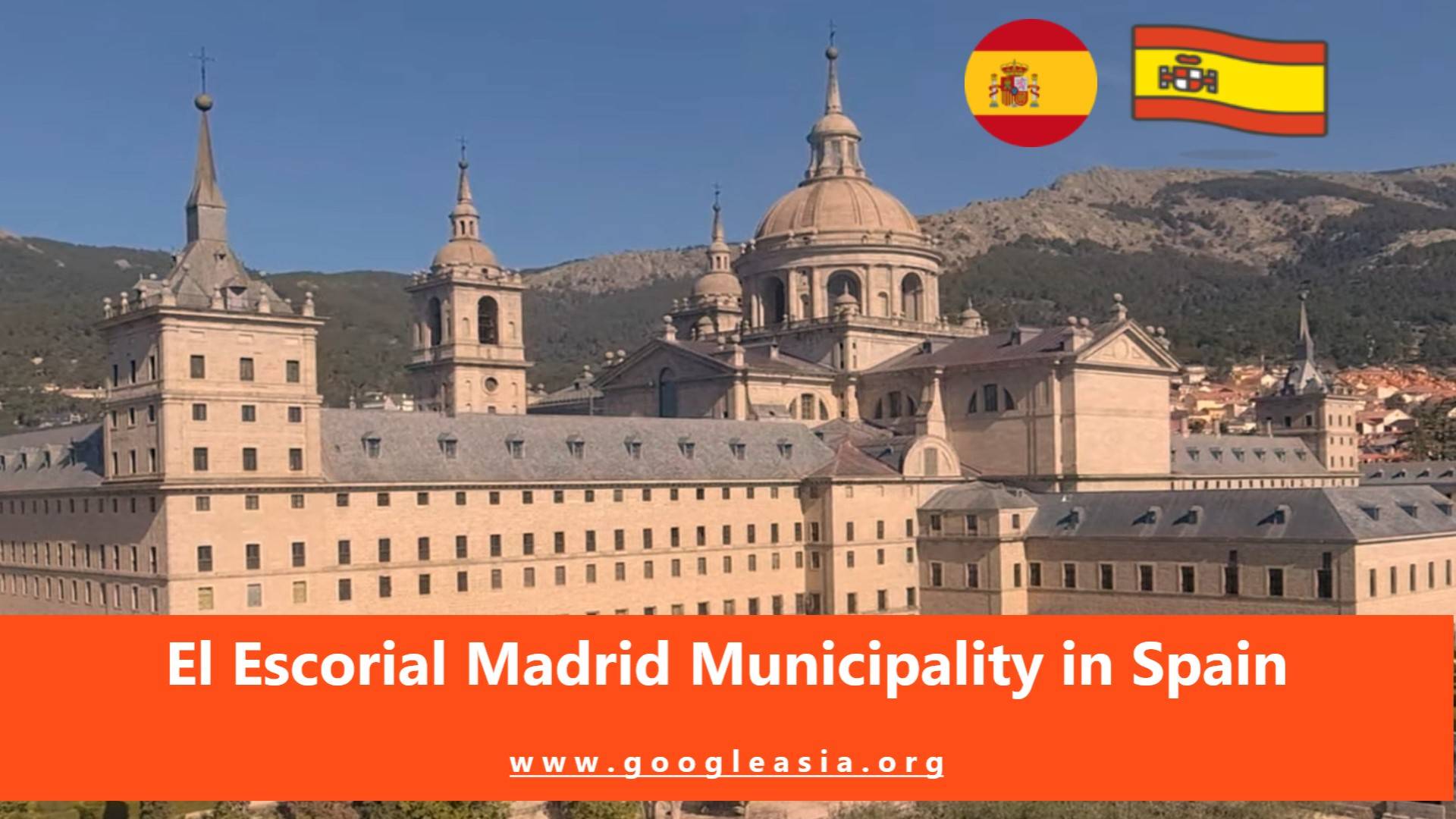
    4. Supermarkets: In larger cities, you can find supermarkets and grocery stores that offer halal meat and other halal products. Check for halal labels on packaged goods.
    5. Online Resources: Utilize online platforms, travel forums, and apps that provide information about halal-friendly establishments. Travelers often share their experiences and recommendations for finding halal food.

error: Content is protected !!