Tag: SouthAmerica

  • Olinda: Best Destination to Visit in Brazil

    Olinda: Best Destination to Visit in Brazil

    Olinda, Brazil

    Discover the charm of Olinda, one of Brazil’s most beautiful and historic destinations. Located in Pernambuco, this vibrant colonial town is known for its colorful buildings, cobblestone streets, and rich cultural heritage. With its lively carnival, stunning churches, and breathtaking views of the coast, Olinda offers an unforgettable experience for travelers seeking history, art, and local culture. Don’t miss the chance to explore this UNESCO World Heritage site and immerse yourself in the heart of Brazil’s traditions.

    Introduction

    Olinda in Brazil is a fascinating and unique destination to explore. A UNESCO World Heritage Site, Olinda’s historic center is home to impressive colonial-style architecture, brightly-colored houses, narrow winding cobblestoned streets, a bustling marketplace, lush tropical gardens, and some of the best Carnival celebrations in the world. It is located only 17 km from Recife and features famous sites such as the Old Cathedral and Convent of São Francisco, the chapel of Nossa Senhora dos Remedios, Forte São Miguel, and Church and Convent of São Bento.

    Visitors can also enjoy a variety of delicious local dishes, colorful local crafts, a lively music and dance scene, and stunning natural beauty. Whether you are looking to relax, explore, or experience true Brazilian history and culture, Olinda Pernambuco has something to offer, making it an unforgettable destination to visit.

    Olinda is a charming colonial town in the Pernambuco region of Brazil. Its cobblestone streets, colorful buildings, old churches, and stunning views of the Atlantic Ocean make it a wonderful place to explore. The city is known for its lively Carnival celebrations, spectacular yearly art festivals, and vibrant nightlife.

    Olinda, nestled in the Brazilian state of Pernambuco, stands as a testament to Brazil’s rich history and vibrant culture. This UNESCO World Heritage Site boasts a well-preserved historical center dating back to the 16th century, adorned with splendid Baroque architecture and a tapestry of colorful festivities.

    Historical Significance and Architecture

    Historical Center: Renowned for its Baroque architecture and colonial charm. UNESCO Recognition: Designated a World Heritage Site for its cultural and historical importance. Landmarks: Churches and colonial buildings that showcase Brazil’s colonial past.

    Baroque Marvels

    • Churches: São Bento, Sé Cathedral, and Carmo Church highlight Olinda’s religious heritage.
    • Colonial Buildings: Palácio dos Governadores and Mercado da Ribeira reflect architectural elegance.

    Cultural Richness and Artistic Heritage

    Birthplace of Artists: Celebrates renowned Brazilian musicians and artists. Artistic Influence: Fosters creativity with galleries, studios, and vibrant street art. Cultural Events: Carnaval, art festivals, and music performances enrich local life.

    Artistic Flourish

    • Local Artists: Influential figures like Francisco Brennand and Lula Cardoso Ayres.
    • Craftsmanship: Ceramic art and handicrafts embody Olinda’s artisanal spirit.

    Scenic Beauty and Coastal Views

    Hilltop Location: Offers panoramic vistas of the tropical coastline and Atlantic Ocean. Beachfront Charms: Pristine beaches like Praia do Carmo and Praia de Casa Caiada beckon visitors. Sunset Delights: Picturesque spots for capturing breathtaking sunsets over the ocean.

    Coastal Wonders

    • Miradouros: Scenic viewpoints like Alto da Sé for stunning coastal panoramas.
    • Beachfront Promenades: Stroll along Avenida Liberdade and enjoy oceanfront ambiance.

    Culinary Delights and Local Cuisine

    Regional Flavors: Savory delights with influences from Portuguese and African cuisines. Taste Sensations: Try local specialties like tapioca, acarajé, and fresh seafood dishes. Cafés and Restaurants: Quaint eateries and street vendors offer authentic culinary experiences.

    Gastronomic Journey

    • Cultural Fusion: Dine at Bar do Cuscuz or Alto da Sé Café for local flavors.
    • Street Food: Feira de São Joaquim for market bites and regional treats.

    Things to Do

    Here are some of the top things to do in Olinda, Pernambuco, Brazil, offering a blend of cultural exploration, historical immersion, and natural beauty:

    Visit the Mosteiro de São Bento

    Explore this ancient Dominican monastery founded in 1582, renowned for its stunning baroque architecture and historical significance. Highlights: Baroque chapel, cultural artifacts, and guided tours.

    Architectural Marvel

    • Baroque Chapel: Intricate design and historical artworks.
    • Cultural Significance: Displays of colonial-era religious artifacts.

    Explore the Historic Centre

    Wander through cobbled streets lined with colorful colonial houses, art galleries, churches, cafes, and vibrant local culture. Highlights: Street musicians, artisanal crafts, and historical landmarks.

    Colonial Charm

    • Cultural Hub: Galleries, local crafts, and artisanal markets.
    • Architectural Gems: Colonial houses and baroque churches.

    Walk Around the Walls of Olinda

    Experience the centuries-old city walls offering panoramic coastal views and a glimpse into Olinda’s fortified past. Highlights: Scenic viewpoints, coastal vistas, and historical fortifications.

    Scenic Views

    • Coastal Panoramas: Sunset views over the Atlantic Ocean.
    • Historical Insight: Learn about Olinda’s defensive architecture.

    Admire the Nossa Senhora do Carmo Church

    Visit this 17th-century masterpiece featuring a magnificent wooden façade, gilded carvings, and intricate stained-glass windows. Highlights: Architectural grandeur, religious art, and guided tours.

    Architectural Grandeur

    • Artistic Details: Carved wooden façade and ornate interiors.
    • Cultural Heritage: Religious artworks and historical significance.

    Visit the Museu de Arte Sacra

    Explore the Museum of Sacred Art showcasing religious art, stone carvings, and colonial-era artifacts. Highlights: Art collections, cultural exhibits, and guided museum tours.

    Cultural Exploration

    • Religious Art: Displays of sacred artworks and artifacts.
    • Colonial Heritage: Historical insights into Pernambuco’s artistic traditions.

    Soak up the Sun at Praia de Casa Forte

    Relax on this picturesque beach offering swimming, sunbathing, and breathtaking sunset views. Highlights: Beach activities, coastal relaxation, and oceanfront dining.

    Beachside Bliss

    • Sunset Views: Spectacular ocean vistas and beachfront ambiance.
    • Water Activities: Swimming, beach sports, and leisurely walks.

    Visit the Parque da Jaqueira

    Enjoy a stroll through this expansive public park known for picnics, leisure activities, and scenic landscapes. Highlights: Picnic spots, walking trails, and family-friendly amenities.

    Tranquil Oasis

    • Natural Setting: Gardens, shaded areas, and recreational facilities.
    • Local Favorite: Community gatherings and cultural events.

    Sip a Caipirinha at Teatro de Olinda

    Experience this charming outdoor theater hosting concerts and plays amidst a lively cultural atmosphere. Highlights: Live performances, caipirinha bars, and evening entertainment.

    Cultural Entertainment

    • Live Shows: Music concerts and theatrical performances.
    • Local Flavor: Traditional caipirinhas and regional refreshments.

    Visit the Mangue Palace

    Explore this 18th-century cultural landmark housing a museum showcasing regional history and artifacts. Highlights: Historical architecture, museum exhibits, and guided tours.

    Historical Insight

    • Cultural Exhibits: Artefacts, exhibits, and archival displays.
    • Architectural Beauty: Gardens, terraces, and colonial-era design.

    Explore Forte das 5 Pontas

    Discover this imposing 16th-century fort overlooking the city, offering historical insights and panoramic views. Highlights: Fortifications, historical tours, and coastal defense architecture.

    Historical Exploration

    • Fort Architecture: Bastions, cannons, and defensive structures.
    • Panoramic Views: Cityscapes and Atlantic Ocean vistas.

    Foods

    Here are some of the best foods to try in Olinda, Pernambuco, Brazil, showcasing the region’s rich culinary heritage:

    Carne de Sol

    Description: Sun-dried beef served with rice, beans, and farofa. Highlights: Tender, flavorful beef with traditional sides.

    Savory Delight

    • Traditional Dish: Seasoned and dried to perfection.
    • Accompaniments: Rice, beans, and farofa complement the dish.

    Peixada Pernambucana

    Description: Seafood stew with coconut milk, tomatoes, onions, and spices. Highlights: Creamy coconut base with fresh seafood.

    Coastal Cuisine

    • Flavorful Stew: Rich in local spices and seafood.
    • Cultural Blend: Reflects Pernambuco’s coastal culinary traditions.

    Buchada de Bode

    Description: Hearty goat stew with onions, chili peppers, and tomatoes. Highlights: Robust flavors with tender goat meat.

    Flavorful Stew

    • Local Specialty: Reflects regional gastronomy.
    • Spiced Perfection: Infused with local chili peppers and herbs.

    Carne de Sol com Abóbora

    Description: Slow-cooked sun-dried beef with pumpkin. Highlights: Sweet and savory combination.

    Popular Dish

    • Slow Cooking: Enhances flavors of beef and pumpkin.
    • Regional Favorite: Loved for its comforting taste.

    Palmitos com Carne de Sol

    Description: Tender palm hearts cooked with sun-dried beef. Highlights: Unique texture and savory profile.

    Chewy & Tender

    • Local Ingredient: Celebrates palm hearts in regional cuisine.
    • Savory Blend: Paired perfectly with sun-dried beef.

    Quibebe de Abóbora

    Description: Creamy pumpkin stew with coconut milk, onions, garlic, and spices. Highlights: Smooth and aromatic stew.

    Creamy Comfort

    • Aromatic Stew: Rich in coconut and local spices.
    • Comfort Food: Enjoyed for its creamy texture and robust flavors.

    Maria Isabel

    Description: Rice and cassava casserole with sausage. Highlights: Hearty and savory casserole dish.

    Rich Casserole

    • Local Favorite: Combines rice, cassava, and flavorful sausage.
    • Satisfying Dish: Perfect for a filling meal.

    Rabada com Queijo

    Description: Oxtail stewed with onions, garlic, chili pepper, tomato, and cheese. Highlights: Tender oxtail with creamy cheese.

    Comforting Stew

    • Slow-cooked Delight: Tender oxtail infused with local spices.
    • Cheesy Addition: Adds richness to the hearty stew.

    Assado de Tambaqui

    Description: Tambaqui fish baked in banana leaves. Highlights: Fresh fish with natural flavors.

    Traditional Method

    • Wrapped in Leaves: Cooked over an open fire for smoky aroma.
    • Natural Flavors: Highlighting the essence of tambaqui fish.

    Carne de Sol com Cumaru

    Description: Sun-dried beef cooked with aromatic cumaru seeds. Highlights: Unique flavor combination.

    Aromatic Dish

    • Distinctive Flavor: Infused with fragrant cumaru seeds.
    • Cultural Heritage: Reflects local culinary creativity.
    Olinda Pernambuco Brazil

    Summary

    • Attraction Name: Olinda Pernambuco
    • Country: Brazil
    • Continent: South America
    • Capital Name: Brasília
    • Language: Portuguese, Spanish, English
    • Currency: Brazilian Real
    • Category: #Destination #SouthAmerica #Brazil 

    Frequently Asked Questions

    Where is Olinda located?

    Olinda is located in the northeastern region of Brazil, specifically in the state of Pernambuco. It is situated just north of the city of Recife, which is the capital of Pernambuco. Olinda is known for its well-preserved colonial architecture, vibrant culture, and its annual Carnaval celebration, making it a popular tourist destination in Brazil.

    How to go to Olinda?

    To travel to Olinda, Pernambuco, Brazil, you can follow these general guidelines depending on your starting point:

    1. By Air:
      • International Flights: If you are traveling from outside Brazil, you can fly into Recife International Airport (Guararapes-Gilberto Freyre International Airport – REC), which is the closest major airport to Olinda.
      • Domestic Flights: From within Brazil, there are numerous daily flights to Recife from major cities such as São Paulo, Rio de Janeiro, Brasília, and Salvador.
    2. From Recife Airport to Olinda:
      • Taxi or Rideshare: Taxis and rideshare services (like Uber) are available from Recife Airport to Olinda. The journey takes approximately 30-40 minutes, depending on traffic conditions.
      • Public Transport: You can take a bus from the airport to Recife city center (Terminal Integrado Aeroporto), and from there, transfer to a bus heading towards Olinda. Buses are an economical option but may take longer due to stops along the route.
    3. By Bus:
      • Long-Distance Buses: If you are traveling from other cities in Brazil, there are long-distance buses to Recife. From the main bus terminal in Recife (Terminal Integrado de Passageiros), you can then take a local bus or taxi to Olinda.
    4. By Car:
      • Rental Car: Renting a car gives you flexibility, especially if you plan to explore beyond Olinda. Major highways connect Recife to Olinda, and the drive takes around 20-30 minutes depending on traffic.
    5. Local Transport in Olinda:
      • Once in Olinda, the historic center is compact and walkable. Local buses and taxis are available for travel within the city and to nearby attractions.
    6. Travel Tips:
      • Language: Portuguese is the official language in Brazil. Some basic knowledge of Portuguese can be helpful, especially outside tourist areas.
      • Currency: The currency used in Brazil is the Brazilian Real (BRL). It’s advisable to exchange currency at the airport or use ATMs to withdraw cash.
      • Safety: As with any travel, be aware of your surroundings and take precautions with your belongings, particularly in crowded areas.

    By following these travel tips, you can reach Olinda, Pernambuco, and start exploring its rich history, vibrant culture, and beautiful architecture.

    What are Olinda’s must-visit attractions or landmarks?

    Olinda, Pernambuco, is renowned for its well-preserved colonial architecture, vibrant cultural scene, and scenic views. Here are some must-visit attractions and landmarks in Olinda:

    1. Historic Center (Centro Histórico):
      • Explore the cobblestone streets and beautifully preserved colonial buildings dating back to the 16th century.
      • Highlights include colorful churches, convents, and charming squares like Praça do Carmo and Praça da Sé.
    2. Churches and Convents:
      • Igreja de São Salvador do Mundo: Known for its baroque architecture and stunning interior.
      • Convento de São Francisco: Features intricate azulejo tiles and a rich history dating back to the 16th century.
      • Igreja da Sé (Cathedral): Offers panoramic views of Olinda and Recife from its bell tower.
    3. Mercado da Ribeira:
      • Experience local culture and cuisine at this traditional market offering fresh produce, handicrafts, and regional delicacies.
    4. Casa dos Bonecos Gigantes:
      • Visit this museum dedicated to giant carnival puppets (bonecos gigantes), which are an integral part of Olinda’s Carnaval festivities.
    5. Carnaval de Olinda:
      • If visiting during February or March, experience one of Brazil’s liveliest and most colorful Carnaval celebrations, known for its music, dance, and elaborate costumes.
    6. Mirante da Caixa d’Água:
      • Climb to this viewpoint for panoramic views of Olinda’s historic center, the Atlantic Ocean, and the skyline of Recife.
    7. Beaches:
      • While Olinda itself is known more for its historic attractions, nearby beaches like Praia de Casa Caiada and Praia do Bairro Novo offer opportunities for relaxation and ocean views.
    8. Art and Culture:
      • Explore local art galleries, studios, and artisan shops showcasing traditional and contemporary Brazilian art.
    9. Rua do Amparo:
      • Wander along this picturesque street lined with colonial mansions, art studios, and quaint cafés.
    10. Museums and Cultural Centers:
      • Museu Regional de Olinda: Learn about the history and culture of Olinda through exhibits and artifacts.
      • Museu de Arte Contemporânea de Pernambuco (MAC): Located in the nearby city of Recife, it features contemporary art exhibitions.

    Visiting Olinda allows you to immerse yourself in Brazil’s colonial heritage, vibrant culture, and artistic traditions, making it a unique destination in Northeast Brazil.

    Is Olinda a suitable travel destination for solo adventurers, honeymooning couples, or those traveling with families?

    Olinda, Pernambuco, offers a diverse range of experiences that cater to different types of travelers:

    1. Solo Adventurers:
      • Olinda’s historic center is compact and safe for solo exploration. Solo travelers can enjoy wandering through the charming streets, visiting museums and art galleries, and experiencing the vibrant local culture.
      • The city also hosts cultural events and festivals throughout the year, providing opportunities to engage with locals and other travelers.
    2. Honeymooning Couples:
      • Olinda’s romantic colonial architecture, cobblestone streets, and picturesque views make it a charming destination for honeymooners.
      • Couples can enjoy leisurely strolls through the historic center, dine in cozy restaurants offering local cuisine, and soak in the artistic and cultural atmosphere.
      • The nearby beaches offer a relaxing escape and beautiful sunsets, perfect for romantic moments.
    3. Families:
      • Olinda can be a family-friendly destination, especially for families interested in history, culture, and art.
      • Children and parents alike can explore the historic churches, convents, and museums, learning about Brazil’s colonial past.
      • Families can also enjoy the festive atmosphere during Carnaval season, although parents should be prepared for large crowds and lively celebrations.
    4. Travel Tips:
      • Accommodation: There are hotels, guesthouses, and vacation rentals available in Olinda catering to different budgets and preferences.
      • Safety: While Olinda is generally safe, it’s essential to exercise common sense and take precautions, especially at night and in crowded areas.
      • Local Cuisine: Families and couples can enjoy trying local dishes and seafood specialties at restaurants and markets throughout Olinda.

    Overall, Olinda, Pernambuco, offers a blend of history, culture, and natural beauty that can appeal to solo adventurers, honeymooning couples, and families seeking an enriching travel experience in Brazil.

    Why should you visit Olinda?

    There are several compelling reasons to visit Olinda, Pernambuco, which make it a unique and vibrant destination in Brazil:

    1. Historic Architecture: Olinda is renowned for its well-preserved colonial architecture, characterized by colorful buildings, baroque churches, and convents dating back to the 16th century. The historic center is a UNESCO World Heritage site, offering a glimpse into Brazil’s colonial past.
    2. Cultural Heritage: The city boasts a rich cultural heritage influenced by Portuguese, African, and indigenous traditions. Visitors can explore museums, art galleries, and artisan workshops showcasing traditional crafts and contemporary Brazilian art.
    3. Carnaval Festivities: Olinda hosts one of Brazil’s most famous Carnaval celebrations, known for its lively street parties, music, and colorful costumes. During Carnaval season, the city comes alive with parades, dance performances, and festivities that attract visitors from around the world.
    4. Artistic Hub: The city has a thriving artistic community, with numerous art studios, galleries, and cultural centers. Artists and artisans from Olinda contribute to Brazil’s vibrant art scene, creating and showcasing diverse artworks and crafts.
    5. Scenic Views: Olinda offers panoramic views of the Atlantic Ocean and the nearby city of Recife from viewpoints like Mirante da Caixa d’Água and Alto da Sé. These viewpoints provide stunning vistas of the coastline and the city’s historic skyline.
    6. Local Cuisine: Visitors can savor traditional Brazilian dishes and regional specialties at local restaurants and eateries. Olinda’s culinary scene includes seafood, tropical fruits, and dishes influenced by African and indigenous culinary traditions.
    7. Festivals and Events: Beyond Carnaval, Olinda hosts various cultural and religious festivals throughout the year, celebrating local traditions, music, and folklore. These events offer opportunities to immerse oneself in the city’s vibrant cultural life.
    8. Nearby Beaches: While Olinda itself is more known for its historic attractions, visitors can also explore nearby beaches like Praia de Casa Caiada and Praia do Bairro Novo for relaxation and ocean views.
    9. Hospitality and Local Culture: Olinda is known for its warm hospitality and welcoming atmosphere. Visitors can interact with locals, participate in cultural activities, and learn about the city’s unique traditions and customs.

    Overall, Olinda, Pernambuco, is a destination that combines history, culture, art, and natural beauty, offering a memorable travel experience for those seeking to explore Brazil’s northeastern region.

    Is it difficult to find halal food in Olinda?

    Finding halal food in Olinda, Pernambuco, can be challenging due to the predominantly non-Muslim population and culinary traditions in the region. Here are some considerations:

    1. Limited Availability: Halal food options are not widely available in Olinda compared to larger cities in Brazil with larger Muslim populations.
    2. Major Cities Nearby: If halal food is a priority, nearby cities like Recife, the capital of Pernambuco, may offer more options. Recife has a more diverse culinary scene and a larger Muslim community, making it easier to find halal restaurants and markets.
    3. International Cuisine: Some international restaurants in Recife and larger hotels may offer Middle Eastern or Mediterranean cuisine that could potentially include halal options. It’s recommended to inquire about the ingredients and preparation methods to ensure they meet halal dietary standards.
    4. Self-Catering: Consider staying in accommodations with kitchen facilities, such as vacation rentals or apartments, which allows you to prepare your own meals using halal ingredients sourced from local markets.
    5. Plan Ahead: If finding halal food is essential for your trip to Olinda, research and plan your dining options in advance. Local residents or hotel staff may also provide recommendations or guidance on where to find halal food options in the area.
    While it may require some effort and planning, travelers can find halal food options in nearby cities like Recife, which can be reached relatively easily from Olinda. As always, verifying the halal status of food items and establishments is essential to ensure they align with your dietary requirements.

  • Chapada Diamantina National Park: Best Destination to Visit in Brazil

    Chapada Diamantina National Park: Best Destination to Visit in Brazil

    Chapada Diamantina National Park

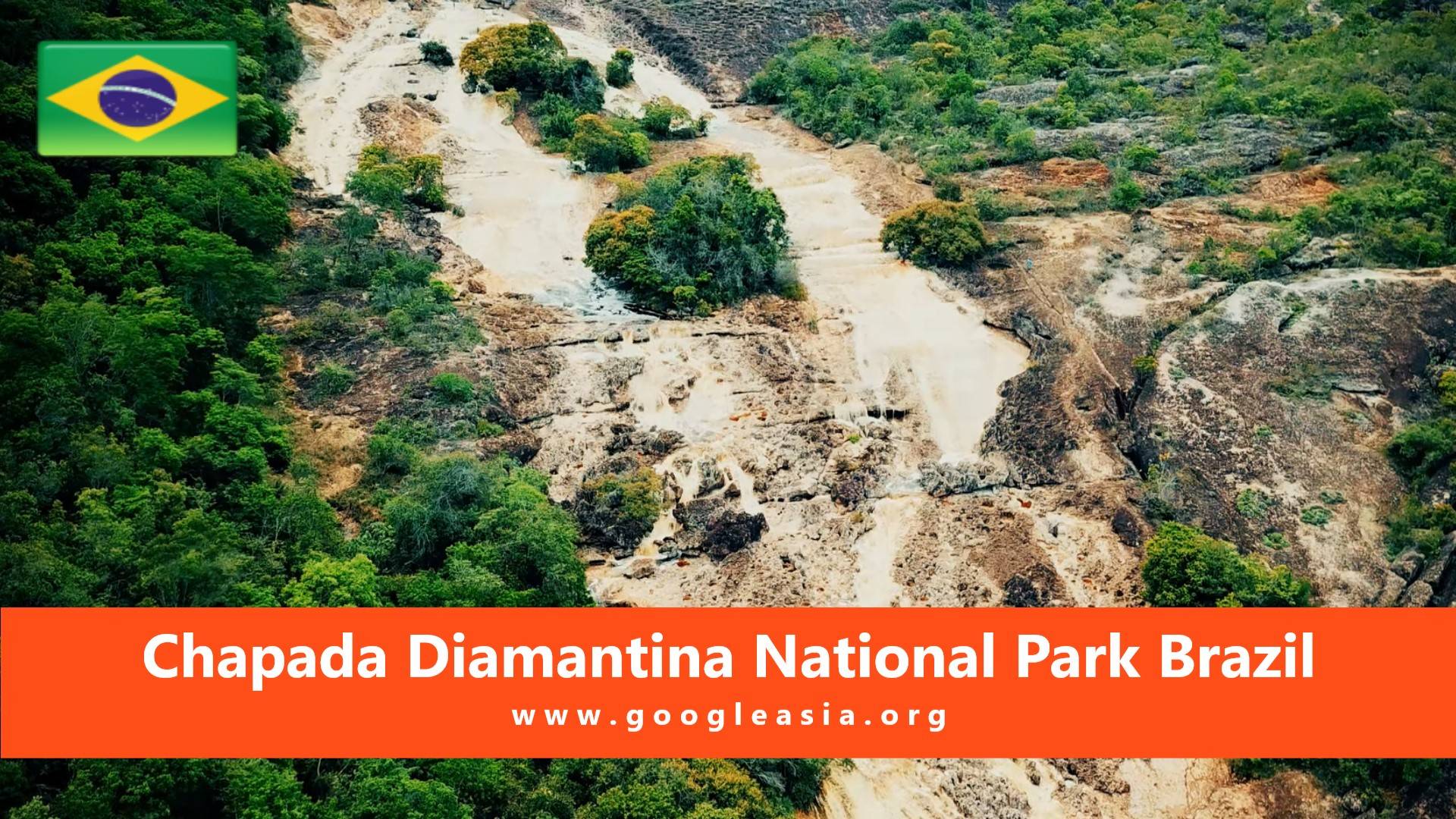
    Chapada Diamantina National Park is one of Brazil’s hidden gems, offering a breathtaking mix of natural beauty and adventure. Located in Bahia, this stunning park is perfect for nature lovers and thrill-seekers alike. Picture hiking through lush trails, discovering towering waterfalls like the Fumaça Waterfall, and exploring vast caves. Whether you’re after peaceful moments surrounded by nature or exciting outdoor activities, Chapada Diamantina delivers an experience that will stay with you long after you leave.

    Introduction

    Chapada Diamantina National Park in Brazil is an incredible destination for nature lovers and adventurers, as it is full of stunning landscapes, incredible waterfalls, beautiful forests, incredible hikes, and hidden caves. It is also home to around 39 endemic species, making it a unique and fascinating environment to explore.

    Visitors to Chapada Diamantina can experience a wide range of activities from climbing to bird watching, from mountain biking to camping, from rappelling in the popular Pocoes de Cacaré to swimming in the emerald waters at the top of a waterfall. The incredible natural beauty and diversity make this national park an unforgettable experience, and one that you should definitely not miss out on.

    Located in the lush Brazilian highlands, Chapada Diamantina National Park is a paradise of breath-taking landscapes, cascading waterfalls, subterranean rivers, and crystal-clear lagoons. Its dramatic canyons and plateaus offer hikers unforgettable views and a chance to explore the region’s vibrant wildlife.

    Chapada Diamantina National Park, nestled in Bahia, Brazil, offers a captivating blend of natural wonders and biodiversity. This expansive park is celebrated for its rugged terrain, lush greenery, and captivating waterfalls, making it a favored destination among nature enthusiasts.

    Overview

    Location: State of Bahia, Brazil
    Area: Expansive landscapes of rugged mountains and verdant valleys
    Attractions: Breathtaking waterfalls, pristine forests, and deep canyons
    Popularity: Among the most visited national parks in Brazil

    Wildlife Diversity

    • Key Species: Jaguars, caimans, pumas, toucans, harpy eagles, and more.
    • Ecological Significance: Supports a wide array of flora and fauna in varied habitats.

    Activities and Exploration

    Discover the diverse range of activities and sights that Chapada Diamantina National Park has to offer:

    Nature Exploration

    • Wildlife Spotting: Opportunities to observe rare and endemic species in their natural habitats.
    • Hiking Adventures: Trails leading to panoramic viewpoints, hidden caves, and stunning waterfalls.
    • Canyoning and Climbing: Thrilling experiences amidst unique rock formations.

    Waterfalls and Natural Marvels

    • Cachoeira da Fumaça: Known for its impressive 340-meter drop, one of Brazil’s highest waterfalls.
    • Cachoeira do Buracão: Picturesque setting with a stunning natural pool below.

    Cultural and Historical Insights

    • Diamond Mining Legacy: Learn about the park’s historical significance as a former diamond mining region.
    • Local Communities: Explore the traditional cultures and lifestyles of the region’s inhabitants.

    Conservation Efforts and Sustainability

    Understand the park’s efforts towards conservation and sustainability:

    Preservation Initiatives

    • Eco-tourism Practices: Promoting responsible tourism to minimize environmental impact.
    • Biodiversity Conservation: Programs to protect endangered species and their habitats.

    Community Engagement

    • Local Partnerships: Collaborations with communities for sustainable development and conservation awareness.
    • Educational Programs: Initiatives to educate visitors and locals about environmental stewardship.

    Things to Do

    Chapada Diamantina National Park in Brazil is a haven for outdoor enthusiasts, offering a plethora of activities amidst breathtaking natural scenery. Whether you’re an avid hiker, thrill-seeking adventurer, or nature photographer, here are the top things to do in Chapada Diamantina National Park:

    Hiking

    Overview: Explore diverse trails ranging from easy day hikes to challenging multi-day treks. Popular Trail: The 14-day ‘Circuito Diamantina’ offers stunning landscapes including rainforests, waterfalls, and vistas of the Serra do Caminho Real Mountain range.

    Hiking Details

    • Trail Options: Varied routes suitable for all skill levels.
    • Scenic Highlights: Views of lush vegetation and natural water formations.
    • Guided Tours: Available for in-depth exploration and safety.

    Caving

    Overview: Discover underground rivers and caverns in the park’s extensive cave system. Experience: Join guided caving tours to explore hidden chambers and unique rock formations.

    Caving Adventures

    • Exploration: Navigate through dark passages and cavernous spaces.
    • Geological Wonders: Encounter stalactites, stalagmites, and subterranean pools.
    • Safety: Led by experienced guides ensuring a safe and informative journey.

    Rock Climbing

    Overview: Scale granite cliffs and enjoy panoramic views from elevated vantage points. Terrain: Diverse climbing spots catering to varying skill levels and preferences.

    Rock Climbing Highlights

    • Challenges: Routes ranging from beginner-friendly to advanced.
    • Scenic Routes: Climb amidst scenic landscapes and natural rock formations.
    • Safety Precautions: Adhere to safety guidelines and use proper equipment.

    Rafting

    Overview: Navigate rivers with varying rapids, offering thrills and scenic beauty. Experience Level: Suitable for both beginners and experienced rafters seeking adventure.

    Rafting Adventures

    • Rapid Classes: Grades I to III rapids providing different levels of challenge.
    • River Routes: Explore waterways surrounded by pristine landscapes.
    • Guided Trips: Led by experienced rafting guides ensuring safety and enjoyment.

    Horseback Riding

    Overview: Traverse grasslands and forest trails on horseback, soaking in the park’s natural beauty. Tour Options: Guided tours available with opportunities for leisurely exploration and scenic views.

    Horseback Riding Details

    • Scenic Routes: Ride through diverse ecosystems and enjoy wildlife sightings.
    • Relaxing Pace: Experience the park’s tranquility at a leisurely pace.
    • Cultural Insights: Learn about local flora, fauna, and history from knowledgeable guides.

    Wildlife Watching

    Overview: Encounter diverse wildlife species in their natural habitats throughout the park. Wildlife Diversity: Birds such as eagles, parakeets, toucans, and mammals including armadillos and sloths.

    Wildlife Spotting

    • Birdwatching: Species like the Blue-throated Toucan and Razor-billed Curassow.
    • Mammal Sightings: Opportunities to observe armadillos, sloths, and other mammals.
    • Photography: Capture unique wildlife moments amidst pristine landscapes.

    Birdwatching

    Overview: Explore the park’s rich avian diversity with opportunities for birdwatching enthusiasts. Notable Species: Blue-throated Toucan, Curl-crested Jay, and more.

    Birdwatching Highlights

    • Bird Species: Diverse range attracting enthusiasts from around the world.
    • Habitat Diversity: Varied ecosystems supporting unique bird populations.
    • Guided Tours: Led by knowledgeable guides enhancing the birdwatching experience.

    Photography

    Overview: Capture stunning landscapes, wildlife, and geological formations throughout the park. Photography Opportunities: Abundant with scenic vistas and unique natural settings.

    Photography Tips

    • Best Locations: Identify prime photography spots for landscapes and wildlife.
    • Lighting: Utilize natural lighting for optimal photo quality.
    • Composition: Frame shots to highlight the park’s natural beauty and diversity.

    Foods

    Chapada Diamantina National Park in Brazil offers a delightful array of local cuisine, reflecting the region’s rich culinary heritage and diverse flavors. Whether you’re exploring the park’s natural wonders or relaxing after a day of adventure, here are some of the best foods to savor:

    Chapada Diamantina is a haven for food enthusiasts, offering a blend of traditional Brazilian dishes and local specialties that highlight the region’s culinary diversity.

    Traditional Brazilian Staples

    1. Rice and Beans

    • Description: A staple in Brazilian cuisine, often served as a side dish or as part of feijoada.
    • Attributes: Hearty and satisfying, complementing various meat and vegetable dishes.

    2. Fresh Fruits

    • Varieties: Papaya, pineapple, avocado, coconut, acai, mango, and more.
    • Uses: Enjoyed fresh, in desserts, or blended into refreshing juices and smoothies.

    Meat and Seafood Delights

    3. Churrasco (Barbecue)

    • Description: Grilled meats, including beef, pork, and poultry, seasoned and cooked to perfection.
    • Popular Dishes: Picanha (top sirloin cap), linguiça (sausage), and frango (chicken).

    4. Fish and Seafood

    • Specialties: Fresh catches prepared in local styles, such as fish stews or grilled fish.
    • Recommended: Moqueca de Peixe (fish stew) and shrimp dishes.

    Regional Specialties

    5. Casquinha de Siri

    • Description: Crab meat served in its shell, typically seasoned and baked.
    • Local Favorite: A savory delight showcasing fresh seafood flavors.

    6. Umbú

    • Usage: Local fruit used in jams, sweets, and desserts.
    • Flavor: Offers a unique tartness, perfect for balancing sweet dishes.

    Vegetarian Options

    7. Feijoada

    • Description: A hearty bean stew cooked with spices and often served with rice and collard greens.
    • Variations: Vegetarian feijoada substitutes meat with beans and vegetables.

    8. Queijo Coalho

    • Description: Fried cheese popular in Brazilian cuisine, enjoyed as a snack or appetizer.
    • Texture: Firm texture with a slightly salty flavor, grilled to a golden crisp.
    Chapada Diamantina National Park Brazil

    Summary

    • Attraction Name: Chapada Diamantina National Park
    • Country: Brazil
    • Continent: South America
    • Capital Name: Brasília
    • Language: Portuguese, Spanish, English
    • Currency: Brazilian Real
    • Category: #Destination #SouthAmerica #Brazil 

    Frequently Asked Questions

    Where is Chapada Diamantina National Park located?

    Chapada Diamantina National Park is located in the state of Bahia, Brazil. Specifically, it is situated in the Chapada Diamantina region, which is part of the Brazilian Highlands (Chapada means “plateau” in Portuguese). The park covers an area of approximately 152,000 hectares (375,000 acres) and is known for its stunning landscapes, including table-top mountains, waterfalls, caves, and diverse flora and fauna.

    How to go to Chapada Diamantina National Park?

    To reach Chapada Diamantina National Park in Bahia, Brazil, follow these steps:
    1. Getting to Lençóis:

    • By Air: Fly to Lençóis (Horácio de Matos Airport) from Salvador, Bahia’s capital. Flight duration is about 1 hour.
    • By Road: Travel from Salvador to Lençóis by bus or car, which takes approximately 6-7 hours.

    2. From Lençóis to Chapada Diamantina National Park:

    • Local Transport: Arrange tours or transfers in Lençóis to explore the park’s attractions like Pai Inácio Hill and Cachoeira da Fumaça.
    • Guided Tours: Book guided tours for transportation and access to remote park areas.

    Travel Tips:

    • Accommodation: Book accommodation in advance in Lençóis due to seasonal demand.
    • Weather: Check weather conditions for safe hiking and sightseeing.
    • Park Regulations: Follow rules for waste disposal and wildlife protection.

    Chapada Diamantina is famed for hiking, waterfall swimming, and cave exploration, promising an unforgettable Brazilian adventure.

    What are Chapada Diamantina National Park’s must-visit attractions or landmarks?

    Chapada Diamantina National Park in Bahia, Brazil, boasts numerous natural wonders and attractions that make it a must-visit destination for nature lovers and outdoor enthusiasts. Here are some of the park’s top attractions and landmarks:

    1. Pai Inácio Hill (Morro do Pai Inácio):
      • Famous for its panoramic views of the park’s landscape, including table-top mountains (chapadas), valleys, and rock formations.
      • A popular spot for sunrise and sunset photography.
    2. Cachoeira da Fumaça (Smoke Waterfall):
      • One of Brazil’s highest waterfalls, with a freefall drop of approximately 380 meters (1,247 feet).
      • Accessible via hiking trails that offer scenic views of the surrounding mountains and valleys.
    3. Poço Encantado and Poço Azul:
      • Poço Encantado (Enchanted Well) is a deep blue underground lake with crystal-clear waters, where sunlight creates stunning reflections.
      • Poço Azul (Blue Well) features azure blue waters ideal for snorkeling and swimming.
    4. Gruta da Lapa Doce (Lapa Doce Cave):
      • A large limestone cave system with impressive stalactite and stalagmite formations.
      • Guided tours are available to explore the cave’s interior and learn about its geological history.
    5. Pantanal Marimbus (Marimbus Wetlands):
      • An area of wetlands and rivers characterized by lush vegetation and diverse wildlife.
      • Boat tours allow visitors to observe birds, caimans, and other aquatic species in their natural habitat.
    6. Sossego Waterfall (Cachoeira do Sossego):
      • A secluded waterfall surrounded by forested hills, offering a tranquil setting for swimming and picnicking.
      • Accessible via a moderate hiking trail from Lençóis or guided tours.
    7. Mirante do Pati (Pati Lookout):
      • Offers breathtaking views of the Pati Valley, known for its rugged landscapes, traditional villages, and hiking trails.
      • Pati Valley is a popular destination for multi-day trekking adventures.
    8. Cachoeira do Buracão (Buracão Waterfall):
      • A stunning waterfall cascading into a deep pool, surrounded by high cliffs and dense forest.
      • Requires a moderate hike through the forest to reach the waterfall.
    9. Cachoeira do Riachinho (Riachinho Waterfall):
      • A picturesque waterfall with multiple cascades and natural pools, ideal for swimming and relaxation.
      • Located near Lençóis, accessible via a short hike from the trailhead.
    10. Igreja de Nossa Senhora do Rosário (Church of Our Lady of the Rosary):
      • A historic church in Lençóis dating back to the 18th century, showcasing colonial architecture and religious art.

    Visiting Chapada Diamantina National Park allows you to immerse yourself in Brazil’s natural beauty, with opportunities for hiking, wildlife viewing, swimming in natural pools, and exploring impressive geological formations.

    Why should you visit Chapada Diamantina National Park?

    Visiting Chapada Diamantina National Park in Bahia, Brazil, offers a wealth of reasons that make it a compelling destination for nature enthusiasts, adventurers, and those seeking natural beauty and outdoor activities:

    1. Stunning Landscapes: The park is renowned for its breathtaking landscapes, characterized by table-top mountains (chapadas), deep valleys, towering waterfalls, and crystal-clear rivers. Each vista offers picturesque views that are perfect for photography and exploration.
    2. Outdoor Activities: Chapada Diamantina is a paradise for outdoor enthusiasts. It offers opportunities for hiking through diverse trails that lead to waterfalls, caves, and scenic viewpoints. Activities such as trekking, birdwatching, swimming in natural pools, and exploring underground caves are popular.
    3. Cultural and Historical Heritage: Beyond its natural beauty, the region has a rich cultural heritage influenced by indigenous tribes, Portuguese colonizers, and African slaves. Visitors can explore historic towns like Lençóis, with its colonial architecture, and learn about the region’s diamond mining history.
    4. Unique Geological Formations: The park boasts fascinating geological formations, including limestone caves with stalactites and stalagmites (such as Gruta da Lapa Doce), and impressive waterfalls like Cachoeira da Fumaça, one of Brazil’s highest.
    5. Biodiversity: Chapada Diamantina is home to a diverse range of flora and fauna, including endemic species. The park’s varied ecosystems, from wetlands to cerrado vegetation, provide habitats for wildlife such as capuchin monkeys, armadillos, and a variety of bird species.
    6. Adventure and Exploration: Whether you’re an experienced adventurer or a casual explorer, Chapada Diamantina offers opportunities for all levels. From challenging multi-day treks to leisurely walks to scenic viewpoints, there’s an adventure suited to everyone.
    7. Cultural Immersion: Visitors can experience the local culture through traditional food, music (such as forró), and festivals. The warm hospitality of the local people adds to the charm of exploring this unique region.
    8. Sustainable Tourism: The park promotes sustainable tourism practices to protect its natural and cultural heritage. Visitors can contribute to conservation efforts by respecting park rules, supporting local communities, and learning about environmental preservation.

    Chapada Diamantina National Park is a hidden gem in Brazil, offering a blend of natural beauty, adventure, cultural richness, and tranquility. Whether you’re seeking adrenaline-pumping activities or peaceful moments in nature, this park promises an unforgettable experience for all types of travelers.

    Is it difficult to find halal food in Chapada Diamantina National Park?

    Finding halal food in Chapada Diamantina National Park can be challenging due to the remote and predominantly non-Muslim population of the region. Here are some considerations:

    1. Limited Availability: The park and surrounding towns like Lençóis do not have dedicated halal restaurants or markets catering specifically to halal dietary requirements.
    2. Local Cuisine: Brazilian cuisine typically includes a variety of meats, including pork and beef, which may not be prepared according to halal standards. Seafood options are available but may not always be halal certified.
    3. Self-Catering: If you adhere strictly to halal dietary laws, consider preparing your own meals if you have access to kitchen facilities. Purchase ingredients from supermarkets or local markets and ensure they meet your dietary requirements.
    4. Communication: While some restaurants and accommodations in larger towns may be willing to accommodate dietary preferences, it’s essential to communicate clearly about your dietary restrictions and inquire about food preparation methods.
    5. Nearby Cities: For more diverse dining options including halal food, consider traveling to larger cities like Salvador, where you may find restaurants serving Middle Eastern or international cuisine that includes halal options.
    6. Plan Ahead: Research and plan your meals in advance, especially if you are visiting during peak tourist seasons when availability may be more limited.

    While finding halal food in Chapada Diamantina National Park itself may be challenging, nearby urban centers like Salvador offer more diverse culinary options that may include halal-certified establishments. Always verify the halal status of food items and communicate your dietary needs clearly when dining out.

  • Visiting Brasilia, Brazil: Your Ultimate Travel Guide & Tips

    Visiting Brasilia, Brazil: Your Ultimate Travel Guide & Tips

    Brasilia, Brazil

    Brasilia is the capital of Brazil, and it is home to many iconic and beautiful landmarks. It is one of the most unique cities in the world, as it was designed in the 1950s as a modern “utopia” with a distinct, futuristic style. Visitors can explore the city’s modernist architecture, visit its parks and gardens, and attend cultural and sporting events. Brasilia is also home to many museums and galleries, as well as a vibrant nightlife.

    Brasilia is the capital of Brazil, located in the Federal District in the Central-West region, along the plateau known as “Planalto Central.” Established in 1960, the city was purpose-built as the country’s capital, becoming one of the most iconic cities of modernist architecture and urban planning in the world.

    Introduction

    Brasilia, the capital of Brazil, stands as a testament to modernist architecture and urban planning. Designed by Lucio Costa and inaugurated in 1960, the city is renowned for its unique layout and striking buildings, earning UNESCO World Heritage status in 1987.

    Architecture and Design

    Lucio Costa’s Vision:

    • Architectural Style: Modernist approach with clean lines and functional design.
    • Monumental Axis: Central boulevard connecting key government and cultural buildings.
    • Brise-Soleil: Sun-shading louvers adorning buildings, a distinctive feature of Brasilia’s architecture.
    • Sectorial Planning: City divided into sectors (Sectors Norte, Sul, etc.) for efficient urban organization.

    Key Buildings in Brasilia

    • Palácio da Alvorada: Presidential residence showcasing modernist elegance.
    • Congresso Nacional: Houses the Brazilian Parliament in twin domed structures.
    • Catedral Metropolitana: Striking hyperboloid structure with stained glass.

    Culture and Recreation

    Vibrant Cultural Scene:

    • Nightlife: Diverse range of nightclubs and live music venues.
    • Cultural Events: Festivals celebrating music, art, and literature.
    • Open Air Markets: Offering local crafts, food, and produce.

    Activities in Brasilia

    • City Tours: Guided tours exploring architectural landmarks.
    • Parks and Recreation: Relaxation amidst urban green spaces and nearby waterfalls.
    • Sports Facilities: Access to modern sports complexes and facilities.

    Quality of Life and Healthcare

    Healthcare Facilities:

    • High Life Expectancy: Reflects quality medical care and healthy lifestyle.
    • Hospital Infrastructure: Extensive network of hospitals and clinics.

    Living in Brasilia

    • Residential Areas: Varied housing options from modern apartments to suburban homes.
    • Education: Schools and universities offering diverse educational opportunities.
    • Transportation: Efficient public transportation and road network.

    Things to Do

    Tour the Planalto Palace

    Location: Brasilia Overview: Explore the official residence of Brazilian presidents, known for its modernist architecture and historical significance. Activities:

    • Guided tours showcasing the palace’s design and history.
    • View the adjacent National Congress building.

    Planalto Palace Details

    • Architecture: Modernist style with functional design.
    • Tour Availability: Guided tours available during specific hours.
    • History: Learn about its role in Brazilian governance.

    Visit Paranoa Lake

    Location: Central Brasilia Overview: Enjoy water sports and relaxation at this picturesque artificial lake. Activities:

    • Swimming, fishing, windsurfing, and kayaking.
    • Boat rides offering scenic views of the cityscape.

    Paranoa Lake Attractions

    • Water Activities: Rental facilities available for various water sports.
    • Scenic Views: Ideal for photography and sunset views.
    • Dining: Lakeside cafes offering local cuisine.

    Explore Catedral Metropolitana

    Location: Brasilia Overview: Marvel at the iconic architecture of this modern cathedral. Features:

    • Unique design with 16 curved pillars and a striking dome.
    • Interior featuring stained glass and contemporary artworks.

    Catedral Metropolitana Highlights

    • Architectural Significance: Symbolizes Brasilia’s modernist architectural style.
    • Guided Tours: Available for deeper insights into its design and history.
    • Religious Events: Occasionally hosts cultural and religious events.

    Try Feijoada at Restaurante Porcão

    Location: Central Brasilia Overview: Taste Brazil’s traditional dish, feijoada, in a renowned restaurant setting. Cuisine:

    • Hearty black bean stew served with rice, meats, and accompaniments.
    • Authentic Brazilian dining experience.

    Restaurante Porcão Experience

    • Menu Options: Extensive selection of Brazilian dishes and beverages.
    • Ambiance: Elegant dining atmosphere with views of Brasilia’s skyline.
    • Reservations: Recommended for peak hours and weekends.

    Shop at Iguatemi Shopping Center

    Location: Brasilia Overview: Explore one of South America’s largest shopping malls. Activities:

    • High-end shopping with international and local brands.
    • Dining options, movie theaters, and entertainment venues.

    Iguatemi Shopping Center Details

    • Retail Therapy: Shops ranging from fashion to electronics.
    • Entertainment: Movie screenings and family-friendly activities.
    • Accessibility: Located in a central area with ample parking.

    Wander through Parque da Cidade

    Location: Southern Brasilia Overview: Relax amidst lush gardens and serene lakes in this expansive park. Activities:

    • Walking trails offering scenic views of Brasilia’s landscape.
    • Picnicking, birdwatching, and outdoor sports.

    Parque da Cidade Features

    • Natural Beauty: Well-maintained gardens and diverse flora.
    • Recreational Facilities: Playgrounds and sports courts.
    • Events: Cultural festivals and outdoor concerts.

    Visit the National Museum

    Location: Brasilia Overview: Discover Brazil’s rich cultural and natural history at this comprehensive museum. Exhibits:

    • Archaeological artifacts, scientific displays, and artistic collections.
    • Educational programs and temporary exhibitions.

    National Museum Highlights

    • Permanent Collections: Explore artifacts spanning Brazil’s history and culture.
    • Interactive Exhibits: Hands-on activities for all ages.
    • Guided Tours: Available for deeper insights into museum exhibits.

    Take a Day Trip to Goiânia

    Location: Three hours from Brasilia Overview: Explore the vibrant city of Goiânia for a cultural day excursion. Activities:

    • Architectural landmarks, local markets, and culinary delights.
    • Historical sites and museums showcasing Goiânia’s heritage.

    Goiânia Day Trip Tips

    • Transportation: Car rentals or guided tours for convenience.
    • Sightseeing: Visit local attractions and immerse in Goiânia’s lively atmosphere.
    • Dining: Sample regional cuisine and local specialties.

    Foods

    Brasilia, Brazil, offers a delightful array of dishes that reflect the country’s rich culinary heritage. Whether you’re exploring the city’s restaurants or enjoying street food, here are some of the best foods to try:

    Coxinha

    Description: Shredded chicken wrapped in a flavorful dough, shaped like a teardrop, and deep-fried until golden brown. Where to Find: Local bakeries, street food vendors, and restaurants.

    Coxinha Details

    • Texture: Crispy exterior with a moist and savory filling.
    • Accompaniments: Often served with hot sauce or ketchup.
    • Popular Snack: Enjoyed as a quick bite throughout the day.

    Feijoada

    Description: A hearty black bean stew simmered with pork, sausages, and beef, served with rice, collard greens, and orange slices. Where to Find: Traditional Brazilian restaurants and buffets.

    Feijoada Highlights

    • Cultural Significance: Considered Brazil’s national dish, often enjoyed on weekends.
    • Flavor Profile: Rich and savory with smoky undertones from the meats.
    • Accompaniments: Typically served with farofa (toasted manioc flour) and orange slices.

    Pão de Queijo

    Description: Chewy and cheesy Brazilian cheese bread balls made from tapioca flour and cheese. Where to Find: Bakeries, cafes, and street food vendors.

    Pão de Queijo Features

    • Gluten-Free: Made from tapioca flour, suitable for those with gluten intolerance.
    • Snack Option: Ideal for breakfast or as a snack throughout the day.
    • Variations: Sometimes filled with additional ingredients like ham or herbs.

    Acarajé

    Description: Deep-fried fritters made from black-eyed peas filled with spicy shrimp, onions, and vinaigrette. Where to Find: Typically found at specialty Northeastern Brazilian food stalls.

    Acarajé Insights

    • Origin: Popular dish from Bahia, Brazil’s Northeast region.
    • Spicy and Flavorful: Packed with aromatic spices and seafood flavors.
    • Cultural Experience: Represents Afro-Brazilian culinary traditions.

    Bolinho de Bacalhau

    Description: Fried codfish croquettes blended with potatoes and herbs, crispy on the outside and tender inside. Where to Find: Bars, restaurants, and street food stalls.

    Bolinho de Bacalhau Details

    • Appetizer Favorite: Often served as a snack or starter.
    • Pairing: Enjoyed with a cold beer or caipirinha (Brazilian cocktail).
    • Popular Choice: Loved for its savory flavors and crunchy texture.

    Pastel

    Description: Crispy, thin pastry filled with a variety of savory ingredients such as cheese, ground meat, or palm hearts. Where to Find: Street markets, food trucks, and specialized pastelarias.

    Pastel Highlights

    • Versatile Snack: Available in numerous fillings catering to diverse tastes.
    • Quick Bite: Perfect for a quick meal or snack on the go.
    • Regional Varieties: Each region of Brazil offers unique fillings and flavors.

    Empadinhas

    Description: Mini pies filled with assorted ingredients like chicken, shrimp, or hearts of palm, encased in a delicate pastry. Where to Find: Bakeries, cafes, and traditional Brazilian eateries.

    Empadinhas Features

    • Party Favorite: Often served at parties and gatherings.
    • Variety: Available in sweet and savory versions.
    • Delicate Texture: Buttery pastry complementing the flavorful fillings.

    Picanha

    Description: Juicy grilled steak cut from the top sirloin cap, seasoned with rock salt and typically served with yuca (cassava) or French fries. Where to Find: Churrascarias (Brazilian steakhouses) and upscale restaurants.

    Picanha Insights

    • Brazilian Specialty: Known for its tender texture and robust flavor.
    • Cooking Method: Grilled over open flames or on skewers.
    • Accompaniments: Served with farofa (toasted manioc flour) and chimichurri sauce.

    Moqueca

    Description: A traditional Brazilian fish stew cooked in a fragrant broth of tomatoes, onions, garlic, and coconut milk. Where to Find: Coastal restaurants and traditional Brazilian eateries.

    Moqueca Details

    • Coastal Influence: Popular in regions along Brazil’s coastline.
    • Flavor Fusion: Sweetness from coconut milk balanced with tangy tomato base.
    • Seafood Varieties: Prepared with different types of fish and shellfish.

    Feijão Tropeiro

    Description: A hearty dish made with beans, pork, sausage, eggs, and manioc flour, often served with rice. Where to Find: Traditional Brazilian restaurants and feijoada buffets.

    Feijão Tropeiro Features

    • Historical Dish: Originated from Brazil’s colonial era.
    • Hearty Meal: Filling combination of protein-rich ingredients.
    • Cultural Significance: Represents Brazilian culinary heritage.

    Hotels

    Brasilia, the modernist capital of Brazil, offers a range of accommodations catering to various preferences and budgets. Whether you seek luxury or comfort, here are some of the top hotels in Brasilia:

    Grand Mercure Eixo Monumental (5-star)

    Location: Central Brasilia
    Overview: Upscale hotel known for its elegant decor and modern amenities.
    Rating: 5 stars
    Price Range: $$$$

    Grand Mercure Eixo Monumental Features

    • Rooms: Spacious rooms with city views.
    • Dining: On-site restaurant serving international cuisine.
    • Facilities: Pool, fitness center, and spa services.
    • Business: Conference facilities and meeting rooms.

    Sheraton Grand Hotel (5-star)

    Location: Setor Sudoeste
    Overview: Luxury hotel offering premium comfort and exceptional service.
    Rating: 5 stars
    Price Range: $$$$

    Sheraton Grand Hotel Highlights

    • Accommodation: Stylish rooms with plush bedding.
    • Dining: Multiple restaurants and bars offering diverse cuisine.
    • Leisure: Outdoor pool, fitness center, and spa.
    • Events: Extensive event space for weddings and conferences.

    Morada Juracy Hotel (4-star)

    Location: Northern Brasilia
    Overview: Boutique hotel known for its personalized service and cozy ambiance.
    Rating: 4 stars
    Price Range: $$$

    Morada Juracy Hotel Details

    • Rooms: Comfortable rooms with modern decor.
    • Hospitality: Friendly staff and intimate atmosphere.
    • Amenities: Breakfast included, free Wi-Fi, and parking.
    • Accessibility: Close to shopping and dining options.

    TRYP Eixo Monumental Hotel (4-star)

    Location: Central Brasilia
    Overview: Modern hotel offering convenience and comfort for business and leisure travelers.
    Rating: 4 stars
    Price Range: $$$

    TRYP Eixo Monumental Hotel Amenities

    • Accommodation: Contemporary rooms with city views.
    • Dining: Restaurant serving Brazilian and international dishes.
    • Facilities: Fitness center, sauna, and business center.
    • Location: Near major attractions and government buildings.

    Blue Tree Towers (4-star)

    Location: Setor Hoteleiro Norte
    Overview: Well-appointed hotel with a focus on guest comfort and convenience.
    Rating: 4 stars
    Price Range: $$$

    Blue Tree Towers Features

    • Rooms: Spacious accommodations with modern amenities.
    • Dining: Restaurant offering Brazilian cuisine.
    • Services: Pool, fitness center, and meeting rooms.
    • Accessibility: Close to shopping malls and cultural attractions.

    JK Brasília Hotel (4-star)

    Location: Setor Hoteleiro Norte
    Overview: Contemporary hotel known for its sleek design and excellent service.
    Rating: 4 stars
    Price Range: $$$

    JK Brasília Hotel Highlights

    • Accommodation: Stylish rooms with city views.
    • Dining: Restaurant serving local and international dishes.
    • Facilities: Rooftop pool, fitness center, and business services.
    • Location: Convenient access to business and leisure destinations.

    Polana Hotel (3-star)

    Location: Southern Brasilia
    Overview: Cozy hotel offering affordable accommodations with basic amenities.
    Rating: 3 stars
    Price Range: $$

    Polana Hotel Details

    • Rooms: Comfortable rooms with essential amenities.
    • Hospitality: Friendly staff and personalized service.
    • Convenience: Breakfast included, free Wi-Fi, and parking.
    • Value: Budget-friendly option for travelers.

    Brasília Planet (3-star)

    Location: Central Brasilia
    Overview: Quaint hotel known for its hospitality and convenient location.
    Rating: 3 stars
    Price Range: $$

    Brasília Planet Features

    • Accommodation: Simple rooms with essential facilities.
    • Dining: Breakfast buffet and casual dining options.
    • Services: 24-hour front desk, Wi-Fi access, and parking.
    • Accessibility: Near transportation hubs and tourist attractions.

    Gran Meliá (5-star)

    Location: Setor de Hotéis e Turismo Norte
    Overview: Luxury resort-style hotel offering top-notch amenities and services.
    Rating: 5 stars
    Price Range: $$$$

    Gran Meliá Highlights

    • Accommodation: Luxurious rooms and suites with elegant decor.
    • Dining: Fine dining restaurants showcasing gourmet cuisine.
    • Facilities: Spa, fitness center, outdoor pool, and tennis courts.
    • Exclusive: VIP services and personalized concierge.

    Comfort Hotel Aeroporto (3-star)

    Location: Near Brasilia International Airport
    Overview: Convenient hotel catering to travelers seeking comfort and proximity to the airport.
    Rating: 3 stars
    Price Range: $$

    Comfort Hotel Aeroporto Details

    • Rooms: Comfortable accommodations with modern amenities.
    • Services: Free airport shuttle, breakfast included, and Wi-Fi.
    • Facilities: Fitness center and business services.
    • Accessibility: Ideal for short stays and early departures.

    Conclusion

    Choosing where to stay in Brasilia depends on your preferences for luxury, location, and amenities. Whether you opt for the opulence of Gran Meliá or the convenience of Comfort Hotel Aeroporto, each accommodation offers a unique experience in Brazil’s modern capital city. Enjoy your stay amidst Brasilia’s architectural wonders and vibrant cultural scene, ensuring a memorable visit to this unique destination.

    Brasilia the Capital of Brazil

    Summary

    • Attraction: Brasilia the Capital of Brazil
    • Country: Brazil
    • Continent: South America
    • Capital Name: Brasília
    • Language: Portuguese, Spanish, English
    • Currency: The Real
    • Category: #Destination #SouthAmerica #BRAZIL 

    Frequently Asked Questions

    Where is Brasilia located?

    Brasília, the capital city of Brazil, is located in the central-western region of the country. It is situated on the Brazilian Highlands, specifically on a plateau known as the Planalto Central. Geographically, Brasília is located at approximately 15.8267° S latitude and 47.9218° W longitude. It was purposely built as the capital of Brazil and officially inaugurated on April 21, 1960.

    How can one travel to Brasilia?

    Traveling to Brasília, the capital of Brazil, can be achieved through various means:
    By Air: Brasília is accessible via Presidente Juscelino Kubitschek International Airport (BSB). This airport connects Brasília with major cities across Brazil and international destinations.
    Domestic Flights: Direct flights operate from major Brazilian cities like São Paulo, Rio de Janeiro, and Salvador. Airlines such as LATAM, Gol, and Azul offer frequent domestic flights to Brasília.
    International Flights: Brasília also has international flights to cities in South America, North America, and Europe. Airlines like LATAM, Gol, Avianca, American Airlines, and Air France serve international routes.
    By Bus: Brasília’s Rodoviária Interestadual bus terminal receives long-distance buses from various Brazilian cities. Routes include São Paulo and Rio de Janeiro, with travel times around 15-18 hours.
    By Car: Road access to Brasília is available via highways from major cities like São Paulo (BR-040), Rio de Janeiro (BR-040), Goiânia (BR-060), and Belo Horizonte (BR-040).
    Travel Tips:

    • Booking: Secure flights or bus tickets in advance, particularly during peak travel times.
    • Airport Transfers: Arrange transport from the airport to the city center, about 11 kilometers away.
    • Public Transport: Brasília offers buses and taxis for local travel convenience.

    Brasília provides diverse travel options, ensuring accessibility for visitors arriving from both domestic and international destinations.

    What’s the climate like in Brasilia?

    Brasília has a tropical savanna climate (Köppen Aw), characterized by distinct wet and dry seasons. Here are the key features of Brasília’s climate:

    1. Dry Season: The dry season typically spans from May to September. During this period, temperatures are generally cooler, with low humidity and clear skies. Rainfall is minimal or absent.
    2. Wet Season: The wet season lasts from October to April. This period brings higher temperatures and increased humidity. Most of Brasília’s annual rainfall occurs during these months, often in the form of intense afternoon thunderstorms.
    3. Temperature: Brasília experiences a relatively mild climate due to its higher altitude. Average temperatures range from around 15°C (59°F) in the coolest months (June and July) to 28°C (82°F) in the hottest months (September to November).
    4. Humidity: Humidity levels vary significantly between the dry and wet seasons. During the dry season, humidity is low, making it more comfortable for outdoor activities. In contrast, the wet season sees higher humidity levels.
    5. Sunshine: Brasília enjoys abundant sunshine throughout the year, especially during the dry season. This makes it a popular destination for outdoor activities and sightseeing.
    6. Climate Variability: While the climate is generally predictable in terms of wet and dry seasons, occasional weather anomalies can occur, affecting rainfall patterns and temperatures.

    Overall, Brasília’s climate is favorable for tourism and outdoor activities, with distinct seasons that offer different experiences throughout the year. Travelers should consider the season when planning activities, with the dry season offering more predictable weather for exploring the city and surrounding attractions.

    What are Brasilia’s must-visit destinations?

    Brasília, the capital city of Brazil renowned for its modernist architecture and urban planning by Oscar Niemeyer and Lúcio Costa, offers several must-visit destinations that showcase its unique design, cultural richness, and natural beauty:

    1. Eixo Monumental:
      • Palácio da Alvorada: The official residence of the President of Brazil, known for its striking modernist architecture and scenic location overlooking Lake Paranoá.
      • Congresso Nacional (National Congress): Iconic twin towers representing Brazil’s legislative power, with a striking bowl-shaped structure between them.
    2. Esplanada dos Ministérios:
      • The central axis housing Brazil’s federal ministries, characterized by modernist buildings designed by Oscar Niemeyer and Lúcio Costa, stretching along the Eixo Monumental.
    3. Catedral Metropolitana de Brasília (Metropolitan Cathedral):
      • A modernist masterpiece featuring 16 curved concrete columns reaching towards the sky, designed by Oscar Niemeyer. Inside, beautiful stained glass windows add to the architectural splendor.
    4. Memorial JK (Juscelino Kubitschek Memorial):
      • Dedicated to the former President Juscelino Kubitschek, this museum exhibits his life and achievements, offering insights into the history and development of Brasília.
    5. Praça dos Três Poderes (Three Powers Plaza):
      • A monumental square where the executive, legislative, and judicial branches of the Brazilian government converge. It includes the Palácio do Planalto (Presidential Palace) and the Supremo Tribunal Federal (Supreme Federal Court).
    6. Parque Nacional de Brasília (Brasília National Park):
      • A protected area on the outskirts of the city, offering hiking trails, wildlife viewing, and opportunities to explore the cerrado ecosystem typical of the region.
    7. Pontão do Lago Sul:
      • A popular lakeside leisure area with restaurants, cafes, and shops, offering panoramic views of Lake Paranoá and the city skyline.
    8. Ponte JK (Juscelino Kubitschek Bridge):
      • An architectural marvel spanning Lake Paranoá, offering stunning views and a popular spot for photography and enjoying sunsets.
    9. Parque da Cidade Sarah Kubitschek (City Park):
      • One of the largest urban parks in Latin America, ideal for outdoor activities such as jogging, cycling, and picnicking, with beautiful vistas of the cityscape.
    10. Teatro Nacional Claudio Santoro (National Theater):
      • A cultural hub hosting concerts, theater performances, and ballets, featuring modernist design elements and a vibrant cultural scene.

    These destinations highlight Brasília’s blend of modernist architecture, cultural heritage, and natural surroundings, making it a unique and fascinating city to explore in Brazil.

    What are Brasilia’s must-visit attractions or landmarks?

    Brasília, Brazil’s capital city known for its modernist architecture and urban planning, offers several must-visit attractions and landmarks that highlight its unique design, cultural significance, and natural beauty:

    1. Catedral Metropolitana de Brasília (Metropolitan Cathedral):
      • A striking modernist cathedral designed by Oscar Niemeyer, featuring 16 curved concrete columns reaching towards the sky. Inside, colorful stained glass windows enhance the architectural beauty.
    2. Eixo Monumental:
      • The central axis of Brasília, lined with significant landmarks such as the Palácio da Alvorada (Presidential Palace), Congresso Nacional (National Congress), and the Supremo Tribunal Federal (Supreme Federal Court). These iconic structures symbolize Brazil’s political power and architectural innovation.
    3. Praça dos Três Poderes (Three Powers Plaza):
      • A monumental square where the executive, legislative, and judicial branches of the Brazilian government converge. It includes the Palácio do Planalto (Presidential Palace), Congresso Nacional, and Supremo Tribunal Federal buildings.
    4. Memorial JK (Juscelino Kubitschek Memorial):
      • Dedicated to President Juscelino Kubitschek, this museum showcases his life and contributions to Brasília’s creation and development. It offers historical exhibits and insights into the city’s modernist architectural movement.
    5. Parque da Cidade Sarah Kubitschek (City Park):
      • One of the largest urban parks in Latin America, offering vast green spaces, jogging trails, recreational areas, and panoramic views of Brasília’s skyline.
    6. Palácio do Itamaraty (Itamaraty Palace):
      • The headquarters of Brazil’s Ministry of External Relations, renowned for its stunning modernist architecture by Oscar Niemeyer. It houses diplomatic offices and hosts international events.
    7. Teatro Nacional Claudio Santoro (National Theater):
      • A cultural landmark featuring contemporary architecture and hosting performances including theater, ballet, and concerts. It’s a hub for the arts in Brasília.
    8. Pontão do Lago Sul:
      • A lakeside leisure area on Lake Paranoá, offering restaurants, cafes, and shops with scenic views of the lake and city skyline.
    9. Palácio da Justiça (Palace of Justice):
      • Designed by Oscar Niemeyer, this judicial building is an architectural marvel and an important symbol of Brazil’s legal system.
    10. Parque Nacional de Brasília (Brasília National Park):
      • A protected area on the outskirts of the city, featuring cerrado vegetation, hiking trails, and wildlife viewing opportunities.

    These attractions and landmarks showcase Brasília’s blend of modernist architecture, cultural heritage, and natural surroundings, making it a unique and fascinating city to explore in Brazil.

    Is Brasilia a suitable travel destination for solo adventurers, honeymooning couples, or those traveling with families?

    Brasília offers something for various types of travelers, making it a suitable destination for different interests and travel styles:

    1. Solo Adventurers:
      • Solo travelers can explore Brasília’s modernist architecture, visit museums and cultural landmarks, and enjoy outdoor activities in parks like Parque da Cidade. The city’s organized layout and efficient transportation system make it easy to navigate independently.
    2. Honeymooning Couples:
      • Brasília’s unique architecture and scenic spots, such as the Pontão do Lago Sul with its romantic lakeside views, can be appealing to couples. The city also offers upscale dining options and cultural experiences that cater to romantic getaways.
    3. Families:
      • Families can enjoy visiting Brasília’s educational museums, such as the Juscelino Kubitschek Memorial and the National Museum, which offer insights into Brazilian history and culture. The city’s parks provide ample space for outdoor activities and picnics, ideal for family outings.
    4. Cultural Enthusiasts:
      • Brasília’s rich cultural scene, including theaters, art galleries, and music venues like the National Theater, appeals to those interested in arts and culture. The city’s modernist architecture and planned design offer a unique perspective on urban planning and architecture.
    5. Nature Lovers:
      • Nature enthusiasts can explore Brasília National Park, which showcases Brazil’s cerrado ecosystem and offers hiking trails and wildlife viewing opportunities. The city’s lakes and green spaces provide a refreshing escape into nature within an urban environment.

    While Brasília may not have the traditional beach and resort attractions typically associated with leisure travel, its cultural richness, architectural marvels, and natural surroundings make it a compelling destination for a diverse range of travelers seeking history, culture, and urban exploration in Brazil.

    Why should you visit Brasilia?

    There are several compelling reasons to visit Brasília, Brazil’s capital city renowned for its modernist architecture, cultural attractions, and unique urban planning. Here are some key reasons to consider:

    1. Modernist Architecture: Brasília is a masterpiece of modernist architecture, designed by renowned architects Oscar Niemeyer and Lúcio Costa. The city’s buildings, including the Cathedral, National Congress, and Palácio da Alvorada, showcase innovative designs that have become iconic symbols of Brazil’s architectural heritage.
    2. Cultural Landmarks: The city boasts numerous cultural landmarks and museums. Visitors can explore the Metropolitan Cathedral, the National Museum, and the Memorial JK, which honors President Juscelino Kubitschek, the visionary behind Brasília’s creation.
    3. Urban Planning: Brasília is celebrated for its unique urban planning and layout, designed in the shape of an airplane. The city’s organized sectors, wide avenues, and green spaces reflect a vision of modernity and functionality rarely seen in urban centers.
    4. Natural Beauty: Surrounding Brasília are natural attractions like Brasília National Park, offering trails through cerrado vegetation and opportunities for outdoor activities such as hiking and birdwatching. Lake Paranoá provides scenic waterfront areas for relaxation and water sports.
    5. Cultural Events: The city hosts a variety of cultural events, including theater performances, music concerts, and art exhibitions at venues like the National Theater and cultural centers throughout the city.
    6. Historical Significance: As Brazil’s capital, Brasília holds historical significance as the seat of the country’s government. Visitors can tour the Three Powers Plaza, where the executive, legislative, and judicial branches converge, and learn about Brazil’s political history.
    7. Food and Dining: Brasília offers diverse dining options, from traditional Brazilian cuisine to international flavors. The city’s restaurant scene includes waterfront dining at Pontão do Lago Sul and upscale eateries showcasing local ingredients and flavors.
    8. Accessibility: Brasília’s Presidente Juscelino Kubitschek International Airport connects the city with major Brazilian cities and international destinations, making it easily accessible for travelers.

    Visiting Brasília provides a unique opportunity to immerse oneself in Brazil’s architectural innovation, cultural richness, and natural beauty, offering a memorable experience for travelers interested in history, architecture, and urban exploration.

    Is it difficult to find halal food in Brasilia?

    Finding halal food in Brasília may require some effort as the city does not have a large Muslim population compared to other Brazilian cities. However, there are a few options available:

    1. International Restaurants: Some international restaurants in Brasília may offer halal options or be willing to accommodate dietary restrictions upon request. It’s advisable to inquire directly with the restaurant about their menu and preparation methods.
    2. Middle Eastern Cuisine: There are a few Middle Eastern restaurants in Brasília that may serve halal dishes. These establishments typically offer traditional Middle Eastern fare like falafel, hummus, and kebabs.
    3. Supermarkets and Grocery Stores: Some supermarkets in Brasília, especially those in areas with a more diverse population, may carry halal-certified products or ingredients suitable for cooking halal meals at home.
    4. Online Resources: Websites and apps dedicated to halal food may provide listings of restaurants or stores in Brasília that offer halal options. Checking reviews and contacting the establishments beforehand can help verify their offerings.
    5. Local Muslim Community: Contacting the local Muslim community or Islamic centers in Brasília may provide information on where to find halal food or connect with individuals who can offer recommendations.

    While it may require some research and planning, it is possible to find halal food options in Brasília to accommodate dietary preferences and restrictions.

  • Pantanal Wetlands, Brazil: Ultimate Travel Guide & Tips

    Pantanal Wetlands, Brazil: Ultimate Travel Guide & Tips

    Pantanal Wetlands, Brazil

    The Pantanal Wetlands of Brazil, the world’s largest tropical wetland ecosystem, is one of the most beautiful and biodiverse places on Earth. Visitors can experience the incredible abundance of wildlife, including jaguars, caimans, giant otters, toucans, and countless species of birds and butterflies. It is also a great place to go fishing, tubing, and canoeing, as well as to observe stunning sunsets, explore vibrant wetlands, and admire incredibly diverse flora and fauna.

    The Pantanal Wetlands of Brazil is a vibrant and biodiverse wetland ecosystem spanning across Bolivia, Paraguay, and Brazil. Home to hundreds of species of wildlife, the Pantanal is a haven for adventurers and nature lovers alike. It’s an ecological paradise, teeming with life.

    Introduction

    Overview

    The Pantanal Wetlands in Brazil stand as one of the planet’s largest expanses of wetlands, sprawling across approximately 55,000 square miles (141,800 km2). This vast region is primarily situated within Brazil’s borders, although it also extends into parts of Bolivia and Paraguay. Renowned for its exceptional biodiversity and breathtaking landscapes, the Pantanal is a sanctuary for an extraordinary array of wildlife and vegetation.

    Location and Extent

    • Location: Situated in Brazil, extending into parts of Bolivia and Paraguay.
    • Size: Covers approximately 55,000 square miles (141,800 km2).

    Wildlife Diversity

    The Pantanal is celebrated for its unparalleled biodiversity, hosting a rich variety of flora and fauna. It is home to an abundance of marshland and aquatic birds, including colorful macaws, imposing jaguars, the world’s largest rodent, the capybara, and the formidable caiman. Rare species such as the maned wolf find refuge here, alongside a diverse community of fish, reptiles, and amphibians.

    • Birds: Abundant marshland and aquatic birds, including macaws.
    • Mammals: Capybaras, jaguars, and the endangered maned wolf.
    • Reptiles and Amphibians: Large variety, including caimans.

    Lush Vegetation

    The vegetation of the Pantanal is as diverse as its wildlife, encompassing vast stretches of pampas grasslands, towering cacti, elegant palm trees, lush tropical fruit orchards, and the characteristic savannah brush. This rich tapestry of plant life thrives in the wetland environment, contributing to the region’s unique ecological balance.

    • Plant Species: Pampas grass, cacti, palms, tropical fruit trees, and savannah brush.

    Cultural Heritage

    Beyond its natural splendor, the Pantanal boasts a vibrant local culture deeply rooted in its natural surroundings. Traditional festivals and celebrations, such as the “Tupsimba,” a harvest festival honoring the river, provide visitors with a glimpse into the region’s rich cultural heritage. Artisan crafts and local cuisine reflect the creativity and resourcefulness of the communities that have thrived in harmony with the wetlands for generations.

    • Festivals: Traditional “Tupsimba” harvest festival.
    • Crafts: Artisan crafts reflecting local creativity.
    • Cuisine: Local dishes using regional ingredients.

    Things to Do

    Wildlife Watching

    • Diverse Wildlife: The Pantanal is home to a plethora of wildlife, including caimans, giant river otters, capybaras, macaws, toucans, and anacondas. Observing these animals in their natural habitat is a highlight for visitors.
    • Exploration Modes: Visitors can explore the wetlands on foot, by boat, or on horseback, providing different perspectives and opportunities to encounter unique wildlife up close.

    Birdwatching

    • Rich Avian Diversity: With hundreds of bird species, the Pantanal is a paradise for birdwatchers and ornithologists alike. Species include colorful macaws, herons, jabirus, and raptors, making it a premier destination for bird enthusiasts.
    • Prime Viewing Locations: From marshlands to forested areas, birdwatchers can observe birds in diverse habitats, offering ample opportunities for observation and photography.

    Fishing

    • Angler’s Paradise: Fishing in the Pantanal offers a chance to catch species like dorado, pacu, surubim, and jau in its waterways. Both motorized and non-motorized boats are available for fishing excursions, often led by experienced guides.
    • Fish Species: The wetlands’ diverse aquatic life supports a rich fishing experience, blending recreation with the region’s natural beauty and wildlife encounters.

    Air-boat Rides

    • Thrilling Exploration: Air-boat rides provide an exhilarating way to navigate the Pantanal’s waterways, including shallow areas and narrow channels that are inaccessible by traditional boats.
    • Remote Access: These fast-moving boats allow access to remote and less-explored parts of the wetlands, offering a unique perspective on its vast and varied landscapes.

    Photography

    • Capturing Nature’s Beauty: The Pantanal’s scenic landscapes and diverse wildlife make it a haven for photographers. Opportunities abound for landscape, wildlife, and nature photography, promising stunning images of flora and fauna.
    • Photography Tips: Guides knowledgeable about the region can assist photographers in finding optimal locations and times for capturing memorable shots.

    Foods

    Fish Delicacies

    • Tambaqui: Known for its delicate flavor and tender flesh, often grilled or baked.
    • Pirapitinga: A popular choice for its firm texture and versatility in cooking methods.
    • Piau: Enjoyed for its mild taste, often prepared in soups and stews.
    • Tucunaré: Celebrated for its robust flavor and used in various traditional dishes.

    Versatile Manioc (Cassava)

    • Staple Ingredient: Essential in Pantanal cuisine, used to make flour, tapioca, and various savory dishes.
    • Popular Dishes: Enjoyed boiled, fried, or mashed, adding heartiness and flavor to meals.

    Chicken and Eggs

    • Local Favorites: Chicken dishes are a cornerstone of Pantanal cuisine, featuring in soups, stews, and grilled preparations.
    • Egg Dishes: Eggs are used in various local recipes, adding richness and protein to meals.

    Savory Cheese Varieties

    • Sarapatel: A traditional dish made from pork offal cooked in its own blood, seasoned with garlic, onions, and cilantro.
    • Queijo de Coalho: Grilled cheese skewers made from curd cheese, often served as a popular snack or appetizer.

    Tropical Fruits

    • Cupuaçu: Known for its creamy texture and exotic flavor, used in desserts, juices, and sweets.
    • Bacaba: Acai-like fruit known for its nutritional benefits and refreshing taste, enjoyed fresh or in beverages.

    Maté Tea

    • Cultural Beverage: Maté tea is brewed from the leaves of the local yerba mate plant, enjoyed throughout the day for its earthy flavor and caffeine boost.
    • Social Tradition: It serves as a social drink, shared among locals and visitors alike, enhancing cultural experiences.

    Flavorful Grass-Fed Beef

    • High-Quality Meat: Pantanal beef is prized for its flavor and tenderness, sourced from grass-fed cattle roaming the expansive wetlands.
    • Traditional Preparations: Used in a variety of dishes from hearty stews to grilled specialties, showcasing local culinary expertise.

    Regional Culinary Delights

    • Moqueca Pantaneira: A fish stew cooked in coconut milk with local spices, reflecting the region’s tropical influences.
    • Arroz Carreteiro: A hearty dish made with beef, rice, and vegetables, ideal for satisfying hunger after a day of exploring.
    • Peixe à Piranha: Fish cooked with piranha broth, a unique delicacy highlighting local freshwater flavors.

    Hotels

    The Pantanal Wetlands in Brazil offer a unique opportunity to experience one of the world’s largest and most diverse freshwater wetland ecosystems. For travelers seeking comfort and immersion in nature, several outstanding hotels and lodges cater to varying preferences and budgets.

    Pousada da Lontra (Aquidauana)

    Location: Aquidauana
    Overview: Situated in Aquidauana, Pousada da Lontra offers a serene escape amidst lush surroundings.
    Accommodation: Rustic yet comfortable rooms with modern amenities.
    Activities: Guided wildlife tours, birdwatching, and boat trips.
    Dining: Traditional Brazilian cuisine with local ingredients.
    Rating: 4.5 stars
    Price Range: $$$

    Facilities at Pousada da Lontra

    • Swimming Pool: Yes, outdoor.
    • Restaurant: On-site dining options available.
    • Wi-Fi: Available in public areas.
    • Spa Services: Limited spa services offered.
    • Room Types: Standard rooms, family suites available.

    Pantanal Eco Resort (Poconé)

    Location: Poconé
    Overview: A luxurious resort nestled in the heart of Poconé, offering unparalleled views of the Pantanal.
    Accommodation: Spacious suites with private balconies overlooking the wetlands.
    Activities: Safari tours, horseback riding, fishing excursions.
    Dining: Gourmet dining options featuring local and international cuisine.
    Rating: 5 stars
    Price Range: $$$$

    Facilities at Pantanal Eco Resort

    • Spa: Full-service spa with a range of treatments.
    • Fitness Center: Yes, equipped gym facilities.
    • Conference Facilities: Available for business events.
    • Airport Shuttle: Shuttle service provided.
    • Pet-Friendly: No.

    Pousada Piuval (Poconé)

    Location: Poconé
    Overview: Pousada Piuval offers a blend of rustic charm and modern comfort, ideal for nature enthusiasts.
    Accommodation: Cozy rooms with views of the surrounding landscape.
    Activities: Guided hikes, canoeing, night safaris.
    Dining: Homestyle meals served in a communal dining area.
    Rating: 4 stars
    Price Range: $$

    Facilities at Pousada Piuval

    • Bar/Lounge: Casual bar area for relaxation.
    • Children’s Activities: Kid-friendly amenities available.
    • Bicycle Rental: Explore nearby trails on rented bicycles.
    • Parking: Complimentary parking on-site.
    • Accessibility: Wheelchair accessible rooms available.

    Conclusion

    Choosing where to stay in the Pantanal Wetlands depends on your preference for luxury, proximity to wildlife, and the type of activities you wish to engage in. Whether you opt for the opulence of Pantanal Eco Resort or the rustic charm of Pousada da Lontra, each accommodation offers a unique experience amidst the unparalleled natural beauty of the Pantanal. Be sure to consider your budget, desired level of comfort, and the activities available when making your decision to ensure a memorable stay in this breathtaking region of Brazil.

    Pantanal Wetlands Brazil Natural Adventures

    Summary

    • Attraction: Pantanal Wetlands
    • Country: Brazil
    • Continent: South America
    • Capital Name: Brasília
    • Language: Portuguese, Spanish, English
    • Currency: The Real
    • Category: #Destination #SouthAmerica #BRAZIL 

    Frequently Asked Questions

    Where is Pantanal Wetlands located?

    The Pantanal Wetlands are located primarily in Brazil, with smaller portions extending into Bolivia and Paraguay. This expansive tropical wetland is considered one of the world’s largest freshwater wetland ecosystems. It covers an area of approximately 140,000 to 195,000 square kilometers (54,000 to 75,000 square miles) depending on the annual flooding.

    In Brazil, the Pantanal spreads across the states of Mato Grosso and Mato Grosso do Sul, encompassing diverse habitats such as marshes, lagoons, and seasonal floodplains. Its rich biodiversity, including numerous species of wildlife and birds, makes it a significant destination for ecotourism and wildlife enthusiasts.

    How to go to Pantanal Wetlands?

    To reach the Pantanal Wetlands, which are primarily located in Brazil, you typically have a few options depending on your starting point and preferred mode of transportation:

    1. By Air:
      • Cuiabá: The city of Cuiabá in the state of Mato Grosso is a common gateway to the northern Pantanal. You can fly into Marechal Rondon International Airport (CGB) in Cuiabá from major Brazilian cities such as São Paulo, Rio de Janeiro, and Brasília. From Cuiabá, you can arrange for tours or transportation to lodges and ranches within the Pantanal.
      • Campo Grande: For access to the southern Pantanal, you can fly into Campo Grande, the capital of Mato Grosso do Sul. The city’s airport, Campo Grande International Airport (CGR), offers flights from major Brazilian cities. Campo Grande serves as a starting point for excursions into the southern Pantanal.
    2. By Road:
      • From Cuiabá or Campo Grande, you can travel to lodges and ranches within the Pantanal by road. Many lodges and eco-resorts offer transportation services from these cities to their accommodations deep within the wetlands.
    3. Organized Tours:
      • One of the most popular ways to explore the Pantanal is through organized tours offered by tour operators and lodges. These tours typically include transportation from Cuiabá or Campo Grande, accommodation, guided activities such as wildlife viewing, birdwatching, hiking, and boat trips along the rivers and marshes.
    4. Local Transportation:
      • Once in the Pantanal, local transportation options may include boats, canoes, or vehicles provided by lodges for exploring the wetlands and accessing remote areas.
    5. Guided Expeditions:
      • For a more immersive experience, guided expeditions into the Pantanal are available, often combining multiple modes of transportation and activities tailored to showcase the wetland’s diverse flora and fauna.

    It’s recommended to plan your trip in advance, especially during the dry season (May to September) when access to certain parts of the Pantanal may be easier due to lower water levels. Additionally, check with local lodges or tour operators for specific transportation options and requirements based on your travel preferences and itinerary.

    What are Pantanal Wetlands’s must-visit attractions or landmarks?

    The Pantanal Wetlands in Brazil offer a unique and biodiverse ecosystem with numerous attractions and landmarks that showcase its natural beauty and wildlife. Here are some must-visit attractions and activities in the Pantanal:

    1. Wildlife Viewing:
      • The Pantanal is renowned for its incredible diversity of wildlife, including jaguars, capybaras, giant otters, caimans, howler monkeys, and over 650 bird species. Wildlife viewing tours, both on foot and by boat, offer opportunities to observe these animals in their natural habitat.
    2. Birdwatching:
      • Bird enthusiasts will find the Pantanal a paradise for birdwatching. Species like hyacinth macaws, toucans, jabirus, and numerous herons and egrets can be spotted along rivers, lagoons, and forests.
    3. River Safaris:
      • Boat safaris along the Pantanal’s rivers and waterways provide a unique perspective of the wetlands. You can explore remote areas inaccessible by road and observe wildlife from a close but safe distance.
    4. Hiking and Nature Walks:
      • Guided hikes and nature walks through the Pantanal’s trails and forests offer opportunities to learn about the region’s flora and fauna, including medicinal plants and unique tree species adapted to the wetland environment.
    5. Sunset and Sunrise Views:
      • Enjoy breathtaking sunsets and sunrises over the expansive wetlands, creating stunning reflections on the water surfaces and illuminating the landscape in golden hues.
    6. Fishing and Piranha Fishing:
      • Fishing excursions are popular in the Pantanal, where you can catch piranhas and other freshwater fish species. Some lodges offer catch-and-release fishing experiences.
    7. Cultural Experiences:
      • Learn about the traditional culture and lifestyle of Pantaneiros (local inhabitants) who live in harmony with the wetlands. Some lodges offer cultural activities and visits to local communities.
    8. Photography Expeditions:
      • Photographers will find endless opportunities for capturing stunning landscapes, wildlife, and birdlife in the Pantanal. Professional guides can assist in finding the best locations and lighting conditions for photography.
    9. Visit Ecological and Research Centers:
      • Some lodges and conservation organizations in the Pantanal operate ecological and research centers where visitors can learn about conservation efforts, environmental education, and ongoing research projects in the region.
    10. Night Safaris:
      • Experience the Pantanal’s nocturnal wildlife on guided night safaris, where you may encounter species such as nocturnal mammals, owls, and other creatures active after dark.

    Exploring the Pantanal Wetlands offers a unique and immersive experience in one of the world’s most biodiverse regions, making it a top destination for nature lovers, wildlife enthusiasts, and adventurers seeking an authentic natural experience in Brazil.

    Is Pantanal Wetlands a suitable travel destination for solo adventurers, honeymooning couples, or those traveling with families?

    The Pantanal Wetlands in Brazil can be a suitable travel destination for various types of travelers, each finding unique experiences to enjoy:

    1. Solo Adventurers:
      • Solo travelers can explore the Pantanal with guided tours and excursions offered by lodges and tour operators. Activities such as wildlife viewing, birdwatching, hiking, and boat safaris provide opportunities for adventure and immersion in nature. Many lodges also offer communal dining and social activities, allowing solo adventurers to meet fellow travelers.
    2. Honeymooning Couples:
      • The Pantanal offers a romantic and secluded environment for honeymooning couples. Lodges and eco-resorts often provide private accommodations with scenic views of the wetlands. Couples can enjoy sunset boat rides, private nature walks, and candlelit dinners amidst the natural beauty of the Pantanal.
    3. Families:
      • Families traveling with children can have a memorable experience in the Pantanal. Lodges and tour operators offer family-friendly accommodations and activities suitable for all ages. Children can learn about wildlife, participate in nature walks, and enjoy outdoor adventures such as fishing and river safaris. Some lodges also offer educational programs and cultural activities that families can enjoy together.

    While the Pantanal Wetlands provide a rich and diverse environment for all types of travelers, it’s important to consider the remoteness and rustic nature of accommodations in some areas. Families with young children or those seeking luxurious amenities may prefer to choose lodges that cater specifically to families or provide additional comforts.
    Overall, the Pantanal offers a unique and immersive experience in nature, making it a memorable destination for solo adventurers, honeymooning couples, and families looking to connect with wildlife and explore Brazil’s natural wonders.

    Why should you visit Pantanal Wetlands?

    Visiting the Pantanal Wetlands in Brazil offers a multitude of compelling reasons for travelers seeking an authentic and immersive natural experience:

    1. Rich Biodiversity: The Pantanal is one of the world’s most biodiverse regions, home to an incredible array of wildlife. Visitors have the opportunity to see iconic species such as jaguars, giant otters, capybaras, caimans, and over 650 bird species, making it a paradise for wildlife enthusiasts and photographers.
    2. Unique Ecosystem: As the world’s largest tropical wetland, the Pantanal showcases a diverse ecosystem of marshes, lagoons, rivers, and seasonal floodplains. Its distinct landscape and biodiversity provide a unique environment for exploring and learning about nature.
    3. Birdwatching Paradise: Birdwatchers flock to the Pantanal to observe rare and colorful bird species, including hyacinth macaws, toucans, jabirus, and numerous herons and egrets. The region’s open landscapes and abundant water sources attract a variety of avian species, offering exceptional birdwatching opportunities.
    4. Natural Beauty: The Pantanal’s vast expanses of untouched wilderness and stunning sunsets over the wetlands create breathtaking scenery. Visitors can enjoy panoramic views, serene waterways, and the tranquility of nature, ideal for relaxation and rejuvenation.
    5. Outdoor Adventures: The Pantanal offers a range of outdoor activities such as boat safaris, hiking, horseback riding, and fishing. Adventurers can explore remote areas, navigate through water channels, and experience the thrill of encountering wildlife in their natural habitat.
    6. Cultural Immersion: Visitors to the Pantanal can immerse themselves in the local culture and traditions of Pantaneiros (local inhabitants). Some lodges offer opportunities to interact with communities, learn about their way of life, and participate in cultural activities.
    7. Conservation and Sustainability: Many lodges and organizations in the Pantanal are committed to conservation efforts and sustainable tourism practices. Visitors can support these initiatives and learn about environmental conservation and wildlife protection in the region.
    8. Photography Opportunities: Whether you’re a professional photographer or an amateur enthusiast, the Pantanal offers exceptional opportunities for capturing stunning wildlife and landscape photographs. Professional guides and tour operators can assist in finding the best locations and lighting conditions for photography.

    Visiting the Pantanal Wetlands provides a unique and memorable experience for travelers interested in nature, wildlife, and outdoor adventure. It’s an ideal destination for those seeking to disconnect from urban life and connect with Brazil’s natural heritage in one of the world’s most biodiverse ecosystems.

    Are there any halal food options near the Pantanal Wetlands?

    Finding halal food options near the Pantanal Wetlands can be challenging due to its remote and natural setting, primarily catering to ecotourism and wildlife experiences rather than culinary diversity. However, here are some considerations:

    1. Request in Advance: If you’re staying at a lodge or eco-resort in the Pantanal, it’s advisable to inform them in advance about any dietary restrictions, including halal food requirements. Some lodges may be able to accommodate special dietary needs with prior notice.
    2. Self-Catering: Depending on the lodge or accommodation, you may have access to kitchen facilities where you can prepare your own meals using halal ingredients that you bring along or purchase in nearby towns.
    3. Major Cities Nearby: The closest major cities to the Pantanal are Cuiabá in Mato Grosso and Campo Grande in Mato Grosso do Sul. These cities have larger populations and may offer more diverse dining options, including international cuisines. While specific halal restaurants may be limited, you may find restaurants willing to accommodate dietary requests or options that are suitable.
    4. Local Markets and Supermarkets: Some lodges or accommodations in the Pantanal may be able to arrange for halal ingredients or meals through local markets or supermarkets in nearby towns. This may require prior coordination with the lodge staff.
    5. Vegetarian Options: In remote areas like the Pantanal, vegetarian options are more common than specific halal-certified dishes. You can inquire about vegetarian meals at lodges, which may be easier to accommodate.
    6. Bring Snacks: To supplement your meals, consider bringing along non-perishable snacks or items like nuts, dried fruits, and packaged foods that meet your dietary preferences.

    Given the remote and natural environment of the Pantanal Wetlands, it’s essential to plan ahead and communicate your dietary needs with your accommodation provider or tour operator. While specific halal food options may be limited, with proper preparation and flexibility, you can still enjoy your experience exploring this unique and biodiverse region of Brazil.

  • Fernando de Noronha, Brazil: Your Ultimate Travel Guide & Tips

    Fernando de Noronha, Brazil: Your Ultimate Travel Guide & Tips

    Fernando de Noronha, Brazil

    Fernando de Noronha is an incredible destination located in the Atlantic Ocean, off the northeast coast of Brazil. With its stunning landscapes and rich biodiversity, it is rated as one of the most beautiful and exclusive places in the world. A visit to this destination is a nature lover’s dream, offering activities such as snorkeling and scuba diving, as well as unique wildlife viewing opportunities and stunning beaches. As the archipelago is an UNESCO World Heritage Site, visitors can also enjoy cultural and historical attractions, including ancient fortifications and churches.

    Fernando de Noronha is a small, remote archipelago of 21 islands off the northeast coast of Brazil. Surrounded by crystal clear waters, the islands are world-renowned for their spectacular beaches and biodiversity. Home to rare marine species, tropical birds, and lush foliage, the islands have been an ecological reserve since 1988.

    Introduction

    Fernando de Noronha, a captivating archipelago located 350 miles off Brazil’s northeastern coast, is a paradise renowned for its natural beauty and environmental conservation efforts.

    Environmental Sanctuary

    National Preservation

    • Description: Fernando de Noronha is designated as a special zone of nationally protected land, governed by stringent environmental preservation programs.
      • Attributes: Protected Zone, Environmental Regulations

    Rare Species

    • Description: The archipelago hosts unique biodiversity, including sea turtles, dolphins, brown noddy and boobie birds, and the Noronha skink.
      • Attributes: Biodiversity, Endemic Species

    Unique Flora

    • Description: Exclusive plant species thrive on the islands, such as the Noronha hot pepper and Noronha eucalyptus, not found on the mainland.
      • Attributes: Endemic Plants, Botanical Diversity

    Marine Paradise

    Diverse Marine Life

    • Description: The waters surrounding Fernando de Noronha teem with diverse marine species, making it a haven for snorkeling, scuba diving, and surfing.
      • Attributes: Marine Biodiversity, Snorkeling, Scuba Diving

    Tranquil Getaway

    • Description: Visitor numbers are restricted to 420 at a time, ensuring a serene and exclusive experience amidst breathtaking natural landscapes.
      • Attributes: Limited Visitors, Serenity, Exclusive Destination

    Things to Do

    Fernando de Noronha, an archipelago off the coast of Brazil, offers a paradise-like setting with stunning landscapes, crystal-clear waters, and vibrant wildlife. Here’s a guide to the top things to do on these enchanting islands:

    Beach Bliss

    Pristine Beaches

    • Description: Explore the island’s renowned beaches, featuring white sands and clear waters ideal for swimming and snorkeling.
      • Attributes: Swimming, Snorkeling, Secluded Coves

    Coral Reef Exploration

    • Description: Discover vibrant coral reefs teeming with marine life, perfect for snorkeling adventures.
      • Attributes: Coral Reefs, Marine Wildlife

    Natural Wonders

    Hiking Trails

    • Description: Embark on scenic hikes through lush vegetation and along volcanic cliffs for breathtaking views.
      • Attributes: Nature Trails, Volcanic Formations, Spectacular Views

    Wildlife Encounters

    • Description: Spot dolphins, sea turtles, and seabirds in their natural habitat.
      • Attributes: Wildlife Spotting, Dolphins, Sea Turtles

    Marine Adventures

    Boat Excursions

    • Description: Take boat tours around the islands to explore hidden coves and marine life.
      • Attributes: Boat Tours, Hidden Coves, Marine Exploration

    Snorkeling Expeditions

    • Description: Dive into the clear waters to witness colorful fish and marine species.
      • Attributes: Snorkeling, Colorful Fish, Marine Diversity

    Cultural Delights

    Local Culture

    • Description: Immerse yourself in the island’s culture through museums, churches, and historic sites.
      • Attributes: Museums, Historic Sites, Local Culture

    Dining Experiences

    • Description: Indulge in the vibrant local cuisine at seafood restaurants and cafes.
      • Attributes: Seafood, Local Cuisine, Dining

    Relaxation and Leisure

    Tranquil Retreats

    • Description: Unwind in the island’s serene atmosphere, perfect for yoga, pilates, or beach lounging.
      • Attributes: Relaxation, Yoga, Beaches

    Foods

    Traditional Stews and Snacks

    Moqueca de Peixe (Fish Stew)

    • Description: A traditional stew featuring red snapper cooked in coconut milk with onions, garlic, and peppers.
    • Attributes: Red Snapper, Coconut Milk, Spices

    Acarajé

    • Description: Fried snack made from mashed black-eyed peas, onions, and spices, often served with a spicy sauce.
    • Attributes: Fried Snack, Black-Eyed Peas, Spicy Sauce

    Abará

    • Description: Steamed dumpling made from mashed black-eyed peas and spices, a local favorite.
    • Attributes: Steamed Dumpling, Black-Eyed Peas, Spices

    Local Delicacies

    Queijo de Coalho

    • Description: Grilled cheese made from locally produced goat cheese, served in slices.
    • Attributes: Grilled Cheese, Goat Cheese, Local Specialty

    Bolinho de Bacalhau

    • Description: Bite-sized codfish snacks, perfect as appetizers, crispy on the outside and tender inside.
    • Attributes: Codfish, Appetizer, Crispy

    Savory Seafood Dishes

    Badejo no Coco

    • Description: Stewed white fish cooked in coconut milk with tomatoes, onions, and spices, offering a savory taste.
    • Attributes: White Fish, Coconut Milk, Savory

    Bobó de Camarão

    • Description: Creamy shrimp stew made with coconut milk, onions, garlic, and spices, a rich and flavorful dish.
    • Attributes: Shrimp, Coconut Milk, Creamy

    Caldeirada de Peixe

    • Description: Aromatic fish stew made with freshly caught fish, tomatoes, onions, and spices, showcasing local seafood.
    • Attributes: Fish Stew, Aromatic, Fresh Seafood

    Unique Regional Flavors

    Caruru

    • Description: Okra-based dip with dried shrimp, onion, and tomato, typically served with fried manioc cakes.
    • Attributes: Okra Dip, Dried Shrimp, Fried Manioc Cakes

    Cayman no Coco

    • Description: Stew made from stewed cayman in coconut milk with onions, garlic, and spices, a rare delicacy.
    • Attributes: Cayman Meat, Coconut Milk, Exotic

    Hotels

    Pousada Maravilha

    • Description: A luxury pousada known for its stunning views and serene atmosphere.
    • Location: Beachfront, offering panoramic ocean views.
    • Amenities: Spa, swimming pool, gourmet restaurant.

    Pousada Do Farol

    • Description: Located near the historic lighthouse, offering comfortable accommodations and personalized service.
    • Location: Central location, close to restaurants and shops.
    • Amenities: Garden area, breakfast included, cozy rooms.

    Vila Kalango

    • Description: Eco-friendly pousada with rustic-chic accommodations and a focus on sustainability.
    • Location: Close to the beach, surrounded by natural beauty.
    • Amenities: Hammocks, organic restaurant, yoga sessions.

    Sol e Mar Pousada

    • Description: Cozy and affordable pousada with friendly staff and a relaxed atmosphere.
    • Location: Near the main attractions, convenient for exploring the island.
    • Amenities: Air-conditioned rooms, breakfast buffet, garden area.

    Pousada Morada de Bandeirantes

    • Description: Quaint pousada offering a homely atmosphere and personalized service.
    • Location: Peaceful location, ideal for relaxation.
    • Amenities: Terrace with ocean views, breakfast served daily.

    Pousada Marlin

    • Description: Family-run pousada known for its warm hospitality and comfortable accommodations.
    • Location: Central location, walking distance to restaurants and bars.
    • Amenities: Lounge area, outdoor seating, friendly staff.

    Vila dos Remédios Pousada

    • Description: Charming pousada housed in a historic building, offering a blend of tradition and modern comforts.
    • Location: Near the historic center, close to cultural attractions.
    • Amenities: Colonial-style architecture, breakfast included, WiFi.

    Meio do Mundo Pousada

    • Description: Tranquil pousada with spacious rooms and a focus on relaxation.
    • Location: Surrounded by nature, offering peace and quiet.
    • Amenities: Swimming pool, gardens, breakfast buffet.

    Pousada Lagoa Azul

    • Description: Pousada with a laid-back vibe and comfortable accommodations.
    • Location: Near the lagoon, ideal for nature lovers.
    • Amenities: Outdoor pool, bar, WiFi access.

    Pousada Pé no Mundo

    • Description: Small and intimate pousada offering personalized service and a cozy atmosphere.
    • Location: Central location, close to restaurants and shops.
    • Amenities: Breakfast included, terrace with sea views, friendly staff.

    Conclusion

    These hotels and pousadas provide a range of options from luxury to budget-friendly, ensuring a comfortable and enjoyable stay while exploring the natural beauty of Fernando de Noronha.

    Fernando de Noronha Brazil Most Beautiful Islands

    Summary

    • Attraction: Fernando de Noronha
    • Country: Brazil
    • Continent: South America
    • Capital Name: Brasília
    • Language: Portuguese, Spanish, English
    • Currency: The Real
    • Category: #Destination #SouthAmerica #BRAZIL 

    Frequently Asked Questions

    Where is Fernando de Noronha located?

    Fernando de Noronha is an archipelago located in the Atlantic Ocean, approximately 350 kilometers (217 miles) off the northeast coast of Brazil. It belongs to the state of Pernambuco and consists of 21 islands and islets, with Fernando de Noronha Island being the largest and most populated. The archipelago is known for its pristine beaches, clear turquoise waters, and rich marine life, making it a popular destination for ecotourism and diving enthusiasts.

    How to go to Fernando de Noronha?

    Getting to Fernando de Noronha, an island paradise off the northeast coast of Brazil, involves a few steps due to its remote location and environmental protection measures. Here’s how you can reach this stunning archipelago:

    1. By Air:
      • From Brazil: The main gateway to Fernando de Noronha is through flights departing from major Brazilian cities such as Recife (REC) and Natal (NAT). Direct flights to Fernando de Noronha’s Fernando de Noronha Airport (FEN) are operated by Azul Linhas Aéreas and Gol Linhas Aéreas.
      • International Connections: If you are traveling internationally, you will first need to fly to a major Brazilian city (like São Paulo or Rio de Janeiro) and then connect to a domestic flight to Recife or Natal.
    2. Environmental Preservation Fee (TPA):
      • Before arriving on the island, visitors must pay an Environmental Preservation Fee (Taxa de Preservação Ambiental – TPA). This fee is mandatory and varies depending on the length of stay. It can be paid online in advance or upon arrival at the airport.
    3. Flight Restrictions:
      • Due to environmental conservation efforts, the number of visitors to Fernando de Noronha is regulated. It’s recommended to book flights and accommodations well in advance, especially during peak seasons.
    4. Boat Travel:
      • Some travelers opt for boat trips to Fernando de Noronha, departing from nearby cities on the Brazilian coast. However, this is a less common and more time-consuming option compared to flying.
    5. Accommodations and Packages:
      • Upon arrival, visitors can choose from various accommodations including guesthouses, hotels, and eco-resorts. Many establishments offer packages that include accommodation, tours, and activities on the island.
    6. Local Transportation:
      • Once on the island, transportation is mainly by buggy or taxi, as private vehicles are restricted. Many accommodations provide transportation services from the airport to their premises.
    7. Travel Tips:
      • Pack light and bring essentials as Fernando de Noronha has limited shopping options.
      • Respect the environmental regulations and guidelines to preserve the island’s delicate ecosystem.

    Visiting Fernando de Noronha promises an unforgettable experience with its stunning beaches, diverse marine life, and natural beauty. Planning ahead and complying with environmental regulations are crucial to enjoying this pristine destination responsibly.

    What are Fernando de Noronha’s must-visit attractions or landmarks?

    Fernando de Noronha is renowned for its natural beauty, stunning beaches, and vibrant marine life. Here are some of the must-visit attractions and landmarks on the island:

    1. Baía do Sancho: Consistently ranked among the world’s top beaches, Baía do Sancho offers crystal-clear waters, pristine sands, and dramatic cliffs. Access to the beach involves descending a staircase through the cliffs, rewarding visitors with breathtaking views.
    2. Baía dos Porcos: Located near Baía do Sancho, Baía dos Porcos is known for its iconic rock formations, including the Two Brothers Hill (Morro Dois Irmãos) rising from the sea. The beach is ideal for snorkeling and enjoying the picturesque landscape.
    3. Mirante dos Golfinhos: This viewpoint provides panoramic views of the ocean and is a popular spot for observing spinner dolphins (golfinhos) playing in the waves. The viewpoint is accessible by a short hike and offers stunning sunset views.
    4. Buraco da Raquel: A natural pool formed by volcanic rocks, Buraco da Raquel is ideal for swimming and snorkeling. The pool is teeming with colorful fish and offers an excellent opportunity to explore marine life up close.
    5. Atalaia Beach and Natural Pools: Accessible only by guided tour due to environmental restrictions, Atalaia Beach features shallow natural pools teeming with marine life. Visitors can snorkel in these pools while accompanied by a guide to protect the delicate ecosystem.
    6. Fortaleza de São Pedro do Boldró: Built in the 17th century by the Portuguese, this historic fort offers panoramic views of the coastline and is a great spot for photography enthusiasts.
    7. Cacimba do Padre Beach: Known for its iconic “Dois Irmãos” rock formations and excellent surfing conditions, Cacimba do Padre Beach is popular among surfers and beachgoers alike.
    8. Sueste Bay: A marine protected area known for its diverse marine ecosystem, including sea turtles and colorful fish. Visitors can snorkel and explore the underwater world, observing sea turtles in their natural habitat.
    9. Capim-Açu Trail: This hiking trail leads through lush vegetation and offers stunning views of the island’s rugged terrain and coastline. It’s a great way to explore the island’s natural beauty and spot local wildlife.
    10. Shark Museum (Museu dos Tubarões): Located near the harbor, this museum provides insights into the marine biodiversity of Fernando de Noronha, with exhibits on sharks, dolphins, turtles, and local conservation efforts.

    These attractions highlight Fernando de Noronha’s natural wonders and offer diverse experiences for visitors interested in exploring its pristine landscapes, rich marine life, and cultural heritage.

    Is Fernando de Noronha a suitable travel destination for solo adventurers, honeymooning couples, or those traveling with families?

    Fernando de Noronha can be a suitable travel destination for various types of travelers, each finding unique experiences to enjoy:

    1. Solo Adventurers:
      • Solo travelers can immerse themselves in the island’s natural beauty, enjoy outdoor activities like hiking, snorkeling, and diving, and join guided tours to explore the diverse marine life and pristine beaches. The island offers opportunities for solitude and reflection amidst its stunning landscapes.
    2. Honeymooning Couples:
      • Fernando de Noronha is a romantic destination ideal for honeymooning couples seeking a secluded and picturesque setting. Couples can enjoy sunset walks on pristine beaches, private boat tours, and luxurious accommodations with stunning ocean views. The island’s natural beauty and tranquil atmosphere provide a perfect backdrop for romance.
    3. Families:
      • Families traveling with children can have a memorable experience in Fernando de Noronha, exploring its natural attractions and participating in family-friendly activities such as snorkeling in natural pools, visiting historic sites like forts, and enjoying beach picnics. Some accommodations offer family-oriented packages and amenities.
    4. Diverse Activities:
      • The island offers a range of activities suitable for different interests and age groups, including wildlife observation, cultural tours, water sports, and hiking trails. Families can bond over outdoor adventures while solo travelers and couples can indulge in relaxation and exploration.
    5. Environmental Awareness:
      • Travelers interested in environmental conservation and ecotourism will appreciate Fernando de Noronha’s efforts to preserve its pristine ecosystem. The island follows strict environmental regulations to protect its biodiversity, providing educational opportunities for visitors to learn about conservation efforts.

    While Fernando de Noronha is an idyllic destination, it’s essential to plan and prepare accordingly due to its remote location and environmental regulations. Booking accommodations and activities in advance, understanding local customs and environmental guidelines, and respecting the island’s delicate ecosystem are crucial for a rewarding and responsible travel experience.

    Why should you visit Fernando de Noronha?

    There are several compelling reasons to visit Fernando de Noronha, making it a sought-after destination for travelers seeking natural beauty, adventure, and relaxation:

    1. Pristine Beaches: The island is renowned for its stunning beaches with crystal-clear waters, soft white sands, and dramatic cliffs. Baía do Sancho, consistently ranked among the world’s best beaches, and Baía dos Porcos are iconic examples of Fernando de Noronha’s natural beauty.
    2. Marine Life: Fernando de Noronha is a paradise for marine enthusiasts and divers. The surrounding waters are teeming with diverse marine life, including sea turtles, dolphins, colorful fish, and even the occasional sighting of whales and sharks. Snorkeling and diving opportunities abound, offering a chance to explore vibrant coral reefs and underwater caves.
    3. Environmental Conservation: The island is a UNESCO World Heritage site known for its strict environmental conservation efforts. Visitors can witness firsthand the island’s commitment to protecting its unique ecosystem, including initiatives to preserve endangered species and natural habitats.
    4. Outdoor Activities: Beyond snorkeling and diving, Fernando de Noronha offers a range of outdoor activities such as hiking trails with panoramic views, surfing at Cacimba do Padre Beach, and guided tours to observe nesting sea turtles or dolphins. The island’s diverse landscapes provide ample opportunities for exploration and adventure.
    5. Sunsets and Views: The island’s elevated viewpoints, such as Mirante dos Golfinhos and Fortaleza de São Pedro do Boldró, offer breathtaking views of the coastline and sunsets over the Atlantic Ocean. These spots are perfect for photography enthusiasts and romantic sunset experiences.
    6. Relaxation and Tranquility: Fernando de Noronha’s remote location and limited number of visitors (due to environmental regulations) create a tranquil atmosphere ideal for relaxation and rejuvenation. Visitors can unwind on secluded beaches, indulge in spa treatments, or simply enjoy the serenity of island life.
    7. Cultural Heritage: The island has a rich cultural heritage influenced by Portuguese colonization and its strategic maritime position. Visitors can explore historical sites such as Fortaleza de Nossa Senhora dos Remédios and Museu dos Tubarões to learn about the island’s history and cultural significance.
    8. Responsible Tourism: Traveling to Fernando de Noronha supports sustainable tourism practices and environmental conservation efforts. Visitors can contribute to local initiatives aimed at preserving the island’s natural beauty and biodiversity while enjoying a responsible travel experience.

    Overall, Fernando de Noronha offers a unique blend of natural wonders, outdoor activities, cultural heritage, and environmental stewardship that appeals to travelers seeking an unforgettable and responsibly managed destination.

    Is it difficult to find halal food in Fernando de Noronha?

    Yes, it can be challenging to find halal food options in Fernando de Noronha due to its remote location and limited culinary diversity. The island primarily caters to seafood enthusiasts and traditional Brazilian cuisine, which may not always align with halal dietary restrictions.
    If you adhere strictly to halal dietary requirements, it’s advisable to plan ahead and consider the following options:

    1. Self-Catering: Some accommodations on Fernando de Noronha offer kitchen facilities or allow guests to prepare their meals. You can bring along halal ingredients or packaged foods to ensure compliance with your dietary preferences.
    2. Vegetarian Options: While specific halal-certified restaurants may be scarce, you may find vegetarian restaurants or eateries that offer plant-based dishes. These options can provide alternatives if you are unable to find halal meat.
    3. Communication with Accommodations: Inform your accommodation provider in advance about your dietary needs. They may be able to assist in sourcing halal ingredients or preparing meals according to your requirements, especially if you are staying in a guesthouse or smaller establishment.
    4. Local Markets: Visit local markets in Fernando de Noronha to purchase fresh fruits, vegetables, and other food items. While halal meat may not be readily available, you can supplement your diet with locally sourced products.
    5. Flexibility: Given the limited dining options, it may require some flexibility in your diet during your stay on the island. Focus on enjoying the natural beauty and outdoor activities that Fernando de Noronha offers while making informed choices about your meals.

    By planning ahead and communicating your dietary needs, you can navigate the culinary landscape of Fernando de Noronha while adhering to halal dietary guidelines as closely as possible.

  • Visiting Salvador Bahia, Brazil: Your Ultimate Travel Guide

    Visiting Salvador Bahia, Brazil: Your Ultimate Travel Guide

    Salvador Bahia, Brazil: Must-Visit Destination

    Salvador Bahia Brazil is a beautiful and vibrant city and tourist destination. It is an important cultural, economic and political hub of the region and is home to some amazing tourist attractions. You must visit Salvador Bahia Brazil to experience the beauty of its colonial architecture, stunning beaches and vibrant nightlife. You can explore its colorful culture, explore its street fairs and music festivals and enjoy its delectable cuisine.

    In Salvador Bahia Brazil, you can take part in adventure activities such as scuba diving, surfing, kayaking and more. There are numerous cultural events and festivals that take place here throughout the year ranging from religious festivals to street parties that are sure to add more spice to your vacation.

    Salvador, Bahia, is known for its vibrant Afro-Brazilian culture, breathtaking architecture, stunning beaches, and lively carnival scene. Its winding cobblestone streets, stunningly-decorated churches, and open-air markets lined with traditional art and music create an awe-inspiring atmosphere. Come experience Salvador’s unique energy and join in its joyous celebrations!


    Salvador Bahia Brazil Vibrant City Stunning Beach

    Salvador Bahia, Brazil: The Summary

    • Attraction: Salvador Bahia Brazil
    • Country: Brazil
    • Continent: South America
    • Capital Name: Brasília
    • Language: Portuguese, Spanish, English
    • Currency: The Real
    • Category: #Destination #SouthAmerica #BRAZIL 


    Discovering Salvador Bahia, Brazil: A Blend of Cultures and Vibrancy

    Salvador da Bahia, the vibrant capital of Brazil’s northeastern state of Bahia, is a city steeped in history, culture, and natural beauty. Here’s a closer look at what makes this city a captivating destination.

    Cultural Fusion and UNESCO Heritage

    African and Portuguese Influence

    • Cultural Fusion: Salvador is renowned for its rich blend of African and Portuguese cultures, evident in its music, art, and cuisine.
    • Historic Monuments: Explore UNESCO World Heritage Sites like Pelourinho, a historic neighborhood with colonial architecture and cobblestone streets.
    • Vibrant Murals: Admire the city’s vibrant street art and murals that reflect its cultural diversity and historical significance.

    Festivals and Celebrations

    Carnaval and Beyond

    • Carnaval Festivities: Experience one of the world’s most famous Carnaval celebrations, filled with lively parades, music, and elaborate costumes.
    • Religious Festivals: Witness colorful religious festivals like Festa de Iemanjá, celebrating the goddess of the sea, with offerings and processions to the waterfront.

    Culinary Delights

    Rich Culinary Traditions

    • Bahian Cuisine: Indulge in Bahia’s distinctive cuisine, known for dishes like Moqueca (a savory fish stew), Acarajé (fried bean cakes), and Caruru (okra and shrimp stew).
    • Local Markets: Visit bustling markets like Mercado Modelo and São Joaquim Market for fresh seafood, spices, and local crafts.

    Natural Beauty and Recreation

    Beaches and Parks

    • Stunning Beaches: Relax on Salvador’s beautiful beaches such as Porto da Barra Beach and Flamengo Beach, known for their golden sands and clear waters.
    • National Parks: Explore nearby national parks like Chapada Diamantina for hiking trails, waterfalls, and breathtaking landscapes.

    Nightlife and Entertainment

    Exotic Nightlife

    • Live Music: Enjoy live music performances of traditional Bahian genres like Samba, Axe, and Capoeira.
    • Nightclubs: Experience Salvador’s lively nightlife scene with bars, clubs, and cultural shows that showcase the city’s rhythmic beats and dance culture.

    Salvador Bahia captivates visitors with its blend of history, culture, and natural splendor. Whether exploring its UNESCO heritage sites, savoring its diverse cuisine, or immersing oneself in its festive celebrations, Salvador promises an unforgettable journey into Brazil’s vibrant soul.

    Exploring Salvador Bahia, Brazil: Rich Culture and Vibrant Activities

    Salvador Bahia Brazil offers a plethora of activities and attractions that showcase its rich cultural heritage and natural beauty. Here’s a guide to some of the top things to do while visiting this lively city:

    Historical and Architectural Wonders

    Old Town Exploration

    • Colonial Architecture: Wander through the old town to marvel at impressive colonial architecture and historic churches.
      • Example: Visit the Church of the Third Order of the Carmelites and Igreja São Francisco for their ornate Baroque interiors.

    Cultural Markets

    • Vibrant Markets: Explore local markets like Mercado Modelo and Feira de São Joaquim for a taste of Bahian cuisine and crafts.
      • Example: Sample local delicacies like Acarajé (fried bean cakes) and Caruru (okra and shrimp stew).

    Vibrant Nightlife

    Evening Entertainment

    • Live Music: Experience Bahia’s vibrant nightlife with live music performances and dance shows.
      • Example: Enjoy Samba and Capoeira performances at local bars and clubs.

    Festivals and Events

    • Salvador Carnival: Join one of the world’s largest Carnival celebrations with parades, music, and colorful costumes.
      • Example: Participate in street parties and cultural displays during the festive season.

    Outdoor Adventures

    Beach Exploration

    • Scenic Beaches: Relax on scenic beaches such as Porto da Barra and Flamengo, known for their clear waters and lively atmosphere.
      • Example: Engage in water sports like surfing or snorkeling at Praia do Forte.

    Nature Trips

    • Day Trips: Take day trips to nearby national parks or islands like Morro de São Paulo for hiking and wildlife spotting.
      • Example: Explore the natural beauty and hiking trails of Morro de São Paulo.

    Culinary Delights

    Local Cuisine

    • Bahian Flavors: Indulge in Bahian cuisine with dishes like Moqueca (fish stew) and Açaí bowls.
      • Example: Visit local restaurants and beachside stalls for authentic dining experiences.

    Salvador Bahia Brazil promises a dynamic blend of historical exploration, cultural immersion, and outdoor adventures. Whether you’re soaking in the vibrant nightlife, exploring colonial architecture, or relaxing on beautiful beaches, Salvador offers an unforgettable experience rich in Brazilian heritage.

    Delightful Culinary Experiences in Salvador Bahia, Brazil

    Salvador Bahia, Brazil, is renowned for its vibrant culinary scene, blending African, Portuguese, and indigenous influences into a rich tapestry of flavors. Here are some of the must-try dishes that exemplify Bahian cuisine:

    Traditional Bahian Dishes

    Acarajé

    • Description: Deep-fried bean fritters filled with vatapá and topped with shrimp.
      • Attributes: Appetizer, Fried, Indigenous Cuisine, Street Food

    Moqueca

    • Description: A flavorful seafood stew made with fish, shrimp, or both, cooked in coconut milk and palm oil.
      • Attributes: Main Dish, Seafood, Coconut Milk, Indigenous Cuisine

    Vatapá

    • Description: A thick stew made from bread, shrimp, coconut milk, peanuts, and palm oil, creating a creamy texture.
      • Attributes: Side Dish, Stew, Peanut Butter, Coconut Milk

    Savory Delights

    Bobó de Camarão

    • Description: Shrimp cooked in a creamy sauce made from manioc (cassava) purée, coconut milk, and spices.
      • Attributes: Main Dish, Seafood, Cassava, Creamy

    Abará

    • Description: Spicy bean croquettes wrapped in banana leaves and steamed, served with dried shrimp.
      • Attributes: Appetizer, Steamed, Indigenous Cuisine, Spicy

    Comforting Stews and More

    Feijoada

    • Description: A hearty stew of black beans cooked with pork or beef, served with rice, collard greens, and orange slices.
      • Attributes: Main Dish, Stew, Beans, Pork

    Xim-xim de Camarão

    • Description: A traditional shrimp stew flavored with peanuts, coconut milk, dendê oil (palm oil), and spices.
      • Attributes: Main Dish, Seafood, Peanut, Spicy

    Appetizing Snacks and Sides

    Pastel de Queijo

    • Description: Deep-fried pastry filled with gooey cheese, often enjoyed as a snack or appetizer.
      • Attributes: Appetizer, Fried, Cheese, Pastry

    Bolinho de Bacalhau

    • Description: Fried codfish fritters, crispy on the outside and soft on the inside, served as a snack.
      • Attributes: Appetizer, Fried, Codfish, Portuguese Influence

    Bolinhos de Arroz

    • Description: Rice balls filled with various ingredients, fried to perfection, and enjoyed as a snack or side dish.
      • Attributes: Appetizer, Fried, Rice, Snack

    Salvador Bahia’s culinary heritage is a delightful journey into bold flavors and diverse ingredients. Whether you’re indulging in the creamy goodness of moqueca, savoring the crispy texture of pastel de queijo, or exploring the complex flavors of vatapá, each dish offers a taste of Bahian culture and history. Enjoy these culinary delights as you immerse yourself in the vibrant atmosphere of Salvador Bahia, Brazil.

    Exquisite Accommodations in Salvador Bahia, Brazil

    Salvador Bahia offers a range of hotels that cater to various tastes and preferences, from luxurious resorts to comfortable city stays. Here are some of the best hotels to consider for your stay:

    Luxury Retreats

    Fasano (Beleza Praia Hotel)

    • Description: A luxury beachfront hotel offering elegant rooms, fine dining, and impeccable service.
      • Attributes: Beachfront, Luxury, Fine Dining

    Tivoli Eco Resort Praia do Forte

    • Description: A beach resort known for its eco-friendly practices, featuring spacious rooms, multiple pools, and direct beach access.
      • Attributes: Beach Resort, Eco-friendly, Family-Friendly

    Tivoli Ecoresort Costa Do Sauipe

    • Description: Set amidst lush tropical gardens, this resort offers luxurious accommodations, extensive leisure facilities, and access to Sauipe Beach.
      • Attributes: Resort, Tropical Gardens, Leisure Facilities

    Historic Charm

    Pestana Convento do Carmo

    • Description: A historic convent turned luxury hotel, offering elegant rooms, a spa, and a restaurant in the heart of Pelourinho.
      • Attributes: Historic, Convent, Luxury

    Sheraton da Bahia Hotel & Convention Center

    • Description: Located in downtown Salvador, this hotel offers modern amenities, spacious rooms, and event facilities.
      • Attributes: Downtown, Modern, Convention Center

    Comfort and Convenience

    Allegro Behia Hotel

    • Description: A comfortable hotel offering affordable accommodations, located near Salvador’s main attractions and beaches.
      • Attributes: Affordable, Central Location, Comfortable

    Windsor Barra Hotel

    • Description: Situated in Barra, this hotel offers oceanfront views, upscale accommodations, and easy access to the beach.
      • Attributes: Oceanfront, Upscale, Beach Access

    Ramada Hotel

    • Description: A contemporary hotel offering modern rooms, a rooftop pool, and a convenient location for exploring Salvador.
      • Attributes: Contemporary, Rooftop Pool, Convenient Location

    Aloft (Formerly known as Sound Hotel)

    • Description: A stylish hotel known for its vibrant atmosphere, modern design, and lively social spaces.
      • Attributes: Stylish, Modern Design, Lively Atmosphere

    Holiday Inn Express Salvador-Airport

    • Description: Located near the airport, this hotel offers comfortable rooms and amenities suitable for business and leisure travelers.
      • Attributes: Airport Hotel, Comfortable, Business-Friendly

    Whether you prefer the luxury of beachfront resorts, the historic charm of convent accommodations, or the convenience of centrally located hotels, Salvador Bahia offers a diverse range of options to ensure a memorable stay. Enjoy the cultural richness and vibrant atmosphere of this captivating city from your chosen accommodation.

    Frequently Asked Questions About Salvador Bahia, Brazil: Your Ultimate Guide

    Explore the latest destination attraction with ease through our comprehensive Frequently Asked Questions guide. Discover insightful answers to common queries, providing a seamless experience. Your journey begins with clarity and confidence as we address uncertainties and offer essential information. Let this guide enhance your adventure, ensuring you make the most of the latest destination attraction, leaving no question unanswered.

    Where is Salvador Bahia located?

    Salvador, Bahia is located in the northeastern region of Brazil, along the Atlantic coast. It is the capital city of the state of Bahia and is known for its rich Afro-Brazilian culture, historic architecture, vibrant music and dance scene, and beautiful beaches. The city is situated on the eastern tip of the Bahia de Todos os Santos (All Saints’ Bay), making it a prominent cultural and economic hub in the region.

    How to go to Salvador Bahia?

    Salvador, Bahia can be reached primarily by air, with Deputado Luís Eduardo Magalhães International Airport (SSA) serving as the main gateway. This airport is located approximately 28 kilometers (17 miles) from the city center and handles both domestic and international flights. From major Brazilian cities like São Paulo, Rio de Janeiro, and Brasília, several airlines operate regular flights to Salvador.
    For international travelers, connecting flights through major Brazilian hubs like São Paulo (GRU) or Rio de Janeiro (GIG) are common. It’s advisable to book flights in advance, especially during peak travel seasons, to secure the best fares and availability.
    Alternatively, for those already in Brazil, long-distance buses are available from various cities to Salvador. This option provides a scenic journey but can be time-consuming depending on the departure point.
    Upon arrival at SSA Airport, travelers can easily find taxis, app-based rideshare services, or airport shuttles to reach their accommodations in Salvador or other parts of Bahia.
    Salvador, Bahia is known for its vibrant Afro-Brazilian culture, historic sites, and beautiful beaches, making it a captivating destination for travelers seeking rich cultural experiences and tropical landscapes.

    What are Salvador Bahia’s must-visit attractions or landmarks?

    Salvador, Bahia is a city rich in history, culture, and natural beauty, offering a variety of must-visit attractions and landmarks that showcase its unique Afro-Brazilian heritage and colonial past. Here are some of the top attractions in Salvador Bahia:

    1. Pelourinho (Historic Center): This UNESCO World Heritage site is Salvador’s historic heart, known for its colorful colonial architecture, cobblestone streets, and lively atmosphere. It’s home to several churches, museums, shops, and cafes.
    2. Elevador Lacerda: A landmark elevator connecting the upper and lower parts of Salvador, offering panoramic views of the All Saints Bay (Baía de Todos os Santos).
    3. Mercado Modelo: A bustling market located near the Elevador Lacerda, known for its handicrafts, souvenirs, and local cuisine. It’s a great place to experience Bahian culture and shop for gifts.
    4. Church of Bonfim (Igreja do Bonfim): A famous Catholic church and pilgrimage site known for its colorful exterior and religious festivals, including the Lavagem do Bonfim.
    5. São Francisco Church and Convent (Igreja e Convento de São Francisco): A Baroque-style church known for its ornate gold leaf interior, intricate woodwork, and tile-covered walls.
    6. Museum of Modern Art of Bahia (Museu de Arte Moderna da Bahia): Located in Solar do Unhão, this museum showcases contemporary Brazilian art and offers beautiful views of the bay.
    7. Dique do Tororó: A scenic lake surrounded by statues of orixás (Afro-Brazilian deities), offering a tranquil setting for walking and picnicking.
    8. Farol da Barra (Barra Lighthouse): An iconic lighthouse located at the entrance of the All Saints Bay, offering panoramic views and a historic fort, Forte de Santo Antônio da Barra.
    9. Rio Vermelho: A bohemian neighborhood known for its vibrant nightlife, cultural events, and popular beach, Praia do Rio Vermelho.
    10. Carnival: Salvador is renowned for its Carnival celebrations, which are among the largest and most festive in Brazil. The city comes alive with music, dancing, and elaborate parades.

    These attractions offer a glimpse into Salvador Bahia’s rich cultural heritage, blending Portuguese, African, and indigenous influences into a unique and vibrant cityscape. Whether exploring historic sites, relaxing on beautiful beaches, or immersing yourself in local traditions, Salvador Bahia promises a memorable experience for travelers.

    Is Salvador Bahia a suitable travel destination for solo adventurers, honeymooning couples, or those traveling with families?

    Salvador Bahia is a versatile travel destination suitable for various types of travelers, including solo adventurers, honeymooning couples, and families. Here’s why it appeals to each group:

    1. Solo Adventurers:
      • Cultural Exploration: Salvador offers a rich cultural experience with its historic sites, Afro-Brazilian traditions, and vibrant music scene. Solo travelers can immerse themselves in the city’s diverse neighborhoods, markets, and festivals.
      • Safety: While travelers should exercise usual precautions, Salvador has areas that are popular and safe for solo exploration, such as Pelourinho and Barra.
    2. Honeymooning Couples:
      • Romantic Settings: The city’s historic architecture, scenic viewpoints, and beautiful beaches provide a romantic backdrop for couples.
      • Cultural Experiences: Couples can enjoy exploring together, visiting historic churches, trying local cuisine, and experiencing the lively atmosphere of Salvador.
    3. Families:
      • Family-Friendly Activities: Salvador offers a range of activities suitable for families, including visiting museums, exploring markets, and relaxing on family-friendly beaches like Porto da Barra.
      • Cultural Education: Families can learn about Afro-Brazilian culture, history, and traditions through interactive experiences and visits to cultural sites.

    However, it’s essential to consider a few factors:

    • Safety: While Salvador has tourist-friendly areas, travelers should stay informed about safety precautions and avoid isolated or unfamiliar areas, particularly at night.
    • Language: Portuguese is the official language, so basic knowledge or a translation app can be helpful for smoother interactions.

    Overall, Salvador Bahia provides a mix of cultural immersion, historical exploration, and natural beauty that caters to diverse traveler preferences, making it a memorable destination for solo adventurers, couples, and families alike.

    Why should you visit Salvador Bahia?

    There are several compelling reasons to visit Salvador Bahia, making it a standout destination in Brazil:

    1. Rich Cultural Heritage: Salvador Bahia is renowned for its vibrant Afro-Brazilian culture, which is deeply rooted in music, dance, and religious traditions. Visitors can experience authentic cultural expressions such as capoeira (Brazilian martial art), samba de roda (traditional dance), and Candomblé ceremonies.
    2. Historic Architecture: The city boasts a well-preserved historic center, Pelourinho, recognized as a UNESCO World Heritage site. Its colorful colonial buildings, Baroque churches, and cobblestone streets provide a glimpse into Salvador’s colonial past.
    3. Beautiful Beaches: Salvador is blessed with stunning beaches along its coastline, offering opportunities for relaxation and water activities. Popular beaches include Porto da Barra, Itapuã, and Flamengo.
    4. Culinary Delights: Bahian cuisine is a highlight, known for its flavorful dishes influenced by African, indigenous, and Portuguese flavors. Try local specialties such as acarajé (deep-fried bean and shrimp cakes), moqueca (seafood stew), and tapioca desserts.
    5. Carnival Celebrations: Salvador hosts one of the largest Carnival celebrations in the world, attracting millions of revelers each year. The city comes alive with music, dancing, and elaborate street parades, creating an unforgettable festive atmosphere.
    6. Diverse Arts and Music Scene: Salvador is a cultural hub with numerous art galleries, museums, and live music venues showcasing Bahian art, contemporary exhibitions, and live performances of various music genres, including axé, samba, and reggae.
    7. Warm Hospitality: Bahian people are known for their warmth and hospitality, welcoming visitors with open arms and creating a welcoming atmosphere that enhances the travel experience.
    8. Natural Beauty: Beyond its urban attractions, Salvador Bahia is surrounded by natural beauty, including lush landscapes, waterfalls, and nearby islands like Morro de São Paulo and Itaparica.

    Whether you’re interested in immersing yourself in culture, relaxing on beautiful beaches, indulging in delicious cuisine, or celebrating during Carnival, Salvador Bahia offers a diverse range of experiences that appeal to travelers seeking history, culture, and natural beauty in one vibrant destination.

    Is it difficult to find halal food in Salvador Bahia?

    Finding halal food in Salvador Bahia can be challenging due to the city’s predominantly non-Muslim population and culinary traditions that are deeply rooted in Brazilian and Afro-Brazilian cuisine, which typically include pork and alcohol.
    However, with a bit of effort and research, it is possible to find some halal options in Salvador Bahia:

    1. International Restaurants: Some international restaurants, especially those serving Middle Eastern or Indian cuisine, may offer halal dishes. These are typically found in more cosmopolitan areas or tourist hubs.
    2. Customization: In non-halal restaurants, you can inquire if they can customize dishes to exclude non-halal ingredients such as pork or alcohol. It’s advisable to clarify your dietary restrictions clearly to ensure your requirements are met.
    3. Muslim Communities: Salvador has a small Muslim community, and they may have suggestions or insights on where to find halal food. Local mosques or Islamic centers may also provide information on halal dining options.
    4. Supermarkets: Some supermarkets may carry halal-certified products, particularly in areas with a larger Muslim population or in international sections of larger stores.
    5. Online Resources: Use online platforms and apps that specialize in halal food recommendations or Muslim-friendly travel guides. These resources can provide insights into restaurants, grocery stores, or specific dishes that meet halal requirements.

    It’s important to note that while Salvador Bahia may not have as many readily available halal options compared to larger cities with larger Muslim populations, visitors can still enjoy the city’s vibrant culture, historic sites, and beautiful beaches while being mindful of their dietary needs.

  • Visiting Amazon Rainforest, Brazil: Travel Guide & Tips

    Visiting Amazon Rainforest, Brazil: Travel Guide & Tips

    Amazon Rainforest, Brazil

    The Amazon Rainforest Brazil is one of the most biodiverse places on Earth, containing approximately 10 percent of the world’s known species. The region is also home to diverse plant, animal and bird life, many of which are endangered. By visiting Amazon Rainforest Brazil, you will have the opportunity to observe the incredible wildlife, explore the untouched wilderness, and learn more about the region’s unique environment. Visiting the Amazon Rainforest Brazil is also a great way to support conservation efforts that are working to preserve this precious natural resource.

    The Amazon Rainforest is the largest tropical rainforest in the world and covers 2.1 million square miles. Found in the heart of Brazil, it’s home to 10% of all known species, 60% of the world’s birds, and 20% of amphibian species. It’s also an essential part of the global climate, supplying 20% of the oxygen in the atmosphere. The rain forest is threatened by deforestation, mining, and development, making conservation efforts increasingly urgent.

    Introduction

    The Amazon rainforest, often referred to as the “lungs of the Earth,” is a vast and biodiverse ecosystem that plays a crucial role in global climate regulation and biodiversity conservation.

    Geographic Overview

    Extensive Coverage

    • Location: Encompassing approximately 55% of Brazil’s territory, primarily within the Amazon Basin.
    • States: Extends across Acre, Amapá, Roraima, Pará, Amazonas, Rondônia, and Maranhão.
    • Eco-Regions: Includes flooded forests, seasonally dry forests, deciduous forests, savannas, and mangrove swamps.

    Biodiversity and Wildlife

    Rich Fauna and Flora

    • Diversity: Home to millions of species of plants, animals, and insects.
    • Iconic Species: Jaguars, sloths, poison dart frogs, and thousands of bird species.
    • Plant Life: Thousands of tree species, including towering emergent trees and medicinal plants.

    Environmental Challenges

    Threats to Sustainability

    • Deforestation: Significant loss of forest cover due to logging, agriculture, and urbanization.
    • Fires: Annual wildfires exacerbate environmental degradation and habitat loss.
    • Climate Change: Alters rainfall patterns and increases the frequency of extreme weather events.

    Indigenous Peoples and Culture

    Sustainable Practices

    • Traditional Knowledge: Indigenous communities rely on the forest for food, medicine, and cultural identity.
    • Lifelihoods: Hunting, fishing, and gathering sustainably harvested resources.
    • Challenges: Facing pressures from encroachment, resource exploitation, and land rights issues.

    Conservation Efforts

    Protection and Preservation

    • Reserves and Parks: Establishment of national parks and reserves to safeguard biodiversity.
    • International Cooperation: Collaborative efforts to combat deforestation and promote sustainable development.
    • Research Initiatives: Scientific studies to understand ecosystem dynamics and mitigate environmental impact.

    Things to Do

    The Amazon Rainforest in Brazil offers a plethora of exciting and enriching activities for adventurers and nature enthusiasts alike.

    Trekking in the Jungle

    Adventure Amidst Wilderness

    • Experience: Embark on thrilling jungle treks to encounter diverse wildlife like amphibians, reptiles, birds, and mammals.
    • Guided Tours: Knowledgeable guides lead expeditions, offering insights into the flora, fauna, and ecological significance of the Amazon.

    Boat Tours

    River Exploration

    • Scenic Cruises: Navigate through rivers, channels, and creeks to observe massive river dolphins, river turtles, and pink river dolphins.
    • Nature Observation: Enjoy birdwatching and wildlife spotting along the tranquil waterways of the Amazon.

    Visit Indigenous Villages

    Cultural Immersion

    • Community Interaction: Engage with local indigenous communities to learn about their traditional lifestyles, customs, and cultural practices.
    • Handicrafts: Purchase authentic crafts, including jute bags, wooden items, and jewelry, directly from local artisans.

    Swim in Freshwater Streams

    Natural Refreshment

    • Crystal Clear Waters: Take a refreshing dip in pristine freshwater pools and streams, surrounded by lush greenery and diverse aquatic life.
    • Aquatic Discovery: Encounter unique fish species and vibrant underwater ecosystems.

    View Waterfalls and Lagoons

    Natural Wonders

    • Scenic Beauty: Explore picturesque waterfall sites such as Cachoeiras da Minas, Corumba, and lagoons along the Padaui River.
    • Photography: Capture stunning landscapes and serene water settings within the Amazon Rainforest.

    Spot Wildlife

    Fauna Observation

    • Wildlife Encounters: Witness a variety of wildlife, including colorful birds, giant turtles, caimans, anacondas, and piranhas.
    • Night Expeditions: Experience nocturnal species and their behaviors under the guidance of expert naturalists.

    Explore Monkey Island

    Primate Paradise

    • Monkey Watching: Visit the famous Monkey Island near Manaus to observe playful monkeys in their natural habitat.
    • Educational Opportunities: Learn about primate behavior, conservation efforts, and the ecological role of primates in the rainforest.

    Visit Local Markets

    Cultural Souvenirs

    • Market Exploration: Browse through local markets in the Amazon to purchase handmade crafts, traditional artifacts, and souvenirs reflecting Amazonian culture.
    • Support Communities: Contribute to local economies while appreciating the craftsmanship and creativity of indigenous artisans.

    Relax at a Riverside Beach

    Tranquil Escapes

    • Natural Serenity: Unwind on the banks of riverside beaches in Brazil, enjoying swimming, sunbathing, and serene moments amidst the enchanting rainforest ambiance.
    • Sunset Views: Witness breathtaking sunsets over the Amazon River, a perfect end to a day filled with exploration and adventure.

    Foods

    The Amazon Rainforest in Brazil not only boasts incredible biodiversity but also offers a rich tapestry of flavors through its unique culinary delights.

    Acai Berries

    Nutrient-Rich Superfood

    • Description: Acai berries are small, dark purple fruits packed with antioxidants and essential nutrients.
    • Preparation: Often enjoyed as a refreshing acai bowl, blended with other fruits and topped with granola or honey.

    Brazil Nuts

    Rich and Nutty Flavor

    • Description: Brazil nuts are large, creamy nuts known for their rich, buttery flavor and high selenium content.
    • Usage: Enjoyed raw or roasted as a snack, incorporated into desserts, or used in savory dishes.

    Cassava Root

    Staple Starch

    • Description: Also known as manioc or yuca, cassava is a starchy tuber widely used in Amazonian cuisine.
    • Preparation: Cooked and served as cassava fries (mandioca frita), cassava flour (farinha de mandioca), or in hearty stews.

    Coconuts

    Versatile Tropical Fruit

    • Description: Coconuts are prized for their sweet, refreshing water and creamy flesh.
    • Uses: Consumed fresh for hydration, coconut milk is used in cooking, and grated coconut enhances desserts and savory dishes.

    Guarana Berries

    Natural Energy Booster

    • Description: Guarana berries are small, red fruits known for their caffeine content and natural stimulant properties.
    • Consumption: Often used in beverages like guarana soda or mixed into energy drinks and health supplements.

    Jambo Fruits

    Fragrant Tropical Delight

    • Description: Jambo fruits are small, bell-shaped fruits with a sweet and mildly aromatic flavor.
    • Enjoyment: Eaten fresh as a snack, used in jams, or added to fruit salads for their refreshing taste.

    Jatobá Fruits

    Nutritious and Sweet

    • Description: Jatobá fruits are large pods containing sweet, nutritious pulp with a hint of caramel flavor.
    • Traditional Use: Consumed fresh, used in juices, or dried and ground into a nutritious flour.

    Pineapples

    Tropical Sweetness

    • Description: Pineapples are tropical fruits with juicy, golden flesh and a tangy-sweet flavor.
    • Usage: Enjoyed fresh, grilled, or blended into refreshing juices and cocktails.

    Papaya

    Tropical and Digestive

    • Description: Papayas are large, pear-shaped fruits with orange flesh and sweet flavor.
    • Uses: Eaten fresh, blended into smoothies, or enjoyed in salads and desserts for their digestive enzymes.

    Wild Mangos

    Exotic Sweetness

    • Description: Wild mangos are smaller and more flavorful than cultivated varieties, offering a tropical burst of sweetness.
    • Consumption: Eaten fresh as a snack, used in jams, or incorporated into fruit-based desserts.

    Hotels

    Exploring the Amazon Rainforest in Brazil is a once-in-a-lifetime experience, made even more memorable by staying at these exceptional lodgings that offer comfort, adventure, and immersion into the heart of nature.

    Belmond Manaus – A Luxury Amazon Cruise & Jungle Lodge

    Luxury Amidst Nature

    • Location: Located in Manaus, this luxury lodge offers a unique blend of Amazonian adventure and upscale accommodations.
    • Accommodations: Luxurious suites and cabins with modern amenities, overlooking the Amazon River or nestled in the jungle.
    • Activities: Guided jungle tours, river cruises, wildlife spotting, and cultural experiences with local communities.

    Refugio da Vida Silvestre Amanã

    Eco-Friendly Retreat

    • Location: Situated in the Mamirauá Sustainable Development Reserve, offering a secluded and eco-friendly retreat.
    • Accommodations: Rustic yet comfortable lodges designed to blend with the surrounding rainforest environment.
    • Activities: Canoe trips, birdwatching tours, fishing excursions, and nocturnal wildlife expeditions.

    Tupana Lodge Amazon

    Tranquil Riverside Retreat

    • Location: Nestled on the banks of the Tupana River, providing serene views and access to the Amazon rainforest.
    • Accommodations: Cozy bungalows or rooms with river views, offering a peaceful retreat amidst nature.
    • Activities: Jungle hikes, birdwatching, piranha fishing, and boat trips to explore the local flora and fauna.

    Hotel do Jara

    Authentic Rainforest Experience

    • Location: Located in Presidente Figueiredo, offering an authentic Amazonian experience close to waterfalls and jungle trails.
    • Accommodations: Comfortable rooms or bungalows with traditional Amazonian decor and modern amenities.
    • Activities: Waterfall excursions, jungle treks, visits to local indigenous communities, and relaxing by natural pools.

    La Maison Amazonie

    Boutique Lodge Charm

    • Location: Set in a lush tropical garden in Alter do Chão, offering a boutique lodge experience near the Tapajós River.
    • Accommodations: Stylish rooms and suites with Amazonian-inspired decor and tranquil garden views.
    • Activities: River cruises, stand-up paddleboarding, hiking in the nearby forests, and exploring the quaint village of Alter do Chão.

    Hotel Amazon EcoPark

    Family-Friendly Jungle Resort

    • Location: Located near Manaus, providing a family-friendly resort experience with easy access to the Amazon rainforest.
    • Accommodations: Comfortable bungalows with rustic charm and modern conveniences, surrounded by lush greenery.
    • Activities: Jungle tours, alligator spotting at night, canoe rides, and educational experiences at the onsite ecological park.

    Amazonas EcoLodge

    Remote Wilderness Retreat

    • Location: Situated deep in the Amazon rainforest, offering an off-the-grid experience with a focus on sustainability.
    • Accommodations: Eco-friendly lodges or rustic cabins designed to blend with the natural surroundings.
    • Activities: Wildlife observation, jungle treks, medicinal plant tours, and cultural exchanges with local indigenous communities.

    Hotel Amazon Bridge

    Gateway to Adventure

    • Location: Located in Presidente Figueiredo, offering comfortable accommodations and access to nearby natural attractions.
    • Accommodations: Cozy rooms or chalets surrounded by tropical gardens, providing a peaceful retreat after exploring the rainforest.
    • Activities: Waterfall hikes, cave explorations, birdwatching, and visits to nearby indigenous villages.

    Siona Lodge

    Cultural Immersion

    • Location: Nestled in the Cuyabeno Wildlife Reserve, providing an immersive experience in Ecuador’s Amazon rainforest.
    • Accommodations: Traditional thatched-roof cabins with private balconies overlooking the rainforest or lagoon.
    • Activities: Canoe trips, jungle walks, birdwatching, dolphin spotting, and cultural encounters with the Siona community.

    Amazon Jungle Palace Hotel & Spa

    Luxury Jungle Escape

    • Location: Located near Manaus, offering a luxurious retreat with panoramic views of the Amazon River.
    • Accommodations: Elegant suites and villas with modern amenities and private balconies overlooking the rainforest or river.
    • Activities: Spa treatments, gourmet dining, jungle excursions, river cruises, and wildlife photography.

    Conclusion

    These exceptional hotels in the Amazon Rainforest Brazil cater to diverse preferences, whether you seek luxury, eco-friendly stays, cultural immersion, or adventurous activities amidst one of the world’s most biodiverse ecosystems. Each lodging provides a gateway to explore the wonders of the Amazon while ensuring comfort and memorable experiences for every traveler.

    Amazon Rainforest Brazil Largest in the World

    Summary

    • Category: #Destination #SouthAmerica #BRAZIL 
    • Attraction: Amazon RainForest
    • Continent: South America
    • Country: Brazil
    • Capital Name: Brasília
    • Language: Portuguese, Spanish, English
    • Currency: the Real

    Frequently Asked Questions

    Where is Amazon Rainforest located?

    The Amazon Rainforest is located primarily within Brazil, spanning across several Brazilian states including Amazonas, Acre, Amapá, Pará, Rondônia, Roraima, and parts of Mato Grosso, Tocantins, and Maranhão. It is the largest tropical rainforest in the world and covers a vast area of approximately 5.5 million square kilometers (2.1 million square miles) across South America, with the majority of it within Brazil’s borders.

    How can one travel to Amazon Rainforest, Brazil?

    Traveling to the Amazon Rainforest in Brazil typically involves several steps depending on your starting point and desired region within the rainforest. Here’s a general guide on how to travel to the Amazon Rainforest:

    1. Choose Your Entry Point: Decide which part of the Amazon Rainforest you want to visit. Common entry points in Brazil include Manaus (Amazonas state), Belém (Pará state), and Porto Velho (Rondônia state).
    2. Arrive by Air: The easiest way to reach the Amazon Rainforest is by flying into a major city nearby, such as Manaus or Belém. These cities have international airports (Eduardo Gomes International Airport in Manaus and Val de Cans International Airport in Belém) with connections to major Brazilian cities like São Paulo and Rio de Janeiro, as well as some international destinations.
    3. Choose Your Mode of Transport:
      • River Cruises: Many travelers opt for river cruises along the Amazon River or its tributaries. These cruises often depart from Manaus and offer varying lengths of journeys into the rainforest, ranging from a few days to several weeks.
      • Fluvial Tours: Hire local guides or tour operators offering fluvial tours by small boats or canoes, which allow for more intimate exploration of the river channels and smaller tributaries.
      • Land Tours: Some parts of the Amazon Rainforest are accessible by road, particularly in states like Acre and Rondônia. You can arrange tours that include ground transportation and guided hikes into the forest.
    4. Choose Your Accommodation: Depending on your itinerary and preferences, accommodations in the Amazon Rainforest range from rustic lodges and eco-friendly resorts to luxury jungle retreats and floating hotels (known as “flutuantes” in Portuguese).
    5. Consider Local Guides: It’s highly recommended to hire local guides or join organized tours, especially for navigating the dense jungle, understanding the flora and fauna, and learning about indigenous cultures.
    6. Pack Appropriately: Prepare for the tropical climate and diverse ecosystems of the Amazon Rainforest. Essential items include lightweight and quick-dry clothing, insect repellent, sunscreen, sturdy footwear, and a hat. Don’t forget any necessary medications or vaccinations recommended for travel to the region.
    7. Respect the Environment: The Amazon Rainforest is a delicate ecosystem and home to diverse wildlife and indigenous communities. Respect local customs, wildlife, and plants, and follow eco-friendly practices during your visit.

    By planning ahead and choosing reputable tour operators or guides, travelers can enjoy a memorable and immersive experience in the Amazon Rainforest, exploring its biodiversity, natural beauty, and cultural richness.

    What’s the climate like in Amazon Rainforest, Brazil?

    The climate in the Amazon Rainforest in Brazil is typically hot, humid, and characterized by high rainfall throughout the year. Here are some key features of the climate:

    1. Temperature: The Amazon Rainforest experiences high temperatures year-round, with relatively little variation between seasons. Average temperatures range from 24°C to 32°C (75°F to 90°F).
    2. Humidity: Humidity levels in the Amazon are consistently high, often exceeding 80% due to the dense vegetation and abundant water sources. This can make the air feel muggy and contribute to the lush growth of plants.
    3. Rainfall: The Amazon Rainforest is known for its significant rainfall, with some areas receiving over 2,000 millimeters (79 inches) of rain annually. Rainfall patterns vary, but generally, there are two main seasons:
      • Wet Season: Occurs from December to May, when rainfall is more frequent and intense. Rivers and tributaries swell, flooding low-lying areas and creating unique ecosystems like igapós (flooded forests).
      • Dry Season: Runs from June to November, characterized by less rainfall and lower humidity. During this period, water levels in rivers and streams recede, revealing beaches and exposing forest floors.
    4. Diverse Microclimates: The vast expanse of the Amazon Rainforest encompasses diverse microclimates, influenced by factors such as altitude, proximity to rivers, and soil type. These microclimates contribute to the region’s rich biodiversity and support a wide array of plant and animal species.
    5. Impact of Climate Change: Climate change is affecting the Amazon Rainforest, leading to altered rainfall patterns, more frequent droughts or floods, and potential shifts in ecosystem dynamics. These changes can impact wildlife, indigenous communities, and global climate patterns.

    Visitors to the Amazon Rainforest should be prepared for warm temperatures, high humidity, and the possibility of rain at any time, regardless of the season. Packing appropriate clothing, insect repellent, and being flexible with travel plans to accommodate weather changes are essential for a comfortable and enjoyable experience in this unique ecosystem.

    What are Amazon Rainforest, Brazil’s must-visit attractions or landmarks?

    The Amazon Rainforest in Brazil offers a vast array of natural wonders and cultural experiences that make it a must-visit destination for nature enthusiasts and adventurers. Here are some of the top attractions and landmarks in the Brazilian Amazon:

    1. Meeting of the Waters (Encontro das Águas): Near Manaus, the Rio Negro and Rio Solimões meet to form the Amazon River. The distinct colors of these rivers (dark Rio Negro and muddy Rio Solimões) flow side by side without mixing for several kilometers, creating a unique natural phenomenon.
    2. Anavilhanas Archipelago: Located near Manaus, this large archipelago consists of over 400 islands scattered across the Rio Negro. It’s a UNESCO-listed Biosphere Reserve and offers opportunities for boat tours, wildlife viewing, and exploring the intricate channels and flooded forests (igapós).
    3. Amazon Rainforest Lodges: Stay at eco-lodges deep in the rainforest to immerse yourself in nature. Lodges offer guided hikes, canoe trips, wildlife spotting, and cultural experiences with local communities, providing a glimpse into traditional lifestyles and medicinal plant use.
    4. Amazon River Cruises: Explore the Amazon River and its tributaries on multi-day cruises departing from Manaus or Belém. These cruises offer luxurious accommodations or more rustic options, with excursions to remote areas, visits to indigenous villages, and opportunities for fishing and wildlife watching.
    5. Jau National Park (Parque Nacional do Jaú): As the largest national park in Brazil and a UNESCO World Heritage site, Jau National Park protects vast stretches of pristine rainforest and numerous rivers. It’s renowned for its biodiversity, including jaguars, giant otters, and diverse bird species.
    6. Manaus Opera House (Teatro Amazonas): In the heart of Manaus, the Teatro Amazonas is a stunning opera house built during the rubber boom era. Its magnificent architecture and lavish interior reflect the wealth and cultural richness of the region in the late 19th century.
    7. Indigenous Villages: Visit indigenous communities to learn about their cultures, traditions, and sustainable practices. Some communities offer cultural demonstrations, handicrafts, and opportunities to participate in traditional ceremonies.
    8. Flooded Forests (Igapós and Várzeas): During the wet season, explore flooded forests (igapós) and seasonally flooded plains (várzeas) that are essential habitats for unique flora and fauna adapted to periodic inundation.
    9. Amazonian Wildlife: Spot iconic Amazonian wildlife such as pink river dolphins, giant river otters, toucans, macaws, and howler monkeys. Wildlife observation can be done on guided hikes, boat trips, or from observation towers.
    10. Cultural Experiences: Experience local cuisine, music, and dance influenced by indigenous, African, and European cultures. Try regional dishes like tacacá (soup made from cassava and shrimp), pirarucu (large freshwater fish), and exotic fruits from the rainforest.

    Visiting the Brazilian Amazon offers a once-in-a-lifetime opportunity to explore one of the world’s most biodiverse regions, interact with indigenous cultures, and witness natural phenomena found nowhere else on Earth. Whether you choose to cruise along the Amazon River, stay in an eco-lodge, or embark on guided expeditions, the Amazon Rainforest promises unforgettable experiences for all types of travelers.

    Is Amazon Rainforest a suitable travel destination for solo adventurers, honeymooning couples, or those traveling with families?

    The Amazon Rainforest in Brazil is a versatile destination suitable for various types of travelers, including solo adventurers, honeymooning couples, and families. Here’s why it appeals to each group:

    1. Solo Adventurers:
      • Adventure Opportunities: Solo travelers can embark on guided expeditions, jungle hikes, and wildlife spotting tours, offering a chance to explore the rainforest at their own pace.
      • Cultural Immersion: Interaction with indigenous communities and learning about their traditional lifestyles and customs can be enriching for solo adventurers seeking authentic experiences.
      • Personal Growth: The vastness and solitude of the rainforest provide an ideal environment for self-reflection and personal growth, away from the hustle and bustle of urban life.
    2. Honeymooning Couples:
      • Romantic Settings: Luxury eco-lodges and river cruises offer intimate settings amidst breathtaking natural beauty, perfect for couples looking to celebrate their honeymoon in a unique and secluded environment.
      • Adventure and Relaxation: Couples can enjoy a mix of adventure activities such as wildlife excursions and canoe trips, as well as relaxation opportunities like spa treatments and sunset cruises along the Amazon River.
      • Memorable Experiences: Shared experiences such as witnessing the sunrise over the rainforest, dining under the stars, and exploring remote landscapes together create lasting memories.
    3. Families:
      • Educational Experiences: The Amazon Rainforest offers unparalleled opportunities for children and families to learn about biodiversity, conservation, and indigenous cultures through guided tours and interactive experiences.
      • Safety and Comfort: Many eco-lodges and tour operators cater to families, providing comfortable accommodations, child-friendly activities, and safety measures for exploring the rainforest.
      • Multi-generational Travel: Families can bond over outdoor adventures like canopy walks, wildlife spotting, and visiting local communities, fostering a deeper appreciation for nature and cultural diversity.

    While traveling to the Amazon Rainforest requires careful planning and consideration of logistics, safety precautions, and environmental impact, it offers a transformative experience for travelers of all ages and interests. Whether seeking adventure, romance, or educational exploration, the Brazilian Amazon promises unforgettable encounters with nature and opportunities for personal and collective enrichment.

    Why should you visit Amazon Rainforest?

    Visiting the Amazon Rainforest in Brazil is a compelling experience for several reasons, making it a destination of choice for adventurers, nature enthusiasts, and anyone interested in exploring one of the world’s most biodiverse regions. Here are some compelling reasons to visit:

    1. Breathtaking Biodiversity: The Amazon Rainforest is home to an astonishing array of flora and fauna, many of which are found nowhere else on Earth. It boasts over 40,000 plant species, 1,300 bird species, and countless mammals, reptiles, and amphibians, offering unparalleled opportunities for wildlife observation and biodiversity exploration.
    2. Cultural Richness: Indigenous communities have inhabited the Amazon Rainforest for millennia, each with unique cultures, traditions, and knowledge of the natural environment. Visiting indigenous villages allows travelers to learn about traditional lifestyles, crafts, and medicinal plants, providing insights into sustainable living practices and cultural diversity.
    3. Natural Wonders: Witnessing natural phenomena such as the Meeting of the Waters in Manaus, where the dark Rio Negro and sandy Rio Solimões rivers flow side by side without mixing, is a testament to the Amazon’s natural beauty and ecological complexity. Other wonders include expansive river systems, flooded forests (igapós), and majestic waterfalls like the Cachoeira de Santarém.
    4. Adventure and Exploration: The Amazon Rainforest offers endless opportunities for adventure, including jungle hikes, canoeing along tranquil rivers, birdwatching expeditions, and nocturnal wildlife safaris. Adventurers can explore remote corners of the rainforest, discovering hidden waterfalls, ancient trees, and diverse ecosystems.
    5. Environmental Education: Visiting the Amazon Rainforest provides firsthand insights into environmental conservation challenges and efforts. Learning about sustainable practices and the importance of preserving the rainforest’s biodiversity helps raise awareness and promotes responsible travel practices.
    6. Unique Accommodation: Stay in eco-friendly lodges or embark on luxurious river cruises that offer comfortable accommodations amidst the natural splendor of the rainforest. Many lodges and cruises emphasize sustainability, providing eco-conscious travelers with an immersive and environmentally responsible experience.
    7. Photographic Opportunities: Capture stunning landscapes, vibrant wildlife, and indigenous cultures through photography. The Amazon Rainforest presents photographers with endless subjects and settings, from dense jungle canopies and colorful bird species to indigenous rituals and traditional crafts.
    8. Escape and Relaxation: Away from the hustle and bustle of urban life, the Amazon Rainforest offers a tranquil retreat where travelers can unwind, rejuvenate, and reconnect with nature. Listen to the symphony of jungle sounds, take in breathtaking sunsets over the river, and experience moments of serenity amidst unparalleled natural beauty.

    Visiting the Amazon Rainforest in Brazil is not just a journey into a unique ecosystem but also an opportunity to appreciate the interconnectedness of life on Earth and the critical importance of conservation. Whether seeking adventure, cultural immersion, or a deeper understanding of nature, the Amazon Rainforest promises transformative experiences that leave a lasting impression on travelers of all backgrounds.

    Are there any halal food options near the Amazon Rainforest?

    Finding halal food options near the Amazon Rainforest in Brazil can be challenging due to the region’s predominantly non-Muslim population and its focus on traditional Brazilian cuisine. Most dining establishments in and around the rainforest cater to local flavors and ingredients, which may not always align with halal dietary restrictions.
    However, there are a few potential options to consider:

    1. Lodges and Eco-Resorts: Some eco-lodges and resorts in the Amazon Rainforest may be willing to accommodate special dietary requests, including halal meals, if requested in advance. It’s advisable to contact them directly before booking to discuss your dietary needs.
    2. Urban Centers: If you are traveling through larger cities like Manaus or Belém before or after visiting the rainforest, you may find international hotels or restaurants that offer halal-certified or halal-friendly options. These establishments are more likely to cater to a diverse range of dietary preferences.
    3. Self-Catering: Another option could be to bring along packaged or canned halal-certified food items that do not require cooking or refrigeration. This approach provides flexibility during excursions into remote areas of the rainforest.
    4. Local Markets: In some towns or cities near the rainforest, local markets may sell fresh fruits, vegetables, and other food items that can be prepared according to halal standards if you have access to kitchen facilities.
    5. Communication: When dining out, communicating your dietary restrictions clearly to restaurant staff can sometimes lead to accommodations, such as preparing vegetarian dishes or meals without pork or alcohol.

    It’s essential to plan ahead and be prepared for limited options, especially in remote areas of the Amazon Rainforest where infrastructure and dining choices may be minimal. If halal dining is a priority, consider supplementing your travel plans with provisions or seeking advice from local guides or accommodations that specialize in catering to diverse dietary needs.

  • Visiting Sugarloaf Mountain, Brazil: Travel Guide & Tips

    Visiting Sugarloaf Mountain, Brazil: Travel Guide & Tips

    Sugarloaf Mountain, Brazil

    Sugarloaf Mountain Brazil is one of the most iconic landmarks in Rio de Janeiro and a must-visit destination for any traveler. It offers breathtaking views of the city and bay below, as well as its own unique attractions, such as a cable car that takes visitors to the top of the mountain and the famous Christ the Redeemer statue nearby. The unique flora and fauna found on Sugarloaf Mountain also make it an interesting and captivating visit.

    Sugarloaf Mountain Brazil Chris Jake and Emma

    Summary

    • Attraction: Sugarloaf Mountain
    • Continent: South America
    • Country: Brazil
    • Capital Name: Brasília
    • Language: Portuguese, Spanish, English
    • Currency: the Real
    • Category: #Destination #SouthAmerica #BRAZIL 

    Introduction

    Sugarloaf Mountain is a peak located in Rio de Janeiro, Brazil, at the mouth of Guanabara Bay on a peninsula that extends into the Atlantic Ocean. The peak stands at 1,299 feet (396 meters) and is one of the most recognizable landscapes of the city, becoming an icon of Rio and Brazil. It is an important tourist attraction and can be accessed via cable car. There is an observation deck at the top, where visitors can take in spectacular views of Rio and its surroundings.

    Things to Do

    Sugarloaf Mountain, or Pão de Açúcar in Portuguese, offers visitors a variety of activities amidst stunning views of Rio de Janeiro and Guanabara Bay. Here are the top things to do when visiting this iconic landmark:

    Cable Car Ride

    Panoramic Views from Above

    • Experience: Take the famous cable car ride that ascends to the summit of Sugarloaf Mountain.
    • Views: Enjoy breathtaking views of Rio de Janeiro, Guanabara Bay, and the Atlantic Ocean.
    • Highlights: Ideal for capturing memorable photos of the cityscape and surrounding natural beauty.

    Hiking

    Explore Scenic Trails

    • Trail Options: Choose from various hiking trails catering to different fitness levels.
    • Scenery: Experience lush tropical forests and diverse flora along the way.
    • Fitness: A great way to stay active while soaking in the natural beauty of Sugarloaf Mountain.

    Nature Tours

    Guided Exploration

    • Wildlife: Discover the rich biodiversity of the mountain with guided nature tours.
    • Flora and Fauna: Learn about local plant species and spot indigenous wildlife in their natural habitat.
    • Educational: Insightful tours providing ecological and conservation perspectives.

    Birdwatching

    Avian Diversity

    • Bird Species: Observe a wide array of bird species amidst the mountain’s lush vegetation.
    • Best Spots: Ideal for birdwatchers to capture glimpses of colorful toucans, parrots, and other native birds.
    • Photography: Capture stunning bird photographs in their natural habitat.

    Shopping

    Souvenir Hunting

    • Shops: Browse through souvenir and boutique shops offering traditional Brazilian crafts and goods.
    • Keepsakes: Find unique mementos to commemorate your visit to Sugarloaf Mountain.
    • Local Flavors: Purchase local snacks and artisanal products as gifts or personal keepsakes.

    Eating & Drinking

    Culinary Delights with a View

    • Dining Options: Enjoy Brazilian cuisine at mountaintop restaurants with panoramic views.
    • Ambiance: Savor local dishes and refreshing drinks while admiring the cityscape below.
    • Sunset Dining: Experience romantic dinners or casual meals with sunset vistas.

    Sunrise & Sunset

    Spectacular Views

    • Timing: Witness the breathtaking colors of sunrise or sunset from the summit of Sugarloaf Mountain.
    • Photography: Capture the picturesque scenery as the sun casts vibrant hues over the landscape.
    • Atmosphere: Enjoy the peaceful ambiance and magical moments atop this iconic peak.

    Foods

    Sugarloaf Mountain offers not only breathtaking views but also a variety of delicious Brazilian dishes to savor during your visit.

    Empadão (Baked Cobbler)

    Hearty Pastry Delight

    • Description: Layers of pastry filled with savory ingredients such as chicken, minced meat, vegetables, shrimp, and cheese.
    • Flavor: Rich and satisfying, perfect as a hearty snack or meal.

    Pão de Queijo (Brazilian Cheese Bread)

    Cheesy Baked Rolls

    • Description: Small rolls made from tapioca flour and cheese, baked to perfection.
    • Texture: Crispy on the outside, soft and chewy on the inside, bursting with cheesy goodness.

    Feijoada (Brazilian Black Bean Stew)

    Traditional Stew

    • Ingredients: Black beans cooked with a variety of meats such as pork, sausage, and beef.
    • Accompaniments: Served with rice, collard greens, orange slices, and farofa (toasted cassava flour).

    Bolo de Milho (Corn Cake)

    Moist Corn Cake

    • Description: A dense and moist cake made from cornmeal, milk, and eggs.
    • Sweetness: Enjoyed as a dessert or snack, highlighting the natural sweetness of corn.

    Quindim (Coconut Custard)

    Creamy Coconut Dessert

    • Ingredients: A sweet custard made from coconut, eggs, sugar, and butter.
    • Texture: Smooth and creamy, with a rich coconut flavor and a golden, caramelized top.

    Moqueca de Peixe (Brazilian Fish Stew)

    Flavorful Fish Dish

    • Ingredients: Fish stewed with tomatoes, onions, garlic, peppers, coconut milk, and palm oil.
    • Spices: Seasoned with herbs and spices, offering a robust and spicy flavor profile.

    Churrasco (Brazilian BBQ)

    Grilled Meat Feast

    • Description: Assorted meats such as beef, pork, chicken, and lamb, grilled to perfection over open flames.
    • Sides: Served with chimichurri sauce, salads, and farofa, providing a complete barbecue experience.

    Salgadinhos (Savoury Snacks)

    Deep-fried Delicacies

    • Variety: Includes pastries, croquettes, and risoles filled with meat, cheese, or vegetables.
    • Popular Choices: Perfect for snacking while exploring Sugarloaf Mountain.

    Coxinhas (Shredded Chicken Croquettes)

    Savory Chicken Treats

    • Ingredients: Shredded chicken, cheese, milk, flour, and eggs, shaped into croquettes and deep-fried.
    • Texture: Crispy exterior with a creamy and flavorful interior, a favorite Brazilian snack.

    Brigadeiros (Chocolate Fudge Balls)

    Sweet Chocolate Treat

    • Ingredients: Made from sweetened condensed milk, cocoa powder, butter, and chocolate sprinkles.
    • Popularity: Enjoyed as dessert balls, offering a rich and indulgent chocolate experience.

    Hotels

    Planning a trip to Sugarloaf Mountain, Brazil? Here are some of the top hotels offering comfort, convenience, and proximity to this iconic landmark.

    Belmond Copacabana Palace (5 stars)

    Iconic Luxury

    • Location: Located in Copacabana, offering luxurious accommodations with beachfront views.
    • Features: Elegant rooms, fine dining options, spa services, and a historic setting.
    • Highlights: Enjoy the lavish amenities and old-world charm amidst Rio de Janeiro’s vibrant atmosphere.

    Windsor Miramar Hotel (4 stars)

    Contemporary Comfort

    • Location: Situated near Copacabana Beach, providing modern amenities and easy access to local attractions.
    • Accommodations: Comfortable rooms, rooftop pool, fitness center, and business facilities.
    • Convenience: Ideal for leisure and business travelers seeking comfort and convenience.

    Othon Palace Rio de Janeiro (4 stars)

    Beachfront Elegance

    • Location: Overlooking Copacabana Beach, offering panoramic views of the ocean and Sugarloaf Mountain.
    • Amenities: Spacious rooms, rooftop pool, restaurants, and meeting venues.
    • Scenic Views: Enjoy stunning sunsets and beachside relaxation at this centrally located hotel.

    Rio Othon Palace (4 stars)

    Classic Charm

    • Location: Along Copacabana Beach, featuring comfortable accommodations and ocean views.
    • Facilities: Dining options, rooftop pool with a bar, fitness center, and event spaces.
    • Attractions: Close proximity to shops, restaurants, and nightlife in Rio de Janeiro.

    Rio Forest Hostel (3 stars)

    Budget-Friendly Option

    • Location: Near Sugarloaf Mountain, offering affordable accommodations with shared facilities.
    • Description: Comfortable dormitory-style rooms, communal kitchen, and social atmosphere.
    • Value: Perfect for budget travelers and backpackers exploring Rio de Janeiro.

    Pousada Porto da Luz (3 stars)

    Tranquil Retreat

    • Location: Set amidst lush surroundings, providing a peaceful ambiance near Sugarloaf Mountain.
    • Accommodations: Cozy rooms, garden views, and personalized service.
    • Nature Experience: Ideal for travelers seeking relaxation and nature walks.

    Leblon Home Hostel (2 stars)

    Casual Stay

    • Location: In the Leblon neighborhood, offering budget-friendly accommodations with shared facilities.
    • Features: Basic rooms, communal areas, and a welcoming atmosphere.
    • Local Flavor: Experience the vibrant culture and nightlife of Rio de Janeiro on a budget.

    Conclusion

    Whether you prefer luxury, comfort, or budget-friendly options, these hotels near Sugarloaf Mountain cater to various needs, ensuring a memorable stay while exploring one of Brazil’s most iconic natural landmarks.

    Frequently Asked Questions

    Where is Sugarloaf Mountain located?

    Sugarloaf Mountain, known as Pão de Açúcar in Portuguese, is located in Rio de Janeiro, Brazil. It is situated at the mouth of Guanabara Bay on a peninsula that juts out into the Atlantic Ocean. Sugarloaf Mountain is one of the iconic landmarks of Rio de Janeiro, offering stunning panoramic views of the city, the bay, and the surrounding mountains.

    How to go to Sugarloaf Mountain?

    To reach Sugarloaf Mountain (Pão de Açúcar) in Rio de Janeiro, Brazil, you can follow these steps:

    1. Reach Rio de Janeiro:
      • Sugarloaf Mountain is located in Rio de Janeiro, Brazil’s second-largest city. You can reach Rio de Janeiro by air through Galeão International Airport (GIG) or Santos Dumont Airport (SDU), which serve domestic and international flights.
    2. From Rio de Janeiro City Center:
      • From the city center, you have several options to get to Sugarloaf Mountain:a. By Taxi or Ride-Hailing Services: Taxis and ride-hailing services like Uber are widely available in Rio de Janeiro. They can take you directly to the Sugarloaf Mountain parking area or the nearby cable car station.

        b. By Public Transportation:

        • Bus: Several bus lines connect different parts of Rio de Janeiro to the vicinity of Sugarloaf Mountain. Check local bus routes and schedules for options that pass nearby.
        • Metro (Subway): Take the metro to the Botafogo station (Line 1). From there, you can take a taxi, bus, or walk to the Sugarloaf Mountain area.
    3. Cable Car to Sugarloaf Mountain:
      • The main attraction of Sugarloaf Mountain is accessed via a two-stage cable car ride:a. First Stage: Take the first cable car from the base station (Praia Vermelha) to Morro da Urca (Urca Hill), which offers beautiful views of Guanabara Bay and the surrounding area.

        b. Second Stage: Transfer to the second cable car from Morro da Urca to the summit of Sugarloaf Mountain. This final leg provides breathtaking panoramic views of Rio de Janeiro, including Copacabana Beach, Christ the Redeemer statue, and more.

    4. Visiting Tips:
      • Tickets: Purchase tickets for the cable car ride either online or at the ticket office located at Praia Vermelha. It’s recommended to check the official website for current ticket prices and operating hours.
      • Weather: Check the weather forecast before visiting, as visibility and experience may vary based on weather conditions.
      • Timing: Plan your visit during early morning or late afternoon to avoid crowds and to experience the stunning sunset or sunrise views from Sugarloaf Mountain.

    By following these steps, you can enjoy a memorable visit to Sugarloaf Mountain, one of Rio de Janeiro’s most iconic landmarks, offering unparalleled views of the city and its natural beauty.

    What are Sugarloaf Mountain’s must-visit attractions or landmarks?

    Sugarloaf Mountain (Pão de Açúcar) in Rio de Janeiro, Brazil, is renowned for its stunning views and natural beauty. Here are the must-visit attractions and landmarks on Sugarloaf Mountain:

    1. Panoramic Views: The primary attraction of Sugarloaf Mountain is the breathtaking panoramic views it offers of Rio de Janeiro, Guanabara Bay, and the surrounding mountains. Visitors can see iconic landmarks such as Christ the Redeemer statue, Copacabana Beach, and the city skyline from different vantage points.
    2. Cable Car Ride: The two-stage cable car ride to reach the summit of Sugarloaf Mountain is an experience in itself. The first stage takes visitors to Morro da Urca (Urca Hill), where you can enjoy scenic views. The second stage ascends to the summit of Sugarloaf Mountain, providing expansive views over Rio.
    3. Sunset/Sunrise: Watching the sunset or sunrise from Sugarloaf Mountain is highly recommended for its magical atmosphere and changing colors over the city and bay. It’s a popular time for photographers and romantics alike.
    4. Hiking Trails: For adventure enthusiasts, there are hiking trails on Sugarloaf Mountain that lead through Atlantic Forest vegetation. These trails offer opportunities to explore the natural environment and wildlife of the area.
    5. Morro da Urca: Before reaching the summit, visitors can explore Morro da Urca (Urca Hill). It features viewpoints, gardens, restaurants, and shops. The area is perfect for relaxing and taking in the scenery before continuing to the top of Sugarloaf Mountain.
    6. Historical Significance: Sugarloaf Mountain has historical significance as one of the first tourist attractions in Rio de Janeiro. It has been visited by millions of tourists over the years and continues to be an iconic symbol of the city.
    7. Birdwatching: The lush vegetation around Sugarloaf Mountain is home to various bird species, making it a great spot for birdwatching enthusiasts. Keep an eye out for toucans, parrots, and other colorful birds.

    Visiting Sugarloaf Mountain provides not only stunning views but also a memorable experience of Rio de Janeiro’s natural beauty and cultural significance. Whether you’re interested in photography, hiking, or simply soaking in the panoramic vistas, Sugarloaf Mountain offers something for everyone to enjoy.

    Is Sugarloaf Mountain a suitable travel destination for solo adventurers, honeymooning couples, or those traveling with families?

    Sugarloaf Mountain (Pão de Açúcar) in Rio de Janeiro, Brazil, is a versatile travel destination suitable for various types of travelers:

    1. Solo Adventurers:
      • Sugarloaf Mountain is ideal for solo adventurers looking to explore Rio de Janeiro’s natural beauty and iconic landmarks. The hiking trails and cable car ride provide opportunities for adventure and stunning views, making it a memorable experience for solo travelers.
    2. Honeymooning Couples:
      • For honeymooning couples, Sugarloaf Mountain offers romantic settings with panoramic views of Rio de Janeiro, Guanabara Bay, and the Atlantic Ocean. Watching the sunset or sunrise from the summit can be a magical experience, perfect for creating lasting memories.
    3. Families:
      • Families can also enjoy visiting Sugarloaf Mountain together. The cable car ride is suitable for children, providing them with a thrilling experience and educational insights into the geography and natural history of the region. The viewpoints and hiking trails offer opportunities for family-friendly exploration and bonding.
    4. Photography Enthusiasts:
      • Photography enthusiasts will appreciate Sugarloaf Mountain as a prime location for capturing breathtaking cityscapes and landscapes. Whether capturing the city lights at night, the vibrant colors of sunrise and sunset, or the lush greenery of the surrounding area, there are endless opportunities for unique and stunning photographs.
    5. Nature Lovers:
      • Nature lovers can explore the diverse flora and fauna around Sugarloaf Mountain. The hiking trails through Atlantic Forest vegetation provide glimpses of local wildlife and birdwatching opportunities, adding an ecological dimension to the visit.

    Overall, Sugarloaf Mountain appeals to a wide range of travelers due to its natural beauty, historical significance, and panoramic views. Whether you’re seeking adventure, romance, family fun, or cultural exploration, a visit to Sugarloaf Mountain offers something special for everyone. It remains one of Rio de Janeiro’s most iconic and beloved attractions, welcoming visitors from around the world throughout the year.

    Why should you visit Sugarloaf Mountain?

    There are several compelling reasons to visit Sugarloaf Mountain (Pão de Açúcar) in Rio de Janeiro, Brazil:

    1. Panoramic Views: Sugarloaf Mountain offers some of the most spectacular panoramic views of Rio de Janeiro, including its iconic landmarks such as Christ the Redeemer statue, Copacabana Beach, Guanabara Bay, and the city skyline. The viewpoints from the summit provide an unmatched perspective of the natural beauty and urban landscape of Rio.
    2. Historical Significance: As one of Rio’s oldest tourist attractions, Sugarloaf Mountain has a rich history dating back to the 16th century. It has been a symbol of Rio de Janeiro’s cultural heritage and a must-see destination for tourists from around the world.
    3. Adventure and Cable Car Ride: The experience of riding the cable cars to reach the summit of Sugarloaf Mountain is an adventure in itself. The two-stage cable car journey offers stunning views of the surrounding landscape and provides an exhilarating way to access the summit.
    4. Natural Beauty and Hiking Trails: For nature enthusiasts, Sugarloaf Mountain offers hiking trails through lush Atlantic Forest vegetation. These trails allow visitors to explore the natural surroundings, observe local flora and fauna, and experience the tranquility of the mountain’s ecosystem.
    5. Sunset and Sunrise Views: Watching the sunset or sunrise from Sugarloaf Mountain is a magical experience. The changing colors of the sky over Rio de Janeiro create a picturesque backdrop for capturing memorable moments and enjoying peaceful contemplation.
    6. Photography Opportunities: Sugarloaf Mountain is a favorite spot for photographers due to its scenic vistas and diverse landscapes. Whether capturing cityscapes, landscapes, or wildlife, photographers can find endless opportunities for creative and breathtaking shots.
    7. Cultural Experience: Visiting Sugarloaf Mountain provides insights into Rio de Janeiro’s cultural heritage and the local way of life. From the historical significance of the mountain to the bustling atmosphere of the cable car stations, the visit offers a blend of adventure, history, and cultural immersion.

    Overall, a visit to Sugarloaf Mountain is an essential part of experiencing Rio de Janeiro’s beauty and charm. Whether you’re interested in sightseeing, adventure, photography, or simply enjoying stunning views, Sugarloaf Mountain promises a memorable and enriching experience for travelers of all ages and interests.

    Are there any halal food options near the Sugarloaf Mountain?

    Finding halal food options near Sugarloaf Mountain (Pão de Açúcar) in Rio de Janeiro can be challenging, as the area primarily caters to tourists with a variety of international cuisines. However, Rio de Janeiro does have a small Muslim population, and there are a few halal restaurants and options in the city, though they may not be directly adjacent to the mountain. Here are some tips to find halal food options:

    1. Search Online: Use online platforms like Google Maps, Yelp, or specialized halal restaurant directories to search for halal restaurants in Rio de Janeiro. These platforms often provide reviews, ratings, and directions.
    2. Ask Locals: Locals or hotel staff near Sugarloaf Mountain may be able to recommend nearby restaurants or neighborhoods known for halal food options.
    3. Visit Muslim-Friendly Areas: Areas with a larger Muslim population, such as Tijuca or Centro, may have halal restaurants or eateries that cater to dietary restrictions.
    4. Consider Vegetarian/Vegan Restaurants: Many vegetarian and vegan restaurants in Rio de Janeiro offer dishes that are likely to be halal, as they often do not include meat or alcohol.
    5. Contact Restaurants in Advance: If you have a specific restaurant in mind, contact them in advance to inquire about their menu and whether they offer halal options.
    6. Pack Snacks: As a precaution, consider packing snacks or meals that comply with halal dietary restrictions, especially if you plan to spend extended periods exploring the area around Sugarloaf Mountain.

    While finding halal food near Sugarloaf Mountain may require some research and planning, Rio de Janeiro’s diverse culinary scene ensures that visitors can find suitable dining options to accommodate various dietary preferences and restrictions.

  • Iguazu Falls: Best Destination to Visit in Brazil

    Iguazu Falls: Best Destination to Visit in Brazil

    Iguazu Falls, Brazil

    Iguazu Falls in Brazil are one of the world’s most incredible natural wonders. Spanning nearly two miles wide, it is comprised of 275 individual falls, with the highest being almost 260 feet tall. Its awe-inspiring beauty draws more than 1.6 million visitors to the site each year from all around the world. Iguazu Falls provide visitors with a variety of ways to experience the falls, from boat trips and boat rides to hikes and trails to simply gazing at its magnificent beauty from the top. It’s an unforgettable experience that is sure to be at the top of anyone’s list of places to visit.

    Iguazu Falls is located in Brazil. The powerful waterfall spans nearly 3 km, with over 200 individual cascades stretching along the Iguazu River. It is one of the world’s greatest natural wonders, and is considered one of the most spectacular waterfalls ever seen.

    Introduction

    Natural Wonder at the Brazil-Argentina Border

    • Location: Border between Brazil and Argentina
    • Description: Spectacular waterfall system comprising 275 individual cascades, dropping a total of approximately 269 feet over a distance of 2.7 miles.
    • Significance: Part of the Iguacu National Park, a UNESCO World Heritage Site known for its biodiversity and stunning natural beauty.

    Practical Information for Visitors

    Visitor Center and Facilities

    • Iguacu National Park Visitor Center
      • Services: Information desk, maps, restrooms, and souvenir shops.
      • Guided Tours: Available for deeper insights into the geological and ecological aspects of the falls.
      • Park Regulations: Respectful behavior towards wildlife and ecosystems encouraged, with designated viewing areas and trails.

    Accommodations and Nearby Attractions

    • Lodging Options
      • Hotels: Recommendations for nearby accommodations offering convenient access to the falls.
      • Local Cuisine: Explore regional dishes and dining options within the park or nearby towns.
      • Additional Activities: Suggestions for exploring cultural sites, local markets, and other natural attractions in the region.
      • Panoramic Lift: Take the Panoramic Lift for an elevated view of Iguazu Falls and its surrounding landscapes.

    Things to Do

    Iguazu Falls in Brazil is a breathtaking natural wonder that offers visitors a plethora of activities to explore its stunning landscapes and immerse themselves in its vibrant ecosystem.

    Panoramic Views and Lookout Points

    • Devil’s Throat Observation Deck
      • Location: Central viewpoint overlooking the most powerful section of the falls.
      • Highlights: Unparalleled views of the cascading waters, immersive experience with the roaring sound of the falls.
      • Accessibility: Accessible via walking trails or eco-friendly transportation options within the park.

    Boat Rides and Close-up Views

    • Boat Tours to the Base of the Falls
      • Description: Guided boat excursions that take visitors close to the thundering waterfalls.
      • Experience: Thrilling encounters with the mist and spray of the falls, opportunity for unique photo opportunities.
      • Safety Measures: Provided life vests and expert guides ensure a safe and exhilarating experience.

    Wildlife and Nature Activities

    • Hiking Trails
      • Trail Options: Various trails catering to different fitness levels and interests.
      • Flora and Fauna: Encounter diverse plant species and wildlife, including over 2,000 types of flora and fauna within the park.
      • Bird Watching: Ideal for spotting vibrant bird species amidst the lush rainforest surroundings.

    Hike through the Park

    Explore Scenic Trails

    • Trails: Various hiking trails catering to different difficulty levels and offering panoramic views of the falls and lush jungle.
    • Highlights: Experience the rich biodiversity of Iguazu National Park, home to diverse flora and fauna amidst cascading waterfalls.

    Tour the Three Borders

    Cultural and Natural Intersection

    • Location: Convergence of Argentina, Brazil, and Paraguay borders
    • Experience: Take a scenic boat tour offering spectacular views of the falls and surrounding landscapes.
    • Highlights: Learn about the cultural significance of the Three Borders Monument and spot wildlife along the way.

    Boat Ride under the Falls

    Thrilling Water Adventure

    • Activity: Embark on a boat ride along the Negro River to get up close to the powerful Iguazu Falls.
    • Experience: Feel the exhilarating spray of the falls as you cruise through the rushing waters.
    • Tips: Prepare to get wet but enjoy a unique perspective of this natural wonder from below.

    Experience the Bird Park

    Bird Watching Paradise

    • Location: Near Iguazu Falls, Brazil
    • Attraction: Explore the Bird Park, home to hundreds of bird species including vibrant toucans, macaws, and more.
    • Highlights: Engage in bird watching tours and enjoy close encounters with the colorful avian inhabitants of the region.

    Search for Wildlife

    Jungle Exploration

    • Wildlife: Keep an eye out for diverse wildlife such as howler monkeys, armadillos, and exotic bird species.
    • Experience: Guided tours provide insights into the rich biodiversity of the rainforest surrounding Iguazu Falls.

    Try the Local Cuisine

    Culinary Delights

    • Dishes to Try: Indulge in Brazilian and Argentinian cuisine featuring churrasco (roasted meats), yerba mate, and traditional dried beef.
    • Local Flavors: Explore dining options near Iguazu Falls to savor authentic regional dishes amidst stunning natural settings.

    Take Photos

    Capture Memorable Moments

    • Photography: Capture stunning shots next to the cascading falls, aboard a boat ride, and at the Three Borders Monument.
    • Tips: Best photography spots and angles for capturing the beauty and grandeur of Iguazu Falls.

    Foods

    When visiting Iguazu Falls, Brazil, indulge in the vibrant culinary scene that reflects the rich flavors of Brazilian and Argentinian cuisines.

    Choripan

    Argentinian Sausage Sandwich

    • Description: Grilled chorizo sausage served on a crusty bread roll.
    • Flavor: Rich, smoky sausage complemented by tangy sauces and toppings.
    • Local Favorite: Popular as a quick and satisfying street food snack.

    Grilled Meat Dishes

    Gaucho-Style Steaks and Meats

    • Variety: Enjoy a variety of grilled meats including succulent steaks and sausages.
    • Preparation: Seasoned and grilled to perfection, showcasing the flavors of Brazilian barbecue (churrasco).
    • Accompaniments: Often served with chimichurri sauce and traditional sides like farofa (toasted cassava flour).

    Empanadas

    Stuffed Pastries

    • Types: Deep-fried or baked pastry filled with a variety of savory fillings such as beef, chicken, or cheese.
    • Portable Snack: Ideal for enjoying on-the-go while exploring the attractions of Iguazu Falls.
    • Flavorful: Each bite offers a delicious blend of savory flavors and crispy pastry.

    Pizza

    Argentinian Style

    • Description: Enjoy traditional Argentinian pizzas known for their thin crusts and fresh toppings.
    • Variety: Choose from a range of toppings including local favorites like chorizo and provoleta cheese.
    • Perfect Pairing: Often accompanied by a glass of Argentine wine for a complete dining experience.

    Achaide

    Sweet and Savory Snack

    • Ingredients: Pastry dough filled with Brazilian cheese, combining sweet and salty flavors.
    • Local Delight: Enjoyed as a snack or dessert, perfect with a cup of coffee or mate tea.

    Baked Fish

    Fresh Catch with Tropical Flavors

    • Local Specialty: Freshly caught fish served with a variety of tropical fruits.
    • Preparation: Typically baked or grilled, highlighting the natural flavors of the fish and fruits.
    • Healthy Option: Light and flavorful, showcasing the region’s seafood offerings.

    Salchipapa

    Potato and Hot Dog Dish

    • Ingredients: Crispy potatoes mixed with sliced hot dogs, topped with tomatoes, onions, and sauces.
    • Street Food Favorite: Popular among locals and visitors alike for its comforting and hearty flavors.

    Cachapa

    Sweet Corn Pancakes

    • Description: Thick pancakes made from fresh corn, often stuffed with cheese and drizzled with honey.
    • Sweet Delight: Enjoyed as a dessert or snack, offering a unique blend of sweet corn and savory cheese flavors.

    Churrasco

    Brazilian Barbecue Feast

    • Description: Assortment of meats including beef, pork, and sausages, grilled over an open flame.
    • Accompaniments: Served with chimichurri sauce, farofa, and salads, providing a hearty and satisfying meal.
    • Cultural Experience: Embrace the Brazilian tradition of churrascarias and indulge in a feast of flavors.

    Chimichurri Sauce

    Flavorful Grilling Companion

    • Ingredients: Blend of garlic, herbs (such as parsley and oregano), vinegar, and olive oil.
    • Usage: Served as a condiment for grilled meats, enhancing their flavor with its tangy and herbaceous profile.
    • Versatile: Enjoy with churrasco or other grilled dishes for an authentic taste of Argentine cuisine.
    Iguazu Falls Brazil Greatest Natural Wonders

    Summary

    • Attraction Name: Iguazu Falls
    • Country: Brazil
    • Continent: South America
    • Capital Name: Brasília
    • Language: Portuguese, Spanish, English
    • Currency: Brazilian Real
    • Category: #Destination #SouthAmerica #Brazil 

    Frequently Asked Questions

    Where is Iguazu Falls, Brazil located?

    Iguazu Falls (Cataratas do Iguaçu) is located on the border between Brazil and Argentina, with the majority of the falls within the Brazilian state of Paraná. The falls are situated in the Iguazu National Park, which spans both Brazil and Argentina, and are approximately 23 kilometers (14 miles) from Foz do Iguaçu, a city in the state of Paraná, Brazil.

    How to go to Iguazu Falls, Brazil?

    To visit Iguazu Falls on the Brazilian side, here are the general steps to get there:

    1. Arrive in Foz do Iguaçu:
      • The closest major city to the Brazilian side of Iguazu Falls is Foz do Iguaçu. You can reach Foz do Iguaçu by air, bus, or car.
      • By Air: Foz do Iguaçu has an international airport (Cataratas International Airport – IGU) with flights from major Brazilian cities like São Paulo and Rio de Janeiro, as well as from other South American countries and some international destinations.
      • By Bus: You can also travel to Foz do Iguaçu by long-distance bus from cities across Brazil and neighboring countries like Argentina and Paraguay.
    2. Local Transportation to the Falls:
      • From Foz do Iguaçu, you can take local buses, taxis, or book guided tours to reach the entrance of Iguazu National Park, where the Brazilian side of the falls is located.
      • Public buses and taxis are readily available from Foz do Iguaçu to the park entrance.
    3. Visiting the Falls:
      • Once at the entrance of Iguazu National Park, you can explore the Brazilian side of Iguazu Falls on foot. The park has well-marked trails and walkways that provide different viewpoints of the falls, including panoramic views of the main attraction, the Devil’s Throat (Garganta do Diabo).
      • The park also offers optional boat rides or eco-adventure tours that take visitors closer to the falls for a more immersive experience.
    4. Crossing to Argentina (Optional):
      • If you wish to visit the Argentine side of Iguazu Falls as well, you can cross the border from Foz do Iguaçu to Puerto Iguazú in Argentina. This involves going through border formalities, so make sure to have your passport and any necessary visas.
    5. Accommodation and Services:
      • Foz do Iguaçu offers a range of accommodation options, from budget hostels to luxury resorts. It’s recommended to book accommodation in advance, especially during peak tourist seasons.
      • The city also has restaurants, cafes, and tourist services to cater to visitors exploring the falls.
    6. Travel Tips:
      • Check the opening hours and entrance fees for Iguazu National Park.
      • Wear comfortable walking shoes and bring water and sunscreen, as you’ll be walking and exposed to the sun.
      • Respect the park’s rules and regulations to preserve this natural wonder.

    Visiting Iguazu Falls is a remarkable experience, offering awe-inspiring views of one of the world’s most magnificent waterfalls amidst the lush tropical environment of the Amazon Rainforest.

    What are Iguazu Falls, Brazil’s must-visit attractions or landmarks?

    In Brazil, visiting Iguazu Falls (Cataratas do Iguaçu) is primarily focused on exploring the spectacular waterfalls and the surrounding natural beauty within the Iguazu National Park. Here are the must-visit attractions and landmarks on the Brazilian side of Iguazu Falls:

    1. Iguaçu Falls (Cataratas do Iguaçu):
      • The main attraction is, of course, the Iguazu Falls themselves. The Brazilian side offers panoramic views of the falls, with approximately 20% of the total falls visible from this side. The highlight is the Devil’s Throat (Garganta do Diabo), a U-shaped waterfall that is the largest and most powerful section of the falls.
    2. Viewpoints and Walkways:
      • The park features well-maintained trails and walkways that lead visitors to various viewpoints offering different perspectives of the falls. The walkways provide close-up views of the cascading water, offering stunning photo opportunities.
    3. Macuco Trail:
      • This hiking trail within the park offers a more immersive experience through the Atlantic Forest, leading to the Macuco Falls and providing opportunities to observe local flora and fauna. Guided tours are available for this trail.
    4. Bird Park (Parque das Aves):
      • Adjacent to the entrance of Iguazu National Park, the Bird Park is home to a diverse collection of birds native to the region, including toucans, macaws, and parrots. It offers educational exhibits and aviaries, making it a popular stop for wildlife enthusiasts.
    5. Optional Boat Rides:
      • For those seeking an adventurous experience, optional boat rides are available that take visitors close to the base of the falls. These rides provide thrilling views and opportunities to feel the power of the cascading water.
    6. Helicopter Tours:
      • Helicopter tours offer a unique aerial perspective of Iguazu Falls, allowing visitors to appreciate the vast scale and beauty of the waterfalls from above.
    7. Visitor Center and Exhibitions:
      • The visitor center within Iguazu National Park provides educational exhibitions about the natural history, biodiversity, and conservation efforts in the region. It’s a great place to learn more about the falls and the surrounding environment.
    8. Sunset Views:
      • Sunset at Iguazu Falls is a magical experience, offering a different ambiance and colors reflecting off the water. Many visitors choose to stay until dusk to witness this natural spectacle.

    Visiting Iguazu Falls on the Brazilian side offers a combination of natural beauty, wildlife encounters, and thrilling experiences, making it a memorable destination for travelers from around the world.

    Is Iguazu Falls, Brazil a suitable travel destination for solo adventurers, honeymooning couples, or those traveling with families?

    Iguazu Falls, Brazil, is a highly suitable travel destination for a variety of travelers due to its natural beauty, accessibility, and range of activities. Here’s why it appeals to different types of travelers:

    1. Solo Adventurers:
      • Solo travelers can easily explore Iguazu Falls, as the park offers well-marked trails and walkways that are safe to navigate alone. It’s a great destination for hiking, wildlife spotting, and enjoying nature at your own pace.
    2. Honeymooning Couples:
      • Iguazu Falls is a romantic destination ideal for honeymooners. The stunning waterfalls, lush rainforest surroundings, and opportunities for secluded walks and sunset views create a picturesque and memorable experience.
    3. Families:
      • Families will find Iguazu Falls to be an exciting and educational destination. Children can marvel at the grandeur of the waterfalls, enjoy the bird park, and participate in guided tours that cater to all ages. The park’s infrastructure includes facilities like rest areas, food options, and easy access to viewpoints, making it convenient for families with young children.
    4. Nature Enthusiasts:
      • For those who appreciate wildlife and nature, Iguazu Falls offers a chance to observe diverse flora and fauna within the Atlantic Rainforest ecosystem. Birdwatching, hiking trails, and educational exhibits at the Bird Park enhance the experience for nature enthusiasts.
    5. Adventure Seekers:
      • Adventure seekers can opt for exhilarating boat rides that take them close to the base of the falls, providing an adrenaline-pumping experience amidst the cascading waters. Helicopter tours also offer a thrilling aerial perspective of the falls and surrounding landscape.

    Overall, Iguazu Falls appeals to a wide range of travelers due to its natural beauty, accessibility, and diverse range of activities suitable for solo adventurers, couples, and families alike. Whether you seek relaxation, adventure, or nature exploration, Iguazu Falls in Brazil offers a memorable travel experience for everyone.

    Why should you visit Iguazu Falls, Brazil?

    There are several compelling reasons to visit Iguazu Falls, Brazil:

    1. Natural Wonder: Iguazu Falls is one of the most breathtaking natural wonders in the world, comprising a system of 275 individual waterfalls spanning nearly 2 miles (3 kilometers) along the Iguazu River. The sheer scale, power, and beauty of the falls make it a must-see destination for nature lovers and adventurers alike.
    2. Stunning Scenery: The falls are set amidst the lush Atlantic Rainforest, creating a stunning backdrop of greenery and biodiversity. The combination of the roaring waterfalls, misty rainbows, and vibrant flora offers unparalleled scenic beauty.
    3. Panoramic Views: The Brazilian side of Iguazu Falls offers panoramic viewpoints that provide spectacular views of the falls, including the iconic Devil’s Throat (Garganta do Diabo), where the majority of the river’s flow plunges into the abyss.
    4. Wildlife and Birdwatching: The surrounding Iguazu National Park is home to diverse wildlife, including coatis, toucans, and capuchin monkeys. Birdwatchers can explore the nearby Bird Park (Parque das Aves), which houses over 150 species of birds native to the region.
    5. Adventure Activities: Visitors can enjoy a range of adventurous activities, such as boat rides that take you close to the base of the falls, offering a thrilling perspective of the cascading water. Helicopter tours provide an aerial view of the falls and the expansive rainforest landscape.
    6. Cultural Experience: The area is rich in cultural heritage, with indigenous Guarani communities living nearby. Visitors can learn about their traditions, crafts, and local customs, adding a cultural dimension to their visit.
    7. Accessibility: Foz do Iguaçu, the gateway city to the Brazilian side of the falls, offers excellent infrastructure with hotels, restaurants, and transportation options, making it convenient for travelers.
    8. Photography Opportunities: Iguazu Falls provides endless opportunities for photography enthusiasts to capture the beauty and power of nature from various viewpoints and angles.

    Visiting Iguazu Falls is not just about witnessing a natural wonder but also about immersing oneself in an unforgettable experience of nature, adventure, and cultural discovery. It’s a destination that appeals to all senses and leaves a lasting impression on visitors from around the globe.

    Is there any halal food available in the vicinity of the Iguazu Falls, Brazil?

    Finding halal food near Iguazu Falls, particularly on the Brazilian side in Foz do Iguaçu, can be a bit challenging but not impossible. Here are a few options and tips:

    1. Indian Restaurants: There are a few Indian restaurants in Foz do Iguaçu that may offer halal options. These restaurants typically serve vegetarian dishes that are halal, such as vegetable curries, naan bread, and rice dishes.
    2. Middle Eastern Cuisine: Some restaurants in the city may offer Middle Eastern dishes that could potentially include halal options. It’s advisable to inquire specifically about the preparation and ingredients used.
    3. International Hotels: Larger hotels in Foz do Iguaçu, especially international chains, may have restaurants that can accommodate dietary preferences, including halal requirements. It’s recommended to contact the hotel in advance to confirm and discuss your dietary needs.
    4. Vegetarian Restaurants: While not explicitly halal, vegetarian restaurants can be a good option for those looking for meat-free and potentially halal-friendly meals. These restaurants often focus on fresh produce and simple ingredients.
    5. Local Market and Grocery Stores: You can also visit local markets and grocery stores to purchase fresh fruits, vegetables, nuts, and other items that are inherently halal and suitable for preparing your own meals.
    6. Communication: When dining out, communicate your dietary requirements clearly to restaurant staff. They may be able to suggest suitable dishes or modify existing dishes to accommodate your needs.
    7. Online Resources: Utilize online resources and apps that specialize in halal food options or local dining guides. These platforms can provide updated information and reviews from other travelers.

    While halal food options may not be as widely available as in some other destinations, with a bit of planning and exploration, you can find suitable dining choices near Iguazu Falls, Brazil. It’s advisable to research and inquire in advance to ensure a comfortable dining experience that aligns with your dietary preferences.

  • Christ the Redeemer Statue, Must-Visit Landmark in Brazil

    Christ the Redeemer Statue, Must-Visit Landmark in Brazil

    Christ the Redeemer Statue

    Standing tall over Rio de Janeiro, the Christ the Redeemer statue is one of the most iconic landmarks in Brazil. This breathtaking statue, perched atop Corcovado Mountain, offers panoramic views of the city, Sugarloaf Mountain, and the stunning beaches below. Whether you’re in awe of its towering presence or marveling at the view, visiting Christ the Redeemer is a must on any trip to Brazil. It’s a symbol of Brazil’s spirit and an unforgettable experience for every traveler.

    Introduction

    Visiting the Christ the Redeemer Statue in Brazil has become a major cultural and religious symbol in Brazil, representing the spirit of God over nature and the people of the country. It is a popular tourist destination and is a symbol of faith for all who visit, allowing them to connect with God and the Brazilian culture. The statue offers breathtaking views of the city of Rio de Janeiro and pure inspiration for those who stand in its presence.

    One of the most iconic symbols of Brazil, the statue of Christ the Redeemer stands tall atop Corcovado Mountain in Rio de Janeiro. The 30-meter-tall Art Deco style statue was built in 1931, and it has become a symbol of strength, peace and faith for millions of people around the world.

    Historical Background

    Construction and Design:

    • Location: Rio de Janeiro, Brazil.
    • Height: 98 feet tall.
    • Material: Made of reinforced concrete and soapstone.
    • Architects: Designed by Brazilian architect Heitor da Silva Costa and French sculptor Paul Landowski.
    • Completion: Finished in 1931.
    • Significance: Symbolizes Christianity and the Brazilian culture.

    Architectural Features

    Statue Composition:

    • Material Details: Reinforced concrete core covered in soapstone.
    • Maintenance: Regular repainting every two years to maintain its vibrant appearance.
    • Size and Scale: Fifth-largest statue of Christ globally, standing atop 2,300-foot Corcovado Mountain.

    Cultural and Global Icon

    Symbolism and Recognition:

    • Global Recognition: Named one of the New Seven Wonders of the World in 2007.
    • Local Importance: Integral part of Rio de Janeiro’s skyline and cultural identity.
    • Tourist Attraction: Draws millions of visitors annually to admire its grandeur and panoramic views of Rio.

    Visiting Christ the Redeemer

    Access and Experience:

    • Access: Reachable via train or van up Corcovado Mountain, followed by a short climb or elevator ride.
    • Viewpoints: Offers panoramic views of Rio de Janeiro, including Sugarloaf Mountain and Copacabana Beach.
    • Visitor Facilities: Includes souvenir shops, viewing platforms, and guided tours for cultural insights.

    Things to Do

    Walk Up the Steps to the Statue

    Located in the Tijuca National Park in Rio de Janeiro, Brazil, the Christ the Redeemer statue is an iconic symbol that must be seen to be believed. Reaching the top of the mountain via the 220 steps that wind through the jungle offers a great way to appreciate the vastness and beauty of the statue.

    Experience the Jungle Trail

    • Location: Tijuca National Park, Rio de Janeiro
    • Length: Approximately 220 steps
    • Highlights: Scenic views, lush greenery

    Visit the Chapel of Our Lady Appeared

    At the base of the statue is the Chapel of Our Lady Appeared. This chapel honors the carving of the Blessed Virgin Mary that is situated at the foot of the statue. The chapel is open for visitors who wish to offer a prayer or take in the serene atmosphere of the temple.

    Prayer and Reflection

    • Location: Base of Christ the Redeemer statue
    • Purpose: Spiritual contemplation, historical significance
    • Features: Carving of Blessed Virgin Mary

    Learn the Historical Significance of the Monument

    The Christ the Redeemer statue is a symbol of all religions merging and honoring the diversity, which is prevalent in the Brazilian culture. This is an amazing and inspiring thing to experience as visitors come to appreciate the details of the statue and its influential history.

    Symbolism and Cultural Unity

    • Representation: Unity in diversity, religious significance
    • Historical Context: Construction, architectural symbolism
    • Impact: Cultural icon, global recognition

    Take in the Views of Rio de Janeiro

    The incredible views of Rio de Janeiro from the location of the Christ the Redeemer statue are unparalleled. From the Corcovado mountain, visitors have the perfect spot to take in the incredible city below them. There are few views of the city that offer such a broad panorama.

    Panoramic Cityscape

    • Vantage Point: Corcovado mountain
    • Scenic Highlights: Rio de Janeiro skyline, natural beauty
    • Photography Tips: Best times for photos, recommended angles

    Take Pictures of the Monument

    A trip to the Christ the Redeemer statue would not be complete without getting a picture of the impressive monument. Whether you choose to stand in front of the statue or get a shot from a nearby cliff, the views of the statue will be a lasting reminder of the Rio de Janeiro skyline.

    Photography Opportunities

    • Best Photo Spots: Close-ups, panoramic shots
    • Lighting Tips: Sunrise, sunset, daytime
    • Memorable Shots: Personal reflections, city backdrop

    Visit the Local Neighborhoods

    After visiting the Christ the Redeemer statue, it’s a great idea to explore the local neighborhoods of Rio de Janeiro. Visitors can explore the cobblestone streets of Santa Teresa and the vibrant streets of Glória where the café culture thrives.

    Neighborhood Exploration

    • Recommended Areas: Santa Teresa, Glória
    • Cultural Insights: Local cuisine, artistic vibe
    • Activities: Cafés, art galleries, local markets

    Dine at a Local Restaurant

    Close to the Corcovado mountain are several restaurants offering traditional Brazilian cuisine. Dishes such as Feijoada, a pork and bean stew, will tantalize the palate. Be sure to get some brigadeiros, a delicious chocolate treat while you’re out.

    Culinary Delights

    • Local Cuisine: Feijoada, brigadeiros
    • Restaurant Options: Recommendations near Corcovado
    • Dining Experience: Atmosphere, flavors, cultural immersion

    Visit the Museum Complex

    After visiting the statue and exploring the neighborhood, visitors should definitely check out the Museu Complexo Corcovado. This complex contains information on the local ecosystems, biodiversity, and the history of the statue. The observation balcony offers spectacular views of the surrounding forest.

    Museum Highlights

    • Features: Ecosystem exhibits, biodiversity displays
    • Educational Content: Historical context, construction details
    • Observation Balcony: Forest views, scenic overlook

    Climbing Tour of the Statue

    Visitors can purchase a guided mountain climb of the Christ the Redeemer statue. The three-hour tour includes an experienced guide, a visit to the summit, and full access to the observation balcony. It is a once in a lifetime opportunity to experience this monument from all angles.

    Guided Climbing Experience

    • Tour Details: Duration, guide expertise
    • Summit Visit: Statue close-up, observation deck access
    • Adventure Level: Difficulty, safety considerations

    Shop at the Local Markets

    After visiting the Christ the Redeemer statue and the neighborhoods of Rio de Janeiro, it’s time to do some shopping. Located next to the statue are several local markets with one-of-a-kind handmade crafts that can make for a special souvenir.

    Souvenir Hunting

    • Market Locations: Proximity to Christ the Redeemer
    • Handcrafted Items: Artisanal goods, unique gifts
    • Shopping Tips: Bargaining, cultural significance

    Foods

    When visiting the Christ the Redeemer Statue in Rio de Janeiro, Brazil, don’t miss out on the opportunity to indulge in the rich and diverse flavors of Brazilian cuisine. Here are some of the must-try foods around this iconic landmark:

    Barreado

    Hearty Stew from Paraná

    • Description: A slow-cooked stew made with tender meats (typically beef), mixed with vegetables and seasoned with spices like bay leaves and cloves.
    • Local Appeal: Originating from the state of Paraná, this dish is loved for its rich flavors and hearty texture, often served with rice and banana slices.

    Feijoada

    National Dish of Brazil

    • Ingredients: Black beans stewed with a variety of pork cuts (like sausage, ribs, and bacon), served with rice, collard greens (couve), and orange slices.
    • Cultural Significance: Considered the national dish of Brazil, feijoada reflects the country’s history and multicultural influences. It’s a must-try for anyone seeking an authentic taste of Brazilian culinary tradition.

    Coxinhas

    Popular Street Food Snack

    • Ingredients: Shredded chicken, sometimes mixed with cream cheese and herbs, encased in a doughy, deep-fried shell.
    • Texture: Crispy on the outside, tender and flavorful on the inside, coxinhas are a favorite snack enjoyed throughout Brazil, perfect for a quick bite while exploring.

    Pão de Queijo

    Cheese Bread Rolls

    • Description: Small, gluten-free cheese bread rolls made with tapioca flour and typically filled with cheese (commonly parmesan or Minas cheese).
    • Local Delight: Often served warm and fresh, pão de queijo is a beloved snack or accompaniment to coffee, found in cafes and bakeries near the Redeemer Statue.

    Acarajé

    Bahian Street Food Specialty

    • Ingredients: Deep-fried balls of black-eyed pea dough filled with a flavorful mixture of shrimp, vatapá (spicy paste made from bread, shrimp, and nuts), and caruru (okra stew).
    • Cultural Context: Originating from Bahia, acarajé is a symbol of Afro-Brazilian cuisine and is served with fresh, spicy sauces, offering a taste of Bahian street food culture.

    Brigadeiros

    Irresistible Chocolate Truffles

    • Description: Brazilian chocolate truffles made from condensed milk, cocoa powder, butter, and chocolate sprinkles (jimmies).
    • Sweet Indulgence: Often served at celebrations and gatherings, brigadeiros come in various flavors and are a favorite treat for locals and tourists alike.

    Pudim

    Brazilian Flan

    • Description: Creamy and smooth caramel flan made with condensed milk, eggs, and sugar.
    • Availability: Found in many cafes and restaurants near the Christ the Redeemer Statue, pudim is a comforting dessert enjoyed throughout Brazil.

    Pastel

    Crispy Fried Pastries

    • Description: Thin pastry dough filled with assorted fillings such as cheese, ground meat, or shrimp, then deep-fried until crispy.
    • Versatility: Pastel is a popular snack enjoyed throughout Brazil, often found in street markets and cafes, offering a savory delight for any time of day.

    Crock (Farofa)

    Crunchy Cassava Side Dish

    • Description: Toasted cassava flour mixed with ingredients like bacon, eggs, onions, and herbs, often served as a side dish.
    • Local Favorite: Adds texture and flavor to meals, enhancing traditional Brazilian dishes with its crunchy texture and savory taste.

    Açaí

    Energizing Superfood Bowl

    • Description: Açaí berries blended into a thick, refreshing smoothie bowl and topped with granola, fresh fruits, and sometimes honey or condensed milk.
    • Cooling Down: Known for its antioxidant properties and energy-boosting benefits, açaí bowls are a popular choice for a nutritious and delicious treat near the Christ the Redeemer Statue.
    Christ the Redeemer Statue Brazil Rio de Janeiro

    Summary

    • Attraction Name: Christ the Redeemer Statue
    • Country: Brazil
    • Continent: South America
    • Capital Name: Brasília
    • Language: Portuguese, Spanish, English
    • Currency: Brazilian Real
    • Category: #Destination #SouthAmerica #Brazil 

    Frequently Asked Questions

    Where is Christ the Redeemer Statue located?

    The Christ the Redeemer Statue (Cristo Redentor) is located in Rio de Janeiro, Brazil. It is situated at the peak of the Corcovado mountain in the Tijuca Forest National Park, overlooking the city of Rio de Janeiro and its famous beaches. The statue is one of the most iconic landmarks in Brazil and a symbol of Christianity worldwide.

    How to go to Christ the Redeemer Statue?

    To visit the Christ the Redeemer Statue (Cristo Redentor) in Rio de Janeiro, Brazil, you can follow these steps:

    1. Reach Rio de Janeiro: Start by flying into Rio de Janeiro, either to Galeão International Airport (GIG) or Santos Dumont Airport (SDU), depending on your point of origin.
    2. Transportation to Corcovado Mountain:
      • By Train: The most popular and scenic way to reach Christ the Redeemer is by taking the Corcovado Train (Trem do Corcovado). The train departs from the Cosme Velho neighborhood, which is accessible by taxi, Uber, or local bus from various parts of Rio de Janeiro. The train journey takes you through the Tijuca Forest and up to the summit of Corcovado mountain.
      • By Van or Taxi: Alternatively, you can take a van or taxi to the Corcovado ticket office at Cosme Velho and then proceed by train or van up the mountain. Vans depart regularly from designated points in Rio, such as Largo do Machado and Copacabana.
    3. Ticket Purchase: Purchase your ticket for the train or van at the ticket office or online in advance to secure your preferred time slot. During peak tourist seasons, it’s advisable to book tickets early to avoid long waits.
    4. Journey to the Summit:
      • If taking the Corcovado Train, enjoy the approximately 20-minute scenic ride through the lush Tijuca Forest to the top of Corcovado mountain.
      • If taking a van, the journey to the summit may take slightly longer depending on traffic and weather conditions.
    5. Visiting the Statue: Once at the summit, follow the pathways and stairs to reach the base of the Christ the Redeemer Statue. Enjoy the panoramic views of Rio de Janeiro and take time to admire the impressive monument up close.
    6. Return Journey: After visiting the statue, return to the base of Corcovado mountain by train or van. From there, you can arrange transportation back to your accommodation or onward destination in Rio de Janeiro.
    7. Tips:
      • Weather: Check the weather forecast before your visit, as fog and rain can affect visibility at the summit.
      • Timing: Consider visiting early in the morning or later in the afternoon to avoid crowds and enjoy the best lighting for photography.
      • Accessibility: Note that there are stairs and some uphill walking involved at the summit. The site is accessible to most visitors, but assistance may be required for those with mobility challenges.

    By following these steps, you can efficiently and enjoyably visit the iconic Christ the Redeemer Statue in Rio de Janeiro, Brazil, and experience one of the world’s most famous landmarks.

    What are Christ the Redeemer Statue’s must-visit attractions or landmarks?

    The Christ the Redeemer Statue (Cristo Redentor) itself is the main attraction atop Corcovado mountain in Rio de Janeiro, Brazil. However, when visiting this iconic landmark, there are several other attractions and landmarks in the vicinity that are worth exploring:

    1. Corcovado Mountain: Besides the statue itself, Corcovado mountain offers stunning panoramic views of Rio de Janeiro and its surroundings. It’s worth taking in the scenery from various viewpoints around the summit.
    2. Tijuca Forest: The train ride up to Christ the Redeemer Statue passes through the Tijuca Forest, which is the largest urban rainforest in the world. The lush greenery and diverse wildlife make it a unique natural attraction.
    3. Mirante Dona Marta: This viewpoint offers another perspective of Rio de Janeiro and its famous landmarks, including Sugarloaf Mountain (Pão de Açúcar) and Guanabara Bay.
    4. Santa Teresa Neighborhood: Known for its charming streets, colonial architecture, and artistic vibe, Santa Teresa is a picturesque neighborhood nearby worth exploring.
    5. Sugarloaf Mountain (Pão de Açúcar): While not directly adjacent to Corcovado, Sugarloaf Mountain is another iconic landmark in Rio de Janeiro. From its summit, you can enjoy breathtaking views of the city, beaches, and bay.
    6. Copacabana and Ipanema Beaches: Rio de Janeiro is renowned for its beautiful beaches. Both Copacabana and Ipanema beaches are easily accessible and offer a vibrant atmosphere, perfect for relaxing or people-watching.
    7. Rio de Janeiro Botanical Garden (Jardim Botânico): Located not far from Corcovado, the botanical garden is a peaceful retreat with a vast collection of tropical plants and trees.
    8. Lapa Arches (Arcos da Lapa): This historic aqueduct in Rio de Janeiro is now used as a bridge for the Santa Teresa tram and is a popular spot for nightlife and cultural events.
    9. Rio’s Street Art: Throughout the city, especially in neighborhoods like Santa Teresa and Lapa, you’ll find vibrant street art that adds to Rio’s artistic and cultural charm.
    10. Maracanã Stadium: For sports enthusiasts, Maracanã Stadium is one of the most famous football stadiums in the world and offers tours that showcase its rich history.

    These attractions and landmarks complement the visit to the Christ the Redeemer Statue and offer a well-rounded experience of Rio de Janeiro’s natural beauty, culture, and history.

    Is Christ the Redeemer Statue a suitable travel destination for solo adventurers, honeymooning couples, or those traveling with families?

    Yes, the Christ the Redeemer Statue in Rio de Janeiro, Brazil, is a suitable travel destination for various types of travelers:

    1. Solo Adventurers: Solo travelers can enjoy the experience of visiting one of the world’s most iconic landmarks and exploring the surrounding Tijuca Forest and viewpoints on Corcovado mountain. The train ride and views from the summit provide ample opportunities for solo exploration and reflection.
    2. Honeymooning Couples: Christ the Redeemer Statue offers a romantic setting with breathtaking panoramic views of Rio de Janeiro. Couples can enjoy a memorable experience together, taking in the stunning scenery and capturing beautiful photos at sunrise or sunset.
    3. Families: Families can visit Christ the Redeemer Statue as part of a day trip exploring Rio de Janeiro’s attractions. Children will be fascinated by the towering statue and the scenic train ride through Tijuca Forest. The summit also provides a safe environment for families to enjoy the views and learn about Brazilian history and culture.

    While visiting, it’s important to consider factors like weather conditions and crowd levels, especially during peak tourist seasons. Planning your visit in the early morning or late afternoon can enhance your experience by avoiding the midday heat and large crowds. Overall, Christ the Redeemer Statue offers a memorable and culturally enriching experience suitable for travelers of all ages and interests.

    Why should you visit Christ the Redeemer Statue?

    Visiting the Christ the Redeemer Statue (Cristo Redentor) in Rio de Janeiro, Brazil, is a compelling experience for several reasons:

    1. Iconic Landmark: It is one of the most recognizable landmarks in the world, symbolizing both Rio de Janeiro and Brazil on a global scale. The statue’s impressive size and location atop Corcovado mountain make it an iconic sight that draws visitors from around the globe.
    2. Breathtaking Views: The statue offers panoramic views of Rio de Janeiro, including its famous beaches, mountains, and Guanabara Bay. The vantage point from Corcovado mountain provides unparalleled vistas that showcase the city’s natural beauty and urban landscape.
    3. Cultural and Historical Significance: Christ the Redeemer is not only a religious symbol but also a cultural icon representing Brazilian history and identity. The statue was completed in 1931 and has since become a UNESCO World Heritage Site, attracting millions of visitors who come to appreciate its architectural and artistic significance.
    4. Natural Surroundings: Located within the Tijuca Forest National Park, the journey to Christ the Redeemer offers an opportunity to explore Brazil’s largest urban rainforest. The lush greenery and diverse wildlife add to the allure of the experience, providing a contrast to the bustling city below.
    5. Spiritual and Reflective Atmosphere: For many visitors, the statue holds spiritual significance as a symbol of faith and peace. The serene atmosphere at the summit of Corcovado mountain encourages contemplation and reflection, making it a peaceful retreat from the city’s hustle and bustle.
    6. Photography Opportunities: Whether you’re capturing the statue itself from different angles or photographing Rio de Janeiro’s skyline, Christ the Redeemer offers endless opportunities for stunning photography, especially during sunrise or sunset.
    7. Accessibility: The site is accessible to most visitors, with options for train or van rides to the summit of Corcovado Mountain. It caters to tourists of all ages and interests, providing facilities and amenities to ensure a comfortable and enjoyable visit.

    Visiting Christ the Redeemer Statue is a memorable experience that combines natural beauty, cultural significance, and spiritual contemplation, making it a must-see destination for travelers exploring Rio de Janeiro and Brazil.

    Is there any halal food available in the vicinity of the Christ the Redeemer Statue?

    Finding halal food in the immediate vicinity of the Christ the Redeemer Statue (Cristo Redentor) can be challenging as it is primarily a tourist attraction located atop Corcovado Mountain in Rio de Janeiro, Brazil. The options for food near the statue itself are limited to snacks and beverages typically available at tourist facilities.

    However, in Rio de Janeiro city, especially in areas with larger Muslim populations or tourist accommodations, you may find restaurants or eateries that offer halal food. Areas like Copacabana, Ipanema, and the city center may have restaurants serving Middle Eastern or international cuisine that adhere to halal standards.

    It’s advisable to research specific restaurants in advance or consult with local residents or tour guides who can provide recommendations based on your dietary preferences. Additionally, larger hotels in Rio de Janeiro may offer halal options upon request, so it’s worth inquiring with your accommodation provider prior to your visit.

  • Brazil: Natural Wonders to Vibrant Cities

    Brazil: Natural Wonders to Vibrant Cities

    Brazil

    Discover Brazil’s hidden gems and famous hotspots. From lush rainforests to pristine beaches, you’ll find endless options. Read more and explore our listings!

    Introduction

    Brazil is a destination that promises something for everyone. From the lively streets of Rio de Janeiro to the tranquil beauty of the Amazon Rainforest, this vibrant country has it all. Whether you’re here to soak up the sun on Copacabana Beach, marvel at the awe-inspiring Iguazu Falls, or explore the wildlife-rich Pantanal, Brazil’s best destinations are waiting to be discovered. This travel guide will help you uncover the must-see spots, unique experiences, and hidden treasures that make Brazil one of the world’s most exciting places to visit. Get ready to plan your unforgettable adventure!

    Hot & Trending Destination

    Click below to start exploring and find your next destination.

    Brazil Best South America Countries to Visit

    Summary

    • Country: Brazil
    • Continent: South America
    • Capital: Brasília
    • Languages Spoken: Portuguese (official), Spanish, English
    • Currency: Brazilian Real (BRL)
    • Popular Hashtags: #Destination #SouthAmerica #Brazil

    Frequently Asked Questions

    What are Brazil’s must-visit cities?

    Brazil is home to a diverse array of cities, each offering a unique blend of culture, history, and natural beauty. Here are some must-visit cities in Brazil:

    1. Rio de Janeiro: Famous for its stunning beaches, iconic landmarks like Christ the Redeemer and Sugarloaf Mountain, and vibrant Carnival celebrations, Rio de Janeiro is a city of samba, sunshine, and spectacular landscapes.
    2. São Paulo: As Brazil’s largest city, São Paulo is a bustling metropolis known for its cultural diversity, thriving arts scene, and exceptional gastronomy. Explore museums, parks, and diverse neighborhoods.
    3. Salvador: Located in Bahia, Salvador is a city with a rich Afro-Brazilian heritage. Explore the historic Pelourinho district, enjoy traditional music and dance, and experience the lively Carnival atmosphere.
    4. Brasília: Brazil’s capital, Brasília, is a modernist marvel designed by architect Oscar Niemeyer. Visit the distinctive government buildings and explore the city’s unique urban layout.
    5. Fortaleza: A coastal city in northeastern Brazil, Fortaleza is known for its beautiful beaches, lively nightlife, and cultural attractions. Be sure to visit the historic Center of Tourism.
    6. Manaus: Nestled in the heart of the Amazon Rainforest, Manaus is a gateway to the jungle. Explore the Teatro Amazonas, embark on Amazon River cruises, and experience the unique blend of urban and natural environments.
    7. Recife: Known as the “Venice of Brazil” due to its waterways, Recife is a vibrant city with historic architecture, beautiful beaches, and a lively cultural scene. Olinda, a UNESCO World Heritage site, is nearby.
    8. Curitiba: Renowned for its urban planning and sustainability initiatives, Curitiba offers parks, botanical gardens, and innovative architecture. The Oscar Niemeyer Museum is a highlight.
    9. Belém: Situated in the Amazon Delta, Belém is known for its historic architecture, vibrant markets, and delicious cuisine. Explore the Ver-o-Peso market and the historic district of Cidade Velha.
    10. Porto Alegre: Nestled on the banks of the Guaíba River, Porto Alegre is a city with a strong cultural scene, historic sites, and a welcoming atmosphere. The Public Market and Redenção Park are popular spots.
    11. Florianópolis: A beautiful island city known for its beaches, Florianópolis offers a mix of natural beauty, historic sites, and water sports. Visit the historic center and enjoy the island’s diverse landscapes.
    12. Natal: Known for its sand dunes and beautiful beaches, Natal is a coastal city with a relaxed atmosphere. The Genipabu dunes and the Ponta Negra beach are popular attractions.

    These cities represent just a fraction of Brazil’s vast and diverse urban landscape, each offering a distinct experience for travelers.

    What are Brazil’s must-visit destinations?

    Brazil is a vast and diverse country with a wide array of must-visit destinations, ranging from natural wonders to vibrant cities. Here are some of Brazil’s top destinations:

    1. Rio de Janeiro: Famous for its iconic beaches, including Copacabana and Ipanema, Rio de Janeiro is a city of samba, Carnival, and breathtaking landscapes. Visit Christ the Redeemer, Sugarloaf Mountain, and the Tijuca National Park.
    2. São Paulo: Brazil’s largest city, São Paulo, is a bustling metropolis known for its cultural scene, gastronomy, and diverse neighborhoods. Explore museums, parks, and vibrant markets.
    3. Salvador: A historic city with a rich Afro-Brazilian culture, Salvador is known for its colorful colonial architecture, lively music, and the Pelourinho historic district. Experience the energy of Bahia.
    4. Amazon Rainforest: Explore the world’s largest rainforest, home to diverse flora and fauna. Take river cruises, jungle treks, and experience the unique ecosystems of the Amazon.
    5. Iguazu Falls: Straddling the border with Argentina, Iguazu Falls is a UNESCO World Heritage site and one of the most spectacular waterfalls in the world. Explore the surrounding national park for wildlife and lush landscapes.
    6. Fernando de Noronha: An archipelago of islands, Fernando de Noronha is a paradise for nature lovers and divers. Pristine beaches, clear waters, and diverse marine life await.
    7. Pantanal: The world’s largest tropical wetland area, the Pantanal is a haven for wildlife enthusiasts. Spot jaguars, caimans, and a variety of bird species on guided safaris.
    8. Brasília: Brazil’s modernist capital, Brasília, is known for its unique architecture designed by Oscar Niemeyer. Explore the futuristic city layout and iconic structures.
    9. Ouro Preto: A UNESCO World Heritage site, Ouro Preto is a well-preserved colonial town known for its Baroque architecture, historic churches, and cobblestone streets.
    10. Praia do Forte: A beach resort near Salvador, Praia do Forte offers beautiful beaches, a sea turtle conservation project, and a charming village atmosphere.
    11. Manaus: Located in the heart of the Amazon, Manaus is a gateway to the rainforest. Visit the Teatro Amazonas and embark on river tours to experience the meeting of the Rio Negro and Solimões rivers.
    12. Recife and Olinda: Explore the historic cities of Recife and Olinda, known for their colonial architecture, vibrant Carnival celebrations, and cultural festivals.

    These destinations showcase the diversity of Brazil, from cultural riches to natural wonders, making it a captivating country for travelers.

    What are Brazil’s must-visit attractions or landmarks?

    Brazil is home to a multitude of must-visit attractions and landmarks, ranging from natural wonders to iconic cultural sites. Here are some of Brazil’s top attractions:

    1. Christ the Redeemer (Cristo Redentor): Perched atop Corcovado Mountain in Rio de Janeiro, this colossal statue is an iconic symbol of Brazil and offers panoramic views of the city.
    2. Iguazu Falls: Straddling the border with Argentina, Iguazu Falls is a breathtaking natural wonder consisting of a series of cascading waterfalls surrounded by lush rainforest.
    3. Sugarloaf Mountain (Pão de Açúcar): Enjoy panoramic views of Rio de Janeiro from the summit of Sugarloaf Mountain, accessible by cable car. The scenery includes the city, beaches, and Christ the Redeemer.
    4. Amazon Rainforest: Explore the world’s largest rainforest, home to an incredible array of biodiversity. Take guided tours, river cruises, and canopy walks to experience the diverse ecosystems.
    5. Pantanal Wetlands: The Pantanal is the world’s largest tropical wetland area, offering unparalleled wildlife viewing opportunities, including jaguars, caimans, and numerous bird species.
    6. Salvador’s Pelourinho: The historic district of Salvador, Pelourinho, is a UNESCO World Heritage site known for its colorful colonial architecture, lively streets, and cultural events.
    7. Ouro Preto: A UNESCO World Heritage site, Ouro Preto is a well-preserved colonial town in Minas Gerais known for its Baroque architecture, churches, and cobblestone streets.
    8. Fernando de Noronha: This archipelago off the northeastern coast is a paradise for nature lovers, with pristine beaches, crystal-clear waters, and opportunities for snorkeling and diving.
    9. Lençóis Maranhenses National Park: Marvel at the surreal landscapes of Lençóis Maranhenses, where vast sand dunes create stunning, freshwater lagoons during the rainy season.
    10. Teatro Amazonas: Located in Manaus, the Teatro Amazonas is a beautifully preserved opera house showcasing the wealth generated during the rubber boom era.
    11. Ipanema and Copacabana Beaches: Two of Rio de Janeiro’s most famous beaches, Ipanema and Copacabana, are iconic for their golden sands, vibrant atmosphere, and beachside activities.
    12. Theatro Municipal (Municipal Theater) in São Paulo: A symbol of São Paulo’s cultural heritage, the Theatro Municipal is a stunning venue for opera, ballet, and classical music performances.
    13. Praia do Forte: A coastal town near Salvador, Praia do Forte offers beautiful beaches, coral reefs, and a sea turtle conservation project.
    14. Ilha Grande: A tropical island with pristine beaches and lush landscapes, Ilha Grande is a popular destination for hiking, snorkeling, and relaxation.
    15. Chapada Diamantina National Park: Located in Bahia, this park features dramatic landscapes, waterfalls, and caves, attracting adventure seekers and nature enthusiasts.

    These attractions showcase the diversity and beauty of Brazil, offering travelers a rich and unforgettable experience.

    Is Brazil a suitable travel destination for solo adventurers, honeymooning couples, or those traveling with families?

    Brazil is a versatile travel destination suitable for various types of travelers:

    1. Solo Adventurers:
      • Diverse Experiences: Brazil offers diverse experiences, from exploring the Amazon Rainforest to vibrant cities like Rio de Janeiro. Solo adventurers can enjoy activities like trekking, surfing, and cultural exploration.
    2. Honeymooning Couples:
      • Romantic Settings: Brazil boasts romantic destinations such as the beaches of Fernando de Noronha, the charming town of Paraty, and the iconic Iguazu Falls. The country provides a perfect blend of romance and natural beauty.
    3. Families:
      • Family-Friendly Activities: Brazil offers family-friendly attractions like the Pantanal wetlands, where families can observe wildlife, as well as beautiful beaches such as Praia do Forte. Carnival and cultural events provide entertainment for all ages.
    4. All Travelers:
      • Cultural Diversity: Brazil’s cultural diversity is reflected in its music, dance, and festivals. From the lively streets of Salvador during Carnival to the historic architecture of Ouro Preto, there’s something for everyone.
      • Natural Wonders: Explore the Amazon Rainforest, the Pantanal, Iguazu Falls, and pristine beaches. Brazil’s natural beauty caters to those seeking adventure, relaxation, or wildlife encounters.
      • City Life: Dynamic cities like Rio de Janeiro and São Paulo offer vibrant nightlife, cultural attractions, and iconic landmarks such as Christ the Redeemer.

    While Brazil has much to offer, travelers should be mindful of safety precautions, particularly in urban areas, and be aware of health considerations in certain regions. Planning ahead and understanding the diverse offerings of each destination will contribute to a memorable and enjoyable trip to Brazil.

    How can one travel to Brazil?

    Traveling to Brazil typically involves several options depending on your point of origin and preferred mode of transportation:

    1. By Air: Most international travelers to Brazil arrive by air. Brazil has several major international airports, with São Paulo (Guarulhos), Rio de Janeiro (Galeão and Santos Dumont), and Brasília being primary entry points. These airports receive direct flights from major cities worldwide. Check for flights with airlines that serve Brazil such as LATAM, GOL, and international carriers.
    2. Visa Requirements: Ensure you check the visa requirements for your nationality before traveling to Brazil. Citizens from many countries are required to obtain a visa before arrival. Some nationalities benefit from visa exemptions or visa-on-arrival policies for tourism purposes.
    3. Internal Travel: Once in Brazil, internal travel between cities and regions is typically done by domestic flights, especially for longer distances due to the country’s vast size. Airlines like LATAM, GOL, and Azul operate extensive domestic networks connecting major cities and tourist destinations.
    4. Land and Water Travel: For travelers already in South America or nearby countries, land travel to Brazil is possible through its neighboring countries. However, it’s essential to check visa requirements and border crossing regulations. River travel, particularly in the Amazon region, is also an option for adventurous travelers, although logistics can be challenging.
    5. Cruise Ships: Some travelers arrive in Brazil via cruise ships, particularly those visiting coastal cities like Rio de Janeiro and Salvador. Cruise itineraries may include multiple Brazilian ports as part of larger South American or Caribbean routes.
    6. Local Transportation: Within cities, Brazil has a variety of transportation options including taxis, ride-sharing services, buses, and the metro in major urban areas. Each city may have its own public transportation system, so it’s helpful to research local options before arrival.

    When planning your trip to Brazil, consider the vast distances between cities and regions, local customs and languages (Portuguese is the official language), and potential health precautions such as vaccinations for tropical diseases in certain regions.

    What’s the climate like in Brazil?

    Brazil has a diverse climate due to its vast size and varied geography, encompassing tropical rainforests, savannas, wetlands, and coastal areas. Here’s a general overview of the climate in different regions of Brazil:

    1. Amazon Rainforest: Located in the north, the Amazon region experiences a hot and humid tropical climate year-round. Rainfall is abundant, with a wet season from December to May and a drier season from June to November.
    2. Northeast Coast: This region, including cities like Salvador and Recife, has a tropical climate with high temperatures year-round. It experiences a distinct rainy season from April to July and a drier season from August to March.
    3. Southeast Coast (Rio de Janeiro, São Paulo): The southeast coast, including Rio de Janeiro and São Paulo, has a humid subtropical climate. Summers (December to March) are hot and humid with frequent rainfall, while winters (June to September) are mild and drier.
    4. Central-West (Brasília, Pantanal): The central-west region has a tropical savanna climate with distinct wet and dry seasons. Rainfall is concentrated from November to March, with temperatures remaining high throughout the year.
    5. South (Curitiba, Porto Alegre): The southern region has a temperate climate influenced by its higher latitude and elevation. Summers are warm and humid, while winters (June to September) are cooler with occasional frosts.
    6. Coastal Areas: Coastal regions, including major cities like Rio de Janeiro and Salvador, generally have a maritime climate with warm temperatures year-round. Humidity levels can be high, especially during the rainy season.

    Overall, Brazil’s climate varies significantly across its regions, offering a range of experiences from tropical rainforests to subtropical highlands and coastal plains. When planning a visit, consider the specific region and time of year to make the most of Brazil’s diverse natural beauty and outdoor activities.

    Why should you visit Brazil?

    There are numerous compelling reasons to visit Brazil, making it a highly sought-after destination for travelers from around the world:

    1. Natural Wonders: Brazil boasts some of the world’s most breathtaking natural landscapes, including the Amazon Rainforest, the Pantanal wetlands, the stunning beaches of Rio de Janeiro and Florianópolis, and iconic natural landmarks like Iguazu Falls and Sugarloaf Mountain.
    2. Vibrant Cities: Brazil is home to vibrant and diverse cities such as Rio de Janeiro, São Paulo, Salvador, and Brasília. Each city offers its own unique cultural experiences, from samba dancing and carnival in Rio to modern architecture and culinary delights in São Paulo.
    3. Cultural Diversity: Brazil’s rich cultural heritage is a blend of indigenous, European, African, and Asian influences. Visitors can explore historic colonial towns like Ouro Preto and Paraty, experience Afro-Brazilian traditions in Salvador, and enjoy indigenous culture in the Amazon.
    4. World-Class Events: Brazil hosts world-renowned events such as Carnival in Rio de Janeiro, one of the largest and most famous festivals in the world. Additionally, the country has hosted major sporting events like the FIFA World Cup and the Olympic Games.
    5. Outdoor Activities: With its diverse landscapes, Brazil offers endless opportunities for outdoor activities such as hiking, surfing, snorkeling, wildlife spotting in the Pantanal, and exploring the unique ecosystems of the Amazon Rainforest.
    6. Culinary Delights: Brazilian cuisine is a reflection of its diverse cultural influences, offering a variety of flavors and dishes. From feijoada (a hearty bean stew) to churrasco (Brazilian barbecue) and tropical fruits, visitors can indulge in a rich culinary experience.
    7. Warm Hospitality: Brazilians are known for their warmth and hospitality, making visitors feel welcome and at home. The country’s friendly atmosphere adds to the overall positive experience of traveling in Brazil.
    8. Music and Dance: Brazil is synonymous with music and dance, from the infectious rhythms of samba and bossa nova to the energetic beats of forró and capoeira. Music and dance are integral to Brazilian culture and can be experienced throughout the country.

    Whether you’re drawn to Brazil for its natural beauty, cultural richness, outdoor adventures, or lively cities, the country offers a diverse and unforgettable travel experience that appeals to travelers of all interests and backgrounds.

    Is it difficult to find halal food in Brazil?

    Finding halal food in Brazil can be challenging in some regions, especially outside major cities with larger Muslim populations or tourist areas. Here are some considerations:

    1. Major Cities: In cities like São Paulo, Rio de Janeiro, and Brasília, which have diverse populations and international cuisines, you can find restaurants that serve halal food. Areas with concentrations of Middle Eastern and African communities often have halal options.
    2. Tourist Areas: Popular tourist destinations like Rio de Janeiro and Foz do Iguaçu may have restaurants catering to international tourists, including those seeking halal food. It’s advisable to research and plan ahead or ask locals or your hotel for recommendations.
    3. Supermarkets: Some supermarkets in larger cities may offer halal meat products, particularly in neighborhoods with a significant Muslim population. Check labels or inquire with store staff for specific halal-certified items.
    4. Online Resources: Websites and apps dedicated to halal food or Muslim-friendly travel can provide updated information on restaurants and grocery stores offering halal options in Brazil.
    5. Communication: It may be helpful to learn basic Portuguese phrases related to dietary restrictions and halal requirements to communicate your needs effectively when dining out.

    While halal food options may not be as widely available throughout Brazil compared to some other countries, with careful planning and research, it is possible to find suitable dining options, particularly in larger urban centers and tourist areas.

error: Content is protected !!