Tag: PORTUGAL

  • Lisbon Oceanarium | Explore the Underwater World for US Tourists

    Lisbon Oceanarium | Explore the Underwater World for US Tourists

    Lisbon Oceanarium, Portugal

    Dive into the Lisbon Oceanarium, one of the world’s most acclaimed aquariums and a must‑see attraction in Portugal’s capital. Home to thousands of marine species, it offers an unforgettable journey through the oceans. Make it part of your Lisbon adventure—plan your visit today and discover life beneath the waves.

    Introduction

    The Lisbon Oceanarium is the one of the largest aquariums in Europe, with over 8,000 fish of 400 species representing the Atlantic, Pacific, and Indian Oceans. Located along the stunning Tagus River estuary on Lisbon’s waterfront, visitors can explore the world underwater and experience the wonders of the ocean up close.

    Educational Opportunities

    The Lisbon Oceanarium caters not only to admiration but also to understanding through interactive exhibits and educational programs.

    • Touch Pools: Children and adults alike can engage with marine life in a safe, hands-on environment.
    • Underwater Projections: A viewing wall provides insights into the hidden worlds of ocean ecosystems.

    Visitor Information

    Budget Travel $100

    Visiting the Lisbon Oceanarium on a $100 budget is very manageable. Entrance tickets cost around €19 for adults, which is a significant but worthwhile portion of your budget. If you’re staying in Lisbon, you can reach the Oceanarium by metro to Oriente station for under €2 each way, making transport inexpensive.

    Meals in the Parque das Nações district are varied, with casual restaurants offering Portuguese dishes such as grilled sardines or bifana sandwiches for €10–15, and coffee or pastries for just a few euros. With careful planning, you can cover transport, entrance, and two meals while staying comfortably under $100.

    To maximize your budget, combine paid attractions with free experiences around the Oceanarium. The surrounding Parque das Nações offers riverside promenades, gardens, and public art installations that can be enjoyed at no cost. If you allocate about €30–35 for food, €5 for transport, and €19 for the Oceanarium entrance, you’ll still have enough left for coffee breaks, souvenirs, or even another nearby attraction such as the Vasco da Gama Tower.

    With thoughtful spending, $100 provides a full day centered on the Oceanarium, blending marine exploration, local cuisine, and Lisbon’s modern waterfront atmosphere.

    Tips for USA Travellers

    For Americans visiting the Lisbon Oceanarium, cashless payments are widely accepted, but carrying some euros is useful for small cafés or kiosks nearby. English is commonly spoken among staff, so communication is easy, though learning a few Portuguese phrases will be appreciated. Tipping culture is modest compared to the United States; rounding up the bill or leaving small change is sufficient. Public transport is reliable and inexpensive, making it the best option to reach the Oceanarium instead of taxis.

    Another important consideration is adapting to local customs and pace of life. Meals in Portugal are often leisurely, with lunch and dinner starting later than in the U.S., typically around 8–9 p.m. Electrical outlets use 230V with Type C or F plugs, so travellers should bring an adapter. Photography is allowed in most areas of the Oceanarium, but visitors should respect restrictions in certain sections to preserve the exhibits.

    By preparing for these practical differences and embracing the slower rhythm of Portuguese life, USA travellers can enjoy a smooth and rewarding visit to the Lisbon Oceanarium.

    Attractions

    Architectural Marvel

    • Inauguration: Opened in 1998
    • Size: Largest indoor aquarium in Europe, spanning 8,000 square meters
    • Capacity: Holds 6 million liters of saltwater

    Immersive Experience

    Visitors to the Lisbon Oceanarium are treated to a journey through various marine habitats across four expansive floors.

    Species Diversity

    • Animal Count: Over 16,000 animals
    • Species Variety: 450 different species

    Highlighted Exhibits

    • Sharks and Rays: Magnificent predators glide through vast tanks.
    • Clownfish and Sea Turtles: Colorful reefs host a variety of smaller marine life.
    • Octopuses and Sea Lions: Curious creatures interact in their specially designed habitats.

    Things to Do

    Encounter Marine Life

    Explore an expansive collection of marine habitats and species at the Lisbon Oceanarium, offering an immersive experience for visitors of all ages.

    • Sharks and Rays: Witness majestic predators and graceful rays as they glide through expansive tanks.
    • Penguins and Seahorses: Admire the antics of playful penguins and the delicate beauty of seahorses in their habitats.
    • Octopuses and Jellyfish: Marvel at the fascinating movements of octopuses and the ethereal beauty of jellyfish.

    Highlights of Marine Habitats

    • Colorful Coral Reefs: Tour vibrant coral reef displays showcasing a diverse array of tropical fish.
    • Tropical Tank: Journey through a tropical paradise teeming with exotic marine life.

    Underwater Views

    Experience the open ocean tank from a different perspective beneath the surface, providing a closer look at marine ecosystems.

    Conservation and Education

    • Atlantic Monk Seals: Meet resident seals and learn about ongoing conservation efforts and rehabilitation programs.
    • Children’s Lagoon: Engage children in interactive, educational activities at the dedicated Children’s Lagoon.

    Engaging Activities

    • Daily Events: Attend captivating shows such as 4D cinema experiences, mesmerizing 3D holograms, and insightful animal feedings.
    • Miradouro Café: Enjoy a meal with a view at the onsite Miradouro Café, overlooking the oceanarium’s artificial beach.

    Educational Workshops

    Renewable Energy Workshops: Participate in educational workshops focused on renewable energy sources and sustainable practices.

    Beyond the Oceanarium

    • Guided Day Trips: Enhance your visit with a guided day trip exploring Portugal’s stunning coastline and marine reserves.

    Foods

    While exploring the Lisbon Oceanarium, indulge in a variety of flavorful dishes that showcase Portugal’s rich culinary heritage.

    Grilled Sardines

    Freshly grilled sardines, seasoned and served with a squeeze of lemon, capturing the essence of Portuguese seaside dining.

    Portuguese Stew with Seafood

    A robust stew featuring a variety of fresh seafood, simmered with tomatoes, onions, and aromatic herbs.

    Traditional Octopus Salad

    Tender octopus marinated in olive oil, vinegar, and herbs, served with crisp vegetables for a refreshing appetizer.

    Salt Cod Booklets

    Salted cod prepared in traditional Portuguese style, paired with potatoes and olives, offering a taste of authentic Portuguese cuisine.

    Grilled Squid

    Fresh squid grilled to perfection, drizzled with olive oil and served with a side of garlic and herbs.

    Seafood Rice

    A flavorful rice dish cooked with a medley of seafood, including shrimp, mussels, and clams, infused with aromatic spices.

    Clam and Mussel Soup

    A comforting soup made with clams and mussels in a flavorful broth, perfect for cooler days.

    Porto-Style Cod with Soy-Garlic Sauce

    Cod fillets prepared in Porto-style cuisine, enhanced with a savory soy-garlic sauce for a unique taste experience.

    Grilled Fish

    Fresh fish grilled to perfection, seasoned with herbs and lemon, embodying the essence of Portuguese coastal dining.

    Fish and Chips Portuguese Style

    A local twist on a classic dish, featuring crispy fish fillets served with golden fries, accompanied by traditional sauces.

    Hotels

    Experience comfort and convenience at these top-rated hotels near the Lisbon Oceanarium, offering a range of amenities and proximity to key attractions.

    Myriad By Sana Hotels

    Modern design, stunning river views, luxurious amenities including a spa and rooftop bar.

    Hotel Olissippo Castelo

    Located in the historic Castelo district, offering panoramic views of Lisbon and sophisticated accommodations.

    Sheraton Lisboa Hotel & Spa

    Five-star luxury, spacious rooms, spa facilities, and multiple dining options within easy reach of Lisbon’s attractions.

    The Oitavos

    Located in Cascais, offering a serene environment with golf courses, spa, and fine dining options.

    Altis Belém Hotel & Spa

    Close proximity to Jerónimos Monastery, panoramic river views, and luxurious spa treatments.

    Hotel VIP Executive Entrecampos

    Located near Entrecampos train station, offering convenient access to both Lisbon Oceanarium and city center attractions.

    Crowne Plaza Lisbon

    Modern amenities, business facilities, and comfortable accommodations, ideal for both business and leisure travelers.

    Hotel Pestana CR7 Lisboa

    Modern decor, signature restaurant, bar, spa, and fitness center, conveniently located next to the Lisbon Oceanarium.

    Martinhal Lisbon Chiado

    Located in Chiado district, family-friendly accommodations, contemporary design, and easy access to Lisbon Oceanarium.

    Tivoli Oriente Hotel

    Five-star hotel with direct access to Oriente station, featuring a garden, swimming pool, and stylish bars.

    Altis Grand Hotel

    Walking distance to Lisbon Oceanarium, luxurious amenities including restaurant, pool, spa, and fitness center.

    Vincci Liberdade

    Boutique-style hotel near Lisbon Oceanarium, offering superior comfort and top-notch facilities.

    Conclusion

    A visit to the Lisbon Oceanarium is more than a day out—it’s a chance to connect with the oceans and appreciate the importance of protecting them. Whether you’re traveling with children, exploring Lisbon’s modern side, or simply fascinated by marine life, the Oceanarium offers an experience that is both fun and meaningful. Add it to your itinerary and let the underwater world inspire your journey.

    Lisbon Oceanarium Portugal Largest Aquariums in Europe

    Summary

    • Attraction: Lisbon Oceanarium
    • Country: Portugal
    • Continent: Europe
    • Capital Name: Lisbon
    • Language: Portuguese (official)
    • Currency: the EURO
    • Nationality: Portuguese
    • Category: #Destination #Europe #PORTUGAL 

    Contact Information

    • Name: Lisbon Oceanarium (Oceanário de Lisboa)
    • Address: Esplanada Dom Carlos I, s/nº, 1990‑005 Lisbon, Portugal
    • Telephone: +351 21 891 7000
    • Website: www.oceanario.pt
    • Email: info@oceanario.pt
    • Entry Fee: Adults €22; children (3–12) €15; seniors €17; family and group discounts available
    • Hours: Daily 10:00 AM – 8:00 PM (last entry 7:00 PM); open year‑round, including holidays

    Frequently Asked Questions

    What are Lisbon Oceanarium’s nearby must-visit attractions or landmarks?

    The Lisbon Oceanarium is located in Parque das Nações, a modern district in Lisbon, Portugal. In addition to the oceanarium, there are several nearby attractions and landmarks worth exploring. Here are some must-visit places in the vicinity:

    1. Vasco da Gama Tower (Torre Vasco da Gama): A modern tower offering panoramic views of the city and the Tagus River. It’s located near the Oceanarium and is a prominent landmark in Parque das Nações.
    2. Pavilhão do Conhecimento – Ciência Viva: A science and technology museum that provides interactive exhibits and educational experiences for visitors of all ages. It’s adjacent to the Oceanarium.
    3. Telecabine Lisboa (Lisbon Cable Car): Enjoy a scenic ride in cable cars that offer stunning views of the waterfront, Vasco da Gama Bridge, and the surrounding area.
    4. MEO Arena (Altice Arena): A multipurpose indoor arena hosting concerts, sports events, and exhibitions. It’s a distinctive venue known for its architecture.
    5. Passeio das Tágides: A riverside promenade along the Tagus River with beautiful views, green spaces, and outdoor seating areas. It’s a pleasant place for a leisurely stroll.
    6. Camões Theater (Teatro Camões): Located near the Oceanarium, this modern theater hosts various performances, including plays, concerts, and dance productions.
    7. Parque Tejo: A park with gardens, water features, and walking paths, providing a relaxing outdoor space for visitors to unwind.
    8. Atlantic Pavilion (Pavilhão Atlântico): An indoor arena hosting concerts, events, and exhibitions. It’s part of the Parque das Nações complex.
    9. Jardins da Água (Water Gardens): Beautiful gardens featuring water elements, sculptures, and greenery. It’s a serene spot for nature enthusiasts.
    10. Dona Carlota Joaquina Garden: A charming garden with fountains, sculptures, and shaded areas, offering a tranquil escape within Parque das Nações.
    11. River Promenade: Explore the riverside promenade with cafes, restaurants, and shops, providing a lively atmosphere along the waterfront.

    Is Lisbon Oceanarium a suitable travel destination for solo adventurers, honeymooning couples, or those traveling with families?

    Yes, the Lisbon Oceanarium is a versatile travel destination that caters to a wide range of visitors, making it suitable for solo adventurers, honeymooning couples, and families. Here’s why:

    1. Solo Adventurers:
      • Educational Experience: Solo travelers can immerse themselves in the educational exhibits, learning about diverse marine life and ecosystems.
      • Serene Atmosphere: The tranquil environment within the Oceanarium provides a peaceful setting for solo exploration and contemplation.
      • Accessibility: Located in Parque das Nações, the Oceanarium is easily accessible, making it convenient for solo travelers to include in their itinerary.
    2. Honeymooning Couples:
      • Romantic Setting: The breathtaking architecture and the immersive underwater world create a romantic and enchanting atmosphere.
      • Unique Experience: Couples can enjoy a unique and memorable experience, especially with the mesmerizing views of marine life in the main tank.
      • Picturesque Location: The surrounding area, including the riverside and nearby gardens, offers scenic spots for couples to enjoy a romantic stroll.
    3. Families:
      • Family-Friendly Environment: The Lisbon Oceanarium is designed to be family-friendly, with engaging exhibits suitable for children and adults.
      • Educational Opportunities: Families can share and learn together, fostering an appreciation for marine conservation and biodiversity.
      • Interactive Displays: Interactive displays and touch pools provide hands-on experiences for children, making the visit both entertaining and educational.
    4. All Visitors:
      • Convenient Location: Situated in Parque das Nações, the Oceanarium is easily accessible, whether you’re staying in Lisbon or exploring the surrounding areas.
      • Accessibility Features: The facility is designed to be accessible for visitors with different mobility levels, ensuring a comfortable experience for all.
      • Conservation Awareness: The Oceanarium promotes environmental awareness and conservation, appealing to visitors with an interest in sustainable practices.

    Why should you visit Lisbon Oceanarium?

    Visiting the Lisbon Oceanarium offers a unique and enriching experience, and there are several reasons why you might consider including it in your itinerary:

    1. Breathtaking Architecture: The Lisbon Oceanarium is housed in a distinctive building designed by American architect Peter Chermayeff. Its innovative and modern architecture is a visual delight.
    2. Diverse Marine Life: The oceanarium is home to a vast array of marine species, including fish, sharks, rays, sea otters, and more. The main tank, which represents the global ocean, provides a mesmerizing and immersive experience.
    3. Educational Value: The Oceanarium focuses on education and conservation. Visitors have the opportunity to learn about various ecosystems, marine life, and the importance of preserving the world’s oceans through interactive exhibits.
    4. Ocean Tank Experience: The central tank, holding around 5 million liters of seawater, offers a 180-degree view of marine life. Visitors can walk through a tunnel surrounded by sharks, rays, and other sea creatures, creating a truly immersive experience.
    5. Family-Friendly: The Lisbon Oceanarium is a family-friendly attraction, engaging visitors of all ages. Children, in particular, often find the colorful marine life and interactive displays captivating.
    6. Unique Exhibits: In addition to the main tank, the Oceanarium features themed exhibits, such as the North Atlantic Rocky Coast and the Antarctic. Each exhibit provides a unique perspective on different marine environments.
    7. Conservation Initiatives: The Oceanarium actively participates in and promotes various conservation initiatives. Visitors can gain insights into the challenges facing marine life and the importance of sustainable practices.
    8. Accessibility: Located in Parque das Nações, the Lisbon Oceanarium is easily accessible by public transportation, making it a convenient destination for tourists exploring the city.
    9. Ocean Conservation Awareness: The Oceanarium serves as a platform for raising awareness about the importance of ocean conservation. It encourages visitors to think about their impact on the environment and the role they can play in preserving marine ecosystems.
    10. Relaxing Environment: The serene atmosphere within the Oceanarium, with its calming blue hues and gentle lighting, provides a peaceful escape. It’s an ideal place for contemplation and appreciation of the wonders of the underwater world.

    How can one travel to Lisbon Oceanarium?

    To travel to the Lisbon Oceanarium, you can use various modes of transportation, and the specific method may depend on your starting point in Lisbon. Here are some general guidelines:

    By Metro:

    1. Metro Station: The Lisbon Oceanarium is located in Parque das Nações, and the nearest metro station is “Oriente” (Red Line – Linha Vermelha).
    2. From City Center: If you are in the city center, take the Red Line towards “Aeroporto” and get off at the “Oriente” station. The Lisbon Oceanarium is within walking distance from the station.

    By Train:

    1. Oriente Train Station: The Lisbon Oriente Train Station is adjacent to the metro station. Various train services, including suburban, regional, and long-distance trains, operate from Oriente.

    By Bus:

    1. Bus Services: Several bus lines connect different parts of Lisbon to Parque das Nações. Check local bus schedules and routes to find the most convenient option.

    By Car:

    1. Driving: If you prefer to drive, you can use a taxi, ride-sharing services, or rental cars to reach Parque das Nações. There are parking facilities near the Lisbon Oceanarium.

    By Tram:

    1. Tram: Depending on your location, you may find trams that connect to Parque das Nações.

    By Foot:

    1. Walking: If you are in the nearby area, walking to the Lisbon Oceanarium is a viable option. Parque das Nações is designed to be pedestrian-friendly.

    By Bicycle:

    1. Biking: Lisbon has implemented bicycle-sharing systems, and you may find bike rental services. Parque das Nações often has bike lanes.

    River Ferry:

    1. Ferry: Parque das Nações is situated along the Tagus River. Depending on the location, you may find river ferry services.

    Combination:

    1. Combination: You can combine different modes of transportation, such as taking the metro to a certain point and then walking or using a taxi for the last stretch.

    Are there any halal food options around the Lisbon Oceanarium?

    Finding halal food options around the Lisbon Oceanarium might be a bit challenging, as the area may not have a wide variety of halal dining establishments. However, it’s always advisable to check for the latest information, as new restaurants or services may have opened since then.

    Here are a few general suggestions:

    1. Contact Local Restaurants: Reach out to restaurants near the Lisbon Oceanarium and inquire about their menu options. Some places may offer halal dishes or be willing to accommodate dietary preferences if you inform them in advance.
    2. Explore the City Center: Lisbon’s city center, which is not far from the Oceanarium, may have a more diverse range of dining options, including international cuisine. You can explore areas like Baixa or Alfama for restaurants that cater to different dietary requirements.
    3. Check Online Reviews: Look for recent online reviews or travel forums where visitors share their dining experiences around the Lisbon Oceanarium. This can provide insights into any new halal options that may have become available.
    4. Halal Grocery Stores: Consider checking if there are any halal grocery stores or markets in the vicinity. You can purchase ingredients and prepare your own meals or snacks.
    5. Pack Snacks: If you’re unable to find suitable halal options nearby, consider bringing some snacks or light meals with you, especially if you have dietary restrictions.

  • Jerónimos Monastery: Most Iconic Landmarks in Portugal

    Jerónimos Monastery: Most Iconic Landmarks in Portugal

    Jerónimos Monastery, Portugal

    Step into the Jerónimos Monastery, Lisbon’s most celebrated monument and a UNESCO World Heritage Site. Built in the 16th century to honor Vasco da Gama’s voyage, it dazzles with Manueline stonework, cloisters, and maritime motifs. Make it part of your Lisbon adventure—plan your visit today and experience Portugal’s Age of Discovery.

    Introduction

    Jerónimos Monastery, also known as Mosteiro dos Jerónimos, is a stunning UNESCO World Heritage Site in Lisbon, Portugal. Built in the early 1500s in a beautiful Manueline Gothic style, it is one of Portugal’s most iconic landmarks and a stunning example of the country’s stunning architecture.

    Jerónimos Monastery (Mosteiro dos Jerónimos) stands as an iconic symbol of Portugal’s rich history and architectural prowess. Situated in the heart of Lisbon, this UNESCO World Heritage Site is a testament to the country’s golden age of exploration and artistic achievement. Built in the 16th century, the monastery showcases a captivating blend of late Gothic, Manueline, and Spanish Renaissance architectural styles.

    Historical Significance

    The monastery was commissioned by King Manuel I of Portugal in 1501, marking the pinnacle of Portugal’s maritime discoveries. It served not only as a religious center but also as a commemoration of the prosperous era of Portuguese exploration. The monastery’s architecture and interiors reflect the grandeur and ambition of Portugal during this period.

    Architectural Marvels

    One of the monastery’s most striking features is its intricate Manueline-style decorations. The central cloister, adorned with delicate stonework and ornate carvings, stands as a masterpiece of Portuguese architecture. The royal chapel, with its imposing structure and lavish decorations, houses the tombs of King Manuel I and his family, adding a regal touch to the monastery’s ambiance.

    Cultural and Artistic Treasures

    Within Jerónimos Monastery lies a treasure trove of religious art and historical artifacts. The Archaeological and Ethnographic Museum offers insights into Portugal’s cultural heritage, showcasing artifacts from various periods of the country’s history. The monastery also houses a collection of exquisite tapestries that depict Portugal’s voyages of exploration, providing a visual narrative of the nation’s maritime achievements.

    Visitor Amenities

    Today, Jerónimos Monastery not only serves as a cultural landmark but also caters to modern visitors with amenities such as a gift shop, restaurant, and café. Tourists can explore the monastery at their own pace or opt for guided tours that delve into the cloister’s intricate details and the crypt’s historical significance.

    Attractions

    Exploring the Architecture

    The monastery is renowned for its intricate Manueline style, blending late Gothic, Renaissance, and Moorish influences. The highlight is its ornate cloister, adorned with delicate carvings depicting maritime motifs and biblical scenes.

    The Cloister and Chapel

    Step into the monastery’s central cloister, a masterpiece of Manueline architecture, and visit the stunning royal chapel, adorned with elaborate stonework and stained glass windows.

    Tombs of Portuguese Royalty

    Pay homage at the tombs of prominent figures like King Manuel I and Vasco da Gama, whose explorations shaped Portugal’s history.

    Museum of Archaeology and Ethnography

    Discover Portugal’s seafaring history and cultural artifacts in the monastery’s museum, offering insights into the country’s global influence during the Age of Exploration.

    Maritime Discoveries

    Learn about Portugal’s maritime expeditions and their impact on global history through exhibitions and displays.

    Experiencing Belém District

    Belém Tower

    Adjacent to the monastery, Belém Tower offers panoramic views of the Tagus River and serves as a testament to Portugal’s naval power during the Age of Discovery.

    Foods

    Portuguese Gastronomic Heritage

    Located in the heart of Lisbon, the Jerónimos Monastery not only boasts stunning architecture but also offers a rich array of traditional Portuguese foods that every visitor should savor. From iconic pastries to hearty soups and savory snacks, the monastery area is a haven for food enthusiasts seeking authentic local flavors.

    Pasteis de Belém

    Portuguese custard tarts filled with a creamy egg custard, dusted with cinnamon and powdered sugar.

    Caldo Verde Soup

    A comforting soup known for its simplicity and robust flavors.

    • Origin: Northern Portugal
    • Ingredients: Potatoes, kale, chorizo sausage

    Bifana

    A flavorful sandwich served on a crusty bun, perfect for a quick, satisfying bite.

    • Origin: Lisbon, Portugal
    • Ingredients: Thinly-sliced pork tenderloin, garlic, mustard

    Bacalhau (Cod)

    A versatile ingredient used in numerous Portuguese dishes, prized for its salty flavor and historical significance.

    • Origin: Throughout Portugal
    • Preparation: Dried and salted cod

    Lesser-Known Delights

    While the famous items capture attention, lesser-known dishes also contribute to the culinary experience near the Jerónimos Monastery.

    Caracois

    Often served on toast, these snails are a delicacy appreciated by locals and adventurous tourists alike.

    • Origin: Portugal
    • Preparation: Edible snails

    Castanhas

    A seasonal treat enjoyed during cooler months, often found roasting nearby the monastery.

    • Origin: Portugal
    • Preparation: Roasted chestnuts

    Caldo Verde with Sausage

    A variation of the classic Caldo Verde soup, enriched with the savory goodness of Portuguese sausage.

    • Origin: Portugal
    • Ingredients: Potatoes, kale, sausage

    Peixe Frito

    A crispy and flavorful dish served with garlic and lemon, showcasing Portugal’s coastal culinary expertise.

    • Origin: Portugal
    • Preparation: Fried fish in olive oil

    Sweet Endings

    No exploration of Portuguese cuisine near the Jerónimos Monastery is complete without indulging in some delightful desserts and pastries.

    Migas

    A bread pudding with a unique blend of sweet and savory flavors, representing Portuguese culinary heritage.

    • Origin: Portugal
    • Ingredients: Bread, eggs, butter, garlic, sugar

    Azeitão

    A sweet pastry offering a delightful blend of nutty flavors and textures, perfect with a cup of coffee or tea.

    • Origin: Portugal
    • Ingredients: Almonds, hazelnuts, eggs

    Hotels

    Luxurious Stays

    For travelers seeking comfort and convenience near Jerónimos Monastery, these hotels offer exceptional experiences.

    Altis Belém Hotel & Spa

    Combines elegant interiors with stunning river views, ideal for travelers seeking luxury and relaxation.

    • Location: Steps from Jerónimos Monastery
    • Features: Five-star rating, Tagus River views, pool, spa, multiple dining options

    Contemporary Comfort

    These hotels blend modern amenities with proximity to Jerónimos Monastery and cultural attractions.

    Lisboa Belém Hotel

    Offers a contemporary retreat with easy access to historical sites and leisure facilities.

    • Location: Minutes from Jerónimos Monastery and Belém Cultural Centre
    • Features: Outdoor pool, wellness area, sleek design

    Hotel Vila Galé Ópera

    Perfect for guests looking for a comfortable stay with a range of amenities and dining options.

    • Location: Near Jerónimos Monastery
    • Features: Four-star accommodations, pool, fitness center, international cuisine

    Charming Boutique Stays

    Experience local charm and history with these unique accommodations.

    Hospedaria do Restelo

    Known for its traditional ambiance and close proximity to major landmarks, offering a quaint retreat.

    • Location: Adjacent to Jerónimos Monastery
    • Features: Classic Portuguese décor, proximity to Lisbon attractions

    M’AR de AR Muralhas: Historical Boutique Experience

    A blend of historic architecture with contemporary comforts, ensuring a memorable stay.

    • Location: Historic building near Jerónimos Monastery
    • Features: Boutique hotel, modern amenities, pool, bar

    Conclusion

    A visit to the Jerónimos Monastery is more than admiring stonework—it’s about stepping into Portugal’s story of discovery and faith. Whether you’re captivated by its ornate cloisters, intrigued by its maritime symbolism, or simply enjoying the serenity of its spaces, the monastery offers an unforgettable experience. Add it to your Lisbon itinerary and let this Manueline jewel enrich your journey.

    Jerónimos Monastery Portugal Most Iconic Landmarks

    Summary

    • Attraction: Jerónimos Monastery
    • Country: Portugal
    • Continent: Europe
    • Capital Name: Lisbon
    • Language: Portuguese (official)
    • Currency: the EURO
    • Nationality: Portuguese
    • Category: #Destination #Europe #PORTUGAL 

    Contact Information

    • Name: Jerónimos Monastery (Mosteiro dos Jerónimos)
    • Address: Praça do Império, 1400‑206 Lisbon, Portugal
    • Telephone: +351 21 362 0004
    • Website: Museus e Monumentos – Jerónimos Monastery
    • Email: info@dgpc.pt
    • Entry Fee: Adults €18; discounts available for youth, seniors, and families; free entry with Lisboa Card
    • Business Hours: Tuesday–Sunday, 9:00 AM – 5:30 PM (last entry 5:00 PM); closed Mondays and select holidays

    Frequently Asked Questions

    What are Jerónimos Monastery’s nearby must-visit attractions or landmarks?

    The Jerónimos Monastery is located in the Belém district of Lisbon, Portugal, which is rich in historical and cultural landmarks. Here are some nearby must-visit attractions:

    1. Belém Tower (Torre de Belém): A UNESCO World Heritage Site, Belém Tower is an iconic fortress and maritime symbol. It’s known for its Manueline architecture and offers panoramic views of the Tagus River.
    2. Monument to the Discoveries (Padrão dos Descobrimentos): Located along the riverfront, this monumental structure celebrates Portugal’s Age of Discoveries. Visitors can climb to the top for panoramic views.
    3. Belém Cultural Center (Centro Cultural de Belém): A contemporary cultural complex that houses art exhibitions, performances, and events. It includes the Berardo Collection Museum, featuring a diverse range of modern and contemporary art.
    4. National Coach Museum (Museu Nacional dos Coches): Home to one of the finest collections of historic carriages and coaches, this museum provides a glimpse into royal transportation from the 17th to the 19th centuries.
    5. Belém Palace (Palácio de Belém): The official residence of the President of Portugal, the Belém Palace is an elegant building surrounded by beautiful gardens. While the palace itself is not open to the public, the gardens are accessible.
    6. Pastéis de Belém: Indulge in Portugal’s famous custard tarts, known as pastéis de nata, at the historic Pastéis de Belém bakery. These delicious pastries are a must-try when visiting the area.
    7. Ajuda National Palace (Palácio Nacional da Ajuda): Located a bit farther from Belém, this neoclassical palace offers a glimpse into Portuguese royal history with its opulent rooms and collections.
    8. Belém Cultural Tour: Explore the streets of Belém, taking in the historic architecture, charming squares, and riverside promenade. The area is rich in cultural heritage and offers a pleasant atmosphere for leisurely walks.
    9. Berardo Collection Museum (Museu Coleção Berardo): Situated within the Belém Cultural Center, this modern art museum showcases an extensive collection of contemporary art, including works by renowned artists.
    10. Navy Museum (Museu de Marinha): Located near the Jerónimos Monastery, this museum focuses on Portugal’s maritime history, displaying ship models, navigational instruments, and naval artifacts.

    Why should you visit Jerónimos Monastery?

    Visiting the Jerónimos Monastery in Lisbon, Portugal, is a captivating experience with several compelling reasons to explore this historic site:

    1. Architectural Marvel: The Jerónimos Monastery is a masterpiece of Manueline architecture, known for its intricate and ornate design. The monastery’s façade is adorned with intricate carvings, including maritime motifs, reflecting Portugal’s Age of Discoveries.
    2. Historical Significance: Constructed in the 16th century, the monastery holds great historical importance. It was commissioned by King Manuel I and served as a symbol of Portugal’s wealth and power during the Age of Discoveries.
    3. Gothic and Manueline Style: The monastery features a blend of Gothic and Manueline architectural styles. The ornate detailing and craftsmanship showcase the unique blend of influences from the late Gothic and early Renaissance periods.
    4. Church of Santa Maria de Belém: The monastery includes the Church of Santa Maria de Belém, where notable historical figures, such as Vasco da Gama, are entombed. The church’s interior is equally impressive with its grandeur and artistic elements.
    5. World Heritage Site: The Jerónimos Monastery is a UNESCO World Heritage Site, recognized for its cultural and historical significance. It stands as a testament to Portugal’s maritime achievements and cultural richness.
    6. Cloister of the Monastery: The cloister is a peaceful and contemplative space adorned with beautiful arches and columns. It is a serene area to explore, providing a sense of tranquility amid the historical surroundings.
    7. Belém Tower and Monument to the Discoveries: The Jerónimos Monastery is located in the Belém district, near iconic landmarks like Belém Tower and the Monument to the Discoveries, allowing visitors to explore multiple historical sites in one visit.
    8. Cultural Events and Exhibitions: The monastery often hosts cultural events, exhibitions, and concerts, providing additional reasons to visit and experience the vibrant cultural scene.
    9. Proximity to the Tagus River: Enjoy the scenic location of the monastery near the Tagus River. The riverside area offers pleasant walks and views, creating a picturesque setting.
    10. Cultural and Educational Experience: The Jerónimos Monastery provides a rich cultural and educational experience, offering insights into Portugal’s history, art, and maritime achievements.

    How can one travel to Jerónimos Monastery?

    To travel to the Jerónimos Monastery in Lisbon, Portugal, you can use various modes of transportation, depending on your starting point and preferences. Here are some common options:

    By Public Transportation:

    1. Metro: Take the Lisbon Metro to the “Belém” station on the Cascais Line (Linha de Cascais). From there, it’s about a 15-20 minute walk to the Jerónimos Monastery.
    2. Tram: Tram 15E also goes to Belém from central Lisbon. This tram route passes by several landmarks, including the Jerónimos Monastery.
    3. Bus: Several bus lines connect different parts of Lisbon to Belém, where the Jerónimos Monastery is located. Check local bus schedules and routes for the most convenient option.

    By Car:

    1. Driving: If you prefer to drive, you can use a taxi, ride-sharing services, or rental cars to reach the Jerónimos Monastery. There are parking facilities nearby, but parking may be limited during peak hours.

    By Bicycle:

    1. Biking: Lisbon has implemented bicycle-sharing systems, and you may find bike rental services. Cycling can be a scenic and eco-friendly way to explore the city, including the route to the Jerónimos Monastery.

    By Foot:

    1. Walking: Depending on your location in Lisbon, you may choose to walk to the Jerónimos Monastery, especially if you’re staying nearby or exploring the Belém area on foot.

    Combination:

    1. Combination: You can combine different modes of transportation, such as taking the metro or tram to a certain point and then walking for the last stretch to the Jerónimos Monastery.

    Are there any halal food options around the Jerónimos Monastery?

    Finding specifically halal food options around the Jerónimos Monastery in Lisbon, Portugal, might be challenging, as the immediate area doesn’t typically have a significant concentration of halal restaurants. However, it’s always recommended to check for updates, as new establishments may have opened since then.

    Here are some general suggestions:

    1. Check with Local Restaurants: Inquire with restaurants in the vicinity of the Jerónimos Monastery to see if they offer halal options. Some restaurants may be willing to accommodate dietary preferences if you inform them in advance.
    2. Explore the City Center: Lisbon’s city center, which is not far from the Jerónimos Monastery, may have a more diverse range of dining options, including international cuisine. You can explore areas like Belém or take a short trip to central Lisbon.
    3. Halal Grocery Stores: Check if there are any halal grocery stores or markets in the broader area. You can purchase halal ingredients and prepare your own meals or snacks.
    4. Online Apps and Reviews: Utilize online apps and review websites to find updated information on halal dining options near the Jerónimos Monastery. Travelers often share their experiences and recommendations on such platforms.
    5. Ask Locals: When in doubt, inquire with locals or staff at your accommodation. They may have insights into nearby places that offer halal food or can provide recommendations based on your dietary preferences.

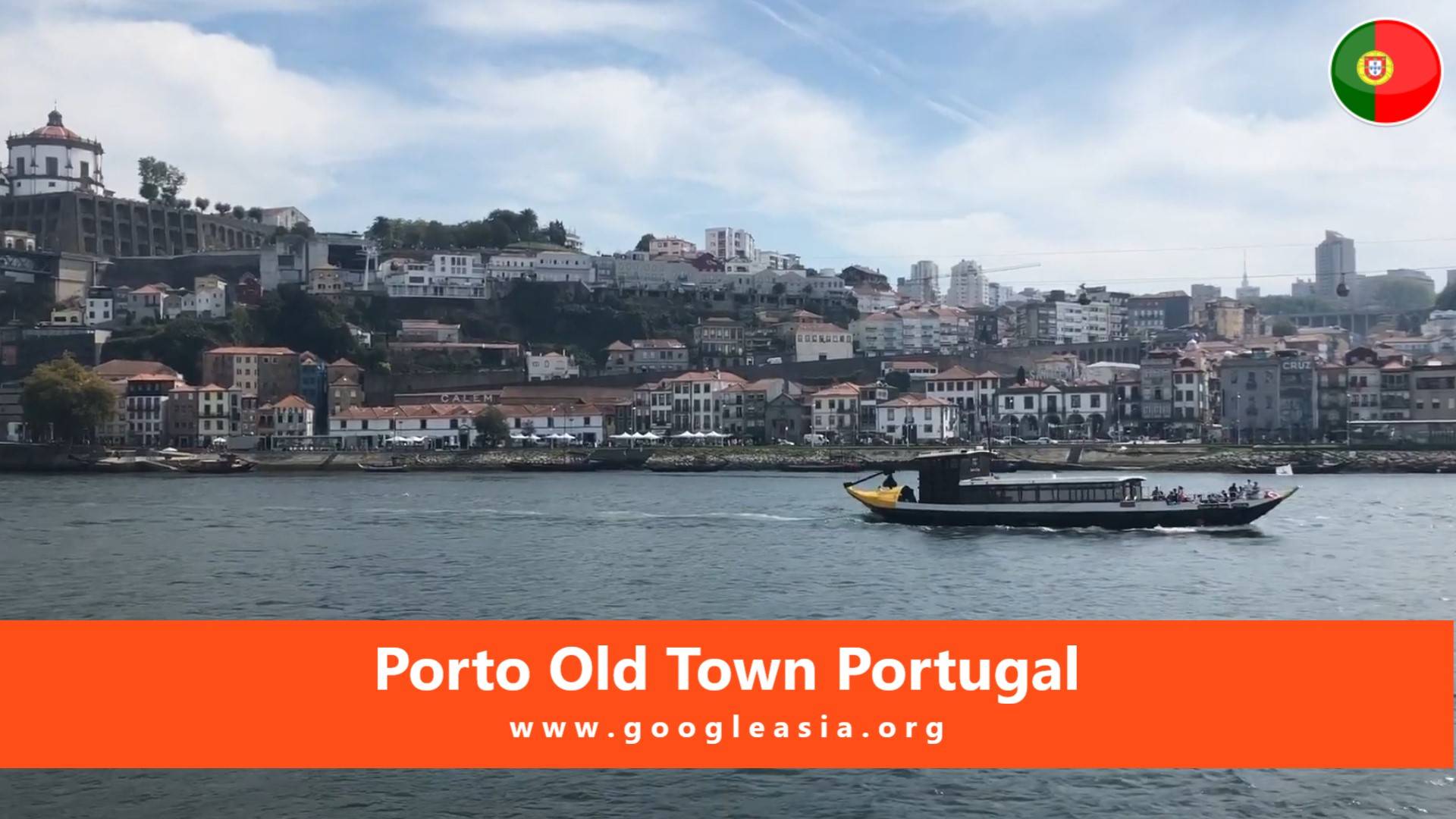
  • Porto Old Town | Heritage & Riverside Charm

    Porto Old Town | Heritage & Riverside Charm

    Porto Old Town, Portugal

    Discover Porto Old Town, a UNESCO World Heritage Site where winding streets, colorful houses, and riverside views bring Portugal’s history to life. From baroque churches to lively cafés, this district blends tradition with modern energy. Make it part of your Portugal adventure—plan your visit today and experience the soul of Porto.

    Introduction

    Porto Old Town is one of Portugal’s most beautiful and fascinating districts. Explore the narrow-cobbled streets and picturesque squares, featuring colorful houses and Baroque churches. Be sure to visit the 12th century Cathedral, Clérigos Tower, and traditional cafés and shops. Enjoy breathtaking views of the Douro River and a cruise along the river. Porto Old Town is sure to leave you with lasting memories.

    History and Culture

    Porto Old Town, nestled along the banks of the River Douro, beckons visitors with its charming streets and rich cultural tapestry.

    Architectural Charm

    Characteristics: Narrow cobbled streets, colorful painted houses, vibrant cafes, and quaint shops
    Highlights: Churches, museums, and monuments showcasing Porto’s heritage

    Exploring the Sights

    • River Douro Waterfront: Stroll along the picturesque riverfront, lined with cafes and restaurants offering views of Porto’s iconic bridges.

    • Elevador da Santa Justa: A neo-Gothic lift connecting the lower and upper towns, providing panoramic views of Porto’s skyline and river.

    Things to Do

    Porto Old Town, steeped in history and adorned with architectural marvels, invites exploration and discovery.

    Architectural Gems

    • Clerigos Tower: Ascend this baroque belltower for panoramic views of Porto’s skyline, an iconic symbol of the city’s architectural heritage.
    • São Bento Train Station: Marvel at its Gothic façade adorned with intricate azulejo tiles depicting Portugal’s history, a testament to Porto’s artistic prowess.

    Cultural Delights

    • Lello Bookshop: Wander through Europe’s third most beautiful bookstore, famed for its Neo-Gothic architecture and enchanting atmosphere.
    • Palácio da Bolsa: Explore this Moorish-inspired palace-turned-exhibition space, showcasing Porto’s cultural and historical narrative.

    Riverside Adventures

    • Douro River Cruise: Embark on a scenic cruise along the Douro River, capturing breathtaking views of Porto’s bridges, monuments, and riverside palaces.

    Leisure and Entertainment

    • Majestic Café: Indulge in the opulent ambiance of this historic café, where art-deco elegance meets live piano music, perfect for a leisurely afternoon.
    • Jardim do Morro: Relax in the serene gardens filled with vibrant flowers, tranquil water features, and scenic vistas overlooking the Douro River.

    Shopping and Exploration

    • Aliados Avenue: Discover Porto’s shopping districts like Rua da Matinha and Rua Fernandes Tomás, bustling with local boutiques and international brands.

    Historical Discovery

    • Guided Tours: Immerse yourself in Porto’s historic neighborhoods, from the winding streets to hidden cafés and bars, capturing the essence of old-world charm.
    • Sé do Porto: Admire the grandeur of Porto’s Gothic cathedral, Sé do Porto, dating back to the 12th century, featuring ornate architecture and religious artifacts.

    Museums and Monuments

    • Casa do Infante: Birthplace of Prince Henry the Navigator, offering insights into Porto’s maritime history.

    • São Bento Railway Station: Admire its ornate tile panels depicting Portugal’s history and daily life scenes.

    Festivals and Events

    • São João Festival: Celebrated in June with street parties, music, and fireworks honoring Saint John the Baptist.

    • Porto Wine Fest: A celebration of Port wine with tastings, workshops, and cultural events along the riverfront.

    Foods

    Porto Old Town is a gastronomic haven, offering a variety of traditional dishes that reflect Portugal’s rich culinary heritage.

    Sardinhas Assadas

    Fresh sardines seasoned and grilled to perfection, a staple of Portuguese seaside dining.

    Caldeirada de Peixe

    A hearty fish stew simmered with potatoes, tomatoes, and aromatic herbs, showcasing the flavors of the sea.

    Bife à Portuguesa

    Tender steak topped with a fried egg and served with fries and rice, a satisfying dish loved by locals and visitors alike.

    Pasteis de Bacalhau

    Golden-fried codfish cakes made with potatoes and parsley, a delicious snack or appetizer.

    Francesinhas

    Porto’s famous sandwich layered with cured meats, covered in melted cheese, and smothered in a spicy tomato and beer sauce.

    Carne de Porco à Alentejana

    Succulent pork marinated in garlic and spices, cooked with clams, and served with fried potatoes, a flavorful combination of land and sea.

    Cozido à Portuguesa

    A comforting stew featuring a variety of meats, sausages, and vegetables, simmered to perfection.

    Bacalhau com Natas

    Salted cod baked with potatoes in a creamy sauce, a creamy and indulgent dish.

    Tripas à Moda do Porto

    Porto’s signature dish, tripe stewed with white beans, sausage, and herbs, a testament to the city’s culinary traditions.

    Arroz de Pato

    Tender duck cooked with rice and flavored with herbs and spices, offering a comforting and aromatic meal.

    Hotels

    Luxurious Stays

    Discover exquisite accommodations that blend comfort, elegance, and convenience in Porto Old Town.

    Yeatman Hotel

    Luxurious five-star hotel, outdoor pool overlooking Porto, wine spa offering exclusive treatments.

    Casa da Música Luxury Guest House

    Restored 18th-century guest house, picturesque garden and terrace, ideal for a tranquil retreat.

    Modern Comfort

    Experience contemporary amenities and stylish accommodations in Porto’s vibrant city center.

    Hotel Infante Sagres

    Modern four-star hotel, centrally located near Ribeira district, combining comfort with sophistication.

    Pestana Porto Hotel & World Heritage Site

    Unique five-star property, showcasing classic antique décor amidst modern amenities, a UNESCO World Heritage site.

    Boutique Elegance

    Enjoy personalized service and a boutique atmosphere within walking distance of Porto’s cultural attractions.

    The Gallery Guest House

    Modern boutique hotel, close to railway station, art galleries, and local markets, offering a blend of comfort and style.

    Conclusion

    A visit to Porto Old Town is more than sightseeing—it’s about feeling the rhythm of the city. Whether you’re sipping Port wine by the river, discovering hidden alleys, or simply soaking in the views from a terrace, the district offers moments that stay with you long after you leave. Add it to your travel plans and let Porto’s Old Town be the highlight of your Portuguese journey.

    Porto Old Town Portugal

    Summary

    • Attraction: Porto Old Town
    • Country: Portugal
    • Continent: Europe
    • Capital Name: Lisbon
    • Language: Portuguese (official)
    • Currency: the EURO
    • Nationality: Portuguese
    • Category: #Destination #Europe #PORTUGAL 

    Contact Information

    • Name: Porto Old Town (Historic Centre of Porto)
    • Address: Central Porto, Ribeira District, Porto, Portugal
    • Telephone: +351 22 332 6000 (Porto Tourism Office)
    • Website: www.visitporto.travel
    • Email: info@visitporto.travel
    • Entry Fee: Free to explore; guided tours and museum entries priced individually
    • Business Hours: Open year‑round; attractions and tourism offices typically 9:00 AM – 6:00 PM (hours vary by site and season)

    Frequently Asked Questions

    What are Porto Old Town’s nearby must-visit attractions or landmarks?

    Porto Old Town, also known as Ribeira, is a charming district with a rich cultural and historical heritage. In addition to its own unique charm, there are several nearby must-visit attractions and landmarks. Here are some notable places to explore in the vicinity:

    1. Dom Luís I Bridge (Ponte Dom Luís I): This iconic double-deck iron bridge spans the Douro River and connects Porto to Vila Nova de Gaia. Walk across the upper level for panoramic views or take a boat cruise beneath it.
    2. Ribeira Square (Praça da Ribeira): The heart of Porto Old Town, Ribeira Square is a lively area with colorful buildings, outdoor cafes, and a bustling atmosphere. It’s a great place to soak in the local culture.
    3. São Bento Train Station (Estação de São Bento): Known for its stunning azulejo tilework, São Bento Train Station is a historic railway station featuring intricate blue and white tiles depicting Portuguese scenes.
    4. Porto Cathedral (Sé do Porto): This medieval cathedral offers panoramic views of Porto from its terrace. The cathedral combines various architectural styles, including Romanesque and Gothic.
    5. Church of São Francisco (Igreja de São Francisco): A Gothic church known for its Baroque interior, including ornate woodwork and golden decorations. The catacombs beneath the church are also worth exploring.
    6. Palácio da Bolsa (Stock Exchange Palace): A neoclassical building with impressive halls and chambers, including the Arabian Hall. Guided tours provide insights into Porto’s economic history.
    7. Lello Bookstore (Livraria Lello): Often considered one of the most beautiful bookstores in the world, Lello Bookstore is renowned for its stunning architecture, wooden staircase, and vibrant ambiance.
    8. Clerigos Tower (Torre dos Clérigos): Climb to the top of this iconic tower for panoramic views of Porto. The adjacent Clerigos Church is another architectural gem.
    9. Port Wine Cellars in Vila Nova de Gaia: Cross the river to Vila Nova de Gaia, where you can visit famous port wine cellars such as Sandeman, Graham’s, and Taylor’s for tastings and tours.
    10. Cais da Ribeira: The riverside promenade along the Douro River offers picturesque views, outdoor dining options, and a chance to relax by the water.
    11. Mercado do Bolhão: While a bit farther from Ribeira, this traditional market is worth a visit. Experience the vibrant atmosphere and explore fresh produce, local crafts, and more.
    12. Portuguese Centre of Photography (Centro Português de Fotografia): Housed in a former prison, this center showcases photography exhibitions and provides insight into Portugal’s photographic history.

    Is Porto Old Town a suitable travel destination for solo adventurers, honeymooning couples, or those traveling with families?

    Porto Old Town is a versatile travel destination that caters to a diverse range of travelers, making it suitable for solo adventurers, honeymooning couples, and families. Here’s why it can be a great choice for each group:

    Solo Adventurers:

    1. Historical Exploration: Solo adventurers can immerse themselves in the rich history of Porto Old Town, exploring historic landmarks, narrow streets, and cultural sites at their own pace.
    2. Social Atmosphere: The lively ambiance of Ribeira Square and the waterfront offers opportunities for solo travelers to socialize, meet locals, and enjoy the vibrant atmosphere of the district.
    3. Walking Tours: Joining walking tours allows solo travelers to discover hidden gems, learn about the city’s history, and meet fellow travelers in a group setting.

    Honeymooning Couples:

    1. Romantic Setting: The picturesque views of the Douro River, charming streets, and historic architecture create a romantic ambiance, making it an ideal setting for couples.
    2. Wine Tasting: Honeymooners can indulge in wine tasting at the nearby wine cellars in Vila Nova de Gaia, enjoying the famous Port wine in a scenic riverside setting.
    3. Boat Cruises: Take a romantic boat cruise along the Douro River, providing a unique perspective of Porto Old Town and its beautiful surroundings.

    Families:

    1. Cultural Exploration: Families can explore Porto Old Town’s historical landmarks, such as the Porto Cathedral and São Bento Train Station, offering both educational and entertaining experiences.
    2. Riverside Activities: Enjoy family-friendly activities along the riverside, including boat rides, picnics, and walks, with stunning views of the iconic Dom Luís I Bridge.
    3. Gastronomic Delights: Porto Old Town has a variety of restaurants catering to different tastes, allowing families to enjoy traditional Portuguese cuisine together.
    4. Livramento Market: Families can visit the Mercado do Bolhão and experience the lively market atmosphere, where kids can explore fresh produce, local products, and unique crafts.

    All Visitors:

    1. Accessibility: Porto Old Town is easily accessible by various modes of transportation, making it convenient for all types of travelers to reach and explore.
    2. Diverse Activities: The district offers a mix of cultural experiences, historical exploration, culinary delights, and scenic walks, catering to the diverse interests of different travelers.

    Why should you visit Porto Old Town?

    Porto Old Town, also known as Ribeira, is a captivating district in Porto, Portugal, with numerous reasons to visit. Here are some compelling reasons to explore Porto Old Town:

    1. Historic Charm: Porto Old Town is a UNESCO World Heritage Site known for its historic architecture, narrow cobblestone streets, and colorful buildings. It offers a glimpse into the city’s rich history and traditions.
    2. Ribeira Square: At the heart of Porto Old Town, Ribeira Square is a vibrant and bustling area surrounded by restaurants, cafes, and shops. It’s a perfect place to soak in the local atmosphere and enjoy outdoor dining.
    3. Douro River Views: The district is situated along the Douro River, providing stunning waterfront views. You can stroll along the riverbanks, take a boat cruise, or simply relax by the water.
    4. Historic Landmarks: Explore landmarks such as São Bento Train Station, known for its intricate tilework, and the Porto Cathedral (Sé do Porto), a medieval masterpiece with panoramic views of the city.
    5. Bridge Views: Admire the iconic Dom Luís I Bridge, a double-deck iron bridge that connects Porto to Vila Nova de Gaia. You can walk across the bridge for panoramic views of both sides of the river.
    6. Gastronomic Delights: Porto Old Town is home to traditional Portuguese restaurants, offering authentic dishes and local specialties. Enjoy a meal while savoring the picturesque surroundings.
    7. Wine Cellars: Venture into the wine cellars of Vila Nova de Gaia, located across the river. This is where the famous Port wine is produced. Take a guided tour and enjoy tastings in the historic cellars.
    8. Art and Culture: Discover art galleries, street art, and cultural spaces throughout Porto Old Town. The district is a blend of old-world charm and contemporary creativity.
    9. Livramento Market: Visit the Mercado do Bolhão, a traditional market known for its fresh produce, seafood, and local products. It’s a lively place to experience the city’s daily life.
    10. Festivals and Events: Porto Old Town hosts various festivals and events throughout the year, adding to the lively atmosphere. Check the local calendar for any cultural celebrations or performances.
    11. Azulejo-Tiled Buildings: Admire the façades adorned with colorful azulejo tiles, depicting intricate patterns and historical scenes. These decorative tiles are a distinctive feature of Portuguese architecture.
    12. Walking Tours: Join walking tours to explore the hidden gems, hear fascinating stories from local guides, and gain insights into Porto’s past and present.

    How can one travel to Porto Old Town?

    Porto Old Town, also known as Ribeira, is a charming and historic district in Porto, Portugal. Traveling to Porto Old Town is convenient, and you can use various modes of transportation depending on your starting point. Here are some common options:

    By Plane:

    1. Porto Airport (Francisco Sá Carneiro Airport):
      • Arrive at Porto Airport, which is located about 17 kilometers north of Porto.
      • From the airport, you can take a taxi, airport shuttle, or use ride-sharing services to reach Porto Old Town. The journey takes approximately 20-30 minutes, depending on traffic.

    By Train:

    1. São Bento Train Station:
      • If arriving by train, São Bento Train Station is centrally located in Porto.
      • From São Bento, you can walk to Porto Old Town or take a short taxi ride.

    By Metro:

    1. Trindade Metro Station:
      • Trindade is a major metro station in Porto. From there, you can take the D Line (Yellow Line) towards D. João II and get off at São Bento Station.
      • São Bento Station is close to Porto Old Town.

    By Bus:

    1. Bus Services:
      • Porto has an extensive bus network. Depending on your location, you can find bus routes that pass through or near Porto Old Town.

    By Car:

    1. Driving or Taxi:
      • If you prefer to drive or take a taxi, Porto Old Town is easily accessible by car. Use a navigation app to guide you.

    By Foot:

    1. Walking:
      • If you are staying in the city center or near the riverfront, Porto Old Town is often within walking distance. Enjoy a leisurely stroll through the charming streets.

    By Boat:

    1. Boat Tours:
      • You can also reach Porto Old Town by taking a boat tour along the Douro River. This provides a scenic and unique perspective of the city.

    Combination:

    1. Combination:
      • You can combine different modes of transportation based on your convenience. For example, you might take a metro or bus to a central location and then walk the rest of the way.

    Is it difficult to find halal food in Porto Old Town?

    Finding halal food in Porto Old Town might be a bit challenging compared to more cosmopolitan cities with diverse culinary offerings. Portugal, in general, is known for its traditional cuisine, and halal options may be limited.

    However, it’s essential to note that the culinary landscape in cities can change, and new establishments may have opened since my last update. Here are some tips to help you find halal food in Porto Old Town:

    1. Check with Local Restaurants: Inquire with local restaurants in Porto Old Town to see if they offer halal options. Some restaurants may be willing to accommodate dietary preferences if you inform them in advance.
    2. Explore the City Center: Porto’s city center may have a more diverse range of dining options, including international cuisine. You can explore areas like Ribeira or Baixa for restaurants that may offer halal choices.
    3. Halal Grocery Stores: Check if there are any halal grocery stores or markets in the broader area. You can purchase halal ingredients and prepare your own meals or snacks.
    4. Online Apps and Reviews: Utilize online apps and review websites to find updated information on halal dining options in Porto. Travelers often share their experiences and recommendations on such platforms.
    5. Ask Locals: When in doubt, ask locals or staff at your accommodation. They may have insights into nearby places that offer halal food or can provide recommendations based on your dietary preferences.

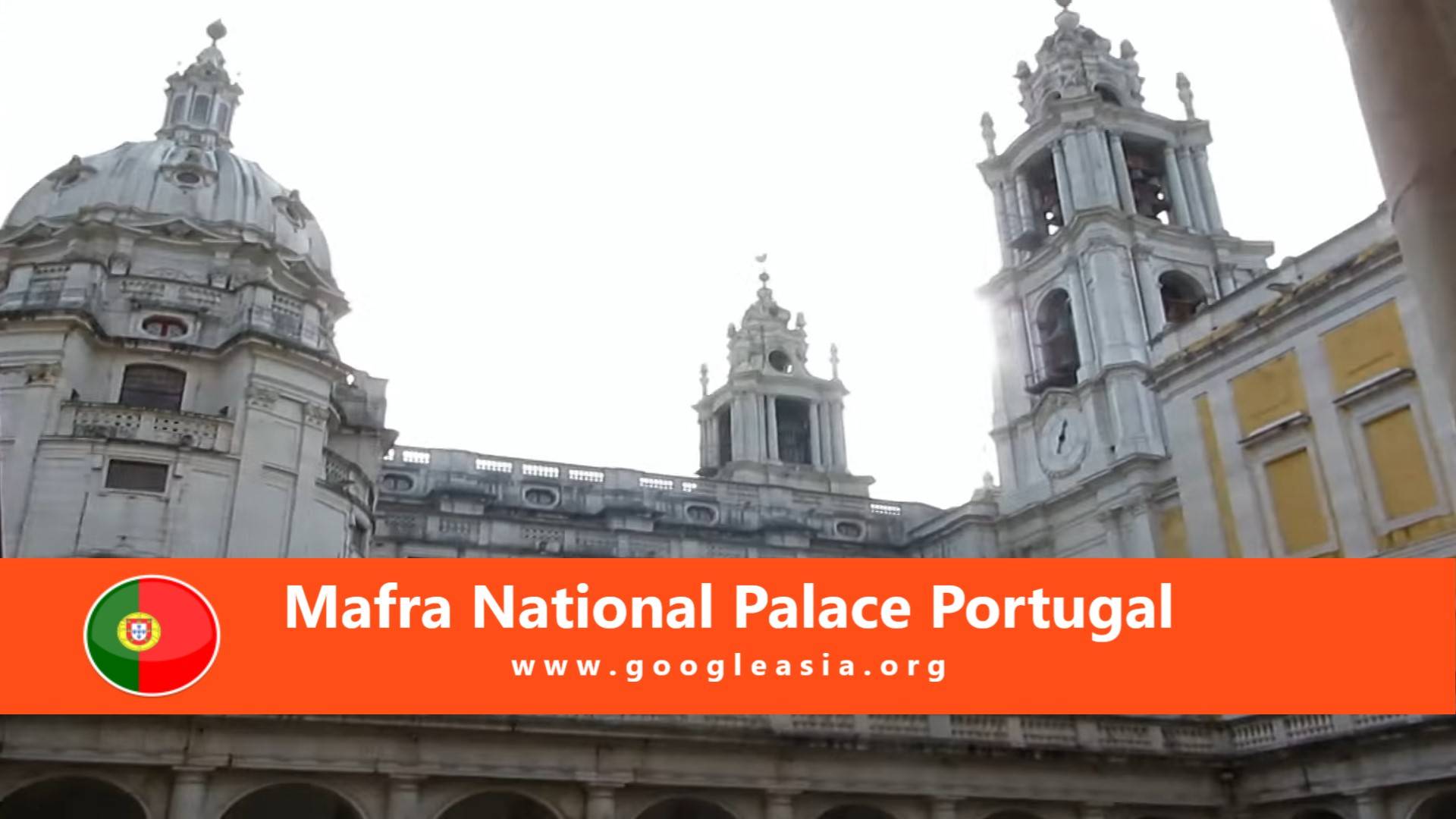
  • Mafra National Palace | Baroque Wonder of Portugal

    Mafra National Palace | Baroque Wonder of Portugal

    Mafra National Palace, Portugal

    Step inside the Mafra National Palace, a monumental Baroque complex that combines a royal palace, basilica, convent, and one of Europe’s most stunning libraries. Recognized as a UNESCO World Heritage Site, it offers history, art, and grandeur in equal measure. Make it part of your Portugal journey—plan your visit today and experience Mafra’s timeless beauty.

    Introduction

    The Mafra National Palace (Palácio Nacional de Mafra) is one of Portugal’s most impressive architectural achievements. Commissioned by King João V in the early 18th century, it was built to celebrate the birth of his first child and stands as a symbol of royal power and devotion. It is one of the largest palaces in Europe, covering 40,000m2 with 540 rooms, 4 cloisters, basilica and many other buildings. It’s beautiful gardens and terraces are the perfect place to explore and admire the stunning architecture.

    The vast complex includes a royal palace, a basilica with six historic organs, a Franciscan convent, and a renowned library that houses thousands of rare volumes. Its scale is breathtaking, with Europe’s largest palatial corridor stretching over 230 meters. Declared a UNESCO World Heritage Site in 2019, the palace remains a cultural treasure that reflects Portugal’s Baroque splendor.

    A Grand Baroque Masterpiece

    Mafra National Palace, a stunning Baroque marvel located in Mafra, Portugal, stands as a testament to royal opulence and architectural grandeur.

    Historical Significance

    • Construction: Built in the early 18th century under King João V, fulfilling a promise made upon the birth of his son and heir.
    • Architecture: Designed by Italian architect Niccolo Pucci, featuring a symmetrical stone facade, iconic double-towered entrance, and a central dome.

    Attractions

    Palace Complex

    • Palace: Lavishly adorned with gilded stucco decorations, paintings, tapestries, and royal furniture, evoking the splendor of Portuguese royalty.
    • Chapel: A place of worship within the palace, showcasing ornate Baroque architecture and religious artworks.
    • Library: Home to a significant collection of manuscripts, reflecting Portugal’s intellectual heritage.
    • Gardens: Extensive royal gardens behind the palace, designed in formal Baroque style, offering a serene retreat for visitors.
    • Menagerie: Historic housing for exotic animals, providing insight into royal interests and conservation efforts of the era.

    Mafra National Palace Museum

    • Collections: Displays of royal wardrobes, golden crystal chandeliers, and artifacts that offer a glimpse into courtly life during the Baroque period.
    • Visitors: Open to the public, inviting visitors to explore its rich history and artistic treasures preserved within its walls.

    Things to Do

    Explore the magnificent Mafra National Palace, a testament to Baroque grandeur and Portuguese history.

    Tour the Mafra National Palace

    Step into the lavish world of King John V, marveling at the palace’s opulent interiors and grand exteriors.

    Enjoy the Tapada Garden

    Wander through lush green gardens and serene lakes surrounding the palace, perfect for a leisurely stroll or peaceful contemplation.

    Witness the Carriage Museum

    Explore an extraordinary collection of carriages, including those used by historic French kings and European royalty, offering a glimpse into transportation history.

    Visit the Stables

    Gain a unique perspective of the palace and its surroundings from the stables, an integral part of royal life in Mafra.

    Have a Picnic

    Relax and enjoy a picnic amidst the beauty of Tapada or in designated picnic areas near the palace, ideal for a scenic outdoor meal.

    Explore the Palace Library

    Discover the Art Gallery and Library, housing over 360,000 volumes and offering insights into Portuguese intellectual heritage.

    Climb the Clock Tower

    Ascend the Clock Tower for breathtaking views of the palace and its surroundings, capturing the essence of Mafra’s architectural splendor.

    Attend Summer Concerts

    Experience musical performances in the palace courtyard during warmer months, immersing yourself in cultural events amid historic surroundings.

    See the Convent

    Explore the monastery connected to the palace, adorned with intricate baroque bas-reliefs and offering a glimpse into religious life.

    Experience a Sightseeing Tour

    Take a guided tour for a comprehensive exploration of the palace complex and its historical significance, enriching your visit with detailed insights.

    Foods

    Discover the delectable dishes that showcase the culinary heritage of Mafra National Palace and its surroundings.

    Sericaia

    A sweet and creamy egg-based pastry, originating from the Mafra region, perfect for dessert lovers.

    Pastéis de Santa Clara

    Large egg tart pastries, a specialty served at Mafra National Palace, hailing from the town of Santa Maria.

    Roast Piglet with Potato Filling

    A traditional dish highlighting tender roast piglet with a hearty potato filling, offering a savory delight.

    Filhós de Almôndega

    Fried dough dumplings filled with a delightful almond filling, a flavorful treat for those with a sweet tooth.

    Espalhe de Cabra

    A starter dish featuring cheese made from goat’s milk, served to tantalize the taste buds.

    Grilled Sardines

    Classic grilled sardines, served with a light lemon and garlic sauce, capturing the essence of Portuguese seaside dining.

    Stewed Rabbit with Spices

    Tender rabbit stewed with aromatic spices, complemented by a garlicky mustard sauce, offering a savory and satisfying dish.

    Rice with Duck

    A comforting combination of rice, duck, and mushrooms, cooked in a flavorful paprika and butter sauce.

    Mafra-style Escargots

    Escargots cooked in a rich sauce of garlic, parsley, and white wine, showcasing local flavors and culinary expertise.

    Travesseiro de Santa Clara

    A decadent dessert pastry filled with almonds and wrapped in puff pastry dough, a delightful conclusion to a meal.

    Hotels

    Mafra and Nearby

    Quinta dos Machados

    Located close to Mafra, offering a tranquil retreat with spa facilities and picturesque surroundings.

    Villa Ana Margarida Residencial

    A charming guesthouse in Mafra town center, known for its cozy ambiance and friendly service.

    Lisbon

    EPIC SANA Lisboa Hotel

    A luxurious hotel in Lisbon, featuring modern design, a rooftop infinity pool, and a spa for relaxation.

    Hotel Pestana Palace Lisboa

    A 5-star hotel in a restored 19th-century palace, offering elegant rooms, gardens, and fine dining.

    Memmo Príncipe Real

    Boutique hotel in Lisbon’s Príncipe Real district, known for its contemporary design and panoramic city views.

    Porto

    InterContinental Porto – Palácio das Cardosas

    Housed in a renovated 18th-century palace in Porto’s historic center, offering luxury accommodations and a prime location.

    The Yeatman

    A wine-themed luxury hotel in Vila Nova de Gaia, featuring panoramic views of Porto, Michelin-starred dining, and a wine cellar.

    Estoril

    Hotel Palácio Estoril

    A historic hotel in Estoril, famous for its luxury and old-world charm, set in beautiful gardens near the beach.

    Ericeira

    Vila Gale Ericeira

    A modern hotel overlooking the Atlantic Ocean in Ericeira, offering comfortable rooms, spa facilities, and direct access to the beach.

    Espinho

    Hotel Solverde Spa & Wellness Center

    A beachfront hotel in Espinho, featuring a spa, wellness center, and proximity to the Espinho Casino.

    Additional Options

    Quinta da Marinha Resort

    Located in Cascais, offering golf courses, a spa, and luxury accommodations in a natural setting near Mafra.

    Conclusion

    A visit to the Mafra National Palace is more than a tour—it’s an immersion into Portugal’s history, architecture, and artistry. Whether you’re drawn to its grand basilica, fascinated by its library, or captivated by its monumental scale, Mafra offers an unforgettable experience. Add it to your travel plans and let this Baroque masterpiece enrich your exploration of Portugal.

    Mafra National Palace Portugal

    Summary

    • Attraction: Mafra National Palace
    • Country: Portugal
    • Continent: Europe
    • Capital Name: Lisbon
    • Language: Portuguese (official)
    • Currency: the EURO
    • Nationality: Portuguese
    • Category: #Destination #Europe #PORTUGAL 

    Contact Information

    • Name: Mafra National Palace (Palácio Nacional de Mafra)
    • Address: Terreiro D. João V, 2640‑492 Mafra, Portugal
    • Telephone: +351 261 817 550
    • Website: www.palaciodemafra.pt
    • Email: info@palaciodemafra.pt
    • Entry Fee: Adults €15; reduced tickets available for youth, seniors, and families; free entry with Lisboa Card
    • Business Hours: Wednesday to Monday, 9:30 AM – 5:30 PM (last entry 4:30 PM); closed Tuesdays

    Frequently Asked Questions

    What are Mafra National Palace’s nearby must-visit attractions or landmarks?

    While Mafra National Palace is a significant landmark in its own right, the town of Mafra and its surrounding areas offer additional attractions and landmarks worth exploring. Here are some nearby must-visit attractions:

    1. Tapada Nacional de Mafra: Located near Mafra National Palace, Tapada Nacional de Mafra is a vast nature reserve and park. It offers walking trails, wildlife observation, and a chance to experience the natural beauty of the region.
    2. Ericeira: A charming coastal town located a short distance from Mafra. Ericeira is known for its beautiful beaches, surf culture, and historic center. It’s a great place to enjoy seaside activities and fresh seafood.
    3. São Lourenço Beach: This beach is part of the Ericeira World Surfing Reserve and is known for its excellent surfing conditions. The coastal landscape is stunning, and it’s a popular spot for both surfers and beachgoers.
    4. Aldeia Típica José Franco: Located in Sobreiro, this traditional village was created by artist José Franco and represents a snapshot of rural life in the region. Visitors can explore the miniature houses and workshops.
    5. Convento de Mafra Garden: The gardens surrounding Mafra National Palace are extensive and well-maintained. Take a leisurely stroll through the gardens and enjoy the tranquil atmosphere.
    6. Foz do Lizandro Beach: Another beautiful beach near Mafra, Foz do Lizandro offers a more relaxed atmosphere. It’s suitable for both surfing and family outings.
    7. Malveira Market: A traditional market in the nearby town of Malveira. It’s known for its vibrant atmosphere and offers a variety of fresh produce, local crafts, and traditional Portuguese products.
    8. Azenhas do Mar: A picturesque coastal village with stunning cliffside views. The whitewashed houses perched on the cliffs create a postcard-worthy scene.
    9. Palácio Nacional de Sintra: While not as close as other attractions, Sintra is a short drive away. The National Palace of Sintra, with its distinctive twin chimneys, is a UNESCO World Heritage Site and a notable landmark.
    10. Cabo da Roca: If you enjoy scenic landscapes, Cabo da Roca is the westernmost point of mainland Europe. The rugged cliffs and panoramic views make it a captivating destination.

    Why should you visit Mafra National Palace?

    Mafra National Palace, also known as the Palace of Mafra or Palácio Nacional de Mafra, is a magnificent Baroque palace located in Mafra, Portugal. Visiting Mafra National Palace offers a unique and enriching experience for several compelling reasons:

    1. Architectural Grandeur: The palace is a masterpiece of Baroque architecture and one of the most significant buildings in Portugal. It showcases the grandeur and opulence associated with the Baroque style, featuring intricate detailing, majestic facades, and impressive interiors.
    2. Royal Residence: Originally commissioned by King João V in the 18th century, Mafra National Palace served as a royal residence. The scale of the palace reflects the wealth and power of the Portuguese monarchy during the Baroque period.
    3. Basilica de Nossa Senhora e São Vicente de Fora: The palace complex includes a basilica with two impressive bell towers. The basilica is dedicated to Our Lady and Saint Vincent and is adorned with beautiful sculptures and religious art.
    4. Library of Mafra: Mafra National Palace is renowned for its library, which houses a vast collection of rare books, manuscripts, and historic documents. The library is one of the most significant Baroque libraries in Europe.
    5. Carrillons and Bells: The palace features a famous carillon with 98 bells, making it one of the largest in the world. Visitors can witness the mechanical musical instruments in action during designated times.
    6. Conventual Area: Explore the conventual area of the palace, which includes the monks’ cells, kitchens, and other functional spaces. It provides insight into the daily life of the Franciscan monks who once resided there.
    7. Beautiful Gardens: The palace is surrounded by extensive gardens and a hunting park, offering a serene and picturesque setting. The well-maintained grounds provide a peaceful retreat for visitors.
    8. Cultural Events and Exhibitions: Mafra National Palace often hosts cultural events, exhibitions, and concerts, adding to the cultural vibrancy of the site. Check the schedule for any special events during your visit.
    9. Historical Significance: The palace has played a role in Portuguese history, and its construction was tied to a vow made by King João V. The palace complex symbolizes the wealth and influence of Portugal during the Age of Absolutism.
    10. Day Trip from Lisbon: Mafra is conveniently located for a day trip from Lisbon, making it an accessible destination for those staying in the Portuguese capital.

    How can one travel to Mafra National Palace?

    Mafra National Palace is located in Mafra, Portugal, and it is easily accessible by various modes of transportation. Here are some common ways to travel to Mafra National Palace:

    By Car:

    1. Driving: If you have access to a car, driving is a convenient option. Mafra is well-connected by road, and the palace has parking facilities. Use a navigation app or GPS to guide you.

    By Public Transportation:

    1. Bus: Mafra is served by bus services from nearby towns and cities. You can check the bus schedules and routes to plan your journey. The bus station in Mafra is relatively close to the palace.
    2. Train: While Mafra doesn’t have its own train station, you can take a train to nearby destinations like Sintra or Lisbon and then use bus services to reach Mafra.

    By Tour:

    1. Guided Tours: Consider joining a guided tour that includes transportation to Mafra National Palace. Tour operators in nearby cities often offer day trips that include visits to historical sites like Mafra.

    By Combination:

    1. Combination: You can combine different modes of transportation. For example, take a train or bus to a nearby city and then use local bus services or taxis to reach Mafra.

    From Lisbon:

    1. Lisbon to Mafra: If you are in Lisbon, you can take a direct bus from Campo Grande or Sete Rios to Mafra. The journey takes approximately one hour.
    2. Car Rental from Lisbon: Renting a car in Lisbon gives you flexibility. You can drive to Mafra, and the journey takes about 40 minutes.

    From Sintra:

    1. Sintra to Mafra: If you are in Sintra, you can take a train to Lisbon and then a bus to Mafra. Alternatively, consider a car rental for a more direct route.

    By Foot:

    1. Walking: If you are staying in Mafra or nearby, and the weather is suitable, you can walk to Mafra National Palace. The palace is located near the town center.

    Are there any halal food options around the Mafra National Palace?

    Finding specific halal food options around Mafra National Palace might be challenging, as the immediate area may not have a significant concentration of halal restaurants. Mafra is a smaller town, and Portugal, in general, may not have a wide variety of halal dining options compared to more cosmopolitan cities.

    However, it’s essential to note that the culinary landscape can change, and new establishments may have opened since my last update. Here are some general tips to help you find halal food or suitable dining options:

    1. Check with Local Restaurants: Inquire with local restaurants in Mafra to see if they offer halal options or if they can accommodate dietary preferences. Some restaurants may be willing to modify dishes based on your requirements.
    2. Explore Nearby Cities: If you are willing to travel a bit, you might find more diverse dining options in larger cities nearby, such as Lisbon. You can check for halal restaurants in Lisbon, which is approximately 40 kilometers from Mafra.
    3. Halal Grocery Stores: Look for halal grocery stores or markets where you can purchase halal ingredients and prepare your own meals. This option is especially useful if you have access to kitchen facilities.
    4. Online Apps and Reviews: Utilize online apps and review websites to find updated information on halal dining options. Travelers often share their experiences and recommendations on platforms like TripAdvisor or Yelp.
    5. Ask Locals or Accommodation Staff: Local residents or staff at your accommodation may have insights into nearby places that offer halal food or vegetarian options.
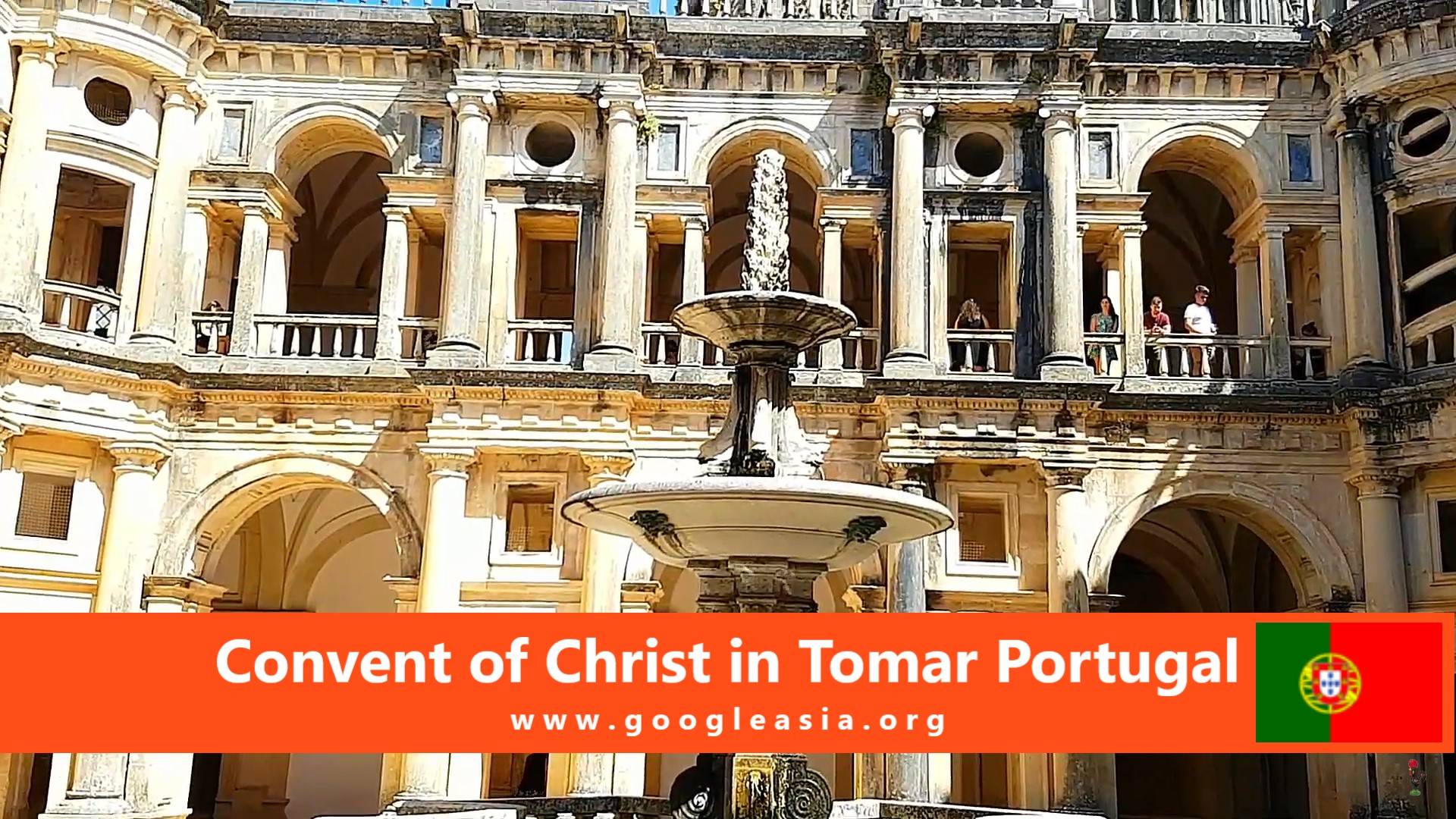
  • Convent of Christ | Templar Legacy in Portugal

    Convent of Christ | Templar Legacy in Portugal

    Convent of Christ, Portugal

    Explore the Convent of Christ in Tomar, a UNESCO World Heritage Site that began as a 12th‑century Templar stronghold and evolved into the headquarters of the Order of Christ. With its fortress walls, Manueline architecture, and Renaissance cloisters, this monument tells the story of Portugal’s Age of Discovery. Make it part of your Portugal journey—plan your visit today and uncover the mysteries of the Templars.

    Introduction

    The Convent of Christ in Tomar, Portugal, is a UNESCO World Heritage site. Built in the 12th century, it was originally a Templar stronghold before becoming a convent. Over the centuries, it has been modified and expanded and now stands as a monument to Portugal’s fascinating and turbulent history. Its ornate Manueline architecture and ornamental sculpture are a sight to behold, and it’s a must-see for anyone visiting the region.

    A Testament of Manueline Architecture

    Discover the rich history and architectural marvels of the Convent of Christ in Tomar, Portugal.

    Historical Significance

    • Foundation: Established in the 12th century as a Templar stronghold, later transformed by the Jesuits in the 16th century.

    • Architecture: Exemplifies the Manueline style, characterized by intricate stone carvings, ornate decorations, and grandeur.

    Attractions

    Monastery Complex

    • Chapels: Explore various chapels within the complex, each adorned with religious artworks and historical significance.
    • Dormitory and Refectory: Witness the communal spaces where monks lived and dined, reflecting daily life within the monastery.
    • Abbot’s Quarters: Visit the residence of the monastery’s superior, featuring period furnishings and historical artifacts.

    Tower and Cloister

    • Clock Tower: Ascend the six-storey tower for panoramic views and admire its architectural splendor, a symbol of the monastery’s prominence.
    • Cloister: Wander through the cloister adorned with intricately carved stone figures, showcasing exquisite craftsmanship.

    Art and Artifacts

    • Artworks and Sculptures: Discover a wealth of religious art, sculptures, and artifacts spanning centuries of history and artistic expression.

    Things to Do

    Explore the diverse attractions and historical landmarks within the Convent of Christ, offering a glimpse into centuries of religious and architectural significance.

    Discover Historical Marvels

    Tour the Monastery of the Knights Templar

    Delve into the rich history of the Monastery, founded in 1160, and learn about its evolution through interactive guided tours.

    Admire the Aqueduct of Pegões

    Marvel at the impressive 16th-century aqueduct, a symbol of engineering prowess spanning approximately 2 km, showcasing exquisite masonry and historical significance.

    Explore Cultural Treasures

    Visit the Synagogue of Tomar

    Explore one of Portugal’s best-preserved synagogues, dating back to the 15th century, now a museum offering insights into local Jewish heritage and history.

    Tour the Charola

    Enter the Charola, a 12-sided rotunda at the heart of the Templar complex, adorned with stained glass windows and intricate architectural details.

    Climb the Tower of the 30

    Ascend the tower’s spiral staircase for panoramic views of Tomar and its lush surroundings, once used for military and astronomical observations.

    Relax in Tranquil Settings

    Wander through serene gardens within the Convent, adorned with sculptures, fountains, and diverse flora, offering a peaceful retreat.

    Visit the Churches

    Explore the Church of the Holy Trinity and the Church of the Convent, marveling at their historical significance, impressive architecture, and priceless artworks.

    Foods

    In Tomar, Portugal, near the Convent of Christ, you can savor a variety of traditional dishes that reflect the rich culinary heritage of the region. Here are some of the best foods to try:

    Torta de Laranja

    Indulge in an orange cake filled with almond cream, offering a delightful blend of citrus and nutty flavors.

    Santiago Frito

    Enjoy a fried pastry made with eggs, codfish, garlic, and spices, providing a savory and aromatic experience.

    Carne de Porco à Alentejana

    Delight in this traditional stew featuring tender pork and clams, cooked to perfection with herbs and spices.

    Açorda Alentejana

    Taste a hearty soup made from bread, garlic, cilantro, and sometimes poached eggs, offering a comforting and flavorful dish.

    Caldeirada de Peixe

    Experience a fish stew enriched with potatoes, onions, and tomatoes, capturing the essence of coastal Portuguese cuisine.

    Bifana de Porco

    Savor pork steaks marinated in beer, served between bread, showcasing simple yet robust flavors.

    Arroz de Pato

    Enjoy a satisfying dish of duck and rice, cooked with aromatic spices and herbs, offering a hearty and fulfilling meal.

    Toucinho-do-Céu

    Conclude your meal with this traditional dessert made from egg yolks, sugar, and almonds, delivering a sweet and nutty delight.

    Hotels

    Quinta da Ermida Country Hotel & SPA

    • Location: Tranquil countryside setting near Tomar.
    • Features: Spa facilities, outdoor activities.
    • Attractions: Proximity to nature trails and scenic views.

    The Passarola Boutique Hotel

    • Location: Charming boutique hotel in Tomar.
    • Features: Unique decor, personalized service.
    • Attractions: Close to historic sites and local attractions.

    Solar do Templo

    • Location: Historic building with modern amenities.
    • Features: Traditional architecture, comfortable accommodations.
    • Attractions: Walking distance to Convent of Christ and city center.

    Hotel Rural Convento do Espinheiro

    • Location: Renovated convent setting.
    • Features: Historical charm, luxury accommodations.
    • Attractions: Cultural tours and local gastronomy.

    Parador de Tomar

    • Location: Parador-style hotel offering scenic views.
    • Features: Elegant rooms, restaurant with local cuisine.
    • Attractions: Historical tours and nearby landmarks.

    Dolce Campo Real Tomar

    • Location: Luxury resort with golf and spa.
    • Features: Golf courses, wellness center.
    • Attractions: Relaxation and outdoor activities.

    Quinta do Convento

    • Location: Rustic charm in a former convent.
    • Features: Tranquil setting, historical ambiance.
    • Attractions: Peaceful retreat and cultural immersion.

    The Vintage House – Monument Hotel

    • Location: Historic building in Tomar.
    • Features: Elegant accommodations, central location.
    • Attractions: Close proximity to Convent of Christ and local restaurants.

    Vila Galé Santa Iria

    • Location: Modern hotel with comfortable amenities.
    • Features: Family-friendly, swimming pool.
    • Attractions: Easy access to Convent of Christ and city attractions.

    Hotel Do Templo

    • Location: Convenient hotel near historic sites.
    • Features: Comfortable rooms, restaurant.
    • Attractions: Walking distance to Convent of Christ and local markets.

    Conclusion

    A visit to the Convent of Christ is more than a step back in time—it’s a chance to connect with Portugal’s medieval and maritime heritage. Whether you’re fascinated by the Knights Templar, intrigued by intricate Manueline design, or simply drawn to its commanding views over Tomar, the convent offers an unforgettable experience. Add it to your travel plans and let this fortress‑monastery enrich your exploration of Portugal.

    Convent of Christ in Tomar Portugal

    Summary

    • Category: #Destination #Europe #PORTUGAL 
    • Attraction: Convent of Christ in Tomar
    • Country: Portugal
    • Continent: Europe
    • Capital Name: Lisbon
    • Language: Portuguese (official)
    • Currency: the EURO
    • Nationality: Portuguese

    Contact Information

    • Address: Estrada do Convento, 2300‑000 Tomar, Portugal
    • Telephone: +351 249 313 481
    • Website: www.conventocristo.gov.pt (conventocristo.gov.pt in Bing)
    • Email: info@conventocristo.gov.pt
    • Entry Fee: Adults €15; reduced tickets available for youth, seniors, and families; children under 12 free
    • Business Hours: Daily 9:00 AM – 5:30 PM (last admission 5:00 PM); closed on select holidays

    Frequently Asked Questions

    What are Convent of Christ’s nearby must-visit attractions or landmarks?

    The Convent of Christ and its surroundings in Tomar, Portugal, are rich in historical and cultural attractions. Here are some nearby must-visit landmarks and attractions:

    1. Tomar Castle (Castelo de Tomar): Integrated with the Convent of Christ, Tomar Castle offers panoramic views of the town and surrounding landscapes. Explore its towers and walls for a historical journey.
    2. Church of Santa Maria do Olival: A significant medieval church located near the Convent of Christ. It served as the burial place for the Knights Templar in the past and features notable Gothic architecture.
    3. Aqueduct of Pegões: The Aqueduct of Pegões is part of the Convent of Christ ensemble. It is a remarkable 16th-century water supply system with impressive arches stretching across the landscape.
    4. Praca da Republica: The main square in Tomar, Praca da Republica, is a lively gathering place surrounded by historic buildings, cafes, and shops. It’s a great spot to soak in the local atmosphere.
    5. Mouchão Park: A picturesque park located on an island in the Nabão River. Mouchão Park is a peaceful place for a stroll, featuring greenery, walking paths, and a lovely setting.
    6. Synagogue of Tomar (Synagogue of São João Batista): This medieval synagogue is one of the best-preserved in Portugal. It provides insights into the Jewish heritage of the region.
    7. Nabão River: The Nabão River flows through Tomar, adding to the town’s charm. Stroll along the riverbanks, enjoy the views, and perhaps find a riverside cafe to relax.
    8. Pegões Bridge (Ponte Velha): An old bridge crossing the Nabão River, offering a scenic view of Tomar. The bridge has historical significance and adds to the town’s character.
    9. Capela de São Gregório: A small chapel with a Gothic-Manueline style, located near the Convent of Christ. It is known for its beautiful architecture and historical importance.
    10. Convento de São Francisco: Explore this convent, which has a Gothic church and a cloister. It provides further insights into the religious and architectural history of Tomar.
    11. Almourol Castle: Located a bit farther from Tomar, Almourol Castle is situated on a small island in the Tagus River. It’s an impressive medieval castle and a unique historical site.

    Why should you visit Convent of Christ?

    The Convent of Christ (Convento de Cristo) in Tomar, Portugal, is a UNESCO World Heritage Site and a remarkable historical and architectural complex. There are several compelling reasons to visit the Convent of Christ:

    1. Historical Significance: The Convent of Christ holds great historical significance, having been founded in the 12th century by the Knights Templar. It later became the headquarters of the Order of Christ, a successor to the Knights Templar.
    2. Architectural Marvel: The complex is a stunning example of medieval and Renaissance architecture. It features a unique blend of styles, including Romanesque, Gothic, Manueline, and Renaissance, reflecting the long period of construction spanning several centuries.
    3. Tomar Castle: The Convent is integrated with the Tomar Castle, providing a fortified and commanding presence. The castle offers panoramic views of the surrounding landscape.
    4. Charola (Rotunda): The centerpiece of the Convent is the Charola, a round Templar church. It is an extraordinary example of Romanesque architecture and features intricate detailing, including stunning frescoes and a central altar.
    5. Manueline Window: The Convent boasts a famous Manueline-style window in the Chapter House, known as the “Window of the Chapter House” (Janela do Capítulo). It is an exquisite example of Manueline ornamentation.
    6. Cloisters and Courtyards: Explore the various cloisters and courtyards within the complex, each with its own unique architectural features and historical significance.
    7. Aqueduct of Pegões: The Aqueduct of Pegões, a massive water supply system, is part of the Convent’s ensemble. It is an impressive structure with arches that stretch across the landscape.
    8. Historic Tomar: The Convent is situated in the town of Tomar, a charming and historically rich destination. Visitors can explore the narrow streets, squares, and other historic sites in the town.
    9. UNESCO World Heritage Site: The Convent of Christ, along with the Templar Castle and the Church of Santa Maria do Olival, is recognized as a UNESCO World Heritage Site, acknowledging its cultural and historical importance.
    10. Museum of the Convent of Christ: The museum within the Convent houses a collection of artifacts, manuscripts, and art that provide insights into the history and cultural heritage of the region.
    11. Gardens and Surroundings: Enjoy the gardens and surroundings of the Convent, offering peaceful and scenic areas for leisure and contemplation.
    12. Cultural Events: The Convent of Christ occasionally hosts cultural events, exhibitions, and performances, providing additional reasons to visit and experience the vibrant cultural scene.

    How can one travel to Convent of Christ?

    The Convent of Christ, located in Tomar, Portugal, is a UNESCO World Heritage Site and a significant historical and architectural landmark. Traveling to the Convent of Christ can be done through various means, and here are some common options:

    By Car:

    1. Driving: If you have access to a car, driving is a convenient option. Tomar is well-connected by road, and there are parking facilities available near the Convent of Christ. Use a navigation app or GPS to guide you.

    By Public Transportation:

    1. Train: Tomar has a train station, and you can take a train from major cities like Lisbon. The train station is located about 1.5 kilometers from the Convent of Christ, and you can either walk or take a taxi or local transportation to reach the site.
    2. Bus: Tomar is served by bus services, and you can check the schedules and routes to plan your journey. The bus station is closer to the Convent of Christ than the train station.

    By Combination:

    1. Combination: You can combine different modes of transportation. For example, take a train or bus to Tomar and then use local transportation or walk to reach the Convent of Christ.

    From Lisbon:

    1. Lisbon to Tomar: If you are in Lisbon, you can take a train from Lisbon’s Oriente Station to Tomar. The train journey takes approximately 2 hours. From Tomar’s train station, you can reach the Convent of Christ by walking or taking local transportation.
    2. Car Rental from Lisbon: Renting a car in Lisbon gives you flexibility. You can drive to Tomar, and the journey takes about 1.5 to 2 hours.

    On Foot:

    1. Walking: If you are staying in Tomar, especially in the town center, the Convent of Christ is within walking distance. Tomar is a pedestrian-friendly town, and you can enjoy a stroll to the historical site.

    Are there any halal food options around the Convent of Christ?

    Finding specific halal food options around the Convent of Christ in Tomar, Portugal, might be a bit challenging. Tomar is a smaller town, and the availability of halal dining establishments may be limited compared to larger cities.

    However, the culinary landscape can change, and new establishments may have opened since my last update. Here are some general tips to help you find halal food or suitable dining options:

    1. Check with Local Restaurants: Inquire with local restaurants in Tomar to see if they offer halal options or if they can accommodate dietary preferences. Some restaurants may be willing to modify dishes based on your requirements.
    2. Explore Nearby Cities: If you are willing to travel a bit, you might find more diverse dining options, including halal restaurants, in larger cities nearby.
    3. Halal Grocery Stores: Look for halal grocery stores or markets where you can purchase halal ingredients and prepare your own meals. This option is especially useful if you have access to kitchen facilities.
    4. Online Apps and Reviews: Utilize online apps and review websites to find updated information on halal dining options. Travelers often share their experiences and recommendations on platforms like TripAdvisor or Yelp.
    5. Ask Locals or Accommodation Staff: Local residents or staff at your accommodation may have insights into nearby places that offer halal food or vegetarian options.

  • Algarve Coast Portugal | Beaches & Adventure

    Algarve Coast Portugal | Beaches & Adventure

    Algarve Coast, Portugal

    Discover the Algarve Coast, Portugal’s sun‑kissed paradise of golden beaches, dramatic cliffs, and charming seaside towns. From surfing and boat tours to historic villages and fresh seafood, the Algarve offers something for everyone. Make it part of your Portugal journey—plan your visit today and experience the Algarve’s magic.

    Introduction

    The beautiful Algarve Coast of Portugal has something for everyone. From stunning beaches to vibrant historic villages, to breathtaking mountain scenery, you’ll find all this and more in this captivating destination. Enjoy lively nightlife, delicious cuisine and ever-lasting memories of your trip here.

    Nestled in the southernmost part of Portugal, the Algarve Coast spans from the eastern border with Spain to the western shores of the Atlantic Ocean. Renowned for its natural beauty and diverse activities, this region is a coveted destination for travelers seeking sun, sea, and adventure.

    Location and Geography

    • Location: Southern Portugal, bordering Spain to the east and the Atlantic Ocean to the west.
    • Geography: Varied coastline with sandy beaches, rugged cliffs, and picturesque coves.

    Things to Do

    The Algarve Coast in Portugal is a sun-kissed region known for its stunning beaches, crystal-clear waters, and vibrant culture. Here are 10 unforgettable experiences to enjoy during your visit:

    Witness a Breathtaking Sunset at Cape Saint Vincent

    Cape Saint Vincent, also known as Cabo de São Vicente, is the southwesternmost point of Portugal and mainland Europe. It offers spectacular panoramic views of the Atlantic Ocean and is renowned for its stunning sunsets. Grab a spot and watch as the sun dips below the horizon, painting the sky in vibrant hues of orange and pink.

    Explore Some of Europe’s Best Beaches

    The Algarve is famous for its pristine beaches with golden sands and clear waters. Whether you prefer bustling beaches with water sports and amenities or secluded coves for a peaceful retreat, you’ll find a beach to suit your preference. Some popular choices include Praia da Marinha, Praia de Benagil, and Praia da Rocha.

    Sail or Fish in the Atlantic Ocean

    The Algarve’s coastline is perfect for maritime adventures. Charter a boat and sail along the coast, exploring hidden caves and grottos along the way. Alternatively, indulge in deep-sea fishing and try your luck catching local species like tuna and sea bream in the crystal-clear waters of the Atlantic.

    Discover the Coastal Caves and Grottos

    Embark on a boat tour to explore the mesmerizing coastal caves and grottos carved by the relentless sea. Marvel at the natural rock formations, including the famous Benagil Cave with its iconic opening in the ceiling, allowing sunlight to flood its golden sands.

    Tour Whitewashed Fishing Villages

    The Algarve is dotted with charming whitewashed villages steeped in history and tradition. Join a guided tour to visit villages like Tavira, Alvor, and Olhão. Wander through narrow cobblestone streets lined with colorful houses, visit local markets, and immerse yourself in the authentic Algarvian culture.

    Swim in the Lagoons of Ria Formosa Natural Park

    Ria Formosa is a protected coastal lagoon system known for its diverse ecosystems and stunning scenery. Take a refreshing dip in its tranquil lagoons surrounded by marshlands, sand dunes, and barrier islands. Explore the park’s rich biodiversity, including bird species and marine life.

    Experience a Hot Air Balloon Ride

    For a unique perspective of the Algarve, embark on a hot air balloon ride over its picturesque countryside. Drift peacefully above vineyards, orchards, and rolling hills as the landscape unfolds beneath you. Capture breathtaking aerial views of the coast and inland Algarve.

    Kayak Along the Scenic Coastline

    Rent a kayak or join a guided tour for an adventurous paddle along the Algarve’s scenic coastline. Navigate through sea caves, arches, and rock formations inaccessible by larger vessels. Discover secluded beaches and marine life as you explore the clear waters of the Atlantic.

    Visit Local Vineyards and Go Wine Tasting

    The Algarve boasts a burgeoning wine industry, producing excellent wines from local grape varieties. Visit vineyards in regions like Lagoa and Lagos for wine tours and tastings. Sample distinctive Algarvian wines, from crisp whites to full-bodied reds, and learn about the region’s winemaking traditions.

    Dine on Traditional Portuguese Cuisine

    Indulge in authentic Portuguese gastronomy at waterfront restaurants overlooking the Atlantic Ocean or charming village harbors. Savor fresh seafood dishes like grilled sardines, seafood cataplana, and octopus salad. Pair your meal with local wines for a complete culinary experience.

    Natural Attractions

    Stunning Coastline

    • Beaches: Numerous sandy beaches offering relaxation and water sports.
    • Cliffs and Coves: Dramatic cliffs and hidden coves perfect for exploration.

    Outdoor Activities

    • Fishing: Abundant marine life attracts fishing enthusiasts.
    • Sailing and Boating: Ideal conditions for sailing and boating adventures.
    • Kayaking and Windsurfing: Popular water sports activities along the coast.
    • Golf: World-class golf courses set against stunning coastal backdrops.

    Wildlife and Nature

    Birdwatching

    • Habitats: Diverse ecosystems from sand dunes to wetlands.
    • Bird Species: Rich birdlife including migratory birds and rare species.

    Cultural and Gastronomic Delights

    Seaside Resorts

    • Accommodation: Range of seaside resorts catering to all preferences.
    • Entertainment: Vibrant nightlife and cultural events.

    Cuisine

    • Seafood: Fresh local catches featured in traditional Mediterranean dishes.
    • Local Cuisine: Regional specialties like cataplana and grilled sardines.
    • Vineyards: Abundance of vineyards producing quality wines.

    Foods

    Cataplana

    Cataplana is a traditional Portuguese seafood stew that originated in the Algarve region. It’s named after the clam-shaped copper pot in which it is cooked. The stew typically includes a variety of seafood such as clams, prawns, and fish, cooked with tomatoes, onions, garlic, and herbs.

    Caracois

    Caracois are edible snails commonly used in traditional Portuguese dishes. In the Algarve, they are often prepared as a flavorful snack or appetizer, cooked with garlic, herbs, and sometimes a touch of spicy piri-piri sauce.

    Caldeirada

    Caldeirada is Portugal’s version of a fish stew, rich in flavor and a staple along the Algarve Coast. It typically includes a mix of fresh fish such as monkfish, sea bass, and hake, along with potatoes, tomatoes, peppers, and onions, all simmered together in a fragrant broth.

    Espetada

    Espetada is a classic Portuguese dish consisting of marinated meat (usually beef or pork) skewered onto a large metal or wooden stick and grilled over charcoal or wood. It’s often seasoned with garlic, bay leaves, and salt, served with sides like salad and potatoes.

    Sardines

    Sardines are small, oily fish that are a popular delicacy in Portugal, especially when grilled over hot coals. In the Algarve, they are typically served simply with a drizzle of olive oil, a squeeze of lemon, and accompanied by crusty bread.

    Pasteis de Nata

    Pasteis de Nata are iconic Portuguese custard tarts with a flaky pastry crust and a rich, creamy custard filling. They are a must-try dessert or snack at any time of day, often enjoyed with a sprinkle of cinnamon or powdered sugar.

    Bolo de Laranja

    Bolo de Laranja is an orange and almond cake that is moist, flavorful, and a delightful treat originating from Portuguese cuisine. The use of fresh orange zest and juice gives it a citrusy aroma and taste, perfect for tea time or dessert.

    Bacalhau

    Bacalhau, or salt cod, is a beloved ingredient in Portuguese cuisine prepared in numerous ways. Along the Algarve Coast, you might find it in dishes like Bacalhau à Lagareiro (oven-baked with potatoes and olive oil) or Bacalhau à Brás (shredded with onions, potatoes, and eggs).

    Amêijoas à Bulhão Pato

    Amêijoas à Bulhão Pato is a traditional Portuguese dish featuring clams cooked in a flavorful sauce made with garlic, onions, cilantro, and white wine. It’s a delicious and aromatic seafood dish that pairs perfectly with crusty bread to soak up the juices.

    Caldo Verde

    Caldo Verde is a hearty Portuguese soup originating from the northern regions but enjoyed throughout the country, including the Algarve. It is made with thinly sliced potatoes, shredded kale, onions, garlic, chorizo sausage, and olive oil, creating a comforting and nutritious meal.

    Enjoying these traditional dishes will not only give you a taste of the Algarve Coast’s culinary heritage but also enrich your experience of this beautiful region in Portugal.

    Hotels

    Martinhal Beach Resort & Hotel (Sagres)

    Martinhal Beach Resort & Hotel in Sagres offers luxurious accommodations with stunning views of the Atlantic Ocean. It’s renowned for its family-friendly amenities, including spacious villas and suites, multiple swimming pools, a kids’ club, and direct access to beautiful beaches. The resort also features excellent dining options and a range of outdoor activities.

    Villa Vita Parc Resort & Spa (Albufeira)

    Villa Vita Parc Resort & Spa is a luxurious retreat nestled in Albufeira, offering breathtaking ocean views and extensive wellness facilities. The resort boasts beautifully appointed rooms, private villas, gourmet restaurants, a spa with various treatments, and direct access to secluded beaches. It’s ideal for both relaxation and active vacations.

    Pine Cliffs Resort (Albufeira)

    Pine Cliffs Resort is a renowned destination for its cliff-top setting overlooking the Atlantic Ocean. It features a range of accommodations including suites and villas, each elegantly designed. Guests can enjoy numerous amenities such as golf courses, tennis courts, a spa, multiple swimming pools, and access to a private beach via a scenic elevator.

    Monte da Quinta Resort (Quinta do Lago)

    Monte da Quinta Resort offers a tranquil stay in Quinta do Lago, surrounded by lush gardens and close to championship golf courses. The resort provides spacious apartments and townhouses with modern amenities, along with a spa, fitness center, restaurants serving local and international cuisine, and activities for families and couples alike.

    Conrad Algarve (Quinta do Lago)

    Conrad Algarve is a luxurious hotel known for its sophisticated design and impeccable service in Quinta do Lago. Guests can indulge in stylish rooms and suites, fine dining experiences, a luxurious spa, and access to exclusive golf courses. The hotel offers a serene environment with beautiful landscapes and personalized hospitality.

    Vila Vita Parc Resort & Spa (Porches)

    Vila Vita Parc Resort & Spa is an elegant retreat set amidst lush gardens overlooking the Atlantic Ocean. The resort features luxurious rooms, suites, and villas, several gourmet restaurants, a spa with holistic treatments, and multiple swimming pools. Guests can also enjoy water sports, tennis, and golf, making it an ideal choice for a luxurious getaway.

    Tivoli Carvoeiro Algarve Resort (Carvoeiro)

    Tivoli Carvoeiro Algarve Resort offers contemporary accommodations with panoramic views of the ocean from its cliff-top location in Carvoeiro. The resort provides stylish rooms and suites, diverse dining options, a spa, outdoor pools, and direct access to the beach. It’s perfect for travelers seeking relaxation and exploration of the Algarve Coast.

    Hotel Vila Galé Albacora (Portimão)

    Hotel Vila Galé Albacora is a unique hotel located in a former tuna fishing camp near Portimão. It offers comfortable rooms with a rustic charm, surrounded by the natural beauty of the Ria Formosa Natural Park. Guests can enjoy outdoor activities, spa treatments, and dining experiences showcasing local cuisine.

    Kempinski Hotel and Spa (Almancil)

    Kempinski Hotel and Spa is a luxurious retreat in Almancil, offering elegant accommodations and exceptional amenities. The hotel features spacious rooms and suites, a world-class spa, fine dining restaurants, and access to renowned golf courses. It provides a tranquil setting for relaxation and exploration of the Algarve region.

    Vidamar Resorts Madeira (Vale do Lobo)

    Vidamar Resorts Madeira offers a luxurious experience in Vale do Lobo, with modern accommodations and stunning ocean views. The resort provides spacious rooms and suites, multiple swimming pools, a spa, gourmet restaurants, and direct access to the beach. It’s an ideal choice for a relaxing stay on the Algarve Coast.

    Conclusion

    A trip to the Algarve Coast is more than a beach holiday—it’s a chance to immerse yourself in Portugal’s natural beauty and cultural charm. Whether you’re seeking adventure on the waves, relaxation on golden sands, or exploration of historic towns, the Algarve delivers unforgettable experiences. Add it to your travel plans and let this coastal gem be the highlight of your Portuguese adventure.

    Algarve Coast Portugal Stunning Beaches and Village

    Summary

    • Attraction: Algarve Coast
    • Country: Portugal
    • Continent: Europe
    • Capital Name: Lisbon
    • Language: Portuguese (official)
    • Currency: the EURO
    • Nationality: Portuguese
    • Category: #Destination #Europe #PORTUGAL 

    Contact Information

    • Name: Algarve Tourism Board (Turismo do Algarve)
    • Address: Rua 5 de Outubro, 8500‑591 Portimão, Portugal
    • Telephone: +351 289 800 400
    • Website: www.visitalgarve.pt
    • Email: info@visitalgarve.pt
    • Entry Fee: No entry fee to the region; activities such as boat tours, surfing, and excursions priced individually
    • Business Hours: Open year‑round; tourist offices typically Monday–Friday, 9:00 AM – 6:00 PM; attractions vary by season

    Frequently Asked Questions

    What are Algarve Coast’s nearby must-visit attractions or landmarks?

    The Algarve Coast is dotted with a plethora of must-visit attractions and landmarks, offering a diverse range of experiences. Here are some nearby highlights that travelers should consider exploring:

    1. Ponta da Piedade: Known for its stunning cliffs, sea arches, and grottoes, Ponta da Piedade near Lagos is a breathtaking natural attraction. Visitors can take boat tours to explore the unique rock formations.
    2. Ria Formosa Natural Park: A coastal lagoon system stretching across the eastern Algarve, Ria Formosa Natural Park is a haven for birdwatching and nature lovers. Boat tours are available to explore its diverse ecosystems.
    3. Faro Old Town and Faro Cathedral: The capital of the Algarve, Faro, features a charming old town enclosed by medieval walls. The Faro Cathedral (Catedral de Faro) is a historic landmark worth visiting.
    4. Cape St. Vincent (Cabo de São Vicente): The southwestern tip of Europe, Cape St. Vincent offers dramatic cliffs and panoramic views of the Atlantic Ocean. The Cape St. Vincent Lighthouse is a prominent landmark.
    5. Albufeira Old Town: Albufeira’s old town is characterized by cobbled streets, whitewashed buildings, and a lively atmosphere. The town square and Fisherman’s Beach are popular attractions.
    6. Sagres Fortress (Fortaleza de Sagres): Sagres is linked to Portugal’s maritime history, and the fortress offers views of the surrounding cliffs and ocean. The Cape Sagres Compass Rose is a notable feature.
    7. Lagos Old Town and Walls: Lagos boasts a historic old town with narrow streets, squares, and historic buildings. The town walls provide scenic views of the harbor.
    8. Tavira Island (Ilha de Tavira): Accessible by boat, Tavira Island is part of Ria Formosa and features pristine beaches, dunes, and a laid-back atmosphere.
    9. Zoomarine Algarve: A marine-themed park located near Albufeira, Zoomarine offers entertainment, animal shows, and educational exhibits.
    10. Praia da Marinha: Considered one of the most beautiful beaches globally, Praia da Marinha is known for its limestone cliffs, turquoise waters, and golden sands.
    11. Benagil Sea Cave: The Benagil Cave is an iconic sea cave with a natural skylight. Boat tours depart from Benagil Beach to explore the cave’s interior.
    12. Silves Castle (Castelo de Silves): Silves, with its Moorish heritage, features a well-preserved castle offering panoramic views of the town and surrounding landscape.
    13. Cork Oak Forests: Explore the Algarve’s countryside, including cork oak forests. Some tours provide insights into cork harvesting and the production of cork products.
    14. Slide & Splash: Located near Lagoa, Slide & Splash is a popular water park with thrilling slides and attractions for families and water enthusiasts.

    Is Algarve Coast a suitable travel destination for solo adventurers, honeymooning couples, or those traveling with families?

    The Algarve Coast is a versatile travel destination suitable for a wide range of travelers, including solo adventurers, honeymooning couples, and families. Here’s why the Algarve appeals to different types of travelers:

    1. Solo Adventurers:
      • Diverse Activities: Solo travelers can enjoy a variety of activities, from exploring historic towns and hiking coastal trails to engaging in water sports like surfing and kayaking.
      • Social Atmosphere: The vibrant nightlife, beach clubs, and communal spaces in towns like Lagos and Albufeira provide opportunities for solo travelers to socialize and meet other like-minded individuals.
    2. Honeymooning Couples:
      • Romantic Settings: The Algarve’s picturesque beaches, cliffs, and sunset views create a romantic atmosphere for couples.
      • Luxurious Accommodations: The region offers a range of luxury resorts, boutique hotels, and intimate accommodations, providing a perfect setting for a honeymoon.
    3. Families:
      • Family-Friendly Beaches: Many beaches along the Algarve Coast are family-friendly, with calm waters and facilities suitable for children.
      • Water Activities: Families can enjoy various water activities, including boat tours, dolphin watching, and snorkeling.
      • Theme Parks: The Algarve features family-friendly attractions such as Zoomarine, an ocean-themed park, and Slide & Splash, a water park.
    4. Outdoor Enthusiasts:
      • Hiking and Nature: Outdoor enthusiasts can explore the region’s natural beauty by hiking along coastal trails, exploring natural parks, and discovering hidden caves and grottoes.
      • Golfing: The Algarve is a popular destination for golf enthusiasts, with numerous world-class golf courses offering stunning views.
    5. Cultural Explorers:
      • Historical Towns: Those interested in history and culture can explore the historic towns of Faro, Lagos, and Tavira, each with its own unique charm and architectural heritage.
      • Cultural Events: The Algarve hosts cultural events and festivals throughout the year, providing opportunities to immerse in local arts and traditions.
    6. Relaxation Seekers:
      • Beach Retreats: Travelers seeking relaxation can unwind on the region’s beautiful beaches, enjoy spa facilities at resorts, and soak in the tranquil atmosphere.
      • Wellness Retreats: The Algarve offers wellness retreats with yoga, meditation, and holistic treatments.
    7. Adventure Seekers:
      • Water Sports: Adventure seekers can indulge in water sports such as surfing, windsurfing, and jet-skiing along the Algarve’s coastline.
      • Cave Exploration: Coastal cruises and boat tours provide opportunities for adventurous exploration of sea caves and grottoes.

    Why should you visit Algarve Coast?

    The Algarve Coast in southern Portugal is a popular destination known for its stunning landscapes, beautiful beaches, historic towns, and a diverse range of attractions. Here are compelling reasons to visit the Algarve Coast:

    1. Gorgeous Beaches: The Algarve is famous for its golden sandy beaches and crystal-clear waters. From secluded coves to expansive sandy stretches, the coastline offers a variety of options for beach lovers.
    2. Pristine Natural Beauty: Explore the natural wonders of the Algarve, including dramatic cliffs, limestone caves, and scenic landscapes. The region’s beauty is showcased in places like Ponta da Piedade and Praia da Marinha.
    3. Cultural Heritage: Discover the rich cultural heritage of the Algarve through its historic towns, charming villages, and Moorish-influenced architecture. Towns like Lagos and Tavira are known for their historical significance.
    4. Water Activities: The Algarve offers excellent opportunities for water sports and activities, including surfing, sailing, kayaking, and snorkeling. The warm climate and clear waters make it an ideal destination for aquatic adventures.
    5. Golfing Paradise: Golf enthusiasts will appreciate the numerous golf courses scattered across the region, offering picturesque views and challenging play.
    6. Fresh Seafood and Cuisine: Enjoy the delicious cuisine of the Algarve, featuring fresh seafood, traditional Portuguese dishes, and regional specialties. Waterfront restaurants provide a perfect setting for dining with ocean views.
    7. Faro Old Town: Explore the historic old town of Faro, the capital of the Algarve. The town is surrounded by medieval walls, and attractions include the Faro Cathedral and Arco da Vila.
    8. Charming Villages: Visit picturesque villages like Alvor and Carvoeiro, where you can experience the authentic Algarve lifestyle, stroll through narrow streets, and enjoy local hospitality.
    9. Natural Parks: Discover the beauty of the Ria Formosa Natural Park, an extensive coastal lagoon system rich in biodiversity. It’s a paradise for birdwatchers and nature enthusiasts.
    10. Vibrant Nightlife: Algarve’s nightlife is diverse, with beach clubs, bars, and entertainment options. Albufeira and Lagos are known for their vibrant nightlife scenes.
    11. Cultural Events: The Algarve hosts various cultural events, festivals, and exhibitions throughout the year, providing opportunities to engage with local arts and traditions.
    12. Warm Climate: The Algarve boasts a Mediterranean climate with long, sunny days, making it an attractive destination for those seeking sun and warmth.
    13. Boat Tours and Coastal Cruises: Explore the coastline from the water with boat tours and coastal cruises. Discover hidden caves, grottoes, and rock formations.
    14. Wellness and Spas: Many resorts and wellness retreats in the Algarve offer spa and wellness facilities, providing relaxation and rejuvenation against the backdrop of beautiful landscapes.

    How can one travel to Algarve Coast?

    Traveling to the Algarve Coast, located in the southern part of Portugal, can be done through various means, depending on your starting point. Here are common transportation options:

    By Air:

    1. Flights to Faro Airport (FAO): Faro is the main airport serving the Algarve region. You can book flights to Faro from major cities in Europe and beyond. Upon arrival, you can use local transportation or rent a car to explore the Algarve Coast.

    2. Regional Airports: Some travelers may choose to fly into smaller regional airports in the Algarve, such as Portimão Airport (PRM) or Lagos Airport (LGS), depending on flight availability.

    By Train:

    1. Train to Faro: Portugal’s railway system connects Faro with major cities, including Lisbon and Porto. You can take a train to Faro and then use local transportation or rent a car to reach different areas along the Algarve Coast.

    By Bus:

    1. Long-Distance Buses: Bus companies operate long-distance routes connecting major cities in Portugal to Faro and other towns in the Algarve. You can check bus schedules and routes for a cost-effective mode of transportation.

    2. Local Buses: Once in the Algarve, local bus services connect various towns and cities along the coast. This option is suitable for short-distance travel between destinations.

    By Car:

    1. Rental Cars: Renting a car is a convenient way to explore the Algarve Coast at your own pace. You can pick up a rental car at the airport or other major transportation hubs.

    2. Driving: If you are already in Portugal or a nearby country, you can drive to the Algarve. The region is well-connected by highways and roads, and the journey can be scenic.

    By Boat:

    1. Ferry: Depending on your starting point, you might have the option to take a ferry to certain locations along the Algarve Coast. Some routes connect neighboring countries or nearby islands.

    Combination:

    1. Combining Modes of Transportation: Travelers often opt for a combination of transportation modes. For example, you might take a flight to Faro, then use local buses or rent a car to explore different areas along the coast.

    Are there any halal food options around the Algarve Coast?

    The Algarve is a stunning region located in the southernmost part of Portugal, renowned for its picturesque coastline, golden beaches, and charming towns. Exploring the Algarve Coast provides visitors with a diverse range of experiences. Here are some highlights and must-visit places along the Algarve Coast:

    1. Praia da Marinha: Considered one of the most beautiful beaches in the world, Praia da Marinha is known for its limestone cliffs, crystal-clear waters, and golden sand. The beach is ideal for sunbathing and swimming.
    2. Benagil Sea Cave: Explore the iconic Benagil Cave, a sea cave with a hole in its ceiling that allows sunlight to illuminate the interior. Boat tours are available for a close-up view of this natural wonder.
    3. Lagos: A historic town with a charming old town, Lagos is known for its cobbled streets, historic architecture, and vibrant nightlife. The Ponta da Piedade cliffs nearby offer breathtaking views.
    4. Albufeira: A popular resort town with beautiful beaches, a lively nightlife, and a mix of traditional and modern elements. The Old Town and Fisherman’s Beach are notable attractions.
    5. Cape St. Vincent (Cabo de São Vicente): The southwestern tip of Europe, Cape St. Vincent offers dramatic cliffs and panoramic views of the Atlantic Ocean. The Cape St. Vincent Lighthouse is a prominent landmark.
    6. Faro: The capital of the Algarve, Faro has a historic old town enclosed by medieval walls. The Faro Cathedral and the Archaeological Museum are notable attractions.
    7. Ria Formosa Natural Park: This coastal lagoon system is home to diverse ecosystems, including marshes, sandbars, and barrier islands. It’s a haven for birdwatching, and boat trips are available to explore its beauty.
    8. Tavira: A charming town with a historic center, Tavira is known for its Roman bridge, historic churches, and the Tavira Island with its pristine beaches.
    9. Sagres: A coastal town known for its connection to Portugal’s maritime history. Visit the Sagres Fortress, which offers stunning views of the surrounding cliffs and ocean.
    10. Vilamoura: A modern resort area known for its marina, golf courses, and luxury hotels. Vilamoura offers a mix of leisure activities, including water sports and fine dining.
    11. Silves: A town with a rich Moorish history, Silves is known for its medieval castle, the Cathedral of Silves, and orange orchards.
    12. Praia da Rocha: Famous for its expansive sandy beach and vibrant nightlife, Praia da Rocha is a popular destination for beachgoers and those seeking entertainment.

  • Douro Valley Portugal | Wine & Scenic Landscapes

    Douro Valley Portugal | Wine & Scenic Landscapes

    Douro Valley, Portugal

    Discover the Douro Valley, Portugal’s oldest wine region and a UNESCO World Heritage Site. With terraced vineyards, river cruises, and charming villages, it’s a destination that blends natural beauty with cultural heritage. Make it part of your Portugal adventure—plan your visit today and taste the magic of the Douro.

    Introduction

    Douro Valley, nestled in the northeast of Portugal, stands as a historic and picturesque wine region renowned for its terraced vineyards and exceptional wine production. Recognized by UNESCO as a World Heritage Site, this region boasts stunning landscapes and a rich cultural heritage.

    History and UNESCO Recognition

    Douro Valley’s history dates back centuries, making it one of the oldest wine-producing regions globally. UNESCO’s designation underscores its cultural significance and the importance of preserving its landscapes and traditions.

    Things to Do

    Vineyards and Wine Tastings

    Quintas: Traditional Wine Estates

    Explore Douro Valley’s quintas, traditional wine estates where visitors can delve into the art of winemaking. Guided tours offer insights into grape cultivation, wine production techniques, and the opportunity to taste renowned port wines and Douro DOC wines.

    Wine Tasting in Pinhão

    Indulge in wine tastings at Pinhão, a hub of Douro Valley’s wine culture, where local wineries invite visitors to sample a diverse array of wines paired with regional delicacies.

    Visit Régua’s Historic Old Town

    Experience the charm of Régua’s historic old town, perched along the Douro River, and soak in panoramic river views from its picturesque streets and viewpoints.

    Douro River Vistas

    Capture dramatic vistas of terraced vineyards and winding Douro River bends from viewpoints like Mirando do Douro, offering expansive panoramas of the valley.

    Douro River Cruises

    Embark on a leisurely boat cruise along the Douro River, relishing in serene waters and stunning landscapes that define this UNESCO-listed World Heritage site.

    Scenic Hiking Trails

    Explore Douro Valley’s natural beauty through scenic hiking trails, winding through lush countryside and rural villages, offering opportunities to immerse in the region’s serene ambiance.

    Pocinho and Clérigos Church’s Tower

    Discover nearby attractions like Pocinho and Clérigos Church’s Tower in Porto through day trips, exploring architectural marvels and historical landmarks.

    Historic Town of Peso da Régua

    Stroll through Peso da Régua’s historic streets, adorned with archaeological remnants and rich cultural heritage, offering insights into the region’s past.

    Culinary Delights at Solar Do Vinho do Porto

    Savor traditional cuisine at Solar Do Vinho do Porto in Vila Nova de Gaia, renowned for its rustic charm and delectable dishes that complement Douro Valley wines.

    Outdoor Activities

    Train Journey to Porto

    Embark on a scenic train ride to Porto, a romantic city renowned for its historic architecture and vibrant seafood scene, offering a perfect blend of cultural exploration and gastronomic delights.

    Walking and Biking Trails

    Discover the region’s natural beauty along winding paths and trails that traverse vineyards, olive groves, and riverbanks, offering panoramic views of the valley.

    Sailing and Kayaking on the Douro River

    Embark on leisurely cruises or adventurous kayaking trips along the Douro River, providing unique perspectives of the valley’s terraced slopes and quaint villages.

    Cultural Sites and Attractions

    Explore Douro Valley’s cultural heritage through visits to historic landmarks and archaeological sites.

    Mateus Palace

    Visit the iconic Mateus Palace, renowned for its stunning architecture and expansive gardens, providing insights into the region’s aristocratic history.

    Peneda-Geres National Park

    Discover the natural wonders of Peneda-Geres National Park, where rugged landscapes and diverse wildlife offer opportunities for hiking, wildlife watching, and exploring ancient settlements.

    Foods

    Roasted Piri Piri Chicken

    Roasted Piri Piri Chicken is a staple dish in Douro Valley, known for its juicy texture and mildly spicy flavors that tantalize the taste buds.

    Bacalhau

    Bacalhau, crafted from salted cod, is a must-try in Douro Valley, offering a taste of Portugal’s rich culinary heritage with its versatile preparations.

    Olive Oil

    Douro Valley’s Olive Oil is renowned worldwide for its superior quality, ideal for enhancing the flavors of fresh bread and vegetables with its robust taste.

    Tencin Goats Cheese

    Tencin Goats Cheese is a creamy delight that perfectly complements the region’s wines, showcasing Douro Valley’s expertise in artisanal cheese-making.

    Pork and Beans Stew

    Pork and Beans Stew is a classic Portuguese dish beloved for its hearty flavors, reflecting the rustic culinary traditions of Douro Valley.

    Douro Valley Wines

    Explore the diverse array of Douro Valley Wines, from crisp whites to full-bodied reds, each showcasing the region’s terroir and winemaking prowess.

    Port Wine

    Port Wine, a signature of Douro Valley, is celebrated for its rich flavors and fortified character, making it a must-have for wine enthusiasts.

    Preserved Fruits

    Preserved Fruits from Douro Valley offer a unique taste experience, highlighting the region’s agricultural heritage and traditional preservation techniques.

    Chouriço

    Chouriço, a smoked sausage infused with garlic and paprika, adds depth and complexity to Douro Valley’s culinary offerings.

    Alheira

    Alheira, a traditional Portuguese sausage made with assorted meats and spices, embodies the authentic flavors of Douro Valley’s gastronomy.

    Hotels

    The Yeatman Hotel

    The Yeatman Hotel offers luxurious accommodations with panoramic views of Porto and the Douro River, featuring spacious rooms and a Michelin-starred restaurant.

    Six Senses Douro Valley

    Six Senses Douro Valley provides a wellness retreat amidst vineyards, offering holistic spa treatments and organic cuisine, complemented by elegant suites and villas.

    Hotel D. Luiz

    Hotel D. Luiz boasts riverside charm with comfortable rooms overlooking the Douro River, perfect for relaxing getaways and exploring nearby wineries.

    Pensão do Aqueduto

    Pensão do Aqueduto exudes historic ambiance with its location near the iconic aqueduct in the heart of Douro Valley, offering cozy rooms and traditional Portuguese hospitality.

    The Wine House Hotel

    The Wine House Hotel provides a quintessential Douro Valley experience within a vineyard estate, featuring rustic-chic accommodations and personalized wine tastings.

    Quinta Nova de Nossa Senhora do Carmo

    Quinta Nova de Nossa Senhora do Carmo offers wine estate charm with boutique accommodations and vineyard views, showcasing award-winning wines and gourmet dining.

    Douro Valley Hotel & Spa

    Douro Valley Hotel & Spa is a relaxation oasis amidst nature, offering spa treatments, outdoor pools, and comfortable rooms with panoramic valley views.

    Solar de Mateus Hotel & Spa

    Solar de Mateus Hotel & Spa combines historical elegance with modern amenities, set in a charming manor house surrounded by gardens and vineyards.

    Solar das Amendoeiras

    Solar das Amendoeiras provides a tranquil retreat with cozy rooms, panoramic views, and personalized service, ideal for exploring Douro Valley’s natural beauty.

    The Vintage House Hotel

    The Vintage House Hotel offers riverside comfort and stunning views of the Douro River, featuring elegant rooms, a riverside terrace, and proximity to local wineries.

    Conclusion

    A trip to the Douro Valley is more than a getaway—it’s a journey into Portugal’s cultural soul. From sipping world‑renowned wines to exploring riverside towns and soaking in panoramic views, the valley offers a blend of relaxation and discovery. Add it to your travel plans and let this enchanting region create memories that last a lifetime.

    Douro Valley Portugal UNESCO World-Heritage Site

    Summary

    • Attraction: Douro Valley
    • Country: Portugal
    • Continent: Europe
    • Capital Name: Lisbon
    • Language: Portuguese (official)
    • Currency: the EURO
    • Nationality: Portuguese
    • Category: #Destination #Europe #PORTUGAL 

    Contact Information

    • Address: Turismo do Porto e Norte de Portugal, Rua da Rainha Dona Estefânia 155, 4100‑286 Porto, Portugal
    • Telephone: +351 22 507 1400
    • Website: www.visitportugal.com
    • Email: info@visitportugal.com
    • Entry Fee: No entry fee to the valley; wine tastings, tours, and cruises priced individually
    • Business Hours: Open year‑round; wine estates and attractions typically 10:00 AM – 6:00 PM (hours vary by estate and season)

    Frequently Asked Questions

    What are Douro Valley’s nearby must-visit attractions or landmarks?

    The Douro Valley in Portugal is a beautiful and picturesque region known for its vineyards, wine production, and stunning landscapes. While the primary attraction is undoubtedly the vineyards and wineries, there are several other nearby attractions and landmarks worth visiting. Here are some must-visit places in and around the Douro Valley:

    1. Porto: Start your journey in Porto, the second-largest city in Portugal. Explore the historic Ribeira district, visit the Livraria Lello bookstore, and enjoy a stroll along the Douro River. Don’t forget to try the famous Port wine in the cellars of Vila Nova de Gaia.
    2. Lamego: This charming town is known for the Sanctuary of Nossa Senhora dos Remédios, a baroque pilgrimage church with a grand staircase and beautiful gardens. The views from the top are breathtaking.
    3. Pinhão: A small town in the heart of the Douro Valley, Pinhão is surrounded by vineyards and offers a relaxed atmosphere. Visit the beautiful Azulejos (traditional Portuguese tiles) at the train station and take a boat cruise along the Douro River.
    4. Mateus Palace (Vila Real): Located near Vila Real, Mateus Palace is an 18th-century baroque mansion surrounded by stunning gardens. The palace is known for its distinctive architecture and is open to visitors.
    5. Douro Museum (Peso da Régua): Learn more about the history and culture of the Douro Valley, particularly its wine production, at the Douro Museum in Peso da Régua. The museum provides insights into the region’s viticulture and winemaking traditions.
    6. Douro International Natural Park: If you enjoy nature and outdoor activities, consider exploring the Douro International Natural Park. This protected area along the Douro River offers hiking trails, bird watching, and scenic landscapes.
    7. Foz Côa Archaeological Park: Known for its prehistoric rock engravings, Foz Côa Archaeological Park is a UNESCO World Heritage site. Take a guided tour to see the ancient rock art and learn about the region’s rich history.
    8. São Leonardo da Galafura Viewpoint: For panoramic views of the Douro Valley, visit this viewpoint near São Leonardo da Galafura. It’s a popular spot to capture the beauty of the landscape, especially during sunset.

    Why should you visit Douro Valley?

    Visiting the Douro Valley in Portugal is a captivating experience that offers a blend of stunning landscapes, rich cultural heritage, and world-class wine. Here are compelling reasons to explore the Douro Valley:

    1. Breathtaking Scenery: The Douro Valley is renowned for its breathtaking landscapes characterized by terraced vineyards, rolling hills, and the meandering Douro River. The scenery is particularly enchanting during the grape harvest season.
    2. World’s Oldest Demarcated Wine Region: Douro Valley is the world’s oldest demarcated wine region, recognized as a UNESCO World Heritage site. The region’s vineyards produce the renowned Port wine, known for its quality and complexity.
    3. Wine Tasting and Tours: Enjoy wine tastings at quintas (wine estates) nestled among the vineyards. Guided tours offer insights into the winemaking process, from grape cultivation to the aging of wines in cellars.
    4. Historical Quintas and Estates: Explore historic wine estates and quintas, many of which have centuries-old traditions. Some quintas also offer accommodations, providing a unique opportunity to stay in a wine-producing estate.
    5. Douro River Cruises: Embark on a relaxing river cruise along the Douro River. Cruises offer stunning views of the terraced hillsides, vineyards, and charming villages, providing a unique perspective of the valley.
    6. Traditional Rabelo Boat Rides: Experience a traditional rabelo boat ride on the Douro River. These flat-bottomed boats were historically used to transport barrels of wine from the vineyards to the cellars in Porto.
    7. Vibrant Vineyard Towns: Visit picturesque towns such as Peso da Régua, Pinhão, and Lamego, where you can explore historic architecture, enjoy local cuisine, and immerse yourself in the local lifestyle.
    8. Cultural Heritage: Discover the cultural heritage of the Douro Valley, including historic landmarks, churches, and bridges. The region has a rich history, influenced by Roman, Moorish, and medieval periods.
    9. Gastronomy: Indulge in the regional cuisine, which complements the wines of the Douro Valley. Sample local specialties such as smoked sausages, cheeses, and hearty Portuguese dishes.
    10. Harvest Festivals: Experience the lively harvest festivals that take place in the fall. These celebrations include grape stomping, traditional music, and a festive atmosphere in the vineyards.
    11. Outdoor Activities: Engage in outdoor activities such as hiking and cycling to explore the scenic trails that wind through the vineyards and along the Douro River.
    12. Heritage Train Journeys: Take a heritage train journey through the Douro Valley, offering spectacular views of the landscapes. The vintage trains provide a nostalgic and charming way to travel.
    13. Quaint Accommodations: Stay in charming accommodations, including wine estates, boutique hotels, and rural guesthouses. Many accommodations offer panoramic views of the vineyards and the river.

    How can one travel to Douro Valley?

    Traveling to the Douro Valley, a picturesque wine region in Portugal, can be an enchanting experience. Here are several ways to reach the Douro Valley:

    By Air:

    1. Fly to Porto Airport (OPO):
      • The most common entry point to the Douro Valley is through Porto. Francisco Sá Carneiro Airport (OPO) in Porto is well-connected to major European cities.
      • From Porto, you can proceed to the Douro Valley by train, car, or organized tours.

    By Train:

    1. Train from Porto to Douro Valley:
      • The train journey from Porto to the Douro Valley is scenic and offers beautiful views of the countryside and the Douro River.
      • Trains operate from São Bento Station in Porto to Peso da Régua or Tua in the Douro Valley.
      • The train ride provides an opportunity to enjoy the landscapes along the river.

    By Car:

    1. Rental Car from Porto:
      • Renting a car allows you to explore the Douro Valley at your own pace and visit remote vineyards and viewpoints.
      • The drive from Porto to the Douro Valley takes around 1.5 to 2 hours, depending on the specific location.

    By Boat:

    1. River Cruises:
      • Consider taking a river cruise on the Douro River. Several cruise companies offer multi-day cruises that showcase the beauty of the valley, passing through vineyards and picturesque landscapes.

    By Bus:

    1. Bus from Porto:
      • Bus services connect Porto to towns in the Douro Valley, such as Peso da Régua. Bus travel is economical but may take longer compared to other modes of transportation.

    Organized Tours:

    1. Guided Tours:
      • Joining an organized tour is a convenient way to explore the Douro Valley. Tours may include transportation, wine tastings, and visits to vineyards.
      • Tour options range from day trips to multi-day excursions.

    By Helicopter:

    1. Helicopter Tours:
      • For a unique and scenic arrival, some tour operators offer helicopter transfers to the Douro Valley, providing breathtaking aerial views.

    Accommodations in the Douro Valley:

    1. Staying in the Valley:
      • Consider staying in accommodations within the Douro Valley itself, whether in a traditional quinta (wine estate) or a riverside hotel.

    Note:

    • Travel Planning: The mode of transportation you choose may depend on your preferences, budget, and available time. Plan your travel based on the specific locations you want to visit within the Douro Valley.
    • Seasonal Considerations: The Douro Valley is beautiful year-round, but the scenery can vary by season. Harvest season (September to October) is particularly popular.

    Is it difficult to find halal food in Douro Valley?

    Finding halal food in Douro Valley may be a bit challenging as the region is known more for its wine production, stunning landscapes, and traditional Portuguese cuisine, which may not always include halal options. However, larger towns or cities in and around the Douro Valley may offer more diverse culinary options, including restaurants that cater to specific dietary requirements.

    If you strictly adhere to halal dietary practices, consider the following tips:

    1. Larger Towns and Cities: Towns or cities like Porto, which is often used as a gateway to the Douro Valley, may have a more diverse food scene, including restaurants that offer halal options.
    2. Communicate Dietary Restrictions: When dining at local restaurants, communicate your dietary restrictions clearly. It’s helpful to mention that you follow halal dietary practices and inquire about the ingredients used in the dishes.
    3. Specialty Restaurants: Look for international or specialty restaurants that serve Middle Eastern, Mediterranean, or halal cuisine. These establishments are more likely to offer halal options.
    4. Accommodations: If you’re staying at hotels or guesthouses, inform the staff in advance about your dietary preferences. Some accommodations may be able to arrange halal meals upon request.
    5. Local Markets: Explore local markets for fresh fruits, vegetables, and other halal-friendly ingredients. You may also find pre-packaged halal products in some larger grocery stores.
    6. Online Resources: Utilize online platforms and travel forums to connect with other travelers who may have explored halal dining options in the Douro Valley. Recommendations from fellow travelers can be valuable.
    7. Self-Catering: Consider self-catering options where you have more control over your meals. Purchase halal ingredients and prepare your own meals if kitchen facilities are available.

  • Óbidos Castle, Portugal – A Favorite Among UK and US Tourists

    Óbidos Castle, Portugal – A Favorite Among UK and US Tourists

    Obidos Castle, Portugal

    Step into the Óbidos Castle, one of Portugal’s most enchanting medieval fortresses. With its stone walls, towers, and panoramic views, this castle offers a journey through centuries of history. Make it part of your Portugal adventure—plan your visit today and experience the magic of Óbidos.

    Introduction

    Obidos Castle is a unique medieval castle situated in the picturesque town of Obidos, Portugal. Constructed in the 13th century by King Dinis I and built on the east bank of the Obidos Lagoon, this magnificent fortress is a living testimony to Portugal’s historical past, with its crenelated walls and tall narrow towers offering magnificent views of the countryside below. Ascend the castle’s tower and you’ll be welcomed by an impressive panoramic view of the surrounding countryside and coast. Inside, the castle walls still tell of times past with its vast array of Roman and Moorish artifacts.

    History

    Obidos Castle, built in 1282 by King Dinis I, stands as a testament to medieval Portuguese architecture, featuring sturdy walls, imposing towers, and fortified gates that have withstood centuries.

    Architecture and Features

    The castle’s architecture includes a castle keep, a barbican, and a palace, showcasing the strategic and defensive elements typical of medieval fortifications.

    Cultural Significance

    Today, Obidos Castle serves as a popular tourist destination, drawing visitors from around the world to experience its rich history and architectural marvels.

    Visitor Information

    Budget Travel $100

    Visiting Óbidos Castle on a $100 budget is very achievable, as entrance to the town and castle walls is free, and guided tours or special exhibitions cost only a modest fee. If you’re traveling from Lisbon, a round-trip bus ticket to Óbidos costs about €15, making transport one of the main expenses.

    Food in Óbidos is affordable, with traditional Portuguese meals such as grilled sardines, bacalhau, or bifana sandwiches available for €8–12, and local specialties like Ginja de Óbidos (a cherry liqueur often served in chocolate cups) costing just a few euros. With careful planning, you can cover transport, meals, and small indulgences while staying well under $100.

    To maximize your budget, combine paid experiences with free activities. Walking along the medieval walls, which stretch for about 1.5 km and rise 13 meters high, offers panoramic views of the town and countryside at no cost. Exploring the cobbled streets, whitewashed houses, and artisan shops adds to the charm without straining your budget. If you allocate about €30–40 for food and drinks, €15 for transport, and €10–15 for optional tours or souvenirs, you’ll still have enough left for coffee breaks or pastries.

    With thoughtful spending, $100 provides a full day centered on Óbidos Castle, blending history, local cuisine, and the medieval atmosphere of this fortified town.

    Tips for USA Travellers

    For Americans visiting Óbidos, cashless payments are widely accepted, but carrying some euros is useful for small cafés or local shops. English is spoken in tourist areas, but learning a few Portuguese phrases will be appreciated. Tipping culture is modest compared to the United States; rounding up the bill or leaving small change is sufficient. Public transport from Lisbon to Óbidos is reliable and inexpensive, making it the best option instead of renting a car, as parking in the medieval town can be limited.

    Another important consideration is adapting to local customs and pace of life. Meals in Portugal are often leisurely, with lunch and dinner starting later than in the U.S. Electrical outlets use 230V with Type C or F plugs, so travellers should bring an adapter. Walking along the castle walls is one of the highlights, but the battlements are high and narrow, so visitors with vertigo or mobility issues should be cautious.

    By preparing for these practical differences and embracing the slower rhythm of Portuguese life, USA travellers can enjoy a smooth and rewarding visit to Óbidos Castle.

    Things to do

    Explore the Castle Grounds

    Visitors can explore the castle grounds, wander through its historical structures, and admire the ancient fountain that still graces the courtyard.

    Explore the Ramparts

    The ramparts of Obidos Castle are an exceptional example of medieval fortifications in Portugal. These walls offer panoramic views of Obidos town and its picturesque countryside. Stroll along the ramparts to appreciate the strategic layout and historical significance of this fortress.

    • Details: Walk along the well-preserved medieval walls for stunning views.
    • Activities: Sightseeing, photography, historical exploration.

    Attend a Festival

    Obidos Castle hosts vibrant festivals that bring its medieval heritage to life. The annual medieval market in July and the enchanting Christmas bazaar in December are highlights. These events feature period costumes, crafts, music, and food, offering a lively immersion into medieval culture.

    • Details: Annual festivals celebrating medieval culture.
    • Activities: Shopping, dining, cultural performances.

    Participate in a Joust

    During the medieval market in July, Obidos Castle hosts jousting tournaments that recreate medieval chivalry. Knights in armor engage in thrilling contests of skill and courage, drawing spectators from near and far to witness this historic spectacle.

    • Details: Jousting tournaments during the medieval market.
    • Activities: Spectating, medieval reenactments.

    Sample Some of Obidos’ Famous Ginja Liqueur

    Obidos is renowned for producing Ginja, a cherry liqueur enjoyed throughout Portugal. Taste this sweet and flavorful beverage within the castle walls or at local establishments in Obidos town, experiencing a true taste of Portuguese tradition.

    • Details: Sampling Ginja liqueur, a local specialty.
    • Activities: Tasting, cultural immersion.

    Tour the Castle’s Gothic Interior

    Inside Obidos Castle, explore its Gothic architecture and historical chambers. Marvel at the whitewashed wooden galleries, intricate keeps, and atmospheric dungeons that reveal the castle’s medieval past and architectural splendor.

    • Details: Gothic-style interior tours.
    • Activities: Historical exploration, architecture appreciation.

    Foods

    Traditional Portuguese Delicacies to Try

    Octopus Stew

    A hearty stew made with tender octopus, potatoes, onions, and seasoned with herbs. Best Place to Try: Local taverns and traditional Portuguese restaurants in Obidos.

    Bacalhau com Broa

    Salted codfish baked with cornbread crust, garlic, and olive oil. Best Place to Try: Restaurants specializing in Portuguese cuisine in Obidos.

    Sardinha Assada

    Fresh sardines grilled with sea salt and served with roasted peppers and potatoes. Best Place to Try: Seafood restaurants along the coast near Obidos.

    Regional Specialties

    Ginjinha

    A sweet cherry liqueur that is a specialty of the Obidos region. Best Place to Try: Ginja shops and local taverns within Obidos Castle.

    Queijadas de Obidos

    Small, sweet pastries made with cheese, sugar, eggs, and cinnamon. Best Place to Try: Local bakeries and pastry shops in Obidos.

    Caldo Verde

    A hearty soup made with potatoes, kale, sausage, and olive oil. Best Place to Try: Traditional taverns and restaurants serving Portuguese cuisine in Obidos.

    Desserts and Sweets

    Pastel de Nata

    Creamy custard tarts with a flaky pastry crust, dusted with cinnamon. Best Place to Try: Cafes and bakeries in Obidos.

    Travesseiro de Sintra

    Almond-filled pastries with a flaky pastry crust, typically served with powdered sugar. Best Place to Try: Confectioneries and bakeries in Obidos.

    Local Wines

    Obidos DOC Wines

    Dry white wines produced in the Obidos region, known for their crispness and fruity notes. Best Place to Try: Wineries and wine bars in Obidos offering local wine tastings.

    Hotels

    Upscale Hotels

    Pousada Castelo de Obidos

    • Location: Inside the walls of Obidos Castle
    • Description: A historic hotel offering luxurious rooms with views of the castle and surrounding countryside.
    • Amenities: Fine dining restaurant, bar, outdoor pool, and spa services.

    The Literary Man Obidos Hotel

    • Location: Located in the town of Obidos, close to the castle
    • Description: A unique hotel with a literary theme, featuring a vast collection of books and comfortable accommodations.
    • Amenities: Restaurant, bar, library, and garden area.

    Boutique Hotels

    Casa d’Obidos

    • Location: In the heart of Obidos, within walking distance to the castle
    • Description: A charming boutique hotel with individually decorated rooms showcasing traditional Portuguese decor.
    • Amenities: Breakfast service, terrace with panoramic views, and personalized service.

    The Beachfront Praia D’El Rey Marriott Golf & Beach Resort

    • Location: Near the beach in Obidos, a short drive from the castle
    • Description: A luxury resort offering spacious rooms and villas with ocean or golf course views.
    • Amenities: Golf course, multiple restaurants, spa, outdoor pools, and beach access.

    Budget-Friendly Options

    Hotel Real D’Obidos

    • Location: Centrally located in Obidos, within walking distance to the castle
    • Description: A cozy hotel offering comfortable rooms at affordable prices.
    • Amenities: Breakfast service, bar, and friendly staff.

    Casa de Sao Thiago d’Obidos

    • Location: Near the entrance of Obidos, with easy access to the castle
    • Description: A charming guesthouse housed in a traditional Portuguese building.
    • Amenities: Garden area, terrace, and complimentary breakfast.

    Conclusion

    A visit to the Óbidos Castle is more than sightseeing—it’s a chance to immerse yourself in Portugal’s history and charm. Whether you’re walking along the 13‑meter‑high battlements, exploring the medieval village, or enjoying a stay in the castle itself, Óbidos offers a unique blend of heritage and hospitality. Add it to your travel plans and let this timeless fortress be a highlight of your Portuguese journey.

    Obidos Castle Portugal Magnificent Views

    Summary

    • Attraction: Obidos Castle
    • Country: Portugal
    • Continent: Europe
    • Capital Name: Lisbon
    • Language: Portuguese (official)
    • Currency: the EURO
    • Nationality: Portuguese
    • Category: #Destination #Europe #PORTUGAL 

    Contact Information

    • Address: R. Josefa de Óbidos, 2510‑001 Óbidos, Portugal
    • Telephone: +351 262 955 500
    • Website: castelo-obidos.pt
    • Email: info@castelo-obidos.pt
    • Entry Fee: Free access to town and castle walls; hotel stays and guided tours priced separately
    • Business Hours: Open daily, typically 9:00 AM – 6:00 PM (hours may vary by season and events)

    Frequently Asked Questions

    What are Óbidos Castle’s nearby must-visit attractions or landmarks?

    Óbidos and its surrounding region offer several must-visit attractions and landmarks that complement the charm of Óbidos Castle. Here are some nearby highlights:

    1. Óbidos Town Walls: The medieval town of Óbidos is encircled by well-preserved walls that offer a pleasant walk with panoramic views of the town and surrounding landscapes. The walls provide an excellent vantage point to appreciate the historic architecture of Óbidos.
    2. Santa Maria Church: Located within the castle walls, the Church of Santa Maria is a notable religious landmark with a beautiful interior featuring intricate tiles and religious artifacts. The church is a fine example of Portuguese religious architecture.
    3. José Saramago Foundation: For literature enthusiasts, the José Saramago Foundation, dedicated to the Nobel Prize-winning Portuguese author, is located in Óbidos. The foundation often hosts cultural events and exhibitions related to literature and the arts.
    4. Peniche: Just a short drive from Óbidos, Peniche is a coastal town known for its beautiful beaches and as a popular surfing destination. The historic Fort of Peniche, situated on a rocky peninsula, is worth exploring.
    5. Batalha Monastery (Mosteiro da Batalha): Approximately an hour’s drive from Óbidos, the Batalha Monastery is a UNESCO World Heritage site and an outstanding example of Gothic and Manueline architecture. It holds historical significance as a memorial to the Battle of Aljubarrota.
    6. Alcobaça Monastery (Mosteiro de Alcobaça): Another UNESCO World Heritage site, the Alcobaça Monastery is known for its impressive medieval architecture and as the burial site of Pedro I and his mistress Inês de Castro.
    7. Nazaré: A scenic coastal town known for its stunning beaches and gigantic waves, Nazaré is a popular destination for surfers and beachgoers. The town also has a charming historic center and a famous cliffside viewpoint called Sitio.
    8. Caldas da Rainha: This spa town is known for its thermal waters and traditional ceramics. Visitors can explore the Parque Dom Carlos I and discover the artistic and cultural heritage of the city.

    Why should you visit Óbidos Castle?

    Óbidos Castle, located in the picturesque town of Óbidos in Portugal, is a charming and historically significant destination that attracts visitors for several compelling reasons:

    1. Historical Significance: Óbidos Castle has a rich history dating back to the Moorish occupation of Portugal. The castle was later conquered by the first king of Portugal, Afonso Henriques, in the 12th century. Walking through the castle grounds allows visitors to immerse themselves in centuries of history.
    2. Well-Preserved Architecture: The castle has been well-preserved over the years, maintaining its medieval charm. The impressive walls, towers, and other architectural elements provide a glimpse into the past, allowing visitors to appreciate the craftsmanship and design of the period.
    3. Scenic Views: Climb the castle walls and towers for breathtaking panoramic views of Óbidos and the surrounding countryside. The elevated position of the castle offers a unique perspective, making it an excellent spot for photography enthusiasts.
    4. Charming Town: Óbidos itself is a delightful medieval town with narrow cobblestone streets, whitewashed houses, and vibrant flowers. The castle is situated within the town walls, and exploring both the castle and the town creates a magical and immersive experience.
    5. Cultural Events: Throughout the year, Óbidos Castle hosts various cultural events and festivals. One of the most famous is the Medieval Market, where the town transforms into a medieval fair with costumed characters, traditional food, and entertainment, providing a unique and lively atmosphere.
    6. Book Town: Óbidos is also known as the “Town of Books” due to its literary connections. The castle itself hosts an annual international literary festival, attracting authors, readers, and literary enthusiasts from around the world.
    7. Quaint Shops and Cafés: Inside the castle walls and throughout the town, you’ll find charming shops, galleries, and cafés. These establishments offer local crafts, souvenirs, and traditional Portuguese treats, providing a delightful shopping and dining experience.

    How can one travel to Óbidos Castle?

    Traveling to Óbidos Castle can be an exciting adventure. Here are some general guidelines on how to reach Óbidos:

    1. By Air:
      • The nearest major airport is Lisbon Humberto Delgado Airport (LIS).
      • From Lisbon, you can either rent a car or take public transportation to reach Óbidos.
    2. By Car:
      • Renting a car is a convenient option, allowing you to explore the region at your own pace.
      • Óbidos is approximately a one-hour drive from Lisbon via the A8 motorway.
      • Follow signs for Óbidos, and the castle is located in the heart of the town.
    3. By Public Transportation:
      • From Lisbon, you can take a train or bus to Óbidos.
      • Trains depart from Lisbon’s main train station (Lisboa-Oriente) to Óbidos. The journey takes around one to two hours, depending on the type of train.
      • Buses are also available from Lisbon’s Sete Rios bus station to Óbidos.
    4. By Tour:
      • Consider joining a guided tour that includes transportation to Óbidos. Many tours depart from Lisbon and provide a hassle-free way to explore the castle and surrounding areas.
    5. Taxi or Transfer:
      • Taxis or private transfers are another option, especially if you prefer a more comfortable and direct journey.
    6. Walking:
      • If you’re already in the town of Óbidos, reaching the castle is typically a short walk as the castle is located in the central part of the town.

    Are there any halal food options around the Óbidos Castle?

    Óbidos, a charming medieval town in Portugal known for its well-preserved castle, may not have an abundance of specifically halal restaurants, but you can still find suitable options. Portuguese cuisine often includes seafood and a variety of meats, but there are vegetarian and halal-friendly choices available. Here are some suggestions:

    1. Vegetarian and Seafood Options: While not strictly halal, you can find vegetarian and seafood dishes in many restaurants. Confirm with the staff that no pork or alcohol is used in the preparation of your meal.
    2. Local Markets: Explore local markets to find fresh fruits, vegetables, nuts, and other vegetarian or halal-friendly snacks. This allows you to create your own meals or picnics.
    3. Middle Eastern or Mediterranean Restaurants: Some towns in Portugal have Middle Eastern or Mediterranean restaurants that may offer halal options. Check if there are any such establishments in Óbidos or nearby towns.
    4. Customizing Orders: When dining at restaurants, you can inquire if they can customize dishes to meet halal requirements. Chefs may be willing to accommodate specific requests.
    5. Local Cuisine Exploration: Explore traditional Portuguese dishes and find ones that are naturally halal. Dishes like vegetable stews, grilled vegetables, and rice-based dishes might be suitable.
    6. Communication with Restaurants: Before visiting a restaurant, consider calling ahead and explaining your dietary preferences. Some establishments may be able to suggest or prepare halal-friendly options.

  • Belém Tower: A Must-Visit Landmark in Lisbon for US & UK Tourists

    Belém Tower: A Must-Visit Landmark in Lisbon for US & UK Tourists

    Belém Tower

    If you’re planning a trip to Lisbon, Belém Tower should be high on your list. This stunning 16th-century fortification sits on the banks of the Tagus River and is a UNESCO World Heritage site. A symbol of Portugal’s Age of Discovery, Belém Tower is not only one of Lisbon’s most iconic landmarks but also a window into the rich maritime history of the country. Let’s explore why this tower is a must-see.

    Introduction

    Belém Tower was built between 1515 and 1521, during the reign of King Manuel I, as part of a project to protect the city of Lisbon. It stands proudly on a small artificial island in the Tagus River and was designed in the striking Manueline style—a blend of Gothic and Renaissance influences with maritime motifs, making it a true architectural gem.

    This tower also marks a key moment in the history of exploration. It’s the spot where ships left on their historic voyages to the New World, with famous explorers like Vasco da Gama and Magellan passing through it. Talk about a piece of history!

    Exploring Unique Architecture

    Standing at 23.6 meters tall, Belém Tower’s fortress-like structure has a fascinating blend of military and decorative features. The tower was built to withstand enemy attacks while still showing off Portugal’s wealth and prestige. The intricate maritime carvings—think ropes, anchors, and sails—are beautiful and symbolize the country’s maritime legacy.

    From the tower’s top, you can take in breathtaking views of Lisbon and the river, making it an even more rewarding experience.

    Visitor Information

    Budget Travel $100

    Visiting the Belém Tower on a $100 budget is very straightforward. Entrance tickets cost around €6, which is a small portion of your budget. If you’re staying in Lisbon, you can reach Belém by tram, bus, or train for under €3 each way, making transport very affordable. Food in the Belém district is also budget-friendly, with casual restaurants offering traditional Portuguese dishes like grilled sardines or bifana sandwiches for €8–12.

    Don’t miss the famous pastéis de Belém custard tarts, which cost just a couple of euros each. With careful planning, you can cover transport, entrance, and two meals while still staying well under $100.

    To maximize your budget, combine paid attractions with free experiences around the tower. The riverside promenade along the Tagus River is free to explore, offering beautiful views and photo opportunities. Nearby, you can admire the Monument to the Discoveries and the exterior of the Jerónimos Monastery without paying extra. If you allocate about €25–30 for food, €10 for transport, and €6 for the tower entrance, you’ll still have enough left for coffee breaks, pastries, or souvenirs.

    With thoughtful spending, $100 can provide a full day centered on Belém Tower, blending history, local cuisine, and Lisbon’s maritime heritage.

    Tips for USA Travellers

    For Americans visiting Belém Tower, cashless payments are widely accepted, but carrying some euros is useful for small cafés or local shops nearby. English is commonly spoken in tourist areas, so communication is easy, though learning a few Portuguese phrases will be appreciated.

    Tipping culture is modest compared to the United States; rounding up the bill or leaving small change is sufficient. Public transport is reliable and inexpensive, making it the best option to reach Belém instead of taxis.

    Another important consideration is adapting to local customs and regulations. Photography is allowed in most areas of the tower, but visitors should respect restrictions in certain sections to preserve the interiors. Electrical outlets in Portugal use 230V with Type C or F plugs, so travellers should bring an adapter. Meals in Portugal are often leisurely, with lunch and dinner starting later than in the U.S., typically around 8–9 p.m.

    By preparing for these practical differences and embracing the slower rhythm of Portuguese life, USA travellers can enjoy a smooth and rewarding visit to Belém Tower.

    Things to Do

    Take a Guided Tour

    A visit to Belém Tower isn’t complete without a guided tour. These tours dive into the tower’s history, revealing why it played such an important role during the Age of Discovery. You’ll learn about its strategic significance, its military history, and the explorers who set sail from this spot. Plus, the panoramic views from the top are absolutely worth the climb!

    Visit Jerónimos Monastery

    Not far from Belém Tower is the Jerónimos Monastery, another magnificent example of Manueline architecture. The monastery is rich in history and is a symbol of Portugal’s golden era of exploration. The intricate carvings on the facade and the impressive cloisters make it a must-see.

    Take a Stroll Along the Belém Waterfront

    If you want to relax and enjoy the river views, a leisurely stroll along the Belém waterfront is a great way to soak up the atmosphere. The area around Belém Tower is peaceful and picturesque, offering the perfect chance to take in the sights while reflecting on the history of the region.

    Try the Famous Pasteis de Belém

    You can’t visit Belém without trying the legendary Pasteis de Belém. These custard tarts are a local delicacy that’s been perfected for centuries. The crisp pastry and rich, creamy filling make for the ultimate Portuguese treat. Trust me, they’re the perfect snack after exploring the tower!

    Dive Into the History of Portugal at the Maritime Museum

    If you’re a history buff, make sure to visit the Maritime Museum nearby. It’s dedicated to Portugal’s incredible seafaring history, showcasing artifacts and exhibits from the Age of Exploration. You’ll get to explore the maritime traditions that shaped the country’s culture and its role in the world during the 15th and 16th centuries.

    Foods

    Visiting Belém Tower also means diving into some of the best Portuguese dishes. Here are a few you must try:

    Pasteis de Belém

    If you’re in Belém, you can’t leave without trying Pasteis de Belém. These famous custard tarts are beloved around the world and are a must-try treat. Freshly baked and filled with creamy custard, they’re perfect when paired with a cup of coffee.

    Bacalhau à Brás

    Another must-try is Bacalhau à Brás, a dish made from shredded salted cod, scrambled eggs, and crispy potatoes. This is a hearty and flavorful meal that perfectly captures the essence of Portuguese comfort food.

    Galinha à Belém

    For something savory, try Galinha à Belém, a chicken dish cooked in a flavorful sauce made with wine, garlic, and spices. It’s perfect when served with potatoes and vegetables.

    Francesinha

    If you’re feeling hungry, you’ll love Francesinha, a Portuguese sandwich stuffed with layers of meats, melted cheese, and covered in a rich, spicy sauce. It’s a filling and satisfying meal, especially with some crispy fries on the side.

    Caldeirada de Peixe

    For seafood lovers, Caldeirada de Peixe is a traditional Portuguese fish stew made with a variety of fresh fish and served with potatoes and herbs. It’s a comforting dish that’s perfect for a cool day by the river.

    Toucinho do Céu

    To end your meal on a sweet note, try Toucinho do Céu, a rich and moist almond cake that’s popular in Portugal. It’s a delicious dessert to savor after a meal in Belém.

    Conclusion

    A visit to the Belém Tower is more than sightseeing—it’s a chance to connect with Portugal’s maritime heritage and architectural splendor. Whether you’re drawn to its historical significance, its unique Manueline style, or its breathtaking views, the tower remains one of Lisbon’s most unforgettable experiences. Add it to your itinerary and let this timeless monument enrich your journey through Portugal.

    Belém Tower Portugal UNESCO World Heritage Site

    Summary

    • Attraction: Belém Tower
    • Country: Portugal
    • Continent: Europe
    • Capital: Lisbon
    • Language: Portuguese (official)
    • Currency: Euro (EUR)
    • Nationality: Portuguese
    • Category: #Destination #Europe #PORTUGAL 

    Contact Information

    • Address: Av. Brasília, 1400‑038 Lisbon, Portugal
    • Telephone: +351 21 362 0004
    • Website: www.museusemonumentos.pt
    • Email: info@dgpc.pt
    • Entry Fee: Around €15 per adult; discounts available for youth, seniors, and families; children under 12 free
    • Business Hours:
      • High season (May–September): Daily 10:00 AM – 6:30 PM (last entry 6:00 PM)
      • Low season (October–April): Daily 10:00 AM – 5:30 PM (last entry 5:00 PM)
      • Closed on Mondays and select holidays

    Frequently Asked Questions

    What are Belém Tower’s nearby must-visit attractions or landmarks?

    Belém is a district in Lisbon with a wealth of historical and cultural attractions. In addition to Belém Tower, there are several nearby must-visit landmarks and attractions. Here are some highlights:

    1. Jerónimos Monastery (Mosteiro dos Jerónimos): Located close to Belém Tower, the Jerónimos Monastery is another masterpiece of Manueline architecture. It is a UNESCO World Heritage site and houses the tombs of significant historical figures, including Vasco da Gama.
    2. Monument to the Discoveries (Padrão dos Descobrimentos): A short walk from Belém Tower, this iconic monument pays tribute to Portugal’s Age of Discoveries. The monument features statues of key figures from that era and offers panoramic views from its terrace.
    3. Belém Cultural Center (Centro Cultural de Belém): Situated near the tower, this cultural center hosts various events, including concerts, exhibitions, and theater performances. It is a hub for contemporary arts and culture.
    4. National Coach Museum (Museu Nacional dos Coches): Housed in a beautiful building near the Jerónimos Monastery, this museum showcases an impressive collection of royal carriages, providing a unique glimpse into the history of transportation in Portugal.
    5. Belém Palace (Palácio de Belém): The official residence of the President of Portugal, Belém Palace is an elegant building with beautiful gardens. While the interior is not open to the public, the exterior and surrounding areas are worth a visit.
    6. Ajuda National Palace (Palácio Nacional da Ajuda): A short distance from Belém, this neoclassical palace offers insights into Portuguese royal history and features opulent rooms, art collections, and beautiful gardens.
    7. Pastéis de Belém: While not a historical landmark, Pastéis de Belém is a renowned bakery near the tower famous for its custard tarts known as pastéis de nata. It’s a must-visit for those looking to enjoy a delicious Portuguese pastry.
    8. Ajuda Botanical Garden (Jardim Botânico da Ajuda): This botanical garden, located near Belém, provides a peaceful retreat with a diverse collection of plants. It’s an ideal place for a leisurely stroll or a family outing.

    Is Belém Tower a suitable travel destination for solo adventurers, honeymooning couples, or those traveling with families?

    Belém Tower is a versatile travel destination that can cater to various types of travelers, making it suitable for solo adventurers, honeymooning couples, and families. Here’s why each group might find Belém Tower appealing:

    1. Solo Adventurers:
      • Historical and Cultural Exploration: Solo travelers interested in history and culture will appreciate the rich heritage and architectural significance of Belém Tower. Exploring the tower and its surroundings allows for a solitary journey through Portugal’s maritime past.
      • Scenic Views: The tower offers stunning panoramic views of the Tagus River and Lisbon, making it a great spot for solo adventurers who enjoy taking in picturesque landscapes.
      • Solo-Friendly Activities: The area around Belém Tower has solo-friendly activities, including walking along the riverfront, visiting nearby landmarks like the Jerónimos Monastery, and trying local pastries at the famous Pastéis de Belém bakery.
    2. Honeymooning Couples:
      • Romantic Setting: The Manueline architecture and riverside location create a romantic ambiance, making Belém Tower an ideal spot for couples. The picturesque views and historical charm provide a unique setting for memorable moments.
      • Adjacent Romantic Sites: Belém Tower is situated near other romantic landmarks, such as the Monument to the Discoveries. Couples can explore the area together and enjoy the cultural richness of the district.
      • Scenic Boat Rides: Couples can enhance their experience by taking a romantic boat ride on the Tagus River, offering a different perspective of Belém Tower.
    3. Families:
      • Educational Experience: Belém Tower’s historical significance can make it an educational experience for families. Children can learn about Portugal’s maritime history in an engaging and interactive way.
      • Outdoor Space: The surrounding area provides open spaces for families to enjoy picnics or leisurely walks. The nearby gardens and parks offer a pleasant environment for family outings.
      • Accessibility: Belém Tower is easily accessible, making it convenient for families with children. Public transportation options, such as trams and buses, provide a hassle-free way to reach the site.

    Why should you visit Belém Tower?

    Belém Tower is a UNESCO World Heritage site and a historic fortress located in Lisbon, Portugal, along the picturesque Tagus River. Visiting Belém Tower is a must for several reasons:

    1. Architectural Marvel: Belém Tower is an iconic example of Manueline architecture, a Portuguese style that flourished during the Age of Discoveries in the 15th and 16th centuries. The intricate details, decorative elements, and maritime motifs make it a masterpiece of this architectural style.
    2. Historical Significance: Built in the early 16th century, Belém Tower played a crucial role in Portugal’s maritime history. It served both as a defensive fortress to protect the city from sea invasions and as a ceremonial gateway for explorers departing on voyages of discovery during the Age of Exploration.
    3. Symbol of Portugal’s Maritime Heritage: Belém Tower stands as a symbol of Portugal’s maritime heritage and the country’s significant role in global exploration and trade during the Age of Discoveries. It’s closely linked to the voyages of explorers like Vasco da Gama and Ferdinand Magellan.
    4. Stunning Location: Situated at the mouth of the Tagus River, Belém Tower offers breathtaking views of the river and the surrounding area. Its strategic position provides a fantastic vantage point to appreciate Lisbon’s waterfront and the 25 de Abril Bridge.
    5. Unesco World Heritage Site: Belém Tower, along with the nearby Jerónimos Monastery, is designated as a UNESCO World Heritage site. This recognition underscores its cultural and historical significance, making it a must-visit destination for travelers interested in world heritage.
    6. Climbing Opportunities: Visitors can explore the various levels of the tower, including the terrace, which allows for a climb to the top. The climb provides panoramic views of the river and the city, offering a unique perspective of Lisbon.
    7. Adjacent Cultural and Historical Sites: Belém is a district rich in historical and cultural attractions. Near the tower, you’ll find the Jerónimos Monastery, the Monument to the Discoveries, and the Belém Cultural Center, enhancing the overall experience for history and art enthusiasts.
    8. Accessibility: Belém Tower is easily accessible from central Lisbon, making it a convenient destination for both tourists and locals. Whether you choose to take public transport, a tram, or even a scenic boat ride, reaching Belém is relatively straightforward.

    How can one travel to Belém Tower?

    Belém Tower is a popular historic landmark in Lisbon, Portugal, and it is easily accessible by various means of transportation. Here are the primary ways to travel to Belém Tower:

    1. Public Transport:
      • Tram: Tram 15E is a scenic and historic way to reach Belém. The tram departs from Praça da Figueira in downtown Lisbon and passes through several notable locations before reaching Belém. Be aware that trams can get crowded, especially during peak hours.
      • Bus: Several bus lines connect different parts of Lisbon to Belém. Buses 727, 28, and 729 are among those that serve the Belém area. Check the current schedules and routes for the most up-to-date information.
    2. Train:
      • Belém Train Station: The Belém Train Station is located near Belém Tower. Trains departing from Lisbon’s Cais do Sodré station stop at Belém. It’s a convenient option for those staying in central Lisbon.
    3. Taxi or Ride-Sharing:
      • Taxis and ride-sharing services are readily available in Lisbon. You can use apps like Uber or hail a taxi to take you directly to Belém Tower. This option is more comfortable and faster, especially if you’re traveling with luggage.
    4. Walking or Cycling:
      • Depending on your location in Lisbon, walking or cycling to Belém Tower may be an option. The city has pedestrian-friendly areas, and there are bike paths along the riverfront. It’s a pleasant way to explore the surroundings.
    5. River Cruise:
      • Consider taking a scenic river cruise on the Tagus River to reach Belém. Several tour operators offer boat trips that provide beautiful views of Lisbon’s waterfront and a unique perspective of Belém Tower.
    6. Car:
      • If you have a rental car or prefer driving, you can easily reach Belém by car. There are parking facilities available in the area. Keep in mind that traffic and parking conditions can vary, so plan accordingly.

    Are there any halal food options around the Belém Tower?

    Belém Tower, located in Lisbon, Portugal, is a historic landmark situated along the Tagus River. While Portugal, in general, may not have a significant Muslim population, you can still find halal food options, especially in larger cities with diverse culinary offerings. In Lisbon, including the area around Belém Tower, you may find restaurants or eateries that offer halal or vegetarian options. Here are some tips:

    1. International Cuisine Restaurants: Look for restaurants that serve international cuisine, as they may offer dishes that adhere to halal dietary requirements. Mediterranean, Middle Eastern, or Indian restaurants are good places to start your search.
    2. Vegetarian and Seafood Options: Portuguese cuisine often includes a variety of seafood dishes. You can explore seafood restaurants and request dishes that are free from non-halal meats. Additionally, vegetarian restaurants or dishes may also be suitable.
    3. Ask Locals or Staff: Don’t hesitate to ask locals or restaurant staff about halal options. They can provide information on suitable places or guide you to establishments that are accommodating to dietary preferences.
    4. Use Halal Food Apps: Consider using mobile apps or websites dedicated to halal food options. These platforms often provide information about halal restaurants, markets, or specific dishes available in a given area.
    5. Check Online Reviews: Explore online reviews and forums where travelers share their experiences. This can help you discover halal-friendly places recommended by other visitors or residents.

  • Sintra National Palace: A Must-Visit Jewel for US & UK Travellers

    Sintra National Palace: A Must-Visit Jewel for US & UK Travellers

    Sintra National Palace, Portugal

    Step into the Sintra National Palace, Portugal’s oldest royal palace and a UNESCO World Heritage Site. With its iconic twin chimneys, Moorish origins, and stunning tilework, this landmark offers a journey through centuries of history. Make it part of your Portugal itinerary—plan your visit today and explore Sintra’s royal heart.

    Introduction

    Located in the picturesque town of Sintra, Portugal, the Sintra National Palace is a must-visit destination for history and architecture lovers alike. This stunning landmark, built in the 15th century, is a perfect blend of Manueline and Moorish architectural styles. With its intricate carvings, gilded chambers, and grand arcades, this palace offers a glimpse into Portugal’s royal past, leaving every visitor in awe of its beauty and cultural significance.

    Historical Significance

    Dating back to the mid-14th century, the Sintra National Palace served as the residence of many Portuguese monarchs, making it a vital piece of the country’s royal history. Over the centuries, the palace has undergone numerous renovations and expansions, making it a true testament to Portugal’s past.

    Visitor Information

    Budget Travel $100

    Visiting the Sintra National Palace on a $100 budget is very feasible, as entrance tickets cost around €10, leaving plenty of room for transport and meals. If you’re coming from Lisbon, a round-trip train ticket to Sintra costs about €5, and local buses or walking can get you to the palace itself. Food in Sintra is affordable, with traditional Portuguese dishes such as bacalhau (salt cod) or bifana sandwiches available for €8–12, and pastries like the famous travesseiros from local bakeries costing just a few euros. With careful planning, you can cover transport, entrance, and two meals while still staying well under $100.

    To make the most of your budget, balance paid attractions with free experiences around the palace. The palace itself offers a rich historical tour, but wandering through Sintra’s charming streets, gardens, and viewpoints costs nothing. If you allocate about €25–30 for food, €10 for transport, and €10 for the palace entrance, you’ll still have enough left for coffee breaks, souvenirs, or even another nearby site such as the Moorish Castle.

    With thoughtful spending, $100 can provide a full day centered on the National Palace, blending history, local cuisine, and the unique atmosphere of Sintra.

    Tips for USA Travellers

    For Americans visiting Sintra, cashless payments are widely accepted, but carrying some euros is useful for small cafés or local shops. English is commonly spoken in tourist areas, but learning a few Portuguese phrases will be appreciated.

    Tipping culture is modest compared to the United States; rounding up the bill or leaving small change is sufficient. Public transport from Lisbon to Sintra is reliable and inexpensive, making it the best option instead of renting a car, as parking in Sintra can be limited.

    Another important consideration is adapting to local customs and pace of life. Meals in Portugal are often leisurely, with lunch and dinner starting later than in the U.S. Electrical outlets use 230V with Type C or F plugs, so travellers should bring an adapter. Photography is allowed in most areas of the palace, but visitors should respect restrictions in certain rooms to preserve the interiors.

    By preparing for these practical differences and embracing the slower rhythm of Portuguese life, USA travellers can enjoy a smooth and rewarding visit to the Sintra National Palace.

    Attractions

    Architectural Marvels

    • Manueline and Moorish Influences: The palace is a stunning example of Moorish and Manueline architecture, with intricate tile work and decorative gargoyles adorning its exterior. These features offer a glimpse into the artistic and cultural influences that shaped the palace’s design.
    • Unique Square Chimneys: One of the most iconic features of Sintra National Palace is its two towering square chimneys that stand proudly against the skyline. These chimneys have become synonymous with the palace’s distinctive silhouette and are a hallmark of Sintra’s romantic era.

    Interior Splendor

    The interior of the palace is just as awe-inspiring as its exterior. Visitors can wander through lavish hallways, ornate ceilings, and elegant courtyards. These grand spaces offer a glimpse into the opulent lifestyle of Portuguese royalty.

    • Historical Relevance: The halls of Sintra National Palace have hosted royal gatherings and legendary parties, including extravagant celebrations during the reign of King John II. Famous figures like Lord Byron and D.H. Lawrence have also walked through these majestic halls, leaving their mark on the palace’s rich history.

    Things to Do

    Today, Sintra National Palace stands as a beacon of Portugal’s royal past, attracting visitors from around the world. Here are a few ways you can make the most of your visit:

    Explore the Royal Apartments and Decorations

    • Historical Insight: As you walk through the royal apartments, take in the intricate decorations that reflect the grandeur of the palace’s history. The furnishings and wall paintings transport you to a time when the palace was alive with the sights and sounds of royalty.

    Tour the Grounds, Gardens, and Terraces

    • Scenic Views: The gardens and terraces surrounding Sintra National Palace offer panoramic views of the charming town of Sintra and the breathtaking landscape of the surrounding Sintra mountains. Take a leisurely stroll and absorb the beauty of these tranquil spaces.

    Explore Hilltop Towers and Dungeons

    • Architectural Exploration: For a more adventurous experience, explore the hilltop towers and dungeons. These areas provide insight into the palace’s defensive architecture and strategic importance in the medieval era.

    Learn About Myths and Legends

    • Cultural Tales: The palace is steeped in myths and legends. Discover fascinating stories that add an enchanting layer to your visit, shedding light on the historical context and the cultural significance of Sintra National Palace.

    Visit the Romantic Museum

    • 19th-Century Romanticism: Within the palace grounds lies the Romantic Museum, where you can immerse yourself in the artistic movement of Romanticism. Explore the rich 19th-century art and cultural artifacts that capture the essence of the Romantic era.

    Discover Fountain Sculptures and Architectural Highlights

    • Artistic Features: Don’t miss the fountain sculptures scattered throughout the palace grounds. These stunning pieces of art highlight the architectural achievements of the time and are perfect for those with an eye for design.

    Wander Courtyards and Chapel

    • Tranquil Spaces: For a more peaceful experience, take a moment to wander through the palace’s serene courtyards or visit the chapel. These quiet spaces allow you to reflect and soak in the calm ambiance that the palace offers.

    Marvel at 18th-Century Tiles

    • Decorative Artistry: The 18th-century tiles that decorate the interiors are a true marvel. Admire the intricate designs and vibrant colors that have stood the test of time, showcasing the decorative artistry that has defined Portuguese culture.

    Hike to the Cross of Jardim da Trindade

    • Scenic Exploration: For those who love nature and history, take a hike to the Cross of Jardim da Trindade, where you’ll enjoy stunning views of Sintra National Palace and the surrounding landscape. This walk is perfect for capturing beautiful photographs and immersing yourself in Sintra’s natural beauty.

    Foods

    After your royal exploration, make sure to indulge in the delicious Portuguese cuisine that Sintra has to offer. Here are some local delicacies you simply can’t miss:

    Pastel de Belém

    • Traditional Egg Tart Pastry: A crisp pastry filled with rich egg custard. This classic Portuguese treat is a must-try for any food lover.

    Queijada de Sintra

    • Local Sweet Pastry: This sweet pastry made with fresh cheese and cinnamon is unique to the region and is the perfect sweet treat to enjoy after a day of sightseeing.

    Bifanas

    • Marinated Pork Sandwich: A flavor-packed pork sandwich that’s a favorite street food in Sintra. It’s savory, satisfying, and full of Portuguese flavor.

    Travesseiro de Sintra

    • Sweet Pillow Pastry: Filled with creamy almond paste, this pastry is a delicious way to round off your Sintra experience.

    Leitão Assado

    • Roast Suckling Pig: Known for its tender meat and crispy skin, this dish is a true delight for meat lovers.

    Conclusion

    Sintra National Palace offers an unforgettable experience for anyone passionate about history, art, and architecture. From its royal heritage to its architectural splendor, this palace is a true cultural treasure. Whether you’re exploring its lavish interiors, strolling through its beautiful gardens, or enjoying the local cuisine, Sintra National Palace is a place where history and beauty come alive.

    Experience Portugal’s royal past at Sintra National Palace! Plan your visit and explore the beauty and history of this UNESCO World Heritage Site today!

    Sintra National Palace Portugal

    Summary

    • Attraction: Sintra National Palace
    • Country: Portugal
    • Continent: Europe
    • Capital: Lisbon
    • Language: Portuguese (official)
    • Currency: Euro (EUR)
    • Nationality: Portuguese
    • Category: #Destination #Europe #PORTUGAL 

    Contact Information

    • Name: National Palace of Sintra
    • Address: Largo Rainha Dona Amélia, 2710‑616 Sintra, Portugal
    • Telephone: +351 21 910 6840
    • Website: www.parquesdesintra.pt
    • Email: info@parquesdesintra.pt
    • Entry Fee: Adults €10, Youth (6–17) €8.50, Seniors €8.50, Children under 6 free (prices may vary by season)
    • Business Hours: Daily 9:30 AM – 6:30 PM (last admission 6:00 PM)

    Frequently Asked Questions

    What are Sintra National Palace’s nearby must-visit attractions or landmarks?

    Sintra is a town in Portugal known for its enchanting landscapes and a concentration of historic palaces and landmarks. In addition to the Sintra National Palace, there are several nearby must-visit attractions and landmarks that contribute to the town’s allure:

    1. Pena Palace (Palácio Nacional da Pena): Perched atop the Sintra Mountains, Pena Palace is a colorful and fairy-tale-like castle that offers panoramic views of the surrounding landscape. It is one of the most iconic landmarks in Sintra and a UNESCO World Heritage site.
    2. Quinta da Regaleira: A unique and mystical estate, Quinta da Regaleira is known for its elaborate gardens, underground tunnels, and the iconic initiation well. The property is a fascinating blend of Gothic, Renaissance, and Manueline architectural styles.
    3. Moorish Castle (Castelo dos Mouros): This ancient castle sits on a hill overlooking Sintra and offers not only historical significance but also stunning views of the town and surrounding countryside. The castle dates back to the 8th and 9th centuries.
    4. qSintra-Cascais Natural Park: The natural park surrounding Sintra is characterized by lush forests, hiking trails, and scenic viewpoints. It’s an ideal area for nature lovers, offering opportunities for outdoor activities and exploration.
    5. Monserate Palace (Palácio de Monserrate): Nestled in a botanical garden, Monserrate Palace is an exotic and picturesque estate with influences from various architectural styles. The palace and its gardens provide a tranquil and scenic retreat.
    6. Cabo da Roca: Known as the westernmost point of continental Europe, Cabo da Roca offers breathtaking views of the Atlantic Ocean and the rugged coastline. A visit here provides an opportunity to witness the power and beauty of the sea.
    7. Azenhas do Mar: This coastal village is known for its stunning cliffside location, picturesque whitewashed houses, and a natural seawater pool. It’s a charming spot to explore along the Atlantic coast.
    8. National Palace of Sintra (Palácio Nacional de Sintra): While often referred to as the Sintra National Palace, this palace is distinct from the National Palace discussed earlier. It features two conical chimneys and offers a different architectural style, providing additional insights into Portugal’s history.
    9. Sintra Historical Center: The town’s historic center is characterized by narrow cobblestone streets, colorful buildings, and charming shops and cafes. It’s a delightful area to wander, with opportunities to explore local crafts and enjoy Portuguese cuisine.
    10. Museum of Modern Art (Centro de Arte Moderna): Located in the Cultural Center of Cascais, this museum showcases a collection of modern and contemporary art. It provides a contrast to the historical palaces and adds a contemporary touch to the cultural scene.

    Why should you visit Sintra National Palace?

    Sintra National Palace, also known as Palácio Nacional de Sintra, is a must-visit destination for several compelling reasons:

    1. Historical Significance: The Sintra National Palace has a rich history dating back to the Moorish period in the 8th century. It served as a royal residence for various Portuguese monarchs over the centuries, making it one of the oldest continuously inhabited palaces in Europe.
    2. Architectural Diversity: The palace displays a unique blend of architectural styles, including Moorish, Gothic, Manueline, and Renaissance elements. The different architectural influences reflect the diverse cultural and historical periods of Portugal.
    3. Distinctive Chimneys: One of the most iconic features of the Sintra National Palace is its pair of massive conical chimneys rising above the kitchen. These chimneys are an architectural marvel and have become symbolic of the palace.
    4. Interior Decor: Visitors can explore the lavishly decorated rooms and halls inside the palace, each showcasing intricate tilework, colorful azulejos, ornate ceilings, and period furniture. The rooms provide insight into the lifestyle of Portuguese royalty.
    5. Historical Collections: The palace houses a remarkable collection of decorative arts, including furniture, ceramics, textiles, and other artifacts. The various rooms, such as the Swan Room and the Magpie Room, feature stunning displays of craftsmanship.
    6. Beautiful Gardens: The palace is surrounded by charming gardens that offer a peaceful retreat. Visitors can stroll through the well-maintained greenery, enjoy the views of the town and surrounding landscape, and discover hidden corners within the palace grounds.
    7. Central Location in Sintra: The Sintra National Palace is conveniently located in the heart of Sintra, making it easily accessible for tourists exploring the town. Its proximity to other attractions, shops, and restaurants adds to the overall appeal.
    8. Cultural Heritage: The palace is a UNESCO World Heritage site and contributes to Sintra’s recognition as a cultural landscape. Its historical and architectural significance has made it a symbol of Portugal’s cultural heritage.
    9. Breathtaking Views: From certain vantage points within the palace, visitors can enjoy panoramic views of the surrounding hills, forests, and even glimpses of the Atlantic Ocean. The elevated position of the palace provides picturesque vistas of the Sintra region.
    10. Day Trip Destination: Sintra National Palace is often included in day trips from Lisbon due to its proximity and the allure of Sintra as a whole. Visitors can explore multiple attractions in Sintra, such as the Pena Palace and Quinta da Regaleira, creating a memorable and varied itinerary.

    How can one travel to Sintra National Palace?

    Sintra National Palace, also known as the Palácio Nacional de Sintra, is a historic palace located in the town of Sintra, Portugal. Sintra is easily accessible from Lisbon, and there are several transportation options to reach the palace:

    1. Train:
      • From Lisbon: The most common way to reach Sintra from Lisbon is by train. Trains run regularly from Lisbon’s Rossio Station to Sintra, and the journey takes approximately 40 minutes. The Sintra train station is located within walking distance of the town center and the National Palace.
    2. Car:
      • Driving: If you prefer the flexibility of driving, you can take a car to Sintra. The journey from Lisbon to Sintra by car typically takes around 30 minutes, depending on traffic. There are parking areas available in Sintra, but it’s advisable to check for parking options in advance, especially during peak tourist seasons.
    3. Bus:
      • Scotturb Bus: There are also bus services connecting Lisbon and Sintra. The Scotturb bus company operates routes from Lisbon to Sintra, and the journey takes approximately 45 minutes. Buses arrive at the Sintra bus station, which is a short walk from the town center.
    4. Guided Tours:
      • Tour Operators: Many tour operators offer guided day trips to Sintra from Lisbon. These tours often include transportation, a guide, and visits to multiple attractions, including the Sintra National Palace. It’s a convenient option for those who prefer a structured itinerary.
    5. Taxi or Ride-Sharing:
      • Taxis and Uber: Taxis and ride-sharing services like Uber are available for a more convenient and direct journey. While it may be a bit more expensive than public transportation, it provides door-to-door service.

    Once you arrive in Sintra, getting to the National Palace is straightforward as it is centrally located in the town. The palace is situated near the main square, and you can easily walk to it from the train station or the bus station.

    Are there any halal food options around the Sintra National Palace?

    Sintra, Portugal, is known for its enchanting landscapes and historic sites, including the iconic Sintra National Palace. While Portugal, in general, may not have a significant Muslim population, and halal options may be limited, you can still find suitable dining choices with a bit of exploration. Here are some tips for finding halal food options around the Sintra National Palace:

    1. International Cuisine Restaurants: Look for restaurants that serve international cuisine, as they may offer halal options. Mediterranean, Middle Eastern, or Asian restaurants are more likely to have dishes that adhere to halal dietary requirements.
    2. Vegetarian and Seafood Options: Portuguese cuisine often includes a variety of seafood dishes. You can explore seafood restaurants and request dishes that are free from non-halal meats. Additionally, vegetarian restaurants or dishes may also be suitable.
    3. Ask Locals or Staff: Don’t hesitate to ask locals or restaurant staff about halal options. They can provide information on suitable places or guide you to establishments that are accommodating to dietary preferences.
    4. Use Halal Food Apps: Consider using mobile apps or websites dedicated to halal food options. These platforms often provide information about halal restaurants, markets, or specific dishes available in a given area.
    5. Check Online Reviews: Explore online reviews and forums where travelers share their experiences. This can help you discover halal-friendly places recommended by other visitors or residents.
    6. Pack Snacks: If you have specific dietary requirements, consider packing some halal snacks or meal options for times when you might not find suitable choices nearby.
  • Portugal: A Stunning European Escape

    Portugal: A Stunning European Escape

    Portugal

    Discover the charm of Portugal, a country where golden beaches, historic cities, and world‑class cuisine come together. From Lisbon’s vibrant streets to Porto’s wine cellars and the Algarve’s stunning coastline, Portugal offers endless adventures. Make your journey unforgettable—plan your trip today and experience Portugal’s magic.

    Introduction

    Portugal is a captivating country filled with rich history, vibrant culture, and breathtaking landscapes. Lisbon, the capital, is a city where old-world charm meets modern energy, from the historic streets of Alfama to the scenic views from Belém Tower. Whether you’re relaxing on the stunning beaches of the Algarve, sampling delicious pastries like pastéis de nata, or exploring the Douro Valley’s scenic wine regions, Portugal offers a diverse and unforgettable experience. It’s a place where every corner has a story to tell and every meal is a celebration of life.

    Visitor Information

    Budget Travel $100

    Exploring Portugal on a $100 budget is very achievable thanks to its reputation as one of Western Europe’s more affordable destinations. A full meal in a local tasca (traditional eatery) can cost as little as €10–12, often including soup, a main dish, and wine. Public transport is inexpensive, with metro tickets in Lisbon or Porto costing under €2 per ride, and day passes available for around €7.

    Entrance fees to major attractions such as the Jerónimos Monastery in Lisbon or the Palácio da Bolsa in Porto range from €10–15, leaving plenty of room in your budget for food and transport. By combining affordable meals, efficient public transit, and selective entrance tickets, $100 can easily cover a day of sightseeing, dining, and cultural immersion.

    To maximize your budget, balance paid attractions with free experiences. Portugal’s charm lies in its streets, plazas, and coastline, which can be enjoyed without spending a cent. Strolling through Alfama’s winding alleys in Lisbon, exploring Porto’s riverside Ribeira district, or relaxing on the Algarve’s beaches are all free highlights.

    If you allocate about €30–40 for food, €10 for transport, and €20–25 for entrance tickets, you’ll still have enough left for coffee breaks, pastries like pastéis de nata, or even a glass of local vinho verde. With thoughtful planning, $100 provides a rich day blending history, cuisine, and Portugal’s famously warm atmosphere.

    Tips for USA Travellers

    For Americans visiting Portugal, cashless payments are widely accepted, but it’s still useful to carry some euros for small cafés or rural shops. Tipping culture is modest compared to the United States; rounding up the bill or leaving small change is appreciated but not expected. Public transport is reliable, and trains connect major cities at reasonable prices, making it easy to explore beyond Lisbon and Porto. English is commonly spoken in tourist areas, but learning a few Portuguese phrases will be warmly received and can enhance your experience.

    Another key consideration is adapting to local customs and pace of life. Meals in Portugal are often leisurely, with dinner starting later than in the U.S., typically around 8–9 p.m. Electrical outlets use 230V with Type C or F plugs, so travellers should bring an adapter. Portugal is also known for its safety and hospitality, but like any destination, it’s wise to be cautious in crowded tourist areas.

    By respecting cultural norms, embracing the slower rhythm of Portuguese life, and preparing for practical differences, USA travellers can enjoy a smooth and rewarding trip.

    Hot & Trending Destination

    Click below to start exploring and find your next destination.

    Portugal Best European Countries to Visit

    Contact Information

    • Name: Republic of Portugal (Tourism Board: Visit Portugal)
    • Address: Turismo de Portugal, Rua Ivone Silva, Lote 6, 1050‑124 Lisbon, Portugal
    • Telephone: +351 211 140 200
    • Website: www.visitportugal.com
    • Email: info@visitportugal.com

    Summary

    • Country: Portugal
    • Continent: Europe
    • Capital: Lisbon
    • Official Language: Portuguese
    • Currency: Euro (EUR)
    • Nationality: Portuguese
    • Categories: #Destination #Europe #Portugal 

    Frequently Asked Questions

    What are Portugal’s must-visit cities?

    Portugal has a rich history, diverse culture, and stunning landscapes, making it a great destination for travelers. Some of the must-visit cities in Portugal include:

    1. Lisbon: The capital city, known for its historic neighborhoods, vibrant nightlife, and beautiful viewpoints. Explore districts like Alfama, Bairro Alto, and Baixa, visit the iconic Belém Tower, and take a tram ride through the narrow streets.
    2. Porto: Famous for its port wine, Porto is a picturesque city along the Douro River. Visit the historic Ribeira district, cross the Dom Luís I Bridge, and explore the numerous wine cellars in Vila Nova de Gaia.
    3. Sintra: A fairytale-like town with colorful palaces, castles, and lush gardens. The Pena Palace and the Moorish Castle are must-visit attractions. The town is a UNESCO World Heritage site and is easily accessible from Lisbon.
    4. Coimbra: Home to one of the world’s oldest universities, Coimbra is a city with a rich academic and cultural atmosphere. Explore the university’s Joanina Library, visit the Conímbriga Roman ruins, and enjoy the charm of the Old Town.
    5. Faro: The gateway to the Algarve region, Faro offers a mix of history and natural beauty. Explore the medieval Old Town, visit the Faro Cathedral, and take a boat trip to the Ria Formosa Natural Park.
    6. Évora: Located in the Alentejo region, Évora is known for its well-preserved medieval architecture. The Temple of Diana, Évora Cathedral, and the Chapel of Bones are notable landmarks in this UNESCO-listed city.
    7. Aveiro: Often referred to as the “Venice of Portugal,” Aveiro is known for its charming canals, colorful moliceiro boats, and Art Nouveau architecture. Don’t miss the traditional Portuguese tiles (azulejos) adorning many buildings.
    8. Guimarães: Considered the birthplace of Portugal, Guimarães is rich in history and medieval architecture. The Guimarães Castle and the Palace of the Dukes of Braganza are key attractions.

    Each city in Portugal has its own unique charm and attractions, offering a diverse range of experiences for visitors.

    What are Portugal’s must-visit destinations?

    In addition to its cities, Portugal boasts several must-visit destinations that showcase the country’s natural beauty, cultural heritage, and diverse landscapes. Here are some top destinations:

    1. Douro Valley: Known for its terraced vineyards along the Douro River, the Douro Valley is a UNESCO World Heritage site and a major wine-producing region. Visitors can enjoy scenic boat cruises, explore wine estates, and take in breathtaking views of the valley.
    2. Algarve: Portugal’s southernmost region, the Algarve is famous for its stunning beaches, dramatic cliffs, and charming fishing villages. Lagos, Albufeira, and Faro are popular destinations in this sun-soaked coastal area.
    3. Madeira: A picturesque archipelago in the Atlantic Ocean, Madeira is known for its lush landscapes, botanical gardens, and hiking trails. Funchal, the capital, offers a mix of history, culture, and natural beauty.
    4. Azores: A group of volcanic islands in the middle of the Atlantic Ocean, the Azores are a haven for nature lovers. São Miguel, Terceira, and Pico are among the islands known for their landscapes, hot springs, and whale watching opportunities.
    5. Ria Formosa Natural Park: Located in the Algarve, Ria Formosa is a protected area known for its diverse ecosystems, including lagoons, marshes, and barrier islands. It’s a haven for birdwatching, and boat tours are a great way to explore the park.
    6. Serra da Estrela: The highest mountain range in Portugal, Serra da Estrela offers stunning landscapes, including valleys, rivers, and the iconic Torre, the highest point in mainland Portugal. In winter, it’s a popular destination for skiing.
    7. Costa Vicentina: A less crowded and more rugged stretch of coastline on the western side of the Algarve, Costa Vicentina is known for its pristine beaches, cliffs, and natural beauty. It’s a great area for hiking and exploring off-the-beaten-path locations.
    8. Monsanto: Considered one of the most Portuguese villages in Portugal, Monsanto is known for its unique houses built into giant boulders. The village offers a glimpse into traditional Portuguese rural life.

    These destinations showcase the diversity of Portugal, from its coastal gems to its mountainous interiors, providing a well-rounded experience for travelers with varying interests.

    What are Portugal’s must-visit attractions or landmarks?

    Portugal is home to a variety of must-visit attractions and landmarks that reflect its rich history, culture, and natural beauty. Here are some notable ones:

    1. Belém Tower (Torre de Belém): Located in Lisbon, this iconic fortress was built in the 16th century and is a UNESCO World Heritage site. It stands at the entrance of the city’s harbor and is a symbol of Portugal’s Age of Discovery.
    2. Pena Palace (Palácio da Pena): Perched on a hilltop in Sintra, the Pena Palace is a colorful and romantic 19th-century castle. Its eclectic architecture and vibrant colors make it one of Portugal’s most famous landmarks.
    3. Jerónimos Monastery (Mosteiro dos Jerónimos): Also in Belém, this monastery is an outstanding example of Manueline architecture and is another UNESCO World Heritage site. It houses the tomb of explorer Vasco da Gama.
    4. Quinta da Regaleira: Located in Sintra, this estate is known for its stunning gardens, mysterious wells, and a palace with intricate symbolism. It provides a unique and enchanting experience for visitors.
    5. Douro Valley Vineyards: The terraced vineyards along the Douro River are not only scenic but also integral to the production of Portugal’s famous port wine. Wine tours in the Douro Valley offer a chance to explore the vineyards and taste local wines.
    6. Alcobaça Monastery (Mosteiro de Alcobaça): This medieval monastery in central Portugal is known for its Gothic architecture and is a UNESCO World Heritage site. It contains the tombs of King Pedro I and Inês de Castro.
    7. Évora’s Roman Temple (Templo Romano): In the city of Évora, this well-preserved Roman temple is a testament to Portugal’s ancient history and is one of the city’s most recognizable landmarks.
    8. Porto’s Ribeira District: The historic Ribeira district, with its colorful buildings, narrow streets, and waterfront views, is a UNESCO World Heritage site. It’s a vibrant area with traditional shops, restaurants, and the iconic Dom Luís I Bridge.
    9. Cabo da Roca: As the westernmost point of mainland Europe, Cabo da Roca offers stunning cliffs and views of the Atlantic Ocean. A monument marks the location, making it a popular stop for visitors.
    10. Amarante’s São Gonçalo Bridge: This picturesque bridge in Amarante spans the Tâmega River and is flanked by charming houses. It’s a great spot for a leisurely stroll and enjoying the scenic surroundings.

    These attractions and landmarks provide a glimpse into Portugal’s history, architecture, and natural wonders, making them essential stops for any traveler exploring the country

    Is Portugal a suitable travel destination for solo adventurers, honeymooning couples, or those traveling with families?

    Absolutely, Portugal is a versatile destination that caters to various types of travelers, making it suitable for solo adventurers, honeymooning couples, and families. Here’s why:

    1. Solo Travelers:
      • Safety: Portugal is generally considered a safe destination for solo travelers. Crime rates are low, and locals are known for their friendliness.
      • Ease of Navigation: Cities like Lisbon and Porto are easy to navigate, and public transportation is efficient. Solo travelers can explore historic neighborhoods, visit attractions, and enjoy the vibrant culture.
    2. Honeymooning Couples:
      • Romantic Settings: The country offers romantic settings such as the picturesque Douro Valley, the fairytale-like town of Sintra, and the coastal cliffs of the Algarve.
      • Charming Accommodations: There are numerous boutique hotels, historic manors, and cozy bed and breakfasts that provide intimate and romantic stays.
    3. Families:
      • Family-Friendly Attractions: The country has a variety of family-friendly attractions, including theme parks like Zoomarine, the Oceanário de Lisboa (Lisbon Oceanarium), and the Portugal dos Pequenitos in Coimbra.
      • Beaches: The Algarve’s beautiful beaches are perfect for families. The calm waters and sandy shores make for enjoyable days by the sea.
    4. Cultural Enthusiasts:
      • Rich History and Culture: Portugal has a rich history, evident in its castles, monasteries, and historic districts. Museums, like the National Tile Museum in Lisbon or the Maritime Museum in Belem, offer insights into the country’s heritage.
      • Traditional Cuisine: Food plays a significant role in Portuguese culture. Families and couples can enjoy trying local dishes, including pastéis de nata, bacalhau (salted cod), and regional wines.
    5. Nature and Adventure Seekers:
      • Diverse Landscapes: Portugal’s diverse landscapes cater to outdoor enthusiasts. From the lush forests of the Azores to the rugged coastline of the Algarve, there are opportunities for hiking, surfing, and other outdoor activities.
      • National Parks: Natural parks like Peneda-Gerês National Park provide opportunities for nature lovers and adventure seekers to explore the great outdoors.

    Whether you’re seeking cultural experiences, outdoor adventures, or simply a romantic getaway, Portugal has something to offer for every type of traveler, making it a versatile and appealing destination.

    Is Portugal a suitable travel destination for solo adventurers, honeymooning couples, or those traveling with families?

    Yes, Portugal is a versatile travel destination that caters to a wide range of travelers, making it suitable for solo adventurers, honeymooning couples, and families. Here’s why each group may find Portugal appealing:

    1. Solo Adventurers:

      • Safety: Portugal is generally considered a safe destination, making it ideal for solo travelers. The locals are friendly, and the country has a reputation for hospitality.
      • Diverse Experiences: Solo adventurers can explore the diverse landscapes of Portugal, from historic cities like Lisbon and Porto to scenic coastal areas and picturesque countryside. There are ample opportunities for hiking, cultural exploration, and trying local cuisine.
      • Affordability: Portugal is often more budget-friendly compared to some other Western European destinations, making it a great choice for solo travelers seeking value for money.
    2. Honeymooning Couples:

      • Romantic Settings: Portugal offers romantic settings with its historic cities, charming coastal towns, and picturesque landscapes. Locations like Sintra, with its fairy-tale palaces, or the Douro Valley, known for its vineyards, provide ideal backdrops for a romantic getaway.
      • Wine and Cuisine: Portugal is famous for its wine, and couples can enjoy wine tasting experiences in regions like the Douro Valley or Alentejo. The country’s diverse cuisine, including fresh seafood and pastries, adds to the romantic dining experiences.
    3. Families:

      • Family-Friendly Attractions: Portugal has a range of family-friendly attractions, including historic sites, theme parks, and beautiful beaches. Cities like Lisbon and Porto have interactive museums, while places like the Algarve offer family-friendly resorts and water activities.
      • Warm Climate: Portugal enjoys a Mediterranean climate, with mild winters and warm summers. The weather is often favorable for outdoor activities, making it suitable for family vacations.
      • Cultural Experiences: Families can immerse themselves in Portugal’s rich history and culture by exploring castles, palaces, and charming villages. The country’s festivals and events can also provide memorable cultural experiences for families.

    Overall, Portugal’s diverse offerings, from cultural richness to scenic beauty, make it an attractive destination for a variety of travelers. Whether you’re seeking adventure, romance, or family-friendly activities, Portugal has something to offer for every type of traveler.

    What’s the climate like in Portugal?

    Portugal has a Mediterranean climate, characterized by mild, wet winters and hot, dry summers. The climate can vary slightly depending on the region, with coastal areas experiencing milder temperatures compared to inland areas. Here’s an overview of the climate in Portugal:

    1. Summers (June to September):
      • Temperature: Summers in Portugal are typically hot, especially in inland areas. Coastal regions, including Lisbon and Porto, enjoy slightly milder temperatures due to the influence of the Atlantic Ocean.
      • Average Temperature: Coastal areas may have average daytime temperatures ranging from 25 to 30 degrees Celsius (77 to 86 degrees Fahrenheit), while inland areas can experience higher temperatures exceeding 35 degrees Celsius (95 degrees Fahrenheit).
      • Sunshine: Portugal enjoys a high number of sunshine hours during the summer, making it a popular destination for beachgoers and outdoor activities.
    2. Autumn (October to November):
      • Temperature: Autumn sees a gradual cooling of temperatures, and rain becomes more frequent, especially in northern and central regions.
      • Average Temperature: Daytime temperatures in coastal areas range from 15 to 25 degrees Celsius (59 to 77 degrees Fahrenheit). Inland areas may experience slightly cooler temperatures.
    3. Winter (December to February):
      • Temperature: Winters are mild along the coast but can be cooler inland. Snow is rare in coastal areas but more common in the interior mountainous regions.
      • Average Temperature: Coastal areas typically have daytime temperatures ranging from 10 to 15 degrees Celsius (50 to 59 degrees Fahrenheit), while inland areas may experience cooler temperatures.
    4. Spring (March to May):
      • Temperature: Spring brings milder temperatures, and the weather becomes more pleasant. Flowers bloom, and the countryside becomes vibrant with color.
      • Average Temperature: Coastal areas may have daytime temperatures ranging from 15 to 20 degrees Celsius (59 to 68 degrees Fahrenheit). Inland areas gradually warm up as spring progresses.
    5. Rainfall:
      • Wet Season: The wettest months are typically from November to February, with increased rainfall across the country. The southern regions, including the Algarve, tend to be drier compared to the northern and central regions.
    6. Coastal vs. Inland:
      • Coastal Areas: Coastal regions benefit from the moderating influence of the Atlantic Ocean, leading to milder temperatures and more moderate weather conditions.
      • Inland Areas: Inland areas, especially in the central and eastern parts of Portugal, can experience hotter temperatures in summer and colder temperatures in winter.

    Overall, Portugal’s climate makes it an attractive destination year-round, with the coastal areas offering pleasant conditions even during the winter months. Travelers can choose the best time to visit based on their preferences for weather and activities.

    Is it difficult to find halal food in Portugal?

    Finding halal food in Portugal may require some effort, especially in areas with a limited Muslim population. While Portugal, in general, is not known for having a large Muslim community, larger cities and tourist destinations may offer more diverse dining options, including halal choices. Here are some tips for finding halal food in Portugal:

    1. Urban Centers: In major cities like Lisbon and Porto, you are more likely to find restaurants and eateries offering halal options. These cities have diverse culinary scenes, and some establishments cater to specific dietary preferences.
    2. International Cuisine: Look for restaurants that serve international cuisine, such as Middle Eastern, Mediterranean, or Asian restaurants. These establishments may offer halal dishes, and it’s worth inquiring about their menu options.
    3. Halal Food Apps and Websites: Utilize halal food apps or websites that provide information about halal restaurants, markets, or specific dishes available in Portugal. These platforms can help you identify halal-friendly options in different locations.
    4. Vegetarian and Seafood Options: Portuguese cuisine often includes a variety of seafood dishes. In areas where finding halal meat might be challenging, consider exploring seafood restaurants or vegetarian options.
    5. Ask Locals: Don’t hesitate to ask locals or restaurant staff about halal options. They can provide information on suitable places or guide you to establishments that are accommodating to dietary preferences.
    6. Check Online Reviews: Explore online reviews and forums where travelers share their experiences. Other visitors or residents may recommend specific halal-friendly places they have discovered.
    7. Halal Grocery Stores: In some cities, you may find halal grocery stores or markets that offer halal meat and other products. This can be an option if you prefer to prepare your own meals.
    8. Communication: When dining out, communicate your dietary preferences clearly with the restaurant staff. They may be able to customize dishes to meet halal requirements or provide information about halal options on their menu.

    While it may take some effort to find halal food, particularly in more remote areas, the increasing awareness of diverse dietary preferences has led to a growing availability of halal options in certain parts of Portugal. Keep in mind that the culinary scene in larger cities is more diverse and accommodating to various dietary needs.

error: Content is protected !!