Tag: PERU

  • Lake Titicaca Peru: Islands, Culture & Andean Spirit

    Lake Titicaca Peru: Islands, Culture & Andean Spirit

    Lake Titicaca, Peru

    Sail across Lake Titicaca, the world’s highest navigable lake, and discover floating islands, vibrant traditions, and breathtaking Andean views. From Puno to Taquile, this guide highlights the best experiences and essential visitor information. Plan your Lake Titicaca adventure today and connect with Peru’s living heritage!

    Introduction

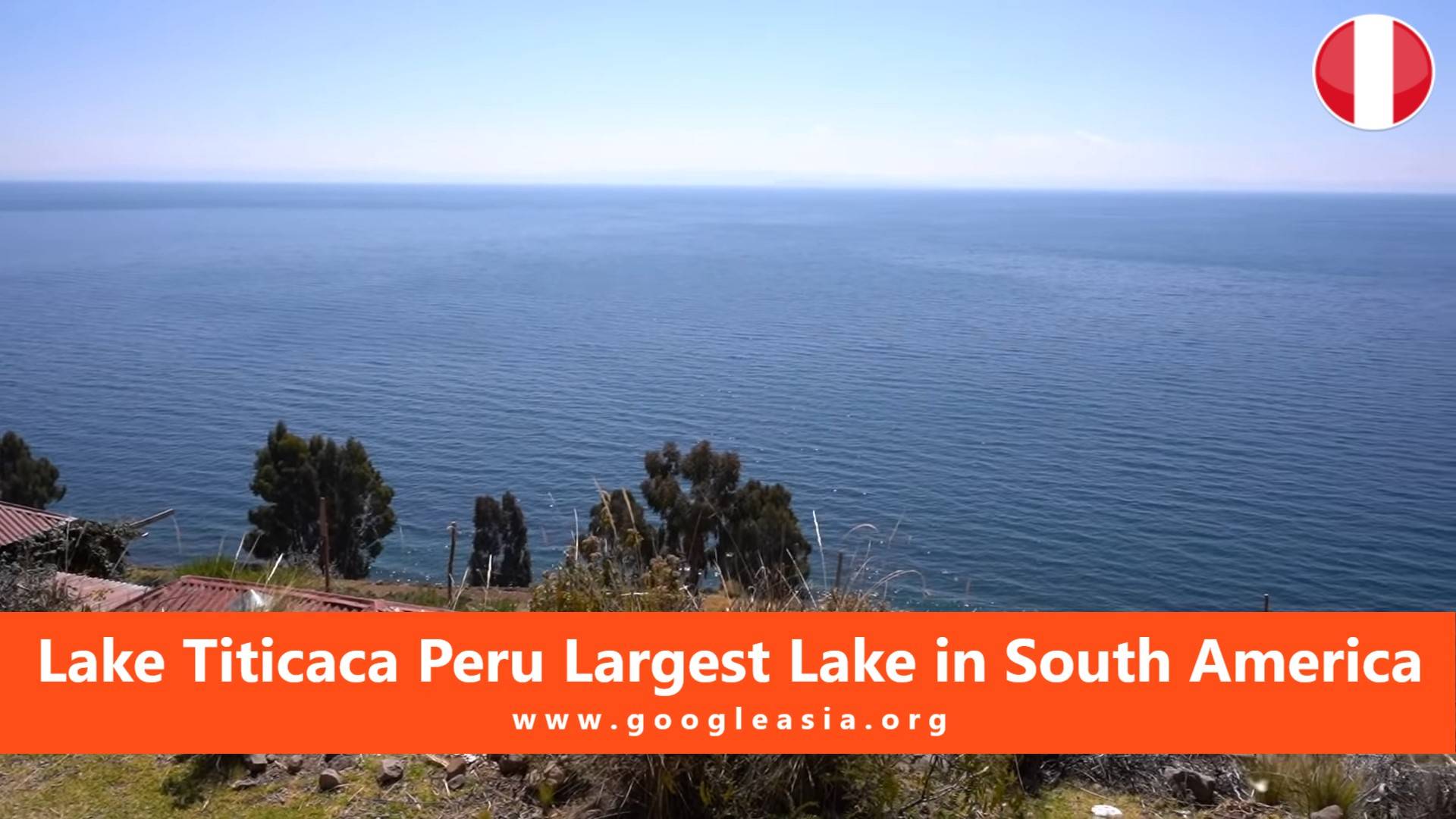
    Lake Titicaca is the highest navigable lake in the world and is an iconic landscape of Peru. It is also home to the Uros, Peru’s ancient inhabitants who live on islands in Lake Titicaca. It is one of the most beautiful and peaceful places in the country and makes for a truly unique and spectacular sightseeing experience. Admire the snow-capped peaks of the Andes rising in the background, the two large islands in the lake called Taquile and Amantani that are home to small villages, the abundance of plants and animals, and the beautiful and colorful sunsets. Take a boat tour of the lake and its islands and explore the ancient culture of Peru.

    Lake Titicaca is the largest lake in South America and is located on the border between Peru and Bolivia. It is also the highest navigable lake in the world, with an elevation of 12,507 feet (3,812 meters). It is an important source of fresh water for the surrounding area and is known for its many islands, including the floating Uros islands and the ancient Incan ruins of Isla del Sol.

    Geographic and Scenic Beauty

    The Grandeur of Lake Titicaca

    Lake Titicaca spans an impressive 8,372 square kilometers (3,232 square miles), making it not only the largest lake in South America but also one of the most significant bodies of freshwater globally. Nestled high in the Andes Mountains at an altitude of approximately 3,812 meters (12,507 feet) above sea level, the lake’s vast expanse is framed by breathtaking mountain vistas and rolling hills.

    Crystal-Clear Waters and Spectacular Sunsets

    One of the lake’s most enchanting features is its crystal-clear waters, which reflect the surrounding snow-capped peaks and dramatic sky. Visitors can experience mesmerizing sunsets that cast a golden hue over the tranquil lake, providing a perfect setting for photography and peaceful contemplation.

    Floating Islands and Cultural Heritage

    The Uros Floating Islands

    Lake Titicaca is home to the Uros people, who have created a unique way of life on floating islands made from totora reeds. These islands are a marvel of engineering and craftsmanship, built by layering reed roots to create a buoyant platform. The Uros people have maintained their traditional way of life for centuries, relying on fishing and reed-based crafts for their livelihood.

    Traditional Andean Culture

    The cultural significance of Lake Titicaca extends beyond the Uros. The region is rich in Andean traditions and folklore, with various indigenous communities residing along its shores. Visitors can explore local customs, traditional dress, and festivals that celebrate the heritage and spirituality of the people living around the lake.

    Wildlife and Natural Wonders

    Diverse Wildlife

    Lake Titicaca is a haven for wildlife enthusiasts. The lake’s ecosystem supports a variety of species, including rare animals like the Andean flamingo and the giant Titicaca water frog. Birdwatchers can enjoy spotting vibrant avian species in their natural habitat, while nature lovers can appreciate the unique flora and fauna of the region.

    Remarkable Landscapes

    The surrounding landscapes of Lake Titicaca are equally captivating. The rugged Andean mountains, terraced fields, and scenic valleys create a picturesque backdrop for outdoor activities. Trekking, boat tours, and exploration of nearby islands offer opportunities to experience the natural beauty of the area.

    Climate and Travel Considerations

    Pleasant Year-Round Climate

    Lake Titicaca enjoys a pleasant climate throughout the year, characterized by mild temperatures and relatively low humidity. The region experiences a dry season from May to October and a wet season from November to April. Visitors can enjoy comfortable weather conditions for outdoor activities and exploration.

    Ideal for All Types of Travelers

    Whether you are an adventure seeker, a cultural enthusiast, or someone looking for tranquility, Lake Titicaca offers a variety of experiences to suit different interests. The combination of stunning landscapes, rich cultural heritage, and unique local traditions makes it an ideal destination for all types of travelers.

    1‑Day Itinerary

    • 7:00 AM – Depart from Puno port by boat
    • 8:00 AM – Visit Uros floating islands (learn about reed‑built homes and traditions)
    • 10:30 AM – Continue to Taquile Island (famous for UNESCO‑recognized textile art)
    • 12:30 PM – Lunch on Taquile (enjoy fresh trout from the lake)
    • 2:00 PM – Explore island paths and panoramic viewpoints
    • 3:30 PM – Return boat ride to Puno
    • 5:00 PM – Stroll through Puno’s Plaza de Armas (colonial architecture & local shops)
    • 7:00 PM – Dinner in Puno (taste quinoa soup or ají de gallina)

    Things to Do

    Lake Titicaca, nestled high in the Andes between Peru and Bolivia, is a treasure trove of experiences for visitors. From exploring ancient ruins to immersing in local cultures and natural wonders, there’s no shortage of activities to enjoy in this stunning region. Here’s a guide to some of the top things to do around Lake Titicaca:

    Sail Across Lake Titicaca

    Traditional Reed Boats

    Lake Titicaca, the world’s highest navigable lake at 3,812 meters (12,507 feet) above sea level, is home to the Uros people, who have lived on its waters for centuries. Their balsas, boats made from totora reeds, are not only functional but also symbolic of resilience and ingenuity. These reeds grow abundantly in the lake and are used to build boats, homes, and even the floating islands themselves. Sailing on a reed boat offers travelers a direct connection to this ancient tradition.

    Speedboats and Catamarans

    Modern speedboats and catamarans provide faster, more comfortable journeys across the lake’s 8,372 km² surface area, allowing visitors to explore multiple islands in a single day. Guides often share stories of Inca mythology, which ties Lake Titicaca to the origin of the sun god and the founding of the Inca dynasty.

    Luxury Yachts

    For those seeking exclusivity, luxury yachts offer private tours with gourmet meals and panoramic decks. This option combines modern comfort with the lake’s dramatic scenery, from snow-capped peaks to terraced shorelines.

    Hike the Isla del Sol

    Scenic Trails

    On the Bolivian side of the lake lies Isla del Sol (Island of the Sun), revered in Inca mythology as the birthplace of the sun. Its rugged trails lead to viewpoints overlooking the Cordillera Real and the shimmering waters of Titicaca.

    Ancient Inca Ruins

    The island hosts archaeological sites such as the Temple of the Sun and the Sacred Rock, central to Inca creation myths. These ruins highlight the island’s spiritual significance and its role in pilgrimage routes.

    Bird Watching

    Isla del Sol’s diverse habitats attract species like the Andean gull and giant coot, making it a rewarding destination for bird watchers.

    Explore the Uros Floating Islands

    Cultural Experience

    The Uros Floating Islands, near Puno, are entirely constructed from totora reeds. The Uros people maintain a lifestyle centered on fishing, reed harvesting, and artisanal crafts. While tourism has influenced daily life, the islands remain a living example of adaptation to the high-altitude environment.

    Handcrafted Reed Boats

    Visitors can observe the construction of reed boats and homes, a tradition passed down through generations. Some tours allow participation, offering hands-on insight into this ancient craft.

    Visit the Sillustani Ruins

    Chullpas Exploration

    Near Lake Umayo, the Sillustani ruins feature towering cylindrical tombs called chullpas, built by the Colla people before the Inca Empire. Dating back to the 13th century, these funerary towers reflect advanced stonework and beliefs about the afterlife.

    Peaceful Excursion

    Unlike heavily visited sites, Sillustani offers a tranquil atmosphere, ideal for reflection and photography.

    Take a Biking Tour in the Puno Region

    Scenic Routes

    Villages such as Llachón and Chucuito provide spectacular biking trails, with terraced fields and adobe homes lining the paths. Cyclists enjoy sweeping views of the lake and encounters with local communities.

    Cultural Interaction

    Tours often include stops in villages, allowing travelers to meet residents, learn about farming practices, and experience Andean hospitality.

    Participate in a Cultural Dance Performance in Puno

    Traditional Performances

    Puno is known as the folklore capital of Peru, hosting vibrant dance performances such as the Diablada and Wititi, both recognized by UNESCO as intangible cultural heritage.

    Authentic Experience

    Attending these performances offers an immersive glimpse into the region’s cultural identity, with colorful costumes, live music, and storytelling rooted in Andean traditions.

    Explore the Taquile and Amantani Islands

    Taquile Island

    Taquile is renowned for its textile artistry, with weaving traditions passed down for generations. UNESCO has recognized Taquile’s textiles as part of the world’s intangible cultural heritage.

    Amantani Island

    Amantani offers tranquility and cultural immersion through homestays with local families. Guests participate in community activities, share traditional meals, and hike to temples dedicated to Pachamama (Mother Earth) and Pachatata (Father Earth).

    Shop for Handicrafts

    Local Souvenirs

    Markets in Puno showcase traditional textiles, musical instruments like the charango, and handcrafted dolls. These items reflect the artistry and cultural pride of local communities.

    Authentic Mementos

    Purchasing handicrafts supports artisans and provides travelers with meaningful souvenirs that embody the spirit of Lake Titicaca.

    Activities and Experiences

    Boating and Island Exploration

    Guided boat tours allow visitors to explore floating islands and remote communities. Each island has distinct traditions, offering a mosaic of cultural experiences across the lake.

    Fishing and Local Crafts

    Fishing remains a livelihood for many residents, with techniques passed down through generations. Crafts made from totora reeds—such as baskets and boats—highlight the ingenuity of the Uros people.

    Foods

    Lake Titicaca, straddling the border between Peru and Bolivia, is not only renowned for its stunning natural beauty and unique cultural heritage but also for its rich and diverse culinary offerings. The region’s cuisine reflects a blend of traditional Andean flavors and ingredients, with a focus on local produce and fish from the lake. Here’s a guide to some of the best foods you can enjoy while visiting Lake Titicaca:

    Traditional Andean Delights

    Trucha a la Parrilla (Grilled Trout)

    Trucha, or trout, is a staple of Lake Titicaca’s cuisine. Freshly caught from the lake, this dish is typically grilled and seasoned with local herbs and spices. The result is a flavorful and delicate fish that’s often served with potatoes and vegetables.

    Ceviche de Trucha (Trout Ceviche)

    Ceviche de trucha is a refreshing variation of the classic Peruvian ceviche, using trout instead of the more common sea fish. The trout is marinated in lime juice, mixed with onions, cilantro, and chili peppers, offering a zesty and tangy flavor that perfectly complements the fresh fish.

    Adobo de Trucha (Trout Stew)

    This hearty stew is made with trout and a variety of spices, including cumin, paprika, and garlic. It’s often prepared with potatoes and vegetables, creating a comforting and flavorful dish ideal for the cooler high-altitude climate.

    Local Andean Ingredients

    Quinoa Dishes

    Quinoa is a nutritional powerhouse and a staple in Andean cuisine. At Lake Titicaca, you can enjoy quinoa prepared in various ways, from soups and salads to main courses. The grain’s nutty flavor and versatility make it a popular choice for both traditional and modern dishes.

    Papas Andinas (Andean Potatoes)

    The Andean region is known for its diverse varieties of potatoes. You might encounter dishes featuring papas andinas, which are often boiled or fried and served with a variety of local sauces. These potatoes come in different colors and sizes, adding unique textures and flavors to your meal.

    Corn-Based Dishes

    Corn is another staple in the Andean diet. Traditional dishes include tamales, which are steamed corn dough stuffed with meats or vegetables, and humitas, a type of savory corn pudding wrapped in corn husks.

    Unique Local Flavors

    Pachamanca

    Pachamanca is a traditional Andean dish prepared by cooking meats and vegetables in an underground oven. The ingredients are seasoned with a variety of spices and cooked using hot stones. This dish is often enjoyed during festive occasions and gatherings.

    Caldo de Gallina (Chicken Soup)

    Caldo de gallina is a comforting chicken soup that’s popular in the region. Made with hen, potatoes, and vegetables, it’s often served with a side of rice and a spicy ají (chili pepper) sauce. This hearty soup is ideal for warming up after a day of exploring the high-altitude region.

    Delicious Snacks and Desserts

    Empanadas

    Empanadas are a popular snack throughout Peru, and the Lake Titicaca region is no exception. These savory pastries are typically filled with ingredients such as cheese, meat, or vegetables and are often enjoyed with a side of ají sauce.

    Picarones

    Picarones are a type of Peruvian doughnut made from a mixture of pumpkin and sweet potato. They are fried until golden brown and then drizzled with a sweet syrup made from chancaca (unrefined cane sugar). These treats are a delicious way to end a meal or enjoy as a sweet snack.

    Beverages

    Chicha de Jora

    Chicha de jora is a traditional Andean beverage made from fermented corn. This drink has a slightly sour taste and is often enjoyed during cultural festivals and celebrations.

    Mate de Coca

    Mate de coca is a herbal tea made from coca leaves. It is commonly consumed in the Andean region for its purported benefits in alleviating altitude sickness and providing a mild stimulant effect.

    Conclusion

    Lake Titicaca is more than a lake—it’s a living cultural landscape where ancient traditions thrive alongside natural wonders. From reed islands to artisan villages, every visit offers a glimpse into Peru’s Andean spirit. Start planning your Lake Titicaca journey today and let culture and nature inspire you.

    Lake Titicaca Peru Largest Lake in South America

    Summary

    • Attraction: Lake Titicaca Peru
    • Country: Peru
    • Continent: South America
    • Capital Name: Lima
    • Language: Spanish (official), English
    • Currency: The Sol
    • Nationality: Peruvian
    • Category: #Destination #SouthAmerica #PERU 

    Contact Puno Tourist Information Center

    • Address: Jr. Deustua 356, Puno, Peru
    • Telephone: +51 51 365300
    • Website: peru.travel
    • E-mail: info@peru.travel
    • Entry Fee: Boat tours approx. $10–$30 depending on islands visited
    • Business Hours: Monday–Saturday, 9:00 AM – 6:00 PM

    Frequently Asked Questions

    Where is Lake Titicaca located?

    Lake Titicaca is located in the Andes on the border between Peru and Bolivia. It is one of the largest lakes in South America and the highest navigable lake in the world, situated at an elevation of about 3,812 meters (12,507 feet) above sea level. The lake is divided between the southeastern region of Peru (Puno Region) and the western part of Bolivia (La Paz Department).

    How to go to Lake Titicaca?

    To visit Lake Titicaca, you can travel froam both Peru and Bolivia. Here are the common routes:
    From Peru:

    • From Cusco to Puno: Several bus companies operate daily services between Cusco and Puno, with travel times ranging from 6 to 8 hours. The PeruRail Titicaca Train offers a luxurious and scenic route between Cusco and Puno, taking approximately 10 hours. You can also fly from Cusco to Juliaca, the nearest airport to Puno, and then take a taxi or bus to Puno, which is about an hour’s drive away.
    • From Lima to Puno: Direct flights from Lima to Juliaca are available. From Juliaca, you can take a taxi or bus to Puno. Long-distance buses operate between Lima and Puno, but the journey can take around 20 to 24 hours.

    From Bolivia:

    • From La Paz to Copacabana: Buses from La Paz to Copacabana take approximately 3.5 to 4 hours. Copacabana is a town on the Bolivian side of Lake Titicaca.
    • From Copacabana to Isla del Sol: From Copacabana, you can take a boat to Isla del Sol, one of the most popular destinations on Lake Titicaca.

    Key Points:

    • Puno is the main Peruvian town to access Lake Titicaca and its islands, such as Uros, Taquile, and Amantani.
    • Copacabana is the main Bolivian town for accessing Lake Titicaca and Isla del Sol.

    What are Lake Titicaca’s must-visit attractions or landmarks?

    Lake Titicaca has several must-visit attractions and landmarks that showcase its cultural, historical, and natural beauty:

    • Uros Floating Islands: These man-made islands are constructed from totora reeds by the Uros people. Visiting these islands provides insight into the unique lifestyle and traditions of the Uros community.
    • Taquile Island: Known for its rich cultural heritage, Taquile Island is famous for its textile art, which is recognized by UNESCO. The island offers stunning views of the lake and an opportunity to experience traditional Quechua culture.
    • Amantani Island: This island is known for its terraced hills and pre-Inca ruins. Visitors can stay with local families in traditional homestays, allowing for an immersive cultural experience.
    • Isla del Sol: Located on the Bolivian side of the lake, Isla del Sol is considered the birthplace of the Inca sun god. The island features ancient ruins, scenic trails, and breathtaking views.
    • Isla de la Luna: Also on the Bolivian side, Isla de la Luna is linked to Inca mythology and is home to the ruins of the Temple of the Moon. It offers a quieter and more serene experience compared to Isla del Sol.
    • Sillustani: A pre-Inca burial ground located near Puno, Sillustani is famous for its chullpas, large stone funerary towers. The site is set on a hilltop overlooking Lake Umayo, providing stunning panoramic views.
    • Puno Cathedral: Located in the main square of Puno, this cathedral is an important religious and historical site, blending Spanish colonial architecture with Andean baroque elements.
    • Yavari Ship Museum: This historic steamship, built in 1862, is now a museum anchored in Puno Bay. Visitors can explore the ship and learn about its fascinating history.
    • Titicaca National Reserve: This protected area aims to preserve the unique flora and fauna of the lake region. It’s a great spot for birdwatching and experiencing the natural beauty of the lake.

    Is Lake Titicaca a suitable travel destination for solo adventurers, honeymooning couples, or those traveling with families?

    Lake Titicaca is a versatile travel destination suitable for solo adventurers, honeymooning couples, and families.
    Solo Adventurers:

    • Lake Titicaca offers numerous opportunities for exploration and adventure. Solo travelers can enjoy hiking, boating, and cultural experiences on the various islands.
    • The region is generally safe and has a well-established tourism infrastructure, making it easy for solo travelers to navigate and meet fellow adventurers.
    • Hostels and budget accommodations are widely available, catering to the needs of solo travelers.

    Honeymooning Couples:

    • The serene and picturesque landscape of Lake Titicaca provides a romantic backdrop for honeymooning couples.
    • Couples can enjoy private boat tours, quiet strolls on the islands, and intimate stays in boutique hotels or traditional homestays.
    • The unique cultural experiences, such as visiting the Uros Floating Islands or Isla del Sol, add a special touch to the honeymoon experience.

    Families:

    • Lake Titicaca is family-friendly, offering activities that are suitable for all ages. Families can explore the islands, learn about local cultures, and engage in educational tours.
    • The region provides a range of accommodations, from family-friendly hotels to homestays that offer a more immersive cultural experience.
    • The natural beauty and calm waters of the lake make it a relaxing destination for families to enjoy together.

    Why should you visit Lake Titicaca?

    Visiting Lake Titicaca offers a unique blend of natural beauty, cultural richness, and historical significance. Here are several compelling reasons to visit:

    • Cultural Immersion: Lake Titicaca is home to indigenous communities, such as the Uros, Quechua, and Aymara people, who maintain their traditional way of life. Visiting their islands, like the Uros Floating Islands and Taquile Island, allows you to experience their customs, crafts, and daily routines firsthand.
    • Historical Significance: The lake is steeped in history and mythology, particularly within the Inca civilization. Sites like Isla del Sol are believed to be the birthplace of the Inca sun god, Inti. Exploring ancient ruins and learning about the region’s historical context offers a deep dive into South America’s pre-Columbian past.
    • Natural Beauty: At 3,812 meters (12,507 feet) above sea level, Lake Titicaca is the world’s highest navigable lake. Its clear, deep blue waters and surrounding Andean mountains provide stunning landscapes and photo opportunities.
    • Adventure and Exploration: The lake and its surroundings offer various outdoor activities, including hiking, boating, birdwatching, and exploring archaeological sites. Adventurous travelers can enjoy the diverse terrain and scenic trails on islands like Isla del Sol and Amantani.
    • Unique Accommodations: Staying in traditional homestays on islands like Amantani or in unique accommodations like the Yavari Ship Museum provides an authentic experience and a chance to connect with local families.
    • Biodiversity: Lake Titicaca is part of the Titicaca National Reserve, which aims to protect the unique flora and fauna of the region. Birdwatchers and nature enthusiasts can enjoy spotting various species in their natural habitat.
    • Culinary Experience: While finding halal food might be challenging, the local cuisine offers a variety of unique dishes made from local ingredients, such as quinoa, potatoes, and fresh fish from the lake. For those who adhere to halal dietary requirements, planning ahead and bringing suitable food options can ensure a comfortable visit.
    • Tranquility and Serenity: The peaceful atmosphere of Lake Titicaca, coupled with its breathtaking views, makes it an ideal destination for relaxation and reflection.

    Are there any halal food options near the Lake Titicaca?

    Finding halal food near Lake Titicaca can be challenging due to the limited availability of such options in the region. However, here are some tips to help you manage your dietary needs:

    1. Puno: As the main gateway to Lake Titicaca on the Peruvian side, Puno has a variety of restaurants, though halal options are not widely advertised. You may find some vegetarian or seafood dishes that suit your needs. Communicate your dietary restrictions clearly to the restaurant staff.
    2. Self-Catering: Consider staying in accommodations with kitchen facilities where you can prepare your own meals. Local markets in Puno offer fresh vegetables, fruits, grains, and fish, which you can use to prepare halal meals.
    3. Bring Your Own Food: If you have specific halal requirements, bringing packaged halal food from larger cities like Lima or La Paz might be a good option. Pack items like canned goods, instant meals, or snacks that meet halal standards.
    4. Vegetarian and Vegan Options: Many local dishes can be made vegetarian or vegan, which can be a suitable alternative. Traditional Peruvian dishes like quinoa soup, vegetable stews, and rice with vegetables are commonly available.
    5. Research and Plan Ahead: Before traveling, research potential dining options and contact restaurants to inquire about their ability to accommodate halal dietary needs. Online travel forums and social media groups may also provide recommendations from fellow travelers.
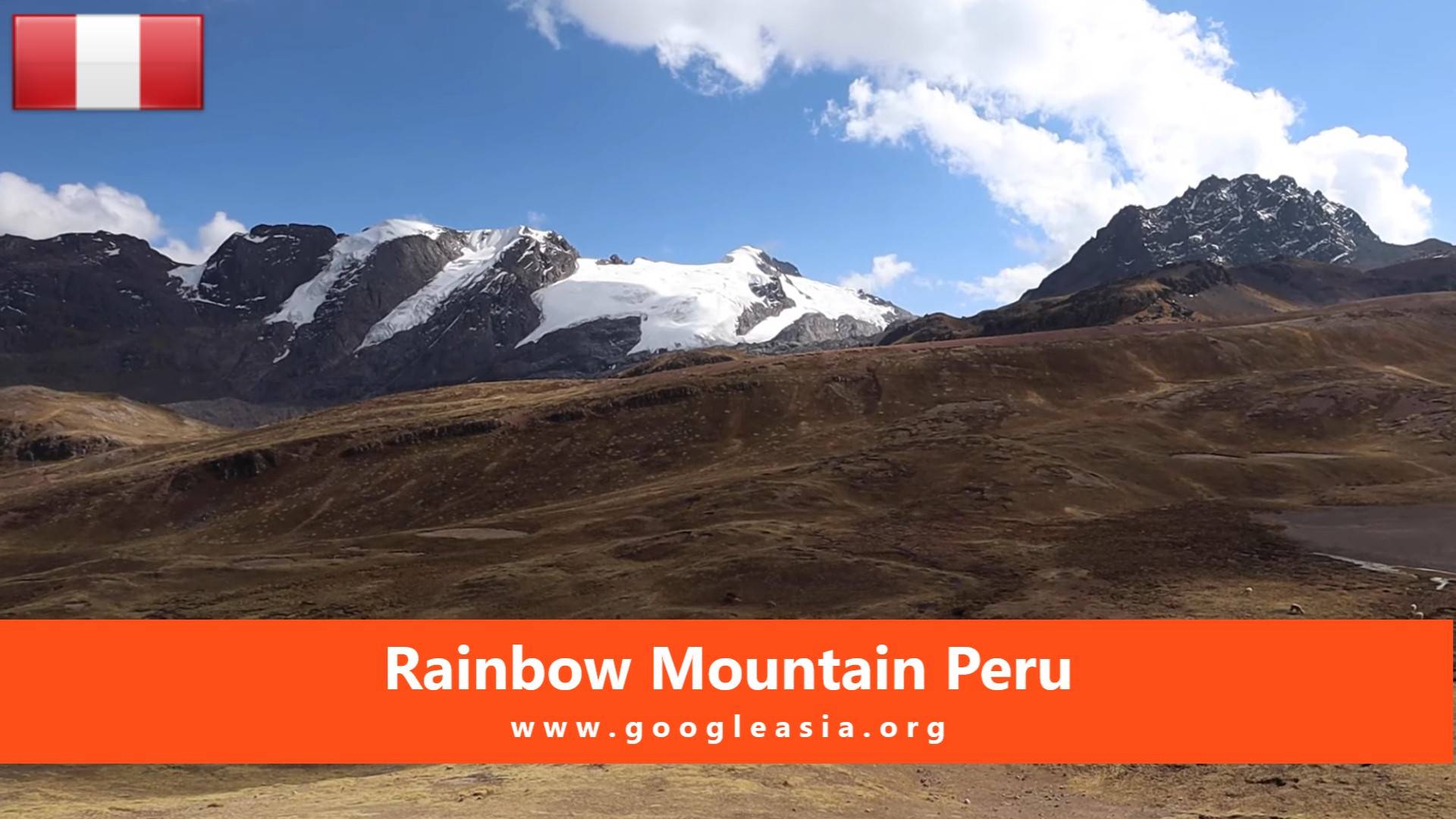
  • Rainbow Mountain Peru: Trek the Andes’ Colorful Wonder

    Rainbow Mountain Peru: Trek the Andes’ Colorful Wonder

    Rainbow Mountain, Peru

    Hike to Rainbow Mountain, Peru’s dazzling natural marvel painted in vibrant stripes of red, gold, and turquoise. From high‑altitude trekking to breathtaking Andean views, this guide highlights the best experiences and essential visitor information. Plan your Rainbow Mountain adventure today and witness nature’s masterpiece!

    Introduction

    Rainbow Mountain Peru is a very popular and stunning tourist destination located in the Andes Mountains of Peru. The summit stands at an impressive 17,060 feet above sea level and features breathtaking views of the Peruvian landscape. The mountain gets its name from the colorful and varied layers of the rock face, which have been formed over millions of years of geologic activity. On a clear day, visitors can see a variety of vibrant colors and landscapes, including snowcapped peaks, windswept valleys, and vast mountain ranges.

    The mountain also serves as a great starting point for hikers, who will enjoy various nearby trails and picturesque views. There are some unique as well as rare wildflowers and plants to be found in the area. The region also provides a unique cultural experience, with traditional villages, Incan ruins, and local artisans.

    Rainbow Mountain Peru is a majestic, otherworldly mountain located in the Peruvian Andes. Its distinctive, multicolored stripes of red, yellow, green, and purple make it a sight to behold. Its summit stands at 5,200 meters, providing breathtaking views of the surrounding landscape. Its unique beauty draws adventurers and hikers from around the world.

    Rainbow Mountain, Peru—also known as Vinicunca or Montaña de Siete Colores—is one of the most striking natural wonders in the Peruvian Andes. Located in the province of Canchis within the Cusco region, this vibrant peak has captured the imagination of travelers worldwide since its rise to fame in 2015. Here’s an in-depth look at this stunning destination and what you need to know before embarking on your adventure.

    Geographic Location

    • Region: Cusco
    • Province: Canchis
    • Altitude: 17,060 ft (5,200 m) above sea level

    Rainbow Mountain is renowned for its distinctive and colorful stripes, which have turned it into a popular trekking destination. It stands as one of the highest accessible peaks in the region, offering both a challenging trek and breathtaking views.

    Formation and Geology

    • Sedimentary Layers: The mountain’s colors are the result of sedimentary rock layers that have been exposed through erosion.
    • Mineral Composition: Each layer showcases different minerals, contributing to the vibrant hues of the mountain.
    • Oxidization Rates: The unique colors are also due to varying oxidation rates of the minerals present.

    Essential Tips for Visiting

    Preparation

    • Acclimatization: Spend a few days in Cusco or a similar high-altitude location to adjust to the elevation.
    • Hydration: Staying hydrated is crucial to prevent altitude sickness.
    • Clothing: Wear layers to adapt to fluctuating temperatures and bring waterproof gear for potential rain.

    Health and Safety

    • Altitude Sickness: Be aware of symptoms like headaches, nausea, and dizziness. Consult with a healthcare provider before the trip.
    • Guides: Traveling with a guide can enhance safety and provide valuable insights about the region.

    Facilities

    • Lack of Amenities: There are minimal facilities along the trail and at the trailhead. It’s important to bring necessary supplies such as food, water, and personal items.

    Popularity and Tourism Impact

    Growing Popularity

    • Tourism Boom: Since gaining attention in 2015, Rainbow Mountain has seen a significant increase in visitors.
    • Impact: The rise in tourism has led to both opportunities and challenges, including managing the environmental impact and maintaining trail safety.

    Responsible Travel

    • Eco-Friendly Practices: Adhere to eco-friendly practices to help preserve the natural beauty of the area.
    • Respect Local Culture: Engage respectfully with local communities and be mindful of cultural sensitivities.

    1‑Day Itinerary

    • 3:00 AM – Depart Cusco by bus (3‑hour drive to trailhead)
    • 6:00 AM – Breakfast in a local village (warm tea & Andean bread)
    • 7:00 AM – Begin trek from Quesiuno trailhead (moderate climb with stunning scenery)
    • 9:30 AM – Reach the summit viewpoint (panoramic views of Rainbow Mountain & Ausangate glacier)
    • 10:30 AM – Optional hike to Red Valley (less crowded, equally breathtaking landscapes)
    • 12:00 PM – Descend and return to trailhead
    • 1:30 PM – Lunch in a nearby village (try quinua soup or roasted trout)
    • 5:00 PM – Arrive back in Cusco

    Things to Do

    Rainbow Mountain, Peru, with its striking multicolored slopes and breathtaking landscapes, offers a diverse array of activities for visitors seeking adventure, relaxation, and cultural immersion. From challenging hikes to serene hot springs, here’s a guide to the top things to do in this stunning Andean destination.

    Spectacular Views

    From the Summit

    At an altitude of about 5,200 meters (17,060 feet), Rainbow Mountain offers panoramic views of the surrounding Ausangate Glacier and colorful hills. The vibrant mineral layers—red from iron oxide, yellow from sulfur, and green from chlorite—create its famous stripes.

    Photo Opportunities

    The dramatic landscape and vivid colors make it one of Peru’s most photographed natural wonders. Sunrise and sunset provide the best lighting for photography.

    Hike the Ausangate Trail

    The Ausangate Trail is a premier trekking route near Rainbow Mountain, considered one of the most challenging high-altitude treks in Peru. It typically takes 4–6 days to complete.

    Highlights

    • Scenic Beauty: Snow-capped peaks, turquoise alpine lakes, and sweeping Andean landscapes.
    • Wildlife Spotting: Llamas, alpacas, vicuñas, and rare Andean birds such as the Andean goose.
    • Cultural Experience: Remote villages like Pacchanta and Tinki offer insights into traditional Quechua life, including weaving and herding practices.

    Tips

    • Altitude Acclimatization: Spend several days in Cusco (3,400 m) before trekking to avoid altitude sickness.
    • Guided Tours: Local guides provide cultural context and ensure safety on the trail.

    Visit Rainbow Mountain

    Known locally as Vinicunca or Montaña de Siete Colores, Rainbow Mountain became a popular destination only in the last decade, after melting snow revealed its colorful mineral layers.

    Highlights

    • Colorful Stripes: Formed by mineral deposits over millions of years.
    • Trekking Options: Day hikes from Cusco or multi-day treks via Ausangate.
    • Photography: Capture the vivid hues and surrounding Andean peaks.

    Tips

    • Early Start: Begin at dawn to avoid crowds and enjoy serene views.
    • Weather Preparedness: Conditions change quickly; dress in layers and bring rain gear.

    Enjoy the Landscapes at National Reserve of Pampa Galeras

    Located near Ayacucho, this reserve protects vicuñas, prized for their fine wool. It showcases diverse Andean ecosystems, from grasslands to rocky outcrops.

    • 4×4 Safari: Spot vicuñas, guanacos, and Andean foxes.
    • Nature Walks: Explore scenic trails with panoramic views of the highlands.

    Tips

    • Respect Wildlife: Keep a safe distance and follow park guidelines.
    • Camera Gear: Telephoto lenses are ideal for wildlife photography.

    Explore the Pitumarca and Chilca

    These villages serve as gateways to Rainbow Mountain. They preserve traditional Andean culture, with adobe houses, weaving workshops, and local markets.

    • Stroll Through Streets: Experience daily life and local architecture.
    • Sample Local Cuisine: Try dishes like chuño (freeze-dried potatoes) and chairo (Andean soup).

    Tips

    • Cultural Sensitivity: Respect local customs and ask before photographing residents.
    • Local Markets: Purchase handmade textiles and produce directly from artisans.

    Try Rock Climbing

    Rainbow Mountain’s rugged terrain and nearby gorges provide climbing opportunities for all skill levels.

    Highlights

    • Diverse Routes: From beginner-friendly climbs to advanced challenges.
    • Stunning Scenery: Climbing with views of Ausangate Glacier and colorful hills.

    Tips

    • Safety Gear: Helmets, ropes, and harnesses are essential.
    • Physical Preparation: Train for altitude and endurance before attempting climbs.

    Visit the Hot Springs

    Natural hot springs near Pacchanta and Upis are popular among trekkers. Rich in minerals, they are believed to relieve muscle fatigue.

    Highlights

    • Relaxation: Warm waters soothe sore muscles after trekking.
    • Scenic Setting: Surrounded by snow-capped peaks and Andean pastures.

    Tips

    • Swimwear: Bring appropriate clothing and towels.
    • Best Time: Visit in the evening for a peaceful soak under the stars.

    Go Horseback Riding

    Horseback riding offers a unique way to explore Rainbow Mountain, especially for those less acclimated to high-altitude trekking.

    Highlights

    • Guided Tours: Local horsemen lead visitors safely along scenic trails.
    • Scenic Trails: Ride past valleys, rivers, and colorful hills.

    Tips

    • Comfortable Gear: Wear sturdy shoes and layered clothing.
    • Book in Advance: Tours are popular and fill quickly.

    Take a Photography Trip

    Rainbow Mountain is a paradise for photographers, with its mineral-rich colors and dramatic Andean backdrop.

    Highlights

    • Golden Hours: Early morning and late afternoon provide the best lighting.
    • Wildlife Shots: Capture llamas, alpacas, and highland birds.

    Tips

    • Camera Equipment: Bring wide-angle and telephoto lenses.
    • Respect Nature: Avoid disturbing wildlife or damaging fragile terrain.

    Foods

    Rainbow Mountain, Peru, is renowned for its stunning landscapes, but it also offers a rich array of local foods that enhance the travel experience. From traditional Andean dishes to delectable snacks, the region provides a flavorful journey that complements its natural beauty. Here’s a comprehensive guide to the best foods you can enjoy while exploring Rainbow Mountain.

    Traditional Andean Dishes

    Peruvian cuisine is a vibrant blend of indigenous traditions and colonial influences, with the Andes offering some of the most distinctive flavors. From ceremonial delicacies to everyday street food, these dishes reflect centuries of cultural heritage and local ingenuity.

    Cuy al Horno (Roasted Guinea Pig)

    Cuy has been a staple of the Andean diet for over 5,000 years, consumed by pre-Inca civilizations and still central to festive occasions today. Cuy al horno is marinated with garlic, cumin, and herbs, then roasted until the skin is crispy and the meat tender. Traditionally served with potatoes and corn, it remains a culinary rite of passage for adventurous travelers.

    Rocoto Relleno (Stuffed Rocoto Pepper)

    Originating in Arequipa, rocoto relleno showcases one of Peru’s spiciest native chilies. The peppers are stuffed with ground beef, onions, rice, and cheese, then baked to balance fiery heat with savory richness. Rocoto peppers are unique to the Andes, and their bold flavor makes this dish a regional icon.

    Papa Rellena (Stuffed Potatoes)

    Papa rellena gained popularity during Peru’s War of Independence, when soldiers carried fried potato balls stuffed with meat as portable meals. Made with mashed potatoes filled with seasoned beef, onions, and spices, then deep-fried, it offers a comforting mix of creamy interior and crispy exterior. Often served with salsa criolla or ají sauce, it’s a favorite street snack.

    Lomo Saltado (Stir-Fried Beef and Vegetables)

    A product of Chinese-Peruvian chifa cuisine, lomo saltado blends stir-fry techniques with local ingredients. Tender beef strips are sautéed with onions, tomatoes, and peppers, seasoned with soy sauce and vinegar, then served with rice and fries. This dish embodies Peru’s multicultural identity and remains one of the country’s most beloved meals.

    Ají de Gallina (Creamy Chicken Stew)

    Ají de gallina traces its roots to colonial Peru, adapted from Spanish recipes with native ingredients. Shredded chicken is simmered in a creamy sauce made with ají amarillo, bread, milk, and cheese. Mildly spicy and velvety, it is typically served with rice, potatoes, and boiled eggs, offering comfort and tradition in every bite.

    Local Snacks

    Empanadas

    Savory pastries filled with beef, cheese, or vegetables, empanadas are golden and flaky, often enjoyed fresh from street vendors. Their fillings vary by region, making them a versatile snack.

    Tamales

    Made from corn dough (masa) filled with meat, cheese, or vegetables, tamales are wrapped in husks and steamed. Regional variations abound, with coastal versions often sweeter and highland versions heartier.

    Picarones

    Peruvian doughnuts made from sweet potato and squash, picarones are fried until golden and served with molasses syrup. A popular dessert at festivals, they combine indigenous ingredients with colonial influence.

    Breakfast and Lunch Options

    Quinoa-Based Dishes

    Quinoa, domesticated by the Incas over 5,000 years ago, remains a cornerstone of Andean nutrition. It appears in soups, salads, and sides, offering a nutty flavor and high protein content. Quinoa soup (sopa de quinua) is a traditional breakfast in highland communities.

    Local Sandwiches and Salad Bowls

    Eateries across the Andes serve sandwiches filled with roasted meats, cheeses, and fresh vegetables, alongside salad bowls featuring seasonal produce. These meals highlight local flavors while offering lighter options for travelers.

    Hotels

    Rainbow Mountain, known for its vibrant, multi-colored slopes, attracts visitors from around the world who seek to explore its stunning beauty. To ensure a comfortable and memorable stay while visiting this breathtaking destination, it’s essential to choose the right accommodation. Here’s a guide to some of the best hotels around Rainbow Mountain, each offering unique features and amenities.

    Luxury and Comfort in Cusco

    El Mapi by Inkaterra

    Located in Apurimac, El Mapi by Inkaterra offers a luxurious experience with a focus on eco-friendly practices. The hotel provides a stylish retreat with modern amenities, ensuring a comfortable stay after a day of exploring the mountains.

    Eco Quechua Lodge

    In Cusco, Eco Quechua Lodge blends modern comforts with traditional Peruvian hospitality. This eco-conscious lodge features beautiful views of the surrounding landscapes and offers a serene atmosphere for relaxation.

    Arcopunco Hotel

    Also in Cusco, Arcopunco Hotel provides a blend of traditional and contemporary design. It offers comfortable rooms, excellent service, and convenient access to local attractions and transportation.

    Andina Luxury Lodge

    For those seeking high-end accommodations in Cusco, Andina Luxury Lodge delivers. With spacious rooms, luxurious amenities, and exceptional service, it’s an ideal choice for travelers looking for a premium experience.

    Secluded Retreats in Lares Valley

    Sol y Luna Lodge

    Nestled in the Lares Valley, Sol y Luna Lodge offers a charming escape surrounded by nature. The lodge features cozy, well-appointed bungalows and an on-site restaurant serving delicious local cuisine.

    Anansi Mountain Lodge

    Anansi Mountain Lodge provides a unique and tranquil experience in the Lares Valley. With its rustic yet comfortable accommodations and stunning views, it’s perfect for those looking to immerse themselves in nature.

    Yuraq Machu Picchu Lodge

    Situated in the Lares Valley, Yuraq Machu Picchu Lodge offers a combination of comfort and local charm. The lodge is well-known for its welcoming atmosphere and is a great base for exploring the surrounding area.

    Scenic Stays in the Sacred Valley

    Willka Tika Lodge

    Willka Tika Lodge, located in the Sacred Valley, is renowned for its beautiful gardens and serene setting. It offers a holistic retreat experience with yoga classes, organic meals, and a focus on relaxation and rejuvenation.

    Convenient Accommodations in Aguas Calientes

    Machu Picchu Pueblo Hotel

    In Aguas Calientes, the Machu Picchu Pueblo Hotel is a top choice for those visiting the nearby Machu Picchu ruins. The hotel features comfortable rooms, lush gardens, and a relaxing atmosphere, making it a convenient and pleasant place to stay.

    Conclusion

    Rainbow Mountain is more than a hike—it’s a journey into the heart of the Andes, where geology and culture meet in vivid color. From its surreal landscapes to its high‑altitude challenge, every step is unforgettable. Start planning your Rainbow Mountain trek today and let Peru’s natural wonder inspire you.

    Rainbow Mountain Peru

    Summary

    • Attraction: Rainbow Mountain
    • Country: Peru
    • Continent: South America
    • Capital Name: Lima
    • Language: Spanish (official), English
    • Currency: The Sol
    • Nationality: Peruvian
    • Category: #Destination #SouthAmerica #PERU 

    Contact Cusco Tourism Office

    • Address: Portal de Panes 123, Plaza de Armas, Cusco, Peru
    • Telephone: +51 84 237 364
    • Website: peru.travel
    • E-mail: info@peru.travel
    • Entry Fee: Approx. $3–$5 (local community fee at trailhead)
    • Business Hours: Daily, 5:00 AM – 5:00 PM (trekking hours vary by season)

    Frequently Asked Questions

    Where is Rainbow Mountain located?

    Rainbow Mountain, also known as Vinicunca or Montaña de Siete Colores in Spanish, is located in the Andes of Peru, near the city of Cusco. Specifically, it is situated in the Vilcanota mountain range in the Cusco region, southeast of the city of Cusco and near the town of Pitumarca. The mountain is known for its vibrant and colorful striped appearance, caused by the mineralogical composition of the rock layers. It has become a popular hiking destination for travelers visiting the Cusco region.

    How to go to Rainbow Mountain?

    To go to Rainbow Mountain (Vinicunca) in Peru, you typically start from the city of Cusco. Here’s a general guide on how to get there:

    1. Travel to Cusco: Begin your journey by flying into Alejandro Velasco Astete International Airport in Cusco. Many travelers also arrive in Cusco by bus from other cities in Peru.
    2. Book a Tour or Hire a Guide: Rainbow Mountain is located several hours southeast of Cusco, near the town of Pitumarca. It’s recommended to book a tour with a reputable tour operator or hire a guide in Cusco. Most tours include transportation, guides, and sometimes meals.
    3. Travel by Road: Most tours depart early in the morning from Cusco and take around 3-4 hours by road to reach the trailhead near the town of Pitumarca. The journey involves driving through the scenic Andean countryside.
    4. Hiking to Rainbow Mountain: Once at the trailhead, you’ll embark on a hike to Rainbow Mountain. The trek usually takes around 1.5 to 2 hours, depending on your fitness level. The altitude can be challenging, so acclimatization in Cusco beforehand is essential.
    5. Enjoying Rainbow Mountain: Upon reaching the summit, you’ll be rewarded with panoramic views of the colorful striped mountain. Take time to explore the area, capture photographs, and soak in the natural beauty.
    6. Return to Cusco: After descending back to the trailhead, you’ll return to Cusco by the same route. Most tours include stops for meals and breaks on the return journey.

    Tips:

    • Altitude: Rainbow Mountain sits at high altitude (over 5,000 meters / 16,400 feet). Acclimate in Cusco for a few days before attempting the hike.
    • Weather: Weather conditions can change quickly in the Andes. Dress in layers and bring appropriate gear for cold and potentially wet conditions.
    • Fitness Level: The hike is moderate to challenging due to the altitude. Consider your fitness level before embarking on the trek.
    • Permits and Regulations: Check if your tour includes entrance fees and permits required to visit Rainbow Mountain.

    What are Rainbow Mountain’s must-visit attractions or landmarks?

    Rainbow Mountain, also known as Vinicunca, is renowned for its stunning natural beauty and unique geological features. Here are the must-visit attractions and landmarks at Rainbow Mountain:

    1. Rainbow Colored Stripes: The main attraction of Rainbow Mountain is its vibrant colors caused by mineral deposits in the soil, giving the mountain its striped appearance. The colors range from reds, yellows, greens, and blues, creating a surreal and picturesque landscape.
    2. Summit Views: The hike to Rainbow Mountain culminates in breathtaking panoramic views from the summit. On clear days, you can see the surrounding snow-capped peaks of the Andes and the expansive valleys below.
    3. Red Valley (Valle Rojo): Adjacent to Rainbow Mountain is Red Valley, another striking geological formation with deep red hues contrasting against the green valleys. Many tours combine visits to both Rainbow Mountain and Red Valley for a comprehensive experience.
    4. Local Culture: Along the trekking route, you may encounter local Quechua-speaking communities and get insights into their traditional way of life. Some tours offer opportunities to interact with locals and learn about their customs and traditions.
    5. High Altitude Experience: At an elevation of over 5,000 meters (16,400 feet), Rainbow Mountain provides an opportunity to experience high-altitude trekking in the Peruvian Andes. The challenge of the altitude adds to the adventure and rewards with stunning views.
    6. Flora and Fauna: Despite the harsh conditions, Rainbow Mountain supports unique flora and fauna adapted to the high-altitude environment. Keep an eye out for Andean wildlife such as llamas and alpacas grazing in the area.

    Is Rainbow Mountain a suitable travel destination for solo adventurers, honeymooning couples, or those traveling with families?

    Rainbow Mountain (Vinicunca) in Peru can be a suitable travel destination for various types of travelers, depending on their interests and preparedness:

    1. Solo Adventurers: Rainbow Mountain is a popular destination for solo travelers seeking adventure and natural beauty. Joining a guided tour ensures safety and allows solo adventurers to meet like-minded travelers along the way.
    2. Honeymooning Couples: For couples seeking a unique and romantic experience, Rainbow Mountain offers breathtaking views and a memorable trekking adventure. It’s important to consider the physical demands of the hike and plan accordingly.
    3. Families: Families with older children and teenagers who are accustomed to hiking and high altitudes can enjoy visiting Rainbow Mountain together. It’s essential to ensure everyone is adequately acclimatized and prepared for the altitude and physical exertion.

    Considerations:

    • Altitude: Rainbow Mountain sits at over 5,000 meters (16,400 feet) above sea level. Altitude sickness can affect anyone, regardless of age or fitness level. Acclimatization in Cusco before the trek is highly recommended.
    • Physical Fitness: The trek to Rainbow Mountain involves a moderate to challenging hike, lasting approximately 1.5 to 2 hours each way, depending on the pace. Families and couples should assess their physical fitness and readiness for high-altitude hiking.
    • Weather: Weather conditions in the Andes can be unpredictable, with temperatures varying throughout the day. Proper clothing layers, including warm clothing and rain gear, are essential.
    • Tour Options: Choosing a reputable tour operator ensures a safer and more informative experience. Tours often include transportation, guides, and sometimes meals, making it easier for families and couples to focus on enjoying the scenery and experience.

    Why should you visit Rainbow Mountain?

    Visiting Rainbow Mountain (Vinicunca) in Peru is a captivating experience for several compelling reasons:

    1. Natural Beauty: Rainbow Mountain is renowned for its strikingly colorful stripes, caused by mineral deposits in the soil. The vibrant hues of red, yellow, green, and blue create a surreal and picturesque landscape that is unique in the world.
    2. Unique Geological Formation: The geological formation of Rainbow Mountain is a marvel of nature, shaped over millions of years by geological processes and erosion. The colorful layers reveal the area’s geological history and add to its allure.
    3. High-Altitude Adventure: Situated at an altitude of over 5,000 meters (16,400 feet), Rainbow Mountain offers a challenging yet rewarding trekking adventure. The hike provides breathtaking views of the Andean peaks and valleys, making it a memorable outdoor experience.
    4. Cultural Experience: Along the trekking route, travelers may encounter local Quechua-speaking communities. Engaging with local culture and witnessing traditional Andean lifestyles adds depth to the journey.
    5. Photography Opportunities: Rainbow Mountain provides photographers with stunning opportunities to capture unique landscapes and vibrant colors. The changing light throughout the day offers different perspectives and moods for photography enthusiasts.
    6. Accessibility: Located near Cusco, one of Peru’s main tourist hubs, Rainbow Mountain is relatively accessible for travelers. Guided tours typically include transportation from Cusco, making it easier for visitors to experience this natural wonder.
    7. Adventure Sports: Beyond trekking, Rainbow Mountain and its surrounding areas offer opportunities for outdoor activities such as horseback riding and exploring nearby attractions like Red Valley (Valle Rojo).

    Are there any halal food options near the Rainbow Mountain?

    Finding halal food options near Rainbow Mountain (Vinicunca) can be challenging due to its remote location and the predominantly non-Muslim population in the area. Most tours departing from Cusco to Rainbow Mountain do not typically include halal food options as part of their offerings. Here are a few considerations:

    1. Pack Your Own Food: If you follow a strict halal diet, consider packing your own food for the trip. Prepare sandwiches, fruits, nuts, and other non-perishable items that comply with your dietary restrictions.
    2. Communicate with Tour Operators: Before booking your tour to Rainbow Mountain, communicate your dietary requirements with tour operators. While they may not have halal-certified options, they might accommodate dietary preferences to some extent.
    3. Explore Cusco: Before or after your trip to Rainbow Mountain, explore halal food options in Cusco. The city has a more diverse culinary scene and may offer restaurants or markets catering to halal dietary requirements.
    4. Local Knowledge: While in Cusco or on your way to Rainbow Mountain, consult with local guides or residents who may have recommendations for halal-friendly eateries or food options.
    5. Flexibility: In remote areas like Rainbow Mountain, food availability can be limited to basic snacks and meals. Being flexible with your dietary choices while ensuring they align with your religious requirements is essential.

  • Colca Valley Escape: Condors, Canyons & Culture

    Colca Valley Escape: Condors, Canyons & Culture

    Colca Valley, Peru

    Discover Peru’s Colca Valley, home to soaring condors, breathtaking canyons, and vibrant Andean villages. From hot springs to ancient terraces, this guide highlights the valley’s best attractions and essential visitor information. Plan your Colca Valley adventure today and experience nature at its grandest!

    Introduction

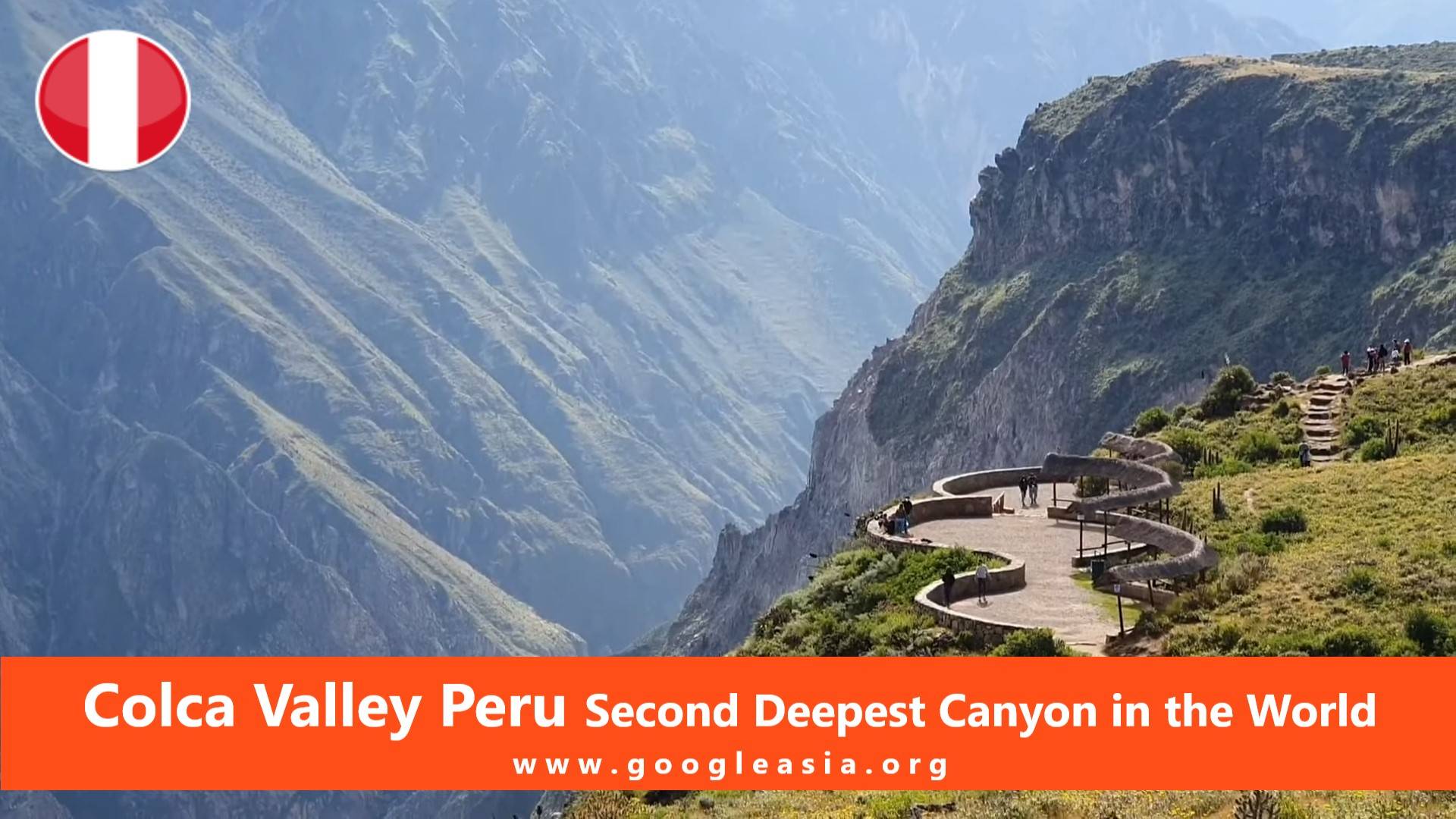
    The Colca Valley, located in Peru’s Arequipa region, is one of the world’s deepest canyons, with a stunning landscape of soaring volcanoes and dramatic Andean peaks. It is also home to a large number of endemic species, such as the wild vicuña, the Andean condor and the striking Andean flamingo. Visitors can explore its unique geology, towering mountains and biodiversity or take part in adventure activities such as river rafting and cycling. With its rich culture, fascinating historical sites and stunning nature, the Colca Valley is a must-visit destination for anyone looking for a unique and unforgettable experience.

    The Colca Valley in Peru is widely renowned for its beautiful landscapes and diverse cultural heritage. Located in the Peruvian Andes near Arequipa, it is home to the second deepest canyon in the world. Visitors can explore the lush green valleys below, spot condors sailing above, and learn about the Incan and local cultures of the area. Whether it’s hiking, exploring pre-Colombian ruins, or just relaxing in the valley’s pleasant climate, the Colca Valley is a memorable part of any Peru vacation.

    Getting There

    • Access: The Colca Valley is typically reached by road from Arequipa, which is the nearest major city. The drive takes approximately 3 to 4 hours and offers scenic views of the Andean landscape.
    • Transportation: Private tours, guided trips, and local buses are available for transport to and within the valley.

    Best Time to Visit

    • High Season: The best time to visit is during the dry season, from April to October, when weather conditions are more favorable for hiking and outdoor activities.
    • Low Season: The rainy season runs from November to March, which can make trekking more challenging but offers fewer crowds and lush landscapes.

    Accommodations

    • Chivay: The largest town in the valley with various hotels and guesthouses catering to different budgets.
    • Yanque and Coporaque: Smaller villages offering a range of charming lodgings and guesthouses with traditional atmospheres.

    1‑Day Itinerary

    • 6:00 AM – Depart Arequipa for Colca Valley (scenic drive through Andean landscapes)
    • 8:30 AM – Stop at Chivay town (breakfast and visit local market)
    • 9:30 AM – Visit Cruz del Cóndor viewpoint (watch majestic condors soaring above the canyon)
    • 12:00 PM – Lunch in Yanque village (taste traditional dishes like rocoto relleno)
    • 1:30 PM – Explore pre‑Inca terraces and colonial churches in nearby villages
    • 3:00 PM – Relax in La Calera hot springs (natural thermal baths with mountain views)
    • 5:00 PM – Return to Arequipa or stay overnight in Chivay for extended exploration

    Things to Do

    The Colca Valley in Peru is a mesmerizing destination that combines dramatic landscapes with rich cultural experiences. From its towering mountains and lush valleys to its vibrant wildlife and traditional villages, Colca Valley offers a variety of activities that cater to all types of travelers. Whether you’re an adventurer seeking thrills or a visitor looking to relax and unwind, the Colca Valley has something special for everyone.

    Trekking Adventures

    Colca Canyon Trek

    Colca Canyon, at over 3,270 meters (10,730 feet) deep, is one of the world’s deepest canyons—twice as deep as the Grand Canyon. The trek descends into the canyon and ascends to its rim, offering stunning vistas and encounters with unique flora such as ichu grass and fauna like vicuñas and Andean condors.

    Cruz del Condor Hike

    This shorter trek leads to the Cruz del Condor viewpoint, where visitors can watch the majestic Andean condors soaring on thermal currents. The condor is a sacred bird in Andean cosmology, symbolizing the upper world (Hanan Pacha).

    Rim Trails

    Trails along the canyon’s rim provide panoramic views of terraced fields and traditional villages such as Cabanaconde and Chivay, perfect for photography and cultural immersion.

    Kayaking Thrills

    Colca River

    The Colca River winds through the canyon, offering kayaking opportunities with Class II–III rapids. Paddlers experience the canyon’s dramatic cliffs and may spot condors overhead.

    River Conditions

    River flow varies seasonally, with the best conditions between May and September during the dry season. Guided tours ensure safety and provide equipment suited to the terrain.

    Soaking in Hot Springs

    La Calera Hot Springs

    Located near Chivay, La Calera’s thermal baths are rich in minerals and believed to have therapeutic properties. They offer relaxation with views of the surrounding Andean landscape.

    Aguas Calientes

    Secluded hot springs in the valley provide a tranquil alternative, ideal for unwinding after a day of trekking or kayaking.

    Scenic Picnics

    Picnic Spots

    Hilltops and riverside areas in the Colca Valley make perfect picnic spots, with views of terraced fields and snow-capped peaks such as Ampato and Sabancaya volcanoes.

    Local Delicacies

    Enhance the experience with local foods like quinoa salad, roasted potatoes, and cheese from Arequipa, reflecting the valley’s agricultural heritage.

    Agriculture Tours

    Terraced Fields

    The Colca Valley is home to thousands of pre-Inca and Inca terraces, still in use today. These terraces demonstrate ancient engineering that maximized crop yields in the highlands.

    Local Markets

    Markets in Chivay and Yanque showcase fresh produce, textiles, and crafts. Visitors can interact with local vendors and learn about traditional farming practices.

    Fishing Excursions

    Trout Fishing

    Rainbow trout, introduced in the 20th century, thrive in lakes and rivers around Chivay and Coporaque. Fishing here combines sport with serene Andean scenery.

    Fishing Spots

    Local guides can recommend the best fishing areas and provide cultural context, often linking fishing to community traditions.

    Pampering at Spas

    Local Spas

    Spas in the Colca Valley offer massages, thermal baths, and treatments using natural Andean ingredients like coca leaves and quinoa.

    Spa Treatments

    Many spas incorporate traditional Peruvian healing therapies, blending modern wellness with ancestral practices to rejuvenate travelers after their adventures.

    Foods

    The Colca Valley in Peru is not only renowned for its stunning landscapes and rich cultural heritage but also for its diverse and delicious cuisine. This region offers a variety of traditional dishes that reflect the flavors and ingredients of the Andes. Here’s a guide to some of the best foods you can savor while exploring the Colca Valley.

    Alpaca Steak

    Alpaca steak is a standout dish in the Colca Valley. Typically marinated with garlic, pepper, and cumin, this lean meat is known for its tender texture and rich flavor. It’s often grilled to perfection, making it a must-try for meat lovers.

    Serving Suggestions

    Alpaca steak is frequently served with traditional sides such as roasted potatoes or Andean corn. It pairs wonderfully with a glass of local red wine or a traditional Peruvian beverage.

    Chicharrón

    Chicharrón is a popular dish in the Colca Valley, featuring crispy fried pork. The meat is seasoned and deep-fried until golden and crunchy, making it a savory snack or main dish.

    Accompaniments

    This dish is often enjoyed with sides like fried plantains, spicy salsa, or fresh salads. It’s a flavorful option for those seeking a hearty meal.

    Qheua Risotto

    Qheua risotto is a unique fusion dish that combines classic Italian risotto with quinoa, a staple grain of the Andes. The creamy risotto is enriched with the nutty flavor of quinoa, along with local vegetables and herbs.

    Serving Ideas

    This dish can be served as a main course or as a side dish alongside grilled meats or vegetables.

    Papa a la Huancaina

    Papa a la Huancaina is a traditional Peruvian dish featuring boiled potatoes smothered in a creamy, spicy Huancaina sauce. The sauce is made from aji amarillo (yellow chili peppers), cheese, and milk, creating a vibrant and flavorful accompaniment to the potatoes.

    Serving Suggestions

    This dish is typically served cold as an appetizer or side dish. It pairs well with a variety of meat dishes or can be enjoyed on its own.

    Caldo de Camarones

    Caldo de Camarones is a hearty shrimp soup made with local ingredients. The broth is rich and flavorful, often spiced with herbs and vegetables to enhance its taste.

    Serving Suggestions

    This soup is commonly enjoyed as a main course, especially during cooler weather. It’s perfect for warming up after a day of exploring.

    Cuy

    Cuy, or roasted guinea pig, is a traditional Andean dish that is often served on special occasions. The guinea pig is seasoned and roasted until crispy, offering a unique taste of local cuisine.

    Accompaniments

    Cuy is typically served with potatoes, corn, and a variety of traditional sauces. It’s a flavorful and culturally significant dish in the Colca Valley.

    Pachamanca

    Pachamanca is a traditional Andean feast cooked in a pit oven. Various meats, including pork, chicken, and lamb, are seasoned and layered with potatoes and other vegetables, then cooked using hot stones.

    Serving Suggestions

    This dish is often enjoyed during festive gatherings and is served with a variety of sides. It’s a great way to experience traditional cooking methods and flavors.

    Humitas

    Humitas are traditional Andean tamales made from fresh corn. They are steamed in corn husks and can be filled with cheese, chili, or a mix of vegetables.

    Serving Suggestions

    Humitas are typically served as a snack or side dish. They pair well with a variety of main courses and are a delightful treat.

    Aji de Gallina

    Aji de Gallina is a spicy, creamy chicken stew made with shredded chicken, aji amarillo (yellow chili peppers), and a rich sauce. It’s a comforting and flavorful dish.

    Serving Suggestions

    This stew is commonly served with rice and boiled potatoes, making it a satisfying meal.

    Rocoto Relleno

    Rocoto Relleno features spicy peppers stuffed with a mixture of ground meat, onions, and raisins. The dish is baked until the peppers are tender and the stuffing is flavorful.

    Serving Suggestions

    Rocoto relleno is typically served as a main dish and can be accompanied by rice or potatoes.

    Hotels

    The Colca Valley, nestled in the Arequipa Region of Peru, is renowned for its breathtaking landscapes and rich cultural heritage. Whether you’re visiting to witness the majestic Colca Canyon or to explore the surrounding Andean villages, finding the perfect accommodation is essential for a memorable experience. Here are some of the best hotels to consider for your stay in Colca Valley:

    Colca Lodge (Cabanaconde)

    Colca Lodge is an ideal choice for those seeking a blend of luxury and nature. Located in Cabanaconde, this hotel offers stunning views of the canyon and the surrounding mountains.

    Amenities

    • Natural Hot Springs: Enjoy the natural hot springs on-site for a relaxing experience.
    • Spacious Rooms: The rooms are well-appointed with modern comforts and traditional décor.
    • Restaurant: The restaurant serves both local and international cuisine with a focus on fresh, organic ingredients.

    Location

    Situated at the edge of Colca Canyon, the lodge provides easy access to hiking trails and other outdoor activities.

    Colca Valley Hotel (Maca)

    Colca Valley Hotel, located in Maca, is known for its charming traditional architecture and warm hospitality.

    Amenities

    • Comfortable Accommodations: The rooms are cozy and designed to reflect local cultural elements.
    • On-Site Dining: Enjoy Peruvian dishes prepared with locally sourced ingredients.
    • Tour Services: The hotel offers guided tours to nearby attractions, including the Colca Canyon.

    Location

    Its central location in Maca allows guests to easily explore the village and nearby natural wonders.

    The Mejorada Hotel (Cabanaconde)

    The Mejorada Hotel in Cabanaconde is perfect for travelers looking for a tranquil retreat with personalized service.

    Amenities

    • Traditional Design: The hotel features traditional Peruvian design and décor.
    • Friendly Staff: Known for its excellent service and hospitality.
    • Free Breakfast: Enjoy a complimentary breakfast each morning during your stay.

    Location

    Located in Cabanaconde, it’s a convenient base for exploring the canyon and participating in outdoor adventures.

    La Casa de Mamayacchi (Cabanaconde)

    La Casa de Mamayacchi offers a unique and authentic experience in Cabanaconde, emphasizing local traditions and culture.

    Amenities

    • Cultural Immersion: Participate in workshops and cultural activities.
    • Homely Atmosphere: Experience the warmth of a family-run establishment.
    • Local Cuisine: Dine on traditional Peruvian dishes.

    Location

    Its location in Cabanaconde provides easy access to local sights and hiking trails.

    Casa de la Gringa (Maca)

    Casa de la Gringa in Maca is a welcoming guesthouse that combines comfort with a personal touch.

    Amenities

    • Homely Comfort: Enjoy a cozy and homelike environment.
    • Personalized Service: The owners provide personalized recommendations and assistance.
    • Scenic Views: Rooms offer beautiful views of the surrounding landscape.

    Location

    Located in Maca, it’s a great spot to explore both the village and nearby attractions.

    Colca Cascade Hotel & Spa (Arequipa)

    Colca Cascade Hotel & Spa offers a luxurious escape with comprehensive wellness services, situated just outside Colca Valley in Arequipa.

    Amenities

    • Spa Services: Indulge in a range of spa treatments and therapies.
    • Fine Dining: Enjoy gourmet meals at the on-site restaurant.
    • Outdoor Activities: The hotel provides access to various outdoor activities and excursions.

    Location

    While it’s located in Arequipa, it serves as a convenient base for trips to Colca Valley.

    Yuraq Pueblo Hotel (Chivay)

    Yuraq Pueblo Hotel in Chivay is a fantastic choice for those looking to stay in a charming Andean town with modern amenities.

    Amenities

    • Comfortable Rooms: Equipped with all necessary comforts for a relaxing stay.
    • On-Site Restaurant: Features a menu with local and international dishes.
    • Cultural Experiences: Offers opportunities to engage with local culture.

    Location

    Situated in Chivay, it provides easy access to the Colca Canyon and surrounding areas.

    La Casa del Oso Andino (Chivay)

    La Casa del Oso Andino offers a blend of rustic charm and modern convenience in Chivay.

    Amenities

    • Rustic Decor: The hotel features rustic Andean décor.
    • Friendly Service: Known for its hospitable and attentive staff.
    • Local Cuisine: Dine on traditional Peruvian food.

    Location

    Located in Chivay, it’s a great spot to explore the local culture and natural beauty.

    San Miguel By Iskay Lodge (Chivay)

    San Miguel By Iskay Lodge is a well-regarded option in Chivay, offering a comfortable and welcoming environment.

    Amenities

    • Well-Appointed Rooms: Enjoy modern amenities in a traditional setting.
    • On-Site Amenities: Includes dining options and cultural activities.
    • Scenic Views: Rooms offer scenic views of the valley.

    Location

    In Chivay, it’s well-positioned for exploring the Colca Canyon and nearby attractions.

    La Casa de Don Carlos Roca (Maca)

    La Casa de Don Carlos Roca provides a charming and authentic stay in Maca, emphasizing local hospitality.

    Amenities

    • Traditional Architecture: Features traditional Peruvian design elements.
    • Personal Service: Known for its attentive and personalized service.
    • Local Delicacies: Enjoy meals prepared with local ingredients.

    Location

    Located in Maca, it’s a central spot for exploring the Colca Valley and its surroundings.

    Colca Valley Peru Second Deepest Canyon in the World

    Summary

    • Attraction: Colca Valley Peru
    • Country: Peru
    • Continent: South America
    • Capital Name: Lima
    • Language: Spanish (official), English
    • Currency: The Sol
    • Nationality: Peruvian
    • Category: #Destination #SouthAmerica #PERU 

    Contact Arequipa Tourism Office

    • Address: Plaza de Armas, Arequipa, Peru
    • Telephone: +51 54 211 700
    • Website: peru.travel
    • E-mail: info@peru.travel
    • Entry Fee: Colca Valley tourist ticket approx. $20 (covers viewpoints and villages)
    • Business Hours: Daily, 8:00 AM – 6:00 PM

    Frequently Asked Questions

    Where is Colca Valley located?

    The Colca Valley is located in southern Peru, approximately 160 kilometers (100 miles) northwest of Arequipa, one of Peru’s major cities. It is situated in the Andes Mountains, specifically in the province of Caylloma in the Arequipa Region. The Colca Valley is renowned for its stunning landscapes, traditional Andean villages, terraced agriculture, and the deep Colca Canyon, which is one of the deepest canyons in the world. This area is also known for its rich cultural heritage, including the traditional lifestyle of the indigenous people who have inhabited the region for centuries.

    How to go to Colca Valley?

    To travel to the Colca Valley from Arequipa, Peru, you have a few options depending on your preference for transportation and time:

    1. By Tour: Many travelers opt to join a guided tour from Arequipa. These tours typically include transportation, guided visits to viewpoints along the Colca Canyon, visits to traditional villages like Chivay and Yanque, and sometimes include stops at natural hot springs. Tours can range from day trips to multi-day excursions.
    2. By Public Bus: Public buses run regularly between Arequipa and Chivay, the main town in the Colca Valley. The journey takes approximately 4-5 hours depending on road conditions and stops. From Chivay, you can explore the valley further by local transport or guided tours.
    3. By Private Car: Renting a car or hiring a private taxi from Arequipa allows you to have more flexibility in your schedule and stops along the way. The road to Chivay is paved and well-maintained, making it suitable for driving.
    4. By Trekking: For adventurous travelers, there are trekking options that start from Arequipa or nearby towns and lead into the Colca Valley and Canyon. This option requires proper planning, permits (if necessary), and physical fitness due to the high altitude and rugged terrain.

    Here are some additional tips:

    • Altitude: The Colca Valley is at a high altitude (Chivay is around 3,600 meters or 11,800 feet), so it’s important to acclimatize in Arequipa or other lower-altitude areas before heading to the valley.
    • Accommodation: Chivay and nearby towns offer various accommodation options, from budget hostels to comfortable hotels. It’s advisable to book in advance, especially during peak tourist seasons.
    • Weather: The weather in the Colca Valley can vary significantly. Days can be warm and sunny, but nights are often cold due to the altitude. Pack accordingly with layers and comfortable walking shoes for exploring.

    What are Colca Valley’s must-visit attractions or landmarks?

    The Colca Valley in Peru offers a wealth of natural beauty, cultural heritage, and unique experiences. Here are some of the must-visit attractions and landmarks in the Colca Valley:

    1. Colca Canyon: One of the deepest canyons in the world, Colca Canyon offers stunning views of rugged landscapes, terraced agriculture, and the Colca River below. Mirador Cruz del Condor is a popular viewpoint where you can spot Andean condors soaring on thermal currents.
    2. Miradores (Viewpoints): Besides Cruz del Condor, there are several other viewpoints along the canyon rim that offer breathtaking panoramas of the valley and surrounding peaks. Each offers a different perspective of the canyon’s vastness and beauty.
    3. Chivay: The main town in the Colca Valley, Chivay serves as a gateway for exploring the region. It features a lively market, colonial architecture, and hot springs where you can relax after a day of exploring.
    4. Hot Springs: Thermal baths such as La Calera and others near Chivay provide a relaxing experience amidst stunning natural surroundings. The waters are believed to have therapeutic properties and offer a chance to unwind.
    5. Traditional Villages: Explore charming villages like Yanque, Maca, and Coporaque, where you can experience traditional Andean culture, visit colonial churches, and see locals dressed in colorful traditional attire.
    6. Pre-Inca Terraces: Throughout the valley, you’ll find ancient agricultural terraces built by the Collagua and Cabana cultures, which are still in use today. These terraces showcase ancient engineering and agricultural practices.
    7. Adventure Activities: For those seeking adventure, the Colca Valley offers opportunities for hiking, trekking, and mountain biking. You can explore trails that lead through stunning landscapes, along rivers, and up to high viewpoints.
    8. Local Cuisine: Sample traditional Peruvian and Andean dishes such as rocoto relleno (stuffed spicy pepper), alpaca steak, and trout fresh from the Colca River. Local markets offer a taste of regional flavors and ingredients.

    Is Colca Valley a suitable travel destination for solo adventurers, honeymooning couples, or those traveling with families?

    Yes, the Colca Valley is a suitable travel destination for a variety of travelers, including solo adventurers, honeymooning couples, and families. Here’s why:

    1. Solo Adventurers: Solo travelers can enjoy the freedom to explore at their own pace, take on hiking trails, and immerse themselves in local culture. Guided tours provide opportunities to meet fellow travelers and locals.
    2. Honeymooning Couples: The breathtaking landscapes, romantic viewpoints, and relaxing hot springs make Colca Valley a perfect destination for couples seeking a romantic getaway. The serene environment and luxurious accommodations in Chivay offer a peaceful retreat.
    3. Families: Families can appreciate the educational aspects of visiting traditional villages, experiencing local markets, and witnessing condors in flight at Cruz del Condor. Many activities in the area are suitable for children, such as easy hikes and visits to hot springs.
    4. Adventure Seekers: For those seeking adventure, Colca Valley offers hiking, trekking, and mountain biking opportunities amidst stunning natural scenery. The region’s diverse terrain provides a playground for outdoor enthusiasts.
    5. Cultural Enthusiasts: Travelers interested in cultural experiences will find plenty to explore in the Colca Valley’s traditional villages, colonial churches, and ancient terraces. Local festivals and markets provide insights into Andean culture and traditions.
    6. Relaxation: The hot springs around Chivay offer a relaxing break from activities, perfect for families and couples alike. Accommodations in the area cater to different preferences, from luxury resorts to cozy guesthouses.

    Why should you visit Colca Valley?

    Visiting Colca Valley in Peru offers a rich tapestry of experiences and attractions that make it a compelling destination:

    1. Colca Canyon: Explore one of the world’s deepest canyons, more than twice as deep as the Grand Canyon in the United States. The canyon offers stunning viewpoints, opportunities for hiking, and chances to spot the majestic Andean condor soaring overhead.
    2. Natural Beauty: Immerse yourself in the breathtaking landscapes of the Andes Mountains, characterized by terraced fields, snow-capped peaks, and lush green valleys. The scenery is ideal for outdoor enthusiasts, photographers, and nature lovers alike.
    3. Cultural Immersion: Encounter the rich cultural heritage of the region by visiting traditional Andean villages such as Chivay, Yanque, and Maca. Experience local customs, folklore, and traditional festivals that highlight the unique way of life in the high Andes.
    4. Adventure Activities: Engage in various outdoor activities, including trekking, hiking, mountain biking, and horseback riding. The diverse terrain offers both challenging routes and leisurely trails, catering to adventurers of all levels.
    5. Hot Springs: Relax and rejuvenate in natural hot springs like La Calera, renowned for their therapeutic properties and stunning surroundings. Soaking in these thermal waters provides a soothing break after a day of exploration.
    6. Wildlife Viewing: Discover diverse flora and fauna endemic to the Andean highlands, including llamas, alpacas, vicuñas, and unique bird species. Birdwatchers can spot Andean condors and other avian species in their natural habitats.
    7. Historical Sites: Visit ancient agricultural terraces and archaeological sites that showcase the engineering prowess of pre-Inca civilizations. Learn about their agricultural techniques and the historical significance of the terraced landscapes.
    8. Local Cuisine: Delight in authentic Peruvian and Andean cuisine, featuring dishes such as rocoto relleno (stuffed spicy pepper), alpaca meat, and fresh trout from the Colca River. Local markets provide an opportunity to taste regional flavors and ingredients.
    9. Photography Opportunities: Capture stunning vistas of the Colca Canyon, terraced fields, and traditional villages against the backdrop of the Andes Mountains. The valley’s natural beauty offers endless opportunities for memorable photographs.

    Is it difficult to find halal food in Colca Valley?

    Finding halal food in Colca Valley can be challenging due to the region’s predominantly non-Muslim population and limited availability of halal-certified restaurants or specific halal food options. Most local cuisine in the area revolves around Peruvian and Andean dishes, which typically include meats like alpaca, trout, and pork, among others.

    If you adhere to halal dietary restrictions, it’s advisable to plan ahead or communicate your dietary needs clearly with accommodations or local restaurants. Some larger hotels or accommodations in tourist areas like Chivay may offer more flexibility and could potentially accommodate dietary preferences with advance notice. However, it’s always best to inquire directly or make arrangements in advance to ensure your dietary needs are met during your stay in Colca Valley.

  • Nazca Lines Mystery: Peru’s Ancient Geoglyphs

    Nazca Lines Mystery: Peru’s Ancient Geoglyphs

    The Nazca Lines, Peru

    Uncover the mystery of Peru’s Nazca Lines, vast geoglyphs etched into desert sands. From aerial views to cultural insights, this guide highlights the best experiences and essential visitor information. Plan your Nazca Lines adventure today and witness one of archaeology’s greatest enigmas!

    Introduction

    The Nazca Lines Peru is a unique archaeological site that offers an unprecedented insight into the civilization that created it. The bizarre designs, which are some of the most mysterious sites in the world, were created by the Nazca people who inhabited the region from 500 BCE to 500 CE.

    Visiting The Nazca Lines Peru provides visitors with the opportunity to explore this mysterious and awe-inspiring ancient civilization, as well as learn about the art, culture and beliefs of the ancient peoples who created the Lines. The site is also a great destination for ecological tourism, as its desert landscape is home to a wide variety of flora and fauna.

    The Nazca Lines are a series of large ancient geoglyphs located in Peru’s Nazca Desert. The mysterious designs span a total of 50 miles and date back more than 2,000 years. Estimated to have been created by the Nazca culture between 400 and 650 AD, the purpose of the lines remains unknown. Scientists surmise that their creation was for religious or ritualistic purposes.

    The Nazca Lines are one of Peru’s most enigmatic and captivating archaeological wonders, located in the arid Nazca Desert in southern Peru. These ancient geoglyphs, which consist of over 800 straight lines, 300 geometric shapes, and 70 animal and plant figures, create a vast desert art gallery that continues to intrigue and inspire visitors and researchers alike.

    History and Construction

    Origins and Theories

    The Nazca Lines were created by the Nazca culture, which flourished between 200 BCE and 600 CE in southern Peru. They extend across the Pampa Colorada (Red Plain), covering nearly 500 square kilometers (190 square miles) of desert .

    Construction Techniques

    The geoglyphs were made by removing the top layer of reddish pebbles to expose the lighter-colored soil beneath. The dry climate and lack of wind in the Nazca Desert helped preserve them for over 1,500 years .

    Purpose and Theories

    Scholars propose multiple theories:

    • Astronomical markers for solstices and celestial events.
    • Religious rituals linked to fertility and water worship, vital in the arid desert.
    • Ceremonial pathways walked during processions.
    • More speculative theories suggest they were messages to deities or extraterrestrials, though mainstream archaeology emphasizes ritual and environmental functions .

    Attractions

    Figures & Shapes

    Animal Figures

    Among the most famous geoglyphs are the monkey, spider, hummingbird, and condor, each drawn with remarkable precision. These animals may symbolize fertility, water, or cosmological beliefs.

    Geometric Shapes

    The lines also include triangles, spirals, trapezoids, and straight lines stretching for kilometers. Some align with mountain ranges or water sources, suggesting practical or ritual significance.

    Human Figures

    One geoglyph, nicknamed the “Astronaut”, depicts a human-like figure with large eyes and raised arms. Its meaning remains debated, but it highlights the diversity of Nazca iconography.

    Viewing From the Air

    Scenic Flights

    The most popular way to view the Nazca Lines is via 30-minute scenic flights in small aircraft, offering panoramic views of dozens of figures.

    Best Time to Fly

    The dry season, May to October, provides the clearest skies and most stable flying conditions.

    Viewing From the Ground

    Observation Towers

    Along the Pan-American Highway, towers allow limited views of figures like the hands and tree.

    Viewing Platform

    Near the town of Nazca, the Mirador de las Líneas de Nazca offers elevated views of several geoglyphs, providing a ground-level perspective.

    Access and Travel

    The Nazca Lines are located near Nazca town, about 450 km (280 miles) south of Lima. Visitors typically travel by bus or car from Lima or Cusco.

    Tips for Visitors

    • Book in Advance: Scenic flights are in high demand, especially during peak tourist season.
    • Bring Essentials: Sunscreen, hats, and water are crucial in the desert climate.
    • Combine Experiences: Many tours include visits to the Maria Reiche Museum, dedicated to the German archaeologist who devoted her life to studying the lines.

    Things to Do

    The Nazca Lines, a UNESCO World Heritage Site in southern Peru, are one of the world’s most intriguing archaeological phenomena. These ancient geoglyphs etched into the desert floor offer a fascinating glimpse into the mysteries of the Nazca civilization. Whether you’re a history buff, an adventure seeker, or simply a curious traveler, there’s plenty to explore in this remarkable region. Here’s a guide to the top things to do when visiting the Nazca Lines.

    Take a Flight Over the Nazca Lines

    Scenic Flights

    The most popular way to appreciate the scale and detail of the Nazca Lines is by taking a scenic flight. From the air, travelers can view dozens of geoglyphs, including the hummingbird, monkey, and spider, spread across the desert plain.

    Flight Options

    Flights typically last 30–60 minutes, depending on the package. Shorter tours focus on key figures, while longer flights cover more extensive sections of the lines.

    Booking Tips

    Flights are in high demand, especially during peak season (May–October). Booking in advance is recommended. Because small planes often make sharp turns to showcase the figures, passengers prone to motion sickness should prepare accordingly.

    Visit the Chauchilla Cemetery

    Located about 30 km (19 miles) south of Nazca, the Chauchilla Cemetery is an archaeological site dating back to around 200 CE. It was used by the Nazca culture for burials over several centuries.

    Highlights

    Visitors can see well-preserved mummies, skulls, and artifacts in their original graves. Many bodies are remarkably intact due to the desert’s dry climate, with hair, skin, and textiles still visible.

    Tour Options

    Guided tours provide historical context, explaining Nazca burial practices, including the use of ceramics, textiles, and offerings.

    Explore Museo María Reiche

    Dedicated to Maria Reiche, the German mathematician and archaeologist who devoted her life to studying the Nazca Lines.

    The museum displays her research, maps, measuring tools, and photographs, offering insight into her decades-long work to preserve and interpret the geoglyphs.

    Museo Regional Arqueológico Andrés Julio Cárdenas

    Located in Nazca town, this museum provides a broader look at the region’s archaeology.

    Artifacts from the Nazca, Paracas, and other pre-Columbian cultures are showcased, including ceramics, textiles, and tools, helping visitors understand the cultural context of the lines.

    Take a Photo Tour

    Specialized tours cater to photographers, offering aerial and ground perspectives of the geoglyphs. Guides often provide tips for capturing the lines’ scale and symmetry.

    Early morning and late afternoon provide optimal lighting, with softer shadows enhancing the contrast of the figures against the desert floor.

    Rock Climbing and Sandboarding

    Located near Ica, about 150 km (93 miles) north of Nazca, Huacachina is a desert oasis surrounded by towering sand dunes.

    Visitors can enjoy sandboarding, dune buggy rides, and even rock climbing on the dunes. It’s a popular adventure destination that complements a Nazca trip.

    Tour the Huacachina Lagoon

    The lagoon is a natural oasis fed by underground aquifers, historically believed to have healing properties.

    Relax with a boat ride on the lagoon or hike the surrounding dunes for panoramic views of the desert landscape.

    Explore Canyon de Las Palmas

    Located near Nazca, Canyon de Las Palmas offers rugged desert trails and dramatic rock formations.

    The canyon is ideal for hiking and photography, with views of unique geological features and desert flora. It provides a quieter, off-the-beaten-path experience compared to the Nazca Lines.

    Foods

    The region around the Nazca Lines in southern Peru offers a delightful array of traditional Peruvian cuisine and local specialties. Whether you’re exploring the ancient geoglyphs or relaxing in the nearby towns, here are some of the best foods to try:

    Freshly Prepared Seafood Dishes

    Ceviche

    A quintessential Peruvian dish, ceviche is recognized as part of Peru’s Intangible Cultural Heritage. Traditionally made with Pacific fish such as sea bass, it is marinated in lime juice, chili peppers, onions, and cilantro. Inland towns like Nazca often adapt the recipe using trout or river fish. Where to Try: Local seafood restaurants in Nazca and the coastal city of Ica, often served with sweet potato and cancha (toasted corn).

    Tiraditos

    Similar to ceviche, tiraditos feature thinly sliced raw fish served in a spicy lime and chili sauce, but without onions. This dish reflects Japanese influence on Peruvian cuisine, particularly sashimi-style preparation. Where to Try: Specialty seafood restaurants in Ica and Nazca, highlighting regional chili varieties.

    Local Andean Cuisine

    Chupe de Camarones

    A traditional shrimp stew from Arequipa, made with milk, potatoes, cheese, and spices. It is hearty and often prepared during festivals and family gatherings. Where to Try: Regional restaurants in Nazca and traditional Andean eateries.

    Locro de Quinoa

    A nutritious stew made with quinoa, potatoes, pumpkin, and vegetables. Quinoa, domesticated by the Incas over 5,000 years ago, remains a staple of Andean diets. Where to Try: Local markets and traditional restaurants in Nazca and Cusco.

    Grilled Meats

    Anticucho Asado

    Skewers of marinated meat, often beef heart, grilled over open flames. Anticuchos date back to colonial times, blending Inca traditions with Spanish marinades. Where to Try: Street food vendors and local barbecues in Nazca and Cusco, especially during festivals.

    Pollo a las Brasas

    Invented in Lima in the 1950s, Pollo a la Brasa is now Peru’s most popular fast food. The chicken is marinated with garlic, cumin, and vinegar, then roasted over charcoal. Where to Try: Pollerías (chicken restaurants) and casual eateries in Nazca.

    Traditional Dishes

    Roast Cuy

    Cuy (guinea pig) has been consumed in the Andes for over 5,000 years. Traditionally roasted whole, it is served with potatoes and corn, often during special occasions. Where to Try: Traditional restaurants in Cusco, the Sacred Valley, and nearby towns.

    Refreshing Drinks

    Inca Kola

    Created in Lima in 1935, Inca Kola is Peru’s most iconic soft drink. Known for its sweet, fruity flavor and bright yellow color, it outsells Coca-Cola in Peru. Where to Try: Widely available in restaurants, shops, and markets throughout Nazca and the coastal region.

    Sweet Treats

    Alfajores

    Shortbread-like cookies filled with dulce de leche (manjar blanco) and dusted with powdered sugar. They trace their origins to Spanish colonial influence but have become a beloved Peruvian dessert. Where to Try: Local bakeries and markets in Nazca and Ica.

    Churros

    Fried dough pastries introduced by Spanish colonists, adapted in Peru with sweet cream or chocolate fillings. Often enjoyed with hot chocolate or coffee. Where to Try: Street vendors and bakeries in Nazca, especially in the evenings.

    Hotels

    When visiting the Nazca Lines, you’ll find a range of accommodation options in both the nearby town of Nazca and the coastal city of Paracas. Here’s a guide to some of the best places to stay:

    In Nazca

    Casa Andina Select Nazca

    This modern hotel offers comfortable accommodations with amenities such as a pool, restaurant, and business center. It’s a great choice for travelers looking for a blend of comfort and convenience.

    • Location: Central Nazca, close to key attractions and restaurants.

    Hostal Maria Antonia

    A charming and affordable option, Hostal Maria Antonia provides cozy rooms and friendly service. It’s ideal for budget-conscious travelers seeking a comfortable stay.

    • Location: Centrally located in Nazca, making it easy to explore the town.

    Hotel Maria Reiche

    Named after the renowned German mathematician and archaeologist who studied the Nazca Lines, this hotel offers a pleasant stay with well-maintained rooms and a relaxing atmosphere.

    • Location: In the heart of Nazca, offering convenient access to the town’s attractions.

    Posada Del Maestro Bed & Breakfast

    A quaint and intimate B&B providing personalized service and a homely atmosphere. It’s an excellent choice for those seeking a more local experience.

    • Location: Close to Nazca’s main attractions.

    Hostal La Casa de Mis Abuelos

    Known for its warm hospitality and homey feel, this hostal offers simple yet comfortable accommodations at a reasonable price.

    • Location: Central Nazca, offering easy access to local sights and amenities.

    Hotel Santa Maria

    A well-regarded hotel offering comfortable rooms and good service. It provides a pleasant stay with all the necessary amenities.

    • Location: In Nazca, close to the main attractions.

    Posada El Huarango

    A charming, rustic hotel that offers a cozy stay with traditional decor and a peaceful environment.

    • Location: In Nazca, ideal for travelers looking for a quiet retreat.

    In Paracas

    Paracas Resort & Spa – A Luxury Collection Resort

    A high-end resort offering luxurious accommodations, a full-service spa, and stunning views of the Paracas Bay. It’s perfect for those seeking a top-tier experience.

    • Location: Paracas, providing easy access to both the ocean and the nearby Paracas National Reserve.

    Tiki Beach

    A laid-back beachfront property offering relaxed accommodations and a unique atmosphere. It’s a great choice for those who want to enjoy the beach and local cuisine.

    • Location: Located in Paracas, right by the beach.

    Sol de La Vida Hotel

    This hotel offers comfortable accommodations with a focus on relaxation and wellness. It features a variety of amenities including a pool and wellness center.

    • Location: Paracas, close to the beach and local attractions.

    Hotel Santa Maria

    A pleasant hotel offering comfortable rooms and good service. It’s an excellent choice for those visiting Paracas and exploring the nearby area.

    • Location: In Paracas, close to the main attractions and the beach.

    Conclusion

    The Nazca Lines are more than drawings—they are a timeless puzzle carved into the desert. From their scale to their precision, they continue to inspire awe and curiosity. Start planning your Nazca Lines journey today and step into one of archaeology’s greatest mysteries.

    The Nazca Lines Peru Large Ancient Geoglyphs

    Summary

    • Attraction: The Nazca Lines
    • Country: Peru
    • Continent: South America
    • Capital Name: Lima
    • Language: Spanish (official), English
    • Currency: The Sol
    • Nationality: Peruvian
    • Category: #Destination #SouthAmerica #PERU 

    Contact Information

    • Address: Panamericana Sur Km 420, Nazca, Ica Region, Peru
    • Telephone: +51 56 522 491
    • Website: machupicchu.gob.pe (machupicchu.gob.pe in Bing) (official ticketing and cultural site info)
    • E-mail: info@machupicchu.gob.pe
    • Entry Fee: Approx. $10–$15 for observation tower; $80–$120 for flight tours (varies by operator)
    • Business Hours: Daily, 7:00 AM – 6:00 PM (museum and tower); flight schedules vary by weather

    Frequently Asked Questions

    Where is the Nazca Lines located?

    The Nazca Lines are located in the Nazca Desert in southern Peru, specifically in the Nazca Province between the towns of Nazca and Palpa. These geoglyphs, which are large designs created in the desert ground, are famous for their intricate patterns and figures that can only be fully appreciated from the air.

    How to go to the Nazca Lines?

    To visit the Nazca Lines, you typically need to travel to the town of Nazca in southern Peru. Here’s how you can get there:

    1. From Lima (Capital of Peru):
      • By Bus: The most common way to reach Nazca from Lima is by bus. Several bus companies operate daily services between Lima and Nazca, with travel times ranging from 7 to 8 hours depending on traffic and stops.
      • By Plane: Some airlines offer flights from Lima to Nazca. This option is faster but generally more expensive than taking a bus.
    2. From Arequipa:
      • If you’re traveling from Arequipa, another major city in Peru, buses also run between Arequipa and Nazca. The journey takes around 10 to 12 hours, depending on the bus service and route.
    3. Local Transportation:
      • Once in Nazca, you can arrange tours or transportation to the Nazca Lines from the town. These tours typically include a flight over the lines in a small aircraft, which is the only way to fully appreciate the size and detail of the geoglyphs.
    4. Flight Over the Nazca Lines:
      • Flights over the Nazca Lines are operated by local tour companies and usually last around 30 to 45 minutes. These flights provide aerial views of the various geoglyphs, including famous figures like the hummingbird, spider, monkey, and more.
    5. Tour Packages:
      • Many tour operators in Peru offer packages that include transportation from Lima or Arequipa to Nazca, a flight over the Nazca Lines, and sometimes additional visits to nearby attractions like the Chauchilla Cemetery or the Maria Reiche Museum.

    What are the Nazca Lines’s must-visit attractions or landmarks?

    The Nazca Lines themselves are the primary and most significant attraction in the area. These ancient geoglyphs, etched into the desert floor, are intricate and mysterious designs created by the Nazca culture between 500 BCE and 500 CE. Some of the must-see figures and lines include:

    1. The Hummingbird (Colibrí): One of the most famous and well-preserved figures, depicting a hummingbird with its long beak and distinctive wings.
    2. The Spider (Araña): A large spider figure, with several legs extending from its body.
    3. The Monkey (Mono): A figure of a monkey with a long tail and holding something in its hands.
    4. The Condor (Cóndor): A large bird figure resembling a condor with its wings spread.
    5. The Tree (Árbol): A figure that looks like a tree or a plant.
    6. The Hands (Manos): Several large hand figures, believed to have ceremonial or ritual significance.
    7. The Astronaut (El Astronauta): A humanoid figure, often debated due to its unique appearance.

    These geoglyphs are spread across the desert plains of Nazca and are best viewed from the air. Visitors typically take small aircraft flights that provide an aerial perspective of the lines and figures, revealing their scale and intricacy.
    In addition to the Nazca Lines themselves, other notable attractions in the area include:

    • Chauchilla Cemetery: An ancient cemetery where mummified remains and artifacts from the Nazca culture are preserved.
    • Maria Reiche Museum: Dedicated to the German mathematician and archaeologist Maria Reiche, who studied and preserved the Nazca Lines for many years.
    • Cantalloc Aqueducts: Located near the town of Nazca, these ancient aqueducts are an impressive engineering feat built by the Nazca civilization to channel water from the Andes to the arid desert.

    Is the Nazca Lines a suitable travel destination for solo adventurers, honeymooning couples, or those traveling with families?

    The Nazca Lines can be a fascinating travel destination for various types of travelers:

    1. Solo Adventurers: Solo travelers interested in archaeology, ancient civilizations, and mysterious landmarks will find the Nazca Lines intriguing. Exploring the area and taking a flight over the geoglyphs can be a memorable and adventurous experience.
    2. Honeymooning Couples: For couples fascinated by history and unique experiences, visiting the Nazca Lines can add a sense of wonder and exploration to their honeymoon. The flights over the lines provide a romantic and awe-inspiring perspective of the ancient artworks.
    3. Families: Families with older children who are interested in history and archaeology can also enjoy a visit to the Nazca Lines. The aerial tours offer a unique educational experience, and there are nearby attractions like the Chauchilla Cemetery and Maria Reiche Museum that can enrich the visit.

    However, it’s essential to consider a few factors:

    • Accessibility: The flights over the Nazca Lines require a certain level of physical ability to board small aircraft.
    • Safety: Ensure that the tour operators are reputable and maintain safety standards for the flights over the geoglyphs.
    • Interest Level: Younger children might not fully appreciate the historical significance of the Nazca Lines, so families should gauge their interest and attention span before planning a visit.

    Why should you visit the Nazca Lines?

    Visiting the Nazca Lines offers a unique and captivating experience for several reasons:

    1. Ancient Mysteries: The Nazca Lines are one of the world’s most intriguing archaeological mysteries. These massive geoglyphs, etched into the desert floor by the Nazca culture over 1,500 years ago, depict intricate designs of animals, plants, and geometric shapes. The purpose and methods used to create these figures continue to baffle researchers and visitors alike.
    2. Aerial Perspective: The best way to appreciate the Nazca Lines is from the air. Taking a small aircraft flight over the lines provides a breathtaking view of these enormous figures, some of which are several hundred feet in length. This perspective allows you to see the scale and precision of the ancient artwork, which is impossible to fully grasp from ground level.
    3. Cultural Significance: The Nazca Lines are a testament to the creativity, ingenuity, and artistic skills of the Nazca civilization. Studying these geoglyphs offers insights into their religious beliefs, cultural practices, and relationship with the natural world.
    4. Historical Context: Visiting the Nazca Lines allows you to immerse yourself in the history of ancient Peru. The region around Nazca is rich in archaeological sites, including burial grounds and ceremonial centers, providing a broader understanding of the Nazca culture and their achievements.
    5. Natural Beauty: Beyond the cultural and historical significance, the Nazca Lines are set against the backdrop of the arid Nazca Desert. The stark contrast between the desert landscape and the intricate lines adds to the awe-inspiring experience of visiting this UNESCO World Heritage Site.
    6. Adventure and Exploration: For travelers seeking adventure and exploration, a visit to the Nazca Lines offers a chance to delve into a lesser-known part of Peru’s cultural heritage. The thrill of flying over these ancient mysteries and uncovering their secrets is a unique and unforgettable adventure.

    Is there any halal food available in the vicinity of the the Nazca Lines?

    Finding halal food near the Nazca Lines might be challenging, as the area is primarily known for its archaeological sites and desert landscape rather than culinary diversity. Peru, in general, does not have a large Muslim population, which can make finding halal-certified restaurants more difficult outside major cities.
    If you require halal food, it’s advisable to plan ahead and consider options such as:

    1. Bring Your Own: If possible, bring packaged or homemade halal meals or snacks for your visit to the Nazca Lines.
    2. Ask Locals or Guides: Local guides or residents might have information about nearby towns or cities where halal food options could be available.
    3. Major Cities: Larger cities in Peru, such as Lima, Cusco, or Arequipa, are more likely to have restaurants offering halal dishes due to their more diverse populations and tourist infrastructure.
    4. Vegetarian Options: In many places, vegetarian or seafood dishes may be easier to find and can serve as alternatives if specific halal options are not available.
  • Cusco Charm: Gateway to the Andes & Inca Legacy for US Visitors

    Cusco Charm: Gateway to the Andes & Inca Legacy for US Visitors

    Cusco, Peru

    Explore Cusco, Peru’s cultural capital and gateway to the Sacred Valley and Machu Picchu. From Inca ruins to vibrant markets, this guide highlights the city’s best attractions and essential visitor information. Plan your Cusco adventure today and step into the heart of the Andes!

    Introduction

    Cusco, Peru is an incredibly unique and enchanting city that is steeped in history, culture and nature. It boasts some of the most diverse and breathtaking landscapes. It is the gateway to the ancient city of Machu Picchu, a 15th-century Inca citadel set high in the Andes Mountains. Visitors can explore the nearby Sacred Valley, take part in local festivities, visit impressive archaeological sites, and enjoy a variety of outdoor activities. Cusco is also known for its culinary and artistic delights, beautiful churches and vibrant night life. So, all these reasons make it a must-visit destination with something to suit everyone’s taste.

    Cusco, the ancient Incan capital of Peru, is a unique destination known for its colonial-era Spanish architecture, indigenous culture, and archaeological ruins. Home to the famous Machu Picchu, it’s a must-see for any traveler looking to explore South America. Historical sites and natural wonders abound, making Cusco a stunning destination filled with adventure and culture!

    Historical Significance

    The Inca Capital

    Cusco was the political, cultural, and religious heart of the Inca Empire, often referred to as the “navel of the world” by the Incas. Its strategic location made it the center of an expansive empire that spanned much of South America. The city’s historical significance is still evident in its well-preserved Incan ruins and ancient architecture.

    Colonial Architecture

    Following the Spanish conquest, Cusco became a colonial city, and this blend of Spanish and Incan influences is visible throughout the city. The Spanish built churches and administrative buildings on top of Inca foundations, creating a unique architectural fusion that defines much of Cusco’s charm.

    Budget Travel $100

    Cusco is one of Peru’s most popular destinations, and while it can be more expensive than smaller towns, $100 can still cover several days of travel if managed wisely. According to recent budget breakdowns, backpackers typically spend $40–$60 per day, which includes food, transport, and basic accommodation.

    Food is affordable at local markets, where set meals cost $2–$4, while tourist-oriented restaurants range from $15–$30 per meal. Street snacks such as tamales or empanadas are under $2, making it easy to balance costs. Public transport is inexpensive, with local buses and shared taxis costing less than $1 per ride, and weekly transport expenses averaging $10–$15 for budget travelers .

    For entrance fees and tickets, the best value is the Cusco Boleto Turístico, which costs about $45 and grants access to 16 archaeological and cultural sites, saving $50–$80 compared to buying individual tickets

    . Budget group tours to nearby attractions such as Maras and Moray cost $20–$30 each, while many churches and smaller museums charge symbolic fees of $1–$3. With $100, a traveler could cover two days of meals, transport, and site visits, or stretch it further by focusing on free attractions like local markets, plazas, and scenic viewpoints.

    Tips for American Travelers

    For American travelers, Cusco offers a welcoming environment but requires some key considerations. The local currency is the Peruvian sol (PEN), though U.S. dollars are accepted in tourist hubs. Carrying small bills in soles is essential for buses, markets, and local shops. Safety is generally good, but practicing common-sense precautions—such as keeping valuables secure and avoiding isolated streets at night—is important. Cusco sits at 3,400 meters (11,200 feet), so altitude sickness is common; travelers should acclimate gradually, stay hydrated, and avoid heavy exertion on the first day.

    Language is another factor: Spanish dominates daily life, but English is widely spoken in tourist areas. Public transport is reliable but can be crowded, so patience helps. Climate varies, with warm days and cool nights, so packing layers is recommended. Peak season (June–August) sees prices rise by 40–60%, while visiting in the rainy season (November–March) can save 30–50%.

    By blending cultural awareness with practical planning, Americans can enjoy Cusco’s vibrant markets, colonial architecture, and Inca heritage while staying mindful of their budget.

    1‑Day Itinerary

    • 8:00 AM – Breakfast at San Blas (coffee & fresh pastries with mountain views)
    • 9:00 AM – Visit Plaza de Armas (historic square with the Cathedral and Church of the Society of Jesus)
    • 11:00 AM – Explore Qorikancha (Temple of the Sun, blending Inca and Spanish architecture)
    • 1:00 PM – Lunch at Mercado San Pedro (try ceviche or lomo saltado)
    • 2:30 PM – Walk to Sacsayhuamán fortress (massive Inca stonework overlooking the city)
    • 5:00 PM – Stroll through San Blas neighborhood (artisan shops and galleries)
    • 7:00 PM – Dinner in a local restaurant (taste alpaca steak or quinoa soup)

    Attractions

    Machu Picchu

    The Jewel of the Inca Empire: Though not located directly in Cusco, Machu Picchu is the city’s most famous attraction. This ancient citadel is a UNESCO World Heritage Site and one of the New Seven Wonders of the World. Visitors often use Cusco as a base for exploring Machu Picchu, either by train or by trekking the Inca Trail.

    Sacsayhuaman

    Ancient Fortification: Just a short distance from the city center, Sacsayhuaman is an impressive Incan fortress renowned for its massive, precisely cut stone walls. The site offers breathtaking views of Cusco and is a testament to Inca engineering prowess.

    Qorikancha

    Temple of the Sun: Once the most important temple in the Inca Empire, Qorikancha was dedicated to Inti, the sun god. Today, visitors can explore the remains of this sacred site, which is now partly occupied by the Church of Santo Domingo.

    Culinary Delights

    Traditional Peruvian Cuisine

    Local Flavors: Cusco is a culinary hotspot where visitors can enjoy traditional Peruvian dishes such as ceviche, lomo saltado, and alpaca steaks. The city’s restaurants offer a range of dining experiences from casual eateries to upscale establishments.

    International Fusion

    Global Influence: Cusco’s vibrant food scene also includes international fusion dishes. Many restaurants blend traditional Peruvian ingredients with global culinary techniques, offering a unique and diverse dining experience.

    Culture and Nightlife

    Festivals and Events

    Cultural Celebrations: Cusco hosts various festivals throughout the year, including Inti Raymi, the Festival of the Sun, which is celebrated with traditional music, dance, and elaborate ceremonies.

    Bars and Cafes

    Lively Atmosphere: The city’s nightlife is vibrant, with numerous bars and cafes lining the streets. Whether you’re looking for a quiet spot to enjoy a coffee or a lively bar to experience local music and dance, Cusco has something for everyone.

    Things to Do

    Cusco, the historic heart of the Inca Empire, offers a wealth of activities and experiences that highlight its rich cultural heritage and stunning natural beauty. Whether you’re a history enthusiast, an adventure seeker, or simply looking to relax, Cusco has something for everyone. Here’s a guide to some of the best things to do in this vibrant city:

    Explore Historical Sites

    Machu Picchu

    Although not directly in Cusco, Machu Picchu is often accessed via the city. This ancient Inca citadel, perched high in the Andes, is one of the New Seven Wonders of the World and an absolute must-see. Visitors can reach it via the Inca Trail, by train, or by a combination of both.

    Sacsayhuaman

    Located on a hill overlooking Cusco, Sacsayhuaman is renowned for its massive stone walls and impressive Inca architecture. The site offers breathtaking views of the city and is a testament to Inca engineering prowess.

    Qorikancha

    Once the most important temple in the Inca Empire, Qorikancha was dedicated to Inti, the sun god. Today, the site features impressive ruins integrated with the colonial Church of Santo Domingo.

    Plaza de Armas

    The Plaza de Armas is the heart of Cusco, surrounded by stunning colonial buildings, including the Cusco Cathedral and the Church of La Compañía de Jesús. It’s a great place to start exploring the city and soak in the atmosphere.

    Visit the Sacred Valley of the Incas

    Pisac

    The town of Pisac is famous for its impressive Inca ruins and vibrant market. Explore the archaeological site and wander through the local market for crafts, textiles, and fresh produce.

    Moray and Maras

    Moray features unique circular terraces used by the Incas for agricultural experiments, while Maras is known for its salt flats. Both offer stunning landscapes and fascinating insights into Inca agricultural practices.

    Ollantaytambo

    Known for its well-preserved Inca ruins and traditional Incan streets, Ollantaytambo is a gateway to the Sacred Valley and Machu Picchu. The site features impressive terraces and a fortress that once served as an important military and religious center.

    Chinchero

    Chinchero is a high-altitude village known for its traditional weaving and colonial church. It’s a great place to experience local culture and buy handcrafted textiles.

    Take a Hike

    Inca Trail

    Classic Trek: The Inca Trail is a famous trek that leads to Machu Picchu. The 4-day trek offers stunning views, diverse ecosystems, and ancient Inca ruins along the way.

    Salkantay Trek

    Alternative Route: The Salkantay Trek is an alternative to the Inca Trail, offering breathtaking mountain scenery and a challenging hike that ends at Machu Picchu.

    Sacred Valley Trails

    Scenic Walks: There are several hiking trails in the Sacred Valley, including those around Ollantaytambo and the Lares Valley, which offer beautiful landscapes and opportunities to see local wildlife.

    Go Shopping

    Local Markets

    San Pedro Market: This bustling market offers a wide range of local produce, textiles, and crafts. It’s an excellent place to buy souvenirs and experience local flavors.

    Artisan Shops

    Handcrafted Goods: Cusco is home to numerous shops selling handmade textiles, jewelry, and crafts. Explore the city’s artisanal shops for unique gifts and souvenirs.

    Enjoy Peruvian Cuisine

    Traditional Dishes

    • Pachamanca: A traditional dish made by cooking meats and vegetables in an earthen oven, Pachamanca is a must-try for food enthusiasts.
    • Chicharrón: Crispy fried pork, often served with sweet potatoes and corn.
    • Papa a la Huancaina: Boiled potatoes in a spicy, creamy cheese sauce.

    International Cuisine

    Cusco’s restaurant scene offers a variety of international dishes, from gourmet restaurants to casual eateries.

    Learn About History and Culture

    Museums

    • Museo Inka: Located in Cusco, this museum offers exhibits on Inca history, archaeology, and artifacts.
    • Museo de Arte Precolombino: This museum features a collection of pre-Columbian art and artifacts from various cultures in Peru.

    Cultural Experiences

    Participate in local workshops on traditional weaving, pottery, or cooking. Enjoy cultural performances that showcase traditional Andean music and dance.

    Relax at a Spa

    Spa Treatments

    • Wellness Retreats: Cusco has a range of spas offering massage, aromatherapy, and other treatments to help you unwind after a day of exploration.

    Relaxing Atmosphere

    • Scenic Views: Many spas in Cusco offer treatments with stunning views of the surrounding mountains and city, providing a relaxing and rejuvenating experience.

    Foods

    Cusco, with its rich cultural history and vibrant culinary scene, offers a delicious array of traditional Peruvian dishes. From savory main courses to refreshing beverages, Cusco’s food reflects the city’s blend of indigenous and colonial influences. Here’s a guide to some of the best foods you should try when visiting Cusco:

    Aji de Gallina

    Ají de Gallina originated during colonial Peru, adapted from the Spanish dish manjar blanco (blancmange). Spanish settlers brought a recipe of boiled hen with almonds, sugar, and rice, which was transformed in Peru using local ingredients like ají amarillo chili, bread, and walnuts. This fusion created the creamy chicken stew we know today, considered one of Peru’s most iconic comfort foods.

    Flavor Profile

    Spicy, creamy, and slightly tangy, with a distinct kick from ají amarillo. Traditionally served with rice, boiled potatoes, olives, and hard-boiled eggs.

    Pollo al Palo (Pollo a la Brasa)

    Pollo a la Brasa, often called Pollo al Palo, was invented in Lima in the 1950s by Swiss immigrant Roger Schuler. Originally cooked over charcoal with a simple salt marinade, it evolved into a national favorite with garlic, cumin, and vinegar-based marinades. Today, it is Peru’s most consumed fast food, with pollerías (chicken restaurants) accounting for 40% of the fast-food market.

    Flavor Profile

    Smoky, tender, and flavorful, with crispy skin and a hint of charred goodness. Usually served with French fries and salad.

    Lomo Saltado

    Lomo Saltado emerged in the late 19th century from Peru’s chifa tradition, blending Chinese stir-fry techniques with Peruvian ingredients. Cantonese immigrants introduced the wok, high-heat cooking, and soy sauce, which combined with beef, onions, tomatoes, and potatoes to create this beloved dish.

    Flavor Profile

    Savory and tangy, with tender beef, sautéed vegetables, and crispy French fries. Served with rice, symbolizing Peru’s multicultural culinary heritage.

    Ceviche

    Ceviche is Peru’s national dish, declared a Cultural Heritage of the Nation in 2004 and celebrated annually on National Ceviche Day (June 28). Its roots trace back over 2,000 years to pre-Inca cultures like the Moche and Chimú, who marinated fish with fermented juices. The modern version uses lime juice, chili peppers, onions, and cilantro to “cook” raw fish.

    Flavor Profile

    Bright, tangy, and citrusy, with a slight chili heat. Traditionally served with sweet potato, cancha (toasted corn), and choclo (large-kernel corn).

    Alpaca Steak

    Alpaca meat has been consumed in the Andes for centuries, valued for its sustainability and nutrition. It is leaner than beef, high in protein, and lower in cholesterol. Traditionally reserved for special occasions, alpaca is now featured in Cusco restaurants, grilled or stewed with Andean spices. Its consumption supports local pastoral communities and eco-friendly farming.

    Flavor Profile

    Mildly gamey and rich, with a tender texture. Pairs well with spicy sauces like ají amarillo or chimichurri.

    Quinotto

    Quinotto is a modern novoandina cuisine innovation, replacing rice with quinoa in risotto-style cooking. Quinoa, domesticated over 5,000 years ago by the Incas, adds a nutty flavor and high protein content. It reflects Peru’s culinary creativity in blending ancient superfoods with contemporary techniques.

    Flavor Profile

    Creamy and cheesy, with a nutty undertone from quinoa. Often cooked with vegetables, herbs, and Andean cheeses.

    Papa Rellena

    Papa Rellena is a wartime dish, popularized during Peru’s War of Independence when soldiers carried fried potato balls stuffed with meat as portable meals. Its roots lie in the Andes, where potatoes were domesticated over 7,000 years ago. The filling includes beef, onions, olives, raisins, and hard-boiled eggs.

    Flavor Profile

    Crispy outside, with a savory-sweet filling. Often served with salsa criolla or ají sauce.

    Rocoto Relleno

    Rocoto Relleno is a specialty of Arequipa, made with rocoto peppers (Capsicum pubescens), one of the spiciest native chilies. Stuffed with meat, onions, and cheese, then baked, the dish blends fiery heat with creamy richness. Legends in Arequipa even tell of cooks battling the devil with rocoto peppers, highlighting its cultural symbolism.

    Flavor Profile

    Spicy and savory, with a creamy stuffing that balances the pepper’s heat.

    Papa a la Huancaina

    Papa a la Huancaina originated in Huancayo, central Peru, and is now a national staple. It features boiled potatoes topped with a sauce made from ají amarillo, queso fresco, milk, and crackers. Traditionally, the sauce was ground on a batán (stone grinder).

    Flavor Profile

    Creamy, tangy, and mildly spicy. Served cold with lettuce, olives, and hard-boiled eggs.

    Chicha Morada

    Chicha Morada is a non-alcoholic beverage made from purple corn (maíz morado), cultivated in the Andes since pre-Inca times. Boiled with pineapple, cinnamon, cloves, and sugar, it has been enjoyed for centuries and is now consumed nationwide. Its deep purple color comes from anthocyanins, powerful antioxidants.

    Flavor Profile

    Sweet, slightly tangy, and aromatic, with fruity notes from purple corn and pineapple. Served chilled, often alongside ceviche or lomo saltado.

    Hotels

    Cusco, the ancient capital of the Inca Empire, offers a range of luxurious and comfortable accommodations that cater to every traveler’s needs. From historic mansions to modern retreats, here are some of the best hotels in Cusco where you can enjoy an exceptional stay:

    Luxury Hotels

    Belmond Hotel Monasterio

    Set within a 16th-century Jesuit monastery, Belmond Hotel Monasterio is a luxurious 5-star hotel renowned for its stunning architecture and historical significance. The hotel offers elegant rooms, fine dining, and impeccable service.

    • Highlights: Historical charm, stunning mountain views, and a luxurious spa.
    • Location: Upscale area of Cusco.

    Palacio Del Inka

    Located in an 18th-century colonial mansion, Palacio Del Inka is a symbol of opulence and sophistication. This five-star hotel features luxurious suites, a world-class spa, and exquisite Peruvian cuisine.

    • Highlights: Opulent decor, rich history, and top-notch amenities.
    • Location: Central Cusco, near major attractions.

    Sol y Luna Luxury Hotel and Spa

    Nestled in the countryside near the Sacred Valley, Sol y Luna offers a serene escape with its expansive Miracle Garden and luxurious accommodations. The hotel features multiple pools, a spa, and personalized service.

    • Highlights: Extensive gardens, health-focused therapies, and luxurious facilities.
    • Location: Near the Sacred Valley, a short drive from Cusco.

    Boutique and Stylish Hotels

    The Antiqo Hotel Boutique

    The Antiqo Hotel Boutique blends colonial charm with modern amenities. This stylish hotel provides a unique and comfortable stay, featuring a tranquil courtyard with native plants and elegant decor.

    • Highlights: Colonial and modern decor, peaceful courtyard, and personalized service.
    • Location: Central Cusco, offering easy access to local attractions.

    Casa Andina Select Cusco

    Casa Andina Select Cusco offers a blend of modern comfort and Andean-style architecture. Located in the heart of Cusco, this five-star hotel provides spacious rooms and stunning views of the surrounding mountains.

    • Highlights: Modern amenities, spacious rooms, and convenient central location.
    • Location: Central Cusco, close to shopping and dining options.

    Other Notable Mentions

    Hotel El Mercado

    A charming hotel with a focus on traditional Peruvian hospitality, Hotel El Mercado features comfortable rooms and a relaxing ambiance. It’s known for its excellent service and authentic local cuisine.

    • Highlights: Authentic atmosphere, attentive service, and central location.
    • Location: Near the Plaza de Armas.

    Novotel Cusco

    Novotel Cusco combines modern comfort with traditional design elements. This hotel offers a range of amenities, including a restaurant, fitness center, and spacious rooms.

    • Highlights: Modern facilities, comfortable rooms, and convenient amenities.
    • Location: Close to major attractions and transportation.

    Conclusion

    Cusco is more than a stopover—it’s a living museum of Inca heritage and Andean culture. From its bustling markets to its ancient ruins, every corner tells a story. Start planning your Cusco journey today and let history, culture, and adventure converge in the Andes.

    Cusco Peru Ancient Incan Capital

    Summary

    • Attraction: Cusco
    • Country: Peru
    • Continent: South America
    • Capital Name: Lima
    • Language: Spanish (official), English
    • Currency: The Sol
    • Nationality: Peruvian
    • Category: #Destination #SouthAmerica #PERU 

    Contact Cusco Tourist Information Center

    • Address: Portal de Panes 123, Plaza de Armas, Cusco, Peru
    • Telephone: +51 84 237 364
    • Website: peru.travel
    • E-mail: info@peru.travel
    • Entry Fee: Free access to tourist information services
    • Business Hours: Monday–Saturday, 9:00 AM – 6:00 PM

    Frequently Asked Questions

    Where is Cusco located?

    Cusco is located in southeastern Peru, situated in the Andes Mountains. It is approximately 3,400 meters (11,200 feet) above sea level and serves as the gateway to the Sacred Valley and Machu Picchu.

    How can one travel to Cusco?

    Traveling to Cusco typically involves several transportation options depending on your starting point:
    To reach Cusco:
    By Air:

    • If traveling internationally, fly into Lima’s Jorge Chávez International Airport (LIM).
    • From Lima, take a domestic flight to Alejandro Velasco Astete International Airport (CUZ) in Cusco.

    By Land:

    • Buses operate from Lima to Cusco, taking approximately 20-24 hours.
    • Buses also connect Cusco with other Peruvian cities like Arequipa and Puno.

    By Train:

    • From Ollantaytambo, you can take a train to Aguas Calientes (Machu Picchu Pueblo), and from there, continue by train or bus to Cusco.

    Important Considerations:

    • Cusco is at a high altitude (about 3,400 meters or 11,200 feet). Plan for acclimatization to prevent altitude sickness.
    • Book flights, trains, or buses in advance, especially during peak tourist seasons.
    • Ensure you have necessary travel documents such as passports, visas (if required), and any permits for attractions like Machu Picchu.

    Traveling to Cusco provides access to Peru’s rich cultural heritage, including Inca ruins, colonial architecture, and vibrant markets.

    What’s the climate like in Cusco?

    Cusco has a subtropical highland climate, characterized by cool to mild temperatures year-round due to its elevation in the Andes Mountains. Here are some key aspects of Cusco’s climate:

    • Dry Season: The dry season runs from May to October. During this time, Cusco experiences sunny days with clear skies and minimal rainfall. Daytime temperatures range from around 18°C to 20°C (64°F to 68°F), but nights can be chilly, dropping to about 0°C to 5°C (32°F to 41°F).
    • Wet Season: The wet season occurs from November to April. This period brings more rain, particularly from December to March, with January and February typically receiving the highest rainfall. Daytime temperatures remain mild, ranging from 17°C to 19°C (63°F to 66°F), while nighttime temperatures are slightly warmer compared to the dry season.
    • Altitude and Weather Variability: Due to Cusco’s high altitude (around 3,400 meters or 11,200 feet), weather conditions can change quickly. Mornings and evenings tend to be cooler, and there can be significant temperature fluctuations throughout the day.
    • Sun Protection: Despite the cool temperatures, the high altitude means UV radiation is strong. Sunscreen and protective clothing are recommended, especially for outdoor activities.

    What are Cusco’s must-visit attractions or landmarks?

    Cusco, Peru, is rich in historical and cultural attractions that reflect its significance as the former capital of the Inca Empire and its colonial history. Here are some must-visit attractions and landmarks in Cusco:

    • Plaza de Armas (Main Square): The central square of Cusco, surrounded by colonial buildings and featuring the Cathedral of Santo Domingo.
    • Cathedral of Santo Domingo: Located on the Plaza de Armas, this cathedral is one of Cusco’s most prominent landmarks, renowned for its architecture and art.
    • Qorikancha (Temple of the Sun): An Inca temple originally dedicated to the sun god Inti, later converted into the Convent of Santo Domingo. It showcases impressive Inca stonework and Spanish colonial architecture.
    • Sacsayhuamán: A massive Inca fortress located on the outskirts of Cusco, known for its impressive stone walls and panoramic views of the city.
    • San Pedro Market: A bustling local market offering a variety of Peruvian goods, including fresh produce, handicrafts, and local cuisine.
    • San Blas Neighborhood: Known for its narrow streets, colonial architecture, and artisan workshops. It’s a hub for artists and has many cafes and shops.
    • Museo de Arte Precolombino (Pre-Columbian Art Museum): Displays a collection of pre-Columbian art, including ceramics, textiles, and metalwork from various ancient Peruvian cultures.
    • Pisac Market and Archaeological Site: Located in the Sacred Valley, Pisac is famous for its colorful market (open on Tuesdays, Thursdays, and Sundays) and the nearby Inca ruins overlooking the valley.
    • Chinchero: A small Andean village known for its traditional textiles and Inca ruins, including agricultural terraces and a colonial church.
    • Machu Picchu: Although not in Cusco itself, Machu Picchu is easily accessible from Cusco via train and bus. This iconic Inca citadel is one of the most famous archaeological sites in the world.

    Is Cusco a suitable travel destination for solo adventurers, honeymooning couples, or those traveling with families?

    Yes, Cusco is a versatile travel destination suitable for various types of travelers:

    1. Solo Adventurers: Cusco offers plenty of opportunities for solo travelers to explore ancient ruins, hike scenic trails, and immerse themselves in local culture. Hostels and budget accommodations cater well to solo travelers seeking social interaction and adventure.
    2. Honeymooning Couples: Cusco’s romantic ambiance, charming colonial architecture, and breathtaking landscapes make it an ideal destination for honeymooners. Couples can enjoy intimate walks through historic streets, explore ancient ruins together, and indulge in fine dining experiences.
    3. Families: Cusco is family-friendly, with attractions like the markets, museums, and easy access to outdoor activities suitable for children and adults alike. Many hotels and tour operators offer family-friendly accommodations and activities, ensuring everyone can enjoy the cultural and natural wonders of the region.

    Why should you visit Cusco?

    1. Historical Significance: Cusco was the capital of the Inca Empire and is home to numerous archaeological sites, including Sacsayhuamán, Qorikancha, and the nearby Sacred Valley. Exploring these sites offers a glimpse into the ancient civilization’s advanced engineering and cultural achievements.
    2. Colonial Architecture: The city boasts well-preserved Spanish colonial architecture, particularly around the Plaza de Armas and in the San Blas neighborhood. The Cathedral of Santo Domingo and other churches are prime examples of this blend of Inca and Spanish styles.
    3. Gateway to Machu Picchu: Cusco is the gateway to Machu Picchu, one of the New Seven Wonders of the World. Many travelers visit Cusco as a base to explore this iconic archaeological site, accessible via train and bus from the city.
    4. Cultural Diversity: Cusco’s vibrant culture is evident in its markets, festivals, and traditional arts. Visitors can shop for handmade crafts, textiles, and jewelry at markets like San Pedro Market and explore local cuisine and music.
    5. Scenic Beauty: Surrounded by the Andes Mountains, Cusco offers stunning natural landscapes. Views from Sacsayhuamán and other high points in the city provide panoramic vistas of the city and mountains.
    6. Adventure Activities: The region around Cusco offers opportunities for trekking, hiking, and outdoor adventures. Popular activities include trekking the Inca Trail, mountain biking, and exploring the Sacred Valley.
    7. Hospitality and Cuisine: Cusco is known for its warm hospitality, with many hotels, hostels, and restaurants catering to travelers. The local cuisine, influenced by Andean and Spanish traditions, includes dishes like ceviche, cuy (guinea pig), and quinoa-based dishes.

    Is it difficult to find halal food in Cusco?

    Finding halal food in Cusco can be a bit challenging, as Peru is predominantly Catholic and its cuisine typically includes pork and other non-halal ingredients. However, there are some options available for Muslim travelers:

    1. Vegetarian and Seafood Dishes: Many Peruvian dishes are based on seafood or vegetables, which can be halal-friendly. Look for restaurants that specialize in seafood or vegetarian cuisine.
    2. International Restaurants: Some international restaurants in Cusco may offer halal options or dishes that can be modified to be halal. Mediterranean, Middle Eastern, and Indian restaurants are worth exploring.
    3. Communication with Restaurants: It’s helpful to communicate your dietary restrictions clearly with restaurant staff. They may be able to accommodate requests for halal preparation or suggest suitable dishes.
    4. Self-Catering: If you prefer more control over your meals, consider staying in accommodation with kitchen facilities and preparing your own halal meals using ingredients from local markets.
    5. Online Resources and Apps: Use online resources and apps that cater to halal dining preferences. They can provide information on halal-certified restaurants or reviews from Muslim travelers.

  • Inca Trail Journey: Trek to Machu Picchu’s Wonder

    Inca Trail Journey: Trek to Machu Picchu’s Wonder

    Inca Trail, Peru

    Walk in the footsteps of the Incas along Peru’s legendary Inca Trail. From cloud forests to ancient stone paths, this guide highlights the trek’s best experiences and essential visitor information. Plan your Inca Trail adventure today and discover the gateway to Machu Picchu!

    Introduction

    The Inca Trail Peru is one of the most iconic and historic trails in the world. Whilst trekking the Inca Trail, visitors can explore the remnants of the powerful Incan civilization and have a glimpse into the ancient spiritual and cultural way of life. Take a journey along the trail and visit some of the most spectacular sites and ruins that have been left behind, such as Machu Picchu.

    Experience the stunning beauty of the Andes Mountains and the mystical cloud forests that provide a remarkable landscape for this once-in-a-lifetime experience. The Inca Trail gives hikers the opportunity to fully immerse themselves in the sights, sounds, and smells of Peru, making it truly a remarkable journey.

    The Inca Trail is an incredibly popular 4-day trek through some of Peru’s most spectacular scenery, culminating in the famous Machu Picchu. Winding through misty cloud forests, descending into sub-tropical jungles, and passing stunning Incan ruins, the Inca Trail is a once-in-a-lifetime experience that should not be missed.

    The Inca Trail is an iconic trekking route in Peru that offers a profound and immersive experience for those seeking to explore the rich history and breathtaking landscapes of the Andean region. This ancient path leads hikers through diverse environments and culminates at the magnificent citadel of Machu Picchu. Here’s everything you need to know about this legendary journey.

    Historical Significance

    The Inca Trail is more than just a trek; it is a historical journey that follows the footsteps of the ancient Inca civilization. Built in the 15th century, the trail was used by the Incas as a pilgrimage route leading to Machu Picchu, their sacred city. The path reflects the engineering prowess of the Inca Empire, showcasing their ability to integrate their roads seamlessly into the challenging Andean landscape.

    Trekking Experience

    The classic Inca Trail trek typically lasts for four days and covers approximately 43 kilometers (27 miles). This route takes hikers through a range of ecosystems, from high-altitude puna (grasslands) to lush cloud forests, providing a rich variety of scenery and experiences.

    Permits and Regulations

    • Permits: Due to its popularity, the Inca Trail requires permits, which are issued by the Peruvian government. It’s essential to book your trek well in advance, as permits can sell out quickly.
    • Guides and Porters: To ensure a safe and enjoyable trek, it is mandatory to trek with a licensed guide. Many trekkers also hire porters to carry equipment and supplies, which enhances comfort during the hike.

    Difficulty and Preparation

    • Difficulty: The Inca Trail is considered a challenging trek due to its altitude, uneven terrain, and steep ascents and descents. Adequate physical preparation is crucial to tackle the trail effectively.
    • Acclimatization: To mitigate altitude sickness, it is recommended to spend a few days acclimatizing in Cusco or the Sacred Valley before starting the trek.

    What to Bring

    • Gear: Essential items include sturdy hiking boots, warm clothing, rain gear, a sleeping bag, and a daypack.
    • Supplies: Pack lightweight and high-energy snacks, sunscreen, insect repellent, and a reusable water bottle.

    1‑Day Itinerary (Classic 4‑Day Trek – Day 1)

    • 6:00 AM – Depart Cusco by bus to Km 82 (trailhead near Ollantaytambo)
    • 8:00 AM – Begin trek through rolling hills and riverside paths
    • 11:00 AM – Visit Llactapata ruins (first glimpse of Inca engineering)
    • 1:00 PM – Lunch at Wayllabamba campsite (rest and refuel)
    • 3:00 PM – Continue hiking through lush valleys and small villages
    • 5:00 PM – Arrive at Wayllabamba camp (set up tents, dinner, overnight stay)

    (Subsequent days include Dead Woman’s Pass, cloud forests, and arrival at Machu Picchu via the Sun Gate.)

    Attractions

    Scenic Diversity

    • Highland Puna: The trail starts in the highland puna, an arid, high-altitude region with snow-capped mountains and sweeping vistas. Here, hikers can appreciate the stark beauty of the Andean highlands.
    • Cloud Forest: As you descend, the landscape transitions into the cloud forest, a lush and misty environment teeming with diverse flora and fauna. This section of the trail is characterized by vibrant vegetation, orchids, and exotic bird species.

    Inca Ruins and Archaeological Sites

    Along the trail, you will encounter several impressive Inca ruins that offer insight into the culture and history of the Inca civilization. Key sites include:

    • Wiñay Wayna: This well-preserved site features terraced fields and impressive stone structures, set against a backdrop of the cloud forest.
    • Phuyupatamarca: Known as the “City Above the Clouds,” this archaeological site offers stunning panoramic views and showcases advanced Inca engineering.

    Cultural Encounters

    Hiking the Inca Trail provides opportunities to engage with the local Quechua communities. Along the route, you will stay in small lodges or campsites, where you can experience the customs and hospitality of the Quechua people. These interactions enrich the trek, offering a deeper understanding of local traditions and ways of life.

    Things to Do

    Explore Incan Ruins and Temples

    The Sacred Valley of the Incas is renowned for its stunning landscapes and archaeological sites. As you traverse the Inca Trail, you’ll encounter several significant ruins:

    • Chinchero: Famous for its well-preserved Inca terraces and vibrant weaving workshops where natural dyes are still used.
    • Ollantaytambo: A living Inca town with an ancient fortress and terraces that served as a strategic military stronghold during Manco Inca’s resistance against the Spanish.
    • Pisaq: Home to one of the largest Inca cemeteries and ceremonial centers, with sweeping views of the valley.

    These sites highlight the grandeur of the Inca civilization and the strategic importance of the Sacred Valley.

    Climb to Grande Punku

    Grande Punku, also known as Intipunku or the “Sun Gate,” is a major highlight of the Inca Trail. It is believed to have served as a ceremonial gateway to Machu Picchu. The impressive granite and schist blocks frame a dramatic view of the citadel, especially at sunrise, when the first rays of light illuminate Machu Picchu.

    Enjoy the Views

    The Inca Trail offers breathtaking views of the Andes Mountains:

    • Snow-Capped Peaks: Including Salkantay and Veronica, towering above the valley.
    • Lush Forests and Waterfalls: The trail passes through cloud forests rich in orchids, hummingbirds, and cascading streams.
    • Dead Woman’s Pass (Warmiwañusqa): At 4,215 meters, it is the highest point of the trail, offering panoramic vistas and a sense of achievement for trekkers.

    Follow the Ancient Paths

    Walking the Inca Trail allows you to:

    • Experience Ancient Pathways: Follow original stone-paved roads built over 500 years ago, showcasing Inca engineering mastery.
    • Visit Aguas Calientes and Huayna Picchu: At the end of the trek, Huayna Picchu offers a bird’s-eye view of Machu Picchu, revealing its intricate layout and terraces.

    Visit the Stone Bridges

    Along the trail, trekkers encounter natural stone bridges carved by the Incas to ease travel through rugged terrain. These constructions blend seamlessly into the landscape, demonstrating the Incas’ ability to harmonize engineering with nature.

    Enjoy Andean Cuisine

    While trekking, sample traditional Andean foods:

    • Chuño: Freeze-dried potatoes, a staple of highland survival.
    • Pisco Sour: Peru’s national cocktail, made with pisco, lime juice, and egg white.
    • Local Wines: Produced in southern valleys, offering a unique taste of Peruvian viticulture.

    These delicacies enrich the trekking experience by connecting travelers to the region’s culinary heritage.

    Experience the Trading Centers

    During the trek, you may visit traditional trading centers:

    • Pisaq Market: Famous for handicrafts, textiles, and silver jewelry.
    • Cusco and Ollantaytambo: Historical towns that reveal Incan commerce and daily life, blending ancient traditions with modern culture.

    Take a Dip in the Hot Springs

    Relax in Chaullay’s Hot Springs

    After a day of trekking, unwind in the thermal pools of Chaullay in the Santa Teresa Valley. Surrounded by lush greenery, these hot springs provide a rejuvenating experience, easing sore muscles and preparing trekkers for the final stretch toward Machu Picchu.

    Hotels

    Staying in the right accommodations before or after your trek on the Inca Trail can significantly enhance your experience. Here’s a selection of some of the best hotels to consider, strategically located near key points along the trail, including Cusco, Ollantaytambo, and Machu Picchu.

    Hotels in Cusco

    The Royal Inka Trail Hotel & Spa, Cusco

    The Royal Inka Trail Hotel & Spa offers a luxurious stay in Cusco, providing easy access to the start of the Inca Trail. The hotel features comfortable rooms, a full-service spa, and a restaurant serving local and international cuisine. It’s an excellent choice for relaxation before or after your trek.

    Totoradas Camping Cusco, Cusco

    Totoradas Camping Cusco offers a unique and authentic camping experience in Cusco. This eco-friendly option is perfect for those looking to get closer to nature while still enjoying essential comforts. The site provides a great base to prepare for the Inca Trail adventure.

    Hotels in Ollantaytambo

    Eco Quechua Usalmapu Hotel & Suites, Ollantaytambo

    Eco Quechua Usalmapu Hotel & Suites is a charming eco-friendly hotel in Ollantaytambo. It offers a comfortable stay with beautiful views of the surrounding mountains and easy access to the start of the Inca Trail. The hotel is committed to sustainability and provides a cozy atmosphere.

    Hotels in Machu Picchu

    Inkaterra Machu Picchu Pueblo Hotel, Machu Picchu

    Inkaterra Machu Picchu Pueblo Hotel is a luxurious retreat located in Aguas Calientes, the gateway to Machu Picchu. The hotel features elegant rooms, a full-service spa, and beautiful gardens. Its location provides easy access to the Machu Picchu site and is ideal for relaxing after the trek.

    El Albergue Machu Picchu, Machu Picchu

    El Albergue Machu Picchu offers a comfortable and convenient stay in Aguas Calientes. The hotel is known for its friendly service, charming rooms, and excellent restaurant. It’s a great place to rest before or after visiting the Machu Picchu ruins.

    Inkasaya Machu Picchu Lodge & Spa, Machu Picchu

    Inkasaya Machu Picchu Lodge & Spa provides a luxurious and tranquil retreat in Aguas Calientes. The lodge offers spacious rooms, a spa, and stunning views of the surrounding mountains. It’s an ideal spot for relaxation and recuperation after a trek on the Inca Trail.

    Machu Picchu Lodge, Machu Picchu

    Machu Picchu Lodge offers comfortable and stylish accommodations in Aguas Calientes. The hotel features modern amenities and is conveniently located for easy access to the Machu Picchu site. It’s a great choice for a restful stay before or after exploring the ruins.

    Machu Picchu Bed & Breakfast, Machu Picchu

    Machu Picchu Bed & Breakfast is a cozy and affordable option in Aguas Calientes. It provides a homey atmosphere with essential amenities and a friendly, personalized service. The B&B is a good choice for budget-conscious travelers who want a comfortable stay close to the Machu Picchu site.

    Additional Options

    Hotel El Chalet, Machu Picchu

    Hotel El Chalet offers a charming and comfortable stay in Aguas Calientes. It features well-appointed rooms and a convenient location for visiting Machu Picchu. The hotel provides a pleasant environment for relaxing after a day of trekking.

    Salkantay Trek Machu Picchu, Umantay

    Salkantay Trek Machu Picchu is an option for those taking the Salkantay Trek, an alternative route to Machu Picchu. The accommodations in Umantay offer a unique experience with access to stunning landscapes and are a good base for completing the trek.

    Conclusion

    The Inca Trail is more than a hike—it’s a pilgrimage through history and nature. Every step reveals Incan ingenuity, breathtaking landscapes, and spiritual connection. Start planning your Inca Trail trek today and let adventure lead you to Machu Picchu’s timeless wonder.

    Inca Trail Peru

    Summary

    • Attraction: Inca Trail Peru
    • Country: Peru
    • Continent: South America
    • Capital Name: Lima
    • Language: Spanish (official), English
    • Currency: The Sol
    • Nationality: Peruvian
    • Category: #Destination #SouthAmerica #PERU 

    Contact Peru Ministry of Culture

    • Address: Dirección Desconcentrada de Cultura de Cusco, Av. de la Cultura 2380, Cusco, Peru
    • Telephone: +51 84 582030
    • Website: machupicchu.gob.pe (machupicchu.gob.pe in Bing)
    • E-mail: info@machupicchu.gob.pe
    • Entry Fee: Inca Trail permit approx. $200–$250 (includes Machu Picchu entry; limited daily permits)
    • Business Hours: Monday–Friday, 8:00 AM – 5:00 PM

    Frequently Asked Questions

    Where is Inca Trail located?

    The Inca Trail is located in Peru, specifically in the Andes Mountains, leading to the ancient Inca citadel of Machu Picchu. This iconic trekking route starts near Cusco, the historic capital of the Inca Empire, and winds through diverse landscapes, including high-altitude mountain passes, cloud forests, and Inca ruins. The trail culminates at Machu Picchu, a UNESCO World Heritage site and one of the New Seven Wonders of the World.

    How can one travel to Inca Trail?

    To travel to the Inca Trail and embark on the trek to Machu Picchu, follow these general steps:

    1. Arrive in Cusco:
      • Most travelers start their journey in Cusco, a city in southeastern Peru and the gateway to the Inca Trail. You can reach Cusco by flying into Alejandro Velasco Astete International Airport (CUZ) from major cities in Peru or neighboring countries.
    2. Acclimate to the Altitude:
      • Cusco is situated at a high altitude (approximately 3,400 meters or 11,200 feet), so it’s recommended to acclimate for a few days before starting the trek. This helps reduce the risk of altitude sickness.
    3. Choose a Trekking Operator:
      • The Inca Trail can only be hiked with an authorized tour operator. Research and choose a reputable trekking company that offers guided tours along the Inca Trail to Machu Picchu. It’s advisable to book your tour well in advance, especially during the peak season (May to September).
    4. Permits and Regulations:
      • Secure the required permits for the Inca Trail. These permits are limited and must be obtained through a licensed tour operator. Permits often sell out months in advance, so plan accordingly.
    5. Start the Trek:
      • The Inca Trail typically begins at Kilometer 82 or Kilometer 88 of the railway from Cusco to Aguas Calientes (Machu Picchu Pueblo). The trek lasts about 4 days and covers approximately 42 kilometers (26 miles) of ancient Inca pathways, including challenging climbs and descents.
    6. Arrive at Machu Picchu:
      • The final destination of the Inca Trail is Machu Picchu. On the morning of the fourth day, hikers usually arrive at Inti Punku (the Sun Gate) to witness the sunrise over the iconic citadel. Spend the day exploring Machu Picchu with a guided tour before descending to Aguas Calientes.
    7. Return to Cusco:
      • After visiting Machu Picchu, travelers usually return to Cusco by train from Aguas Calientes. The train journey offers scenic views of the Andes Mountains and takes a few hours. Alternatively, some trekking packages include a bus ride back to Cusco.
    8. Enjoy Cusco and Surroundings:
      • Once back in Cusco, take the opportunity to explore the city’s historic sites, museums, and local markets. Nearby attractions such as the Sacred Valley and other archaeological sites are also worth visiting.

    What’s the climate like in Inca Trail?

    The climate along the Inca Trail varies depending on the time of year and the specific altitude of the trail sections. Here’s a general overview of the climate:

    1. Dry Season (May to September):
      • This period is considered the best time to trek the Inca Trail. Days are generally dry and sunny, with clear skies and cooler temperatures. However, nights can be quite cold, especially at higher altitudes.
    2. Wet Season (October to April):
      • The wet season brings heavier rainfall and higher humidity to the region. Trekking during this time can be challenging due to muddy trails, slippery paths, and the possibility of landslides. December to March is typically the rainiest period.
    3. Altitude Variations:
      • The Inca Trail spans different altitudes, ranging from approximately 2,400 meters (7,900 feet) at the start to over 4,200 meters (13,800 feet) at Dead Woman’s Pass (the highest point). Temperatures can vary significantly between these altitudes, with colder conditions at higher elevations.
    4. Microclimates:
      • The trail passes through diverse microclimates, including cloud forests and high-altitude grasslands. These environments contribute to varying weather conditions throughout the trek.
    5. Preparation:
      • Regardless of the season, it’s essential to pack layers of clothing suitable for both warm days and cold nights. A good rain jacket and waterproof gear are necessary during the wet season, while sturdy hiking boots are recommended year-round.

    What are Inca Trail’s must-visit attractions or landmarks?

    The Inca Trail itself is a historic and scenic route that traverses through diverse landscapes, showcasing several notable attractions and landmarks along the way. Here are some must-visit highlights on the Inca Trail:

    1. Km 82 (Piscacucho):
      • This is the starting point of the classic Inca Trail trek. It’s where trekkers begin their journey towards Machu Picchu, passing through the first checkpoint and crossing the Urubamba River.
    2. Llactapata:
      • Located at an altitude of approximately 2,840 meters (9,318 feet), Llactapata is an ancient Inca site offering panoramic views of Machu Picchu and the surrounding mountains.
    3. Warmiwañusca (Dead Woman’s Pass):
      • At an elevation of about 4,215 meters (13,828 feet), Dead Woman’s Pass is the highest point on the Inca Trail. It’s a challenging ascent but offers stunning views of the Andean landscapes.
    4. Runkurakay:
      • This Inca site features a circular structure believed to have served as a watchtower. It provides insights into Inca architectural techniques and strategic placements along the trail.
    5. Sayacmarca:
      • Sayacmarca is an impressive Inca ruin perched on a cliff edge. It features well-preserved structures, including ceremonial baths and terraces, with scenic views of the cloud forest below.
    6. Phuyupatamarca:
      • Known as the “Town Above the Clouds,” Phuyupatamarca offers breathtaking views of the surrounding mountains and valleys. Its Inca terraces and ceremonial baths are notable attractions.
    7. Wiñay Wayna:
      • Wiñay Wayna is a remarkable Inca site featuring terraces, fountains, and ceremonial centers. It’s located near the final campsite before reaching Machu Picchu and offers scenic views.
    8. Inti Punku (Sun Gate):
      • Inti Punku is the entry point to Machu Picchu for trekkers completing the Inca Trail. It offers panoramic views of the citadel and is a popular spot to witness the sunrise over Machu Picchu.
    9. Machu Picchu:
      • The ultimate destination of the Inca Trail, Machu Picchu is an iconic archaeological site and UNESCO World Heritage site. It’s renowned for its well-preserved Inca architecture, terraced fields, and mystical ambiance.

    Is Inca Trail a suitable travel destination for solo adventurers, honeymooning couples, or those traveling with families?

    The suitability of the Inca Trail as a travel destination depends on various factors:

    1. Solo Adventurers:
      • The Inca Trail can be a rewarding experience for solo adventurers who enjoy trekking and immersing themselves in history and nature. Joining a guided tour provides safety and camaraderie with fellow trekkers.
    2. Honeymooning Couples:
      • For couples seeking adventure and a unique experience, the Inca Trail offers romantic scenery and the opportunity to explore ancient ruins together. However, it involves physical exertion and may not suit all honeymoon preferences.
    3. Families:
      • While children under 12 are not permitted on the Inca Trail due to its strenuous nature, families with older children or teenagers who enjoy hiking and learning about history may find it suitable. It’s essential to prepare adequately for the physical demands and altitude.

    Considerations:

    • Physical Fitness: The trek is physically challenging, involving steep ascents, descents, and high altitudes. Trekkers should be in good health and prepared for several days of hiking.
    • Altitude: The highest point, Dead Woman’s Pass, reaches over 4,200 meters (13,800 feet). Acclimatization in Cusco beforehand is crucial to minimize altitude-related issues.
    • Weather: The dry season (May to September) offers the best weather conditions, with clear skies and cooler temperatures. The wet season (October to April) brings rain, muddy trails, and more challenging hiking conditions.
    • Permits: Permits are required to trek the Inca Trail and should be secured well in advance, especially during the peak season (May to September).

    Why should you visit Inca Trail?

    Visiting the Inca Trail offers a unique and enriching experience for travelers interested in history, culture, and adventure. Here are several compelling reasons to explore the Inca Trail:

    1. Ancient Inca Civilization: The Inca Trail provides an opportunity to walk in the footsteps of the ancient Incas and witness their architectural marvels, including well-preserved ruins, terraced mountainsides, and ceremonial sites.
    2. Scenic Andean Landscapes: Trekking the Inca Trail allows travelers to immerse themselves in the stunning beauty of the Andean mountains. The trail passes through diverse ecosystems, from cloud forests to high-altitude grasslands, offering breathtaking views along the way.
    3. Machu Picchu: The ultimate reward of the Inca Trail is arriving at Machu Picchu, one of the New Seven Wonders of the World. This iconic archaeological site is renowned for its sophisticated stone constructions, terraced fields, and panoramic vistas.
    4. Cultural Insights: Engaging with local Quechua culture along the trail provides insights into traditional Andean lifestyles, rituals, and beliefs. Trekkers may encounter local communities and learn about their customs and heritage.
    5. Adventure and Challenge: Trekking the Inca Trail is a physically challenging adventure that appeals to outdoor enthusiasts and those seeking personal achievement. It involves navigating rugged terrain, crossing mountain passes, and experiencing the thrill of reaching high-altitude viewpoints.
    6. Historical Significance: The Inca Trail served as a crucial trade route and pilgrimage path during the Inca Empire. Exploring its ancient pathways allows travelers to appreciate its historical significance and the engineering prowess of the Incas.
    7. Environmental Conservation: Visiting the Inca Trail promotes awareness of conservation efforts to protect its natural and cultural heritage. Responsible tourism practices help preserve the trail and its surroundings for future generations.
    8. Spiritual Connection: Many travelers find a sense of spiritual connection while trekking the Inca Trail, whether through experiencing the tranquility of nature or marveling at the ingenuity of ancient civilizations.

    Are there any halal food options near the Inca Trail?

    Finding halal food options near the Inca Trail can be challenging due to the remote and nature-centric location of the trail. Typically, the focus is on providing basic meals that cater to trekkers’ nutritional needs rather than specific dietary restrictions like halal food.

    If you have dietary restrictions, it’s advisable to inform your tour operator or guide in advance. They may be able to accommodate special requests or suggest alternative options. In cities like Cusco or Aguas Calientes (Machu Picchu Pueblo), which serve as starting points or bases for the Inca Trail trek, you might find a few restaurants or establishments offering vegetarian or seafood options that could be suitable, but it’s best to inquire beforehand.

    Preparing snacks and items that meet your dietary requirements before starting the trek is also a practical approach. This ensures you have sufficient food that aligns with your preferences throughout the journey.

  • Sacred Valley Wonders: Inca Trails & Hidden Beauty for U.S. Tourists

    Sacred Valley Wonders: Inca Trails & Hidden Beauty for U.S. Tourists

    Sacred Valley, Peru

    Discover Peru’s Sacred Valley, where ancient Inca ruins meet breathtaking Andean landscapes. From Pisac to Ollantaytambo, this guide highlights the valley’s most iconic sites and essential visitor information. Plan your Sacred Valley adventure today and uncover Peru’s living history!

    Introduction

    The Sacred Valley of Peru is a captivating destination nestled in the heart of the Peruvian Andes, offering stunning natural beauty, rich history, and unique cultural experiences. This breathtaking region stretches over 70 miles and boasts some of the most awe-inspiring landscapes in South America. The valley is not only a haven for nature lovers and adventure enthusiasts but also a treasure trove of ancient Inca ruins, traditional villages, and vibrant local markets. It is an unforgettable journey through time and nature that should be on every traveler’s bucket list.

    Why Visit

    Incredible Natural Beauty and Breathtaking Views

    The Sacred Valley offers spectacular views, including snow-capped mountains, lush green terraces, and the winding Urubamba River. This diverse scenery provides the perfect backdrop for outdoor activities, including trekking, mountain biking, white-water rafting, and horseback riding.

    Historical and Cultural Significance

    This region is home to several significant Inca archaeological sites such as Ollantaytambo, Pisac, Moray, and the Salt Mines of Maras. Visitors can explore these ancient ruins and marvel at the ingenuity of the Inca civilization while learning about its fascinating history and cultural heritage.

    Authentic Quechua Villages

    The Sacred Valley is also home to indigenous Quechua communities that have preserved their ancestral customs, including traditional weaving, farming, and language. Visiting these villages offers a rare glimpse into the authentic Andean way of life.

    1‑Day Itinerary (Sacred Valley)

    • 8:00 AM – Breakfast in Urubamba (fresh fruit juices and Andean bread)
    • 9:00 AM – Visit Pisac ruins and market (Inca terraces & artisan crafts)
    • 12:00 PM – Lunch in Yucay (traditional dishes like trucha frita, fried trout)
    • 1:30 PM – Explore Ollantaytambo fortress (Inca military stronghold with stunning views)
    • 4:00 PM – Stroll through Ollantaytambo town (cobblestone streets & living Inca heritage)
    • 6:00 PM – Dinner in Urubamba (farm‑to‑table Andean cuisine)

    Budget Travel $100

    The Sacred Valley of the Incas, stretching northwest of Cusco along the Urubamba River, is one of Peru’s most rewarding regions for budget travelers. With $100, you can comfortably explore several towns and archaeological sites. Food is inexpensive: local set lunches (menús) in Pisac, Urubamba, or Ollantaytambo cost $3–$5, while street snacks such as choclo con queso (corn with cheese) or empanadas are under $2. Mid-range restaurants average $8–$12 per meal, so balancing street food with occasional sit-down dining keeps costs low.

    Transport is also affordable: colectivos (shared vans) between towns cost $3–$5, and buses from Cusco to Pisac or Ollantaytambo are usually under $5. Hiring a private driver for a full day costs $50–$100, but budget travelers often rely on colectivos to stretch their funds.

    For entrance fees and tickets, the best value is the Cusco Boleto Turístico, which costs about $20–$25 and grants access to multiple sites including Pisac, Ollantaytambo, Chinchero, and Moray. Individual site tickets are available but add up quickly, so the pass is ideal for maximizing a $100 budget. Many natural attractions, such as scenic viewpoints along the Urubamba River or local markets, are free to visit.

    With careful planning, $100 can cover two to three days of meals, transport, and entrance fees, allowing travelers to immerse themselves in the valley’s Inca heritage and stunning landscapes.

    Tips for American Travelers

    For American travelers, the Sacred Valley offers a gentler acclimatization compared to Cusco, as towns like Pisac and Urubamba sit at 2,800–3,000 meters—lower than Cusco’s 3,400 meters. This makes it an excellent base before heading to Machu Picchu. The local currency is the Peruvian sol (PEN), and while U.S. dollars are accepted in tourist hubs, carrying soles in small denominations is essential for colectivos, markets, and small shops. Safety is generally good, but practicing common-sense precautions—such as keeping valuables secure and avoiding isolated areas at night—is wise.

    Language is another consideration: Spanish dominates daily life, and while English is spoken in tourist centers, learning basic phrases enhances interactions. Public transport is reliable but can be crowded, so patience and flexibility help. The climate varies, with warm days and cool nights, so packing layers is recommended.

    Travelers should also start early to beat crowds at popular sites like Pisac or Ollantaytambo. By blending cultural awareness with practical planning, Americans can enjoy the Sacred Valley’s archaeological wonders, vibrant markets, and breathtaking scenery while staying well within a $100 budget.

    Tips

    Ideal Seasons for Exploring the Valley

    The best time to visit the Sacred Valley is from April to October during the dry season, which is perfect for outdoor activities like trekking, rafting, and mountain biking. The rainy season (November to March) can be less ideal for hiking due to muddy conditions, but it offers fewer tourists and a lush, green landscape.

    Altitude Awareness

    The Sacred Valley sits at a high altitude (around 9,000 feet), so it’s important to acclimatize before engaging in strenuous activities. Take it easy for the first couple of days, drink plenty of water, and avoid alcohol to minimize the effects of altitude sickness.

    Packing Essentials

    Be sure to pack comfortable walking shoes, sunscreen, a hat, and layers for changing weather conditions. The temperature can vary throughout the day, so it’s always a good idea to have options for both warm and cool weather.

    Attractions

    Ollantaytambo

    Ollantaytambo, often referred to as the “Living Inca Town,” is one of the best-preserved examples of Inca urban planning. The town is known for its impressive terraces and its fortress, which was once a royal estate. Wander through the cobbled streets and admire the magnificent views of the valley.

    Pisac

    Pisac is famous for its bustling market, where visitors can purchase handmade textiles, jewelry, and other local crafts. The nearby ruins offer panoramic views of the Urubamba Valley and include impressive agricultural terraces, a fascinating reminder of the Inca Empire’s agricultural prowess.

    Moray

    Moray is an archaeological site famous for its concentric circular terraces. These terraces are believed to have been used by the Incas for agricultural experimentation. Visitors can explore the fascinating ruins and learn about Inca innovations in agriculture.

    Maras Salt Mines

    The Salt Mines of Maras are another must-see attraction. These terraces, which have been used for salt extraction since Inca times, offer a unique insight into ancient Andean methods of salt production. The sparkling white salt pools against the backdrop of the mountains make for a stunning photo opportunity.

    Things to Do

    Trekking and Hiking

    The Sacred Valley of the Incas, located near Cusco, is one of Peru’s most rewarding trekking regions. Its trails weave through dramatic Andean landscapes, ancient ruins, and vibrant Quechua villages. Hikes range from gentle day walks to multi-day expeditions, making it accessible to both casual travelers and seasoned adventurers.

    Inca Trail and Alternative Routes

    The Inca Trail is the most famous trek, the only route that leads directly into Machu Picchu through the Sun Gate. It typically takes 4 days, but shorter options like the two-day trek allow hikers to experience the valley’s beauty without the full commitment. Other popular alternatives include the Salkantay Trek, which passes snow-capped peaks, and the Lares Trek, known for its cultural immersion in remote Andean communities.

    Rafting on the Urubamba River

    A Historic Waterway

    The Urubamba River, also known locally as the Vilcanota, cuts through the Sacred Valley like a lifeline. Fed by ancient glaciers, it flows past Inca ruins, terraced farmland, and eucalyptus-covered hillsides. Rafting here reveals a side of the valley few hikers ever see, with birdlife rising from the reeds and glacier-crowned peaks towering above.

    Rapids for All Skill Levels

    Sections of the river near Cusipata offer Class II and III rapids, perfect for beginners and families, while more advanced rafters can tackle Class IV rapids further downstream. Many tours include extras like hot showers, saunas, and even zip-lining across the river after the rafting adventure.

    Mountain Biking and Horseback Riding

    Biking the Inca Trails

    The Sacred Valley’s rugged terrain and network of ancient Inca footpaths make it a premier destination for mountain biking. Riders can descend steep Andean slopes, pass through traditional villages, and enjoy panoramic views of snow-capped peaks. Multi-day biking tours often combine adventure with cultural immersion, offering stops at archaeological sites and local markets.

    Horseback Riding Through Incan Landscapes

    Horseback riding is one of the most underrated experiences in the valley. Tame horses allow visitors to explore trails that wind past hidden ruins, rivers, and highland plateaus. Tours often highlight the Moray agricultural terraces and Maras salt mines, giving riders a unique perspective on Inca ingenuity and the valley’s natural beauty.

    Foods

    Ceviche

    Fresh fish marinated in lime juice, chili peppers, onions, and cilantro. While coastal in origin, ceviche is widely enjoyed in the Sacred Valley, often prepared with river trout instead of ocean fish.

    Pachamanca

    An ancient Andean feast cooked underground with hot stones. Meat (usually lamb, pork, or chicken), potatoes, corn, and beans are layered and slow-cooked, symbolizing a ritual offering to Pachamama (Mother Earth). Pachamanca is often prepared during community gatherings and festivals.

    Cuy (Roast Guinea Pig)

    Considered a delicacy in the Andes, cuy has been consumed for over 5,000 years. Traditionally roasted whole and served with potatoes and corn, it remains a ceremonial dish for special occasions. In Cusco and Sacred Valley restaurants, cuy is often presented with spicy sauces like ají amarillo.

    Other Local Specialties

    Papa Rellena: Mashed potatoes stuffed with seasoned beef, onions, and olives, then fried until golden brown.).

    Quinoa Stew (Sopa de Quinua): A protein-rich soup made from the Andean superfood quinoa, vegetables, and herbs.

    Canguil Dorado: Fried corn kernels, crunchy and savory, often served as a snack or side dish.

    Conclusion

    The Sacred Valley of Peru offers an unbeatable combination of natural beauty, historical sites, cultural experiences, and outdoor adventures. Whether you’re an avid historian, an adventure enthusiast, or someone looking to explore the heart of the Andes, the Sacred Valley provides something for everyone. This incredible destination promises to leave you with memories that will last a lifetime.

    Book your trip to the Sacred Valley today and embark on an unforgettable journey through time, nature, and culture!

    Sacred Valley Peru Snow Capped Mountains

    Summary

    • Attraction: Sacred Valley, Peru
    • Country: Peru
    • Continent: South America
    • Capital City: Lima
    • Official Language: Spanish (official), English
    • Currency: The Sol
    • Nationality: Peruvian
    • Category: #Destination #SouthAmerica #PERU 

    Contact Peru Ministry of Culture

    • Address: Dirección Desconcentrada de Cultura de Cusco, Av. de la Cultura 2380, Cusco, Peru
    • Telephone: +51 84 582030
    • Website: machupicchu.gob.pe (machupicchu.gob.pe in Bing)
    • E-mail: info@machupicchu.gob.pe
    • Entry Fee: Sacred Valley tourist ticket (Boleto Turístico) approx. $20–$25, covers Pisac, Ollantaytambo, Chinchero, and other sites
    • Business Hours: Daily, 7:00 AM – 6:00 PM (varies by site)

    Frequently Asked Questions

    Where is Sacred Valley located?

    The Sacred Valley, also known as the Urubamba Valley, is located in the Andean region of Peru. It lies between the towns of Pisac and Ollantaytambo, northwest of the city of Cusco. The valley is nestled in the Andes Mountains and follows the Urubamba River, providing a lush, fertile landscape that has been historically significant to the Inca civilization.

    How to go to Sacred Valley?

    Reaching the Sacred Valley from Cusco is relatively straightforward and can be done in several ways:

    By Car or Taxi

    • Hiring a private car or taxi is the most convenient and flexible option. The drive from Cusco to the Sacred Valley takes about 1.5 to 2 hours, depending on your exact destination within the valley (such as Pisac, Urubamba, or Ollantaytambo).

    By Bus or Minivan

    • Buses and minivans (known locally as “colectivos”) regularly travel between Cusco and various towns in the Sacred Valley. You can catch these from specific bus terminals in Cusco, such as the Terminal Terrestre de Cusco. This option is cost-effective but may take longer due to stops along the way.

    By Train

    • For a scenic and comfortable journey, you can take a train from Cusco (Poroy or San Pedro stations) to towns like Ollantaytambo in the Sacred Valley. PeruRail and Inca Rail operate these routes, and while this option is more expensive, it offers beautiful views and a relaxed travel experience.

    By Tour

    • Many tour operators in Cusco offer guided tours to the Sacred Valley, which include transportation, visits to key archaeological sites, and sometimes meals. This can be an excellent way to explore the area with the benefit of local knowledge and convenience.

    By Bike or Hiking

    • For the adventurous, biking or hiking from Cusco to the Sacred Valley is possible. Several trails and routes offer stunning scenery and a unique way to experience the landscape. This option requires good physical fitness and proper preparation.

    Each of these options offers different advantages depending on your preferences for comfort, cost, and adventure.

    What are Sacred Valley’s must-visit attractions or landmarks?

    The Sacred Valley is rich with historical and cultural sites, each offering a unique glimpse into the Inca civilization and the natural beauty of the region. Here are some must-visit attractions and landmarks in the Sacred Valley:
    Pisac

    • Pisac Archaeological Park: Known for its impressive Inca ruins, including agricultural terraces, a sun temple, and intricate stonework. The site also offers panoramic views of the valley.
    • Pisac Market: A vibrant local market where you can find traditional crafts, textiles, and fresh produce. It’s an excellent place to experience Andean culture and buy souvenirs.

    Ollantaytambo

    • Ollantaytambo Ruins: These well-preserved ruins feature massive terraces, a ceremonial center, and the Temple of the Sun. The town itself is also noteworthy for its original Inca urban planning and cobblestone streets.
    • Pinkuylluna: A hike up this hill offers stunning views of the Ollantaytambo ruins and the town below. It also has lesser-known Inca storage structures.

    Moray

    • Moray Terraces: A fascinating archaeological site featuring circular agricultural terraces believed to have been used by the Incas for agricultural experimentation. The site’s unique design creates microclimates that vary with depth.

    Maras

    • Maras Salt Mines (Salineras de Maras): An array of thousands of salt pans carved into the mountainside, still harvested using traditional methods. The salt mines offer a striking and photogenic landscape.

    Chinchero

    • Chinchero Archaeological Site: Known as the birthplace of the rainbow, this site includes Inca ruins, a colonial church, and vibrant textile markets where you can watch traditional weaving demonstrations.

    Urubamba

    • Urubamba Town: Often considered the heart of the Sacred Valley, it serves as a central hub for exploring the region. The town has a relaxed atmosphere and offers various dining and lodging options.

    Yucay

    • Yucay Archaeological Site: A lesser-known site with beautiful terraced landscapes and irrigation systems. It’s a peaceful spot with fewer tourists.

    Huchuy Qosqo

    • Huchuy Qosqo Ruins: An archaeological site located high above the Sacred Valley, offering stunning views and a more off-the-beaten-path experience. It requires a hike to reach, adding to its appeal for adventurous travelers.

    Inca Trail

    • Inca Trail to Machu Picchu: While not entirely within the Sacred Valley, the famous Inca Trail starts nearby and offers an iconic trekking experience through stunning Andean landscapes, leading to the majestic Machu Picchu.

    Is Sacred Valley a suitable travel destination for solo adventurers, honeymooning couples, or those traveling with families?

    The Sacred Valley is a versatile travel destination that caters well to different types of travelers:

    1. Solo Adventurers:
      • Solo adventurers can explore the Sacred Valley at their own pace, enjoying the archaeological sites, hiking trails, and local markets. There are opportunities for trekking, biking, and cultural immersion, making it an enriching experience for those traveling alone.
    2. Honeymooning Couples:
      • The Sacred Valley offers a romantic setting with its picturesque landscapes, charming towns, and historical sites. Couples can enjoy scenic train rides, private tours, and quiet moments amidst the stunning Andean backdrop. Luxury accommodations and spa services are also available for a more intimate retreat.
    3. Families:
      • Families will find plenty to do in the Sacred Valley, with activities suitable for children of all ages. Visiting archaeological sites like Pisac and Ollantaytambo can be educational and exciting. The valley’s relaxed atmosphere, open spaces, and family-friendly accommodations make it a great destination for bonding and exploration.

    Why should you visit Sacred Valley?

    Visiting the Sacred Valley in Peru offers travelers a unique and enriching experience for several compelling reasons:

    1. Rich Inca History and Archaeological Sites:
      • The Sacred Valley was a crucial center of the Inca Empire, dotted with impressive ruins such as Pisac, Ollantaytambo, and Moray. These sites showcase advanced Inca engineering, agriculture, and architecture, offering a glimpse into ancient Andean civilizations.
    2. Stunning Natural Landscapes:
      • Nestled within the Andes Mountains, the Sacred Valley boasts breathtaking natural beauty. The valley is lush and fertile, with terraced hillsides, snow-capped peaks, and the winding Urubamba River creating picturesque vistas at every turn.
    3. Cultural Immersion:
      • Travelers can immerse themselves in Andean culture by visiting traditional markets in towns like Pisac and Chinchero, where vibrant textiles, handicrafts, and local cuisine are showcased. Witnessing traditional weaving demonstrations and interacting with local communities adds depth to the travel experience.
    4. Outdoor Activities and Adventure:
      • The Sacred Valley offers ample opportunities for outdoor enthusiasts. Activities include trekking, hiking, mountain biking, and horseback riding along scenic trails and through ancient Inca pathways. Adventurers can also explore lesser-known sites like Huchuy Qosqo and the Maras Salt Mines.
    5. Gateway to Machu Picchu:
      • Positioned on the route to Machu Picchu, the Sacred Valley serves as an ideal starting point for those embarking on the iconic Inca Trail trek or opting for a scenic train journey to the ancient citadel. Many travelers choose to acclimate to the altitude in the Sacred Valley before visiting Machu Picchu.
    6. Tranquil and Relaxing Atmosphere:
      • Compared to the bustling city of Cusco, the Sacred Valley offers a quieter and more tranquil atmosphere. Visitors can unwind in charming towns like Urubamba and Yucay, enjoying the slower pace of life amidst stunning natural surroundings.
    7. Luxury and Wellness Retreats:
      • The Sacred Valley is home to luxury hotels, spa resorts, and wellness retreats that cater to travelers seeking relaxation and rejuvenation. Guests can indulge in spa treatments, yoga sessions, and gourmet dining while surrounded by serene Andean landscapes.

    How accessible is halal food in Sacred Valley?

    Finding halal food in the Sacred Valley can be challenging due to the predominantly non-Muslim population and the focus on traditional Peruvian cuisine. The region does not have a significant Muslim population, and therefore, dedicated halal restaurants are scarce. However, there are a few options you can explore:

    1. Vegetarian and Seafood Dishes:
      • Many Peruvian dishes are based on fresh seafood or vegetables, which can often be enjoyed by those following halal dietary restrictions. Look for seafood restaurants or vegetarian-friendly eateries where you can find suitable options.
    2. Communication with Restaurants:
      • When dining out, especially in more tourist-oriented areas like Urubamba or Pisac, you can communicate your dietary preferences and restrictions to restaurant staff. They may be able to suggest dishes that meet your requirements or modify dishes accordingly.
    3. Self-Catering or Special Requests:
      • If you’re staying in accommodations with kitchen facilities, consider self-catering using halal ingredients that you bring with you or purchase in larger cities like Cusco before heading to the Sacred Valley.
    4. International Hotels and Resorts:
      • Some upscale hotels and resorts in the Sacred Valley cater to international guests and may offer more diverse dining options, including dishes that can be adapted to meet halal standards. It’s advisable to contact the hotel in advance to inquire about their food options.
    5. Capital City Preparation:
      • Given the limited availability of halal food in the Sacred Valley itself, you may want to consider preparing or purchasing suitable food options in larger cities like Cusco before traveling to the region.

  • Machu Picchu Magic: Ancient Wonder in the Andes for U.S. Travelers

    Machu Picchu Magic: Ancient Wonder in the Andes for U.S. Travelers

    Machu Picchu, Peru

    Ready for an unforgettable adventure? Discover Machu Picchu, Peru’s stunning ancient citadel. Learn about its history, explore the Inca Trail, and indulge in local Peruvian delicacies. Don’t miss out on one of the Seven Wonders of the World.

    Introduction

    Machu Picchu is more than a destination—it’s a spiritual journey into Incan history. Nestled high in the Andes, this UNESCO World Heritage Site and one of the New Seven Wonders of the World continues to captivate travelers with its mystery, architecture, and natural beauty. Whether you arrive by train from Cusco or trek the legendary Inca Trail, Machu Picchu offers an unforgettable experience.

    The Inca Empire’s Crown Jewel

    Machu Picchu was built in the 15th century during the peak of the Inca Empire, likely as a royal estate for Pachacuti, the Incan emperor who greatly expanded the empire. Nestled between towering peaks, the site reflects the Inca’s incredible engineering prowess, with stone structures designed to withstand earthquakes and time itself. The city’s mysterious purpose—some believe it was a spiritual retreat, while others think it was an astronomical observatory—only adds to its allure.

    Rediscovered by Hiram Bingham

    Though Machu Picchu was known locally for centuries, it wasn’t until 1911, when American historian Hiram Bingham rediscovered it, that the world truly learned of its existence. Thanks to his exploration, the citadel became one of the most famous archaeological sites, drawing visitors from around the globe to learn about the fascinating culture that once thrived here.

    Budget Travel $100

    Visiting Machu Picchu is more expensive than most South American destinations, but with careful planning, $100 can still cover key parts of the experience. The entrance ticket alone costs between $50–$75 depending on the type of access (standard circuit, Huayna Picchu hike, or Machu Picchu Mountain). Transportation is another major expense: the train from Cusco to Aguas Calientes (the gateway town) is the most common route, with budget options starting around $25–$30 one way if booked in advance. Alternatively, travelers can take a combination of buses and walking routes (the “Hydroelectric route”) for under $15, though this requires more time and effort. Within Aguas Calientes, local buses to the Machu Picchu entrance cost about $12 round trip.

    Food in Aguas Calientes is pricier than elsewhere in Peru, with restaurant meals averaging $8–$12, but budget travelers can find set menus for $5–$7. Street snacks and small eateries offer cheaper options, and bringing snacks from Cusco or Ollantaytambo can help save money. With $100, a traveler could cover the entrance fee, budget transport, and simple meals for a one-day visit, though accommodation or upgraded train services would require additional funds. Careful planning—such as booking tickets early and choosing local dining—makes it possible to experience Machu Picchu without overspending.

    Tips for American Travelers

    For American travelers, visiting Machu Picchu requires some key considerations. First, tickets must be purchased in advance, as daily visitor numbers are capped at around 4,500, and peak season (May–September) often sells out weeks ahead. The local currency is the Peruvian sol (PEN), though U.S. dollars are accepted in some tourist areas. Carrying small bills in soles is essential for buses, snacks, and local shops. Safety is generally good, but practicing common-sense precautions—such as keeping valuables secure and avoiding unlicensed guides—is important.

    Altitude is another factor: Cusco sits at 11,000 feet, and many travelers experience mild altitude sickness. Spending a day or two acclimating in Cusco or the Sacred Valley before heading to Machu Picchu is recommended. Language is primarily Spanish, but English is widely spoken in tourist hubs. Public transport is reliable but can be crowded, so patience and flexibility are valuable. By blending cultural awareness with practical planning, Americans can enjoy Machu Picchu’s breathtaking scenery and rich history while staying mindful of costs and logistics.

    1‑Day Itinerary (Machu Picchu Visit)

    • 6:00 AM – Arrive early to witness sunrise over the citadel (less crowded, magical atmosphere)
    • 7:00 AM – Guided tour of the main ruins (Temple of the Sun, Intihuatana, Sacred Plaza)
    • 10:00 AM – Optional hike to Huayna Picchu (steep climb, panoramic views)
    • 12:30 PM – Lunch at the Machu Picchu Sanctuary Lodge or picnic nearby
    • 2:00 PM – Explore terraces and agricultural zones (learn about Incan engineering)
    • 3:30 PM – Optional hike to the Sun Gate (Inti Punku) for sweeping vistas
    • 5:00 PM – Return to Aguas Calientes by bus, then train back to Cusco

    Architecture

    Incan Engineering Mastery

    One of the most striking features of Machu Picchu is the meticulous craftsmanship behind its construction. The stonework is legendary, with perfectly cut stones assembled without mortar. The precision of the masonry is so impressive that it has withstood centuries of weather, earthquakes, and natural disasters. As you wander through the site, it’s easy to marvel at how these ancient builders achieved such precision without modern tools.

    Terraces and Plazas

    Machu Picchu’s terraces are another fascinating element. These agricultural terraces were designed to grow crops, with advanced irrigation systems that still work to this day. Meanwhile, the plazas served as communal spaces, where the Incas gathered for ceremonies and social activities. The clever integration of the citadel into the natural environment highlights the Inca’s deep connection with nature.

    Things to Do

    Take a Guided Tour

    To truly appreciate the history and significance of Machu Picchu, a guided tour is a must. Guides bring the site to life, offering insights into the ancient Inca civilization and pointing out features you might otherwise miss. A tour not only provides context but also helps you connect with the site on a deeper level.

    Experience the Inca Trail

    For an adventure like no other, trek the Inca Trail. This 43-kilometer hike takes you through diverse ecosystems, from cloud forests to high-altitude plains, all leading to Machu Picchu. If you’re up for the challenge, the trek culminates in a grand arrival at the citadel, where you can celebrate the accomplishment.

    Hike Huayna Picchu

    For a spectacular panoramic view of Machu Picchu and its surroundings, don’t miss the chance to hike Huayna Picchu. At 2,721 meters (8,924 feet), the summit offers sweeping views of the entire site. While the hike is challenging, the reward of seeing Machu Picchu from above is worth every step.

    Explore Sites

    The Temple of the Sun

    The Temple of the Sun is one of the most significant structures in Machu Picchu. It’s believed to have been used for astronomical observations, with windows aligning perfectly with the sun during the solstices. Standing in this temple, it’s easy to imagine the ancient ceremonies that would have taken place here, worshipping the sun and connecting with the cosmos.

    Sacred Rock Tombs

    The Sacred Rock Tombs are another intriguing feature. These burial sites, carved directly into the rock, add to the mystical vibe of Machu Picchu. While their true purpose remains unknown, they remind visitors of the spiritual significance of the site and its people.

    Chinchero and Patallaqta

    Beyond Machu Picchu, the Sacred Valley is dotted with other fascinating Incan sites like Chinchero and Patallaqta. Chinchero is famous for its traditional weaving and well-preserved ruins, while Patallaqta offers more agricultural terraces and ancient stone structures, giving you a deeper understanding of Inca society.

    Foods

    When you visit Machu Picchu, it’s not just the sights that will leave an impression; the flavors of Peru are equally unforgettable. From traditional Andean dishes to refreshing local beverages, here are some culinary delights to try:

    Humitas

    Humitas are ancient Andean corn-based dumplings, predating the Spanish conquest. Unlike Mexican tamales, they use fresh ground choclo (large-kernel Peruvian corn) rather than nixtamalized dough.

    Connection to the Sacred Valley

    Archaeological evidence shows maize was cultivated in the Sacred Valley terraces around Machu Picchu, where it held ritual significance for the Incas. Today, humitas are sold in Cusco markets and Aguas Calientes (the gateway town to Machu Picchu), often filled with cheese or spiced meats, echoing centuries of agricultural tradition.

    Queso Helado

    This frozen dessert, born in Arequipa’s colonial kitchens, is made from milk, condensed milk, cinnamon, and coconut. Despite its name (“frozen cheese”), it contains no cheese. Introduced after cattle arrived with the Spanish, queso helado became a regional specialty.

    Global Recognition

    In 2023, Taste Atlas ranked it second among the world’s best frozen desserts, elevating its global profile. Travelers often encounter it in Cusco markets after visiting Machu Picchu, where it offers a refreshing contrast to the high-altitude climate.

    Anticuchos

    Anticuchos trace back to pre-Columbian times, when llama and alpaca meat were skewered and seasoned with native herbs. After the Spanish conquest, beef heart became the staple ingredient, marinated with ají panca, vinegar, and garlic.

    Street Food Culture

    These skewers are grilled over open flames and served with potatoes or corn. In Cusco, anticuchos are especially popular during festivals like Señor de los Milagros and are a common street food for visitors returning from Machu Picchu.

    Alpaca

    Alpaca meat is a lean, protein-rich staple of the Andes, lower in fat and cholesterol than beef. It has a mild, slightly sweet flavor, often compared to beef but lighter.

    Sustainable Andean Practice

    Consuming alpaca supports sustainable pastoralism in high-altitude regions near Machu Picchu, where alpacas graze naturally. In Cusco restaurants such as Nuna Raymi, alpaca steaks are a highlight, offering travelers a taste of Andean heritage while supporting local economies.

    Lomo Saltado

    Born in the late 19th century from Chinese-Cantonese immigrants blending stir-fry techniques with Peruvian ingredients, lomo saltado is a wok-fried beef dish with onions, tomatoes, peppers, soy sauce, and vinegar. It reflects Peru’s “chifa” culinary tradition.

    International Acclaim

    In 2025, Taste Atlas ranked it the second-best stir-fry dish in the world, underscoring its global appeal. In Cusco and Aguas Calientes, it’s a comforting dish for trekkers after hiking the Inca Trail, symbolizing Peru’s multicultural culinary identity.

    Conclusion

    Machu Picchu is an immersive journey through history. Whether you’re climbing Huayna Picchu for a bird’s-eye view, hiking the Inca Trail, or sampling Peruvian cuisine, every moment spent here feels like stepping back in time. It’s a destination that transcends tourism—it’s an experience, a connection to an ancient civilization, and a reminder of humanity’s ability to build something truly magnificent.

    So, when you think about your next big adventure, think about Machu Picchu. It’s a place that leaves you awe-struck, inspired, and longing to return.

    Machu Picchu Peru Andes Mountains

    Summary

    • Attraction: Machu Picchu
    • Country: Peru
    • Continent: South America
    • Capital City: Lima
    • Official Language: Spanish (official), English
    • Currency: The Sol
    • Nationality: Peruvian
    • Category: #Destination #SouthAmerica #PERU 

    Contact Information

    • Address: Machu Picchu Archaeological Park, Cusco Region, Peru
    • Telephone: +51 84 582030
    • Website: machupicchu.gob.pe (machupicchu.gob.pe in Bing)
    • E-mail: info@machupicchu.gob.pe
    • Entry Fee: Ranges from $18 to $57 depending on visitor category and circuit; additional fees apply for Huayna Picchu or Machu Picchu Mountain
    • Business Hours: Daily, 6:00 AM – 5:30 PM

    Frequently Asked Questions

    Where is Machu Picchu located?

    Machu Picchu is located in the Andes Mountains of Peru. Specifically, it sits in the Cusco Region, Urubamba Province, Machupicchu District. The site is situated at an altitude of approximately 2,430 meters (7,970 feet) above sea level, nestled between the peaks of Huayna Picchu and Machu Picchu Mountain. It is about 80 kilometers (50 miles) northwest of the city of Cusco, which was the historical capital of the Inca Empire.

    How can one travel to Machu Picchu?

    Traveling to Machu Picchu involves several steps, typically starting from the city of Cusco, Peru. Here is a detailed guide on how to get there:

    From Cusco to Machu Picchu

    Train to Aguas Calientes:

    • The most popular way to reach Machu Picchu is by taking a train from Cusco or the Sacred Valley to Aguas Calientes, also known as Machu Picchu Pueblo.
    • There are two main train companies: PeruRail and Inca Rail. Both offer various classes of service, from budget to luxury.
    • The train journey from Cusco (Poroy or San Pedro stations) to Aguas Calientes takes approximately 3.5 to 4 hours. Trains from the Sacred Valley (Ollantaytambo station) take about 1.5 to 2 hours.

    Bus from Aguas Calientes to Machu Picchu:

    • Upon arriving in Aguas Calientes, take a shuttle bus to the Machu Picchu entrance. The bus ride takes about 25-30 minutes and departs frequently throughout the day.
    • You can purchase bus tickets at the bus station in Aguas Calientes or online in advance.

    Hiking Options:

    • Inca Trail: A famous and challenging trek that takes 4 days and 3 nights, ending at Machu Picchu. Permits are required and must be booked months in advance due to limited availability.
    • Salkantay Trek: An alternative trek that takes about 5 days, offering stunning mountain scenery before reaching Aguas Calientes.
    • Lares Trek: Another multi-day trek that provides a more cultural experience, passing through local villages before arriving in Aguas Calientes.
    • Short Inca Trail: A 2-day version of the Inca Trail, suitable for those with less time or looking for a less strenuous hike.

    Alternative Routes:

    • By Car and Walking: Some travelers opt to take a car or minibus from Cusco to the town of Hidroeléctrica. From there, it’s a 2-3 hour walk along the train tracks to Aguas Calientes.
    • By Bus and Train Combination: Another option is to take a bus from Cusco to Ollantaytambo and then catch a train from Ollantaytambo to Aguas Calientes.

    Practical Tips

    • Tickets: Purchase your Machu Picchu entrance tickets in advance, as daily visitor numbers are limited.
    • Timing: Aim to visit early in the morning or late in the afternoon to avoid the busiest times.
    • Altitude: Acclimate to the altitude in Cusco or the Sacred Valley for a few days before visiting Machu Picchu to prevent altitude sickness.
    • Packing: Bring essentials like water, snacks, sunscreen, insect repellent, and a rain jacket. Weather can be unpredictable.

    What are Machu Picchu’s must-visit attractions or landmarks?

    Machu Picchu, a UNESCO World Heritage site and one of the New Seven Wonders of the World, is filled with remarkable landmarks and attractions. Here are the must-visit attractions within the Machu Picchu complex:

    1. The Intihuatana Stone: This carved rock pillar is believed to have been an astronomical clock or calendar used by the Incas. It is one of the most significant ceremonial stones in South America and is located on a high point of the site, offering stunning views.
    2. The Temple of the Sun: This semi-circular temple is dedicated to Inti, the Inca sun god. It is one of the most important religious structures in Machu Picchu, featuring precisely cut stonework and alignment with the June solstice sunrise.
    3. The Room of the Three Windows: This structure is part of the Sacred Plaza and is known for its three trapezoidal windows that offer a spectacular view of the mountains. It is believed to have had a ceremonial purpose.
    4. The Temple of the Condor: This temple features a rock formation resembling a condor, a sacred bird in Andean culture. The structure showcases the Incas’ ability to integrate their architecture with natural rock formations.
    5. The Sacred Plaza: Located in the heart of Machu Picchu, the Sacred Plaza is surrounded by important buildings such as the Main Temple, the Temple of the Three Windows, and the Priest’s House. It was likely a key ceremonial area.
    6. The Main Temple: Adjacent to the Sacred Plaza, the Main Temple is a three-walled structure with a high level of stone craftsmanship. It was likely used for important religious ceremonies.
    7. The Royal Tomb: Situated below the Temple of the Sun, the Royal Tomb is believed to have been a burial site for Inca nobility. It features intricate stonework and niches for offerings.
    8. The House of the High Priest: Located near the Sacred Plaza, this building is thought to have been the residence of a high-ranking priest. Its strategic location and well-crafted construction highlight its importance.
    9. Huayna Picchu: The steep mountain towering over Machu Picchu offers a challenging hike with rewarding panoramic views of the ruins and surrounding landscape. The ascent includes narrow paths and steep steps, so it’s best suited for experienced hikers.
    10. The Inca Bridge: This stone path, part of a trail along a cliffside, leads to a drawbridge that could be removed to protect Machu Picchu from intruders. It showcases the Incas’ engineering prowess and strategic thinking.
    11. Machu Picchu Mountain: An alternative to Huayna Picchu, this mountain provides another hiking opportunity with stunning views. The trail is less steep but longer, offering a different perspective of the archaeological site.

    Is Machu Picchu a suitable travel destination for solo adventurers, honeymooning couples, or those traveling with families?

    Machu Picchu is a versatile travel destination suitable for a wide range of travelers, including solo adventurers, honeymooning couples, and families. Each group can find unique experiences tailored to their preferences.

    1. Solo Adventurers Machu Picchu offers a sense of adventure and discovery, making it an ideal destination for solo travelers. The various hiking trails, such as the Inca Trail, Salkantay Trek, and Lares Trek, provide opportunities for solo adventurers to challenge themselves and meet like-minded travelers. The journey to Machu Picchu can be a deeply personal and rewarding experience, offering solitude and reflection amidst stunning natural beauty.
    2. Honeymooning Couples Machu Picchu’s breathtaking scenery and historical significance create a romantic and unforgettable backdrop for honeymooning couples. Couples can enjoy the luxury train rides, private guided tours, and intimate moments while exploring the ancient ruins. The serene environment and awe-inspiring views make it a perfect destination for creating lasting memories together.
    3. Families Machu Picchu is also suitable for families, offering educational and enriching experiences for children and adults alike. Families can explore the ruins together, learning about Inca history and culture. The site is accessible for children who can manage moderate physical activity. Additionally, guided tours can be tailored to accommodate the interests and needs of families, ensuring an enjoyable and informative visit.

    Why should you visit Machu Picchu?

    Visiting Machu Picchu offers a multitude of compelling reasons, from its historical significance to its breathtaking scenery. Here are some key reasons to visit this iconic site:

    1. Historical Significance: Machu Picchu is one of the most well-preserved remnants of the Inca Empire, showcasing their advanced engineering and architectural skills. Exploring the ruins offers a unique glimpse into the lives, culture, and achievements of the Incas, one of the most fascinating civilizations in history.
    2. Archaeological Wonders: The site is a masterpiece of Inca architecture, featuring intricate stonework, terraces, temples, and ceremonial structures. Highlights include the Intihuatana Stone, the Temple of the Sun, and the Room of the Three Windows, each with its own historical and cultural importance.
    3. Stunning Scenery: Nestled high in the Andes Mountains, Machu Picchu offers breathtaking views of lush green peaks, dramatic valleys, and the winding Urubamba River. The natural beauty surrounding the site adds to its mystique and allure.
    4. Adventure Opportunities: For those seeking adventure, Machu Picchu offers several hiking options, including the famous Inca Trail, the challenging Huayna Picchu, and the scenic Machu Picchu Mountain. These treks provide not only physical challenges but also rewarding panoramic views and a deeper connection to the landscape.
    5. Cultural Experience: Visiting Machu Picchu allows travelers to immerse themselves in Peruvian culture. From the traditional music and dance performances in nearby towns to the opportunity to learn about indigenous traditions and customs, the cultural experiences are enriching and memorable.
    6. Spiritual Significance: Many visitors find a sense of spiritual connection at Machu Picchu, attributed to its tranquil environment and historical role as a sacred site. The peaceful ambiance and majestic surroundings make it a place for reflection and contemplation.
    7. Unique Photography: Machu Picchu is one of the most photogenic places in the world, offering countless opportunities for stunning photographs. The interplay of light and shadow on the ancient ruins, combined with the dramatic mountain backdrop, creates perfect conditions for capturing unforgettable images.
    8. UNESCO World Heritage Site: As a UNESCO World Heritage site and one of the New Seven Wonders of the World, visiting Machu Picchu allows you to tick off an item from many travelers’ bucket lists. Its global recognition underscores its significance and appeal.
    9. Sense of Achievement: Reaching Machu Picchu, especially via one of the hiking trails, gives travelers a profound sense of accomplishment. The journey, whether by train or on foot, enhances the overall experience and makes the visit even more rewarding.
    10. Educational Value: Machu Picchu is an educational treasure trove for history buffs, archaeology enthusiasts, and anyone interested in learning about ancient civilizations. Guided tours and informational displays provide valuable insights into the site’s history and significance.

    How accessible is halal food in Machu Picchu?

    Halal food in Machu Picchu and the surrounding areas, such as Aguas Calientes (the town at the base of Machu Picchu), can be somewhat limited due to the specific dietary requirements and the small number of halal-certified restaurants. However, there are a few options and strategies to consider:

    In Aguas Calientes

    • While there may not be dedicated halal restaurants, you can find vegetarian and seafood dishes that adhere to halal principles. Many restaurants offer a variety of such dishes, and you can ask the staff about the ingredients and preparation methods to ensure they meet halal standards.
    • It’s also possible to find international cuisine restaurants that may offer halal options, particularly those specializing in Middle Eastern or Indian food.

    In Cusco

    • Cusco, the nearest major city to Machu Picchu, has a wider range of dining options. You might find a few restaurants that cater to halal dietary needs, particularly in tourist areas.
    • Again, seeking out vegetarian and seafood dishes can be a practical approach. Additionally, some restaurants might be able to accommodate specific requests if you inform them in advance.

    Self-Catering

    • If you have specific dietary needs, consider bringing your own snacks or food items that are halal-certified. This can ensure that you have suitable food options available during your trip.
    • Many hotels and hostels have kitchen facilities where you can prepare your own meals if needed.

    Communication

    • When dining out, it’s helpful to communicate your dietary requirements clearly. Learning a few phrases in Spanish related to halal food can be beneficial. For example, you can say, “¿Tiene opciones de comida halal?” (Do you have halal food options?) or “No como carne de cerdo ni productos de cerdo” (I don’t eat pork or pork products).

  • Peru for U.S. Tourists: Land of Ancient Wonders & Living Culture

    Peru for U.S. Tourists: Land of Ancient Wonders & Living Culture

    Peru

    Uncover the magic of Peru, where Machu Picchu, vibrant cities, and diverse landscapes create a journey like no other. From the Andes to the Amazon, this destination blends history, adventure, and culture. Plan your trip today and let Peru transform your travel dreams into reality.

    Introduction

    Peru is a country that blends ancient history with breathtaking landscapes. You can’t visit without seeing the world-famous Machu Picchu, a true marvel of Inca engineering. But there’s so much more—wander the cobbled streets of Cusco, once the heart of the Inca Empire, or marvel at the incredible Nazca Lines from the sky. Nature lovers will find paradise in the Sacred Valley, while Lake Titicaca offers serene beauty and a chance to immerse in local culture. And let’s not forget the rich biodiversity of the Amazon Rainforest. Whether you’re hiking, exploring ancient sites, or soaking in natural wonders, Peru offers something unforgettable for every traveler. Get ready to explore the best spots this incredible country has to offer.

    Budget Travel $100

    Exploring Peru on a $100 budget is very achievable, especially if you focus on local food, public transport, and affordable attractions. In Lima, public buses and minibuses (combis) cost less than $1 per ride, while in Cusco, shared taxis and colectivos are similarly inexpensive. Meals can be kept affordable by dining at local markets or “menu del día” restaurants, where a full meal of soup, main dish, and drink costs about $2–$4. Street food such as anticuchos (grilled beef heart skewers) or tamales can be found for under $2.

    Entrance fees vary depending on the site—while Machu Picchu is expensive, many museums and archaeological sites in Cusco or Arequipa charge $3–$10, and some plazas and churches are free to visit.

    Accommodation in Peru ranges from hostels at $15–$25 per night to mid-range hotels at $40–$50, so staying in a hostel leaves plenty of room in your $100 budget for food, transport, and attractions. A sample day could include $25 for lodging, $20 for meals, $10 for transport, and $15 for entrance fees, leaving enough for coffee or souvenirs. Free activities such as strolling through Cusco’s Plaza de Armas, visiting Lima’s seaside promenade (Malecón), or hiking short trails in the Sacred Valley add cultural richness without extra cost.

    By combining budget lodging, local food, and free cultural sites, you can experience Peru’s vibrant culture and landscapes while staying comfortably within a $100 budget.

    Tips for American Travelers

    For American travelers, visiting Peru requires both practical preparation and cultural awareness. Tickets for major attractions like Machu Picchu should be purchased well in advance through official channels, as daily visitor numbers are limited. While credit cards are accepted in larger cities, carrying cash in Peruvian soles is essential for rural areas, markets, and small shops.

    Learning basic Spanish phrases such as “¿Cuánto cuesta?” (how much does it cost?) or “gracias” (thank you) can make interactions smoother and show respect for locals. Peruvians are generally warm and welcoming, and taking time to greet people politely is appreciated.

    Health and safety are also important considerations. Tap water is not safe to drink, so bottled water is recommended. Altitude sickness can be an issue in Cusco or Lake Titicaca, so travelers should take it slow and stay hydrated. Petty theft can occur in crowded places, so keeping valuables secure is wise. Americans should also be mindful of electrical outlet differences, as Peru uses 220V outlets, making a universal adapter essential.

    Finally, embracing Peru’s relaxed approach to time will make your trip more enjoyable, as schedules may not always run precisely. By combining cultural sensitivity with practical planning, American travelers can experience Peru not only as a destination for Machu Picchu but also as a country rich in history, cuisine, and breathtaking landscapes.

    Hot & Trending Destination

    Click below to start exploring and find your next destination.

    Peru Best South America Countries to Visit

    Summary

    • Country: Peru
    • Continent: South America
    • Capital: Lima
    • Languages Spoken: Spanish (official), English
    • Currency: Peruvian Sol (PEN)
    • Nationality: Peruvian
    • Popular Hashtags: #Destination #SouthAmerica #Peru 

    Contact Information

    • Address: PromPerú Tourist Office, Av. Jorge Basadre 610, San Isidro, Lima, Peru
    • Telephone: +51 1 616 7300
    • Website: www.peru.travel
    • E‑mail: info@peru.travel
    • Entry Fee: Machu Picchu entry approx. USD 45 (varies by route and season)
    • Business Hours: Tourist office open Monday–Friday, 9:00 AM – 6:00 PM

    Frequently Asked Questions

    What are Peru’s must-visit cities?

    Peru is a country with a rich history, diverse landscapes, and vibrant cities. Here are some must-visit cities in Peru:

    1. Lima: The capital and largest city, Lima, offers a blend of colonial and modern architecture. Explore the historic center, visit museums like the Larco Museum, and savor Peruvian cuisine.
    2. Cusco: Known as the “Imperial City,” Cusco was the capital of the Inca Empire. Discover its Inca and colonial heritage, visit the Plaza de Armas, and use it as a base for exploring Machu Picchu.
    3. Arequipa: The “White City,” Arequipa, is known for its stunning colonial architecture built from white volcanic stone. Explore the historic center, visit the Santa Catalina Monastery, and enjoy the views of Misti Volcano.
    4. Trujillo: Rich in archaeological sites, Trujillo is known for its well-preserved colonial architecture. Visit the Chan Chan archaeological complex and the Temples of the Sun and Moon.
    5. Iquitos: Accessible only by boat or plane, Iquitos is the gateway to the Amazon Rainforest. Explore the jungle, visit the Amazon River, and experience indigenous cultures.
    6. Puno: Situated on the shores of Lake Titicaca, Puno is known for its traditional festivals and the Uros Floating Islands. Explore the lake, visit cultural sites, and enjoy the high-altitude scenery.
    7. Huancayo: Nestled in the Andes, Huancayo is known for its traditional Quechua culture. Explore the local markets, visit nearby villages, and experience Andean traditions.
    8. Ica: Located in the desert, Ica is famous for the Huacachina oasis and its surrounding sand dunes. Enjoy sandboarding, take a dune buggy ride, and explore nearby vineyards.
    9. Chiclayo: Explore the archaeological wonders of Chiclayo, including the Royal Tombs of Sipán and the Túcume pyramids. Experience the local culture and cuisine.
    10. Ayacucho: Rich in colonial architecture, Ayacucho is known for its religious celebrations and handicrafts. Visit the historic churches, explore local markets, and witness traditional festivals.

    What are Peru’s must-visit destinations?

    Peru is a country with a wealth of diverse attractions, ranging from ancient archaeological sites to breathtaking natural wonders. Here are some must-visit destinations in Peru:

    1. Machu Picchu: One of the New Seven Wonders of the World, Machu Picchu is an iconic Inca citadel nestled in the Andes. Explore the terraced ruins and marvel at the breathtaking mountain scenery.
    2. Sacred Valley: Discover ancient Inca sites, picturesque villages, and vibrant markets in the Sacred Valley. Ollantaytambo, Pisac, and Chinchero are notable destinations in this region.
    3. Lake Titicaca: The highest navigable lake in the world, Lake Titicaca offers stunning landscapes and indigenous cultures. Visit the Uros Floating Islands and Taquile Island for unique experiences.
    4. Nazca Lines: These mysterious geoglyphs etched into the Nazca Desert have captivated travelers for decades. Take a flight over the lines to appreciate their intricate designs.
    5. Colca Canyon: One of the world’s deepest canyons, Colca Canyon is known for its breathtaking landscapes and the opportunity to spot Andean condors soaring above.
    6. Amazon Rainforest: Explore the incredible biodiversity of the Amazon basin. Take a river cruise, go on guided jungle treks, and encounter diverse wildlife in one of the most biodiverse regions on Earth.
    7. Cusco: The former capital of the Inca Empire, Cusco is a city with a rich cultural and historical legacy. Explore the Plaza de Armas, visit the Cathedral, and experience the vibrant local culture.
    8. Huacachina: This desert oasis near Ica is surrounded by towering sand dunes. Enjoy sandboarding, take a dune buggy ride, and experience the beauty of the desert landscape.
    9. Paracas National Reserve: Visit the Ballestas Islands, known as the “Poor Man’s Galápagos,” to see diverse marine life. Explore the Paracas Peninsula and its unique desert-meets-ocean scenery.
    10. Arequipa: The “White City” is characterized by its colonial architecture made of white volcanic stone. Explore the historic center, visit the Santa Catalina Monastery, and enjoy views of Misti Volcano.
    11. Manu National Park: A UNESCO World Heritage site, Manu is one of the most biodiverse places on Earth. Experience pristine rainforest, see exotic wildlife, and learn about indigenous cultures.
    12. Chachapoyas: Discover the ancient fortress of Kuelap, the Gocta Waterfall, and the mystical sarcophagi of Karajía in this off-the-beaten-path destination.

    What are Peru’s must-visit attractions or landmarks?

    Peru is home to a plethora of must-visit attractions and landmarks, showcasing its rich history, diverse landscapes, and vibrant culture. Here are some top attractions and landmarks in Peru:

    1. Machu Picchu: An iconic Inca citadel perched high in the Andes, Machu Picchu is one of the most famous archaeological sites in the world, offering breathtaking views and ancient ruins.
    2. Inca Trail: A trekking route leading to Machu Picchu, the Inca Trail is a challenging and rewarding journey through stunning landscapes and Inca ruins.
    3. Sacred Valley: Explore ancient Inca sites like Ollantaytambo and Pisac in the Sacred Valley, known for its picturesque landscapes and indigenous communities.
    4. Lake Titicaca: The highest navigable lake in the world, Lake Titicaca is dotted with islands such as Uros, where the indigenous Uru people live on floating reed islands.
    5. Nazca Lines: Massive geoglyphs etched into the Nazca Desert, the Nazca Lines are mysterious and intricate designs that can be appreciated from the air.
    6. Colca Canyon: One of the world’s deepest canyons, Colca Canyon offers stunning scenery, traditional villages, and the chance to spot Andean condors.
    7. Huayna Picchu: The iconic peak overlooking Machu Picchu, Huayna Picchu offers panoramic views of the citadel and surrounding landscapes.
    8. Arequipa’s Santa Catalina Monastery: A stunning complex with vibrant colors, the Santa Catalina Monastery in Arequipa is a unique blend of colonial and Andalusian architecture.
    9. Cusco’s Plaza de Armas: The main square of Cusco, Plaza de Armas, is surrounded by historic buildings, including the Cathedral and the Church of the Society of Jesus.
    10. Moray: A unique Inca archaeological site, Moray features concentric agricultural terraces that served as an experimental agricultural laboratory.
    11. Saksaywaman: An Inca fortress on the outskirts of Cusco, Saksaywaman showcases impressive stone construction and panoramic views of the city.
    12. Chan Chan: The largest pre-Columbian city in South America, Chan Chan is an archaeological site near Trujillo known for its adobe architecture.
    13. The Amazon River: Explore the incredible biodiversity of the Amazon Rainforest, home to diverse flora and fauna, on a river cruise or jungle trek.
    14. Pisac Ruins: Perched on a hill above the Sacred Valley, the Pisac Ruins feature agricultural terraces, temples, and panoramic views.
    15. Maras Salt Ponds: Ancient salt pans in the Sacred Valley, the Maras Salt Ponds are a captivating sight with their terraced pools.

    Is Peru a suitable travel destination for solo adventurers, honeymooning couples, or those traveling with families?

    Peru is a versatile travel destination that caters to a wide range of travelers, including solo adventurers, honeymooning couples, and families. Here’s why this country is suitable for each type of traveler:

    1. Solo Adventurers:
      • Diverse Experiences: Peru offers a variety of experiences for solo adventurers, from trekking the Inca Trail to exploring the Amazon Rainforest and navigating bustling cities.
      • Rich Cultural Heritage: Solo travelers can immerse themselves in the rich history and culture, exploring ancient archaeological sites, vibrant markets, and engaging with local communities.
    2. Honeymooning Couples:
      • Romantic Settings: Peru provides romantic settings such as the historic streets of Cusco, the scenic landscapes of the Sacred Valley, and the iconic Machu Picchu.
      • Luxurious Accommodations: Upscale hotels and resorts in destinations like Lima, Cusco, and Arequipa offer honeymooners a blend of luxury and cultural experiences.
    3. Families:
      • Educational Opportunities: Peru’s diverse landscapes and historical sites provide educational opportunities for families, allowing children to learn about ancient civilizations, biodiversity, and cultural traditions.
      • Adventure for All Ages: From family-friendly treks to exploring the Amazon, this country offers activities suitable for different age groups, ensuring an adventure for the entire family.
    4. All Travelers:
      • Breathtaking Landscapes: This country diverse geography, including the Andes Mountains, Amazon Rainforest, and coastal regions, provides breathtaking landscapes for all travelers to enjoy.
      • Culinary Delights: This country is renowned for its delicious cuisine, offering a variety of dishes that cater to different tastes, making it a delightful destination for food enthusiasts.
      • Friendly Locals: The hospitality of Peruvian people contributes to a welcoming atmosphere, making travelers feel at ease and enhancing their overall experience.

    How can one travel to Peru?

    Traveling to Peru can be done through various means, primarily by air and, to some extent, by land. Here’s a general guide on how to travel to Peru:

    1. By Air:
      • International Flights: Peru has several international airports, with the main gateway being Jorge Chávez International Airport (LIM) in Lima. This airport receives flights from major cities worldwide, including North America, Europe, and other parts of South America.
      • Domestic Flights: Domestic flights connect Lima with other major cities and tourist destinations within Peru, such as Cusco, Arequipa, Iquitos, and Trujillo. Airlines like LATAM Peru, Avianca Peru, and Viva Air Peru operate domestic routes.
    2. By Land:
      • From Bolivia: There are several land border crossings between Bolivia and Peru, including crossings near Lake Titicaca (Puno) and the Amazon region (Iñapari). Buses and taxis are available for travel between the two countries.
      • From Ecuador: The border crossing from Ecuador to Peru is at Huaquillas (near Tumbes). Buses and taxis are available for travel between the two countries.
      • From Chile: There are several border crossings between Chile and Peru, including crossings near Arica (Tacna) and Arequipa (near Tacna). Buses and taxis are available for travel between the two countries.
    3. Visa Requirements:
      • Citizens of many countries, including the US, Canada, EU countries, Australia, and New Zealand, can enter Peru visa-free for tourism purposes for a certain period (usually up to 90 days). Check the visa requirements specific to your nationality before traveling.
    4. Health and Safety:
      • Peru has well-developed tourist infrastructure in major cities and tourist areas. Health facilities are generally good, especially in urban centers, but travel health insurance is recommended.
      • Altitude sickness can be a concern in high-altitude destinations like Cusco and Puno. It’s advisable to acclimatize gradually and consider medications like acetazolamide if necessary.
    5. Currency and Banking:
      • The official currency in Peru is the Peruvian Sol (PEN). ATMs are widely available in cities and towns, but it’s advisable to carry cash for smaller purchases and in rural areas.
    6. Local Transportation:
      • Within Peru, buses are the primary mode of transportation for traveling between cities and towns. Long-distance buses are comfortable and connect major tourist destinations.
      • Domestic flights are convenient for traveling long distances within Peru, especially to remote areas like the Amazon rainforest and the Andean highlands.
    7. Accommodation:
      • Peru offers a range of accommodations from budget hostels to luxury hotels. Book accommodations in advance, especially during peak tourist seasons and in popular destinations like Cusco and Lima.
    8. Language and Communication:
      • The official languages of Peru are Spanish and Quechua, with Spanish being the most widely spoken. Basic Spanish phrases can help facilitate communication, especially in rural areas and smaller towns.

    What’s the climate like in Peru?

    Peru’s climate varies greatly due to its diverse geography, which includes the Pacific coast, Andean mountains, and Amazon rainforest. Here’s an overview of the climate in different regions of Peru:

    1. Coastal Region (Costa):
      • Climate: The coastal region has a desert climate influenced by the cold Humboldt Current.
      • Temperatures: Generally mild, with average temperatures ranging from 14°C to 24°C (57°F to 75°F) depending on the season and proximity to the equator.
      • Rainfall: Extremely low rainfall year-round, with almost no precipitation in the desert regions like Lima and Paracas.
    2. Andean Region (Sierra):
      • Climate: The Andean region has a variety of climates based on altitude, ranging from cool temperate to alpine tundra.
      • Temperatures: Temperature varies significantly with altitude. For example, Cusco, located at around 3,400 meters (11,200 feet), has average temperatures ranging from 5°C to 20°C (41°F to 68°F). Higher altitude areas can experience freezing temperatures at night.
      • Rainfall: There are distinct wet (November to March) and dry (April to October) seasons in the Andean highlands. The rainy season can bring heavy rainfall, especially in January and February.
    3. Amazon Rainforest (Selva):
      • Climate: The Amazon region has a tropical rainforest climate.
      • Temperatures: Hot and humid year-round, with average temperatures typically between 25°C to 30°C (77°F to 86°F).
      • Rainfall: Heavy rainfall throughout the year, with the wettest months usually from December to April.

    General Considerations:

    • Altitude: Peru’s high altitude destinations, such as Cusco (3,400 meters / 11,200 feet) and Puno (3,800 meters / 12,500 feet), require acclimatization to prevent altitude sickness.
    • Microclimates: Due to Peru’s diverse geography, microclimates can vary within short distances. For instance, the Sacred Valley near Cusco can be warmer and drier than higher altitude areas like Machu Picchu.

    Seasonal Variations:

    • Coastal and Desert Regions: Generally sunny and dry year-round, with cool temperatures influenced by ocean currents.
    • Andean Highlands: Temperatures can fluctuate widely between day and night, with colder temperatures during the dry season and more rainfall during the wet season.
    • Amazon Basin: Hot and humid throughout the year, with frequent rain showers and high humidity levels.

    Why should you visit Peru?

    There are numerous compelling reasons to visit Peru, making it a top destination for travelers seeking adventure, cultural exploration, and natural beauty. Here are some key reasons why you should consider visiting Peru:

    1. Machu Picchu:
      • Iconic Archaeological Site: Machu Picchu is one of the New Seven Wonders of the World and a UNESCO World Heritage Site. Its stunning location amidst the Andes mountains and its mysterious history as an ancient Inca citadel make it a must-visit for history and archaeology enthusiasts.
    2. Rich Cultural Heritage:
      • Historic Cities: Explore cities like Cusco, once the capital of the Inca Empire, with its blend of Inca and Spanish colonial architecture. Lima, the capital, offers a mix of modernity and history, with its vibrant neighborhoods and historical landmarks.
      • Indigenous Cultures: Encounter Peru’s diverse indigenous cultures, from the Quechua-speaking communities in the Andes to the Amazonian tribes in the rainforest. Learn about traditional customs, arts, and festivals that highlight Peru’s cultural richness.
    3. Culinary Delights:
      • Gastronomic Capital: Peru is renowned for its cuisine, which blends indigenous ingredients with Spanish, African, and Asian influences. Taste dishes like ceviche (marinated raw fish), lomo saltado (stir-fried beef), and causa (layered potato dish) in Lima and other cities known for their gastronomy.
      • Foodie Experiences: Explore local markets, take cooking classes, and sample unique ingredients like quinoa, Peruvian peppers (aji), and exotic fruits such as lucuma and chirimoya.
    4. Natural Wonders:
      • Andean Landscapes: Trek through the Sacred Valley, explore the salt mines of Maras, and visit the colorful Rainbow Mountain (Vinicunca). The Andean region offers breathtaking landscapes of mountains, valleys, and ancient terraces.
      • Amazon Rainforest: Discover the incredible biodiversity of the Amazon basin in Peru, home to diverse wildlife, indigenous communities, and eco-tourism opportunities such as birdwatching, jungle hikes, and river cruises.
    5. Adventure Activities:
      • Hiking and Trekking: Besides Machu Picchu, Peru offers numerous trekking routes like the Inca Trail, Salkantay Trek, and Choquequirao Trek, each showcasing stunning scenery and archaeological sites.
      • Water Sports: Enjoy surfing along the Pacific coast, whitewater rafting in the rivers of the Andes, and kayaking on Lake Titicaca, the highest navigable lake in the world.
    6. Colorful Festivals and Traditions:
      • Inti Raymi: Witness the ancient Inca festival of the Sun, celebrated in Cusco with colorful parades, music, and traditional dances.
      • Semana Santa (Holy Week): Experience religious processions and festivities in cities like Ayacucho and Arequipa, showcasing Peru’s Catholic heritage and cultural traditions.
    7. Hospitality and Warmth:
      • Friendly Locals: Peruvians are known for their hospitality and warmth towards visitors, offering a welcoming atmosphere that enhances the travel experience.
    8. Accessibility and Infrastructure:
      • Tourist Infrastructure: Peru has well-developed tourism infrastructure, including accommodations ranging from budget hostels to luxury hotels, efficient transportation options, and guided tours that cater to diverse interests and budgets.

    Is it difficult to find halal food in Peru?

    Finding halal food in Peru can be challenging due to the country’s predominantly non-Muslim population and limited awareness of halal dietary requirements. Here are some considerations:

    1. Availability: Dedicated halal restaurants or halal-certified food options are scarce in Peru, especially outside major cities like Lima and Arequipa.
    2. Alternative Options: Some international cuisine restaurants, particularly those serving Middle Eastern, Mediterranean, or Indian food, may offer halal options. It’s advisable to inquire about the ingredients and preparation methods to ensure they meet halal standards.
    3. Local Cuisine Adaptation: Peruvian cuisine often includes meat dishes, but pork is commonly consumed. Finding local dishes that strictly adhere to halal dietary restrictions can be challenging.
    4. Grocery Stores: In larger cities, you may find imported halal food products in specialty grocery stores catering to diverse dietary needs. These stores may stock halal-certified meat, canned goods, and other imported food items.
    5. Communication: Communicate your dietary preferences clearly when dining out. While English may be spoken in tourist areas, basic Spanish phrases can help convey your dietary requirements effectively.
    6. Planning Ahead: Research and plan your meals in advance, especially if you have specific dietary needs. Online platforms and forums where travelers share their experiences can provide insights into finding halal food in Peru.

error: Content is protected !!