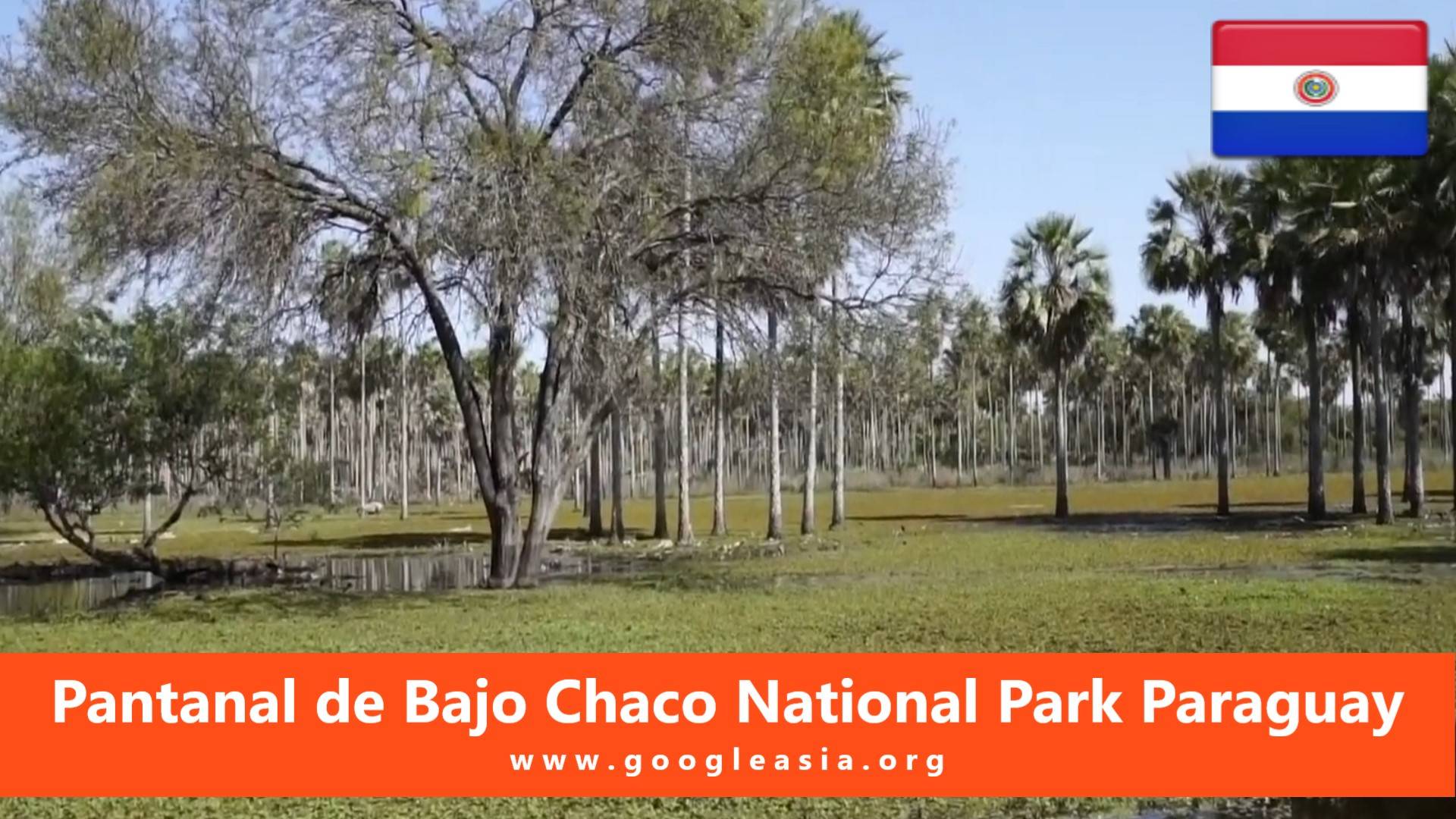
Pantanal de Bajo Chaco National Park, Paraguay
Discover the incredible Pantanal de Bajo Chaco National Park, Paraguay’s hidden natural wonder. Known for its vast wetlands, dense forests, and extraordinary biodiversity, this park is a paradise for birdwatchers, hikers, and eco‑travelers. Spot capybaras, caimans, and even jaguars while exploring untouched landscapes. Plan your visit today and experience Paraguay’s wild side—hike trails, join boat tours, and immerse yourself in pristine nature!
Introduction
If you’re someone who loves exploring unspoiled nature, Pantanal de Bajo Chaco National Park is a place you shouldn’t miss. Tucked away in Paraguay’s Chaco region, this national park is a true gem, offering an incredible diversity of wildlife and landscapes. From vast wetlands to dense forests, it’s a haven for birdwatchers, hikers, and anyone seeking peace in nature. You might even spot a jaguar or capybara during your visit! Whether you’re exploring on foot or simply soaking in the serenity, Pantanal de Bajo Chaco is one of Paraguay’s most fascinating and tranquil destinations.
Pantanal de Bajo Chaco National Park is one of South America’s most biodiverse regions, offering a unique opportunity to experience the untouched wilderness of Paraguay. Spanning over 60,000 hectares, this national park is home to an extraordinary variety of wildlife, plants, and scenic landscapes. Whether you’re an avid birdwatcher, wildlife enthusiast, or nature lover, a visit to Pantanal de Bajo Chaco will be an unforgettable adventure filled with incredible wildlife sightings, educational experiences, and breathtaking natural beauty.
Nestled in the heart of Paraguay’s northern regions, Pantanal de Bajo Chaco National Park is a hidden gem that offers an authentic experience of nature at its finest. This is the ultimate destination to explore some of South America’s most untouched habitats while encountering a rich mix of wildlife, including giant anteaters, capybaras, and anacondas. Ready to discover the charm of this ecological haven? Here’s a closer look at what makes Pantanal de Bajo Chaco National Park a must-see destination.
Location and Establishment
- Pantanal de Bajo Chaco National Park is located in the departments of Concepcion and San Pedro in northern Paraguay.
- It was declared a national park in 1997, with the primary goal of protecting the lower Chaco region, known for its rich biodiversity.
- Covering 60,200 hectares (600 sq km), it offers vast wetlands, expansive grasslands, and winding rivers—making it an ideal habitat for a variety of species.
Best Time to Visit
The best time to visit Pantanal de Bajo Chaco is during the dry season from May to September when the weather is pleasant, and wildlife sightings are more frequent.
Getting There
- By Car: The park can be accessed by driving from Concepcion or Asunción, with a well-connected road network.
- By Air: Nearby airports, including Concepcion International Airport, provide domestic flights to the park region.
Budget Travel $100
Pantanal de Bajo Chaco National Park, located in Paraguay’s Chaco region, is part of one of South America’s most biodiverse wetlands. Covering vast areas of seasonally flooded plains, palm savannas, and forests, it is a haven for birdwatchers and wildlife enthusiasts. Traveling here on a $100 budget is possible once inside the region. Meals in nearby towns average $5–8, while lighter options such as chipa or empanadas cost $2–3. Public buses from Asunción or regional hubs to the Chaco cost about $2–5, though reaching the park itself often requires private transport or organized tours.
Entrance fees are modest, usually under $5, and guided excursions to spot wildlife such as capybaras, caimans, and even jaguars range from $20–30. With $100, a traveler could allocate $30 for meals, $15 for transport, $10 for entrance fees, and $20 for a guided safari, leaving $25 for snacks or souvenirs. The highlights—wetland birdwatching, panoramic views of the Chaco, and encounters with unique fauna—are included at little or no extra cost, making Pantanal de Bajo Chaco a budget-friendly eco-tourism destination.
Tips for American Travelers
For Americans visiting Pantanal de Bajo Chaco National Park, preparation and logistics are essential. The Chaco is remote, sparsely populated, and less developed than Paraguay’s southern regions, so travelers should expect rustic conditions. The local currency is the Paraguayan guaraní (PYG), but U.S. dollars are accepted in tourist services, and carrying cash is strongly recommended since card facilities are limited. While English may be spoken in some organized tours, basic Spanish phrases are very helpful when interacting with locals. Safety is generally good, but visitors should prepare for heat, insects, and limited infrastructure, as the Chaco is known for its challenging environment.
The climate is tropical with distinct wet and dry seasons; the dry season (May–September) is the best time to visit, offering easier access to trails and clearer wildlife viewing. Finally, Pantanal de Bajo Chaco is not only a natural wonder but also a cultural one: the Chaco region is home to Indigenous communities and Mennonite settlements, whose traditions and lifestyles add depth to the journey, making this destination a blend of ecological exploration and cultural immersion.
1‑Day Itinerary
- 7:00 AM – Sunrise Birdwatching
- Begin the day spotting herons, storks, and colorful macaws.
- Early hours provide the best chance to see rare species.
- 9:00 AM – Guided Wetland Hike
- Explore trails through marshes and forests.
- Learn about the park’s unique flora and ecosystems.
- 12:00 PM – Picnic Lunch by the River
- Enjoy local Paraguayan food in a scenic natural setting.
- Relax while watching capybaras and caimans nearby.
- 2:00 PM – Boat Tour of Flooded Plains
- Navigate waterways to observe aquatic life.
- Spot giant otters and migratory birds.
- 4:30 PM – Wildlife Safari Drive
- Travel deeper into the park with a guide.
- Possible sightings of jaguars, anteaters, and armadillos.
- 6:00 PM – Sunset Over the Wetlands
- Capture panoramic views of the Chaco horizon.
- Reflect on the day’s encounters with nature.
Attractions
Vegetation Types
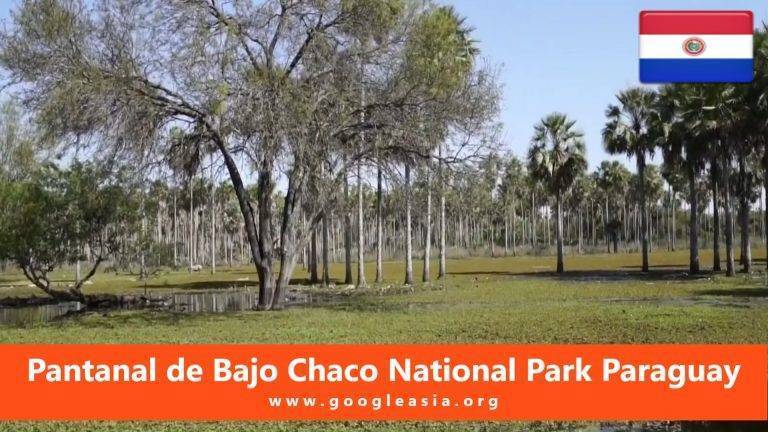
The park’s landscape is a mosaic of seasonally flooded wetlands, palm savannas, dry Chaco woodlands, and riparian gallery forests that together support a wide range of plant communities, from tall riverine trees to herbaceous marsh species; this habitat diversity underpins the region’s ecological productivity and its role as part of the larger Gran Chaco–Pantanal complex.
Grasslands and Riparian Zones
Extensive grasslands and shrublands provide crucial grazing areas for herbivores, while riparian vegetation along rivers and lakeshores sustains aquatic food webs and nesting sites for birds and reptiles, creating seasonal refuges when flood pulses reshape the landscape.
Avian Diversity
The park is a premier birding destination where waterbirds, raptors, and Neotropical forest species concentrate along wetlands and gallery forests, making it an important site for both resident and migratory species and a high‑value area for ornithological observation.
Mammalian Riches
Large mammals such as capybaras and marsh deer, along with apex predators like jaguars in the broader Pantanal‑Chaco corridor, illustrate the park’s capacity to support wide‑ranging species, and guided wildlife tours increase the likelihood of responsible sightings while minimizing disturbance.
Reptiles, Amphibians, and Aquatic Life
Riparian and wetland habitats harbor diverse herpetofauna including caimans and a variety of frogs, and the seasonal floodplain dynamics sustain rich fish communities that are central to the park’s food webs, linking aquatic and terrestrial biodiversity.
Things to Do
Trails and Landscapes
Wander a network of well‑maintained trails that traverse a mosaic of seasonally flooded wetlands, palm savannas, and dry Chaco woodlands, offering varied scenery and easy access to wildlife‑rich river corridors; these landscapes form part of the larger Gran Chaco‑Pantanal ecological complex recognized for its continental importance.
Wildlife Viewing and Guided Safaris
Join guided safaris and river excursions to encounter capybaras, tapirs, caimans, and other emblematic Pantanal species, with local guides maximizing sightings while explaining animal behavior and habitat dynamics; guided outings also reduce disturbance and support conservation goals.
Birdwatching Hotspots
Explore prime birding sites along gallery forests and marsh edges where diverse waterbirds and Neotropical species congregate, making the park a top destination for birdwatchers seeking both resident and migratory species across wet and dry seasons.
Jaguar and Large‑Carnivore Spotting
Plan early‑morning and dusk excursions to increase chances of spotting large predators; the Pantanal and adjacent Chaco landscapes support significant jaguar populations, and responsible, guide‑led viewing is the safest and most effective way to observe these elusive cats.
Fishing and Sustainable Angling
Fish the park’s rivers and oxbow lakes for species such as catfish and dorado, following park regulations and catch‑and‑release practices where required to maintain healthy fish populations and aquatic ecosystems.
Kayaking, Canoeing, and Water Routes
Paddle quiet waterways and seasonal channels to access hidden coves and observe wildlife from a low‑impact vantage point; canoe and kayak routes reveal flooded grasslands and bird‑rich lagoons that are otherwise inaccessible by foot.
Hiking Trails and Nature Walks
Choose from trails that range from gentle boardwalks through marshes to longer treks across savanna ridges, each offering opportunities for close‑up plant identification, herpetofauna spotting, and panoramic views of the wetland mosaic.
Camping, Stargazing, and Night Safaris
Camp at designated sites to experience the park’s pristine night skies and nocturnal wildlife activity; night safaris led by trained guides reveal owls, nocturnal mammals, and the sounds of the Chaco after dark.
Conservation‑Focused Experiences
Participate in community‑led conservation activities and interpretive programs that highlight ongoing efforts to protect the Pantanal‑Chaco corridor, engage local stewards, and promote sustainable tourism practices that benefit both biodiversity and nearby communities.
Foods
Freshwater Fish Specialties
Fresh catches such as dorado and piranha are regional highlights, with dorado (Salminus brasiliensis) prized for its firm, flavorful flesh and status as a top sport‑fishing quarry in the Pantanal and adjacent river systems. Dorado is often grilled whole or filleted and pan‑seared, its golden scales and muscular body earning it nicknames like “river tiger,” and local chefs favor simple preparations that showcase the fish’s texture and natural flavor.
Traditional Preparation and Asado Culture
Asado remains central to Paraguayan food culture, where beef and pork are slow‑grilled over wood or charcoal on a parrilla and served with mandioca, salads, and chimichurri‑style sauces, reflecting communal cooking traditions tied to estancias and riverside gatherings. Freshwater fish may be incorporated into the same open‑fire repertoire or prepared as stews and fried fillets at riverside eateries, emphasizing local, seasonal catch.
Tropical Fruit Harvests
The park region yields abundant tropical fruits—guava, papaya, and oranges among them—that are sold at local markets and served fresh or as juices to accompany meals, prized for their high vitamin content and refreshing acidity in a hot climate. These fruits are commonly harvested year‑round with seasonal peaks that influence local menus and roadside stands frequented by visitors after hikes or boat trips.
Chipa and Sopa Paraguaya
Chipa is Paraguay’s iconic cheese bread made from cassava starch, cheese, eggs, and often anise, with origins in Guaraní culinary traditions and widespread presence at bakeries and street stalls; it is typically eaten warm as a snack or breakfast item. Sopa Paraguaya, despite its name, is a dense savory cornbread combining cornmeal or fresh corn, cheese, onions, and eggs, traditionally served alongside grilled meats and stews and reflecting the fusion of Indigenous and colonial ingredients.
Final Thoughts
Pantanal de Bajo Chaco National Park offers unparalleled biodiversity, serene wetlands, and authentic eco‑tourism experiences. From birdwatching at sunrise to boat tours across flooded plains, every moment connects visitors to Paraguay’s wild and untouched landscapes. Plan your adventure now and discover one of South America’s most extraordinary natural sanctuaries.
Summary
- Attraction Name: Pantanal de Bajo Chaco National Park
- Country: Paraguay
- Continent: South America
- Capital: Asunción
- Official Languages: Spanish and Guaraní
- Currency: Paraguayan Guarani (PYG)
- Nationality: Paraguayan
- Category: #Destination #SouthAmerica #PARAGUAY
Contact Information
- Address: Pantanal de Bajo Chaco National Park, Chaco Region, Paraguay
- Telephone: +595 (21) 494‑110 (Secretaría del Ambiente – SEAM)
- Website: http://www.senatur.gov.py
- E‑mail: info@senatur.gov.py
- Entry Fee: Approximately 20,000–30,000 PYG (varies by tour operator)
- Business Hours: Open daily, 7:00 AM – 6:00 PM
Frequently Asked Questions
Where is Pantanal de Bajo Chaco National Park located?
Pantanal de Bajo Chaco National Park is situated in the western part of Paraguay, in the department of Presidente Hayes. It covers an area within the Bajo Chaco region, characterized by its extensive wetlands and diverse wildlife. ThisPantanal de Bajo Chaco National Park is situated in the western part of Paraguay, in the department of Presidente Hayes. It covers an area within the Bajo Chaco region, characterized by its extensive wetlands and diverse wildlife. This national park is part of the larger Pantanal region, known for its rich biodiversity and unique ecosystems, making it a significant area for conservation efforts in Paraguay. national park is part of the larger Pantanal region, known for its rich biodiversity and unique ecosystems, making it a significant area for conservation efforts in Paraguay.
How to go to Pantanal de Bajo Chaco National Park?
To reach Pantanal de Bajo Chaco National Park in Paraguay, here are some general guidelines:
- By Air:
- International Flights: Fly into Silvio Pettirossi International Airport (ASU) in Asunción, Paraguay’s capital city.
- Domestic Flights: From Asunción, you can take a domestic flight to Mariscal Estigarribia Airport (ESG) near Mariscal Estigarribia, the closest major town to Pantanal de Bajo Chaco National Park.
- By Road:
- From Mariscal Estigarribia, you’ll need to travel by road. The journey typically involves hiring a local guide or using a 4WD vehicle, as road conditions can vary.
- The park is located about 200 kilometers southwest of Mariscal Estigarribia, mostly through unpaved roads and rural areas.
- Local Guidance:
- Due to the remote nature of the park and varying road conditions, it’s advisable to arrange local guidance or tours that specialize in accessing and exploring the Pantanal de Bajo Chaco National Park.
- Travel Considerations:
- Check local travel advisories and road conditions before planning your trip, as conditions can change seasonally, affecting accessibility.
What are Pantanal de Bajo Chaco National Park’s must-visit attractions or landmarks?
Pantanal de Bajo Chaco National Park in Paraguay offers a unique experience with its diverse ecosystems and wildlife. Here are some must-visit attractions and landmarks within the park:
- Wetland Ecosystems: Explore the extensive wetlands that are characteristic of the Pantanal region. These areas are home to a variety of bird species, mammals, and reptiles adapted to the aquatic environment.
- Wildlife Viewing: Take guided tours or explore trails to observe wildlife such as capybaras, caimans, giant otters, and numerous bird species including jabiru storks and macaws.
- River and Lagoon Systems: Discover the network of rivers, streams, and lagoons that flow through the park. These water bodies support a rich diversity of aquatic life and are essential habitats for many species.
- Conservation Areas: Visit specific conservation areas within the park that are managed to protect endangered species and their habitats. Learn about conservation efforts and the park’s role in preserving biodiversity.
- Cultural Interaction: Experience the local culture and traditions of communities living near the park. Some tours may include interactions with indigenous groups who have deep connections to the land.
- Night Wildlife Safaris: Participate in night safaris to witness nocturnal wildlife activity, including species that are more active after dusk such as nightjars, owls, and various mammals.
- Photography Opportunities: Capture the stunning landscapes, diverse wildlife, and unique flora of the Pantanal de Bajo Chaco National Park. The park offers excellent photography opportunities throughout the day, especially during sunrise and sunset.
Is Pantanal de Bajo Chaco National Park a suitable travel destination for solo adventurers, honeymooning couples, or those traveling with families?
Pantanal de Bajo Chaco National Park offers a range of experiences that can appeal to different types of travelers:
- Solo Adventurers:
- It can be a rewarding destination for solo adventurers interested in wildlife photography, nature exploration, and off-the-beaten-path experiences.
- Ensure you have adequate preparation, including local guidance for navigating the park’s remote areas.
- Honeymooning Couples:
- For couples seeking a unique and romantic nature getaway, the park offers serene landscapes, wildlife viewing opportunities, and the chance to disconnect from busy urban life.
- Consider booking guided tours that include accommodations and amenities suitable for a romantic retreat.
- Families:
- Families can enjoy educational experiences exploring diverse ecosystems, spotting wildlife, and learning about conservation efforts.
- Ensure activities are suitable for children and consider guided tours that cater to family dynamics, including safety measures and engaging activities for kids.
- Travel Considerations:
- Due to the park’s remote location and rugged terrain, proper planning, including transportation arrangements and accommodation bookings, is essential.
- Respect local guidelines and environmental conservation efforts to preserve the park’s natural beauty and wildlife habitats.
Why should you visit Pantanal de Bajo Chaco National Park?
There are several compelling reasons to visit Pantanal de Bajo Chaco National Park:
- Rich Biodiversity: The park is part of the larger Pantanal region, known for its incredible biodiversity. It offers opportunities to see diverse wildlife, including capybaras, caimans, giant otters, and numerous bird species such as jabiru storks and macaws.
- Unique Ecosystems: Explore the park’s extensive wetlands, rivers, and lagoons that support a wide range of aquatic and terrestrial species. The varied landscapes provide habitats for flora and fauna adapted to wetland environments.
- Nature and Wildlife Photography: Photographers will find stunning opportunities to capture the park’s landscapes and wildlife, especially during sunrise and sunset or on guided night safaris to observe nocturnal animals.
- Conservation and Education: Learn about conservation efforts within the park and its role in preserving endangered species and their habitats. Educational tours can provide insights into environmental stewardship and sustainability.
- Cultural Interaction: Experience the local culture and traditions of communities near the park, including interactions with indigenous groups who have a deep connection to the land. This cultural aspect adds depth to your visit.
- Adventure and Exploration: For adventurous travelers, the park offers opportunities for hiking, wildlife tracking, and exploring remote areas off the beaten path. It’s a chance to immerse yourself in nature and discover hidden gems.
- Remote and Serene Atmosphere: Escape from urban hustle and bustle to enjoy the peace and tranquility of a natural environment. The remote location of the park allows for a genuine wilderness experience.
Are there any halal food options near the Pantanal de Bajo Chaco National Park?
Finding halal food options near Pantanal de Bajo Chaco National Park might be challenging due to its remote location and the predominant local cuisine. Paraguay, in general, doesn’t have a large Muslim population, which influences the availability of halal-certified establishments. Here are some considerations:
- Preparation: If you follow halal dietary restrictions strictly, it’s advisable to bring along packaged halal food items or ingredients that you can prepare yourself.
- Local Markets: While local markets in nearby towns may offer fresh fruits, vegetables, and basic supplies, finding halal-certified meat or prepared halal meals might not be guaranteed.
- Customization: Some accommodations or tour operators might accommodate dietary preferences if informed in advance. It’s beneficial to communicate your dietary needs clearly when making arrangements.
- Larger Cities: Consider stocking up on halal supplies in larger cities like Asunción before heading to remote areas like Pantanal de Bajo Chaco National Park.
- Local Cuisine: Paraguayan cuisine typically includes grilled meats and stews, which may not always align with halal requirements. Vegetarian options might offer more flexibility.