Tag: NEPAL

  • Langtang National Park, Nepal: Your Ultimate Travel Guide

    Langtang National Park, Nepal: Your Ultimate Travel Guide

    Langtang National Park, Nepal

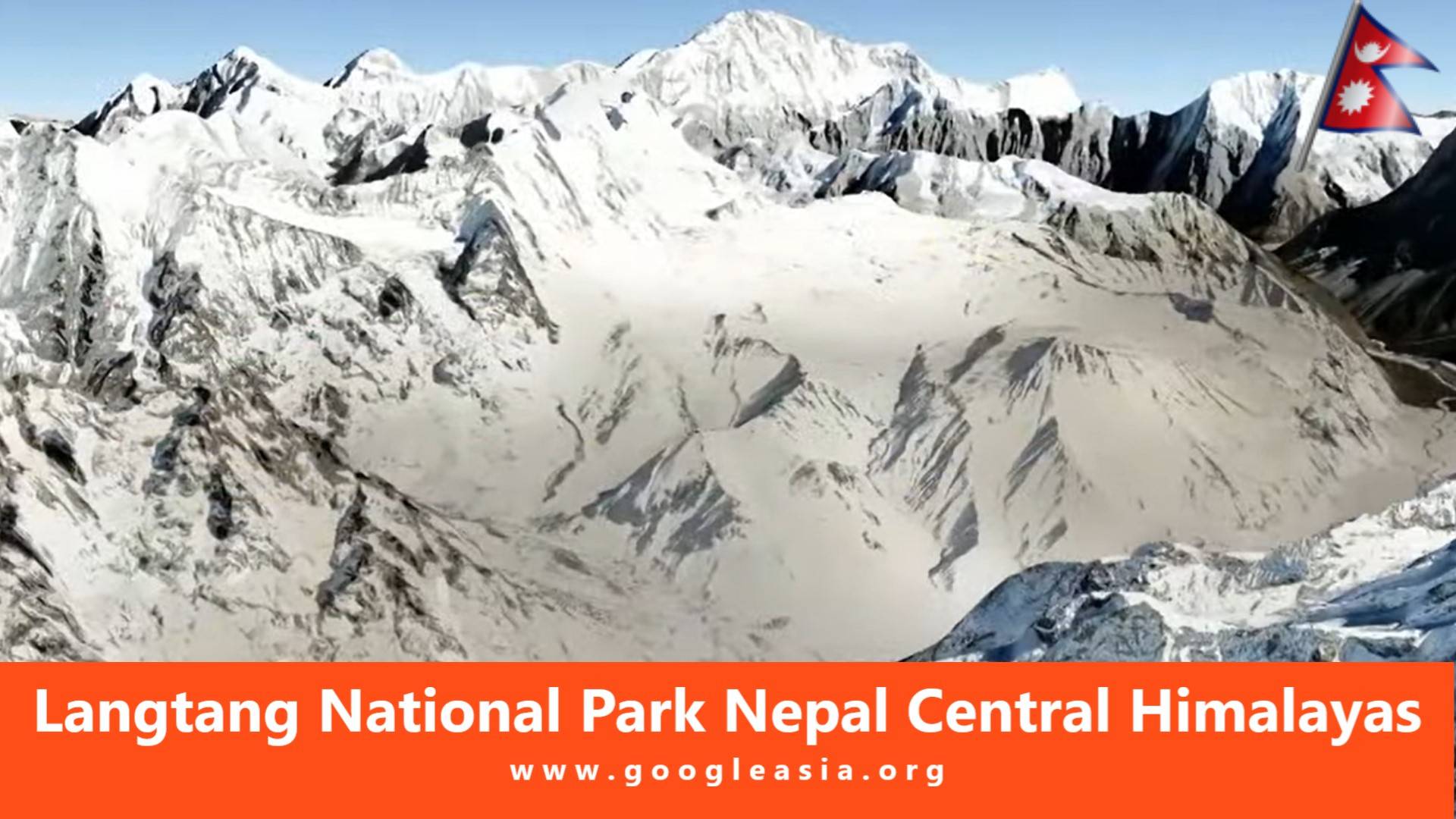
    Langtang National Park is the 4th largest national park in Nepal, covering an area of 1710 sq. km. The park is located in the central Himalayas and offers breathtaking scenery, diverse flora and fauna, and rare species of birds, animals, and plants. It provides an ideal destination for trekking and mountaineering, with its crystal-clear lakes and glaciers, and snowcapped mountains.

    Introduction

    Langtang National Park, established in 1976, is a pristine sanctuary nestled in the heart of the Greater Himalayas of Nepal. Spanning across Rasuwa and Nuwakot districts to the north of Kathmandu, this park covers an expansive area of 1,710 square kilometers (660 sq. miles). It ranks as the fourth largest national park in Nepal, renowned for its diverse landscapes and rich biodiversity.

    Geographic Features

    Langtang National Park boasts a dramatic terrain that includes towering alpine peaks, sprawling glaciers, verdant forests, and a plethora of wildlife. The park’s northern boundary forms a natural border with Tibet, enhancing its geographical and cultural significance. Its highest peak, Lirung, stands majestic at 7,244 meters, offering breathtaking vistas and challenging trekking opportunities.

    Biodiversity and Wildlife

    The park is a haven for rare and endangered species, making it a focal point for conservation efforts in Nepal. Wildlife enthusiasts can spot elusive creatures such as the snow leopard, red panda, musk deer, Himalayan black bear, and rhesus monkey roaming freely in their natural habitat. The diverse ecosystems within the park support a rich variety of flora and fauna, from dense temperate forests teeming with rhododendrons to high-altitude grasslands.

    Notable Wildlife:

    • Snow Leopard: Known for its elusive nature and adapted to high-altitude environments.
    • Red Panda: A charismatic, bamboo-eating mammal endemic to the Eastern Himalayas.
    • Himalayan Black Bear: Recognizable for its dark fur and known to inhabit forested areas.
    • Musk Deer: Known for its distinctive scent glands and solitary habits.

    Cultural and Spiritual Heritage

    Beyond its natural wonders, Langtang National Park is steeped in cultural heritage. The region is inhabited by the Tamang people, who have a rich tradition of Buddhism and unique cultural practices. Visitors can explore ancient monasteries, shrines, and sacred sites that dot the landscape, offering a glimpse into the spiritual beliefs and daily lives of the local communities. The Tamang Heritage Trail, a cultural trekking route, provides an immersive experience into their traditional lifestyle and hospitality.

    Cultural Highlights:

    • Tamang Heritage Trail: A trekking route showcasing Tamang culture, architecture, and hospitality.
    • Monasteries and Temples: Sacred sites scattered throughout the park offering spiritual solace and cultural insights.

    Conservation and Eco-Tourism

    Langtang National Park is committed to sustainable tourism practices and conservation efforts. The park authorities work tirelessly to preserve its natural beauty and biodiversity while promoting responsible tourism initiatives. Visitors are encouraged to respect the environment, support local communities, and contribute to conservation projects aimed at protecting endangered species and their habitats.

    Conservation Efforts:

    • Community Involvement: Engaging local communities in conservation and eco-tourism initiatives.
    • Environmental Awareness: Promoting responsible tourism practices to minimize environmental impact.

    Things to Do

    Langtang National Park offers a plethora of activities amidst its stunning natural beauty. Whether you’re a trekking enthusiast, nature lover, or adventure seeker, there’s something for everyone to enjoy in this picturesque park.

    Trekking and Adventure Opportunities

    Langtang National Park is a paradise for trekkers and adventure enthusiasts. The park offers a variety of trekking routes that cater to different levels of experience, from the relatively moderate Langtang Valley Trek to more challenging climbs of peaks like Kyangjin Ri. Trekkers can traverse diverse landscapes, including dense forests of oak, pine, and rhododendron, as well as rugged moraine terrain and alpine meadows adorned with wildflowers.

    Trekking Routes:

    • Langtang Valley Trek: A classic trek offering stunning mountain views and encounters with local wildlife.
    • Gosainkunda Trek: A pilgrimage trek to sacred lakes surrounded by panoramic mountain scenery.

    Sightseeing

    Langtang National Park is a paradise for sightseers, presenting breathtaking vistas at every turn. From the verdant valleys and cascading waterfalls to the snow-capped peaks of Langtang Lirung (7,227 meters), the park’s landscape is a canvas of natural wonders. Explore vibrant local villages, meander through alpine meadows adorned with wildflowers, and capture the essence of Nepal’s pristine wilderness.

    Mountain Biking

    Adventure enthusiasts can embark on thrilling mountain biking expeditions through Langtang National Park’s rugged terrain. The park offers exhilarating single tracks that wind through dense forests and traverse challenging ascents and descents. Experience the thrill of navigating technical trails while soaking in the panoramic views of snow-capped peaks and lush valleys.

    Rock Climbing

    For seasoned climbers, Langtang National Park provides ample opportunities for exhilarating rock climbing adventures. The park’s granite cliffs offer a variety of routes suitable for all skill levels, from moderate day climbs to demanding multi-pitch ascents. Test your climbing prowess against the backdrop of stunning Himalayan landscapes and enjoy the adrenaline rush of conquering new heights.

    Accommodation

    Accommodation options in Langtang National Park cater to a range of preferences and budgets. Cozy guesthouses and lodges scattered throughout the park offer comfortable lodging with essential amenities. Many guesthouses serve traditional Nepali cuisine, providing a taste of local flavors amidst a serene mountain setting. Whether you prefer a rustic mountain lodge or a more luxurious retreat, Langtang ensures a restful stay after a day of adventure.

    Foods

    Langtang National Park in Nepal not only offers stunning landscapes and rich biodiversity but also boasts a variety of delicious local foods that reflect the region’s cultural and culinary heritage. Whether you’re trekking through the picturesque valleys or staying in local guesthouses, exploring the traditional cuisine of Langtang can be a delightful part of your adventure.

    Here are some of the best foods you should try when visiting Langtang National Park:

    Dhindo

    • Description: A traditional Nepali dish made from buckwheat or millet flour, cooked into a thick porridge-like consistency and served with vegetables or lentil soup.
    • Attributes: Nutritious, hearty, gluten-free (depending on flour used), and provides energy for trekkers.

    Thukpa

    • Description: A flavorful noodle soup that includes vegetables, meat (commonly chicken or yak), and a blend of spices like cumin, coriander, and chili.
    • Attributes: Warming, satisfying, protein-rich, and perfect for colder trekking days.

    Momos

    • Description: Steamed or fried dumplings filled with minced meat (buffalo, chicken, or yak) or vegetables, typically served with a spicy dipping sauce.
    • Attributes: Popular, portable, and a favorite among trekkers for its taste and ease of consumption.

    Gundruk

    • Description: Fermented leafy greens, usually mustard greens or spinach, dried and then cooked with spices such as turmeric, garlic, and ginger.
    • Attributes: Tangy, probiotic-rich, adds depth to meals, and is a traditional preservation method.

    Sel Roti

    • Description: A sweet, ring-shaped bread made from rice flour and sugar, deep-fried until golden brown, often enjoyed as a snack or with tea.
    • Attributes: Sweet, crunchy exterior, a unique texture, and a delightful treat after a long day of trekking.

    Dhau Chiura

    • Description: Flattened rice (chiura) mixed with yogurt (dhai) and honey, sometimes topped with fruits or nuts.
    • Attributes: Refreshing, light, quick to prepare, and a popular snack or breakfast option.

    Yomari

    • Description: A sweet dumpling made from rice flour dough filled with chaku (molasses) or khuwa (reduced milk), shaped like a fish or conch shell.
    • Attributes: Festive, symbolic (often eaten during Yomari Punhi festival), and a delightful dessert or snack.

    Tilchin

    • Description: A mixture of sesame seeds, sugar, and various flours (often wheat or millet), roasted together until golden brown.
    • Attributes: Nutty, sweet, energy-dense, and provides a quick boost of calories and nutrients.

    Aloo Chatamari

    • Description: A thin crepe made from rice flour batter, topped with diced potatoes, onions, spices, and sometimes minced meat.
    • Attributes: Savory, satisfying, versatile (can be a snack or light meal), and reflects local Newari culinary influences.

    Sekuwa

    • Description: Skewered and grilled meat (commonly buffalo or chicken) marinated with spices like cumin, coriander, garlic, and ginger.
    • Attributes: Flavorful, protein-packed, a popular choice for communal gatherings or celebrations.

    Hotels

    Langtang View Hotel & Residence

    Location: Langtang Village
    Description: Langtang View Hotel & Residence offers comfortable accommodation with stunning views of the Langtang Valley. Rooms are equipped with basic amenities, and the hotel provides warm hospitality amidst the serene surroundings of Langtang Village.

    Langtang Guest House

    Location: Kyanjin Gompa
    Description: Langtang Guest House is a cozy lodge located in Kyanjin Gompa, offering simple rooms with beautiful mountain views. The guesthouse provides a peaceful atmosphere, ideal for trekkers exploring the Langtang region.

    Langtang National Park Homestay

    Location: Various locations within Langtang National Park
    Description: Langtang National Park Homestay offers authentic local experiences in various villages within the national park. Guests can stay with local families, enjoying traditional meals and cultural immersion in rustic yet welcoming accommodations.

    Tarayali Country Resort

    Location: Tarayali
    Description: Tarayali Country Resort provides a tranquil retreat near Langtang National Park. The resort features comfortable rooms with modern amenities and spacious gardens, offering a relaxing environment away from the trekking trails.

    Langtang Valley Inn

    Location: Langtang Village
    Description: Langtang Valley Inn offers budget-friendly accommodations in Langtang Village. The inn provides basic amenities and a convenient location for trekkers exploring the Langtang Valley and nearby trails.

    Himalaya View Lodge

    Location: Mundu
    Description: Himalaya View Lodge is situated in Mundu, offering picturesque views of the Himalayas. The lodge provides cozy rooms, hearty meals, and a welcoming atmosphere, making it an ideal stop for trekkers en route to Kyanjin Gompa.

    Kyanjin Gompa Hotel

    Location: Kyanjin Gompa
    Description: Kyanjin Gompa Hotel is located in the heart of Kyanjin Gompa, offering comfortable accommodations with stunning mountain views. The hotel serves delicious meals and provides a peaceful retreat for visitors exploring the nearby trekking trails and attractions.

    Eden Christian Camp

    Location: Langtang Village
    Description: Eden Christian Camp offers a unique accommodation experience in Langtang Village. The camp provides simple yet comfortable lodging options, along with opportunities for spiritual retreat and community engagement amidst the natural beauty of Langtang.

    Parwa Guest House

    Location: Parwa
    Description: Parwa Guest House is a charming lodge located in Parwa, offering cozy rooms and friendly hospitality. The guesthouse provides a warm atmosphere and serves delicious meals, making it a popular choice for travelers exploring the Langtang region.

    Conclusion

    These accommodations in Langtang National Park cater to various preferences and budgets, providing comfortable stays amidst the stunning natural landscapes of the Himalayas.
    Langtang National Park Nepal Central Himalayas

    Summary

    • Attraction Name: Langtang National Park
    • Country: Nepal
    • Continent: Asia
    • Capital Name: Kathmandu
    • Language: Nepali
    • Currency: Nepalese Rupee
    • Nationality: Nepali
    • Category:  #Destination #Asia #NEPAL 

    Frequently Asked Questions

    Where is Langtang National Park located?

    Langtang National Park is located in the central part of Nepal, north of Kathmandu. It is situated along the Nepal-Tibet (China) border, encompassing parts of the Rasuwa, Nuwakot, and Sindhupalchowk districts. The park extends from the subtropical lowlands to alpine regions, covering an area of 1,710 square kilometers (660 square miles).

    How to go to Langtang National Park?

    To get to Langtang National Park, follow these steps:

    1. Travel to Kathmandu: Start by arriving in Kathmandu, the capital of Nepal. Tribhuvan International Airport is the main entry point for international travelers.
    2. Transportation from Kathmandu to Syabrubesi:
      • By Bus: From Kathmandu, take a bus to Syabrubesi, which is the starting point for most treks in the Langtang region. Buses leave from the Machhapokhari Bus Park (New Bus Park) in Kathmandu. The journey takes about 7-9 hours, depending on road conditions.
      • By Jeep: Alternatively, you can hire a private jeep or shared jeep for a more comfortable and faster ride to Syabrubesi. This option is usually quicker but more expensive than the bus.
    3. Trekking from Syabrubesi: Once in Syabrubesi, you begin your trek into Langtang National Park. The trekking routes are well-marked and there are various trails to choose from depending on your fitness level and time available. Common routes include the Langtang Valley Trek, the Tamang Heritage Trail, and the trek to Gosainkunda Lake.
    4. Permits: Ensure you have the necessary permits before entering the park. You need a Langtang National Park entry permit and a TIMS (Trekkers’ Information Management System) card. These can be obtained in Kathmandu or at the park entry point.

    What are Langtang National Park’s must-visit attractions or landmarks?

    Langtang National Park offers several must-visit attractions and landmarks:

    1. Langtang Valley: Known for its breathtaking scenery, this valley is a primary attraction in the park, offering stunning views of snow-capped peaks, lush forests, and picturesque landscapes.
    2. Kyanjin Gompa: A beautiful village with a renowned monastery, offering panoramic views of the surrounding mountains. It serves as a popular acclimatization stop for trekkers.
    3. Gosainkunda Lake: A sacred alpine lake situated at 4,380 meters. It is a significant pilgrimage site for Hindus and Buddhists, surrounded by rugged mountain terrain.
    4. Tserko Ri: A peak near Kyanjin Gompa that provides trekkers with stunning panoramic views of the Langtang range and the surrounding areas. It is a challenging but rewarding hike.
    5. Langtang Village: Despite being heavily affected by the 2015 earthquake, the village has been rebuilt and offers insights into traditional Tamang culture and lifestyle.
    6. Tamang Heritage Trail: A cultural trek through traditional Tamang villages, showcasing local customs, architecture, and hospitality. It’s an excellent way to experience the cultural richness of the region.
    7. Sing Gompa (Chandanbari): Known for its cheese factory and monastery, this location is a favorite stop for trekkers heading to Gosainkunda Lake. It offers a unique cultural and culinary experience.
    8. Langshisha Kharka: A remote and beautiful area offering stunning views of glaciers and snow-capped peaks. It is a less-visited spot, providing a sense of solitude and pristine nature.

    What are Langtang National Park’s nearby must-visit attractions or landmarks?

    Langtang National Park offers several nearby must-visit attractions and landmarks:

    1. Kyanjin Gompa: A scenic village with a famous monastery and stunning views of the surrounding peaks. It’s a popular stop for trekkers in the Langtang Valley.
    2. Gosainkunda Lake: A sacred alpine lake located at an altitude of 4,380 meters. It is an important pilgrimage site for Hindus and Buddhists and offers breathtaking scenery.
    3. Langtang Village: Though largely rebuilt after the 2015 earthquake, it remains a cultural and historical highlight, showcasing traditional Tamang culture.
    4. Tserko Ri: A challenging peak that offers spectacular panoramic views of the Langtang range and beyond. It’s a popular day hike from Kyanjin Gompa.
    5. Tamang Heritage Trail: This trail provides a cultural trek through traditional Tamang villages, allowing for a deep dive into local customs, architecture, and lifestyle.
    6. Sing Gompa (Chandanbari): Known for its cheese factory and monastery, this spot is a favorite rest stop for trekkers heading to Gosainkunda Lake.
    7. Shivapuri Nagarjun National Park: Located near Kathmandu, this park is perfect for a day hike and offers rich biodiversity and beautiful views, serving as a great addition to a Langtang itinerary.
    8. Helambu Region: South of Langtang, this region is known for its Buddhist monasteries, lush forests, and terraced fields. It’s an excellent area for shorter treks and cultural experiences.

    Is Langtang National Park a suitable travel destination for solo adventurers, honeymooning couples, or those traveling with families?

    Yes, Langtang National Park is a versatile travel destination suitable for solo adventurers, honeymooning couples, and families. Here’s why:

    Solo Adventurers:

    • Safety: The park is relatively safe for solo travelers, with well-marked trails and friendly locals.
    • Adventure: Solo adventurers can enjoy trekking, peak climbing, and exploring diverse terrains at their own pace.
    • Community: The trekking routes are frequented by other travelers, providing opportunities to meet like-minded individuals.

    Honeymooning Couples:

    • Scenic Beauty: The stunning landscapes, including lush valleys and towering peaks, provide a romantic backdrop.
    • Privacy: The park is less crowded compared to other trekking regions, offering more privacy.
    • Experiences: Couples can enjoy serene walks, visit monasteries, and relax in natural hot springs.

    Families:

    • Family-friendly Trails: There are moderate trekking routes suitable for families with children.
    • Cultural Exposure: Families can learn about the local Tamang culture and traditions, enriching their travel experience.
    • Wildlife: The park’s diverse flora and fauna can be educational and exciting for children.

    Why should you visit Langtang National Park?

    Visiting Langtang National Park offers a unique and rewarding experience for several reasons:

    1. Stunning Scenery: Langtang National Park is renowned for its breathtaking landscapes. It features lush forests, alpine meadows, majestic glaciers, and towering peaks, including Langtang Lirung (7,227 meters). The variety of terrains provides diverse and stunning vistas.
    2. Rich Biodiversity: The park is home to a wide range of flora and fauna. You can encounter wildlife such as red pandas, Himalayan tahr, black bears, and various bird species. The diverse plant life includes rhododendron forests and bamboo groves.
    3. Cultural Experience: The region is inhabited by the Tamang people, who have a rich cultural heritage. Visiting the villages in the park allows you to experience their traditional lifestyle, architecture, and warm hospitality. The Tamang Heritage Trail offers a deeper insight into their culture.
    4. Accessible Trekking Routes: Langtang is one of the most accessible trekking regions from Kathmandu, making it convenient for those with limited time. The Langtang Valley Trek is popular for its moderate difficulty level, making it suitable for a wide range of trekkers.
    5. Spiritual Significance: The park is dotted with numerous monasteries and stupas, reflecting its spiritual significance for both Buddhists and Hindus. The sacred lake of Gosainkunda is a major pilgrimage site, particularly during the Janai Purnima festival.
    6. Less Crowded: Compared to more famous trekking areas like Everest and Annapurna, Langtang tends to be less crowded. This allows for a more peaceful and intimate trekking experience, where you can truly connect with nature.
    7. Post-Earthquake Resilience: Visiting Langtang is also an opportunity to support the local communities that were heavily impacted by the 2015 earthquake. Tourism plays a crucial role in their economic recovery and sustainability.
    8. Adventure Opportunities: Besides trekking, Langtang National Park offers opportunities for other adventurous activities like peak climbing, mountain biking, and exploring glaciers. The challenging trails and rugged terrain appeal to adventure enthusiasts.
    9. Eco-Tourism: The park emphasizes eco-tourism and sustainable practices. Visitors can engage in responsible tourism by respecting the natural environment and supporting local conservation efforts.
    10. Natural Hot Springs: The hot springs at Tatopani provide a relaxing retreat for trekkers. After days of trekking, soaking in the warm waters is a great way to unwind and rejuvenate.

    Is there any halal food available in the vicinity of the Langtang National Park?

    Yes, there are a few options for halal food in the vicinity of Langtang National Park in Nepal. Here are some general tips and suggestions to find halal food in this area:

    1. Kathmandu: Before heading to Langtang National Park, consider stocking up on halal food in Kathmandu, the capital city of Nepal. Kathmandu has several restaurants and shops that cater to halal dietary requirements. Some popular halal restaurants in Kathmandu include:
      • Anatolia Halal Food Restaurant: Known for Middle Eastern cuisine.
      • Ghangri Café: Offers halal options on request.
      • Third Eye Restaurant: While it is primarily known for Indian cuisine, it offers halal food as well.
    2. Local Guesthouses and Teahouses: Once you are in the Langtang region, it might be challenging to find dedicated halal restaurants. However, many local guesthouses and teahouses along the trekking routes are accommodating and can prepare vegetarian or fish-based meals if you explain your dietary needs. It’s a good idea to learn a few phrases in Nepali or carry a note explaining your requirements.
    3. Self-catering: Another option is to bring non-perishable halal food items with you. Pack items such as instant noodles, canned food, and snacks that meet halal standards. This can be a reliable way to ensure you have access to halal food during your trek.
    4. Guides and Local Advice: Hiring a local guide who understands your dietary needs can be very helpful. They can communicate with guesthouse owners and help arrange suitable meals. Additionally, asking for advice from fellow trekkers or locals who have experience with halal food requirements can be beneficial.
  • Visiting Pokhara Valley, Nepal: Your Ultimate Travel Guide

    Visiting Pokhara Valley, Nepal: Your Ultimate Travel Guide

    Pokhara Valley, Nepal: Must-Visit Destination

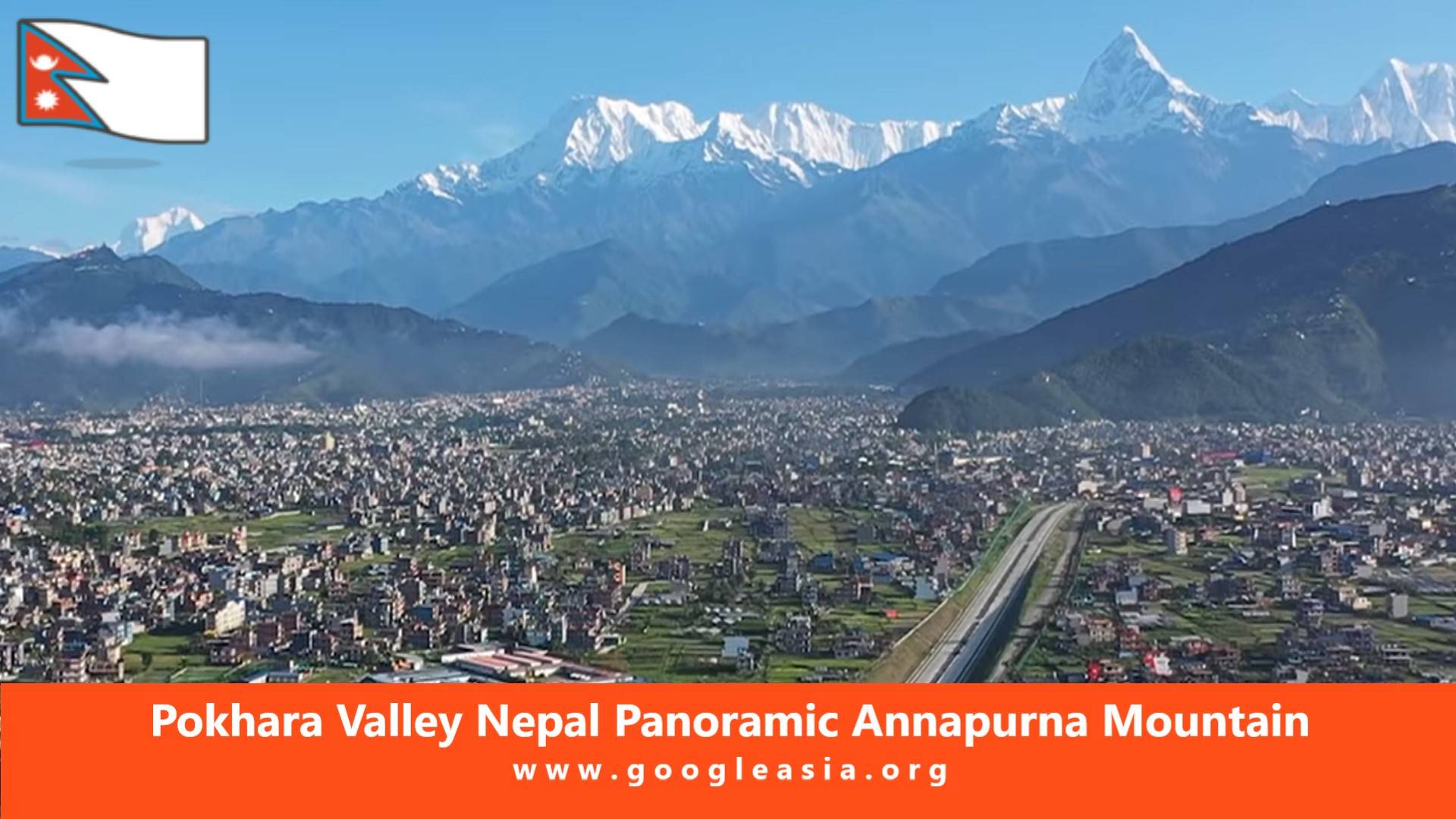
    Pokhara Valley is a scenic destination located in Nepal’s Himalayan foothills, offering panoramic views of the Annapurna Mountain range. Boasting stunning lakes, adventure activities, and monasteries, this valley has something for everyone. From doing paragliding, mountaineering, or simply strolling by the lakeside, Pokhara has it all!


    Pokhara Valley Nepal Panoramic Annapurna Mountain

    Pokhara Valley, Nepal Summary

    • Attraction Name: Pokhara Valley
    • Country: Nepal
    • Continent: Asia
    • Capital Name: Kathmandu
    • Language: Nepali
    • Currency: Nepalese Rupee
    • Nationality: Nepali
    • Category:  #Destination #Asia #NEPAL 


    Tell us about Pokhara Valley, Nepal

    Introduction to Pokhara Valley

    Pokhara Valley, nestled in the lap of the Himalayas, is renowned for its breathtaking landscapes and diverse attractions. Located in central Nepal, this picturesque valley is a haven for nature enthusiasts, adventure seekers, and cultural explorers alike.

    Natural Beauty and Landscapes

    Snow-Capped Peaks: Pokhara Valley offers spectacular views of the snow-capped Annapurna Mountain range, including iconic peaks like Machhapuchhre (Fishtail). These majestic mountains provide a stunning backdrop to the valley’s serene environment.

    Phewa Lake: The glimmering Phewa Lake is a central feature of Pokhara, offering opportunities for boating and enjoying peaceful lakeside views. The lake reflects the surrounding mountains, creating a mesmerizing scene at sunrise and sunset.

    Sarangkot Hill: Adventure enthusiasts flock to Sarangkot Hill for its panoramic views and exhilarating activities such as paragliding and zip-lining. It’s also a popular spot for witnessing sunrise over the Himalayas, providing an unforgettable experience.

    Outdoor Activities

    Paragliding: Pokhara is one of the world’s top destinations for paragliding, thanks to its favorable wind conditions and stunning aerial views. Tandem flights are available for both beginners and experienced paragliders.

    Trekking: The valley serves as a gateway to renowned trekking routes like the Annapurna Circuit and the Annapurna Base Camp trek. Trekkers can embark on journeys through lush forests, traditional villages, and high-altitude landscapes.

    Boating and Relaxation: Phewa Lake offers opportunities for boating, whether it’s a peaceful paddle in a traditional wooden boat or a romantic evening cruise. Lakeside cafes and restaurants provide tranquil settings to unwind and enjoy the scenery.

    Cultural Heritage

    Bindhyabasini Temple: This ancient Hindu temple dedicated to Goddess Durga is perched on a hilltop with panoramic views of Pokhara Valley. It’s a significant pilgrimage site and offers insight into Nepal’s religious traditions.

    International Mountain Museum: Located in Pokhara, this museum showcases the history, culture, and biodiversity of the Himalayas. It’s a fascinating place to learn about mountaineering expeditions, local flora and fauna, and the Sherpa community.

    Gurkha Museum: Dedicated to the Gurkha soldiers, this museum provides a glimpse into the brave history and traditions of Nepal’s legendary Gurkha warriors.

    Wildlife and Nature

    Annapurna Conservation Area: Pokhara Valley is surrounded by the Annapurna Conservation Area, known for its diverse wildlife and ecosystems. Visitors can spot rare species such as the Himalayan tahr, red panda, and various bird species.

    Botanical Gardens: The valley boasts several botanical gardens showcasing native flora, including orchids and rhododendrons. These gardens are ideal for nature enthusiasts and photographers seeking to explore Nepal’s rich biodiversity.

    Conclusion

    Pokhara Valley is a destination that captivates visitors with its natural beauty, thrilling adventures, rich cultural heritage, and serene atmosphere. Whether you seek adrenaline-pumping activities or peaceful moments amidst nature, Pokhara offers an unforgettable experience in the heart of Nepal’s Himalayas.


    Things to Do in Pokhara Valley, Nepal

    Thrilling Adventures Await

    Pokhara Valley, nestled in the Himalayan foothills of Nepal, offers a plethora of activities that cater to thrill-seekers and adventure enthusiasts alike. From paragliding amidst stunning landscapes to exploring mysterious caves, there’s no shortage of adrenaline-pumping experiences to be had.

    Paragliding

    Paragliding in Pokhara is a must-do activity, thanks to its perfect altitude and gentle winds. Glide through the sky and soak in panoramic views of the valley’s lush hills and shimmering lakes below.

    Zip Flying and Bungee Jumping

    For those seeking an extra dose of excitement, zip flying and bungee jumping are popular choices. Experience the rush as you zoom across valleys or take the plunge from towering heights.

    Boating on Phewa Lake

    Phewa Lake offers serene boat rides with a backdrop of the majestic Himalayas. It’s a perfect way to unwind and immerse yourself in Pokhara’s natural beauty.

    Delving into Nature and Culture

    Beyond adventure, Pokhara Valley beckons with opportunities to explore its rich cultural heritage and breathtaking landscapes.

    Cave Exploration

    Embark on a journey through Pokhara’s caves, such as the fascinating Mahendra Cave and the mystical Gupteshwor Mahadev Cave. These sites offer a glimpse into the region’s geological history and spiritual significance.

    Hiking and Trekking

    Pokhara boasts some of Nepal’s finest hiking and trekking trails, catering to both novice and seasoned trekkers. Traverse through verdant hills and witness awe-inspiring views of the Himalayan peaks.

    Cultural and Relaxing Escapes

    Whether you’re drawn to history, seeking tranquility, or simply want to indulge in local flavors, Pokhara has something for everyone.

    Visit the World Peace Pagoda

    The World Peace Pagoda stands as a symbol of serenity and offers panoramic views of the Annapurna range. It’s an ideal spot to meditate, reflect, or simply marvel at the natural splendor.

    Explore Ghumte Museum

    Delve into Nepal’s rich history and culture at Ghumte Museum, where artifacts ranging from ancient manuscripts to traditional weaponry and jewelry provide insights into the region’s past.

    Shopping and Local Cuisine

    Stroll through Tibetan markets in Pokhara and discover unique souvenirs like herbal medicines, yak fur rugs, and Buddhist artifacts. Indulge in local delicacies to complete your cultural experience.

    Conclusion

    A visit to Pokhara Valley promises a memorable blend of adventure, culture, and natural beauty. Whether you’re soaring through the skies or exploring ancient caves, every moment in this picturesque region is sure to leave a lasting impression.

    Best Foods to Try in Pokhara Valley, Nepal

    Pokhara Valley not only offers breathtaking landscapes but also tantalizes visitors with a diverse array of delicious local and regional dishes. From traditional Nepali cuisine to Tibetan specialties and international flavors, here are some must-try foods when visiting this picturesque region.

    Nepali Delicacies

    Momos (Dumplings)

    Momos are a beloved Nepali snack consisting of steamed or fried dumplings filled with minced meat or vegetables, served with a tangy dipping sauce. They are a staple and can be found in many street stalls and restaurants throughout Pokhara.

    Thukpa (Noodle Soup)

    Thukpa is a hearty noodle soup with origins in Tibetan cuisine but widely enjoyed across Nepal. It typically includes noodles, vegetables, and your choice of meat, all simmered in a flavorful broth.

    Gundruk (Fermented Leafy Greens)

    Gundruk is a traditional Nepali dish made from fermented leafy greens, usually mustard greens or spinach. It has a unique tangy flavor and is often cooked with spices and served as a side dish.

    Sel Roti (Nepali-Style Fried Bread)

    Sel Roti is a traditional Nepali fried bread prepared during festivals and special occasions. It’s made from rice flour, sugar, and yogurt, resulting in a crispy exterior and soft inside.

    Tibetan Favorites

    Momo Soup

    Momo Soup is a comforting dish where momos (dumplings) are served in a flavorful broth, often with added vegetables or meat. It’s a satisfying meal and perfect for chilly Pokhara evenings.

    Thukpa Soup

    Similar to Thukpa, Thukpa Soup is a variant where the focus is on the hearty broth filled with noodles and various ingredients like vegetables and meat. It’s nourishing and delicious.

    Bhatura (Fried Bread)

    Bhatura is a Tibetan fried bread that’s crispy on the outside and fluffy inside. It’s often served with savory sauces or as a side dish to complement main meals.

    Local and International Flavors

    Fresh Fish from Phewa Lake

    Phewa Lake, located in the heart of Pokhara, offers delicious fresh fish that can be prepared in various ways, such as grilled or fried. Enjoying freshly caught fish with mountain views is a memorable experience.

    Indian Curries and Snacks

    Due to its proximity to India, Pokhara also offers a variety of Indian curries, snacks, and street food. From spicy curries to savory snacks like samosas and pakoras, Indian cuisine adds a flavorful dimension to Pokhara’s food scene.

    Vegetarian Delights

    Local Vegetarian Dishes

    Pokhara is known for its abundance of fresh vegetables, and you’ll find a variety of vegetarian dishes that highlight local produce. Whether it’s a vegetable curry, lentil soup (dal), or stir-fried greens, vegetarian options are plentiful and delicious.

    Conclusion

    Exploring Pokhara Valley isn’t just about its stunning scenery; it’s also a journey through its rich culinary heritage. Whether you’re savoring traditional Nepali momos, warming up with Thukpa soup, or indulging in fresh fish from Phewa Lake, every bite in Pokhara promises to be a delightful adventure for your taste buds.

    Best Hotels to Stay While Visiting Pokhara Valley, Nepal

    Pokhara Valley, known for its natural beauty and serene atmosphere, offers a range of accommodations to suit every traveler’s preferences. Whether you’re seeking luxury, comfort, or a blend of both, these hotels are highly recommended for a memorable stay.

    Luxury Retreats

    The Pavilions Himalayas

    Located in a tranquil setting amidst the Himalayan foothills, The Pavilions Himalayas offers luxurious villas and suites with breathtaking views. It’s known for its serene ambiance and personalized service, making it an ideal choice for a relaxing retreat.

    Fish Tail Lodge

    Set on a private peninsula on Phewa Lake, Fish Tail Lodge is renowned for its unique lakefront cottages and stunning views of the Annapurna range. It combines traditional Nepali architecture with modern amenities, offering a peaceful escape.

    The Fulbari Resort & Spa

    Nestled amidst lush greenery overlooking Pokhara Valley, The Fulbari Resort & Spa exudes luxury and elegance. It features spacious rooms, a golf course, multiple dining options, and a rejuvenating spa, ensuring a lavish stay experience.

    Boutique Charm

    Hotel Green Symphony

    Hotel Green Symphony offers a cozy and welcoming atmosphere with modern amenities. It’s centrally located, making it convenient for exploring Pokhara’s attractions while enjoying comfortable accommodations.

    Temple Tree Resort & Spa

    Inspired by traditional Nepali architecture, Temple Tree Resort & Spa provides a blend of cultural charm and modern comforts. It’s set in a tranquil garden environment, offering spacious rooms and a serene spa experience.

    Hotel Holy Himalaya

    Hotel Holy Himalaya is known for its warm hospitality and convenient location near Pokhara’s Lakeside area. It offers comfortable rooms with views of the Himalayas and is a great choice for both leisure and business travelers.

    Serenity and Comfort

    The Himalayan Hotel

    Located away from the hustle and bustle, The Himalayan Hotel offers peaceful surroundings and panoramic views of Pokhara Valley. It’s a retreat for nature lovers seeking tranquility and relaxation.

    Royal Orchid Meadow

    Royal Orchid Meadow provides a serene retreat with well-appointed rooms and scenic views of the surrounding hills. It offers a peaceful ambiance away from the city center, ideal for a quiet getaway.

    Atmosphere Resorts & Spa

    Atmosphere Resorts & Spa offers a blend of luxury and nature, with eco-friendly accommodations and a focus on wellness. It’s perfect for those looking to rejuvenate amidst Pokhara’s natural beauty.

    Unique Views

    Machhapuchhre View Tower

    For those seeking panoramic views of the Annapurna and Machhapuchhre (Fishtail) mountains, Machhapuchhre View Tower provides comfortable accommodations and an unparalleled vista of Pokhara Valley.

    Conclusion

    Whether you prefer luxury resorts, boutique hotels, or serene retreats, Pokhara Valley offers a range of accommodations to enhance your stay. From stunning views of the Himalayas to tranquil lakeside retreats, these hotels ensure a memorable experience amidst Nepal’s natural splendor.

    Frequently Asked Questions About Pokhara Valley, Nepal: Your Ultimate Guide

    Explore the latest destination attraction with ease through our comprehensive Frequently Asked Questions guide. Discover insightful answers to common queries, providing a seamless experience. Your journey begins with clarity and confidence as we address uncertainties and offer essential information. Let this guide enhance your adventure, ensuring you make the most of the latest destination attraction, leaving no question unanswered.

    Where is Pokhara Valley located?

    Pokhara Valley is located in the western part of Nepal, approximately 200 kilometers west of Kathmandu, the capital city. It lies in the Gandaki Pradesh (Province No. 4) of Nepal, nestled at the foothills of the Annapurna mountain range. The valley is renowned for its natural beauty, including lakes, lush forests, and stunning views of the Himalayas, making it a popular destination for tourists and trekkers alike.

    How to go to Pokhara Valley?

    To reach Pokhara Valley, you have several transportation options depending on your starting point:

    1. By Air:
      • Domestic Flights: Fly from Tribhuvan International Airport (Kathmandu) to Pokhara Airport. Several airlines operate daily flights, and the flight duration is approximately 25-30 minutes. From Pokhara Airport, taxis and buses are available to take you into Pokhara city, around a 10-15 minute drive.
    2. By Road:
      • Tourist Bus: Tourist buses operate daily from Kathmandu to Pokhara. The journey takes around 6-8 hours depending on road conditions and traffic.
      • Private Vehicle: Hire a private car or jeep from Kathmandu or other major cities. This option offers flexibility in terms of departure times and stops along the way. The drive usually takes around 6-7 hours.
      • Local Bus: Regular public buses also run between Kathmandu and Pokhara. They are cheaper but may be less comfortable and take longer due to multiple stops.
    3. By Tourist Bus from Lakeside Pokhara:
      • Tourist buses also operate from Lakeside Pokhara to various destinations such as Chitwan, Lumbini, and Kathmandu. These buses provide a convenient option if you are already in Pokhara and planning to travel to other popular tourist spots in Nepal.
    4. By Tourist Shuttle from Lakeside Pokhara:
      • Tourist shuttles are available for shorter distances within Pokhara Valley, such as between Lakeside and the nearby viewpoints or attractions like Sarangkot or the International Mountain Museum.

    Ensure to check current schedules and availability, especially during peak tourist seasons. It’s advisable to book flights and bus tickets in advance, particularly if traveling during festivals or holidays when transport services may be in high demand.

    What are Pokhara Valley’s must-visit attractions or landmarks?

    Must-visit attractions in Pokhara Valley:

    1. Phewa Lake: A picturesque freshwater lake with stunning views of the Annapurna range. Boating and visiting the Tal Barahi Temple on an island in the lake are popular activities.
    2. Sarangkot: Famous for its panoramic sunrise and sunset views over the Himalayas. It’s a great spot for paragliding as well.
    3. World Peace Pagoda (Shanti Stupa): A Buddhist stupa situated on a hilltop offering magnificent views of Pokhara Valley, Phewa Lake, and the Annapurna range.
    4. Davis Falls (Devi’s Fall): A unique waterfall where the water vanishes into an underground tunnel. Nearby, visit the Gupteshwor Mahadev Cave, known for its limestone formations and religious significance.
    5. Bindhyabasini Temple: A Hindu temple dedicated to Goddess Bhagwati, located atop a small hill with views of Pokhara city.
    6. Pokhara Lakeside: A vibrant area with numerous restaurants, cafes, shops, and hotels along the shore of Phewa Lake. Ideal for leisurely strolls and enjoying lakeside views.
    7. Seti River Gorge: A natural wonder where the Seti River flows through a deep gorge, creating impressive gorges and canyons. The viewpoint offers breathtaking views of the river’s path through the city.
    8. Mahendra Cave: A large limestone cave with stalactites and stalagmites, located north of Pokhara. It’s an intriguing natural attraction for explorers.
    9. International Mountain Museum: Located in Pokhara, it showcases the history, culture, and biodiversity of the Himalayas, including mountaineering exhibits and information about famous expeditions.
    10. Gurkha Museum: A museum dedicated to the Gurkha soldiers, highlighting their history, bravery, and contributions to various conflicts around the world.

    These attractions offer a blend of natural beauty, cultural experiences, and adventure opportunities, making Pokhara Valley a popular destination for travelers visiting Nepal.

    Is Pokhara Valley a suitable travel destination for solo adventurers, honeymooning couples, or those traveling with families?

    Yes, Pokhara Valley is a highly versatile travel destination that caters to a wide range of travelers:

    • Solo Adventurers: Pokhara offers plenty of activities for solo travelers. You can embark on trekking adventures like the Annapurna Circuit or Annapurna Base Camp trek, paraglide over the scenic Pokhara Valley, explore caves such as the Mahendra Cave, or simply relax by the serene Phewa Lake.
    • Honeymooning Couples: Pokhara is often considered one of the most romantic destinations in Nepal. Couples can enjoy peaceful boat rides on Phewa Lake, visit the World Peace Pagoda for panoramic views, take a leisurely stroll along Lakeside’s charming cafes and shops, or indulge in a spa day amidst the tranquil surroundings.
    • Families: Pokhara is very family-friendly with activities suitable for all ages. Families can enjoy boating on Phewa Lake, visit the International Mountain Museum to learn about the Himalayas, explore the Tibetan refugee camp and handicraft center, or take short hikes to nearby viewpoints like Sarangkot for sunrise views over the Annapurna range.

    Overall, Pokhara Valley’s natural beauty, variety of activities, and welcoming atmosphere make it a perfect destination for solo adventurers seeking adventure, couples looking for romance, and families wanting a memorable vacation together.

    Why should you visit Pokhara Valley?

    1. Natural Beauty: Pokhara Valley is renowned for its stunning natural beauty, surrounded by the Annapurna range and pristine lakes like Phewa Lake. The scenery is breathtaking and offers opportunities for leisurely strolls or more adventurous activities like paragliding and trekking.
    2. Adventure Hub: It serves as a gateway to some of Nepal’s most popular trekking routes, including the Annapurna Circuit and Annapurna Base Camp trek. Additionally, Pokhara offers thrilling activities such as paragliding, zip-lining, and white-water rafting, making it a paradise for adventure enthusiasts.
    3. Serene Lakes: Phewa Lake, the second-largest lake in Nepal, is a central feature of Pokhara. Visitors can enjoy boat rides, lakeside cafes, and views of the surrounding mountains, creating a peaceful and relaxing atmosphere.
    4. Cultural Richness: Pokhara Valley is home to diverse ethnic communities, including Gurungs, Magars, and Thakalis. Exploring local villages and cultural sites allows visitors to experience traditional Nepali culture, architecture, and hospitality.
    5. Peaceful Atmosphere: Unlike the bustling streets of Kathmandu, Pokhara offers a more relaxed and tranquil environment. It’s an ideal place to unwind, meditate, or simply enjoy the natural surroundings.
    6. Accessibility: Located about 200 kilometers west of Kathmandu, Pokhara is easily accessible by road (approximately 6-7 hours drive) or a short flight (about 25 minutes). This makes it a convenient destination for both domestic and international travelers.
    7. Spectacular Views: The sunrise over the Annapurna range from Sarangkot viewpoint is a mesmerizing experience. It offers panoramic views of the Himalayas bathed in golden light, making it a must-see for photographers and nature lovers.
    8. Hospitality and Amenities: Pokhara is well-equipped with a range of accommodations, from budget guesthouses to luxury resorts, catering to various preferences and budgets. The city also offers a wide selection of restaurants serving local and international cuisine.
    9. Cultural and Adventure Festivals: Throughout the year, Pokhara hosts various cultural festivals and events, showcasing local traditions, music, and dance. Adventure festivals also attract enthusiasts from around the world, adding vibrancy to the city’s cultural scene.
    10. Gateway to Peace and Tranquility: Whether you seek adventure, cultural immersion, or a peaceful retreat amidst nature, Pokhara Valley offers something for everyone. Its unique blend of natural beauty, adventure opportunities, and cultural richness makes it a destination worth exploring in Nepal.

    How accessible is halal food in Pokhara Valley?

    Halal food options are available in Pokhara Valley, catering to the dietary preferences of Muslim visitors. While dedicated halal restaurants may be limited compared to larger cities, several eateries and hotels offer halal-certified or halal-friendly meals upon request. Visitors can find halal dishes such as vegetarian cuisine, seafood, and some meat options prepared in accordance with halal standards. It’s advisable to inquire directly at restaurants or accommodations to confirm halal food availability and to specify any dietary requirements.

    Web Directories

    Welcome to our comprehensive web directories! Explore a world of information and resources tailored to your interests and needs. From travel adventures to financial solutions, hobbies, reviews, and more, our curated collection of links offers something for everyone. Click on the above links to start your journey towards discovering new experiences and expanding your horizons. Your next destination awaits!

    1. https://asiaworldtour.com: “Asia World Tour: Your Gateway to Asian and World Adventures”
    2. https://personalfinancingloan.com: “Personal Financing Loan: Your Path to Financial Freedom”
    3. https://hobbyforte.com: “HobbyForte: Discover Your Car Passion, Explore Your Interests”
    4. https://reviewsanything.com: “ReviewsAnything: Your Trusted Source for Honest Gadget Reviews”
    5. https://rumahmampumilik.com: “Rumah Mampu Milik: Your Affordable Homeownership Journey Begins Here”
    6. https://malaysiadigit.com: “MalaysiaDigit: Your Digital Destination for News and Insights”
    7. https://vipmalaysia.com: “VIP Malaysia: Elevate Your Experience in Malaysia”
    8. https://nordiyana.com: “Indulge in Elegance at Nordiyana: Latest Recipe and Culinary Inspirations”
    9. https://e-penyatagaji.com: “E-Penyata Gaji: Simplifying Payroll Management for You”
    10. https://googleasia.org: “Google Asia: Explore the World and Asia’s Wonders with Google Asia”
    11. https://malaysiafit.com: “Malaysia Fit: Your Partner in Health and Wellness”
    12. https://koperasi.info: “Koperasi: Building Communities, Empowering Lives”
    13. https://recipeinside.com: “RecipeInside: Unveiling Culinary Creations, Your Guide to Delicious Dishes”
    14. https://asiahealthcenter.com: “Asia Health Center: Your Source for Holistic Wellness Solutions”
    15. https://nationalhealthcenters.com: “National Health Centers: Your Source for Vital Health Information and Community Care”
    16. https://malaysiabit.com: “MalaysiaBit: Stay Informed, Stay Connected”
    17. https://epenyatagaji.com: “E-Penyata Gaji: Your Digital Payslip Solution”
    18. https://koperasi.work: “Koperasi Work: Collaborate, Innovate, Succeed”
    19. https://koperasi.business: “Koperasi Business: Driving Entrepreneurship, Fostering Growth
  • Boudhanath Stupa, Nepal: Ultimate Travel Guide

    Boudhanath Stupa, Nepal: Ultimate Travel Guide

    Boudhanath Stupa, Nepal

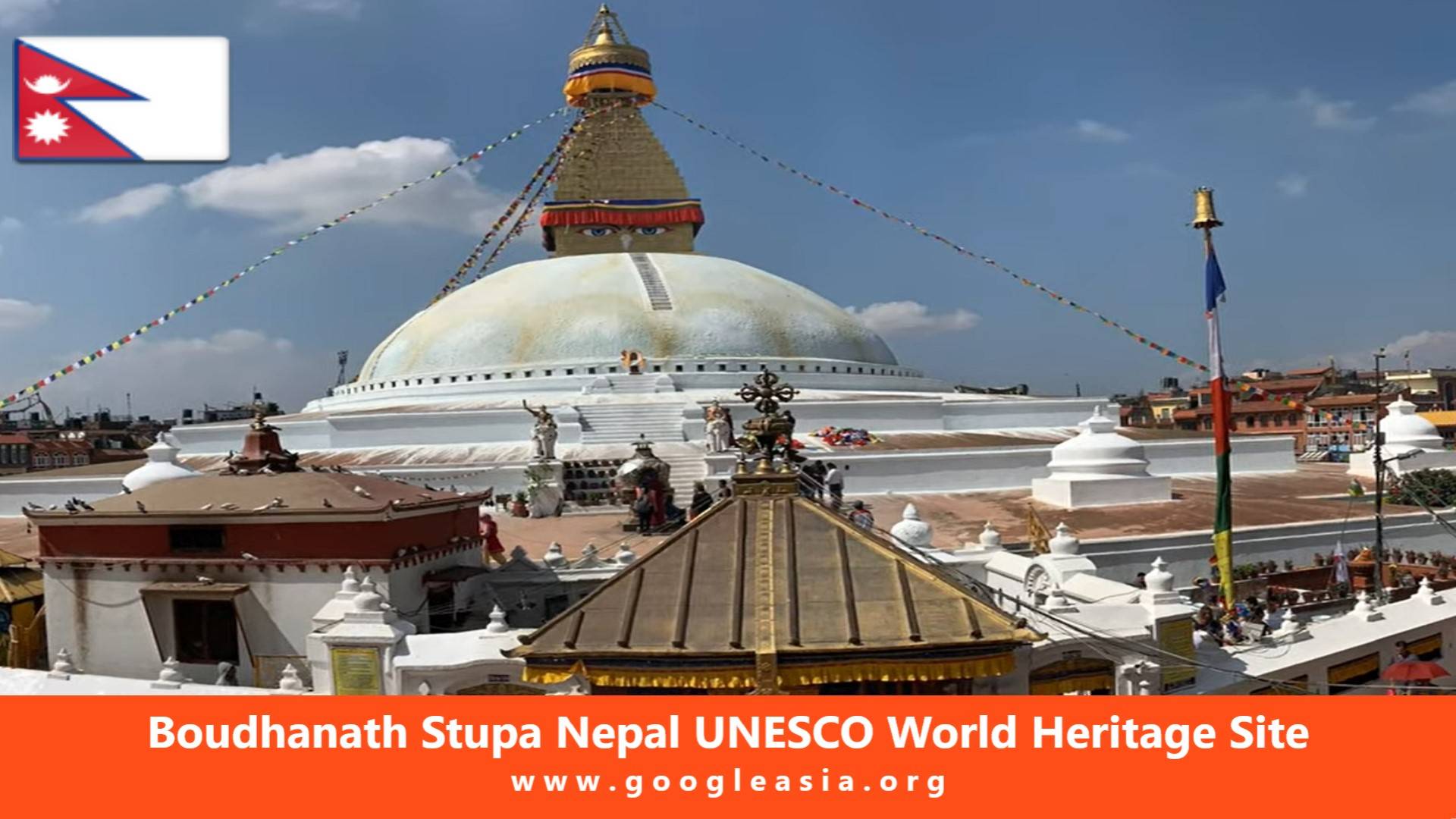
    The Boudhanath Stupa is a Buddhist monument located in Kathmandu, Nepal. It is one of the largest stupas in the world and is a UNESCO World Heritage Site. The 36-meter-high stupa is a symbol of peace and harmony, representing the mind of the Buddha. Its four sides and four entrances represent the four cardinal directions and is decorated with the all-seeing eyes of the Buddha. It is a popular pilgrim spot and has been a center of spiritual activity for centuries

    Introduction

    A Sacred Hub of Buddhist Spirituality

    The Boudhanath Stupa stands as a towering symbol of Buddhist faith and culture in the heart of the Kathmandu Valley, Nepal. This ancient site, dating back to the 14th century, holds deep significance for both locals and pilgrims from across the globe.

    Architectural Marvel and Symbolism

    The Stupa is characterized by its massive white dome topped with the Eyes of Awareness, a symbolic representation of enlightenment in Buddhist philosophy. Encircling the dome are prayer wheels, and overseeing the Stupa are four majestic white temples dedicated to Vajra Tara, a deity revered for protection and guidance.

    Spiritual Significance and Symbolism

    At the core of its design, the Boudhanath Stupa embodies the principles of Buddha’s mind and body. Positioned at each cardinal point are the Four Eternal Buddhas, guardians believed to safeguard devotees on their journey towards spiritual enlightenment.

    Rituals and Practices

    Visitors to Boudhanath engage in spiritual practices such as turning the 108 prayer wheels that encircle the Stupa. Each rotation is accompanied by recitations of mantras and prayers, believed to facilitate spiritual transformation and healing for those who participate.

    Cultural Haven and Learning Center

    Surrounding the Stupa are numerous monasteries, shrines, and sacred sites where visitors can immerse themselves in Buddhist teachings and traditions.

    Meditation and Contemplation

    The tranquil environment of Boudhanath provides an ideal setting for meditation and reflection. Many visitors seek solitude and spiritual introspection amidst the peaceful ambiance of this sacred site.

    Spiritual Teachings and Offerings

    Pilgrims and tourists alike can participate in spiritual teachings offered by resident monks and practitioners. Making offerings at the shrines and gaining insights into Buddhist rituals enriches the experience of those exploring Boudhanath.

    Learning About Buddhism

    For those curious about Buddhism, Boudhanath offers a wealth of opportunities to learn about its teachings, practices, and cultural impact in Nepal and beyond. Guided tours and educational resources provide deeper insights into the profound philosophies that shape Buddhist thought.

    Things to Do

    Boudhanath Stupa, a majestic Buddhist monument nestled in the Kathmandu Valley of Nepal, offers a wealth of experiences for visitors seeking spiritual enlightenment and cultural immersion.

    Exploring the Iconic Stupa

    The Boudhanath Stupa, standing at an impressive 36 meters tall, is a sight to behold. Adorned with hundreds of fluttering prayer flags, the Stupa’s serene ambiance and panoramic views of the Kathmandu Valley create a captivating atmosphere for exploration.

    Walk Around the Stupa

    Take a leisurely stroll around the base of the Boudhanath Stupa to admire its intricate design and soak in the spiritual energy that emanates from this ancient monument.

    Engaging in Spiritual Practices

    Spinning Prayer Wheels

    One of the most cherished activities at Boudhanath is spinning the prayer wheels that encircle the Stupa. Each rotation is believed to bring blessings and good luck, making it a profound ritual for visitors seeking spiritual connections.

    Observing Pilgrims

    Witness the daily rituals of pilgrims from around the world as they circumambulate the Stupa, offering prayers and placing khatas (traditional scarves) as tokens of reverence. Observing these practices offers insight into the devotion and cultural significance of Boudhanath.

    Cultural Immersion and Learning

    Visit Tibetan Buddhist Monasteries

    Explore the vibrant community surrounding Boudhanath, which hosts over 50 Tibetan Buddhist monasteries. Many of these monasteries welcome visitors, providing opportunities to learn about Buddhist teachings and meditation practices in a serene environment.

    Attend Workshops and Classes

    Participate in workshops and meditation classes offered by local monasteries and cultural centers. These sessions offer valuable insights into the history, philosophy, and practices of Buddhism, enriching your understanding of this ancient religion.

    Shopping and Dining Experiences

    Souvenir Shopping

    Browse through local shops surrounding Boudhanath to discover unique souvenirs such as colorful prayer flags, Tibetan crafts, and spiritual artifacts. These items serve as meaningful reminders of your visit to this sacred site.

    Dining Options

    Indulge in a variety of culinary delights at nearby restaurants, ranging from authentic Nepalese cuisine to international fusion dishes. Enjoy a meal while overlooking the bustling activity around Boudhanath, providing a perfect blend of cultural immersion and gastronomic satisfaction.

    Foods

    Boudhanath Stupa not only offers spiritual solace but also tantalizes visitors with a variety of delectable Nepalese and Tibetan dishes. Whether you’re exploring the Stupa’s serene surroundings or seeking nourishment after spiritual contemplation, these foods are sure to delight your taste buds.

    Savory Delights

    Momos (Dumplings)

    Momos are a beloved snack in Nepal, available steamed, fried, or stuffed with vegetables and/or meat. They are often served with a tangy dipping sauce and make for a satisfying treat after a day of exploration.

    Dal Bhat (Rice and Lentil Dish)

    Dal Bhat is a staple Nepalese dish consisting of lentils, rice, and assorted vegetables cooked with aromatic spices. It’s wholesome, nutritious, and provides a taste of traditional Nepalese cuisine.

    Thukpa (Noodle Soup)

    Thukpa is a hearty Tibetan noodle soup packed with vegetables, noodles, and your choice of meat, all simmered in a flavorful broth. It’s perfect for warming up on chilly days near Boudhanath.

    Sweet Indulgences

    Sel Roti (Nepalese Sweet Bread)

    Sel Roti is a traditional Nepalese sweet bread made from rice flour and served with ghee (clarified butter). It has a crispy exterior and a soft, sweet interior, making it a delightful snack or dessert option.

    Sel Roti Urad Dal (Flaky Rice Doughnuts)

    These crispy rice doughnuts are filled with seasoned singed lentils, offering a unique blend of flavors and textures that complement the serene ambiance of Boudhanath.

    Spicy Treats

    Laphing (Peanut Noodles)

    Laphing consists of noodles in a flavorful soup made from ground peanuts and chili. It’s a spicy and savory dish that’s perfect for adventurous eaters looking to experience Tibetan culinary traditions.

    Chowmein (Stir-Fried Noodles)

    Chowmein is a popular stir-fried noodle dish featuring a medley of vegetables, sauces, and spices. It’s a hearty option for those craving a satisfying meal near Boudhanath.

    Snack Favorites

    Samosas (Deep-Fried Patties)

    Samosas are deep-fried pastries filled with a savory mixture of potatoes, onions, chickpeas, and spices. They are a crispy and flavorful snack that pairs well with a cup of tea or as a quick bite on the go.

    Makke (Roasted Corn)

    Makke is a simple yet delicious snack of charred sweetcorn served on the cob. It’s a popular street food option near Boudhanath, offering a savory and smoky flavor experience.

    Hotels

    Boudhanath Stupa, nestled in the serene surroundings of the Kathmandu Valley, offers a range of accommodation options to suit every traveler’s preference. Whether you seek luxury, comfort, or a blend of cultural immersion, these hotels are highly recommended for a memorable stay.

    Luxury Retreats

    Hyatt Regency Kathmandu

    Surrounded by lush gardens, Hyatt Regency Kathmandu offers luxurious rooms and suites with elegant interiors. It features a spa, outdoor pool, and multiple dining options, providing a tranquil oasis near Boudhanath Stupa.

    Radisson Hotel Kathmandu

    Radisson Hotel Kathmandu combines modern amenities with traditional Nepalese hospitality. It offers spacious rooms, a rooftop pool, and dining options that cater to international tastes, ensuring a relaxing stay.

    Shangri-La Hotel

    Shangri-La Hotel exudes luxury with its opulent décor and panoramic views of the Kathmandu Valley. Guests can enjoy refined dining experiences, a spa, and personalized service amidst a serene atmosphere.

    Cultural Charm

    Kantipur Temple House

    Located in the heart of Kathmandu, Kantipur Temple House offers traditional Newari architecture and warm hospitality. It features courtyard rooms, a restaurant serving authentic Nepalese cuisine, and cultural programs.

    Hotel Tibet Peace House

    Hotel Tibet Peace House provides a peaceful retreat with Tibetan-inspired décor and cozy accommodations. It’s a short walk from Boudhanath Stupa, offering a blend of comfort and cultural immersion.

    Bouddha Boutique Hotel

    Bouddha Boutique Hotel offers boutique-style rooms with modern amenities and artistic touches. Its proximity to Boudhanath Stupa allows guests to easily explore the spiritual and cultural attractions of the area.

    Comfort and Convenience

    Hyatt House Kathmandu

    Hyatt House Kathmandu offers spacious suites with kitchenettes, ideal for extended stays. It features a rooftop terrace, fitness center, and a relaxing ambiance that combines comfort with convenience.

    Hyatt Place Kathmandu Thamel

    Hyatt Place Kathmandu Thamel provides contemporary accommodations in the vibrant Thamel district, known for its shopping and nightlife. It offers modern comforts and easy access to Boudhanath Stupa.

    Budget-Friendly Options

    Buddha Garden Guest House

    Buddha Garden Guest House offers affordable rooms with basic amenities and a welcoming atmosphere. It’s a budget-friendly option for travelers seeking simplicity and proximity to Boudhanath.

    Hotel Tibet International

    Hotel Tibet International blends affordability with comfort, offering clean rooms and friendly service. It’s conveniently located near Boudhanath Stupa, making it a practical choice for budget-conscious travelers.

    Unique Stays

    The Stupa Himalaya Hotel & Spa

    The Stupa Himalaya Hotel & Spa offers a tranquil setting with Himalayan views and luxurious accommodations. It features a spa, meditation center, and personalized wellness programs, perfect for rejuvenation.

    Conclusion

    Whether you prefer luxury accommodations with panoramic views or cozy guesthouses that immerse you in local culture, Boudhanath Stupa and its surrounding area offer a diverse range of hotels to enhance your stay. From indulging in spa treatments to exploring cultural landmarks, these hotels provide a perfect base for experiencing the spiritual and historical richness of Nepal’s Kathmandu Valley.

    Boudhanath Stupa Nepal UNESCO World Heritage Site

    Summary

    • Attraction Name: Boudhanath Stupa
    • Country: Nepal
    • Continent: Asia
    • Capital Name: Kathmandu
    • Language: Nepali
    • Currency: Nepalese Rupee
    • Nationality: Nepali
    • Category:  #Destination #Asia #NEPAL 

    Frequently Asked Questions

    Where is Boudhanath Stupa located?

    Boudhanath Stupa is located in Kathmandu, Nepal. It lies in the northeastern outskirts of the city, about 11 kilometers from the center of Kathmandu. The stupa is situated in the Boudha neighborhood, which is known for its vibrant Tibetan community and Buddhist monasteries.

    How to go to Boudhanath Stupa?

    To reach Boudhanath Stupa, one of the largest and most significant stupas in Nepal and a UNESCO World Heritage Site, you have several options:

    1. By Taxi or Ride-sharing Services: The most convenient way to reach Boudhanath Stupa from various parts of Kathmandu is by taxi or ride-sharing services like Uber or Pathao. Taxis are readily available throughout the city, and you can easily hire one for a direct trip to the stupa.
    2. By Local Bus: If you prefer a more budget-friendly option and are comfortable with local transport, you can take a local bus to Boudhanath. Buses in Kathmandu may not have fixed schedules but are frequent. Ask locals or your accommodation staff for the nearest bus stop and directions.
    3. By Bicycle or Motorbike: For those who enjoy cycling or riding motorbikes, Boudhanath Stupa is accessible via bike. Kathmandu has bike rental shops where you can hire bicycles or motorbikes for the day. Cycling allows you to explore the city at your own pace.
    4. Walking: Depending on where you are staying in Kathmandu, Boudhanath Stupa might be within walking distance. This option is great if you prefer to soak in the local atmosphere and see the bustling streets of Kathmandu on your way to the stupa.
    5. Tourist Shuttle: Some hotels and travel agencies in Kathmandu offer shuttle services to Boudhanath Stupa as part of guided tours or transportation packages. Check with your hotel reception or local tour operators for availability and schedules.

    What are Boudhanath Stupa’s nearby must-visit attractions or landmarks?

    Near Boudhanath Stupa, there are several noteworthy attractions and landmarks that you shouldn’t miss:

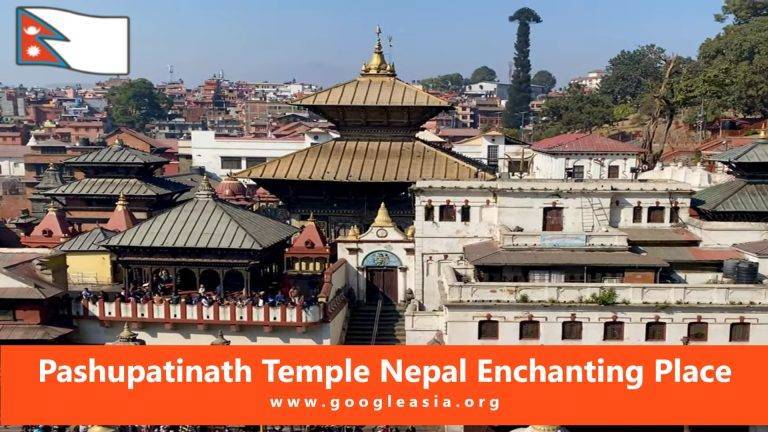
    1. Pashupatinath Temple: Located about 20 minutes away by car, Pashupatinath Temple is one of the most sacred Hindu temples in Nepal and a UNESCO World Heritage Site. It is known for its stunning architecture, religious significance, and the Bagmati River that flows alongside it.
    2. Kopan Monastery: Situated north of Boudhanath, Kopan Monastery is a Tibetan Buddhist monastery known for its serene environment and teachings on Buddhism. Visitors can attend meditation sessions and explore the monastery’s grounds.
    3. Gokarna Forest Resort: A tranquil oasis located in the serene Gokarna Forest, just a short drive from Boudhanath. It offers a golf course, walking trails, and the opportunity to relax amidst nature.
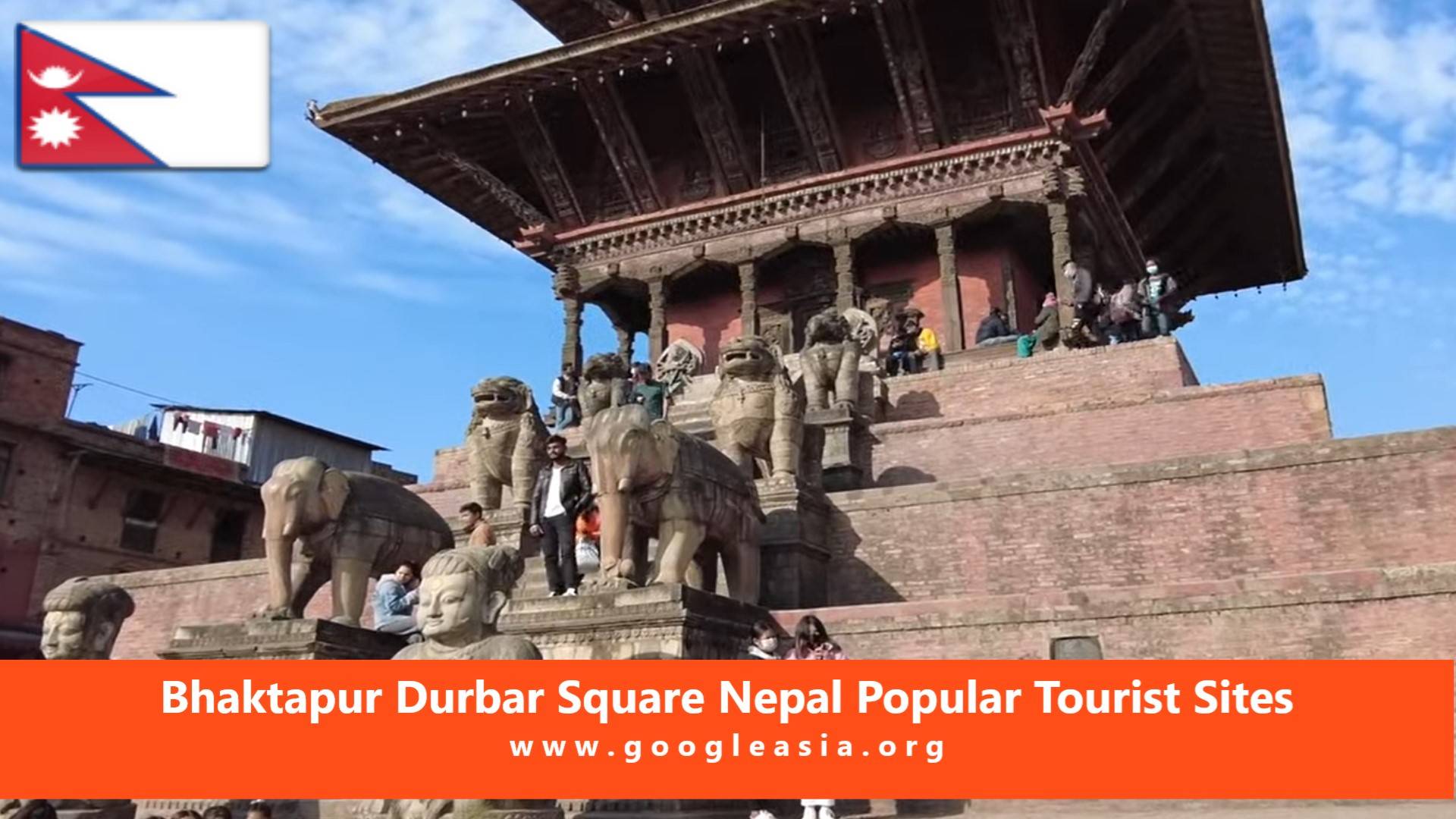
    4. Bhaktapur Durbar Square: A historic square located approximately 30 minutes away, Bhaktapur Durbar Square is a UNESCO World Heritage Site known for its well-preserved medieval architecture, temples, and palaces.
    5. Thamel: While not directly adjacent to Boudhanath, Thamel is a vibrant neighborhood in Kathmandu, about a 20-minute drive away. It’s famous for its bustling streets filled with shops, restaurants, and cafes, offering a lively atmosphere and a chance to experience Kathmandu’s cultural scene.

    Why should you visit Boudhanath Stupa?

    • Cultural Significance: Boudhanath Stupa is one of the largest and most important Buddhist stupas in Nepal, making it a significant cultural and religious site. It holds deep spiritual importance for Buddhists and offers a glimpse into Buddhist traditions and practices.
    • Architectural Beauty: The stupa’s impressive structure with its massive mandala makes it a stunning architectural marvel. Its white dome, adorned with colorful prayer flags and intricate designs, stands out against the Kathmandu skyline.
    • Peaceful Atmosphere: Surrounding the stupa is a peaceful atmosphere that invites visitors to meditate, reflect, or simply soak in the tranquil ambiance. The chanting of prayers and the spinning of prayer wheels add to the serene environment.
    • Pilgrimage Destination: Boudhanath is a major pilgrimage destination for Tibetan Buddhists and followers of Tibetan Buddhism from around the world. Witnessing pilgrims perform kora (circumambulation) around the stupa is a cultural experience in itself.
    • Local Culture and Markets: The area around Boudhanath Stupa is vibrant with Tibetan culture. You can explore Tibetan handicrafts, art, and traditional Tibetan cuisine in the nearby markets and shops, offering a unique cultural immersion.
    • Photography Opportunities: Whether capturing the stupa from a distance against the sky or zooming in on intricate details up close, Boudhanath Stupa provides excellent photography opportunities. The changing light throughout the day also offers varied perspectives.
    • Historical Significance: Boudhanath Stupa has a rich history dating back to ancient times. Learning about its history, including its restoration after the 2015 earthquake, adds depth to the visit and appreciation of its resilience.
    • Accessibility: Located in the outskirts of Kathmandu, Boudhanath Stupa is easily accessible by car or public transport from the city center. Its proximity to Pashupatinath Temple and other cultural sites makes it convenient to visit as part of a day tour.
    • Symbol of Unity and Peace: Boudhanath Stupa is a symbol of unity and peace, reflecting the harmonious coexistence of different cultures and religions in Nepal. It serves as a beacon of tolerance and understanding in a diverse society.
    • Spiritual Experience: Whether you are a Buddhist practitioner or simply seeking a spiritual experience, visiting Boudhanath Stupa offers a chance to connect with inner peace and spirituality amidst a bustling city environment.

    Is there any halal food available in the vicinity of the Boudhanath Stupa?

    Yes, there are options for halal food in the vicinity of Boudhanath Stupa. As a prominent Buddhist site in Kathmandu, the area around Boudhanath caters to a diverse range of visitors, including those looking for halal dining options. While you may not find dedicated halal restaurants right next to the stupa, there are several restaurants and eateries nearby that offer halal-certified or halal-friendly dishes. Some Indian and Nepali restaurants in the vicinity are known to accommodate halal dietary requirements upon request.

    Additionally, Kathmandu, being a cosmopolitan city, has several halal-certified restaurants and grocery stores where you can stock up on halal food items before or after visiting Boudhanath Stupa. It’s advisable to inquire directly at restaurants about their halal offerings or to ask for recommendations from locals or your accommodation provider.

  • Mount Manaslu, Nepal: Majestic Eighth Highest Peak in the World

    Mount Manaslu, Nepal: Majestic Eighth Highest Peak in the World

    Mount Manaslu, Nepal

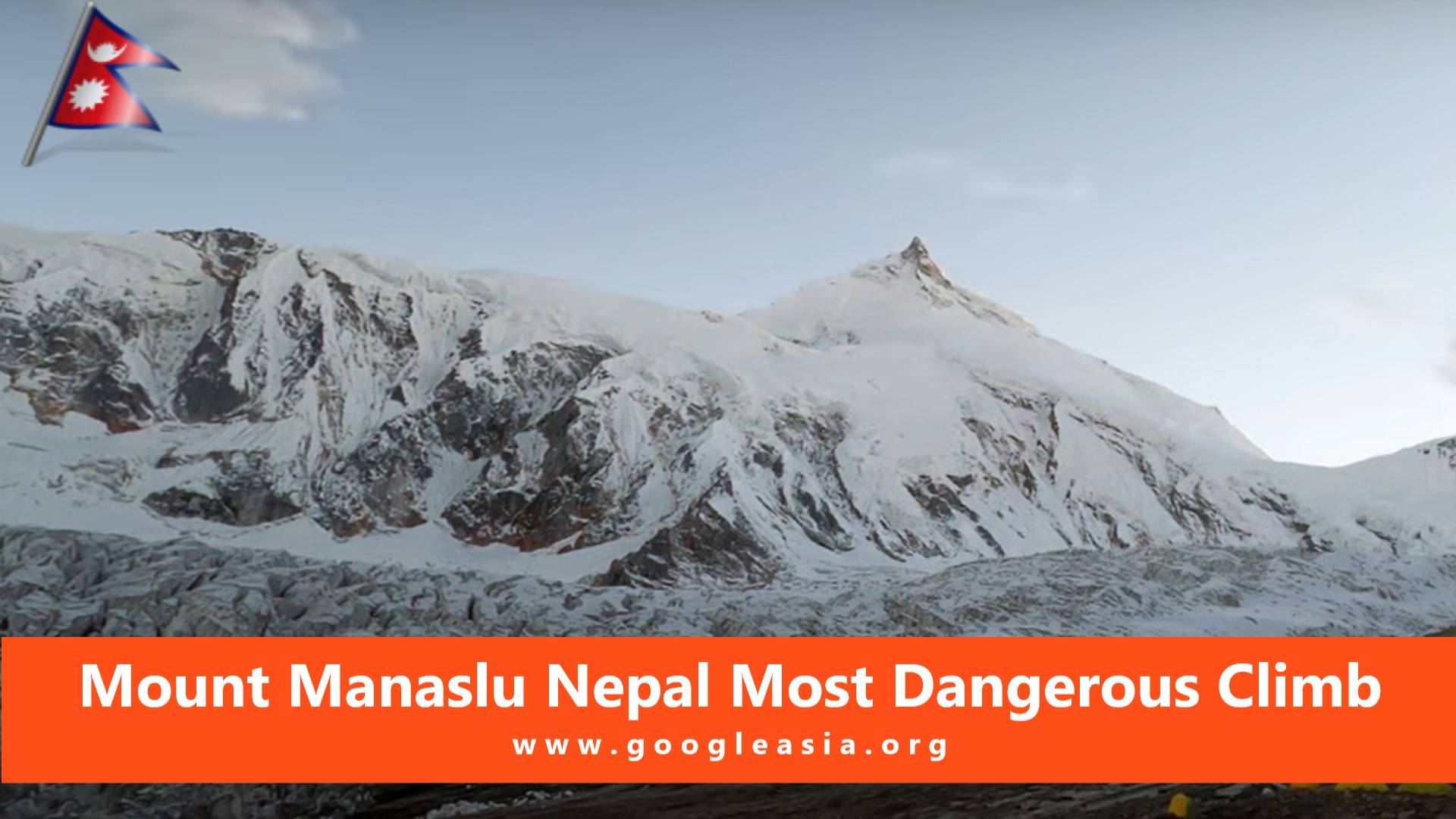
    Mount Manaslu is an 8,163-meter (26,781-foot) mountain located in the Mansiri Himal, part of the Nepalese Himalayas. It is the eighth-highest mountain in the world and is located about 64 kilometers (40 mi) east of Annapurna. It is also known as ‘The Japanese Mountain’ due to the large number of Japanese climbers who attempted its summit in the 1950s and early 1960s. Mount Manaslu is technically challenging, and has been labeled as a difficult, potentially dangerous climb. Despite the dangers, climbing this mountain is becoming a popular alternative to Annapurna and Everest.

    Introduction

    Mount Manaslu, towering at 8,163 meters (26,781 feet), stands proudly in the Gorkha District of Nepal as a prominent member of the Himalayan mountain range. This formidable peak has captured the imagination of adventurers and nature enthusiasts alike.

    Historical Significance

    Mount Manaslu’s summit was first conquered in 1956 by a Japanese expedition, marking a significant milestone in the annals of mountaineering history. Since then, it has beckoned climbers from around the globe to test their skills and courage amidst its challenging terrain.

    A Paradise for Trekkers

    The Manaslu Circuit Trek

    The Manaslu Circuit trek is renowned as one of Nepal’s finest trekking routes, offering a captivating journey through diverse landscapes and cultural encounters. Spanning approximately two weeks, this trek provides an immersive experience amidst the pristine beauty of the Himalayas.

    Spectacular Landscapes

    Trekkers on the Manaslu Circuit are treated to breathtaking vistas of snow-capped peaks, lush valleys, and serene alpine lakes. The trail winds through remote villages inhabited by ethnic Gurung and Tibetan communities, offering glimpses into their traditional lifestyles.

    Cultural Encounters

    Local Villages and Communities

    Along the Manaslu Circuit, trekkers have the opportunity to visit remote villages such as Sama Gaon and Samdo, where ancient monasteries and prayer flags adorn the landscape. Interactions with locals provide insights into their rich cultural heritage and daily lives in the Himalayas.

    Traditional Practices and Festivals

    Visitors may witness traditional ceremonies and festivals that celebrate the region’s Buddhist and Hindu customs. These cultural experiences add depth to the trekking adventure, fostering a deeper appreciation for the spiritual significance of the mountains.

    Practical Considerations

    Trekking Seasons and Permits

    The best time to trek around Mount Manaslu is during the spring (March-May) and autumn (September-November) seasons when weather conditions are favorable and visibility is optimal. Trekkers are required to obtain permits, including a Restricted Area Permit, due to the region’s proximity to the Tibetan border.

    Accommodations and Facilities

    Accommodations along the Manaslu Circuit range from teahouses offering basic amenities to more comfortable lodges in larger villages. Trekkers should be prepared for rustic accommodations and basic facilities, ensuring a genuine Himalayan trekking experience.

    Mount Manaslu and the Manaslu Circuit trek offer an unforgettable adventure into the heart of the Himalayas, combining unparalleled natural beauty with cultural immersion. Whether scaling its heights or trekking its trails, Mount Manaslu invites adventurers to embrace the spirit of exploration and discovery amidst Nepal’s awe-inspiring landscapes.

    Things to Do

    Trekking

    Trekking around Mount Manaslu offers an unparalleled adventure in the heart of the Nepalese Himalayas. The region boasts dramatic landscapes and diverse cultural encounters, making it a magnet for trekkers seeking both challenge and serenity.

    Key Attributes

    • Scenic Beauty: Marvel at the breathtaking vistas of snow-capped peaks and lush valleys as you trek through the Manaslu Conservation Area.
    • Cultural Immersion: Encounter traditional Gurung and Tibetan villages, experiencing their unique customs and hospitality.
    • Challenges: Navigate high mountain passes like Larkya La (5,160m) for a true test of trekking prowess.
    • Permits: Obtain the necessary permits (Manaslu Restricted Area Permit and ACAP Entry Permit) to explore this restricted region.

    Camping

    Camping around Mount Manaslu provides adventurers with an immersive experience amidst pristine natural surroundings and under the vast Himalayan skies.

    Essential Aspects

    • Location Options: Choose campsites at lower villages or higher altitudes, each offering its own unique charm and panoramic views.
    • Logistics: Prepare adequately with proper camping gear and supplies, ensuring comfort and safety throughout your stay.
    • Weather Considerations: Be mindful of changing weather conditions and altitude challenges when planning your camping itinerary.
    • Wilderness Experience: Immerse yourself in the tranquility and solitude of the Himalayan wilderness, away from urban distractions.

    These activities offer just a glimpse into the myriad experiences awaiting travelers in the captivating realm of Mount Manaslu, Nepal. Whether trekking through rugged trails or camping beneath starlit skies, each adventure promises memories that will last a lifetime.

    Foods

    Nepali cuisine at Mount Manaslu offers a delightful array of flavors, reflecting the region’s rich cultural heritage and mountainous terrain.

    Traditional Nepali Dishes

    Dal Bhat

    • Ingredients: Made with lentils (dal), boiled rice (bhat), and vegetable curry (tarkari).
    • Nourishing: Provides essential sustenance for trekkers with its balanced combination of carbohydrates, protein, and vegetables.

    Savory Snacks and Treats

    Momo

    • Varieties: Filled with minced meat or vegetables, served with a spicy dipping sauce.
    • Popular Choice: A favorite snack among locals and travelers alike, perfect for replenishing energy after a day of trekking.

    Thukpa

    • Hearty: A warm soup with noodles, vegetables, and sometimes eggs or meat.
    • Comforting: Ideal for chilly evenings, providing warmth and satisfaction.

    Unique Local Specialties

    Yak Cheese

    • Distinctive Flavor: Hard cheese made from yak’s milk, offering a salty-sweet taste with a unique texture.
    • High-altitude Production: Produced locally, showcasing the resilience of Himalayan yak herders.

    Yak-Butter Tea

    • Cultural Significance: Made from tea leaves and yak butter, a comforting beverage enjoyed throughout the region.
    • Nutritional Boost: Provides warmth and energy, especially beneficial in high-altitude environments.

    Sweet Indulgences

    Gurung Rice Pudding

    • Rich Flavor: Made with local rice, jaggery, coconut milk, and aromatic spices.
    • Community Tradition: Often prepared for festivals and special occasions, offering a taste of local festivities.

    Delightful Bites and Accompaniments

    Sel Roti Bale

    • Ring-shaped: A doughnut-like snack made with rice flour, sugar, cardamom, and ghee.
    • Cultural Symbol: Often served during celebrations, symbolizing good fortune and happiness.

    Cucumber Pickle

    • Flavorful Addition: Made with cucumbers, spices, and oil, adding a tangy kick to meals.
    • Versatile: Enhances the taste of traditional dishes, balancing flavors with its refreshing acidity.

    Hotels

    Mount Manaslu offers a range of accommodations, from luxurious resorts to cozy boutique hotels, ensuring a comfortable stay amidst breathtaking mountain views.

    Luxury Retreats

    Purple Macro Boutique Hotel

    • Location: Strategically situated for panoramic views of Mount Manaslu.
    • Luxury Amenities: Offers spacious rooms, fine dining, and personalized services.
    • Unique Selling Points: Spa facilities, outdoor terrace, and cultural experiences.

    Larke Himalaya Resort

    • Scenic Setting: Nestled amidst serene landscapes, providing a tranquil retreat.
    • Accommodation: Elegant rooms with modern amenities and mountain views.
    • Activities: Guided treks, cultural programs, and local cuisine.

    Boutique Charms with Himalayan Touches

    The Himalaya Samai Boutique Hotel

    • Boutique Elegance: Intimate setting with personalized services.
    • Design Aesthetics: Reflects local culture with modern comforts.
    • Dining Experience: Gourmet meals showcasing regional flavors.

    The Manaslu Hotel & Spa

    • Wellness Focus: Spa treatments and wellness programs.
    • Comfortable Stay: Spacious rooms with mountain vistas.
    • Dining Options: Restaurant serving local and international cuisines.

    Serene Retreats for Nature Lovers

    Hotel Coconut Root

    • Nature Immersion: Eco-friendly accommodations amidst lush surroundings.
    • Simple Comforts: Cozy rooms with basic amenities.
    • Community Engagement: Supports local initiatives and sustainable practices.

    Mountain View Himalayan Resort

    • Panoramic Views: Stunning vistas of Mount Manaslu and surrounding peaks.
    • Rustic Charm: Wooden cottages offering a blend of comfort and adventure.
    • Adventure Activities: Trekking, bird watching, and cultural tours.

    Tranquil Escapes with Local Flair

    Shimnal Himalaya Resort

    • Peaceful Ambiance: Tranquil setting for relaxation and rejuvenation.
    • Cultural Insights: Engage in local traditions and customs.
    • Hospitality: Warm hospitality with personalized attention.

    Milarepa Resort

    • Mountain Sanctuary: Secluded retreat with a focus on spiritual wellness.
    • Spiritual Retreats: Meditation sessions and yoga retreats.
    • Natural Beauty: Surrounded by pristine nature and hiking trails.

    Cozy Retreats with Mountain Views

    View Cottage Manaslu Trek

    • Charming Accommodation: Cozy cottages with spectacular views.
    • Authentic Experience: Immerse in local culture and hospitality.
    • Adventure Base: Ideal for trekkers exploring the Manaslu region.

    Dhotel Grandeur Manang

    • Comfortable Stay: Well-appointed rooms with essential amenities.
    • Convenient Location: Accessible base for exploring Mount Manaslu.
    • Value for Money: Affordable lodging without compromising on comfort.
    Mount Manaslu Nepal Most Dangerous Climb

    Summary

    • Attraction Name: Mount Manaslu
    • Country: Nepal
    • Continent: Asia
    • Capital Name: Kathmandu
    • Language: Nepali
    • Currency: Nepalese Rupee
    • Nationality: Nepali
    • Category:  #Destination #Asia #NEPAL 

    Frequently Asked Questions

    Where is Mount Manaslu located?

    Mount Manaslu is located in the Gorkha District of Nepal, in the Mansiri Himal range of the Himalayas. It lies approximately 64 kilometers east of Annapurna and is the eighth highest mountain in the world, with an elevation of 8,163 meters (26,781 feet) above sea level.

    How to go to Mount Manaslu?

    To reach Mount Manaslu, you typically need to undertake a trekking expedition since it’s one of the highest peaks in the world and requires careful planning and preparation. Here’s a step-by-step guide:

    1. Start Point: The trek to Mount Manaslu usually begins from the town of Arughat or Soti Khola in the Gorkha district of Nepal. These towns are accessible by road from Kathmandu.
    2. Permits: Obtain necessary permits for trekking in the Manaslu Conservation Area. A special restricted area permit is required since Mount Manaslu is in a restricted region. You must arrange these permits through a registered trekking agency in Nepal.
    3. Trekking Route Options:
      • Manaslu Circuit Trek: This is the most popular route, circling around the Manaslu massif. It typically takes around 14-17 days to complete and offers stunning views of Manaslu and neighboring peaks.
      • Manaslu Base Camp Trek: For those interested in a shorter trek, you can trek to Manaslu Base Camp, which is also part of the circuit trek but involves a shorter duration.
    4. Guides and Porters: Hiring a local guide and/or porter is recommended for navigation, safety, and to enrich your experience with local knowledge.
    5. Accommodation: Accommodation along the trekking route ranges from basic teahouses to more comfortable lodges. You’ll need to plan your overnight stays accordingly.
    6. Altitude Considerations: Mount Manaslu reaches an elevation of 8,163 meters (26,781 feet), so acclimatization is crucial. The trek involves ascending gradually to higher altitudes and includes rest days to adjust to the thinner air.
    7. Physical Preparation: Ensure you are physically fit and prepared for trekking at high altitudes. Cardiovascular exercises and hiking practice can help.
    8. Best Time to Go: The ideal trekking seasons are spring (March to May) and autumn (September to November), when the weather is generally clear and stable.
    9. Safety and Health: Take necessary precautions for altitude sickness, pack essentials like first aid kits, and adhere to local guidelines for responsible trekking.
    10. Return: After completing the trek, you typically return to Kathmandu via the same route or through alternative routes depending on your itinerary.

    What are Mount Manaslu’s must-visit attractions or landmarks?

    Must-Visit Attractions or Landmarks in Mount Manaslu Area:

    1. Mount Manaslu (8,163 meters):
      • As the eighth highest mountain in the world, Mount Manaslu itself is the primary attraction. Its stunning snow-capped peak and surrounding landscapes draw trekkers and mountaineers from around the globe.
    2. Manaslu Base Camp:
      • Located at approximately 4,800 meters, Manaslu Base Camp offers spectacular views of the mountain. It’s a key destination for trekkers aiming to experience the grandeur of Manaslu up close.
    3. Larkya La Pass:
      • Situated at an altitude of 5,160 meters, Larkya La Pass is a challenging but rewarding part of the Manaslu Circuit Trek. It offers panoramic views of the surrounding peaks and valleys, making it a highlight of the trek.
    4. Birendra Tal (Birendra Lake):
      • This pristine glacial lake is located on the way to Manaslu Base Camp. Its turquoise waters and serene surroundings make it a picturesque spot for trekkers to rest and enjoy the natural beauty.
    5. Sama Gaun and Samdo Villages:
      • These traditional Tibetan villages offer a glimpse into the local culture and lifestyle of the Nubri and Tsum valley people. The villages are adorned with prayer flags, monasteries, and unique architecture.
    6. Buddhist Monasteries:
      • Throughout the Manaslu region, you’ll encounter several Buddhist monasteries and stupas that hold cultural and spiritual significance. These include monasteries like Ribung Gompa and Mu Gompa.
    7. Tsum Valley (Optional Side Trek):
      • Known for its ancient Buddhist monasteries, remote villages, and scenic landscapes, Tsum Valley is a culturally rich area that offers a peaceful retreat from the main trekking route.
    8. Hot Springs at Tatopani (Optional Side Visit):
      • After days of trekking, the natural hot springs at Tatopani provide a relaxing soak amidst the mountains. It’s a popular spot to rejuvenate before continuing the journey.
    9. Wildlife and Flora:
      • The Manaslu Conservation Area is home to diverse wildlife such as snow leopards, Himalayan tahr, and various bird species. The lush forests and alpine meadows also showcase a variety of flora, including rhododendrons and junipers.
    10. Cultural Encounters:
      • Interacting with the friendly locals, experiencing their hospitality, and learning about their traditional practices and festivals enriches the trekking experience in the Manaslu region.

    What are Mount Manaslu’s nearby must-visit attractions or landmarks?

    • Tsum Valley: Located to the east of Manaslu, Tsum Valley is renowned for its ancient monasteries, traditional Tibetan culture, and scenic landscapes. It offers a peaceful and culturally rich trekking experience.
    • Manaslu Base Camp: Trekking to Manaslu Base Camp provides stunning views of Mount Manaslu itself, the eighth highest peak in the world. The journey to base camp traverses through picturesque villages and alpine forests.
    • Larke Pass: This high mountain pass, at an altitude of 5,106 meters, offers panoramic views of the surrounding peaks and glaciers. It’s a challenging but rewarding part of the Manaslu Circuit trek.
    • Birendra Tal (Birendra Lake): This beautiful glacial lake is located near the village of Samagaon. It reflects the surrounding snowy peaks, offering a serene spot for trekkers to relax and enjoy the scenery.
    • Samagaon Village: A traditional Tibetan village nestled in the Manaslu Conservation Area, Samagaon offers an opportunity to experience local culture and hospitality. The village is home to monasteries and offers insights into the daily lives of the inhabitants.
    • Gorkha Durbar: Although not directly adjacent to Mount Manaslu, Gorkha Durbar is historically significant as the birthplace of King Prithvi Narayan Shah, who unified Nepal in the 18th century. The palace complex offers cultural and historical insights into Nepal’s history.

    Why should you visit Mount Manaslu?

    • Spectacular Views: Mount Manaslu, the eighth highest mountain in the world at 8,163 meters (26,781 feet), offers stunning panoramic views of the Himalayas. Its snow-capped peaks and surrounding landscapes provide breathtaking scenery that rivals more popular peaks.
    • Less Crowded: Compared to Everest and Annapurna regions, Mount Manaslu trekking routes are less crowded, offering a quieter and more serene trekking experience. This allows for a deeper connection with nature and a chance to enjoy the peaceful surroundings.
    • Cultural Diversity: The trek around Mount Manaslu takes you through diverse landscapes inhabited by several ethnic groups, including the Nubri and Tsum Valley inhabitants. You can experience their unique cultures, traditions, and warm hospitality, gaining insights into their daily lives and ancient Buddhist practices.
    • Challenging Trekking Trails: The Manaslu Circuit Trek offers a challenging yet rewarding adventure for trekkers seeking a mix of high-altitude passes, rugged terrain, and remote villages. The trek includes crossing the challenging Larkya La Pass (5,160 meters / 16,930 feet), providing a sense of accomplishment and adventure.
    • Biodiversity: The trekking route passes through diverse ecosystems, from subtropical forests to alpine meadows, showcasing a wide variety of flora and fauna. You may encounter Himalayan wildlife such as snow leopards, musk deer, and various bird species along the way.
    • Remote and Pristine Environment: Mount Manaslu and its surrounding region are relatively untouched by modern development, offering trekkers a chance to experience pristine natural beauty and tranquility. The area’s remoteness adds to the sense of exploration and adventure.
    • Tea Houses and Lodging: The trekking route around Mount Manaslu is equipped with tea houses and lodges that provide basic accommodation and meals. This infrastructure supports trekkers while contributing to the local economy, offering a comfortable yet authentic Himalayan experience.
    • Permit Requirements: To trek around Mount Manaslu, trekkers need a special restricted area permit, which helps regulate the number of visitors and preserve the natural and cultural heritage of the region. This ensures a sustainable tourism approach and supports conservation efforts.
    • Adventure Activities: Besides trekking, the region offers opportunities for peak climbing, side trips to Tsum Valley, and exploring Buddhist monasteries and ancient villages. These activities add depth to the trekking experience, allowing for cultural immersion and adventure.
    • Supporting Local Communities: By visiting Mount Manaslu, trekkers contribute to the local economy and support sustainable tourism practices. This helps preserve the cultural heritage and natural environment of the region while providing economic opportunities for local communities.

    How accessible is halal food in Mount Manaslu?

    Halal food options are limited in the Mount Manaslu region. The area is primarily rural with fewer amenities compared to more developed trekking regions in Nepal. Finding dedicated halal restaurants or shops that specifically cater to halal dietary requirements can be challenging. It’s advisable to bring non-perishable halal food items with you or communicate your dietary needs clearly to the local guesthouses or teahouses where you stay. They may be able to accommodate by preparing vegetarian or fish-based meals upon request. Planning ahead and discussing your dietary preferences with your trekking guide or tour operator can help ensure a smoother experience in managing your meals during your trek around Mount Manaslu.

  • Visiting Rara Lake, Nepal: Travel Guide & Tips

    Visiting Rara Lake, Nepal: Travel Guide & Tips

    Rara Lake, Nepal: Must-Visit Destination

    Rara Lake is a stunning natural Alpine lake in north-west Nepal, located in Rara National Park. It is the largest lake in Nepal set amidst beautiful rolling mountains. The lake is crystal clear and a deep blue, perfect for swimming and boating. It is a great spot for trekkers and photographers to enjoy the spectacular, scenic beauty around them.


    Rara Lake Nepal Beautiful Mountains Deep Blue Water

    Rara Lake, Nepal: Summary

    • Attraction Name: Rara Lake
    • Country: Nepal
    • Continent: Asia
    • Capital Name: Kathmandu
    • Language: Nepali
    • Currency: Nepalese Rupee
    • Nationality: Nepali
    • Category:  #Destination #Asia #NEPAL 


    Discovering Rara Lake, Nepal

    Nepal’s Serene Alpine Gem

    Rara Lake, nestled in the secluded northwestern reaches of Nepal, stands as a shimmering jewel of natural beauty and tranquility.

    Overview of Rara Lake

    • Geographical Features: Nepal’s largest and deepest freshwater lake, covering 10.8 square kilometers at an elevation of 2990 meters.
    • Surrounded by Nature: Encircled by verdant hills and framed by the towering snow-capped peaks of the Himalayas.
    • Protected Area: Located within Rara National Park, Nepal’s smallest national park, ensuring its pristine environment.

    Experiencing Rara Lake

    Natural Splendor

    • Crystal-Clear Waters: Reflecting the azure sky and the surrounding lush greenery, offering a mirror-like surface that mesmerizes visitors.
    • Scenic Beauty: A crescent-shaped lake that captivates with its serene ambiance and picturesque vistas.
    • Wildlife Sanctuary: Home to diverse flora and fauna, providing opportunities for nature enthusiasts and wildlife photographers.

    Activities and Attractions

    • Trekking Adventures: Trails through Rara National Park lead trekkers through dense forests teeming with wildlife and offer panoramic views of the lake and mountains.
    • Camping by the Lakeside: Ideal for overnight stays amidst nature’s serenity, under star-studded skies with the gentle lull of the lake’s waters.
    • Cultural Encounters: Interact with local communities such as the Thakuri and Tibetan ethnic groups, experiencing their traditions and hospitality.

    Visitor Information

    • Accessibility: Reached via a scenic flight to Talcha Airport followed by a trek or drive through rugged terrain.
    • Accommodation Options: Limited but cozy lodges and camping facilities around the lake cater to travelers seeking an immersive experience.
    • Best Time to Visit: Spring (March to May) and Autumn (September to November) offer clear skies and pleasant weather, ideal for trekking and sightseeing.

    Rara Lake in Nepal is not just a destination; it’s an invitation to explore the raw beauty of the Himalayas, immerse in pristine nature, and rejuvenate amidst tranquil surroundings. Whether trekking through its forests, marveling at its crystal-clear waters, or simply enjoying the solitude, Rara Lake promises an unforgettable journey into Nepal’s untouched wilderness.


    Exploring Rara Lake, Nepal: Things to Do

    Embracing Nature’s Bounty

    Rara Lake, nestled in the serene Himalayan foothills of northern Nepal, beckons travelers with its pristine beauty and tranquil atmosphere.

    Trekking Adventures

    • Sacred Rara Trek: Explore the lush landscapes and diverse wildlife surrounding the lake on this scenic trekking route.
    • Gupha Pokhari Trek: Embark on a journey through verdant hills and forests, encountering local flora and fauna along the way.

    Water Activities

    Kayaking and Canoeing

    • Scenic Waterways: Glide over the lake’s crystal-clear waters, enjoying moments of peace and serenity amidst breathtaking views.
    • Guided Tours: Experience guided kayak tours offered by local operators, ideal for both beginners and experienced paddlers.

    Boating Excursions

    • Boat Tours: Discover hidden corners of Rara Lake aboard a traditional boat, capturing stunning views of surrounding villages and majestic mountains.
    • Photography Opportunities: Capture the scenic beauty and tranquility of the lake, framed by the Himalayan backdrop.

    Cultural Encounters

    Village Stays and Teahouse Visits

    • Local Hospitality: Stay in camps or lodges in nearby villages, immersing yourself in traditional Nepali culture and architecture.
    • Teahouse Stops: Take breaks at local teahouses, savoring hot beverages and snacks while interacting with friendly locals.

    Wildlife Watching

    Birdwatching

    • Avian Diversity: Spot a variety of migratory birds such as Common Teals, Graylag Geese, and Red-billed Teals.
    • Natural Sanctuary: Enjoy the peaceful ambiance and observe birds in their natural habitat around the lake’s shores.

    Practical Tips for Visitors

    • Best Time to Visit: Plan your trip during the spring (March to May) or autumn (September to November) for pleasant weather and clear views.
    • Accommodation: Choose from campsites, lodges, or teahouses for overnight stays, ensuring a comfortable and immersive experience.
    • Local Guides: Consider hiring local guides for trekking and boating excursions to enhance your understanding of the area’s natural and cultural heritage.

    Rara Lake, with its captivating scenery and array of outdoor activities, promises an unforgettable adventure in the heart of Nepal’s wilderness. Whether you’re hiking through lush trails, paddling on its tranquil waters, or soaking in the local culture, every moment spent at Rara Lake is bound to leave a lasting impression of natural beauty and cultural richness.

    Culinary Delights at Rara Lake, Nepal

    Savory Treasures from the Himalayan Highlands

    Rara Lake, nestled amidst the picturesque Himalayan foothills of Nepal, offers a delightful array of local flavors that reflect its natural bounty and cultural richness.

    Trout Delicacies

    • Freshwater Bounty: Enjoy freshly caught trout, grilled to perfection or prepared in various traditional Nepalese dishes.
    • Local Specialty: Savored for its tender flesh and delicate flavor, trout is a must-try for seafood enthusiasts visiting Rara Lake.

    Nepali Comfort Foods

    Momos: Steamed Dumplings of Delight

    • Flavorful Fillings: Indulge in these steamed dumplings filled with meat or vegetables, served with spicy chutney for a satisfying snack or meal.
    • Local Favorite: Perfect for a quick bite after a day of exploring the lake’s surroundings.

    Dal Bhat: Sustenance for Adventure

    • Hearty Staple: Consisting of rice and lentil soup (dal), this nutritious dish provides energy and comfort.
    • Cultural Significance: Enjoyed across Nepal, dal bhat is a symbol of hospitality and communal dining.

    Exploring Local Cuisine

    Authentic Nepalese Dishes

    • Regional Flavors: Sample traditional Nepali dishes prepared with local ingredients and culinary techniques.
    • Off the Beaten Path: Discover unique flavors that reflect the cultural diversity of the region, offering an authentic dining experience.

    Fresh Fruits and Local Produce

    Orchard Delights

    • Seasonal Bounty: Taste a variety of locally grown fruits such as juicy apples, sweet berries, and refreshing pomegranates.
    • Farm-to-Table: Enjoy these fresh delights as snacks or desserts, complementing your exploration of Rara Lake.

    Tips for Food Enthusiasts

    • Local Markets: Visit nearby villages or markets to experience authentic ingredients and traditional cooking methods.
    • Restaurant Options: Explore dining options in lodges, teahouses, and local eateries around Rara Lake for a taste of Himalayan hospitality.
    • Culinary Experiences: Engage with locals to learn about their culinary traditions and savor the flavors of Nepal’s highlands.

    Rara Lake not only captivates with its natural beauty but also tantalizes with its diverse and flavorful cuisine. Whether you’re indulging in freshly caught trout, savoring aromatic momos, or enjoying a comforting dal bhat, each culinary experience at Rara Lake promises to be a delicious journey into Nepali gastronomy amidst stunning mountain scenery.

    Best Hotels in and Around Rara Lake, Nepal

    Serene Accommodations Amidst Himalayan Splendor

    Rara Lake, ensconced in the tranquil Himalayan landscapes of Nepal, offers a selection of comfortable lodgings to enhance your exploration of this natural wonder.

    Royal Himalayan Hotel Rara

    • Location: Strategically positioned for panoramic views of Rara Lake and the surrounding hills.
    • Amenities: Well-appointed rooms, restaurant serving local and international cuisine, and personalized services.
    • Unique Features: Ideal for travelers seeking luxury amidst pristine nature.

    Divine Paradise Hotel

    • Tranquil Setting: Nestled in a serene environment, offering peace and relaxation.
    • Accommodation: Comfortable rooms with modern amenities and a focus on guest comfort.
    • Hospitality: Warm Nepali hospitality and attentive service.

    Boutique Comforts with Local Flair

    Rara Chalisa Hotel

    • Boutique Charm: Intimate atmosphere with personalized service and attention to detail.
    • Scenic Views: Rooms offering stunning vistas of Rara Lake and the surrounding hills.
    • Cultural Experience: Immerse in local culture and hospitality.

    Himalaya Rara Resort

    • Natural Sanctuary: Surrounded by lush greenery and tranquility, perfect for nature lovers.
    • Accommodation Options: Range of rooms and cottages with views of Rara Lake.
    • Activities: Guided hikes, birdwatching tours, and cultural programs.

    Cozy Retreats with Mountain Views

    Rara View Tourist Inn

    • Picturesque Setting: Located near Rara Lake, providing easy access to scenic viewpoints.
    • Comfortable Lodging: Simple yet cozy rooms with essential amenities.
    • Affordable Choice: Budget-friendly accommodations without compromising on comfort.

    Chankheli Resort

    • Secluded Retreat: Away from the hustle and bustle, offering peace and solitude.
    • Facilities: Comfortable rooms, restaurant serving local delicacies, and outdoor seating areas.
    • Nature Walks: Explore nearby trails and enjoy the natural beauty of Rara Lake.

    Nature-Infused Escapes

    Mountain View Hotel Rara

    • Panoramic Vistas: Rooms offering sweeping views of the lake and surrounding mountains.
    • Family-friendly: Suitable for families and groups, providing spacious accommodations.
    • Relaxation: Tranquil ambiance for unwinding amidst nature’s serenity.

    Rara Holiday Inn

    • Hospitality: Welcoming atmosphere with a focus on guest satisfaction and comfort.
    • Location Advantage: Close proximity to Rara Lake, ideal for exploring the area.
    • Services: Restaurant serving local and international dishes, and arrangements for outdoor activities.

    Eco-Friendly Retreats in Harmony with Nature

    Maijan Eco Resort

    • Sustainable Practices: Commitment to eco-friendly practices and responsible tourism.
    • Natural Surroundings: Cottages or rooms blending with the natural environment.
    • Community Engagement: Supports local initiatives and cultural experiences.

    Budget-Friendly Options

    Kale Maidan Lodge

    • Affordable Accommodation: Basic lodging facilities catering to budget-conscious travelers.
    • Convenient Location: Provides easy access to Rara Lake and nearby attractions.
    • Essential Amenities: Ensures a comfortable stay with essential amenities and friendly service.

    Each of these hotels in Rara Lake, Nepal, offers a unique experience, whether you seek luxury, tranquility, or an eco-friendly retreat amidst the Himalayan landscapes. From boutique hotels with scenic views to cozy lodges perfect for nature lovers, these accommodations ensure a memorable stay in this pristine corner of Nepal.

    Frequently Asked Questions About Rara Lake, Nepal: Your Ultimate Guide

    Explore the latest destination attraction with ease through our comprehensive Frequently Asked Questions guide. Discover insightful answers to common queries, providing a seamless experience. Your journey begins with clarity and confidence as we address uncertainties and offer essential information. Let this guide enhance your adventure, ensuring you make the most of the latest destination attraction, leaving no question unanswered.

    Where is Rara Lake located?

    Rara Lake is located in the far northwestern region of Nepal, in the remote Mugu District. It lies within the Rara National Park, which is part of the Himalayan region. Rara Lake is the largest lake in Nepal by area and is situated at an altitude of approximately 2,990 meters (9,810 feet) above sea level. This pristine alpine lake is known for its crystal-clear waters, surrounded by lush forests and snow-capped peaks, making it a popular destination for nature enthusiasts and trekkers seeking serene landscapes.

    How to go to Rara Lake?

    To reach Rara Lake, located in the remote northwest of Nepal, follow these steps:

    1. By Air:

      • Step 1: Fly to Nepalgunj or Kathmandu.
      • Step 2: From Nepalgunj, take a domestic flight to Talcha Airport in Mugu district. This airport is the closest to Rara Lake, though flights are infrequent and subject to weather conditions.
      • Step 3: Upon landing at Talcha Airport, trek for approximately 2-3 hours to reach Rara Lake. The trail passes through scenic landscapes and forests.
    2. By Road and Trekking:

      • Step 1: Travel to Nepalgunj by road from Kathmandu or other major cities in Nepal.
      • Step 2: From Nepalgunj, take a connecting flight to Talcha Airport in Mugu district.
      • Step 3: Alternatively, if flights are not available or feasible, travel by road from Nepalgunj to Jumla (via Surkhet). This route involves a long drive on rough mountain roads.
      • Step 4: From Jumla, embark on a trek to Rara Lake, which typically takes about 3-4 days, depending on your pace and the chosen trail.
      • Step 5: Enjoy the breathtaking views and natural beauty as you trek through remote villages and pristine forests before reaching the crystal-clear waters of Rara Lake.
    3. Important Tips:

      • Permits: Obtain the necessary permits from the Department of Immigration in Kathmandu or local authorities in Mugu and Jumla.
      • Season: Plan your visit during the best seasons for trekking (spring and autumn) to avoid monsoon rains and ensure clear views.
      • Accommodation: Bring suitable camping gear or arrange accommodation in guesthouses along the trekking route, as facilities are limited.
      • Guides and Porters: Consider hiring a local guide and porters for navigation and support, especially if trekking independently.

    Visiting Rara Lake promises an unforgettable adventure amidst Nepal’s remote wilderness, offering stunning vistas and a serene natural environment.

    What are Rara Lake’s must-visit attractions or landmarks?

    • Rara Lake: The centerpiece of the region, Rara Lake is the largest lake in Nepal and a pristine alpine lake surrounded by the Himalayan peaks. Its crystal-clear waters and tranquil surroundings make it a must-visit for nature enthusiasts and photographers alike.
    • Murma Top: A viewpoint near Rara Lake offering panoramic views of the lake and surrounding mountains. It’s a popular spot for sunrise and sunset photography.
    • Chuchemara Peak: A challenging trekking destination near Rara Lake, offering stunning views of the lake and the Himalayan ranges.
    • Sinja Valley: An ancient historical site with ruins of temples and palaces, showcasing the rich cultural heritage of the region.
    • Rara National Park: Home to diverse flora and fauna, including rare species like red pandas and musk deer. The park offers opportunities for wildlife spotting and birdwatching.
    • Local Villages: Experience the traditional lifestyle of the Thakuri people, who inhabit the region around Rara Lake. Visit their villages, interact with locals, and learn about their customs and traditions.
    • Mugu Karnali River: Flowing near Rara Lake, this river offers scenic views and opportunities for fishing and relaxation.
    • Mugu District Headquarters: The administrative center of Mugu District, offering a glimpse into local governance and infrastructure in a remote Himalayan region.
    • Trekking and Camping: Explore the pristine landscapes around Rara Lake through trekking trails that offer varying levels of difficulty. Camping under the stars near the lake is a memorable experience.
    • Bird Watching: Rara Lake and its surrounding areas are home to numerous bird species, making it a paradise for birdwatchers. Keep an eye out for migratory birds and endemic species.

    These attractions and landmarks make Rara Lake and its surroundings a captivating destination for nature lovers, adventurers, and those interested in exploring Nepal’s remote and beautiful landscapes.

    What are Rara Lake’s nearby must-visit attractions or landmarks?

    Near Rara Lake, there are several attractions and landmarks that enhance the overall experience of visiting this pristine region:

    1. Rara National Park: Surrounding Rara Lake itself, Rara National Park is a must-visit for its diverse flora and fauna. It’s a sanctuary for rare species like red pandas, Himalayan black bears, and musk deer. The park also offers stunning landscapes ranging from alpine meadows to dense forests.
    2. Murma Top: Located northeast of Rara Lake, Murma Top provides a panoramic view of the lake and its surroundings. It’s a popular trekking destination offering breathtaking vistas of the lake against the backdrop of the Himalayas.
    3. Chuchemara Peak: For adventure enthusiasts, Chuchemara Peak (4,087 meters) offers a challenging trek with rewarding views. It’s known for its spectacular sunrise and sunset views over Rara Lake and the surrounding hills.
    4. Ghatta Valley: This picturesque valley lies to the south of Rara Lake and is known for its serene landscapes and tranquil atmosphere. It’s an ideal spot for nature walks and birdwatching.
    5. Sinja Valley: Historically significant, Sinja Valley is located southeast of Rara Lake. It was once the capital of the Khasa Kingdom and houses ancient temples and archaeological ruins. The valley also offers insights into the local culture and traditions.
    6. Mugu Karnali River: Flowing near Rara Lake, the Karnali River in Mugu is known for its pristine waters and scenic beauty. It’s a great spot for picnicking or simply enjoying the riverside views.
    7. Local Villages and Culture: Visiting the nearby villages such as Murma, Talcha, and Chhapru can provide a glimpse into the traditional life of the local Thakuri and Bhotia communities. You can experience their hospitality, cuisine, and cultural practices.
    8. Birdwatching: Rara Lake and its surroundings are home to a variety of bird species, making it a paradise for birdwatchers. Keep an eye out for species like the Himalayan Monal, Kalij Pheasant, and various migratory birds depending on the season.

    These attractions and landmarks near Rara Lake offer a blend of natural beauty, cultural heritage, and adventure, making the region a memorable destination for travelers seeking a unique experience in Nepal’s remote western region.

    Is Rara Lake a suitable travel destination for solo adventurers, honeymooning couples, or those traveling with families?

    Rara Lake is a versatile destination that appeals to a variety of travelers:

    • Solo Adventurers: Yes, Rara Lake is a great destination for solo adventurers looking to explore pristine nature and enjoy solitude. The trek to Rara Lake offers stunning views and a peaceful environment conducive to introspection and adventure.
    • Honeymooning Couples: Absolutely, Rara Lake is a romantic destination ideal for honeymooning couples seeking a secluded and picturesque setting. The serene lake surrounded by pine forests and snow-capped mountains provides a perfect backdrop for romance and relaxation.
    • Families: Yes, Rara Lake can be enjoyed by families with children, provided they are comfortable with trekking. The trek to Rara Lake is moderate and manageable for older children and teenagers. The natural beauty and tranquility of the lake make it a memorable family getaway, offering opportunities for bonding and exploration in nature.

    Overall, Rara Lake is suitable for solo adventurers seeking solitude, honeymooning couples looking for a romantic escape, and families wanting to experience nature together. The stunning scenery and serene environment ensure a rewarding and memorable experience for all types of travelers.

    Why should you visit Rara Lake?

    1. Natural Beauty: Rara Lake is renowned for its stunning natural beauty. It is the largest lake in Nepal and is nestled in the pristine Rara National Park. The crystal-clear waters reflect the surrounding snow-capped peaks and lush green forests, creating a picturesque and tranquil setting.
    2. Unique Biodiversity: The lake and its surroundings are home to a diverse range of flora and fauna. Visitors can spot various species of birds, including migratory birds, and animals like musk deer, Himalayan black bear, and red panda. The park’s biodiversity adds to the allure of the area.
    3. Serenity and Peace: Rara Lake offers a peaceful and serene environment away from the hustle and bustle of city life. The tranquil atmosphere, combined with the natural surroundings, makes it an ideal retreat for relaxation and rejuvenation.
    4. Cultural Exploration: The region is inhabited by the indigenous Thakuri people, who have their own unique culture and traditions. Visiting local villages allows visitors to experience the traditional lifestyle, architecture, and warm hospitality of the Thakuri community.
    5. Trekking Opportunities: Trekking to Rara Lake is a rewarding adventure for nature enthusiasts and trekkers alike. The journey to the lake offers breathtaking views of the Himalayan peaks, diverse landscapes, and an opportunity to explore the remote and unspoiled wilderness of western Nepal.
    6. Photography and Sightseeing: Rara Lake provides excellent opportunities for photography enthusiasts. The changing light conditions, reflections on the lake, and the backdrop of the Himalayas create stunning vistas that are perfect for capturing memorable photographs.
    7. Conservation and Eco-Tourism: Rara National Park is dedicated to conservation efforts aimed at preserving its unique biodiversity and natural beauty. Visitors can engage in eco-friendly practices and contribute to sustainable tourism initiatives that support the local communities and protect the environment.
    8. Accessibility: While reaching Rara Lake requires a flight to Jumla followed by a trek, the journey is worth it for those seeking a remote and pristine destination in Nepal. The relatively untouched nature of the area ensures a more authentic and less crowded experience compared to more popular tourist destinations.
    9. Adventure and Outdoor Activities: Besides trekking, visitors to Rara Lake can indulge in activities such as boating on the lake, hiking in the surrounding hills, or simply enjoying a picnic amidst the breathtaking scenery. The area offers plenty of opportunities for adventure and exploration.
    10. Seasonal Variations: Rara Lake’s beauty varies throughout the year, offering different experiences depending on the season. Spring brings blooming rhododendrons and clear skies, while autumn offers crisp weather and vibrant foliage. Each season offers a unique perspective of this natural gem.

    Visiting Rara Lake is a chance to immerse oneself in the splendor of Nepal’s natural landscapes, experience its rich biodiversity, and enjoy a peaceful retreat in one of the country’s most stunning locations.

    Is it difficult to find halal food in Rara Lake?

    Finding halal food in Rara Lake can be challenging. The area is remote and primarily caters to tourists with basic amenities. While some guesthouses and hotels may offer vegetarian options, specific halal-certified food or restaurants dedicated to halal cuisine are scarce. It’s advisable for Muslim travelers to bring along non-perishable halal snacks and meals or to communicate their dietary requirements clearly with accommodation providers in advance.

    Web Directories

    Welcome to our comprehensive web directories! Explore a world of information and resources tailored to your interests and needs. From travel adventures to financial solutions, hobbies, reviews, and more, our curated collection of links offers something for everyone. Click on the above links to start your journey towards discovering new experiences and expanding your horizons. Your next destination awaits!

    1. https://asiaworldtour.com: “Asia World Tour: Your Gateway to Asian and World Adventures”
    2. https://personalfinancingloan.com: “Personal Financing Loan: Your Path to Financial Freedom”
    3. https://hobbyforte.com: “HobbyForte: Discover Your Car Passion, Explore Your Interests”
    4. https://reviewsanything.com: “ReviewsAnything: Your Trusted Source for Honest Gadget Reviews”
    5. https://rumahmampumilik.com: “Rumah Mampu Milik: Your Affordable Homeownership Journey Begins Here”
    6. https://malaysiadigit.com: “MalaysiaDigit: Your Digital Destination for News and Insights”
    7. https://vipmalaysia.com: “VIP Malaysia: Elevate Your Experience in Malaysia”
    8. https://nordiyana.com: “Indulge in Elegance at Nordiyana: Latest Recipe and Culinary Inspirations”
    9. https://e-penyatagaji.com: “E-Penyata Gaji: Simplifying Payroll Management for You”
    10. https://googleasia.org: “Google Asia: Explore the World and Asia’s Wonders with Google Asia”
    11. https://malaysiafit.com: “Malaysia Fit: Your Partner in Health and Wellness”
    12. https://koperasi.info: “Koperasi: Building Communities, Empowering Lives”
    13. https://recipeinside.com: “RecipeInside: Unveiling Culinary Creations, Your Guide to Delicious Dishes”
    14. https://asiahealthcenter.com: “Asia Health Center: Your Source for Holistic Wellness Solutions”
    15. https://nationalhealthcenters.com: “National Health Centers: Your Source for Vital Health Information and Community Care”
    16. https://malaysiabit.com: “MalaysiaBit: Stay Informed, Stay Connected”
    17. https://epenyatagaji.com: “E-Penyata Gaji: Your Digital Payslip Solution”
    18. https://koperasi.work: “Koperasi Work: Collaborate, Innovate, Succeed”
    19. https://koperasi.business: “Koperasi Business: Driving Entrepreneurship, Fostering Growth
  • Pashupatinath Temple, Nepal: A Sacred Haven on the Banks of Bagmati River

    Pashupatinath Temple, Nepal: A Sacred Haven on the Banks of Bagmati River

    Pashupatinath Temple, Nepal

    Pashupatinath Temple is one of the most sacred Hindu temples in Nepal. It is located on the banks of the Bagmati River and dates back to the 5th century. The temple is dedicated to Lord Shiva and is a significant site of pilgrimage for faithful Hindus. The complex includes numerous shrines, ghats, and statues of deities, which make it an enchanting place to explore.

    Introduction

    Pashupatinath Temple stands as a symbol of reverence and spiritual significance in the heart of Kathmandu, Nepal.

    Historical and Cultural Significance

    • Ancient Origins: Believed to have been constructed in the 5th century AD, showcasing classical Hindu architecture and design.
    • UNESCO World Heritage: Recognized for its cultural and religious importance, listed as a UNESCO World Heritage Site.
    • Dedicated to Lord Shiva: Central to Hindu beliefs, the temple is revered as one of the most sacred shrines dedicated to Lord Shiva.

    Architectural Marvels and Sacred Spaces

    Temple Complex Features

    • Shrines and Monuments: Adorned with intricate carvings and sculptures depicting Hindu deities and mythological figures.
    • Ghats and Ritual Areas: Ghats along the Bagmati River where Hindu cremation ceremonies and rituals are performed, embodying spiritual practices and traditions.

    Spiritual Pilgrimage and Cultural Heritage

    Pilgrimage Destination

    • Global Reverence: Hindus from around the world visit Pashupatinath Temple to offer prayers and seek blessings from Lord Shiva.
    • Festival Gatherings: A hub of activity during major Hindu festivals such as Maha Shivaratri, attracting pilgrims and tourists alike.

    Visitor Information and Practical Tips

    • Opening Hours: The temple complex is open daily, with specific timings for worship and public access.
    • Etiquette: Visitors are encouraged to dress modestly and respect local customs and religious practices.
    • Guided Tours: Available for deeper insights into the temple’s history, architecture, and spiritual significance.

    Things to Do

    Pashupatinath Temple, one of the most revered Hindu temples in Nepal, offers a multitude of experiences for visitors. Situated near Kathmandu on the banks of the holy Bagmati River, this sacred site dedicated to Lord Shiva is a hub of spiritual activity and cultural heritage.

    Visiting the Main Temple

    • Admire Lord Shiva’s Statue: Inside the main temple, behold the large and intricately detailed statue of Lord Shiva. Spend time appreciating the craftsmanship and spiritual significance of the idol.
    • Pray and Meditate: Engage in prayer and meditation within the serene atmosphere of the temple, experiencing a sense of peace and spiritual connection.

    Exploring the Ghats

    • Ritual Observations: The ghats, which are large steps leading down to the Bagmati River, are places where devotees perform various religious rituals and prayers. Watching these ceremonies can provide deep insights into Hindu traditions.
    • Cremation Ceremonies: The temple ghats are also known for the public Hindu cremation ceremonies. While observing these ceremonies, visitors gain an understanding of the Hindu belief in the cycle of life and death.

    Interacting with Sadhus

    • Encounter Hindu Ascetics: Sadhus, or Hindu ascetics, are a common sight around Pashupatinath Temple. These spiritual practitioners live an austere life and offer a unique perspective on Hindu spirituality and ascetic practices.
    • Photographic Opportunities: Capture the vivid and colorful presence of sadhus, with their distinctive attire and sacred markings, providing memorable photographic moments.

    Observing Daily Life and Culture

    • Pilgrimage Activity: Witness the daily influx of devotees and pilgrims who come to pay their respects, perform rituals, and seek blessings. The temple’s vibrant atmosphere is a testament to its spiritual significance.
    • Explore Surrounding Streets: Wander through the bustling streets around the temple complex. These areas are filled with shops selling religious items, souvenirs, and local crafts, offering a glimpse into the local culture and commerce.

    Foods

    When visiting Pashupatinath Temple in Kathmandu, Nepal, indulging in the local cuisine is an essential part of the experience. The area around the temple offers a variety of traditional Nepali foods that are both flavorful and satisfying.

    Traditional and Popular Dishes

    Noodles

    • Mouthwatering Varieties: You can find delicious noodle dishes served around the temple area. These are often prepared with a mix of vegetables, spices, and sometimes meat, offering a quick and tasty meal.

    Dal Bhat

    • National Dish: Dal Bhat is a staple in Nepal and a must-try at Pashupatinath Temple. This dish consists of lentil soup (dal) served with rice (bhat) and is often accompanied by vegetable curries, pickles, and sometimes meat.
    • Hearty and Nutritious: It provides a balanced and hearty meal, perfect for sustaining energy throughout your visit.

    Momos

    • Nepali Dumplings: Momos are a beloved snack in Nepal. These steamed or fried dumplings are typically filled with minced meat or vegetables and are served with a spicy dipping sauce.
    • Must-Try Snack: They are flavorful and perfect for a quick bite as you explore the temple complex.

    Curries

    • Variety of Flavors: A range of vegetable and meat curries are available, showcasing the rich and diverse spices of Nepali cuisine.
    • Accompanied Dishes: These curries are often enjoyed with rice, roti (flatbread), or puri (deep-fried bread).

    Sweet Treats and Desserts

    Halwa

    • Sweet Pudding: Halwa is a popular dessert that can be either sweet or savory. Made from ingredients like semolina or gram flour, it is rich and often flavored with ghee, sugar, and spices.
    • Must-Have Delicacy: A delightful treat to end your meal on a sweet note.

    Traditional Sweets

    • Dubuk: Deep-fried chickpea dough nuts that are crunchy and savory.
    • Jalebi: Sweet, deep-fried vermicelli soaked in sugar syrup, offering a crispy and sugary delight.
    • Variety of Sweets: An array of traditional sweets is available, perfect for those with a sweet tooth.

    Flavorful Accompaniments

    Chutney

    • Spicy Accompaniments: Green chutney and tomato chutney are popular sides that add a burst of flavor to any meal.
    • Authentic Tastes: These spicy condiments enhance the overall dining experience, providing a true taste of Nepali cuisine.

    Culinary Experience

    • Street Food Stalls: The area around Pashupatinath Temple is dotted with food stalls and small eateries where you can sample these delicious dishes.
    • Cultural Immersion: Enjoying the local foods not only satisfies your taste buds but also offers an immersive experience of Nepalese culture and hospitality.

    Hotels

    Staying near Pashupatinath Temple in Kathmandu, Nepal, provides easy access to this significant cultural and spiritual site. Here are some of the best hotels offering comfortable accommodations and convenient locations:

    Comfortable and Convenient Accommodations

    Hotel Vajra

    • Atmosphere: Offers a serene and peaceful environment with a blend of traditional Nepali architecture and modern amenities.
    • Amenities: Includes a restaurant, bar, garden, and spa services.
    • Proximity: Located a short distance from Pashupatinath Temple, making it an ideal base for visitors.

    Hotel Silver Home

    • Budget-Friendly: Provides affordable accommodations without compromising on comfort.
    • Facilities: Features clean rooms, a rooftop terrace, and a restaurant.
    • Location: Conveniently situated near the temple and other tourist attractions.

    Hotel Pashupatinath

    • Dedicated Service: Known for its attentive service and welcoming atmosphere.
    • Amenities: Includes a restaurant, free Wi-Fi, and comfortable rooms.
    • Close Proximity: Just a short walk away from Pashupatinath Temple.

    Cultural and Spiritual Retreats

    Shreenath Bhawan Inn

    • Traditional Touch: Offers a homely ambiance with a touch of traditional Nepali culture.
    • Comfortable Stay: Provides well-furnished rooms and personalized service.
    • Accessibility: Easily accessible from the temple and other local attractions.

    Hotel Shanti Gopal

    • Peaceful Setting: Offers a calm and peaceful environment, perfect for relaxation.
    • Facilities: Features a restaurant, garden, and free Wi-Fi.
    • Nearby: Located near Pashupatinath Temple, ensuring convenient access for visitors.

    Budget and Mid-Range Options

    Yatri Niwas

    • Affordable Option: Ideal for budget-conscious travelers looking for a comfortable stay.
    • Amenities: Includes basic amenities, clean rooms, and friendly service.
    • Proximity: Close to Pashupatinath Temple and local markets.

    Hotel Pashupati Plaza

    • Modern Comforts: Provides modern amenities and comfortable accommodations.
    • Facilities: Features a restaurant, free Wi-Fi, and conference facilities.
    • Location: Strategically located near Pashupatinath Temple and the airport.

    Shree Balaji Guest House

    • Home-Like Environment: Offers a cozy and welcoming atmosphere.
    • Amenities: Basic amenities with clean and comfortable rooms.
    • Convenience: Situated near the temple, making it a convenient choice for visitors.

    Unique and Personalized Stays

    Hotel Delta

    • Personalized Service: Known for its personalized attention and hospitality.
    • Facilities: Includes comfortable rooms, a restaurant, and free Wi-Fi.
    • Close Proximity: Located close to Pashupatinath Temple and other cultural sites.

    Hotel Pindeshwar Pvt. Ltd.

    • Friendly Atmosphere: Offers a friendly and inviting environment.
    • Amenities: Basic yet comfortable accommodations with essential facilities.
    • Accessibility: Conveniently located near the temple and public transport.

    Conclusion

    Choosing to stay near Pashupatinath Temple allows visitors to immerse themselves in the spiritual and cultural ambiance of this significant site. Whether you prefer a luxurious stay, a budget-friendly option, or a traditional retreat, the hotels listed above offer a variety of accommodations to suit different preferences and budgets. Each hotel provides a unique experience, ensuring a comfortable and memorable visit to Kathmandu, Nepal.

    Pashupatinath Temple Nepal Enchanting Place

    Summary

    • Attraction Name: Pashupatinath Temple
    • Country: Nepal
    • Continent: Asia
    • Capital Name: Kathmandu
    • Language: Nepali
    • Currency: Nepalese Rupee
    • Nationality: Nepali
    • Category:  #Destination #Asia #NEPAL 

    Frequently Asked Questions

    Where is Pashupatinath Temple, Nepal located?

    Pashupatinath Temple is located in Kathmandu, the capital city of Nepal. Specifically, it lies on the banks of the Bagmati River in the eastern part of Kathmandu Valley. This ancient Hindu temple is one of the most sacred pilgrimage sites in Nepal and is dedicated to Lord Shiva, known locally as Pashupati. The temple complex is a UNESCO World Heritage Site and attracts thousands of devotees and visitors from around the world every year.

    How to go to Pashupatinath Temple, Nepal?

    To visit Pashupatinath Temple in Nepal, you can follow these directions:

    1. From Tribhuvan International Airport (TIA), Kathmandu:
      • Upon arrival at TIA, you can hire a taxi or use a pre-arranged hotel transfer to reach Pashupatinath Temple. The temple is approximately 5 kilometers (3 miles) from the airport, and the journey takes about 15-20 minutes depending on traffic.
    2. From Kathmandu City Center:
      • If you are staying in Kathmandu city, you can reach Pashupatinath Temple by taxi, local bus, or hired car. Taxis are readily available throughout the city, and the temple is about 5 kilometers (3 miles) east of the city center.
    3. Public Transportation:
      • Local buses (often crowded) and microbuses (smaller public buses) also ply the route to Pashupatinath Temple from various parts of Kathmandu. You can inquire at the nearest bus station for schedules and routes.
    4. Private Transportation:
      • Hiring a private car or taxi is a convenient option for direct and comfortable travel to Pashupatinath Temple. It allows flexibility in timing and stops along the way.
    5. Walking or Cycling:
      • Depending on your location in Kathmandu, Pashupatinath Temple is within walking or cycling distance for those interested in a more leisurely journey through the city streets. Ensure you have a map or GPS to navigate.
    6. Entry and Timings:
      • Pashupatinath Temple is open to visitors from early morning until late evening. Non-Hindus are permitted to visit most parts of the temple complex, except for the main sanctum sanctorum.
    7. Respectful Attire and Behavior:
      • When visiting Pashupatinath Temple, dress modestly and respectfully. Remove shoes before entering temple precincts and adhere to local customs and guidelines regarding photography and religious observances.
    8. Local Guidance:
      • If unsure about directions or transportation options, seek assistance from your hotel concierge, local travel agent, or friendly locals who can provide accurate guidance.

    What are Pashupatinath Temple, Nepal’s nearby must-visit attractions or landmarks?

    Near Pashupatinath Temple in Nepal, there are several must-visit attractions and landmarks:

    1. Boudhanath Stupa: One of the largest stupas in Nepal and a UNESCO World Heritage Site. It is a center of Tibetan Buddhism and a hub of cultural and spiritual activities.
    2. Swayambhunath Stupa (Monkey Temple): Another UNESCO World Heritage Site known for its iconic stupa with its all-seeing eyes of Buddha. It offers panoramic views of Kathmandu Valley.
    3. Kathmandu Durbar Square: A historic square with ancient temples, palaces, courtyards, and statues, showcasing traditional Nepalese architecture and culture.
    4. Thamel: A vibrant neighborhood in Kathmandu known for its bustling streets, shops, restaurants, and vibrant nightlife. It’s a great place to explore local culture and find souvenirs.
    5. Garden of Dreams: A peaceful oasis in the heart of Kathmandu, featuring beautiful gardens, pavilions, and ponds. It offers a relaxing escape from the city’s hustle and bustle.
    6. Patan Durbar Square: Located in the city of Lalitpur (Patan), it is another UNESCO World Heritage Site with ancient palaces, temples, and intricate stone carvings.
    7. Nagarkot: A hill station near Kathmandu known for its panoramic views of the Himalayas, including Mount Everest on clear days. It’s popular for sunrise and sunset views.
    8. Changu Narayan Temple: One of the oldest Hindu temples in the Kathmandu Valley, dedicated to Lord Vishnu. It features exquisite stone carvings and is a UNESCO World Heritage Site.

    Why should you visit Pashupatinath Temple, Nepal?

    Pashupatinath Temple is a significant cultural and spiritual site in Nepal, revered by Hindus worldwide. Here are compelling reasons to visit:

    1. Sacredness and Tradition: Pashupatinath is one of the holiest temples dedicated to Lord Shiva. It holds immense spiritual significance for Hindus, being one of the 12 Jyotirlingas and a pivotal pilgrimage destination.
    2. Architectural Beauty: The temple architecture reflects traditional Nepali pagoda style, adorned with intricate wood carvings and ornate brass work. The overall ambiance exudes a sense of spiritual tranquility.
    3. Cultural Experience: Visiting Pashupatinath offers insights into Hindu rituals, ceremonies, and practices. You can observe cremation rituals along the Bagmati River, which flows adjacent to the temple, witnessing a profound aspect of Hindu funeral rites.
    4. Historical Significance: The temple’s history dates back centuries, with mentions in ancient Hindu scriptures and texts. Exploring its historical roots provides a deeper understanding of Nepali and Hindu culture.
    5. Art and Sculpture: The temple complex is adorned with statues, sculptures, and shrines depicting various Hindu deities and mythological figures. It’s a treasure trove for art enthusiasts and those interested in religious iconography.
    6. Natural Beauty: Situated amidst lush greenery on the banks of the Bagmati River, Pashupatinath Temple offers a serene and picturesque setting, ideal for quiet contemplation and relaxation.
    7. Festivals and Celebrations: Witnessing festivals like Maha Shivaratri at Pashupatinath Temple is a vibrant experience. The temple comes alive with colorful decorations, devotional music, and fervent prayers, providing a glimpse into Nepal’s festive spirit.
    8. Educational Value: Guided tours and informational resources at the temple provide educational insights into Hinduism, Nepali history, and religious practices. It’s a learning opportunity for travelers interested in cultural anthropology and religious studies.
    9. Community and Local Life: Interacting with pilgrims, sadhus (Hindu ascetics), and local devotees offers a chance to connect with the Nepali community and gain a deeper appreciation for their faith and way of life.
    10. Personal Reflection: Many visitors find Pashupatinath Temple to be a place of introspection and spiritual rejuvenation. Whether you seek peace, cultural enrichment, or a spiritual awakening, Pashupatinath Temple offers a profound experience.

    Is there any halal food available in the vicinity of the Pashupatinath Temple, Nepal?

    Currently, finding dedicated halal food options in the immediate vicinity of Pashupatinath Temple can be challenging. The area around the temple primarily caters to Hindu pilgrims and visitors, so halal food establishments are not prevalent.

    However, you can explore options in nearby areas like Kathmandu city, which is not far from Pashupatinath Temple. Kathmandu offers several restaurants and cafes that serve halal food, especially in areas with a significant Muslim population or tourist presence. It’s advisable to check with local restaurants or hotels in Kathmandu for halal dining options before visiting the temple.

    Additionally, if you are planning to visit Pashupatinath Temple and have specific dietary requirements, it may be helpful to carry non-perishable halal snacks or food items with you. This ensures you have suitable food during your visit.

  • Chitwan National Park, Nepal: A Jewel of Biodiversity in South Asia

    Chitwan National Park, Nepal: A Jewel of Biodiversity in South Asia

    The Chitwan National Park, Nepal

    Chitwan National Park is Nepal’s first national park and home to a variety of wildlife, including endangered species such as the one-horned rhinoceros, Bengal tiger, and gharial crocodile. The park is located in the southern region of the country and covers an area of 932 km², making it one of the most popular parks in Nepal. Its deciduous and sal forests, extensive grasslands and beautiful rivers offer many opportunities for wildlife-viewing, recreational activities, and conservation education.

    Introduction

    Chitwan National Park, Nepal’s first national park, stands as a testament to successful conservation efforts and a sanctuary for diverse wildlife. Located in the subtropical Terai lowlands of south-central Nepal, the park spans 932.6 square kilometers and has been a UNESCO World Heritage Site since 1984.

    Wildlife and Biodiversity

    Mammals

    • Iconic Species: The park is home to more than 36 species of mammals, including:
      • Bengal Tigers: One of the main attractions, offering a rare glimpse of these majestic predators.
      • One-Horned Rhinoceros: Critically endangered and a key species in Chitwan.
      • Leopards and Wild Elephants: Adding to the park’s diverse carnivore and herbivore populations.
      • Striped Hyenas and Sloth Bears: Other notable mammals contributing to the park’s rich biodiversity.

    Birds

    • Avian Diversity: With 544 species of birds, Chitwan is a paradise for bird watchers. Some notable species include:
      • Egrets and Kingfishers: Commonly seen around water bodies.
      • Woodpeckers and Cormorants: Frequent inhabitants of the forested areas.
      • Black Storks and Ibis: Often spotted in the park’s wetlands.

    Aquatic Life

    • Fish Species: The park’s rivers and wetlands support 68 species of fish, vital to the aquatic ecosystem and local fishing communities.

    Vegetation and Ecosystems

    • Inner Terai Valleys: These valleys support lush tropical and subtropical vegetation, forming a rich habitat for endemic flora and fauna.
    • Wetlands and Waterways: The Rapti River and other waterways are crucial for the park’s ecology, supporting both wildlife and vegetation.

    Conservation and Tourism

    Sustainable Tourism

    • Eco-Tourism: Chitwan National Park has developed a sustainable tourism industry, promoting eco-friendly activities that minimize environmental impact.
    • Bird-Watching and Photography: Popular activities that attract nature enthusiasts and photographers from around the world.

    Community Involvement

    • Economic Benefits: Tourism and conservation efforts provide economic opportunities for local communities, helping offset the costs of protecting the park.
    • Local Engagement: Community involvement is crucial in the park’s conservation strategies, ensuring both environmental and economic sustainability.

    Visitor Experience

    Activities

    • Safari Tours: Explore the park through guided jeep safaris, elephant rides, or canoe trips, offering a chance to observe wildlife in their natural habitat.
    • Jungle Walks: For a more immersive experience, guided walks provide insight into the park’s flora and fauna.
    • Cultural Encounters: Visit nearby Tharu villages to learn about local traditions and lifestyles.

    Accommodations

    • Lodges and Resorts: Various eco-friendly lodges and resorts offer comfortable stays, blending luxury with nature.

    Things to Do

    Chitwan National Park, Nepal’s first national park, is renowned for its rich biodiversity and stunning landscapes. Spanning 932 square kilometers, the park encompasses the Shivalik Hills, the Churia foothills, and the lowland inner Terai region. It’s one of the best places for wildlife watching in South Asia, offering a variety of activities that allow visitors to immerse themselves in the natural beauty and cultural richness of the region.

    Elephant Rides

    • Close Encounters: Elephant rides provide an intimate way to explore the park’s dense jungles and spot wildlife, including rhinos and tigers.
    • Elephant Breeding Center: Located in Sauraha, this center offers safari rides with trained elephants, allowing visitors to experience the jungle up close.

    Bird Watching

    • Birdwatcher’s Paradise: With over 500 species of birds, the park is a haven for birdwatchers. Notable species include the Bengal florican, lesser adjutant stork, black stork, and various eagles.
    • Ideal Spots: The park’s rivers, wetlands, and grasslands offer excellent vantage points for bird watching.

    Canoe Rides

    • Leisurely Exploration: Canoe rides along the Rapti and Narayani rivers provide a unique way to explore the park.
    • Aquatic Wildlife: Spot aquatic birds, crocodiles, and, in some areas, the rare Gangetic dolphin.

    Tharu Cultural Tour

    • Cultural Immersion: A tour of nearby Tharu villages offers insights into local customs, traditions, and lifestyles.
    • Traditional Dances: Experience the vibrant culture through traditional Tharu dances and other cultural performances.

    Jeep Safari

    • Guided Adventures: Jeep safaris are a popular way to explore the park, offering the chance to cover more ground and spot a variety of wildlife.
    • Scenic Views: Enjoy breathtaking scenery and diverse ecosystems from the comfort of a guided vehicle.

    Camping

    • Nature Immersion: Camping in Chitwan National Park allows visitors to experience the solitude and beauty of the wilderness.
    • Facilities: Numerous camping sites and lodges offer excellent facilities for an overnight stay, enhancing the outdoor experience.

    Village Tours

    • Cultural Experience: Half-day village tours provide a glimpse into the lives of the local Tharu people.
    • Learning Opportunity: Discover the lifestyle, customs, and beliefs of the Tharu community through interactive tours.

    Foods

    The Chitwan National Park in Nepal is not only renowned for its incredible wildlife and lush landscapes but also for its unique culinary offerings. If you’re planning a visit, here are some of the best foods to try, inspired by the local fauna of this breathtaking region.

    Gaur (Indian Bison)

    Taste and Preparation

    Gaur, also known as the Indian Bison, is a significant delicacy. The meat is often slow-cooked to ensure tenderness and is typically seasoned with local herbs and spices. Gaur dishes are known for their rich, robust flavor.

    Nutritional Benefits

    This meat is high in protein and low in fat, making it a healthy option for those looking to enjoy a hearty meal while maintaining a balanced diet.

    Himalayan Tahr

    Unique Flavor Profile

    The Himalayan Tahr, a wild goat, offers meat that is tender and flavorful, often compared to lamb but with a gamey twist. It is usually grilled or stewed to bring out its unique taste.

    Local Cooking Methods

    Traditional cooking methods include marination with spices like cumin, coriander, and turmeric, followed by slow cooking over an open flame or in a clay oven.

    Wild Boar

    Culinary Experience

    Wild Boar is a popular choice for its rich and savory taste. The meat is firm and can be prepared in various ways, including roasting, grilling, and slow-cooking in stews.

    Health Aspects

    Wild boar meat is leaner than domesticated pork, making it a healthier option while still providing a deliciously rich flavor.

    Jungle Fowl

    Flavor and Texture

    Jungle Fowl, the ancestor of domestic chickens, offers a more intense flavor and firmer texture. It is often cooked in traditional curries or roasted with a blend of spices.

    Traditional Recipes

    A favorite local recipe is the jungle fowl curry, which combines the meat with a variety of spices and herbs, creating a mouth-watering dish that is both fragrant and flavorful.

    Macaque Monkeys

    Exotic Meat

    Macaque monkeys are sometimes featured in traditional dishes. Their meat is considered a delicacy and is usually prepared in a stew or curry to tenderize the tough texture.

    Ethical Considerations

    It’s important to note that eating macaque monkeys is not widely practiced and can raise ethical and conservation concerns. Always ensure that the food you consume is sourced sustainably and ethically.

    Spectacled Langurs

    Cultural Significance

    Similar to macaque monkeys, spectacled langurs are sometimes used in traditional cooking. The meat is typically stewed to soften its tough texture and infused with local spices.

    Conservation Awareness

    As with all wildlife, it’s crucial to be aware of conservation efforts and to support sustainable practices. Ensure that any consumption of exotic meats adheres to local regulations and conservation guidelines.

    Hispid Hare

    Delicate and Tender

    Hispid Hare offers a tender meat that is often compared to rabbit. It is usually roasted or braised to enhance its delicate flavor.

    Cooking Techniques

    Traditional cooking methods involve marinating the meat with herbs and spices, then slow-cooking to ensure it remains tender and juicy.

    Sambar Deer

    Rich and Gamey

    Sambar deer meat is known for its rich, gamey flavor. It is often grilled or used in hearty stews, paired with root vegetables and seasoned with traditional spices.

    Nutritional Value

    High in protein and iron, sambar deer meat is a nutritious option, providing essential nutrients while delivering a robust taste.

    Hog Deer

    Sweet and Tender

    Hog deer meat is sweeter and more tender than other venison varieties. It is commonly prepared in stews or grilled to perfection.

    Local Delicacies

    A popular dish is hog deer stew, slow-cooked with local vegetables and spices, creating a comforting and flavorful meal.

    Chital Deer

    Mild and Flavorful

    Chital deer, also known as spotted deer, offers meat that is milder and more tender compared to other deer species. It is often used in kebabs and stews.

    Culinary Preparation

    Marination is key to bringing out the best in chital deer meat. Traditional recipes often include yogurt, garlic, ginger, and a blend of spices to enhance the natural flavors.

    Hotels

    If you’re planning a visit to The Chitwan National Park in Nepal, choosing the right accommodation can enhance your experience amidst the stunning wildlife and natural beauty. Here are some of the top hotels that offer comfort, luxury, and proximity to the park’s attractions:

    Tiger Tops Karnali Lodge

    Location and Ambiance

    Situated in a serene jungle setting, Tiger Tops Karnali Lodge offers a luxurious retreat with spacious accommodations and excellent views of the surrounding wilderness. It provides a perfect blend of comfort and wildlife adventure.

    Amenities

    Guests can enjoy amenities such as well-appointed rooms, guided jungle safaris, cultural programs, and delicious local and international cuisine.

    Chitwan Jungle Lodge

    Rustic Charm and Comfort

    Chitwan Jungle Lodge provides a rustic yet comfortable stay experience, ideal for travelers looking to immerse themselves in nature without compromising on amenities.

    Unique Experiences

    The lodge offers guided jungle walks, birdwatching tours, and elephant safaris, allowing guests to explore the park’s biodiversity up close.

    Barahi Jungle Lodge

    Tranquil Atmosphere

    Barahi Jungle Lodge is known for its tranquil ambiance and scenic surroundings, offering guests a peaceful retreat in the heart of nature.

    Accommodation and Dining

    The lodge features well-appointed rooms, a restaurant serving local and international cuisine, and facilities for relaxation and recreation.

    Hotel Barahi

    Riverside Comfort

    Located near the Rapti River, Hotel Barahi offers comfortable accommodations with scenic river views, creating a serene atmosphere for guests.

    Facilities

    Guests can enjoy amenities such as a swimming pool, spa services, and dining options that showcase local flavors and international dishes.

    Gaida Wildlife Camp

    Eco-Friendly Accommodation

    Gaida Wildlife Camp is committed to eco-tourism principles, offering guests an immersive experience in nature with minimal environmental impact.

    Activities

    The camp organizes nature walks, wildlife viewing, and cultural programs, allowing guests to engage with the local community and ecosystem.

    Camp Amazon

    Adventure and Comfort

    Camp Amazon provides a unique camping experience with comfortable tents equipped with modern amenities, offering a blend of adventure and relaxation.

    Safari and Excursions

    Guests can participate in elephant safaris, canoe rides, and birdwatching tours, providing opportunities to explore the diverse wildlife of Chitwan.

    Jungle Villa Resort

    Luxury Amidst Nature

    Jungle Villa Resort offers luxurious accommodations surrounded by lush greenery, providing a tranquil escape for discerning travelers.

    Wellness and Recreation

    The resort features spa services, yoga sessions, and outdoor activities such as nature walks and birdwatching to rejuvenate and reconnect with nature.

    Kasara Jungle Resort

    Secluded Luxury

    Kasara Jungle Resort offers secluded luxury with spacious villas and suites overlooking the jungle, ensuring privacy and comfort for guests.

    Experiences

    Guests can indulge in gourmet dining, private jungle safaris, and cultural encounters, creating memorable experiences in the heart of Chitwan.

    Unique Wild Resort

    Boutique Wilderness Retreat

    Unique Wild Resort offers a boutique experience with personalized service and intimate accommodations amidst the natural beauty of Chitwan.

    Wildlife Encounters

    The resort organizes guided safaris, birdwatching excursions, and cultural activities, allowing guests to discover the park’s wildlife and local traditions.

    Hotel Kantipur Chitwan

    Comfortable and Convenient

    Hotel Kantipur Chitwan provides comfortable accommodations with easy access to the park’s attractions, catering to both leisure and adventure travelers.

    Services and Facilities

    The hotel offers modern amenities, including a restaurant serving Nepali and international dishes, making it a convenient base for exploring Chitwan National Park.

    The Chitwan National Park Nepal Most Popular Places

    Summary

    • Attraction Name: The Chitwan National Park
    • Country: Nepal
    • Continent: Asia
    • Capital Name: Kathmandu
    • Language: Nepali
    • Currency: Nepalese Rupee
    • Nationality: Nepali
    • Category:  #Destination #Asia #NEPAL 

    Frequently Asked Questions

    Where is Chitwan National Park located?

    Chitwan National Park is located in the southern part of Nepal, in the subtropical Inner Terai lowlands. It covers parts of Chitwan, Nawalpur, Parsa, and Makwanpur districts in the central region of the country. The park is situated approximately 120 kilometers southwest of Kathmandu, Nepal’s capital city.

    How to go to Chitwan National Park?

    By Air:

    • The nearest airport to Chitwan National Park is Bharatpur Airport (also known as Gautam Buddha Airport), which has flights from Kathmandu. From Bharatpur, you can take a taxi or arrange transportation to reach the park.

    By Road:

    • From Kathmandu (approx. 5-6 hours): Take a tourist bus or hire a private car. The journey involves driving through scenic landscapes and may include a short ferry ride across the Narayani River.
    • From Pokhara (approx. 4-5 hours): Buses and taxis are available from Pokhara to Chitwan National Park. The road journey offers picturesque views of hills and rivers.
    • From other major cities in Nepal: Buses and taxis connect Chitwan with cities like Birgunj, Butwal, and Lumbini.

    By Bus:

    • Tourist buses operate daily between Kathmandu and Chitwan, departing early in the morning. These buses are comfortable and provide a direct route to Sauraha, the main entry point of the park.
    • Local buses also run from various cities in Nepal to Bharatpur and Sauraha. These buses are more budget-friendly but may take longer due to frequent stops.

    Travel Tip:

    • It’s advisable to book transportation in advance, especially during peak tourist seasons (September to December and February to April), to ensure availability and smoother travel arrangements.

    Additional Information:

    • Chitwan National Park is located in southern Nepal and is famous for its rich biodiversity, including rare species like the Bengal tiger and one-horned rhinoceros. The park offers various accommodations ranging from luxury resorts to budget-friendly guesthouses, catering to different preferences and budgets.

    What are Chitwan National Park’s must-visit attractions or landmarks?

    Chitwan National Park offers several must-visit attractions and landmarks that showcase its natural beauty and wildlife diversity:

    1. Jungle Safari: One of the top attractions in Chitwan is the jungle safari, which can be experienced on elephant back, jeep, or on foot. It allows visitors to explore the dense forests and spot wildlife such as rhinoceros, Bengal tigers, deer, monkeys, and various bird species.
    2. Elephant Breeding Center: Located within the park, this center provides insights into the conservation efforts for elephants. Visitors can observe baby elephants and learn about their lifecycle and the challenges they face in the wild.
    3. Tharu Cultural Village: A visit to the Tharu Cultural Village offers a glimpse into the traditional lifestyle, culture, and customs of the indigenous Tharu community. It includes cultural performances, traditional houses, and interactions with local residents.
    4. Bird Watching: Chitwan National Park is a paradise for bird watchers with over 550 species of birds recorded. Popular bird watching spots include the riverbanks, lakes, and grasslands where visitors can spot colorful species like kingfishers, egrets, herons, and endangered birds like the Bengal florican.
    5. Bishazari Tal (Twenty Thousand Lakes): This wetland area is a crucial habitat within the park and is known for its scenic beauty and diverse birdlife. It’s a peaceful spot for nature walks and bird watching.
    6. Gharial Breeding Center: Located near the Rapti River, this center focuses on the conservation of the endangered gharial crocodile species. Visitors can see gharials at different stages of their lifecycle and learn about conservation efforts.
    7. Sunset River Cruise: A relaxing way to experience the park’s natural beauty is through a sunset river cruise on the Rapti or Narayani River. It offers opportunities to see wildlife along the riverbanks and enjoy picturesque views of the sunset.
    8. Canoeing Trip: Canoeing trips on the rivers provide a unique perspective of the park’s ecosystem and wildlife. It’s a quieter way to explore and observe animals like crocodiles, birds, and possibly even rhinos cooling off by the river.

    Is Chitwan National Park a suitable travel destination for solo adventurers, honeymooning couples, or those traveling with families?

    Chitwan National Park is suitable for all types of travelers, including solo adventurers, honeymooning couples, and families. Here’s why:

    • Solo Adventurers: Chitwan offers a variety of activities that solo travelers can enjoy, such as jungle safaris, nature walks, and bird watching. Accommodation options cater to solo travelers, providing comfort and safety.
    • Honeymooning Couples: The park’s serene environment, luxurious lodges, and romantic settings make it an ideal destination for honeymooners. Activities like elephant safaris and sunset river cruises offer memorable experiences for couples.
    • Families: Chitwan National Park is family-friendly with accommodations and activities suitable for children and adults alike. Families can enjoy wildlife safaris, cultural experiences with local Tharu communities, and nature walks that educate and entertain.

    Why should you visit Chitwan National Park?

    Chitwan National Park, located in Nepal’s subtropical lowlands, offers a compelling blend of wildlife, natural beauty, and cultural experiences. Here are several reasons why you should consider visiting:

    1. Rich Wildlife Diversity: Chitwan National Park is renowned for its diverse wildlife, including endangered species such as the one-horned rhinoceros, Bengal tiger, Asian elephant, and gharial crocodile. It’s an excellent destination for wildlife enthusiasts seeking to observe these majestic creatures in their natural habitat.
    2. Safari Adventures: The park provides thrilling safari experiences, including jeep safaris, canoe rides, and guided walks. These activities offer opportunities to spot a wide range of wildlife and birds amidst the lush jungle scenery.
    3. Birdwatching Paradise: With over 500 bird species, Chitwan National Park is a paradise for birdwatchers. Rare and migratory birds can be observed throughout the park, making it a haven for bird enthusiasts and photographers.
    4. Cultural Encounters: The park is home to indigenous Tharu communities, known for their unique culture and traditional way of life. Visitors can engage in cultural tours, village visits, and learn about the Tharu people’s customs, dances, and craftsmanship.
    5. Scenic Landscapes: The park’s landscape encompasses dense forests, grasslands, and serene rivers. The natural beauty of Chitwan provides a tranquil environment for relaxation and exploration.
    6. Conservation Efforts: Chitwan National Park is dedicated to wildlife conservation and habitat preservation. Visiting supports these efforts and contributes to the park’s sustainability and protection of endangered species.
    7. Adventure Activities: In addition to wildlife safaris, the park offers adventure activities such as elephant bathing, jungle treks, and overnight stays in jungle lodges or tented camps. These activities cater to adventure seekers looking for immersive experiences in nature.
    8. Accessibility: Located close to Kathmandu and Pokhara, Chitwan National Park is easily accessible by road or air. It’s a convenient destination for travelers seeking a wildlife and nature retreat without extensive travel.
    9. Educational Opportunities: The park provides educational programs and guided tours that offer insights into wildlife conservation, biodiversity, and the ecological importance of protected areas. Visitors can learn about the park’s flora, fauna, and conservation challenges.
    10. Relaxation and Wellness: Beyond adventure and wildlife, Chitwan offers opportunities for relaxation and wellness. Many lodges and resorts within the park provide spa services, yoga sessions, and tranquil settings for rejuvenation amidst nature.

    Is it difficult to find halal food in Chitwan National Park?

    Finding halal food in Chitwan National Park can be challenging. The park and its surrounding areas are primarily inhabited by local communities that may not have dedicated halal restaurants or certified halal food options readily available. However, some hotels and guesthouses in the nearby towns like Sauraha, which is a popular gateway to the park, may offer vegetarian and seafood dishes that can be suitable for halal dietary preferences upon request. It’s advisable to communicate your dietary needs clearly to the accommodation providers or local restaurants to ensure they can accommodate your requirements during your stay near Chitwan National Park.

  • Visiting Bhaktapur Durbar Square, Nepal: Travel Guide

    Visiting Bhaktapur Durbar Square, Nepal: Travel Guide

    Bhaktapur Durbar Square, Nepal

    Bhaktapur Durbar Square is one of the most popular and widely visited tourist sites in Nepal. Situated in the ancient city of Bhaktapur, the square is surrounded by ancient temples and monuments, a fascinating culture and lifestyle, and breath-taking views of the Himalayan Mountains. The Durbar Square is home to the Bhaktapur Museum, the Golden Gate, the Nyatapola Temple, the Palace of 55 Windows, and many other remarkable landmarks.

    Introduction

    A UNESCO World Heritage Site

    Bhaktapur Durbar Square, located in the ancient city of Bhaktapur, Nepal, stands as a testament to the rich cultural heritage of the Kathmandu Valley. This historic complex is renowned for its stunning architecture, intricate artwork, and religious significance.

    Architectural Diversity and Historical Significance

    Bhaktapur Durbar Square is a sprawling complex that showcases a blend of pagoda and shikhara-style temples, alongside the majestic 55-window Palace of the Malla Kings. This palace, dating back to the 12th century, served as the royal residence and administrative center during the Malla dynasty.

    Intricate Artwork and Sculptures

    The square is adorned with intricately carved wood and stone structures, each depicting stories from Hindu mythology and historical events. Visitors can marvel at the craftsmanship displayed in the temples, shrines, statues, and sculptures that adorn every corner of the square.

    Attractions

    The Golden Gate

    One of the main attractions within the square is the Golden Gate, an exquisite masterpiece of Newari artistry. Believed to be the oldest city gate in the Kathmandu Valley, the Golden Gate leads into the inner courtyard of the palace, adorned with intricate carvings of deities and mythical creatures.

    Nau Lakha Mandap (Nine-Storied Temple)

    Another prominent structure is the Nau Lakha Mandap, a nine-storied pagoda-style temple dedicated to Siddhi Lakshmi, the goddess of prosperity. This architectural marvel features intricately carved wooden columns and windows, offering panoramic views of the square from its upper floors.

    Vatsala Durga Temple

    Dedicated to the goddess Vatsala Durga, this temple is known for its exquisite stone carvings and erotic sculptures. It stands as a fine example of Nepali temple architecture and remains an active site of worship during religious festivals.

    Nyatapolo Temple

    The Nyatapolo Temple is a five-storied pagoda-style temple dedicated to Siddhi Lakshmi, the goddess of prosperity. Each tier of the temple is adorned with intricate carvings and statues of deities, making it a prominent symbol of Bhaktapur’s architectural grandeur.

    Pujari Math and Bhairab Temple

    Other notable attractions include the Pujari Math, a monastery-like structure adorned with intricately carved windows and doors, and the Bhairab Temple, dedicated to the fierce manifestation of Lord Shiva. The Bhairab Temple is known for its imposing statue of Bhairab, adorned with offerings from devotees.

    Things to Do

    Bhaktapur Durbar Square in Nepal is not just a historical site; it’s a vibrant hub of culture and architecture that offers visitors a myriad of experiences. Here’s a guide to the top things to do and see while exploring this UNESCO World Heritage Site:

    Iconic Sights and Architectural Marvels

    Fifty-Five Window Palace

    The fifty-five window palace, a masterpiece of wood and brick architecture, is a must-see. Built by King Yakshya Malla in the 15th century, it boasts intricately carved woodwork that reflects the artistic prowess of the era. Marvel at the detailed craftsmanship and imagine the royal life that once thrived within its walls.

    Nyatapola Temple

    Dominating the skyline of Bhaktapur Durbar Square is the Nyatapola Temple, Nepal’s tallest pagoda temple. This five-tiered structure is adorned with intricate wooden figurines on each tier, symbolizing various deities and mythical creatures. Climb the steps for panoramic views of the square and surrounding areas.

    Bhairavnath Temple

    Adjacent to Nyatapola Temple stands the Bhairavnath Temple, dedicated to Bhairab, the fierce manifestation of Lord Shiva. This imposing structure with its towering spire and intricate carvings offers a glimpse into Nepal’s Buddhist architectural heritage.

    Cultural Experiences and Activities

    Traditional Newari Cultural Activities

    Immerse yourself in traditional Newari culture by visiting Dattatreya Square within the complex. Witness locals playing Achar, an ancient Newari game involving dice made from clay balls. Experience the vibrant atmosphere with puppet shows, traditional folk dances, and music performances that showcase the region’s rich cultural heritage.

    Craftsmen’s Alley

    Explore the craftsmen’s alley near the square, where local artisans demonstrate their skills in pottery, woodcarving, and metalwork. Purchase unique souvenirs such as intricately carved masks, pottery, and handmade textiles, supporting the local craftsmanship that has thrived for centuries.

    Evening Delights and Local Cuisine

    Nighttime Atmosphere

    As evening descends, Bhaktapur Durbar Square transforms into a lively scene with street performers, vendors selling local handicrafts, and eateries offering traditional Newari cuisine. Stroll through the square to witness local life unfolding against the backdrop of historic architecture illuminated by soft lights.

    Local Delicacies

    Don’t miss the opportunity to sample authentic Newari dishes such as bara (black lentil pancake), yomari (steamed dumplings filled with sweet or savory fillings), and juju dhau (Nepali-style yogurt). Explore the local eateries and street food stalls to savor these culinary delights, completing your cultural immersion in Bhaktapur.

    Visiting Bhaktapur Durbar Square is more than a sightseeing experience; it’s a journey through Nepal’s history, art, and living culture. Whether you’re exploring ancient temples, participating in cultural activities, or savoring local flavors, every moment in this UNESCO World Heritage Site promises to be unforgettable.

    Foods

    Bhaktapur Durbar Square in Nepal not only captivates with its historical charm but also tantalizes visitors with a variety of traditional Nepali and Newari cuisines. Here’s a guide to some of the must-try foods when visiting this cultural hub:

    Chhoyela (Barbequed Meat)

    Chhoyela is a popular Newari dish made by marinating grilled meat (often buffalo or chicken) in a mixture of spices, herbs, and mustard oil. It’s typically served with beaten rice (baji) and is loved for its smoky flavor and tender texture.

    Samay Baji (Rice, Lentils, Veggies, and Meat)

    Samay Baji is a traditional Newari platter consisting of beaten rice (baji), black soybeans (bara), boiled egg, smoked fish, buffalo meat, and various pickles. It offers a delightful mix of textures and flavors, providing a complete culinary experience.

    Sel Roti (Rice Doughnuts)

    Sel Roti are ring-shaped rice doughnuts deep-fried to golden perfection. They are crispy on the outside and soft inside, often enjoyed with a cup of tea or served as a festive treat during special occasions.

    Dahi (Yogurt)

    Dahi, or yogurt, holds a special place in Nepali cuisine. It’s often served as a side dish or dessert, either plain or sweetened with honey or sugar. Fresh yogurt in Nepal is known for its creamy texture and tangy flavor.

    Aloo Tama (Potato and Bamboo Shoot Curry)

    Aloo Tama is a savory curry made with potatoes, bamboo shoots, and black-eyed beans cooked in a flavorful broth of spices. It’s hearty, aromatic, and a staple dish in Newari cuisine, often served with rice or beaten rice.

    Gundruk (Fermented Leafy Vegetables)

    Gundruk is a traditional Nepali dish made from fermented leafy greens, primarily spinach or mustard leaves. It’s dried and then rehydrated before cooking, imparting a tangy and slightly sour flavor that complements rice dishes perfectly.

    Aalu (Potato Curry)

    Aalu, or potato curry, is a comforting dish made with potatoes cooked in a flavorful sauce of spices, tomatoes, and sometimes yogurt. It’s a simple yet satisfying dish that pairs well with rice or flatbreads.

    Chatamari (Rice Crepes)

    Chatamari is often referred to as Nepali pizza. It’s a rice crepe topped with minced meat, eggs, and a variety of vegetables. The thin crust and flavorful toppings make it a favorite snack or light meal in Nepal.

    Newari Khaja Set (Traditional Sweets and Savories)

    A Newari Khaja Set offers a delightful assortment of traditional sweets and savory snacks, including items like bara (black lentil pancake), jeri (deep-fried pretzels dipped in sugar syrup), and various homemade pickles.

    Momo (Steamed Dumplings)

    Momo are perhaps Nepal’s most famous dish—a type of steamed dumpling filled with minced meat (buffalo, chicken, or pork) or vegetables, seasoned with spices and served with a spicy dipping sauce. They are a must-try street food delicacy.

    Hotels

    Bhaktapur Durbar Square in Nepal is a UNESCO World Heritage Site renowned for its ancient architecture and cultural significance. Here are some of the top hotels near this historic landmark, offering luxury, comfort, and proximity to local attractions:

    Tamarind Tree Bhaktapur

    Contemporary Luxury at Durbar Square

    Tamarind Tree Bhaktapur is a four-star hotel located right at Durbar Square, offering luxurious accommodations with contemporary décor. The hotel boasts several restaurants and bars serving international and local cuisine, a spa for relaxation, a yoga center for rejuvenation, a swimming pool, and an activity center for guests seeking adventure.

    Dwarika’s Hotel

    Palatial Elegance in the Old City

    Dwarika’s Hotel is a renowned four-star establishment built in traditional Kathmandu-style architecture. Located in the old city of Bhaktapur, this palatial hotel offers modern rooms with elegant furnishings, a serene spa for indulgence, lush gardens for relaxation, and a library for quiet contemplation.

    Hotel Vajra

    Serene Views of Bhaktapur Durbar Square

    Hotel Vajra offers elegantly decorated rooms that overlook Bhaktapur Durbar Square and the surrounding hills. This hotel features a restaurant serving Nepali and international cuisine, a soothing spa for pampering, and scenic garden areas where guests can unwind amidst tranquil surroundings.

    Dwarika’s Village

    Tranquil Retreat in a Traditional Setting

    Dwarika’s Village provides a unique four-star hotel experience just outside Bhaktapur city, set in a traditional village atmosphere. The hotel offers modern rooms designed with traditional aesthetics, a comprehensive spa for wellness treatments, a wellness center for holistic healing practices, and a picturesque outdoor area for leisurely strolls and relaxation.

    Hotel Heritage

    Luxurious Stay Close to History

    Hotel Heritage is a prestigious five-star property located near Bhaktapur Durbar Square. This hotel offers opulent accommodations featuring luxurious amenities, including an underground spa and fitness center for rejuvenation, a large garden for tranquil walks, and a rooftop restaurant offering panoramic views and delectable dining experiences.

    Bhaktapur Durbar Square Nepal Popular Tourist Sites

    Summary

    • Attraction Name: Bhaktapur Durbar Square
    • Country: Nepal
    • Continent: Asia
    • Capital Name: Kathmandu
    • Language: Nepali
    • Currency: Nepalese Rupee
    • Nationality: Nepali
    • Category:  #Destination #Asia #NEPAL 

    Frequently Asked Questions

    Where is Bhaktapur Durbar Square located?

    Bhaktapur Durbar Square is located in Bhaktapur city, which is part of the Kathmandu Valley in Nepal. It lies about 13 kilometers east of Kathmandu, the capital city of Nepal. Bhaktapur is renowned for its well-preserved medieval architecture and historical significance, making Bhaktapur Durbar Square a UNESCO World Heritage Site.

    How to go to Bhaktapur Durbar Square?

    To reach Bhaktapur Durbar Square, you can follow these steps:

    1. From Kathmandu: Bhaktapur Durbar Square is located approximately 13 kilometers east of Kathmandu city center. The journey typically takes about 30-45 minutes by road, depending on traffic conditions.
    2. By Taxi or Private Vehicle:
      • The most convenient way to reach Bhaktapur Durbar Square from Kathmandu is by taxi or hiring a private vehicle.
      • Taxis are readily available throughout Kathmandu. You can either hail one on the street or arrange for a taxi through your hotel.
      • Negotiate the fare before starting your journey. The fare should be around NPR 800-1000 (as of 2024), but it may vary depending on the vehicle and your negotiation skills.
    3. By Public Bus:
      • Alternatively, you can take a public bus from Ratna Park Bus Station in Kathmandu to Bhaktapur Bus Park.
      • From Bhaktapur Bus Park, you can walk (around 15-20 minutes) or take a cycle rickshaw to Bhaktapur Durbar Square.
      • Public buses are cheaper but may be crowded and less comfortable compared to taxis.
    4. Walking Directions:
      • If you prefer walking and exploring, you can take a leisurely stroll from Thimi Gate to Bhaktapur Durbar Square. It’s approximately a 30-40 minute walk, depending on your pace.
      • This route allows you to see the local neighborhoods and experience the surroundings at a relaxed pace.
    5. Local Tips:
      • Bhaktapur Durbar Square is a UNESCO World Heritage Site, so it’s advisable to wear respectful attire (covering shoulders and knees) when visiting.
      • Entry fees are applicable for tourists. As of 2024, the fee is NPR 1500 for foreigners.
      • It’s recommended to visit during the morning or late afternoon to avoid the midday heat and crowds.

    What are Bhaktapur Durbar Square’s must-visit attractions or landmarks?

    Bhaktapur Durbar Square, a UNESCO World Heritage site, is rich in historical and cultural landmarks that showcase the city’s architectural brilliance and cultural heritage. Here are the must-visit attractions:

    1. 55-Window Palace (Pachpanna Jhyale Durbar):
      • A masterpiece of medieval Nepali architecture, known for its intricately carved wooden windows and doors. It served as the royal palace during the Malla period.
    2. Nyatapola Temple:
      • One of Nepal’s tallest pagoda-style temples, dedicated to Siddhi Lakshmi. It has five progressively smaller tiers adorned with statues of deities, offering a stunning example of traditional Newari craftsmanship.
    3. Bhairabnath Temple:
      • Dedicated to Bhairab, the fierce manifestation of Lord Shiva. The temple is known for its intimidating statue of Bhairab and its spiritual significance for the local community.
    4. Golden Gate (Swarna Gate):
      • An exquisitely crafted golden entrance to the palace courtyard. The gate is adorned with intricate carvings of Hindu deities and mythical creatures, reflecting the artistic prowess of the Malla era.
    5. Vatsala Temple:
      • A beautiful stone temple with elaborate carvings depicting scenes from Hindu mythology. It is known for its peaceful atmosphere and detailed architecture.
    6. Lion’s Gate (Singha Dwar):
      • An ornate gateway adorned with statues of lions on either side, symbolizing power and protection. It leads into the palace complex and is a notable example of traditional Newari artistry.
    7. Art Gallery:
      • Located within the Bhaktapur Durbar Square complex, this gallery houses a collection of ancient paintings, manuscripts, and sculptures that provide insights into Nepal’s cultural and artistic heritage.
    8. Pottery Square:
      • Adjacent to Bhaktapur Durbar Square, this area is famous for its traditional pottery-making techniques. Visitors can observe artisans crafting pottery using age-old methods and purchase handmade pottery items.

    Why should you visit Bhaktapur Durbar Square?

    1. Cultural Heritage: Bhaktapur Durbar Square is a UNESCO World Heritage Site known for its well-preserved ancient architecture, temples, and artworks dating back to the medieval period of Nepal. It offers a glimpse into the rich cultural heritage of the Newar community.
    2. Architectural Marvels: The square is adorned with stunning palaces, courtyards, pagodas, and statues, showcasing intricate wood carvings, metalwork, and stone sculptures. Each structure represents a unique blend of Hindu and Buddhist architectural styles.
    3. Historical Significance: It served as the royal palace of the Bhaktapur Kingdom, reflecting the political and cultural life of ancient Nepal. The palaces and temples within the square have witnessed centuries of history and religious ceremonies.
    4. Spiritual Hub: Bhaktapur Durbar Square houses several important Hindu temples such as the 55-Window Palace, Vatsala Temple, and Nyatapola Temple. These temples are not only architectural marvels but also significant religious sites for worship and festivals.
    5. Traditional Art and Crafts: The square is a hub for traditional art and craftsmanship. You can observe local artisans practicing pottery, wood carving, and thangka painting, carrying forward centuries-old techniques and skills.
    6. Festivals and Celebrations: The square comes alive during festivals like Dashain and Tihar, offering an opportunity to witness vibrant celebrations, cultural rituals, and religious processions that highlight the community’s cultural vitality.
    7. Local Cuisine and Markets: Surrounding the square are traditional Newari eateries and markets where you can savor authentic Newari cuisine such as bara, yomari, and juju dhau (king curd). The bustling markets offer souvenirs and handicrafts to take home.
    8. Tranquil Atmosphere: Despite being a popular tourist destination, Bhaktapur Durbar Square retains a peaceful and authentic ambiance. Strolling through its narrow alleys and quiet courtyards provides a serene escape from the bustling city life.
    9. Accessibility and Guided Tours: Located close to Kathmandu, Bhaktapur Durbar Square is easily accessible and can be visited as a day trip. Guided tours are available to provide historical insights and cultural context to enhance your visit.
    10. Preservation Efforts: Visiting Bhaktapur Durbar Square supports ongoing efforts to preserve Nepal’s cultural heritage. Your visit contributes to the maintenance and restoration of these architectural treasures for future generations to appreciate. 

    Is there any halal food available in the vicinity of the Bhaktapur Durbar Square?

    Yes, there are options for halal food near Bhaktapur Durbar Square. While the area is known for its traditional Newari cuisine, which includes meat dishes, finding specifically halal-certified restaurants might require some effort. However, several restaurants and eateries in Bhaktapur offer vegetarian dishes and seafood, which can often be suitable for those adhering to halal dietary guidelines. It’s recommended to inquire directly at restaurants about their ingredients and preparation methods to ensure they meet your dietary requirements.

  • Kathmandu Durbar Square, Must-Visit UNESCO World Heritage Sites

    Kathmandu Durbar Square, Must-Visit UNESCO World Heritage Sites

    Kathmandu Durbar Square, Nepal

    Kathmandu Durbar Square is a must-visit when you’re in Nepal. Right in the heart of the city, this historic square is packed with stunning temples, old palaces, and amazing carvings. It’s the perfect place to get a feel for Nepal’s rich culture and history, especially the stories of the Malla kings. Whether you’re into history or just enjoy exploring beautiful, ancient places, Kathmandu Durbar Square offers a unique experience you won’t forget.

    Introduction

    Kathmandu Durbar Square is one of the most captivating places in Nepal, blending deep history with cultural significance. Nestled in the heart of Kathmandu, the square is a UNESCO World Heritage Site, renowned for its architectural beauty and vibrant atmosphere. Whether you’re a history buff, an architecture enthusiast, or simply someone wanting to immerse yourself in Nepali culture, Kathmandu Durbar Square offers something for everyone.

    The Heart of Nepal’s Royal Past

    Kathmandu Durbar Square has long been the political and cultural hub of Nepal. It was the royal seat of the Malla kings, and later the Shah dynasty, until the monarchy was abolished. With stunning temples, palaces, and courtyards, the square tells the story of Nepal’s rich heritage. The architectural diversity here reflects the many cultural shifts that Nepal has gone through over the centuries.

    UNESCO World Heritage

    Kathmandu Durbar Square is not just an important historical site—it’s a living, breathing testament to Nepal’s artistic brilliance. As a UNESCO World Heritage Site, the square is protected to ensure future generations can experience its grandeur. Every corner of the square tells a story, whether it’s through the intricately carved wooden windows or the towering temples that reach for the sky.

    Visitor Information

    Respect Local Customs

    Kathmandu Durbar Square is not only a tourist destination but also a place of deep religious and cultural significance. When visiting temples, always remember to remove your shoes and dress modestly as a sign of respect. If you plan to take photos, especially inside temples, it’s polite to ask for permission.

    Best Time to Visit

    To truly experience Kathmandu Durbar Square at its best, visit early in the morning when the square is quieter, allowing you to soak in the peaceful beauty of the surroundings. If you’re hoping to witness a festival, make sure to check the local calendar and plan your visit around one of the city’s lively celebrations.

    Attractions

    Hanuman Dhoka Palace

    Walking through the royal palace complex, you’ll feel as though you’ve stepped back in time. The Hanuman Dhoka Palace, the former residence of the Malla kings, offers a fascinating glimpse into Nepal’s regal past. With its sprawling courtyards and majestic temples, it’s a place where history comes alive.

    The Kumari Bahal

    One of the square’s most unique features is the Kumari Bahal, the residence of the Kumari, Nepal’s living goddess. The Kumari is a young girl selected to embody the goddess, and her presence in the square makes for a truly spiritual experience. While it’s a rare honor to meet her, the temple’s ornate design and spiritual ambiance are awe-inspiring in their own right.

    Kasthamandap Temple

    Kasthamandap Temple, which dates back to the 12th century, is one of the square’s most revered structures. Built from the wood of a single sal tree, this unique temple stands as a testament to the engineering and artistic skills of its time. It’s also where Kathmandu gets its name, meaning “Wooden Shelter.”

    Taleju Temple

    If you’re interested in architecture, don’t miss the Taleju Temple, located at the northern edge of the square. Dedicated to the goddess Taleju, this temple is known for its intricate carvings and imposing structure. The temple’s impressive Newar architectural style is a reflection of Nepal’s cultural depth.

    Things to Do

    Wander Through the Local Markets

    As you explore Kathmandu Durbar Square, make sure to check out the nearby bustling markets. Asan Bazaar is an absolute must-visit for its vibrant atmosphere, where you’ll find everything from spices to handcrafted goods. It’s the perfect place to pick up a souvenir or experience the hustle and bustle of Kathmandu life.

    Indra Chowk

    Another vibrant market to explore is Indra Chowk, where you’ll find an assortment of street vendors selling traditional items, clothing, and more. It’s a great place to interact with locals, grab a quick snack, or just enjoy the lively environment.

    Attend Festivals and Cultural Events

    Kathmandu Durbar Square is a cultural epicenter, especially during Nepal’s numerous festivals. Indra Jatra, for example, is one of the most exciting festivals held here, celebrating the god of rain with processions, traditional dances, and music. Participating in or simply witnessing the festival offers a fantastic way to experience Nepali culture at its most vibrant.

    Foods

    Street Food Delights

    When visiting Kathmandu Durbar Square, be sure to indulge in local street foods that capture the true flavors of Nepal. Momos, a popular dumpling dish, are a crowd favorite. Whether steamed or fried, these delicious treats are filled with vegetables or meat and served with a spicy chutney that packs a punch.

    Sekwa

    Another favorite is Sekwa, marinated meat skewers grilled over charcoal. The smoky flavor is unforgettable, and it pairs wonderfully with a side of fresh salad and chutney. You’ll find these sizzling treats at various food stalls around the square.

    Thukpa

    After a day of exploring the square, warm up with a bowl of Thukpa, a hearty noodle soup that’s both comforting and flavorful. With a savory broth and a mix of vegetables and meat, Thukpa is perfect for chilly days and long treks through the square.

    Conclusion

    Kathmandu Durbar Square is much more than a historical site—it’s a living, breathing cultural hub that offers something for everyone. Whether you’re marveling at its architectural wonders, exploring local markets, or indulging in the vibrant festivals, there’s no doubt that a visit to this cultural gem will leave you with unforgettable memories. So, if you’re planning a trip to Nepal, make sure Kathmandu Durbar Square is on your itinerary!

    Ready to Explore?

    If this article has sparked your interest, why wait? Start planning your trip to Kathmandu today! Immerse yourself in the heart of Nepal’s rich culture and history. Don’t forget to check out other must-visit spots in Kathmandu while you’re at it!

    Kathmandu Durbar Square Nepal Ancient Royal Palace

    Summary

    • Attraction Name: Kathmandu Durbar Square
    • Country: Nepal
    • Continent: Asia
    • Capital Name: Kathmandu
    • Language: Nepali
    • Currency: Nepalese Rupee
    • Nationality: Nepali
    • Category: #Destination #Asia #NEPAL
  • The Majestic Peak of Mount Everest: Must-Visit Adventure in Nepal

    The Majestic Peak of Mount Everest: Must-Visit Adventure in Nepal

    Mount Everest, Nepal

    Standing as the highest peak in the world, Mount Everest is an unforgettable destination for those seeking adventure and natural beauty. Located in Nepal, it’s the perfect place for both experienced trekkers and those who simply want to take in the breathtaking Himalayan landscape. A trek to Everest Base Camp offers stunning views of snow-capped peaks, glaciers, and picturesque villages. Whether you’re tackling the trek or just soaking in the incredible scenery, Mount Everest is a truly once-in-a-lifetime experience you won’t want to miss.”

    Introduction

    Mount Everest, the highest mountain on Earth, is an iconic destination that stands at 8,848 meters (29,028 feet) above sea level. Located in the Mahalangur section of the Himalayas in Nepal, this breathtaking peak draws adventurers from around the globe. Whether you’re a mountaineer eager to conquer its summit or a traveler captivated by its beauty, Mount Everest offers an experience like no other.

    The Highest Peak on Earth

    As the tallest mountain on Earth, Mount Everest represents the ultimate challenge for adventurers. Its towering height, surrounded by rugged Himalayan landscapes, has long been a beacon for explorers, climbers, and thrill-seekers. For those who seek to push their limits, summiting Everest is the epitome of human endurance.

    Cultural Significance and Names

    Known as Sagarmatha in Nepali and Chomolungma in Tibetan, Mount Everest holds immense spiritual significance for the people of Nepal and Tibet. These names reflect the deep cultural and spiritual connection that the mountain shares with the local populations, further enriching its mystique.

    Warm Hospitality and Spirituality

    The Sherpas’ deep spiritual connection to the mountains is reflected in their ancient monasteries and prayer flags. Visitors can experience this warm hospitality by staying in local lodges and learning about the Sherpas’ way of life, adding a profound layer to your journey to Mount Everest.

    Things to Do

    Climbing the Peak

    For those with mountaineering experience, summiting Mount Everest is the ultimate challenge. Climbing Everest requires advanced skills, physical endurance, and the guidance of experienced Sherpa guides. Climbers must be prepared for extreme conditions and plan their ascent carefully, making it one of the most formidable adventures on Earth.

    Monastery Visits and Spiritual Reflection

    The journey around Mount Everest also offers opportunities for spiritual reflection. Tengboche Monastery, nestled in the heart of the Everest region, is one of the most revered sites in the Himalayas. Visitors can witness Buddhist rituals, explore intricate murals, and soak in the serene atmosphere of the mountains.

    Meet the Resilient Sherpa People

    No journey to Mount Everest is complete without experiencing the unique culture of the Sherpa people. Indigenous to the region, the Sherpas are renowned for their mountaineering expertise, hospitality, and spiritual connection to the Himalayas. A trek through the Everest region offers the opportunity to witness Sherpa traditions, visit ancient monasteries, and learn about their customs.

    Summit Photography

    While summiting Mount Everest is reserved for only the most experienced climbers, visitors can still capture unforgettable photos of the peak from nearby viewpoints. The early morning light creates the perfect conditions for stunning images of Everest’s majestic summit against the backdrop of the Himalayan range.

    Trekking to Everest Base Camp

    Trekking to Everest Base Camp is an adventure in itself. It offers travelers the chance to trek through remote villages, dense forests, and rugged terrain, all while experiencing the culture and spirituality of the Sherpa people. The journey culminates at Base Camp, where climbers prepare for their ascent of Mount Everest, offering a once-in-a-lifetime experience for trekkers.

    Explore Namche Bazaar

    Namche Bazaar, a bustling market town situated at 11,286 feet, serves as the gateway to Mount Everest. This vibrant village offers traditional handicrafts, local cuisine, and glimpses of Sherpa culture. It’s the perfect place to immerse yourself in the life of the people living at the foot of the world’s tallest mountain.

    Mountain Biking and Adventure Sports

    For adrenaline junkies, the Everest region offers thrilling opportunities for mountain biking and adventure sports. Ride along rugged trails through lush forests and remote valleys, or try paragliding for a bird’s-eye view of the majestic Himalayas.

    Foods

    Tibetan Momos

    One of the must-try foods around Mount Everest is Tibetan Momos, steamed dumplings filled with vegetables or meat. Often served with a spicy dipping sauce, Momos are a staple in the region and a delicious snack after a day of trekking.

    Sel Roti

    Sel Roti is a traditional Nepali rice doughnut that is typically enjoyed during festivals. Made from rice flour, sugar, and cardamom, this sweet and aromatic treat is perfect with a cup of tea or yogurt after a long day of exploration.

    Thukpa

    Thukpa is a flavorful noodle soup, perfect for warming up in the chilly mountain air. This dish features wheat noodles served in a rich broth with beef or yak meat, garlic, ginger, and onions, making it a comforting meal for trekkers.

    Yak Cheese

    Yak cheese, made from the milk of yaks, is a unique culinary delight found in the Everest region. With its slightly nutty flavor and rich texture, it’s often used in various dishes or enjoyed on its own as a snack.

    Sherpa Stew

    Sherpa Stew is a traditional, hearty dish that includes ingredients like potatoes, lentils, and yak meat, simmered in a flavorful broth. It’s a staple meal for those living in the region and a great way to fuel up after an adventurous day in the Himalayas.

    Conclusion

    Mount Everest is a destination like no other, offering visitors an unparalleled opportunity to experience adventure, culture, and natural beauty. Whether you’re trekking to Base Camp, climbing the summit, or immersing yourself in the Sherpa way of life, this iconic peak offers something for everyone.

    Don’t miss your chance to experience the world’s tallest mountain. Book your trip to Mount Everest today, and get ready for an adventure that will stay with you forever. Whether you’re seeking a challenging trek or a cultural immersion, Mount Everest promises to be a life-changing journey.

    Mount Everest Nepal Highest Mountain on Earth

    Summary

    • Attraction Name: Mount Everest
    • Country: Nepal
    • Continent: Asia
    • Capital Name: Kathmandu
    • Language: Nepali
    • Currency: Nepalese Rupee
    • Nationality: Nepali
    • Category: #Destination #Asia #NEPAL 

    Frequently Asked Questions

    Where is Mount Everest located?

    Mount Everest is located on the border between Nepal and the Tibet Autonomous Region of China in the Himalayas. The summit of Mount Everest, which is the highest point on Earth above sea level, straddles both countries. The southern (Nepalese) side of Everest is the more commonly used route for climbers approaching from Nepal.

    How to go to Mount Everest?

    To reach Mount Everest, the highest peak in the world, requires careful planning and preparation. Here’s a guide on how to embark on this iconic journey:

    1. Choosing Your Route:
      • Most climbers approach Mount Everest from the south, via Nepal.
      • The standard route begins with a flight to Kathmandu, the capital of Nepal.
    2. Obtaining Permits:
      • Obtain a permit to trek in the Sagarmatha National Park, where Mount Everest is located.
      • For climbing Mount Everest itself, a separate climbing permit is required, which is issued by the Nepali government through authorized expedition operators.
    3. Selecting a Trekking or Climbing Operator:
      • Research and select a reputable trekking or climbing operator with experience in organizing Everest expeditions.
      • They will arrange logistics, including permits, accommodations, meals, guides, and porters.
    4. Training and Preparation:
      • Train physically and mentally for the demands of high-altitude trekking or climbing.
      • Acclimatization is crucial to prevent altitude sickness, so plan for gradual ascent and rest days during the trek.
    5. Flying to Lukla or Taking a Jeep:
      • Fly from Kathmandu to Lukla, a small town with a famous airstrip serving as the gateway to the Everest region.
      • Alternatively, a multi-day jeep journey from Kathmandu to Jiri followed by a trek is another route to reach Lukla.
    6. Trekking to Everest Base Camp (EBC):
      • Trek from Lukla through picturesque Sherpa villages like Namche Bazaar, Tengboche, and Dingboche.
      • Reach Everest Base Camp (EBC), located at approximately 5,364 meters (17,598 feet).
    7. Climbing Mount Everest:
      • For climbers aiming to summit Mount Everest, continue from EBC to the higher camps established on the mountain.
      • This involves acclimatization rotations, climbing through the Khumbu Icefall, and ascending the Lhotse Face and Hillary Step.
    8. Summit Attempt:
      • Weather conditions and climbing conditions dictate when summit attempts are made, typically during the spring (April-May) and autumn (September-October) seasons.
      • The final push to the summit (8,848 meters / 29,029 feet) requires determination, skill, and careful pacing.
    9. Descending and Return:
      • After reaching the summit, safely descend back to base camp and gradually trek back to Lukla.
      • Fly back to Kathmandu from Lukla to complete the journey.
    10. Respecting the Environment and Local Culture:
      • Practice Leave No Trace principles to minimize environmental impact.
      • Respect local customs, traditions, and religious sites along the way.

    What’s the climate like in Mount Everest?

    Mount Everest and the surrounding region experience a challenging and highly variable climate due to the extreme altitude and topography. Here are some key points about the climate in the Mount Everest region:

    • Temperature: Temperatures at Mount Everest Base Camp and higher elevations can range from extremely cold to mild, depending on the season. In winter (December to February), temperatures can drop well below freezing, often reaching as low as -20°C (-4°F) or even lower. In summer (June to August), temperatures at Base Camp typically range from 0°C to 15°C (32°F to 59°F).
    • Wind: Winds on Mount Everest are fierce and unpredictable, especially at higher altitudes. They can reach speeds of up to 100 mph (160 km/h) during storms, which is a significant hazard for climbers.
    • Precipitation: The region receives most of its precipitation in the form of snow. Snowfall is common throughout the year, with heavier snowfall occurring during the monsoon season (June to September). The amount of snow can vary greatly from year to year.
    • Monsoon Season: The monsoon season brings heavy rains and snow to the Everest region, typically from June to September. This period is characterized by cloudy skies, reduced visibility, and challenging trekking conditions.
    • Dry Season: The best time to attempt climbs or treks in the Everest region is during the pre-monsoon (spring) and post-monsoon (autumn) seasons. These periods (March to May and September to November) offer more stable weather, clearer skies, and better visibility.
    • Altitude Effects: The high altitude of Mount Everest (8,848 meters / 29,029 feet) means that oxygen levels are significantly lower than at sea level. This altitude poses serious challenges to climbers, including altitude sickness and reduced physical performance.

    What are Mount Everest’s must-visit attractions or landmarks?

    When visiting Mount Everest, there are several iconic attractions and landmarks that you shouldn’t miss:

    1. Everest Base Camp (EBC): This is one of the primary destinations for trekkers and climbers. Located on the south side of Everest in Nepal or the north side in Tibet, EBC offers stunning views of the world’s highest peak and is a hub of activity during climbing seasons.
    2. Kala Patthar: A famous viewpoint near Everest Base Camp on the Nepalese side, Kala Patthar offers one of the best panoramic views of Mount Everest and the surrounding Himalayan peaks. It’s a popular spot for trekkers to witness sunrise over Everest.
    3. Tengboche Monastery: Situated in the Khumbu region of Nepal, Tengboche Monastery is the largest monastery in the area and offers a glimpse into Sherpa culture and Tibetan Buddhism. It’s also known for its picturesque setting with Everest looming in the background.
    4. Namche Bazaar: Known as the gateway to Everest, Namche Bazaar is a vibrant Sherpa town that serves as a commercial and cultural hub for trekkers. It offers markets, bakeries, museums, and stunning views of Everest on clear days.
    5. Gokyo Lakes: Located in the Sagarmatha National Park in Nepal, the Gokyo Lakes are a series of turquoise glacial lakes surrounded by snow-capped peaks, including Cho Oyu. The trek to Gokyo offers an alternative view of Everest and is less crowded than the EBC route.
    6. Sagarmatha National Park: This UNESCO World Heritage site is home to diverse flora and fauna, including rare species like the snow leopard and Himalayan tahr. It encompasses the Everest region and offers trekking opportunities amidst stunning natural beauty.
    7. Khumbu Icefall: A challenging and dangerous section of the route to Everest’s summit from the south side, the Khumbu Icefall is a massive glacier that moves several feet each day. Trekkers can observe it from Everest Base Camp or during climbs.
    8. Sherpa Culture and Villages: Exploring the Sherpa villages such as Khumjung and Pangboche provides insight into the unique culture and traditions of the Sherpa people who call the Everest region home. Visitors can visit monasteries, interact with locals, and experience their hospitality.

    Is Mount Everest a suitable travel destination for solo adventurers, honeymooning couples, or those traveling with families?

    Mount Everest, the world’s highest peak, presents unique challenges and considerations for different types of travelers:

    1. Solo Adventurers:
      • Mount Everest is primarily climbed with the support of experienced guides and Sherpas due to its extreme altitude and technical challenges.
      • Solo climbing is highly discouraged due to safety concerns and the necessity of having a team for support and emergencies.
      • For solo adventurers looking for a trekking experience in the Everest region, alternative routes like the Everest Base Camp Trek offer stunning views and a sense of accomplishment without the need for technical climbing.
    2. Honeymooning Couples:
      • Everest Base Camp Trek can be a memorable and romantic experience for couples who enjoy trekking and adventure.
      • The trek offers breathtaking mountain views, cultural experiences in Sherpa villages, and the chance to explore the Himalayan landscape together.
      • Accommodations along the trek range from basic tea houses to more comfortable lodges, providing options for different preferences and budgets.
    3. Families:
      • Traveling with children to Everest Base Camp or the Everest region requires careful planning and consideration of altitude effects.
      • Families should opt for slower itineraries to acclimatize properly and ensure the safety and well-being of all members.
      • Some trekking companies offer family-friendly packages with experienced guides who understand the needs of children and can adjust the pace accordingly.
      • It’s advisable to check age restrictions with trekking agencies and ensure everyone in the family is physically prepared for the trek.

    Why should you visit Mount Everest?

    1. Iconic Status: Mount Everest is the highest peak in the world, standing at 8,848 meters (29,029 feet) above sea level. Visiting Everest allows you to witness and experience firsthand the pinnacle of human achievement in mountaineering and exploration.
    2. Breathtaking Scenery: The Everest region boasts some of the most spectacular mountain scenery on Earth. From towering snow-capped peaks to deep valleys and glaciers, the landscape is awe-inspiring and offers unparalleled views.
    3. Cultural Encounters: The region is home to the Sherpa people, renowned for their mountaineering skills and hospitality. Visiting Sherpa villages provides a glimpse into their unique culture, traditions, and way of life amidst the rugged Himalayan terrain.
    4. Adventure of a Lifetime: Trekking to Everest Base Camp or climbing the mountain itself is a challenging and rewarding adventure. It allows you to test your limits, experience high-altitude trekking, and immerse yourself in the world of Himalayan mountaineering.
    5. Spiritual Significance: Everest holds spiritual significance for the local Sherpa community and for mountaineers worldwide. Visiting monasteries and stupas along the trekking route offers insight into Buddhist practices and beliefs.
    6. Wildlife and Nature: The Everest region is home to a variety of wildlife, including Himalayan tahrs, musk deer, and numerous bird species. The flora ranges from alpine forests to high-altitude plants, adding to the area’s ecological diversity.
    7. Sense of Achievement: Standing at Everest Base Camp or reaching the summit of Everest (for climbers) provides a profound sense of accomplishment and fulfillment. It’s a journey that challenges you physically and mentally, leaving lasting memories.
    8. Supporting Local Economy: Tourism plays a crucial role in the economy of the Everest region, supporting local communities through employment opportunities, infrastructure development, and sustainable tourism initiatives.
    9. Environmental Awareness: Visiting Everest fosters an appreciation for the fragility of high-altitude ecosystems and encourages responsible tourism practices. It underscores the importance of conservation efforts in preserving the natural beauty of the Himalayas.
    10. Bucket List Experience: For many, visiting Mount Everest is a once-in-a-lifetime dream and a bucket list item. It offers an opportunity to see and experience one of the world’s most famous natural wonders up close.

    Is there any halal food available in the vicinity of the Mount Everest?

    Yes, while the availability of halal food directly in the vicinity of Mount Everest Base Camp or along the trekking routes is limited, it is possible to find options in Kathmandu before beginning your trek. Kathmandu, the capital city of Nepal and the gateway to Everest region treks, has several restaurants and shops that cater to halal dietary requirements. Some restaurants offer Middle Eastern or Indian cuisine which typically includes halal options. It is advisable to stock up on halal snacks and non-perishable items in Kathmandu that you can carry with you during your trek.

    Additionally, local guesthouses and teahouses along the trekking routes might be able to accommodate dietary needs if communicated in advance.

  • Nepal: A Majestic Destination in Asia

    Nepal: A Majestic Destination in Asia

    Nepal

    Nepal is a land of breathtaking beauty and rich culture, offering everything from epic Himalayan treks to serene temples. Whether you’re hiking to Everest Base Camp, exploring the vibrant streets of Kathmandu, or relaxing by the peaceful lakes in Pokhara, there’s always something unforgettable to experience. Nepal combines adventure with tradition, making it a must-see destination for travelers seeking both excitement and tranquility.

    Introduction

    Discover the beauty and culture of Nepal, a breathtaking country nestled in the Himalayas. Kathmandu, the capital, is a gateway to ancient temples, vibrant markets, and stunning landscapes. Whether you’re trekking in the mountains or exploring the rich history, Nepal promises an unforgettable experience for all travelers.

    Hot & Trending Destination

    Click below to start exploring and find your next destination.

    Nepal Best Asia Countries to Visit

    Summary

    • Country: Nepal
    • Continent: Asia
    • Capital: Kathmandu
    • Official Language: Nepali
    • Currency: Nepalese Rupee (NPR)
    • Nationality: Nepali
    • Categories: #Destination #Asia #Nepal 

    Frequently Asked Questions

    What are Nepal’s must-visit cities?

    Nepal, known for its stunning landscapes and rich cultural heritage, has several must-visit cities that offer a unique blend of history, tradition, and natural beauty. Here are some of Nepal’s must-visit cities:

    1. Kathmandu:
      • Durbar Square: A UNESCO World Heritage Site with ancient palaces, temples, and courtyards.
      • Swayambhunath (Monkey Temple): An iconic Buddhist stupa with panoramic views of the Kathmandu Valley.
      • Pashupatinath Temple: A sacred Hindu temple dedicated to Lord Shiva, located on the banks of the Bagmati River.
    2. Pokhara:
      • Phewa Lake: A serene lake with the backdrop of the Annapurna Range, offering boat rides and stunning views.
      • Sarangkot: A popular viewpoint for sunrise and sunset with breathtaking views of the Himalayas.
      • Devi’s Fall: A waterfall that disappears into an underground gorge.
    3. Bhaktapur:
      • Bhaktapur Durbar Square: Another UNESCO World Heritage Site with medieval architecture and intricate woodwork.
      • Nyatapola Temple: A five-story pagoda with impressive craftsmanship.
      • Dattatreya Square: Known for its peacock windows and the Dattatreya Temple.
    4. Patan (Lalitpur):
      • Patan Durbar Square: A UNESCO World Heritage Site featuring palaces, temples, and statues.
      • Golden Temple (Hiranya Varna Mahavihar): A Buddhist monastery with stunning metalwork.
      • Patan Museum: Showcasing traditional Nepali art and artifacts.
    5. Lumbini:
      • Maya Devi Temple: A sacred site believed to be the birthplace of Siddhartha Gautama, the Buddha.
      • Lumbini Garden: Surrounding the Maya Devi Temple, it includes ancient ruins and monuments.
    6. Dhulikhel:
      • Dhulikhel View Tower: Offers panoramic views of the Himalayas, including Mount Everest.
      • Namobuddha: A sacred Buddhist site with a stupa and monastery.
    7. Nagarkot:
      • Nagarkot View Tower: Known for its panoramic views of the Himalayan range, including Mount Everest.
      • Hiking Trails: Popular for short hikes with beautiful scenery.

    What are Nepal’s must-visit destinations?

    Nepal is a country of diverse landscapes, rich cultural heritage, and breathtaking natural beauty. Here are some must-visit destinations in Nepal:

    1. Mount Everest Base Camp: An iconic trekking destination that offers stunning views of the world’s highest peak, Mount Everest.
    2. Annapurna Circuit: A popular trekking circuit that takes you through diverse landscapes, including terraced fields, rhododendron forests, and high mountain deserts.
    3. Langtang Valley: Known for its beautiful landscapes, including alpine meadows, yak pastures, and the impressive Langtang Lirung mountain.
    4. Chitwan National Park: A UNESCO World Heritage Site known for its wildlife, including one-horned rhinoceros, Bengal tigers, elephants, and a variety of bird species.
    5. Lumbini: The birthplace of Siddhartha Gautama, the Buddha. Lumbini is a UNESCO World Heritage Site with sacred gardens, monasteries, and the Maya Devi Temple.
    6. Pokhara: A picturesque city surrounded by the Annapurna Range, known for its serene lakes, including Phewa Lake, and stunning mountain views.
    7. Kathmandu Valley: Home to the capital city, Kathmandu, along with historic cities like Bhaktapur and Patan. Explore ancient temples, palaces, and vibrant markets.
    8. Gosaikunda Lake: A sacred alpine lake located in Langtang National Park, surrounded by snow-capped peaks. It is a popular trekking destination.
    9. Rara Lake: Situated in the remote northwestern region, Rara Lake is the largest lake in Nepal and offers pristine natural beauty.
    10. Mustang: A region with a distinct Tibetan influence, known for its ancient monasteries, caves, and the dramatic landscapes of the Upper Mustang.
    11. Ilam: A tea-producing region in the eastern part of Nepal, known for its lush greenery, rolling hills, and beautiful landscapes.
    12. Bardiya National Park: A less-visited national park in the western part of Nepal, known for its diverse wildlife, including Bengal tigers, elephants, and rhinoceros.
    13. Gokyo Lakes: A series of high-altitude glacial lakes in the Everest region, offering stunning reflections of the surrounding peaks.
    14. Dhulikhel: A scenic town near Kathmandu, known for its panoramic views of the Himalayas and traditional Newari architecture.

    What are Nepal’s must-visit attractions or landmarks?

    Nepal is home to a multitude of cultural, historical, and natural attractions that showcase its unique heritage and stunning landscapes. Here are some must-visit attractions and landmarks in Nepal:

    1. Pashupatinath Temple (Kathmandu): A sacred Hindu temple on the banks of the Bagmati River, dedicated to Lord Shiva. It is one of the holiest temples in Nepal and a UNESCO World Heritage Site.
    2. Swayambhunath Stupa (Monkey Temple) – (Kathmandu): An ancient Buddhist stupa perched atop a hill, offering panoramic views of Kathmandu Valley. The stupa is adorned with colorful prayer flags and inhabited by monkeys.
    3. Boudhanath Stupa (Kathmandu): One of the largest stupas in Nepal, a UNESCO World Heritage Site, and an important pilgrimage site for Buddhists. The stupa’s massive mandala and eyes are iconic.
    4. Kathmandu Durbar Square (Kathmandu): A historic square with palaces, courtyards, and temples. It is a UNESCO World Heritage Site and a center of traditional Newari architecture.
    5. Bhaktapur Durbar Square (Bhaktapur): Another UNESCO World Heritage Site with well-preserved medieval architecture, including palaces, temples, and statues.
    6. Lumbini (Rupandehi District): The birthplace of Siddhartha Gautama, the Buddha. Lumbini is a UNESCO World Heritage Site with the Maya Devi Temple and various monasteries.
    7. Annapurna Base Camp (Annapurna Region): A trekking destination that offers breathtaking views of the Annapurna mountain range, including Annapurna I and Machapuchare.
    8. Mount Everest Base Camp (Khumbu Region): A famous trekking destination that provides trekkers with a close-up view of Mount Everest, the world’s highest peak.
    9. Rani Pokhari (Kathmandu): A historic artificial pond with a central island that holds a pagoda-style temple. It is an iconic landmark in Kathmandu.
    10. Manakamana Temple (Gorkha): A sacred Hindu temple dedicated to the goddess Manakamana. Pilgrims reach the temple via a cable car, enjoying scenic views along the way.
    11. Gosaikunda Lake (Langtang National Park): A pristine alpine lake considered sacred by Hindus and Buddhists. It is a popular trekking destination.
    12. Nagarkot: A hill station near Kathmandu known for its panoramic views of the Himalayas, including Mount Everest.
    13. Changu Narayan Temple (Bhaktapur): The oldest Hindu temple in the Kathmandu Valley, known for its exquisite wood carvings and historical significance.
    14. Gokyo Lakes (Everest Region): A series of glacial lakes in the Gokyo Valley, offering stunning reflections of the surrounding mountains.

    Is Nepal a suitable travel destination for solo adventurers, honeymooning couples, or those traveling with families?

    Nepal is a versatile travel destination that caters to a wide range of travelers, making it suitable for solo adventurers, honeymooning couples, and families. Here are considerations for each group:

    1. Solo Adventurers:
      • Trekking Opportunities: Nepal is renowned for its trekking routes, including the Everest Base Camp trek, Annapurna Circuit, and Langtang Valley trek. Solo adventurers can join organized treks, meet fellow travelers, and experience the stunning landscapes.
      • Cultural Exploration: Cities like Kathmandu, Bhaktapur, and Patan offer rich cultural experiences, historical sites, and vibrant street life, making them great for solo exploration.
      • Budget-Friendly Options: Nepal is often considered a budget-friendly destination, allowing solo travelers to maximize their experiences without breaking the bank.
    2. Honeymooning Couples:
      • Romantic Destinations: Nepal offers romantic settings, especially in places like Pokhara with its serene lakes and the backdrop of the Annapurna Range. Luxury resorts and boutique accommodations are available for a romantic getaway.
      • Adventure and Relaxation: Couples can enjoy a mix of adventure activities, such as trekking or paragliding, along with peaceful moments in scenic surroundings.
    3. Families:
      • Family-Friendly Attractions: Destinations like Chitwan National Park, with its wildlife safaris, and Lumbini, the birthplace of Buddha, offer family-friendly experiences.
      • Short Treks: Families with older children can undertake shorter treks like Ghorepani Poon Hill trek or easy hikes in the Kathmandu Valley.
      • Cultural Education: Nepal provides opportunities for families to learn about diverse cultures, traditions, and historical sites. Exploring ancient temples and participating in local festivals can be enriching.
error: Content is protected !!