Tag: NAMIBIA

  • Twyfelfontein Rock Art Sites, Namibia: Travel Guide & Tips

    Twyfelfontein Rock Art Sites, Namibia: Travel Guide & Tips

    Twyfelfontein Rock Art Sites Namibia: Must-Visit Destination

    Explore the ancient mysteries at Twyfelfontein Rock Art Sites. Immerse in cultural wonders amidst Namibia’s iconic petroglyphs and stunning landscapes.

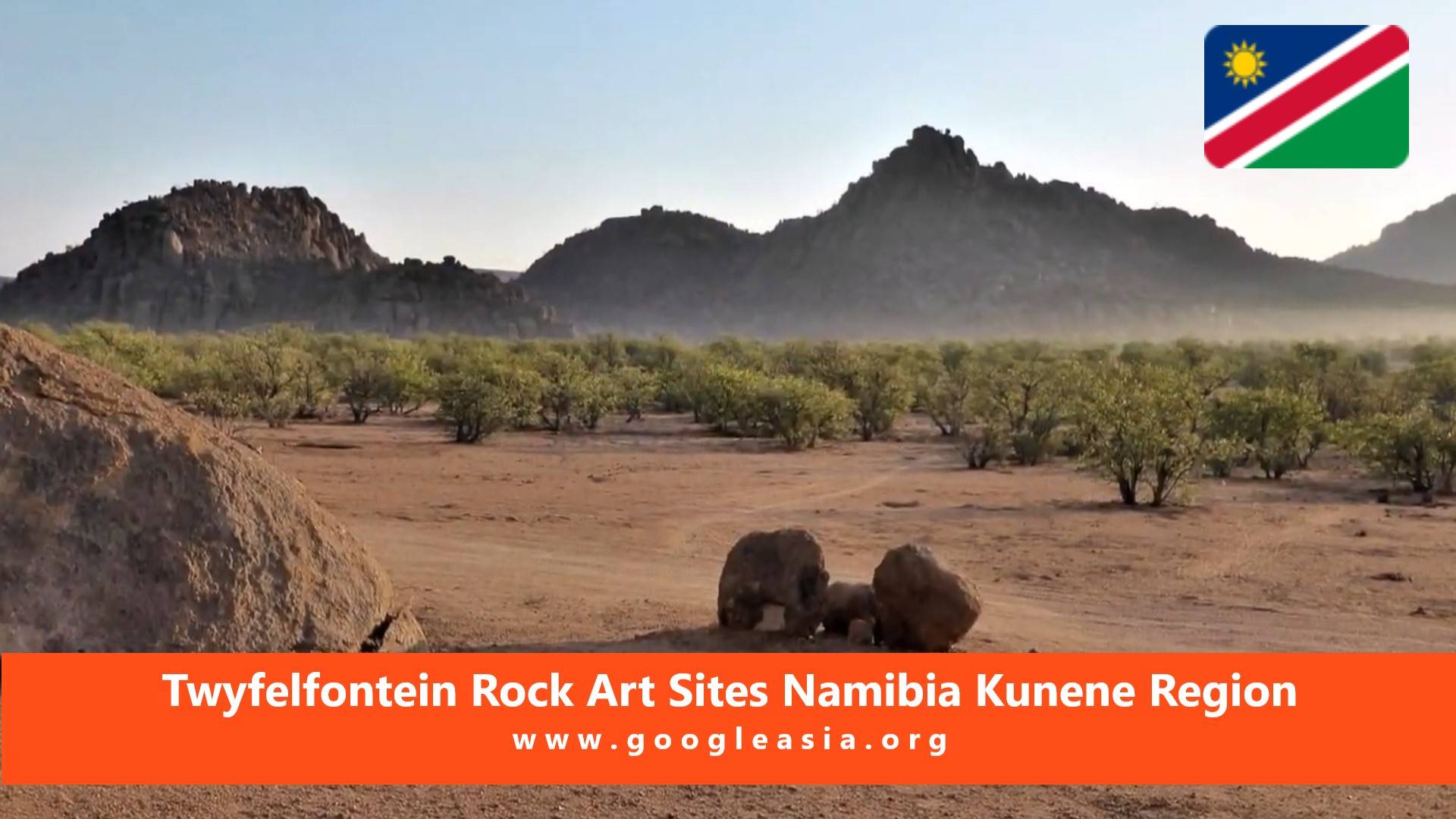
    Twyfelfontein is a rock art site in Namibia situated in a remote region of the Kunene region. The site contains thousands of rock engravings, which are the oldest known artworks in southern Africa. Approximately 2000 features depict wildlife, humans, and geometric shapes, telling stories about the living, social and economic conditions of the hunter gatherers and herders who created them.


    Twyfelfontein Rock Art Sites Namibia Kunene Region

    Twyfelfontein Rock Art Sites, Namibia: Summary

    • Attraction Name: Twyfelfontein Rock Art Sites
    • Country: Namibia
    • Continent: African
    • Capital Name: Windhoek
    • Language: English
    • Currency: Namibia dollar (symbol: N$; code: NAD)
    • Nationality: Namibian
    • Category:  #Destination #Africa #NAMIBIA 


    Discover Twyfelfontein Rock Art Sites, Namibia

    Exploring Ancient Artistry and Cultural Riches

    Twyfelfontein Rock Art Sites Namibia, nestled in the Kunene Region approximately 60km south of Twyfelfontein itself, stands as a testament to ancient artistry and cultural heritage. This site boasts a vast array of rock engravings and paintings that vividly depict the life and beliefs of the San people, also known as the Bushmen. These intricate artworks, some dating back 2,000 years, portray a fascinating glimpse into ancient African civilizations.

    Cultural and Historical Significance

    The rock engravings at Twyfelfontein capture a diverse range of subjects, from animals and insects to plants and human figures. Each engraving tells a story, offering insights into the daily lives, spiritual beliefs, and hunting rituals of the San people. The site holds immense cultural significance for the local communities and is revered as one of the largest concentrations of rock art in Africa.

    Visitor Experience and Activities

    Visitors to Twyfelfontein Rock Art Sites Namibia can embark on a journey through history and artistry. The site features well-marked walking trails that wind through the rocky terrain, allowing travelers to explore the ancient engravings up close. A visitor center provides invaluable insights into the historical context of the rock art, offering detailed information about its creation and significance.

    Wildlife and Natural Surroundings

    Beyond its cultural treasures, Twyfelfontein also offers glimpses of Namibia’s diverse wildlife. Meerkats and rock hyrax are commonly spotted in the area, adding a touch of natural beauty to the cultural experience. The rugged landscape and stark beauty of the Kunene Region provide a stunning backdrop for exploring this ancient archaeological site.

    Plan Your Visit

    Immerse yourself in the ancient artistry and cultural riches of Twyfelfontein Rock Art Sites Namibia. Whether you’re a history enthusiast, cultural explorer, or wildlife lover, this site promises an enriching and enlightening experience. Discover the stories etched in stone and unravel the mysteries of the San people’s legacy at one of Africa’s most significant rock art sites.

    What to Do in Twyfelfontein Rock Art Sites, Namibia

    Unveiling Ancient Mysteries and Cultural Wonders

    Twyfelfontein Rock Art Sites, situated in Namibia’s Kunene region and designated as a UNESCO World Heritage Site, offer a profound journey into ancient civilizations. With over 2,500 rock art engravings, this site stands as the largest concentration of its kind in Africa, providing visitors with a remarkable glimpse into the lives of hunter-gatherers from millennia past.

    Guided Tours and Educational Insights

    Embark on an educational guided tour to delve deeper into the rich history and significance of Twyfelfontein’s rock art. Knowledgeable guides lead visitors through the labyrinth of carvings, unraveling stories etched in stone that depict the daily lives, spiritual beliefs, and cultural practices of the Bushmen people. Tours also highlight the surrounding Burnt Mountain area and offer panoramic views from its summit, enhancing the overall experience.

    Active Adventures: Horse Riding and Camel Safaris

    For those seeking a more active exploration, horse riding and guided camel safaris present exciting options. Horseback riding allows visitors to traverse the rugged terrain and encounter diverse wildlife while appreciating the ancient rock engravings up close. Alternatively, camel safaris offer a leisurely yet intimate way to explore the landscape, providing insights into the area’s flora, fauna, and geological features.

    Immersive Cultural Walks

    Immerse yourself in the cultural richness of the region with guided cultural walks. Gain deeper insights into the traditions and lifestyles of the Bushmen people, who have inhabited this area for generations. Learn about their remarkable survival strategies, unique hunting techniques, and spiritual beliefs, all of which are intricately connected with the landscape and its artistic treasures.

    A Unique Experience for Every Visitor

    Twyfelfontein Rock Art Sites offer a captivating blend of history, adventure, and natural beauty. Whether you’re a history enthusiast, adventurous traveler, or cultural explorer, this UNESCO site promises a memorable and enlightening experience. Explore the wild and rugged terrain, uncover the stories carved in stone, and appreciate the enduring legacy of the Bushmen people at one of Africa’s most remarkable archaeological sites.

    Exploring Culinary Delights at Twyfelfontein Rock Art Sites, Namibia

    Taste the Local Flavors

    Twyfelfontein Rock Art Sites in Namibia offer not only a glimpse into ancient history but also a chance to savor the local culinary delights. Here are some of the best foods to try when visiting this cultural and historical gem:

    Delightful Culinary Offerings

    Biltong

    Biltong is a traditional South African snack that has found popularity across Namibia. It’s dried, cured meat that’s perfect for snacking while exploring the rock art sites. Its rich flavor and chewy texture make it a favorite among both locals and tourists alike.

    Boerewors with Pap

    Boerewors, a type of grilled sausage, is often served alongside pap, a maize porridge staple in southern Africa. This hearty and flavorful dish is a satisfying choice for lunch, providing energy for exploring the expansive landscape around Twyfelfontein.

    Fried Camel Sandwich

    For adventurous food enthusiasts, Twyfelfontein Country Lodge offers a unique delicacy: the Fried Camel Sandwich. Not commonly found elsewhere, this sandwich promises a taste of local flavors and culinary creativity.

    Nhoze Sandwiches

    Nhoze sandwiches are a local favorite, typically filled with combinations of cheese and chutney, wrapped in a roll. These sandwiches are perfect for a quick bite between exploring the rock engravings and hiking trails.

    Damara Pastry

    To satisfy your sweet tooth, try the Damara pastry filled with dates, jam, or cheese. These pastries are often enjoyed with a cup of coffee or tea, providing a delightful break during your visit to Twyfelfontein.

    Embrace the Culinary Experience

    Exploring Twyfelfontein Rock Art Sites isn’t just about history and culture—it’s also about experiencing the local flavors that enrich the journey. Whether you’re sampling traditional snacks or indulging in unique delicacies, the culinary offerings at Twyfelfontein add a flavorful dimension to your visit.

    Plan Your Culinary Adventure

    Discover the best of Namibian cuisine at Twyfelfontein Rock Art Sites. From savory biltong to the adventurous Fried Camel Sandwich, there’s something to tantalize every palate amidst the ancient wonders of this UNESCO World Heritage site.

    Best Hotels to Stay in Twyfelfontein Rock Art Sites, Namibia

    Explore the best accommodations near Twyfelfontein to enhance your visit to the spectacular rock art sites.

    • Mowani Mountain Camp: Located in the vicinity of Twyfelfontein, offering luxury tented accommodation with stunning views.
    • Twyfelfontein Lodge: Situated near the rock art sites, providing comfortable lodging and guided tours of the area.
    • Camp Kipwe: Offers unique rock-shaped chalets with views of the surrounding Damaraland.
    • Doro Nawas Camp: A luxury camp located in the desert, providing guided excursions to Twyfelfontein and surrounding attractions.
    • Damara Mopane Lodge: Located nearby, offering comfortable lodging in a serene setting with guided tours to Twyfelfontein.

    These lodges and camps are well-regarded for their proximity to Twyfelfontein and offer various amenities to enhance your stay while exploring the fascinating rock art sites and natural beauty of the area.

    Frequently Asked Questions: Your Guide to Twyfelfontein Rock Art Sites

    Explore the Latest Destination Attraction with ease through our comprehensive Frequently Asked Questions guide. Discover insightful answers to common queries, providing a seamless experience. Your journey begins with clarity and confidence as we address uncertainties and offer essential information. Let this guide enhance your adventure, ensuring you make the most of the latest destination attraction, leaving no question unanswered.

    What are Twyfelfontein Rock Art Sites’s nearby must-visit attractions or landmarks?

    Twyfelfontein Rock Art Sites, a UNESCO World Heritage Site in Namibia, is surrounded by unique attractions and landmarks. Here are some must-visit places near Twyfelfontein:

    1. Burnt Mountain (Brandberg Mountain):
      • Located northeast of Twyfelfontein, Brandberg Mountain is Namibia’s highest mountain. Burnt Mountain, known for its unique coloration, is nearby, showcasing burnt orange and black rocks.
    2. Organ Pipes:
      • The Organ Pipes are a geological formation of dolerite columns, located close to Twyfelfontein. The hexagonal basalt columns resemble a giant pipe organ.
    3. Petrified Forest:
      • South of Twyfelfontein, the Petrified Forest is a collection of ancient petrified tree trunks. The site provides a glimpse into the prehistoric landscapes of Namibia.
    4. Damaraland Landscape:
      • Explore the rugged beauty of Damaraland, characterized by vast plains, rocky outcrops, and unique desert-adapted flora and fauna.
    5. Spitzkoppe:
      • Known as the “Matterhorn of Namibia,” Spitzkoppe is an iconic granite peak rising from the desert landscape. It’s a spectacular location for photography and hiking.
    6. Brandberg White Lady Painting:
      • Within the Brandberg Mountain area, you can find the White Lady rock painting, a famous ancient artwork depicting a female figure. The hike to the site offers stunning views.
    7. Vingerklip (Finger of Stone):
      • Located southeast of Twyfelfontein, Vingerklip is a towering rock formation resembling a finger. The site offers panoramic views of the surrounding landscapes.
    8. Damara Living Museum:
      • Learn about the traditional lifestyle and cultural practices of the Damara people at the Damara Living Museum, offering insights into their history and customs.
    9. Himba Villages:
      • Experience the unique culture of the Himba people by visiting traditional Himba villages. These communities showcase traditional lifestyles and distinctive attire.
    10. Toro Lodge and Namib Desert Tours:
      • While not directly adjacent to Twyfelfontein, Toro Lodge offers guided tours to various attractions, providing a convenient base for exploring the region.
    11. Sorris Sorris Lodge:
      • Located in the Ugab Valley, Sorris Sorris Lodge offers luxury accommodation and guided excursions to explore the nearby landscapes and attractions.

    When exploring these sites near Twyfelfontein, it’s essential to plan your itinerary, taking into account travel distances, road conditions, and the unique features of each location. The Damaraland region is known for its captivating landscapes and cultural experiences, making it an enriching destination for travelers seeking a blend of natural wonders and cultural insights.

    Why should you visit Twyfelfontein Rock Art Sites?

    Visiting Twyfelfontein Rock Art Sites in Namibia is a captivating experience for several compelling reasons:

    1. Ancient Rock Engravings:
      • Twyfelfontein boasts one of the largest concentrations of ancient rock engravings in Africa, showcasing over 2,500 petroglyphs. The engravings, created by ancient San communities, depict animals, humans, and intricate geometric patterns.
    2. UNESCO World Heritage Site:
      • Recognized as a UNESCO World Heritage Site since 2007, Twyfelfontein is acknowledged for its cultural significance and the preservation of prehistoric rock art.
    3. Historical and Cultural Significance:
      • The rock engravings provide a unique window into the cultural and spiritual beliefs of the San people who inhabited the region thousands of years ago. The art serves as a testament to their way of life and connection with the environment.
    4. Guided Tours:
      • Knowledgeable guides offer insights into the significance of the rock art, explaining the symbolism and stories behind the engravings. Guided tours enhance the visitor’s understanding and appreciation of this ancient cultural heritage.
    5. Organ Pipes and Burnt Mountain:
      • Nearby geological formations, such as the Organ Pipes and Burnt Mountain, add to the scenic beauty of the area. The Organ Pipes are unique basalt columns, while Burnt Mountain features vividly colored rocks.
    6. Hiking Trails:
      • Twyfelfontein offers hiking trails that lead visitors to various rock art sites. The trails allow for a closer exploration of the engravings and the chance to appreciate the surrounding landscapes.
    7. Diverse Flora and Fauna:
      • The region surrounding Twyfelfontein is home to a variety of desert-adapted plants and animals. Visitors may encounter unique flora and fauna while exploring the area.
    8. Natural Amphitheater:
      • The natural amphitheater formed by the rocks provides an atmospheric setting for experiencing the rock art. The play of light and shadow on the engravings adds to the overall ambiance.
    9. Remote Desert Landscape:
      • Twyfelfontein is set against the backdrop of Damaraland’s rugged and arid landscapes, offering a stark yet beautiful contrast to the ancient art. The scenery contributes to a sense of tranquility and timelessness.
    10. Cultural Immersion:
      • Engaging with the rock art allows visitors to connect with Namibia’s rich cultural heritage and gain a deeper appreciation for the resilience and creativity of the San people.
    11. Photography Opportunities:
      • The unique rock formations, expansive landscapes, and ancient engravings provide excellent photo opportunities, making Twyfelfontein a destination for photography enthusiasts.
    12. Conservation Efforts:
      • Conservation initiatives aim to protect and preserve Twyfelfontein’s rock art, ensuring that future generations can continue to appreciate this significant cultural heritage.

    Twyfelfontein Rock Art Sites offer a profound journey into the past, combining archaeological significance, natural beauty, and cultural exploration. Whether you’re interested in history, art, or the wonders of the desert landscape, Twyfelfontein provides a unique and enriching experience in Namibia.

    How can one travel to Twyfelfontein Rock Art Sites?

    Twyfelfontein Rock Art Sites in Namibia is located in the Kunene Region in the northwestern part of the country. While it’s a remote destination, there are several ways to travel to Twyfelfontein:

    By Road:

    1. Self-Drive:
      • Many visitors opt for a self-drive adventure to Twyfelfontein. From Windhoek or other major cities, follow the B1 and C39 roads northward to reach Twyfelfontein. The journey takes approximately 4 to 6 hours, depending on the starting point.
    2. Rental Car:
      • Renting a car in Namibia is a popular option for exploring the country at your own pace. From the nearest town of Khorixas, continue on the C39 road towards Twyfelfontein. Most rental agencies offer vehicles suitable for the gravel roads in the area.

    By Guided Tour:

    1. Guided Tours:
      • Many tour operators offer guided tours to Twyfelfontein from various starting points, including Windhoek and Swakopmund. These tours often include transportation, guided visits to the rock art sites, and insights into the area’s cultural and geological features.

    Important Tips:

    1. Road Conditions:
      • The roads leading to Twyfelfontein, especially the C39, are gravel roads. While they are generally well-maintained, it’s advisable to drive cautiously, especially during rainy seasons when roads may become muddy.
    2. Fuel and Supplies:
      • Ensure that you have enough fuel and supplies for the journey, as services may be limited along the route, particularly in remote areas.
    3. Accommodations:
      • While Twyfelfontein itself is a rock art site with no accommodations, there are lodges and campsites in the nearby area, such as Khorixas and Damaraland, where visitors can stay.
    4. Guided Tours:
      • If you opt for a guided tour, research reputable tour operators and book in advance to secure your spot. Guided tours often provide additional insights into the rock art and the surrounding area.
    5. Weather Considerations:
      • Be mindful of the weather conditions, especially during the rainy season (November to April), when roads may be impassable in some areas.
    6. Park Fees:
      • Twyfelfontein is a protected area, and visitors are required to pay a park entrance fee. Be prepared to pay the fees upon arrival at the site.

    When planning your trip to Twyfelfontein Rock Art Sites, consider the transportation option that best suits your preferences, travel style, and available time. Whether you choose to self-drive or join a guided tour, Twyfelfontein promises a fascinating journey into Namibia’s ancient cultural heritage.

    Are there any halal food options around the Twyfelfontein Rock Art Sites?

    Finding halal food options near Twyfelfontein Rock Art Sites in Namibia can be challenging due to the remote and sparsely populated nature of the area. Twyfelfontein is primarily known for its ancient rock engravings rather than a variety of dining establishments. However, when traveling to such remote locations, there are a few considerations:

    1. Accommodations:
      • Some lodges and accommodations near Twyfelfontein may offer dining services. While they may not specifically label options as halal, you can communicate your dietary preferences with the lodge staff. They may be able to accommodate your needs or provide information about the available menu items.
    2. Self-Catering:
      • If you have the flexibility, consider bringing along halal snacks or non-perishable food items. This can be especially helpful for those following specific dietary requirements.
    3. Communication with Lodges:
      • When making reservations at lodges or campsites near Twyfelfontein, inform them in advance about your dietary preferences. This proactive communication can help ensure that suitable options are available.
    4. Local Cuisine:
      • Explore local Namibian cuisine, focusing on dishes that are likely to be halal. Grilled meats and vegetarian options are often part of Namibian menus. Inquire about the preparation methods to ensure they align with halal dietary practices.
    5. Plan Ahead:
      • Given the limited dining options in remote areas, it’s advisable to plan your meals ahead. Consider discussing your dietary preferences with accommodations or tour operators before your arrival.
    It’s important to note that the availability of halal options may vary, and the information provided here is based on general considerations. For the most accurate and up-to-date information regarding halal food options near Twyfelfontein Rock Art Sites, consider reaching out directly to the lodges or accommodations where you plan to stay. Additionally, online travel forums or communities may provide insights from travelers who have visited the area recently and can share their experiences regarding dietary preferences.

    Web Directories

    Welcome to our comprehensive web directories! Explore a world of information and resources tailored to your interests and needs. From travel adventures to financial solutions, hobbies, reviews, and more, our curated collection of links offers something for everyone. Click on the above links to start your journey towards discovering new experiences and expanding your horizons. Your next destination awaits!

    1. https://asiaworldtour.com: “Asia World Tour: Your Gateway to Asian and World Adventures”
    2. https://personalfinancingloan.com: “Personal Financing Loan: Your Path to Financial Freedom”
    3. https://hobbyforte.com: “HobbyForte: Discover Your Car Passion, Explore Your Interests”
    4. https://reviewsanything.com: “ReviewsAnything: Your Trusted Source for Honest Gadget Reviews”
    5. https://rumahmampumilik.com: “Rumah Mampu Milik: Your Affordable Homeownership Journey Begins Here”
    6. https://malaysiadigit.com: “MalaysiaDigit: Your Digital Destination for News and Insights”
    7. https://vipmalaysia.com: “VIP Malaysia: Elevate Your Experience in Malaysia”
    8. https://nordiyana.com: “Indulge in Elegance at Nordiyana: Latest Recipe and Culinary Inspirations”
    9. https://e-penyatagaji.com: “E-Penyata Gaji: Simplifying Payroll Management for You”
    10. https://googleasia.org: “Google Asia: Explore the World and Asia’s Wonders with Google Asia”
    11. https://malaysiafit.com: “Malaysia Fit: Your Partner in Health and Wellness”
    12. https://koperasi.info: “Koperasi: Building Communities, Empowering Lives”
    13. https://recipeinside.com: “RecipeInside: Unveiling Culinary Creations, Your Guide to Delicious Dishes”
    14. https://asiahealthcenter.com: “Asia Health Center: Your Source for Holistic Wellness Solutions”
    15. https://nationalhealthcenters.com: “National Health Centers: Your Source for Vital Health Information and Community Care”
    16. https://malaysiabit.com: “MalaysiaBit: Stay Informed, Stay Connected”
    17. https://epenyatagaji.com: “E-Penyata Gaji: Your Digital Payslip Solution”
    18. https://koperasi.work: “Koperasi Work: Collaborate, Innovate, Succeed”
    19. https://koperasi.business: “Koperasi Business: Driving Entrepreneurship, Fostering Growth
  • Visiting Kaokoland’s, Namibia: Travel Guide & Tips

    Visiting Kaokoland’s, Namibia: Travel Guide & Tips

    Kaokoland, Namibia: Must-Visit Destination

    Embark on an unparalleled adventure in Kaokoland. Discover cultural marvels, scenic landscapes, and untamed wilderness in Namibia’s hidden gem.

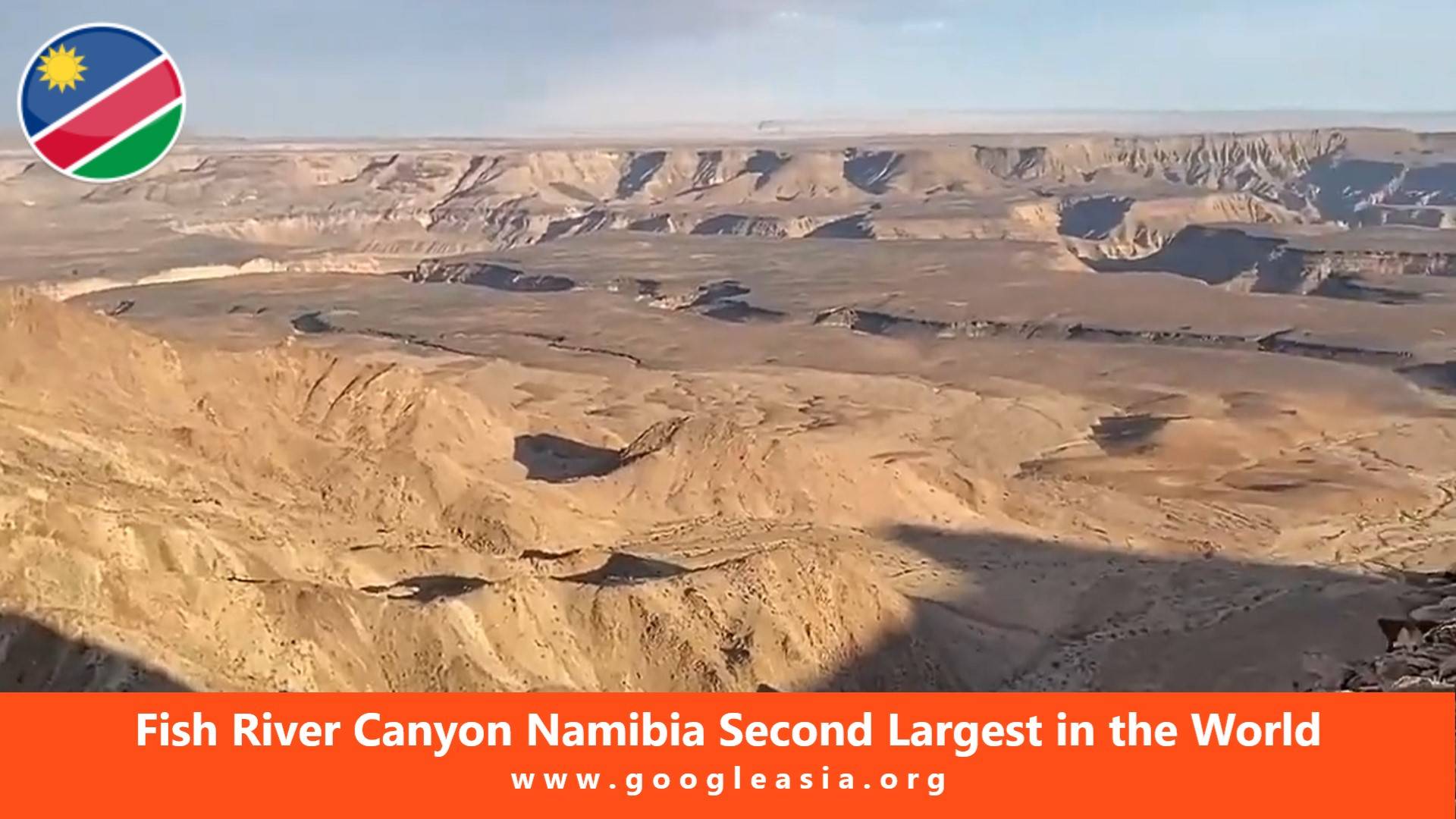
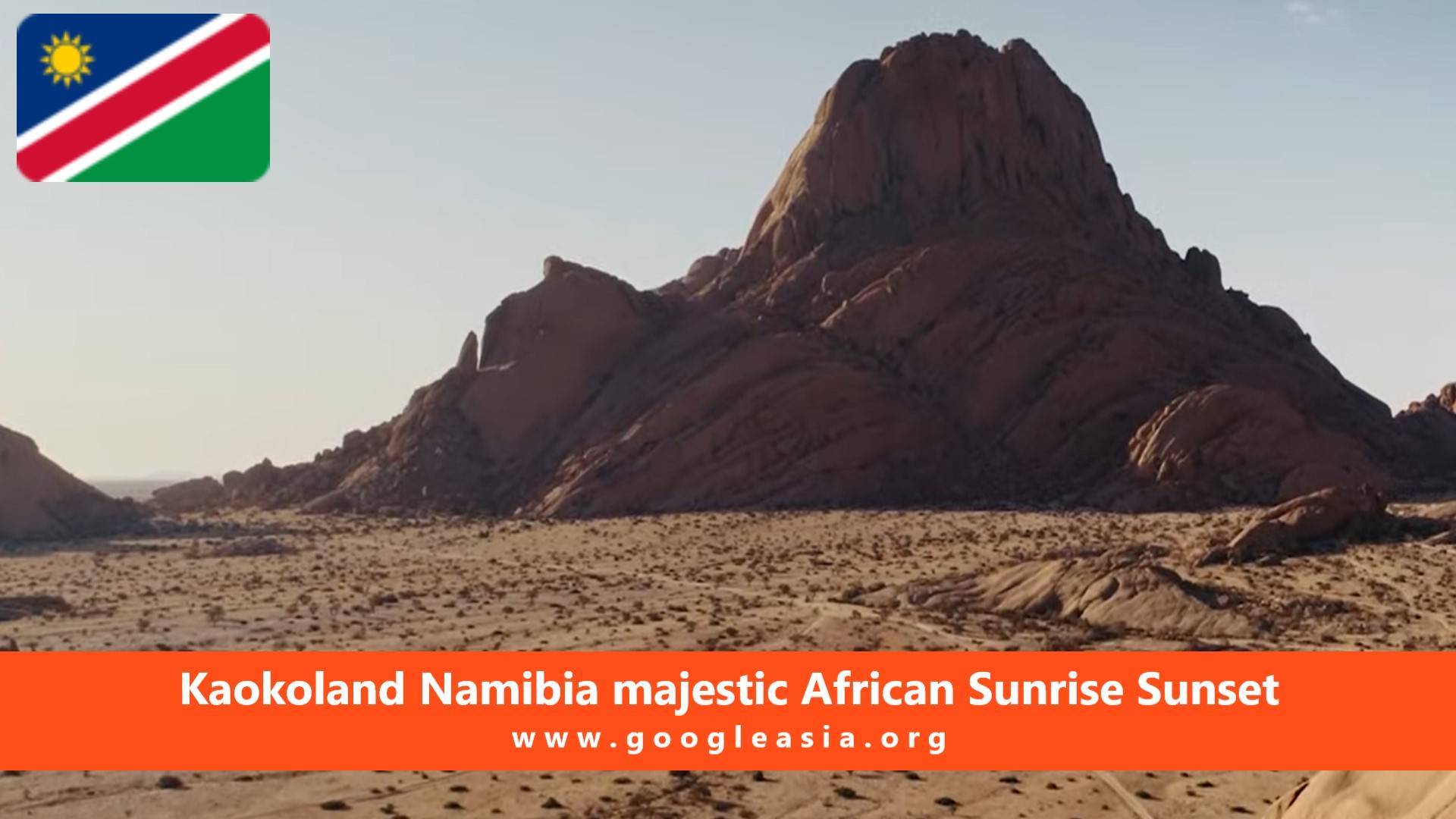
    Kaokoland offers a stunning and remote landscape, full of vast open plains, towering dunes, and rugged mountains. Experience the majestic African sunrise and sunset in this stunning land of desert vegetation and vibrant African wildlife. Explore the world’s second-largest canyon and the many rock formations that this vibrant but hidden region has to offer. With a breathtaking night sky, picturesque landscapes, and majestic wildlife, there is no other experience quite like this place.


    Kaokoland Namibia Majestic African Sunrise Sunset

    Kaokoland, Namibia: The Summary

    • Attraction Name: Kaokoland
    • Country: Namibia
    • Continent: African
    • Capital Name: Windhoek
    • Language: English
    • Currency: Namibia dollar (symbol: N$; code: NAD)
    • Nationality: Namibian
    • Category:  #Destination #Africa #NAMIBIA 


    Exploring Kaokoland, Namibia

    Overview of Kaokoland’s Unique Landscape and Wildlife

    Kaokoland, situated in the north-western corner of Namibia, captivates visitors with its rugged terrain and dramatic scenery. Endless plains stretch out beneath towering rocky outcrops and majestic mountain ranges, creating a landscape of unparalleled beauty and diversity. This remote region is a haven for wildlife enthusiasts, offering sightings of elephants, lions, rhinos, zebras, and even crocodiles in their natural habitat.

    Cultural Riches: The Himba People of Kaokoland

    The Himba people, an ancient semi-nomadic tribe of pastoralists, have inhabited Kaokoland since the 16th century. Their traditional lifestyle and unique customs offer visitors a glimpse into a rich cultural heritage deeply rooted in the land. Exploring Kaokoland means not only discovering its natural wonders but also engaging with the fascinating traditions and daily life of the Himba people.

    Kaokoland beckons adventurers and cultural enthusiasts alike, promising an unforgettable journey through its vast plains, hidden waterholes, and traditional monuments. Whether traveling by 4×4 or as part of a guided tour, this region promises a truly immersive experience that leaves a lasting impression on all who visit.


    Things to Do in Kaokoland, Namibia

    Epic 4×4 Safari Adventures

    Kaokoland is a paradise for 4×4 enthusiasts, offering rugged terrain and diverse landscapes ideal for off-road exploration. Embark on legendary routes that wind through towering canyons, across vast plains, and to hidden oases nestled within the desert. Whether you’re a seasoned driver or a novice adventurer, the thrill of navigating Kaokoland’s remote trails is an experience not to be missed.

    Wildlife Viewing

    Discover Kaokoland’s rich biodiversity with wildlife sightings that include iconic species such as the endangered black rhino and the graceful Hartmann’s mountain zebra. Explore the Hoanib and Hoarusib river regions, known for their diverse ecosystems and opportunities to observe animals in their natural habitats. Even if you don’t encounter wildlife up close, the breathtaking scenery alone makes every excursion memorable.

    Visit Himba Villages

    Immerse yourself in the traditional culture of the Himba people by visiting their villages scattered throughout Kaokoland. The Himba are an ancient tribe renowned for their distinctive appearance, nomadic lifestyle, and deep connection to the land. Engage with locals, learn about their customs, and gain insights into their sustainable way of life that has endured for centuries.

    Hiking in the Kaokoveld Mountains

    For hiking enthusiasts, the Kaokoveld Mountains offer unparalleled opportunities to explore remote and pristine landscapes. Trek along scenic trails that wind through rugged terrain, offering panoramic views of the surrounding plains and valleys. Whether you’re seeking a challenging ascent or a leisurely walk, the Kaokoveld Mountains promise unforgettable adventures amidst untouched natural beauty.

    Photographic Safaris

    Capture the essence of Kaokoland’s dramatic landscapes and diverse wildlife through photography. From expansive plains to dramatic mountain ranges, every corner of Kaokoland presents unique opportunities for capturing stunning images. Whether you’re a professional photographer or an amateur enthusiast, the region’s raw beauty and rich cultural heritage provide endless inspiration for memorable shots.

    Kaokoland, with its rugged beauty and cultural richness, offers a unique blend of adventure, wildlife exploration, cultural immersion, hiking opportunities, and photographic delights. Each experience in this remote corner of Namibia promises to leave a lasting impression, making it a must-visit destination for travelers seeking an authentic wilderness experience.

    Best Foods in Kaokoland, Namibia

    Kaokoland in Namibia is characterized by its remote and rugged landscapes, and the culinary experiences in the region often reflect the availability of local ingredients. While the food scene may not be as diverse as in urban areas, visitors can savor some unique and traditional dishes. Here are some of the foods you might encounter in Kaokoland:

    1. Biltong:
      • Biltong is a popular dried and cured meat snack in Namibia. Typically made from beef or game meat, biltong is seasoned with spices and dried, resulting in a flavorful and portable snack.
    2. Potjiekos:
      • Potjiekos is a traditional South African and Namibian stew prepared in a cast-iron pot. It often includes a mix of meats, vegetables, and spices slow-cooked over an open flame, creating a hearty and flavorful dish.
    3. Grilled Meats:
      • Given the region’s cultural and culinary traditions, grilled meats are a common feature. Local game meats such as oryx, kudu, and springbok may be prepared over an open fire or on a barbecue, offering a taste of Namibia’s wild game.
    4. Namibian Sausages:
      • Enjoy locally made sausages that showcase the flavors of Namibian meats. These sausages may be served as part of a meal or enjoyed on their own.
    5. Staple Foods:
      • Staple foods in Namibia include maize porridge, known as pap or sadza. This dish is often served as a side and can accompany various meat dishes.
    6. Local Game:
      • Explore the flavors of the region by trying dishes made from local game meats. These may include grilled or braaied oryx steaks, providing a unique culinary experience.
    7. Fresh Produce:
      • While the availability of fresh produce can vary, some lodges and accommodations in Kaokoland may incorporate locally sourced vegetables and fruits into their menus.
    8. Traditional Himba Cuisine:
      • If you have the opportunity to engage with the Himba communities, you may experience traditional Himba cuisine. This can include dishes prepared using local ingredients and cooking methods.
    9. Local Bread and Baking:
      • Namibia has a variety of delicious bread, and lodges may offer freshly baked bread or rolls as part of their meals.
    10. Amarula Treats:
      • Amarula, a South African cream liqueur, is often used in desserts or as a flavoring agent. Indulge in Amarula-infused treats or cocktails if available.

    While the culinary offerings in Kaokoland may be influenced by the remote and rugged nature of the region, the focus is often on fresh, local ingredients and traditional cooking methods. When staying at lodges or campsites, you can inquire about the specific dishes they offer and explore the unique flavors of Namibia’s northwest.

    Best Hotels to Stay in Kaokoland, Namibia

    Luxury and Comfort in Namibia’s Remote Wilderness

    Kaokoland, nestled in the northwest corner of Namibia, offers a unique opportunity for travelers seeking luxury amidst rugged wilderness. Here are some of the top hotels and lodges to consider for an unforgettable stay:

    Shipwreck Lodge

    Location: Skeleton Coast

    Overview: Shipwreck Lodge is renowned for its unique architecture that mirrors the shipwrecks scattered along the Skeleton Coast. It offers exclusive accommodation with stunning views of the Atlantic Ocean and access to remote desert landscapes. Each chalet is designed to blend into the environment, providing a luxurious retreat in one of Namibia’s most desolate yet beautiful regions.

    Hoanib Valley Camp

    Location: Hoanib Valley

    Overview: Hoanib Valley Camp offers a luxurious yet authentic safari experience in the heart of Kaokoland. Set against a backdrop of rugged mountains and vast desert plains, the camp features stylish tents with panoramic views, impeccable service, and guided activities that include wildlife safaris, cultural visits to Himba villages, and scenic drives through the Hoanib Valley.

    Kunene River Lodge

    Location: Kunene River

    Overview: Kunene River Lodge provides a serene retreat along the banks of the Kunene River. It’s an ideal base for exploring the river’s unique ecosystem and engaging in activities such as boat cruises, birdwatching, and cultural encounters with local communities. The lodge offers comfortable accommodations with river views, ensuring a peaceful and rejuvenating stay.

    Kaokoland Safaris Namibia

    Location: Various locations in Kaokoland

    Overview: Kaokoland Safaris Namibia specializes in personalized safari experiences tailored to explore the diverse landscapes and cultures of Kaokoland. They offer exclusive campsites, comfortable lodges, and expert-guided tours that showcase the region’s wildlife, stunning scenery, and cultural heritage.

    Kunene River Camp

    Location: Kunene River

    Overview: Kunene River Camp provides a tranquil setting with riverfront chalets overlooking the Kunene River. Guests can enjoy guided nature walks, river excursions, and cultural visits to nearby Himba villages. The camp’s intimate atmosphere and scenic surroundings make it a favorite among travelers seeking a peaceful retreat in Kaokoland.

    Okahirongo Elephant Lodge

    Location: Purros Conservancy

    Overview: Okahirongo Elephant Lodge offers a luxurious escape in the heart of Purros Conservancy. Surrounded by majestic mountains and desert landscapes, the lodge features spacious suites with private verandas, gourmet dining, and activities such as elephant tracking, game drives, and stargazing.

    Intercontinental Safari Lodge

    Location: Torra Conservancy

    Overview: Intercontinental Safari Lodge provides exclusive accommodations in Torra Conservancy, known for its diverse wildlife and stunning scenery. The lodge offers comfortable rooms with modern amenities, guided safaris, and opportunities for cultural interactions with local communities, ensuring a memorable stay in Kaokoland.

    Torra Conservancy

    Location: Torra Conservancy

    Overview: Torra Conservancy offers a unique blend of luxury and adventure in a pristine wilderness setting. Guests can enjoy guided safaris, nature walks, and birdwatching excursions while staying in comfortable accommodations that blend harmoniously with the natural environment.

    Sesfontein Lodge

    Location: Sesfontein

    Overview: Sesfontein Lodge provides a charming retreat in the heart of Kaokoland. It offers comfortable chalets, a swimming pool, and guided tours to nearby attractions such as the Hoanib River and desert oases. The lodge is an ideal base for exploring the region’s diverse landscapes and cultural heritage.

    Laghangug Lodge

    Location: Kaokoland

    Overview: Laghangug Lodge offers a secluded getaway in Kaokoland, surrounded by rugged mountains and expansive plains. The lodge features cozy accommodations, traditional Namibian cuisine, and activities such as hiking, birdwatching, and cultural tours to Himba villages, providing an authentic experience of Kaokoland’s wilderness.

    These top hotels and lodges in Kaokoland Namibia cater to travelers seeking comfort, luxury, and immersion in the region’s pristine natural beauty and cultural richness. Each offers unique experiences that promise to enhance your exploration of this remote and captivating corner of Namibia.

    Frequently Asked Questions: Your Guide to Kaokoland

    Explore the Latest Destination Attraction with ease through our comprehensive Frequently Asked Questions guide. Discover insightful answers to common queries, providing a seamless experience. Your journey begins with clarity and confidence as we address uncertainties and offer essential information. Let this guide enhance your adventure, ensuring you make the most of the latest destination attraction, leaving no question unanswered.

    What are Kaokoland’s nearby must-visit attractions or landmarks?

    Kaokoland in Namibia is known for its remote and pristine landscapes, offering a unique blend of cultural richness and natural wonders. While the region itself is a destination for its cultural experiences and wilderness, there are some nearby attractions and landmarks that visitors may find interesting:

    1. Epupa Falls:
      • Located on the Kunene River, Epupa Falls is a spectacular natural attraction forming a series of waterfalls. The falls create a picturesque setting, and the surrounding area is known for its scenic beauty and birdlife.
    2. Ruacana Falls:
      • Ruacana Falls is another waterfall situated on the Kunene River, upstream from Epupa Falls. The falls are a striking natural feature, and the surrounding landscapes are characterized by rocky outcrops.
    3. Opuwo:
      • Opuwo is the largest town in Kaokoland and serves as a gateway for travelers exploring the region. While it’s not a major tourist attraction, it offers a glimpse into the local way of life and serves as a base for excursions.
    4. Petrified Forest:
      • The Petrified Forest in Namibia is not far from Kaokoland. It features ancient trees that have turned to stone over millions of years. Visitors can explore this unique geological site with petrified logs.
    5. Kunene River:
      • The Kunene River itself is a significant natural feature, forming the border between Namibia and Angola. The riverbanks offer opportunities for birdwatching and enjoying the tranquil scenery.
    6. Marienfluss Valley:
      • The Marienfluss Valley is a remote and picturesque area in Kaokoland. It is known for its stunning landscapes, including grassy plains, mountains, and desert-adapted wildlife.
    7. Van Zyl’s Pass:
      • Van Zyl’s Pass is a challenging mountain pass in Kaokoland, often traversed by adventurous 4×4 enthusiasts. The pass offers breathtaking views of the surrounding landscapes.
    8. Orupembe Conservancy:
      • The Orupembe Conservancy is one of the community-based conservancies in Kaokoland, focusing on conservation and sustainable land management. Visitors may learn about community-led conservation initiatives.
    9. Skeleton Coast:
      • While not immediately adjacent to Kaokoland, the Skeleton Coast is within driving distance. Known for its desolate beauty and shipwrecks, the Skeleton Coast provides a unique coastal experience.
    10. Orokawe Rock Engravings:
      • Closer to Opuwo, the Orokawe Rock Engravings showcase ancient petroglyphs. This archaeological site provides insights into the prehistoric cultures that once inhabited the area.

    When exploring these nearby attractions, it’s essential to consider the rugged and remote nature of the terrain. Travelers should plan their journeys carefully, ensuring they have suitable transportation and are well-prepared for off-road adventures. Additionally, consulting with local guides or tour operators can enhance the overall experience and provide valuable insights into the cultural and natural wonders of the region.

    Why should you visit Kaokoland?

    Visiting Kaokoland in Namibia is an extraordinary experience, offering travelers a unique blend of remote wilderness, stunning landscapes, and cultural encounters. Here are compelling reasons to explore Kaokoland:

    1. Cultural Richness:
      • Kaokoland is home to the Himba people, one of Namibia’s indigenous communities. Engage in cultural experiences by interacting with the Himba, learning about their traditional lifestyles, customs, and distinctive attire.
    2. Traditional Himba Villages:
      • Experience life in traditional Himba villages, where you can witness daily activities, rituals, and craftsmanship. The Himba are known for their intricate hairstyles, red ochre body adornment, and nomadic way of life.
    3. Scenic Landscapes:
      • Kaokoland boasts diverse and breathtaking landscapes, including rocky mountains, arid deserts, and expansive riverbeds. The scenic beauty is a draw for nature lovers and photographers alike.
    4. Epupa Falls:
      • Explore the stunning Epupa Falls on the Kunene River, forming a natural border between Namibia and Angola. The falls are surrounded by lush vegetation and offer a picturesque setting for relaxation and photography.
    5. Rugged Wilderness:
      • Kaokoland’s rugged terrain, with its dry riverbeds, canyons, and expansive plains, creates an untouched and wild environment. Travelers seeking adventure and off-the-beaten-path experiences will find Kaokoland appealing.
    6. Wildlife Viewing:
      • While not as renowned as some other Namibian parks, Kaokoland is home to desert-adapted wildlife. Keep an eye out for oryx, springbok, and other species specially adapted to the arid conditions.
    7. Off-Road Adventure:
      • The region’s challenging off-road trails and river crossings offer an adventure for 4×4 enthusiasts. Explore the landscapes and reach remote destinations that showcase Namibia’s raw beauty.
    8. Petrified Forest:
      • Visit the Petrified Forest, where ancient trees have turned to stone over millions of years. This geological wonder provides insights into the area’s prehistoric past.
    9. Remote Campsites and Lodges:
      • Experience the thrill of camping under the stars in remote campsites or stay in lodges that blend with the natural surroundings. Accommodations in Kaokoland often offer an immersive connection to the environment.
    10. Conservation Areas:
      • Kaokoland includes conservation areas dedicated to preserving the unique ecosystems and wildlife. Support local conservation efforts while enjoying the pristine landscapes.
    11. Astronomy Opportunities:
      • With minimal light pollution, Kaokoland offers excellent stargazing opportunities. Enjoy the night sky and celestial wonders in this remote and tranquil environment.
    12. Authentic Adventure:
      • Kaokoland provides an authentic and unspoiled adventure for travelers seeking a genuine connection with nature and culture. The region’s remoteness adds to the sense of exploration and discovery.

    While Kaokoland may not be a typical tourist destination, it appeals to those seeking an immersive and authentic African experience. From cultural interactions to stunning natural beauty, Kaokoland offers a rare opportunity to step off the beaten path and connect with Namibia’s rich heritage.

    How can one travel to Kaokoland?

    Traveling to Kaokoland in Namibia, known for its remote landscapes and traditional Himba communities, requires careful planning due to the area’s rugged terrain and limited infrastructure. Here are general guidelines on how to travel to Kaokoland:

    By Road:

    1. Self-Drive:

      • Many visitors opt for a self-drive adventure to Kaokoland. From Windhoek, the capital of Namibia, take the B1 north and then follow the C40 and C41 roads westward toward Kaokoland. Ensure you have a suitable 4×4 vehicle, as the roads can be gravel and challenging.

    2. Guided Tours and Safaris:

      • Joining a guided tour or safari is a popular choice for those who prefer not to drive themselves. Tour operators offer packages that may include transportation, accommodations, and guided excursions to explore Kaokoland’s unique landscapes and cultures.

    Important Tips:

    1. Vehicle Requirements:

      • If self-driving, ensure that your vehicle is well-equipped for off-road conditions. Kaokoland’s terrain can be challenging, with river crossings and rough tracks, so a 4×4 vehicle is strongly recommended.

    2. Fuel and Supplies:

      • Fill up your vehicle’s tank in larger towns before heading to Kaokoland, as fuel stations may be scarce in the remote areas. Stock up on essential supplies, including water and food, as services can be limited.

    3. Road Conditions:

      • Be prepared for varying road conditions, including gravel roads and river crossings. Check the latest road conditions, especially during the rainy season (November to April), when some routes may be impassable.

    4. Navigation:

      • Use reliable maps, GPS, or navigation apps to guide your journey. Some areas in Kaokoland may not have well-defined roads, so having accurate navigation tools is crucial.

    5. Accommodations:

      • Kaokoland has a limited number of accommodations, including lodges and campsites. It’s advisable to book accommodations in advance, especially during peak travel seasons.

    6. Cultural Considerations:

      • Respect the local communities, particularly the Himba people. Seek permission before taking photographs, and engage with the communities respectfully to learn about their traditions and way of life.

    7. Park Permits:

      • Check if any park permits are required for the areas you plan to visit in Kaokoland. Some sites may have entry fees or specific regulations.

    8. Weather Considerations:

      • Be aware of the weather conditions, especially during the rainy season. Rain can make roads muddy and challenging to navigate.

    9. Remote Nature:

      • Kaokoland is known for its remoteness, offering a true wilderness experience. Be prepared for limited amenities and immerse yourself in the natural beauty and cultural richness of the region.

    When planning your trip to Kaokoland, it’s crucial to gather up-to-date information on road conditions, weather forecasts, and any travel restrictions. Consulting with local tour operators or travel agencies can provide valuable insights and assistance in organizing your journey.

    Are there any halal food options around the Kaokoland?

    Kaokoland, located in the Kunene Region of northwestern Namibia, is a remote and sparsely populated area known for its rugged landscapes and traditional Himba communities. Finding dedicated halal food options in such remote regions can be challenging. However, there are some general tips you can consider:

    1. Inform Accommodations:
      • If you are staying at lodges, campsites, or guesthouses in or near Kaokoland, inform the accommodation providers in advance about your halal dietary preferences. They may be able to make arrangements or provide information about the available food options.
    2. Self-Catering:
      • Consider bringing along halal snacks, non-perishable items, or ready-to-eat meals, especially if you have specific dietary requirements. This can serve as a backup in case you encounter limited dining options.
    3. Local Cuisine:
      • Explore local Namibian cuisine, focusing on dishes that are likely to be halal. Traditional Namibian meals often include grilled meats, vegetables, and grains. Communicate with local chefs or cooks to ensure that the preparation aligns with halal practices.
    4. Communication with Accommodations:
      • Establish clear communication with the accommodations where you plan to stay. They may be able to provide insights into the availability of halal options or suggest alternative solutions.
    5. Cultural Experiences:
      • Immerse yourself in cultural experiences by interacting with the local Himba communities. While this may not directly address halal food options, it allows you to learn about their way of life and may provide insights into local food practices.
    6. Plan Ahead:
      • Due to the remote nature of Kaokoland, it’s essential to plan your meals ahead of time. Research the dining options available at your accommodations or nearby settlements.

    It’s important to note that Kaokoland is known for its stunning landscapes, unique cultural experiences, and wildlife rather than a variety of dining establishments. Travelers to such remote regions often prioritize the overall experience and adventure rather than expecting a wide range of culinary options.

    For the most accurate and up-to-date information regarding halal food options in Kaokoland, consider reaching out directly to accommodations, lodges, or tour operators in the area. They can provide insights based on current offerings and may be willing to accommodate specific dietary needs with advance notice. Additionally, online travel forums or communities may offer valuable insights from travelers who have visited the region recently.

    Web Directories

    Welcome to our comprehensive web directories! Explore a world of information and resources tailored to your interests and needs. From travel adventures to financial solutions, hobbies, reviews, and more, our curated collection of links offers something for everyone. Click on the above links to start your journey towards discovering new experiences and expanding your horizons. Your next destination awaits!

    1. https://asiaworldtour.com: “Asia World Tour: Your Gateway to Asian and World Adventures”
    2. https://personalfinancingloan.com: “Personal Financing Loan: Your Path to Financial Freedom”
    3. https://hobbyforte.com: “HobbyForte: Discover Your Car Passion, Explore Your Interests”
    4. https://reviewsanything.com: “ReviewsAnything: Your Trusted Source for Honest Gadget Reviews”
    5. https://rumahmampumilik.com: “Rumah Mampu Milik: Your Affordable Homeownership Journey Begins Here”
    6. https://malaysiadigit.com: “MalaysiaDigit: Your Digital Destination for News and Insights”
    7. https://vipmalaysia.com: “VIP Malaysia: Elevate Your Experience in Malaysia”
    8. https://nordiyana.com: “Indulge in Elegance at Nordiyana: Latest Recipe and Culinary Inspirations”
    9. https://e-penyatagaji.com: “E-Penyata Gaji: Simplifying Payroll Management for You”
    10. https://googleasia.org: “Google Asia: Explore the World and Asia’s Wonders with Google Asia”
    11. https://malaysiafit.com: “Malaysia Fit: Your Partner in Health and Wellness”
    12. https://koperasi.info: “Koperasi: Building Communities, Empowering Lives”
    13. https://recipeinside.com: “RecipeInside: Unveiling Culinary Creations, Your Guide to Delicious Dishes”
    14. https://asiahealthcenter.com: “Asia Health Center: Your Source for Holistic Wellness Solutions”
    15. https://nationalhealthcenters.com: “National Health Centers: Your Source for Vital Health Information and Community Care”
    16. https://malaysiabit.com: “MalaysiaBit: Stay Informed, Stay Connected”
    17. https://epenyatagaji.com: “E-Penyata Gaji: Your Digital Payslip Solution”
    18. https://koperasi.work: “Koperasi Work: Collaborate, Innovate, Succeed”
    19. https://koperasi.business: “Koperasi Business: Driving Entrepreneurship, Fostering Growth
  • Visiting Damaraland, Namibia: Your Ultimate Travel Guide

    Visiting Damaraland, Namibia: Your Ultimate Travel Guide

    Damaraland, Namibia: Must-Visit Destination

    Discover Damaraland’s ancient wonders and breathtaking landscapes. Immerse in cultural richness amid rugged terrains – an unforgettable Namibian adventure awaits!

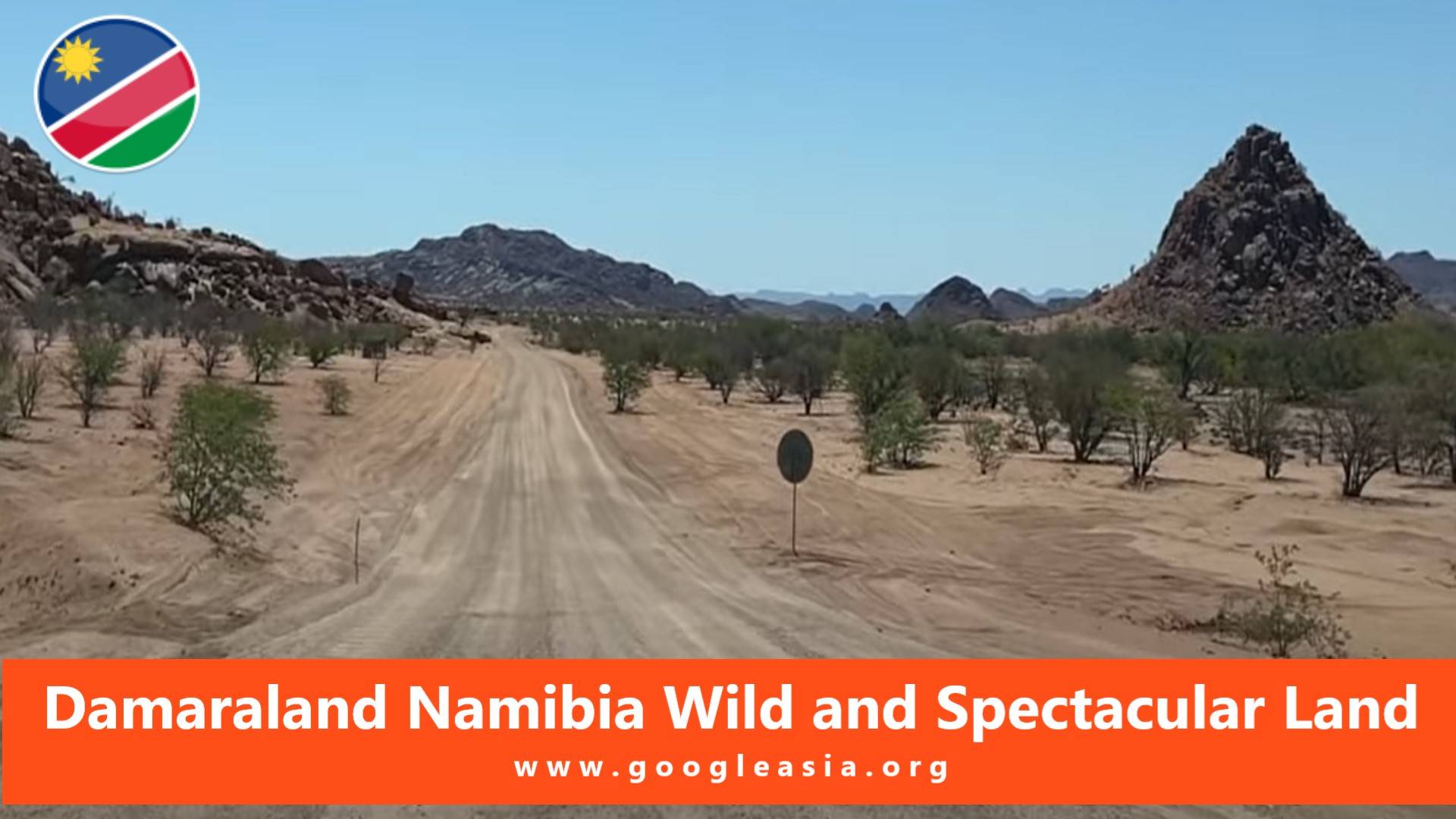
    Situated on the edge of the Namibia Desert, Damaraland is a wild and spectacular land of rugged mountains, vast undulating plains and ruggedly beautiful river gorges. It offers a unique wildlife experience, with rare species such as the desert-adapted elephant, black rhino, mountain zebra and the desert-adapted lion all thriving in this harsh and unforgiving environment. With its wide-open spaces, clear night skies and diverse landscapes, Damaraland is a nature lover’s paradise and provides visitors with a truly meaningful and unforgettable experience.


    Damaraland Namibia Wild and Spectacular Land

    Damaraland, Namibia: The Summary

    • Attraction Name: Damaraland
    • Country: Namibia
    • Continent: African
    • Capital Name: Windhoek
    • Language: English
    • Currency: Namibia dollar (symbol: N$; code: NAD)
    • Nationality: Namibian
    • Category:  #Destination #Africa #NAMIBIA 


    Discovering Damaraland, Namibia

    A Land of Spectacular Wildlife and Cultural Riches

    Damaraland, nestled in the north-western reaches of Namibia, stands as a testament to the country’s raw and rugged beauty. Spanning approximately 59,000 square kilometers, this region is celebrated for its stunning landscapes, diverse wildlife, and rich cultural heritage.

    Wildlife Abundance in a Harsh Environment

    Damaraland is renowned for its unique and diverse wildlife, perfectly adapted to its arid environment. Among the most iconic inhabitants are the desert-adapted elephant and black rhinoceros, both remarkable species that have evolved to thrive in the harsh desert conditions. Visitors can also encounter cheetahs, gemsbok, zebras, springbok, kudus, hyenas, jackals, leopards, brown hyenas, and klipspringers, making Damaraland a haven for wildlife enthusiasts and photographers alike.

    Cultural Treasures and Ancient Wonders

    Beyond its wildlife, Damaraland boasts a rich cultural tapestry shaped by the Damara people, who have inhabited the region for over 2,000 years. This resilient community adds depth to the visitor experience with their traditions, stories, and crafts. Explore ancient rock art sites that provide glimpses into the area’s past, depicting scenes of daily life and spiritual beliefs of early inhabitants. Marvel at towering rock formations sculpted by the elements over millennia, and wander through organ pipe cactus forests that punctuate the landscape with their unique formations.

    Unforgettable Experiences in the Namib Desert and Skeleton Coast

    The landscape of Damaraland is as varied as it is breathtaking. From the hauntingly beautiful Namib Desert, where towering dunes create mesmerizing landscapes of shifting sands and golden light, to the rugged coastline of the Skeleton Coast, where shipwrecks and colonies of seals dot the desolate shores. Each vista offers a glimpse into the untamed beauty and harsh realities of nature in its purest form.

    Planning Your Journey

    Whether you seek wildlife encounters, cultural immersion, or simply a chance to marvel at nature’s wonders, Damaraland promises an unforgettable journey. Explore its vast plains, encounter its resilient wildlife, and uncover the secrets of its ancient past. From luxury lodges to immersive camping experiences, there are accommodations to suit every traveler’s preferences, ensuring that your exploration of Damaraland is as comfortable as it is awe-inspiring.

    Embrace the Spirit of Adventure

    Damaraland invites you to embrace the spirit of adventure and discovery. Whether you’re tracing ancient footsteps at rock art sites, tracking elusive desert elephants, or simply soaking in the solitude of its vast landscapes, every moment in Damaraland is a testament to the enduring power of nature and the human spirit.

    Plan your visit to Damaraland today and embark on a journey that promises to captivate your senses and leave you with lasting memories of Namibia’s north-western gem.


    Explore Damaraland, Namibia: Top Activities and Attractions

    1. Visit the Spitzkoppe

    Overview: Marvel at the dramatic granite peaks of the Spitzkoppe Mountains, rising over 700 meters above the desert plains. This iconic landmark, over 120 million years old, offers breathtaking scenery and excellent hiking opportunities. Capture stunning photographs of the rugged landscape and possibly spot wildlife such as mountain zebras and rock hyraxes.

    2. Discover the Petrified Forest

    Overview: Explore the ancient Petrified Forest, where towering tree trunks turned to stone stand as remnants of a lush forest that existed millions of years ago. This surreal landscape offers a glimpse into Namibia’s geological history and is a fascinating contrast against the arid desert backdrop.

    3. Explore Ancient Rock Art

    Overview: Delve into the rich cultural history of Damaraland by visiting ancient rock art sites scattered throughout the region. These petroglyphs, created by the Damara, Nama, and San people, depict scenes of daily life, spiritual beliefs, and wildlife. Guided tours provide insights into the meanings behind these ancient artworks.

    4. Visit the Damara Living Museum

    Overview: Immerse yourself in the traditional lifestyle and cultural heritage of the Damara people at the Damara Living Museum. Here, visitors can witness traditional crafts, dances, and rituals, gaining a deeper understanding of the history and customs of this indigenous community.

    5. Wildlife Encounters

    Overview: Experience the unique wildlife of Damaraland, known for its desert-adapted species. Join guided safaris or self-drive adventures to spot desert-adapted elephants, black rhinos, lions, giraffes, and a variety of smaller desert creatures such as meerkats and geckos. These encounters offer a chance to observe these animals in their natural habitat, showcasing their resilience in the harsh desert environment.

    6. Scenic Drives and Photography

    Overview: Take scenic drives through Damaraland’s vast landscapes, capturing the beauty of its rugged terrain, expansive desert plains, and towering mountains. Photography enthusiasts will find endless opportunities to capture the unique light and contrasts of this remote region.

    Planning Your Visit

    Damaraland promises a rich tapestry of natural wonders, cultural discoveries, and wildlife adventures. Whether you’re hiking the Spitzkoppe, exploring ancient rock art, or learning about Damara traditions, each experience unveils a different facet of this remarkable region. Plan your journey to Damaraland and embark on an unforgettable exploration of Namibia’s northwest, where every moment brings you closer to the heart of Africa’s wild beauty and ancient history.

    Best Foods to Try in Damaraland ,Namibia

    Savoring Namibia’s Wild Flavors

    Damaraland’s cuisine offers a taste of Namibia’s wilderness and local traditions, making dining here a memorable part of your journey:

    1. Game Meat

    Overview: Indulge in grilled or braaied game meats such as oryx, kudu, and springbok. These meats are prepared using local herbs and spices, providing a savory taste of Namibia’s abundant wildlife.

    2. Biltong

    Overview: Enjoy biltong, a popular Namibian snack made from dried and cured meat. Seasoned with a blend of spices, biltong offers a flavorful and convenient treat ideal for snacking during adventures.

    3. Maize Porridge (Pap)

    Overview: Sample maize porridge, known locally as pap, a staple dish in Namibian cuisine. Served as a versatile side dish, pap complements various meats and stews, offering hearty sustenance.

    4. Fresh Seafood (Coastal Regions)

    Overview: If your Namibian journey includes coastal areas, savor fresh seafood known for its quality and variety. From fish to shellfish, coastal delicacies offer a taste of Namibia’s vibrant marine cuisine.

    5. Local Vegetables

    Overview: Explore dishes featuring locally sourced vegetables that thrive in Damaraland’s arid conditions. Taste the freshness and simplicity of ingredients integral to Namibian culinary heritage.

    6. Bread and Rolls

    Overview: Delight in freshly baked bread and rolls, a Namibian tradition celebrated for its taste and texture. Lodges and campsites may offer these treats as part of their meals, adding warmth to your dining experience.

    7. Traditional Sauces

    Overview: Experience the rich flavors of Namibian cuisine with traditional sauces, crafted from regional herbs and spices. These sauces enhance grilled meats and stews, adding depth and authenticity to local dishes.

    8. Venison Sausages

    Overview: Taste venison sausages made from game meats, grilled to perfection and often served with side dishes or enjoyed as flavorful snacks reflecting Namibia’s hunting culture.

    9. Bush Tea

    Overview: Embrace Namibia’s tea culture with bush tea, a refreshing herbal infusion made from indigenous plants. Enjoyed for its soothing qualities, bush tea provides a taste of local hospitality and customs.

    10. Desserts with Local Flavors

    Overview: Conclude your meal with desserts that incorporate local ingredients and flavors, such as treats featuring Amarula, a South African cream liqueur known for its distinctive taste and versatility.

    Damaraland’s culinary offerings, though influenced by its remote setting, showcase the essence of Namibia’s natural abundance and cultural diversity. Whether you’re dining at a lodge or exploring local eateries, each dish invites you to savor the flavors of this unique region, making your culinary journey as enriching as your exploration of its landscapes and heritage.

    Best Hotels to Stay in Damaraland, Namibia

    Discover Luxury and Serenity Amidst Namibia’s Wilderness

    Damaraland, known for its rugged beauty and rich cultural heritage, offers a range of lodges and camps that provide a comfortable retreat in this remote region. Here are some of the top accommodations to consider for an unforgettable stay:

    1. Desert Rhino Camp

    Location: Palmwag Concession

    Overview: Desert Rhino Camp offers a unique opportunity to immerse yourself in the desert-adapted wildlife of Damaraland. Located in the Palmwag Concession, this camp focuses on conservation efforts for the endangered black rhino. Enjoy guided rhino tracking excursions, comfortable accommodations in Meru-style tents, and panoramic views of the desert landscape.

    2. Mowani Mountain Camp

    Location: Twyfelfontein

    Overview: Nestled amongst massive granite boulders, Mowani Mountain Camp blends luxury with the natural environment. The camp’s unique architecture and stylish decor offer a serene retreat after exploring nearby Twyfelfontein’s ancient rock engravings. Relax in luxurious rooms or open-air suites, and indulge in exceptional cuisine under the starlit sky.

    3. Doro Nawas Camp

    Location: Damaraland

    Overview: Doro Nawas Camp boasts stunning views of the Etendeka Mountains and the red sandstone cliffs of Twyfelfontein. The camp’s design reflects the rugged beauty of its surroundings, offering spacious thatched units and outdoor showers. Activities include guided nature drives to explore the desert landscapes and cultural visits to nearby communities.

    4. Grootberg Lodge

    Location: Grootberg Plateau

    Overview: Perched on the edge of the Grootberg Plateau, Grootberg Lodge offers breathtaking views of the Klip River Valley. This community-owned lodge provides comfortable chalets with private verandas overlooking the valley. Experience guided rhino tracking, scenic drives, and cultural encounters with the local community, enhancing your understanding of conservation and heritage.

    5. Palmwag Lodge

    Location: Palmwag

    Overview: Palmwag Lodge is situated amidst towering palm trees and overlooks a picturesque waterhole frequented by desert-adapted wildlife. The lodge offers spacious en-suite rooms, a swimming pool for relaxation, and guided nature walks to explore the surrounding desert terrain and encounter unique flora and fauna.

    6. Okahirongo Elephant Lodge

    Location: Purros Conservancy

    Overview: Okahirongo Elephant Lodge offers luxurious accommodation in the heart of the Purros Conservancy. Surrounded by dramatic mountains and desert landscapes, the lodge features elegant suites with private verandas, gourmet dining, and activities such as desert elephant tracking and stargazing under Namibia’s clear skies.

    7. Sesfontein Lodge

    Location: Sesfontein

    Overview: Sesfontein Lodge provides a tranquil escape in Damaraland, blending comfort with the region’s rugged charm. The lodge offers comfortable accommodations, a swimming pool for relaxation, and guided tours to nearby attractions such as the Hoanib River and desert oases.

    8. Waldhorst Safari Lodge

    Location: Damaraland

    Overview: Waldhorst Safari Lodge offers a personalized safari experience in Damaraland’s pristine wilderness. The lodge provides comfortable tents with modern amenities, guided game drives, and cultural interactions with local communities, ensuring a memorable and enriching stay.

    9. Doro !Nawas Lodge

    Location: Damaraland

    Overview: Doro !Nawas Lodge offers panoramic views of the Etendeka Mountains and the surrounding desert plains. The lodge’s unique design features thatched roofs and open-air bathrooms, complementing its natural surroundings. Enjoy guided nature drives, visits to ancient rock art sites, and cultural experiences with the Damara people.

    10. Damaraland Camp

    Location: Torra Conservancy

    Overview: Damaraland Camp offers a blend of luxury and wilderness in the Torra Conservancy. The camp features elevated thatched units with spectacular views, communal areas for dining and relaxation, and guided excursions to track desert-adapted wildlife and explore ancient geological formations.

    These top hotels and lodges in Damaraland Namibia cater to travelers seeking luxury, adventure, and cultural immersion in one of Namibia’s most captivating regions. Each accommodation offers unique experiences that promise to enhance your exploration of Damaraland’s natural wonders and cultural heritage.

    Frequently Asked Questions: Your Guide to Damaraland

    Explore the Latest Destination Attraction with ease through our comprehensive Frequently Asked Questions guide. Discover insightful answers to common queries, providing a seamless experience. Your journey begins with clarity and confidence as we address uncertainties and offer essential information. Let this guide enhance your adventure, ensuring you make the most of the latest destination attraction, leaving no question unanswered.

    What are Damaraland’s nearby must-visit attractions or landmarks?

    Damaraland in Namibia is renowned for its striking landscapes, unique geological formations, and rich cultural experiences. Here are some must-visit attractions and landmarks near Damaraland:

    1. Twyfelfontein Rock Art Sites:
      • Explore the UNESCO World Heritage-listed Twyfelfontein, home to over 2,500 ancient rock engravings created by the San people. The site provides insights into prehistoric art and culture.
    2. Burnt Mountain (Brandberg Mountain):
      • Witness the unique colors of Burnt Mountain, a geological formation with rocks displaying vivid hues. Brandberg Mountain, Namibia’s highest peak, is also nearby, featuring the famous White Lady rock painting.
    3. Organ Pipes:
      • Visit the Organ Pipes, a collection of vertical basalt columns resembling a giant organ. This geological formation is located close to Twyfelfontein.
    4. Vingerklip (Finger of Stone):
      • Marvel at the towering sandstone pillar known as Vingerklip. This iconic rock formation rises dramatically from the surrounding plains and offers panoramic views.
    5. Spitzkoppe:
      • Explore the granite peaks of Spitzkoppe, often referred to as the “Matterhorn of Namibia.” This stunning landscape is a haven for hikers and photographers.
    6. Brandberg White Lady Painting:
      • Hike to the White Lady rock painting on Brandberg Mountain, one of Namibia’s most famous archaeological sites. The painting is believed to be around 2,000 years old.
    7. Petrified Forest:
      • Discover the ancient Petrified Forest, where fallen trees turned to stone millions of years ago. The site provides a glimpse into Namibia’s prehistoric landscapes.
    8. Damaraland Living Museum:
      • Immerse yourself in the culture of the Damara people at the Damaraland Living Museum. Learn about traditional lifestyles, dances, and crafts.
    9. Toro Lodge and Namib Desert Tours:
      • While not a specific attraction, Toro Lodge serves as a base for exploring Damaraland. Guided tours from the lodge can take you to various nearby landmarks and cultural sites.
    10. Sorris Sorris Lodge:
      • This luxury lodge in the Ugab Valley offers a tranquil setting and guided excursions to explore the landscapes and attractions of Damaraland.
    11. Kunene River:
      • The Kunene River forms part of Damaraland’s northern border. The riverbanks provide opportunities for birdwatching and enjoying the serene surroundings.
    12. Elephant and Desert Rhino Conservation Areas:
      • Participate in guided safaris to witness desert-adapted elephants and rhinos. Several conservancies in Damaraland focus on conservation efforts for these iconic species.

    Exploring Damaraland allows you to witness the beauty of Namibia’s northwest, from ancient rock art to rugged mountains and desert landscapes. When planning your visit, consider the diverse range of attractions and the cultural richness the region has to offer.

    Why should you visit Damaraland?

    Damaraland in Namibia is a captivating destination that attracts travelers for various reasons. Here are compelling reasons why you should visit Damaraland:

    1. Ancient Rock Art:
      • Explore Twyfelfontein, a UNESCO World Heritage Site, showcasing over 2,500 ancient rock engravings created by the San people. The engravings provide a fascinating glimpse into prehistoric art and culture.
    2. Stunning Landscapes:
      • Marvel at the diverse and striking landscapes, including the unique colors of Burnt Mountain, the vertical basalt columns of Organ Pipes, and the granite peaks of Spitzkoppe. Damaraland’s scenery is a photographer’s paradise.
    3. Vingerklip:
      • Witness the dramatic sandstone pillar known as Vingerklip, rising prominently from the plains. The geological formation is a natural wonder and offers breathtaking views of the surrounding area.
    4. Petrified Forest:
      • Visit the Petrified Forest, where ancient trees turned to stone millions of years ago. The site provides insight into the region’s prehistoric past and geological evolution.
    5. Cultural Encounters:
      • Engage with the local Damara people and learn about their traditional lifestyles, dances, and crafts. The Damaraland Living Museum offers an immersive cultural experience.
    6. Brandberg Mountain:
      • Hike to Brandberg Mountain, Namibia’s highest peak, known for the White Lady rock painting. The mountain and its surroundings are steeped in archaeological significance.
    7. Desert-Adapted Wildlife:
      • Explore conservancies focused on the conservation of desert-adapted elephants and rhinos. Damaraland is one of the few places where travelers can witness these remarkable species in their natural environment.
    8. Unique Flora and Fauna:
      • Discover the diverse desert-adapted plant life, including species that have evolved to thrive in arid conditions. Damaraland showcases the resilience of life in challenging environments.
    9. Tranquil Lodges and Camps:
      • Stay in lodges and camps that blend harmoniously with the natural surroundings. Experience tranquility and the beauty of the night sky in this remote part of Namibia.
    10. Cultural Heritage Sites:
      • Visit cultural heritage sites such as the Twyfelfontein rock engravings and the ancient White Lady painting, offering a connection to the region’s rich history.
    11. Outdoor Activities:
      • Engage in outdoor activities, including hiking, nature walks, and guided safaris. Damaraland’s rugged terrain and diverse ecosystems provide ample opportunities for exploration.
    12. Conservation Initiatives:
      • Support and learn about conservation initiatives focused on protecting the unique wildlife and ecosystems of Damaraland. Participate in responsible tourism practices.

    Visiting Damaraland offers a blend of cultural immersion, geological wonders, and encounters with desert-adapted wildlife. Whether you’re drawn to ancient rock art, panoramic landscapes, or cultural experiences, Damaraland provides a rich and authentic exploration of Namibia’s northwest

    How can one travel to Damaraland?

    Traveling to Damaraland in Namibia requires careful planning due to its remote location and rugged terrain. Here are common ways to reach Damaraland:

    By Road:

    1. Self-Drive:
      • Many travelers choose to rent a 4×4 vehicle and embark on a self-drive adventure to Damaraland. Roads in the area can be gravel and challenging, so a sturdy vehicle is recommended.
    2. From Windhoek:
      • If starting from Windhoek, the capital of Namibia, take the B1 northward and then connect to the C35, which leads to the Damaraland region. The journey may take several hours, depending on the specific destination within Damaraland.
    3. Guided Tours:
      • Joining a guided tour or safari is a popular option, especially for those who prefer not to drive themselves. Tour operators offer packages that include transportation, accommodations, and guided excursions to key attractions in Damaraland.

    By Air:

    1. Air Charters:
      • Some lodges and camps in Damaraland offer air charter services. You can arrange a charter flight from Windhoek or other major airports directly to airstrips near your chosen accommodation.
    2. Scheduled Flights:
      • There are also scheduled flights to airstrips near Damaraland from Windhoek and other cities. However, the availability of scheduled flights may be limited compared to more popular tourist destinations.

    Important Tips:

    1. Road Conditions:
      • Roads in Damaraland can be challenging, with gravel and dirt tracks, especially in more remote areas. Ensure that your vehicle is suitable for off-road conditions, and drive cautiously, particularly during the rainy season.
    2. Fuel and Supplies:
      • Fill up your vehicle’s tank in larger towns before heading to Damaraland, as fuel stations may be limited in remote areas. Stock up on essential supplies, including water and food, as services can be sparse.
    3. Accommodations:
      • Damaraland offers a range of lodges and campsites. It’s advisable to book accommodations in advance, especially during peak travel seasons, to ensure availability.
    4. Guided Tours:
      • If opting for a guided tour, research reputable tour operators and choose one that aligns with your preferences and interests. Guided tours can enhance the overall experience by providing insights into the region’s culture and wildlife.
    5. Weather Considerations:
      • Be aware of weather conditions, especially if traveling during the rainy season (November to April). Rain can affect road conditions, making some areas impassable.
    6. Cultural Sensitivity:
      • Respect the local communities and adhere to cultural sensitivities, particularly when visiting cultural heritage sites. Seek permission before taking photographs, and engage respectfully with the local population.

    Whether you choose to drive yourself or join a guided tour, the journey to Damaraland is an adventure in itself, offering stunning landscapes and unique cultural encounters. Planning ahead, being well-prepared, and embracing the remote nature of the region will contribute to a memorable experience in this part of Namibia.

    Are there any halal food options around the Damaraland?

    In Damaraland, Namibia, finding dedicated halal food options can be challenging due to its remote and sparsely populated nature. The culinary scene in the region is often influenced by local ingredients and traditional cooking methods. However, here are some general tips that may help:

    1. Inform Accommodations:
      • If you are staying at lodges, campsites, or guesthouses in Damaraland, inform the accommodation providers in advance about your halal dietary preferences. They may be able to make arrangements or provide information about the available food options.
    2. Self-Catering:
      • Consider bringing along halal snacks, non-perishable items, or ready-to-eat meals, especially if you have specific dietary requirements. This can serve as a backup in case you encounter limited dining options.
    3. Local Cuisine:
      • Explore local Namibian cuisine, focusing on dishes that are likely to be halal. Grilled meats and vegetarian options are often part of Namibian menus. Inquire about the preparation methods to ensure they align with halal dietary practices.
    4. Communication with Accommodations:
      • Establish clear communication with the accommodations where you plan to stay. They may be able to provide insights into the availability of halal options or suggest alternative solutions.
    5. Cultural Experiences:
      • Immerse yourself in cultural experiences, such as visiting local markets or engaging with the Damara people. While this may not directly address halal food options, it allows you to learn about their way of life and may provide insights into local food practices.
    6. Plan Ahead:
      • Due to the remote nature of Damaraland, it’s essential to plan your meals ahead of time. Research the dining options available at your accommodations or nearby settlements.

    It’s important to note that the availability of halal options may vary, and the information provided here is based on general considerations. For the most accurate and up-to-date information regarding halal food options in Damaraland, consider reaching out directly to the lodges or accommodations where you plan to stay. Additionally, online travel forums or communities may provide insights from travelers who have visited the area recently and can share their experiences regarding dietary preferences.

    Web Directories

    Welcome to our comprehensive web directories! Explore a world of information and resources tailored to your interests and needs. From travel adventures to financial solutions, hobbies, reviews, and more, our curated collection of links offers something for everyone. Click on the above links to start your journey towards discovering new experiences and expanding your horizons. Your next destination awaits!

    1. https://asiaworldtour.com: “Asia World Tour: Your Gateway to Asian and World Adventures”
    2. https://personalfinancingloan.com: “Personal Financing Loan: Your Path to Financial Freedom”
    3. https://hobbyforte.com: “HobbyForte: Discover Your Car Passion, Explore Your Interests”
    4. https://reviewsanything.com: “ReviewsAnything: Your Trusted Source for Honest Gadget Reviews”
    5. https://rumahmampumilik.com: “Rumah Mampu Milik: Your Affordable Homeownership Journey Begins Here”
    6. https://malaysiadigit.com: “MalaysiaDigit: Your Digital Destination for News and Insights”
    7. https://vipmalaysia.com: “VIP Malaysia: Elevate Your Experience in Malaysia”
    8. https://nordiyana.com: “Indulge in Elegance at Nordiyana: Latest Recipe and Culinary Inspirations”
    9. https://e-penyatagaji.com: “E-Penyata Gaji: Simplifying Payroll Management for You”
    10. https://googleasia.org: “Google Asia: Explore the World and Asia’s Wonders with Google Asia”
    11. https://malaysiafit.com: “Malaysia Fit: Your Partner in Health and Wellness”
    12. https://koperasi.info: “Koperasi: Building Communities, Empowering Lives”
    13. https://recipeinside.com: “RecipeInside: Unveiling Culinary Creations, Your Guide to Delicious Dishes”
    14. https://asiahealthcenter.com: “Asia Health Center: Your Source for Holistic Wellness Solutions”
    15. https://nationalhealthcenters.com: “National Health Centers: Your Source for Vital Health Information and Community Care”
    16. https://malaysiabit.com: “MalaysiaBit: Stay Informed, Stay Connected”
    17. https://epenyatagaji.com: “E-Penyata Gaji: Your Digital Payslip Solution”
    18. https://koperasi.work: “Koperasi Work: Collaborate, Innovate, Succeed”
    19. https://koperasi.business: “Koperasi Business: Driving Entrepreneurship, Fostering Growth
  • Visiting Windhoek, Namibia: Your Ultimate Travel Guide

    Visiting Windhoek, Namibia: Your Ultimate Travel Guide

    Windhoek, Namibia: Must-Visit Destination

    Discover Windhoek’s vibrant charm! Immerse in cultural landmarks, explore nearby game reserves, and experience the heart of Namibia’s capital.

    Windhoek is the capital and largest city of Namibia in southern Africa. Situated in the central highlands of the country, it is a hub for business, governance and commerce, as well as a popular tourist destination. Its environs boast a mix of colonial buildings, traditional African architecture and modern office buildings. The city is home to a variety of markets, museums, and parks, and is known for its vibrant nightlife.


    Windhoek Namibia Capital and Largest City

    Windhoek in Namibia: The Summary

    • Attraction Name: Windhoek
    • Country: Namibia
    • Continent: African
    • Capital Name: Windhoek
    • Language: English
    • Currency: Namibia dollar (symbol: N$; code: NAD)
    • Nationality: Namibian
    • Category:  #Destination #Africa #NAMIBIA 


    Exploring Windhoek, Namibia: A Vibrant Capital City

    Discovering the Heart of Namibia

    Windhoek, the bustling capital city of Namibia, offers visitors a blend of rich history, cultural landmarks, and natural beauty amidst its urban landscape.

    Urban Charm and Historical Heritage

    Windhoek serves as the cultural and economic hub of Namibia, reflecting a harmonious mix of modern development and colonial history:

    Cityscape and Climate

    Overview: Situated in the central part of Namibia, Windhoek is home to over 325,000 residents. The city enjoys a subtropical climate with hot summers and mild winters, making it an inviting destination year-round.

    Architectural Heritage

    Overview: Windhoek showcases its colonial past through distinctive German architecture. Iconic buildings such as the Alte Feste (Old Fort) and Christ Church stand as enduring symbols of the city’s cultural legacy and historical significance.

    Cultural Landmarks and Museums

    Overview: Visitors can delve into Windhoek’s cultural tapestry by exploring notable attractions such as the National Museum of Namibia. This institution offers insights into the country’s diverse heritage, featuring ancient artifacts and exhibits on Namibia’s struggle for independence.

    Wildlife Conservation Efforts

    Overview: Nature enthusiasts can support wildlife conservation initiatives like N/a’an ku sê. This cheetah conservation foundation not only shelters and rehabilitates big cats but also promotes wildlife education and environmental stewardship.

    Gateway to Namibia’s Splendors

    Windhoek serves as a pivotal gateway for travelers exploring Namibia’s expansive landscapes and natural wonders. Whether embarking on safaris in Etosha National Park or trekking through the Namib Desert, Windhoek offers a vibrant starting point for unforgettable adventures.

    Plan Your Journey

    Experience the vibrant pulse of Windhoek, where historical charm meets contemporary allure. Whether strolling through its architectural marvels, immersing yourself in cultural museums, or supporting wildlife conservation efforts, Windhoek promises a captivating journey through Namibia’s capital city.

    Begin Your Exploration

    Embark on a discovery of Windhoek’s allure and uncover the essence of Namibia’s capital. Whether for a brief stopover or an extended exploration, Windhoek invites you to experience its unique blend of history, culture, and natural beauty. Discover Windhoek today and ignite your passion for travel in Africa’s dynamic heartland.


    Discovering Windhoek, Namibia: A Weekend Escape

    Unveiling the Charms of Namibia’s Capital

    Windhoek, the vibrant capital and major urban center of Namibia, beckons visitors with a diverse array of activities that cater to every interest and passion.

    Architectural Marvels and Historical Sites

    Windhoek boasts a blend of colonial and modern architecture, offering a glimpse into its rich history:

    Independence Avenue and Historic Buildings

    Overview: Begin your exploration along Independence Avenue, lined with majestic government buildings and charming colonial-era homes. Marvel at the 19th-century Alte Feste, a historical fortress-turned-museum, and the neo-Gothic Christuskirche, a prominent landmark. Don’t miss a guided tour of the Tintenpalast, Namibia’s striking Parliament building.

    Natural Beauty and Wildlife Encounters

    Windhoek is surrounded by natural beauty and opportunities to encounter Namibia’s diverse wildlife:

    Daan Viljoen National Park

    Overview: Escape to Daan Viljoen National Park, a serene sanctuary just outside Windhoek. Explore scenic trails, cross paths with zebra, giraffe, and an array of bird species, all amidst lush vegetation and tranquil waterways.

    Cultural Exploration and Artistic Delights

    Delve into Windhoek’s vibrant cultural scene, from art galleries to museums:

    Museums and Galleries

    Overview: Immerse yourself in Namibian culture at Windhoek’s diverse museums. Visit the Railway Museum for a glimpse into Namibia’s transport history, and explore contemporary art at the National Art Gallery. Discover local artists’ work and cultural artifacts that showcase the country’s heritage.

    Dining, Entertainment, and Relaxation

    Windhoek offers a variety of dining, entertainment, and relaxation options to unwind after a day of exploration:

    Old Windhoek and Culinary Delights

    Overview: Indulge in culinary delights at restaurants in Old Windhoek, offering a fusion of local and international flavors. Sample Namibian specialties paired with South African wines, or unwind at lively bars with a refreshing drink.

    Outdoor Recreation and Leisure

    Overview: Relax and rejuvenate amidst Windhoek’s recreational parks and spas. Enjoy leisurely walks or cycling along scenic trails, or try your luck at Kilimanjaro Casino for an evening of entertainment. For a more adventurous spirit, visit Adventure Kingdom for thrilling activities.

    Wildlife Safari at H.H.S. Erindi Private Game Reserve

    Overview: Embark on an unforgettable wildlife safari at H.H.S. Erindi Private Game Reserve. Encounter elephants, lions, and rhinos in their natural habitat, offering a glimpse into Namibia’s spectacular wildlife.

    Plan Your Weekend Getaway

    Windhoek promises an enriching weekend escape with its blend of historical landmarks, cultural experiences, and natural beauty. Whether you’re exploring architectural marvels, discovering local art, or unwinding amidst nature, Windhoek invites you to create lasting memories in Namibia’s dynamic capital city.

    Embrace Windhoek’s Charm

    Experience the best of Windhoek, where every corner reveals a new adventure and cultural delight. Plan your weekend itinerary to savor the essence of Namibia’s capital, ensuring an unforgettable journey awaits. Discover Windhoek today and immerse yourself in its vibrant spirit and captivating allure.

    Exploring Culinary Delights in Windhoek, Namibia

    Indulge in the Flavors of Windhoek

    Windhoek, Namibia’s vibrant capital, offers a diverse array of flavorful dishes that showcase the country’s rich culinary heritage.

    Traditional and Contemporary Dishes

    Windhoek boasts a fusion of traditional Namibian fare and international influences, creating a unique dining experience:

    Potjiekos: Hearty Stew in a Cast-Iron Pot

    Overview: Delight in Potjiekos, a traditional Namibian stew cooked slowly in a cast-iron pot over an open fire. This dish blends a variety of meats, vegetables, and sometimes fruits, resulting in a flavorful and hearty meal that reflects Namibia’s culinary traditions.

    Biltong: Savory Dried Meat Strips

    Overview: Sample Biltong, Namibia’s beloved snack made from thinly sliced and marinated strips of dried meat. Typically crafted from beef, but also available in game meats such as kudu and springbok, Biltong offers a savory taste that pairs perfectly with local beverages.

    Braza: Festive Brazilian-Inspired Side Dish

    Overview: Experience Braza, a festive side dish influenced by Brazilian cuisine. This dish combines potatoes, onions, bacon, and olives, offering a burst of flavors that complement Namibia’s diverse culinary scene.

    Namibian Smoked Beef: Flavorful and Spiced

    Overview: Savor Namibian Smoked Beef, where smoke-dried beef strips are marinated in local spices. This dish showcases the country’s expertise in preserving meats while infusing them with bold flavors, making it a favorite among locals and visitors alike.

    Kavioaka: Traditional Dessert Delight

    Overview: Indulge in Kavioaka, a traditional Namibian dessert reminiscent of a meringue. This sweet treat features layers of coconut cake, cream, nuts, and dates, offering a delightful conclusion to any meal in Windhoek.

    Kudu Pie: Spicy Game Meat Delicacy

    Overview: Try Kudu Pie, a spicy pie filled with kudu meat—a large antelope native to Namibia—combined with local spices. This dish exemplifies Namibia’s use of game meats in traditional recipes, providing a unique and flavorful dining experience.

    Oshanas: Hearty Beef and Greens

    Overview: Enjoy Oshanas, a hearty dish made with beef and greens, often served with boiled potatoes. This comforting meal reflects Namibia’s focus on wholesome ingredients and satisfying flavors.

    Fried Spaghetti: Namibian Twist on Italian Classic

    Overview: Taste Fried Spaghetti, a local adaptation of the traditional Italian dish infused with Namibian spices. This dish combines minced meat, onions, and garlic, offering a distinct African twist on a global favorite.

    Plan Your Culinary Journey

    Windhoek invites food enthusiasts to embark on a culinary journey through its diverse flavors and cultural influences. Whether exploring traditional stews, indulging in dried meats, or savoring unique desserts, Windhoek promises an unforgettable dining experience that reflects the heart of Namibia.

    Embrace Namibian Cuisine

    Discover the vibrant flavors of Windhoek and immerse yourself in Namibia’s culinary delights. From savory stews to sweet desserts, Windhoek invites you to taste the essence of its diverse culinary landscape. Explore Windhoek’s dining scene and savor the flavors that define this dynamic capital city.

    Best Hotels to Stay in Windhoek, Namibia

    Discovering Windhoek’s Premier Accommodations

    Windhoek, the capital city of Namibia, offers a selection of top-tier hotels that cater to various preferences and budgets.

    Luxury and Comfort in the Heart of Windhoek

    Hilton Windhoek Hotel & Casino

    Experience unparalleled luxury at the Hilton Windhoek Hotel & Casino. This prestigious hotel offers spacious rooms with modern amenities, a rooftop pool with panoramic city views, and an on-site casino for entertainment. Enjoy fine dining at several restaurants, spa treatments, and impeccable service in the heart of Windhoek.

    Historic Charm and Spectacular Views

    Hotel Heinitzburg

    Nestled atop a hill overlooking Windhoek, Hotel Heinitzburg exudes historic charm and elegance. Originally a castle built in 1914, this boutique hotel offers luxurious rooms, a gourmet restaurant serving local and international cuisine, and breathtaking views of the cityscape. Enjoy impeccable service and a tranquil ambiance at this iconic Windhoek retreat.

    Entertainment and Convenience

    Kalahari Sands Hotel & Casino

    Kalahari Sands Hotel & Casino combines luxury with entertainment in Windhoek’s vibrant center. Featuring stylish rooms, a lively casino floor, and multiple dining options, guests can indulge in luxury and excitement under one roof. Ideal for both business and leisure travelers seeking a dynamic stay in Windhoek.

    Boutique Elegance and Personalized Service

    Villa Moringa Boutique Hotel

    Discover Villa Moringa Boutique Hotel, an oasis of tranquility in Windhoek. This intimate hotel offers beautifully decorated rooms, a serene garden setting, and personalized service. Enjoy a relaxing atmosphere, gourmet breakfasts, and close proximity to Windhoek’s attractions, making it a perfect choice for discerning travelers.

    Serenity and Comfort in a Guesthouse Setting

    Emanya Guesthouse

    Emanya Guesthouse offers a peaceful retreat away from the city bustle. Nestled in a quiet residential area, this guesthouse features spacious rooms, a swimming pool, and a cozy lounge area. Experience warm Namibian hospitality and a homely atmosphere at Emanya Guesthouse.

    Spacious Apartments and Leisure Facilities

    Safari Hotel & Standard Apartments

    Safari Hotel & Standard Apartments caters to travelers seeking space and comfort. With well-appointed apartments equipped with kitchenettes, a swimming pool, and fitness facilities, this hotel provides a relaxed environment for extended stays in Windhoek.

    Tranquil Setting and Nature Retreat

    Arebbusch Travel Lodge

    Arebbusch Travel Lodge offers a blend of comfort and nature-inspired tranquility. Set amidst indigenous gardens, this lodge provides self-catering accommodation options, a restaurant serving local cuisine, and outdoor seating areas. Perfect for families and nature enthusiasts exploring Windhoek’s natural surroundings.

    Exclusive Luxury and Personalized Experiences

    The Olive Exclusive

    The Olive Exclusive epitomizes exclusivity and personalized luxury in Windhoek. Featuring spacious suites with private plunge pools, gourmet dining experiences, and bespoke services, this boutique hotel ensures a memorable stay for discerning guests seeking privacy and sophistication.

    Desert Oasis and Spa Retreat

    Le Mirage Desert Lodge & Spa

    Le Mirage Desert Lodge & Spa offers a unique desert experience near Windhoek. Inspired by the surrounding landscape, this lodge features luxurious accommodations, a wellness spa offering rejuvenating treatments, and panoramic views of the Namib Desert. Ideal for travelers seeking relaxation and natural beauty.

    Personalized Hospitality in a Cozy Setting

    Kalle’s Guesthouse

    Kalle’s Guesthouse provides a cozy and welcoming atmosphere in Windhoek. With comfortable rooms, a homely ambiance, and personalized hospitality from the hosts, guests can enjoy a memorable stay while exploring Windhoek’s attractions.

    Plan Your Stay in Windhoek

    Explore Windhoek’s diverse hotel offerings and choose the perfect accommodation that suits your preferences and travel style. Whether seeking luxury, tranquility, or convenience, Windhoek’s best hotels promise an exceptional experience in Namibia’s capital city.

    Embrace Windhoek’s Hospitality

    Discover the allure of Windhoek with its finest hotels offering comfort, luxury, and personalized service. Plan your stay and immerse yourself in the vibrant culture and hospitality of Namibia’s dynamic capital. Experience the best of Windhoek’s accommodations and create lasting memories in this captivating city.

    Frequently Asked Questions: Your Guide to Windhoek

    Explore the Latest Destination Attraction with ease through our comprehensive Frequently Asked Questions guide. Discover insightful answers to common queries, providing a seamless experience. Your journey begins with clarity and confidence as we address uncertainties and offer essential information. Let this guide enhance your adventure, ensuring you make the most of the latest destination attraction, leaving no question unanswered.

    What are Windhoek’s nearby must-visit attractions or landmarks?

    Windhoek, the capital city of Namibia, is surrounded by attractions that offer a mix of cultural, historical, and natural experiences. Here are some must-visit attractions and landmarks near Windhoek:

    1. Daan Viljoen Game Reserve:
      • Just a short drive from Windhoek, this game reserve provides an opportunity to see wildlife such as zebras, giraffes, and various antelope species. It’s a great destination for a day trip or a weekend getaway.
    2. Heroes’ Acre:
      • Located approximately 10 kilometers south of Windhoek, Heroes’ Acre is a national monument dedicated to those who fought for Namibia’s independence. The site offers panoramic views of the surrounding landscape.
    3. Khomas Hochland:
      • The Khomas Hochland is a highland plateau surrounding Windhoek, offering scenic landscapes, hiking trails, and viewpoints. The area is known for its diverse flora and fauna.
    4. Heinitzburg Castle:
      • A historic castle turned hotel, Heinitzburg Castle is perched on a hill overlooking Windhoek. Visitors can explore the castle grounds and enjoy panoramic views of the city.
    5. Avis Dam Nature Reserve:
      • Avis Dam, located close to Windhoek, is a popular spot for birdwatching, picnics, and outdoor activities. It provides a peaceful escape with walking trails around the dam.
    6. Reiterdenkmal (Equestrian Monument):
      • This monument, located in the city center, commemorates the German soldiers who lost their lives during the Herero and Nama uprisings. It is a historical landmark and a reminder of Namibia’s colonial past.
    7. Katutura Township:
      • Explore Katutura, Windhoek’s largest township, to experience local culture and daily life. Guided tours are available, providing insights into the history and development of the township.
    8. Christuskirche:
      • This historic Lutheran church is an iconic landmark in Windhoek. Its architecture reflects the colonial influence, and visitors can appreciate its significance during guided tours.
    9. Alte Feste (Old Fort):
      • The Alte Feste, located in the city center, is one of Windhoek’s oldest buildings. It houses the National Museum of Namibia, offering exhibits on the country’s history and cultural heritage.
    10. National Art Gallery of Namibia:
      • Located in central Windhoek, the National Art Gallery features contemporary Namibian art, including paintings, sculptures, and installations. It provides a glimpse into the country’s vibrant artistic scene.
    11. Craft Center:
      • Visit the Craft Center in Windhoek to shop for authentic Namibian crafts and souvenirs. The center showcases the work of local artisans and provides a chance to support local craftsmanship.
    12. Botanical Gardens:
      • The National Botanic Garden, situated in the heart of Windhoek, features a variety of indigenous plants, making it a pleasant spot for a leisurely stroll and nature appreciation.

    These attractions near Windhoek offer a diverse range of experiences, from wildlife encounters to cultural exploration and historical insights. Whether you’re interested in outdoor activities or discovering the city’s heritage, Windhoek’s surroundings have much to offer.

    Why should you visit Windhoek?

    Windhoek, the capital city of Namibia, offers a unique blend of cultural, historical, and natural attractions that make it a compelling destination. Here are reasons why you should visit Windhoek:

    1. Cultural Diversity:
      • Experience the cultural diversity of Namibia in Windhoek, where various ethnic groups coexist. The city showcases a fusion of Namibian cultures, including Herero, Himba, Damara, and Nama cultures.
    2. Historical Landmarks:
      • Explore historical landmarks such as the Independence Memorial Museum, commemorating Namibia’s struggle for independence, and the Christuskirche, a historic Lutheran church dating back to the German colonial era.
    3. National Museums:
      • Visit the National Museum of Namibia and the Owela Museum to learn about the country’s history, geology, archaeology, and ethnography. These museums offer insights into Namibia’s rich cultural and natural heritage.
    4. Tintenpalast (Ink Palace):
      • Admire the Tintenpalast, the seat of Namibia’s parliament. The building is an architectural landmark and is open to the public for guided tours.
    5. Local Markets:
      • Immerse yourself in the local atmosphere by visiting markets like the Craft Center and the Post Street Mall. These markets offer handmade crafts, jewelry, and traditional Namibian souvenirs.
    6. Multicultural Cuisine:
      • Enjoy a diverse culinary experience with a range of restaurants offering international and local cuisine. Windhoek’s dining scene reflects its multicultural population.
    7. Parks and Gardens:
      • Relax in city parks and gardens like the Zoo Park and the Heroes’ Acre Park. These green spaces provide a tranquil escape within the city.
    8. Adventure Activities:
      • Engage in adventure activities such as hot air balloon rides, city tours, and guided excursions to nearby natural attractions.
    9. Craft Breweries:
      • Explore Windhoek’s emerging craft beer scene. The city is known for its German-style lagers, and visitors can tour local breweries to sample a variety of beers.
    10. Day Trips:
      • Use Windhoek as a base for day trips to nearby attractions, including the Khomas Hochland and Daan Viljoen Game Reserve, offering wildlife viewing and scenic landscapes.
    11. Friendliness of Locals:
      • Experience the warm hospitality of Namibians. The locals are known for their friendliness and willingness to share insights into their culture and way of life.
    12. Gateway to Namibia:
      • As the capital, Windhoek serves as a central hub and a convenient starting point for exploring other regions of Namibia. It provides access to diverse landscapes, from the Namib Desert to wildlife-rich areas in the north.

    Windhoek offers a captivating introduction to Namibia’s cultural diversity, history, and natural beauty. Whether you’re interested in exploring museums, trying local cuisine, or using the city as a launching pad for wider adventures, Windhoek provides a memorable and vibrant experience in the heart of Namibia.

    How can one travel to Windhoek?

    Traveling to Windhoek, the capital city of Namibia, can be done through various means, including by air and road. Here are common ways to reach Windhoek:

    By Air:

    1. Hosea Kutako International Airport (WDH):

      • The main international gateway to Windhoek is Hosea Kutako International Airport (WDH). International flights from major cities connect to this airport.

    2. Airlines:

      • Several airlines operate flights to Hosea Kutako International Airport, including national carrier Air Namibia and various international carriers. Common connecting cities include Johannesburg, Cape Town, Frankfurt, and Doha.

    By Road:

    1. Cross-Border Roads:

      • Namibia shares borders with several countries, including South Africa, Botswana, Zambia, Angola, and Zimbabwe. Travelers can enter Namibia by road through these border posts.

    2. From South Africa:

      • The B1 highway connects Windhoek to South Africa. Travelers can drive from cities like Cape Town, Johannesburg, or other parts of South Africa to Windhoek.

    3. Self-Drive:

      • Many visitors choose to explore Namibia by self-driving, especially when planning to visit multiple destinations. Namibia has well-maintained roads, and a 4×4 vehicle may be required for certain remote areas.

    4. Cross-Border Bus Services:

      • Some cross-border bus services operate between neighboring countries and Windhoek. These services may offer an affordable option for travelers.

    By Train:

    1. Rail Travel:

      • While train travel is not a common mode of transportation to Windhoek, some rail services may connect Namibia to neighboring countries. However, train travel is generally limited compared to air and road options.

    Important Tips:

    1. Visa Requirements:

      • Check visa requirements for Namibia based on your nationality. Ensure that you have the necessary visas before traveling.

    2. Transportation within Namibia:

      • Once in Windhoek, travelers can use taxis, rental cars, or organized tours to explore the city and its surroundings. Car rentals are popular for those planning to venture into more remote areas.

    3. Currency:

      • The currency used in Namibia is the Namibian Dollar (NAD), which is pegged 1:1 to the South African Rand (ZAR). Both currencies are widely accepted.

    4. Time Zone:

      • Windhoek operates in the Central Africa Time (CAT) zone. Confirm the time difference between your departure location and Windhoek.

    5. Weather Considerations:

      • Namibia has a mostly arid climate, but temperatures can vary. Check the weather conditions and pack accordingly, especially if planning outdoor activities.

    Before traveling to Windhoek, it’s advisable to check for any travel advisories or entry requirements, as these may change. Additionally, confirm your travel plans with airlines, bus services, or rental car agencies to ensure a smooth journey.

    Are there any halal food options around the Windhoek?

    In Windhoek, the capital city of Namibia, finding dedicated halal food options may be challenging due to the country’s predominantly Christian population. However, there are still some options for individuals seeking halal-friendly meals. Here are a few tips:

    1. International Cuisine:
      • Windhoek, being the capital and a diverse city, has a range of restaurants offering international cuisines. Some establishments, particularly those serving Middle Eastern, Indian, or Mediterranean cuisine, may have halal options on their menus.
    2. Vegetarian and Seafood Options:
      • Look for vegetarian or seafood options, as these are more likely to align with halal dietary restrictions. Inform the restaurant staff about your preferences to ensure the absence of non-halal ingredients.
    3. Communication with Restaurants:
      • Before dining at a restaurant, it’s advisable to call ahead or visit their website to inquire about halal options. Some restaurants may be willing to accommodate specific dietary requests if given advance notice.
    4. Ask Locals or Hotel Staff:
      • Local residents and hotel staff can provide insights into potential halal-friendly dining options in Windhoek. They may be aware of restaurants that can cater to specific dietary requirements.
    5. Halal-Friendly Establishments:
      • While there may not be many dedicated halal restaurants, some establishments may label themselves as halal-friendly. These could be places where the staff is knowledgeable about halal dietary practices.
    6. Self-Catering:
      • If finding halal options is challenging, consider exploring local markets or grocery stores. You can purchase fresh fruits, vegetables, and other food items for self-catering.
    7. Online Platforms:
      • Use online platforms, such as travel forums or apps like Zomato or TripAdvisor, to find information and reviews about restaurants in Windhoek. Travelers often share their dining experiences, including information about halal options.

    It’s important to note that the availability of halal food can vary, and communication with restaurant staff is key to ensuring that your dietary preferences are accommodated. Additionally, Windhoek’s culinary scene may evolve, so checking for updated information or recent reviews is recommended. While Windhoek may not have a wide array of halal-specific options, you can still explore the city’s diverse culinary offerings with careful consideration of your dietary requirements.

    Web Directories

    Welcome to our comprehensive web directories! Explore a world of information and resources tailored to your interests and needs. From travel adventures to financial solutions, hobbies, reviews, and more, our curated collection of links offers something for everyone. Click on the above links to start your journey towards discovering new experiences and expanding your horizons. Your next destination awaits!

    1. https://asiaworldtour.com: “Asia World Tour: Your Gateway to Asian and World Adventures”
    2. https://personalfinancingloan.com: “Personal Financing Loan: Your Path to Financial Freedom”
    3. https://hobbyforte.com: “HobbyForte: Discover Your Car Passion, Explore Your Interests”
    4. https://reviewsanything.com: “ReviewsAnything: Your Trusted Source for Honest Gadget Reviews”
    5. https://rumahmampumilik.com: “Rumah Mampu Milik: Your Affordable Homeownership Journey Begins Here”
    6. https://malaysiadigit.com: “MalaysiaDigit: Your Digital Destination for News and Insights”
    7. https://vipmalaysia.com: “VIP Malaysia: Elevate Your Experience in Malaysia”
    8. https://nordiyana.com: “Indulge in Elegance at Nordiyana: Latest Recipe and Culinary Inspirations”
    9. https://e-penyatagaji.com: “E-Penyata Gaji: Simplifying Payroll Management for You”
    10. https://googleasia.org: “Google Asia: Explore the World and Asia’s Wonders with Google Asia”
    11. https://malaysiafit.com: “Malaysia Fit: Your Partner in Health and Wellness”
    12. https://koperasi.info: “Koperasi: Building Communities, Empowering Lives”
    13. https://recipeinside.com: “RecipeInside: Unveiling Culinary Creations, Your Guide to Delicious Dishes”
    14. https://asiahealthcenter.com: “Asia Health Center: Your Source for Holistic Wellness Solutions”
    15. https://nationalhealthcenters.com: “National Health Centers: Your Source for Vital Health Information and Community Care”
    16. https://malaysiabit.com: “MalaysiaBit: Stay Informed, Stay Connected”
    17. https://epenyatagaji.com: “E-Penyata Gaji: Your Digital Payslip Solution”
    18. https://koperasi.work: “Koperasi Work: Collaborate, Innovate, Succeed”
    19. https://koperasi.business: “Koperasi Business: Driving Entrepreneurship, Fostering Growth
  • Visiting Caprivi Strip, Namibia: Your Ultimate Travel Guide

    Visiting Caprivi Strip, Namibia: Your Ultimate Travel Guide

    Caprivi Strip, Namibia: Must-Visit Destination

    Experience the untamed beauty of Caprivi Strip! Discover wildlife, scenic landscapes, and cultural richness in this unique Namibian region.

    The Caprivi Strip is a narrow strip of land located in northeastern Namibia. It is bounded by Angola, Zambia, Botswana, and the Okavango River, which forms the border with Botswana. The Caprivi Strip is one of the most ecologically diverse regions in all of Africa, boasting a wide variety of landscapes and ecosystems.


    Caprivi Strip Namibia Ecologically Diverse Regions

    Caprivi Strip, Namibia: The Summary

    • Attraction Name: Caprivi Strip
    • Country: Namibia
    • Continent: African
    • Capital Name: Windhoek
    • Language: English
    • Currency: Namibia dollar (symbol: N$; code: NAD)
    • Nationality: Namibian
    • Category:  #Destination #Africa #NAMIBIA 

    Exploring the Caprivi Strip, Namibia

    Overview of the Caprivi Strip

    The Caprivi Strip, a unique geographical feature of Namibia, extends like an elongated finger from the northeastern corner of the country. This narrow strip of land, approximately 450 kilometers long and 32 kilometers wide at its widest point, is wedged between Botswana to the south, Angola and Zambia to the north, and Zimbabwe to the northeast. It forms Namibia’s easternmost point and is characterized by its strategic location and diverse cultural and ecological landscapes.

    Historical Origins and Significance

    The Caprivi Strip was named after the German Chancellor Leo von Caprivi, who negotiated its acquisition for Germany during the colonial era in the late 19th century. It was part of the larger German strategy to secure access to the Zambezi River and thereby facilitate trade routes to German East Africa (present-day Tanzania). The region was incorporated into German South-West Africa, present-day Namibia, despite not being geographically contiguous with the rest of the territory.

    Cultural and Ethnic Diversity

    The Caprivi Strip is home to a rich tapestry of cultures and ethnic groups, each contributing to the region’s cultural mosaic. Traditionally inhabited by various indigenous peoples such as the Lozi, Mafwe, Subia, and others, the area’s diversity is a testament to its historical role as a crossroads for trade and migration.

    Indigenous Communities and Livelihoods

    Indigenous communities in the Caprivi Strip have historically relied on subsistence agriculture, fishing, and livestock herding. The fertile floodplains of the Zambezi and Chobe Rivers support agriculture, while the rivers themselves are vital for fishing and transportation. Traditional practices and cultural heritage remain integral to the identity and livelihoods of these communities.

    Ecological and Environmental Features

    The Caprivi Strip boasts a unique ecological diversity characterized by its transition from semi-arid savannah landscapes to lush riverine ecosystems. The Zambezi and Chobe Rivers, along with their associated wetlands and floodplains, harbor a wealth of biodiversity, including numerous bird species, aquatic life, and iconic African wildlife such as elephants, hippos, and crocodiles.

    Conservation Challenges and Efforts

    Conservation efforts in the Caprivi Strip face challenges such as habitat loss, human-wildlife conflict, and unsustainable resource use. Organizations and initiatives work to protect the region’s natural heritage through sustainable development practices, community-based conservation projects, and ecotourism initiatives that benefit both wildlife and local communities.

    Strategic Importance and Political Dynamics

    The strategic location of the Caprivi Strip has historically made it a focal point of regional politics and international relations. Its borders with multiple countries have influenced geopolitical dynamics, including disputes over territory, resource allocation, and national sovereignty.

    Conflict and Peacebuilding Efforts

    The Caprivi Strip has experienced periods of conflict related to regional political aspirations and ethnic tensions. Efforts to address these challenges through dialogue, peacebuilding initiatives, and regional cooperation have been ongoing, aiming to foster stability and economic development across the region.

    Discovering the Caprivi Strip, Namibia: Top Things to Do

    Experience Wildlife in Okavango Delta

    Unparalleled Wildlife Viewing

    The Okavango Delta, located near the Caprivi Strip, is one of the world’s largest wetlands and a premier destination for wildlife enthusiasts. Here, visitors can enjoy sightings of a diverse array of avian and mammalian species. The lush, watery environment is home to elephants, lions, buffalo, antelopes, zebras, wildebeests, hippos, and crocodiles. Bird watchers will be thrilled by the variety of species, including flocks of pelicans, herons, and other birds in their natural habitat.

    Boat Rides and Cruises

    Explore the Delta by Water

    One of the best ways to experience the Okavango Delta’s beauty is through boat rides or luxury cruises. These journeys often start and end in Livingstone, Zambia, offering tourists gorgeous views of rugged cliffs, lush green vegetation, and hundreds of species of birds and mammals. The serene waters provide a unique perspective of the delta’s diverse ecosystem.

    Visit Victoria Falls

    Marvel at the Mighty Falls

    Victoria Falls, located within the boundaries of Zambia and Zimbabwe, is easily accessible from the Caprivi Strip. Known as one of the largest and most spectacular waterfalls in the world, Victoria Falls offers a variety of activities for visitors. Marvel at the cascading waters, explore adventure options like white-water rafting, horse riding, and take sunset cruises to experience the falls’ beauty from different angles.

    Fish in the Buffalo River

    Enjoy Angling Adventures

    The Buffalo River, close to the Caprivi Strip, is a prime spot for fishing enthusiasts. Cast your bait and try your luck at catching some of the river’s amazing fish species. Besides fishing, the river is also a great location for bird watching, where you can spot egrets, pelicans, ibises, and kingfishers in their natural habitat.

    Adventure on the Zambezi River

    Thrill with Water Sports

    The Zambezi River is famous for being the fourth-longest river in Africa and for offering a range of adventure activities. Visitors can explore exciting options like white-water rafting and kayaking. The river’s white-water rapids provide a thrilling experience, while the calmer sections are perfect for spotting crocodiles and hippos. Day trips on the Zambezi are filled with breathtaking scenery and wildlife sightings.

    Explore Chobe National Park

    Witness Herds of Elephants

    Chobe National Park, another must-visit destination near the Caprivi Strip, is renowned for its large herds of elephants and buffalo. The park is also home to a variety of predators and other wildlife. Notable areas within the park include the Savuti Marsh and Linyanti Marsh, each offering unique landscapes and wildlife experiences. A safari in Chobe National Park is an unforgettable adventure for nature lovers.

    Safari in Mudumu National Park

    Discover Endangered Species

    Mudumu National Park, located in the Caprivi Strip, offers a chance to explore mesmerizing landscapes and observe endangered wildlife species. The park’s rugged bushveld and cultural practices of local communities add to the unique safari experience. Visitors can see antelopes, giraffes, wildebeest, elephants, and buffalo, along with various vultures and raptors. A safari in Mudumu National Park provides a deep connection with nature and the region’s rich biodiversity.

    Immerse in Local Culture

    Visit Traditional Villages

    In addition to wildlife and adventure activities, the Caprivi Strip offers rich cultural experiences. Visitors can explore traditional villages to learn about the customs and lifestyles of the local communities. Engaging with the people and understanding their way of life provides a deeper appreciation for the region’s cultural heritage.

    Culinary Delights in the Caprivi Strip, Namibia

    The Caprivi Strip, a remote and unique region of Namibia, offers a fascinating blend of traditional and contemporary culinary experiences. Influenced by its diverse cultures and natural resources, the local cuisine is both rich and varied. Here are some of the best foods you might encounter while exploring the Caprivi Strip.

    Freshwater Delicacies

    Bream Fish

    One of the highlights of dining in the Caprivi Strip is the availability of freshly caught bream fish. Sourced from the Zambezi and Chobe Rivers, bream is a local favorite. It is often grilled or fried to perfection and served with a side of vegetables or maize porridge, providing a delightful taste of the region’s aquatic bounty.

    Game Meat Specialties

    Venison

    Venison is a staple in the Caprivi Strip, featuring prominently in local cuisine. You can indulge in dishes made from game meats such as kudu, impala, or warthog. These meats are typically prepared as stews, grilled, or smoked, showcasing the rich and robust flavors of the region’s wildlife.

    Traditional Namibian Dishes

    Traditional Stews

    Namibian stews are hearty and flavorful, often made with a variety of meats, vegetables, and spices. These stews are usually cooked over an open fire, which imparts a smoky flavor that enhances the dish’s taste. Trying a traditional stew in the Caprivi Strip offers a true taste of local culinary traditions.

    Samp and Beans

    Samp and beans is another traditional dish you’ll find in the Caprivi Strip. Made from dried corn kernels (samp) and beans cooked together until tender, this dish is a staple food in many Namibian households. It’s nutritious and filling, making it perfect for sustenance in this remote region.

    Unique Local Delicacies

    Mopane Worms

    For the adventurous foodie, mopane worms are a must-try delicacy in the Caprivi Strip. These large caterpillars are dried, seasoned, and often fried, offering a unique and crunchy culinary experience. They are a traditional food source and are rich in protein.

    Fresh and Wild Offerings

    Wild Fruits

    The Caprivi Strip is home to an abundance of wild fruits such as marula, wild mango, and tamarind. These fruits are often used in traditional recipes or enjoyed fresh when in season. They provide a sweet and refreshing contrast to the savory dishes typically found in the region.

    Traditional Beverages

    Traditional Beer

    Traditional beer, known as mahangu, is brewed from maize or millet and is a common drink in Namibia. This homemade brew is often enjoyed during social gatherings and celebrations, offering a taste of local culture and hospitality.

    Flavor Enhancements

    Chili Sauce

    Namibian cuisine is known for its bold flavors, and homemade chili sauce is a common condiment that adds heat and flavor to dishes. Made from locally grown chili peppers, these sauces can range from mildly spicy to extremely hot, enhancing the overall dining experience.

    Comfort Foods

    Pumpkin Porridge

    Pumpkin porridge is a sweet and creamy dish made from mashed pumpkin, milk, and sugar. It’s a comforting dessert or breakfast option in the Caprivi Strip, providing a taste of home for many locals.

    Unique Culinary Experiences

    Roasted Elephant Ear Plant

    Roasted elephant ear plant, also known as “elephant ears” or “fiddleheads,” is another unique culinary experience in the Caprivi Strip. These young shoots are harvested from certain plants and roasted, creating a dish that is both unique and flavorful.

    The Best Hotels to Stay While Visiting Caprivi Strip, Namibia

    The Caprivi Strip in Namibia, known for its lush landscapes, rich wildlife, and cultural heritage, offers a range of accommodations that blend comfort with the natural beauty of the region. Here are some of the best hotels and lodges to stay at while exploring the Caprivi Strip:

    Namushasha River Lodge

    Location and Amenities

    Namushasha River Lodge is situated on the banks of the Kwando River, providing stunning views and a serene atmosphere. The lodge offers comfortable rooms, each with a private balcony overlooking the river. Guests can enjoy amenities such as an outdoor pool, a restaurant serving local and international cuisine, and guided boat trips for wildlife viewing.

    Activities

    • River cruises
    • Bird watching
    • Game drives

    Popa Falls Resort

    Location and Amenities

    Located near the Popa Falls on the Kavango River, Popa Falls Resort offers a unique stay with views of the cascading waters. The resort features well-appointed chalets, a restaurant, and a bar. The lush surroundings and proximity to the falls make it a picturesque spot for relaxation and adventure.

    Activities

    • Fishing
    • Guided nature walks
    • Boat trips to the falls

    Namushasha River Resort

    Location and Amenities

    Namushasha River Resort offers a luxurious experience with its tented chalets and beautiful riverfront setting. The resort provides a range of amenities including a swimming pool, a restaurant, and a bar. It’s an ideal place for those looking to immerse themselves in nature without sacrificing comfort.

    Activities

    • Mokoro (dugout canoe) excursions
    • Village tours
    • Wildlife safaris

    Caprivi Houseboat Safari Lodge

    Location and Amenities

    For a unique experience, Caprivi Houseboat Safari Lodge offers houseboats that allow you to cruise along the Zambezi and Chobe Rivers. Each houseboat is equipped with comfortable sleeping quarters, a kitchen, and a dining area. This floating lodge offers an unparalleled way to explore the waterways and wildlife of the Caprivi Strip.

    Activities

    • Houseboat cruises
    • Bird watching
    • Fishing trips

    Mashi Conservancy Camp

    Location and Amenities

    Mashi Conservancy Camp is an eco-friendly option located within the Mashi Conservancy. The camp offers rustic yet comfortable tented accommodations that blend seamlessly with the natural surroundings. Guests can enjoy communal dining and lounge areas, as well as guided tours led by local conservancy members.

    Activities

    • Cultural tours
    • Bird watching
    • Walking safaris

    Kwando Lagoon Camp

    Location and Amenities

    Kwando Lagoon Camp is set along the banks of the Kwando River, offering luxury tented accommodations with private decks. The camp features a swimming pool, a dining area, and a bar. The emphasis here is on providing an intimate and immersive wildlife experience.

    Activities

    • Game drives
    • Boat safaris
    • Fishing

    Namushasha Homecamp

    Location and Amenities

    Namushasha Homecamp provides a more intimate and personal camping experience. It features comfortable tents with basic amenities, offering a closer connection to nature. The camp focuses on eco-tourism and sustainable practices, ensuring minimal impact on the environment.

    Activities

    • Guided nature walks
    • Canoeing
    • Cultural experiences

    Eco-Lodge Nambwa

    Location and Amenities

    Eco-Lodge Nambwa is located within Bwabwata National Park, providing a luxurious stay in harmony with nature. The lodge offers spacious suites, each with a private deck overlooking the floodplains. Guests can enjoy fine dining, a swimming pool, and a variety of guided activities.

    Activities

    • Game drives
    • Walking safaris
    • Bird watching

    Rio Zambezi Lodge

    Location and Amenities

    Rio Zambezi Lodge is set along the Zambezi River, offering stunning views and a peaceful retreat. The lodge features well-furnished rooms, a restaurant, and a bar. The location is perfect for those looking to explore the river and surrounding areas.

    Activities

    • River cruises
    • Fishing
    • Bird watching

    Ngwezi Lodge

    Location and Amenities

    Ngwezi Lodge offers a comfortable and relaxed stay with its riverfront chalets. The lodge provides a restaurant, a bar, and opportunities for various water-based activities. It’s an excellent base for exploring the rich wildlife and landscapes of the Caprivi Strip.

    Activities

    • Canoeing
    • Fishing
    • Guided tours

    Frequently Asked Questions: Your Guide to Caprivi Strip

    Explore the Latest Destination Attraction with ease through our comprehensive Frequently Asked Questions guide. Discover insightful answers to common queries, providing a seamless experience. Your journey begins with clarity and confidence as we address uncertainties and offer essential information. Let this guide enhance your adventure, ensuring you make the most of the latest destination attraction, leaving no question unanswered.

    What are Caprivi Strip’s nearby must-visit attractions or landmarks?

    The Caprivi Strip in Namibia is known for its natural beauty and diverse attractions, including national parks, game reserves, and cultural sites. Here are some must-visit attractions and landmarks near the Caprivi Strip:

    1. Mahango Game Reserve:
      • Explore Mahango Game Reserve, known for its diverse ecosystems and abundant wildlife. The reserve is home to elephants, hippos, crocodiles, and numerous bird species. Game drives and birdwatching are popular activities.
    2. Bwabwata National Park:
      • Visit Bwabwata National Park, spanning the eastern part of the Caprivi Strip. The park features riverine forests, floodplains, and woodlands, providing habitats for a variety of animals, including buffalo, antelope, and predators.
    3. Mudumu National Park:
      • Discover Mudumu National Park, characterized by riverine woodlands and open grasslands. The park is known for its large elephant herds, diverse birdlife, and scenic landscapes along the Kwando River.
    4. Popa Falls:
      • Experience Popa Falls, a series of cascading rapids on the Okavango River. While not traditional waterfalls, the rapids offer a picturesque setting. Visitors can enjoy the view and observe the river’s abundant birdlife.
    5. Zambezi Region (formerly Caprivi Region):
      • Explore the entire Zambezi Region, formerly known as the Caprivi Region. This elongated strip is bordered by Angola, Zambia, Zimbabwe, and Botswana, offering a unique geographical and cultural experience.
    6. Chobe National Park (Botswana):
      • Cross the border into Botswana to visit Chobe National Park. Known for its high concentration of elephants, Chobe offers exceptional wildlife viewing opportunities through game drives and boat safaris on the Chobe River.
    7. Impalila Island:
      • Discover Impalila Island, situated at the confluence of the Chobe and Zambezi Rivers. This island is known for its cultural significance, with historical sites and local communities. Explore the island’s landscapes and enjoy river activities.
    8. Katima Mulilo:
      • Visit Katima Mulilo, the main town in the Zambezi Region. Explore local markets, cultural sites, and enjoy the town’s laid-back atmosphere. The town serves as a gateway to the nearby attractions.
    9. Caprivi Arts and Crafts Centre:
      • Experience local arts and crafts at the Caprivi Arts and Crafts Centre. This center showcases traditional Caprivian craftsmanship, including basketry, carvings, and beadwork.
    10. Kongola Conservancy:
      • Engage in community-based conservation initiatives by visiting the Kongola Conservancy. This area focuses on sustainable tourism and wildlife conservation, providing visitors with unique experiences.
    11. Kwando River:
      • Enjoy a leisurely boat cruise on the Kwando River, offering scenic views and opportunities to spot wildlife along the riverbanks.
    12. Dzoti Conservancy:
      • Explore the Dzoti Conservancy, which aims to protect the region’s wildlife and promote community involvement in conservation efforts. Guided tours offer insights into the conservancy’s initiatives.

    These attractions near the Caprivi Strip showcase the region’s natural diversity, cultural heritage, and commitment to conservation. Whether you’re interested in wildlife encounters, cultural experiences, or simply enjoying scenic landscapes, the Caprivi Strip and its surroundings have much to offer.

    Why should you visit Caprivi Strip?

    The Caprivi Strip in Namibia is a unique and captivating destination, offering travelers a blend of rich biodiversity, cultural diversity, and stunning landscapes. Here are compelling reasons to visit the Caprivi Strip:

    1. Abundant Wildlife:
      • Explore the lush landscapes and waterways of the Caprivi Strip, home to diverse wildlife, including elephants, buffalo, hippos, crocodiles, and a variety of bird species. The region’s national parks and game reserves provide excellent opportunities for safaris and wildlife viewing.
    2. Zambezi and Chobe Rivers:
      • The Caprivi Strip is bordered by the Zambezi River to the north and the Chobe River to the south, offering picturesque waterways. Enjoy boat safaris, river cruises, and fishing excursions along these iconic rivers.
    3. Unique Geography:
      • The Caprivi Strip’s geographical location, surrounded by Angola, Zambia, Zimbabwe, and Botswana, makes it a distinctive part of Namibia. Its elongated shape is a result of colonial-era negotiations and adds to its historical significance.
    4. Cultural Diversity:
      • Experience the cultural richness of the Caprivi Strip, where various ethnic groups coexist. Engage with local communities, learn about traditional customs, and witness the unique lifestyles of the Caprivians.
    5. Mahango Game Reserve:
      • Visit the Mahango Game Reserve, known for its diverse ecosystems and abundant wildlife. This reserve is a haven for birdwatchers, with numerous bird species thriving in the area.
    6. Bwabwata National Park:
      • Explore Bwabwata National Park, which spans the eastern part of the Caprivi Strip. This park is known for its varied landscapes, including riverine forests, floodplains, and woodlands, providing a habitat for a wide range of animals.
    7. Scenic Landscapes:
      • Enjoy the scenic beauty of the Caprivi Strip, characterized by riverine forests, wetlands, and open savannah. The landscape is dotted with palms, baobabs, and lush vegetation, creating a visually stunning environment.
    8. Caprivi Arts and Crafts:
      • Discover traditional arts and crafts in local markets. Caprivian artisans produce unique items, including baskets, carvings, and beadwork, providing an opportunity to support local craftsmanship.
    9. River Safaris:
      • Embark on river safaris along the Zambezi and Chobe Rivers, offering a chance to witness wildlife gathering at the water’s edge. Sunset boat cruises provide particularly enchanting views.
    10. Adventure Activities:
      • Engage in outdoor activities such as fishing, kayaking, and birdwatching. The Caprivi Strip offers a range of adventure opportunities for nature enthusiasts.
    11. Access to Neighboring Countries:
      • The Caprivi Strip’s strategic location provides easy access to neighboring countries, allowing travelers to explore regions such as Zambia, Zimbabwe, Botswana, and Angola.
    12. Peaceful Retreat:
      • Experience the tranquility of this less-visited region. The Caprivi Strip offers a peaceful and off-the-beaten-path escape, ideal for those seeking a more relaxed and immersive travel experience.

    Whether you’re interested in wildlife encounters, cultural immersion, or simply enjoying the natural beauty of riverine landscapes, the Caprivi Strip offers a unique and rewarding travel experience in Namibia.

    How can one travel to Caprivi Strip?

    Traveling to the Caprivi Strip in Namibia involves careful planning due to its remote location. The Caprivi Strip is a narrow extension of Namibia, sandwiched between Angola, Zambia, Zimbabwe, and Botswana, and is characterized by its unique geography and rich biodiversity. Here are common ways to reach the Caprivi Strip:

    By Air:

    1. Katima Mulilo Airport (MPA):
      • Katima Mulilo is the main town in the Caprivi Strip, and it has a small airport, Katima Mulilo Airport (MPA). Some domestic flights connect Windhoek or other major airports to Katima Mulilo.
    2. Victoria Falls International Airport (VFA) or Livingstone Airport (LVI):
      • If you plan to combine your visit to the Caprivi Strip with a trip to Victoria Falls in Zambia or Zimbabwe, you can fly to Victoria Falls International Airport (VFA) or Livingstone Airport (LVI) and then continue your journey by road.

    By Road:

    1. Self-Drive:
      • Many travelers choose to drive to the Caprivi Strip, especially if exploring multiple destinations in Namibia. The road network is generally good, but some areas may require a 4×4 vehicle, especially during the rainy season.
    2. From Windhoek:
      • If starting from Windhoek, you can take the B8 highway northward toward Rundu and eventually reach the Caprivi Strip. The journey may take several hours, depending on your specific destination within the strip.
    3. From Botswana, Zambia, or Zimbabwe:
      • If arriving from neighboring countries, you can cross the border into Namibia and proceed to the Caprivi Strip. Be aware of border crossing requirements and ensure necessary permits and documentation.

    By Boat:

    1. Chobe River and Zambezi River:
      • The Caprivi Strip is bordered by the Chobe River to the south and the Zambezi River to the north. Boat transfers or cruises along these rivers may be available, providing a scenic and unique way to access certain areas of the strip.

    Important Tips:

    1. Border Crossings:
      • Check visa requirements for Namibia based on your nationality. If crossing borders, be aware of the visa and entry requirements for each country you plan to enter.
    2. Road Conditions:
      • Some areas of the Caprivi Strip may have gravel roads or require a 4×4 vehicle, especially if you plan to explore more remote areas or national parks.
    3. Fuel and Supplies:
      • Fill up your vehicle’s tank and stock up on essential supplies before embarking on your journey, as services may be limited in certain parts of the Caprivi Strip.
    4. Accommodations:
      • Plan your accommodations in advance, especially if traveling during peak seasons. The Caprivi Strip offers various lodges, campsites, and guesthouses.
    5. Wildlife and Nature:
      • Be prepared to encounter wildlife on the roads, particularly in and around game reserves. Drive cautiously and adhere to speed limits.

    Traveling to the Caprivi Strip requires a sense of adventure and an appreciation for its natural beauty. Whether you choose to fly, drive, or embark on a boat journey, the journey to this unique region promises a rewarding experience.

    Are there any halal food options around the Caprivi Strip?

    Finding dedicated halal food options in the Caprivi Strip, Namibia, can be challenging due to the region’s remote nature and limited infrastructure. The Caprivi Strip is known for its natural beauty and wildlife rather than a bustling culinary scene. However, here are some general tips that may help:

    1. Inform Accommodations:
      • If you are staying at lodges, campsites, or guesthouses in the Caprivi Strip, inform the accommodation providers in advance about your halal dietary preferences. They may be able to make arrangements or provide information about the available food options.
    2. Self-Catering:
      • Consider bringing along halal snacks, non-perishable items, or ready-to-eat meals, especially if you have specific dietary requirements. This can serve as a backup in case you encounter limited dining options.
    3. Communication with Accommodations:
      • Establish clear communication with the accommodations where you plan to stay. They may be able to provide insights into the availability of halal options or suggest alternative solutions.
    4. Local Cuisine:
      • Explore local Namibian cuisine, focusing on dishes that are likely to be halal. Grilled meats and vegetarian options are often part of Namibian menus. Inquire about the preparation methods to ensure they align with halal dietary practices.
    5. Plan Ahead:
      • Due to the remote nature of the Caprivi Strip, it’s essential to plan your meals ahead of time. Research the dining options available at your accommodations or nearby settlements.

    It’s important to note that the availability of halal options may vary, and the information provided here is based on general considerations. For the most accurate and up-to-date information regarding halal food options in the Caprivi Strip, consider reaching out directly to the lodges or accommodations where you plan to stay. Additionally, online travel forums or communities may provide insights from travelers who have visited the area recently and can share their experiences regarding dietary preferences.

    Web Directories

    Welcome to our comprehensive web directories! Explore a world of information and resources tailored to your interests and needs. From travel adventures to financial solutions, hobbies, reviews, and more, our curated collection of links offers something for everyone. Click on the above links to start your journey towards discovering new experiences and expanding your horizons. Your next destination awaits!

    1. https://asiaworldtour.com: “Asia World Tour: Your Gateway to Asian and World Adventures”
    2. https://personalfinancingloan.com: “Personal Financing Loan: Your Path to Financial Freedom”
    3. https://hobbyforte.com: “HobbyForte: Discover Your Car Passion, Explore Your Interests”
    4. https://reviewsanything.com: “ReviewsAnything: Your Trusted Source for Honest Gadget Reviews”
    5. https://rumahmampumilik.com: “Rumah Mampu Milik: Your Affordable Homeownership Journey Begins Here”
    6. https://malaysiadigit.com: “MalaysiaDigit: Your Digital Destination for News and Insights”
    7. https://vipmalaysia.com: “VIP Malaysia: Elevate Your Experience in Malaysia”
    8. https://nordiyana.com: “Indulge in Elegance at Nordiyana: Latest Recipe and Culinary Inspirations”
    9. https://e-penyatagaji.com: “E-Penyata Gaji: Simplifying Payroll Management for You”
    10. https://googleasia.org: “Google Asia: Explore the World and Asia’s Wonders with Google Asia”
    11. https://malaysiafit.com: “Malaysia Fit: Your Partner in Health and Wellness”
    12. https://koperasi.info: “Koperasi: Building Communities, Empowering Lives”
    13. https://recipeinside.com: “RecipeInside: Unveiling Culinary Creations, Your Guide to Delicious Dishes”
    14. https://asiahealthcenter.com: “Asia Health Center: Your Source for Holistic Wellness Solutions”
    15. https://nationalhealthcenters.com: “National Health Centers: Your Source for Vital Health Information and Community Care”
    16. https://malaysiabit.com: “MalaysiaBit: Stay Informed, Stay Connected”
    17. https://epenyatagaji.com: “E-Penyata Gaji: Your Digital Payslip Solution”
    18. https://koperasi.work: “Koperasi Work: Collaborate, Innovate, Succeed”
    19. https://koperasi.business: “Koperasi Business: Driving Entrepreneurship, Fostering Growth
  • Visiting Swakopmund, Namibia: Your Ultimate Travel Guide

    Visiting Swakopmund, Namibia: Your Ultimate Travel Guide

    Swakopmund, Namibia: Must-Visit Destination

    Discover Swakopmund’s coastal charm and adventure allure. Explore iconic dunes, visit seal colonies, and indulge in diverse activities along Namibia’s captivating coast.

    Swakopmund is a coastal city in Namibia, situated on the Atlantic Ocean. Its historic German colonial architecture features a blend of German and African influences and has attracted a large tourism industry. Swakopmund’s jagged coastline is dotted with lagoons and salt pans, providing a scenic setting for various outdoor activities such as hiking, camping, and quad-biking. Witness the beauty of Namibia while enjoying the city’s unique shopping, dining and nightlife.


    Swakopmund Namibia Coastal City Atlantic Ocean

    Swakopmund, Namibia: The Summary

    • Attraction Name: Swakopmund
    • Country: Namibia
    • Continent: African
    • Capital Name: Windhoek
    • Language: English
    • Currency: Namibia dollar (symbol: N$; code: NAD)
    • Nationality: Namibian
    • Category:  #Destination #Africa #NAMIBIA 


    Tell Us About Swakopmund, Namibia

    Introduction to Swakopmund

    Swakopmund, located on the coast of Namibia, is a city rich in history and culture. It is the largest city in the Erongo region and a beloved destination for tourists seeking adventure and relaxation. Nestled between the Atlantic Ocean and the Namib Desert, Swakopmund offers a unique blend of natural beauty and historical charm.

    Historical Significance

    German Colonial Influence

    Swakopmund was founded in 1892 by German colonists, and the city still retains much of its German architectural heritage. This influence is evident in the well-preserved buildings that line the streets, giving the city a distinctly European feel amidst the African landscape. Key historical sites include:

    • Hohenzollern Building: An iconic example of German colonial architecture.
    • Swakopmund Lighthouse: Offering panoramic views of the city and ocean.
    • Woermannhaus: A historic building that now houses a library and a small museum.

    The Brandberg Mountain

    The city lies in the shadow of the Brandberg Mountain, the highest peak in Namibia. This granite massif is not only a geographical landmark but also holds significant cultural importance, with ancient rock paintings adorning its caves and shelters.

    What are the Things to Do in Swakopmund, Namibia?

    Enjoy a Desert Adventure

    Swakopmund, as the main tourist town in Namibia, serves as the perfect base for desert adventures. The coastal desert region provides a stunning backdrop for a variety of thrilling activities:

    • Desert Safaris: Explore the vast Namib Desert on guided safaris, experiencing the unique flora and fauna.
    • Quad Bike Rides: Traverse the expansive dunes on a quad bike for an adrenaline-pumping adventure.
    • Hot Air Balloon Rides: Soar above the desert at sunrise for breathtaking panoramic views and a serene experience.

    Visit the Swakopmund Jetty

    The historic Swakopmund Jetty is a landmark worth visiting. Originally built to facilitate cargo transport, it now offers:

    • Romantic Views: Overlooking the Swakop River, it creates an ideal setting for romantic sunsets.
    • Scenic Walks: Stroll along the jetty, taking in the sights and sounds of the Atlantic Ocean.

    Go Sandboarding

    For an exhilarating experience, try sandboarding on the stunning dunes surrounding Swakopmund:

    • Adrenaline Rush: Glide down the golden dunes, enjoying the thrill and speed of this unique sport.
    • Beautiful Scenery: The vast, undulating dunes provide a picturesque backdrop for your adventure.

    Explore Moon Landscape

    Experience the surreal Moon Landscape on a 4×4 safari, where the Namib Desert reveals its most remarkable sights:

    • Lunar Scenery: Drive through inner dunes, exploring the quiet, otherworldly terrain that resembles the moon’s surface.
    • Nature’s Beauty: Enjoy the contrast between the desert’s stillness and the dynamic forms of the dunes.

    Hang Out in Town

    Swakopmund’s coastal town charm invites you to explore its rich heritage and vibrant culture:

    • Colonial Buildings: Discover the old colonial architecture that adds historical depth to the town.
    • Galleries and Cafés: Visit unique galleries and enjoy coffee at local cafés.
    • Souvenir Shopping: Browse the weekly flea market for unique keepsakes.

    Visit the Museums

    Swakopmund is home to several fascinating museums, making it a great spot for cultural exploration:

    • Maritime and Railway Museums: Learn about the town’s seafaring and railway history.
    • National Marine Museum: Explore marine life exhibits and Namibia’s oceanic history.
    • Curio Traders Museum: Discover local artifacts and curiosities.

    Wildlife Viewing

    Swakopmund offers excellent wildlife viewing opportunities, particularly at the scenic Welwitschia and Gaesebvlei areas:

    • Birdwatching Paradise: The wetlands are home to flamingos and various other bird species.
    • Wildlife Encounters: Spot buck, baboons, and other local wildlife in their natural habitats.

    Take it Easy with the Walvis Bay Cruise

    A luxurious catamaran cruise from Walvis Bay offers a relaxing and scenic experience:

    • Marine Wildlife: Observe pelicans, dolphins, whales, and unique desert vegetation from the comfort of the boat.
    • Refreshing Drinks: Enjoy a cold drink as you sail through the tranquil waters.

    Dune Lodge

    An evening tour of the Dune Lodge provides an immersive desert experience:

    • Game Drives: Embark on game drives to observe the desert’s nocturnal wildlife.
    • Stargazing: Enjoy the enchanting desert stars in a serene, unpolluted sky.

    Kayaking and Canoeing

    Explore the serene waters of the Kuiseb Delta or the salt pans near Pelican Point through kayaking and canoeing:

    • Close to Nature: Paddle beneath the misty Delta sky, getting up close and personal with nature.
    • Hidden Secrets: Discover the hidden secrets of the ocean and its coastal environs.

    Swakopmund, with its blend of natural beauty, adventure, and cultural richness, offers an array of activities that cater to all types of travelers. Whether you’re seeking thrills, relaxation, or a deeper understanding of Namibian culture, Swakopmund promises an unforgettable experience.

    What are the Best Foods at Swakopmund, Namibia?

    Swakopmund’s Culinary Delights

    Swakopmund, blending German and Namibian influences, boasts a diverse culinary scene with unique flavors and traditional dishes. Here are some must-try foods when visiting this coastal city:

    Seafood

    Swakopmund’s proximity to the Atlantic Ocean ensures a bounty of fresh seafood:

    • Grilled Fish: Sample locally caught fish grilled to perfection, offering a taste of the ocean’s freshness.
    • Oysters: Indulge in succulent oysters, a delicacy enjoyed at seafood restaurants along the coast.
    • Lobster and Calamari: Try dishes featuring lobster and calamari, showcasing Swakopmund’s seafood variety.

    Game Meat

    Experience the rich flavors of Namibian game meats, a staple of local cuisine:

    • Venison: Enjoy venison dishes made from kudu, oryx, springbok, and more. These meats are often prepared as steaks, burgers, or in hearty stews.
    • Game Meat Biltong: Sample biltong made from game meats, offering a savory and satisfying snack.

    German Pastries and Baked Goods

    Explore the influence of German colonial heritage through delightful pastries:

    • Apfelstrudel: Delight in apple strudel, a classic German pastry filled with apples, cinnamon, and raisins.
    • Bienenstich: Taste “bee sting cake,” a sweet treat made of yeast dough filled with custard or cream and topped with caramelized almonds.
    • German Bread: Enjoy various types of freshly baked bread, reflecting German baking traditions.

    Bratwurst and Sausages

    Embrace Swakopmund’s German culinary legacy with authentic sausages:

    • Bratwurst: Savor grilled bratwurst, a traditional German sausage often served with sauerkraut and mustard.

    Namibian Biltong

    Discover Namibia’s version of beef jerky, a beloved snack enjoyed nationwide:

    • Dried and Cured Meat: Taste biltong, seasoned and air-dried to perfection, available in various flavors and meat types.

    Kartoffelsalat (Potato Salad)

    Try Namibia’s take on German potato salad, a popular side dish:

    • Served Cold: Enjoy potato salad featuring vinegar, oil, and mustard dressing, complementing meat dishes perfectly.

    Namibian Venison Pie

    Delight in savory venison pies, a hearty Namibian favorite:

    • Flaky Pastry: Enjoy pies filled with tender venison meat, ideal for a quick snack or light meal.

    Namibian Craft Beer

    Quench your thirst with locally brewed craft beers:

    • Diverse Options: Explore Namibian lagers, ales, and specialty brews crafted with local ingredients, available at pubs and breweries.

    Kapana

    Experience Namibia’s vibrant street food culture with kapana:

    • Grilled Meat Skewers: Enjoy skewers of grilled meat served with spicy sauces and seasonings, offering a taste of local flavors.

    Namibian Cheese Platter

    Indulge in a cheese platter featuring Namibian cheeses:

    • Accompanied Delights: Enjoy cheeses paired with preserves, nuts, and freshly baked bread for a delightful tasting experience.

    Süßigkeiten (Sweets)

    Treat yourself to traditional German sweets and confections:

    • Marzipan and Chocolate: Explore marzipan treats, chocolates, and other decadent desserts available in Swakopmund’s bakeries.

    When dining in Swakopmund, immerse yourself in the fusion of German and Namibian culinary traditions. From fresh seafood to hearty game meats and delightful pastries, Swakopmund offers a feast for every palate, reflecting its unique cultural heritage and coastal charm.

    Best Hotels to Stay in Swakopmund, Namibia

    Discovering Swakopmund’s Accommodation Gems

    Swakopmund, a coastal city in Namibia, offers a range of accommodation options to suit every traveler’s taste and preference. Here are some of the best hotels to consider for your stay in this charming seaside town:

    Hotel Zum Kaiser

    Location: Centrally located, Hotel Zum Kaiser offers convenient access to Swakopmund’s attractions and beaches.

    Features: This boutique hotel combines historic charm with modern amenities, featuring elegant rooms, a rooftop terrace with panoramic views, and a renowned restaurant offering fine dining experiences.

    Swakopmund Hotel and Entertainment Centre

    Location: Situated near the beachfront, providing guests with easy access to Swakopmund’s scenic coastline and bustling entertainment options.

    Features: Known for its spacious rooms, wellness center, casino, and multiple dining venues, including a rooftop bar offering stunning sunset views over the Atlantic Ocean.

    Strand Hotel

    Location: A luxurious beachfront hotel offering unparalleled views of the ocean and easy access to Swakopmund’s main attractions.

    Features: Strand Hotel boasts stylishly appointed rooms, a spa and wellness center, outdoor pools, and several dining options showcasing local and international cuisine.

    Swakopmund Boutique Hotel

    Location: Nestled in the heart of Swakopmund, offering proximity to shops, restaurants, and cultural landmarks.

    Features: This intimate boutique hotel provides personalized service, beautifully designed rooms, a cozy lounge area, and a garden courtyard for relaxation.

    Aviator Hotel

    Location: Conveniently located close to the Swakopmund Airport, ideal for travelers seeking comfort and accessibility.

    Features: Aviator Hotel features spacious rooms with modern amenities, a restaurant specializing in local seafood, and a bar offering a selection of Namibian wines and craft beers.

    Hotel Eberwein

    Location: Situated within walking distance of Swakopmund’s main attractions, including museums, galleries, and the beachfront promenade.

    Features: A historic villa offering comfortable accommodations, a tranquil garden setting, and personalized service that reflects Namibian hospitality.

    Mondesa Condor Hotel

    Location: Located in the vibrant Mondesa township, providing guests with a cultural immersion into local life and traditions.

    Features: Mondesa Condor Hotel offers cozy rooms, a restaurant serving authentic Namibian cuisine, and opportunities for guided tours to nearby attractions.

    Strand Hotel Swakopmund Gran Royal

    Location: Positioned on the beachfront, offering breathtaking views and a serene ambiance.

    Features: This luxurious hotel boasts spacious rooms with ocean views, a rooftop terrace, multiple dining options, and a spa for ultimate relaxation.

    Swakopmund Rest Camp

    Location: Provides budget-friendly accommodations within close proximity to Swakopmund’s beaches and shopping areas.

    Features: Swakopmund Rest Camp offers comfortable self-catering units, a communal barbecue area, and easy access to outdoor activities such as desert tours and quad biking.

    Hotel Eberwein Beach Lodge

    Location: Set along the coast, offering direct access to the beach and stunning views of the Atlantic Ocean.

    Features: Hotel Eberwein Beach Lodge features cozy rooms with ocean vistas, a tranquil garden area, and personalized service that ensures a memorable stay.

    These hotels in Swakopmund cater to various preferences, whether you seek luxury, beachfront views, cultural immersion, or budget-friendly options. Each accommodation choice provides a unique experience, complementing your exploration of Swakopmund’s coastal beauty and rich cultural heritage.

    Frequently Asked Questions: Your Guide to Swakopmund

    Explore the Latest Destination Attraction with ease through our comprehensive Frequently Asked Questions guide. Discover insightful answers to common queries, providing a seamless experience. Your journey begins with clarity and confidence as we address uncertainties and offer essential information. Let this guide enhance your adventure, ensuring you make the most of the latest destination attraction, leaving no question unanswered.

    What are Swakopmund’s nearby must-visit attractions or landmarks?

    Swakopmund and its surroundings offer a variety of must-visit attractions and landmarks, combining natural beauty, adventure, and cultural experiences. Here are some notable places to explore near Swakopmund:

    1. Namib Desert:
      • Immerse yourself in the iconic Namib Desert, known for its towering red sand dunes. Sossusvlei, Deadvlei, and Big Daddy are must-visit attractions within the Namib-Naukluft National Park.
    2. Walvis Bay:
      • Explore the neighboring town of Walvis Bay, famous for its lagoon and diverse birdlife. Take a boat tour to Pelican Point to see seals, dolphins, and flamingos.
    3. Cape Cross Seal Reserve:
      • Witness one of the largest seal colonies in the world at Cape Cross Seal Reserve, home to thousands of Cape fur seals. The sight and sounds of the seals are mesmerizing.
    4. Moon Landscape:
      • Visit the Moon Landscape, a surreal and barren terrain resembling the surface of the moon. This unique geological formation is a short drive from Swakopmund.
    5. Skeleton Coast:
      • Experience the haunting beauty of the Skeleton Coast, known for its shipwrecks and desolate landscapes. The remains of old vessels scattered along the coastline create a dramatic scene.
    6. Dune 7:
      • Climb Dune 7, one of the highest sand dunes in the world, for breathtaking views of the surrounding desert and Atlantic Ocean.
    7. Museum of Swakopmund:
      • Explore the Museum of Swakopmund, offering insights into the town’s history, culture, and natural environment. Exhibits include artifacts from early settlers and indigenous communities.
    8. Kristall Galerie:
      • Visit the Kristall Galerie to marvel at a vast collection of minerals and crystals. The gallery showcases specimens from Namibia and around the world.
    9. Swakopmund Jetty:
      • Take a stroll along the Swakopmund Jetty, an iconic structure extending into the Atlantic Ocean. It offers stunning views of the coastline and is a popular spot for photography.
    10. Quad Biking and Sandboarding:
      • Indulge in adventure activities such as quad biking and sandboarding in the desert. Local operators offer guided tours for those seeking an adrenaline rush.
    11. Henties Bay:
      • Head to Henties Bay, a coastal town known for its angling opportunities and scenic beaches. It’s a relaxing destination not far from Swakopmund.
    12. Living Desert Tours:
      • Join a Living Desert Tour to discover the unique flora and fauna adapted to the harsh desert environment. Knowledgeable guides provide insights into the desert’s secrets.

    These nearby attractions complement Swakopmund’s offerings, providing a diverse range of experiences for visitors. Whether you’re interested in adventure, natural wonders, or cultural exploration, the surroundings of Swakopmund have much to offer.

    Why should you visit Swakopmund?

    Swakopmund, located on the west coast of Namibia, is a charming coastal town that attracts visitors with its unique blend of adventure, culture, and scenic beauty. Here are compelling reasons to visit Swakopmund:

    1. German Colonial Architecture:
      • Explore the town’s architecture, reflecting its German colonial history. Visit landmarks such as the Swakopmund Lighthouse and the Hohenzollern Building, immersing yourself in the historical charm.
    2. Adventurous Activities:
      • Experience a wide range of adventure activities, including sandboarding, quad biking, and dune bashing in the nearby Namib Desert. Swakopmund is a hub for adrenaline enthusiasts seeking exciting desert adventures.
    3. Coastal Scenery:
      • Enjoy the picturesque coastal scenery with expansive views of the Atlantic Ocean. Take leisurely strolls along the beach, breathe in the fresh sea air, and witness stunning sunsets over the ocean.
    4. Cultural Excursions:
      • Engage in cultural excursions, including visits to the Swakopmund Museum, which showcases the region’s natural and cultural history. Learn about the indigenous communities and early European settlers.
    5. Walvis Bay and Pelican Point:
      • Take a short trip to nearby Walvis Bay, known for its lagoon and abundant birdlife. Join a boat tour to Pelican Point for a chance to see seals, dolphins, and pelicans in their natural habitat.
    6. Living Desert Tours:
      • Embark on a Living Desert Tour to explore the fascinating flora and fauna of the Namib Desert. Knowledgeable guides highlight the unique adaptations of desert-dwelling species.
    7. Namib-Naukluft National Park:
      • Swakopmund serves as a gateway to the Namib-Naukluft National Park. Venture into the park to witness iconic landmarks like Sossusvlei, Deadvlei, and the towering dunes of the Namib Desert.
    8. Seaside Promenade:
      • Enjoy a stroll along the seaside promenade, lined with palm trees and offering panoramic views of the ocean. The promenade is a popular spot for both locals and visitors to relax.
    9. Diverse Cuisine:
      • Indulge in a diverse culinary scene, with restaurants offering a mix of German, Namibian, and international cuisine. Seafood enthusiasts can savor fresh catches from the Atlantic Ocean.
    10. Craft Markets:
      • Browse through vibrant craft markets where local artisans showcase their handcrafted goods. Purchase unique souvenirs, including jewelry, textiles, and wood carvings.
    11. Swakopmund Jetty:
      • Visit the historic Swakopmund Jetty, stretching into the ocean. It offers panoramic views of the coastline and serves as a popular spot for leisurely walks.
    12. Fishing Excursions:
      • Engage in deep-sea fishing excursions, a popular activity in the region. Test your skills as you try to catch various fish species in the Atlantic waters.

    Swakopmund’s diverse attractions make it a captivating destination, appealing to those seeking adventure, cultural experiences, and a tranquil seaside atmosphere. Whether you’re interested in outdoor activities, exploring historical sites, or simply enjoying the coastal ambiance, Swakopmund has something to offer every traveler.

    How can one travel to Swakopmund?

    Swakopmund, located on the western coast of Namibia, is a popular tourist destination known for its coastal charm and adventure activities. Traveling to Swakopmund can be done by various means, and here are the common options:

    By Air:

    1. Walvis Bay Airport (WVB):
      • The closest airport to Swakopmund is Walvis Bay Airport (WVB). Several domestic flights connect Walvis Bay with Windhoek, the capital of Namibia. From Walvis Bay, Swakopmund is approximately a 30-minute drive.
    2. Windhoek Hosea Kutako International Airport (WDH):
      • The main international airport in Namibia is Hosea Kutako International Airport (WDH), located near Windhoek. After landing at WDH, you can choose to travel to Swakopmund by road or connect to a domestic flight to Walvis Bay.

    By Road:

    1. Self-Drive:
      • Many visitors prefer to rent a car and drive to Swakopmund. The road network in Namibia is well-maintained, and driving offers flexibility to explore other attractions along the way. The drive from Windhoek to Swakopmund takes around 4 to 5 hours.
    2. Shuttle Services:
      • Shuttle services operate between Windhoek and Swakopmund. These services provide a convenient and comfortable option for travelers who prefer not to drive. Be sure to check schedules and book in advance.
    3. Public Transport:
      • Public buses and minivans (combis) connect major towns in Namibia. While public transport is available, it may not be as frequent or convenient for tourists traveling to Swakopmund.

    Guided Tours:

    1. Namibian Tours:
      • Joining a guided tour is a popular way to explore Namibia, and many tours include stops in Swakopmund. Tour operators offer diverse itineraries that may also include other highlights such as the Namib Desert and Sossusvlei.

    Important Tips:

    1. Road Conditions:
      • If you plan to drive, especially if self-driving, be aware of the road conditions. Some routes may include gravel roads, so consider the type of vehicle you choose, especially if traveling during the rainy season.
    2. Travel Documents:
      • Ensure you have the necessary travel documents, including a valid passport and any required visas. Check visa requirements for Namibia based on your nationality.
    3. Weather Considerations:
      • Swakopmund has a mild coastal climate, but weather conditions can vary. Pack accordingly, and be aware that temperatures can be cooler than in other parts of Namibia.
    4. Accommodation Reservations:
      • Swakopmund is a popular destination, especially during peak seasons. It’s advisable to make accommodation reservations in advance to secure your preferred lodging.

    Whether you choose to fly, drive, or join a guided tour, the journey to Swakopmund offers the opportunity to experience Namibia’s diverse landscapes and unique coastal atmosphere.

    Are there any halal food options around the Swakopmund?

    Swakopmund, a coastal town in Namibia, offers a variety of dining options, but finding dedicated halal food establishments may be limited. Namibia, in general, has a smaller Muslim population, and halal food options might not be as widely available as in some other regions.

    However, you can still explore the following options:

    1. International Cuisine Restaurants:
      • Some international cuisine restaurants, especially those offering Middle Eastern or South Asian dishes, may have halal options. It’s advisable to inquire about the preparation methods and halal status when dining at such establishments.
    2. Seafood and Vegetarian Options:
      • Namibia’s coastal location makes seafood a popular choice. You can explore seafood restaurants and confirm if they have halal options. Additionally, many places offer vegetarian dishes, providing an alternative for those with dietary restrictions.
    3. Communicate with Restaurants:
      • When dining at any restaurant in Swakopmund, communicate your dietary preferences and inquire about the ingredients used. Chefs may be able to accommodate specific requests or provide information on halal options.
    4. Self-Catering:
      • Consider opting for self-catering accommodations, such as apartments or guesthouses with kitchen facilities. This allows you to prepare your own meals with halal ingredients sourced from local markets.
    5. Ask Locals:
      • Local residents or staff at your accommodation might offer insights into where you can find halal options or vegetarian alternatives. They may be aware of specific restaurants or food establishments catering to diverse dietary needs.

    It’s essential to approach dining in Swakopmund with flexibility and openness, as the availability of halal options may vary. When planning your trip, you can also reach out to local tourism offices or online travel communities for updated information on dining options catering to specific dietary requirements.

    Web Directories

    Welcome to our comprehensive web directories! Explore a world of information and resources tailored to your interests and needs. From travel adventures to financial solutions, hobbies, reviews, and more, our curated collection of links offers something for everyone. Click on the above links to start your journey towards discovering new experiences and expanding your horizons. Your next destination awaits!

    1. https://asiaworldtour.com: “Asia World Tour: Your Gateway to Asian and World Adventures”
    2. https://personalfinancingloan.com: “Personal Financing Loan: Your Path to Financial Freedom”
    3. https://hobbyforte.com: “HobbyForte: Discover Your Car Passion, Explore Your Interests”
    4. https://reviewsanything.com: “ReviewsAnything: Your Trusted Source for Honest Gadget Reviews”
    5. https://rumahmampumilik.com: “Rumah Mampu Milik: Your Affordable Homeownership Journey Begins Here”
    6. https://malaysiadigit.com: “MalaysiaDigit: Your Digital Destination for News and Insights”
    7. https://vipmalaysia.com: “VIP Malaysia: Elevate Your Experience in Malaysia”
    8. https://nordiyana.com: “Indulge in Elegance at Nordiyana: Latest Recipe and Culinary Inspirations”
    9. https://e-penyatagaji.com: “E-Penyata Gaji: Simplifying Payroll Management for You”
    10. https://googleasia.org: “Google Asia: Explore the World and Asia’s Wonders with Google Asia”
    11. https://malaysiafit.com: “Malaysia Fit: Your Partner in Health and Wellness”
    12. https://koperasi.info: “Koperasi: Building Communities, Empowering Lives”
    13. https://recipeinside.com: “RecipeInside: Unveiling Culinary Creations, Your Guide to Delicious Dishes”
    14. https://asiahealthcenter.com: “Asia Health Center: Your Source for Holistic Wellness Solutions”
    15. https://nationalhealthcenters.com: “National Health Centers: Your Source for Vital Health Information and Community Care”
    16. https://malaysiabit.com: “MalaysiaBit: Stay Informed, Stay Connected”
    17. https://epenyatagaji.com: “E-Penyata Gaji: Your Digital Payslip Solution”
    18. https://koperasi.work: “Koperasi Work: Collaborate, Innovate, Succeed”
    19. https://koperasi.business: “Koperasi Business: Driving Entrepreneurship, Fostering Growth
  • Visiting Skeleton Coast, Namibia: Your Ultimate Travel Guide

    Visiting Skeleton Coast, Namibia: Your Ultimate Travel Guide

    Skeleton Coast, Namibia: Must-Visit Destination

    Uncover the mystique of Namibia’s Skeleton Coast, where shipwrecks meet desert dunes. Immerse in unique landscapes and wildlife wonders along this remote and hauntingly beautiful coastline.

    The Skeleton Coast of Namibia is an unforgiving stretch of desert and coastline, full of wild animals and ancient shipwrecks stuck in the sand. It’s an eerie, remote place with a unique beauty, offering a glimpse at some of the Earth’s most stunning landscapes.


    Skeleton Coast Namibia Earth's Stunning Landscapes

    Skeleton Coast, Namibia: The Summary

    • Attraction Name: Skeleton Coast
    • Country: Namibia
    • Continent: African
    • Capital Name: Windhoek
    • Language: English
    • Currency: Namibia dollar (symbol: N$; code: NAD)
    • Nationality: Namibian
    • Category:  #Destination #Africa #NAMIBIA 


    Skeleton Coast, Namibia: A Land of Mystery and Adventure

    Discovering the Untamed Beauty

    Namibia’s Skeleton Coast stretches majestically along 1000 kilometers of desert coastline, from the Kunene River in the north to the Orange River in the south. This rugged and desolate landscape has earned its ominous nickname, “The Land God Made In Anger,” owing to its treacherous sand dunes, numerous shipwrecks, and hauntingly beautiful scenery.

    A Remote and Sparsely Populated Wilderness

    The Skeleton Coast is characterized by its remote and sparsely populated nature, with only a few small towns and settlements, notably near the Kunene River. The region is dominated by the expansive Namib-Naukluft National Park, one of Africa’s largest protected areas. Here, visitors can immerse themselves in the pristine wilderness and encounter a diverse array of desert-adapted wildlife.

    Unique Wildlife and Desert Terrain

    Along the coastline and amidst the towering dunes, the Skeleton Coast offers a stark yet captivating environment. It is home to a variety of desert-adapted wildlife species, including springbok, oryx, hyenas, jackals, and vultures. These animals have evolved to survive in the harsh desert conditions, adding to the allure of this unique landscape.

    Unparalleled Adventure and Serenity

    For adventure seekers and nature enthusiasts, the Skeleton Coast provides a rare and exclusive experience. Explore the barren stretches of beach scattered with shipwrecks, offering a glimpse into the region’s maritime history and the forces of nature that have shaped it. Embark on thrilling safaris across the desert plains, where each journey unveils breathtaking vistas and encounters with wildlife.

    Escape to Tranquility

    Beyond its rugged terrain and historical allure, the Skeleton Coast is a place of unparalleled tranquility. The vast expanses of sand and sea create a serene atmosphere, ideal for those seeking to escape the hustle and bustle of modern life. Whether you’re yearning for a memorable safari, a peaceful beach getaway, or an exploration of whimsical landscapes, the Skeleton Coast Namibia promises an unforgettable adventure.

    Explore this remote and mesmerizing corner of Namibia to discover its hidden treasures, where every moment offers a glimpse into the raw beauty and untamed spirit of Africa’s Skeleton Coast.


    Exploring Skeleton Coast, Namibia: Adventure Amidst the Elements

    Discovering the Untamed Wilderness

    The Skeleton Coast of Namibia stretches along 1000 kilometers of Atlantic Ocean shoreline, offering a rugged and untamed landscape characterized by dunes, coral reefs, and captivating otherworldly scenery. Despite its extreme weather conditions and challenging terrain, this region beckons adventurous travelers seeking to delve into its unique beauty.

    Wildlife Watching in the Desert

    The Skeleton Coast is renowned for its diverse wildlife, adapted to thrive in the harsh desert environment. Visitors can witness a plethora of species, including lions, leopards, giraffes, black rhinos, and the elusive desert elephants. Exploring the vast Atlantic beaches and dry riverbeds of the Namib Desert provides ample opportunities for wildlife encounters and photography.

    Desert Walking Adventures

    For those inclined towards exploration on foot, the Skeleton Coast offers unparalleled desert walking experiences. Guided by knowledgeable locals, adventurers can trek through ancient and arid landscapes, discovering hidden flora and fauna adapted to survive in this extreme environment. These guided walks offer insights into the region’s ecology and geological history.

    Thrilling Sandboarding Excursions

    Embrace the thrill of sandboarding on the colossal dunes of the Skeleton Coast. This exhilarating activity allows visitors to glide down steep slopes of golden sand, offering panoramic views of the Atlantic coastline and expansive dune fields. Sandboarding provides a unique perspective of the desert’s vastness and natural beauty.

    Aerial Perspectives with Hot Air Ballooning

    Take to the skies with a hot air balloon ride over the Skeleton Coast. From above, marvel at the breathtaking panorama of towering red sand dunes cascading towards the ocean. A hot air balloon excursion offers a serene and panoramic view of the Namib Desert’s stark contrasts and mesmerizing landscapes, making for an unforgettable experience.

    Coastal Exploration by Boat

    Explore the Skeleton Coast’s rugged coastline and remote islands on a boat tour. These excursions offer opportunities to visit isolated islands teeming with unique bird species and wildlife. Additionally, boat tours allow visitors to discover fishing villages nestled along the coast, providing insights into local cultures and traditional livelihoods.

    Embrace Adventure in the Skeleton Coast

    The Skeleton Coast of Namibia invites intrepid travelers to explore its remote and stunning landscapes, offering a blend of wildlife encounters, thrilling activities, and unparalleled natural beauty. Whether embarking on a desert safari, sandboarding down towering dunes, or soaring above the desert in a hot air balloon, visitors are sure to be captivated by the sheer majesty and raw allure of this extraordinary region.

    Embark on a journey to the Skeleton Coast, where adventure awaits amidst the elements of one of Namibia’s most awe-inspiring and least-explored destinations.

    Experiencing Cuisine Near Skeleton Coast, Namibia

    Culinary Delights to Explore

    While the Skeleton Coast itself is known more for its rugged terrain and wildlife than for a bustling culinary scene, nearby towns like Swakopmund and Walvis Bay offer a variety of delightful dishes influenced by Namibian and German cultures. Here are some foods you can enjoy in the broader vicinity of the Skeleton Coast:

    Fresh Seafood from Coastal Towns

    Location: Swakopmund, Walvis Bay
    Description: Indulge in fresh seafood sourced from the Atlantic Ocean. Enjoy dishes like grilled fish, oysters, lobster, and calamari, prepared in local restaurants known for their seafood specialties.

    Savory Game Meat Dishes

    Location: Throughout Namibia
    Description: Taste the flavors of Namibia with game meat dishes featuring venison (deer), kudu, oryx, and springbok. Whether as steaks, burgers, or hearty stews, game meat showcases Namibia’s rich culinary heritage.

    Biltong – Namibia’s Favorite Snack

    Location: Throughout Namibia
    Description: Sample biltong, a popular Namibian snack made from dried and cured meat. While typically beef, you can also find varieties made from game meats like kudu or springbok, offering a unique taste experience.

    Kapana – Street Food Sensation

    Location: Throughout Namibia
    Description: Immerse yourself in Namibia’s street food culture with kapana, grilled meat skewers served with spicy sauces and seasonings. This flavorful snack is a favorite among locals and visitors alike.

    German-Inspired Pastries

    Location: Swakopmund, Windhoek
    Description: Explore the German influence on Namibian cuisine through delicious pastries and baked goods. Treat yourself to classics like apfelstrudel (apple strudel) and bienenstich (bee sting cake) at local bakeries.

    Namibian Venison Pie

    Location: Bakeries and Cafés
    Description: Try savory venison pies filled with tender game meat, encased in flaky pastry. These pies are a hearty and delicious option, perfect for a quick meal or snack.

    Namibian Cheese Platter

    Location: Throughout Namibia
    Description: Delight in a cheese platter featuring Namibian cheeses, often accompanied by preserves, nuts, and freshly baked bread. It’s a perfect pairing with local wines or craft beers.

    Namibian Craft Beers

    Location: Pubs and Breweries
    Description: Quench your thirst with locally brewed Namibian craft beers, ranging from crisp lagers to robust ales. Explore the diverse flavors and styles available at pubs and microbreweries.

    Süßigkeiten (Sweets)

    Location: Local Bakeries
    Description: Indulge your sweet tooth with traditional German sweets available in Namibian bakeries. Treat yourself to marzipan treats, chocolates, and other decadent desserts that reflect Namibia’s cultural fusion.

    Embrace Namibian and German Influences

    While the Skeleton Coast itself may offer a rugged and remote experience, nearby towns provide an array of culinary delights influenced by Namibian and German traditions. Whether enjoying fresh seafood by the Atlantic Ocean or savoring hearty game meat dishes, exploring local cuisine adds a flavorful dimension to your journey near the Skeleton Coast.

    Best Hotels in Skeleton Coast, Namibia

    Luxurious Accommodations in a Rugged Wilderness

    If you’re planning a visit to the Skeleton Coast in Namibia, finding the right accommodation is key to enhancing your experience of this remote and stunning region. Here are some of the best hotels and lodges to consider:

    Skeleton Coast Camp

    Location: Skeleton Coast National Park
    Description: Offering exclusive luxury tents with breathtaking views of the Atlantic Ocean. This camp provides a unique blend of comfort and adventure in a pristine desert setting.

    Torra Bay

    Location: Skeleton Coast
    Description: Known for its scenic location and excellent fishing opportunities. Torra Bay offers basic but comfortable accommodation options ideal for travelers seeking tranquility and natural beauty.

    Mowani Mountain Camp

    Location: Damaraland
    Description: Nestled among massive granite boulders, Mowani Mountain Camp offers luxury tents and stunning views of the surrounding landscape. Experience exceptional service and amenities in a unique desert environment.

    Doro !Nawas

    Location: Damaraland
    Description: Set on a rocky hillside, Doro !Nawas provides luxurious chalets with panoramic views of the Etendeka Mountains. Enjoy guided excursions to see ancient rock engravings and desert-adapted wildlife.

    Shipwreck Lodge

    Location: Skeleton Coast National Park
    Description: Known for its distinctive architecture inspired by shipwrecks, this lodge offers luxurious cabins with views of the Atlantic Ocean. Experience guided tours to explore the rugged coastline and unique desert ecosystem.

    Skeleton Coast Adventure Camp

    Location: Skeleton Coast National Park
    Description: A rustic yet comfortable camp offering spacious tents with en-suite facilities. Ideal for adventurers looking to explore the remote and untouched landscapes of the Skeleton Coast.

    Hoanib Valley Camp

    Location: Kaokoland
    Description: Surrounded by mountains and sand dunes, Hoanib Valley Camp offers luxury tents with panoramic views. Explore the desert wilderness on guided nature walks and wildlife safaris.

    Vilanculos Beach Lodge

    Location: Vilanculos (Mozambique)
    Description: While not in Namibia, this lodge offers a luxurious beachfront experience near Vilanculos. Perfect for travelers seeking relaxation and water-based activities in a stunning coastal setting.

    Pelican Point Lodge

    Location: Pelican Point
    Description: Situated on a remote peninsula, Pelican Point Lodge offers exclusive accommodations with panoramic views of the Atlantic Ocean. Enjoy guided marine tours and wildlife encounters.

    Sossus Dune Camp

    Location: Sossusvlei
    Description: Located near the iconic red sand dunes of Sossusvlei, this camp offers luxury tents with spectacular desert views. Experience sunrise excursions to the dunes and stargazing under Namibia’s clear skies.

    Enjoy Your Stay in Namibia’s Untamed Wilderness

    Each of these accommodations offers a unique experience, from luxury tents with panoramic views to rustic camps amidst the desert landscape. Whether you’re seeking adventure or relaxation, these hotels and lodges provide the perfect base to explore the natural wonders of the Skeleton Coast and beyond.

    Frequently Asked Questions: Your Guide to Skeleton Coast Unveiled: Discover the Mystique and Marvels!

    Explore the Latest Destination Attraction with ease through our comprehensive Frequently Asked Questions guide. Discover insightful answers to common queries, providing a seamless experience. Your journey begins with clarity and confidence as we address uncertainties and offer essential information. Let this guide enhance your adventure, ensuring you make the most of the latest destination attraction, leaving no question unanswered.

    What are Skeleton Coast Unveiled: Discover the Mystique and Marvels!’s nearby must-visit attractions or landmarks?

    The Skeleton Coast, known for its desolate beauty and unique attractions, offers a range of must-visit landmarks and points of interest in its vicinity:

    1. Cape Cross Seal Reserve:
      • Witness one of the largest Cape fur seal colonies at Cape Cross Seal Reserve. The sight, sound, and smell of thousands of seals create a memorable experience.
    2. Namib Desert Dunes:
      • Explore the southern part of the Skeleton Coast within the Namib-Naukluft National Park. Marvel at the iconic red dunes of the Namib Desert, including Dune 7, one of the highest dunes globally.
    3. Shipwrecks:
      • Discover the haunting shipwrecks scattered along the coastline. Notable wrecks include the Eduard Bohlen, Zeila, and Dunedin Star. These remnants tell tales of maritime history and the challenges of navigating these waters.
    4. Damaraland:
      • Venture into Damaraland, known for its stunning landscapes, ancient rock formations, and desert-adapted wildlife. Twyfelfontein Rock Art Sites and the Petrified Forest are notable attractions.
    5. Twyfelfontein Rock Art Sites:
      • Visit Twyfelfontein, a UNESCO World Heritage Site featuring ancient rock engravings and petroglyphs. The site offers insight into the cultural heritage of the region.
    6. Petrified Forest:
      • Explore the Petrified Forest, where ancient trees turned to stone over millions of years. The unique geological formations make for an intriguing stop.
    7. Spitzkoppe:
      • Admire the dramatic granite peaks of Spitzkoppe, a photogenic landmark often referred to as the “Matterhorn of Namibia.” Hiking and rock climbing opportunities are available.
    8. Swakopmund:
      • Experience the coastal charm of Swakopmund, a town with German colonial architecture, adventure activities, and a variety of dining options. The Swakopmund Jetty and museums are noteworthy.
    9. Walvis Bay:
      • Head to Walvis Bay to explore its lagoon, home to diverse birdlife. Take a boat tour to Pelican Point for seal and dolphin encounters.
    10. Moon Landscape:
      • Visit the Moon Landscape, a surreal and barren terrain resembling the lunar surface. This unique geological formation is near Swakopmund.
    11. Living Desert Tours:
      • Join a Living Desert Tour to discover the fascinating flora and fauna adapted to the harsh desert environment. Knowledgeable guides provide insights into the desert’s ecology.
    12. Kunene River and Epupa Falls:
      • If venturing further north, explore the Kunene River and Epupa Falls on the border with Angola. The falls and surrounding landscapes offer a remote and tranquil experience.

    These nearby attractions complement the Skeleton Coast’s mystique, providing a diverse range of experiences from coastal wonders to ancient rock art and desert landscapes.

    Why should you visit Skeleton Coast Unveiled: Discover the Mystique and Marvels!?

    Visiting the Skeleton Coast unveils a surreal and mysterious landscape that captivates adventurers with its unique allure. Here are compelling reasons to explore the Skeleton Coast:

    1. Otherworldly Landscapes:
      • Immerse yourself in a landscape that appears otherworldly, with vast stretches of desolate desert meeting the turbulent waves of the Atlantic Ocean. The contrast creates an eerie and mesmerizing scenery.
    2. Shipwrecks and Maritime History:
      • Discover the haunting remnants of shipwrecks along the coastline, telling tales of maritime mysteries and the challenges faced by sailors navigating these treacherous waters.
    3. Unique Wildlife:
      • Encounter unique desert-adapted wildlife, including seals, oryx, and desert elephants. The wildlife has evolved to thrive in the harsh desert conditions, making for a fascinating ecological experience.
    4. Namib Desert Dunes:
      • Witness the transition from the coastal plain to the towering dunes of the Namib Desert. The stark contrast between the desolate coastline and the vibrant red dunes is a visual spectacle.
    5. Cape Fur Seal Colonies:
      • Observe colonies of Cape fur seals, a significant wildlife highlight along the Skeleton Coast. These seals congregate in large numbers, creating a lively and noisy spectacle.
    6. Birdwatching Paradise:
      • Delight in birdwatching opportunities, as the Skeleton Coast is home to a variety of seabirds, including flamingos, cormorants, and pelicans. The diverse birdlife adds to the coastal charm.
    7. Photographic Opportunities:
      • Capture stunning and surreal photographs of the coastal landscapes, shipwrecks, and unique flora and fauna. The Skeleton Coast provides a photographer’s dream with its dramatic scenery.
    8. Adventure and Exploration:
      • Embark on an adventurous journey through the rugged and remote terrain, whether by self-driving, guided safari, or scenic flights. The sense of exploration and isolation adds to the thrill.
    9. Rich Cultural Heritage:
      • Appreciate the cultural heritage of the indigenous communities that have lived in harmony with the desert for generations. Learn about their traditions, survival skills, and connection to the land.
    10. Namib-Naukluft National Park:
      • Explore the southern part of the Skeleton Coast within the Namib-Naukluft National Park. Marvel at iconic landmarks like Sandwich Harbour and the dramatic dunes of Deadvlei.
    11. Stargazing:
      • Experience unparalleled stargazing opportunities in the clear desert skies. The lack of light pollution allows for a breathtaking view of the celestial wonders above.
    12. Sense of Isolation and Serenity:
      • Enjoy the tranquility and sense of isolation that the Skeleton Coast offers. The vast, untouched landscapes provide a serene escape from the hustle and bustle of everyday life.

    Visiting the Skeleton Coast is an extraordinary journey into a realm of stark beauty, natural wonders, and a profound sense of mystery. It’s a destination that appeals to those seeking a unique and immersive adventure in one of the world’s most captivating landscapes.

    How can one travel to Skeleton Coast Unveiled: Discover the Mystique and Marvels!?

    The Skeleton Coast is a vast and remote coastal region in Namibia known for its dramatic landscapes, shipwrecks, and unique wildlife. Traveling to the Skeleton Coast involves careful planning due to its rugged and isolated nature. Here are general guidelines on how one can travel to the Skeleton Coast:

    By Air:

    1. Fly to Windhoek:

      • Namibia’s capital, Windhoek, is a common entry point. Arrive at Hosea Kutako International Airport (WDH) and make Windhoek your starting point for a journey to the Skeleton Coast.

    2. Domestic Flight to Coastal Towns:

      • After reaching Windhoek, take a domestic flight to a coastal town closer to the Skeleton Coast. Walvis Bay Airport (WVB) or Swakopmund Airport are common options.

    3. Charter Flights:

      • Charter flights are available for those seeking direct access to specific points along the Skeleton Coast. These flights offer a unique aerial perspective of the coast’s rugged beauty.

    By Road:

    1. Self-Drive:

      • Many travelers opt for a self-drive adventure. Rent a 4×4 vehicle, as the terrain can be challenging. The journey may involve gravel roads, so ensure your vehicle is well-equipped for the conditions.

    2. Guided Tours and Safaris:

      • Joining a guided tour or safari is a popular and safe way to explore the Skeleton Coast. Tour operators provide experienced guides and suitable vehicles for the journey.

    Important Considerations:

    1. Permits and Regulations:

      • Some areas along the Skeleton Coast may require permits, especially if you plan to visit certain national parks or restricted zones. Check and obtain the necessary permits in advance.

    2. Weather and Road Conditions:

      • Be mindful of the weather conditions, as the Skeleton Coast can experience fog, strong winds, and sandstorms. Road conditions, particularly on gravel roads, may vary, so check for updates before embarking on the journey.

    3. Accommodations:

      • Plan your accommodations in advance. Options may include lodges, camps, or even mobile camps that cater to visitors exploring the Skeleton Coast.

    4. Safety Precautions:

      • Inform someone about your travel plans, especially if venturing into remote areas. Carry sufficient water, fuel, and emergency supplies.

    5. Wildlife Encounters:

      • The Skeleton Coast is home to unique wildlife, including seals and desert-adapted animals. Respect wildlife, maintain a safe distance, and adhere to guidelines for responsible wildlife viewing.

    6. Local Guidance:

      • Seek advice from local tourism offices, guides, or accommodation providers for the latest information on conditions and recommendations for a safe and enjoyable journey.

    Given the remote and challenging nature of the Skeleton Coast, careful planning and preparation are essential for a memorable and safe exploration of this extraordinary destination.

    Are there any halal food options around the Skeleton Coast Unveiled: Discover the Mystique and Marvels!?

    The Skeleton Coast is a remote and desolate region known for its harsh landscapes and limited human habitation. Finding halal food options directly within the Skeleton Coast may be challenging due to its wilderness nature. Visitors exploring this area often plan their meals and accommodations in advance or bring their own food supplies.

    If you are traveling through nearby towns or regions before or after visiting the Skeleton Coast, you may have better chances of finding halal food options. Coastal towns like Swakopmund or Walvis Bay, which are relatively close to the Skeleton Coast, offer a more diverse culinary scene, and you might find restaurants or markets with halal options.

    It’s advisable to plan accordingly, considering the remote nature of the Skeleton Coast, and either bring suitable food items or arrange for accommodations that can accommodate specific dietary preferences. Additionally, contacting local tourism offices or accommodations in nearby towns can provide more information about halal food availability in the broader region.

    Web Directories

    Welcome to our comprehensive web directories! Explore a world of information and resources tailored to your interests and needs. From travel adventures to financial solutions, hobbies, reviews, and more, our curated collection of links offers something for everyone. Click on the above links to start your journey towards discovering new experiences and expanding your horizons. Your next destination awaits!

    1. https://asiaworldtour.com: “Asia World Tour: Your Gateway to Asian and World Adventures”
    2. https://personalfinancingloan.com: “Personal Financing Loan: Your Path to Financial Freedom”
    3. https://hobbyforte.com: “HobbyForte: Discover Your Car Passion, Explore Your Interests”
    4. https://reviewsanything.com: “ReviewsAnything: Your Trusted Source for Honest Gadget Reviews”
    5. https://rumahmampumilik.com: “Rumah Mampu Milik: Your Affordable Homeownership Journey Begins Here”
    6. https://malaysiadigit.com: “MalaysiaDigit: Your Digital Destination for News and Insights”
    7. https://vipmalaysia.com: “VIP Malaysia: Elevate Your Experience in Malaysia”
    8. https://nordiyana.com: “Indulge in Elegance at Nordiyana: Latest Recipe and Culinary Inspirations”
    9. https://e-penyatagaji.com: “E-Penyata Gaji: Simplifying Payroll Management for You”
    10. https://googleasia.org: “Google Asia: Explore the World and Asia’s Wonders with Google Asia”
    11. https://malaysiafit.com: “Malaysia Fit: Your Partner in Health and Wellness”
    12. https://koperasi.info: “Koperasi: Building Communities, Empowering Lives”
    13. https://recipeinside.com: “RecipeInside: Unveiling Culinary Creations, Your Guide to Delicious Dishes”
    14. https://asiahealthcenter.com: “Asia Health Center: Your Source for Holistic Wellness Solutions”
    15. https://nationalhealthcenters.com: “National Health Centers: Your Source for Vital Health Information and Community Care”
    16. https://malaysiabit.com: “MalaysiaBit: Stay Informed, Stay Connected”
    17. https://epenyatagaji.com: “E-Penyata Gaji: Your Digital Payslip Solution”
    18. https://koperasi.work: “Koperasi Work: Collaborate, Innovate, Succeed”
    19. https://koperasi.business: “Koperasi Business: Driving Entrepreneurship, Fostering Growth
  • Visiting Sossusvlei Wonder, Namibia: Travel Guide & Tips

    Visiting Sossusvlei Wonder, Namibia: Travel Guide & Tips

    Sossusvlei, Namibia: Popular Tourist Destination

    Embark on a desert odyssey to Sossusvlei, where majestic dunes and surreal landscapes converge. Discover iconic landmarks and breathtaking vistas in Namibia’s natural masterpiece.

    Sossusvlei is a salt and clay pan located in the southern part of the Namib Desert in Namibia. It is a popular tourist destination for photography and sightseeing due to its red dunes and remarkable landscape. The nearby Sesriem Canyon provides a great opportunity to explore the area.


    Sossusvlei Namibia Popular Tourist Destination

    Sossusvlei, Namibia: The Summary

    • Attraction Name: Sossusvlei
    • Country: Namibia
    • Continent: African
    • Capital Name: Windhoek
    • Language: English
    • Currency: Namibia dollar (symbol: N$; code: NAD)
    • Nationality: Namibian
    • Category:  #Destination #Africa #NAMIBIA 

    Exploring Sossusvlei, Namibia

    Discover the Majestic Red Dunes and Unique Wildlife of Sossusvlei

    Sossusvlei, located in Namibia’s Namib-Naukluft National Park, is famous for its expansive salt and clay pans and towering red sand dunes, some reaching heights of up to 400 meters. These dunes, shaped over millions of years by winds blowing in from the Atlantic Ocean, are among the highest and most photographed in the world.

    What Makes Sossusvlei Special?

    Sossusvlei is renowned for its striking scenery and rich biodiversity, making it a must-visit destination for nature enthusiasts and photographers. The contrast of deep red dunes against clear blue skies creates a stunning visual spectacle. The area is also home to a diverse ecosystem adapted to the harsh desert environment.

    Unique Features of Sossusvlei

    • Giant Red Sand Dunes: Marvel at the towering red sand dunes, formed over millennia, offering panoramic views of the desert landscape.
    • Salt and Clay Pans: Explore the expansive salt and clay pans where stark white salt contrasts with deep red sands, creating an ethereal beauty.
    • Flora and Fauna: Encounter desert-adapted plants, birds, reptiles, and mammals, including oryx, springbok, ostriches, and sidewinder snakes.
    • Activities: Enjoy 4×4 excursions, guided hikes, and capture breathtaking sunrise or sunset views from dune summits.

    Where to Stay Near Sossusvlei

    Choose from luxury lodges with desert views or comfortable campsites for a serene desert experience.

    Plan Your Journey to Sossusvlei

    Explore Sossusvlei’s timeless beauty and immerse yourself in Namibia’s desert wilderness. Discover the allure of this natural wonder and experience its unparalleled charm.


    Things to Do in Sossusvlei, Namibia

    Experience the Majesty of Namibia’s Desert Wonderland

    Sossusvlei, nestled within the Namib-Naukluft National Park in southwestern Namibia, is a captivating desert region renowned for its towering sand dunes, stark landscapes, and abundant wildlife. Whether you seek thrilling adventures or tranquil moments in nature, Sossusvlei offers a wealth of unforgettable experiences.

    Climb Majestic Sand Dunes

    Ascend to Great Heights: Scale the world-renowned sand dunes of Sossusvlei, including the iconic Big Daddy and Dune 45. Marvel at the expansive desert vistas from their summits and capture breathtaking photos of the shifting sands below.

    Explore Unique Desert Landscapes

    Visit Dead Vlei: Wander into the surreal landscape of Dead Vlei, a white clay pan dotted with ancient, petrified camel thorn trees. This hauntingly beautiful setting against the backdrop of towering dunes creates a scene unlike any other in the world.

    Encounter Desert Wildlife

    Wildlife Safari: Embark on a wildlife safari through the Namib Desert. Spot indigenous species such as oryx, springbok, ostriches, and the elusive desert-adapted creatures like the Hartmann’s mountain zebra and brown hyenas.

    Discover Sesriem Canyon

    Explore Ancient Canyons: Visit Sesriem Canyon, a natural gorge carved by the Tsauchab River over millions of years. Marvel at its towering rock formations and observe the diverse birdlife and small mammals thriving in this ancient landscape.

    Soar Above the Desert

    Hot Air Balloon Ride: Take flight on a hot air balloon ride over Sossusvlei at sunrise. Experience the serenity and vastness of the desert from above, with panoramic views of the towering dunes and the sun painting the landscape in hues of gold and orange.

    Navigate the Desert in a 4×4

    Desert Adventure: Embark on a thrilling 4×4 desert excursion through the rugged terrain of the Namib. Choose from various routes that offer stunning vistas of the desert’s ever-changing landscapes and experience the thrill of off-road exploration.

    Marvel at the Night Sky

    Stargazing: Experience the awe-inspiring night sky of Sossusvlei, far from city lights. Lay back and gaze upon the countless stars, constellations, and the Milky Way stretching across the expansive desert sky—a celestial spectacle not to be missed.

    Camp Under the Desert Stars

    Overnight Safari: Immerse yourself in the tranquility of the desert on an overnight safari. Set up camp amidst the dunes, where the silence of the desert night is only interrupted by the calls of nocturnal wildlife—an intimate and unforgettable wilderness experience.

    Plan Your Journey to Sossusvlei

    From exhilarating sand dune climbs to serene desert nights under the stars, Sossusvlei promises an array of experiences that capture the essence of Namibia’s natural beauty. Explore this remarkable desert landscape and create lasting memories in one of Africa’s most enchanting destinations.


    Best Foods at Sossusvlei, Namibia

    Discover Namibia’s Culinary Delights in the Desert

    In the remote and stunning landscape of Sossusvlei, Namibia, dining is a blend of local flavors and influences from the country’s diverse cultural heritage. Here are some of the must-try foods to savor during your visit:

    Game Meat

    Taste of Namibia: Dive into Namibia’s rich culinary heritage with game meats like kudu, oryx, and springbok. These meats are expertly prepared as steaks, stews, or grilled dishes, offering a taste of the wild savannahs.

    Biltong

    Traditional Snack: Experience biltong, Namibia’s beloved dried and cured meat snack. Made typically from beef, it’s seasoned with spices like coriander and pepper before being air-dried to perfection—a flavorful treat for any adventure.

    Potjiekos

    Culinary Tradition: Delight in potjiekos, a hearty stew slow-cooked in a cast-iron pot over an open fire. This dish combines tender meats, fresh vegetables, and aromatic spices, creating a savory meal that warms the soul.

    Kapana

    Street Food Favorite: Encounter kapana, a popular Namibian street food known for its grilled meat skewers served hot and seasoned with a variety of spices and sauces. It’s a flavorful and vibrant taste of local culture.

    Fresh Seafood (if near the coast)

    Coastal Delicacies: If your journey takes you to coastal towns like Walvis Bay or Swakopmund, indulge in fresh seafood straight from the Atlantic Ocean. Enjoy dishes such as succulent oysters, grilled lobster, or perfectly prepared fish.

    German-Influenced Pastries

    Colonial Legacy: Sample German-inspired pastries that reflect Namibia’s colonial history. Treat yourself to classics like apfelstrudel (apple strudel) or bienenstich (bee sting cake), available in local cafes and bakeries.

    Cheeses

    Local Artisan Delights: Explore Namibian cheeses, crafted locally with pride. A cheese platter featuring a variety of flavors, paired with freshly baked bread and preserves, offers a delightful taste of Namibian dairy.

    Namibian Craft Beer

    Raise a Glass: Complement your meals with Namibian craft beers, brewed locally to reflect the country’s unique flavors and brewing traditions. Discover a range of lagers, ales, and seasonal brews that celebrate Namibia’s beer culture.

    Venison Pies

    Savory Indulgence: Seek out venison pies, a savory pastry filled with succulent game meats. These pies, often found in local bakeries and cafes, provide a hearty and satisfying snack for any traveler.

    Local Produce

    Farm-Fresh Goodness: Visit local markets to enjoy fresh fruits, nuts, and other produce grown in Namibia’s fertile regions. These ingredients add freshness and vibrancy to your meals or make for refreshing snacks on your desert journey.

    Braai (Barbecue)

    Culinary Tradition: Immerse yourself in Namibian culture with a traditional braai—a social gathering centered around grilling meats over an open flame. Experience the camaraderie and flavors of a true Namibian barbecue.

    While dining options may vary in the desert region of Sossusvlei, embracing these local flavors and traditional dishes promises a memorable culinary journey through Namibia’s unique landscapes and cultural heritage. Whether enjoying a gourmet meal at a lodge or savoring street food in a local market, every bite offers a taste of Namibia’s rich culinary tapestry.

    Best Hotels in Sossusvlei, Namibia

    Unwind in Namibia’s Desert Luxury

    Explore Sossusvlei, Namibia’s captivating desert landscape, and indulge in luxurious accommodations that blend seamlessly with the surrounding natural beauty. Here are some of the top hotels to consider for your stay:

    Solitaire Lodge

    Tranquil Oasis: Solitaire Lodge offers a serene retreat amidst the vast desert, providing comfortable accommodations and personalized service. Enjoy stunning views and a peaceful atmosphere, ideal for relaxation.

    Sossus Dune Lodge

    Ultimate Desert Experience: Located within the Namib-Naukluft National Park, Sossus Dune Lodge offers exclusive access to the iconic red dunes of Sossusvlei. Immerse yourself in the desert environment with modern comforts and exceptional hospitality.

    Beyond Sossusvlei Desert Lodge

    Luxury in the Wilderness: Experience unparalleled luxury at Beyond Sossusvlei Desert Lodge, where each suite offers breathtaking views of the desert plains. Enjoy gourmet dining, guided desert excursions, and starlit evenings in this remote paradise.

    Desert Homestead Outpost

    Rustic Charm: Desert Homestead Outpost combines rustic charm with modern amenities, offering comfortable lodging and panoramic views of the desert landscape. It’s a perfect base for exploring Sossusvlei and its surroundings.

    Desert Quiver Camp

    Unique Desert Camp: Stay in stylish self-catering units at Desert Quiver Camp, designed for comfort and convenience amidst the desert scenery. Enjoy the freedom to explore at your own pace while enjoying excellent facilities.

    Sossusvlei Mountain Lodge

    Secluded Luxury: Sossusvlei Mountain Lodge provides a secluded and luxurious retreat near Sossusvlei. Nestled amidst mountains and desert plains, it offers tranquility, comfort, and spectacular views of the surrounding landscapes.

    Sossusvlei Lodge

    Gateway to Adventure: Sossusvlei Lodge offers convenient access to Sossusvlei and Deadvlei, ensuring you can explore these iconic attractions with ease. Enjoy comfortable accommodations and excellent facilities in a stunning desert setting.

    Namib Naukluft Lodge & Campsite

    Gateway to Namib Desert: Located near the entrance of the Namib-Naukluft National Park, Namib Naukluft Lodge & Campsite provides various lodging options from comfortable rooms to campsites. Experience warm hospitality and easy access to desert adventures.

    Desert Mountain Lodge

    Remote Wilderness: Desert Mountain Lodge offers a remote and authentic desert experience, ideal for those seeking solitude and adventure. Enjoy comfortable accommodations and personalized service amidst stunning natural surroundings.

    Kulala Desert Lodge

    Luxury Eco-Lodge: Kulala Desert Lodge combines luxury with eco-friendly practices, offering spacious accommodations and panoramic views of the desert plains. Explore Sossusvlei during guided excursions and relax in style at the lodge.

    Each of these hotels in Sossusvlei offers a unique experience, from luxury lodges with sweeping desert views to rustic campsites immersed in nature. Whether you’re seeking adventure or relaxation, these accommodations provide a perfect base for exploring Namibia’s iconic desert landscapes.

    Frequently Asked Questions: Your Guide to Sossusvlei

    Explore the Latest Destination Attraction with ease through our comprehensive Frequently Asked Questions guide. Discover insightful answers to common queries, providing a seamless experience. Your journey begins with clarity and confidence as we address uncertainties and offer essential information. Let this guide enhance your adventure, ensuring you make the most of the latest destination attraction, leaving no question unanswered.

    What are Sossusvlei’s nearby must-visit attractions or landmarks?

    In addition to the iconic Sossusvlei and Deadvlei, the surrounding area offers several must-visit attractions and landmarks within the Namib-Naukluft National Park and its vicinity:

    1. Dune 45:
      • Climb the famous Dune 45 for a breathtaking sunrise or sunset experience. The panoramic views of the surrounding dunes and landscapes are spectacular.
    2. Hiddenvlei:
      • Explore Hiddenvlei, a lesser-known but equally enchanting clay pan surrounded by tall dunes. The tranquility and surreal beauty make it a worthwhile stop.
    3. Big Daddy Dune:
      • Challenge yourself by climbing Big Daddy, one of the tallest sand dunes in the Sossusvlei area. The climb is strenuous but rewards with stunning views.
    4. Sesriem Canyon:
      • Visit Sesriem Canyon, a narrow canyon carved by the Tsauchab River. Explore its unique rock formations and learn about the geological history of the region.
    5. Elim Dune:
      • Enjoy the views from the summit of Elim Dune, which provides a different perspective of the surrounding landscapes. It’s a quieter alternative to Dune 45.
    6. Naukluft Mountains:
      • Discover the rugged beauty of the Naukluft Mountains, which form part of the park. Hiking trails offer opportunities to explore this diverse and rocky terrain.
    7. Grootberg Pass:
      • If traveling from the north, the Grootberg Pass offers stunning vistas of the surrounding mountains and canyons. It’s a scenic drive through dramatic landscapes.
    8. Tsauchab River:
      • Follow the course of the Tsauchab River, which has shaped the landscapes of the region. Some areas may feature vegetation, providing a contrast to the desert scenery.
    9. Namib Desert Sesriem Campsite:
      • Stay at the Namib Desert Sesriem Campsite for an authentic desert camping experience. It’s located near the Sesriem Gate and provides easy access to the park.
    10. Kuiseb Canyon:
      • Explore the Kuiseb Canyon, another picturesque canyon in the region. The canyon is characterized by high, colorful walls and interesting rock formations.
    11. Dune 7:
      • Visit Dune 7, located near Walvis Bay. While not within the immediate Sossusvlei area, it’s known as the highest sand dune in the Namib Desert, offering panoramic views.
    12. Swakopmund and Walvis Bay:
      • Explore the coastal towns of Swakopmund and Walvis Bay for a change of scenery. Swakopmund offers colonial architecture and adventure activities, while Walvis Bay is known for its lagoon and birdlife.

    These nearby attractions complement the central wonders of Sossusvlei, providing diverse experiences ranging from desert adventures to geological wonders and cultural exploration.

    Why should you visit Sossusvlei?

    Sossusvlei, located within the Namib-Naukluft National Park in Namibia, is a unique and mesmerizing destination that attracts travelers for several compelling reasons:

    1. Iconic Red Sand Dunes:
      • Explore the towering red sand dunes of Sossusvlei, including the famous Dune 45. The ever-changing colors during sunrise and sunset create a surreal and visually stunning landscape.
    2. Deadvlei:
      • Visit Deadvlei, a surreal white clay pan surrounded by ancient, dead camel thorn trees. The stark contrast between the white pan, red dunes, and dark trees provides a hauntingly beautiful scene.
    3. Namib-Naukluft National Park:
      • Immerse yourself in the vastness of the Namib-Naukluft National Park, one of the largest conservation areas in Africa. The park is home to diverse flora, fauna, and unique desert-adapted species.
    4. Stargazing:
      • Experience exceptional stargazing opportunities in the clear desert skies. The lack of light pollution allows for an incredible view of the Milky Way and celestial wonders.
    5. Adventure Activities:
      • Engage in adventure activities such as hot air balloon rides over the dunes, scenic flights, and quad biking. These activities offer a different perspective of the desert landscapes.
    6. Photography Paradise:
      • Capture breathtaking photographs of the mesmerizing landscapes, dunes, and unique desert features. Sossusvlei provides a playground for photographers seeking extraordinary shots.
    7. Surreal Landscapes:
      • Witness the surreal and ever-changing desert landscapes, from vast salt pans to rugged mountains. The diversity of geological features adds to the region’s allure.
    8. Wildlife Encounters:
      • Encounter desert-adapted wildlife, including oryx, springbok, and various bird species. These species have evolved to thrive in the harsh desert conditions.
    9. Climb Dune 45:
      • Hike to the top of Dune 45 for a panoramic view of the surrounding desert. The climb is rewarded with stunning vistas, particularly during sunrise.
    10. Cultural Significance:
      • Appreciate the cultural significance of the area, with ancient landscapes shaped by wind and time. Learn about the traditions of the indigenous people who have called this desert home.
    11. Seasonal Pan Floods:
      • Witness the rare occurrence of seasonal pan floods after heavy rains, transforming parts of the desert into temporary lakes. This phenomenon adds a dynamic element to the landscape.
    12. Peaceful Serenity:
      • Experience the peaceful serenity of the desert, offering a unique escape from the hustle and bustle of everyday life. The quietude and vastness of the landscape provide a sense of tranquility.

    Visiting Sossusvlei is an immersive journey into one of the world’s most captivating desert landscapes, offering a blend of natural wonders, adventure, and tranquility that leaves a lasting impression on those who venture into its dunes and plains.

    How can one travel to Sossusvlei?

    Traveling to Sossusvlei, located within the Namib-Naukluft National Park in Namibia, involves a combination of air and road travel. Here are the general steps on how one can travel to Sossusvlei:

    By Air:

    1. Fly to Windhoek:
      • The most common entry point to Namibia is through Hosea Kutako International Airport (WDH) near Windhoek, the capital city.
    2. Domestic Flight to Walvis Bay or Windhoek Eros Airport:
      • From Windhoek, you can take a domestic flight to Walvis Bay Airport (WVB) or Windhoek Eros Airport. Both airports serve as gateways to the Sossusvlei region.
    3. Rent a Vehicle:
      • Once at the airport, rent a vehicle for the road journey to Sossusvlei. Many travelers prefer 4×4 vehicles, especially if they plan to explore the dunes and desert landscapes.

    By Road:

    1. Drive from Walvis Bay or Windhoek:
      • If you land in Walvis Bay, it’s about a 5 to 6-hour drive to Sossusvlei. If you land in Windhoek, the drive takes approximately 4 to 5 hours.
    2. Road Conditions:
      • The roads leading to Sossusvlei are typically well-maintained, but some sections may be gravel roads. Ensure that your vehicle is suitable for such conditions, especially if you plan to explore the dunes.
    3. Fuel and Supplies:
      • Fuel stations and supplies may be limited in remote areas, so it’s advisable to fill up your tank and stock up on essentials in larger towns like Windhoek or Walvis Bay before heading to Sossusvlei.
    4. Entrance to Namib-Naukluft National Park:
      • Sossusvlei is located within the Namib-Naukluft National Park. Upon reaching the park, you’ll need to pay an entrance fee. The park entrance is typically open from sunrise to sunset.
    5. Shuttle Services and Guided Tours:
      • Some lodges and accommodations near Sossusvlei offer shuttle services or guided tours from major towns. This can be a convenient option for those who prefer not to drive themselves.

    Important Tips:

    • Accommodations:
      • Consider staying at lodges or campsites within or near the national park for easy access to Sossusvlei’s sunrise or sunset experiences.
    • Guided Tours:
      • Guided tours with experienced guides are available and can provide insights into the area’s geology, flora, and fauna.
    • Weather Considerations:
      • Be mindful of the weather conditions, especially during the hot summer months. The best times to visit are during the cooler winter months from May to September.

    Traveling to Sossusvlei offers a unique and awe-inspiring desert experience, and the journey itself contributes to the adventure of exploring this iconic destination.

    Are there any halal food options around the Sossusvlei?

    Finding specifically halal food options around Sossusvlei, which is a remote desert area in Namibia known for its iconic red dunes, may be challenging. The region is characterized by its natural beauty and is not densely populated, limiting the availability of diverse dining options.

    If you’re traveling to Sossusvlei, it’s advisable to plan your meals in advance and consider the following options:

    1. Self-Catering:
      • Many accommodations, including lodges and campsites in the Sossusvlei area, provide self-catering facilities. This allows you to prepare your own meals according to your dietary preferences, including halal options.
    2. Bring Supplies:
      • Bring non-perishable food items, snacks, and any specific halal products you may need. This is particularly important if you plan to camp or stay in self-catering accommodations.
    3. Contact Accommodations:
      • Reach out to the accommodations where you plan to stay in advance. Some lodges or camps may be willing to accommodate specific dietary requests, including providing halal meals, if informed in advance.
    4. Explore Nearby Towns:
      • If you’re driving to Sossusvlei from larger towns like Windhoek or Swakopmund, consider purchasing halal supplies and groceries before embarking on your journey.
    5. Flexible Dining Options:
      • While dining options in the immediate Sossusvlei area may be limited, some lodges or camps may offer flexible dining arrangements. Communicate your dietary preferences to see if they can accommodate your needs.

    It’s important to note that Namibia, in general, has a diverse culinary scene influenced by its cultural history. While halal options may be more readily available in larger towns and cities, in remote areas like Sossusvlei, travelers often rely on self-catering and bringing their own supplies.

    Before your trip, contact the accommodations, check online reviews, and plan your meals accordingly to ensure a comfortable and satisfying dining experience in the Sossusvlei region.

    Web Directories

    Welcome to our comprehensive web directories! Explore a world of information and resources tailored to your interests and needs. From travel adventures to financial solutions, hobbies, reviews, and more, our curated collection of links offers something for everyone. Click on the above links to start your journey towards discovering new experiences and expanding your horizons. Your next destination awaits!

    1. https://asiaworldtour.com: “Asia World Tour: Your Gateway to Asian and World Adventures”
    2. https://personalfinancingloan.com: “Personal Financing Loan: Your Path to Financial Freedom”
    3. https://hobbyforte.com: “HobbyForte: Discover Your Car Passion, Explore Your Interests”
    4. https://reviewsanything.com: “ReviewsAnything: Your Trusted Source for Honest Gadget Reviews”
    5. https://rumahmampumilik.com: “Rumah Mampu Milik: Your Affordable Homeownership Journey Begins Here”
    6. https://malaysiadigit.com: “MalaysiaDigit: Your Digital Destination for News and Insights”
    7. https://vipmalaysia.com: “VIP Malaysia: Elevate Your Experience in Malaysia”
    8. https://nordiyana.com: “Indulge in Elegance at Nordiyana: Latest Recipe and Culinary Inspirations”
    9. https://e-penyatagaji.com: “E-Penyata Gaji: Simplifying Payroll Management for You”
    10. https://googleasia.org: “Google Asia: Explore the World and Asia’s Wonders with Google Asia”
    11. https://malaysiafit.com: “Malaysia Fit: Your Partner in Health and Wellness”
    12. https://koperasi.info: “Koperasi: Building Communities, Empowering Lives”
    13. https://recipeinside.com: “RecipeInside: Unveiling Culinary Creations, Your Guide to Delicious Dishes”
    14. https://asiahealthcenter.com: “Asia Health Center: Your Source for Holistic Wellness Solutions”
    15. https://nationalhealthcenters.com: “National Health Centers: Your Source for Vital Health Information and Community Care”
    16. https://malaysiabit.com: “MalaysiaBit: Stay Informed, Stay Connected”
    17. https://epenyatagaji.com: “E-Penyata Gaji: Your Digital Payslip Solution”
    18. https://koperasi.work: “Koperasi Work: Collaborate, Innovate, Succeed”
    19. https://koperasi.business: “Koperasi Business: Driving Entrepreneurship, Fostering Growth
  • Fish River Canyon: Best Destination to Visit in Namibia

    Fish River Canyon: Best Destination to Visit in Namibia


    Fish River Canyon: Must-Visit Natural Wonder in Namibia

    Fish River Canyon, Namibia’s largest and the second-largest canyon globally, offers an unforgettable adventure with breathtaking landscapes, fascinating hiking trails, and rich cultural heritage. Explore the canyon’s majestic views, its diverse wildlife, and experience the serenity of the surrounding nature.

    Introduction to Fish River Canyon

    Fish River Canyon is a place like no other. Known as the second-largest canyon in the world and Africa’s largest, it’s located in the southern part of Namibia. This dramatic landscape spans over 160 miles and plunges to depths of 550 meters. Whether you’re there for the stunning views or the outdoor activities, there’s no shortage of things to explore. The Fish River Canyon is not only a natural wonder but a part of Namibia’s rich geological and cultural heritage, making it a destination you won’t want to miss.

    The History and Geology of Fish River Canyon

    How the Canyon Was Formed

    Around 500 million years ago, tectonic shifts and natural erosion began to shape what we now know as Fish River Canyon. The Fish River, the longest inland river in Namibia, slowly carved its way through the rugged terrain, creating the canyon’s stunning curves and dramatic cliffs.

    National Park Status

    In 1975, Fish River Canyon became an official national park, helping to preserve its natural beauty for future generations. It has since become one of Namibia’s most visited attractions, drawing tourists from across the globe to experience its awe-inspiring landscapes and unique history.

    Things to Do and See in Fish River Canyon

    Fish River Canyon offers plenty of activities for anyone looking to enjoy the wilderness. Whether you’re an adventure enthusiast or someone looking to relax and soak in the views, there’s something for everyone.

    Hiking the Fish River Canyon Trail

    A Five-Day Adventure

    The Fish River Canyon Trail is one of the best ways to experience this incredible landscape. This five-day hike takes you through the rim and the canyon floor, offering unparalleled views and an intimate connection with nature. Along the way, you’ll see ancient rock formations, catch glimpses of desert wildlife, and even have the chance to relax in natural hot springs.

    Why Hike Here?

    If you’re into hiking, the trail offers an experience that’s not just about the physical journey, but also about embracing the surrounding beauty. It’s challenging, but incredibly rewarding, and gives you the chance to experience the canyon in a way that few other activities can offer.

    Camping at Fish River Canyon

    Camping is another fantastic way to fully embrace the natural beauty of Fish River Canyon. There are several campsites available around the park where you can set up your tent and enjoy the serenity of the desert night. Stargazing here is incredible — the clear skies and remote location make for a truly magical experience.

    Explore by 4×4

    If hiking isn’t your thing, but you still want to explore the area, a guided 4×4 tour is a great alternative. These tours take you along scenic routes and give you insights into the history and culture of the region. The guides are knowledgeable and will share stories about the geology, wildlife, and local traditions.

    Fishing and Boat Tours

    For something a bit more laid-back, consider fishing in the Fish River or taking a boat tour along its waters. The fishing here varies depending on the water levels and seasons, but it’s a peaceful way to spend your day surrounded by the natural beauty of the canyon. Alternatively, the boat tours offer a relaxed pace and a unique perspective of the canyon that you can’t get from the land.

    Discover the Past with Archaeological Sites

    Fish River Canyon is not just a geological marvel; it also holds cultural significance. The region is home to archaeological sites where you can learn about the early inhabitants of the area. The ancient artifacts tell the story of how people once lived in these harsh, yet beautiful, surroundings.

    Additional Activities at Fish River Canyon

    • Hot Springs: After a long day of exploring, the Ai-Ais Hot Springs offer the perfect place to relax and rejuvenate.
    • Bird Watching: Bird enthusiasts will love the variety of species found in the canyon, including black eagles and rock kestrels.
    • Photography: If you’re a photographer, this place is a dream. With its stunning cliffs, ancient rock formations, and wildlife, Fish River Canyon is perfect for capturing breathtaking shots.

    Culinary Delights at Fish River Canyon

    You may be far from home, but Fish River Canyon offers plenty of delicious local food to sample. Namibian cuisine is a reflection of its cultural influences, and there are plenty of traditional dishes to try while visiting.

    Fresh and Flavorful

    • Kalahari Trout: A local favorite, this freshly caught fish is often served grilled or smoked, showcasing the unique flavors of the region.
    • Grilled Tuna: This dish is a real standout, cooked over open flames for that smoky flavor, seasoned with a blend of spices that give it a special kick.
    • Zambezi Curried Prawns: A rich and creamy coconut-based curry featuring prawns — a hearty, flavorful dish that speaks to Namibia’s coastal influence.

    Traditional Meals

    • Tswana Beef Potjie: This slow-cooked beef stew, made with local spices and vegetables, is a warm and hearty dish that’ll keep you satisfied after a day of hiking or exploring.
    • Kalahari Lamb Curry: A wonderfully spiced lamb curry, often served with roasted vegetables, it’s a comforting dish that you won’t forget.
    • Kudu Steak: Kudu is a popular game meat in Namibia, and a perfectly cooked kudu steak will give you a taste of authentic Namibian cuisine.

    Sweet Treats to End Your Meal

    • Banana Fritters: These deep-fried fritters are coated in sugar and are a local favorite — crispy on the outside, soft and sweet on the inside.
    • Watermelon Sorbet: Cool down with this refreshing, light sorbet made from freshly picked watermelon — the perfect end to any meal.

    Don’t miss out on the chance to explore this extraordinary part of Namibia. Plan your trip to Fish River Canyon and discover for yourself why it’s one of the world’s most awe-inspiring natural wonders.


    Fish River Canyon Namibia Second Largest in the World

    Fish River Canyon: Summary

    • Attraction Name: Fish River Canyon
    • Country: Namibia
    • Continent: Africa
    • Capital: Windhoek
    • Official Language: English
    • Currency: Namibia Dollar (symbol: N$; code: NAD)
    • Nationality: Namibian
    • Category: #Destination #Africa #Namibia 

    Discover the Top 10 Must-See Destinations in Namibia

    Discover the rich culture, breathtaking landscapes, and vibrant cities of Namibia. Explore its must-see destinations, each offering unique experiences that will make your Namibia adventure truly special.

    Visiting Damaraland, Namibia: Your Ultimate Travel Guide

    Damaraland, Namibia: Must-Visit Destination Discover Damaraland’s ancient wonders and breathtaking landscapes. Immerse in cultural richness amid rugged terrains – an unforgettable Namibian adventure awaits! Situated…


    Namibia

    Web Directories

    Explore a wide range of information and resources tailored to your interests. Whether you’re looking for travel inspiration, financial tips, hobby ideas, product reviews, or more, our carefully selected links have something for everyone. Click the links above to start your journey toward discovering new experiences and expanding your horizons. Your next adventure is just a click away!

    1. https://asiaworldtour.com: “Asia World Tour: Your Gateway to Asian and World Adventures”
    2. https://personalfinancingloan.com: “Personal Financing Loan: Your Path to Financial Freedom”
    3. https://hobbyforte.com: “HobbyForte: Discover Your Car Passion, Explore Your Interests”
    4. https://reviewsanything.com: “ReviewsAnything: Your Trusted Source for Honest Gadget Reviews”
    5. https://rumahmampumilik.com: “Rumah Mampu Milik: Your Affordable Homeownership Journey Begins Here”
    6. https://malaysiadigit.com: “MalaysiaDigit: Your Digital Destination for News and Insights”
    7. https://vipmalaysia.com: “VIP Malaysia: Elevate Your Experience in Malaysia”
    8. https://nordiyana.com: “Indulge in Elegance at Nordiyana: Latest Recipe and Culinary Inspirations”
    9. https://e-penyatagaji.com: “E-Penyata Gaji: Simplifying Payroll Management for You”
    10. https://googleasia.org: “Google Asia: Explore the World and Asia’s Wonders with Google Asia”
    11. https://malaysiafit.com: “Malaysia Fit: Your Partner in Health and Wellness”
    12. https://koperasi.info: “Koperasi: Building Communities, Empowering Lives”
    13. https://recipeinside.com: “RecipeInside: Unveiling Culinary Creations, Your Guide to Delicious Dishes”
    14. https://asiahealthcenter.com: “Asia Health Center: Your Source for Holistic Wellness Solutions”
    15. https://nationalhealthcenters.com: “National Health Centers: Your Source for Vital Health Information and Community Care”
    16. https://malaysiabit.com: “MalaysiaBit: Stay Informed, Stay Connected”
    17. https://epenyatagaji.com: “E-Penyata Gaji: Your Digital Payslip Solution”
    18. https://koperasi.work: “Koperasi Work: Collaborate, Innovate, Succeed”
    19. https://koperasi.business: “Koperasi Business: Driving Entrepreneurship, Fostering Growth

    Frequently Asked Questions About Fish River Canyon: Your Ultimate Travel Guide

    Planning a trip to Fish River Canyon? Our FAQ guide has you covered with all the answers to your most common questions. From essential travel tips to the best things to do, we’ll help you get ready for your adventure. Get the info you need to explore Fish River Canyon with confidence and make the most of your visit.

    What are Fish River Canyon’s nearby must-visit attractions or landmarks?

    While Fish River Canyon is a remarkable natural attraction on its own, there are several nearby landmarks and attractions in southern Namibia that visitors may find interesting. Here are some must-visit places near Fish River Canyon:

    1. Ai-Ais Hot Springs:
      • Located about 70 kilometers south of Fish River Canyon, Ai-Ais is known for its hot springs. The natural thermal baths provide a relaxing experience, especially after a challenging hike in the canyon.
    2. Karas Region:
      • Explore the broader Karas Region, which encompasses Fish River Canyon. The region features diverse landscapes, from desert plains to mountainous terrain, providing opportunities for scenic drives.
    3. Hobas:
      • Hobas is the gateway to Fish River Canyon, and it offers stunning viewpoints of the canyon. The Hobas Viewpoint provides panoramic vistas, allowing visitors to appreciate the vastness of the canyon.
    4. Seeheim Hotel:
      • The historic Seeheim Hotel, situated along the B4 road, is an old railway station that has been converted into a hotel. It’s a unique stop for those interested in Namibia’s railway history.
    5. Mesosaurus Fossil Site:
      • Approximately 50 kilometers north of Keetmanshoop, the Mesosaurus Fossil Site showcases well-preserved fossils of an extinct marine reptile. The site provides insights into ancient ecosystems.
    6. Keetmanshoop:
      • This town, located to the north of Fish River Canyon, is known for its distinctive Quiver Tree Forest and the Giant’s Playground, a rocky landscape with unique rock formations.
    7. Quiver Tree Forest:
      • A bit north of Keetmanshoop, the Quiver Tree Forest is famous for its unique aloe trees, also known as quiver trees. The landscape is particularly enchanting during sunset and sunrise.
    8. Giant’s Playground:
      • Near Keetmanshoop, the Giant’s Playground is characterized by massive dolerite rocks that appear to be stacked on top of each other, creating a fascinating natural formation.
    9. Naute Dam:
      • East of Keetmanshoop, Naute Dam is an artificial reservoir surrounded by picturesque landscapes. It offers opportunities for birdwatching and water-based activities.
    10. Lüderitz:
      • While a bit farther from Fish River Canyon, the coastal town of Lüderitz is known for its German colonial architecture, historical buildings, and the nearby ghost town of Kolmanskop, which was a diamond mining town.

    When visiting these attractions near Fish River Canyon, it’s essential to plan your itinerary, considering the distances and road conditions in southern Namibia. The region offers a mix of geological wonders, historical sites, and diverse landscapes, providing a well-rounded experience for travelers exploring this part of the country.

    Why should you visit Fish River Canyon?

    Visiting Fish River Canyon in Namibia offers a captivating and unique experience due to the following reasons:

    1. Breathtaking Landscapes:
      • Fish River Canyon is home to awe-inspiring landscapes, featuring dramatic canyons, deep gorges, and striking rock formations. The canyon’s vastness and beauty make it a must-see natural wonder.
    2. One of the World’s Largest Canyons:
      • Fish River Canyon is one of the largest canyons globally, measuring around 160 kilometers (100 miles) in length and up to 27 kilometers (17 miles) in width. The sheer scale of the canyon is impressive.
    3. Scenic Hiking Trails:
      • The Fish River Canyon Hiking Trail is renowned for its challenging and scenic routes. Adventurous travelers can embark on multi-day hikes, immersing themselves in the canyon’s rugged terrain and enjoying panoramic views.
    4. Photography Opportunities:
      • Photographers are drawn to Fish River Canyon for its striking landscapes, particularly during sunrise and sunset. The changing colors and shadows on the canyon walls create incredible photo opportunities.
    5. Geological Wonders:
      • The canyon’s geological features, including ancient rock layers and erosional patterns, provide insight into the Earth’s history. Visitors with an interest in geology will find the canyon’s formations fascinating.
    6. Rich Fauna and Flora:
      • Despite its arid environment, Fish River Canyon supports a variety of wildlife and plant species adapted to desert conditions. Visitors may encounter wildlife such as mountain zebras, kudu, and baboons.
    7. Star Gazing:
      • The remote location and minimal light pollution make Fish River Canyon an ideal spot for stargazing. Clear night skies offer breathtaking views of constellations and celestial bodies.
    8. Cultural and Historical Significance:
      • The canyon has cultural significance for local communities, and there are archaeological sites in the area. Visitors can explore the region’s history and learn about the geological forces that shaped the landscape.
    9. Adventure Activities:
      • Beyond hiking, Fish River Canyon offers adventure activities like scenic drives, mountain biking, and guided tours. These activities allow visitors to explore the canyon from different perspectives.
    10. Tranquil Atmosphere:
      • The remote and tranquil setting of Fish River Canyon provides a peaceful escape from urban life. The vastness and solitude create a serene environment for relaxation and contemplation.
    11. Campsite Experience:
      • Camping in designated areas along the canyon allows visitors to fully immerse themselves in the natural surroundings. Camping under the stars enhances the overall experience.

    When planning a visit to Fish River Canyon, it’s essential to consider the seasonal variations, as weather conditions and hiking accessibility can vary. Whether you’re a nature enthusiast, hiker, photographer, or someone seeking a unique and remote destination, Fish River Canyon promises an unforgettable journey into the heart of Namibia’s natural wonders.

    How can one travel to Fish River Canyon?

    Traveling to Fish River Canyon in Namibia involves various transportation options, depending on your preferences and starting location. Fish River Canyon is situated in the southern part of Namibia, and it’s a remote and stunning natural attraction. Here are general guidelines on how to travel to Fish River Canyon:

    By Air:

    1. Fly to Windhoek:
      • Windhoek, the capital of Namibia, is the main entry point for international flights. Most travelers to Fish River Canyon start their journey by flying into Hosea Kutako International Airport (WDH) in Windhoek.
    2. Internal Flights:
      • From Windhoek, you can take internal flights to smaller airports or airstrips closer to Fish River Canyon, depending on availability and your chosen itinerary.

    By Road:

    1. Self-Drive:
      • Many visitors opt for a self-drive adventure to reach Fish River Canyon. From Windhoek, you can rent a car and embark on a road trip. The journey allows you to enjoy the scenic landscapes of Namibia.
    2. Guided Tours:
      • Joining a guided tour is a popular option. Tour operators offer guided trips to Fish River Canyon, providing transportation, accommodations, and knowledgeable guides.
    3. Shuttle Services:
      • Some shuttle services operate between Windhoek and Fish River Canyon, offering a more convenient option for travelers who prefer not to drive.

    Important Considerations:

    1. Distance and Time:
      • The journey to Fish River Canyon can take several hours, depending on your starting point. It’s essential to plan your itinerary and consider the time it takes to reach the canyon.
    2. Road Conditions:
      • Some routes to Fish River Canyon may involve gravel roads. Be prepared for varying road conditions, especially if you choose to drive.
    3. Accommodations:
      • Fish River Canyon has accommodations ranging from lodges to campsites. It’s advisable to make reservations in advance, especially during peak travel seasons.
    4. Guided Hikes:
      • If you plan to hike the Fish River Canyon, guided hikes require advance booking. Hiking permits are limited, and it’s crucial to check availability and secure permits well in advance.
    5. Seasonal Considerations:
      • Consider the season when planning your visit. The dry season (May to October) is popular for hiking, while the wet season (November to April) brings lush landscapes but may not be ideal for hiking.

    Before your trip, check with local authorities, accommodations, or tour operators for the latest information on road conditions, accommodations, and any specific requirements. Planning ahead ensures a smoother and more enjoyable experience when traveling to Fish River Canyon.

    Are there any halal food options around the Fish River Canyon?

    finding specific halal food options around the Fish River Canyon in Namibia may be challenging due to the remote and less populated nature of the area. The Fish River Canyon is a spectacular natural attraction in southern Namibia known for its stunning landscapes rather than a variety of dining options.

    When traveling to such remote destinations, visitors often stay at lodges, camps, or accommodations that provide meals as part of the overall experience. In these cases, it’s advisable to communicate your dietary preferences, including halal requirements, in advance. While the options may not be explicitly labeled as halal, the staff may be able to accommodate your needs if notified in advance.

    Here are some tips:

    1. Inform Accommodations:
      • If you are staying at a lodge, camp, or guesthouse near the Fish River Canyon, inform them about your halal dietary requirements when making reservations. They may be able to adjust their menu or provide suitable alternatives.
    2. Bring Snacks:
      • Consider bringing along some halal snacks or non-perishable items to supplement your meals, especially if specific dietary requirements are a concern.
    3. Communicate Clearly:
      • When dining out or discussing meals with the accommodation staff, communicate your dietary preferences clearly. It’s helpful to specify what types of foods align with your halal requirements.
    4. Local Cuisine:
      • Explore local Namibian cuisine, as certain dishes may be suitable for halal dietary practices. Grilled meats and vegetarian options are often available, but it’s essential to inquire about preparation methods.
    5. Check in Advance:
      • Before your trip, you may want to contact the accommodation or nearby establishments to discuss halal food options and any specific dietary concerns you may have.

    Keep in mind that the availability of halal options can vary, and the information may have changed since my last update. For the most accurate and up-to-date information, it’s recommended to contact the accommodations directly or reach out to local travel agencies for guidance on dining options in the Fish River Canyon area.

  • Etosha National Park: Best Destination to Visit in Namibia

    Etosha National Park: Best Destination to Visit in Namibia


    Etosha National Park, Must-Visit Wildlife Reserves in Namibia

    Discover the wonders of Etosha National Park, one of Africa’s largest wildlife reserves, located in northern Namibia. Home to a vast array of animals including lions, elephants, cheetahs, and the endangered black rhino, Etosha offers unforgettable safari experiences, diverse landscapes, and a rich cultural heritage. Plan your adventure now!

    Etosha National Park is an iconic gem of Namibia and one of Africa’s most celebrated wildlife reserves. Nestled in the north-western corner of the country, it provides visitors with an opportunity to immerse themselves in the rich biodiversity of this remarkable destination. Known for its diverse wildlife, breathtaking landscapes, and opportunities for thrilling safari experiences, Etosha National Park is a must-visit for any adventurer. Whether you’re a wildlife enthusiast, a nature lover, or someone looking for an unforgettable travel experience, Etosha offers something for everyone.

    A Jewel in Northern Namibia

    Etosha National Park, spanning an impressive 22,270 km² (8,600 mi²), is one of Africa’s largest and most expansive wildlife reserves. Located in the Kunene region of northern Namibia, this national park attracts travelers worldwide with its unique combination of wide-open plains, salt pans, and diverse wildlife. The park’s landscape is both rugged and awe-inspiring, offering an unforgettable experience for all who venture into its vast terrain.

    The Breathtaking Etosha Pan

    One of the park’s most distinctive features is the Etosha Pan, a vast, dried-up salt pan that stretches across the western to the southern regions of the park. The pan, visible from miles away, offers a surreal, almost otherworldly landscape that draws photographers and nature lovers alike. This dry lakebed is especially notable during the rainy season, when it transforms into a temporary lake, attracting vast flocks of migratory birds. It’s a mesmerizing sight that perfectly complements the park’s rich wildlife.

    Diverse Wildlife and Thrilling Sightings

    Etosha National Park is a true haven for wildlife lovers. The park is home to an impressive variety of animals, from majestic predators like lions, leopards, and cheetahs, to the mighty African elephants and the endangered black rhinoceros.

    Big Game Encounters

    When visiting Etosha, you’ll have the chance to witness incredible big game encounters. The park’s iconic species, such as giraffes, zebras, springboks, and kudu, roam freely across its wide plains. Game drives offer a thrilling experience as you get close to these animals in their natural habitat. The dramatic wildlife interactions at the park’s numerous waterholes also create unforgettable moments that make Etosha a bucket-list destination for safari lovers.

    Smaller Creatures and Hidden Gems

    While the larger animals steal the spotlight, Etosha is home to a diverse range of smaller creatures that contribute to the park’s ecological richness. Jackals, bat-eared foxes, warthogs, and meerkats can be spotted in the park, each playing a unique role in the delicate ecosystem. Observing these creatures adds depth to your experience and a true appreciation for the park’s biodiversity.

    Accommodations for Every Traveler

    Whether you’re a budget traveler or seeking a more luxurious experience, Etosha National Park has a variety of accommodations to suit your needs. From well-equipped campsites to private lodges and comfortable rest camps, you can find the perfect place to stay while exploring the park.

    Rest Camps and Lodges

    The park offers several rest camps, each with comfortable facilities like swimming pools, restaurants, and shops. For those seeking an added touch of luxury, several private lodges offer an exclusive and intimate experience with guided safaris and gourmet dining options. Every accommodation option is designed to enhance your experience in the wild, while keeping you close to nature.

    Activities and Experiences

    Etosha National Park offers a wide range of activities that will appeal to adventure seekers and nature lovers alike.

    Game Drives and Safari Adventures

    Game drives are the most popular way to explore Etosha, providing the best opportunity for wildlife spotting. You can choose from self-guided drives or book a guided safari, where knowledgeable rangers take you on a thrilling journey through the park’s diverse ecosystems. These safari adventures are perfect for getting close to the park’s incredible wildlife.

    4×4 Trails and Guided Walks

    For the more adventurous, 4×4 trails allow you to explore rugged terrain and discover remote corners of the park. If you want a more immersive experience, guided walks led by experienced rangers offer a deeper connection with the environment, allowing you to learn about the plants, animals, and history of Etosha.

    Conservation Efforts

    Etosha National Park is a leader in wildlife conservation and sustainable tourism. The park plays a pivotal role in the preservation of endangered species and the protection of its unique ecosystem. As a visitor, you have the chance to contribute to conservation initiatives aimed at maintaining the delicate balance of Etosha’s wildlife and landscapes.

    Supporting Conservation through Tourism

    Tourism to Etosha not only provides an unforgettable experience for travelers but also supports the ongoing conservation efforts within the park. Whether you’re visiting for wildlife sightings or to take part in educational activities, your presence helps ensure that future generations can continue to enjoy this natural wonder.

    Top Activities in Etosha National Park, Namibia

    Wildlife Spotting

    Spotting wildlife in Etosha is an experience like no other. From majestic lions at the waterholes to herds of elephants strolling across the plains, every game drive offers the opportunity for once-in-a-lifetime sightings. The park’s vastness means there’s always something new to discover.

    Visiting Waterholes

    Etosha’s waterholes are the heart of wildlife activity. These natural gathering spots attract a variety of animals, especially during the dry season. It’s here that you’ll witness incredible moments as different species come together to drink, providing you with spectacular photographic opportunities.

    Exploring Culinary Delights at Etosha National Park, Namibia

    A Gastronomic Journey Amidst the Wild

    Etosha National Park offers more than just exciting wildlife – it also provides a delightful culinary experience. Local and international cuisine is served at many of the park’s lodges and rest camps, offering dishes that celebrate the flavors of Namibia.

    Traditional Namibian Fare

    Visitors can enjoy hearty game meats like kudu and springbok, freshly prepared over an open flame in traditional braai (barbecue) style. Other local dishes include biltong, droëwors, and potjiekos, which will give you a true taste of Namibia’s rich culinary heritage.

    Why Etosha National Park is a Must-Visit Destination

    Etosha National Park is a true African gem, offering unparalleled opportunities for wildlife viewing, thrilling safaris, and incredible cultural experiences. Whether you’re drawn to its vast salt pans, its diverse array of animals, or its commitment to conservation, Etosha promises an experience that you’ll never forget.

    Plan Your Safari Adventure Today!

    Don’t miss the chance to explore one of Africa’s most remarkable wildlife destinations. Book your trip to Etosha National Park today and embark on the safari adventure of a lifetime. Whether you’re looking for intimate wildlife encounters or thrilling adventures, Etosha has it all.


    Etosha National Park Namibia Top Wildlife Reserves

    Etosha National Park: Summary

    • Attraction Name: Etosha National Park
    • Country: Namibia
    • Continent: Africa
    • Capital: Windhoek
    • Official Language: English
    • Currency: Namibia Dollar (symbol: N$; code: NAD)
    • Nationality: Namibian
    • Category: #Destination #Africa #Namibia 

    Discover the Top 10 Must-See Destinations in Namibia

    Discover the rich culture, breathtaking landscapes, and vibrant cities of Namibia. Explore its must-see destinations, each offering unique experiences that will make your Namibia adventure truly special.

    Visiting Damaraland, Namibia: Your Ultimate Travel Guide

    Damaraland, Namibia: Must-Visit Destination Discover Damaraland’s ancient wonders and breathtaking landscapes. Immerse in cultural richness amid rugged terrains – an unforgettable Namibian adventure awaits! Situated…


    Namibia

    Web Directories

    Explore a wide range of information and resources tailored to your interests. Whether you’re looking for travel inspiration, financial tips, hobby ideas, product reviews, or more, our carefully selected links have something for everyone. Click the links above to start your journey toward discovering new experiences and expanding your horizons. Your next adventure is just a click away!

    1. https://asiaworldtour.com: “Asia World Tour: Your Gateway to Asian and World Adventures”
    2. https://personalfinancingloan.com: “Personal Financing Loan: Your Path to Financial Freedom”
    3. https://hobbyforte.com: “HobbyForte: Discover Your Car Passion, Explore Your Interests”
    4. https://reviewsanything.com: “ReviewsAnything: Your Trusted Source for Honest Gadget Reviews”
    5. https://rumahmampumilik.com: “Rumah Mampu Milik: Your Affordable Homeownership Journey Begins Here”
    6. https://malaysiadigit.com: “MalaysiaDigit: Your Digital Destination for News and Insights”
    7. https://vipmalaysia.com: “VIP Malaysia: Elevate Your Experience in Malaysia”
    8. https://nordiyana.com: “Indulge in Elegance at Nordiyana: Latest Recipe and Culinary Inspirations”
    9. https://e-penyatagaji.com: “E-Penyata Gaji: Simplifying Payroll Management for You”
    10. https://googleasia.org: “Google Asia: Explore the World and Asia’s Wonders with Google Asia”
    11. https://malaysiafit.com: “Malaysia Fit: Your Partner in Health and Wellness”
    12. https://koperasi.info: “Koperasi: Building Communities, Empowering Lives”
    13. https://recipeinside.com: “RecipeInside: Unveiling Culinary Creations, Your Guide to Delicious Dishes”
    14. https://asiahealthcenter.com: “Asia Health Center: Your Source for Holistic Wellness Solutions”
    15. https://nationalhealthcenters.com: “National Health Centers: Your Source for Vital Health Information and Community Care”
    16. https://malaysiabit.com: “MalaysiaBit: Stay Informed, Stay Connected”
    17. https://epenyatagaji.com: “E-Penyata Gaji: Your Digital Payslip Solution”
    18. https://koperasi.work: “Koperasi Work: Collaborate, Innovate, Succeed”
    19. https://koperasi.business: “Koperasi Business: Driving Entrepreneurship, Fostering Growth
  • Namibia: Best Destinations and Must-See Attractions

    Namibia: Best Destinations and Must-See Attractions


    Explore the Best Locations in Namibia

    Explore the best destinations and must-see attractions in Namibia, from stunning deserts to wildlife-filled national parks and breathtaking landscapes. Experience the country’s unique natural wonders, rich culture, and thrilling adventures. Whether you’re seeking an unforgettable safari or the peace of vast, open spaces, Namibia offers a truly extraordinary travel experience. Read on to discover the top destinations and tips for making the most of your trip!

    Discover Namibia’s Top Destinations

    Namibia offers a mix of breathtaking landscapes and diverse ecosystems that make it a must-visit destination. Explore our guide to the best places for your unforgettable trip to Namibia.


    Namibia Best African Countries to Visit

    Must-See Attractions in Namibia

    From towering dunes to rugged deserts, Namibia is home to unforgettable attractions. Read on to uncover the most iconic places and experiences that shouldn’t be missed!

    Visiting Damaraland, Namibia: Your Ultimate Travel Guide

    Damaraland, Namibia: Must-Visit Destination Discover Damaraland’s ancient wonders and breathtaking landscapes. Immerse in cultural richness amid rugged terrains – an unforgettable Namibian adventure awaits! Situated…

    Visiting Kaokoland’s, Namibia: Travel Guide & Tips

    Kaokoland, Namibia: Must-Visit Destination Embark on an unparalleled adventure in Kaokoland. Discover cultural marvels, scenic landscapes, and untamed wilderness in Namibia’s hidden gem. Kaokoland offers…

    Experience the Natural Wonders of Namibia

    Namibia is renowned for its unique natural wonders, from vast deserts to salt pans and rocky formations. Check out our guide to the best natural sites for your travel adventure.

    No posts found!

    Namibia’s Best Safari Experiences

    Take a thrilling safari through Namibia’s wildlife-rich regions and encounter Africa’s most iconic animals. Discover the top safari destinations that will leave you in awe.

    No posts found!

    Namibia’s Best Wildlife Viewing Opportunities

    With its wide-open spaces, Namibia offers some of the best wildlife viewing in Africa. Learn where to see the most diverse wildlife and how to make the most of your safari experience.

    No posts found!

    Web Directories

    Explore a wide range of information and resources tailored to your interests. Whether you’re looking for travel inspiration, financial tips, hobby ideas, product reviews, or more, our carefully selected links have something for everyone. Click the links above to start your journey toward discovering new experiences and expanding your horizons. Your next adventure is just a click away!

    1. https://asiaworldtour.com: “Asia World Tour: Your Gateway to Asian and World Adventures”
    2. https://personalfinancingloan.com: “Personal Financing Loan: Your Path to Financial Freedom”
    3. https://hobbyforte.com: “HobbyForte: Discover Your Car Passion, Explore Your Interests”
    4. https://reviewsanything.com: “ReviewsAnything: Your Trusted Source for Honest Gadget Reviews”
    5. https://rumahmampumilik.com: “Rumah Mampu Milik: Your Affordable Homeownership Journey Begins Here”
    6. https://malaysiadigit.com: “MalaysiaDigit: Your Digital Destination for News and Insights”
    7. https://vipmalaysia.com: “VIP Malaysia: Elevate Your Experience in Malaysia”
    8. https://nordiyana.com: “Indulge in Elegance at Nordiyana: Latest Recipe and Culinary Inspirations”
    9. https://e-penyatagaji.com: “E-Penyata Gaji: Simplifying Payroll Management for You”
    10. https://googleasia.org: “Google Asia: Explore the World and Asia’s Wonders with Google Asia”
    11. https://malaysiafit.com: “Malaysia Fit: Your Partner in Health and Wellness”
    12. https://koperasi.info: “Koperasi: Building Communities, Empowering Lives”
    13. https://recipeinside.com: “RecipeInside: Unveiling Culinary Creations, Your Guide to Delicious Dishes”
    14. https://asiahealthcenter.com: “Asia Health Center: Your Source for Holistic Wellness Solutions”
    15. https://nationalhealthcenters.com: “National Health Centers: Your Source for Vital Health Information and Community Care”
    16. https://malaysiabit.com: “MalaysiaBit: Stay Informed, Stay Connected”
    17. https://epenyatagaji.com: “E-Penyata Gaji: Your Digital Payslip Solution”
    18. https://koperasi.work: “Koperasi Work: Collaborate, Innovate, Succeed”
    19. https://koperasi.business: “Koperasi Business: Driving Entrepreneurship, Fostering Growth

    Frequently Asked Questions About Namibia: Your Ultimate Guide

    Explore the latest destination attraction with ease through our comprehensive Frequently Asked Questions guide. Discover insightful answers to common queries, providing a seamless experience. Your journey begins with clarity and confidence as we address uncertainties and offer essential information. Let this guide enhance your adventure, ensuring you make the most of the latest destination attraction, leaving no question unanswered.

    What are the best cities in Namibia that you must visit?

    Namibia is known for its vast landscapes and natural attractions, with fewer large cities compared to other countries. Nevertheless, here are some key places worth exploring:

    1. Windhoek: The capital and largest city, Windhoek, offers a blend of modern and colonial architecture, as well as cultural attractions like the Independence Memorial Museum.
    2. Swakopmund: A charming coastal town with German colonial influences, Swakopmund provides a relaxed atmosphere and various outdoor activities.
    3. Walvis Bay: Known for its lagoon and diverse birdlife, Walvis Bay is a coastal city offering opportunities for birdwatching and water-based activities.
    4. Oshakati: In the north, Oshakati is a major urban center, reflecting Namibia’s cultural diversity and serving as a gateway to the northern regions.
    5. Ondangwa: Another important town in northern Namibia, Ondangwa is known for its vibrant markets and cultural events.
    6. Rundu: Situated on the banks of the Kavango River, Rundu serves as a gateway to the Caprivi Strip and offers a peaceful riverside setting.
    7. Tsumeb: Nestled in the northern part of the country, Tsumeb is known for its mining history and the Tsumeb Museum showcasing local minerals.
    8. Katima Mulilo: Located in the Caprivi Strip, Katima Mulilo is a town with a lively atmosphere, serving as a starting point for exploring the surrounding national parks.
    9. Keetmanshoop: In the south, Keetmanshoop is known for the Giant’s Playground, a unique geological formation, and the Quiver Tree Forest.
    10. Lüderitz: A coastal town with a historic feel, Lüderitz is known for its colonial architecture, diamond history, and the nearby ghost town of Kolmanskop.

    While Namibia is more famous for its natural wonders, these cities provide glimpses into the country’s cultural diversity, history, and urban life

    What are Namibia’s must-visit destinations?

    Namibia is renowned for its stunning landscapes and unique natural wonders. Here are 10 must-visit destinations in Namibia:

    1. Sossusvlei and Deadvlei: Explore the mesmerizing red dunes and the eerie, white clay pan of Deadvlei in the Namib-Naukluft National Park.
    2. Etosha National Park: Witness abundant wildlife, including elephants, lions, and rhinos, at one of Africa’s most famous game reserves.
    3. Fish River Canyon: Marvel at the second-largest canyon in the world, offering breathtaking views and excellent hiking opportunities.
    4. Namib Desert: Discover the world’s oldest desert, featuring iconic landscapes, ancient dunes, and the otherworldly beauty of Dead Valley.
    5. Twyfelfontein: A UNESCO World Heritage Site, Twyfelfontein boasts ancient rock engravings and is a significant archaeological site.
    6. Swakopmund: Experience the coastal charm of this German-influenced town, known for adventure activities, a historic pier, and unique architecture.
    7. Damaraland: Explore the rugged terrain of Damaraland, home to the iconic Spitzkoppe mountain, ancient rock art, and desert-adapted wildlife.
    8. Skeleton Coast: Witness the desolate beauty of the Skeleton Coast, known for shipwrecks, seal colonies, and unique landscapes.
    9. Epupa Falls: Located in the far north, the Epupa Falls on the Kunene River offer stunning cascades and a glimpse into the traditional lifestyles of the Himba people.
    10. Cape Cross Seal Reserve: Visit one of the largest Cape fur seal colonies in the world, where thousands of seals congregate along the Namibian coast.

    These destinations showcase Namibia’s diverse and awe-inspiring natural beauty, making it a captivating destination for nature lovers and adventure seekers alike.

    What are Namibia’s must-visit attractions?

    Namibia is a land of diverse landscapes and unique attractions. Here are 10 must-visit attractions in Namibia:

    1. Sossusvlei and Deadvlei: Witness the iconic red dunes and surreal white clay pan, surrounded by some of the world’s tallest sand dunes.
    2. Etosha National Park: Experience exceptional game viewing at the salt pan, where elephants, lions, and a variety of wildlife gather around waterholes.
    3. Fish River Canyon: Explore the second-largest canyon globally, offering breathtaking views and excellent hiking opportunities along the canyon rim.
    4. Namib Desert: Discover the ancient and captivating desert, featuring towering dunes, especially in areas like Dune 45 and Big Daddy.
    5. Twfelfontein: Marvel at the UNESCO-listed rock engravings, showcasing ancient art and cultural significance.
    6. Cape Cross Seal Reserve: Visit one of the largest colonies of Cape fur seals on the planet, providing an incredible wildlife spectacle along the coast.
    7. Kolmanskop: Explore the ghost town of Kolmanskop, a former diamond mining settlement reclaimed by the desert, offering unique photo opportunities.
    8. Spitzkoppe: Admire the iconic granite peaks of Spitzkoppe, offering a surreal landscape for hikers, climbers, and stargazers.
    9. The Himba Villages: Immerse yourself in the rich cultural heritage of the Himba people, known for their distinctive customs and traditional way of life.
    10. Skeleton Coast: Experience the desolate beauty of the Skeleton Coast, known for its shipwrecks, dunes, and the rugged, untouched coastline.

    These attractions showcase Namibia’s extraordinary natural beauty, cultural richness, and unique landscapes, making it a captivating destination for travelers seeking a diverse and unforgettable experience.

    Are there any safety concerns or travel advisories for the Namibia destination?

    Namibia is generally considered a safe destination for travelers. However, it’s essential to stay informed about current travel advisories and check for updates from reliable sources before planning your trip. Safety conditions can change, and new advisories may be issued.

    Some general travel tips for Namibia include:

    1. Health Precautions: Check for any required vaccinations or health precautions before traveling. It’s advisable to consult a healthcare professional for personalized advice.

    2. Road Safety: If you plan on driving, be cautious on Namibian roads, particularly in rural areas. Some roads may be unpaved, and wildlife can pose hazards, especially at night.

    3. Wildlife Encounters: Exercise caution and adhere to safety guidelines when encountering wildlife, particularly in national parks and reserves.

    4. Water Safety: Be cautious with water-related activities. Check local conditions, and be aware of potential hazards such as strong currents or wildlife.

    5. Local Customs: Respect local customs and traditions. Namibia is known for its diverse cultures, and understanding and respecting local customs enhance your travel experience.

    6. Emergency Services: Be aware of emergency contact numbers and the locations of healthcare facilities. Inform someone about your travel plans and itinerary.

    7. Weather Conditions: Namibia can experience extreme temperatures, especially in desert areas. Stay hydrated, use sunscreen, and take necessary precautions to avoid heat-related issues.

    Always check the latest travel advisories and register with your embassy or consulate upon arrival. Additionally, consider obtaining travel insurance to cover unforeseen events.

    For the most up-to-date information on travel advisories and safety conditions in Namibia, consult the official website of your country’s travel advisory service or contact the Namibian embassy or consulate.

    Is it difficult to find halal food in Namibia?

    Namibia, like many African countries, may not have a widespread availability of specifically halal-certified or halal-labeled food items. The majority of the population in Namibia is not Muslim, and halal options may be limited, especially in more remote areas.

    However, larger cities and areas with a more diverse population, such as Windhoek, might offer better chances of finding halal food. In urban centers, you may find restaurants or food establishments that serve dishes consistent with halal dietary requirements.

    Here are some tips:

    1. Urban Areas: In cities like Windhoek, explore restaurants in more cosmopolitan areas or those with diverse populations. They may offer a variety of cuisines, increasing the likelihood of finding halal options.
    2. Communication: When dining out, communicate your dietary preferences clearly to the restaurant staff. They may be able to guide you toward suitable choices or even prepare dishes with halal ingredients upon request.
    3. Local Cuisine: Some local Namibian dishes, such as grilled meats, may align with halal dietary principles. However, it’s crucial to inquire about the preparation methods and ingredients.
    4. Accommodations: If you are staying at hotels or accommodations with dining services, inform them in advance about your halal dietary requirements. They may be able to make suitable arrangements.
    5. Supermarkets: In larger supermarkets, you might find a range of fresh fruits, vegetables, and other grocery items. Carefully read food labels or inquire about the sourcing to ensure compliance with halal standards.

    It’s important to note that the availability of halal options can vary, and the information may have changed since my last update. For the most current and detailed information, consider reaching out to local communities, mosques, or online forums for recommendations and insights from travelers who have visited Namibia more recently.

    What’s the climate like in Namibia?

    Namibia has a diverse climate, featuring a mix of arid, semi-arid, and desert conditions. The climate varies across different regions of the country. Here are the main climate characteristics in Namibia:

    1. Desert Climate:
      • The Namib Desert, one of the oldest deserts globally, covers much of western Namibia. The climate is characterized by low and unpredictable rainfall, high temperatures, and extreme aridity. Coastal areas, influenced by the cold Benguela Current, experience cool temperatures and fog.
    2. Semi-Arid Climate:
      • Central and southern Namibia, including the Kalahari Desert, experience a semi-arid climate. Summers are hot, with temperatures exceeding 30°C (86°F), while winters can be cool to mild.
    3. Summer (November to April):
      • Temperature: In the summer months, daytime temperatures can soar, especially in the interior regions. Coastal areas remain cooler.
      • Rainfall: The central and northern regions may experience sporadic heavy rainfall, leading to brief but intense thunderstorms. The desert areas receive minimal rainfall.
    4. Winter (May to October):
      • Temperature: Winters are generally mild to warm during the day, but temperatures can drop significantly at night, especially in desert regions.
      • Dry Season: Winter is the dry season, with minimal rainfall across the country.
    5. Wind:
      • Namibia is known for its strong winds, particularly in the coastal and central areas. The Harmattan winds, known locally as the “East Wind,” can bring dry and dusty conditions.
    6. Rainfall Patterns:
      • Rainfall patterns are highly variable. The north receives more consistent rainfall during the summer months, supporting vegetation and wildlife. Southern and central regions are more arid, with lower and less predictable precipitation.
    7. Coastal Fog:
      • The cold Benguela Current along the coast leads to the formation of dense coastal fog, especially during the summer. This fog has a cooling effect on the coastal areas.
    8. Seasonal Contrasts:
      • The seasonal contrasts between summer and winter are more pronounced in the interior regions, with temperature variations and changes in vegetation.
    9. Wildlife Viewing:
      • The dry season (winter) is often considered the best time for wildlife viewing in game reserves, as animals gather around water sources.

    Namibia’s climate is a crucial factor for travelers to consider when planning a visit, as weather conditions can significantly impact the travel experience. Depending on your preferences and the specific regions you plan to visit, it’s advisable to tailor your itinerary to take advantage of favorable weather conditions.

    Namibia: Summary

    • Country: Namibia
    • Continent: Africa
    • Capital: Windhoek
    • Official Language: English
    • Currency: Namibia Dollar (N$, NAD)
    • Nationality: Namibian
    • Category: #Destination #Africa #NAMIBIA 
error: Content is protected !!