Tag: MOROCCO

  • Discovering Agadir, Morocco: Coastal Charm and Cultural Heritage

    Discovering Agadir, Morocco: Coastal Charm and Cultural Heritage

    Agadir, Morocco

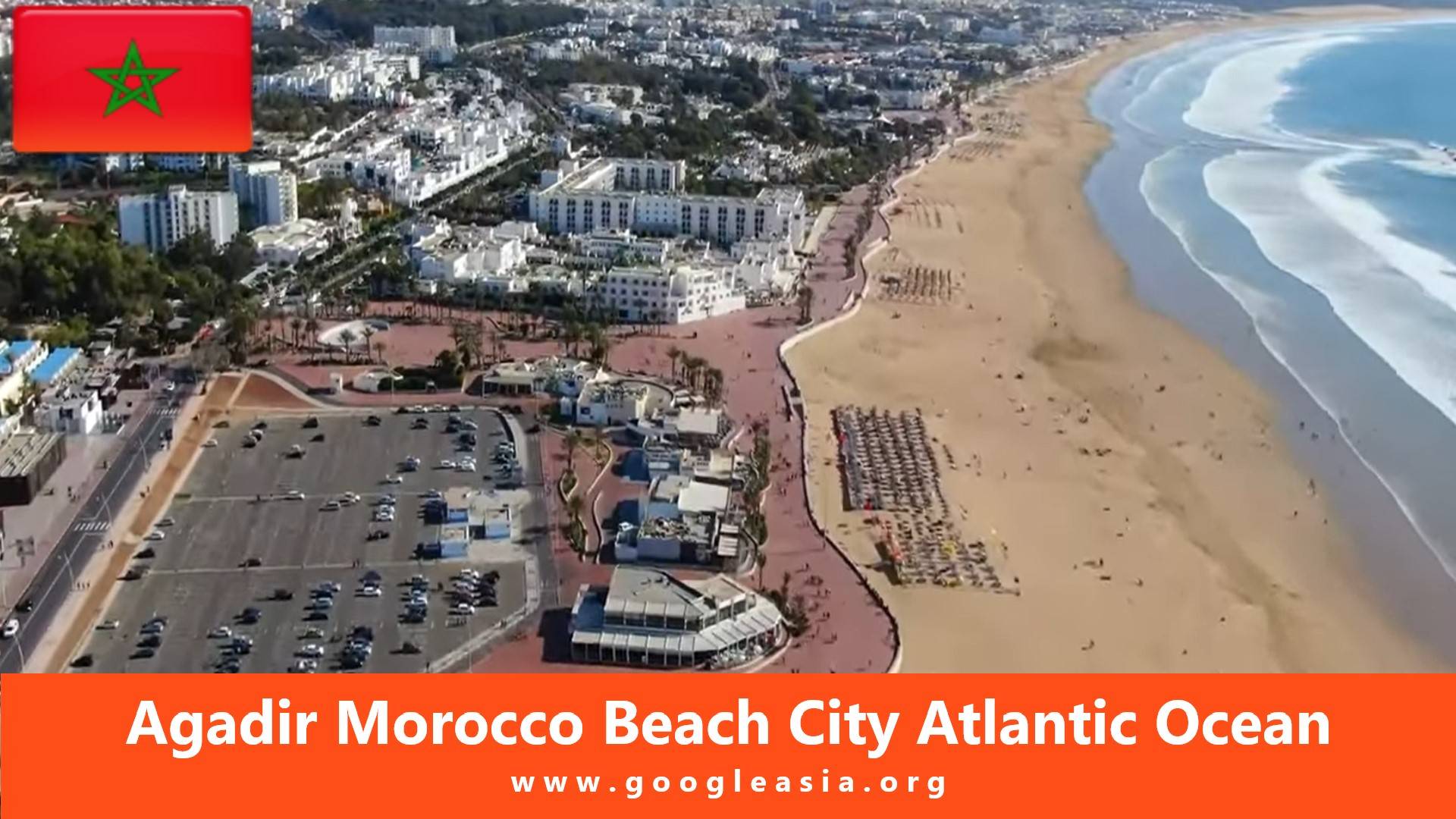
    Agadir is a dynamic Moroccan beach city located on the shores of the Atlantic Ocean. With its modernized seaside infrastructure, beautiful stretches of sand, and a vibrant mix of culture and nightlife, Agadir offers an unforgettable holiday experience. Whether it’s fishing trips and boat charters, sandboarding and desert tours, or just relaxing on the beach, there is plenty to explore for those looking for something different.

    Introduction

    Agadir, nestled along the Atlantic Ocean in southwestern Morocco, offers a blend of stunning beaches and rich cultural experiences.

    Location and Geography

    • Location: Situated on the Atlantic coast, Agadir enjoys a mild climate and picturesque seaside views.
    • Geography: The city boasts sandy beaches, rolling hills, and the remnants of the historic Kasbah overlooking the bay.

    Surfing Culture

    Agadir is a hub for surf enthusiasts, offering excellent waves and a vibrant surfing community.

    Taghazout and Aourir Beaches

    • Description: Visit Taghazout and Aourir, renowned for their surf breaks and laid-back beach vibes.
    • Highlights: Surf the Atlantic swells, take lessons from local instructors, and embrace the energetic surf culture.

    Leisure and Relaxation

    Agadir invites visitors to unwind in its sunny climate and serene surroundings.

    Beachfront Promenade

    • Description: Stroll along Agadir’s expansive beachfront promenade, lined with cafes, shops, and palm trees.
    • Highlights: Enjoy panoramic ocean views, relax on sandy shores, and indulge in fresh seafood at waterfront restaurants.

    Attractions

    Agadir is steeped in history and offers numerous cultural sites for exploration.

    Kasbah of Agadir

    • Description: Explore the ancient Kasbah ruins, offering panoramic views of the city and the ocean.
    • Highlights: Learn about the city’s history and enjoy breathtaking vistas from this historic vantage point.

    Souk El Had

    • Description: Dive into the bustling Souk El Had, a vibrant marketplace offering traditional crafts, clothing, and spices.
    • Highlights: Experience Moroccan shopping culture and find unique souvenirs amidst lively stalls.

    Medina of Agadir

    • Description: Wander through the Medina, the old city, to immerse yourself in traditional Arab-Berber architecture and culture.
    • Highlights: Discover narrow alleyways, historic mosques, and local artisans preserving ancient crafts.

    Things to Do

    Agadir, a captivating coastal city in Morocco, offers a diverse array of activities to suit every traveler’s interests and preferences.

    Beach Activities

    Agadir Beach

    • Description: Relax on the renowned Agadir Beach, famous for its golden sands and crystal-clear waters.
    • Activities: Sunbathe, swim, or enjoy beachfront cafes and luxurious hotels offering stunning ocean views.

    Watersports

    Thrilling Water Adventures

    • Description: Explore a variety of watersports available along Agadir’s coastline.
    • Activities: Try windsurfing, deep-sea fishing, parasailing, kitesurfing, scuba diving, and snorkeling.

    Surfing and Beach Sports

    Ride the Waves

    • Description: Experience Agadir’s vibrant surfing scene and engage in beach volleyball matches.
    • Activities: Learn to surf with local instructors or join competitive beach volleyball games.

    Cultural and Historical Sites

    Agadir Kasbah

    • Description: Visit the 17th-century Agadir Kasbah, a historical fort offering panoramic views.
    • Highlights: Explore the ruins and learn about its significance to traditional Berber tribes.

    Souk El Had

    • Description: Wander through the bustling Souk El Had, a lively marketplace selling traditional Moroccan goods.
    • Highlights: Shop for souvenirs, spices, and handicrafts while immersing yourself in local culture.

    La Medina

    • Description: Discover La Medina, Agadir’s protected old town showcasing traditional architecture, music, and cuisine.
    • Highlights: Experience Moroccan hospitality, sample local delicacies, and admire artisanal crafts.

    Outdoor Adventures

    Souss-Massa National Park

    • Description: Explore the scenic Souss-Massa National Park, a haven for wildlife enthusiasts.
    • Highlights: Spot rare species like the bald ibis and flamingos, hike nature trails with panoramic Atlantic Ocean views, and admire diverse flora and fauna.

    Foods

    Discover the rich flavors and diverse culinary offerings that Agadir, Morocco has to offer, blending traditional Moroccan dishes with Mediterranean influences.

    Fresh Seafood

    • Description: Indulge in the freshest seafood, a highlight of Agadir’s coastal cuisine.
    • Specialties: Enjoy dishes such as freshly caught bass, garlic prawns, calamari, and a variety of shellfish prepared in traditional Moroccan styles.

    Tagines

    • Description: Savor the aromatic and spicy flavors of traditional tagines, a staple of Moroccan cuisine.
    • Varieties: Try tagines like turkey with green olives, beef with feggous (a type of squash), and lamb with prunes and almonds, slow-cooked to perfection.

    Couscous Varieties

    • Description: Delight in a selection of couscous dishes, a beloved staple in Moroccan dining.
    • Offerings: Choose from various couscous preparations, often served with tender meats, vegetables, and flavorful sauces.

    Middle Eastern Salads

    • Description: Enjoy a variety of refreshing Middle Eastern salads, bursting with flavors and fresh ingredients.
    • Selection: Sample salads featuring ingredients like chickpeas, tomatoes, cucumbers, and aromatic herbs, dressed with tangy vinaigrettes.

    Belgian-Style Crepes

    • Description: Treat yourself to decadent Belgian-style crepes, a delightful dessert option in Agadir.
    • Varieties: Indulge in crepes filled with fruits, chocolate, or savory options like cheese, offering a sweet conclusion to your meal.

    Hotels

    Explore the top accommodations in Agadir, offering luxury, comfort, and Moroccan hospitality.

    Sofitel Thalassa Sea & Spa

    • Description: A luxurious seaside retreat offering thalassotherapy spa treatments and stunning ocean views.
    • Highlights: Elegant rooms, gourmet dining, and direct access to a private beach.

    Hotel Atlas & Spa

    • Description: A contemporary hotel featuring modern amenities and a serene spa atmosphere.
    • Highlights: Rooftop pool, wellness center, and panoramic views of Agadir.

    Riu Palace Tikida

    • Description: An upscale resort offering all-inclusive packages and direct beach access.
    • Highlights: Spacious rooms, multiple restaurants, and extensive leisure facilities.

    Sofitel Agadir Royal Bay Resort

    • Description: Nestled amidst lush gardens, this resort offers a blend of luxury and Moroccan charm.
    • Highlights: Private beach, lavish spa treatments, and fine dining options.

    Mazagan Beach & Golf Resort

    • Description: A sprawling resort featuring a golf course, casino, and family-friendly amenities.
    • Highlights: Championship golf, extensive leisure activities, and luxury accommodations.

    Kenzi Farah Hotel

    • Description: Located near Agadir’s bustling city center, offering comfort and convenience.
    • Highlights: Outdoor pool, spa services, and proximity to local attractions.

    Les Almohades Beach Resort & Spa

    • Description: A beachfront resort offering a tranquil escape with wellness facilities and scenic views.
    • Highlights: Direct beach access, rejuvenating spa treatments, and spacious accommodations.

    Hotel Riu Tikida Dunas

    • Description: A family-friendly resort featuring multiple pools, entertainment options, and direct beachfront access.
    • Highlights: All-inclusive packages, children’s activities, and a relaxing atmosphere.

    Atlantic Palace Golf Thalasso & Casino

    • Description: A luxurious hotel with a focus on wellness and entertainment, including a casino.
    • Highlights: Thalassotherapy spa, golf course, and vibrant nightlife options.

    Kasbah Atlantic Agadir Hotel & Restaurant

    • Description: Combining traditional Moroccan hospitality with modern comforts in a charming setting.
    • Highlights: Authentic cuisine, rooftop terrace, and personalized service.

    Conclusion

    Agadir, with its blend of beachfront beauty, cultural richness, and surf culture, offers a perfect retreat for travelers seeking relaxation and exploration in Morocco’s southwest. Whether discovering ancient Kasbahs, shopping in bustling souks, or catching waves along the coast, Agadir promises a memorable experience amidst its sunny shores and welcoming atmosphere.

    Agadir Morocco Beach City Atlantic Ocean

    Summary

    • Attraction Name: Agadir
    • Country: Morocco
    • Continent: African
    • Capital Name: Rabat
    • Language: Arabic and Standard Moroccan Berber
    • Currency: Moroccan Dirham
    • Nationality: Moroccan(s)
    • Category:  #Destination #Asia #MOROCCO 

    Frequently Asked Questions

    What are Agadir’s nearby must-visit attractions or landmarks?

    Agadir, a coastal city in Morocco, offers a variety of nearby attractions and landmarks for visitors to explore. Here are some must-visit places near Agadir:

    1. Agadir Beach: While Agadir itself boasts a beautiful beach, it’s worth spending time enjoying the sun, sea, and sand. The beach is known for its wide stretch of golden sand and a promenade with cafes, restaurants, and shops.
    2. Kasbah of Agadir Oufella: The ruins of the Kasbah offer panoramic views of Agadir and its coastline. The site includes remnants of an ancient fortress and serves as a historical and cultural landmark.
    3. Valley of the Birds (Vallee des Oiseaux): This park, located in the heart of Agadir, is a botanical garden with a variety of plants and a large aviary featuring diverse bird species. It’s a relaxing spot for nature lovers.
    4. Souk El Had d’Agadir: This bustling market is one of the largest souks in Morocco. Visitors can explore a wide array of stalls selling spices, textiles, traditional crafts, and souvenirs.
    5. Marina d’Agadir: The marina is a modern development with a lively atmosphere, featuring shops, restaurants, and cafes. It’s a great place for a leisurely stroll, enjoying the view of boats and the waterfront.
    6. Agadir Crocodile Park: Located a short drive from the city, this park is home to a large number of Nile crocodiles. Visitors can see these impressive reptiles and learn about their behavior and habitat.
    7. Memorial Museum: The museum commemorates the devastating earthquake that struck Agadir in 1960. It provides insights into the history of the city and the reconstruction efforts following the disaster.
    8. Mellah (Jewish Quarter): Explore the historic Jewish quarter of Agadir, known as Mellah. While much of the area was rebuilt after the earthquake, it retains some historical elements.
    9. Taghazout: A popular surfing destination, Taghazout is a charming fishing village located north of Agadir. It offers a relaxed atmosphere, beautiful beaches, and excellent surfing conditions.
    10. Paradise Valley (Vallee du Paradis): Located in the High Atlas Mountains, Paradise Valley is known for its scenic landscapes, natural pools, and hiking trails. It’s an ideal day trip from Agadir for those seeking outdoor adventures.

    Why should you visit Agadir?

    Agadir is a vibrant coastal city in Morocco that offers a unique blend of relaxation, cultural experiences, and outdoor activities. Here are several reasons why you should consider visiting Agadir:

    1. Beautiful Beaches: Agadir is famous for its long and expansive sandy beaches, making it an ideal destination for sunbathing, water sports, and beachfront relaxation. The city’s beach is well-maintained and offers a picturesque setting.
    2. Mild Climate: Agadir enjoys a mild and temperate climate throughout the year, making it a pleasant destination for visitors seeking sunshine and comfortable temperatures. The city benefits from many sunny days and mild winters.
    3. Modern Infrastructure: Following a devastating earthquake in 1960, Agadir was rebuilt with modern infrastructure, making it a well-planned and easily navigable city. It offers a range of amenities and services for tourists.
    4. Agadir Kasbah: The ruins of the Kasbah of Agadir Oufella provide panoramic views of the city and the coastline. While the kasbah itself is in ruins, the site offers historical significance and beautiful vistas.
    5. Marina d’Agadir: The modern marina is a hub of activity, featuring shops, restaurants, and cafes. It’s a great place to stroll, enjoy a meal with a view, and watch boats and yachts.
    6. Water Activities: Agadir is a popular destination for water sports enthusiasts. Visitors can engage in activities such as surfing, windsurfing, jet skiing, and boat tours along the Atlantic coastline.
    7. Souks and Markets: Explore the vibrant markets and souks of Agadir, such as Souk El Had. These bustling marketplaces offer a variety of goods, including spices, textiles, crafts, and traditional Moroccan products.
    8. Agadir Crocodile Park: Located near the city, the Crocodile Park is home to numerous Nile crocodiles. It provides an educational and entertaining experience for visitors of all ages.
    9. Cultural Diversity: Agadir is known for its diverse population, and the city reflects a mix of Berber, Arab, and European influences. This diversity is evident in the local cuisine, traditions, and architecture.
    10. Day Trips to Surrounding Areas: Agadir serves as a convenient base for day trips to nearby attractions, such as Paradise Valley, Taghazout (a popular surfing destination), and the High Atlas Mountains.
    11. Modern Resorts and Accommodations: Agadir offers a range of modern hotels and resorts, catering to various budgets. Visitors can enjoy comfortable accommodations with amenities such as pools, spas, and beach access.
    12. Culinary Delights: Experience the rich flavors of Moroccan cuisine in Agadir. From fresh seafood to traditional tagines and Moroccan pastries, the city offers a diverse culinary scene.

    How can one travel to Agadir?

    Agadir, being a popular tourist destination in Morocco, is accessible by various means of transportation. Here are common ways to travel to Agadir:

    1. By Air:
      • Agadir-Al Massira Airport (AGA): The city has its own international airport, Agadir-Al Massira Airport (AGA), located approximately 25 kilometers east of the city center. Many airlines operate direct flights to Agadir from major cities in Europe and other international locations.
    2. By Road:
      • Bus: Long-distance buses connect Agadir with major cities across Morocco. Companies like CTM and Supratours offer comfortable bus services. The journey may take several hours depending on the departure city.
      • Grand Taxis: Grand taxis are shared taxis that operate between cities. They can be a convenient and cost-effective option for travel within Morocco.
    3. By Car:
      • Self-Drive: Agadir is easily accessible by road, and renting a car provides flexibility for exploring the surrounding areas. The city is well-connected to major roads, and the journey from cities like Marrakech takes around three to four hours.
    4. By Train:
      • Train and Bus Combination: While Agadir itself does not have a train station, travelers can take a train to Marrakech or another nearby city and then continue the journey by bus or taxi to Agadir.
    5. Organized Tours:
      • Tour Packages: Some travelers prefer to visit Agadir as part of an organized tour, especially if they plan to explore other regions of Morocco. Tour packages often include transportation, accommodation, and guided excursions.
    6. Cruise:
      • Port of Agadir: Agadir has a port that receives cruise ships. If you are on a cruise, you can explore the city and its attractions during a stopover.

    Are there any halal food options around the Agadir?

    Yes, Agadir, like many cities in Morocco, offers a variety of halal food options due to the predominantly Muslim population. Here are several ways you can find halal food in Agadir:

    1. Local Restaurants: Most restaurants in Agadir serve halal food, as it aligns with Islamic dietary laws. You can find a range of Moroccan dishes, including tagines, couscous, grilled meats, and seafood.
    2. Street Food: Explore the local street food scene, where you can often find halal options such as kebabs, grilled meats, and snacks. Street food vendors in popular areas and markets typically cater to halal preferences.
    3. Seafood Restaurants: Agadir, being a coastal city, is known for its fresh seafood. Many seafood restaurants in the city offer halal options, and you can enjoy a variety of dishes prepared with locally caught fish and seafood.
    4. Hotel Restaurants: If you’re staying in a hotel or resort in Agadir, the hotel’s restaurants are likely to offer halal options. Inform the staff about your dietary preferences, and they will often accommodate your needs.
    5. Ask Locals: If you’re unsure about the halal status of a particular restaurant or food vendor, don’t hesitate to ask locals for recommendations. They can guide you to establishments that explicitly provide halal options.
    6. Check Menus: When entering a restaurant, you can check the menu for halal symbols or indications. Many establishments specify whether their offerings are halal, making it easier for customers to choose suitable dishes.
    7. Specify Dietary Requirements: When dining out, communicate your dietary requirements clearly to ensure that the food prepared for you adheres to halal standards. Restaurant staff are generally accommodating and will strive to meet your needs.
  • Exploring Rabat, Morocco: Capital City by the Atlantic

    Exploring Rabat, Morocco: Capital City by the Atlantic

    Rabat, Morocco

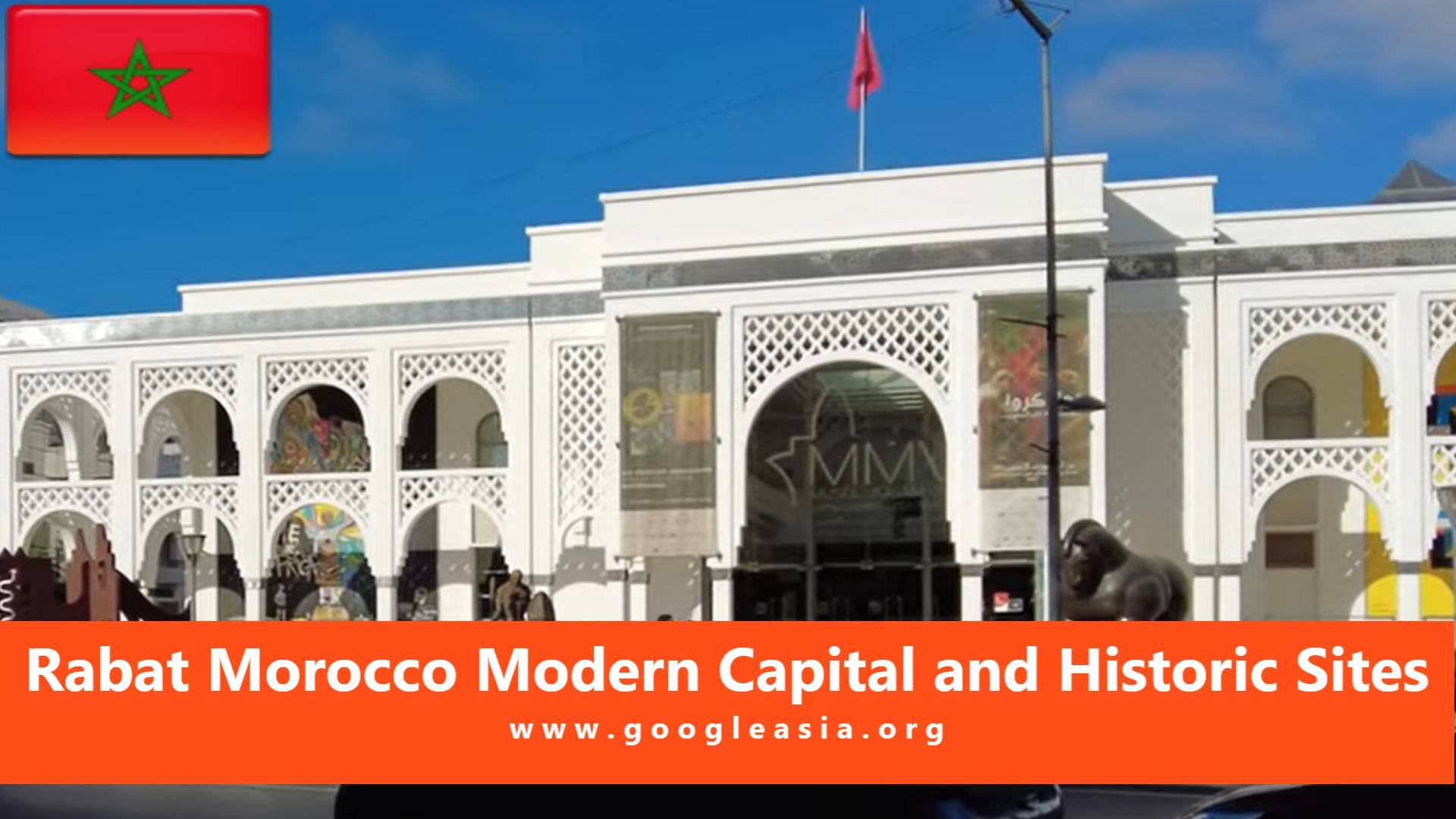
    Rabat is the capital of Morocco, located on the Atlantic Ocean coastline and Bou Regreg River. It’s known for its central Hassan Tower mosque, the Kasbah of the Udayas, & the centuries-old medina within the modern city’s sprawling walls. Rabat is a mix of old and new, a modern capital full of historic sites and monuments.

    Introduction

    Rabat, the vibrant capital city of Morocco, offers a blend of historical richness, cultural diversity, and modern allure.

    Location and Demographics

    • Location: Situated in the north-western part of Morocco, Rabat overlooks the Atlantic Ocean.
    • Population: Approximately 1.7 million residents make Rabat a bustling metropolitan hub.
    • Character: Known for its liberal atmosphere, Rabat welcomes visitors with its cosmopolitan charm and rich heritage.

    Cultural and Historical Treasures

    Rabat boasts a wealth of cultural and historical attractions that reflect its significance as the capital city.

    UNESCO World Heritage Sites

    • Historical City Center: Explore the ancient streets and monuments of Rabat’s historic core, designated as a UNESCO World Heritage Site.
    • Kasbah of the Udayas: Wander through this picturesque fortress overlooking the Bou Regreg river, offering stunning views and a glimpse into Morocco’s past.
    • Chellah: Discover the ancient Roman ruins and medieval necropolis amidst lush gardens, a serene retreat within the city.

    Cultural Scene and Attractions

    Rabat is a haven for art, history, and entertainment enthusiasts, offering a vibrant array of cultural venues.

    Museums and Galleries

    • National Museum of Archaeology and Ancient Arts: Delve into Morocco’s archaeological heritage with exhibits spanning millennia.
    • Mohammed VI Museum of Modern and Contemporary Art: Experience modern art from Morocco and beyond in a state-of-the-art museum setting.

    Theatres and Performances

    • Theatre Mohamed V: Attend captivating performances ranging from traditional Moroccan theatre to international productions.
    • Amphitheatre of the OLM Souissi: Enjoy cultural events and concerts in this modern amphitheater set amidst scenic surroundings.

    Economic Hub and Nightlife

    Rabat’s dynamic economy and vibrant nightlife contribute to its allure as a modern capital city.

    • Economic Diversity: From government institutions to thriving commerce sectors, Rabat plays a pivotal role in Morocco’s economic landscape.
    • Nightlife: Discover bustling cafes, trendy bars, and lively clubs where locals and visitors mingle, enjoying Rabat’s nocturnal energy.

    Attractions

    Rabat, the capital city of Morocco, beckons with a tapestry of historical wonders and vibrant culture. Explore the city’s top attractions and immerse yourself in its captivating ambiance.

    Kasbah of the Udayas

    • Description: Wander through this ancient citadel, originally a royal residence dating back to the 12th century.
    • Highlights: Explore its iconic walls, lush gardens with fountains, and panoramic views of the Bou Regreg river.

    Hassan Tower

    • Description: Marvel at the iconic minaret, standing tall at 45 meters as a symbol of Rabat’s architectural prowess.
    • Highlights: Climb to the top for stunning views of Rabat and the surrounding landscape, despite its incomplete construction.

    Oudaya Museum

    • Description: Delve into Moroccan history at this museum housed in a medieval palace.
    • Highlights: Discover artifacts such as coins, pottery, and statues that offer insights into the region’s rich cultural heritage.

    Chellah Necropolis

    • Description: Explore the ruins of this ancient Roman city turned medieval necropolis.
    • Highlights: Enjoy a serene walk amidst historical remnants, fortified walls, and lush gardens teeming with flora and fauna.

    Andalusian Gardens

    • Description: Relax in these tranquil public gardens near the Medina, showcasing a variety of trees, plants, and playful animals.
    • Highlights: Stroll through beautifully landscaped grounds and enjoy the peaceful ambiance away from the city bustle.

    Zoo National de Rabat

    • Description: Encounter rare and endangered species in this expansive zoological park.
    • Highlights: Observe animals up close, from majestic lions to exotic birds, and unwind with a picnic amidst natural surroundings.

    Oued Bou Regreg Marina

    • Description: Experience the river’s tranquility with boat or kayak rentals, or simply relax on the beach.
    • Highlights: Watch local fishermen at work, soak in the riverside views, and savor a serene escape from urban life.

    Shopping & Dining

    • Description: Explore vibrant souks for traditional crafts and clothing, and indulge in Moroccan cuisine at local eateries.
    • Highlights: Navigate the bustling Medina for unique souvenirs and immerse yourself in Rabat’s culinary delights, from tagines to freshly baked pastries.

    Méchouar

    • Description: Visit this expansive square atop Kessoubia Hill, home to the Parliament and a hub for cultural events.
    • Highlights: Capture panoramic views of Rabat’s skyline, and witness the intersection of history and modern governance.

    Hassan II Mosque

    • Description: Marvel at Morocco’s largest mosque, an architectural masterpiece spanning nearly 500,000 square meters.
    • Highlights: Admire the intricate craftsmanship, serene courtyards, and expansive prayer halls of this revered religious landmark.

    Foods

    Rabat, the capital city of Morocco, invites you to indulge in its rich culinary heritage, blending traditional flavors with modern influences.

    Couscous

    • Description: A staple Moroccan dish of fluffy semolina grains topped with meat (often lamb or chicken), vegetables, and a flavorful broth.
    • Highlights: Enjoyed as a hearty meal that symbolizes Moroccan hospitality and culinary tradition.

    Tajine

    • Description: A delectable stew cooked slowly in a clay pot, featuring a variety of meats (such as lamb, chicken, or beef), vegetables, and aromatic spices.
    • Highlights: Each tajine offers a unique blend of flavors, often accompanied by tender preserved lemons and olives.

    Kefta

    • Description: Moroccan-style meatballs or sausages made from ground lamb or beef, mixed with onions, garlic, and spices, then grilled or stewed.
    • Highlights: Served with couscous or as part of a tajine, offering a savory and satisfying dining experience.

    Pastilla

    • Description: A savory pie filled with layers of shredded chicken or fish, almonds, eggs, and delicate spices such as cinnamon and saffron.
    • Highlights: Combines sweet and savory flavors in a crispy pastry shell, often dusted with powdered sugar.

    Makouda

    • Description: Fried potato balls, seasoned with herbs and spices, served with a spicy dipping sauce and a refreshing side salad.
    • Highlights: A popular street food snack, perfect for satisfying cravings with its crispy exterior and soft, flavorful interior.

    Falafel

    • Description: Crispy chickpea fritters seasoned with herbs and spices, served with a creamy tahini-based sauce and fresh vegetables.
    • Highlights: A beloved Middle Eastern dish, enjoyed as a light and flavorful appetizer or a satisfying vegetarian main course.

    Harira

    • Description: A comforting tomato-based soup enriched with lentils, chickpeas, celery, and a blend of Moroccan spices.
    • Highlights: Often enjoyed during Ramadan to break the fast, offering nourishment and warmth.

    Harira M’krini

    • Description: A heartier version of harira, featuring chunks of beef, wheat grains, and a medley of vegetables in a thicker, more substantial broth.
    • Highlights: Known for its robust flavors and satisfying texture, ideal for a filling meal any time of year.

    Bisteeya

    • Description: A sumptuous pastry filled with spiced chicken, eggs, almonds, and a hint of cinnamon, encased in layers of thin pastry dough.
    • Highlights: Balances savory and sweet notes in a delicate pastry, showcasing Morocco’s culinary finesse.

    Almonds

    • Description: Widely used in Moroccan cuisine, almonds are enjoyed in various forms, from savory dishes to desserts and as a popular snack.
    • Highlights: Enhance dishes with their nutty flavor and crunchy texture, often paired with dates and dried fruits for a delightful Moroccan treat.

    Hotels

    Sofitel Rabat Jardin des Roses

    • Location: Set amidst lush gardens, offering a serene oasis in the heart of Rabat.
    • Features: Elegant rooms and suites with modern amenities, multiple dining options including Moroccan and international cuisine, spa and wellness facilities, outdoor pool, and easy access to nearby attractions.

    The View Hotel Rabat

    • Location: Overlooking the Bou Regreg River, providing stunning views of the Kasbah of the Udayas and Hassan Tower.
    • Features: Contemporary rooms and suites with panoramic windows, rooftop restaurant offering Moroccan and Mediterranean dishes, fitness center, and a central location for exploring Rabat’s historic sites.

    Villa Mandarine

    • Location: Situated in a peaceful residential area, offering a retreat-like ambiance close to the city center.
    • Features: Boutique hotel with spacious rooms and suites featuring traditional Moroccan décor, lush gardens, outdoor pool, gourmet restaurant serving organic cuisine, and personalized service.

    Le Diwan Rabat – MGallery

    • Location: Located in the heart of Rabat, within walking distance to the Royal Palace and Hassan Tower.
    • Features: Stylish rooms blending modern comfort with Moroccan charm, rooftop terrace with city views, restaurant serving Moroccan specialties, fitness center, and conference facilities.

    Hotel La Tour Hassan Palace

    • Location: Near the historic landmarks of Rabat, including the Hassan Tower and Chellah Necropolis.
    • Features: Grand rooms and suites with luxurious furnishings, outdoor swimming pool surrounded by gardens, multiple dining options including a gourmet restaurant, spa offering traditional Moroccan treatments, and a prestigious location.

    Dar Mayssane

    • Location: Nestled in the Medina of Rabat, providing an authentic Moroccan experience.
    • Features: Intimate riad with beautifully decorated rooms and suites, traditional Moroccan courtyard, terrace with panoramic views, home-cooked Moroccan meals, and a tranquil atmosphere away from the city bustle.

    Riad Kalaa

    • Location: In the heart of Rabat’s Medina, offering easy access to the Kasbah of the Udayas and local markets.
    • Features: Charming riad with individually styled rooms and suites, rooftop terrace with views of the Medina, courtyard with a fountain, Moroccan cuisine served in a cozy dining room, and personalized service.

    Golden Tulip Farah Rabat

    • Location: Located near the Rabat Ville train station, providing convenient access to transportation and city attractions.
    • Features: Comfortable rooms and suites with modern amenities, restaurant offering international cuisine, fitness center, business center, and conference facilities.

    Conclusion

    Rabat, with its blend of historical splendor, cultural vibrancy, and modern amenities, invites exploration and promises a memorable Moroccan experience. Whether wandering through ancient Kasbahs, exploring world-class museums, or savoring the city’s lively ambiance, Rabat captivates with its rich tapestry of past and present.

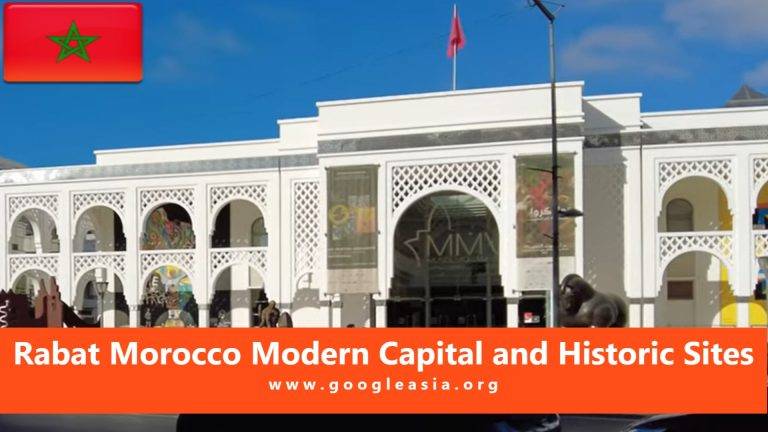
    Rabat Morocco Modern Capital and Historic Sites

    Summary

    • Attraction Name: Rabat
    • Country: Morocco
    • Continent: African
    • Capital Name: Rabat
    • Language: Arabic and Standard Moroccan Berber
    • Currency: Moroccan Dirham
    • Nationality: Moroccan(s)
    • Category: #Destination #Asia #MOROCCO 

    Frequently Asked Questions

    What are Rabat’s nearby must-visit attractions or landmarks?

    Rabat, the capital city of Morocco, offers a rich cultural and historical experience with numerous must-visit attractions and landmarks. Here are some notable places near Rabat:

    1. Kasbah of the Udayas (Kasbah des Oudaias): This ancient fortress and residential area is known for its narrow winding streets, blue and white buildings, and stunning views of the Bouregreg River and the Atlantic Ocean.
    2. Hassan Tower (Tour Hassan): The Hassan Tower is an incomplete minaret of an intended mosque that was never finished. It stands next to the Mausoleum of Mohammed V and the remains of a mosque, creating a significant historical site.
    3. Mausoleum of Mohammed V: This mausoleum contains the tombs of King Mohammed V and his two sons. The architectural design reflects traditional Moroccan craftsmanship and is a revered national monument.
    4. Chellah Necropolis: A historical site that includes Roman and medieval ruins, Chellah features ancient walls, tombs, and a beautifully landscaped garden. It offers a serene atmosphere away from the hustle and bustle of the city.
    5. Royal Palace (Dar-al-Makhzen): While the Royal Palace is not open to the public, visitors can admire its grand gates, intricate architecture, and beautiful gardens from the outside.
    6. Andalusian Gardens (Jardin des Oudaias): These gardens are part of the Kasbah des Oudaias and offer a peaceful retreat with well-maintained greenery, fountains, and traditional Moroccan architecture.
    7. Museum of Oudayas (Musée des Oudaias): Located in the Kasbah des Oudaias, this small museum showcases Moroccan arts and crafts, providing insight into the country’s cultural heritage.
    8. National Archaeological Museum (Musée Archéologique de Rabat): The museum displays artifacts from Morocco’s archaeological sites, covering various historical periods, including Roman, Islamic, and prehistoric periods.
    9. Bouregreg Marina: A modern marina along the Bouregreg River, offering a pleasant waterfront area with shops, restaurants, and views of the Hassan Tower and Kasbah.
    10. Ville Nouvelle (New Town): Explore the modern side of Rabat in Ville Nouvelle, where you can find shops, cafes, and a lively urban atmosphere.
    11. Rabat Beaches: Rabat has several beaches along the Atlantic coast, such as Plage de Rabat and Plage de Salé. These beaches provide opportunities for relaxation and enjoying the sea.

    Why should you visit Rabat?

    Rabat, the capital city of Morocco, offers a unique blend of historical richness, cultural diversity, and modern attractions. Here are several reasons why you should consider visiting Rabat:

    1. Rich History and Heritage: Rabat is home to a wealth of historical sites and landmarks, including the Kasbah of the Udayas, Hassan Tower, and the Mausoleum of Mohammed V. The city’s history is intertwined with various civilizations, and its architectural treasures reflect its past.
    2. Charming Old Town: The Kasbah des Oudaias, with its narrow streets, blue and white buildings, and Andalusian Gardens, provides a charming glimpse into Morocco’s traditional architecture and heritage.
    3. Archaeological Wonders: Explore the archaeological sites in and around Rabat, including Chellah, which features Roman ruins and medieval structures. The National Archaeological Museum showcases artifacts from Morocco’s rich archaeological history.
    4. Cultural Diversity: Rabat’s diverse population contributes to a vibrant cultural scene. The city hosts events, festivals, and exhibits that celebrate Morocco’s cultural heritage, including traditional music, dance, and art.
    5. Modern Attractions: In addition to its historical sites, Rabat has a modern side with contemporary attractions. The Bouregreg Marina, Ville Nouvelle, and the Royal Theater contribute to the city’s cosmopolitan atmosphere.
    6. Royal Palace: While the Royal Palace is not open to the public, its grand gates and impressive architecture are worth admiring. The palace area provides a glimpse into Morocco’s monarchy and history.
    7. Culinary Delights: Rabat offers a diverse culinary scene, with restaurants serving traditional Moroccan cuisine, international dishes, and seafood from the Atlantic coast. Explore local markets for a taste of authentic flavors.
    8. Bouregreg River: Enjoy a leisurely stroll along the Bouregreg River, where you can appreciate the views of the Kasbah, Hassan Tower, and the modern skyline. The riverfront area offers a relaxing atmosphere.
    9. Coastal Beauty: Rabat is located along the Atlantic coast, providing access to beautiful beaches. Relax on the sandy shores of Plage de Rabat or Plage de Salé.
    10. Educational Opportunities: Rabat is home to several educational institutions, including Mohammed V University and the International University of Rabat, making it a hub for academic and cultural exchange.
    11. Gateway to Morocco: As the capital city, Rabat serves as a convenient starting point for exploring other Moroccan cities and regions. It offers good transportation connections to cities like Casablanca, Marrakech, and Fes.

    How can one travel to Rabat?

    Rabat, being the capital city of Morocco, is well-connected and accessible through various means of transportation. Here are common ways to travel to Rabat:

    1. By Air:
      • Rabat-Salé Airport (RBA): Rabat has its own airport, Rabat-Salé Airport (RBA), located approximately 8 kilometers from the city center. The airport serves both domestic and international flights, providing convenient access to Rabat.
    2. By Train:
      • Rabat-Ville Train Station: The city is well-connected by train, and Rabat-Ville is the main train station. High-speed trains (TGV) operate between Rabat and other major cities in Morocco, including Casablanca, Marrakech, and Tangier.
    3. By Road:
      • Buses: Long-distance buses connect Rabat to various cities across Morocco. Companies like CTM and Supratours provide reliable bus services. The journey duration depends on the departure city.
      • Grand Taxis: Shared taxis, known as grand taxis, also operate between cities and can be a convenient option for traveling to Rabat.
    4. By Car:
      • Self-Drive: Rabat is accessible by road, and renting a car provides flexibility for exploring the city and its surroundings. The road network is well-maintained, and major highways connect Rabat to other cities.
    5. Organized Tours:
      • Tour Packages: Some travelers prefer to visit Rabat as part of an organized tour, especially if they plan to explore multiple cities in Morocco. Tour packages often include transportation, accommodation, and guided excursions.
    6. By Sea:
      • Casablanca Port: While not a common option, some travelers arriving by cruise ship at the port of Casablanca may choose to visit Rabat, which is approximately 80 kilometers away.

    Are there any halal food options around the Rabat?

    Yes, Rabat, being the capital city of Morocco, offers a variety of halal food options due to its predominantly Muslim population. Here are several ways you can find halal food in Rabat:

    1. Local Restaurants: Most restaurants in Rabat serve halal food, as it aligns with Islamic dietary laws. You can find a range of Moroccan dishes, including tagines, couscous, grilled meats, and traditional pastries.
    2. Street Food: Explore the local street food scene, especially around popular areas and markets. Street food vendors often offer halal options such as kebabs, grilled meats, and various snacks.
    3. Cafés and Bakeries: Many cafés and bakeries in Rabat serve halal pastries, sweets, and light meals. Moroccan tea houses are also popular spots to enjoy beverages and snacks.
    4. Seafood Restaurants: Rabat, located along the coast, has seafood restaurants that offer fresh catches. Many of these establishments provide halal options, and you can enjoy a variety of seafood dishes.
    5. Hotel Restaurants: If you’re staying in a hotel in Rabat, the hotel’s restaurants are likely to offer halal options. Inform the staff about your dietary preferences, and they will often accommodate your needs.
    6. Ask Locals: If you’re unsure about the halal status of a particular restaurant or food vendor, don’t hesitate to ask locals for recommendations. They can guide you to establishments that explicitly provide halal options.
    7. Check Menus: When entering a restaurant, you can check the menu for halal symbols or indications. Many establishments specify whether their offerings are halal, making it easier for customers to choose suitable dishes.
  • Exploring Casablanca: Morocco’s Economic and Cultural Heart

    Exploring Casablanca: Morocco’s Economic and Cultural Heart

    Casablanca, Morocco

    Casablanca is the largest city in Morocco and is a popular tourist destination with its ancient medina, sandy beaches, and grand Hassan II Mosque. The city is known for its French colonial history and for being the setting for the 1942 film “Casablanca.” It is home to some of the country’s best restaurants and nightlife, and it also serves as a gateway to other nearby attractions like the Atlas Mountains, Marrakesh, and Fes.

    Introduction

    Location and Size

    Casablanca, the largest city in Morocco, is situated in the center-western part of the country, stretching along the Atlantic coastline. It serves as a pivotal economic and cultural center not only for Morocco but also for North Africa as a whole.

    Economic Significance

    Casablanca stands as a cornerstone of Morocco’s economy, boasting the largest port in North Africa and housing numerous major businesses. It is a dynamic financial hub with the Casablanca Stock Exchange playing a crucial role in the country’s financial sector.

    Cultural Attractions

    The city is renowned for its rich cultural tapestry, featuring prominent landmarks such as the Hassan II Mosque, one of the largest mosques globally and a testament to Morocco’s architectural prowess. Visitors can explore a plethora of museums, art galleries, and monuments that showcase the city’s vibrant history and artistic heritage.

    Lifestyle and Entertainment

    Casablanca offers a bustling urban experience with its vibrant markets, charming cafes, and diverse culinary scene. It caters to both locals and international visitors alike, providing a blend of traditional Moroccan hospitality and modern amenities.

    Casablanca’s blend of economic vitality, cultural richness, and urban vibrancy makes it a compelling destination for travelers seeking an authentic Moroccan experience intertwined with the dynamics of a global city.

    Things to Do

    Explore the Iconic Landmarks

    Casablanca, Morocco, is a city steeped in rich culture and history, offering a plethora of activities and sights for visitors to explore. From ancient medinas to modern skyscrapers, here are some must-see attractions to include in your itinerary:

    Hassan II Mosque

    Start your journey with a visit to the renowned Hassan II Mosque, an architectural marvel and a symbol of Moroccan craftsmanship and Islamic heritage. Located on the coast, this mosque’s intricate design and vast size make it a must-visit landmark.

    Immerse Yourself in Local Culture

    Casablanca is a city that thrives on its cultural diversity and vibrant atmosphere. Dive into the heart of the city’s cultural tapestry with these immersive experiences:

    Old Medina and Bazaars

    Navigate through the labyrinthine alleys of the Old Medina, where traditional souks (markets) offer a sensory feast of sights, sounds, and aromas. Discover local handicrafts, sample authentic Moroccan cuisine, and soak in the historical architecture of this bustling district.

    Discover Historical Gems

    Beyond its bustling streets and lively markets, Casablanca boasts a wealth of historical and educational attractions:

    Jewish Museum of Casablanca

    Visit the Jewish Museum of Casablanca, housed in a beautifully restored synagogue. This museum showcases the vibrant history and cultural contributions of Moroccan Jews through exhibits on art, traditions, and daily life.

    Venture Beyond the City Limits

    Casablanca’s charm extends beyond its urban core, offering opportunities for day trips and outdoor exploration:

    Chellah Ruins

    Explore the ancient ruins of Chellah, an archaeological site that once served as a Roman outpost and later as a medieval necropolis. Wander among the remnants of ancient structures and lush gardens, soaking in the history and serenity of this unique location.

    Experience Local Traditions

    No visit to Casablanca is complete without experiencing its vibrant traditions and local entertainment:

    Chaabi Music Performances

    Attend a traditional Chaabi music performance, a genre beloved for its infectious rhythms, soulful vocals, and vibrant instrumental melodies. Immerse yourself in the lively atmosphere of Moroccan musical heritage and cultural expression.

    Foods

    Moroccan Gastronomy

    Casablanca, Morocco, is a culinary paradise where traditional Moroccan dishes blend rich flavors with fresh ingredients, creating a tapestry of tastes that captivate the senses. Here are some of the must-try foods and flavors that define Casablanca’s vibrant food scene:

    Moroccan Stew

    Indulge in the hearty Moroccan stew, a flavorful combination of tender meats (often lamb or chicken), vegetables, and aromatic spices like cumin, paprika, and saffron. This dish is a comforting staple in Moroccan cuisine.

    Vegetarian Couscous

    Savor the fragrant vegetarian couscous, a dish where fluffy couscous is topped with a colorful array of seasonal vegetables, chickpeas, and a savory broth. It’s a wholesome and satisfying choice for vegetarians and vegans alike.

    Tagines

    Delight in the iconic tagines, slow-cooked dishes named after the earthenware pot they are cooked in. Options abound, from lamb tagine with prunes and almonds to chicken tagine with preserved lemons and olives, each bursting with nuanced flavors.

    Harira Soup

    Taste the comforting harira soup, a traditional Moroccan soup made from tomatoes, lentils, chickpeas, and aromatic herbs. Often enjoyed during Ramadan, it’s a nourishing starter or light meal.

    Merguez Sausage

    Sample the spicy and flavorful merguez sausage, made from lamb or beef and infused with harissa (a hot chili paste) and aromatic spices. Grilled to perfection, it’s a popular street food and a staple in Moroccan cuisine.

    Shish Kebabs

    Enjoy fragrant shish kebabs, featuring skewers of tender marinated meats (such as lamb or chicken) grilled to juicy perfection and served with fresh salads and sauces.

    Bistilla (Pastilla)

    Indulge in the exquisite Bistilla (Pastilla), a savory-sweet pie traditionally filled with spiced pigeon or chicken, almonds, eggs, and a delicate blend of cinnamon and powdered sugar. It’s a culinary masterpiece.

    Falafels

    Delight in flavorful falafels, crispy chickpea fritters seasoned with herbs and spices, often served with fresh salads, hummus, and warm pita bread.

    Lamb Koftas

    Savor tender lamb koftas, seasoned ground lamb shaped into skewers and grilled to tender perfection, served with aromatic rice or couscous.

    Seafood Sensations

    Casablanca’s coastal location offers an abundance of seafood dishes that highlight the region’s maritime bounty:

    Fried Calamari

    Enjoy crispy fried calamari, a popular appetizer or snack served with zesty dipping sauces.

    Fish Tagines

    Taste fish tagines, where fresh local catch is slow-cooked with herbs, spices, and vegetables, resulting in a tender and flavorful dish.

    Seafood Paella

    Indulge in seafood paella, a dish that reflects Casablanca’s Mediterranean influences with its savory blend of rice, shrimp, clams, mussels, and aromatic saffron.

    Decadent Desserts

    End your meal on a sweet note with Casablanca’s delectable desserts:

    Baklava

    Savor homemade baklava, layers of flaky pastry filled with nuts and sweetened with honey or syrup, offering a delightful contrast of textures.

    Chocolate Layered Cake

    Indulge in chocolate layered cake, a decadent treat that satisfies any chocolate lover’s cravings.

    Seasonal Fruit Platters

    Refresh your palate with seasonal fruit platters, showcasing Morocco’s fresh and juicy produce.

    Hotels

    Casablanca, Morocco, offers a range of exceptional hotels that cater to every traveler’s needs, from luxurious amenities to personalized service. Whether you’re visiting for business or leisure, these hotels promise a comfortable and memorable stay:

    Hyatt Regency

    Located in the heart of Casablanca, Hyatt Regency offers luxurious rooms and suites with stunning views of the city. Guests can enjoy fine dining, a relaxing spa, and easy access to major attractions and business districts.

    Sheraton Casablanca Hotel & Towers

    Known for its iconic presence in Casablanca’s skyline, Sheraton Casablanca Hotel & Towers provides spacious rooms, top-notch amenities, and panoramic views of the city. It’s conveniently situated near shopping centers and cultural landmarks.

    El Andalous Hotel & Spa

    A haven of tranquility, El Andalous Hotel & Spa combines Moroccan hospitality with modern comforts. Guests can unwind in its spa, indulge in gourmet dining, and explore nearby attractions like the Hassan II Mosque.

    Sofitel Casablanca Tour Blanche

    This elegant hotel offers a blend of French sophistication and Moroccan charm. Sofitel Casablanca Tour Blanche features stylish rooms, a rooftop terrace with breathtaking views, and a range of dining options showcasing local and international cuisine.

    La Tour Hassan Hotel

    Located in the bustling city center, La Tour Hassan Hotel offers opulent accommodations and impeccable service. Its proximity to historical sites and shopping districts makes it a convenient choice for both business and leisure travelers.

    Le Doge Boutique Hotel

    A boutique hotel with a unique blend of Art Deco and Moroccan architecture, Le Doge Boutique Hotel exudes elegance and intimacy. Guests can enjoy personalized service, gourmet dining, and a relaxing atmosphere.

    Kenzi Basma Hotel

    Kenzi Basma Hotel boasts contemporary rooms and suites equipped with modern amenities. Its central location makes it ideal for exploring Casablanca’s attractions, dining at nearby restaurants, and shopping in upscale boutiques.

    Riad Les Saisons de Casablanca

    For a charming stay, Riad Les Saisons de Casablanca offers a traditional Moroccan riad experience in the heart of the city. Guests can unwind in its serene courtyard, enjoy homemade Moroccan cuisine, and experience warm hospitality.

    Mantel Hotel

    Mantel Hotel combines comfort with convenience, offering well-appointed rooms and a range of facilities. It’s a great choice for travelers seeking easy access to Casablanca’s business district and cultural landmarks.

    Sheraton Aden Hotel & Resort

    Situated along the coastline, Sheraton Aden Hotel & Resort offers stunning views of the Atlantic Ocean. Guests can relax on its private beach, dine at waterfront restaurants, and enjoy leisure activities such as swimming and spa treatments.

    Conclusion

    Whether you prefer the grandeur of international chains or the intimacy of boutique hotels, Casablanca’s diverse hotel offerings ensure a stay that meets every expectation. From luxurious amenities to personalized service and convenient locations, these hotels provide the perfect base for exploring all that Casablanca has to offer.

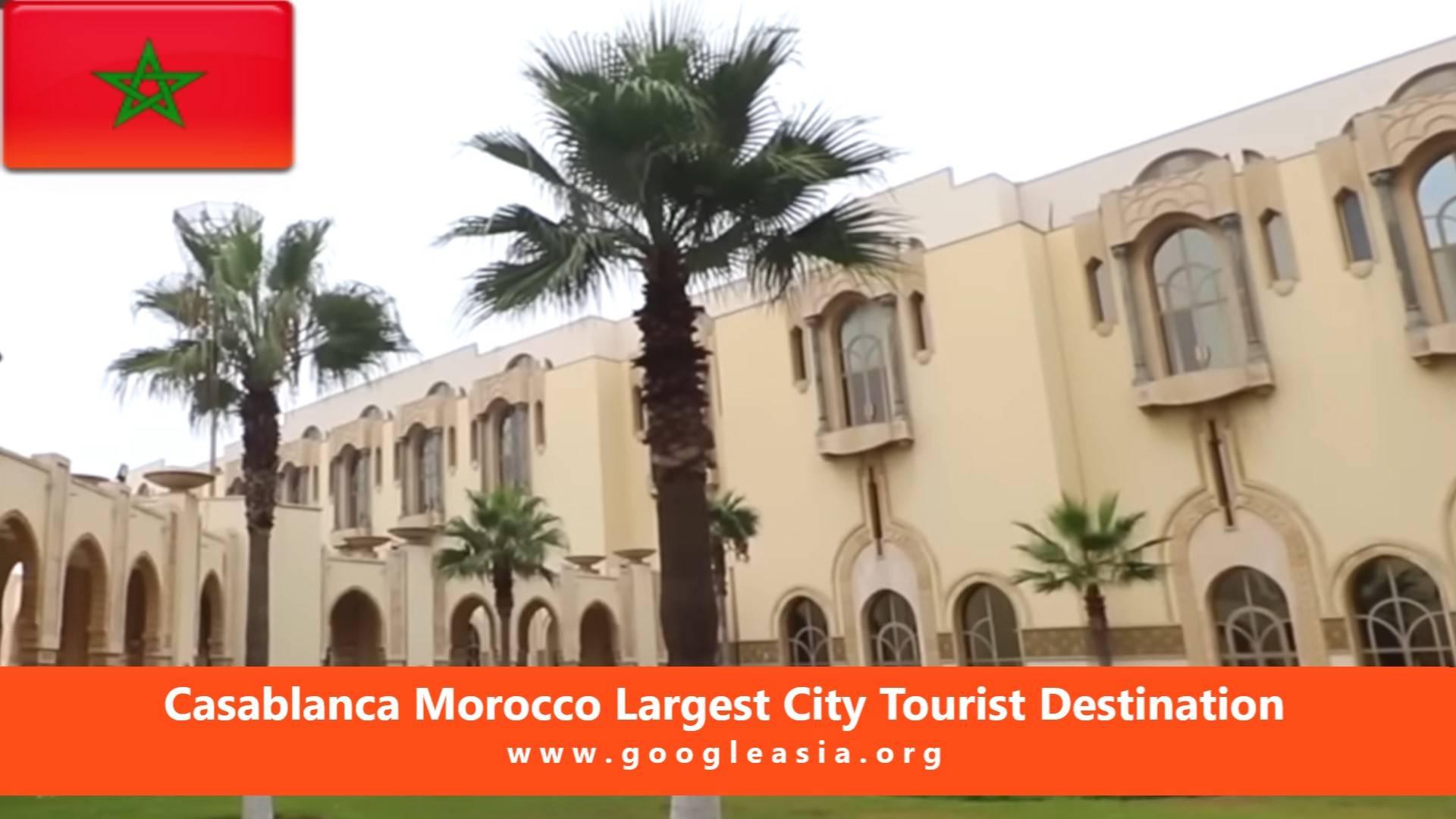
    Casablanca Morocco Largest City Tourist Destination

    Summary

    • Attraction Name: Casablanca
    • Country: Morocco
    • Continent: African
    • Capital Name: Rabat
    • Language: Arabic and Standard Moroccan Berber
    • Currency: Moroccan Dirham
    • Nationality: Moroccan(s)
    • Category:  #Destination #Asia #MOROCCO 

    Frequently Asked Questions

    What are Casablanca’s nearby must-visit attractions or landmarks?

    Casablanca and its surrounding areas offer a variety of must-visit attractions and landmarks that showcase the diverse cultural and natural beauty of the region. Here are some notable places near Casablanca:

    1. Hassan II Mosque: While located in Casablanca itself, the Hassan II Mosque is worth mentioning due to its iconic status. The mosque is one of the largest in the world and features stunning architecture, intricate details, and a location overlooking the Atlantic Ocean.
    2. Old Medina of Casablanca: Explore the historic quarter of Casablanca, known as the Old Medina. While not as extensive as some other medinas in Morocco, it offers traditional architecture, narrow streets, and local markets.
    3. Corniche Ain Diab: Enjoy the scenic views along the Corniche Ain Diab, a coastal road lined with cafes, restaurants, and entertainment venues. It’s a popular spot for a leisurely stroll or to relax by the sea.
    4. Mohammed V Square: Located in the heart of Casablanca, Mohammed V Square is a central gathering place surrounded by government buildings, shops, and cafes. The square features a statue of King Mohammed V.
    5. Casablanca Twin Center: Admire the modern architecture of the Casablanca Twin Center, twin skyscrapers that dominate the city’s skyline. The towers house offices, a shopping mall, and a luxury hotel.
    6. Royal Palace of Casablanca: While not open to the public, the Royal Palace showcases impressive architecture and is worth a visit to see its grand gates and exterior.
    7. Central Market (Marché Central): Immerse yourself in the lively atmosphere of the Central Market, where you can explore stalls selling fresh produce, spices, and a variety of goods.
    8. Parc de la Ligue Arabe: This central park offers a green oasis in the midst of the city. It’s a relaxing place to take a stroll, enjoy the gardens, and escape the urban hustle.
    9. Museum of Moroccan Judaism: Located in Casablanca, this museum provides insights into the history and culture of the Moroccan Jewish community through exhibits and artifacts.
    10. Museum of Contemporary Art (MACMA): Explore contemporary Moroccan art at the Museum of Contemporary Art, featuring rotating exhibits and a diverse collection of modern artworks.
    11. Cathedral of Sacré-Cœur: A historic cathedral that reflects the city’s colonial past, the Cathedral of Sacré-Cœur is an architectural landmark.
    12. Bouskoura Forest: Located on the outskirts of Casablanca, Bouskoura Forest is a green space where visitors can enjoy nature, walking trails, and picnics.

    Why should you visit Casablanca?

    Casablanca, the largest city in Morocco, is a bustling metropolis that offers a blend of historical, cultural, and modern attractions. Here are several reasons why you should consider visiting Casablanca:

    1. Hassan II Mosque: This architectural marvel is one of the largest mosques in the world and a symbol of Moroccan craftsmanship. Visitors can marvel at the intricate details, impressive minaret, and the mosque’s location overlooking the Atlantic Ocean.
    2. Corniche: Enjoy a stroll along the Corniche, a picturesque waterfront area along the Atlantic coast. The Corniche is lined with cafes, restaurants, and shops, offering beautiful views of the sea.
    3. Vibrant Markets: Explore the lively markets, or souks, of Casablanca, such as the Central Market (Marché Central). Here, you can experience the vibrant atmosphere, shop for fresh produce, spices, and traditional crafts.
    4. Old Medina: While not as extensive as some other medinas in Morocco, Casablanca has its own historic quarter. Wander through the narrow streets of the Old Medina, discovering traditional architecture and local shops.
    5. Art Deco Architecture: Casablanca is known for its Art Deco architecture, influenced by French colonial times. The cityscape features elegant buildings and landmarks, providing a unique blend of architectural styles.
    6. Museum of Moroccan Judaism: Learn about Morocco’s rich Jewish history and heritage at the Museum of Moroccan Judaism. The museum showcases artifacts, documents, and exhibits related to the Jewish community in the country.
    7. Rick’s Café: Inspired by the iconic film “Casablanca,” Rick’s Café is a famous restaurant and piano bar that recreates the atmosphere of the movie. It’s a popular spot for those seeking a touch of nostalgia.
    8. Modern Architecture: Casablanca boasts contemporary architecture, including the Twin Center skyscrapers. These twin towers dominate the city’s skyline and house offices, shops, and a luxury hotel.
    9. Shopping: Casablanca offers diverse shopping opportunities, from traditional markets to modern malls like Morocco Mall. Shoppers can find a wide range of goods, including textiles, crafts, and designer brands.
    10. Cultural Events: The city hosts various cultural events, festivals, and art exhibitions throughout the year. Check the local calendar for concerts, performances, and other cultural activities.
    11. Cosmopolitan Atmosphere: Casablanca is a cosmopolitan city with a diverse population. This diversity is reflected in the city’s cuisine, cultural offerings, and vibrant atmosphere.
    12. Gateway to Morocco: Casablanca serves as a major transportation hub, making it a convenient starting point for exploring other Moroccan cities and regions. High-speed trains and well-connected highways offer easy access to various destinations.

    How can one travel to Casablanca?

    Casablanca, being one of the major cities in Morocco, is well-connected and accessible through various means of transportation. Here are common ways to travel to Casablanca:

    1. By Air:
      • Mohammed V International Airport (CMN): Casablanca has its own international airport, Mohammed V International Airport (CMN), which is located approximately 30 kilometers south of the city. The airport serves both domestic and international flights.
    2. By Train:
      • Casa-Voyageurs Train Station: Casablanca is a central hub for the Moroccan rail network, and Casa-Voyageurs is the main train station. High-speed trains (TGV) operate between Casablanca and other major cities in Morocco, including Rabat, Marrakech, and Tangier.
    3. By Road:
      • Buses: Long-distance buses connect Casablanca to various cities across Morocco. Companies like CTM and Supratours provide reliable bus services. The journey duration depends on the departure city.
      • Grand Taxis: Shared taxis, known as grand taxis, also operate between cities and can be a convenient option for traveling to Casablanca.
    4. By Car:
      • Self-Drive: Casablanca is accessible by road, and renting a car provides flexibility for exploring the city and its surroundings. The road network is well-maintained, and major highways connect Casablanca to other cities.
    5. Organized Tours:
      • Tour Packages: Some travelers prefer to visit Casablanca as part of an organized tour, especially if they plan to explore multiple cities in Morocco. Tour packages often include transportation, accommodation, and guided excursions.
    6. By Sea:
      • Port of Casablanca: While not a common option for most travelers, the port of Casablanca handles ferry services and cruise ships. Travelers arriving by sea can explore the city and its attractions.

    Are there any halal food options around the Casablanca?

    Yes, Casablanca, like many cities in Morocco, offers a variety of halal food options due to the predominantly Muslim population. Here are several ways you can find halal food in Casablanca:

    1. Local Restaurants: Most restaurants in Casablanca serve halal food, aligning with Islamic dietary laws. You can find a variety of Moroccan dishes, including tagines, couscous, grilled meats, and seafood.
    2. Street Food: Explore the local street food scene, especially around popular areas and markets. Street food vendors often offer halal options such as kebabs, grilled meats, and various snacks.
    3. Cafés and Bakeries: Many cafés and bakeries in Casablanca serve halal pastries, sweets, and light meals. Moroccan tea houses are also popular spots to enjoy beverages and snacks.
    4. Seafood Restaurants: Casablanca, being a coastal city, has numerous seafood restaurants that offer fresh catches. Many of these establishments provide halal options, and you can enjoy a variety of seafood dishes.
    5. Hotel Restaurants: If you’re staying in a hotel in Casablanca, the hotel’s restaurants are likely to offer halal options. Inform the staff about your dietary preferences, and they will often accommodate your needs.
    6. Ask Locals: If you’re unsure about the halal status of a particular restaurant or food vendor, don’t hesitate to ask locals for recommendations. They can guide you to establishments that explicitly provide halal options.
    7. Check Menus: When entering a restaurant, you can check the menu for halal symbols or indications. Many establishments specify whether their offerings are halal, making it easier for customers to choose suitable dishes.
  • Discovering Todra Gorge: Morocco’s Spectacular Natural Wonder

    Discovering Todra Gorge: Morocco’s Spectacular Natural Wonder

    Todra Gorge, Morocco

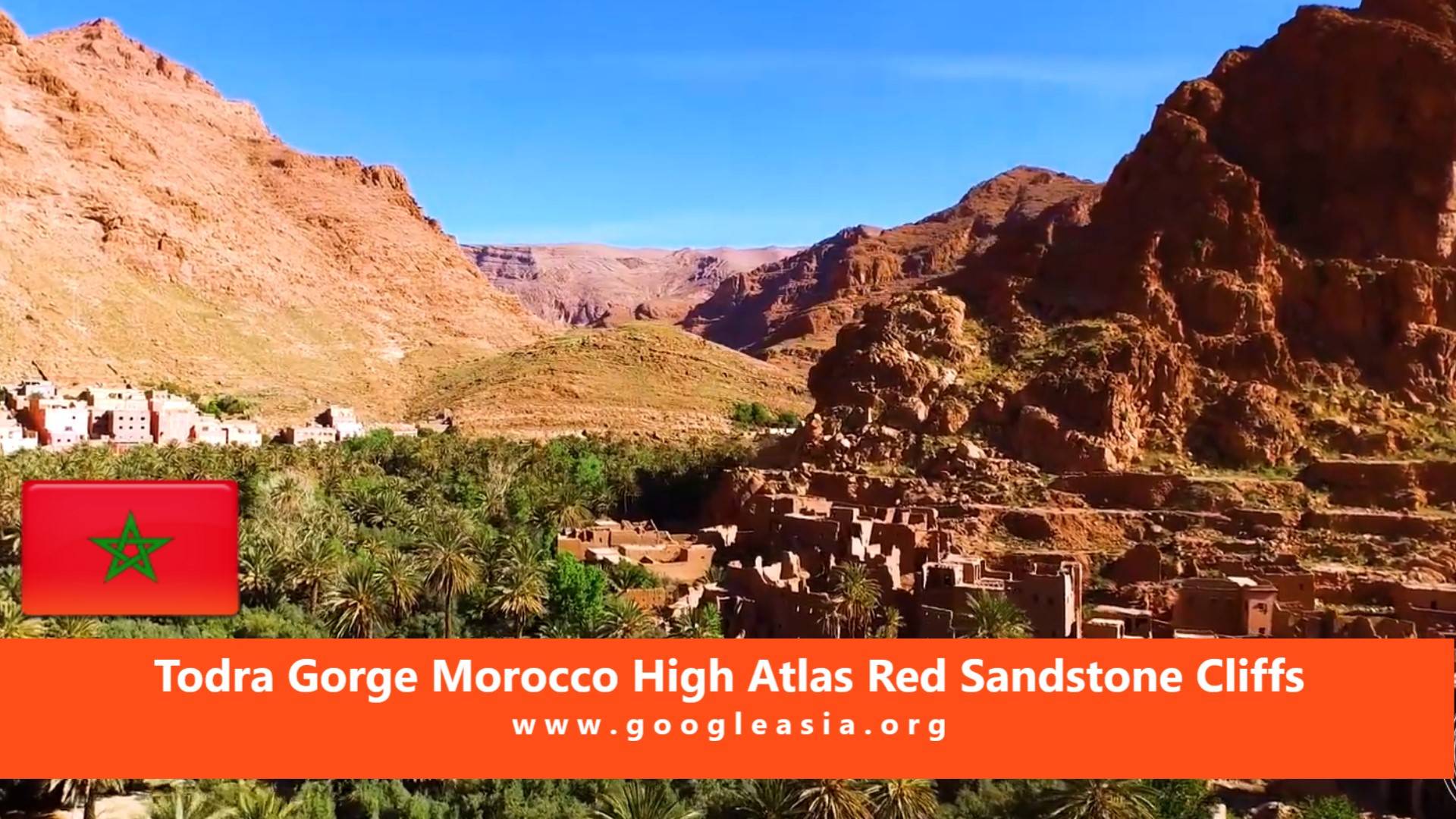
    Todra Gorge is a dramatic canyon in Morocco’s High Atlas. Towering up to 300m high, the sheer red sandstone cliffs make for a breathtaking sight. Located in the eastern part of the High Atlas, the Todra Gorge is a popular spot for hikers, climbers, and photographers.

    Introduction

    Todra Gorge stands as one of Morocco’s most breathtaking natural landscapes, nestled within the High Atlas Mountains. Its sheer canyon walls, soaring up to 300 meters in height, are sculpted by the Todra River, creating a dramatic and awe-inspiring setting.

    Natural Beauty and Scenic Marvels

    Spectacular Canyon Walls

    The imposing canyon walls of Todra Gorge, reaching heights of 300 meters, create a majestic backdrop for outdoor activities and exploration. Visitors can marvel at the sheer scale and beauty of nature’s craftsmanship.

    Picturesque Waterfalls and Caves

    Throughout the gorge, picturesque waterfalls cascade down the cliffs, adding to the area’s scenic allure. Caves carved into the rock formations provide shelter and intrigue, offering glimpses into geological wonders shaped over millennia.

    Cultural Exploration

    Berber Villages and Local Culture

    Todra Gorge is not only a haven for outdoor enthusiasts but also a gateway to experiencing Morocco’s rich Berber heritage. Travelers can visit traditional Berber villages, interact with locals, and immerse themselves in the unique cultural traditions that have thrived in this rugged landscape for centuries.

    Conclusion

    Todra Gorge in Morocco is a testament to nature’s grandeur and a playground for adventure seekers and nature lovers alike. Whether you come to conquer its cliffs, explore its trails, or simply soak in its breathtaking vistas, Todra Gorge promises an unforgettable experience that combines outdoor exploration with cultural immersion. It’s a destination that captivates the senses and leaves a lasting impression of Morocco’s diverse and stunning landscapes.

    Things to Do

    Todra Gorge, nestled in the eastern part of Morocco’s High Atlas mountains, is a natural wonder renowned for its dramatic cliffs, crystal-clear river, and opportunities for outdoor adventure. Whether you’re an avid hiker, rock climber, or simply seeking a tranquil retreat amidst stunning scenery, Todra Gorge offers a variety of activities to suit every traveler’s interests.

    Hiking

    Explore the scenic trails that wind through Todra Gorge, offering breathtaking views of towering cliffs and the tranquil Todra River below. Hiking here is a popular activity, allowing visitors to immerse themselves in the gorge’s natural beauty and discover its hidden gems.

    Rock Climbing

    For adrenaline enthusiasts, Todra Gorge presents a paradise for rock climbing. Its sheer cliffs and challenging rock formations attract climbers from around the world seeking both thrilling ascents and panoramic vistas of the gorge and surrounding landscapes.

    Swimming

    Cool off in the refreshing waters of the Todra River, particularly inviting during the warmer months. Swimming here provides a peaceful respite amidst the rugged terrain, allowing you to relax and rejuvenate in nature’s embrace.

    Camping

    Experience the magic of Todra Gorge by camping under the stars. Whether you prefer a tent or a more luxurious camping setup, spending a night near the gorge offers a unique opportunity to connect with nature and witness the breathtaking beauty of sunrise and sunset against the cliffs.

    Skiing (Winter Activity)

    During the winter season, Todra Gorge transforms into a skiing destination, offering thrilling slopes and stunning alpine scenery. Ski enthusiasts can enjoy pristine snow conditions and exhilarating runs in this picturesque setting.

    Biking

    Explore Todra Gorge on two wheels with mountain biking excursions that traverse rugged terrain and scenic paths. Cycling enthusiasts can enjoy challenging routes while soaking in the natural splendor of the gorge and its surroundings.

    Horseback Riding

    Discover Todra Gorge’s beauty from a different perspective with guided horseback riding tours. Explore the area’s trails and landscapes atop a horse, immersing yourself in the serene atmosphere and rich cultural heritage of the region.

    Cultural Exploration

    Engage with local Berber culture by visiting nearby villages and interacting with residents who have thrived in this harsh yet beautiful landscape for generations. Learn about traditional customs, craftsmanship, and the unique way of life in this remote part of Morocco.

    Foods

    Todra Gorge, nestled in Morocco’s High Atlas mountains, offers a delightful array of traditional dishes that reflect the region’s rich culinary heritage. From hearty stews to savory grills and sweet treats, here are the must-try foods that define dining at Todra Gorge:

    B’ssara

    B’ssara is a hearty soup made from fava beans, seasoned with garlic, cumin, and olive oil. It’s a comforting dish enjoyed for its rich flavors and nourishing warmth.

    Tajine

    No visit to Morocco is complete without savoring tajine, a slow-cooked stew made with meat (often lamb or chicken), vegetables, and aromatic spices like saffron and cinnamon. The tagine’s unique conical shape helps retain moisture and enhance flavors.

    Harira

    Harira is a robust soup made from tomatoes, chickpeas, lentils, and a blend of herbs and spices. It’s commonly enjoyed during Ramadan and is celebrated for its hearty and comforting qualities.

    Marqa bi-Lahme

    Marqa bi-Lahme is a savory dish featuring Berber-spiced ground beef, simmered with tomatoes, onions, and a medley of traditional spices. It’s a flavorful choice that highlights local culinary traditions.

    M’hamer

    M’hamer is a pita-style bread stuffed with savory fillings such as spiced meats, vegetables, and herbs. It’s a portable and satisfying option for a quick meal or snack.

    Mechoui

    Mechoui refers to grilled meats, particularly lamb, prepared with a blend of Moroccan spices and roasted to tender perfection. It’s a popular choice for meat lovers seeking robust flavors and juicy cuts.

    Crêpes

    Enjoy crêpes in both sweet and savory varieties, filled with ingredients like honey, nuts, or savory meats and cheeses. These delicate pancakes offer a delightful contrast of textures and flavors.

    Baghrir

    Baghrir are airy pancakes made from semolina flour, known for their porous texture that soaks up honey or syrup beautifully. They are a beloved treat enjoyed for breakfast or dessert.

    Bemani

    Bemani are meat or vegetable flatbreads, perfect for a satisfying meal on the go. They are typically filled with flavorful ingredients and folded into a convenient handheld package.

    Sfouf

    Sfouf is a sweet turmeric cake with a moist texture and delicate flavor. It’s often enjoyed as a dessert or with tea, offering a delightful end to a meal.

    Hotels

    Embrace Luxury and Comfort

    Todra Gorge in Morocco offers a serene escape into nature’s embrace, surrounded by towering cliffs and the tranquil Todra River. Here are some of the finest hotels that promise a luxurious and memorable stay amidst this breathtaking landscape:

    Valley of Roses Hotel & Spa

    Nestled amidst the picturesque scenery of Todra Gorge, Valley of Roses Hotel & Spa offers elegant accommodations and rejuvenating spa treatments. Guests can unwind in luxurious rooms and enjoy panoramic views of the surrounding valley.

    Hotel Mogador Todra

    Hotel Mogador Todra combines modern amenities with traditional Moroccan hospitality. Situated near the gorge, it provides comfortable rooms, a swimming pool, and a restaurant serving delectable local cuisine.

    Kasbah Dades

    Immerse yourself in the charm of Kasbah Dades, a traditional Moroccan kasbah offering authentic accommodations with rustic charm. Guests can enjoy panoramic views of the gorge and explore nearby hiking trails.

    Hotel & Spa Atlas Todra

    Hotel & Spa Atlas Todra is a haven of relaxation and tranquility, featuring spacious rooms, a well-equipped spa, and a terrace overlooking the stunning Todra Gorge. It’s an ideal retreat for travelers seeking both adventure and serenity.

    Experience Moroccan Hospitality

    La Rose Des Sables

    La Rose Des Sables welcomes guests with warm Moroccan hospitality and comfortable accommodations. Located close to Todra Gorge, it offers a peaceful atmosphere and easy access to outdoor activities.

    Luxury Amidst Nature

    La Tour D’argan

    La Tour D’argan offers a blend of luxury and authenticity, with rooms designed for comfort and style. Set against the backdrop of Todra Gorge, it provides a serene retreat with modern amenities and traditional Moroccan decor.

    Le Berbere Palace

    Le Berbere Palace exudes elegance and grandeur, offering luxurious rooms and suites overlooking the stunning landscapes of Todra Gorge. Guests can enjoy gourmet dining, a relaxing spa, and impeccable service.

    Serenity and Comfort

    Hotel La Todra

    Hotel La Todra offers a peaceful retreat with comfortable accommodations and a welcoming atmosphere. It’s an excellent choice for travelers looking to explore Todra Gorge’s natural beauty and enjoy a relaxing stay.

    Kasbah de Todra

    Kasbah de Todra features traditional Berber architecture and offers cozy rooms with panoramic views of the gorge. Guests can experience authentic Berber hospitality and explore nearby hiking trails and attractions.

    Authentic Moroccan Hospitality

    La Maison Todra

    La Maison Todra invites guests to experience authentic Moroccan hospitality in a charming setting. With cozy accommodations and personalized service, it provides a memorable stay amidst the stunning landscapes of Todra Gorge.

    Conclusion

    Whether you’re seeking luxury, tranquility, or a blend of both, the hotels of Todra Gorge offer exceptional accommodations and unforgettable experiences. From panoramic views and serene spas to traditional Moroccan hospitality, each hotel provides a unique opportunity to immerse yourself in the beauty and culture of this captivating destination. Choose your perfect retreat and enjoy a memorable stay amidst the natural wonders of Todra Gorge, Morocco.

    Todra Gorge Morocco High Atlas Red Sandstone Cliffs

    Summary

    • Attraction Name: Todra Gorge
    • Country: Morocco
    • Continent: African
    • Capital Name: Rabat
    • Language: Arabic and Standard Moroccan Berber
    • Currency: Moroccan Dirham
    • Nationality: Moroccan(s)
    • Category:  #Destination #Asia #MOROCCO 

    Frequently Asked Questions

    What are Todra Gorge’s nearby must-visit attractions or landmarks?

    Todra Gorge is situated in a region of Morocco that offers additional attractions and landmarks, showcasing the diverse beauty and cultural richness of the area. Here are some must-visit attractions near Todra Gorge:

    1. Tinerhir: The town of Tinerhir is the gateway to Todra Gorge and worth exploring for its local markets, traditional architecture, and the Todra Palm Grove. It serves as a base for many visitors exploring the gorge.
    2. Todra Palm Grove: Located near Tinerhir, the Todra Palm Grove is an oasis with lush palm trees and agricultural fields. It provides a stark contrast to the rocky landscapes of Todra Gorge.
    3. Dades Valley (Valley of Roses): Just west of Todra Gorge, the Dades Valley is known for its stunning landscapes, rose gardens, and traditional kasbahs. The Valley of Roses is famous for its annual rose festival.
    4. Dades Gorge: Similar to Todra Gorge, Dades Gorge is a picturesque canyon with towering cliffs and a meandering river. It’s a scenic area for hiking and exploration.
    5. Aït Benhaddou: While not extremely close to Todra Gorge, Aït Benhaddou is a UNESCO World Heritage site located further west. This ancient mud-brick ksar (fortified village) is well-preserved and has been featured in several films.
    6. Skoura Oasis: Located south of Todra Gorge, Skoura Oasis is known for its extensive palm groves, ancient kasbahs, and traditional mud-brick architecture. It offers a serene environment for exploration.
    7. Kasbah Amridil: This well-preserved kasbah in Skoura is one of the oldest in Morocco, dating back to the 17th century. Visitors can tour the kasbah and learn about its history and architecture.
    8. Atlas Film Studio: For film enthusiasts, the Atlas Film Studio in Ouarzazate, a bit further southwest, is a fascinating destination. It’s one of the world’s largest film studios and has been the filming location for many famous movies and TV shows.
    9. Valley of the Birds (Vallée des Oiseaux): This scenic valley is known for its birdwatching opportunities. It’s a peaceful spot surrounded by mountains and is a haven for bird enthusiasts.
    10. Ouarzazate: Often referred to as the “Hollywood of Morocco,” Ouarzazate is a city with a unique blend of traditional Moroccan culture and a modern film industry. Visit the Taourirt Kasbah and the Atlas Film Studio.

    Why should you visit Todra Gorge?

    Todra Gorge, located in the eastern part of the High Atlas Mountains in Morocco, is a natural wonder that attracts visitors for its stunning landscapes and unique geological features. Here are several reasons why you should consider visiting Todra Gorge:

    1. Spectacular Scenery: Todra Gorge is renowned for its dramatic and breathtaking scenery. Towering limestone cliffs rise hundreds of feet on both sides of the narrow canyon, creating a striking and awe-inspiring landscape.
    2. Hiking and Trekking: The gorge offers fantastic opportunities for hiking and trekking. There are trails along the riverbed and ascending the cliffs, providing varying levels of difficulty for outdoor enthusiasts.
    3. Rock Climbing: For adventure seekers, Todra Gorge is a popular destination for rock climbing. The sheer cliffs provide challenging routes for climbers of different skill levels.
    4. Local Berber Culture: The surrounding villages, including Tinerhir, are inhabited by the Berber people. Visiting the area allows you to experience Berber culture, traditions, and hospitality. You may encounter local markets, traditional architecture, and friendly locals.
    5. Photography Opportunities: Todra Gorge offers numerous opportunities for photography. The interplay of light and shadows on the canyon walls, the winding river, and the surrounding landscapes create stunning visuals for photographers.
    6. Peaceful Atmosphere: Despite its popularity, Todra Gorge offers a peaceful and serene atmosphere. The quiet surroundings make it an ideal destination for relaxation and contemplation amidst nature.
    7. Local Handicrafts: Explore the nearby towns and villages to discover local handicrafts and traditional Moroccan products. You can find handmade carpets, textiles, and other unique items crafted by local artisans.
    8. Camping Under the Stars: Some visitors choose to camp in the vicinity of Todra Gorge, allowing them to experience the tranquility of the desert night and witness a sky full of stars.
    9. Scenic Drives: The journey to Todra Gorge often involves scenic drives through the Atlas Mountains, providing breathtaking views of valleys, gorges, and traditional Berber villages.
    10. Easy Access from Marrakech: Todra Gorge is accessible from major cities like Marrakech, making it a feasible addition to an itinerary for those exploring different parts of Morocco.
    11. Tinghir Oasis: The nearby Tinghir Oasis adds to the allure of the region. Palm groves and greenery contrast with the rocky landscape, creating a picturesque setting.
    12. Local Cuisine: While in the area, savor traditional Moroccan cuisine in local eateries. The combination of fresh ingredients and flavorful spices provides a delightful culinary experience.

    How can one travel to Todra Gorge?

    Todra Gorge is a spectacular natural attraction located in the eastern part of the High Atlas Mountains in Morocco. Here are common ways to travel to Todra Gorge:

    1. By Air:
      • Airports: The nearest major airports to Todra Gorge are Ouarzazate Airport (OZZ) and Errachidia Airport (ERH). Both airports are a few hours’ drive from the gorge. You can book flights to either of these airports and then arrange for ground transportation to Todra Gorge.
    2. By Road:
      • Driving: If you’re already in Morocco or arriving at a nearby airport, you can rent a car and drive to Todra Gorge. The gorge is accessible by road, and driving gives you the flexibility to explore the scenic landscapes along the way.
      • Bus: Long-distance buses operate from major cities like Marrakech, Fes, and Ouarzazate to Tinerhir, the town closest to Todra Gorge. From Tinerhir, you can take local transportation to the gorge itself.
    3. Organized Tours:
      • Guided Tours: Many tour operators offer guided tours to Todra Gorge, often including transportation, accommodation, and guided excursions. This can be a convenient option for those who prefer a structured itinerary.
    4. Private Transfers:
      • Taxi or Private Car: You can arrange for a private taxi or car to take you from nearby cities or airports to Todra Gorge. This provides a more personalized and comfortable travel experience.
    5. By Bus:
      • CTM and Supratours: CTM and Supratours are reliable bus companies in Morocco that connect major cities. Check their schedules for buses heading to Tinerhir, and from there, you can find local transportation to Todra Gorge.
    6. Shared Taxis:
      • Grand Taxis: Shared taxis, known as grand taxis, operate between cities and towns in Morocco. You might find grand taxis traveling to Tinerhir or other towns near Todra Gorge.

    Are there any halal food options around the Todra Gorge?

    Todra Gorge is a stunning natural attraction in Morocco, known for its towering limestone cliffs and winding river. While the Todra Gorge itself may not have a plethora of dining options, there are likely to be some local establishments and accommodations in the nearby villages that offer halal food. Here are a few general tips:

    1. Hotels and Guesthouses: If you are staying in a hotel, guesthouse, or riad near Todra Gorge, they often have on-site restaurants that cater to various dietary preferences, including halal options. It’s a good idea to inform the staff about your dietary requirements.
    2. Local Restaurants and Cafes: Explore the villages surrounding Todra Gorge, such as Tinerhir, for local restaurants and cafes. Many establishments in Morocco serve halal food by default due to the predominantly Muslim population.
    3. Communicate Dietary Preferences: When dining in local establishments, communicate your halal dietary preferences clearly to the restaurant staff. They are generally accommodating and can provide information about the preparation of dishes.
    4. Street Food: In some areas, especially around markets or village centers, you might find street food vendors offering traditional Moroccan snacks and meals. These vendors often serve halal options like grilled meats, kebabs, and sandwiches.
    5. Local Markets: Visit local markets to purchase fresh fruits, vegetables, and other food items. You can then prepare your own meals if you have access to kitchen facilities at your accommodation.
  • Discovering Merzouga, Morocco: A Gateway to the Sahara’s Splendor

    Discovering Merzouga, Morocco: A Gateway to the Sahara’s Splendor

    Merzouga, Morocco

    Merzouga is a small village in southeastern Morocco, nestled deep in the Sahara Desert. Its famous dunes, the tallest in the region, stand at a height of 150 meters, and are a stunning sight as they glisten in the sunlight. The surrounding area is an open-air natural playground, perfect for exploring and activities like biking, camel rides, and sandboarding. The best time to visit is sunset, where you can admire the beautiful ochre and apricot-colored sand.

    Introduction

    Merzouga is a charming small town nestled in southeastern Morocco, renowned for its proximity to the magnificent Erg Chebbi sand dunes, the second largest dunes in North Africa. This picturesque town serves as a perfect base for travelers eager to explore the Sahara Desert’s stunning landscapes and indulge in a variety of exhilarating activities.

    Cultural Insights

    Hospitality and Cuisine

    Merzouga is celebrated for its warm hospitality, welcoming visitors with open arms into a world of Moroccan culture and cuisine. Travelers can savor traditional Moroccan dishes, such as tagines and couscous, and immerse themselves in the local way of life through authentic interactions with residents.

    Local Life and Population

    Despite its growing popularity as a tourist destination, Merzouga retains a small local population whose livelihoods are intricately linked to the desert environment. Visitors can gain insights into the daily lives of the locals, learning about their customs, traditions, and the challenges they face in this arid region.

    Things to Do

    Merzouga, a serene town nestled in the Moroccan Sahara, beckons adventurers and seekers of natural beauty with its vast dunes and rich cultural tapestry. Here’s a glimpse into the myriad experiences awaiting you in this enchanting desert oasis.

    Activities and Adventures

    Camel Trekking

    One of the quintessential experiences in Merzouga is camel trekking. Visitors can embark on camel tours that take them into the heart of the Sahara, traversing the vast dunes and witnessing breathtaking sunrises and sunsets that paint the desert sky in hues of gold and crimson.

    Off-Road Jeep Tours

    For those seeking more adventure, off-road jeep tours offer thrilling journeys through the rugged desert terrain. These tours allow travelers to explore remote areas, visit nomadic settlements, and discover hidden oases tucked away amidst the dunes.

    Sandboarding

    Thrill-seekers can partake in sandboarding, gliding down the steep slopes of Erg Chebbi on specially designed boards. It’s a popular activity that combines adrenaline-pumping fun with the serene beauty of the Sahara Desert.

    Guided Sahara Desert Tours

    Embark on a guided Sahara Desert tour to immerse yourself in the awe-inspiring landscapes of Morocco’s Sahara. Whether you opt for a thrilling 4×4 excursion or a traditional camel trek, these tours offer insights into the desert’s geology, flora, and the nomadic Berber way of life.

    Thrilling Desert Activities

    Sandboarding and Quad Biking

    For adrenaline enthusiasts, sandboarding down the towering dunes of Erg Chebbi or quad biking across the golden sands provides an exhilarating experience. Feel the rush of exploring this surreal landscape that feels worlds away from everyday life.

    Serene Desert Sunsets

    Witness mesmerizing sunset camel rides across Erg Chebbi, where the shifting hues of the sky blend with the endless horizon of sand. This magical experience captures the essence of the Sahara’s tranquil beauty and offers unparalleled photo opportunities.

    Cultural Immersion

    Evening Drum Circles and Storytelling

    As dusk settles over Merzouga, join a drum circle and listen to traditional storytelling around a crackling fire. Delve into Moroccan folklore and immerse yourself in local customs, accompanied by the rhythmic beats of traditional music.

    Exploring Local Treasures

    Kasbah of the Sahara

    Explore the ancient Kasbah of the Sahara, a testament to Morocco’s rich history and architectural heritage. Wander through labyrinthine alleys, marvel at intricate designs, and gain insights into the region’s cultural significance.

    Local Markets and Souvenirs

    Visit the bustling local market to browse vibrant stalls brimming with handicrafts, spices, and souvenirs. Engage with friendly vendors and take home a piece of Merzouga’s vibrant culture as a cherished memento.

    Desert Accommodations

    Overnight Stays in Nomadic Tents or Luxury Camps

    Experience the allure of the Sahara with an overnight stay in a traditional nomadic tent or a luxury camp. Fall asleep under a blanket of stars, serenaded by the desert’s tranquility and waking to the soft glow of dawn over the dunes.

    Merzouga Lakes Excursion

    Boat Rides and Wildlife Spotting

    Venture to the nearby Merzouga Lakes for a peaceful boat ride amidst stunning vistas. Spot diverse bird species and local wildlife thriving in this unique desert oasis, offering a refreshing contrast to the arid landscape.

    Foods

    Merzouga, a quaint village nestled in Eastern Morocco, boasts a rich culinary tradition steeped in local flavors and ingredients. The cuisine here reflects the region’s diverse cultural influences, blending Berber, Arab, and Mediterranean culinary practices. From hearty tagines to delicate pastries, Merzouga offers a delightful array of dishes that cater to every palate.

    Tagines

    Tagines are perhaps the most iconic Moroccan dish, characterized by slow-cooked stews that simmer in a cone-shaped clay pot of the same name. In Merzouga, tagines feature tender meats such as lamb or chicken, simmered with an assortment of vegetables, dried fruits, and aromatic spices like saffron, cumin, and cinnamon.

    Couscous with Vegetables

    Couscous holds a special place in Moroccan cuisine and is traditionally served on Fridays, the holy day. In Merzouga, couscous is often paired with an assortment of seasonal vegetables such as carrots, zucchini, and chickpeas, along with a flavorful broth infused with herbs and spices.

    Lamb Brochettes

    For those craving grilled meats, lamb brochettes are a popular choice. These skewers of tender lamb pieces are marinated in a blend of spices and herbs before being grilled to perfection over charcoal. They are typically served with flatbread and a side of spicy harissa sauce.

    Vegetable Pastilla

    Pastilla, a traditional Moroccan pastry, undergoes a savory transformation in Merzouga with a vegetable-centric filling. Layers of thin, flaky pastry encase a mixture of caramelized onions, sautéed vegetables, and a hint of sweetness from almonds and cinnamon, creating a delightful blend of flavors and textures.

    Moroccan Salads

    Moroccan cuisine celebrates an array of fresh salads, and Merzouga is no exception. Salads here often feature ingredients like tomatoes, cucumbers, bell peppers, and olives, dressed with olive oil, lemon juice, and a medley of herbs such as parsley and cilantro.

    Fig and Orange Tart

    To satisfy your sweet tooth, indulge in a fig and orange tart, a delectable dessert that captures the essence of Merzouga’s local fruits. The tart combines the sweetness of figs and oranges with a buttery crust, creating a harmonious balance of flavors that rounds off any meal perfectly.

    Hotels

    Merzouga, a charming village in Eastern Morocco, offers a variety of accommodations ranging from luxurious hotels to authentic desert campsites. Whether you seek the comforts of a well-appointed hotel or the adventure of sleeping under the stars in the Sahara, Merzouga has options to suit every traveler’s preferences.

    Hotel Xaluca

    Hotel Xaluca is renowned for its stunning architecture that blends seamlessly with the desert landscape. Located near the Erg Chebbi dunes, this hotel offers luxurious rooms and suites, a swimming pool, spa facilities, and panoramic views of the Sahara.

    Sahara Sky Hotel

    Perched on a hill overlooking the desert, Sahara Sky Hotel offers comfortable accommodations with traditional Moroccan decor. Guests can enjoy breathtaking sunsets from the rooftop terrace and savor Moroccan cuisine at the on-site restaurant.

    Desert Nights Camp

    For a unique desert experience, Desert Nights Camp offers luxury tents equipped with modern amenities amidst the vast dunes of Erg Chebbi. Guests can enjoy camel rides, desert safaris, and traditional Berber music around a campfire.

    Kasbah Zahra

    Kasbah Zahra provides a blend of traditional Moroccan hospitality with modern comforts. Located near the dunes, this charming hotel features cozy rooms adorned with Berber textiles, a swimming pool, and a restaurant serving local and international dishes.

    Riad Dar Rouge

    Riad Dar Rouge offers a more intimate stay in Merzouga with its traditional riad-style architecture and personalized service. Guests can relax in the courtyard, enjoy Berber hospitality, and dine on delicious Moroccan cuisine.

    Palace Du Sud

    Palace Du Sud offers a luxurious retreat in the desert with spacious rooms, a swimming pool, spa facilities, and panoramic views of the Sahara. The hotel also organizes excursions into the desert and cultural experiences.

    Desert Luxury Camp

    For an exclusive desert experience, Desert Luxury Camp offers elegantly furnished tents with private bathrooms and stunning views of the dunes. Guests can enjoy gourmet meals and traditional entertainment under the starlit sky.

    Le Visiteur Du Desert

    Le Visiteur Du Desert provides a cozy atmosphere with its desert-style accommodations and attentive service. Located near the dunes, guests can enjoy camel treks, desert walks, and star-gazing in the quiet desert nights.

    Erg Chebbi Desert Camping

    Erg Chebbi Desert Camping offers authentic Berber-style camping experiences with comfortable tents, traditional meals, and cultural activities. Guests can immerse themselves in the desert lifestyle and explore the nearby dunes on camelback.

    Ksar Bicha Hotel and Campsite

    Ksar Bicha Hotel and Campsite offers a blend of hotel rooms and traditional Berber tents, providing guests with options for both comfort and adventure. The hotel features a swimming pool, restaurant, and easy access to the desert for outdoor activities.

    Riad Sahara

    Riad Sahara offers a peaceful oasis in Merzouga with its traditional Moroccan architecture and warm hospitality. Guests can relax in the courtyard, enjoy delicious Moroccan cuisine, and experience the tranquility of the desert surroundings.

    Hotel Sahara

    Hotel Sahara provides comfortable accommodations with modern amenities and friendly service. Located conveniently in Merzouga, guests can explore the village and nearby attractions easily.

    Conclusion

    Merzouga, Morocco, epitomizes the allure of the Sahara Desert, offering a harmonious blend of adventure, cultural immersion, and natural splendor. Whether you’re captivated by the vast dunes, intrigued by nomadic lifestyles, or simply seeking tranquility under starlit skies, Merzouga promises an unforgettable journey into the heart of Morocco’s desert landscapes. Embrace the spirit of exploration and embark on a voyage to discover the timeless beauty of Merzouga and the Sahara beyond.

    Merzouga Morocco Sahara Desert Tallest Dunes

    Summary

    • Attraction Name: Merzouga
    • Country: Morocco
    • Continent: African
    • Capital Name: Rabat
    • Language: Arabic and Standard Moroccan Berber
    • Currency: Moroccan Dirham
    • Nationality: Moroccan(s)
    • Category:  #Destination #Asia #MOROCCO 

    Frequently Asked Questions

    What are Merzouga’s nearby must-visit attractions or landmarks?

    Merzouga is surrounded by a fascinating landscape, and there are several must-visit attractions and landmarks in the nearby areas. Here are some notable places you should consider exploring near Merzouga:

    1. Erg Chebbi Dunes: These spectacular sand dunes are the highlight of Merzouga. The Erg Chebbi dunes are known for their towering heights, shifting shapes, and the mesmerizing play of light and shadow during sunrise and sunset.
    2. Hassilabied Village: A small village near Merzouga, Hassilabied offers a glimpse into local Berber life. The village is often used as a starting point for camel treks into the desert.
    3. Khamlia Village: Located not far from Merzouga, Khamlia is known for its Gnawa music. Visit the village to experience traditional Gnawa performances and learn about this unique musical tradition.
    4. Rissani: This ancient town is known for its traditional souks (markets) and historical significance. Explore the lively marketplaces, visit the Mausoleum of Moulay Ali Cherif, and experience the local culture.
    5. Erfoud: Known as the “Gateway to the Sahara,” Erfoud is a town with a rich history and is famous for its fossil workshops. Explore the fossil beds, visit local workshops, and learn about the fossil trade in the region.
    6. Tinghir: Located a bit further from Merzouga, Tinghir is known for its picturesque oasis with palm groves and traditional ksour (fortified villages). The Todra Gorge is a stunning natural attraction near Tinghir.
    7. Todra Gorge: While not extremely close, Todra Gorge is worth mentioning as it’s one of the most spectacular gorges in Morocco. The towering limestone cliffs and winding river make it a captivating natural wonder.
    8. Aoufous Palmeraie: This palm grove near Erfoud is a peaceful and scenic area with lush greenery. It’s a great place for a relaxing stroll amidst the palm trees.
    9. Bir Anzarane: This seasonal lake is located near Merzouga and can sometimes be filled with water after rainfall. It attracts birdlife, making it an interesting spot for birdwatching.
    10. Ouzina Desert: For those seeking a more remote desert experience, the Ouzina Desert offers a tranquil setting with vast expanses of dunes and unique landscapes.
    11. Dayet Srji: This seasonal lake, located north of Merzouga, attracts migratory birds and is a beautiful spot surrounded by desert scenery.

    Why should you visit Merzouga?

    Merzouga, located in the Sahara Desert of Morocco, is a captivating destination that offers a unique blend of natural beauty, cultural experiences, and adventurous activities. Here are several reasons why you should consider visiting Merzouga:

    1. Spectacular Sand Dunes: Merzouga is renowned for its stunning sand dunes, particularly the Erg Chebbi dunes, which can reach heights of up to 150 meters. These golden-orange dunes create a mesmerizing landscape, especially during sunrise and sunset.
    2. Camel Trekking: One of the most iconic experiences in Merzouga is a camel trek through the Sahara Desert. Explore the vast dunes on the back of a camel, led by experienced guides. The camel trek often includes a night in a desert camp for a magical stargazing experience.
    3. Desert Camping: Spend a night under the desert sky by staying in a traditional desert camp. Experience Berber hospitality, enjoy traditional music around a campfire, and marvel at the clarity of the stars in the desert.
    4. Sunrise and Sunset Views: The vastness of the Sahara provides incredible opportunities to witness breathtaking sunrises and sunsets over the dunes. The changing colors of the sand create a magical atmosphere.
    5. Photography Opportunities: Merzouga offers fantastic photo opportunities with its unique desert landscapes, camel caravans, and the play of light and shadow on the dunes. Photographers will find plenty of inspiration in this picturesque setting.
    6. Local Berber Culture: Connect with the indigenous Berber people who call the desert home. Experience their traditions, music, and hospitality, and learn about their nomadic way of life.
    7. Fossil Excursions: The nearby town of Erfoud is known for its rich fossil deposits. Visitors to Merzouga can take excursions to explore fossil beds, visit fossil workshops, and purchase unique fossilized souvenirs.
    8. Quad Biking and Dune Buggies: For adventure enthusiasts, Merzouga offers the opportunity to explore the dunes on quad bikes or dune buggies, providing an exhilarating ride through the desert.
    9. Khamlia Village: Visit the nearby Khamlia village to experience Gnawa music, a traditional and rhythmic style performed by the local Gnawa community. This cultural encounter adds a unique dimension to your trip.
    10. Birdwatching: The desert environment around Merzouga is surprisingly rich in birdlife. Birdwatchers can spot various species, including desert birds and migratory birds, making it an unexpected destination for birdwatching.
    11. Tinghir Oasis: Merzouga is close to the town of Tinghir, known for its oasis with palm groves, traditional irrigation channels, and a picturesque setting against the desert backdrop.
    12. Gateway to the Sahara: Merzouga serves as a gateway to the vast Sahara Desert, allowing visitors to experience the magic and serenity of the world’s largest hot desert.

    How can one travel to Merzouga?

    Merzouga, located in the Sahara Desert region of Morocco, is a popular destination known for its stunning sand dunes and unique desert experiences. Here are common ways to travel to Merzouga:

    1. By Air:
      • Errachidia Airport (ERH): The nearest airport to Merzouga is Errachidia Airport. Several domestic flights operate to Errachidia from cities like Casablanca. From the airport, you can arrange transportation to Merzouga, which is approximately a 2 to 3-hour drive.
      • Ouarzazate Airport (OZZ): Ouarzazate is another airport that travelers can use to reach Merzouga. It is a larger airport with more flight options compared to Errachidia. From Ouarzazate, the drive to Merzouga takes around 5 to 6 hours.
      • Marrakech Menara Airport (RAK) / Fes-Saïss Airport (FEZ): Travelers can also fly into Marrakech or Fes and then take a combination of buses or private transfers to reach Merzouga. This option allows you to explore other cities before reaching the desert.
    2. By Bus:
      • Supratours and CTM Buses: Supratours and CTM are reputable bus companies in Morocco that operate long-distance buses. You can take a bus from major cities like Marrakech, Fes, or Ouarzazate to Erfoud, and from there, arrange local transportation to Merzouga.
    3. By Car:
      • Self-Drive: Renting a car is an option for those who prefer flexibility and want to explore the journey at their own pace. The drive to Merzouga from major cities like Marrakech or Fes involves scenic routes through the Atlas Mountains.
    4. Organized Tours:
      • Desert Tours: Many tour operators offer organized desert tours that include transportation to and from Merzouga, accommodations in desert camps, and various activities such as camel treks and stargazing. These tours often depart from cities like Marrakech or Fes.
    5. Shared Taxis:
      • Grand Taxis: Shared taxis operate between cities and towns in Morocco, and you might find grand taxis traveling to Erfoud or Rissani, which are close to Merzouga. From there, you can arrange local transportation to Merzouga.
    6. Private Transfers:
      • Private Taxi or Shuttle: You can also arrange for a private taxi or shuttle service to take you directly from your location to Merzouga. This option provides convenience and comfort, especially for those traveling with luggage or in groups.

    Are there any halal food options around the Merzouga?

    Yes, Merzouga, located in the Sahara Desert region of Morocco, offers halal food options to cater to its predominantly Muslim population. Here are some ways you can find halal food in and around Merzouga:

    1. Local Restaurants and Cafes: Many restaurants and cafes in Merzouga serve halal food as a standard, offering traditional Moroccan dishes like tagines, couscous, and grilled meats. It’s common for establishments in Morocco to adhere to Islamic dietary laws.
    2. Camps and Desert Lodges: If you are staying in one of the desert camps or lodges in the Merzouga area, they typically provide halal meals. These accommodations often include meals as part of the experience, offering a chance to enjoy traditional Moroccan cuisine.
    3. Communicate Dietary Preferences: When dining in local establishments, it’s a good idea to communicate your halal dietary preferences to the staff. They are usually accommodating and can guide you to suitable menu options.
    4. Hotel Restaurants: If you’re staying in a hotel in Merzouga, the hotel’s restaurant is likely to offer halal options. Inform the staff about your dietary requirements, and they will often be able to provide suitable meals.
    5. Street Food: While exploring local markets or street food stalls, you can find halal options such as grilled meats, kebabs, and traditional snacks. Be sure to inquire about the preparation methods to ensure they align with halal standards.
    6. Berber Hospitality: The Berber people, who are indigenous to the region, are known for their warm hospitality. If you have the opportunity to visit a local Berber home, they will likely prepare halal meals for you.
    7. Local Markets: Visit local markets in Merzouga to purchase fresh fruits, vegetables, and other food items. You can use these ingredients to prepare your own meals if you have access to kitchen facilities.
  • Chefchaouen, Morocco: Exploring the Blue City of the Rif Region

    Chefchaouen, Morocco: Exploring the Blue City of the Rif Region

    Chefchaouen, Morocco

    Chefchaouen is a beautiful mountain town in the Rif Mountains of northern Morocco. It is known for its stunning blue-and-white-washed buildings and a tranquil atmosphere that make it a stunning destination for travelers. From the Kasbah Museum to the Medina, Chefchaouen will captivate you with its stunning beauty and fascinating culture.

    Introduction

    Nestled in the picturesque Rif Mountains of Morocco, Chefchaouen beckons with its enchanting blue-washed buildings and serene mountain vistas. This city, often referred to as “The Blue City,” offers visitors a unique blend of cultural richness and natural beauty.

    The Charm of Chefchaouen

    Chefchaouen’s allure lies in its azure-hued architecture, where every corner of the city is adorned in shades of blue. The tradition of painting buildings in blue is said to originate from Jewish refugees who settled here in the 1930s, symbolizing the sky and heaven. Today, wandering through Chefchaouen’s ancient medina reveals a labyrinth of narrow winding alleyways, inviting squares adorned with vibrant flowers, and bustling markets brimming with local crafts and culinary delights.

    Cultural Riches and Traditions

    Beyond its stunning aesthetics, Chefchaouen offers a rich tapestry of cultural activities. Visitors can immerse themselves in traditional music performances echoing through the streets, witness folk dancing that celebrates Morocco’s diverse heritage, and explore art galleries showcasing local talent. The city’s vibrant arts scene provides a deeper understanding of Moroccan culture and creativity.

    Nature’s Bounty: Charifa Waterfalls

    For nature enthusiasts, Chefchaouen serves as a gateway to the breathtaking Charifa Waterfalls. Located nearby, these cascading falls offer a tranquil retreat amidst lush greenery and rugged landscapes. Hikers and nature lovers flock to this natural wonder to unwind, explore scenic trails, and bask in the beauty of Morocco’s natural splendor.

    Things to Do

    Chefchaouen, nestled in the serene Rif Mountains of Northwest Morocco, offers a delightful array of experiences for travelers seeking beauty, culture, and adventure. Here are some of the wonderful things to do in this picturesque town:

    Stroll through the Medina

    The heart of Chefchaouen lies in its ancient Medina, where cobblestone streets wind through a maze of vivid blue buildings. Spend hours exploring the narrow alleyways adorned with colorful plants, and don’t miss the bustling Church Square and the Grand Mosque, which reflect the town’s rich history and architecture.

    Take a Dip in the Oued Laou River

    A short drive from Chefchaouen leads to the Oued Laou River, offering tranquil swimming spots amidst breathtaking mountain scenery. Relax at the Parador hotel’s serene swimming pool or venture to the peak of Laou River for panoramic views of the mountains.

    Marvel at the Spanish Mosque

    The Grande Mosquée Laalou (Spanish Mosque) is a remarkable blend of architecture and spirituality. Admire its intricate tilework covering the exterior, providing a stunning visual contrast against the blue backdrop of Chefchaouen.

    Visit the Kasbah Museum and Tannery

    Explore the Kasbah Museum, which offers insights into Chefchaouen’s history and culture. Don’t miss the Kasbah Tannery, where you can witness the traditional leather-dyeing process and shop for locally crafted leather goods.

    Shop for Spices at the Souk

    Immerse yourself in the vibrant atmosphere of Chefchaouen’s local markets (souks). Wander through stalls overflowing with spices, handicrafts, and textiles, perfect for picking up unique souvenirs and gifts.

    Admire Local Artisans’ Craftsmanship

    Throughout Chefchaouen, talented artisans showcase their traditional craftsmanship. Visit artisan boutiques to discover exquisite handmade leather goods, ceramics, and metalwork, reflecting the town’s artisanal heritage.

    Explore the Rif Mountains

    Embrace outdoor adventure with trekking and biking routes offering panoramic views of the Rif Mountains. Rent a bike to explore nearby trails or embark on guided hiking tours to discover hidden gems and stunning landscapes.

    Relax at Spa and Wellness Centers

    Indulge in relaxation at Chefchaouen’s luxurious spas and wellness centers, offering traditional Moroccan massages and aromatherapy treatments. Unwind after a day of exploration with soothing therapies using local ingredients.

    Foods

    Chefchaouen, nestled in the Rif Mountains of Morocco, offers a rich tapestry of traditional Moroccan cuisine. From hearty tagines to fresh seafood and delightful pastries, here are some of the best foods to savor in this picturesque city:

    Tagines

    Tagines are a cornerstone of Moroccan cuisine, slow-cooked stews typically made with tender meats like lamb or chicken, vegetables, and a blend of aromatic spices. In Chefchaouen, indulge in tagines infused with flavors like saffron, cumin, and preserved lemons, served piping hot and bursting with savory goodness.

    Couscous

    Chefchaouen’s couscous is a culinary masterpiece, featuring fluffy steamed semolina grains accompanied by a medley of vegetables such as carrots, zucchini, and chickpeas. This traditional dish is often served on Fridays, a day of communal feasting in Moroccan culture.

    Fresh Seafood

    Located near the coast, Chefchaouen boasts delicious fresh seafood offerings. Sample local catches such as loup de mer (sea bass), sardines, anchovies, calamari, and squid, prepared in various flavorful and aromatic ways that highlight the city’s coastal influences.

    Pastilla (B’stilla)

    Pastilla, a savory-sweet pie traditionally filled with pigeon or chicken, is a delicacy not to be missed in Chefchaouen. Layers of thin pastry are stuffed with tender meat, almonds, eggs, and a blend of spices, then dusted with powdered sugar and cinnamon for a delightful contrast of flavors.

    Moroccan Pastries

    Indulge your sweet tooth with Chefchaouen’s array of traditional pastries, such as makrouta (date-filled semolina cookies), chebakia (sesame-coated fried dough), and ghriba (crumbly almond cookies). These treats offer a perfect ending to any meal or a delightful snack to enjoy with Moroccan mint tea.

    Harira Soup

    Harira, a hearty soup made from tomatoes, lentils, chickpeas, and lamb or beef, seasoned with spices like cumin and coriander, is a comforting dish enjoyed throughout Morocco, including Chefchaouen. It’s often served during Ramadan to break the fast.

    Omelette Chamharouch

    Omelette Chamharouch is a local specialty featuring a flavorful omelette cooked with tomatoes, peppers, and sometimes spicy sausage. It’s a popular choice for breakfast or as a quick and satisfying meal any time of day.

    Hotels

    Chefchaouen, renowned for its blue-washed walls and mountainous vistas, offers a selection of excellent accommodations that blend traditional Moroccan hospitality with modern comforts. Here are some of the best hotels to consider for your stay:

    Riad Nejma Chaouen

    Located in the heart of the medina, Riad Nejma Chaouen provides a tranquil retreat with comfortable accommodations. Guests can unwind on the patio or terrace while enjoying panoramic views of Chefchaouen’s distinctive blue cityscape.

    Les Matins Bleus

    Situated in the old medina, Les Matins Bleus offers a cozy atmosphere with easy access to key tourist attractions. This family-run hotel is known for its warm hospitality and attentive staff, ensuring a pleasant stay immersed in Moroccan culture.

    Dar Ennassim

    Nestled in a beautifully restored 16th-century Riad, Dar Ennassim combines historic charm with modern amenities. Guests can relax on the rooftop terrace and soak in breathtaking views of Chefchaouen’s blue-tinted surroundings.

    Kasbah Hotel Rif

    A classic choice in Chefchaouen, Kasbah Hotel Rif features elegant interiors and modern facilities. Guests can enjoy an outdoor pool, a restaurant serving delicious Moroccan cuisine, and a terrace offering panoramic vistas of the Rif Mountains.

    Paradise Rif Hotel

    Offering a luxurious experience, Paradise Rif Hotel boasts spacious rooms, stunning views, and top-notch amenities. Guests can unwind in the outdoor pool, indulge in spa treatments, and savor authentic Moroccan dishes at the hotel’s restaurant.

    Conclusion

    Chefchaouen, with its iconic blue facades and cultural vibrancy, promises a memorable journey into the heart of Morocco. Whether you’re captivated by the city’s architectural marvels, intrigued by its cultural traditions, or seeking solace in nature’s embrace at Charifa Waterfalls, Chefchaouen invites you to discover a destination where history, beauty, and adventure converge. Embark on a journey to Chefchaouen and unravel the secrets of Morocco’s beloved Blue City.

    Chefchaouen Morocco Beautiful Mountain Town

    Summary

    • Attraction Name: Chefchaouen
    • Country: Morocco
    • Continent: African
    • Capital Name: Rabat
    • Language: Arabic and Standard Moroccan Berber
    • Currency: Moroccan Dirham
    • Nationality: Moroccan(s)
    • Category:  #Destination #Asia #MOROCCO 

    Frequently Asked Questions

    What are Chefchaouen’s nearby must-visit attractions or landmarks?

    Chefchaouen, often referred to as the “Blue Pearl” of Morocco, is surrounded by beautiful landscapes and offers nearby attractions worth exploring. Here are some must-visit attractions and landmarks near Chefchaouen:

    1. Akchour Waterfalls: Located approximately 30 kilometers south of Chefchaouen, the Akchour Waterfalls are a stunning natural attraction. The hike to the waterfalls takes you through scenic landscapes, including a lush valley and small villages.
    2. Talassemtane National Park: This national park is known for its diverse flora and fauna, including cedar and fir forests. Hiking trails lead to viewpoints with panoramic views of the Rif Mountains. The park is also home to wildlife such as Barbary macaques.
    3. Ras El Ma: A picturesque spot near Chefchaouen, Ras El Ma is known for its natural spring and the calm atmosphere. It’s a popular place for locals and visitors to relax by the river.
    4. Kasbah Museum: Located in the heart of Chefchaouen, the Kasbah Museum is housed in a 15th-century fortress. It provides insights into the history and culture of the region, featuring exhibits on traditional crafts, artifacts, and Moroccan art.
    5. Spanish Mosque: Perched on a hill just outside Chefchaouen, the Spanish Mosque offers panoramic views of the blue-washed city and the surrounding mountains. It’s a popular spot to watch the sunrise or sunset.
    6. Outa El Hammam Square: The central square of Chefchaouen, Outa El Hammam, is surrounded by cafes, restaurants, and shops. It’s a vibrant hub where locals and visitors gather, and the Grand Mosque with its octagonal minaret is a prominent feature.
    7. Jebel Bouhachem: A mountain peak located to the southeast of Chefchaouen, Jebel Bouhachem is known for its hiking trails and the stunning vistas of the Rif Mountains.
    8. El-Malek Pharaoh’s Garden: A tranquil garden located near the Ras El Ma spring, El-Malek Pharaoh’s Garden offers a peaceful retreat with lush greenery, fountains, and views of the surrounding mountains.
    9. Spanish Cemetery: This cemetery is located on a hill overlooking Chefchaouen and offers a unique perspective of the city. The cemetery is peaceful, and the view provides an excellent photo opportunity.
    10. Ain Lahjar Water Source: A short drive from Chefchaouen, Ain Lahjar is a natural water source surrounded by greenery. It’s a serene place to relax and enjoy the natural beauty.
    11. Oued Laou: A coastal town located north of Chefchaouen, Oued Laou is known for its beautiful beaches and a relaxed atmosphere. It’s a great option for a day trip to the seaside.

    Why should you visit Chefchaouen?

    Chefchaouen, often referred to as the “Blue Pearl” of Morocco, is a unique and enchanting destination known for its distinctive blue-washed buildings and stunning mountainous surroundings. Here are several reasons why you should consider visiting Chefchaouen:

    1. Aesthetic Beauty: Chefchaouen is renowned for its mesmerizing blue-hued streets and buildings. The uniform blue color scheme gives the city a surreal and visually striking appearance, creating a picturesque setting for photography and exploration.
    2. Cultural Experience: Immerse yourself in Moroccan culture as you wander through the narrow streets of Chefchaouen. Experience the warmth of the local Berber people, explore traditional markets, and witness the daily life of this mountain town.
    3. Relaxing Atmosphere: Chefchaouen has a laid-back and relaxed atmosphere, making it an ideal destination for those seeking a tranquil retreat. The slower pace of life allows visitors to unwind and appreciate the beauty of their surroundings.
    4. Historic Kasbah: Explore the historic Kasbah of Chefchaouen, a fortress dating back to the 15th century. The Kasbah is not only an architectural gem but also houses a museum showcasing Moroccan art and culture.
    5. Hiking Opportunities: The surrounding Rif Mountains offer numerous hiking trails for outdoor enthusiasts. Hike to vantage points for panoramic views of the blue city and its scenic landscapes.
    6. Local Handicrafts: Chefchaouen is known for its local handicrafts, including vibrant textiles, ceramics, and woven goods. The medina is dotted with shops where you can purchase unique souvenirs and traditional Moroccan products.
    7. Culinary Delights: Indulge in Moroccan cuisine at local restaurants and cafes. Chefchaouen’s culinary scene offers a variety of traditional dishes, such as tagines, couscous, and flavorful mint tea.
    8. Spanish Influence: Chefchaouen exhibits Spanish architectural influences, particularly evident in the Andalusian-style buildings and the design of the medina. The blend of Moroccan and Spanish elements adds to the city’s charm.
    9. Photography Paradise: The blue-washed buildings, vibrant markets, and scenic landscapes provide endless opportunities for photographers. Capture the unique colors and textures that define Chefchaouen’s visual appeal.
    10. Spanish Mosque Views: Climb to the Spanish Mosque situated on a hill just outside Chefchaouen for panoramic views of the city and surrounding mountains. The mosque offers a serene setting to enjoy the sunrise or sunset.
    11. Artistic Community: Chefchaouen has become a haven for artists and creative individuals. Explore local art galleries showcasing the work of both Moroccan and international artists inspired by the city’s unique ambiance.
    12. Gateway to the Rif Mountains: Chefchaouen serves as a gateway to the scenic Rif Mountains, providing access to hiking trails, waterfalls, and picturesque landscapes that showcase the natural beauty of the region.

    How can one travel to Chefchaouen?

    Chefchaouen, located in the Rif Mountains of Morocco, is a popular destination known for its blue-washed buildings and picturesque landscapes. Here are common ways to travel to Chefchaouen:

    1. By Air:
      • Tangier Ibn Battouta Airport (TNG): The nearest major airport to Chefchaouen is Tangier Ibn Battouta Airport. After arriving at the airport, you can take a taxi, a shared taxi (grand taxi), or a bus to Chefchaouen. The journey takes approximately 2 to 3 hours.
      • Fes-Saïss Airport (FEZ): Fes-Saïss Airport is another option for those traveling to Chefchaouen. After arriving at Fes, you can take a taxi or a bus to Chefchaouen. The journey may take around 3 to 4 hours.
    2. By Bus:
      • CTM and Supratours Buses: CTM (Compagnie de Transport au Maroc) and Supratours are reliable bus companies in Morocco. Both operate long-distance buses connecting major cities. You can take a bus from cities like Tangier, Fes, or Casablanca to Chefchaouen. Bus travel provides a comfortable and cost-effective option.
    3. By Taxi:
      • Grand Taxis: Grand taxis are shared taxis that operate between cities and towns in Morocco. You can take a grand taxi from cities like Tangier, Fes, or Tetouan to Chefchaouen. These taxis are usually stationed near transportation hubs.
      • Private Taxis: For a more private and comfortable journey, you can hire a private taxi to take you directly to Chefchaouen from major cities or airports.
    4. By Car:
      • Self-Drive: If you prefer flexibility and want to explore the region at your own pace, renting a car is an option. The drive to Chefchaouen from cities like Tangier or Fes takes you through scenic routes in the Rif Mountains.
    5. Organized Tours:
      • Guided Tours: Many tour operators offer guided tours that include transportation to Chefchaouen. These tours often depart from major cities like Tangier, Fes, or Casablanca and may include additional stops at attractions along the way.
    6. Combination of Transportation:
      • Air and Ground: For those arriving by air, you can combine flights and ground transportation. For example, fly into Tangier or Fes and then take a bus, taxi, or private transfer to Chefchaouen.

    Are there any halal food options around the Chefchaouen?

    Yes, Chefchaouen, like many cities in Morocco, offers a variety of halal food options to cater to its predominantly Muslim population. Here are some common places where you can find halal food in Chefchaouen:

    1. Local Restaurants and Cafes: Many restaurants and cafes in Chefchaouen serve halal Moroccan cuisine as a standard. These establishments offer traditional dishes such as tagines (slow-cooked stews), couscous, grilled meats, and various salads. Look for signs indicating “halal” or ask the staff to ensure the food meets your dietary preferences.
    2. Street Food: While exploring the medina (old town) of Chefchaouen, you’ll come across street food vendors offering a variety of snacks and meals. Look for stalls selling grilled meats, kebabs, sandwiches, and Moroccan pastries. Street food vendors typically use halal ingredients, but you can confirm with the vendor to be sure.
    3. Local Markets: Chefchaouen’s markets are vibrant hubs where you can find fresh produce, meats, and other food items. Visit the markets to purchase ingredients for cooking your own halal meals if you have access to kitchen facilities.
    4. Hotel Restaurants: If you’re staying in a hotel in Chefchaouen, the hotel’s restaurant is likely to offer halal options. Most hotels in Morocco serve halal food to accommodate guests’ dietary needs. You can inquire with the hotel staff about the availability of halal meals.
    5. Berber Home Dining: Some guesthouses or local tour operators offer the opportunity to dine with Berber families in their homes. This cultural experience often includes homemade halal meals prepared using traditional recipes.
    6. Communicate Dietary Preferences: When dining out in Chefchaouen, it’s a good idea to communicate your halal dietary preferences to the restaurant staff. They are usually accommodating and can provide information about the preparation of dishes to ensure they adhere to halal standards.
  • Essaouira, Morocco: Your Ultimate Travel Guide & Tips

    Essaouira, Morocco: Your Ultimate Travel Guide & Tips

    Essaouira, Morocco

    Essaouira is a picturesque beach city in Morocco known for its white-washed buildings, blue-tinted doorways, and large ramparts which line the shores of the Atlantic Ocean. Visit Essaouira for a glimpse of its colourful Medina, the nearby fishing villages and the laidback atmosphere of its palm-tree lined streets. Relax on the beach, wander throughout the city and enjoy the vibrant culture and history – it’s an experience you won’t soon forget.

    Introduction

    Nestled on the western coast of Morocco, Essaouira is a gem waiting to be explored. Known for its captivating medina, ancient Portuguese ramparts, and a harbor dating back to the 17th century, this coastal town offers a unique blend of history and culture. The streets are alive with art galleries, local pottery shops, and charming all-weather cafés, while the jetty is adorned with vibrant fishing boats that add a splash of color to the scenery. Essaouira’s seafront also boasts a bustling fish market and an array of floating restaurants, making it a haven for food enthusiasts.

    Key Features

    A UNESCO World Heritage Site

    Essaouira’s medina is not just any marketplace; it is a UNESCO World Heritage site. Walking through its ancient alleyways, you’ll encounter a labyrinth of narrow streets, each turn revealing a new surprise, from traditional Moroccan crafts to contemporary art pieces.

    Art Galleries and Local Pottery

    The medina is dotted with numerous art galleries showcasing works from local and international artists. Additionally, pottery shops offer beautifully crafted items that make for perfect souvenirs. The blend of old-world charm and artistic flair gives the medina a distinctive character.

    Historical Significance

    The Portuguese Ramparts

    A visit to Essaouira would be incomplete without exploring its old Portuguese ramparts. These impressive fortifications were built in the 16th century and offer panoramic views of the Atlantic Ocean. Walking along the walls, you can almost hear the echoes of the past and imagine the strategic importance of this coastal stronghold.

    The 17th-Century Harbor

    The 17th-century harbor is a testament to Essaouira’s rich maritime history. It remains an active fishing port, where you can watch fishermen bring in their daily catch. The harbor area is also where you’ll find a lively fish market, offering the freshest seafood around.

    Modern-Day

    Vibrant Seafront Life

    The seafront of Essaouira is a hive of activity. The fish market, with its array of fresh catches, is a must-visit. Additionally, the floating restaurants offer a unique dining experience where you can enjoy delicious seafood dishes while floating on the water.

    Mild Climate and Beautiful Beaches

    Essaouira is renowned for its mild climate, boasting above-average temperatures year-round. The city’s beaches are perfect for a variety of activities, from sunbathing and swimming to windsurfing and kitesurfing, thanks to the consistent coastal winds.

    Exploring the Charm

    White-Washed Buildings and Ancient Alleyways

    One of the most striking features of Essaouira is its stunning white-washed buildings. These structures, combined with the narrow, winding alleyways, create a picturesque setting that’s perfect for a leisurely stroll or a photo session.

    A Laid-Back Atmosphere

    The city’s laid-back atmosphere is palpable, making it a perfect escape from the hustle and bustle of more tourist-heavy destinations. Whether you’re sipping mint tea at a café or watching the sunset over the Atlantic, Essaouira’s serene vibe is truly relaxing.

    Attractions

    Beach Holiday Vibes

    For those looking for an active beach holiday, Essaouira has plenty to offer. The city’s beaches are ideal for both relaxation and adventure. Whether you’re a seasoned windsurfer or a beginner looking to take a lesson, the favorable wind conditions provide the perfect environment.

    Stunning Sunsets

    As the day draws to a close, head to the beach or one of the many seaside viewpoints to witness the stunning sunsets that Essaouira is famous for. The vibrant colors of the setting sun reflecting off the ocean create a breathtaking view that’s not to be missed.

    Things to Do

    Essaouira is a port city on Morocco’s Atlantic coast, with whitewashed buildings and striking blue gates. It is the perfect destination for a tranquil and relaxing getaway by the ocean, with plenty of activities sure to suit every traveler’s wishes.

    Explore the Medina

    The Medina of Essaouira is a UNESCO World Heritage Site and one of the most spectacular places to shop and explore in all of Morocco. Winding alleyways and unique boutique shops, combined with traditional music and street performers, make the Medina an unforgettable experience.

    Shopping in the Medina

    • Local Artisans: Discover the local artisans of Essaouira who create everything from pottery, carpets, and jewelry, to paintings and exquisite wooden sculptures.
    • Unique Souvenirs: The markets are filled with items that make perfect souvenirs, reflecting the rich cultural heritage of the area.

    Visit the Fortress

    There are few fortresses more impressive or majestic than Skala du Port, which is the commanding structure overlooking Essaouira. It houses the old cannon battery and is nestled high up between the city walls, overlooking the ocean in the distance.

    Skala du Port Highlights

    • Historical Cannons: Explore the old cannon battery that has guarded the port for centuries.
    • Panoramic Views: Enjoy breathtaking views of the ocean and the city from the fortress walls.

    Take a Boat Ride

    There are boat trips out of Essaouira, ranging from short evening trips to longer cruises lasting several days. You can visit small fishing villages, or simply enjoy the feeling of the ocean spray in your face as you relax onboard.

    Types of Boat Trips

    • Short Evening Trips: Perfect for a quick getaway and stunning sunset views.
    • Longer Cruises: Ideal for exploring more remote fishing villages and enjoying extended time on the water.

    Camel Riding

    Taking a camel ride is one of the most unique experiences you can have in Essaouira. You can ride for an hour or an entire day – it’s up to you! Camel rides can take you from the beach to the nearby dunes, where you’ll get a spectacular view of the entire area.

    Camel Riding Adventures

    • Beach Rides: Enjoy a serene ride along the sandy beaches.
    • Dune Rides: Venture into the dunes for a more adventurous experience and panoramic views.

    Windsurfing

    For the more adventurous traveler, windsurfing is an absolute must in Essaouira. The consistent winds that blow in from the Atlantic combine with the ideal temperatures, making it one of the most popular windsurfing locations in the world.

    Windsurfing Conditions

    • Consistent Winds: The Atlantic winds provide perfect conditions for windsurfing.
    • Ideal Temperatures: Enjoy the warm climate that makes windsurfing enjoyable year-round.

    Take a Day Trip

    Essaouira is the perfect base to explore some of the most authentic and stunning landscapes of Morocco. A few hours’ drive away, you’ll find the stunning mountain village of Imlil. Closer to the city is Moulay Idriss, where you can wander around traditional artisan stores and try some local food.

    Nearby Destinations

    • Imlil: A beautiful mountain village perfect for hiking and exploring.
    • Moulay Idriss: Discover traditional artisan stores and enjoy local Moroccan cuisine.

    Relax

    Essaouira has many beaches and breathtaking views, making it the perfect destination for a peaceful holiday. Enjoy the sand, the ocean, and the sun, or take a cultural stroll around the old Medina. Whatever you choose, Essaouira is sure to have it.

    Relaxation Spots

    • Beaches: Unwind on the beautiful sandy beaches and soak up the sun.
    • Cultural Strolls: Wander through the historic Medina and enjoy the local culture and architecture.

    Foods

    Essaouira, with its rich culinary heritage and abundance of fresh ingredients from the Atlantic Ocean, offers a delightful gastronomic experience. Here are some of the best foods to savor in this charming port city.

    Traditional Moroccan Dishes

    Couscous

    Couscous is a staple in Moroccan cuisine and a must-try in Essaouira. This steamed semolina dish is often served with a variety of vegetables, meats, and a rich broth, making it a hearty and flavorful meal.

    • Vegetable Couscous: A mix of seasonal vegetables, perfect for vegetarians.
    • Meat Couscous: Often includes lamb or chicken, adding depth to the dish.

    Tajine

    Tajine is another quintessential Moroccan dish, slow-cooked in a distinctive conical clay pot. It combines meat, poultry, or fish with vegetables and aromatic spices.

    • Chicken Tajine with Preserved Lemons and Olives: A classic combination that’s both tangy and savory.
    • Lamb Tajine with Prunes: A sweet and savory mix that’s sure to delight your taste buds.

    Pastilla

    Pastilla is a savory pastry filled with meat (often pigeon or chicken) or fish, mixed with almonds, cinnamon, and a hint of sugar, wrapped in a flaky, buttery pastry.

    • Seafood Pastilla: A local favorite, showcasing the fresh catch from the Atlantic.
    • Chicken Pastilla: A deliciously sweet and savory pastry, perfect for a special treat.

    Fresh Seafood

    Essaouira is renowned for its seafood, thanks to its prime coastal location. The fish market is a great place to sample the freshest catches.

    Sardines

    Sardines are a local specialty and are often grilled to perfection, seasoned simply to highlight their natural flavor.

    • Grilled Sardines: Enjoy them fresh off the grill, seasoned with herbs and lemon.

    Mixed Seafood Platters

    Try a variety of seafood, including calamari, shrimp, and various fish, usually grilled or fried to perfection.

    • Seafood Platter: A mix of the freshest seafood, perfect for sharing.

    Local Specialties

    Harira Soup

    Harira is a traditional Moroccan soup made with tomatoes, lentils, chickpeas, and a blend of spices. It’s often enjoyed during Ramadan to break the fast but is delicious any time of year.

    • Harira: A hearty and flavorful soup, often served with dates and bread.

    Snails

    A popular street food, snails are cooked in a spiced broth and are a unique culinary experience in Essaouira.

    • Spiced Snails: Enjoy them as a snack or appetizer, cooked in a flavorful broth.

    Sweet Treats

    Oughlai

    Oughlai are sweet pastries made from dough and soaked in honey. They are crunchy on the outside and soft on the inside, making them a delightful treat.

    • Honey-Soaked Pastries: Perfect for those with a sweet tooth, available in the local souks.

    Msemen Pancakes

    Msemen are layered, pan-fried pancakes often enjoyed for breakfast or as a snack. They can be served plain or with fillings like honey and butter.

    • Msemen: Delicious Moroccan pancakes, great with honey or savory fillings.

    Experience the Culinary Delights

    Exploring the food scene in Essaouira is a journey through Moroccan culture and tradition. From the bustling fish markets to the cozy local restaurants, there is a wealth of flavors waiting to be discovered. Whether you are indulging in a rich tajine, savoring fresh seafood, or enjoying a sweet msemen pancake, the culinary offerings of Essaouira are sure to leave a lasting impression.

    Hotels

    Essaouira offers a range of accommodations to suit different tastes and budgets, from luxurious resorts to charming riads. Here are some of the best hotels to stay in during your visit to this enchanting port city.

    La Kasbah d’Olhao

    La Kasbah d’Olhao offers a unique blend of traditional Moroccan architecture and modern comforts. This hotel provides a serene and authentic experience with beautifully decorated rooms and a warm, welcoming atmosphere.

    • Features: Traditional decor, rooftop terrace, Moroccan cuisine.
    • Ideal For: Couples and travelers looking for an authentic Moroccan experience.

    Sofitel Essaouira Mogador Golf & Spa

    Sofitel Essaouira Mogador Golf & Spa is a luxurious resort that combines modern elegance with Moroccan charm. It boasts a golf course, a spa, and stunning views of the Atlantic Ocean.

    • Features: Golf course, spa, multiple dining options, ocean views.
    • Ideal For: Luxury travelers, golf enthusiasts, and families.

    Riad Olho D’Água

    Riad Olho D’Água is a charming riad located in the heart of Essaouira’s Medina. It offers personalized service and beautifully decorated rooms that reflect traditional Moroccan design.

    • Features: Intimate setting, traditional decor, rooftop terrace.
    • Ideal For: Couples and those seeking a peaceful retreat in the Medina.

    Les Iles Hotel

    Les Iles Hotel is a historic hotel with a prime location near the beach and the Medina. It offers comfortable accommodations with modern amenities and a large outdoor pool.

    • Features: Beachfront location, outdoor pool, restaurant.
    • Ideal For: Families and beach lovers.

    Villa Maroc

    Villa Maroc is a beautifully restored riad that offers a luxurious and intimate atmosphere. It features individually decorated rooms, a spa, and a rooftop terrace with stunning views.

    • Features: Unique decor, spa, rooftop terrace, Moroccan cuisine.
    • Ideal For: Couples and luxury travelers.

    Le Jardin de Douar

    Le Jardin de Douar is a tranquil oasis located just outside Essaouira. It offers spacious rooms, beautiful gardens, and a relaxing pool area.

    • Features: Peaceful gardens, outdoor pool, wellness services.
    • Ideal For: Families and those looking for a relaxing retreat.

    DarSouk

    DarSouk is a charming guesthouse located in the heart of Essaouira. It offers cozy rooms, a friendly atmosphere, and easy access to the city’s main attractions.

    • Features: Cozy rooms, central location, friendly service.
    • Ideal For: Budget travelers and those seeking a convenient location.

    Lila’s Riad

    Lila’s Riad is a beautifully decorated riad offering a blend of modern amenities and traditional Moroccan charm. It features a rooftop terrace and spacious rooms.

    • Features: Rooftop terrace, traditional decor, central location.
    • Ideal For: Couples and travelers seeking a blend of comfort and tradition.

    Dar Khalil Hotel

    Dar Khalil Hotel is a boutique hotel that provides an intimate and stylish experience. It features tastefully decorated rooms and a serene atmosphere.

    • Features: Stylish decor, intimate setting, personalized service.
    • Ideal For: Couples and boutique hotel enthusiasts.

    Riad Madada Mogador

    Riad Madada Mogador is a luxurious riad with contemporary design elements and stunning views of the ocean. It offers a peaceful retreat with elegant rooms and top-notch service.

    • Features: Ocean views, elegant decor, rooftop terrace, gourmet dining.
    • Ideal For: Luxury travelers and those seeking a high-end riad experience.

    Conclusion

    Essaouira, with its blend of historical significance, vibrant art scene, and beautiful coastal scenery, is a destination that captivates the heart and soul of every visitor. Whether you’re exploring the ancient medina, enjoying the fresh seafood, or simply soaking in the relaxed atmosphere, Essaouira offers a unique and unforgettable Moroccan experience.

    Sofitel Essaouira Mogador Golf & Spa to the charming Riad Olho D’Água, there is something for every type of traveler in this beautiful coastal city.

    Essaouira Morocco Beach City of the Atlantic Ocean

    Summary

    • Attraction Name: Essaouira
    • Country: Morocco
    • Continent: African
    • Capital Name: Rabat
    • Language: Arabic and Standard Moroccan Berber
    • Currency: Moroccan Dirham
    • Nationality: Moroccan(s)
    • Category:  #Destination #Asia #MOROCCO 

    Frequently Asked Questions

    What are Essaouira’s nearby must-visit attractions or landmarks?

    Essaouira and its surrounding areas offer a variety of attractions and landmarks that add to the city’s charm. Here are some must-visit attractions near Essaouira:

    1. Mogador Island: Located just off the coast of Essaouira, Mogador Island is a designated nature reserve with a historic fortress, a lighthouse, and unique bird species. Take a boat trip to explore the island’s natural beauty and historical significance.
    2. Skala de la Ville: This historic fortress and seawall provide panoramic views of the Atlantic Ocean and the medina. The cannons along the walls are a reminder of the city’s military history.
    3. Moulay Hassan Square: The main square in Essaouira, named after King Hassan II, is a lively gathering place surrounded by cafes, shops, and restaurants. It’s a central hub for both locals and visitors.
    4. Essaouira Beaches: Essaouira is known for its beautiful beaches where you can relax, take a stroll, or engage in water activities. The consistent winds make it a popular destination for windsurfing and kitesurfing.
    5. Essaouira Medina: Explore the UNESCO-listed medina of Essaouira, characterized by its narrow streets, blue and white buildings, and vibrant atmosphere. Visit local shops, art galleries, and traditional markets.
    6. Old Jewish Quarter (Mellah): Essaouira’s historic Jewish Quarter, known as the Mellah, reflects the city’s multicultural history. Explore its narrow lanes, visit the Jewish cemetery, and discover the historical synagogues.
    7. Essaouira Citadel: Also known as the Scala del Mare, this historic fortress was built to protect the city from pirate attacks. It offers stunning views of the coastline and the medina.
    8. Dar Souiri (Museum Sidi Mohamed Ben Abdallah): This museum provides insights into the history and culture of Essaouira. It showcases artifacts, textiles, and traditional crafts, offering a glimpse into the city’s heritage.
    9. Sidi Mohammed ben Abdallah Museum: Located in a former residence, this museum features exhibits on local arts and crafts, including woodworking, textiles, and musical instruments.
    10. Essaouira Port: The bustling fishing port is a lively area where you can observe fishermen at work, see traditional blue boats, and enjoy fresh seafood at the surrounding restaurants.
    11. Rural Villages: Explore the rural villages and landscapes surrounding Essaouira, where you can experience traditional Berber life and enjoy the scenic beauty of the Moroccan countryside.
    12. Diabat: A small village located near Essaouira, Diabat is known for its tranquility and its association with the famous rock band, Led Zeppelin, who visited and drew inspiration from the area.

    Why should you visit Essaouira?

    Essaouira, a coastal city in Morocco, is a charming destination with a unique blend of history, culture, and natural beauty. Here are several reasons why you should consider visiting Essaouira:

    1. Historic Medina: Essaouira’s UNESCO-listed medina (old town) is a well-preserved example of European military architecture and Moroccan urban planning. Explore its narrow streets, visit traditional shops, and experience the lively atmosphere.
    2. Coastal Charm: With its white-washed buildings and blue details, Essaouira’s medina contrasts beautifully with the blue of the Atlantic Ocean. The city’s coastal location provides a refreshing and picturesque setting.
    3. Skala de la Ville: This historic fortress and seawall offer panoramic views of the Atlantic Ocean and the medina. It’s a great spot to watch the sunset and appreciate the city’s coastal landscape.
    4. Beaches: Essaouira is known for its wide sandy beaches, where visitors can relax, take a stroll, or engage in water activities. The consistent winds make it a popular destination for windsurfing and kitesurfing.
    5. Blue Fishing Boats: The harbor of Essaouira is filled with blue fishing boats, creating a vibrant and photogenic scene. Watch the fishermen at work, and explore the lively atmosphere around the port.
    6. Gnawa Music: Essaouira is a center for Gnawa music, a traditional Moroccan genre. You can experience live Gnawa performances in various venues throughout the city, providing a unique and rhythmic cultural experience.
    7. Essaouira-Mogador Island: Take a boat trip to the nearby Mogador Island, home to a historic fortress, a lighthouse, and a population of unique bird species. The island is a designated nature reserve.
    8. Art and Craft Scene: Essaouira has a thriving art scene with numerous galleries and workshops. Explore the work of local artists, including painters, sculptors, and woodworkers, reflecting the city’s creative spirit.
    9. Historic Sites: Visit historical sites like the Skala de la Ville, Moulay Hassan Square, and the Old Jewish Quarter to delve into Essaouira’s rich past and architectural heritage.
    10. Culinary Delights: Essaouira offers a variety of fresh seafood, as well as traditional Moroccan cuisine. Enjoy dining in the medina’s restaurants or sampling street food specialties like grilled fish and seafood.
    11. Friendly Atmosphere: Essaouira is known for its friendly and relaxed atmosphere. The slower pace of life allows visitors to unwind and enjoy the coastal ambiance.
    12. Game of Thrones Filming Location: Essaouira served as a filming location for the popular TV series “Game of Thrones,” adding to its appeal for fans of the show.

    How can one travel to Essaouira?

    Essaouira, a coastal city in Morocco known for its historic medina, vibrant arts scene, and beautiful beaches, can be reached through various transportation options. Here are common ways to travel to Essaouira:

    1. By Air:
      • Marrakech Menara Airport (RAK): Marrakech is the nearest major airport to Essaouira, located approximately 170 kilometers away. After arriving in Marrakech, you can take a bus, taxi, or private transfer to Essaouira. The journey takes around 2.5 to 3 hours.
      • Essaouira-Mogador Airport (ESU): Essaouira has its own airport, Essaouira-Mogador Airport. It primarily handles domestic flights, and there are flights connecting Essaouira with other Moroccan cities. The airport is about 17 kilometers from the city center.
    2. By Bus:
      • CTM Buses: CTM (Compagnie de Transport au Maroc) is a reputable bus company in Morocco. CTM operates buses connecting major cities, including Marrakech and Casablanca, to Essaouira. The bus journey from Marrakech to Essaouira takes approximately 3 hours.
      • Supratours Buses: Supratours is another bus company that provides service to Essaouira. Like CTM, Supratours operates long-distance buses connecting cities across Morocco.
    3. By Car:
      • Self-Drive: Renting a car is an option for those who prefer flexibility and want to explore the region at their own pace. The drive from Marrakech to Essaouira takes around 2.5 to 3 hours, and the road offers scenic views.
    4. Shared Taxis:
      • Grand Taxis: Grand taxis are shared taxis that operate between cities in Morocco. You can find grand taxis traveling from Marrakech to Essaouira. These taxis are often stationed near transportation hubs.
    5. Private Transfers:
      1. Private Taxi or Shuttle: You can arrange for a private taxi or shuttle service to take you directly from your location to Essaouira. This option provides convenience and comfort, especially if you are traveling with luggage or in a group.
    6. Organized Tours:
      • Day Trips or Excursions: Some tour operators offer day trips or excursions to Essaouira from cities like Marrakech. These tours typically include transportation, guided exploration of Essaouira’s attractions, and free time for independent exploration.

    Are there any halal food options around the Essaouira?

    Yes, Essaouira, like many cities in Morocco, offers halal food options to cater to its predominantly Muslim population. Here are some common places where you can find halal food in Essaouira:

    1. Local Restaurants and Cafes: Many restaurants and cafes in Essaouira serve halal Moroccan cuisine. These establishments offer a variety of dishes such as tagines, couscous, grilled meats, and seafood. Look for signs indicating “halal” or inquire with the staff to ensure that the food meets your dietary preferences.
    2. Seafood Restaurants: Essaouira is known for its fresh seafood, and many seafood restaurants in the city serve halal options. You can enjoy a variety of seafood dishes prepared in traditional Moroccan styles.
    3. Street Food: While exploring the medina (old town) and the port area, you’ll find street food vendors offering a range of snacks and meals. Look for stalls selling grilled fish, kebabs, sandwiches, and Moroccan pastries. You can inquire with the vendors to confirm that the ingredients used are halal.
    4. Local Markets: Essaouira’s markets are bustling with activity, offering fresh produce, meats, and other food items. Visit the markets to purchase halal ingredients if you plan to cook your own meals or if you have access to kitchen facilities.
    5. Hotel Restaurants: If you’re staying in a hotel in Essaouira, the hotel’s restaurant is likely to offer halal options. Most hotels in Morocco serve halal food to accommodate guests’ dietary needs. You can check with the hotel staff about the availability of halal meals.
    6. Communicate Dietary Preferences: When dining out in Essaouira, it’s a good idea to communicate your halal dietary preferences to the restaurant staff. They are usually accommodating and can provide information about the preparation of dishes to ensure they adhere to halal standards.
  • Fez, Morocco: A Glimpse into Rich History and Culture

    Fez, Morocco: A Glimpse into Rich History and Culture

    Fez, Morocco

    Discover Fez, Morocco’s ancient cultural gem, where history, architecture, and cuisine come together to create an unforgettable travel experience. Explore the Medina, visit the world’s oldest university, and enjoy traditional Moroccan dishes. Plan your visit to Fez now!

    Fez, one of Morocco’s oldest and most culturally significant cities, invites travelers to step back in time while exploring a city that blends history, vibrant markets, stunning architecture, and delicious cuisine. Situated in the north-central part of the country, Fez is a city where the past and present harmoniously coexist, offering visitors a truly immersive experience. From the ancient medina to the historic Al-Karaouine Mosque and vibrant souks, Fez is a destination like no other.

    Introduction

    Fez’s origins date back to the 7th century, making it one of Morocco’s oldest and most historically significant cities. As Morocco’s first capital, Fez has played a central role in the development of the country’s cultural, political, and religious heritage. Today, it stands as a UNESCO World Heritage Site, preserving its rich heritage while embracing modernity.

    Fez is known for its car-free medina (Fes el-Bali), the largest in the world, offering a unique blend of ancient and contemporary life. Narrow alleys, bustling souks, vibrant markets, and intricate Islamic architecture are scattered across this timeless city.

    Attractions

    The Medina of Fez (Fes el-Bali)

    One of Fez’s most famous landmarks is the Medina of Fez, a maze of narrow streets filled with ancient buildings, souks, and hidden courtyards. This UNESCO World Heritage site is home to some of the world’s most impressive examples of medieval architecture. Visitors can get lost in the maze of alleyways, exploring local shops selling textiles, spices, pottery, and handcrafted goods.

    What to See:

    • Traditional Souks: Wander through the vibrant markets and discover intricate leather goods, textiles, and spices.
    • Historic Architecture: Marvel at the grand structures, such as the stunning Al-Karaouine Mosque, and the intricate tile work that adorns various buildings.

    Al-Karaouine Mosque and University

    The Al-Karaouine Mosque, founded in 859 AD, is the oldest existing university in the world. It has long been a center of learning for scholars from across the globe. Visitors can admire the mosque’s beautiful architecture, including its intricate arches, serene courtyards, and ornate carvings.

    Key Highlights:

    • Historical Significance: The university has influenced numerous intellectual movements and attracted scholars like Ibn Rushd and Maimonides.
    • Architectural Beauty: Marvel at the grand courtyards, wooden carvings, and iconic minaret.

    Bou Jeloud Gardens

    A peaceful oasis amidst the hustle and bustle of Fez, the Bou Jeloud Gardens offer a lush retreat. These beautifully landscaped gardens, located near the Bou Jeloud Gate, are an ideal place for a relaxing walk or a break from the busy medina.

    What to Expect:

    • Lush Greenery: The gardens are filled with vibrant plants, fountains, and shaded walkways.
    • A Serene Atmosphere: Escape the busy streets and enjoy a quiet stroll through this tranquil space.

    Borj Nord

    The Borj Nord is a 16th-century fortress offering sweeping views of Fez and its surroundings. Originally built to defend the city, the fort now houses a military museum. From here, visitors can enjoy panoramic views of the medina and beyond, capturing the essence of this historic city.

    What to See:

    • Breathtaking Views: The fortress offers panoramic views of the entire city and surrounding landscapes.
    • Military Museum: Learn about the military history of Fez and Morocco at the museum housed within the fortress.

    The Zaouia of Moulay Idriss

    The Zaouia of Moulay Idriss is a religious complex dedicated to Moulay Idriss II, the founder of Fez. The site attracts pilgrims and visitors alike who come to admire the beautiful tile work, intricate wood carvings, and serene atmosphere.

    Highlights:

    • Pilgrimage Site: The complex is an important spiritual destination for Muslims.
    • Architectural Splendor: Beautiful tiles, woodwork, and peaceful courtyards await you.

    The Tanneries of Fez (Chouara Tannery)

    A visit to Fez wouldn’t be complete without exploring the famous tanneries. The Chouara Tannery, in operation since the medieval period, is one of the oldest in the world. Here, you can see how leather is tanned using traditional methods that have remained unchanged for centuries.

    What to Expect:

    • Traditional Techniques: Watch artisans working the leather by hand, dyeing it in vibrant vats of color.
    • Panoramic Views: Enjoy the view from the surrounding terraces for a closer look at the dyeing process.

    Things to Do

    Explore the Royal Palace (Dar al-Makhzen)

    The Royal Palace of Fez is an example of Moroccan craftsmanship at its finest. Admire the intricate gates, tile work, and the beautiful gardens that surround the palace.

    What to See:

    • Golden Gates: The ornate gates are a key feature of the palace’s architecture.
    • Surrounding Gardens: Take a stroll through the palace’s lush gardens.

    Visit the Merenid Tombs

    The Merenid Tombs are located on a hill overlooking Fez and offer a stunning view of the city. These tombs were built by the Merenid dynasty in the 14th century and are an important part of Fez’s history.

    Highlights:

    • Historical Insights: The tombs give a glimpse into the legacy of the Merenid rulers.
    • Scenic Views: Enjoy spectacular views of Fez and its surroundings from this elevated vantage point.

    Foods

    Fez is a city that celebrates culinary traditions passed down through generations. The flavors of Moroccan cuisine are as diverse as its culture, with dishes that are aromatic, savory, and beautifully spiced. Whether you’re enjoying street food or dining in a traditional riad, Fez offers a culinary journey like no other.

    Lamb Tagine

    A classic Moroccan dish, Lamb Tagine is a slow-cooked stew made with tender lamb, vegetables, and a variety of spices, often complemented by dried fruits like apricots or prunes. This dish encapsulates the sweet and savory elements of Moroccan cooking.

    Where to Try: Traditional Moroccan restaurants in the medina.

    Bastilla (Pastilla)

    Bastilla is a savory-sweet pastry traditionally filled with pigeon or chicken, almonds, eggs, and aromatic spices. It’s wrapped in thin layers of pastry and dusted with powdered sugar and cinnamon.

    Where to Try: High-end restaurants and specialty food stalls.

    Harira Soup

    A flavorful Moroccan soup made with tomatoes, chickpeas, lentils, and spices. It’s commonly served during Ramadan to break the fast.

    Where to Try: Traditional restaurants and street vendors.

    Chicken Pastilla

    Chicken Pastilla is a sweet and savory pie made with shredded chicken, almonds, and spices, wrapped in flaky pastry and topped with powdered sugar and cinnamon.

    Where to Try: Local eateries and fine-dining spots.

    Conclusion

    Fez is a city that invites you to step into a living history, where the ancient and the modern blend seamlessly. Whether you’re wandering the winding streets of the medina, savoring traditional Moroccan dishes, or exploring the city’s iconic historical sites, Fez offers a rich and authentic experience that will stay with you long after you leave.

    Ready to Experience Fez? Start planning your trip to Fez today and immerse yourself in the rich history, vibrant culture, and culinary delights of this incredible city. Whether you’re a history buff, foodie, or cultural explorer, Fez promises to deliver a truly unforgettable experience.

    Fez Morocco Bustling Metropolis Vibrant Culture

    Summary

    • Attraction Name: Fez
    • Country: Morocco
    • Continent: Africa
    • Capital Name: Rabat
    • Language: Arabic, Standard Moroccan Berber
    • Currency: Moroccan Dirham
    • Nationality: Moroccan(s)
    • Category: #Destination #Africa #Morocco 

    Frequently Asked Questions

    What are Fez’s nearby must-visit attractions or landmarks?

    Fez is surrounded by various attractions and landmarks that offer a diverse range of experiences, from historical sites to natural beauty. Here are some must-visit attractions near Fez:

    1. Volubilis: Located approximately 30 kilometers north of Fez, Volubilis is a UNESCO World Heritage site and one of the best-preserved Roman ruins in North Africa. Explore the well-preserved ancient city with its Roman temples, triumphal arches, and intricate mosaics.
    2. Moulay Idriss: Just a short distance from Volubilis, Moulay Idriss is a holy town considered one of Morocco’s most sacred sites. It is named after Moulay Idriss I, who brought Islam to Morocco. The town’s white-washed buildings and the hilltop mausoleum offer picturesque views.
    3. Bab Mansour in Meknes: Meknes, another imperial city, is about an hour’s drive from Fez. Bab Mansour is a grand city gate and one of Meknes’ most iconic landmarks. The gate’s architecture is an impressive example of Moroccan design.
    4. Mausoleum of Moulay Ismail: Located in Meknes, the Mausoleum of Moulay Ismail is the final resting place of Sultan Moulay Ismail. The mausoleum is known for its beautiful architecture and tranquil courtyards.
    5. Dar Batha Museum: Situated in Fez, the Dar Batha Museum showcases Moroccan arts, crafts, and traditional artifacts. The museum is housed in a palace built during the 19th century.
    6. Bou Inania Madrasa in Meknes: While in Meknes, visit the Bou Inania Madrasa, an impressive Islamic school known for its intricate tilework, wood carvings, and architecture.
    7. Ifrane: Often referred to as “Little Switzerland” of Morocco, Ifrane is a town nestled in the Middle Atlas Mountains. Known for its alpine-style architecture and clean streets, Ifrane offers a different atmosphere compared to other Moroccan cities.
    8. Bhalil Village: A short drive from Fez, Bhalil is a charming village known for its cave dwellings and blue-painted houses. Explore the narrow lanes and discover the unique architecture.
    9. Ifrane National Park: Explore the natural beauty of Ifrane National Park, known for its cedar forests, lakes, and diverse flora and fauna. It’s an ideal spot for nature lovers and outdoor enthusiasts.
    10. Sefrou: Sefrou, located near Fez, is known for its annual Cherry Festival. The town has historical significance and features a medina, Jewish quarter, and a series of cascading waterfalls.
    11. Dayet Aoua Lake: A scenic lake located in the Middle Atlas region, Dayet Aoua is surrounded by lush landscapes and offers opportunities for birdwatching.
    12. Moulay Yacoub Thermal Spa: Located about 20 kilometers northwest of Fez, Moulay Yacoub is known for its thermal springs. The thermal spa is a popular destination for those seeking relaxation and therapeutic treatments.

    Why should you visit Fez?

    Fez, one of Morocco’s oldest and most culturally rich cities, offers a unique blend of history, architecture, and traditional Moroccan culture. Here are several reasons why you should consider visiting Fez:

    1. Historic Medina: Fez is home to one of the world’s largest and best-preserved medieval medinas, a UNESCO World Heritage site. Explore its narrow winding streets, bustling souks, and historic landmarks, including the Al-Qarawiyyin Mosque and University.
    2. Al-Qarawiyyin Mosque and University: Founded in the 9th century, Al-Qarawiyyin is considered the oldest continuously operating educational institution in the world. The mosque and university complex is an architectural and intellectual marvel.
    3. Bou Inania Madrasa: This 14th-century madrasa is renowned for its stunning Islamic architecture, intricate tilework, and wood carvings. Visitors can explore the prayer hall, courtyard, and student chambers.
    4. Chouara Tannery: Witness the traditional leather tanning process at the Chouara Tannery, where hides are dyed in vibrant colors. The panoramic view from surrounding leather shops provides a unique perspective.
    5. Bab Bou Jeloud: Also known as the Blue Gate, Bab Bou Jeloud is a grand entrance to the medina. Its blue and green tilework makes it a distinctive and photogenic landmark.
    6. Merenid Tombs: Perched on a hill, the Merenid Tombs offer panoramic views of the medina and the surrounding landscape. It’s a popular spot to enjoy sunset views over Fez.
    7. Museums and Art Galleries: Fez has several museums and art galleries, including the Nejjarine Museum of Wooden Arts and Crafts, showcasing traditional Moroccan craftsmanship.
    8. Jnan Sbil Gardens: Escape the bustling medina and relax in the Jnan Sbil Gardens, a peaceful oasis with fountains, greenery, and walking paths.
    9. Culinary Delights: Fez is known for its diverse and flavorful Moroccan cuisine. Sample traditional dishes such as tagines, couscous, pastillas, and Moroccan sweets. The city’s food scene is a culinary delight for food enthusiasts.
    10. Cultural Festivals: Fez hosts cultural festivals, including the famous Fes Festival of World Sacred Music. The festival attracts artists, musicians, and performers from around the world, celebrating diverse cultural traditions.
    11. Historic Gates: Explore the various gates of the medina, each with its own unique design and historical significance. Bab Rcif, Bab Semmarine, and Bab Bou Jeloud are among the notable gates.
    12. Traditional Crafts: Fez is known for its traditional craftsmanship, including leather goods, ceramics, metalwork, and textiles. Visit the artisan workshops and souks to witness skilled artisans at work.
    13. Diverse Architecture: Fez showcases a mix of architectural styles, from ancient Islamic structures to ornate palaces. The city’s architecture reflects its rich history and cultural influences.
    14. Day Trips: Use Fez as a base to explore nearby attractions, including the Roman ruins of Volubilis, the holy city of Moulay Idriss, and the scenic Middle Atlas Mountains.

    How can one travel to Fez?

    Fez, one of the imperial cities of Morocco, is well-connected and can be reached by various modes of transportation. Here are common ways to travel to Fez:

    1. By Air:
      • Fes-Saïss Airport (FEZ): Fes-Saïss Airport is the main airport serving Fez. It is located approximately 15 kilometers southwest of the city center. Several international airlines operate flights to and from Fes-Saïss Airport. Once you arrive, you can take a taxi or use other transportation options to reach the city center.
    2. By Train:
      • ONCF Trains: The national railway company of Morocco, ONCF, operates trains connecting major cities, including Fez. The train journey to Fez offers scenic views of the Moroccan landscape. The train station in Fez is conveniently located in the city center.
    3. By Bus:
      • CTM and Supratours Buses: CTM (Compagnie de Transport au Maroc) and Supratours are reputable bus companies in Morocco. They operate long-distance buses connecting major cities. You can take a bus to Fez from various locations, including other Moroccan cities.
    4. By Car:
      • Self-Drive or Rental Cars: If you prefer flexibility and want to explore the region at your own pace, you can rent a car. The road network in Morocco is generally well-maintained, and the drive to Fez allows you to enjoy the scenic landscapes. Keep in mind that driving in Moroccan cities can be challenging for those not familiar with local traffic patterns.
    5. Shared Taxis:
      • Grand Taxis: Grand taxis are shared taxis that operate between cities in Morocco. You can find grand taxis traveling to Fez from other cities. These taxis are typically stationed near transportation hubs.
    6. Private Transfers:
      • Private Taxi or Shuttle: You can arrange for a private taxi or shuttle service to take you directly from your location to Fez. This option provides convenience and comfort, especially if you are traveling with luggage or in a group.
    7. Organized Tours:
      • Guided Tours: Some tour operators offer guided tours that include transportation to Fez. These tours often depart from major cities and may include additional stops at attractions along the way.

    Are there any halal food options around the Fez?

    Yes, Fez, like many cities in Morocco, offers a variety of halal food options to cater to its predominantly Muslim population. Here are some common places where you can find halal food in Fez:

    1. Local Restaurants and Cafes: Many restaurants and cafes in Fez serve halal Moroccan cuisine. These establishments offer a variety of dishes such as tagines, couscous, grilled meats, and a range of traditional Moroccan specialties. Look for signs indicating “halal” or inquire with the staff to ensure that the food meets your dietary preferences.
    2. Street Food: While exploring the medina (old town) and other areas of Fez, you’ll find street food vendors offering a variety of snacks and meals. Look for stalls selling grilled meats, kebabs, sandwiches, and Moroccan pastries. Street food vendors typically use halal ingredients, but you can confirm with the vendor to be sure.
    3. Local Markets: Fez’s markets are vibrant hubs where you can find fresh produce, meats, and other food items. Visit the markets to purchase halal ingredients if you plan to cook your own meals or if you have access to kitchen facilities.
    4. Hotel Restaurants: If you’re staying in a hotel in Fez, the hotel’s restaurant is likely to offer halal options. Most hotels in Morocco serve halal food to accommodate guests’ dietary needs. You can check with the hotel staff about the availability of halal meals.
    5. Communicate Dietary Preferences: When dining out in Fez, it’s a good idea to communicate your halal dietary preferences to the restaurant staff. They are usually accommodating and can provide information about the preparation of dishes to ensure they adhere to halal standards.
  • Exploring Marrakech: A Must-Visit Destination in Morocco

    Exploring Marrakech: A Must-Visit Destination in Morocco

    Marrakech, Morocco

    Discover the best of Marrakech, Morocco’s vibrant city filled with culture, history, and stunning landscapes. From the red city walls to the bustling souks and luxurious resorts, explore everything Marrakech has to offer. Plan your adventure today!

    Introduction

    Marrakech is a city that captures the soul with its vibrant culture, historical richness, and stunning architecture. Known for its red-hued walls, bustling souks, and captivating monuments, Marrakech invites travelers to embark on a journey filled with discovery. Whether you’re seeking adventure, relaxation, or cultural immersion, this magical city has something for everyone.

    Attractions

    Islamic Architecture

    Marrakech is a living museum of exquisite Islamic architecture, with sites like the Koutoubia Mosque standing as symbols of the city’s rich heritage. The 12th-century mosque features an iconic minaret that towers over the city, offering a stunning contrast against the desert sky. This architectural gem invites visitors to appreciate Morocco’s craftsmanship and devotion to tradition.

    The Red City Walls

    Marrakech’s distinct red-colored city walls give it its nickname, “The Red City”. These ancient ramparts, constructed from clay and chalk, have witnessed centuries of history, guarding the city’s secrets and traditions. Walking along these walls, visitors can experience the historical significance and charm of a city that feels timeless.

    Cultural and Historical Treasures

    The Medina and Souks

    The medina of Marrakech, a UNESCO World Heritage site, is an enchanting maze of narrow alleyways filled with the scent of spices and the vibrant colors of woven textiles. Souks (markets) line the streets, offering handcrafted goods like leather, ceramics, and jewelry. Visitors can haggle for treasures, immersing themselves in the authentic culture of Marrakech.

    Jemaa el-Fnaa

    At the center of Marrakech lies Jemaa el-Fnaa, a bustling square where the city’s energy converges. By day, it’s filled with acrobats, storytellers, and musicians. By night, it transforms into a vibrant marketplace with food stalls offering the best of Moroccan cuisine, including tagine and couscous. This is where Marrakech’s true spirit comes alive.

    Natural Beauty and Surroundings

    The Atlas Mountains

    Marrakech is surrounded by the awe-inspiring Atlas Mountains, offering a perfect balance of urban excitement and serene natural beauty. Whether you’re hiking through valleys or exploring Berber villages, the mountains provide an unforgettable experience and are a haven for outdoor enthusiasts.

    Sahara Desert Excursions

    For those seeking adventure, the Sahara Desert is just a short trip away from Marrakech. Experience camel treks across the vast dunes, sleep under the stars in a traditional Berber camp, and witness breathtaking sunrises and sunsets that will stay with you forever.

    Modern Comforts and Unmatched Luxury

    Luxury Resorts and Riads

    Marrakech offers a variety of accommodation options, from luxurious resorts with all the modern amenities to riads, traditional Moroccan homes that offer an intimate and authentic stay. The riads are built around courtyards, providing a peaceful retreat after a day of exploration.

    Nightlife and Dining

    When the sun sets, Marrakech comes alive with vibrant nightlife. Enjoy drinks on rooftop terraces overlooking the medina, or experience traditional Moroccan entertainment at a local restaurant. Dining in Marrakech is a treat for the senses, with flavorful dishes like tagine, harira soup, and pastilla awaiting you at every turn.

    Things to Do

    Explore the Jemaa El-Fna

    • Djemaa El-Fna Square: Experience Marrakech’s beating heart at this iconic square. By day, it’s a bustling market with street performers. At night, it’s transformed into a food lover’s paradise with vendors serving up Moroccan delicacies.

    Discover the Medina

    • Medina of Marrakech: Get lost in the maze of this ancient city. From souks to secret courtyards, the medina is a treasure trove of history and culture. Don’t forget to explore the Koutoubia Mosque and the grand Bahia Palace.

    Wander the Ramps

    • Ramparts of Marrakech: Take a stroll along the ancient ramparts for stunning views of the city and the Atlas Mountains. This historical walk provides a glimpse into the city’s past while enjoying panoramic vistas.

    A Flavorful Journey

    Tajine is the signature dish of Morocco, offering tender meats, aromatic spices, and vegetables cooked slowly to perfection. Other must-try dishes include bastilla, harira soup, and shebakia — sweet fried pastries perfect for satisfying any sweet tooth.

    • Bastilla: A savory-sweet pastry filled with chicken, almonds, and spices, often served at celebratory events.
    • Harira Soup: A hearty soup made with tomatoes, chickpeas, lentils, and lamb, traditionally enjoyed during Ramadan.

    Street Food

    Marrakech’s street food scene is vibrant, especially at Djemaa El-Fna square. Sample local dishes like tagines, couscous, and fresh mint tea, or try one of the many Moroccan sweets like shebakia.

    Conclusion

    Marrakech is more than just a city; it’s an experience. With its rich history, vibrant culture, and stunning landscapes, Marrakech invites travelers to explore its secrets and enjoy unforgettable moments. From the bustling souks to the serene Atlas Mountains, there’s always something new to discover in this magical city.

    Start planning your adventure today and let Marrakech captivate your senses! Book your trip now and experience the magic of Morocco firsthand. Don’t miss out on this once-in-a-lifetime journey.

    Marrakech Morocco Vibrant City Architecture Cuisine

    Summary

    • Attraction Name: Marrakech
    • Country: Morocco
    • Continent: Africa
    • Capital City: Rabat
    • Official Languages: Arabic and Standard Moroccan Berber
    • Currency: Moroccan Dirham (MAD)
    • Nationality: Moroccan(s)
    • Categories: #Destination #Africa #Morocco #Marrakech 

    Frequently Asked Questions

    What are Marrakech’s nearby must-visit attractions or landmarks?

    Marrakech and its surrounding areas offer a variety of attractions and landmarks that provide a diverse range of experiences. Here are some must-visit attractions near Marrakech:

    1. Jardin Majorelle: Located within Marrakech, Jardin Majorelle is a stunning botanical garden designed by Jacques Majorelle and later owned by Yves Saint Laurent. The garden features vibrant blue buildings, exotic plants, and water features.
    2. Menara Gardens and Pavilion: These historic gardens, located just outside Marrakech, offer a tranquil escape with olive groves, a large reflecting pool, and views of the Atlas Mountains. The Menara Pavilion, dating back to the 12th century, adds to the site’s charm.
    3. Atlas Mountains: Take a day trip to the Atlas Mountains, which provide a stunning backdrop to Marrakech. Explore the Ourika Valley, Imlil, or the Ouzoud Falls, and experience the unique landscapes, Berber villages, and outdoor activities such as hiking or camel riding.
    4. Ouzoud Falls: Located about 150 kilometers northeast of Marrakech, Ouzoud Falls is the highest waterfall in North Africa. The site is surrounded by lush vegetation, and visitors can enjoy boat trips on the river and explore the nearby trails.
    5. Ourika Valley: This picturesque valley is known for its scenic beauty, Berber villages, and the Ourika River. Visitors can take guided hikes, visit local markets, and appreciate the natural landscapes.
    6. Tin Mal Mosque: Located in the High Atlas Mountains, the Tin Mal Mosque is a historical site and a UNESCO World Heritage site. It is known for its unique architecture and serves as a reminder of the Almohad dynasty’s influence.
    7. Imlil: A gateway to the Atlas Mountains, Imlil is a popular starting point for trekking and hiking excursions. It offers stunning mountain views, traditional Berber villages, and the opportunity to explore the Toubkal National Park.
    8. Essaouira: While not extremely close, Essaouira is a coastal city located about a three-hour drive from Marrakech. It’s known for its historic medina, blue-and-white architecture, and vibrant arts scene. Essaouira’s beaches and seafood are additional attractions.
    9. Ait Benhaddou: Located approximately 180 kilometers southeast of Marrakech, Ait Benhaddou is a UNESCO World Heritage site and a well-preserved ancient ksar (fortified village). It has served as a backdrop for numerous films and TV shows.
    10. Takerkoust Dam: Situated near the Atlas Mountains, the Takerkoust Dam offers a scenic reservoir surrounded by hills. It’s a popular spot for picnics, boat trips, and enjoying the tranquility of the countryside.
    11. Agafay Desert: Often referred to as the “Marrakech Desert,” the Agafay Desert is a rocky desert landscape located near the city. Visitors can experience camel rides, quad biking, and enjoy the serene environment.
    12. Amizmiz: A small town near Marrakech, Amizmiz is known for its weekly market and its proximity to rural landscapes. It provides a glimpse into traditional Berber life.

    Why should you visit Marrakech?

    Marrakech, known as the “Red City” and one of Morocco’s most iconic destinations, attracts visitors from around the world with its vibrant atmosphere, rich history, and unique cultural experiences. Here are several reasons why you should consider visiting Marrakech:

    1. Historic Medina: Marrakech’s medina is a UNESCO World Heritage site, offering a maze of narrow streets, bustling souks (markets), and historic landmarks. Explore the vibrant Jemaa el-Fnaa square, the Koutoubia Mosque, and the Bahia Palace within the medina.
    2. Jardin Majorelle: Created by French painter Jacques Majorelle and later owned by Yves Saint Laurent, Jardin Majorelle is a beautiful botanical garden featuring vibrant blue buildings, exotic plants, and water features. It’s a tranquil oasis in the heart of the city.
    3. Koutoubia Mosque: The Koutoubia Mosque is one of Marrakech’s most iconic landmarks, known for its impressive minaret. While non-Muslims cannot enter the mosque, its exterior is a remarkable example of Moroccan architecture.
    4. Saadian Tombs: Discover the Saadian Tombs, hidden for centuries and containing the graves of members of the Saadian dynasty. The tombs feature intricate tilework and are considered a historical gem.
    5. Bahia Palace: Visit the Bahia Palace, a stunning 19th-century palace with beautiful gardens, courtyards, and intricately decorated rooms. It provides insights into Moroccan architecture and design.
    6. Jemaa el-Fnaa Square: Experience the lively atmosphere of Jemaa el-Fnaa, Marrakech’s main square. Here, you’ll find street performers, musicians, storytellers, and a variety of food stalls serving traditional Moroccan cuisine.
    7. Souks and Markets: Marrakech is renowned for its vibrant souks, where you can shop for spices, textiles, ceramics, leather goods, and traditional Moroccan crafts. The souks offer a sensory-rich experience.
    8. Marrakech Museum: Housed in the Dar Menebhi Palace, the Marrakech Museum showcases Moroccan art, artifacts, and historical exhibits. The palace itself is a beautiful example of Andalusian architecture.
    9. Palais El Badi: Explore the ruins of Palais El Badi, a palace built in the 16th century. While much of the palace is in ruins, its immense scale and historical significance make it a fascinating site.
    10. Culinary Delights: Marrakech is a culinary haven, offering a diverse array of Moroccan dishes. Sample traditional tagines, couscous, pastillas, and enjoy mint tea in the city’s cafes and restaurants.
    11. Traditional Riads: Stay in a traditional riad, a Moroccan-style house with an inner courtyard or garden. Riads provide an authentic and charming accommodation experience in the heart of the medina.
    12. Atlas Mountains Day Trips: Marrakech is a gateway to the Atlas Mountains. Take a day trip to explore the stunning landscapes, visit Berber villages, and enjoy outdoor activities such as hiking or camel riding.
    13. Spa and Hammam Experiences: Indulge in the traditional Moroccan spa experience by visiting a hammam. Enjoy relaxing treatments, massages, and the soothing ambiance of Marrakech’s wellness establishments.
    14. Nightlife and Entertainment: Marrakech comes alive at night with vibrant nightlife. Enjoy live music, traditional dance performances, and cultural shows in various venues across the city.

    How can one travel to Marrakech?

    Marrakech, a vibrant city in Morocco known for its historic medina, bustling souks, and iconic landmarks, can be reached by various modes of transportation. Here are common ways to travel to Marrakech:

    1. By Air:
      • Marrakech Menara Airport (RAK): Marrakech Menara Airport is the main airport serving the city. It receives both domestic and international flights. The airport is located approximately 6 kilometers southwest of the city center. From the airport, you can take a taxi, shuttle, or other transportation options to reach your accommodation.
    2. By Train:
      • ONCF Trains: The national railway company of Morocco, ONCF, operates trains connecting major cities, including Marrakech. The Marrakech Train Station is located near the city center. Train travel offers scenic views of the Moroccan landscape.
    3. By Bus:
      • CTM and Supratours Buses: CTM (Compagnie de Transport au Maroc) and Supratours are reputable bus companies in Morocco. They operate long-distance buses connecting major cities. You can take a bus to Marrakech from various locations, including other Moroccan cities.
    4. By Car:
      • Self-Drive or Rental Cars: If you prefer flexibility and want to explore the region at your own pace, you can rent a car. The road network in Morocco is generally well-maintained, and the drive to Marrakech allows you to enjoy the scenic landscapes. Keep in mind that driving in Moroccan cities can be challenging for those not familiar with local traffic patterns.
    5. Shared Taxis:
      • Grand Taxis: Grand taxis are shared taxis that operate between cities in Morocco. You can find grand taxis traveling to Marrakech from other cities. These taxis are typically stationed near transportation hubs.
    6. Private Transfers:
      • Private Taxi or Shuttle: You can arrange for a private taxi or shuttle service to take you directly from your location to Marrakech. This option provides convenience and comfort, especially if you are traveling with luggage or in a group.
    7. Organized Tours:
      • Guided Tours: Some tour operators offer guided tours that include transportation to Marrakech. These tours may depart from major cities and may include additional stops at attractions along the way.

    Are there any halal food options around the Marrakech?

    Yes, Marrakech, like many cities in Morocco, offers a variety of halal food options to cater to its predominantly Muslim population. Here are some common places where you can find halal food in Marrakech:

    1. Local Restaurants and Cafes: Many restaurants and cafes in Marrakech serve halal Moroccan cuisine. These establishments offer a range of dishes such as tagines, couscous, grilled meats, and traditional Moroccan specialties. Look for signs indicating “halal” or inquire with the staff to ensure that the food meets your dietary preferences.
    2. Street Food: While exploring the medina (old town) and other areas of Marrakech, you’ll find street food vendors offering a variety of snacks and meals. Look for stalls selling grilled meats, kebabs, sandwiches, and Moroccan pastries. Street food vendors typically use halal ingredients, but you can confirm with the vendor to be sure.
    3. Local Markets: Marrakech’s markets are bustling with activity, offering fresh produce, meats, and other food items. Visit the markets to purchase halal ingredients if you plan to cook your own meals or if you have access to kitchen facilities.
    4. Hotel Restaurants: If you’re staying in a hotel in Marrakech, the hotel’s restaurant is likely to offer halal options. Most hotels in Morocco serve halal food to accommodate guests’ dietary needs. You can check with the hotel staff about the availability of halal meals.
    5. Communicate Dietary Preferences: When dining out in Marrakech, it’s a good idea to communicate your halal dietary preferences to the restaurant staff. They are usually accommodating and can provide information about the preparation of dishes to ensure they adhere to halal standards.
  • Discover Morocco’s Best Destinations

    Discover Morocco’s Best Destinations

    Morocco

    Discover Morocco’s top destinations and must-see attractions. From the vibrant streets of Marrakech to the serene beauty of the Atlas Mountains, explore ancient cities, stunning desert landscapes, and rich cultural experiences. Uncover Morocco’s hidden gems, including the blue city of Chefchaouen, the historic medinas, and the Sahara Desert’s breathtaking dunes. Whether you’re seeking adventure or relaxation, Morocco offers something for every traveler

    Introduction

    Explore Morocco’s diverse landscapes, from bustling cities to serene mountains. Uncover the top destinations for your travel adventure. Read more to find out where to go and what to experience!

    Hot & Trending Destination

    Click below to start exploring and find your next destination.

    Morocco Best African Countries to Visit

    Summary

    • Country: Morocco
    • Continent: Africa
    • Capital: Rabat
    • Languages: Arabic, Standard Moroccan Berber
    • Currency: Moroccan Dirham (MAD)
    • Nationality: Moroccan(s)
    • Category: #Destination #Africa #MOROCCO 

    Frequently Asked Questions

    What are Morocco’s must-visit cities?

    Morocco is a country with a diverse array of cities, each offering a unique blend of history, culture, and architecture. Here are 10 must-visit cities in Morocco:

    1. Marrakech: Known for its bustling medinas, vibrant souks, and the iconic Jardin Majorelle, Marrakech is a sensory delight with its palaces, mosques, and lively atmosphere.
    2. Fez: With its well-preserved medieval architecture, including the famous Fez Medina, this city is a UNESCO World Heritage site and a center for Moroccan traditions.
    3. Casablanca: As Morocco’s largest city, Casablanca boasts modern architecture, the impressive Hassan II Mosque, and a vibrant waterfront.
    4. Chefchaouen: Famous for its blue-painted buildings nestled in the Rif Mountains, Chefchaouen offers a serene and picturesque setting.
    5. Rabat: The capital city, Rabat features historic landmarks like the Kasbah of the Udayas, the Hassan Tower, and the Royal Mausoleum of Mohammed V.
    6. Tangier: Located at the crossroads of Africa and Europe, Tangier has a unique blend of cultures, lively markets, and beautiful coastal views.
    7. Essaouira: A coastal gem, Essaouira is known for its well-preserved medina, vibrant arts scene, and sandy beaches.
    8. Meknes: A former imperial city, Meknes is home to impressive historical sites like the Bab Mansour gate and the Mausoleum of Moulay Ismail.
    9. Agadir: Famous for its expansive beaches and modern resorts, Agadir is a popular destination for sun-seekers.
    10. Ouarzazate: Often referred to as the “Gateway to the Sahara,” Ouarzazate is known for its film studios, historic kasbahs, and proximity to desert landscapes.

    What are Morocco’s must-visit destinations?

    Morocco is a country of captivating landscapes and rich cultural heritage. Here are 10 must-visit destinations:

    1. Marrakech: Immerse yourself in the vibrant medinas, historic palaces, and bustling souks of this iconic city.
    2. Fes: Explore the well-preserved medieval architecture and labyrinthine streets of the ancient Fez Medina, a UNESCO World Heritage site.
    3. Chefchaouen: Marvel at the blue-washed buildings nestled in the Rif Mountains, creating a picturesque and tranquil atmosphere.
    4. Sahara Desert: Embark on a desert adventure to witness the vast dunes, ride camels, and experience the magic of a desert sunrise or sunset.
    5. Essaouira: Enjoy the coastal charm of Essaouira, known for its well-preserved medina, vibrant arts scene, and sandy beaches.
    6. Atlas Mountains: Discover the stunning landscapes, traditional Berber villages, and hiking trails of the Atlas Mountains.
    7. Casablanca: Explore Morocco’s modern side in Casablanca, home to contemporary architecture, the Hassan II Mosque, and a lively waterfront.
    8. Rabat: Visit the capital city, Rabat, to explore historical landmarks like the Kasbah of the Udayas and the Hassan Tower.
    9. Tangier: Experience the unique blend of cultures at the crossroads of Africa and Europe, with lively markets and beautiful coastal views.
    10. Volubilis: Step back in time at the ancient Roman ruins of Volubilis, showcasing well-preserved mosaics and architecture.

    What are Morocco’s must-visit attractions?

    Morocco is a land of diverse attractions, blending historic charm with natural wonders. Here are 10 must-visit attractions:

    1. Jardin Majorelle (Majorelle Garden), Marrakech: A botanical oasis with vibrant blue structures, created by French painter Jacques Majorelle and later owned by Yves Saint Laurent.
    2. Djemaa el Fna, Marrakech: The bustling square comes alive with storytellers, musicians, and vibrant market stalls, offering a taste of Moroccan culture.
    3. Hassan II Mosque, Casablanca: An architectural marvel overlooking the Atlantic Ocean, this mosque’s intricate design and grandeur are captivating.
    4. Medina of Fes: A UNESCO World Heritage site, Fes’ medina is a labyrinth of narrow streets, historic buildings, and bustling markets.
    5. Chefchaouen (The Blue City): Nestled in the Rif Mountains, Chefchaouen is renowned for its blue-washed buildings, creating a visually stunning environment.
    6. Koutoubia Mosque, Marrakech: The largest mosque in Marrakech, featuring impressive architecture and a beautiful minaret.
    7. Atlas Film Studios, Ouarzazate: Explore the Hollywood of Morocco, where numerous blockbuster films and TV series have been filmed.
    8. Ait Benhaddou: An ancient fortified village along the former caravan route, known for its well-preserved kasbahs and UNESCO recognition.
    9. Erg Chebbi, Sahara Desert: Experience the vast dunes of Erg Chebbi, offering a surreal landscape and the opportunity for desert adventures.
    10. Volubilis: Walk through the ancient Roman ruins of Volubilis, featuring well-preserved mosaics and archaeological treasures.

    Can you live in Morocco if you are a pensioner?

    Yes, Morocco is a popular destination for retirees or pensioners seeking an affordable and culturally rich place to live. Here are some key points to consider:

    1. Visa Requirements: Morocco has different visa options for retirees, including a long-term stay visa. It’s important to check the specific requirements and conditions associated with each type of visa.
    2. Cost of Living: Morocco is known for its relatively low cost of living compared to many Western countries. Housing, food, and transportation can be more affordable, making it attractive for retirees on a fixed income.
    3. Healthcare: The country has both public and private healthcare facilities. While healthcare standards can vary, some retirees find the cost of medical care to be more affordable than in their home countries.
    4. Cultural Experience: Morocco offers a rich cultural experience with its diverse landscapes, historic cities, and vibrant markets. Many retirees appreciate the opportunity to immerse themselves in the local culture.
    5. Language: Arabic and French are the official languages, and knowledge of French can be beneficial. In tourist areas and larger cities, English is often spoken.
    6. Community Living: Some retirees choose to live in expatriate communities or areas with a significant international presence. This can provide a sense of community and make the adjustment to a new country smoother.

    Why should you visit Morocco?

    Morocco is a diverse and captivating destination with a rich history, vibrant culture, and stunning landscapes. Here are several reasons why you should consider visiting Morocco:

    1. Cultural Richness: Morocco boasts a unique blend of Arab, Berber, and French cultures, creating a rich tapestry of traditions, art, and architecture. The country is home to bustling markets, historic medinas, and beautiful riads.
    2. Historical Sites: Explore the fascinating historical sites, including the ancient Roman ruins of Volubilis, the medieval city of Fes, and the UNESCO-listed medinas of cities like Marrakech and Essaouira.
    3. Exotic Markets (Souks): Morocco is renowned for its vibrant markets, known as souks, where you can experience the lively atmosphere, shop for traditional crafts, spices, textiles, and enjoy local street food.
    4. Stunning Landscapes: From the Sahara Desert to the Atlas Mountains, Morocco offers diverse landscapes. You can trek through the scenic mountains, ride camels in the desert, or relax on the picturesque beaches along the Atlantic and Mediterranean coasts.
    5. Culinary Delights: Moroccan cuisine is a delightful blend of flavors and influences. Enjoy tagines, couscous, and pastries, and savor the unique combination of sweet and savory flavors, often accompanied by mint tea.
    6. Hospitable Locals: Moroccans are known for their warmth and hospitality. Visitors often find the locals welcoming and ready to share their culture and traditions.
    7. Colorful Cities: Cities like Marrakech are known for their vibrant colors, with bustling markets, intricate architecture, and lively street performances creating an immersive and visually stunning experience.
    8. Art and Craftsmanship: Morocco is famous for its traditional crafts, including intricate mosaic tiles, handmade carpets, leather goods, and pottery. Exploring local artisan workshops can provide insights into these age-old traditions.
    9. Diverse Activities: Whether you’re interested in hiking, camel trekking, surfing, or exploring historic sites, Morocco offers a wide range of activities for every traveler.
    10. Film Locations: Morocco has been a popular filming location for many movies and TV series, adding to its allure. Famous films like “Casablanca” and “Gladiator” were partially shot in Morocco.

    How to travel to Morocco?

    To travel to Morocco, you typically have several options depending on your location. Here are the common ways to reach Morocco:

    1. By Air:
      • International Flights: Most travelers reach Morocco by flying into one of its international airports. The main airports are in cities such as Casablanca (Mohammed V International Airport), Marrakech (Marrakech Menara Airport), and Agadir (Agadir–Al Massira Airport). You can find direct flights to these airports from major cities around the world.
      • Connecting Flights: If there are no direct flights from your location, you may need to take connecting flights through major international hubs.
    2. By Sea:
      • Ferry: If you are traveling from southern Spain, you can take a ferry across the Strait of Gibraltar to ports such as Tangier or Ceuta. Ferries operate from cities like Tarifa and Algeciras.
    3. Overland Travel:
      • From Neighboring Countries: If you are in a neighboring country, such as Algeria or Mauritania, you can cross the land border into Morocco. Ensure you have the necessary visas and documentation for overland travel.
    4. Travel Requirements:
      • Visa: Check the visa requirements for your nationality. Some nationalities may enter Morocco without a visa for a limited duration, while others may require a visa in advance.
      • Passport: Ensure your passport is valid for at least six months beyond your planned departure date.
      • Customs: Familiarize yourself with customs regulations to avoid any issues when entering the country.
    5. Internal Travel:
      • Domestic Flights: If you plan to explore different regions within Morocco, you can also take domestic flights to major cities.
      • Trains and Buses: Morocco has an extensive and well-connected train and bus network, making it convenient to travel between cities.

    Is it difficult to find halal food in Morocco?

    No, it is generally not difficult to find halal food in Morocco. The majority of the population in Morocco is Muslim, and as a result, halal food is widely available. Here are some aspects to consider:

    1. Local Cuisine: Moroccan cuisine often includes a variety of halal dishes. Tagines, couscous, grilled meats, and various stews are commonly prepared with halal ingredients.
    2. Halal Restaurants: In cities and popular tourist areas, you will find many restaurants that explicitly label themselves as serving halal food. These establishments adhere to Islamic dietary laws.
    3. Street Food: Street food vendors in Morocco often offer halal options. Popular street foods like grilled meats, kebabs, and snacks are typically prepared in accordance with halal standards.
    4. Communication: While Arabic is the official language, many Moroccans also speak French or English, especially in tourist areas. If you have specific dietary requirements, it’s helpful to learn basic phrases or use translation apps to communicate your needs.
    5. Accommodations: If you’re staying in hotels or guesthouses, many establishments can provide halal options for meals. However, it’s advisable to inform them in advance about your dietary preferences.
    6. Local Markets: Fresh produce and ingredients are readily available in local markets (souks). You can purchase halal meats, fruits, vegetables, and other items to prepare your meals if you have access to a kitchen.

    What’s the climate like in Morocco?

    Morocco has a diverse climate due to its varied topography, which includes coastal areas, mountains, and the Sahara Desert. Generally, Morocco experiences a Mediterranean climate along the coast and in the northwestern regions, while the interior and southern areas have more of a semi-arid or arid climate. Here’s an overview of the climate in different regions:

    1. Coastal Areas (e.g., Casablanca, Rabat, Tangier):
      • Climate: Mediterranean climate with hot, dry summers and mild, wet winters.
      • Summer (June to August): Temperatures can range from 20°C to 30°C (68°F to 86°F).
      • Winter (December to February): Mild temperatures, averaging around 10°C to 20°C (50°F to 68°F).
    2. Interior and Northern Regions (e.g., Marrakech, Fes, Chefchaouen):
      • Climate: Continental with hot summers and cooler winters.
      • Summer (June to August): High temperatures can exceed 40°C (104°F).
      • Winter (December to February): Cooler temperatures, averaging around 8°C to 20°C (46°F to 68°F).
    3. High Atlas Mountains:
      • Climate: Alpine or mountainous climate with cooler temperatures at higher elevations.
      • Temperature: Temperatures decrease with altitude, and snowfall is possible in winter.
    4. Sahara Desert:
      • Climate: Arid or desert climate.
      • Summer (June to August): Extremely hot, with temperatures often exceeding 40°C (104°F).
      • Winter (December to February): Days are warm, but nights can be chilly, with temperatures dropping significantly.
    5. Southern Oases (e.g., Ouarzazate, Erfoud):
      • Climate: Arid with desert conditions.
      • Temperature: Similar to the Sahara, with very high temperatures in summer and cooler nights in winter.
error: Content is protected !!