Tag: KENYA

  • Visiting Lamu Island, Kenya: Your Ultimate Travel Guide & Tips

    Visiting Lamu Island, Kenya: Your Ultimate Travel Guide & Tips

    Lamu Island, Kenya: Must-Visit Destination

    Lamu Island is a beautiful, historic island off the coast of Kenya. It is renowned for its Swahili culture, with luscious beaches, winding alleys, and colorful markets. The locals are friendly and welcoming, and the environment is full of natural beauty. From boat rides around the island to sand-yachting on the beaches, there is plenty to explore.


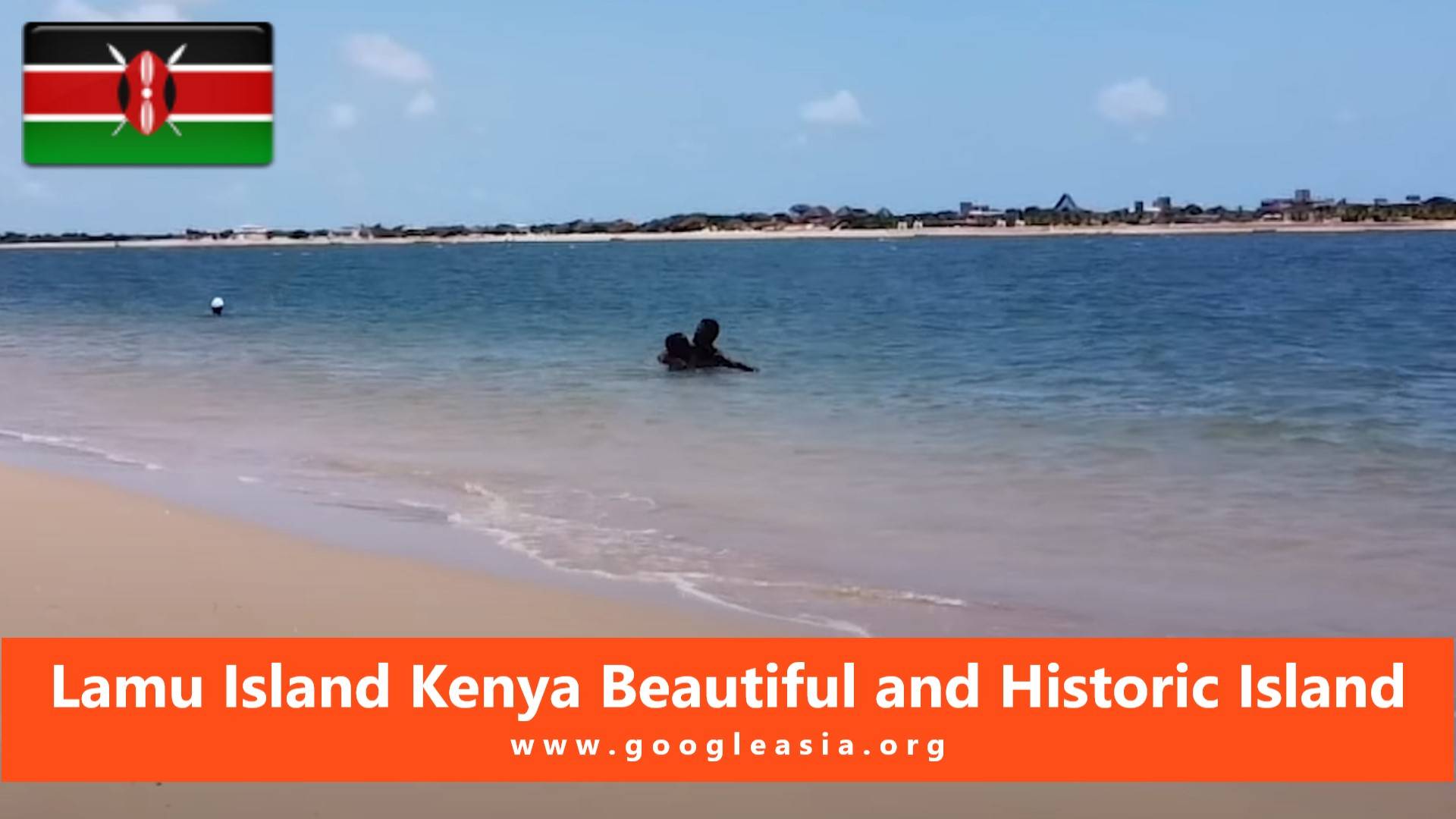
    Lamu Island Kenya Beautiful and Historic Island

    Lamu Island, Kenya: The Summary

    • Attraction Name: Lamu Island
    • Country: Kenya
    • Continent: African
    • Capital Name: Nairobi
    • Language: Swahili, English
    • Currency: Kenyan Shilling
    • Nationality: Kenyan
    • Category: #Destination #Africa #KENYA 


    Discovering Lamu Island, Kenya

    Introduction to Lamu Island

    Lamu Island, nestled in the Indian Ocean off the coast of Kenya, is a gem within the Lamu Archipelago. This island is celebrated for its rich cultural heritage, pristine white sand beaches, and a tropical climate that beckons travelers seeking an authentic coastal experience.

    Cultural and Natural Wonders

    Cultural Heritage

    Lamu’s Swahili Culture: Lamu Island is steeped in Swahili culture, evident in its architecture, cuisine, and local traditions. Visitors can explore the narrow streets of Lamu Town, a UNESCO World Heritage Site, adorned with intricately carved wooden doors and historical mosques.

    Fishing Villages: The island’s fishing villages offer a glimpse into traditional Swahili life. Witness local fishermen setting out in their dhows, traditional sailing vessels that have plied these waters for centuries.

    Natural Beauty

    White Sand Beaches: Lamu boasts pristine white sand beaches framed by coconut palms, ideal for relaxation and water activities such as snorkeling and swimming in the clear turquoise waters.

    Tropical Climate: Enjoy Lamu’s tropical climate year-round, perfect for sun-seekers and those wishing to escape colder climates.

    Attractions and Activities

    Ancient Ruins

    Historical Sites: Explore ancient ruins scattered across the island, reflecting Lamu’s rich history as an important trading port along the East African coast.

    Local Cuisine

    World-Class Seafood: Indulge in Lamu’s world-class seafood, freshly caught and prepared in traditional Swahili recipes. Don’t miss specialties like grilled lobster, coconut-infused curries, and Swahili spiced dishes.

    Relaxed Atmosphere

    Tranquil Getaway: Lamu Island offers a serene and laid-back atmosphere, perfect for unwinding amidst stunning natural beauty and cultural richness.

    Conclusion

    Lamu Island, with its blend of cultural charm, natural beauty, and tranquil ambiance, promises an unforgettable experience for travelers seeking an authentic coastal retreat in Kenya. Whether exploring its historical sites, savoring local cuisine, or simply basking on its pristine beaches, Lamu Island invites visitors to immerse themselves in its unique island allure.

    Things to Do in Lamu Island, Kenya

    Explore the Town of Lamu

    Location: Lamu Island, Kenya
    Description: The town of Lamu is a UNESCO World Heritage Site known for its rich history and cultural diversity. Explore its bustling streets, colorful architecture, narrow alleys, and vibrant souks. Discover the local mosques and encounter donkeys, which are a common mode of transportation.

    Take a Dhow Cruise

    Location: Lamu Archipelago, Kenya
    Description: Experience the beauty of the Lamu Archipelago aboard a traditional Dhow Boat. Sail through crystal-clear waters and admire stunning coastal views. Opt for a leisurely fishing trip or simply soak in the tranquility of the archipelago’s serene waters.

    Visit the Beaches

    Location: Various beaches on Lamu Island
    Description: Lamu Island boasts pristine white-sand beaches that cater to sun-seekers and water sports enthusiasts alike. Spend a relaxing day swimming in the turquoise waters or basking in the sun on the soft sands.

    Experience the Culture and History

    Location: Lamu Old Town, Lamu Island, Kenya
    Description: Delve into Lamu’s rich cultural heritage by visiting historical sites such as Lamu Fort and exploring the charming Stone Town. Discover the House of Wonders Museum to learn about Swahili culture and its influence on the region.

    Visit Wildlife Parks

    Location: Shela village and Manda Island, Lamu Archipelago
    Description: Explore the natural beauty of Lamu Island by visiting Shela village and nearby Manda Island. Encounter the unique Syke’s monkey and other wildlife in their natural habitats, offering a glimpse into Kenya’s diverse ecosystem.

    Visit Manda Toto Island

    Location: Manda Toto Island, Lamu Archipelago, Kenya
    Description: Embark on a journey to Manda Toto Island to explore its tranquil mangroves, secluded beaches, and quaint villages. Ideal for birdwatching enthusiasts, the island offers a serene escape amidst natural splendor.

    Feast on Local Cuisine

    Location: Various restaurants and eateries on Lamu Island
    Description: Indulge in the flavors of Kenyan cuisine by sampling local delicacies such as the renowned Lamu Pilau—a flavorful rice dish infused with aromatic spices—and Coconut Fish, prepared using fresh catch from the Indian Ocean.

    Shop at the Markets

    Location: Souks and markets across Lamu Island
    Description: Immerse yourself in Lamu’s vibrant market scene, where you can browse for exotic souvenirs, spices, fabrics, and handmade crafts. Engage with local vendors to discover unique treasures that reflect the island’s cultural tapestry.

    Take a Spa Break

    Location: Various spa resorts on Lamu Island
    Description: Unwind and rejuvenate at one of Lamu Island’s tranquil spa resorts. Treat yourself to a soothing massage, rejuvenating facial, or relaxing bath amidst the serene surroundings, offering a perfect retreat from everyday stresses.

    Lamu Island in Kenya promises a blend of natural beauty, cultural richness, and immersive experiences, making it an ideal destination for travelers seeking a memorable and rejuvenating getaway.

    Culinary Delights of Lamu Island, Kenya

    Best Foods to Taste at Lamu Island

    Lamu Island, nestled along Kenya’s coastline, offers a rich tapestry of culinary delights influenced by Swahili, Arabic, and Indian flavors. Here are some of the must-try dishes that capture the essence of Lamu’s vibrant food culture:

    Coconut Rice

    Description: Made from locally grown coconuts, Coconut Rice is a staple dish that embodies the island’s tropical flavors. It’s a vegan-friendly delight that pairs perfectly with seafood or spicy curries.

    Kesho Maandazi

    Description: Kesho Maandazi is a delightful fried doughnut enjoyed as breakfast or a snack. It’s often sprinkled with sugar and served with chai tea, making it a favorite among locals and visitors alike.

    Fish Samosa

    Description: A savory treat filled with sardines, onions, and aromatic spices, Fish Samosa offers a taste of the Indian Ocean. It’s a popular street food snack enjoyed throughout Lamu.

    Kalua

    Description: Kalua is a flavorful dish made by cooking rice, coconut milk, and spices together. It’s then cooled and served as a refreshing snack or light meal, showcasing Lamu’s culinary creativity.

    Mwiko

    Description: Mwiko is a hearty soup prepared with lentils, vegetables, and aromatic spices. It’s a comforting dish enjoyed for its rich flavors and nutritious ingredients.

    Barazani

    Description: Barazani features mildly-spiced grilled beef, perfect for outdoor barbecues and gatherings. It’s a favorite dish during festivals and social gatherings on the island.

    Chapati

    Description: Chapati is a versatile flatbread enjoyed throughout the Indian Ocean region, including Lamu. It’s made from flour, water, and salt, rolled thin and fried to perfection, often served with curries or grilled meats.

    Ndizi Na Nyama

    Description: Ndizi Na Nyama combines slow-cooked plantains with tender beef or goat, creating a flavorful and hearty dish. It’s a comforting meal that reflects Lamu’s fusion of East African and Arabic culinary influences.

    Pilau

    Description: Pilau is an aromatic rice dish flavored with a blend of spices such as cinnamon, cardamom, and cloves. It’s often prepared with meat or seafood and served as a centerpiece during celebrations and special occasions.

    Kebab

    Description: Kebab features thin strips of spiced lamb skewered and grilled to perfection. It’s served with a variety of fresh salads, offering a delicious taste of Lamu’s vibrant street food scene.

    Exploring the culinary landscape of Lamu Island is a journey through flavors that blend tradition with exotic influences, creating a unique dining experience that captivates the senses and delights the palate.

    Best Hotels to Stay While Visiting Lamu Island

    Peponi Hotel

    Location: Lamu Island, Kenya
    Description: Peponi Hotel offers a charming stay with ocean views, combining Swahili architecture with modern comforts.
    Amenities: Oceanfront rooms, restaurant serving fresh seafood, bar, pool, water sports, cultural tours.

    Manda Bay

    Location: Lamu Island, Kenya
    Description: Manda Bay provides an exclusive beachfront retreat, featuring private cottages amidst lush gardens and pristine beaches.
    Amenities: Private cottages, beachfront dining, water activities, sailing, snorkeling, spa, nature walks.

    Shela House

    Location: Shela Village, Lamu Island, Kenya
    Description: Shela House offers traditional Swahili-style accommodations, providing a glimpse into Lamu’s cultural heritage.
    Amenities: Swahili-style rooms, rooftop terrace, courtyard garden, personalized service, cultural tours.

    Kiwayu Safari Village

    Location: Lamu Island, Kenya
    Description: Kiwayu Safari Village offers a secluded beachfront experience, with eco-friendly bandas blending into the natural surroundings.
    Amenities: Eco-friendly bandas, beachfront dining, nature walks, fishing trips, boat excursions, cultural experiences.

    Kipingo Beach

    Location: Lamu Island, Kenya
    Description: Kipingo Beach provides a tranquil beachside escape, offering spacious cottages with views of the Indian Ocean.
    Amenities: Beachfront cottages, restaurant serving local cuisine, swimming pool, water sports, sunset cruises.

    The Majlis Resort

    Location: Manda Island, Lamu Archipelago, Kenya
    Description: The Majlis Resort offers luxury accommodations with panoramic views of the Indian Ocean, combining African and Arabic influences.
    Amenities: Luxury villas, infinity pool, gourmet dining, spa, water sports, dhow cruises, cultural tours.

    Kendwa Rocks

    Location: Lamu Island, Kenya
    Description: Kendwa Rocks provides budget-friendly beach accommodations, ideal for backpackers and travelers seeking a lively atmosphere.
    Amenities: Beachfront rooms, restaurant, beach bar, entertainment, water sports, excursions.

    Baobab Beach Resort & Spa

    Location: Lamu Island, Kenya
    Description: Baobab Beach Resort & Spa offers a luxurious beachfront stay with African-inspired decor and modern amenities.
    Amenities: Luxury suites, spa treatments, beachfront dining, swimming pool, water sports, cultural activities.

    Swahili House

    Location: Lamu Island, Kenya
    Description: Swahili House offers boutique-style accommodations in Lamu Town, featuring traditional Swahili architecture and personalized service.
    Amenities: Swahili-style rooms, rooftop terrace, courtyard garden, cultural tours, personalized service, historic ambiance.

    These top hotels in Lamu Island provide diverse experiences from luxurious beachfront retreats to cultural immersion, ensuring a memorable stay amidst the serene beauty of the Lamu Archipelago.

    Frequently Asked Questions: Your Guide to Lamu Island

    Explore the Latest Destination Attraction with ease through our comprehensive Frequently Asked Questions guide. Discover insightful answers to common queries, providing a seamless experience. Your journey begins with clarity and confidence as we address uncertainties and offer essential information. Let this guide enhance your adventure, ensuring you make the most of the latest destination attraction, leaving no question unanswered.

    What are Lamu Island’s nearby must-visit attractions or landmarks?

    Lamu Island and its surrounding areas offer a variety of must-visit attractions and landmarks. Here are some nearby places that you might find interesting:

    1. Shela Village:
      • Located just north of Lamu Town, Shela is a charming village with a beautiful beach, Swahili architecture, and a relaxed atmosphere. The village is known for its historic buildings and is a great place to explore on foot.
    2. Manda Island:
      • Manda Island is located just across the channel from Lamu Town. It is known for its pristine beaches and the ruins of Takwa, a Swahili settlement dating back to the 15th century. You can take a boat trip to Manda Island and explore both the natural beauty and historical sites.
    3. Takwa Ruins:
      • The Takwa Ruins on Manda Island are the remains of a medieval Swahili trading town. The ruins include the remains of mosques, houses, and other structures. It’s an interesting archaeological site with a rich history.
    4. Siyu Fort:
      • Siyu Fort is located on Pate Island, which is not far from Lamu. The fort was built in the 19th century and served as a defensive structure. It provides insights into the history of the region and offers panoramic views of the surrounding area.
    5. Kiunga Marine National Reserve:
      • While a bit farther away, the Kiunga Marine National Reserve is known for its diverse marine life and coral reefs. It’s an excellent destination for snorkeling and diving, and you may encounter dolphins, sea turtles, and various fish species.
    6. Pate Island:
      • Pate Island is the largest island in the Lamu Archipelago. It has historical sites, including the Siyu Fort, and is known for its ancient Swahili culture. The island is accessible by boat from Lamu.
    7. Dodori National Reserve:
      • Dodori National Reserve is on the mainland and is known for its diverse ecosystems, including mangroves and coastal forests. It’s a haven for birdwatchers and wildlife enthusiasts.
    8. Mangrove Forests:
      • Explore the mangrove forests surrounding Lamu Island. Guided boat tours are available, providing an opportunity to witness the unique ecosystem and birdlife.
    9. Matondoni Village:
      • Matondoni is a traditional Swahili village known for its boat-building craftsmanship. You can visit the village to see how traditional dhows are constructed.
    10. Tana River Delta:
      • The Tana River Delta, located on the mainland, is a vast wetland area with rich biodiversity. It’s a haven for birdwatchers, and boat trips on the river offer a chance to see various bird species.

    When exploring these nearby attractions, it’s recommended to arrange transportation through reputable providers, such as local boat operators or tour companies, to ensure a safe and enjoyable experience.

    Why should you visit Lamu Island?

    Lamu Island, located on the northern coast of Kenya, is a unique and culturally rich destination with a distinctive Swahili character. Here are several reasons why you should consider visiting Lamu Island:

    1. Historical and Cultural Significance:
      • Lamu Town, the main settlement on the island, is a UNESCO World Heritage Site. It has a well-preserved Swahili architecture that reflects a blend of Arab, Persian, Indian, and European influences.
    2. Traditional Swahili Lifestyle:
      • Lamu offers an opportunity to experience the traditional Swahili way of life. The island has narrow, winding streets, donkeys as the primary mode of transport, and a laid-back atmosphere.
    3. Lamu Old Town:
      • Explore Lamu Old Town, characterized by its historic buildings, coral stone structures, and intricately carved doors. Visit the Lamu Museum to learn about the island’s history.
    4. Dhow Sailing:
      • Enjoy a traditional dhow sailing experience. Dhows are wooden sailing boats, and you can take a scenic dhow ride around the island or to neighboring islands.
    5. Unspoiled Beaches:
      • Lamu boasts beautiful and unspoiled beaches with white sand and turquoise waters. Shela Beach, Manda Beach, and others provide a serene environment for relaxation.
    6. Water Sports:
      • Engage in water activities such as snorkeling, kayaking, and swimming. The warm waters around Lamu are teeming with marine life.
    7. Swahili Cuisine:
      • Relish Swahili cuisine, which is a delightful blend of African, Arab, and Indian flavors. Seafood is a specialty, and you can try dishes like grilled fish and coconut-infused rice.
    8. Lamu Festival:
      • If your visit aligns with the Lamu Cultural Festival, you can experience traditional dances, dhow races, and other cultural events. The festival celebrates Lamu’s heritage and traditions.
    9. Majlis Resort and Other Accommodations:
      • Stay in unique accommodations such as the Majlis Resort, which offers a luxurious and culturally immersive experience. There are various options, including boutique hotels and guesthouses.
    10. Manda Island and Takwa Ruins:
      • Take a boat trip to Manda Island and explore the Takwa Ruins, an archaeological site with the remains of a Swahili settlement.
    11. Relaxed Atmosphere:
      • Lamu is known for its slow-paced, relaxed atmosphere. It’s an ideal destination for those seeking a tranquil and peaceful environment away from the hustle and bustle.

    Visiting Lamu Island offers a glimpse into a bygone era, with its historical architecture, cultural richness, and natural beauty creating a unique and unforgettable experience. It’s a destination for those who appreciate history, culture, and the charm of a traditional Swahili lifestyle.

    How to go to Lamu Island?

    Lamu Island is located on the northern coast of Kenya and is accessible by air and sea. Here are the general steps to get to Lamu Island:

    By Air:

    1. Flights to Lamu:

      • The nearest airport to Lamu is Lamu Manda Airport (LAU). You can take a flight from Nairobi’s Jomo Kenyatta International Airport (NBO) or Wilson Airport (WIL) to Lamu.

    2. Airlines:

      • Several airlines operate flights to Lamu, including local carriers like SafariLink and Fly540. Flights are relatively short, taking approximately 1 to 1.5 hours.

    3. Transport from Lamu Airport to Lamu Island:

      • After arriving at Lamu Manda Airport, you’ll need to take a short boat ride to Lamu Island. The boat ride across the channel takes about 15 to 20 minutes.

    By Sea:

    1. Ferries from Mokowe:

      • Mokowe is the mainland town closest to Lamu. You can reach Mokowe by road from cities like Nairobi or Mombasa.

    2. Dhow Ferries:

      • From Mokowe, you can take a dhow (traditional sailing boat) to Lamu Island. The dhow ride is a scenic journey across the water, and it takes approximately 30 to 40 minutes.

    Important Tips:

    • Flight and Ferry Schedules:

      • Check the flight schedules to Lamu and the ferry schedules from Mokowe to Lamu to plan your journey accordingly.

    • Booking Accommodations:

      • It’s advisable to book your accommodations in Lamu in advance, especially during peak tourist seasons.

    • Transport within Lamu:

      • On Lamu Island, transportation is primarily by foot, donkey, or traditional dhow boats. There are no motorized vehicles on the island.

    • Weather Considerations:

      • Be aware of weather conditions, especially if you’re planning to travel by sea. Strong winds and rough seas can affect boat transportation.

    • Local Customs:

      • Familiarize yourself with local customs and traditions. Lamu has a rich Swahili culture, and respecting local norms is important.

    Always check for the latest travel advisories and local regulations before planning your trip. The journey to Lamu Island offers a unique and picturesque experience, and the island’s cultural richness and historical sites make it a popular destination for travelers seeking a tranquil and authentic atmosphere.

    Are there any halal food options around the Lamu Island?

    Lamu Island, located on the northern coast of Kenya, has a significant Muslim population, and you can find halal food options on the island. Here are some considerations:

    1. Local Cuisine:
      • Lamu has a unique Swahili culture, and its local cuisine often includes dishes prepared in accordance with Islamic dietary principles. You can enjoy traditional Swahili meals with a focus on seafood, rice, and various spices.
    2. Hotel and Restaurant Options:
      • Many hotels and restaurants on Lamu Island cater to diverse dietary preferences, including halal options. When booking accommodations or dining at restaurants, you can inquire about their menu and whether they provide halal choices.
    3. Seafood:
      • Lamu is known for its fresh seafood. Fish and seafood dishes are often part of the local culinary offerings and can be a good option for those looking for halal meals.
    4. Local Markets:
      • Visit local markets, such as Lamu Old Town’s market, where you can find fresh fruits, vegetables, and other food items. You may also find vendors selling halal products.
    5. Communication:
      • When ordering food or discussing dietary preferences, it’s always helpful to communicate clearly about your halal requirements to ensure that the meals meet your expectations.
    While Lamu Island has a more laid-back atmosphere compared to larger urban areas, you should still be able to find halal food options. As with any destination, it’s a good idea to plan ahead, communicate your dietary needs, and explore local recommendations for the best halal dining experiences on the island.

    Web Directories

    Welcome to our comprehensive web directories! Explore a world of information and resources tailored to your interests and needs. From travel adventures to financial solutions, hobbies, reviews, and more, our curated collection of links offers something for everyone. Click on the above links to start your journey towards discovering new experiences and expanding your horizons. Your next destination awaits!

    1. https://asiaworldtour.com: “Asia World Tour: Your Gateway to Asian and World Adventures”
    2. https://personalfinancingloan.com: “Personal Financing Loan: Your Path to Financial Freedom”
    3. https://hobbyforte.com: “HobbyForte: Discover Your Car Passion, Explore Your Interests”
    4. https://reviewsanything.com: “ReviewsAnything: Your Trusted Source for Honest Gadget Reviews”
    5. https://rumahmampumilik.com: “Rumah Mampu Milik: Your Affordable Homeownership Journey Begins Here”
    6. https://malaysiadigit.com: “MalaysiaDigit: Your Digital Destination for News and Insights”
    7. https://vipmalaysia.com: “VIP Malaysia: Elevate Your Experience in Malaysia”
    8. https://nordiyana.com: “Indulge in Elegance at Nordiyana: Latest Recipe and Culinary Inspirations”
    9. https://e-penyatagaji.com: “E-Penyata Gaji: Simplifying Payroll Management for You”
    10. https://googleasia.org: “Google Asia: Explore the World and Asia’s Wonders with Google Asia”
    11. https://malaysiafit.com: “Malaysia Fit: Your Partner in Health and Wellness”
    12. https://koperasi.info: “Koperasi: Building Communities, Empowering Lives”
    13. https://recipeinside.com: “RecipeInside: Unveiling Culinary Creations, Your Guide to Delicious Dishes”
    14. https://asiahealthcenter.com: “Asia Health Center: Your Source for Holistic Wellness Solutions”
    15. https://nationalhealthcenters.com: “National Health Centers: Your Source for Vital Health Information and Community Care”
    16. https://malaysiabit.com: “MalaysiaBit: Stay Informed, Stay Connected”
    17. https://epenyatagaji.com: “E-Penyata Gaji: Your Digital Payslip Solution”
    18. https://koperasi.work: “Koperasi Work: Collaborate, Innovate, Succeed”
    19. https://koperasi.business: “Koperasi Business: Driving Entrepreneurship, Fostering Growth
  • Visiting Lake Nakuru National Park, Kenya: Your Ultimate Travel Guide

    Visiting Lake Nakuru National Park, Kenya: Your Ultimate Travel Guide

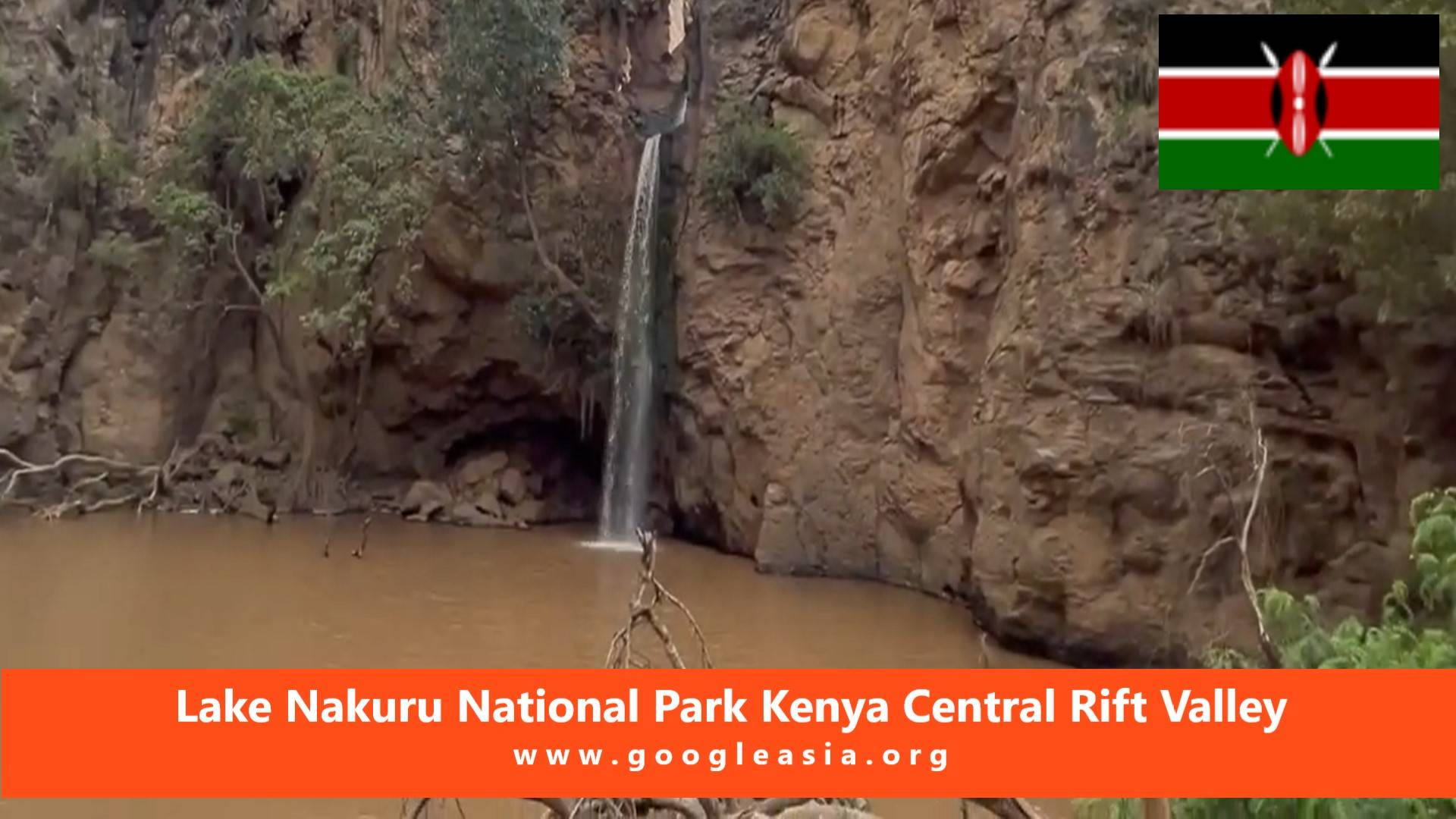
    Lake Nakuru National Park Kenya Central Rift Valley

    Lake Nakuru National Park is situated in central Kenya and is known for its lush wildlife, especially for its large populations of flamingoes. This park protects several species of animals, such as black and white rhinos, zebras, giraffes, Baboons, and many more. This park is also home to over 450 species of birds and is a designated Ramsar site.

    Located in the Central Rift Valley of Kenya, Lake Nakuru National Park is a stunning biodiversity hotspot renowned for its spectacular flocks of pink flamingos that line its shores. A diverse array of wildlife can be found here including over 350 species of birds, white rhinos, Rothschild’s giraffes, hippos, and more. Whether you’re a birdwatcher or a fan of safari drives, there are plenty of opportunities to explore the park’s unique landscape and abundant wildlife.


    Lake Nakuru National Park Kenya Central Rift Valley

    Lake Nakuru National Park, Kenya: Summary

    • Attraction Name: Lake Nakuru National Park
    • Country: Kenya
    • Continent: African
    • Capital Name: Nairobi
    • Language: Swahili, English
    • Currency: Kenyan Shilling
    • Nationality: Kenyan
    • Category:  #Destination #Africa #KENYA 


    Exploring Lake Nakuru National Park, Kenya

    Overview of Lake Nakuru National Park

    Lake Nakuru National Park is a renowned wildlife sanctuary located near Nakuru town in Kenya’s Nakuru County. Established in 1961, this park spans an area of 188 square kilometers and is celebrated for its diverse array of flora and fauna.

    Location and Establishment

    • Location: Central Kenya, near Nakuru town, Nakuru County.
    • Establishment: Founded in 1961 as a protected area to conserve the region’s unique biodiversity.

    Biodiversity and Wildlife

    Lake Nakuru National Park boasts a rich ecosystem that supports over 450 species of flora and fauna.

    • Avian Diversity: The park is famous for hosting one of the world’s most significant gatherings of Greater flamingos, whose pink hues paint the shores of Lake Nakuru. Other notable bird species include pelicans, storks, cormorants, and ibis, totaling over 400 recorded species.
    • Mammalian Species: The park is also home to diverse mammalian populations, including both Black and White Rhinos, which are a major draw for conservation enthusiasts. Visitors can also spot hyenas, cheetahs, hippos, and various antelope and gazelle species.

    Activities and Attractions

    Lake Nakuru National Park offers a range of activities for nature enthusiasts and wildlife lovers alike.

    • Game Drives: Explore the park’s landscapes and encounter its diverse wildlife on guided game drives, offering opportunities to see rhinos, giraffes, zebras, and more.
    • Walking Safaris: Experience the park up close on foot with guided walking safaris, allowing for a deeper appreciation of the flora and smaller fauna.
    • Bird Watching: Bird enthusiasts can indulge in exceptional bird watching opportunities, with the chance to spot flamingos and numerous other bird species in their natural habitat.
    • Guided Tours: Knowledgeable guides lead informative tours, providing insights into the park’s ecology, conservation efforts, and wildlife behaviors.

    Conservation and Sustainability

    Lake Nakuru National Park plays a crucial role in wildlife conservation efforts, particularly for endangered species like the Black and White Rhinos. The park’s management focuses on sustainable tourism practices to preserve its natural heritage for future generations.

    Visitor Experience

    Visitors to Lake Nakuru National Park can enjoy a blend of scenic beauty, diverse wildlife sightings, and immersive experiences in Kenya’s natural splendor. Whether on a safari adventure, bird watching expedition, or leisurely nature walk, the park offers unforgettable encounters with Africa’s iconic fauna and stunning landscapes.

    Lake Nakuru National Park stands as a testament to Kenya’s commitment to biodiversity conservation and remains a must-visit destination for wildlife enthusiasts and nature lovers exploring East Africa.


    Exploring Lake Nakuru National Park, Kenya

    Discovering the Wonders of Lake Nakuru National Park

    Lake Nakuru National Park, nestled in Kenya’s Rift Valley, is a captivating destination renowned for its diverse wildlife and stunning landscapes. From vast flocks of flamingos to thrilling game drives, the park offers a wealth of activities for nature enthusiasts and wildlife lovers.

    Location and Overview

    • Location: Situated in the Rift Valley, near Nakuru town, Kenya.
    • Establishment: Founded in 1961 as a protected area to conserve the region’s biodiversity.
    • Area: Spans approximately 188 square kilometers.

    Wildlife and Bird Watching

    Lake Nakuru National Park is famed for its impressive avian population and diverse wildlife, making it a paradise for bird watchers and safari enthusiasts alike.

    • Greater Flamingos: Witness one of the world’s largest congregations of Greater flamingos, which flock to the lake’s alkaline waters to feed on algae, painting the shoreline in hues of pink.
    • Bird Species: Explore over 400 recorded bird species, including the African Fish Eagle, pelicans, storks, and various birds of prey like the Lanner Falcon.
    • Big Game: Embark on guided game drives to spot iconic African wildlife such as water buffalo, Rothschild’s giraffe, zebras, leopards, and the elusive serval.

    Activities at Lake Nakuru National Park

    • Nature Walks: Join park guides on informative nature walks to explore diverse habitats and encounter wildlife up close. Nature walks offer opportunities to observe leopards and other elusive species in their natural environment.

    • Game Drives: Enjoy thrilling game drives through the park’s landscapes, guided by knowledgeable rangers who provide insights into animal behaviors and conservation efforts.

    • Bird Watching: Delight in exceptional bird watching opportunities, from flamingos on the lake to diverse bird species in the park’s varied habitats.

    • Boating Tours: Experience the lake’s beauty on boating tours offered by local operators, ideal for bird watching and enjoying scenic views. Although boating on the lake itself is restricted to protect endangered species like the White Pelicans, boat tours offer a unique perspective of the park.

    Conservation and Sustainability

    Lake Nakuru National Park plays a vital role in conserving Kenya’s wildlife heritage, particularly for endangered species such as the Black and White Rhinos. Conservation efforts focus on sustainable tourism practices to preserve the park’s natural beauty and biodiversity.

    Visitor Experience

    A visit to Lake Nakuru National Park promises an unforgettable adventure amid breathtaking landscapes and remarkable wildlife encounters. Whether you’re captivated by the sight of flamingos on the lake, exploring diverse habitats on foot, or embarking on thrilling game drives, the park offers a blend of natural beauty and wildlife diversity that defines Kenya’s appeal as a premier safari destination.

    Lake Nakuru National Park invites visitors to immerse themselves in its splendor, offering a range of activities that cater to every nature enthusiast’s desire for exploration and discovery.

    Best Foods in Lake Nakuru National Park, Kenya

    Culinary Delights to Savor

    Lake Nakuru National Park offers a taste of Kenya’s diverse cuisine amidst its stunning natural beauty. Here are some recommended dishes to try:

    Local Dishes

    • Ugali: A staple maize-based porridge that accompanies many Kenyan meals.
    • Nyama Choma: Grilled meat, often goat or beef, seasoned and roasted to perfection.
    • Sukuma Wiki: Stir-fried collard greens, commonly served as a side dish.
    • Mandazi: Sweet fried dough, similar to a doughnut, enjoyed as a snack or dessert.
    • Githeri: A hearty stew of maize and beans, seasoned with spices.

    Fresh Seafood

    • Grilled Tilapia: Freshwater fish grilled with local spices, a popular dish in Kenyan cuisine.
    • Fried Fish Fillet: Seasoned and pan-fried fish, served with vegetables or rice.

    Local Flavors

    • Chapati: Thin, unleavened bread that complements many Kenyan dishes.
    • Samosas: Savory pastries filled with spiced meat or vegetables, a favorite snack.
    • Kachumbari: Fresh tomato and onion salad, served as a refreshing side dish.

    Beverages

    • Chai: Sweet and milky Kenyan tea, a cultural staple served throughout the day.
    • Fresh Fruit Juices: Enjoy a variety of tropical fruit juices like mango, pineapple, and passionfruit.

    Dining Experience

    While visiting Lake Nakuru National Park, guests can savor these delicious dishes at local lodges, camps, or restaurants nearby. Embrace the flavors of Kenya and enjoy a culinary journey amidst the park’s breathtaking scenery and diverse wildlife.

    Exploring Lake Nakuru National Park offers not only incredible wildlife sightings but also an opportunity to indulge in authentic Kenyan cuisine, making your safari experience both memorable and satisfying.

    Best Hotels to Stay in Lake Nakuru National Park, Kenya

    Experience Comfort and Adventure

    Lake Nakuru National Park offers a range of accommodations amidst its scenic beauty and wildlife-rich landscapes. Here are top lodging options to consider:

    Safari Lodges and Camps

    • Lake Nakuru Sopa Lodge: Located within the national park, offering panoramic views of Lake Nakuru and comfortable accommodations.
    • Nakuru Kati Kati Tented Camp: A tented camp providing a blend of adventure and comfort with proximity to wildlife sightings.
    • Mara Springs Safari Lodge: Nestled near Lake Nakuru, offering luxury tents and a serene environment to relax after safari adventures.
    • Flamingo Hill Camp: A tented camp with eco-friendly accommodations, ideal for nature enthusiasts seeking close encounters with flamingos.
    • Sarova Lion Hill Game Lodge: Overlooking Lake Nakuru, this lodge provides luxurious rooms, excellent dining options, and stunning views of the lake and its wildlife.
    • Rhino River Camp: Located along the Munge River, offering luxury tents and personalized safari experiences in a tranquil setting.
    • Lake Nakuru Lodge: Situated in the heart of the national park, providing comfortable rooms and easy access to wildlife viewing areas.
    • Njoro River Camp: A rustic camp with tented accommodations, offering a peaceful retreat near Lake Nakuru.
    • Enasoit Game Lodge: Located in a private wildlife conservancy near Lake Nakuru, offering exclusive safari experiences and luxurious accommodations.
    • Kiboko Luxury Camp by Kicheche Camps: A luxury tented camp offering personalized service and close proximity to Lake Nakuru for wildlife enthusiasts.

    Safari Experience

    Staying at these lodges and camps not only provides comfort but also enhances the safari experience with opportunities for game drives, bird watching, and guided nature walks. Enjoy the beauty of Lake Nakuru National Park and its diverse wildlife while staying in these recommended accommodations.

    Whether you prefer luxury lodges or adventurous tented camps, Lake Nakuru National Park offers a variety of options to suit every traveler’s preference and budget. Enjoy the tranquility of nature and the thrill of wildlife encounters during your stay in this beautiful national park in Kenya.

    Frequently Asked Questions: Your Guide to Lake Nakuru National Park

    Explore the Latest Destination Attraction with ease through our comprehensive Frequently Asked Questions guide. Discover insightful answers to common queries, providing a seamless experience. Your journey begins with clarity and confidence as we address uncertainties and offer essential information. Let this guide enhance your adventure, ensuring you make the most of the latest destination attraction, leaving no question unanswered.

    What are Lake Nakuru National Park’s nearby must-visit attractions or landmarks?

    Lake Nakuru National Park and its surrounding areas offer a variety of attractions and landmarks to explore. While the park itself is a major highlight, here are some nearby points of interest that you might find worth visiting:

    1. Hyrax Hill Prehistoric Site:
      • Located near Nakuru Town, Hyrax Hill is an archaeological site that provides insights into the prehistoric period. It features excavations of stone tools, pottery, and artifacts.
    2. Menengai Crater:
      • Menengai Crater is one of the largest volcanic calderas in the world. The panoramic views from the crater rim offer a breathtaking perspective of the surrounding landscapes.
    3. Kariandusi Museum:
      • This museum, situated near Lake Elementaita, showcases archaeological finds from the Kariandusi prehistoric site. The exhibits include Stone Age tools and artifacts.
    4. Lake Elementaita:
      • Lake Elementaita, a UNESCO World Heritage Site, is a soda ash lake located between Lake Nakuru and Lake Naivasha. It is known for its birdlife and the breeding grounds of the lesser flamingo.
    5. Egerton Castle:
      • Egerton Castle, located in Njoro near Nakuru, is a historical site featuring a medieval-style castle. The castle was built in the early 20th century and is surrounded by well-manicured gardens.
    6. Thomson’s Falls:
      • Although a bit farther away, Thomson’s Falls is a scenic waterfall located near Nyahururu. The falls plunge from a height of 74 meters and are set amid lush surroundings.
    7. Soysambu Conservancy:
      • Soysambu Conservancy, bordering Lake Elementaita, is a private wildlife conservancy known for its ecological and conservation efforts. It is home to a variety of wildlife species.
    8. Kongoni Game Valley Ranch:
      • Located near Lake Nakuru, Kongoni Game Valley Ranch offers a different wildlife experience. It is a private ranch with a variety of game species and a tranquil environment.
    9. Nakuru Town:
      • Explore Nakuru Town for its local markets, vibrant culture, and various dining options. The town provides a glimpse into Kenyan urban life.
    10. Makalia Falls:
      • Located within Lake Nakuru National Park, Makalia Falls is a scenic waterfall surrounded by lush vegetation. It’s an additional attraction within the park itself.

    When exploring these nearby attractions, consider planning your itinerary based on your interests and the amount of time you have available. Many of these sites offer a blend of natural beauty, cultural heritage, and historical significance, providing a well-rounded experience beyond the wildlife-focused activities in Lake Nakuru National Park.

    Why should you visit Lake Nakuru National Park?

    Lake Nakuru National Park, located in the Great Rift Valley of Kenya, is a renowned wildlife destination with a unique combination of landscapes and a diverse array of flora and fauna. Here are several compelling reasons why you should consider visiting Lake Nakuru National Park:

    1. Flamingo Spectacle:
      • Lake Nakuru is famous for its vast flocks of pink flamingos that often cover the lake’s surface, creating a stunning and picturesque sight. The flamingos are attracted to the lake due to its alkaline nature and the presence of algae.
    2. Rich Birdlife:
      • Beyond flamingos, the park is home to over 450 bird species, making it a paradise for birdwatchers. Pelicans, cormorants, eagles, and many other avian species can be spotted in the park.
    3. Rhino Sanctuary:
      • Lake Nakuru National Park is a sanctuary for both black and white rhinos. It offers a high chance of spotting these endangered species, providing a unique opportunity for wildlife enthusiasts.
    4. Diverse Wildlife:
      • The park is home to a variety of other wildlife, including lions, leopards, buffalos, giraffes, zebras, and various antelope species. The picturesque landscapes make for excellent game viewing experiences.
    5. Scenic Landscapes:
      • Lake Nakuru is surrounded by diverse landscapes, including acacia woodlands, grassy plains, and rocky escarpments. The scenery provides a beautiful backdrop for wildlife photography and exploration.
    6. Baboon Cliff Viewpoint:
      • Baboon Cliff offers a panoramic viewpoint overlooking Lake Nakuru, providing breathtaking views of the lake and its surroundings. It’s an excellent spot for photography and enjoying the scenery.
    7. Makalia Falls:
      • Explore Makalia Falls, located within the park. The waterfall and its surroundings offer a serene and scenic atmosphere, providing a refreshing break during your visit.
    8. Game Drives:
      • Lake Nakuru National Park offers well-maintained roads, making it conducive for game drives. Guided or self-drive safaris allow you to explore the park and observe its wildlife in their natural habitat.
    9. Conservation Efforts:
      • Lake Nakuru is part of Kenya’s conservation initiatives, particularly for rhino conservation. Your visit contributes to the protection of endangered species and the preservation of their habitats.
    10. Proximity to Nairobi:
      • The park is conveniently located near Nairobi, making it accessible for day trips or weekend getaways. This accessibility makes it an attractive option for those looking to experience Kenya’s wildlife without extensive travel.
    11. Cultural Experiences:
      • While primarily a wildlife destination, the surrounding region has cultural attractions, including nearby Nakuru Town and its markets, offering a blend of wildlife and local experiences.

    Lake Nakuru National Park offers a unique combination of wildlife, birdlife, and stunning landscapes, making it an attractive destination for nature lovers and those seeking an authentic African safari experience.

    How to go to Lake Nakuru National Park?

    Lake Nakuru National Park is easily accessible by road from various parts of Kenya. The primary gateway to the park is Nakuru Town. Here’s how you can get to Lake Nakuru National Park:

    By Road:

    1. From Nairobi:
      • Lake Nakuru is approximately 160 kilometers (99 miles) northwest of Nairobi, the capital city of Kenya.
      • The journey by road from Nairobi typically takes around 2 to 3 hours, depending on traffic and road conditions.
    2. Private Vehicle or Tour Operator:
      • Many visitors choose to travel by private vehicle or through guided tours provided by tour operators. This allows for flexibility and the ability to explore the park at your own pace.
    3. Matatu (Shared Minibus):
      • Alternatively, you can take a matatu (shared minibus) from Nairobi to Nakuru Town. From Nakuru, you can hire a taxi or use other local transportation options to reach the park.

    By Air:

    1. Nairobi to Nakuru:
      • While there is no airport within Lake Nakuru National Park, you can fly from Nairobi to Nakuru. The nearest airport is the Nakuru Airport, and flights are relatively short.
    2. Private Charter Flights:
      • Some visitors opt for private charter flights to airstrips near the park, providing a convenient and quick means of transportation.

    Important Tips:

    • Entrance Fees:
      • Lake Nakuru National Park has entry fees for both residents and non-residents. Check the current fees before your visit.
    • Accommodations:
      • Plan your stay in advance by booking accommodations in Nakuru Town or lodges/camps within or near the national park.
    • Wildlife Viewing:
      • Lake Nakuru National Park is renowned for its flamingos, rhinos, and diverse bird and animal species. Consider hiring a local guide or joining a guided safari tour for the best wildlife viewing experience.
    • Weather Conditions:
      • Be aware of the weather conditions, especially during the rainy season (March to May and October to December). The park may become muddy, affecting road conditions.
    • Travel Preparations:
      • Inform someone about your travel plans, carry essentials like water, snacks, and a first aid kit, and ensure your vehicle is in good condition if you’re driving.
    • Conservation Practices:
      • Follow ethical and conservation-friendly practices during your visit, such as respecting wildlife, staying on designated paths, and avoiding littering.

    Always check for the latest travel advisories and road conditions before embarking on your journey. Whether you choose to drive, take public transportation, or fly, reaching Lake Nakuru National Park is a relatively straightforward process, offering the opportunity to experience Kenya’s diverse wildlife and landscapes.

    Are there any halal food options around the Lake Nakuru National Park?

    Lake Nakuru National Park is a wildlife reserve located in Kenya, known for its stunning lake and diverse bird and animal species. While the park itself may not have a wide range of dining options, you can find halal food options in the nearby towns and cities. Here are some considerations:

    1. Nakuru Town:
      • Nakuru Town is the closest urban center to Lake Nakuru National Park. In the town, you are likely to find restaurants and eateries that offer a variety of cuisines, including those that cater to halal dietary preferences.
    2. Local Restaurants and Eateries:
      • Explore local restaurants and eateries in Nakuru that serve traditional Kenyan dishes. Many of these establishments may offer halal options or can accommodate specific dietary requests.
    3. Hotel and Lodge Restaurants:
      • If you are staying in a hotel or lodge near Lake Nakuru National Park, inquire about their dining options. Many accommodations strive to meet the dietary needs of their guests, including providing halal meals.
    4. Communication with Accommodations:
      • When making reservations or checking into accommodations, communicate your dietary preferences, including the preference for halal food. Many establishments are willing to accommodate such requests with advance notice.
    5. Local Markets:
      • Visit local markets in Nakuru to purchase fresh fruits, vegetables, and other food items. You can explore the local produce and, if available, halal products.

    While halal options may be available, it’s recommended to communicate your dietary preferences clearly to ensure that your meals align with halal standards. It’s also advisable to plan ahead and check with local residents, hotel staff, or online resources for recommendations on specific halal-friendly establishments in Nakuru Town or the vicinity of Lake Nakuru National Park.

  • Visiting Diani Beach, Kenya: Your Ultimate Travel Guide & Tips

    Visiting Diani Beach, Kenya: Your Ultimate Travel Guide & Tips

    Diani Beach, Kenya: Must-Visit Destination

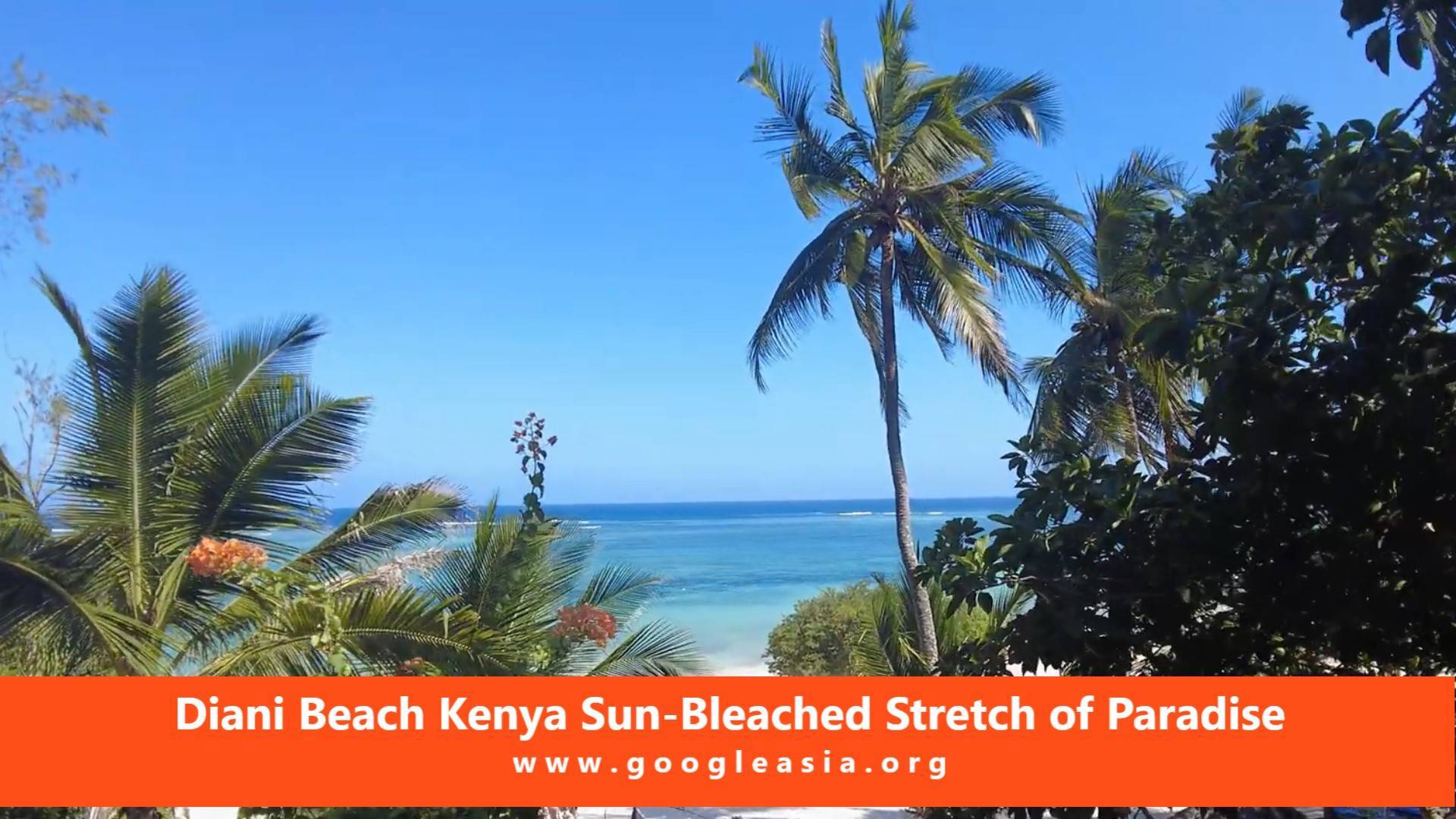
    Diani Beach is a stunning, sun-bleached stretch of paradise along Kenya’s southern coast. This stunning beach is perfect for swimming, snorkeling, and sunbathing, as well as a wide variety of water sports. Whether you’re looking for a romantic getaway or just a day out of town, Diani Beach offers something for everyone!


    Diani Beach Kenya Sun-Bleached Stretch of Paradise

    Diani Beach, Kenya: The Summary

    • Attraction Name: Diani Beach
    • Country: Kenya
    • Continent: African
    • Capital Name: Nairobi
    • Language: Swahili, English
    • Currency: Kenyan Shilling
    • Nationality: Kenyan
    • Category:  #Destination #Africa #KENYA 


    Discovering Diani Beach, Kenya

    Overview of Diani Beach

    Diani Beach, nestled along Kenya’s southeastern coastline, stands out as a premier destination renowned for its natural beauty and diverse attractions. Stretching over 20 kilometers, this coastal gem boasts pristine white sands and inviting turquoise waters of the Indian Ocean.

    Attractions and Activities

    Coastal Paradise

    Diani Beach’s allure lies in its picturesque shoreline, characterized by crystal-clear waters and soft, powdery sands. The warm tropical climate makes it an ideal spot for sunbathing, beach games, and leisurely strolls along the shore.

    Water Adventures

    The beach offers a plethora of water-based activities, including thrilling options like water skiing and windsurfing, as well as tranquil pursuits such as snorkeling amidst vibrant coral reefs and fishing excursions in the abundant ocean waters.

    Nature Escapes

    Adjacent to Diani Beach, the Shimba Hills Nature Reserve beckons with its lush landscapes and rich biodiversity. Visitors can embark on safaris to spot indigenous wildlife or hike through verdant trails offering panoramic views of the coastal plains.

    Exploring Wildlife and Marine Life

    Wildlife Conservation

    A visit to the Mwaluganje Elephant Sanctuary presents opportunities to witness majestic elephants in their natural habitat, contributing to conservation efforts and fostering an appreciation for Kenya’s wildlife heritage.

    Underwater Treasures

    Diani Beach is renowned for its thriving coral reefs, inviting diving enthusiasts to explore vibrant underwater ecosystems teeming with exotic marine life. Snorkelers can also revel in the kaleidoscope of colors beneath the ocean’s surface.

    Nightlife and Dining

    Culinary Delights

    After a day of exploration, Diani Beach offers a diverse culinary scene where visitors can savor local delicacies and international cuisine served in beachfront restaurants and cozy cafes.

    Evening Entertainment

    As the sun sets, Diani Beach transforms into a vibrant hub of nightlife, featuring lively bars, beachfront lounges, and pulsating nightclubs where travelers can unwind and dance to rhythmic beats under the starlit sky.

    Conclusion

    Diani Beach Kenya epitomizes the perfect blend of natural beauty, thrilling adventures, and cultural experiences. Whether seeking relaxation on sun-kissed shores, embarking on wildlife safaris, or indulging in vibrant nightlife, Diani Beach promises an unforgettable journey filled with discovery and enchantment.


    Things to Do in Diani Beach, Kenya

    Diani Beach, located on Kenya’s southeastern coast along the Indian Ocean, is a paradise for travelers seeking both relaxation and adventure. From pristine beaches to vibrant marine life and cultural experiences, here are some of the top activities to enjoy in this coastal gem:

    Beach Activities

    Relax on White Sands

    Diani Beach is famed for its powdery white sands and clear turquoise waters, perfect for sunbathing and leisurely walks along the shore. Popular spots like Turtle Bay and Galu Beach offer serene settings for relaxation.

    Snorkeling and Diving

    Explore the vibrant underwater world with snorkeling and diving trips. The coral reefs teem with colorful fish and marine creatures, providing unforgettable aquatic adventures.

    Water Sports

    Surfing and Water Skiing

    Take advantage of Diani’s ideal wind conditions for surfing and water skiing. Whether you’re a novice or seasoned pro, the waves here cater to all skill levels.

    Kayaking and Sailing

    For a more tranquil experience, paddle through the calm waters on a kayak or sailboat. Enjoy the coastal views and perhaps spot dolphins playing offshore.

    Wildlife Encounters

    Kisite Marine Park and Wasini Island

    Embark on a boat excursion to Kisite Marine Park and Wasini Island to snorkel among coral gardens and encounter dolphins, turtles, and a variety of marine life. During certain seasons, lucky visitors may even spot whale sharks.

    Shimba Hills National Reserve

    Delve into the lush landscapes of Shimba Hills National Reserve on a safari. Keep your eyes peeled for elephants, giraffes, and diverse bird species amidst the rolling hills and forests.

    Cultural Experiences

    Gede Ruins

    Discover the ancient Swahili ruins of Gede, a historical site that offers a glimpse into Kenya’s rich cultural past. Explore the well-preserved remnants of a medieval town and learn about its intriguing history.

    Mwazaro Cultural Village

    Immerse yourself in local traditions at Mwazaro Cultural Village. Experience traditional dance performances, sample authentic cuisine, and interact with community members to gain insights into coastal Kenyan life.

    Outdoor Adventures

    Horseback Riding and ATV Tours

    Embark on a horseback ride along the beach or take an ATV tour to explore the scenic landscapes surrounding Diani Beach. These adventures offer a thrilling way to experience the natural beauty of the area.

    Deep-Sea Fishing

    Visit Shimoni Fishing Village for a deep-sea fishing excursion. Whether you’re a fishing enthusiast or a novice, the waters off Diani Beach are rich with game fish, promising an exciting day on the ocean.

    Sightseeing and Nature Trails

    Haller Park Nature Trail

    Explore Haller Park, a former limestone quarry transformed into a sanctuary for wildlife. Encounter giraffes, hippos, and a variety of bird species as you wander through lush botanical gardens.

    Chale Island

    Take a boat trip to Chale Island Marine National Park for a day of relaxation on secluded beaches, snorkeling in pristine waters, and birdwatching amidst untouched natural beauty.

    Conclusion

    Diani Beach Kenya offers a plethora of activities and attractions that cater to every traveler’s interests. Whether you’re seeking relaxation, adventure, wildlife encounters, or cultural exploration, Diani Beach promises an unforgettable journey filled with natural wonders and enriching experiences.

    Best Foods at Diani Beach, Kenya

    When dining at Diani Beach, Kenya, you’re in for a treat with a variety of delicious dishes that blend local flavors with international influences. Here are some of the must-try foods that capture the essence of culinary delights in this coastal paradise:

    Traditional Swahili Delicacies

    Ugali and Pilau

    Enjoy the quintessential Kenyan dish of Ugali (maize-meal) served alongside flavorful Pilau rice, cooked with coconut milk and aromatic spices. It’s a staple that reflects the rich culinary heritage of the Swahili coast.

    Seafood Specialties

    Shrimp Curry

    Indulge in Sri Lankan-style shrimp curry, bursting with fragrant spices and creamy coconut milk, served with rice or chapati bread for a satisfying meal.

    Coconut Shrimp

    Savor deep-fried shrimp coated in a spicy batter infused with coconut flavors, offering a delightful crunch with each bite.

    Grilled Barracuda

    Taste grilled barracuda, a local favorite, served with a savory peanut sauce that enhances the natural flavors of the tender fish.

    Sweet Treats and Snacks

    Mandazi

    Try Mandazi, Swahili-style doughnuts that are fried to perfection and served with dips like sweet coconut or cardamom-infused syrups, ideal for a sweet snack or dessert.

    Local and International Fusion

    Fish Fry

    Delight in freshly fried fish served with golden fries or sweet-potato wedges, offering a crispy exterior and tender, flaky fish inside.

    Pwani’s Pizza

    Experience Pwani’s Pizza, a unique Muslim-style pizza topped with savory spices and local ingredients, showcasing a fusion of coastal flavors.

    Desserts and Exotic Fruits

    Bananas Foster

    Indulge in Bananas Foster, a sweet treat featuring fried banana slices drizzled with melted brown sugar and butter, offering a decadent end to a meal.

    Gourmet Seafood

    Grilled Lobster

    Treat yourself to grilled lobster served with a fresh mango salsa, highlighting the abundance of seafood available along Kenya’s coast.

    Savory Snacks

    Accra

    Savor Accra, spicy fried bean fritters served with tangy tamarind chutney, providing a flavorful and satisfying snack or appetizer.

    Conclusion

    Diani Beach, Kenya, offers a culinary journey that blends local Swahili flavors with global influences, ensuring a memorable dining experience by the Indian Ocean. Whether you’re craving traditional dishes like Ugali and Pilau, indulging in seafood delicacies, or enjoying sweet treats and snacks, Diani Beach’s diverse culinary scene promises to delight every palate with its vibrant flavors and fresh ingredients.


    Best Hotels to Stay in Diani Beach, Kenya

    Neptune Village Beach Resort & Spa

    Located right on the beach, Neptune Village Beach Resort & Spa offers a relaxed atmosphere with spacious rooms, multiple dining options, and a range of recreational activities including water sports and spa treatments.

    Afrochic

    A boutique hotel known for its luxurious and intimate setting, Afrochic provides personalized service, stylish accommodations, and breathtaking views of the Indian Ocean. Ideal for couples seeking a romantic getaway.

    Diani Sea Resort

    Diani Sea Resort combines modern comforts with Swahili architecture, offering well-appointed rooms, a large swimming pool, and direct beach access. The resort also features entertainment and dining options for a complete stay experience.

    Pinewood Beach Resort & Spa

    Set amidst lush gardens and overlooking the ocean, Pinewood Beach Resort & Spa is renowned for its tranquil ambiance and excellent service. It features spacious villas and cottages, a spa, and a variety of dining choices.

    Diani Reef Beach Resort & Spa

    A 5-star resort offering luxury accommodations, Diani Reef Beach Resort & Spa boasts multiple pools, a spa, and a range of restaurants and bars. Guests can enjoy beachfront access and a variety of activities including diving and snorkeling.

    Diani Sea Lodge

    With a prime location on Diani Beach, Diani Sea Lodge offers comfortable rooms surrounded by tropical gardens. The lodge features a swimming pool, beachfront dining, and easy access to water sports and excursions.

    Voyager Beach Resort

    Known for its family-friendly atmosphere, Voyager Beach Resort offers spacious rooms, a large swimming pool with water slides, and a host of activities including kids’ clubs and evening entertainment. Ideal for families and active travelers.

    Jacaranda Indian Ocean Beach Resort

    Set in a secluded spot along the beach, Jacaranda Indian Ocean Beach Resort offers a serene retreat with spacious rooms, multiple dining options, and activities such as beach volleyball and cultural performances.

    Galu Sea Lodge

    Galu Sea Lodge provides a peaceful getaway with its private beach area, spacious rooms with ocean views, and a tranquil ambiance perfect for relaxation. The lodge also offers dining options featuring fresh seafood and local cuisine.

    Diani Palm Beach Hotel & Resort

    A charming hotel offering comfortable accommodations and a laid-back atmosphere, Diani Palm Beach Hotel & Resort is ideal for budget-conscious travelers seeking proximity to the beach and basic amenities.

    Whether you’re looking for luxury, family-friendly options, or a secluded retreat, these top hotels in Diani Beach, Kenya, cater to a range of preferences and ensure a memorable stay by the picturesque shores of the Indian Ocean. Each hotel offers unique experiences and amenities that contribute to a fulfilling vacation in this tropical paradise.

    Frequently Asked Questions: Your Guide to Diani Beach

    Explore the Latest Destination Attraction with ease through our comprehensive Frequently Asked Questions guide. Discover insightful answers to common queries, providing a seamless experience. Your journey begins with clarity and confidence as we address uncertainties and offer essential information. Let this guide enhance your adventure, ensuring you make the most of the latest destination attraction, leaving no question unanswered.

    What are Diani Beach’s nearby must-visit attractions or landmarks?

    Diani Beach and its surrounding areas offer a variety of attractions and landmarks for visitors to explore. Here are some nearby must-visit places:

    1. Shimba Hills National Reserve:
      • Located near Diani Beach, the Shimba Hills National Reserve is home to diverse wildlife, including elephants, giraffes, buffaloes, and a variety of bird species. It also features the Sheldrick Falls, a scenic waterfall within the reserve.
    2. Kisite Marine Park:
      • Take a boat trip to the Kisite Marine Park for snorkeling and dolphin watching. The park is known for its coral reefs, colorful marine life, and the chance to see dolphins in their natural habitat.
    3. Chale Island:
      • Chale Island is a small private island near Diani Beach. It offers a tranquil escape with pristine beaches, coral reefs, and opportunities for water activities.
    4. Colobus Conservation Center:
      • Visit the Colobus Conservation Center to learn about the conservation efforts for the endangered Angolan colobus monkeys. The center provides educational programs and guided tours.
    5. Kaya Kinondo Sacred Forest:
      • Explore the Kaya Kinondo Sacred Forest, a UNESCO World Heritage Site. The forest holds cultural and spiritual significance for the Digo community and features ancient trees and rituals.
    6. Leisure Lodge Golf Course:
      • Golf enthusiasts can enjoy a round of golf at the Leisure Lodge Golf Course. The 18-hole course is set against the backdrop of the Indian Ocean and offers a scenic golfing experience.
    7. Diani Beach Art Gallery:
      • Discover local art at the Diani Beach Art Gallery, showcasing works by Kenyan and international artists. It provides a cultural and artistic experience.
    8. Diani – Chale Marine National Reserve:
      • This marine reserve, located offshore, is a protected area known for its coral reefs and marine biodiversity. It offers opportunities for snorkeling and diving.
    9. Tiwi Beach:
      • Tiwi Beach, located a short distance from Diani, is known for its quiet and pristine environment. It’s an excellent spot for a relaxing beach day away from the busier Diani Beach.
    10. Kwale Town:
      • Visit Kwale Town, which is not far from Diani, to experience the local culture, markets, and daily life of the coastal communities.
    11. Shimoni Caves:
      • Explore the Shimoni Caves, a series of coral caves with historical significance. The caves were used in the slave trade era and are part of the Shimoni Slave Caves and Shimoni Slave Tunnel.
    12. Mombasa:
      • While not right next door, Mombasa is a major coastal city with historical sites, markets, and cultural attractions. It’s easily accessible by road and offers a range of experiences, including visits to Fort Jesus and the Old Town.

    When exploring these attractions, consider planning your itinerary based on your interests and the amount of time you have available. Many of these sites offer a blend of natural beauty, cultural heritage, and historical significance, enhancing the overall experience of your visit to Diani Beach.

    Why should you visit Diani Beach?

    Diani Beach, located on the south coast of Kenya, is a popular tourist destination known for its stunning white sandy beaches, clear turquoise waters, and vibrant atmosphere. Here are several reasons why you should consider visiting Diani Beach:

    1. Beautiful Beaches:
      • Diani Beach is renowned for its pristine and expansive beaches. The soft white sand and crystal-clear waters create a picturesque setting, making it an ideal destination for relaxation and beach activities.
    2. Water Activities:
      • Enjoy a variety of water sports and activities, including snorkeling, scuba diving, kite surfing, paddleboarding, and jet-skiing. The warm Indian Ocean waters provide excellent conditions for these activities.
    3. Coral Reefs:
      • Explore the coral reefs near Diani, which are rich in marine life. Snorkel or take a boat trip to experience the vibrant underwater world with colorful coral formations and diverse fish species.
    4. Dolphin Watching:
      • Take a boat tour to go dolphin watching in the nearby Kisite Marine Park. It’s a chance to see dolphins in their natural habitat and enjoy the beauty of the marine park.
    5. Shimba Hills National Reserve:
      • Diani is close to the Shimba Hills National Reserve, where you can embark on a safari to see diverse wildlife, including elephants, giraffes, and various bird species.
    6. Colobus Conservation Center:
      • Visit the Colobus Conservation Center to learn about and observe the endangered Angolan colobus monkeys. The center focuses on the conservation of these primates and their habitat.
    7. Chale Island:
      • Take a short boat ride to Chale Island, a small private island near Diani. It offers a secluded and tranquil atmosphere with beautiful beaches and coral reefs.
    8. Skydiving and Paragliding:
      • For thrill-seekers, Diani Beach offers opportunities for skydiving and paragliding. Experience breathtaking views of the coastline while enjoying an adrenaline-pumping adventure.
    9. Leisure and Wellness:
      • Diani is home to several luxury resorts and spas, offering wellness and relaxation options. Enjoy spa treatments, yoga sessions, and wellness retreats in the serene coastal environment.
    10. Vibrant Nightlife:
      • Experience the vibrant nightlife at Diani Beach. There are beach bars, clubs, and restaurants that come alive in the evening, providing entertainment and a chance to socialize.
    11. Kaya Kinondo Sacred Forest:
      • Visit the Kaya Kinondo Sacred Forest, a UNESCO World Heritage Site, to explore the cultural and spiritual significance of this coastal forest.
    12. Golfing:
      • Golf enthusiasts can enjoy a round of golf at the Leisure Lodge Golf Course, which is located in the Diani area.

    Diani Beach offers a perfect blend of relaxation, adventure, and natural beauty. Whether you’re seeking water activities, wildlife experiences, or simply a tranquil beach retreat, Diani provides a diverse range of attractions and experiences for visitors of all interests.

    How to go to Diani Beach?

    Diani Beach is a popular destination on the south coast of Kenya, known for its beautiful white sandy beaches and clear waters. Here are the general steps on how to get to Diani Beach:

    By Air:

    1. Flights to Ukunda Airstrip:

      • The nearest airport to Diani Beach is Ukunda Airstrip (UKA). You can book a flight from Nairobi’s Jomo Kenyatta International Airport (NBO) or Wilson Airport (WIL) to Ukunda. Flight duration is approximately 1 hour.

    2. Airlines:

      • Several airlines operate flights to Ukunda, including local carriers like Safarilink and Jambojet.

    3. Transport from Ukunda Airstrip to Diani Beach:

      • After arriving at Ukunda Airstrip, you can take a taxi, tuk-tuk, or arrange for transportation provided by your accommodation to reach Diani Beach, which is just a short drive away.

    By Road:

    1. From Mombasa:

      • Diani Beach is approximately 30 kilometers (19 miles) south of Mombasa. If you’re coming from Mombasa, you can take a taxi, private car hire, or a matatu (shared minibus) to reach Diani Beach.

    2. Matatus and Public Transportation:

      • Matatus operate between Mombasa and Diani Beach. However, keep in mind that public transportation may have varying schedules, and it’s advisable to confirm the availability and timings.

    Self-Drive:

    1. Private Vehicle:

      • If you’re traveling from Mombasa or Nairobi by car, you can drive to Diani Beach. The journey from Mombasa typically takes around 1 to 1.5 hours, while the drive from Nairobi takes approximately 8 hours.

    Important Tips:

    • Accommodations:

      • Ensure that you have your accommodation details and address handy, especially if you’re arriving by air or using a taxi.

    • Transportation Options:

      • Confirm transportation options with your accommodation. Many hotels and resorts offer airport transfers or can arrange transportation for guests.

    • Flight Bookings:

      • If you’re flying to Ukunda, it’s advisable to book your flights in advance, especially during peak tourist seasons.

    • Travel Insurance:

      • Consider purchasing travel insurance for your trip, including coverage for flight delays or cancellations.

    • Weather Considerations:

      • Be aware of weather conditions, especially if you’re traveling during the rainy season. Road conditions may vary.

    Always check for the latest travel advisories and consider your preferred mode of transportation when planning your journey to Diani Beach. Whether you choose to fly or drive, the trip to Diani Beach promises beautiful coastal scenery and a relaxing beach getaway.

    Are there any halal food options around the Diani Beach?

    Diani Beach, located on the south coast of Kenya, is a popular tourist destination known for its stunning beaches and vibrant atmosphere. While the options for halal food may not be as abundant as in more urban areas, you can still find halal-friendly dining options around Diani Beach. Here are some suggestions:

    1. Hotel Restaurants:
      • Many hotels and resorts in the Diani Beach area cater to international visitors and may offer halal options on their menus. It’s advisable to check with the hotel’s restaurant in advance.
    2. Local Seafood Restaurants:
      • Diani Beach is known for its fresh seafood. You can explore local seafood restaurants and inquire about their preparation methods. Seafood is generally halal, and some establishments may accommodate specific dietary preferences.
    3. Communication with Restaurants:
      • When dining at local restaurants, communicate your dietary preferences, including the preference for halal food. Some establishments may be willing to adjust their menu or preparation methods accordingly.
    4. Grilled Meat Stalls:
      • In some areas, you may find grilled meat stalls that offer a variety of meats. Confirm with the vendors about the halal status of their products and whether they adhere to specific dietary requirements.
    5. Self-Catering:
      • If you have access to a kitchen, consider purchasing halal ingredients from local markets or supermarkets and preparing your own meals.
    6. Local Markets:
      • Explore local markets in Diani Beach for fresh fruits, vegetables, and other food items. You can find halal products and ingredients for self-catering.
    7. Online Reviews and Recommendations:
      • Check online reviews or seek recommendations from other travelers who have visited Diani Beach. Local forums or travel websites may provide insights into halal-friendly dining options.

    While Diani Beach may not have dedicated halal restaurants, the friendly and accommodating nature of the local establishments often allows for adjustments to meet dietary preferences. It’s advisable to plan ahead, communicate your preferences clearly, and explore different dining options to find halal-friendly choices that suit your taste.

    Web Directories

    Welcome to our comprehensive web directories! Explore a world of information and resources tailored to your interests and needs. From travel adventures to financial solutions, hobbies, reviews, and more, our curated collection of links offers something for everyone. Click on the above links to start your journey towards discovering new experiences and expanding your horizons. Your next destination awaits!

    1. https://asiaworldtour.com: “Asia World Tour: Your Gateway to Asian and World Adventures”
    2. https://personalfinancingloan.com: “Personal Financing Loan: Your Path to Financial Freedom”
    3. https://hobbyforte.com: “HobbyForte: Discover Your Car Passion, Explore Your Interests”
    4. https://reviewsanything.com: “ReviewsAnything: Your Trusted Source for Honest Gadget Reviews”
    5. https://rumahmampumilik.com: “Rumah Mampu Milik: Your Affordable Homeownership Journey Begins Here”
    6. https://malaysiadigit.com: “MalaysiaDigit: Your Digital Destination for News and Insights”
    7. https://vipmalaysia.com: “VIP Malaysia: Elevate Your Experience in Malaysia”
    8. https://nordiyana.com: “Indulge in Elegance at Nordiyana: Latest Recipe and Culinary Inspirations”
    9. https://e-penyatagaji.com: “E-Penyata Gaji: Simplifying Payroll Management for You”
    10. https://googleasia.org: “Google Asia: Explore the World and Asia’s Wonders with Google Asia”
    11. https://malaysiafit.com: “Malaysia Fit: Your Partner in Health and Wellness”
    12. https://koperasi.info: “Koperasi: Building Communities, Empowering Lives”
    13. https://recipeinside.com: “RecipeInside: Unveiling Culinary Creations, Your Guide to Delicious Dishes”
    14. https://asiahealthcenter.com: “Asia Health Center: Your Source for Holistic Wellness Solutions”
    15. https://nationalhealthcenters.com: “National Health Centers: Your Source for Vital Health Information and Community Care”
    16. https://malaysiabit.com: “MalaysiaBit: Stay Informed, Stay Connected”
    17. https://epenyatagaji.com: “E-Penyata Gaji: Your Digital Payslip Solution”
    18. https://koperasi.work: “Koperasi Work: Collaborate, Innovate, Succeed”
    19. https://koperasi.business: “Koperasi Business: Driving Entrepreneurship, Fostering Growth
  • Visiting Kakamega Forest, Kenya: Travel Guide & Tips

    Visiting Kakamega Forest, Kenya: Travel Guide & Tips

    Kakamega Forest, Kenya: Must-Visit Destination

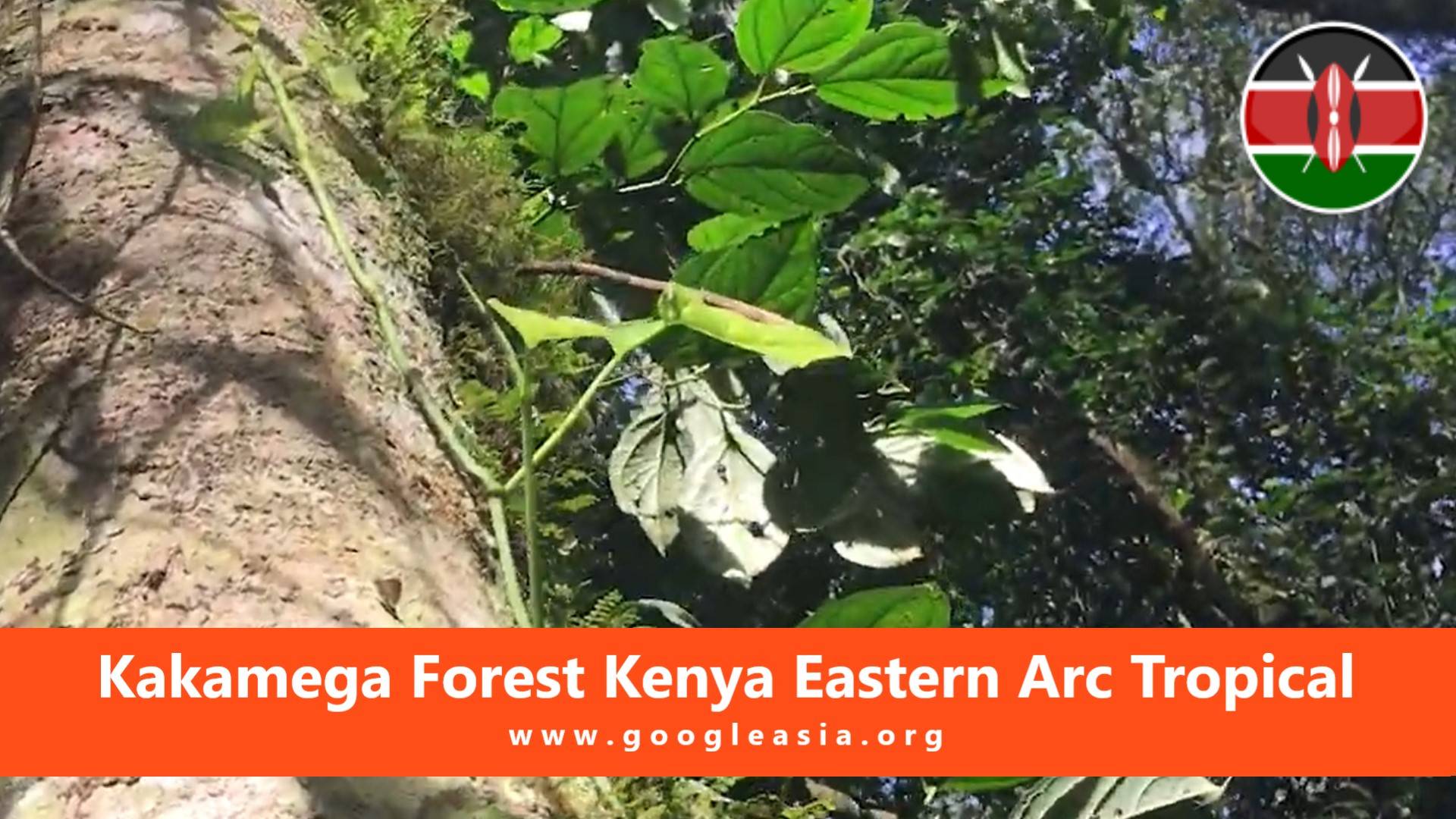
    Kakamega Forest is an important Eastern Arc rainforest located in western Kenya. It’s the only tropical rainforest in the country and is home to a wide range of rare and endangered species, including chimpanzees, elephants, and powerful owls. It’s also an important resource for local communities, providing food, water, and medicines.


    Kakamega Forest Kenya Eastern Arc Tropical

    Kakamega Forest, Kenya: Summary

    • Attraction Name: Kakamega Forest
    • Country: Kenya
    • Continent: African
    • Capital Name: Nairobi
    • Language: Swahili, English
    • Currency: Kenyan Shilling
    • Nationality: Kenyan
    • Category:  #Destination #Asia #KENYA 

    Exploring Kakamega Forest, Kenya

    Overview of Kakamega Forest

    Kakamega Forest, located in western Kenya near the Ugandan border, stands as a testament to the region’s natural beauty and biodiversity. This tropical lowland rainforest is a rare gem, representing the last remnants of a once-expansive forest that covered much of western Kenya. It holds the distinction of being the only natural rainforest in East Africa, offering a glimpse into a pristine ecosystem teeming with life.

    Biodiversity and Conservation

    Rich Flora and Fauna

    Kakamega Forest is celebrated as a biological hotspot, harboring a remarkable diversity of plant and animal species. It boasts over 400 species of birds, including rare and endemic species such as the Great Blue Turaco and the Turner’s Eremomela. The forest is also home to 178 species of butterflies and a variety of reptiles, amphibians, mammals, and invertebrates, many of which are endemic and some endangered.

    Conservation Importance

    As a habitat for numerous endemic and endangered species, Kakamega Forest plays a crucial role in biodiversity conservation efforts in East Africa. Efforts are ongoing to preserve and protect this unique ecosystem, ensuring the survival of its diverse flora and fauna for future generations.

    Cultural and Medicinal Importance

    Cultural Diversity

    Kakamega Forest is not only a haven for wildlife but also a cultural melting pot. It is home to several traditional ethnic groups, including the Banyala, Nyala, Tiriki, Maragoli, and Isukha. These communities have longstanding connections to the forest, incorporating its resources into their cultural practices and traditions.

    Medicinal Plants

    The forest serves as an invaluable resource of medicinal plants, utilized by local traditional healers to treat various ailments. These plants have been used for generations by indigenous communities, highlighting the forest’s significance beyond its ecological importance.

    Visitor Experience

    Birdwatching Paradise

    For bird enthusiasts, Kakamega Forest offers unparalleled birdwatching opportunities. Visitors can embark on guided tours or explore designated trails to spot a diverse array of bird species amidst the lush canopy and undergrowth.

    Ecotourism Activities

    The forest welcomes ecotourists eager to explore its natural wonders. Activities include guided nature walks, wildlife photography, and educational tours that offer insights into the forest’s ecology and conservation efforts.

    Conclusion

    Kakamega Forest stands as a vital ecological and cultural treasure in Kenya, showcasing the beauty of East Africa’s natural landscapes and the richness of its biodiversity. Whether you’re drawn by the allure of rare bird species, the cultural heritage of local ethnic groups, or the therapeutic properties of medicinal plants, Kakamega Forest offers a memorable experience that highlights the importance of conservation and sustainable tourism practices.

    Exploring Kakamega Forest, Kenya

    Introduction to Kakamega Forest

    Kakamega Forest, a precious natural gem in Kenya, covers over 240 square kilometers and boasts rich biodiversity that attracts nature enthusiasts and adventure seekers alike. Located in western Kenya, this tropical rainforest is renowned for its lush vegetation and diverse wildlife, making it an ideal destination for exploration and outdoor activities.

    Wildlife Viewing

    Encounter Rare Species

    Kakamega Forest is home to a variety of wildlife, including rare and endangered species. Safari tours offer the chance to spot chimpanzees, elephants, baboons, black-and-white Colobus monkeys, and numerous bird species in their natural habitat.

    Birdwatching

    Colorful Avian Diversity

    Birdwatchers flock to Kakamega Forest to observe its vibrant birdlife. Species such as the yellow-bellied greenbul, papyrus gonolek, crested eagle, and Fischer’s turaco are among the many colorful birds that inhabit the forest canopy.

    Camping

    Outdoor Adventure

    Immerse yourself in nature by camping in Kakamega Forest. Set up camp near Lake Victoria for a serene outdoor experience surrounded by the sights and sounds of the forest. Camping allows for evenings under the stars and early morning birdwatching sessions.

    Hiking

    Explore the Lush Terrain

    The forest’s dense vegetation and varied terrain offer excellent hiking opportunities. Whether you join a guided tour or embark on a self-guided hike, Kakamega Forest promises scenic trails and the chance to discover hidden waterfalls and panoramic viewpoints.

    Water Activities

    Adventure on the Water

    Explore nearby water bodies for a range of aquatic activities. Enjoy a leisurely canoe ride on Lake Victoria, Africa’s largest lake, or seek thrills with whitewater rafting on the Lugwe River, experiencing the forest from a unique perspective.

    Fishing

    Angler’s Paradise

    Fishing enthusiasts can indulge in the rich waters of Kakamega Forest’s rivers and lakes. Cast your line in search of catfish, tilapia, and the prized Victoria Nyanza perch, enjoying peaceful moments amidst the tranquil natural surroundings.

    Conclusion

    Kakamega Forest offers a wealth of activities that cater to every adventurer’s passion for nature and outdoor exploration. Whether you seek close encounters with wildlife, birdwatching escapades, immersive camping experiences, or thrilling water activities, Kakamega Forest promises unforgettable adventures in the heart of Kenya’s biodiversity hotspot. Plan your visit to this captivating destination to discover the beauty and diversity of East Africa’s natural landscapes.

    Best Foods at Kakamega Forest, Kenya

    Luhya Cuisine

    Obusuma and Ingokho

    Obusuma is a staple dish made from maize flour (similar to Ugali) served with Ingokho, which is traditional chicken stew cooked with flavorful herbs and spices. It’s a hearty and satisfying meal that showcases local flavors.

    Indigenous Vegetables

    Murenda

    Murenda is a dish made from the indigenous vegetable called cowpeas leaves. These tender leaves are cooked with onions, tomatoes, and sometimes peanuts, creating a nutritious and flavorful side dish or main meal.

    Traditional Snacks

    Murende

    Murende is a popular snack in the Kakamega region, made from fermented maize and millet flour. It’s cooked into a soft, slightly sour pancake-like bread that is enjoyed with various accompaniments such as honey or stew.

    Indigenous Fruits

    Wild Berries

    Explore the forest’s bounty with wild berries that grow naturally in Kakamega Forest. These berries are often collected by locals and enjoyed fresh, offering a taste of the forest’s natural sweetness.

    Local Beverages

    Busaa

    Busaa is a traditional fermented beer made from millet or maize, often enjoyed during social gatherings and celebrations. It has a mild sour taste and is a significant part of Luhya culture.

    Conclusion

    Exploring Kakamega Forest isn’t just about discovering its natural wonders; it’s also an opportunity to savor authentic Luhya cuisine and local delicacies. Whether you’re enjoying a hearty meal of Obusuma and Ingokho, snacking on Murende, or sampling wild berries, Kakamega Forest offers a culinary journey that complements its rich biodiversity and cultural heritage. Don’t miss the chance to indulge in these delicious foods during your visit to this unique part of Kenya.

    Best Hotels to Stay in Kakamega Forest, Kenya

    Kakamega Forest Lodge

    Overview

    Kakamega Forest Lodge offers a serene environment right within the forest. It provides guests with comfortable accommodations, breathtaking views of the lush surroundings, and easy access to forest trails for wildlife viewing and birdwatching.

    Crowne Plaza – The Matbande Resort

    Overview

    Located near Kakamega Forest, Crowne Plaza – The Matbande Resort combines luxury and comfort. The resort features modern amenities, spacious rooms, a swimming pool, and fine dining options. It’s perfect for those seeking a luxurious stay close to nature.

    El Mundo World Explorer Eco-Lodge

    Overview

    El Mundo World Explorer Eco-Lodge is an eco-friendly accommodation option that focuses on sustainability and environmental conservation. The lodge offers comfortable rooms and eco-tours, allowing guests to explore the forest while minimizing their environmental footprint.

    Abasapulidi Kampone Leisure Resort

    Overview

    Abasapulidi Kampone Leisure Resort provides a relaxing retreat with its well-appointed rooms and recreational facilities. Guests can enjoy the resort’s beautiful gardens, swimming pool, and guided tours to Kakamega Forest.

    Yala Swamp Lodge

    Overview

    Yala Swamp Lodge is situated near the Yala Swamp, offering a unique experience with views of both the swamp and the forest. The lodge provides comfortable accommodations and opportunities for birdwatching and exploring the swamp’s unique ecosystem.

    Masai Mara Safari Lodge

    Overview

    While a bit farther from Kakamega Forest, Masai Mara Safari Lodge offers luxurious accommodations and exceptional safari experiences. It’s ideal for those looking to combine their visit to Kakamega with a trip to the renowned Masai Mara.

    Kiserete Springs Resort

    Overview

    Kiserete Springs Resort features comfortable rooms and natural hot springs. The resort provides a relaxing environment with easy access to the forest, making it an excellent choice for visitors looking to unwind after a day of exploration.

    Shikomorie Camp

    Overview

    Shikomorie Camp offers a more rustic and adventurous experience with its tented accommodations. The camp provides guided tours and nature walks, allowing guests to fully immerse themselves in the natural beauty of Kakamega Forest.

    Chepkosgey View Lodge

    Overview

    Chepkosgey View Lodge offers stunning views of the forest and surrounding landscapes. The lodge features comfortable rooms and local cuisine, providing a cozy and authentic experience for guests.

    Nzoia Safari Camp & Resort

    Overview

    Nzoia Safari Camp & Resort is a versatile accommodation option with a variety of rooms and suites to choose from. The resort offers numerous activities, including guided forest tours, birdwatching, and cultural experiences with local communities.

    These hotels and lodges near Kakamega Forest, Kenya, offer a range of accommodations from luxury resorts to eco-friendly lodges and rustic camps. Each provides unique experiences that cater to different preferences, ensuring a memorable stay while exploring the natural wonders of Kakamega Forest.

    Frequently Asked Questions: Your Guide to Kakamega Forest

    Explore the Latest Destination Attraction with ease through our comprehensive Frequently Asked Questions guide. Discover insightful answers to common queries, providing a seamless experience. Your journey begins with clarity and confidence as we address uncertainties and offer essential information. Let this guide enhance your adventure, ensuring you make the most of the latest destination attraction, leaving no question unanswered.

    What are Kakamega Forest’s nearby must-visit attractions or landmarks?

    Kakamega Forest, located in western Kenya, is a unique and biodiverse tropical rainforest that offers various attractions and landmarks for visitors. Here are some nearby must-visit places when exploring Kakamega Forest and its surroundings:

    1. Kakamega Impenetrable Forest:
      • Explore the Kakamega Impenetrable Forest, known for its ancient trees, diverse plant species, and unique wildlife. Guided nature walks or hikes provide an opportunity to discover the forest’s rich biodiversity.
    2. Lirhanda Hill:
      • Lirhanda Hill is situated within Kakamega Forest and offers panoramic views of the surrounding landscape. It’s a great spot for birdwatching and enjoying the natural scenery.
    3. Isiukhu Falls:
      • Visit Isiukhu Falls, a scenic waterfall located near Kakamega Forest. The waterfall is surrounded by lush vegetation, creating a serene and picturesque setting.
    4. Crying Stone of Ilesi:
      • The Crying Stone of Ilesi is a large balancing rock with an interesting folklore. It’s believed to shed tears during the dry season. The site offers cultural significance and panoramic views of the surrounding area.
    5. Isecheno Forest:
      • Explore the nearby Isecheno Forest, which is part of the larger Kakamega Forest ecosystem. It provides additional opportunities for nature walks and birdwatching.
    6. Buyangu Hill Viewpoint:
      • Visit Buyangu Hill for another viewpoint overlooking Kakamega Forest and the surrounding landscapes. It’s a peaceful spot to enjoy the natural beauty of the region.
    7. Kabras Sugar Factory:
      • Take a tour of the Kabras Sugar Factory, located in Kakamega County. Learn about the sugar production process and its significance to the local economy.
    8. Caves in Chegulo:
      • Chegulo is known for its caves that are often explored by visitors. The caves have historical and cultural significance and are part of the local heritage.
    9. Rondo Retreat Center:
      • Located on the edge of Kakamega Forest, the Rondo Retreat Center offers a serene retreat with beautiful gardens. It’s a peaceful place to relax and enjoy the natural surroundings.
    10. Malava Forest:
      • Malava Forest, situated near Kakamega, is another forested area with hiking trails and opportunities for birdwatching. It provides a quieter alternative to the main Kakamega Forest.
    11. Shinyalu Viewpoint:
      • Shinyalu Viewpoint offers stunning views of the Shinyalu Valley and the surrounding landscape. It’s a great spot for photography and appreciating the natural beauty of the region.
    12. Lugari Hills:
      • The Lugari Hills, located not far from Kakamega, provide an elevated vantage point to enjoy expansive views of the surrounding countryside.

    When exploring these attractions, consider engaging local guides for nature walks, hikes, and cultural insights. Kakamega Forest and its nearby areas offer a mix of natural wonders, cultural heritage, and serene retreats for those seeking a unique and immersive experience.

    Why should you visit Kakamega Forest?

    Kakamega Forest, situated in western Kenya, is a unique and biodiverse tropical rainforest that attracts visitors for various reasons. Here are several compelling reasons why you should consider visiting Kakamega Forest:

    1. Ancient Tropical Rainforest:
      • Kakamega Forest is one of the last remaining remnants of the ancient Guineo-Congolian rainforest that once spanned across the African continent. It offers a rare opportunity to experience a pristine and relatively undisturbed tropical rainforest.
    2. Rich Biodiversity:
      • The forest is home to a diverse range of plant and animal species. It is known for its unique flora, including rare tree species, orchids, and ferns. Birdwatchers can spot numerous bird species, and the forest is also home to primates, butterflies, and other wildlife.
    3. Endemic Species:
      • Kakamega Forest is home to several endemic species, meaning they are found nowhere else in the world. This includes bird species like the Great Blue Turaco and various butterflies.
    4. Nature Trails and Hiking:
      • Explore the forest through well-maintained nature trails and hiking paths. Guided walks provide insights into the ecosystem, and you can discover the beauty of the forest while listening to the sounds of nature.
    5. Lirhanda Hill Viewpoint:
      • Climb Lirhanda Hill within Kakamega Forest for a panoramic view of the surrounding landscape. It’s an excellent spot for birdwatching and enjoying the peaceful environment.
    6. Crying Stone of Ilesi:
      • Visit the Crying Stone of Ilesi, a massive balancing rock with cultural significance. According to local folklore, the stone sheds tears during the dry season.
    7. Birdwatching:
      • Kakamega Forest is a paradise for birdwatchers. With over 400 bird species recorded, including rare and endemic birds, it offers an exceptional birding experience.
    8. Butterfly Watching:
      • The forest is home to a variety of butterfly species, making it an ideal destination for butterfly enthusiasts. Guided tours can help you identify and appreciate the colorful butterflies.
    9. Cultural Encounters:
      • Engage with the local communities surrounding Kakamega Forest to learn about their cultures and traditions. The area has a rich cultural heritage, and interactions with residents can enhance your overall experience.
    10. Photography Opportunities:
      • Capture the stunning landscapes, unique plant life, and vibrant wildlife through photography. The diverse ecosystem and rich colors provide endless photo opportunities.
    11. Educational and Research Value:
      • Kakamega Forest has significant scientific and research value. Researchers and students often visit to study the diverse ecology, plant species, and wildlife, contributing to our understanding of tropical ecosystems.
    12. Tranquil Retreat:
      • The peaceful and serene environment of Kakamega Forest makes it an ideal retreat for those seeking tranquility. The sounds of birds, rustling leaves, and flowing streams create a calming atmosphere.

    Visiting Kakamega Forest offers a chance to connect with nature, experience the beauty of an ancient rainforest, and contribute to conservation efforts. Whether you’re a nature enthusiast, birdwatcher, or someone seeking a serene escape, Kakamega Forest provides a unique and immersive experience.

    How to go to Kakamega Forest?

    Kakamega Forest, located in western Kenya, is accessible by various means of transportation. Here are the general steps on how to get to Kakamega Forest:

    By Air:

    1. Nearest Airports:

      • The nearest airports to Kakamega Forest are Kisumu International Airport (KIS) and Eldoret International Airport (EDL).

      • From these airports, you can hire a taxi or use public transportation to reach Kakamega Town, the gateway to Kakamega Forest.

    By Road:

    1. From Nairobi:

      • The journey from Nairobi to Kakamega is approximately 380 kilometers and takes about 6-8 hours by road, depending on traffic and road conditions.

      • You can take a bus from Nairobi to Kakamega or hire a private vehicle. Several bus companies operate routes to Kakamega.

    2. From Kisumu:

      • If arriving by air at Kisumu International Airport, you can take a bus or hire a taxi to Kakamega. The distance is around 200 kilometers, and the journey takes approximately 3-4 hours.

    3. From Eldoret:

      • If arriving by air at Eldoret International Airport, you can take a bus or hire a taxi to Kakamega. The distance is approximately 150 kilometers, and the journey takes around 2-3 hours.

    Public Transportation:

    1. Matatus and Buses:

      • Matatus (shared minivans) and buses operate between major towns, including Nairobi, Kisumu, Eldoret, and Kakamega. You can find matatu stages or bus terminals in each town for transportation to Kakamega.

    2. Taxi and Private Vehicles:

      • Taxis and private vehicles are available for hire. Negotiate fares in advance, and taxis can be a convenient option for more personalized travel.

    Accommodations:

    1. Hotels and Lodges:

      • Kakamega Town offers various hotels and lodges where you can stay during your visit. Some accommodations may offer transportation services or assist in arranging transportation to Kakamega Forest.

    Important Tips:

    • Check Road Conditions:

      • Before traveling, check the current road conditions, especially during the rainy season. Some roads may become impassable, affecting travel times.

    • Accommodation Reservations:

      • Consider making accommodation reservations in advance, especially if you plan to stay in Kakamega Town. This ensures availability during peak travel times.

    • Local Guidance:

      • Upon arrival in Kakamega, inquire about local guides who can assist you in exploring Kakamega Forest. Guided tours provide insights into the forest’s biodiversity.

    • Travel Insurance:

      • Consider purchasing travel insurance, especially if you are traveling a long distance. It can provide coverage in case of unexpected events.

    While road travel is the most common way to reach Kakamega Forest, the choice of transportation may depend on your starting location and preferences. Always check for the latest travel advisories and road conditions before embarking on your journey.

    Are there any halal food options around the Kakamega Forest?

    Kakamega Forest is located in a region where the majority of the population is not predominantly Muslim, and as a result, finding dedicated halal food options might be limited. However, there are some general tips to consider when looking for halal food or suitable dining options:

    1. Local Restaurants:
      • In Kakamega Town or nearby urban centers, you may find local restaurants that offer vegetarian or seafood dishes, which are often halal. Confirm with the restaurant staff about their preparation methods and inquire if they can accommodate halal dietary preferences.
    2. Hotel Restaurants:
      • If you are staying at a hotel or lodge in Kakamega, inquire about their dining options. Many hotels strive to meet the dietary needs of their guests and may offer halal choices or modify dishes upon request.
    3. Communication with Chefs:
      • When dining at a restaurant, communicate your dietary preferences, including the preference for halal food, with the chefs or kitchen staff. They may be able to prepare meals according to your requirements.
    4. Seafood Options:
      • Given Kakamega’s geographical location, you might find seafood options in some restaurants. Seafood is generally considered halal, and you can verify with the restaurant regarding their sourcing and preparation practices.
    5. Self-Catering:
      • If you have access to a kitchen, consider purchasing halal ingredients from local markets or supermarkets and preparing your own meals.
    6. Online Resources and Reviews:
      • Check online platforms or travel forums for recommendations from other travelers who have visited Kakamega. They may provide insights into halal-friendly dining options.
    7. Local Markets:
      • Explore local markets for fresh fruits, vegetables, and other food items. You can purchase halal products and ingredients for self-catering.

    While Kakamega Forest and its surroundings may not have dedicated halal restaurants, being flexible with your dietary choices, communicating with local establishments, and exploring various dining options can help you find suitable meals. It’s always a good idea to plan ahead, inquire about food preparation methods, and express your dietary preferences to ensure a comfortable dining experience.

    Web Directories

    Welcome to our comprehensive web directories! Explore a world of information and resources tailored to your interests and needs. From travel adventures to financial solutions, hobbies, reviews, and more, our curated collection of links offers something for everyone. Click on the above links to start your journey towards discovering new experiences and expanding your horizons. Your next destination awaits!

    1. https://asiaworldtour.com: “Asia World Tour: Your Gateway to Asian and World Adventures”
    2. https://personalfinancingloan.com: “Personal Financing Loan: Your Path to Financial Freedom”
    3. https://hobbyforte.com: “HobbyForte: Discover Your Car Passion, Explore Your Interests”
    4. https://reviewsanything.com: “ReviewsAnything: Your Trusted Source for Honest Gadget Reviews”
    5. https://rumahmampumilik.com: “Rumah Mampu Milik: Your Affordable Homeownership Journey Begins Here”
    6. https://malaysiadigit.com: “MalaysiaDigit: Your Digital Destination for News and Insights”
    7. https://vipmalaysia.com: “VIP Malaysia: Elevate Your Experience in Malaysia”
    8. https://nordiyana.com: “Indulge in Elegance at Nordiyana: Latest Recipe and Culinary Inspirations”
    9. https://e-penyatagaji.com: “E-Penyata Gaji: Simplifying Payroll Management for You”
    10. https://googleasia.org: “Google Asia: Explore the World and Asia’s Wonders with Google Asia”
    11. https://malaysiafit.com: “Malaysia Fit: Your Partner in Health and Wellness”
    12. https://koperasi.info: “Koperasi: Building Communities, Empowering Lives”
    13. https://recipeinside.com: “RecipeInside: Unveiling Culinary Creations, Your Guide to Delicious Dishes”
    14. https://asiahealthcenter.com: “Asia Health Center: Your Source for Holistic Wellness Solutions”
    15. https://nationalhealthcenters.com: “National Health Centers: Your Source for Vital Health Information and Community Care”
    16. https://malaysiabit.com: “MalaysiaBit: Stay Informed, Stay Connected”
    17. https://epenyatagaji.com: “E-Penyata Gaji: Your Digital Payslip Solution”
    18. https://koperasi.work: “Koperasi Work: Collaborate, Innovate, Succeed”
    19. https://koperasi.business: “Koperasi Business: Driving Entrepreneurship, Fostering Growth
  • Visiting Malindi Marine National Park, Kenya: Travel Guide & Tips

    Visiting Malindi Marine National Park, Kenya: Travel Guide & Tips

    Malindi Marine National Park, Kenya: Must-Visit Destination

    Malindi Marine National Park is a protected marine reserve located in Kenya. The park is home to coral reefs, mangroves, seagrass beds and a variety of unique fish and wildlife. Visitors can enjoy snorkeling and swimming, as well as visiting historical sites. Tours and activities for the whole family are available.

    Malindi Marine National Park is an important conservation area in Kenya, located at the mouth of the Goshi River in the Indian Ocean. It is home to a rich variety of marine life, including coral reefs, sea grass beds, dugongs, and a wealth of tropical fish species. The park also provides a habitat for many threatened and endangered species, such as the Hawksbill and Green Turtles.


    Malindi Marine National Park Kenya Indian Ocean

    Malindi Marine National Park, Kenya: Summary

    • Attraction Name: Malindi Marine National Park
    • Country: Kenya
    • Continent: African
    • Capital Name: Nairobi
    • Language: Swahili, English
    • Currency: Kenyan Shilling
    • Nationality: Kenyan
    • Category:  #Destination #Asia #KENYA 


    Discovering Malindi Marine National Park, Kenya

    Overview of Malindi Marine National Park

    Malindi Marine National Park is a protected marine conservation area located along Kenya’s Indian Ocean coastline. Spanning 240 square kilometers, the park is renowned for its stunning coral reefs and diverse marine life, making it a prime destination for nature enthusiasts and adventure seekers alike.

    Rich Marine Biodiversity

    Coral Reefs and Marine Life

    Malindi Marine National Park is home to some of Kenya’s most beautiful coral reefs, teeming with life. These vibrant ecosystems host a variety of reef fish, colorful corals, and other marine organisms. Visitors can encounter species such as angelfish, parrotfish, and butterflyfish, among many others.

    Seabirds and Green Turtles

    The park provides a sanctuary for seabirds and is a critical nesting ground for green turtles. These endangered species find a safe haven within the park’s protected environment, contributing to the area’s ecological significance.

    Mangroves and Endangered Species

    In addition to its underwater treasures, Malindi Marine National Park supports thriving mangrove forests. These vital ecosystems protect the coastline and offer habitat to numerous species, including those endangered and reliant on the mangrove’s unique environment.

    Activities in Malindi Marine National Park

    Diving and Snorkeling

    One of the best ways to explore the park’s underwater wonders is through diving or snorkeling. The crystal-clear waters offer excellent visibility, allowing visitors to marvel at the colorful fish, intricate coral formations, and other marine life up close.

    Boat Trips and Fishing

    Boat trips provide another fantastic way to experience the park, offering panoramic views of the coastline and opportunities to spot marine wildlife. The park’s restrictions on fishing have led to healthier fish populations, making it an ideal spot for sport fishing enthusiasts to enjoy sustainable and responsible fishing practices.

    Conservation and Ecotourism

    Protecting Marine Ecosystems

    Malindi Marine National Park plays a crucial role in marine conservation. By protecting coral reefs, mangroves, and marine species, the park helps maintain biodiversity and supports the health of coastal ecosystems.

    Promoting Sustainable Tourism

    The park encourages ecotourism, providing visitors with educational opportunities about marine conservation while ensuring that tourism activities do not harm the environment. Sustainable practices are promoted to preserve the park’s natural beauty for future generations.

    Conclusion

    Malindi Marine National Park is a gem on Kenya’s coastline, offering breathtaking natural beauty and rich biodiversity. Whether you’re diving into its clear waters, exploring its coral reefs, or simply enjoying a boat trip along the coast, the park provides a memorable and enlightening experience. By visiting Malindi Marine National Park, you not only enjoy its splendors but also support vital conservation efforts that protect this extraordinary marine environment.


    Activities in Malindi Marine National Park, Kenya

    Malindi Marine National Park, located off the coast of Malindi, Kenya, offers a diverse array of activities for tourists and locals alike. Here are some of the top things to do at this beautiful marine park:

    Scuba Diving

    Explore Underwater Wonders

    Malindi Marine National Park is one of Kenya’s premier diving sites. The park’s warm, crystal-clear waters are perfect for exploring exotic coral reefs, fascinating shipwrecks, and a diverse range of marine life, making it an unforgettable diving experience.

    Snorkeling

    Discover Shallow Marine Life

    The park has numerous shallow areas ideal for snorkeling. Dive beneath the surface to encounter colorful fish, octopuses, reef sharks, and other intriguing creatures that inhabit the vibrant coral gardens.

    Fishing

    Experience Sports Fishing

    Malindi Marine National Park is renowned for its excellent sports fishing opportunities. Anglers can look forward to catching a variety of fish, such as kingfish, queenfish, and barracuda. The park’s healthy fish populations make it a prime location for a thrilling fishing adventure.

    Boat Excursions

    Explore by Sea

    Take a boat tour to gain a new perspective of the park. These excursions offer close encounters with dolphins, sea turtles, and a variety of bird species. Enjoy breathtaking views of the nearby islands and cays as you sail through the turquoise waters.

    Beach Picnic

    Relax on Stunning Beaches

    Spend a relaxing day at one of the park’s pristine white-sand beaches. Enjoy a picnic with local cuisine, bask in the sun, read a book, or simply take in the serene coastal atmosphere.

    Safari Tours

    Inland Wildlife Exploration

    For those interested in terrestrial wildlife, Malindi Marine National Park offers safari tours that venture farther inland. Spot zebras, antelopes, wildebeest, and other fascinating animals in their natural habitats.

    Kayaking

    Paddle Through Nature

    Explore the park’s waterways by kayaking through mangroves, rivers, and coves. Listen to the sounds of birds and monkeys in the trees as you navigate through these tranquil environments.

    Windsurfing

    Thrill-Seeking Adventures

    For the adventurous, windsurfing is a fantastic option. The park’s relatively calm waters make it suitable for windsurfers of all skill levels, providing a thrilling way to enjoy the marine environment.

    Camping

    Unique Overnight Experience

    For a truly unique experience, spend the night camping in the park. Set up your tent and enjoy the starry night sky, the soothing sound of the waves, and the fresh sea air. Camping allows for an immersive experience in nature.

    Malindi Marine National Park has something for everyone, from adventure seekers to those looking for a peaceful retreat. With spectacular beaches, diverse marine and terrestrial wildlife, and a variety of activities, your visit to Malindi Marine National Park promises to be truly transformative. Whether you’re diving into the deep blue, exploring the coast by boat, or simply relaxing on the beach, this park offers unforgettable experiences for all.

    Best Foods to Try at Malindi Marine National Park, Kenya

    Malindi Marine National Park is not only a haven for marine life and outdoor activities but also a place where you can indulge in delicious local cuisine. Here are some of the best foods to try while visiting the park:

    Fish Curry

    Flavorful and Aromatic

    Fish curry is a Malindi classic, cooked in coconut milk, garlic, and a blend of spices. This dish is rich and flavorful, offering a delightful taste of the coastal culinary traditions.

    Fried Octopus

    Crunchy and Savory

    Fried octopus is a popular treat at Malindi Marine National Park. It is prepared to be crunchy and salty, providing a unique and enjoyable seafood experience.

    Olive Tuna with Masala Coconut

    A Must-Try Delight

    Olive tuna with masala coconut is a must-try dish. It features marinated tuna chunks and olives cooked in a flavorful blend of coconut and spices, delivering a unique and savory taste.

    Shrimp Pilau

    Spicy and Satisfying

    Shrimp pilau is a spicy rice dish cooked with tomatoes, onions, and a mix of spices, with shrimp as the main ingredient. This dish is both aromatic and satisfying, perfect for seafood lovers.

    Coconut Stew

    Rich and Robust

    Coconut stew is a rich and robust dish made with chili and herb-infused coconut milk, served with fresh seafood. Its creamy and spicy flavors make it a standout dish.

    Coconut Fish

    Succulent and Spicy

    Coconut fish dishes are a specialty in Malindi. The succulent fish is cooked with garlic, ginger, and a mix of exotic spices, offering a delectable and aromatic meal.

    Ngalazi

    Traditional Fish Stew

    Ngalazi is a traditional Malindi specialty. This fish stew is made with tomatoes, coconut milk, onions, garlic, and a mix of spices. It is typically served with rice and is a hearty and flavorful dish.

    While exploring the natural beauty and engaging in activities at Malindi Marine National Park, don’t miss the opportunity to savor its exquisite local cuisine. From the rich and aromatic fish curry to the crunchy fried octopus and the spicy shrimp pilau, there is a wide variety of delicious dishes to try. Each dish reflects the coastal culinary heritage and offers a unique taste experience that will enhance your visit to this stunning marine park.

    Best Hotels to Stay in Malindi Marine National Park, Kenya

    Malindi Marine National Park offers not only stunning natural beauty and exciting activities but also a range of excellent accommodation options. Here are some of the best hotels to consider for your stay:

    G-Platinum Resort

    Luxury and Comfort

    G-Platinum Resort provides luxurious accommodations with modern amenities. Guests can enjoy spacious rooms, a swimming pool, and exquisite dining options. The resort’s proximity to the marine park makes it an ideal choice for exploring the area’s attractions.

    Neptune Village Beach Resort & Spa

    Beachfront Paradise

    Neptune Village Beach Resort & Spa offers a beachfront location with stunning views of the Indian Ocean. The resort features well-appointed rooms, multiple dining options, a spa, and various recreational activities, making it perfect for a relaxing and enjoyable stay.

    Villa Mango

    Cozy and Tranquil

    Villa Mango is a charming boutique hotel that offers a cozy and tranquil environment. With personalized service, beautifully decorated rooms, and lush gardens, it’s an excellent choice for a peaceful retreat.

    Kilifi Plantation Beach Resort

    Scenic and Serene

    Kilifi Plantation Beach Resort is set in a scenic and serene location. The resort offers comfortable accommodations, a restaurant serving delicious local and international cuisine, and easy access to the beach and marine park.

    La Verde Hotel

    Elegant and Comfortable

    La Verde Hotel provides elegant and comfortable accommodations with a focus on excellent service. The hotel features modern amenities, a swimming pool, and a restaurant, ensuring a pleasant stay for guests.

    Blue Marlin Hotel

    Charming and Relaxed

    Blue Marlin Hotel is known for its charming and relaxed atmosphere. It offers comfortable rooms, a swimming pool, and a restaurant with ocean views, making it an ideal spot for a laid-back vacation.

    Hibiscus Beach Hotel & Spa

    Relaxing and Rejuvenating

    Hibiscus Beach Hotel & Spa offers a relaxing and rejuvenating environment. The hotel features spacious rooms, a spa, a swimming pool, and direct beach access, providing a perfect escape for rest and relaxation.

    Oysterbay Beach Resort

    Exclusive and Scenic

    Oysterbay Beach Resort is an exclusive and scenic resort offering luxurious accommodations. Guests can enjoy stunning ocean views, gourmet dining, and a range of recreational activities, making it an excellent choice for a memorable stay.

    The Bluebay Beach Resort & Spa

    Family-Friendly and Fun

    The Bluebay Beach Resort & Spa is a family-friendly resort with a variety of amenities and activities for all ages. The resort offers comfortable rooms, a kids’ club, multiple dining options, and a spa, ensuring a fun and enjoyable stay for the whole family.

    Mediterraneo Resort

    Unique and Stylish

    Mediterraneo Resort offers unique and stylish accommodations with a Mediterranean flair. The resort features beautifully designed rooms, a swimming pool, and a restaurant serving delicious cuisine, making it a great choice for a unique and enjoyable stay.

    Whether you’re looking for luxury, tranquility, or family-friendly accommodations, Malindi Marine National Park has a variety of excellent hotels to choose from. Each hotel offers its unique charm and amenities, ensuring a comfortable and memorable stay while you explore the natural beauty and activities of this stunning marine park.

    Frequently Asked Questions: Your Guide to Malindi Marine National Park

    Explore the Latest Destination Attraction with ease through our comprehensive Frequently Asked Questions guide. Discover insightful answers to common queries, providing a seamless experience. Your journey begins with clarity and confidence as we address uncertainties and offer essential information. Let this guide enhance your adventure, ensuring you make the most of the latest destination attraction, leaving no question unanswered.

    What are Malindi Marine National Park’s nearby must-visit attractions or landmarks?

    Malindi Marine National Park, located along the Indian Ocean coast of Kenya, offers a rich marine ecosystem with coral reefs, diverse fish species, and vibrant underwater life. While the park itself is a major attraction, there are several nearby must-visit places that enhance the overall experience. Here are some nearby attractions and landmarks:

    1. Watamu Marine National Park and Reserve:
      • Watamu, located to the south of Malindi, is renowned for its marine park and reserve. Watamu Marine National Park offers excellent snorkeling and diving opportunities with colorful coral reefs and diverse marine life.
    2. Arabuko Sokoke Forest Reserve:
      • Explore the Arabuko Sokoke Forest Reserve, situated inland from Malindi. It is the largest coastal forest in East Africa and is known for its biodiversity, including rare bird species, elephants, and the endemic golden-rumped elephant shrew.
    3. Gede Ruins:
      • Visit the nearby Gede Ruins, an archaeological site that was once a Swahili-Arab coastal town. The ruins include mosques, houses, and other structures, providing insights into the region’s historical and cultural heritage.
    4. Bio-Ken Snake Farm:
      • Located in Watamu, the Bio-Ken Snake Farm is a research and educational facility that focuses on snakebite treatment and snake conservation. Guided tours offer visitors a chance to learn about various snake species.
    5. Malindi Town:
      • Explore Malindi Town itself, which has a mix of cultural, historical, and modern attractions. Visit the Vasco da Gama Pillar, the Malindi Museum, and the Jami Mosque, among other landmarks.
    6. Marafa Depression (Hells Kitchen):
      • About an hour’s drive from Malindi, the Marafa Depression, also known as Hells Kitchen, is a geological marvel with sandstone cliffs and canyons. The site offers unique landscapes and scenic views.
    7. Che Shale Beach:
      • Che Shale, situated north of Malindi, is known for its pristine and less crowded beaches. It’s a tranquil spot for relaxation and water activities.
    8. Mida Creek:
      • Mida Creek is an estuarine area with mangrove forests, located near Watamu. It’s a birdwatcher’s paradise, and visitors can explore the creek by boat, spotting various bird species.
    9. Hemingways Watamu:
      • Enjoy luxury and fine dining at Hemingways Watamu, a renowned beachfront resort that offers world-class amenities, including restaurants, spa facilities, and water sports.
    10. Silversands Beach Resort:
      • Silversands Beach Resort is another upscale accommodation option with a beautiful beachfront location, providing a luxurious retreat.
    11. Local Markets:
      • Experience the local culture by exploring markets in Malindi and Watamu. These markets offer a variety of crafts, souvenirs, and local products.

    When planning your visit to Malindi Marine National Park, consider exploring these nearby attractions to add cultural, historical, and natural diversity to your itinerary. Each destination contributes to the overall charm and richness of the coastal region in Kenya.

    Why should you visit Malindi Marine National Park?

    Malindi Marine National Park, located along the Indian Ocean coast of Kenya, is a stunning marine protected area known for its rich biodiversity, vibrant coral reefs, and clear blue waters. Here are several reasons why you should consider visiting Malindi Marine National Park:

    1. Coral Reefs and Marine Life:
      • Malindi Marine National Park is home to a diverse range of coral species, creating intricate and colorful coral reefs. Snorkeling and diving in the park offer a chance to witness a kaleidoscope of marine life, including various fish species, sea turtles, and other fascinating underwater creatures.
    2. Snorkeling and Diving Opportunities:
      • The clear waters of the Indian Ocean provide excellent visibility, making Malindi Marine National Park a prime destination for snorkeling and scuba diving. Explore the underwater world and encounter the beauty of the coral gardens and marine ecosystems.
    3. Coral Gardens:
      • The park features extensive coral gardens with a variety of hard and soft corals. These coral formations serve as habitats for numerous marine species and contribute to the overall health of the ecosystem.
    4. Glass-Bottom Boat Tours:
      • For those who prefer to stay dry while enjoying the underwater views, glass-bottom boat tours are available. These tours allow visitors to observe the marine life and coral formations without getting into the water.
    5. Birdwatching:
      • Malindi Marine National Park is not only rich in marine life but also attracts various bird species. Birdwatchers can spot coastal and migratory birds, adding an avian dimension to the natural beauty of the park.
    6. Watamu Turtle Watch:
      • The nearby Watamu Turtle Watch, which collaborates with local communities, is involved in the conservation of sea turtles. Visitors may have the opportunity to learn about turtle conservation efforts and witness turtle releases.
    7. Bio-Diversity Conservation:
      • The park plays a crucial role in conserving the biodiversity of the marine environment. Conservation efforts focus on protecting coral reefs, marine habitats, and the overall ecosystem, contributing to sustainable tourism practices.
    8. Educational Programs:
      • Malindi Marine National Park offers educational programs and guided tours for visitors to learn about marine life, coral conservation, and the importance of protecting coastal ecosystems.
    9. Water Sports:
      • The park provides opportunities for various water sports, including kayaking and paddleboarding. These activities allow visitors to enjoy the coastal scenery while engaging in recreational pursuits.
    10. Environmental Awareness:
      • A visit to the marine park can contribute to raising awareness about the importance of marine conservation and responsible tourism practices. Understanding the delicate balance of marine ecosystems is essential for promoting sustainable tourism.
    11. Beautiful Beaches:
      • The park is located in a scenic coastal area, offering beautiful sandy beaches where visitors can relax, soak up the sun, and enjoy the natural surroundings.

    A visit to Malindi Marine National Park provides a unique opportunity to appreciate the beauty of Kenya’s marine life, contribute to conservation efforts, and engage in recreational activities in a pristine coastal environment. Whether you are a nature enthusiast, water sports lover, or someone seeking a serene coastal experience, the park offers a memorable and enriching journey.

    How to go to Malindi Marine National Park?

    Malindi Marine National Park is situated along the Indian Ocean coast of Kenya, near the town of Malindi. Here are the general steps on how to go to Malindi Marine National Park:

    By Air:

    1. Flights to Malindi Airport:

      • Malindi has its own airport, Malindi Airport (MYD), which receives domestic flights. You can fly directly to Malindi from Nairobi’s Jomo Kenyatta International Airport (NBO) or Wilson Airport (WIL).

    2. Transport from Malindi Airport:

      • Upon arriving at Malindi Airport, you can take a taxi or arrange for transportation provided by your accommodation to reach Malindi Marine National Park, which is usually a short drive away.

    By Road:

    1. From Mombasa:

      • If you are coming from Mombasa, you can travel to Malindi by road. The distance is approximately 120 kilometers, and the journey takes about 2-3 hours, depending on traffic and road conditions.

    2. Matatus and Buses:

      • Matatus (shared minivans) and buses operate between major towns, including Mombasa and Malindi. You can find matatu stages or bus terminals in each town for transportation to Malindi.

    3. Private Vehicles:

      • If you prefer a more private and direct mode of transportation, you can hire a taxi or use a private car hire service to drive from Mombasa to Malindi.

    4. From Nairobi:

      • If you are coming from Nairobi, you can travel to Malindi by road. The distance is approximately 500 kilometers, and the journey takes about 8-9 hours by car or bus.

    5. Matatus and Buses:

      • Matatus and buses operate between Nairobi and Malindi. You can find these modes of transportation at various bus terminals in Nairobi.

    6. Private Vehicles:

      • Alternatively, you can hire a taxi or use a private car hire service to drive from Nairobi to Malindi.

    Accommodations:

    1. Hotels and Resorts:

      • Malindi offers a range of hotels, resorts, and lodges where you can stay during your visit. Many accommodations provide transportation services or can assist in arranging transportation to Malindi Marine National Park.

    Important Tips:

    • Accommodation Information:

      • Ensure you have the address and contact details of your accommodation in Malindi. This information is helpful for arranging transportation and ensuring a smooth arrival.

    • Park Entrance and Permits:

      • Check the operating hours, entrance fees, and any required permits for Malindi Marine National Park. Entrance fees may vary for residents and non-residents.

    • Local Transportation:

      • Taxis, tuk-tuks, and motorcycle taxis (boda-bodas) are common modes of local transportation within Malindi. You can use these services to get around the town and reach the marine park.

    • Weather Conditions:

      • Consider checking the weather conditions, especially if you plan water-based activities. Weather can affect the visibility and safety of snorkeling and diving.

    Always check for the latest travel advisories and road conditions before embarking on your journey to Malindi Marine National Park. Whether you choose to fly or drive, the destination promises a stunning marine environment and a range of activities for visitors to enjoy.

    Are there any halal food options around the Malindi Marine National Park?

    Malindi, where Malindi Marine National Park is located, is a coastal town in Kenya with a diverse culinary scene that includes a variety of seafood and international cuisines. While specific halal restaurants may be limited, you can find restaurants and eateries offering halal-friendly options. Here are some tips to help you find halal food options in Malindi:

    1. Seafood Restaurants:
      • Malindi is known for its fresh seafood. Many seafood restaurants offer a selection of fish, prawns, and other seafood items that are generally halal. Confirm with the restaurant staff about their preparation methods.
    2. International Cuisine:
      • Some international restaurants in Malindi may offer halal-friendly options. Italian, Indian, and Middle Eastern cuisines often have dishes suitable for halal dietary preferences.
    3. Communication with Chefs:
      • When dining at a restaurant, communicate your dietary preferences, including the preference for halal food, with the chefs or kitchen staff. They may be able to prepare meals according to your requirements.
    4. Local Markets:
      • Explore local markets in Malindi where you can find fresh fruits, vegetables, and halal meat. You can purchase ingredients and prepare your own meals if you have access to a kitchen.
    5. Hotels and Resorts:
      • If you are staying at a hotel or resort in Malindi, inquire about their dining options. Many hotels strive to meet the dietary needs of their guests and may offer halal choices or modify dishes upon request.
    6. Street Food:
      • Some street food vendors may offer halal options, especially in areas with a diverse culinary scene. Be sure to inquire about the preparation and ingredients.
    7. Online Reviews and Recommendations:
      • Check online platforms, travel forums, or review sites for recommendations from other travelers who have visited Malindi. They may provide insights into halal-friendly dining options.
    8. Local Mosques:
      • Inquire at local mosques for recommendations on halal dining options. Locals may provide information on eateries that cater to halal dietary preferences.
    9. Self-Catering:
      • If you have access to a kitchen, consider purchasing halal ingredients from local markets or supermarkets and preparing your own meals.
    10. Halal Certification:
      • Some restaurants may have halal certification displayed. Check for signage or inquire with the restaurant staff about their halal certification status.

    While Malindi may not have a large number of dedicated halal restaurants, being flexible with your dietary choices, communicating with local establishments, and exploring various dining options can help you find suitable meals. Always verify with restaurant staff regarding their practices and ingredient sourcing to ensure adherence to halal dietary preferences.

    Web Directories

    Welcome to our comprehensive web directories! Explore a world of information and resources tailored to your interests and needs. From travel adventures to financial solutions, hobbies, reviews, and more, our curated collection of links offers something for everyone. Click on the above links to start your journey towards discovering new experiences and expanding your horizons. Your next destination awaits!

    1. https://asiaworldtour.com: “Asia World Tour: Your Gateway to Asian and World Adventures”
    2. https://personalfinancingloan.com: “Personal Financing Loan: Your Path to Financial Freedom”
    3. https://hobbyforte.com: “HobbyForte: Discover Your Car Passion, Explore Your Interests”
    4. https://reviewsanything.com: “ReviewsAnything: Your Trusted Source for Honest Gadget Reviews”
    5. https://rumahmampumilik.com: “Rumah Mampu Milik: Your Affordable Homeownership Journey Begins Here”
    6. https://malaysiadigit.com: “MalaysiaDigit: Your Digital Destination for News and Insights”
    7. https://vipmalaysia.com: “VIP Malaysia: Elevate Your Experience in Malaysia”
    8. https://nordiyana.com: “Indulge in Elegance at Nordiyana: Latest Recipe and Culinary Inspirations”
    9. https://e-penyatagaji.com: “E-Penyata Gaji: Simplifying Payroll Management for You”
    10. https://googleasia.org: “Google Asia: Explore the World and Asia’s Wonders with Google Asia”
    11. https://malaysiafit.com: “Malaysia Fit: Your Partner in Health and Wellness”
    12. https://koperasi.info: “Koperasi: Building Communities, Empowering Lives”
    13. https://recipeinside.com: “RecipeInside: Unveiling Culinary Creations, Your Guide to Delicious Dishes”
    14. https://asiahealthcenter.com: “Asia Health Center: Your Source for Holistic Wellness Solutions”
    15. https://nationalhealthcenters.com: “National Health Centers: Your Source for Vital Health Information and Community Care”
    16. https://malaysiabit.com: “MalaysiaBit: Stay Informed, Stay Connected”
    17. https://epenyatagaji.com: “E-Penyata Gaji: Your Digital Payslip Solution”
    18. https://koperasi.work: “Koperasi Work: Collaborate, Innovate, Succeed”
    19. https://koperasi.business: “Koperasi Business: Driving Entrepreneurship, Fostering Growth
  • Visiting Hell’s Gate National Park, Kenya: Travel Guide

    Visiting Hell’s Gate National Park, Kenya: Travel Guide

    Hell’s Gate National Park, Kenya Rift Valley

    Hell’s Gate National Park is a scenic tourist spot located in Kenya’s Rift Valley, featuring towering cliffs, deep gorges and hot springs. The park is home to a variety of wildlife, including zebra, buffalo, warthogs, baboons and vultures. Activities like rock climbing, mountain biking, nature walks and camping are also available.


    Hell’s Gate National Park Kenya Rift Valley

    Hell’s Gate National Park, Kenya: Summary

    • Attraction Name: Hell’s Gate National Park
    • Country: Kenya
    • Continent: African
    • Capital Name: Nairobi
    • Language: Swahili, English
    • Currency: Kenyan Shilling
    • Nationality: Kenyan
    • Category:  #Destination #Asia #KENYA 

    Hell’s Gate National Park, Kenya

    Hell’s Gate National Park is located near the town of Naivasha, about 90 kilometers northwest of Nairobi, Kenya. Named after a narrow break in the cliffs, this park is a unique and captivating destination, offering a range of activities and sights that make it a must-visit for nature and adventure enthusiasts.

    A Geological Wonderland

    Unique Landscape

    Hell’s Gate National Park is renowned for its dramatic landscape, characterized by towering cliffs, deep gorges, rock towers, valleys, and geothermal steam vents. These features were formed by volcanic activity and provide a stunning backdrop for visitors exploring the park.

    Geothermal Features

    The park’s geothermal activity is one of its most distinctive features. Visitors can witness natural volcanic walkways filled with steam and bubbling geothermal pools, creating a surreal and otherworldly atmosphere.

    Diverse Wildlife

    Mammals and Reptiles

    The park is home to a variety of wildlife, including zebras, elands, hartebeests, buffalos, and numerous reptile species like geckos and cobras. The diverse habitats support a wide range of animals, making it an excellent spot for wildlife viewing.

    Birdwatching

    Bird enthusiasts will find Hell’s Gate National Park particularly rewarding. With over 100 species of birds, the park offers sightings of rare and impressive birds such as the lammergeyers, augur buzzard, and Verreaux’s eagle.

    Activities and Adventures

    Rock Climbing

    Hell’s Gate is one of the few national parks in Kenya where visitors are allowed to walk or cycle without a guide. The park’s cliffs and rock towers, such as Fischer’s Tower and Central Tower, provide excellent opportunities for rock climbing, appealing to both beginners and experienced climbers.

    Game Drives and Guided Walks

    Game drives and guided walks offer visitors the chance to see wildlife up close while learning about the park’s unique geological and ecological features. The guided walks through the park’s gorges are particularly popular.

    Mountain Biking

    Mountain biking is a favored activity in Hell’s Gate, thanks to the park’s relatively flat terrain and scenic paths. Biking through the park allows for a more intimate experience with the wildlife and landscape.

    Camping

    For those looking to extend their visit, the park offers several camping sites. Camping in Hell’s Gate provides a unique experience, allowing visitors to immerse themselves fully in the natural beauty and tranquility of the area.

    Cultural and Cinematic Significance

    Local Culture

    The park is situated in the heart of the Great Rift Valley, an area rich in history and culture. Visitors can learn about the local Maasai community, who have lived in harmony with the environment for centuries.

    Film Backdrop

    Hell’s Gate National Park has served as a backdrop for several films, most notably “The Ghost and the Darkness,” starring Val Kilmer and Michael Douglas. The park’s unique landscape and dramatic scenery make it an ideal location for filming.

    Conclusion

    Hell’s Gate National Park is a geological and ecological treasure in Kenya, offering a diverse range of activities from wildlife viewing to rock climbing and mountain biking. Its stunning landscapes, rich wildlife, and geothermal features make it a unique destination. Whether you’re an adventurer, a nature lover, or a cultural enthusiast, Hell’s Gate National Park promises an unforgettable experience.


    Things to Do in Hell’s Gate National Park, Kenya

    Hell’s Gate National Park is a spectacular nature reserve in the heart of Kenya, featuring a steep gorge, lush savannah, and an array of activities for visitors to enjoy. Here are some of the top things to do during your stay:

    Wildlife Safari

    Observe Wildlife

    Families can enjoy a day at the safari park, where they can observe zebras, antelopes, giraffes, and other wildlife in their natural habitat. The park is also home to buffaloes, elands, and various small mammals, providing ample opportunities for wildlife viewing.

    Hiking and Walking Trails

    Explore the Gorge

    The park offers plenty of walking trails and lookouts along the gorge, allowing hikers to explore the reserve in depth. The trails vary in difficulty, catering to both casual walkers and experienced hikers.

    Ngatia Waterfall

    The Ngatia Waterfall is a great spot for swimming and picnicking. The serene environment and the refreshing water make it a perfect place to relax and enjoy nature.

    Guided Tours and Safaris

    Get an Up-Close Look

    Visitors can take advantage of a range of guided tours and safaris to get an up-close look at the wildlife and scenery. Experienced guides provide insights into the park’s flora and fauna, making the tours both educational and exciting.

    Hot Air Balloon Rides

    A Unique Perspective

    Hot air balloon rides offer a truly unique experience, providing breathtaking aerial views of Hell’s Gate National Park. This is an unforgettable way to see the park’s dramatic landscapes from above.

    Birdwatching

    Spot Diverse Species

    Birdwatching is a popular activity in the park, with around 200 species dwelling in the area. Look out for the rare lammergeyers, augur buzzard, and Verreaux’s eagle, among other fascinating bird species.

    Relaxation and Conservation

    Mwaluganje Elephant Sanctuary

    For a slower pace, visitors can spend time in the Mwaluganje Elephant Sanctuary and learn about conservation issues in the region. The sanctuary focuses on the protection of elephants and their habitat.

    Olkaria Geothermal Spa

    The Olkaria Geothermal Spa offers a chance to relax and unwind in the hot springs. The mineral-rich waters are known for their therapeutic properties, making it a perfect spot for a soothing bath.

    Adventure Activities

    Rock Climbing

    Hell’s Gate is one of the few national parks in Kenya where rock climbing is allowed. The park’s cliffs and rock towers, such as Fischer’s Tower and Central Tower, provide excellent climbing opportunities for both beginners and experienced climbers.

    Cycling and Mountain Biking

    The park’s relatively flat terrain and scenic paths make it ideal for cycling and mountain biking. Rent a bike and explore the park’s landscapes at your own pace.

    Scenic Footbridge

    Cross the Gorge

    The Hell’s Gate Gorge can be crossed via a footbridge, offering an incredible view of the park. The bridge provides a unique vantage point to appreciate the park’s natural beauty.

    Seasonal Activities

    Year-Round Exploration

    No matter the season, Hell’s Gate National Park offers a spectacular experience. Whether you’re visiting in the dry or wet season, there are activities to suit every interest, from nature walks and birdwatching to hot air ballooning and swimming at the waterfall.

    Conclusion

    Hell’s Gate National Park is a diverse and captivating destination with a range of activities to suit every interest. Whether you’re an adventurer seeking thrills or looking for a peaceful retreat in nature, the park has something to offer. Escape the hustle and bustle of everyday life and explore the stunning beauty of Hell’s Gate National Park.

    Best Foods to Try at Hell’s Gate National Park, Kenya

    Hell’s Gate National Park offers not only breathtaking landscapes and thrilling activities but also a chance to savor some of Kenya’s most delicious and traditional dishes. Here are some of the best foods to try while visiting the park:

    Goan Fish Curry

    A Taste of the Coast

    Goan fish curry is a traditional Kenyan dish made with fresh fish cooked in coconut milk and a blend of spices. The creamy coconut milk paired with the rich spices creates a flavorful and aromatic dish that seafood lovers will appreciate.

    Kenyan Ugali

    The Staple Dish

    Kenyan ugali is a maize-based staple dish made with maize flour, water, and salt. It is a dense, dough-like food that is often served as a side dish to stews and curries. Ugali is a must-try for anyone looking to experience authentic Kenyan cuisine.

    Nyama Choma

    Grilled to Perfection

    Nyama choma, which means “grilled meat,” is a popular dish in Kenya, usually made with goat meat marinated in lemon and spices before being grilled to perfection. It is often served with a side of kachumbari, a fresh tomato and onion salad.

    Safari Snacks

    Quick and Tasty Bites

    While exploring the park, you can enjoy a variety of safari snacks available in the park’s shops. Popular choices include roasted maize, peanuts, and cashews. These snacks are perfect for a quick energy boost during your adventures.

    Pilau

    Spiced Rice Delight

    Pilau is a classic Kenyan dish made with rice cooked with a variety of spices such as cloves, cumin, and cinnamon. Often accompanied by meat or vegetables, pilau is a fragrant and flavorful dish that is enjoyed by locals and visitors alike.

    Coconut Potatoes

    A Light and Delicious Side

    Coconut potatoes are a deliciously light dish made with fried potatoes and fresh coconut slices. The combination of crispy potatoes and the subtle sweetness of coconut makes for a delightful side dish.

    Chapati

    Traditional Flatbread

    Chapati is a traditional Kenyan flatbread cooked with oil, making it soft and slightly crispy. It is often served with stews, curries, or even enjoyed on its own. Chapati is a versatile and beloved part of Kenyan meals.

    Masala Omelette

    Spiced Breakfast Delight

    A masala omelette is a flavorful breakfast option cooked with onions, tomatoes, and a blend of spices. This spiced omelette is a great way to start your day with a burst of flavor and energy.

    Hell’s Gate National Park not only offers a stunning natural environment but also a culinary journey through some of Kenya’s best traditional foods. From the savory nyama choma to the rich flavors of Goan fish curry and the comforting staple of ugali, there’s something to satisfy every palate. Don’t miss out on these delicious dishes while exploring the park.

    Best Hotels to Stay in Near Hell’s Gate National Park, Kenya

    Hell’s Gate National Park offers a range of accommodation options for visitors seeking to immerse themselves in the beauty of Kenya’s natural landscapes. Whether you prefer luxury lodges or cozy campsites, there’s something to suit every traveler’s taste and budget.

    Sweetwaters Serena Camp

    Overview

    Located near Hell’s Gate National Park, Sweetwaters Serena Camp offers luxury tented accommodation amidst stunning views of Mount Kenya. The camp features elegant tents with modern amenities, a pool, spa facilities, and guided safari tours.

    Ol Pejeta Bush Camp

    Overview

    Ol Pejeta Bush Camp provides an authentic bush experience with spacious tents overlooking the scenic plains. It offers guided game drives, nature walks, and birdwatching opportunities. The camp emphasizes eco-friendly practices and conservation efforts.

    Lake Naivasha Simba Lodge

    Overview

    Lake Naivasha Simba Lodge boasts lakeside accommodation with panoramic views of Lake Naivasha. The lodge features comfortable rooms, a restaurant serving local and international cuisine, and activities such as boat safaris and birdwatching.

    Sawela Lodge

    Overview

    Sawela Lodge offers a tranquil retreat near Lake Naivasha, with spacious rooms and cottages surrounded by lush gardens. Guests can enjoy facilities like a swimming pool, spa treatments, and guided nature walks in the nearby Hell’s Gate National Park.

    Great Rift Valley Lodge

    Overview

    Perched on the edge of the Great Rift Valley escarpment, Great Rift Valley Lodge offers breathtaking views of Lake Naivasha and Mount Longonot. The lodge features luxurious rooms, an 18-hole golf course, horse riding, and cultural visits to local communities.

    Lake Naivasha Sopa Resort

    Overview

    Lake Naivasha Sopa Resort provides comfortable accommodation in a serene setting overlooking Lake Naivasha. The resort offers spacious rooms, a restaurant serving buffet meals, boat safaris, and excursions to Hell’s Gate National Park.

    Enashipai Resort & Spa

    Overview

    Enashipai Resort & Spa offers a luxurious stay with modern amenities and a focus on wellness and relaxation. Located near Hell’s Gate National Park, the resort features spacious rooms, a spa offering various treatments, and recreational activities like biking and hiking.

    Ascend Hotel

    Overview

    Ascend Hotel provides affordable yet comfortable accommodation near Hell’s Gate National Park. The hotel offers well-appointed rooms, a restaurant serving local and international cuisine, and easy access to nearby attractions and activities.

    Solio Lodge

    Overview

    Solio Lodge offers exclusive accommodation within a private wildlife conservancy near Hell’s Gate National Park. The lodge features luxurious cottages, personalized service, game drives to see rhinos and other wildlife, and outdoor activities like bush walks.

    Sarova Lion Hill Lodge

    Overview

    Sarova Lion Hill Lodge offers stunning views of Lake Nakuru and the surrounding national park. The lodge features comfortable rooms, a restaurant serving gourmet cuisine, and activities such as game drives, birdwatching, and cultural visits.

    These hotels and lodges near Hell’s Gate National Park provide a variety of options for travelers seeking comfort, adventure, and relaxation amidst Kenya’s natural beauty. Whether you’re exploring the park’s unique landscapes, enjoying wildlife safaris, or simply unwinding with panoramic views, these accommodations ensure a memorable stay.

    Frequently Asked Questions: Your Guide to Hell’s Gate National Park

    Explore the Latest Destination Attraction with ease through our comprehensive Frequently Asked Questions guide. Discover insightful answers to common queries, providing a seamless experience. Your journey begins with clarity and confidence as we address uncertainties and offer essential information. Let this guide enhance your adventure, ensuring you make the most of the latest destination attraction, leaving no question unanswered.

    What are Hell’s Gate National Park’s nearby must-visit attractions or landmarks?

    While Hell’s Gate National Park itself is a captivating destination with its unique landscapes and activities, there are several nearby attractions and landmarks that complement the overall experience. Here are some must-visit places near Hell’s Gate National Park:

    1. Olkaria Geothermal Spa:
      • Located near Hell’s Gate, the Olkaria Geothermal Spa offers visitors a relaxing experience with natural hot springs. The spa provides an opportunity to unwind in a tranquil environment surrounded by scenic landscapes.
    2. Olkaria Geothermal Station:
      • The Olkaria Geothermal Station, also near the park, is one of the largest geothermal power stations in Africa. While it may not be a traditional tourist attraction, it showcases sustainable energy practices and contributes to Kenya’s renewable energy initiatives.
    3. Lake Naivasha:
      • Lake Naivasha, one of the Great Rift Valley lakes, is in close proximity to Hell’s Gate National Park. Visitors can explore the lake’s shores, take boat trips, and enjoy birdwatching. Crescent Island Game Park on Lake Naivasha is also worth a visit.
    4. Mount Longonot National Park:
      • Mount Longonot, an extinct volcano, is situated southeast of Hell’s Gate. It offers hiking opportunities with panoramic views of the Rift Valley. The summit provides stunning vistas of the surrounding landscape.
    5. Naivasha Town:
      • The nearby town of Naivasha is a gateway to Hell’s Gate National Park and offers various amenities. Visitors can explore local markets, shops, and restaurants in Naivasha.
    6. Crescent Island Game Park:
      • Located on Lake Naivasha, Crescent Island Game Park is a sanctuary for wildlife. It is known for its walking safaris, allowing visitors to get close to animals such as giraffes, zebras, and wildebeests.
    7. Hells Gate Excursions:
      • Several tour operators in Naivasha offer excursions and guided tours to Hell’s Gate National Park, providing additional insights into the park’s features and history.
    8. Karuru Falls:
      • Karuru Falls, situated in the Aberdare Range, is a bit farther from Hell’s Gate but can be part of an extended itinerary. The falls are known for their scenic beauty and are surrounded by lush forests.
    9. Lake Elementaita:
      • Lake Elementaita, another Rift Valley lake, is a Ramsar Wetland Site and a haven for birdwatchers. The lake is part of the Soysambu Conservancy and hosts a variety of bird species.
    10. Elsamere Conservation Centre:
      • Elsamere Conservation Centre, located on the shores of Lake Naivasha, is dedicated to wildlife conservation and environmental education. It is the former home of Joy and George Adamson, known for their work with lions.
    11. Mount Suswa:
      • Mount Suswa, an extinct volcano, is located to the west of Hell’s Gate National Park. It offers hiking and trekking opportunities, and visitors can explore its unique crater formations.

    When visiting Hell’s Gate National Park, considering these nearby attractions adds depth to your itinerary, allowing you to explore diverse landscapes, cultural sites, and conservation initiatives in the Great Rift Valley region of Kenya.

    Why should you visit Hell’s Gate National Park?

    Hell’s Gate National Park, located in the Great Rift Valley of Kenya, is a unique and captivating destination offering a variety of attractions and activities. Here are several reasons why you should consider visiting Hell’s Gate National Park:

    1. Spectacular Landscapes:
      • Hell’s Gate is known for its stunning landscapes, featuring towering cliffs, deep gorges, and unique rock formations. The park’s scenery is a result of geothermal activity and is truly awe-inspiring.
    2. The Gorge:
      • The Hell’s Gate Gorge is a prominent feature with steep cliffs on either side. It offers a challenging and rewarding hiking experience. Visitors can explore the gorge, walk through narrow passages, and enjoy breathtaking views.
    3. Hot Springs and Geothermal Features:
      • The park is home to several hot springs, geysers, and geothermal features. Olkaria Geothermal Station, located nearby, contributes to the unique geological attractions in the area.
    4. Adventure Activities:
      • Hell’s Gate is one of the few national parks in Kenya where visitors are allowed to engage in outdoor activities such as hiking, rock climbing, and biking. The park has marked trails for both hiking and biking adventures.
    5. Cycling Safaris:
      • Cycling is a popular activity in Hell’s Gate, and the park provides an exhilarating environment for cycling safaris. You can rent bikes at the park entrance and explore the trails at your own pace.
    6. Wildlife Viewing:
      • While Hell’s Gate is not known for large predators, it is home to various herbivores such as zebras, giraffes, buffaloes, and antelopes. Birdwatchers will appreciate the diverse avian species in the park.
    7. Birdwatching:
      • Hell’s Gate is a paradise for birdwatchers, with over 100 bird species recorded. The cliffs and gorges provide nesting sites for various raptors, and the park is home to both resident and migratory birds.
    8. Fischer’s Tower:
      • Fischer’s Tower is a prominent volcanic plug located within the park. The tower is a popular rock climbing destination, and climbers can enjoy panoramic views of the surrounding landscape.
    9. Camping Opportunities:
      • The park offers camping facilities, allowing visitors to experience the beauty of the night sky and the natural surroundings. Camping in Hell’s Gate provides a unique and immersive wilderness experience.
    10. Olkaria Geothermal Spa:
      • Near Hell’s Gate National Park, the Olkaria Geothermal Spa offers a relaxing experience with natural hot springs. Visitors can enjoy hot baths surrounded by beautiful scenery.
    11. Historical and Cultural Sites:
      • Hell’s Gate has cultural and historical significance. The Maasai Cultural Centre within the park provides insights into the traditional Maasai way of life.
    12. Film Location:
      • The park gained international recognition as a film location for the Hollywood movie “Tomb Raider: Cradle of Life.” The unique landscapes of Hell’s Gate provided a dramatic setting for the film.

    Visiting Hell’s Gate National Park allows you to connect with nature, engage in thrilling outdoor activities, and experience the geological wonders of the Rift Valley. Whether you’re an adventure seeker, nature lover, or someone looking for a unique and diverse safari experience, Hell’s Gate offers a memorable journey in the heart of Kenya.

    How to go to Hell’s Gate National Park?

    Hell’s Gate National Park, located in Kenya’s Rift Valley, is easily accessible by road from major cities. Here are general guidelines on how to get to Hell’s Gate National Park:

    By Road:

    1. From Nairobi:
      • Hell’s Gate National Park is approximately 90 kilometers northwest of Nairobi. The journey by road takes about 1.5 to 2 hours, depending on traffic and road conditions.
    2. Matatus and Buses:
      • Public transportation, such as matatus (shared minivans) and buses, operates between Nairobi and Naivasha. Naivasha is the nearest town to Hell’s Gate National Park.
    3. Private Vehicles:
      • Many visitors prefer to hire private vehicles or use their own cars for the journey. The drive from Nairobi involves taking the Nairobi-Nakuru highway and then branching off towards Naivasha.
    4. Naivasha Town:
      • Once you reach Naivasha, continue towards the south shore of Lake Naivasha. The main entrance gate to Hell’s Gate National Park is located a few kilometers south of Naivasha.

    Directions from Nairobi to Hell’s Gate National Park:

    • Start in Nairobi and head northwest on the Nairobi-Nakuru highway (A104).
    • Continue on the highway until you reach the Naivasha/Nakuru junction.
    • Take the exit towards Naivasha, and follow the road that leads to Naivasha town.
    • From Naivasha town, follow the signs directing you to Hell’s Gate National Park. The park entrance is a short drive from Naivasha.

    Entrance Fees:

    • Before visiting Hell’s Gate National Park, check the current entrance fees, which may vary for residents and non-residents. Payment is usually made at the park entrance gate.

    Accommodations:

    • If you plan to stay overnight, there are accommodations in and around Naivasha. Some lodges and campsites are situated near Hell’s Gate National Park.

    Guided Tours:

    • While it’s possible to explore Hell’s Gate National Park independently, guided tours are available for those who prefer a more structured experience. Guides can provide information about the park’s features and wildlife.

    Important Tips:

    • Weather Conditions:
      • Check the weather conditions, especially if you plan outdoor activities. The park can get hot, and it’s advisable to carry sufficient water, sunscreen, and hats.
    • Park Operating Hours:
      • Confirm the park’s operating hours, as they may vary. Generally, Hell’s Gate National Park is open during daylight hours.
    • Wildlife Viewing:
      • Hell’s Gate is known for its unique landscapes, rock formations, and wildlife. While there are no large predators, you may encounter herbivores such as zebras, giraffes, and various bird species.
    • Hiking and Biking:
      • Hell’s Gate offers hiking and biking trails, and you can rent bikes within the park. Make sure to follow designated trails and adhere to park regulations.

    Before your visit, it’s recommended to check for any updates or advisories related to the park. Always prioritize safety and environmental conservation during your exploration of Hell’s Gate National Park.

    Are there any halal food options around the Hell’s Gate National Park?

    Hell’s Gate National Park, located in Kenya, is known for its stunning landscapes, geothermal features, and outdoor activities. The immediate vicinity of Hell’s Gate National Park may not have a wide variety of dedicated halal restaurants, but you can explore nearby towns and cities for halal-friendly dining options. Here are some general tips:

    1. Naivasha Town:
      • Naivasha is the nearest town to Hell’s Gate National Park. You can explore Naivasha for dining options, including local restaurants and eateries. Communicate with the restaurant staff about your halal dietary preferences.
    2. International Cuisines:
      • Some international cuisines, such as Indian and Middle Eastern, often have halal-friendly options. Look for restaurants in Naivasha that offer these cuisines.
    3. Hotel Restaurants:
      • If you are staying in a hotel near Hell’s Gate National Park, inquire about their dining options. Many hotels strive to accommodate the dietary needs of their guests and may offer halal choices or modify dishes upon request.
    4. Local Markets:
      • Explore local markets in Naivasha where you can find fresh fruits, vegetables, and halal meat. You can purchase ingredients and prepare your own meals if you have access to a kitchen.
    5. Communication with Chefs:
      • When dining at a restaurant, communicate your dietary preferences, including the preference for halal food, with the chefs or kitchen staff. They may be able to prepare meals according to your requirements.
    6. Online Reviews and Recommendations:
      • Check online platforms, travel forums, or review sites for recommendations from other travelers who have visited Naivasha or the area around Hell’s Gate National Park. They may provide insights into halal-friendly dining options.
    7. Local Mosques:
      • Inquire at local mosques for recommendations on halal dining options. Locals may provide information on eateries that cater to halal dietary preferences.

    While the immediate area around Hell’s Gate National Park may not have specialized halal restaurants, exploring nearby towns and cities like Naivasha will likely provide more dining options. Keep in mind that being flexible with your dietary choices, communicating with local establishments, and exploring various dining options can help you find suitable meals. Always verify with restaurant staff regarding their practices and ingredient sourcing to ensure adherence to halal dietary preferences.

    Web Directories

    Welcome to our comprehensive web directories! Explore a world of information and resources tailored to your interests and needs. From travel adventures to financial solutions, hobbies, reviews, and more, our curated collection of links offers something for everyone. Click on the above links to start your journey towards discovering new experiences and expanding your horizons. Your next destination awaits!

    1. https://asiaworldtour.com: “Asia World Tour: Your Gateway to Asian and World Adventures”
    2. https://personalfinancingloan.com: “Personal Financing Loan: Your Path to Financial Freedom”
    3. https://hobbyforte.com: “HobbyForte: Discover Your Car Passion, Explore Your Interests”
    4. https://reviewsanything.com: “ReviewsAnything: Your Trusted Source for Honest Gadget Reviews”
    5. https://rumahmampumilik.com: “Rumah Mampu Milik: Your Affordable Homeownership Journey Begins Here”
    6. https://malaysiadigit.com: “MalaysiaDigit: Your Digital Destination for News and Insights”
    7. https://vipmalaysia.com: “VIP Malaysia: Elevate Your Experience in Malaysia”
    8. https://nordiyana.com: “Indulge in Elegance at Nordiyana: Latest Recipe and Culinary Inspirations”
    9. https://e-penyatagaji.com: “E-Penyata Gaji: Simplifying Payroll Management for You”
    10. https://googleasia.org: “Google Asia: Explore the World and Asia’s Wonders with Google Asia”
    11. https://malaysiafit.com: “Malaysia Fit: Your Partner in Health and Wellness”
    12. https://koperasi.info: “Koperasi: Building Communities, Empowering Lives”
    13. https://recipeinside.com: “RecipeInside: Unveiling Culinary Creations, Your Guide to Delicious Dishes”
    14. https://asiahealthcenter.com: “Asia Health Center: Your Source for Holistic Wellness Solutions”
    15. https://nationalhealthcenters.com: “National Health Centers: Your Source for Vital Health Information and Community Care”
    16. https://malaysiabit.com: “MalaysiaBit: Stay Informed, Stay Connected”
    17. https://epenyatagaji.com: “E-Penyata Gaji: Your Digital Payslip Solution”
    18. https://koperasi.work: “Koperasi Work: Collaborate, Innovate, Succeed”
    19. https://koperasi.business: “Koperasi Business: Driving Entrepreneurship, Fostering Growth
  • Visiting Samburu National Reserve, Kenya: Travel Guide & Tips

    Visiting Samburu National Reserve, Kenya: Travel Guide & Tips

    Samburu National Reserve, Kenya: Must-Visit Destination

    Samburu National Reserve is located in northern Kenya, offering a picturesque landscape of grassland and woodlands. Enjoy up close views of magnificent species like the Grevy’s zebra, Reticulated giraffe, Elephants, and the upright-standing Somali Ostrich. Look out for the leopards, lions and cheetahs that prowl the grasslands, as well as large herds of buffalo.


    Samburu National Reserve Kenya Picturesque Landscape

    Samburu National Reserve, Kenya: The Summary

    • Attraction Name: Samburu National Reserve
    • Country: Kenya
    • Continent: African
    • Capital Name: Nairobi
    • Language: Swahili, English
    • Currency: Kenyan Shilling
    • Nationality: Kenyan
    • Category:  #Destination #Asia #KENYA 


    Samburu National Reserve, Kenya: A Wildlife Haven Along the Ewaso Ngiro River

    Overview

    Samburu National Reserve, nestled in the Northern part of Kenya, offers a captivating sanctuary of wildlife and natural beauty along the meandering banks of the Ewaso Ngiro River. Renowned for its diverse ecosystem and abundant wildlife, this reserve promises an unforgettable safari experience.

    Wildlife and Natural Diversity

    Samburu National Reserve is home to a rich array of wildlife, including iconic species such as elephants, buffaloes, leopards, cheetahs, and the distinctive reticulated giraffe. The reserve’s varied habitats, from riverine forests to broad meadows, palm thickets, and rocky outcrops, provide ideal conditions for both predators and herbivores alike. Visitors have the opportunity to witness these majestic creatures in their natural habitats, offering exceptional game viewing experiences.

    Unique Terrain and Environments

    One of the highlights of Samburu National Reserve is its unique terrain and environments. The Ewaso Ngiro River, a lifeline for the reserve, creates lush riverine forests that contrast with the arid landscapes typical of Northern Kenya. Rocky outcrops and acacia-dotted plains add to the scenic diversity, providing picturesque backdrops for wildlife sightings and photography.

    Cultural Diversity and Local Communities

    Beyond its natural splendor, Samburu National Reserve is celebrated for its cultural diversity and interaction with local communities. The Samburu people, nomadic pastoralists renowned for their distinctive attire and rich traditions, offer insights into traditional practices and lifestyles. Cultural visits and interactions with local communities provide visitors with a deeper understanding of Kenya’s diverse heritage.

    Activities for Visitors

    Visitors to Samburu National Reserve can engage in a variety of activities designed to enhance their safari experience. Game drives offer close encounters with wildlife, while guided nature hikes provide opportunities for birdwatching and exploring the reserve’s diverse flora and fauna. The Ewaso Ngiro River also invites visitors to enjoy scenic boat rides, adding a unique perspective to wildlife viewing.

    Conservation Efforts and Sustainability

    As a vital conservation area, Samburu National Reserve is committed to preserving its natural habitats and wildlife populations. Conservation initiatives focus on protecting endangered species, promoting sustainable tourism practices, and fostering community involvement in conservation efforts.

    Conclusion

    Samburu National Reserve stands as a testament to Kenya’s natural beauty and biodiversity, offering a captivating blend of wildlife encounters, cultural experiences, and scenic landscapes along the Ewaso Ngiro River. Whether exploring on safari, interacting with local communities, or marveling at the reserve’s diverse ecosystems, visitors are sure to be enchanted by the splendor of Samburu.


    Things to Do in Samburu National Reserve, Kenya

    Wildlife Viewing

    Samburu National Reserve, located in northern Kenya’s Samburu region, is a haven for wildlife enthusiasts. The reserve is home to a diverse array of animals, including lions, leopards, cheetahs, wild dogs, hyenas, elephants, giraffes, antelopes, hippopotamuses, and numerous bird species. Visitors can embark on guided safaris, drive through the reserve in 4×4 vehicles, or even opt for a thrilling hot air balloon ride to observe wildlife from a bird’s-eye view.

    Hiking and Nature Trails

    Exploring Samburu National Reserve on foot is a rewarding experience. The reserve offers several hiking trails that traverse its varied terrain, from riverine forests to acacia-dotted plains and rocky outcrops. Hiking allows visitors to immerse themselves in the sights and sounds of nature at their own pace. Guided hikes with local experts provide deeper insights into the region’s flora, fauna, and cultural significance.

    Camel Safaris

    For a unique and traditional safari experience, camel safaris are available in Samburu National Reserve. Led by Samburu guides, camel safaris offer a peaceful and up-close encounter with wildlife while riding through the reserve’s picturesque landscapes. It’s an opportunity to appreciate the natural beauty of the area from a different perspective.

    Cultural Visits

    Engage with the rich cultural heritage of the Samburu people through cultural visits. Learn about their traditional way of life, customs, and rituals, gaining a deeper understanding of the local community’s history and connection to the land. Cultural visits often include interactions with Samburu villagers, demonstrations of traditional dances, and visits to community-run projects.

    Night Activities

    Staying overnight in Samburu National Reserve enhances the safari experience with unique night activities. Enjoy star-gazing under the clear African sky, listening to the nocturnal sounds of wildlife, and experiencing the serene ambiance of the reserve after dark. Lodges within the reserve offer comfortable accommodations and opportunities to unwind amidst nature’s tranquility.

    Conservation and Sustainability

    Samburu National Reserve places a strong emphasis on conservation and sustainable tourism practices. Visitors can participate in educational programs and initiatives aimed at wildlife conservation, habitat preservation, and community development. By supporting eco-friendly practices and responsible tourism, visitors contribute to the long-term protection of Kenya’s natural heritage.

    Conclusion

    Samburu National Reserve offers a diverse range of activities that cater to every traveler’s interests, from thrilling wildlife encounters to cultural immersions and serene nature experiences. Whether exploring on safari, hiking through pristine landscapes, or learning about local traditions, Samburu promises an unforgettable adventure in the heart of Kenya’s wilderness. Discover the magic of Samburu National Reserve and create lasting memories amidst its spectacular natural beauty and wildlife wonders.

    Culinary Delights to Try at Samburu National Reserve, Kenya

    Best Foods to Try

    Samburu National Reserve in Kenya not only captivates with its wildlife and landscapes but also offers a rich tapestry of culinary delights rooted in local traditions. Here’s a taste of the best foods to savor during your visit:

    Fried Intestines

    A local delicacy prepared with spices and fried to crispy perfection, offering a unique texture and bold flavors.

    Spit-Roast Goat

    Enjoy tender goat meat roasted over an open fire, infused with smoky aromas and traditional spices, a favorite among locals and visitors alike.

    Mitaba (Somali Pancakes)

    Delight in Mitaba, Somali-style pancakes made from a blend of flour, water, and spices, served as a delightful snack or with tea.

    Masa (Apricot and Peanut Porridge)

    Experience Masa, a hearty porridge crafted from apricots, peanuts, and local ingredients, blending sweet and savory flavors in every spoonful.

    Biltong (Sun-Dried, Salted Game)

    Sample Biltong, thinly sliced sun-dried game meat, salted and spiced to perfection, offering a protein-rich and flavorsome snack.

    Marro (Dried and Spiced Wild Game)

    Indulge in Marro, dried wild game meat seasoned with local spices, a savory and satisfying treat enjoyed throughout the region.

    Lion’s Tail (Sweet and Spicy Beef Stew)

    Treat your taste buds to Lion’s Tail, a tantalizing beef stew simmered with sweet and spicy ingredients, creating a rich and aromatic dish.

    Sango (Maize-Meal Porridge)

    Savor Sango, a comforting maize-meal porridge served hot and often paired with milk or meat, providing a wholesome and filling meal.

    Sugu (Lentil Soup)

    Enjoy Sugu, a hearty lentil soup enriched with vegetables and aromatic spices, offering warmth and nourishment with every spoonful.

    Mariga (Paired Grain and Meat Stew)

    Delight in Mariga, a stew combining grains like millet or sorghum with tender meat, creating a hearty and nutritious dish cherished locally.

    Discovering Local Flavors

    Exploring the culinary treasures of Samburu National Reserve invites you to embrace the authentic tastes of northern Kenya. Whether you’re drawn to the savory spices of grilled meats or the comforting warmth of traditional porridge, each dish promises to enhance your safari experience with a taste of local culture and hospitality.

    Best Hotels in and Around Samburu National Reserve, Kenya

    Sarova Shaba Game Lodge

    Location: Located in Shaba National Reserve, adjacent to Samburu National Reserve, offering a serene setting with views of the Ewaso Nyiro River.

    Accommodation: Comfortable rooms and suites designed in a rustic style, equipped with modern amenities and private balconies overlooking the river or gardens.

    Dining: On-site restaurant serving a variety of local and international cuisines, with options for outdoor dining under the stars.

    Activities: Game drives, guided nature walks, cultural visits to nearby Samburu villages, birdwatching, and evening entertainment with traditional dance performances.

    Ashnil Samburu Camp

    Location: Situated along the Ewaso Nyiro River in Buffalo Springs National Reserve, adjacent to Samburu National Reserve.

    Accommodation: Luxurious tents with en-suite bathrooms, spacious verandas, and panoramic views of the surrounding landscape.

    Dining: Main restaurant offering buffet-style meals with a selection of Kenyan and international dishes, complemented by a well-stocked bar.

    Activities: Daily game drives, guided nature walks, birdwatching, cultural interactions with the Samburu community, and relaxing by the camp’s swimming pool.

    Intrepids Camp

    Location: Nestled on the banks of the Uaso Nyiro River in Samburu National Reserve, providing a tranquil setting amidst acacia trees and wildlife.

    Accommodation: Tented suites featuring modern amenities, private verandas overlooking the river, and spacious bathrooms with hot showers.

    Dining: Open-air restaurant serving freshly prepared meals using locally sourced ingredients, with options for bush dinners and sundowners.

    Activities: Game drives with experienced guides, bush walks, visits to Samburu villages, camel safaris, birdwatching, and cultural performances.

    Samburu Sopa Lodge

    Location: Located atop a hill within Samburu National Reserve, offering panoramic views of the surrounding landscape and Ewaso Nyiro River.

    Accommodation: Spacious rooms with African-inspired decor, private balconies or terraces, and amenities such as a swimming pool and outdoor dining area.

    Dining: Main restaurant serving buffet-style meals featuring a mix of continental and local cuisines, with themed dinners and a well-stocked bar.

    Activities: Morning and afternoon game drives, guided nature walks, birdwatching, cultural visits, bush dinners, and relaxation by the lodge’s pool.

    Safari Lodge

    Location: Situated in a prime location within Samburu National Reserve, offering stunning views of wildlife and the Ewaso Nyiro River.

    Accommodation: Cozy rooms with modern amenities, private balconies or terraces overlooking the reserve, and a range of facilities including a swimming pool.

    Dining: Restaurant serving a variety of dishes, including traditional Kenyan cuisine and international favorites, with options for outdoor dining.

    Activities: Daily game drives, nature walks, birdwatching, cultural visits, and evening entertainment with traditional performances.

    These hotels in Samburu National Reserve provide comfortable accommodations, exceptional wildlife viewing opportunities, and a chance to experience the unique landscapes and cultures of northern Kenya. Whether you’re seeking adventure or relaxation, each lodge offers a memorable safari experience amidst Kenya’s breathtaking wilderness.

    Frequently Asked Questions: Your Guide to Samburu National Reserve

    Explore the Latest Destination Attraction with ease through our comprehensive Frequently Asked Questions guide. Discover insightful answers to common queries, providing a seamless experience. Your journey begins with clarity and confidence as we address uncertainties and offer essential information. Let this guide enhance your adventure, ensuring you make the most of the latest destination attraction, leaving no question unanswered.

    What are Samburu National Reserve’s nearby must-visit attractions or landmarks?

    While Samburu National Reserve itself is a remarkable destination with its unique wildlife and landscapes, there are several nearby attractions and landmarks that complement the overall experience. Here are some must-visit places near Samburu National Reserve:

    1. Buffalo Springs National Reserve:
      • Adjacent to Samburu National Reserve, Buffalo Springs National Reserve shares a similar ecosystem and is home to a variety of wildlife. Visitors can explore both reserves for an extended safari experience.
    2. Shaba National Reserve:
      • Shaba National Reserve, located east of Samburu, is another reserve within the same ecosystem. It is known for its scenic landscapes and diverse wildlife, including the famous “Joy’s Camp” named after Joy Adamson.
    3. Ewaso Ng’iro River:
      • The Ewaso Ng’iro River, which flows through Samburu, continues its course through the neighboring reserves. Riverside areas provide opportunities for wildlife sightings, especially during the dry season.
    4. Archers Post:
      • Archers Post is a town located near Samburu National Reserve. It serves as a gateway to the reserve and is a convenient stop for supplies and local interactions.
    5. Loruk Village:
      • Loruk Village offers a cultural experience for visitors interested in interacting with the local communities. Visitors may have the chance to learn about traditional practices, customs, and daily life.
    6. Mount Ololokwe:
      • Mount Ololokwe is a striking mountain located near Samburu National Reserve. It is a popular trekking destination, and the summit offers panoramic views of the surrounding landscapes.
    7. Namunyak Wildlife Conservancy:
      • Located to the northwest of Samburu, Namunyak Wildlife Conservancy is known for its conservation efforts and diverse wildlife, including elephants, giraffes, and various antelope species.
    8. Ngare Ndare Forest Reserve:
      • Ngare Ndare Forest Reserve, while a bit farther away, is known for its canopy walkway and pristine forest. It’s a conservation area where visitors can enjoy nature walks and birdwatching.
    9. Marsabit National Park:
      • Marsabit National Park is located to the north of Samburu and is known for its volcanic landscapes, including Mount Marsabit. The park is home to unique wildlife, including the endangered Grevy’s zebra.
    10. Isiolo:
      • Isiolo is a town that serves as a transit point for travelers heading to Samburu. While it may not be a major tourist destination, it offers a glimpse of local life and is a hub for transportation.
    11. Kalama Community Wildlife Conservancy:
      • To the west of Samburu, Kalama Community Wildlife Conservancy is involved in community-based conservation initiatives. It provides opportunities for guided safaris and cultural interactions.

    When visiting Samburu National Reserve, exploring these nearby attractions can add depth to your itinerary, allowing you to discover the diverse landscapes, cultures, and wildlife conservation efforts in the region.

    Why should you visit Samburu National Reserve?

    Samburu National Reserve, located in northern Kenya, is a captivating destination known for its unique wildlife, stunning landscapes, and rich cultural experiences. Here are several reasons why you should consider visiting Samburu National Reserve:

    1. Unique Wildlife:
      • Samburu is home to a variety of wildlife species not commonly found in other Kenyan parks. These include the Grevy’s zebra, reticulated giraffe, Beisa oryx, Somali ostrich, and gerenuk. Visitors have the opportunity to witness and photograph these distinctive animals.
    2. Big Cat Sightings:
      • Samburu is known for its healthy population of big cats, including lions, leopards, and cheetahs. The reserve’s open landscapes make it easier to spot these majestic predators in their natural habitat.
    3. Diverse Birdlife:
      • The reserve is a birdwatcher’s paradise, with over 450 bird species recorded. Bird enthusiasts can spot a variety of raptors, waterbirds, and other avian species along the Ewaso Ng’iro River.
    4. Scenic Landscapes:
      • Samburu boasts diverse landscapes, including acacia-studded plains, riverine forests along the Ewaso Ng’iro River, and rugged hills. The stunning backdrop provides a picturesque setting for wildlife viewing and photography.
    5. Ewaso Ng’iro River:
      • The Ewaso Ng’iro River flows through the reserve, attracting wildlife during the dry season. Visitors can witness animals congregating along the riverbanks for drinking and bathing, providing excellent opportunities for observation.
    6. Cultural Experiences:
      • Samburu National Reserve is located in the homeland of the Samburu people. Cultural visits to Samburu villages offer a chance to interact with the local community, learn about their traditional way of life, and experience Samburu dance and music.
    7. Samburu National Reserve Lodges:
      • The reserve offers a range of accommodation options, from luxury lodges to tented camps. Staying within the reserve allows visitors to immerse themselves in the natural surroundings and experience the sounds of the wilderness.
    8. Game Drives and Safaris:
      • Game drives in Samburu provide thrilling opportunities to encounter wildlife up close. Knowledgeable guides lead safari excursions, enhancing the chances of spotting elusive animals and sharing insights about the reserve’s ecology.
    9. Photography Opportunities:
      • The open landscapes and diverse wildlife make Samburu an excellent destination for wildlife photographers. The unique species and scenic vistas offer fantastic photo opportunities.
    10. Cultural Festivals:
      • If your visit coincides with cultural festivals or events, you may have the chance to witness traditional ceremonies, celebrations, and cultural displays performed by the Samburu people.
    11. Samburu Research and Conservation:
      • The reserve is involved in various research and conservation initiatives, contributing to the protection of endangered species and promoting sustainable tourism practices.
    12. Night Game Drives:
      • Some lodges within the reserve offer night game drives, providing a unique opportunity to observe nocturnal wildlife activity, including predators on the hunt.

    Visiting Samburu National Reserve offers a combination of wildlife experiences, cultural encounters, and breathtaking scenery. Whether you are a nature enthusiast, wildlife photographer, or someone seeking a unique safari experience, Samburu provides a memorable and enriching journey in the heart of Kenya.

    How to go to Samburu National Reserve?

    Samburu National Reserve is located in northern Kenya and can be reached by road or air. Here are the general guidelines on how to get to Samburu National Reserve:

    By Air:

    1. Fly to Samburu Airstrip:
      • The quickest way to reach Samburu is by flying to the Samburu Airport (UAS) or any nearby airstrips. Several domestic airlines operate flights from Nairobi’s Wilson Airport to Samburu.
    2. Air Charters:
      • Alternatively, you can arrange for private air charters to land at Samburu Airstrip or nearby airstrips. This is a convenient option, especially for those looking to save time on travel.
    3. Transfers from Airstrip:
      • Many lodges and camps in Samburu offer airport transfer services from the airstrip to their accommodations. It’s advisable to check with your lodging facility regarding transfer arrangements.

    By Road:

    1. From Nairobi:
      • Samburu National Reserve is approximately 350 kilometers north of Nairobi. The journey by road takes about 5-6 hours, depending on road conditions.
    2. Self-Drive:
      • If you prefer a self-drive option, you can rent a vehicle and drive to Samburu. The journey involves taking the A2 road north from Nairobi and then connecting to the A104 to Nanyuki. From Nanyuki, continue north to reach Samburu.
    3. Public Transportation:
      • Public buses and matatus (shared minivans) operate between Nairobi and major towns, including Isiolo, which is near Samburu. From Isiolo, you can take local transportation to reach the reserve.
    4. Private Transportation:
      • Many lodges and tour operators offer private transportation services from Nairobi to Samburu. This can be arranged as part of a safari package or as a standalone service.

    Directions from Nairobi:

    • Start in Nairobi and head north on the A2 road toward Thika.
    • Continue on the A2, passing through Thika and Nanyuki.
    • From Nanyuki, continue north on the A2, following signs to Isiolo.
    • From Isiolo, follow the road leading to Samburu National Reserve.

    Important Tips:

    • Road Conditions:
      • Road conditions may vary, especially during the rainy season. It’s advisable to check the condition of the roads before embarking on a road trip.
    • Entry Fees:
      • Check the entry fees and park regulations before entering Samburu National Reserve. Payment is usually made at the reserve’s gate.
    • Accommodations:
      • If you have booked accommodations within or near the reserve, check with the lodging facility for directions and any additional travel tips.
    • Weather Considerations:
      • Consider the weather conditions, especially if you plan to travel during the rainy season. Roads can become challenging, and it’s important to be prepared.
    • Local Assistance:
      • If you’re uncertain about directions or road conditions, consider seeking advice from locals or your accommodations. They can provide valuable insights and assistance.

    Whether you choose to fly or drive to Samburu National Reserve, the journey offers an opportunity to experience the diverse landscapes of Kenya, from the central highlands to the northern savannah.

    Are there any halal food options around the Samburu National Reserve?

    Samburu National Reserve is located in a remote area in northern Kenya, and while it may not have a wide variety of dedicated halal restaurants, there are ways to find halal-friendly dining options. Here are some tips:

    1. Hotel and Lodge Restaurants:
      • Accommodations within or near the reserve, such as lodges and camps, often have on-site restaurants that cater to guests’ dietary preferences. Inquire with the staff about halal options or if they can customize meals to meet your requirements.
    2. Communication with Chefs:
      • When booking your accommodation, communicate your dietary preferences, including the preference for halal food. Chefs at hotels and lodges are usually accommodating and may be able to prepare meals according to your specifications.
    3. Local Markets:
      • Explore nearby towns or villages for local markets where you can find fresh fruits, vegetables, and other food items. You can purchase halal ingredients and snacks for self-catering if you have access to a kitchen.
    4. Informing Accommodations in Advance:
      • If you have specific dietary needs, it’s advisable to inform your accommodation in advance about your preferences. This allows them to make necessary arrangements and ensures a smoother dining experience.
    5. Pack Snacks:
      • Consider bringing along some halal snacks, packaged foods, or ready-to-eat items that can serve as alternatives if you face challenges in finding halal options.
    6. Local Cuisine:
      • Explore the local cuisine and inquire about the preparation methods at local restaurants. Some traditional dishes may align with halal dietary requirements.
    7. Online Reviews and Recommendations:
      • Check online platforms, travel forums, or review sites for recommendations from other travelers who have visited Samburu. They may provide insights into dining options and halal-friendly establishments.
    8. Cultural Sensitivity:
      • Kenya has a diverse cultural landscape, and locals are generally respectful of dietary preferences. Engaging with the local community and expressing your dietary needs politely can often lead to helpful suggestions.

    While finding specific halal food options may require some planning, being flexible with your choices, communicating with local establishments, and exploring various dining options can contribute to a positive experience. Keep in mind that the remoteness of Samburu National Reserve may influence the availability of specific culinary preferences, so it’s advisable to plan accordingly and communicate your needs to ensure a comfortable stay.

    Web Directories

    Welcome to our comprehensive web directories! Explore a world of information and resources tailored to your interests and needs. From travel adventures to financial solutions, hobbies, reviews, and more, our curated collection of links offers something for everyone. Click on the above links to start your journey towards discovering new experiences and expanding your horizons. Your next destination awaits!

    1. https://asiaworldtour.com: “Asia World Tour: Your Gateway to Asian and World Adventures”
    2. https://personalfinancingloan.com: “Personal Financing Loan: Your Path to Financial Freedom”
    3. https://hobbyforte.com: “HobbyForte: Discover Your Car Passion, Explore Your Interests”
    4. https://reviewsanything.com: “ReviewsAnything: Your Trusted Source for Honest Gadget Reviews”
    5. https://rumahmampumilik.com: “Rumah Mampu Milik: Your Affordable Homeownership Journey Begins Here”
    6. https://malaysiadigit.com: “MalaysiaDigit: Your Digital Destination for News and Insights”
    7. https://vipmalaysia.com: “VIP Malaysia: Elevate Your Experience in Malaysia”
    8. https://nordiyana.com: “Indulge in Elegance at Nordiyana: Latest Recipe and Culinary Inspirations”
    9. https://e-penyatagaji.com: “E-Penyata Gaji: Simplifying Payroll Management for You”
    10. https://googleasia.org: “Google Asia: Explore the World and Asia’s Wonders with Google Asia”
    11. https://malaysiafit.com: “Malaysia Fit: Your Partner in Health and Wellness”
    12. https://koperasi.info: “Koperasi: Building Communities, Empowering Lives”
    13. https://recipeinside.com: “RecipeInside: Unveiling Culinary Creations, Your Guide to Delicious Dishes”
    14. https://asiahealthcenter.com: “Asia Health Center: Your Source for Holistic Wellness Solutions”
    15. https://nationalhealthcenters.com: “National Health Centers: Your Source for Vital Health Information and Community Care”
    16. https://malaysiabit.com: “MalaysiaBit: Stay Informed, Stay Connected”
    17. https://epenyatagaji.com: “E-Penyata Gaji: Your Digital Payslip Solution”
    18. https://koperasi.work: “Koperasi Work: Collaborate, Innovate, Succeed”
    19. https://koperasi.business: “Koperasi Business: Driving Entrepreneurship, Fostering Growth
  • Visiting Mount Kenya: Your Ultimate Travel Guide & Tips

    Visiting Mount Kenya: Your Ultimate Travel Guide & Tips

    Mount Kenya: Popular Tourist Attraction

    Mount Kenya, located in East Africa, is the highest mountain in Kenya, second only to Mt. Kilimanjaro. It has three main peaks: Batian (5,199m), Nelion (5,188m) and Point Lenana (4,985m). It is an ancient stratovolcano, and its peak is usually snow-capped. Its slopes are forested and home to a variety of wildlife, including elephants, buffalo, and antelope. It is also the source of the Tana, the longest river in Kenya.


    Mount Kenya Highest Mountain Snow-Capped

    Mount Kenya: Summary

    • Attraction Name: Mount Kenya
    • Country: Kenya
    • Continent: African
    • Capital Name: Nairobi
    • Language: Swahili, English
    • Currency: Kenyan Shilling
    • Nationality: Kenyan
    • Category:  #Destination #Asia #KENYA 


    Trekking and Climbing Mount Kenya: A Journey to Africa’s Second Highest Peak

    Overview of Mount Kenya

    Mount Kenya stands as the highest mountain in Kenya and the second highest in Africa, reaching an impressive height of 5,199 meters (17,057 feet) above sea level. Located in central Kenya, just south of the Equator, this majestic peak is approximately 130 kilometers (81 miles) northeast of Nairobi, the country’s capital. Surrounded by agricultural lands and vast expanses of forest and savannah, Mount Kenya is an iconic landmark and a UNESCO World Heritage site.

    Geological and Natural Beauty

    Mount Kenya is primarily composed of volcanic rock from the Eburru volcanics, creating a diverse landscape of rugged terrain and fertile valleys. The mountain is renowned for its five main peaks, each adorned with spectacular snow-capped summits. These peaks include:

    • Batian: The highest peak at 5,199 meters (17,057 feet)
    • Nelion: Standing at 5,188 meters (17,022 feet)
    • Lenana: A popular trekking destination at 4,985 meters (16,355 feet)
    • Point John: Reaching 4,953 meters (16,258 feet)
    • Point Piggot (formerly known as Point Pigott): With an elevation of 4,957 meters


    Discovering Mount Kenya: Africa’s Second Highest Peak

    Mount Kenya, standing majestically at 5,199 meters (17,057 feet), is an iconic landmark in central Kenya, offering a plethora of activities and experiences for adventurers and nature enthusiasts alike.

    Activities and Adventures at Mount Kenya

    Hiking and Trekking

    Hiking and trekking are popular activities in Mount Kenya, catering to various skill levels. Trails wind through diverse landscapes, from dense forests to alpine meadows, offering stunning views of the mountain’s rugged peaks and surrounding valleys. Guides are available to lead treks, providing insights into the mountain’s ecology and cultural significance.

    Climbing Expeditions

    Mount Kenya is renowned for its challenging climbing routes, including the technical ascent to Batian, the highest peak. Nelion and Lenana peaks also offer exhilarating climbs amidst alpine glaciers and rock formations. Climbers equipped with mountaineering skills can tackle these peaks with the assistance of experienced guides.

    Helicopter Tours

    For a breathtaking aerial perspective of Mount Kenya, helicopter tours provide an unparalleled view of its towering peaks, glaciers, and volcanic terrain. These tours offer a unique opportunity to appreciate the mountain’s grandeur from above, making for unforgettable memories and stunning photographs.

    Birdwatching

    Mount Kenya is a haven for birdwatchers, boasting a rich avian diversity across its varied habitats. From montane forests to high-altitude moorlands, bird enthusiasts can spot endemic and migratory species. Look out for colorful sunbirds, unique turacos, and majestic raptors soaring against the backdrop of the mountain’s slopes.

    Wildlife Safaris

    Exploring Mount Kenya National Park offers wildlife enthusiasts the chance to encounter a variety of animals in their natural habitat. Elephants, buffaloes, leopards, and rare species like the mountain bongo and hyrax roam freely within the park’s protected boundaries. Guided game drives and nature walks provide close encounters with Kenya’s diverse wildlife.

    Natural Wonders

    Mount Kenya’s volcanic origins have shaped its awe-inspiring landscape, dotted with glacial lakes and thermal springs. Visitors can relax and rejuvenate amidst the serene surroundings of these natural features, offering a peaceful contrast to the mountain’s rugged terrain. Campsites along trekking routes provide opportunities for overnight stays amidst the mountain’s pristine beauty.

    From challenging climbs to tranquil nature walks, Mount Kenya offers an array of experiences that appeal to adventurers seeking thrill and tranquility alike. Whether exploring its peaks or marveling at its natural wonders, a journey to Mount Kenya promises unforgettable moments in the heart of East Africa.

    Exploring Mount Kenya Cuisine: Delights of the High Altitude

    Mount Kenya not only offers breathtaking scenery and thrilling adventures but also boasts a delightful array of local cuisines that reflect the region’s rich cultural heritage. From hearty stews to flavorful grilled meats, here are some of the best foods to savor at Mount Kenya:

    Traditional Dishes

    Nyama Choma (Grilled Beef)

    Nyama Choma is a quintessential Kenyan dish found across the country, loved for its simplicity and robust flavors. At Mount Kenya, it’s often prepared with locally sourced beef, marinated in a blend of spices and grilled to tender perfection over an open flame.

    Pilau (Spiced Rice Dish)

    Pilau is a fragrant rice dish cooked with a medley of spices, including cumin, cardamom, and cloves. At Mount Kenya, Pilau is often enhanced with local ingredients, such as fresh herbs and vegetables, creating a savory and aromatic delight.

    Samaki wa Kupaka (Fried Fish in Coconut Sauce)

    Samaki wa Kupaka features fish marinated in a rich coconut sauce, infused with tangy spices and herbs. This dish offers a delightful contrast of flavors, blending the sweetness of coconut with the savory essence of fresh fish.

    Local Specialties

    Ugali (Maize Porridge)

    Ugali is a staple food in Kenya, made from maize flour and water. At Mount Kenya, it’s served alongside stews and grilled meats, providing a hearty base to soak up the flavorful sauces and juices.

    Mukiri (Sweet Potato Stew)

    Mukiri is a comforting stew made from sweet potatoes, cooked slowly with onions, tomatoes, and aromatic spices. This dish offers a unique taste of local produce, showcasing the region’s agricultural bounty.

    Nyonyo (Fried Fish)

    Nyonyo is a popular dish featuring fried fish, seasoned with a blend of local spices and herbs. At Mount Kenya, fresh catch from nearby rivers and lakes adds a delightful freshness to this savory delight.

    Snacks and Sides

    Chapati (Flatbread)

    Chapati is a versatile flatbread enjoyed throughout Kenya. At Mount Kenya, it’s often served as a side dish or snack, complementing main courses with its soft texture and subtle flavor.

    Muthokoi (Corn Porridge)

    Muthokoi is a traditional Kenyan porridge made from cracked corn kernels, simmered until tender and creamy. It’s a comforting dish enjoyed at Mount Kenya, especially during cooler evenings.

    Mbaazi (Peanut Sauce)

    Mbaazi features peanuts ground into a rich, creamy sauce, often served as a dip or accompaniment to various dishes. At Mount Kenya, it adds a nutty flavor and texture to meals, enhancing their overall appeal.

    Desserts and Treats

    Fried Plantains

    Fried plantains are a popular snack at Mount Kenya, offering a sweet and savory indulgence. Sliced and fried until golden brown, they make for a delicious treat enjoyed between meals or as a dessert.

    Kenyan Tea

    Kenyan tea is renowned for its robust flavor and aromatic qualities. At Mount Kenya, visitors can enjoy freshly brewed tea, often served with milk and sugar, providing a comforting beverage after a day of exploration.

    From grilled meats to aromatic stews and comforting porridges, the culinary offerings at Mount Kenya showcase the region’s rich flavors and cultural diversity. Whether exploring the mountain’s trails or relaxing at a campsite, these dishes promise a memorable gastronomic journey amidst Kenya’s stunning natural beauty.

    Best Hotels to Stay in Near Mount Kenya

    Serena Mountain Lodge

    Overview:

    Serena Mountain Lodge is known for its unique location within the forest canopy, offering panoramic views of Mount Kenya. The lodge provides a serene atmosphere and blends traditional African architecture with modern amenities.

    Mt. Kenya Safari Club

    Overview:

    Mt. Kenya Safari Club is a renowned retreat known for its luxurious accommodations and exclusive facilities. Set against the backdrop of Mount Kenya, the club offers breathtaking views and a range of activities for guests.

    Leopard Rock Lodge & Spa

    Overview:

    Leopard Rock Lodge & Spa is nestled in the foothills of Mount Kenya, offering a tranquil setting and personalized service. The lodge combines comfort with wilderness experiences, making it an ideal choice for relaxation and adventure.

    The Ark Lodge

    Overview:

    The Ark Lodge is an iconic accommodation built overlooking a floodlit waterhole and salt lick, offering guests a unique wildlife viewing experience. The lodge provides comfortable rooms and opportunities for guided game drives.

    The Fairmont Mount Kenya Safari Club

    Overview:

    The Fairmont Mount Kenya Safari Club is a luxurious resort nestled at the base of Mount Kenya. Known for its scenic beauty and historic charm, the resort offers elegant accommodations, gourmet dining, and a range of outdoor activities.

    Mount Kenya Wildlife Conservancy

    Overview:

    Mount Kenya Wildlife Conservancy offers eco-friendly accommodations amidst a private wildlife sanctuary. Guests can enjoy guided nature walks, birdwatching, and conservation experiences while staying close to Mount Kenya’s natural wonders.

    Sways Garden Lodge

    Overview:

    Sways Garden Lodge provides a cozy retreat in the heart of Mount Kenya’s countryside. The lodge offers comfortable rooms, warm hospitality, and opportunities for nature walks and cultural experiences.

    Treetops Lodge

    Overview:

    Treetops Lodge is a rustic retreat set high above the forest canopy, offering panoramic views of Mount Kenya. The lodge is renowned for its historical significance and provides a unique treehouse experience amidst nature.

    Solio Lodge

    Overview:

    Solio Lodge offers luxury accommodations in a private wildlife conservancy near Mount Kenya. Known for its scenic beauty and wildlife sightings, the lodge provides exclusive game drives, bush walks, and conservation experiences.

    Lemon Princess Safari Camp

    Overview:

    Lemon Princess Safari Camp offers tented accommodations with modern comforts, providing a unique safari experience near Mount Kenya. The camp combines adventure with comfort, offering guided safaris and cultural interactions.

    These hotels provide a variety of options for visitors to Mount Kenya, ensuring a memorable stay amidst the natural beauty and wildlife of this iconic destination.

    Frequently Asked Questions: Your Guide to Mount Kenya

    Explore the Latest Destination Attraction with ease through our comprehensive Frequently Asked Questions guide. Discover insightful answers to common queries, providing a seamless experience. Your journey begins with clarity and confidence as we address uncertainties and offer essential information. Let this guide enhance your adventure, ensuring you make the most of the latest destination attraction, leaving no question unanswered.

    What are Mount Kenya’s nearby must-visit attractions or landmarks?

    Mount Kenya and its surrounding areas offer a variety of attractions and landmarks, from natural wonders to cultural sites. Here are some must-visit attractions near Mount Kenya:

    1. Ol Pejeta Conservancy:
      • Located to the northwest of Mount Kenya, Ol Pejeta Conservancy is known for its wildlife conservation efforts. It is home to the last two northern white rhinos and offers opportunities for game drives to see a variety of animals, including the Big Five.
    2. Nanyuki Town:
      • The town of Nanyuki, situated at the foothills of Mount Kenya, serves as a gateway to the mountain. Visitors can explore local markets, shops, and restaurants in Nanyuki.
    3. Aberdare National Park:
      • To the southeast of Mount Kenya, Aberdare National Park is known for its diverse landscapes, including forests, moorlands, and waterfalls. The park is home to elephants, buffaloes, and various bird species.
    4. Naromoru River Lodge:
      • The Naromoru River Lodge is a popular stopover for trekkers and climbers. It’s located along the Naro Moru route, one of the main trekking routes to the summit of Mount Kenya.
    5. Bantu Lodge:
      • Bantu Lodge is another accommodation option near Mount Kenya, offering scenic views of the mountain. It serves as a base for those exploring the Naro Moru route.
    6. Chogoria Town:
      • Chogoria is a town to the east of Mount Kenya, and it’s the starting point for the Chogoria route, a popular trekking route to the summit. The town offers stunning views of the mountain.
    7. Chogoria Forest:
      • The Chogoria Forest, part of the Mount Kenya Forest Reserve, is a lush area with diverse flora and fauna. Trekkers using the Chogoria route pass through this beautiful forest.
    8. Burguret Forest Station:
      • Burguret Forest Station is situated on the western side of Mount Kenya. The Burguret route is less frequented but provides a scenic trek through forests and open moorlands.
    9. Sweetwaters Chimpanzee Sanctuary:
      • Located in the Ol Pejeta Conservancy, this sanctuary provides a home for orphaned and rescued chimpanzees. Visitors can learn about the conservation of these primates.
    10. Solio Game Reserve:
      • To the west of Mount Kenya, Solio Game Reserve is known for its rhino conservation efforts. It is one of the best places to see both black and white rhinos in Kenya.
    11. Nithi Waterfall:
      • The Nithi Waterfall, located near Chogoria, is a picturesque waterfall set against the backdrop of the mountain. It’s a popular spot for nature lovers.
    12. Karuru Falls:
      • Karuru Falls, part of the Aberdare Range, is a series of waterfalls and cascades surrounded by lush vegetation. It’s worth visiting when exploring the Aberdare National Park.

    When exploring Mount Kenya and its surroundings, these attractions offer a mix of natural beauty, wildlife experiences, and cultural insights. Whether you’re interested in trekking, wildlife conservation, or simply enjoying the scenic landscapes, the area around Mount Kenya has much to offer.

    Why should you visit Mount Kenya?

    Mount Kenya and its surrounding areas offer a variety of attractions and landmarks, from natural wonders to cultural sites. Here are some must-visit attractions near Mount Kenya:

    1. Ol Pejeta Conservancy:
      • Located to the northwest of Mount Kenya, Ol Pejeta Conservancy is known for its wildlife conservation efforts. It is home to the last two northern white rhinos and offers opportunities for game drives to see a variety of animals, including the Big Five.
    2. Nanyuki Town:
      • The town of Nanyuki, situated at the foothills of Mount Kenya, serves as a gateway to the mountain. Visitors can explore local markets, shops, and restaurants in Nanyuki.
    3. Aberdare National Park:
      • To the southeast of Mount Kenya, Aberdare National Park is known for its diverse landscapes, including forests, moorlands, and waterfalls. The park is home to elephants, buffaloes, and various bird species.
    4. Naromoru River Lodge:
      • The Naromoru River Lodge is a popular stopover for trekkers and climbers. It’s located along the Naro Moru route, one of the main trekking routes to the summit of Mount Kenya.
    5. Bantu Lodge:
      • Bantu Lodge is another accommodation option near Mount Kenya, offering scenic views of the mountain. It serves as a base for those exploring the Naro Moru route.
    6. Chogoria Town:
      • Chogoria is a town to the east of Mount Kenya, and it’s the starting point for the Chogoria route, a popular trekking route to the summit. The town offers stunning views of the mountain.
    7. Chogoria Forest:
      • The Chogoria Forest, part of the Mount Kenya Forest Reserve, is a lush area with diverse flora and fauna. Trekkers using the Chogoria route pass through this beautiful forest.
    8. Burguret Forest Station:
      • Burguret Forest Station is situated on the western side of Mount Kenya. The Burguret route is less frequented but provides a scenic trek through forests and open moorlands.
    9. Sweetwaters Chimpanzee Sanctuary:
      • Located in the Ol Pejeta Conservancy, this sanctuary provides a home for orphaned and rescued chimpanzees. Visitors can learn about the conservation of these primates.
    10. Solio Game Reserve:
      • To the west of Mount Kenya, Solio Game Reserve is known for its rhino conservation efforts. It is one of the best places to see both black and white rhinos in Kenya.
    11. Nithi Waterfall:
      • The Nithi Waterfall, located near Chogoria, is a picturesque waterfall set against the backdrop of the mountain. It’s a popular spot for nature lovers.
    12. Karuru Falls:
      • Karuru Falls, part of the Aberdare Range, is a series of waterfalls and cascades surrounded by lush vegetation. It’s worth visiting when exploring the Aberdare National Park.

    When exploring Mount Kenya and its surroundings, these attractions offer a mix of natural beauty, wildlife experiences, and cultural insights. Whether you’re interested in trekking, wildlife conservation, or simply enjoying the scenic landscapes, the area around Mount Kenya has much to offer.

    How to go to Mount Kenya?

    Mount Kenya, the second-highest mountain in Africa, is a popular destination for trekkers, climbers, and nature enthusiasts. The mountain is located in central Kenya, near the town of Nanyuki. Here are general guidelines on how to get to Mount Kenya:

    By Air:

    1. Fly to Nanyuki Airstrip:

      • The nearest airport to Mount Kenya is Nanyuki Airport. You can book a flight to Nanyuki from Nairobi’s Wilson Airport. Several domestic airlines operate flights to Nanyuki.

    2. Charter Flights:

      • Private charter flights can also be arranged to Nanyuki Airport. This is a convenient option for those looking to save time on travel.

    3. Airport Transfers:

      • After arriving at Nanyuki Airport, you can arrange for airport transfers to take you to your accommodation or the starting point for your Mount Kenya expedition.

    By Road:

    1. From Nairobi:

      • Mount Kenya is approximately 150 kilometers north of Nairobi. The journey by road takes about 3 to 4 hours, depending on traffic and road conditions.

    2. Self-Drive:

      • If you prefer a self-drive option, you can rent a vehicle and drive to Mount Kenya. The journey involves taking the A2 road north from Nairobi toward Nanyuki.

    3. Public Transportation:

      • Public buses and matatus (shared minivans) operate between Nairobi and Nanyuki. These can be affordable options, but the journey time may be longer.

    4. Private Transportation:

      • Many tour operators offer private transportation services from Nairobi to Nanyuki or directly to the trailheads around Mount Kenya. This can be arranged as part of a trekking or climbing package.

    Directions from Nairobi to Nanyuki:

    • Start in Nairobi and head north on the A2 road toward Thika.

    • Continue on the A2, passing through Thika and Nyeri.

    • From Nyeri, continue north on the A2, following signs to Nanyuki.

    • Once in Nanyuki, you can proceed to your chosen starting point for the Mount Kenya trek or climb.

    Important Tips:

    • Park Entry Fees:

      • If you plan to enter Mount Kenya National Park, check the current entry fees. Payment is usually made at the park gate, and fees may vary for residents and non-residents.

    • Accommodations:

      • If you are staying overnight, there are accommodations in and around Nanyuki that cater to different budgets. Some lodges and camps are situated near the mountain.

    • Guides and Permits:

      • If you are planning a trek or climb to the summit, consider hiring a licensed guide and obtaining the necessary permits. The park authorities may require permits for certain activities.

    • Weather Conditions:

      • Mount Kenya’s weather can vary, and conditions can change rapidly, especially at higher altitudes. Check the weather forecast and come prepared with appropriate clothing and gear.

    • Cultural Sensitivity:

      • Mount Kenya is a culturally significant area. If you plan to interact with local communities, be respectful of their traditions and practices.

    • Trekking and Climbing Routes:

      • Mount Kenya offers various trekking and climbing routes. Research the routes and choose one that suits your fitness level and preferences.

    Whether you choose to fly or drive to Mount Kenya, the journey offers an opportunity to enjoy the scenic beauty of the Kenyan countryside. Always prioritize safety and adhere to park regulations when exploring the mountain.

    Are there any halal food options around the Mount Kenya?

    Mount Kenya, being a natural and mountainous area, may not have a plethora of dedicated restaurants or eateries. However, there are ways to find halal-friendly food options while exploring the Mount Kenya region:

    1. Hotel and Lodge Restaurants:
      • Accommodations around Mount Kenya, such as hotels and lodges, often have on-site restaurants that cater to guests’ dietary preferences. Inquire with the staff about halal options or if they can customize meals to meet your requirements.
    2. Communication with Chefs:
      • When booking your accommodation, communicate your dietary preferences, including the preference for halal food. Chefs at hotels and lodges are usually accommodating and may be able to prepare meals according to your specifications.
    3. Local Markets:
      • Explore nearby towns or villages for local markets where you can find fresh fruits, vegetables, and other food items. You can purchase halal ingredients and snacks for self-catering if you have access to a kitchen.
    4. Informing Accommodations in Advance:
      • If you have specific dietary needs, it’s advisable to inform your accommodation in advance about your preferences. This allows them to make necessary arrangements and ensures a smoother dining experience.
    5. Pack Snacks:
      • Consider bringing along some halal snacks, packaged foods, or ready-to-eat items that can serve as alternatives if you face challenges in finding halal options.
    6. Cultural Sensitivity:
      • Kenya has a diverse cultural landscape, and locals are generally respectful of dietary preferences. Engaging with the local community and expressing your dietary needs politely can often lead to helpful suggestions.

    While finding specific halal food options around Mount Kenya may require some planning, being flexible with your choices, communicating with local establishments, and exploring various dining options can contribute to a positive experience. Keep in mind that the area around Mount Kenya is known for its natural beauty and outdoor activities, so preparing accordingly and checking with accommodations for dietary options is recommended.

    Web Directories

    Welcome to our comprehensive web directories! Explore a world of information and resources tailored to your interests and needs. From travel adventures to financial solutions, hobbies, reviews, and more, our curated collection of links offers something for everyone. Click on the above links to start your journey towards discovering new experiences and expanding your horizons. Your next destination awaits!

    1. https://asiaworldtour.com: “Asia World Tour: Your Gateway to Asian and World Adventures”
    2. https://personalfinancingloan.com: “Personal Financing Loan: Your Path to Financial Freedom”
    3. https://hobbyforte.com: “HobbyForte: Discover Your Car Passion, Explore Your Interests”
    4. https://reviewsanything.com: “ReviewsAnything: Your Trusted Source for Honest Gadget Reviews”
    5. https://rumahmampumilik.com: “Rumah Mampu Milik: Your Affordable Homeownership Journey Begins Here”
    6. https://malaysiadigit.com: “MalaysiaDigit: Your Digital Destination for News and Insights”
    7. https://vipmalaysia.com: “VIP Malaysia: Elevate Your Experience in Malaysia”
    8. https://nordiyana.com: “Indulge in Elegance at Nordiyana: Latest Recipe and Culinary Inspirations”
    9. https://e-penyatagaji.com: “E-Penyata Gaji: Simplifying Payroll Management for You”
    10. https://googleasia.org: “Google Asia: Explore the World and Asia’s Wonders with Google Asia”
    11. https://malaysiafit.com: “Malaysia Fit: Your Partner in Health and Wellness”
    12. https://koperasi.info: “Koperasi: Building Communities, Empowering Lives”
    13. https://recipeinside.com: “RecipeInside: Unveiling Culinary Creations, Your Guide to Delicious Dishes”
    14. https://asiahealthcenter.com: “Asia Health Center: Your Source for Holistic Wellness Solutions”
    15. https://nationalhealthcenters.com: “National Health Centers: Your Source for Vital Health Information and Community Care”
    16. https://malaysiabit.com: “MalaysiaBit: Stay Informed, Stay Connected”
    17. https://epenyatagaji.com: “E-Penyata Gaji: Your Digital Payslip Solution”
    18. https://koperasi.work: “Koperasi Work: Collaborate, Innovate, Succeed”
    19. https://koperasi.business: “Koperasi Business: Driving Entrepreneurship, Fostering Growth
  • Masai Mara National Reserve: Best Destination in Kenya

    Masai Mara National Reserve: Best Destination in Kenya


    Masai Mara National Reserve, Must-Visit Safari in Kenya

    Get ready for the adventure of a lifetime at Masai Mara National Reserve in Kenya. Explore the stunning landscapes, encounter the Big Five, and dive into the vibrant Maasai culture. Don’t miss out on this unforgettable safari experience – book your trip today!

    Masai Mara National Reserve, Kenya: Must-Visit Destination

    Introduction: A Safari Adventure Like No Other

    The Masai Mara National Reserve in Kenya is one of Africa’s most celebrated safari destinations. Known for its spectacular wildlife and dramatic landscapes, it’s the perfect place to experience nature in its rawest, most beautiful form. From game drives and balloon safaris to cultural encounters and exquisite local cuisine, the Masai Mara offers unforgettable experiences. Whether you’re an avid wildlife photographer or someone looking to connect with nature, this reserve promises an adventure of a lifetime.

    Wildlife Diversity in Masai Mara National Reserve

    A Haven for Africa’s Iconic Animals

    The Masai Mara National Reserve is a sanctuary for a variety of species, making it a prime spot for wildlife enthusiasts and photographers. This expansive reserve is part of the greater Mara-Serengeti ecosystem, one of the richest biodiversity hotspots in Africa.

    Animal Species Found in Masai Mara

    Masai Mara is home to an abundance of wildlife. From the majestic lions and leopards to herds of elephants and wildebeest, the reserve is a living tapestry of Africa’s most iconic animals. As a visitor, you’ll have the chance to encounter these creatures in their natural environment, where they coexist in a delicate ecological balance. Some of the most notable animals include:

    • Lions
    • Leopards
    • Cheetahs
    • Elephants
    • Buffaloes
    • Zebras
    • Giraffes

    The reserve also boasts a range of bird species, making it a haven for birdwatching.

    The Great Migration: A Natural Wonder

    One of the most spectacular sights in the Masai Mara is the Great Migration. Between July and October, over 2 million wildebeest and zebra cross from the Serengeti in Tanzania into the Masai Mara in search of fresh grazing grounds. This natural phenomenon not only showcases nature’s beauty but is also an essential part of the region’s ecological health. The Great Migration is a must-see event that captivates visitors from around the world.

    Things to Do in Masai Mara National Reserve

    Explore Wildlife Up Close

    The Masai Mara is undoubtedly one of the best places to witness African wildlife in its natural habitat. Here are some incredible activities you can experience:

    Game Drives

    A game drive through the Masai Mara is one of the best ways to spot the Big Five—lions, leopards, elephants, buffaloes, and rhinos. These thrilling excursions are led by experienced guides who help spot and identify animals while providing fascinating insights into the behavior of the creatures and the importance of wildlife conservation.

    Night Game Drives

    For a unique twist, you can opt for a night game drive to discover the nocturnal side of the Masai Mara. Armed with spotlights, guides will help you uncover the mysteries of the night, where you might encounter leopards, hyenas, and other creatures that are more active after dark.

    Cultural Experiences: Learn About the Maasai People

    Immerse yourself in the vibrant culture of the Maasai people, the indigenous community that lives near the Masai Mara. A visit to a Maasai village offers a chance to engage in traditional dances, observe local customs, and even chat with Maasai elders and warriors. This enriching cultural exchange gives visitors a deeper understanding of the traditions that have thrived in this region for centuries.

    Adventure and Leisure Activities

    Hot Air Balloon Safaris

    Take to the skies for a hot air balloon safari over the vast plains of the Mara. From above, you’ll get a bird’s-eye view of the reserve, its winding rivers, and the wildlife that roams beneath. After your flight, enjoy a traditional champagne breakfast on the savannah to cap off a magical experience.

    Hiking and Nature Walks

    Explore the reserve on foot with guided nature walks or hiking trails. These walks provide a close-up look at the flora and fauna that make up this ecosystem. From acacia woodlands to rolling hills, the reserve’s diverse landscapes provide endless opportunities for exploration.

    Fishing and Boating

    For a relaxing activity, try fishing on the Mara River, where you can reel in species like tilapia and catfish. Alternatively, enjoy a scenic boat ride along the river, where you can observe the birdlife and aquatic creatures that call the area home.

    Culinary Delights of Masai Mara National Reserve

    Indulge in Authentic Maasai Cuisine

    No visit to Masai Mara is complete without savoring some authentic Maasai cuisine. Reflecting the region’s rich culture and landscapes, the food is full of flavor and tradition. Here are some local dishes to try:

    • Grilled Wilderness Game: Savor meat like buffalo and venison, grilled over an open fire.
    • Uji: A comforting maize porridge served with milk, often eaten for breakfast.
    • Ndara: A flavorful stew made with maize, tomatoes, and pulses, slow-cooked to perfection.
    • Roasted Maize: A popular snack, roasted and sprinkled with salt and lemon juice.
    • Kuku wa Kienyeji: A local chicken dish that’s seasoned with a rich blend of herbs and spices.
    • Kachumbari: A fresh Maasai salad made with tomatoes, onions, and coriander.

    These meals provide a true taste of the Masai Mara and immerse you further into the local culture.

    Plan Your Masai Mara Adventure Today

    The Masai Mara National Reserve is more than just a wildlife haven—it’s an experience that engages all the senses. From witnessing the Great Migration to enjoying the flavors of Maasai cuisine, every moment here feels special. Whether you’re an adventure seeker, a culture enthusiast, or simply looking to relax and enjoy the stunning landscapes, the Masai Mara promises memories that will last a lifetime.

    Book your Masai Mara safari today and embark on an unforgettable journey through one of Africa’s most breathtaking destinations.


    Masai Mara National Reserve Kenya Safari Destination

    Masai Mara National Reserve: Summary

    Attraction Name: Masai Mara National Reserve
    Country: Kenya
    Continent: Africa
    Capital Name: Nairobi
    Language: Swahili, English
    Currency: Kenyan Shilling
    Nationality: Kenyan
    Category: #Destination #Africa #Kenya 

    Discover the Top 10 Must-See Destinations in Kenya

    Discover the rich culture, breathtaking landscapes, and vibrant cities of Kenya. Explore its must-see destinations, each offering unique experiences that will make your Kenya adventure truly special.


    Kenya

    Web Directories

    Explore a wide range of information and resources tailored to your interests. Whether you’re looking for travel inspiration, financial tips, hobby ideas, product reviews, or more, our carefully selected links have something for everyone. Click the links above to start your journey toward discovering new experiences and expanding your horizons. Your next adventure is just a click away!

    1. https://asiaworldtour.com: “Asia World Tour: Your Gateway to Asian and World Adventures”
    2. https://personalfinancingloan.com: “Personal Financing Loan: Your Path to Financial Freedom”
    3. https://hobbyforte.com: “HobbyForte: Discover Your Car Passion, Explore Your Interests”
    4. https://reviewsanything.com: “ReviewsAnything: Your Trusted Source for Honest Gadget Reviews”
    5. https://rumahmampumilik.com: “Rumah Mampu Milik: Your Affordable Homeownership Journey Begins Here”
    6. https://malaysiadigit.com: “MalaysiaDigit: Your Digital Destination for News and Insights”
    7. https://vipmalaysia.com: “VIP Malaysia: Elevate Your Experience in Malaysia”
    8. https://nordiyana.com: “Indulge in Elegance at Nordiyana: Latest Recipe and Culinary Inspirations”
    9. https://e-penyatagaji.com: “E-Penyata Gaji: Simplifying Payroll Management for You”
    10. https://googleasia.org: “Google Asia: Explore the World and Asia’s Wonders with Google Asia”
    11. https://malaysiafit.com: “Malaysia Fit: Your Partner in Health and Wellness”
    12. https://koperasi.info: “Koperasi: Building Communities, Empowering Lives”
    13. https://recipeinside.com: “RecipeInside: Unveiling Culinary Creations, Your Guide to Delicious Dishes”
    14. https://asiahealthcenter.com: “Asia Health Center: Your Source for Holistic Wellness Solutions”
    15. https://nationalhealthcenters.com: “National Health Centers: Your Source for Vital Health Information and Community Care”
    16. https://malaysiabit.com: “MalaysiaBit: Stay Informed, Stay Connected”
    17. https://epenyatagaji.com: “E-Penyata Gaji: Your Digital Payslip Solution”
    18. https://koperasi.work: “Koperasi Work: Collaborate, Innovate, Succeed”
    19. https://koperasi.business: “Koperasi Business: Driving Entrepreneurship, Fostering Growth

    Frequently Asked Questions About Masai Mara National Reserve: Your Ultimate Travel Guide

    Planning a trip to Masai Mara National Reserve? Our FAQ guide has you covered with all the answers to your most common questions. From essential travel tips to the best things to do, we’ll help you get ready for your adventure. Get the info you need to explore Masai Mara National Reserve with confidence and make the most of your visit.

    Why should you visit Masai Mara National Reserve?

    There are several compelling reasons to visit the Masai Mara National Reserve:

    1. Wildlife Safari Experience:
      • The Masai Mara is renowned for its rich biodiversity and offers one of the best wildlife safari experiences in Africa. You can witness the iconic “Big Five” (lion, elephant, buffalo, leopard, and rhinoceros) along with numerous other species.
    2. Great Migration:
      • The Masai Mara is a key location for the Great Migration, where millions of wildebeest, zebras, and other herbivores migrate in search of greener pastures. This natural spectacle, usually occurring between July and October, is a must-see.
    3. Maasai Culture:
      • Interact with the Maasai people and learn about their unique culture. You can visit local villages, witness traditional dances, and gain insights into their way of life.
    4. Photographic Opportunities:
      • The landscape of the Masai Mara, with its vast plains and diverse ecosystems, provides fantastic opportunities for wildlife photography. Capture breathtaking moments of animals in their natural habitat.
    5. Hot Air Balloon Safaris:
      • Experience the Masai Mara from a different perspective by taking a hot air balloon safari. This allows you to view the wildlife from above and witness the sunrise over the Mara.
    6. Scenic Beauty:
      • The reserve is characterized by stunning landscapes, including rolling grasslands, acacia trees, and the Mara River. The Oloololo Escarpment and viewpoints along the Great Rift Valley offer breathtaking panoramic views.
    7. Bird Watching:
      • The Masai Mara is a birdwatcher’s paradise with over 450 bird species. From raptors to waterbirds, the diversity of avian life is impressive.
    8. Exclusive Conservancies:
      • Besides the main reserve, there are private conservancies like Olare Orok Conservancy that offer a more exclusive and intimate safari experience, often with fewer tourists.
    9. Cultural Experiences:
      • In addition to Maasai cultural encounters, you can participate in cultural activities organized by lodges and camps, providing a holistic experience beyond wildlife viewing.
    10. Conservation Efforts:
      • Supporting eco-friendly lodges and conservancies contributes to the conservation of the area’s unique ecosystems and wildlife.

    The Masai Mara National Reserve offers an unforgettable blend of wildlife, culture, and natural beauty, making it a top destination for those seeking an authentic African safari experience.

    What are Masai Mara National Reserve’s nearby must-visit attractions or landmarks?

    While the Masai Mara National Reserve is a captivating destination on its own, there are several nearby attractions and landmarks that you may find interesting:

    1. Maasai Villages:
      • Experience the rich Maasai culture by visiting local villages. Learn about their traditions, customs, and perhaps participate in traditional dances.
    2. Loita Hills:
      • Located to the southeast of the Masai Mara, Loita Hills is known for its scenic landscapes, indigenous forests, and opportunities for hiking and cultural encounters.
    3. Olare Orok Conservancy:
      • Adjacent to the Masai Mara, this conservancy offers a more private and exclusive safari experience with a focus on conservation.
    4. Mara Triangle:
      • This western part of the Masai Mara is known for its abundant wildlife and is managed separately from the rest of the reserve. It offers excellent game viewing opportunities.
    5. Enkare Narok River:
      • This river flows through the reserve, and some accommodations offer activities like bush dinners or sundowners along its banks.
    6. Oloololo Escarpment:
      • The western boundary of the Masai Mara offers stunning panoramic views of the reserve. It’s a great spot for photography and enjoying the scenery.
    7. Rift Valley Viewpoints:
      • Head to designated viewpoints along the Great Rift Valley for breathtaking views of the landscape.
    8. Lake Naivasha:
      • While a bit farther away, Lake Naivasha is a freshwater lake with abundant birdlife. It’s a relaxing place to visit and offers boat safaris.
    9. Hell’s Gate National Park:
      • Closer to Lake Naivasha, Hell’s Gate National Park is known for its unique landscapes, geothermal activity, and opportunities for hiking and rock climbing.
    10. Narok Town:
      • Narok is the gateway to the Masai Mara, and you might pass through it on your way to the reserve. It offers a glimpse of Kenyan town life.

    When planning your visit, consider the logistics of travel and the time available. Many tour operators offer customized itineraries that include a combination of these attractions, allowing you to make the most of your safari experience in the region.

    How to go to Masai Mara National Reserve?

    To reach the Masai Mara National Reserve, you generally need to travel to Kenya and then make your way to the reserve. Here’s a general guide:

    Step 1: International Travel to Kenya

    1. Flight to Nairobi:
      • Most international travelers arrive at Jomo Kenyatta International Airport (NBO) in Nairobi, the capital of Kenya.

    Step 2: Nairobi to Masai Mara

    By Air:

    1. Charter Flights:
      • Some lodges and camps in the Masai Mara offer charter flights directly from Nairobi’s Wilson Airport to airstrips within the reserve.

    By Road:

    1. Driving:
      • You can drive from Nairobi to the Masai Mara, but the journey may take around 5-6 hours depending on road conditions. Consider hiring a reliable driver or using a tour operator.
    2. Tour Operators and Buses:
      • Many tour operators offer safari packages to the Masai Mara that include transportation from Nairobi. You can also find buses and shuttles that provide transport to the reserve.

    Step 3: Inside the Reserve

    1. Safari Vehicles:
      • Once inside the Masai Mara, safari vehicles are the primary mode of transportation for game drives. These are usually provided by your accommodation or tour operator.

    Important Tips:

    • Accommodation Reservations:
      • It’s advisable to book your accommodations in advance, especially during the peak safari season, to ensure availability.
    • Travel Insurance:
      • Consider obtaining travel insurance that covers medical emergencies and trip cancellations.
    • Seasonal Considerations:
      • The Great Migration is a popular time to visit, but it’s essential to plan accordingly as accommodations may fill up quickly during this period.

    Always check for the latest travel advisories, visa requirements, and local conditions before planning your trip. Additionally, consult with travel agencies, tour operators, or your chosen accommodation for personalized guidance based on your travel preferences and needs.

    Are there any halal food options around the Masai Mara National Reserve?

    While there may not be dedicated halal restaurants within the reserve, some lodges, camps, or accommodations near the reserve may offer halal food options upon request. It’s advisable to contact the accommodations directly to inquire about their dining facilities and if they can accommodate halal dietary preferences.

    Additionally, major towns or cities near the reserve may have restaurants or food establishments that offer halal options. It’s recommended to plan ahead, communicate dietary preferences with accommodations, and inquire about local dining options to ensure a comfortable and suitable experience.

  • Kenya: Best Destinations and Must-See Attractions

    Kenya: Best Destinations and Must-See Attractions


    Explore the Best Locations in Kenya

    Discover the best destinations and must-see attractions in Kenya, from iconic safaris in the savannah to pristine beaches along the Indian Ocean. Experience Kenya’s rich wildlife, vibrant culture, and stunning landscapes. Whether you’re seeking adventure on a safari or relaxation by the coast, Kenya offers unforgettable experiences for every traveler. Keep reading for the ultimate guide to Kenya’s top spots and tips for an unforgettable trip!

    Discover Kenya’s Top Destinations

    Kenya offers an incredible variety of destinations, from vibrant cities to vast wilderness areas. Read more to explore the best spots for your next adventure!


    Kenya Best African Countries to Visit

    Uncover Kenya’s Most Iconic Attractions

    From safaris to stunning coastlines, Kenya’s iconic attractions are waiting for you to explore. Check out our list of must-see places and experiences in Kenya!

    Experience the Wildlife of Kenya

    Kenya is renowned for its incredible wildlife. If you’re an animal lover, this country offers unforgettable safari experiences. Discover the top wildlife experiences to add to your itinerary!

    No posts found!

    Kenya’s Natural Wonders You Can’t Miss

    Kenya is filled with natural wonders, from lush forests to dramatic landscapes. Read on to find out where to see the most breathtaking views and unique ecosystems.

    No posts found!

    Exploring Kenya’s Beautiful Beaches

    Kenya offers some of the most beautiful beaches in East Africa. Whether you’re seeking a relaxing escape or water activities, read about the best beach destinations for your trip!

    No posts found!

    Web Directories

    Explore a wide range of information and resources tailored to your interests. Whether you’re looking for travel inspiration, financial tips, hobby ideas, product reviews, or more, our carefully selected links have something for everyone. Click the links above to start your journey toward discovering new experiences and expanding your horizons. Your next adventure is just a click away!

    1. https://asiaworldtour.com: “Asia World Tour: Your Gateway to Asian and World Adventures”
    2. https://personalfinancingloan.com: “Personal Financing Loan: Your Path to Financial Freedom”
    3. https://hobbyforte.com: “HobbyForte: Discover Your Car Passion, Explore Your Interests”
    4. https://reviewsanything.com: “ReviewsAnything: Your Trusted Source for Honest Gadget Reviews”
    5. https://rumahmampumilik.com: “Rumah Mampu Milik: Your Affordable Homeownership Journey Begins Here”
    6. https://malaysiadigit.com: “MalaysiaDigit: Your Digital Destination for News and Insights”
    7. https://vipmalaysia.com: “VIP Malaysia: Elevate Your Experience in Malaysia”
    8. https://nordiyana.com: “Indulge in Elegance at Nordiyana: Latest Recipe and Culinary Inspirations”
    9. https://e-penyatagaji.com: “E-Penyata Gaji: Simplifying Payroll Management for You”
    10. https://googleasia.org: “Google Asia: Explore the World and Asia’s Wonders with Google Asia”
    11. https://malaysiafit.com: “Malaysia Fit: Your Partner in Health and Wellness”
    12. https://koperasi.info: “Koperasi: Building Communities, Empowering Lives”
    13. https://recipeinside.com: “RecipeInside: Unveiling Culinary Creations, Your Guide to Delicious Dishes”
    14. https://asiahealthcenter.com: “Asia Health Center: Your Source for Holistic Wellness Solutions”
    15. https://nationalhealthcenters.com: “National Health Centers: Your Source for Vital Health Information and Community Care”
    16. https://malaysiabit.com: “MalaysiaBit: Stay Informed, Stay Connected”
    17. https://epenyatagaji.com: “E-Penyata Gaji: Your Digital Payslip Solution”
    18. https://koperasi.work: “Koperasi Work: Collaborate, Innovate, Succeed”
    19. https://koperasi.business: “Koperasi Business: Driving Entrepreneurship, Fostering Growth

    Frequently Asked Questions About Kenya: Your Ultimate Guide

    Explore the latest destination attraction with ease through our comprehensive Frequently Asked Questions guide. Discover insightful answers to common queries, providing a seamless experience. Your journey begins with clarity and confidence as we address uncertainties and offer essential information. Let this guide enhance your adventure, ensuring you make the most of the latest destination attraction, leaving no question unanswered.

    What are the best cities in Kenya that you must visit?

    Kenya, known for its diverse landscapes and rich wildlife, has several vibrant cities offering unique cultural experiences. Here are 10 cities in Kenya that you might find interesting to visit:

    1. Nairobi: The capital city and economic hub, Nairobi is a bustling metropolis with a mix of modern and traditional attractions, including Nairobi National Park and the Karen Blixen Museum.
    2. Mombasa: A coastal city with a rich history, Mombasa boasts historical sites like Fort Jesus, vibrant markets, and beautiful beaches along the Indian Ocean.
    3. Kisumu: Located on the shores of Lake Victoria, Kisumu is Kenya’s third-largest city, known for its lakeside views, cultural festivals, and the Impala Sanctuary.
    4. Eldoret: Nestled in the Rift Valley, Eldoret is an agricultural and educational hub, with attractions like the Kerio Valley and the Eldoret National Museum.
    5. Nakuru: Famous for Lake Nakuru National Park, Nakuru is a city surrounded by natural beauty, including flamingos at the lake and the Menengai Crater.
    6. Thika: Known for the Thika Falls and the Chania Falls, Thika is an industrial town with scenic landscapes and tea plantations in the surrounding areas.
    7. Kakamega: A gateway to the Kakamega Forest, this city offers a chance to explore the last remaining tropical rainforest in Kenya.
    8. Kitale: Surrounded by farmland and known for the Kitale Museum, which showcases the region’s cultural and natural history.
    9. Nyeri: Set against the backdrop of the Aberdare Range, Nyeri is a town with historical significance, including Baden-Powell’s grave and the Outspan Hotel.
    10. Meru: Home to Meru National Park, this city provides access to diverse wildlife and landscapes, including the scenic Mount Kenya.

    While Kenya’s major attractions often lie outside its cities, these urban centers offer unique insights into the country’s culture, history, and daily life.

    What are the best destinations in Kenya that you must visit?

    Kenya is a country blessed with diverse landscapes and rich wildlife. Here are 10 must-visit destinations that showcase the beauty and variety of Kenya:

    1. Maasai Mara National Reserve: Famous for the Great Migration, the Maasai Mara offers unparalleled wildlife viewing, including the “Big Five.”
    2. Amboseli National Park: Located at the foot of Mount Kilimanjaro, Amboseli provides stunning views of the mountain and opportunities to see large herds of elephants.
    3. Samburu National Reserve: Explore the unique wildlife of northern Kenya, with species not found in other parts, such as the reticulated giraffe and Grevy’s zebra.
    4. Lake Nakuru: A soda lake in the Rift Valley, Nakuru is known for its flamingos, rhinos, and diverse birdlife.
    5. Mount Kenya National Park: Climb Africa’s second-highest peak, Mount Kenya, or explore the surrounding national park with its diverse ecosystems.
    6. Diani Beach: Relax on the pristine beaches of Diani, known for their white sands and turquoise waters on the Indian Ocean.
    7. Tsavo National Parks (East and West): Covering a vast area, the Tsavo parks offer diverse landscapes, wildlife, and the iconic red elephants.
    8. Lamu Island: Immerse yourself in the Swahili culture of Lamu, a UNESCO World Heritage Site with narrow streets, historic architecture, and a laid-back atmosphere.
    9. Hell’s Gate National Park: A unique park for walking and cycling safaris, Hell’s Gate is known for its towering cliffs, geothermal activity, and wildlife.
    10. Nairobi National Park: Experience wildlife just outside the capital city, Nairobi, with a variety of animals against the backdrop of the city skyline.

    These destinations represent just a fraction of the wonders Kenya has to offer, combining breathtaking scenery, diverse ecosystems, and unparalleled opportunities for wildlife encounters.

    What are 10 best tourist attractions in Kenya that you must visit?

    Kenya boasts a wealth of tourist attractions that showcase its natural beauty and cultural heritage. Here are 10 must-visit tourist attractions in Kenya:

    1. Maasai Mara National Reserve: Witness the Great Migration, a spectacular wildlife event, and enjoy thrilling safaris in one of Africa’s most famous game reserves.
    2. Amboseli National Park: Get awe-inspiring views of Mount Kilimanjaro and observe large herds of elephants in this picturesque park.
    3. Nairobi National Park: Experience wildlife just outside the capital, Nairobi, with the city skyline as a backdrop, offering a unique safari experience.
    4. Lake Nakuru: Famous for its pink flamingos and diverse birdlife, Lake Nakuru is a soda lake in the Rift Valley.
    5. Tsavo National Parks (East and West): Covering a vast area, Tsavo East and Tsavo West offer a range of landscapes, wildlife, and the iconic red elephants.
    6. Giraffe Centre: Interact with and feed endangered Rothschild’s giraffes at this conservation and education center in Nairobi.
    7. Karen Blixen Museum: Explore the former home of the famous Danish author in Nairobi, known for her book “Out of Africa.”
    8. Lamu Island: Immerse yourself in the Swahili culture of Lamu, a UNESCO World Heritage Site with narrow streets and historic architecture.
    9. Hell’s Gate National Park: Enjoy walking and cycling safaris in this unique park, known for its towering cliffs, geothermal activity, and wildlife.
    10. Diani Beach: Relax on the white sands of Diani Beach, known for its pristine coastline and turquoise waters on the Indian Ocean.

    These attractions offer a glimpse into Kenya’s natural wonders, diverse ecosystems, and cultural richness, making it a captivating destination for travelers.

    Is Kenya a suitable travel destination for solo adventurers, honeymooning couples, or those traveling with families?

    Kenya is a diverse and exciting travel destination that can cater to a variety of travelers, including solo adventurers, honeymooning couples, and families. Here are some considerations for each group:

    1. Solo Adventurers:
      • Safari Opportunities: Kenya is renowned for its wildlife and offers incredible safari experiences in national parks and reserves like Maasai Mara, Amboseli, and Tsavo.
      • Cultural Exploration: Solo travelers can engage with diverse Kenyan cultures, visit local villages, and experience traditional customs.
    2. Honeymooning Couples:
      • Romantic Retreats: Kenya has luxurious lodges and resorts, particularly around its wildlife reserves, providing intimate and romantic settings.
      • Beach Escapes: The coastal areas, such as Diani Beach and Malindi, offer pristine beaches for a relaxing post-safari retreat.
    3. Families:
      • Wildlife Education: Kenya’s national parks provide an excellent opportunity for families to witness diverse wildlife, fostering a love for nature and conservation.
      • Family-friendly Accommodations: Many lodges and resorts cater to families, offering kid-friendly activities and facilities.
      • Cultural Experiences: Families can also explore cultural attractions like Maasai villages and learn about Kenya’s rich heritage.

    It’s important to note some general considerations for all types of travelers:

    • Safety: Like any destination, it’s essential to stay informed about safety conditions and follow local guidelines. While tourist areas are generally safe, it’s advisable to be cautious and aware of your surroundings.
    • Health Precautions: Check for any necessary vaccinations or health precautions before traveling to Kenya, and consider travel insurance.
    • Seasonal Considerations: The best time to visit may depend on your preferences. The dry season (from June to October) is ideal for wildlife viewing, while the wet season (November to May) offers lush landscapes.

    Kenya’s diverse offerings make it suitable for various types of travelers, but individual preferences and interests should guide the choice of activities and destinations within the country.

    What’s the climate like in Kenya?

    Kenya has a diverse climate due to its varied geography, which includes coastal areas, plateaus, and mountain ranges. The country generally experiences four main climatic regions:

    1. Coastal Region:
      • Climate: The coastal areas, including cities like Mombasa and Malindi, have a tropical climate.
      • Temperature: Temperatures remain relatively high throughout the year, with average highs ranging from 27°C to 32°C (81°F to 90°F).
      • Rainfall: There are two main rainy seasons: the long rains from March to May and the short rains from October to December.
    2. Plateau and Highlands:
      • Climate: Nairobi and much of the central and western regions have a temperate climate.
      • Temperature: Daytime temperatures are generally mild, ranging from 20°C to 25°C (68°F to 77°F). Nights can be cooler, especially in higher elevations.
      • Rainfall: There are two rainy seasons, similar to the coastal region, with the long rains occurring from March to May and the short rains from October to December.
    3. Rift Valley:
      • Climate: Areas around the Rift Valley, including Nakuru and Naivasha, have a climate influenced by the surrounding topography.
      • Temperature: Daytime temperatures are moderate, with variations based on elevation.
      • Rainfall: Similar to other regions, there are two main rainy seasons.
    4. Northern and Eastern Regions:
      • Climate: These areas, including places like Isiolo and Marsabit, are semi-arid to arid.
      • Temperature: Daytime temperatures can be high, exceeding 30°C (86°F).
      • Rainfall: Rain is sporadic, and some areas may experience prolonged droughts.

    It’s essential to consider the specific region and the time of year when planning a visit to Kenya, especially if you have preferences for wildlife viewing or other outdoor activities. The dry season (from June to October) is generally considered the best time for safari experiences, while the wetter months provide lush landscapes and birdwatching opportunities.

    Why should you visit Kenya?

    Kenya is a diverse and captivating destination with a wide range of attractions that appeal to various interests. Here are several reasons why you should consider visiting Kenya:

    1. Safari Adventures:
      • Kenya is renowned for its world-class safari experiences. The Maasai Mara National Reserve is famous for the annual Great Migration, where millions of wildebeest and other animals move across the plains.
      • Amboseli National Park, Tsavo National Parks, and others offer excellent wildlife viewing opportunities.
    2. Rich Wildlife and Breathtaking Landscapes:
      • Kenya boasts a remarkable diversity of wildlife, including the “Big Five” (lion, elephant, buffalo, leopard, and rhinoceros).
      • The country features diverse landscapes, from savannahs and forests to mountains and deserts.
    3. Cultural Experiences:
      • Explore the vibrant and diverse cultures of Kenya. Visit Maasai villages to learn about their traditions, customs, and way of life.
      • Experience traditional dances, rituals, and ceremonies that showcase the rich heritage of various ethnic groups.
    4. Beautiful Beaches:
      • Kenya’s coastline along the Indian Ocean offers stunning white-sand beaches and crystal-clear waters.
      • Destinations like Diani Beach and Malindi provide excellent opportunities for relaxation and water activities.
    5. Mount Kenya:
      • Africa’s second-highest peak, Mount Kenya, offers breathtaking landscapes, trekking opportunities, and a chance to explore unique ecosystems.
    6. Great Rift Valley:
      • The Great Rift Valley runs through Kenya, providing picturesque views and opportunities to explore lakes like Naivasha and Nakuru.
    7. Adventure Activities:
      • For adventure enthusiasts, Kenya offers activities such as hot air ballooning over the Maasai Mara, hiking, and water sports on its lakes.
    8. Conservation Efforts:
      • Kenya is actively involved in wildlife conservation, and many safari lodges and organizations contribute to sustainable tourism practices.
    9. Friendly People:
      • Kenyans are known for their warmth and friendliness. Visitors often experience a warm welcome and genuine hospitality.
    10. Nairobi, the Capital:
      • Nairobi, the capital city, offers a mix of modern and traditional experiences. Explore the Nairobi National Park, David Sheldrick Wildlife Trust, Giraffe Centre, and more.

    Remember to check travel advisories and plan your visit based on the specific regions and activities you’re interested in, as Kenya offers a diverse range of experiences for different types of travelers.

    How to go to Kenya?

    Getting to Kenya depends on your current location, but generally, international travelers would arrive by air. Here are the general steps to reach Kenya:

    1. Flights:

    • International Airports: Jomo Kenyatta International Airport (NBO) in Nairobi and Moi International Airport (MBA) in Mombasa are the main international airports.

    • Airlines: Numerous international airlines operate flights to Kenya. Direct flights are available from major cities in Europe, Asia, and the Middle East.

    2. Visa Requirements:

    • Check the visa requirements for your nationality. Many travelers to Kenya require a visa, which can be obtained online or on arrival.

    3. Travel Documentation:

    • Ensure your passport is valid for at least six months beyond your intended departure date.

    • Carry printed copies of your flight itinerary, accommodation reservations, and any necessary travel documents.

    4. Vaccinations and Health Precautions:

    • Check with a healthcare professional to determine which vaccinations are required or recommended for your trip.

    • Malaria prophylaxis may be necessary, depending on the areas you plan to visit.

    5. Currency:

    • The local currency is the Kenyan Shilling (KES). It’s advisable to have some local currency or US dollars for initial expenses upon arrival.

    6. Transportation within Kenya:

    • Domestic flights: If you plan to visit different regions, internal flights are available and can save time.

    • Road transport: Kenya has a network of roads, and there are options for buses, matatus (shared minivans), and taxis.

    7. Accommodation:

    • Book accommodations in advance, especially during peak tourist seasons.

    8. Weather Considerations:

    • Plan your visit based on the weather conditions. Kenya has two main seasons: dry (June to October) and wet (November to May).

    9. Cultural Sensitivity:

    • Familiarize yourself with the local customs and cultural norms to ensure respectful interactions with the local population.

    10. Safety Precautions:

    • Stay informed about safety conditions in the regions you plan to visit. Follow travel advisories and guidelines.

    11. Activities and Sightseeing:

    • Plan your itinerary based on the activities and attractions you want to experience. Whether it’s safaris, cultural visits, or beach relaxation, tailor your trip to your interests.

    12. Travel Insurance:

    • Consider purchasing travel insurance to cover unforeseen circumstances such as trip cancellations, medical emergencies, or lost luggage.

    Always check for the latest travel advisories and entry requirements, as they can change. Additionally, consider consulting with a travel agent or using online travel platforms to help plan your trip to Kenya

    Is there any halal food available in Kenya?

    Yes, you can find halal food in Kenya, especially in areas with a significant Muslim population or in tourist destinations that cater to a diverse range of visitors. Here are some points to consider regarding halal food in Kenya:

    1. Urban Centers:
      • In major cities like Nairobi and Mombasa, you’ll find a variety of restaurants and eateries serving halal food. These establishments may offer traditional Kenyan dishes as well as international cuisines.
    2. Coastal Areas:
      • Coastal regions, particularly in and around Mombasa, have a higher concentration of Muslim residents. As a result, you’ll find a wide range of halal dining options, including seafood dishes.
    3. Islamic Restaurants:
      • Some restaurants specifically cater to Islamic dietary restrictions and provide halal-certified meals. These establishments may clearly indicate their halal status.
    4. Accommodations:
      • Many hotels and accommodations, especially those in tourist areas, offer halal options for their guests. It’s advisable to inform the hotel in advance about any dietary preferences or restrictions.
    5. Street Food:
      • In certain areas, street food vendors may also offer halal options. Be sure to inquire about the preparation methods if you have specific dietary requirements.
    6. Muslim-Friendly Destinations:
      • Popular tourist destinations, such as the Maasai Mara or Amboseli National Park, may also provide halal food options for visitors. However, it’s recommended to inform the organizers or accommodations in advance.
    7. Shopping for Halal Products:
      • Larger supermarkets and grocery stores in urban areas often carry a variety of halal products, including meat, poultry, and other food items.

    While halal options are available, it’s advisable to communicate your dietary preferences and requirements clearly to ensure that your meals adhere to halal standards. Additionally, always check with local residents, hotel staff, or online resources for recommendations on specific halal-friendly establishments in the areas you plan to visit.

    Kenya: Summary

    • Country: Kenya
    • Continent: Africa
    • Capital: Nairobi
    • Languages: Swahili, English
    • Currency: Kenyan Shilling (KES)
    • Nationality: Kenyan
    • Category: #Destination #Africa #KENYA 
error: Content is protected !!