Tag: Italy

  • Sistine Chapel: Michelangelo’s Masterpiece for US Travelers

    Sistine Chapel: Michelangelo’s Masterpiece for US Travelers

    Sistine Chapel

    Marvel at the Sistine Chapel’s breathtaking frescoes, including Michelangelo’s iconic ceiling and The Last Judgment. Plan your visit today and experience one of the world’s greatest artistic treasures! Located in Vatican City, this masterpiece blends history, culture, and art. Plan your visit today and experience Italy’s must-see landmark!

    Introduction

    The Sistine Chapel is one of Italy’s most remarkable destinations, attracting millions of visitors each year. Renowned for Michelangelo’s stunning frescoes, including the world-famous Creation of Adam, this sacred space is a true masterpiece of art and history. Nestled within Vatican City, the chapel offers an unforgettable experience, whether you’re admiring the intricate details of its artwork or soaking in its peaceful atmosphere. It stands as a symbol of where history, culture, and art converge, making it a highlight of any trip to Italy.

    Budget Travel $100

    Exploring the Sistine Chapel on a budget of $100 is achievable if you plan wisely, since entry is included with Vatican Museums tickets that cost around €20, leaving enough for a modest meal and public transport, and by booking tickets online in advance and skipping guided tours you can still experience Michelangelo’s ceiling and The Last Judgment without overspending, making your visit both affordable and unforgettable.

    Tips for USA Travellers

    For visitors from the USA, it is important to remember that Vatican City uses the euro, so exchanging currency beforehand or using a card with low foreign transaction fees will help you save money, and since the Sistine Chapel is a sacred space modest dress is required, meaning shoulders and knees must be covered, while booking Vatican Museums tickets online before arrival ensures you avoid long queues and enjoy a smoother entry, and planning your visit outside peak hours will give you more time to appreciate the art without feeling rushed.

    The Historical Significance

    The Origins

    The Sistine Chapel was commissioned by Pope Sixtus IV in 1473 and was completed in 1481. Initially created as the Pope’s private chapel, it was designed for liturgical ceremonies, but its influence would expand well beyond that. The chapel, named after Pope Sixtus, has become a symbol of power and religious prestige within the Vatican.

    Papal Conclaves

    One of the most important functions of the Sistine Chapel is hosting papal conclaves. This sacred ritual, during which the cardinals elect a new pope, takes place within the chapel’s walls. The secrecy and tradition surrounding this process contribute to the chapel’s mystique, with the Sistine Chapel acting as the setting for one of the most important decisions in the Catholic world.

    Michelangelo’s Masterpieces

    The Ceiling Frescoes

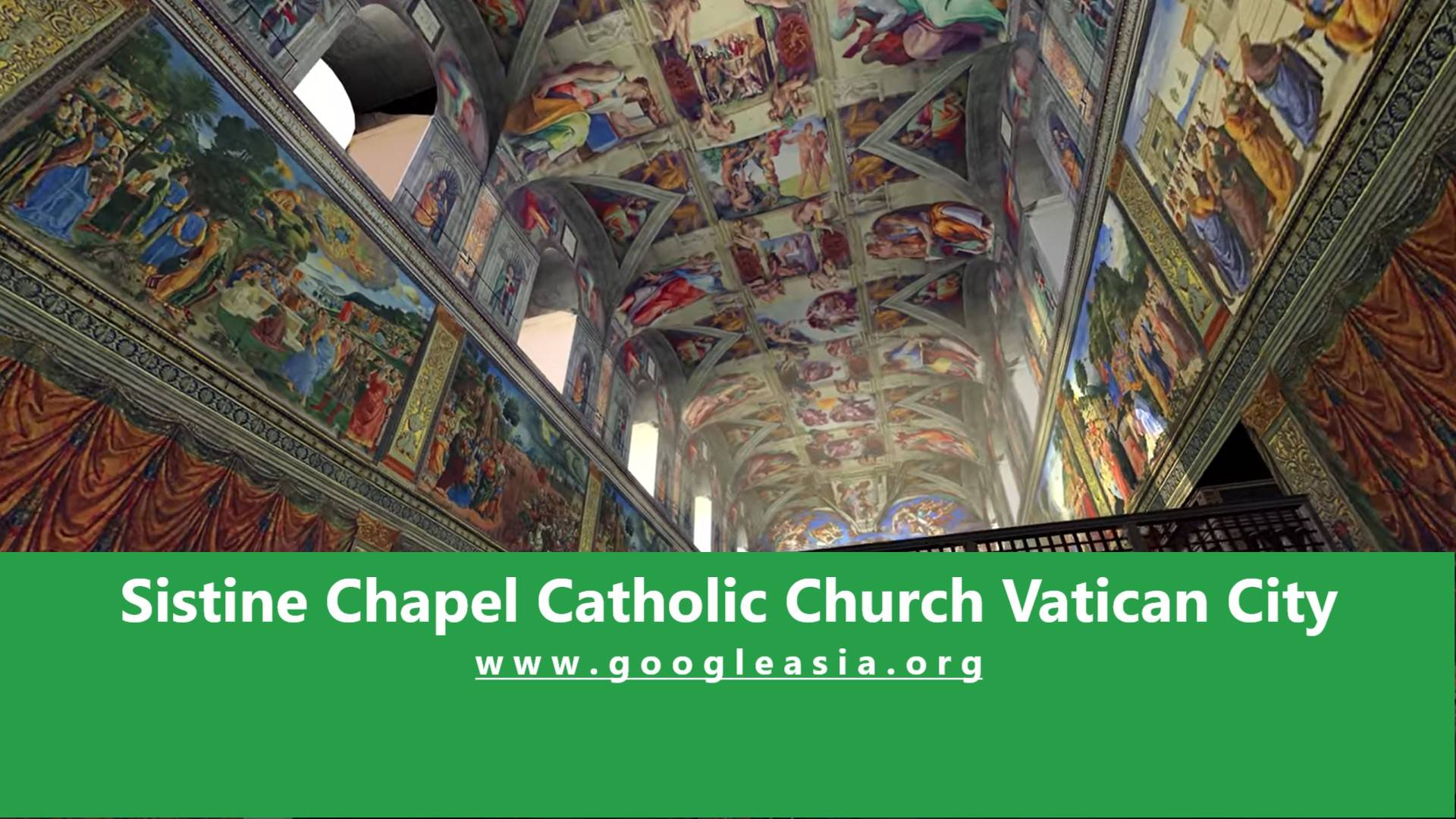
    Between 1508 and 1512, Michelangelo painted what would become the most iconic ceiling frescoes in history. The Sistine Chapel ceiling features scenes from the Book of Genesis, including the renowned “Creation of Adam” where God and Adam reach out toward each other in a moment of divine connection. The intricacy of the artwork, coupled with the emotional depth of the figures, makes this a masterpiece that has inspired millions of people.

    The Last Judgment

    Michelangelo’s “The Last Judgment,” completed between 1536 and 1541, occupies the entire altar wall of the chapel. This dramatic fresco portrays the final judgment of souls, featuring vivid depictions of the saved ascending to heaven and the damned descending to hell. The emotional intensity of this work highlights Michelangelo’s exceptional artistic skill and his profound understanding of theological themes.

    Architectural and Artistic

    Renaissance Architecture at Its Finest

    The Sistine Chapel’s architectural design embodies the ideals of Renaissance architecture. Designed by Giovanni dei Dolci, the chapel’s simple rectangular plan, with its elegant barrel-vaulted ceiling, is a prime example of Renaissance geometry. Despite its humble exterior, the interior of the chapel is nothing short of magnificent, showcasing the artistic achievements of its time.

    Other Artistic Contributions

    In addition to Michelangelo’s work, the chapel is adorned with frescoes by other Renaissance masters such as Sandro Botticelli, Pietro Perugino, and Domenico Ghirlandaio. These artists contributed scenes from the lives of Christ and Moses, enriching the chapel’s visual tapestry and diversifying the religious narratives presented within.

    Preservation Efforts

    Given the delicate nature of the frescoes and their exposure to environmental factors, preservation of the Sistine Chapel is an ongoing concern. Restoration efforts have been underway for decades to ensure the longevity of the artwork, including controlling humidity levels and maintaining proper lighting. These initiatives are crucial for preserving the beauty of the chapel for future generations.

    Cultural and Religious Impact

    A Monument to Renaissance Art

    The Sistine Chapel is a lasting symbol of the Renaissance and its artistic achievements. Michelangelo’s frescoes have left an indelible mark on Western art, influencing artists and art movements for centuries. The chapel stands as a testament to the intellectual and cultural flourishing of the Renaissance era.

    Spiritual Significance for the Faithful

    Beyond its artistic value, the Sistine Chapel serves as a sacred space for worship, embodying the spiritual depth of the Catholic faith. It is a site for reflection and prayer, with many pilgrims visiting the chapel to connect with their faith in the presence of such divine beauty.

    Things to Do

    Admire Michelangelo’s Masterpieces

    • Ceiling Frescoes: Take time to observe the intricate details of Michelangelo’s frescoes, especially the “Creation of Adam” and the “Last Judgment.” These works are considered the pinnacle of Renaissance art.
    • The Last Judgment: Focus on the dramatic scenes of heaven and hell as portrayed by Michelangelo. The grandeur of this fresco captures the ultimate clash between good and evil.

    Attend Mass or Papal Events

    • Regular Mass Services: The Sistine Chapel is still used for religious services, including regular Mass. Attending one of these services allows you to witness the chapel’s liturgical significance.
    • Papal Masses: If you’re lucky enough to be in Vatican City during a special occasion, you may have the opportunity to attend a Papal Mass in the Sistine Chapel.

    Explore the Vatican Museums

    The Sistine Chapel is part of the Vatican Museums, home to an extensive collection of Renaissance art and ancient sculptures. Be sure to explore other exhibits by Raphael and Botticelli, along with ancient artifacts.

    Visit St. Peter’s Basilica

    Nearby, you’ll find St. Peter’s Basilica, a marvel of Renaissance architecture and the resting place of St. Peter. Don’t miss Michelangelo’s Pietà inside the basilica, an iconic sculpture of the Virgin Mary holding the body of Christ.

    Take a Guided Tour of Vatican Gardens

    The Vatican Gardens provide a tranquil space to relax and enjoy the lush greenery and historical significance of the gardens, offering an opportunity to appreciate the natural beauty of Vatican City.

    Conclusion

    A visit to the Sistine Chapel is more than just sightseeing—it’s a journey into the heart of Renaissance art and religious heritage. With its awe-inspiring frescoes and spiritual significance, it remains one of Italy’s top landmarks. Whether you’re drawn by its artistic brilliance or its cultural legacy, the Sistine Chapel promises an experience you’ll never forget. Start planning your Vatican City adventure today and witness this timeless masterpiece for yourself!

    The Sistine Chapel awaits you with open doors, ready to offer an unforgettable experience of beauty, history, and faith. Book your tickets now to explore one of the most cherished landmarks in the world and immerse yourself in the timeless wonders of the Vatican.

    Sistine Chapel Catholic Church Vatican City

    Summary

    • Attraction Name: Sistine Chapel, Vatican City
    • Country: Italy
    • Continent: Europe
    • Capital of Country: Rome
    • Capital: Rome
    • Language: Italian
    • Currency: Euro (€)
    • Nationality: Italian
    • Category: #Italy #Destination #Europe 

    Frequently Asked Questions

    Where is the Sistine Chape located?

    The Sistine Chapel is located within Vatican City, an independent city-state enclaved within Rome, Italy. Specifically, it is part of the Vatican Museums and is situated within the Apostolic Palace, the official residence of the Pope. The Sistine Chapel is renowned for its ceiling painted by Michelangelo, which includes the famous frescoes depicting scenes from the Book of Genesis.

    How to go to the Sistine Chapel?

    To reach the Sistine Chapel in Vatican City, you can follow these general directions:

    1. Arrive in Rome: Start by arriving in Rome, Italy, as Vatican City is an independent city-state located within Rome.
    2. Reach Vatican City: Vatican City is easily accessible on foot from various points in central Rome due to its small size. Consider walking or using public transportation to reach the Vatican.
    3. By Metro: Take Line A (red line) of the Rome Metro and get off at the Ottaviano station. From there, it’s about a 10 to 15-minute walk to the Vatican Museums, where the Sistine Chapel is located.
    4. By Bus: Several bus lines connect different parts of Rome to Vatican City. Look for buses that stop near the Vatican Museums or St. Peter’s Basilica.
    5. On Foot: If you’re already in central Rome, you can enjoy a pleasant walk to Vatican City. Follow the signs or use a map to guide you to St. Peter’s Square.
    6. Guided Tours: Consider joining a guided tour of the Vatican Museums, which often includes the Sistine Chapel. This can provide you with additional information and context about the artwork.
    7. Entrance Fee and Tickets: Purchase tickets to the Vatican Museums, as the Sistine Chapel is part of this complex. It’s advisable to buy tickets in advance to avoid long queues.
    8. Visiting Hours: Check the opening hours of the Vatican Museums, as the Sistine Chapel is typically open during the same hours. Keep in mind that the chapel may have restricted access during religious events.

    What are the Sistine Chape’s must-visit attractions or landmarks?

    The Sistine Chapel itself is a renowned cultural and artistic landmark within Vatican City, and its primary attraction is the stunning ceiling painted by Michelangelo. Here are some key features and attractions within the Sistine Chapel that you should explore:

    1. Michelangelo’s Ceiling Frescoes: The main highlight of the Sistine Chapel is the ceiling, painted by Michelangelo between 1508 and 1512. The frescoes depict scenes from the Book of Genesis, including the famous “Creation of Adam” where the hands of God and Adam nearly touch.
    2. The Last Judgment: Michelangelo also painted the “Last Judgment” on the altar wall of the chapel between 1536 and 1541. This monumental fresco depicts the Second Coming of Christ and the final judgment of souls.
    3. Side Wall Frescoes: The side walls of the Sistine Chapel feature frescoes by various Renaissance artists, including Botticelli, Perugino, and Ghirlandaio. These paintings contribute to the overall artistic richness of the chapel.
    4. Chapel Architecture: Take note of the architecture of the Sistine Chapel, including its iconic dome and design. The chapel itself is a masterpiece of Renaissance architecture.
    5. Papal Conclaves: The Sistine Chapel is not only an artistic treasure but also a place of significant religious and historical importance. It serves as the site for papal conclaves, where a new pope is elected.
    6. Access to the Vatican Museums: The Sistine Chapel is part of the Vatican Museums complex. While exploring the museums, you’ll encounter numerous other treasures, including classical sculptures, Renaissance paintings, and historical artifacts.
    7. St. Peter’s Basilica: Although not directly within the Sistine Chapel, St. Peter’s Basilica is located nearby. It is one of the largest and most important churches in the world. Consider visiting the basilica after exploring the chapel.

    What are Sistine Chapel’s nearby must-visit attractions or landmarks?

    The Sistine Chapel is located within Vatican City, which is a city-state surrounded by Rome, Italy. While Vatican City itself is a relatively small area, there are several nearby attractions and landmarks that you may find interesting. Here are some must-visit places near the Sistine Chapel:

    1. St. Peter’s Basilica: Adjacent to the Sistine Chapel, St. Peter’s Basilica is one of the largest and most important churches in the world. It is renowned for its stunning architecture, art, and religious significance.
    2. Vatican Museums: Apart from the Sistine Chapel, the Vatican Museums house an extensive collection of art and artifacts collected by the Roman Catholic Church over centuries. The museums are a treasure trove of masterpieces and historical items.
    3. St. Peter’s Square: Designed by Gian Lorenzo Bernini, St. Peter’s Square is a grand and iconic open space in front of St. Peter’s Basilica. It features a large elliptical colonnade and an Egyptian obelisk at the center.
    4. Castel Sant’Angelo: Also known as the Mausoleum of Hadrian, this fortress is located a short distance from Vatican City. It offers panoramic views of Rome and the Tiber River and has a rich history as a mausoleum, castle, and prison.
    5. Piazza Navona: A lively square in the heart of Rome, Piazza Navona is known for its Baroque architecture, fountains, and vibrant atmosphere. The square is surrounded by restaurants, cafes, and shops.
    6. Pantheon: A marvel of ancient Roman engineering, the Pantheon is a well-preserved temple dedicated to the gods. Its dome is a remarkable architectural feat, and the interior is adorned with impressive artwork.
    7. Trastevere: This charming neighborhood, located across the Tiber River from Vatican City, is known for its narrow cobblestone streets, colorful buildings, and lively atmosphere. It’s a great place to explore and experience authentic Roman life.

    Is Sistine Chapel a suitable travel destination for solo adventurers, honeymooning couples, or those traveling with families?

    The Sistine Chapel, located within Vatican City, is a versatile destination suitable for various types of travelers, including solo adventurers, honeymooning couples, and families. Here’s a breakdown of its suitability for each group:

    1. Solo Adventurers:
      • Cultural and Artistic Exploration: Solo travelers interested in art, history, and culture will find the Sistine Chapel and the surrounding Vatican City a fascinating destination. The art collection in the Vatican Museums, of which the Sistine Chapel is a part, is extensive and rich in history.
      • Flexibility: Solo adventurers have the flexibility to explore at their own pace, delve into the details of the artwork, and take as much time as they want to absorb the cultural and historical significance.
    2. Honeymooning Couples:
      • Romantic Setting: The Sistine Chapel and St. Peter’s Basilica provide a romantic and awe-inspiring setting. The artistic masterpieces and the overall atmosphere make for a memorable experience for couples.
      • Surrounding Attractions: The nearby St. Peter’s Square, with its beautiful architecture and panoramic views, adds to the romantic ambiance. Additionally, exploring the charming streets of Rome and enjoying its romantic restaurants can complement a honeymoon itinerary.
    3. Families:
      • Educational Experience: Families traveling with children can turn the visit into an educational experience, introducing them to art, history, and religion in a captivating way. The Vatican Museums offer a diverse range of exhibits that can engage family members of all ages.
      • Accessibility: While Vatican City is relatively small, it is easily accessible, and the central location of the Sistine Chapel within the city makes it convenient for families to explore with children.

    Why should you visit Sistine Chapel?

    Visiting the Sistine Chapel is a unique and rewarding experience for several reasons:

    1. Michelangelo’s Masterpiece: The Sistine Chapel is renowned for its ceiling, which was painted by the Italian Renaissance artist Michelangelo. The masterpiece includes the famous frescoes depicting scenes from the Book of Genesis, with the iconic “Creation of Adam” at its center. The sheer artistic brilliance and detail make it a must-see for art enthusiasts.
    2. Historical and Religious Significance: The Sistine Chapel is a place of great historical and religious importance. It serves as the site for the papal conclave, where a new pope is elected, and has witnessed numerous significant events in the history of the Catholic Church.
    3. Architectural Beauty: The chapel itself is a masterpiece of Renaissance architecture, designed by architects such as Giovanni dei Dolci and Baccio Pontelli. Its dimensions, proportions, and overall design contribute to the grandeur of the space.
    4. Vatican Museums: The Sistine Chapel is part of the Vatican Museums, which house one of the most extensive art collections in the world. Visitors have the opportunity to explore a vast array of artistic treasures, including paintings, sculptures, and historical artifacts, providing a comprehensive cultural experience.
    5. Spiritual Atmosphere: The Sistine Chapel is a place of worship and contemplation. Many visitors, regardless of their religious beliefs, are moved by the spiritual atmosphere within its walls. The sacredness of the space adds an extra layer of significance to the visit.
    6. Cultural Heritage: The Sistine Chapel represents a pinnacle of Western art and culture. Its contribution to the Renaissance period and its influence on subsequent generations of artists make it an essential part of humanity’s cultural heritage.
    7. Photographic Opportunities: The beauty and intricacy of the artwork, combined with the architectural splendor, provide ample opportunities for photography. However, it’s essential to be respectful of the chapel’s rules regarding photography.
    8. St. Peter’s Basilica and Surroundings: The Sistine Chapel is located within Vatican City, and a visit often includes exploring St. Peter’s Basilica, St. Peter’s Square, and other nearby attractions, enhancing the overall experience.

    Is there any halal food available in the vicinity of the Sistine Chapel?

    Here are some general tips to find halal food in the area:

    1. Local Restaurants: Look for restaurants in the surrounding neighborhoods of Vatican City, such as Prati or Borgo. Some restaurants may offer halal options or be willing to accommodate dietary preferences.
    2. Muslim-Friendly Apps and Websites: Utilize mobile apps or websites that specialize in listing halal-friendly establishments. Apps like Zabihah and HalalTrip provide information about halal restaurants and food options around the world.
    3. Ask Locals: If you are in Rome or the Vatican City, don’t hesitate to ask locals or your accommodation staff for recommendations on halal dining options. They may be able to direct you to suitable places.
    4. Research in Advance: Before your trip, conduct online research to identify halal restaurants in Rome. Some travel forums and websites may have up-to-date information and reviews from fellow travelers.
    5. Hotel or Accommodation Services: If you are staying in a hotel, inquire with the staff about nearby halal dining options. They may be able to provide recommendations or assist you in finding suitable food.
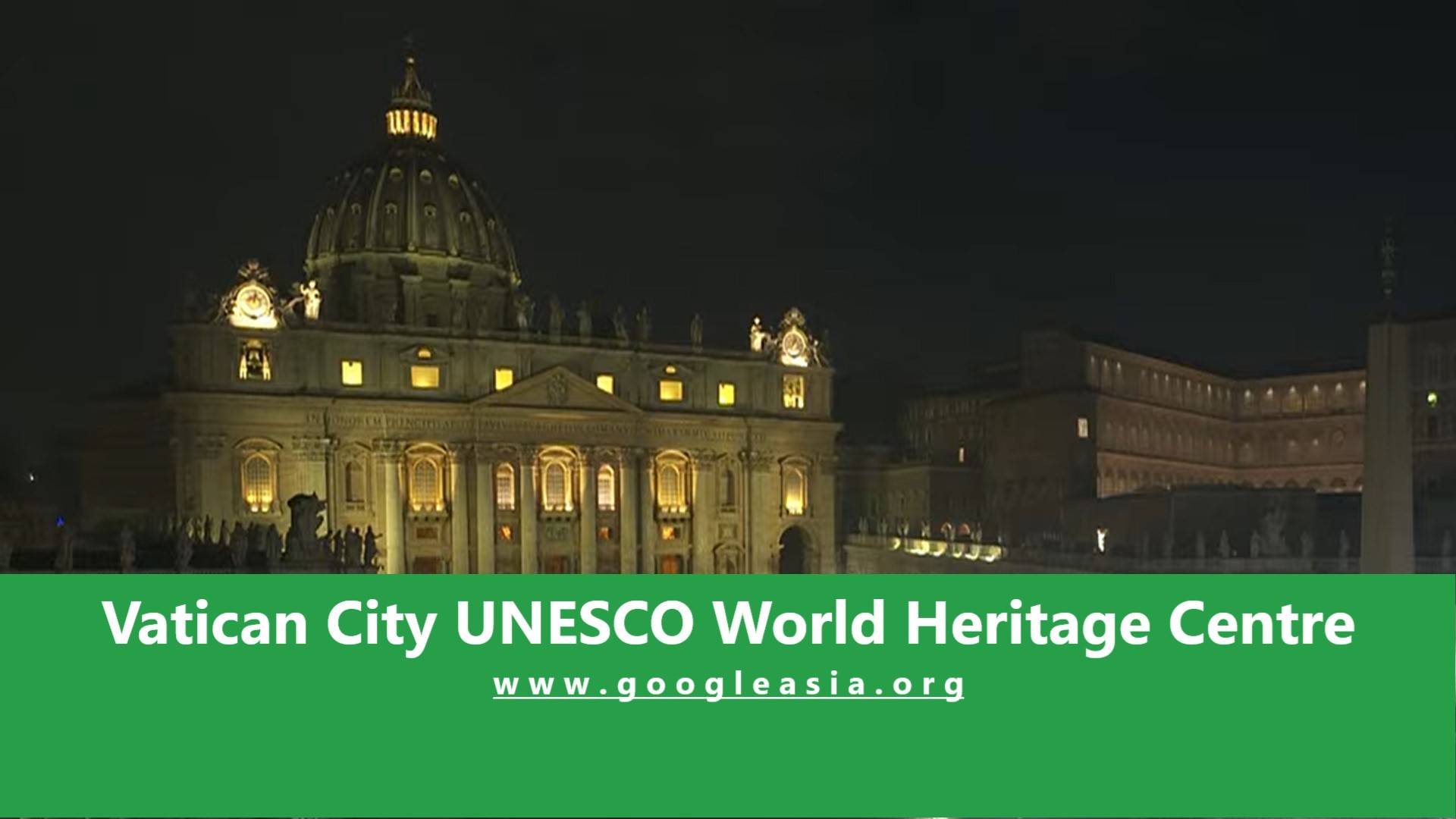
  • Vatican City Travel Guide for U.S. Travelers

    Vatican City Travel Guide for U.S. Travelers

    Vatican City

    Step into the heart of Catholicism and explore Vatican City’s timeless treasures—from St. Peter’s Basilica to the Sistine Chapel. Plan your visit today and experience the world’s smallest yet most powerful city-state!

    Introduction

    Nestled in the heart of Rome, Vatican City is a must-see for travelers exploring Italy. Though it’s the world’s smallest country, it offers an extraordinary wealth of history, art, and culture. From the awe-inspiring architecture of St. Peter’s Basilica to the breathtaking frescoes of the Sistine Chapel, Vatican City is a treasure trove of unforgettable experiences. Whether you’re wandering through the Vatican Museums or enjoying the serene atmosphere of St. Peter’s Square, this destination promises a journey unlike any other.

    Historical Background

    Vatican City became an independent state in 1929, following the Lateran Treaty between the Holy See and the Kingdom of Italy. This treaty established the Vatican as a sovereign entity, providing the Church with autonomy and a safe haven for its religious leadership. The Vatican’s influence reaches far beyond its borders, both in terms of religion and global diplomacy.

    Significance

    The Vatican is home to the Pope, the spiritual leader of over 1.3 billion Catholics worldwide. Key religious and cultural landmarks, such as St. Peter’s Basilica, the Vatican Museums, and the Sistine Chapel, attract millions of visitors annually, making Vatican City a major pilgrimage and tourist destination.

    UNESCO World Heritage Centre

    Establishment and Purpose

    In 1984, Vatican City was designated as a UNESCO World Heritage site due to its exceptional universal value. The UNESCO World Heritage Centre in Vatican City plays a crucial role in preserving and promoting the city’s cultural and religious heritage. This initiative supports global efforts to safeguard significant historical and artistic landmarks for future generations.

    Objectives

    • Safeguarding Cultural Heritage: The Centre is dedicated to protecting the cultural and historical assets of Vatican City, including its iconic artworks and architecture.
    • Promoting Dialogue: It facilitates intercultural communication, fostering greater understanding between different civilizations.
    • Education and Research: Through educational programs and research, the Centre contributes to a deeper global appreciation for the significance of Vatican City’s treasures.

    Budget Travel $100

    Visiting Vatican City on a budget of $100 is possible if you plan carefully, as entry to St. Peter’s Basilica is free, while a ticket to the Vatican Museums and Sistine Chapel costs around €20, leaving enough for a simple meal and public transport, so with thoughtful choices you can enjoy the highlights of the world’s smallest country without overspending.

    Tips for USA Travellers

    For visitors from the USA, it is important to remember that Vatican City uses the euro, so exchanging currency in advance or using a card with low foreign transaction fees will save money, and since the Vatican is a religious site, modest dress is required to enter sacred spaces, while booking museum tickets online before arrival helps avoid long queues and ensures a smoother experience.

    Attractions

    Vatican Museums

    One of the world’s most visited cultural institutions, the Vatican Museums house an extensive collection of art and historical artifacts. From Michelangelo to Raphael, the collection spans various artistic periods. Some notable sections include the Raphael Rooms, the Gallery of Maps, and the Gregorian Egyptian Museum.

    Sistine Chapel

    Renowned for its exquisite frescoes by Michelangelo, the Sistine Chapel stands as a symbol of Renaissance art. The ceiling’s depiction of Genesis and the Last Judgment on the altar wall are among the most famous works of Western art. The Sistine Chapel also hosts papal conclaves, where a new Pope is elected.

    St. Peter’s Basilica

    Considered the largest church in the world, St. Peter’s Basilica is an architectural marvel. Designed by Michelangelo and Bernini, the basilica showcases a combination of Renaissance and Baroque styles. Inside, visitors can marvel at Michelangelo’s Pietà, Bernini’s Baldachin, and a breathtaking dome that provides panoramic views of Vatican City.

    Vatican Library

    The Vatican Library is one of the oldest and most important libraries in the world. Home to thousands of ancient manuscripts, rare books, and historical documents, it serves as a vital research resource. Scholars worldwide visit the library to study these invaluable texts, which span centuries of religious and philosophical thought.

    Activities and Programs

    Conservation Efforts

    The UNESCO World Heritage Centre in Vatican City is deeply involved in preserving the city’s artworks, manuscripts, and historical buildings. Conservation projects include restoring delicate frescoes, maintaining sacred sites, and protecting ancient books and texts from decay.

    Conferences and Workshops

    The Centre regularly hosts conferences, workshops, and seminars that address issues related to the conservation and management of cultural heritage. These events attract experts from around the world, contributing to the global dialogue on preserving historical legacies.

    Educational Initiatives

    Through guided tours, exhibitions, and educational materials, the Vatican offers programs designed to deepen the public’s understanding of its artistic and historical significance. These initiatives aim to promote a broader appreciation of the Vatican’s rich cultural heritage.

    Collaboration and Partnerships

    International Cooperation

    Vatican City actively collaborates with international organizations, museums, and universities to promote cultural heritage preservation. These partnerships help share knowledge and resources, fostering best practices in the field of heritage conservation.

    Public Engagement

    Vatican City’s public outreach programs encourage people to engage with its heritage in meaningful ways. These efforts include workshops, exhibitions, and events designed to educate the public on the importance of preserving cultural treasures.

    Things to Do

    Visit St. Peter’s Basilica

    • Grand Architecture and Art: Marvel at the stunning Renaissance and Baroque architecture of St. Peter’s Basilica. Highlights include Michelangelo’s Pietà and Bernini’s Baldachin.
    • Climb the Dome: Take the climb to the top for breathtaking views of both Vatican City and Rome.

    Visit the Sistine Chapel

    • Michelangelo’s Masterpieces: The Sistine Chapel’s frescoes, including the iconic Creation of Adam, are masterpieces that every art lover should witness.
    • Papal Conclaves: Experience the historic significance of this site, where a new Pope is elected during the papal conclave.

    Explore the Vatican Museums

    • Extensive Art Collections: From Renaissance masterpieces to ancient Egyptian artifacts, the Vatican Museums house treasures that span centuries of artistic expression.
    • Sistine Chapel: Don’t miss this key highlight of the museum experience, offering an opportunity to explore both the art and history of the chapel.

    See the Pinecone Courtyard

    • Monumental Fountain: Admire the Fountain of the Pinecone, an iconic feature in the heart of Vatican City that adds to its architectural beauty.

    Stroll Through the Vatican Gardens

    • Lush Landscapes: The Vatican Gardens offer a peaceful escape with beautiful greenery and historical statues.
    • Historical Significance: Learn about the Vatican Gardens’ spiritual and cultural history, which dates back to the 16th century.

    Attend a Papal Audience

    • Witness the Pope: Experience the solemnity of a Papal Audience in St. Peter’s Square, where the Pope addresses thousands of pilgrims and visitors.

    Foods

    Focaccia

    Enjoy freshly baked focaccia, a flatbread that’s seasoned with olive oil, rosemary, and salt. This Italian classic is the perfect accompaniment to any meal.

    Pizza

    Vatican City offers authentic Roman pizza, known for its thin, crispy crust. Try the Margherita or Capricciosa, two popular varieties.

    Bruschetta

    Try the classic bruschetta, made with grilled bread, garlic, and a mix of diced tomatoes and basil.

    Saltimbocca alla Romana

    This dish features veal cutlets topped with prosciutto and sage, cooked in white wine and butter for a savory and flavorful experience.

    Conclusion

    A visit to Vatican City is more than sightseeing—it’s an immersion into centuries of faith, art, and tradition. With its iconic landmarks and spiritual significance, it remains one of Italy’s top places to visit. Whether you’re drawn by its cultural heritage or its peaceful ambiance, Vatican City offers a truly enriching experience. Start planning your trip today and uncover the wonders of this timeless destination!

    Plan your visit today to explore the architectural marvels and cultural treasures that make Vatican City a global landmark. From the Sistine Chapel’s frescoes to St. Peter’s Basilica, your journey through this spiritual city will be nothing short of extraordinary. Book your trip now and experience the rich history and beauty of the Vatican firsthand.

    Vatican City UNESCO World Heritage Centre

    Summary

    • Attraction Name: Vatican City UNESCO World Heritage Centre
    • Country: Italy
    • Continent: Europe
    • Capital: Rome
    • Language: Italian
    • Currency: Euro (€)
    • Nationality: Italian
    • Category: #Italy #Destination #Europe 

    Frequently Asked Questions

    Planning a trip to Vatican City? Our FAQ guide has you covered with all the answers to your most common questions. From essential travel tips to the best things to do, we’ll help you get ready for your adventure. Get the info you need to explore Vatican City with confidence and make the most of your visit.

    Where is Vatican City located?

    Vatican City is located in the heart of Rome, Italy. It is an independent city-state entirely surrounded by the Italian capital. Situated on the western bank of the Tiber River, Vatican City is the smallest internationally recognized independent state in the world, both in terms of area and population. It serves as the spiritual and administrative center of the Roman Catholic Church and is the residence of the Pope.

    How can one travel to Vatican City?

    Traveling to Vatican City is straightforward and accessible from various points in Rome. Here’s how you can get there:

    1. By Air: The nearest major airport is Leonardo da Vinci International Airport (Fiumicino), located about 30 kilometers (18 miles) from Vatican City. From the airport, you can take a train to Rome’s central station, Termini, or use airport shuttle services. From Termini, you can take a bus, taxi, or metro to reach Vatican City.
    2. By Train: If you’re traveling by train, Rome’s Termini Station is the main hub. From there, you can take the metro Line A (the red line) towards Battistini and get off at the Ottaviano-San Pietro station, which is within walking distance of Vatican City.
    3. By Metro: The Vatican City is accessible via the Rome Metro Line A. The Ottaviano-San Pietro station is the closest metro stop, about a 10-minute walk from St. Peter’s Basilica and the Vatican Museums.
    4. By Bus: Several bus lines in Rome connect to Vatican City. Bus lines 40 and 64 are popular routes that stop near Vatican City.
    5. By Taxi or Ride-Sharing: Taxis and ride-sharing services are readily available throughout Rome and can take you directly to Vatican City.
    6. On Foot: If you are staying in central Rome, many of the city’s attractions, including Vatican City, are within walking distance from each other. A leisurely walk to Vatican City can be a pleasant way to see the city’s sights.

    What’s the climate like in Vatican City?

    Vatican City experiences a Mediterranean climate, characterized by mild, wet winters and hot, dry summers. Here’s a breakdown of what you can expect throughout the year:

    1. Spring (March to May): Spring in Vatican City is pleasant, with mild temperatures ranging from 10°C to 20°C (50°F to 68°F). Rainfall is moderate, and this season is ideal for visiting as the weather is generally comfortable and the tourist crowds are smaller.
    2. Summer (June to August): Summers in Vatican City are typically hot and dry. Temperatures often range from 20°C to 30°C (68°F to 86°F), but can occasionally rise above 35°C (95°F). This is the peak tourist season, so expect larger crowds and higher prices. It’s a good idea to stay hydrated and wear sun protection.
    3. Autumn (September to November): Autumn is a lovely time to visit, with temperatures ranging from 15°C to 25°C (59°F to 77°F). The weather is generally pleasant, though rainfall can increase as the season progresses. Early autumn is particularly enjoyable as the weather is still warm but less crowded.
    4. Winter (December to February): Winters in Vatican City are mild compared to other European cities, with temperatures typically ranging from 5°C to 15°C (41°F to 59°F). Although it is the wettest time of year, snowfall is rare. Winter is quieter in terms of tourism, making it a good time to visit if you prefer fewer crowds and cooler weather.

    What are Vatican City’s must-visit cities?

    Vatican City is itself a city-state and does not contain other cities within it. However, if you are asking about the must-visit locations and landmarks within Vatican City, here’s a guide to the key sites:

    1. St. Peter’s Basilica: This iconic church is one of the most significant and visited religious sites in the world. It features stunning Renaissance architecture, elaborate decorations, and Michelangelo’s famous Pietà sculpture. Visitors can also climb to the top of the dome for spectacular views of Vatican City and Rome.
    2. St. Peter’s Square: The grand plaza in front of St. Peter’s Basilica, designed by Gian Lorenzo Bernini, is known for its impressive colonnades and the central obelisk. It is the location where many major religious events and gatherings take place.
    3. The Vatican Museums: This extensive complex houses a vast collection of art and historical artifacts accumulated by the Catholic Church over centuries. Highlights include the Raphael Rooms, the Gallery of Maps, and the Museum of Modern Religious Art.
    4. The Sistine Chapel: Part of the Vatican Museums, the Sistine Chapel is renowned for its magnificent ceiling painted by Michelangelo, featuring the famous “Creation of Adam” scene. It is also where the Papal Conclave takes place, where new popes are elected.
    5. The Vatican Gardens: These beautifully landscaped gardens are not always open to the public but offer a tranquil and scenic view of the Vatican’s green spaces. Guided tours are available, providing insights into the gardens’ history and features.
    6. The Vatican Library: Known for its invaluable collection of manuscripts, rare books, and historical documents. While access is generally restricted, it is a crucial site for scholars and those interested in historical research.
    7. The Apostolic Palace: The official residence of the Pope, which includes various significant areas such as the Papal Apartments and the Vatican Secretariat of State. While not all areas are accessible to the public, guided tours can offer a glimpse into the workings of the papal residence.

    What are Vatican City’s must-visit destinations?

    Vatican City, though small, is home to some of the most significant and awe-inspiring sites in the world. Here are the must-visit destinations within this unique city-state:

    1. St. Peter’s Basilica: This magnificent church is one of the largest in the world and a masterpiece of Renaissance architecture. Designed by architects including Michelangelo and Gian Lorenzo Bernini, it features impressive artworks and the tomb of St. Peter. Visitors can also ascend to the dome for panoramic views of Vatican City and Rome.
    2. St. Peter’s Square: The grand square in front of St. Peter’s Basilica, designed by Bernini, is known for its expansive layout and grand colonnades. The central obelisk and the twin fountains add to its grandeur. The square is often the site of major religious events and public gatherings.
    3. The Vatican Museums: This vast collection of art and historical artifacts is one of the most important in the world. Highlights include the Raphael Rooms, the Gallery of Maps, and the extensive collection of classical sculptures. The museums culminate in the Sistine Chapel, which is renowned for its Michelangelo-painted ceiling.
    4. The Sistine Chapel: A highlight of the Vatican Museums, the Sistine Chapel is famous for its ceiling frescoes painted by Michelangelo, including the iconic “Creation of Adam.” The chapel is also the site of the Papal Conclave, where new popes are elected.
    5. The Vatican Gardens: Covering about half of Vatican City, these beautifully landscaped gardens offer a serene escape from the city’s busier areas. Guided tours are available, providing insights into the gardens’ history, sculptures, and fountains.
    6. The Vatican Library: Established in the 15th century, the Vatican Library holds a vast collection of manuscripts, rare books, and historical documents. While the library itself is generally not open to the public, it is an important research center and an integral part of Vatican City’s cultural heritage.
    7. The Apostolic Palace: The official residence of the Pope, the Apostolic Palace houses various significant rooms, including the Papal Apartments and the Vatican Secretariat of State. Access is generally restricted, but guided tours may offer glimpses into this historic residence.

    What are Vatican City’s must-visit attractions or landmarks?

    Vatican City is renowned for its remarkable religious, artistic, and historical landmarks. Here are the must-visit attractions:

    1. St. Peter’s Basilica: This iconic basilica is one of the largest and most significant churches in the world. Designed by renowned architects including Michelangelo, it features stunning Renaissance architecture, the Pietà sculpture, and the opportunity to climb to the dome for breathtaking views of Vatican City and Rome.
    2. St. Peter’s Square: The grand plaza in front of St. Peter’s Basilica, designed by Gian Lorenzo Bernini, is famous for its impressive colonnades, central obelisk, and the twin fountains. The square is a focal point for major religious events and public gatherings.
    3. The Vatican Museums: A vast collection of art and historical artifacts amassed by the Catholic Church over centuries. Highlights include the Raphael Rooms, the Gallery of Maps, and the extensive collection of classical sculptures. The museums lead to the Sistine Chapel.
    4. The Sistine Chapel: Located within the Vatican Museums, the Sistine Chapel is renowned for its ceiling painted by Michelangelo, including the famous “Creation of Adam.” The chapel is also the site of the Papal Conclave, where new popes are elected.
    5. The Vatican Gardens: These beautifully landscaped gardens cover about half of Vatican City. Although access is limited, guided tours provide an opportunity to explore the gardens’ serene spaces, fountains, and sculptures.
    6. The Vatican Library: Established in the 15th century, this library houses a vast collection of manuscripts, rare books, and historical documents. While the library itself is not always open to the public, it is a crucial part of Vatican City’s scholarly and cultural heritage.
    7. The Apostolic Palace: The official residence of the Pope, this historic building includes significant areas such as the Papal Apartments and the Vatican Secretariat of State. While access is generally restricted, some tours may offer a glimpse into the papal residence.
    8. The Vatican Necropolis: Located beneath St. Peter’s Basilica, the Necropolis is an ancient burial site that includes the tomb of St. Peter. Tours of the necropolis offer a fascinating look into early Christian burial practices and the history of the site.

    Is Vatican City a suitable travel destination for solo adventurers, honeymooning couples, or those traveling with families?

    Solo Adventurers: Vatican City is a highly suitable destination for solo adventurers. The compact size of the city-state allows for easy exploration, and its wealth of cultural and historical landmarks provide plenty of engaging activities. Solo travelers can immerse themselves in the rich art and history of the Vatican Museums, take in the architectural grandeur of St. Peter’s Basilica, and enjoy the tranquility of the Vatican Gardens. The city-state’s safety and the availability of guided tours and audio guides also make it convenient for solo explorers.

    Honeymooning Couples: Vatican City can be a charming and unique destination for honeymooning couples. The serene and spiritually significant environment of Vatican City offers a romantic backdrop for couples interested in art, history, and architecture. St. Peter’s Basilica and the Vatican Gardens provide intimate and awe-inspiring settings for couples to explore together. Additionally, the proximity to Rome allows couples to enjoy a mix of Vatican City’s tranquility with the vibrant and romantic atmosphere of Rome, which offers fine dining, picturesque streets, and other romantic experiences.

    Families: Vatican City is also a suitable destination for families, though some preparation is required. The attractions are generally accessible to children, and the city-state’s compact nature makes it manageable for families with young kids. St. Peter’s Basilica and the Vatican Museums offer educational opportunities, and the Sistine Chapel’s art can be fascinating for older children and teens. The Vatican Gardens provide a peaceful space for families to relax. However, it’s important to plan for potential lines and consider the needs of younger children during tours. Engaging guides and family-friendly tours can enhance the experience for all members.

    Why should you visit Vatican City?

    1. Rich Historical and Cultural Significance: Vatican City is the epicenter of the Roman Catholic Church and holds immense historical and cultural value. It is home to some of the world’s most renowned religious and artistic treasures, including the works of Michelangelo and Raphael, making it a pivotal site for understanding the history of Christianity and Renaissance art.
    2. Stunning Architecture and Art: The city-state boasts incredible architectural and artistic landmarks. St. Peter’s Basilica, with its awe-inspiring dome designed by Michelangelo, and the Vatican Museums, which house an extensive collection of art and artifacts, offer unparalleled experiences. The Sistine Chapel’s ceiling, painted by Michelangelo, is a masterpiece that attracts art lovers from around the globe.
    3. Unique Religious Experience: Visiting Vatican City provides a unique opportunity to experience the spiritual heart of the Catholic Church. Attending a papal audience or mass at St. Peter’s Basilica can be a profound and memorable experience, offering insight into the traditions and practices of one of the world’s largest religions.
    4. Historical Depth: Vatican City is a treasure trove of history, from its origins as the burial site of St. Peter to its role in the Renaissance and its influence on global politics and culture. The Vatican Necropolis, located beneath St. Peter’s Basilica, offers a glimpse into early Christian burial practices and the historical roots of the papacy.
    5. Architectural Marvels: The architectural beauty of Vatican City is second to none. From the grand St. Peter’s Square, designed by Gian Lorenzo Bernini, to the intricately designed Vatican Gardens, the city-state’s architecture reflects a blend of artistic styles and historical periods.
    6. Educational Opportunities: The Vatican Museums provide an educational journey through centuries of art, history, and culture. The extensive collections offer insight into various periods and styles, making it a rich experience for those interested in learning about art, religion, and history.
    7. Peaceful Retreat: Despite being located in the heart of bustling Rome, Vatican City offers a sense of tranquility and spiritual calm. The Vatican Gardens and the serene environment of St. Peter’s Basilica provide a peaceful retreat from the noise and rush of the city.
    8. Proximity to Rome: Vatican City’s location within Rome makes it easy to explore other historical and cultural sites in the Italian capital. This convenience allows visitors to experience both the unique attributes of Vatican City and the broader allure of Rome.

    How accessible is halal food in Vatican City?

    Halal food options in Vatican City itself are limited due to its small size and specific focus. However, visitors can find halal food with relative ease in the surrounding areas of Rome. Here’s a guide to navigating halal food availability near Vatican City:

    1. Halal Restaurants in Rome: Rome, the city surrounding Vatican City, has a number of halal restaurants and eateries. Many of these are concentrated in neighborhoods with a diverse international community. Popular areas include:
      • Termini Station Area: Known for its range of international dining options.
      • Esquilino District: Home to a sizable Muslim community and several halal restaurants and shops.
      • Near the Colosseum and Historical Center: Several halal options can be found close to major tourist attractions.
    2. Halal Food Delivery and Takeout: Many restaurants in Rome offer halal options and are available for delivery or takeout. Apps and websites like Uber Eats, Deliveroo, or local food delivery services can help you find halal food options.
    3. Grocery Stores and Markets: You can find halal meat and other halal products in some supermarkets and specialized stores in Rome. Stores such as Carrefour and specialty shops in the Esquilino District often stock halal products.
    4. International Chains: Some international fast-food chains with locations in Rome, like McDonald’s and KFC, offer halal options at specific branches. It’s a good idea to check in advance or inquire at the restaurant.
    5. Dining Near Major Attractions: Many of the popular tourist areas in Rome have restaurants that cater to diverse dietary needs, including halal. Asking hotel concierges or local guides for recommendations can also help you find suitable dining options.
  • Italy Travel Guide: Culture, Food & Tours

    Italy Travel Guide: Culture, Food & Tours

    Italy

    Discover Italy’s art, cuisine, and coastlines. Book guided tours, tastings, and stays with asiaworldtour.com—secure your dates now for the best deals!

    Introduction

    Italy is a land where history, art, and natural beauty converge to create one of the most captivating destinations in the world. Known as the cradle of the Renaissance, Italy offers travelers a chance to walk through ancient ruins, admire world-class masterpieces, and indulge in culinary traditions that have shaped global cuisine. Whether you’re sipping espresso in a bustling piazza, cruising along the Amalfi Coast, or marveling at Michelangelo’s Sistine Chapel, Italy promises experiences that linger long after your journey ends.

    Hot & Trending Destination

    Click below to start exploring and find your next destination.

    Italy Best European Countries to Visit

    Summary

    • Country: Italy
    • Continent: Europe
    • Capital: Rome
    • Official Language: Italian
    • Currency: Euro (EUR)
    • Nationality: Italian
    • Categories: #Destination #Italy #Europe 

    Frequently Asked Questions

    What is Italy’s must-visit cities?

    Italy is home to a plethora of captivating cities, each with its own unique charm, history, and cultural significance. Here are some must-visit cities in Italy:

    1. Rome: The capital city, known for its ancient ruins, historic landmarks like the Colosseum and Roman Forum, Vatican City, and the Trevi Fountain.
    2. Florence: The birthplace of the Renaissance, Florence is renowned for its art and architecture. Highlights include the Uffizi Gallery, Florence Cathedral, and Ponte Vecchio.
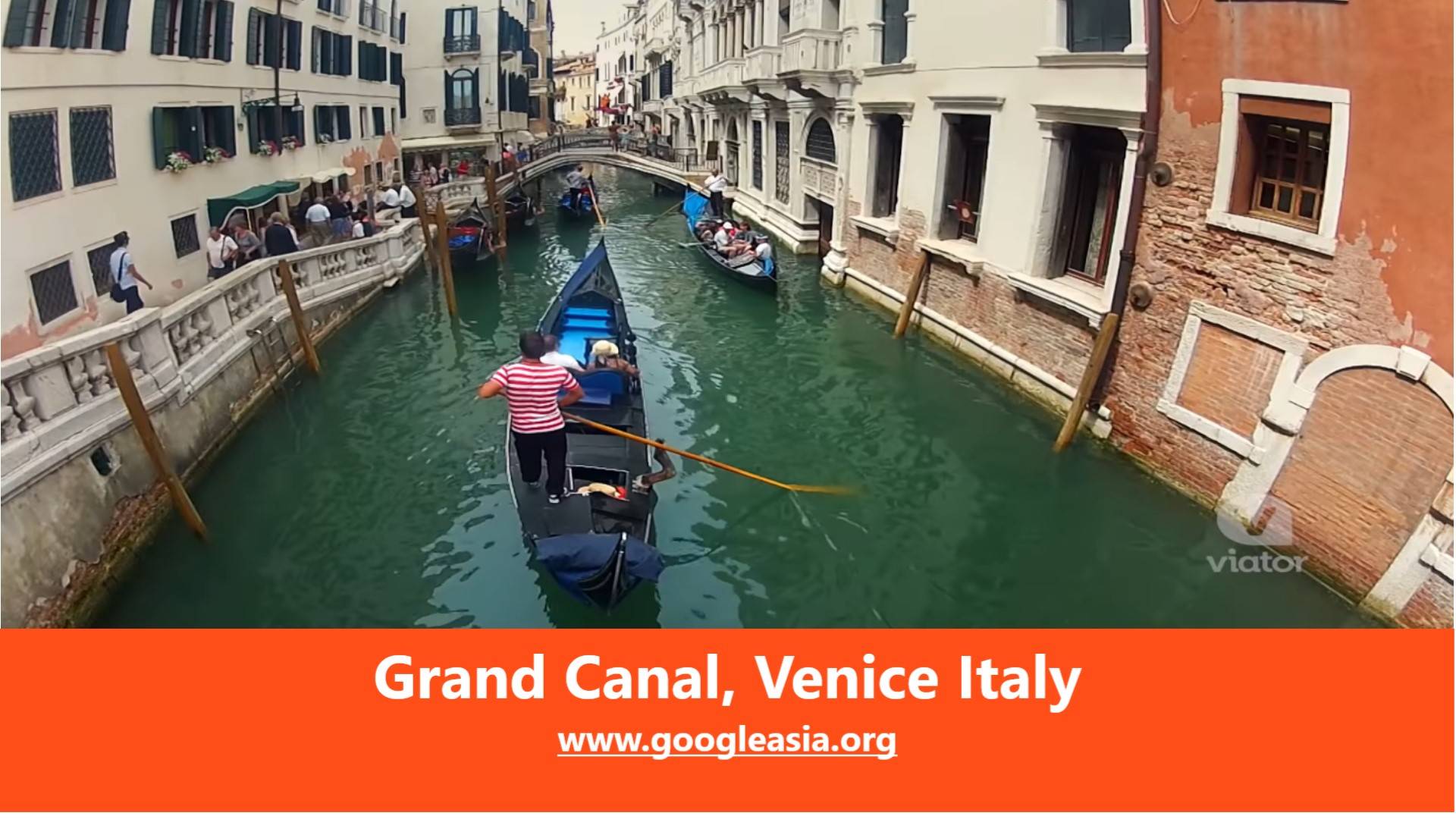
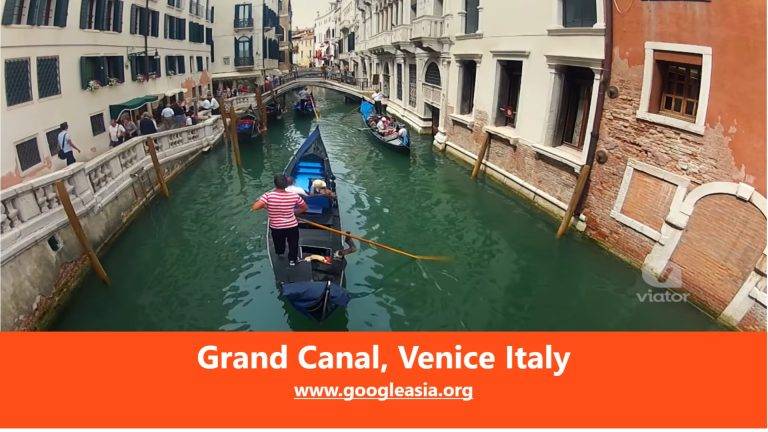
    3. Venice: A city of canals, Venice is famous for St. Mark’s Square, the Grand Canal, and the unique experience of exploring the city on gondolas.
    4. Milan: A global fashion and design capital, Milan boasts the impressive Duomo, Leonardo da Vinci’s Last Supper, and the upscale shopping district.
    5. Naples: A vibrant city known for its historic center, Naples serves as a gateway to Pompeii, Mount Vesuvius, and the Amalfi Coast.
    6. Turin: A city with a rich history and elegant architecture, Turin is home to the Shroud of Turin, the Mole Antonelliana, and a thriving culinary scene.
    7. Bologna: Famous for its medieval architecture, Bologna is a gastronomic delight known for its rich pasta dishes. The Two Towers and Piazza Maggiore are notable landmarks.
    8. Verona: The setting of Shakespeare’s “Romeo and Juliet,” Verona features a well-preserved Roman amphitheater (Arena di Verona) and a charming historic center.
    9. Genoa: A historic port city with a picturesque old town, Genoa is known for its maritime heritage, the Aquarium of Genoa, and vibrant street life.
    10. Palermo: The capital of Sicily, Palermo offers a mix of Norman, Moorish, and Baroque architecture, vibrant street markets, and delicious Sicilian cuisine.
    11. Siena: Famous for the Piazza del Campo and the Palio horse race, Siena is a medieval city with well-preserved architecture and a rich cultural heritage.
    12. Perugia: The capital of Umbria, Perugia is known for its medieval architecture, Renaissance art, and the annual chocolate festival.
    13. Bari: A coastal city in southern Italy, Bari features a historic old town (Bari Vecchia), the Basilica of Saint Nicholas, and a lively waterfront.
    14. Padua: Home to one of the oldest universities in Italy, Padua boasts the Scrovegni Chapel with frescoes by Giotto and a charming historic center.
    15. Lucca: Surrounded by Renaissance walls, Lucca is known for its well-preserved medieval architecture, including the Piazza dell’Anfiteatro and the Guinigi Tower.

    What are Italy’s must-visit destinations?

    Italy is a country that offers a diverse range of destinations, each with its own unique charm, history, and attractions. Here are some must-visit destinations in Italy:

    1. Rome: Italy’s capital is a treasure trove of ancient history, featuring iconic landmarks such as the Colosseum, Roman Forum, Vatican City, and the Pantheon.
    2. Florence: Known as the birthplace of the Renaissance, Florence boasts world-renowned art and architecture. Visit the Uffizi Gallery, Florence Cathedral, and Ponte Vecchio.
    3. Venice: A city of canals and romantic ambiance, Venice is famous for its Grand Canal, St. Mark’s Square, and unique architecture. Take a gondola ride through the waterways.
    4. Cinque Terre: Comprising five colorful cliffside villages (Monterosso al Mare, Vernazza, Corniglia, Manarola, and Riomaggiore), Cinque Terre offers breathtaking coastal views and hiking trails.
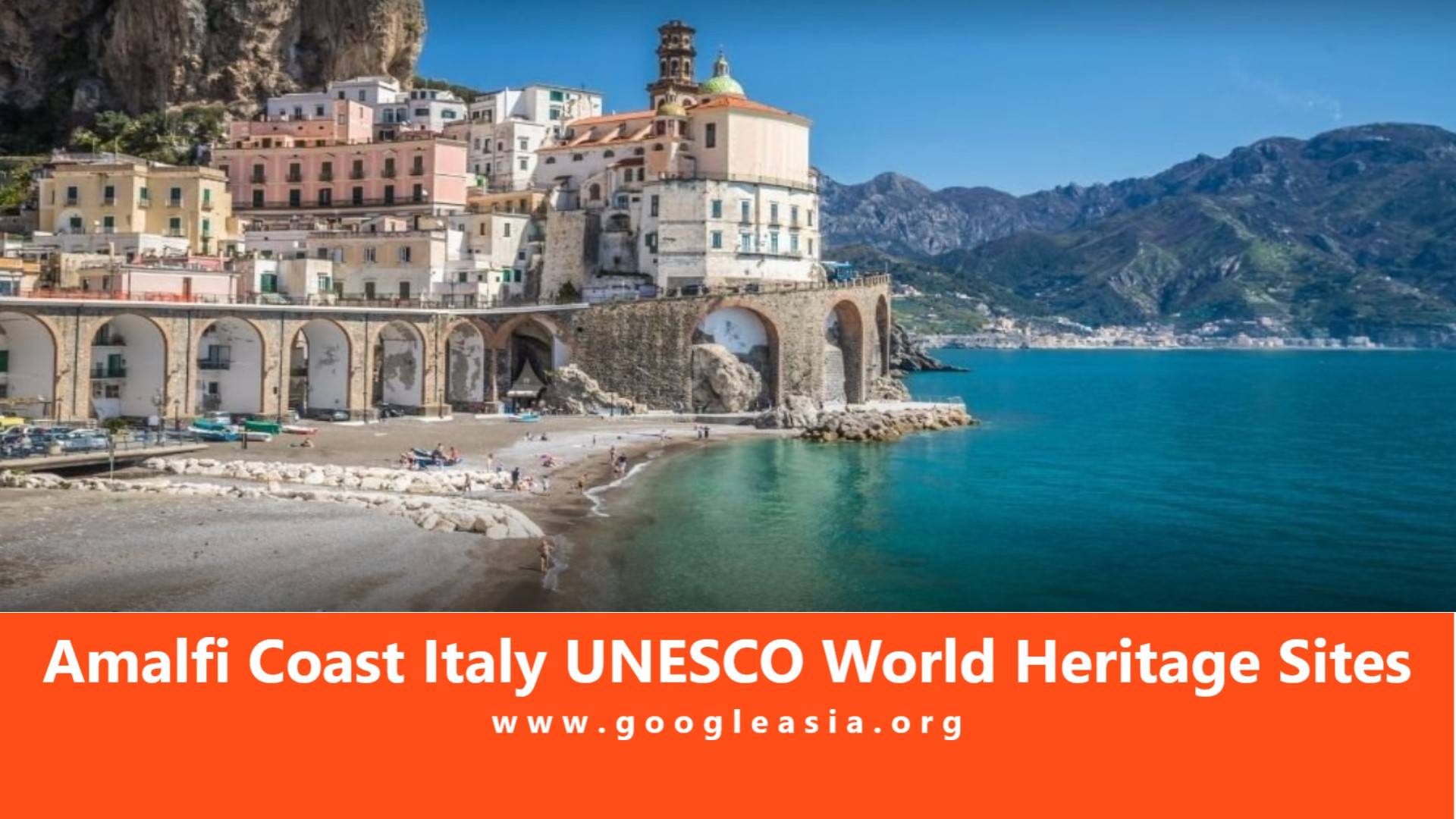
    5. Amalfi Coast: A stunning coastal region with picturesque towns like Positano and Amalfi. Enjoy the scenic beauty, Mediterranean cuisine, and lemon groves.
    6. Tuscany: Famous for its rolling hills, vineyards, and charming towns. Explore cities like Siena and Pisa, and visit the wine regions of Chianti and Montepulciano.
    7. Naples: A vibrant city known for its historic center, Naples is the gateway to Pompeii, Mount Vesuvius, and the Amalfi Coast.
    8. Sicily: The largest island in the Mediterranean, Sicily offers a mix of ancient ruins, Baroque architecture, and diverse landscapes. Explore cities like Palermo and Syracuse.
    9. Milan: A global fashion and design capital, Milan is home to iconic landmarks like the Duomo, Leonardo da Vinci’s Last Supper, and the fashionable Galleria Vittorio Emanuele II.
    10. Lake Como: A stunning lake surrounded by picturesque villas and mountains. Take a boat cruise on the lake and visit charming towns like Bellagio and Varenna.
    11. Bologna: Known for its rich culinary tradition, Bologna offers medieval architecture, vibrant markets, and the famous leaning towers.
    12. Assisi: A medieval town in Umbria known for the Basilica of San Francesco, a UNESCO World Heritage site dedicated to St. Francis.
    13. Sorrento: Overlooking the Bay of Naples, Sorrento is a charming town with sea views, citrus groves, and easy access to the Amalfi Coast.
    14. Verona: Famous as the setting of Shakespeare’s “Romeo and Juliet,” Verona features a well-preserved Roman amphitheater (Arena di Verona) and a charming historic center.
    15. Puglia: The southern region known for its distinctive trulli houses, white-washed villages, and scenic coastline.

    What are Italy’s must-visit attractions or landmarks?

    Italy is home to numerous iconic attractions and landmarks that showcase its rich history, art, and cultural heritage. Here are some must-visit places in Italy:

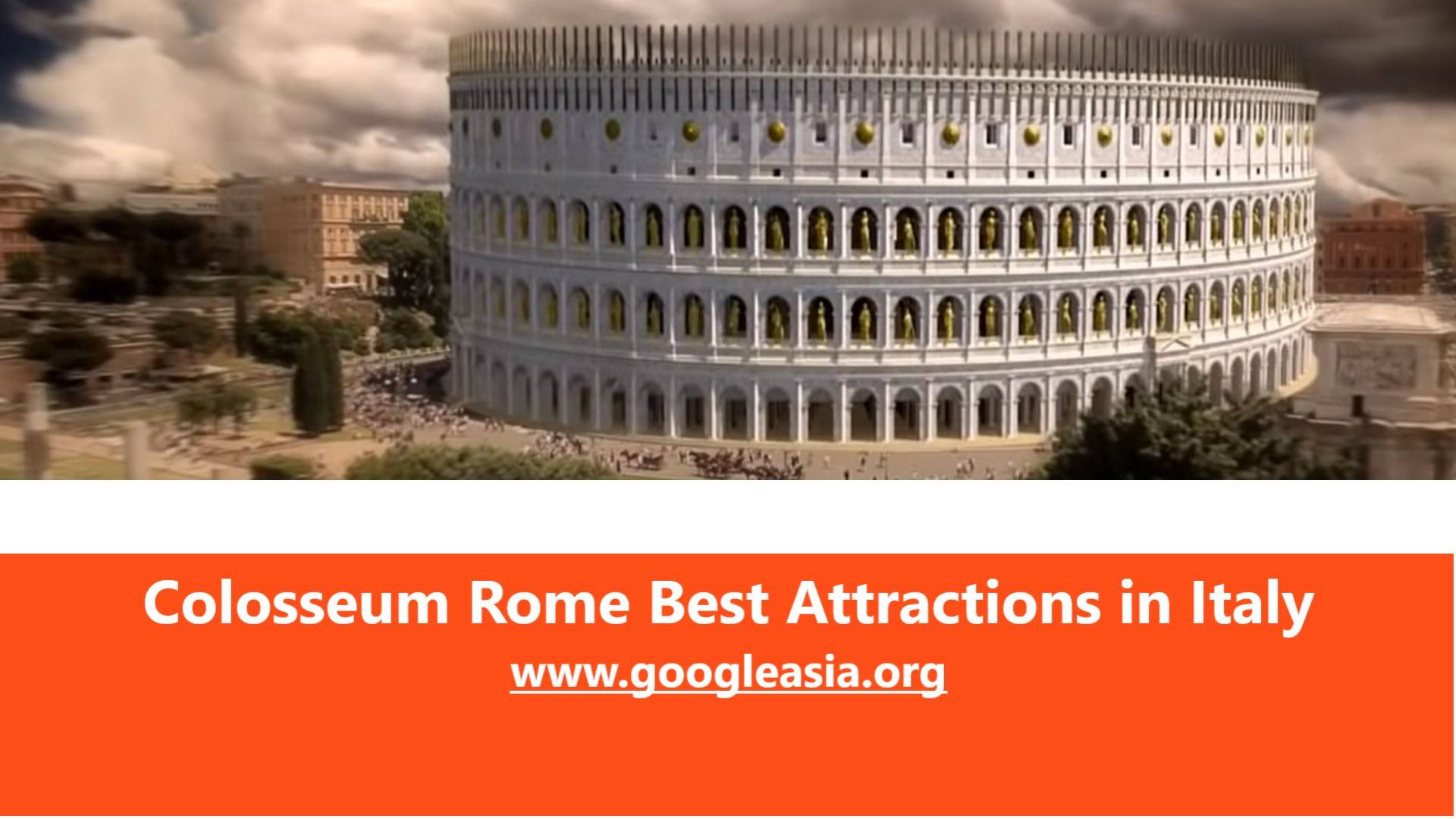
    1. Colosseum (Rome): One of the most famous ancient amphitheaters, the Colosseum is a symbol of Roman engineering and a must-visit for history enthusiasts.
    2. Vatican City (Rome): Explore St. Peter’s Basilica, the Vatican Museums, and the Sistine Chapel, home to Michelangelo’s masterpiece, “The Last Judgment.”
    3. Florence Cathedral and the Duomo (Florence): The Florence Cathedral, with its iconic dome designed by Brunelleschi, is a centerpiece of Florence’s skyline. Climb to the top for panoramic views.
    4. Uffizi Gallery (Florence): Home to an extensive collection of Renaissance art, including works by Botticelli, Michelangelo, and Leonardo da Vinci.
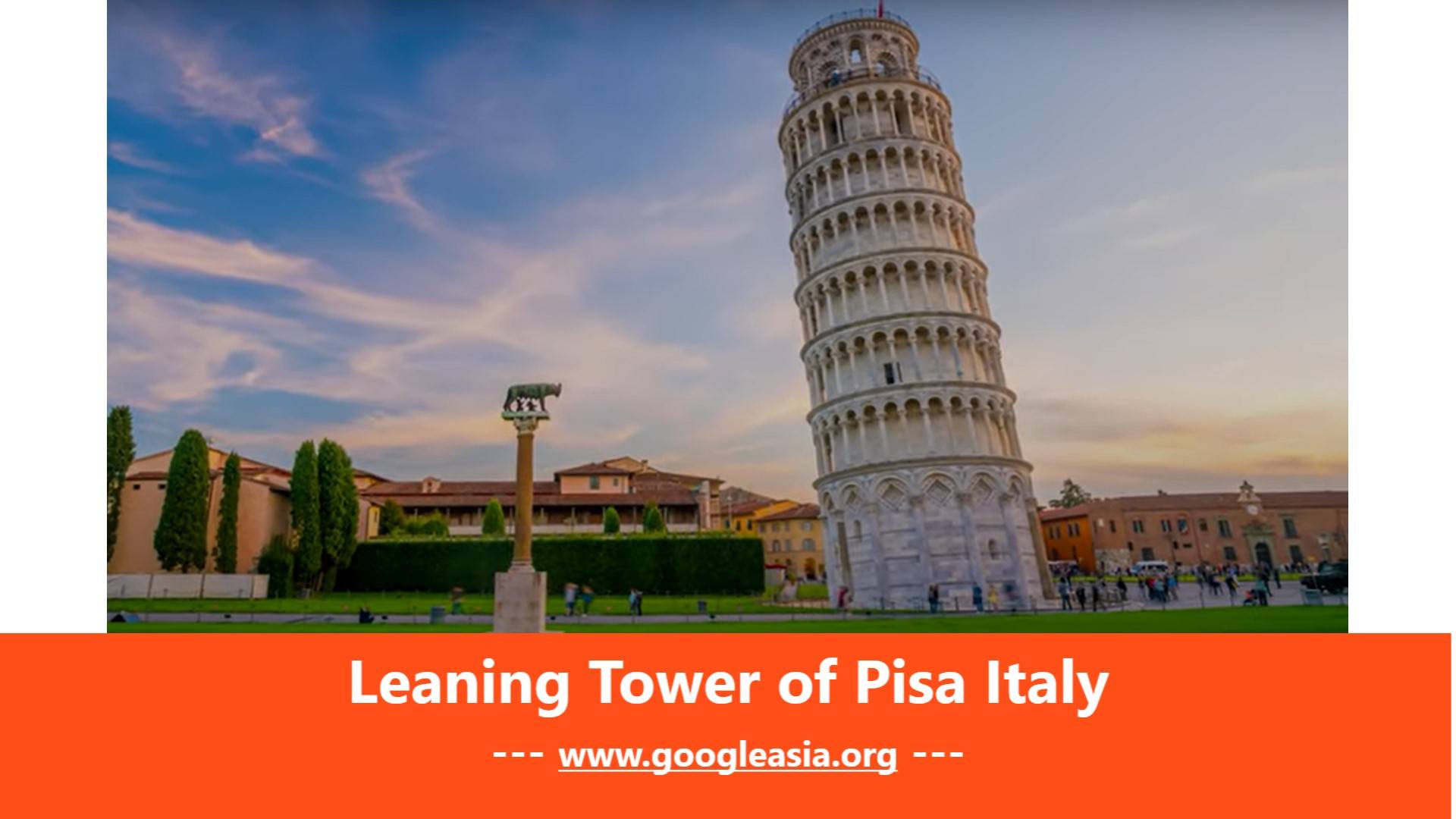
    5. Leaning Tower of Pisa (Pisa): The iconic campanile, known for its noticeable tilt. Visitors can climb to the top for panoramic views of Pisa.
    6. Venice Canals and St. Mark’s Square (Venice): Explore the enchanting canals of Venice by gondola and visit St. Mark’s Basilica and the Doge’s Palace in St. Mark’s Square.
    7. Cinque Terre (Liguria): A stunning coastal region comprising five colorful villages (Monterosso al Mare, Vernazza, Corniglia, Manarola, and Riomaggiore) connected by scenic hiking trails.
    8. Pompeii and Herculaneum (Naples): Ancient Roman cities preserved by the eruption of Mount Vesuvius. Explore well-preserved ruins, streets, and frescoes.
    9. Amalfi Coast (Campania): A picturesque coastal area with cliffside villages like Positano and Amalfi. The stunning scenery, lemon groves, and charming towns make it a popular destination.
    10. Siena Cathedral and Piazza del Campo (Siena): The cathedral features stunning Gothic architecture, while Piazza del Campo is a UNESCO World Heritage site and the venue for the Palio horse race.
    11. The Pantheon (Rome): A well-preserved Roman temple with a remarkable dome, showcasing ancient engineering excellence.
    12. Trevi Fountain (Rome): A grand Baroque fountain where visitors can toss a coin to ensure their return to Rome.
    13. Assisi (Umbria): Visit the Basilica of San Francesco, a UNESCO World Heritage site, and explore the birthplace of Saint Francis.
    14. The Palatine Hill (Rome): One of the Seven Hills of Rome, offering panoramic views of the Roman Forum and Circus Maximus.
    15. The Amalfi Cathedral (Amalfi): A beautiful medieval cathedral with intricate architecture, located in the heart of the Amalfi Coast.

    Is Italy a suitable travel destination for solo adventurers, honeymooning couples, or those traveling with families?

    Italy is a versatile travel destination that caters to a wide range of travelers, making it suitable for solo adventurers, honeymooning couples, and families. Here’s why:

    1. Solo Adventurers:
      • Cultural Richness: Italy’s rich history, art, and architecture provide ample opportunities for solo exploration. Cities like Rome, Florence, and Venice offer a plethora of museums, landmarks, and vibrant street life.
      • Ease of Travel: Italy’s well-developed transportation system makes it easy for solo travelers to navigate the country. Trains, buses, and domestic flights connect major cities and tourist destinations.
    2. Honeymooning Couples:
      • Romantic Atmosphere: Italy’s picturesque landscapes, historic cities, and charming coastal towns create a romantic ambiance. Destinations like Venice, the Amalfi Coast, and Tuscany are popular among couples.
      • Culinary Delights: Italy is renowned for its delicious cuisine, providing couples with the opportunity to enjoy romantic dinners at local trattorias.
    3. Families:
      • Cultural and Educational Opportunities: The country’s cultural heritage, including ancient ruins, art, and history, offers enriching experiences for families. Visits to sites like the Colosseum and Pompeii can be educational for children.
      • Family-Friendly Destinations: Coastal areas like Cinque Terre, family-friendly cities like Florence, and amusement parks such as Gardaland cater to the needs of families.
    4. All Types of Travelers:
      • Diverse Activities: Whether it’s exploring historical sites, enjoying coastal resorts, hiking in the Alps, or indulging in culinary experiences, the country offers diverse activities for all interests.
      • Warm Hospitality: Italians are known for their warm hospitality, making visitors feel welcome and comfortable, regardless of their travel style.

    What’s the climate like in Italy?

    Italy has a diverse climate due to its geographical features, ranging from the mountainous Alps in the north to the Mediterranean coastline in the south. Here’s an overview of Italy’s climate:

    1. Mediterranean Climate:
      • Regions: Coastal areas in the south, including cities like Rome, Naples, and Sicily.
      • Characteristics: Hot, dry summers with temperatures often exceeding 30°C (86°F). Winters are mild and wet, with temperatures rarely dropping below freezing.
    2. Continental Climate:
      • Regions: Northern Italy, including Milan, Turin, and the Po Valley.
      • Characteristics: Hot summers with temperatures around 25-35°C (77-95°F). Winters can be cold, with temperatures occasionally dropping below freezing. Rainfall is evenly distributed throughout the year.
    3. Alpine Climate:
      • Regions: Alpine areas in the northern part of the country.
      • Characteristics: Cold winters with heavy snowfall, especially in higher elevations. Summers are cooler, and rainfall is spread throughout the year.
    4. Apennine Climate:
      • Regions: Central Italy, including Tuscany and Umbria.
      • Characteristics: Varied climate with hot summers and colder winters compared to coastal areas. Rainfall is more evenly distributed throughout the year.
    5. Island Climate:
      • Regions: Islands such as Sardinia and Sicily.
      • Characteristics: Similar to coastal regions, with hot, dry summers and mild, wet winters. Coastal breezes moderate temperatures.
    6. Adriatic Climate:
      • Regions: Along the eastern coast, including cities like Bari and Ancona.
      • Characteristics: Hot summers with temperatures exceeding 30°C (86°F). Winters are milder compared to the northern part of the country.

    Is it difficult to find halal food in Italy?

    Finding halal food in Italy is generally possible, especially in major cities and tourist destinations. While the country is known for its traditional Italian cuisine, which often includes pork and non-halal ingredients, there are halal options available. Here are some tips:

    1. Urban Areas: In cities like Rome, Milan, Florence, and Venice, you can find halal restaurants and eateries that cater to locals and tourists with halal dietary preferences.
    2. Ethnic Cuisine: Restaurants serving Middle Eastern, Turkish, or Asian cuisine may offer halal options. These establishments often use halal meat and adhere to halal cooking practices.
    3. Halal Markets: Look for halal grocery stores or markets that sell halal meat and products. This allows you to purchase ingredients and prepare your own halal meals if needed.
    4. Accommodations: Inform your hotel or accommodation about your dietary preferences. They may provide information on nearby halal restaurants or offer assistance with special meal requests.
    5. Research and Online Resources: Use online resources, such as halal restaurant directories or travel forums, to find recommendations from fellow travelers who have visited Italy.
    6. Communication: When dining out, communicate your dietary requirements clearly with restaurant staff. They may be willing to accommodate your preferences or guide you to halal options on the menu.
  • Tiramisu Museum – Discover the Sweet History of Dessert

    Tiramisu Museum – Discover the Sweet History of Dessert

    Tiramisu Museum, Italy

    Discover the Tiramisu Museum in Bologna, Italy—a unique culinary destination celebrating the history and culture of Italy’s beloved dessert. Learn its origins, explore exhibits, and indulge in authentic flavors. Read more to plan your delicious visit today!

    Introduction

    Nestled in the historical heart of Bologna, Italy, the Tiramisu Museum is a unique tribute to one of Italy’s most beloved desserts. As the only museum dedicated solely to Tiramisu, it offers an in-depth exploration of this iconic treat, from its historical roots to its contemporary variations. This museum provides a fascinating journey for food enthusiasts and history buffs alike.

    The History

    Origins of the Dessert

    The Tiramisu Museum delves into the origins of Tiramisu, which traces its roots back to the 16th century. This creamy dessert, made with layers of coffee-soaked ladyfingers and mascarpone cheese, has evolved over centuries. The museum highlights how Tiramisu became popular in Italy and eventually gained international acclaim.

    Evolution Over Time

    Visitors can explore how Tiramisu recipes have changed over the years. From traditional versions to modern interpretations, the museum showcases the various ingredients and techniques that have contributed to the dessert’s evolution. This historical perspective offers a deeper appreciation of how Tiramisu has adapted to different tastes and trends.

    Exhibits and Collections

    Recipe Archives

    The museum features an extensive collection of Tiramisu recipes from different periods and regions. These archived recipes illustrate the variations in ingredients and preparation methods used throughout history. Visitors can see how Tiramisu recipes have been influenced by regional ingredients and culinary innovations.

    Ingredient Displays

    Interactive displays showcase the key ingredients used in making Tiramisu. From the rich mascarpone cheese and strong coffee to the delicate ladyfingers and cocoa powder, each component is explored in detail. These exhibits provide insight into how each ingredient contributes to the dessert’s unique flavor and texture.

    Cultural Impact

    The museum also examines the cultural significance of Tiramisu. Through various exhibits, visitors can learn about how Tiramisu has influenced Italian cuisine and its role in global gastronomy. The museum highlights the dessert’s appearances in literature, media, and popular culture.

    Educational Programs and Events

    Food-Related Workshops

    The Tiramisu Museum hosts a range of food-related events and workshops. These sessions allow visitors to learn how to make Tiramisu from scratch, guided by expert chefs. Participants gain hands-on experience in preparing this classic dessert and learn about the nuances of different recipes.

    Educational Programs

    The museum offers educational programs for schools and culinary students. These programs provide a comprehensive understanding of Tiramisu’s history, ingredients, and cultural impact. Interactive lessons and activities make learning about this dessert both informative and engaging.

    Visitor Experience

    Museum Facilities

    The museum is designed to enhance the visitor experience with interactive exhibits and multimedia presentations. Guided tours are available for those who wish to gain a deeper understanding of Tiramisu’s history and significance. The museum’s ambiance reflects the rich culinary heritage of Bologna, creating an immersive experience.

    Dining Options

    In addition to its exhibits, the Tiramisu Museum features a café where visitors can enjoy various Tiramisu flavors and other Italian delicacies. The café provides a perfect opportunity to taste different versions of Tiramisu while reflecting on the museum’s exhibits.

    Things to Do

    The Tiramisu Museum in Bologna offers a delightful array of activities and experiences that celebrate Italy’s iconic dessert. Here’s a guide to making the most of your visit to this unique museum:

    Take a Guided Tour

    Discover the History of Tiramisu

    Embark on a guided tour of the Tiramisu Museum to delve into the fascinating history of this beloved dessert. Learn about Tiramisu’s origins, its evolution over the centuries, and how it has become a global favorite. The tour provides insightful commentary on the cultural and culinary significance of Tiramisu.

    Explore Historical Exhibits

    During the tour, explore exhibits showcasing historical recipes, traditional preparation methods, and the evolution of Tiramisu. The museum’s curated displays offer a comprehensive overview of how this dessert has been enjoyed through different eras.

    Sample Delicious Tiramisu Recipes

    Taste Various Flavors

    One of the highlights of visiting the Tiramisu Museum is sampling a variety of Tiramisu recipes on display. Experience different flavor combinations and learn about the unique ingredients that make each version special. This tasting experience allows you to savor the diverse styles of Tiramisu from traditional to contemporary variations.

    Enjoy Seasonal and Regional Variants

    The museum often features seasonal and regional Tiramisu variants. Taste these exclusive recipes to get a sense of how local ingredients and flavors influence the dessert. This is a perfect way to experience the regional diversity of Tiramisu.

    Participate in Hands-On Workshops and Tastings

    Join a Tiramisu Workshop

    Engage in hands-on workshops where you can learn to make Tiramisu from scratch. Led by expert chefs, these workshops guide you through the process of creating this delicious dessert, from selecting ingredients to assembling and serving. It’s a fun and educational activity for both beginners and experienced bakers.

    Enjoy Interactive Tastings

    Participate in interactive tastings where you can sample different versions of Tiramisu and discover the subtle differences in flavor and texture. These sessions often include insights into the techniques used to achieve the perfect Tiramisu.

    Explore Interactive Displays

    Learn About Ingredients and Techniques

    The museum’s interactive displays provide a deep dive into the ingredients and techniques used in making Tiramisu. Discover the origins of key components like mascarpone cheese, coffee, and ladyfingers. Learn about the various preparation methods and how they contribute to the dessert’s distinctive taste.

    Engage with Multimedia Presentations

    Interactive screens and multimedia presentations enhance your learning experience by offering visual and auditory insights into Tiramisu’s history and production. These engaging displays make the exploration of Tiramisu both informative and entertaining.

    Purchase Authentic Ingredients and Tools

    Buy Ingredients for Home Baking

    The museum shop offers a selection of authentic ingredients used in making Tiramisu. Purchase high-quality mascarpone cheese, coffee, and ladyfingers to recreate the dessert at home.

    Find Baking Tools and Recipes

    In addition to ingredients, the shop provides baking tools and recipe books. Equip yourself with the essentials for making Tiramisu and experiment with different recipes using the museum’s curated selections.

    Enjoy Espresso and Homemade Tiramisu

    Take a break and enjoy an espresso paired with a slice of homemade Tiramisu at the museum’s café. This treat allows you to savor the dessert in a relaxed setting, complementing your visit with a delicious culinary experience.

    Stroll Through the Gardens and Grounds

    The museum features beautiful gardens and outdoor spaces where you can take a leisurely stroll. Enjoy the serene surroundings and reflect on your visit while relaxing in these charming areas.

    Browse the Gift Shop for Unique Souvenirs

    Before you leave, visit the museum’s gift shop to browse for unique souvenirs. Find Tiramisu-themed memorabilia, cookbooks, and other items that make for perfect keepsakes from your visit.

    Foods

    When visiting the Tiramisu Museum in Bologna, you’re in for a treat not only with the fascinating exhibits but also with an array of delectable Italian foods. Here’s a guide to the best foods to try during your visit:

    Tiramisu

    Tiramisu is the star of the show at the Tiramisu Museum. This iconic dessert, with its layers of coffee-soaked ladyfingers and creamy mascarpone cheese, is a must-try. Whether you’re sampling traditional recipes or modern variations, tasting Tiramisu in its birthplace offers an authentic and delightful experience. Each version provides a unique twist on the classic, reflecting regional flavors and creative interpretations.

    Cannoli

    Cannoli are a traditional Italian pastry that you shouldn’t miss. These crisp, tube-shaped shells are filled with a rich, creamy filling often made from ricotta cheese, and sometimes flavored with chocolate chips or candied fruit. The combination of the crunchy shell and the smooth, sweet filling makes cannoli a delectable treat that complements any Italian meal.

    Panna Cotta

    Panna Cotta is a creamy Italian pudding that provides a perfect ending to your meal. Made from sweetened cream and vanilla, it’s often served with a fruit coulis or caramel sauce. The smooth texture and delicate flavor make it a refined dessert choice, ideal for those who enjoy a lighter, yet indulgent finish to their dining experience.

    Lasagna

    Lasagna is a classic Italian dish and a specialty in Bologna. This hearty meal features layers of pasta, rich meat sauce, béchamel, and cheese. The layers meld together to create a comforting and flavorful dish that reflects the culinary traditions of Bologna. Enjoying a serving of lasagna is a true taste of local cuisine.

    Pizza

    No visit to Italy is complete without trying pizza. From thin, crispy crusts to thick, cheesy layers, Italian pizza offers a variety of styles and toppings. Whether you prefer a classic Margherita or a more adventurous topping combination, indulging in a slice of pizza while in Italy is an essential experience.

    Gelato

    Gelato is Italy’s renowned ice cream, famous for its rich flavor and smooth texture. Available in a wide range of flavors from classic vanilla and chocolate to exotic combinations like pistachio and tiramisu, gelato is a refreshing treat. The museum’s café may offer a selection of artisanal gelatos that perfectly complement your visit.

    Focaccia

    Focaccia is a classic Italian flatbread that pairs well with any meal. Its soft, slightly chewy texture and savory flavor, often enhanced with olive oil and herbs, make it a perfect accompaniment to a variety of dishes. Enjoying a slice of focaccia provides a delightful taste of traditional Italian baking.

    Hotels

    When visiting the Tiramisu Museum in Bologna, choosing the right place to stay can enhance your overall experience. Here’s a guide to some of the best hotels in Bologna, offering a range of accommodations that suit different preferences and budgets:

    Luxury Accommodations

    Grand Hotel Majestic già Baglioni

    Grand Hotel Majestic già Baglioni is one of Bologna’s most prestigious hotels, located in the heart of the city. With its luxurious rooms, elegant décor, and top-notch amenities, it provides a sophisticated stay. The hotel’s central location ensures easy access to the Tiramisu Museum and other major attractions.

    Art Hotel Commercianti

    Art Hotel Commercianti combines luxury with artistic charm. Located near the historic center of Bologna, this hotel offers stylish accommodations and a unique atmosphere. Its proximity to major landmarks makes it a convenient choice for visitors looking to explore the city’s cultural treasures.

    Mid-Range Options

    Hotel Touring Bologna

    Hotel Touring Bologna offers comfortable and well-appointed rooms with a focus on quality and service. Situated in a central location, it provides easy access to the Tiramisu Museum and other attractions. The hotel also features a rooftop terrace with panoramic views of the city.

    NH Bologna de la Gare

    NH Bologna de la Gare is a modern hotel known for its excellent amenities and convenient location. Located near the train station and city center, it offers comfortable rooms and easy access to public transportation. It’s an ideal choice for travelers who want a blend of convenience and comfort.

    Hotel Corona d’Oro

    Hotel Corona d’Oro is a charming hotel located in Bologna’s historic center. It offers a blend of traditional and modern comforts, with spacious rooms and a welcoming atmosphere. Its central location makes it a great base for exploring nearby attractions, including the Tiramisu Museum.

    Budget-Friendly Choices

    Hotel Europa

    Hotel Europa provides a comfortable stay with good value for money. Located within walking distance of the city center, it offers easy access to the Tiramisu Museum and other cultural sites. The hotel features modern rooms and essential amenities for a pleasant stay.

    Hotel Florence

    Hotel Florence is a cozy and affordable option close to Bologna’s main attractions. Its central location and friendly service make it a convenient choice for budget-conscious travelers. The hotel provides a comfortable base for exploring the city’s rich heritage.

    Hotel San Donato

    Hotel San Donato offers a comfortable and budget-friendly stay in a central location. With its straightforward amenities and proximity to the city center, it’s a good option for travelers who want to stay near the Tiramisu Museum without breaking the bank.

    Hotel San Petronio

    Hotel San Petronio is a well-regarded budget option in Bologna’s historic center. It provides basic but comfortable accommodations and is conveniently located for accessing the Tiramisu Museum and other nearby attractions. Its central location ensures you’re close to the city’s main points of interest.

    Unique Stays

    Hotel Metropolitan

    Hotel Metropolitan stands out for its unique design and modern amenities. Located near Bologna’s vibrant city center, it offers a contemporary stay with a focus on style and comfort. Its location makes it easy to explore both the Tiramisu Museum and the city’s other cultural landmarks.

    Conclusion

    The Tiramisu Museum in Bologna offers a unique and engaging experience for anyone interested in exploring the history and evolution of this beloved Italian dessert. From its origins in the 16th century to its contemporary variations, the museum provides a comprehensive look at Tiramisu’s rich history and cultural impact. Through its interactive exhibits, educational programs, and culinary experiences, the museum celebrates Tiramisu as more than just a dessert but as a significant part of Italian culinary heritage. Whether you’re a food enthusiast or simply curious about this iconic treat, the Tiramisu Museum promises a memorable and insightful visit.

    Tiramisu Museum Metropolitan City of Bologna Italy

    Summary

    • Attraction: Tiramisu Museum Metropolitan City of Bologna
    • Country: ITALY
    • Continent: Europe
    • Capital Name: Rome
    • Language: Italian #Destination #Europe #Italy 

    Frequently Asked Questions

    Why should you visit Tiramisu Museum?

    The Tiramisu Museum is a unique and interactive museum dedicated to the history, culture, and science of Tiramisu. It features interactive exhibits, a tasting room, and a gift shop. Visitors can learn about the history of the dessert, how it is made, the science behind it, and even create their own Tiramisu. The Museum is a great place to learn about and experience the culture of Tiramisu and is a fun and educational experience for all ages.

  • Pompeii, Italy: Ancient City & Archaeological Wonder

    Pompeii, Italy: Ancient City & Archaeological Wonder

    Pompeii, Italy

    Step back in time at Pompeii, Italy’s most famous archaeological site. Wander ancient streets, marvel at preserved frescoes, and uncover the secrets of Roman life frozen in time. Plan your visit today and experience history like never before!

    Introduction

    Pompeii is an ancient Roman city located near modern Naples, in the Italian region of Campania. It was destroyed and buried under volcanic ash and pumice in the eruption of Mount Vesuvius in 79 AD. The city was lost for more than 1700 years before its accidental rediscovery in 1748. Since then, its excavation has provided an extraordinarily detailed insight into the life of a city during the Roman Empire. Today, the site is one of the most popular tourist attractions of Italy, with approximately 2.5 million visitors every year.

    Things to Do

    Pompeii, the ancient city famously preserved by the eruption of Mount Vesuvius in 79 AD, offers a wealth of activities for history enthusiasts and travelers alike. From exploring archaeological ruins to savoring local cuisine, here’s a guide to making the most of your visit to this remarkable destination:

    Explore the Ruins of Pompeii

    Visit the Major Archaeological Sites

    Explore the ruins of Pompeii to experience the grandeur of this ancient city. Key sites include:

    • The Forum: The central public square surrounded by important buildings like the Basilica and the Temple of Jupiter.
    • The Amphitheater: One of the oldest and best-preserved Roman amphitheaters, where gladiatorial games and other public events were held.
    • The Villa of the Mysteries: A well-preserved villa known for its elaborate frescoes depicting mysterious cult rituals and daily life.

    Discover Lesser-Known Sites

    Beyond the main attractions, take the time to visit lesser-known sites within the ruins. The House of the Vettii and House of the Faun offer insight into the opulent lifestyles of Pompeii’s wealthier citizens.

    Take a Guided Tour

    Learn from Expert Guides

    Sign up for a guided tour to gain a deeper understanding of Pompeii’s history and daily life. Expert guides provide detailed explanations of the city’s layout, significant buildings, and the events leading up to the eruption. Tours often include:

    • In-Depth Historical Context: Learn about the social and political aspects of Pompeii before the disaster.
    • Detailed Site Descriptions: Discover the functions and significance of various buildings and artifacts.

    Join Themed Tours

    Consider joining themed tours that focus on specific aspects of Pompeii, such as Roman art, architecture, or daily life. These tours offer specialized knowledge and unique perspectives on the ancient city.

    Visit the Pompeii Archaeological Museum

    Explore Ancient Artifacts

    Visit the Pompeii Archaeological Museum to see a vast collection of artifacts recovered from the ruins. Highlights include:

    • Frescoes and Mosaics: Admire the vibrant artwork that decorated the homes and public spaces of Pompeii.
    • Everyday Objects: View items such as pottery, tools, and household goods that provide insight into daily life.

    Learn About the Eruption

    The museum also features exhibits on the eruption of Mount Vesuvius, including plaster casts of the victims and explanations of the volcanic activity that led to the city’s destruction.

    Take a Hike

    Explore the Ancient City

    Hike through the ancient city of Pompeii to discover various ruins and enjoy stunning views. Walking tours allow you to explore:

    • Residential Areas: Wander through ancient streets and neighborhoods, observing the remains of houses and shops.
    • Public Spaces: Visit forums, baths, and marketplaces to experience the city’s layout and public life.

    Enjoy Scenic Vistas

    While hiking, you can also enjoy picturesque views of the surrounding countryside and the dramatic backdrop of Mount Vesuvius.

    Enjoy the Local Cuisine

    Sample Traditional Italian Dishes

    Stop in at a local café or restaurant to savor delicious Italian food and drinks. Try local specialties such as:

    • Pizza Margherita: Enjoy a classic Neapolitan pizza with fresh tomatoes, mozzarella, and basil.
    • Gelato: Treat yourself to some creamy Italian ice cream, available in a variety of flavors.

    Experience Local Dining

    Explore traditional eateries and pizzerias near Pompeii to experience authentic Italian cuisine in a local setting.

    Experience a Roman Bath

    Visit Ancient Bathhouses

    Visit a Roman bath to experience ancient Roman spa culture. Pompeii features well-preserved bathhouses where you can observe:

    • Thermal Baths: See the different rooms used for hot and cold baths.
    • Exercise Areas: Explore spaces designed for physical exercise and relaxation.

    Climb Mount Vesuvius

    Hike to the Summit

    Climb to the top of Mount Vesuvius for breathtaking views of the Bay of Naples and the surrounding landscape. The hike to the summit offers:

    • Spectacular Panoramas: Enjoy sweeping views of the region from the volcano’s crater.
    • Insight into Volcanic Activity: Learn about the volcano’s history and its impact on Pompeii from informational signs along the trail.

    Explore the Crater

    At the summit, you can explore the crater and learn about the volcanic activity that shaped the region. Guided tours are available to enhance your understanding of the volcano’s geological significance.

    Foods

    Pompeii, known for its ancient ruins and historical significance, also boasts a vibrant culinary scene. Whether you’re exploring the remnants of a bygone civilization or enjoying the scenic beauty of the region, indulging in local foods adds a delicious dimension to your visit. Here’s a guide to some of the best foods to try in Pompeii:

    Pizza

    Classic Neapolitan Pizza

    Pizza is a must-try in Pompeii, as it’s a staple of Italian cuisine. The region is renowned for its Neapolitan pizza, which features a thin, crispy crust topped with simple, fresh ingredients. Enjoy classic varieties like:

    • Margherita: Topped with tomatoes, mozzarella, and basil.
    • Quattro Stagioni: Featuring a combination of toppings representing the four seasons.

    Unique Local Variations

    Local pizzerias often offer their own unique twists on traditional recipes. Look for specialty pizzas that incorporate regional ingredients and flavors.

    Pasta

    Traditional Italian Pasta Dishes

    Pasta is another staple of Italian cuisine that you’ll find in abundance in Pompeii. Try traditional dishes such as:

    • Spaghetti: Often served with rich sauces like carbonara or pomodoro.
    • Lasagna: Layers of pasta, meat, and cheese, baked to perfection.
    • Ravioli: Stuffed pasta with fillings like ricotta and spinach or meat.

    Regional Specialties

    Explore local variations of pasta dishes that highlight regional ingredients and culinary traditions.

    Seafood

    Fresh and Flavorful Seafood

    Seafood is a highlight in Pompeii, thanks to its proximity to the Mediterranean Sea. Sample fresh catches such as:

    • Mussels and Clams: Often prepared in a savory broth with garlic and white wine.
    • Grilled Fish: Enjoy a variety of fish, simply seasoned and grilled to perfection.

    Local Seafood Dishes

    Try regional specialties that showcase the local seafood, prepared with traditional Italian flavors and techniques.

    Gelato

    Refreshing Italian Ice Cream

    Gelato is the perfect treat for cooling down, especially during the hot summer months. Enjoy a variety of flavors, including:

    • Classic Choices: Such as vanilla, chocolate, and strawberry.
    • Unique Flavors: Like tiramisu, pistachio, or local fruit varieties.

    Artisan Gelato

    Look for gelato shops that offer artisanal flavors and high-quality ingredients for an authentic experience.

    Focaccia

    Italian Flatbread

    Focaccia is a delicious flatbread that’s a popular choice for a snack or accompaniment to a meal. It’s often topped with:

    • Olives and Herbs: For a savory flavor.
    • Tomatoes and Garlic: Adding a fresh, aromatic touch.

    Regional Variations

    Local bakeries may offer their own unique versions of focaccia, incorporating seasonal ingredients and traditional recipes.

    Fruits and Vegetables

    Fresh Produce

    Fruits and vegetables are abundant in Pompeii and are often featured prominently in local dishes. Enjoy fresh produce like:

    • Tomatoes: Key ingredients in many Italian dishes.
    • Peppers and Onions: Commonly used in salads and sauces.

    Seasonal Delights

    Explore local markets to find seasonal fruits and vegetables that reflect the region’s agricultural bounty.

    Cheese

    Varieties of Italian Cheese

    Cheese is an essential part of Italian cuisine, with many varieties available in Pompeii. Try:

    • Mozzarella: Often enjoyed fresh or melted in dishes.
    • Ricotta: Used in pasta fillings and desserts.

    Local Cheese

    Look for local cheeses that reflect the regional cheese-making traditions and flavors.

    Arancini

    Fried Rice Balls

    Arancini are delicious fried rice balls stuffed with cheese, vegetables, and/or meat. These savory snacks are a popular choice and are perfect for a quick bite. Common fillings include:

    • Cheese and Ham: For a rich and satisfying treat.
    • Vegetable: Featuring a mix of seasonal vegetables.

    Local Variations

    Check out local eateries for unique variations of arancini that showcase regional ingredients and flavors.

    Hotels

    When visiting Pompeii, selecting the right accommodation can significantly enhance your experience. Here’s a guide to some of the best hotels in and around Pompeii, offering a range of options from luxurious stays to budget-friendly choices.

    Luxury Accommodations

    Grand Hotel Aminta Pompeii

    Grand Hotel Aminta Pompeii is a luxurious hotel offering elegant rooms and stunning views of the Bay of Naples. Located a short distance from the ruins of Pompeii, the hotel features top-notch amenities, including a swimming pool, fine dining restaurant, and beautifully landscaped gardens. The service and comfort provided here make it a top choice for a sophisticated stay.

    Grand Hotel Vesuvio

    Grand Hotel Vesuvio provides a blend of luxury and convenience with its stylish accommodations and close proximity to Pompeii’s archaeological sites. Enjoy panoramic views of Mount Vesuvius from your room, and take advantage of the hotel’s upscale amenities, including a spa, restaurant, and well-appointed rooms.

    Hotel Antiche Mura

    Hotel Antiche Mura offers a touch of elegance and history with its well-preserved architecture and luxurious interiors. Located near the historic center of Pompeii, this hotel features spacious rooms, a beautiful garden, and a delightful breakfast buffet. Its central location makes it an excellent base for exploring the ruins and surrounding areas.

    Mid-Range Options

    Hotel Forum

    Hotel Forum provides comfortable accommodations with a focus on convenience and quality. Located within walking distance of the Pompeii ruins, the hotel offers modern rooms, a restaurant serving Italian cuisine, and a well-equipped bar. Its central location and affordable rates make it a popular choice among travelers.

    Villa Dei Misteri

    Villa Dei Misteri is a charming hotel located close to the Pompeii archaeological site. The hotel features elegant rooms and offers easy access to the ruins. With a friendly atmosphere and personalized service, it provides a comfortable and inviting stay.

    Hotel Diana

    Hotel Diana is a well-regarded mid-range hotel offering comfortable accommodations and a range of amenities. Located a short walk from the Pompeii ruins, the hotel provides modern rooms, a restaurant, and a bar. Its convenient location and reasonable rates make it a good option for exploring the area.

    Hotel Vittoria

    Hotel Vittoria offers a blend of comfort and value with its well-maintained rooms and attentive service. Situated near the Pompeii ruins, it provides easy access to the archaeological sites. The hotel features a restaurant, a bar, and a pleasant outdoor terrace.

    Budget-Friendly Choices

    Hotel Gli Dei

    Hotel Gli Dei is a budget-friendly option that doesn’t compromise on comfort. Located a short distance from the Pompeii ruins, it offers clean and simple accommodations. The hotel features basic amenities and a friendly atmosphere, making it a suitable choice for budget-conscious travelers.

    Hotel Villa Carmiano

    Hotel Villa Carmiano provides affordable accommodations in a charming setting. With its comfortable rooms and convenient location near the Pompeii ruins, it offers a good balance of value and comfort. The hotel’s warm hospitality and reasonable rates make it an attractive option for travelers.

    Hotel Herculaneum

    Hotel Herculaneum is a budget-friendly hotel situated in the nearby area of Herculaneum, making it a good choice for those visiting both Pompeii and Herculaneum. The hotel offers basic accommodations and essential amenities, providing a practical option for travelers seeking affordability.

    Conclusion

    Pompeii reveals the grandeur and everyday life of ancient Rome in vivid detail. Its preserved streets, villas, and artifacts make it one of the most captivating sites in Italy. A visit offers both historical insight and an unforgettable journey into the past.

    Pompeii is more than ruins—it is a timeless reminder of resilience, culture, and history that continues to inspire travelers from around the world.

    Pompeii Ancient City Archaeological Site in Italy

    Summary

    • Attraction: Pompeii Ancient City Archaeological Site
    • Country: ITALY
    • Continent: Europe
    • Capital Name: Rome
    • Language: Italian
    • Category: #Destination #Europe #Italy 

    Frequently Asked Questions

    Where is Pompeii located?

    Pompeii is located near the modern city of Naples in the Campania region of Italy. It was an ancient Roman city situated at the base of Mount Vesuvius. The city was famously preserved in volcanic ash after the eruption of Mount Vesuvius in 79 AD, providing a remarkable archaeological site that offers insights into daily life during the Roman Empire.

    How to go to Pompeii?

    To reach Pompeii, you can follow these general guidelines:

    By Air:

    1. Nearest Airport: The nearest major airport is Naples International Airport (Aeroporto di Napoli-Capodichino). Once you arrive at the airport, you can proceed to the next steps.

    By Train: 2. Train from Naples:

    • From Naples, take a Circumvesuviana train on the Naples-Sorrento line.
    • Get off at the Pompei Scavi – Villa dei Misteri station. This station is the closest to the archaeological site.

    By Car: 3. By Car from Naples:

    • If you prefer to drive, you can rent a car and take the A3 motorway (Autostrada A3) towards Salerno.
    • Follow the signs for Pompeii. The journey typically takes around 30 minutes, depending on traffic.

    By Tour: 4. Guided Tours:

    • Consider joining a guided tour from Naples or other nearby cities. Many tours include transportation and a guide to explore the archaeological site.

    Note:

    • Pompeii is well-connected by public transportation, and it’s advisable to check the latest schedules for trains and any travel restrictions or updates.

    Always verify current transportation options, schedules, and any travel restrictions before planning your journey, as details may change.

    What are Pompeii’s must-visit attractions or landmarks?

    Pompeii is a vast archaeological site with numerous well-preserved structures and artifacts offering a glimpse into daily life during the Roman Empire. Some must-visit attractions and landmarks in Pompeii include:

    1. Forum (Pompeii Forum): The central square of Pompeii, surrounded by important public and religious buildings.
    2. Amphitheatre of Pompeii: An ancient Roman amphitheater where gladiatorial contests and public spectacles took place.
    3. House of the Vettii (Casa dei Vettii): A well-preserved Roman house with intricate frescoes, providing insight into the lifestyle of Pompeii’s wealthier residents.
    4. Villa of the Mysteries (Villa dei Misteri): A villa outside the city walls, known for its vibrant frescoes depicting mysterious rituals.
    5. Temple of Apollo: A grand temple dedicated to the god Apollo, located in the city’s religious district.
    6. Thermopolium of Pompeii: A Roman fast-food establishment with counters and containers for serving hot and cold food.
    7. Garden of the Fugitives (Orto dei Fuggiaschi): An area where plaster casts of victims were made, preserving the final moments of people caught in the eruption.
    8. House of the Faun (Casa del Fauno): One of the largest and most impressive houses in Pompeii, named after a bronze statue of a faun found on the premises.
    9. Pompeii Archaeological Museum: While not within the city itself, the museum in Naples houses many artifacts and plaster casts from Pompeii.
    10. Casts of Victims: The plaster casts of human and animal victims, created by injecting plaster into the voids left by the decomposed bodies, providing a haunting and poignant display.

    These attractions offer a comprehensive view of Pompeii’s history and the impact of the catastrophic eruption of Mount Vesuvius in 79 AD. Visitors can explore the well-preserved streets, houses, public buildings, and art that make Pompeii one of the most significant archaeological sites in the world.

    What are Pompeii’s nearby must-visit attractions or landmarks?

    In the vicinity of Pompeii, there are several other noteworthy attractions and landmarks that visitors may find interesting:

    1. Herculaneum (Ercolano): An ancient Roman town similar to Pompeii, Herculaneum was also preserved by the eruption of Mount Vesuvius. It offers well-preserved buildings and frescoes.
    2. Mount Vesuvius (Monte Vesuvio): The infamous volcano that caused the destruction of Pompeii. Visitors can hike to the summit for panoramic views of the Bay of Naples.
    3. Naples (Napoli): The vibrant city of Naples is known for its historic architecture, museums, and delicious cuisine. The Naples National Archaeological Museum houses many artifacts from Pompeii.
    4. Sorrento: A charming coastal town known for its beautiful views, citrus gardens, and a lively atmosphere. It serves as a gateway to the Amalfi Coast.
    5. Amalfi Coast (Costiera Amalfitana): A stunning stretch of coastline with picturesque towns like Positano and Amalfi, offering breathtaking views, colorful buildings, and coastal charm.
    6. Capri: A picturesque island in the Bay of Naples known for its stunning landscapes, Blue Grotto, and upscale atmosphere.
    7. Oplontis: Another ancient Roman archaeological site, Oplontis includes the Villa Poppaea, a well-preserved villa with beautiful frescoes.
    8. Solfatara: A dormant volcano featuring fumaroles and steam vents. Visitors can experience the geothermal activity in a unique natural setting.
    9. Villa San Marco: A Roman villa located in Stabiae, showcasing well-preserved frescoes and architecture.
    10. Pompei Scavi Shrine of Our Lady of the Rosary: A modern church located near the archaeological site of Pompeii, offering a peaceful retreat.

    These nearby attractions provide a diverse range of experiences, from exploring more archaeological sites to enjoying the natural beauty of the Amalfi Coast and the cultural richness of Naples.

    Is Pompeii a suitable travel destination for solo adventurers, honeymooning couples, or those traveling with families?

    Pompeii is a versatile travel destination that can cater to a variety of interests and travel styles. Here’s how it suits different types of travelers:

    1. Solo Adventurers: Pompeii is an excellent destination for solo travelers interested in history and archaeology. Exploring the ancient ruins and discovering the preserved remnants of daily life offers a unique and immersive experience.
    2. Honeymooning Couples: While Pompeii may not be a typical romantic destination, it can still be an intriguing and culturally rich stop for couples interested in history. The nearby Amalfi Coast or Sorrento could provide a more romantic setting for a honeymoon.
    3. Families: Pompeii is a family-friendly destination that offers an educational and engaging experience for children and adults alike. The well-preserved ruins, plaster casts of victims, and informative exhibits provide an opportunity for families to learn about ancient Roman history together.
    4. History Enthusiasts: Individuals or groups with a keen interest in history, archaeology, and ancient civilizations will find Pompeii to be a captivating destination. The site offers a glimpse into daily life in a Roman city frozen in time.
    5. Cultural Travelers: Pompeii is a cultural treasure, and travelers interested in immersing themselves in the history and culture of the ancient Roman world will appreciate the wealth of archaeological findings and artifacts.

    It’s essential to note that while Pompeii itself may not provide the typical leisure or recreational activities found in other travel destinations, the surrounding areas, such as Naples, the Amalfi Coast, and Sorrento, offer diverse attractions, stunning landscapes, and culinary delights suitable for various preferences and travel styles.

    Why should you visit Pompeii?

    Visiting Pompeii offers a unique and compelling experience for various reasons:

    1. Historical Significance: Pompeii was a thriving Roman city that was tragically preserved in time by the eruption of Mount Vesuvius in 79 AD. Exploring the ruins provides an unparalleled glimpse into daily life during the Roman Empire.
    2. Archaeological Marvel: The site is an archaeological marvel, with well-preserved structures, streets, and artifacts. Visitors can see ancient Roman homes, temples, markets, and public buildings, offering insights into architecture and urban planning of the time.
    3. Plaster Casts of Victims: The haunting plaster casts of human and animal victims, created by pouring plaster into the voids left by decomposed bodies, provide a poignant and emotional connection to the past.
    4. Educational Experience: Pompeii offers an educational experience for all ages. It’s an opportunity to learn about Roman history, culture, and societal structures in a hands-on and immersive way.
    5. Unique Preservation: The city’s preservation under layers of ash and pumice has allowed for the conservation of delicate details, including frescoes, mosaics, and everyday objects, providing an authentic snapshot of Roman life.
    6. Mount Vesuvius Views: Pompeii is located at the base of Mount Vesuvius, and visitors can enjoy panoramic views of the volcano. The hike to the summit of Vesuvius offers a different perspective of the region.
    7. Cultural Enrichment: Immersing oneself in the ancient city enhances cultural awareness and appreciation. Pompeii’s cultural significance extends beyond its historical context to impact art, literature, and our understanding of the classical world.
    8. Nearby Attractions: Pompeii is situated near other captivating destinations like Naples, the Amalfi Coast, and Herculaneum, allowing visitors to explore diverse landscapes, coastal beauty, and additional archaeological sites.
    9. Photographic Opportunities: The well-preserved ruins, scenic views, and dramatic plaster casts offer excellent photo opportunities for those interested in capturing the unique atmosphere of Pompeii.
    10. Personal Connection: Walking the same streets and exploring the same spaces as ancient Romans creates a personal connection to history, making the visit a memorable and thought-provoking experience.

    Pompeii’s allure lies in its ability to transport visitors back in time, offering a tangible connection to one of the most significant events in ancient history.

    Is there any halal food available in the vicinity of the Pompeii?

    Finding specifically halal food in the immediate vicinity of Pompeii may be a bit challenging, as the area is primarily known for its historical and archaeological significance rather than a wide range of dining options. However, you might find some vegetarian or seafood options in local restaurants.

    For halal dining, you may consider exploring restaurants in nearby cities such as Naples, where a more diverse culinary scene is available. Naples is known for its pizza, seafood, and traditional Italian cuisine, and you might find halal options in certain restaurants.

    It’s always a good idea to check with locals or use online platforms to locate restaurants that cater to halal dietary preferences in the broader region. Additionally, Naples and other nearby cities may have international cuisine options that include halal dishes.

    Keep in mind that dining options can vary, and it’s recommended to inquire directly with restaurants about their menu offerings and halal certification if needed.

  • Milan Cathedral: Italy’s Gothic Masterpiece

    Milan Cathedral: Italy’s Gothic Masterpiece

    Milan Cathedral, Italy

    Visit Milan Cathedral (Duomo di Milano), Italy’s most famous Gothic landmark in Lombardy. Discover why it’s world-renowned, learn entry details, and explore its breathtaking architecture. Read more to plan your visit today!

    Introduction

    The Milan Cathedral (Duomo di Milano) is the beating heart of Milan and one of Europe’s most extraordinary Gothic landmarks. Construction began in 1386 and spanned nearly six centuries, resulting in a breathtaking fusion of Gothic, Renaissance, and Neoclassical elements. Built from Candoglia marble, the cathedral glows in different shades depending on the light, while its 135 spires and thousands of statues make it a sculptural forest reaching toward the sky. Today, the Duomo is not only a place of worship but also a cultural symbol, drawing millions of visitors who marvel at its artistry and panoramic rooftop views.

    Historical Background

    Construction and Completion

    Construction of the Milan Cathedral began in 1386 under the commission of Gian Galeazzo Visconti, the Duke of Milan. The cathedral’s intricate design and scale required a lengthy building process, and despite its construction starting in the late 14th century, it wasn’t fully completed until 1965. This extensive timeline reflects the complexity of its design and the dedication of countless artisans and builders over the centuries.

    Dedication and Significance

    The cathedral is dedicated to Saint Mary of the Nativity and serves as a key place of worship and pilgrimage. It holds a central position in Milan’s religious and cultural landscape, representing the city’s spiritual aspirations and artistic achievements.

    Visitor Experience

    Observation Deck

    One of the cathedral’s standout features is its rooftop terrace, accessible via stairs or an elevator. Visitors can enjoy panoramic views of Milan and beyond, offering a unique perspective on the cathedral’s intricate architecture and the city’s skyline.

    Museum and Guided Tours

    The Duomo di Milano complex includes a museum that provides insights into the cathedral’s history and construction. Guided tours are available, offering detailed explanations of the architectural features and historical context of the cathedral.

    Cultural and Religious Events

    The cathedral continues to be a vibrant center for religious and cultural events. Visitors may experience various liturgical services, festivals, and concerts held throughout the year, enhancing their understanding of the cathedral’s role in Milanese life.

    Budget Travel $100

    Traveling through the Amalfi Coast on a modest budget is possible when you choose family‑run trattorias for authentic meals, rely on public buses and ferries to move between towns, and spend your days enjoying free beaches and scenic coastal walks instead of costly tours.

    Tips for USA Travellers

    Visitors will find the Amalfi Coast easier to enjoy when they learn a few Italian phrases, carry cash for small local shops, pack light to navigate steep stairways, and plan visits during spring or autumn to avoid crowds and experience the region’s charm at a slower pace.

    Attractions

    Exterior Features

    The exterior of the Duomo di Milano is renowned for its elaborate Gothic style. Key features include:

    • Spirals and Spires: The cathedral boasts an impressive number of spires and intricate sculptures that adorn its façade. The central spire reaches a height of approximately 108 meters (354 feet) and is topped by a golden statue of the Madonna.
    • Facade Decorations: The façade is adorned with thousands of statues, intricate carvings, and a complex array of decorative elements that showcase the skill of its craftsmen.

    Interior Details

    The interior of the cathedral is equally stunning, with its vast, open space and ornate decorations. Highlights include:

    • Stained Glass Windows: The cathedral features beautiful stained glass windows that illuminate the interior with a spectrum of colors, depicting various biblical scenes and saints.
    • Nave and Altars: The main nave is vast and lined with impressive columns, leading to elaborate altars and chapels. Each chapel is adorned with unique artworks and religious relics.
    • Crypt: The cathedral’s crypt houses the remains of notable figures, including archbishops and saints, adding to the historical and religious significance of the site.

    Things to Do

    Milan Cathedral, or Duomo di Milano, is a must-visit landmark with a wide range of activities to enhance your experience. Whether you’re interested in architectural marvels, historical artifacts, or panoramic views, here are some top things to do at this iconic site:

    Climb to the Roof

    One of the highlights of visiting the Duomo di Milano is the opportunity to climb to the roof. You can either take the elevator or climb the stairs to reach the rooftop terrace. From here, you’ll enjoy breathtaking panoramic views of Milan and its surroundings. The terrace offers a close-up look at the cathedral’s intricate spires and statues, providing a unique perspective on its Gothic architecture.

    Attend Mass

    Visiting the Duomo during a Sunday mass or other religious services allows you to experience the cathedral’s grandeur in a deeply spiritual context. The vast interior, adorned with stunning stained glass windows and elaborate altars, creates a majestic atmosphere that enhances the religious experience. Attending mass here provides a connection to Milan’s cultural and spiritual heritage.

    Tour the Treasury

    The Treasury of the Duomo houses a rich collection of religious artifacts and sculptures. This tour offers insight into the cathedral’s historical and artistic legacy, showcasing valuable relics, ornate vestments, and intricate ecclesiastical objects. The treasury provides a deeper understanding of the cathedral’s role in Milan’s religious life.

    Visit the Museum

    The Duomo Museum, located in the cathedral’s underground area, is dedicated to the history and art of the Duomo. The museum features:

    • Architectural Models: Learn about the construction and evolution of the cathedral through detailed models.
    • Art Collections: View artworks, sculptures, and artifacts related to the cathedral’s history.
    • Multimedia Exhibits: Engage with interactive displays that offer insights into the cathedral’s significance.

    Enjoy the View

    Spend some time on the Duomo’s terrace to soak in the spectacular views of Milan. The terrace offers a perfect spot to relax, take photographs, and appreciate the architectural details of the cathedral. On clear days, the view extends beyond the city to the distant Alps.

    Shop at Galleria Vittorio Emanuele II

    Directly opposite the Duomo is the Galleria Vittorio Emanuele II, a historic shopping arcade featuring luxury boutiques, cafes, and restaurants. Enjoy a shopping spree or a leisurely coffee break in this elegant space, which complements your visit to the cathedral with a touch of Milan’s high fashion and culture.

    Attend a Concert

    The Duomo di Milano’s grand interior occasionally hosts concerts and other cultural events. Attending a performance in such a majestic setting provides a memorable experience, combining the beauty of the cathedral with the artistry of live music. Check the cathedral’s schedule for upcoming events and performances.

    Take a Guided Tour

    Guided tours of the Duomo are available and provide in-depth knowledge of its history and architecture. Expert guides offer detailed explanations of the cathedral’s construction, artistic elements, and religious significance. A guided tour enhances your understanding and appreciation of this architectural masterpiece.

    Take a Boat Tour

    For a unique perspective, consider taking a boat tour of Milan’s canals. Some tours offer views of the city’s landmarks, including the Duomo, from the water. This vantage point provides a different angle on the cathedral and its surroundings, enriching your overall experience of Milan.

    Foods

    Exploring the culinary landscape around the Milan Cathedral (Duomo di Milano) provides a rich array of traditional Italian and Lombard dishes. Here are some of the best foods to try in the vicinity:

    Risotto alla Milanese

    Risotto alla Milanese is a classic Lombard dish known for its rich and creamy texture. This specialty is flavored with saffron, giving it a distinct golden color and a unique aroma. Often served with a generous sprinkling of grated Parmesan cheese, this dish is a must-try for anyone visiting Milan.

    Ossobuco

    Ossobuco is a traditional Lombard dish featuring braised veal shanks cooked slowly until tender. The veal is served with a flavorful gremolata, which is a mixture of lemon zest, garlic, and parsley. This hearty dish pairs wonderfully with risotto or polenta.

    Panettone

    Panettone is a beloved Italian sweet bread, especially popular during the Christmas season. This fluffy loaf is studded with dried fruits and often enjoyed with a glass of sparkling wine. It’s a delightful treat that showcases Milan’s festive traditions.

    Cotoletta alla Milanese

    Cotoletta alla Milanese is a traditional Milanese dish consisting of a breaded and fried veal cutlet. This crispy and flavorful dish is typically served with a wedge of lemon and is a satisfying meal that highlights Milan’s rich culinary heritage.

    Gelato

    Gelato is a quintessential Italian treat, and Milan boasts numerous gelaterias offering a wide range of flavors. Whether you prefer classic flavors like vanilla and chocolate or more adventurous choices, gelato is a refreshing and delicious way to cool down.

    Ravioli di Brasato

    Ravioli di Brasato features pasta filled with tender, slow-cooked braised beef. This dish is a wonderful representation of Lombard cuisine and provides a rich, flavorful experience for pasta lovers.

    Gorgonzola Cheese

    Gorgonzola is a creamy blue cheese that originates from Lombardy. Its distinctive flavor ranges from mild to sharp, depending on its aging. Enjoy it on its own, or incorporate it into dishes like risotto or salads.

    Polenta

    Polenta is a traditional Italian dish made from cornmeal. It can be served soft or allowed to cool and solidify, then sliced and grilled. Polenta is often paired with toppings such as cheese, mushrooms, or ragu, making it a versatile and comforting dish.

    Lombard Wines

    Pair your meal with Lombard wines, including the renowned Franciacorta sparkling wine or a robust Nebbiolo red. These wines complement the local cuisine and provide a taste of the Lombardy region’s viticulture.

    Tiramisu

    Tiramisu is a popular Italian dessert made with layers of coffee-soaked ladyfingers, mascarpone cheese, and cocoa powder. It’s a perfect way to end your meal, and many cafes and restaurants near the Duomo serve their own variations of this classic treat.

    Pizzoccheri

    If you venture into the Valtellina region near Milan, Pizzoccheri is a must-try. This buckwheat pasta is typically served with potatoes, cabbage, and cheese, creating a hearty and comforting dish that represents the northern Italian tradition.

    Lombard Street Food

    Explore local street food offerings around Milan Cathedral. You can enjoy traditional Italian sandwiches, arancini (fried rice balls), and various regional snacks. These quick bites provide a delicious way to experience local flavors on the go.

    Hotels

    When visiting Milan Cathedral, or Duomo di Milano, staying at a nearby hotel offers the convenience of being close to this iconic landmark while enjoying high-quality accommodations. Here are some of the best hotels in Milan’s Lombardy region that provide luxury, comfort, and proximity to the Duomo:

    Grand Hotel et de Milan

    Grand Hotel et de Milan is renowned for its luxurious accommodations and elegant ambiance. Located within walking distance of the Duomo, this historic hotel offers refined rooms, exceptional service, and a classic Milanese atmosphere. It’s an excellent choice for those seeking a blend of tradition and sophistication.

    Palazzo Parigi Hotel & Grand Spa

    Palazzo Parigi Hotel & Grand Spa offers opulent rooms and a lavish spa experience. Situated close to the Duomo, this hotel combines luxurious interiors with modern amenities. Guests can enjoy the hotel’s beautiful gardens, upscale dining options, and rejuvenating spa treatments.

    Hotel Manzoni

    Hotel Manzoni provides a chic and contemporary stay just a short distance from the Duomo. Known for its stylish rooms and personalized service, this hotel offers a sophisticated atmosphere with modern comforts. It’s ideal for travelers looking for a blend of elegance and modernity.

    Armani Hotel Milano

    Armani Hotel Milano delivers a designer touch with its sleek, modern rooms and sophisticated style. Located near the Duomo, this hotel is the epitome of luxury, featuring the signature elegance of Giorgio Armani. Guests can enjoy top-notch amenities, including a spa and fine dining.

    TownHouse Duomo

    TownHouse Duomo is renowned for its prime location right near the cathedral. Offering stylish, contemporary accommodations with stunning views of the Duomo, this hotel is perfect for those wanting to be in the heart of Milan’s vibrant city center. The hotel’s modern amenities and convenient location make it a popular choice.

    Four Seasons Hotel Milano

    Four Seasons Hotel Milano blends classic luxury with modern conveniences. Situated not far from the Duomo, this hotel offers spacious, elegantly decorated rooms, a beautiful garden, and a renowned restaurant. It’s ideal for guests seeking an upscale and relaxing stay.

    Palazzo Montemartini

    Palazzo Montemartini combines modern comfort with historical charm. Close to the Duomo, this hotel features contemporary rooms, a luxurious spa, and an elegant atmosphere. It’s well-suited for travelers who appreciate a mix of modern amenities and classic architecture.

    Hotel Ritz

    Hotel Ritz offers stylish accommodations and a comfortable stay just a short distance from Milan Cathedral. Known for its friendly service and convenient location, this hotel provides a welcoming environment for both leisure and business travelers.

    NH Collection Milano President

    NH Collection Milano President provides contemporary elegance and convenience near the Duomo. With modern, well-appointed rooms and excellent service, this hotel offers a comfortable and upscale stay in Milan’s city center.

    Antares Hotel Rubens

    Antares Hotel Rubens is a modern hotel offering convenient access to Milan’s attractions, including the Duomo. Featuring comfortable rooms and a range of amenities, it’s a great choice for travelers seeking a practical yet stylish stay.

    Conclusion

    The Milan Cathedral is more than a landmark—it’s a journey through centuries of devotion and artistry. From its glowing marble façade to its rooftop panoramas, the Duomo offers an unforgettable experience. Plan your visit today, book your tickets online, and witness Italy’s Gothic masterpiece in person.

    Milan Cathedral Duomo di Milano Lombardy Italy

    Summary

    • Attraction: Milan Cathedral Duomo di Milano Lombardy
    • Country: ITALY
    • Continent: Europe
    • Capital Name: Rome
    • Language: Italian
    • Category: #Destination #Europe #Italy 

    Frequently Asked Questions

    Where is Milan Cathedral Duomo di Milano located?

    Milan Cathedral, known as Duomo di Milano, is located in the city center of Milan, Italy. The exact address is Piazza del Duomo, 20122 Milano MI, Italy. The cathedral is a central and easily accessible landmark in Milan, situated near other notable attractions and surrounded by the lively atmosphere of the city’s historic center.

    How to go to Milan Cathedral aka Duomo di Milano?

    To reach Milan Cathedral, also known as Duomo di Milano, you can use various transportation options depending on your starting point:

    1. Public Transportation:
      • Metro: Milan’s metro system is an efficient way to reach the cathedral. The Duomo station (Line 1 and Line 3) is right next to the cathedral. Line 1 (red line) and Line 3 (yellow line) both stop at Duomo.
      • Trams and Buses: Several tram and bus lines also have stops near the cathedral. Check the local public transportation map and schedules for the most convenient option.
    2. Taxi or Ride-Sharing:
      • Taxis and ride-sharing services are readily available in Milan. You can simply input “Duomo di Milano” as your destination in a taxi or ride-sharing app to be dropped off near the cathedral.
    3. Walking:
      • If you’re in the city center, especially around landmarks like Galleria Vittorio Emanuele II, it’s easy to walk to Milan Cathedral. Follow the signs or ask locals for directions.
    4. Bicycle:
      • Milan has a bike-sharing system, and cycling is a popular mode of transportation. You can use a bike to explore the city and reach the cathedral.
    5. Car:
      • If you’re driving, you can use a GPS or navigation app to guide you to the cathedral. However, note that parking in the city center can be challenging, and it’s often more convenient to use public transportation.
    6. Tourist Shuttles:
      • Some tourist services and shuttle buses may offer transportation to major landmarks, including Milan Cathedral. Check with local tour operators for available options.

    What are Milan Cathedral aka Duomo di Milano’s must-visit attractions?

    Milan Cathedral, or Duomo di Milano, is not only a magnificent architectural masterpiece but also houses several attractions within its premises. Here are some must-visit attractions at Milan Cathedral:

    1. The Cathedral Interior: Explore the breathtaking interior of the cathedral, featuring impressive columns, ornate decorations, and beautiful stained glass windows.
    2. Terraces and Rooftop: Take an elevator or climb the stairs to reach the terraces and rooftop of the cathedral. Enjoy panoramic views of Milan and the surrounding mountains.
    3. Archaeological Area: Visit the archaeological area located beneath the cathedral to discover ancient ruins and learn about the history of the site.
    4. Museum of the Cathedral: The Museum of the Cathedral (Museo del Duomo) houses a collection of artifacts, sculptures, and artwork related to the cathedral’s history and construction.
    5. The Baptistery of San Giovanni alle Fonti: Explore the Baptistery, a separate building near the cathedral, known for its beautiful mosaics and historic significance.
    6. The Treasury: Discover the treasures housed in the Cathedral’s Treasury, including religious artifacts, vestments, and precious objects.
    7. The Church of San Gottardo in Corte: Located adjacent to the cathedral, this church is known for its Baroque architecture and impressive artwork.
    8. Statues and Sculptures: Admire the numerous statues and sculptures both inside and outside the cathedral, depicting biblical figures, saints, and intricate details.
    9. Galleria Vittorio Emanuele II: While not directly part of the cathedral, the nearby Galleria is a historic shopping arcade with luxurious boutiques, restaurants, and cafes.
    10. Duomo Square (Piazza del Duomo): Immerse yourself in the lively atmosphere of Duomo Square, surrounded by historic buildings, street performers, and events.

    What are Milan Cathedral aka Duomo di Milano’s nearby must-visit attractions or landmarks?

    Milan Cathedral, or Duomo di Milano, is surrounded by several must-visit attractions and landmarks in its vicinity. Here are some notable places to explore near Milan Cathedral:

    1. Galleria Vittorio Emanuele II: Adjacent to the cathedral, this historic shopping gallery is known for its elegant architecture, high-end boutiques, and restaurants. It’s one of the world’s oldest shopping malls.
    2. Piazza del Duomo: The main square where Milan Cathedral is located, Piazza del Duomo, is a bustling hub with street performers, events, and a lively atmosphere. The square is surrounded by historic buildings.
    3. Royal Palace of Milan (Palazzo Reale): Located near the cathedral, the Royal Palace is a former royal residence that now houses art exhibitions and cultural events. The beautiful courtyard is worth exploring.
    4. Sforza Castle (Castello Sforzesco): A short distance from the cathedral, Sforza Castle is a massive fortress and museum. It houses several art collections, including works by Michelangelo and Leonardo da Vinci.
    5. Brera District (Brera Art Gallery): Known for its artistic and bohemian atmosphere, the Brera district is home to the Brera Art Gallery, showcasing a significant collection of Italian Renaissance art.
    6. Teatro alla Scala: Milan’s renowned opera house, Teatro alla Scala, is within walking distance. If you’re interested in opera or ballet, consider attending a performance or exploring the museum.
    7. Pinacoteca di Brera: Another art institution in the Brera district, Pinacoteca di Brera is an art gallery featuring an impressive collection of Italian Renaissance art.
    8. Biblioteca Ambrosiana: A historic library and cultural institution, the Biblioteca Ambrosiana houses a vast collection of manuscripts, drawings, and paintings, including works by Leonardo da Vinci.
    9. Leonardo da Vinci’s Last Supper: Located in the Convent of Santa Maria delle Grazie, a short distance from the cathedral, this iconic mural is one of Leonardo da Vinci’s masterpieces. Advance reservations are recommended.
    10. Navigli District: Explore the Navigli district, known for its picturesque canals, trendy boutiques, and vibrant nightlife. It’s a charming area to stroll and enjoy the local atmosphere.

    Is Milan Cathedral aka Duomo di Milano a suitable travel destination for solo adventurers, honeymooning couples, or those traveling with families?

    Milan Cathedral, or Duomo di Milano, is a versatile travel destination suitable for various types of travelers. Here’s a breakdown of its suitability for different groups:

    1. Solo Adventurers: Solo travelers can enjoy exploring the cathedral and its surroundings independently. The cultural and historical significance, along with the architectural marvel of the cathedral, makes it a fascinating destination for those seeking a solo adventure.
    2. Honeymooning Couples: Milan Cathedral’s romantic and iconic setting, especially in the heart of the city, can make it a memorable spot for honeymooning couples. The nearby attractions, such as Galleria Vittorio Emanuele II and the historic city center, offer a romantic atmosphere.
    3. Families: Families with children can appreciate the grandeur of the cathedral and participate in family-friendly activities in the nearby areas. The lively atmosphere of Piazza del Duomo and the proximity to other family-friendly attractions make it suitable for family travel.

    Why should you visit Milan Cathedral aka Duomo di Milano?

    Visiting Milan Cathedral, or Duomo di Milano, offers a compelling experience for several reasons:

    1. Architectural Marvel: The cathedral is a masterpiece of Gothic architecture, showcasing intricate details, statues, and spires. The sheer grandeur of its design is awe-inspiring and a testament to medieval craftsmanship.
    2. Cultural Significance: Milan Cathedral is a symbol of Milan and holds great cultural and historical significance. Its construction spanned centuries, and it has witnessed various historical events, making it an integral part of the city’s heritage.
    3. Panoramic Views: Ascending to the terraces or rooftop provides breathtaking panoramic views of Milan and the surrounding Alps. It’s a unique vantage point to appreciate the city’s skyline and landscape.
    4. Interior Splendor: Explore the richly decorated interior, adorned with stained glass windows, intricate carvings, and numerous chapels. The beauty of the cathedral extends beyond its facade.
    5. Spiritual Experience: As a functioning Catholic church, Milan Cathedral offers a place for spiritual reflection and worship. Visitors can attend Mass or simply appreciate the tranquility within its sacred walls.
    6. Archaeological Discoveries: The archaeological area beneath the cathedral reveals ancient ruins, providing insights into Milan’s history. It’s a fascinating journey through layers of the city’s past.
    7. Museum and Treasury: The Museum of the Cathedral (Museo del Duomo) and the Treasury showcase a collection of religious artifacts, sculptures, and precious items, offering a deeper understanding of the cathedral’s history.
    8. Galleria Vittorio Emanuele II: The cathedral is centrally located, adjacent to the historic Galleria Vittorio Emanuele II. This luxurious shopping arcade is perfect for those seeking high-end boutiques, cafes, and a taste of Milanese elegance.
    9. Symbol of Milan: Milan Cathedral is an iconic symbol of the city, representing its artistic and cultural richness. It’s a must-see landmark for both locals and tourists alike.
    10. Events and Festivals: The cathedral often hosts cultural events, concerts, and religious celebrations. Checking the calendar for special events can enhance your visit with unique experiences.

    Are there any halal food options near the Milan Cathedral aka Duomo di Milano?

    Yes, there are halal food options available near Milan Cathedral, or Duomo di Milano. The city of Milan is diverse and caters to various dietary preferences, including halal cuisine. Here are some recommendations for finding halal food near the cathedral:

    1. Restaurants in the Vicinity: Explore the streets around the cathedral, especially in the historic city center, where you can find a variety of restaurants offering halal options. Some establishments may specify if they serve halal food on their menus.
    2. International Cuisine: Milan is home to a diverse culinary scene, including Middle Eastern, Mediterranean, and Asian restaurants that often provide halal choices. Check online reviews or inquire with locals for recommendations.
    3. Halal Markets: Look for halal markets or grocery stores in the city center. You may find pre-packaged halal meals or ingredients to prepare your own halal dishes if you have access to a kitchen.
    4. Halal Certification: Some restaurants in Milan display halal certification or explicitly mention halal options on their websites or storefronts. This information can help you identify suitable dining establishments.
    5. Online Food Apps: Utilize food delivery apps or websites that allow you to filter restaurants based on dietary preferences. Many of these platforms provide information about halal options and user reviews.
    6. Local Recommendations: If you’re staying at a hotel or guesthouse, inquire with the staff for local recommendations for halal dining options. Locals often have valuable insights into the best places to find specific cuisines.
  • Cinque Terre: Colorful Villages & Coastal Beauty

    Cinque Terre: Colorful Villages & Coastal Beauty

    Cinque Terre, Italy

    Discover Cinque Terre, Italy’s breathtaking UNESCO-listed coastal region of five charming villages along the Riviera. From cliffside homes and vineyards to seafood delights and the famous Sentiero Azzurro hiking trail, Cinque Terre offers authentic Italian beauty at every turn. Plan your visit now and uncover the magic of the Five Lands!

    Introduction

    Cinque Terre, nestled along Italy’s Ligurian coast, is a breathtaking destination known for its five picturesque villages, terraced vineyards, and dramatic seaside views. This UNESCO World Heritage Site offers travelers a unique blend of authentic Italian culture, scenic hiking trails, and unforgettable coastal landscapes. Whether you’re drawn to colorful houses perched above the sea, fresh Mediterranean cuisine, or adventurous cliffside walks, Cinque Terre is a must‑visit for anyone seeking a true Italian escape.

    A Collection of Coastal Villages

    Cinque Terre translates to “Five Lands,” and it encompasses five small but enchanting villages: Monterosso al Mare, Vernazza, Corniglia, Manarola, and Riomaggiore. Each village boasts its own distinctive character and charm, contributing to the area’s overall appeal.

    UNESCO World Heritage Site

    Recognized as a UNESCO World Heritage Site, Cinque Terre is celebrated for its stunning natural beauty and historical significance. The region’s landscape features dramatic cliffs, terraced vineyards, and crystal-clear waters, while the architecture of the villages reflects a harmonious blend of tradition and natural surroundings.

    Attractions

    Colorful Homes

    One of the most striking features of Cinque Terre is its colorful homes. The villages are adorned with vibrant buildings painted in shades of pastel and bold colors. These picturesque houses create a striking contrast against the backdrop of the Mediterranean Sea and rugged cliffs.

    Scenic Trails

    Cinque Terre is famous for its network of scenic hiking trails that connect the five villages. These trails offer stunning panoramic views of the coastline, vineyards, and the sea. Popular routes include the Sentiero Azzurro (Blue Trail), which provides an easy walk between the villages, and more challenging paths through the surrounding hills.

    Charming Coastal Villages

    • Monterosso al Mare: Known for its sandy beaches, Monterosso is the largest of the five villages. It offers a mix of historical sites, such as the Church of San Giovanni Battista, and modern amenities.
    • Vernazza: Often considered the most picturesque village, Vernazza features a vibrant harbor, narrow streets, and a charming square. The village’s colorful buildings and historic castle add to its allure.
    • Corniglia: Perched on a hilltop, Corniglia is the only village not directly on the sea. It offers stunning views and a more tranquil atmosphere, along with quaint streets and historical landmarks.
    • Manarola: Renowned for its dramatic cliffside location, Manarola is famous for its beautiful sunsets and charming waterfront. The village’s colorful houses are a sight to behold, especially when illuminated by the setting sun.
    • Riomaggiore: The southernmost village, Riomaggiore, features a picturesque harbor, colorful homes, and winding streets. It is known for its vibrant fishing community and stunning coastal views.

    Travel Tips

    • Transportation: The villages are well-connected by a local train service, which is convenient for traveling between the towns. Boats and ferries also provide scenic views of the coastline.
    • Accommodation: There are various options, including charming guesthouses, boutique hotels, and vacation rentals. Booking in advance is recommended, especially during the peak tourist season.
    • Best Time to Visit: The ideal time to visit Cinque Terre is during the spring (April to June) or fall (September to October) when the weather is pleasant and the crowds are smaller. Summer can be busy, but the warmer weather is ideal for swimming and outdoor activities.

    Things to Do

    Cinque Terre is a captivating destination offering a variety of activities that showcase its natural beauty, charming villages, and local culture. Here are some top things to do while exploring this stunning Italian region:

    Hike the Five Terre Trails

    Hiking the Five Terre Trails is a must-do activity for visitors. The network of trails connects the five villages and offers breathtaking views of the Mediterranean coastline, vineyards, and terraced hillsides. Popular routes include:

    • Sentiero Azzurro (Blue Trail): This trail connects all five villages and offers spectacular views along the coast.
    • Sentiero Rosso (Red Trail): A more challenging route that takes you through the hinterlands of Cinque Terre, providing a deeper insight into the region’s natural landscape.

    Visit the Beaches

    Cinque Terre is home to several beautiful beaches where visitors can relax and enjoy the crystal-clear waters. Notable beaches include:

    • Monterosso al Mare: The largest beach in Cinque Terre, with a mix of sandy and rocky areas.
    • Vernazza Beach: A small, charming beach located near the harbor, ideal for swimming and sunbathing.

    Explore the Villages

    Each village in Cinque Terre offers its own unique character and charm. Explore the cobblestone streets and colorful houses of each town:

    • Monterosso al Mare: Visit the Old Town and New Town for a mix of historical sites and modern amenities.
    • Vernazza: Stroll through the picturesque harbor and enjoy the vibrant local atmosphere.
    • Corniglia: Explore the higher-altitude village with panoramic views and narrow alleys.
    • Manarola: Discover its romantic setting and stunning sunset views.
    • Riomaggiore: Experience its vibrant fishing community and beautiful coastal views.

    Go Wine Tasting

    Cinque Terre is known for its unique wines produced in the region’s terraced vineyards. Enjoy a wine-tasting experience by visiting local vineyards and wineries. Try regional specialties such as:

    • Sciacchetrà: A sweet dessert wine made from partially dried grapes.
    • Cinque Terre DOC: A white wine that pairs beautifully with local seafood dishes.

    Take a Boat Tour

    A boat tour provides a different perspective of Cinque Terre. Explore the coastline and enjoy views of the colorful villages perched on cliffs. Options include:

    • Guided Boat Tours: Learn about the history and geography of the region while cruising the waters.
    • Private Boat Rentals: Enjoy a more personalized experience with the flexibility to explore at your own pace.

    Enjoy Local Cuisine

    Cinque Terre’s local cuisine features fresh seafood and traditional Italian dishes. Don’t miss trying:

    • Seafood Pasta: Enjoy dishes such as linguine with clams or mussels.
    • Focaccia: A local flatbread often enjoyed as a snack or appetizer.
    • Pesto: The region’s famous basil pesto, often served with pasta or as a spread.

    Visit the Monterosso Castle

    The Monterosso Castle is a 12th-century fortress offering panoramic views of the Mediterranean Sea. Explore the castle’s historical significance and enjoy its vantage point for excellent photo opportunities.

    Participate in Festivals and Events

    Cinque Terre hosts various festivals and events throughout the year. These include:

    • The Sagra del Pesce: A seafood festival held in Monterosso, celebrating local fish and culinary traditions.
    • The Festival of Saint John: Featuring processions and celebrations in Riomaggiore.

    Foods

    Cinque Terre, known for its stunning landscapes and charming villages, also boasts a rich culinary tradition. The local cuisine features a variety of delicious dishes that reflect the region’s Mediterranean flavors and coastal ingredients. Here are some of the best foods to try when visiting Cinque Terre:

    Focaccia al Formaggio

    Focaccia al Formaggio is a delicious, cheese-filled flatbread that is a specialty of the Liguria region. This savory treat is made with a generous layer of melted cheese, typically Fontina or a similar variety, baked into soft and slightly crispy focaccia bread. It’s perfect for a snack or a light meal.

    Pesto alla Genovese

    Pesto alla Genovese is a quintessential Ligurian sauce made from fresh basil, garlic, pine nuts, Parmesan cheese, and extra virgin olive oil. It’s commonly served with trofie pasta, a twisted pasta shape that pairs perfectly with the aromatic sauce. Don’t miss this iconic dish that embodies the flavors of Cinque Terre.

    Farinata

    Farinata is a traditional Italian dish made from chickpea flour, water, and olive oil. This savory pancake is baked until crispy on the edges and soft in the middle. It’s often seasoned with rosemary and pepper, making it a flavorful and satisfying snack or appetizer.

    Focaccia di Recco

    Focaccia di Recco is a type of focaccia that originated in the town of Recco, near Cinque Terre. Unlike traditional focaccia, it is made with a thin, crispy crust and filled with a rich layer of melted cheese, typically stracchino. This indulgent bread is a must-try for cheese lovers.

    Anchovies

    Cinque Terre’s coastal location means that anchovies are a local specialty. These small, flavorful fish are often marinated in olive oil, garlic, and herbs, and can be enjoyed as part of antipasti or incorporated into various dishes. They add a briny, umami flavor to many local recipes.

    Minestrone alla Cinque Terre

    Minestrone alla Cinque Terre is a hearty seafood stew made with a variety of fresh ingredients, including fish, mussels, and clams. This rich and flavorful dish is often prepared with tomatoes, onions, and herbs, and reflects the region’s maritime heritage.

    Trofie al Pesto

    Trofie al Pesto is a classic pasta dish from the Cinque Terre region. Trofie are short, twisted pasta shapes that are ideal for holding onto the vibrant, aromatic pesto sauce made from basil, garlic, pine nuts, Parmesan, and olive oil. This dish is a true representation of Ligurian cuisine.

    Hotels

    Cinque Terre, with its breathtaking landscapes and picturesque villages, offers a variety of accommodation options to suit different tastes and budgets. Here are some of the best hotels to consider for a memorable stay:

    Grand Hotel Portovenere

    Grand Hotel Portovenere is an excellent choice for those seeking luxury and comfort. Located in Portovenere, just outside Cinque Terre, this hotel features:

    • Stunning Sea Views: Enjoy panoramic views of the Mediterranean Sea from the spacious rooms and beautiful terrace.
    • Elegant Rooms: The hotel offers well-appointed rooms with modern amenities.
    • Amenities: Includes a lovely terrace, fine dining options, and personalized service.

    Hotel Porto Roca

    Hotel Porto Roca, situated in Monterosso al Mare, provides a blend of elegance and comfort:

    • Panoramic Views: The hotel boasts incredible views of the sea from many rooms and the pool area.
    • Infinity Pool: Relax by the pool overlooking the Mediterranean.
    • Comfortable Accommodations: Rooms are designed with a touch of sophistication and offer modern amenities.

    La Mala

    La Mala in Manarola offers a cozy and welcoming atmosphere:

    • Charming Atmosphere: Known for its intimate and friendly environment.
    • Proximity to Train Station: Convenient for exploring Cinque Terre and beyond.
    • Clean and Comfortable: Guests appreciate the well-maintained rooms and attentive service.

    Villa Steno

    Villa Steno, located in Monterosso al Mare, is praised for its warm hospitality:

    • Beautiful Garden: Enjoy the serene garden and outdoor spaces.
    • Delicious Breakfast: Start your day with a hearty and delicious breakfast.
    • Welcoming Atmosphere: A family-run hotel known for its personal touch and attentive service.

    Hotel Marina Piccola

    Hotel Marina Piccola in Riomaggiore offers stunning views and cozy accommodations:

    • Panoramic Terrace: Relax on the terrace with views of the sea and village.
    • Comfortable Rooms: Enjoy well-equipped rooms and easy access to local attractions.
    • Charming Location: Perfect for exploring the picturesque village of Riomaggiore.

    Albergo Marina

    Albergo Marina, situated in the heart of Vernazza, is ideal for those wanting to be close to the action:

    • Rooftop Terrace: Offers breathtaking views of Vernazza and the surrounding sea.
    • Central Location: Convenient for exploring the village’s attractions.
    • Comfortable Accommodations: Well-maintained rooms and friendly service.

    Hotel Delle Cinque Terre

    Hotel Delle Cinque Terre in Riomaggiore provides a comfortable stay with easy access to local trails:

    • Comfortable Rooms: Enjoy modern amenities and a pleasant stay.
    • Proximity to Trails: Convenient for hiking and exploring the Cinque Terre area.
    • Friendly Service: Known for its helpful and accommodating staff.

    Affittacamere Edi

    Affittacamere Edi in Corniglia offers a more intimate experience:

    • Peaceful Atmosphere: A quiet and charming guesthouse with a friendly atmosphere.
    • Clean and Comfortable: Guests praise the cleanliness and comfort of the rooms.
    • Friendly Hosts: Known for its welcoming and attentive hosts.

    Ca’ D’Andrean

    Ca’ D’Andrean in Manarola provides spacious accommodations with lovely views:

    • Sea Views: Rooms feature terraces with views of the Mediterranean.
    • Spacious Rooms: Enjoy generous room sizes and modern amenities.
    • Welcoming Staff: Known for its friendly and helpful service.

    Hotel Villa Argentina

    Hotel Villa Argentina, located in Monterosso al Mare, is perfect for relaxation:

    • Private Beach: Access to a private beach area for a more secluded experience.
    • Comfortable Rooms: Enjoy well-furnished rooms and a beautiful garden.
    • Peaceful Setting: Offers a tranquil retreat away from the bustling villages.

    Conclusion

    From the charming streets of Riomaggiore and Vernazza to the panoramic trails connecting Monterosso, Corniglia, and Manarola, Cinque Terre is a destination that leaves lasting impressions. Its crystal-clear waters, vibrant local traditions, and stunning natural scenery make it one of Italy’s most iconic coastal treasures. Ready to experience the magic of Cinque Terre? Start planning your journey today and immerse yourself in Italy’s coastal paradise.

    Cinque Terre Beautiful Villages in Italy

    The Summary

    • Attraction: Cinque Terre
    • Country: ITALY
    • Continent: Europe
    • Capital Name: Rome
    • Language: Italian
    • Category: #Destination #Europe #Italy 

    Frequently Asked Questions

    Where is Cinque Terr located?

    Cinque Terre is located on the northwest coast of Italy, in the Liguria region. It is situated along the Mediterranean Sea between the cities of Genoa and La Spezia. Cinque Terre consists of five picturesque villages: Monterosso al Mare, Vernazza, Corniglia, Manarola, and Riomaggiore, all of which are perched on rugged cliffs and offer stunning views of the coastline.

    How to go to Cinque Terr?

    Cinque Terre is accessible by various modes of transportation. Here’s how you can reach this picturesque region:

    • By Train: To reach Cinque Terre by train, you can travel to La Spezia, which is the nearest major city. From cities like Rome, Florence, and Milan, you can take a high-speed train (Frecciarossa or Italo) to La Spezia. The journey from Rome takes about 3.5 to 4 hours, from Florence about 2 to 2.5 hours, and from Milan about 3 hours. Once in La Spezia, transfer to a local train heading towards the Cinque Terre villages. The Cinque Terre Express connects the five villages—Monterosso al Mare, Vernazza, Corniglia, Manarola, and Riomaggiore—and is included in the Cinque Terre Card, which can be purchased at train stations.
    • By Car: If you choose to drive, you can take the A7 motorway from Milan towards Genoa, then switch to the A12 motorway heading towards La Spezia. From Florence, take the A11 motorway to Pisa and then join the A12 motorway. Note that parking in the Cinque Terre villages is limited and many areas are car-free. It’s often recommended to park in La Spezia or nearby towns and take a train into Cinque Terre.
    • By Bus: Long-distance buses operate to La Spezia from major Italian cities. Once in La Spezia, you will need to switch to a local train to reach the Cinque Terre villages.
    • By Plane: The closest airports to Cinque Terre are Pisa International Airport (PSA) and Genoa Airport (GOA). From either airport, you can take a train to La Spezia and then transfer to a local train to reach Cinque Terre.
    • By Boat: During the tourist season, ferry services operate between some Cinque Terre villages and nearby cities such as La Spezia and Portovenere. Check ferry schedules and availability in advance.
    • By Hiking: For hiking enthusiasts, you can reach Cinque Terre by trekking from nearby areas. The Sentiero Azzurro (Blue Trail) connects the five villages and offers stunning views of the coastline.

    Note: It is advisable to check current travel schedules, ticket prices, and local transportation options, especially during peak tourist seasons.

    Is Cinque Terr a suitable travel destination for solo adventurers, honeymooning couples, or those traveling with families?

    Yes, Cinque Terre is a versatile travel destination that can be enjoyed by solo adventurers, honeymooning couples, and families. Here’s how each type of traveler can experience Cinque Terre:

    • Solo Adventurers: Cinque Terre is ideal for solo travelers seeking adventure and scenic beauty. The region offers a variety of hiking trails, including the famous Sentiero Azzurro (Blue Trail) that connects the five villages. Solo adventurers can enjoy exploring the charming streets, taking boat tours, and indulging in local cuisine at cozy restaurants. The relaxed atmosphere and friendly locals make it a welcoming destination for those traveling alone.
    • Honeymooning Couples: For couples on a honeymoon, Cinque Terre provides a romantic and picturesque setting. The colorful villages perched on rugged cliffs offer breathtaking views of the Mediterranean Sea, making it perfect for romantic strolls and sunset views. Couples can enjoy intimate dinners, wine tastings, and private boat rides. The serene ambiance and stunning landscapes create an ideal backdrop for a romantic getaway.
    • Traveling with Families: Cinque Terre is also suitable for families, though it requires some planning. The region offers family-friendly activities such as boat trips, beach time in Monterosso al Mare, and exploring the quaint villages. Families should be aware that the villages are built on steep hills, which might be challenging for young children or those with mobility issues. However, the area is safe and provides a unique opportunity for families to experience Italian culture and natural beauty together.

    Overall, Cinque Terre caters to a range of travelers with its diverse activities and stunning scenery. Whether you are exploring solo, enjoying a romantic escape, or traveling with family, you will find plenty to appreciate in this charming part of Italy

    Why should you visit Cinque Terr?

    Cinque Terre, a stunning coastal region in Italy, is a must-visit destination for several compelling reasons:

    1. Breathtaking Scenery: Cinque Terre is renowned for its dramatic landscapes, where colorful villages are perched on steep cliffs overlooking the turquoise waters of the Mediterranean Sea. The views from various vantage points and hiking trails are nothing short of spectacular.
    2. Charming Villages: The five villages—Monterosso al Mare, Vernazza, Corniglia, Manarola, and Riomaggiore—each offer their own unique charm. Wander through narrow, winding streets, admire the colorful houses, and experience the local culture and traditions.
    3. Scenic Hiking Trails: Cinque Terre is famous for its network of scenic hiking trails that connect the villages. The Sentiero Azzurro (Blue Trail) provides stunning views of the coastline and offers an excellent way to explore the region’s natural beauty.
    4. Authentic Italian Cuisine: Enjoy delicious Italian cuisine in the local trattorias and seafood restaurants. Cinque Terre is known for its fresh seafood, pesto dishes, and locally-produced wines. Dining with a view of the sea adds to the culinary experience.
    5. Picturesque Beaches: The region has several picturesque beaches where you can relax and take in the beautiful surroundings. Monterosso al Mare, in particular, is known for its larger sandy beach, ideal for sunbathing and swimming.
    6. Rich Cultural Heritage: Cinque Terre has a rich history and cultural heritage that is reflected in its architecture, traditions, and local festivals. Exploring the villages provides insight into the region’s past and its way of life.
    7. Vibrant Marine Life: The surrounding waters are home to a variety of marine life, making it a great spot for snorkeling and diving. You can explore underwater beauty while enjoying the Mediterranean’s clear waters.
    8. Unique Photography Opportunities: With its colorful buildings, stunning landscapes, and picturesque streets, Cinque Terre offers numerous opportunities for photography. The region is a dream destination for photographers seeking to capture its beauty.
    9. Relaxed Atmosphere: Cinque Terre provides a peaceful and relaxing environment away from the hustle and bustle of larger cities. It’s an ideal place to unwind, enjoy nature, and experience the slower pace of life.
    10. Easy Access to Nearby Attractions: While Cinque Terre itself is a major attraction, it is also conveniently located for day trips to other beautiful areas of Italy, including Pisa, Florence, and the Tuscan countryside.

    Overall, Cinque Terre offers a combination of natural beauty, charming villages, and cultural richness, making it a compelling destination for travelers seeking both relaxation and adventure.

    Is there any halal food available in the vicinity of the Cinque Terr?

    While Cinque Terre is known for its Italian cuisine, including seafood and pasta, halal options may be limited. However, there are still some ways to find halal food in and around the Cinque Terre region:

    1. Local Restaurants: In the smaller villages of Cinque Terre, finding specifically halal restaurants can be challenging due to the region’s traditional Italian focus. It’s advisable to check with local restaurants if they can accommodate halal dietary needs, especially if you contact them in advance.
    2. Nearby Cities: For more diverse dining options, consider visiting nearby cities like La Spezia, which is the closest larger town to Cinque Terre. La Spezia has a greater variety of restaurants and is more likely to have halal options, including international or Middle Eastern cuisine.
    3. Major Italian Cities: If you are traveling to or from major cities such as Pisa, Florence, or Genoa, you will find more halal dining options in these larger urban areas. Many big cities in Italy have halal restaurants or grocery stores catering to diverse dietary needs.
    4. Halal-Friendly Choices: In Cinque Terre, while specific halal restaurants may not be common, you might find vegetarian and seafood dishes that align with halal dietary practices. Always confirm with the restaurant about the ingredients and preparation methods to ensure they meet halal standards.
    5. Grocery Stores: If you prefer to prepare your own meals, look for grocery stores or markets in Cinque Terre or La Spezia where you might find halal products. You can use these ingredients to make your own meals or snacks.
    6. Online Resources: Utilize online platforms and apps to search for halal restaurants or food options in the Cinque Terre region and nearby areas. Reviews and recommendations can be helpful in finding suitable dining choices.

    Summary: While halal food may not be widely available directly within Cinque Terre, nearby cities like La Spezia offer more options. Planning ahead and checking with local restaurants or utilizing nearby cities can help you find suitable halal food during your visit.

  • Amalfi Coast: Stunning Views & Timeless Charm for USA Travellers

    Amalfi Coast: Stunning Views & Timeless Charm for USA Travellers

    Amalfi Coast, Italy

    Discover the breathtaking Amalfi Coast, a UNESCO World Heritage Site in Italy boasting over 100 pristine beaches, charming villages, and unforgettable views. Plan your dream getaway today—read more to explore hidden gems and travel tips!

    Introduction

    The Amalfi Coast is one of Italy’s most enchanting destinations, celebrated for its dramatic coastline, pastel-colored towns, and Mediterranean allure. Stretching along the southern edge of the Sorrentine Peninsula, this UNESCO World Heritage Site offers travelers a blend of natural beauty, cultural heritage, and culinary delights. Whether you’re seeking romantic getaways, scenic drives, or authentic Italian cuisine, the Amalfi Coast promises an unforgettable journey.

    Budget Travel $100

    Traveling through the Amalfi Coast on a modest budget is possible when you choose family‑run trattorias for authentic meals, rely on public buses and ferries to move between towns, and spend your days enjoying free beaches and scenic coastal walks instead of costly tours.

    Tips for USA Travellers

    Visitors will find the Amalfi Coast easier to enjoy when they learn a few Italian phrases, carry cash for small local shops, pack light to navigate steep stairways, and plan visits during spring or autumn to avoid crowds and experience the region’s charm at a slower pace.

    Things to Do

    The Amalfi Coast is a stunning destination on Italy’s southern coast, renowned for its dramatic landscapes, charming towns, and luxurious atmosphere. Here’s a guide to some of the best activities to enjoy while visiting this beautiful region:

    Explore the Coastal Towns

    Amalfi

    • Visit Amalfi Cathedral: Admire the impressive 9th-century cathedral, known for its stunning façade and beautiful interior.
    • Wander the Piazza Duomo: Enjoy the lively square with its cafes, shops, and historic buildings.
    • Explore the Amalfi Paper Museum: Learn about the region’s paper-making history at this fascinating museum.

    Positano

    • Relax on Positano Beach: Spend a day lounging on the iconic pebble beach, surrounded by colorful cliffside buildings.
    • Stroll Through the Narrow Streets: Discover boutique shops, cafes, and art galleries in Positano’s charming streets.
    • Visit Santa Maria Assunta Church: See the famous dome and the historic Byzantine icon of the Black Madonna.

    Ravello

    • Tour Villa Rufolo: Explore this historic villa and its beautiful gardens, which offer breathtaking views of the coast.
    • Visit Villa Cimbrone: Wander through the lush gardens and enjoy panoramic views from the Terrace of Infinity.
    • Attend the Ravello Festival: Experience world-class music and cultural events at this renowned annual festival.

    Praiano

    • Enjoy Marina di Praia Beach: Relax on this picturesque beach nestled between cliffs.
    • Hike the Path of the Gods: Take a scenic hike with stunning views of the coastline and surrounding hills.

    Furore

    • Explore Furore Fjord: Visit this hidden gem with its dramatic natural arch and crystal-clear waters.
    • Walk the Furore Bridge: Marvel at the impressive bridge that spans the fjord and enjoy the scenic views.

    Outdoor Activities

    Boat Tours

    • Coastal Cruises: Take a boat tour along the coast to admire the stunning scenery and explore hidden coves.
    • Private Boat Rentals: Rent a private boat for a more personalized experience on the water.

    Hiking

    • Sentiero degli Dei (Path of the Gods): Hike this famous trail for spectacular views of the coast and surrounding countryside.
    • Valle delle Ferriere: Explore this lush valley with its waterfalls and diverse plant life.

    Beach Days

    • Visit Famous Beaches: Relax at some of the Amalfi Coast’s beautiful beaches, such as Marina Grande in Amalfi and Spiaggia Grande in Positano.
    • Beach Clubs: Enjoy amenities and services at one of the region’s exclusive beach clubs.

    Cultural and Historical Sites

    Explore Ancient Ruins

    • Visit Pompeii: Take a day trip to explore the ancient ruins of Pompeii, located a short drive from the Amalfi Coast.
    • Herculaneum: Discover the well-preserved ruins of Herculaneum, another site buried by the eruption of Mount Vesuvius.

    Visit Historic Churches

    • Church of San Giovanni: Admire the historic church in Amalfi with its intricate architecture.
    • Church of San Pietro: Explore this charming church in Positano with its beautiful interior and historic significance.

    Foods

    The Amalfi Coast is renowned for its exceptional cuisine, which reflects the region’s rich agricultural and maritime heritage. From fresh seafood to delicious pastries, here are some of the best foods to try when visiting this picturesque Italian destination:

    Fresh Seafood

    • Mussels and Clams: Enjoy these shellfish in a variety of preparations, from simple grilled dishes to rich stews.
    • Calamari: Try tender calamari, often served grilled or fried.
    • Anchovies: A local specialty, anchovies from the Amalfi Coast are typically served marinated or fried, providing a unique taste of the region.
    • Octopus: Often prepared in a variety of ways, including salads and stews.
    • Sea Urchin and Cuttlefish: For a more adventurous palate, sample these delicacies, known for their fresh and distinct flavors.

    Pizza

    • Pizza Margherita: A classic with a topping of tomatoes, mozzarella, and basil, capturing the essence of Italian simplicity.
    • Pizza alla Puttanesca: Featuring a flavorful combination of tomatoes, olives, capers, and anchovies.
    • Pizza with Local Toppings: Try pizzas topped with local ingredients like anchovies, capers, and olives for a regional twist.

    Limoncello

    • Limoncello: This lemon-flavored liqueur is made from the zest of Amalfi lemons. It’s typically enjoyed as a digestif and is a quintessential taste of the region.

    Pasta

    • Spaghetti alla Nerano: A local favorite, this dish features spaghetti with zucchini and a rich cheese sauce.
    • Spaghetti alla Puttanesca: Known for its robust flavors, this pasta dish includes tomatoes, olives, capers, and anchovies.
    • Gnocchi: Enjoy soft, potato-based gnocchi often served with local sauces.

    Focaccia

    • Focaccia: A staple in the region, focaccia is often topped with ingredients like tomatoes, onions, and olives. It’s perfect as a snack or side dish.

    Gelato

    • Local Flavors: Italian gelato is famous worldwide, and the Amalfi Coast offers unique flavors such as limoncello gelato and ricotta gelato. Be sure to sample these refreshing treats.

    Hotels

    The Amalfi Coast is renowned for its stunning scenery and luxurious accommodations. Here are some of the best hotels to consider for an unforgettable stay in this beautiful region:

    Hotel Santa Caterina

    • Location: Perched on a cliff in Amalfi, offering breathtaking views of the Mediterranean Sea.
    • Features: Five-star luxury with elegantly appointed guestrooms, a stunning cliffside pool, and a full-service spa.
    • Highlights: The hotel’s private beach and exceptional dining options make it a top choice for a luxurious coastal retreat.

    Hotel Marincanto

    • Location: Situated in the heart of Positano, providing panoramic views of the Mediterranean.
    • Features: A four-star property featuring modern rooms, an inviting pool with spectacular views, and a well-regarded restaurant.
    • Highlights: The hotel’s central location makes it convenient for exploring Positano’s charming streets and beaches.

    Hotel Caruso Belmond

    • Location: Nestled on the cliffs of Ravello, this luxurious hotel offers an exquisite setting with views of the coastline.
    • Features: This five-star hotel boasts a beautiful infinity pool, a world-class spa, and a restaurant with a terrace overlooking the sea.
    • Highlights: Known for its opulent accommodations and celebrity clientele, it’s a favorite for those seeking a high-end experience.

    Le Sirenuse

    • Location: Positioned in the heart of Positano, this iconic five-star hotel offers elegant surroundings and stunning views.
    • Features: Includes a luxurious outdoor pool, a full-service spa, and a gourmet restaurant serving exquisite Italian cuisine.
    • Highlights: Renowned for its sophisticated atmosphere and top-notch service, it’s a favorite among discerning travelers.

    Grand Hotel Convento di Amalfi

    • Location: Located in Amalfi, surrounded by lush gardens and historic architecture.
    • Features: This five-star hotel offers an outdoor pool, a relaxing spa, and a restaurant with panoramic views of the coastline.
    • Highlights: The blend of historic charm and modern luxury makes it a unique choice for those wanting to experience Amalfi’s rich history and beauty.

    Grand Hotel Portovenere

    • Overview: Offers luxurious accommodations with stunning sea views, located just outside Cinque Terre.
    • Highlights: Spacious rooms and elegant dining options.

    Hotel Porto Roca

    • Overview: Located in Monterosso al Mare, this hotel provides panoramic views and a pool overlooking the sea.
    • Highlights: Elegant rooms and excellent service.

    Hotel Marina Piccola

    • Overview: Situated in Riomaggiore, this hotel offers cozy rooms and a terrace with panoramic views.
    • Highlights: Ideal for exploring Riomaggiore and enjoying the sea views.

    Villa Steno

    • Overview: A family-run hotel in Monterosso al Mare, known for its warm hospitality and beautiful garden.
    • Highlights: Delicious breakfast and a welcoming atmosphere.

    Conclusion

    Cinque Terre is a captivating destination that offers stunning coastal landscapes, charming villages, and a rich culinary tradition. Whether you’re exploring the picturesque villages, hiking the scenic trails, or indulging in local delicacies, Cinque Terre promises an unforgettable experience. With its unique combination of natural beauty and cultural richness, it stands as one of Italy’s most treasured destinations.

    Amalfi Coast Italy UNESCO World Heritage Sites

    Summary

    • Attraction: Amalfi Coast
    • Country: ITALY
    • Continent: Europe
    • Capital Name: Rome
    • Language: Italian
    • Category: #Destination #Europe #Italy

    Frequently Asked Questions

    Where is Amalfi Coast located?

    The Amalfi Coast is located in the region of Campania, Italy. It stretches along the southern side of the Sorrentine Peninsula, overlooking the Tyrrhenian Sea. The coastline is known for its stunning beauty, picturesque villages, colorful houses clinging to steep cliffs, and scenic landscapes. Some of the prominent towns along the Amalfi Coast include Amalfi, Positano, Ravello, and Praiano. It is a popular tourist destination and a UNESCO World Heritage Site

    How to go to Amalfi Coast?

    Getting to the Amalfi Coast depends on your starting point, but generally, the most common ways to reach the Amalfi Coast are by car, bus, or ferry. Here are some guidelines based on popular starting locations:

    1. From Naples:
      • By Car: The Amalfi Coast is about a 1.5 to 2-hour drive from Naples. Take the A3 highway towards Salerno, then follow the signs for the Amalfi Coast.
      • By Bus: SITA buses run from Naples to Amalfi, passing through towns like Sorrento and Positano. The bus journey provides scenic views of the coastline.
      • By Ferry/Boat: During the tourist season, there are also ferry services from Naples to Sorrento, and then you can continue by bus or boat along the coast.
    2. From Rome:
      • By Car: The Amalfi Coast is approximately a 3 to 4-hour drive from Rome. Take the A1 highway south towards Naples, then connect to the A3 towards Salerno.
      • By Train: You can take a train from Rome to Naples, and then switch to a local train to Sorrento. From Sorrento, you can continue by bus or boat.
    3. From Salerno:
      • By Car: If you’re arriving by train or other means to Salerno, you can take the A3 highway towards Naples and follow the signs for the Amalfi Coast.
      • By Ferry/Boat: There are also ferry services from Salerno to various towns on the Amalfi Coast.
    4. By Air:
      • The nearest airport is Naples International Airport (Capodichino). From there, you can rent a car, take a bus, or arrange for a private transfer to reach the Amalfi Coast.

    It’s important to note that the roads along the Amalfi Coast can be narrow and winding, so driving requires skill and patience. Additionally, public transportation options are available, but schedules may vary, especially in the off-peak season. Always check the latest transportation options and schedules based on your specific travel dates and plans.

    What are Amalfi Coast’s must-visit attractions or landmarks?

    The Amalfi Coast is renowned for its stunning natural beauty, charming towns, and cultural attractions. Here are some must-visit attractions and landmarks along the Amalfi Coast:

    1. Amalfi: The town of Amalfi itself is a highlight. Visit the stunning Amalfi Cathedral (Duomo di Amalfi), which features impressive architecture and houses the remains of St. Andrew. Explore the historic center, stroll along the waterfront, and enjoy the vibrant atmosphere.
    2. Positano: Known for its pastel-colored houses clinging to the cliffs, Positano is one of the most picturesque towns on the coast. Relax on the beautiful beaches, wander through the narrow streets, and visit the Church of Santa Maria Assunta.
    3. Ravello: This hilltop town offers breathtaking panoramic views of the coast. Ravello is famous for its villas, including Villa Rufolo and Villa Cimbrone, both known for their exquisite gardens and stunning architecture.
    4. Praiano: A quieter and less crowded town, Praiano boasts beautiful views and a serene atmosphere. Visit the Church of San Luca Evangelista and enjoy the peaceful beaches.
    5. Path of the Gods (Sentiero degli Dei): This hiking trail offers spectacular views of the coastline and the sea. The trail starts in Bomerano (near Amalfi) and takes you through picturesque landscapes and charming villages.
    6. Furore Fjord (Fiordo di Furore): A unique natural attraction, Furore Fjord is a narrow inlet surrounded by cliffs. It’s a picturesque spot for photos and a refreshing swim.
    7. Cathedral of Saint Andrew (Duomo di Sant’Andrea): Located in Amalfi, this cathedral is dedicated to the patron saint of the town, St. Andrew. It features a stunning blend of Arab-Norman and Gothic architecture.
    8. Grotta dello Smeraldo (Emerald Grotto): This sea cave near Conca dei Marini is known for its emerald-green waters. Take a boat tour to explore the cave and see the unique play of light on the water.
    9. Minori and Maiori: These lesser-known towns offer a more authentic experience. Visit the Roman Villa Marittima in Minori and relax on the beaches of Maiori.
    10. Spiaggia Grande and Fornillo Beaches: In Positano, Spiaggia Grande is the main beach with colorful umbrellas and a lively atmosphere. Fornillo Beach is a quieter alternative, reachable by a scenic coastal path.

    These are just a few highlights, and the Amalfi Coast offers many more hidden gems, historic sites, and natural wonders to discover as you explore the region.

    What are Amalfi Coast’s nearby must-visit attractions or landmarks?

    While exploring the Amalfi Coast, there are several nearby attractions and landmarks worth visiting. Here are some must-see places in the vicinity:

    1. Pompeii and Herculaneum: Located near Naples, these ancient Roman cities were preserved by the eruption of Mount Vesuvius in 79 AD. Pompeii and Herculaneum offer a fascinating glimpse into daily life during the Roman Empire, with well-preserved ruins, streets, and artifacts.
    2. Mount Vesuvius: For those interested in hiking and panoramic views, Mount Vesuvius is an active volcano near Naples. Visitors can hike to the crater and enjoy breathtaking views of the Bay of Naples.
    3. Naples: Explore the historic city of Naples, known for its rich history, art, and cuisine. Visit landmarks such as Naples Cathedral, the Royal Palace of Naples, and the National Archaeological Museum.
    4. Capri: A short boat ride from the Amalfi Coast, Capri is a beautiful island with iconic attractions like the Blue Grotto, Faraglioni rocks, and the charming town of Anacapri. Take a boat tour around the island to fully experience its beauty.
    5. Sorrento: Located at the northern end of the Amalfi Coast, Sorrento is a lovely town known for its lemon groves, historic center, and panoramic views. Don’t miss the opportunity to stroll through the charming streets and visit the Piazza Tasso.
    6. Paestum: A bit farther south along the coast, Paestum is home to well-preserved ancient Greek temples. The archaeological site includes three major temples dedicated to Hera, Athena, and Poseidon.
    7. Caserta Royal Palace (Reggia di Caserta): Located inland from the Amalfi Coast, the Royal Palace of Caserta is a UNESCO World Heritage Site with a vast and opulent palace, beautiful gardens, and a large park.
    8. Cilento and Vallo di Diano National Park: This national park, located south of the Amalfi Coast, offers a diverse landscape, including mountains, forests, and coastline. The ancient Greek ruins of Velia are also within the park.
    9. Sant’Agata dei Goti: A charming medieval town located inland, Sant’Agata dei Goti is known for its well-preserved historic center, medieval architecture, and the Cathedral of Sant’Agata.
    10. Agerola: Known as the “Gateway to the Amalfi Coast,” Agerola is a starting point for the famous Path of the Gods hiking trail. The town itself offers a peaceful retreat with beautiful views.

    These nearby attractions complement the beauty of the Amalfi Coast and provide a diverse range of experiences, from ancient history and cultural exploration to natural wonders and scenic landscapes.

    Is Amalfi Coast a suitable travel destination for solo adventurers, honeymooning couples, or those traveling with families?

    The Amalfi Coast is a versatile travel destination that can cater to different types of travelers, including solo adventurers, honeymooning couples, and families. Here’s a breakdown of why it can be suitable for each group:

    1. Solo Adventurers:
      • Hiking and Exploration: The Amalfi Coast offers various hiking trails, such as the famous Path of the Gods, making it a great destination for solo hikers and adventurers.
      • Cultural Exploration: Solo travelers can explore charming towns like Amalfi, Positano, and Ravello, visit historical sites, and interact with the local culture.
      • Scenic Views: The stunning landscapes and coastal views provide a picturesque backdrop for solo travelers seeking tranquility and natural beauty.
    2. Honeymooning Couples:
      • Romantic Atmosphere: The Amalfi Coast is renowned for its romantic ambiance, with cliffside villages, beautiful sunsets, and intimate restaurants overlooking the sea.
      • Luxurious Accommodations: There are many boutique hotels, villas, and resorts that offer a luxurious and romantic setting for honeymooning couples.
      • Boat Excursions: Couples can enjoy private boat tours along the coast, exploring hidden coves and the enchanting Blue Grotto near Capri.
    3. Families:
      • Beaches: The Amalfi Coast has family-friendly beaches where children can play and swim. Positano and Maiori, for example, have sandy beaches suitable for families.
      • Cultural Experience: Families can explore historical sites together, such as the Amalfi Cathedral and the ancient ruins of Paestum.
      • Local Cuisine: The region offers delicious Italian cuisine, and families can enjoy trying local dishes at family-friendly restaurants.
    4. General Considerations:
      • Transportation: While the Amalfi Coast is accessible by car, bus, and boat, families may find it convenient to rent a car for flexibility in exploring the region.
      • Crowds and Seasons: The Amalfi Coast can be crowded during peak tourist seasons. Families may prefer visiting during the shoulder seasons (spring or fall) for a more relaxed experience.
      • Accommodations: There’s a wide range of accommodations available, from boutique hotels to vacation rentals, providing options suitable for different preferences and budgets.

    Whether you’re seeking adventure, romance, or family-friendly activities, the Amalfi Coast offers a diverse range of experiences that can cater to the preferences of various types of travelers.

    Why should you visit Amalfi Coast?

    The Amalfi Coast is a highly sought-after travel destination for several compelling reasons:

    1. Breathtaking Scenery: The Amalfi Coast is renowned for its stunning coastal landscapes, featuring picturesque cliffside villages, crystal-clear blue waters, and lush greenery. The combination of mountains meeting the sea creates some of the most breathtaking and iconic views in the world.
    2. Charming Towns: The coastal towns along the Amalfi Coast, including Amalfi, Positano, and Ravello, are known for their colorful architecture, narrow streets, and vibrant atmosphere. Exploring these charming towns offers a delightful mix of culture, history, and local life.
    3. Cultural and Historical Sites: The region is rich in cultural and historical heritage. Visitors can explore ancient cathedrals, historic villas, and archaeological sites such as the ruins of Paestum, providing a glimpse into the area’s past.
    4. Delicious Cuisine: The Amalfi Coast is part of Italy’s culinary heart, offering delicious local dishes. Enjoy fresh seafood, handmade pasta, limoncello, and other regional specialties in the charming restaurants and cafes overlooking the sea.
    5. Luxurious Accommodations: The Amalfi Coast provides a range of accommodations, from boutique hotels to luxury villas, offering travelers a chance to indulge in a comfortable and luxurious stay with stunning views.
    6. Romantic Atmosphere: The romantic ambiance of the Amalfi Coast makes it a popular destination for honeymooners and couples. Sunset views over the Mediterranean, candlelit dinners, and walks through the charming streets contribute to the region’s romantic allure.
    7. Outdoor Activities: Nature lovers and outdoor enthusiasts can engage in activities such as hiking along scenic trails, exploring hidden coves, and enjoying boat excursions to discover secluded beaches and grottoes.
    8. Cultural Events and Festivals: The Amalfi Coast hosts various cultural events and festivals throughout the year, celebrating local traditions, music, and arts. These events offer visitors a chance to immerse themselves in the vibrant local culture.
    9. Wine Tasting: The nearby region of Campania is known for its wine production. Visitors can explore local vineyards and wineries, sampling regional wines such as Lacryma Christi and Fiano di Avellino.
    10. Relaxation and Wellness: The tranquil atmosphere of the Amalfi Coast provides a perfect setting for relaxation and wellness. Many hotels and resorts offer spa facilities, and the calming environment allows visitors to unwind and rejuvenate.

    Whether you’re drawn to its natural beauty, cultural richness, or culinary delights, the Amalfi Coast offers a unique and unforgettable experience for travelers seeking a blend of relaxation, adventure, and cultural exploration.

    How accessible is halal food in Amalfi Coast?

    While Italy, in general, may not be known for a predominantly halal cuisine, you can still find halal food options in the Amalfi Coast, especially in larger towns and cities. Here are some tips for finding halal food in the Amalfi Coast:

    1. Ask Locals: Locals are often the best source of information. Inquire with residents or staff at your accommodation for recommendations on places that offer halal options.
    2. Larger Towns and Cities: In bigger towns like Amalfi, Positano, and Sorrento, you are more likely to find a variety of dining options, including restaurants that may serve halal dishes or have vegetarian options.
    3. Seafood Options: Given the coastal location, seafood is abundant in the region. You can often find halal-friendly seafood dishes at restaurants, but it’s a good idea to confirm with the staff about the preparation methods.
    4. Vegetarian and Vegan Choices: Many Italian dishes are vegetarian or can be modified to suit a vegetarian diet. Look for restaurants that offer a variety of vegetable-based dishes.
    5. Middle Eastern or International Cuisine: Some larger towns may have Middle Eastern or international restaurants that serve halal food. Check online platforms or local directories for such establishments.
    6. Communicate Dietary Restrictions: When dining at restaurants, it’s helpful to communicate any dietary restrictions, including the preference for halal food, with the staff. They may be able to make recommendations or adjust dishes accordingly.
    7. Supermarkets and Local Markets: You can also find halal food items in supermarkets or local markets, allowing you to prepare simple meals if you have access to kitchen facilities.
    8. Halal Certification: Some restaurants may have halal certification, especially if they cater to a diverse clientele. Check online reviews or contact the restaurant directly to inquire about their halal offerings.

    It’s essential to keep in mind that the availability of halal food can vary depending on the specific location and the size of the town. In smaller villages, options may be limited, and you may need to plan your meals accordingly. Additionally, being proactive in your communication with restaurant staff will help ensure that your dietary preferences are understood and accommodated.

  • Leaning Tower of Pisa: A World-Famous Italian Landmark for U.S. Tourists

    Leaning Tower of Pisa: A World-Famous Italian Landmark for U.S. Tourists

    Leaning Tower of Pisa, Italy

    Visit the Leaning Tower of Pisa, Italy’s most iconic tilted monument, and experience its fascinating history and breathtaking views. Book your tickets, climb the spiral staircase, and capture unforgettable photos—make Pisa part of your Italian adventure today!

    Introduction

    The Leaning Tower of Pisa, or Torre Pendente di Pisa, is one of Italy’s most iconic landmarks and a marvel of medieval engineering. Situated in the city of Pisa, Tuscany, this freestanding bell tower is renowned worldwide for its unintended tilt. Here’s an overview of this fascinating architectural wonder:

    Historical Background

    Construction

    • Date Began: Construction of the Leaning Tower of Pisa began in 1173.
    • Purpose: Originally intended as the freestanding bell tower for the nearby cathedral of the city, the tower was part of a larger cathedral complex known as the Piazza dei Miracoli or Square of Miracles.
    • Architectural Design: The tower was designed by Bonanno Pisano, and construction was interrupted multiple times due to wars and financial difficulties.

    Unintended Tilt

    • Tilt Begins: The tilt began during construction due to the soft ground on one side of the tower, which caused uneven settling.
    • Attempts to Correct: Over the centuries, various measures have been taken to stabilize the tower and correct its lean, including soil removal and the addition of counterweights.

    Architectural Features

    Design and Structure

    • Height: The tower stands approximately 56 meters (184 feet) tall.
    • Number of Floors: The tower has eight stories, including the chamber for the bells.
    • Material: Constructed from white and grey marble, the tower features a series of arcades and columns that encircle its structure.

    The Lean

    • Current Angle: The tower leans at an angle of about 3.97 degrees, which is less than the peak tilt but still noticeable.
    • Stabilization: Recent stabilization efforts have reduced the tilt from a dangerous angle and are expected to preserve the tower for future generations.

    Tourist Experience

    Climbing the Tower

    • Access: Visitors can climb the 294 steps of the tower to reach the top, where they are rewarded with stunning views of Pisa and the surrounding countryside.
    • Ticketing: Tickets for climbing the tower are typically purchased in advance, as the number of visitors allowed at a time is restricted.

    Piazza dei Miracoli

    • Other Attractions: The Leaning Tower is part of the larger Piazza dei Miracoli, which includes the Cathedral of Pisa, the Baptistery, and the Camposanto Monumentale (Monumental Cemetery).
    • UNESCO World Heritage Site: The entire complex was designated a UNESCO World Heritage Site in 1987 due to its historical and architectural significance.

    Budget Travel $100

    Exploring the Leaning Tower of Pisa can be done affordably, as travelers can enjoy the lively Piazza dei Miracoli, admire the tower’s exterior, and take iconic photos without spending much, while reasonably priced tickets allow access to climb the tower itself.

    Tips for USA Travellers

    Visitors can maximize their experience by booking tickets in advance, arriving early to avoid long queues, and combining their visit with nearby attractions such as the Pisa Cathedral and Baptistery, ensuring a well-rounded and memorable journey.

    Cultural Impact

    Iconic Status

    • Symbolism: The Leaning Tower of Pisa has become a symbol of both architectural innovation and the resilience of human endeavor.
    • Global Recognition: It is one of the most photographed landmarks in the world and a must-visit attraction for travelers to Italy.

    Things to Do

    The Leaning Tower of Pisa is one of Italy’s most iconic landmarks, attracting millions of visitors each year. While the tower itself is a marvel of engineering and history, there is much more to explore in its surroundings. Here are some of the top activities you can enjoy while visiting this historic site.

    Climb the Tower

    Experience the Ascent

    One of the most thrilling experiences at the Leaning Tower of Pisa is climbing the 296 steps to its summit. As you ascend, you’ll be struck by the tower’s unique tilt, providing a distinct perspective of the surrounding cityscape. The climb is a memorable adventure, offering an unparalleled view of Pisa and the nearby countryside.

    Enjoy the Panoramic Views

    At the top of the tower, you’ll be rewarded with breathtaking panoramic views. On a clear day, you can see as far as the Tuscan hills and the city’s historical buildings. It’s an excellent opportunity for photographs and to truly appreciate the scale and grandeur of this medieval marvel.

    Take Photos

    Perfect Your Angle

    The Leaning Tower of Pisa is renowned for its distinctive tilt, and getting the perfect photo with the tower is a must-do activity. Popular photo poses include pretending to hold up the tower or leaning against it. Experiment with different angles and perspectives to capture a memorable shot.

    Capture the Surrounding Scenery

    The area around the tower, Piazza dei Miracoli, is also worth photographing. The combination of the tower, the cathedral, the baptistery, and the lush green lawns creates a picturesque scene. Make sure to include these elements in your photos for a comprehensive view of the site.

    Explore Piazza dei Miracoli

    Visit the Cathedral

    The cathedral, or Duomo di Pisa, is an architectural masterpiece located in Piazza dei Miracoli. Its Romanesque design and intricate facade are stunning. Inside, you’ll find beautiful mosaics and a tranquil atmosphere that contrasts with the tower’s bustling exterior.

    Discover the Baptistery

    The Baptistery of St. John is another gem in the square, known for its impressive acoustics and grand design. It is the largest baptistery in Italy and features a remarkable combination of Gothic and Romanesque styles. Don’t miss the chance to listen to the echo in this space.

    Wander Through the Cemetery

    The Campo Santo, or the Monumental Cemetery, is a serene and historic site. The cemetery features ancient Roman sarcophagi and beautiful frescoes. It offers a peaceful retreat and a chance to reflect on the history of Pisa.

    Learn at the Museum

    Explore Historical Exhibits

    The Museum of the Leaning Tower of Pisa provides a comprehensive look at the tower’s history and its architectural significance. Exhibits include models, historical documents, and detailed explanations of the tower’s construction and its tilt.

    Understand the Restoration Efforts

    The museum also highlights the various restoration efforts undertaken to preserve the tower. Understanding these efforts adds depth to your appreciation of the tower’s engineering challenges and the successful solutions that have kept it standing.

    Savor Local Cuisine

    Enjoy Chianti and Pasta

    After exploring, treat yourself to a glass of Chianti and a plate of traditional Italian pasta at one of the nearby restaurants. The square is home to several dining options that offer delicious local fare and a pleasant atmosphere. Enjoying a meal here is a great way to relax and immerse yourself in Tuscan culture.

    Experience Authentic Gelato

    No visit to Italy is complete without sampling some authentic gelato. Several gelaterias around the square offer a variety of flavors made with high-quality ingredients. It’s a perfect way to cool down and indulge while taking in the surroundings.

    Join a Guided Tour

    Gain In-Depth Knowledge

    Participating in a guided tour provides deeper insights into the history, architecture, and cultural significance of the Leaning Tower of Pisa. Guides offer fascinating stories and information that you might not discover on your own.

    Enjoy a Well-Structured Visit

    Guided tours often include access to parts of the site that are not available to general visitors and can streamline your visit by covering key highlights efficiently.

    Relax in Nearby Parks and Gardens

    Unwind Amidst Greenery

    The nearby parks and gardens offer a relaxing escape from the crowds. You can take a leisurely stroll or simply sit and enjoy the tranquil environment. The green spaces around the tower provide a pleasant contrast to the busy tourist areas.

    Picnic with a View

    Consider packing a picnic to enjoy in one of these green areas. With the Leaning Tower of Pisa as a backdrop, it’s a wonderful way to enjoy the beauty of the surroundings.

    Shop for Souvenirs

    Browse Local Shops

    The area around Piazza dei Miracoli is lined with souvenir shops where you can find a range of keepsakes, from miniature replicas of the tower to locally crafted items. Shopping for souvenirs is a fun way to remember your visit and pick up gifts for friends and family.

    Support Local Artisans

    Many of the shops offer unique, locally made products. Purchasing souvenirs from these stores supports local artisans and helps preserve the cultural heritage of Pisa.

    Foods

    Visiting the Leaning Tower of Pisa offers a chance to indulge in some of Italy’s most beloved dishes. Whether you’re looking for a quick snack or a hearty meal, the area around the tower has a wealth of culinary delights to offer. Here’s a guide to some of the best foods you should try while exploring this iconic landmark.

    Classic Margherita

    No trip to Pisa is complete without a classic Margherita pizza, topped with fresh tomatoes, mozzarella, and basil. Expect to pay €7–€10 ($7.70–$11). For adventurous eaters, gourmet creations with truffle, seafood, or artisanal cheeses range from €12–€18 ($13.20–$19.80).

    Gelato

    Gelato is a must-try Italian treat, especially on a warm day after exploring the Leaning Tower. of Pisa Enjoy classic flavors like vanilla, chocolate, and pistachio, which are rich, creamy, and made with the finest ingredients. Traditional flavors like pistachio or chocolate cost €2.50–€4 ($2.75–$4.40), while innovative options — think Tuscan honey or figs — are slightly higher at €3.50–€5 ($3.85–$5.50).

    Classic Lasagne

    Lasagne is a staple of Italian comfort food, and Pisa has its own take on this classic dish. The traditional lasagne is layered with rich meat sauce, creamy béchamel, and melted cheese, creating a hearty and satisfying meal. Pisa’s trattorias serve hearty classic lasagne for €10–€14 ($11–$15.40).

    Creative Variations

    In Pisa, you can also find lasagne with inventive fillings and flavors. Options might include vegetarian versions with seasonal vegetables, seafood lasagne, or even gourmet variations with truffle and exotic cheeses. Creative variations, such as seafood or truffle lasagne, are priced at €12–€18 ($13.20–$19.80).

    Focaccia

    Classic Focaccia

    Focaccia is a versatile Italian bread that you can enjoy in many ways for €3–€5 ($3.30–$5.50). The classic version is often seasoned with olive oil, rosemary, and sea salt, offering a deliciously crisp and aromatic treat.

    Focaccia Sandwiches

    For a more substantial meal, try a focaccia sandwich for €6–€9 ($6.60–$9.90). Focaccia can be filled with a variety of ingredients, such as prosciutto, fresh mozzarella, sun-dried tomatoes, and arugula. These sandwiches are perfect for a quick and tasty lunch while you explore the area.

    Arancini

    Traditional Arancini

    Arancini are delightful fried rice balls that are a popular snack in Italy. Typically filled with a mixture of meat, cheese, and peas, these golden treats are crispy on the outside and savory on the inside.

    Creative Fillings

    In Pisa, you can find arancini with a variety of fillings beyond the traditional options. Look for versions with seafood, mushrooms, or even sweet fillings, offering a new twist on this classic Italian snack.

    Traditional versions go for €3–€5 ($3.30–$5.50), while creative fillings like mushrooms or seafood are €4–€6 ($4.40–$6.60).

    Hotels

    When visiting the Leaning Tower of Pisa, choosing the right hotel can greatly enhance your experience. Staying close to this iconic landmark allows you to easily explore the city’s historical sites and enjoy its vibrant atmosphere. Here’s a guide to some of the best hotels near the Leaning Tower of Pisa, offering a range of amenities and experiences.

    Hotel La Torre di Pisa

    Historic Charm

    Hotel La Torre di Pisa is a charming option that captures the essence of the city’s history. Located just a short walk from the Leaning Tower of Pisa, this hotel offers guests a comfortable stay with traditional Italian decor. Its central location makes it an excellent choice for those looking to explore Pisa on foot.

    Modern Amenities

    Despite its historic charm, the hotel is equipped with modern amenities to ensure a pleasant stay. Guests can enjoy well-furnished rooms, free Wi-Fi, and a complimentary breakfast, all in close proximity to the tower and other attractions.

    Hotel Relais Dell’Orologio

    Elegant and Sophisticated

    Hotel Relais Dell’Orologio is known for its elegant decor and sophisticated ambiance. Situated in a beautifully restored historic building, this hotel offers luxurious rooms and attentive service. It’s an ideal choice for travelers seeking a high-end experience close to the Leaning Tower of Pisa.

    Exclusive Services

    Guests at Hotel Relais Dell’Orologio can enjoy a range of exclusive services, including a wellness center, fine dining options, and personalized concierge assistance. The hotel’s central location also provides easy access to Pisa’s main attractions.

    Hotel Imperiale

    Comfortable and Convenient

    Hotel Imperiale combines comfort with convenience. Located within walking distance of the Leaning Tower of Pisa, this hotel provides spacious rooms and modern amenities. It’s a great choice for families and travelers who want a comfortable base for exploring Pisa.

    Great Value

    Offering competitive rates and quality service, Hotel Imperiale provides excellent value for money. Guests can enjoy a complimentary breakfast, free Wi-Fi, and easy access to public transportation.

    Hotel Relais I Miracoli

    Scenic Views

    Hotel Relais I Miracoli is renowned for its stunning views of the Leaning Tower. Situated just a few steps from the landmark, this hotel offers rooms with picturesque views and a serene atmosphere. It’s perfect for those who want to wake up with a view of Pisa’s most famous site.

    Cozy and Welcoming

    The hotel features cozy, well-appointed rooms and a welcoming staff. Guests can also enjoy a delicious breakfast served in the hotel’s dining area, making it a great spot to start your day of exploration.

    Hotel Cisanello

    Modern Comfort

    Located a short drive from the Leaning Tower of Pisa, Hotel Cisanello offers modern comforts in a contemporary setting. The hotel’s spacious rooms and amenities cater to both business and leisure travelers, providing a comfortable stay with easy access to Pisa’s attractions.

    Accessible Location

    With convenient access to major roads and public transportation, Hotel Cisanello is well-suited for those exploring beyond the city center. It’s also known for its excellent service and well-maintained facilities.

    Hotel Relais La Torre

    Charming and Boutique

    Hotel Relais La Torre offers a charming boutique experience with a focus on personalized service. Located near the Leaning Tower of Pisa, this hotel provides a warm and inviting atmosphere, perfect for a relaxing stay.

    Personalized Service

    The hotel is praised for its friendly staff and attentive service, making guests feel right at home. The well-decorated rooms and the hotel’s proximity to local attractions add to its appeal.

    Hotel Da Vinci

    Family-Friendly

    Hotel Da Vinci is an excellent choice for families visiting Pisa. Located within a short distance from the Leaning Tower, this hotel offers spacious rooms and family-oriented amenities, making it easy for guests of all ages to enjoy their stay.

    Practical Amenities

    With features like a play area for children, a restaurant, and convenient transportation options, Hotel Da Vinci is well-equipped to cater to the needs of families and groups.

    Hotel Odeon

    Stylish and Comfortable

    Hotel Odeon provides a stylish and comfortable stay with modern decor and amenities. Its location offers easy access to the Leaning Tower of Pisa and other local attractions, making it a great choice for both short and extended stays.

    Excellent Service

    Guests at Hotel Odeon can expect high-quality service and a welcoming environment. The hotel’s attention to detail and convenient location contribute to a pleasant stay.

    Hotel La Cittadella

    Affordable and Convenient

    Hotel La Cittadella offers an affordable option without compromising on comfort. Located a short distance from the Leaning Tower of Pisa, this hotel provides practical amenities and a central location, making it a good choice for budget-conscious travelers.

    Friendly Atmosphere

    With its friendly staff and comfortable accommodations, Hotel La Cittadella creates a welcoming atmosphere for visitors. It’s an excellent base for exploring Pisa while enjoying value for money.

    Hotel San Ranieri

    Contemporary Luxury

    Hotel San Ranieri stands out for its contemporary design and luxurious amenities. Situated a bit farther from the Leaning Tower of Pisa but still accessible, this hotel offers a modern and stylish experience with excellent facilities.

    Top-Notch Amenities

    Guests at Hotel San Ranieri can enjoy a range of amenities, including a fitness center, a bar, and a gourmet restaurant. The hotel’s elegant design and high level of service make it a top choice for a luxurious stay in Pisa.

    Leaning Tower of Pisa Italy

    Summary

    • Attraction: Leaning Tower of Pisa
    • Country: ITALY
    • Continent: Europe
    • Capital Name: Rome
    • Language: Italian
    • Category: #Destination #Europe #Italy 

    Frequently Asked Questions

    Where is Leaning Tower of Pisa located?

    The Leaning Tower of Pisa is located in the city of Pisa, in the Tuscany region of Italy. Specifically, it is situated in the Piazza dei Miracoli (Square of Miracles), which is a UNESCO World Heritage Site. The tower is part of a complex that includes the Pisa Cathedral (Duomo di Pisa), the Baptistery of Pisa, and the Camposanto Monumentale (Monumental Cemetery). The Leaning Tower of Pisa is one of the most iconic and recognizable landmarks in the world, known for its unintended tilt caused by unstable foundation soil.

    How to go to Leaning Tower of Pisa?

    The Leaning Tower of Pisa is a popular tourist attraction, and reaching it is relatively straightforward. Here are some common ways to get to the Leaning Tower of Pisa:

    1. By Air:
      • Via Pisa International Airport (Galileo Galilei): The nearest airport is Pisa International Airport (PSA), which is well-connected to major European cities. From the airport, you can take a taxi, bus, or train to the city center.
    2. By Train:
      • From Florence: Trains from Florence to Pisa run frequently, and the journey takes about 1 to 1.5 hours. Once you arrive at Pisa Centrale railway station, it’s a roughly 20-25 minute walk to the Leaning Tower.
      • From Rome: High-speed trains connect Rome to Pisa, and the journey takes around 2 to 2.5 hours. After arriving at Pisa Centrale, you can walk to the Leaning Tower or take a local bus.
    3. By Bus:
      • Regional Buses: Various regional buses connect Pisa with nearby cities. The central bus station is close to the Leaning Tower, making it convenient for visitors arriving by bus.
    4. By Car:
      • Driving: If you prefer to drive, you can rent a car and follow the road signs to Pisa. Parking is available near the Leaning Tower, but it may be limited, especially during peak tourist seasons.
    5. By Cruise Ship:
      • Livorno Port: If you are arriving on a cruise ship at the Port of Livorno, you can take a shore excursion or arrange transportation to Pisa, which is approximately 20 miles away.

    Once you are in Pisa, navigating to the Leaning Tower is easy since it’s a prominent landmark. The Leaning Tower, along with the Pisa Cathedral and Baptistery, is located in the Piazza dei Miracoli (Square of Miracles). It’s advisable to check the latest transportation options and schedules based on your specific travel plans. Additionally, be aware that the area around the Leaning Tower can get crowded, especially during peak tourist seasons, so plan your visit accordingly.

    What are Leaning Tower of Pisa’s must-visit attractions or landmarks?

    While the Leaning Tower of Pisa is undoubtedly the most iconic attraction in Pisa, the city offers several other noteworthy landmarks and attractions to explore. Here are some must-visit sites in and around the Piazza dei Miracoli (Square of Miracles):

    1. Leaning Tower of Pisa (Torre Pendente): The most famous landmark, known for its unintended tilt. Visitors can climb to the top for panoramic views of Pisa.
    2. Pisa Cathedral (Duomo di Pisa): A stunning cathedral featuring a mix of Romanesque and Gothic architecture. Don’t miss the intricate facade, impressive interiors, and the baptistery nearby.
    3. Pisa Baptistry (Battistero di San Giovanni): Located next to the cathedral, this baptistry is renowned for its acoustics. The pulpit, carved by Nicola Pisano, is a highlight.
    4. Pisa Cathedral Museum (Museo dell’Opera del Duomo): Housed in the Sinopias Monastery, this museum displays sculptures, paintings, and artifacts from the cathedral and baptistry.
    5. Piazza dei Cavalieri: Once the political center of medieval Pisa, this square is surrounded by impressive buildings, including the Palazzo della Carovana.
    6. Knight’s Square (Piazza dei Cavalieri): A charming square with the Palazzo della Carovana, a palace that now houses the Scuola Normale Superiore, a prestigious university.
    7. Church of San Sisto: A lesser-known church near the Leaning Tower, known for its beautiful interior and artwork.
    8. Palazzo Blu: An art museum located in a historic palace, featuring temporary exhibitions and a collection of artworks.
    9. Santa Maria della Spina: A small but ornate Gothic church located along the Arno River, known for its delicate architecture.
    10. National Museum of San Matteo (Museo Nazionale di San Matteo): Housed in a former Benedictine convent, this museum displays sculptures, paintings, and decorative arts from medieval Pisa.
    11. Church of Santa Maria della Spina: A small but elegant Gothic church located near the Arno River, known for its intricate facade.
    12. Cittadella Vecchia: The Old Citadel, a medieval fortress that once protected the city, offers panoramic views of Pisa and the surrounding area.

    Exploring the historic center of Pisa provides not only a chance to marvel at its architectural treasures but also an opportunity to immerse yourself in the city’s rich history and cultural heritage.

    What are Leaning Tower of Pisa’s nearby must-visit attractions or landmarks?

    While the Leaning Tower of Pisa is the most famous landmark in the city, there are several other attractions and landmarks nearby that are worth exploring. Here are some must-visit sites in and around the Piazza dei Miracoli (Square of Miracles) in Pisa:

    1. Pisa Cathedral (Duomo di Pisa): Adjacent to the Leaning Tower, the cathedral is a masterpiece of Romanesque and Gothic architecture. Explore the impressive interiors and the beautiful pulpit by Giovanni Pisano.
    2. Pisa Baptistry (Battistero di San Giovanni): Located next to the cathedral, this baptistry is known for its acoustics and features a pulpit sculpted by Nicola Pisano.
    3. Camposanto Monumentale (Monumental Cemetery): This walled cemetery contains Roman sarcophagi, medieval tombs, and frescoes. It offers a peaceful atmosphere with beautiful sculptures and artwork.
    4. Piazza dei Cavalieri: Once the political center of medieval Pisa, this square is surrounded by historic buildings, including the Palazzo della Carovana, which now houses the Scuola Normale Superiore.
    5. Palazzo Blu: A historic palace that now serves as an art museum, featuring temporary exhibitions and a collection of artworks.
    6. Church of Santa Maria della Spina: A small but exquisite Gothic church located near the Arno River, known for its intricate facade and beautiful sculptures.
    7. Piazza Garibaldi: A lively square in the heart of Pisa, surrounded by cafes, shops, and historic buildings. It’s a great place to soak in the local atmosphere.
    8. Palazzo della Piazza dei Cavalieri: The palace at the center of the Knight’s Square, featuring a facade adorned with statues and coats of arms.
    9. Church of San Sisto: A lesser-known church near the Leaning Tower, known for its beautiful interior and artwork.
    10. Museo delle Sinopie: Located in the Sinopias Monastery, this museum displays preparatory drawings (sinopias) for frescoes in the Camposanto.
    11. National Museum of San Matteo (Museo Nazionale di San Matteo): Housed in a former Benedictine convent, this museum showcases sculptures, paintings, and decorative arts from medieval Pisa.
    12. Cittadella Vecchia: The Old Citadel, a medieval fortress that once protected the city, offers panoramic views of Pisa and the surrounding area.

    Exploring these attractions provides a comprehensive understanding of Pisa’s history, art, and culture, in addition to the iconic Leaning Tower.

    Is Leaning Tower of Pisa a suitable travel destination for solo adventurers, honeymooning couples, or those traveling with families?

    The Leaning Tower of Pisa is a versatile travel destination that can appeal to different types of travelers. Here’s how it caters to various groups:

    1. Solo Adventurers:
      • Cultural Exploration: Solo travelers can immerse themselves in the rich history and culture of Pisa, exploring not only the Leaning Tower but also the nearby attractions such as the cathedral, baptistry, and museums.
      • Photography: The iconic lean of the tower provides excellent photo opportunities, and solo adventurers can capture unique angles and perspectives.
    2. Honeymooning Couples:
      • Romantic Setting: Pisa, with its historic architecture, charming streets, and the romantic ambiance of the Leaning Tower, can be an appealing destination for honeymooning couples.
      • Scenic Views: Couples can enjoy panoramic views of Pisa from the top of the Leaning Tower and savor romantic moments in the picturesque surroundings.
    3. Families:
      • Educational Experience: Families can turn the visit into an educational experience for children, introducing them to architectural wonders and historical sites.
      • Picnics and Relaxation: The lawns around the Piazza dei Miracoli offer space for families to have a picnic and relax while taking in the views of the Leaning Tower.
    4. General Considerations:
      • Crowds: The Leaning Tower of Pisa is a popular tourist attraction, so visitors should be prepared for crowds, especially during peak tourist seasons.
      • Accessibility: The area around the Leaning Tower is generally accessible, but families with strollers or those with mobility concerns should be aware of the uneven terrain.
      • Surrounding Attractions: Pisa offers a variety of attractions, and families or couples may appreciate exploring the cathedral, baptistry, and other nearby sites.

    While the Leaning Tower itself is a short visit, Pisa as a city has more to offer, making it suitable for a range of travelers. Solo adventurers can delve into history, couples can enjoy a romantic atmosphere, and families can blend education with leisure. It’s essential for travelers to plan their visit based on their interests and preferences, keeping in mind the potential for crowds in this popular destination.

    Why should you visit Leaning Tower of Pisa?

    Visiting the Leaning Tower of Pisa is an iconic and memorable experience for several reasons:

    1. Architectural Wonder: The Leaning Tower of Pisa is a unique architectural marvel, known worldwide for its distinctive tilt. The tower’s unintended lean adds a fascinating element to its design and makes it one of the most recognizable structures on the planet.
    2. Historical Significance: The Leaning Tower is part of the Piazza dei Miracoli (Square of Miracles), a UNESCO World Heritage Site. It has a rich history dating back to the 12th century when construction began. The tower is a symbol of medieval Pisa’s wealth and power.
    3. Cultural Heritage: Pisa’s iconic tower is not just a physical structure; it represents a cultural and historical legacy. The site also includes the Pisa Cathedral, Pisa Baptistry, and Camposanto Monumentale, creating a cohesive ensemble of medieval architecture.
    4. Panoramic Views: Climbing to the top of the Leaning Tower provides visitors with breathtaking panoramic views of Pisa and the surrounding countryside. The unique angle of the tower allows for a different perspective of the city.
    5. Photographic Opportunities: The Leaning Tower offers excellent opportunities for photography. Visitors can capture creative and amusing shots, playing with the optical illusion created by the tower’s lean.
    6. Symbol of Italy: The Leaning Tower of Pisa is a symbol not only of Pisa but also of Italy itself. It is featured in countless travel brochures, postcards, and advertisements, making it an instantly recognizable symbol of the country.
    7. Engineering Enigma: The Leaning Tower’s lean was unintentional and resulted from unstable foundation soil. Over the centuries, engineers and architects have worked to stabilize the tower, making it an interesting case study in architectural and engineering history.
    8. Tourist Attraction: While the tower’s lean initially posed a problem, it has turned into an asset, attracting millions of tourists each year. Visitors come from around the world to witness this peculiar and beautiful structure.
    9. Pisa’s Cityscape: The Leaning Tower is located in the heart of Pisa, providing an opportunity to explore the city’s historic center, vibrant streets, and local culture. The surrounding area, including the cathedral and baptistry, enhances the overall experience.
    10. Cultural Events: Pisa hosts cultural events and festivals throughout the year, providing additional reasons to visit. These events often showcase the city’s artistic and musical heritage.

    In summary, visiting the Leaning Tower of Pisa offers a blend of architectural fascination, historical significance, cultural richness, and stunning views, making it a must-see destination for travelers from all over the world.

    Is there any halal food available in the vicinity of the Leaning Tower of Pisa?

    While Pisa, like many Italian cities, may not be primarily known for halal cuisine, you can still find some options for halal food in the vicinity of the Leaning Tower of Pisa. Here are a few tips:

    1. International Restaurants: Larger cities and tourist destinations often have international restaurants that may offer halal options. Check for Middle Eastern or Mediterranean restaurants that may serve halal dishes.
    2. Vegetarian and Seafood Options: Many Italian dishes are centered around vegetables, pasta, and seafood. You can find vegetarian and seafood options in local restaurants, ensuring you have a range of choices.
    3. Ask Locals: Inquire with locals or the staff at your accommodation for recommendations on places that offer halal food. They may be able to guide you to suitable restaurants or eateries.
    4. Online Platforms: Use online platforms such as restaurant review websites or apps to search for restaurants in the area that specifically mention halal options. Travel forums can also be helpful for recommendations.
    5. Local Markets and Grocery Stores: You can explore local markets and grocery stores to find fresh fruits, vegetables, and other halal ingredients. This could be an option if you have access to kitchen facilities.

    It’s essential to keep in mind that while the availability of halal food may be more limited than in some other destinations, Pisa, being a popular tourist spot, strives to cater to diverse preferences. Be sure to communicate your dietary preferences with restaurant staff, and they may be able to assist you or recommend suitable dishes. Additionally, it’s advisable to check online reviews or seek local advice for the most up-to-date information on halal dining options in the area.

  • The Grand Canal: Venice’s Iconic Waterway for U.S. Visitors

    The Grand Canal: Venice’s Iconic Waterway for U.S. Visitors

    The Grand Canal, Italy

    Experience the beauty of Venice like never before by visiting the Grand Canal, one of Italy’s most iconic destinations. Known for its picturesque gondola rides, historic palaces, and vibrant atmosphere, the Grand Canal is the heart and soul of this romantic city. Whether you’re cruising along the water or strolling by its side, the stunning views and rich history make it a must-see spot. With its timeless charm, the Grand Canal captures the essence of Venice, offering an unforgettable experience that ranks as one of Italy’s top attractions.

    Introduction

    The Grand Canal is the beating heart of Venice, winding gracefully through the city and offering a glimpse into centuries of history and culture. Lined with majestic palaces, bustling markets, and charming bridges, this iconic waterway captures the essence of Venetian life. Whether you’re gliding along in a gondola or admiring the view from the Rialto Bridge, The Grand Canal is a destination that enchants every traveler with its timeless beauty.

    The Historic Heart of Venice

    If you’re planning a trip to Venice, chances are the Grand Canal is at the top of your list. This stunning waterway stretches about 3.8 kilometers through the heart of Venice and offers one of the best ways to soak in the city’s historic beauty. From ancient palaces to charming gondola rides, the Grand Canal brings together the best of Venice’s cultural and architectural splendor.

    A Rich History at Your Feet

    The Grand Canal isn’t just a picturesque route; it’s the lifeblood of Venice. Built in the 16th century, it was an essential transportation artery that connected the city with nearby villages. Back in the day, it was a bustling channel for merchants, travelers, and cargo ships, cementing Venice’s position as one of the world’s greatest maritime powers during the Renaissance.

    Iconic Architecture

    When you float or stroll along the Grand Canal, you’ll be greeted by some of the city’s most magnificent buildings. These ancient palaces, churches, and monuments tell a rich story of Venice’s glorious past. The variety of architectural styles on display is nothing short of impressive—ranging from Gothic to Renaissance and Baroque.

    Among the most iconic structures is Palazzo Ca’ d’Oro, also known as the “Golden House.” Its intricate Gothic architecture, adorned with golden details, is a standout along the canal. Then, there’s the elegant Palazzo Grassi, home to a modern art museum and a perfect blend of classic Venetian beauty with a contemporary touch.

    What You Can Expect to See

    Venice’s Grand Canal is like an open-air museum. As you ride the Vaporetto or walk along its shores, you’ll encounter a variety of landmarks that tell the story of this vibrant city.Historic Churches to Visit

    Among the many architectural gems along the Grand Canal are the historic churches. One that stands out is the Santa Maria della Salute—a beautiful Baroque church with a distinctive dome, welcoming visitors at the entrance of the canal. Another is San Simeone Piccolo, whose striking green dome adds a pop of color to the skyline.

    Cultural Hotspots

    While you’re near the canal, be sure to check out some of the world-class museums. The Peggy Guggenheim Collection, for example, is located along the canal and boasts an impressive collection of modern art. From Picasso to Pollock, the works here are world-renowned. Another must-visit is Ca’ Rezzonico, a museum dedicated to Venetian art and culture from the 18th century.

    Budget Travel $100

    Exploring The Grand Canal doesn’t have to be expensive, as visitors can enjoy affordable ferry rides, admire the stunning architecture from public vantage points, and savor authentic Venetian street food while soaking in the atmosphere of this remarkable waterway.

    Tips for USA Travellers

    Visitors can make the most of their journey along The Grand Canal by planning ahead, choosing off-peak hours to avoid crowds, and embracing local customs such as using vaporetto water buses for an authentic and efficient way to experience Venice’s charm.

    Things to Do

    Photos

    Let’s not forget how photogenic the Grand Canal is. Whether you’re capturing a gondola floating by the Rialto Bridge, or snapping shots of the buildings reflecting in the water, there’s no shortage of Instagram-worthy moments. For the best lighting, visit in the early morning or during the golden hour, when the city’s beauty is perfectly illuminated.

    A Gondola Ride

    No trip to Venice would be complete without experiencing the iconic gondola ride. Picture this: you’re gliding along the Grand Canal, gently rocked by the water, while you marvel at the city’s spectacular architecture. Gondola rides offer a unique and intimate way to explore the canal’s beauty. And if you’re lucky, your gondolier might even serenade you!

    Vaporetto

    If you’re looking for a more practical (but equally scenic) way to explore the canal, the Vaporetto is your best bet. This water bus service is Venice’s version of public transport and is a budget-friendly way to navigate the canal. It’s efficient, quick, and lets you take in breathtaking views as you hop from one landmark to the next.

    Get Off the Beaten Path

    While the Grand Canal is a must-see, don’t forget to wander a little further into the narrow streets and hidden alleys that give Venice its charm. These less-touristy areas offer a more authentic experience, where you’ll find small local cafes, artisan shops, and some of the city’s best-kept secrets.

    Explore the Local Cuisine

    Venice isn’t just known for its stunning sights—it also has incredible food. Make sure to indulge in fresh seafood, especially dishes like risotto al nero di seppia (squid ink risotto), or grab a quick bite at one of the many cafes along the canal. If you’re craving something sweet, Tiramisu is a must-try. Pompi is the go-to spot for this classic Italian dessert.

    Shopping, Dining, and People-Watching

    When you’re not exploring palaces or museums, take some time to sit and soak in the atmosphere. Grand Canal cafés are perfect for a relaxing afternoon. Imagine sipping an espresso while watching the world go by, with gondolas and Vaporetto boats gliding past you. Venice is as much about experiencing the local vibe as it is about sightseeing.

    Conclusion

    The Grand Canal isn’t just a landmark; it’s the essence of Venetian life. From its historical significance to its architectural marvels, it’s an essential part of any Venice visit. Whether you’re gliding along in a gondola, strolling down its picturesque sidewalks, or soaking in the local culture at a cafe, the Grand Canal will leave you with memories to last a lifetime.

    Don’t just read about it—book your Venice trip today and experience the Grand Canal for yourself! Whether you’re in it for the history, the architecture, or just to experience Venice like a local, this iconic waterway is waiting for you. Start planning your Venetian adventure now!

    Grand Canal Venice Italy

    Summary

    • Attraction Name: Grand Canal, Venice
    • Country: Italy
    • Continent: Europe
    • Capital: Rome
    • Language: Italian
    • Currency: Euro (€)
    • Nationality: Italian
    • Category: #Destination #Europe #Italy 

    Frequently Asked Questions

    Where is the Grand Canal located?

    The Grand Canal is a major waterway in Venice, Italy. It is the principal canal in the city and is one of the most well-known landmarks in Venice. The Grand Canal winds its way through the heart of Venice in a large S-shape, forming the main water traffic corridor in the city. It stretches approximately 3.8 kilometers (2.4 miles) from the Santa Lucia railway station to the basin at San Marco. Lined with beautiful historic buildings, the Grand Canal is a central and iconic feature of Venice, connecting various neighborhoods and serving as a vital transportation route.

    How to go to the Grand Canal?

    Reaching the Grand Canal in Venice can be done through various transportation modes, and it largely depends on your point of origin. Here are several ways to get to the Grand Canal:

    1. Arriving by Train: If you arrive in Venice by train, you’ll likely disembark at the Santa Lucia railway station. From there, you can easily reach the Grand Canal on foot. The station is located near the canal, and you can follow signs to reach the waterfront.
    2. Arriving by Car or Bus: If you’re arriving by car or bus, the closest point of access to the Grand Canal is the Piazzale Roma. From there, you can walk to the waterfront and find vaporetto (water bus) stops.
    3. Arriving by Plane: If you arrive at Venice Marco Polo Airport, you can take the Alilaguna water bus directly to the Grand Canal. Alternatively, you can use land transportation to reach Piazzale Roma and then proceed to the Grand Canal.
    4. Vaporetto (Water Bus): The vaporetto is a public water bus service in Venice. It operates on the Grand Canal and provides transportation to various locations along the canal. You can board the vaporetto at different stops, including major ones like Rialto and San Marco.
    5. Water Taxi: Water taxis are a more private and direct means of transportation on the canals. You can hire a water taxi to take you directly to your destination along the Grand Canal.
    6. Gondola Ride: While gondolas are more associated with leisurely rides, they can also serve as a mode of transportation on the smaller canals that connect to the Grand Canal. Gondola stands are located throughout the city.

    Once you are at the Grand Canal, you can explore it by walking along the waterfront, taking a vaporetto ride, or enjoying a gondola experience. The canal is lined with historic buildings, including palaces and landmarks, making it a scenic and vibrant area to explore in Venice.

    What are the Grand Canal’s must-visit attractions or landmarks?

    The Grand Canal in Venice is flanked by numerous attractions and landmarks, each contributing to the city’s rich history and cultural heritage. Here are some must-visit attractions along the Grand Canal:

    1. Rialto Bridge (Ponte di Rialto): One of the most iconic bridges in Venice, offering stunning views of the Grand Canal. It is known for its elegant design and vibrant atmosphere with shops and markets.
    2. Basilica di Santa Maria della Salute: A prominent church with a distinctive dome, located at the entrance of the Grand Canal. It was built as a votive offering for the city’s deliverance from the plague.
    3. Palazzo Ducale (Doge’s Palace): A magnificent Gothic palace that served as the residence of the Doge of Venice and the seat of government. It is connected to the New Prison by the famous Bridge of Sighs.
    4. Ca’ d’Oro: Also known as the Palazzo Santa Sofia, this Venetian Gothic palace is renowned for its ornate facade and serves as an art museum displaying a collection of sculptures and paintings.
    5. Ca’ Rezzonico: A Baroque palace that houses the Museum of 18th-Century Venice, showcasing art and furnishings from the 18th century.
    6. Accademia Bridge (Ponte dell’Accademia): A wooden bridge offering panoramic views of the Grand Canal and connecting the San Marco and Dorsoduro districts.
    7. Ca’ Pesaro: A Baroque palace that houses the International Gallery of Modern Art, featuring works by Italian and international artists from the 19th and 20th centuries.
    8. Peggy Guggenheim Collection: Located in the Palazzo Venier dei Leoni, this modern art museum showcases works from the personal collection of Peggy Guggenheim, including pieces by Picasso, Pollock, and Dalí.
    9. Scuola Grande di San Rocco: A confraternity building known for its impressive collection of paintings by Tintoretto, one of the Venetian Renaissance masters.
    10. San Giorgio Maggiore: A small island in the Venetian Lagoon, dominated by the San Giorgio Maggiore church. The bell tower offers panoramic views of Venice.
    11. Fondaco dei Tedeschi: A historic building that now houses luxury shops and offers a terrace with panoramic views of the Grand Canal.
    12. Ca’ Foscari: A Gothic palace that serves as the main building of Ca’ Foscari University, one of Venice’s prestigious institutions.

    Exploring these landmarks along the Grand Canal provides a captivating journey through the history, art, and architecture of Venice. Whether by vaporetto, water taxi, or a leisurely stroll along the canal, visitors can immerse themselves in the beauty and cultural richness of this iconic waterway.

    What are the Grand Canal’s nearby must-visit attractions or landmarks?

    Beyond the Grand Canal itself, the surrounding neighborhoods and areas in Venice offer a wealth of must-visit attractions and landmarks. Here are some nearby places worth exploring:

    1. San Marco Square (Piazza San Marco): The principal public square in Venice, home to iconic landmarks such as St. Mark’s Basilica, the Campanile (bell tower), and the Doge’s Palace. The square is a hub of activity and a must-visit destination.
    2. St. Mark’s Basilica (Basilica di San Marco): A stunning example of Byzantine architecture, this basilica is known for its intricate mosaics, opulent design, and historical significance.
    3. Doge’s Palace (Palazzo Ducale): Located adjacent to St. Mark’s Basilica, the Doge’s Palace is a Gothic masterpiece that served as the residence of the Doge and the center of Venetian political power.
    4. Bridge of Sighs (Ponte dei Sospiri): Connecting the Doge’s Palace to the New Prison, this enclosed bridge offers picturesque views and is famous for its association with the sighs of prisoners.
    5. Rialto Market (Mercato di Rialto): Near the Rialto Bridge, this vibrant market is an excellent place to experience Venetian daily life. It features fresh produce, seafood, and a variety of local products.
    6. Campo Santo Stefano: A lively square surrounded by historic buildings, cafes, and shops. It’s a great place to relax and enjoy the local atmosphere.
    7. Accademia Gallery (Gallerie dell’Accademia): Housed in the Scuola della Carità complex, this gallery features an impressive collection of Venetian paintings from the 14th to 18th centuries.
    8. Galleria Giorgio Franchetti alla Ca’ d’Oro: An art gallery located in the Ca’ d’Oro palace, showcasing a rich collection of paintings and sculptures.
    9. Basilica dei Frari: A large Gothic church known for its beautiful architecture and housing important artworks, including Titian’s Assumption of the Virgin.
    10. Scuola Grande di San Giovanni Evangelista: A confraternity building with a richly decorated interior, featuring works by Venetian artists.
    11. Peggy Guggenheim Collection: Located on the Grand Canal, this museum in the Dorsoduro district showcases a remarkable collection of modern art.
    12. Church of San Giorgio Maggiore: On the island of the same name, this church offers panoramic views of Venice from its bell tower.

    Is the Grand Canal a suitable travel destination for solo adventurers, honeymooning couples, or those traveling with families?

    The Grand Canal in Venice is a versatile destination that can cater to different types of travelers, including solo adventurers, honeymooning couples, and families. Here’s how it suits each group:

    1. Solo Adventurers:
      • Cultural Exploration: Solo travelers can immerse themselves in the rich cultural and historical tapestry of Venice along the Grand Canal. Exploring landmarks, museums, and neighborhoods solo allows for a deeper connection with the city.
      • Photography Opportunities: The iconic views and architectural wonders along the Grand Canal provide solo adventurers with fantastic opportunities for photography and personal exploration.
    2. Honeymooning Couples:
      • Romantic Atmosphere: The Grand Canal, with its picturesque bridges, historic buildings, and scenic views, creates a romantic ambiance that is perfect for honeymooning couples.
      • Gondola Rides: Couples can enjoy a private gondola ride along the Grand Canal, taking in the enchanting surroundings and creating lasting memories.
    3. Families:
      • Educational Experience: Families can turn the visit into an educational adventure for children, exploring the rich history, art, and architecture of Venice. Many landmarks along the Grand Canal have family-friendly features.
      • Vaporetto Rides: Taking a vaporetto (water bus) ride on the Grand Canal can be an exciting experience for children, providing a unique form of transportation.
    4. General Considerations:
      • Accessibility: The Grand Canal is easily accessible by public transportation, and walking along the canal provides a scenic and enjoyable experience for all types of travelers.
      • Cultural Enrichment: The Grand Canal is lined with historic buildings, museums, and landmarks, offering cultural enrichment for travelers of all ages.
      • Local Cuisine: Families and couples can enjoy local Venetian cuisine at the various restaurants along the Grand Canal, providing a taste of the region’s culinary delights.

    While the Grand Canal itself is a beautiful destination, it’s important to note that Venice as a whole is a city that involves a fair amount of walking and navigating through narrow streets and bridges. Families with strollers or those with mobility concerns may need to plan their routes accordingly.

    Why should you visit the Grand Canal?

    Visiting the Grand Canal in Venice is a captivating experience for several reasons:

    1. Iconic Landmarks: The Grand Canal is adorned with iconic landmarks, including the Rialto Bridge, Ca’ d’Oro, and the Basilica di Santa Maria della Salute. These architectural gems contribute to the city’s rich history and cultural heritage.
    2. Historical Significance: The Grand Canal has played a vital role in Venice’s history, serving as the city’s main waterway for centuries. The canal reflects the maritime power, prosperity, and artistic achievements of the Venetian Republic.
    3. Architectural Marvels: The canal is lined with elegant palaces, each showcasing Venetian Gothic, Renaissance, and Baroque architectural styles. The intricate designs and decorative details of these buildings make the Grand Canal a living museum of Venetian architecture.
    4. Scenic Views: The Grand Canal offers breathtaking views, especially during sunrise and sunset. The play of light on the water and the facades of the buildings creates a magical and romantic atmosphere.
    5. Vaporetto Rides: Taking a vaporetto (water bus) ride on the Grand Canal provides a unique and immersive experience. It allows visitors to witness the city from the water, passing under historic bridges and alongside bustling waterfront scenes.
    6. Gondola Rides: Gondola rides along the Grand Canal offer a leisurely and romantic way to explore Venice. Gondoliers navigate the winding waterways, providing passengers with a close-up view of the architectural wonders.
    7. Cultural Enrichment: The Grand Canal is home to museums, art galleries, and historical sites, such as the Peggy Guggenheim Collection and the Ca’ Rezzonico. These venues offer cultural enrichment and a deeper understanding of Venetian art and history.
    8. Local Life: Along the Grand Canal, you’ll witness the daily life of Venetians. From traditional markets to local businesses, the canal showcases the authenticity of Venetian living.
    9. Photography Opportunities: The Grand Canal provides numerous opportunities for photographers to capture the charm and beauty of Venice. The reflections in the water, the vibrant colors of the buildings, and the passing boats create stunning visual compositions.
    10. Romantic Atmosphere: Whether strolling along the canal, enjoying a gondola ride, or sipping coffee at a waterside cafe, the Grand Canal exudes a romantic atmosphere that enchants couples and visitors alike.

    Are there any halal food options near the the Grand Canal?

    While Venice, including the area around the Grand Canal, may not be known for a wide range of halal dining options, you can still find some restaurants that cater to halal dietary preferences. Here are a few tips to help you find halal food near the Grand Canal:

    1. International Restaurants: Look for international restaurants that offer Middle Eastern, Mediterranean, or halal options. Some restaurants may specify if they serve halal food on their menus or websites.
    2. Seafood and Vegetarian Options: Many Italian dishes are centered around seafood, vegetables, and grains. You can find seafood and vegetarian options in local restaurants, ensuring a variety of choices.
    3. Ask Locals: Inquire with locals or the staff at your accommodation for recommendations on places that offer halal food. They may be aware of specific restaurants or eateries that cater to halal preferences.
    4. Online Platforms: Use online platforms such as restaurant review websites or apps to search for restaurants in the area that specifically mention halal options. Travel forums can also be helpful for recommendations.
    5. Modify Orders: In some restaurants, you may be able to modify dishes to suit your dietary preferences. Communicate with restaurant staff about your halal requirements, and they may be willing to accommodate your needs.
    6. Grocery Stores and Markets: Explore local grocery stores and markets to find fresh fruits, vegetables, and other halal ingredients. You can use these to prepare meals if you have access to kitchen facilities.
  • Rome Colosseum: Travel Guide for U.S. Tourists

    Rome Colosseum: Travel Guide for U.S. Tourists

    Colosseum, Italy

    The Colosseum in Rome is a must-see for anyone visiting Italy. As one of the most iconic landmarks in the world, this ancient amphitheater lets you step back in time and imagine the grandeur of ancient Rome. From its breathtaking architecture to its fascinating history of gladiators and epic events, the Colosseum is a true masterpiece and one of Italy’s top attractions. Don’t miss the chance to experience it firsthand and uncover the stories hidden within its walls.

    Introduction

    The Colosseum, located in the heart of Rome, is one of the most recognizable landmarks in the world. Built nearly 2,000 years ago, this ancient amphitheater once hosted gladiatorial contests, public spectacles, and dramatic performances. Today, it stands as a symbol of Roman engineering and cultural heritage, attracting millions of visitors each year. Walking through its towering arches and stone corridors offers a glimpse into the grandeur of ancient Rome and its enduring legacy.

    A Monument to Roman Engineering

    The Colosseum, located in the heart of Rome, stands as a testament to Roman engineering and architectural brilliance. Built between 70-80 AD under emperors Vespasian and Titus, the Colosseum was the largest amphitheater in the Roman Empire and could hold up to 80,000 spectators. Its elliptical structure and robust design highlight the advanced engineering techniques of its time.

    A Landmark of the Roman Empire

    The Colosseum served as the epicenter of entertainment, where gladiatorial contests, public executions, and wild animal hunts were held. These events were not only forms of entertainment but also powerful tools for social control and political propaganda for the ruling emperors.

    Center of Entertainment in Ancient Rome

    Throughout its history, the Colosseum hosted gladiator battles, mock naval battles, and animal hunts, offering the Roman citizens grand spectacles. The arena was a platform to demonstrate Rome’s power and impress the masses with thrilling, often brutal performances.

    Practical Information

    Budget Travel $100

    Travelers on a $100 budget can enjoy the Colosseum by purchasing standard entry tickets, which are affordable and often include access to nearby sites such as the Roman Forum and Palatine Hill. Staying in budget accommodations or hostels in central Rome helps reduce costs, while enjoying local trattorias or street food keeps meals inexpensive. Exploring the exterior of the Colosseum and surrounding piazzas is free, offering stunning views without extra expense.

    Tips for USA Travellers

    Visitors from the USA can make their journey smoother by booking tickets online in advance to avoid long queues, carrying some cash for small purchases as not all vendors accept cards, and respecting local customs when visiting religious or historic sites nearby. It is also helpful to download offline maps since mobile coverage inside the Colosseum’s thick stone walls can be limited.

    To avoid long waiting times, it is advisable to purchase tickets in advance. Various types of tickets are available, including skip-the-line tickets and combined entry tickets that also include access to the Roman Forum and Palatine Hill.

    Attractions

    Grand Design and Structure

    The Colosseum’s architectural design is an outstanding achievement of ancient engineering. Its robust structure consists of arches and vaults that allowed for the construction of a massive, multi-tiered building. The use of concrete in construction was revolutionary at the time and enabled the Colosseum to withstand the test of time despite earthquakes and natural disasters.

    The Arena Floor and the Hypogeum

    The arena floor was originally covered with sand, which helped absorb blood from the fierce gladiator battles that took place. Beneath the floor lies the hypogeum, a complex network of tunnels and chambers where gladiators and wild animals were kept before being brought to the stage. The hypogeum was an essential part of the dramatic and often deadly performances staged in the Colosseum.

    Roman Forum

    Adjacent to the Colosseum lies the Roman Forum, a vast archaeological site that was once the political and commercial heart of the Roman Empire. Walking through the ruins of temples, basilicas, and government buildings offers a deep understanding of Roman life and the cultural significance of the Colosseum.

    The Palatine Hill

    Another nearby site is the Palatine Hill, where the city of Rome was originally founded. The hill offers breathtaking views of the Colosseum and Roman Forum, allowing you to imagine life during Rome’s imperial peak. It’s a perfect spot to reflect on the grand history of ancient Rome.

    Highlights:

    • Panoramic views of the Colosseum and surrounding Roman landscape.
    • Explore the ruins of imperial palaces and gardens.
    • Discover the birthplace of Rome and its earliest settlements.

    Evening Illumination: A Magical Experience

    The Colosseum is particularly enchanting when illuminated at night. Consider visiting in the evening to experience the monument bathed in a golden glow. The serene atmosphere and fewer crowds create a unique and memorable experience of this historical landmark.

    Top Things to Do

    Guided Tours

    A guided tour provides invaluable insights into the Colosseum’s history, architecture, and cultural significance. With expert guides, you’ll learn about the construction process, the events that took place here, and the daily lives of gladiators. Many tours also include access to areas closed to the public, offering a rare glimpse into the Colosseum’s hidden sections.

    Explore the Hypogeum

    The hypogeum, a labyrinth of tunnels beneath the Colosseum, offers a fascinating view into how gladiatorial contests were staged. Here, animals and gladiators were kept before being brought into the arena. Exploring the underground chambers reveals the complex logistics that made these ancient spectacles possible.

    Climb to the Top

    For breathtaking views of both the Colosseum and the surrounding cityscape, climb to the upper levels. From the top, you’ll appreciate the sheer scale and architectural brilliance of the structure, along with spectacular views of ancient Rome.

    Visit the Third Tier

    Although access to the third tier is limited, it provides unparalleled views of the Colosseum’s interior. It’s a unique perspective that few visitors experience, offering a quieter and more intimate atmosphere with fewer crowds.

    Walk Down Via Sacra

    The Via Sacra, or Sacred Way, is the main road that led to the Roman Forum. Walking this historic path allows you to trace the footsteps of ancient Romans, offering a sense of connection to the city’s ancient past.

    Admire the Architecture

    As you explore the exterior of the Colosseum, take time to appreciate its remarkable design, with its arches, columns, and intricate details. These features reflect the ingenuity of Roman engineers and architects.

    Foods

    Classic Italian Dishes

    • Pizza: Enjoy Roman-style pizza with fresh toppings at nearby pizzerias like Pizzeria Luzzi (Pizzas here are typically €7–10 (~$8–11 USD) or Pizzeria La Montecarlo offers pizzas around €8–12 (~$9–13 USD).
    • Pasta: Don’t miss classic Roman pasta dishes like Cacio e Pepe or Carbonara, which you can enjoy at:
      • Da Enzo al 29 (Trastevere, about 15 minutes from Colosseum): Carbonara or Cacio e Pepe €10–13 (~$11–14 USD) or
      • Trattoria Da Fortunato (near Piazza Navona, but still walkable): Handmade pasta €12–15 (~$13–16 USD)..

    Sweet Treats

    Tiramisu

    For dessert, indulge in Tiramisu at places like Pompi or Antico Forno Roscioli.

    • Pompi: Famous for its tiramisu, often considered the “king of tiramisu” in Rome.
      • Flavors: Classic coffee, strawberry, pistachio, and more.
      • Price: €5–6 (~$5–7 USD) per portion.
    • Antico Forno Roscioli: A historic bakery known for traditional Roman desserts.
      • Price: €4–6 (~$4–7 USD) per slice.
      • Style: More rustic, authentic Roman tiramisu compared to Pompi’s modern variations.

    Gelato

    Savor artisanal gelato from Gelateria dei Gracchi or Fatamorgana for a perfect sweet ending to your day.

    • Gelateria dei Gracchi: Artisanal gelato with natural ingredients.
      • Price: €2–3 (~$2–3 USD) per scoop.
      • Highlights: Seasonal fruit flavors, pistachio, and chocolate.
    • Fatamorgana: Creative gelato shop with unique flavor combinations.
      • Price: €1.50–3 (~$2–3 USD) per scoop.
      • Highlights: Vegan-friendly options, exotic blends like basil-walnut-honey or avocado-lime.

      Conclusion

      The Colosseum is not just a historical landmark; it’s a symbol of ancient Rome’s grandeur and engineering prowess. A visit to this remarkable structure provides insight into the power, culture, and innovation of the Roman Empire. Whether you’re admiring the architecture, exploring the underground chambers, or simply soaking in the panoramic views, the Colosseum is a must-see on any visit to Rome.

      Don’t miss out on the chance to witness the glory of the Colosseum. Book your guided tour today to experience one of the greatest historical wonders of the world! Create unforgettable memories and step back in time to ancient Rome.

      Colosseum Rome Best Attractions in Italy

      Summary

      • Attraction Name: Colosseum
      • Country: Italy
      • Continent: Europe
      • Capital: Rome
      • Language: Italian
      • Currency: Euro (€)
      • Nationality: Italian
      • Category: #Destination #Europe #Italy 

      Frequently Asked Questions

      Where is Colosseum located?

      The Colosseum, also known as the Flavian Amphitheatre, is located in the center of Rome, Italy. Specifically, it is situated just east of the Roman Forum. The address of the Colosseum is Piazza del Colosseo, 1, 00184 Roma RM, Italy.

      How to go to Colosseum in Rome?

      Getting to the Colosseum in Rome can be done using various modes of transportation. Here are some common ways to reach the Colosseum:

      1. Walking: If you’re in the central areas of Rome, particularly near the Roman Forum or Palatine Hill, you can easily walk to the Colosseum. Follow the signs or use a map to guide you.
      2. Public Transportation: Rome has an extensive public transportation system. You can take the metro to the Colosseo station (Metro Line B). The Colosseum is a short walk from the metro station.
      3. Bus: Numerous bus lines serve the Colosseum area. Check the local bus routes that pass by or stop near the Colosseum and take a bus accordingly.
      4. Tram: Tram Line 3 has a stop near the Colosseum. Check the tram routes and schedules to plan your journey.
      5. Taxi: Taxis are readily available in Rome. You can hail a taxi or find one at designated taxi stands. Provide the address or mention the Colosseum, and the driver will take you there.
      6. Hop-On Hop-Off Bus: Many tourists use the Hop-On Hop-Off buses that operate in Rome. These buses typically have stops at major attractions, including the Colosseum.
      7. Bicycle: Rome has a bike-sharing system, and cycling is a popular way to explore the city. You can ride a bike to the Colosseum and use designated bike racks for parking.
      8. Guided Tours: Joining a guided tour is not only a convenient way to reach the Colosseum but also provides you with insightful information about the history and significance of the monument.

      What are Colosseum’s must-visit attractions or landmarks?

      The Colosseum in Rome is a magnificent ancient amphitheater with a rich history. While the Colosseum itself is the main attraction, the surrounding area also features significant landmarks and points of interest. Here are some must-visit attractions and landmarks near the Colosseum:

      1. Roman Forum (Foro Romano): The Roman Forum is a sprawling archaeological site that was the center of ancient Roman public life. It includes ruins of temples, basilicas, and government buildings.
      2. Palatine Hill (Palatino): Adjacent to the Roman Forum, Palatine Hill is one of Rome’s Seven Hills and is known for its historical significance and archaeological remains.
      3. Arch of Constantine (Arco di Costantino): This triumphal arch stands near the Colosseum and commemorates the victory of Emperor Constantine in 312 AD.
      4. Capitoline Museums (Musei Capitolini): Located on Capitoline Hill, these museums house an extensive collection of ancient Roman artifacts and art.
      5. Circus Maximus: An ancient Roman chariot racing stadium situated in the valley between the Aventine and Palatine hills.
      6. Arch of Titus (Arco di Tito): An ancient Roman triumphal arch located on the Via Sacra, commemorating the victories of Emperor Titus.
      7. Basilica of Santa Francesca Romana: A medieval church with beautiful mosaics, located near the Roman Forum.
      8. Temple of Venus and Roma: Once the largest temple in ancient Rome, it is situated on the Velian Hill and offers panoramic views of the Colosseum.
      9. Ludus Magnus: The remains of a gladiator training school located near the Colosseum, providing insights into the lives of ancient Roman gladiators.
      10. Basilica di San Clemente: A multi-layered church with archaeological excavations beneath, revealing different periods of Roman history.
      11. Trajan’s Market (Mercati di Traiano): A complex of buildings thought to be the world’s oldest shopping mall, now hosting museums and exhibitions.
      12. Arch of Septimius Severus (Arco di Settimio Severo): A triumphal arch located in the Roman Forum, commemorating the victories of Emperor Septimius Severus.

      What are Colosseum’s nearby must-visit attractions or landmarks?

      Near the Colosseum in Rome, there are several must-visit attractions and landmarks that complement the experience of visiting this iconic ancient amphitheater. Here are some nearby points of interest:

      1. Roman Forum (Foro Romano): Just a short walk from the Colosseum, the Roman Forum is an extensive archaeological site that was the center of ancient Roman life. It includes ruins of temples, basilicas, and government buildings.
      2. Palatine Hill (Palatino): Adjacent to the Roman Forum, Palatine Hill is one of Rome’s Seven Hills and is known for its historical significance and archaeological remains, including the House of Augustus and the House of Livia.
      3. Arch of Constantine (Arco di Costantino): Located near the Colosseum, this triumphal arch commemorates the victory of Emperor Constantine in 312 AD.
      4. Capitoline Museums (Musei Capitolini): Situated on Capitoline Hill, these museums house a vast collection of ancient Roman artifacts and art, including sculptures, paintings, and archaeological finds.
      5. Circus Maximus: A short distance from the Colosseum, Circus Maximus was an ancient Roman chariot racing stadium and mass entertainment venue.
      6. Basilica of Santa Francesca Romana: This medieval church with beautiful mosaics is located near the Roman Forum and offers a glimpse into Rome’s religious history.
      7. Arch of Titus (Arco di Tito): Found on the Via Sacra near the Roman Forum, this ancient Roman triumphal arch commemorates the victories of Emperor Titus.
      8. Basilica di San Clemente: A multi-layered church with archaeological excavations beneath, revealing different periods of Roman and Christian history.
      9. Trajan’s Market (Mercati di Traiano): This complex of buildings near the Colosseum is thought to be the world’s oldest shopping mall, now hosting museums and exhibitions related to ancient Rome.
      10. Arch of Septimius Severus (Arco di Settimio Severo): Located in the Roman Forum, this triumphal arch commemorates the victories of Emperor Septimius Severus.

      Is Colosseum a suitable travel destination for solo adventurers, honeymooning couples, or those traveling with families?

      The Colosseum in Rome is a versatile travel destination suitable for various types of travelers, including solo adventurers, honeymooning couples, and families. Here’s why:

      1. Solo Adventurers:
        • Cultural Exploration: Solo travelers can immerse themselves in the rich history and culture of ancient Rome as they explore the Colosseum and nearby historical sites like the Roman Forum and Palatine Hill.
        • Flexible Itinerary: Solo adventurers have the flexibility to set their own pace, spend as much time as they want at each location, and explore additional areas of interest.
      2. Honeymooning Couples:
        • Romantic Atmosphere: The Colosseum and its surroundings provide a romantic backdrop, especially during sunrise or sunset. Couples can enjoy a leisurely stroll, take photos, and create lasting memories.
        • Historical Romance: The historical significance of the Colosseum adds an extra layer of romance, making it a unique and memorable experience for couples.
      3. Families:
        • Educational Experience: Families with children can turn the visit into an educational adventure. The Colosseum offers insights into ancient Roman history, architecture, and gladiatorial contests.
        • Entertaining for Kids: Children often find the Colosseum fascinating, and the nearby Circus Maximus provides additional space for kids to explore.
      4. General Considerations:
        • Accessibility: The Colosseum is easily accessible, with well-maintained pathways and ramps. However, families with strollers or those with mobility concerns should plan accordingly.
        • Guided Tours: Families and couples can benefit from guided tours that provide informative and engaging explanations of the Colosseum’s history, bringing the site to life for all members.

      While the Colosseum is a popular attraction, it’s advisable to plan visits during non-peak hours to avoid large crowds. Families may also want to consider purchasing tickets in advance. Additionally, there are often entertaining events and reenactments that appeal to a diverse range of visitors.

      Why should you visit Colosseum?

      Visiting the Colosseum in Rome is a compelling and enriching experience for several reasons:

      1. Historical Significance: The Colosseum is a symbol of ancient Rome’s grandeur and engineering prowess. It was commissioned in AD 72 and is the largest amphitheater ever built, serving as a venue for gladiatorial contests, animal hunts, and public spectacles.
      2. Architectural Marvel: As one of the most iconic structures of ancient Rome, the Colosseum showcases remarkable architecture and engineering. Its innovative design, including a complex system of ramps and trapdoors, allowed for elaborate and dramatic performances.
      3. Cultural Heritage: The Colosseum is a UNESCO World Heritage Site and represents a crucial part of Italy’s cultural heritage. Visiting this iconic monument provides a tangible connection to the history and cultural achievements of ancient Rome.
      4. Gladiatorial History: Explore the history of gladiatorial combat and the lives of the gladiators who fought in the arena. The Colosseum’s underground chambers and passages offer insights into the behind-the-scenes aspects of these spectacles.
      5. Spectacular Views: Climb to the upper levels of the Colosseum for panoramic views of Rome. You can see the Roman Forum, Palatine Hill, and other significant landmarks, providing a unique perspective of the city.
      6. Archaeological Significance: The Colosseum is part of a larger archaeological complex that includes the Roman Forum and Palatine Hill. Exploring this area allows you to delve into the heart of ancient Roman civilization.
      7. Educational Experience: The Colosseum offers educational opportunities for visitors of all ages. Museums and exhibitions on-site provide historical context and artifacts related to the amphitheater’s history.
      8. Photography Opportunities: The Colosseum’s iconic architecture, especially during golden hours, offers fantastic photography opportunities. Capture the monument from different angles, both from the outside and inside.
      9. Guided Tours: Joining a guided tour provides a deeper understanding of the Colosseum’s history and architecture. Knowledgeable guides can share fascinating stories and details about the amphitheater.
      10. Cultural Events: The Colosseum occasionally hosts cultural events, concerts, and special exhibitions, enhancing the overall experience for visitors.

      Is there any halal food available in the vicinity of the Colosseum?

      While Rome, including the area around the Colosseum, may not be widely known for a plethora of specifically halal restaurants, you can still find dining options that offer halal choices or vegetarian options. Here are some tips to find halal food in the vicinity of the Colosseum:

      1. International Restaurants: Look for international or Middle Eastern restaurants in the area, as they are more likely to offer halal options. Some restaurants may explicitly mention halal on their menus.
      2. Vegetarian and Seafood Options: Many Italian dishes are based on vegetables, seafood, and grains. You can find vegetarian or pescatarian options in local restaurants, providing a halal-friendly choice.
      3. Ask Locals: Inquire with locals or the staff at your accommodation for recommendations on places that offer halal food. They may be aware of specific restaurants or eateries that cater to halal preferences.
      4. Online Platforms: Use online restaurant review websites or apps to search for eateries in the area that specifically mention halal options. Travel forums can also be helpful for recommendations.
      5. Modify Orders: In some restaurants, you may be able to modify dishes to suit your dietary preferences. Communicate with restaurant staff about your halal requirements, and they may be willing to accommodate your needs.
      6. Grocery Stores and Markets: Explore local grocery stores and markets to find fresh fruits, vegetables, and other halal ingredients. You can use these to prepare meals if you have access to kitchen facilities.
    error: Content is protected !!