Tag: INDIA

  • Exploring Kolukkumalai Tea Estate: India’s Highest Tea Plantation

    Exploring Kolukkumalai Tea Estate: India’s Highest Tea Plantation

    Kolukkumalai Tea Estate, India

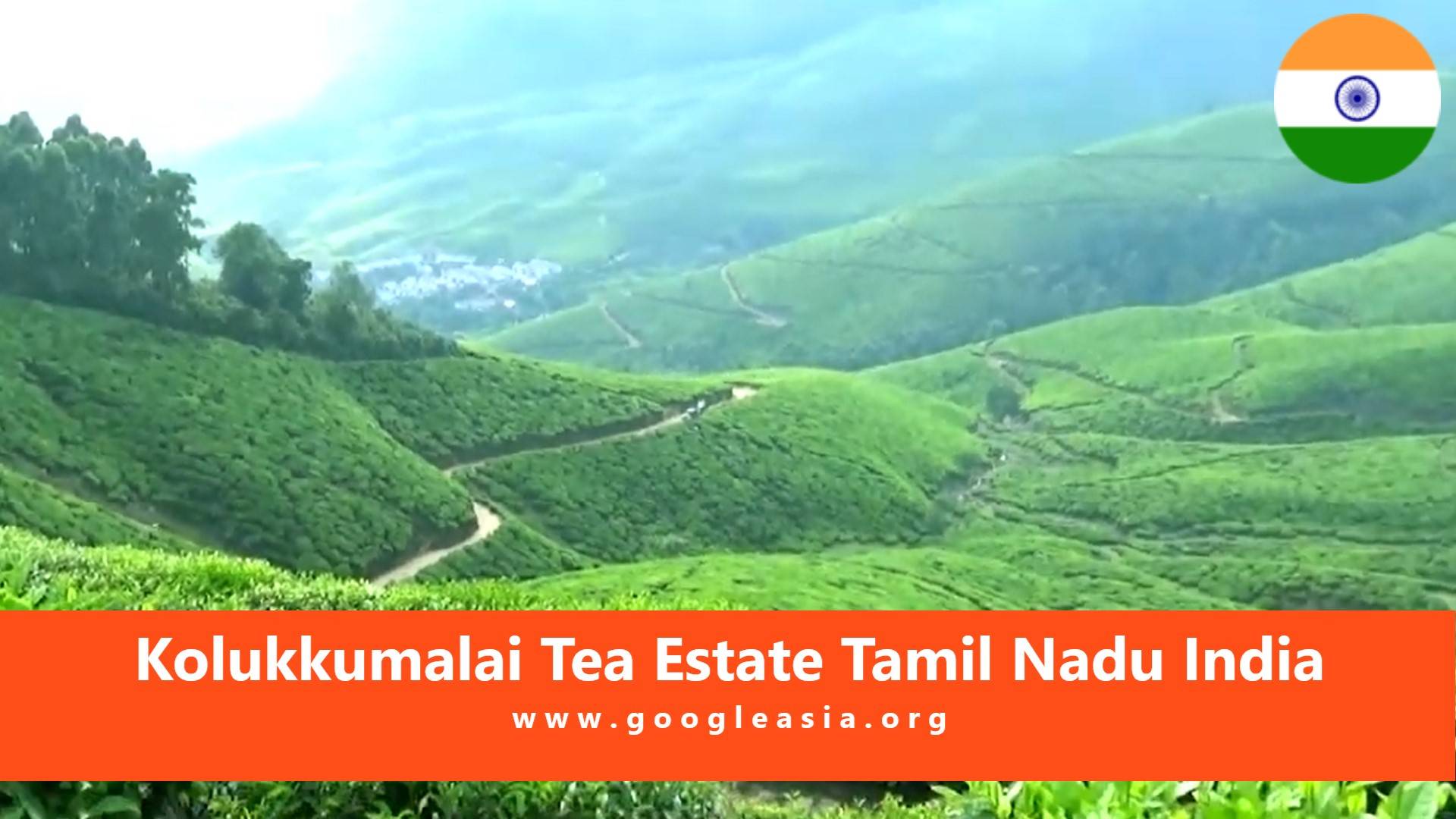
    Kolukkumalai Tea Estate in Tamil Nadu, India is one of the highest tea estates in the world. Located at an attitude of 8000 feet, this tea estate offers spectacular views of lush green and rolling hills of the Western Ghats. Tea lovers from around the world visit Kolukkumalai to witness firsthand, the unique taste of the world’s finest teas.

    The estate is also known for its organically grown teas. Moreover, visitors can explore the charismatic culture of the region with its ancient temples, traditional homes and peaceful villages.

    Kolukkumalai Tea Estate is a tea plantation located in the beautiful Western Ghats of Tamil Nadu, India. Founded in 1932, the estate is set amongst hills and forests, providing a unique and tranquil environment in which to enjoy its renowned tea. Its high elevation of 2,600 meters (8,530 ft) makes it one of the highest tea plantations in the world.

    Introduction

    A Historical Marvel in the Nilgiris

    Nestled at an astounding altitude of 8000 feet, overlooking the border between Tamil Nadu and Kerala, the Kolukkumalai Tea Estate stands as a testament to India’s rich tea cultivation legacy. Established in 1924 by Mr. Selvaraju and later acquired by Goodricke Group in 1928, this estate spans across 868 hectares of pristine mountain terrain in the Nilgiris district.

    Unraveling the Art of Tea Cultivation

    Kolukkumalai is celebrated not only for its breathtaking altitude but also for producing some of the finest teas in South India. The estate’s high elevation and unique climatic conditions contribute to the distinct flavor profiles of its teas, making it a favored destination for tea connoisseurs worldwide. Besides tea, the estate also nurtures crops like cardamom, vanilla, and pepper, showcasing its agricultural diversity and economic significance to the region.

    Immersive Visitor Experiences

    Visiting Kolukkumalai offers more than just a tour of tea gardens; it’s an immersive experience into the heart of the Nilgiris. The estate’s crown jewel is its historic tea factory, reputed as the oldest in the region. Here, visitors can witness every step of the tea-making process, from plucking to processing, while enjoying panoramic views of rolling hills and verdant valleys.

    Embracing Sustainability and Conservation

    Beyond its agricultural prowess, Kolukkumalai Tea Estate is committed to sustainable practices and wildlife conservation. The estate strives to preserve its natural ecosystem, which is home to a diverse array of flora and fauna endemic to the Western Ghats. Initiatives include organic farming practices and habitat preservation efforts aimed at maintaining ecological balance amidst tea cultivation.

    Things to do

    Perched majestically in the Munnar district of Kerala, the Kolukkumalai Tea Estate stands as one of the highest tea plantations globally, offering unparalleled vistas and a deep dive into unique tea-harvesting techniques. It beckons both nature lovers and tea aficionados to indulge in its serene charm.

    Essential Experiences

    1. Explore the Tea Gardens Spend a day amidst the verdant greenery of Kolukkumalai. Opt for a scenic Jeep safari that scales the heights of the plantation, treating you to panoramic views of the sprawling estate.
    2. Tea Factory Tour Delve into the heart of tea production with a guided tour of the estate’s tea factory. Witness the intricate process from leaf plucking to packaging, gaining insight into the craftsmanship behind each cup.
    3. Thrilling Jeep Safari Embark on an exhilarating 4×4 Jeep safari around the estate. Revel in the breathtaking landscapes that unfold before you, showcasing the meticulous rows of tea bushes against a backdrop of misty hills.

    Indulging in Tea Tasting

    Immerse yourself in the art of tea appreciation with a dedicated tasting tour. Learn about the diverse varieties cultivated at Kolukkumalai and savor each brew prepared in traditional styles, offering a glimpse into centuries-old techniques.

    Adventure and Exploration Beyond Tea

    • Trekking Adventures Set off on a trek to the lofty Kolukkumalai peak. The journey rewards you with awe-inspiring panoramas and a chance to connect intimately with the surrounding natural splendor.
    • Thrilling Adventure Sports For adrenaline seekers, the estate offers thrilling activities like ziplining, rappelling, and rock climbing, promising an adrenaline rush amidst stunning landscapes.
    • Nature Walks Discover the estate’s rich biodiversity with leisurely nature walks. Encounter indigenous flora and fauna thriving in this pristine environment, enhancing your understanding of the region’s ecological tapestry.

    Cultural Exploration and Nearby Attractions

    Beyond its natural wonders, Kolukkumalai invites you to explore nearby cultural gems such as Punarjani Traditional Village. Here, immerse yourself in traditional rural life, gaining insights into local customs and craftsmanship.

    Foods

    Exploring Local Flavors

    Situated amidst the breathtaking landscapes of the Nilgiris, Kolukkumalai Tea Estate not only offers spectacular views but also tantalizes visitors with its diverse culinary offerings. Here are some of the must-try foods that capture the essence of this unique destination.

    Traditional Delicacies

    • Kanji Indulge in Kanji, a comforting porridge made from rice, lentils, and fragrant curry leaves. This hearty dish reflects the region’s culinary heritage and is perfect for a wholesome meal amidst the cool mountain air.
    • Appam Savor the delicate flavors of Appam, a traditional pancake known for its soft, fluffy texture. Paired with a variety of accompaniments, Appam offers a delightful taste of local cuisine at Kolukkumalai.
    • Curry & Rice Enjoy a satisfying plate of Curry & Rice, a staple that showcases the rich flavors of South Indian spices blended with fresh, locally sourced ingredients. Each bite is a culinary journey through the region’s robust culinary traditions.

    Specialties for Tea Time

    Discover Kolukkumalai’s array of English-style tea time snacks, including:

    • Samosas Crispy and savory, samosas are a popular snack enjoyed with a cup of freshly brewed tea, offering a delightful contrast of flavors and textures.
    • Puffs Delight in puffs, flaky pastries filled with savory fillings such as spiced potatoes or minced meat, perfect for a quick bite during tea breaks.
    • Sweet Treats Indulge your sweet tooth with Kolukkumalai’s assortment of sweet treats, from traditional Indian sweets to cakes and pastries infused with local flavors.

    Herbal Tea Infusions

    Complete your culinary journey with herbal teas, a specialty of Kolukkumalai Tea Estate. Made from locally sourced herbs and infused with aromatic flavors, the

    Hotels

    Embracing Serenity and Comfort

    Exploring the tranquil beauty of Kolukkumalai Tea Estate is complemented by a range of accommodations that offer comfort and immersion in nature. Here are some of the top hotels to consider for your stay:

    1. Green Hills Mountain Retreat Nestled amidst lush greenery, Green Hills Mountain Retreat offers cozy accommodations with panoramic views of the surrounding hills. Ideal for travelers seeking tranquility and a close connection with nature.
    2. Cloud View Resort True to its name, Cloud View Resort provides breathtaking vistas of the misty clouds enveloping the tea plantations. Guests can enjoy comfortable rooms and personalized service, making it a perfect retreat in the mountains.
    3. Stream Valley Hotel & Resort Set against the backdrop of gushing streams and verdant valleys, Stream Valley Hotel & Resort combines modern amenities with a serene ambiance. It offers a peaceful retreat for nature enthusiasts and adventure seekers alike.

    Eco-Friendly Retreats

    • The Swan Eco Resort Promoting sustainable tourism, The Swan Eco Resort offers eco-friendly accommodations amidst pristine natural surroundings. Guests can unwind in harmony with the environment while enjoying warm hospitality.
    • The Rainforest Retreat Immerse yourself in the lush rainforest ambiance at The Rainforest Retreat. This eco-conscious retreat provides a secluded stay with opportunities for birdwatching and exploring nearby nature trails.

    Charming Cottage Stays

    • Kollukumalai Hill Cottage Experience rustic charm at Kollukumalai Hill Cottage, offering cozy cottages with stunning views of the tea gardens. Perfect for travelers seeking a blend of comfort and authenticity in their accommodations.

    Resort Experiences

    • MT Kollukkumalai Hill Resort Perched atop the hills, MT Kollukkumalai Hill Resort offers luxurious amenities amidst the tranquility of nature. Guests can relax in spacious rooms and enjoy panoramic views of the tea estate.

    Riverside Tranquility

    • River Valley Lodge Located by the riverside, River Valley Lodge offers serene accommodations with a focus on relaxation and rejuvenation. Guests can unwind to the soothing sounds of flowing water and enjoy nature walks along the riverbanks.
    Kolukkumalai Tea Estate Tamil Nadu India

    Summary

    • Attraction Name: Kolukkumalai Tea Estate
    • Country: India
    • Continent: Asia
    • Capital Name: New Delhi
    • Language: Hindi, English
    • Currency: Indian Rupee
    • Nationality: Indians
    • Category:  #Destination #Asia #INDIA 

    Frequently Asked Questions

    Where is Kolukkumalai Tea Estate located?

    Kolukkumalai Tea Estate is located in the Theni district of Tamil Nadu, India, near the border with Kerala. Here are some key details about its location:

    1. Geographical Position:
      • Kolukkumalai Tea Estate is situated in the Western Ghats mountain range, at an altitude of about 7,900 feet (2,400 meters) above sea level, making it the highest tea plantation in the world.
    2. Proximity to Munnar:
      • The estate is approximately 32 kilometers from the popular hill station of Munnar, which is in the Idukki district of Kerala. Munnar serves as the main access point for reaching Kolukkumalai.
    3. Nearby Towns:
      • The closest towns to Kolukkumalai are Suryanelli and Kurangani. Suryanelli is about 15 kilometers away and is the starting point for the jeep ride to the estate.
    4. Coordinates:
      • The geographical coordinates for Kolukkumalai Tea Estate are approximately 10.1015° N latitude and 77.2232° E longitude.

    How to go to Kolukkumalai Tea Estate?

    Getting to Kolukkumalai Tea Estate involves a combination of travel modes due to its remote location and rugged terrain. Here’s a step-by-step guide to reach Kolukkumalai Tea Estate:

    1. Reach Munnar:
      • By Air: The nearest airport to Munnar is Cochin International Airport (COK), which is about 125 kilometers away. From the airport, you can hire a taxi or take a bus to Munnar.
      • By Train: The nearest railway station is Aluva, approximately 110 kilometers from Munnar. You can hire a taxi or take a bus from the railway station to Munnar.
      • By Road: Munnar is well-connected by road to major cities in Kerala and Tamil Nadu. You can drive or take a bus from cities like Kochi, Coimbatore, and Madurai to Munnar.
    2. From Munnar to Suryanelli:
      • By Car/Taxi: From Munnar, hire a taxi or drive to Suryanelli, which is around 30 kilometers away. The drive takes approximately 1.5 hours.
      • By Bus: Local buses are available from Munnar to Suryanelli, but the frequency might be limited.
    3. From Suryanelli to Kolukkumalai Tea Estate:
      • Jeep Ride: The final leg of the journey involves a rugged jeep ride from Suryanelli to Kolukkumalai Tea Estate. The road is rough and bumpy, so only 4×4 jeeps are suitable for this trip. Jeeps can be hired from Suryanelli, and the ride takes about 1.5 hours.
    4. Trekking Option:
      • Trek from Kurangani: For the more adventurous, there is a trekking route from Kurangani Village to Kolukkumalai. The trek is moderately challenging and offers stunning views of the surrounding hills and tea plantations. The trek takes around 4-5 hours.

    Travel Tips:

    • Book in Advance: If you plan to hire a jeep or join a guided tour, it’s advisable to book in advance, especially during peak tourist seasons.
    • Check Weather Conditions: The terrain can be challenging, especially during the monsoon season. Check weather conditions before planning your trip.
    • Wear Comfortable Clothing: Wear comfortable clothing and sturdy shoes suitable for trekking and rough terrain.
    • Carry Essentials: Carry water, snacks, and any necessary medications, as there are limited facilities on the way to the tea estate.

    What are Kolukkumalai Tea Estate’s must-visit attractions or landmarks?

    Kolukkumalai Tea Estate boasts several attractions and landmarks that make it a fascinating destination for visitors. Here are some of the must-visit spots within and around the estate:

    1. Kolukkumalai Tea Factory:
      • Historic Tea Factory: Established during the British colonial period, this factory still uses orthodox methods of tea processing. Visitors can tour the factory to learn about traditional tea production and sample some of the finest teas.
    2. Tea Plantations:
      • Scenic Walks: Stroll through the lush green tea plantations and experience the serene beauty of the landscape. The plantation offers picturesque views that are perfect for photography.
    3. Sunrise Point:
      • Spectacular Sunrise: The summit of Kolukkumalai is renowned for its breathtaking sunrise views. Trekking to this point early in the morning rewards visitors with a stunning display of colors as the sun rises over the mountains and valleys.
    4. Meesapulimala:
      • Trekking Destination: Meesapulimala is the second highest peak in the Western Ghats and offers an exhilarating trekking experience. The trek provides panoramic views and a chance to see diverse flora and fauna.
    5. Kurangani Village:
      • Cultural Experience: Nearby Kurangani Village offers a glimpse into local life and culture. Visitors can interact with villagers, explore traditional homes, and enjoy local cuisine.
    6. Echo Point:
      • Natural Acoustic Phenomenon: This spot is famous for its natural echo effect. Visitors can shout out and hear their voices reverberate through the valley, making it a fun experience.
    7. Top Station:
      • Scenic Viewpoint: Located near Kolukkumalai, Top Station offers a magnificent view of the Western Ghats and the valley below. It’s a popular spot for tourists looking to capture stunning landscape photos.
    8. Suryanelli:
      • Picturesque Town: This quaint town near Kolukkumalai is known for its beautiful scenery and serves as a base for many treks and jeep rides to the tea estate.

    Is Kolukkumalai Tea Estate a suitable travel destination for solo adventurers, honeymooning couples, or those traveling with families?

    Yes, Kolukkumalai Tea Estate is a versatile travel destination that caters to a wide range of visitors, including solo adventurers, honeymooning couples, and families. Here’s why it’s suitable for each group:

    1. Solo Adventurers:
      • Adventure and Exploration: Solo travelers will appreciate the rugged jeep rides, trekking opportunities, and the chance to explore the high-altitude tea plantations.
      • Tranquility and Solitude: The serene environment provides a perfect setting for those seeking solitude and a peaceful retreat from the busy city life.
      • Cultural Immersion: Solo adventurers can engage with local workers and learn about traditional tea production, adding depth to their travel experience.
    2. Honeymooning Couples:
      • Romantic Scenery: The breathtaking views of mist-covered valleys, lush tea gardens, and majestic mountains create a romantic atmosphere perfect for couples.
      • Unique Experiences: Couples can enjoy guided tours of the tea estate, participate in tea-tasting sessions, and take leisurely walks through the picturesque landscape.
      • Private Moments: The tranquil setting offers plenty of opportunities for intimate moments, making it an ideal destination for a honeymoon.
    3. Families:
      • Educational Tours: Families can enjoy informative tours of the tea factory, where both children and adults can learn about the traditional tea-making process.
      • Outdoor Activities: The estate offers family-friendly activities such as nature walks, picnics, and bird watching, ensuring that everyone has an enjoyable time.
      • Safe Environment: The peaceful and safe environment of the tea estate makes it suitable for families with children, providing a worry-free travel experience.

    Why should you visit Kolukkumalai Tea Estate?

    Visiting Kolukkumalai Tea Estate offers a unique and memorable experience for several reasons:

    1. World’s Highest Tea Plantation: Kolukkumalai is the highest tea estate in the world, situated at an altitude of about 7,900 feet above sea level. The altitude not only provides stunning views but also contributes to the unique flavor of the tea grown here.
    2. Breathtaking Scenery: The estate is surrounded by majestic mountains, lush green tea plantations, and mist-covered valleys. The panoramic views of the Western Ghats are truly spectacular and provide excellent photo opportunities.
    3. Authentic Tea Experience: Kolukkumalai still follows traditional tea processing methods that date back to the British colonial era. Visitors can tour the factory to learn about the orthodox tea-making process and enjoy freshly brewed tea.
    4. Trekking and Adventure: The journey to Kolukkumalai is an adventure in itself, involving a rugged jeep ride through rough terrains. For trekking enthusiasts, the estate offers several scenic trails, including a trek to the summit, where you can witness a breathtaking sunrise.
    5. Flora and Fauna: The region is rich in biodiversity, offering a chance to see various species of birds, plants, and wildlife. Nature lovers will appreciate the pristine environment and the opportunity to explore the rich flora and fauna.
    6. Cultural Experience: Visiting Kolukkumalai allows you to experience the local culture and traditions. You can interact with the tea estate workers and learn about their way of life, adding a cultural dimension to your trip.
    7. Peaceful Retreat: The serene and tranquil environment of Kolukkumalai makes it an ideal destination for those seeking a peaceful retreat away from the hustle and bustle of city life. The fresh mountain air and the calm surroundings provide a perfect escape for relaxation and rejuvenation.

    Is there any halal food available in the vicinity of the Kolukkumalai Tea Estate?

    Yes, you can find halal food options near the Kolukkumalai Tea Estate. While the estate itself may not have halal-certified dining options, the nearby towns such as Munnar have several restaurants and eateries that cater to halal dietary requirements. It’s recommended to:

    1. Ask the Staff: When visiting a restaurant, ask the staff if they provide halal food or if they can guide you to a nearby halal restaurant.
    2. Look for Halal Certification: Some establishments display a halal certification or have signs indicating they serve halal food.
    3. Use Halal Food Apps: Apps like Zabihah or HappyCow can help you locate halal restaurants in the area.
    4. Local Recommendations: Ask locals or your hotel staff for recommendations on where to find halal food.
  • Discovering Jama Masjid: The Largest Mosque in India

    Discovering Jama Masjid: The Largest Mosque in India

    Jama Masjid in Delhi, India

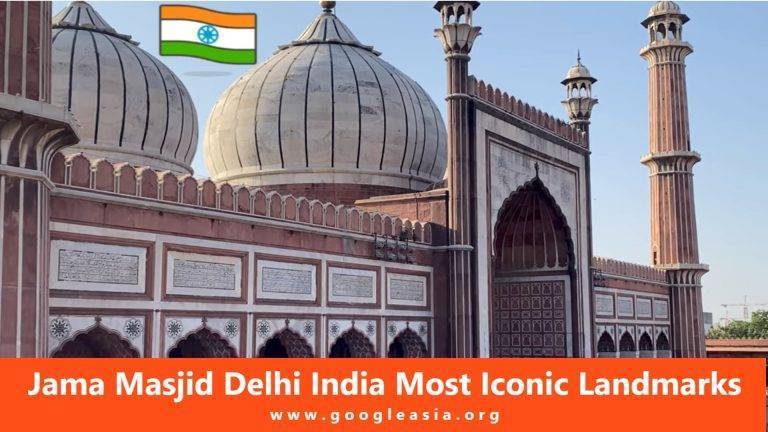
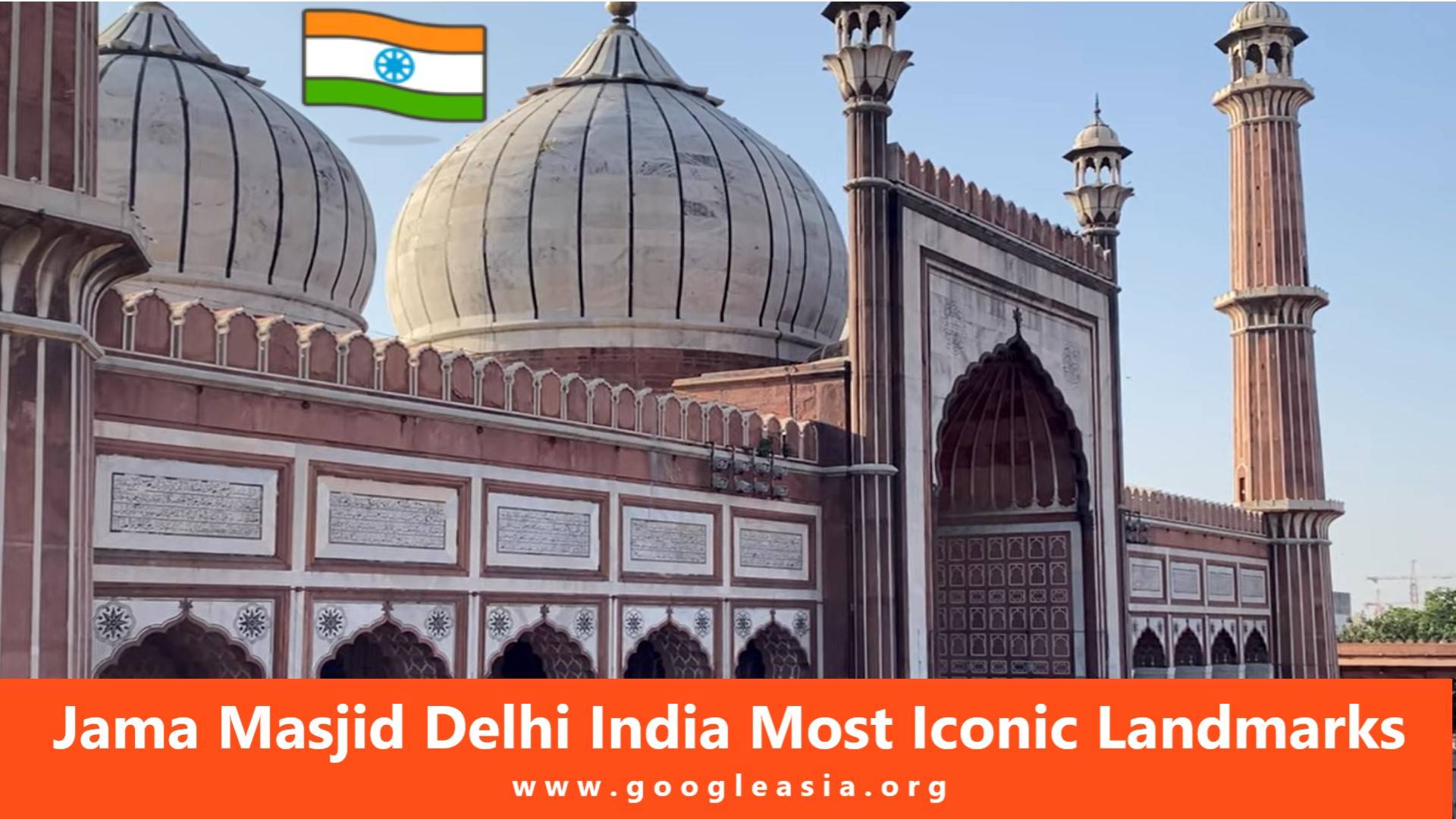
    Jama Masjid Mosque is one of the most iconic landmarks in Delhi, India. Situated in the walled city, the majestic structure stands tall overlooking the bustling streets of Old Delhi, exuding its unique architectural grandeur. Built in red sandstone and white marble, the mosque is home to over 25,000 worshippers and boasts of numerous archways and four tall minarets.

    Introduction

    The Jama Masjid of Delhi stands as a magnificent testament to the Mughal era’s architectural brilliance and religious significance. Known as the “Friday Mosque,” it is the largest mosque in India and one of the most prominent tourist attractions in Old Delhi. This grand monument was commissioned by the Mughal Emperor Shah Jahan in 1644 and completed in 1656, reflecting the grandeur of its era.

    Historical Significance

    Construction and Design

    Commissioned by Shah Jahan, the same emperor who built the Taj Mahal, Jama Masjid was constructed between 1644 and 1656. Modeled after the Badshahi Mosque in Lahore, this mosque showcases the exquisite use of red sandstone and marble. It features three great gates, four towers, and two towering minarets each standing 40 meters tall, showcasing the architectural prowess of the Mughal period.

    Religious Importance

    Jama Masjid is primarily a Sunni mosque, accommodating thousands of worshippers at any given time. It serves as a significant pilgrimage center for Muslims, especially during the holy month of Ramadan and the festival of Eid. The mosque’s large courtyard can hold over 25,000 worshippers, making it a central hub for Islamic religious activities in India.

    Architectural Marvels

    The Grand Structure

    The mosque’s imposing structure is an architectural marvel, blending Islamic, Persian, and Indian influences. The use of red sandstone interspersed with white marble creates a striking contrast, enhancing the mosque’s aesthetic appeal. The three domes of the mosque are lined with black and white marble stripes, adding to its visual grandeur.

    The Minarets and Gates

    Jama Masjid’s two main minarets, standing at 40 meters, offer a panoramic view of Old Delhi, providing a glimpse into the historical city’s vibrant life. The mosque has three grand gates – the North, South, and East gates – each serving as a significant entry point, welcoming visitors and worshippers alike.

    Visitor Information

    Best Time to Visit

    The best time to visit Jama Masjid is early in the morning or late in the afternoon to avoid the midday heat and to experience the mosque’s serene ambiance. Fridays, known as Jummah, are particularly special for Muslims, as large congregations gather for the weekly prayers.

    Tips for Visitors

    Visitors should dress modestly, covering their heads and removing their shoes before entering the mosque premises. Photography is allowed but requires permission, and visitors should respect the sanctity of the prayer areas, especially during prayer times.

    Things to do

    Jama Masjid, located in the heart of Old Delhi, is not only one of the largest mosques in India but also a significant historical and cultural landmark. Constructed between 1644 and 1656 by the Mughal Emperor Shah Jahan, this grand mosque is an architectural marvel and a bustling hub of activity. Here are the top things to do when visiting Jama Masjid:

    Admire the Architecture

    Marvel at the Structural Beauty

    Jama Masjid is an architectural delight, built from red sandstone with three stunning white marble domes. The mosque is situated on a raised terrace and features a vast courtyard that can accommodate up to 25,000 worshippers. The two minarets, each standing 40 meters high and adorned with three balconies, provide a striking view of the mosque’s grandeur.

    Explore the Intricate Details

    Take time to explore the intricate carvings and beautiful calligraphy that adorn the walls of Jama Masjid. The blend of Islamic, Persian, and Indian architectural styles is evident in the detailed craftsmanship, making it a visual treat for architecture enthusiasts.

    Explore the Market

    Discover Local Shops

    The area around Jama Masjid is vibrant with numerous small stores and shops. These shops sell a wide variety of items, from household goods to traditional clothes, offering a glimpse into the local culture and commerce.

    Savor the Street Food

    The vicinity of Jama Masjid is famous for its delicious local street food. Indulge in mouthwatering delicacies like kebabs, biryanis, and sweets. The bustling streets offer a rich culinary experience that is a must-try for food lovers.

    Visit Historical Sites

    Nearby Attractions

    For history enthusiasts, Jama Masjid is a gateway to several other historical sites in Old Delhi. Visit nearby landmarks such as Chandni Chowk, the Red Fort, and Fatehpuri Masjid. Each site offers its own unique glimpse into Delhi’s rich historical tapestry.

    Historical Insights

    Learn about the Mughal era and the significance of these historical sites through guided tours or informational plaques. The area’s rich history adds depth to your visit, making it a fulfilling educational experience.

    Climb the Minarets

    Ascend for a Panoramic View

    One of the highlights of visiting Jama Masjid is climbing the minarets. For a small fee, you can ascend the narrow staircases to the top, where you will be rewarded with breathtaking panoramic views of Old Delhi.

    Capture the Cityscape

    The climb provides a unique vantage point to capture stunning photographs of the city’s bustling streets, ancient buildings, and the sprawling urban landscape.

    Attend a Qawwali Session

    Experience Traditional Music

    Jama Masjid is renowned for its qawwali performances, especially during the holy month of Ramadan. These performances, held in a special enclosure, feature professional qawwals who sing soulful Sufi devotional music.

    Cultural Immersion

    Attending a qawwali session offers a deep cultural experience, allowing visitors to immerse themselves in the spiritual and musical heritage of the region.

    Enjoy Sunset

    Witness Spectacular Sunsets

    Jama Masjid is a perfect spot to enjoy beautiful sunsets. As the sun sets, the mosque is bathed in a warm golden glow, creating a picturesque scene.

    Evening Relaxation

    Grab a cup of chai and relax as you watch the sunset, or stay a little longer to do some stargazing. The tranquil ambiance of the mosque in the evening provides a serene end to your day.

    Foods

    The area around Jama Masjid in Old Delhi is a paradise for food lovers, offering a variety of delectable dishes that reflect the rich culinary heritage of Mughal-era cuisine. Here are some of the must-try foods when visiting Jama Masjid:

    Kebabs

    Seekh Kebabs

    Seekh kebabs, made from spiced minced meat, are grilled on skewers and served hot. These juicy and flavorful kebabs are a crowd favorite and can be found at various stalls around Jama Masjid.

    Shami Kebabs

    Shami kebabs are another popular choice, made from minced meat mixed with spices and chickpeas, then pan-fried to perfection. These kebabs are often served with mint chutney and onions.

    Biryani

    Chicken Biryani

    The aromatic chicken biryani around Jama Masjid is a must-try. Cooked with basmati rice, tender chicken, and a blend of spices, it’s a flavorful and satisfying dish.

    Mutton Biryani

    For a richer taste, try the mutton biryani, which is prepared with succulent pieces of mutton, fragrant rice, and a medley of spices that make every bite a delight.

    Nihari

    Slow-Cooked Meat Stew

    Nihari is a traditional Mughal dish that is a must-try. This slow-cooked stew, made with beef or mutton, is simmered overnight with spices to create a rich, flavorful broth. It’s typically served with naan or khamiri roti.

    Karim’s Restaurant Delicacies

    Mutton Korma

    Karim’s, a famous restaurant near Jama Masjid, is renowned for its mutton korma. This dish features tender pieces of mutton cooked in a creamy, spiced gravy, offering a burst of flavors.

    Chicken Jahangiri

    Another signature dish from Karim’s, Chicken Jahangiri, is prepared with a special blend of spices and cooked to perfection, resulting in a flavorful and aromatic curry.

    Street Food Delights

    Chaat

    For a quick and tasty snack, try the various types of chaat available around Jama Masjid. Popular options include aloo chaat (spiced potatoes), papri chaat (crispy wafers with toppings), and dahi bhalla (lentil dumplings in yogurt).

    Samosas and Kachoris

    These fried snacks are perfect for a quick bite. Samosas are stuffed with spiced potatoes and peas, while kachoris are filled with lentils or other savory fillings.

    Sweets

    Jalebi

    Jalebi, a popular Indian sweet, is made by deep-frying batter in circular shapes and then soaking them in sugar syrup. These crispy, syrupy treats are irresistible.

    Phirni

    Phirni is a creamy rice pudding flavored with cardamom and saffron, served in small clay pots. It’s a refreshing dessert to end your culinary journey around Jama Masjid.

    Refreshing Beverages

    Shahi Tukda

    While not a beverage, Shahi Tukda is a royal Mughal dessert that is often served with a drink. It consists of fried bread soaked in condensed milk, topped with dry fruits and saffron.

    Rooh Afza

    A traditional summer drink, Rooh Afza is a rose-flavored syrup mixed with water or milk. It’s refreshing and provides a cooling effect, perfect for the hot days of Delhi.

    Hotels

    Staying near Jama Masjid in Old Delhi offers a unique opportunity to immerse yourself in the vibrant culture and historical charm of the area. Here are some of the best hotels that provide comfort, convenience, and a pleasant stay:

    La Dome at The Claridges New Delhi

    Overview

    La Dome at The Claridges New Delhi is known for its luxurious ambiance and exceptional services. It offers a blend of modern amenities and classic charm, making it an ideal choice for travelers seeking a high-end experience.

    Highlights

    • Luxurious rooms and suites
    • Fine dining restaurants
    • Spa and wellness center
    • Convenient location with easy access to major attractions

    Graces Inn Paharganj

    Overview

    Graces Inn Paharganj is a budget-friendly hotel that provides comfortable accommodations and essential amenities. It is well-suited for travelers looking for affordability without compromising on comfort.

    Highlights

    • Affordable rates
    • Clean and comfortable rooms
    • Proximity to New Delhi Railway Station
    • Complimentary breakfast

    Hotel White Pearl

    Overview

    Hotel White Pearl offers a comfortable and pleasant stay with its well-appointed rooms and courteous staff. It is located conveniently close to Jama Masjid and other attractions in Old Delhi.

    Highlights

    • Cozy and well-furnished rooms
    • On-site restaurant
    • Complimentary Wi-Fi
    • 24-hour room service

    Ten Perfect Boutique Suites

    Overview

    Ten Perfect Boutique Suites is a boutique hotel known for its personalized services and elegant decor. It is a great choice for travelers who prefer a more intimate and unique stay.

    Highlights

    • Stylish and individually designed suites
    • Personalized services
    • On-site dining options
    • Proximity to shopping and dining areas

    Mint Jazz Inn

    Overview

    Mint Jazz Inn offers modern amenities and comfortable accommodations, making it a popular choice for both business and leisure travelers. Its location provides easy access to Jama Masjid and other key attractions.

    Highlights

    • Modern and well-equipped rooms
    • On-site restaurant and bar
    • Business center and meeting facilities
    • Fitness center

    Hotel Broadway

    Overview

    Hotel Broadway combines modern amenities with a touch of historical charm. It is well-regarded for its friendly service and convenient location, making it a great option for exploring Old Delhi.

    Highlights

    • Comfortable and spacious rooms
    • Multi-cuisine restaurant
    • Complimentary Wi-Fi
    • Proximity to historical sites

    Hotel Sandal Suites

    Overview

    Hotel Sandal Suites offers a blend of luxury and comfort with its spacious suites and excellent amenities. It is a great option for travelers looking for a relaxing and upscale stay.

    Highlights

    • Spacious and well-appointed suites
    • On-site dining options
    • Swimming pool and fitness center
    • Conference and banquet facilities

    Ginger Hotel Paharganj

    Overview

    Ginger Hotel Paharganj is a budget hotel that provides clean and comfortable accommodations with essential amenities. It is ideal for travelers looking for convenience and affordability.

    Highlights

    • Budget-friendly rates
    • Clean and comfortable rooms
    • 24-hour front desk
    • Proximity to New Delhi Railway Station

    Hotel Gali Shangrila

    Overview

    Hotel Gali Shangrila offers a comfortable stay with its well-furnished rooms and friendly service. It is located close to Jama Masjid and other attractions in Old Delhi.

    Highlights

    • Comfortable and well-maintained rooms
    • On-site dining
    • Complimentary Wi-Fi
    • 24-hour room service

    Hotel Metro Heights

    Overview

    Hotel Metro Heights provides modern accommodations and a range of amenities, making it a popular choice for travelers. Its location allows easy access to both Old and New Delhi attractions.

    Highlights

    • Modern and comfortable rooms
    • On-site restaurant and bar
    • Fitness center
    • Meeting and conference facilities

    Conclusion

    Whether you are looking for luxury, boutique charm, or budget-friendly accommodations, the area around Jama Masjid offers a variety of options to suit different preferences and budgets. Each hotel provides its own unique set of amenities and advantages, ensuring a comfortable and enjoyable stay while you explore the rich history and vibrant culture of Old Delhi.

    Jama Masjid Delhi India Most Iconic Landmarks

    Summary

    • Attraction Name: Jama Masjid
    • Country: India
    • Continent: Asia
    • Capital Name: New Delhi
    • Language: Hindi, English
    • Currency: Indian Rupee
    • Nationality: Indians
    • Category:  #Destination #Asia #INDIA 

    Frequently Asked Questions

    Where is Jama Masjid located?

    Jama Masjid is located in the heart of Old Delhi, India. Here are the specific details about its location:

    • City: Delhi
    • Neighborhood: Old Delhi (Shahjahanabad)
    • District: Central Delhi
    • State: Delhi
    • Country: India

    Address:

    • Jama Masjid Chandni Chowk, Old Delhi, Delhi – 110006, India

    Nearby Landmarks:

    • Red Fort: Approximately 1 kilometer northeast of Jama Masjid.
    • Chandni Chowk: Adjacent to Jama Masjid, known for its bustling market and street food.
    • Meena Bazaar: Located near Jama Masjid, famous for shopping and traditional artifacts.

    How to go to Jama Masjid?

    Getting to Jama Masjid in Old Delhi is relatively straightforward, and there are several transportation options available. Here’s a guide on how to reach Jama Masjid:

    1. By Metro:
      • Nearest Metro Station: The nearest metro station to Jama Masjid is Chandni Chowk Metro Station, which is on the Yellow Line (Line 2) of the Delhi Metro.
      • From Chandni Chowk Metro Station: After exiting the metro station, Jama Masjid is a short walk away. Follow the signs directing towards Jama Masjid.
    2. By Bus:
      • Local Buses: Delhi has an extensive network of local buses that connect various parts of the city, including Old Delhi. Several bus routes pass through Chandni Chowk, which is near Jama Masjid. Check local bus routes and schedules for options.
    3. By Auto Rickshaw or Taxi:
      • From Central Delhi: Auto rickshaws and taxis are readily available throughout Delhi. You can hire an auto rickshaw or taxi to directly take you to Jama Masjid. It’s advisable to negotiate the fare before starting your journey.
      • From New Delhi Railway Station: If arriving by train, auto rickshaws and taxis from New Delhi Railway Station can also take you to Jama Masjid, depending on traffic conditions.
    4. By Car:
      • Self-Drive: If you’re driving, you can reach Jama Masjid by following directions to Old Delhi. There are parking facilities available near Jama Masjid, but be prepared for congested traffic conditions in the area.

    What are Jama Masjid’s must-visit attractions or landmarks?

    Jama Masjid, located in the heart of Old Delhi, is one of the largest and most famous mosques in India. Here are some must-visit attractions and landmarks within and around Jama Masjid:

    1. Main Prayer Hall:
      • Description: The grand prayer hall, with its impressive architecture, features high arched doorways, intricate carvings, and beautiful marble inlays. The hall can accommodate thousands of worshippers and is a significant part of the mosque’s structure.
    2. Central Courtyard:
      • Description: The vast courtyard of Jama Masjid can hold up to 25,000 people. It offers a serene space to sit and reflect while taking in the mosque’s grandeur. The courtyard provides a fantastic view of the mosque’s main prayer hall and its three grand domes.
    3. Minarets:
      • Description: Jama Masjid has two 40-meter-high minarets made of red sandstone and white marble. Visitors can climb to the top of the southern minaret for a small fee to enjoy a panoramic view of Old Delhi and its surroundings.
    4. Northern Gate:
      • Description: The northern gate of Jama Masjid leads to a bustling market area. It is a popular entry point for visitors and provides a vibrant introduction to the mosque’s surroundings.
    5. Madrasa and Library:
      • Description: Jama Masjid houses a madrasa (Islamic school) and a library with a collection of ancient manuscripts and religious texts. Although these are not always open to the public, they add to the mosque’s historical and educational significance.
    6. Shahi Imam’s Residence:
      • Description: The residence of the Shahi Imam, the mosque’s chief cleric, is located within the mosque complex. The Imam often plays a significant role in community affairs and religious events.
    7. Tank for Ablution:
      • Description: In the center of the courtyard, there is a large ablution tank where worshippers perform wudu (ritual purification) before prayers. The tank adds to the mosque’s tranquil and spiritual atmosphere.

    Nearby Attractions:

    1. Red Fort:
      • Description: Just a short walk from Jama Masjid, the Red Fort is a UNESCO World Heritage Site and a symbol of India’s rich history. It was the main residence of the Mughal emperors and is a must-visit for history enthusiasts.
    2. Chandni Chowk:
      • Description: One of Delhi’s oldest and busiest markets, Chandni Chowk is located near Jama Masjid. It offers a sensory overload with its narrow lanes, bustling shops, and delectable street food.
    3. Meena Bazaar:
      • Description: Located just outside Jama Masjid, Meena Bazaar is a historic market known for its shops selling jewelry, clothes, and traditional artifacts. It’s a great place to shop for souvenirs.
    4. Raj Ghat:
      • Description: A short drive from Jama Masjid, Raj Ghat is the memorial of Mahatma Gandhi. It’s a place of quiet reflection and tribute to the Father of the Nation.

    Is Jama Masjid a suitable travel destination for solo adventurers, honeymooning couples, or those traveling with families?

    Yes, Jama Masjid in Delhi is a versatile travel destination that can appeal to solo adventurers, honeymooning couples, and families. Here’s why it’s suitable for each group:

    1. Solo Adventurers:
      • Historical and Cultural Exploration: Solo travelers can immerse themselves in the rich history and architecture of Jama Masjid, one of the largest mosques in India.
      • Street Photography: The bustling market area around Jama Masjid offers excellent opportunities for street photography, capturing the vibrant local life.
      • Food Adventures: The nearby streets are famous for their halal street food, allowing solo travelers to indulge in a culinary adventure.
    2. Honeymooning Couples:
      • Romantic Walks: Couples can enjoy leisurely walks around the beautiful mosque, taking in the intricate Mughal architecture and serene atmosphere.
      • Cultural Experience: Visiting Jama Masjid provides a unique cultural experience that couples can share, exploring the historic site together.
      • Nearby Attractions: Couples can also visit nearby attractions such as Red Fort and Chandni Chowk, making for a day full of sightseeing and shared experiences.
    3. Families:
      • Educational Experience: Families can learn about the historical and cultural significance of Jama Masjid, providing an educational outing for children.
      • Spacious Grounds: The mosque’s large courtyard is a great place for families to explore together, offering plenty of space for children to roam.
      • Family-friendly Activities: After visiting Jama Masjid, families can enjoy a rickshaw ride through Chandni Chowk or visit nearby historical sites.

    General Tips:

    • Dress Code: Ensure to dress modestly when visiting Jama Masjid. Women should cover their heads, and both men and women should cover their arms and legs.
    • Footwear: You will need to remove your shoes before entering the mosque, so wear easily removable footwear.
    • Visiting Hours: Check the visiting hours and avoid prayer times if you want to explore the mosque without interruptions.
    • Local Guides: Consider hiring a local guide for a more informative experience, especially if you’re interested in the historical background of the mosque.

    Is there any halal food available in the vicinity of the Jama Masjid?

    Yes, there are several options for halal food near the Jama Masjid in Delhi, which is known for its rich culinary heritage and vibrant street food culture. Here are some popular places where you can find halal food:

    1. Karim’s:
      • Location: Near Gate No. 1 of Jama Masjid
      • Description: Established in 1913, Karim’s is one of the most famous restaurants in Delhi for Mughlai cuisine. They serve a wide range of dishes, including kebabs, biryanis, and curries, all prepared according to halal standards.
    2. Al Jawahar:
      • Location: Opposite Gate No. 1 of Jama Masjid
      • Description: Another well-known restaurant, Al Jawahar offers delicious Mughlai and North Indian cuisine. Their menu includes halal dishes like butter chicken, nihari, and kebabs.
    3. Aslam Chicken Corner:
      • Location: Near Gate No. 1 of Jama Masjid
      • Description: Famous for its butter chicken, Aslam Chicken Corner is a must-visit for those looking for flavorful and juicy chicken dishes. All their food is halal.
    4. Haji Mohammad Hussain:
      • Location: Matia Mahal, near Jama Masjid
      • Description: Known for its fried chicken and fish, Haji Mohammad Hussain offers a variety of halal dishes that are popular among locals and tourists alike.
    5. Al-Hakim Restaurant:
      • Location: Near Gate No. 2 of Jama Masjid
      • Description: Al-Hakim Restaurant serves a range of North Indian and Mughlai dishes, all prepared with halal meat. Their biryanis and kebabs are particularly recommended.
    6. Street Food Stalls:
      • Location: Around Jama Masjid
      • Description: The area around Jama Masjid is famous for its street food vendors offering a variety of halal snacks and meals, such as kebabs, biryanis, tandoori items, and sweets.

    Tips:

    • Ask for Recommendations: Don’t hesitate to ask locals or restaurant staff for recommendations on halal dishes.
    • Look for Halal Signs: Many restaurants and food stalls display signs indicating they serve halal food.
    • Peak Hours: Visit during peak meal times (lunch and dinner) to experience the best of what these eateries have to offer.
  • Visiting Ellora and Ajanta Caves, India: Travel Guide

    Visiting Ellora and Ajanta Caves, India: Travel Guide

    Ellora and Ajanta Caves, India

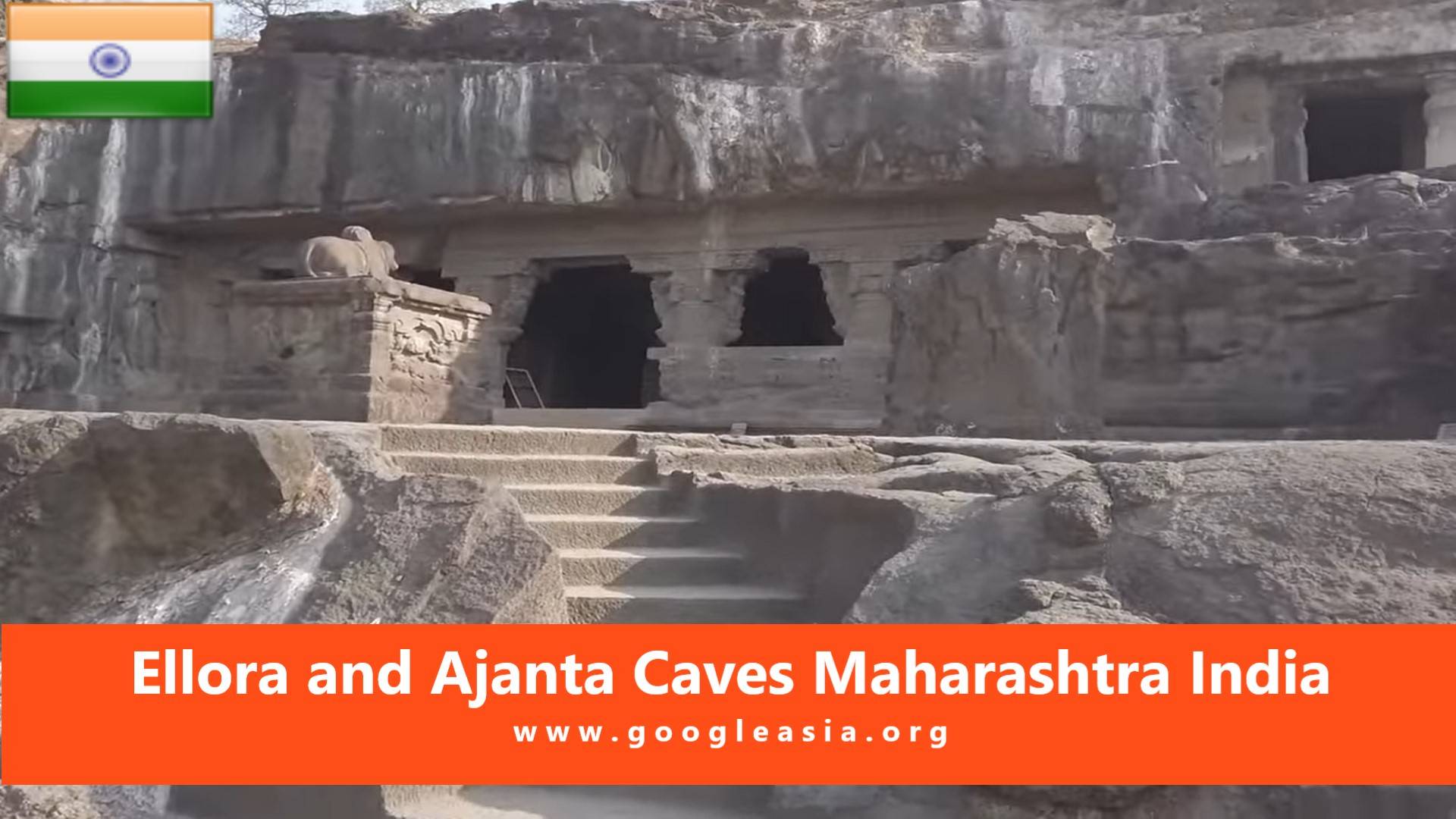
    The Ellora and Ajanta Caves of Maharashtra, India, are some of the most important archaeological sites in the world. These caves are well known for their exquisite architecture and breathtaking artwork, depicting tales of Hindu and Buddhist mythology. As such, these caves are a must-see for anyone interested in history and art. The Ellora and Ajanta Caves also offer insight into Indian spirituality, as well as provide visitors a chance to marvel at the ancient wonders of the world.

    The Ellora and Ajanta Caves in Maharashtra, India are UNESCO World Heritage Site caves that consist of ancient Buddhist, Hindu and Jain monuments carved into rock. The caves feature intricate sculptures and elaborate architectural designs, and provide a glimpse into India’s past.

    Introduction

    The Ellora and Ajanta Caves, located in the state of Maharashtra, are two of the most impressive and historically significant architectural sites in India. Situated around 400 km east of Mumbai, these caves are carved out of the basalt cliffs of the Charanandri hills and were constructed by different civilizations over the centuries. Together, they offer a stunning glimpse into India’s rich cultural and religious history.

    The Magnificent Ellora Caves

    Overview

    The Ellora Caves are a remarkable UNESCO World Heritage site, consisting of 34 caves that were created between the 6th and 10th centuries A.D. by Hindu, Buddhist, and Jain monks. These caves are known for their stunning architecture, intricate sculptures, and religious significance.

    Hindu Caves

    • Cave 16 (Kailasa Temple): The most famous and impressive of all the Ellora caves, the Kailasa Temple is a massive rock-cut temple dedicated to Lord Shiva. It is renowned for its grand scale and intricate carvings, depicting various scenes from Hindu mythology.
    • Other Hindu Caves: The other Hindu caves, such as Cave 14 and Cave 15, also feature exquisite carvings and sculptures dedicated to various Hindu gods and goddesses, showcasing the artistic brilliance of the time.

    Buddhist Caves

    • Cave 10 (Vishvakarma Cave): Also known as the Carpenter’s Cave, Cave 10 is a chaitya hall with a beautiful stupa at the end. The wooden beam-like carvings on the roof give it the name “Carpenter’s Cave.”
    • Other Buddhist Caves: The Buddhist caves, such as Cave 5 and Cave 12, serve as viharas (monasteries) and chaityas (prayer halls), featuring statues of Buddha and other significant figures in Buddhist tradition.

    Jain Caves

    • Cave 30 (Chhota Kailasa): A smaller but equally impressive version of the Kailasa Temple, Cave 30 is dedicated to the Jain Tirthankaras. It features detailed carvings and sculptures that reflect Jain religious themes.
    • Other Jain Caves: The Jain caves, such as Cave 32 and Cave 34, are adorned with intricate carvings and sculptures, emphasizing the Jain philosophy and teachings.

    The Ancient Ajanta Caves

    Overview

    The Ajanta Caves, another UNESCO World Heritage site, date back to the 2nd century B.C. and consist of 30 Buddhist cave temples. These caves were created under the patronage of the Satavahana dynasty and are famous for their stunning murals, frescoes, and sculptures.

    Buddhist Monasteries and Temples

    • Cave 1: Known for its well-preserved murals and paintings, Cave 1 features intricate depictions of various Jataka tales, which are stories about the previous lives of the Buddha.
    • Cave 2: This cave is famous for its vibrant frescoes that cover the walls and ceilings, illustrating scenes from the life of Buddha and various bodhisattvas.
    • Cave 26: A chaitya hall with a large, intricately carved stupa and beautiful sculptures depicting scenes from the life of Buddha, including the famous “Sleeping Buddha” sculpture.

    Artistic and Cultural Significance

    • Murals and Paintings: The murals and paintings in the Ajanta Caves are considered masterpieces of Buddhist religious art. They depict various scenes from the Jataka tales, life of the Buddha, and legends from Hindu mythology.
    • Sculptures: The caves also feature numerous sculptures, including statues of Buddha, bodhisattvas, and other significant figures in Buddhist tradition. These sculptures are known for their detailed craftsmanship and artistic expression.

    Visitor Information

    Best Time to Visit

    The best time to visit the Ellora and Ajanta Caves is between November and March when the weather is pleasant and conducive to exploring the sites.

    How to Reach

    • By Air: The nearest airport to both Ellora and Ajanta Caves is Aurangabad Airport, which is well-connected to major cities in India.
    • By Train: Aurangabad Railway Station is the closest railhead, with regular trains from Mumbai, Pune, and other major cities.
    • By Road: Both sites are accessible by road, with regular bus services and taxis available from Aurangabad.

    Things to Do

    Ellora and Ajanta Caves are two of the most renowned ancient rock-cut cave complexes in India. Located in Maharashtra, these sites are a testament to the architectural brilliance and religious diversity of ancient India. Here’s a guide to the best things to do when visiting these mesmerizing caves:

    Explore the Architectural Marvels

    Visit the Kailasa Temple at Ellora

    • Kailasa Temple (Cave 16): The highlight of the Ellora Caves, the Kailasa Temple is an awe-inspiring structure carved out of a single rock. It features intricate carvings, detailed sculptures, and a massive courtyard. The temple is dedicated to Lord Shiva and is a prime example of rock-cut architecture.

    Discover the Buddhist, Hindu, and Jain Caves at Ellora

    • Buddhist Caves: Explore the early Buddhist caves (Caves 1-12) which include viharas (monasteries) and chaityas (prayer halls) adorned with serene Buddha statues and stunning carvings.
    • Hindu Caves: The Hindu caves (Caves 13-29) are richly decorated with sculptures of Hindu deities and mythological scenes, showcasing the artistic prowess of ancient craftsmen.
    • Jain Caves: The Jain caves (Caves 30-34) feature detailed carvings and sculptures of Tirthankaras, providing insights into Jain religious practices.

    Admire the Buddhist Art at Ajanta

    • Cave 1 and Cave 2: These caves are known for their exquisite murals and frescoes depicting Jataka tales, scenes from the life of Buddha, and other religious motifs. The vibrant colors and intricate details of these paintings are mesmerizing.
    • Cave 16: This cave stands out for its impressive paintings and sculptures, making it a must-visit for art enthusiasts.

    Engage in Cultural and Historical Exploration

    Hire a Tour Guide

    • Guided Tours: Hiring a knowledgeable tour guide can enhance your visit by providing detailed insights into the history, significance, and architectural features of each cave. Guides can help you understand the religious and cultural context of the sculptures and paintings.

    Experience Spiritual and Natural Beauty

    Meditation and Reflection

    • Meditation: The serene ambiance of the caves makes them an ideal place for meditation and quiet reflection. Many visitors find a peaceful spot within the caves to connect with their spiritual side.

    Birdwatching and Nature Walks

    • Birdwatching: The natural surroundings of the caves are home to various bird species. Bring your binoculars and enjoy some birdwatching while exploring the area.
    • Nature Walks: The scenic beauty of the hills and the lush greenery around the caves provide a perfect setting for nature walks and photography.

    Shop for Souvenirs

    Visit the Local Markets

    • Ellora Village: The nearby Ellora Village has a few shops where you can buy souvenirs, local handicrafts, and artifacts related to the caves. It’s a great place to pick up mementos of your visit.

    Practical Information for Visitors

    Best Time to Visit

    • Optimal Season: The best time to visit the Ellora and Ajanta Caves is between November and March when the weather is pleasant. Avoid the monsoon season as heavy rains can make the area slippery and difficult to navigate.

    How to Reach

    • By Air: The nearest airport is Aurangabad Airport, which is well-connected to major cities in India.
    • By Train: Aurangabad Railway Station is the closest railhead, with regular trains from Mumbai, Pune, and other major cities.
    • By Road: Both sites are accessible by road, with regular bus services and taxis available from Aurangabad.

    Foods

    While visiting the stunning Ellora and Ajanta Caves, you will have the opportunity to savor some of the best traditional Indian dishes. Here are some must-try foods that you can enjoy around the cave complexes:

    Delicious Vegetarian Delights

    Paneer Tikka Masala

    • Description: This flavorful and spiced dish is a popular vegetarian choice made from Indian cheese (paneer) cooked in a rich and creamy tomato-based gravy.
    • Why Try It: Paneer Tikka Masala offers a perfect blend of spices and creamy texture, making it a delightful dish for those who love rich and savory flavors.

    Aloo Gobi

    • Description: A classic vegetarian dish made of cauliflower (gobi) and potatoes (aloo) cooked together in a flavorful mix of spices.
    • Why Try It: Aloo Gobi is a simple yet delicious dish that showcases the unique flavors of Indian cuisine, making it a must-try for vegetarians and those looking to explore traditional Indian dishes.

    Dal Makhani

    • Description: A hearty and creamy black lentil curry, cooked slowly with spices, butter, and cream to achieve a rich and flavorful dish.
    • Why Try It: Dal Makhani is a staple of North Indian cuisine and is loved for its comforting and wholesome taste. It’s a perfect dish to enjoy with naan or rice.

    Mouthwatering Non-Vegetarian Options

    Mutton Korma

    • Description: A delicious dish made from slow-cooked mutton in a creamy and aromatic sauce, seasoned with a blend of spices.
    • Why Try It: Mutton Korma is a royal dish that offers a rich and indulgent taste, making it a must-try for meat lovers who enjoy robust flavors.

    Tandoori Chicken

    • Description: Marinated chicken cooked in a traditional clay oven (tandoor) until it is tender and smoky, often served with a side of mint chutney.
    • Why Try It: Tandoori Chicken is a quintessential Indian dish known for its vibrant color and smoky flavor, making it a favorite among locals and tourists alike.

    Accompaniments

    Naan

    • Description: A classic Indian flatbread, traditionally cooked in a tandoor oven, and often served with a variety of curries.
    • Why Try It: Naan is a versatile bread that complements any Indian meal perfectly. Its soft and slightly chewy texture makes it ideal for scooping up rich and flavorful curries.

    Where to Try These Dishes

    Local Restaurants and Eateries

    • Aurangabad: The nearest city to both Ellora and Ajanta Caves, Aurangabad offers a variety of restaurants and dhabas (roadside eateries) where you can savor these delicious dishes.
    • Ellora Village: Near the Ellora Caves, you can find local eateries that serve traditional Maharashtrian food and popular North Indian dishes.

    Tips for Dining

    • Hygiene: Opt for eateries that maintain good hygiene standards to ensure a safe and enjoyable dining experience.
    • Local Specialties: Don’t hesitate to ask for local specialties or recommendations from the staff to get a taste of the regional cuisine.

    Hotels

    When visiting the magnificent Ellora and Ajanta Caves in Maharashtra, India, choosing the right accommodation can enhance your experience. Here are some of the best hotels and resorts to consider for your stay:

    Near Ellora Caves

    The Park Hotels Ellora Ajanta

    • Description: A luxury hotel offering modern amenities and comfortable accommodations, conveniently located for visiting both Ellora and Ajanta Caves.
    • Highlights: Spacious rooms, fine dining, and excellent service.

    The Gateway Hotel Ajanta

    • Description: A stylish hotel providing top-notch facilities and a serene environment, ideal for travelers looking for comfort and luxury.
    • Highlights: Beautiful gardens, swimming pool, and close proximity to Ajanta Caves.

    Hotel Kalpataru

    • Description: A budget-friendly hotel with clean and comfortable rooms, perfect for travelers on a budget.
    • Highlights: Friendly staff, simple amenities, and easy access to local attractions.

    Near Ajanta Caves

    Hotel Rahul Palace

    • Description: A mid-range hotel offering well-furnished rooms and modern facilities.
    • Highlights: On-site restaurant, courteous staff, and good connectivity to Ajanta Caves.

    Tower View Ajanta

    • Description: A charming hotel with scenic views of the surrounding hills, providing a peaceful retreat for visitors.
    • Highlights: Cozy rooms, panoramic views, and a tranquil atmosphere.

    Ajanta Resort & Spa

    • Description: A luxurious resort featuring spacious rooms, a spa, and a variety of recreational activities.
    • Highlights: Wellness center, multiple dining options, and beautiful landscapes.

    Other Recommended Hotels

    Hotel Maurya

    • Description: A comfortable hotel offering essential amenities and a convenient location.
    • Highlights: Affordable rates, friendly service, and proximity to both cave sites.

    Ratan Palace Ajanta

    • Description: A well-maintained hotel providing good value for money with its clean and cozy accommodations.
    • Highlights: Good hospitality, basic amenities, and easy access to local attractions.

    Mahadev Regency

    • Description: A decent hotel with all necessary facilities for a comfortable stay.
    • Highlights: Budget-friendly, clean rooms, and helpful staff.

    Hotel Marchli Palace

    • Description: A pleasant hotel offering a comfortable stay with good service.
    • Highlights: Convenient location, reasonable prices, and well-appointed rooms.

    Tips for Choosing Your Stay

    • Proximity: Choose a hotel that is conveniently located to minimize travel time to the caves.
    • Amenities: Consider the amenities you require, such as Wi-Fi, dining options, and transportation services.
    • Reviews: Check online reviews for insights into the quality of service and guest experiences.
    • Budget: Select a hotel that fits your budget while providing the comfort and convenience you need.

    Conclusion

    Whether you prefer luxurious accommodations or budget-friendly options, there are several excellent hotels near Ellora and Ajanta Caves to suit your needs. From the upscale Park Hotels Ellora Ajanta and The Gateway Hotel Ajanta to more affordable choices like Hotel Kalpataru and Hotel Rahul Palace, you’ll find a range of options to ensure a pleasant stay while exploring these incredible historical sites.

    Ellora and Ajanta Caves Maharashtra India

    Summary

    • Attraction Name: Ellora and Ajanta Caves Maharashtra
    • Country: India
    • Continent: Asia
    • Capital Name: New Delhi
    • Language: Hindi, English
    • Currency: Indian Rupee
    • Nationality: Indians
    • Category:  #Destination #Asia #INDIA : 

    Frequently Asked Questions

    Where is Ellora and Ajanta Caves located?

    Ellora and Ajanta Caves are located in the state of Maharashtra, India. Here are the specific details about their locations:

    1. Ajanta Caves:
      • District: Aurangabad
      • Approximate Distance from Aurangabad: About 100 kilometers (62 miles) northeast
      • Accessibility: Ajanta Caves are situated in a horseshoe-shaped ravine along the Waghora River. The nearest town with significant amenities is Jalgaon.
    2. Ellora Caves:
      • District: Aurangabad
      • Approximate Distance from Aurangabad: About 30 kilometers (19 miles) northwest
      • Accessibility: Ellora Caves are closer to Aurangabad and more easily accessible by road. They are renowned for their Hindu, Buddhist, and Jain monuments, including rock-cut temples and monasteries.

    How to go to Ellora and Ajanta Caves?

    Visiting Ellora and Ajanta Caves in Maharashtra, India, involves traveling to the city of Aurangabad, which serves as the base for exploring these UNESCO World Heritage Sites. Here’s a guide on how to reach both cave complexes:

    To Ajanta Caves:

    1. From Aurangabad:
      • Distance: Ajanta Caves are approximately 100 kilometers (62 miles) northeast of Aurangabad.
      • By Road: The most common way to reach Ajanta Caves is by road. You can hire a taxi or take a private car from Aurangabad. The journey takes around 2 to 3 hours, depending on traffic and road conditions.
      • Public Transport: State-run buses and private tour operators also offer day trips from Aurangabad to Ajanta Caves. Buses depart from Aurangabad Central Bus Stand (CIDCO Bus Stand).
    2. Travel Tips:
      • Entry Timing: Ajanta Caves are open from 9:00 AM to 5:30 PM, closed on Mondays.
      • Footwear: Comfortable walking shoes are recommended as there is some walking involved to explore the cave complex.

    To Ellora Caves:

    1. From Aurangabad:
      • Distance: Ellora Caves are about 30 kilometers (19 miles) northwest of Aurangabad.
      • By Road: Similar to Ajanta Caves, you can reach Ellora Caves by taxi, private car, or bus from Aurangabad. The drive takes approximately 45 minutes to 1 hour.
      • Public Transport: State buses and private tours also operate from Aurangabad to Ellora Caves, departing from CIDCO Bus Stand.
    2. Travel Tips:
      • Entry Timing: Ellora Caves are open from 9:00 AM to 5:30 PM, closed on Tuesdays.
      • Footwear: Bring comfortable shoes suitable for walking, as the caves are spread over a significant area.

    General Tips:

    • Guided Tours: Consider joining a guided tour from Aurangabad, which provides insights into the history and significance of the caves.
    • Accommodation: Aurangabad offers a range of accommodations to suit different budgets, making it convenient to stay while exploring both cave complexes.
    • Local Transport: Auto rickshaws and taxis are available for local transportation within Aurangabad and for visiting nearby attractions.

    What are Ellora and Ajanta Caves’s must-visit attractions or landmarks?

    Ellora and Ajanta Caves are renowned for their ancient rock-cut architecture, sculptures, and religious significance. Here are the must-visit attractions and landmarks at each cave complex:

    Ajanta Caves:

    1. Cave Paintings:
      • Description: Ajanta Caves are famous for their exquisite ancient frescoes and paintings depicting Buddhist religious themes. The paintings are considered masterpieces of Indian art and provide insights into ancient Indian culture and Buddhist iconography.
    2. Buddhist Chaityas (Prayer Halls) and Viharas (Monasteries):
      • Description: Ajanta has numerous rock-cut caves that served as monastic retreats and centers of Buddhist learning. Highlights include Cave 1 (Mahachaitya), Cave 2 (Vihara with paintings), and Cave 26 (famous for its ceiling painting of a dying princess).
    3. Cave Architecture:
      • Description: The architectural marvels at Ajanta include intricately carved pillars, elaborate facades, and detailed sculptures of Buddhist deities and mythological figures. Each cave offers a unique blend of artistry and spirituality.

    Ellora Caves:

    1. Kailasa Temple (Cave 16):
      • Description: The Kailasa Temple is the most famous attraction at Ellora, dedicated to Lord Shiva. Carved entirely from a single rock, it is considered one of the largest monolithic structures in the world and showcases intricate carvings and sculptures.
    2. Buddhist Caves:
      • Description: Ellora also features Buddhist caves (Caves 1 to 12), which include chaityas (prayer halls) and viharas (monasteries). These caves exhibit impressive architecture, with detailed carvings depicting scenes from the life of Buddha.
    3. Jain Caves:
      • Description: The Jain caves (Caves 30 to 34) at Ellora are renowned for their intricately carved pillars, sculptures, and motifs depicting Jain Tirthankaras. Cave 32 (Indra Sabha) and Cave 34 (Chota Kailasa) are particularly notable for their architectural beauty.

    Nearby Landmarks:

    • Daulatabad Fort: Located near Ellora, this historic fort offers panoramic views of the surrounding landscape and is worth a visit for history enthusiasts.
    • Aurangabad Caves: These rock-cut caves, located near Aurangabad, also feature intricate sculptures and carvings, providing further insights into ancient Indian art and architecture.

    Travel Tips:

    • Footwear: Wear comfortable shoes suitable for walking and climbing stairs, as visiting both cave complexes involves exploring rocky terrain.
    • Guided Tours: Consider joining a guided tour to gain a deeper understanding of the historical and cultural significance of the caves.
    • Timing: Plan your visit to avoid peak hours and enjoy a quieter experience, especially if you prefer to explore the caves in a more relaxed manner.

    What are Ellora and Ajanta Caves’s nearby must-visit attractions or landmarks?

    While visiting Ellora and Ajanta Caves in Maharashtra, India, there are several nearby attractions and landmarks that enhance the overall experience of exploring these UNESCO World Heritage Sites. Here are some must-visit places nearby:

    Near Ajanta Caves:

    1. Ellora Caves:
      • Distance: Approximately 100 kilometers (62 miles) southwest of Ajanta Caves.
      • Description: Ellora Caves, like Ajanta, feature remarkable rock-cut temples and monasteries, including the famous Kailasa Temple carved from a single rock. It’s a must-visit for its architectural grandeur and historical significance.
    2. Aurangabad Caves:
      • Distance: About 100 kilometers (62 miles) from Ajanta Caves.
      • Description: These rock-cut caves, located near Aurangabad, date back to the 6th and 7th centuries. They feature intricate sculptures and carvings, offering insights into early Buddhist architecture and art in the region.
    3. Bibi Ka Maqbara:
      • Distance: Approximately 100 kilometers (62 miles) from Ajanta Caves.
      • Description: Often referred to as the “Mini Taj,” Bibi Ka Maqbara is a mausoleum built in the late 17th century by Mughal Emperor Aurangzeb. It bears resemblance to the Taj Mahal and is known for its beautiful architecture and serene surroundings.

    Near Ellora Caves:

    1. Daulatabad Fort:
      • Distance: Located about 15 kilometers (9 miles) from Ellora Caves.
      • Description: Daulatabad Fort is a historic hilltop fortress known for its impressive architecture and strategic location. It offers panoramic views of the surrounding landscape and is a testament to the region’s medieval military history.
    2. Grishneshwar Jyotirlinga Temple:
      • Distance: Approximately 2 kilometers (1.2 miles) from Ellora Caves.
      • Description: This ancient Hindu temple is dedicated to Lord Shiva and is one of the 12 Jyotirlingas (shrines) in India. It attracts devotees and tourists alike for its religious significance and architectural beauty.
    3. Aurangabad City:
      • Description: Aurangabad itself is a vibrant city with a rich cultural heritage. Visitors can explore local markets, museums (such as the Chhatrapati Shivaji Maharaj Museum), and experience the city’s culinary delights.

    Travel Tips:

    • Transportation: Hire a taxi or join a guided tour from Aurangabad to explore these nearby attractions.
    • Timing: Plan your visit to these attractions to maximize your experience and avoid peak hours.
    • Local Guides: Consider hiring a local guide to gain insights into the history and significance of each site, enhancing your overall visit.

    Why should you visit Ellora and Ajanta Caves?

    Visiting Ellora and Ajanta Caves in Maharashtra, India, offers a profound journey into the region’s rich cultural and historical heritage. Here are compelling reasons to explore these UNESCO World Heritage Sites:

    1. Architectural Marvels:
      • Ellora Caves: Marvel at the impressive rock-cut temples and monasteries, including the monumental Kailasa Temple carved out of a single rock. The intricate carvings, sculptures, and detailed architecture showcase the ingenuity and craftsmanship of ancient Indian artisans.
      • Ajanta Caves: Admire the ancient frescoes and paintings depicting Buddhist religious themes. These masterpieces of Indian art provide insights into the spiritual and artistic life of ancient India, preserved meticulously in the rock-cut caves.
    2. Historical Significance:
      • Spiritual Centers: Both Ellora and Ajanta served as significant centers of religious and cultural activities. Ellora showcases Hindu, Buddhist, and Jain influences, reflecting the religious tolerance and diversity of ancient India. Ajanta, primarily Buddhist, offers a glimpse into the teachings and practices of Buddhism during its heyday.
    3. Cultural Insights:
      • Art and Sculpture: Explore the rich artistic traditions of ancient India through intricately carved sculptures, rock-cut architecture, and vibrant paintings that adorn the cave interiors.
      • Narratives and Mythology: The caves’ artwork often depicts stories from Indian mythology, historical events, and the lives of religious figures, providing a visual narrative of India’s cultural evolution over centuries.
    4. Spiritual Retreat:
      • Serene Environment: Experience the peaceful and meditative atmosphere within the cave complexes, offering a serene retreat away from the hustle and bustle of modern life.
      • Reflection and Contemplation: The caves’ spiritual ambiance invites visitors to reflect on their significance in the context of Indian spirituality and philosophy.
    5. UNESCO World Heritage Sites:
      • Preservation and Recognition: Both Ellora and Ajanta Caves are recognized as UNESCO World Heritage Sites, underscoring their global importance and efforts to preserve these cultural treasures for future generations.

    Is it difficult to find halal food in Ellora and Ajanta Caves?

    Finding halal food directly at Ellora and Ajanta Caves themselves can be challenging, as these sites are primarily historical and archaeological complexes without dedicated dining facilities. However, nearby towns and cities like Aurangabad, which serve as bases for exploring these caves, offer a variety of dining options, including restaurants that serve halal food.

    Nearby Options for Halal Food:

    1. Aurangabad City:
      • Distance: Approximately 100 kilometers (62 miles) from Ajanta and Ellora Caves.
      • Description: Aurangabad is a major city with a variety of restaurants and eateries offering halal cuisine. You can find North Indian, Mughlai, and local Maharashtrian dishes that adhere to halal standards.
    2. Local Restaurants:
      • In Aurangabad: Look for restaurants and cafes that display halal certification or inquire with staff about their menu options.
      • Near Ajanta and Ellora: While traveling between these sites and Aurangabad, you may find roadside eateries or local dhabas that offer halal food. It’s advisable to confirm the halal status with the restaurant staff.
    3. Hotel Dining:
      • Hotels in Aurangabad: Many hotels in Aurangabad cater to international and domestic travelers and often provide halal food options in their restaurants.

    Tips for Dining:

    • Confirm Halal Status: When dining out, especially in smaller establishments or roadside eateries, confirm with the staff about the halal status of the food.
    • Plan Ahead: If halal food is a dietary requirement, consider researching and identifying halal-certified restaurants or dining options in Aurangabad before visiting Ajanta and Ellora Caves.
  • Gateway of India: A Symbol of Mumbai’s Colonial Heritage

    Gateway of India: A Symbol of Mumbai’s Colonial Heritage

    Gateway of India in Mumbai

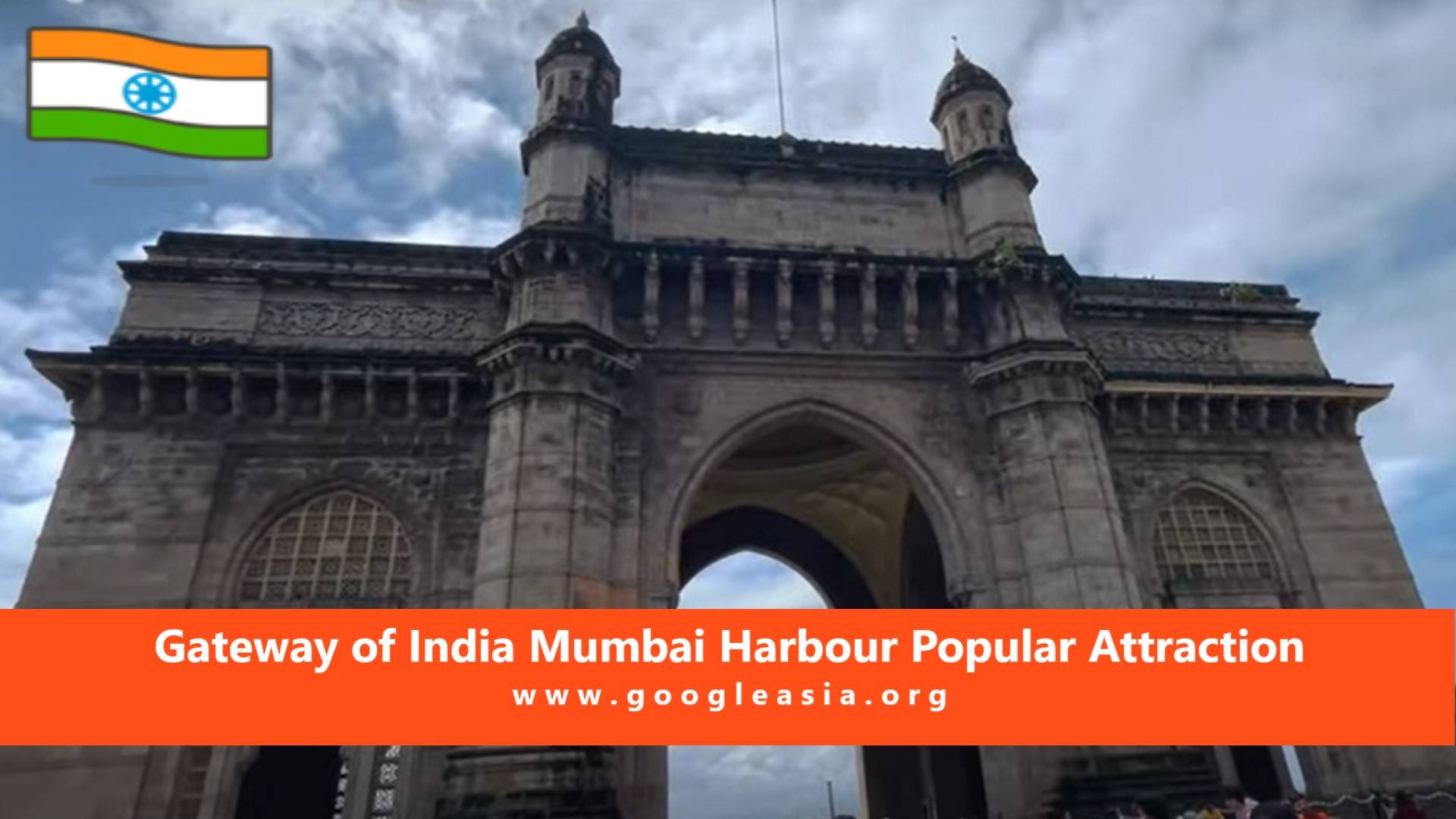
    Gateway of India is an iconic landmark in Mumbai, India and one of the most important places to visit in the city. It is a popular tourist attraction and symbol of the city, as it marks the point from which the last of the British troops departed the subcontinent in 1948 after their long occupation. It is also a popular destination for locals, who often gather to watch the sunset.

    Visitors at Gateway of India can take a walk around the structure, enjoy the breathtaking views of the Arabian Sea, take photos, and enjoy a variety of nearby restaurants and shops. Therefore, it is an ideal destination for visitors to experience Mumbai’s culture and explore its history.

    Introduction

    The Gateway of India is an iconic monument situated in Mumbai, India, overlooking the Arabian Sea. Here’s an overview of this historic landmark:

    History and Significance

    Construction and Purpose

    • Built: Constructed in 1924, the Gateway of India was designed to commemorate the visit of King George V and Queen Mary to Mumbai in 1911.
    • Architectural Style: The monument showcases a blend of Hindu and Muslim architectural styles, with its arch-like structure and intricate detailing.

    Colonial Heritage

    • Symbol of Colonialism: As a former British colony, the Gateway of India stands as a poignant reminder of Mumbai’s colonial past.
    • Historical Landmark: It has served as the ceremonial entrance to India for viceroys and governors, symbolizing British imperial power.

    Location and Accessibility

    Waterfront Marvel

    • Apollo Bunder: Situated in the Apollo Bunder area of South Mumbai, the Gateway of India offers breathtaking views of the Arabian Sea.
    • Tourist Hub: It is a bustling tourist hub and a starting point for boat rides to Elephanta Island and Mandwa Beach.

    Architectural Features

    Design and Structure

    • Architectural Style: The monument is constructed using yellow basalt and reinforced concrete.
    • Elements: It features intricate carvings, balconies, and a central dome, reflecting the grandeur of Indo-Saracenic architecture.

    Recent Renovations

    • Conservation Efforts: Despite weathering and deterioration from its seaside location, ongoing restoration efforts aim to preserve its historical integrity.
    • Tourist Attraction: The Gateway of India continues to attract millions of visitors annually, offering a glimpse into Mumbai’s rich cultural tapestry and historical legacy.

    Things to Do

    Explore Nearby Attractions

    Visit Chhatrapati Shivaji Maharaj Vastu Sangrahalaya (Prince of Wales Museum)

    • Description: Explore one of India’s premier museums showcasing artifacts and exhibits depicting India’s rich cultural heritage.
    • Highlights: Admire ancient artifacts, paintings, and sculptures from different eras.

    Take a Jetty Ride

    • Description: Enjoy a ferry ride across Mumbai’s scenic harbor, departing from the Gateway of India.
    • Highlights: Capture panoramic views of the city skyline and enjoy the sea breeze during the journey.

    Capture Photos at the Photo Point

    • Description: Take memorable photos of the Gateway of India from the designated photo point.
    • Highlights: Enjoy stunning views of the monument against the backdrop of the Arabian Sea.

    Experience a Luxury Yacht Cruise

    • Description: Embark on a luxurious yacht cruise around Mumbai, offering breathtaking views of the Gateway of India and other landmarks.
    • Highlights: Relax in style while enjoying the cityscape from the water.

    Nearby Places of Interest

    Visit Taj Mahal Palace Hotel

    • Description: Explore the iconic Taj Mahal Palace Hotel known for its architectural grandeur and historic significance.
    • Highlights: Indulge in fine dining, shopping, or simply marvel at the hotel’s stunning design.

    Explore Colaba Causeway

    • Description: Wander through this vibrant stretch of shops offering local goods, souvenirs, and unique Indian handicrafts.
    • Highlights: Shop for colorful bangles, traditional clothing, spices, and more amidst a bustling atmosphere.

    Tour Elephanta Caves

    • Description: Take a boat ride to Elephanta Island and explore the UNESCO World Heritage site featuring ancient sculptures and cave temples.
    • Highlights: Discover intricate carvings and artworks dating back to the 6th century.

    Visit Sanjay Gandhi National Park

    • Description: Explore Mumbai’s largest national park known for its biodiversity and natural beauty.
    • Highlights: Spot diverse wildlife, hike trails, and enjoy peaceful surroundings away from the city’s hustle.

    Shop at Apollo Bunder

    • Description: Explore local vendors and shops near the Gateway of India offering spices, handicrafts, and souvenirs.
    • Highlights: Experience traditional Indian shopping and pick up unique items to remember your visit.

    Foods

    Street Food Delights

    Pav Bhaji

    • Description: A spicy mashed vegetable curry (bhaji) served with buttered bread rolls (pav).
    • Highlights: Rich in flavor with a buttery texture, a Mumbai favorite.

    Vada Pav

    • Description: Mumbai’s famous street burger consisting of a deep-fried potato patty (vada) sandwiched in a soft bun (pav).
    • Highlights: Spicy chutneys and crispy coating make it a savory delight.

    Panipuri (Golgappa)

    • Description: Crisp, hollow puris filled with spicy tangy water, tamarind chutney, potatoes, and chickpeas.
    • Highlights: Bursting with flavors and a favorite street snack across India.

    Bhel Puri

    • Description: A savory snack made of puffed rice mixed with vegetables, chutneys, and spices.
    • Highlights: Refreshing and crunchy with a sweet and tangy taste.

    Sev Puri

    • Description: Crisp puris topped with diced potatoes, onions, tomatoes, chutneys, and sev (thin noodles).
    • Highlights: A balanced mix of textures and flavors, perfect for snacking.

    Maharashtrian Specialties

    Sabudana Khichdi

    • Description: Tapioca pearls cooked with peanuts, potatoes, and spices, often enjoyed during fasting.
    • Highlights: Light yet flavorful, a traditional Maharashtrian dish.

    Puran Poli

    • Description: Thin bread stuffed with sweet lentil filling, served with ghee.
    • Highlights: A festive treat, rich in flavor and cultural significance.

    Fish Thali

    • Description: A traditional seafood platter with rice, fish curry, sol kadhi (coconut milk drink), and assorted sides.
    • Highlights: Fresh coastal flavors showcasing Maharashtra’s culinary diversity.

    Drinks and Desserts

    Cutting Chai

    • Description: Strong, milky tea served in small glasses, perfect for a quick refreshment.
    • Highlights: A staple beverage loved by locals.

    Mumbai Ice Gola

    • Description: Shaved ice drizzled with flavored syrups, a cooling treat on hot days.
    • Highlights: Colorful and refreshing, available in various fruity flavors.

    Hotels

    Planning a visit to Mumbai’s iconic Gateway of India and looking for the perfect accommodation? Here’s a guide to some of the best hotels in the area to make your stay memorable.

    Taj Mahal Palace Hotel

    Location: Colaba, Mumbai
    Rating: 5 stars
    Features: Historic luxury hotel with stunning views of the Arabian Sea and the Gateway of India. Offers world-class dining, spa facilities, and impeccable service.

    Shangri-La Hotel Mumbai

    Location: Lower Parel, Mumbai
    Rating: 5 stars
    Features: Contemporary luxury with panoramic city views. Known for its elegant rooms, multiple dining options, and proximity to major attractions including the Gateway of India.

    Marine Plaza Hotel

    Location: Marine Drive, Mumbai
    Rating: 4 stars
    Features: Overlooking the Arabian Sea, this hotel offers comfortable accommodations, rooftop dining, and easy access to both the Gateway of India and Marine Drive.

    InterContinental Mumbai

    Location: Marine Drive, Mumbai
    Rating: 5 stars
    Features: Modern luxury hotel offering spacious rooms, fine dining, and a rooftop pool with breathtaking views of the city skyline and the Arabian Sea.

    The Oberoi, Mumbai

    Location: Nariman Point, Mumbai
    Rating: 5 stars
    Features: Known for its impeccable service, luxurious accommodations, and stunning sea views. Close to the Gateway of India and other landmarks.

    The Taj Mahal Tower

    Location: Colaba, Mumbai
    Rating: 5 stars
    Features: A part of the iconic Taj Mahal Palace Hotel, this tower offers luxury rooms, fine dining options, and unparalleled views of the Arabian Sea and the Gateway of India.

    The Lalit Mumbai

    Location: Andheri East, Mumbai
    Rating: 5 stars
    Features: Elegant rooms, multiple dining options, and a serene ambiance. Conveniently located for both business and leisure travelers visiting the Gateway of India.

    Gateway Hotel Apartment

    Location: Colaba, Mumbai
    Rating: 4 stars
    Features: Spacious apartment-style accommodations with kitchenettes, ideal for extended stays. Close to shopping, dining, and major landmarks including the Gateway of India.

    Orchid Hotel

    Location: Vile Parle, Mumbai
    Rating: 5 stars
    Features: Known for its eco-friendly practices, this hotel offers luxurious rooms, fine dining options, and easy access to the Gateway of India via convenient transportation links.

    The Gordon House Hotel

    Location: Colaba, Mumbai
    Rating: 4 stars
    Features: Boutique hotel with uniquely themed rooms, offering a blend of comfort and style. Close proximity to the Gateway of India and other cultural attractions.

    Gateway of India Mumbai Harbour Popular Attraction

    Summary

    • Attraction Name: Gateway of India
    • Country: India
    • Continent: Asia
    • Capital Name: New Delhi
    • Language: Hindi, English
    • Currency: Indian Rupee
    • Nationality: Indians
    • Category:  #Destination #Asia #INDIA 

    Frequently Asked Questions

    Where is Gateway of India located?

    The Gateway of India is located in Mumbai, Maharashtra, India. It stands on the waterfront in the Apollo Bunder area in South Mumbai, overlooking the Arabian Sea. Here are the specific details about its location:

    • City: Mumbai
    • Neighborhood: Apollo Bunder, South Mumbai
    • District: Mumbai City District
    • State: Maharashtra
    • Country: India

    Address:

    • Gateway of India Apollo Bunder, Colaba, Mumbai, Maharashtra – 400001, India

    Nearby Landmarks:

    • Taj Mahal Palace Hotel: Adjacent to the Gateway of India, this historic luxury hotel is another iconic landmark in Mumbai.
    • Elephanta Caves: Accessible by ferry from the Gateway of India, these UNESCO World Heritage Site caves are renowned for their ancient rock-cut temples and sculptures.

    How to go to Gateway of India?

    Visiting the Gateway of India in Mumbai, Maharashtra, is a straightforward journey due to its central location in South Mumbai. Here’s how you can reach the Gateway of India:

    By Public Transport:

    1. By Local Train:
      • Nearest Station: The nearest suburban railway station to the Gateway of India is Churchgate on the Western Line and CST (Chhatrapati Shivaji Maharaj Terminus) on the Central Line.
      • From Churchgate: After disembarking at Churchgate Station, you can take a taxi or walk (approximately 2 kilometers) to the Gateway of India along Marine Drive, enjoying the sea-facing promenade.
    2. By Bus:
      • Local Buses: Mumbai has an extensive network of BEST buses that connect various parts of the city. You can check for buses that pass through Colaba or Marine Drive, both of which are close to the Gateway of India.

    By Taxi or Auto Rickshaw:

    • From Any Part of Mumbai: Taxis and auto rickshaws are readily available throughout Mumbai. You can hire one directly to the Gateway of India. Ensure the taxi meter is used or negotiate a fare before starting your journey.

    By Ferry:

    • From Elephanta Island: If you’re visiting from Elephanta Island to see the Elephanta Caves, ferries operate between Elephanta Island and the Gateway of India. The Gateway serves as the starting and ending point for these ferry services.

    Travel Tips:

    • Timing: The Gateway of India is accessible throughout the day. However, evenings are particularly pleasant as you can enjoy views of the Arabian Sea and the cool sea breeze.
    • Footwear: Wear comfortable shoes suitable for walking if you plan to explore the nearby area or Marine Drive promenade.
    • Security Check: There may be security checks near the Gateway of India due to its popularity and historical significance. Plan accordingly and cooperate with security personnel.

    What are Gateway of India’s must-visit attractions or landmarks?

    The Gateway of India in Mumbai, Maharashtra, is not just a prominent landmark but also a gateway to several nearby attractions and experiences. Here are the must-visit attractions and landmarks around the Gateway of India:

    1. Gateway of India Monument:
      • Description: The Gateway of India itself is a monumental arch overlooking the Arabian Sea. Built in 1924, it commemorates the visit of King George V and Queen Mary to Mumbai (then Bombay).
      • Architecture: The architecture combines Indo-Saracenic and Islamic styles, featuring intricate latticework and bas-reliefs.
    2. Taj Mahal Palace Hotel:
      • Description: Adjacent to the Gateway of India, the Taj Mahal Palace Hotel is an iconic luxury hotel known for its architecture, history, and hospitality. It has hosted dignitaries, celebrities, and guests from around the world since its establishment in 1903.
    3. Elephanta Caves:
      • Description: Accessible by ferry from the Gateway of India, the Elephanta Caves are a UNESCO World Heritage Site known for their ancient rock-cut temples and sculptures dedicated to Lord Shiva. The caves date back to the 5th to 8th centuries AD and offer a glimpse into India’s rich cultural and religious history.
    4. Boat Rides and Ferries:
      • Description: Various boat rides and ferries operate from the Gateway of India. Besides ferries to Elephanta Caves, you can enjoy boat rides along Mumbai’s coastline, including sightseeing tours and sunset cruises.
    5. Marine Drive:
      • Description: Also known as the Queen’s Necklace due to its shape resembling a string of pearls at night, Marine Drive is a picturesque promenade near the Gateway of India. It offers stunning views of the Arabian Sea and is a popular spot for leisurely walks and enjoying Mumbai’s skyline.
    6. Colaba Causeway:
      • Description: A bustling street market located near the Gateway of India, Colaba Causeway is famous for its shops, cafes, restaurants, and vibrant atmosphere. It’s a great place to shop for souvenirs, clothes, and handicrafts.

    Nearby Landmarks:

    • Regal Cinema: One of Mumbai’s oldest and most iconic cinemas, located near the Gateway of India.
    • Art Galleries and Museums: Several art galleries and museums in South Mumbai, including the Chhatrapati Shivaji Maharaj Vastu Sangrahalaya (formerly Prince of Wales Museum), showcase Mumbai’s cultural heritage.

    Travel Tips:

    • Timing: Visit the Gateway of India during the day to admire its architecture and historical significance. Evening visits offer stunning sunset views and a lively atmosphere.
    • Photography: Capture the beauty of the Gateway of India, Taj Mahal Palace Hotel, and the scenic surroundings. Respect local guidelines regarding photography in certain areas.
    • Dining: Enjoy a meal or refreshments at one of the cafes or restaurants near the Gateway of India, offering views of the sea and the monument.

    What are Gateway of India’s nearby must-visit attractions or landmarks?

    The Gateway of India in Mumbai, Maharashtra, is surrounded by several must-visit attractions and landmarks that enhance the visitor experience with historical, cultural, and scenic delights. Here are some nearby attractions worth exploring:

    1. Taj Mahal Palace Hotel:
      • Description: Adjacent to the Gateway of India, this iconic luxury hotel is renowned for its grand architecture, luxurious accommodations, and historic significance. It has hosted dignitaries, celebrities, and guests from around the world since its establishment in 1903.
    2. Elephanta Caves:
      • Description: Accessible by ferry from the Gateway of India, the Elephanta Caves are a UNESCO World Heritage Site known for their ancient rock-cut temples and sculptures dedicated to Lord Shiva. The caves date back to the 5th to 8th centuries AD and offer a fascinating glimpse into India’s artistic and religious heritage.
    3. Colaba Causeway:
      • Description: Located near the Gateway of India, Colaba Causeway is a bustling street market famous for its shops, cafes, restaurants, and vibrant atmosphere. It’s an excellent place to shop for souvenirs, clothing, accessories, and local handicrafts.
    4. Marine Drive (Queen’s Necklace):
      • Description: A picturesque promenade along the Arabian Sea, Marine Drive is known for its stunning views, especially during sunset when the street lights create a necklace-like effect. It’s a popular spot for leisurely walks, jogging, and enjoying Mumbai’s skyline.
    5. Regal Cinema:
      • Description: One of Mumbai’s oldest and most iconic cinemas, Regal Cinema is located near the Gateway of India. It has a rich history and continues to screen popular Bollywood and international films, offering a unique cultural experience.
    6. Chhatrapati Shivaji Maharaj Vastu Sangrahalaya (formerly Prince of Wales Museum):
      • Description: Situated in South Mumbai, this museum houses an extensive collection of art, artifacts, and exhibits related to Indian history, culture, and heritage. It’s a must-visit for history enthusiasts and art lovers.
    7. Flora Fountain and Fort Area:
      • Description: Located a short distance from the Gateway of India, Flora Fountain is a historic fountain and a prominent landmark in Mumbai. Nearby, the Fort area houses colonial-era buildings, bustling markets, and cultural institutions.

    Travel Tips:

    • Accessibility: Most of these attractions are within walking distance or a short taxi/auto rickshaw ride from the Gateway of India.
    • Timing: Plan your visit to enjoy these attractions during daylight hours for the best experience, with evenings being ideal for Marine Drive’s scenic views.
    • Local Cuisine: Explore the nearby cafes and restaurants to savor Mumbai’s diverse culinary delights, including local street food and traditional dishes.

    Why should you visit Gateway of India?

    Visiting the Gateway of India in Mumbai, Maharashtra, offers a compelling experience due to its historical significance, architectural beauty, and strategic location. Here are several reasons why you should consider visiting:

    1. Historical Significance:
      • British Era Monument: Built in 1924 to commemorate the landing of King George V and Queen Mary in India, the Gateway of India symbolizes India’s colonial history and its transition to independence.
      • Iconic Landmark: It has since become an iconic symbol of Mumbai and a popular tourist attraction, attracting visitors from around the world.
    2. Architectural Marvel:
      • Indo-Saracenic Design: The architecture of the Gateway of India blends Indo-Saracenic and Islamic styles, featuring intricate latticework, arches, and bas-reliefs that reflect the craftsmanship of its time.
      • Monumental Arch: Standing as a grand arch overlooking the Arabian Sea, it offers excellent photo opportunities and serves as a backdrop for memorable moments.
    3. Gateway to Attractions:
      • Elephanta Caves: It serves as the starting point for ferry rides to the Elephanta Caves, a UNESCO World Heritage Site known for its ancient rock-cut temples and sculptures dedicated to Lord Shiva.
      • Boat Rides: Various boat tours and ferries operate from here, offering scenic views of Mumbai’s coastline and skyline.
    4. Scenic Location:
      • Arabian Sea Views: Situated on the waterfront of Apollo Bunder in South Mumbai, the Gateway of India offers stunning views of the Arabian Sea and is a popular spot for leisurely walks and enjoying sea breezes.
      • Sunset Views: Evening visits to witness the sunset over the Arabian Sea from the Gateway of India are particularly enchanting.
    5. Cultural Hub:
      • Nearby Attractions: It is surrounded by other significant landmarks like the Taj Mahal Palace Hotel, Colaba Causeway market, Marine Drive (Queen’s Necklace), and historic cinemas like Regal Cinema.
      • Cultural Diversity: The area around the Gateway of India reflects Mumbai’s vibrant culture, with opportunities to explore local cuisine, arts, and entertainment.
    6. Symbol of Unity and Independence:
      • Public Gatherings: Over the years, the Gateway of India has been a site for public gatherings, celebrations, and events, symbolizing India’s unity, diversity, and journey towards independence.

    Are there any halal food options near the Gateway of India?

    Finding halal food options near the Gateway of India in Mumbai, Maharashtra, is feasible due to the city’s diverse culinary landscape and cultural inclusivity. Here are some suggestions for halal food near the Gateway of India:

    1. Restaurants and Cafes:
      • Cafe Churchill: Located in Colaba, not far from the Gateway of India, Cafe Churchill offers a variety of cuisines including Indian and Continental dishes with options that can cater to halal preferences.
      • Delhi Darbar: Situated in Colaba, Delhi Darbar is well-known for its Mughlai and North Indian cuisine and is a popular choice for those seeking halal dining options.
      • Noor Mohammadi Hotel: Famous for its Mughlai dishes and located in Bhendi Bazaar, this restaurant is known for its halal offerings and flavorful preparations.
    2. Street Food and Local Eateries:
      • Colaba Causeway: This bustling street market near the Gateway of India offers numerous food stalls and small eateries where you can find halal options like kebabs, biryanis, and local snacks.
      • Mohammed Ali Road: Though a bit further from the Gateway of India, Mohammed Ali Road is renowned for its vibrant street food scene during festivals like Ramadan, offering a wide range of halal delicacies.
    3. Hotels and Dining Outlets:
      • Taj Mahal Palace Hotel: Adjacent to the Gateway of India, this historic luxury hotel offers dining options that include halal-certified dishes. Restaurants like Shamiana and Souk often have halal selections on their menus.
      • InterContinental Marine Drive: Another nearby luxury hotel that typically offers halal options in its dining venues, providing a scenic dining experience overlooking Marine Drive.
    4. Local Recommendations and Inquiries:
      • Ask Locals: When exploring the area around the Gateway of India, don’t hesitate to ask locals or restaurant staff about halal food options. They can often recommend nearby places that serve authentic halal cuisine.

    Tips for Dining:

    • Verification: Confirm the halal status of dishes with restaurant staff to ensure they meet your dietary preferences.
    • Timing: Some restaurants may have specific timings for halal preparations, especially during religious festivals or special occasions.
    • Exploration: Explore different areas around the Gateway of India for a variety of dining experiences, from street food to fine dining.
  • Visiting Lakes of Udaipur, India: Travel Guide & Tips

    Visiting Lakes of Udaipur, India: Travel Guide & Tips

    Lakes of Udaipur, India

    Udaipur, India is renowned for its pristine lakes that offer stunning views of the Aravalli Hills. From sunset boat rides on Lake Pichola and Lake Fateh Sagar to visiting the many lakeside temples and palaces, Udaipur’s lakes are a highlight of any tour of this beautiful city. With their shimmering crystal waters, these mesmerizing lakes make visiting Udaipur an unforgettable experience.

    There are excellent opportunities for boating, sightseeing, swimming, and birdwatching in the Lakes of Udaipur, as well as plenty of places to eat, drink and shop along their banks. Visiting the lakes is an experience like no other, and one that visitors will never forget.

    Introduction

    Nestled in the picturesque valley of the Aravalli Mountains in southern Rajasthan, the Lakes of Udaipur are renowned for their natural beauty and cultural significance. Often referred to as the Venice of the East, Udaipur owes much of its charm to these serene bodies of water that enhance its grandeur.

    The Most Famous Lakes

    Lake Pichola

    Established: 1362 AD
    Size: Man-made
    Significance: Oldest lake in Udaipur, offering panoramic views of palaces like the Lake Palace and City Palace.

    Fateh Sagar Lake

    Location: Near city center
    Features: Popular for boat rides to Moti Magri and Nehru Park islands, enhancing its allure for tourists and locals alike.

    Swaroop Sagar Lake

    Attractions: Sri Raj Rana Maharana Temple, Moti Mahal, and other heritage sites, making it a cultural hotspot in Udaipur.

    Jaisamand Lake

    Size: Largest
    Distinction: Second-largest artificial sweet water lake in India, known for its expansive waterscape and scenic vistas.

    Cultural and Practical Significance

    Importance for Udaipur

    Function: Vital for drinking and irrigation purposes
    Engineering Marvel: Ancient brick embankment system ensuring successful regional irrigation.

    Tourism and Recreation

    Highlights: Boat rides offering breathtaking views of the city skyline
    Attractions: Numerous viewpoints that showcase Udaipur’s architectural splendor and natural beauty.

    The Lakes of Udaipur not only serve as crucial water sources but also stand as symbols of the city’s rich heritage and natural allure, attracting visitors from around the world to experience its tranquil waters and stunning landscapes.

    Things to Do

    Explore the Serene Waters

    Boat Rides and Strolls Along Pichola and Fateh Sagar Lakes

    One of the quintessential experiences in Udaipur is exploring the Lakes on a boat ride or leisurely stroll. Pichola Lake and Fateh Sagar Lake offer stunning views of the city’s architecture and surrounding landscapes, making them perfect for a relaxing day.

    Discover Island Retreats

    Visit Jag Mandir and Mohan Mandir

    The Lakes of Udaipur are home to several islands, including Jag Mandir and Mohan Mandir, each boasting palatial structures and gardens steeped in the city’s royal history. These island retreats provide a serene escape amidst the shimmering waters.

    Engage in Water Sports

    Adventure Activities Amidst the Lakes

    For thrill-seekers, the Lakes of Udaipur offer a range of water sports such as kayaking, scuba diving, parasailing, and cable-skiing. These activities against the backdrop of the Aravalli hills promise an exhilarating experience.

    Immerse in Local Culture

    Cultural Delights by Lakeside

    The shores of the Lakes of Udaipur come alive with Rajasthan’s vibrant folk culture. Enjoy traditional music and dance performances like the energetic Kalbeliya dance and melodious Panihari songs, offering a glimpse into the region’s rich heritage.

    Foods

    Traditional Rajasthani Dishes

    Rajasthani Kadhi

    Rajasthani Kadhi is a yogurt-based curry thickened with gram flour, flavored with traditional spices like cumin, fenugreek seeds, and mustard seeds. It is often enjoyed with steamed rice or roti.

    Dal Baati Churma

    Dal Baati Churma is a must-have dish in Udaipur. It consists of baked dough balls (baati) served with a mix of lentils (dal) and a sweet crumbled mixture (churma). It is a hearty and satisfying meal.

    Gatte Ki Sabzi

    Gatte Ki Sabzi features gram flour dumplings cooked in a spicy yogurt-based gravy. It is a flavorful vegetarian dish that is both comforting and filling.

    Local Specialties

    Panchratan Korma

    Panchratan Korma is a rich and creamy curry made with a medley of five different vegetables, nuts, and aromatic spices. It offers a delightful blend of flavors and textures.

    Laal Maans

    Laal Maans is a famous slow-cooked lamb curry that is a specialty at Lakes of Udaipur. It is made with a blend of spices and red chillies that give it a hot and spicy flavor.

    Hotels

    Luxury Hotels

    Oberoi Udaivilas

    The Oberoi Udaivilas is renowned for its luxurious accommodations and impeccable service, offering breathtaking views of Lake Pichola and the City Palace.

    Taj Lake Palace

    Set amidst Lake Pichola, the Taj Lake Palace is a historic marvel offering opulent rooms and suites with panoramic views of the lake and the Aravalli Hills.

    The Leela Palace Udaipur

    Nestled on the banks of Lake Pichola, The Leela Palace Udaipur offers royal hospitality with its exquisite rooms, fine dining options, and majestic views of the lake and the City Palace.

    Premium Resorts

    Ananta Udaipur

    Ananta Udaipur blends modern amenities with Rajasthani hospitality, featuring spacious rooms, a luxurious spa, and scenic views of the surrounding hills.

    Fateh Garh

    Fateh Garh offers a blend of heritage and contemporary luxury, perched atop a hill overlooking Lake Pichola. It boasts elegant rooms, an infinity pool, and panoramic views of Udaipur city.

    Ramada Udaipur Resort & Spa

    Ramada Udaipur Resort & Spa offers comfortable accommodations with modern amenities, multiple dining options, and a serene location near Sajjangarh Wildlife Sanctuary.

    Boutique and Heritage Hotels

    The Lalit Laxmi Vilas Palace

    Located near Fateh Sagar Lake, The Lalit Laxmi Vilas Palace is a heritage hotel offering regal rooms, scenic views, and a glimpse into Udaipur’s royal past.

    Trident Udaipur

    Trident Udaipur combines traditional elegance with modern comforts, featuring picturesque views of Lake Pichola and the Aravalli Hills, along with luxurious accommodations and excellent hospitality.

    Chunda Palace

    Chunda Palace offers a glimpse of Rajasthan’s regal heritage with its intricately designed rooms, traditional architecture, and personalized service overlooking Lake Pichola.

    Opulent Retreats

    Taj Udai Vilas

    Taj Udai Vilas offers a luxurious retreat with its palatial architecture, landscaped gardens, and luxurious amenities, making it an ideal choice for a lavish stay in Udaipur.

    Lakes of Udaipur India Stunning View Beautiful City

    Summary

    • Attraction Name: Lakes of Udaipur
    • Country: India
    • Continent: Asia
    • Capital Name: New Delhi
    • Language: Hindi, English
    • Currency: Indian Rupee
    • Nationality: Indians
    • Category:  #Destination #Asia #INDIA 

    Frequently Asked Questions

    Where is Lakes of Udaipur located?

    The Lakes of Udaipur are located in the city of Udaipur, Rajasthan, India. Udaipur is renowned for its picturesque lakes, which contribute to its reputation as the “City of Lakes.” Here are the main lakes in Udaipur:

    1. Lake Pichola: One of the most famous lakes in Udaipur, Lake Pichola is surrounded by palaces, temples, and ghats. It is known for its scenic beauty and the stunning views of the City Palace complex.
    2. Fateh Sagar Lake: Located to the north of Lake Pichola, Fateh Sagar Lake is an artificial lake known for its tranquility and the Nehru Park island. It offers boating facilities and is a popular spot for locals and tourists alike.
    3. Jaisamand Lake: Also known as Dhebar Lake, Jaisamand Lake is located about 48 kilometers from Udaipur city. It is one of the largest artificial lakes in Asia and is surrounded by the Jaisamand Wildlife Sanctuary.

    Address:

    • Udaipur, Rajasthan, India

    Nearby Landmarks:

    • City Palace: A majestic palace complex situated on the eastern banks of Lake Pichola, offering panoramic views of the lake and the surrounding hills.
    • Jag Mandir: A palace built on an island in Lake Pichola, known for its architecture and historical significance.
    • Saheliyon ki Bari: A garden near Fateh Sagar Lake, featuring lush green lawns, fountains, and marble pavilions.

    How to go to Lakes of Udaipur?

    Udaipur, known as the “City of Lakes,” is home to several beautiful lakes that are iconic to its landscape. Here’s how you can reach the main lakes in Udaipur:

    Lake Pichola:

    1. By Taxi or Auto Rickshaw:
      • From Udaipur City Center: Taxis and auto rickshaws are readily available throughout Udaipur. You can hire one directly to Lake Pichola. It’s a short ride from most parts of the city center.
      • Approximate Travel Time: 5-10 minutes, depending on traffic and your starting point in Udaipur.
    2. On Foot:
      • From City Palace: If you’re visiting City Palace, which is adjacent to Lake Pichola, you can easily walk to the lakeside. Enjoy the scenic views as you stroll along the lakeshore.

    Fateh Sagar Lake:

    1. By Taxi or Auto Rickshaw:
      • From Udaipur City Center: Similar to Lake Pichola, taxis and auto rickshaws can take you to Fateh Sagar Lake. It’s located north of Lake Pichola, so the travel time may be slightly longer.
      • Approximate Travel Time: 15-20 minutes, depending on traffic conditions.
    2. Local Buses:
      • Public Transport: Udaipur has a network of local buses operated by the Rajasthan State Road Transport Corporation (RSRTC). You can inquire about buses that pass through Fateh Sagar Lake area from the city center or nearby bus stops.

    Jaisamand Lake:

    1. By Private Vehicle or Taxi:
      • From Udaipur City: Jaisamand Lake is located about 48 kilometers (30 miles) from Udaipur city. The most convenient way to reach it is by private vehicle or taxi.
      • Approximate Travel Time: Around 1.5 to 2 hours, depending on road conditions and traffic.

    Travel Tips:

    • Timing: Plan your visit during daylight hours to enjoy the scenic beauty of the lakes and surroundings.
    • Boating: At Lake Pichola and Fateh Sagar Lake, consider taking a boat ride to explore the lakes further and visit attractions like Jag Mandir and Nehru Park.
    • Local Guidance: Ask locals or your hotel staff for recommendations on the best times to visit and any local events or activities around the lakes.

    What are Lakes of Udaipur’s must-visit attractions or landmarks?

    The Lakes of Udaipur, known for their serene beauty and historical significance, offer several must-visit attractions and landmarks that enhance the visitor experience. Here are some key attractions around the lakes:

    Lake Pichola:

    1. City Palace:
      • Description: Located on the eastern banks of Lake Pichola, City Palace is a majestic complex that blends Rajasthani and Mughal architectural styles. It offers panoramic views of the lake and houses museums, courtyards, and the famous Crystal Gallery.
    2. Jag Mandir:
      • Description: An exquisite palace built on an island in Lake Pichola, Jag Mandir offers stunning architecture, marble pavilions, and gardens. It’s known for its historical significance and scenic boat rides to reach the island.
    3. Lake Palace (Jag Niwas):
      • Description: Situated on another island in Lake Pichola, the Lake Palace is a luxury hotel that was once a royal summer palace. It’s renowned for its romantic ambiance, architectural beauty, and views of the surrounding lake and mountains.

    Fateh Sagar Lake:

    1. Nehru Park:
      • Description: A picturesque island park located within Fateh Sagar Lake, Nehru Park is accessible by boat. It offers lush greenery, walking paths, and panoramic views of the lake and surrounding hills.
    2. Moti Magri (Pearl Hill):
      • Description: Overlooking Fateh Sagar Lake, Moti Magri is a hilltop memorial dedicated to Maharana Pratap, a Rajput warrior king. It features a bronze statue of Maharana Pratap on his horse Chetak and offers panoramic views of Udaipur city and the lake.

    Jaisamand Lake:

    1. Jaisamand Wildlife Sanctuary:
      • Description: Surrounding Jaisamand Lake, this wildlife sanctuary is home to diverse flora and fauna, including migratory birds, leopards, and deer. It offers opportunities for wildlife safaris, nature walks, and birdwatching.
    2. Jaisamand Island Resort:
      • Description: Located on a smaller island within Jaisamand Lake, the resort offers a tranquil retreat amidst natural surroundings. It’s a great place for relaxation and enjoying the lake’s serene ambiance.

    Nearby Cultural and Historical Sites:

    • Saheliyon ki Bari: A historic garden near Fateh Sagar Lake, known for its lush green lawns, lotus pools, marble pavilions, and fountains.
    • Bagore ki Haveli: A museum near Lake Pichola that showcases Rajasthani art, costumes, artifacts, and cultural exhibits.

    Travel Tips:

    • Boat Rides: Consider taking boat rides on Lake Pichola and Fateh Sagar Lake to explore these attractions further and enjoy the scenic beauty.
    • Photography: Capture the stunning landscapes, palaces, and historical monuments around the lakes during different times of the day for varied perspectives.
    • Local Cuisine: Explore nearby cafes and restaurants to savor traditional Rajasthani cuisine and enjoy dining with views of the lakes.

    Is Lakes of Udaipur a suitable travel destination for solo adventurers, honeymooning couples, or those traveling with families?

    Yes, the Lakes of Udaipur are a versatile travel destination suitable for various types of travelers due to its serene lakes, historical landmarks, and cultural attractions. Here’s why it appeals to different groups:

    1. Solo Adventurers:
      • Exploration: Solo travelers can enjoy exploring the lakeside attractions at their own pace, visiting landmarks like City Palace, Jag Mandir, and Nehru Park.
      • Photography: The picturesque landscapes around Lake Pichola and Fateh Sagar Lake offer excellent photography opportunities, ideal for capturing memorable moments.
    2. Honeymooning Couples:
      • Romantic Settings: Udaipur’s lakes create a romantic ambiance, especially during sunset boat rides on Lake Pichola or while exploring the secluded island of Jag Mandir.
      • Luxury Experiences: Luxury hotels and resorts around the lakes offer honeymoon packages with scenic views, private dining options, and spa experiences.
    3. Families:
      • Boating and Activities: Families can enjoy boating activities on Lake Pichola or Fateh Sagar Lake, visit Nehru Park for leisure activities, and explore the nearby Jaisamand Wildlife Sanctuary.
      • Cultural Exploration: Visit museums like Bagore ki Haveli and enjoy cultural performances showcasing traditional Rajasthani dance and music.

    Travel Tips:

    • Accommodation: Choose hotels or resorts with family-friendly amenities and proximity to the lakes for easy access to attractions.
    • Safety: While exploring lakes and attractions, follow safety guidelines, especially when boating or visiting wildlife areas.
    • Local Cuisine: Taste local Rajasthani cuisine at lakeside restaurants and cafes, offering a blend of flavors amidst scenic views.

    Why should you visit Lakes of Udaipur?

    Visiting the Lakes of Udaipur offers a captivating experience due to its unique blend of natural beauty, historical significance, and cultural richness. Here are several compelling reasons to visit:

    1. Scenic Beauty:
      • Picturesque Landscapes: Udaipur, known as the “City of Lakes,” is renowned for its stunning lakeside vistas, especially around Lake Pichola and Fateh Sagar Lake. The serene waters reflect the surrounding palaces, hills, and gardens, creating postcard-perfect views.
      • Sunset Views: Enjoy breathtaking sunset views over the lakes, offering a magical ambiance for photography and romantic moments.
    2. Historical Landmarks:
      • City Palace: Located on the eastern banks of Lake Pichola, City Palace is a majestic complex that showcases Rajput architecture and houses museums with royal artifacts, paintings, and traditional costumes.
      • Jag Mandir: A beautiful palace built on an island in Lake Pichola, Jag Mandir offers architectural splendor and scenic gardens, making it a must-visit landmark.
    3. Cultural Heritage:
      • Local Culture: Experience the rich cultural heritage of Rajasthan through folk performances, traditional music, and dance performances held at venues near the lakes, such as Bagore ki Haveli.
      • Art and Craft: Explore local markets and artisan workshops to appreciate Rajasthani craftsmanship, including miniature paintings, pottery, and textiles.
    4. Boating and Recreation:
      • Boat Rides: Take boat rides on Lake Pichola or Fateh Sagar Lake to explore their islands, gardens, and architectural marvels like Jag Mandir and Nehru Park.
      • Nehru Park: Located on an island in Fateh Sagar Lake, Nehru Park offers lush greenery, fountains, and tranquil settings ideal for leisurely walks and picnics.
    5. Nature and Wildlife:
      • Jaisamand Wildlife Sanctuary: Surrounding Jaisamand Lake, this sanctuary is home to diverse flora and fauna, including migratory birds, making it a haven for nature enthusiasts and birdwatchers.
    6. Relaxation and Leisure:
      • Luxury Stays: Udaipur offers luxury hotels and resorts with scenic views of the lakes, providing serene retreats with spa treatments, private dining, and cultural experiences.

    Travel Tips:

    • Best Time to Visit: Plan your visit during the cooler months (October to March) to enjoy pleasant weather and clear skies, ideal for exploring the lakes and outdoor activities.
    • Local Cuisine: Taste authentic Rajasthani cuisine at lakeside restaurants, offering a variety of flavors and culinary experiences.
    • Cultural Events: Check for local festivals and events that showcase Rajasthani culture, adding to your cultural immersion experience.

    Is there any halal food available in the vicinity of the Lakes of Udaipur?

    Finding halal food near the Lakes of Udaipur is feasible, given the city’s diverse culinary offerings and cultural inclusivity. Here are some recommendations for finding halal food in the vicinity:

    1. Restaurants and Cafes:
      • Ambrai Restaurant: Located near Lake Pichola, Ambrai offers a scenic dining experience with views of the City Palace and Lake Pichola. They typically cater to various dietary preferences, including halal.
      • Jheel’s Ginger Coffee Bar & Bakery: Situated near Fateh Sagar Lake, this cafe serves a variety of snacks, beverages, and light meals with options that can accommodate halal requirements.
    2. Local Cuisine Options:
      • Street Food Stalls: Around the lakes and in nearby market areas, you can find street food stalls offering snacks like samosas, chaat, and kebabs that are often halal. It’s advisable to inquire about the ingredients used.
      • Local Restaurants: Many restaurants in Udaipur offer North Indian and Rajasthani cuisine, which often includes halal options like biryanis, curries, and tandoori dishes.
    3. Hotels and Dining Outlets:
      • Luxury Hotels: Hotels and resorts near the lakes often have dining options that cater to international guests and may include halal choices. It’s recommended to check with the hotel in advance.
    4. Local Recommendations:
      • Ask Locals: Seek recommendations from local residents, hotel staff, or tour guides who can suggest nearby eateries known for serving halal food.

    Travel Tips:

    • Verification: Confirm the halal status of dishes with restaurant staff to ensure they meet your dietary preferences.
    • Timing: Some restaurants may have specific timings for halal preparations, especially during religious festivals or special occasions.
    • Exploration: Enjoy exploring different areas around the lakes while sampling local flavors and experiencing the culinary diversity of Udaipur.
  • Discovering India Gate: New Delhi’s Iconic War Memorial

    Discovering India Gate: New Delhi’s Iconic War Memorial

    India Gate in Delhi

    India Gate is an iconic monument in the heart of New Delhi. It is a solemn reminder of the brave Indian soldiers who lost their lives during World War I. There are frequent festivals, events, and celebrations held here and hence it has become a major tourist attraction.

    India Gate’s graceful structure, towering pillar, and illuminated lights make it one of the most beautiful monuments in India. Owing to its importance, it is listed as a UNESCO World Heritage Site. Visiting this place is an emotional experience and gives the visitors a chance to remember those who sacrificed their lives in the line of duty.

    India Gate is a war memorial located in New Delhi, India. Erected in 1931, it commemorates the Indian soldiers who died during the First World War in France and the Third Afghan War. The building originally served as the “All India War Memorial” and was designed by British architect Edwin Lutyens. It stands tall in the heart of Delhi amidst lush green lawns, forming a majestic sight. The 42-meter-high arch is composed of red sandstone and covered with lush green lawns.

    Introduction

    History

    Built in 1932, India Gate stands proudly in New Delhi as a solemn memorial honoring the 82,000 soldiers of the British Indian Army who sacrificed their lives during World War I. This imposing stone structure is not just a historical landmark but also a vibrant hub of national events and cultural celebrations.

    A Symbol of Sacrifice and Remembrance

    India Gate stands proudly as a poignant war memorial and triumphal arch situated at the heart of New Delhi, India. It serves as a solemn tribute to the Indian soldiers who laid down their lives during World War I, honoring their valor and sacrifice.

    Architectural Marvel and Historical Significance

    Designed by the renowned architect Sir Edwin Lutyens and completed in 1921, India Gate rises majestically to a height of 42 meters. Constructed from red sandstone, its architecture reflects a blend of British and Indian styles, symbolizing unity and shared history.

    Commemorating the Fallen Heroes

    Etched on the walls of India Gate are the names of approximately 70,000 Indian soldiers who perished while serving in the Indian forces and the British Army during World War I. Each inscription is a solemn reminder of the bravery and dedication of those who gave their lives in service of their country.

    Exploring India Gate and Surroundings

    • Architectural Splendor Marvel at the intricate craftsmanship and grandeur of India Gate’s design. The archway’s imposing structure and ornate carvings capture the essence of its commemorative purpose.
    • Avenue of Remembrance Stroll along the sprawling lawns surrounding India Gate, known as the Rajpath. The avenue offers a tranquil space for reflection and pays homage to the sacrifices of India’s soldiers.

    Activities and Attractions

    • Light and Sound Show Experience the evocative light and sound show held in the evenings at India Gate. The spectacle narrates the history and significance of the memorial, creating a poignant atmosphere of remembrance.
    • Memorial Events Attend ceremonies and events held at India Gate throughout the year, particularly on national holidays and anniversaries, to witness tributes and honors paid to the fallen soldiers.

    Visitor Information

    • Accessibility and Hours India Gate is accessible to visitors throughout the day and is illuminated beautifully at night. Entry is free, allowing all to pay their respects and learn about India’s wartime history.

    Things to Do

    Picnicking Amidst History

    Gather your loved ones and indulge in a relaxed picnic on the expansive lawns surrounding India Gate. Bring along a basket of refreshments, spread out a mat, and soak in the ambiance while reflecting on the monument’s rich historical significance.

    Witnessing the Flag Lowering Ceremony

    Join the thousands who gather daily to witness the stirring Flag Lowering Ceremony at India Gate. Accompanied by the booming sound of cannons, this event pays tribute to the nation’s pride as the Indian tricolor is ceremoniously lowered at sunset.

    Leisurely Explorations and Engagements

    • Strolling Through Architectural Splendor Take a leisurely stroll around India Gate and its meticulously manicured gardens. Admire the intricate architectural details of this majestic structure and absorb the serene atmosphere that envelops the area.
    • Exploring the Historic Canals Embark on a serene boat ride through Delhi’s historic canals, offering a tranquil respite amidst bustling city life. Enjoy the gentle ripples of the water and picturesque views that enhance the charm of this unique experience.

    Cultural and Educational Pursuits

    • Visiting Nearby Museums Immerse yourself in the rich tapestry of India’s history and culture by visiting the numerous museums located in the vicinity of India Gate. Explore artifacts and exhibits that offer insights into the country’s vibrant heritage.

    Outdoor Recreation and Entertainment

    • Engaging in Outdoor Games Bring out your competitive spirit and engage in outdoor games on the sprawling grounds of India Gate. Whether it’s a game of cricket, badminton, or frisbee, the expansive lawns provide the perfect setting for recreational activities with friends and family.

    Shopping and Souvenir Hunting

    • Exploring Souvenir Shops Browse through the bustling stalls and shops near India Gate to discover unique souvenirs, festive gifts, and an array of delicious snacks. Take home mementos that capture the essence of your visit to this historic landmark.

    Capturing Memories Through Photography

    • Photography Opportunities Capture the timeless beauty of India Gate from different angles. This iconic monument offers a myriad of photogenic spots that showcase its grandeur and architectural elegance.

    Foods

    Nestled in the heart of New Delhi, India Gate not only stands as a national monument but also serves as a vibrant culinary hub offering a myriad of flavors from across India. Here’s a tantalizing glimpse into some of the must-try dishes at this iconic location.

    Indulge in Authentic Flavors

    1. Butter Chicken Savor the creamy richness of Butter Chicken, a quintessential North Indian dish known for its tender chicken cooked in a luscious tomato and butter-based sauce.
    2. Chana Masala Delight in Chana Masala, a spicy and tangy chickpea curry infused with aromatic spices like cumin, coriander, and garam masala, offering a flavorful taste of Delhi’s street food scene.

    Tandoori Delights

    • Tandoori Chicken Enjoy Tandoori Chicken, marinated in yogurt and a blend of spices before being roasted to perfection in a traditional clay oven, imparting a smoky flavor that tantalizes the taste buds.
    • Chicken Tikka Masala Indulge in Chicken Tikka Masala, featuring succulent pieces of chicken cooked in a creamy tomato-based sauce, infused with a medley of spices, making it a favorite among locals and visitors alike.

    Vegetarian Specialties

    • Mutter Paneer Relish Mutter Paneer, a comforting dish of cottage cheese and green peas simmered in a flavorful tomato-based gravy, perfect with buttery naan or fragrant basmati rice.
    • Bhindi Masala Sample Bhindi Masala, stir-fried okra cooked with onions, tomatoes, and aromatic spices, offering a delightful crunch and robust flavors that embody the essence of Indian vegetarian cuisine.

    Street Food Delights

    • Samosa Indulge in the classic Samosa, a deep-fried pastry filled with spiced potatoes and peas, served with tangy tamarind or spicy mint chutney, a popular snack enjoyed throughout India.
    • Pani Puri Experience the burst of flavors in Pani Puri, crispy hollow puris filled with spicy, tangy water, tamarind chutney, and a mixture of potatoes and chickpeas, a beloved street food that captures the essence of Delhi’s culinary culture.

    Sweet Endings

    • Naan Accompany your meal with Naan, soft and fluffy Indian flatbread cooked in a tandoor, perfect for sopping up rich gravies or enjoying with a variety of flavorful dishes.
    • Gulab Jamun Conclude your culinary journey with Gulab Jamun, soft and melt-in-your-mouth milk solids dumplings soaked in a fragrant sugar syrup, a beloved dessert that completes any Indian meal on a sweet note.

    Hotels

    Discover the finest accommodations near India Gate, offering unparalleled luxury and comfort amidst the bustling cityscape of New Delhi.

    Iconic Stays for Discerning Travelers

    1. The Lalit New Delhi Experience elegance and opulence at The Lalit New Delhi, known for its grandeur and impeccable hospitality, offering luxurious rooms and suites with modern amenities.
    2. The Oberoi New Delhi Indulge in luxury at The Oberoi New Delhi, renowned for its sophisticated ambiance, personalized service, and stunning views of the city skyline and India Gate.
    3. The Taj Mahal Hotel Embrace a blend of heritage and modern luxury at The Taj Mahal Hotel, offering exquisite accommodations, fine dining options, and a serene ambiance near India Gate.

    Classic Elegance

    • The Claridges Enjoy a timeless stay at The Claridges, featuring colonial-era charm, lush gardens, and elegant rooms that combine classic style with modern comforts.
    • The Lutyens Bungalow Experience boutique luxury at The Lutyens Bungalow, offering intimate accommodations and personalized service in the heart of Delhi’s diplomatic enclave.

    Grandeur and Comfort

    • The Leela Palace New Delhi Bask in luxury at The Leela Palace New Delhi, known for its regal architecture, opulent interiors, and unparalleled hospitality, making it a favorite among luxury travelers.
    • Hyatt Regency Delhi Discover contemporary luxury at Hyatt Regency Delhi, featuring spacious rooms, world-class dining options, and extensive recreational facilities for a rejuvenating stay.

    Modern Elegance

    • The Imperial New Delhi Step into a bygone era at The Imperial New Delhi, an iconic hotel known for its colonial charm, historic significance, and luxurious accommodations near India Gate.
    • Shangri-La’s – Eros Hotel Enjoy a luxurious retreat at Shangri-La’s – Eros Hotel, offering panoramic views of the city skyline, elegant rooms, and an array of dining and wellness options.

    Contemporary Comfort

    • Shangri-La’s India Gate Hotel & Apartments Experience the comfort of home with the luxury of a hotel at Shangri-La’s India Gate Hotel & Apartments, featuring spacious suites and apartments with modern amenities.
    India Gate Delhi War Memorial Majestic Sight

    Summary

    • Attraction Name: India Gate
    • Country: India
    • Continent: Asia
    • Capital Name: New Delhi
    • Language: Hindi, English
    • Currency: Indian Rupee
    • Nationality: Indians
    • Category:  #Destination #Asia #INDIA 

    Frequently Asked Questions

    Where is India Gate located?

    India Gate is located in New Delhi, the capital city of India. It stands prominently at the eastern end of Rajpath, a ceremonial avenue that leads to the Rashtrapati Bhavan (President’s House). Here are the details:

    • Address: Rajpath, India Gate, New Delhi, Delhi 110001, India

    How to go to India Gate?

    India Gate is located in New Delhi, India, and is easily accessible by various modes of transportation. Here’s how you can reach India Gate:

    By Metro:

    1. Nearest Metro Station: The nearest metro station to India Gate is Central Secretariat.
      • From Central Secretariat Metro Station:
        • India Gate is within walking distance (approximately 1.5 kilometers) from Central Secretariat Metro Station.
        • Exit the metro station and head towards Rajpath. India Gate is located at the eastern end of Rajpath.

    By Bus:

    1. Local Buses: Delhi has an extensive network of local buses operated by Delhi Transport Corporation (DTC) and private operators.
      • Look for buses that pass through India Gate or nearby locations like Central Secretariat or Janpath.

    By Taxi or Auto Rickshaw:

    1. Taxi or Auto Rickshaw:
      • Taxis and auto rickshaws are readily available throughout Delhi.
      • You can hire a taxi or auto rickshaw and ask to be dropped off at India Gate.

    By Private Vehicle:

    1. Driving:
      • If you’re driving, you can navigate using GPS or maps to reach India Gate.
      • Parking facilities may be available nearby, but it’s advisable to check beforehand, especially on busy days.

    Travel Tips:

    • Timing: India Gate is accessible throughout the day. However, evenings are popular for visitors due to cooler temperatures and illuminated views.
    • Security: Be mindful of security regulations and avoid carrying prohibited items when visiting the memorial.
    • Nearby Attractions: Explore nearby attractions such as Rajpath, Rashtrapati Bhavan (President’s House), and National Museum while visiting India Gate.

    What are India Gate’s must-visit attractions or landmarks?

    India Gate itself is a significant landmark and memorial in New Delhi, commemorating the soldiers of the Indian Army who died in various wars. While it is the central attraction, there are several nearby places and attractions that enhance the overall experience of visiting India Gate:

    1. India Gate War Memorial:
      • Description: India Gate is a war memorial designed by Sir Edwin Lutyens, located at the eastern end of Rajpath.
      • Activities: Pay homage to the soldiers at the memorial, especially during evenings when it is illuminated.
    2. Rajpath:
      • Description: Rajpath is a ceremonial avenue extending from India Gate to Rashtrapati Bhavan (President’s House).
      • Activities: Enjoy a leisurely walk along Rajpath, lined with beautifully maintained lawns and gardens.
    3. National War Memorial:
      • Description: Located near India Gate, the National War Memorial was inaugurated in 2019 to honor soldiers who sacrificed their lives post-independence.
      • Activities: Visit the memorial to learn about India’s military history and pay respects to the fallen heroes.
    4. Rashtrapati Bhavan (President’s House):
      • Description: The official residence of the President of India, situated at the western end of Rajpath.
      • Activities: While public access is restricted, visitors can view the magnificent architecture and gardens from outside.
    5. National Gallery of Modern Art:
      • Description: Located on Jaipur House, near India Gate, the National Gallery of Modern Art houses an impressive collection of modern and contemporary Indian art.
      • Activities: Explore exhibitions and art displays showcasing Indian artists and their works.
    6. Purana Qila (Old Fort):
      • Description: One of Delhi’s oldest forts, located near India Gate, offering a glimpse into ancient Delhi’s architecture and history.
      • Activities: Visit the fort to explore its ruins, architecture, and enjoy scenic views of the surrounding area.

    Nearby Landmarks:

    • Princess Park: A serene park near India Gate, ideal for picnics and relaxation.
    • Parliament House: Located near Rajpath, the Parliament House complex is a notable architectural landmark.
    • Janpath: A bustling street market near Connaught Place, offering shopping and dining options.

    What are India Gate’s nearby must-visit attractions or landmarks?

    India Gate in New Delhi is surrounded by several must-visit attractions and landmarks that enhance the overall experience of visiting this iconic monument. Here are some nearby places worth exploring:

    1. National War Memorial:
      • Description: Located near India Gate, the National War Memorial was inaugurated in 2019. It commemorates the Indian soldiers who sacrificed their lives post-independence.
      • Activities: Visit the memorial to pay respects and learn about India’s military history through various exhibits and displays.
    2. Rajpath:
      • Description: Rajpath is a ceremonial avenue that extends from India Gate to Rashtrapati Bhavan (President’s House). It’s lined with lush green lawns and serves as the venue for the Republic Day Parade.
      • Activities: Take a leisurely walk along Rajpath, enjoy the scenic views, and capture photos with India Gate in the background.
    3. National Gallery of Modern Art:
      • Description: Located near India Gate, the National Gallery of Modern Art (NGMA) is housed in Jaipur House. It showcases a vast collection of modern and contemporary Indian art.
      • Activities: Explore exhibitions featuring works by renowned Indian artists and gain insights into the evolution of Indian art.
    4. Purana Qila (Old Fort):
      • Description: Purana Qila is one of the oldest forts in Delhi, situated near India Gate. It dates back to the 16th century and offers a glimpse into Delhi’s historical past.
      • Activities: Explore the fort’s architecture, visit the museum inside, and enjoy boating in the nearby lake for a serene experience.
    5. Parliament House (Sansad Bhavan):
      • Description: Located near Rajpath, Parliament House is an impressive circular building that houses the Parliament of India.
      • Activities: While public access is restricted, visitors can admire the architectural grandeur and take photos from outside the perimeter.
    6. National Museum:
      • Description: Situated on Janpath, not far from India Gate, the National Museum is one of the largest museums in India. It houses a vast collection of artifacts, sculptures, and art from various periods of Indian history.
      • Activities: Explore the museum’s galleries to learn about India’s rich cultural heritage and ancient civilizations.

    Travel Tips:

    • Accessibility: Most of these attractions are within walking distance or a short drive from India Gate.
    • Timing: Plan your visit during daylight hours to explore these attractions comfortably.
    • Guided Tours: Consider joining guided tours or hiring local guides to learn more about the history and significance of each landmark.

    Is India Gate a suitable travel destination for solo adventurers, honeymooning couples, or those traveling with families?

    India Gate in New Delhi is a versatile destination that appeals to various types of travelers due to its historical significance, scenic surroundings, and cultural importance. Here’s why it is suitable for different groups:

    1. Solo Adventurers:
      • Exploration: Solo travelers can explore India Gate and its nearby attractions at their own pace, enjoying the historical significance and capturing photographs.
      • Cultural Insight: It offers insights into India’s military history and architectural grandeur, ideal for history enthusiasts.
    2. Honeymooning Couples:
      • Romantic Setting: India Gate, especially during evenings when it is illuminated, provides a romantic ambiance for couples.
      • Scenic Views: Enjoy leisurely walks along Rajpath or boat rides in nearby areas, creating memorable moments amidst the picturesque surroundings.
    3. Families:
      • Educational Experience: Families can visit India Gate and the nearby National War Memorial to teach children about India’s history and patriotism.
      • Recreational Activities: Enjoy picnics on the lawns of Rajpath, visit museums like the National Gallery of Modern Art, or explore Purana Qila for a family-friendly outing.

    Travel Tips:

    • Safety: Always adhere to safety guidelines and keep an eye on children, especially in crowded areas.
    • Timing: Visit during early morning or late afternoon to avoid extreme heat and crowds, especially if traveling with young children.
    • Local Cuisine: Explore nearby eateries and cafes to taste local delicacies and snacks after a day of exploration.

    Are there any halal food options near the India Gate?

    Finding halal food near India Gate in New Delhi is quite feasible, given the city’s diverse culinary offerings and cultural diversity. Here are some recommendations for halal food options in the vicinity:

    1. Restaurants and Eateries:
      • Karim’s: Located in the vicinity of Jama Masjid, Karim’s is renowned for its Mughlai cuisine and offers several halal options, including kebabs, curries, and biryanis.
      • Al Jawahar: Another popular restaurant near Jama Masjid, Al Jawahar serves North Indian and Mughlai dishes that are halal-certified.
    2. Street Food and Local Markets:
      • Chandni Chowk: This bustling market area near Jama Masjid offers a variety of street food options. Look for vendors selling kebabs, samosas, and other snacks, often halal.
      • Nizamuddin area: Near Hazrat Nizamuddin Dargah, you can find eateries offering delicious kebabs and traditional North Indian dishes, many of which are halal.
    3. Hotel Restaurants:
      • Luxury hotels near Connaught Place and central Delhi typically have restaurants that offer halal options on their menus. It’s recommended to check with the hotel restaurant directly about their halal offerings.

    Travel Tips:

    • Verification: Confirm the halal status of dishes with restaurant staff to ensure they meet your dietary preferences.
    • Local Recommendations: Ask locals or hotel staff for recommendations on nearby eateries known for serving halal food.
    • Exploration: Enjoy exploring different areas around India Gate while sampling local flavors and experiencing the culinary diversity of Delhi.
  • Exploring Meenakshi Temple: A Jewel of Madurai’s Heritage

    Exploring Meenakshi Temple: A Jewel of Madurai’s Heritage

    Meenakshi Temple in India

    The Meenakshi Temple also known as Amman or Sundareswarar Temple, is a historic Hindu temple located on the southern bank of the Vaigai River in the temple city of Madurai, Tamil Nadu, India. It is dedicated to the goddess Parvati, known as Meenakshi, and her consort, Shiva, here named Sundareswarar. The temple forms the heart and lifeline of the 2,500-year-old city of Madurai and is a significant symbol for the Tamil people.

    The Meenakshi Temple in Madurai, India is one of the most important pilgrimage sites in the country due to its historical and religious significance. This temple has been in existence since the 6th century and is dedicated to the Hindu god Shiva and his consort Meenakshi. It is believed that worshippers can attain spiritual salvation if they pray and meditate in the temple. Additionally, the temple is renowned for its vibrant festivals and colorful artworks, making it a great tourist destination for those interested in exploring Indian culture.

    Introduction

    Historical Significance and Architecture

    Meenakshi Temple stands as a testament to Madurai’s rich cultural heritage, located in Tamil Nadu, India. Dedicated to Lord Shiva and Goddess Parvati, this historic Hindu temple showcases the majestic Dravidian style of architecture. The temple’s 14 towering gopurams (gateway towers) reach heights of up to 170 feet, adorned with intricate sculptures and vibrant paintings that narrate mythological tales.

    Architectural Marvels

    Magnificent Structures and Halls

    1. Gopurams and Temple Complex Marvel at the grandeur of Meenakshi Temple’s complex, which encompasses a diverse array of temples and halls. The towering gopurams are adorned with colorful sculptures of gods, goddesses, and celestial beings, reflecting the artistic prowess of ancient artisans.
    2. 1000-Pillared Hall Step into the expansive courtyard adorned with the 1000-pillared hall, a masterpiece of architectural finesse. Each pillar is intricately carved with mythical creatures, deities, and floral motifs, offering a glimpse into the temple’s rich craftsmanship and cultural legacy.

    Sacred Shrines and Museum

    • Goddess Meenakshi Shrine Pay homage to Goddess Meenakshi, the presiding deity of the temple complex. The shrine dedicated to her is the focal point of devotion and pilgrimage, adorned with elaborate decorations and offerings from devotees.
    • Archaeological Museum Explore the temple’s archaeological museum, which houses a remarkable collection of artifacts, sculptures, and inscriptions dating back centuries. These treasures provide insights into the temple’s history, religious practices, and artistic evolution.

    Cultural Repository

    • Thirumalai Naicker Library Delve into the wealth of knowledge preserved at Thirumalai Naicker Library, located within the temple complex. This repository of ancient texts, manuscripts, and scriptures offers a deeper understanding of Madurai’s cultural and scholarly heritage.

    Tourist Attraction and Cultural Hub

    Meenakshi Temple serves not only as a spiritual center but also as a major tourist attraction in Madurai. Visitors from around the world flock to witness its architectural splendor, explore its sacred precincts, and immerse themselves in the vibrant cultural tapestry that defines this revered pilgrimage site.

    Things to Do

    Embark on a spiritual odyssey at Meenakshi Temple in India, renowned for its architectural splendor and religious significance.

    Architectural Marvels

    1. Marvel at the Gopurams Witness the towering gopurams (gateway towers) adorned with intricate carvings of gods, goddesses, and mythical creatures, showcasing Dravidian architecture at its finest.
    2. Explore the Sanctum Sanctorum Enter the inner sanctum to behold the awe-inspiring sculptures of Meenakshi and Sundareswarar, the principal deities of the temple, sculpted with remarkable detail and devotion.

    Cultural Immersion

    • Attend the Rituals Immerse yourself in the daily rituals and ceremonies that bring the temple to life, including elaborate poojas (prayers), rhythmic music, and the fragrance of incense filling the air.
    • Witness Temple Festivals Time your visit during festivals like Meenakshi Thirukalyanam or Chithirai Festival to witness vibrant processions, cultural performances, and religious fervor that celebrate the temple’s heritage.

    Art and Heritage

    • Visit the Museum Explore the temple’s museum, housing ancient artifacts, scriptures, and relics that narrate the history and evolution of Meenakshi Temple and its cultural significance.
    • Admire the Temple Tank Take a moment at the temple tank (Porthamarai Kulam), a sacred pond known for its tranquil waters and the surrounding colonnades adorned with sculpted pillars.

    Local Cuisine and Shopping

    • Taste Local Delicacies Indulge in traditional South Indian cuisine at nearby eateries, savoring dishes like dosa, idli, and flavorful curries that reflect the region’s culinary richness.
    • Shop for Souvenirs Explore the bustling markets around the temple complex for souvenirs such as handcrafted jewelry, textiles, and religious artifacts, perfect for taking home a piece of Meenakshi Temple’s charm.

    Foods

    Embark on a culinary exploration at Meenakshi Temple, where traditional flavors and local specialties blend to create an unforgettable dining experience.

    Savoring Sacred Delicacies

    1. Laddu Indulge in Laddu, a sweet and decadent dessert made from chickpea flour, ghee, and nuts, often offered as prasad (offering) at the temple.
    2. Idli Enjoy Idli, a classic South Indian savory cake made from rice and lentils, steamed to perfection and typically served with coconut chutney and sambar.

    South Indian Delights

    • Pongal Taste Pongal, a comforting savory rice dish cooked with lentils and spices, traditionally served with a tangy tamarind chutney.
    • Vada Delight in Vada, a crispy and savory donut-like snack made from lentils and spices, perfect for dipping in sambar or enjoying on its own.

    Regional Specialties

    • Parotta Experience Parotta, a flaky layered flatbread made from wheat flour, often paired with spicy curries or served with a variety of side dishes.
    • Kesari Sample Kesari, a traditional sweet dish made with semolina, sugar, and nuts, offering a delightful balance of textures and flavors.

    Flavorful Curries and Stews

    • Chana Masala Enjoy Chana Masala, a flavorful curry made with chickpeas cooked in aromatic spices, served with rice or flatbreads for a hearty meal.
    • Sambar Taste Sambar, a spicy and tangy lentil stew enriched with vegetables like drumsticks, tomatoes, and tamarind, a staple accompaniment to rice, idlis, or dosas.

    Rich and Aromatic Rice Dishes

    • Biryani Indulge in Biryani, a fragrant rice dish cooked with spices, ghee, and tender meat or vegetables, offering a burst of flavors with every bite.

    Cooling Desserts

    • Kulfi Cool off with Kulfi, a creamy and frozen Indian dessert similar to ice cream, enriched with flavors like saffron, cardamom, or pistachio, perfect for soothing the palate after a spicy meal.

    Hotels

    Discover the best accommodations near Meenakshi Temple, offering convenience and comfort for your visit to this iconic religious site in Madurai.

    Luxurious Stays for Pilgrims and Tourists

    1. Fortune Pandiyan Enjoy traditional hospitality and modern amenities at Fortune Pandiyan, offering a serene retreat close to Meenakshi Temple.
    2. The Gateway Hotel Pasumalai Madurai Experience panoramic views and luxurious accommodations at The Gateway Hotel Pasumalai Madurai, nestled on Pasumalai Hill overlooking the city and the temple.
    3. GRT Regency Madurai Indulge in comfort and convenience at GRT Regency Madurai, known for its warm hospitality and proximity to Meenakshi Temple.

    Contemporary Comforts

    • Vivanta by Taj – Madurai Immerse yourself in luxury at Vivanta by Taj – Madurai, where modern comforts meet the rich cultural heritage of Madurai, just a short distance from the temple.
    • Grand Supreme Hotel Enjoy a comfortable stay with modern amenities at Grand Supreme Hotel, offering convenient access to Meenakshi Temple and Madurai’s vibrant attractions.

    Boutique and Budget-Friendly

    • Royal Court Hotels Discover affordable luxury at Royal Court Hotels, providing comfortable accommodations and a convenient base for exploring Meenakshi Temple and beyond.
    • Hotel Meenatchi Experience local charm and hospitality at Hotel Meenatchi, offering cozy accommodations and personalized service near the heart of Madurai.

    Cozy Retreats

    • Lebens Hotel Enjoy a peaceful stay at Lebens Hotel, known for its tranquil ambiance and friendly service, ideal for pilgrims and tourists visiting Meenakshi Temple.
    • Hotel Sapphire Madurai Relax in comfort at Hotel Sapphire Madurai, offering modern amenities and a welcoming atmosphere for a memorable stay near Meenakshi Temple.

    Convenient and Comfortable

    • Hotel Parisutham Experience convenience and comfort at Hotel Parisutham, located in the heart of Madurai with easy access to Meenakshi Temple and other local attractions.

    Conclusion

    Whether you seek luxurious indulgence, budget-friendly options, or cozy retreats, the hotels near Meenakshi Temple cater to diverse preferences with their warm hospitality and convenient locations. Each establishment offers a unique blend of comfort and convenience, ensuring a memorable stay amidst the cultural richness of Madurai. Choose your ideal accommodation and embark on a journey to explore the wonders of Meenakshi Temple and its surroundings with ease and comfort.

    Meenakshi Temple Madurai India Significant Symbol

    Summary

    • Attraction Name: Meenakshi Temple
    • Country: India
    • Continent: Asia
    • Capital Name: New Delhi
    • Language: Hindi, English
    • Currency: Indian Rupee
    • Nationality: Indians
    • Category:  #Destination #Asia #INDIA 

    Frequently Asked Questions

    Where is Meenakshi Temple located?

    Meenakshi Temple, also known as Meenakshi Amman Temple, is located in the city of Madurai in the state of Tamil Nadu, India. It is one of the most famous and ancient temples in India, renowned for its intricate architecture and historical significance.

    • Address: Meenakshi Amman Temple, Madurai Main, Madurai, Tamil Nadu 625001, India

    The temple is dedicated to Goddess Meenakshi, an avatar of Goddess Parvati, and her consort Lord Sundareswarar, an avatar of Lord Shiva. It attracts devotees, pilgrims, and tourists from around the world due to its religious importance and architectural beauty.

    How to go to Meenakshi Temple?

    To reach Meenakshi Temple in Madurai, Tamil Nadu, India, you have several transportation options due to its central location in the city. Here’s how you can travel to Meenakshi Temple:

    By Air:

    1. Madurai Airport (IXM):

      • The nearest airport to Meenakshi Temple is Madurai Airport.
      • Upon arrival, you can take a taxi or a pre-booked car to reach the temple, which is approximately 20-30 minutes away from the airport, depending on traffic.

    By Train:

    1. Madurai Junction Railway Station:

      • Madurai Junction is a major railway station in Southern India, well-connected to various cities across the country.
      • From Madurai Junction, you can hire an auto-rickshaw, taxi, or use local transport to reach Meenakshi Temple, which is about 3-4 kilometers away.

    By Bus:

    1. Madurai Integrated Bus Terminus (MIBT):

      • Madurai has a well-developed bus network with buses connecting to major cities and towns in Tamil Nadu and neighboring states.
      • From MIBT, you can take a local bus or a taxi/auto-rickshaw to reach Meenakshi Temple.

    By Taxi or Auto-rickshaw:

    1. Local Transport:

      • Taxis and auto-rickshaws are readily available throughout Madurai.
      • You can hire a taxi or auto-rickshaw directly to Meenakshi Temple from your location within the city.

    Travel Tips:

    • Timing: The temple is open from early morning to late evening. Plan your visit accordingly to avoid peak hours and large crowds.
    • Footwear: Note that footwear is not allowed inside the temple complex. There are facilities available to store your shoes.
    • Dress Code: Dress modestly, covering shoulders and legs appropriately, especially for women, when visiting the temple.

    What are Meenakshi Temple’s must-visit attractions or landmarks?

    Meenakshi Amman Temple in Madurai is a sprawling complex known for its stunning architecture, intricate sculptures, and religious significance. Here are some of the must-visit attractions and landmarks within the temple complex:

    1. Meenakshi Amman Temple Gopurams:

      • Description: The temple complex is famous for its towering gopurams (gateway towers) adorned with thousands of colorful sculptures depicting mythological figures, gods, and goddesses.
      • Highlights: The South Gopuram is particularly noteworthy for its height and intricate carvings, offering panoramic views of the city from the top.
    2. Meenakshi Amman Sanctum:

      • Description: Dedicated to Goddess Meenakshi (Parvati), the main sanctum is a masterpiece of Dravidian architecture, adorned with gold and silver plated vimanas (roof towers).
      • Highlights: Witness the elaborate rituals and ceremonies conducted daily, including the sacred ablutions (abhishekam) of the deities.
    3. Sundareswarar Shrine:

      • Description: Adjacent to the Meenakshi shrine, this sanctum is dedicated to Lord Sundareswarar (Shiva), the consort of Meenakshi.
      • Highlights: Explore the sculptures and carvings depicting scenes from Hindu mythology and the divine wedding of Meenakshi and Sundareswarar.
    4. Pond and Golden Lotus Tank:

      • Description: The temple complex includes several sacred tanks (ponds) where devotees perform rituals and ceremonial baths.
      • Highlights: The Golden Lotus Tank (Potramarai Kulam) is adorned with a golden lotus sculpture and is a serene spot for reflection and prayer.
    5. Hall of Thousand Pillars (Ayiram Kaal Mandapam):

      • Description: This ancient hall is renowned for its intricately carved pillars, each unique in design and craftsmanship.
      • Highlights: Admire the sculptures of yalis (mythical beasts), dancers, and deities that adorn the pillars, showcasing the architectural prowess of ancient artisans.
    6. Meenakshi Temple Museum:

      • Description: Located within the temple complex, the museum houses a collection of ancient artifacts, sculptures, and historical relics related to the temple’s history and architecture.
      • Highlights: Explore exhibits that provide insights into the temple’s cultural heritage and evolution over centuries.

    Additional Attractions:

    • Vasantha Mandapam: A hall adorned with intricate sculptures and a venue for cultural events.
    • Kalyana Mandapam: A ceremonial hall where the divine wedding of Meenakshi and Sundareswarar is celebrated annually.

    Trav &el Tips:

    • Guided Tours: Consider joining a guided tour to learn about the temple’s history, architecture, and religious significance in detail.
    • Timing: Plan your visit during early morning or late afternoon to avoid crowds and experience the temple rituals and ceremonies.

    Why should you visit Meenakshi Temple?

    Meenakshi Amman Temple in Madurai is revered as one of the most significant Hindu temples in India and offers compelling reasons for visitors to explore its splendor:

    1. Architectural Marvel:

      • Dravidian Architecture: The temple showcases exquisite Dravidian architecture, characterized by towering gopurams (gateway towers), intricately carved pillars, and colorful sculptures that depict mythological stories and deities.
      • Sculptural Beauty: Admire the craftsmanship of thousands of sculptures depicting gods, goddesses, celestial beings, and scenes from Hindu epics like the Ramayana and Mahabharata.
    2. Spiritual Significance:

      • Goddess Meenakshi: Dedicated to Goddess Meenakshi (Parvati), the temple is a major pilgrimage site for devotees who seek blessings for marital harmony, fertility, and prosperity.
      • Lord Sundareswarar: The temple also houses a shrine for Lord Sundareswarar (Shiva), representing the divine union of Meenakshi and Sundareswarar, celebrated annually during the Meenakshi Thirukalyanam festival.
    3. Cultural Heritage:

      • Historical Legacy: Explore the temple’s rich history spanning over 2,000 years, reflecting the cultural heritage of Tamil Nadu and its patronage by various dynasties.
      • Art and Tradition: Witness traditional rituals, music, and dance performances that add vibrancy to the temple’s cultural milieu, especially during festivals and special occasions.
    4. Sacred Ponds and Rituals:

      • Golden Lotus Tank: Experience the serenity of the Golden Lotus Tank (Potramarai Kulam), where devotees perform rituals and ceremonial baths, believed to purify the soul.
      • Hall of Thousand Pillars: Visit the Ayiram Kaal Mandapam, adorned with intricately carved pillars, showcasing the architectural brilliance of ancient artisans.
    5. Community and Festivals:

      • Festive Atmosphere: Immerse yourself in the festive spirit during annual festivals like Meenakshi Thirukalyanam and Chithirai Festival, witnessing colorful processions, music, and traditional performances.
      • Local Culture: Explore the bustling markets and cultural landmarks around the temple complex, offering insights into Madurai’s vibrant heritage and traditions.

    Is there any halal food available in the vicinity of the Meenakshi Temple?

    Finding halal food near Meenakshi Temple in Madurai might require some exploration, as the area predominantly offers South Indian vegetarian cuisine. However, there are a few options you can consider:

    1. Local Restaurants and Eateries:
      • Muslim-Owned Eateries: Look for small eateries or restaurants around the temple area that are owned by Muslim families. They often serve local South Indian dishes that are halal.
      • Ask Locals: Consult with locals or hotel staff for recommendations on nearby eateries that offer halal food options.
    2. Hotel Restaurants:
      • Hotels in Madurai: Some hotels, especially larger ones or those catering to international guests, may offer halal food options on their menus. It’s advisable to inquire directly with the hotel restaurant.
    3. Local Markets:
      • Chandni Chowk Market: Located near the temple, this bustling market area may have vendors selling halal snacks and street food. It’s recommended to inquire about the ingredients used.
    4. Personal Preferences:
      • Food Preparation: When ordering, specify your dietary preferences for halal food to ensure it meets your requirements.

    Travel Tips:

    • Exploration: Take the opportunity to explore nearby areas for local eateries and cultural experiences.
    • Local Cuisine: Enjoy traditional South Indian vegetarian dishes like dosas, idlis, and vadas, which are widely available in the region.
  • Hawa Mahal, India: A Jewel of Rajasthan’s Architecture

    Hawa Mahal, India: A Jewel of Rajasthan’s Architecture

    Hawa Mahal in Jaipur, India:

    Hawa Mahal is an iconic piece of architecture in Jaipur, India. It is known as the “Palace of the Winds” and is a stunning display of Rajput style and craftsmanship. Visitors come from all over the world to admire its intricate façade, its breathtaking history, and the sheer beauty of the building. It is a renowned symbol of Jaipur and its culture, making it a must-see tourist spot for anyone visiting the city of Jaipur.

    Hawa Mahal is a beautiful palace in Jaipur, India. It was constructed in 1799 by Maharaja Sawai Pratap Singh, an Indian ruler of Jaipur. It is a five-story temple-like structure, built in a stunning pink-and-red sandstone. Its distinctive architecture and elaborate latticework make it a must-see attraction in the city.

    Introduction

    History and Architecture

    Hawa Mahal in Jaipur, India, stands as a testament to the city’s rich cultural heritage and architectural prowess. Built in 1799, this magnificent five-story palace is crafted entirely from red sandstone, showcasing intricate Rajputana architecture.

    Unique Architectural Features

    Iconic Windows of Hawa Mahal

    1. Honeycomb of Windows The most distinctive feature of Hawa Mahal is its facade adorned with 953 small windows, forming a mesmerizing honeycomb pattern. These windows, known as “jharokhas,” were designed to allow royal ladies to observe street processions while remaining veiled from public view.

    Cultural Significance

    • Name and Meaning Hawa Mahal, translating to “palace of the winds,” derives its name from the belief that the breeze passing through these windows is cooled, offering respite during Jaipur’s hot summers.
    • Art and Artifacts The palace houses a rich collection of historic artifacts and artworks that depict the vibrant culture and heritage of Jaipur, providing insights into the royal lifestyle and artistic achievements of the era.

    Visitor Experience and Tourism

    Tourist Attraction in Jaipur

    • Global Appeal Hawa Mahal is among the foremost tourist attractions in Jaipur, captivating visitors with its architectural grandeur and historical significance. It remains a must-visit destination for travelers exploring the Pink City.
    • Sightseeing and Exploration Visitors can explore the intricate interiors of Hawa Mahal, marvel at the ornate details of its architecture, and ascend to the upper floors for panoramic views of Jaipur’s bustling streets and vibrant markets.

    Preservation and Cultural Heritage

    • Cultural Preservation Efforts are ongoing to preserve Hawa Mahal as a cultural heritage site, ensuring that its architectural splendor and historical narratives endure for future generations to admire and appreciate.

    Things to Do

    Hawa Mahal, located in Jaipur, India, is a beloved tourist attraction renowned for its stunning pink sandstone facade and intricate latticed windows. Built in 1799, this five-story palace offers a glimpse into Rajasthan’s rich architectural heritage.

    Discovering Architectural Marvels

    1. Explore the Intricate Facade Marvel at the intricate latticework of Hawa Mahal’s facade, designed to allow royal ladies to observe street festivals unnoticed. Take in the panoramic views of Jaipur from the palace’s windows and balconies.
    2. Guided Tours Embark on a guided tour led by knowledgeable guides who unravel the history and cultural significance of Hawa Mahal. Learn about its construction, royal anecdotes, and architectural nuances.

    Cultural Experiences

    • Museum Visits Delve into history at the museums within Hawa Mahal, showcasing old artifacts, sculptures, and relics that offer insights into Jaipur’s royal past and cultural evolution.
    • Traditional Performances Attend traditional performances and plays held in Hawa Mahal’s courtyard, where vibrant dances and melodious music bring Rajasthan’s cultural heritage to life.

    Exploring Beyond Hawa Mahal

    • Shopping Excursions Explore nearby markets like Jauhari Bazaar, Tripolia Bazaar, and Kishanpole Bazaar, renowned for their traditional handicrafts, textiles, and vibrant Rajasthani attire. Immerse yourself in Jaipur’s bustling market scene and take home unique souvenirs.
    • City Exploration Use Hawa Mahal as a starting point to explore Jaipur’s architectural wonders. Visit the majestic City Palace, the imposing Amber Fort, and the serene Jal Mahal, each offering a glimpse into Jaipur’s royal history and architectural grandeur.

    Culinary Delights

    • Local Cuisine Indulge in local delicacies such as lassi (yogurt drink), gatte ki sabji (gram flour dumplings in curry), and chaat (savory snack) at eateries near Hawa Mahal, experiencing the flavors of Rajasthan’s vibrant culinary scene.
    • Cultural Shows Immerse yourself in Rajasthan’s cultural tapestry with performances like the Kalakriti show, featuring classical dance and music performances that showcase the region’s artistic heritage.

    Foods

    Discover the best culinary delights near Hawa Mahal, offering a blend of traditional flavors and modern interpretations in the heart of Jaipur.

    Savory Delights

    1. Tandoori Platter Delight in a Tandoori Platter, featuring a selection of marinated meats and vegetables cooked to perfection in a traditional clay oven, showcasing Jaipur’s rich culinary heritage.
    2. Butter Chicken Savor the creamy richness of Butter Chicken, a popular North Indian dish known for its tender chicken simmered in a velvety tomato and butter sauce, offering a taste of indulgence.

    Sweet Temptations

    • Gulab Jamun Conclude your meal with Gulab Jamun, soft and syrup-soaked milk solids dumplings, offering a delightful sweet ending that complements the savory flavors of Hawa Mahal.

    Traditional Breads

    • Tawa Roti Enjoy Tawa Roti, a staple flatbread cooked on a griddle, perfect for soaking up the flavorful gravies and curries served at Hawa Mahal’s dining establishments.

    Vegetarian Delights

    • Mutter Paneer Indulge in Mutter Paneer, a comforting dish of cottage cheese and peas cooked in a flavorful tomato-based gravy, showcasing the essence of North Indian vegetarian cuisine.
    • Paneer Tikka Masala Experience Paneer Tikka Masala, featuring marinated paneer cubes cooked in a creamy tomato-based sauce with aromatic spices, offering a blend of textures and flavors.

    Rich and Flavorful

    • Malai Kofta Treat yourself to Malai Kofta, soft cottage cheese and vegetable dumplings simmered in a creamy, nutty gravy, epitomizing the richness and elegance of Mughlai cuisine.

    Hotels

    Discover the best hotels near Hawa Mahal, offering comfort and convenience for your visit to this architectural marvel in Jaipur.

    Comfort and Convenience

    1. Hotel Gaurav Palace Enjoy a comfortable stay with affordable rates at Hotel Gaurav Palace, located within easy reach of Hawa Mahal and other attractions in Jaipur.
    2. Hotel Ratnawali Experience warm hospitality and cozy accommodations at Hotel Ratnawali, perfect for travelers seeking convenience near Hawa Mahal.
    3. Courtyard by Marriott Jaipur City Center Indulge in modern luxury at Courtyard by Marriott Jaipur City Center, offering stylish rooms and excellent amenities in close proximity to Hawa Mahal.

    Luxury and Elegance

    • Radisson Blu Jaipur Experience contemporary luxury at Radisson Blu Jaipur, featuring spacious rooms, fine dining options, and a relaxing ambiance near Hawa Mahal.
    • Hotel Madison Discover boutique luxury at Hotel Madison, known for its personalized service and elegant accommodations, ideal for a memorable stay near Hawa Mahal.

    Heritage and Grandeur

    • Hotel Golden Square Embrace Jaipur’s heritage at Hotel Golden Square, offering traditional decor and modern comforts near Hawa Mahal and other historic landmarks.
    • Jai Mahal Palace Step into royalty at Jai Mahal Palace, a heritage hotel with lush gardens, luxurious rooms, and a regal ambiance, perfect for a luxurious stay near Hawa Mahal.

    Modern Comforts and Serenity

    • Trident Jaipur Enjoy a tranquil retreat at Trident Jaipur, featuring picturesque views, serene surroundings, and world-class hospitality near Hawa Mahal.
    • Ramada by Wyndham Jaipur City Centre Experience comfort and convenience at Ramada by Wyndham Jaipur City Centre, offering spacious rooms and modern amenities near Hawa Mahal.

    Contemporary Luxury

    • TRISARA by Ramada Jaipur Indulge in contemporary luxury at TRISARA by Ramada Jaipur, featuring stylish accommodations, upscale dining options, and a vibrant atmosphere near Hawa Mahal.

    Conclusion

    Whether you prefer budget-friendly options, luxurious indulgence, or heritage charm, the hotels near Hawa Mahal in Jaipur cater to every traveler’s needs. Each hotel offers a unique blend of comfort, convenience, and hospitality, ensuring a memorable stay amidst the cultural richness and architectural splendor of Jaipur. Choose your ideal accommodation and immerse yourself in the beauty of Hawa Mahal and its surroundings with ease and comfort.

    Hawa Mahal Jaipur India Beautiful Palace Attraction

    Summary

    • Attraction Name: Hawa Mahal
    • Country: India
    • Continent: Asia
    • Capital Name: New Delhi
    • Language: Hindi, English
    • Currency: Indian Rupee
    • Nationality: Indians
    • Category:  #Destination #Asia #INDIA 

    Frequently Asked Questions

    Where is Hawa Mahal located?

    Hawa Mahal, also known as the Palace of Winds, is located in the heart of Jaipur, the capital city of Rajasthan, India. Specifically, it is situated in the bustling area of Johari Bazaar, near the intersection of Badi Chaupad and Johari Bazaar Road.

    • Address: Hawa Mahal Rd, Badi Choupad, J.D.A. Market, Pink City, Jaipur, Rajasthan 302002, India

    The palace stands prominently in the Pink City (Jaipur), known for its distinctive pink sandstone architecture and intricate latticework on its facade. Hawa Mahal is a central landmark in Jaipur and is easily accessible from various parts of the city, making it a popular destination for tourists exploring Rajasthan’s rich cultural heritage.

    How to go to Hawa Mahal?

    To reach Hawa Mahal in Jaipur, Rajasthan, you have several transportation options due to its central location in the city. Here’s how you can travel to Hawa Mahal:

    By Air:

    1. Jaipur International Airport (JAI):
      • Jaipur Airport is the nearest airport to Hawa Mahal, located approximately 13 kilometers away.
      • Upon arrival, you can take a prepaid taxi, Uber, or Ola cab from the airport to Hawa Mahal. The journey takes about 30-40 minutes, depending on traffic.

    By Train:

    1. Jaipur Junction Railway Station:
      • Jaipur Junction is a major railway station well-connected to various cities across India.
      • From Jaipur Junction, you can hire a taxi, auto-rickshaw, or use local transport like buses to reach Hawa Mahal, which is around 5 kilometers away. The travel time is approximately 15-20 minutes.

    By Bus:

    1. Jaipur Bus Stand (Sindhi Camp):
      • Jaipur has a well-developed bus network with buses connecting to major cities and towns in Rajasthan and neighboring states.
      • From the bus stand, you can take a local bus or a taxi/auto-rickshaw to reach Hawa Mahal, which is centrally located in the city.

    By Taxi or Auto-rickshaw:

    1. Local Transport:
      • Taxis and auto-rickshaws are readily available throughout Jaipur.
      • You can hire a taxi or auto-rickshaw directly to Hawa Mahal from your location within the city.

    Travel Tips:

    • Timing: Visit early morning or late afternoon to avoid crowds and experience Hawa Mahal in a serene atmosphere.
    • Guided Tours: Consider joining guided tours to learn about the history, architecture, and cultural significance of Hawa Mahal from knowledgeable guides.
    • Local Recommendations: Ask locals or hotel staff for recommendations on the best route and mode of transport to Hawa Mahal, considering traffic conditions and convenience.

    What are Hawa Mahal’s must-visit attractions or landmarks?

    Hawa Mahal, or the Palace of Winds, is primarily admired for its unique architectural features and historical significance rather than having distinct separate attractions within its complex. Here are the key highlights and elements that make Hawa Mahal a must-visit landmark in Jaipur:

    1. Facade with Jharokhas:
      • Description: The most prominent feature of Hawa Mahal is its stunning facade adorned with 953 small windows or jharokhas.
      • Highlights: These jharokhas are intricately designed with delicate latticework (jali), allowing cool air to circulate inside while offering a view of the outside world. They are arranged in a tiered pattern, resembling a honeycomb or crown of Lord Krishna.
    2. Architectural Design:
      • Rajputana Architecture: Built in 1799 by Maharaja Sawai Pratap Singh, Hawa Mahal exemplifies Rajputana architectural style with its pink sandstone construction and intricate carvings.
      • Structure: The palace is five stories high but has no foundation and is instead built against the City Palace’s outer wall.
    3. Panoramic Views:
      • Upper Floors: Visitors can climb up to the upper floors (accessible via narrow ramps) to enjoy panoramic views of Jaipur’s bustling streets and the City Palace complex.
      • Photography: It’s a popular spot for photographers to capture the unique architectural details and the vibrant street life below.
    4. Historical Significance:
      • Royal Purpose: Hawa Mahal was originally built as an extension of the City Palace for the royal women of the court to observe everyday life and festivals in the streets without being seen from the outside.
      • Symbol of Jaipur: It symbolizes Jaipur’s rich cultural heritage and architectural prowess, reflecting the city’s royal past and artistic traditions.

    Nearby Attractions:

    While Hawa Mahal itself is the main attraction, visitors can explore other nearby landmarks and attractions in Jaipur, such as:

    • City Palace: Adjacent to Hawa Mahal, the City Palace complex houses museums, courtyards, and the famous Chandra Mahal.
    • Jantar Mantar: A UNESCO World Heritage site featuring ancient astronomical instruments.
    • Jaipur Markets: Explore vibrant markets like Johari Bazaar and Bapu Bazaar for shopping and local cuisine.
    • Albert Hall Museum: Located in Ram Niwas Garden, showcasing artifacts and exhibits on Rajasthan’s history and culture.

    Travel Tips:

    • Timing: Visit early morning or late afternoon to avoid crowds and experience the palace in a quieter atmosphere.
    • Guided Tours: Consider joining guided tours to learn about the history, architecture, and cultural significance of Hawa Mahal from knowledgeable guides.
    • Photography: Capture the intricate details of Hawa Mahal’s facade and the panoramic views of Jaipur from its upper floors.

    Why should you visit Hawa Mahal?

    Hawa Mahal, also known as the “Palace of Winds,” is a unique architectural marvel in Jaipur, Rajasthan, India, offering several compelling reasons to visit:

    1. Architectural Splendor:
      • Distinctive Design: Hawa Mahal is renowned for its intricate architecture, featuring a facade with 953 small windows (jharokhas) adorned with intricate latticework.
      • Historical Significance: Built in 1799 by Maharaja Sawai Pratap Singh, the palace was designed for royal women to observe street festivals and daily life without being seen.
    2. Cultural Heritage:
      • Rajputana Architecture: Experience the rich heritage of Rajputana architecture, characterized by its ornate design, balconies, and delicate stone carvings.
      • Symbol of Jaipur: Hawa Mahal symbolizes Jaipur’s cultural identity and is an iconic representation of the city’s historical and architectural legacy.
    3. Panoramic Views:
      • Jharokha Views: Climb up to the upper floors to enjoy panoramic views of the bustling streets of Jaipur through the small windows, which were designed to allow cool breezes to pass through during hot summers.
    4. Photography and Sightseeing:
      • Photographic Opportunities: Capture stunning photographs of the intricate facade, latticework patterns, and the bustling streets of Jaipur from the vantage points of Hawa Mahal.
      • Tourist Attraction: It attracts tourists and photographers alike for its unique architecture and historical significance.
    5. Nearby Attractions:
      • Jaipur City Tour: Hawa Mahal is centrally located, making it convenient to visit other attractions in Jaipur, such as City Palace, Jantar Mantar, and the vibrant markets of Johari Bazaar and Bapu Bazaar.

    Travel Tips:

    • Timing: Visit early morning or late afternoon to avoid crowds and experience the palace in a serene atmosphere.
    • Guided Tours: Join guided tours to learn about the history, architecture, and cultural significance of Hawa Mahal from knowledgeable guides.
    • Local Culture: Immerse yourself in Jaipur’s cultural heritage by exploring nearby attractions and experiencing local cuisine and traditions.

    How accessible is halal food in Hawa Mahal?

    Hawa Mahal, located in Jaipur, Rajasthan, is known for its historical and architectural significance rather than for culinary offerings. Finding specifically halal food in the immediate vicinity of Hawa Mahal may be limited, as the area is primarily a tourist attraction with cafes and eateries offering vegetarian and local Rajasthani cuisine.

    However, here are some considerations and options:

    1. Local Eateries:
      • Look for restaurants and local eateries around Hawa Mahal that serve vegetarian dishes. While they may not be exclusively halal-certified, vegetarian options are generally safe for Muslim travelers.
      • It’s advisable to inquire about the preparation methods and ingredients used if you have specific dietary restrictions.
    2. Hotel Restaurants:
      • Nearby hotels or accommodations, especially those catering to international tourists, may offer more diverse dining options, including dishes that can accommodate halal requirements.
      • Check with hotel staff or restaurant managers about halal food options available on their menus.
    3. Personal Preferences:
      • Specify your dietary preferences for halal food when ordering meals to ensure they meet your requirements.
      • Consider exploring nearby areas like Johari Bazaar or MI Road in Jaipur, where more dining options and local eateries are available.

    Travel Tips:

    • Plan Ahead: Research dining options in Jaipur that offer halal food or vegetarian meals before visiting Hawa Mahal.
    • Local Advice: Seek recommendations from local guides, hotel staff, or residents who can suggest nearby restaurants that may accommodate halal preferences.
    • Cultural Experience: Enjoy exploring Jaipur’s vibrant culture and cuisine while being mindful of local customs and dietary practices.
  • The Golden Temple: A Sacred Symbol of Sikh Heritage and Spirituality

    The Golden Temple: A Sacred Symbol of Sikh Heritage and Spirituality

    The Golden Temple, India

    The Golden Temple in Amritsar is one of India’s most iconic and peaceful destinations. Known as Harmandir Sahib, this stunning Sikh temple is famous for its beautiful golden structure that gleams in the sunlight, creating a serene atmosphere for all who visit. Travelers from across the globe come to witness its spiritual beauty, stroll through its tranquil gardens, and connect with the rich history of the Sikh faith. Whether you’re looking for spiritual reflection or simply wish to admire exquisite architecture, the Golden Temple is a must-visit spot in India.

    Introduction

    The Golden Temple, also known as Harimandir Sahib or Sri Harmandir Sahib, stands as one of the most revered and iconic religious sites in India. Situated in the holy city of Amritsar, Punjab, this stunning gurdwara draws millions of pilgrims and tourists from around the world. It is not just a place of worship but a symbol of unity, spiritual devotion, and Sikh culture.

    Architectural Marvel and Spiritual Design

    Unique Architecture

    The Golden Temple is an architectural masterpiece, blending Islamic and Hindu styles. It is situated in the middle of a serene man-made pool, known as the Amrit Sarovar, and is accessed via a grand marble pathway. This unique design symbolizes the openness and inclusivity of Sikhism, welcoming people from all walks of life.

    The Symbolism of the Four Entrances

    The four entrances of the Golden Temple symbolize the acceptance of all people, regardless of their background, faith, or ethnicity. This reflects the core values of Sikhism: unity, equality, and service to humanity. The structure is not only a place of worship but also a space for spiritual unity.

    Spiritual and Cultural Significance

    Preserving Sikh Heritage

    The Golden Temple is not only a place of worship but also a center for learning and cultural preservation. The museum located within the complex showcases the history, artifacts, and artworks that reflect the contributions of Sikhism to Indian culture and society.

    Experience the Langar

    The concept of Langar, the free communal kitchen, is one of the most powerful symbols of Sikhism’s core values. Every visitor, regardless of caste, creed, or religion, is welcome to sit together and share a meal. The Langar embodies the Sikh principle of equality, selfless service, and hospitality.

    Things to Do

    Exploring the Sacred Amrit Sarovar

    The sacred pond, Amrit Sarovar, surrounds the Golden Temple, adding to the tranquility of the experience. Visitors can take a peaceful boat ride around the pond, offering a serene view of the temple’s golden dome and reflecting the sacredness of the surroundings.

    Stroll Through the Peaceful Gardens

    The gardens within the complex provide a perfect space for contemplation and peace. Lined with vibrant flowers, the gardens offer a tranquil retreat for visitors to connect with the spiritual energy of the Golden Temple.

    Witnessing the Palki Sahib Procession

    A truly unique experience at the Golden Temple is witnessing the Palki Sahib procession. The Guru Granth Sahib is carried around the temple three times a day in a grand procession, accompanied by hymns and prayers. This ceremony represents the reverence and devotion of the Sikh community to their holy scripture.

    Visiting the Libraries:

    The Golden Temple complex houses libraries that hold sacred texts and literature about Sikhism’s history and philosophy. These libraries provide visitors with insights into the evolution of Sikhism and its impact on society.

    Attractions

    The Shimmering Golden Dome

    One of the most captivating features of the Golden Temple is its golden dome. Made from pure gold, it gleams in the sunlight, attracting visitors with its majestic beauty. The intricate marble work surrounding the temple adds to the structure’s divine appeal, making it a visual and spiritual marvel.

    The Guru Granth Sahib

    Inside the sanctum of the Golden Temple, the Guru Granth Sahib, the holy scripture of Sikhism, is placed on a raised platform. Devotees and visitors pay their respects to the Guru Granth Sahib, which is treated with the utmost reverence as the eternal spiritual guide for Sikhs.

    Foods

    Authentic Punjabi Cuisine

    The culinary offerings around the Golden Temple are a reflection of Punjab’s rich food heritage. From spicy curries to freshly baked bread, the food here is sure to satisfy your taste buds and immerse you in the local culture. Some must-try dishes include:

    • Amritsari Kulcha: A stuffed flatbread served with spicy chickpea curry, this iconic dish is cooked in a traditional tandoor and is a true delight for food lovers.
    • Chole Puri: Fluffy deep-fried bread served with spicy chickpea curry. This dish is a perfect balance of textures and flavors that represent the heart of Punjabi cuisine.
    • Sarson ka Saag: A hearty mustard greens-based curry, often paired with Makki di Roti (cornbread), showcasing the agricultural richness of Punjab.
    • Kadahi Pakora: Crispy fritters immersed in a flavorful tomato-based curry, offering a burst of robust flavors that define Punjabi culinary artistry.

    Classic Comfort Foods

    For comfort food lovers, don’t miss these popular Punjabi dishes:

    • Dal Makhani: A rich and creamy black lentil curry, slow-cooked to perfection with spices and cream.
    • Bhatura: Deep-fried fluffy puff bread served with chickpeas or dal, perfect for a filling meal.

    Conclusion

    The Golden Temple is not just a religious site; it is a symbol of peace, unity, and devotion. Whether you visit to experience its spiritual aura, explore its architectural beauty, or savor the mouthwatering Punjabi cuisine, The Golden Temple promises to be an unforgettable journey into the heart of Sikhism and India’s rich cultural tapestry.

    Plan your visit to The Golden Temple today and immerse yourself in a truly spiritual experience that transcends time and culture.

    The Golden Temple of Amritsar is one of the most iconic and popular religious sites in India. Located in the holy city of Amritsar, it is the spiritual and cultural center of the Sikh religion. The golden-hued temple is located in a manmade pool and is surrounded by a sprawling complex of serene buildings and courtyards, making it a must-visit destination for visitors to India.

    The Golden Temple Amritsar India Iconic Holy City

    Summary

    • Attraction Name: The Golden Temple
    • Country: India
    • Continent: Asia
    • Capital Name: New Delhi
    • Language: Hindi, English
    • Currency: Indian Rupee
    • Nationality: Indians
    • Category:  #Destination #Asia #INDIA 

    Frequently Asked Questions

    Where is The Golden Temple located?

    The Golden Temple, also known as Sri Harmandir Sahib, is located in the city of Amritsar, Punjab, India. Specifically, it is situated in the heart of the old city, near the intersection of Guru Bazaar Road and Golden Temple Road.

    • Address: Golden Temple Rd, Atta Mandi, Katra Ahluwalia, Amritsar, Punjab 143006, India

    How to go to The Golden Temple?

    To reach The Golden Temple (Sri Harmandir Sahib) in Amritsar, Punjab, India, you have several transportation options due to its central location in the city. Here’s how you can travel to The Golden Temple:

    By Air:

    1. Sri Guru Ram Dass Jee International Airport (ATQ):

      • Amritsar’s airport located approximately 11 kilometers northwest of The Golden Temple.
      • Upon arrival, you can take a prepaid taxi, Uber, or Ola cab from the airport to The Golden Temple. The journey takes about 15-20 minutes, depending on traffic.

    By Train:

    1. Amritsar Junction Railway Station:

      • Amritsar Junction is a major railway station well-connected to various cities across India.
      • From Amritsar Junction, you can hire a taxi, auto-rickshaw, or use local transport like buses to reach The Golden Temple, which is around 3 kilometers away. The travel time is approximately 10-15 minutes.

    By Bus:

    1. Amritsar Bus Stand (Amritsar Interstate Bus Terminal):

      • Amritsar has a well-developed bus network with buses connecting to major cities and towns in Punjab and neighboring states.
      • From the bus stand, you can take a local bus, auto-rickshaw, or taxi to reach The Golden Temple, which is centrally located in the city.

    By Taxi or Auto-rickshaw:

    1. Local Transport:

      • Taxis and auto-rickshaws are readily available throughout Amritsar.
      • You can hire a taxi or auto-rickshaw directly to The Golden Temple from your location within the city.

    Travel Tips:

    • Timing: Visit early morning or late evening to avoid crowds and experience The Golden Temple in a quieter atmosphere.
    • Dress Code: Dress modestly, covering your head with a scarf (available at the temple entrance) and removing shoes before entering the Golden Temple complex.
    • Security Check: Be prepared for security checks at the entrance, which may include bag inspections and metal detectors.

    What are The Golden Temple’s must-visit attractions or landmarks?

    The Golden Temple (Sri Harmandir Sahib) in Amritsar, Punjab, India, is a sacred place of worship and cultural significance for Sikhs worldwide. While the entire complex is integral to the experience, here are some of its must-visit attractions and landmarks:

    1. Harmandir Sahib (Golden Temple):
      • Description: The main Gurdwara (place of worship) covered in gold leaf, symbolizing spiritual purity and resilience.
      • Highlights: Witness the gleaming golden exterior, intricate marble work, and the ornate architecture reflecting Sikh and Mughal influences.
    2. Amrit Sarovar (Pool of Nectar):
      • Description: The sacred pool surrounding the Golden Temple, symbolizing purity and offering ritualistic bathing for pilgrims.
      • Highlights: Experience the peaceful ambiance and participate in the ritual of taking a dip in the holy waters, believed to cleanse the soul.
    3. Darbar Sahib (Main Hall):
      • Description: The central hall inside the Golden Temple complex where the Guru Granth Sahib (Sikh holy scripture) is enshrined and recited.
      • Highlights: Observe the continuous recitation of Gurbani (Sikh hymns) and witness religious ceremonies conducted by Sikh priests.
    4. Akal Takht:
      • Description: Located opposite the Golden Temple, Akal Takht is one of the five Takhts (thrones) of Sikhism and serves as the highest seat of temporal authority.
      • Highlights: Visit this historic structure where decisions pertaining to Sikh community issues and religious matters are deliberated.
    5. Langar Hall (Community Kitchen):
      • Description: The largest free kitchen in the world, serving vegetarian meals (langar) to all visitors regardless of religion, caste, or creed.
      • Highlights: Participate in the serving or partaking of langar, symbolizing equality, humility, and the spirit of seva (selfless service).
    6. Guru Ka Langar Museum:
      • Description: A museum within the complex showcasing the history and significance of langar in Sikhism, along with historical artifacts.
      • Highlights: Learn about the traditions of Sikh hospitality and the logistics behind serving thousands of meals daily.
    7. Ramgarhia Bunga:
      • Description: A historic building within the complex traditionally used by Sikh warriors and now housing a museum and administrative offices.
      • Highlights: Explore exhibits on Sikh history, weaponry, and artifacts related to the community’s martial heritage.

    Travel Tips:

    • Respectful Attire: Dress modestly, covering your head with a scarf (available at the temple entrance) and removing shoes before entering the Golden Temple complex.
    • Quiet Reflection: Maintain silence and observe religious practices while inside the Gurdwara.
    • Photography: Respect guidelines on photography, especially around the sanctum and during ceremonies.

    Why should you visit The Golden Temple?

    The Golden Temple, also known as Sri Harmandir Sahib, holds significant cultural, spiritual, and historical importance, making it a compelling destination to visit in Amritsar, Punjab, India:

    1. Spiritual Significance:
      • Sikhism’s Holiest Shrine: The Golden Temple is the holiest Gurdwara (place of worship) and spiritual center of Sikhism. It symbolizes equality, unity, and selfless service (seva).
      • Darbar Sahib: Experience the serene ambiance of the Darbar Sahib (main hall), where the Guru Granth Sahib (Sikh holy scripture) is revered and recited daily.
    2. Architectural Splendor:
      • Golden Exterior: The Gurdwara’s exterior is covered in gold leaf, giving it a majestic appearance that shines in sunlight, symbolizing spiritual purity and resilience.
      • Sarovar (Holy Pool): Surrounding the Golden Temple is the Amrit Sarovar (Pool of Nectar), where pilgrims bathe and participate in ritualistic purification.
    3. Cultural Heritage:
      • Harmony of Cultures: The Golden Temple welcomes people from all walks of life and is a symbol of religious tolerance and harmony.
      • Langar (Community Kitchen): Partake in the langar, a communal meal served free to all visitors regardless of caste, creed, or religion, emphasizing equality and service.
    4. Historical Legacy:
      • Foundation: Founded by Guru Ram Das in the 16th century and further developed by subsequent Sikh Gurus, the Golden Temple has a rich history of resilience and spiritual leadership.
      • Events: Witness religious ceremonies, processions, and the daily rituals that highlight Sikh traditions and teachings.
    5. Community and Service:
      • Seva (Selfless Service): Experience the spirit of seva by volunteering in the langar or helping in other community service activities organized within the temple complex.
      • Hospitality: Receive warm hospitality from Sikh volunteers (sevadars) who assist visitors and ensure a meaningful experience at the Golden Temple.

    Travel Tips:

    • Attire: Dress modestly, covering your head and removing shoes before entering the Golden Temple complex.
    • Respect: Maintain silence and observe cultural practices while inside the Gurdwara.
    • Photography: Capture the beauty of the Golden Temple respectfully, following guidelines on photography within the premises.

    Is it difficult to find halal food near The Golden Temple?

    Finding halal food near the Golden Temple in Amritsar may require some exploration, as the area primarily offers vegetarian and Sikh cuisine due to the temple’s significance in Sikhism. Here are some considerations and options for finding halal food nearby:

    1. Local Eateries and Restaurants:
      • Vegetarian Options: Many local eateries around the Golden Temple serve vegetarian Punjabi and North Indian cuisine, which are typically safe for Muslim travelers.
      • Ask Locals: Inquire with locals or hotel staff for recommendations on nearby restaurants that may offer halal options or can accommodate dietary preferences.
    2. Hotel Restaurants:
      • Hotels in Amritsar: Some hotels, especially those catering to international tourists, may offer more diverse dining options, including dishes that can accommodate halal requirements.
      • Check Menus: Before dining, check with the hotel restaurant about halal food options available on their menus.
    3. Personal Preferences:
      • Specify Dietary Needs: When ordering meals, specify your dietary preferences for halal food to ensure they meet your requirements.
      • Explore Local Cuisine: Enjoy traditional Punjabi dishes like dal makhani, paneer dishes, and various types of bread, which are widely available in the region.

    Travel Tips:

    • Local Advice: Seek recommendations from local guides or residents who can suggest nearby eateries that may accommodate halal preferences.
    • Cultural Experience: While exploring Amritsar, experience the rich Sikh culture and hospitality through local food and traditions.
    • Visiting Hours: Be mindful of the temple’s operational hours and consider dining outside of peak visiting times to avoid crowds.
  • The Taj Mahal: A Timeless Symbol of Eternal Love

    The Taj Mahal: A Timeless Symbol of Eternal Love

    The Taj Mahal, India

    The Taj Mahal in Agra is one of the most unforgettable sights you’ll ever see. This beautiful marble mausoleum, built by Emperor Shah Jahan for his wife Mumtaz Mahal, is famous for its stunning architecture and peaceful surroundings. People travel from all over the world to admire its beauty, wander through the gardens, and soak in its rich history. If you’re visiting India, the Taj Mahal is a place you won’t want to miss—it’s a true wonder and a symbol of love.

    Introduction

    The Taj Mahal in Agra goes beyond being just a monument—it’s a symbol of love, magnificence, and the artistic brilliance of the Mughal era. Built by Emperor Shah Jahan in memory of his wife Mumtaz Mahal, this white marble mausoleum has captivated hearts for centuries. Situated along the banks of the Yamuna River, it stands as one of the world’s most iconic structures, revered for its architectural splendor and the love story it represents. Whether you’re a history enthusiast, a romantic at heart, or simply an admirer of beauty, the Taj Mahal offers something for everyone.

    Architectural Beauty

    The White Marble Masterpiece

    As you approach the Taj Mahal, the first thing you’ll notice is its pure white marble gleaming under the sun. This monument is a masterpiece of Mughal architecture, combining elements from Persian, Ottoman Turkish, and Indian styles. The marble itself is intricately carved with floral patterns and inlaid with precious stones, creating an almost ethereal effect. The craftsmanship that went into creating this work of art is mind-blowing and truly a marvel of its time.

    The Charbagh Garden

    The Taj Mahal is set within a vast garden, known as Charbagh, which is a traditional Persian garden layout. It’s designed to represent paradise, with water channels and symmetrical paths that reflect the serenity of the monument. Walking through this garden, with its lush greenery and reflective pools, you can’t help but feel like you’ve entered a different world—one of peace, tranquility, and beauty.

    Unique

    The Majestic Minarets

    Four towering minarets stand at each corner of the Taj Mahal, framing the monument beautifully. Not only do they add to the symmetry of the structure, but they also offer stunning views of the surrounding area, making them an important part of the Taj Mahal’s layout and design. They truly enhance the visual impact of the monument and symbolize the grandeur of Mughal architecture.

    The Grand Dome and Quranic Verses

    Rising over 35 meters, the central dome of the Taj Mahal is a marvel in itself. What makes it even more special is the intricate calligraphy from the Quran that adorns it. These subtle yet profound details not only highlight the monument’s architectural beauty but also its spiritual significance. The dome, along with the surrounding arches and minarets, gives the Taj Mahal its graceful, towering presence.

    Attractions

    A UNESCO World Heritage Gem

    Recognized as a UNESCO World Heritage Site, the Taj Mahal attracts millions of visitors each year. People come not only to admire its beauty but also to experience the cultural richness and historical significance embedded in every corner of the monument. It’s a place that invites reflection, awe, and admiration, making it a must-see on any travel list.

    Exploring the Taj Mahal Grounds

    Take your time wandering the vast Taj Mahal complex. Stroll through the Charbagh garden, explore the mosque and guesthouse nearby, and marvel at the meticulously maintained marble pathways. As you immerse yourself in the surroundings, you’ll feel a deep connection to the history and love that inspired the Taj Mahal’s creation.

    Things to Do

    Catch the Sunrise or Sunset

    One of the most magical ways to experience the Taj Mahal is during sunrise or sunset. The soft, golden light of the early morning or the warm hues of dusk create a breathtaking scene as the monument shimmers under the changing sky. It’s an unforgettable experience that will leave you in awe of the beauty that surrounds you.

    Take a Guided Tour

    To truly appreciate the Taj Mahal, consider taking a guided tour. Guides share fascinating stories about the history of the monument, the love story behind its creation, and the intricate details that many visitors might miss. This tour will enhance your visit, making it much more than just a sightseeing trip.

    Explore the Complex

    If you prefer a more relaxed visit, you can wander the Taj Mahal grounds at your own pace. From the beautiful gardens to the iconic marble mausoleum, every corner offers something new and mesmerizing. Whether you’re taking photos or simply soaking in the atmosphere, you’ll feel a deep sense of peace in this extraordinary place.

    Explore Agra Fort

    Discover the Grandeur of Agra Fort

    Just a short distance from the Taj Mahal, Agra Fort is another must-visit spot. This UNESCO World Heritage Site is a stunning example of Mughal military architecture. Walk through the red sandstone walls, explore the palace courtyards, and uncover the history behind this impressive fort. It’s a place where you can learn more about the Mughal Empire’s power and grandeur.

    Experience the Vibrant Culture of Agra

    Visit Local Markets and Shop for Handicrafts

    Agra is not only home to the Taj Mahal, but it’s also a great place to experience India’s vibrant local culture. Explore the markets around the monument to find beautiful handicrafts, intricate jewelry, and unique souvenirs. The craftsmanship here reflects centuries of tradition and artistry, and you’ll likely find a beautiful piece to take home with you.

    Foods

    Indulge in Agra’s Mughal Cuisine

    While you’re in Agra, you simply can’t miss the chance to indulge in its rich culinary traditions. From the world-famous Lamb Biryani to the creamy Butter Chicken, Agra’s food scene is full of flavors that tell the story of its Mughal past. If you prefer vegetarian dishes, Palak Paneer and Aloo Gobi are must-tries. And, of course, no meal is complete without some freshly baked naan or crispy samosas.

    Try Local Sweets and Street Food

    Agra is also known for its delectable sweets. Don’t miss out on trying Petha, a sweet made from ash gourd, and other local treats that are perfect for satisfying your sweet tooth. You’ll also find a variety of street food snacks like samosas and kebabs—perfect for a quick bite while you explore the city.

    Conclusion

    The Taj Mahal is more than just a monument; it’s a powerful reminder of the enduring love between Shah Jahan and Mumtaz Mahal. Its breathtaking beauty, rich history, and cultural significance make it one of the world’s most beloved landmarks. Whether you’re admiring its intricate design, exploring the gardens, or experiencing Agra’s vibrant local culture, visiting the Taj Mahal is an unforgettable experience that will stay with you forever.

    Ready to make memories that will last a lifetime? Plan your trip to the Taj Mahal today and experience the magic of India’s most iconic monument!

    Taj Mahal India Most Iconic Monument Symbol of Love

    Summary

    • Attraction Name: Taj Mahal
    • Country: India
    • Continent: Asia
    • Capital Name: New Delhi
    • Language: Hindi, English
    • Currency: Indian Rupee
    • Nationality: Indians
    • Category: #Destination #Asia #INDIA 

    Frequently Asked Questions

    Where is Taj Mahal located?

    The Taj Mahal is located in the city of Agra, in the state of Uttar Pradesh, India. Specifically, it stands on the southern bank of the Yamuna River in the northern part of Agra. Here is the address for reference:

    • Address: Dharmapuri, Forest Colony, Tajganj, Agra, Uttar Pradesh 282001, India

    The Taj Mahal is centrally situated within Agra, making it easily accessible from various parts of the city and other major cities in India via road, rail, or air travel.

    How can one travel to Taj Mahal?

    Traveling to the Taj Mahal in Agra, India, is relatively straightforward due to its popularity and well-developed transportation infrastructure. Here are several ways to reach the Taj Mahal:

    By Air:

    1. Nearest Airport: The closest airport to the Taj Mahal is the Kheria Airport in Agra itself.
      • International Access: Limited international flights; primarily domestic flights from major Indian cities like Delhi, Mumbai, and Bangalore.
      • Travel from Airport: Taxi or pre-arranged transportation to the Taj Mahal (about 13 km away).
    2. Alternative Airport:Indira Gandhi International Airport (DEL) in Delhi.
      • Distance: Approximately 210 km from Agra (about 3-4 hours by road).
      • Travel Options: Hire a taxi, take a train, or use a bus service to reach Agra from Delhi.

    By Train:

    1. Agra Railway Stations:
      • Agra Cantt (AGC): Main railway station with connections to major cities like Delhi, Jaipur, and Mumbai.
      • Agra Fort (AF): Closest to the Taj Mahal, providing convenient access.
      • Travel from Station: Taxis, auto-rickshaws, or cycle rickshaws are available for a short ride to the Taj Mahal complex.

    By Road:

    1. From Delhi:
      • Distance: Approximately 200 km (about 3-4 hours by car or bus, depending on traffic).
      • Travel Options: Private taxis, buses, or self-drive rental cars via the Yamuna Expressway.
    2. From Jaipur:
      • Distance: Approximately 240 km (about 4-5 hours by car or bus).
      • Travel Options: Private taxis, buses, or self-drive rental cars via NH21.

    Local Transportation:

    1. Auto-rickshaws and Taxis:
      • Within Agra: Auto-rickshaws and taxis are readily available for travel within the city and to the Taj Mahal complex.
      • Recommended: Negotiate fares in advance or use metered taxis for transparency.
    2. Cycle Rickshaws:
      • Short Distances: Ideal for short trips around the Taj Mahal complex or nearby markets.
      • Environmentally Friendly: Enjoy a slower-paced ride while exploring local sights.

    Travel Tips:

    • Timing: Visit early morning or late afternoon to avoid crowds and experience the Taj Mahal in the best light.
    • Entry Requirements: Check ticket availability and entry regulations, especially during peak tourist seasons.
    • Local Guides: Consider hiring a local guide at the Taj Mahal for historical insights and navigating the monument effectively.

    What’s the climate like in Taj Mahal?

    The climate around the Taj Mahal in Agra, India, varies throughout the year, influenced by its location in the northern part of the country. Here’s a general overview of the climate in Agra:

    1. Summer (March to June):
      • Temperature: Summers are typically hot and dry, with daytime temperatures often soaring above 40°C (104°F).
      • Weather: Clear skies prevail, and it can be quite dusty, especially in April and May.
      • Visiting Tips: If visiting during summer, plan to visit early in the morning or late in the afternoon to avoid the hottest part of the day.
    2. Monsoon (July to September):
      • Temperature: Monsoon brings relief from the heat, with temperatures ranging from 25°C to 35°C (77°F to 95°F).
      • Weather: Agra experiences moderate to heavy rainfall during this period, often accompanied by thunderstorms.
      • Visiting Tips: Carry an umbrella or raincoat and be prepared for occasional disruptions in outdoor activities due to rain.
    3. Post-Monsoon (October to November):
      • Temperature: Temperatures start to decrease, with pleasant daytime highs ranging from 25°C to 30°C (77°F to 86°F).
      • Weather: The weather becomes clearer and more comfortable for outdoor sightseeing.
      • Visiting Tips: This period is ideal for visiting the Taj Mahal, as the weather is pleasant and the crowds are relatively smaller compared to peak tourist season.
    4. Winter (December to February):
      • Temperature: Winters are cool and mild, with daytime temperatures ranging from 10°C to 20°C (50°F to 68°F).
      • Weather: Clear skies and sunny days are common, although mornings and evenings can be chilly.
      • Visiting Tips: Dress warmly, especially in the early mornings and evenings, as temperatures can drop significantly.

    Travel Tips:

    • Best Time to Visit: The best time to visit the Taj Mahal is during the post-monsoon (October to November) and winter (December to February) months when the weather is pleasant and conducive for outdoor activities.
    • Peak Season: Note that the Taj Mahal tends to be busiest during the cooler months of October to March, so plan accordingly to avoid large crowds.

    What are Taj Mahal’s must-visit attractions or landmarks?

    The Taj Mahal in Agra, India, is renowned for its stunning architecture, serene gardens, and historical significance. While the entire complex is a must-visit, here are some specific attractions and landmarks within the Taj Mahal complex that you should explore:

    1. Taj Mahal Mausoleum:
      • Description: The central mausoleum, built entirely of white marble, is the main attraction and houses the tombs of Emperor Shah Jahan and his wife Mumtaz Mahal.
      • Highlights: Admire the intricate marble carvings, inlay work of semi-precious stones, and calligraphy from the Quranic verses adorning the walls.
    2. Gardens and Fountains:
      • Description: The Taj Mahal complex features meticulously landscaped gardens known as Charbagh (four-quartered garden) inspired by Persian gardens.
      • Highlights: Enjoy the symmetrical layout of pathways, lush greenery, reflecting pools, and centrally positioned fountains that enhance the beauty and symmetry of the monument.
    3. Main Entrance Gate (Darwaza-i-Rauza):
      • Description: The imposing gateway leading to the Taj Mahal complex is known for its grandeur and intricate Mughal architecture.
      • Highlights: Capture iconic views of the Taj Mahal through the archway as you approach the monument, offering a dramatic first impression.
    4. Mosque (Masjid-i-Jahan Numa):
      • Description: Adjacent to the Taj Mahal’s mausoleum is a red sandstone mosque built in perfect symmetry with the main structure.
      • Highlights: Explore the mosque’s interiors featuring marble domes, calligraphic inscriptions, and the tranquil ambiance suitable for prayer and reflection.
    5. Jawab (Guest Pavilion):
      • Description: Across from the mosque is the Jawab, an identical pavilion built to maintain architectural balance in the complex.
      • Highlights: Appreciate the symmetry of design and enjoy panoramic views of the Taj Mahal and its surroundings from this vantage point.
    6. Riverfront Views:
      • Description: The Taj Mahal complex overlooks the Yamuna River, providing picturesque views, especially during sunrise and sunset.
      • Highlights: Capture stunning reflections of the monument in the river waters, offering a serene and romantic backdrop for photography.

    Travel Tips:

    • Timing: Visit early morning or late afternoon for the best lighting and fewer crowds, especially to witness the changing hues of the Taj Mahal.
    • Respectful Behavior: Maintain silence and adhere to dress codes (covering shoulders and knees) out of respect for the monument’s cultural significance.
    • Guided Tours: Consider hiring a local guide to gain deeper insights into the history, architecture, and legends associated with the Taj Mahal.

    Is Taj Mahal a suitable travel destination for solo adventurers, honeymooning couples, or those traveling with families?

    The Taj Mahal in Agra, India, is a versatile travel destination suitable for various types of travelers, including solo adventurers, honeymooning couples, and families. Here’s why it appeals to each group:

    1. Solo Adventurers:
      • Cultural Exploration: Solo travelers can immerse themselves in the rich history and cultural heritage of the Taj Mahal, exploring its architectural marvels and the Mughal legacy.
      • Photography: It’s a perfect destination for photographers looking to capture iconic shots of the Taj Mahal from different angles and during various lighting conditions.
      • Personal Reflection: The serene atmosphere around the Taj Mahal’s gardens and the Yamuna River provides a peaceful setting for personal reflection and contemplation.
    2. Honeymooning Couples:
      • Romantic Setting: The Taj Mahal’s symbolism of eternal love makes it an ideal destination for honeymooners seeking a romantic and picturesque backdrop.
      • Memorable Experience: Couples can enjoy strolling through the beautifully landscaped gardens, taking in the stunning architecture, and creating lasting memories together.
      • Sunrise or Sunset Visits: Visiting during sunrise or sunset offers a magical experience with the changing hues of the Taj Mahal, adding to the romantic ambiance.
    3. Families:
      • Educational Value: The Taj Mahal provides an educational experience for families, offering insights into Mughal history, architecture, and cultural significance.
      • Multigenerational Appeal: It appeals to all age groups, with opportunities for children to learn about India’s heritage while enjoying the open spaces and gardens.
      • Accessibility: The monument and its grounds are generally accessible, allowing families to explore comfortably and enjoy the serene surroundings.

    Travel Tips:

    • Plan Ahead: Check entry requirements, visiting hours, and ticket availability, especially during peak seasons.
    • Comfortable Attire: Wear comfortable shoes and dress modestly, covering shoulders and knees, as a sign of respect.
    • Guided Tours: Consider hiring a local guide to enhance your experience with insights into the Taj Mahal’s history and architecture.

    Why should you visit Taj Mahal?

    The Taj Mahal in Agra, India, is renowned worldwide for its architectural beauty, historical significance, and cultural importance. Here are compelling reasons to visit this iconic monument:

    1. Architectural Marvel:
      • Symbol of Love: Built by Emperor Shah Jahan in memory of his beloved wife Mumtaz Mahal, the Taj Mahal is a masterpiece of Mughal architecture.
      • White Marble Beauty: Admire the stunning white marble mausoleum adorned with intricate carvings, inlay work of semi-precious stones, and symmetrical gardens.
    2. Cultural Heritage:
      • UNESCO World Heritage Site: Recognized as a UNESCO World Heritage site, the Taj Mahal represents India’s rich cultural and artistic heritage.
      • Mughal Legacy: Experience the grandeur and opulence of Mughal art and architecture, characterized by its blend of Persian, Turkish, and Indian styles.
    3. Historical Significance:
      • Love Story: Discover the poignant love story behind its construction, reflecting the Mughal emperor’s devotion to his wife and their enduring legacy.
      • Engineering Marvel: Appreciate the advanced engineering techniques used in its construction, such as the symmetrical layout and precise craftsmanship.
    4. Scenic Beauty:
      • Gardens and Reflections: Stroll through the lush Mughal gardens surrounding the Taj Mahal, designed to enhance its beauty and symmetry.
      • River Yamuna: Enjoy panoramic views of the Yamuna River from the Taj Mahal’s terrace, offering picturesque reflections during sunrise and sunset.
    5. Cultural Experience:
      • Global Icon: Visit one of the most recognized landmarks in the world, attracting millions of visitors annually from across the globe.
      • Photography: Capture timeless photographs of the Taj Mahal at different times of the day, highlighting its changing hues and ethereal beauty.

    Travel Tips:

    • Timing: Visit early morning or late afternoon to witness the Taj Mahal bathed in soft light and fewer crowds.
    • Entry Requirements: Follow guidelines for entry, including security checks and respectful behavior within the monument’s premises.
    • Local Guides: Hire a local guide to learn about the history, architecture, and legends associated with the Taj Mahal for a more enriching experience.

    Is there any halal food available in the vicinity of the Taj Mahal?

    Finding halal food near the Taj Mahal in Agra, India, can be challenging as the area predominantly offers vegetarian and non-vegetarian cuisine without specific halal certifications. However, here are some considerations and options:

    1. Local Eateries and Restaurants:
      • Vegetarian Options: Many local eateries around the Taj Mahal serve vegetarian North Indian cuisine, which is generally safe for Muslim travelers.
      • Non-vegetarian: Some restaurants may serve non-vegetarian dishes, but it’s advisable to inquire about the preparation methods and ingredients used.
    2. Hotel Restaurants:
      • Hotels in Agra: Several hotels, especially those catering to international tourists, offer diverse dining options, including dishes that may accommodate halal requirements.
      • Check with Staff: Before dining, inquire with the hotel restaurant staff about halal food options available on their menus.
    3. Personal Preferences:
      • Specify Dietary Needs: When ordering meals, specify your dietary preferences for halal food to ensure they meet your requirements.
      • Explore Local Cuisine: Enjoy traditional Mughlai dishes like biryani, kebabs, and various types of bread, which are popular in Agra.

    Travel Tips:

    • Local Advice: Seek recommendations from local guides or hotel staff for nearby restaurants that may offer halal options or can accommodate dietary preferences.
    • Cultural Experience: While exploring Agra, immerse yourself in the rich Mughal heritage and cuisine, while being respectful of local customs and practices.
  • India: A Diverse Destination in Asia

    India: A Diverse Destination in Asia

    India

    Explore the vibrant beauty of India, a country rich in history, culture, and diverse landscapes. From majestic palaces and temples to serene beaches and breathtaking mountains, India offers unforgettable experiences for every traveler. Immerse yourself in its ancient traditions, vibrant festivals, and world-renowned cuisine. Plan your journey today and uncover the best destinations and must-see attractions across this incredible country!

    Introduction

    Discover India, a land of diverse cultures, rich history, and breathtaking landscapes. New Delhi, the capital, is a dynamic city that blends ancient monuments with modern architecture. From the serene beauty of the Himalayas to the golden sands of Rajasthan, India offers a wide range of experiences—from spiritual journeys to vibrant festivals, making it a must-visit destination for any traveler.

    Hot & Trending Destination

    Click below to start exploring and find your next destination.

    India Best Asia Countries to Visit

    Summary

    • Country: India
    • Continent: Asia
    • Capital: New Delhi
    • Official Languages: Hindi, English
    • Currency: Indian Rupee (INR)
    • Nationality: Indians
    • Categories: #Destination #Asia #India 

    Frequently Asked Questions

    What are India’s must-visit cities?

    India is a land of vibrant cities, each with its own unique character, history, and attractions. Here are some must-visit cities in India:

    1. Delhi: The capital city, rich in historical landmarks like the Red Fort, India Gate, and Qutub Minar.
    2. Mumbai (Bombay): India’s financial and entertainment hub, featuring the Gateway of India, Marine Drive, and Bollywood.
    3. Jaipur: The Pink City, known for its stunning palaces (City Palace, Hawa Mahal) and the Amer Fort.
    4. Varanasi: One of the world’s oldest continuously inhabited cities, with spiritual significance and ghats along the Ganges River.
    5. Kolkata (Calcutta): The cultural capital, home to historical landmarks, the Victoria Memorial, and the Howrah Bridge.
    6. Chennai: A city with a rich cultural heritage, known for its temples, museums, and Marina Beach.
    7. Bangalore: The Silicon Valley of India, featuring tech parks, botanical gardens, and a vibrant nightlife.
    8. Hyderabad: The City of Pearls, famous for the Charminar, Golconda Fort, and its biryani cuisine.
    9. Ahmedabad: The city with a blend of history and modernity, featuring the Sabarmati Ashram and the Adalaj Stepwell.
    10. Chandigarh: Designed by Le Corbusier, known for its well-planned architecture, Rock Garden, and Capitol Complex.
    11. Pune: An educational and cultural hub with historical landmarks, vibrant markets, and Osho International Meditation Resort.
    12. Lucknow: The city of Nawabs, known for its Mughal and colonial architecture, and the Bara Imambara.
    13. Kochi (Cochin): A coastal city with a blend of colonial influences, featuring the Chinese Fishing Nets, Fort Kochi, and Mattancherry Palace.
    14. Udaipur: The City of Lakes, known for its beautiful palaces (City Palace, Lake Palace) and serene lakes.
    15. Amritsar: Home to the Golden Temple, the holiest Sikh shrine, and the vibrant Wagah Border ceremony.
    16. Bengaluru (Bangalore): The IT hub with a pleasant climate, parks, and a lively pub culture.
    17. Bhopal: The City of Lakes, known for its blend of Islamic and Hindu architecture, and the Bhojtal.
    18. Coimbatore: A major industrial city with proximity to hill stations and wildlife sanctuaries.
    19. Trivandrum (Thiruvananthapuram): The capital of Kerala, known for its temples, museums, and proximity to Kovalam Beach.
    20. Nagpur: The geographical center of India, featuring historical landmarks and wildlife sanctuaries.

    What are India’s must-visit destinations?

    India offers a vast array of destinations, each with its unique charm and attractions. Here are some must-visit destinations in India:

    1. Agra (Uttar Pradesh): Home to the iconic Taj Mahal, Agra boasts other historical gems like Agra Fort and Fatehpur Sikri.
    2. Jaipur (Rajasthan): Known as the Pink City, Jaipur features magnificent palaces (City Palace, Hawa Mahal) and the Amer Fort.
    3. Varanasi (Uttar Pradesh): One of the oldest continuously inhabited cities, Varanasi is a spiritual hub with ghats along the Ganges River.
    4. Rishikesh and Haridwar (Uttarakhand): Spiritual and yoga centers situated on the banks of the Ganges, offering tranquility and adventure.
    5. Kerala Backwaters: Cruise through the scenic backwaters of Alleppey and Kumarakom in traditional houseboats.
    6. Hampi (Karnataka): A UNESCO World Heritage Site, Hampi showcases ancient ruins of the Vijayanagara Empire.
    7. Khajuraho (Madhya Pradesh): Famous for its intricately carved temples depicting various aspects of life, love, and spirituality.
    8. Goa: Known for its beautiful beaches, vibrant nightlife, and Portuguese-influenced architecture.
    9. Delhi: India’s capital offers historical landmarks like the Red Fort, Qutub Minar, and India Gate.
    10. Rajasthan – Jodhpur, Jaisalmer, Udaipur: Each city in Rajasthan has its unique charm, featuring forts, palaces, and vibrant markets.
    11. Amritsar (Punjab): Home to the Golden Temple, the holiest Sikh shrine, with a serene and spiritual ambiance.
    12. Mumbai (Maharashtra): India’s financial capital, known for the Gateway of India, Marine Drive, and bustling markets.
    13. Kolkata (West Bengal): A city with rich cultural heritage, featuring historical landmarks, temples, and vibrant festivals.
    14. Andaman and Nicobar Islands: Tropical paradise with pristine beaches, coral reefs, and diverse marine life.
    15. Ellora and Ajanta Caves (Maharashtra): UNESCO-listed cave complexes showcasing ancient rock-cut architecture and exquisite sculptures.
    16. Shimla and Manali (Himachal Pradesh): Picturesque hill stations known for their scenic landscapes, adventure activities, and colonial charm.
    17. Darjeeling (West Bengal): A charming hill station famous for its tea gardens, toy train, and panoramic views of the Himalayas.
    18. Rann of Kutch (Gujarat): A unique salt marsh that transforms into a surreal landscape during the Rann Utsav.
    19. Ooty (Tamil Nadu):
      • A popular hill station with lush greenery, tea gardens, and pleasant weather.
    20. Khumbu Valley (Himalayas, Nepal):
      • Gateway to Mount Everest, offering trekking and stunning mountain vistas.

    What are India’s must-visit attractions or landmarks?

    India is a land of diverse landscapes and rich history, offering a myriad of must-visit attractions and landmarks. Here are some iconic destinations in India:

    1. Taj Mahal (Agra, Uttar Pradesh): The epitome of love, this UNESCO World Heritage Site is an architectural marvel and a symbol of eternal love.
    2. Jaipur – The Pink City (Rajasthan): Explore the City Palace, Hawa Mahal, and the Amer Fort, known for their grandeur and intricate architecture.
    3. Varanasi (Uttar Pradesh): One of the oldest continuously inhabited cities, famous for the ghats along the Ganges River and spiritual significance.
    4. Rishikesh and Haridwar (Uttarakhand): Spiritual retreats on the banks of the Ganges, known for yoga, meditation, and religious ceremonies.
    5. Kerala Backwaters (Alappuzha): Cruise through the serene backwaters on traditional houseboats, surrounded by lush landscapes.
    6. Hampi (Karnataka): Ruins of the Vijayanagara Empire, a UNESCO World Heritage Site with impressive temples and ancient structures.
    7. Khajuraho Temples (Madhya Pradesh): Intricately carved temples depicting various aspects of life, love, and spirituality.
    8. Goa Beaches: Relax on the sandy shores of Goa, known for its vibrant nightlife, water sports, and Portuguese-influenced architecture.
    9. Delhi – Red Fort, Qutub Minar, India Gate: The capital city boasts historical landmarks representing various periods of Indian history.
    10. Rajasthan – Jodhpur, Jaisalmer, Udaipur: Explore the palaces, forts, and vibrant markets in these colorful cities of the desert state.
    11. Amritsar – Golden Temple (Punjab): The holiest Sikh shrine, renowned for its golden architecture and serene surroundings.
    12. Mumbai – Gateway of India, Marine Drive: India’s financial capital, featuring iconic landmarks, bustling markets, and a vibrant atmosphere.
    13. Khumbhalgarh Fort (Rajasthan): A massive fort with the second-longest wall in the world, offering panoramic views of the Aravalli Range.
    14. Andaman and Nicobar Islands: Pristine beaches, crystal-clear waters, and diverse marine life make this an ideal tropical getaway.
    15. Ellora and Ajanta Caves (Maharashtra): UNESCO-listed cave complexes showcasing ancient rock-cut architecture and exquisite sculptures.

    Is India a suitable travel destination for solo adventurers, honeymooning couples, or those traveling with families?

    India is a diverse and multifaceted destination that caters to various types of travelers, making it suitable for solo adventurers, honeymooning couples, and families. Here’s why:

    1. Solo Adventurers:
      • Cultural Exploration: India’s rich cultural tapestry offers solo travelers unique experiences, from exploring historical sites to participating in local festivals.
      • Budget-Friendly Options: The country can be a budget-friendly destination, providing affordable accommodations, transportation, and food options.
      • Social Atmosphere: The country’s welcoming and hospitable culture often leads to easy social interactions, making it ideal for solo adventurers.
    2. Honeymooning Couples:
      • Romantic Destinations: India boasts romantic settings like the Taj Mahal in Agra, houseboats in Kerala, and the palaces of Udaipur.
      • Luxurious Accommodations: Cities like Jaipur and Goa offer luxurious hotels and resorts, providing a perfect backdrop for a romantic getaway.
      • Cultural Experiences: Couples can immerse themselves in India’s diverse cultural experiences, including traditional dances, cuisine, and heritage sites.
    3. Families:
      • Family-Friendly Attractions: The country has numerous family-friendly attractions, such as theme parks, wildlife sanctuaries, and historical landmarks.
      • Cultural Education: Exploring India provides families with educational opportunities, exposing children to history, art, and diverse traditions.
      • Warm Hospitality: The country culture places a strong emphasis on hospitality, making families feel welcome and comfortable.
    4. All Travelers:
      • Culinary Delights: India’s diverse cuisine is a treat for food enthusiasts, offering a wide array of flavors and dishes.
      • Natural Beauty: From the Himalayan mountains to the beaches of Goa, the country’s landscapes are diverse and breathtaking.
      • Spiritual Retreats: Seekers of spirituality can visit places like Varanasi, Rishikesh, and Amritsar for profound experiences.
error: Content is protected !!