Tag: GHANA

  • Exploring Larabanga Mosque in Ghana: A Historical Landmark

    Exploring Larabanga Mosque in Ghana: A Historical Landmark

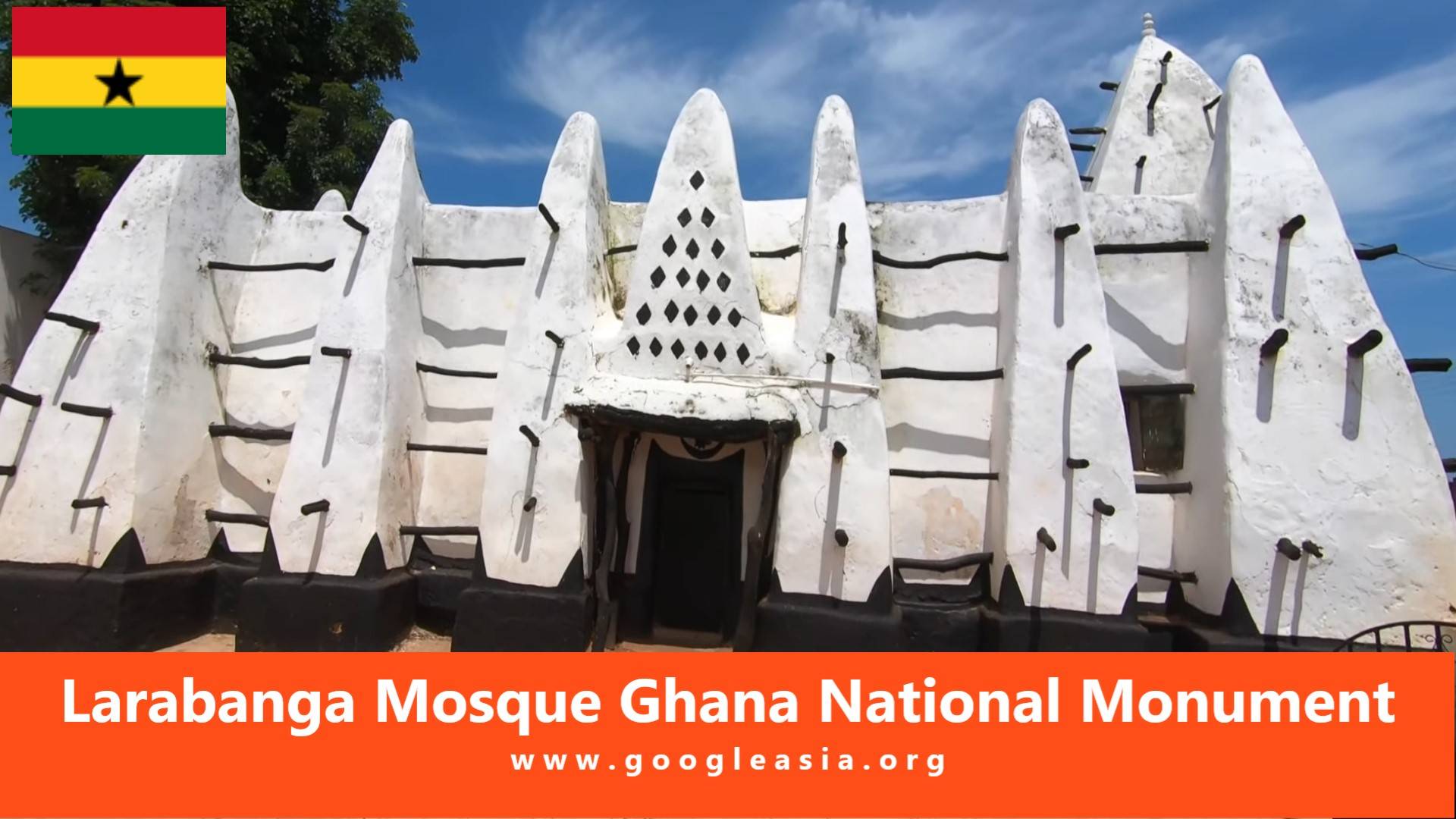
    Larabanga Mosque, Ghana

    Uncover the mystique of Larabanga Mosque, Ghana’s oldest mosque with a fascinating history. Explore the architectural marvel and cultural significance. Dive deeper into the enchanting tale. Read more now!

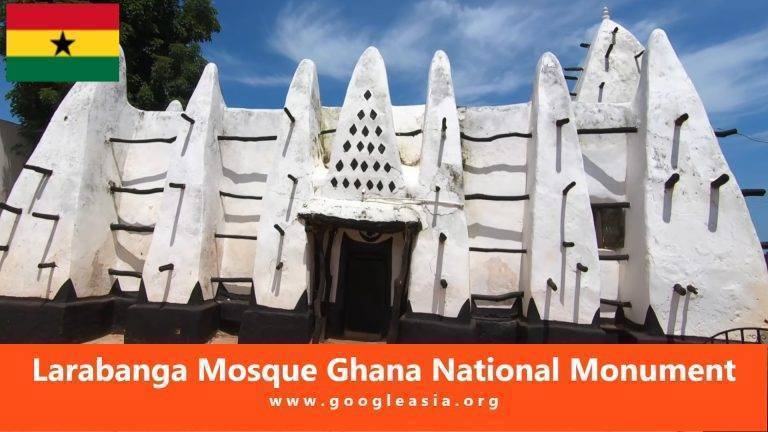
    The Larabanga Mosque, located in the village of Larabanga, Ghana, is the oldest mosque in the country. Built in the 14th century from mud and wood, it is renowned for its unique style of Sudano-Sahelian architecture and is the spiritual heart of the village. It is a national monument and sacred site for Muslims in Ghana.

    Introduction

    Historical Significance and Architecture

    The Larabanga Mosque in Ghana stands as a testament to the rich cultural and architectural heritage of West Africa. Built in the year 1421, it holds the distinction of being one of the oldest mosques in the region, embodying centuries of Islamic tradition and history. The mosque is revered not only for its age but also for its unique architectural style, which blends traditional Sudanese design elements with local craftsmanship.

    Things to Do

    The Larabanga Mosque, nestled in the serene village of Larabanga in Ghana, stands as a testament to the region’s rich Islamic heritage and architectural prowess. Constructed in the 13th century using mud and straw, this mosque is among the oldest in West Africa, reflecting early Islamic influences in the region. Despite its age, the mosque has remarkably preserved its original form, offering visitors a glimpse into medieval Islamic design and construction techniques.

    Architectural Marvels

    • Materials and Design: Built with mud bricks and straw, the Larabanga Mosque showcases traditional West African and Islamic architectural styles. Its palm-thatched roof, ribbed adobe domes, and intricate window frames exemplify the craftsmanship of the era.
    • Guided Tours: Engage in a guided tour to explore the mosque’s interior, where you can appreciate its unique mud and straw walls and learn about the symbolic significance of its architectural elements.
    • Cultural Significance: The mosque’s tower and Islamic-inspired decorations provide insights into the spiritual and cultural practices of Ghana’s Islamic community.

    Village Exploration

    • Local Handicrafts: Wander through Larabanga village to discover local handicrafts, including woven baskets and traditional textiles, offering a glimpse into local craftsmanship.
    • Mystic Stone: Visit Larabanga’s famous Mystic Stone, believed to be over 800 years old, and learn about its cultural and spiritual significance within the community.

    Natural Beauty and Serenity

    • Scenic Surroundings: Relax amidst the mosque’s lush green surroundings, ideal for moments of reflection and admiration of the tranquil scenery.
    • Stargazing: Experience the breathtaking night sky over Larabanga, a perfect opportunity for stargazing and appreciating the natural beauty of the region.

    Festivals and Cultural Celebrations

    • Community Events: Participate in various festivals and celebrations held at Larabanga Mosque throughout the year, offering visitors a deeper immersion into local traditions.
    • Cultural Activities: Enjoy traditional music, dance performances, local cuisine, and storytelling sessions during festive occasions, fostering a deeper appreciation for Ghanaian culture.

    Foods

    Exploring the culinary offerings around Larabanga Mosque reveals a vibrant tapestry of flavors deeply rooted in Ghanaian tradition. Here are some of the best foods to try:

    Traditional Ghanaian Dishes

    • Waakye: A beloved Ghanaian dish combining rice and black-eyed peas, often served with fried plantains, spaghetti, and a variety of toppings.
    • Jollof Rice: This iconic West African dish features rice cooked in a flavorful tomato-based sauce with onions, peppers, and spices, often accompanied by grilled meat or fish.
    • Groundnut Stew: A Northern Ghanaian specialty made with groundnut paste, tomatoes, onions, and a blend of spices, offering a rich and nutty flavor.
    • Banku: A staple dish in the Volta Region, Banku is a fermented maize dough served with fish or meat and a spicy sauce.
    • Fried Plantains: Sweet and savory, fried plantains are a popular side dish or snack enjoyed across Ghana, often paired with groundnut soup or beans.
    • Abolo: Originating from Northern Ghana, Abolo is a fried maize dough delicacy, enjoyed especially during festive occasions or as a street food snack.
    • Kontonmire: A corn dough pudding from the Northern Region, Kontonmire is typically flavored with palm oil and served as a comforting dish.
    • Fufu: A West African favorite, Fufu is made from mashed plantains, cassava, or yams, pounded into a smooth dough-like consistency and served with soup or stew.
    • Suya: A flavorful grilled meat dish, Suya is seasoned with a spicy peanut sauce, offering a delightful combination of savory and nutty flavors.
    • Yam Pottage: Known locally as “mpotompoto,” Yam Pottage is a hearty Ghanaian dish made from boiled yams cooked with vegetables and spices, creating a satisfying meal.

    Culinary Exploration

    • Local Markets: Visit nearby markets to sample these dishes at their freshest and experience the bustling atmosphere where locals gather to buy and sell ingredients.
    • Street Food Vendors: Embrace the vibrant street food scene around Larabanga Mosque, where vendors offer a variety of traditional snacks and meals prepared with authentic Ghanaian flavors.
    • Cultural Significance: These dishes not only showcase Ghana’s diverse culinary heritage but also reflect the country’s rich cultural traditions and communal dining practices.

    Exploring the culinary delights around Larabanga Mosque provides a deeper understanding of Ghanaian culture and offers a flavorful journey through the country’s traditional cuisine.

    Accommodations

    When visiting the historic Larabanga Mosque in Ghana, there are several accommodation options nearby that offer comfort and convenience. Whether you’re looking for a lodge, guesthouse, or hostel, here are some of the best places to consider:

    Lodges and Guesthouses

    • Papaya Langano Lodge: Located close to Larabanga Mosque, this lodge offers comfortable rooms and a serene atmosphere amidst nature.
    • Duut Guest House: A cozy guesthouse that provides a homely stay with friendly service, perfect for travelers seeking a relaxed environment.
    • Kalahari Tented Camp: Experience a unique stay in tented accommodations, blending adventure with comfort near Larabanga Mosque.
    • Kingspark Lodge: Known for its hospitality, Kingspark Lodge offers spacious rooms and amenities to ensure a pleasant stay.
    • Baka Lodge: A charming lodge that provides a peaceful retreat, ideal for travelers looking to immerse themselves in local culture.
    • Lanta Guesthouse: Affordable and centrally located, Lanta Guesthouse offers budget-friendly accommodations without compromising on comfort.

    Hostels and Resorts

    • Safari Termite Hostel: A budget-friendly option with dormitory-style rooms, ideal for solo travelers or backpackers exploring Larabanga Mosque.
    • Hotel Sunu Larabanga: A comfortable hotel offering modern amenities and friendly service, catering to both leisure and business travelers.
    • Flamingo Beach Resort: Located near Larabanga Mosque, this resort offers beachfront accommodations and leisure facilities for a relaxing stay.
    • Larabanga Guesthouse: Embrace local hospitality at Larabanga Guesthouse, known for its warm welcome and convenient location near the mosque.

    Conclusion

    Visiting the Larabanga Mosque offers a unique opportunity to delve into Ghana’s Islamic heritage, experience traditional architectural craftsmanship, and witness ongoing cultural practices that have endured for centuries.
    Larabanga Mosque Ghana National Monument

    Summary

    • Attraction Name: Larabanga Mosque
    • Country: Ghana
    • Continent: African
    • Capital Name: Accra
    • Language: English
    • Currency: Ghanaian Cedi
    • Nationality: Ghanaian
    • Category:  #Destination #Africa #GHANA 

    Frequently Asked Questions

    What are Larabanga Mosque’s nearby must-visit attractions or landmarks?

    While Larabanga Mosque is a significant landmark in itself, the surrounding region offers additional attractions and landmarks to explore. Here are some nearby must-visit places:

    1. Mole National Park:
      • Located to the north of Larabanga, Mole National Park is Ghana’s largest wildlife reserve. Explore the park for a chance to see diverse wildlife, including elephants, antelopes, and various bird species.
    2. Mognori Eco Village:
      • A short distance from Larabanga, Mognori Eco Village offers cultural experiences, including traditional dances, boat rides on the Black Volta River, and insights into local life.
    3. Damongo:
      • The town of Damongo is nearby and serves as a gateway to Mole National Park. Explore the local market, visit the chief’s palace, and learn about the Gonja people.
    4. Wechiau Community Hippo Sanctuary:
      • Located to the west of Larabanga, this sanctuary is known for its efforts to protect hippos and offers boat safaris on the Black Volta River.
    5. Moudi Mosque:
      • Visit the nearby Moudi Mosque, another historical mosque with distinctive architecture, situated not far from Larabanga.
    6. Boabeng-Fiema Monkey Sanctuary:
      • A bit farther to the southeast, this sanctuary is home to Mona and Colobus monkeys. It offers a unique opportunity for nature enthusiasts.
    7. Bui National Park:
      • Further to the south, Bui National Park features diverse ecosystems, wildlife, and the Bui Dam. It’s a scenic area for nature lovers.

    While some of these attractions may require additional travel from Larabanga, they provide a broader experience of the cultural, historical, and natural wonders in the surrounding region. Always check local conditions and coordinate with guides or authorities for the latest information when planning your visit.

    Is Larabanga Mosque a suitable travel destination for solo adventurers, honeymooning couples, or those traveling with families?

    Larabanga Mosque is a versatile travel destination that can appeal to different types of travelers:

    1. Solo Adventurers:
      • Solo adventurers can find Larabanga Mosque appealing for its historical and cultural significance. Exploring the mosque and engaging with the local community can provide a unique and enriching experience for those traveling alone.
    2. Honeymooning Couples:
      • For couples seeking a blend of historical exploration and cultural immersion, Larabanga Mosque can be a romantic and off-the-beaten-path destination. The peaceful atmosphere and unique architecture can contribute to a memorable honeymoon experience.
    3. Families:
      • Families interested in cultural and historical experiences can include Larabanga Mosque as part of their itinerary. It offers an opportunity for children and adults alike to learn about Ghana’s history and traditions.

    The suitability for each group depends on individual preferences and interests. While the mosque itself is a cultural and historical attraction, it’s important to consider the remote nature of Larabanga and the limited amenities in the village. Families with younger members should plan accordingly, and all travelers should be prepared for a more rustic setting.

    Always check the latest travel conditions and coordinate with local authorities or guides for the most up-to-date information when planning a visit to Larabanga Mosque.

    Why should you visit Larabanga Mosque?

    Visiting Larabanga Mosque in Ghana is a compelling experience for several reasons:

    1. Architectural Significance:
      • Larabanga Mosque is one of the oldest mosques in West Africa, dating back to the 15th century. Its unique and well-preserved Sudanese architectural style makes it an important historical and cultural landmark.
    2. Cultural Heritage:
      • Explore the cultural heritage of the mosque and the village of Larabanga. The mosque and its surroundings reflect the rich history and traditions of the local community.
    3. Historical Mystique:
      • The mosque is associated with various legends and myths, including the belief that it was miraculously constructed overnight by spirits. These stories add an element of historical mystique to the site.
    4. Spiritual Significance:
      • For Muslims, Larabanga Mosque holds spiritual significance as a place of worship. Visitors can experience the mosque’s serene atmosphere and observe or participate in prayer sessions.
    5. Community Engagement:
      • Engage with the local community in Larabanga and learn about their way of life, traditions, and customs. The village is known for its warm hospitality.
    6. Photographic Opportunities:
      • Larabanga Mosque, with its distinctive mud-brick construction and unique architectural features, provides excellent photo opportunities. Capture the beauty of this ancient mosque and its surroundings.
    7. Cultural Preservation:
      • Your visit supports the preservation of cultural and historical heritage. The mosque and the village are protected by local efforts and contribute to the awareness of the importance of preserving such sites.
    8. Off-the-Beaten-Path Experience:
      • Larabanga Mosque offers an off-the-beaten-path experience for travelers seeking to explore lesser-known cultural and historical gems in Ghana.

    Visitors to Larabanga Mosque can expect a blend of architectural marvel, cultural immersion, and historical exploration, making it a unique and enriching destination in West Africa.

    How to go to Larabanga Mosque?

    To reach Larabanga Mosque in Ghana, follow these general directions:

    1. Fly into Tamale:
      • Start by flying into Tamale, the capital city of the Northern Region of Ghana. Tamale International Airport is the nearest major airport to Larabanga.
    2. Travel to Larabanga:
      • From Tamale, Larabanga is approximately 170 kilometers southwest. You have several transportation options:
        • By Car/Taxi: Hire a taxi or use a car rental service for a direct journey to Larabanga. The drive takes about 2-3 hours, depending on road conditions.
        • By Bus/Minivan (Tro-tro): Public buses and shared minibusses, known as “tro-tros,” operate between Tamale and Larabanga. Tro-tros are a more economical option but may have longer travel times due to stops along the way.
    3. Final Leg to Larabanga Mosque:
      • Larabanga Mosque is located in the village of Larabanga. Once you arrive in Larabanga, the mosque is a prominent landmark and can be easily reached on foot.

    Are there any halal food options around the Larabanga Mosque?

    Around the Larabanga Mosque in Ghana, finding specific halal food options may require exploration and local inquiries. The village of Larabanga is small and remote, with limited dining establishments.

    While the village may not have dedicated halal restaurants or eateries, some local food vendors or guesthouses may offer halal-friendly dishes upon request. It’s advisable to communicate your dietary preferences, including halal requirements, to your accommodation or local hosts in advance.
  • Exploring Nzulezo Stilt Village, Ghana: A Unique Cultural Experience

    Exploring Nzulezo Stilt Village, Ghana: A Unique Cultural Experience

    Nzulezo Stilt Village, Ghana

    Embark on a journey to Nzulezo, Ghana’s iconic Stilt Village. Explore the unique charm of houses standing above water, immerse yourself in local culture, and discover the captivating history of this enchanting community. Read more for an extraordinary adventure into Nzulezo’s watery wonders.

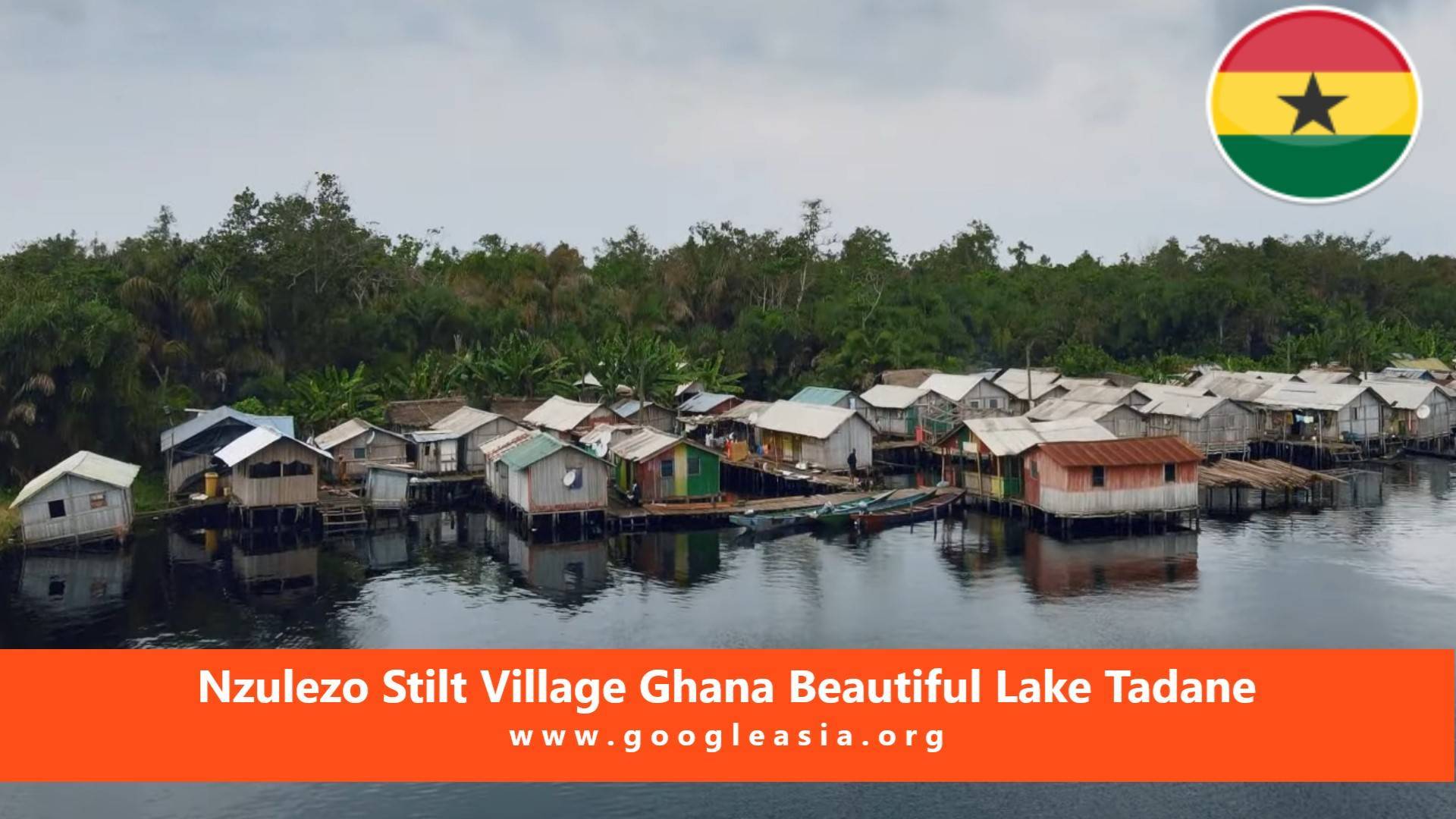
    Nzulezo is a centuries-old stilt village in Ghana, situated on the beautiful Lake Tadane. Craftsmen build their homes with local materials such as bamboo, mud, and wood, and the village is only accessible via a canoe. Nzulezo is home to the Nzema people, who have lived there for generations, living off the land and Lake Tadane’s plentiful fish resources.

    Introduction

    Nzulezo Stilt Village, nestled near Beyin in Ghana’s picturesque Jomoro district within the Western Region, stands as a testament to centuries of history and cultural heritage. This ancient settlement, surrounded by tranquil waters and connected by intricate boardwalks, offers visitors a rare glimpse into Ghana’s rich past.

    History and Origins

    Nzulezo Stilt Village is believed to have been established around 500-600 years ago by the Nzema people, a prominent ethnic group in Ghana known for their cultural resilience and maritime traditions. The village’s unique architectural style, with houses perched on sturdy stilts above Lake Tadane, reflects both practicality and cultural identity.

    Community and Lifestyle

    Home to approximately 300 permanent residents, Nzulezo operates largely independently, relying on the lake and surrounding land for sustenance. The community engages in small-scale enterprises such as fishing and local businesses, which contribute to the village’s economic stability and cultural vitality.

    Preservation of Tradition

    Despite modern influences, Nzulezo has steadfastly preserved its traditional lifestyle and cultural practices. From daily routines to festive celebrations, visitors can witness firsthand the rituals and customs that have endured for centuries, making Nzulezo a living museum of Ghanaian heritage.

    Accessibility and Tourism

    Popular Destination for Cultural Exploration

    Accessible by both boat and car, Nzulezo has become a sought-after destination for tourists seeking authentic cultural experiences in Ghana. Visitors are drawn not only to the village’s unique architecture but also to its warm hospitality and the opportunity to interact with the Nzema community.

    Eco-Tourism and Conservation Efforts

    As tourism grows, efforts are underway to ensure that Nzulezo’s natural environment and cultural integrity are preserved. Sustainable tourism practices and community-led initiatives play a crucial role in maintaining the village’s allure while safeguarding its fragile ecosystem.

    Things to Do

    Nzulezo Stilt Village, located in the Jomoro district of Ghana’s Western Region, is renowned for its unique architectural style and rich cultural heritage. Here are some exciting activities to experience during your visit:

    Tour the Village

    Explore the intricate network of wooden stilt houses that make up Nzulezo Stilt Village. Guided tours offer insights into the village’s history, architecture, and the daily life of its residents. Learn about the Nzema people and their traditional practices as you navigate the village’s elevated pathways.

    Try the Local Cuisine

    Delve into the flavors of Nzulezo with traditional Ghanaian dishes centered around fresh fish from Lake Tadane. Sample dishes like okro stew, a hearty soup featuring okra and fish, or banku, a staple made from fermented corn dough. Local eateries provide an authentic taste of Nzulezo’s culinary traditions.

    Participate in Traditional Dances

    Witness vibrant cultural performances as villagers showcase traditional dances such as guguba (drum dance) and Borborbor (clap dance). These dances are not only entertaining but also offer a glimpse into the community’s rhythmic expression and cultural celebrations.

    Buy Souvenirs

    Browse local crafts and souvenirs to commemorate your visit to Nzulezo Stilt Village. Artisans offer handcrafted items including wooden carvings, jewelry adorned with local beads, and musical instruments like drums and xylophones. Support local craftsmanship and take home a piece of Nzulezo’s cultural heritage.

    Explore the Lake

    Embark on a canoe excursion to navigate Lake Tadane surrounding Nzulezo Stilt Village. Enjoy serene views of the village from the water and observe the diverse birdlife that inhabits the lake’s shores. Birdwatchers can spot various species, adding a naturalist’s perspective to your visit.

    Foods

    Nzulezo Stilt Village, situated in Ghana’s Western Region, offers a delightful array of traditional dishes that reflect the local culture and culinary heritage. Here are some must-try foods during your visit:

    Fufu and Okro

    • Description: A staple dish made from mashed cassava and okra, served with a variety of soups and stews.
    • Why Try: Experience the authentic flavors of Ghana with this hearty and satisfying meal, known for its rich texture and savory taste.

    Grilled Fish

    • Description: Freshly caught fish, grilled to perfection and typically served with plantains and spicy sardine sauce.
    • Why Try: Enjoy the freshness of Lake Tadane’s bounty with this flavorful dish, showcasing local fishing traditions and culinary expertise.

    Cassava Fritters

    • Description: Fried cassava root, served with sweet or savory sauces based on personal preference.
    • Why Try: Sample this popular snack for a taste of crispy goodness and explore the versatility of cassava in Ghanaian cuisine.

    Kenkey

    • Description: Corn-based dough, boiled in a banana leaf and served as a snack or light meal, often accompanied by stewed fish or pork.
    • Why Try: Delight in the unique texture and taste of kenkey, a beloved dish that reflects Ghana’s cultural diversity and culinary traditions.

    Boiled Yam

    • Description: Tender boiled yam, a Ghanaian staple often served with vegetables or fish for a wholesome and nutritious meal.
    • Why Try: Experience the simplicity and goodness of boiled yam, perfect for fueling your exploration of Nzulezo Stilt Village.

    Accommodations

    When planning a visit to the unique Nzulezo Stilt Village in Ghana, accommodations are available in nearby towns and cities, offering a range of options to suit different preferences and budgets.

    Lodges and Resorts

    • Nature’s Fisherman Lodge: Located in a tranquil setting, this lodge offers comfortable rooms and a peaceful atmosphere.
    • Northlands Resort: A resort known for its scenic views and amenities, ideal for travelers seeking relaxation after exploring Nzulezo.
    • Aqua Vista Resort: Nestled near water bodies, Aqua Vista Resort provides a serene environment and modern facilities for a pleasant stay.
    • Perky Palm Beach Resort: Offers beachfront accommodations with easy access to both natural attractions and cultural sites.

    Guest Houses and Inns

    • Jet-Lag Lodge: A cozy guest house offering personalized service and a homely atmosphere, perfect for unwinding after a day of exploration.
    • Eagleview Guest House: Known for its hospitality, Eagleview Guest House provides comfortable rooms and local insights.
    • Adepala Hotel: A budget-friendly hotel with convenient amenities, catering to both leisure and business travelers.

    Unique Stays

    • Eco-Rova Caravan Park: Ideal for nature enthusiasts, Eco-Rova Caravan Park offers camping facilities and a close-to-nature experience.
    • Fortress Resort: Combines heritage charm with modern comforts, providing a memorable stay near Nzulezo Stilt Village.
    • Akpeteshie Lodge: Experience local culture at Akpeteshie Lodge, known for its traditional architecture and warm hospitality.
    Nzulezo Stilt Village Ghana Beautiful Lake Tadane

    Summary

    • Attraction Name: Nzulezo Stilt Village
    • Country: Ghana
    • Continent: African
    • Capital Name: Accra
    • Language: English
    • Currency: Ghanaian Cedi
    • Nationality: Ghanaian
    • Category:  #Destination #Africa #GHANA 

    Frequently Asked Questions

    What are Nzulezo’s nearby must-visit attractions or landmarks?

    While Nzulezo Stilt Village is a distinct and isolated destination, the surrounding region offers additional points of interest and attractions for visitors exploring the Western Region of Ghana. Here are some nearby must-visit attractions:

    1. Beyin Castle (Fort Apollonia):
      • Located in the town of Beyin, Fort Apollonia is a historic European fort dating back to the 18th century. Explore its architecture and learn about its role in the colonial history of the region.
    2. Fort Metal Cross:
      • Situated near the town of Dixcove, Fort Metal Cross is another well-preserved European fortification with historical significance. It offers insights into Ghana’s colonial past.
    3. Busua Beach:
      • A popular coastal destination known for its sandy beaches and surfing opportunities. It’s a relaxing spot to unwind and enjoy the coastal beauty.
    4. Butre Village and Fort Batenstein:
      • Butre is a charming coastal village with a historical fort, Fort Batenstein, which provides panoramic views of the coastline.
    5. Cape Three Points:
      • Known as the southernmost point of Ghana, Cape Three Points offers a scenic and tranquil environment. It’s a great place for nature lovers and those seeking a peaceful retreat.
    6. Ankasa Conservation Area:
      • Located near the Ivorian border, the Ankasa Conservation Area is a biodiversity hotspot with lush rainforests, waterfalls, and diverse wildlife.
    7. Nkroful:
      • The birthplace of Kwame Nkrumah, Ghana’s first President. Explore the Kwame Nkrumah Mausoleum and learn about the life and legacy of this important figure.

    Is Nzulezo a suitable travel destination for solo adventurers, honeymooning couples, or those traveling with families?

    Nzulezo Stilt Village is a versatile travel destination suitable for various types of travelers:

    1. Solo Adventurers:
      • Nzulezo offers a unique and immersive experience for solo adventurers. Exploring the stilt village, engaging with the local community, and experiencing the tranquility of Lake Amansuri can be a rewarding solo journey.
    2. Honeymooning Couples:
      • For couples seeking a romantic and off-the-beaten-path destination, Nzulezo provides a unique setting. The serene surroundings, cultural immersion, and the romantic boat ride contribute to a memorable honeymoon experience.
    3. Families:
      • Families can find Nzulezo interesting and educational, especially for children. The cultural aspects, traditional practices, and the boat ride can be captivating for family members of different ages. However, it’s essential to consider the remote nature of the village.

    Why should you visit Nzulezo?

    Visiting Nzulezo Stilt Village in Ghana is a one-of-a-kind experience for several compelling reasons:

    1. Unique Architecture: Nzulezo is renowned for its traditional stilted structures built above the water on Lake Amansuri. Explore the village’s distinct architectural style, which reflects the resourcefulness of its inhabitants.
    2. Cultural Immersion: Engage with the local community and gain insights into the daily lives, customs, and traditions of the people of Nzulezo. The village offers a unique opportunity for cultural exchange and learning.
    3. Natural Beauty: Navigate through the scenic Amansuri Wetland on a boat ride to reach Nzulezo. The journey provides stunning views of mangroves, lush landscapes, and the serene waters surrounding the stilt village.
    4. Historical Significance: Nzulezo has a rich history, and the village is said to have been founded several hundred years ago. Learn about the origins of the community and its resilience over the centuries.
    5. Traditional Practices: Witness traditional practices and customs that have been preserved in Nzulezo. From local ceremonies to traditional fishing methods, experience the authenticity of Ghanaian village life.
    6. Eco-Tourism: Nzulezo is situated in a wetland area, contributing to the biodiversity of the region. The visit supports sustainable tourism practices, emphasizing the importance of preserving the natural environment.
    7. Boat Ride Experience: Enjoy a unique boat ride to reach the stilt village. The journey through the waterways adds an adventurous and scenic element to the overall experience.
    8. Photographic Opportunities: Capture stunning images of the stilted structures, the surrounding landscapes, and the vibrant local culture. Nzulezo offers countless photo opportunities for those interested in documenting their travels.

    How to go to Nzulezo?

    To reach Nzulezo Stilt Village in Ghana, follow these general directions:

    1. Travel to Beyin:
      • Start by traveling to the town of Beyin, located in the Western Region of Ghana. Beyin serves as the gateway to Nzulezo.
    2. From Accra:
      • If you’re coming from Accra, the capital of Ghana, you can take a domestic flight to Takoradi or use long-distance bus services to reach the Western Region.
    3. Local Transportation to Beyin:
      • From Takoradi or other nearby towns, you can use public buses, shared taxis, or private transportation to reach Beyin.
    4. Arranging a Boat Ride:
      • Upon reaching Beyin, you’ll need to arrange a boat ride to Nzulezo. Boats are the primary mode of transportation to the stilt village. You can organize the boat trip through local operators or your accommodation.
    5. Boat Ride to Nzulezo:
      • The boat ride to Nzulezo takes you through the Amansuri Wetland, offering scenic views of the surrounding mangroves and natural beauty. The journey to the stilt village is part of the unique experience.

    Are there any halal food options around the Nzulezo?

    Around Nzulezo Stilt Village, finding specific halal food options may be limited due to the village’s remote location and the traditional nature of the community. The village may not have dedicated restaurants or eateries offering halal meals.

    Visitors to Nzulezo often engage with the local community, and meals are sometimes arranged through homestays or community-hosted experiences. In such cases, it’s advisable to communicate your dietary preferences, including halal requirements, in advance. Locals are generally hospitable and may make efforts to accommodate your dietary needs.

  • Lake Bosomtwe, Ghana: A Sacred Crater Lake

    Lake Bosomtwe, Ghana: A Sacred Crater Lake

    Lake Bosomtwe, Ghana

    Discover serenity at Lake Bosomtwe, Ghana’s only natural lake. Immerse yourself in scenic beauty, cultural heritage, and tranquil surroundings. Uncover the secrets of this crater lake. Read more for an enchanting journey into the heart of Ghana’s natural wonders.

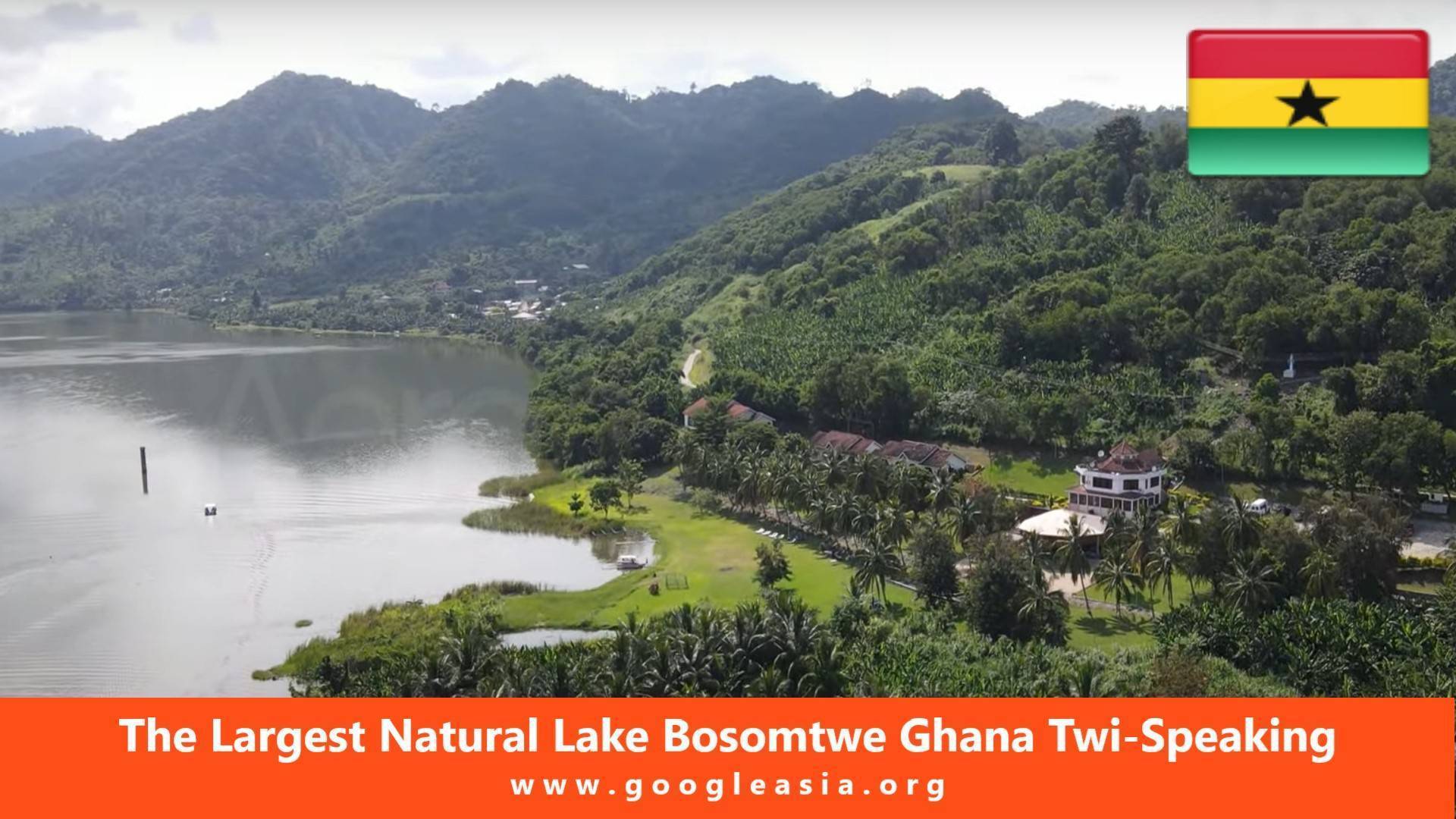
    Lake Bosomtwe is located in Ghana, in the Ashanti region of southern Ghana, and is the largest natural lake in the country. It is known for its cultural and spiritual significance, being the traditional home for some of Ghana’s Twi-speaking people, and its spectacular views of the surrounding countryside. The Lake Bosomtwe is full of fish and a variety of birds, including migratory species from Europe and northern Africa.

    Introduction

    Lake Bosomtwe, situated in the Ashanti region of Ghana, is a natural wonder steeped in cultural significance and ecological diversity. Formed over 1.1 million years ago, it is renowned as the largest natural crater lake in Ghana, attracting visitors and locals alike for its pristine beauty and spiritual aura.

    Historical and Cultural Significance

    Origins and Mythology

    Lake Bosomtwe is believed to have originated from a meteorite impact over 1.1 million years ago, creating a crater that eventually filled with rainwater, forming the lake. The Ashanti people regard the lake as sacred, attributing its creation to spiritual forces and deities revered in local folklore.

    Cultural Practices and Rituals

    The local communities surrounding Lake Bosomtwe pay homage to the lake’s gods through ritual offerings of food and drinks. These offerings are believed to appease the gods, ensuring the protection and prosperity of the area’s inhabitants. The rituals are integral to the cultural fabric, reinforcing the sacred bond between the people, the lake, and the divine.

    Ecological Wealth and Activities

    Biodiversity

    Lake Bosomtwe is rich in biodiversity, hosting over 20 species of fish, including tilapia, catfish, Barbus, and eel. This abundance supports local livelihoods through fishing activities and provides a natural habitat for diverse aquatic species.

    Recreational Activities

    The lake offers a range of recreational opportunities for visitors and locals alike. Activities such as swimming, fishing, and canoeing are popular, allowing people to connect with the lake’s serene environment and explore its natural beauty firsthand.

    Annual Festival and Community Celebration

    Festival of Thanks

    Annually, the communities celebrate the Lake Bosomtwe Festival, a vibrant event that honors the lake’s deities with traditional ceremonies, dancing, drumming, and a sacred canoe race. This festival not only showcases local cultural traditions but also serves as a time of gratitude and communal unity.

    Things to Do

    Lake Bosomtwe, nestled in the Ashanti region of Ghana, is not only the largest natural crater lake in the country but also a haven for diverse activities amidst stunning natural surroundings. Here’s a guide to the top experiences awaiting visitors:

    Boat Ride

    Embark on a serene boat ride across Lake Bosomtwe to admire its scenic beauty and lush green hills that envelop the lake. Enjoy breathtaking views and the chance to spot local wildlife from the water.

    Kayaking

    Rent a kayak to explore the lake up close. Paddle at your own pace and navigate the tranquil waters while soaking in the peaceful ambiance and natural splendor of the surroundings.

    Fishing

    Lake Bosomtwe is renowned for its abundant gamefish, including tilapia, barb, and catfish. Join a fishing expedition with a knowledgeable guide to reel in your catch and enjoy the thrill of fishing in this picturesque setting.

    Bird Watching

    Discover a variety of bird species that call Lake Bosomtwe home. Set out on birdwatching excursions to spot colorful avian residents amidst the lake’s serene environment and surrounding forests.

    Hiking and Trekking

    Explore the scenic trails around Lake Bosomtwe, offering opportunities for hiking and trekking enthusiasts to immerse themselves in nature. Enjoy panoramic views of the lake and lush landscapes during your adventure.

    Leisure Activities

    Picnicking

    Relax and unwind with a picnic by the lakeside. Enjoy the tranquil atmosphere, savor local cuisine, and appreciate the natural beauty that surrounds you.

    Strolling

    Take a leisurely stroll along the lakeshore, taking in the breathtaking scenery and observing the local flora and fauna. Dip into the crystal-clear waters for a refreshing swim on a warm day.

    Cultural Experiences

    Immerse yourself in the rich cultural heritage of the communities surrounding Lake Bosomtwe. Engage with locals, learn about traditional practices, and participate in cultural festivities if visiting during a festival.

    Foods

    Lake Bosomtwe, nestled in Ghana’s Ashanti region, not only captivates with its natural beauty but also offers a delectable array of traditional Ghanaian dishes. Here are the must-try foods during your visit:

    Tilapia Stew

    Description: A flavorful stew made with fresh tilapia fish and seasoned with traditional Ghanaian spices.
    Why Try: Experience the rich flavors of Lake Bosomtwe’s renowned tilapia, cooked to perfection in a savory stew that highlights local culinary expertise.

    Fried Fish

    Description: Crispy fried fish, freshly caught from Lake Bosomtwe, seasoned and fried to golden perfection.
    Why Try: Enjoy the freshness of the lake’s bounty with this simple yet delicious dish that showcases the natural flavors of the locally sourced fish.

    Banku

    Description: A staple Ghanaian dish made from fermented corn dough, served with tilapia fish and a savory sauce.
    Why Try: Delight in the hearty combination of banku and fish, a beloved dish that represents Ghana’s culinary traditions and cultural heritage.

    Yam Porridge

    Description: Comforting yam porridge cooked in palm nut soup and served with fish, creating a wholesome and satisfying meal.
    Why Try: Indulge in the comforting flavors of yam and fish, prepared with traditional ingredients that reflect Ghana’s diverse culinary influences.

    Ampesi

    Description: Boiled plantains served with tilapia fish and a flavorful sauce, offering a balanced and nutritious meal.
    Why Try: Enjoy the simplicity and nutritious value of ampesi, a dish that celebrates the natural bounty of Ghana’s agricultural produce and freshwater fish.

    Fufu

    Description: Mashed cassava, plantain, or yams served with a rich stew of fish, okra, tomatoes, and vegetables.
    Why Try: Savor the creamy texture of fufu paired with a hearty fish stew, a staple dish that embodies Ghana’s culinary heritage and communal dining traditions.

    Kelewele

    Description: Spicy and sweet fried plantains seasoned with ginger, cloves, and chili, often accompanied by fried fish.
    Why Try: Experience the bold flavors of kelewele, a popular street food that offers a delightful contrast of sweetness and spice alongside fresh fish.

    Ayinkase

    Description: A nutritious Ghanaian soup made from nuts, fish, and aromatic herbs, simmered to perfection.
    Why Try: Discover the wholesome flavors of ayinkase, a traditional soup that showcases Ghana’s indigenous ingredients and culinary craftsmanship.

    Accommodations

    When planning a visit to the serene Lake Bosomtwe in Ghana, accommodations are available in nearby towns and cities, offering a range of options to suit different preferences and budgets.

    Lodges and Resorts

    Obam Blues Lake View Resort

    Enjoy picturesque views and comfortable amenities at this lakeside resort.

    Lakeside Retreat – A Luxury Lodge

    Offers a luxurious stay with scenic lake views and personalized service.

    Akatamanso Lake Resort

    Nestled in a tranquil setting, this resort provides a serene environment and modern facilities.

    Tabonkyi Resort

    Known for its hospitality and scenic location, Tabonkyi Resort offers a relaxing stay close to nature.

    Hotels and Guest Houses

    Akua Anapa Hotel

    A boutique hotel offering cozy rooms and convenient amenities for a pleasant stay.

    Justa Resort

    Combines comfort with elegance, providing a relaxing atmosphere and modern conveniences.

    The Van Anns Hotel & Resort

    Features spacious accommodations and excellent service in a serene environment.

    Bosomtwe Guest House

    Provides budget-friendly accommodations with a homely atmosphere and local charm.

    Unique Stays

    Lake Powder Samra Sanctuary

    Ideal for nature enthusiasts, offering rustic accommodations amidst natural surroundings.

    The Blue Pepper Residence & Spa

    A unique retreat with spa facilities and tranquil surroundings, perfect for relaxation.

    The Largest Natural Lake Bosomtwe Ghana Twi-Speaking

    Summary

    • Attraction Name: Lake Bosomtwe
    • Country: Ghana
    • Continent: African
    • Capital Name: Accra
    • Language: English
    • Currency: Ghanaian Cedi
    • Nationality: Ghanaian
    • Category:  #Destination #Africa #GHANA 

    Frequently Asked Questions

    What are Lake Bosomtwe’s nearby must-visit attractions or landmarks?

    While Lake Bosomtwe itself is a significant attraction, the surrounding area offers additional points of interest and landmarks to explore:

    1. Abonu Abonu Nature Park:
      • Located near Lake Bosomtwe, this nature park provides hiking trails and an opportunity to explore the natural beauty of the region.
    2. Bosomtwe Paradise Resort:
      • A lakeside resort offering accommodation, dining, and recreational activities. It provides a comfortable base for exploring the lake and its surroundings.
    3. Atafram Plains:
      • A vast grassland area near Lake Bosomtwe, offering open landscapes and scenic views. It’s a great place for nature walks and birdwatching.
    4. Bosomtwe Range Forest Reserve:
      • A protected forest area surrounding the lake, providing opportunities for eco-tourism, hiking, and birding.
    5. Adomako Adomako Ashanti Drumming Centre:
      • Experience the vibrant rhythms of traditional Ashanti drumming at this cultural center near Lake Bosomtwe.
    6. Kumasi:
      • While not directly next to Lake Bosomtwe, the city of Kumasi, the capital of the Ashanti Region, is a cultural hub with attractions like the Manhyia Palace and the Kejetia Market.

    Is Lake Bosomtwe a suitable travel destination for solo adventurers, honeymooning couples, or those traveling with families?

    Lake Bosomtwe is a versatile travel destination suitable for various types of travelers:

    1. Solo Adventurers:
      • Solo adventurers can find Lake Bosomtwe appealing for its tranquility, outdoor activities, and cultural exploration. Hiking along the crater rim, engaging with local communities, and enjoying the serene surroundings make it a rewarding experience for solo travelers.
    2. Honeymooning Couples:
      • Lake Bosomtwe provides a romantic and picturesque setting for honeymooning couples. The serene lake, lush landscapes, and cultural experiences offer a unique and intimate backdrop for a romantic getaway.
    3. Families:
      • Families can enjoy Lake Bosomtwe for its accessibility and family-friendly activities. The lake provides opportunities for boat rides, nature walks, and cultural interactions, creating a well-rounded experience for family members of different ages.

    The suitability for each group depends on individual preferences and interests. Lake Bosomtwe caters to those seeking a blend of nature, culture, and relaxation. Families can appreciate the variety of activities, while solo adventurers and couples can find the tranquility and scenic beauty conducive to personal reflection and connection.

    Why should you visit Lake Bosomtwe?

    Visiting Lake Bosomtwe in Ghana offers a unique and enchanting experience for several reasons:

    1. Natural Beauty: Lake Bosomtwe is Ghana’s only natural lake, situated within a crater formed by a meteorite impact. The serene and picturesque surroundings provide a peaceful escape from urban life.
    2. Cultural Significance: The lake holds cultural significance for the Ashanti people. Explore the local communities, visit traditional shrines, and immerse yourself in the rich cultural heritage of the area.
    3. Outdoor Activities: Enjoy a range of outdoor activities, including boat rides on the lake, hiking along the crater rim, and birdwatching. The lake and its surroundings offer a haven for nature enthusiasts.
    4. Tranquil Retreat: Lake Bosomtwe provides a tranquil setting, making it an ideal destination for relaxation and rejuvenation. The calm waters and lush landscapes create a peaceful atmosphere for visitors.
    5. Local Cuisine: Taste traditional Ashanti cuisine and local dishes prepared by lakeside communities. Enjoy fresh fish, plantains, and other Ghanaian specialties while experiencing the warmth of local hospitality.
    6. Historical Exploration: Discover the geological history of the lake and its impact crater. Gain insights into the scientific aspects of Lake Bosomtwe’s formation, adding an educational dimension to your visit.
    7. Spiritual Connection: For those interested in spirituality, Lake Bosomtwe is believed to have spiritual significance. Visit local shrines and engage with the cultural practices tied to the lake.
    8. Accessibility: Located near Kumasi, Lake Bosomtwe is easily accessible, making it a convenient destination for a day trip or a weekend getaway from the city.

    How to go to Lake Bosomtwe?

    To reach Lake Bosomtwe in Ghana, follow these general directions:

    1. Fly into Kumasi:
      • Start by flying into Kumasi, the capital city of the Ashanti Region in Ghana. Kumasi is the major gateway to Lake Bosomtwe.
    2. Travel to Lake Bosomtwe:
      • From Kumasi, Lake Bosomtwe is approximately 30 kilometers southeast. You have several transportation options:
        • By Car/Taxi: Hire a taxi or use a car rental service for a direct journey to Lake Bosomtwe. The drive takes about 45 minutes to 1 hour, depending on the specific location around the lake.
        • By Bus/Minivan (Tro-tro): Public buses and shared minibusses, known as “tro-tros,” operate between Kumasi and the towns near Lake Bosomtwe. You may need to transfer to a local taxi for the final leg of the journey.
    3. Final Leg to Lake Bosomtwe:
      • Lake Bosomtwe is a large lake, and various communities are situated around its shores. Depending on your destination, you may need to arrange local transportation, such as a taxi or a hired vehicle, to reach specific points along the lake.

    Are there any halal food options around the Lake Bosomtwe?

    Around Lake Bosomtwe, finding specific halal food options may require exploration and local inquiries. The lakeside communities may not have dedicated halal facilities, but you might find some eateries or restaurants in nearby towns that offer halal-friendly dishes.

  • Visiting Elmina Castle, Ghana: Your Ultimate Travel Guide

    Visiting Elmina Castle, Ghana: Your Ultimate Travel Guide

    Elmina Castle, Ghana

    Step into history at Elmina Castle, a UNESCO World Heritage Site on Ghana’s coast. Explore its haunting dungeons, learn about the transatlantic slave trade, and witness the resilience of the human spirit. Dive deeper into this profound journey. Read more for a meaningful exploration of Ghana’s cultural heritage.

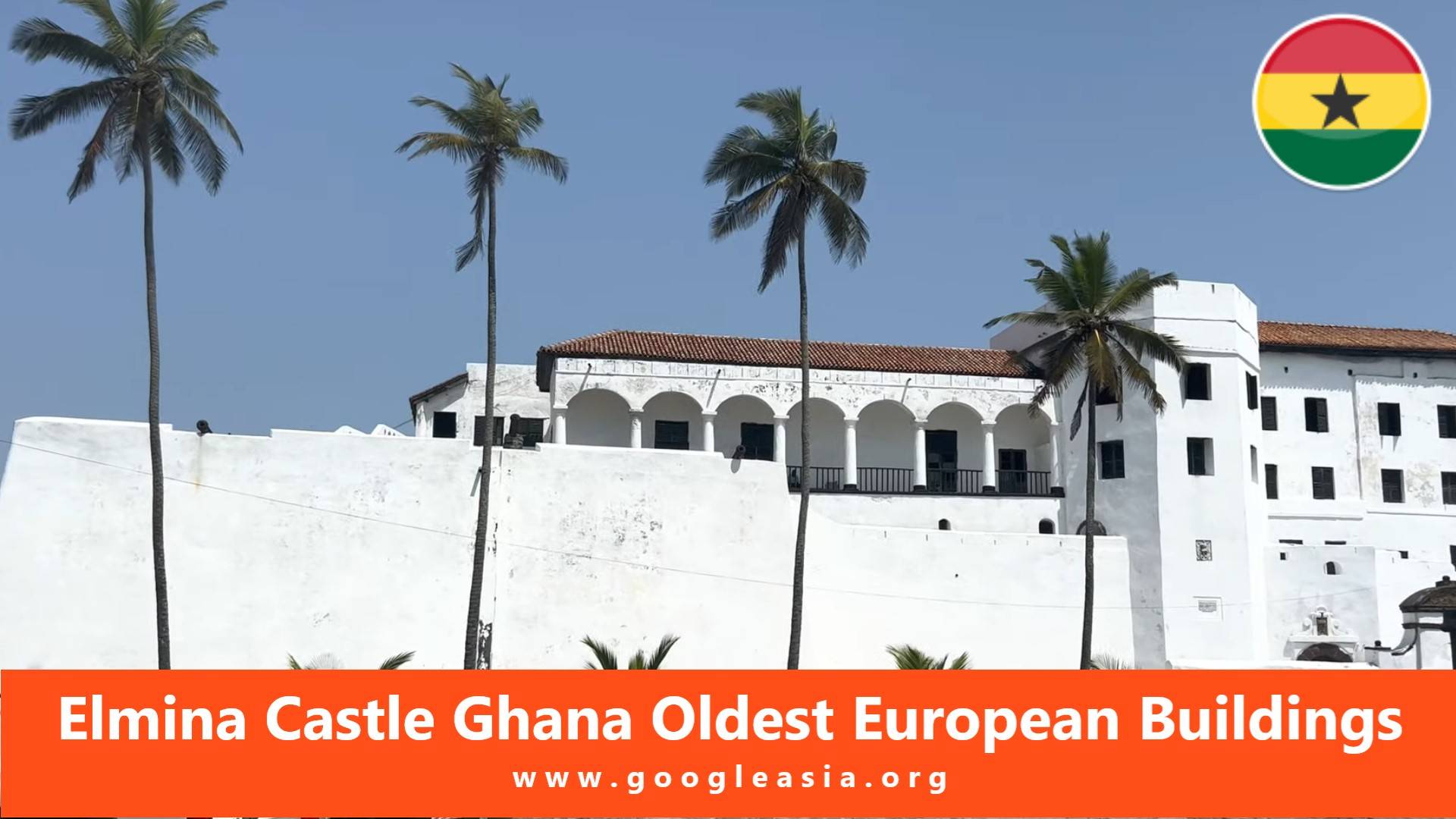
    Elmina Castle, located in Ghana, is one of the oldest European buildings in Sub-Saharan Africa. Built by the Portuguese in 1482, this castle was the site of many horrific acts against Africans as it served as a hub for the slave trade. Today, Elmina Castle serves as a memorial to those impacted by slavery and a reminder of what happened in the past.

    Introduction

    History and Significance

    Elmina Castle, located on the coast of Ghana’s Central Region, stands as one of the oldest European-built structures in Africa. Constructed by the Portuguese in 1482, it served initially as a trading post for gold and other commodities before becoming a pivotal hub for the transatlantic slave trade.

    Architectural Features

    Elmina Castle is characterized by its massive stone walls and imposing structure overlooking the Atlantic Ocean. The castle complex includes courtyards, dungeons, residential quarters, and a chapel, reflecting both its military and commercial functions during different periods of history.

    Cultural and Historical Significance

    Elmina Castle played a notorious role in the transatlantic slave trade, serving as a major trading post where enslaved Africans were held captive under horrific conditions before being shipped across the Atlantic to the Americas. The castle’s dungeons and “Door of No Return” symbolize the harrowing legacy of this dark chapter in history.

    Things to Do

    Elmina Castle, situated in Ghana’s Central Region, stands as one of Africa’s oldest and most significant castles, serving as a poignant symbol of the Atlantic slave trade. Built initially by the Portuguese in 1482 and later expanded by the Dutch in 1637, the castle functioned as a trading post for over four centuries.

    Tour the Castle Complex

    Visitors to Elmina Castle embark on a journey through history, beginning with tours that often commence from the upper balconies where officers and merchants once conducted business. This vantage point offers insights into the castle’s history and the daily lives of its inhabitants during its operational years.

    Witness the Dark Legacy

    Descending into the dungeons and cells where enslaved Africans were held captive provides a somber reflection on the castle’s role in the trans-Atlantic slave trade. The adjacent chapel, where captured Africans were baptized before their harrowing journeys to the New World, adds a poignant layer to the visit.

    Experience the Courtyard and Barracoon

    Strolling through the courtyard, visitors can admire the castle’s architecture and view the bronze cannons that once symbolized the brutal business of slave trading. Facing the lagoon, one can contemplate the tragic history and the immense loss of lives that occurred during this period. Exploring the old barracoon sheds light on how enslaved individuals were housed and traded before their trans-Atlantic voyages commenced.

    Discover Local Culture and Art

    After the tour, exploring the shops, restaurants, and galleries around Elmina Castle offers an opportunity to delve deeper into Ghanaian culture. Visitors can purchase souvenirs and traditional handicrafts, further enriching their understanding of local traditions and craftsmanship.

    Foods

    If you’re visiting Elmina Castle and looking to experience authentic Ghanaian cuisine nearby, here are some delicious dishes to try:

    Legon Rice Balls

    Sticky white rice balls served with a spicy black pepper sauce and onions.

    Waakye

    Cooked black-eyed peas and rice served with boiled plantains, grilled tilapia or sardines, tomato sauce, and spicy pepper sauce.

    Fufu and Light Soup

    Mashed yam, plantain, or cassava served with a light soup made from okra, palm nut cream, or groundnut.

    Kenkey

    Fermented corn dough wrapped in plantain leaves and served with fried tilapia or stew.

    Plantain Fritters

    Fried plantain slices served with a variety of sauces, ranging from sweet to spicy.

    Jollof Rice

    Rice cooked in a flavorful tomato sauce with a variety of meats and vegetables.

    Peanut Soup

    A rich soup made with groundnut paste, often served with fufu or kenkey.

    Hotels

    If you’re planning to visit Elmina Castle and looking for accommodation nearby, here are some recommended hotels in Elmina and the surrounding area:

    Elmina Town Hotels

    Elmina Beach Resort

    A beachfront resort offering comfortable rooms, restaurants, and recreational facilities.

    Atlantic View Beach Resort

    Located close to the beach with scenic views and a range of amenities for guests.

    Continental Guest House

    A cozy guest house with affordable rooms and a welcoming atmosphere.

    Elmina Royal Castle Hotel

    Situated in the heart of Elmina, offering convenient access to Elmina Castle and other attractions.

    Cape Coast Hotels (nearby town)

    Shaka Clark Beach Resort Hotel

    Beachfront accommodation with modern amenities and a relaxing atmosphere.

    Cocoa Beach Hotel

    A boutique hotel with a serene environment and personalized service.

    African Village Hotel

    Combines traditional African hospitality with modern comforts, located in Cape Coast.

    Art Hill Villa

    A villa-style accommodation offering privacy and tranquility, ideal for families and couples.

    Kata Beach Hotel

    Located near Cape Coast, offering comfortable rooms and scenic views of the coastline.

    Elmina Jubilee Beach Hotel

    Beachfront hotel with spacious rooms and facilities for leisure and business travelers.

    Elmina Castle Ghana Oldest European Buildings

    Summary

    • Attraction Name: Elmina Castle
    • Country: Ghana
    • Continent: African
    • Capital Name: Accra
    • Language: English
    • Currency: Ghanaian Cedi
    • Nationality: Ghanaian
    • Category:  #Destination #Africa #GHANA 

    Frequently Asked Questions

    What are Elmina Castle’s nearby must-visit attractions or landmarks?

    Elmina Castle, situated in the town of Elmina along the coast of Ghana, is surrounded by several must-visit attractions and landmarks that enhance the historical and cultural experience of the area:

    1. Cape Coast Castle:
      • Just a short distance from Elmina Castle, Cape Coast Castle is another significant fortification with a history linked to the transatlantic slave trade. Explore its dungeons, courtyards, and learn about its historical significance.
    2. Fort Coenraadsburg:
      • Located in the neighboring town of Fort Amsterdam, Fort Coenraadsburg is a Dutch-built fort that played a role in the colonial history of the region. Visitors can tour the fort and enjoy views of the coastline.
    3. Posuban Shrines:
      • Elmina has vibrant Posuban shrines showcasing the traditional military organization of the Fante people. Explore these colorful and culturally significant sites to gain insights into local customs.
    4. Assin Manso Slave River:
      • Visit Assin Manso, a historical site where enslaved Africans took their last bath in a river before being transported to the Americas. It serves as a memorial and educational center.
    5. Hans Cottage Botel:
      • Located on the Kakum River, Hans Cottage Botel is a combination of a botanical garden and a small hotel. Visitors can enjoy boat rides, interact with crocodiles, and explore the lush surroundings.
    6. Ahinase Kente Village:
      • Ahinase is known for its vibrant kente weaving. Visitors can witness the intricate process of kente cloth production and purchase handmade textiles as souvenirs.
    7. Mankessim Market:
      • Immerse yourself in the local culture by visiting Mankessim Market. It’s a bustling market where visitors can interact with locals, purchase traditional crafts, and sample local cuisine.

    Is Elmina Castle a suitable travel destination for solo adventurers, honeymooning couples, or those traveling with families?

    Elmina Castle is a versatile destination suitable for various types of travelers:

    1. Solo Adventurers:
      • Solo adventurers can find Elmina Castle compelling for its historical significance, educational value, and the opportunity for self-reflection. The castle’s somber history may evoke deep contemplation and understanding.
    2. Honeymooning Couples:
      • Elmina Castle can be a unique destination for honeymooning couples interested in a mix of romance and historical exploration. The castle’s coastal setting and cultural richness provide a distinctive backdrop for a memorable getaway.
    3. Families:
      • Families can visit Elmina Castle for its educational value and cultural significance. While the historical context of the castle can be intense, it offers an opportunity for parents to educate children about history and foster discussions on important topics.

    Overall, Elmina Castle caters to a diverse range of travelers, offering a blend of history, culture, and scenic beauty along Ghana’s coast.

    Why should you visit Elmina Castle?

    Visiting Elmina Castle is a profoundly impactful experience for several compelling reasons:

    1. Historical Significance: Elmina Castle is a UNESCO World Heritage Site with a dark history tied to the transatlantic slave trade. Explore its dungeons, “Door of No Return,” and other historical features that bear witness to the harsh realities of this tragic period.
    2. Educational Experience: The castle serves as a poignant educational resource, providing insights into the African diaspora and the impact of the transatlantic slave trade on individuals and communities. It offers a sobering but essential lesson in history.
    3. Architectural Beauty: The castle’s architecture, with its imposing structure overlooking the Atlantic Ocean, is a striking example of European colonial fortifications. Explore the various sections of the castle, including the chapel, cannons, and courtyards.
    4. Cultural Understanding: A visit to Elmina Castle offers an opportunity to engage with Ghana’s cultural heritage and gain a deeper understanding of the complex historical interactions between Europeans, Africans, and the African diaspora.
    5. Scenic Ocean Views: The castle’s location along the coast provides breathtaking views of the Atlantic Ocean. Take a moment to reflect while enjoying the serene beauty of the surroundings.
    6. Connection to Roots: For members of the African diaspora, visiting Elmina Castle can be a powerful and emotional journey, providing a connection to ancestral roots and an opportunity for reflection and remembrance.
    7. Symbol of Resilience: Elmina Castle stands as a symbol of resilience and the ongoing pursuit of justice and reconciliation. Many visitors find inspiration in learning about the struggles and triumphs associated with this historical site.

    How to go to Elmina Castle?

    To reach Elmina Castle in Ghana, follow these general directions:

    1. Fly into Accra:
      • Start by flying into Kotoka International Airport in Accra, the capital city of Ghana.
    2. Travel to Elmina:
      • Elmina is located along the coast, approximately 150 kilometers west of Accra. From Accra, you have several transportation options:
        • By Car: Hire a taxi or use a car rental service for a direct journey to Elmina. The drive takes about 2-3 hours, depending on traffic and road conditions.
        • By Bus/Minivan (Tro-tro): Public buses and shared minibusses, locally known as “tro-tros,” operate between Accra and Elmina. Tro-tros are a more economical option but may have longer travel times due to stops along the way.
    3. Final Leg to Elmina Castle:
      • Elmina Castle is located in the town of Elmina. Once you arrive in Elmina, you can easily access the castle on foot or by a short taxi ride. The castle is situated along the coast and is a prominent landmark in the town.

    Are there any halal food options around the Elmina Castle?

    In the vicinity of Elmina Castle, finding specific halal food options may require some exploration and local inquiries. The area around the castle is known for its cultural and historical significance rather than a wide range of dining options. However, you may find some eateries or restaurants in Elmina town that offer halal-friendly dishes.

  • Shai Hills Resource Reserve, Ghana: Preserving Wildlife and Natural Beauty

    Shai Hills Resource Reserve, Ghana: Preserving Wildlife and Natural Beauty

    Shai Hills Resource Reserve, Ghana

    Discover the wonders of Shai Hills Resource Reserve! Unveil scenic landscapes, rich wildlife, and cultural heritage. Dive into the beauty that awaits in Ghana’s captivating reserve. Read more for an enriching adventure!

    Shai Hills Resource Reserve (SHRR) is a wildlife conservation area located close to the capital of Accra, Ghana. It is home to diverse plant and animal species, including predators such as leopards, baboons, and various bird species, as well as reptiles, primates and large mammals. Visitors can go on game drives, nature walks, and bird-watching tours to observe the abundance of wildlife in the reserve.

    Introduction

    The Shai Hills Resource Reserve is a prominent conservation area situated in the Greater Accra Region of Ghana. Spanning across 180 square kilometers, this protected reserve comprises shrublands and grasslands that play a crucial role in maintaining biodiversity and serving as a buffer zone against urban development.

    Overview

    Located in the Greater Accra Region, the Shai Hills Resource Reserve is a vital sanctuary for a diverse range of flora and fauna. The reserve’s landscape supports various ecosystems, from savannah grasslands to rocky outcrops, providing habitats for numerous species of wildlife.

    Biodiversity

    The Shai Hills Resource Reserve boasts a rich diversity of wildlife, including:

    • Mammals: Species such as the West African Manatee, Ghanaian Giant Hedgehog, and the White-naped Mangabey.
    • Birds: Diverse avian species including the Long-tailed Cormorant, Grey-fronted Dove, and White-rumped Swallow.
    • Threatened Species: Home to endangered species like the Giant Rat, Chimpanzee (Endangered), and the Black and White Colobus Monkey.

    Conservation and Community Impact

    The reserve not only serves as a sanctuary for wildlife but also supports local communities engaged in subsistence hunting and gathering activities. Managed by the Ghana Wildlife Division, the Shai Hills Resource Reserve facilitates scientific research, educational tours, and sustainable tourism initiatives aimed at preserving its natural heritage.

    Things to Do

    The Shai Hills Resource Reserve, nestled in the Greater Accra Region of Ghana, offers an array of activities for nature enthusiasts and adventurers alike. From wildlife safaris to serene hikes, visitors can immerse themselves in the natural beauty and diverse wildlife of this protected area.

    Wildlife Safaris and Guided Tours

    Explore the diverse ecosystem of the Shai Hills Resource Reserve through wildlife safaris and guided tours. Experienced guides lead visitors through the reserve, providing insights into the behavior and habitats of various wildlife species. Keep an eye out for antelopes, warthogs, baboons, bushbucks, and a variety of bird species such as weaver birds, woodpeckers, eagles, and herons.

    Hiking and Nature Trails

    Discover scenic hiking trails that wind through lush woodlands, grasslands, and rocky outcrops within the reserve. Hiking enthusiasts can enjoy sightings of wildlife in their natural habitats while appreciating the tranquil beauty of the landscape. Trails vary in difficulty, catering to both casual walkers and seasoned hikers seeking adventure.

    Bird Watching

    The Shai Hills Resource Reserve is a haven for birdwatchers, boasting over 100 bird species. Set out on birdwatching excursions to spot vibrant weaver birds, majestic eagles soaring overhead, and elusive woodpeckers amidst the reserve’s diverse habitats. Bird enthusiasts can capture unforgettable moments while observing these feathered inhabitants in their natural environment.

    Off-Road Safaris and Adventure

    For adrenaline seekers, embark on off-road safaris across the rugged terrain of the reserve. Navigate through challenging landscapes and rugged trails, offering thrilling experiences and panoramic views of the surrounding scenery. Off-road adventures provide an exhilarating way to explore the reserve and encounter its wildlife up close.

    Picnicking and Nature Appreciation

    Enjoy serene moments amidst nature by picnicking at designated areas within the Shai Hills Resource Reserve. Relax under the shade of trees, savoring the tranquil ambiance and scenic vistas surrounding you. Picnic spots offer ideal settings for families, couples, and solo travelers to unwind and appreciate the reserve’s natural beauty.

    Conservation and Educational Programs

    Participate in conservation efforts and educational programs organized within the reserve. Engage in guided nature walks to learn about the Shai Hills Resource Reserve’s biodiversity, conservation initiatives, and its role in preserving Ghana’s natural heritage. Educational tours provide valuable insights into wildlife conservation and environmental stewardship.

    Foods

    Exploring the Shai Hills Resource Reserve in Ghana not only offers breathtaking landscapes and diverse wildlife but also a chance to indulge in a variety of delicious local and international cuisines. Whether you’re staying nearby or exploring the surrounding areas, here are some culinary delights you can savor:

    Local Ghanaian Dishes

    Jollof Rice: A beloved West African dish, Jollof Rice features flavorful rice cooked with tomatoes, peppers, and an array of spices. It’s a staple at many Ghanaian gatherings and celebrations.

    Fufu and Light Soup: Fufu is a traditional Ghanaian side dish made from cassava and plantains, pounded into a smooth dough-like consistency. It’s often paired with a light soup made with fish or meat, seasoned to perfection.

    Banku and Tilapia: Banku is another Ghanaian favorite, made from fermented corn and cassava dough. It’s typically served with grilled tilapia fish and a spicy pepper sauce, offering a satisfying blend of flavors and textures.

    Kelewele: For a delightful snack, try Kelewele—spicy fried plantains seasoned with ginger, pepper, and other spices. It’s a popular street food in Ghana, offering a sweet and savory taste experience.

    Waakye: This hearty dish consists of rice and beans cooked in millet leaves, often served with stewed meat or fish. It’s a filling and nutritious meal that’s enjoyed throughout Ghana.

    Grilled Meats

    Grilled Chicken or Beef: Indulge in locally grilled meats seasoned with Ghanaian spices, offering a flavorful taste of the region’s culinary heritage. These meats are often grilled to perfection, adding a savory touch to any meal.

    Refreshing Beverages

    Fresh Fruit Juices: Quench your thirst with tropical fruit juices made from pineapples, mangoes, or watermelons. These refreshing drinks are perfect for cooling down after a day of exploring the reserve.

    International Cuisine

    Depending on nearby accommodations or restaurants, you may also find a variety of international dishes. These options cater to diverse tastes and preferences, ensuring there’s something for everyone to enjoy.

    Hotels

    When planning a visit to the Shai Hills Resource Reserve in Ghana, choosing the right accommodation ensures a comfortable and enjoyable experience. Here are some of the top hotels and lodges near the reserve that offer excellent amenities and hospitality:

    Shai Hills Lodge – Achimota, Accra

    Located in Achimota, Accra, Shai Hills Lodge offers a serene retreat close to nature. It provides comfortable rooms, modern amenities, and easy access to the Shai Hills Resource Reserve.

    Shai Hills Eco-Resort – Achimota, Accra

    Emphasizing eco-friendly practices, Shai Hills Eco-Resort offers a sustainable lodging option near the reserve. It features eco-cabins, camping facilities, and activities that highlight the natural beauty of the area.

    Aburi Gardens Hotel & Resort – Aburi, Eastern Region

    Nestled in Aburi, Eastern Region, Aburi Gardens Hotel & Resort combines luxury with scenic views. Guests can enjoy lush gardens, spacious rooms, and proximity to both the reserve and botanical gardens.

    The Royal Senchi Resort & Spa – Akosombo, Eastern Region

    For a luxurious experience, The Royal Senchi Resort & Spa in Akosombo offers elegant accommodations, fine dining, and a serene ambiance overlooking the Volta River.

    La Villa Boutique Hotel – Aburi, Eastern Region

    La Villa Boutique Hotel in Aburi provides boutique-style accommodations with personalized service. It features stylish rooms, a tranquil atmosphere, and easy access to local attractions.

    Hill View Hotel Shai Hills – Akosombo, Eastern Region

    Situated in Akosombo, Hill View Hotel Shai Hills offers comfortable rooms with picturesque views. It caters to both leisure and business travelers seeking a relaxing stay near the reserve.

    Elimina Guest Village – Dodowa, Greater Accra

    Elimina Guest Village in Dodowa offers a cultural experience with traditional Ghanaian architecture and hospitality. It provides cozy accommodations and a glimpse into local village life.

    Acora Hotel & Suites – Shai Hills, Ga East

    Acora Hotel & Suites in Shai Hills, Ga East, offers modern amenities and a convenient location near the reserve. It features spacious suites, dining options, and recreational facilities.

    Jekora Lodge – Nsawam, Eastern Region

    Jekora Lodge provides rustic charm with comfortable lodgings in Nsawam, Eastern Region. It’s ideal for travelers seeking a peaceful stay with easy access to nature and local attractions.

    Valley View Safari Camp – Shai Hills, Ga East

    For a unique experience, Valley View Safari Camp in Shai Hills, Ga East, offers tented accommodations amidst nature. It provides an authentic safari experience with guided tours and wildlife viewing.

    Conclusion

    The Shai Hills Resource Reserve in Ghana stands as a testament to the country’s commitment to conservation and sustainable environmental practices. Offering a blend of natural beauty, biodiversity, and cultural richness, the reserve provides a unique opportunity for visitors to connect with Ghana’s wildlife and natural heritage. Whether you’re a nature enthusiast, researcher, or traveler seeking an immersive experience, the Shai Hills Resource Reserve promises a memorable journey into the heart of Ghana’s wilderness.

    Shai Hills Resource Reserve Ghana Wildlife

    Summary

    • Attraction Name: Shai Hills Resource Reserve
    • Country: Ghana
    • Continent: African
    • Capital Name: Accra
    • Language: English
    • Currency: Ghanaian Cedi
    • Nationality: Ghanaian
    • Category:  #Destination #Africa #GHANA 

    Frequently Asked Questions

    What are Shai Hills Resource Reserve (SHRR)’s nearby must-visit attractions or landmarks?

    While Shai Hills Resource Reserve itself is a notable attraction, the surrounding area offers additional points of interest and landmarks:

    1. Dodowa Forest (Boti Falls):
      • Located near Shai Hills, Dodowa Forest is home to Boti Falls, a picturesque waterfall surrounded by lush greenery. The area offers a serene and natural setting for exploration.
    2. Akosombo Dam and Volta River:
      • A bit farther away but within reach, the Akosombo Dam on the Volta River is a significant landmark. Visitors can take boat tours on the Volta River and appreciate the engineering marvel of the dam.
    3. Aburi Botanical Gardens:
      • Situated to the west of Shai Hills, Aburi Botanical Gardens is a beautifully landscaped garden with a diverse collection of plants and trees. It provides a tranquil environment for relaxation and exploration.
    4. Densu River and Weija Dam:
      • South of Shai Hills, the Densu River and Weija Dam offer recreational opportunities, including boat rides and scenic views. The dam is a popular spot for picnics and water-based activities.
    5. Tetteh Quarshie Cocoa Farm:
      • Learn about Ghana’s cocoa industry by visiting the Tetteh Quarshie Cocoa Farm. Gain insights into the cultivation and processing of cocoa, an integral part of Ghana’s agricultural heritage.
    6. Mampong Centre for Plant Medicine Research:
      • Northeast of Shai Hills, this research center focuses on traditional herbal medicine. Visitors can learn about medicinal plants and their cultural significance.

    Is Shai Hills Resource Reserve (SHRR) a suitable travel destination for solo adventurers, honeymooning couples, or those traveling with families?

    Shai Hills Resource Reserve (SHRR) is a versatile destination suitable for various types of travelers:

    1. Solo Adventurers:
      • Solo adventurers can find Shai Hills appealing for its diverse landscapes, hiking opportunities, and the chance to explore nature at their own pace. The reserve’s cultural and historical aspects also offer solo travelers a chance for introspection and discovery.
    2. Honeymooning Couples:
      • Shai Hills can be a romantic destination for honeymooning couples seeking a blend of nature and cultural exploration. The reserve’s scenic beauty, wildlife encounters, and the chance to share unique experiences make it a memorable retreat.
    3. Families:
      • Families can enjoy Shai Hills for its educational and recreational value. Guided tours provide opportunities for children to learn about nature, wildlife, and the cultural heritage of the Shai people. The reserve’s accessible location makes it suitable for a family day trip.

    Why should you visit Shai Hills Resource Reserve (SHRR)?

    Visiting Shai Hills Resource Reserve (SHRR) offers a unique and enriching experience for several reasons:

    1. Rich Biodiversity: Explore the reserve’s diverse ecosystems, including savannah grasslands, caves, and rocky hills. Encounter a variety of flora and fauna, including antelopes, baboons, and diverse bird species.
    2. Cultural Heritage: Discover the cultural significance of Shai Hills, home to the Shai people. Explore ancient caves, archaeological sites, and learn about the traditional customs and beliefs of the indigenous community.
    3. Rock Formations: Marvel at the unique rock formations and hills that characterize the landscape of Shai Hills. The rocky outcrops provide scenic views and opportunities for exploration.
    4. Wildlife Viewing: Embark on guided tours or hikes to observe wildlife in their natural habitat. The reserve is home to a range of mammals, making it an ideal destination for nature enthusiasts and wildlife photographers.
    5. Birdwatching: Shai Hills is a haven for birdwatchers, with numerous bird species inhabiting the area. Bring your binoculars and camera to spot and capture the beauty of the avian residents.
    6. Educational Opportunities: The reserve offers educational programs and guided tours that provide insights into the local ecology, conservation efforts, and the cultural heritage of the Shai people.
    7. Hiking and Outdoor Activities: Enjoy outdoor activities such as hiking, nature walks, and picnics amidst the scenic surroundings. The varied terrain caters to different levels of physical activity.
    8. Proximity to Accra: Shai Hills is conveniently located near Accra, making it an accessible day trip or weekend getaway for those looking to escape the city and connect with nature.

    How to go to Shai Hills Resource Reserve (SHRR)?

    To reach Shai Hills Resource Reserve in Ghana, follow these general directions:

    1. From Accra:
      • Shai Hills is located approximately 50 kilometers northeast of Accra, the capital city of Ghana.
    2. By Road:
      • Take a car or taxi from Accra to Shai Hills. The journey typically takes around 1 to 1.5 hours, depending on traffic and the specific location within Shai Hills you are heading to.
    3. Public Transportation:
      • Shared minibusses (tro-tros) or buses may also be available from Accra to the vicinity of Shai Hills. From there, you can hire a local taxi or arrange for transportation to take you to the reserve.
    4. Guided Tours:
      • Consider joining a guided tour to Shai Hills Resource Reserve. Several tour operators in Accra offer day trips to the reserve, providing transportation and a guided experience.

    Are there any halal food options around the Shai Hills Resource Reserve (SHRR)?

    Finding specific halal food options around Shai Hills Resource Reserve may require exploration and local inquiries. The reserve itself may not have dedicated halal facilities, but you might find some halal-friendly food choices in nearby towns or villages.

  • Mole National Park, Ghana: Explore the Rich Wildlife and Scenic Beauty

    Mole National Park, Ghana: Explore the Rich Wildlife and Scenic Beauty

    Mole National Park, Ghana

    Embark on a wildlife odyssey at Mole National Park! Witness majestic elephants, diverse wildlife, and breathtaking landscapes. Explore the adventure that awaits in Ghana’s premier national park. Read more for an unforgettable safari experience!”

    Mole National Park is Ghana’s largest wildlife sanctuary and a haven for wildlife viewing! Located in the Savannah region of northern Ghana, the park is home to a variety of wildlife including elephants, buffaloes, hartebeests, and many others. As one of the few parks in Africa where visitors can view animals in their natural habitat, this is an amazing adventure experience!

    Introduction

    Mole National Park, situated in the Northern Region of Ghana and adjacent to Burkina Faso, stands as the largest national park in the country. Established in 1958, its primary aim is to safeguard a diverse array of plant and animal species, with a notable focus on elephant conservation. The park encompasses various habitats, from lush African savannahs to expansive grasslands, offering a rich tapestry of biodiversity and natural beauty.

    Attractions

    Mole National Park is renowned for its:

    Wildlife Diversity

    The park is home to a wide range of mammals, including but not limited to elephants, buffalo, western hartebeest, and roan antelopes. Predatory species such as lions and leopards are also present, although sightings are less common. Additionally, the park boasts diverse reptile species and aquatic life like crocodiles and hippopotamuses.

    Avian Abundance

    Bird enthusiasts will find Mole National Park a haven with its numerous bird species. From raptors like vultures and eagles to colorful bee-eaters and kingfishers, the park offers ample opportunities for bird watching.

    Scenic Landscapes

    Visitors to Mole National Park can explore its scenic African savannahs and grasslands via well-maintained nature trails. These trails provide an intimate glimpse into the park’s diverse ecosystem and offer opportunities to encounter wildlife in their natural habitats.

    Eco-Tourism Hub

    As a leading eco-tourism destination in Ghana, Mole National Park attracts nature enthusiasts and adventurers alike. The park’s eco-friendly lodges and guided safari tours ensure sustainable tourism practices while providing immersive wildlife experiences.

    Things to Do

    Mole National Park, located in north-western Ghana, is one of the country’s most renowned tourist destinations, spanning 4,577.7 km² of pristine wilderness. This national park offers a wide range of activities for visitors eager to experience its rich biodiversity and stunning landscapes. Here are some of the top attractions and activities you can enjoy:

    Wildlife Viewing

    Mole Park is home to a diverse array of wildlife, including elephants, antelopes, buffaloes, warthogs, various monkey species, and reptiles. Guided wildlife safaris provide an up-close encounter with these majestic animals, making it a highlight for wildlife enthusiasts.

    Hiking Trails

    Explore the park’s natural beauty through a network of scenic hiking trails. Whether you choose the Akosombo, Bontanga, or Tanga trails, each offers unique vistas of savannahs and wetlands, catering to both casual walkers and avid hikers alike.

    Game Drives

    Take a thrilling game drive through the park’s expansive terrain, ideal for capturing memorable wildlife sightings. These drives typically last about four hours and are led by experienced guides who offer insights into the park’s ecosystem.

    Camping

    Enjoy a night under the stars at Mole National Park’s well-equipped campsites. Surrounded by tranquil wilderness, camping here offers a peaceful retreat amidst nature’s beauty.

    Bird Watching

    Bird enthusiasts will delight in spotting a variety of migratory and resident bird species within the park. Bring your binoculars and camera to capture the colorful displays of avian life in their natural habitat.

    Rock Climbing

    For adventure seekers, Mole National Park presents opportunities for rock climbing amidst its striking rock formations. Whether you’re a beginner or seasoned climber, the park’s terrain offers challenges and rewards for all skill levels.

    Canoeing

    Glide along the serene waters of the Mole River on a canoeing excursion. This activity allows you to observe wildlife from a different perspective, providing glimpses of animals along the riverbanks.

    Guided Nature Walks

    Join knowledgeable guides on educational nature walks to learn about the park’s flora, fauna, and conservation efforts. These walks offer valuable insights into the natural history and ecological significance of Mole National Park.

    Foods

    Mole National Park, nestled in north-western Ghana, offers more than just breathtaking wildlife and scenic landscapes—it also introduces visitors to the rich flavors of Ghanaian cuisine. While dining options within the park itself may be limited, nearby accommodations and lodges provide a delicious array of local and international dishes. Here’s a taste of what you can expect to savor at or near Mole National Park:

    Grilled or Fried Tilapia

    Freshwater tilapia, seasoned with local spices and expertly grilled or fried, is a popular choice for those craving a taste of Ghana’s aquatic bounty.

    Jollof Rice

    A vibrant and aromatic dish made from rice, tomatoes, onions, and a blend of spices, jollof rice is a beloved West African staple served with a variety of meats or vegetables.

    Banku and Tilapia

    Experience traditional Ghanaian fare with banku, a fermented corn and cassava dough, paired perfectly with grilled tilapia fish and zesty pepper sauce.

    Fufu and Light Soup

    Indulge in fufu, a smooth and hearty side dish made from cassava and plantains, accompanied by a light soup enriched with fish or meat, offering a true taste of local flavors.

    Kelewele

    For a spicy and satisfying snack, try kelewele—fried plantains seasoned with ginger, chili peppers, and spices, providing a delightful burst of flavor.

    Local Stews

    Delight in a variety of hearty stews featuring chicken, goat, or beef, each simmered to perfection and served alongside rice or another starchy side.

    Fresh Tropical Fruits

    Refresh your palate with a selection of fresh tropical fruits such as mangoes, pineapples, and watermelons, offering a sweet and nutritious treat.

    International Cuisine

    Some lodges near Mole National Park cater to diverse tastes with international dishes, ensuring there’s something for everyone to enjoy.

    Hotels

    Mole National Park, located in the picturesque north-western region of Ghana, offers a selection of accommodations that cater to various preferences and budgets. Whether you seek luxury, eco-friendly lodges, or cozy guesthouses, here are some of the top places to consider for your stay at Mole National Park:

    Movenpick Hotel

    Known for its luxurious amenities and scenic views, Movenpick Hotel provides a comfortable retreat amidst the natural beauty of Mole National Park. Guests can enjoy modern conveniences and exceptional service, making it an ideal choice for those seeking upscale accommodations.

    WaraWara Luxury Eco Lodge & Spa

    Embrace sustainable luxury at WaraWara Luxury Eco Lodge & Spa, where eco-friendly practices blend seamlessly with comfort. Nestled in serene surroundings, this lodge offers a tranquil escape with spa facilities and opportunities to connect with nature.

    Mole Motel

    A longstanding favorite among visitors, Mole Motel provides cozy rooms and a relaxed atmosphere. Situated conveniently close to the park entrance, it offers easy access to wildlife safaris and other park activities.

    Hotel Baobodwe

    Experience Ghanaian hospitality at Hotel Baobodwe, which boasts comfortable rooms and friendly service. This charming hotel provides a convenient base for exploring Mole National Park and its abundant wildlife.

    Afro Siote Guesthouse

    Offering a more intimate setting, Afro Siote Guesthouse welcomes guests with personalized service and a homely atmosphere. It’s an excellent choice for travelers seeking a cozy retreat after a day of adventure in the park.

    Mole National Park Lodge

    Located within the park itself, Mole National Park Lodge offers a unique opportunity to immerse yourself in nature. Wake up to wildlife sightings and enjoy the serenity of the park surroundings from the lodge’s doorstep.

    Savannah Hostel

    Ideal for budget-conscious travelers, Savannah Hostel provides clean and comfortable accommodation options. It’s a great choice for backpackers and solo travelers looking to explore Mole National Park without breaking the bank.

    Olney Safari Camp

    For an authentic safari experience, Olney Safari Camp offers tented accommodations amidst the wilderness of Mole National Park. Enjoy the rustic charm of camping combined with the comforts of a safari lodge.

    Mole National Park Ghana Largest Wildlife Sanctuary

    Summary

    • Attraction Name: Mole National Park
    • Country: Ghana
    • Continent: African
    • Capital Name: Accra
    • Language: English
    • Currency: Ghanaian Cedi
    • Nationality: Ghanaian
    • Category:  #Destination #Africa #GHANA 

    Frequently Asked Questions

    What are Mole National Park’s nearby must-visit attractions or landmarks?

    While Mole National Park itself is a major attraction, the surrounding region offers additional must-visit landmarks and attractions:

    1. Larabanga Mosque:
      • One of the oldest mosques in West Africa, the Larabanga Mosque is a historical and cultural landmark located near Mole National Park. Its unique Sudanese architectural style makes it an intriguing site to explore.
    2. Mognori Eco Village:
      • Experience local culture at Mognori Eco Village, a community-based tourism initiative near Mole. Visitors can participate in cultural activities, guided walks, and canoe trips along the Mole River.
    3. Kintampo Waterfalls:
      • While not in immediate proximity, Kintampo Waterfalls is a stunning natural attraction worth considering if you have the time. The waterfalls are known for their picturesque setting and are located a few hours’ drive from Mole.
    4. Boabeng-Fiema Monkey Sanctuary:
      • This sanctuary is known for its protection of mona and colobus monkeys. Visitors can observe these primates in their natural habitat and learn about the cultural significance of the monkeys to the local community.
    5. Wli Waterfalls:
      • Although it requires additional travel, Wli Waterfalls, the highest waterfall in Ghana, is a spectacular natural wonder situated in the Volta Region. The journey to Wli offers an opportunity to explore more of Ghana’s diverse landscapes.

    Is Mole National Park a suitable travel destination for solo adventurers, honeymooning couples, or those traveling with families?

    Mole National Park is a versatile destination suitable for various types of travelers:

    1. Solo Adventurers:
      • Solo adventurers can find Mole National Park appealing for its wildlife safaris, guided tours, and the opportunity for self-discovery in the midst of nature. The park’s tranquil surroundings offer a peaceful retreat for those seeking solitude and adventure.
    2. Honeymooning Couples:
      • Mole National Park can be a romantic destination for honeymooning couples who enjoy nature and wildlife. The scenic landscapes, wildlife encounters, and the option for private safaris create a unique and intimate experience.
    3. Families:
      • Families can have a memorable and educational experience at Mole National Park. Children and adults alike can enjoy wildlife safaris, guided walks, and cultural interactions with nearby communities. The park offers a family-friendly environment for exploration and bonding.

    Why should you visit Mole National Park?

    Visiting Mole National Park is a captivating experience for several compelling reasons:

    1. Wildlife Safari: Mole National Park is home to a diverse range of wildlife, including elephants, buffalo, antelope, and various bird species. Embark on a safari to witness these magnificent creatures in their natural habitat.
    2. Elephant Encounters: Mole is known for its population of elephants. Visitors have the rare opportunity to observe these gentle giants up close during guided safaris, creating memorable and awe-inspiring moments.
    3. Scenic Landscape: The park features a picturesque landscape with savannah grasslands, waterholes, and the scenic Mole River. Enjoy breathtaking views and the serenity of the natural surroundings.
    4. Birdwatching: Bird enthusiasts can delight in the park’s rich birdlife, with over 300 species recorded. The diverse habitats make Mole a prime destination for birdwatching, offering opportunities to spot various colorful and unique bird species.
    5. Guided Tours: Knowledgeable guides lead safari tours, providing insights into the park’s ecosystem, wildlife behavior, and local conservation efforts. Guided walks and drives enhance the overall educational experience.
    6. Cultural Immersion: Nearby traditional villages allow visitors to experience the local culture and interact with community members. Learn about traditional customs, dances, and the daily life of the indigenous people.
    7. Larabanga Mosque: Visit the nearby Larabanga Mosque, one of the oldest mosques in West Africa. This architectural and cultural landmark provides a glimpse into the region’s history and heritage.
    8. Adventure Opportunities: Mole National Park offers opportunities for adventure, including walking safaris, where you can explore the park on foot with an armed guide, adding an extra layer of excitement to your visit.

    How to go to Mole National Park?

    To reach Mole National Park in Ghana, follow these general directions:

    1. Fly into Accra:
      • Start by flying into Kotoka International Airport in Accra, the capital city of Ghana.
    2. Travel to Tamale:
      • From Accra, take a domestic flight to Tamale International Airport or use ground transportation options, such as buses or shared minivans (tro-tros), to reach Tamale. The flight is quicker, but the road journey takes approximately 8-10 hours.
    3. Final Leg to Mole National Park:
      • From Tamale, you can hire a taxi or take a bus to reach Mole National Park. The journey by road takes around 2-3 hours.

    Are there any halal food options around the Mole National Park?

    Mole National Park is situated in a more remote area of northern Ghana, and finding specific halal food options directly around the park may be challenging. The park itself may not have dedicated halal facilities. However, you might discover some halal-friendly food options in nearby towns or villages.

  • Discovering Busua Beach: A Gem on Ghana’s Coastline

    Discovering Busua Beach: A Gem on Ghana’s Coastline

    Busua Beach, Ghana

    Escape to the tranquil beauty of Busua Beach! Golden sands, azure waters, and a laid-back vibe await. Explore water activities, cultural richness, and historical landmarks. Dive into the allure. Read more for an unforgettable coastal experience!

    Busua Beach is a destination situated in the Western Region of Ghana. This beautiful beach is known for its white sandy shores and clear, turquoise blue waters. Perfect for swimming, body surfing, and other beach activities, it’s a popular spot for tourists and locals alike.

    Introduction

    Busua Beach, situated in the Western Region of Ghana, is a charming fishing village renowned for its tranquil atmosphere and natural beauty. Nestled along the Atlantic Coast, this beach destination attracts visitors seeking a blend of relaxation and adventure amidst scenic surroundings.

    Location and Setting

    Busua Beach is located in the Western Region of Ghana, approximately 30 kilometers west of Takoradi, the regional capital. The village itself is characterized by wooden houses and colorful lodges that reflect the local charm and hospitality. The beach stretches along the Atlantic Coast, offering soft, golden sands fringed with palm and almond trees.

    Things to Do

    Enjoying the Beach and Water Activities

    Nestled along Ghana’s southern coastline, Busua Beach beckons with its serene beauty and a plethora of activities catering to all types of travelers.

    Swimming and Water Sports: Dip into the warm waters of the Atlantic Ocean for a refreshing swim or indulge in thrilling water sports like kayaking, fishing trips, and kite surfing, perfect for adventure seekers and water enthusiasts alike.

    Exploring Nature and Local Attractions

    Visit Elle Lokko Eco-Lodge: Immerse yourself in the tranquility of Elle Lokko Eco-Lodge, offering eco-friendly accommodations nestled amidst the coastal beauty. Experience the Supper Club, beachfront residences, and a unique blend of modern comfort and traditional African hospitality.

    Explore the Coconut Forest: Wander through Busua Beach’s lush coconut forest, where the rustling palms and rich birdlife provide a peaceful backdrop. Discover hidden pathways and enjoy the calming ambiance of this tropical haven.

    Dining and Local Cuisine

    Dine at Busua Restaurant: Delight in the flavors of Ghanaian cuisine and international dishes at Busua Restaurant. Enjoy fresh seafood delicacies and savory meals while soaking in panoramic views of the ocean, creating an unforgettable dining experience.

    Wildlife and Cultural Experiences

    Discovering Nature: Encounter Ghana’s diverse wildlife amidst the coastal forests surrounding Busua Beach. Spot indigenous species such as monkeys and snakes, offering insights into the region’s natural biodiversity.

    Visit Tafi Atome Monkey Sanctuary: Embark on an adventure to Tafi Atome Monkey Sanctuary, home to crowned guenon monkeys living in their natural habitat. Join guided tours to observe these fascinating primates and learn about conservation efforts in the area.

    Evening Activities and Local Culture

    Enjoy a Bonfire: As day turns to night, gather around a crackling bonfire on Busua Beach’s shores. Share stories, enjoy traditional music, and embrace the warmth of community spirit under the starlit sky.

    Shopping and Local Markets: Explore the vibrant local markets along Busua Beach, where colorful stalls offer a variety of handmade crafts, including intricately carved souvenirs, traditional Ghanaian jewelry, and textiles. Engage with local artisans and bring home unique pieces that capture Ghana’s cultural heritage.

    Foods

    Busua Beach, renowned for its tranquil ambiance and coastal charm, is a haven for culinary enthusiasts seeking a blend of local Ghanaian flavors and international delights.

    Grilled Seafood

    Indulge in the freshest catch of the day with grilled fish, prawns, and lobster, expertly prepared to highlight the rich flavors of the Atlantic Ocean.

    Jollof Rice

    Dive into the quintessential West African dish of Jollof Rice, a vibrant and aromatic rice dish cooked with tomatoes, peppers, and a medley of spices, offering a taste of Ghana’s culinary heritage.

    Banku and Tilapia

    Delight in Banku, a traditional dish made from fermented corn and cassava dough, paired perfectly with grilled tilapia fish and spicy pepper sauce, showcasing Ghana’s rich gastronomic traditions.

    Kelewele

    Experience the spicy allure of Kelewele, fried plantains seasoned with ginger, pepper, and aromatic spices, offering a delightful snack bursting with local flavors.

    Fufu and Light Soup

    Embark on a culinary adventure with Fufu, a staple dish made from cassava and plantains pounded into a fluffy dough, served alongside a light soup featuring fresh fish or meat, providing a comforting and hearty meal.

    Coconut-based Dishes

    Discover the tropical essence of Busua Beach with coconut-infused dishes such as coconut rice or savory stews enriched with coconut milk, celebrating the region’s abundant coconut palms.

    Local Fruit Juices

    Quench your thirst with refreshing local fruit juices made from exotic fruits like pineapple, mango, and watermelon, offering a revitalizing taste of Ghana’s tropical bounty.

    International Cuisine

    Beyond local fare, indulge in international dishes available at nearby restaurants and accommodations, including pizzas, pastas, and other familiar favorites, ensuring a diverse culinary experience by the sea.

    Hotels

    When planning your visit to Busua Beach, Ghana, choosing the right accommodation is key to enhancing your experience by this serene coastal destination. Here are some of the best hotels that offer comfort, convenience, and stunning views:

    Busua Beach Resort

    Location: Busua Beach, Ghana
    Highlights: Nestled directly on the beachfront, Busua Beach Resort offers picturesque views of the Atlantic Ocean. It features comfortable rooms, a swimming pool, and easy access to water sports and beach activities.

    Coconut Grove Beach Resort

    Location: Busua Beach, Ghana
    Highlights: Known for its lush tropical gardens and tranquil ambiance, Coconut Grove Beach Resort offers spacious rooms with ocean or garden views. Guests can enjoy beachside dining and relaxation by the pool.

    Busua Inn Beach Resort

    Location: Busua Beach, Ghana
    Highlights: Situated close to the beach, Busua Inn Beach Resort provides cozy accommodations with a rustic charm. It’s ideal for travelers seeking a peaceful retreat amidst nature.

    Paradise Beach Resort

    Location: Busua Beach, Ghana
    Highlights: Paradise Beach Resort offers a blend of comfort and local hospitality. It features beachfront bungalows and amenities such as a restaurant, bar, and outdoor seating areas facing the ocean.

    Beach Club

    Location: Busua Beach, Ghana
    Highlights: A popular choice for its lively atmosphere and proximity to the beach, Beach Club offers comfortable rooms with modern amenities. It’s a great option for travelers looking to socialize and enjoy beach activities.

    Bay Lodge

    Location: Busua Beach, Ghana
    Highlights: Bay Lodge provides a serene escape with spacious accommodations and panoramic views of the coastline. Guests can unwind in a peaceful setting and explore nearby attractions.

    Ultimate Safari Camps and Beach Resort

    Location: Busua Beach, Ghana
    Highlights: For those seeking an adventurous stay, Ultimate Safari Camps and Beach Resort offers luxury tents and beachfront lodgings. It’s perfect for nature lovers and safari enthusiasts.

    Coconut Suites Hotel

    Location: Busua Beach, Ghana
    Highlights: Coconut Suites Hotel provides modern amenities and personalized service. It’s ideal for travelers looking for comfort and convenience near Busua Beach.

    Akwaaba Beach Resort

    Location: Busua Beach, Ghana
    Highlights: Akwaaba Beach Resort offers a relaxed atmosphere with beachfront cottages and scenic views. Guests can enjoy local cuisine and explore the cultural richness of the region.

    Busua Surf Safe Beach Resort

    Location: Busua Beach, Ghana
    Highlights: Known for its surfing opportunities and vibrant beachfront setting, Busua Surf Safe Beach Resort offers comfortable accommodations and a range of activities for beach lovers.

    Conclusion

    Whether you’re seeking a relaxing beach getaway or an adventure-filled vacation, Busua Beach in Ghana promises a memorable experience. With its picturesque setting, array of activities, and vibrant local culture, Busua Beach invites travelers to unwind, explore, and immerse themselves in the beauty of Ghana’s Atlantic Coast.

    Busua Beach Ghana Popular Spot for Tourists

    Summary

    • Attraction Name: Busua Beach
    • Country: Ghana
    • Continent: African
    • Capital Name: Accra
    • Language: English
    • Currency: Ghanaian Cedi
    • Nationality: Ghanaian
    • Category:  #Destination #Africa #GHANA 

    Frequently Asked Questions

    What are Busua Beach’s nearby must-visit attractions or landmarks?

    Busua Beach, located on Ghana’s coastline, offers a serene setting and is in proximity to several must-visit attractions:

    1. Dixcove (Dick’s Cove):
      • Explore the nearby fishing village of Dixcove with its historical Fort Metal Cross, a colonial-era fort that offers panoramic views of the coast.
    2. Fort Batenstein:
      • Located in Butre, Fort Batenstein is another historic fort with Dutch origins. Tour the fort and enjoy picturesque views of the Atlantic Ocean.
    3. Cape Three Points:
      • Visit Cape Three Points, the southernmost tip of Ghana, where the Gulf of Guinea meets the Atlantic Ocean. It’s known for its scenic beauty and lighthouse.
    4. Axim Fort Saint Antonio:
      • Head to Axim to discover Fort Saint Antonio, a well-preserved fort with a rich history. Explore the fort and enjoy views of the coastline.
    5. Busua Village:
      • Immerse yourself in the local culture by exploring Busua village. Interact with residents, experience traditional customs, and enjoy the vibrant atmosphere.
    6. Princess Town:
      • Visit Princess Town and its Fort Gross Friedrichsburg, a historical site with a dark past tied to the transatlantic slave trade. Explore the fort and its surroundings.
    7. Butre:
      • Butre is a charming village known for its scenic beach and the climbable Fort Metal Cross, offering stunning views of the coastline.
    8. Green Turtle Lodge:
      • Experience the unique atmosphere at Green Turtle Lodge, an eco-friendly beach resort in Akwidaa known for its rustic charm and turtle conservation efforts.

    Is Busua Beach a suitable travel destination for solo adventurers, honeymooning couples, or those traveling with families?

    Busua Beach is a versatile destination that caters to various types of travelers:

    1. Solo Adventurers:
      • Solo adventurers seeking a peaceful and adventurous getaway will find Busua Beach appealing. The relaxed atmosphere, water activities, and nearby attractions offer opportunities for exploration and self-discovery.
    2. Honeymooning Couples:
      • Busua Beach’s picturesque setting, golden sands, and romantic sunsets make it an ideal destination for honeymooning couples. The serene environment and nearby attractions provide a perfect blend of romance and exploration.
    3. Families:
      • Families can enjoy Busua Beach for its calm waters and family-friendly atmosphere. The beach provides a safe space for children to play, and nearby attractions, such as historical forts, offer educational and cultural experiences.

    Why should you visit Busua Beach?

    Visiting Busua Beach offers a delightful and enriching experience for several compelling reasons:

    1. Scenic Beauty: Busua Beach boasts golden sands, clear waters, and stunning sunsets, creating a picturesque setting for relaxation and enjoyment.
    2. Water Activities: The beach is a haven for water enthusiasts. Visitors can engage in surfing, paddleboarding, or simply swim in the calm waters, catering to both beginners and experienced water sports enthusiasts.
    3. Tranquil Atmosphere: Busua Beach provides a serene and laid-back environment, making it an ideal retreat for those seeking peace and relaxation away from bustling city life.
    4. Cultural Exploration: Explore the nearby villages and immerse yourself in the local culture. Interact with friendly locals, experience traditional customs, and gain insights into the daily life of coastal communities.
    5. Historical Sites: The region surrounding Busua Beach is rich in historical landmarks, including forts and castles with ties to Ghana’s colonial and slave trade history. Explore Fort Metal Cross, Fort Batenstein, and others for a cultural and historical journey.
    6. Adventure Opportunities: Besides water activities, nearby attractions such as Cape Three Points and the climbable Fort Metal Cross in Butre offer opportunities for hiking and exploration, adding an adventurous element to your visit.
    7. Community Hospitality: Experience the warm hospitality of the local community. Many visitors appreciate the friendly and welcoming atmosphere provided by the residents of Busua and nearby villages.
    8. Relaxed Beach Vibe: Busua exudes a laid-back and unspoiled beach vibe, making it an ideal destination for those seeking simplicity and authenticity in their travel experience.

    How to go to Busua Beach?

    To reach Busua Beach in Ghana, follow these general directions:

    1. Fly into Accra:
      • Start by flying into Kotoka International Airport in Accra, the capital city of Ghana.
    2. Travel to Takoradi:
      • From Accra, you can take a domestic flight to Takoradi, or you can use ground transportation options like buses or shared minivans (tro-tros) to reach Takoradi. The journey by road takes approximately 4-5 hours, depending on traffic.
    3. Final Leg to Busua Beach:
      • From Takoradi, Busua Beach is about a 2-3 hour drive. You can hire a taxi, take a bus, or arrange for private transportation to reach Busua.

    Always check for the latest local transportation options and conditions. It’s advisable to plan the transportation in advance, especially if you have specific arrival times or if you prefer a more comfortable and direct journey.

    Are there any halal food options around the Busua Beach?

    Busua Beach, being a popular tourist destination, may have limited halal food options directly on the beach itself. However, you may find some halal-friendly choices in nearby towns or villages. It’s recommended to inquire locally or use online resources to identify restaurants or eateries that cater to halal dietary preferences in the vicinity of Busua Beach.

  • Exploring Cape Coast Castle, Ghana: A Journey Through History and Tragedy

    Exploring Cape Coast Castle, Ghana: A Journey Through History and Tragedy

    Cape Coast Castle, Ghana

    Step into history at Cape Coast Castle, a UNESCO World Heritage Site with a profound past. Discover its stories, architectural beauty, and nearby attractions. Read more for an immersive journey into Ghana’s captivating heritage.

    Cape Coast Castle is a historically significant landmark located on the coast of Ghana. Built by the Swedes in the 17th century, it became an outpost of the British Empire and was later used as a trading center for gold and slaves. Its location at the forefront of the transatlantic slave trade makes it a powerful embodiment of the African diaspora, one that still resonates today.

    Introduction

    Cape Coast Castle stands as a poignant symbol of Ghana’s past, situated on the southwest coast in the fishing village of Cape Coast. Built by the British in the 17th century, this imposing structure played a pivotal role in the transatlantic slave trade, serving as a fortified trading post and a hub for the tragic commerce of enslaved Africans.

    Historical Significance

    Cape Coast Castle holds significant historical importance as a British fortification on the Gold Coast, marking a dark chapter in human history. It was one of many such forts along the West African coast, instrumental in the British Empire’s enslavement and trading system during the 19th century.

    Symbol of Tragedy

    More than just a fortress, Cape Coast Castle is a haunting reminder of the brutality and inhumanity of the transatlantic slave trade. Countless Africans were held captive within its walls before being shipped across the Atlantic Ocean to lives of forced labor and exploitation.

    Modern-Day Monument

    Today, Cape Coast Castle stands as Ghana’s most visited monument, drawing visitors from around the world who come to bear witness to its history. The castle houses archived materials and artifacts related to the slave trade, including historical documents, photographs, and personal belongings of those affected by this dark period.

    Educational Experiences

    Guided tours of Cape Coast Castle provide visitors with a comprehensive understanding of its role in the slave trade and its impact on African societies. Educational programs and special events are also conducted to educate the public about the atrocities committed during this era and to honor the memory of the enslaved individuals who passed through its dungeons.

    Reflection and Remembrance

    Visiting Cape Coast Castle offers a solemn opportunity for reflection on the lasting effects of slavery and the resilience of African cultures. The castle’s dungeons, door of no return, and other preserved areas serve as powerful reminders of the suffering endured by millions of Africans.

    Things to Do

    Cape Coast Castle, situated on the southwest coast of Ghana, offers visitors a profound journey through history, particularly its role in the transatlantic slave trade. Here are some compelling activities to immerse yourself in at this historic site:

    Tour the Castle

    Begin your exploration by touring the Cape Coast Castle, delving into its centuries-old dungeons and above-ground levels. Learn about its dark and tragic past as a hub for the transatlantic slave trade, where enslaved Africans were held before their harrowing journey across the Atlantic.

    Visit the West African Historical Museum

    Located within the castle grounds, the museum provides deeper insights into the castle’s history and its impact on West Africa during the slave trade era. Discover artifacts, documents, and exhibitions that depict this significant period in Ghana’s past.

    Explore Kakum National Park

    While in the region, venture into Kakum National Park, known for its lush rainforests and diverse wildlife. Experience the thrilling canopy walkway, offering aerial views of the forest canopy—a perfect complement to your historical journey.

    Enjoy Beaches and Sunsets

    Take a moment to unwind and appreciate the natural beauty of Cape Coast. Stroll along the pristine beaches and witness stunning sunsets over the Atlantic Ocean, providing a peaceful contrast to the castle’s somber history.

    Wander Through Elmina

    Explore the nearby town of Elmina, known for its vibrant culture and historical landmarks. Visit Elmina Castle, a UNESCO World Heritage Site, and learn about its role in the colonial history of Ghana under Portuguese and Dutch rule.

    Take a Boat Tour

    Embark on a boat tour to explore the picturesque bays and lagoons around Elmina. Marvel at the scenic coastal views and gain a new perspective on Ghana’s maritime heritage.

    Climb the Slave Walls

    Gain deeper insights into Ghana’s slave trade history by climbing the slave walls at Cape Coast Castle. These walls once confined enslaved individuals, providing a poignant reminder of their resilience and the atrocities they endured.

    Take a Cooking Class

    Engage in a hands-on culinary experience by taking a cooking class to learn traditional Ghanaian dishes. Discover the flavors of local cuisine, such as fufu and rice balls, and savor the rich culinary heritage of the region.

    Night Hike through Kakum

    For an adventurous twist, participate in a night hike at Kakum National Park’s canopy walkway. Experience the rainforest’s nocturnal wildlife and immerse yourself in the sounds and sights of the jungle after dark.

    Foods

    While Cape Coast Castle itself may not offer dining options, the nearby town of Cape Coast beckons with a variety of local eateries and restaurants where you can indulge in authentic Ghanaian flavors. Here are some of the best foods to try in the area:

    Jollof Rice

    A beloved West African dish, jollof rice is a flavorful combination of rice, tomatoes, onions, and spices. Often served with chicken or fish, it’s a staple at many Ghanaian dining tables.

    Fufu and Light Soup

    Experience traditional Ghanaian cuisine with fufu, a smooth and starchy side made from cassava and plantains. It’s typically enjoyed with light soup, which may feature fish or meat in a savory broth.

    Banku and Tilapia

    Delight in banku, a fermented corn and cassava dough, paired with grilled tilapia fish and a spicy pepper sauce. This dish offers a delightful blend of textures and flavors that is quintessentially Ghanaian.

    Waakye

    Savor waakye, a hearty dish made from rice and beans cooked in millet leaves. It’s often served with stewed meat or fish, offering a satisfying meal that reflects Ghana’s culinary diversity.

    Kelewele

    Indulge in kelewele, spicy fried plantains seasoned with ginger, pepper, and spices. This popular snack is bursting with flavor and provides a delightful taste of Ghana’s street food culture.

    Red Red

    Enjoy red red, a comforting dish featuring fried plantains served with a flavorful bean stew. It’s a perfect balance of sweet and savory flavors that embodies Ghanaian comfort food.

    Hotels

    When visiting Cape Coast Castle, you’ll find a selection of hotels nearby that offer comfortable accommodations and convenient access to this historic landmark. Here are some of the best hotels to consider for your stay:

    Schatz Guest House

    Known for its cozy atmosphere and personalized service, Schatz Guest House provides a peaceful retreat close to Cape Coast Castle. Guests can enjoy comfortable rooms and a relaxing environment.

    Miklin Hotel

    Offering modern amenities and a central location, Miklin Hotel is ideal for travelers seeking comfort and convenience. The hotel features spacious rooms, a restaurant, and facilities for both leisure and business travelers.

    Cape Coast Castle Lodge

    As its name suggests, Cape Coast Castle Lodge provides proximity to the castle along with comfortable accommodations. It’s a great choice for history enthusiasts looking to explore the castle and its surroundings.

    Atlantic Hotel

    Enjoy sea views and a serene ambiance at Atlantic Hotel, located near Cape Coast Castle. The hotel offers comfortable rooms, a restaurant serving local and international cuisine, and friendly service.

    Coconut Groove Regency Hotel

    Known for its luxury and elegance, Coconut Groove Regency Hotel provides upscale accommodations with beautiful views of the coast. Guests can indulge in fine dining and relaxation in a tranquil setting.

    Pirate’s Beach Club

    For a unique beachfront experience, Pirate’s Beach Club offers cozy rooms and direct access to the sandy shores of Cape Coast. It’s perfect for travelers looking to unwind by the sea.

    Coco Beach Hotel

    Nestled amidst lush gardens, Coco Beach Hotel provides a peaceful oasis near Cape Coast Castle. Guests can enjoy comfortable rooms, a swimming pool, and attentive service in a serene environment.

    Paloma Hotel

    Paloma Hotel offers modern amenities and a welcoming atmosphere for travelers exploring Cape Coast. It’s known for its convenient location and excellent hospitality.

    Nana’s Hotel

    With a reputation for hospitality and affordability, Nana’s Hotel provides comfortable rooms and a relaxed ambiance. It’s a great option for budget-conscious travelers without sacrificing comfort.

    Afia Beach Hotel & Suites

    Located by the beach, Afia Beach Hotel & Suites offers scenic views and a tranquil setting near Cape Coast Castle. Guests can enjoy beachfront accommodations and amenities for a memorable stay.

    Conclusion

    A visit to Cape Coast Castle is a profound experience that invites introspection and learning. It serves as a vital historical site, ensuring that the legacy of the transatlantic slave trade is never forgotten. Whether you’re a history enthusiast, a cultural explorer, or someone seeking to understand humanity’s past injustices, Cape Coast Castle offers a compelling journey through time and tragedy.

    Explore Cape Coast Castle and delve into Ghana’s complex history—a journey that promises to educate, enlighten, and inspire a deeper appreciation for the resilience of the human spirit.

    Cape Coast Castle Ghana British Empire Outpost

    Summary

    • Attraction Name: Cape Coast Castle
    • Country: Ghana
    • Continent: African
    • Capital Name: Accra
    • Language: English
    • Currency: Ghanaian Cedi
    • Nationality: Ghanaian
    • Category:  #Destination #Africa #GHANA 

    Frequently Asked Questions

    What are Cape Coast Castle’s nearby must-visit attractions or landmarks?

    Cape Coast is rich in historical and cultural attractions, offering visitors a diverse range of experiences beyond Cape Coast Castle:

    1. Elmina Castle:
      • Located nearby, Elmina Castle is another UNESCO World Heritage Site with a history intertwined with the transatlantic slave trade. Explore its dungeons, courtyards, and the scenic coastal setting.
    2. Hans Cottage Botel:
      • A short distance from Cape Coast, Hans Cottage Botel is a unique establishment with a botanical garden and a small hotel. Visitors can enjoy boat rides on the lake and interact with crocodiles in a controlled environment.
    3. Kakum National Park:
      • Venture into the rainforest at Kakum National Park, known for its canopy walkway and diverse flora and fauna. The park offers opportunities for adventure, hiking, and wildlife observation.
    4. Assin Manso Slave River:
      • A historical site where enslaved Africans took their last bath before being shipped to the Americas. It serves as a memorial and educational center.
    5. Fort William:
      • Located in Anomabo, Fort William is a historical fort that played a role in the transatlantic slave trade. Explore its architecture and learn about its history.
    6. Mankessim Market:
      • Immerse yourself in local culture at Mankessim Market. It’s a bustling market where visitors can interact with locals, purchase traditional crafts, and experience the vibrancy of daily life.
    7. Cape Coast Fishing Port:
      • Witness the bustling activity at the Cape Coast Fishing Port. Experience the local fishing culture and observe the colorful boats returning with their catches.
    8. Posuban Shrines:
      • Explore the vibrant Posuban shrines in Cape Coast, showcasing the traditional military organization and cultural practices of the Fante people.

    Is Cape Coast Castle a suitable travel destination for solo adventurers, honeymooning couples, or those traveling with families?

    Cape Coast Castle is a versatile destination that caters to various types of travelers:

    1. Solo Adventurers:
      • Solo adventurers interested in history, cultural exploration, and reflection will find Cape Coast Castle a compelling destination. The castle’s historical significance and educational value make it a suitable choice for those traveling alone.
    2. Honeymooning Couples:
      • While Cape Coast Castle has a somber history, the surrounding coastal scenery and the opportunity for cultural exploration in Cape Coast can provide a unique and thought-provoking experience for honeymooning couples seeking a mix of romance and historical insights.
    3. Families:
      • Families can visit Cape Coast Castle to provide an educational and eye-opening experience for children and teenagers. It offers a chance to learn about history, culture, and the importance of tolerance and understanding.

    It’s important to note that the historical context of Cape Coast Castle can be emotionally intense due to its ties to the transatlantic slave trade. Parents should consider the age and sensitivity of their children when planning a visit. Engaging in conversations about the history beforehand can help prepare family members for the experience.

    Why should you visit Cape Coast Castle?

    Visiting Cape Coast Castle is a profoundly impactful experience for several compelling reasons:

    1. Historical Significance: Cape Coast Castle is a UNESCO World Heritage Site with a dark history tied to the transatlantic slave trade. Explore the dungeons, “Door of No Return,” and other historical features that bear witness to the harsh realities of this tragic period.
    2. Educational Experience: The castle serves as a poignant educational resource, providing insights into the African diaspora and the impact of the transatlantic slave trade on individuals and communities. It offers a sobering but essential lesson in history.
    3. Architectural Beauty: The castle’s architecture, with its imposing structure overlooking the Atlantic Ocean, is a striking example of European colonial fortifications. Explore the various sections of the castle, including the chapel, cannons, and courtyards.
    4. Cultural Understanding: A visit to Cape Coast Castle offers an opportunity to engage with Ghana’s cultural heritage and gain a deeper understanding of the complex historical interactions between Europeans, Africans, and the African diaspora.
    5. Scenic Ocean Views: The castle’s location along the coast provides breathtaking views of the Atlantic Ocean. Take a moment to reflect while enjoying the serene beauty of the surroundings.
    6. Connection to Roots: For members of the African diaspora, visiting Cape Coast Castle can be a powerful and emotional journey, providing a connection to ancestral roots and an opportunity for reflection and remembrance.
    7. Symbol of Resilience: Cape Coast Castle stands as a symbol of resilience and the ongoing pursuit of justice and reconciliation. Many visitors find inspiration in learning about the struggles and triumphs associated with this historical site.

    How to go to Cape Coast Castle?

    To reach Cape Coast Castle in Ghana, follow these general directions:

    1. Fly into Accra:
      • Start by flying into Kotoka International Airport in Accra, the capital city of Ghana.
    2. Travel to Cape Coast:
      • From Accra, you can take a bus, tro-tro (shared minibus), or hire a taxi to travel to Cape Coast. The journey typically takes around 2-3 hours, depending on traffic and the mode of transportation.
    3. Final Leg to Cape Coast Castle:
      • Cape Coast Castle is located in the town of Cape Coast. Once you arrive in Cape Coast, you can hire a taxi or walk to the castle, as it is a prominent landmark in the town.

    Are there any halal food options around the Cape Coast Castle?

    Finding specific halal food options around Cape Coast Castle may require exploration and local inquiries. While the castle itself may not have dedicated halal facilities, the nearby town of Cape Coast may offer some restaurants or eateries with halal-friendly options. It is advisable to check with locals or use online resources to identify suitable dining establishments that accommodate halal dietary preferences. Additionally, bringing your own snacks or meals might be a practical option to ensure adherence to specific dietary requirements.

  • Kakum National Park, Must-Visit Biodiversity in Ghana

    Kakum National Park, Must-Visit Biodiversity in Ghana

    Kakum National Park, Ghana

    Looking to experience Ghana’s incredible nature? Kakum National Park is a must-see destination. Located in the heart of the country, it’s famous for its stunning canopy walkway and lush rainforest. Whether you’re an adventure seeker or a nature lover, Kakum offers a unique opportunity to explore Ghana’s rich biodiversity and breathtaking landscapes.

    Introduction

    Kakum National Park, nestled in the heart of Ghana’s Central Region, is a biodiversity hotspot that showcases the richness of West Africa’s ecosystems. Spanning over 375 square kilometers, this evergreen tropical forest reserve is home to over 40 mammal species, more than 400 butterfly species, and around 800 plant species. The park is a sanctuary for nature lovers, adventure seekers, and anyone looking to immerse themselves in the wonders of Ghana’s natural heritage.

    Rich Ecosystems

    Kakum National Park is a treasure trove of diverse ecosystems. The park encompasses seven distinct forest types, from moist semi-deciduous forests to transitional forests, each supporting a variety of plant and animal species. The diversity of these ecosystems makes the park a unique natural laboratory for ecologists and a paradise for those interested in the interconnectedness of nature.

    Flora and Fauna Diversity

    The park’s lush landscapes are home to an astounding array of wildlife, including endangered species such as the Diana monkey and the elusive forest elephant. The area is also a paradise for birdwatchers, with numerous species of rainforest birds gracing the canopy. The rich flora and fauna offer a remarkable opportunity for both wildlife observation and conservation education.

    Famous Canopy Walkway

    One of the park’s most iconic features is its canopy walkway, a series of hanging bridges suspended 30 meters above the forest floor. Spanning 350 meters, this breathtaking walkway provides a thrilling way to experience the rainforest from above, offering visitors a unique perspective of the park’s tree-dwelling creatures and the vibrant ecosystem below.

    A Thrilling Adventure Above the Treetops

    The canopy walkway allows visitors to walk in the treetops, offering panoramic views of the dense forest. As you traverse the walkway, you may spot monkeys, colorful butterflies, and an array of bird species. The adventure is not just about the view; it’s about immersing yourself in the heart of the rainforest and experiencing nature in its most authentic form.

    Things to Do

    Canopy Walkway Experience

    One of the best ways to experience the true essence of Kakum National Park is by embarking on the canopy walkway adventure. This elevated trail allows you to walk above the forest floor, providing a bird’s-eye view of the stunning rainforest. The walkway offers close-up encounters with the vibrant wildlife of the park, making it a top attraction for visitors.

    Zip-Line Tour

    For an adrenaline rush, the park also offers a zip-line tour that takes you across the forest canopy. Soar through the trees, feeling the wind in your hair as you glide over the lush greenery. This activity provides a thrilling way to experience Kakum’s beauty and is perfect for adventure seekers looking for a unique way to explore the park.

    Wildlife Viewing

    Kakum is home to a wide variety of wildlife, making guided wildlife tours one of the best ways to explore the park. The expert guides will lead you through the forest to spot rainforest primates, reptiles, and birdlife. The knowledgeable guides provide insights into the behavior, ecology, and conservation efforts of the park’s diverse species, making it an educational and exciting experience.

    Outdoor Activities

    Kakum National Park also offers a range of outdoor activities. Explore the park’s forest trails, birdwatching expeditions, and mountain biking routes. Whether you’re a nature enthusiast or an adventure lover, these activities provide a chance to fully immerse yourself in the natural wonders of Kakum.

    Educational Programs

    Kakum National Park offers educational programs that are perfect for schools, students, and nature lovers. Participants can take part in forest walks and workshops on environmental conservation. These programs offer a deeper understanding of the importance of preserving Ghana’s natural habitats and the critical role of biodiversity in sustaining life on Earth.

    Foods

    After a day of adventure, treat yourself to delicious Ghanaian cuisine available around the Kakum area. The park offers a variety of local dishes that reflect the rich culinary heritage of Ghana.

    Fufu and Light Soup

    A classic Ghanaian favorite, fufu is a hearty dish made from boiled plantains and cassava, served with a flavorful light soup. This dish is comforting, flavorful, and full of traditional Ghanaian spices.

    Jollof Rice

    One of the most beloved dishes in West Africa, jollof rice is cooked in a rich tomato-based sauce with spices. This aromatic dish is a perfect companion to the natural beauty of Kakum, offering a delicious taste of Ghana’s culinary traditions.

    Tilapia and Banku

    For a more savory experience, try tilapia served with banku, a fermented corn and cassava dough. This dish is a classic Ghanaian combination, providing a balance of flavors that will leave your taste buds satisfied.

    Palmnut Soup

    Palmnut soup is a Ghanaian delicacy made with palm nut extract, vegetables, and meat. It is packed with flavors and provides a hearty meal after a long day of hiking and exploring Kakum.

    Conclusion

    Kakum National Park is a hidden gem, offering a unique combination of adventure, nature, and culture. From its stunning canopy walkway to its diverse wildlife and outdoor activities, the park offers a one-of-a-kind experience for visitors seeking to connect with nature. Whether you’re a nature lover, an adventure seeker, or someone looking to learn about environmental conservation, Kakum National Park is the perfect destination.

    Are you ready for an unforgettable adventure? Book your trip to Kakum National Park and immerse yourself in the natural beauty of Ghana’s rainforests. Explore the canopy walkway, experience wildlife sightings, and savor delicious Ghanaian dishes. Don’t miss out on the ultimate rainforest experience!

    Kakum National Park Ghana Tropical Forest Reserve

    Summary

    • Attraction Name: Kakum National Park
    • Country: Ghana
    • Continent: Africa
    • Capital: Accra
    • Official Language: English
    • Currency: Ghanaian Cedi
    • Nationality: Ghanaian
    • Category: #Destination #Africa #Ghana 

    Frequently Asked Questions

    What are Kakum National Park’s nearby must-visit attractions or landmarks?

    Near Kakum National Park, there are several must-visit attractions and landmarks that enhance the overall experience of the region:

    1. Cape Coast Castle:
      • Located in Cape Coast, this historic castle is a UNESCO World Heritage Site and played a significant role in the transatlantic slave trade. Explore the castle and its dungeons to gain insights into Ghana’s history.
    2. Elmina Castle:
      • Situated in Elmina, just west of Cape Coast, Elmina Castle is another historic fortress with a complex history tied to the transatlantic slave trade. Tour the castle to understand its historical significance.
    3. Hans Cottage Botel:
      • A unique attraction, the Hans Cottage Botel is a combination of a botanical garden and a small hotel. Visitors can enjoy a boat ride on the lake and interact with friendly crocodiles in a controlled environment.
    4. Assin Manso Slave River:
      • This historical site is where enslaved Africans took their last bath in a river before being transported to the Americas. It serves as a memorial and educational center.
    5. Fort William:
      • Located in Anomabo, Fort William is a historical fort that was used in the transatlantic slave trade. Explore the fort’s architecture and learn about its role in Ghana’s history.
    6. Ahinase Kente Village:
      • For those interested in traditional craftsmanship, Ahinase is known for its vibrant kente weaving. Visitors can witness the intricate process of kente cloth production and purchase handmade textiles.
    7. Mankessim Market:
      • Experience the vibrant local culture by visiting Mankessim Market. It’s a bustling market where you can interact with locals, purchase traditional crafts, and sample local cuisine.

    Is Kakum National Park a suitable travel destination for solo adventurers, honeymooning couples, or those traveling with families?

    Kakum National Park is a versatile destination suitable for various types of travelers:

    1. Solo Adventurers:
      • Solo adventurers can enjoy the thrill of exploring the rainforest, walking the canopy walkway, and participating in guided tours. The park’s biodiversity and adventurous activities make it an exciting destination for those traveling alone.
    2. Honeymooning Couples:
      • Kakum National Park’s romantic setting, combined with the allure of the canopy walkway and lush rainforest, makes it an ideal destination for honeymooning couples seeking both adventure and intimacy. The surrounding region also offers historical sites for cultural exploration.
    3. Families:
      • Families can have an educational and fun experience at Kakum National Park. While the canopy walkway may be more suitable for older children, the park’s guided tours and hiking trails offer opportunities for family-friendly exploration. Learning about the rainforest ecosystem can be an enriching experience for children.

    Why should you visit Kakum National Park?

    Visiting Kakum National Park offers a unique and enriching experience for several compelling reasons:

    1. Canopy Walkway: Kakum is renowned for its impressive canopy walkway, one of the longest and highest in the world. Suspended high above the forest floor, it provides a thrilling and panoramic view of the rainforest, offering an unparalleled experience for adventure enthusiasts.
    2. Biodiversity: The park is home to diverse plant and animal species, including rare and endangered ones. Nature lovers can explore the rich biodiversity of the rainforest, with opportunities to spot unique flora and fauna on guided tours.
    3. Educational Value: Kakum National Park is an educational hub where visitors can learn about the rainforest ecosystem, conservation efforts, and the importance of preserving biodiversity. Guided tours offer valuable insights into the natural world.
    4. Cultural Connections: The park is located in close proximity to the historic town of Cape Coast, allowing visitors to explore the region’s cultural heritage, including Cape Coast Castle and Elmina Castle, which played significant roles in the transatlantic slave trade.
    5. Hiking Trails: Kakum offers hiking trails that lead through the lush rainforest, providing an opportunity for adventure and physical activity. The trails allow visitors to immerse themselves in the natural beauty of the surroundings.
    6. Photography Opportunities: The stunning landscapes, diverse wildlife, and the unique canopy walkway present excellent opportunities for photography. Capture the beauty of the rainforest and its inhabitants in a visually captivating manner.
    7. Conservation Efforts: By visiting Kakum National Park, you contribute to conservation initiatives aimed at preserving Ghana’s rainforest and protecting its biodiversity.

    How to go to Kakum National Park?

    To reach Kakum National Park in Ghana, follow these general directions:

    1. Fly into Accra:
      • Start by flying into Kotoka International Airport in Accra, the capital city of Ghana.
    2. Travel to Cape Coast:
      • From Accra, you can take a bus, tro-tro (shared minibus), or hire a taxi to travel to Cape Coast, which is about a 3-4 hour drive depending on traffic and mode of transportation.
    3. Final Leg to Kakum National Park:
      • Kakum National Park is situated about 30 kilometers north of Cape Coast. You can hire a taxi, use a shared minibus, or arrange private transportation to reach the park.

    Are there any halal food options around the Kakum National Park?

    Finding specific halal food options around Kakum National Park can be challenging, as the park itself may not have dedicated halal facilities. However, you might discover some halal-friendly food options in nearby towns or cities. It’s advisable to inquire locally or use online resources to find restaurants or eateries that accommodate halal dietary preferences in the vicinity of Kakum National Park. Additionally, bringing your own snacks or meals might be a practical option to ensure adherence to specific dietary requirements.

  • Wli Waterfalls: Best Destination to Visit in Ghana

    Wli Waterfalls: Best Destination to Visit in Ghana

    Wli Waterfalls, Ghana

    Discover the beauty of Wli Waterfalls, the highest waterfall in Ghana, located in the lush Volta Region. This stunning natural wonder offers visitors a refreshing escape, with scenic hikes and breathtaking views of the falls, making it a must-visit destination in Ghana.

    Introduction

    Located in Ghana’s Volta Region, Wli Waterfalls is a breathtaking natural wonder that draws thousands of visitors each year. Known as the highest waterfall in West Africa, Wli Waterfalls captivates with its dramatic cascades and lush surroundings. The falls consist of two stunning tiers, dropping over 500 feet, and are nestled in a subtropical rainforest, making it a perfect eco-tourism destination.

    Eco-Tourism Destination

    Wli Waterfalls is a prime eco-tourism destination, attracting travelers seeking adventure, relaxation, and a deeper connection with nature. Hiking through the nearby rainforest offers a chance to witness the rich flora and fauna that call this area home. From exotic plants to wildlife sightings, every step along the trail is an exploration of Ghana’s biodiversity.

    Cultural Significance

    The falls are deeply embedded in the culture of the local communities. The people here revere the falls, and they feature prominently in the area’s folklore and traditions. Engaging with local guides offers visitors an opportunity to learn about the cultural heritage and the history tied to the falls, adding a layer of depth to the experience.

    Attractions

    Impressive Height and Cascades

    Wli Waterfalls is an awe-inspiring sight, with its water plunging from a cliff that stands nearly 500 feet tall. The first tier drops about 183 feet, while the second tier cascades an additional 87 feet. The sheer size and power of the falls create a mesmerizing sight, making it one of the most captivating natural landscapes in Ghana.

    Enchanting Rainforest Setting

    Surrounded by a lush subtropical rainforest, the falls are a haven for nature lovers. The dense foliage, vibrant birdlife, and calming sounds of the cascading water create a tranquil ambiance. As visitors make their way to the falls, they pass through an enchanting green canopy, enhancing the sense of being immersed in nature.

    Things to Do

    Scenic Viewing Platforms

    To get the best views of the falls, start your journey with a visit to the scenic viewing platforms. These vantage points offer breathtaking views of the cascading waters and the surrounding rainforest. It’s a perfect spot to capture unforgettable photographs and fully appreciate the grandeur of Wli Waterfalls.

    Overnight Stay for an Immersive Experience

    For those wanting to experience the falls at their fullest, an overnight stay near the falls is a great option. Local accommodations offer comfortable lodging with scenic views of the falls and the surrounding forest. Wake up to the sound of rushing water, and enjoy a peaceful retreat away from the bustle of daily life.

    Eco-Tourism Destination

    Wli Waterfalls is a prime eco-tourism destination, attracting travelers seeking adventure, relaxation, and a deeper connection with nature. Hiking through the nearby rainforest offers a chance to witness the rich flora and fauna that call this area home. From exotic plants to wildlife sightings, every step along the trail is an exploration of Ghana’s biodiversity.

    Cultural Significance

    The falls are deeply embedded in the culture of the local communities. The people here revere the falls, and they feature prominently in the area’s folklore and traditions. Engaging with local guides offers visitors an opportunity to learn about the cultural heritage and the history tied to the falls, adding a layer of depth to the experience.

    Hiking and Exploration

    A visit to Wli Waterfalls begins with a hike through the lush rainforest, taking in the sights and sounds of nature. Several trails of varying difficulty lead to the falls, with some offering panoramic views of the surrounding landscape. The hike provides a unique opportunity to spot local wildlife, from monkeys to birds, while getting closer to the falls’ mesmerizing power.

    Canoeing

    For a truly unique experience, try canoeing on the Wli River. This activity allows visitors to get a distinct view of the falls from the base, surrounded by lush vegetation and serene waters. It’s a peaceful way to connect with nature and see the falls from a perspective that is often overlooked.

    Foods

    After a day of hiking and exploring, indulge in the delicious local cuisine available around the area. Enjoy traditional Ghanaian dishes that will satisfy your hunger and give you a taste of the country’s rich culinary culture.

    Fufu with Soup

    A beloved Ghanaian dish, Fufu is made from pounded cassava, plantains, or yams. It is traditionally served with a variety of rich soups, such as light soup or groundnut soup, offering a hearty meal after a day of adventure.

    Jollof Rice

    Jollof Rice is a popular West African dish made with rice cooked in a flavorful tomato sauce, seasoned with spices, onions, and peppers. Its vibrant flavors complement the beauty of Wli Waterfalls, making it a must-try dish.

    Grilled Fish and Chicken

    Freshly grilled fish or chicken is often served with a smoky flavor, cooked over an open flame. This savory dish is perfect for visitors looking to enjoy the local flavors while taking in the natural beauty of the area.

    Banku and Okro Stew

    Banku, made from fermented corn and cassava dough, pairs beautifully with Okro Stew—a savory dish made from okra, tomatoes, onions, and meat or fish. It’s a flavorful and nutritious meal that represents Ghana’s rich culinary heritage.

    Conclusion

    Wli Waterfalls is a destination that offers a blend of adventure, culture, and natural beauty. Whether you’re hiking through lush rainforests, enjoying a canoe ride, or savoring delicious Ghanaian cuisine, this stunning waterfall promises an unforgettable experience. Located in Ghana’s Volta Region, Wli Waterfalls is a must-visit destination for nature lovers, adventure seekers, and anyone looking to connect with the serenity of nature.

    Are you ready to explore one of West Africa’s most stunning natural wonders? Book your trip to Wli Waterfalls and experience the breathtaking beauty of Ghana’s highest waterfall. Immerse yourself in the lush rainforest, enjoy the cultural heritage, and discover the adventure awaiting you!

    Wli Waterfalls Ghana Popular Tourist Destination

    Summary

    • Attraction Name: Wli Waterfalls
    • Country: Ghana
    • Continent: Africa
    • Capital: Accra
    • Official Language: English
    • Currency: Ghanaian Cedi
    • Nationality: Ghanaian
    • Category: #Destination #Africa #Ghana 

    Frequently Asked Questions

    What are Wli Waterfalls’s nearby must-visit attractions or landmarks?

    While Wli Waterfalls is a major attraction in the Volta Region of Ghana, there are other nearby points of interest worth exploring:

    1. Tafi Atome Monkey Sanctuary: Located near Hohoe, this sanctuary is home to sacred and friendly Mona monkeys. Visitors can observe and interact with these fascinating creatures while learning about the local cultural significance of the monkeys.
    2. Mount Afadja: As the highest mountain in Ghana, Mount Afadja offers hiking opportunities and stunning panoramic views of the surrounding landscape. It’s a challenging yet rewarding trek for those seeking adventure.
    3. Wli Nature Reserve: Adjacent to Wli Waterfalls, this reserve is known for its diverse bird species and offers additional trekking options. Birdwatchers and nature enthusiasts will appreciate the rich biodiversity of the area.
    4. Amedzofe: A picturesque town situated on the Akwapim-Togo mountain range, Amedzofe provides stunning views of the Volta Region. The town is known for its cool climate and charming scenery.
    5. Gbledi Gbi Traditional Area: This area is rich in Ewe culture and traditions. Explore the local villages, witness traditional ceremonies, and interact with the friendly residents to gain insights into the region’s heritage.
    6. Kpando Pottery Village: For those interested in traditional craftsmanship, Kpando is known for its pottery. Visitors can observe local artisans creating pottery using traditional methods and even purchase unique handmade souvenirs.

    Is Wli Waterfalls a suitable travel destination for solo adventurers, honeymooning couples, or those traveling with families?

    Wli Waterfalls is a versatile destination suitable for various types of travelers:

    1. Solo Adventurers: The adventurous trek to Wli Waterfalls, coupled with the natural beauty and cultural experiences, makes it an excellent choice for solo travelers seeking exploration and adventure. The trek offers a chance for self-discovery, and the welcoming local community provides a sense of connection.
    2. Honeymooning Couples: Wli Waterfalls’ romantic setting amidst lush greenery and serene surroundings makes it an ideal destination for honeymooners. The trek, coupled with the chance for private moments by the waterfall, offers a unique and intimate experience.
    3. Families: Families can enjoy Wli Waterfalls as it provides a mix of adventure and relaxation. While the trek might be challenging for younger children, older kids and teenagers can appreciate the adventure. The pool at the base of the waterfall offers a safe and enjoyable space for family members to unwind and cool off.

    Why should you visit Wli Waterfalls?

    Visiting Wli Waterfalls offers a captivating and enriching experience for several reasons:

    1. Natural Beauty: Wli Waterfalls is the highest waterfall in Ghana, cascading down from a height of about 80 meters. The breathtaking scenery, surrounded by lush greenery and the sound of cascading water, creates a serene and picturesque atmosphere.
    2. Hiking Adventure: Getting to Wli Waterfalls involves a scenic trek through the forest, providing an adventurous and immersive experience. The trek allows you to appreciate the local flora and fauna, making it a nature lover’s paradise.
    3. Cultural Interaction: Wli is located in the Volta Region, offering the opportunity to engage with the local Ewe people. Learn about their culture, traditions, and possibly witness traditional ceremonies or festivals.
    4. Birdwatching: The surrounding area is known for its rich birdlife. Birdwatchers can spot a variety of bird species in the lush vegetation, adding an element of wildlife appreciation to the visit.
    5. Refreshing Swim: The pool at the base of the waterfall is an inviting spot for a refreshing swim after the trek. The cool, clear water provides a delightful way to relax and cool off.
    6. Photography Opportunities: Capture stunning moments against the backdrop of the waterfall, the dense forest, and the vibrant local culture. Wli Waterfalls offers numerous photo opportunities for both amateur and professional photographers.
    7. Historical Significance: The region has historical sites and stories, providing insights into the local history and heritage.

    How to go to Wli Waterfalls?

    To reach Wli Waterfalls in Ghana, follow these general directions:

    1. Fly into Accra:
      • Start by flying into Kotoka International Airport in Accra, the capital city of Ghana.
    2. Travel to Ho:
      • From Accra, take a domestic flight to the Ho Airstrip or drive to Ho, the capital of the Volta Region.
    3. Drive to Wli:
      • From Ho, hire a taxi or use public transportation to get to the town of Hohoe, which is close to Wli.
    4. Final Leg to Wli Waterfalls:
      • From Hohoe, you can hire a taxi or take a shared minibus to Wli village.
      • The trailhead to Wli Waterfalls is usually located in Wli village. It’s a trek through lush greenery to reach the waterfalls.

    Are there any halal food options around the Wli Waterfalls?

    While specific halal food options around Wli Waterfalls may vary, you can often find restaurants or vendors offering halal-friendly dishes in nearby towns or villages. It’s recommended to inquire locally or search for eateries that cater to halal dietary requirements in the vicinity of the falls.

error: Content is protected !!