Fushimi Inari Taisha, Japan
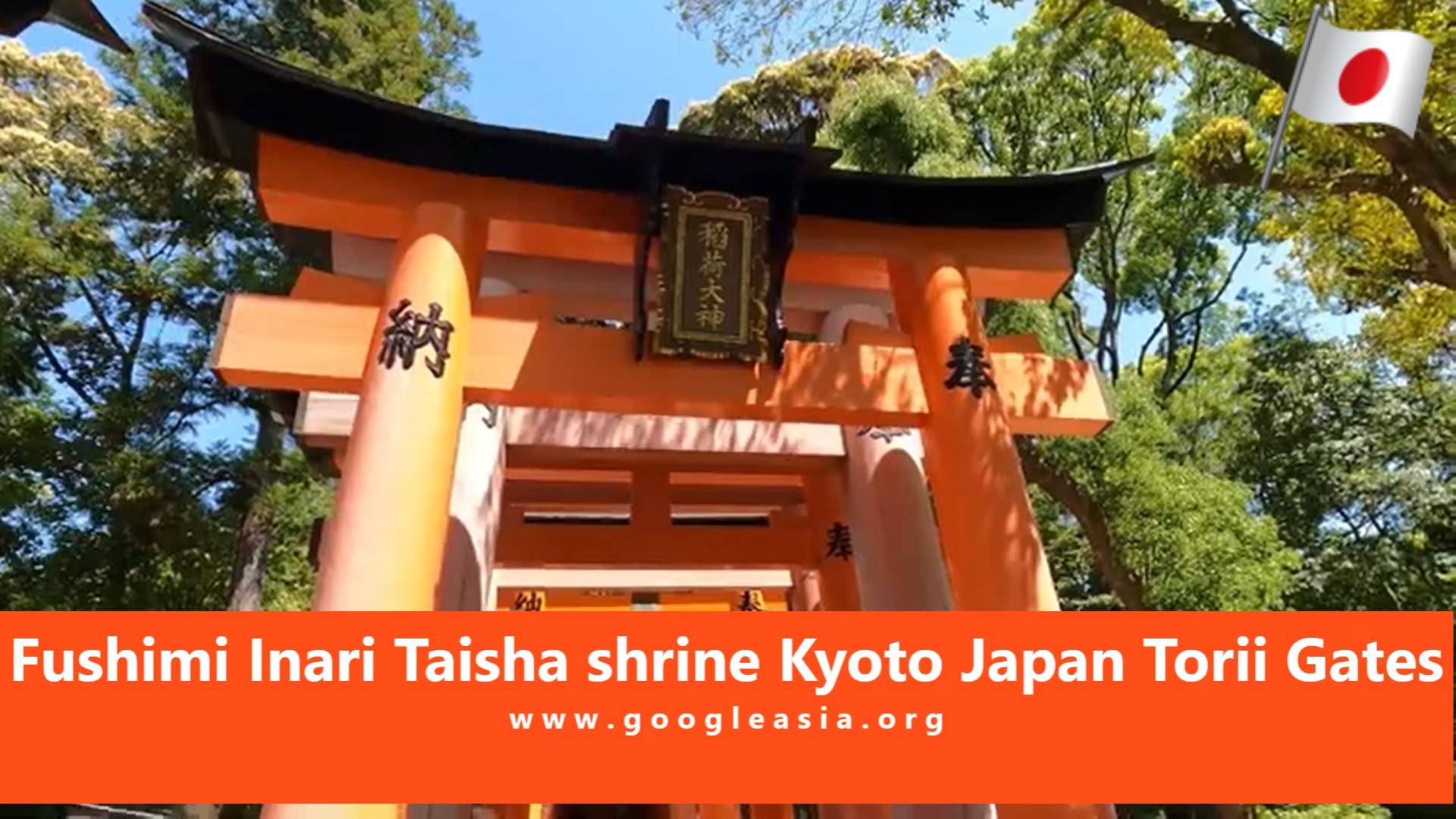
Fushimi Inari Taisha Shrine in Kyoto is one of Japan’s most famous and awe-inspiring landmarks. Known for its stunning pathway lined with thousands of vibrant red torii gates, the shrine sits at the base of Mount Inari and is dedicated to the Shinto deity of rice, Inari. This incredible site draws visitors from all over the world who come to admire its unique beauty, soak in the spiritual atmosphere, and hike the scenic trails that lead to panoramic views of Kyoto. Fushimi Inari is a must-see destination, offering a mix of history, culture, and natural wonder.
Introduction
Nestled in the heart of Kyoto, Japan, Fushimi Inari Taisha is a place where history, spirituality, and natural beauty converge. This revered Shinto shrine attracts millions of visitors annually, captivated by its stunning vermilion torii gates and serene atmosphere. Dedicated to Inari, the deity of rice, agriculture, and prosperity, Fushimi Inari Taisha is not only a place of worship but also a cultural treasure that offers both locals and tourists a deeply immersive experience.
History and Culture
Origins and Significance
Founded in 711 AD, Fushimi Inari Taisha is one of the oldest and most sacred Shinto shrines in Japan. The shrine’s historical roots are deeply intertwined with the reverence towards Inari, a kami (god) who embodies prosperity and success. Over the centuries, the shrine has flourished as a center of devotion and an essential part of Kyoto’s spiritual landscape.
Architectural Marvels
The shrine’s architectural wonder lies in its thousands of vermilion torii gates that wind up the slopes of Mt. Inari. These gates are more than just beautiful structures—they serve as a passage from the physical world to the divine. The torii gates, each donated by individuals or organizations, carry inscriptions that showcase personal prayers, wishes, and connections to the site.
Spiritual Exploration
Power Spot of Kyoto
Fushimi Inari Taisha is often considered a “power spot”—a sacred place believed to radiate spiritual energy and blessings. Visitors embark on a personal spiritual journey as they walk through the endless torii-lined paths, offering prayers and reflections. Surrounded by a peaceful, verdant forest, the site allows a unique connection with nature and the divine.
Trail of Torii Gates
The most striking feature of the shrine is its Torii Gate trail. This mesmerizing path, stretching for about 4 km up Mt. Inari, features thousands of gates that create a corridor of red, leading visitors through various smaller shrines dedicated to Inari. The journey is not only a physical trek but a spiritual one as well, encouraging contemplation and self-reflection.
Visitor Experience
Cultural Encounters
At Fushimi Inari Taisha, the experience goes beyond just the scenic beauty. One of the most notable features is the donor inscriptions on the torii gates. These inscriptions, made by individuals or organizations who have contributed to the shrine, offer a deeply personal connection to the site, enriching the visitor’s sense of community and history.
Peak Times and Festivals
To truly capture the vibrant atmosphere of Fushimi Inari Taisha, it is worth visiting during one of the shrine’s numerous festivals or peak times. During holidays and weekends, the shrine comes alive with cultural events, ceremonies, and special performances, offering a more interactive way to experience the spiritual significance of the site.
Things to Do
Mount Inari Trails
The trails leading up Mt. Inari are an unmissable part of the Fushimi Inari Taisha experience. These scenic pathways are dotted with smaller shrines and provide panoramic views of the surrounding landscape, offering both spiritual reflection and natural exploration. The climb is both a meditative and physically rewarding experience.
Cultural Insights
As you walk through the trails and explore the area, you’ll encounter a rich tapestry of Shinto traditions and Japanese culture. The local customs, rituals, and interactions with visitors are an integral part of understanding the significance of Fushimi Inari Taisha, connecting the sacred and the everyday.
Foods
Gastronomic Delights
After exploring the shrine, take some time to enjoy the delightful flavors of Kyoto, which can be found in eateries near the shrine. Kyoto’s culinary scene blends traditional Japanese flavors with local specialties, offering a variety of dishes that are as rich in history as the shrine itself.
Top Foods
- Inari Sushi: This iconic dish consists of sweet and savory rice stuffed inside seasoned fried tofu pouches, paying homage to the shrine’s namesake.
- Kitsune Udon: A comforting bowl of thick wheat noodles served in a savory broth with deep-fried tofu—known for its simplicity and satisfying taste.
- Kitsune Soba: A lighter dish of buckwheat noodles served with a flavorful broth and deep-fried tofu, offering a refreshing taste after a day of exploring.
Culinary Highlights
- Aburi Sushi: Lightly grilled sushi that enhances the natural flavors of seafood and rice—ideal for sushi lovers looking for something unique.
- Yatai (Street Food): Enjoy local street food near the shrine, including grilled skewers, takoyaki (octopus balls), and other Kyoto specialties.
Food Culture
Traditional and Modern Fusion
Kyoto is renowned for its ability to blend traditional culinary techniques with modern innovations. Whether you’re sampling seasonal delicacies like sakura-mochi (cherry blossom rice cakes) or indulging in a traditional kaiseki (multi-course meal), the city offers a rich, multi-layered food experience.
Dining Options Near the Shrine
- Casual Eateries: Cozy cafes and informal eateries provide relaxed atmospheres, perfect for enjoying authentic Kyoto dishes in a friendly setting.
- Fine Dining: If you’re looking for an upscale experience, nearby fine dining establishments offer expertly crafted dishes that highlight local ingredients.
Conclusion
Fushimi Inari Taisha stands as a symbol of Japan’s rich spiritual heritage, drawing visitors from across the world to experience its profound sense of history, culture, and natural beauty. The shrine’s timeless vermilion torii gates not only offer a stunning visual but also lead travelers on a deeply reflective journey through Shinto traditions and Japanese customs. Whether you’re exploring its spiritual significance, hiking the tranquil trails, or savoring the local flavors, Fushimi Inari Taisha promises a unique, soul-stirring experience.
Ready to begin your spiritual journey? Make sure to visit Fushimi Inari Taisha on your next trip to Kyoto—experience the beauty, culture, and serenity that make this iconic shrine a true treasure of Japan.
Summary
- Attraction Name: Fushimi Inari Taisha Shrine
- Country: Japan
- Continent: Asia
- Capital: Tokyo
- Language: Japanese
- Currency: Japanese Yen
- Nationality: Japanese
- Category: #Destination #Asia #Japan #FushimiInariTaisha #Shrine #TravelJapan
Frequently Asked Questions
Where is Fushimi Inari Taisha located?
Fushimi Inari Taisha is located in Fushimi Ward in Kyoto, Japan. Specifically, the shrine’s address is 68 Fukakusa Yabunouchicho, Fushimi Ward, Kyoto, 612-0882, Japan. It sits at the base of Mount Inari, which is also part of the shrine’s grounds, with trails that lead up the mountain through thousands of iconic vermilion torii gates. The shrine is easily accessible from JR Inari Station, which is only a short walk away.
How to go to Fushimi Inari Taisha?
There are several convenient ways to get to Fushimi Inari Taisha:
- By Train:
- JR Nara Line: Take the JR Nara Line from Kyoto Station to Inari Station. The shrine is a short 5-minute walk from Inari Station. The journey takes about 5 minutes and costs around 150 yen.
- Keihan Main Line: Take the Keihan Main Line to Fushimi Inari Station. The shrine is about a 5-minute walk from Fushimi Inari Station. This line is convenient if you are coming from the Gion or Higashiyama areas.
- By Bus:
- Kyoto City Bus numbers 5 and 105 stop near Fushimi Inari Taisha. However, the bus can be slower compared to the train due to traffic.
- By Taxi:
- A taxi ride from Kyoto Station to Fushimi Inari Taisha takes about 15 minutes and costs approximately 1,500-2,000 yen.
- By Bicycle:
- If you enjoy cycling, you can rent a bicycle and ride to the shrine. The distance from Kyoto Station to Fushimi Inari Taisha is about 4 kilometers, and there are parking spots for bicycles near the entrance.
What are Fushimi Inari Taisha’s must-visit attractions or landmarks?
Fushimi Inari Taisha, located in Kyoto, Japan, is famous for its thousands of vibrant red torii gates that form paths up the sacred Mount Inari. Some of the must-visit attractions and landmarks there include:
- Senbon Torii (Thousands of Torii Gates): These iconic gates create stunning pathways through the forested hillside. The most famous spot for photography is the path leading up to the inner shrine.
- Main Shrine Buildings: The main shrine complex at the base of the mountain features traditional architecture and is the center of worship for Inari, the Shinto god of rice and prosperity.
- Fox Statues: Throughout the shrine grounds, you’ll find statues of foxes, believed to be messengers of Inari. They often hold symbolic items like keys or rice.
- Mount Inari Hike: While it can be a strenuous hike, walking up the trails lined with torii gates offers beautiful views of Kyoto and quieter, more serene areas away from the main shrine.
- Mysterious Pathways and Forested Areas: Exploring the smaller paths off the main route can lead to quieter spots and hidden shrines, adding to the mystical atmosphere of Fushimi Inari Taisha.
What are Fushimi Inari Taisha’s nearby must-visit attractions or landmarks?
Here are some nearby must-visit attractions and landmarks near Fushimi Inari Taisha:
- Tofukuji Temple: Known for its beautiful autumn foliage and serene atmosphere, Tofukuji Temple is a short distance from Fushimi Inari. It’s particularly famous for its large wooden gate and extensive gardens.
- Fushimi Sake District: Explore the historic sake breweries in the Fushimi District, where you can learn about the traditional brewing process and sample local sake varieties.
- Uji City: Located just a short train ride away, Uji City is renowned for its green tea production and historic temples. Visit Byodoin Temple, a UNESCO World Heritage site famous for its Phoenix Hall, and enjoy a stroll along the Uji River.
- Kiyomizu-dera Temple: While not as close as the others, Kiyomizu-dera is a significant and picturesque temple in Kyoto, known for its wooden stage that offers panoramic views of the city and cherry blossoms in spring.
Why should you visit Fushimi Inari Taisha?
Fushimi Inari Taisha is a must-visit for several compelling reasons. First and foremost, it’s one of Japan’s most iconic Shinto shrines, dedicated to Inari, the Shinto god of rice and prosperity. The shrine complex is famous for its thousands of vibrant red torii gates that form tunnels along hiking trails up the sacred Mount Inari. Each gate, donated by individuals and businesses over centuries, is not only a testament to devotion but also creates a mesmerizing visual spectacle.
Beyond its aesthetic appeal, Fushimi Inari Taisha offers visitors a unique blend of cultural immersion and natural beauty. As you ascend the mountain, you’ll pass through dense, tranquil forests dotted with smaller shrines, stone fox statues (Inari’s messengers), and serene viewpoints overlooking Kyoto city. The experience provides a profound insight into Japanese spirituality and reverence for nature.
Moreover, Fushimi Inari Taisha is easily accessible from central Kyoto, making it a convenient destination for travelers. Whether you’re interested in photography, hiking, or simply soaking in the atmosphere of a sacred site, a visit to Fushimi Inari Taisha promises to be a memorable and enriching experience.
Are there any halal food options near the Fushimi Inari Taisha?
Finding halal food near Fushimi Inari Taisha in Kyoto is possible, although the shrine complex itself does not offer halal-certified options. Nearby, in the broader Kyoto area, several restaurants and eateries provide halal-friendly dishes. It’s advisable to plan ahead and use resources like halal food apps or websites to locate these establishments. Some restaurants may offer Japanese dishes that can be prepared in a halal manner, such as vegetarian sushi or tempura made with vegetable oil.