Tag: Europe

  • The Grand Canal: The Grand Canal, Must-Visit Iconic Waterway in Italy

    The Grand Canal: The Grand Canal, Must-Visit Iconic Waterway in Italy

    The Grand Canal, Italy

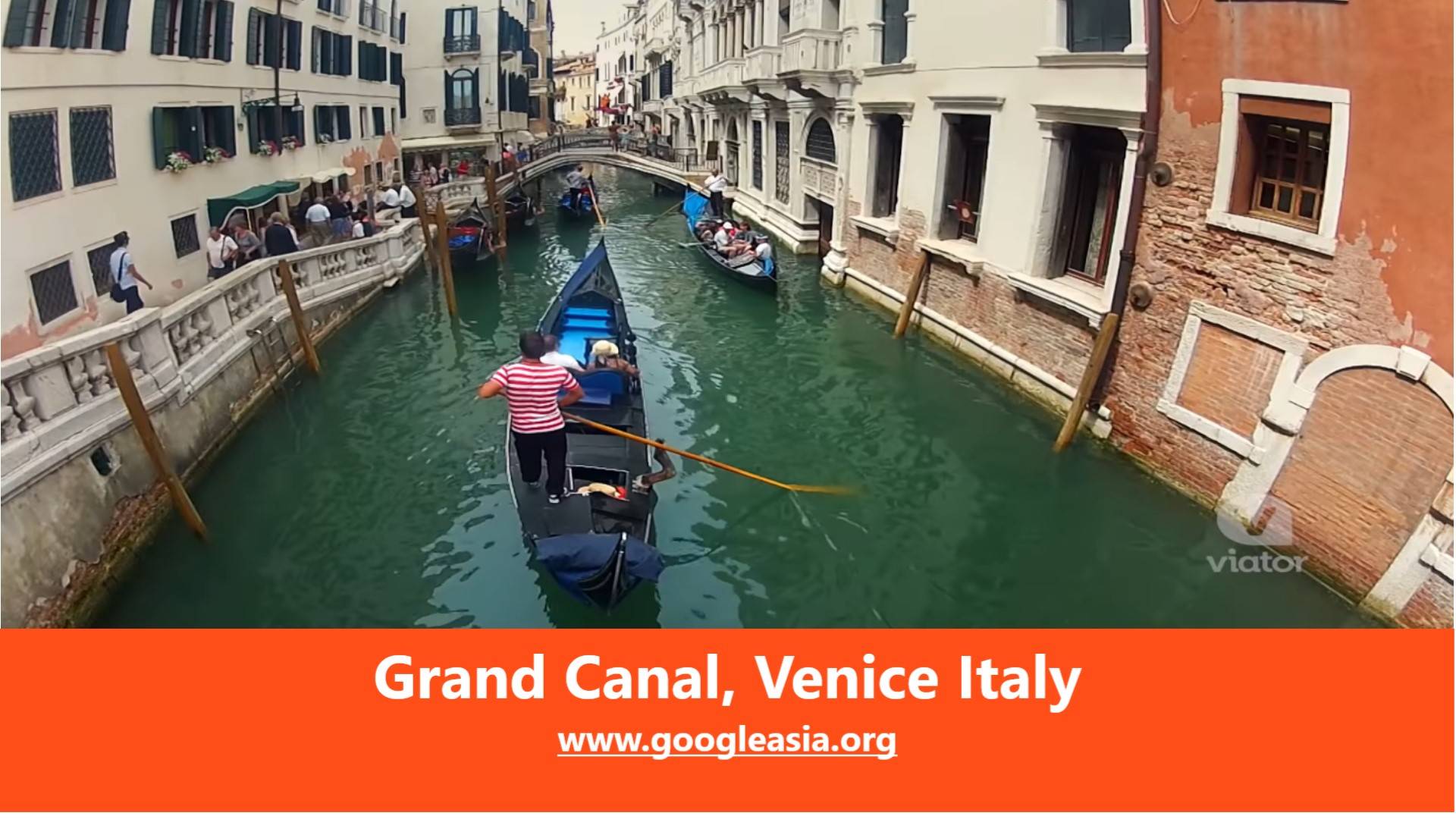
    Experience the beauty of Venice like never before by visiting the Grand Canal, one of Italy’s most iconic destinations. Known for its picturesque gondola rides, historic palaces, and vibrant atmosphere, the Grand Canal is the heart and soul of this romantic city. Whether you’re cruising along the water or strolling by its side, the stunning views and rich history make it a must-see spot. With its timeless charm, the Grand Canal captures the essence of Venice, offering an unforgettable experience that ranks as one of Italy’s top attractions.

    Introduction

    The Historic Heart of Venice

    If you’re planning a trip to Venice, chances are the Grand Canal is at the top of your list. This stunning waterway stretches about 3.8 kilometers through the heart of Venice and offers one of the best ways to soak in the city’s historic beauty. From ancient palaces to charming gondola rides, the Grand Canal brings together the best of Venice’s cultural and architectural splendor.

    A Rich History at Your Feet

    The Grand Canal isn’t just a picturesque route; it’s the lifeblood of Venice. Built in the 16th century, it was an essential transportation artery that connected the city with nearby villages. Back in the day, it was a bustling channel for merchants, travelers, and cargo ships, cementing Venice’s position as one of the world’s greatest maritime powers during the Renaissance.

    Venice’s Iconic Architecture Along the Canal

    When you float or stroll along the Grand Canal, you’ll be greeted by some of the city’s most magnificent buildings. These ancient palaces, churches, and monuments tell a rich story of Venice’s glorious past. The variety of architectural styles on display is nothing short of impressive—ranging from Gothic to Renaissance and Baroque.

    Among the most iconic structures is Palazzo Ca’ d’Oro, also known as the “Golden House.” Its intricate Gothic architecture, adorned with golden details, is a standout along the canal. Then, there’s the elegant Palazzo Grassi, home to a modern art museum and a perfect blend of classic Venetian beauty with a contemporary touch.

    A Gondola Ride: The Ultimate Venetian Experience

    No trip to Venice would be complete without experiencing the iconic gondola ride. Picture this: you’re gliding along the Grand Canal, gently rocked by the water, while you marvel at the city’s spectacular architecture. Gondola rides offer a unique and intimate way to explore the canal’s beauty. And if you’re lucky, your gondolier might even serenade you!

    Vaporetto—The Practical Way to Travel

    If you’re looking for a more practical (but equally scenic) way to explore the canal, the Vaporetto is your best bet. This water bus service is Venice’s version of public transport and is a budget-friendly way to navigate the canal. It’s efficient, quick, and lets you take in breathtaking views as you hop from one landmark to the next.

    What You Can Expect to See

    Venice’s Grand Canal is like an open-air museum. As you ride the Vaporetto or walk along its shores, you’ll encounter a variety of landmarks that tell the story of this vibrant city.Historic Churches to Visit

    Among the many architectural gems along the Grand Canal are the historic churches. One that stands out is the Santa Maria della Salute—a beautiful Baroque church with a distinctive dome, welcoming visitors at the entrance of the canal. Another is San Simeone Piccolo, whose striking green dome adds a pop of color to the skyline.

    Cultural Hotspots

    While you’re near the canal, be sure to check out some of the world-class museums. The Peggy Guggenheim Collection, for example, is located along the canal and boasts an impressive collection of modern art. From Picasso to Pollock, the works here are world-renowned. Another must-visit is Ca’ Rezzonico, a museum dedicated to Venetian art and culture from the 18th century.

    Shopping, Dining, and People-Watching

    When you’re not exploring palaces or museums, take some time to sit and soak in the atmosphere. Grand Canal cafés are perfect for a relaxing afternoon. Imagine sipping an espresso while watching the world go by, with gondolas and Vaporetto boats gliding past you. Venice is as much about experiencing the local vibe as it is about sightseeing.

    The Best Time for Photos

    Let’s not forget how photogenic the Grand Canal is. Whether you’re capturing a gondola floating by the Rialto Bridge, or snapping shots of the buildings reflecting in the water, there’s no shortage of Instagram-worthy moments. For the best lighting, visit in the early morning or during the golden hour, when the city’s beauty is perfectly illuminated.

    How to Make the Most of Your Time in Venice

    When visiting Venice, especially the Grand Canal, it’s important to plan your trip wisely to make the most of your time.

    Get Off the Beaten Path

    While the Grand Canal is a must-see, don’t forget to wander a little further into the narrow streets and hidden alleys that give Venice its charm. These less-touristy areas offer a more authentic experience, where you’ll find small local cafes, artisan shops, and some of the city’s best-kept secrets.

    Explore the Local Cuisine

    Venice isn’t just known for its stunning sights—it also has incredible food. Make sure to indulge in fresh seafood, especially dishes like risotto al nero di seppia (squid ink risotto), or grab a quick bite at one of the many cafes along the canal. If you’re craving something sweet, Tiramisu is a must-try. Pompi is the go-to spot for this classic Italian dessert.

    Your Venice Adventure

    The Grand Canal isn’t just a landmark; it’s the essence of Venetian life. From its historical significance to its architectural marvels, it’s an essential part of any Venice visit. Whether you’re gliding along in a gondola, strolling down its picturesque sidewalks, or soaking in the local culture at a cafe, the Grand Canal will leave you with memories to last a lifetime.

    Ready to Experience?

    Don’t just read about it—book your Venice trip today and experience the Grand Canal for yourself! Whether you’re in it for the history, the architecture, or just to experience Venice like a local, this iconic waterway is waiting for you. Start planning your Venetian adventure now!
    Grand Canal Venice Italy

    Summary

    • Attraction Name: Grand Canal, Venice
    • Country: Italy
    • Continent: Europe
    • Capital: Rome
    • Language: Italian
    • Currency: Euro (€)
    • Nationality: Italian
    • Category: #Destination #Europe #Italy 

    Frequently Asked Questions

    Where is the Grand Canal located?

    The Grand Canal is a major waterway in Venice, Italy. It is the principal canal in the city and is one of the most well-known landmarks in Venice. The Grand Canal winds its way through the heart of Venice in a large S-shape, forming the main water traffic corridor in the city. It stretches approximately 3.8 kilometers (2.4 miles) from the Santa Lucia railway station to the basin at San Marco. Lined with beautiful historic buildings, the Grand Canal is a central and iconic feature of Venice, connecting various neighborhoods and serving as a vital transportation route.

    How to go to the Grand Canal?

    Reaching the Grand Canal in Venice can be done through various transportation modes, and it largely depends on your point of origin. Here are several ways to get to the Grand Canal:

    1. Arriving by Train: If you arrive in Venice by train, you’ll likely disembark at the Santa Lucia railway station. From there, you can easily reach the Grand Canal on foot. The station is located near the canal, and you can follow signs to reach the waterfront.
    2. Arriving by Car or Bus: If you’re arriving by car or bus, the closest point of access to the Grand Canal is the Piazzale Roma. From there, you can walk to the waterfront and find vaporetto (water bus) stops.
    3. Arriving by Plane: If you arrive at Venice Marco Polo Airport, you can take the Alilaguna water bus directly to the Grand Canal. Alternatively, you can use land transportation to reach Piazzale Roma and then proceed to the Grand Canal.
    4. Vaporetto (Water Bus): The vaporetto is a public water bus service in Venice. It operates on the Grand Canal and provides transportation to various locations along the canal. You can board the vaporetto at different stops, including major ones like Rialto and San Marco.
    5. Water Taxi: Water taxis are a more private and direct means of transportation on the canals. You can hire a water taxi to take you directly to your destination along the Grand Canal.
    6. Gondola Ride: While gondolas are more associated with leisurely rides, they can also serve as a mode of transportation on the smaller canals that connect to the Grand Canal. Gondola stands are located throughout the city.

    Once you are at the Grand Canal, you can explore it by walking along the waterfront, taking a vaporetto ride, or enjoying a gondola experience. The canal is lined with historic buildings, including palaces and landmarks, making it a scenic and vibrant area to explore in Venice.

    What are the Grand Canal’s must-visit attractions or landmarks?

    The Grand Canal in Venice is flanked by numerous attractions and landmarks, each contributing to the city’s rich history and cultural heritage. Here are some must-visit attractions along the Grand Canal:

    1. Rialto Bridge (Ponte di Rialto): One of the most iconic bridges in Venice, offering stunning views of the Grand Canal. It is known for its elegant design and vibrant atmosphere with shops and markets.
    2. Basilica di Santa Maria della Salute: A prominent church with a distinctive dome, located at the entrance of the Grand Canal. It was built as a votive offering for the city’s deliverance from the plague.
    3. Palazzo Ducale (Doge’s Palace): A magnificent Gothic palace that served as the residence of the Doge of Venice and the seat of government. It is connected to the New Prison by the famous Bridge of Sighs.
    4. Ca’ d’Oro: Also known as the Palazzo Santa Sofia, this Venetian Gothic palace is renowned for its ornate facade and serves as an art museum displaying a collection of sculptures and paintings.
    5. Ca’ Rezzonico: A Baroque palace that houses the Museum of 18th-Century Venice, showcasing art and furnishings from the 18th century.
    6. Accademia Bridge (Ponte dell’Accademia): A wooden bridge offering panoramic views of the Grand Canal and connecting the San Marco and Dorsoduro districts.
    7. Ca’ Pesaro: A Baroque palace that houses the International Gallery of Modern Art, featuring works by Italian and international artists from the 19th and 20th centuries.
    8. Peggy Guggenheim Collection: Located in the Palazzo Venier dei Leoni, this modern art museum showcases works from the personal collection of Peggy Guggenheim, including pieces by Picasso, Pollock, and Dalí.
    9. Scuola Grande di San Rocco: A confraternity building known for its impressive collection of paintings by Tintoretto, one of the Venetian Renaissance masters.
    10. San Giorgio Maggiore: A small island in the Venetian Lagoon, dominated by the San Giorgio Maggiore church. The bell tower offers panoramic views of Venice.
    11. Fondaco dei Tedeschi: A historic building that now houses luxury shops and offers a terrace with panoramic views of the Grand Canal.
    12. Ca’ Foscari: A Gothic palace that serves as the main building of Ca’ Foscari University, one of Venice’s prestigious institutions.

    Exploring these landmarks along the Grand Canal provides a captivating journey through the history, art, and architecture of Venice. Whether by vaporetto, water taxi, or a leisurely stroll along the canal, visitors can immerse themselves in the beauty and cultural richness of this iconic waterway.

    What are the Grand Canal’s nearby must-visit attractions or landmarks?

    Beyond the Grand Canal itself, the surrounding neighborhoods and areas in Venice offer a wealth of must-visit attractions and landmarks. Here are some nearby places worth exploring:

    1. San Marco Square (Piazza San Marco): The principal public square in Venice, home to iconic landmarks such as St. Mark’s Basilica, the Campanile (bell tower), and the Doge’s Palace. The square is a hub of activity and a must-visit destination.
    2. St. Mark’s Basilica (Basilica di San Marco): A stunning example of Byzantine architecture, this basilica is known for its intricate mosaics, opulent design, and historical significance.
    3. Doge’s Palace (Palazzo Ducale): Located adjacent to St. Mark’s Basilica, the Doge’s Palace is a Gothic masterpiece that served as the residence of the Doge and the center of Venetian political power.
    4. Bridge of Sighs (Ponte dei Sospiri): Connecting the Doge’s Palace to the New Prison, this enclosed bridge offers picturesque views and is famous for its association with the sighs of prisoners.
    5. Rialto Market (Mercato di Rialto): Near the Rialto Bridge, this vibrant market is an excellent place to experience Venetian daily life. It features fresh produce, seafood, and a variety of local products.
    6. Campo Santo Stefano: A lively square surrounded by historic buildings, cafes, and shops. It’s a great place to relax and enjoy the local atmosphere.
    7. Accademia Gallery (Gallerie dell’Accademia): Housed in the Scuola della Carità complex, this gallery features an impressive collection of Venetian paintings from the 14th to 18th centuries.
    8. Galleria Giorgio Franchetti alla Ca’ d’Oro: An art gallery located in the Ca’ d’Oro palace, showcasing a rich collection of paintings and sculptures.
    9. Basilica dei Frari: A large Gothic church known for its beautiful architecture and housing important artworks, including Titian’s Assumption of the Virgin.
    10. Scuola Grande di San Giovanni Evangelista: A confraternity building with a richly decorated interior, featuring works by Venetian artists.
    11. Peggy Guggenheim Collection: Located on the Grand Canal, this museum in the Dorsoduro district showcases a remarkable collection of modern art.
    12. Church of San Giorgio Maggiore: On the island of the same name, this church offers panoramic views of Venice from its bell tower.

    Exploring these nearby attractions enhances the overall experience of Venice, providing a deeper understanding of the city’s art, history, and cultural heritage. Whether by foot, vaporetto, or gondola, the journey through these enchanting areas contributes to the allure of Venice.

    Is the Grand Canal a suitable travel destination for solo adventurers, honeymooning couples, or those traveling with families?

    The Grand Canal in Venice is a versatile destination that can cater to different types of travelers, including solo adventurers, honeymooning couples, and families. Here’s how it suits each group:

    1. Solo Adventurers:
      • Cultural Exploration: Solo travelers can immerse themselves in the rich cultural and historical tapestry of Venice along the Grand Canal. Exploring landmarks, museums, and neighborhoods solo allows for a deeper connection with the city.
      • Photography Opportunities: The iconic views and architectural wonders along the Grand Canal provide solo adventurers with fantastic opportunities for photography and personal exploration.
    2. Honeymooning Couples:
      • Romantic Atmosphere: The Grand Canal, with its picturesque bridges, historic buildings, and scenic views, creates a romantic ambiance that is perfect for honeymooning couples.
      • Gondola Rides: Couples can enjoy a private gondola ride along the Grand Canal, taking in the enchanting surroundings and creating lasting memories.
    3. Families:
      • Educational Experience: Families can turn the visit into an educational adventure for children, exploring the rich history, art, and architecture of Venice. Many landmarks along the Grand Canal have family-friendly features.
      • Vaporetto Rides: Taking a vaporetto (water bus) ride on the Grand Canal can be an exciting experience for children, providing a unique form of transportation.
    4. General Considerations:
      • Accessibility: The Grand Canal is easily accessible by public transportation, and walking along the canal provides a scenic and enjoyable experience for all types of travelers.
      • Cultural Enrichment: The Grand Canal is lined with historic buildings, museums, and landmarks, offering cultural enrichment for travelers of all ages.
      • Local Cuisine: Families and couples can enjoy local Venetian cuisine at the various restaurants along the Grand Canal, providing a taste of the region’s culinary delights.

    While the Grand Canal itself is a beautiful destination, it’s important to note that Venice as a whole is a city that involves a fair amount of walking and navigating through narrow streets and bridges. Families with strollers or those with mobility concerns may need to plan their routes accordingly.

    Ultimately, the Grand Canal is a versatile destination that appeals to a broad range of travelers, offering a mix of cultural exploration, romantic experiences, and family-friendly activities

    Why should you visit the Grand Canal?

    Visiting the Grand Canal in Venice is a captivating experience for several reasons:

    1. Iconic Landmarks: The Grand Canal is adorned with iconic landmarks, including the Rialto Bridge, Ca’ d’Oro, and the Basilica di Santa Maria della Salute. These architectural gems contribute to the city’s rich history and cultural heritage.
    2. Historical Significance: The Grand Canal has played a vital role in Venice’s history, serving as the city’s main waterway for centuries. The canal reflects the maritime power, prosperity, and artistic achievements of the Venetian Republic.
    3. Architectural Marvels: The canal is lined with elegant palaces, each showcasing Venetian Gothic, Renaissance, and Baroque architectural styles. The intricate designs and decorative details of these buildings make the Grand Canal a living museum of Venetian architecture.
    4. Scenic Views: The Grand Canal offers breathtaking views, especially during sunrise and sunset. The play of light on the water and the facades of the buildings creates a magical and romantic atmosphere.
    5. Vaporetto Rides: Taking a vaporetto (water bus) ride on the Grand Canal provides a unique and immersive experience. It allows visitors to witness the city from the water, passing under historic bridges and alongside bustling waterfront scenes.
    6. Gondola Rides: Gondola rides along the Grand Canal offer a leisurely and romantic way to explore Venice. Gondoliers navigate the winding waterways, providing passengers with a close-up view of the architectural wonders.
    7. Cultural Enrichment: The Grand Canal is home to museums, art galleries, and historical sites, such as the Peggy Guggenheim Collection and the Ca’ Rezzonico. These venues offer cultural enrichment and a deeper understanding of Venetian art and history.
    8. Local Life: Along the Grand Canal, you’ll witness the daily life of Venetians. From traditional markets to local businesses, the canal showcases the authenticity of Venetian living.
    9. Photography Opportunities: The Grand Canal provides numerous opportunities for photographers to capture the charm and beauty of Venice. The reflections in the water, the vibrant colors of the buildings, and the passing boats create stunning visual compositions.
    10. Romantic Atmosphere: Whether strolling along the canal, enjoying a gondola ride, or sipping coffee at a waterside cafe, the Grand Canal exudes a romantic atmosphere that enchants couples and visitors alike.

    Visiting the Grand Canal allows travelers to immerse themselves in the timeless allure of Venice, experiencing its unique blend of history, art, architecture, and cultural richness. The canal serves as a central artery, connecting the various facets that make Venice a truly exceptional destination.

    Are there any halal food options near the the Grand Canal?

    While Venice, including the area around the Grand Canal, may not be known for a wide range of halal dining options, you can still find some restaurants that cater to halal dietary preferences. Here are a few tips to help you find halal food near the Grand Canal:

    1. International Restaurants: Look for international restaurants that offer Middle Eastern, Mediterranean, or halal options. Some restaurants may specify if they serve halal food on their menus or websites.
    2. Seafood and Vegetarian Options: Many Italian dishes are centered around seafood, vegetables, and grains. You can find seafood and vegetarian options in local restaurants, ensuring a variety of choices.
    3. Ask Locals: Inquire with locals or the staff at your accommodation for recommendations on places that offer halal food. They may be aware of specific restaurants or eateries that cater to halal preferences.
    4. Online Platforms: Use online platforms such as restaurant review websites or apps to search for restaurants in the area that specifically mention halal options. Travel forums can also be helpful for recommendations.
    5. Modify Orders: In some restaurants, you may be able to modify dishes to suit your dietary preferences. Communicate with restaurant staff about your halal requirements, and they may be willing to accommodate your needs.
    6. Grocery Stores and Markets: Explore local grocery stores and markets to find fresh fruits, vegetables, and other halal ingredients. You can use these to prepare meals if you have access to kitchen facilities.
    It’s important to keep in mind that the availability of halal food may be more limited compared to some other destinations, but Venice, being a popular tourist spot, strives to cater to diverse preferences. Be sure to communicate your dietary preferences with restaurant staff, and they may be able to assist you or recommend suitable dishes. Additionally, it’s advisable to check online reviews or seek local advice for the most up-to-date information on halal dining options in the area.

  • Colosseum: Must-Visit Historical Site in Italy

    Colosseum: Must-Visit Historical Site in Italy

    Colosseum, Italy

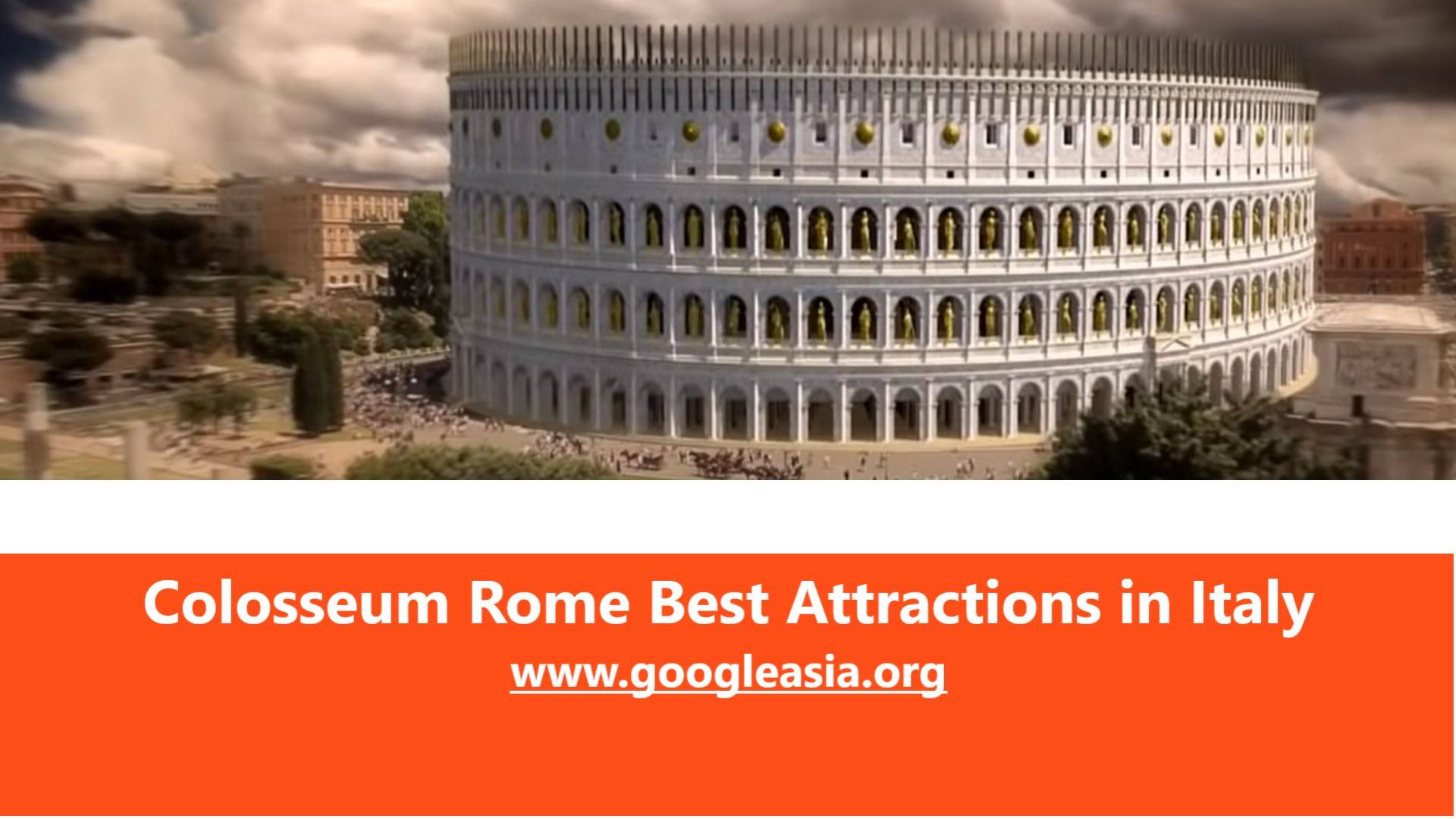
    The Colosseum in Rome is a must-see for anyone visiting Italy. As one of the most iconic landmarks in the world, this ancient amphitheater lets you step back in time and imagine the grandeur of ancient Rome. From its breathtaking architecture to its fascinating history of gladiators and epic events, the Colosseum is a true masterpiece and one of Italy’s top attractions. Don’t miss the chance to experience it firsthand and uncover the stories hidden within its walls.

    Introduction

    A Monument to Roman Engineering

    The Colosseum, located in the heart of Rome, stands as a testament to Roman engineering and architectural brilliance. Built between 70-80 AD under emperors Vespasian and Titus, the Colosseum was the largest amphitheater in the Roman Empire and could hold up to 80,000 spectators. Its elliptical structure and robust design highlight the advanced engineering techniques of its time.

    A Landmark of the Roman Empire

    The Colosseum served as the epicenter of entertainment, where gladiatorial contests, public executions, and wild animal hunts were held. These events were not only forms of entertainment but also powerful tools for social control and political propaganda for the ruling emperors.

    Center of Entertainment in Ancient Rome

    Throughout its history, the Colosseum hosted gladiator battles, mock naval battles, and animal hunts, offering the Roman citizens grand spectacles. The arena was a platform to demonstrate Rome’s power and impress the masses with thrilling, often brutal performances.

    Architectural Brilliance

    Grand Design and Structure

    The Colosseum’s architectural design is an outstanding achievement of ancient engineering. Its robust structure consists of arches and vaults that allowed for the construction of a massive, multi-tiered building. The use of concrete in construction was revolutionary at the time and enabled the Colosseum to withstand the test of time despite earthquakes and natural disasters.

    The Arena Floor and the Hypogeum

    The arena floor was originally covered with sand, which helped absorb blood from the fierce gladiator battles that took place. Beneath the floor lies the hypogeum, a complex network of tunnels and chambers where gladiators and wild animals were kept before being brought to the stage. The hypogeum was an essential part of the dramatic and often deadly performances staged in the Colosseum.

    What to Experience During Your Visit

    Guided Tours: Step Into History

    To truly appreciate the grandeur of the Colosseum, a guided tour is highly recommended. Expert guides provide fascinating insights into the construction, the social context, and the lives of those who fought in the arena. Many tours offer access to exclusive areas, including the underground chambers and upper levels, providing a more intimate and comprehensive experience.

    Highlights:

    • Explore the underground chambers where gladiators and animals waited.
    • Gain insight into the daily life of gladiators and the social impact of the Colosseum.
    • Access to areas typically closed to the public, such as the hypogeum and third-tier levels.

    Roman Forum

    Adjacent to the Colosseum lies the Roman Forum, a vast archaeological site that was once the political and commercial heart of the Roman Empire. Walking through the ruins of temples, basilicas, and government buildings offers a deep understanding of Roman life and the cultural significance of the Colosseum.

    The Palatine Hill

    Another nearby site is the Palatine Hill, where the city of Rome was originally founded. The hill offers breathtaking views of the Colosseum and Roman Forum, allowing you to imagine life during Rome’s imperial peak. It’s a perfect spot to reflect on the grand history of ancient Rome.

    Highlights:

    • Panoramic views of the Colosseum and surrounding Roman landscape.
    • Explore the ruins of imperial palaces and gardens.
    • Discover the birthplace of Rome and its earliest settlements.

    Evening Illumination: A Magical Experience

    The Colosseum is particularly enchanting when illuminated at night. Consider visiting in the evening to experience the monument bathed in a golden glow. The serene atmosphere and fewer crowds create a unique and memorable experience of this historical landmark.

    Practical Tips for Your Visit

    Ticket Information

    To avoid long waiting times, it is advisable to purchase tickets in advance. Various types of tickets are available, including skip-the-line tickets and combined entry tickets that also include access to the Roman Forum and Palatine Hill.

    Dress Comfortably

    The Colosseum is a vast site, so be sure to wear comfortable shoes for walking. As the site is mostly outdoors, it’s essential to dress appropriately for the weather and bring a hat or sunscreen during the warmer months.

    Respect the Site

    As a cultural and historical landmark, it is important to respect the Colosseum and its surroundings. Follow the guidelines provided by the staff, and stay within designated areas to help preserve this incredible piece of history.

    Top Things to Do

    Guided Tours

    A guided tour provides invaluable insights into the Colosseum’s history, architecture, and cultural significance. With expert guides, you’ll learn about the construction process, the events that took place here, and the daily lives of gladiators. Many tours also include access to areas closed to the public, offering a rare glimpse into the Colosseum’s hidden sections.

    Explore the Hypogeum: Discover the Underground

    The hypogeum, a labyrinth of tunnels beneath the Colosseum, offers a fascinating view into how gladiatorial contests were staged. Here, animals and gladiators were kept before being brought into the arena. Exploring the underground chambers reveals the complex logistics that made these ancient spectacles possible.

    Climb to the Top: Stunning Panoramic Views

    For breathtaking views of both the Colosseum and the surrounding cityscape, climb to the upper levels. From the top, you’ll appreciate the sheer scale and architectural brilliance of the structure, along with spectacular views of ancient Rome.

    Visit the Third Tier: Access the Elevated Levels

    Although access to the third tier is limited, it provides unparalleled views of the Colosseum’s interior. It’s a unique perspective that few visitors experience, offering a quieter and more intimate atmosphere with fewer crowds.

    Walk Down Via Sacra: Connect with Ancient Rome

    The Via Sacra, or Sacred Way, is the main road that led to the Roman Forum. Walking this historic path allows you to trace the footsteps of ancient Romans, offering a sense of connection to the city’s ancient past.

    Admire the Architecture: Marvel at the Colosseum’s Design

    As you explore the exterior of the Colosseum, take time to appreciate its remarkable design, with its arches, columns, and intricate details. These features reflect the ingenuity of Roman engineers and architects.

    Best Foods Nearby

    Classic Italian Dishes

    • Pizza: Enjoy Roman-style pizza with fresh toppings at nearby pizzerias like Pizzeria Luzzi or Pizzeria La Montecarlo.
    • Pasta: Don’t miss classic Roman pasta dishes like Cacio e Pepe or Carbonara, which you can enjoy at Da Enzo al 29 or Trattoria Da Fortunato.

    Sweet Treats

    • Tiramisu: For dessert, indulge in Tiramisu at places like Pompi or Antico Forno Roscioli.
    • Gelato: Savor artisanal gelato from Gelateria dei Gracchi or Fatamorgana for a perfect sweet ending to your day.

    Why You Should Visit

    The Colosseum is not just a historical landmark; it’s a symbol of ancient Rome’s grandeur and engineering prowess. A visit to this remarkable structure provides insight into the power, culture, and innovation of the Roman Empire. Whether you’re admiring the architecture, exploring the underground chambers, or simply soaking in the panoramic views, the Colosseum is a must-see on any visit to Rome.

    Book Your Tour Today!

    Don’t miss out on the chance to witness the glory of the Colosseum. Book your guided tour today to experience one of the greatest historical wonders of the world! Create unforgettable memories and step back in time to ancient Rome.

    Colosseum Rome Best Attractions in Italy


    Summary

    • Attraction Name: Colosseum
    • Country: Italy
    • Continent: Europe
    • Capital: Rome
    • Language: Italian
    • Currency: Euro (€)
    • Nationality: Italian
    • Category: #Destination #Europe #Italy 

    Frequently Asked Questions

    Planning a trip to Colosseum? Our FAQ guide has you covered with all the answers to your most common questions. From essential travel tips to the best things to do, we’ll help you get ready for your adventure. Get the info you need to explore Colosseum with confidence and make the most of your visit.

    Where is Colosseum located?

    The Colosseum, also known as the Flavian Amphitheatre, is located in the center of Rome, Italy. Specifically, it is situated just east of the Roman Forum. The address of the Colosseum is Piazza del Colosseo, 1, 00184 Roma RM, Italy.

    How to go to Colosseum in Rome?

    Getting to the Colosseum in Rome can be done using various modes of transportation. Here are some common ways to reach the Colosseum:

    1. Walking: If you’re in the central areas of Rome, particularly near the Roman Forum or Palatine Hill, you can easily walk to the Colosseum. Follow the signs or use a map to guide you.
    2. Public Transportation: Rome has an extensive public transportation system. You can take the metro to the Colosseo station (Metro Line B). The Colosseum is a short walk from the metro station.
    3. Bus: Numerous bus lines serve the Colosseum area. Check the local bus routes that pass by or stop near the Colosseum and take a bus accordingly.
    4. Tram: Tram Line 3 has a stop near the Colosseum. Check the tram routes and schedules to plan your journey.
    5. Taxi: Taxis are readily available in Rome. You can hail a taxi or find one at designated taxi stands. Provide the address or mention the Colosseum, and the driver will take you there.
    6. Hop-On Hop-Off Bus: Many tourists use the Hop-On Hop-Off buses that operate in Rome. These buses typically have stops at major attractions, including the Colosseum.
    7. Bicycle: Rome has a bike-sharing system, and cycling is a popular way to explore the city. You can ride a bike to the Colosseum and use designated bike racks for parking.
    8. Guided Tours: Joining a guided tour is not only a convenient way to reach the Colosseum but also provides you with insightful information about the history and significance of the monument.

    Remember to check the latest information on transportation options and schedules, as they may vary. Additionally, the Colosseum is a popular attraction, so it’s advisable to plan your visit during non-peak hours or consider purchasing tickets in advance to avoid long queues.

    What are Colosseum’s must-visit attractions or landmarks?

    The Colosseum in Rome is a magnificent ancient amphitheater with a rich history. While the Colosseum itself is the main attraction, the surrounding area also features significant landmarks and points of interest. Here are some must-visit attractions and landmarks near the Colosseum:

    1. Roman Forum (Foro Romano): The Roman Forum is a sprawling archaeological site that was the center of ancient Roman public life. It includes ruins of temples, basilicas, and government buildings.
    2. Palatine Hill (Palatino): Adjacent to the Roman Forum, Palatine Hill is one of Rome’s Seven Hills and is known for its historical significance and archaeological remains.
    3. Arch of Constantine (Arco di Costantino): This triumphal arch stands near the Colosseum and commemorates the victory of Emperor Constantine in 312 AD.
    4. Capitoline Museums (Musei Capitolini): Located on Capitoline Hill, these museums house an extensive collection of ancient Roman artifacts and art.
    5. Circus Maximus: An ancient Roman chariot racing stadium situated in the valley between the Aventine and Palatine hills.
    6. Arch of Titus (Arco di Tito): An ancient Roman triumphal arch located on the Via Sacra, commemorating the victories of Emperor Titus.
    7. Basilica of Santa Francesca Romana: A medieval church with beautiful mosaics, located near the Roman Forum.
    8. Temple of Venus and Roma: Once the largest temple in ancient Rome, it is situated on the Velian Hill and offers panoramic views of the Colosseum.
    9. Ludus Magnus: The remains of a gladiator training school located near the Colosseum, providing insights into the lives of ancient Roman gladiators.
    10. Basilica di San Clemente: A multi-layered church with archaeological excavations beneath, revealing different periods of Roman history.
    11. Trajan’s Market (Mercati di Traiano): A complex of buildings thought to be the world’s oldest shopping mall, now hosting museums and exhibitions.
    12. Arch of Septimius Severus (Arco di Settimio Severo): A triumphal arch located in the Roman Forum, commemorating the victories of Emperor Septimius Severus.

    Exploring these attractions in conjunction with the Colosseum provides a comprehensive understanding of ancient Rome and its architectural and historical legacy.

    What are Colosseum’s nearby must-visit attractions or landmarks?

    Near the Colosseum in Rome, there are several must-visit attractions and landmarks that complement the experience of visiting this iconic ancient amphitheater. Here are some nearby points of interest:

    1. Roman Forum (Foro Romano): Just a short walk from the Colosseum, the Roman Forum is an extensive archaeological site that was the center of ancient Roman life. It includes ruins of temples, basilicas, and government buildings.
    2. Palatine Hill (Palatino): Adjacent to the Roman Forum, Palatine Hill is one of Rome’s Seven Hills and is known for its historical significance and archaeological remains, including the House of Augustus and the House of Livia.
    3. Arch of Constantine (Arco di Costantino): Located near the Colosseum, this triumphal arch commemorates the victory of Emperor Constantine in 312 AD.
    4. Capitoline Museums (Musei Capitolini): Situated on Capitoline Hill, these museums house a vast collection of ancient Roman artifacts and art, including sculptures, paintings, and archaeological finds.
    5. Circus Maximus: A short distance from the Colosseum, Circus Maximus was an ancient Roman chariot racing stadium and mass entertainment venue.
    6. Basilica of Santa Francesca Romana: This medieval church with beautiful mosaics is located near the Roman Forum and offers a glimpse into Rome’s religious history.
    7. Arch of Titus (Arco di Tito): Found on the Via Sacra near the Roman Forum, this ancient Roman triumphal arch commemorates the victories of Emperor Titus.
    8. Basilica di San Clemente: A multi-layered church with archaeological excavations beneath, revealing different periods of Roman and Christian history.
    9. Trajan’s Market (Mercati di Traiano): This complex of buildings near the Colosseum is thought to be the world’s oldest shopping mall, now hosting museums and exhibitions related to ancient Rome.
    10. Arch of Septimius Severus (Arco di Settimio Severo): Located in the Roman Forum, this triumphal arch commemorates the victories of Emperor Septimius Severus.

    These nearby attractions complement the visit to the Colosseum by providing further insights into ancient Roman history, culture, and architecture.

    Is Colosseum a suitable travel destination for solo adventurers, honeymooning couples, or those traveling with families?

    The Colosseum in Rome is a versatile travel destination suitable for various types of travelers, including solo adventurers, honeymooning couples, and families. Here’s why:

    1. Solo Adventurers:
      • Cultural Exploration: Solo travelers can immerse themselves in the rich history and culture of ancient Rome as they explore the Colosseum and nearby historical sites like the Roman Forum and Palatine Hill.
      • Flexible Itinerary: Solo adventurers have the flexibility to set their own pace, spend as much time as they want at each location, and explore additional areas of interest.
    2. Honeymooning Couples:
      • Romantic Atmosphere: The Colosseum and its surroundings provide a romantic backdrop, especially during sunrise or sunset. Couples can enjoy a leisurely stroll, take photos, and create lasting memories.
      • Historical Romance: The historical significance of the Colosseum adds an extra layer of romance, making it a unique and memorable experience for couples.
    3. Families:
      • Educational Experience: Families with children can turn the visit into an educational adventure. The Colosseum offers insights into ancient Roman history, architecture, and gladiatorial contests.
      • Entertaining for Kids: Children often find the Colosseum fascinating, and the nearby Circus Maximus provides additional space for kids to explore.
    4. General Considerations:
      • Accessibility: The Colosseum is easily accessible, with well-maintained pathways and ramps. However, families with strollers or those with mobility concerns should plan accordingly.
      • Guided Tours: Families and couples can benefit from guided tours that provide informative and engaging explanations of the Colosseum’s history, bringing the site to life for all members.

    While the Colosseum is a popular attraction, it’s advisable to plan visits during non-peak hours to avoid large crowds. Families may also want to consider purchasing tickets in advance. Additionally, there are often entertaining events and reenactments that appeal to a diverse range of visitors.

    Overall, the Colosseum offers a blend of history, architecture, and atmosphere that caters to the preferences of solo travelers, couples seeking romance, and families looking for educational and enjoyable experiences.

    Why should you visit Colosseum?

    Visiting the Colosseum in Rome is a compelling and enriching experience for several reasons:

    1. Historical Significance: The Colosseum is a symbol of ancient Rome’s grandeur and engineering prowess. It was commissioned in AD 72 and is the largest amphitheater ever built, serving as a venue for gladiatorial contests, animal hunts, and public spectacles.
    2. Architectural Marvel: As one of the most iconic structures of ancient Rome, the Colosseum showcases remarkable architecture and engineering. Its innovative design, including a complex system of ramps and trapdoors, allowed for elaborate and dramatic performances.
    3. Cultural Heritage: The Colosseum is a UNESCO World Heritage Site and represents a crucial part of Italy’s cultural heritage. Visiting this iconic monument provides a tangible connection to the history and cultural achievements of ancient Rome.
    4. Gladiatorial History: Explore the history of gladiatorial combat and the lives of the gladiators who fought in the arena. The Colosseum’s underground chambers and passages offer insights into the behind-the-scenes aspects of these spectacles.
    5. Spectacular Views: Climb to the upper levels of the Colosseum for panoramic views of Rome. You can see the Roman Forum, Palatine Hill, and other significant landmarks, providing a unique perspective of the city.
    6. Archaeological Significance: The Colosseum is part of a larger archaeological complex that includes the Roman Forum and Palatine Hill. Exploring this area allows you to delve into the heart of ancient Roman civilization.
    7. Educational Experience: The Colosseum offers educational opportunities for visitors of all ages. Museums and exhibitions on-site provide historical context and artifacts related to the amphitheater’s history.
    8. Photography Opportunities: The Colosseum’s iconic architecture, especially during golden hours, offers fantastic photography opportunities. Capture the monument from different angles, both from the outside and inside.
    9. Guided Tours: Joining a guided tour provides a deeper understanding of the Colosseum’s history and architecture. Knowledgeable guides can share fascinating stories and details about the amphitheater.
    10. Cultural Events: The Colosseum occasionally hosts cultural events, concerts, and special exhibitions, enhancing the overall experience for visitors.

    Visiting the Colosseum is not just about seeing a historic structure but about stepping back in time to witness the grandeur of ancient Rome and understanding the cultural and social aspects that shaped its history.

    Is there any halal food available in the vicinity of the Colosseum?

    While Rome, including the area around the Colosseum, may not be widely known for a plethora of specifically halal restaurants, you can still find dining options that offer halal choices or vegetarian options. Here are some tips to find halal food in the vicinity of the Colosseum:

    1. International Restaurants: Look for international or Middle Eastern restaurants in the area, as they are more likely to offer halal options. Some restaurants may explicitly mention halal on their menus.
    2. Vegetarian and Seafood Options: Many Italian dishes are based on vegetables, seafood, and grains. You can find vegetarian or pescatarian options in local restaurants, providing a halal-friendly choice.
    3. Ask Locals: Inquire with locals or the staff at your accommodation for recommendations on places that offer halal food. They may be aware of specific restaurants or eateries that cater to halal preferences.
    4. Online Platforms: Use online restaurant review websites or apps to search for eateries in the area that specifically mention halal options. Travel forums can also be helpful for recommendations.
    5. Modify Orders: In some restaurants, you may be able to modify dishes to suit your dietary preferences. Communicate with restaurant staff about your halal requirements, and they may be willing to accommodate your needs.
    6. Grocery Stores and Markets: Explore local grocery stores and markets to find fresh fruits, vegetables, and other halal ingredients. You can use these to prepare meals if you have access to kitchen facilities.

    It’s important to note that the availability of halal food may be more limited compared to some other destinations, but Rome, being a popular tourist spot, strives to cater to diverse preferences. Be sure to communicate your dietary preferences with restaurant staff, and they may be able to assist you or recommend suitable dishes. Additionally, it’s advisable to check online reviews or seek local advice for the most up-to-date information on halal dining options in the area.

error: Content is protected !!