Tag: CUBA

  • Che Guevara Mausoleum, Cuba: Ultimate Travel Guide

    Che Guevara Mausoleum, Cuba: Ultimate Travel Guide

    Che Guevara Mausoleum, Cuba: Must-Visit Destination

    The Che Guevara Mausoleum in Santa Clara, Cuba is a special place for many around the world for a multitude of reasons. It holds immense historical, political, and cultural significance due to its presence as the site of the final victorious battle of the Cuban Revolution, which was fought and won by Ernesto “Che” Guevara in 1958.

    It is both a memorial to Che Guevara’s courage and revolutionary spirit, as well as a reminder of the triumph of the Cuban Revolution. It is an important sight for any lover of history and a visit to the mausoleum is a way to connect with the history of Cuba, as well as a way to pay your respects to a great leader and revolutionary.

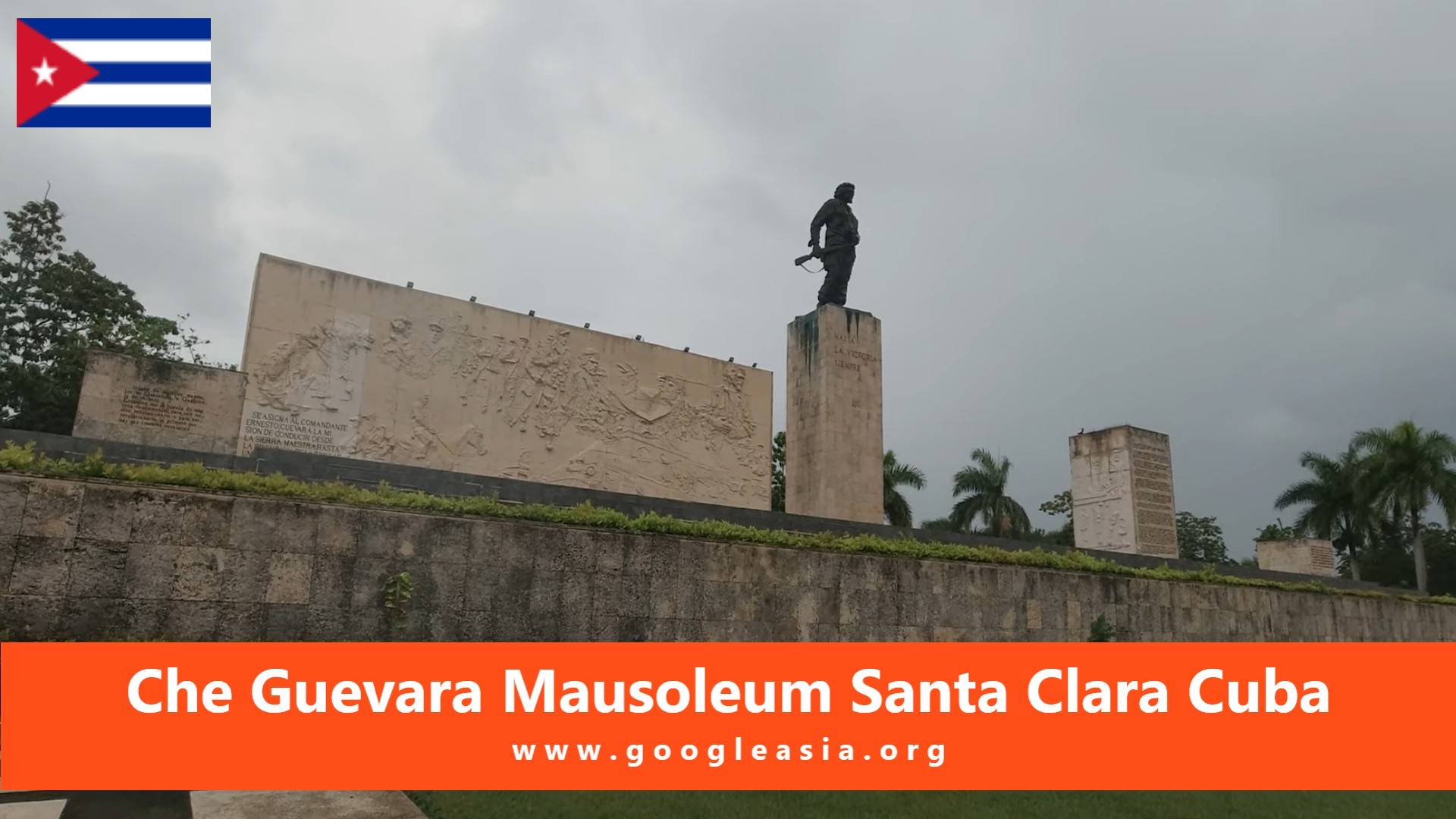
    The Che Guevara Mausoleum, located in Santa Clara, Cuba, is the final resting place of revolutionary leader Ernesto “Che” Guevara, who fought alongside Fidel Castro in the Cuban Revolution. It contains his remains and those of sixteen other combatants killed in a 1967 battle in Bolivia. The exterior of the mausoleum is covered in granite, while the interior is white marble. A bronze bust of Guevara stands atop a wooden platform, and behind it is a mural depicting his life in the revolution.


    Che Guevara Mausoleum Santa Clara Cuba

    Che Guevara Mausoleum, Cuba: The Summary

    • Attraction Name: Che Guevara Mausoleum
    • Country: Cuba
    • Continent: North America
    • Capital Name: Havana
    • Language: Spanish
    • Currency: Cuban Peso
    • Nationality: Cuba
    • Category:  #Destination #NorthAmerica #CUBA  


    Che Guevara Mausoleum in Santa Clara, Cuba

    The Che Guevara Mausoleum in Santa Clara is a significant historical and cultural site dedicated to the memory of Ernesto “Che” Guevara, one of the most iconic figures of the Cuban Revolution. Located in the city of Santa Clara in the central-western province of Villa Clara, the mausoleum is not only a tribute to Guevara but also serves as a monument to his revolutionary legacy.

    Historical Significance

    The Che Guevara Mausoleum was constructed shortly after Guevara’s death in 1967. Guevara, a key figure in the Cuban Revolution, was captured and executed in Bolivia while leading a guerrilla movement. His remains, along with those of his comrades who fell with him, were brought to Cuba and interred in this memorial in 1997. This site serves as the final resting place for Guevara and his fellow revolutionaries, including:

    • Raúl Castro: A prominent Cuban revolutionary and later, President of Cuba.
    • Jorge Vázquez: Another Cuban revolutionary.
    • Juan Almeida Bosque: A key figure in the Cuban Revolution and a member of the Cuban Communist Party.
    • Camilo Cienfuegos: A beloved revolutionary leader who played a significant role in the overthrow of Fulgencio Batista.

    Architectural and Cultural Features

    Memorial Complex

    The Che Guevara Mausoleum complex includes several key elements:

    • The Mausoleum Building: The central structure of the complex, where Guevara and his associates are interred. It is a solemn, modernist building designed to reflect the importance of the figures it commemorates.

    • Plaza Che Guevara: An expansive plaza in front of the Che Guevara Mausoleum, often used for public gatherings and ceremonies. The plaza features a large statue of Che Guevara, which is a focal point for visitors and a symbol of Guevara’s enduring legacy.

    • Museum: The adjacent museum provides insights into Guevara’s life and the Cuban Revolution. It features a collection of photographs, documents, and personal items related to Guevara and the revolutionary struggle.

    • Sculptures and Monuments: Various sculptures and monuments around the mausoleum honor Guevara and his contributions to the revolutionary cause.

    Visiting Information

    The Che Guevara Mausoleum is open to the public every day from 8:00 a.m. to 6:00 p.m. Visitors can explore the mausoleum, the plaza, and the museum to gain a deeper understanding of Guevara’s impact on Cuban history and the broader revolutionary movements of the 20th century.

    Conclusion

    The Che Guevara Mausoleum in Santa Clara is a profound and evocative site that attracts visitors interested in Cuban history and revolutionary politics. It stands as a testament to Guevara’s enduring influence and the significant role he played in shaping the course of Cuban and global history. With its combination of architectural grandeur, historical artifacts, and solemn reverence, the mausoleum offers a comprehensive and respectful tribute to one of the 20th century’s most prominent revolutionary figures.


    Things to Do at the Che Guevara Mausoleum in Santa Clara, Cuba

    The Che Guevara Mausoleum in Santa Clara offers a deep dive into the life and legacy of one of the most iconic figures of the Cuban Revolution. Here’s what you can do when visiting this significant historical site:

    Explore the Art and Exhibits

    Walkways and Artwork

    Upon arrival at the Che Guevara Mausoleum, you’ll be greeted by striking artwork that lines the walkways leading to the mausoleum. These art pieces depict key moments from Che Guevara’s life and the Cuban Revolution, setting the tone for your visit.

    Photographic Displays

    Inside the Che Guevara Mausoleum, you’ll find walls adorned with numerous photographs documenting Guevara’s life and revolutionary work. These exhibits provide a visual narrative of his journey, from his early years to his role in the Cuban Revolution and his later efforts in Bolivia.

    Visit the Cenotaph

    Reflect at the Cenotaph

    The centerpiece of the Che Guevara Mausoleum is the cenotaph that honors Ernesto Guevara and his fellow combatants. The cenotaph is situated in a prominent alcove and offers visitors a space for quiet reflection. The grandeur of the monument invites contemplation of Guevara’s contributions and the broader revolutionary struggle.

    View Memorabilia

    Historical Memorabilia

    The Che Guevara Mausoleum houses a collection of memorabilia, including letters, postcards, and poetry related to Guevara. These items offer additional context and personal insights into his life, helping visitors gain a deeper understanding of his character and impact.

    Take a Guided Tour

    Join a Guided Tour

    Guided tours are available and provide an in-depth look at the history and significance of the Che Guevara Mausoleum. Tour guides can answer questions, elaborate on key aspects of Guevara’s life, and enhance your understanding of the Cuban Revolution and Guevara’s role in it.

    Pay Tribute and Reflect

    Pay Your Respects

    The Che Guevara Mausoleum serves as a tribute not only to Che Guevara but also to other Cuban revolutionaries. It’s a place where visitors can pay their respects and reflect on the ongoing struggles for freedom and justice that Guevara symbolized.

    Educational Experience

    Learn About Cuban History

    The Che Guevara Mausoleum provides a unique educational experience about the Cuban Revolution and its key figures. The combination of visual exhibits, historical artifacts, and the striking architecture of the mausoleum makes it a profound learning experience.

    Conclusion

    Visiting the Che Guevara Mausoleum in Santa Clara is a memorable way to engage with Cuban history and revolutionary ideology. Whether you’re exploring the artistic displays, reflecting at the cenotaph, or learning through guided tours and memorabilia, the mausoleum offers a comprehensive and moving tribute to Che Guevara and his legacy.

    Best Foods to Try Around the Che Guevara Mausoleum in Santa Clara, Cuba

    While the Che Guevara Mausoleum itself is a historical and cultural site rather than a dining venue, the area around it offers a range of delicious Cuban foods that visitors can enjoy. Here’s a guide to some of the best local dishes you might encounter in the vicinity of the mausoleum:

    Cuban Classics

    Ropa Vieja (Cuban Shredded Beef)

    Ropa Vieja is a classic Cuban dish featuring shredded beef cooked in a savory tomato-based sauce with onions, bell peppers, and spices. It’s a flavorful and hearty dish that represents traditional Cuban comfort food.

    Moros y Christianos (Black Beans and Rice)

    Moros y Christianos is a staple Cuban dish combining black beans and white rice. The beans are cooked with spices, creating a deliciously rich and savory side dish that pairs perfectly with a variety of main courses.

    Specialties and Local Favorites

    Platillo Especial del Che (Che Guevara’s Special Plate)

    Platillo Especial del Che is a special plate that often includes beef skewers served with fried plantains, onions, and bell peppers. This dish is a nod to the iconic revolutionary and features some of the flavors and ingredients commonly enjoyed in Cuban cuisine.

    Pan con Lechón

    Pan con Lechón is a Cuban sandwich made with roasted pork, onions, and a tangy mojo sauce, all pressed and served on Cuban bread. It’s a delicious and satisfying option, perfect for a quick and flavorful meal.

    Tamales

    Cuban Tamales are made from cornmeal and filled with a mixture of pork, chicken, beans, and spices. Wrapped in banana leaves and steamed, these tamales are a traditional treat enjoyed by many.

    Snacks and Light Bites

    Tostones/Fried Plantains

    Tostones are twice-fried slices of plantains, crispy on the outside and tender on the inside. They are commonly served as a snack or appetizer and are often accompanied by garlic dipping sauce.

    Queso Blanco con Papas Fritas

    Queso Blanco con Papas Fritas features grilled white cheese served with crispy French fries. It’s a simple yet delicious combination that makes for a great side or light meal.

    Empanadas

    Empanadas are stuffed pastries filled with a variety of ingredients such as beef, chicken, or cheese. They are a popular snack or appetizer, offering a savory and satisfying bite.

    Seafood Options

    Platillo de Mariscos

    Platillo de Mariscos is a seafood dish that typically includes fresh shrimp, calamari, and fish, all cooked in a flavorful sauce. This dish showcases the fresh seafood available in Cuba and is a great option for those who enjoy marine delicacies.

    Beverages

    Havana Café Con Leche

    Havana Café Con Leche is a Cuban-style coffee made with strong espresso and steamed milk. It’s a popular beverage choice that pairs well with many Cuban meals and offers a strong and aromatic coffee experience.

    Conclusion

    While the Che Guevara Mausoleum itself does not offer dining options, the surrounding area of Santa Clara is rich with delicious Cuban cuisine. From traditional dishes like Ropa Vieja and Moros y Christianos to local specialties and snacks like Pan con Lechón and Tostones, visitors can enjoy a flavorful journey through Cuban food culture. Whether you’re savoring a hearty meal or grabbing a quick bite, the local eateries around the mausoleum offer a taste of authentic Cuban flavors.

    Best Hotels Near the Che Guevara Mausoleum in Santa Clara, Cuba

    When visiting the Che Guevara Mausoleum in Santa Clara, choosing a comfortable and conveniently located hotel can enhance your experience. Here are some of the best hotels in and around Santa Clara to consider for your stay:

    Top Accommodations

    La Granjita Hotel

    La Granjita Hotel is a charming hotel offering a cozy atmosphere and a range of amenities. It features spacious rooms, a pool, and a restaurant, making it a convenient choice for visitors looking to explore Santa Clara and the Che Guevara Mausoleum.

    Hotel Santa Clara Libre

    Hotel Santa Clara Libre is one of the most well-known hotels in the city. It boasts modern amenities, including a pool, restaurant, and bar. Its central location provides easy access to major attractions, including the mausoleum.

    Hostal La Concordia

    Hostal La Concordia offers a more intimate and personalized stay. This guesthouse provides comfortable accommodations and a welcoming atmosphere, along with helpful staff to assist with your travel needs.

    Hotel Camacho

    Hotel Camacho is a comfortable option with well-furnished rooms and basic amenities. It is situated conveniently for accessing local attractions and provides a relaxing stay for visitors.

    Hotel Casa Los Cimarrones II

    Hotel Casa Los Cimarrones II offers a charming stay with a focus on comfort and service. It provides a range of amenities and a local touch, making it a great choice for travelers wanting a more personalized experience.

    Additional Options

    Armadores de Santander Hotel

    Armadores de Santander Hotel is known for its historic charm and comfortable accommodations. Although located in a nearby area, its unique character and amenities make it a notable choice.

    Hotel Rancho San Vicente

    Hotel Rancho San Vicente offers a rustic and tranquil environment, ideal for those seeking a more serene setting while still being within reach of Santa Clara’s attractions.

    Hotel Palacio del Marques

    Hotel Palacio del Marques combines elegance with comfort, providing a luxurious stay with historical flair. Its amenities and proximity to key sites make it a standout option.

    Hotel Habana Riviera

    Hotel Habana Riviera is a well-regarded hotel offering modern amenities and a central location. While it is a bit further from the mausoleum, it provides excellent accommodations and services.

    Hotel Horizontes Santa Clara

    Hotel Horizontes Santa Clara is a popular choice among travelers. It features comfortable rooms, a pool, and dining options, ensuring a pleasant stay close to the city’s major attractions.

    Conclusion

    Staying near the Che Guevara Mausoleum in Santa Clara offers a range of options to suit different preferences and budgets. From well-known hotels like Santa Clara Libre to charming guesthouses like Hostal La Concordia, each option provides a comfortable base for exploring the rich history and culture of Santa Clara. Whether you prefer modern amenities or a more intimate experience, these hotels ensure a convenient and enjoyable stay while visiting this significant historical site.

    Frequently Asked Questions About Che Guevara Mausoleum, Cuba: Your Ultimate Guide

    Explore the latest destination attraction with ease through our comprehensive Frequently Asked Questions guide. Discover insightful answers to common queries, providing a seamless experience. Your journey begins with clarity and confidence as we address uncertainties and offer essential information. Let this guide enhance your adventure, ensuring you make the most of the latest destination attraction, leaving no question unanswered.

    Where is Che Guevara Mausoleum located?

    The Che Guevara Mausoleum is located in Santa Clara, which is a city in the central region of Cuba. Specifically, it is situated at:

    Address: Ave. de los Desfiles, Santa Clara, Villa Clara, Cuba

    Santa Clara is known for its historical significance during the Cuban Revolution, and the Che Guevara Mausoleum is one of the city’s prominent landmarks, commemorating the life and legacy of Ernesto “Che” Guevara.

    How to go to Che Guevara Mausoleum?

    The Che Guevara Mausoleum in Santa Clara, Cuba, is accessible via various transportation options from different parts of Cuba. Here’s how you can get there:

    1. From Havana:
      • By Bus: Take a Viazul bus from Havana to Santa Clara. Viazul is the main bus company for tourists in Cuba, offering comfortable and direct routes to major cities. The journey takes approximately 3-4 hours.
      • By Taxi or Private Car: Hire a taxi or arrange for a private car transfer from Havana to Santa Clara. This option provides flexibility and convenience but is typically more expensive than bus travel.
    2. From Varadero:
      • By Bus: Viazul also operates buses from Varadero to Santa Clara, with a travel time of approximately 4-5 hours. Check the Viazul schedule and book tickets in advance, especially during peak tourist seasons.
      • By Taxi or Private Car: Similar to Havana, you can hire a taxi or arrange for a private car transfer from Varadero to Santa Clara.
    3. From Trinidad:
      • By Bus: Viazul buses connect Trinidad with Santa Clara. The journey usually takes around 3-4 hours. Check the bus schedule and book tickets ahead of time.
      • By Taxi or Private Car: Arrange for a taxi or private car service from Trinidad to Santa Clara for a more direct and potentially faster journey.
    4. Arriving in Santa Clara:
      • Local Transportation: Upon arriving in Santa Clara, you can take a taxi, bicycle taxi (bicitaxi), or walk to reach the Che Guevara Mausoleum. It is located within the city, making it accessible from various points in Santa Clara.
    5. Travel Tips:
      • Entry Fees: Be prepared to pay a small entry fee at the Che Guevara Mausoleum. This fee helps support the maintenance and preservation of the site.
      • Guided Tours: Consider joining a guided tour of the mausoleum to gain deeper insights into Che Guevara’s life and the historical context of the site.
      • Operating Hours: Check the operating hours of the mausoleum before your visit, as they may vary depending on the day of the week and season.

    By planning your transportation in advance and choosing the option that best fits your travel schedule and preferences, you can easily reach the Che Guevara Mausoleum in Santa Clara and explore its historical significance.

    What are Che Guevara Mausoleum’s must-visit attractions or landmarks?

    The Che Guevara Mausoleum in Santa Clara, Cuba, comprises several key attractions and landmarks that visitors typically explore to learn about the life and legacy of Ernesto “Che” Guevara and the Cuban Revolution:

    1. Mausoleum and Memorial Plaza:
      • Che Guevara’s Remains: The mausoleum houses the remains of Che Guevara, symbolizing his enduring legacy and contributions to Cuba’s revolutionary history.
      • Bronze Statue: A prominent feature is the massive bronze statue of Che Guevara, capturing his iconic image and symbolizing his revolutionary spirit.
      • Memorial Plaza: Surrounding the mausoleum, the memorial plaza offers a space for reflection and pays homage to Che Guevara’s ideals and impact.
    2. Exhibition Hall:
      • Educational Displays: Inside the mausoleum, visitors can explore exhibition halls that showcase artifacts, photographs, and documents related to Che Guevara’s life, revolutionary activities, and global influence.
      • Historical Context: The exhibits provide historical context about Che Guevara’s role in the Cuban Revolution alongside Fidel Castro and his involvement in revolutionary movements in other parts of the world.
    3. Monument to the Armored Train:
      • Historical Battle Site: Adjacent to the mausoleum, visitors can see the Monument to the Armored Train, commemorating a pivotal battle led by Che Guevara during the Cuban Revolution in 1958.
      • Symbol of Victory: The monument symbolizes the successful derailment of a military train by Che Guevara’s forces, a significant event that contributed to the revolution’s success.
    4. Surrounding Area:
      • Cultural Attractions: Santa Clara itself offers additional cultural attractions related to the Cuban Revolution, including the Tren Blindado Museum, which provides further insights into the battle and its historical context.
      • City Center: Explore the vibrant city center of Santa Clara, which features theaters, parks, and other landmarks that highlight its role in Cuban history and culture.

    Visiting these attractions at the Che Guevara Mausoleum provides a comprehensive understanding of Che Guevara’s legacy, the Cuban Revolution, and the enduring impact of revolutionary ideals on Cuban society and global politics.

    Is Che Guevara Mausoleum a suitable travel destination for solo adventurers, honeymooning couples, or those traveling with families?

    The Che Guevara Mausoleum in Santa Clara, Cuba, is more suited for travelers interested in history, political significance, and cultural exploration rather than traditional leisure activities. Here’s how it may appeal to different types of travelers:

    1. Solo Adventurers:
      • Interest in History: Solo adventurers with a keen interest in revolutionary history, political figures like Che Guevara, and cultural exploration will find the mausoleum fascinating.
      • Educational Experience: It offers a chance to delve into Cuban history and the life of Che Guevara through exhibits and displays, making it a meaningful solo journey.
    2. Honeymooning Couples:
      • Limited Appeal: While couples interested in history and culture might appreciate the mausoleum, it lacks the romantic or leisurely atmosphere typically sought during honeymoons.
      • Alternative Activities: Consider combining a visit to the mausoleum with other cultural or scenic spots in Cuba that offer a more relaxed ambiance for honeymooners.
    3. Families:
      • Educational Opportunity: Families traveling with older children interested in history and global politics can benefit from visiting the mausoleum as part of a broader educational experience.
      • Limited Entertainment: Younger children may find the historical context less engaging compared to destinations offering more interactive or family-oriented activities.

    In summary, while the Che Guevara Mausoleum offers a profound historical and educational experience, it may not cater extensively to leisure-focused travelers like honeymooning couples seeking relaxation or families with young children looking for entertainment options. It is best suited for travelers with a specific interest in Cuban history and the legacy of Che Guevara.

    Why should you visit Che Guevara Mausoleum?

    The Che Guevara Mausoleum in Santa Clara, Cuba, holds historical and cultural significance, making it a compelling destination for visitors interested in revolutionary history and political figures. Here are several reasons why you should consider visiting:

    1. Historical Iconography: The mausoleum houses the remains of Ernesto “Che” Guevara, a prominent figure in the Cuban Revolution and a symbol of revolutionary movements worldwide. It serves as a memorial to his life, ideals, and contributions to Cuba’s history.
    2. Educational Experience: Explore exhibits and displays within the mausoleum that provide insights into Che Guevara’s revolutionary activities, his role in the Cuban Revolution alongside Fidel Castro, and his impact on global politics and social justice movements.
    3. Architectural Significance: The mausoleum’s design and architecture reflect Cuba’s reverence for Che Guevara and the ideals he espoused. The site includes a massive bronze statue of Che Guevara and a memorial plaza that pays homage to his legacy.
    4. Cultural Context: Gain a deeper understanding of Cuban history and the revolutionary spirit that shaped the country’s socio-political landscape in the 20th century. The mausoleum’s location in Santa Clara holds particular significance as the site of a pivotal battle in the Cuban Revolution.
    5. Memorial and Pilgrimage: For many visitors, the mausoleum is a place of pilgrimage to pay respects to Che Guevara, reflecting his enduring popularity and influence as a symbol of anti-imperialism and socialist ideals.
    6. Surrounding Area: Santa Clara itself offers additional cultural attractions, including museums, theaters, and landmarks related to the Cuban Revolution, making it a comprehensive destination for history enthusiasts.

    Visiting the Che Guevara Mausoleum provides an opportunity to engage with Cuba’s revolutionary history, explore its cultural legacy, and gain insights into the enduring influence of Che Guevara on global politics and ideology.

    Is there any halal food available in the vicinity of the Che Guevara Mausoleum?

    Finding halal food near the Che Guevara Mausoleum in Santa Clara, Cuba, can indeed be challenging due to the limited availability of halal-certified establishments in Cuba overall. Here are some considerations and options to help you plan:

    1. Bring Your Own Food: Consider bringing non-perishable halal snacks or pre-packaged meals with you to ensure you have suitable options during your visit.
    2. Communicate with Local Restaurants: While halal-specific restaurants are rare in Cuba, some restaurants may be able to accommodate dietary requests if you communicate your needs clearly. It’s helpful to learn basic Spanish phrases to convey your dietary restrictions effectively.
    3. Vegetarian and Seafood Options: Look for local dishes that are vegetarian or seafood-based, as these may be more likely to align with halal dietary principles compared to meat-based dishes.
    4. Accommodation Options: If you are staying at a hotel or guesthouse, inquire if they can provide meals that meet your dietary requirements. Some accommodations may be able to prepare meals upon request.
    5. Research in Advance: Use travel forums, blogs, or online resources to gather information about any recent developments or recommendations regarding halal food options in Santa Clara or nearby areas.
    By planning ahead and being flexible with your dining options, you can better manage your dietary needs while enjoying your visit to the Che Guevara Mausoleum and exploring the cultural heritage of Santa Clara, Cuba.

    Web Directories

    Welcome to our comprehensive web directories! Explore a world of information and resources tailored to your interests and needs. From travel adventures to financial solutions, hobbies, reviews, and more, our curated collection of links offers something for everyone. Click on the above links to start your journey towards discovering new experiences and expanding your horizons. Your next destination awaits!

    1. https://asiaworldtour.com: “Asia World Tour: Your Gateway to Asian and World Adventures”
    2. https://personalfinancingloan.com: “Personal Financing Loan: Your Path to Financial Freedom”
    3. https://hobbyforte.com: “HobbyForte: Discover Your Car Passion, Explore Your Interests”
    4. https://reviewsanything.com: “ReviewsAnything: Your Trusted Source for Honest Gadget Reviews”
    5. https://rumahmampumilik.com: “Rumah Mampu Milik: Your Affordable Homeownership Journey Begins Here”
    6. https://malaysiadigit.com: “MalaysiaDigit: Your Digital Destination for News and Insights”
    7. https://vipmalaysia.com: “VIP Malaysia: Elevate Your Experience in Malaysia”
    8. https://nordiyana.com: “Indulge in Elegance at Nordiyana: Latest Recipe and Culinary Inspirations”
    9. https://e-penyatagaji.com: “E-Penyata Gaji: Simplifying Payroll Management for You”
    10. https://googleasia.org: “Google Asia: Explore the World and Asia’s Wonders with Google Asia”
    11. https://malaysiafit.com: “Malaysia Fit: Your Partner in Health and Wellness”
    12. https://koperasi.info: “Koperasi: Building Communities, Empowering Lives”
    13. https://recipeinside.com: “RecipeInside: Unveiling Culinary Creations, Your Guide to Delicious Dishes”
    14. https://asiahealthcenter.com: “Asia Health Center: Your Source for Holistic Wellness Solutions”
    15. https://nationalhealthcenters.com: “National Health Centers: Your Source for Vital Health Information and Community Care”
    16. https://malaysiabit.com: “MalaysiaBit: Stay Informed, Stay Connected”
    17. https://epenyatagaji.com: “E-Penyata Gaji: Your Digital Payslip Solution”
    18. https://koperasi.work: “Koperasi Work: Collaborate, Innovate, Succeed”
    19. https://koperasi.business: “Koperasi Business: Driving Entrepreneurship, Fostering Growth
  • Santiago de, Cuba: Your Ultimate Travel Guide

    Santiago de, Cuba: Your Ultimate Travel Guide

    Santiago de Cuba: Must-Visit Destination

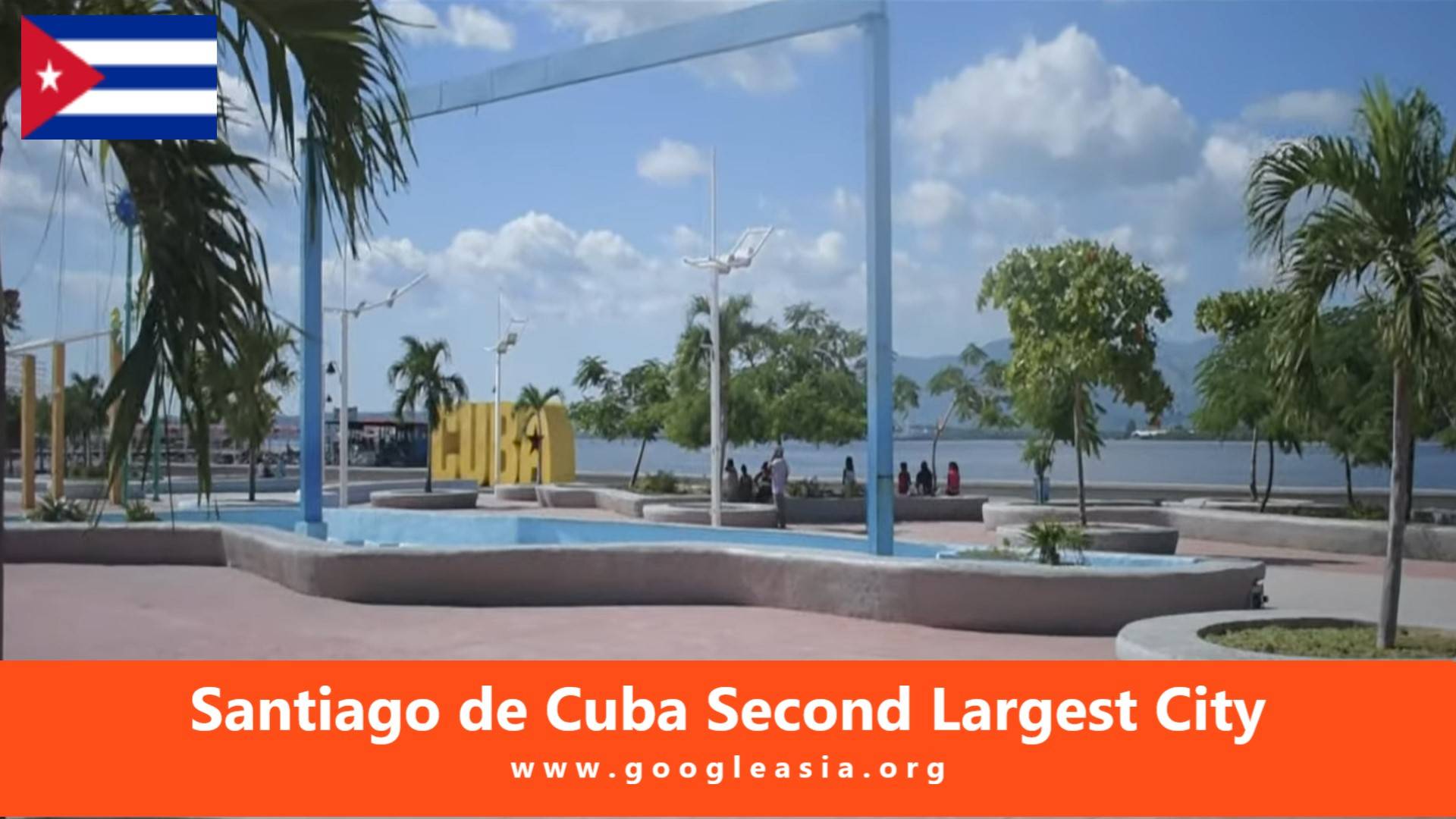
    Santiago de Cuba is full of historical and cultural gems that are worth seeing. It is the second largest city in the country and was important in the Cuban Revolution. The city is also known for its deep Afro-Caribbean roots and culture. Visitors who come to Santiago de Cuba can enjoy its beautiful beaches, colonial historical sites, vibrant festivals, and even its delicious and varied cuisine. The city is also a renowned center for music and dance, with plenty of clubs for nightlife and live performances.


    Santiago de Cuba Second Largest City

    Santiago de Cuba: The Summary

    • Attraction Name: Santiago de Cuba
    • Country: Cuba
    • Continent: North America
    • Capital Name: Havana
    • Language: Spanish
    • Currency: Cuban Peso
    • Nationality: Cuba
    • Category:  #Destination #NorthAmerica #CUBA


    Santiago de Cuba: A Vibrant Cultural Hub

    Santiago de Cuba, located in the southeastern part of the island, is a dynamic city rich in history, culture, and natural beauty. With a population of over 500,000 people, it serves as the capital of its province and is the second-largest city in Cuba. Here’s a comprehensive look at what makes Santiago de Cuba a unique and essential destination.

    Historical and Cultural Significance

    Capital City Legacy

    Santiago de Cuba was a pivotal city in Cuban history, having served as the capital of the Republic of Cuba during the late 1930s and 1940s. This historical significance contributes to its rich cultural and political heritage.

    Cultural Influences

    The city boasts a vibrant blend of African, Spanish, Native American, and French influences. This melting pot of cultures is reflected in its music, architecture, cuisine, and festivals, making Santiago de Cuba a cultural hotspot.

    Key Attractions

    Castillo de San Pedro de la Roca

    Castillo de San Pedro de la Roca, also known as El Morro, is a UNESCO World Heritage Site and one of the most iconic fortresses in the Caribbean. Built in the late 16th century, this fortress offers stunning views of the Caribbean Sea and a glimpse into Santiago’s historical defense mechanisms.

    Cathedral of Santiago de Cuba

    The Cathedral of Santiago de Cuba is a significant religious site with a rich history dating back to the 16th century. The cathedral’s architecture and its role in the city’s spiritual life make it an important landmark.

    Cementerio Santa Ifigenia

    Cementerio Santa Ifigenia is a historic cemetery known for its beautiful architecture and the final resting place of many notable figures, including José Martí, a key figure in Cuba’s struggle for independence.

    Punta Gorda Lighthouse

    The Punta Gorda Lighthouse offers picturesque views of Santiago Bay and the Caribbean Sea. The lighthouse is an important maritime landmark and provides excellent opportunities for photography.

    Plaza Antonio Maceo

    Plaza Antonio Maceo is a central square dedicated to the Cuban revolutionary leader Antonio Maceo. The plaza is a vibrant area surrounded by historical buildings and is a focal point for local events and gatherings.

    Baconao Park

    Baconao Park is a UNESCO World Biosphere Reserve located just outside the city. The park features diverse ecosystems, including forests, lakes, and coral reefs, and offers opportunities for hiking, wildlife observation, and enjoying the natural beauty of the region.

    Neighborhoods to Explore

    Casco Historico

    Casco Historico, or the colonial Old Town, is the historical heart of Santiago de Cuba. Its narrow streets, colorful buildings, and historical landmarks offer a glimpse into the city’s colonial past.

    Vista Alegre

    Vista Alegre is a vibrant residential neighborhood known for its lively atmosphere and cultural activities. It’s a great place to experience local life and enjoy the city’s dynamic energy.

    El Cacique

    El Cacique is another notable neighborhood, offering a blend of traditional and contemporary Cuban culture. It’s known for its local markets, eateries, and vibrant street life.

    Music, Cuisine, and Nightlife

    Salsa Music

    Santiago de Cuba is renowned for its salsa music scene. The city’s lively music venues and festivals showcase the rhythms and energy of Cuban salsa, making it a great place to experience live performances and dance.

    Rum and Cuisine

    Cuban rum is a staple of Santiago’s culinary scene, and the city’s restaurants and bars offer a wide range of rum-based cocktails. Local cuisine includes delicious dishes such as Ropa Vieja, Arroz con Pollo, and fresh seafood.

    Nightlife

    The nightlife in Santiago de Cuba is vibrant and varied, with numerous bars, clubs, and live music venues where visitors can enjoy the city’s energetic ambiance and dance the night away.

    Conclusion

    Santiago de Cuba is a city full of history, culture, and natural beauty. From its historical landmarks and colonial architecture to its lively music scene and stunning natural landscapes, there is something for everyone to enjoy. Whether you’re exploring its vibrant neighborhoods, sampling its delicious cuisine, or immersing yourself in its rich cultural heritage, Santiago de Cuba offers a memorable and enriching experience.


    Things to Do in Santiago de Cuba

    Santiago de Cuba, the vibrant southeastern city known for its rich cultural heritage and dynamic atmosphere, offers a range of activities that highlight its history, culture, and natural beauty. Here are some of the top things to do when visiting Santiago de Cuba:

    Historical and Cultural Sites

    Visit El Morro Castle

    El Morro Castle (Castillo de San Pedro de la Roca) is a must-see landmark perched on a rocky hill overlooking Santiago Bay. Built in the 16th century, this fortress played a crucial role in defending Cuba from pirate attacks. Today, visitors can explore its historic walls and enjoy panoramic views of the city and sea.

    Explore San Pedro de la Roca del Morro Fort

    The San Pedro de la Roca del Morro Fort is a well-preserved example of Spanish military architecture. Constructed in the 17th century, this fort features impressive ramparts, a drawbridge, and an inner citadel. It’s one of the best-preserved Spanish forts in the Caribbean and offers a fascinating glimpse into Cuba’s colonial past.

    Tour the City with Gabriella

    A city tour with the local company Gabriella is a fantastic way to explore Santiago de Cuba. The tour company offers a range of activities including city sightseeing, salsa lessons, snorkeling adventures, and excursions to the nearby Sierra Maestra mountains. Their tours provide a personalized and immersive experience of the city.

    Visit the Moncada Barracks Museum

    The Moncada Barracks Museum is dedicated to the Cuban Revolution and provides an in-depth look at the events that shaped modern Cuba. The museum is located at the site of the failed 1953 attack led by Fidel Castro, which marked a significant moment in Cuban history.

    Relaxation and Leisure

    Relax in Parque Céspedes

    Parque Céspedes is the heart of Santiago de Cuba and a lively spot for both locals and visitors. The park is surrounded by colonial buildings, cobblestone streets, and offers various amenities such as markets, cafes, and restaurants. It’s an ideal place to soak in the local atmosphere and enjoy a leisurely afternoon.

    Enjoy the Beach Scene

    Santiago de Cuba is home to several beautiful beaches where visitors can relax and enjoy the Caribbean sun. El Cobre Beach is particularly popular, offering opportunities to unwind, sample local cuisine, and listen to live music. For a more adventurous experience, consider taking a jeep ride along the coast.

    Arts and Entertainment

    Attend a Performance at Teatro Heredia

    Teatro Heredia is a stunning theater built in 1916, renowned for its elegant architecture and vibrant cultural offerings. The theater hosts live performances, including Cuban music, plays, and ballet, providing a cultural experience that showcases Santiago’s artistic talent.

    Historical Monuments

    Visit Santa Ifigenia Cemetery

    The Santa Ifigenia Cemetery is an important historical site where several prominent figures are laid to rest, including Ernesto Che Guevara and Fidel Castro. The cemetery is known for its grand tombs, sculptures, and monuments, offering a poignant and reflective experience.

    Conclusion

    Santiago de Cuba offers a rich array of activities that cater to history buffs, culture enthusiasts, and beachgoers alike. From exploring historic forts and vibrant parks to enjoying local music and relaxing on beautiful beaches, the city provides a diverse and engaging experience. Whether you’re interested in delving into Cuba’s revolutionary past, soaking in the lively atmosphere of its streets, or enjoying its natural beauty, Santiago de Cuba promises a memorable visit.

    Best Foods to Try in Santiago de Cuba

    Santiago de Cuba offers a vibrant culinary scene that showcases the rich flavors and traditional dishes of Cuban cuisine. Here are some of the best foods to savor when visiting this culturally rich city:

    Traditional Cuban Dishes

    Boliche a la Vigia

    Boliche a la Vigia is a flavorful Cuban beef stew that features tender beef, ham, peppers, and potatoes. This hearty dish is slow-cooked to perfection, making it a comforting and satisfying choice.

    Ropa Vieja

    Ropa Vieja is a classic Cuban dish consisting of shredded beef cooked in a savory tomato sauce with onions and bell peppers. This dish is a staple of Cuban cuisine and is often served with rice, beans, and plantains.

    Arroz con Pollo

    Arroz con Pollo is a popular Cuban comfort food made with chicken and rice. Cooked with garlic, onions, bell peppers, and a variety of spices, this dish is a flavorful and filling option for any meal.

    Congri

    Congri is a traditional Cuban dish that combines rice and black beans, cooked together with spices. It’s a staple side dish in Cuban cuisine and pairs perfectly with a variety of main courses.

    Sweet and Savory Sides

    Platanos Maduros

    Platanos Maduros are sweet fried plantains that are a beloved Cuban side dish. The plantains are sliced and fried until caramelized, creating a sweet and savory treat that complements many Cuban meals.

    Pan Cubano

    Pan Cubano is Cuban bread known for its soft, airy texture and crispy crust. It’s a versatile bread that can be enjoyed on its own or used to make Cuban sandwiches.

    Unique Flavors

    Chilindron

    Chilindron is a traditional Cuban dish made with chili peppers, onions, and tomatoes. This flavorful stew often includes meat, such as chicken or pork, and is seasoned with a variety of spices.

    Tamal

    Tamal is a corn-based dish that can be filled with a variety of ingredients, including pork, beef, or chicken. The tamal is wrapped in corn husks and steamed, resulting in a savory and satisfying meal.

    Bistec de Palomilla

    Bistec de Palomilla is a thin, tender steak that is typically served with beans, rice, and fried plantains. The steak is often marinated and grilled to perfection, making it a popular choice for a hearty meal.

    Lechon Asado

    Lechon Asado is a Cuban favorite of roasted pork marinated in garlic, lime, and oregano. The pork is slow-cooked until tender and flavorful, making it a delicious centerpiece for any Cuban meal.

    Conclusion

    Santiago de Cuba offers a rich array of traditional Cuban dishes that reflect the city’s vibrant culture and culinary heritage. From hearty stews and flavorful rice dishes to sweet plantains and roasted pork, the city’s cuisine provides a delicious experience for visitors. Whether you’re enjoying a comforting bowl of Ropa Vieja, savoring sweet Platanos Maduros, or indulging in a classic Cuban sandwich with Pan Cubano, Santiago de Cuba’s food scene is sure to delight.

    Best Hotels to Stay in Santiago de Cuba

    Santiago de Cuba offers a range of accommodations to suit various preferences and budgets. Whether you’re looking for luxury, comfort, or a more intimate experience, here are some of the best hotels to consider:

    Luxury and Upscale Hotels

    Hotel Melia Santiago de Cuba

    Hotel Melia Santiago de Cuba is one of the city’s premier luxury hotels. Located in the heart of Santiago, it offers spacious rooms, multiple dining options, a large swimming pool, and a wellness center. The hotel also provides stunning views of the surrounding city and mountains.

    Hotel Castillo del Morro

    Hotel Castillo del Morro is situated near the historic Castillo de San Pedro de la Roca. This unique hotel offers spectacular views of Santiago Bay and the fortress. It combines historical charm with modern amenities, making it a great choice for both history enthusiasts and luxury travelers.

    Sevilla Hotel

    Sevilla Hotel is a classic option with a historic ambiance and elegant architecture. Located in a central area, it offers comfortable accommodations, a restaurant, and a bar. Its location makes it convenient for exploring Santiago’s cultural and historical sites.

    Mid-Range Hotels

    Tryp Cayo Coco Hotel

    Tryp Cayo Coco Hotel is a well-regarded mid-range option located a short drive from Santiago de Cuba. It features comfortable rooms, a variety of dining options, and access to beautiful beaches. It’s ideal for those looking for a balance between comfort and affordability.

    Hotel Club Amigo Carisol Los Corales

    Hotel Club Amigo Carisol Los Corales is situated along the coast, offering guests easy access to the beach. The hotel features an all-inclusive option, multiple pools, and various recreational activities. It’s a great choice for families and couples looking for a beachside getaway.

    Hotel Costa Morena

    Hotel Costa Morena is a cozy, mid-range hotel located near Santiago’s coastline. It offers comfortable accommodations, an outdoor pool, and beautiful views of the Caribbean Sea. The hotel’s relaxed atmosphere makes it a popular choice for those seeking a peaceful retreat.

    Budget and Boutique Options

    Hotel San Juan Santiago

    Hotel San Juan Santiago provides budget-friendly accommodations with a local touch. It offers comfortable rooms, a restaurant, and basic amenities. Its central location makes it convenient for exploring the city’s attractions.

    Gran Hotel Lucrecia

    Gran Hotel Lucrecia combines classic charm with modern comforts. Located in a central area, it features well-appointed rooms and a restaurant. Its historical ambiance and reasonable rates make it a good option for budget-conscious travelers.

    Hotel Casa Granda

    Hotel Casa Granda is a charming boutique hotel located in the heart of Santiago de Cuba. It offers stylish rooms, a rooftop terrace with stunning views, and easy access to local attractions. The hotel’s central location and personalized service make it a popular choice for visitors.

    Casa Lucia Bed and Breakfast

    Casa Lucia Bed and Breakfast offers a more intimate and personal stay. Located in a residential area, it provides a homely atmosphere with comfortable rooms and a friendly host. This option is ideal for travelers looking for a more personalized experience.

    Conclusion

    Santiago de Cuba provides a variety of accommodations to suit different tastes and budgets. From luxurious hotels with stunning views to budget-friendly options and charming bed and breakfasts, there’s something for everyone. Whether you’re looking for comfort, convenience, or a touch of local charm, these hotels ensure a pleasant stay in one of Cuba’s most vibrant cities.

    Frequently Asked Questions About Santiago de Cuba: Your Ultimate Guide

    Explore the latest destination attraction with ease through our comprehensive Frequently Asked Questions guide. Discover insightful answers to common queries, providing a seamless experience. Your journey begins with clarity and confidence as we address uncertainties and offer essential information. Let this guide enhance your adventure, ensuring you make the most of the latest destination attraction, leaving no question unanswered.

    Where is Santiago de Cuba located?

    Santiago de Cuba is located on the southeastern coast of Cuba, near the Caribbean Sea. Specifically, it is situated in the province of Santiago de Cuba, which is one of the 15 provinces of Cuba. The city is known for its historical significance, vibrant culture, and scenic landscapes, making it a popular destination for travelers exploring Cuba.

    How to go to Santiago de Cuba?

    Santiago de Cuba, located on the southeastern coast of Cuba, is accessible by various transportation options from within Cuba and internationally. Here’s how you can travel to Santiago de Cuba:

    1. By Air:
      • International Flights: You can fly directly to Antonio Maceo Airport (SCU) in Santiago de Cuba from some international destinations, primarily in the Caribbean and Latin America.
      • Domestic Flights: Domestic flights from Havana and other major Cuban cities also connect to Santiago de Cuba. Airlines like Cubana de Aviación operate these routes.
    2. By Bus:
      • Viazul Bus: Viazul is the primary bus company for tourists in Cuba. It offers routes to Santiago de Cuba from major cities like Havana, Varadero, and Trinidad. The journey from Havana to Santiago de Cuba by bus typically takes around 12-14 hours.
    3. By Car:
      • Rental Car: Renting a car provides flexibility for exploring Cuba on your own schedule. Rental agencies are available in major cities and at airports. The drive from Havana to Santiago de Cuba takes about 12 hours, depending on road conditions.
    4. By Train:
      • Train Service: Trains connect Santiago de Cuba with Havana and other cities, offering a scenic but slower travel option compared to buses and flights. Train schedules and availability may vary, so it’s advisable to check in advance.
    5. Travel Tips:
      • Booking Tickets: Especially during peak tourist seasons, it’s recommended to book flights or Viazul bus tickets in advance to secure your travel plans.
      • Local Transportation: Upon arrival in Santiago de Cuba, taxis, bicycle taxis (bicitaxis), and local buses are available for getting around the city and visiting attractions.

    By choosing the transportation option that best fits your schedule and preferences, you can travel comfortably to Santiago de Cuba and explore its historical sites, vibrant culture, and natural beauty.

    How can one travel to Santiago de Cuba?

    Santiago de Cuba, located on the southeastern coast of Cuba, is accessible by various transportation options from within Cuba and internationally. Here’s how you can travel to Santiago de Cuba:

    1. By Air:
      • International Flights: Santiago de Cuba has an international airport, Antonio Maceo Airport (SCU), which receives flights from some international destinations, primarily in the Caribbean and Latin America.
      • Domestic Flights: You can also fly domestically from Havana or other major cities in Cuba to Antonio Maceo Airport. Domestic flights are operated by Cubana de Aviación and other airlines.
    2. By Bus:
      • Viazul Bus: Viazul is the main bus company for tourists in Cuba, offering comfortable and direct routes to Santiago de Cuba from major cities like Havana, Varadero, and Trinidad. The journey from Havana to Santiago de Cuba by bus takes approximately 12-14 hours, depending on the route and stops.
    3. By Car:
      • Rental Car: If you prefer flexibility and independence, you can rent a car and drive to Santiago de Cuba. Car rental agencies are available in major cities and at airports. However, be aware of road conditions and signage, as well as fuel availability.
    4. By Train:
      • Train Service: While less common for tourists, there are train services connecting Santiago de Cuba with Havana and other cities in Cuba. Train travel offers a more local experience but may be slower compared to buses or flights.
    5. Cruise Ships:
      • Cruise Ports: Some cruise lines include Santiago de Cuba as a port of call on Caribbean itineraries. Check with cruise operators for schedules and availability if you prefer arriving by sea.
    6. Travel Tips:
      • Booking in Advance: For flights and Viazul buses, especially during peak tourist seasons, it’s advisable to book tickets in advance to secure your travel plans.
      • Local Transportation: Upon arrival in Santiago de Cuba, you can use taxis, bicycle taxis (bicitaxis), or local buses to get around the city and explore its attractions.

    By choosing the most suitable transportation option based on your preferences and travel plans, you can easily reach Santiago de Cuba and enjoy its historical, cultural, and natural attractions.

    What are Santiago de Cuba’s must-visit attractions or landmarks?

    Santiago de Cuba, steeped in history and culture, offers several must-visit attractions and landmarks that showcase its significance in Cuban history and its vibrant cultural heritage:

    1. Castillo del Morro (Morro Castle):
      • A historic fortress located at the entrance of Santiago Bay, offering panoramic views of the coastline and the city. It played a crucial role in defending the city against pirates and foreign invasions.
    2. Parque Céspedes:
      • The central square of Santiago de Cuba, surrounded by colonial architecture including the Santiago de Cuba Cathedral (Catedral de Nuestra Señora de la Asunción), City Hall, and Casa de Diego Velázquez (Diego Velázquez Museum).
    3. Moncada Barracks (Cuartel Moncada):
      • Site of the failed 1953 attack led by Fidel Castro, considered the start of the Cuban Revolution. It now houses the Moncada Barracks Museum, offering insights into the revolutionary history of Cuba.
    4. Santa Ifigenia Cemetery (Cementerio Santa Ifigenia):
      • A historic cemetery where notable figures such as José Martí (national hero of Cuba), Emilio Bacardí (rum magnate), and other influential Cubans are buried. It is known for its impressive mausoleums and monuments.
    5. Basilica of Our Lady of Charity (Basílica de Nuestra Señora del Cobre):
      • Located outside Santiago de Cuba, this basilica is a major pilgrimage site for Catholics in Cuba, housing the statue of Our Lady of Charity, the patron saint of Cuba.
    6. San Juan Hill (Loma de San Juan):
      • A historic battlefield where the Battle of San Juan Hill took place during the Spanish-American War in 1898. It offers historical significance and scenic views of the surrounding countryside.
    7. Carnival Museum (Museo del Carnaval):
      • Dedicated to the vibrant Carnival celebrations of Santiago de Cuba, showcasing costumes, masks, and artifacts related to the city’s annual Carnival festivities.
    8. Emilio Bacardí Moreau Provincial Museum (Museo Emilio Bacardí Moreau):
      • A museum housing collections related to Cuban history, art, and archaeology, including artifacts from indigenous cultures and exhibits on local history.
    9. Calle Heredia (Heredia Street):
      • A lively street in Santiago de Cuba lined with shops, restaurants, and bars. It is known for its bustling atmosphere and as a hub for music and nightlife.
    10. El Cobre Village (Poblado El Cobre):
      • A picturesque village near Santiago de Cuba, known for its copper mines and the Basilica of Our Lady of Charity. It offers a glimpse into rural Cuban life and scenic landscapes.

    Exploring these attractions allows visitors to delve into Santiago de Cuba’s rich history, cultural diversity, and its pivotal role in Cuban revolutionary movements and cultural traditions.

    Why should you visit Santiago de Cuba?

    Santiago de Cuba, located on the southeastern coast of Cuba, offers a rich blend of history, culture, and natural beauty that make it a compelling destination for travelers. Here are several reasons why you should consider visiting Santiago de Cuba:

    1. Historical Significance:
      • Revolutionary History: Santiago de Cuba played a pivotal role in the Cuban Revolution, being the site of key battles and the launchpad for Fidel Castro’s revolutionary movement.
      • Colonial Heritage: Explore historic sites such as Castillo del Morro, a fortress guarding the entrance to Santiago Bay, and Parque Céspedes, the city’s main square surrounded by colonial-era buildings.
    2. Vibrant Culture and Music:
      • Music and Dance: Experience the lively rhythms of traditional Cuban music, including son, salsa, and Afro-Cuban jazz. Santiago de Cuba is renowned for its vibrant music scene and annual festivals celebrating Afro-Cuban culture.
      • Carnival: Attend the Santiago de Cuba Carnival, one of Cuba’s most famous carnivals featuring colorful parades, music, dance, and street performances.
    3. Natural Beauty:
      • Sierra Maestra Mountains: Explore the nearby Sierra Maestra mountains, offering hiking opportunities and stunning vistas. The mountains are also historically significant as the base for Fidel Castro’s guerrilla campaign.
      • Beaches: Relax on the beaches near Santiago de Cuba, such as Playa Siboney or Playa Cazonal, known for their clear waters and tranquil surroundings.
    4. Cultural Diversity:
      • Afro-Cuban Heritage: Discover Santiago de Cuba’s strong Afro-Cuban cultural influences, reflected in its music, dance, religion (including Santería), and culinary traditions.
      • Museums and Art: Visit museums like the Casa de las Tradiciones or the Museo Emilio Bacardí Moreau to learn about local history, art, and culture.
    5. Warm Hospitality:
      • Local Cuisine: Enjoy traditional Cuban dishes with a distinct regional flair, such as Ropa Vieja (shredded beef), Congrí (rice and beans), and Yuca con Mojo (cassava with garlic sauce).
      • Local Markets: Explore Santiago’s markets for fresh produce, spices, and artisan crafts, offering insights into daily life in this vibrant city.

    Visiting Santiago de Cuba allows you to immerse yourself in Cuba’s rich history, vibrant culture, and natural landscapes, making it a memorable destination for travelers seeking an authentic Cuban experience.

    Is it difficult to find halal food in Santiago de Cuba?

    Finding halal food in Santiago de Cuba can indeed be challenging due to the limited presence of halal-certified restaurants or establishments. Here are some considerations and tips for finding halal food in Santiago de Cuba:

    1. Limited Availability: Cuba, including Santiago de Cuba, does not have a significant Muslim population, which results in fewer halal dining options compared to other destinations.
    2. Plan Ahead: If halal food is a dietary requirement, it’s advisable to plan ahead by bringing non-perishable halal snacks or pre-packaged meals that you can consume during your stay.
    3. Communication: While halal-specific restaurants may be rare, you can inquire at your accommodation or with locals if they can recommend places that can accommodate dietary restrictions. Knowing basic Spanish phrases related to food preferences can be helpful in communicating your needs effectively.
    4. Vegetarian Options: Look for vegetarian dishes or seafood-based meals, as these are more likely to align with halal dietary principles compared to meat-based dishes.
    5. Local Markets and Stores: Visit local markets or stores to explore fresh fruits, vegetables, nuts, and other food items that are typically suitable for a halal diet.
    6. Flexibility: Be open to trying local dishes and asking about ingredients used in preparation. Some Cuban dishes, like rice and beans (moros y cristianos), may be suitable depending on their preparation.
    7. Cultural Experience: Embrace the opportunity to explore Cuban cuisine and culture while being mindful of your dietary needs.

    By planning ahead and being flexible in your dining options, you can navigate the culinary landscape of Santiago de Cuba while adhering to your halal dietary requirements.

    Web Directories

    Welcome to our comprehensive web directories! Explore a world of information and resources tailored to your interests and needs. From travel adventures to financial solutions, hobbies, reviews, and more, our curated collection of links offers something for everyone. Click on the above links to start your journey towards discovering new experiences and expanding your horizons. Your next destination awaits!

    1. https://asiaworldtour.com: “Asia World Tour: Your Gateway to Asian and World Adventures”
    2. https://personalfinancingloan.com: “Personal Financing Loan: Your Path to Financial Freedom”
    3. https://hobbyforte.com: “HobbyForte: Discover Your Car Passion, Explore Your Interests”
    4. https://reviewsanything.com: “ReviewsAnything: Your Trusted Source for Honest Gadget Reviews”
    5. https://rumahmampumilik.com: “Rumah Mampu Milik: Your Affordable Homeownership Journey Begins Here”
    6. https://malaysiadigit.com: “MalaysiaDigit: Your Digital Destination for News and Insights”
    7. https://vipmalaysia.com: “VIP Malaysia: Elevate Your Experience in Malaysia”
    8. https://nordiyana.com: “Indulge in Elegance at Nordiyana: Latest Recipe and Culinary Inspirations”
    9. https://e-penyatagaji.com: “E-Penyata Gaji: Simplifying Payroll Management for You”
    10. https://googleasia.org: “Google Asia: Explore the World and Asia’s Wonders with Google Asia”
    11. https://malaysiafit.com: “Malaysia Fit: Your Partner in Health and Wellness”
    12. https://koperasi.info: “Koperasi: Building Communities, Empowering Lives”
    13. https://recipeinside.com: “RecipeInside: Unveiling Culinary Creations, Your Guide to Delicious Dishes”
    14. https://asiahealthcenter.com: “Asia Health Center: Your Source for Holistic Wellness Solutions”
    15. https://nationalhealthcenters.com: “National Health Centers: Your Source for Vital Health Information and Community Care”
    16. https://malaysiabit.com: “MalaysiaBit: Stay Informed, Stay Connected”
    17. https://epenyatagaji.com: “E-Penyata Gaji: Your Digital Payslip Solution”
    18. https://koperasi.work: “Koperasi Work: Collaborate, Innovate, Succeed”
    19. https://koperasi.business: “Koperasi Business: Driving Entrepreneurship, Fostering Growth
  • El Morro Castle, Cuba: Your Ultimate Travel Guide

    El Morro Castle, Cuba: Your Ultimate Travel Guide

    El Morro Castle, Cuba: Popular Tourist Attractions

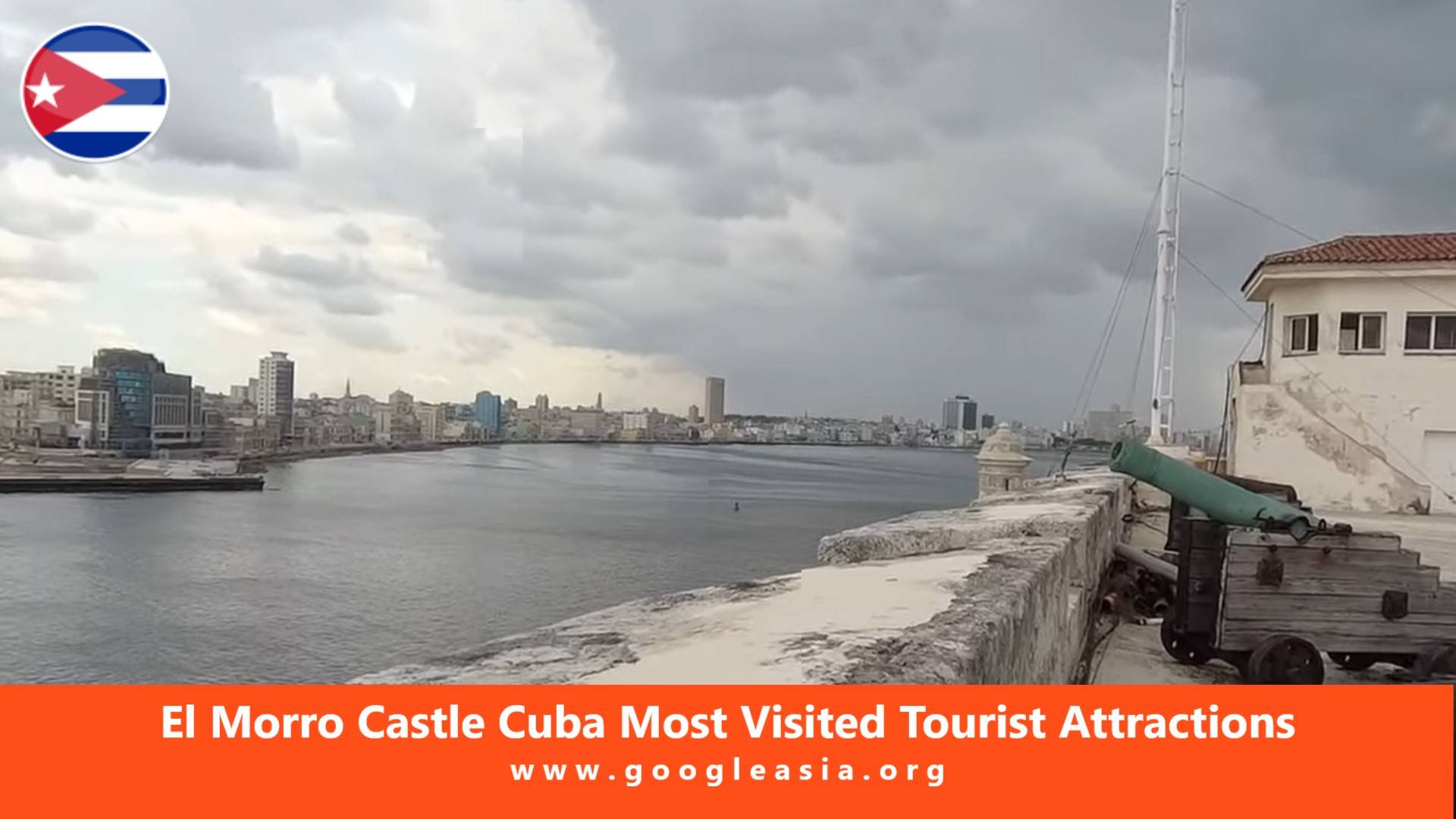
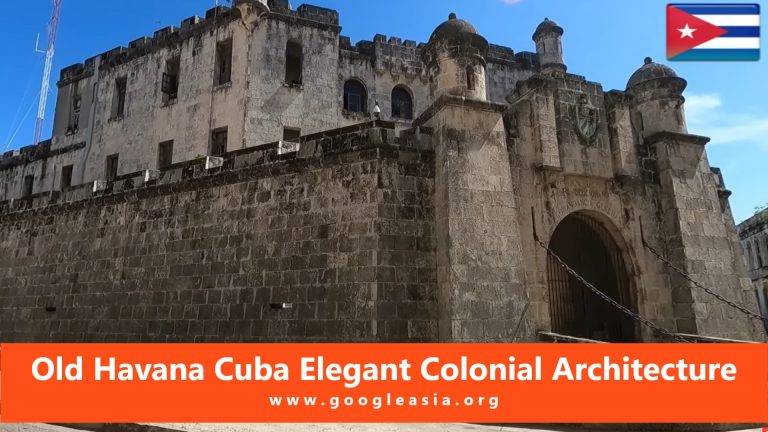
    El Morro Castle (or Castillo de los Tres Reyes Magos del Morro) is an iconic and important landmark in Cuba, located on the entrance to Havana Bay. It was declared a UNESCO World Heritage Site in 1982 due to its military architecture, which is a unique example of Cuban colonial and Spanish architecture. Visiting El Morro Castle is the perfect way to explore Cuba’s rich history and culture, while also taking in breathtaking views of the turquoise sea and sky.

    Visitors can stroll through the grounds of the castle, learn more about its past, and experience a unique slice of Cuban life. El Morro Castle is also a popular spot among photographers and filmmakers, who take advantage of its photogenic beauty and unique features.

    El Morro Castle is an imposing fortress located in Havana, Cuba. It was built to protect the city from intruders and pirates and dates back to 1589. The fortress measures over 30 feet tall and towers over the entrance to Havana’s harbor. El Morro offers incredible views of the Caribbean Sea and is one of Cuba’s most visited tourist attractions.


    El Morro Castle Cuba Most Visited Tourist Attractions

    El Morro Castle, Cuba: The Summary

    • Attraction Name: El Morro Castle
    • Country: Cuba
    • Continent: North America
    • Capital Name: Havana
    • Language: Spanish
    • Currency: Cuban Peso
    • Nationality: Cuba
    • Category:  #Destination #NorthAmerica #CUBA  

    El Morro Castle: A Historical Gem of Havana, Cuba

    El Morro Castle, officially known as Castillo de los Tres Reyes Magos del Morro, is an iconic fortification located at the entrance of Havana’s harbor. This 16th-century citadel is a significant historical and architectural landmark, reflecting Cuba’s colonial past and its strategic importance in maritime defense.

    Historical Significance

    Construction and Purpose

    El Morro Castle was completed in 1589 under the reign of King Philip II of Spain. Its primary purpose was to safeguard Havana’s harbor from foreign invaders and pirate attacks. Positioned strategically on a hill overlooking the harbor, the castle provided an excellent vantage point for detecting approaching ships and threats.

    Role in Colonial Defense

    During the Spanish colonial period, El Morro played a crucial role in defending Havana, one of Spain’s most important New World ports. The castle’s robust design and formidable walls were instrumental in repelling numerous attacks and sieges over the centuries.

    Architectural Features

    El Alto

    El Alto is one of the castle’s traditional tower keeps, which served as a key defensive structure. Its elevated position provided an unobstructed view of the surrounding area, enhancing the castle’s defensive capabilities.

    El Busto

    El Busto is a distinctive hemisphere-shaped structure within the castle complex. Its unique design adds to the architectural diversity of El Morro and showcases the innovative military engineering of the time.

    Museum and Visitor Experience

    Museum Exhibits

    Today, El Morro Castle operates as a museum, offering visitors a fascinating glimpse into Cuba’s colonial history and military heritage. The museum features exhibits on the history of the castle, the life of its inhabitants, and the various conflicts it has witnessed.

    Guided Tours

    Visitors can explore the castle through guided tours that provide detailed insights into its historical significance and architectural features. The tours often include access to the castle’s various structures, including the towers, ramparts, and lookout points.

    UNESCO World Heritage Site

    El Morro Castle was designated a UNESCO World Heritage Site in 1982, recognizing its exceptional historical and cultural value. The designation underscores the importance of the castle not only as a military fortification but also as a symbol of Havana’s rich colonial history.

    Scenic Views and Photography

    Panoramic Views

    From its elevated position, El Morro offers breathtaking panoramic views of Havana’s harbor and the city. The vantage points are ideal for capturing stunning photographs of the harbor, the cityscape, and the surrounding landscape.

    Conclusion

    El Morro Castle stands as a testament to Cuba’s colonial past and its strategic maritime significance. With its impressive architecture, rich history, and stunning views, the castle remains a must-visit destination for anyone exploring Havana. Whether you’re interested in military history, architecture, or simply enjoying the scenic vistas, El Morro provides a captivating experience that highlights Cuba’s historical and cultural heritage.

    Things to Do at El Morro Castle, Cuba

    El Morro Castle, or Castillo de los Tres Reyes Magos del Morro, is not just a historic landmark but also a vibrant cultural destination in Havana. Here are some of the top things to do when visiting this iconic fortress:

    Explore the Grounds

    Discover Historical Ruins

    Wander through the expansive grounds of El Morro to explore its historical ruins. The site includes remnants of the original Moor’s Castle, 19th-century fortifications, and intricate subterranean passages that reveal the castle’s strategic design.

    Walk Through Fortifications

    The castle’s fortifications offer a glimpse into the military engineering of the 16th century. Walk along the ramparts and defensive walls to appreciate the architectural prowess used to protect Havana from maritime threats.

    Take a Guided Tour

    Learn About the Castle’s History

    Join a guided tour to gain deeper insights into the history and significance of El Morro Castle. Guides provide detailed explanations of the castle’s construction, its role in Cuban history, and the events that shaped its legacy.

    Historical Insights

    The tour covers significant events, including battles and political developments associated with the castle. Understanding these historical contexts enhances your appreciation of the fortress.

    Visit the Lighthouse

    Climb the Lighthouse

    The lighthouse at El Morro, constructed in 1844, is an integral part of the castle’s history. Climb to the top for panoramic views of Havana and the surrounding harbor. The lighthouse provides a unique perspective on the city and its maritime activities.

    Enjoy Scenic Views

    Panoramic Views of Havana

    From the castle’s elevated position, enjoy stunning vistas of Havana. The view from the top is perfect for capturing photographs of the cityscape, the harbor, and the distant horizon.

    Sunset Views

    Make sure to visit in the evening to witness the breathtaking sunset over Havana. The castle’s vantage point offers a peaceful and picturesque setting to watch the sun dip below the horizon.

    Visit Historical Monuments

    Cuban Independence War Monument

    El Morro Castle features monuments commemorating the Cuban Independence War. These statues and plaques pay tribute to the heroes of the war and provide a historical perspective on Cuba’s fight for freedom.

    Participate in Local Events

    Cultural and Art Events

    Throughout the year, El Morro hosts various local events, including music festivals, art exhibitions, and cultural performances. Check the schedule to see if any events coincide with your visit, adding a lively cultural dimension to your experience.

    Explore the Museum of the Fortress

    Museum Exhibits

    Located within El Morro, the Museum of the Fortress offers an in-depth look at the castle’s history and its role in Havana. The museum’s exhibits include artifacts, historical documents, and interactive displays that provide a comprehensive understanding of the castle’s past.

    Conclusion

    El Morro Castle is a multifaceted destination offering a blend of history, culture, and scenic beauty. Whether you’re exploring the historic ruins, taking in the views from the lighthouse, or enjoying local events, El Morro provides a rich and rewarding experience. Its historical significance and stunning location make it a must-visit landmark in Havana.

    Best Foods to Try While Visiting El Morro Castle, Cuba

    While El Morro Castle is primarily a historic and cultural landmark, it also offers visitors the opportunity to enjoy some delicious Cuban and Spanish-inspired cuisine. Here are some of the best foods you can enjoy while visiting El Morro Castle:

    Traditional Cuban Dishes

    Ropa Vieja

    Ropa Vieja is a quintessential Cuban dish featuring shredded beef simmered in a rich tomato sauce with peppers, onions, and spices. This flavorful stew is a beloved Cuban classic and a must-try for anyone looking to experience authentic Cuban flavors.

    Arroz con Pollo

    Arroz con Pollo is a traditional Cuban comfort food made with tender chicken cooked with rice, vegetables, and a blend of spices. This dish is both hearty and flavorful, offering a taste of Cuban home cooking.

    Savory Snacks

    Tostones

    Tostones are crispy fried green plantains, typically served with a side of garlic mayo or dipping sauce. These crunchy snacks are a popular Cuban appetizer and perfect for enjoying with a variety of meals.

    Cuban-Style Sandwiches

    A Cuban-Style Sandwich features layers of ham, roast pork, Swiss cheese, pickles, and mustard, all sandwiched between Cuban bread and pressed to perfection. It’s a savory and satisfying option for a quick and delicious meal.

    Croquetas de Jamon y Queso

    Croquetas de Jamon y Queso are crispy fried balls filled with a savory mixture of ground ham and cheese. These delightful snacks are a staple in Cuban cuisine and offer a deliciously creamy center encased in a crispy exterior.

    Fresh Salads and Light Bites

    Fisherman’s Salad

    Fisherman’s Salad includes fresh tomatoes and cucumbers dressed with olive oil and lemon juice. This light and refreshing salad is a perfect accompaniment to other Cuban dishes or a great option for a lighter meal.

    Sweet Treats

    Empanadas de Guayaba

    Empanadas de Guayaba are sweet pastries filled with guava preserves. These flaky treats are a delightful dessert or snack, offering a sweet taste of Cuban pastry.

    Cuban-Style Flan

    Cuban-Style Flan is a creamy caramel custard dessert known for its smooth texture and rich flavor. This classic Cuban dessert is a favorite way to end a meal.

    Crema Catalana

    Crema Catalana is a classic Spanish dessert similar to crème brûlée, featuring a creamy custard with a caramelized sugar crust. It’s a luxurious and sweet treat that reflects the Spanish influence in Cuban cuisine.

    Unique Variations

    Ropa Vieja Pescado

    Ropa Vieja Pescado is a variation of the traditional Ropa Vieja, made with shredded whitefish instead of beef. This dish features a similar tomato-based sauce with peppers and onions, offering a lighter twist on the classic recipe.

    Conclusion

    While visiting El Morro Castle, you can indulge in a variety of delicious Cuban and Spanish-inspired foods that enhance the cultural experience of your visit. From traditional dishes like Ropa Vieja and Arroz con Pollo to sweet treats like Empanadas de Guayaba and Crema Catalana, there’s something for every palate. Enjoy these culinary delights as you explore one of Havana’s most historic landmarks.

    Best Hotels Near El Morro Castle, Cuba

    Staying near El Morro Castle allows visitors to immerse themselves in Havana’s rich history while enjoying comfortable and convenient accommodations. Here are some of the best hotels located close to El Morro Castle:

    Nearby Luxury and Boutique Hotels

    Hotel Casa PanaMaria

    Hotel Casa PanaMaria is a charming colonial-style hotel situated just a few steps from El Morro Castle. This hotel offers a relaxing retreat with its spacious rooms and inviting outdoor pool. The colonial architecture adds a touch of elegance, making it a comfortable and stylish choice for visitors wanting to be close to the historic site.

    Natura Hotel

    Natura Hotel is an adults-only boutique hotel located very close to El Morro Castle. It features a range of amenities including an outdoor pool, a full-service spa, and a fitness center. The on-site restaurant offers delicious Cuban cuisine, ensuring a luxurious and convenient stay for those wanting a more refined experience.

    Beachside and Eco-Friendly Options

    Ensenada Eco Palace Hotel

    Ensenada Eco Palace Hotel is situated on the picturesque shores of the Caribbean Sea, a short drive from El Morro Castle. This eco-friendly hotel offers a private beach area, an outdoor pool, and a variety of outdoor activities. Its location provides a serene escape while still being close to Havana’s historic attractions.

    Comfortable and Practical Stays

    Hotel Delfin Inn

    Hotel Delfin Inn offers brightly colored, waterfront rooms with stunning views of El Morro Castle. Guests can enjoy the outdoor pool and take advantage of amenities such as free Wi-Fi and a buffet breakfast. The hotel’s comfortable accommodations and convenient location make it a practical choice for visitors exploring the area.

    Conclusion

    Whether you prefer a colonial-style retreat, a boutique luxury experience, or a beachside eco-friendly stay, there are several excellent hotel options near El Morro Castle. Each provides a unique blend of comfort, convenience, and proximity to Havana’s historic and cultural landmarks. Choose the hotel that best suits your preferences and enjoy your visit to this iconic Cuban site.

    Frequently Asked Questions About El Morro Castle, Cuba: Your Ultimate Guide

    Explore the latest destination attraction with ease through our comprehensive Frequently Asked Questions guide. Discover insightful answers to common queries, providing a seamless experience. Your journey begins with clarity and confidence as we address uncertainties and offer essential information. Let this guide enhance your adventure, ensuring you make the most of the latest destination attraction, leaving no question unanswered.

    Where is El Morro Castle located?

    El Morro Castle (Castillo del Morro) is located at the entrance of Santiago Bay, near Santiago de Cuba, on the southeastern coast of Cuba. It is specifically situated on a promontory overlooking the Caribbean Sea, providing strategic views of approaching ships and defending the city against potential attacks. The castle is an iconic historical landmark and a popular tourist destination in Santiago de Cuba, offering panoramic views and insights into Cuba’s colonial history and military architecture.

    How to go to El Morro Castle?

    To reach El Morro Castle (Castillo del Morro) near Santiago de Cuba, you can follow these steps:

    1. From Santiago de Cuba:
      • By Car: The most convenient way is to drive to El Morro Castle. It’s a short drive from Santiago de Cuba, approximately 15-20 minutes depending on traffic. Follow signs towards the castle and Santiago Bay.
      • By Taxi: You can also hire a taxi from Santiago de Cuba to take you directly to El Morro Castle. Taxis are readily available in the city and can be arranged through your accommodation or hailed on the street.
    2. Local Tours:
      • Many local tour operators in Santiago de Cuba offer guided tours that include visits to El Morro Castle. This option is convenient if you prefer a structured tour with transportation included.
    3. Public Transportation:
      • There may be local buses or collective taxis (shared taxis) that run between Santiago de Cuba and El Morro Castle, although schedules and availability can vary. It’s recommended to inquire locally or check with your accommodation for the most current information.
    4. Travel Tips:
      • Opening Hours: Check the opening hours of El Morro Castle before your visit, as they may vary depending on the season and day of the week.
      • Entry Fees: Be prepared to pay a small entry fee at the castle, which helps support its maintenance and preservation.
      • Comfortable Shoes: Wear comfortable walking shoes as there may be some walking involved, especially if you want to explore the castle grounds and enjoy the views.

    By planning your transportation ahead of time and choosing the option that best suits your preferences, you can easily visit El Morro Castle and enjoy its historical significance and scenic views overlooking Santiago Bay.

    What are El Morro Castle’s must-visit attractions or landmarks?

    El Morro Castle (Castillo del Morro) near Santiago de Cuba is a historic fortress that offers several must-visit attractions and landmarks for visitors:

    1. Fortress Walls and Watchtowers:
      • Explore the well-preserved fortress walls that encircle the castle, featuring watchtowers strategically positioned for defense and observation.
    2. Lighthouse:
      • Climb to the top of the historic lighthouse, which offers panoramic views of Santiago Bay and the Caribbean Sea. The lighthouse is still operational and provides a unique perspective of the surrounding coastline.
    3. Historical Exhibits:
      • Visit the museum inside the castle, which displays exhibits related to the history of El Morro Castle, including artifacts from its military past and information about its role in defending Santiago de Cuba.
    4. Chapel of Our Lady of the Angels:
      • Discover the small chapel located within the castle grounds, dedicated to Our Lady of the Angels (Nuestra Señora de los Ángeles), which has religious significance for the local community.
    5. Cannons and Battlements:
      • View the historic cannons and battlements that once defended the castle, offering insight into the military tactics and technologies of the time.
    6. Scenic Views:
      • Enjoy breathtaking views from various vantage points within the castle, overlooking Santiago Bay and the city of Santiago de Cuba. The picturesque setting makes it a popular spot for photography.
    7. Surrounding Gardens and Grounds:
      • Stroll through the gardens and grounds surrounding El Morro Castle, which are beautifully landscaped and provide a tranquil atmosphere amidst the historical architecture.

    Visiting El Morro Castle allows you to immerse yourself in Cuba’s colonial history, appreciate its architectural heritage, and enjoy stunning views of the Caribbean coastline. It’s a must-see attraction for anyone interested in military history, architecture, and panoramic landscapes.

    Why should you visit El Morro Castle?

    There are several compelling reasons to visit El Morro Castle (Castillo del Morro) near Santiago de Cuba:

    1. Historical Significance: El Morro Castle is steeped in history, dating back to the 17th century. It played a crucial role in defending Santiago de Cuba against pirate attacks and foreign invasions during the colonial era. Exploring the castle allows visitors to step back in time and learn about Cuba’s military history and architectural heritage.
    2. Scenic Views: The castle is situated on a promontory overlooking Santiago Bay and the Caribbean Sea, offering spectacular panoramic views. Climbing to the top of the historic lighthouse provides a breathtaking perspective of the coastline and the city of Santiago de Cuba.
    3. Architectural Marvel: The fortress itself is a marvel of military architecture, featuring sturdy walls, watchtowers, and cannons that showcase the strategic defensive capabilities of the time. The well-preserved structure offers insights into Spanish colonial fortifications in the Caribbean.
    4. Cultural Experience: Visiting El Morro Castle provides an opportunity to immerse yourself in Cuban culture and history. The castle grounds include a small chapel, gardens, and exhibits that reflect the religious, social, and military aspects of colonial life in Cuba.
    5. Educational Value: The museum inside the castle displays artifacts and exhibits related to its history and significance, providing educational insights into the colonial period and the defense strategies employed by Spanish forces in the Caribbean.
    6. Photography Opportunity: The picturesque setting of El Morro Castle, with its commanding views and historic architecture, offers numerous opportunities for photography enthusiasts to capture stunning images of the fortress and its surroundings.

    Overall, visiting El Morro Castle allows travelers to appreciate Cuba’s rich cultural heritage, enjoy breathtaking views, and gain a deeper understanding of the island’s historical importance in the Caribbean region. It’s a must-visit destination for history buffs, architecture enthusiasts, and anyone seeking a memorable cultural experience in Santiago de Cuba.

    Is there any halal food available in the vicinity of the El Morro Castle?

    Santiago de Cuba, like many parts of Cuba, may not have a wide availability of halal food due to the predominantly non-Muslim population. However, there are some strategies you can consider:

    1. Vegetarian and Seafood Options: In Cuban cuisine, you can often find vegetarian dishes and seafood options that may align with halal dietary practices. Look for restaurants that offer these types of dishes.
    2. Local Inquiries: When in Santiago de Cuba, ask locals or your accommodation staff if they know of any restaurants or places that serve halal food. They may be able to provide helpful recommendations or suggest suitable alternatives.
    3. Self-Catering: Consider self-catering if you have access to kitchen facilities. This allows you to prepare meals using ingredients that adhere to halal guidelines, which can be purchased from local markets or grocery stores.
    4. Online Research: Use online resources such as travel forums, halal food apps, or websites that specialize in halal dining to find any updated information or recommendations for halal-friendly establishments in Santiago de Cuba.

    By planning ahead and exploring these options, you may be able to navigate dining preferences while enjoying your visit to El Morro Castle and Santiago de Cuba.

    Web Directories

    Welcome to our comprehensive web directories! Explore a world of information and resources tailored to your interests and needs. From travel adventures to financial solutions, hobbies, reviews, and more, our curated collection of links offers something for everyone. Click on the above links to start your journey towards discovering new experiences and expanding your horizons. Your next destination awaits!

    1. https://asiaworldtour.com: “Asia World Tour: Your Gateway to Asian and World Adventures”
    2. https://personalfinancingloan.com: “Personal Financing Loan: Your Path to Financial Freedom”
    3. https://hobbyforte.com: “HobbyForte: Discover Your Car Passion, Explore Your Interests”
    4. https://reviewsanything.com: “ReviewsAnything: Your Trusted Source for Honest Gadget Reviews”
    5. https://rumahmampumilik.com: “Rumah Mampu Milik: Your Affordable Homeownership Journey Begins Here”
    6. https://malaysiadigit.com: “MalaysiaDigit: Your Digital Destination for News and Insights”
    7. https://vipmalaysia.com: “VIP Malaysia: Elevate Your Experience in Malaysia”
    8. https://nordiyana.com: “Indulge in Elegance at Nordiyana: Latest Recipe and Culinary Inspirations”
    9. https://e-penyatagaji.com: “E-Penyata Gaji: Simplifying Payroll Management for You”
    10. https://googleasia.org: “Google Asia: Explore the World and Asia’s Wonders with Google Asia”
    11. https://malaysiafit.com: “Malaysia Fit: Your Partner in Health and Wellness”
    12. https://koperasi.info: “Koperasi: Building Communities, Empowering Lives”
    13. https://recipeinside.com: “RecipeInside: Unveiling Culinary Creations, Your Guide to Delicious Dishes”
    14. https://asiahealthcenter.com: “Asia Health Center: Your Source for Holistic Wellness Solutions”
    15. https://nationalhealthcenters.com: “National Health Centers: Your Source for Vital Health Information and Community Care”
    16. https://malaysiabit.com: “MalaysiaBit: Stay Informed, Stay Connected”
    17. https://epenyatagaji.com: “E-Penyata Gaji: Your Digital Payslip Solution”
    18. https://koperasi.work: “Koperasi Work: Collaborate, Innovate, Succeed”
    19. https://koperasi.business: “Koperasi Business: Driving Entrepreneurship, Fostering Growth
  • Cienfuegos, Cuba: Ultimate Travel Guide & Tips

    Cienfuegos, Cuba: Ultimate Travel Guide & Tips

    Cienfuegos, Cuba: Must-Visit Destination

    Cienfuegos is an incredibly beautiful city located in southern Cuba. It is known for its remarkable colonial architecture, unique cityscape, beautiful beaches and stunning waters of the Caribbean Sea. It is a great location for those looking to experience a unique Cuban culture and enjoy some of the country’s best attractions. Additionally, it is known for its vibrant nightlife and amazing seafood. There are also a variety of festivals and events throughout the year, providing visitors with an opportunity to sample the local culture.

    Cienfuegos is a city on the southern coast of Cuba located on the Caribbean Sea. It is the capital of Cienfuegos Province and is known for its UNESCO-listed historic downtown, French colonial architecture, and colorful architectural facades. Outdoor activities include nearby diving and fishing spots, spotting dolphins, and visiting nature reserves. History lovers will find plenty of museums and fortresses to explore.


    Cienfuegos Cuba UNESCO-Listed Historic Downtown

    Cienfuegos, Cuba: The Summary

    • Attraction Name: Cienfuegos
    • Country: Cuba
    • Continent: North America
    • Capital Name: Havana
    • Language: Spanish
    • Currency: Cuban Peso
    • Nationality: Cuba
    • Category:  #Destination #NorthAmerica #CUBA  


    Exploring Cienfuegos, Cuba: A Gem of the Southern Coast

    Cienfuegos, a vibrant city on Cuba’s southern coast, offers a rich tapestry of history, culture, and natural beauty. As one of Cuba’s principal port cities, it stands out for its French colonial heritage and strategic maritime significance. Founded in 1819 by French immigrants, Cienfuegos has evolved from a major trading hub to a captivating tourist destination.

    Historical Significance

    Founding and Colonial Era

    Cienfuegos was established by French settlers from the Canary Islands in 1819. The city was named after the Spanish nobleman José Cienfuegos, who was instrumental in its development. During the Spanish colonial period, Cienfuegos flourished as a vital trading port due to its deep natural harbor.

    Role in Cuban History

    The city played a significant role in various historical events, including the Cuban War of Independence. Its strategic location made it a focal point for trade and military activities, contributing to its cultural and historical richness.

    Architectural Heritage

    Colonial Architecture

    Cienfuegos is renowned for its well-preserved colonial architecture. The city boasts a blend of neoclassical and eclectic styles, with notable landmarks such as the Teatro Terry and the Palacio de Valle. These buildings reflect the city’s historical affluence and architectural influences.

    Notable Landmarks

    • Teatro Terry: An opera house dating back to the late 19th century, renowned for its elegant design and cultural significance.
    • Palacio de Valle: A Moorish-inspired mansion with intricate tile work and ornate details, showcasing the architectural diversity of Cienfuegos.

    Cultural Attractions

    Museums

    Cienfuegos offers several museums that delve into its rich heritage:

    • Tobacco Museum: Explore the history of tobacco cultivation and production, which has been a crucial part of Cienfuegos’ economy.
    • Black Coral Museum: Learn about the unique black coral species found in the region and their significance in local culture and trade.

    Festivals and Events

    The city hosts various festivals and events throughout the year, celebrating Cuban music, dance, and arts. These cultural festivities provide visitors with an authentic experience of local traditions and vibrant community life.

    Natural Beauty

    Beaches

    Cienfuegos is home to beautiful beaches that offer a relaxing escape from the city. Playa Rancho Luna and Playa Jagüey are popular spots for sunbathing, swimming, and water sports.

    Ancient Ruins

    The surrounding area features ancient ruins and archaeological sites, providing a glimpse into the pre-colonial history of the region. These sites attract history enthusiasts and explorers eager to uncover Cuba’s ancient past.

    Conclusion

    Cienfuegos, with its blend of historical charm, architectural splendor, and natural beauty, offers a unique glimpse into Cuban culture and heritage. Whether you’re interested in exploring its colonial architecture, delving into its museums, or enjoying its pristine beaches, Cienfuegos provides a diverse range of experiences for every traveler. Its rich history and vibrant culture make it a must-visit destination on Cuba’s southern coast.


    Things to Do in Cienfuegos, Cuba

    Cienfuegos, a picturesque city on Cuba’s southern coast, offers a variety of activities and attractions for visitors. From exploring its vibrant historical center to immersing yourself in natural beauty, here’s a guide to some of the best things to do in Cienfuegos.

    Explore Underwater Wonders

    Juanelo’s Turismo Submarino

    A unique adventure awaits at Juanelo’s Turismo Submarino, located in the Port of Cienfuegos. This attraction features a glass-bottomed boat that allows visitors to explore the underwater world of the Caribbean Sea without getting wet. Glide over vibrant coral reefs and observe a diverse array of marine life, including colorful fish and intriguing sea creatures.

    Stroll Along the Malecón

    Scenic Promenade

    The Malecón is an eight-kilometer seafront promenade perfect for a leisurely walk. It offers stunning views of the Caribbean Sea and is particularly beautiful at sunset. As you stroll, you’ll pass by notable landmarks such as the Jose Marti Monument and the Governor’s Palace, all while enjoying the city’s art deco architecture.

    Tour the Historic City Center

    Centro Histórico

    Cienfuegos’ historic city center, or “Centro Histórico,” is a UNESCO World Heritage Site renowned for its well-preserved colonial architecture. A highlight is the Cathedral of the Immaculate Conception, a stunning example of neoclassical design. The area is also home to charming plazas and historic buildings that offer a glimpse into the city’s rich past.

    Discover Natural Beauty at El Nicho

    Sierra del Escambray

    Take a day trip to El Nicho, a breathtaking natural oasis in the Sierra del Escambray. This nature park is known for its impressive rock formations, cascading waterfalls, and turquoise pools. It’s an ideal spot for a refreshing swim and an opportunity to immerse yourself in Cuba’s natural beauty.

    Savor Fresh Seafood in Punta Gorda

    Seafood Delights

    The Punta Gorda district is the go-to place for fresh seafood in Cienfuegos. Enjoy local dishes such as Camarones al Ajillo (garlic shrimp) and Arroz con Mariscos (seafood rice) at one of the many seafood restaurants. Punta Gorda also offers a lively nightlife scene, making it a great area to explore in the evenings.

    Visit Palenque de los Cimarrones

    Historical Island

    A boat ride to Palenque de los Cimarrones takes you to a small island rich in history. This site features the ruins of a settlement founded by runaway slaves, known as Cimarrones. Exploring these ruins provides insight into the African heritage and resilience of Cuba’s past.

    Explore Parque Natural de las Terrazas

    Nature Reserve

    Located in the Sierra de Escambray mountains, Parque Natural de las Terrazas is a lush nature reserve with diverse flora and fauna. Visitors can explore coffee and sugar plantations, hike through scenic trails, and enjoy natural swimming pools and waterfalls. It’s also a fantastic spot for bird-watching and appreciating Cuba’s vibrant natural environment.

    Conclusion

    Cienfuegos offers a diverse array of activities, from underwater explorations and scenic strolls to historical tours and natural adventures. Whether you’re interested in cultural heritage, culinary delights, or natural beauty, Cienfuegos has something to captivate every traveler. Explore its unique attractions and experience the charm of this Cuban gem.

    Best Foods to Try in Cienfuegos, Cuba

    Cienfuegos, known for its rich cultural heritage and vibrant cuisine, offers a delightful array of Cuban dishes that are sure to tantalize your taste buds. From hearty stews to fresh seafood, here’s a guide to some of the best foods to savor in Cienfuegos.

    Traditional Cuban Dishes

    Ropa Vieja

    A quintessential Cuban dish, ropa vieja features shredded flank steak cooked in a flavorful tomato sauce with onions, bell peppers, and spices. This savory and tender dish is often served with rice and black beans, offering a taste of traditional Cuban comfort food.

    Congri

    Congri is a hearty Cuban staple made by mixing rice with red beans and seasoned with a blend of spices. This dish is a staple accompaniment to many Cuban meals and provides a delicious, filling side that complements various main courses.

    Chicharrones de Pollo

    For a crispy and flavorful treat, try chicharrones de pollo—fried chicken pieces that are marinated and seasoned before being deep-fried to perfection. These golden, crunchy bites are perfect as a snack or as part of a larger meal.

    Arroz con Pollo

    A classic Cuban comfort food, arroz con pollo combines chicken with rice cooked in a rich, savory broth infused with saffron and vegetables. This dish is both flavorful and satisfying, making it a popular choice among locals and visitors alike.

    Yuca Frita

    Yuca frita is fried cassava root, known for its crispy exterior and tender interior. This starchy side dish is often enjoyed with a garlicky dipping sauce and serves as a tasty alternative to fries or potatoes.

    Tostones

    Tostones are twice-fried plantain slices that are crispy on the outside and tender on the inside. These savory snacks are often served with garlic dipping sauce and make a delicious appetizer or side dish.

    Cocido con Frijoles Negros

    Cocido con frijoles negros is a rich black bean stew that features a mix of meats and vegetables, slow-cooked to develop deep, complex flavors. This hearty stew is a staple in Cuban cuisine and pairs perfectly with rice.

    Fresh Seafood

    Snapper

    Freshly grilled snapper, known locally as pargo, is a must-try in Cienfuegos. Its tender, flaky flesh and mild flavor make it a favorite among seafood lovers.

    Spiny Lobster

    Cienfuegos is renowned for its spiny lobster, which is often grilled or prepared with a variety of seasonings. This delicacy is a highlight of the local seafood offerings and provides a sweet, succulent taste.

    Palometas

    Palometas, a type of meaty fish, is commonly fried and enjoyed for its rich, flavorful flesh. This local catch is a delicious option for those looking to explore Cuban seafood.

    Desserts

    Tres Leches

    For a sweet ending to your meal, tres leches cake is a must-try. This rich and moist cake is soaked in a mixture of three types of milk—evaporated, condensed, and whole milk—creating a decadent dessert that is both creamy and satisfying.

    Pastelitos

    Pastelitos are pastry treats filled with guava, often enjoyed as a sweet snack or dessert. These pastries are flaky and sweet, providing a delightful finish to any meal.

    Conclusion

    Cienfuegos offers a delectable array of Cuban cuisine, from savory traditional dishes to fresh seafood and indulgent desserts. Whether you’re sampling the tender ropa vieja or savoring the sweet taste of tres leches cake, the city’s culinary scene promises a memorable dining experience. Make sure to explore these local favorites and enjoy the vibrant flavors of Cuban food during your visit.

    Best Hotels to Stay in Cienfuegos, Cuba

    Cienfuegos offers a range of accommodation options to suit different preferences and budgets. Whether you’re looking for luxury, comfort, or a more budget-friendly stay, here are some of the best hotels to consider when visiting this charming Cuban city.

    Luxury and Upscale Hotels

    Hotel Jagua

    Hotel Jagua is a premier choice in Cienfuegos, offering stunning views of the Caribbean Sea and a central location. The hotel features spacious rooms, a large outdoor pool, and several dining options. It’s an ideal spot for those seeking both comfort and convenience.

    Melia Cienfuegos

    Melia Cienfuegos is a top-rated all-inclusive resort located a short drive from the city center. This upscale hotel offers elegant accommodations, multiple restaurants and bars, and an array of activities and entertainment options. It’s perfect for those who want a comprehensive resort experience.

    Mid-Range Hotels

    Hotel La Union

    Hotel La Union combines historical charm with modern amenities. Located in the heart of Cienfuegos, this boutique hotel features classic architecture, comfortable rooms, and a rooftop terrace with panoramic city views. Its central location makes it a great base for exploring the city.

    Hotel Faro Luna

    Hotel Faro Luna is a charming beachfront property situated a bit outside the city center. It offers a more tranquil setting with a focus on relaxation. The hotel features comfortable rooms, an outdoor pool, and easy access to the beach, making it ideal for a peaceful getaway.

    Hotel Casa Verde

    Hotel Casa Verde offers a more intimate and boutique experience with personalized service. Located in a lush garden setting, it provides comfortable accommodations and a serene atmosphere. The hotel’s restaurant serves delicious local cuisine, adding to the overall experience.

    Budget-Friendly Options

    Hotel Rancho Luna

    Hotel Rancho Luna is a budget-friendly option located near a beautiful beach. This hotel offers basic amenities, including a pool and restaurant, and is known for its relaxed, laid-back atmosphere. It’s a good choice for travelers looking for affordability without sacrificing comfort.

    Memories Trinidad del Mar

    Although not in Cienfuegos proper, Memories Trinidad del Mar is located in the nearby city of Trinidad and offers all-inclusive options. It features a variety of facilities, including pools, dining options, and entertainment. It’s worth considering if you’re open to exploring nearby areas.

    Unique and Historic Stays

    Hotel Mansion Teresa

    Hotel Mansion Teresa is a historic property with elegant architecture and a rich history. Located in a prime area, this hotel offers charming rooms and a classic ambiance, providing a glimpse into the city’s past while ensuring modern comfort.

    Los Jazmines Hotel

    Los Jazmines Hotel is located a bit outside Cienfuegos and offers stunning views of the surrounding landscape. Known for its tranquil setting and beautiful gardens, it’s a great choice for those seeking a relaxing stay with easy access to natural attractions.

    Hotel Cueva del Indio

    Hotel Cueva del Indio is an interesting option with a unique setting. Situated near natural attractions, this hotel offers basic amenities and a distinctive experience for those looking to stay close to nature while exploring the region.

    Conclusion

    Cienfuegos provides a diverse range of accommodations to fit different preferences and budgets. From luxurious beachfront resorts to charming boutique hotels and budget-friendly options, there’s something for every traveler. Choose the hotel that best suits your needs and enjoy a memorable stay in this captivating Cuban city.

    Frequently Asked Questions About Cienfuegos, Cuba: Your Ultimate Guide

    Explore the latest destination attraction with ease through our comprehensive Frequently Asked Questions guide. Discover insightful answers to common queries, providing a seamless experience. Your journey begins with clarity and confidence as we address uncertainties and offer essential information. Let this guide enhance your adventure, ensuring you make the most of the latest destination attraction, leaving no question unanswered.

    Where is Cienfuegos located?

    Cienfuegos is located on the southern coast of Cuba, specifically on the Caribbean Sea. It is situated in the central-southern part of the country, southwest of the capital city, Havana. Cienfuegos is known for its French colonial architecture, vibrant cultural scene, and its designation as a UNESCO World Heritage Site.

    How to go to Cienfuegos?

    To travel to Cienfuegos, Cuba, you have several options depending on your starting point within Cuba or internationally:

    1. By Air:
      • International Flights: If you are traveling internationally, you can fly into José Martí International Airport (HAV) in Havana or Abel Santamaría Airport (SNU) in Santa Clara. From there, you can take a domestic flight to Jaime González Airport (CFG) in Cienfuegos.
      • Domestic Flights: Domestic airlines like Cubana de Aviación operate flights from Havana and other major Cuban cities to Cienfuegos.
    2. By Bus:
      • Viazul Bus: Viazul is the main bus company for tourists in Cuba. It offers comfortable and direct routes to Cienfuegos from major cities like Havana, Trinidad, and Santa Clara. The journey from Havana to Cienfuegos by bus takes approximately 4-5 hours.
    3. By Car:
      • Rental Car: Renting a car provides flexibility for exploring Cuba at your own pace. Rental agencies are available at airports and in major cities. The drive from Havana to Cienfuegos takes about 3-4 hours, depending on traffic and road conditions.
    4. By Train:
      • Train Service: While less common for tourists, there are train services connecting Havana and other cities with Cienfuegos. Train schedules may vary, so it’s advisable to check in advance.
    5. Travel Tips:
      • Booking Tickets: For flights and Viazul buses, it’s recommended to book tickets in advance, especially during peak tourist seasons.
      • Local Transportation: Upon arrival in Cienfuegos, taxis and local buses are available for getting around the city and exploring its attractions.

    By choosing the transportation option that best fits your schedule and preferences, you can easily reach Cienfuegos and enjoy its historic charm, architectural beauty, and scenic waterfront.

    What are Cienfuegos’s must-visit destinations?

    Cienfuegos, often referred to as the “Pearl of the South” in Cuba, offers several must-visit destinations for travelers:

    1. Parque José Martí (José Martí Park):
      • This central park is the heart of Cienfuegos and surrounded by significant landmarks such as the Tomas Terry Theater, the Cathedral of Cienfuegos, and the Palacio de Gobierno (Government Palace). It’s a great starting point for exploring the city.
    2. Tomas Terry Theater (Teatro Tomás Terry):
      • A beautiful 19th-century theater named after a Venezuelan industrialist, known for its neoclassical architecture and rich cultural performances. Guided tours are available.
    3. Paseo del Prado:
      • A picturesque boulevard lined with trees and historical buildings, offering a pleasant walk along the coast with views of the bay.
    4. Palacio de Valle:
      • A stunning architectural gem inspired by Moorish, Venetian, and Gothic styles, located on Punta Gorda. It features intricate details, domes, and towers, and now serves as a restaurant and cultural venue.
    5. Cienfuegos Malecón (Waterfront Promenade):
      • Enjoy a leisurely stroll along the Malecón, offering views of the bay, boats, and the city skyline. It’s a popular spot for locals and tourists alike to relax and enjoy the sea breeze.
    6. Jardín Botánico de Cienfuegos (Cienfuegos Botanical Garden):
      • Located just outside the city, this botanical garden is renowned for its diverse collection of tropical plants, trees, and flowers. It’s a peaceful oasis ideal for nature lovers and photographers.
    7. El Nicho Waterfalls:
      • While not directly in Cienfuegos city, El Nicho is a series of cascading waterfalls and natural pools located in the Escambray Mountains, a short drive away. It’s a popular day trip destination for hiking, swimming, and enjoying nature.
    8. Castillo de Jagua:
      • A historic fortress located at the entrance of Cienfuegos Bay, built in the 18th century to protect the city from pirates and invaders. Boat tours are available to visit the castle and learn about its history.

    Exploring these attractions allows visitors to appreciate Cienfuegos’ blend of French colonial architecture, cultural heritage, and natural beauty, making it a memorable destination in Cuba.

    Is Cienfuegos a suitable travel destination for solo adventurers, honeymooning couples, or those traveling with families?

    Cienfuegos is a versatile travel destination that caters well to various types of travelers:

    1. Solo Adventurers: Solo travelers can enjoy exploring Cienfuegos at their own pace, immersing themselves in the city’s history, architecture, and cultural attractions. The city is relatively safe, and there are plenty of opportunities for solo exploration, from walking along the Malecón to visiting museums and theaters.
    2. Honeymooning Couples: Cienfuegos offers a romantic ambiance with its French colonial architecture, waterfront views, and charming parks. Couples can stroll hand-in-hand along the Paseo del Prado, dine at the Palacio de Valle, and enjoy sunset views over the bay. The city’s relaxed atmosphere and historical charm make it a lovely backdrop for a honeymoon.
    3. Families: Families visiting Cienfuegos can appreciate its family-friendly attractions such as the Cienfuegos Botanical Garden and boat tours to Castillo de Jagua. The city’s manageable size makes it easy to navigate with children, and the cultural experiences and outdoor activities provide something for everyone to enjoy.

    Overall, Cienfuegos offers a blend of history, architecture, natural beauty, and a welcoming atmosphere that appeals to solo adventurers, honeymooning couples, and families alike. Whether you’re seeking relaxation, cultural immersion, or outdoor adventures, Cienfuegos has something to offer every type of traveler.

    Why should you visit Cienfuegos?

    There are several compelling reasons why you should visit Cienfuegos, Cuba:

    1. Architectural Beauty: Cienfuegos boasts stunning French colonial architecture, earning it recognition as a UNESCO World Heritage Site. The city’s well-preserved buildings, squares, and avenues reflect its rich history and cultural heritage.
    2. Historical Significance: Explore historical landmarks such as the Palacio de Valle, the Tomas Terry Theater, and the Cathedral of Cienfuegos. Each site offers insights into Cuba’s colonial past and architectural evolution.
    3. Cultural Richness: Immerse yourself in Cienfuegos’ vibrant cultural scene through its theaters, museums, and music venues. The city has a strong tradition of music and dance, with opportunities to experience live performances and local artistry.
    4. Scenic Waterfront: Enjoy picturesque views along the Malecón (waterfront promenade), which stretches along the bay and offers a relaxing atmosphere for walks, sunset views, and people-watching.
    5. Natural Wonders: Discover the nearby Cienfuegos Botanical Garden, known for its diverse plant species and tranquil setting. For nature enthusiasts, the El Nicho Waterfalls in the Escambray Mountains provide opportunities for hiking and swimming in natural pools.
    6. Relaxed Atmosphere: Compared to larger Cuban cities like Havana, Cienfuegos offers a more laid-back and authentic Cuban experience. It’s an ideal destination for those seeking a quieter pace and genuine interactions with locals.
    7. Gateway to Adventure: From Cienfuegos, you can easily access other attractions in the region, such as the Castillo de Jagua fortress and nearby beaches. The city’s central location makes it a convenient base for exploring the southern coast of Cuba.
    8. Hospitality and Cuisine: Experience Cuban hospitality firsthand in Cienfuegos’ local restaurants and cafés. Sample traditional Cuban cuisine and seafood dishes while enjoying the city’s relaxed dining atmosphere.

    Overall, visiting Cienfuegos allows you to appreciate Cuba’s architectural splendor, cultural diversity, and natural beauty in a setting that captures the essence of colonial charm and modern Cuban life.

    Is it difficult to find halal food in Cienfuegos?

    Finding halal food in Cienfuegos, like in many parts of Cuba, can be challenging due to the predominantly non-Muslim population and culinary traditions. Traditional Cuban cuisine often includes pork and other non-halal ingredients. However, there are some strategies you can consider:

    1. Vegetarian Options: Look for vegetarian dishes on menus, as they are more likely to be halal-friendly. Many Cuban restaurants offer vegetable-based dishes that can be suitable for halal dietary restrictions.
    2. Seafood: Cuba’s coastal location means seafood is plentiful. Fish and seafood dishes can often be a safer choice for halal-conscious travelers, though it’s important to confirm cooking methods and ingredients.
    3. Self-Catering: If possible, consider self-catering if you have access to kitchen facilities. This allows you to prepare meals using ingredients that adhere to halal guidelines, which can be purchased from local markets or grocery stores.
    4. Communication: When dining out, communicate your dietary restrictions clearly to restaurant staff. They may be able to accommodate requests or suggest suitable menu options.
    5. Local Advice: Seek advice from locals or your accommodation provider. They may be aware of restaurants or eateries that can offer halal-friendly meals or alternatives.

    While halal options may be limited, with some planning and flexibility, it’s possible to navigate dining preferences while enjoying your visit to Cienfuegos and experiencing its cultural and culinary offerings.

    Web Directories

    Welcome to our comprehensive web directories! Explore a world of information and resources tailored to your interests and needs. From travel adventures to financial solutions, hobbies, reviews, and more, our curated collection of links offers something for everyone. Click on the above links to start your journey towards discovering new experiences and expanding your horizons. Your next destination awaits!

    1. https://asiaworldtour.com: “Asia World Tour: Your Gateway to Asian and World Adventures”
    2. https://personalfinancingloan.com: “Personal Financing Loan: Your Path to Financial Freedom”
    3. https://hobbyforte.com: “HobbyForte: Discover Your Car Passion, Explore Your Interests”
    4. https://reviewsanything.com: “ReviewsAnything: Your Trusted Source for Honest Gadget Reviews”
    5. https://rumahmampumilik.com: “Rumah Mampu Milik: Your Affordable Homeownership Journey Begins Here”
    6. https://malaysiadigit.com: “MalaysiaDigit: Your Digital Destination for News and Insights”
    7. https://vipmalaysia.com: “VIP Malaysia: Elevate Your Experience in Malaysia”
    8. https://nordiyana.com: “Indulge in Elegance at Nordiyana: Latest Recipe and Culinary Inspirations”
    9. https://e-penyatagaji.com: “E-Penyata Gaji: Simplifying Payroll Management for You”
    10. https://googleasia.org: “Google Asia: Explore the World and Asia’s Wonders with Google Asia”
    11. https://malaysiafit.com: “Malaysia Fit: Your Partner in Health and Wellness”
    12. https://koperasi.info: “Koperasi: Building Communities, Empowering Lives”
    13. https://recipeinside.com: “RecipeInside: Unveiling Culinary Creations, Your Guide to Delicious Dishes”
    14. https://asiahealthcenter.com: “Asia Health Center: Your Source for Holistic Wellness Solutions”
    15. https://nationalhealthcenters.com: “National Health Centers: Your Source for Vital Health Information and Community Care”
    16. https://malaysiabit.com: “MalaysiaBit: Stay Informed, Stay Connected”
    17. https://epenyatagaji.com: “E-Penyata Gaji: Your Digital Payslip Solution”
    18. https://koperasi.work: “Koperasi Work: Collaborate, Innovate, Succeed”
    19. https://koperasi.business: “Koperasi Business: Driving Entrepreneurship, Fostering Growth
  • Cayo Santa María, Cuba: Travel Guide & Tips

    Cayo Santa María, Cuba: Travel Guide & Tips

    Cayo Santa María, Cuba: Must-Visit Destination

    Cayo Santa María is a stunning island off the north coast of Cuba. A true paradise, its endless beaches, lush tropical jungle, amazing wildlife, and crystal-clear waters make it the ideal choice for a Caribbean getaway. Enjoy a quiet walk along the beach, explore the nature trails and forests, or relax by one of the all-inclusive resorts. With so much to offer, Cayo Santa María is sure to create memories that will last a lifetime.

    Cayo Santa María is a small island in the province of Villa Clara off the north coast of central Cuba. The island is home to a number of small fishing villages, majestic beaches, and natural wonders. Cayo Santa Maria is a great destination for luxury beach vacations, as it is a paradise for people who enjoy sunning, swimming, snorkeling and diving. The turquoise waters are ideal for those who love water sports and leisure activities such as kayaking, fishing, and sailing.

    Tourists can also take part in cultural activities such as coconut workshops, salsa classes and off-site visits to towns, museums and historic sites. In addition, numerous luxury resorts, restaurants and bars are located along the idyllic strip of pristine beaches on the island.


    Cayo Santa María Cuba Stunning Island Caribbean Getaway

    Cayo Santa María, Cuba: The Summary

    • Attraction Name: Cayo Santa María
    • Country: Cuba
    • Continent: North America
    • Capital Name: Havana
    • Language: Spanish
    • Currency: Cuban Peso
    • Nationality: Cuba
    • Category:  #Destination #NorthAmerica #CUBA  


    Discovering Cayo Santa María, Cuba

    Cayo Santa María is a stunning island located off the northern coast of Cuba in the province of Villa Clara. Part of the Jardines del Rey archipelago, this tropical paradise is renowned for its pristine beaches, luxurious resorts, and vibrant natural surroundings. Here’s a closer look at what makes Cayo Santa María a top destination for travelers.

    Overview

    Location and Accessibility

    • Geography: Cayo Santa María is situated within the Jardines del Rey archipelago, which comprises over 30 cays. This group of islands is renowned for its picturesque beaches and clear blue waters.
    • Access: The island is accessible via a causeway that connects it to the mainland, making it convenient for travelers to reach from Villa Clara and other major Cuban cities.

    Climate

    • Weather: Cayo Santa María enjoys a tropical climate with warm temperatures year-round. The island experiences a dry season from November to April and a wet season from May to October, with average temperatures ranging between 24°C (75°F) and 30°C (86°F).

    Attractions and Activities

    Beaches

    • White Sand Beaches: The island is famous for its expansive stretches of white sand beaches, including Playa Las Gaviotas and Playa Santa María. These beaches are perfect for sunbathing, swimming, and enjoying water sports.
    • Crystal Clear Waters: The turquoise waters around Cayo Santa María are ideal for snorkeling, diving, and other aquatic activities.

    Resorts and Accommodations

    • Luxury Resorts: Cayo Santa María is home to several high-end resorts and hotels, offering all-inclusive packages that include access to private beaches, fine dining, and various recreational facilities.
    • All-Inclusive Options: Many resorts provide comprehensive amenities such as spas, multiple dining options, entertainment, and excursions.

    Wildlife and Nature

    • Flora and Fauna: The island’s interior is rich with diverse flora and fauna. Visitors can explore mangroves, wetlands, and tropical forests.
    • Wildlife Viewing: The island is a haven for bird watchers and nature enthusiasts, with opportunities to spot native species and enjoy guided eco-tours.

    Nightlife and Dining

    • Restaurants and Bars: Cayo Santa María offers a variety of dining options, from local Cuban cuisine to international dishes. The island has several bars and nightclubs where visitors can enjoy cocktails, live music, and dance.
    • Nightlife: While the island’s nightlife is more relaxed compared to larger cities, it provides a lively atmosphere with themed events and entertainment at many resorts.

    Cultural and Recreational Activities

    Excursions and Tours

    • Boat Trips: Explore nearby cays and islands through boat tours, which often include opportunities for snorkeling and fishing.
    • Cultural Tours: Discover local culture and history through excursions that may include visits to nearby towns or historical sites.

    Watersports

    • Snorkeling and Diving: The clear waters around Cayo Santa María are perfect for exploring coral reefs and marine life.
    • Kayaking and Windsurfing: Engage in a range of water sports available at many of the island’s resorts.

    Conclusion

    Cayo Santa María is a tropical paradise offering a blend of luxurious accommodations, breathtaking natural beauty, and a range of activities for all types of travelers. Whether you’re seeking relaxation on pristine beaches, adventure through water sports, or vibrant nightlife, this island in the Jardines del Rey archipelago provides an unforgettable Cuban experience. With its stunning scenery and diverse offerings, Cayo Santa María is an ideal destination for a memorable getaway.


    Things to Do in Cayo Santa María, Cuba

    Cayo Santa María, a stunning island in Cuba’s Jardines del Rey archipelago, offers a wealth of activities and attractions for visitors. From pristine beaches and water sports to nature reserves and cultural experiences, there’s something for everyone on this Caribbean paradise.

    Beach and Water Activities

    Snorkeling and Scuba Diving

    • Coral Reefs: Explore the vibrant underwater world of Cayo Santa María’s coral reefs. Snorkeling and scuba diving opportunities are abundant, showcasing colorful marine life and diverse coral formations.
    • Dive Shops: Several resorts and dive shops on the island offer guided dive tours and snorkeling trips, ensuring you experience the best spots.

    Watersports

    • Kayaking and Paddleboarding: Rent a kayak or paddleboard to glide across the island’s crystal-clear waters, enjoying scenic views and peaceful surroundings.
    • Jet Skiing and Windsurfing: For more adrenaline-pumping activities, try jet skiing or windsurfing. Equipment rentals and lessons are available at various beach resorts.

    Beach Volleyball and Relaxation

    • Beach Volleyball: Engage in a friendly game of beach volleyball on the white sand beaches. Many resorts organize casual matches for guests.
    • Relaxation: If you prefer to unwind, find a cozy spot on the beach to sunbathe, swim, or sip a tropical cocktail from a nearby bar.

    Nature and Wildlife

    La Finca Nature Reserve

    • Flora and Fauna: Visit La Finca, a nature reserve with lush forests, mangroves, and wetlands. Spot flamingos, ibis, and Cuban crocodiles in their natural habitat.
    • Hiking Trails: Explore hiking trails that offer stunning views of the island’s diverse landscapes. The reserve is ideal for nature enthusiasts and bird watchers.

    Scenic Viewpoints

    • Mountain Hikes: Take a hike up nearby mountains for panoramic views of Cayo Santa María’s coastline and surrounding cays. The vistas are particularly breathtaking during sunrise and sunset.

    Day Trips and Excursions

    Cayo Ensenacho

    • Pink Sand Beach: Take a day trip to Cayo Ensenacho, known for its unique pink sand and tranquil waters. It’s a perfect spot for swimming, sunbathing, or enjoying a picnic.

    Boat Tours

    • Cayo Las Brujas and Cayo Las Cantiles: Embark on a boat tour to explore neighboring cays like Cayo Las Brujas and Cayo Las Cantiles. Discover sea caves, visit small local communities, and relax on secluded beaches.

    Culinary Experiences

    Seafood Market in Caibarién

    • Fresh Seafood: Visit the seafood market in Caibarién to purchase fresh catches from local fishermen. It’s a great place to pick up ingredients for a homemade meal or enjoy a fresh seafood feast.

    Local Restaurants

    • Seafood Cuisine: Sample delicious Cuban seafood dishes at local restaurants. Many dining options on the island offer fresh seafood prepared in traditional Cuban styles.

    Shopping and Souvenirs

    Local Markets

    • Souvenirs: Browse local markets and malls for Cuban souvenirs, including cigars, rum, and handmade crafts. These markets often offer a variety of unique items to remember your trip.

    Cultural and Historical Experiences

    Che Guevara Mausoleum

    • Historical Site: Take a trip to Santa Clara, where you can visit the Che Guevara Mausoleum. This historical site honors the revolutionary leader and provides insight into Cuba’s history.

    Conclusion

    Cayo Santa María offers a diverse range of activities for every type of traveler. Whether you’re seeking adventure on the water, relaxation on stunning beaches, or a chance to explore nature and culture, this island delivers. With its crystal-clear waters, lush nature reserves, and vibrant local experiences, Cayo Santa María is a captivating destination for an unforgettable Caribbean getaway.

    Best Foods at Cayo Santa María, Cuba

    Cayo Santa María, with its stunning beaches and vibrant culture, is also a culinary haven. The island’s diverse food scene offers a delightful array of traditional Cuban and Caribbean dishes. Here’s a guide to some of the best foods to try while visiting this tropical paradise.

    Seafood Delights

    Lobster

    • Description: Fresh lobster is a highlight of Cayo Santa María’s coastal cuisine. Typically served grilled or sautéed, it’s a must-try for seafood lovers.
    • Where to Try: Look for beachfront restaurants and seafood shacks for the freshest catches.

    Fish Tacos

    • Description: Enjoy crispy fish tacos filled with tender, flavorful fish and topped with fresh salsa and creamy sauces.
    • Where to Try: Many beachside eateries offer these delicious tacos, perfect for a casual, beachside meal.

    Cuban Classics

    Cuban Sandwich

    • Description: This iconic sandwich features layers of slow-roasted pork, ham, Swiss cheese, pickles, and mustard, all pressed between Cuban bread.
    • Where to Try: Most local restaurants and cafes serve this Cuban classic, and it’s often a staple on hotel menus.

    Ropa Vieja

    • Description: A traditional Cuban dish made from shredded beef slow-cooked in a savory tomato sauce with peppers and onions.
    • Where to Try: Look for traditional Cuban restaurants or hotel dining options for an authentic taste.

    Arroz con Pollo

    • Description: This beloved dish features chicken cooked with saffron-infused rice and a mix of vegetables and spices.
    • Where to Try: Available at many local eateries and often featured in hotel buffets.

    Sides and Snacks

    Tostones

    • Description: Twice-fried plantain slices served with a garlic dipping sauce. These crispy snacks are a Cuban favorite.
    • Where to Try: Commonly found in local restaurants and as a side dish in many seafood establishments.

    Mofongo

    • Description: A Caribbean staple made from mashed plantains mixed with herbs, garlic, and sometimes meat or seafood.
    • Where to Try: Available at some Cuban and Caribbean-themed restaurants on the island.

    Platanos Maduros

    • Description: Sweet, ripe plantains fried until golden brown and served with a touch of cinnamon and honey.
    • Where to Try: Often featured in both local restaurants and hotel dining options as a delicious side or dessert.

    Desserts

    Guava Dulce

    • Description: A fragrant guava paste often served with cream and condensed milk. It’s a sweet treat that captures the essence of Cuban flavors.
    • Where to Try: Available at local bakeries and some restaurants, perfect for ending your meal on a sweet note.

    Drinks

    Mojito

    • Description: This refreshing cocktail combines lime, mint, rum, and soda water. It’s the quintessential Cuban drink.
    • Where to Try: Most bars and restaurants on the island serve mojitos, making it easy to enjoy this classic cocktail while relaxing by the beach.

    Conclusion

    Cayo Santa María offers a rich tapestry of flavors, from fresh seafood and traditional Cuban dishes to delightful snacks and sweet treats. Whether you’re savoring a grilled lobster on the beach, enjoying a Cuban sandwich, or sipping a refreshing mojito, the island’s culinary offerings are sure to enhance your tropical getaway. Don’t miss out on these delicious experiences as you explore the vibrant food scene of this beautiful Cuban island.

    Best Hotels to Stay in Cayo Santa María, Cuba

    Cayo Santa María, an idyllic island off Cuba’s northern coast, is celebrated for its stunning beaches, crystal-clear waters, and luxurious resorts. Whether you’re seeking a family-friendly getaway, a romantic escape, or a relaxing retreat, Cayo Santa María offers a range of accommodations to suit every preference. Here’s a guide to the best hotels on the island:

    Meliá Cayo Santa María

    Overview

    Meliá Cayo Santa María stands out as a premier destination for those seeking luxury and tranquility. This upscale, all-inclusive resort is known for its elegant design and exceptional service.

    Highlights

    • Adults-Only Areas: Dedicated zones for adults ensure a peaceful and relaxing environment.
    • Luxurious Suites: Spacious and beautifully appointed suites with stunning ocean views.
    • Beachfront Location: Direct access to the pristine white sand beaches.

    Iberostar Mojito

    Overview

    Iberostar Mojito is a vibrant, family-friendly resort offering a lively atmosphere and a plethora of activities for guests of all ages.

    Highlights

    • Kid-Friendly Amenities: Features activities and facilities tailored for children.
    • Extensive Entertainment: A variety of entertainment options, including shows and themed nights.
    • Diverse Dining Options: Multiple restaurants and bars serving international and local cuisine.

    Sol Cayo Santa María

    Overview

    Sol Cayo Santa María is known for its comfortable accommodations and focus on relaxation. It’s an excellent choice for both couples and families.

    Highlights

    • Beachfront Location: Enjoy easy access to the beach and spectacular ocean views.
    • Relaxed Atmosphere: A focus on tranquility and guest comfort.
    • Diverse Amenities: Includes a range of dining options and recreational activities.

    Barceló Cayo Santa María

    Overview

    Barceló Cayo Santa María offers a high-end all-inclusive experience with modern amenities and exceptional service.

    Highlights

    • Gourmet Dining: Multiple high-quality dining options, including specialty restaurants.
    • Wellness Facilities: Includes a spa and wellness center for relaxation.
    • Beautiful Beach Views: Panoramic views of the turquoise waters.

    Memories Paraiso Beach

    Overview

    Memories Paraiso Beach is a family-oriented resort that provides a wide range of activities and amenities for all ages.

    Highlights

    • Large Pool Area: Features expansive pools and a variety of water activities.
    • Family-Friendly Services: Dedicated kids’ clubs and family entertainment.
    • All-Inclusive Package: Comprehensive dining and recreational options.

    Ocean Casa Del Mar

    Overview

    Ocean Casa Del Mar is known for its modern design and comfortable accommodations, offering a blend of luxury and relaxation.

    Highlights

    • Modern Design: Contemporary rooms and stylish decor.
    • Beachfront Access: Direct access to the beach with stunning ocean views.
    • Extensive Amenities: Includes multiple restaurants, bars, and recreational facilities.

    Anacaona Boutique Hotel

    Overview

    Anacaona Boutique Hotel offers a more intimate and charming stay, perfect for those seeking a personalized experience.

    Highlights

    • Boutique Charm: Cozy and elegant accommodations with personalized service.
    • Tranquil Atmosphere: A more relaxed and serene environment.
    • Local Flair: Unique decor and local touches in the hotel’s design.

    Club Cayo Santa María

    Overview

    Club Cayo Santa María provides a lively all-inclusive experience with a range of dining and entertainment options.

    Highlights

    • Comprehensive All-Inclusive: Includes a variety of food and drink options.
    • Lively Entertainment: Regular shows and activities for all guests.
    • Comfortable Accommodations: Well-appointed rooms and friendly service.

    Grand Memories Santa María

    Overview

    Grand Memories Santa María is a luxurious resort offering a top-tier experience with extensive amenities and services.

    Highlights

    • Elegant Accommodations: Sophisticated rooms and suites with high-end features.
    • Premium Dining: A selection of gourmet dining options and bars.
    • Extensive Leisure Facilities: Includes a large pool area, spa, and fitness center.

    Comfort Cayo Santa María

    Overview

    Comfort Cayo Santa María provides a relaxed and comfortable stay with a focus on guest convenience and enjoyment.

    Highlights

    • Comfortable Rooms: Cozy and well-equipped accommodations.
    • Family-Friendly: Suitable for families with various amenities and services.
    • Accessible Amenities: Includes convenient on-site facilities and services.

    Conclusion

    Cayo Santa María offers an array of hotels that cater to different needs and preferences. Whether you’re looking for a luxurious retreat, a family-friendly environment, or a boutique experience, these hotels provide exceptional service and accommodations. From vibrant resorts with extensive entertainment options to tranquil retreats with stunning beachfront locations, Cayo Santa María has something for every type of traveler. Enjoy your stay in this beautiful Cuban paradise!

    Frequently Asked Questions About Cayo Santa María, Cuba: Your Ultimate Guide

    Explore the latest destination attraction with ease through our comprehensive Frequently Asked Questions guide. Discover insightful answers to common queries, providing a seamless experience. Your journey begins with clarity and confidence as we address uncertainties and offer essential information. Let this guide enhance your adventure, ensuring you make the most of the latest destination attraction, leaving no question unanswered.

    Where is Cayo Santa María located?

    Cayo Santa María is located in Cuba, specifically on the northern coast of the Villa Clara Province. It is part of the Jardines del Rey archipelago, which stretches along the northern coast of central Cuba in the Atlantic Ocean. The island is connected to the mainland by a causeway that starts near the town of Caibarién.

    How to go to Cayo Santa María?

    To get to Cayo Santa María, you typically have a few options depending on your starting point:

    1. By Air: The most common way to reach Cayo Santa María is by flying into Abel Santamaría Airport (SNU) in Santa Clara, Cuba. From there, you can take a transfer or taxi directly to Cayo Santa María, which is about a 1.5 to 2-hour drive depending on traffic and exact location on the island.
    2. By Road: If you’re already in Cuba, you can drive to Cayo Santa María via the causeway that connects the mainland to the island. This route is accessible from the town of Caibarién.
    3. By Bus or Transfer: Many hotels and resorts on Cayo Santa María offer shuttle services or transfers from airports like Abel Santamaría Airport in Santa Clara or even from other tourist areas like Varadero or Havana.
    4. By Tour Package: Travel agencies and tour operators often offer packages that include transportation to Cayo Santa María as part of a broader itinerary around Cuba.

    It’s recommended to plan your transportation in advance, especially if you’re not booking through a package tour, to ensure a smooth journey to this beautiful island destination.

    What are Cayo Santa María’s must-visit attractions or landmarks?

    When visiting Cayo Santa María, here are some must-visit attractions and landmarks that you shouldn’t miss:

    1. Playa Perla Blanca: One of the most beautiful beaches on the island known for its soft white sands and crystal-clear waters, perfect for swimming and sunbathing.
    2. Delfinario: An opportunity to interact with dolphins in a natural environment, offering shows and swim-with-dolphin experiences.
    3. Cayo Santa María Causeway: The causeway itself is an attraction, offering stunning views of the Caribbean Sea and mangrove forests as you drive or walk across to the island.
    4. Pueblo La Estrella: A charming village-style complex with shops, restaurants, and bars, offering a taste of local culture and entertainment.
    5. Parque Natural El Bagá: A nature reserve where you can observe local wildlife and enjoy hiking trails amidst the island’s natural flora and fauna.
    6. Duna de la Isla: A natural sand dune located on the island, providing panoramic views of the surrounding area and a great spot for photography.
    7. Museo de Agroindustria Azucarera: A small museum showcasing the history of sugar production in Cuba, offering insights into the island’s agricultural heritage.

    These attractions offer a blend of natural beauty, cultural experiences, and recreational opportunities that make Cayo Santa María a memorable destination for visitors.

    Is Cayo Santa María a suitable travel destination for solo adventurers, honeymooning couples, or those traveling with families?

    Cayo Santa María in Cuba is primarily known for its stunning beaches and relaxed atmosphere, making it suitable for various types of travelers:

    • Solo Adventurers: While it’s more popular with couples and families, solo travelers can enjoy the tranquility and natural beauty of the island. However, it’s essential to note that the island’s focus is on relaxation rather than vibrant nightlife or extensive solo activities.
    • Honeymooning Couples: Cayo Santa María is highly recommended for honeymooners due to its romantic ambiance, pristine beaches, and luxury resorts offering honeymoon packages. It’s an ideal destination for couples seeking a secluded and picturesque getaway.
    • Families: The island caters well to families looking for a peaceful beach vacation. Many resorts offer family-friendly amenities, such as kids’ clubs, shallow beach areas, and activities suitable for all ages. However, it’s advisable to check specific resort facilities to ensure they meet your family’s needs.

    Overall, Cayo Santa María is best suited for travelers seeking a relaxing beach holiday with opportunities for water sports, nature exploration, and unwinding in a beautiful tropical setting.

    Why should you visit Cayo Santa María?

    There are several compelling reasons to visit Cayo Santa María, Cuba:

    1. Beautiful Beaches: Cayo Santa María is renowned for its pristine white sandy beaches and crystal-clear turquoise waters. It’s a paradise for beach lovers and those seeking relaxation in a stunning natural setting.
    2. Scuba Diving and Snorkeling: The waters around Cayo Santa María are rich in marine life and coral reefs, making it an ideal destination for diving and snorkeling enthusiasts. Explore colorful underwater ecosystems and discover diverse marine species.
    3. All-Inclusive Resorts: The island is home to numerous all-inclusive resorts that offer luxury accommodations, fine dining, and a range of amenities such as spa services, water sports, and entertainment. It’s perfect for a luxurious getaway or a romantic retreat.
    4. Natural Beauty: Beyond its beaches, Cayo Santa María boasts natural beauty with mangrove forests, lagoons, and diverse flora and fauna. Explore the island’s ecological reserves and discover its unique landscapes.
    5. Tranquil Atmosphere: Unlike larger Cuban cities, Cayo Santa María offers a tranquil and secluded atmosphere, making it an ideal escape from the hustle and bustle of everyday life. It’s a place to unwind, recharge, and enjoy the peaceful surroundings.
    6. Sunsets and Scenic Views: Witness breathtaking sunsets over the Caribbean Sea from the island’s west-facing beaches. The evening sky transforms into a palette of vibrant colors, creating a memorable experience for visitors.
    7. Local Culture and Cuisine: While primarily a resort destination, Cayo Santa María allows visitors to experience Cuban culture through music, dance, and local cuisine. Enjoy Cuban-inspired dishes and cocktails while soaking in the island’s laid-back vibe.
    8. Accessibility: Despite its secluded feel, Cayo Santa María is accessible via causeway from the mainland, providing easy access to nearby cities and attractions such as Santa Clara and Remedios.

    Whether you’re seeking a romantic getaway, family vacation, or simply a serene beach retreat, Cayo Santa María offers a blend of natural beauty, luxury accommodations, and recreational activities that appeal to travelers looking to relax and rejuvenate in a tropical paradise.

    How accessible is halal food in Cayo Santa María?

    Finding halal food in Cayo Santa María, Cuba, can be quite challenging. The area is primarily focused on tourism, with resorts and hotels catering to international visitors. However, Cuban cuisine traditionally includes pork and other non-halal ingredients, which can make finding halal options difficult.

    Here are some considerations:

    1. Resort and Hotel Dining: Many resorts and hotels in Cayo Santa María offer buffet-style meals and themed restaurants that serve a variety of international cuisines. While they may not specifically cater to halal dietary restrictions, you may find vegetarian options and seafood dishes that can be suitable.
    2. Communication: When booking your stay or dining at restaurants within resorts, communicate your dietary restrictions clearly to staff. They may be able to provide information about ingredients or offer alternatives.
    3. Self-Catering: If possible, consider bringing some halal snacks or ready-to-eat meals with you. Alternatively, if your accommodation allows, you can prepare simple meals using ingredients purchased from nearby towns or cities.
    4. Exploring Nearby Areas: If you have transportation and are willing to explore outside of Cayo Santa María, you may find more dining options in larger cities like Santa Clara or Remedios. These cities have a wider range of restaurants and markets where you may have more success in finding halal-friendly options.

    Overall, while halal food options in Cayo Santa María are limited, with some preparation and flexibility, you can still enjoy your stay while managing your dietary preferences as best as possible.

    Web Directories

    Welcome to our comprehensive web directories! Explore a world of information and resources tailored to your interests and needs. From travel adventures to financial solutions, hobbies, reviews, and more, our curated collection of links offers something for everyone. Click on the above links to start your journey towards discovering new experiences and expanding your horizons. Your next destination awaits!

    1. https://asiaworldtour.com: “Asia World Tour: Your Gateway to Asian and World Adventures”
    2. https://personalfinancingloan.com: “Personal Financing Loan: Your Path to Financial Freedom”
    3. https://hobbyforte.com: “HobbyForte: Discover Your Car Passion, Explore Your Interests”
    4. https://reviewsanything.com: “ReviewsAnything: Your Trusted Source for Honest Gadget Reviews”
    5. https://rumahmampumilik.com: “Rumah Mampu Milik: Your Affordable Homeownership Journey Begins Here”
    6. https://malaysiadigit.com: “MalaysiaDigit: Your Digital Destination for News and Insights”
    7. https://vipmalaysia.com: “VIP Malaysia: Elevate Your Experience in Malaysia”
    8. https://nordiyana.com: “Indulge in Elegance at Nordiyana: Latest Recipe and Culinary Inspirations”
    9. https://e-penyatagaji.com: “E-Penyata Gaji: Simplifying Payroll Management for You”
    10. https://googleasia.org: “Google Asia: Explore the World and Asia’s Wonders with Google Asia”
    11. https://malaysiafit.com: “Malaysia Fit: Your Partner in Health and Wellness”
    12. https://koperasi.info: “Koperasi: Building Communities, Empowering Lives”
    13. https://recipeinside.com: “RecipeInside: Unveiling Culinary Creations, Your Guide to Delicious Dishes”
    14. https://asiahealthcenter.com: “Asia Health Center: Your Source for Holistic Wellness Solutions”
    15. https://nationalhealthcenters.com: “National Health Centers: Your Source for Vital Health Information and Community Care”
    16. https://malaysiabit.com: “MalaysiaBit: Stay Informed, Stay Connected”
    17. https://epenyatagaji.com: “E-Penyata Gaji: Your Digital Payslip Solution”
    18. https://koperasi.work: “Koperasi Work: Collaborate, Innovate, Succeed”
    19. https://koperasi.business: “Koperasi Business: Driving Entrepreneurship, Fostering Growth
  • Plaza de la Revolución, Cuba: Complete Travel Guide & Tips

    Plaza de la Revolución, Cuba: Complete Travel Guide & Tips

    Plaza de la Revolución, Cuba: Popular Tourist Attraction

    Plaza de la Revolución is the iconic public square in Cuba, located in the hub of Havana. It was the site of numerous political rallies and speeches, including Fidel Castro’s. Plaza de la Revolución is now a popular tourist attraction, housing notable monuments and buildings, such as the Jose Marti Memorial and the National Museum of Revolution.

    Plaza de la Revolución Cuba is the primary gathering point for locals, tourists and dignitaries, serving as a destination for historic moments of the Cuban Revolution for over 50 years. The legendary sweep of the plaza is designed as a living testimony to Fidel Castro’s rise to power in 1959. A giant statue of Che Guevara stands guard to the plaza, while iconic images of the revolutionary leader loom large on the façade of the Ministry of the Interior and Jose Marti Memorial. The Plaza de la Revolución provides visitors with a powerful experience and unforgettable visual of the Cuban Revolution.


    Plaza de la Revolución Cuba Tourist Attraction

    Plaza de la Revolución, Cuba: The Summary

    • Attraction Name: Plaza de la Revolución
    • Country: Cuba
    • Continent: North America
    • Capital Name: Havana
    • Language: Spanish
    • Currency: Cuban Peso
    • Nationality: Cuba
    • Category:  #Destination #NorthAmerica #CUBA  


    Plaza de la Revolución: A Key Landmark in Havana, Cuba

    Plaza de la Revolución, located in the Vedado neighborhood of Havana, is a significant and iconic square that captures the essence of Cuban history and culture. This monumental plaza is not only a focal point for political and historical events but also a major attraction for visitors seeking to understand Cuba’s rich past.

    Historical Significance

    A Hub for Political Rallies

    • Description: Plaza de la Revolución has been the site of numerous political rallies and speeches. It served as the backdrop for many pivotal moments in Cuban history, including Fidel Castro’s famous speeches that drew large crowds.
    • Notable Events: The plaza was central during the Cuban Missile Crisis, where it played a role in the country’s political stance during this critical period.

    Monuments and Memorials

    • José Martí Memorial: Dominating the plaza is the towering José Martí Memorial, a tribute to Cuba’s national hero. The memorial features a colossal statue of Martí and an impressive obelisk that stands as a symbol of his legacy and the Cuban revolution.
    • Monument to the Martyrs of the Revolution: This monument honors those who lost their lives in the fight for Cuban independence and revolution. It is a poignant reminder of the sacrifices made for the country’s freedom.

    Key Structures and Attractions

    National Library of Cuba

    • Description: Situated near the plaza, the National Library of Cuba is a prominent cultural institution that houses an extensive collection of Cuban and international literature.
    • Experience: Visitors can explore a rich archive of books, manuscripts, and documents that reflect Cuba’s literary and cultural heritage.

    The Plaza’s Architecture

    • Description: The plaza is surrounded by several significant buildings, including government offices and cultural institutions. Its architecture reflects the grandeur and historical weight of the Cuban revolution.
    • Experience: The square’s design, with its open space and monumental structures, serves as a grand stage for public events and ceremonies.

    Cultural and Tourist Attractions

    A Meeting Point for Locals

    • Description: Plaza de la Revolución is a vibrant meeting spot for Havana’s residents. It’s a place where locals gather for various activities and celebrations.
    • Experience: The plaza is often bustling with energy, offering visitors a glimpse into everyday Cuban life and culture.

    Tourist Experience

    • Description: For tourists, the plaza offers a chance to delve into Cuban history and enjoy the panoramic views of the city from the José Martí Memorial. It’s a must-visit destination for anyone interested in understanding Cuba’s revolutionary past and its impact on the present.
    • Experience: Visitors can take guided tours to learn more about the historical significance of the plaza, explore the surrounding areas, and appreciate the architectural marvels.

    Conclusion

    Plaza de la Revolución stands as a testament to Cuba’s revolutionary spirit and historical depth. From the towering José Martí Memorial to the National Library of Cuba, this iconic square offers a profound connection to Cuba’s past and present. Whether you are a history enthusiast, a cultural explorer, or simply looking to experience a significant piece of Havana’s heritage, Plaza de la Revolución provides a compelling and insightful visit.


    Things to Do in Plaza de la Revolución, Havana, Cuba

    Plaza de la Revolución is not only a central landmark in Havana but also a hub of cultural and historical significance. Whether you’re interested in Cuban history, architecture, or simply enjoying the local atmosphere, there are plenty of activities to engage in around this iconic square. Here’s a guide to making the most of your visit to Plaza de la Revolución.

    Explore Key Monuments and Buildings

    Che Guevara Monument

    • Description: The monument dedicated to Ernesto “Che” Guevara is one of the most striking features of the plaza. Erected in 2000, the monument depicts Guevara in his iconic beret and is a powerful symbol of the Cuban Revolution.
    • Experience: Take time to admire the detailed sculpture and take photos of this monumental tribute. The Che Guevara Monument is a must-see for anyone interested in revolutionary history.

    José Martí Memorial

    • Description: Located at one corner of the plaza, the José Martí Memorial is an impressive tribute to Cuba’s national hero. The monument features a towering obelisk and a grand statue of Martí.
    • Experience: Climb to the top of the obelisk for panoramic views of Havana. The memorial is an important site for understanding Cuba’s revolutionary past and Martí’s influence.

    Ministry of the Interior

    • Description: This neoclassical building, located at one side of the plaza, is adorned with mosaic columns and intricate carvings. It is a prominent example of Cuban revolutionary architecture.
    • Experience: Admire the architecture and the building’s role in Cuba’s political history. It’s an essential part of the plaza’s architectural landscape.

    Stroll and Relax in Surrounding Parks

    Botanical Garden

    • Description: Located just across the street from the plaza, the Botanical Garden is a serene escape with a diverse collection of plants and flowers.
    • Experience: Enjoy a leisurely stroll, take in the lush greenery, and perhaps have a relaxing picnic amidst the tranquil surroundings.

    Revolutionary Square Park

    • Description: A bit further from the plaza, this park features a statue of the Cuban president along with José Martí’s bust.
    • Experience: The park is an ideal spot for a peaceful afternoon walk, offering a pleasant environment to relax and reflect on Cuban history.

    Attend Performances and Explore Art

    Karl Marx Theater

    • Description: This large theater, built during the Communist era, hosts a variety of plays, concerts, and performances.
    • Experience: Check the schedule and catch a show to experience Cuban culture and entertainment in a historic venue.

    Monumento Siglo XXI

    • Description: An abstract work of art located across the plaza, dedicated to the 21st century.
    • Experience: Explore this modern sculpture and its artistic representation of contemporary themes. It contrasts with the historical monuments and adds a modern touch to the area.

    Enjoy Local Treats

    Coppelia Ice Cream Parlor

    • Description: Known as one of Cuba’s most famous ice cream parlors, Coppelia offers a wide range of delicious flavors.
    • Experience: After a day of sightseeing, head to Coppelia for a refreshing ice cream cone. It’s a popular local spot and a great way to cool down and enjoy a sweet treat.

    Conclusion

    Plaza de la Revolución is a vibrant area in Havana that offers a mix of historical, cultural, and recreational experiences. From the monumental Che Guevara and José Martí statues to the serene Botanical Garden and lively Karl Marx Theater, there’s something for everyone. Whether you’re exploring revolutionary landmarks, enjoying a peaceful park, or savoring a local ice cream, Plaza de la Revolución provides a rich and engaging experience that captures the spirit of Cuba.

    Best Foods at Plaza de la Revolución, Havana, Cuba

    Plaza de la Revolución is not only a historical and cultural hub of Havana but also a place where you can indulge in some of the best Cuban cuisine. From traditional stews to delicious sandwiches, the area around the plaza offers a diverse range of mouthwatering dishes that reflect Cuba’s rich culinary heritage. Here’s a guide to the best foods you should try when visiting Plaza de la Revolución.

    Traditional Cuban Dishes

    Ropa Vieja

    • Description: A quintessential Cuban dish, Ropa Vieja consists of slow-cooked shredded beef simmered with onions, bell peppers, and tomatoes in a savory tomato-based sauce.
    • Where to Try: Look for local eateries and restaurants around the plaza that offer traditional Cuban fare.

    Pernil Asado

    • Description: Pernil Asado is slow-roasted pork marinated with garlic and lime juice, cooked to perfection until the skin is crispy and the meat is tender.
    • Where to Try: Many local restaurants and street vendors around the plaza specialize in this popular Cuban dish.

    Pan con Lechón

    • Description: This Cuban sandwich features succulent roasted pork, pickles, and mustard served on toasted Cuban bread, offering a satisfying mix of flavors and textures.
    • Where to Try: Grab a Pan con Lechón from one of the local sandwich shops or street vendors near the plaza.

    Popular Sides and Snacks

    Tostones

    • Description: Twice-fried plantains that are crispy on the outside and tender on the inside. They are typically served with a garlic dipping sauce.
    • Where to Try: Tostones are a common side dish in Cuban restaurants and are often served as a snack in cafes around the plaza.

    Platano Maduro

    • Description: Sweet plantains that are fried or baked until golden brown and caramelized. This dish is a sweet and savory complement to many Cuban meals.
    • Where to Try: Find Platano Maduro at most Cuban restaurants and food stalls near the plaza.

    Iconic Cuban Favorites

    Cuban Sandwich

    • Description: A Cuban classic, this sandwich combines roasted pork, ham, Swiss cheese, pickles, and mustard on toasted Cuban bread, providing a deliciously tangy and savory bite.
    • Where to Try: Many eateries around Plaza de la Revolución offer Cuban Sandwiches, perfect for a quick and satisfying meal.

    Churrasco

    • Description: Grilled skirt steak marinated in garlic, lime, and spices. It’s typically served with rice, beans, and plantains.
    • Where to Try: Check out local steakhouses and restaurants in the area that specialize in grilled meats.

    Hearty and Flavorful Dishes

    Arroz con Pollo

    • Description: A flavorful dish of chicken and rice cooked together with spices such as cumin, oregano, garlic, and onion, often served with vegetables.
    • Where to Try: Look for traditional Cuban restaurants around the plaza that offer this comforting dish.

    Arroz Imperial

    • Description: A Cuban paella-style dish made with a mix of meats and seafood cooked with seasoned rice, delivering a rich and savory flavor.
    • Where to Try: This dish can be found at restaurants offering a range of traditional Cuban dishes.

    Sweet Treats and Refreshing Drinks

    Desserts

    • Description: Cuban cuisine also features delicious desserts like Flan (caramel custard) and Tres Leches Cake (a sponge cake soaked in three kinds of milk).
    • Where to Try: Many restaurants and cafes around Plaza de la Revolución offer these traditional Cuban desserts.

    Guarapo

    • Description: Freshly pressed sugarcane juice, known for its sweet and refreshing flavor.
    • Where to Try: Look for juice stands and local eateries around the plaza.

    Conclusion

    Plaza de la Revolución is not just a landmark of Cuban history and politics but also a culinary destination offering some of the best Cuban foods. From traditional dishes like Ropa Vieja and Pernil Asado to delicious snacks like Tostones and Platano Maduro, the area provides a rich array of flavors. Whether you’re enjoying a Cuban Sandwich or savoring a refreshing glass of Guarapo, the food around Plaza de la Revolución is sure to enhance your cultural experience in Havana.

    Best Hotels to Stay Near Plaza de la Revolución, Havana, Cuba

    When visiting Plaza de la Revolución in Havana, you’ll want accommodation that not only offers comfort but also allows you to immerse yourself in the rich cultural and historical backdrop of the area. Here’s a guide to some of the best hotels near Plaza de la Revolución, each offering its unique charm and amenities.

    Luxury Hotels

    Hotel Saratoga

    • Description: A five-star hotel known for its luxurious rooms, rooftop pool, and stunning views of Havana. It combines elegant interiors with modern amenities.
    • Location: Centrally located, offering easy access to Plaza de la Revolución and other key attractions.

    Boutique Hotel Manzana Kempinski La Habana

    • Description: A top-tier luxury hotel housed in a beautifully restored 19th-century building. Features include a rooftop terrace, high-end dining, and an exquisite spa.
    • Location: Situated in the heart of Havana, close to Plaza de la Revolución and major historic sites.

    Hotel Nacional de Cuba

    • Description: A historic landmark with a classic Cuban ambiance, offering grand rooms, lush gardens, and panoramic views of the city. It’s known for its historical significance and old-world charm.
    • Location: Overlooking the Malecón, it’s a short drive from Plaza de la Revolución.

    Iberostar Parque Central

    • Description: This upscale hotel features modern amenities, a large outdoor pool, and a prime location near the city’s central attractions. It offers a blend of comfort and convenience.
    • Location: Located in Old Havana, it’s easily accessible to Plaza de la Revolución.

    Mid-Range Hotels

    NH Capri La Habana

    • Description: A well-regarded mid-range hotel offering comfortable accommodations, a rooftop pool, and excellent dining options. It combines modern amenities with a traditional Cuban style.
    • Location: Situated a short distance from Plaza de la Revolución, providing easy access to various attractions.

    Hotel Inglaterra

    • Description: One of the oldest hotels in Havana, known for its elegant decor and historical significance. It offers charming rooms and a café with a rich heritage.
    • Location: Positioned in Old Havana, a manageable distance from Plaza de la Revolución.

    Hotel San Geronimo

    • Description: A charming hotel that provides comfortable rooms and a friendly atmosphere. It’s a good option for those seeking a more intimate stay.
    • Location: Located in close proximity to key landmarks, including Plaza de la Revolución.

    Budget-Friendly Options

    Hostal Doña Lina

    • Description: A cozy, budget-friendly guesthouse offering basic amenities and a warm, welcoming environment. Ideal for travelers seeking affordability without compromising on comfort.
    • Location: Centrally located, making it convenient to explore the area around Plaza de la Revolución.

    Palco Hotel

    • Description: Known for its simple, comfortable rooms and a more relaxed atmosphere. It provides good value for money with essential amenities.
    • Location: Located a short drive from Plaza de la Revolución, suitable for budget-conscious travelers.

    Plaza Hotel Habana Vieja

    • Description: Offers straightforward accommodations with a focus on value. It’s a good option for those who prefer a no-frills stay.
    • Location: Positioned in the Habana Vieja area, accessible to Plaza de la Revolución and other historic sites.

    Conclusion

    Choosing the right hotel near Plaza de la Revolución can enhance your experience in Havana, whether you’re looking for luxury, comfort, or affordability. From historic landmarks like Hotel Nacional de Cuba to modern conveniences at Hotel Saratoga and boutique charm at Manzana Kempinski La Habana, there’s a range of options to suit different preferences and budgets. Each of these hotels provides a unique way to experience the vibrant culture and history of Havana while remaining close to the iconic Plaza de la Revolución.

    Frequently Asked Questions About Plaza de la Revolución, Cuba: Your Ultimate Guide

    Explore the latest destination attraction with ease through our comprehensive Frequently Asked Questions guide. Discover insightful answers to common queries, providing a seamless experience. Your journey begins with clarity and confidence as we address uncertainties and offer essential information. Let this guide enhance your adventure, ensuring you make the most of the latest destination attraction, leaving no question unanswered.

    Where is Plaza de la Revolución located?

    Plaza de la Revolución is located in Havana, the capital city of Cuba. This historic and iconic square is situated in the Vedado district, a central part of Havana. The square is known for its significant political and cultural events, featuring notable landmarks such as the José Martí Memorial and large portraits of revolutionary figures like Che Guevara and Camilo Cienfuegos on the facades of surrounding government buildings.

    How to go to Plaza de la Revolución?

    To get to Plaza de la Revolución in Havana, Cuba, you have several options depending on your starting point:

    1. By Taxi: Taxis are widely available in Havana and provide a convenient way to reach Plaza de la Revolución. You can hail a taxi on the street or book one through your hotel or a taxi service app.
    2. By Bus: Havana has a network of public buses that can take you close to Plaza de la Revolución. Look for routes that pass through the Vedado district. It’s advisable to ask locals or check with your accommodation for the best bus route.
    3. By Car: If you have a rental car, you can drive to Plaza de la Revolución. The square is located in the Vedado district, and there are signs directing you to this major landmark. Parking might be available nearby, but it can vary.
    4. By Walking or Biking: If you’re staying relatively close to the Vedado district, you can walk or bike to Plaza de la Revolución. This can be a pleasant way to see more of the city.
    5. By Tour: Many guided tours of Havana include a stop at Plaza de la Revolución. This can be a convenient option as it typically includes transportation and informative commentary about the site.

    When visiting, be sure to check for any special events or closures that might affect access to the plaza.

    What are Plaza de la Revolución’s must-visit attractions or landmarks?

    Plaza de la Revolución in Havana, Cuba, is a significant historical and political site with several must-visit attractions and landmarks:

    1. José Martí Memorial: This towering monument dedicated to Cuba’s national hero, José Martí, is a key feature of the square. The memorial includes a statue of Martí and a museum inside the tower, which provides insights into his life and work. Visitors can also take an elevator to the top for panoramic views of Havana.
    2. Ministry of the Interior Building: This building is famous for the large metal outline of Che Guevara’s face, accompanied by the slogan “Hasta la victoria siempre” (“Until victory, always”). It’s a popular spot for photographs and symbolizes Cuba’s revolutionary spirit.
    3. Ministry of Communications Building: Similar to the Che Guevara outline, this building features a large metal outline of Camilo Cienfuegos, another prominent figure in the Cuban Revolution, with the words “Vas bien, Fidel” (“You’re doing fine, Fidel”).
    4. Plaza de la Revolución Square: The vast open space of the square itself is significant as it has been the site of many important political rallies and speeches, including those by Fidel Castro. It’s a place where you can feel the weight of Cuban history.
    5. Teatro Nacional de Cuba: Located nearby, this national theater hosts a variety of cultural performances, including ballet, opera, and theater. The building itself is an architectural landmark.
    6. Memorial Granma: While not directly in the plaza, it’s nearby and worth a visit. It houses the yacht Granma, which Fidel Castro and his revolutionaries used to return to Cuba from Mexico in 1956. The memorial includes exhibits on the Cuban Revolution.

    Visiting these landmarks will give you a comprehensive understanding of the historical and cultural significance of Plaza de la Revolución.

    Why should you visit Plaza de la Revolución?

    Visiting Plaza de la Revolución in Havana, Cuba, offers a unique and enriching experience for several reasons:

    1. Historical Significance: The plaza has been the epicenter of numerous important events in Cuban history. It is where Fidel Castro and other Cuban leaders have delivered speeches to massive crowds, making it a site of profound historical and political importance.
    2. Iconic Landmarks: The square is home to some of Havana’s most iconic landmarks, including the José Martí Memorial and the large metal portraits of Che Guevara and Camilo Cienfuegos. These landmarks are emblematic of Cuba’s revolutionary past and offer excellent photo opportunities.
    3. Cultural Insights: Visiting the plaza provides insights into Cuban culture and the country’s revolutionary history. The José Martí Memorial includes a museum that offers detailed information about Martí’s life and contributions to Cuban independence.
    4. Architectural Marvels: The architecture around Plaza de la Revolución is notable, including the impressive José Martí Memorial and the surrounding government buildings with their distinctive metal portraits.
    5. Panoramic Views: The José Martí Memorial offers an elevator ride to the top, where you can enjoy panoramic views of Havana. This vantage point provides a unique perspective of the city’s layout and beauty.
    6. Educational Experience: The plaza and its surrounding attractions, such as the Museo Nacional and the Teatro Nacional de Cuba, offer educational experiences that deepen your understanding of Cuban history, politics, and culture.
    7. Symbol of Cuban Identity: Plaza de la Revolución is a symbol of Cuban identity and pride. Visiting it allows you to connect with the spirit and resilience of the Cuban people.

    Overall, a visit to Plaza de la Revolución provides a comprehensive experience that combines history, culture, architecture, and breathtaking views, making it a must-see destination in Havana.

    Is it difficult to find halal food in Plaza de la Revolución?

    Finding halal food specifically in Plaza de la Revolución might be challenging as it’s not known for having many specialized halal restaurants. However, here are a few tips to help you find halal options while visiting the area:

    1. Research Ahead: Look for halal restaurants in Havana before your trip. While there may not be many near Plaza de la Revolución, you can find some in other parts of the city.
    2. Vegetarian/Vegan Options: Many Cuban restaurants offer vegetarian and vegan dishes, which can be a good alternative if halal meat is not available. Dishes like rice and beans, plantains, salads, and yucca are commonly available.
    3. Seafood: Seafood is widely available in Cuba and can be a good option since it generally meets halal dietary requirements. Dishes with fish, shrimp, and lobster are popular in Cuban cuisine.
    4. Ask Locals or Hotel Staff: Once in Havana, ask locals or the staff at your accommodation if they know of any halal-friendly restaurants. They might be able to guide you to places that offer halal options.
    5. Self-Catering: If you have access to a kitchen, consider buying fresh ingredients from local markets and preparing your own meals. This way, you can ensure that the food meets halal standards.
    6. Halal Apps and Websites: Use apps and websites that list halal restaurants worldwide. They can help you find any halal eateries that might be in Havana.

    While Plaza de la Revolución itself might not have specific halal food outlets, exploring these options can help you find suitable meals during your visit to Havana.

    Web Directories

    Welcome to our comprehensive web directories! Explore a world of information and resources tailored to your interests and needs. From travel adventures to financial solutions, hobbies, reviews, and more, our curated collection of links offers something for everyone. Click on the above links to start your journey towards discovering new experiences and expanding your horizons. Your next destination awaits!

    1. https://asiaworldtour.com: “Asia World Tour: Your Gateway to Asian and World Adventures”
    2. https://personalfinancingloan.com: “Personal Financing Loan: Your Path to Financial Freedom”
    3. https://hobbyforte.com: “HobbyForte: Discover Your Car Passion, Explore Your Interests”
    4. https://reviewsanything.com: “ReviewsAnything: Your Trusted Source for Honest Gadget Reviews”
    5. https://rumahmampumilik.com: “Rumah Mampu Milik: Your Affordable Homeownership Journey Begins Here”
    6. https://malaysiadigit.com: “MalaysiaDigit: Your Digital Destination for News and Insights”
    7. https://vipmalaysia.com: “VIP Malaysia: Elevate Your Experience in Malaysia”
    8. https://nordiyana.com: “Indulge in Elegance at Nordiyana: Latest Recipe and Culinary Inspirations”
    9. https://e-penyatagaji.com: “E-Penyata Gaji: Simplifying Payroll Management for You”
    10. https://googleasia.org: “Google Asia: Explore the World and Asia’s Wonders with Google Asia”
    11. https://malaysiafit.com: “Malaysia Fit: Your Partner in Health and Wellness”
    12. https://koperasi.info: “Koperasi: Building Communities, Empowering Lives”
    13. https://recipeinside.com: “RecipeInside: Unveiling Culinary Creations, Your Guide to Delicious Dishes”
    14. https://asiahealthcenter.com: “Asia Health Center: Your Source for Holistic Wellness Solutions”
    15. https://nationalhealthcenters.com: “National Health Centers: Your Source for Vital Health Information and Community Care”
    16. https://malaysiabit.com: “MalaysiaBit: Stay Informed, Stay Connected”
    17. https://epenyatagaji.com: “E-Penyata Gaji: Your Digital Payslip Solution”
    18. https://koperasi.work: “Koperasi Work: Collaborate, Innovate, Succeed”
    19. https://koperasi.business: “Koperasi Business: Driving Entrepreneurship, Fostering Growth
  • El Capitolio Havana, Cuba: Travel Guide & Tips

    El Capitolio Havana, Cuba: Travel Guide & Tips

    El Capitolio, Havana, Cuba: Popular Tourist Attraction

    El Capitolio Havana is an iconic landmark located in the heart of Havana and is a great way to dive into the Cuban culture, art and architecture. Its grand dome is one of the most recognizable symbols in the Caribbean and is a reminder of the country’s past as a major Spanish colony. El Capitolio also serves as a historic site where you can learn about Cuba’s struggle for independence and how strong the Cuban spirit is. Additionally, it is a great place to take in the breath-taking view of the city and the surrounding harbor.

    The El Capitolio in Havana, Cuba is a large, grand building housing the Cuban National Assembly. It is the second tallest building in the city, with many cultural and political significance. The building’s façade is a blend of several architectural styles, including neo-classical, Art Deco and Art Nouveau. It features a monumental Carrara marble staircase leading to the main lobby, and arches, marble statues, and stained glass windows. Its dome is one of the most emblematic symbols of the Cuban nation.


    El Capitolio Havana Cuba Grand Building Housing

    El Capitolio Havana, Cuba: The Summary

    • Attraction Name: El Capitolio
    • Country: Cuba
    • Continent: North America
    • Capital Name: Havana
    • Language: Spanish
    • Currency: Cuban Peso
    • Nationality: Cuba
    • Category: #Destination #NorthAmerica #CUBA  


    Discovering El Capitolio, Havana, Cuba

    El Capitolio, a magnificent landmark in Havana, Cuba, stands as a symbol of the city’s rich architectural heritage and historical significance. This iconic building offers visitors a glimpse into Cuba’s past while serving as a key cultural and governmental hub in modern times.

    Historical Background

    Construction and Design:

    • Construction Period: Built between 1926 and 1929
    • Architectural Style: Neoclassical, inspired by Michelangelo’s Laurentian Library
    • Significance: Second largest Capitol building in the world, following the U.S. Capitol in Washington, DC

    Location:

    • Address: Prado Street, near the Malecon Bay
    • Setting: Situated along Havana’s famous oceanfront boulevard, providing picturesque views and easy accessibility

    Architectural Features

    Exterior:

    • Porticos: Four grand porticos leading to the main entrance
    • Grand Staircase: A sweeping staircase enhancing the building’s majestic appearance
    • Lion Sculptures: Four marble lions guarding the entrance, symbolizing strength and courage

    Interior:

    • Rotunda: Central feature, with an expansive dome that echoes the grandeur of classical architecture
    • Frescoes: Numerous frescoes adorning the interior, depicting scenes from Cuban history and culture

    Cultural and Governmental Role

    Current Use:

    • Parliament House: Home to the Cuban Parliament (Asamblea Nacional del Poder Popular)
    • Events and Conferences: Hosts various governmental and cultural events
    • Public Tours: Open to visitors for tours, providing insights into its historical and architectural significance

    Visiting El Capitolio

    Tours:

    • Guided Tours: Available for an in-depth exploration of the building’s history and architecture
    • Exhibits: Features showcasing Cuban history and art within the building

    Nearby Attractions:

    • Malecon Bay: A famous oceanfront boulevard perfect for a scenic stroll
    • Prado Street: Known for its historic buildings and cultural significance

    Conclusion

    El Capitolio in Havana is not only an architectural marvel but also a crucial part of Cuba’s cultural and political landscape. Its grand neoclassical design, historical significance, and role as the seat of the Cuban Parliament make it a must-visit landmark. Whether you are exploring Havana’s rich history or simply admiring its architectural splendor, El Capitolio offers a profound connection to Cuba’s past and present.


    Things to Do in El Capitolio, Havana, Cuba

    El Capitolio, a landmark in the heart of Havana, is not just an architectural marvel but also a gateway to exploring the rich cultural and historical tapestry of Cuba. Here’s a guide to the top activities and attractions you can enjoy around El Capitolio and its surroundings.

    Explore El Capitolio

    Building Tour:

    • Experience: Discover the grandeur of El Capitolio, originally built as a symbol of Cuba’s supreme power.
    • Highlights: Explore the large rotunda housing the giant bronze statue of the Republic and admire the intricate neoclassical design.
    • Details: The building, open to the public, offers a deep dive into Cuban history and architecture.

    Take a Walking Tour of Old Havana

    Historical Exploration:

    • Experience: Wander through the narrow lanes of Old Havana, absorbing the charm of colonial architecture and vibrant plazas.
    • Must-Visit Sites:
      • Museum of the Revolution: Learn about Cuba’s revolutionary history.
      • Museum of Decorative Arts: Explore a collection of fine art and antiques.
      • Museum of Music: Dive into Cuba’s rich musical heritage.

    Experience “La Rampa”

    Nightlife and Entertainment:

    • Description: La Rampa is the bustling seafront street stretching from El Capitolio to El Vedado and Miramar.
    • Activities: Enjoy a lively atmosphere with numerous clubs, bars, and restaurants.
    • Event: The Tin Roof Club, a government-sponsored event held every Sunday, offers live music and local entertainment.

    Visit the National Museum of Fine Arts and the Havana Club Museum

    Art and Culture:

    • National Museum of Fine Arts:
      • Experience: View a diverse collection of Cuban and international art, from Impressionism to Realism.
    • Havana Club Museum:
      • Focus: Explore the history of rum-making in Cuba and learn about the iconic Havana Club brand.

    Explore the National Aquarium and Botanical Garden

    Nature and Wildlife:

    • National Aquarium:
      • Highlights: Discover over 180 species of tropical marine life.
    • Botanical Garden:
      • Features: Wander through 1.5 acres of diverse plant species from around the world.

    Discover Havana’s Street Art

    Urban Art Tour:

    • Experience: Explore Havana’s vibrant street art scene, with walls serving as canvases for powerful and expressive artworks.
    • Themes: Many pieces reflect Cuban culture, history, and politics, providing a colorful and insightful perspective on local life.

    Conclusion

    El Capitolio and its surrounding areas offer a rich blend of history, culture, and modern Cuban life. Whether you’re exploring the majestic Capitol building, immersing yourself in the charm of Old Havana, enjoying the lively atmosphere of La Rampa, or delving into art and nature, there’s no shortage of activities to enrich your visit. Each experience offers a unique window into Havana’s past and present, ensuring a memorable and engaging stay in this vibrant city.

    Best Foods Near El Capitolio, Havana, Cuba

    El Capitolio is not only a significant architectural landmark but also a gateway to experiencing some of the best Cuban cuisine. Here’s a guide to the top dishes you can savor around El Capitolio, offering a taste of Havana’s rich culinary heritage.

    Traditional Cuban Dishes

    Arroz con Pollo

    • Description: A classic Cuban dish featuring slow-cooked chicken and rice, often seasoned with saffron and other spices.
    • Experience: Enjoy a hearty, flavorful meal that embodies the comfort and essence of Cuban home cooking.

    Ropa Vieja

    • Description: Shredded beef brisket cooked in a savory tomato-based sauce with onions, peppers, and spices.
    • Experience: A staple of Cuban cuisine, known for its rich flavors and tender texture.

    Tamales

    • Description: Corn-based dough filled with a mixture of pork, beef, vegetables, and herbs, wrapped in corn husks and steamed.
    • Experience: A traditional Cuban treat enjoyed at various celebrations and family gatherings.

    Seafood and Meat Specialties

    Pescado Frito

    • Description: Fried fish served with a zesty garlic mojo sauce.
    • Experience: A crispy and flavorful dish that highlights Cuba’s fresh seafood offerings.

    Churrasco

    • Description: Marinated skirt steak grilled to perfection.
    • Experience: A delicious cut of beef known for its tenderness and smoky flavor, often served with a side of grilled vegetables or rice.

    Popular Snacks and Sandwiches

    Empanadas

    • Description: Fried corn pastries filled with a savory mixture of meat and vegetables.
    • Experience: A tasty and portable snack ideal for a quick bite or appetizer.

    Cuban Sandwich

    • Description: A pressed sandwich made with ham, roast pork, Swiss cheese, and pickles on Cuban bread.
    • Experience: A quintessential Cuban sandwich known for its crispy exterior and flavorful fillings.

    La Sandwiches de Media Noche

    • Description: A Cuban pressed sandwich similar to the Cuban sandwich but typically served with pork, ham, salami, and Swiss cheese.
    • Experience: Enjoy a slightly different twist on the classic Cuban sandwich, perfect for a late-night snack.

    Sides and Sweet Treats

    Yuca Frita

    • Description: Fried cassava root served with a garlic dipping sauce.
    • Experience: A popular side dish known for its crispy texture and savory flavor.

    Plátano Maduro

    • Description: Sweet fried plantains.
    • Experience: A delicious and sweet side dish that complements many Cuban meals.

    Conclusion

    Exploring the culinary delights near El Capitolio offers a rich and diverse taste of Cuban cuisine. From traditional dishes like Arroz con Pollo and Ropa Vieja to popular snacks such as Empanadas and Cuban Sandwiches, there’s something to satisfy every palate. Enjoying these dishes provides a deeper connection to Havana’s vibrant culture and culinary heritage, making your visit to El Capitolio even more memorable.

    Best Hotels to Stay Near El Capitolio, Havana, Cuba

    When visiting El Capitolio, one of Havana’s most iconic landmarks, you’ll want to find accommodation that offers both comfort and convenience. Here’s a guide to some of the best hotels in and around El Capitolio, providing a range of options for a memorable stay in Cuba’s vibrant capital.

    Luxury Hotels

    Iberostar Parque Central

    • Location: Centrally located, just a short walk from El Capitolio
    • Features: Luxurious rooms, rooftop pool, and excellent dining options
    • Experience: Offers a blend of modern comfort and classic elegance with stunning views of Havana’s skyline.

    Manzana Kempinski La Habana

    • Location: In the heart of Havana, near El Capitolio
    • Features: High-end amenities, spa services, and fine dining
    • Experience: A sophisticated choice with contemporary design and first-class service.

    Gran Hotel Manzana Kempinski La Habana

    • Location: Adjacent to El Capitolio
    • Features: Opulent decor, gourmet restaurants, and an exclusive atmosphere
    • Experience: Enjoy unparalleled luxury and historic charm in one of Havana’s most prestigious hotels.

    Hotel Nacional de Cuba

    • Location: A short drive from El Capitolio
    • Features: Historic charm, beautiful gardens, and panoramic ocean views
    • Experience: Famous for its historical significance and classic Cuban style, offering a taste of Havana’s past.

    Mid-Range Hotels

    Hotel Santa Isabel

    • Location: A brief walk from El Capitolio, in Old Havana
    • Features: Colonial architecture, charming decor, and personalized service
    • Experience: A historic hotel with a cozy atmosphere and convenient location.

    Melia Habana

    • Location: A bit farther from El Capitolio, situated in the Miramar district
    • Features: Extensive facilities including pools, restaurants, and a spa
    • Experience: A modern hotel with a range of amenities, ideal for both leisure and business travelers.

    NH Capri La Habana

    • Location: Near El Capitolio and central Havana
    • Features: Comfortable accommodations, a swimming pool, and on-site dining
    • Experience: Offers a balance of comfort and convenience with easy access to key attractions.

    Budget-Friendly Hotels

    Habana Libre Tryp

    • Location: Located in central Havana, not far from El Capitolio
    • Features: Simple and practical accommodations with basic amenities
    • Experience: A budget-friendly option with a central location, suitable for travelers looking for value.

    Hotel Inglaterra

    • Location: Close to El Capitolio, in the heart of Old Havana
    • Features: Historic charm, comfortable rooms, and a traditional Cuban atmosphere
    • Experience: One of Havana’s oldest hotels, offering a classic stay with easy access to nearby attractions.

    Hotel Sevilla

    • Location: A short distance from El Capitolio
    • Features: Art Deco style, outdoor pool, and a lively atmosphere
    • Experience: Provides a blend of historical elegance and modern amenities.

    Conclusion

    Whether you’re looking for luxury or budget-friendly options, the hotels near El Capitolio in Havana offer a range of choices to suit various preferences and budgets. From the opulent Gran Hotel Manzana Kempinski La Habana and historic Hotel Nacional de Cuba to the charming Hotel Santa Isabel and practical Habana Libre Tryp, there’s a perfect accommodation for every traveler. Staying in these well-situated hotels allows you to enjoy easy access to El Capitolio and other key attractions, making your visit to Havana both comfortable and unforgettable.

    Frequently Asked Questions About El Capitolio, Cuba: Your Ultimate Guide

    Explore the latest destination attraction with ease through our comprehensive Frequently Asked Questions guide. Discover insightful answers to common queries, providing a seamless experience. Your journey begins with clarity and confidence as we address uncertainties and offer essential information. Let this guide enhance your adventure, ensuring you make the most of the latest destination attraction, leaving no question unanswered.

    Where is El Capitolio located?

    El Capitolio, also known as the National Capitol Building, is located in Havana, Cuba. Specifically, it is situated in the heart of the city in the Centro Habana municipality. The building is a prominent landmark on Paseo del Prado (also known as Paseo de Martí), near the intersection with Dragones Street. It is close to other notable Havana attractions, including Parque Central, Gran Teatro de La Habana, and the historic Old Havana (Habana Vieja) district.

    How to go to El Capitolio?

    To get to El Capitolio in Havana, Cuba, you have several options depending on your starting point:

    1. By Taxi: Taxis are widely available in Havana and offer a convenient way to reach El Capitolio. You can hail a taxi on the street or arrange one through your hotel.
    2. By Bus: Public buses in Havana can get you close to El Capitolio. Look for routes that pass through or near Parque Central, as El Capitolio is nearby.
    3. By Car: If you have a rental car, you can drive to El Capitolio. It’s located on Paseo del Prado in the heart of Havana. Parking might be available nearby, but it can be limited.
    4. By Walking: If you’re staying in or near Old Havana (Habana Vieja), El Capitolio is within walking distance. It’s an excellent way to explore the city’s streets and architecture.
    5. By Bicycle or Rickshaw: You can rent a bicycle or take a bicycle rickshaw (bici-taxi) to El Capitolio, especially if you’re not too far away. It’s a fun and scenic way to travel.
    6. By Tour: Many guided tours of Havana include El Capitolio as a stop. This option typically includes transportation and informative commentary about the building and its history.

    When you arrive, you’ll find El Capitolio easily recognizable with its grand dome and impressive façade. It’s a significant landmark in Havana, making it a central point of interest for visitors.

    What are El Capitolio’s must-visit attractions or landmarks?

    El Capitolio in Havana, Cuba, is a historic and architectural marvel with several must-visit attractions and landmarks:

    1. The Central Dome: The iconic dome of El Capitolio is one of its most striking features. The interior of the dome is beautifully decorated, and the dome itself is an impressive feat of architecture.
    2. The Statue of the Republic: Inside El Capitolio, you’ll find the Statue of the Republic (La Estatua de la República), which is the third-largest indoor statue in the world. It is a gilded bronze statue representing the guardian of virtue and work.
    3. The Main Hall: The grand hall features magnificent marble floors and columns, making it a visual delight. The hall also includes the diamond that marks Kilómetro Cero (Kilometer Zero), the point from which distances are measured in Cuba.
    4. The Gardens: The surrounding gardens of El Capitolio are well-maintained and offer a pleasant place to walk and take in the view of the building’s exterior.
    5. The Library: El Capitolio houses an extensive library, rich in historical documents and books. The architecture of the library itself is also noteworthy.
    6. The Legislative Chambers: The building was initially designed to house the Cuban Congress, and the legislative chambers are a key attraction. Though they are no longer used for this purpose, they remain an important part of the building’s history.
    7. The Exterior Facade: The exterior of El Capitolio is an architectural masterpiece, with grand staircases, columns, and detailed carvings. It’s an excellent spot for photography.
    8. Exhibits and Tours: El Capitolio often hosts various exhibits related to Cuban history and culture. Guided tours are available and provide detailed insights into the building’s history, architecture, and significance.

    Exploring these attractions will give you a comprehensive understanding of El Capitolio’s historical, cultural, and architectural importance in Havana.

    Is El Capitolio a suitable travel destination for solo adventurers, honeymooning couples, or those traveling with families?

    El Capitolio in Havana, Cuba, is a versatile destination suitable for various types of travelers:

    • Solo Adventurers: Yes, El Capitolio is an excellent destination for solo adventurers. Its rich history, stunning architecture, and central location make it an intriguing place to explore independently. Solo travelers can enjoy detailed tours and spend time photographing the building and its surroundings at their own pace.
    • Honeymooning Couples: Absolutely. The grandeur and historical significance of El Capitolio provide a romantic backdrop for honeymooning couples. After exploring the building, couples can take a leisurely stroll through nearby parks and historic areas, making it a memorable part of their Havana itinerary.
    • Families: Yes, El Capitolio is suitable for families. The impressive architecture and educational tours can captivate both adults and children. Nearby attractions and parks also offer family-friendly activities. However, it’s a good idea to check tour lengths and accessibility if traveling with young children or individuals with mobility issues.

    El Capitolio offers a blend of cultural, historical, and architectural experiences that can appeal to solo travelers, couples, and families alike.

    Why should you visit El Capitolio?

    Visiting El Capitolio in Havana, Cuba, is a compelling experience for several reasons:

    1. Architectural Marvel: The building itself is a masterpiece of architecture, modeled after the United States Capitol in Washington, D.C. Its grand dome, intricate façade, and impressive interior design make it a must-see for architecture enthusiasts.
    2. Historical Significance: El Capitolio served as the seat of government in Cuba until the Cuban Revolution. It embodies a significant era in Cuban history and offers insights into the country’s political past and development.
    3. Cultural Exploration: Inside El Capitolio, you can explore the Statue of the Republic, the grand hall, the library, and other exhibits that showcase Cuban culture, art, and history. It’s a comprehensive cultural experience.
    4. Panoramic Views: Visitors can ascend to the dome’s top for panoramic views of Havana. It’s an excellent vantage point to see the city’s layout, including landmarks like the Malecón and Old Havana.
    5. Educational Value: Guided tours and exhibits provide detailed information about the building’s architecture, historical context, and its role in Cuban society. It’s an educational experience suitable for all ages.
    6. Photography Opportunities: The exterior and interior of El Capitolio offer fantastic opportunities for photography, capturing both grand architectural details and historical artifacts.
    7. Central Location: Situated in the heart of Havana, El Capitolio is conveniently located near other attractions like Parque Central, Gran Teatro de La Habana, and the historic Old Havana district. It’s easy to incorporate into a broader exploration of the city.

    Visiting El Capitolio allows you to immerse yourself in Cuba’s history, culture, and architectural splendor, making it a highlight of any trip to Havana.

    How accessible is halal food in El Capitolio?

    Finding halal food specifically in or around El Capitolio in Havana, Cuba, may be challenging. Cuban cuisine traditionally includes a lot of pork and non-halal meats, and halal options are not widely available throughout the city, including in popular tourist areas like El Capitolio. Here are some tips if you’re looking for halal food:

    1. Research Ahead: Look for restaurants in Havana that specifically advertise as halal. Some international hotels or restaurants catering to specific dietary needs may offer halal options, although they might not be in close proximity to El Capitolio.
    2. Vegetarian Options: Many Cuban restaurants offer vegetarian dishes that can be suitable for halal diets. Dishes like rice and beans, plantains, and salads are often available and can be customized to meet dietary restrictions.
    3. Seafood: Seafood is plentiful in Cuba and is generally considered halal. Look for restaurants that specialize in seafood dishes for a halal-friendly option.
    4. Ask Locals or Hotel Staff: When in Havana, ask locals or the staff at your accommodation if they know of any restaurants nearby that offer halal options. They may be able to recommend places or provide guidance.
    5. Self-Catering: If you have access to a kitchen, consider purchasing fresh ingredients from local markets and preparing your own meals. This ensures that your food meets halal standards and allows for greater flexibility.
    6. Halal Apps and Websites: Use apps and websites that list halal restaurants worldwide. While options in Havana may be limited, these resources can help you identify any potential halal eateries.

    Overall, while halal food may not be readily accessible in the immediate vicinity of El Capitolio, exploring these options can help you find suitable meals during your visit to Havana.

    Web Directories

    Welcome to our comprehensive web directories! Explore a world of information and resources tailored to your interests and needs. From travel adventures to financial solutions, hobbies, reviews, and more, our curated collection of links offers something for everyone. Click on the above links to start your journey towards discovering new experiences and expanding your horizons. Your next destination awaits!

    1. https://asiaworldtour.com: “Asia World Tour: Your Gateway to Asian and World Adventures”
    2. https://personalfinancingloan.com: “Personal Financing Loan: Your Path to Financial Freedom”
    3. https://hobbyforte.com: “HobbyForte: Discover Your Car Passion, Explore Your Interests”
    4. https://reviewsanything.com: “ReviewsAnything: Your Trusted Source for Honest Gadget Reviews”
    5. https://rumahmampumilik.com: “Rumah Mampu Milik: Your Affordable Homeownership Journey Begins Here”
    6. https://malaysiadigit.com: “MalaysiaDigit: Your Digital Destination for News and Insights”
    7. https://vipmalaysia.com: “VIP Malaysia: Elevate Your Experience in Malaysia”
    8. https://nordiyana.com: “Indulge in Elegance at Nordiyana: Latest Recipe and Culinary Inspirations”
    9. https://e-penyatagaji.com: “E-Penyata Gaji: Simplifying Payroll Management for You”
    10. https://googleasia.org: “Google Asia: Explore the World and Asia’s Wonders with Google Asia”
    11. https://malaysiafit.com: “Malaysia Fit: Your Partner in Health and Wellness”
    12. https://koperasi.info: “Koperasi: Building Communities, Empowering Lives”
    13. https://recipeinside.com: “RecipeInside: Unveiling Culinary Creations, Your Guide to Delicious Dishes”
    14. https://asiahealthcenter.com: “Asia Health Center: Your Source for Holistic Wellness Solutions”
    15. https://nationalhealthcenters.com: “National Health Centers: Your Source for Vital Health Information and Community Care”
    16. https://malaysiabit.com: “MalaysiaBit: Stay Informed, Stay Connected”
    17. https://epenyatagaji.com: “E-Penyata Gaji: Your Digital Payslip Solution”
    18. https://koperasi.work: “Koperasi Work: Collaborate, Innovate, Succeed”
    19. https://koperasi.business: “Koperasi Business: Driving Entrepreneurship, Fostering Growth
  • Varadero Beach, Cuba: Your Ultimate Travel Guide & Tips

    Varadero Beach, Cuba: Your Ultimate Travel Guide & Tips

    Varadero Beach, Cuba: Must-Visit Destination

    Varadero Beach in Cuba is one of the best beaches in the Caribbean and is known for its white sand, turquoise waters and calming atmosphere. Visitors flock to this beach for its stunning scenery, warm climate and plentiful activities. Whether you’re looking for an action-packed vacation or one of relaxation, this place has something for everyone. With scuba diving, snorkeling, parasailing, windsurfing, sailing and horseback riding, you can explore the Caribbean Sea or simply relax in the sun.

    After a day of outdoor activities, explore the art galleries, restaurants, nightlife and casinos. With its stunning landscape and laid-back lifestyle, Varadero Beach is the perfect choice for a Caribbean getaway.

    Varadero Beach is one of the most stunning beaches in the Caribbean with its pristine white-sand and crystal-clear blue waters. Whether you’re looking for some sun, swimming, or just to relax, there’s something for everyone. Spend your days soaking up the sun and swimming in the turquoise waters, or relax with a refreshing cocktail in the local bars and beachside cafes. Come for the beach, stay for the relaxation!


    Varadero Beach Cuba Crystal-Clear Blue Waters

    Varadero Beach, Cuba: The Summary

    • Attraction Name: Varadero Beach
    • Country: Cuba
    • Continent: North America
    • Capital Name: Havana
    • Language: Spanish
    • Currency: Cuban Peso
    • Nationality: Cuba
    • Category:  #Destination #NorthAmerica #CUBA  


    Discovering Varadero Beach, Cuba

    Varadero Beach is celebrated for its natural allure, stretching over 20 kilometers of soft, white sands lapped by crystal-clear waters. Nestled along Cuba’s northern coast, it epitomizes a tropical paradise with a plethora of activities and amenities catering to diverse visitor interests.

    Natural Beauty and Recreation

    Beachscape:

    • Characteristics: White powdery sand, turquoise waters
    • Extent: Spans 20 kilometers along the northern coast
    • Attractions: Ideal for sunbathing, swimming, and beach sports

    Water Activities:

    • Scuba Diving and Snorkeling:
      • Opportunities: Explore coral reefs and marine life
      • Options: Guided tours and equipment rental available

    Glass-Bottom Boat Rides:

    • Experience: View underwater ecosystems without getting wet
    • Highlight: Transparency revealing colorful fish and coral formations

    Deep Sea Fishing:

    • Adventure: Excursions for marlin, tuna, and other prized catches
    • Availability: Charter services for enthusiasts and novices alike

    Leisure and Entertainment

    Dining Options:

    • Cuisine: Varied offerings from local specialties to international fare
    • Locations: Beachfront restaurants and gourmet dining establishments

    Nightlife:

    • Venues: Bars, clubs, and live music venues
    • Ambiance: Lively atmosphere with Cuban rhythms and dancing

    Shopping and Exploration

    Markets and Shops:

    • Items: Handcrafted souvenirs, local artwork, and Cuban cigars
    • Locations: Markets along the beachfront and in town

    Accommodation and Resorts

    Resorts:

    • Variety: All-inclusive resorts to boutique hotels
    • Facilities: Spa services, pools, and beachfront access
    • Accommodation: Ranges from luxury suites to family-friendly options

    Conclusion

    Varadero Beach, Cuba, epitomizes a tropical haven with its expansive coastline, azure waters, and vibrant tourism scene. Whether indulging in water sports, exploring local markets, or enjoying the lively nightlife, visitors find a perfect blend of relaxation and adventure. With its array of accommodations and dining choices, Varadero caters to every traveler seeking an unforgettable beach getaway in the heart of the Caribbean.


    Experiencing Varadero Beach, Cuba: Activities and Attractions

    Varadero Beach in Cuba beckons travelers with its pristine sands, turquoise waters, and a plethora of activities suitable for all types of visitors. Discover what makes this Caribbean destination a must-visit for those seeking adventure or relaxation under the sun.

    Thrilling Water Sports Adventures

    Kite Surfing:

    • Experience: Ride the wind on the waves
    • Highlight: Adrenaline-pumping action against a scenic backdrop

    Parasailing and Windsurfing:

    • Activities: Soar above the azure waters or navigate the surf
    • Options: Rental equipment and guided sessions available

    Jet Skiing and Kayaking:

    • Exploration: Navigate the coastline for scenic views
    • Availability: Rentals for individual or guided excursions

    Snorkeling:

    • Underwater Delight: Discover vibrant marine life and coral reefs
    • Guided Tours: Explore with knowledgeable local guides

    Boat Tours to Coral Reefs:

    • Excursions: Charter boats for a closer look at underwater ecosystems
    • Opportunity: Spotting diverse marine species and coral formations

    Wildlife and Ecological Exploration

    Varahicacos Ecological Reserve:

    • Nature Spotting: Wild horses and birdwatching opportunities
    • Highlights: Red-legged thrushes and Cuban trogons in natural habitats

    Golfing at Varadero Golf Club

    Course Highlights:

    • Setting: Nine-hole course amidst tropical surroundings
    • Design: Sanford Golf Design for challenging play and scenic views

    Cultural and Historical Exploration

    Colonial House Tours:

    • Guided Tours: Explore Varadero’s historic architecture and colonial homes
    • Insight: Rich cultural heritage and architectural diversity

    Laidback Leisure Options

    Beach Bars and Sunset Views:

    • Atmosphere: Relax with music and cocktails by the shore
    • Scenic Splendor: Stunning sunsets from beachfront terraces

    Museums and Cultural Sites:

    • Exploration: House of Rum and Ambrosio Cathedral for history buffs
    • Insights: Cultural artifacts and local heritage exhibitions

    Conclusion

    Varadero Beach in Cuba offers an exhilarating blend of adventure, relaxation, and cultural exploration for every traveler. Whether you seek thrills in water sports, encounter wildlife in natural reserves, or unwind with sunset views and cultural discoveries, Varadero promises an unforgettable holiday experience. With its diverse range of activities and attractions, Varadero Beach caters to all interests, ensuring a memorable stay under the Caribbean sun.

    Savory Delights at Varadero Beach, Cuba

    Varadero Beach in Cuba not only captivates with its stunning coastline but also tantalizes visitors with a rich array of culinary delights. Here’s a delectable guide to some of the best foods to savor while soaking in the sun at Varadero Beach.

    Lobster: Seafood Delicacy

    Description:

    • Dish: Freshly caught lobster, prepared grilled or in savory sauces
    • Highlight: Signature dish showcasing Varadero’s coastal bounty
    • Suggested Pairing: Enjoy with a glass of chilled white wine or a refreshing cocktail

    Paella: Spanish-Inspired Feast

    Ingredients:

    • Components: Rice, seafood, vegetables, and aromatic spices
    • Flavors: Rich and savory, bursting with Mediterranean influences
    • Local Twist: Cuban adaptation with regional seafood and spices

    Ropa Vieja: Flavorful Beef Delight

    Ingredients:

    • Ingredients: Shredded beef, tomatoes, onions, garlic, peppers, olives
    • Preparation: Slow-cooked for tender texture and robust flavors
    • Accompaniment: Served with rice and black beans for a traditional Cuban meal

    Arroz con Pollo: Cuban Comfort Food

    Dish:

    • Components: Chicken, rice, tomato-based sauce
    • Characteristics: Hearty and satisfying, reflecting Cuban culinary heritage
    • Recommended: Enjoy with fried plantains and a side of avocado salad

    Frituras: Crispy Fried Snacks

    Variety:

    • Options: Plantains, yucca, potatoes, fish, cheese
    • Preparation: Deep-fried to golden perfection, offering a range of flavors and textures
    • Ideal as: Appetizers or snacks paired with local sauces or dips

    Queso de La Havana: Cuban Cheese Delight

    Description:

    • Type: Assortment of Cuban cheeses, varying in flavors and textures
    • Accompaniments: Enjoy with bread or paired with tropical fruits
    • Local Flavor: Explore regional varieties and artisanal creations

    Crema de Coco: Coconut Cream Delight

    Dessert:

    • Type: Creamy coconut-based pudding
    • Flavor Profile: Infused with cinnamon, topped with fresh fruit
    • Refreshing: Perfect to end a meal or as a midday treat under the Caribbean sun

    Guarapo: Fresh Sugarcane Juice

    Beverage:

    • Drink: Freshly pressed sugarcane juice
    • Characteristics: Naturally sweet, refreshing, and a local favorite
    • Enhancement: Sometimes served with lime for added zest

    Piña Colada: Classic Cuban Cocktail

    Cocktail:

    • Ingredients: Rum, coconut cream, pineapple juice
    • Preparation: Blended to creamy perfection with a tropical flair
    • Serving: Enjoyed chilled, garnished with pineapple wedge

    Conclusion

    Varadero Beach in Cuba not only offers stunning vistas and recreational activities but also tantalizes with its diverse and delicious culinary offerings. From fresh lobster and savory paella to comforting arroz con pollo and delightful coconut desserts, every meal at Varadero Beach promises a flavorful journey through Cuban cuisine. Whether you’re indulging in seafood by the shore or sipping on a classic Piña Colada, the gastronomic delights of Varadero Beach ensure a memorable and satisfying dining experience amidst its tropical paradise setting.

    Best Hotels in Varadero Beach, Cuba

    Varadero Beach in Cuba boasts a selection of top-notch hotels offering luxurious accommodations and scenic views. Whether you seek an all-inclusive resort or a boutique hotel, Varadero Beach promises a memorable stay. Here are some of the best hotels to consider for your next visit:

    Melia Marina Varadero

    Overview:

    • Type: All-inclusive resort
    • Location: Marina Gaviota, offering access to water sports and boating activities
    • Features: Spacious rooms, multiple restaurants and bars, pools, spa facilities

    Iberostar Bella Vista Varadero

    Highlights:

    • Setting: Beachfront location with panoramic ocean views
    • Facilities: All-inclusive amenities, elegant rooms with modern decor
    • Attractions: On-site entertainment, water sports, and beach activities

    Grand Memories Varadero

    Features:

    • Type: Family-friendly resort
    • Attributes: All-inclusive package with a variety of dining options
    • Activities: Kids’ club, pools, evening entertainment, and direct beach access

    Blau Varadero Hotel

    Description:

    • Characteristics: Adults-only resort known for its tranquil ambiance
    • Amenities: Swimming pools, beachfront location, gourmet dining options
    • Perks: Wellness center, fitness facilities, and tailored guest services

    Royalton Hicacos Resort & Spa

    Overview:

    • Type: Luxury adults-only resort
    • Setting: Exclusive beachfront location
    • Features: Elegant suites, gourmet dining, spa treatments, and personalized service

    Melia Internacional Varadero

    Highlights:

    • Location: Beachfront property with expansive views of Varadero Beach
    • Facilities: Premium rooms, multiple restaurants, bars, and extensive leisure activities
    • Luxury: Spa, fitness center, and exclusive services for guests

    Paraiso Caribbean Beach

    Features:

    • Type: Boutique hotel with a personalized touch
    • Setting: Secluded beachfront location
    • Facilities: Intimate ambiance, gourmet dining options, and serene environment

    Sirenis Hotel La Salina

    Description:

    • Characteristics: All-inclusive resort offering a blend of relaxation and activities
    • Attractions: Multiple pools, water sports, evening entertainment, and direct beach access

    Melia Las Americas

    Overview:

    • Type: Golf and beach resort
    • Features: Direct access to Varadero Golf Club, beachfront location
    • Amenities: Spa, fitness center, gourmet dining, and exclusive golfing packages

    Starfish Cuatro Palmas

    Highlights:

    • Characteristics: Budget-friendly resort with a prime beachfront location
    • Facilities: All-inclusive options, cozy accommodations, and proximity to local attractions

    Conclusion

    Varadero Beach, Cuba, offers a diverse range of accommodations to suit every traveler’s preferences, from luxurious all-inclusive resorts to intimate boutique hotels. Whether you prefer a serene adults-only retreat or a family-friendly environment with abundant activities, these top hotels ensure a memorable stay amidst the natural beauty of Varadero Beach. Enjoy world-class amenities, stunning ocean views, and impeccable service while indulging in the ultimate Caribbean getaway experience.

    Frequently Asked Questions About Varadero Beach, Cuba: Your Ultimate Guide

    Explore the latest destination attraction with ease through our comprehensive Frequently Asked Questions guide. Discover insightful answers to common queries, providing a seamless experience. Your journey begins with clarity and confidence as we address uncertainties and offer essential information. Let this guide enhance your adventure, ensuring you make the most of the latest destination attraction, leaving no question unanswered.

    Where is Varadero Beach located?

    Varadero Beach is located in Varadero, which is a resort town on the Hicacos Peninsula, situated on the northern coast of Cuba. It is part of the province of Matanzas and is approximately 140 kilometers (about 87 miles) east of Havana, Cuba’s capital city. Varadero Beach is renowned for its white sandy shores, clear blue waters, and vibrant tourist infrastructure, making it one of the most popular beach destinations in Cuba.

    How to go to Varadero Beach?

    To reach Varadero Beach in Cuba, you have several options depending on your starting point:

    1. From Havana:
      • By Car: You can rent a car and drive east on the Autopista Nacional (National Highway), following signs for Matanzas and then Varadero. The journey takes about 2-3 hours depending on traffic.
      • By Bus: Viazul operates comfortable buses from Havana to Varadero. The bus journey typically takes around 2.5 hours and is a convenient option for travelers without a car.
      • By Taxi: Taxis are available in Havana and can take you directly to Varadero. This is a more expensive option but offers flexibility in terms of departure times.
    2. From Varadero Airport (Juan Gualberto Gómez Airport):
      • Many tourists arrive at Varadero’s airport, which is conveniently close to the beach. Taxis and shuttle services are available from the airport to various hotels and resorts along Varadero Beach.
    3. From other Cuban cities or resorts:
      • If you’re already in another part of Cuba, such as Matanzas or Trinidad, you can take a bus or arrange transportation to Varadero. Viazul buses and private taxis are commonly used options.
    4. By Tour Package:
      • Travel agencies and tour operators often offer packages that include transportation to Varadero. This can be a hassle-free option if you prefer an organized itinerary.

    Once in Varadero, local transportation options such as taxis, rental cars, and bicycles are available for exploring the area and getting to different parts of the beach.

    How can one travel to Varadero Beach?

    Traveling to Varadero Beach in Cuba involves several transportation options depending on your starting point:

    1. From Havana:
      • By Car: Renting a car and driving from Havana to Varadero is possible via the Autopista Nacional (National Highway). The journey takes approximately 2-3 hours, depending on traffic and road conditions.
      • By Bus: Viazul operates comfortable buses from Havana to Varadero several times a day. The bus journey takes around 2.5 hours and is a cost-effective option for travelers.
      • By Taxi: Taxis can be hired from Havana to Varadero. This is more expensive than the bus but offers more flexibility in terms of departure times and stops along the way.
    2. From Varadero Airport (Juan Gualberto Gómez Airport):
      • Varadero has its own international airport, Juan Gualberto Gómez Airport, which receives flights from various countries. Upon arrival, you can take a taxi or shuttle service directly to your accommodation on Varadero Beach.
    3. From Other Cuban Cities:
      • If you’re traveling from other cities in Cuba, such as Matanzas, Cienfuegos, or Trinidad, you can take a Viazul bus or arrange private transportation to Varadero.
      • Private taxis are also an option for traveling between cities, offering more comfort and flexibility compared to buses.
    4. By Tour Package:
      • Many tour operators and travel agencies offer packages that include transportation to Varadero Beach as part of a broader itinerary. This can be convenient for travelers looking for a hassle-free vacation.
    5. Local Transportation in Varadero:
      • Once in Varadero, taxis, rental cars, and bicycles are available for local transportation. Hotels and resorts often provide shuttle services to the beach and other attractions.

    When planning your trip to Varadero Beach, consider the distance from your starting point, transportation preferences, and budget to choose the most suitable travel option.

    What are Varadero Beach’s must-visit attractions or landmarks?

    Varadero Beach in Cuba offers a variety of attractions and landmarks that visitors should consider exploring:

    1. Varadero Beach: The main attraction itself, Varadero Beach stretches for miles along the peninsula’s northern coast, offering soft white sands and turquoise waters ideal for swimming, sunbathing, and water sports.
    2. Varahicacos Ecological Reserve: Located at the tip of the Hicacos Peninsula, this reserve features diverse ecosystems including mangroves, caves, and trails for hiking and birdwatching. It’s a great place to explore nature and learn about Cuba’s biodiversity.
    3. Josone Park: A tranquil park near the beach with gardens, ponds, and shaded pathways. It’s a popular spot for picnics, paddle boating, and relaxing amidst lush greenery.
    4. Museo Municipal de Varadero: This museum offers insights into Varadero’s history, culture, and natural heritage through exhibits on local art, artifacts, and historical photographs.
    5. Delfinario: Located near Varadero, Delfinario offers dolphin shows and opportunities to swim with dolphins in a controlled environment, making it a favorite for families.
    6. Cueva de Saturno: A cave with a natural pool of crystal-clear freshwater, perfect for swimming and snorkeling. It’s a unique geological formation and a refreshing spot to visit.
    7. Xanadu Mansion (Mansión Xanadú): Once owned by the American millionaire Irenee du Pont, this mansion now serves as a restaurant and clubhouse with stunning views of the beach and golf course.
    8. Golf Clubs: Varadero has several golf courses, including the Varadero Golf Club and the Golf Club Marina Varadero, offering picturesque settings and challenging courses for golf enthusiasts.
    9. Artisan Markets: Throughout Varadero, you’ll find markets and shops selling Cuban crafts, artwork, and souvenirs. It’s a great place to pick up local handmade items.
    10. Water Sports and Excursions: Varadero Beach offers various water sports activities such as snorkeling, diving, fishing, and boat tours to nearby keys and cays, providing opportunities to explore more of Cuba’s natural beauty.

    These attractions and landmarks make Varadero Beach a versatile destination, offering relaxation, cultural exploration, outdoor activities, and opportunities to connect with Cuba’s natural environment.

    Is Varadero Beach a suitable travel destination for solo adventurers, honeymooning couples, or those traveling with families?

    Varadero Beach in Cuba is a highly suitable travel destination for various types of travelers:

    1. Solo Adventurers: Yes, Varadero Beach can be enjoyable for solo adventurers looking to relax on the beach, explore nearby attractions like the Varahicacos Ecological Reserve, or participate in water sports activities. There are also opportunities to meet other travelers and locals at hotels, restaurants, and beach clubs.
    2. Honeymooning Couples: Absolutely. Varadero Beach offers a romantic setting with its pristine white sands, clear turquoise waters, and luxurious resorts. Couples can enjoy private beachfront dinners, sunset strolls, and spa treatments for a memorable honeymoon experience.
    3. Families: Varadero Beach is very family-friendly. The calm waters and soft sands are perfect for children to play and swim safely. Family resorts often offer kids’ clubs, entertainment, and activities such as snorkeling, boat rides, and visits to attractions like the Delfinario. There are also options for exploring nearby cultural and natural sites suitable for all ages.

    Overall, Varadero Beach provides a blend of relaxation, adventure, and family-friendly activities, making it an ideal destination for solo adventurers, honeymooning couples, and families alike.

    Why should you visit Varadero Beach?

    Visiting Varadero Beach in Cuba offers a compelling array of reasons that appeal to travelers seeking relaxation, adventure, and natural beauty:

    1. Stunning Beaches: Varadero is renowned for its pristine white sandy beaches and clear turquoise waters, ideal for swimming, sunbathing, and water sports like snorkeling and diving.
    2. Natural Beauty: Beyond the beaches, Varadero is home to the Varahicacos Ecological Reserve, offering opportunities for hiking, birdwatching, and exploring caves amidst lush flora and fauna.
    3. Luxurious Resorts: The area boasts a variety of all-inclusive resorts and boutique hotels, providing world-class amenities, spa services, and gourmet dining options, perfect for a luxurious getaway.
    4. Water Sports: Enthusiasts can enjoy a range of activities such as sailing, jet skiing, parasailing, and deep-sea fishing, taking advantage of the area’s calm waters and vibrant marine life.
    5. Cultural Experiences: Nearby attractions like the Museo Municipal de Varadero and Xanadu Mansion offer insights into Cuba’s history and cultural heritage, enriching your visit with educational and immersive experiences.
    6. Golfing: Varadero features excellent golf courses with scenic views and challenging layouts, catering to golf enthusiasts looking to enjoy a round in a tropical setting.
    7. Family-Friendly Atmosphere: Varadero is well-suited for family vacations, offering kid-friendly resorts, activities, and attractions such as dolphin shows and interactive nature experiences at the Delfinario.
    8. Nightlife and Entertainment: Evenings in Varadero come alive with vibrant nightlife options, including live music, dance clubs, and cultural performances, ensuring there’s something for everyone to enjoy after the sun sets.
    9. Accessibility: Varadero’s proximity to Varadero Airport and its well-developed tourism infrastructure make it easily accessible for travelers from around the world, enhancing convenience and comfort during your stay.

    Whether you seek relaxation on the beach, thrilling water adventures, cultural exploration, or a romantic getaway, Varadero Beach offers a diverse range of experiences that make it a must-visit destination in Cuba.

    Is there any halal food available in the vicinity of the Varadero Beach?

    Finding strictly halal food in the vicinity of Varadero Beach in Cuba can be challenging. Cuban cuisine traditionally includes pork and other non-halal meats, and halal options are not widely available throughout the country. However, there are a few things you can consider:

    1. Vegetarian Options: Many Cuban restaurants offer vegetarian dishes, which can be a suitable alternative if halal meat is not available. Dishes like rice and beans, plantains, and salads are often on menus and can be customized.
    2. Seafood: Cuba is known for its seafood dishes, which are generally considered halal. Look for restaurants specializing in seafood, such as grilled fish or shrimp, as they can provide a halal-friendly dining option.
    3. Research Ahead: Before your trip, research restaurants in Varadero that may cater to dietary restrictions or preferences. Some international hotels or resorts might offer more diverse menu options, including halal choices upon request.
    4. Self-Catering: If you have access to kitchen facilities (e.g., in a rented apartment or villa), consider purchasing fresh produce and preparing meals yourself. This ensures you can adhere to halal standards more closely.
    5. Local Advice: Upon arrival in Varadero, ask locals or the staff at your accommodation if they know of any restaurants or eateries that offer halal options. They may be able to provide recommendations based on local knowledge.

    While halal food availability may be limited in Varadero Beach itself, exploring these options and planning ahead can help ensure you have suitable dining experiences during your stay in Cuba.

    Web Directories

    Welcome to our comprehensive web directories! Explore a world of information and resources tailored to your interests and needs. From travel adventures to financial solutions, hobbies, reviews, and more, our curated collection of links offers something for everyone. Click on the above links to start your journey towards discovering new experiences and expanding your horizons. Your next destination awaits!

    1. https://asiaworldtour.com: “Asia World Tour: Your Gateway to Asian and World Adventures”
    2. https://personalfinancingloan.com: “Personal Financing Loan: Your Path to Financial Freedom”
    3. https://hobbyforte.com: “HobbyForte: Discover Your Car Passion, Explore Your Interests”
    4. https://reviewsanything.com: “ReviewsAnything: Your Trusted Source for Honest Gadget Reviews”
    5. https://rumahmampumilik.com: “Rumah Mampu Milik: Your Affordable Homeownership Journey Begins Here”
    6. https://malaysiadigit.com: “MalaysiaDigit: Your Digital Destination for News and Insights”
    7. https://vipmalaysia.com: “VIP Malaysia: Elevate Your Experience in Malaysia”
    8. https://nordiyana.com: “Indulge in Elegance at Nordiyana: Latest Recipe and Culinary Inspirations”
    9. https://e-penyatagaji.com: “E-Penyata Gaji: Simplifying Payroll Management for You”
    10. https://googleasia.org: “Google Asia: Explore the World and Asia’s Wonders with Google Asia”
    11. https://malaysiafit.com: “Malaysia Fit: Your Partner in Health and Wellness”
    12. https://koperasi.info: “Koperasi: Building Communities, Empowering Lives”
    13. https://recipeinside.com: “RecipeInside: Unveiling Culinary Creations, Your Guide to Delicious Dishes”
    14. https://asiahealthcenter.com: “Asia Health Center: Your Source for Holistic Wellness Solutions”
    15. https://nationalhealthcenters.com: “National Health Centers: Your Source for Vital Health Information and Community Care”
    16. https://malaysiabit.com: “MalaysiaBit: Stay Informed, Stay Connected”
    17. https://epenyatagaji.com: “E-Penyata Gaji: Your Digital Payslip Solution”
    18. https://koperasi.work: “Koperasi Work: Collaborate, Innovate, Succeed”
    19. https://koperasi.business: “Koperasi Business: Driving Entrepreneurship, Fostering Growth
  • Viñales Valley: Best Destination to Visit in Cuba

    Viñales Valley: Best Destination to Visit in Cuba


    Viñales Valley: Must-Visit UNESCO Site in Cuba

    Viñales Valley is one of Cuba’s hidden gems, known for its stunning scenery, lush tobacco fields, and laid-back charm. Whether you’re hiking through the rolling hills, exploring caves, or learning about local farming traditions, this place gives you a real taste of Cuba’s natural beauty and culture. It’s a must-see for anyone looking to experience the heart of the island.

    Discover Viñales Valley: A Hidden Gem in Cuba

    Nestled in the heart of Cuba, Viñales Valley is one of those places that feels like a well-kept secret. Famous for its dramatic landscapes, rich culture, and deep-rooted history, it’s a destination that offers something unique for every traveler. Whether you’re an adventure seeker, history buff, or someone simply looking to relax, Viñales is a place where every corner invites you to explore its beauty.

    What Makes Viñales Valley Special?

    Limestone Mogotes: Nature’s Sculptures

    One of the first things that will strike you as you enter Viñales Valley is its limestone mogotes—these towering, flat-topped hills that seem to spring out of nowhere. Over millions of years, erosion has shaped them into their iconic forms, giving the valley its distinct look. These mogotes provide not only a stunning backdrop for photographs but also some of the best hiking and horseback riding experiences in Cuba.

    • Highlight: If you’re up for it, take a hike up one of these mogotes for a panoramic view of the valley below. It’s a sight you won’t forget.

    A Land of Crops: From Tobacco to Cacao

    The valley is also known for its agricultural richness. Tobacco, yucca, and cacao are grown here, with tobacco being the star of the show. For anyone interested in Cuban cigars, a visit to a tobacco farm is a must. You can watch farmers harvest leaves by hand and learn about the art of cigar making, which is as much a part of Cuban culture as the island’s music and dance.

    • Did You Know?: The fertile land in Viñales makes it the perfect place for organic farming, with traditional methods still being used today.

    Things to Do in Viñales Valley

    Hike Through the Valley: A Nature Lover’s Dream

    If you love nature, you’ll fall head over heels for Viñales Valley. Whether you’re hiking up a mogote or exploring the lush forests below, the views are nothing short of spectacular. There are trails suitable for all levels of hikers, from easy walks through the valley floor to more challenging climbs for those seeking a real adventure.

    • Insider Tip: Early mornings or late afternoons are the best times for hikes. The weather is cooler, and the lighting makes the landscape even more magical.

    Explore the Mystical Caves

    Viñales is home to a number of caves, including Cueva del Indio, which is famous for its underground river. Exploring these caves feels like stepping back in time, and you’ll see impressive stalactites and stalagmites along the way. Plus, some of these caves have historical significance, with Taino artifacts found in their depths.

    • What to Expect: Be sure to take a guided tour to safely navigate these mysterious caves while learning about their geological and cultural importance.

    Viñales Valley Culture: A Blend of Tradition and Warmth

    Step Back in Time with Viñales’ Historic Settlements

    Viñales is home to traditional rural Cuban villages that offer a glimpse into the country’s agricultural past. Many of the colonial-style buildings remain intact, creating an atmosphere where history is ever-present. These historic settlements are a perfect mix of Cuban culture, with colorful homes and tobacco farms set against a breathtaking natural backdrop.

    • Pro Tip: If you want to immerse yourself in local culture, try visiting one of the small towns in the valley, where you can meet the people who call this place home and see the old colonial houses that still stand tall.

    Embrace the Cuban Way of Life

    The warmth and hospitality of the locals are something you can’t miss in Viñales. Life here is slower and simpler, with the rhythm of music, dance, and community life adding to the charm of the valley. Whether you’re exploring local markets, meeting artisans, or enjoying a dance performance in the town square, the culture of Viñales is something you can feel.

    • Don’t Miss: Try the local Cuban coffee and rum while chatting with the friendly locals—it’s the perfect way to connect with the soul of Cuba.

    Horseback Riding: Explore the Valley Like a Local

    One of the best ways to see the valley is on horseback. Guided tours take you through tobacco plantations and local farms, where you can learn about the region’s agricultural heritage while enjoying the scenic views. Plus, the slower pace of horseback riding lets you take in all the details of the stunning surroundings.

    • Best Time to Go: Early mornings or late afternoons provide a cooler climate and the best light for photos.

    Visit the Tobacco Plantations

    For cigar aficionados, a visit to one of the local tobacco plantations is a must. Here, you’ll see firsthand how Cuban cigars are made, from the cultivation of tobacco leaves to the rolling process. If you’re lucky, you might even get to try your hand at rolling a cigar!

    • Experience: Take a guided tour through the plantations and don’t forget to grab a cigar for the road!

    Enjoy a Peaceful Picnic Amidst Nature

    Viñales is one of those places where the natural beauty simply begs you to slow down and enjoy the surroundings. Why not pack a picnic and head to a peaceful spot for a relaxing afternoon in nature? Whether you’re near the Mogotes or by a river, the valley’s tranquility is the perfect setting for unwinding.

    • Recommendation: Bring some local cheese, tropical fruits, and a bottle of Cuban rum—and enjoy a perfect afternoon!

    Viñales Valley Cuisine: A Taste of Cuba

    Ropa Vieja: A Classic Cuban Dish

    Ropa Vieja is one of Cuba’s most beloved dishes, made from slow-cooked shredded beef in a savory tomato-based sauce. This hearty dish is typically served with Moros y Cristianos (black beans and rice) and is perfect for satisfying any craving.

    • Taste: Tender beef, rich flavors, and a perfect blend of spices.

    Chicharrones: Crispy Pork Rinds

    Chicharrones are deep-fried pork rinds that are crispy on the outside and tender on the inside. These savory snacks are the perfect accompaniment to a cold Cuban beer or as a standalone treat when you’re exploring the valley.

    • Pro Tip: Enjoy them with some local hot sauce for an extra kick.

    Why Viñales Valley Should Be on Your Travel List

    Viñales Valley is one of those rare places where nature, culture, and history come together to create an unforgettable experience. Whether you’re exploring the towering mogotes, wandering through historic villages, or savoring delicious Cuban food, there’s always something new to discover. If you’re looking for a place that feels authentic and deeply connected to Cuba’s soul, Viñales Valley is waiting for you.

    Start planning your trip to Viñales today and experience the magic of one of Cuba’s most beautiful and culturally rich regions.


    Viñales Valley Cuba Amazing Natural Wonder

    Viñales Valley: Summary

    • Attraction Name: Viñales Valley Cuba
    • Country: Cuba
    • Continent: North America
    • Capital Name: Havana
    • Language: Spanish
    • Currency: Cuban Peso
    • Nationality: Cuba
    • Category: #Destination #NorthAmerica #CUBA 

    Discover the Top 10 Must-See Destinations in Cuba

    Discover the rich culture, breathtaking landscapes, and vibrant cities of Cuba. Explore its must-see destinations, each offering unique experiences that will make your Cuba adventure truly special.

    Cienfuegos, Cuba: Ultimate Travel Guide & Tips

    Cienfuegos, Cuba: Must-Visit Destination Cienfuegos is an incredibly beautiful city located in southern Cuba. It is known for its remarkable colonial architecture, unique cityscape, beautiful…


    Cuba

    Web Directories

    Explore a wide range of information and resources tailored to your interests. Whether you’re looking for travel inspiration, financial tips, hobby ideas, product reviews, or more, our carefully selected links have something for everyone. Click the links above to start your journey toward discovering new experiences and expanding your horizons. Your next adventure is just a click away!

    1. https://asiaworldtour.com: “Asia World Tour: Your Gateway to Asian and World Adventures”
    2. https://personalfinancingloan.com: “Personal Financing Loan: Your Path to Financial Freedom”
    3. https://hobbyforte.com: “HobbyForte: Discover Your Car Passion, Explore Your Interests”
    4. https://reviewsanything.com: “ReviewsAnything: Your Trusted Source for Honest Gadget Reviews”
    5. https://rumahmampumilik.com: “Rumah Mampu Milik: Your Affordable Homeownership Journey Begins Here”
    6. https://malaysiadigit.com: “MalaysiaDigit: Your Digital Destination for News and Insights”
    7. https://vipmalaysia.com: “VIP Malaysia: Elevate Your Experience in Malaysia”
    8. https://nordiyana.com: “Indulge in Elegance at Nordiyana: Latest Recipe and Culinary Inspirations”
    9. https://e-penyatagaji.com: “E-Penyata Gaji: Simplifying Payroll Management for You”
    10. https://googleasia.org: “Google Asia: Explore the World and Asia’s Wonders with Google Asia”
    11. https://malaysiafit.com: “Malaysia Fit: Your Partner in Health and Wellness”
    12. https://koperasi.info: “Koperasi: Building Communities, Empowering Lives”
    13. https://recipeinside.com: “RecipeInside: Unveiling Culinary Creations, Your Guide to Delicious Dishes”
    14. https://asiahealthcenter.com: “Asia Health Center: Your Source for Holistic Wellness Solutions”
    15. https://nationalhealthcenters.com: “National Health Centers: Your Source for Vital Health Information and Community Care”
    16. https://malaysiabit.com: “MalaysiaBit: Stay Informed, Stay Connected”
    17. https://epenyatagaji.com: “E-Penyata Gaji: Your Digital Payslip Solution”
    18. https://koperasi.work: “Koperasi Work: Collaborate, Innovate, Succeed”
    19. https://koperasi.business: “Koperasi Business: Driving Entrepreneurship, Fostering Growth

    Frequently Asked Questions About Viñales Valley: Your Ultimate Travel Guide

    Planning a trip to Viñales Valley? Our FAQ guide has you covered with all the answers to your most common questions. From essential travel tips to the best things to do, we’ll help you get ready for your adventure. Get the info you need to explore Viñales Valley with confidence and make the most of your visit.

    Where is Viñales Valley located?

    Viñales Valley is located in the Pinar del Río province of western Cuba. It is situated about 26 kilometers (approximately 16 miles) north of the city of Pinar del Río and approximately 187 kilometers (about 116 miles) west of Havana, the capital of Cuba. The valley is known for its picturesque landscapes, tobacco farms, mogotes (limestone hills), and unique karst formations, making it a popular destination for ecotourism and nature lovers in Cuba.

    How to go to Viñales Valley?

    To travel to Viñales Valley in Cuba, you have several options depending on your starting point, whether it’s Havana or another city in Cuba:

    1. From Havana:
      • By Car: Renting a car and driving from Havana to Viñales is a popular option. The journey takes approximately 2.5 to 3 hours, depending on traffic and road conditions. You would typically take the Autopista Nacional (National Highway) west towards Pinar del Río, then head north to Viñales.
      • By Bus: Viazul operates buses from Havana to Viñales. The journey takes about 4 to 5 hours, with several departures per day. Buses are comfortable and offer a scenic route through the Cuban countryside.
      • By Taxi: Private taxis can also be hired from Havana to Viñales. This option offers flexibility and can be more convenient for travelers with specific schedules or preferences.
    2. From Varadero or other Cuban cities:
      • If you are traveling from Varadero or another Cuban city like Trinidad or Cienfuegos, you can take a Viazul bus or arrange private transportation to Viñales. Bus journeys from other cities may take longer and involve transfers in Havana or Pinar del Río.
    3. Local Transportation in Viñales:
      • Once in Viñales, local transportation options include taxis, bicycle rentals, and guided tours. Many accommodations can also arrange excursions to explore the valley, tobacco farms, caves, and other attractions.
    4. Organized Tours:
      • Many tour operators offer organized day trips or multi-day tours from Havana to Viñales. These tours typically include transportation, guided activities, and sometimes meals, providing a hassle-free way to explore the valley and its surroundings.

    When planning your trip to Viñales Valley, consider the distance from your starting point, transportation preferences, and budget to choose the most suitable travel option.

    What are Viñales Valley’s must-visit attractions or landmarks?

    Viñales Valley in Cuba is renowned for its natural beauty and unique attractions, making it a must-visit destination for travelers interested in ecotourism, outdoor activities, and cultural experiences. Here are some of the valley’s must-visit attractions and landmarks:

    1. Mogotes: These distinctive limestone hills are scattered throughout the valley, creating a dramatic and picturesque landscape. Visitors can hike or take guided tours to explore these natural formations up close.
    2. Tobacco Farms: Viñales Valley is famous for its tobacco production. Touring a local tobacco farm offers insight into traditional Cuban agriculture and the process of cigar production. You can learn from farmers about cultivating tobacco leaves and rolling cigars by hand.
    3. Cueva del Indio: This cave features impressive stalactites and stalagmites, and visitors can take boat tours along an underground river that flows through the cave. The cave is rich in geological formations and provides a unique perspective on the valley’s natural history.
    4. Prehistoric Mural (Mural de la Prehistoria): A large mural painted on the side of a mogote, depicting the evolution of life on Earth according to the beliefs of the local artist. The mural is a striking contrast against the natural backdrop of the valley.
    5. Mirador de Los Jazmines: This viewpoint offers stunning panoramic views of Viñales Valley, with its lush green fields, mogotes, and tobacco farms stretching out below. It’s an ideal spot for photography and appreciating the valley’s beauty.
    6. El Palenque de los Cimarrones: A historical site that was once a refuge for escaped African slaves (cimarrones). Guided tours provide insights into the lives and struggles of these freedom seekers in Cuba’s colonial past.
    7. El Valle del Silencio: Known as the Valley of Silence, this serene area offers tranquility and opportunities for hiking amidst nature, away from the more frequented tourist spots.
    8. Local Cuisine and Culture: Enjoying traditional Cuban meals at local paladares (family-run restaurants), visiting art galleries, and interacting with local residents offer cultural immersion experiences in Viñales Valley.
    9. Horseback Riding and Hiking: Exploring the valley on horseback or hiking trails allows visitors to appreciate the natural beauty and biodiversity up close, with opportunities to spot local flora and fauna.
    10. Cueva de Santo Tomás: One of Cuba’s largest cave systems, offering guided tours through its labyrinthine passages and chambers, showcasing impressive stalagmites, stalactites, and underground rivers.

    Visiting these attractions allows you to fully experience the natural, cultural, and historical richness of Viñales Valley, making it a highlight of any trip to Cuba.

    Why should you visit Viñales Valley?

    There are several compelling reasons why you should visit Viñales Valley in Cuba:

    1. Natural Beauty: Viñales Valley is renowned for its stunning landscapes, characterized by towering mogotes (limestone hills), lush tobacco fields, and vibrant green valleys. The valley’s natural beauty is unparalleled in Cuba and offers countless opportunities for outdoor activities and photography.
    2. Ecotourism and Outdoor Activities: The valley is a haven for ecotourism enthusiasts and nature lovers. Visitors can explore hiking trails, go horseback riding through tobacco farms, or embark on cave tours to discover the region’s geological wonders and diverse flora and fauna.
    3. Cultural Immersion: Viñales Valley provides a glimpse into traditional Cuban rural life. You can visit local tobacco farms to learn about cigar production, interact with farmers, and experience the region’s rich agricultural heritage firsthand.
    4. Historical and Archaeological Sites: The valley is home to several historical and archaeological sites, including the Cueva del Indio with its underground river and prehistoric mural, offering insights into Cuba’s indigenous past and early settlers.
    5. Unique Landscapes and Views: The panoramic views from Mirador de Los Jazmines are breathtaking, showcasing the valley’s patchwork of fields and limestone formations. Whether you’re admiring the sunset or capturing the valley’s beauty on camera, the views are unforgettable.
    6. Relaxation and Tranquility: Viñales Valley offers a serene escape from the bustling cities of Cuba. Its laid-back atmosphere, fresh air, and picturesque surroundings make it an ideal destination for relaxation and rejuvenation.
    7. Local Cuisine and Hospitality: Enjoying authentic Cuban cuisine at local paladares (family-run restaurants) and experiencing warm hospitality from residents adds a personal touch to your visit, creating memorable cultural exchanges.
    8. Adventure and Exploration: Whether you’re exploring caves, hiking trails, or trying new activities like horseback riding or zip-lining, Viñales Valley offers plenty of opportunities for adventure and exploration in a pristine natural setting.

    Overall, Viñales Valley’s combination of natural beauty, cultural richness, and outdoor adventures makes it a must-visit destination for travelers looking to experience the authentic charm of rural Cuba and immerse themselves in its captivating landscapes and traditions.

    Is it difficult to find halal food in Viñales Valley?

    Finding strictly halal food in Viñales Valley, Cuba, can be quite challenging. Cuban cuisine traditionally includes pork and non-halal meats, and halal options are not widely available throughout the country, especially in rural areas like Viñales Valley. Here are some considerations:

    1. Vegetarian Options: Many Cuban restaurants offer vegetarian dishes that can be suitable for halal diets. Dishes like rice and beans, plantains, and salads are commonly available and can be customized to meet dietary restrictions.
    2. Seafood: Seafood is prevalent in Cuban cuisine and is generally considered halal. Look for restaurants or paladares (family-run eateries) that specialize in seafood dishes, such as grilled fish or shrimp.
    3. Research Ahead: Before your trip, research restaurants or accommodations in Viñales that may cater to dietary preferences or restrictions. Some international hotels or resorts may offer more diverse menu options, including halal choices upon request.
    4. Self-Catering: If you have access to kitchen facilities, consider purchasing fresh produce and preparing your own meals. This allows you to ensure your food meets halal standards and gives you more control over your dietary needs.
    5. Local Advice: Upon arrival in Viñales, ask locals or the staff at your accommodation if they know of any restaurants or eateries that offer halal options. They may be able to provide recommendations based on local knowledge.

    While halal food availability may be limited in Viñales Valley, exploring these options and planning ahead can help ensure you have suitable dining experiences during your stay in Cuba.

  • Old Havana: Best Destination to Visit in Cuba

    Old Havana: Best Destination to Visit in Cuba


    Old Havana: Must-Visit City in Cuba

    Discover the charm of Old Havana, a UNESCO World Heritage site and one of the best destinations to visit in Cuba. With its colorful colonial architecture, lively streets, rich history, and delicious Cuban cuisine, Old Havana offers an unforgettable experience for every traveler. Whether you’re exploring its historic landmarks, sampling local dishes, or soaking in the vibrant atmosphere, Old Havana is a must-see destination for anyone visiting Cuba.

    Explore the Rich History and Vibrancy of Old Havana

    Old Havana is undoubtedly one of the most fascinating and visually stunning cities in the Caribbean. As the oldest city in Cuba and Latin America, Old Havana is a place where the past and present seamlessly blend together, making it a must-visit destination for anyone exploring Cuba. As a UNESCO World Heritage Site, it is brimming with colonial charm, rich cultural heritage, and history. From cobblestone streets and colorful buildings to lively plazas and spectacular landmarks, Old Havana offers something for everyone.

    Historic Charm and Architecture

    Colonial Heritage: A Glimpse into the Past

    Old Havana is a living museum of Spanish and Caribbean colonial architecture. As you wander through its cobbled streets, you’ll be greeted by buildings adorned with intricate facades, majestic balconies, and towering churches. The mix of European, African, and indigenous influences is evident in the design of the structures, creating a captivating atmosphere that transports you back in time.

    Key Highlights

    • La Catedral de San Cristobal de La Habana
    • Palacio de los Capitanes Generales
    • Gran Teatro de La Habana

    Plazas and Landmarks: The Heart of Old Havana

    Among the most striking features of Old Havana are its plazas and public spaces. Each square tells a story, and the surroundings reveal the city’s deep historical roots.

    • Plaza Vieja: This vibrant square, surrounded by colonial buildings, is perfect for people-watching and soaking in the city’s charm.
    • Paseo del Prado: The city’s grand boulevard, lined with statues and gardens, provides a picturesque stroll offering views of historic landmarks and the vibrant city life.
    • Malecon: Havana’s famous coastal promenade is ideal for a leisurely walk, offering a peaceful view of the sea, as well as opportunities to watch locals hang out, play music, and enjoy the cool breeze.

    Cultural Riches and Vibrancy

    A Cultural Epicenter: Music, Dance, and Art

    Old Havana is not just a historical treasure; it’s a buzzing hub of Cuban culture. From salsa rhythms filling the air to the rich tradition of visual arts, this district offers a cultural immersion like no other. Visit art galleries showcasing works by Cuban artists or enjoy the impromptu performances that take place in nearly every plaza.

    • Museo Nacional de Bellas Artes: Explore the vast collection of Cuban and international artwork.
    • Museo de la Revolución: Discover Cuba’s political history through exhibits dedicated to the revolution and the nation’s struggle for independence.

    Street Performances and Local Life

    The streets of Old Havana are filled with music, from live salsa bands to solo performers playing traditional Cuban rhythms. You can also experience Cuba’s deeply-rooted love for baseball at Estadio Latinoamericano or watch a colorful street parade.

    Culinary Delights and Local Flavors

    Traditional Cuban Cuisine: A Taste of Old Havana

    One of the greatest pleasures of visiting Old Havana is indulging in the local cuisine. Cuban food is a vibrant mix of Spanish, African, and Caribbean influences, offering a variety of rich, flavorful dishes. Explore paladares (family-run restaurants) for a taste of authentic Cuban flavors.

    Must-Try Dishes

    • Ropa Vieja: A savory shredded beef stew cooked with tomatoes, peppers, and onions.
    • Congri: A hearty dish made of rice and black beans cooked together.
    • Bistec de Palomilla: Grilled beef steak, often served with a tangy squeeze of lime.
    • Lechon Asado: Slow-roasted pork, seasoned with garlic, citrus, and spices.

    Street Food and Local Markets

    While paladares offer a more formal dining experience, the street food scene in Old Havana is also not to be missed. Vendors selling empanadas, churros, and tropical fruits provide an authentic taste of Cuban life. Visit Mercado de San José for unique souvenirs and handmade crafts that reflect the island’s culture.

    Things to Do in Old Havana

    Stroll Through Historic Plazas

    Take time to visit the Plaza Vieja, the oldest square in Havana, to see how colonial architecture meets modern Cuban life. This bustling hub is home to museums, cafes, and beautiful sculptures.

    Walk the Malecón: Havana’s Iconic Seaside Promenade

    A walk along the Malecón is a must when visiting Old Havana. The promenade stretches along the sea, offering amazing views of the ocean, as well as the chance to watch local life unfold. From couples strolling hand-in-hand to musicians playing in the background, the Malecón is a perfect spot to absorb the soul of the city.

    Visit the Capitolio Nacional

    Modeled after Washington, D.C.’s Capitol Building, the Capitolio Nacional is a stunning neoclassical structure. Take a tour to learn about Cuban history and climb to the top for panoramic views of Havana.

    Exploring the Culinary Delights of Old Havana

    Cuban cuisine is all about bold flavors, fresh ingredients, and satisfying dishes. Here are some popular meals you’ll want to try:

    • Patacones: Twice-fried green plantains, crispy and perfect for dipping in sauces.
    • Yuca Frita: Fried cassava, a favorite side dish often served with garlic sauce.
    • Moros y Cristianos: A flavorful mix of black beans and white rice.
    • Croquetas: Fried, creamy rolls filled with meat or fish, perfect as a snack or appetizer.
    • Relleno de Camarones: Shrimp stuffed in sweet plantain cups, a true Cuban delicacy.

    Why Old Havana is a Must-Visit Destination?

    Old Havana is a journey through history, all while embracing the lively energy of today. With its stunning colonial architecture, vibrant culture, and delicious Cuban cuisine, this UNESCO World Heritage site is one of the top spots to explore in Cuba. Whether you’re wandering through its historic streets, tasting local dishes, or soaking up the colorful atmosphere, Old Havana has something unforgettable for everyone.

    Ready to explore Old Havana? Book your trip today and get ready to discover the beauty and history of Cuba’s most iconic city!


    Old Havana Cuba Elegant Colonial Architecture

    Old Havana: Summary

    • Attraction Name: Old Havana
    • Country: Cuba
    • Continent: North America
    • Capital Name: Havana
    • Language: Spanish
    • Currency: Cuban Peso
    • Nationality: Cuba
    • Category: #Destination #NorthAmerica #CUBA 

    Discover the Top 10 Must-See Destinations in Cuba

    Discover the rich culture, breathtaking landscapes, and vibrant cities of Cuba. Explore its must-see destinations, each offering unique experiences that will make your Cuba adventure truly special.

    Cienfuegos, Cuba: Ultimate Travel Guide & Tips

    Cienfuegos, Cuba: Must-Visit Destination Cienfuegos is an incredibly beautiful city located in southern Cuba. It is known for its remarkable colonial architecture, unique cityscape, beautiful…


    Cuba

    Web Directories

    Explore a wide range of information and resources tailored to your interests. Whether you’re looking for travel inspiration, financial tips, hobby ideas, product reviews, or more, our carefully selected links have something for everyone. Click the links above to start your journey toward discovering new experiences and expanding your horizons. Your next adventure is just a click away!

    1. https://asiaworldtour.com: “Asia World Tour: Your Gateway to Asian and World Adventures”
    2. https://personalfinancingloan.com: “Personal Financing Loan: Your Path to Financial Freedom”
    3. https://hobbyforte.com: “HobbyForte: Discover Your Car Passion, Explore Your Interests”
    4. https://reviewsanything.com: “ReviewsAnything: Your Trusted Source for Honest Gadget Reviews”
    5. https://rumahmampumilik.com: “Rumah Mampu Milik: Your Affordable Homeownership Journey Begins Here”
    6. https://malaysiadigit.com: “MalaysiaDigit: Your Digital Destination for News and Insights”
    7. https://vipmalaysia.com: “VIP Malaysia: Elevate Your Experience in Malaysia”
    8. https://nordiyana.com: “Indulge in Elegance at Nordiyana: Latest Recipe and Culinary Inspirations”
    9. https://e-penyatagaji.com: “E-Penyata Gaji: Simplifying Payroll Management for You”
    10. https://googleasia.org: “Google Asia: Explore the World and Asia’s Wonders with Google Asia”
    11. https://malaysiafit.com: “Malaysia Fit: Your Partner in Health and Wellness”
    12. https://koperasi.info: “Koperasi: Building Communities, Empowering Lives”
    13. https://recipeinside.com: “RecipeInside: Unveiling Culinary Creations, Your Guide to Delicious Dishes”
    14. https://asiahealthcenter.com: “Asia Health Center: Your Source for Holistic Wellness Solutions”
    15. https://nationalhealthcenters.com: “National Health Centers: Your Source for Vital Health Information and Community Care”
    16. https://malaysiabit.com: “MalaysiaBit: Stay Informed, Stay Connected”
    17. https://epenyatagaji.com: “E-Penyata Gaji: Your Digital Payslip Solution”
    18. https://koperasi.work: “Koperasi Work: Collaborate, Innovate, Succeed”
    19. https://koperasi.business: “Koperasi Business: Driving Entrepreneurship, Fostering Growth

    Frequently Asked Questions About Old Havana: Your Ultimate Travel Guide

    Planning a trip to Old Havana? Our FAQ guide has you covered with all the answers to your most common questions. From essential travel tips to the best things to do, we’ll help you get ready for your adventure. Get the info you need to explore Old Havana with confidence and make the most of your visit.

    Where is Old Havana located?

    Old Havana, or “La Habana Vieja” in Spanish, is located in the heart of Havana, the capital city of Cuba. It is situated on the northern coast of Cuba, facing the Straits of Florida. Old Havana is part of the larger city of Havana and is bordered by the neighborhoods of Centro Habana to the west and Vedado to the east. The area is characterized by its historic colonial architecture, cobblestone streets, and vibrant plazas, making it a cultural and historical hub within Havana and a UNESCO World Heritage site.

    How to go to Old Havana?

    Getting to Old Havana, Cuba, depends on your starting point within Cuba or from abroad. Here are several common ways to reach Old Havana:

    1. From José Martí International Airport (HAV):
      • Taxi: Upon arrival at Havana’s international airport, you can take a taxi directly to Old Havana. Taxis are readily available outside the airport terminal, and the journey typically takes about 30 minutes, depending on traffic.
    2. From Varadero:
      • Viazul Bus: If you’re traveling from Varadero, you can take a Viazul bus, which operates regular routes between Varadero and Havana. The journey takes approximately 2.5 to 3 hours, depending on traffic and stops.
    3. From Other Cuban Cities (e.g., Trinidad, Cienfuegos):
      • Viazul Bus: Viazul offers bus services connecting various Cuban cities with Havana. Check the Viazul website or visit a Viazul bus station in your city of departure to book tickets and confirm schedules.
    4. From Cruise Ports:
      • If you arrive in Havana via cruise ship, Old Havana is within walking distance from the cruise terminals. Many cruise lines also offer shuttle services to the city center, making it convenient to explore.
    5. Local Transportation in Havana:
      • Taxi: Taxis are readily available throughout Havana, including in Old Havana. You can take a taxi from other parts of Havana to Old Havana.
      • Coco Taxis: These small, three-wheeled vehicles are a fun and convenient way to travel short distances within the city.
      • Bicitaxis: Bicycle taxis are another option for short trips around Havana, offering a more local experience.
    6. Organized Tours:
      • Many tour operators offer guided tours of Havana, including Old Havana. These tours often include transportation, guided sightseeing, and sometimes meals, providing a comprehensive introduction to the city’s highlights.

    When planning your trip to Old Havana, consider transportation options based on your preferences for convenience, budget, and travel style. Taxis and organized tours are typically the most straightforward options for travelers arriving by air or cruise ship, while bus services are economical for those traveling between Cuban cities.

    What are Old Havana’s must-visit attractions or landmarks?

    Old Havana, or “La Habana Vieja” in Spanish, is rich in historical landmarks and cultural attractions that showcase its centuries-old heritage. Here are some must-visit attractions and landmarks in Old Havana:

    1. Havana Cathedral (Catedral de la Habana): This baroque-style cathedral, built in the 18th century, is one of Old Havana’s most iconic landmarks. Its asymmetrical facade, stunning interior with vaulted ceilings, and adjacent Plaza de la Catedral make it a must-see.
    2. Plaza de Armas: The oldest square in Havana, Plaza de Armas is surrounded by historic buildings such as the Palacio de los Capitanes Generales (now the City Museum) and the Castillo de la Real Fuerza. It’s a hub for book vendors, local artisans, and cultural events.
    3. El Capitolio: Inspired by the U.S. Capitol in Washington, D.C., El Capitolio (National Capitol Building) is a neoclassical landmark that once housed the Cuban Congress. It’s now home to the Cuban Academy of Sciences and offers guided tours of its impressive interior.
    4. Plaza Vieja: Translating to “Old Square,” Plaza Vieja is known for its colorful colonial buildings, cafes, and art galleries. It’s a lively square where locals and tourists gather, surrounded by restored architecture and the historic San Francisco de Paula Convent.
    5. Museum of the Revolution (Museo de la Revolución): Housed in the former Presidential Palace, this museum chronicles Cuba’s revolutionary history with exhibits ranging from artifacts and weapons to vehicles used during the revolution. The building itself is a masterpiece of early 20th-century Cuban architecture.
    6. Malecón: This iconic seaside promenade stretches along the coast of Havana, offering stunning views of the ocean and the city skyline. It’s a popular spot for evening strolls, people-watching, and enjoying the sunset.
    7. Gran Teatro de la Habana Alicia Alonso: Named after the famous Cuban ballerina, this grand theater is a cultural gem hosting ballet, opera, and theater performances. Its stunning architecture and cultural significance make it a must-visit for art enthusiasts.
    8. Fortresses: Castillo de la Real Fuerza and Castillo del Morro: These historic fortresses guard Havana Bay and are UNESCO World Heritage sites. Castillo de la Real Fuerza houses the Museum of Navigation, while Castillo del Morro offers panoramic views and a glimpse into Havana’s maritime history.
    9. Hemingway’s Haunts: Visit places like La Bodeguita del Medio and El Floridita, where Ernest Hemingway frequented. These bars are famous for their cocktails (like the mojito and daiquiri) and offer a glimpse into Havana’s literary and cultural history.
    10. Street Life and Architecture: Wander through Old Havana’s streets to discover its colonial architecture, colorful buildings, and local life. Don’t miss Calle Obispo, a bustling pedestrian street lined with shops, cafes, and art galleries.

    Exploring these attractions allows you to immerse yourself in Old Havana’s vibrant history, culture, and architectural splendor, making it a memorable destination for travelers interested in Cuba’s rich heritage.

    Is Old Havana a suitable travel destination for solo adventurers, honeymooning couples, or those traveling with families?

    Old Havana is a versatile travel destination that caters to various types of travelers, offering something unique for solo adventurers, honeymooning couples, and families alike:

    1. Solo Adventurers:
      • Cultural Exploration: Solo travelers can immerse themselves in Old Havana’s rich history and vibrant culture. Exploring museums, walking along cobblestone streets, and interacting with locals in cafes and markets provide opportunities for meaningful solo adventures.
      • Nightlife: Old Havana comes alive at night with live music, dance performances, and lively bars. Solo adventurers can enjoy the city’s nightlife scene and meet fellow travelers and locals.
    2. Honeymooning Couples:
      • Romantic Settings: Old Havana’s charming plazas, historic architecture, and romantic ambiance make it an ideal destination for honeymooners. Sunset walks along the Malecón (seaside promenade), candlelit dinners in colonial-style restaurants, and exploring the city’s hidden corners together create memorable experiences.
      • Luxury and Relaxation: Many hotels and boutique accommodations in Old Havana offer luxurious amenities, spa services, and rooftop views, perfect for couples seeking relaxation and intimacy.
    3. Families:
      • Educational Experiences: Old Havana’s UNESCO World Heritage status and historical landmarks provide educational opportunities for families. Visits to museums, fortresses, and cultural centers allow children to learn about Cuba’s history and cultural diversity.
      • Activities for All Ages: Families can enjoy exploring Old Havana’s plazas and parks, taking horse-drawn carriage rides, and sampling local street food. The city’s welcoming atmosphere and friendly locals make it a family-friendly destination.

    While Old Havana offers diverse experiences for solo travelers, honeymooners, and families, it’s important to consider the city’s bustling streets, uneven sidewalks, and occasional lack of accessibility for strollers or wheelchairs in some areas. Planning ahead and choosing accommodations and activities that suit your travel preferences can enhance your experience in this historic and vibrant city.

    Why should you visit Old Havana?

    Visiting Old Havana, or “La Habana Vieja” in Spanish, offers a rich tapestry of history, culture, and architectural beauty that makes it a captivating destination. Here are compelling reasons why you should visit Old Havana:

    1. Historical Significance: Old Havana is a UNESCO World Heritage site and is one of the best-preserved colonial cities in the Americas. It boasts centuries-old buildings, cobblestone streets, and historic squares that offer a glimpse into Cuba’s colonial past and Spanish influence.
    2. Architectural Splendor: The architecture of Old Havana is a blend of Spanish colonial, baroque, neoclassical, and art deco styles. Key landmarks include the impressive Cathedral of Havana, the Capitolio building, and the iconic Plaza Vieja, each showcasing architectural grandeur and historical significance.
    3. Cultural Heritage: Old Havana is a cultural hub with numerous museums, art galleries, and cultural centers. Visitors can explore museums like the Museo Nacional de Bellas Artes (National Museum of Fine Arts) or attend live music performances showcasing traditional Cuban music genres like salsa, son, and rumba.
    4. Stunning Plazas and Squares: The city is dotted with picturesque plazas such as Plaza de la Catedral, Plaza de Armas, and Plaza Vieja, each offering its own charm, surrounded by colonial-era buildings, cafes, and shops. These squares are ideal spots for people-watching and soaking in the city’s ambiance.
    5. Cuban Cuisine: Old Havana is home to a variety of restaurants, paladares (family-run eateries), and street food vendors offering authentic Cuban cuisine. From hearty dishes like ropa vieja (shredded beef stew) to refreshing mojitos and daiquiris, the food scene in Old Havana is a delight for culinary enthusiasts.
    6. Hemingway Connections: Ernest Hemingway, the famous American author, had a strong connection to Havana and frequented bars like La Bodeguita del Medio and El Floridita. Visitors can follow in his footsteps and explore places that inspired some of his literary works.
    7. Street Life and Markets: Walking through the streets of Old Havana offers a glimpse into daily Cuban life. You can browse local markets selling handmade crafts, artwork, and souvenirs, or simply mingle with locals in neighborhood cafes and parks.
    8. Cruise Port: Old Havana is a popular stop for cruise ships, offering visitors a convenient gateway to explore the city’s highlights and immerse themselves in its vibrant culture and history.

    Overall, Old Havana’s blend of history, architecture, culture, and lively atmosphere makes it a must-visit destination for travelers seeking to experience the essence of Cuba’s capital city and its rich cultural heritage.

    Is it difficult to find halal food in Old Havana?

    Finding strictly halal food in Old Havana, Cuba, can be challenging. Cuban cuisine traditionally includes pork and other non-halal meats, and halal options are not widely available throughout the country, including in popular tourist areas like Old Havana. However, there are a few considerations:

    1. Vegetarian Options: Many Cuban restaurants offer vegetarian dishes that can be suitable for halal diets. Dishes like rice and beans, plantains, and salads are commonly available and can be customized to meet dietary restrictions.
    2. Seafood: Seafood is prevalent in Cuban cuisine and is generally considered halal. Look for restaurants or paladares (family-run eateries) that specialize in seafood dishes, such as grilled fish or shrimp.
    3. Research Ahead: Before your trip, research restaurants or accommodations in Old Havana that may cater to dietary preferences or restrictions. Some international hotels or resorts may offer more diverse menu options, including halal choices upon request.
    4. Self-Catering: If you have access to kitchen facilities, consider purchasing fresh produce and preparing your own meals. This allows you to ensure your food meets halal standards and gives you more control over your dietary needs.
    5. Local Advice: Upon arrival in Old Havana, ask locals or the staff at your accommodation if they know of any restaurants or eateries that offer halal options. They may be able to provide recommendations based on local knowledge.

    While halal food availability may be limited in Old Havana, exploring these options and planning ahead can help ensure you have suitable dining experiences during your visit to Cuba.

  • Cuba: Best Destinations and Must-See Attractions

    Cuba: Best Destinations and Must-See Attractions

    Cuba

    Cuba is a vibrant island that invites travelers to experience its rich history, lively culture, and breathtaking landscapes. From the cobblestone streets of Havana to the untouched beaches and scenic countryside, there’s something for everyone. Whether you’re exploring its historic landmarks, enjoying the tranquil shores, or diving into the island’s local traditions, Cuba’s must-see destinations and hidden gems will leave you with memories to last a lifetime. Discover the best of Cuba and plan your adventure today!

    Hot & Trending Destination

    Click below to start exploring and find your next destination.

    Cuba Best North America Countries to Visit

    Frequently Asked Questions

    What are Cuba’s must-visit cities?

    Cuba is home to several must-visit cities, each offering a unique blend of history, culture, and architecture. Here are some of Cuba’s must-visit cities:

    1. Havana: The capital and largest city, known for its colorful colonial architecture, lively streets, and rich cultural heritage. Explore Old Havana (Havana Vieja), visit El Capitolio, and enjoy the vibrant nightlife.
    2. Trinidad: A beautifully preserved colonial town with cobblestone streets, pastel-colored buildings, and historic squares. Trinidad is a UNESCO World Heritage site, offering a glimpse into the country’s colonial past.
    3. Cienfuegos: Often referred to as the “Pearl of the South,” Cienfuegos showcases French-influenced architecture, a picturesque waterfront, and well-planned streets. Explore Parque José Martí and the Palacio de Valle.
    4. Camagüey: Cuba’s third-largest city, known for its intricate street layout, plazas, and colonial architecture. Wander through the historic center and visit landmarks like Plaza San Juan de Dios.
    5. Santiago de Cuba: The second-largest city and a cultural hub with a strong Afro-Cuban influence. Visit the Castillo del Morro, Parque Céspedes, and the Moncada Barracks.
    6. Holguín: Known for its parks, plazas, and cultural events. Explore the Plaza Calixto García, visit the San Isidoro Cathedral, and enjoy the local atmosphere.
    7. Santa Clara: A city with historical significance in the Cuban Revolution. Visit the Che Guevara Mausoleum and Memorial, as well as other landmarks like the Monumento a la Toma del Tren Blindado.
    8. Matanzas: Known as the “City of Bridges,” Matanzas is rich in history and cultural heritage. Explore the city’s theaters, museums, and the famous Bellamar Caves.
    9. Holguín: Known for its parks, plazas, and cultural events. Explore the Plaza Calixto García, visit the San Isidoro Cathedral, and enjoy the local atmosphere.
    10. Baracoa: Cuba’s oldest city, nestled between mountains and the sea. Explore the colonial architecture, visit the Catedral de Nuestra Señora de la Asunción, and venture into the nearby El Yunque National Park.

    What are Cuba’s must-visit destinations?

    Cuba offers a diverse range of must-visit destinations, each with its own unique charm and attractions. Here are some notable destinations:

    1. Havana: The capital city, known for its vibrant culture, historic architecture, and lively street scenes. Explore Old Havana (Havana Vieja), the Malecón waterfront, and iconic landmarks like El Capitolio and Revolution Square.
    2. Varadero: Famous for its pristine beaches and resort facilities, Varadero is a popular destination for sun-seekers. Enjoy water activities, golf, and the vibrant nightlife.
    3. Viñales: A picturesque rural area known for its tobacco farms, limestone hills (mogotes), and vibrant landscapes. Explore caves, go horseback riding, and experience the traditional Cuban countryside.
    4. Trinidad: A well-preserved colonial town with cobblestone streets, colorful houses, and historic sites. Visit Plaza Mayor, the Palacio Cantero, and enjoy the lively atmosphere of this UNESCO World Heritage site.
    5. Cienfuegos: Often referred to as the “Pearl of the South,” Cienfuegos features French-influenced architecture, a beautiful waterfront, and attractions like the Palacio de Valle and Parque José Martí.
    6. Santa Clara: Known for its role in the Cuban Revolution, Santa Clara is home to the Che Guevara Mausoleum and Memorial. Explore the history and visit landmarks such as the Monumento a la Toma del Tren Blindado.
    7. Holguín: Discover this city’s rich history, cultural events, and nearby natural attractions. Explore the Plaza Calixto García and enjoy the beaches of Guardalavaca.
    8. Baracoa: The country’s oldest city, nestled between mountains and the sea. Explore the colonial architecture, visit the Catedral de Nuestra Señora de la Asunción, and venture into the nearby El Yunque National Park.
    9. Santiago de Cuba: The second-largest city with a vibrant Afro-Cuban culture. Visit the Castillo del Morro, Parque Céspedes, and the Moncada Barracks.
    10. Camagüey: Known for its maze-like streets and well-preserved colonial architecture. Explore Plaza San Juan de Dios, the Plaza del Carmen, and the Camagüey Cathedral.

    What are Cuba’s must-visit attractions or landmarks?

    Cuba boasts a wealth of must-visit attractions and landmarks that showcase its rich history, vibrant culture, and natural beauty. Here are some notable ones:

    1. Havana Vieja (Old Havana): Explore the historic heart of the Cuban capital, a UNESCO World Heritage site known for its charming colonial architecture, colorful streets, and iconic landmarks like Plaza Vieja and the Malecón waterfront.
    2. Viñales Valley: Discover the picturesque countryside of western Cuba, characterized by dramatic limestone karst formations (mogotes), tobacco farms, and lush landscapes. Viñales is also a UNESCO World Heritage site and offers opportunities for hiking, horseback riding, and exploring cave systems.
    3. Varadero Beach: Relax on the pristine white sands and swim in the turquoise waters of Varadero, one of the country’s most famous and beautiful beaches. This resort town offers a range of water sports, beachfront resorts, and vibrant nightlife.
    4. Trinidad: Step back in time in this well-preserved colonial town, another UNESCO World Heritage site. Wander through cobblestone streets lined with colorful houses, visit Plaza Mayor, and explore landmarks like the Palacio Cantero and the Museo Romántico.
    5. Cienfuegos: Known as the “Pearl of the South,” Cienfuegos is admired for its French-influenced architecture, particularly in the historic center (Punta Gorda). Don’t miss attractions like the Palacio de Valle and the Teatro Tomás Terry.
    6. Santa Clara: Visit the Che Guevara Mausoleum and Memorial, paying homage to the revolutionary leader Ernesto “Che” Guevara. This city played a pivotal role in the Cuban Revolution, and the museum provides insight into his life and legacy.
    7. Bay of Pigs (Playa Girón): Explore this historic site, where the failed invasion by Cuban exiles supported by the CIA occurred in 1961. Learn about Cuba’s revolutionary history at the Museo Giron and enjoy snorkeling in the pristine waters.
    8. Santiago de Cuba: Immerse yourself in Afro-Cuban culture in the country’s second-largest city. Visit landmarks like the Castillo del Morro, the Moncada Barracks, and the vibrant Parque Céspedes.
    9. Baracoa: Explore Cuba’s oldest city, nestled between lush mountains and the Caribbean Sea. Discover its colonial charm, visit the Catedral de Nuestra Señora de la Asunción, and hike in nearby El Yunque National Park.
    10. Havana Malecón: Take a stroll along Havana’s iconic seawall, the Malecón, offering stunning views of the sea, colorful buildings, and a lively atmosphere.

    Is Cuba a suitable travel destination for solo adventurers, honeymooning couples, or those traveling with families?

    Cuba is a diverse and vibrant destination that can cater to different types of travelers. Here’s how it may suit various travel preferences:

    1. Solo Adventurers: Cuba is an excellent destination for solo travelers seeking cultural immersion and unique experiences. The country’s rich history, music, and lively street life provide ample opportunities for solo exploration. However, travelers should be mindful of local customs, language differences, and safety considerations.
    2. Honeymooning Couples: Cuba’s picturesque landscapes, beautiful beaches, and charming colonial cities make it a romantic destination for honeymooners. Varadero’s pristine beaches, Havana’s old-world charm, and the scenic Viñales Valley offer romantic settings. However, it’s essential to plan and research accommodations that align with honeymoon preferences.
    3. Families: The country can be a family-friendly destination, with its warm hospitality and a variety of activities suitable for different age groups. Families can enjoy the beautiful beaches, explore historical sites, and engage in cultural experiences together. However, it’s advisable to plan family-friendly accommodations and activities in advance.

    Summary

    • Country: Cuba
    • Continent: North America
    • Capital: Havana
    • Language: Spanish (official)
    • Currency: Cuban Peso (CUP)
    • Nationality: Cuban
    • Popular Hashtags: #Destination #NorthAmerica #Cuba 
error: Content is protected !!