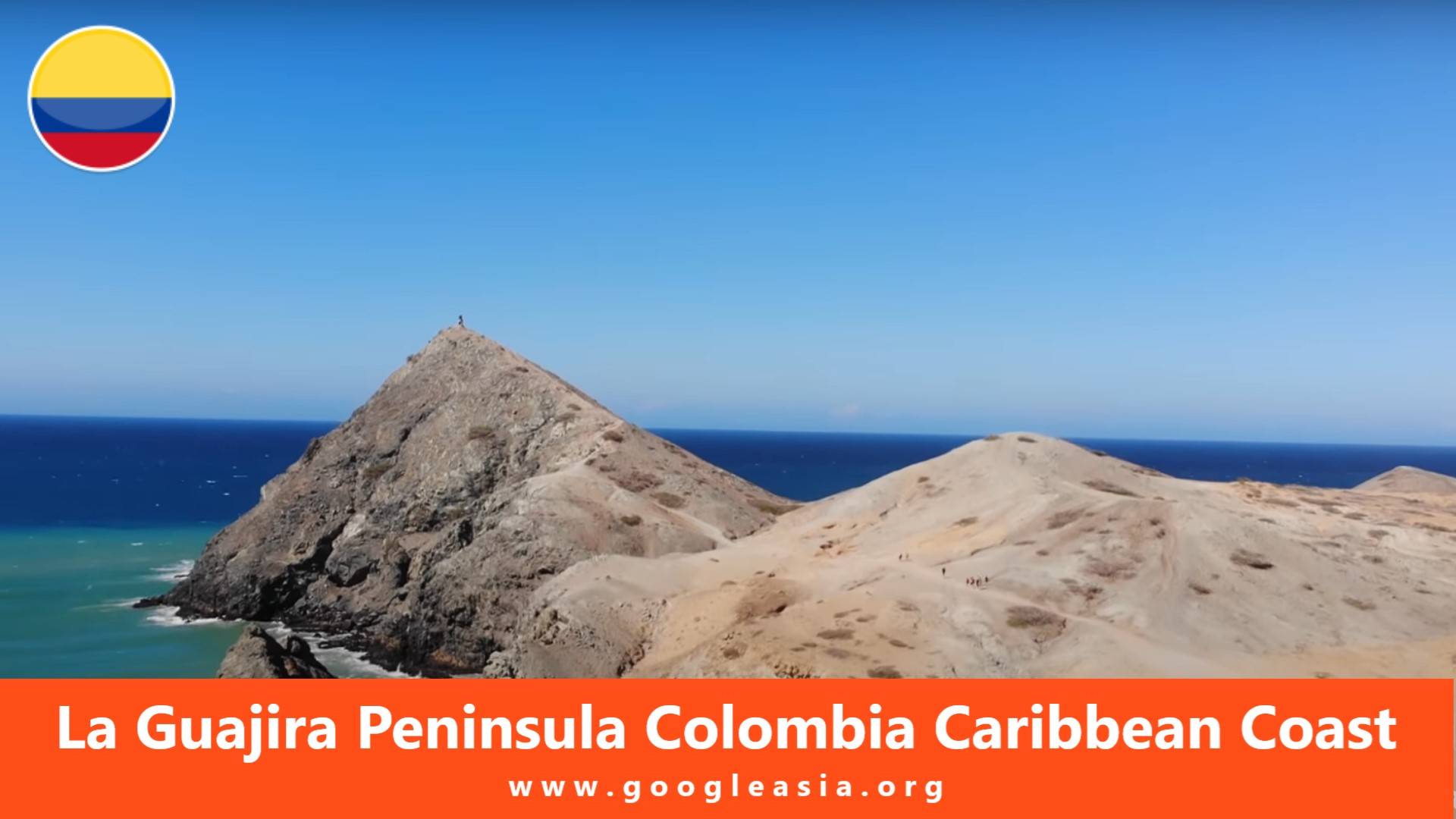
Discover La Guajira Peninsula, Colombia—where desert dunes meet the Caribbean Sea and Wayuu culture thrives. Visit Cabo de la Vela, Punta Gallinas, and Manaure Salt Flats with our curated itinerary. Plan your La Guajira adventure today and explore Colombia’s northern frontier!
Introduction
La Guajira is Colombia’s wild northern frontier, a region of desert landscapes, turquoise waters, and rich Wayuu traditions. From the salt flats of Manaure to the remote cliffs of Punta Gallinas, this destination offers raw beauty and cultural depth. Whether you’re seeking adventure or cultural immersion, this guide provides a practical itinerary and essential visitor information to help you explore La Guajira with confidence.
Economic Significance
Natural Resources
La Guajira is one of Colombia’s most resource-rich regions. Its economy is shaped by:
Coal Mining: The Cerrejón mine, located in La Guajira, is among the largest open-pit coal mines in the world. It produces tens of millions of tons annually, making Colombia one of the top coal exporters globally.
Wind Energy: The peninsula’s strong trade winds have attracted major renewable energy projects. La Guajira is expected to become Colombia’s leading hub for wind power, with large-scale farms under construction.
Agriculture: Despite its arid climate, crops such as cassava, maize, and bananas are cultivated, mainly for local consumption.
Fishing: Coastal towns like Riohacha and Cabo de la Vela rely on artisanal fishing, providing both food security and income for local communities.
Economic Challenges
La Guajira faces significant hurdles:
Water Scarcity: The desert climate and limited infrastructure make access to clean water a pressing issue.
Indigenous Rights: The Wayuu people, Colombia’s largest indigenous group, often face displacement and resource inequities due to mining and energy projects.
Balancing Growth and Conservation: Economic development must be weighed against environmental sustainability and cultural preservation.
Tourism and Activities
Cultural Exploration
La Guajira offers a unique cultural experience rooted in Wayuu traditions:
Wayuu Festivals: Visitors can witness traditional dances, music, and rituals.
Handicrafts: The Wayuu are renowned for their colorful woven mochilas (bags), hammocks, and hats.
Riohacha: The capital city serves as a cultural gateway, with seaside promenades and artisan markets.
Natural Attractions
The peninsula’s landscapes are dramatic and diverse:
Cabo de la Vela: Famous for kitesurfing, desert landscapes, and sacred Wayuu sites like Pilón de Azúcar.
Punta Gallinas: The northernmost point of South America, featuring sand dunes, cliffs, and remote beaches.
Los Flamencos Sanctuary: A protected reserve near Camarones where visitors can observe vibrant flocks of flamingos and other bird species.
Practical Information for Travelers
Getting There
By Air: Flights connect Bogotá and Medellín to Riohacha, the capital of La Guajira.
By Road: Long-distance buses and private tours link La Guajira with Santa Marta and other Caribbean destinations.
Accommodations
Eco-Lodges: Cabo de la Vela and Punta Gallinas offer rustic lodges run by Wayuu families, providing authentic cultural immersion.
Boutique Hotels: Riohacha features boutique stays with modern amenities.
Rustic Options: In remote desert areas, accommodations are basic—often hammocks or simple huts—emphasizing adventure and authenticity.
Attractions
A Unique Geographical Landscape
Desert and Mountains
The La Guajira Peninsula, stretching across northeastern Colombia and northwestern Venezuela, is the northernmost point of South America. Covering about 25,000 km², it is a land of striking contrasts:
Sparsely Populated Desert: Vast arid plains dominate much of the region, with dramatic dunes and unique geological formations shaped by strong winds.
Sierra de La Macuira: Rising unexpectedly from the desert, this small mountain range creates a lush microclimate. Its cloud forests harbor tropical species not found elsewhere in the peninsula, making it a biodiversity hotspot.
Coastal Beauty
La Guajira’s Caribbean coastline is equally captivating:
Pristine Beaches: Remote and less frequented, ideal for travelers seeking tranquility.
Cabo de la Vela: A cultural and natural gem, known for its golden sunsets, kitesurfing opportunities, and sacred Wayuu sites such as Pilón de Azúcar.
Punta Gallinas: The northernmost tip of South America, offering dramatic cliffs, dunes, and secluded beaches.
The Wayuu Indigenous People
Cultural Heritage
The Wayuu people, numbering over 400,000, are the largest indigenous group in Colombia. Their culture is deeply tied to the land:
Traditional Craftsmanship: Wayuu artisans are famous for their vibrant woven mochilas (bags), hammocks, and beadwork, which are sold across Colombia and internationally.
Festivals: Events like the Wayuu Carnival showcase traditional dances, music, and rituals, preserving ancestral heritage.
Wayuu Lifestyle
Nomadic Heritage: Historically semi-nomadic, the Wayuu adapted to the harsh desert by herding goats and trading salt and fish.
Community-Based Living: Their society is matrilineal, with clans organized around maternal lineage, reflecting strong communal bonds and cultural identity.
Flora and Fauna
Unique Ecosystems
Despite its arid climate, La Guajira hosts diverse ecosystems:
Flora: Desert-adapted plants such as cacti and thorny shrubs dominate, while the Sierra de La Macuira supports tropical species like orchids and bromeliads.
Fauna: The region is home to the endangered Guajira white-tailed deer, iguanas, and bird species such as the Vermilion cardinal and flamingos found in the Los Flamencos Sanctuary.
Conservation Efforts
Protected areas like Macuira National Natural Park and Los Flamencos Sanctuary safeguard fragile ecosystems and endangered species. These reserves also promote eco-tourism, balancing conservation with community development.
Things to Do
Take a Trip to Cabo de la Vela
Cabo de la Vela, located on Colombia’s La Guajira Peninsula, is a remote desert-meets-sea destination cherished for its natural beauty and cultural significance. This sacred site for the Wayuu people offers:
Beaches: White sand and turquoise waters, far less crowded than Colombia’s Caribbean hotspots.
Sailing and Boat Trips: Explore the coastline and nearby bays, often guided by local Wayuu families.
Kitesurfing: Thanks to strong trade winds, Cabo de la Vela is one of South America’s premier kitesurfing destinations.
Horseback Riding: Ride through desert dunes and coastal trails, experiencing the landscape in a traditional way.
Cabo de la Vela is also famous for Pilón de Azúcar, a sacred hill offering panoramic views and unforgettable sunsets.
Hike Through Macuira National Park
Macuira National Natural Park is a unique oasis in the desert, where the Sierra de La Macuira mountains rise to 864 meters. This microclimate supports lush cloud forests amid arid surroundings. Visitors can enjoy:
Trekking: Trails lead through dry tropical forests, valleys, and rugged peaks.
Wildlife Watching: Spot rare species such as the Scarlet Ibis, Vermilion cardinal, and endemic reptiles.
Scenic Views: Panoramic vistas showcase the park’s contrast between desert and greenery.
Macuira is considered one of Colombia’s most ecologically diverse protected areas.
Enjoy Bird Watching at the Palomino Sanctuary
The Palomino area, located between La Guajira and Magdalena departments, is a hotspot for birdwatching:
Bird Species: Over 40 species, including toucans, parrots, and migratory birds.
Mangrove Forests: These ecosystems provide refuge for both birds and aquatic life.
Eco-Tours: Guided tours highlight conservation efforts and the importance of mangroves in coastal protection.
Explore the Beautiful City of Riohacha
Riohacha, the capital of La Guajira, blends history, culture, and coastal charm:
Cathedral of the Immaculate Conception: A colonial-era landmark in the city center.
Wayuu Culture: The Haramba-Watri Museum and artisan markets showcase Wayuu traditions.
Colonial Fortifications: Remnants of Spanish-era defenses reflect the region’s strategic importance.
Shopping and Dining: Colorful shops sell Wayuu mochilas, while restaurants serve fresh seafood and traditional dishes.
Spend Some Time at Dune Huaraka
The Huaraka Dune, one of the largest in La Guajira, offers unique desert experiences:
Stargazing: With minimal light pollution, it’s a prime location for observing constellations.
Sunrise and Sunset Watching: The dune’s summit provides breathtaking views of the desert and Caribbean horizon.
Exploration: Ideal for photography, nature walks, and appreciating the vast desert landscape.
Foods
Cazuela de Mariscos
Cazuela de Mariscos is a signature dish of Colombia’s Caribbean and Pacific coasts, especially popular in La Guajira.
Fresh Seafood: Traditionally prepared with shrimp, crab, mussels, clams, squid, and firm white fish, reflecting the abundance of the Caribbean Sea.
Flavorful Broth: Coconut milk is often used, giving the stew a creamy texture and tropical flavor. Spices like cumin, garlic, and cilantro enhance the natural seafood taste.
Cultural Roots: The dish has Spanish origins, influenced by Catalonian seafood stews, but adapted with local Caribbean ingredients such as coconut and tropical herbs.
Pescaito Frito
Pescaito Frito is a coastal staple, often served in beach towns like Riohacha and Cabo de la Vela.
Fish Selection: Mojarra or red snapper are commonly used, fried whole until crispy.
Accompaniments: Served with patacones (fried plantains), coconut rice, and hogao (tomato-onion sauce).
Cultural Significance: This dish embodies the simplicity of Caribbean cooking—fresh fish, fried to perfection, enjoyed seaside.
Sancocho de Pescado
Sancocho de Pescado is a traditional soup blending indigenous and Spanish culinary traditions.
Ingredients: Firm fish, yucca, plantains, corn, tomatoes, and cilantro.
Flavor Profile: Earthy cumin and garlic balance the sweetness of plantains and corn.
Social Role: Often prepared for family gatherings and festivals, symbolizing community and abundance.
Patacones
Patacones are a beloved snack and side dish across Colombia.
Preparation: Green plantains are sliced, fried, flattened, and fried again for crispiness.
Serving Style: Accompanied by garlic sauce, hogao, or guacamole.
Cultural Note: Patacones are a staple in La Guajira, eaten with seafood or as street food.
Arepas
Arepas are central to Colombian cuisine, with regional variations.
Corn-Based Patties: Made from white or yellow corn flour.
Fillings: Cheese, pork, chicken, or beef.
Regional Twist: In La Guajira, arepas are often paired with seafood dishes, reflecting coastal influence.
Churrasco
Churrasco is a Latin American grilled beef dish, popular in La Guajira as a hearty alternative to seafood.
Seasoning: Garlic, vinegar, and spices enhance the beef’s flavor.
Sides: Typically served with potatoes, rice, or salad.
Pabellón Criollo
Pabellón Criollo highlights cross-border culinary exchange between La Guajira and Venezuela.
Shredded Beef: Slow-cooked with spices.
Black Beans and Corn: Add protein and texture.
Plantains and Rice: Balance sweet and savory flavors.
Arroz con Coco
Arroz con Coco is a signature side dish of Colombia’s Caribbean coast.
Preparation: Rice cooked with coconut milk and panela (unrefined cane sugar).
Flavor Profile: Sweet, creamy, and aromatic.
Pairings: Often served with fried fish or seafood stews.
Rajas con Queso
Though more common in Mexican cuisine, Rajas con Queso has been adopted in La Guajira’s culinary scene.
Poblano Peppers: Stuffed with cheese and lightly fried.
Cheese Filling: Melts into the pepper, creating a rich flavor.
Yuca
Yuca frita is a popular snack and side dish across Colombia.
Preparation: Cassava root is cut into wedges and deep-fried until golden.
Serving Style: Accompanied by hogao or garlic sauce.
Nutritional Note: Yuca is a staple carbohydrate in La Guajira, valued for its versatility and energy content.
Hotels
Alojamiento en Cabo de la Vela
Rating: 4.5/5 stars
Location: Cabo de la Vela
Highlights:
Proximity to Beaches: Located near some of the most stunning beaches in the region.
Comfortable Accommodations: Offers clean and comfortable rooms with essential amenities.
Local Experience: Provides an authentic Wayuu cultural experience, with traditional decorations and local hospitality.
Posada El Refugio
Rating: 4.2/5 stars
Location: La Mojana
Highlights:
Warm Atmosphere: Known for its friendly service and homely feel.
Convenient Location: Situated in a strategic spot to explore nearby attractions.
Comfortable Rooms: Provides basic yet comfortable accommodations, ideal for relaxing after a day of exploring.
Hotel Caribe Villamaria
Rating: 3.8/5 stars
Location: La Guajira Province
Highlights:
Affordable Rates: Offers good value for money with comfortable rooms.
Facilities: Includes essential amenities such as Wi-Fi and dining options.
Central Location: Positioned conveniently for access to local sites and services.
Hotel Estación Lo de Ramos
Rating: 3.5/5 stars
Location: Lo de Ramos
Highlights:
Basic Amenities: Provides clean and functional accommodations with essential services.
Accessibility: A good choice for travelers needing a straightforward place to stay while exploring the region.
Friendly Staff: Known for helpful and accommodating service.
Hotel Estación Mirtoria
Rating: 3.2/5 stars
Location: Manaure
Highlights:
Economical Choice: Ideal for budget-conscious travelers seeking basic comforts.
Basic Facilities: Offers the necessary amenities for a comfortable stay.
Local Experience: Situated in a less touristy area, providing a more local and authentic experience.
Conclusion
La Guajira is a destination of untamed beauty and cultural richness. From the salt flats of Manaure to the remote cliffs of Punta Gallinas, every stop reveals a new facet of Colombia’s northern frontier. Follow this itinerary, immerse yourself in Wayuu traditions, and let La Guajira’s desert‑coast landscapes captivate your spirit.
Summary
Attraction: La Guajira Peninsula
Country: Colombia
Continent: South America
Capital Name: Bogotá
Language: Spanish
Currency: Colombian Peso
Nationality: Colombians (Spanish: Colombianos)
Category: #Destination #SouthAmerica #COLOMBIA
Contact Tourist Info – Riohacha
Address: Carrera 7 #12-45, Riohacha, La Guajira, Colombia
Telephone: +57 (605) 728 1234
Website: www.laguajiraturismo.com
Email: info@laguajiraturismo.com
Entry Fee: Varies by attraction (Manaure free, Cabo de la Vela tours ~50,000–100,000 COP)
Business Hours: Most attractions open daily, 8:00 AM – 6:00 PM
Discover Medellín, Colombia—the City of Eternal Spring. From cable cars and street art to Botero’s masterpieces, explore top attractions with our curated itinerary. Plan your Medellín adventure today and experience its vibrant culture!
Introduction
Medellin is a vibrant and beautiful city with a lot to offer the intrepid traveler. With its thriving art and culture scene, stunning colonial buildings, great cafes and restaurants, bustling nightlife and stunning mountain landscape, Medellín Colombia is a great destination for anyone who enjoys exploring new places and cultures. Moreover, it is one of the safest cities in South America and has been growing in popularity as a tourist destination over the last few years.
Medellín is a city of contrasts, with its stunning mountain views, bustling downtown, and vibrant nightlife. It is the capital of the Antioquia region, and the second largest city in Colombia. It is known for its beautiful weather, friendly people, and cultural activities. With its modern infrastructure and well-developed economy, Medellín is a great place to visit or live.
Cultural and Artistic Hub
Vibrant Cultural Life
Medellín’s cultural calendar is packed with festivals and traditions. The Feria de las Flores showcases elaborate flower parades and cultural performances, while the Festival Internacional de Poesía attracts poets and literary enthusiasts from around the globe. Street art, particularly in Comuna 13, has become a symbol of resilience and creativity, transforming once-troubled neighborhoods into vibrant cultural spaces.
Art Galleries and Museums
Art lovers can explore the Museo de Antioquia, home to an extensive collection of works by Fernando Botero, Colombia’s most celebrated artist. The Museo Casa de la Memoria provides a poignant reflection on Medellín’s turbulent past, honoring victims of violence while promoting dialogue and reconciliation. These institutions highlight the city’s dual identity: a place of artistic brilliance and historical reflection.
Budget Travel $100
Traveling Medellín on a $100 budget is surprisingly feasible thanks to the city’s affordable food, transport, and entertainment options. A typical local meal at a neighborhood restaurant costs around $3–5, while a more upscale dinner might reach $10–15. Street food such as empanadas or arepas can be found for less than $2, making it easy to stretch your budget across several meals.
Public transport is efficient and inexpensive: the Medellín Metro fare is about $0.80 per ride, and buses average $0.70–1.00. With $100, you could comfortably cover three days of meals and transport, leaving room for attractions. Entrance fees to popular sites like the Museo de Antioquia are about $6, while the Comuna 13 graffiti tour costs around $15–20.
If you plan carefully, $100 can also include cultural experiences and nightlife. A cable car ride to Santo Domingo, part of the metro system, is included in the standard fare, offering panoramic views of the city. Coffee lovers can enjoy a high-quality Colombian brew for $1–2 at local cafés.
For nightlife, a beer in a bar costs about $2–3, and entry to clubs ranges from $5–10. Budget travelers often stay in hostels, where dorm beds average $10–15 per night, though this would slightly exceed the $100 if accommodation is included. However, if lodging is already covered, $100 can easily cover food, transport, and entertainment for several days, making Medellín one of South America’s most cost-effective urban destinations.
Tips for American Travelers
For Americans visiting Medellín, it is important to remember that cash is king, especially small denominations in Colombian pesos, since many local shops and taxis do not accept cards. While ATMs are widely available, withdrawing from machines inside malls or banks is safer than street ATMs. Another key point is safety awareness: Medellín has transformed dramatically in recent decades, but travelers should still avoid flashing valuables and be cautious in crowded areas. Staying in neighborhoods like El Poblado or Laureles offers a balance of safety, accessibility, and vibrant nightlife.
Language can be a barrier since English is not widely spoken, so learning basic Spanish phrases will make daily interactions smoother. Americans should also note that U.S. dollars are not commonly accepted, so exchanging currency beforehand or upon arrival is essential. Public transport is reliable, but ride-hailing apps like Uber or InDriver are popular alternatives for convenience.
Finally, Medellín’s altitude and climate mean mild temperatures year-round, so packing light layers is more practical than heavy clothing. By blending cultural respect, cautious planning, and openness to local experiences, American travelers can enjoy Medellín safely and affordably.
Attractions
The Cityscape and Climate
Warm and Welcoming Climate
Medellín, nestled in the Aburrá Valley of the Colombian Andes, is famously known as the “City of Eternal Spring.” Its average temperature hovers around 22°C (72°F) year-round, offering mild, pleasant weather that makes outdoor exploration enjoyable in every season. This climate not only attracts visitors but also supports lush vegetation, vibrant gardens, and the city’s renowned flower industry, celebrated annually during the Feria de las Flores.
A City Surrounded by Nature
The city is encircled by dramatic Andean mountains, providing panoramic views and opportunities for hiking, paragliding, and eco-tourism. Medellín’s urban landscape is interwoven with rivers and green hills, creating a balance between metropolitan life and natural beauty. The innovative Metrocable system connects hillside neighborhoods to the city center, offering breathtaking aerial views while improving accessibility for residents.
Major Universities
Medellín is an academic powerhouse, hosting institutions such as the Universidad de Antioquia, one of Colombia’s oldest and most respected universities, and Universidad EAFIT, known for its strong programs in business and engineering. These universities contribute significantly to the city’s intellectual and cultural vitality.
A Hub of Innovation
Globally recognized for its urban transformation, Medellín has been awarded titles like “Innovative City of the Year” by the Urban Land Institute. Projects such as the Medellín River Parks and the Library Parks demonstrate how urban planning can foster inclusivity and sustainability. The city’s embrace of technology and social innovation has turned it into a model for Latin American development.
Historical Significance
Monuments and Landmarks
Medellín’s history is etched into its landmarks. The Plaza Botero features dozens of monumental sculptures by Fernando Botero, offering a playful yet profound artistic experience. Meanwhile, Pueblito Paisa, a replica of a traditional Antioquian village, provides visitors with a glimpse into the region’s cultural heritage.
Legacy and Transformation
Once infamous for violence in the late 20th century, Medellín has undergone a remarkable metamorphosis. Through investments in education, infrastructure, and community programs, the city has redefined itself as a beacon of resilience and progress. Today, Medellín is celebrated internationally as a symbol of transformation, proving that innovation and social commitment can reshape urban identity.
Suggested Itinerary
8:00 AM – Breakfast in El Poblado Enjoy fresh Colombian coffee and traditional arepas.
9:00 AM – Comuna 13 Walking Tour Explore vibrant street art, murals, and learn about Medellín’s transformation.
12:00 PM – Lunch at Mercado del Río A modern food hall offering diverse cuisines and local flavors.
1:30 PM – Ride the Metrocable Take in panoramic views of the city and surrounding mountains.
3:00 PM – Visit Museo de Antioquia Admire Fernando Botero’s iconic artworks and Antioquia’s cultural heritage.
5:00 PM – Stroll Plaza Botero See Botero’s famous sculptures and enjoy the lively atmosphere.
7:00 PM – Dinner in Laureles Taste authentic Colombian dishes in a neighborhood known for its nightlife.
9:00 PM – Evening at Parque Lleras Experience Medellín’s social hub with bars, music, and vibrant energy.
Things to Do
Medellín, with its blend of natural beauty and cultural richness, offers a wide array of activities for visitors. From scenic hikes and unique transportation experiences to cultural explorations and vibrant nightlife, Medellín provides something for everyone. Here’s a guide to some of the top things to do in this dynamic city:
Experience Parque Arví
A Natural Paradise
Parque Arví, spanning more than 35,000 acres in the eastern hills above Medellín, is one of Colombia’s largest ecological parks. It is a biodiversity hotspot, home to hundreds of bird species, native orchids, and pre-Hispanic archaeological sites. Outdoor enthusiasts can enjoy:
Biking: Trails range from gentle paths to challenging mountain routes.
Bird Watching: Over 70 bird species, including toucans and tanagers, can be spotted.
Nature Hikes: Guided walks reveal both ecological wonders and ancient stone paths.
Camping: Designated areas allow visitors to spend the night immersed in nature.
Ziplining: Thrill-seekers can glide through the treetops with panoramic views.
Scenic Viewpoints
At the park’s summit, visitors are rewarded with sweeping vistas of the Aburrá Valley and the surrounding Andes. These viewpoints are popular for photography and relaxation, offering a tranquil escape from the city’s bustle.
Ride the Metro Cable
Medellín pioneered the Metro Cable system in 2004, making it the first city in Latin America to integrate cable cars into public transit. This innovation connects hillside communities to the metro network, reducing travel times and promoting social inclusion. Riders enjoy:
Breathtaking Views: Aerial perspectives of Medellín’s skyline and mountains.
Convenience: Efficient access to neighborhoods once isolated by steep terrain.
Integration: Direct links to the metro system, making commuting seamless.
Hike Cerro Nutibara
Cerro Nutibara rises 80 meters above the city, offering a panoramic lookout. Highlights include:
Stair Climb: 366 steps lead to the summit, rewarding climbers with citywide views.
Sculpture Park: A collection of contemporary sculptures enriches the cultural experience.
Pueblito Paisa: A replica Antioquian village sits atop the hill, showcasing traditional architecture and cuisine.
Explore the City’s Cultural Offerings
Medellín’s streets and plazas are adorned with sculptures by Fernando Botero, whose oversized figures have become iconic. Cultural institutions include:
Museo de Antioquia: Featuring Botero’s works and colonial art.
Museo Casa de la Memoria: Documenting the city’s history of conflict and resilience.
Comuna 13 Murals: Vibrant street art symbolizing transformation and hope.
Visit Santa Fe de Antioquia
Located about 80 kilometers from Medellín, Santa Fe de Antioquia is a preserved colonial town dating back to the 16th century. Visitors can explore:
Cobblestone Streets: Lined with whitewashed houses and ornate balconies.
Puente de Occidente: A historic suspension bridge over the Cauca River.
Outdoor Cafes: Perfect for sampling Antioquian cuisine in picturesque plazas.
Stop at Pueblito Paisa
This replica village atop Cerro Nutibara offers:
Observation Tower: Panoramic views of Medellín’s skyline.
Traditional Architecture: A church, school, and town square reflecting Antioquian heritage.
Local Crafts: Shops selling handmade goods and regional delicacies.
Relax in Parque Explora
Parque Explora is a modern science and technology center featuring:
South America’s Largest Freshwater Aquarium: Showcasing Amazonian species.
Interactive Exhibits: Covering physics, biology, and astronomy.
Planetarium: Offering immersive journeys through the cosmos.
Shop on La 70
La 70, near the Estadio metro station, is a lively avenue known for:
Markets: Selling handmade jewelry, woodcarvings, and textiles.
Street Performers: Music and dance enliven the atmosphere.
Cafes and Bars: Ideal for sampling local flavors.
Party in El Poblado
El Poblado is Medellín’s upscale district and nightlife hub. Visitors can enjoy:
Bars and Clubs: Ranging from salsa venues to electronic music hotspots.
Rooftop Bars: Offering cocktails with panoramic city views.
Fine Dining: International and Colombian cuisine in stylish settings.
Foods
Medellín is a culinary delight with a rich variety of traditional and unique dishes that showcase Colombian flavors. Whether you’re indulging in hearty stews, savoring street snacks, or enjoying refreshing beverages, the city’s food scene offers something for every palate. Here’s a guide to some of the best foods to try in Medellín:
Bandeja Paisa
Bandeja Paisa is perhaps the most iconic dish from the Antioquia region. This hearty platter includes:
Beans and Rice: A staple base of the dish.
Carne Molida (Ground Beef): Typically seasoned and cooked to perfection.
Chorizo: Colombian sausage that adds a robust flavor.
Chicharrón (Pork Cracklings): Crispy and savory, offering a satisfying crunch.
Fried Egg: Often placed on top of the dish.
Arepas: Cornmeal cakes that complement the other ingredients.
Avocado: Fresh and creamy, providing a contrasting texture.
Plantain: Sweet and fried, balancing the savory elements.
Ajiaco
Ajiaco is a comforting stew, especially popular in the colder months. It’s made with:
Potatoes and Corn: The base ingredients that give the stew its hearty texture.
Chicken: Shredded for a tender addition.
Three Types of Ground Peppers: Adding depth and complexity to the flavor.
Guascas: A traditional Colombian herb that imparts a unique taste.
Empanadas de Pipian
Empanadas de Pipian are a delicious variation of Colombian empanadas. These pastries are filled with:
Ground Beef: Spiced and seasoned for a flavorful core.
Raisins and Almonds: Adding a sweet and nutty contrast.
Spices: Enhancing the overall flavor profile.
Sancocho de Gallina
Sancocho de Gallina is a beloved chicken soup that includes:
Chicken and Vegetables: Such as potatoes, plantains, and cassava.
Guascas: A distinctive herb that’s key to its flavor.
Cilantro, Tomatoes, Onion, and Garlic: Creating a rich and aromatic broth.
Tamales
Tamales are a traditional Colombian dish made from:
Corn Dough: Wrapped around a mixture of meats, vegetables, and sometimes fruits.
Meats and Vegetables: Various combinations can be found, each offering a unique taste.
Churros
Churros are a delightful pastry typically enjoyed with:
Hot Chocolate or Tea: For dipping, enhancing the sweetness of the churros.
Cinnamon and Sugar: Often sprinkled on top for extra flavor.
Arepas
Arepas are a staple in Colombian cuisine, and they can be enjoyed in various ways:
Filled or Topped with Ingredients: Such as cheese, eggs, meats, or vegetables.
Versatile: Suitable for any meal of the day.
Fresco de Lulo
Fresco de Lulo is a popular Colombian drink made from:
Lulo Fruit: A unique fruit native to Colombia, known for its tangy flavor.
Cold and Refreshing: Perfect for a hot day.
Morcilla
Morcilla is a type of blood sausage made with:
Pork: The main ingredient, often seasoned with various spices.
Rich Flavor: It adds a distinctive taste to Colombian dishes.
Postre de Natas
Postre de Natas is a decadent dessert consisting of:
Condensed Milk, Egg Yolk, and Sugar: The base ingredients for a rich and creamy texture.
Mango: Often added for a fruity and refreshing contrast.
Hotels
Medellín boasts a variety of accommodations ranging from luxury to boutique options, catering to diverse preferences and budgets. Here’s a guide to some of the best hotels in Medellín, each offering unique amenities and experiences to enhance your stay in this vibrant city:
Hotel Park 10
Located in the upscale El Poblado district, Hotel Park 10 blends classic elegance with modern comfort. Its spacious suites are designed for both business and leisure travelers, featuring marble bathrooms, plush bedding, and private balconies. The on-site gourmet restaurant offers a mix of Colombian and international cuisine, while the hotel’s wellness center provides spa treatments and fitness facilities. Its proximity to Lleras Park makes it ideal for guests seeking nightlife and fine dining.
Hotel Veracruz
Hotel Veracruz is a budget-friendly option in central Medellín, close to major attractions like Plaza Mayor Convention Center and the Museo de Antioquia. Rooms are simple yet comfortable, catering to travelers who prioritize location and affordability. Guests often highlight the warm hospitality and attentive service, making it a reliable choice for those seeking convenience without luxury pricing.
Hotel Dann Carlton Belfort
Situated in El Poblado’s Castropol neighborhood, Hotel Dann Carlton Belfort is known for its spacious rooms, outdoor swimming pool, and spa services. Guests enjoy easy access to Poblado Park and shopping centers like Santafé Mall. Reviews consistently praise its professional staff, comfortable beds, and excellent breakfast offerings. The hotel also features a restaurant and bar, making it suitable for both business and leisure stays.
Enjoy Medellín by American Express
This premium lodging option emphasizes exclusivity and personalized service. With high-end amenities such as private lounges, concierge services, and luxury suites, Enjoy Medellín caters to travelers seeking a curated experience. Its central location ensures easy access to cultural attractions, shopping districts, and fine dining.
Hotel Nacional
Hotel Nacional offers a glimpse into Medellín’s past with its traditional architecture and timeless appeal. Centrally located, it provides easy access to historic landmarks and cultural sites. Rooms combine classic design with modern comforts, appealing to travelers who appreciate heritage hotels with a nostalgic atmosphere.
Hotel Poblado Plaza
Hotel Poblado Plaza is a boutique property in El Poblado, known for personalized service and stylish interiors. Guests enjoy amenities such as a fitness center, business facilities, and a restaurant serving Colombian specialties. Its location near El Tesoro Shopping Park and nightlife venues makes it a favorite among visitors seeking both leisure and convenience.
InterContinental Medellín
Nestled in a tranquil hillside area, the InterContinental Medellín offers resort-style luxury with expansive gardens, tennis courts, and a large outdoor pool. The hotel features multiple dining options, including fine dining restaurants and casual cafes. Its spa and wellness facilities make it a top choice for travelers seeking relaxation while remaining close to the city’s attractions.
Hotel Estelar La 70
Located on the lively La 70 avenue, Hotel Estelar La 70 is perfect for travelers who want to immerse themselves in Medellín’s nightlife and entertainment scene. Rooms are modern and well-equipped, and the hotel offers business services, a restaurant, and fitness facilities. Its location near the Atanasio Girardot Stadium makes it popular among sports fans and event-goers.
Charlee Hotel
Charlee Hotel is one of Medellín’s most stylish properties, featuring contemporary design and artistic flair. Located in Parque Lleras, it is surrounded by trendy shops, restaurants, and bars. The hotel’s rooftop bar, Envy, is a city hotspot, offering panoramic views, cocktails, and a lively atmosphere. Its boutique-style rooms emphasize modern luxury with unique décor.
Marriott Medellín
The Medellín Marriott Hotel, part of the international Marriott chain, delivers world-class service and modern amenities. Guests enjoy spacious rooms, a fitness center, meeting facilities, and multiple dining options. Its location in El Poblado ensures easy access to shopping malls, business districts, and nightlife, making it a versatile choice for both corporate and leisure travelers.
Conclusion
Medellín is a city of innovation, resilience, and beauty. From cable cars soaring over the mountains to vibrant street art and world‑class museums, every corner offers something memorable. Follow this itinerary, explore the highlights, and let Medellín captivate you with its energy and charm.
Summary
Attraction: Medellín
Country: Colombia
Continent: South America
Capital Name: Bogotá
Language: Spanish
Currency: Colombian Peso
Nationality: Colombians (Spanish: Colombianos)
Category: #Destination #SouthAmerica #COLOMBIA
Contact Museo de Antioquia
Address: Carrera 52 #52-43, Medellín, Colombia
Telephone: +57 (604) 251 3636
Website: www.museodeantioquia.co
Email: info@museodeantioquia.co
Entry Fee: Approx. 18,000 COP (adults), discounts for students/children
Business Hours: Monday–Saturday 10:00 AM – 5:30 PM, Sunday 10:00 AM – 4:30 PM
Frequently Asked Questions
Where is Medellín located?
Medellín is located in the northwest region of Colombia, in the Aburrá Valley of the Andes Mountains. Specifically, it is situated in the central part of the department (state) of Antioquia. The city is nestled within a mountainous area, which gives it a unique geography and climate.
How can one travel to Medellín?
Traveling to Medellín, Colombia, typically involves a few main transportation options depending on your starting point:
By Air:
International Flights: Most travelers arrive at José María Córdova International Airport (MDE), which is located about 45 minutes east of Medellín in the city of Rionegro. This airport serves as the main gateway for international flights.
Domestic Flights: Olaya Herrera Airport (EOH), also known as Medellín Airport, handles domestic flights and some regional international flights. It is located within the city limits, making it convenient for travelers from within Colombia.
From José María Córdova International Airport (MDE):
Airport Transfers: Several companies offer shuttle services directly from the airport to Medellín. These can be booked in advance or arranged upon arrival.
Taxi or Uber: Taxis and Uber are available at the airport for direct transport to Medellín. Make sure to use authorized taxi services from the designated counters.
From Olaya Herrera Airport (EOH):
Taxi or Uber: Taxis and Uber are readily available for transfers to various parts of Medellín.
Public Transport: Public buses also serve routes to and from Olaya Herrera Airport, providing a budget-friendly option.
By Land:
Bus: Medellín is well-connected by long-distance buses from major cities across Colombia. The Terminal del Norte is the main bus terminal in Medellín, serving routes from Bogotá, Cali, Cartagena, and other cities.
Car: If traveling from nearby cities or regions, driving to Medellín is possible via well-maintained highways. Rental cars are available at airports and in the city.
Travel Tips:
Safety: Follow safety recommendations, especially when using public transportation. Use authorized taxi services and avoid traveling alone at night in unfamiliar areas.
Language: Spanish is the official language in Colombia. Basic Spanish phrases can be helpful, although English is spoken in some tourist areas.
What’s the climate like in Medellín?
Medellín enjoys a pleasant and moderate climate throughout the year due to its elevation and location in the Aburrá Valley of the Andes Mountains. Here’s an overview of the climate in Medellín:
Temperature: The average annual temperature in Medellín ranges from about 16°C (61°F) to 22°C (72°F). Because of its altitude (around 1,500 meters or 4,900 feet above sea level), temperatures are generally mild and do not experience extreme heat or cold.
Rainfall: Medellín has a tropical rainforest climate with a distinct wet season (April to November) and a drier season (December to March). The heaviest rainfall typically occurs from May to October. Rain showers are frequent but usually short-lived, followed by sunny periods.
Humidity: The city can be humid, especially during the rainy season, but it’s generally comfortable due to its elevation and breezes from surrounding mountains.
Microclimates: Medellín’s topography results in microclimates, with temperatures and weather conditions varying slightly between different neighborhoods and areas of the city. Higher elevations within the city may be cooler than lower areas.
Clothing: Lightweight clothing is suitable for most of the year, with a light jacket or sweater recommended for cooler evenings. During the rainy season, an umbrella or raincoat is useful.
What are Medellín’s must-visit attractions or landmarks?
Medellín, Colombia, offers a range of attractions and landmarks that highlight its cultural richness, natural beauty, and vibrant atmosphere. Here are some must-visit places when exploring the city:
Plaza Botero (Botero Square): Located in the heart of Medellín, this plaza features 23 sculptures donated by renowned Colombian artist Fernando Botero. The sculptures, known for their exaggerated proportions, are a popular spot for art enthusiasts and photographers.
Parque Arví: A nature reserve accessible via the Medellín Metrocable system. Parque Arví offers hiking trails, eco-parks, and cultural activities, providing a retreat into nature just a short ride from the city.
Comuna 13: Once known for its troubled past, Comuna 13 has transformed into a vibrant neighborhood adorned with colorful street art and murals. Guided tours offer insight into its history, resilience, and community spirit.
Pueblito Paisa: A replica of a traditional Antioquian village located on Nutibara Hill. It offers panoramic views of Medellín and showcases local architecture, crafts, and culture.
Metrocable and Metro System: Medellín’s innovative Metrocable connects various neighborhoods with the city center and offers stunning views of the city and surrounding mountains. The integrated metro system is clean, efficient, and a point of pride for residents.
Jardín Botánico de Medellín (Botanical Garden): A tranquil oasis in the city featuring a wide variety of native and exotic plants, orchids, a butterfly garden, and educational exhibits.
Catedral Basílica Metropolitana: The largest cathedral in Medellín, known for its Gothic architecture and stunning stained glass windows.
El Castillo Museum (Museo El Castillo): A historic mansion turned museum showcasing European art, sculptures, and gardens with panoramic views of the city.
Parque Explora: An interactive science museum and aquarium that offers hands-on exhibits, a planetarium, and educational experiences for visitors of all ages.
La Candelaria Church (Iglesia de la Candelaria): A beautiful church located in the historic center of Medellín, known for its intricate architecture and religious significance.
Is Medellín a suitable travel destination for solo adventurers, honeymooning couples, or those traveling with families?
Medellín is a versatile travel destination that caters to different types of travelers:
Solo Adventurers:
Safety: Medellín has made significant strides in improving safety in recent years, making it a more welcoming destination for solo travelers. However, as with any city, it’s important to exercise caution and be aware of your surroundings, especially at night.
Activities: Solo adventurers can explore Medellín’s cultural attractions, take guided tours of neighborhoods like Comuna 13, enjoy outdoor activities at Parque Arví, and experience the city’s vibrant nightlife.
Honeymooning Couples:
Romantic Settings: Medellín offers romantic settings such as Parque Botero, Parque Explora, and the beautiful gardens at El Castillo Museum. Couples can also enjoy scenic views from Metrocable rides or take day trips to nearby picturesque towns.
Luxury Options: There are several upscale hotels and boutique accommodations that cater to couples seeking privacy and comfort.
Families:
Family-Friendly Attractions: Medellín has attractions suitable for families, such as Parque Explora, Jardín Botánico, and interactive museums. The Metrocable ride and visits to places like Pueblito Paisa offer educational and cultural experiences.
Safety: While Medellín has improved its safety, families should exercise normal precautions and choose accommodations and neighborhoods carefully.
Considerations for All Travelers:
Local Culture: Medellín is known for its warmth and hospitality, providing opportunities to engage with local culture and traditions.
Transportation: The city’s efficient metro system and Metrocable make it easy to navigate and explore different areas.
Weather: Medellín’s mild climate makes it suitable for year-round travel, but pack accordingly for occasional rain showers.
Is it difficult to find halal food in Medellín?
Finding halal food in Medellín can be challenging, as the city does not have a large Muslim population and halal restaurants are not commonly found. Here are some considerations:
Vegetarian Options: Many restaurants offer vegetarian dishes that do not include pork or non-halal meats. These can be suitable for those adhering to halal dietary restrictions.
Seafood and Fish: Colombia’s coastal location means that seafood and fish are commonly available in local cuisine. These options may be considered halal by some Muslim travelers, depending on personal dietary practices.
International Cuisine: Some international restaurants in Medellín, especially those serving Middle Eastern or South Asian cuisine, may offer halal options. It’s recommended to inquire about ingredients and preparation methods.
Self-Catering: If possible, consider preparing your own meals using halal-certified ingredients. Some supermarkets in Medellín offer a variety of imported and local products that may meet halal standards.
Communication: When dining out, communicate your dietary restrictions clearly to restaurant staff. Learning basic Spanish phrases can help convey your needs and understand food preparation methods.
Discover the breathtaking Valley of Cocora, home to Colombia’s iconic wax palms soaring up to 60 meters high. Nestled in the lush coffee region near Salento, this destination offers unforgettable hikes, hummingbird sanctuaries, and panoramic viewpoints. Plan your trip with our 1‑day itinerary and insider tips. Don’t just dream it—visit Cocora Valley today!
Introduction
Valley of Cocora is considered one of the most beautiful places in Colombia and is a must-visit destination for people visiting the country. Its stunning scenery is characterized by tall wax palms—the tallest palm trees in the world—and rolling green hills, making for some breathtaking views. It’s a great location for hiking, horseback riding, birdwatching, and more. The valley is home to over 140 species of birds and provides a range of activities for outdoor enthusiasts and nature lovers.
The Valley of Cocora, located in the Quindío department of Colombia, lies within the Los Nevados National Natural Park. It forms part of the Coffee Cultural Landscape, a UNESCO World Heritage site recognized for its sustainable coffee-growing traditions and breathtaking scenery across the Andes.
Unique Features
Wax Palms
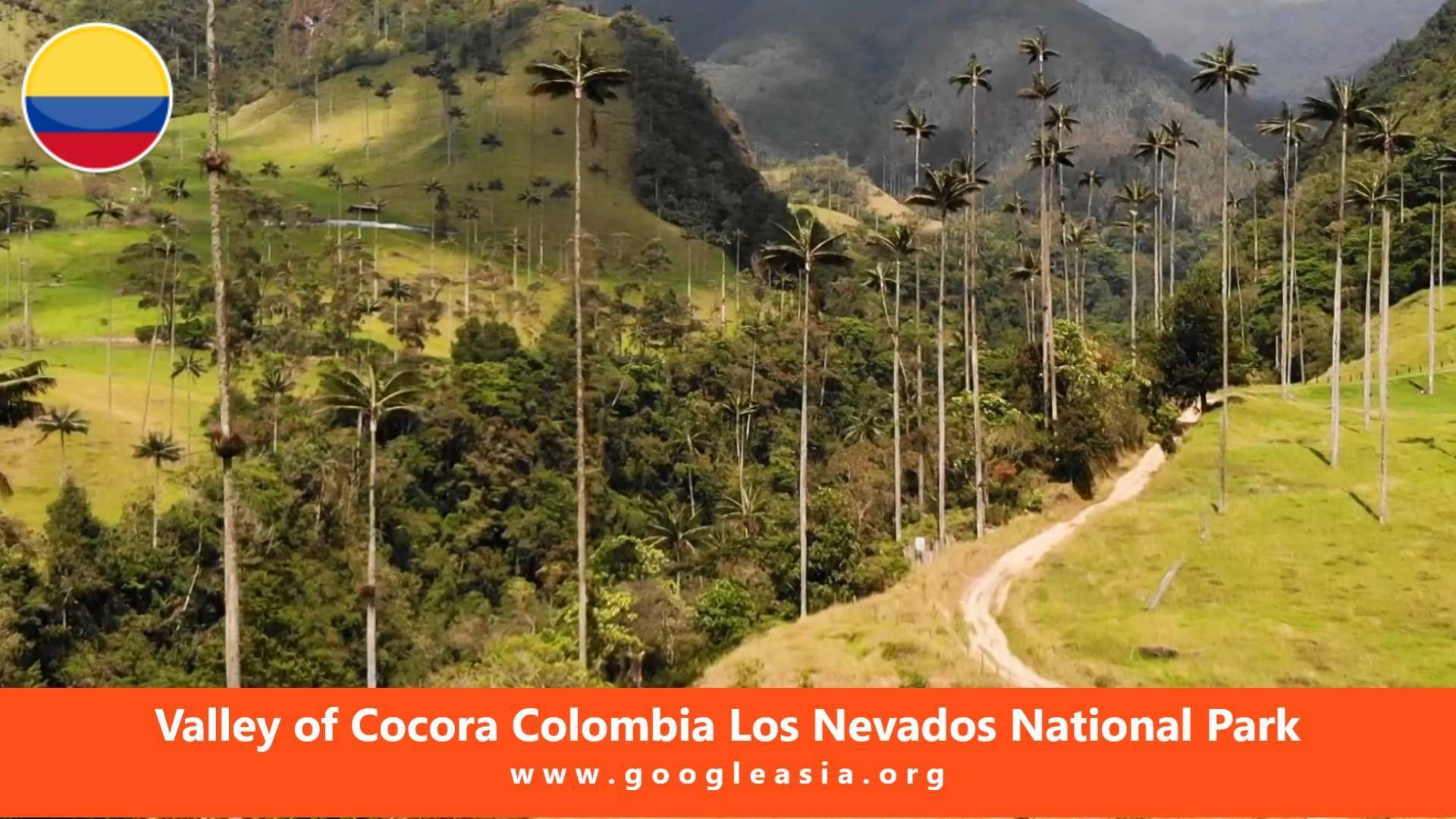
The valley is world-famous for its wax palms (Ceroxylon quindiuense), Colombia’s national tree and the tallest palm species on Earth. These slender giants can reach up to 60 meters (197 feet), creating a surreal skyline against the misty backdrop of the Andes. Their presence is so iconic that they are considered a national symbol of Colombia.
Winding Trails
Visitors can explore a network of trails winding through lush hillsides and cloud forests. Popular routes include hikes to Acaime Reserve, known for hummingbird sightings, and treks that loop through the palm groves, offering panoramic views of the valley.
Flora and Fauna
Biodiversity
The Cocora Valley’s cloud forest ecosystem supports remarkable biodiversity.
Birdlife: Species such as the Andean Cock-of-the-rock and hummingbirds thrive here, making it a paradise for birdwatchers.
Endangered Species: The valley is also home to the Spectacled Bear (Andean Bear), South America’s only bear species, which relies on the forest for food and shelter.
Nearby Attractions
Cloud Forest
The surrounding cloud forest is a mist-shrouded wonderland, rich in orchids, bromeliads, and mosses. Hiking here offers a chance to experience the valley’s mystical atmosphere and observe wildlife in its natural habitat.
Spectacled Bear
Spotting the elusive Spectacled Bear is rare but unforgettable. Its distinctive facial markings give it its name, and conservation efforts in Los Nevados National Park aim to protect this vulnerable species.
Cultural Significance
Guambiano Indigenous Heritage
The valley holds deep cultural meaning for indigenous communities such as the Guambiano (Misak) people. For them, the wax palms are sacred, symbolizing resilience and continuity. The valley’s landscape is intertwined with spiritual traditions, making it not only a natural wonder but also a cultural sanctuary.
Visiting the Valley
Hiking and Tours
Travelers can explore independently or join guided tours that highlight the valley’s ecology and cultural heritage. Tours often include visits to nearby coffee farms, connecting the valley’s natural beauty with Colombia’s coffee traditions.
Best Time to Visit
The ideal time to visit is during the dry season (December to March), when skies are clearer and trails are more accessible. However, the valley’s misty ambiance during the rainy season also adds to its mystical charm.
1‑Day Itinerary
8:00 AM – Take a traditional Willys Jeep from Salento to Cocora Valley (about 30 minutes).
9:00 AM – Begin the loop hike through cloud forests and rivers.
10:30 AM – Stop at Acaime Hummingbird Sanctuary: enjoy hot chocolate with cheese and watch hummingbirds up close.
12:00 PM – Lunch break: try fresh trout at a local restaurant near the trail.
1:30 PM – Continue to the wax palm forest, marvel at the towering 60‑meter palms.
3:00 PM – Reach the Mirador viewpoints for panoramic valley and mountain views.
4:30 PM – Return to Salento by Jeep; explore Salento’s colorful streets and coffee shops.
Things to Do
Explore the Breathtaking Landscape
Admire the Wax Palms
The Valley of Cocora is home to the wax palm (Ceroxylon quindiuense), Colombia’s national tree and the tallest palm species in the world. These giants can grow up to 60 meters (200 feet), towering above the misty valley and creating a surreal, dreamlike atmosphere. Walking among them feels like stepping into another world, and they are a major reason the valley is one of Colombia’s most photographed destinations.
Enjoy the Scenic Trails
The valley offers several hiking routes that showcase its natural beauty:
Cocora Loop Trail: A moderate hike that winds through rolling hills, wax palm groves, and wetlands. It’s perfect for those seeking a balanced mix of scenery and accessibility.
Acaime Reserve Trail: A longer trek leading into dense cloud forest, where visitors can spot hummingbirds and orchids. The reserve is a favorite among nature enthusiasts for its biodiversity.
Horseback Riding
Experience the Valley on Horseback
Horseback riding is a traditional way to explore Cocora. Local guides, often from farming families, lead tours that cover more ground than hiking alone. Riders gain unique perspectives of the valley’s terrain while learning about its flora, fauna, and cultural significance.
Local Culture
Guided rides often include stories about the valley’s history and traditions, connecting visitors to the Raizal and indigenous communities who regard the wax palms as sacred symbols.
Adventure Activities
Rock Climbing and Caving
For thrill-seekers, Cocora’s rugged terrain offers opportunities for climbing and caving. Guided tours ensure safety while allowing adventurers to explore hidden corners of the valley.
Zip-Line Tours
Zip-lining above the treetops provides exhilarating views of the valley’s landscapes. It’s a popular activity for those wanting both adrenaline and panoramic perspectives.
Bird-Watching and Wildlife Tours
Discover Native Birds
Cocora is a paradise for birdwatchers. Species such as the Andean Cock-of-the-rock, Mountain Cuckoo, and numerous hummingbirds thrive in the valley’s cloud forest.
Wildlife Exploration
The valley is also home to the Spectacled Bear, South America’s only bear species. Though sightings are rare, guided treks offer insights into its habitat and conservation efforts.
Trek to Nevado del Cocopán
Conquer the Stratovolcano
Adventurers can embark on a challenging trek to Nevado del Cocopán, an Andean stratovolcano within Los Nevados National Natural Park. The all-day hike rewards climbers with sweeping views of Cocora and the surrounding Andes.
Stunning Views
At the summit, panoramic vistas stretch across valleys and peaks, offering unforgettable photo opportunities.
Visit Nearby Waterfalls
Swim and Explore
Cocora’s lush environment nurtures several waterfalls, perfect for swimming or relaxation.
Cascada de la Hormiga: Surrounded by dense vegetation, ideal for nature lovers.
Cascada de la Piña: A tranquil retreat, perfect for a peaceful escape.
Discover Salento and Local Culture
Explore Salento
The nearby town of Salento is the gateway to Cocora. Its colorful colonial architecture, artisanal shops, and vibrant street life make it a cultural highlight.
Learn About Indigenous Culture
Salento and its surroundings provide opportunities to engage with indigenous communities, learning about their crafts, traditions, and deep connection to the land.
Relax in Local Cafés and Restaurants
Visitors can enjoy regional cuisine such as trout with garlic sauce, patacones (fried plantains), and freshly brewed Colombian coffee. Artisanal shops offer handmade souvenirs, from woven textiles to carved wooden crafts.
Foods
The Valley of Cocora, set against the stunning backdrop of Colombia’s Andes, not only offers breathtaking landscapes and outdoor adventures but also a delightful array of traditional Colombian foods. From hearty meals to sweet treats, the local cuisine reflects the rich cultural heritage of the region. Here’s a guide to some of the best foods you should try while exploring this beautiful valley:
Arepas
Arepas are a quintessential part of Colombian cuisine and are enjoyed throughout the country. These versatile cornmeal cakes are served with various fillings and toppings, making them a popular choice for any meal.
Varieties
Arepas de Queso: Filled with cheese for a savory flavor.
Arepas Rellenas: Stuffed with ingredients like meat, chicken, or vegetables.
Colombian-Style Fried Rice
Colombian-style fried rice is a flavorful and aromatic dish, often prepared with a mix of vegetables, coconut, and spices. It’s a delicious way to enjoy the region’s rich agricultural produce.
Ingredients
Rice: Stir-fried with a mix of vegetables.
Coconut: Adds a unique, tropical flavor.
Spices: Typically seasoned with local spices for extra taste.
Cheese Empanadas
Empanadas are popular throughout Colombia, and cheese empanadas are particularly favored for their crispy exterior and gooey, savory filling.
Filling
Cheese: Often mixed with herbs or spices.
Vegetables: Sometimes includes vegetables for added flavor.
Patacones
Patacones are twice-fried green plantains, resulting in a crispy and crunchy snack or side dish. They are a staple in Colombian cuisine and pair well with various dips and meals.
Serving Suggestions
With Salsa: Often served with a spicy salsa or guacamole.
As a Side: A great accompaniment to main dishes like grilled meats.
Trout
The rivers in and around the Valley of Cocora are known for their fresh trout. This local delicacy is usually grilled or fried and served with a variety of sides.
Preparation
Grilled Trout: Lightly seasoned and grilled for a flavorful taste.
Fried Trout: Crispy and often served with a side of rice and vegetables.
Raspao
Raspao is a refreshing Colombian treat, similar to a snow cone, made from crushed ice flavored with fruit syrups. It’s especially popular on warm days.
Flavors
Lulo: A tangy fruit flavor.
Passion Fruit: Sweet and aromatic.
Tamales
Tamales are a traditional dish made from ground corn or masa, filled with a variety of ingredients. They are wrapped in corn husks and steamed, resulting in a moist and flavorful dish.
Varieties
Vegetable Tamales: Filled with a mix of vegetables and spices.
Cheese Tamales: Includes cheese and sometimes other fillings like fruits or meats.
Ajiaco
Ajiaco is a hearty Colombian soup that is particularly popular in the Andes region. It features a rich broth made from chicken and three types of potatoes, creating a comforting and satisfying dish.
Ingredients
Chicken: Provides a savory base for the soup.
Potatoes: Includes multiple varieties for depth of flavor.
Corn: Often added for texture and sweetness.
Bandeja Paisa
Bandeja Paisa is a traditional Colombian dish known for its variety and richness. It typically includes a combination of meats, beans, rice, and fried eggs, making it a substantial and flavorful meal.
Components
Meats: Includes pork belly, ground beef, and chorizo.
Beans and Rice: Served with red beans and rice.
Fried Egg: Topped with a fried egg for extra richness.
Frijoles
Frijoles (beans) are a staple in Colombian cuisine and are featured in numerous dishes. They are often prepared with a mix of seasonings and served as a side or main dish.
Varieties
Black Beans: Commonly used in a variety of dishes.
Red Beans: Often featured in traditional meals like Bandeja Paisa.
Hotels
The Valley of Cocora, nestled in the stunning Colombian Andes, is not only famous for its picturesque landscapes and towering wax palms but also for its range of delightful accommodations. Whether you’re seeking rustic charm, luxurious comfort, or a cozy retreat, the valley offers several excellent options for lodging. Here’s a guide to the best hotels in the Valley of Cocora:
La Cabaña Hostal & Lodge
La Cabaña Hostal & Lodge is a charming and rustic property located right in the heart of the Valley of Cocora. This lodge offers a unique blend of comfort and nature, providing guests with an authentic experience in the valley.
Amenities
Comfortable Rooms: Enjoy cozy accommodations with a rustic touch.
Breakfast Buffet: Start your day with a delicious buffet breakfast.
Spectacular Views: Rooms and common areas offer stunning views of the surrounding landscape.
Location
Situated centrally in the Valley of Cocora, La Cabaña Hostal & Lodge provides easy access to the valley’s trails and natural attractions.
La Casa Verde Cocora
La Casa Verde Cocora offers a blend of rustic elegance and modern amenities, making it a perfect choice for those seeking a peaceful and picturesque stay.
Amenities
Spacious Rooms: Enjoy luxurious and well-appointed rooms with beautiful views.
Restaurant and Bar: On-site dining with a variety of local and international dishes.
Outdoor Terrace: Relax on the lovely terrace with panoramic views of the valley.
Location
Located within the Valley of Cocora, La Casa Verde Cocora provides a serene setting while keeping you close to the valley’s attractions.
Hotel el Refugio de Cocora
Hotel el Refugio de Cocora offers a luxurious boutique experience with individually designed rooms and a commitment to sustainability. It’s an ideal spot for those looking to indulge in comfort and elegance.
Amenities
Individually Designed Rooms: Each room features unique decor and modern comforts.
Sunny Terrace: Enjoy the stunning landscapes from the hotel’s sunny terrace.
Top-Notch Restaurant: Serves organic, sustainably-sourced meals for a gourmet experience.
Location
Positioned to offer breathtaking views of the valley, Hotel el Refugio de Cocora is a premium choice for an immersive and luxurious stay.
Hosteria Estrella de Cocora
Hosteria Estrella de Cocora provides a cozy and relaxed atmosphere in a convenient location. It’s a great option for travelers seeking comfort and a touch of local charm.
Amenities
Wooden Interiors: Rooms feature warm wooden interiors for a homely feel.
Flat-Screen TVs and Private Bathrooms: Modern conveniences for a comfortable stay.
Cozy Atmosphere: Enjoy a relaxed ambiance perfect for unwinding after a day of exploration.
Location
Located conveniently within the valley, Hosteria Estrella de Cocora offers easy access to hiking trails and local attractions.
Finca las Pavas
Finca las Pavas is a boutique hotel set in the heart of the Valley of Cocora, ideal for nature lovers looking for tranquility and charm.
Amenities
Charming Rooms and Villas: Each room and villa is surrounded by lush gardens, providing a private and serene environment.
Relaxation Areas: Enjoy peaceful moments in the garden areas, perfect for relaxation.
Nature-Lover’s Paradise: Embrace the natural beauty of the valley with easy access to hiking and exploration.
Location
Finca las Pavas offers a tranquil retreat amidst the natural splendor of the Valley of Cocora, making it a perfect choice for those seeking a serene escape.
Conclusion
The Valley of Cocora is more than a hike—it’s an immersion into Colombia’s natural heritage. From the wax palms to the hummingbird sanctuary, every step reveals a new wonder. With this itinerary, you’ll maximize your day and leave with unforgettable memories. Plan ahead, pack light, and let Cocora Valley inspire your next adventure.
Contact Information
Address: Valle de Cocora, Quindío Department, Colombia (near Salento)
Website: Parques Nacionales Naturales de Colombia (parquesnacionales.gov.co in Bing)
E‑mail: info@parquesnacionales.gov.co
Entry Fee: Approx. 5,000–10,000 COP (varies by trail access)
Business Hours: Open daily, best visited between 7:00 AM – 5:00 PM
Summary
Attraction: Valley of Cocora
Country: Colombia
Continent: South America
Capital Name: Bogotá
Language: Spanish
Currency: Colombian Peso
Nationality: Colombians (Spanish: Colombianos)
Category: #Destination #SouthAmerica #COLOMBIA
Frequently Asked Questions
Where is Valley of Cocora located?
The Valley of Cocora (Valle de Cocora) is located in the department of Quindío, in the Coffee Region (Eje Cafetero) of Colombia. It is situated near the small town of Salento, which serves as a popular base for visitors exploring the valley. The Valley of Cocora is renowned for its towering wax palm trees (Ceroxylon quindiuense), the national tree of Colombia, and its stunning landscapes.
How to go to Valley of Cocora?
To reach the Valley of Cocora, you typically start from the nearby town of Salento, which is the main gateway to the valley. Here’s how you can get there:
Travel to Salento:
By Air: The nearest major airport is El Edén International Airport (AXM) in Armenia, about 40 km (25 miles) from Salento. You can also fly into Matecaña International Airport (PEI) in Pereira, about 60 km (37 miles) away.
From Armenia:
Bus: From the bus terminal in Armenia, take a direct bus to Salento. The journey takes about 1 to 1.5 hours.
Taxi or Private Transfer: Taxis or private transfers are also available for a more direct route to Salento.
From Pereira:
Bus: From the bus terminal in Pereira, take a bus to Salento. The journey takes about 1.5 to 2 hours.
Taxi or Private Transfer: Taxis or private transfers are available from Pereira to Salento.
Travel to the Valley of Cocora:
Willys Jeeps: In Salento, you can catch a Willys Jeep, which is the traditional mode of transport to the Valley of Cocora. These jeeps leave from the main square (Plaza de Bolívar) in Salento. The ride to the valley takes about 30 minutes.
Hiking: Some adventurous travelers opt to hike from Salento to the Valley of Cocora, which takes approximately 2 to 3 hours depending on the pace and the chosen route.
Exploring the Valley of Cocora:
Hiking Trails: Once in the valley, you can explore various hiking trails, including the popular loop trail that takes you through lush cloud forests, across suspension bridges, and up to viewpoints with panoramic vistas of the valley and wax palms.
Horseback Riding: Guided horseback tours are available for those who prefer to explore the valley on horseback.
Guided Tours: You can also join guided tours that provide more information about the flora, fauna, and history of the valley.
What are Valley of Cocora’s must-visit attractions or landmarks?
The Valley of Cocora, renowned for its breathtaking landscapes and towering wax palm trees, offers several must-visit attractions and landmarks:
Wax Palm Forest (Bosque de Palmas de Cera):
The highlight of the Valley of Cocora is the forest of wax palms, the national tree of Colombia. These towering palms can reach heights of up to 60 meters (200 feet) and create a surreal, picturesque landscape.
Mirador (Viewpoint):
There are several viewpoints along the hiking trails that offer stunning panoramic views of the valley and its iconic wax palms. The main mirador provides an excellent vantage point for photography and taking in the scenery.
Acaime Nature Reserve:
Located within the valley, this reserve is home to a variety of hummingbirds and other wildlife. It’s a popular stop for hikers, offering refreshments and the chance to observe these vibrant birds up close.
Hiking Trails:
The loop trail is the most popular route, taking hikers through lush cloud forests, across suspension bridges, and past waterfalls. The full loop takes about 5 to 6 hours to complete, but shorter routes are also available for those with limited time.
La Carbonera:
For those looking for a more off-the-beaten-path experience, La Carbonera offers another area with dense forests of wax palms. It’s less visited than the main valley but equally impressive.
Local Farms and Plantations:
The surrounding area of the valley includes traditional coffee farms and plantations where visitors can learn about coffee production and enjoy fresh Colombian coffee.
Picnic and Relaxation Spots:
Throughout the valley, there are numerous spots perfect for a picnic or simply relaxing amidst the stunning natural beauty.
Horseback Riding Tours:
Guided horseback riding tours are available and provide a different perspective of the valley, allowing visitors to cover more ground and enjoy the scenery at a leisurely pace.
Salento Town:
While not within the valley itself, the nearby town of Salento is worth a visit. Its colorful colonial architecture, vibrant streets, and local crafts make it a charming destination to explore before or after visiting the valley.
Is Valley of Cocora a suitable travel destination for solo adventurers, honeymooning couples, or those traveling with families?
The Valley of Cocora is a versatile destination that caters to a wide range of travelers, including solo adventurers, honeymooning couples, and families. Here’s why it’s suitable for each type of traveler:
Solo Adventurers:
Adventure and Exploration: The valley offers a variety of hiking trails, from easy walks to challenging treks, making it an ideal destination for solo travelers seeking adventure and exploration.
Safety: While it’s always important to take precautions when traveling alone, the Valley of Cocora is generally safe. The trails are well-marked, and many solo travelers visit the area.
Social Opportunities: Staying in nearby Salento provides opportunities to meet other travelers, join group tours, or connect with locals.
Honeymooning Couples:
Romantic Scenery: The stunning landscapes, towering wax palms, and serene environment create a romantic setting perfect for couples. Scenic viewpoints and picnic spots offer intimate moments amidst nature.
Activities for Two: Couples can enjoy hiking, horseback riding, and exploring the Acaime Nature Reserve together. The tranquility and beauty of the valley provide a memorable backdrop for a honeymoon.
Charming Accommodations: Salento offers cozy and charming accommodations, including boutique hotels and romantic guesthouses, ideal for honeymooners.
Families:
Family-Friendly Activities: The Valley of Cocora has activities suitable for all ages, such as gentle hikes, bird watching, and guided horseback tours. The area is rich in biodiversity, making it educational and exciting for children.
Nature and Learning: The valley offers a chance for families to learn about Colombia’s unique ecosystems, wax palms, and local wildlife, providing a fun and educational experience.
Accessible Trails: While some trails are more challenging, there are also easier paths suitable for families with young children or older family members.
General Considerations:
Transportation: The Willys Jeep rides from Salento to the valley are an adventure in themselves and are suitable for all types of travelers.
Weather: The climate is generally pleasant, but it’s advisable to bring rain gear and suitable footwear, as the weather can be unpredictable.
Local Cuisine: Nearby Salento offers a variety of dining options, including family-friendly restaurants and cozy cafes, enhancing the overall travel experience.
Why should you visit Valley of Cocora?
Visiting the Valley of Cocora offers a unique and unforgettable experience due to its stunning natural beauty, biodiversity, and cultural significance. Here are compelling reasons to visit:
Iconic Wax Palms:
The Valley of Cocora is home to the world’s tallest palm trees, the Quindío wax palms, which can grow up to 60 meters (200 feet) tall. These majestic trees create a surreal and picturesque landscape that is unlike anywhere else in the world.
Scenic Hiking Trails:
The valley offers a variety of hiking trails that cater to different skill levels, from easy walks to challenging treks. The most popular trail is the loop hike, which takes you through lush cloud forests, across suspension bridges, and past waterfalls, offering diverse and breathtaking scenery.
Biodiversity:
The Valley of Cocora is part of the Los Nevados National Natural Park and boasts rich biodiversity. Visitors can spot a variety of bird species, including hummingbirds, as well as other wildlife and unique plant species.
Nature and Tranquility:
The valley’s serene and tranquil environment provides an ideal escape from the hustle and bustle of city life. It’s a perfect place to relax, enjoy nature, and find peace in the stunning surroundings.
Adventure Activities:
In addition to hiking, the valley offers other adventure activities such as horseback riding, which allows you to explore the landscape from a different perspective.
Cultural Experience:
Nearby Salento, the gateway to the valley, is a charming town with colorful colonial architecture, vibrant streets, and a rich coffee culture. Visiting Salento provides an opportunity to learn about local traditions, sample Colombian coffee, and interact with friendly locals.
Photography Opportunities:
The Valley of Cocora is a photographer’s paradise. The dramatic landscapes, towering palms, and ever-changing light conditions offer endless opportunities for capturing stunning images.
Environmental Awareness:
Visiting the valley helps support conservation efforts and promotes awareness of the importance of protecting this unique ecosystem. The Quindío wax palm is a threatened species, and efforts are being made to preserve its natural habitat.
Accessible Adventure:
The valley is easily accessible from Salento, with frequent jeep rides making it convenient for visitors to reach this natural wonder. The infrastructure and amenities in the area cater to travelers of all types.
Memorable Experiences:
Whether you’re a solo adventurer, a couple seeking a romantic getaway, or a family looking for an educational and fun trip, the Valley of Cocora offers experiences that create lasting memories.
How accessible is halal food in Valley of Cocora?
Halal food is not readily accessible in the Valley of Cocora, as it is a rural and primarily tourist area with limited dining options catering specifically to halal dietary requirements. However, there are a few ways to manage your dietary needs:
Vegetarian and Seafood Options:
Many restaurants offer vegetarian and seafood dishes that can be suitable for halal diets. You can inquire about the ingredients and preparation methods to ensure they meet your requirements.
Self-Catering:
If you have access to cooking facilities, consider buying your own ingredients from local markets or grocery stores in Salento and preparing your meals. Fresh fruits, vegetables, and other staples are readily available.
Salento:
Nearby Salento, while not having a wide range of halal-specific restaurants, has a few international cuisine options where you might find halal-friendly dishes. It’s advisable to communicate your dietary needs to the restaurant staff.
Research and Planning:
Before your trip, research any possible halal-friendly eateries or stores in the area. While options may be limited, having a plan can help ensure you have suitable food during your stay.
Language Assistance:
Learning basic Spanish phrases related to food and dietary restrictions can help you communicate your needs more effectively. Phrases such as “¿Tiene comida halal?” (Do you have halal food?) or “Soy vegetariano/a” (I am vegetarian) can be useful.
Pack Snacks:
Consider bringing along non-perishable halal snacks or food items from home, especially if you have specific dietary needs that might be hard to meet locally.
Discover the Islas del Rosario, Colombia’s Caribbean paradise near Cartagena. Famous for turquoise waters, coral reefs, and pristine beaches, this guide shares highlights, insider tips, and essential info to plan your perfect escape. Ready for adventure? Plan your Rosario Islands journey today!
Introduction
The Islas del Rosario are a group of offshore islands located off the coast of Colombia near Cartagena. This archipelago is part of the Port of the Rosario National Natural Park and the World Heritage Site. Visitors come to the Islas del Rosario to enjoy some of the best beaches and lagoons in the Caribbean and explore the diverse natural environment which is home to numerous species of birds, reptiles, and insects. Also popular are the coral reefs, mangroves, and seagrass meadows. The Islas host many family-friendly attractions as well such as boat trips to nearby islands, diving, and snorkeling. Other activities include kayaking, sailing, and swimming in the Caribbean Sea.
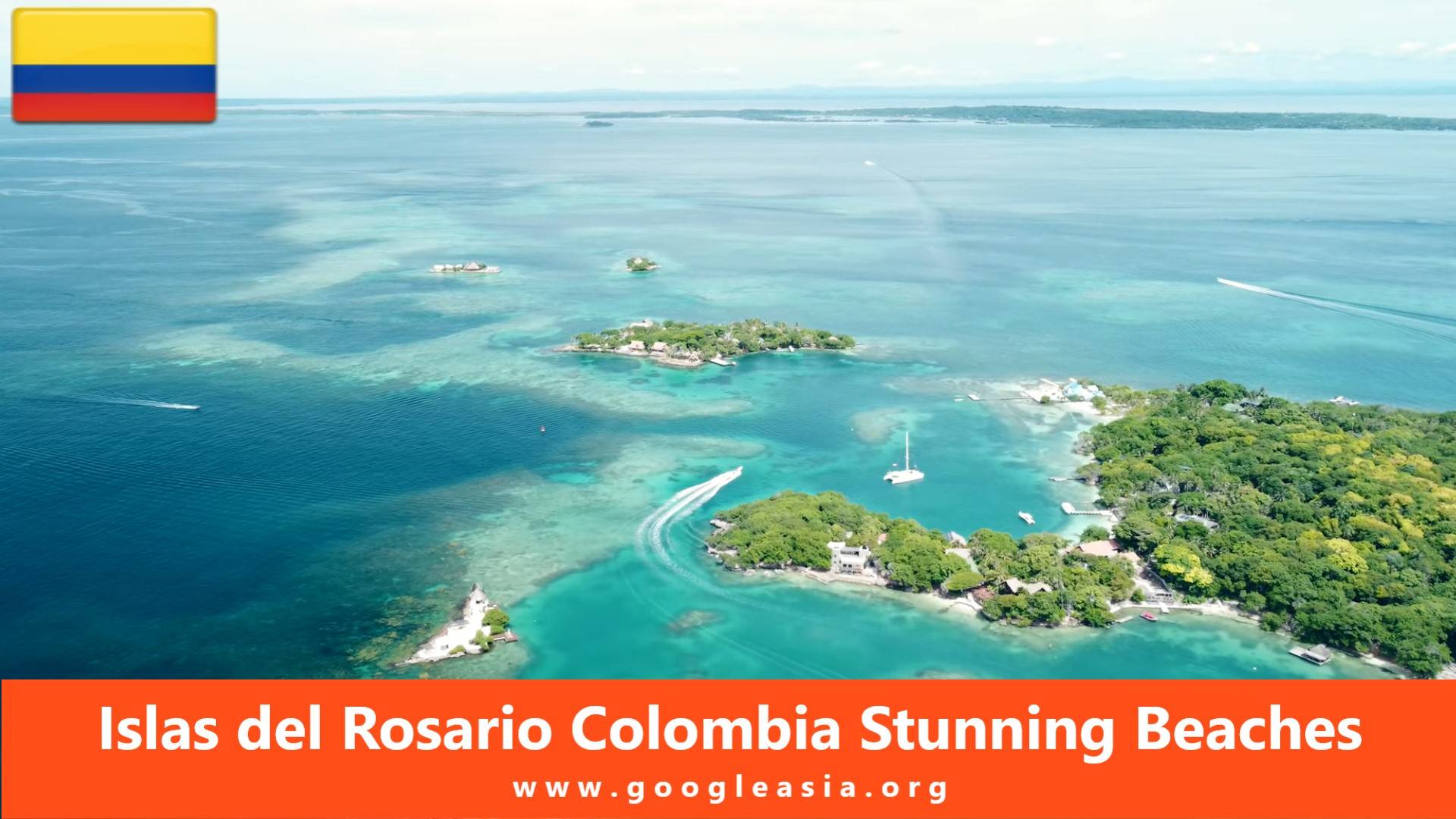
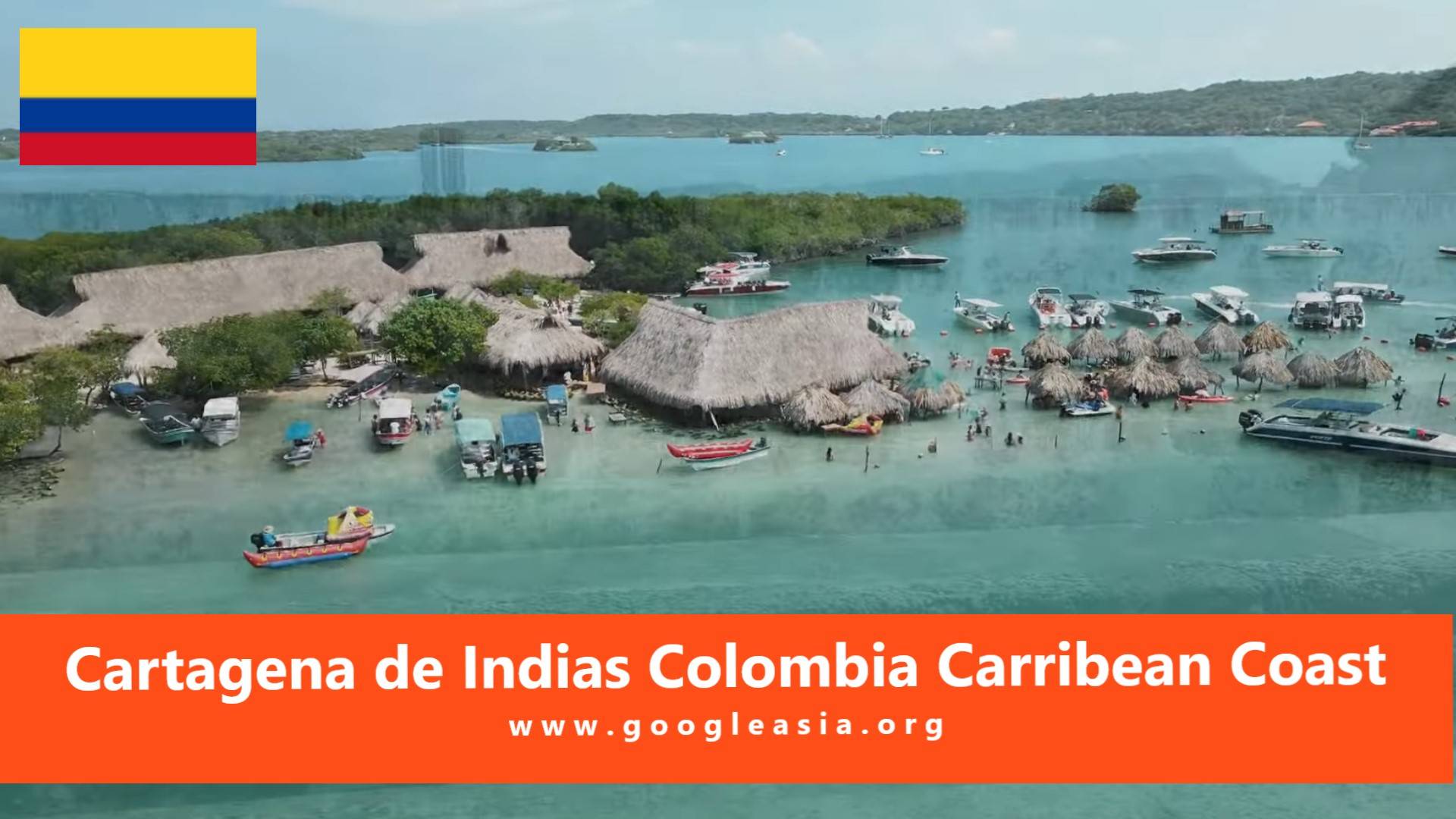
Islas del Rosario, an exquisite archipelago situated approximately 40 kilometers off the coast of Cartagena, Colombia, is a tropical paradise renowned for its pristine beaches, vibrant coral reefs, and rich local culture. Comprising 42 small coral islands, this destination offers a unique blend of natural beauty and historical intrigue, making it a must-visit spot for travelers seeking a Caribbean escape.
Natural Beauty
White Sandy Beaches
The allure of Islas del Rosario begins with its stunning white sandy beaches, which provide the perfect backdrop for relaxation and sunbathing. The soft, powdery sand and crystal-clear waters create an idyllic environment for those looking to unwind in a tropical paradise.
Vibrant Coral Reefs
Beneath the surface, the coral reefs of Islas del Rosario are a kaleidoscope of colors and marine life. The reefs are teeming with diverse species of fish, sea turtles, and other marine creatures, making it a prime location for snorkeling and diving. The clear waters allow for excellent visibility, making underwater exploration an unforgettable experience.
1‑Day Itinerary
8:00 AM – Depart Cartagena from Muelle de la Bodeguita pier → Enjoy a scenic boat ride across turquoise Caribbean waters
9:30 AM – Arrive at Isla Grande → Explore lagoons, mangroves, and eco‑resorts surrounded by lush nature
10:30 AM – Snorkeling at coral reefs → Spot colorful tropical fish, sea turtles, and vibrant marine biodiversity
12:00 PM – Lunch at a local eco‑resort → Taste fresh seafood and authentic Colombian Caribbean flavors
1:30 PM – Visit the Oceanarium (Isla San Martín de Pajarales) → See dolphins, turtles, and conservation exhibits
3:00 PM – Relax at Playa Blanca (Barú) → Swim, sunbathe, and enjoy one of Colombia’s most famous white‑sand beaches
5:00 PM – Return to Cartagena → Watch the sunset over the Caribbean on the boat ride back
Attractions
Convent of Nuestra Señora de los Remedios
One of the historical gems of Islas del Rosario is the Convent of Nuestra Señora de los Remedios, located on Isla de Margarita. This historic site reflects the region’s colonial past and adds a layer of cultural depth to your visit. The convent is a testament to the island’s historical significance and offers a glimpse into its storied past.
Fernando Botero Statue
Art enthusiasts will appreciate the Fernando Botero statue, which adds a touch of artistic flair to the islands. Botero, a celebrated Colombian artist known for his distinctive style, has left his mark on the islands, making it an intriguing stop for visitors interested in art and culture.
Botanical Gardens
The botanical gardens on the islands showcase the diverse flora of the region. These gardens provide a serene environment where visitors can explore the rich plant life of the Caribbean and learn about the native species that thrive in this tropical setting.
Beach Resorts
Popular Resorts
Islas del Rosario boasts several beach resorts that cater to various preferences and budgets. These resorts offer luxurious accommodations, world-class amenities, and stunning views of the Caribbean Sea. Whether you’re looking for a high-end experience or a cozy, intimate stay, the resorts on the islands provide a range of options to suit your needs.
Things to Do
Islas del Rosario, a stunning archipelago off the northern coast of Colombia, is a tropical haven offering a range of activities for every type of traveler. With over 30 islands, each with its own charm and appeal, there’s no shortage of things to do in this Caribbean paradise. Whether you’re seeking relaxation, adventure, or cultural experiences, Islas del Rosario has it all.
Explore San Bernardo National Natural Park
Lush Rainforest Adventures
The Rosario and San Bernardo Corals National Natural Park was established in May 1977 and covers an impressive 1,200 km² (460 sq mi) across the Caribbean coast of Colombia. It lies about 45 km southwest of Cartagena and spans the departments of Bolívar and Sucre. The park protects coral reefs, mangroves, seagrass beds, and tropical forests, making it one of Colombia’s most ecologically diverse regions. In 2009, it was the most visited national park in Colombia, welcoming over 318,000 visitors.
Wildlife Observation
The park shelters more than 1,300 marine species, including reef fish, lobsters, rays, and sea turtles. On land, visitors can spot capuchin monkeys, sloths, iguanas, and a wide variety of birds such as frigatebirds, pelicans, and parrots.
Dive into the Underwater World
Scuba Diving
The coral reefs here are among the most biodiverse in the Caribbean. With visibility often exceeding 20 meters, divers can explore vibrant coral gardens teeming with marine life.
Shipwreck Exploration
Several shipwrecks lie off the coast, offering adventurous dives into Colombia’s maritime history. These sites combine natural beauty with cultural intrigue.
Relax on Stunning Beaches
Isla Grande
The largest island in the Rosario archipelago, Isla Grande, is famous for its white-sand beaches and calm lagoons. It’s a hub for eco-lodges and snorkeling tours.
Beach Hopping
Nearby islands like Tintipán and Múcura in the San Bernardo group are equally stunning, with turquoise waters and tranquil settings perfect for relaxation.
Discover Historical and Cultural Sites
Hospital of Jesus
This colonial-style church offers insight into Spanish religious heritage and architecture.
Spanish Fort Ruins
Remnants of colonial fortifications stand as reminders of the region’s strategic importance during the colonial era.
Engage in Adventure Activities
Sea Kayaking
Mangrove channels and lagoons provide serene routes for kayaking, allowing close encounters with marine and bird life.
Guided Fishing Trips
Local guides lead fishing excursions targeting species like snapper, barracuda, and grouper.
Experience Local Crafts and Culture
Traditional Loom Weaving
Workshops showcase artisanal textile traditions, giving visitors the chance to create unique souvenirs.
Santa Cruz del Islote
This island is famous for being the most densely populated island in the world, with about 1,200 residents living on just 1 hectare of land. Despite its size, the community thrives with vibrant traditions and hospitality.
Savor Delicious Cuisine
Fresh Seafood
Local cuisine emphasizes freshly caught lobster, shrimp, and fish, often prepared with coconut-based recipes.
Tropical Dishes
Coconut rice, fried plantains, and exotic fruits like guanábana and lulo highlight the region’s culinary diversity.
Excursions and Access
Boating Excursions
The islands are accessible by boat from Cartagena, with trips taking 45 minutes by speedboat or about 90 minutes by ferry. Many tours include snorkeling stops and traditional lunches.
Transportation
Tour operators offer packages that combine transport, guided tours, and activities, making it easy to explore the archipelago.
Travel Tips
Best Time to Visit
The dry season, December to April, offers the best weather for outdoor activities.
Costs
Day tours from Cartagena typically range between COP$50,000–70,000, including boat transport and meals.
Eco-Note
As a protected park, visitors are encouraged to minimize plastic use, respect wildlife, and support sustainable tourism.
Foods
Islas del Rosario, a stunning archipelago off Colombia’s northern coast, offers not only breathtaking landscapes and marine adventures but also a rich and diverse culinary scene. The local cuisine is a delightful reflection of Colombia’s coastal flavors and traditions. Here’s a guide to some of the best foods you must try when visiting Islas del Rosario.
Ceviche
Ceviche is a staple of Colombian coastal cuisine, especially popular in Islas del Rosario. This refreshing dish is prepared by marinating fish, shrimp, or crab in lime juice, which naturally “cooks” the seafood. Onions, cilantro, and spices add layers of flavor. Ceviche is not only delicious but also a dish with deep cultural roots across Latin America, with Colombia’s version often featuring sweeter citrus notes compared to Peruvian ceviche.
Variations of Colombian Ceviche
Fish Ceviche: Fresh white fish like sea bass or tilapia, marinated in lime and orange juice.
Shrimp Ceviche: Succulent shrimp with a citrusy kick, often served with crackers or plantain chips.
Crab Ceviche: A luxurious option, highlighting the Caribbean’s abundance of shellfish.
Machoíto
Machoíto is a traditional Colombian dish featuring marinated fish or seafood grilled to perfection. The marinade often includes achiote, garlic, and local herbs, giving it a smoky yet vibrant flavor. This dish reflects the island’s reliance on fresh catches and open‑fire cooking methods.
Serving Suggestions
Accompanied by Coconut Rice: A staple pairing in coastal Colombia.
With Fresh Salad: Crisp vegetables balance the richness of the grilled seafood.
Corviche
Corviche is a specialty made by mixing fish with yuca (cassava), shaping it into patties, and frying until golden. This dish is popular in Ecuador as well, but in Colombia’s islands, it has a distinct Caribbean flair. The combination of starchy cassava and savory fish creates a unique texture.
Serving Suggestions
With Spicy Salsa: Adds heat and tang to the fried patties.
As an Appetizer: Commonly served as a snack before main meals.
La Bestia de Isla
La Bestia de Isla is a robust seafood stew, often prepared with a mix of local fish, shrimp, and shellfish simmered in a tomato‑based broth. Peppers, onions, and Caribbean spices enrich the flavor, making it a comforting dish for island evenings.
Serving Suggestions
With Rice: Essential for soaking up the flavorful broth.
With Fried Plantains: Adds a crispy, sweet contrast.
Mojarra Frita
Mojarra Frita is one of the most iconic coastal dishes in Colombia. The whole fish is seasoned, fried until crispy, and served with lime wedges. It’s a favorite among locals and tourists alike, showcasing the abundance of fresh fish in the Caribbean waters.
Serving Suggestions
With Coconut Rice: A fragrant, creamy complement.
With Tostones: Twice‑fried plantains add crunch.
Patacones
Patacones are green plantains fried, smashed, and fried again for maximum crispiness. They are versatile, served as snacks, sides, or even topped with seafood.
Serving Suggestions
With Garlic Sauce: A savory dip enhances the flavor.
As a Side Dish: Pairs well with stews and grilled meats.
Coconut Fritters
Coconut fritters are made from shredded coconut mixed with flour and fried until golden. They embody the island’s love for coconut, offering a sweet yet slightly savory bite.
Serving Suggestions
As Dessert: A perfect ending to a seafood feast.
With Colombian Coffee: Balances sweetness with bold flavors.
Fried Yuca with Pork
Fried yuca, or cassava, is crispy on the outside and soft inside. When paired with pork, it becomes a filling dish that reflects traditional Colombian comfort food.
Serving Suggestions
With Spicy Salsa: Adds zest to the starchy yuca.
As Main or Side: Flexible enough for any meal.
Fried Fish with Coconut Rice
This pairing is a classic in Islas del Rosario. The fish is fried until crisp, while the coconut rice provides a creamy, aromatic balance.
Serving Suggestions
With Side Salad: Fresh greens lighten the dish.
Topped with Lime: A squeeze of lime enhances flavor.
Coconut Rice with Tostones
Coconut rice cooked with coconut milk is a fragrant dish often paired with tostones. This combination is beloved for its balance of creamy and crispy textures.
Serving Suggestions
With Grilled Seafood: Completes a traditional island meal.
As a Side Dish: Works with a variety of mains.
Hotels
Islas del Rosario, with its pristine beaches and crystal-clear waters, offers a selection of luxurious and comfortable hotels that cater to various preferences. Whether you’re looking for upscale amenities, beachfront views, or a tranquil retreat, there’s a perfect accommodation option for you. Here’s a guide to some of the best hotels in Islas del Rosario:
Hotel El Pez
Hotel El Pez is an upscale beachfront property that combines luxury with stunning natural beauty. This hotel is perfect for those seeking a blend of relaxation and adventure in a picturesque setting.
Amenities
Outdoor Pool: A beautiful pool area overlooking the beach, ideal for lounging and swimming.
Spa Services: Enjoy a range of relaxing treatments at the on-site spa.
Pizza Bar: Casual dining with a focus on delicious pizzas and snacks.
Outdoor Activities: Offers a variety of activities including snorkeling, kayaking, and more.
Location
Situated directly on the beach, Hotel El Pez provides easy access to the stunning shores of Islas del Rosario and is perfect for guests wanting to immerse themselves in the natural beauty of the archipelago.
Hotel Islas del Rosario
Hotel Islas del Rosario is conveniently located close to the main attractions of the archipelago, making it a great choice for those wanting to explore the islands while enjoying comfortable amenities.
Amenities
Outdoor Pool: A refreshing pool area to relax and unwind.
Hot Tub: Perfect for a soothing soak after a day of exploration.
Restaurant: On-site dining offering a variety of local and international dishes.
Location
Located near key attractions, this hotel provides easy access to both the natural wonders and cultural sites of Islas del Rosario, making it a strategic base for your island adventures.
Hotel Acuario del Rosario
Overview
Hotel Acuario del Rosario offers a beachfront location with a range of amenities designed for both relaxation and activity. It’s an excellent choice for those wanting to enjoy water sports and beachfront leisure.
Amenities
Nice Pool: A well-maintained pool area with views of the ocean.
Buffet Restaurant: Enjoy a variety of dishes in a buffet-style setting.
Water Sports Activities: Opportunities for snorkeling, diving, and other water-based activities.
Location
This hotel’s beachfront location ensures that guests are never far from the beautiful waters of Islas del Rosario, with easy access to both relaxation and adventure.
Hotel Tierra de Sueños
Overview
Hotel Tierra de Sueños is a tranquil resort that offers a peaceful escape surrounded by nature. This hotel is ideal for guests looking to engage in outdoor activities and enjoy a serene environment.
Amenities
Outdoor Activities: Offers kayaking, sailing, fishing, and other outdoor adventures.
Restaurant: On-site dining with a focus on fresh, local ingredients.
Pool: A relaxing pool area to enjoy after a day of activities.
Location
Situated in a more secluded area, Hotel Tierra de Sueños provides a serene retreat while still being close enough to enjoy the various attractions of Islas del Rosario.
Hotel Bahia Azul
Overview
Hotel Bahia Azul offers a range of amenities and services, making it a versatile choice for travelers looking for comfort and convenience close to Cartagena.
Amenities
Beach Club: Enjoy access to a private beach club for a more exclusive experience.
Pool and Sauna: Features a well-equipped pool and a relaxing sauna.
Spa Facilities: On-site spa for indulgent treatments and relaxation.
Location
Located within easy reach of Cartagena, Hotel Bahia Azul provides a convenient option for those who want to combine the excitement of the city with the tranquility of the islands.
Conclusion
The Islas del Rosario blend nature, adventure, and relaxation in one unforgettable destination. With this itinerary, you’ll enjoy the best of Colombia’s Caribbean coast — from snorkeling among coral reefs to unwinding on pristine beaches. Make the Rosario Islands part of your travel plans for a true tropical escape.
Summary
Attraction: Islas del Rosario
Country: Colombia
Continent: South America
Capital Name: Bogotá
Language: Spanish
Currency: Colombian Peso
Nationality: Colombians (Spanish: Colombianos)
Category: #Destination #SouthAmerica #COLOMBIA
Contact Information
Address: Islas del Rosario, Bolívar Department, Colombia
Telephone: +57 (5) 664 2445 (National Park Office)
Website: Parques Nacionales Naturales de Colombia (parquesnacionales.gov.co in Bing) (bing.com in Bing)
E‑mail: info@parquesnacionales.gov.co
Entry Fee: COP $20,000 (approx. for foreign visitors; tours cost COP $50,000–70,000 including boat + lunch)
Business Hours: Daily, 8:00 AM – 5:00 PM
Frequently Asked Questions
Where is Islas del Rosario located?
Islas del Rosario, also known as the Rosario Islands, is an archipelago located off the coast of Colombia in the Caribbean Sea. The islands are situated approximately 100 kilometers (62 miles) southwest of Cartagena, a major coastal city and popular tourist destination in Colombia. The Rosario Islands are part of the Corales del Rosario y San Bernardo National Natural Park, which is known for its coral reefs, clear waters, and abundant marine life.
How to go to Islas del Rosario?
To reach the Islas del Rosario, you typically start from Cartagena, Colombia. Here are the steps to get there:
Travel to Cartagena:
By Air: Cartagena’s Rafael Núñez International Airport (CTG) is well-connected with flights from major cities in Colombia and international destinations.
By Bus: If you’re already in Colombia, you can take a bus to Cartagena from other cities such as Bogotá, Medellín, or Barranquilla.
From Cartagena to Islas del Rosario:
Boat Tours: The most common way to reach the Rosario Islands is by boat. Several companies offer day trips and transfers to the islands. These boats typically depart from the Muelle de la Bodeguita dock in Cartagena.
Private Boats: You can also hire a private boat or yacht for a more personalized experience. This option is more expensive but offers flexibility in terms of schedule and destinations within the archipelago.
Scheduled Ferries: Some companies operate scheduled ferry services to the Rosario Islands, providing a more budget-friendly option for travelers.
Steps to Book a Boat Trip:
Choose a Tour Company: Research and select a reputable tour company offering trips to the Rosario Islands. Many tours include activities such as snorkeling, diving, and visits to specific islands or attractions within the archipelago.
Book in Advance: Especially during peak tourist seasons, it’s advisable to book your boat trip in advance to secure your spot.
Departure: Arrive at the Muelle de la Bodeguita dock on the day of your trip. It’s usually recommended to arrive early in the morning as most boats depart between 8:00 and 9:00 AM.
Enjoy the Trip: The boat ride to the Rosario Islands takes about 1 to 2 hours, depending on the specific island and weather conditions.
On the Islands:
Activities: Once you reach the Rosario Islands, you can enjoy various activities such as snorkeling, diving, kayaking, and relaxing on the beaches. Some tours also offer lunch and guided tours of the marine park.
Accommodation: If you plan to stay overnight, there are several accommodation options on the islands, ranging from luxury resorts to more modest eco-lodges.
What are Islas del Rosario’s must-visit attractions or landmarks?
The Islas del Rosario, also known as the Rosario Islands, offer a range of attractions and landmarks that showcase the natural beauty and marine biodiversity of the area. Here are some must-visit spots:
Corales del Rosario y San Bernardo National Natural Park:
This marine park is the primary attraction of the Rosario Islands, protecting a significant portion of Colombia’s coral reefs. It’s a haven for snorkeling and diving enthusiasts, offering vibrant coral formations and diverse marine life.
Oceanario (Acuario de Islas del Rosario):
This open-air aquarium is a popular attraction where visitors can learn about local marine species. The Oceanario features various tanks and pools with sea turtles, sharks, rays, and other marine creatures. There are also educational presentations and shows.
Isla Grande:
The largest island in the archipelago, Isla Grande is known for its beautiful beaches, clear waters, and lush vegetation. It offers various activities such as kayaking, snorkeling, and hiking. The island also has several resorts and accommodations.
Laguna Encantada:
Also on Isla Grande, this lagoon is known for its bioluminescent plankton, which create a magical glowing effect in the water at night. A night-time visit to experience the bioluminescence is a unique and unforgettable experience.
Playa Blanca (Barú Island):
Although technically part of the Barú Peninsula, Playa Blanca is often included in tours of the Rosario Islands due to its proximity. It’s one of the most beautiful beaches in the area, known for its white sands and crystal-clear waters.
Punta Brava:
Located on Isla Grande, Punta Brava offers excellent snorkeling and diving opportunities. The area is known for its rich marine life and coral formations.
Isla del Pirata:
A smaller island that is part of the Rosario archipelago, Isla del Pirata is known for its laid-back atmosphere and beautiful beaches. It’s a great spot for relaxation and enjoying the natural surroundings.
Cholon Bay:
This bay is famous for its lively atmosphere and is a popular spot for boat parties and social gatherings. It’s a great place to anchor your boat, swim, and enjoy the vibrant local scene.
Sunken Plane Wreck:
Near Isla Grande, divers can explore the wreckage of a sunken plane. This underwater attraction has become a habitat for various marine species and is a fascinating dive site.
Local Villages:
Visiting the local villages on the islands provides insight into the traditional way of life of the inhabitants. It’s an opportunity to learn about their culture and customs.
Is Islas del Rosario a suitable travel destination for solo adventurers, honeymooning couples, or those traveling with families?
The Islas del Rosario, or Rosario Islands, cater to a diverse range of travelers, making it a suitable destination for solo adventurers, honeymooning couples, and families alike:
Solo Adventurers:
Adventure Activities: Solo travelers can enjoy activities such as snorkeling, diving, and hiking. The islands offer opportunities for exploration and adventure in a beautiful marine environment.
Social Atmosphere: Tours and boat trips provide opportunities to meet other travelers and locals, enhancing the social experience.
Honeymooning Couples:
Romantic Setting: The pristine beaches, clear waters, and secluded spots make the Rosario Islands a romantic getaway. Private boat tours and luxury accommodations cater to couples seeking privacy and relaxation.
Activities for Two: Couples can enjoy snorkeling together, relaxing on the beach, or taking a romantic sunset cruise.
Families:
Family-Friendly Activities: The islands offer activities suitable for all ages, such as swimming, beachcombing, and visiting the Oceanario aquarium. Some resorts and tour operators also provide family-friendly packages.
Educational Opportunities: Families can learn about marine life and conservation through guided tours and educational programs offered at the Oceanario.
General Considerations:
Accessibility: The islands are easily accessible from Cartagena, making them convenient for travelers of all types.
Accommodations: There are accommodations ranging from luxury resorts to budget-friendly options, catering to different preferences and budgets.
Safety: The islands are generally safe, but it’s advisable to follow local guidelines and tour operator recommendations, especially for water activities.
Why should you visit Islas del Rosario?
Visiting the Islas del Rosario, or Rosario Islands, offers a variety of compelling reasons that make it a must-visit destination:
Natural Beauty and Marine Life:
The islands are part of the Corales del Rosario y San Bernardo National Natural Park, known for its stunning coral reefs, clear waters, and diverse marine biodiversity. Snorkeling and diving enthusiasts can explore vibrant underwater ecosystems teeming with colorful fish, coral formations, and other marine creatures.
Pristine Beaches:
The Rosario Islands boast some of the most beautiful beaches in Colombia. With white sandy shores and crystal-clear waters, the beaches offer idyllic spots for swimming, sunbathing, and relaxation.
Adventure Activities:
The islands provide ample opportunities for adventure seekers. Activities such as snorkeling, diving, kayaking, and jet skiing allow visitors to immerse themselves in the natural wonders of the Caribbean Sea.
Oceanario (Aquarium):
The Oceanario on Isla Grande offers a unique opportunity to learn about the marine life of the region. Visitors can see and interact with various species of fish, sharks, turtles, and rays in a natural environment.
Bioluminescent Phenomenon:
Some parts of the Rosario Islands, such as Laguna Encantada on Isla Grande, are known for their bioluminescent plankton. Witnessing the magical glow of the water at night is a memorable and enchanting experience.
Cultural and Historical Sites:
In addition to natural attractions, the islands have cultural and historical significance. Local villages provide insights into traditional island life, and visiting these communities offers a glimpse into the region’s rich cultural heritage.
Relaxation and Luxury:
Luxury resorts and eco-lodges on the islands offer tranquility and pampering amidst breathtaking surroundings. Whether enjoying a massage by the beach or dining on fresh seafood, visitors can indulge in a serene and luxurious island getaway.
Accessibility from Cartagena:
Located just off the coast of Cartagena, the Rosario Islands are easily accessible by boat. Day trips and tours depart regularly from Cartagena’s docks, allowing visitors to escape the city’s hustle and bustle for a day or longer.
Environmental Conservation:
Visiting the Rosario Islands supports conservation efforts aimed at protecting the fragile marine ecosystems and endangered species in the area. By promoting sustainable tourism practices, visitors contribute to preserving these natural treasures for future generations.
Is it difficult to find halal food in Islas del Rosario?
Finding halal food in the Islas del Rosario can be challenging due to the limited dining options available on the islands. The restaurants and eateries primarily cater to seafood and local cuisine, which may not always adhere to halal dietary requirements. Here are some considerations and tips:
Limited Options: The islands are known for seafood dishes and traditional Colombian cuisine, which may include pork and other non-halal ingredients. Finding restaurants that specifically offer halal-certified meals can be difficult.
Self-Catering: If you follow a strict halal diet, consider bringing along non-perishable halal snacks or ingredients from Cartagena or mainland Colombia. This allows you to prepare your own meals if necessary.
Communication: When dining out, communicate your dietary restrictions clearly to restaurant staff. Use phrases like “comida halal” to inquire about halal food options or ask about specific ingredients used in dishes.
Vegetarian Options: While not halal-certified, vegetarian dishes can sometimes be a safer option as they often avoid meat altogether. Check with restaurants if they can accommodate vegetarian preferences.
Research and Planning: Before your trip, research any potential halal-friendly restaurants or markets in Cartagena or nearby areas. Some tour operators or accommodations may also be able to assist in arranging meals that meet your dietary needs.
Flexibility: Being flexible and open to exploring local fruits, vegetables, and seafood dishes while avoiding non-halal ingredients can enhance your culinary experience on the islands.
Step inside the Salt Cathedral of Zipaquirá, Colombia’s “First Wonder” carved 200 meters underground in a salt mine. This guide reveals history, highlights, and visitor tips to plan your unforgettable journey. Ready to explore? Plan your Salt Cathedral visit today!
Introduction
The Salt Cathedral of Zipaquira Colombia is an incredible and awe-inspiring site. It is one of the most impressive displays of faith, architecture and history in the country and one of the most popular tourist spots in Colombia. The church was built inside the salt mines, 200 meters underground, making it a unique and memorable experience.
Not only is the cathedral architecturally stunning, with its impressive stone walls, vaulted ceilings and intricate sculptures, but it also offers a unique spiritual experience to its visitors. Many come to take part in mass, experience the symbolic sculptures, meditate and reflect in the salt chapel, or simply to explore this fascinating piece of history. For these reasons, the Salt Cathedral of Zipaquira Colombia is a must-visit site.
The Salt Cathedral of Zipaquira is a unique religious site built within a salt mine in Colombia. The cathedral is composed of three levels symbolizing the journey of faith from death to resurrection. Its impressive architecture, featuring underground chambers and stained glass windows, makes it a must-see destination for any visitor to Colombia.
The Salt Cathedral of Zipaquira is a marvel of both engineering and spirituality, nestled within the heart of a salt mine near Zipaquira, Colombia. This extraordinary site, 200 meters below the earth’s surface, is not only a testament to the ingenuity of its creators but also a profound symbol of faith and culture. Built over several decades, the Salt Cathedral of Zipaquira combines elements of Colombian heritage, from geological wonders to spiritual practices.
1‑Day Itinerary
8:00 AM – Depart Bogotá (1–1.5 hour drive or bus/train to Zipaquirá)
9:30 AM – Arrive in Zipaquirá; stroll through the colonial town square
10:30 AM – Enter the Salt Cathedral; guided tour through tunnels and chapels
12:00 PM – Visit the main nave and admire sculptures like “La Creación del Hombre”
1:00 PM – Lunch in Zipaquirá (try local dishes such as ajiaco or bandeja paisa)
2:30 PM – Explore Salt Park attractions: miner’s route, climbing wall, replica of St. Peter’s Basilica doors
4:00 PM – Visit the Museo de la Salmuera for cultural and geological insights
5:00 PM
Attractions
The Cauldron
The journey into the Salt Cathedral begins with the Cauldron, a vast and awe-inspiring cavern that serves as the entrance to the cathedral complex. This chamber is where visitors first experience the scale and majesty of the underground space. The Cauldron’s massive dimensions and impressive acoustics make it a fitting prelude to the spiritual journey ahead.
The Way of the Cross
The First Station: The Beginning of Sacrifice
The Way of the Cross is a significant aspect of the Salt Cathedral, depicting the Stations of the Cross—the events leading up to Jesus Christ’s crucifixion. Each station is meticulously carved into the salt, offering a poignant visual representation of Christ’s final journey. The first station sets the stage for the reflection and reverence that permeate the rest of the path.
The Middle Stations: Moments of Contemplation
As visitors progress, they encounter several stations that highlight key moments in the crucifixion story. The design and artistry of each station invite contemplation and deepen the spiritual experience, drawing visitors into the narrative through both visual and emotional engagement.
The Final Station: The Climax of Faith
The final station of the cross culminates in a dramatic and powerful representation of Christ’s sacrifice. This concluding section of the Way of the Cross serves as a profound moment of spiritual reflection before entering the next phase of the Salt Cathedral of Zipaquira.
The Crypt
The Main Chamber: Center of Worship
The Crypt is one of the most serene and spiritually charged areas of the Salt Cathedral of Zipaquira. This section comprises three separate domed chambers, each serving as a venue for prayers, mass, and quiet contemplation. The intricate salt-carved details and tranquil ambiance create an environment conducive to spiritual reflection and worship.
The Side Chambers: Personal Reflection
Each of the side chambers within the Crypt offers a more intimate space for personal reflection and confession. These areas are designed to provide a quiet retreat for individuals seeking solace or spiritual guidance, enhancing the overall spiritual experience of the cathedral.
The Altar
The Altar represents the culmination of the descent through the salt mine. This central space is where regular masses are held and serves as the focal point of worship within the Salt Cathedral of Zipaquira. The Altar’s design integrates seamlessly with the surrounding salt formations, symbolizing the unity of faith and nature.
The Open: A Unique Skylight
The Structure
The Open is a distinctive feature of the Salt Cathedral, characterized by its skylight structure. This area is framed by a pattern of salt blocks that create a cross, symbolizing the intersection of the divine and the earthly. The Open allows natural light to filter through, illuminating the cathedral and adding a dynamic element to the spiritual experience.
The Symbolism
The skylight’s design not only provides a dramatic visual effect but also symbolizes the light of faith penetrating through the darkness. It serves as a metaphor for spiritual enlightenment and the divine presence in the midst of earthly challenges.
Things to Do
The Salt Cathedral of Zipaquira, Colombia, is a captivating site carved from a 200-year-old salt mine. This extraordinary location offers a unique combination of religious significance, historical insights, and cultural experiences. Here’s a comprehensive guide to the various activities and experiences available during your visit.
Exploring the Mine Tunnels
The Salt Cathedral of Zipaquirá is carved 200 meters underground in a halite mountain, making its tunnels one of the most striking features of the visit. These passages were originally part of Colombia’s most important salt mines, which have been exploited since pre‑Colombian times (around the 5th century BC). Guided tours reveal how miners extracted salt and later transformed the tunnels into a sacred space, blending engineering with spirituality.
Old Mine Tunnels
Visitors walk through the oldest sections of the mine, where salt was once a currency and a vital trade resource. The tunnels now house chapels and sculptures, including works inspired by Michelangelo’s Creation of Adam.
Historical Context
The cathedral symbolizes the union of mining and faith. Salt from Zipaquirá financed Colombia’s independence campaigns led by Simón Bolívar and Antonio Nariño, showing how the mine’s economic power intertwined with national and religious history.
Learning Opportunities
Museum Exhibits
The on‑site museum showcases artifacts from centuries of salt mining, religious art, and interactive displays. Exhibits highlight how salt shaped Colombia’s economy and culture, while also explaining the cathedral’s architectural transformation from mine to sacred site.
Library Resources
A dedicated library provides books and research materials on mining traditions, geology, and Catholic heritage. This resource allows visitors to deepen their understanding of the cathedral’s dual identity as both a cultural landmark and a place of worship.
Attending Religious Services
Mass and Services
The Salt Cathedral functions as an active Roman Catholic church under the Diocese of Zipaquirá. Regular masses are celebrated in its underground chapels, offering a unique spiritual experience in a setting illuminated by dramatic salt‑rock carvings and colored lighting.
Special Events
Major religious celebrations, such as Holy Week, feature elaborate ceremonies that draw thousands of pilgrims. On Sundays, as many as 3,000 visitors attend services, underscoring its importance as both a tourist attraction and a sacred site.
Music and Dance Performances
Beyond its religious role, the cathedral occasionally hosts concerts and cultural performances. The acoustics of the salt chambers create a powerful atmosphere for Colombian music and dance, blending heritage with artistry. These events highlight the cathedral’s role as a living cultural hub, not just a historical monument.
Foods
The Salt Cathedral of Zipaquira, Colombia, is not only a marvel of architecture but also a great place to explore Colombian cuisine. Nestled in this unique location, you’ll find a variety of traditional dishes that highlight the rich flavors of Colombian food. Here’s a guide to some of the best foods you can enjoy while visiting the cathedral.
Arepas de Choclo
Arepas are one of Colombia’s most iconic foods, with over 75 regional varieties. The Arepas de Choclo (sweet corn arepas) are especially popular in central Colombia and at the Salt Cathedral of Zipaquirá. Made from tender white corn, they have a naturally sweet flavor and are traditionally cooked on a griddle. They are often served with queso fresco or quesito, giving a creamy balance to the sweetness. Arepas de choclo are considered a comfort food and are frequently enjoyed at breakfast or as a street snack.
Serving Suggestions
With Butter and Cheese: The classic pairing that enhances their soft texture.
With Salsa or Guacamole: Adds tang and freshness.
Empanadas de Pipian
Empanadas de Pipian are a specialty from Popayán, Cauca region, recognized by UNESCO as part of Colombia’s Intangible Cultural Heritage. Their filling combines potatoes, peanuts, and spices, creating a unique savory‑nutty flavor. The peanut sauce (pipian) is what sets them apart from other empanadas in Colombia. Traditionally, they are deep‑fried, resulting in a crispy exterior and warm, gooey interior.
Cooking Method
Deep‑Fried: Ensures a crunchy shell with a rich filling.
Served with Ají Sauce: A spicy dip that balances the peanut notes.
Pan de Bono
Pan de Bono originated in the Valle del Cauca region and is made with yucca starch, cheese, and eggs. Its name is said to come from an Italian baker in Cali who sold “pane del buono” (good bread). This fluffy, cheesy bread is a breakfast staple across Colombia. It is gluten‑free thanks to yucca starch, making it accessible to many.
Enjoyment Tips
Best Fresh from the Oven: Warm, soft, and aromatic.
Pairs with Coffee or Hot Chocolate: A classic Colombian breakfast combo.
Locro de Papas
Locro de Papas is a comforting Andean soup, popular in Colombia and Ecuador. It features potatoes, cheese, cilantro, and sometimes chorizo. The dish is creamy and filling, often eaten during colder months in the highlands. Its origins trace back to pre‑Hispanic Andean communities, where potatoes were a staple crop.
Serving Suggestions
Garnished with Avocado and Cilantro: Adds freshness.
With Crusty Bread: Complements the creamy texture.
Sancocho de Gallina
Sancocho de Gallina is one of Colombia’s most beloved stews, often prepared for family gatherings. It includes chicken, yucca, corn, and potatoes simmered in a rich broth. Each region has its own variation, but in the Caribbean coast, it’s often cooked outdoors in large pots during celebrations.
How to Enjoy
Served with Rice and Plantains: A complete, hearty meal.
Best Shared: Traditionally eaten in groups, symbolizing community.
Tamales
Colombian tamales vary by region, but at Zipaquirá they are typically wrapped in banana leaves, which impart a smoky aroma. Fillings include chicken, pork, vegetables, or beef mixed with corn dough. Tamales are often eaten during holidays and family gatherings, symbolizing festivity.
Preparation and Serving
Steamed in Banana Leaves: Keeps them moist and flavorful.
With Salsa or Hot Sauce: Adds zest to the mild corn dough.
Chicharrón de Cerdo
Chicharrón is a staple in Colombian cuisine, especially in the Bandeja Paisa, the national dish of Antioquia. Made from pork belly, it is seasoned and deep‑fried until crispy. The contrast between crunchy skin and tender meat makes it irresistible.
Best Accompaniments
With Arepas or Rice: Balances richness.
With Salad: Adds freshness to the heavy dish.
Pastel de Choclo
Pastel de Choclo is a savory pie made with corn dough, vegetables, cheese, and ground beef. Though more common in Chile, Colombian versions are also enjoyed, especially in regions with strong corn traditions. It is baked until golden, offering a hearty, comforting meal.
Serving Ideas
With Side Salad: Lightens the dish.
With Steamed Vegetables: Adds balance to the rich filling.
Hotels
The Salt Cathedral of Zipaquirá is one of Colombia’s most stunning landmarks, offering a unique experience with its underground cathedral carved from salt. If you’re planning a visit to this architectural marvel, choosing the right accommodation can significantly enhance your trip. Here’s a guide to the best hotels in Zipaquirá, ensuring you have a comfortable and memorable stay.
Hotel del Bosque Real Zipaquirá
Hotel del Bosque Real Zipaquirá offers a blend of modern comfort and natural beauty. Located a short drive from the Salt Cathedral, this hotel is ideal for those seeking tranquility and convenience.
Amenities
Spacious Rooms: Enjoy large, well-appointed rooms with scenic views.
On-Site Restaurant: Dine on local and international cuisine.
Free Wi-Fi: Stay connected with complimentary high-speed internet.
Location
Nestled in a lush forested area, the hotel provides a peaceful retreat while being close to the main attractions.
Hotel Salinas de Zipaquirá
Hotel Salinas de Zipaquirá is renowned for its proximity to the Salt Cathedral and its unique architectural style that reflects the region’s heritage.
Amenities
Historical Architecture: Experience a blend of traditional and modern design.
Spa Services: Relax and rejuvenate with various spa treatments.
Restaurant: Offers a diverse menu featuring local specialties.
Location
Situated within walking distance of the Salt Cathedral, this hotel is perfect for those who want to explore the site with ease.
Hostal del Remanso Zipaquirá
Hostal del Remanso is a charming and affordable option for budget-conscious travelers. It provides a cozy and intimate atmosphere with personalized service.
Shared Spaces: Enjoy common areas including a lounge and garden.
Breakfast Included: Start your day with a complimentary breakfast.
Location
Located in the heart of Zipaquirá, the hostal offers easy access to local shops and restaurants as well as the Salt Cathedral.
Hotel Villas de Zipaquirá
Hotel Villas de Zipaquirá offers a blend of traditional Colombian charm with modern amenities, making it a great choice for families and groups.
Amenities
Family-Friendly Rooms: Spacious rooms suitable for families.
On-Site Dining: Enjoy meals at the hotel’s restaurant.
Event Facilities: Perfect for hosting events and gatherings.
Location
A short distance from the Salt Cathedral, the hotel provides a comfortable base for exploring Zipaquirá.
Hotel Senda del Bosque
Hotel Senda del Bosque is known for its serene environment and exceptional service. It’s a great choice for those seeking a quiet retreat with easy access to the main attractions.
Amenities
Nature Trails: Explore nearby trails and enjoy the natural surroundings.
Restaurant and Bar: Offers a variety of dining options and a relaxing bar.
Wi-Fi Access: Free internet is available throughout the hotel.
Location
Situated on the outskirts of Zipaquirá, the hotel offers a peaceful setting while remaining conveniently close to the Salt Cathedral.
Central Hotel Zipaquirá
Central Hotel Zipaquirá provides a central location with modern amenities, making it a practical choice for both business and leisure travelers.
Amenities
Modern Rooms: Equipped with contemporary furnishings and conveniences.
Business Center: Ideal for business travelers needing office facilities.
Breakfast Buffet: Enjoy a varied breakfast buffet each morning.
Location
Centrally located, the hotel is just a short drive from the Salt Cathedral and other local attractions.
Hotel Salt Palace
Hotel Salt Palace stands out for its luxurious accommodations and exceptional service, offering a premium experience near the Salt Cathedral.
Amenities
Luxury Rooms: Elegant rooms with high-end amenities.
Gourmet Restaurant: Fine dining with a focus on local ingredients.
Wellness Center: Includes a gym, spa, and wellness services.
Location
Located close to the Salt Cathedral, the hotel provides easy access while offering a high level of comfort and luxury.
Hosteria Solar Del Sal
Hosteria Solar Del Sal is a quaint and charming accommodation that offers a homely atmosphere and personalized service.
Amenities
Comfortable Accommodations: Cozy rooms with unique decor.
Local Cuisine: Enjoy homemade meals and local dishes.
Friendly Staff: Known for attentive and welcoming service.
Location
Situated in a picturesque area, the hosteria offers a serene setting while still being conveniently close to the Salt Cathedral.
Hotel Zipaquirá A.T.
Hotel Zipaquirá A.T. is an excellent option for those seeking comfort and value for money. The hotel provides a pleasant stay with essential amenities.
Amenities
Affordable Rates: Offers competitive pricing for budget-conscious travelers.
Basic Amenities: Includes essential facilities and services.
Convenient Location: Close to the Salt Cathedral and other local sites.
Location
Located within easy reach of the main attractions, this hotel provides a practical and budget-friendly option.
Salzburg Suites Hotel
Salzburg Suites Hotel combines modern comforts with stylish design, offering a sophisticated stay in Zipaquirá.
Amenities
Stylish Suites: Modern suites with upscale amenities.
On-Site Restaurant: Offers a variety of dining options.
Event Facilities: Suitable for hosting business meetings and social events.
Location
Positioned conveniently for visitors to the Salt Cathedral, the hotel provides a comfortable and stylish retreat.
Conclusion
The Salt Cathedral of Zipaquirá is more than a church — it is a masterpiece of faith, history, and engineering. With its underground chapels, symbolic architecture, and surrounding attractions, it offers visitors a spiritual and cultural journey unlike any other. Plan your visit to experience Colombia’s First Wonder.
Summary
Attraction: Salt Cathedral of Zipaquira
Country: Colombia
Continent: South America
Capital Name: Bogotá
Language: Spanish
Currency: Colombian Peso
Nationality: Colombians (Spanish: Colombianos)
Category: #Destination #SouthAmerica #COLOMBIA
Contact Information
Address: Carrera 6 Calle 1, Zipaquirá, Cundinamarca, Colombia
Telephone: +57 (601) 745 0111
Website: Catedral de Sal Zipaquirá (official site)
E‑mail: info@catedraldesal.gov.co
Entry Fee: Approx. COP $60,000 for foreign adults (includes guided tour and attractions)
Business Hours: Daily, 9:00 AM – 5:40 PM
Frequently Asked Questions
Where is Salt Cathedral of Zipaquira located?
The Salt Cathedral of Zipaquirá is located in the town of Zipaquirá, which is approximately 48 kilometers (30 miles) north of Bogotá, the capital city of Colombia. Zipaquirá is situated in the department of Cundinamarca, in the central part of the country. How to go to Salt Cathedral of Zipaquira?To travel to the Salt Cathedral of Zipaquirá from Bogotá, you have several options:
By Bus:
Take a bus from Bogotá to Zipaquirá. Buses depart from the Portal del Norte station in Bogotá, which is accessible via TransMilenio, the city’s rapid transit system. The journey takes approximately 1 to 1.5 hours, depending on traffic.
By Train:
Alternatively, you can take a train operated by the Empresa de Transporte Ferroviario Nacional de Colombia (Ferrovías) from Bogotá to Zipaquirá. The train departs from the Sabana station in Bogotá and offers a scenic journey through the countryside. Check the schedule in advance as train services may vary.
Private Transportation:
Arrange for a private car or taxi from Bogotá to Zipaquirá. This option provides flexibility and convenience, especially if you prefer direct transportation.
Once you arrive in Zipaquirá, the Salt Cathedral is located in the historic center of the town, known as Parque De La Sal. From the town center, you can walk to the entrance of the Salt Cathedral or take a short taxi ride if needed. Tips:
Tickets: Purchase your entrance ticket to the Salt Cathedral upon arrival. It’s recommended to check the opening hours and any visitor restrictions in advance.
Guided Tours: Consider joining a guided tour from Bogotá, which often includes transportation, entrance fees, and a guided visit to the Salt Cathedral and other attractions in Zipaquirá.
Timing: Plan your visit during the day to fully experience the impressive architecture and cultural significance of the Salt Cathedral.
What are Salt Cathedral of Zipaquira’s nearby must-visit attractions or landmarks?
Near the Salt Cathedral of Zipaquirá, there are several notable attractions and landmarks that visitors can explore:
Parque De La Sal (Salt Park):
The area around the Salt Cathedral is known as Salt Park, featuring sculptures, artwork, and viewpoints that highlight the region’s cultural and geological significance.
Historic Center of Zipaquirá:
Explore the charming streets and colonial architecture of Zipaquirá’s historic center. You can visit local markets, shops selling handicrafts, and traditional Colombian cuisine.
Mina de Sal de Nemocon:
Located nearby, about 14 kilometers from Zipaquirá, the Nemocon Salt Mine offers another fascinating underground experience. It features salt formations, tunnels, and chambers, along with a museum showcasing the history of salt mining in Colombia.
Parque Jaime Duque:
Approximately 18 kilometers from Zipaquirá, Parque Jaime Duque is a theme park and zoo that features replicas of famous landmarks from around the world. It’s a popular destination for families and offers cultural and recreational activities.
Guatavita Lake (Laguna de Guatavita):
About 30 kilometers northeast of Zipaquirá, Guatavita Lake is famous for its association with the legend of El Dorado. Visitors can hike around the lake, learn about indigenous history, and enjoy the scenic views.
Chia and Cajicá:
These nearby towns offer additional opportunities for exploring Colombian culture, traditional cuisine, and local markets. Chia is known for its scenic landscapes and Cajicá for its historic center and colonial architecture.
Bogotá:
While not immediately adjacent, Bogotá is within easy reach by bus or train and offers a wealth of attractions, including museums, historic sites such as La Candelaria, and culinary experiences in the capital city.
Why should you visit Salt Cathedral of Zipaquira?
The Salt Cathedral of Zipaquirá is a unique and compelling destination for several reasons:
Architectural Wonder: Built within the tunnels of an active salt mine, the Salt Cathedral showcases impressive architecture and engineering. The cathedral features vaulted ceilings, sculptures, and crosses carved from salt, creating a stunning underground environment.
Cultural and Religious Significance: The cathedral is a significant religious site for Catholics in Colombia and a symbol of faith and spirituality. Visitors can explore the chambers and learn about the religious art and symbolism associated with the salt mine’s history.
Historical Insight: The Salt Cathedral offers insights into Colombia’s history of salt mining, which dates back centuries. Exhibits and displays within the cathedral and surrounding areas provide a glimpse into the labor and traditions of salt extraction.
Natural Beauty: The natural formations within the salt mine, including salt crystals and underground lakes, add to the cathedral’s allure. The contrast between the industrial setting of a mine and the spiritual atmosphere of a cathedral creates a memorable experience.
Educational Experience: Visitors can learn about geology, mining techniques, and the cultural heritage of salt mining in Colombia. Guided tours and educational exhibits enhance understanding of the region’s geological and cultural significance.
Scenic Surroundings: Zipaquirá and its surroundings offer picturesque landscapes and cultural attractions. Visitors can explore the town’s historic center, enjoy local cuisine, and visit nearby attractions such as Nemocon Salt Mine and Guatavita Lake.
Accessibility: Located just a short distance from Bogotá, the Salt Cathedral is easily accessible for day trips or longer visits. It’s a convenient and enriching destination for travelers exploring the capital city and its surroundings.
Are there any halal food options near the Salt Cathedral of Zipaquira?
Finding halal food options near the Salt Cathedral of Zipaquirá can be challenging as the area primarily caters to local Colombian cuisine, which may not always adhere to halal dietary requirements. Here are some considerations and tips if you have specific dietary needs:
Self-Catering: Consider bringing along non-perishable halal snacks or ingredients from Bogotá or a larger city where halal options are more readily available. This allows you to prepare your own meals if necessary.
Communication: When dining out, communicate your dietary restrictions clearly to restaurant staff. Use phrases like “comida halal” to inquire about halal food options or ask about specific ingredients used in dishes.
Vegetarian Options: While not halal-certified, vegetarian dishes can sometimes be a safer option as they often avoid meat altogether. Check with restaurants if they can accommodate vegetarian preferences.
Research and Planning: Before your trip, research any potential halal-friendly restaurants or markets in Bogotá or larger cities nearby. Some tour operators or accommodations may also be able to assist in arranging meals that meet your dietary needs.
Flexibility: Be flexible and open to exploring local fruits, vegetables, and seafood dishes while avoiding non-halal ingredients. Some international cuisine restaurants in larger cities like Bogotá may also offer halal-certified options.
Escape to the San Andrés and Providencia Islands, Colombia’s Caribbean jewels known for the Sea of Seven Colors, coral reefs, and pristine beaches. This guide shares highlights, insider tips, and practical info to plan your perfect island getaway. Ready for paradise? Plan your San Andrés & Providencia adventure today!
Introduction
San Andrés and Providencia form part of the Archipelago of San Andrés, Providencia, and Santa Catalina, located in the Caribbean Sea about 750 km northwest of mainland Colombia and only 220 km east of Nicaragua. The islands are famous for the “Sea of Seven Colors”, a nickname for the striking turquoise waters that shift in shades due to coral reefs, white sand, and varying depths. The archipelago became Colombia’s 19th department in 1991, with San Andrés City (North End) as its capital.
Area: 52.5 km²
Population: ~61,000 (2018 census)
Languages: Spanish, English, and Creole (Raizal English)
Culture: Strong Afro‑Caribbean and indigenous influences, reflected in music, cuisine, and festivals.
San Andrés Island
Attractions and Activities
White Sand Beaches: Playa Spratt Bight and Johnny Cay are among the most visited, offering postcard‑perfect scenery.
Duty‑Free Shopping: San Andrés is a duty‑free zone, attracting visitors for affordable luxury goods and electronics.
Luxury Resorts: The island hosts high‑end accommodations, catering to honeymooners and international tourists.
Language and Culture
English & Spanish: English remains widely spoken due to historical ties with the British Caribbean, while Spanish reflects Colombian governance.
Cultural Blend: Festivals like the Green Moon Festival showcase reggae, calypso, and traditional Raizal dances.
Providencia Island
Unique Features and Activities
Providencia is smaller and less developed than San Andrés, offering a tranquil escape. It is home to the Raizal people, an Afro‑Caribbean community recognized for preserving their traditions, language, and identity.
Raizal Culture: Visitors can experience traditional music, crafts, and cuisine rooted in African and indigenous heritage.
Cayman English: A local variation of English influenced by Caribbean history.
Natural Beauty
Coral Reefs: Providencia is surrounded by one of the largest barrier reefs in the Americas, making it a prime diving and snorkeling destination.
Endemic Species: The island hosts unique flora and fauna, with protected areas ideal for eco‑tourism.
Best Time to Visit
Dry Season
December to May: The most favorable period, with sunny skies and calm seas.
Year‑Round Climate: Hot and humid, averaging 27–29°C. Light clothing is recommended.
Things to Do
San Andrés and Providencia Islands, nestled in the Caribbean Sea, offer a spectacular array of activities for travelers seeking both adventure and relaxation. With their pristine beaches, vibrant coral reefs, and rich cultural heritage, these islands provide a unique and memorable experience. Here’s a guide to the top things you can do on these enchanting islands.
Explore Beaches of Coral Sand
San Andrés Beaches
Spratt Bight Beach: Located on the northern coast of San Andrés, Spratt Bight is one of the island’s busiest beaches, stretching over 1 km. Its coral sand is naturally formed from broken-down reef fragments, giving it a soft, powdery texture. The beach is lined with hotels, restaurants, and shops, making it a hub for both tourists and locals. The turquoise waters here are part of the famous “Sea of Seven Colors,” a nickname for the archipelago’s waters due to their varying shades of blue and green.
Sandy Cay: A small, idyllic islet off San Andrés, Sandy Cay is accessible by boat and offers a quieter alternative. Its white sands and shallow waters make it ideal for swimming and relaxation. The cay is part of the archipelago’s protected marine area, ensuring its pristine condition.
Providencia Beaches
Johnny Cay: Just a short boat ride from Providencia, Johnny Cay is famous for its palm-fringed beaches and vibrant coral reefs. It is part of the UNESCO Seaflower Biosphere Reserve, which protects marine biodiversity across 300,000 km² of the Caribbean. Snorkelers here often spot parrotfish, angelfish, and sea turtles.
Manzanillo Beach: Located on the southwest coast of Providencia, Manzanillo is known for its calm waters and family-friendly atmosphere. The beach is less commercialized, offering a more authentic Caribbean experience with local food stalls and reggae music.
Explore the Mangroves and Coral Reefs
Coral Reefs and Diving
Snorkeling: Providencia’s reefs are among the largest barrier reefs in the Western Hemisphere, stretching nearly 32 km. They host over 400 species of fish and 200 species of coral. Snorkeling tours often highlight shallow reef areas where colorful corals and sponges thrive.
Scuba Diving: Diving excursions allow visitors to explore deeper reef walls and caves. Providencia’s reefs are notable for their high coral cover compared to other Caribbean sites, making them a hotspot for marine conservation and eco-tourism.
Mangrove Exploration
Mangrove Channels: Providencia’s mangrove ecosystems are crucial for coastal protection and biodiversity. Kayak tours through these channels reveal red, black, and white mangrove species, along with herons, iguanas, and crabs adapted to brackish waters.
Hiking Trails
Scenic Trails on San Andrés
Paseo de los Corales: This coastal trail offers panoramic views of the Caribbean and is popular for sunset walks. It highlights the island’s volcanic origins, with rocky outcrops and coral formations visible along the path.
The Hill of the Seven Colors: Rising 75 meters above sea level, this viewpoint showcases the famous “Sea of Seven Colors.” The hike is short but steep, rewarding visitors with sweeping vistas perfect for photography.
Hiking in Providencia
Balcón de los Pescadores: A viewpoint offering dramatic coastal scenery, often used by local fishermen as a resting spot. It’s a serene place to appreciate the island’s rugged beauty.
La Piscinita: A natural pool formed by volcanic rock, La Piscinita is ideal for both hiking and swimming. Its clear waters are frequented by tropical fish, making it a natural aquarium.
Explore the Culture
San Andrés Cultural Activities
City Exploration: The capital city showcases traditional Caribbean architecture with colorful wooden houses and lively street markets. San Andrés has a unique cultural blend influenced by African, European, and Caribbean heritage.
Festival Folclórico: Held annually in June, this festival celebrates Raizal traditions with music, dance, and cuisine. It is one of the island’s most vibrant cultural events, attracting visitors from across Colombia.
Providencia Cultural Experiences
Raizal Culture: The Raizal people, descendants of African slaves and English settlers, maintain distinct traditions, including the Cayman English dialect. Their culture emphasizes community, fishing, and respect for nature.
Local Cuisine: Providencia and San Andrés cuisine features coconut rice, fried fish, and rondón—a traditional seafood stew made with coconut milk, plantains, and yams. These dishes reflect the islands’ Afro-Caribbean roots.
Foods
San Andrés and Providencia Islands, located in the Caribbean Sea, offer a delightful array of culinary experiences that reflect their vibrant culture and tropical environment. The cuisine on these islands is a rich blend of local ingredients and Caribbean flavors. Here’s a guide to some of the best foods you can enjoy during your visit to San Andrés and Providencia.
Langosta (Spiny Lobster)
Langosta, or spiny lobster, is one of the most prized delicacies of the San Andrés and Providencia Islands. Unlike the clawed lobsters of North America, spiny lobsters are distinguished by their long antennae and lack of claws. Their meat is sweet, tender, and highly valued across the Caribbean.
Traditional preparations often involve garlic and tomato sauce, a style influenced by Spanish and Afro-Caribbean cooking. Grilling and steaming are also popular, especially when paired with coconut-based sauces. Lobster fishing is regulated in the archipelago to protect marine biodiversity, as the islands are part of the UNESCO Seaflower Biosphere Reserve.
Where to Try It
Beachside restaurants and local eateries serve freshly caught langosta, often accompanied by coconut rice and fried plantains. For the most authentic experience, visitors are encouraged to try family-run establishments where recipes have been passed down through generations.
Caribbean Stew
Ingredients and Flavor
Caribbean stew, locally known as rondón, is the signature dish of San Andrés and Providencia. It is a hearty seafood stew made with fish (such as grouper, barracuda, or snapper), root vegetables like cassava and yam, and flavored with coconut milk and spices. Breadfruit, a staple crop introduced during colonial times, is often included, giving the dish a starchy, slightly sweet balance.
Cooking Style
Traditionally, rondón is slow-cooked in large pots, allowing the flavors of the seafood and vegetables to meld together. The dish reflects the Raizal community’s Afro-Caribbean heritage and is considered a cultural symbol of the islands.
Where to Try It
Local restaurants and food markets frequently serve rondón, especially during festivals or family gatherings. It is often enjoyed communally, reinforcing its role as a dish of cultural identity.
Fish Cakes
Fish cakes are a beloved street food made from fresh fish mixed with mashed yucca (cassava). The mixture is shaped into patties and fried until golden brown, creating a crispy exterior with a soft, savory interior.
Serving Style
They are typically served with dipping sauces made from coconut milk, lime, and cilantro, adding a tangy freshness that complements the richness of the fish.
Where to Try It
Street vendors and small restaurants across San Andrés and Providencia offer fish cakes, making them an accessible snack for both locals and visitors.
Coconut Rice
Coconut rice is a staple side dish in island cuisine. Long-grain rice is cooked in coconut milk, sometimes sweetened with tropical fruits like pineapple or mango. The result is a creamy, fragrant dish that pairs perfectly with seafood and meat.
Flavor Profile
Its subtle sweetness and rich texture balance the savory flavors of dishes like fried snapper or lobster. Coconut rice is so iconic that it is often considered inseparable from the island’s culinary identity.
Where to Try It
Nearly every restaurant on the islands serves coconut rice, often as part of a traditional platter with fish, plantains, and breadfruit.
Plantain Chips
Plantain chips are a ubiquitous Caribbean snack made from green plantains sliced thin, boiled briefly, and fried until crisp. They are a versatile side dish and snack, enjoyed across the islands.
Topping Options
Seasonings range from simple salt and garlic to more adventurous toppings like chili, mango, or onion. Their crunchy texture makes them a perfect accompaniment to seafood dishes.
Where to Try It
Markets, street vendors, and snack bars across San Andrés and Providencia sell plantain chips, often in paper cones or small bags for easy snacking.
Hotels
San Andrés and Providencia Islands are renowned for their stunning natural beauty, crystal-clear waters, and luxurious accommodations. Whether you’re seeking a serene beachfront escape or a resort with top-notch amenities, these islands offer a range of exceptional hotels. Here’s a detailed guide to the best places to stay on San Andrés and Providencia Islands.
San Andrés Island Hotels
Decameron Aquarium
Decameron Aquarium is one of the most iconic resorts on San Andrés, located at Punta Hansa on the northern tip of the island. Its unique circular towers extend directly over the Caribbean Sea, giving guests the sensation of staying above the water. The property is just minutes away from Johnny Cay, a small islet famous for its coral reefs and turquoise waters.
Features and Amenities
Rooms: All rooms feature private balconies with sea views, allowing guests to enjoy the “Sea of Seven Colors” right from their accommodation.
Dining: The resort has six on-site restaurants offering both local Caribbean specialties and international cuisine.
Activities: Guests can enjoy snorkeling, diving excursions, and organized water sports. The swimming pool is located just 100 meters from the beach.
Atmosphere: With its all-inclusive format, Decameron Aquarium is popular among families and groups looking for convenience and variety.
Sonesta Hotel Ocean Point Resort
Sonesta Hotel Ocean Point Resort offers a luxurious beachfront experience with panoramic views of the Caribbean. Its location provides direct access to sandy beaches and calm waters, ideal for swimming and relaxation.
Features and Amenities
Accommodation: Spacious suites with private terraces, designed for comfort and elegance.
Spa: A full-service spa offering massages, facials, and wellness treatments.
Pool: A large infinity-style pool overlooking the ocean, perfect for unwinding.
Terraces: Each room includes a private terrace, ideal for enjoying sunsets over the Caribbean horizon.
Casablanca Resort & Spa
Casablanca Resort & Spa is a beachside retreat located near the island’s main attractions. Its prime location offers easy access to both the beach and San Andrés town center.
Features and Amenities
Luxury Accommodations: Elegantly designed rooms with modern amenities.
Spa & Dining: Full-service spa and fine dining options featuring Caribbean and international cuisine.
Beach Access: Direct access to the beach, making it convenient for guests to enjoy water activities and coastal views.
Providencia Island Hotels
El Almirante Hotel
El Almirante Hotel sits directly on Providencia’s oceanfront, offering guests uninterrupted views of the Caribbean Sea. Its location makes it ideal for travelers seeking tranquility and proximity to nature.
Features and Amenities
Swimming Pool: A pool for cooling off under the tropical sun.
Docks: Facilities for fishing, boating, and exploring the surrounding waters.
Rooms: Comfortable accommodations designed for relaxation after a day of adventure.
El Milenio Hotel
El Milenio Hotel is located just steps from Providencia’s beaches, offering easy access to sand and surf. Its oceanfront setting provides spectacular views of the Caribbean.
Features and Amenities
Luxury Rooms: High-quality furnishings and modern amenities.
Ocean Views: Rooms and common areas overlook the sea, perfect for enjoying the island’s natural beauty.
Beach Proximity: Guests can walk directly to the beach for swimming, snorkeling, or sunbathing.
Conclusion
The San Andrés and Providencia Islands are Colombia’s ultimate Caribbean escape, offering turquoise waters, vibrant reefs, and cultural richness. Whether you seek adventure in Providencia’s reefs or relaxation on San Andrés’ beaches, these islands deliver an unforgettable experience. Plan your visit to discover Colombia’s paradise in the Sea of Seven Colors.
Summary
Attraction: San Andrés and Providencia Islands
Country: Colombia
Continent: South America
Capital Name: Bogotá
Language: Spanish
Currency: Colombian Peso
Nationality: Colombians (Spanish: Colombianos)
Category: #Destination #SouthAmerica #COLOMBIA
Contact Information
Address: Archipelago of San Andrés, Providencia and Santa Catalina, Colombia
Telephone: +57 (8) 512 6262 (Tourism Office, San Andrés)
Website: Colombia Travel – San Andrés & Providencia (colombia.travel)
E‑mail: info@colombia.travel
Entry Fee: COP $124,000 (approx. USD $30) for foreign visitors (tourist card required upon arrival)
Business Hours: Daily, 8:00 AM – 6:00 PM (tourist office); beaches and attractions vary
Frequently Asked Questions
Where is San Andrés and Providencia Islands located?
San Andrés and Providencia Islands are located in the Caribbean Sea, off the eastern coast of Nicaragua and northwest of mainland Colombia. They are part of the department of San Andrés, Providencia and Santa Catalina, which is a Colombian territory. The islands are known for their white sandy beaches, crystal-clear waters, and vibrant coral reefs, making them popular destinations for diving, snorkeling, and beach vacations.
How to go to San Andrés and Providencia Islands?
To travel to San Andrés and Providencia Islands:
By Air:
The most common way to reach San Andrés is by flying from major Colombian cities like Bogotá or Medellín. Direct flights are available to San Andrés International Airport.
International flights from cities like Panama City, Miami, and San José (Costa Rica) also serve San Andrés.
By Sea:
There is a ferry service from Bluefields, Nicaragua, to Providencia Island, though this option is less common and has limited schedules.
Considerations:
Book flights in advance, especially during peak travel times.
Ensure you have a valid passport and any required visas for Colombia.
Local transport on the islands includes taxis, scooters, golf carts, and public buses.
What are San Andrés and Providencia Islands’s must-visit attractions or landmarks?
San Andrés and Providencia Islands offer a variety of attractions and landmarks that showcase their natural beauty and cultural heritage. Here are some must-visit places:
San Andrés Island:
San Andrés Archipelago: A group of small islands surrounding San Andrés, perfect for exploring by boat or snorkeling.
Spratt Bight Beach: One of the most popular beaches on the island, known for its white sand and clear turquoise waters.
Johnny Cay: A small coral island near San Andrés, famous for its beaches and snorkeling opportunities.
Hoyo Soplador: A natural blowhole where water shoots up through a hole in the coral reef, creating a spectacular sight.
Providencia Island:
McBean Lagoon National Natural Park: A protected area with diverse marine life, mangroves, and hiking trails.
South West Bay: A beautiful beach with calm waters, ideal for swimming and snorkeling.
Catalina Island (Isla Catalina): Known for its white sand beach and coral reefs, offering excellent snorkeling and diving spots.
The Peak (El Pico): Providencia’s highest point, offering panoramic views of the island and surrounding sea.
General Attractions:
Snorkeling and Diving: Explore vibrant coral reefs and marine life, including shipwrecks and underwater caves.
Local Cuisine: Sample traditional dishes like Rondón (a seafood stew) and coconut-infused treats.
Culture and History: Visit local museums and learn about the islands’ Afro-Caribbean culture and historical significance.
Is San Andrés and Providencia Islands a suitable travel destination for solo adventurers, honeymooning couples, or those traveling with families?
San Andrés and Providencia Islands cater well to a variety of travelers, making them suitable for solo adventurers, honeymooning couples, and families alike. Here’s why each group might find these islands appealing:
Solo Adventurers:
Activities: Solo travelers can enjoy a range of activities such as snorkeling, diving, hiking, and exploring the islands’ natural attractions.
Social Atmosphere: The islands have a friendly and laid-back atmosphere, making it easy to meet other travelers and locals.
Honeymooning Couples:
Romantic Settings: Pristine beaches, secluded coves, and breathtaking sunsets provide a romantic backdrop for couples.
Privacy: There are quieter spots and boutique accommodations perfect for couples seeking privacy and relaxation.
Families:
Family-Friendly Activities: Snorkeling, beachcombing, and exploring nature parks like McBean Lagoon offer enjoyable experiences for all ages.
Safety: The islands are generally safe, with family-oriented accommodations and activities available.
General Appeal:
Natural Beauty: The islands boast stunning beaches, clear waters, and vibrant marine life, appealing to nature enthusiasts and photographers.
Cultural Experience: Families and couples alike can explore local culture, cuisine, and historical sites, enhancing their travel experience.
Why should you visit San Andrés and Providencia Islands?
San Andrés and Providencia Islands offer compelling reasons to visit, making them a sought-after destination in the Caribbean:
Natural Beauty: The islands boast pristine white-sand beaches, crystal-clear turquoise waters, and vibrant coral reefs. These natural wonders create stunning landscapes ideal for relaxation and water activities such as snorkeling and diving.
Diverse Marine Life: The surrounding waters are home to diverse marine species, including colorful fish, sea turtles, and coral formations. Snorkeling and diving enthusiasts can explore underwater ecosystems with excellent visibility and unique marine biodiversity.
Cultural Heritage: Both islands have a rich cultural heritage influenced by Afro-Caribbean roots. Visitors can experience local traditions, cuisine, and music, providing insight into the islands’ unique cultural blend.
Outdoor Adventures: Beyond water activities, San Andrés and Providencia offer opportunities for hiking, exploring nature reserves like McBean Lagoon, and enjoying panoramic views from The Peak on Providencia.
Relaxed Atmosphere: The islands offer a laid-back atmosphere ideal for unwinding and escaping the hustle and bustle of daily life. Visitors can enjoy leisurely walks along scenic beaches, savor local seafood dishes, and immerse themselves in the island’s tranquil ambiance.
Accessibility: With direct flights from major Colombian cities and some international locations, San Andrés is relatively accessible. Providencia, while requiring additional travel from San Andrés or Nicaragua, offers a more secluded and authentic Caribbean experience.
Adventure and Water Sports: Whether you’re into windsurfing, kitesurfing, or deep-sea fishing, San Andrés provides a wide range of adventurous activities for thrill-seekers.
Is there any halal food available in the vicinity of the San Andrés and Providencia Islands?
Finding halal food options in San Andrés and Providencia Islands can be challenging, as the local cuisine predominantly features seafood and traditional Colombian dishes that may not adhere to halal dietary guidelines. Here are some considerations and tips if you have specific dietary needs:
Self-Catering: Consider bringing non-perishable halal snacks or ingredients from mainland Colombia or another location where halal options are more readily available. This allows you to prepare your own meals if necessary.
Communication: When dining out, communicate your dietary restrictions clearly to restaurant staff. Use phrases like “comida halal” to inquire about halal food options or ask about specific ingredients used in dishes.
Vegetarian Options: While not halal-certified, vegetarian dishes can sometimes be a safer option as they often avoid meat altogether. Check with restaurants if they can accommodate vegetarian preferences.
Research and Planning: Before your trip, research any potential halal-friendly restaurants or markets in larger cities like Bogotá or Medellín. Some tour operators or accommodations may also be able to assist in arranging meals that meet your dietary needs.
Flexibility: Be open to exploring local fruits, vegetables, and seafood dishes while avoiding non-halal ingredients. Some international cuisine restaurants in larger cities like San Andrés might offer halal-certified options.
Journey into Colombia’s Amazon Rainforest, where mighty rivers, lush jungle, and rare wildlife await. From Leticia to Indigenous villages, this guide highlights the best experiences and essential visitor information. Plan your Amazon adventure today and explore nature’s greatest frontier!
Introduction
The Amazon Rainforest Colombia is an incredibly diverse, bio-diverse and ecologically diverse environment, home to some of the most amazing wildlife and plant species on Earth. It is home to some of the world’s last remaining uncontacted tribes, a rich cultural heritage, and is a stunningly beautiful landscape.
The Amazon Rainforest of Colombia is an ecological wonder that represents the third largest tropical rainforest globally. Stretching across 267 million hectares, this vast expanse of biodiversity is often celebrated as a critical component of the planet’s environmental health and cultural heritage. The Amazon Rainforest, located in the western part of Colombia, begins near the Andean mountains and extends to the border with Venezuela. Here, we delve into the remarkable features that define this crucial ecosystem.
Geographic Extent and Importance
The Size and Scope
The Colombian Amazon covers approximately 42% of Colombia’s national territory, making it one of the largest continuous rainforest regions outside Brazil. This vast area represents about 5.5% of the entire Amazon Basin, which itself spans over 7 million km² across South America. Within Colombia, the Department of Amazonas alone covers 109,665 km², with its capital in Leticia, a key gateway to the rainforest. The region is often referred to as Colombia’s “green lung”, underscoring its role in global climate regulation and biodiversity conservation.
The Role of the Andean Mountains
The Colombian Amazon lies at the meeting point of the Andes Mountains and the Amazon Basin. The Andes create an orographic effect, where moist air rises and cools, producing high rainfall. This contributes to the rainforest’s extraordinary biodiversity and supports ecosystems ranging from dense jungle interiors to flooded forests. The transition zone between the Andes and the Amazon is considered one of the most biologically diverse regions on Earth.
Unique Ecosystems
River Systems and Their Impact
The Colombian Amazon is nourished by major rivers such as the Caquetá, Putumayo, and Vaupés, which flow into the Amazon River system. These waterways shape the landscape, create floodplains, and sustain aquatic habitats. The region is home to the largest variety of freshwater fish in the world, including species like the arapaimas and the pink river dolphin (Inia geoffrensis).
Diverse Habitats and Flora
The rainforest features ecosystems such as dense terra firme forests, igapó (blackwater-flooded forests), várzea (whitewater-flooded forests), and savanna-like grasslands. Each supports unique plant and animal communities. Iconic flora includes towering kapok trees, medicinal plants used by indigenous communities, and countless orchid species.
Flora and Fauna
Wildlife of the Amazon Rainforest
The Colombian Amazon is a biodiversity hotspot, home to thousands of species:
Jaguars: Apex predators that regulate prey populations.
Howler Monkeys: Famous for their loud vocalizations, heard up to 5 km away.
Sloths: Arboreal mammals adapted to slow movement and camouflage.
Giant Otters: Endangered species found in river systems.
Pink River Dolphins: Unique freshwater cetaceans, culturally significant to indigenous groups.
Avian and Aquatic Species
Birdlife is equally diverse, with over 200 species recorded, including macaws, toucans, and the Santa Marta parakeet (endemic to Colombia). The rivers and wetlands host countless amphibians and fish, making the region one of the richest aquatic ecosystems globally.
Cultural and Historical Significance
Indigenous Cultures
The rainforest is home to several indigenous communities who have lived in harmony with its ecosystems for centuries. These cultures possess deep knowledge of the rainforest’s resources and play a crucial role in its preservation.
Archaeological Sites
Numerous archaeological sites within the rainforest provide insight into ancient civilizations that once thrived in this region. These sites are invaluable for understanding the historical and cultural context of the Amazon.
Budget Travel $100
The Colombian Amazon is centered around Leticia, the border town where most travelers begin their journey. Meals in Leticia average COP 15,000–25,000 ($3.50–$6) for a restaurant lunch, while street food like empanadas or fried fish is often COP 5,000–8,000 ($1–$2). Supermarket basics such as rice, fruit, and bottled water are also inexpensive, with weekly groceries costing COP 180,000–280,000 ($47–$72) depending on quality.
Transport within town is cheap: moto-taxis cost about COP 4,000–8,000 ($1–$2) per ride, and buses are even less. Boat trips along the Amazon River to nearby villages or Isla de los Micos typically cost COP 40,000–80,000 ($10–$20), while guided day tours range from COP 100,000–160,000 ($25–$40).
Entrance fees are modest: small reserves and cultural centers charge COP 8,000–20,000 ($2–$5), while Parque Santander’s famous parrot spectacle is free. With $100, a traveler could cover two days of meals, local transport, and short excursions, or one day of a guided jungle tour (which averages $70–$100 per day including food and lodging). Careful budgeting—such as eating at local almuerzo ejecutivo spots and choosing community-run tours—makes it possible to enjoy the Amazon’s biodiversity without overspending.
Tips for American Travelers
For American travelers, visiting the Amazon requires key considerations. The local currency is the Colombian peso (COP), and while U.S. dollars are accepted in Leticia, pesos are essential for buses, markets, and small shops. Safety is generally good in tourist areas, but travelers should book tours with reputable operators to ensure reliable guides and secure logistics. Health precautions are critical: vaccinations for yellow fever and typhoid are recommended, and insect repellent is essential due to mosquitoes.
Language is another factor: Spanish dominates, and English is limited outside tourist hubs, so learning basic phrases is helpful. The climate is hot and humid year-round, with average temperatures around 27–30°C and frequent rainfall, so packing light clothing, waterproof gear, and sturdy shoes is important.
Free activities like walking tours of Leticia, visiting the Mercado Central, or watching the parrot spectacle at Parque Santander help balance costs. By blending cultural respect, health preparation, and practical planning, Americans can experience the Amazon’s extraordinary wildlife, river landscapes, and indigenous heritage while staying mindful of their $100 budget.
1‑Day Itinerary
8:00 AM – Breakfast in Leticia (try tropical fruits like camu camu or açaí)
9:00 AM – Boat ride along the Amazon River (spot monkeys, birds, and dolphins)
11:00 AM – Visit Isla de los Micos (Monkey Island) for wildlife encounters
1:00 PM – Lunch in a riverside lodge (fresh fish and jungle‑inspired dishes)
2:30 PM – Explore Indigenous villages (learn traditions and crafts)
4:00 PM – Walk through Amacayacu National Park (guided jungle trek)
6:00 PM – Sunset on the Amazon River (spectacular views over the water)
7:30 PM – Dinner in Leticia (taste local Amazonian cuisine)
Things to Do
The Amazon Rainforest in Colombia is a destination brimming with adventure and discovery. With its unparalleled biodiversity and rich cultural heritage, the rainforest offers a multitude of activities for travelers seeking both natural beauty and cultural experiences. Here are some of the top things to do in this remarkable region.
Explore the Town of Leticia
Walking Tours of Leticia
Leticia, the capital of the Department of Amazonas, sits at the tri-border of Colombia, Brazil, and Peru, making it a unique cultural crossroads. Founded in 1867, it has grown into the gateway to Colombia’s Amazon Rainforest. Walking tours reveal colonial-era architecture, lively plazas, and murals reflecting indigenous and mestizo heritage. The town’s atmosphere blends Colombian, Brazilian, and Peruvian influences, visible in its language, cuisine, and daily life.
Local Markets and Cuisine
Leticia’s Mercado de Leticia is a vibrant hub where visitors can sample Amazonian delicacies. Local dishes often feature pirarucú (arapaima), one of the world’s largest freshwater fish, as well as exotic fruits like copoazú, camu camu, and açaí. Street vendors sell chicha de maíz (fermented corn drink) and juices from guanábana and lulo, offering a taste of indigenous culinary traditions.
Tour Dos Gobernadores Islands
Boat Tours of the Archipelago
The Islas de los Gobernadores, located in the Amazon River near Leticia, are accessible by boat and offer serene landscapes of flooded forests and lush vegetation. These islands are part of the Amazon River archipelago, where seasonal flooding creates dynamic habitats.
Wildlife and Bird Watching
Visitors often spot the pink river dolphin (Inia geoffrensis), a species unique to the Amazon Basin and considered sacred by indigenous groups. Birdwatchers can see species like jacamars, kingfishers, and toucans, while the islands’ shores bloom with wild orchids and heliconias.
Witness Traditional Indigenous Cultures
Guided Tours by Indigenous People
The Colombian Amazon is home to over 70 indigenous groups, including the Ticuna, Bora, and Yagua. Guided tours led by community members provide insight into traditional practices such as maloca ceremonies (communal rituals), shamanic healing, and artisanal crafts.
Festivals and Cuisine
Visitors may participate in cultural festivals featuring traditional dances, music with drums and flutes, and body painting with natural dyes. Indigenous cuisine highlights cassava-based dishes, smoked fish, and fruits harvested from the forest, reflecting sustainable living practices.
Spot Colorful Wildlife
Wildlife Safari Tours
The Colombian Amazon is a biodiversity hotspot, with over 212 mammal species and 800 bird species recorded. Safari tours allow visitors to encounter:
Toucan and Macaws: Vibrant canopy dwellers.
Sloths and Monkeys: Arboreal mammals like howler and capuchin monkeys.
Tree Frogs and Reptiles: Including poison dart frogs and anacondas.
Jaguars: Rarely seen but present as apex predators.
Bird Watching and Reptile Spotting
Bring binoculars to catch glimpses of rare birds such as the hoatzin or harpy eagle, and explore riverbanks for caimans and iguanas.
Visit the Amazon International Biological Reserve
Ecological Tours of the Reserve
The Amazon International Biological Reserve (Reserva Natural Internacional de la Amazonía) is a protected area spanning parts of Colombia, Brazil, and Peru. Established in the 1970s, it safeguards endangered species and fragile ecosystems.
Conservation and Observation
Tours highlight conservation efforts to protect species like the giant river otter and black caiman, while educating visitors on sustainable practices. Observing wildlife from a distance emphasizes the delicate balance required to maintain the rainforest’s health.
Foods
The Amazon Rainforest in Colombia is not just a haven for biodiversity; it’s also a treasure trove of unique and flavorful foods. The local cuisine reflects the rich natural resources of the region and offers a variety of tastes that are both exotic and integral to daily life. Here’s a look at some of the best foods you can enjoy in this lush and vibrant part of the world.
Cacao
Cacao (Theobroma cacao) has been cultivated in the Amazon for thousands of years. Archaeological evidence shows cacao use in Colombia dating back to around 5,000 years ago, making it one of the earliest domesticated crops in the region.
Cultural Significance: Indigenous groups such as the Tikuna and Huitoto use cacao in rituals and communal gatherings, often preparing it as a bitter drink mixed with spices.
Uses and Products: Today, cacao is processed into artisan chocolates, exported globally, and enjoyed locally in traditional beverages. Colombian cacao is prized for its fine flavor, with regions like Arauca and Santander recognized internationally.
Plantains
Plantains are a cornerstone of Colombian cuisine, especially in the Amazon, where they grow abundantly.
Fried Plantains: Patacones (twice-fried slices) are crispy and savory, while tajadas are sweet fried slices.
Other Preparations: Grilled or boiled plantains provide softer textures and are often paired with fish or stews.
Nutritional Value: Rich in carbohydrates, potassium, and fiber, plantains are an essential energy source for rainforest communities.
Cassava
Cassava (yuca) is fundamental to Amazonian diets and has deep cultural importance. Indigenous groups process cassava into cassava flour (harina de yuca), used to make flatbreads and porridges.
Preparation Methods: Cassava can be boiled, baked, fried, or grated into flour.
Traditional Dishes: Casabe bread, a thin, crisp flatbread made from cassava flour, is a staple across the Amazon. Sweet cassava cakes are also popular desserts.
Nutritional Value: Cassava is high in carbohydrates and provides dietary fiber, though it must be carefully prepared to remove natural toxins (cyanogenic compounds).
Fish
The Amazon’s rivers provide a rich variety of fish, forming the backbone of local diets.
Palometa: A regional favorite, grilled or fried, known for its tender flesh.
Other Species: Pirarucú (arapaima), one of the world’s largest freshwater fish, is a delicacy often smoked or grilled. Tilapia and catfish are also widely consumed.
Health Benefits: Amazonian fish are rich in protein and omega-3 fatty acids, supporting heart health and nutrition.
Açaí Berries
Açaí (Euterpe oleracea) grows on palm trees along the Amazon River. Traditionally consumed by indigenous communities, it has become a global “superfood.”
Health Benefits: Açaí is packed with antioxidants, vitamins, and minerals, believed to boost immune function and vitality.
Culinary Uses: Locally, açaí is consumed as a pulp or drink. Internationally, it is popular in smoothies and açaí bowls, often topped with granola, fruit, and seeds.
Cultural Note: In the Amazon, açaí is often mixed with cassava flour to create a filling porridge, reflecting the integration of local staples.
Hotels
When planning a stay in the Amazon Rainforest in Colombia, choosing the right accommodation can significantly enhance your experience. The following hotels and lodges offer unique ways to immerse yourself in the lush surroundings of the rainforest while providing comfort and exceptional service.
El Lodge Natural Amazonia (Leticia, Colombia)
Located in Leticia, the capital of Colombia’s Amazonas Department, El Lodge Natural Amazonia offers travelers direct access to the rainforest while maintaining modern comforts. Leticia itself sits at the tri-border of Colombia, Brazil, and Peru, making it a cultural and ecological crossroads.
Accommodation: Bungalows designed to blend with the jungle environment, featuring terraces and kitchen facilities.
Amenities: Swimming pool, Amazonian spa treatments using natural ingredients, and guided jungle excursions.
Unique Experiences: Birdwatching tours (the region hosts over 800 bird species) and cultural activities with indigenous communities such as the Ticuna and Yagua.
Ariau Amazon Towers (Manaus, Brazil)
Located near Manaus, Ariau Amazon Towers was one of the world’s most famous treetop hotels. Built in the 1980s by Dr. Francisco Ritta Bernardino, it featured elevated walkways stretching over 6 miles (10 km) and suites perched above the canopy. Although the original hotel closed in 2015, it remains legendary in Amazon tourism history.
Accommodation: Tree-top suites with panoramic rainforest views.
Amenities: Walking trails, cable cars, butterfly gardens, and jungle restaurants.
Unique Experiences: Canopy tours and river exploration, offering guests a bird’s-eye perspective of the Amazon.
Blue Morpho Lodge (Alto Jibob, Peru)
Accessible from Iquitos, Blue Morpho Lodge is known for its architectural design that integrates with the rainforest. Iquitos itself is the largest city in the world unreachable by road, emphasizing the lodge’s remote and immersive setting.
Accommodation: Architecturally striking lodges with comfortable interiors.
Amenities: Trail systems for exploring diverse flora and fauna, and guided nighttime safaris.
Unique Experiences: Wildlife observation of nocturnal species such as owls, caimans, and night monkeys, combined with high-end comfort.
Uakari Lodges (Mamirauá, Brazil)
Located in the Mamirauá Sustainable Development Reserve, Uakari Lodges are built on floating structures along the Amazon’s flooded forests. The reserve, established in 1996, is Brazil’s first sustainable development reserve and protects endangered species like the white uakari monkey.
Accommodation: 11 floating bungalows powered by solar energy, designed for minimal environmental impact.
Amenities: Guided exploration programs including kayaking, boating, and hiking.
Unique Experiences: Flooded forest tours led by naturalist guides, offering insights into one of the Amazon’s most unique ecosystems.
Conclusion
Staying at one of these exceptional lodges in the Amazon Rainforest, Colombia offers an unparalleled opportunity to experience the natural beauty and cultural richness of the region. Whether you choose the immersive jungle experience of El Lodge Natural Amazonia, the canopy adventure of Ariau Amazon Towers, the luxurious comfort of Blue Morpho Lodge, or the unique flooded forest exploration at Uakari Lodges, each accommodation provides a distinctive way to connect with the Amazon Rainforest. From guided excursions and wildlife safaris to cultural activities and luxurious amenities, these hotels ensure a memorable and enriching stay in one of the world’s most fascinating ecosystems.
Summary
Attraction: The Amazon Rainforest
Country: Colombia
Continent: South America
Capital Name: Bogotá
Language: Spanish
Currency: Colombian Peso
Nationality: Colombians (Spanish: Colombianos)
Category: #Destination #SouthAmerica #COLOMBIA
Contact Leticia Tourism Office
Address: Leticia Tourist Information Center, Amazonas Department, Colombia
Telephone: +57 8 592 7743
Website: colombia.travel
E-mail: info@colombia.travel
Entry Fee: Free access to Leticia; guided tours and park entry approx. $10–$50 depending on activity
Business Hours: Daily, 8:00 AM – 6:00 PM
Frequently Asked Questions
Where is the Amazon Rainforest located?
The Amazon Rainforest, often referred to simply as the Amazon, is located primarily in South America. It spans across several countries, including:
Brazil
Peru
Colombia
Venezuela
Ecuador
Bolivia
Guyana
Suriname
French Guiana
The Amazon Rainforest covers approximately 5.5 million square kilometers (2.1 million square miles) and is the largest tropical rainforest in the world. It is renowned for its biodiversity, dense vegetation, and critical role in regulating the Earth’s climate and oxygen levels.
How can one travel to the Amazon Rainforest?
Traveling to the Amazon Rainforest can be an adventure, and the approach depends largely on which country or region within the rainforest you plan to visit. Here are some general ways to travel to the Amazon Rainforest:
Brazil:
Manaus: Many travelers fly into Manaus, a city in the heart of the Brazilian Amazon. From there, you can arrange tours or river cruises into the rainforest.
Flights: Fly into Manaus International Airport (MAO) from major Brazilian cities like São Paulo or Rio de Janeiro.
Peru:
Iquitos: This city in northern Peru is a gateway to the Peruvian Amazon. You can fly into Coronel FAP Francisco Secada Vignetta International Airport (IQT) and take boat tours into the rainforest.
Puerto Maldonado: In southern Peru, Puerto Maldonado is another entry point to the Amazon Rainforest, accessible by flights from Lima.
Ecuador:
Tena: Located in the Ecuadorian Amazon, Tena is a popular starting point for rainforest tours. You can fly into the nearby airports or travel overland from Quito.
Colombia:
Leticia: Leticia is a city in southern Colombia, near the borders with Brazil and Peru. It serves as a gateway to the Colombian Amazon. Flights from Bogotá or Medellín can take you there.
Bolivia:
Rurrenabaque: Situated in the Bolivian Amazon, Rurrenabaque is accessible by flights from La Paz. It offers tours into Madidi National Park and the surrounding rainforest.
Guided Tours:
Many travelers opt for guided tours or river cruises organized by tour operators. These tours typically include transportation, accommodation, meals, and guided excursions into the rainforest.
River Cruises:
River cruises along the Amazon River and its tributaries offer a unique way to explore the rainforest, with opportunities to spot wildlife and visit indigenous communities.
Lodges and Eco-Lodges:
Eco-lodges and jungle lodges are scattered throughout the Amazon Rainforest, providing accommodations and guided activities tailored to exploring the surrounding wilderness.
What’s the climate like in the Amazon Rainforest?
The climate in the Amazon Rainforest is characterized by its equatorial and tropical nature, marked by high humidity and consistent temperatures throughout the year. Here are the key features of the climate:
Temperature:
Generally warm and humid year-round.
Average temperatures range between 25°C to 30°C (77°F to 86°F) during the day.
Nighttime temperatures typically drop slightly but remain relatively warm.
Humidity:
High humidity levels are prevalent, often exceeding 80% due to the dense vegetation and abundant rainfall.
Humid conditions contribute to the lush growth of flora and fauna in the region.
Rainfall:
The Amazon Rainforest receives significant rainfall throughout the year.
Rainfall varies depending on the specific location within the rainforest, but annual precipitation can range from 1,500 to 3,000 millimeters (59 to 118 inches).
Rainfall is more intense during the wet season, which varies by region but generally occurs from December to May.
Seasonal Variation:
The Amazon experiences a wet season and a dry season, though the distinction between the two can vary.
During the wet season, rivers swell and flood, creating dynamic ecosystems and influencing wildlife behavior.
The dry season sees reduced rainfall, with some areas experiencing drought conditions.
Biodiversity Influence:
The climate plays a crucial role in sustaining the Amazon Rainforest’s unparalleled biodiversity.
Rainfall and temperature patterns influence plant growth cycles, which in turn support diverse animal species adapted to specific ecological niches.
What are the Amazon Rainforest’s must-visit attractions or landmarks?
The Amazon Rainforest is vast and teeming with biodiversity, offering numerous must-visit attractions and landmarks that showcase its natural beauty and ecological significance. Here are some notable highlights:
Amazon River:
The Amazon River is the largest river by discharge volume of water in the world. It stretches over 4,345 miles (7,062 kilometers) and is a vital lifeline for the surrounding rainforest and its inhabitants.
Attractions: River cruises, wildlife spotting (such as pink river dolphins), and fishing excursions.
Manaus (Brazilian Amazon):
Manaus serves as a gateway to the Brazilian Amazon and offers access to various tours and expeditions into the rainforest.
Attractions: The iconic Amazon Theatre (Teatro Amazonas), Meeting of the Waters (where the Rio Negro and Solimões rivers converge), and local markets.
Iquitos (Peruvian Amazon):
Iquitos is the largest city in the Peruvian Amazon and a hub for rainforest adventures and eco-tourism.
Attractions: Exploring the Pacaya-Samiria National Reserve, visits to indigenous communities, and jungle lodges.
Leticia (Colombian Amazon):
Leticia is a gateway to the Colombian Amazon and shares borders with Brazil and Peru. It offers a blend of Amazonian culture and wildlife experiences.
Attractions: Parque Nacional Natural Amacayacu, Amazonian river tours, and canopy walks.
Ecuadorian Amazon:
Tena and Coca are key entry points to the Ecuadorian Amazon, known for their biodiversity and indigenous cultures.
Attractions: Yasuní National Park, Napo River cruises, and traditional Kichwa communities.
Wildlife Reserves and National Parks:
Various protected areas within the Amazon Rainforest offer opportunities to observe diverse wildlife and flora.
Attractions: Madidi National Park (Bolivia), Tambopata National Reserve (Peru), and Cuyabeno Wildlife Reserve (Ecuador).
Canopy Walkways and Wildlife Watching:
Experience the rainforest from above with canopy walkways that provide unique perspectives on the forest canopy and wildlife.
Engage with indigenous communities to learn about traditional lifestyles, customs, and sustainable practices.
Attractions: Community-led tours, craft markets, and cultural demonstrations.
Is the Amazon Rainforest a suitable travel destination for solo adventurers, honeymooning couples, or those traveling with families?
The Amazon Rainforest offers something for everyone, making it a suitable travel destination for various types of travelers:
Solo Adventurers:
Adventure Opportunities: Solo travelers can embark on adventurous activities such as jungle trekking, wildlife spotting, and river cruises.
Personal Growth: Exploring the vast rainforest alone can be a transformative experience, fostering independence and self-discovery.
Community Engagement: Engaging with indigenous communities and local guides provides cultural insights and meaningful interactions.
Honeymooning Couples:
Romantic Settings: Secluded lodges and eco-resorts offer privacy amidst stunning natural surroundings, perfect for romantic getaways.
Unique Experiences: Couples can enjoy activities like sunset river cruises, canopy walks, and stargazing in pristine night skies.
Relaxation and Rejuvenation: The tranquil ambiance of the rainforest provides an ideal setting for relaxation and reconnecting with nature.
Families:
Educational Opportunities: The Amazon Rainforest offers educational experiences for children, teaching them about biodiversity, conservation, and indigenous cultures.
Activities for All Ages: Families can enjoy guided nature walks, wildlife watching, and interactive experiences in nature reserves.
Safety Considerations: While the rainforest can be adventurous, families should plan with reputable tour operators and accommodations that cater to children’s needs.
Why should you visit the Amazon Rainforest?
Visiting the Amazon Rainforest offers a multitude of compelling reasons that appeal to nature lovers, adventurers, cultural enthusiasts, and anyone seeking a unique and transformative travel experience. Here are several key reasons why you should consider visiting the Amazon Rainforest:
Breathtaking Biodiversity: The Amazon Rainforest is the most biodiverse region on Earth, home to millions of species of plants, animals, and insects. It offers unparalleled opportunities to witness wildlife in its natural habitat, including iconic species like jaguars, sloths, macaws, and anacondas.
Unique Ecosystems: Explore diverse ecosystems within the rainforest, from dense jungles to flooded forests (known as varzea and igapó), and discover how each supports distinct wildlife and plant species.
Cultural Immersion: Engage with indigenous communities and learn about their traditional lifestyles, customs, and knowledge of the rainforest. These interactions provide valuable insights into sustainable living practices and cultural heritage.
Adventure Activities: Embark on thrilling adventures such as jungle trekking, wildlife safaris, canoeing or kayaking along Amazonian rivers, and nighttime expeditions to observe nocturnal creatures.
Natural Wonders: Witness spectacular natural phenomena such as the Meeting of the Waters, where the dark Rio Negro and the sandy-colored Solimões River flow side by side without mixing for several kilometers near Manaus, Brazil.
Environmental Conservation: Understand the critical role the Amazon Rainforest plays in regulating global climate patterns, carbon sequestration, and biodiversity conservation. Visiting can foster awareness and support for rainforest preservation efforts.
Photographic Opportunities: Capture stunning photographs of lush landscapes, colorful birds, unique plants like giant water lilies, and rare wildlife that exist only in the Amazon Rainforest.
Spiritual and Wellness Retreats: Many eco-lodges and retreat centers in the Amazon Rainforest offer serene settings for yoga, meditation, and wellness retreats, allowing visitors to rejuvenate amidst nature.
Educational Value: Gain firsthand knowledge about tropical ecosystems, ecological interactions, and the importance of rainforest conservation through guided tours and educational programs.
Sustainability and Responsible Tourism: By visiting the Amazon Rainforest responsibly, you can contribute to sustainable tourism practices that benefit local communities and support conservation initiatives.
How accessible is halal food in the Amazon Rainforest?
Finding halal food in the Amazon Rainforest can be quite challenging due to several factors:
Remote Locations: Many parts of the Amazon Rainforest are remote and isolated, with limited infrastructure and access to imported goods. Local cuisine typically revolves around fresh produce, fish, and meat that may not adhere to halal dietary guidelines.
Cultural and Culinary Practices: Indigenous communities and local residents may not be familiar with halal food requirements, as their diets traditionally include a variety of meats and fish prepared in local styles.
Limited Dietary Options: Eco-lodges and accommodations in the rainforest often provide set meals that are pre-planned and may not cater specifically to halal dietary needs.
Self-Catering Challenges: Bringing halal food supplies from urban centers may be impractical due to limited transportation options and the perishable nature of certain foods in the rainforest’s humid environment.
Communication Barriers: Language barriers and cultural differences can make it difficult to communicate specific dietary preferences, such as halal requirements, to local chefs or cooks.
Given these challenges, travelers with halal dietary restrictions should plan accordingly by:
Researching Options: Identify accommodations or eco-lodges that may be able to accommodate special dietary needs with advance notice.
Bringing Supplies: Consider bringing non-perishable halal food items or snacks from urban centers to supplement meals.
Flexible Eating: Be open to vegetarian options or dishes that do not include non-halal meats if specific halal options are unavailable.
Explore Cartagena de Indias, Colombia’s Caribbean jewel of cobblestone streets, colorful balconies, and lively plazas. From historic fortresses to island escapes, this guide highlights the city’s best attractions and essential visitor information. Plan your Cartagena adventure today and step into a world of history and sunshine!
Introduction
Cartagena de Indias Colombia is a beautiful and historic port city that has a wealth of historic sites, natural wonders and vibrant colors of Caribbean culture. Due to its walled colonial center and stunning Caribbean beaches, Cartagena is a prime destination for travelers from all over the world.
Aside from its captivating history, visitors to the city can explore its cobblestoned streets, take a stroll along its waterfront, see the colorful Barrio Getsemani district and learn about Colombian culture through its many interesting museums. From its seafood-filled marketplaces to its wonderful shopping opportunities, Cartagena de Indias Colombia is definitely a must-visit destination.
Cartagena de Indias is a beautiful walled city on the Caribbean coast of Colombia. It is known for its colorful colonial-era buildings, cobblestone streets, and stunning beaches. It is one of the most popular tourist destinations in the country, offering a wide range of activities, including sightseeing, shopping, and delicious Caribbean cuisine.
Cartagena de Indias, often simply called Cartagena, is a vibrant city located on the northern coast of Colombia, along the Caribbean Sea. Renowned for its colorful colonial architecture, rich history, and lively cultural scene, Cartagena is one of Colombia’s most celebrated tourist destinations. Here’s an in-depth look at what makes Cartagena de Indias a must-visit location:
Historical Charm and Colonial Architecture
The Walled City
Cartagena’s Walled City (Ciudad Amurallada) is a UNESCO World Heritage site, recognized for having the most extensive and best-preserved fortifications in South America. Built beginning in the 16th century, the walls and bastions were designed to protect the city from pirate raids and colonial conflicts. The city is divided into three historic neighborhoods:
San Pedro: Home to the cathedral and Andalusian-style palaces.
San Diego: Traditionally inhabited by merchants and the middle class.
Getsemaní: The “popular quarter,” known for its vibrant street life and cultural heritage.
Walking through the cobblestone streets, visitors encounter colorful colonial houses, flower-filled balconies, and lively plazas that reflect Cartagena’s blend of Spanish and Caribbean influences.
Budget Travel $100
Cartagena is one of Colombia’s most vibrant destinations, blending colonial architecture with Caribbean beaches. It is more expensive than cities like Medellín, but still manageable for budget travelers. According to recent travel cost data, daily budgets range from $43 to $60 per person for food, transport, and basic lodging, meaning $100 can cover about two days of travel if managed carefully. Food varies widely: street vendors sell arepas, empanadas, and fresh juices for $2–$4, while local restaurants offer set lunches for $5–$7.
Dining in the historic Walled City is pricier, with meals averaging $15–$25, but the Getsemaní neighborhood provides cheaper, authentic options. Public transport is affordable, with local buses costing less than $1 per ride, and taxis averaging $2–$5 for short trips.
For entrance fees and tickets, many attractions are free, such as exploring the colonial streets, plazas, and waterfront. Paid sites include Castillo San Felipe de Barajas, with an entrance fee of about $5–$7, and museums charging $2–$4. Island excursions to places like Islas del Rosario require boat transport and dock taxes, often costing $25–$40, which would exceed a $100 budget if combined with meals and lodging. With careful planning—choosing budget food options, hostels, and free attractions—$100 can comfortably cover two days in Cartagena.
Tips for American Travelers
For American travelers, Cartagena is welcoming but requires some key considerations. The local currency is the Colombian peso (COP), and while U.S. dollars are accepted in some tourist areas, pesos are essential for buses, markets, and small shops. Safety is generally good in tourist zones, but practicing common-sense precautions—such as avoiding isolated streets at night and being cautious with valuables—is important. The city is divided into distinct areas: the historic Walled City (expensive but iconic), Bocagrande (modern and resort-like), and Getsemaní (cheaper, more local, and popular with backpackers).
Language is another factor: Spanish dominates daily life, though English is spoken in tourist hubs. Public transport is reliable but crowded, so taxis or ride-hailing apps are often more convenient. Cartagena’s climate is hot and humid year-round, with average temperatures around 30°C, so sunscreen, light clothing, and hydration are essential. Travelers should also be aware of seasonal price changes, as costs rise during holidays and festivals.
By blending cultural awareness with practical planning, Americans can enjoy Cartagena’s colonial charm, Caribbean beaches, and lively culture while staying within a $100 budget.
1‑Day Itinerary
8:00 AM – Breakfast in Getsemaní (try fresh tropical fruit and Colombian coffee)
9:00 AM – Walk through the Old Town (visit Plaza Santo Domingo, Cathedral of Cartagena)
11:00 AM – Explore Castillo San Felipe de Barajas (massive fortress with panoramic views)
1:00 PM – Lunch at a local restaurant (taste arepas de huevo or seafood stew)
2:30 PM – Stroll along the city walls and admire colorful colonial houses
4:00 PM – Visit Bocagrande beach (relax or enjoy water sports)
6:00 PM – Sunset at Café del Mar (iconic spot overlooking the Caribbean)
8:00 PM – Dinner and salsa dancing in Getsemaní (Cartagena’s bohemian district)
Attractions
Castillo San Felipe de Barajas
The Castillo San Felipe de Barajas, built between 1639 and 1767, is the largest fortress constructed by the Spanish on mainland South America. Strategically located on the Hill of San Lázaro, it dominated approaches to the city by land and sea. The fortress played a crucial role in defending Cartagena during the Battle of Cartagena de Indias in 1741, when Spanish forces repelled a massive British attack. Today, visitors can explore its tunnels, ramparts, and enjoy panoramic views of the city.
Palacio de la Inquisición
Located in Plaza de Bolívar, the Palacio de la Inquisición is one of Cartagena’s most striking colonial buildings. Constructed in the 18th century, it housed the tribunal of the Spanish Inquisition, which operated in Cartagena from 1610 until the early 19th century. Today, it functions as a museum, showcasing artifacts from colonial times and offering insights into the city’s complex past, including its role in religious persecution and colonial governance.
Things to Do
Cartagena de Indias is a vibrant city that offers a rich blend of history, culture, and natural beauty. Whether you’re wandering through its historical sites, enjoying its lively nightlife, or relaxing on its beautiful beaches, there’s something for everyone in this Caribbean gem. Here’s a comprehensive guide to the top things to do in Cartagena de Indias:
Visit the Walled City
Cartagena’s Walled City (Ciudad Amurallada) is a UNESCO World Heritage site, recognized for its remarkably preserved colonial architecture. Built beginning in the 16th century, the walls and bastions were designed to defend against pirate raids and foreign invasions. The cobblestone streets are lined with colorful colonial buildings, flower-filled balconies, and lively plazas.
Visitors can explore charming boutiques, artisan shops, and enjoy local cuisine at restaurants and cafés. The historic center is divided into neighborhoods such as San Pedro, with its cathedral and palaces, and Getsemaní, known for vibrant street life and murals.
Visit the Palace of the Inquisition
Located in Plaza de Bolívar, the Palacio de la Inquisición is one of Cartagena’s most striking colonial buildings. Constructed in the 18th century, it housed the tribunal of the Spanish Inquisition, which operated in Cartagena from 1610 until the early 19th century. Today, it functions as a museum, displaying artifacts from colonial times and offering insights into religious persecution and governance. Its beautiful courtyard provides a serene space amidst the historical exhibits.
Walk Along Las Bóvedas
Built in the late 18th century, Las Bóvedas are a series of vaults integrated into the city’s fortifications. Originally used as storage and later as prisons, they now house artisan shops selling local crafts and souvenirs. Walking along Las Bóvedas offers panoramic views of the Caribbean coastline and the city’s historic skyline.
Take a Boat Tour
Cartagena’s location on the Caribbean Sea makes boat tours a popular way to experience the city. Scenic cruises provide views of the colonial skyline and modern districts like Bocagrande. Many tours include excursions to the Rosario Islands, a protected marine park known for coral reefs, snorkeling, and diving.
Visit Castillo San Felipe de Barajas
The Castillo San Felipe de Barajas, built between 1639 and 1767, is the largest fortress constructed by the Spanish in South America. Strategically located on the Hill of San Lázaro, it played a crucial role in defending Cartagena during the Battle of Cartagena de Indias in 1741, when Spanish forces repelled a massive British attack. Visitors can explore its tunnels, ramparts, and enjoy panoramic views of the city.
Explore the Street Art
In the neighborhood of Getsemaní, vibrant murals and graffiti showcase Cartagena’s dynamic street art scene. These works reflect cultural identity, social issues, and community pride. The area has transformed from a working-class district into a hub of creativity, offering countless photography opportunities.
Enjoy a Sunset Cruise
Cartagena’s bay is the perfect setting for a sunset cruise. As the sun dips below the horizon, the colonial skyline glows against the Caribbean waters. Many cruises offer cocktails and music, creating a romantic and scenic experience.
Sample Local Food
Cartagena’s cuisine blends Caribbean and Colombian flavors. Traditional dishes include:
Sancocho: A hearty stew of meat, yuca, and plantains.
Arepas: Corn cakes stuffed with cheese or meat.
Fresh Seafood: Snapper, shrimp, and ceviche are staples along the coast.
Food tours provide opportunities to sample street food and learn about culinary traditions.
Enjoy the Nightlife
Cartagena’s nightlife is vibrant, with salsa clubs, rooftop bars, and live music venues. The Centro Histórico and Getsemaní are popular areas for evening entertainment, offering everything from reggaeton beats to traditional vallenato.
Visit the Gold Museum
The Museo del Oro Zenú showcases pre-Columbian gold artifacts and shipwreck treasures. Exhibits highlight the role of gold in indigenous cultures and colonial trade. Interactive displays bring Cartagena’s history to life.
Stunning Caribbean Coastline
Bocagrande: A bustling beach district with high-rise hotels, shopping, and dining.
Playa Blanca (Isla Barú): Famous for its white sand and turquoise waters, ideal for swimming and relaxation.
Rosario Islands: A marine park with coral reefs, mangroves, and diverse marine life, perfect for snorkeling and eco-tours.
Foods
Cartagena de Indias is a culinary paradise with a rich blend of Caribbean and Colombian flavors. From fresh seafood to traditional stews, the city offers a variety of delectable dishes that reflect its vibrant culture and coastal location. Here’s a guide to some of the best foods you should try when visiting Cartagena:
Fried Fish
Cartagena’s coastal location makes fried fish one of its most iconic dishes. Whole red snapper (pargo rojo) is often served crispy on the outside and tender inside, accompanied by patacones (fried plantains), coconut rice, and salad. This preparation reflects Afro-Caribbean influences and is a staple at beachside restaurants.
Fish Empanadas: A popular street food, empanadas are filled with seasoned white fish, fried until golden, and served with ají (spicy salsa). They are a quick snack that highlights Cartagena’s seafood abundance.
Ceviche
Cartagena’s hot climate makes ceviche a perfect dish. Traditionally, it is prepared with fresh fish marinated in lime juice, mixed with onions, tomatoes, and cilantro.
Variations: Shrimp ceviche and mixed seafood ceviche are also common, often served with crispy corn chips or plantain slices. Cartagena’s ceviche tradition is influenced by Peruvian styles but adapted with Caribbean flavors, making it distinctively local.
Sancocho
Sancocho is a rich stew considered a national dish of Colombia. In Cartagena, seafood versions are popular, though chicken and beef are also used. The stew includes yuca (cassava), plantains, corn on the cob, and potatoes, simmered together to create a comforting, flavorful broth.
It is often served with arepas and coconut rice, making it a filling meal that reflects both indigenous and Afro-Caribbean culinary traditions.
Caribbean Rice
Arroz con coco (coconut rice) is a hallmark of Cartagena’s cuisine. Cooked with coconut milk, it has a creamy texture and slightly sweet flavor. Traditionally, it is paired with fried fish or salted beef, creating a balance of savory and sweet. This dish is a staple at coastal gatherings and is deeply tied to Afro-Caribbean heritage.
Arepas
Arepas are cornmeal cakes dating back to pre-Columbian times. In Cartagena, they are often stuffed with cheese, eggs, or meats.
Breakfast or Lunch: Arepas de huevo (egg-filled arepas) are especially popular in the Caribbean region, fried until crispy with a whole egg inside. They are a beloved street food and a must-try for visitors.
Seafood
Cartagena’s seafood offerings are diverse and abundant:
Grilled Shrimp: Often served with garlic sauce, reflecting Caribbean spice traditions.
Seafood Soup (Sopa de Mariscos): A rich soup made with shrimp, clams, squid, and fish, simmered with vegetables and spices.
Seafood Tacos: Fried fish or shrimp tacos are popular for a quick, flavorful meal, often paired with tropical salsas.
Exotic Fruits & Juices – Tropical Delights
Cartagena’s tropical climate produces an array of exotic fruits:
Lulo: A tart fruit used to make refreshing juice.
Maracuyá (Passion Fruit): Popular in juices and desserts.
Mango: Enjoyed fresh or as mango biche (green mango with lime and salt), a traditional coastal snack.
Fresh juices are widely available at street stalls, offering hydration and flavor during Cartagena’s warm days.
Hotels
Cartagena de Indias offers a range of accommodations that cater to different tastes and preferences. From luxurious beachfront resorts to charming boutique hotels in the historic center, here are some of the best hotels to stay in Cartagena de Indias:
Hotel Casa del Coliseo
Housed in a restored 17th-century colonial mansion, Hotel Casa del Coliseo sits in the heart of Cartagena’s historic center. Its architecture preserves original stone walls and wooden balconies, while interiors blend colonial elegance with modern amenities.
Amenities: Swimming pool, spa, restaurant, and free Wi-Fi.
Unique Features: Authentic colonial design, with courtyards and arches that reflect Cartagena’s heritage. Guests are steps away from landmarks like Plaza Santo Domingo and the Cathedral of Cartagena.
Hotel Tequendama Cartagena
Located in Getsemaní, once a working-class district and now Cartagena’s cultural hub, Hotel Tequendama offers a stylish stay surrounded by vibrant street art and nightlife. Getsemaní is historically significant as the neighborhood where independence movements gained momentum in the 19th century.
Amenities: Pool, restaurant, and free Wi-Fi.
Unique Features: Modern eclectic design paired with proximity to Calle del Arsenal, a hotspot for live music and salsa clubs.
Movich Hotel Cartagena de Indias
The Movich Hotel, a 10-story property near the Walled City, is known for its rooftop pool and terrace, offering panoramic views of the colonial skyline, Bocagrande’s modern towers, and the Caribbean Sea.
Amenities: Rooftop swimming pool, 24-hour fitness center, restaurant, and free Wi-Fi.
Unique Features: The rooftop terrace is considered one of Cartagena’s premier sunset spots, often featured in travel magazines. Its central location makes it ideal for exploring both the historic center and modern districts.
Hotel Casa San Agustin
Casa San Agustin is a boutique hotel formed from three restored colonial houses within the Walled City. It incorporates original features such as a 300-year-old aqueduct arch spanning its courtyard, handpicked Colombian antiques, and frescoes.
Amenities: Outdoor pool, spa (Aurum Spa), restaurant (Alma), and free Wi-Fi.
Unique Features: With only 20 rooms and 11 suites, it offers intimate luxury. Alma Restaurant is renowned for coastal Colombian flavors like octopus carpaccio and coconut rice. Casa San Agustin is a member of The Leading Hotels of the World and in 2025 received a Michelin Key award for excellence.
Hilton Cartagena
The Hilton Cartagena is located on the El Laguito Peninsula, offering direct beach access and panoramic Caribbean views. Unlike boutique hotels in the Walled City, the Hilton provides a full resort-style experience.
Amenities: Spa, multiple swimming pools, rooftop bars, gym, and several restaurants.
Unique Features: Its location on a private peninsula makes it one of Cartagena’s most expansive properties. It is a popular choice for conferences and family vacations, combining resort facilities with proximity to Bocagrande’s shopping and nightlife.
Conclusion
Cartagena is more than a city—it’s a living canvas of history, culture, and Caribbean energy. From its colonial streets to its island escapes, every moment is unforgettable. Start planning your Cartagena journey today and let Colombia’s coastal charm inspire you.
Summary
Attraction: Cartagena de Indias
Country: Colombia
Continent: South America
Capital Name: Bogotá
Language: Spanish
Currency: Colombian Peso
Nationality: Colombians (Spanish: Colombianos)
Category: #Destination #SouthAmerica #COLOMBIA
Contact Cartagena Tourist Information Center
Address: Plaza de la Aduana, Cartagena de Indias, Colombia
Telephone: +57 5 664 7600
Website: colombia.travel
E-mail: info@colombia.travel
Entry Fee: Free access to tourist information services; site entry fees vary (e.g., Castillo San Felipe approx. $5–$10)
Business Hours: Monday–Saturday, 9:00 AM – 6:00 PM
Frequently Asked Questions
Where is Cartagena de Indias located?
Cartagena de Indias is located on the northern coast of Colombia, along the Caribbean Sea. It is situated in the Bolívar Department of Colombia and is one of the country’s most popular tourist destinations due to its rich history, well-preserved colonial architecture, and vibrant culture.
How to go to Cartagena de Indias?
To travel to Cartagena de Indias, you have several options depending on your starting point:
By Air:
International Flights: Cartagena’s Rafael Núñez International Airport (CTG) receives flights from major cities in North America, Central America, South America, and Europe.
Domestic Flights: If you’re already in Colombia, you can take domestic flights to Cartagena from cities like Bogotá, Medellín, Cali, and others.
By Land:
Bus: Cartagena is well-connected by bus to major cities in Colombia. Buses are available from cities like Bogotá, Medellín, Barranquilla, and Santa Marta. The journey durations vary depending on the starting point.
Car: You can drive to Cartagena from nearby cities and regions. The main highways leading to Cartagena are well-maintained and provide scenic views of the Colombian countryside.
By Sea:
Cruise Ships: Cartagena is a popular port of call for many Caribbean cruises. Cruise ships dock at the port, allowing passengers to explore the city and its attractions.
What are Cartagena de Indias’s must-visit attractions or landmarks?
Cartagena de Indias, with its rich history and stunning colonial architecture, offers a variety of must-visit attractions and landmarks that showcase its cultural heritage and natural beauty. Here are some of the top highlights:
Walled City (Ciudad Amurallada):
The historic center of Cartagena is a UNESCO World Heritage site, known for its well-preserved colonial architecture, colorful buildings, and charming cobblestone streets.
Attractions: Plaza de Bolívar, Cathedral of Cartagena, Palace of the Inquisition, and numerous colonial-era churches.
San Felipe de Barajas Castle (Castillo San Felipe de Barajas):
This impressive fortress is one of the largest Spanish colonial fortresses in the Americas, strategically located on a hill overlooking the city and the Caribbean Sea.
Attractions: Explore the tunnels, battlements, and panoramic views of Cartagena from the castle’s ramparts.
Getsemaní Neighborhood:
Located just outside the walled city, Getsemaní is a vibrant neighborhood known for its street art, lively atmosphere, and local culture.
Attractions: Plaza de la Trinidad, vibrant street murals, and local cafes and restaurants.
Rosario Islands (Islas del Rosario):
A short boat ride from Cartagena takes you to the Rosario Islands, a group of picturesque islands known for their coral reefs, white-sand beaches, and crystal-clear waters.
Attractions: Snorkeling, diving, and relaxing on beaches such as Playa Blanca.
Cartagena Gold Museum (Museo de Oro y Arqueología de Cartagena):
Located in the walled city, this museum houses a collection of pre-Columbian gold artifacts and archaeological finds from indigenous cultures of Colombia’s Caribbean coast.
Attractions: Gold jewelry, pottery, and artifacts that provide insights into ancient indigenous civilizations.
Las Bóvedas:
Originally a series of dungeons and storage vaults within the city walls, Las Bóvedas is now a marketplace selling local handicrafts, art, and souvenirs.
Attractions: Browse and shop for traditional Colombian crafts and artwork.
Palace of the Inquisition (Palacio de la Inquisición):
Located in the walled city, this historic building once served as the headquarters for the Spanish Inquisition in Cartagena. It now houses a museum showcasing colonial-era artifacts and history.
Attractions: Displays on the Inquisition’s history, torture devices, and exhibitions on colonial life.
La Popa Monastery (Convento de la Popa):
Perched atop a hill overlooking Cartagena, La Popa Monastery offers panoramic views of the city and the Caribbean Sea. It is still an active monastery.
Attractions: Courtyard garden, chapel, and stunning vistas of Cartagena’s skyline.
Is Cartagena de Indias a suitable travel destination for solo adventurers, honeymooning couples, or those traveling with families?
Cartagena de Indias is a highly versatile travel destination that caters well to different types of travelers:
Solo Adventurers:
Exploration: The city’s historic center and surrounding neighborhoods like Getsemaní offer plenty of opportunities for solo exploration, from wandering through colorful streets to discovering hidden gems.
Safety: Cartagena is generally considered safe for solo travelers, especially within the tourist areas. As with any destination, exercising basic precautions is advisable.
Honeymooning Couples:
Romantic Atmosphere: Cartagena’s picturesque colonial architecture, sunset views over the Caribbean Sea, and romantic ambiance make it an ideal destination for couples seeking a romantic getaway.
Luxury Accommodations: There are numerous boutique hotels and luxury resorts offering intimate settings, spas, and fine dining experiences.
Families:
Cultural Exploration: Families can explore Cartagena’s rich history together, visiting attractions like the Castillo San Felipe de Barajas, museums, and historic squares.
Outdoor Activities: Day trips to nearby beaches and the Rosario Islands provide opportunities for family-friendly activities such as snorkeling, swimming, and boat rides.
Accommodations: Family-friendly hotels and vacation rentals are available, offering amenities like swimming pools and proximity to attractions suitable for children.
Why should you visit Cartagena de Indias?
There are several compelling reasons to visit Cartagena de Indias, making it a standout destination in Colombia and the Caribbean region:
Rich History and Culture:
Cartagena de Indias boasts a fascinating history as a major port city during the Spanish colonial era. Its well-preserved colonial architecture, fortified walls, and historic landmarks offer a glimpse into its storied past.
The city’s UNESCO World Heritage-listed walled city (Ciudad Amurallada) is a treasure trove of colonial architecture, cobblestone streets, and colorful buildings that evoke the charm of bygone eras.
Stunning Architecture and Landmarks:
Explore iconic landmarks such as the Castillo San Felipe de Barajas, a massive fortress offering panoramic views of the city and Caribbean Sea. The Palace of the Inquisition and the Cathedral of Cartagena are also notable historical sites.
Vibrant Culture and Atmosphere:
Cartagena exudes a lively Caribbean vibe with music, dance, and street performances adding to its festive atmosphere. The nearby Getsemaní neighborhood is known for its street art, local markets, and nightlife, offering a glimpse into contemporary Colombian culture.
Caribbean Beaches and Islands:
Just off the coast of Cartagena lie the beautiful Rosario Islands (Islas del Rosario), a popular destination for beach lovers and snorkelers. These islands boast white-sand beaches, crystal-clear waters, and vibrant coral reefs.
Culinary Delights:
Sample delicious Colombian and Caribbean cuisine in Cartagena, from seafood dishes like ceviche and fried fish to local specialties such as arepas and empanadas. The city’s culinary scene includes upscale restaurants, casual eateries, and street food stalls.
Colorful Festivals and Events:
Experience vibrant festivals such as the Cartagena International Film Festival (FICCI), the Hay Festival (literature and arts), and the Independence Day celebrations in November, featuring parades, music, and traditional dances.
Shopping and Handicrafts:
Browse local markets and boutiques in Cartagena for handmade crafts, jewelry, and artwork. Las Bóvedas, originally dungeons in the historic walls, now house shops selling artisanal goods and souvenirs.
Hospitality and Luxury:
Cartagena offers a range of accommodations, from boutique hotels in colonial mansions to luxury resorts with spa facilities. Many properties provide stunning views of the Caribbean Sea or the historic city center.
How accessible is halal food in Cartagena de Indias?
Finding halal food in Cartagena de Indias can be challenging as the city primarily caters to traditional Colombian and Caribbean cuisine, which often includes non-halal meats and ingredients. Here are some considerations:
Limited Availability: Halal food options are not widely available in Cartagena, especially in local restaurants and eateries. Most establishments serve typical Colombian dishes, which may include pork and other non-halal ingredients.
International Hotels and Restaurants: Some upscale hotels and international restaurants in Cartagena may offer halal food options upon request, especially if they cater to a diverse clientele or have Muslim-friendly services.
Self-Catering Options: Travelers adhering to halal dietary restrictions may consider self-catering or preparing their meals if staying in accommodations with kitchen facilities. This allows greater control over ingredients and food preparation methods.
Communication Challenges: Communicating specific dietary requirements, such as halal food preferences, may be challenging due to language barriers and cultural differences. It’s helpful to learn basic Spanish phrases related to dietary needs or to carry a translation card explaining halal requirements.
Urban Centers and Diverse Areas: In larger cities like Bogotá or Medellín, there are more options for halal food due to a more diverse population and international culinary influences. Travelers may find it easier to locate halal restaurants or specialty stores in these urban centers compared to Cartagena.
Discover Tayrona National Natural Park, Colombia’s coastal jewel where lush rainforest meets turquoise Caribbean waters. From jungle hikes to hidden beaches, this guide highlights the park’s best experiences and essential visitor information. Plan your Tayrona adventure today and explore paradise at the edge of the Sierra Nevada!
Introduction
Tayrona National Natural Park is one of Colombia’s most iconic and breathtaking landmarks, offering a perfect blend of lush jungles, pristine beaches, and rich biodiversity. Situated on the Caribbean coast near Santa Marta, the park is home to a stunning array of ecosystems, including tropical forests, mangroves, and coral reefs. It also holds cultural significance, with ancient ruins from the Tayrona civilization scattered throughout the park. Whether you’re hiking through its scenic trails, relaxing on its secluded beaches, or discovering its wildlife, Tayrona National Natural Park is a must-visit destination for nature lovers and adventure enthusiasts alike.
Unmatched Biodiversity and Stunning Landscapes
Tayrona National Natural Park spans over 13,000 hectares and features a vast range of ecosystems, from tropical rainforests to coral reefs. With more than 300 species of wildlife, including monkeys, parrots, anteaters, and jaguars, this park offers one of the richest wildlife experiences in Colombia. The biodiversity is complemented by awe-inspiring landscapes, such as white-sand beaches, mountainous terrain, and lush rainforests, making it a paradise for explorers.
Diverse Wildlife: Over 200 species of birds and a variety of land and sea creatures.
Natural Beauty: A mix of jungles, mountains, and beaches with breathtaking views.
The Best Time to Visit
While Tayrona National Natural Park is open year-round, the best time to visit is during the dry season (from December to April), as the trails and beaches are more accessible. During the rainy season (from May to November), some areas of the park may be closed for safety reasons due to mudslides and floods.
Peak Season: December to April offers ideal weather for hiking and beach activities.
Rainy Season: May to November may see trail closures due to heavy rains.
Budget Travel $100
Tayrona National Natural Park is one of Colombia’s most iconic destinations, combining jungle trails with Caribbean beaches. For budget travelers, $100 can cover a short stay if managed carefully. The entrance fee for foreign visitors is currently COP 77,500–92,000 (about $20–$24 depending on season), while Colombian nationals pay less . Transportation from Santa Marta to the park entrance costs about $2–$3 by bus or $10–$15 by taxi. Inside the park, hiking is the main way to reach beaches like Cabo San Juan, though horseback rentals are available for about $15.
Food inside the park is more expensive than in Santa Marta, with meals averaging $8–$12, but budget travelers often bring snacks or buy simple meals at local kiosks for $3–$5. Accommodation ranges from hammocks at $10–$15 per night to eco-lodges costing $40–$100, so staying in hammocks or camping is the most budget-friendly option. With $100, a traveler could cover entrance fees, transport, simple meals, and one or two nights in hammocks, making it possible to enjoy Tayrona’s beaches and jungle trails without overspending.
Tips for American Travelers
For American travelers, Tayrona requires some key considerations. The park has strict rules: visitors cannot bring alcohol, plastic bags, or loudspeakers, and must respect indigenous communities living within the park. The local currency is the Colombian peso (COP), and while U.S. dollars are accepted in Santa Marta, pesos are essential for buses, kiosks, and park services. Safety is generally good, but travelers should be prepared for challenging hikes and carry sufficient water, as trails can be hot and humid.
Things to Do
Tayrona National Natural Park is a playground for outdoor enthusiasts, offering something for everyone. Whether you’re an adventure junkie or simply want to unwind in nature, here’s a breakdown of the best activities the park has to offer.
Hiking Trails for All Levels
Tayrona National Natural Park, located about 30 km from Santa Marta on Colombia’s Caribbean coast, is renowned for its diverse hiking trails that cater to all skill levels. The park stretches across 150 km², where the lush jungle meets the turquoise Caribbean Sea.
Pueblito Trail: This beginner-friendly hike leads to Pueblito Chairama, an ancient Tayrona settlement with stone monoliths, terraces, and pathways. It offers a glimpse into the daily life of the Tayrona people, who inhabited the area until the 16th century.
Ciudad Perdida Trail: For seasoned trekkers, the multi-day hike to Ciudad Perdida (The Lost City) is one of Colombia’s most challenging adventures. Spanning about 44 km (27 miles), the trek winds through dense jungle, rivers, and indigenous villages before reaching the archaeological site founded around 800 CE, centuries before Machu Picchu.
Along these trails, hikers often spot wildlife such as howler monkeys, capuchin monkeys, sloths, and tropical birds, making the journey as rewarding as the destination.
Beach Time at Secluded Shores
Tayrona is home to some of Colombia’s most stunning beaches, framed by jungle and mountains.
Cabo San Juan: The park’s most iconic beach, known for its clear turquoise waters and fine sand. It’s accessible by a scenic hike and offers camping facilities, hammocks, and yoga classes.
Secluded Beaches: Other beaches, such as Playa Cristal and La Piscina, provide quieter escapes. Playa Cristal is famous for snorkeling due to its coral reefs, while La Piscina offers calm waters ideal for swimming.
Note: Swimming is prohibited at certain beaches like Arrecifes due to strong currents, highlighting the park’s emphasis on visitor safety.
Adventure Activities
Beyond hiking and beaches, Tayrona offers adrenaline-filled experiences:
Kayaking: Paddle along the Caribbean coast to explore hidden coves and mangroves.
Rappelling: Descend waterfalls and steep rock faces within the park’s jungle interior.
Camping: Spend the night under the stars at designated campsites, fully immersed in nature.
The park closes several times a year to allow ecosystems to recover from tourism, reflecting Colombia’s commitment to conservation.
Wildlife Spotting
Tayrona is a biodiversity hotspot, thanks to its location at the meeting point of the Sierra Nevada de Santa Marta mountains and the Caribbean Sea.
Monkeys: Howler monkeys, capuchins, and tamarins are commonly seen swinging through the canopy.
Birdwatching: With over 200 bird species, Tayrona is a paradise for birdwatchers. Rare sightings include the scarlet macaw and endemic species like the Santa Marta parakeet.
Other Wildlife: Iguanas, agoutis, and countless butterfly species add to the park’s vibrant ecosystem.
Foods
Tayrona National Natural Park is not only about exploring the great outdoors—it’s also about indulging in the flavors of Colombia’s Caribbean coast. Here are some of the best dishes to try during your visit:
Fresh Seafood
Tayrona’s location along Colombia’s Caribbean coast makes fresh seafood a highlight of any visit. Local fishing communities such as Taganga and La Piscina supply the beachfront restaurants with daily catches, ensuring dishes are as fresh as they come.
Fried Fish & Shrimp: Red snapper and sea bass are commonly served whole, fried to perfection, and accompanied by coconut rice and patacones (fried plantains). Coconut-encrusted shrimp, seasoned with Caribbean spices, is another regional specialty that reflects the coastal influence.
Crab Dishes: Fresh crab is a delicacy in the region, often prepared in stews or sautéed with garlic butter. These dishes showcase the rich flavors of the Caribbean and the importance of seafood to local livelihoods.
Traditional Colombian Staples
Beyond seafood, Tayrona offers classic Colombian dishes that connect visitors to the country’s culinary heritage.
Empanadas: Savory pastries filled with beef, chicken, or vegetables, fried until golden and served with ají (spicy salsa). They are a popular snack across Colombia and a must-try in Tayrona.
Arepas: Cornmeal flatbreads dating back to pre-Columbian times. In the Caribbean region, arepas are often stuffed with cheese or eggs, making them a hearty accompaniment to any meal.
Plantains: A versatile staple influenced by Afro-Caribbean cuisine. Plantains can be fried into crispy patacones, baked, or boiled, and are served alongside nearly every dish.
Refreshing Tropical Fruits
The Colombian Caribbean is abundant in tropical fruits, offering both refreshment and cultural flavor.
Other Fruits: Guanábana (soursop), lulo (a tart citrus-like fruit), and maracuyá (passion fruit) are widely available, often used in juices that provide hydration and energy after hikes.
Papaya, Mango, and Pineapple: These fruits are enjoyed fresh, blended into juices, or served as desserts. Mango season (April–June) is especially celebrated, with locals preparing mango biche—green mango sprinkled with salt and lime—as a refreshing snack.
Conclusion
Tayrona National Natural Park is a paradise that seamlessly combines adventure, relaxation, and nature exploration. Whether you are seeking an adrenaline-pumping hike through the jungle, a relaxing day on a pristine beach, or a cultural immersion in Colombia’s rich wildlife, Tayrona has something for everyone. With its breathtaking scenery and incredible biodiversity, it’s no surprise that Tayrona is one of Colombia’s most visited and beloved destinations.
Plan your adventure today! Discover the beauty of Tayrona National Natural Park, experience the diverse wildlife, hike the scenic trails, and relax on the Caribbean beaches. Book your guided tour now and embark on an unforgettable journey through one of Colombia’s most stunning natural wonders!
Summary
Attraction: Tayrona National Natural Park Los Nevados
Country: Colombia
Continent: South America
Capital City: Bogotá
Official Language: Spanish
Currency: Colombian Peso
Nationality: Colombians (Spanish: Colombianos)
Category: #Destination #SouthAmerica #COLOMBIA
Contact Information
Address: El Zaino Entrance, Km 34 Santa Marta – Riohacha Road, Magdalena, Colombia
Telephone: +57 605 421 7940
Website: parquesnacionales.gov.co (parquesnacionales.gov.co in Bing)
E-mail: info@parquesnacionales.gov.co
Entry Fee: Approx. $5–$15 USD depending on nationality and season
Business Hours: Daily, 8:00 AM – 5:00 PM
Frequently Asked Questions
Where is Tayrona National Natural Park located?
Tayrona National Natural Park (Parque Nacional Natural Tayrona) is located on the northern coast of Colombia, along the Caribbean Sea. Specifically, it is situated in the Magdalena Department, approximately 34 kilometers (21 miles) from the city of Santa Marta. The park is known for its stunning coastal landscapes, including white sandy beaches, turquoise waters, and dense tropical rainforests.
How to go to Tayrona National Natural Park?
To reach Tayrona National Natural Park, here are the general steps and options you can consider:
By Air:
International Flights: If arriving from abroad, fly into Simon Bolivar International Airport (SMR) in Santa Marta, Colombia.
Domestic Flights: From major Colombian cities like Bogotá or Medellín, you can also fly directly to Santa Marta.
From Santa Marta to Tayrona National Park:
Public Transportation: From Santa Marta, you can take a bus or taxi to the main entrance of Tayrona National Park. Buses depart from the Santa Marta market area (Mercado Publico) or from designated bus terminals.
Private Transportation: Taxis or private cars can also take you directly to the park entrance. Many hotels in Santa Marta also offer transportation services to Tayrona.
Entering Tayrona National Park:
Once you arrive at the park entrance (such as Canaveral or El Zaino entrance), you need to pay an entrance fee. The park authorities might also provide you with an orientation regarding park rules and regulations.
Inside the Park:
Depending on where you plan to stay (camping or eco-lodges), you may need to hike or take a shuttle to reach your accommodation. The park has various trails leading to different beaches and natural attractions.
Important Considerations:
Park Regulations: Tayrona National Park has regulations in place to protect its natural beauty and cultural heritage. It’s important to follow these regulations, such as not bringing plastic bottles, maintaining cleanliness, and respecting wildlife.
Accommodations: There are options for camping and eco-lodges within the park, but they often require advance booking, especially during peak seasons.
Hiking Trails: Some trails within the park can be challenging, so it’s advisable to wear appropriate footwear and bring essentials like water, sunscreen, and insect repellent.
What are Tayrona National Natural Park’s must-visit attractions or landmarks?
Tayrona National Natural Park (Parque Nacional Natural Tayrona) is renowned for its breathtaking natural beauty and diverse ecosystems along Colombia’s Caribbean coast. Here are some of the must-visit attractions and landmarks within the park:
Cabo San Juan Beach (Playa Cabo San Juan):
One of the most iconic beaches in Tayrona, known for its picturesque setting with turquoise waters, white sand, and palm trees.
Facilities include camping areas, hammocks, and eco-lodges overlooking the beach.
Pueblito Chairama (El Pueblito):
An archaeological site nestled in the foothills of the Sierra Nevada de Santa Marta.
Features ancient terraces, stone paths, and ruins of the Tayrona civilization, offering insights into the region’s indigenous history and culture.
Arrecifes Beach (Playa Arrecifes):
A scenic beach with coral reefs offshore, making it ideal for snorkeling and diving (with proper equipment and guides).
Camping facilities are available nearby, surrounded by lush tropical vegetation.
La Piscina Beach (Playa La Piscina):
Known for its calm, shallow waters, perfect for swimming and snorkeling.
Offers a more relaxed and family-friendly atmosphere compared to other beaches in Tayrona.
Cabo San Juan Lookout (Mirador Cabo San Juan):
Hike up to this lookout point for panoramic views of Cabo San Juan Beach and the surrounding coastline.
A great spot for photography and enjoying sunset views over the Caribbean Sea.
Zaino Beach (Playa El Zaino):
Located near the park’s main entrance (El Zaino entrance).
Offers beautiful stretches of beach and is a starting point for many hiking trails leading deeper into the park.
Cascades (Quebradas):
Natural freshwater pools and small waterfalls found along hiking trails within the park.
Ideal for refreshing dips and surrounded by lush jungle vegetation.
Bahía Concha:
Located just outside the main boundaries of Tayrona Park, this bay offers tranquil waters and a beautiful beach.
Often visited on boat tours or as a day trip from Santa Marta.
Is Tayrona National Natural Park a suitable travel destination for solo adventurers, honeymooning couples, or those traveling with families?
Tayrona National Natural Park caters to various types of travelers, offering something for solo adventurers, honeymooning couples, and families:
Solo Adventurers:
Adventure and Nature: Solo travelers can explore the park’s hiking trails, beaches, and archaeological sites at their own pace.
Camping and Eco-Lodges: Accommodation options like camping or eco-lodges provide opportunities to meet other travelers and immerse oneself in nature.
Honeymooning Couples:
Romantic Setting: Tayrona’s stunning beaches, clear waters, and secluded eco-lodges offer a romantic backdrop for couples.
Privacy and Relaxation: Many lodges and camping areas provide privacy amidst beautiful natural surroundings, perfect for a romantic getaway.
Families:
Nature and Education: Families can enjoy nature walks, swimming in calm waters, and exploring archaeological sites like Pueblito Chairama.
Accommodation Options: Some areas offer family-friendly accommodations with facilities like restaurants and shops, ensuring comfort during the stay.
However, there are considerations for each type of traveler:
Accessibility: Some hiking trails may be challenging for young children or those with mobility issues. Families should plan their activities accordingly.
Safety: While Tayrona is generally safe, families and solo travelers should adhere to park rules, especially regarding swimming and wildlife interaction.
Why should you visit Tayrona National Natural Park?
Visiting Tayrona National Natural Park offers a multitude of compelling reasons, making it a must-visit destination for nature lovers, adventure seekers, and those looking to experience Colombia’s rich biodiversity and cultural heritage:
Stunning Natural Beauty:
Tayrona is renowned for its picturesque landscapes, including pristine white sandy beaches, turquoise waters, lush rainforests, and dramatic coastal cliffs.
Diverse Ecosystems:
The park is home to a wide range of ecosystems, from coral reefs and coastal lagoons to tropical dry forests and cloud forests, providing a habitat for a variety of flora and fauna.
Rich Biodiversity:
Tayrona hosts a diverse array of wildlife, including howler monkeys, capuchin monkeys, agoutis, and over 300 species of birds. The park’s marine areas are also rich in marine life, making it a great spot for snorkeling and diving.
Beautiful Beaches:
The park features some of Colombia’s most beautiful beaches, such as Cabo San Juan, Arrecifes, and La Piscina. These beaches offer crystal-clear waters, ideal for swimming, snorkeling, and sunbathing.
Cultural Heritage:
The park is a significant site for the indigenous Tayrona people. Visitors can explore Pueblito Chairama, an ancient archaeological site that offers insights into the Tayrona civilization and their way of life.
Outdoor Activities:
Tayrona offers a variety of outdoor activities, including hiking, bird watching, snorkeling, scuba diving, and horseback riding. The park’s trails provide scenic views and access to secluded beaches and natural pools.
Eco-Friendly Tourism:
Tayrona National Natural Park is dedicated to sustainable tourism and conservation, making it an ideal destination for eco-conscious travelers. The park’s regulations help preserve its natural beauty and protect its ecosystems.
Relaxation and Adventure:
Whether you’re looking to relax on serene beaches or embark on adventurous hikes, Tayrona caters to both. The park offers opportunities for both relaxation and exploration in a tranquil, natural setting.
Accessibility:
Located near the city of Santa Marta, Tayrona is relatively easy to access by bus, taxi, or private transportation. Its proximity to other attractions in the region makes it a convenient addition to any travel itinerary in Colombia.
Unique Experiences:
Staying in eco-lodges, camping by the beach, experiencing indigenous culture, and enjoying the park’s unspoiled natural environment create unique and memorable experiences for visitors.
Are there any halal food options near the Tayrona National Natural Park?
Finding halal food options near Tayrona National Natural Park can be challenging, as the region primarily caters to traditional Colombian and Caribbean cuisine. Here are some considerations and tips for finding halal food:
Limited Availability:
Halal food options are not widely available in the immediate vicinity of Tayrona National Natural Park. The majority of restaurants and food vendors serve traditional Colombian dishes that may not meet halal dietary requirements.
Santa Marta:
The nearest city to Tayrona National Natural Park is Santa Marta, located about 34 kilometers (21 miles) away. While halal food is still not common, larger cities like Santa Marta are more likely to have a few international restaurants or options that can cater to specific dietary needs.
Self-Catering:
Consider self-catering as an option. You can purchase halal ingredients from supermarkets or local markets in Santa Marta and prepare your meals if you have access to a kitchen in your accommodation.
Hotel and Lodge Requests:
Some eco-lodges and hotels in and around Tayrona National Natural Park may accommodate special dietary requests, including halal food, if informed in advance. It’s advisable to contact your accommodation ahead of time to inquire about this possibility.
Vegetarian and Seafood Options:
If halal meat is not available, you can opt for vegetarian or seafood dishes, which are commonly available in the region. Ensure that these dishes are prepared in a way that aligns with halal guidelines.
Language Assistance:
Learning some basic Spanish phrases or carrying a translation card explaining your dietary requirements can help communicate your needs to restaurant staff and food vendors.
Discover Huacachina, Peru’s desert oasis surrounded by towering sand dunes. From thrilling dune buggy rides to sunset views over the lagoon, this guide highlights the best experiences and essential visitor information. Plan your Huacachina adventure today and uncover Peru’s desert paradise!
Introduction
Huacachina Oasis Peru is a desert oasis located near the Pacific Coast of Peru, surrounded by the desert and sand dunes. It is a popular destination for travelers interested in experiencing nature, adventure and relaxation. Visitors to Huacachina come to dune buggy, sandboard, explore the cactuses and soak in the relaxing atmosphere of a desert paradise. It is considered one of the most beautiful places in Peru and a must visit for anyone traveling to the area.
Huacachina is an incredible oasis in Peru, located in the Ica desert. It’s a magical spot surrounded by towering sand dunes and a lagoon, making it a popular destination for adventure seekers and nature lovers alike. Visitors can explore the dunes on a sandboard or dune buggy, take a dip in the lagoon, and enjoy spectacular views of the stunning desert landscape.
Huacachina Oasis, nestled in the arid desert plains of Peru, is a mesmerizing natural wonder that draws visitors with its unique combination of a lush lagoon and towering sand dunes. Located near the city of Ica and between the larger cities of Lima and Nazca, this oasis offers a picturesque escape from the hustle and bustle of urban life. Here’s an in-depth look at what makes Huacachina Oasis a must-visit destination.
The Enchanting Landscape
The Lagoon
Located in Ica Province, Peru, Huacachina is the country’s only natural desert oasis and has become one of its most iconic destinations. The emerald-green lagoon, surrounded by palm trees and carob trees, has been a retreat since the early 20th century, when it was believed to have therapeutic properties. Today, it remains the centerpiece of the oasis, offering a serene environment for relaxation, photography, and leisurely strolls.
Local legend tells of a beautiful Inca princess who was bathing when she was discovered by a warrior. She fled, leaving behind her mirror, which became the lagoon. This myth adds a layer of mystique to the oasis, making it not just a natural wonder but also a place of folklore.
The Sand Dunes
Encircling Huacachina are towering sand dunes that rise over 100 meters high, some among the tallest in South America. These dunes create a dramatic backdrop and serve as a playground for adventure seekers. Popular activities include sandboarding, where visitors slide down the dunes on boards, and dune buggy rides, which offer thrilling journeys across the shifting sands.
The dunes also provide spectacular sunset views, with golden light casting shadows across the desert landscape. This combination of adrenaline and natural beauty has made Huacachina a must-visit destination for both adventurers and photographers. the thrill of sandboarding or take an exhilarating dune buggy ride.
1‑Day Itinerary
9:00 AM – Arrive in Huacachina from Ica (short taxi or bus ride)
9:30 AM – Breakfast by the lagoon (fresh fruit juice & Peruvian coffee)
10:30 AM – Explore the oasis village (walk around the lagoon, visit artisan shops)
12:00 PM – Lunch at a local restaurant (try pollo a la brasa)
2:00 PM – Dune buggy ride across the desert (thrilling adventure with panoramic views)
3:30 PM – Sandboarding down the dunes (beginner or advanced slopes available)
5:30 PM – Watch sunset from the top of the dunes (spectacular desert colors)
7:00 PM – Dinner by the lagoon (enjoy traditional Peruvian dishes under the stars)
Things to Do
Sandboarding Adventures
Sandboarding is the signature thrill of Huacachina, drawing travelers from around the world to its towering dunes. Some dunes rise over 100 meters high, making them among the tallest in South America. Beginners can start on gentler slopes, while experienced sandboarders tackle steep descents, mastering techniques similar to snowboarding but adapted to the desert terrain. The sport became popular in Huacachina in the late 20th century, transforming the oasis into Peru’s adventure capital.
Sunset Hot Air Balloon Ride
For a more serene experience, hot air balloon rides over Huacachina offer breathtaking views of the oasis and the surrounding desert. Floating above the dunes at sunset provides a magical perspective, with golden light casting dramatic shadows across the sand. This activity highlights the contrast between the lush oasis lagoon and the vast arid landscape of the Ica Desert, making it a favorite for photographers and romantics alike.
Dune Buggy Rides
Jeep Safari
Dune buggy rides are another adrenaline-pumping highlight. Drivers navigate sharp turns, steep inclines, and shifting sands at high speeds, creating a rollercoaster-like experience across the desert. These tours often combine dune buggy rides with sandboarding stops, offering a full day of adventure.
Nighttime Dune Riding
At night, the desert transforms under the moonlight. Nighttime dune buggy rides provide a quieter, more intimate experience, with cooler temperatures and a sense of mystery as the dunes glow under starlight.
Historical Exploration
Although Huacachina is primarily known for its natural beauty and adventure sports, the region around Ica has deep historical roots. Archaeological sites nearby date back hundreds of years, and the oasis itself was a popular retreat for Peruvian elites in the 1940s and 1950s, when it was believed the lagoon’s waters had healing properties. Local legends, such as the tale of the Inca princess whose mirror became the lagoon, add cultural depth to the experience.
Lagoon Activities
Swimming and Relaxation
The emerald-green lagoon at Huacachina is the centerpiece of the oasis. While swimming is less common today due to conservation efforts, visitors can relax along its shores, enjoying the tranquil environment and lush vegetation that contrasts with the desert.
Paddle Boarding and Kayaking
For those seeking activity, paddle boarding and kayaking offer a way to explore the lagoon at a leisurely pace. These activities provide unique perspectives of the oasis, framed by towering dunes.
Local Cuisine and Nightlife
Savor Fresh Ceviche
Huacachina’s restaurants highlight Peruvian coastal cuisine, with fresh ceviche—a dish of marinated fish or seafood in lime juice—being a must-try. The region’s proximity to the Pacific ensures high-quality seafood, often paired with local drinks like pisco sour.
Enjoy the Nightlife
As the sun sets, Huacachina transforms into a lively hub for backpackers and travelers. Bars and clubs around the lagoon offer music, dancing, and social gatherings, while quieter venues provide relaxed evenings with live music. The nightlife scene reflects Huacachina’s evolution from a quiet retreat into a vibrant adventure destination.
Foods
Huacachina Oasis, located in the heart of the Peruvian desert, is not only known for its breathtaking landscapes but also for its delectable culinary offerings. The proximity to the Pacific Ocean and the rich cultural heritage of Peru ensure that visitors can enjoy a diverse array of flavors and traditional dishes. Here’s a guide to some of the best foods you should sample when visiting Huacachina.
Fresh Seafood Delights
Ceviche
Ceviche is a must-try dish in Huacachina and throughout Peru. This iconic Peruvian dish features fresh raw fish and seafood marinated in tangy lime juice, mixed with onions, cilantro, and chili peppers. The acidity of the lime “cooks” the fish, creating a refreshing and zesty flavor that’s perfect for a warm day by the lagoon.
Grilled Seafood
Given Huacachina’s proximity to the coast, the seafood here is exceptionally fresh. Try grilled fish or seafood skewers, which are often seasoned with local herbs and spices. The simplicity of the preparation highlights the natural flavors of the ocean, making it a delightful experience for seafood lovers.
Traditional Peruvian Favorites
Pollo a la Brasa
Pollo a la Brasa, or Peruvian roasted chicken, is a popular and beloved dish. The chicken is marinated in a blend of spices, then roasted to perfection, resulting in a crispy skin and juicy meat. It’s typically served with sides like white rice, fried potatoes, and a tangy chili sauce.
Cuy
For those adventurous with their palate, Cuy (roasted guinea pig) is a traditional Peruvian delicacy. This dish is often prepared with spices and herbs, then roasted until crispy. It’s a unique culinary experience that offers a taste of Peruvian tradition.
Quinoa Stew
Quinoa, an ancient grain with roots in the Andes, is often used in hearty stews. Quinoa stew is typically rich with vegetables, sometimes featuring meat, and offers a nutritious and satisfying meal. The grain’s slightly nutty flavor pairs well with the savory broth.
Popular Snacks and Street Foods
Chicharrón
Chicharrón refers to crispy fried pork rinds, a popular street food in Peru. These crunchy treats are seasoned to perfection and often enjoyed as a snack or served with a variety of dips and sauces.
Churros
Churros are a traditional fried-dough pastry that is enjoyed in Peru and beyond. In Huacachina, churros are often served warm and dusted with sugar, accompanied by a choice of chocolate or caramel dipping sauce. They make for a delightful sweet treat after a day of adventure.
Refreshing Beverages
Inka Kola
Inka Kola is a beloved Peruvian soda known for its vibrant yellow color and unique flavor, which combines lime and a hint of quinine. It’s a refreshing choice to accompany any meal and offers a taste of Peruvian culture.
Pisco Sour
The Pisco Sour is Peru’s national cocktail, made with pisco (a type of brandy), fresh lime juice, simple syrup, and egg white. It’s shaken to create a frothy top and garnished with a few dashes of bitters. This cocktail is a must-try for those wanting to experience a classic Peruvian drink.
Sweet Treats
Crema de Turrón
Crema de Turrón is a rich and creamy dessert made from peanuts, egg yolks, sugar, and eggs. Its smooth texture and sweet flavor make it a decadent ending to any meal.
Hotels
Huacachina Oasis is not only a picturesque destination but also offers a range of accommodation options to suit various tastes and budgets. From luxury resorts to charming boutique hotels, here’s a guide to the best places to stay in this unique oasis.
Luxury and Upscale Resorts
Paracas Resort
Located about 75 km from Huacachina, Paracas is a coastal town famous for the Paracas National Reserve and the Ballestas Islands, often called the “Poor Man’s Galápagos” for their abundant wildlife. Resorts such as the Hotel Paracas, a Luxury Collection Resort offer oceanfront views, full-service spas, and gourmet dining. Guests can enjoy boat tours to see sea lions, Humboldt penguins, and cormorants, or excursions into the desert. Staying in Paracas combines luxury with access to both Huacachina and Peru’s rich coastal biodiversity.
Grand Hotel Huacachina
Set directly at the oasis, the Grand Hotel Huacachina is one of the most established accommodations in the area. It offers elegant rooms overlooking the lagoon and dunes, a swimming pool, fitness center, and fine dining. Its prime location makes it ideal for travelers who want to wake up surrounded by the desert landscape and have immediate access to sandboarding and dune buggy tours.
Boutique and Charming Hotels
La Hacienda y Oasis
This boutique property emphasizes intimacy and charm, with beautifully decorated rooms and personalized service. Guests enjoy lush gardens, a pool, and a restaurant serving both Peruvian and international cuisine. It’s perfect for those seeking a peaceful retreat while remaining close to Huacachina’s main attractions.
La Posada del Oasis
Known for its cozy ambiance, La Posada del Oasis offers well-appointed rooms and a friendly atmosphere. The outdoor pool and greenery provide a relaxing environment, while its central location ensures easy access to the lagoon and dunes.
Casa del Sol Huacachina
A welcoming boutique hotel, Casa del Sol features comfortable rooms, a pool, and a restaurant offering local dishes. Its location near the lagoon makes it convenient for exploring Huacachina’s natural and adventure activities.
Eco-Friendly and Unique Stays
Dunas Blancas EcoLodge
For eco-conscious travelers, Dunas Blancas EcoLodge emphasizes sustainability, using natural materials and offering panoramic views of the surrounding dunes. Guests can participate in nature-based activities and guided tours, making it a unique way to experience Huacachina’s desert environment responsibly.
IntiHuacachina
This boutique lodge blends luxury with ecological awareness. Rooms are designed to maximize views of the oasis and dunes, while activities include cultural experiences and guided excursions. It’s ideal for travelers seeking serenity and immersion in the desert landscape.
Family-Friendly and Mid-Range Hotels
Turismo Lagoa Huacachina
A family-friendly option, Turismo Lagoa Huacachina offers spacious rooms, a pool, and a restaurant. Its location near the lagoon ensures guests are close to Huacachina’s main attractions, making it convenient for families and groups.
El Huacacho Beach Resort
Although not directly in Huacachina, this resort provides a beachside experience within driving distance of the oasis. Guests enjoy comfortable accommodations and amenities while combining desert exploration with coastal relaxation.
Hotel El Huacachena
A blend of comfort and convenience, Hotel El Huacachena offers a variety of room options, a pool, and a restaurant. Its central location makes it easy to explore Huacachina while enjoying a pleasant stay in a well-maintained setting.
Conclusion
Huacachina is more than an oasis—it’s a desert playground and natural wonder. From adrenaline sports to serene sunsets, every moment captures the magic of Peru’s Ica desert. Start planning your Huacachina journey today and let adventure meet paradise.
Summary
Attraction: Huacachina Oasis
Country: Peru
Continent: South America
Capital Name: Lima
Language: Spanish (official), English
Currency: The Sol
Nationality: Peruvian
Category: #Destination #SouthAmerica #COLOMBIA
Contact Huacachina Tourist Information
Address: Huacachina Oasis, Ica, Peru
Telephone: +51 56 211 100 (Ica Tourism Office)
Website: peru.travel
E-mail: info@peru.travel
Entry Fee: Free access to the oasis; dune buggy & sandboarding tours approx. $15–$40
Business Hours: Tours operate daily, 9:00 AM – 6:00 PM
Frequently Asked Questions
Where is Huacachina Oasis located?
Huacachina Oasis is located in southwestern Peru, near the city of Ica. It is situated approximately 5 kilometers (about 3 miles) west of Ica and around 300 kilometers (about 186 miles) south of Lima, the capital city of Peru. The oasis is a small, natural desert lagoon surrounded by sand dunes and palm trees, making it a popular destination for tourists seeking adventure activities like sandboarding and dune buggy rides, as well as a picturesque spot for relaxation.
How to go to Huacachina Oasis?
Traveling to Huacachina Oasis involves a few steps, starting from your location in Peru. Here’s how you can get there:
From Lima:
Bus: Take a bus from Lima to Ica. Several bus companies operate daily services, such as Cruz del Sur, Oltursa, and Soyuz. The journey takes about 4-5 hours.
Car: If you prefer driving, you can rent a car and drive from Lima to Ica. The drive along the Pan-American Highway takes approximately 4-5 hours.
From Ica:
Taxi: Once you arrive in Ica, you can take a taxi to Huacachina. The oasis is only about 5 kilometers (3 miles) from the city center of Ica, and the taxi ride takes around 10-15 minutes.
Mototaxi: Alternatively, you can use a mototaxi (a three-wheeled vehicle) for a more economical option, which is also widely available in Ica.
Tours:
Day Tours: Many travel agencies in Lima, Paracas, or Ica offer day tours to Huacachina. These tours often include transportation, sandboarding, and dune buggy rides, providing a convenient way to visit the oasis without worrying about logistics.
From Other Locations in Peru:
Paracas: If you are coming from Paracas, you can take a bus to Ica, which takes about 1-1.5 hours, and then follow the same steps from Ica to Huacachina.
Cusco or Arequipa: If you are traveling from Cusco or Arequipa, you can take a bus or flight to Lima or Nazca and then proceed to Ica by bus. From Ica, follow the steps to reach Huacachina.
What are Huacachina Oasis’s must-visit attractions or landmarks?
Huacachina Oasis, known for its picturesque desert scenery and adventurous activities, offers several must-visit attractions and landmarks:
The Oasis Lagoon:
The central feature of Huacachina is its natural lagoon, surrounded by palm trees and sand dunes. It’s a great place for a relaxing walk, paddle boating, or simply enjoying the tranquil views.
Sandboarding and Dune Buggy Rides:
One of the main attractions in Huacachina is the thrill of sandboarding down the massive sand dunes. Dune buggy rides provide an exhilarating way to explore the desert landscape and are a must-do activity for adventure seekers.
The Sand Dunes:
Climbing the sand dunes offers spectacular panoramic views of the oasis and the surrounding desert. Watching the sunset from the top of the dunes is a memorable experience.
El Catador Winery:
Located in nearby Ica, El Catador is a popular winery where visitors can learn about the traditional methods of pisco and wine production, and enjoy tastings of these local beverages.
Museum of Contemporary Art in Ica (Museo de Arte Contemporáneo de Ica):
This museum in Ica offers a collection of contemporary Peruvian art and provides insights into the cultural scene of the region.
Ica Regional Museum (Museo Regional de Ica):
The museum showcases artifacts from the Paracas, Nazca, and Inca cultures, including pottery, textiles, and mummies, offering a glimpse into the rich history of the area.
Tacama Winery:
Another notable winery near Ica, Tacama is the oldest vineyard in South America. Visitors can tour the vineyards, learn about wine production, and sample a variety of wines.
Paracas National Reserve:
A bit further afield but worth the trip, this reserve along the coast is known for its stunning landscapes and diverse wildlife, including sea lions, flamingos, and pelicans. It’s about a 1.5-hour drive from Huacachina.
Is Huacachina Oasis a suitable travel destination for solo adventurers, honeymooning couples, or those traveling with families?
Huacachina Oasis is a versatile travel destination that caters to solo adventurers, honeymooning couples, and families.
For solo adventurers, Huacachina is a great destination for those seeking adventure and unique experiences. The oasis offers various activities such as sandboarding, dune buggy rides, and hiking the sand dunes, which can be thrilling and provide opportunities to meet other travelers. Solo adventurers can enjoy the freedom to explore the area at their own pace and take in the stunning desert landscapes. The small size of the oasis makes it easy to navigate and relatively safe for solo travel.
For honeymooning couples, Huacachina offers a romantic and picturesque setting. The serene lagoon, surrounded by palm trees and sand dunes, creates a beautiful backdrop for a romantic getaway. Couples can enjoy leisurely walks around the oasis, watch the sunset from the top of the dunes, and share adventurous experiences like sandboarding or a thrilling dune buggy ride. Many accommodations in the area offer cozy and intimate settings perfect for a romantic stay.
For families, Huacachina is also suitable, particularly those with older children who can participate in the adventurous activities. Sandboarding and dune buggy rides are fun for the whole family and provide a unique way to experience the desert environment. Families can also enjoy paddle boating on the lagoon and exploring nearby attractions in Ica, such as the museums and wineries. It’s important for families with younger children to take precautions, such as ensuring children are supervised during activities and staying hydrated in the desert heat.
Why should you visit Huacachina Oasis?
Huacachina Oasis offers a unique blend of adventure, natural beauty, and tranquility, making it a compelling destination for various types of travelers.
The oasis is renowned for its stunning desert scenery, with massive sand dunes surrounding a picturesque lagoon. The contrast between the lush oasis and the arid desert creates a striking and memorable landscape.
Adventure seekers will find plenty of activities to enjoy. Sandboarding down the dunes and taking thrilling dune buggy rides are among the most popular attractions, offering adrenaline-pumping experiences that are hard to find elsewhere.
Huacachina is a great place to unwind and relax. The tranquil lagoon, lined with palm trees and surrounded by desert, provides a peaceful setting for leisurely walks, paddle boating, or simply enjoying the serene environment.
The sunsets at Huacachina are spectacular. Watching the sun set over the sand dunes, painting the sky with hues of orange and pink, is a breathtaking experience and a perfect way to end the day.
Huacachina’s location near Ica makes it convenient to explore other attractions in the region. Nearby vineyards and wineries offer tours and tastings, while cultural sites in Ica provide insights into the area’s rich history.
The oasis is accessible from Lima and other major cities in Peru, making it a convenient addition to any travel itinerary. Its proximity to Ica means that travelers can easily combine their visit with other nearby attractions.
Huacachina’s unique desert environment and activities offer excellent opportunities for photography. The contrasting landscapes, vibrant sunsets, and exciting activities provide numerous chances to capture memorable photos.
Is it difficult to find halal food in Huacachina Oasis?
Finding halal food in Huacachina Oasis can be challenging, as it is a small tourist destination with limited dining options primarily catering to mainstream preferences. However, there are ways to manage this dietary need:
Ica City: Since Huacachina is close to Ica, you can explore Ica for more diverse dining options. While halal-specific restaurants might still be rare, you might find some Middle Eastern or international restaurants that offer halal dishes or can accommodate special dietary requests.
Vegetarian/Vegan Options: Many restaurants offer vegetarian or vegan dishes, which can be a suitable alternative for those seeking halal options. This includes salads, vegetable stir-fries, and pasta dishes.
Self-Catering: Consider staying in accommodation with kitchen facilities so you can prepare your own meals. You can buy ingredients from local markets or supermarkets in Ica and cook your own halal meals.
Research and Inquire: Before your trip, research restaurants in Ica and Huacachina, and call ahead to inquire about halal options. Some restaurants might be willing to prepare halal meals upon request if informed in advance.
Travel with Halal Snacks: Bring along some halal snacks and non-perishable food items to ensure you have something to eat in case halal options are not readily available.
Embark on the epic trek to Ciudad Perdida, Colombia’s Lost City hidden deep in the Sierra Nevada mountains. From jungle trails to ancient terraces, this guide highlights the best experiences and essential visitor information. Plan your Ciudad Perdida adventure today and uncover Colombia’s hidden past!
Introduction
Ciudad Perdida, or the Lost City, is one of Colombia’s most stunning and underrated destinations. Hidden deep in the Sierra Nevada mountains, this ancient archaeological site offers a unique trek through lush jungles and breathtaking scenery. The journey to Ciudad Perdida is a one-of-a-kind adventure for anyone looking to explore history and nature up close. If you’re seeking an unforgettable experience in Colombia, this incredible destination should be on your list.
Ciudad Perdida, or “The Lost City,” is one of Colombia’s most incredible historical treasures. Nestled in the Sierra Nevada de Santa Marta mountains, this ancient city was built around 800 AD by the Tayrona civilization. For centuries, it stayed hidden beneath dense jungle until it was rediscovered in the 1970s, offering a unique journey back in time. Today, Ciudad Perdida is a must-visit, hidden gem destination that draws adventurers, history enthusiasts, and nature lovers seeking an unforgettable experience.
The Allure of an Ancient Civilization
Hidden deep in the Sierra Nevada de Santa Marta mountains, Ciudad Perdida—also known as Teyuna or Buritaca-200—was founded around 800 CE, making it over six centuries older than Machu Picchu. The site consists of 169 stone terraces, interconnected tiled roads, and circular plazas carved into the mountainside. It was once a thriving center of the Tayrona civilization, whose people were renowned for their advanced agricultural techniques, hydraulic engineering, and stone architecture.
The Tayrona built Ciudad Perdida as a political and spiritual hub, with pyramids and terraces serving both ceremonial and residential purposes. Today, the ruins stand as a testament to their ingenuity and provide a rare glimpse into pre-Columbian history.
A Challenging But Rewarding Adventure
Reaching Ciudad Perdida is no simple feat—it requires a multi-day trek of 44 kilometers (27 miles) through dense jungle, rivers, and steep ascents. Most itineraries span 4–6 days, depending on the tour operator. The trek is physically demanding, with humid conditions and rugged terrain, but the reward is immense: breathtaking views of the Colombian highlands and the chance to stand among the ancient terraces of the Tayrona.
Along the way, trekkers encounter indigenous villages inhabited by the Kogi, Arhuaco, and Wiwa peoples, descendants of the Tayrona. These communities maintain traditional lifestyles and spiritual practices, offering visitors a chance to witness living Andean-Caribbean culture.
Key Features of the Trek
Trekking Duration
The trek typically lasts 4–6 days, with daily hikes ranging from 6 to 8 hours. Campsites along the route provide rustic accommodations, and guides share insights into the history and ecology of the region.
Wildlife Spotting
The Sierra Nevada is one of the world’s most biodiverse regions. Trekkers may spot howler monkeys, toucans, butterflies, and exotic reptiles, alongside lush tropical flora.
Cultural Interaction
Passing through indigenous villages allows travelers to engage respectfully with local communities. Many tours include opportunities to learn about traditional farming, weaving, and spiritual practices, deepening the cultural immersion.
Budget Travel $100
Ciudad Perdida (“The Lost City”) is one of Colombia’s most extraordinary archaeological sites, but reaching it is very different from visiting places like Machu Picchu. The site is only accessible via a multi-day jungle trek lasting 4–6 days, and the cost is significantly higher than $100. Guided tours are mandatory, with prices averaging $350–$450 per person, covering food, accommodation in jungle camps, entrance fees, and indigenous community contributions. Because of this, $100 alone cannot cover the full trek. However, within the broader Colombia travel context, $100 can stretch far: average daily expenses in Colombia are about $56 per person, including meals, transport, and basic lodging.
In Santa Marta (the starting point for Ciudad Perdida treks), $100 could cover two days of food, local transport, and hostel stays before or after the trek.
Food during the trek is included in the package, typically consisting of simple Colombian meals like rice, beans, plantains, and chicken. Transport to the trailhead is also bundled into the tour cost. Entrance fees to Ciudad Perdida are part of the guided trek price, and independent entry is not possible. So, while $100 is insufficient for the trek itself, it can comfortably support pre- or post-trek travel in Colombia, including meals, local buses, and sightseeing in Santa Marta or Tayrona National Park.
Tips for American Travelers
For American travelers, visiting Ciudad Perdida requires careful preparation. The trek is physically demanding, covering 40–50 kilometers through humid jungle terrain, steep climbs, and river crossings. Travelers should be prepared for challenging conditions, including heat, humidity, and basic sleeping arrangements in hammocks or bunk beds. Safety is generally good with licensed tour operators, but it is essential to book with reputable companies that work closely with local indigenous communities.
The local currency is the Colombian peso (COP), and while U.S. dollars are not widely accepted in rural areas, pesos are necessary for small purchases in Santa Marta and surrounding towns. Spanish is the dominant language, and English is limited outside tourist hubs, so learning basic phrases is helpful. Travelers should also be aware of health considerations: vaccinations for yellow fever and typhoid are recommended, and insect repellent is essential.
By blending cultural respect, physical preparation, and practical planning, Americans can experience Ciudad Perdida’s breathtaking ruins and indigenous heritage as part of a once-in-a-lifetime adventure.
Attractions
Terraces of Ciudad Perdida
The most striking features of Ciudad Perdida (The Lost City) are its vast stone terraces, nearly 200 in total, carved into the slopes of the Sierra Nevada de Santa Marta. Built by the Tayrona civilization around 800 CE, these terraces served multiple purposes: agriculture, housing, and ceremonial platforms. Archaeologists have noted that the terraces were ingeniously adapted to the steep terrain, creating microclimates that allowed the Tayrona to cultivate diverse crops such as maize, beans, and yucca.
Walking through these terraces today offers a glimpse into the Tayrona’s advanced agricultural methods and their ability to thrive in one of Colombia’s most challenging landscapes. The terraces also highlight the community’s social organization, with larger platforms likely reserved for elite residences and ceremonial activities.
Iconic Structures
Pyramids and Burial Chambers
Ciudad Perdida contains pyramidal structures and burial chambers, underscoring its role as a ceremonial and spiritual hub. Excavations have revealed tombs with offerings such as gold ornaments, ceramics, and carved stone artifacts, reflecting the Tayrona’s religious beliefs and their reverence for ancestors. These burial chambers suggest that Ciudad Perdida was not only a political center but also a sacred site where rituals connected the living with the spiritual world.
Stone Pathways
An intricate network of stone pathways and staircases links the terraces, plazas, and ceremonial areas. These paths demonstrate the Tayrona’s sophisticated urban planning and provide clues about daily life in the city. The pathways allowed for efficient movement across the settlement and symbolized the interconnectedness of its social and spiritual spaces. Walking these ancient routes today brings the history of Ciudad Perdida vividly to life, offering travelers a tangible connection to Colombia’s pre-Columbian heritage.
Things to Do
Discover the Terraces and Structures
The most striking features of Ciudad Perdida are its stone terraces, numbering 169 in total and spread across approximately 12.5 hectares of the Sierra Nevada de Santa Marta mountains. Built around 800 CE, these terraces predate Machu Picchu by more than six centuries. Archaeologists believe they were used for agriculture, housing, and ceremonial purposes. Their design demonstrates the Tayrona civilization’s advanced engineering, with terraces adapted to steep terrain and microclimates that allowed diverse crops to flourish.
The terraces also reflect social organization: larger platforms likely housed elite families or served as ceremonial spaces, while smaller ones supported everyday agricultural activity. Wooden structures once stood atop many of these terraces, though only the stone foundations remain today.
Take in the Scenic Views
Ciudad Perdida sits at an altitude of about 1,200 meters (3,900 feet), hidden deep within the jungle. From its highest points, visitors are rewarded with panoramic views of the Sierra Nevada mountains and the dense tropical forest below. These vistas highlight the isolation that protected the city for centuries, only rediscovered in the 1970s after being hidden by vegetation and known mainly to local indigenous groups.
Understanding the Tayrona Civilization
The Tayrona civilization thrived in northern Colombia between the 8th and 14th centuries CE, long before the rise of the Inca Empire. They were skilled engineers, constructing terraces, aqueducts, and stone pathways that remain intact today. Ciudad Perdida was likely a political and spiritual hub, with plazas and pyramidal structures used for ceremonies and ancestor worship.
Artifacts recovered from the site—including gold ornaments, ceramics, and carved stones—reveal the Tayrona’s artistry and religious devotion. Descendants of the Tayrona, including the Kogi, Arhuaco, and Wiwa peoples, still inhabit the Sierra Nevada and maintain many of their ancestral traditions, offering a living link to this ancient culture.
Foods
No visit to Ciudad Perdida is complete without experiencing the local cuisine. After a day of trekking, treat yourself to traditional Colombian dishes like Sancocho, Mondongo, and Arepas. The hearty stews and flavorful meals will provide the perfect energy boost.
Sancocho
Sancocho is one of Colombia’s most beloved traditional dishes, with roots across Latin America. In Colombia, it is considered a national dish, prepared differently depending on the region. The stew typically includes chicken, beef, or pork ribs, combined with starchy vegetables such as yuca (cassava), potatoes, plantains, and corn on the cob. Flavored with scallions, cilantro, and garlic, it is slow-cooked to create a rich, comforting broth.
Historically, sancocho was a communal dish, often prepared for family gatherings and festivals. Its versatility reflects Colombia’s diverse geography: coastal versions may include fish, while highland regions favor beef or chicken. Today, sancocho remains a symbol of Colombian hospitality and is often served with rice and avocado.
Arepas
Arepas are corn-based flatbreads that date back to pre-Columbian times, when Indigenous communities cultivated maize as a staple crop. In Colombia, arepas are eaten daily and vary by region. In Antioquia, they are thin and lightly salted, while in the Caribbean coast they are thicker and often stuffed with cheese or eggs.
They can be grilled, baked, or fried, and are commonly filled with meats, cheeses, or vegetables. Arepas are not just food—they are part of Colombia’s cultural identity, representing the enduring importance of maize in Andean and Caribbean diets.
Aguapanela
Aguapanela is a refreshing drink made from panela, an unrefined cane sugar product rich in minerals. Panela is dissolved in hot or cold water, sometimes flavored with lime or lemon. In rural Colombia, aguapanela has long been valued as an affordable source of energy and hydration, especially for farmers and laborers.
It is often served hot as a comforting beverage in the Andean highlands, while in warmer regions it is enjoyed cold with ice. Aguapanela is also used as a base for other drinks, such as canelazo, a spiced alcoholic beverage popular during festivals.
Conclusion
Ciudad Perdida is a true hidden gem in Colombia. With its mysterious ruins, challenging trek, and stunning natural landscapes, it offers an experience unlike any other. Whether you’re an adventure seeker, history buff, or nature lover, this ancient city in the heart of the Sierra Nevada mountains will captivate your imagination and leave you with memories to last a lifetime.
Summary
Attraction: Ciudad Perdida “The Lost City”
Country: Colombia
Continent: South America
Capital City: Bogotá
Official Language: Spanish
Currency: Colombian Peso
Nationality: Colombians (Spanish: Colombianos)
Category: #Destination #SouthAmerica #COLOMBIA
Contact Official Tourism
Address: Instituto Colombiano de Antropología e Historia (ICANH), Bogotá, Colombia
Telephone: +57 1 350 6060
Website: colombia.travel
E-mail: info@colombia.travel
Entry Fee: Included in guided trek packages (permits required; approx. $300–$400 USD for full trek)
Business Hours: Guided treks operate daily; tours must be booked through authorized agencies
Frequently Asked Questions
Where is Ciudad Perdida located?
Ciudad Perdida, also known as the “Lost City,” is located in the Sierra Nevada de Santa Marta mountain range in northern Colombia. Specifically, it is situated in the dense jungle of the Magdalena Department, near the Caribbean coast. The city is believed to have been founded around 800 CE by the Tayrona civilization, making it older than Machu Picchu in Peru.
Access to Ciudad Perdida typically involves a multi-day trek through the jungle, starting from the town of Santa Marta or the nearby village of Machete Pelao. The trek covers rugged terrain, including rivers, mountains, and dense forests, and usually takes about 4 to 6 days round trip.
How to go to Ciudad Perdida?
To reach Ciudad Perdida, also known as the Lost City, you typically need to embark on a multi-day trek through the dense jungles of the Sierra Nevada de Santa Marta in Colombia. Here’s how you can go about it:
Choose a Tour Operator: The trek to Ciudad Perdida must be done with an authorized tour operator. Several tour companies in Santa Marta and nearby towns offer guided tours to Ciudad Perdida. It’s important to choose a reputable operator with experienced guides who are familiar with the area.
Book in Advance: Tours to Ciudad Perdida often require advance booking, especially during high season (December to March and July to August). It’s advisable to book your tour ahead of time to secure your spot.
Meet in Santa Marta: Most tours depart from Santa Marta. You’ll need to arrive in Santa Marta a day or two before your trek begins to attend a briefing, prepare your gear, and meet your guide and fellow trekkers.
Trek Duration: The trek to Ciudad Perdida typically takes 4 to 6 days round trip, depending on the tour operator and the itinerary chosen. It involves hiking through challenging terrain, crossing rivers, and ascending steep paths, so it’s important to be physically prepared.
Guided Trek: You’ll be accompanied by local guides who are knowledgeable about the area’s history, flora, and fauna. They will lead you through the jungle, pointing out landmarks and providing information about the Tayrona civilization that once inhabited Ciudad Perdida.
Accommodation: Accommodation during the trek is basic and usually consists of rustic jungle lodges or campsites with hammocks or bunk beds. Some tours include meals, while others may require you to bring your own food or purchase it along the way.
Prepare Essentials: Pack light but essential items such as insect repellent, sunscreen, comfortable hiking shoes, rain gear, a headlamp or flashlight, and any personal medications or toiletries you may need.
Respect the Environment: Ciudad Perdida is a UNESCO World Heritage site, and it’s important to respect the natural environment and cultural heritage during your visit. Follow the guidance of your guides regarding responsible trekking practices.
What are Ciudad Perdida’s must-visit attractions or landmarks?
Ciudad Perdida, or the Lost City, is itself the primary attraction, offering a fascinating glimpse into the ancient Tayrona civilization. Here are some of the must-visit landmarks and highlights within Ciudad Perdida:
Terraces and Plazas: The city is characterized by its terraced platforms and plazas, which were once used for ceremonial and administrative purposes. These terraces provide panoramic views of the surrounding jungle and mountains.
Circular Platforms (or “Sierras”): These circular stone structures served as the foundations for the Tayrona’s round houses. They are scattered throughout the site and offer insights into the architectural techniques of the ancient civilization.
Staircases and Pathways: The city is connected by a network of stone staircases and pathways that wind through the jungle. These pathways lead to different sectors of the city and are part of the trekking experience to reach Ciudad Perdida.
Burial Sites: Within the complex, you may encounter burial sites where the Tayrona people buried their dead. These sites are marked by stone structures and are considered sacred by indigenous communities in the region.
Water Channels and Aqueducts: The Tayrona engineered sophisticated water management systems, including aqueducts and channels, to bring water into the city from nearby streams and rivers. These systems reflect the advanced engineering skills of the civilization.
Natural Surroundings: Apart from the archaeological sites, Ciudad Perdida is located in a breathtaking natural setting within the Sierra Nevada de Santa Marta. The lush jungle, diverse flora and fauna, and scenic views make the trek to and around Ciudad Perdida a memorable experience.
Indigenous Communities: Along the trek to Ciudad Perdida, you may encounter indigenous communities such as the Kogi and Wiwa, who still inhabit the Sierra Nevada de Santa Marta. These communities have preserved their traditional way of life and maintain a spiritual connection to the land.
Is Ciudad Perdida a suitable travel destination for solo adventurers, honeymooning couples, or those traveling with families?
Ciudad Perdida, or the Lost City, offers a unique travel experience that can be suitable for different types of travelers, depending on their preferences and readiness for adventure:
Solo Adventurers: Ciudad Perdida is a great destination for solo adventurers who enjoy trekking and exploring ancient ruins. The trek itself is challenging and requires a moderate level of fitness, making it ideal for solo travelers who are comfortable with hiking through dense jungle terrain. Joining a guided tour also provides an opportunity to meet like-minded travelers and learn from local guides about the history and culture of the region.
Honeymooning Couples: While Ciudad Perdida may not be a traditional honeymoon destination, adventurous couples looking for a unique and memorable experience may find it appealing. The trek offers opportunities for bonding over shared challenges and breathtaking landscapes. Couples can enjoy the secluded nature of the trek and the chance to disconnect from everyday life while exploring ancient ruins together.
Families: Traveling to Ciudad Perdida with children can be more challenging due to the demanding nature of the trek and the remote location. The trek involves hiking long distances over several days, crossing rivers, and staying in basic accommodations. Families with older children who are experienced hikers and interested in archaeology and nature may consider it, but it’s essential to choose a tour operator that can accommodate family needs and preferences.
Why should you visit Ciudad Perdida?
Visiting Ciudad Perdida, or the Lost City, offers several compelling reasons that make it a worthwhile destination for travelers seeking adventure, history, and cultural immersion:
Ancient Archaeological Site: Ciudad Perdida is an ancient city built by the Tayrona civilization around 800 CE, making it older than Machu Picchu. Exploring the ruins gives visitors a glimpse into the sophisticated architecture, terraced landscapes, and ceremonial structures of this pre-Columbian culture.
Remote and Untouched Environment: Located deep within the Sierra Nevada de Santa Marta, Ciudad Perdida is surrounded by lush jungle and dramatic mountain landscapes. The trek to reach the city takes visitors through diverse ecosystems, offering opportunities to see rare flora and fauna endemic to the region.
Cultural Immersion: Along the trek, travelers have the chance to interact with indigenous communities such as the Kogi and Wiwa, who have inhabited the Sierra Nevada de Santa Marta for centuries. Learning about their traditions, beliefs, and sustainable way of life adds depth to the cultural experience.
Challenging Trekking Adventure: The journey to Ciudad Perdida involves a multi-day trek through rugged terrain, including river crossings, steep ascents, and dense jungle paths. This challenging adventure appeals to outdoor enthusiasts and those seeking physical challenges.
Spiritual and Historical Significance: The Sierra Nevada de Santa Marta is considered sacred by indigenous communities, who view it as the heart of the world. Ciudad Perdida, as a ceremonial center, holds spiritual importance, making it a place of reverence and reflection.
Scenic Beauty and Photography: The natural beauty of the Sierra Nevada de Santa Marta, combined with the ancient ruins of Ciudad Perdida, provides stunning vistas and photo opportunities. Sunrise and sunset views from the terraces offer unforgettable moments amidst the jungle setting.
Escape from Modernity: The remote location of Ciudad Perdida allows visitors to disconnect from modern life and immerse themselves in nature and history. Limited connectivity and basic accommodations encourage a focus on the journey and surroundings.
Unique Cultural Heritage: As a UNESCO World Heritage site, Ciudad Perdida represents a unique cultural heritage that deserves preservation and exploration. By visiting, travelers contribute to the conservation efforts and appreciation of Colombia’s rich history.
Is it difficult to find halal food in Ciudad Perdida?
Yes, it is very challenging to find halal food in Ciudad Perdida. The trek to Ciudad Perdida involves hiking through remote and rugged terrain in the Sierra Nevada de Santa Marta, where facilities and amenities are extremely limited. The accommodations along the trek are basic jungle lodges or campsites that provide simple meals typically consisting of local cuisine, which may not cater to specific dietary restrictions such as halal.
For Muslim travelers who adhere to halal dietary guidelines, it is recommended to plan and prepare accordingly before embarking on the trek. This may include bringing non-perishable halal food items such as nuts, dried fruits, canned goods, and snacks that can sustain you throughout the journey. Additionally, consulting with your tour operator beforehand to discuss dietary needs and options is advisable to ensure a comfortable trekking experience.
Step into Moray, Peru’s fascinating Inca site of concentric terraces once used for agricultural experiments. Surrounded by Andean peaks, this guide highlights the best experiences and essential visitor information. Plan your Moray adventure today and uncover the ingenuity of the Incas!
Introduction
Moray Peru is a spectacular archaeological site with well-preserved Incan agricultural terraces, which is believed to date back to between 500 and 1000 AD. The site offers some of the best preserved and most impressive Incan ruins in Peru, and its unique circular terraces make it a must-see for any traveler. Its rocky landscape and stunning views of the Sacred Valley make it the perfect place to take photographs. Moray also provides insight into the ancient Incan technologies of crop rotation, irrigation, and soil analysis. A visit to Moray offers a unique and unforgettable experience that cannot be duplicated elsewhere.
Moray, located near the town of Maras in Peru’s Cuzco Region, is an intriguing archaeological site renowned for its unique ancient terraces. While the exact purpose of Moray remains a subject of scholarly debate, it is widely believed to have served as an experimental agricultural center for the Inca Empire. This fascinating site provides valuable insights into Incan ingenuity and their advanced understanding of agriculture and environmental adaptation.
UNESCO World Heritage Site
Moray is part of the larger Cuzco Region, which is a designated UNESCO World Heritage Site. The recognition underscores the global significance of the Incan archaeological sites in this region, including Moray, Machu Picchu, and others. The designation highlights the exceptional cultural and historical value of these ancient ruins.
The Mysteries
Unusual Circular Terraces
The most striking feature of Moray is its series of concentric circular terraces. These terraces are arranged in a deep, bowl-shaped depression, creating an impressive multi-level agricultural complex. The design is characterized by several circular terraces, each with distinct micro-climates and temperature variations. This design allowed the Incas to conduct experiments with various crops, assessing how different plant species thrived under varying conditions.
Purpose and Function
Although the exact purpose of Moray is not definitively known, it is widely believed to have been a center for agricultural experimentation. The Incas used the different terraces to test and optimize crop growth. Each terrace mimics a different altitude and climate, creating a variety of micro-environments. This allowed the Incas to cultivate a wide range of crops and find the best conditions for their growth, ultimately improving agricultural productivity and food security.
Budget Travel $100
Moray, located about 50 kilometers northwest of Cusco, is one of the Sacred Valley’s most fascinating archaeological sites, known for its concentric circular terraces that the Incas used as an agricultural laboratory. Visiting Moray is relatively affordable compared to Machu Picchu. The entrance fee is included in the Boleto Turístico del Cusco, which costs about $20–$25 for the partial pass (covering Moray, Pisac, Ollantaytambo, and Chinchero) or $45 for the full pass that grants access to 16 sites.
Transportation from Cusco to Moray typically involves taking a colectivo or bus to Maras (about $3–$5), followed by a short taxi ride to the site (around $5–$8). Travelers who prefer private tours can expect to pay $20–$30 per person in a group setting.
Food in nearby towns like Maras or Urubamba is inexpensive, with local set lunches costing $3–$5 and restaurant meals averaging $8–$12. Street snacks such as choclo con queso (corn with cheese) or empanadas are under $2. With $100, a traveler could cover transport, entrance fees, and meals for two days, while still having enough left for small souvenirs or additional site visits. Moray is often combined with the Maras salt mines, which have a separate entrance fee of about $2–$3, making it possible to see both iconic sites in one day without overspending.
Tips for American Travelers
For American travelers, visiting Moray requires some key considerations. The local currency is the Peruvian sol (PEN), though U.S. dollars are accepted in tourist hubs. Carrying soles in small denominations is essential for colectivos, taxis, and market purchases. Safety is generally good, but practicing common-sense precautions—such as keeping valuables secure and avoiding isolated areas at night—is wise.
Moray sits at about 3,500 meters (11,500 feet), slightly higher than Cusco, so altitude acclimatization is important. Spending a day or two in Cusco or the Sacred Valley before visiting helps reduce the risk of altitude sickness.
Language is another factor: Spanish dominates daily life, and while English is spoken in tourist centers, learning basic phrases enhances interactions. Public transport is reliable but can be crowded, so patience and flexibility help. The climate is variable, with warm days and cool nights, so packing layers is recommended. Travelers should also start early to avoid crowds and enjoy the site’s unique atmosphere in relative quiet. By blending cultural awareness with practical planning, Americans can experience Moray’s remarkable Inca engineering and combine it with nearby attractions while staying well within a $100 budget.
Attractions
Architectural and Engineering
Central Staircase and Connectivity
The terraces at Moray are interconnected by a central staircase and several smaller staircases. This architectural feature not only facilitated access to the different levels but also demonstrated the Incas’ advanced engineering skills. The staircases and the precise alignment of the terraces reflect a sophisticated understanding of both construction and environmental management.
Hydraulic Engineering
The site’s irrigation system is another marvel of Incan engineering. Water was meticulously channeled through a series of channels and aqueducts to ensure that each terrace received the necessary moisture. This hydraulic system was crucial for maintaining the terraces and supporting the agricultural experiments conducted at Moray.
Nearby Attractions
Salineras de Maras
A short drive from Moray, the Salineras de Maras (Maras Salt Mines) is another remarkable site worth visiting. The salt mines consist of thousands of terraced salt ponds that have been used since Inca times to harvest salt from the mineral-rich spring waters. The striking sight of the white salt crystals against the earthy terraced landscape creates a unique and captivating experience.
Cuzco and Sacred Valley
Moray is also conveniently located for exploring the broader Cuzco Region, including the Sacred Valley of the Incas. The Sacred Valley is home to other significant archaeological sites, traditional villages, and stunning landscapes. A visit to Cuzco, the former capital of the Inca Empire, offers additional opportunities to delve into Incan history and culture.
Things to Do
Moray, a charming village in the Cusco Region of Peru, is renowned for its stunning ancient terraced ruins and breathtaking natural scenery. While the primary attraction is the impressive archaeological site of Moray, there are several other activities and nearby destinations that make this region a fascinating and enriching visit. Here’s a guide to the best things to do in and around Moray:
Visit Incan Ruins at Moray
Explore the Concentric Terraces
The main attraction at Moray is its extraordinary set of concentric circular terraces, cut deep into the earth. Archaeologists believe these terraces functioned as an Incan agricultural laboratory, where different microclimates were created by varying depths and orientations. Temperature differences of up to 15°C (27°F) have been recorded between the top and bottom levels, allowing the Incas to experiment with crops from diverse ecological zones.
Discover the Irrigation Systems
Moray’s terraces are supported by an intricate hydraulic engineering system. Channels and aqueducts distributed water evenly across the terraces, demonstrating the Incas’ advanced knowledge of irrigation. This system ensured that crops could thrive in the high-altitude environment of the Sacred Valley.
View the Astronomical Features
Some scholars suggest that Moray may also have served as an astronomical observatory, with alignments used to track solstices and seasonal changes. This reflects the Incas’ integration of astronomy into agriculture, ensuring planting cycles matched celestial events.
Explore the Sacred Valley
Scenic Day Trips
The Sacred Valley of the Incas, stretching along the Urubamba River, is renowned for its fertile lands and dramatic Andean landscapes. Once the breadbasket of the Inca Empire, it remains dotted with archaeological sites, traditional villages, and vibrant markets.
Cultural Experiences
The valley is home to communities that preserve Quechua traditions, from weaving textiles with natural dyes to celebrating festivals like Inti Raymi (Festival of the Sun). Visitors can enjoy traditional cuisine, interact with artisans, and witness the living heritage of the Andes.
Hike to the Archaeological Site of Chinchero
Explore Incan Terraces
Chinchero, known as the “birthplace of the rainbow” in local lore, features beautifully restored Incan terraces and remnants of a temple dedicated to the sun. The site offers panoramic views of the Sacred Valley and snow-capped peaks such as Salkantay.
Visit the Chinchero Market
The Chinchero market is famous for its handwoven textiles, crafted using techniques passed down for generations. Artisans demonstrate natural dyeing methods using plants and minerals, making it an ideal place to purchase authentic souvenirs.
Visit the Salt Pans of Maras
Discover Natural Phenomena
Near Moray, the Maras Salt Pans consist of over 3,000 terraced pools fed by a subterranean saltwater spring. These pans have been in continuous use since Inca times, producing pink-hued salt prized for its mineral content.
Photography Opportunities
The geometric patterns of the salt pans, especially at sunset, create stunning photographic opportunities.
Spend Time at Lake Piuray
Outdoor Activities
Located near Pisaq, Lake Piuray is a tranquil spot for hiking, camping, and fishing. Its serene waters reflect the surrounding mountains, offering a peaceful retreat from the bustling Sacred Valley.
Bird Watching
The lake is home to native bird species such as the Andean duck and grebes, making it a prime location for birdwatching.
Explore Ollantaytambo
Visit the Ruins
Ollantaytambo is one of the most impressive Incan sites, featuring massive terraces, temples, and fortifications. It was the site of a rare Incan victory against Spanish conquistadors in 1536.
Wander the Historic Town
The town itself is a living museum, with cobblestone streets and houses built on Incan foundations. Ollantaytambo remains one of the best-preserved examples of Incan urban planning.
View the Intihuatana Sun Clock at Machu Picchu
Solar Clock
The Intihuatana stone at Machu Picchu is believed to have functioned as a solar clock, marking solstices and equinoxes. It reflects the Incas’ deep connection between astronomy and spirituality.
Explore the Lost City
Machu Picchu, rediscovered in 1911 by Hiram Bingham, is Peru’s most iconic archaeological site. Its temples, palaces, and terraces showcase the architectural genius of the Incas.
Trek the Inca Trail
The Inca Trail, a multi-day trek through diverse landscapes and archaeological sites, culminates at Machu Picchu’s Sun Gate. It remains one of the world’s most celebrated hiking experiences.
Visit the Tipón Ruins
Explore the Complex
Tipón, located near Cusco, is an archaeological site showcasing the Incas’ mastery of hydraulic engineering. Its terraces, canals, and fountains are still functional today, highlighting sustainable water management practices.
Enjoy Nature
Surrounded by lush landscapes, Tipón offers a blend of history and natural beauty, making it a favorite destination for both archaeologists and nature lovers.
Foods
Moray, while primarily known for its stunning Incan terraces and archaeological significance, also offers visitors a delightful array of traditional Peruvian foods. The local cuisine reflects the rich culinary heritage of the region, combining fresh ingredients and bold flavors. Here’s a guide to some of the best foods to enjoy while visiting Moray:
Iconic Peruvian Dishes
Ceviche
Ceviche is one of Peru’s most iconic dishes and a must-try for anyone visiting the region. It consists of raw fish, usually fresh from Lake Titicaca or nearby rivers, marinated in zesty lime juice. The dish is typically mixed with onions, cilantro, garlic, and chili peppers, adding layers of flavor and a kick of heat. It’s often served with side dishes like sweet potatoes or corn on the cob.
Lomo Saltado
Lomo Saltado is a beloved Peruvian stir-fry that showcases the fusion of indigenous and Asian flavors. This dish features tender strips of beef sautéed with onions, tomatoes, and bell peppers. The addition of soy sauce and vinegar creates a savory and tangy taste, while the dish is usually served over a bed of crispy French fries and accompanied by rice. It’s a flavorful representation of Peru’s diverse culinary influences.
Aji de Gallina
Aji de Gallina is a comforting and flavorful stew made from shredded chicken cooked in a creamy sauce of aji amarillo peppers, cheese, and peanuts. This rich, golden-hued dish is often served with rice and garnished with black olives and hard-boiled eggs. The sauce is creamy with a mild heat, offering a delightful taste of traditional Peruvian comfort food.
Anticuchos
Anticuchos are a popular street food throughout Peru, including the Moray region. These skewered and grilled meats, often made from beef heart, are marinated in a spicy, flavorful sauce before being cooked over an open flame. They are usually served with a variety of dipping sauces, including aji pepper sauce, and often accompanied by potatoes or corn. The smoky, charred flavors make them a delicious and savory snack.
Papa a la Huancaina
Papa a la Huancaina is a classic Peruvian dish from the Huancayo region but enjoyed throughout the country. It features boiled potatoes covered in a creamy, cheese-based sauce made with aji amarillo peppers. The dish is typically garnished with slices of hard-boiled eggs and black olives. The sauce has a slightly spicy and tangy flavor, complementing the tender potatoes perfectly.
Regional Specialties
Chicha Morada
Chicha Morada is a traditional Peruvian drink made from purple corn. The corn is boiled with pineapple, cinnamon, cloves, and sugar to create a refreshing, naturally sweet beverage with a deep purple color. This drink is not only delicious but also offers a unique taste of Peruvian ingredients and culture.
Tamales
Tamales are a popular snack or meal in Peru, made from a mixture of corn dough filled with meats, vegetables, or cheese. The dough is wrapped in corn husks and steamed to create a soft, flavorful treat. In Moray, you might find tamales with local fillings and variations, reflecting regional culinary traditions.
Quinoa Dishes
Quinoa, a staple grain in the Andean diet, is featured in various dishes around Moray. You can enjoy quinoa prepared in soups, salads, or as a side dish. Its nutty flavor and nutritional benefits make it a popular choice in local cuisine.
Sweet Treats
Picarones
Picarones are a delightful Peruvian dessert similar to doughnuts but made from a mixture of sweet potato and pumpkin. The dough is shaped into rings and deep-fried until golden brown, then drizzled with a sweet syrup made from chancaca (unrefined cane sugar). These sweet treats are perfect for ending a meal on a high note.
Mazamorra Morada
Mazamorra Morada is a traditional Peruvian dessert made from purple corn, which is cooked with fruits, spices, and sweeteners to create a thick, pudding-like dish. It has a rich, sweet flavor with hints of cinnamon and clove, and it’s often enjoyed as a comforting treat.
Hotels
Moray, known for its stunning Incan terraces and rich cultural history, is surrounded by several excellent accommodations that offer comfort, luxury, and convenience. Whether you’re looking for a luxurious retreat, a cozy lodge, or a charming boutique hotel, the region provides a range of options to suit various preferences and budgets. Here’s a guide to some of the best hotels to stay in while exploring Moray and its surrounding areas.
Top Accommodations Near Moray
Sol y Luna Lodge & Spa, Urubamba
Nestled in the heart of the Sacred Valley, Sol y Luna Lodge & Spa is renowned for its blend of luxury and cultural immersion. The lodge is surrounded by lush gardens filled with native flora, creating a tranquil retreat. Guests can enjoy horseback riding, hiking, and guided tours to nearby archaeological sites, including Moray and Maras. The on-site restaurant serves gourmet Peruvian cuisine, while the spa offers treatments inspired by Andean traditions.
Belmond Hotel Rio Sagrado, Urubamba
Located along the banks of the Urubamba River, the Belmond Hotel Rio Sagrado offers elegant rooms and suites with panoramic views of the valley. Its heated outdoor pool and extensive gardens provide a serene escape. The hotel is part of the globally recognized Belmond group, known for luxury hospitality, and offers easy access to Moray, Ollantaytambo, and Machu Picchu. Guests can indulge in fine dining that combines local ingredients with international flavors.
Hostal Kusicancha, Ollantaytambo
For travelers seeking charm and affordability, Hostal Kusicancha in Ollantaytambo provides cozy rooms decorated with traditional Andean motifs. Its location near the Ollantaytambo ruins and train station makes it a convenient base for exploring both Moray and Machu Picchu. The hostal’s welcoming atmosphere and proximity to local eateries make it popular among budget-conscious visitors.
Top Accommodations in Cusco
Inkaterra La Casona, Cusco
Housed in a colonial-era mansion, Inkaterra La Casona is one of Cusco’s most exclusive boutique hotels. It combines historical architecture with modern luxury, offering suites decorated with antique furnishings and contemporary comforts. The property is part of Inkaterra, a Peruvian company recognized for sustainable tourism. Guests enjoy gourmet dining, a spa, and private gardens, making it an elegant retreat after exploring Moray or Machu Picchu.
Royal Inka II, Cusco
Located in Cusco’s historic center, Royal Inka II offers comfortable rooms with traditional Peruvian design. Its central location provides easy access to the Plaza de Armas, museums, and transportation hubs for trips to the Sacred Valley. With affordable rates and reliable amenities, it’s a practical choice for travelers seeking convenience without sacrificing comfort.
Top Accommodations in Aguas Calientes
Tierra Viva Machu Picchu, Aguas Calientes
Tierra Viva Machu Picchu is a mid-range hotel known for its modern rooms and excellent service. Its location near the train station and bus stop makes it ideal for visitors heading to Machu Picchu. Breakfast is included, and guests can explore nearby dining options in Aguas Calientes. The Tierra Viva chain is recognized across Peru for offering consistent quality at reasonable prices.
Agua Calientes Hotel, Aguas Calientes
For a more luxurious stay, Agua Calientes Hotel offers upscale rooms with panoramic views of the surrounding mountains. Amenities include a spa, fitness center, and fine dining restaurant. Its prime location ensures easy access to Machu Picchu while providing a high level of comfort and relaxation.
Top Accommodations in Chivay (Colca Canyon Region)
Jhazaluna, Chivay
Located in the gateway town to Colca Canyon, Jhazaluna offers comfortable rooms decorated with Andean motifs. Guests can enjoy local and international cuisine at the restaurant, and the hotel provides tour services for exploring the canyon and nearby hot springs. Its affordability and welcoming atmosphere make it a popular choice among travelers.
Natura Vida Hotel, Chivay
An eco-friendly option, Natura Vida Hotel emphasizes sustainability and local traditions. Rooms are built with natural materials, and the restaurant uses locally sourced ingredients. Guests can participate in guided nature tours and cultural activities, making it an ideal choice for eco-conscious travelers exploring Colca Canyon.travelers interested in environmentally friendly practices and nature experiences.
Conclusion
Moray is more than terraces—it’s a living symbol of Inca innovation and harmony with nature. From its circular design to its scientific purpose, Moray offers a unique glimpse into the ingenuity of the ancient Andean world. Start planning your Moray journey today and let history and landscape inspire you.
Summary
Attraction: Moray Peru
Country: Peru
Continent: South America
Capital Name: Lima
Language: Spanish (official), English
Currency: The Sol
Nationality: Peruvian
Category: #Destination #SouthAmerica #COLOMBIA
Contact Peru Ministry of Culture
Address: Dirección Desconcentrada de Cultura de Cusco, Av. de la Cultura 2380, Cusco, Peru
Telephone: +51 84 582030
Website: machupicchu.gob.pe (machupicchu.gob.pe in Bing)
E-mail: info@machupicchu.gob.pe
Entry Fee: Included in the Sacred Valley tourist ticket (Boleto Turístico) approx. $20–$25
Business Hours: Daily, 7:00 AM – 6:00 PM
Frequently Asked Questions
Where is Moray located?
Moray is located in Peru, specifically in the Sacred Valley of the Incas, near the town of Maras. It is approximately 50 kilometers (31 miles) northwest of Cusco, the historic capital of the Inca Empire.
How to go to Moray?
To reach Moray, you typically need to travel from Cusco, Peru. Here’s how you can get there:
From Cusco: Moray is located about 50 kilometers (31 miles) northwest of Cusco. The most common way to get there is by road.
By Tour: Many travelers visit Moray as part of a guided tour that includes other sites in the Sacred Valley. You can book tours in Cusco that provide transportation to Moray along with a guide who explains the history and significance of the site.
By Bus or Private Transport: If you prefer to travel independently, you can take a bus or hire a taxi or private car from Cusco to Moray. The journey takes about 1.5 to 2 hours depending on traffic and road conditions.
Trekking or Cycling: For more adventurous travelers, there are options to hike or bike to Moray. However, these options require good physical condition and proper planning, as the altitude and terrain can be challenging.
Entrance Fee: Upon arrival at Moray, you will need to pay an entrance fee to access the archaeological site. This fee helps support the maintenance and conservation efforts of the site.
What are Moray’s must-visit attractions or landmarks?
Circular Terraces: The most distinctive feature of Moray is its concentric circular terraces, which descend into the ground in a series of concentric rings. These terraces were constructed with retaining walls and filled with fertile soil, creating microclimates that allowed the Incas to grow a variety of crops at different temperatures.
Agricultural Experimentation: Archaeologists believe that Moray served as an agricultural laboratory where the Incas experimented with various crops. Each terrace represents a different microclimate, with temperature differences of up to 15°C (27°F) between the top and bottom terraces. This experimentation helped the Incas understand which crops could thrive in different environmental conditions.
Viewpoints: Visitors can walk around the terraces and observe the site from different viewpoints. The panoramic views from the top terraces offer stunning vistas of the surrounding Sacred Valley and mountains.
Historical Significance: Moray provides insight into the advanced agricultural techniques and engineering prowess of the Inca civilization. It demonstrates their ability to adapt to and manipulate environmental conditions for agricultural purposes.
Cultural and Spiritual Context: Like many Inca sites, Moray is believed to have had spiritual significance, possibly associated with agricultural rituals and ceremonies. The layout and design of the terraces reflect the Inca’s reverence for nature and their deep understanding of ecological systems.
Guided Tours and Interpretation: Guided tours are available at Moray, offering detailed explanations of the site’s history, architecture, and cultural significance. Local guides provide insights into the Inca civilization and the importance of Moray within the broader context of the Sacred Valley.
Is Moray a suitable travel destination for solo adventurers, honeymooning couples, or those traveling with families?
Moray can be a suitable travel destination for different types of travelers, depending on their interests and preferences:
Solo Adventurers: Moray offers a unique archaeological site with fascinating circular terraces that solo adventurers interested in history, archaeology, and culture will appreciate. Exploring the site and learning about the Inca’s agricultural experimentation can be a rewarding experience for solo travelers.
Honeymooning Couples: While Moray may not be a traditional honeymoon destination, couples interested in history and cultural exploration can enjoy visiting the site together. The picturesque setting and panoramic views from the terraces provide a romantic backdrop for exploring Inca ruins and learning about ancient agricultural practices.
Families: Moray can be educational and engaging for families traveling with children who are curious about history and archaeology. However, the site involves walking and exploring outdoor terrain, so families should consider the physical abilities and interests of their children before visiting. Guided tours can help make the experience more informative and enjoyable for all family members.
Accessibility: The site is accessible by road from Cusco or the Sacred Valley, making it relatively easy to reach with various transportation options available. However, visitors should be prepared for the high altitude (around 3,500 meters or 11,500 feet) and consider acclimatization if coming directly from lower altitudes.
Why should you visit Moray?
There are several compelling reasons to visit Moray, making it a unique and fascinating destination in Peru’s Sacred Valley:
Archaeological Wonder: Moray is renowned for its concentric circular terraces, which archaeologists believe were used by the Incas for agricultural experimentation. The site showcases the ingenuity and advanced engineering skills of the Inca civilization.
Historical Significance: Visiting Moray provides insight into the Inca’s sophisticated understanding of agriculture and ecology. The terraces were designed to create different microclimates, allowing the Incas to cultivate a variety of crops at varying altitudes and temperatures.
Natural Beauty: The setting of Moray within the Sacred Valley offers stunning panoramic views of the surrounding mountains and landscapes. Walking around the terraces provides opportunities for scenic photography and appreciation of Peru’s natural beauty.
Cultural Experience: Exploring Moray allows visitors to learn about the cultural and spiritual significance of the site for the Inca civilization. It offers a glimpse into ancient agricultural practices and rituals, providing a deeper understanding of Inca culture and history.
Educational Value: For travelers interested in archaeology, history, and anthropology, Moray offers a rich educational experience. Guided tours provide informative insights into the site’s construction, purpose, and significance within the broader context of the Inca Empire.
Off-the-Beaten-Path: While Machu Picchu is the most famous Inca site in Peru, Moray offers a quieter and less crowded alternative for those seeking a more intimate exploration of Inca ruins and culture.
Adventure and Exploration: The journey to Moray involves traveling through the Sacred Valley, passing picturesque villages and agricultural landscapes. It can be combined with visits to other nearby attractions such as Maras Salt Mines or Ollantaytambo, enriching the travel experience.
Photography Opportunities: The circular terraces of Moray and the surrounding scenery provide excellent opportunities for photography, especially during sunrise or sunset when the light enhances the beauty of the site.
Is it difficult to find halal food in Moray?
Yes, it can be quite difficult to find halal food in Moray. Moray is primarily an archaeological site in the Sacred Valley of Peru, and facilities catering specifically to halal dietary requirements are limited in the surrounding areas. Most dining options near Moray and in nearby towns typically offer Peruvian cuisine, which includes meat dishes that may not adhere to halal standards.w
For Muslim travelers adhering to halal dietary guidelines, it is recommended to plan ahead and consider bringing along suitable food options. Packing non-perishable items such as nuts, dried fruits, canned goods, and snacks can help ensure you have suitable food during your visit to Moray and the Sacred Valley. Additionally, discussing dietary needs with tour operators or accommodations in Cusco or other larger towns before traveling to Moray can help make necessary arrangements.
Discover Colombia, a land of vibrant cities, lush coffee regions, and Caribbean coasts. From Bogotá’s culture to Cartagena’s colonial beauty, every journey reveals a new side of this diverse nation. Plan your adventure today and let Colombia surprise you at every turn.
Introduction
Colombia is a country of contrasts—Andean peaks, Amazon jungles, Caribbean beaches, and cosmopolitan cities. Known for its world‑class coffee, rich history, and warm hospitality, Colombia has transformed into one of South America’s most exciting destinations. Whether you’re exploring the cobblestone streets of Cartagena, hiking in Cocora Valley, or dancing salsa in Cali, Colombia offers a dynamic blend of culture, nature, and adventure.
1‑Day Itinerary (Cartagena)
8:00 AM – Breakfast with arepas and Colombian coffee in Cartagena’s Old Town.
9:00 AM – 11:00 AM – Explore the walled city, visiting plazas, churches, and colonial architecture.
11:30 AM – 1:00 PM – Walk along the city walls for panoramic views of the Caribbean.
1:00 PM – 2:00 PM – Lunch with fresh seafood and coconut rice at a local restaurant.
2:30 PM – 4:00 PM – Visit Castillo San Felipe de Barajas, the iconic fortress.
4:30 PM – 6:00 PM – Sunset at Café del Mar, overlooking the sea.
7:00 PM onwards – Dinner and salsa dancing in Cartagena’s vibrant nightlife scene.
Budget Travel $100
Exploring Colombia on a $100 budget is very achievable if you focus on local food, public transport, and affordable attractions. In Bogotá, Medellín, or Cartagena, public buses and metro systems cost less than $1 per ride, making them the cheapest way to move around.
Meals can be kept affordable by dining at local “menu del día” restaurants, where a full meal of soup, main dish, and drink costs about $3–$5. Street food such as arepas, empanadas, or buñuelos can be found for under $2, offering a filling and authentic taste of Colombian cuisine. Entrance fees to museums and cultural sites are modest, often ranging from $2–$5, while many attractions such as plazas, cathedrals, and street art tours are free.
Accommodation in Colombia ranges from hostels at $15–$25 per night to mid-range hotels at $40–$50, so staying in a hostel leaves plenty of room in your $100 budget for food, transport, and attractions. A sample day could include $25 for lodging, $20 for meals, $10 for transport, and $15 for entrance fees, leaving enough for coffee at a local café or souvenirs from artisan markets.
Free activities such as strolling through Bogotá’s La Candelaria district, riding Medellín’s famous cable cars for city views, or enjoying Cartagena’s colonial streets add cultural richness without extra cost. By combining budget lodging, local food, and free cultural sites, you can experience Colombia’s vibrant culture and landscapes while staying comfortably within a $100 budget.
Tips for American Travelers
For American travelers, visiting Colombia requires both practical preparation and cultural awareness. Tickets for attractions should be purchased directly at official counters or online through authorized platforms to avoid scams. While credit cards are accepted in major cities, carrying cash in Colombian pesos is essential for buses, street vendors, and rural areas.
Learning basic Spanish phrases such as “¿Cuánto cuesta?” (how much does it cost?) or “gracias” (thank you) can make interactions smoother and show respect for locals. Colombians are known for their warmth and hospitality, so polite greetings and friendliness go a long way.
Health and safety are also important considerations. Tap water is safe in Bogotá and Medellín but not always in rural areas, so bottled water is recommended outside major cities. Petty theft can occur in crowded places, so keeping valuables secure is wise. Americans should also be mindful of electrical outlet differences, as Colombia uses 110V outlets, similar to the U.S., but adapters may be needed for plug shapes.
Finally, embracing Colombia’s relaxed approach to time will make your trip more enjoyable, as schedules may not always run precisely. By combining cultural sensitivity with practical planning, American travelers can experience Colombia not only as a destination for coffee and music but also as a country rich in history, landscapes, and warm hospitality.
Hot & Trending Destination
Click below to start exploring and find your next destination.
La Guajira Peninsula, Colombia Discover La Guajira Peninsula, Colombia—where desert dunes meet the Caribbean Sea and Wayuu culture thrives. Visit Cabo de la Vela, Punta…
Medellín, Colombia Discover Medellín, Colombia—the City of Eternal Spring. From cable cars and street art to Botero’s masterpieces, explore top attractions with our curated itinerary.…
Valley of Cocora, Colombia Discover the breathtaking Valley of Cocora, home to Colombia’s iconic wax palms soaring up to 60 meters high. Nestled in the…
Islas del Rosario, Colombia Discover the Islas del Rosario, Colombia’s Caribbean paradise near Cartagena. Famous for turquoise waters, coral reefs, and pristine beaches, this guide…
Salt Cathedral of Zipaquira, Colombia Step inside the Salt Cathedral of Zipaquirá, Colombia’s “First Wonder” carved 200 meters underground in a salt mine. This guide…
San Andrés and Providencia Islands, Colombia Escape to the San Andrés and Providencia Islands, Colombia’s Caribbean jewels known for the Sea of Seven Colors, coral…
The Amazon Rainforest, Colombia Journey into Colombia’s Amazon Rainforest, where mighty rivers, lush jungle, and rare wildlife await. From Leticia to Indigenous villages, this guide…
Cartagena de Indias, Colombia Explore Cartagena de Indias, Colombia’s Caribbean jewel of cobblestone streets, colorful balconies, and lively plazas. From historic fortresses to island escapes,…
Tayrona National Natural Park, Colombia Discover Tayrona National Natural Park, Colombia’s coastal jewel where lush rainforest meets turquoise Caribbean waters. From jungle hikes to hidden…
Ciudad Perdida, Colombia Embark on the epic trek to Ciudad Perdida, Colombia’s Lost City hidden deep in the Sierra Nevada mountains. From jungle trails to…
Entry Fee: Most attractions free; specific sites vary (e.g., museums, parks)
Business Hours: Tourist office open Monday–Friday, 9:00 AM – 6:00 PM
Frequently Asked Questions
What are Colombia’s must-visit cities?
Colombia is home to vibrant cities that offer a mix of culture, history, and modern amenities. Here are some must-visit cities in Colombia:
Bogotá: The capital city, Bogotá, is a dynamic metropolis with a blend of historic and contemporary attractions. Explore the historic La Candelaria district, visit museums like the Gold Museum, and enjoy the city’s cultural scene.
Medellín: Known as the “City of Eternal Spring,” Medellín has undergone a remarkable transformation. Explore the innovative public spaces, visit Comuna 13 for its street art, and enjoy the city’s modern architecture.
Cartagena: A UNESCO World Heritage site, Cartagena is known for its well-preserved colonial architecture, vibrant streets, and historic sites like the San Felipe Castle. The Old Town is a captivating blend of culture and charm.
Cali: Famous for its salsa music and dance, Cali offers a lively atmosphere. Experience the city’s nightlife, visit museums, and enjoy the local cuisine.
Santa Marta: Located on the Caribbean coast, Santa Marta is a gateway to Tayrona National Natural Park and Ciudad Perdida. Explore the historic center, relax on the beaches, and embark on outdoor adventures.
Cúcuta: A border city with Venezuela, Cúcuta is known for its historic sites, parks, and cultural events. It offers a unique perspective on Colombian life and its cross-border influences.
Manizales: Nestled in the Coffee Triangle, Manizales is surrounded by lush landscapes. Explore coffee plantations, visit the city’s landmarks, and enjoy panoramic views of the Andes.
Barranquilla: Known for its lively Carnival, Barranquilla is a vibrant city with a rich cultural scene. Experience the festivities, visit museums, and enjoy the Caribbean vibes.
Popayán: Often called the “White City,” Popayán is known for its well-preserved colonial architecture. Explore historic churches, visit museums, and experience the city’s cultural events.
Pereira: Another city in the Coffee Triangle, Pereira offers a mix of urban and natural attractions. Explore parks, coffee farms, and enjoy the region’s pleasant climate.
What are Colombia’s must-visit destinations?
Colombia is a country with diverse landscapes and vibrant cities, offering a variety of must-visit destinations. Here are some of the top destinations in Colombia:
Cartagena: Explore the enchanting historic center with its colorful colonial architecture, visit the San Felipe Castle, and stroll along the charming streets of this Caribbean gem.
Medellín: Known for its transformation, Medellín offers modern amenities, cultural attractions, and innovative public spaces. Visit Comuna 13, the Botero Plaza, and take the cable car for stunning views.
Bogotá: The capital city is a blend of history and contemporary culture. Explore La Candelaria, the Gold Museum, and the impressive Monserrate hill for panoramic views.
Tayrona National Natural Park: Experience the beauty of Colombia’s Caribbean coast with pristine beaches, dense jungles, and archaeological ruins in this national park.
Cocora Valley: Home to towering wax palms, Cocora Valley is a picturesque destination for hiking and exploring Colombia’s coffee region.
San Andrés and Providencia: Enjoy the laid-back Caribbean vibes, crystal-clear waters, and coral reefs in this archipelago.
Salento: A charming town in the Coffee Triangle, Salento is known for its colorful architecture, coffee farms, and proximity to Cocora Valley.
Villa de Leyva: Step into colonial times in this well-preserved town, featuring cobblestone streets, a massive town square, and historic architecture.
Guatapé: Admire the stunning landscapes of lakes and islands, climb the colorful El Peñol rock, and explore the vibrant streets of this unique town.
Ciudad Perdida (Lost City): Embark on a challenging trek to discover the ancient archaeological site hidden in the jungles of the Sierra Nevada de Santa Marta.
Popayán: Known as the “White City,” Popayán features well-preserved colonial architecture, churches, and is famous for its Holy Week celebrations.
Chicamocha Canyon: Explore the dramatic canyon through cable car rides or hiking trails in Chicamocha National Park, offering breathtaking views.
What are Colombia’s must-visit attractions or landmarks?
Colombia boasts a wealth of must-visit attractions and landmarks, showcasing its diverse culture, history, and natural beauty. Here are some highlights:
Cartagena’s Old Town: Wander through the UNESCO-listed old town with its colorful colonial architecture, historic squares, and iconic landmarks like the San Felipe Castle.
Tayrona National Natural Park: Discover pristine beaches, lush jungles, and ancient ruins in this coastal national park, offering a perfect blend of nature and history.
Cocora Valley: Home to the iconic wax palms, Cocora Valley’s stunning landscapes and hiking trails make it a favorite among nature enthusiasts.
Medellín’s Comuna 13: Explore the vibrant street art, escalators, and cultural transformation of this once troubled neighborhood in Medellín.
Bogotá’s La Candelaria: Delve into Colombia’s capital with its historic district, museums, and the striking Gold Museum showcasing pre-Columbian artifacts.
Lost City (Ciudad Perdida): Embark on a challenging trek to discover the ancient archaeological site, often referred to as the “Machu Picchu of Colombia.”
San Andrés and Providencia Islands: Enjoy the Caribbean charm, white-sand beaches, and vibrant coral reefs in this archipelago.
Villa de Leyva: Step back in time in this colonial town known for its well-preserved architecture, cobblestone streets, and the massive Plaza Mayor.
Guatapé: Marvel at the stunning landscapes and climb the colorful El Peñol rock for panoramic views of the surrounding lakes and islands.
Sierra Nevada de Santa Marta: Visit the world’s highest coastal mountain range, home to diverse ecosystems and indigenous communities.
Popayán’s Historic Center: Experience the “White City” with its well-preserved colonial architecture, churches, and Semana Santa (Holy Week) festivities.
Chicamocha National Park: Explore the dramatic Chicamocha Canyon through cable car rides and hiking trails, offering breathtaking views.
How can one travel to Colombia?
Traveling to Colombia can be done through various means depending on your starting point and preferences. Here’s a general guide on how to travel to Colombia:
By Air:
International Flights: Colombia has several international airports, with the main ones being El Dorado International Airport (BOG) in Bogotá, José María Córdova International Airport (MDE) in Medellín, and Rafael Núñez International Airport (CTG) in Cartagena. These airports receive flights from major cities worldwide.
Domestic Flights: Domestic flights connect major cities and tourist destinations within Colombia. Airlines like Avianca, LATAM Colombia, and Viva Air Colombia operate domestic routes.
By Land:
From Venezuela: Border crossings from Venezuela to Colombia include Cúcuta (San Antonio del Táchira) and Arauca (Arauquita). Travelers can use buses or taxis to cross the border.
From Ecuador: The border crossing from Ecuador to Colombia is at Ipiales (Rumichaca). Buses and taxis are available for travel between the two countries.
From Panama: There are no direct road connections between Panama and Colombia due to the Darién Gap. Travelers often fly between Panama City and destinations in Colombia.
Visa Requirements:
Citizens of many countries, including the US, Canada, EU countries, Australia, and New Zealand, can enter Colombia visa-free for tourism purposes for a certain period (usually up to 90 days). Check the visa requirements specific to your nationality before traveling.
Health and Safety:
Colombia has improved its safety situation significantly in recent years, but it’s advisable to be aware of local safety guidelines and exercise caution, especially in certain areas.
Health facilities in major cities are generally good, but travel health insurance is recommended, and vaccinations may be necessary depending on the regions you plan to visit.
Currency and Banking:
The official currency in Colombia is the Colombian Peso (COP). ATMs are widely available in cities and towns, but it’s advisable to carry cash for smaller purchases and in rural areas.
Local Transportation:
Within Colombia, buses are the primary mode of transportation for traveling between cities and towns. Long-distance buses are comfortable and connect major tourist destinations.
Domestic flights are convenient for traveling long distances within Colombia, especially to remote areas like the Amazon region and the Caribbean coast.
Accommodation:
Colombia offers a range of accommodations from budget hostels to luxury hotels. Book accommodations in advance, especially during peak tourist seasons and in popular destinations like Cartagena, Medellín, and Bogotá.
Language and Communication:
The official language of Colombia is Spanish. While English may be spoken in tourist areas and by some younger Colombians, basic Spanish phrases can be helpful for communication, especially in rural areas and smaller towns.
Cultural and Natural Attractions:
Colombia boasts diverse cultural heritage and natural beauty, including colonial cities like Cartagena and Bogotá, coffee plantations in the Coffee Triangle, and the Amazon rainforest.
Outdoor activities such as hiking in national parks, diving in the Caribbean Sea, and exploring archaeological sites add to Colombia’s appeal.
Safety Considerations:
Colombia has made significant strides in improving safety for tourists, but it’s essential to stay informed about local conditions and follow travel advisories.
What’s the climate like in Colombia?
Colombia’s climate varies significantly due to its diverse geography, ranging from coastal plains and rainforests to high-altitude mountains and arid deserts. Here’s an overview of the climate in different regions of Colombia:
Coastal Lowlands (Caribbean Coast and Pacific Coast):
Climate: Tropical climate with high humidity.
Temperatures: Warm to hot year-round, with average temperatures ranging from 25°C to 35°C (77°F to 95°F).
Rainfall: The Caribbean coast experiences two rainy seasons (April to June and October to November), while the Pacific coast receives heavy rainfall throughout the year, particularly from April to November.
Andean Region (Bogotá, Medellín, Coffee Triangle):
Climate: Temperate climate influenced by altitude.
Temperatures: Cool to mild, depending on altitude. Bogotá, located at around 2,600 meters (8,500 feet), has an average temperature of 14°C (57°F), while Medellín, at lower altitude, averages around 22°C (72°F).
Rainfall: Bogotá and Medellín have a wet season from April to November, with drier months from December to March. The Coffee Triangle enjoys a more consistent climate with rainfall distributed throughout the year.
Amazon Rainforest (Leticia and surrounding areas):
Climate: Tropical rainforest climate.
Temperatures: Hot and humid year-round, with average temperatures consistently around 25°C to 30°C (77°F to 86°F).
Rainfall: Heavy rainfall throughout the year, with no distinct dry season.
Eastern Plains (Llanos Orientales):
Climate: Tropical savanna climate.
Temperatures: Hot and humid, with average temperatures ranging from 25°C to 35°C (77°F to 95°F).
Rainfall: Distinct wet and dry seasons, with heavy rainfall from April to October and drier conditions from December to March.
Desert Region (La Guajira Peninsula, Tatacoa Desert):
Climate: Desert and semi-desert climate.
Temperatures: Hot during the day, with temperatures often exceeding 40°C (104°F), and cooler at night.
Rainfall: Very low annual rainfall, often less than 300 mm (12 inches) per year, concentrated in sporadic showers.
General Considerations:
Altitude: Many parts of Colombia, especially in the Andean region, are at high altitudes. Travelers should acclimatize gradually to avoid altitude sickness.
Seasonal Variations: Colombia’s diverse climates mean that weather conditions can vary significantly depending on the region and time of year. It’s advisable to check specific weather patterns for your intended destinations.
Is Colombia a suitable travel destination for solo adventurers, honeymooning couples, or those traveling with families?
Colombia is a diverse and vibrant destination that caters well to a variety of travelers, including solo adventurers, honeymooning couples, and families. Here’s why Colombia is suitable for each group:
Solo Adventurers:
Cultural Exploration: Colombia offers rich cultural experiences in cities like Bogotá, Medellín, and Cartagena, with museums, historical sites, and vibrant street art scenes to explore.
Outdoor Adventures: Solo travelers can embark on thrilling adventures such as hiking in the Andes Mountains, exploring the Amazon rainforest, or diving in the Caribbean Sea.
Safety: Colombia has made significant strides in improving safety for tourists in recent years, with popular tourist areas generally considered safe for solo travelers who exercise usual precautions.
Honeymooning Couples:
Romantic Settings: Colombia offers romantic settings, from the historic streets of Cartagena’s Old Town to the picturesque landscapes of the Coffee Triangle and the stunning beaches of Tayrona National Park.
Luxury Accommodations: Luxury hotels and boutique accommodations cater to couples seeking a romantic getaway, offering amenities such as spas, private pools, and gourmet dining experiences.
Unique Experiences: Couples can enjoy activities like salsa dancing in Cali, wine tasting in the Andean vineyards, or a private boat tour in the Rosario Islands.
Families:
Adventure for All Ages: Colombia provides diverse activities suitable for families, including wildlife watching in the Amazon, exploring archaeological sites like San Agustín, and visiting family-friendly attractions such as the Bogotá Botanical Garden.
Cultural Immersion: Families can learn about Colombia’s cultural diversity through festivals, traditional music, and local cuisine, offering educational experiences for children.
Safety and Accessibility: Colombia’s tourist areas are family-friendly, with accessible accommodations, transportation options, and facilities catering to children.
Considerations for All Travelers:
Climate Variations: Colombia’s diverse geography results in varied climates, so pack accordingly based on the regions and seasons you plan to visit.
Language: Spanish is the official language of Colombia. While English may be spoken in tourist areas, basic Spanish phrases can enhance your experience, especially in more remote locations.
Why should you visit Colombia?
There are numerous compelling reasons to visit Colombia, making it an increasingly popular destination among travelers seeking diverse experiences. Here are some key reasons why you should consider visiting Colombia:
Rich Cultural Heritage:
Historic Cities: Explore vibrant cities like Bogotá, Medellín, and Cartagena, each offering a unique blend of colonial architecture, bustling markets, and cultural landmarks.
Archaeological Sites: Visit the ancient ruins of Ciudad Perdida (Lost City), Tayrona, and San Agustín to delve into Colombia’s pre-Columbian history and indigenous cultures.
Natural Beauty and Biodiversity:
Amazon Rainforest: Experience the unparalleled biodiversity of the Amazon rainforest, home to diverse flora and fauna, indigenous communities, and eco-tourism activities.
Andean Landscapes: Hike through the Andes Mountains, where you can explore coffee plantations in the Coffee Triangle, trek to the dramatic landscapes of Cocora Valley, or summit peaks like Nevado del Ruiz.
Caribbean and Pacific Coastlines: Relax on the pristine beaches of Tayrona National Park, dive in the coral reefs of Providencia Island, or explore the Pacific coast’s lush mangroves and whale-watching spots.
Culinary Delights:
Local Cuisine: Indulge in Colombia’s diverse culinary offerings, from hearty bandeja paisa and arepas to fresh seafood along the Caribbean coast and tropical fruits like lulo and guanabana.
Coffee Culture: Visit coffee farms in the Coffee Triangle to learn about Colombia’s world-renowned coffee production and enjoy tastings of specialty brews.
Adventure and Outdoor Activities:
Ecotourism: Embark on eco-adventures such as birdwatching in the Amazon, jungle treks, river rafting, and zip-lining in Colombia’s diverse natural landscapes.
Water Sports: Enjoy surfing, kiteboarding, and snorkeling in the Caribbean Sea or scuba diving in the crystal-clear waters of Providencia and San Andrés islands.
Colorful Festivals and Cultural Experiences:
Carnival de Barranquilla: Join one of Latin America’s largest carnival celebrations, featuring vibrant parades, music, dance, and cultural performances.
Feria de las Flores: Experience Medellín’s annual Flower Festival, showcasing elaborate floral displays, parades, and local traditions.
Warm Hospitality and Vibrant Atmosphere:
Friendly Locals: Encounter Colombia’s warm and welcoming people, known for their hospitality and enthusiasm for sharing their culture and traditions with visitors.
Nightlife and Entertainment: Explore lively nightlife scenes in cities like Bogotá and Medellín, offering a mix of trendy bars, salsa clubs, and cultural venues.
Improving Safety and Infrastructure:
Traveler-Friendly: Colombia has made significant strides in improving safety and infrastructure for tourists, with well-developed tourist facilities, transportation options, and accommodations.
Is it difficult to find halal food in Colombia?
Finding halal food in Colombia can be challenging due to the country’s predominantly non-Muslim population and limited awareness of halal dietary requirements. Here are some considerations:
Availability: Dedicated halal restaurants or halal-certified food options are rare in Colombia, especially outside major cities like Bogotá and perhaps in areas with larger Muslim communities.
Alternative Options: Some international cuisine restaurants, particularly those serving Middle Eastern, Mediterranean, or Indian food, may offer halal options. It’s advisable to inquire about the ingredients and preparation methods to ensure they meet halal standards.
Local Cuisine Adaptation: Colombian cuisine often includes meat dishes, but pork is commonly consumed. Finding local dishes that strictly adhere to halal dietary restrictions can be challenging.
Grocery Stores: In larger cities, you may find imported halal food products in specialty grocery stores catering to diverse dietary needs. These stores may stock halal-certified meat, canned goods, and other imported food items.
Communication: Communicate your dietary preferences clearly when dining out. While English may be spoken in tourist areas, basic Spanish phrases can help convey your dietary requirements effectively.
Planning Ahead: Research and plan your meals in advance, especially if you have specific dietary needs. Online platforms and forums where travelers share their experiences can provide insights into finding halal food in Colombia.