Tag: CHINA

  • Visiting The Qinhuai River, China: Travel Guide & Tips

    Visiting The Qinhuai River, China: Travel Guide & Tips

    The Qinhuai River, China: Must-Visit Destination

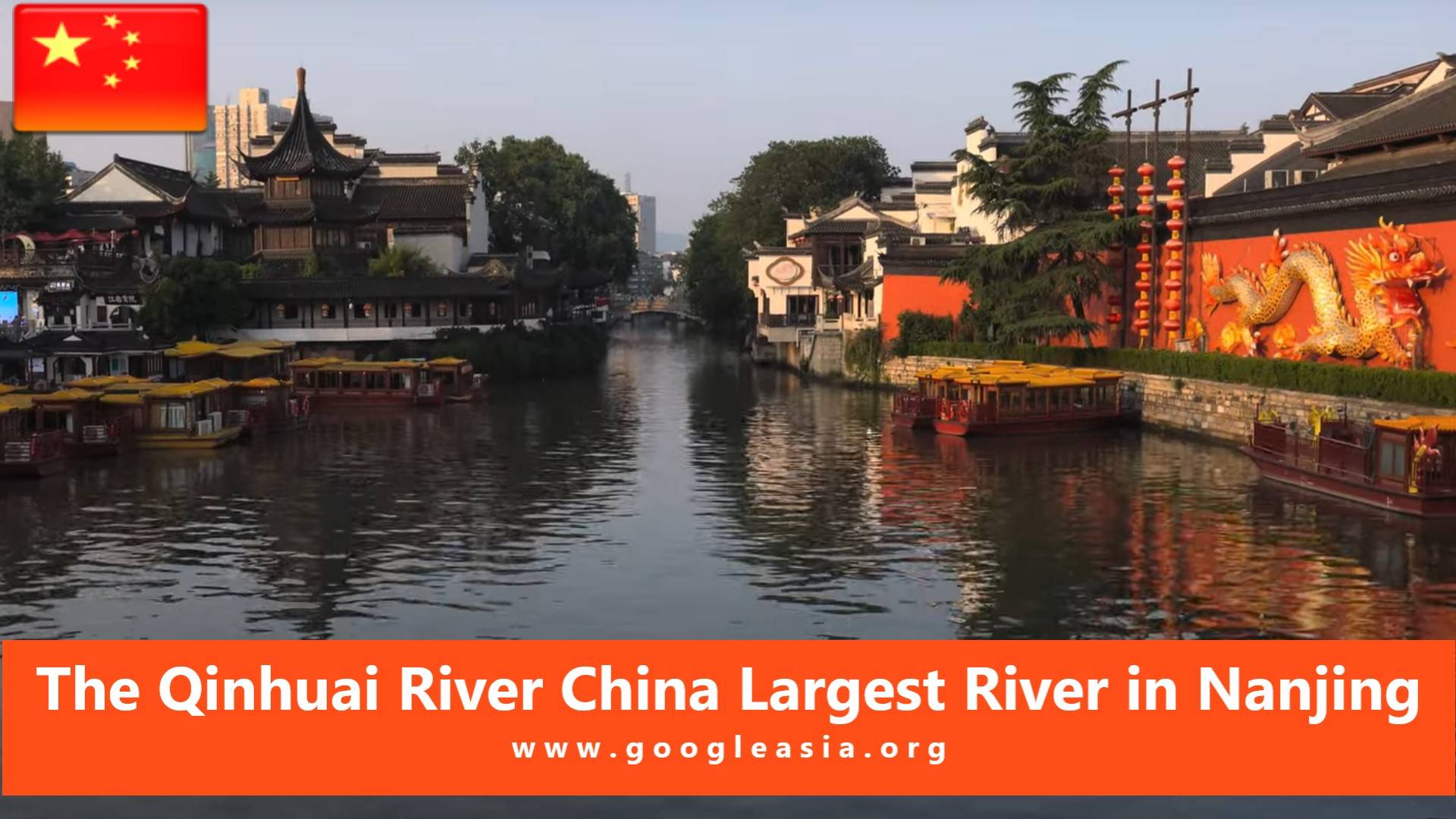
    The Qinhuai River is a river in Nanjing, China. It is the largest river in Nanjing and the cradle of the history and culture of Nanjing city. The river runs for about 120 kilometers and passes through many of the city’s famous sites, such as Confucius Temple, President Mausoleum, and Jiangnan Examination Hall.

    The Qinhuai River has always been a source of inspiration for many poets and artists due to its beautiful scenery, fragrant smell of the river, and the amazing view of the city. In recent years, the river has become more popular due to the newly built promenade and shopping streets, where tourists can buy souvenirs and enjoy Riverview attractions.


    The Qinhuai River China Largest River in Nanjing

    The Qinhuai River, China: The Summary

    • Attraction Name: The Qinhuai River
    • Country: China
    • Continent: Asia
    • Capital Name: Beijing
    • Language: Mandarin
    • Currency: Chinese Yuan
    • Nationality: Chinese
    • Category:  #Destination #Asia #CHINA 


    The Qinhuai River: A Cultural Legacy in Nanjing

    History and Significance

    The Qinhuai River, flowing through Nanjing in Jiangsu Province, China, holds deep cultural and historical significance. It has been a vital waterway for trade and commerce since ancient times, attracting merchants and traders who navigated its waters to facilitate economic growth and cultural exchange. Moreover, the river played a crucial defensive role, acting as a natural barrier against external invaders, fortifying the city’s defenses.

    Economic and Cultural Hub

    The Qinhuai River has long been a bustling hub of activity, serving as an important port for trade and naval vessels. Today, it remains a vibrant center of Nanjing’s nightlife and entertainment, offering picturesque views and a rich tapestry of cultural experiences. The area surrounding the river is dotted with traditional teahouses, restaurants, and shops, making it a favored destination for locals and tourists alike.

    Qinhuai Lantern Festival: A Spectacle of Tradition and Celebration

    One of the most anticipated events along the Qinhuai River is the annual Qinhuai Lantern Festival, held on the 15th day of the first lunar month. This vibrant festival draws crowds from far and wide to witness traditional performances, carnival rides, dragon boat races, yangge dancing, and bustling markets offering a variety of Chinese food and products. It showcases the rich cultural heritage and festive spirit that define the charm of the Qinhuai River area in Nanjing.


    Things to Do in The Qinhuai River, China

    Overview of The Qinhuai River

    The Qinhuai River, located in Nanjing, China, is a historic waterway renowned for its cultural significance and scenic beauty. It has been a major tourist attraction for centuries, offering visitors a glimpse into Nanjing’s rich history and vibrant culture.

    Boat Rides on The Qinhuai River

    One of the most popular activities on the Qinhuai River is taking a leisurely boat ride. This allows visitors to enjoy picturesque views of ancient temples, elegant bridges, and lush gardens lining the riverbanks. Boats can be rented from several points along the river, providing a relaxing way to explore the area.

    Explore Temples and Shrines

    For those interested in cultural exploration, the Qinhuai River boasts numerous temples and shrines that reflect Nanjing’s deep-rooted religious heritage. Buddhist temples, in particular, offer insights into the practice of Buddhism in the region and provide serene spaces for contemplation and photography.

    Taste Local Cuisine

    A visit to the Qinhuai River is incomplete without sampling its renowned local cuisine. The riverbanks are dotted with street food stalls offering a variety of dishes such as freshly fried noodles, savory dumplings, and flavorful barbecued meats. Exploring these culinary delights adds a delicious dimension to any visit.

    Museums and Historical Sites

    Delve into the history of Nanjing by visiting its museums and historical sites near the Qinhuai River. The Nanjing Museum showcases a diverse collection of artifacts and documents chronicling the city’s past, while the Imperial Palace of the last Ming Emperor provides a glimpse into imperial life during China’s dynastic era.

    Cultural and Nightlife Experience

    Beyond its daytime attractions, the Qinhuai River offers a vibrant nightlife scene. Visitors can unwind at riverside bars, enjoy live performances, and explore souvenir stalls offering traditional crafts and keepsakes. The combination of cultural enrichment and evening entertainment makes the Qinhuai River a well-rounded destination.

    Conclusion

    The Qinhuai River in Nanjing, China, remains a must-visit destination for travelers seeking to immerse themselves in traditional Chinese culture and history. Whether exploring ancient temples, savoring local delicacies, or enjoying a boat ride along its storied waters, the Qinhuai River promises a memorable experience rich in heritage and natural beauty.

    Best Foods at The Qinhuai River, China

    Culinary Delights Along The Qinhuai River

    The Qinhuai River in Nanjing, China, not only offers stunning views and cultural experiences but also boasts a rich culinary heritage with dishes that delight locals and visitors alike.

    Nanjing Salted Duck

    One of the standout dishes along the Qinhuai River is Nanjing Salted Duck. This delicacy involves marinating duck in a brine of salt and other seasonings, then grilling it over an open flame to achieve a crispy exterior while preserving tender, flavorful meat inside. It’s a must-try for those exploring the local cuisine.

    Red-Braised Pork (Hong Shao Rou)

    Red-braised pork is another iconic dish found along the Qinhuai River. Pork belly or shoulder is braised in a savory mixture of soy sauce, sugar, and spices until tender and infused with rich flavors. It’s often served with steamed buns or rice, making it a hearty choice for food enthusiasts.

    Salted River Carp (Yánshuǐ lǐ yú)

    Salted river carp is a local favorite that highlights the region’s freshwater resources. The fish is salted and then steamed or pan-fried to enhance its natural flavors. Served with a side of vegetables or rice, it’s a popular choice for those seeking a taste of authentic local seafood.

    Big Plate Chicken (Dà pán jī)

    Big Plate Chicken is a flavorful and hearty dish that originates from the region’s culinary traditions. Chicken pieces are simmered in a spicy sauce with potatoes, bell peppers, and other seasonings until tender and aromatic. It’s often enjoyed with noodles or steamed rice, perfect for sharing among friends and family.

    Lighter Options and Desserts

    For those preferring lighter fare or looking to explore desserts along the Qinhuai River, there are several delightful options:

    Assorted Vegetable Dishes

    Assorted vegetable dishes showcase locally grown produce and are prepared in various styles, from stir-fried to steamed, highlighting fresh flavors and textures.

    Sweet Bean Jelly (Lián’áo fěn)

    Sweet bean jelly is a refreshing dessert made from mung bean starch and served chilled. It’s often drizzled with syrup or topped with fruit, offering a cool and sweet conclusion to a meal.

    “Three Cups” Rice Wine (Sāncǔ jiǔ)

    No culinary journey along the Qinhuai River is complete without trying the famous “Three Cups” rice wine. Named for its equal parts of rice wine, soy sauce, and sesame oil, this traditional drink pairs well with many local dishes and adds to the overall dining experience.

    Local Pastries and Treats

    Finish off your meal with local pastries like nian gao (rice cakes with sweet bean paste), freshly fried crullers, yuba (tofu skin), and snow-skin moon cakes. These treats offer a variety of flavors and textures, showcasing the diversity of Nanjing’s dessert offerings.

    Conclusion

    From savory classics like Nanjing Salted Duck and Red-Braised Pork to refreshing desserts and traditional drinks, the culinary offerings along The Qinhuai River promise a memorable gastronomic experience. Whether exploring local favorites or indulging in sweet treats, visitors are sure to discover a rich tapestry of flavors that reflect the region’s cultural heritage and culinary prowess.

    Best Hotels to Stay in The Qinhuai River, China

    Luxury Accommodations with River Views

    InterContinental Nanjing Hotel

    Located overlooking the Qinhuai River, the InterContinental Nanjing Hotel offers luxurious accommodations with stunning views of the city skyline. This modern hotel provides well-appointed rooms, excellent amenities, and a variety of dining options, ensuring a comfortable and memorable stay.

    Le Meridien Nanjing

    Situated conveniently near Qinhuai River attractions, Le Meridien Nanjing offers contemporary accommodation and top-notch amenities. Guests can enjoy a spa, fitness center, indoor pool, and multiple dining venues, making it an ideal choice for travelers looking to explore the area in style.

    Award-Winning Hospitality

    Kempinski Hotel Nanjing

    The Kempinski Hotel Nanjing stands out for its prime location on the banks of the Qinhuai River. This award-winning hotel features spacious rooms, modern amenities, and a range of services including a luxurious spa, eight dining options, and an outdoor pool, ensuring a luxurious and relaxing stay.

    City-Center Elegance

    Crowne Plaza Nanjing

    Nestled in the heart of the city and offering breathtaking views of the Qinhuai River, Crowne Plaza Nanjing provides 5-star accommodations with easy access to local attractions. Guests can enjoy a variety of dining options, a fitness center, spa services, a pool, and dedicated facilities for both business and leisure travelers.

    Modern Comfort with Scenic Views

    Grand Metropark Hotel Nanjing

    Combining modern comforts with classic Chinese design, the Grand Metropark Hotel Nanjing offers serviced apartment-style accommodations with panoramic views of the Qinhuai River and the city skyline. Amenities include a spa, indoor pool, and several dining choices, catering to both leisure and business travelers.

    Conclusion

    Choosing to stay along The Qinhuai River offers not only convenient access to Nanjing’s cultural and historical attractions but also a range of luxurious accommodations to enhance your travel experience. Whether you prefer river views, modern amenities, or award-winning hospitality, these hotels promise a comfortable and memorable stay in one of China’s most vibrant cities.
    Frequently Asked Questions About The Qinhuai River, China: Your Ultimate Guide

    Explore the latest destination attraction with ease through our comprehensive Frequently Asked Questions guide. Discover insightful answers to common queries, providing a seamless experience. Your journey begins with clarity and confidence as we address uncertainties and offer essential information. Let this guide enhance your adventure, ensuring you make the most of the latest destination attraction, leaving no question unanswered.

    Where is The Qinhuai River located?

    The Qinhuai River is located in Nanjing, China. It flows through the city, dividing it into northern and southern parts, and is known for its historical significance and scenic beauty.

    How to go to The Qinhuai River?

    To visit the Qinhuai River in Nanjing, China, you have several transportation options depending on your starting point:

    1. By Metro: Nanjing Metro Line 1 stops at Sanshanjie Station (三山街站), which is near the Qinhuai River. From Sanshanjie Station, you can walk to the riverfront area.

    2. By Bus: Many bus routes serve the Qinhuai River area. Look for buses that stop at Fuzimiao Station (夫子庙站) or Zhonghua Gate Station (中华门站), which are close to the river.

    3. By Taxi or Ride-Hailing Services: Taxis and ride-hailing services are widely available in Nanjing. You can simply input your destination as “Qinhuai River” or specify a nearby landmark such as Fuzimiao (Confucius Temple) or Zhonghua Gate (Gate of China).

    4. Walking: Depending on where you are in Nanjing city center, you can walk to the Qinhuai River if you are staying nearby. The river area is accessible and popular with pedestrians.

    Make sure to check a map or ask locals for the most convenient route based on your starting location.

    What are The Qinhuai River’s must-visit attractions or landmarks?

    Qinhuai River in Nanjing offers a blend of historical and cultural landmarks that are worth exploring:

    Confucius Temple (Fuzi Miao)

    Visit this ancient temple complex dedicated to Confucius, surrounded by bustling markets and traditional architecture.

    Nanjing City Wall

    Explore the remnants of Nanjing’s ancient city wall, offering panoramic views of the cityscape and the Qinhuai River.

    Zhonghua Gate (Gate of China)

    A monumental gatehouse that once protected the southern entrance to Nanjing, offering insights into Ming dynasty architecture and history.

    Nanjing Yangtze River Bridge

    An iconic modern engineering marvel that spans the Yangtze River, offering stunning views and a glimpse into China’s infrastructure.

    Nanjing Presidential Palace (Nanjing Museum)

    Explore the former presidential palace of China, now a museum showcasing historical artifacts and exhibitions.

    These landmarks capture the rich history and cultural heritage of Nanjing’s Qinhuai River area, making them essential stops for visitors exploring the city’s vibrant past and present.

    Is The Qinhuai River a suitable travel destination for solo adventurers, honeymooning couples, or those traveling with families?

    The Qinhuai River in Nanjing offers something for every type of traveler:

    • Solo Adventurers: Solo travelers can enjoy exploring the historic Confucius Temple area, strolling along the riverbanks, and visiting nearby attractions like the Nanjing City Wall. The vibrant nightlife and local cuisine make it an exciting destination.
    • Honeymooning Couples: Couples will find the Qinhuai River area romantic, especially during evening boat cruises when the river is illuminated. The Confucius Temple and the surrounding quaint streets offer a charming backdrop for a romantic getaway.
    • Families: Families can have a memorable experience exploring the cultural sites such as the Confucius Temple and the nearby markets. Boat rides on the Qinhuai River are enjoyable for all ages, providing a scenic perspective of Nanjing’s history and architecture.

    Whether you’re traveling alone, as a couple, or with your family, the Qinhuai River offers a blend of cultural experiences, scenic beauty, and entertainment suitable for all types of travelers.

    Why should you visit The Qinhuai River?

    The Qinhuai River in Nanjing offers a compelling blend of historical charm, cultural significance, and scenic beauty, making it a must-visit destination for travelers. Here are some reasons to explore this iconic river:

    Historical Significance

    The Qinhuai River has been an integral part of Nanjing’s history for over 2,000 years, serving as a vital artery of trade and cultural exchange. It was once a bustling hub of activity during the Ming dynasty, with its banks lined by imperial palaces, temples, and gardens.

    Cultural Experience

    Visiting the Qinhuai River provides a rich cultural experience, offering insights into traditional Chinese arts, music, and cuisine. The riverbanks are dotted with historic landmarks such as the Confucius Temple, Zhanyuan Garden, and the former residences of literary figures, all reflecting Nanjing’s deep cultural heritage.

    Scenic Beauty

    The scenic beauty of the Qinhuai River is undeniable, especially during the evening when traditional lanterns illuminate the water and historic architecture. Boat cruises along the river offer a peaceful way to admire the cityscape and enjoy the tranquil ambiance.

    Festivals and Events

    Throughout the year, the Qinhuai River hosts various festivals and events, including the Lantern Festival and the Qinhuai International Lantern Festival, which showcase vibrant displays of traditional lanterns and cultural performances.

    Local Cuisine

    Exploring the Qinhuai River area allows visitors to indulge in Nanjing’s renowned local cuisine, such as salted duck, Nanjing-style dim sum, and other regional delicacies available at riverside restaurants and food stalls.

    Visiting the Qinhuai River offers a blend of history, culture, scenic beauty, and culinary delights, making it a memorable destination for travelers exploring Nanjing.

    Are there any halal food options near the Qinhuai River?

    Yes, there are halal food options available near the Qinhuai River, especially considering Nanjing’s diverse culinary offerings. Here are a few places where you can find halal food:

    1. Muslim Street (Hunan Road): Located near the Confucius Temple area, this street is known for its variety of halal restaurants and food stalls offering traditional Chinese Muslim cuisine.

    2. Nanjing Grand Mosque: Near the Jiming Temple, this mosque area often has nearby restaurants or food vendors offering halal meals.

    3. Hotels and Restaurants: Some hotels and higher-end restaurants in the city center also offer halal options or can accommodate dietary restrictions upon request.
    These options should provide you with a range of choices for enjoying halal food near the Qinhuai River area in Nanjing.

    Web Directories

    Welcome to our comprehensive web directories! Explore a world of information and resources tailored to your interests and needs. From travel adventures to financial solutions, hobbies, reviews, and more, our curated collection of links offers something for everyone. Click on the above links to start your journey towards discovering new experiences and expanding your horizons. Your next destination awaits!

    1. https://asiaworldtour.com: “Asia World Tour: Your Gateway to Asian and World Adventures”
    2. https://personalfinancingloan.com: “Personal Financing Loan: Your Path to Financial Freedom”
    3. https://hobbyforte.com: “HobbyForte: Discover Your Car Passion, Explore Your Interests”
    4. https://reviewsanything.com: “ReviewsAnything: Your Trusted Source for Honest Gadget Reviews”
    5. https://rumahmampumilik.com: “Rumah Mampu Milik: Your Affordable Homeownership Journey Begins Here”
    6. https://malaysiadigit.com: “MalaysiaDigit: Your Digital Destination for News and Insights”
    7. https://vipmalaysia.com: “VIP Malaysia: Elevate Your Experience in Malaysia”
    8. https://nordiyana.com: “Indulge in Elegance at Nordiyana: Latest Recipe and Culinary Inspirations”
    9. https://e-penyatagaji.com: “E-Penyata Gaji: Simplifying Payroll Management for You”
    10. https://googleasia.org: “Google Asia: Explore the World and Asia’s Wonders with Google Asia”
    11. https://malaysiafit.com: “Malaysia Fit: Your Partner in Health and Wellness”
    12. https://koperasi.info: “Koperasi: Building Communities, Empowering Lives”
    13. https://recipeinside.com: “RecipeInside: Unveiling Culinary Creations, Your Guide to Delicious Dishes”
    14. https://asiahealthcenter.com: “Asia Health Center: Your Source for Holistic Wellness Solutions”
    15. https://nationalhealthcenters.com: “National Health Centers: Your Source for Vital Health Information and Community Care”
    16. https://malaysiabit.com: “MalaysiaBit: Stay Informed, Stay Connected”
    17. https://epenyatagaji.com: “E-Penyata Gaji: Your Digital Payslip Solution”
    18. https://koperasi.work: “Koperasi Work: Collaborate, Innovate, Succeed”
    19. https://koperasi.business: “Koperasi Business: Driving Entrepreneurship, Fostering Growth
  • Visiting The Bund, China: Your Ultimate Travel Guide & Tips

    Visiting The Bund, China: Your Ultimate Travel Guide & Tips

    The Bund, China: Must-Visit Destination

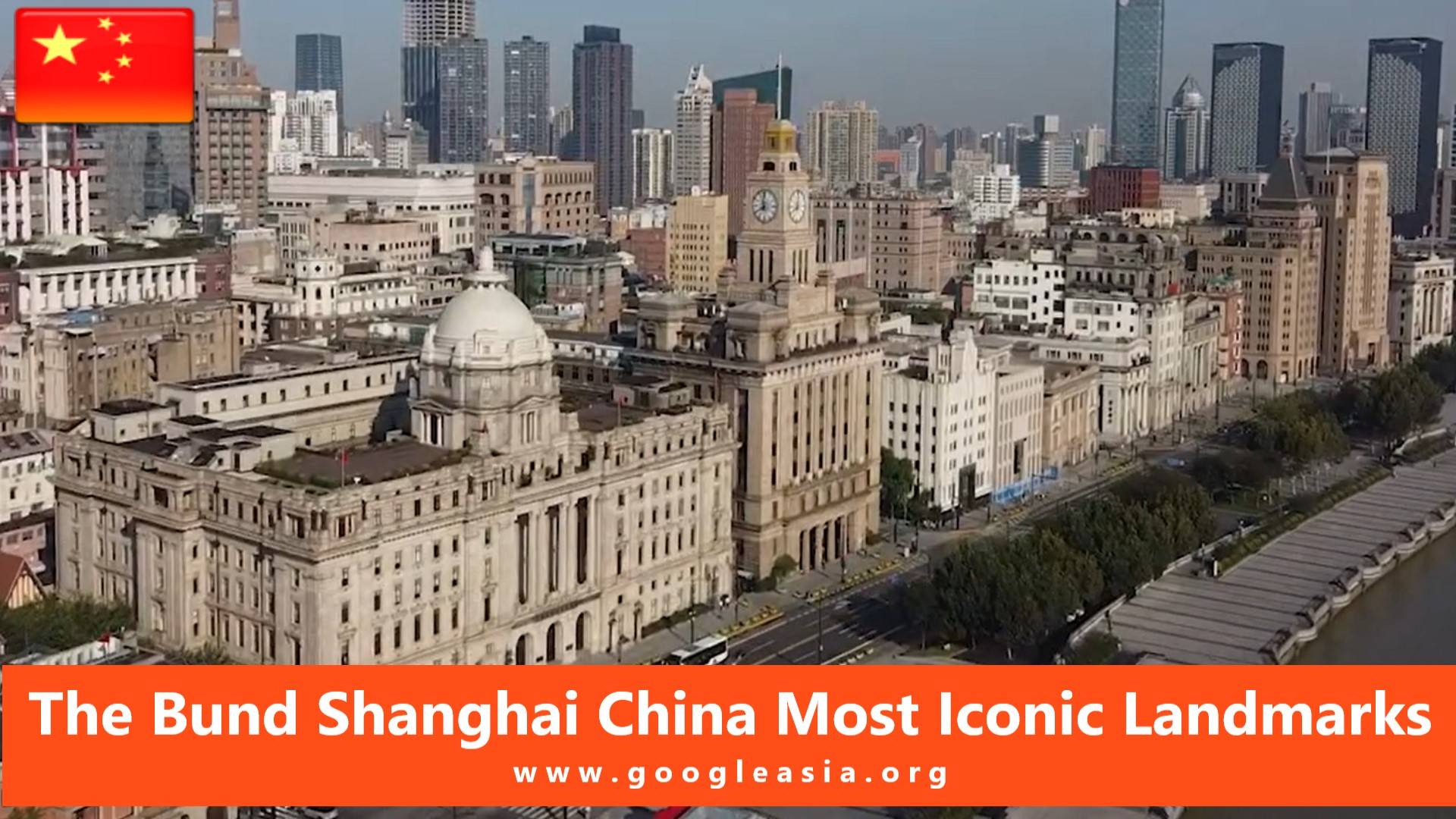
    The Bund is a waterfront area in central Shanghai and one of the most iconic landmarks of the city. Spanning 1.5 miles and boasting some of the most stunning views of the city’s skyline, it is a must-visit for anyone wanting to experience the vibrant culture of Shanghai. Visitors can explore its many attractions, including Yuyuan Garden, the old Bank of China building, the Bund Promenade, and a host of shops and eateries.


    The Bund Shanghai China Most Iconic Landmarks

    The Bund in Shanghai, China: The Summary

    • Attraction Name: The Bund
    • Country: China
    • Continent: Asia
    • Capital Name: Beijing
    • Language: Mandarin
    • Currency: Chinese Yuan
    • Nationality: Chinese
    • Category:  #Destination #Asia #CHINA 


    Discovering The Bund, China

    A Historic Waterfront Promenade

    The Bund, known locally as Waitan, stands as a prominent symbol of Shanghai’s rich history and modern vibrancy. Located in the Huangpu District, this waterfront promenade runs along the western bank of the Huangpu River, offering visitors some of the most iconic and breathtaking views of the city.

    Scenic Night Views

    One of the best times to experience The Bund is at nightfall. As darkness descends, the promenade becomes illuminated, providing a stunning backdrop of the Pudong skyline across the river. The juxtaposition of historic architecture with the futuristic skyscrapers of Pudong creates a captivating scene that draws visitors from around the world.

    Vibrant Atmosphere

    At night, The Bund comes alive with a bustling atmosphere akin to a vibrant bazaar. Along the promenade, you’ll find an array of souvenir stores, snack stands, bars, lounges, and restaurants. Whether you’re looking for a place to relax with a drink or indulge in local delicacies, there’s something to suit every taste.

    Colonial-Era Architecture

    The charm of The Bund lies in its colonial-era buildings that line the waterfront. Iconic landmarks such as the Bank of China, Customs House, HSBC Building, and the Peace Hotel stand as testament to Shanghai’s history as an international hub of trade and commerce. These architectural gems not only provide stunning photo opportunities but also offer a glimpse into the city’s past.

    Cultural and Historical Attractions

    Beyond its architectural marvels, The Bund is home to several notable sightseeing attractions. The Shanghai History Museum allows visitors to delve deeper into the city’s heritage through exhibits and artifacts. The Former Edificio Chino, also known as the Chinese Club Building, offers a chance to explore vintage treasures and learn about Shanghai’s cultural evolution.

    Conclusion

    Visiting The Bund in Shanghai promises a captivating journey through time and culture. Whether you’re strolling along the waterfront, admiring the illuminated skyline at night, or exploring its historic buildings and museums, The Bund offers an unforgettable experience that captures the essence of Shanghai’s past and present.


    Exploring The Bund, China

    Iconic Activities and Attractions

    The Bund offers an immersive experience into the city’s rich culture, architecture, and history. Situated along the Huangpu River, this iconic waterfront destination features a plethora of attractions and activities that cater to every traveler’s interest.

    Stroll Down The Bund Promenade

    Begin your exploration with a leisurely stroll along the Bund promenade. This picturesque walkway provides unparalleled views of Shanghai’s skyline, offering glimpses of architectural marvels such as the Telegraph Building, Shanghai Customs House, and Bank of China. Enjoy the breeze from the Huangpu River as you soak in the city’s bustling atmosphere.

    Admire Art Deco-style Buildings

    The Bund is renowned for its stunning examples of early 20th-century Art Deco architecture. Take a walk along the waterfront to marvel at the grand designs of banks and trading houses that reflect Shanghai’s prosperous past as a global financial hub.

    Visit the Unwin Building

    Designed in 1932 by British architect Sir TM Unwin, the Unwin Building stands out with its distinctive shape inspired by the sea and surrounding cliff walls. This architectural gem is a favorite among visitors for its unique design and historical significance.

    Take a Boat Ride on Huangpu River

    For a panoramic view of Shanghai’s skyline and waterfront landmarks, embark on a boat ride on the Huangpu River. From the water, you’ll witness the city’s architectural splendor and vibrant cityscape, offering a different perspective of The Bund’s charm.

    Experience the Light and Sound Show

    As night falls, The Bund transforms into a vibrant spectacle with a colorful light and sound show. Inspired by Chinese opera techniques, this nightly display adds a touch of theatrical magic to your visit, creating a memorable experience against the backdrop of Shanghai’s skyline.

    Visit the China Art Museum

    Immerse yourself in Chinese art and culture at the China Art Museum, which boasts a comprehensive collection spanning from the Neolithic period to contemporary artworks. The museum also hosts various exhibitions and events throughout the year, providing insights into China’s artistic heritage.

    Explore Yuyuan Garden

    Located nearby, Yuyuan Garden offers a serene retreat from the bustling city. This classical Chinese garden features elegant pavilions, meandering walkways, and tranquil ponds, making it a perfect spot to unwind and appreciate traditional Chinese landscaping.

    Shop at The Bund Market

    Browse through the Bund Market to discover unique souvenirs and traditional Chinese items. This bustling marketplace is ideal for picking up mementos and gifts, offering a taste of local crafts and culture amidst the lively atmosphere of The Bund.

    Enjoy Rooftop Bars

    Cap off your day with a visit to one of The Bund’s rooftop bars, offering spectacular views of the riverside and Shanghai skyline. Savor drinks and cuisine while soaking in the mesmerizing night views, completing your experience of The Bund in style.

    Conclusion

    From scenic walks along the promenade to cultural explorations at museums and tranquil respites in classical gardens, The Bund Shanghai promises a dynamic blend of history, architecture, and contemporary charm. Whether you’re captivated by its architectural splendor or enchanted by its vibrant nightlife, The Bund offers a multifaceted experience that celebrates Shanghai’s past and present with unmatched allure.


    Best Foods at The Bund, China

    Culinary Delights with Spectacular Views

    The Bund in Shanghai is not only renowned for its stunning views of the Huangpu River and Pudong skyline but also for its diverse and high-end culinary offerings that cater to discerning palates from around the world.

    Steamed Crab and Jumbo Shrimp

    Among the seafood specialties, steamed crab and jumbo shrimp stand out as must-try dishes at The Bund. Freshly prepared and served with delicate seasonings, these dishes highlight the region’s abundant seafood offerings and are perfect for seafood enthusiasts.

    Freshwater Fish and Cantonese, Sichuan, and Huaiyang Delicacies

    Visitors can indulge in a variety of regional Chinese cuisines such as Cantonese, Sichuan, and Huaiyang delicacies. Freshwater fish prepared in local styles showcases the culinary diversity of Shanghai, while dishes from these regional cuisines offer a range of flavors from mild and aromatic to bold and spicy.

    Shanghai Buffet with Local Flavors

    For a comprehensive taste of Shanghai’s culinary heritage, opt for the Shanghai buffet. This dining option features a wide selection of local dishes and flavors, allowing guests to sample everything from classic Shanghai specialties to modern interpretations of regional favorites.

    Classic Western Dishes

    In addition to Chinese delicacies, The Bund also excels in preparing classic Western dishes. Indulge in savory delights such as roast beef with mashed potatoes, salmon fillets, and roasted chicken, expertly crafted to satisfy international tastes while enjoying the elegant ambiance overlooking the Huangpu River.

    Sichuan-Style Spicy Dishes and Chinese Dumplings

    For those seeking bold flavors, The Bund offers a selection of Sichuan-style spicy dishes. Delight your taste buds with fiery aromas and rich spices that define Sichuan cuisine’s distinct character. Additionally, don’t miss out on the variety of Chinese dumplings, including buns, steamed pork dumplings, and the famous xiaolongbao, ensuring a taste of traditional Shanghai street food in a sophisticated setting.

    Dining with a View

    With its panoramic views over the Huangpu River, dining at The Bund offers not only exceptional cuisine but also an unforgettable experience. Whether enjoying local specialties or international favorites, guests are treated to a feast for the senses amidst Shanghai’s iconic skyline and vibrant atmosphere.

    Conclusion

    From exquisite seafood and regional Chinese delicacies to international gourmet fare and spicy Sichuan dishes, The Bund in Shanghai invites food enthusiasts to embark on a culinary journey like no other. Whether dining with a view or exploring local flavors, The Bund promises a gastronomic experience that combines world-class cuisine with unparalleled ambiance, making it a must-visit destination for food lovers in Shanghai.


    Best Hotels to Stay in The Bund, China

    Luxury Accommodations with Unparalleled Views

    The Bund in Shanghai offers a selection of top-tier hotels that combine luxurious amenities with breathtaking views of the Huangpu River and Pudong skyline. Whether you’re visiting for business or leisure, these hotels provide an unforgettable experience in the heart of Shanghai’s historic waterfront.

    Waldorf Astoria Shanghai

    Located in a heritage building on the Bund, Waldorf Astoria Shanghai offers a blend of classic elegance and modern luxury. Guests can enjoy spacious rooms with high ceilings, fine dining at the hotel’s restaurants, and unparalleled views of the river and skyline.

    The PuLi Hotel and Spa

    Situated near The Bund, The PuLi Hotel and Spa is renowned for its serene ambiance and exceptional service. The hotel features luxurious rooms and suites, a tranquil spa offering holistic treatments, and a variety of dining options that showcase both local and international cuisine.

    The Bund Hotel Shanghai

    As its name suggests, The Bund Hotel Shanghai provides convenient access to the Bund’s attractions and offers comfortable accommodations with modern amenities. Guests can enjoy city views, proximity to shopping and dining options, and a welcoming atmosphere.

    The Shanghai Edition

    Combining contemporary style with impeccable service, The Shanghai Edition offers luxurious accommodations and vibrant nightlife experiences. Located within easy reach of The Bund, the hotel features stylish rooms, innovative dining venues, and a rooftop bar with panoramic views.

    The Langham, Shanghai, Xintiandi

    Nestled between The Bund and the stylish Xintiandi district, The Langham, Shanghai offers refined luxury and personalized service. Guests can indulge in spacious rooms, Michelin-starred dining, a serene spa, and easy access to cultural and shopping attractions.

    The Peninsula Shanghai

    Known for its legendary hospitality and opulent amenities, The Peninsula Shanghai overlooks the Huangpu River and offers stunning views of Pudong. The hotel boasts elegant rooms and suites, award-winning restaurants, a world-class spa, and personalized service that exceeds expectations.

    Jumeirah Himalayas Hotel Shanghai

    Located near The Bund, Jumeirah Himalayas Hotel Shanghai blends contemporary design with traditional Chinese elements. Guests can enjoy luxurious accommodations, fine dining options, a wellness center, and easy access to cultural landmarks and entertainment.

    Pullman Shanghai South

    For those seeking modern comfort and convenience, Pullman Shanghai South offers stylish accommodations and excellent amenities. Located within a short distance from The Bund, the hotel features spacious rooms, a fitness center, dining options, and meeting facilities for business travelers.

    Regent Shanghai

    Regent Shanghai provides a sophisticated retreat with its elegant rooms and suites, upscale dining venues, and attentive service. Situated near The Bund, the hotel offers a luxurious stay with amenities that cater to both leisure and business travelers.

    Fairmont Peace Hotel

    A landmark on The Bund, Fairmont Peace Hotel blends history with modern luxury. Guests can experience classic Art Deco architecture, luxurious rooms with river views, fine dining, and a legendary Jazz Bar that preserves Shanghai’s glamorous past.

    Conclusion

    Whether you’re drawn to classic elegance, contemporary luxury, or historic charm, the best hotels in The Bund, Shanghai, ensure a memorable stay with their exceptional service, stunning views, and convenient access to the city’s cultural and entertainment offerings. From iconic landmarks to world-class dining and entertainment, these hotels provide the perfect base for exploring Shanghai’s vibrant waterfront and beyond.

    Frequently Asked Questions About The Bund, China: Your Ultimate Guide

    Explore the latest destination attraction with ease through our comprehensive Frequently Asked Questions guide. Discover insightful answers to common queries, providing a seamless experience. Your journey begins with clarity and confidence as we address uncertainties and offer essential information. Let this guide enhance your adventure, ensuring you make the most of the latest destination attraction, leaving no question unanswered.

    Where is The Bund located?

    The Bund is located in the city of Shanghai, China. It is a waterfront area along the western bank of the Huangpu River in the central part of Shanghai’s Huangpu District.

    How to go to The Bund?

    The Bund is located in the Huangpu District of Shanghai, China. Here are common ways to get there:

    1. By Metro: Take Metro Line 2 or Line 10 and get off at East Nanjing Road Station. From there, you can walk to The Bund.
    2. By Bus: Several bus routes serve The Bund area. Check local maps or ask at your hotel for the best bus route depending on your starting point.
    3. By Taxi: Taxis are widely available in Shanghai. Simply tell the driver you want to go to “Wai Tan” (外滩), which is the Chinese name for The Bund.
    4. By Ferry: You can take a ferry across the Huangpu River to The Bund from various points along the riverbank.
    5. Walking: If you’re staying nearby, The Bund is easily accessible by foot from many hotels and attractions in central Shanghai.

    Always consider traffic conditions and the time of day when planning your journey.

    What are The Bund’s must-visit attractions or landmarks?

    Here are some must-visit attractions or landmarks on The Bund:

    1. The Bund Promenade: Stroll along this waterfront promenade for iconic views of the Huangpu River and Shanghai skyline.

    2. Historic Buildings: Admire the architecture of historic buildings like the Bank of China Building, Customs House, and Peace Hotel.

    3. The Bund Sightseeing Tunnel: Experience a unique underground journey beneath the Huangpu River, known for its futuristic light and sound effects.

    4. Waibaidu Bridge (Garden Bridge): Visit one of the oldest bridges in Shanghai, offering picturesque views of both sides of the river.

    5. Statue of Chen Yi: See the statue of Chen Yi, the first mayor of Shanghai after the Communist revolution, located at the southern end of The Bund.

    These attractions offer a blend of historical significance and modern charm, making The Bund a must-visit destination in Shanghai.

    Is The Bund a suitable travel destination for solo adventurers, honeymooning couples, or those traveling with families?

    • Solo Adventurers: The Bund can be a great destination for solo travelers due to its vibrant atmosphere, stunning views of the skyline, and plenty of cafes and restaurants to explore alone. It’s also a good place for walking tours and meeting other travelers.

    • Honeymooning Couples: The Bund offers romantic views of the Huangpu River and the iconic skyline of Shanghai, making it a popular spot for couples. There are luxury hotels and fine dining options nearby, perfect for a romantic evening out.

    • Families: While The Bund may not have specific attractions for children, it can still be enjoyable for families to stroll along the waterfront, take river cruises, and visit nearby attractions like the Yu Garden or the Shanghai Museum.

    Each group can find something appealing about The Bund, depending on their interests and preferences!

    Why should you visit The Bund?

    Visiting The Bund in Shanghai offers a captivating experience that combines history, architecture, and modernity:

    1. Iconic Skyline Views: The Bund offers one of the world’s most famous waterfront views, with a stunning panorama of Shanghai’s skyline, including historic buildings on one side and modern skyscrapers in Pudong on the other.
    2. Architectural Marvels: Witness a blend of architectural styles ranging from neoclassical and Art Deco to modern skyscrapers. The historic buildings along The Bund showcase Shanghai’s evolution from a trading port to a global financial hub.
    3. Cultural Heritage: Explore the cultural heritage of Shanghai through its historic buildings, many of which were built in the early 20th century. These buildings once housed banks, trading houses, and consulates, reflecting Shanghai’s past as an international settlement.
    4. Leisure and Entertainment: Enjoy a leisurely stroll along the riverside promenade, take a river cruise for a different perspective, or visit restaurants, cafes, and shops in the area. The Bund is vibrant both day and night, offering various activities for visitors.
    5. Symbol of Shanghai: As a symbol of Shanghai’s economic prowess and cultural vibrancy, The Bund is a must-visit destination that encapsulates the city’s past, present, and future.

    Visiting The Bund provides a unique opportunity to immerse yourself in Shanghai’s rich history and dynamic urban landscape, making it a highlight of any visit to the city.

    Is it difficult to find halal food in The Bund?

    Finding halal food in The Bund area of Shanghai can be a bit challenging. The Bund is known for its upscale dining and international cuisine, which may not always include halal options. However, there are some restaurants and hotels nearby that cater to halal dietary requirements, especially in the broader Shanghai area where halal restaurants are more common. It’s advisable to check specific restaurant listings or use halal food apps to locate suitable dining options in advance if you have dietary restriction

    Web Directories

    Welcome to our comprehensive web directories! Explore a world of information and resources tailored to your interests and needs. From travel adventures to financial solutions, hobbies, reviews, and more, our curated collection of links offers something for everyone. Click on the above links to start your journey towards discovering new experiences and expanding your horizons. Your next destination awaits!

    1. https://asiaworldtour.com: “Asia World Tour: Your Gateway to Asian and World Adventures”
    2. https://personalfinancingloan.com: “Personal Financing Loan: Your Path to Financial Freedom”
    3. https://hobbyforte.com: “HobbyForte: Discover Your Car Passion, Explore Your Interests”
    4. https://reviewsanything.com: “ReviewsAnything: Your Trusted Source for Honest Gadget Reviews”
    5. https://rumahmampumilik.com: “Rumah Mampu Milik: Your Affordable Homeownership Journey Begins Here”
    6. https://malaysiadigit.com: “MalaysiaDigit: Your Digital Destination for News and Insights”
    7. https://vipmalaysia.com: “VIP Malaysia: Elevate Your Experience in Malaysia”
    8. https://nordiyana.com: “Indulge in Elegance at Nordiyana: Latest Recipe and Culinary Inspirations”
    9. https://e-penyatagaji.com: “E-Penyata Gaji: Simplifying Payroll Management for You”
    10. https://googleasia.org: “Google Asia: Explore the World and Asia’s Wonders with Google Asia”
    11. https://malaysiafit.com: “Malaysia Fit: Your Partner in Health and Wellness”
    12. https://koperasi.info: “Koperasi: Building Communities, Empowering Lives”
    13. https://recipeinside.com: “RecipeInside: Unveiling Culinary Creations, Your Guide to Delicious Dishes”
    14. https://asiahealthcenter.com: “Asia Health Center: Your Source for Holistic Wellness Solutions”
    15. https://nationalhealthcenters.com: “National Health Centers: Your Source for Vital Health Information and Community Care”
    16. https://malaysiabit.com: “MalaysiaBit: Stay Informed, Stay Connected”
    17. https://epenyatagaji.com: “E-Penyata Gaji: Your Digital Payslip Solution”
    18. https://koperasi.work: “Koperasi Work: Collaborate, Innovate, Succeed”
    19. https://koperasi.business: “Koperasi Business: Driving Entrepreneurship, Fostering Growth
  • Visiting The Tiger Leaping Gorge, China: Travel Guide

    Visiting The Tiger Leaping Gorge, China: Travel Guide

    The Tiger Leaping Gorge in Yunnan, China: Must-Visit Destination

    The Tiger Leaping Gorge in Yunnan China is a must-visit destination for any nature lover or adventurers. It is one of the deepest gorges in the world and is a breathtaking spectacle of soaring mountains, roaring rivers, and lush forests. Its depth ranges from approximately 3,790 to 16,404 feet, encouraging visitors to test their endurance with challenging hikes to see the stunning vistas. Other activities include rafting, rock climbing, and camping, with the trails lined with wildflowers, fir forests, and old-growth bamboo forests. Visitors to the gorge can also enjoy cultural activities such as cave temples, shrines, and ancient villages, as well as the chance to experience traditional Chinese lifestyles.

    Visitors flock to take in its wild beauty, trekking along winding paths to catch breathtaking views of steep, rocky cliffs and peaceful streams.


    The Tiger Leaping Gorge Yunnan China Stunning Canyon

    The Tiger Leaping Gorge, China: The Summary

    • Attraction Name: The Tiger Leaping Gorge
    • Country: China
    • Continent: Asia
    • Capital Name: Beijing
    • Language: Mandarin
    • Currency: Chinese Yuan
    • Nationality: Chinese
    • Category:  #Destination #Asia #CHINA 


    Discovering The Tiger Leaping Gorge, China

    A Natural Wonder in Yunnan Province

    The Tiger Leaping Gorge stands as a breathtaking testament to nature’s grandeur, nestled in the rugged landscapes of Yunnan Province in Southwestern China. Carved by the Jinsha River, a tributary of the Yangtze River, this majestic canyon is flanked by the towering Snow Mountain Range to the west and the Haba Xueshan Range to the east.

    Scenic Beauty and Geographic Significance

    Renowned for its dramatic scenery and staggering depths, The Tiger Leaping Gorge is revered as one of the world’s deepest canyons. Its name originates from a local legend where a tiger leaped across the narrowest point of the gorge to evade hunters, showcasing the region’s rich folklore.

    Trekking Through Natural Splendor

    Today, The Tiger Leaping Gorge has evolved into one of China’s premier trekking destinations, attracting adventurers and nature enthusiasts alike. The trekking route offers spectacular vistas of cascading waterfalls, verdant forests teeming with biodiversity, and steep mountain slopes that challenge hikers with their rugged beauty.

    Experiencing the Journey

    Embarking on the trek typically spans one to two days, allowing visitors to immerse themselves in the untamed wilderness while traversing well-maintained paths. Travelers can opt for independent exploration or enhance their experience by engaging local guides who offer insights into the area’s cultural heritage and natural history.

    Unforgettable Memories

    From the exhilarating heights of the trekking trails to the serene moments beside glistening streams, every step in The Tiger Leaping Gorge promises unforgettable memories. Whether capturing panoramic views from high viewpoints or pausing to appreciate the tranquility of nature, the journey leaves an indelible impression on all who venture here.

    Conclusion

    The Tiger Leaping Gorge in Yunnan Province, China, epitomizes the raw beauty of nature with its awe-inspiring landscapes and immersive trekking routes. As one of the world’s deepest canyons, it beckons adventurers to explore its rugged terrain, encounter its rich biodiversity, and uncover the tales woven into its ancient cliffs. Whether seeking adventure or serenity, The Tiger Leaping Gorge offers an unparalleled journey through China’s natural wonders, promising a truly transformative experience for travelers.


    Things to Do in The Tiger Leaping Gorge, China

    Embrace Nature’s Majesty

    1. Trekking and Hiking: Explore the stunning natural beauty of the gorge through various trekking routes. The most popular trek is from Qiaotou to Walnut Garden or further to Tina’s Guesthouse, offering breathtaking views of the canyon, waterfalls, and surrounding mountains.

    2. Photography: Capture the awe-inspiring landscapes, including panoramic views of the gorge, cascading waterfalls, and diverse flora and fauna. Sunrise and sunset offer especially dramatic lighting conditions for photography enthusiasts.

    3. Visit Tiger Leaping Stone: Seek out the legendary Tiger Leaping Stone, where, according to local folklore, a tiger leaped across the river to evade hunters. The viewpoint provides a thrilling perspective of the gorge’s depth and the rushing waters below.

    Cultural and Local Experiences

    1. Interact with Locals: Engage with the Naxi people, the indigenous inhabitants of the region. Learn about their traditions, culture, and daily life, offering insights into the local way of life amidst the rugged terrain.

    2. Explore Tibetan Culture: Discover Tibetan influences in the region, evident in local architecture, cuisine, and religious practices. Visit nearby monasteries or attend cultural events to deepen your understanding of Tibetan heritage.

    Adventure and Exploration

    1. Rafting on the Jinsha River: For adrenaline seekers, embark on a thrilling rafting adventure on the Jinsha River. Navigate through the rapids and experience the rush of whitewater rafting against the backdrop of stunning canyon scenery.

    2. Rock Climbing: Challenge yourself with rock climbing expeditions on the gorge’s steep cliffs. Experienced climbers can find routes that offer both physical challenge and stunning aerial views of the canyon.

    Relaxation and Reflection

    1. Yoga and Meditation: Find tranquility amidst nature’s splendor with yoga and meditation sessions. Many guesthouses and lodges offer serene settings ideal for practicing mindfulness and relaxation.

    2. Enjoy Local Cuisine: Indulge in hearty meals featuring local specialties such as yak meat dishes, Tibetan butter tea, and handmade noodles. Experience the flavors of Yunnan Province and Tibetan cuisine while enjoying the hospitality of local eateries.

    Practical Tips

    • Best Time to Visit: Plan your trip during spring (March to May) or autumn (September to November) for pleasant weather and clear skies, ideal for outdoor activities and photography.

    • Accommodation: Stay at guesthouses or lodges along the trekking route for convenient access to hiking trails and stunning views. Popular stops include Qiaotou, Walnut Garden, and Tina’s Guesthouse.

    Exploring The Tiger Leaping Gorge promises an unforgettable adventure through breathtaking landscapes and cultural encounters, making it a must-visit destination for nature enthusiasts and adventurers alike.

    Exploring the Culinary Delights of The Tiger Leaping Gorge, China

    A Gastronomic Adventure in Yunnan Province

    The Tiger Leaping Gorge in Yunnan Province not only captivates with its stunning landscapes and deep gorges but also offers a delightful array of local cuisines that reflect the region’s diverse cultural influences and natural bounty.

    Savory Delights

    1. Grilled Fish: Enjoy fresh river fish grilled to perfection, seasoned with local spices and herbs, offering a taste of the region’s pristine waters and vibrant flavors.
    2. Spicy Pork Ribs and Eggplant: Indulge in tender pork ribs and savory eggplant stir-fried with fiery chili peppers, a popular dish that combines bold flavors with hearty ingredients.
    3. Tibetan Stuffed Tibetan Bread: Savor traditional Tibetan bread stuffed with a variety of fillings such as yak meat, vegetables, and aromatic spices, reflecting Tibetan culinary traditions.
    4. Boiled Mashed Potatoes: Simple yet satisfying, mashed potatoes boiled to perfection and served with local seasonings provide a comforting taste of Yunnan’s agricultural abundance.
    5. Spicy Chicken: Delight in tender chicken cooked with a blend of Yunnan spices and chili peppers, creating a dish that is both aromatic and flavorful.
    6. Chinese Style Mushrooms: Sample locally foraged mushrooms prepared in traditional Chinese cooking styles, showcasing the region’s rich biodiversity and culinary expertise.
    7. Walnut Yogurt: Refresh with creamy yogurt infused with the delicate flavors of locally grown walnuts, offering a nutritious and delicious dessert or snack option.

    Family-Style Dining

    1. Dumplings with Vegetables: Enjoy steamed or pan-fried dumplings filled with fresh vegetables and herbs, a wholesome and satisfying choice for family meals.
    2. Vegetable Stir Fries: Taste the freshness of locally sourced vegetables stir-fried to perfection, paired with aromatic sauces and seasonings that enhance natural flavors.
    3. Traditional Rice with Vegetables: Experience the staple dish of Yunnan cuisine, featuring fragrant rice cooked with a medley of seasonal vegetables, served in various traditional styles.

    Sweet Treats and Refreshments

    1. Local Teas: Explore a variety of local teas, known for their distinctive flavors and health benefits, offering a refreshing break during your culinary journey.
    2. Vegetables and Fruits: Delight in fresh and flavorful locally grown vegetables and fruits, showcasing Yunnan’s fertile lands and diverse agricultural produce.
    3. Steamed Coconut Bun: Indulge in soft and fluffy buns filled with sweet coconut filling, a popular dessert that satisfies both cravings and curiosity about local flavors.
    4. Han Dynasty Cake: Experience a taste of history with Han Dynasty cakes, traditional pastries filled with sweet bean paste or other savory fillings, enjoyed for their cultural significance.

    Unique Culinary Experiences

    1. Potato and Beef Stew: Warm up with hearty stews featuring tender beef and locally grown potatoes, slow-cooked to perfection with aromatic spices and herbs.
    2. Stewed Beef with Pickles: Enjoy a savory dish combining tender beef with tangy pickles, offering a delightful contrast of flavors and textures unique to Yunnan’s culinary traditions.

    Conclusion

    Exploring the culinary delights of The Tiger Leaping Gorge in Yunnan Province is an adventure in itself, offering a rich tapestry of flavors, textures, and cultural influences that reflect the region’s natural beauty and diverse heritage. Whether indulging in savory classics like grilled fish and spicy pork ribs or discovering sweet treats like steamed coconut buns and Han Dynasty cakes, every bite tells a story of Yunnan’s culinary richness and culinary delights.

    Best Hotels in The Tiger Leaping Gorge, China

    Experience Comfort Amidst Nature’s Majesty

    Guchenglian Hotel Tiger Leaping Gorge

    Located amidst stunning natural surroundings, Guchenglian Hotel offers comfortable accommodations with picturesque views of the gorge. Guests can enjoy serene surroundings and easy access to hiking trails.

    Tiger Leaping Gorge Resort

    A peaceful retreat with rustic charm, Tiger Leaping Gorge Resort provides cozy rooms and cottages nestled in the lush landscape. It’s an ideal choice for nature lovers seeking tranquility and proximity to outdoor activities.

    Mingyue Guanghua Hotel

    Mingyue Guanghua Hotel offers modern amenities and warm hospitality against the backdrop of Tiger Leaping Gorge. It’s known for its convenient location and comfortable rooms, making it a favored option for travelers.

    Tea Horse Guesthouse

    Embrace the local culture at Tea Horse Guesthouse, where traditional architecture meets contemporary comfort. This guesthouse offers a unique experience with personalized service and breathtaking views.

    Gudu Hotel Tiger Leaping Gorge

    Gudu Hotel provides a blend of traditional and modern accommodations, featuring spacious rooms and a serene atmosphere. It’s a great base for exploring the natural wonders and cultural heritage of the region.

    Tiger Leaping Inn

    Tiger Leaping Inn offers budget-friendly accommodations without compromising on comfort. Guests appreciate its friendly atmosphere, stunning views, and proximity to hiking trails and local attractions.

    Laojun Mountain Villa

    Set amidst lush greenery, Laojun Mountain Villa provides a tranquil retreat with cozy rooms and personalized service. It’s an ideal choice for those seeking a peaceful escape amidst nature’s beauty.

    Naxi Guest House

    Naxi Guest House offers authentic hospitality and comfortable rooms with traditional decor. It’s a charming place to stay, providing a glimpse into local life and culture in the Tiger Leaping Gorge area.

    North View Hotel

    Enjoy panoramic views of the gorge from North View Hotel, which offers well-appointed rooms and modern amenities. It’s known for its spectacular vistas and convenient access to hiking trails.

    Youdian Hotel

    Youdian Hotel provides a comfortable stay with a focus on hospitality and service excellence. Guests appreciate its serene ambiance and convenient location for exploring the natural wonders of Tiger Leaping Gorge.

    Conclusion

    Choosing one of these hotels ensures a memorable stay in The Tiger Leaping Gorge, China, whether you seek tranquility, adventure, or cultural immersion. Each property offers unique experiences amidst the breathtaking landscapes of this renowned natural wonder.

    Frequently Asked Questions About the Tiger Leaping Gorge, China: Your Ultimate Guide

    Explore the latest destination attraction with ease through our comprehensive Frequently Asked Questions guide. Discover insightful answers to common queries, providing a seamless experience. Your journey begins with clarity and confidence as we address uncertainties and offer essential information. Let this guide enhance your adventure, ensuring you make the most of the latest destination attraction, leaving no question unanswered.

    Where is The Tiger Leaping Gorge located?

    The Tiger Leaping Gorge is located in southwestern China, specifically in the Yunnan province. It is situated on the Jinsha River, which is part of the upper reaches of the Yangtze River. The gorge is known for its stunning scenery, with steep cliffs and the rushing waters of the river, making it a popular destination for hikers and nature enthusiasts.

    How to go to The Tiger Leaping Gorge?

    To get to Tiger Leaping Gorge in Yunnan, China, you typically start from Lijiang or Shangri-La. Here’s a general guide:

    1. From Lijiang:
      • Bus: Take a bus from Lijiang to Qiaotou Town, which is the starting point for hiking Tiger Leaping Gorge.
      • Private Car: You can also hire a private car from Lijiang.
    2. From Shangri-La:
      • Bus: Take a bus from Shangri-La to Lijiang, then from Lijiang to Qiaotou Town.
      • Private Car: Arrange a private car directly to Qiaotou Town.

    Once in Qiaotou Town, you’ll start the trek to Tiger Leaping Gorge. It’s advisable to check current transport options and conditions as they may vary.

    What are The Tiger Leaping Gorge’s must-visit attractions or landmarks?

    The Tiger Leaping Gorge in China is renowned for its stunning natural beauty and trekking opportunities. Here are some must-visit attractions and landmarks:

    1. Tiger Leaping Rock: This is a prominent rock formation in the gorge where, according to legend, a tiger leaped across the Jinsha River to escape a hunter.
    2. Middle Tiger Leaping Gorge: This section offers breathtaking views of the rushing river and steep cliffs, perfect for photography and enjoying the natural scenery.
    3. Upper Tiger Leaping Gorge: Known for its narrowest point, where the cliffs on either side are just a few meters apart, providing a thrilling hiking experience.
    4. Hiking Trails: The gorge offers several hiking trails of varying difficulty levels, allowing visitors to explore the rugged terrain and enjoy panoramic views of the mountains and river.
    5. Waterfalls: There are numerous waterfalls cascading down the cliffs, especially during the rainy season, adding to the scenic beauty of the gorge.
    6. Local Culture: Interact with the local Naxi people who inhabit the area and learn about their traditions, culture, and way of life.

    These attractions make Tiger Leaping Gorge a must-visit destination for nature lovers and adventure seekers alike.

    What are The Tiger Leaping Gorge’s nearby must-visit attractions or landmarks?

    The Tiger Leaping Gorge, located in Yunnan Province, China, is surrounded by several must-visit attractions and landmarks:

    1. Jade Dragon Snow Mountain: A majestic mountain range known for its snow-capped peaks and scenic beauty. It’s a great destination for hiking and photography.
    2. Shangri-La (Zhongdian): A town renowned for its Tibetan culture and stunning landscapes, located further north of the gorge.
    3. Lijiang Ancient Town: A UNESCO World Heritage site known for its well-preserved ancient architecture and traditional Naxi culture.
    4. First Bend of the Yangtze River: A dramatic turn in the Yangtze River’s course, offering breathtaking views and photo opportunities.
    5. Baishuitai (White Water Terraces): Natural limestone terraces formed by mineral-rich springs, located near the town of Zhongdian.

    These attractions offer a diverse range of experiences from cultural immersion to natural beauty, complementing a visit to Tiger Leaping Gorge.

    Is The Tiger Leaping Gorge a suitable travel destination for solo adventurers, honeymooning couples, or those traveling with families?

    The Tiger Leaping Gorge in China can be a great destination for various types of travelers:

    • Solo Adventurers: It offers thrilling hiking experiences and stunning scenery, perfect for adventurous solo travelers.
    • Honeymooning Couples: It provides romantic landscapes and serene settings, ideal for couples looking to enjoy nature together.
    • Families: While the hiking trails can be challenging, families with older children or teenagers who enjoy outdoor activities may find it a rewarding destination. However, families with younger children might find the trails too demanding.

    Overall, it’s suitable for solo adventurers and couples seeking adventure and natural beauty, but families should consider the physical demands of the trails before planning a visit.

    Why should you visit The Tiger Leaping Gorge?

    The Tiger Leaping Gorge in southwestern China is renowned for its breathtaking scenery, offering dramatic views of the Jinsha River winding through towering cliffs. Here are a few reasons why you should consider visiting:

    1. Stunning Natural Beauty: It’s one of the deepest gorges in the world, with steep cliffs towering over 3,900 meters (12,800 feet) above the river.
    2. Hiking Trails: The gorge offers excellent hiking opportunities, including the famous Tiger Leaping Gorge Trek, which allows you to experience the beauty up close.
    3. Cultural Insights: You can immerse yourself in local Naxi culture, encountering villages and traditional guesthouses along the way.
    4. Adventure Activities: Besides hiking, visitors can engage in rafting or simply enjoy the serene atmosphere and stunning views.
    5. Photography Opportunities: The gorge is a paradise for photographers, offering countless opportunities to capture the rugged landscapes and the dynamic Jinsha River.

    Visiting the Tiger Leaping Gorge promises an unforgettable experience amidst nature’s grandeur and cultural richness.

    How accessible is halal food in The Tiger Leaping Gorge?

    Halal food availability in Tiger Leaping Gorge can vary. Generally, it’s not widely available, as the region is predominantly populated by ethnic minorities such as the Naxi people, who have their own culinary traditions. However, some hotels and guesthouses catering to international tourists may offer halal options, but it’s advisable to check in advance or arrange with them directly if you require halal meals during your visit.

    Web Directories

    Welcome to our comprehensive web directories! Explore a world of information and resources tailored to your interests and needs. From travel adventures to financial solutions, hobbies, reviews, and more, our curated collection of links offers something for everyone. Click on the above links to start your journey towards discovering new experiences and expanding your horizons. Your next destination awaits!

    1. https://asiaworldtour.com: “Asia World Tour: Your Gateway to Asian and World Adventures”
    2. https://personalfinancingloan.com: “Personal Financing Loan: Your Path to Financial Freedom”
    3. https://hobbyforte.com: “HobbyForte: Discover Your Car Passion, Explore Your Interests”
    4. https://reviewsanything.com: “ReviewsAnything: Your Trusted Source for Honest Gadget Reviews”
    5. https://rumahmampumilik.com: “Rumah Mampu Milik: Your Affordable Homeownership Journey Begins Here”
    6. https://malaysiadigit.com: “MalaysiaDigit: Your Digital Destination for News and Insights”
    7. https://vipmalaysia.com: “VIP Malaysia: Elevate Your Experience in Malaysia”
    8. https://nordiyana.com: “Indulge in Elegance at Nordiyana: Latest Recipe and Culinary Inspirations”
    9. https://e-penyatagaji.com: “E-Penyata Gaji: Simplifying Payroll Management for You”
    10. https://googleasia.org: “Google Asia: Explore the World and Asia’s Wonders with Google Asia”
    11. https://malaysiafit.com: “Malaysia Fit: Your Partner in Health and Wellness”
    12. https://koperasi.info: “Koperasi: Building Communities, Empowering Lives”
    13. https://recipeinside.com: “RecipeInside: Unveiling Culinary Creations, Your Guide to Delicious Dishes”
    14. https://asiahealthcenter.com: “Asia Health Center: Your Source for Holistic Wellness Solutions”
    15. https://nationalhealthcenters.com: “National Health Centers: Your Source for Vital Health Information and Community Care”
    16. https://malaysiabit.com: “MalaysiaBit: Stay Informed, Stay Connected”
    17. https://epenyatagaji.com: “E-Penyata Gaji: Your Digital Payslip Solution”
    18. https://koperasi.work: “Koperasi Work: Collaborate, Innovate, Succeed”
    19. https://koperasi.business: “Koperasi Business: Driving Entrepreneurship, Fostering Growth
  • Visiting The Li Autonomous Region, China: Travel Guide

    Visiting The Li Autonomous Region, China: Travel Guide

    The Li Autonomous Region Guizhou, China: Must-Visit Destination

    The Li Autonomous Region in China is a culturally rich region that offers travelers a glimpse into traditional Chinese culture and history. As one of the few regions in China that was once populated by minority ethnic groups, the Li Autonomous Region Guizhou is home to stunning landscapes, diverse customs, and rich cultural heritage. From exploring the vibrant cities and ancient forts, to visiting the beautiful villages of the Miao and the Dong people, visitors can experience a once-in-a-lifetime adventure in the Li Autonomous Region Guizhou.

    The Li Autonomous Region, Guizhou is situated in southwestern China, bounded by Yunnan Province on the west, Guangxi Province on the south, Hunan Province on the east, and the Qianxinan Buyei and Miao Autonomous Prefecture on the north. It covers an area of 32,000 square kilometers and has a population of about 1.1 million people.

    Li people, who are the main ethnic group of the region, have their own unique culture and way of life. Other minority nationalities living there include Miao, Buyei, Gan, Sui and Yao. Guizhou is known for its stunningly awe-inspiring landscapes, with peaks, canyons, rivers, forests and caves. Along with its many attractions, the area also offers some of the best hiking and camping opportunities in China.


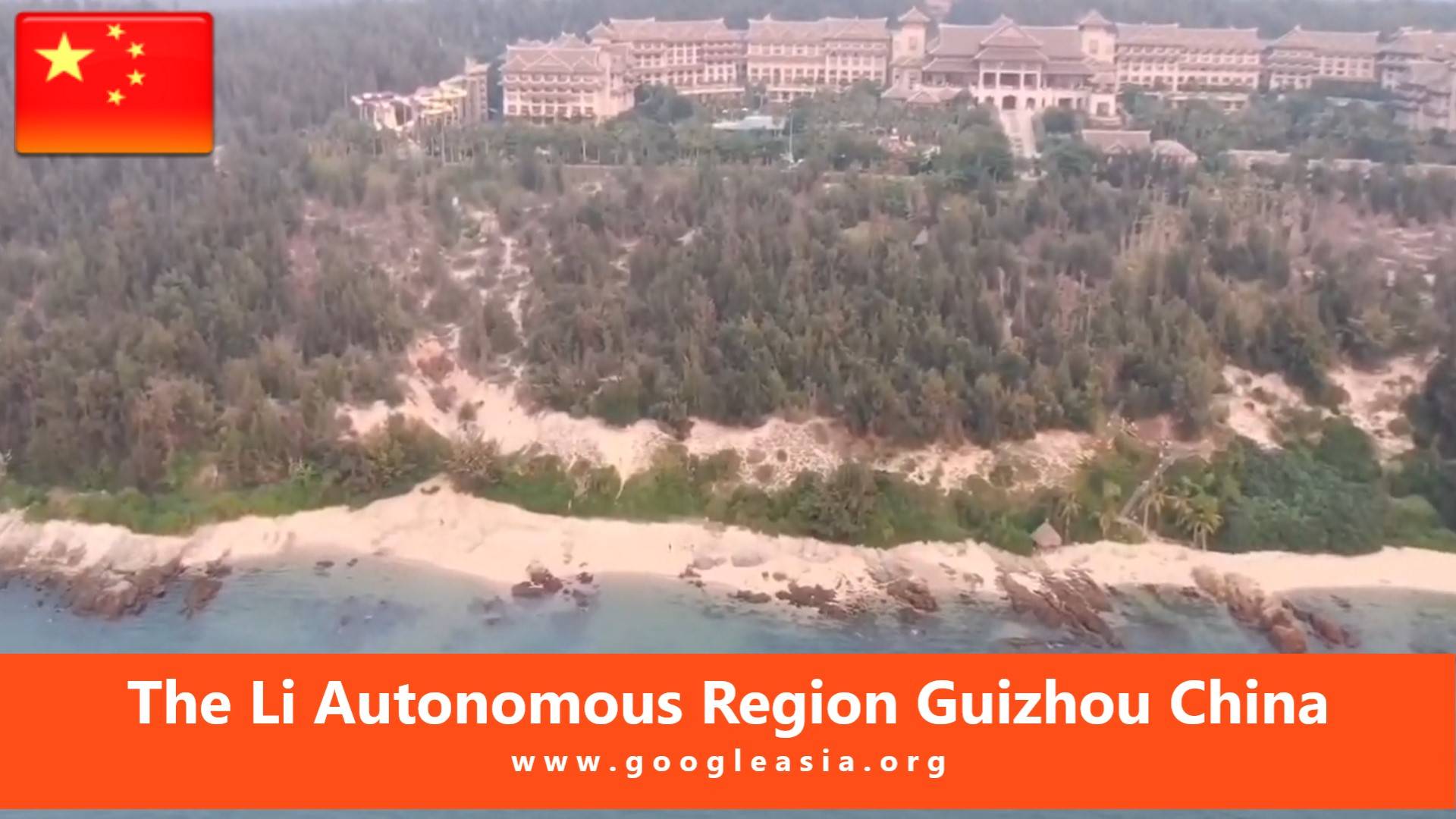
    The Li Autonomous Region Guizhou China

    The Li Autonomous Region, China: The Summary

    • Attraction Name: The Li Autonomous Region
    • Country: China
    • Continent: Asia
    • Capital Name: Beijing
    • Language: Mandarin
    • Currency: Chinese Yuan
    • Nationality: Chinese
    • Category:  #Destination #Asia #CHINA 

    Exploring The Li Autonomous Region, China

    Discovering Cultural Diversity and Natural Beauty

    Overview of The Li Autonomous Region

    The Li Autonomous Region is situated in southwestern China within the province of Guizhou. Home to a diverse population of approximately 2 million people, the region is characterized by its rich cultural tapestry and breathtaking natural landscapes.

    Cultural and Ethnic Composition

    The predominant ethnic group in The Li Autonomous Region is the Li people, who belong to the Yao ethnic group. They constitute 92% of the population, showcasing a vibrant cultural heritage through their traditions, language, and customs. The remaining 8% comprises Han Chinese, Miao, and other minority ethnic groups, adding to the region’s cultural mosaic.

    Livelihood and Economy

    Agriculture, forestry, and fishing form the backbone of the Li people’s livelihoods. The fertile lands and abundant natural resources support traditional farming practices and sustain local economies. The region’s agricultural output includes rice, tea, and various fruits, contributing significantly to both local subsistence and commercial markets.

    Cultural Heritage and Festivals

    The Li Autonomous Region is renowned for its colorful ethnic costumes and vibrant festivals. Traditional attire reflects the cultural identity and history of the Yao people, adorned with intricate patterns and vibrant colors. Festivals are integral to community life, featuring music, dance performances, and traditional forms of entertainment that celebrate the region’s cultural richness.

    Tourism and Natural Landscapes

    Beyond its cultural allure, The Li Autonomous Region boasts stunning natural landscapes that attract visitors from around the world. Lush green mountains, serene rivers, and cascading waterfalls paint a picturesque backdrop for outdoor enthusiasts and nature lovers. Popular tourist activities include hiking through scenic trails, exploring ancient villages, and immersing in the region’s tranquil ambiance.

    Conclusion

    The Li Autonomous Region stands as a testament to China’s cultural diversity and natural beauty. From its vibrant festivals and traditional lifestyles to its awe-inspiring landscapes, this region offers a unique glimpse into the rich tapestry of Chinese ethnic heritage. Whether exploring cultural sites or marveling at natural wonders, visitors to The Li Autonomous Region are treated to an unforgettable experience that blends history, tradition, and breathtaking scenery.

    Exploring The Li Autonomous Region, China: Things to Do

    Rich Culture, Breathtaking Landscapes

    Discover Kaili and Minority Tribes

    Kaili serves as the cultural heart of The Li Autonomous Region, Guizhou, offering insights into the lives of various minority tribes such as the Miao and Buyi. Explore bustling markets adorned with traditional clothing and intricate handicrafts. Don’t miss the ancient temples like Xinglong Temple and Cangzhou Temple, which are steeped in history and architectural splendor.

    Experience Jiuzaigou Valley

    Jiuzaigou Valley is a natural wonder known for its stunning waterfalls, crystal-clear pools, and dramatic mountain vistas. Embark on hiking adventures through pristine landscapes, arrange thrilling whitewater rafting tours, or opt for camping and horseback riding to fully immerse yourself in this scenic paradise.

    Marvel at Huangguoshu Waterfall and Dragon Palace

    Huangguoshu Waterfall, Asia’s largest waterfall, is a must-see attraction in The Li Autonomous Region. Witness the impressive cascade and explore the surrounding area, which includes the enchanting Dragon Palace. This natural cavern system boasts hundreds of karst caves adorned with spectacular stalactites and stalagmites.

    Explore Ancient Ruiqi Village and Zheti Valley

    Step back in time at Ancient Ruiqi Village near Zheti Valley, where traditional dwellings and lush canyons tell tales of centuries-old history. Discover the cultural heritage preserved in this scenic setting, offering a glimpse into the region’s rural life and architectural legacy.

    Indulge in Local Cuisine

    No visit to The Li Autonomous Region is complete without sampling its delectable local cuisine. Delight your taste buds with signature dishes like liangpi (cold noodle dishes) and Ma Po Tofu (spicy tofu with rice), available in a variety of restaurants throughout the area. Experience the flavors of Guizhou and savor the culinary delights that reflect the region’s diverse cultural influences.

    Attend the Zhejiang Fair

    For a cultural immersion, participate in the annual Zhejiang Fair held every October. This lively event brings together craftsmen and merchants showcasing traditional arts and culture. Experience local traditions, browse unique handicrafts, and immerse yourself in the vibrant atmosphere of this festive occasion.

    Conclusion

    The Li Autonomous Region, Guizhou, offers a blend of natural beauty, cultural richness, and historical intrigue that promises unforgettable experiences for every traveler. Whether you’re exploring ancient villages, marveling at majestic waterfalls, or indulging in local delicacies, this region captivates with its diverse attractions and warm hospitality. Plan your journey to The Li Autonomous Region to discover a world of adventure, culture, and relaxation amidst stunning landscapes and vibrant traditions.

    Best Foods at The Li Autonomous Region, China

    Introduction to The Li Autonomous Region, Guizhou

    The Li Autonomous Region, nestled in Guizhou, China, is celebrated for its vibrant culinary scene, offering a tantalizing array of spicy, savory, and flavorful dishes that reflect the region’s rich cultural heritage and diverse ethnic influences.

    Local Delicacies to Try

    香菇 (Kang Mushrooms)

    Kang mushrooms are a local specialty known for their savory umami flavors, often featured in various dishes showcasing the region’s fresh produce.

    火锅 (Huoguo)

    Huoguo, a popular Chinese hot-pot dish, is a must-try in The Li Autonomous Region. It features a simmering pot of broth where diners cook a variety of ingredients like meats, vegetables, and noodles.

    水煮鱼巴尼 (Shui Zhu Yu Qian)

    Shui Zhu Yu Qian is a spicy fish-based stew that exemplifies the region’s bold flavors. It typically includes tender fish cooked in a fiery broth with Sichuan peppercorns and chili peppers.

    蚝油鸡蛋肉丝 (Oyster Oil Scrambled Eggs and Meat Shred)

    This dish combines scrambled eggs and thinly shredded meat stir-fried with oyster sauce, creating a zesty and savory flavor profile that’s both comforting and satisfying.

    野菜番茄烩鱼 (Ye Cai Fan Qie Huo Yu)

    Ye Cai Fan Qie Huo Yu is a special stir-fry featuring wild vegetables and fresh fish, highlighting the region’s abundance of local produce and seafood.

    鸭架子 (Yang Jia Zi)

    Yang Jia Zi is a traditional duck dish where duck is prepared in various styles, often roasted or braised to perfection, offering a taste of local culinary traditions.

    烩面 (Huai Mian)

    Huai Mian is a flavorful noodle dish popular in The Li Autonomous Region, featuring noodles cooked in a rich broth with vegetables and meat, providing a hearty and satisfying meal.

    Conclusion

    Exploring the culinary delights of The Li Autonomous Region promises a journey through its diverse flavors and cultural influences, making it a destination not only for scenic beauty but also for a memorable gastronomic adventure.

    Best Hotels to Stay in The Li Autonomous Region, China

    Introduction to The Li Autonomous Region, Guizhou

    The Li Autonomous Region in Guizhou, China, offers a variety of accommodation options ranging from luxury hotels to cozy guesthouses, catering to different preferences and budgets.

    Top Hotels in The Li Autonomous Region, Guizhou

    Liupanshui Yijia Hotel

    Located in Liupanshui, this hotel offers comfortable accommodations with modern amenities, ideal for travelers looking for convenience and relaxation.

    Liupanshui International Hotel

    A well-established hotel in Liupanshui, known for its excellent service and strategic location, making it a preferred choice for both business and leisure travelers.

    Grand Jiayuan Hotel

    Offering a blend of luxury and comfort, Grand Jiayuan Hotel provides spacious rooms, top-notch facilities, and impeccable service, ensuring a memorable stay in the region.

    Yilong Holiday Mansion Guiyang

    Situated in Guiyang, Yilong Holiday Mansion offers a tranquil retreat with its serene ambiance and comprehensive amenities, perfect for those seeking a peaceful stay.

    Starway Hotel Liupanshui High-Tech Zone

    Ideal for budget-conscious travelers, Starway Hotel in Liupanshui High-Tech Zone provides clean and cozy rooms along with essential amenities for a comfortable stay.

    Hollywood Jinqiao Hotel Guiyang

    Known for its unique Hollywood-themed decor and warm hospitality, Hollywood Jinqiao Hotel in Guiyang offers a distinctive experience combined with modern comforts.

    Ambience Hotel Liupanshui Market

    Ambience Hotel, located in Liupanshui Market area, caters to travelers looking for a blend of affordability and quality, featuring well-appointed rooms and friendly service.

    Seascape Hot Spring Hotel

    Offering a rejuvenating experience, Seascape Hot Spring Hotel boasts hot spring facilities along with comfortable accommodations, making it a perfect choice for relaxation.

    Liupanshui Jingzun Hotel

    Liupanshui Jingzun Hotel provides a refined stay experience with its elegant decor, comprehensive amenities, and attentive service, ensuring a pleasant visit.

    Ziyun Yunding Business Hotel

    Located in Ziyun, Yunding Business Hotel caters to business travelers with its strategic location, modern facilities, and professional services, making it an ideal base for business trips.

    Conclusion

    Whether you’re exploring the natural wonders or immersing yourself in the rich culture of The Li Autonomous Region, these top hotels provide a range of options to suit every traveler’s needs, ensuring a comfortable and enjoyable stay in this captivating part of Guizhou.

    Frequently Asked Questions About the Li Autonomous Region, China: Your Ultimate Guide

    Explore the latest destination attraction with ease through our comprehensive Frequently Asked Questions guide. Discover insightful answers to common queries, providing a seamless experience. Your journey begins with clarity and confidence as we address uncertainties and offer essential information. Let this guide enhance your adventure, ensuring you make the most of the latest destination attraction, leaving no question unanswered.

    Where is The Li Autonomous Region located?

    The Li Autonomous Region is located in Hainan Province, which is an island province in the south of China.

    How to go to The Li Autonomous Region?

    To visit the Li Autonomous Region in China, you would typically travel to Hainan Province. Here’s a brief guide on how to get there:

    1. By Air: The main gateway is Haikou Meilan International Airport (HAK) or Sanya Phoenix International Airport (SYX). From there, you can take domestic flights to various cities in Hainan.
    2. By Train: There are high-speed trains connecting major cities on the island, such as Haikou and Sanya, to mainland China. From cities like Guangzhou or Shenzhen, you can take a train to Haikou or Sanya.
    3. By Sea: Some ferries operate between Hainan and mainland China, but these are less common for tourists compared to air and train travel.

    Once in Hainan, you can travel within the island to reach places like the Li Autonomous Region, which is known for its unique culture and beautiful landscapes.

    What are The Li Autonomous Region’s must-visit attractions or landmarks?

    The Li Autonomous Region, often referring to the Li Autonomous County in Hainan Province, China, offers several must-visit attractions and landmarks:

    1. Yanoda Rainforest Cultural Tourism Zone: Known for its lush rainforest, waterfalls, and hiking trails.

    2. Nanshan Cultural Tourism Zone: Features the Nanshan Temple and a large statue of Guanyin, the goddess of mercy.

    3. Wuzhishan: The highest mountain in Hainan, offering scenic views and hiking opportunities.

    4. Baoting Li and Miao Autonomous County: Famous for its hot springs and ethnic minority culture.

    5. Li and Miao Minority Culture Park: Provides insights into the traditions and lifestyle of the Li and Miao ethnic groups.

    These attractions showcase the natural beauty, cultural heritage, and ethnic diversity of the Li Autonomous Region.

    What are The Li Autonomous Region’s nearby must-visit attractions or landmarks?

    The Li Autonomous Region likely refers to the Li Autonomous Prefecture in Hainan Province, China. Here are some must-visit attractions and landmarks nearby:

    1. Sanya: Known for its beautiful beaches like Yalong Bay and Haitang Bay, as well as cultural sites such as Nanshan Temple.
    2. Tianya Haijiao: Famous for its coastal scenery and the romantic legend associated with it.
    3. Wuzhizhou Island: A popular destination for diving and water sports, with pristine beaches.
    4. Dadonghai Beach: Another scenic beach in Sanya, offering water activities and relaxation.
    5. Luhuitou Park: Offers panoramic views of Sanya and is known for its statue depicting a deer looking back.
    6. Yanoda Rainforest Cultural Tourism Zone: Features hiking trails through a lush rainforest environment.
    7. Nanshan Cultural Tourism Zone: Includes the Nanshan Temple and the Guanyin of Nanshan statue, symbolizing peace and harmony.

    These attractions highlight the natural beauty and cultural significance of the Li Autonomous Prefecture in Hainan.

    Why should you visit The Li Autonomous Region?

    The Li Autonomous Region, also known as Hainan Island in China, is renowned for its stunning natural beauty, rich cultural heritage, and unique traditions. Here are a few reasons why you should consider visiting:

    1. Scenic Beauty: Hainan boasts picturesque landscapes, including tropical beaches with crystal-clear waters, lush rainforests, and breathtaking mountain views.

    2. Cultural Diversity: The Li Autonomous Region offers a chance to explore the distinctive culture of the Li ethnic group, known for their traditional crafts, music, and festivals.

    3. Adventure and Recreation: Visitors can enjoy a range of outdoor activities such as snorkeling, hiking, and exploring natural reserves like Yanoda Rainforest.

    4. Culinary Delights: Experience a variety of delicious local cuisine, including fresh seafood and traditional Li dishes, providing a taste of authentic Hainanese flavors.

    5. Relaxation and Wellness: Hainan is renowned for its spa resorts and wellness centers, offering rejuvenating treatments amidst serene surroundings.

    Whether you’re seeking relaxation, adventure, cultural immersion, or simply to explore a unique part of China, the Li Autonomous Region offers something for every traveler.

    How accessible is halal food in The Li Autonomous Region?

    In the Li Autonomous Region, you can find halal food options quite accessible, especially in areas with a significant Muslim population or in places that cater to tourists seeking halal meals. Many restaurants and food establishments offer halal-certified dishes, ranging from local delicacies to international cuisines. It’s advisable to check with local guides or online resources for specific recommendations based on your location within the region.

    Web Directories

    Welcome to our comprehensive web directories! Explore a world of information and resources tailored to your interests and needs. From travel adventures to financial solutions, hobbies, reviews, and more, our curated collection of links offers something for everyone. Click on the above links to start your journey towards discovering new experiences and expanding your horizons. Your next destination awaits!

    1. https://asiaworldtour.com: “Asia World Tour: Your Gateway to Asian and World Adventures”
    2. https://personalfinancingloan.com: “Personal Financing Loan: Your Path to Financial Freedom”
    3. https://hobbyforte.com: “HobbyForte: Discover Your Car Passion, Explore Your Interests”
    4. https://reviewsanything.com: “ReviewsAnything: Your Trusted Source for Honest Gadget Reviews”
    5. https://rumahmampumilik.com: “Rumah Mampu Milik: Your Affordable Homeownership Journey Begins Here”
    6. https://malaysiadigit.com: “MalaysiaDigit: Your Digital Destination for News and Insights”
    7. https://vipmalaysia.com: “VIP Malaysia: Elevate Your Experience in Malaysia”
    8. https://nordiyana.com: “Indulge in Elegance at Nordiyana: Latest Recipe and Culinary Inspirations”
    9. https://e-penyatagaji.com: “E-Penyata Gaji: Simplifying Payroll Management for You”
    10. https://googleasia.org: “Google Asia: Explore the World and Asia’s Wonders with Google Asia”
    11. https://malaysiafit.com: “Malaysia Fit: Your Partner in Health and Wellness”
    12. https://koperasi.info: “Koperasi: Building Communities, Empowering Lives”
    13. https://recipeinside.com: “RecipeInside: Unveiling Culinary Creations, Your Guide to Delicious Dishes”
    14. https://asiahealthcenter.com: “Asia Health Center: Your Source for Holistic Wellness Solutions”
    15. https://nationalhealthcenters.com: “National Health Centers: Your Source for Vital Health Information and Community Care”
    16. https://malaysiabit.com: “MalaysiaBit: Stay Informed, Stay Connected”
    17. https://epenyatagaji.com: “E-Penyata Gaji: Your Digital Payslip Solution”
    18. https://koperasi.work: “Koperasi Work: Collaborate, Innovate, Succeed”
    19. https://koperasi.business: “Koperasi Business: Driving Entrepreneurship, Fostering Growth
  • Visiting The Li River, China: Your Ultimate Travel Guide & Tips

    Visiting The Li River, China: Your Ultimate Travel Guide & Tips

    The Li River in Guangxi, China: Must-Visit Destination

    The Li River Guangxi in China is an incredibly scenic area and is one of the most iconic natural destinations in the world. The area has incredible views of tall limestone peaks, green countryside, and blue skies. Guests can cruise along the river for amazing views or explore the nearby Yangshuo countryside for amazing hikes and unforgettable memories. Additionally, the Li River is a UNESCO World Heritage Site, ensuring that this incredible landscape will be preserved, so visitors can continue to enjoy it for generations to come.

    The Li River winds its way through beautiful landscape in the Guangxi province of China. Its stunning water, lush green hills and unique rock formations make it one of the most iconic places in China. Hundreds of tourists travel to the Li River every year to admire its beauty, take a boat tour and explore the local villages. Its dreamy blue-green waters and natural wonders create an unforgettable journey for any traveler.


    The Li River Guangxi China Most Iconic Places

    The Li River, China: The Summary

    • Attraction Name: The Li River
    • Country: China
    • Continent: Asia
    • Capital Name: Beijing
    • Language: Mandarin
    • Currency: Chinese Yuan
    • Nationality: Chinese
    • Category:  #Destination #Asia #CHINA 


    Discovering The Li River, China

    Overview of The Li River, Guangxi Zhuang Autonomous Region

    The Li River meanders through the picturesque landscapes of the Guangxi Zhuang Autonomous Region in south-central China, spanning an 83-mile route from Guilin to Yangshuo. Renowned globally for its stunning scenery, this river is celebrated as one of the most captivating natural wonders in the world.

    Natural Beauty and Scenic Landscapes

    The Li River is famed for its lush green hills adorned with iconic karst formations that jut dramatically from the earth. These limestone karsts, shaped over millennia by natural erosion, create a backdrop of surreal beauty that has inspired poets, artists, and travelers for centuries.

    Flora and Fauna Diversity

    As a vital ecosystem, the Li River supports a rich diversity of plant and animal life. Bamboo groves sway along its banks, while lotus plants grace its serene waters. Birdwatchers can spot cormorants and the elusive Chinese Giant Salamander, adding to the river’s ecological significance and natural charm.

    Commercial and Cultural Hub

    Beyond its natural splendor, the Li River serves as an essential commercial artery, facilitating trade between upstream and downstream communities. Traditional boats and barges ply its waters, carrying goods and fostering economic activity that enriches the region’s cultural tapestry.

    Tourist Attractions and Activities

    The Li River is a magnet for tourists seeking to immerse themselves in its scenic wonders and cultural heritage. Popular activities include:

    • Boat Trips: Travelers can embark on leisurely boat cruises that navigate the river’s gentle currents, offering unparalleled views of the karst peaks and tranquil villages dotting the landscape.

    • Hiking and Cycling: Adventurers can explore the river’s surroundings on foot or bicycle, venturing into verdant hillsides and hidden valleys that reveal the region’s natural treasures.

    • Exploring Ancient Villages: Riverside villages such as Xingping and Fuli beckon with their preserved architecture, quaint streets, and vibrant markets where visitors can glimpse local life and traditions.

    • Cultural Experiences: Enrich your journey with visits to tea houses, where you can savor local teas and delicacies, or browse bustling markets brimming with handicrafts, souvenirs, and culinary delights unique to the region.

    Conclusion

    The Li River stands as a testament to China’s natural beauty and cultural richness, offering travelers an enchanting journey through landscapes immortalized in art and literature. Whether you seek scenic vistas, outdoor adventure, or cultural immersion, this iconic river promises an unforgettable experience.


    Things to Do in The Li River, China

    Overview

    The Li River, spanning 83 kilometers through Guangxi, China, stands as the country’s fourth longest river. Renowned for its breathtaking karst landscapes and serene waters, it offers a myriad of experiences for travelers seeking natural beauty and cultural immersion.

    Boat Cruise from Guilin to Yangshuo

    One of the most iconic experiences on the Li River is embarking on a boat cruise from Guilin to Yangshuo. This leisurely journey unfolds over approximately 4 hours, offering unparalleled views of the river’s stunning surroundings. Autumn and winter bring an ethereal mist that enhances the river’s beauty, creating a scene reminiscent of traditional Chinese paintings.

    Hiking through Karst Mountains

    Nature enthusiasts can explore the region’s diverse hiking trails, which wind through lush valleys and over rolling hills adorned with spectacular karst formations. These trails provide ample opportunities to admire the unique geological features that define the Li River landscape.

    Exploring Ancient Towns and Temples

    For those interested in cultural exploration, the Li River region is dotted with ancient towns, villages, and temples steeped in history. These cultural sites offer insights into the region’s rich heritage, with many showcasing traditional architecture against the backdrop of majestic limestone peaks.

    Bamboo Rafting Tours

    To experience the river up close and in a unique way, bamboo rafting tours are a popular choice. Drifting along the Li River on a bamboo raft allows visitors to immerse themselves in the tranquility of the surroundings while marveling at the captivating rock formations that line the riverbanks.

    In conclusion, the Li River caters to a diverse range of interests, from serene river cruises to adventurous hikes and cultural explorations. Whether you seek relaxation amidst natural beauty or a deeper understanding of Chinese history and tradition, the Li River promises an unforgettable experience for every traveler.

    Best Foods at The Li River, China

    Traditional Chinese Dishes

    The Li River in Guangxi offers a delightful array of traditional Chinese cuisine, blending local flavors with culinary classics.

    Sweet and Sour Pork

    A beloved dish known for its tangy-sweet sauce coating tender pieces of pork, providing a perfect balance of flavors.

    Hot and Sour Soup

    A popular soup featuring a savory broth with a tantalizing mix of spicy and sour notes, often complemented with tofu and mushrooms.

    Fried Rice and Dumplings

    Staples of Chinese cuisine, fried rice with savory ingredients and dumplings filled with meat or vegetables are must-try dishes.

    Unique Local Specialties

    Guilin Rice Noodles

    Renowned for its aromatic broth and tender rice noodles, typically garnished with peanuts, pickled vegetables, and chili sauce.

    Beer Fish

    A regional favorite where tender fish fillets are cooked in beer with aromatic spices, creating a flavorful and aromatic dish.

    Steamed Pork with Vegetables

    Tender pork steamed to perfection with a medley of fresh local vegetables, highlighting the region’s culinary finesse.

    Snake Soup

    An adventurous choice for food enthusiasts, featuring tender snake meat simmered in a rich broth with herbs and spices.

    Vegetarian Delights

    Spicy Mushroom Pigeon

    A flavorful dish combining locally sourced mushrooms with spicy seasonings, offering a satisfying vegetarian option.

    Eggplant with Garlic Sauce

    Tender eggplant stir-fried in a savory garlic sauce, showcasing the region’s skill in balancing textures and flavors.

    Egg and Tomato Soup

    A comforting soup with silky egg strands and fresh tomatoes, perfect for those seeking a light yet flavorful option.

    Snacks and Delicacies

    Lotus Roots with Pepper

    Crisp lotus root slices stir-fried with spicy peppers, offering a unique texture and bold flavors.

    Li Beef Jerky

    A savory snack of dried beef strips marinated in local spices, perfect for enjoying on-the-go or as a flavorful appetizer.

    Pan Cake

    A popular street food delicacy, featuring a savory pancake filled with a variety of meats, vegetables, and sauces.

    Local Favorites

    Steamed Pork with Pickled Vegetables

    Tender pork steamed with tangy pickled vegetables, showcasing the region’s culinary expertise in preserving and flavoring ingredients.

    Beef and Cabbage

    A hearty dish featuring tender beef strips stir-fried with crisp cabbage, seasoned to perfection with local spices.

    Cabbage and Pork Soup

    A comforting soup with tender cabbage and savory pork, perfect for enjoying during cooler weather.

    Dumpling Soup

    A comforting bowl of broth filled with delicate dumplings, offering a satisfying and flavorful dining experience.

    Signature Dishes

    Pepper Duck

    Tender duck marinated with local spices and stir-fried with peppers, offering a delightful fusion of flavors.

    Yu Xiang Eggplant

    Aromatic eggplant stir-fried with a savory Yu Xiang sauce, highlighting the region’s affinity for bold and aromatic flavors.

    No matter your preference, exploring the culinary delights of The Li River in Guangxi promises a journey through flavors that reflect the region’s rich culinary heritage and natural bounty.

    Best Hotels to Stay Near the Li River, China

    Overview

    The Li River region in Guangxi, China, offers a variety of accommodations ranging from eco-friendly resorts to luxurious boutique hotels, each providing unique experiences amidst the stunning natural landscapes.

    Yangshuo Mountain Retreat Eco Resort & Spa

    Situated in Yangshuo, this eco-friendly resort offers sustainable lodging options amidst lush surroundings. Guests can enjoy spa treatments and immerse themselves in nature.

    The Luxe Manor Yangshuo

    Known for its luxurious ambiance and personalized service, The Luxe Manor Yangshuo provides an elegant retreat in close proximity to the Li River. The hotel features stylish decor and modern amenities.

    Li River Lodge

    A charming lodge overlooking the Li River, Li River Lodge offers cozy accommodations with breathtaking views of the karst mountains. It’s an ideal choice for travelers seeking tranquility and natural beauty.

    Lijiang Waterfall Hotel

    Located in Guilin, Lijiang Waterfall Hotel combines comfort with convenience. It features well-appointed rooms, multiple dining options, and easy access to Guilin’s attractions, including the Li River.

    Green Lotus Hotel

    Green Lotus Hotel in Guilin offers modern accommodations with panoramic views. It boasts a rooftop pool, spacious rooms, and amenities designed for both leisure and business travelers.

    Yangshuo Impression Resort

    Set amidst peaceful surroundings in Yangshuo, this resort features traditional architecture and scenic views. It provides a serene atmosphere perfect for relaxation and exploration of the Li River area.

    Banyan Tree Yangshuo

    For those seeking luxury, Banyan Tree Yangshuo offers exclusive villas with private pools and stunning views of the karst landscapes. It’s renowned for its exceptional service and tranquil setting.

    Lijiang River International Hotel

    Conveniently located near the Li River in Guilin, Lijiang River International Hotel offers comfortable accommodations and easy access to Guilin’s natural attractions. It’s suitable for both leisure and business travelers.

    Jingjiang Business Hotel

    Jingjiang Business Hotel provides modern amenities and comfortable rooms in Guilin. It caters to business travelers seeking convenience and proximity to Guilin’s business districts and tourist attractions.

    Courtyard By Marriott Guilin South

    A part of the Marriott chain, Courtyard By Marriott Guilin South offers contemporary accommodations with Marriott’s signature hospitality. It’s an excellent choice for travelers looking for reliability and comfort.

    Conclusion

    These hotels cater to various preferences and budgets, ensuring a memorable stay in the picturesque Li River region of Guangxi, China. Whether you seek eco-friendly lodgings, luxurious retreats, or convenient business accommodations, there’s a hotel to suit every traveler’s needs.

    Frequently Asked Questions About The Li River, China: Your Ultimate Guide

    Explore the latest destination attraction with ease through our comprehensive Frequently Asked Questions guide. Discover insightful answers to common queries, providing a seamless experience. Your journey begins with clarity and confidence as we address uncertainties and offer essential information. Let this guide enhance your adventure, ensuring you make the most of the latest destination attraction, leaving no question unanswered.

    Where is The Li River located?

    The Li River (Li Jiang) is located in Guangxi Zhuang Autonomous Region, southern China. It flows from Guilin to Yangshuo, passing through a stunning karst landscape characterized by limestone peaks, lush vegetation, and picturesque rural scenery. Guilin serves as a major starting point for exploring the Li River and its surrounding attractions, while Yangshuo is a popular destination along the river known for its laid-back atmosphere and outdoor activities.

    How to go to The Li River?

    To visit the Li River, you typically start by traveling to Guilin or Yangshuo, which are the main gateway cities to explore the river and its surrounding karst landscapes. Here are the common ways to get to the Li River:

    By Air:

    1. Guilin Liangjiang International Airport (KWL): You can fly into Guilin from major cities in China, such as Beijing, Shanghai, Guangzhou, and Chengdu, as well as from some international destinations. From the airport, you can take a taxi or airport shuttle to Guilin city center, which is about a 30-minute drive.

    By Train:

    1. Guilin Railway Stations: Guilin has two main railway stations: Guilin Railway Station (Guilin Station) and Guilin North Railway Station (Guilin Bei Station). You can take high-speed trains to Guilin from cities like Guangzhou, Shenzhen, and Shanghai. From Guilin Railway Station, you can take a taxi or public transportation to the city center or your accommodation.

    From Guilin to Yangshuo (On the Li River):

    1. Bus: From Guilin Bus Station or Guilin South Bus Station, you can take a bus to Yangshuo. Buses run frequently throughout the day and the journey takes about 1.5 to 2 hours, depending on traffic and the type of bus.

    2. Boat or Cruise: Another scenic way to reach Yangshuo from Guilin is by taking a boat or cruise along the Li River. This journey offers stunning views of the karst mountains and typically takes around 4 to 5 hours. Many tourists opt for this route to enjoy the natural beauty along the way.

    From Yangshuo to Explore the Li River: Once in Yangshuo, you can explore the Li River by:

    • Cruise: Taking a boat cruise from Yangshuo to Guilin or vice versa, which allows you to enjoy the scenery at a leisurely pace.
    • Bamboo Rafting: Taking a bamboo raft ride on the Li River for a closer view of the karst peaks and rural scenery.
    • Local Tours: Joining local tours that include visits to attractions like Xingping Ancient Town, the iconic karst formations, and other scenic spots along the Li River.

    These transportation options provide various ways to access and explore the Li River, ensuring you can experience its natural beauty and cultural richness while visiting Guilin and Yangshuo.

    What are The Li River’s must-visit attractions or landmarks?

    When visiting the Li River in China, some of the must-visit attractions and landmarks include:

    1. Elephant Trunk Hill (Xiangbishan): This iconic karst formation resembles an elephant drinking from the river, making it a symbol of Guilin and one of the most recognizable landmarks along the Li River.
    2. Yangshuo: A charming town nestled among karst peaks and along the Li River, Yangshuo offers picturesque scenery, bustling markets, and opportunities for outdoor activities like cycling and bamboo rafting.
    3. Xingping Ancient Town: Known for its well-preserved Ming and Qing dynasty architecture, Xingping is a historic town with narrow streets, ancient temples, and a waterfront that provides stunning views of karst mountains.
    4. Liu Sanjie Light Show: This outdoor performance on the Li River near Yangshuo showcases traditional songs and dances against the backdrop of illuminated karst peaks, creating a magical nighttime spectacle.
    5. Moon Hill: Located near Yangshuo, Moon Hill is a unique karst hill with a large natural arch at the top, offering panoramic views of the surrounding countryside and Li River.
    6. Fishing Villages: Along the Li River, you can find several traditional fishing villages where you can experience local life, see fishermen using cormorants to catch fish, and enjoy fresh seafood.
    7. Bamboo Rafting: Take a bamboo raft ride on the Li River to appreciate the tranquil beauty of the surroundings up close, with opportunities for photography and relaxation on the water.

    These attractions and landmarks offer a glimpse into the natural beauty, cultural heritage, and unique landscapes that make the Li River region a popular destination for travelers seeking to explore southern China’s beauty.

    Why should you visit The Li River?

    Visiting the Li River in China offers a captivating experience for several reasons:

    1. Scenic Beauty: The Li River is renowned for its stunning karst landscape, characterized by towering limestone peaks, tranquil waters, and picturesque rural scenery. The scenery along the riverbanks, especially between Guilin and Yangshuo, is often featured in traditional Chinese paintings and has inspired poets and artists for centuries.

    2. Cruises and Boat Trips: Taking a boat cruise along the Li River is a popular way to admire the breathtaking scenery. The leisurely journey allows you to relax and soak in the natural beauty, passing by iconic landmarks such as the Elephant Trunk Hill and the dramatic karst formations.

    3. Outdoor Activities: Besides cruising, the Li River region offers opportunities for outdoor activities such as hiking, cycling, and exploring local villages. You can hike up to viewpoints for panoramic vistas or cycle through scenic countryside paths to discover rural life and rice paddies.

    4. Cultural Insights: The area around the Li River is rich in culture and history, with ancient villages, temples, and traditional customs that offer insights into local life and traditions. Visiting these places allows you to immerse yourself in the local culture and learn about the heritage of the region.

    5. Photography Opportunities: The Li River is a paradise for photographers, offering countless opportunities to capture stunning landscapes, reflections in the water, and scenes of rural life. Whether you’re an amateur or professional photographer, the natural beauty of the Li River provides endless inspiration.

    Overall, visiting the Li River is a chance to experience the natural and cultural wonders of southern China, making it a memorable destination for travelers seeking both relaxation and exploration.

    Are there any halal food options near the The Li River?

    The Li River is located in Guangxi Province, China, and while the region is predominantly non-Muslim, there are limited halal food options available, particularly in larger cities like Guilin and Yangshuo. In these areas, you can find some restaurants that cater to halal dietary requirements, offering dishes such as halal noodles, stir-fried dishes, and kebabs. It’s advisable to check with local restaurants or hotels to confirm their halal certification or preparation methods if you have specific dietary needs.

    Web Directories

    Welcome to our comprehensive web directories! Explore a world of information and resources tailored to your interests and needs. From travel adventures to financial solutions, hobbies, reviews, and more, our curated collection of links offers something for everyone. Click on the above links to start your journey towards discovering new experiences and expanding your horizons. Your next destination awaits!

    1. https://asiaworldtour.com: “Asia World Tour: Your Gateway to Asian and World Adventures”
    2. https://personalfinancingloan.com: “Personal Financing Loan: Your Path to Financial Freedom”
    3. https://hobbyforte.com: “HobbyForte: Discover Your Car Passion, Explore Your Interests”
    4. https://reviewsanything.com: “ReviewsAnything: Your Trusted Source for Honest Gadget Reviews”
    5. https://rumahmampumilik.com: “Rumah Mampu Milik: Your Affordable Homeownership Journey Begins Here”
    6. https://malaysiadigit.com: “MalaysiaDigit: Your Digital Destination for News and Insights”
    7. https://vipmalaysia.com: “VIP Malaysia: Elevate Your Experience in Malaysia”
    8. https://nordiyana.com: “Indulge in Elegance at Nordiyana: Latest Recipe and Culinary Inspirations”
    9. https://e-penyatagaji.com: “E-Penyata Gaji: Simplifying Payroll Management for You”
    10. https://googleasia.org: “Google Asia: Explore the World and Asia’s Wonders with Google Asia”
    11. https://malaysiafit.com: “Malaysia Fit: Your Partner in Health and Wellness”
    12. https://koperasi.info: “Koperasi: Building Communities, Empowering Lives”
    13. https://recipeinside.com: “RecipeInside: Unveiling Culinary Creations, Your Guide to Delicious Dishes”
    14. https://asiahealthcenter.com: “Asia Health Center: Your Source for Holistic Wellness Solutions”
    15. https://nationalhealthcenters.com: “National Health Centers: Your Source for Vital Health Information and Community Care”
    16. https://malaysiabit.com: “MalaysiaBit: Stay Informed, Stay Connected”
    17. https://epenyatagaji.com: “E-Penyata Gaji: Your Digital Payslip Solution”
    18. https://koperasi.work: “Koperasi Work: Collaborate, Innovate, Succeed”
    19. https://koperasi.business: “Koperasi Business: Driving Entrepreneurship, Fostering Growth
  • Visiting The Terra Cotta Warriors, China: Travel Guide

    Visiting The Terra Cotta Warriors, China: Travel Guide

    The Terra Cotta Warriors of Xi’an, China

    The Terra Cotta Warriors of Xi’an in China are an archaeological wonder and a must-see destination for any visitor to the region. Discovered in 1974, this sprawling subterranean army was created in 250 B.C. as part of the tomb of the first Chinese emperor, Qin Shi Huang.

    The terracotta figures were likely created as an afterlife guard to protect the emperor in the afterlife and range in size from over 6 feet tall, down to just a few inches. Each figure has its own face, hairstyle and costume, making them an astonishingly lifelike representation of soldiers from ancient Chinese history. Visiting the site is an incredible opportunity to experience an awe-inspiring piece of Chinese history, and to view an incredible feat of archaeological and artistic skill.

    The Terra Cotta Warriors of Xi’an are a form of funerary art created to protect the First Emperor of China’s afterlife. Covered in stunning painted detail, the clay figures were buried in pits in the city of Xi’an in 210-209BC. With over 8,000 figures, these terracotta warriors remain a major archaeological discovery and are considered one of the most significant archaeological finds of the 20th century. This incredible array of life-size warriors, chariots, and horses form an extraordinary testament to the power and wealth of the ancient Chinese Empire. Today, the figures are a major tourism draw, with visitors from all over the world marveling at their incredible craftsmanship and history.


    The Terra Cotta Warriors Xi'an China Archaeological

    The Terra Cotta Warriors, China: The Summary

    • Attraction Name: The Terra Cotta Warriors
    • Country: China
    • Continent: Asia
    • Capital Name: Beijing
    • Language: Mandarin
    • Currency: Chinese Yuan
    • Nationality: Chinese
    • Category:  #Destination #Asia #CHINA 


    Discover The Terra Cotta Warriors, China

    Overview

    The Terra Cotta Warriors, discovered in 1974 near Xi’an, Shaanxi province, China, comprise a remarkable collection of terracotta sculptures. These sculptures depict the armies of Qin Shi Huang, the first Emperor of China, and were buried with him around 210–209 BCE.

    Historical Significance

    Crafted over two millennia ago, the Terra Cotta Warriors represent a form of funerary art intended to safeguard Qin Shi Huang in the afterlife. This discovery has provided invaluable insights into ancient Chinese military practices and burial rituals.

    Architectural Features

    The figures within the Terra Cotta Warriors collection vary in height and role. The tallest sculptures, such as the generals, stand as impressive examples of ancient craftsmanship. The collection includes not only warriors but also chariots, horses, officials, acrobats, strongmen, and musicians, each meticulously sculpted with individualized features.

    Cultural Impact

    Today, the Terra Cotta Warriors stand as one of China’s most iconic cultural treasures and a UNESCO World Heritage Site. They continue to captivate visitors worldwide, offering a glimpse into China’s rich history and the grandeur of the Qin dynasty.

    This article introduction highlights the historical, architectural, and cultural significance of the Terra Cotta Warriors, showcasing their enduring legacy and appeal as a global tourist attraction.


    Things to Do in The Terra Cotta Warriors, China

    Overview

    The Terra Cotta Warriors in Xi’an, Shaanxi province, China, stands as a remarkable archaeological marvel, housing over 8,000 life-size terracotta soldiers and numerous other artifacts. This site continues to reveal new insights into ancient Chinese history and culture through ongoing discoveries and research.

    Exploring the Pits

    Tourists visiting the Terra Cotta Warriors can explore three main levels of excavation. Level 1, open to the public, offers a close-up view of the intricately sculpted soldiers. Guided tours by experts provide deeper historical context and understanding of the statues’ significance. Levels 2 and 3, though restricted, contribute to ongoing archaeological endeavors.

    Museum Visit

    A visit to the on-site museum complements the experience, showcasing artifacts unearthed from the site. Visitors can delve into the history and mysteries surrounding the warriors through interactive exhibits and displays, gaining further insight into ancient Chinese civilization.

    Ancient Chinese Palace Recreation

    Within the park, an ancient Chinese palace recreation stands as an educational hub. It features exhibits that highlight various aspects of ancient Chinese culture, offering a deeper exploration beyond the terracotta sculptures themselves.

    Cultural Activities

    Participation in workshops, lectures, and seminars hosted at the site provides opportunities to deepen knowledge of the Terra Cotta Warriors’ history and significance. Temporary exhibitions further enrich the experience, displaying unique artifacts and insights that vary with each exhibition cycle.

    Dining and Shopping

    For a complete visit, tourists can enjoy dining at on-site restaurants offering delicious local cuisine. Souvenir and gift shops provide opportunities to purchase keepsakes and mementos, ensuring a memorable conclusion to the Terra Cotta Warriors experience.

    The Terra Cotta Warriors in Xi’an is a must-see destination for travelers seeking to immerse themselves in China’s ancient past. With its wealth of activities and educational opportunities, it offers a comprehensive exploration of one of the world’s most fascinating archaeological sites.


    Best Foods at The Terra Cotta Warriors, China

    Culinary Delights

    When visiting The Terra Cotta Warriors in Xi’an, China, prepare your taste buds for an array of delightful dishes that showcase the region’s rich culinary traditions.

    Zóngzi

    A must-try specialty at The Terra Cotta Warriors is Zóngzi, a savory glutinous rice dumpling filled with various ingredients such as bean paste, mushrooms, and pork. This traditional dish is wrapped in bamboo leaves, imparting a unique flavor and aroma.

    Biángbiáng Noodles

    Indulge in Biángbiáng noodles, renowned for their wide, belt-like shape and served in a savory beef and tomato sauce. This hearty dish is a local favorite, known for its robust flavors and satisfying texture.

    Lǔgāo

    Experience Lǔgāo, a distinctive type of dumpling boiled in flavorful broth and filled with lu rou, a type of savory pork ball. This comforting dish reflects the region’s dedication to flavorful and nourishing cuisine.

    Traditional Chinese Offerings

    Explore a variety of traditional Chinese dishes offered at The Terra Cotta Warriors, including:

    • Kung Pao Chicken: A classic Sichuan dish featuring tender chicken, peanuts, and dried chili peppers in a spicy and savory sauce.

    • Yangzhou Fried Rice: Enjoy fragrant fried rice stir-fried with a mix of vegetables, meats, and sometimes seafood, offering a satisfying blend of flavors and textures.

    Vegetarian Options

    For vegetarian diners, The Terra Cotta Warriors also offers a selection of flavorful vegetarian dishes prepared with fresh ingredients and culinary expertise. Whether you choose a classic dish or opt for something vegetarian, expect each meal to be meticulously prepared and bursting with authentic flavors.

    This culinary journey at The Terra Cotta Warriors in Xi’an promises a delightful exploration of local flavors and culinary traditions, adding another dimension to your visit to this historic site.

    Best Hotels near The Terra Cotta Warriors, China

    Top Accommodation Choices

    If you’re planning a visit to The Terra Cotta Warriors in Xi’an, China, consider these top-rated hotels for a comfortable stay:

    Grand Soluxe Hotel Xi’an

    Located conveniently near major attractions, Grand Soluxe Hotel Xi’an offers modern amenities and spacious rooms, ideal for travelers seeking comfort and accessibility.

    Grand Heritage Xi’an

    Immerse yourself in luxury at Grand Heritage Xi’an, known for its elegant decor, impeccable service, and proximity to cultural landmarks like The Terra Cotta Warriors.

    Howard Johnson Plaza Hotel Xian

    Howard Johnson Plaza Hotel Xian combines contemporary style with Chinese hospitality, offering guests a relaxing retreat after exploring historical sites such as The Terra Cotta Warriors.

    Crowne Plaza Xi’an

    With its central location and luxurious accommodations, Crowne Plaza Xi’an provides a perfect base for travelers wanting to explore both modern Xi’an and ancient wonders like The Terra Cotta Warriors.

    DoubleTree by Hilton Hotel Xian

    Enjoy the warmth of hospitality at DoubleTree by Hilton Hotel Xian, featuring comfortable rooms and convenient access to cultural sites, including The Terra Cotta Warriors.

    Langham Place Xian

    Langham Place Xian offers a blend of sophistication and comfort, boasting panoramic views and proximity to historical attractions like The Terra Cotta Warriors.

    The Westin Xian

    Experience refined luxury at The Westin Xian, where contemporary elegance meets cultural richness near The Terra Cotta Warriors and other iconic landmarks.

    Wyndham Xian North

    Wyndham Xian North provides a tranquil stay with modern amenities, perfect for travelers seeking a peaceful retreat while visiting The Terra Cotta Warriors and surrounding attractions.

    Marriott Hotel Xian

    Marriott Hotel Xian offers exceptional service and stylish accommodations, making it an excellent choice for travelers exploring historical sites like The Terra Cotta Warriors.

    Shangri-La Hotel Xian

    Indulge in luxury at Shangri-La Hotel Xian, renowned for its world-class facilities, exquisite dining options, and convenient access to The Terra Cotta Warriors and Xi’an’s cultural treasures.

    These hotels near The Terra Cotta Warriors in Xi’an, China, cater to various preferences, ensuring a memorable and comfortable stay during your visit to this historic city.

    Frequently Asked Questions About The Terra Cotta Warriors, China: Your Ultimate Guide

    Explore the latest destination attraction with ease through our comprehensive Frequently Asked Questions guide. Discover insightful answers to common queries, providing a seamless experience. Your journey begins with clarity and confidence as we address uncertainties and offer essential information. Let this guide enhance your adventure, ensuring you make the most of the latest destination attraction, leaving no question unanswered.

    Where is The Terra Cotta Warriors located?

    The Terra Cotta Warriors, also known as Emperor Qin Shi Huang’s Mausoleum Site Museum, is located near the city of Xi’an in Shaanxi Province, China. Specifically, it is situated in Lintong District, about 30 kilometers northeast of Xi’an’s city center. The site is part of the larger mausoleum complex built for Emperor Qin Shi Huang, the first emperor of China, and is renowned for its thousands of life-sized clay soldiers, horses, and chariots that were buried with the emperor to protect him in the afterlife.

    How to go to The Terra Cotta Warriors?

    To visit the Terra Cotta Warriors (Emperor Qin Shi Huang’s Mausoleum Site Museum) in Xi’an, China, here are the common ways to get there:

    By Air:

    1. Xi’an Xianyang International Airport (XIY): You can fly into Xi’an from major cities in China and some international destinations. From the airport, you can take a taxi, airport shuttle bus, or arrange for private transfer to the Terra Cotta Warriors site. The journey from the airport to the site takes about 45 minutes to 1 hour, depending on traffic.

    By Train:

    1. Xi’an Railway Stations: Xi’an has several railway stations, including Xi’an Railway Station (Xi’an Station), Xi’an North Railway Station (Xi’an Bei Station), and Xi’an South Railway Station (Xi’an Nan Station). You can take a high-speed train to Xi’an from cities like Beijing, Shanghai, Chengdu, and Guangzhou. From the railway station, you can take a taxi or public transportation to the Terra Cotta Warriors site, which is about 30-40 minutes away.

    From Xi’an City to the Terra Cotta Warriors:

    1. Bus: From Xi’an Railway Station or the city center, you can take bus routes 5, 306, or tourist bus line 5 (306) directly to the Terra Cotta Warriors site. The bus ride takes about 1 to 1.5 hours, depending on traffic and the specific bus route.

    2. Taxi: Taxis are readily available throughout Xi’an. A taxi ride from the city center to the Terra Cotta Warriors site typically takes around 40 minutes to 1 hour, depending on traffic conditions.

    Tips:

    • Tour Packages: Many hotels and travel agencies in Xi’an offer guided tour packages to the Terra Cotta Warriors, which include transportation and entrance fees.
    • Opening Hours: Check the official opening hours and ticket information before planning your visit.
    • Accessibility: The site is wheelchair accessible, with ramps and facilities for visitors with disabilities.

    These transportation options provide various ways to access the Terra Cotta Warriors site, ensuring you can experience this iconic archaeological wonder during your visit to Xi’an.

    What are The Terra Cotta Warriors’s must-visit attractions or landmarks?

    When visiting the Terra Cotta Warriors (Emperor Qin Shi Huang’s Mausoleum Site Museum) in Xi’an, China, some of the must-visit attractions and landmarks include:

    1. Pit 1: This is the largest and most impressive pit containing the majority of the Terra Cotta Warriors and horses. It showcases the grand scale and organization of the army formations.
    2. Pit 2: Smaller than Pit 1 but still significant, Pit 2 features a mix of infantry units, cavalry, and chariots. It provides a closer look at different types of warriors and their roles within the army.
    3. Pit 3: The smallest pit but still important, Pit 3 contains high-ranking officers and command structures, offering insights into the hierarchical organization of the army.
    4. Emperor Qin Shi Huang’s Mausoleum Site Museum: The museum itself is an attraction, housing artifacts discovered from the mausoleum complex, including bronze chariots and weapons. It provides historical context and information about the Qin Dynasty.
    5. Bronze Chariots and Horses Exhibition Hall: Located within the museum complex, this hall displays two exquisite bronze chariots and their horses, which were unearthed near the mausoleum and are considered masterpieces of ancient Chinese bronze casting.
    6. Emperor Qin Shi Huang’s Mausoleum: While the actual tomb of Qin Shi Huang remains unopened, the site of his mausoleum is an intriguing part of the complex, offering insights into ancient burial practices and the emperor’s belief in the afterlife.
    7. Archaeological Excavation Area: Visitors can observe ongoing archaeological work at designated excavation areas within the site, providing a glimpse into the process of uncovering and preserving ancient artifacts.
    8. Visitor Center and Facilities: The visitor center provides amenities such as souvenir shops, restaurants, and educational displays about the Terra Cotta Warriors and the Qin Dynasty.

    These attractions and landmarks collectively offer a comprehensive and immersive experience into the history, artistry, and cultural significance of the Terra Cotta Warriors, making it a fascinating destination for travelers interested in ancient civilizations and archaeology.

    Why should you visit The Terra Cotta Warriors?

    Visiting the Terra Cotta Warriors in Xi’an, China, offers a compelling and unique experience for several reasons:

    1. Historical Significance: The Terra Cotta Warriors are part of the mausoleum of Emperor Qin Shi Huang, the first emperor of China. They were buried with the emperor to protect him in the afterlife and are a symbol of ancient Chinese imperial power and belief in the afterlife.
    2. Archaeological Marvel: Discovered in 1974 by local farmers, the Terra Cotta Warriors site is one of the most significant archaeological finds of the 20th century. The site consists of thousands of life-sized clay soldiers, horses, and chariots arranged in battle formation, each with unique facial features and expressions.
    3. Scale and Detail: The craftsmanship and scale of the Terra Cotta Warriors are awe-inspiring. Visitors can see firsthand the meticulous detail that went into crafting each soldier, reflecting the military might and organizational skills of ancient China.
    4. Museum and Exhibitions: The Terra Cotta Warriors are housed in the Emperor Qin Shi Huang’s Mausoleum Site Museum, which includes several pits showcasing different parts of the army. The museum provides context through displays of artifacts and information about the Qin Dynasty, offering a deeper understanding of ancient Chinese history and culture.
    5. Cultural and Educational Experience: Visiting the Terra Cotta Warriors offers an educational experience about ancient Chinese civilization, military history, and burial practices. It’s an opportunity to learn about the Qin Dynasty’s achievements and legacy, which laid the foundation for unified China.
    6. UNESCO World Heritage Site: The Terra Cotta Warriors and Mausoleum of Emperor Qin Shi Huang have been designated a UNESCO World Heritage site, recognizing their universal value and cultural significance.

    Overall, visiting the Terra Cotta Warriors provides a unique glimpse into ancient Chinese history, artistry, and military prowess, making it a must-see destination for travelers interested in archaeology, history, and world heritage.

    Is there any halal food available in the vicinity of the The Terra Cotta Warriors?

    In the vicinity of the Terra Cotta Warriors in Xi’an, finding halal food options is quite feasible. Xi’an has a significant Muslim population, and there are specific areas and restaurants that cater to halal dietary requirements, especially near the Muslim Quarter and the Great Mosque of Xi’an. In these areas, you can find a variety of halal dishes, including lamb kebabs, hand-pulled noodles (lamian), and various meat dishes prepared according to Islamic dietary laws. It’s recommended to inquire locally or check online for specific halal-certified restaurants or eateries to ensure your dietary preferences are met.

    Web Directories

    Welcome to our comprehensive web directories! Explore a world of information and resources tailored to your interests and needs. From travel adventures to financial solutions, hobbies, reviews, and more, our curated collection of links offers something for everyone. Click on the above links to start your journey towards discovering new experiences and expanding your horizons. Your next destination awaits!

    1. https://asiaworldtour.com: “Asia World Tour: Your Gateway to Asian and World Adventures”
    2. https://personalfinancingloan.com: “Personal Financing Loan: Your Path to Financial Freedom”
    3. https://hobbyforte.com: “HobbyForte: Discover Your Car Passion, Explore Your Interests”
    4. https://reviewsanything.com: “ReviewsAnything: Your Trusted Source for Honest Gadget Reviews”
    5. https://rumahmampumilik.com: “Rumah Mampu Milik: Your Affordable Homeownership Journey Begins Here”
    6. https://malaysiadigit.com: “MalaysiaDigit: Your Digital Destination for News and Insights”
    7. https://vipmalaysia.com: “VIP Malaysia: Elevate Your Experience in Malaysia”
    8. https://nordiyana.com: “Indulge in Elegance at Nordiyana: Latest Recipe and Culinary Inspirations”
    9. https://e-penyatagaji.com: “E-Penyata Gaji: Simplifying Payroll Management for You”
    10. https://googleasia.org: “Google Asia: Explore the World and Asia’s Wonders with Google Asia”
    11. https://malaysiafit.com: “Malaysia Fit: Your Partner in Health and Wellness”
    12. https://koperasi.info: “Koperasi: Building Communities, Empowering Lives”
    13. https://recipeinside.com: “RecipeInside: Unveiling Culinary Creations, Your Guide to Delicious Dishes”
    14. https://asiahealthcenter.com: “Asia Health Center: Your Source for Holistic Wellness Solutions”
    15. https://nationalhealthcenters.com: “National Health Centers: Your Source for Vital Health Information and Community Care”
    16. https://malaysiabit.com: “MalaysiaBit: Stay Informed, Stay Connected”
    17. https://epenyatagaji.com: “E-Penyata Gaji: Your Digital Payslip Solution”
    18. https://koperasi.work: “Koperasi Work: Collaborate, Innovate, Succeed”
    19. https://koperasi.business: “Koperasi Business: Driving Entrepreneurship, Fostering Growth
  • Visiting The Summer Palace, China: Travel Guide

    Visiting The Summer Palace, China: Travel Guide

    The Summer Palace in Beijing, China: Must-Visit Destination

    The Summer Palace is one of the most popular tourist attractions in China. It’s a beautiful and historic site with royal gardens, imperial buildings, grand architectures, and more. It provides visitors with a glimpse of Chinese history and culture. It is also renowned for its many Chinese traditional artworks and sculptures, including the Hall of Benevolence and Longevity, the Long Corridor, and the Marble Boat. There are also plenty of activities to do like boating on Kunming Lake, admiring the Picture Gallery, or taking a leisurely walk around the gardens. It’s an excellent destination for those who want to explore China’s culture and heritage.

    The Summer Palace is a masterpiece of Chinese landscape garden design. Located 15 km (9 mi) northwest of the walls of the Imperial City, it is an extensive Imperial Garden featuring classical pavilions, terraces, and bridges on a lake surrounded by lush hills. It offers a peaceful respite from the hustle and bustle of the city and is considered the best-preserved Imperial Garden in China.


    The Summer Palace Beijing China Imperial Garden

    The Summer Palace, China: Summary

    • Attraction Name: The Summer Palace
    • Country: China
    • Continent: Asia
    • Capital Name: Beijing
    • Language: Mandarin
    • Currency: Chinese Yuan
    • Nationality: Chinese
    • Category:  #Destination #Asia #CHINA 

    Discover The Summer Palace, China

    Overview

    The Summer Palace, situated 15 km northwest of central Beijing, China, stands as a magnificent imperial garden and palace complex. Built in 1750 during the Qing dynasty, it served as a retreat for Emperor Qianlong to escape the summer heat, embodying the traditional Chinese concept of harmonizing architecture with natural landscapes.

    Historical Background

    Originally conceived as a royal retreat, the Summer Palace has evolved over centuries into a sprawling complex spanning 2.9 square kilometers. It is celebrated for its integration of classical Chinese garden design principles with architectural brilliance, reflecting the cultural and aesthetic values of imperial China.

    Architectural Marvels

    The Summer Palace features a blend of grand halls, pavilions, temples, bridges, corridors, and courtyards, all meticulously designed and adorned with intricate details. Highlights include:

    Hall of Benevolence and Longevity

    This prominent structure served as the main administrative building of the palace complex, showcasing exquisite craftsmanship and imperial splendor.

    Seventeen-Arch Bridge

    Spanning across Kunming Lake, this ornate bridge is a masterpiece of Chinese bridge architecture, offering picturesque views and symbolic significance within the palace grounds.

    Long Corridor and Kunming Lake

    The Long Corridor, stretching over 700 meters, is adorned with paintings depicting Chinese mythology, history, and landscapes, making it the longest covered walkway in the world. Kunming Lake, with its serene waters and surrounding hills of Longevity Hill, enhances the palace’s scenic beauty.

    Cultural Significance

    Designated as a UNESCO World Heritage Site in 1998, the Summer Palace stands as a testament to China’s rich cultural heritage and imperial grandeur. It continues to attract visitors worldwide, offering a glimpse into the opulence and harmony of classical Chinese architecture and garden design.

    This article introduction provides an overview of the Summer Palace in Beijing, highlighting its historical background, architectural marvels, and cultural significance as a premier destination in China.


    Things to Do in The Summer Palace, China

    Overview

    The Summer Palace, located in Beijing, is an iconic landmark renowned for its expansive gardens and historical significance. Spanning over three hundred acres, it offers a blend of natural beauty and cultural heritage, making it a must-visit destination in the city.

    Leisure Activities and Exploration

    Stroll Through Lush Gardens and Pathways Immerse yourself in the tranquil ambiance as you wander along tree-lined pathways. Discover classical wooden temples, pavilions adorned with intricate decorations, and beautifully painted murals that depict traditional Chinese scenes.

    Explore Longevity Hill and Kunming Lake Admire the scenic views of Kunming Lake and Longevity Hill, which are central to the Summer Palace’s landscape. Don’t miss the ornate 17-Arch Bridge, a masterpiece of architectural elegance that adds to the palace’s charm.

    Boating on Kunming Lake

    Experience Serenity on the Water Rent a traditional wooden boat to cruise along Kunming Lake, offering panoramic views of the palace grounds and surrounding scenery. Opt for a guided boat tour to explore the lake’s landmarks, including the Brocade Warehouse and Suzhou-style Garden bridges.

    Museum Exploration

    Delve into History at the Summer Palace Museum Visit the museum located within the palace grounds to delve into its rich history and cultural heritage. Explore artifacts, artworks, and historical displays that offer insights into the palace’s significance throughout different dynasties.

    Cultural Activities and Performances

    Enjoy Local Folk Performances Attend open-air performances featuring traditional Chinese arts such as acrobatics, martial arts, and music. These cultural displays provide a vibrant glimpse into China’s artistic traditions and add to the immersive experience of visiting the Summer Palace.

    Historic Buildings and Landmarks

    Marvel at Architectural Marvels Discover ancient structures like the Marble Boat, a unique landmark with origins dating back to the 1700s. Each building within the palace complex tells a story of imperial grandeur and architectural brilliance.

    Whether you’re captivated by its gardens, intrigued by its history, or enchanted by its cultural performances, a visit to the Summer Palace promises an unforgettable journey into China’s past and present.

    Best Foods at The Summer Palace, China

    Culinary Delights

    At The Summer Palace in Beijing, visitors can savor a diverse array of authentic Chinese cuisine, showcasing both traditional favorites and regional specialties.

    Popular Dishes

    Indulge in iconic dishes such as:

    • Dim Sum: Delicate and flavorful bite-sized portions of various dumplings and steamed buns, perfect for sharing.
    • Peking Duck: Enjoy crispy, savory slices of duck wrapped in thin pancakes with hoisin sauce and fresh scallions, a must-try Beijing delicacy.
    • Various Types of Dumplings: From steamed to pan-fried, dumplings filled with pork, shrimp, or vegetables offer a taste of Chinese culinary craftsmanship.

    Regional Specialties

    Experience the flavors of different Chinese regions:

    • Shao Mai: Tender dumplings filled with a blend of pork and crab meat, showcasing delicate flavors and meticulous preparation.
    • Ma Po Tofu: A spicy Sichuan dish featuring tofu cubes in a fiery chili and bean-based sauce, renowned for its bold flavors and comforting texture.
    • Shanghai Stir-Fried Rice Cakes: Thin, chewy rice pancakes stir-fried with vegetables and savory sauces, offering a delightful contrast of textures and flavors.

    Vegetarian Options

    For vegetarians, The Summer Palace offers:

    • Flavorsome Cold Salads: Refreshing salads featuring a variety of seasonal vegetables and traditional Chinese dressings.
    • Stir-Fried Bok Choy: Crisp and tender bok choy stir-fried with garlic and light sauces, highlighting fresh flavors and nutritional benefits.
    • Stuffed Mushrooms: Delightful mushrooms filled with savory ingredients, providing a satisfying and flavorful vegetarian option.

    Desserts and Sweet Treats

    Complete your dining experience with:

    • Tofu Pudding: Almond and sesame-infused tofu pudding, a classic Chinese sweet soup known for its smooth texture and subtle sweetness.
    • Assorted Cakes and Pastries: Indulge in fruit tarts, decorative puff pastries, and other delectable desserts that offer a perfect ending to your meal at The Summer Palace.

    Whether you’re celebrating a special occasion or simply exploring the rich culinary traditions of China, The Summer Palace in Beijing promises a memorable dining experience with its generous menu of Chinese delicacies.

    Best Hotels near The Summer Palace, China

    Overview

    When visiting The Summer Palace in Beijing, staying at a comfortable and well-appointed hotel can enhance your experience. Here are some of the best options:

    The Almaz Hotel Beijing

    Located just steps away from The Summer Palace, The Almaz Hotel Beijing is a 4-star hotel offering modern accommodations. Guests can enjoy amenities such as an indoor swimming pool and a wellness center, making it a convenient choice for travelers looking to relax after exploring the historic site.

    Rixos Beijing

    Situated in the heart of Beijing, Rixos Beijing offers luxurious accommodations with easy access to The Summer Palace and other attractions in the city. This hotel boasts stylish interiors and provides guests with a comfortable retreat amid bustling urban surroundings.

    Town House7 Beijing

    Town House7 is a chic hotel offering modern rooms and an outdoor terrace, located just a short drive from The Summer Palace. Ideal for travelers seeking contemporary accommodations with easy access to both historical sites and city conveniences.

    The Kerry Hotel, Beijing

    Nestled near Olympic Forest Park, The Kerry Hotel, Beijing, offers luxurious rooms with panoramic views. Guests can enjoy multiple dining options, bars, and recreational facilities, providing a tranquil escape close to The Summer Palace and other landmarks.

    Rosewood Beijing

    Awarded for its excellence, Rosewood Beijing is a 5-star hotel renowned for its stunning views, world-class cuisine, and prime location. With elegant accommodations and impeccable service, it offers a luxurious stay near The Summer Palace, perfect for discerning travelers.

    These hotels near The Summer Palace in Beijing cater to a range of preferences, from modern comforts to luxurious indulgence, ensuring a memorable stay while exploring this historic imperial retreat.

    Frequently Asked Questions About the Summer Palace, China: Your Ultimate Guide

    Explore the latest destination attraction with ease through our comprehensive Frequently Asked Questions guide. Discover insightful answers to common queries, providing a seamless experience. Your journey begins with clarity and confidence as we address uncertainties and offer essential information. Let this guide enhance your adventure, ensuring you make the most of the latest destination attraction, leaving no question unanswered.

    Where is The Summer Palace located?

    The Summer Palace (Yiheyuan) is located in Beijing, China, specifically in the northwest suburbs of the city. It is situated in the Haidian District, approximately 15 kilometers (about 9 miles) from the city center of Beijing. The palace complex is nestled around Kunming Lake and Longevity Hill, offering expansive gardens, pavilions, temples, and scenic views that attract visitors from around the world to explore its historical and cultural significance.

    How to go to The Summer Palace?

    To visit the Summer Palace (Yiheyuan) in Beijing, you can follow these common ways to get there:

    By Subway and Bus:

    1. Subway Line 4: Take Subway Line 4 (light blue line) to Beigongmen Station (北宫门站). This station is located near the north gate of the Summer Palace.
    2. Bus: From Beigongmen Station, you can walk or take a short bus ride (Bus No. 330, 331, 346, 375, 384, 393, 634, 718, or 826) to the entrance of the Summer Palace.

    By Bus from Downtown Beijing:

    1. From Beijing Zoo: You can take Bus No. 74, 374, 437, 952, or 992 from Beijing Zoo to the Summer Palace.
    2. From Xizhimen or Dongzhimen: Buses are available from these major transportation hubs in Beijing to the Summer Palace.

    By Taxi or Ride-Hailing Services:

    1. Taxi: Taxis are readily available throughout Beijing. You can simply instruct the driver to take you to the Summer Palace (Yiheyuan).

    Tips:

    • Opening Hours: Check the official opening hours of the Summer Palace before planning your visit.
    • Ticket Information: Purchase tickets at the entrance or through authorized ticket vendors.
    • Accessibility: The Summer Palace is wheelchair accessible, with ramps and facilities for visitors with disabilities.

    Navigating to the Summer Palace via subway and bus is convenient and affordable, offering direct access to one of Beijing’s most iconic historical and cultural landmarks.

    What are The Summer Palace’s must-visit attractions or landmarks?

    When visiting the Summer Palace (Yiheyuan) in Beijing, some of the must-visit attractions and landmarks include:

    1. Kunming Lake: The central feature of the Summer Palace, Kunming Lake covers about three-quarters of the total area. Visitors can take boat rides to enjoy views of the palace complex and surrounding gardens, including the iconic Seventeen-Arch Bridge and the Marble Boat.
    2. Longevity Hill (Wanshou Shan): Climb Longevity Hill to explore its various temples, pagodas, and pavilions. Highlights include the Tower of Buddhist Incense (Foxiang Ge), which offers panoramic views of Kunming Lake and the entire palace grounds.
    3. The Hall of Benevolence and Longevity (Renshou Dian): This grand hall was the main residence of Empress Dowager Cixi and is known for its intricate architecture, ornate decorations, and historical significance.
    4. The Marble Boat (Shifang): Located on the shore of Kunming Lake, the Marble Boat is a unique structure built with Chinese and Western architectural elements. It symbolizes stability and resilience and offers a glimpse into the imperial extravagance of the Qing Dynasty.
    5. The Garden of Virtue and Harmony (Dehe Yuan): This area features a theater where traditional Beijing opera performances were held. The garden itself is designed in a traditional Chinese style, with pavilions, courtyards, and a central stage.
    6. The Suzhou Street: A charming recreation of a traditional Suzhou-style street within the palace grounds, featuring shops, restaurants, and teahouses. It provides a glimpse into daily life during the Qing Dynasty and offers opportunities for souvenir shopping and dining.
    7. The Tower of the Fragrance of the Buddha (Foxiang Lou): A pagoda-style structure atop Longevity Hill, offering panoramic views of the Summer Palace complex and Beijing’s skyline.
    8. The Seventeen-Arch Bridge: Spanning across Kunming Lake, this picturesque bridge connects the eastern shore with the Nanhu Island and is adorned with seventeen arches, each unique in design and symbolism.

    Visiting these attractions within the Summer Palace allows visitors to appreciate its historical, cultural, and architectural significance while enjoying the natural beauty and tranquility of its gardens and lake.

    Is The Summer Palace a suitable travel destination for solo adventurers, honeymooning couples, or those traveling with families?

    Yes, the Summer Palace in Beijing is a suitable travel destination for solo adventurers, honeymooning couples, and families alike, each finding unique experiences to enjoy:

    1. Solo Adventurers: Solo travelers can explore the vast grounds at their own pace, taking in the historical and cultural richness of the palace. It’s an opportunity to immerse oneself in Chinese history, architecture, and gardens while enjoying moments of solitude amidst the scenic beauty of Kunming Lake and Longevity Hill.
    2. Honeymooning Couples: The Summer Palace offers a romantic setting with its classical Chinese gardens, picturesque pavilions, and serene lake views. Couples can enjoy leisurely strolls, boat rides on Kunming Lake, and moments of tranquility amidst the lush landscapes. It’s a place where romance and cultural exploration blend seamlessly.
    3. Families: Families will find the Summer Palace a delightful destination with plenty of space for children to explore and learn. The expansive gardens, boat rides, and cultural activities like traditional performances or workshops in calligraphy and painting provide enriching experiences for all ages. It’s a place where history comes alive, making learning enjoyable for young ones.

    Overall, the Summer Palace caters to a diverse range of travelers, offering cultural immersion, scenic beauty, and recreational opportunities that make it a memorable destination for solo adventurers, honeymooners, and families alike.

    Why should you visit The Summer Palace?

    Visiting the Summer Palace in Beijing offers a rich and rewarding experience for several compelling reasons:

    1. Historical Significance: The Summer Palace, known as Yiheyuan in Chinese, is a UNESCO World Heritage site and one of the best-preserved imperial gardens in China. It served as a royal retreat and summer resort for emperors of the Qing Dynasty, showcasing their luxurious lifestyle and artistic tastes.
    2. Scenic Beauty: Set against the backdrop of Kunming Lake and Longevity Hill, the Summer Palace features classical Chinese gardens, pavilions, temples, bridges, and corridors. The scenery is breathtaking year-round, with blooming flowers in spring, lush greenery in summer, vibrant foliage in autumn, and serene landscapes in winter.
    3. Architectural Marvels: Explore architectural gems such as the Hall of Benevolence and Longevity (Renshou Hall), the Tower of Buddhist Incense (Foxiang Ge), the Marble Boat (Shifang), and the Seventeen-Arch Bridge. Each structure exemplifies traditional Chinese design and craftsmanship, offering insights into imperial life and culture.
    4. Cultural Insights: The Summer Palace is steeped in history and cultural significance, reflecting Confucian and Buddhist philosophies through its layout and symbolism. Visitors can learn about Chinese mythology, poetry, and artistry depicted in the garden’s architecture, sculptures, and landscapes.
    5. Boat Ride on Kunming Lake: Take a boat ride on Kunming Lake to admire panoramic views of the Summer Palace complex and Longevity Hill. The lake is dotted with islets, bridges, and pavilions, providing a serene and picturesque experience.
    6. Longevity Hill Exploration: Climb Longevity Hill to visit temples, pagodas, and pavilions that offer panoramic views of Kunming Lake and the surrounding gardens. The climb rewards visitors with beautiful vistas and a closer look at traditional Chinese architecture.
    7. Relaxation and Recreation: Stroll along the paths, enjoy a traditional tea ceremony, or participate in cultural activities such as calligraphy or Chinese painting workshops offered within the Summer Palace grounds. The serene atmosphere makes it an ideal place for relaxation and rejuvenation.

    Overall, visiting the Summer Palace allows you to immerse yourself in China’s imperial history, appreciate its architectural beauty, and enjoy the tranquility of its gardens and lake, making it a must-see destination for travelers to Beijing.

    Is there any halal food available in the vicinity of the Summer Palace?

    The Summer Palace (Yiheyuan) in Beijing, China, does not typically offer halal food options within its immediate vicinity. However, Beijing itself has a significant Muslim population, particularly in areas like the Niujie neighborhood, which is known for its mosques and halal restaurants. While the Summer Palace area may not have specific halal eateries, you can find halal food options in other parts of Beijing, including traditional Muslim dishes such as lamb skewers, hand-pulled noodles, and various meat dishes prepared according to Islamic dietary laws. It’s advisable to check local guides or use food apps to locate halal restaurants in Beijing before visiting the Summer Palace if halal food is a dietary requirement.

    Web Directories

    Welcome to our comprehensive web directories! Explore a world of information and resources tailored to your interests and needs. From travel adventures to financial solutions, hobbies, reviews, and more, our curated collection of links offers something for everyone. Click on the above links to start your journey towards discovering new experiences and expanding your horizons. Your next destination awaits!

    1. https://asiaworldtour.com: “Asia World Tour: Your Gateway to Asian and World Adventures”
    2. https://personalfinancingloan.com: “Personal Financing Loan: Your Path to Financial Freedom”
    3. https://hobbyforte.com: “HobbyForte: Discover Your Car Passion, Explore Your Interests”
    4. https://reviewsanything.com: “ReviewsAnything: Your Trusted Source for Honest Gadget Reviews”
    5. https://rumahmampumilik.com: “Rumah Mampu Milik: Your Affordable Homeownership Journey Begins Here”
    6. https://malaysiadigit.com: “MalaysiaDigit: Your Digital Destination for News and Insights”
    7. https://vipmalaysia.com: “VIP Malaysia: Elevate Your Experience in Malaysia”
    8. https://nordiyana.com: “Indulge in Elegance at Nordiyana: Latest Recipe and Culinary Inspirations”
    9. https://e-penyatagaji.com: “E-Penyata Gaji: Simplifying Payroll Management for You”
    10. https://googleasia.org: “Google Asia: Explore the World and Asia’s Wonders with Google Asia”
    11. https://malaysiafit.com: “Malaysia Fit: Your Partner in Health and Wellness”
    12. https://koperasi.info: “Koperasi: Building Communities, Empowering Lives”
    13. https://recipeinside.com: “RecipeInside: Unveiling Culinary Creations, Your Guide to Delicious Dishes”
    14. https://asiahealthcenter.com: “Asia Health Center: Your Source for Holistic Wellness Solutions”
    15. https://nationalhealthcenters.com: “National Health Centers: Your Source for Vital Health Information and Community Care”
    16. https://malaysiabit.com: “MalaysiaBit: Stay Informed, Stay Connected”
    17. https://epenyatagaji.com: “E-Penyata Gaji: Your Digital Payslip Solution”
    18. https://koperasi.work: “Koperasi Work: Collaborate, Innovate, Succeed”
    19. https://koperasi.business: “Koperasi Business: Driving Entrepreneurship, Fostering Growth
  • The Forbidden City: Best Destination to Visit in China

    The Forbidden City: Best Destination to Visit in China


    The Forbidden City, Must-Visit UNESCO SITE in China

    The Forbidden City stands as a true gem of China, blending rich history with breathtaking architecture. Once home to emperors, this majestic palace complex offers a fascinating journey through China’s imperial past. As you explore its vast courtyards and intricate buildings, you’ll uncover stories that have shaped the nation’s culture. Whether you’re a history enthusiast or simply love exploring iconic sites, the Forbidden City promises an unforgettable experience, making it a top destination for any traveler in China.

    Discover the Majestic Forbidden City: China’s Imperial Heart

    The Forbidden City in Beijing, China, is a UNESCO World Heritage Site that stands as a symbol of China’s imperial history. It was the imperial residence of Chinese emperors for nearly five centuries, from the Ming Dynasty through the Qing Dynasty. This remarkable palace complex, often referred to as the Palace Museum, is home to 980 buildings and spans 72 hectares of land, containing 8,707 rooms that house an extensive collection of Chinese art, culture, and history. Let’s dive into the historical significance, architectural marvels, and cultural treasures that await you at the Forbidden City.

    The Historical Significance of the Forbidden City

    A Glimpse into Imperial China’s Power and Glory

    Built during the Ming Dynasty (1406–1420) and expanded in the Qing Dynasty, the Forbidden City was designed to be the political and ceremonial center of China. For over 500 years, it served as the seat of Chinese emperors, where important events took place, from state ceremonies to royal governance. The Forbidden City’s vast scale and meticulous design symbolize the central role of the emperor in Chinese society and governance.

    The Ming and Qing Dynasties

    During the Ming Dynasty, the Forbidden City was meticulously planned, featuring distinct courtyards, walls, and gates that separated the emperor’s private life from public life. Later, in the Qing Dynasty, the palace was further expanded, cementing its role as the symbol of imperial power. Its design and structure were influenced by traditional Chinese cosmology, reinforcing the emperor’s role as the intermediary between heaven and earth.

    Architectural Wonders of the Forbidden City

    Intricate Design and Structure: A World-Class Architectural Wonder

    The Forbidden City is a masterpiece of traditional Chinese architecture, featuring a harmonious blend of wooden and stone structures, beautifully designed gardens, and intricate detailing. The entire complex is surrounded by a six-meter-deep moat and imposing walls that were once a symbol of the emperor’s sacred status.

    Key Architectural Features

    • Hall of Supreme Harmony: This grand structure served as the center of imperial ceremonies. It is the largest building in the Forbidden City, offering a glimpse into the imperial authority of China’s past.
    • Meridian Gate: The southern entrance to the Forbidden City, this gate is monumental in scale and marks the beginning of an imperial journey. Walking through it leads you to the Palace of Heavenly Purity, where emperors lived in luxury and seclusion.

    Cultural Treasures Within the Forbidden City

    A Collection of Art, History, and Royal Heritage

    The Forbidden City is not only a stunning architectural feat but also a repository of imperial treasures. Inside its walls, you’ll find a vast array of ancient Chinese artifacts, paintings, ceramics, and royal relics that reflect the cultural richness of the Chinese Empire.

    Palace Museum

    Today, the Palace Museum stands as the world’s largest collection of Chinese art. It showcases artifacts that date back to the Ming and Qing Dynasties, offering visitors the chance to experience the opulence and magnificence of China’s imperial past.

    Must-See Attractions in the Forbidden City

    A Guide to the Top Highlights in the Forbidden City

    Hall of Supreme Harmony

    This is the most iconic part of the Forbidden City. The Hall of Supreme Harmony was the site of the imperial court’s most important ceremonies, including coronations, imperial weddings, and other significant events.

    Meridian Gate and Palace of Heavenly Purity

    The Meridian Gate, the main entrance, leads visitors into the Palace of Heavenly Purity, where the emperor lived. Marvel at the lavish decorations and historical artifacts that highlight the life and reign of the Chinese emperors.

    Unique Experiences to Have in the Forbidden City

    Explore the Cultural and Festive Side of the Forbidden City

    Attend a Kunqu Opera

    Immerse yourself in ancient Chinese performing arts by attending a Kunqu opera performance. Dating back to the 17th century, this traditional art form will mesmerize you with its beautiful costumes, melodic tunes, and expressive movements.

    Participate in Seasonal Festivals

    Don’t miss the chance to attend one of the seasonal festivals held at the Forbidden City, such as the Lantern Festival in spring or the Moon Festival in winter. These festivals celebrate the rich cultural traditions of China and provide a unique opportunity to experience its folk arts and performances.

    Top Foods to Try While Visiting the Forbidden City

    Culinary Delights to Experience in Beijing

    When you visit the Forbidden City, be sure to indulge in some traditional Chinese dishes that will make your trip even more memorable. Here are a few foods to look out for:

    Peking Duck

    A must-try dish in Beijing, Peking duck is famous for its crispy skin and tender meat. It’s often served with traditional accompaniments like hoisin sauce, sliced green onions, and steamed buns.

    Hot and Sour Soup

    For a spicy and tangy treat, try the hot and sour soup, a traditional Chinese dish that features ingredients like tofu, bamboo shoots, and mushrooms.

    Dim Sum Platters

    Another favorite is the dim sum platter, available at breakfast or lunch. These bite-sized delicacies come in a variety of options, from steamed dumplings to savory buns.

    Why You Should Visit the Forbidden City

    The Forbidden City is an absolute must-visit destination for anyone interested in Chinese history, art, and architecture. Its awe-inspiring beauty, rich cultural heritage, and imperial significance make it one of the most important landmarks in the world. Whether you’re an art enthusiast, history buff, or a traveler seeking an unforgettable experience, the Forbidden City offers something for everyone.

    Plan Your Visit Today!

    Ready to explore the Forbidden City? Immerse yourself in the wonders of China’s imperial past and experience one of the world’s most important cultural treasures. Book your tickets now to begin your journey through this architectural and historical marvel.

    Don’t wait—embark on your journey into the past at the Forbidden City today. Visit the official website for more information and start planning your trip to this unforgettable World Heritage Site!


    The Forbidden City Beijing China UNESCO Site

    The Forbidden City: Summary

    • Attraction Name: The Forbidden City
    • Country: China
    • Continent: Asia
    • Capital Name: Beijing
    • Language: Mandarin
    • Currency: Chinese Yuan
    • Nationality: Chinese
    • Category:  #Destination #Asia #CHINA 

    Discover the Top 10 Must-See Destinations in China

    Discover the rich culture, breathtaking landscapes, and vibrant cities of China. Explore its must-see destinations, each offering unique experiences that will make your China adventure truly special.


    China

    Web Directories

    Explore a wide range of information and resources tailored to your interests. Whether you’re looking for travel inspiration, financial tips, hobby ideas, product reviews, or more, our carefully selected links have something for everyone. Click the links above to start your journey toward discovering new experiences and expanding your horizons. Your next adventure is just a click away!

    1. https://asiaworldtour.com: “Asia World Tour: Your Gateway to Asian and World Adventures”
    2. https://personalfinancingloan.com: “Personal Financing Loan: Your Path to Financial Freedom”
    3. https://hobbyforte.com: “HobbyForte: Discover Your Car Passion, Explore Your Interests”
    4. https://reviewsanything.com: “ReviewsAnything: Your Trusted Source for Honest Gadget Reviews”
    5. https://rumahmampumilik.com: “Rumah Mampu Milik: Your Affordable Homeownership Journey Begins Here”
    6. https://malaysiadigit.com: “MalaysiaDigit: Your Digital Destination for News and Insights”
    7. https://vipmalaysia.com: “VIP Malaysia: Elevate Your Experience in Malaysia”
    8. https://nordiyana.com: “Indulge in Elegance at Nordiyana: Latest Recipe and Culinary Inspirations”
    9. https://e-penyatagaji.com: “E-Penyata Gaji: Simplifying Payroll Management for You”
    10. https://googleasia.org: “Google Asia: Explore the World and Asia’s Wonders with Google Asia”
    11. https://malaysiafit.com: “Malaysia Fit: Your Partner in Health and Wellness”
    12. https://koperasi.info: “Koperasi: Building Communities, Empowering Lives”
    13. https://recipeinside.com: “RecipeInside: Unveiling Culinary Creations, Your Guide to Delicious Dishes”
    14. https://asiahealthcenter.com: “Asia Health Center: Your Source for Holistic Wellness Solutions”
    15. https://nationalhealthcenters.com: “National Health Centers: Your Source for Vital Health Information and Community Care”
    16. https://malaysiabit.com: “MalaysiaBit: Stay Informed, Stay Connected”
    17. https://epenyatagaji.com: “E-Penyata Gaji: Your Digital Payslip Solution”
    18. https://koperasi.work: “Koperasi Work: Collaborate, Innovate, Succeed”
    19. https://koperasi.business: “Koperasi Business: Driving Entrepreneurship, Fostering Growth

    Frequently Asked Questions About The Forbidden City: Your Ultimate Travel Guide

    Planning a trip to The Forbidden City? Our FAQ guide has you covered with all the answers to your most common questions. From essential travel tips to the best things to do, we’ll help you get ready for your adventure. Get the info you need to explore The Forbidden City with confidence and make the most of your visit.

    Where is The Forbidden City located?

    The Forbidden City, also known as the Palace Museum (故宫博物院), is located in the heart of Beijing, China. Specifically, it is situated at the central axis of the city, just north of Tiananmen Square. The Forbidden City covers a vast area of approximately 180 acres and is surrounded by high walls and a moat, making it a prominent landmark and a symbol of imperial China’s grandeur and history. It is accessible from various points in Beijing, with the main entrances located to the south, facing Tiananmen Square.

    How to go to The Forbidden City?

    To visit the Forbidden City (Palace Museum) in Beijing, you can follow these common ways to get there:

    By Subway:

    1. Subway Line 1: Take Subway Line 1 (red line) to Tiananmen East or Tiananmen West Station. Both stations are located near Tiananmen Square, which is just south of the Forbidden City. From Tiananmen Square, you can walk north through the Gate of Heavenly Peace (Tiananmen) to reach the southern entrance of the Forbidden City.

    By Bus:

    1. From Tiananmen Square: Various bus routes stop near Tiananmen Square, including buses 1, 2, 5, 10, 52, 59, 120, and others. You can disembark at Tiananmen East or Tiananmen West and walk north to the Forbidden City.

    By Taxi or Ride-Hailing Services:

    1. Taxi: Taxis are readily available throughout Beijing. You can simply instruct the driver to take you to the Forbidden City (故宫 / Gugong) or to Tiananmen Square (天安门 / Tiananmen), from where you can walk north to the entrance of the Forbidden City.

    Tips:

    • Opening Hours: Check the official opening hours of the Forbidden City before planning your visit, as they may vary by season.
    • Ticket Information: Purchase tickets at the entrance or through authorized ticket vendors. Consider using a passport for foreigner tickets if applicable.
    • Accessibility: The Forbidden City is wheelchair accessible, with ramps and facilities for visitors with disabilities.

    Navigating to the Forbidden City via subway, bus, or taxi is convenient and offers direct access to one of Beijing’s most iconic historical and cultural landmarks.

    What are The Forbidden City’s must-visit attractions or landmarks?

    When visiting the Forbidden City (also known as the Palace Museum) in Beijing, some of the must-visit attractions and landmarks include:

    1. Meridian Gate (Wumen): The southern entrance to the Forbidden City, featuring a large central archway and flanked by two smaller arches. It’s the main entrance for visitors entering the palace complex.
    2. Hall of Supreme Harmony (Taihedian): The largest and most important ceremonial hall in the Forbidden City, where emperors held court ceremonies and grand audiences. It symbolizes imperial power and authority.
    3. Hall of Central Harmony (Zhonghedian): Located between the Hall of Supreme Harmony and the Hall of Preserving Harmony, it was used for rehearsing ceremonies and storing imperial treasures.
    4. Hall of Preserving Harmony (Baohedian): Used for rehearsing ceremonies and banquets during the Ming and Qing dynasties. It also housed the imperial throne during the Ming Dynasty.
    5. Palace of Heavenly Purity (Qianqinggong): The residence of Ming and Qing emperors and where imperial edicts were issued. It’s known for its exquisite interior decorations and furnishings.
    6. Palace of Earthly Tranquility (Kunninggong): The residence of empresses during the Ming and Qing dynasties, featuring a serene courtyard garden and beautifully decorated halls.
    7. Imperial Garden: Located at the northern end of the Forbidden City, this traditional Chinese garden includes pavilions, rockeries, ponds, and ancient trees. It offers a peaceful retreat within the palace complex.
    8. Six Western Palaces (Xiliugong): These smaller palaces were used as residences for imperial concubines during the Qing Dynasty, showcasing traditional Chinese residential architecture and furnishings.
    9. Treasures Gallery (Shufangzhai): Exhibits within the palace complex that showcase imperial artifacts, ceramics, paintings, calligraphy, and other cultural treasures from China’s history.
    10. Clocks Gallery: Displays a collection of ancient Chinese timepieces and Western clocks gifted to the Qing emperors, highlighting cultural exchanges during the imperial era.

    Visiting these attractions within the Forbidden City offers a comprehensive glimpse into China’s imperial history, architecture, artistry, and cultural traditions, making it a must-see destination for travelers interested in exploring Beijing’s rich heritage.

    Is The Forbidden City a suitable travel destination for solo adventurers, honeymooning couples, or those traveling with families?

    The Forbidden City in Beijing is a versatile destination suitable for various types of travelers:

    1. Solo Adventurers: Solo travelers can explore the vast complex of the Forbidden City at their own pace, immersing themselves in its history, architecture, and cultural significance. It provides opportunities for introspection and learning about China’s imperial past through its halls, gardens, and exhibitions.
    2. Honeymooning Couples: The Forbidden City offers a romantic and picturesque setting for honeymooning couples to explore together. They can wander through the grand courtyards, admire the ornate architecture, and enjoy moments of tranquility in the imperial gardens. It’s a place where history and romance converge, making it a memorable experience for couples.
    3. Families: Families can enjoy visiting the Forbidden City as it provides educational value and cultural enrichment for children and adults alike. Exploring the vast halls, learning about imperial history, and experiencing traditional Chinese architecture offer engaging activities for family members of all ages. The expansive grounds also provide ample space for children to explore and learn.

    Overall, the Forbidden City caters to diverse interests and preferences, making it a captivating destination for solo adventurers seeking exploration, honeymooning couples seeking romance and cultural immersion, and families seeking educational experiences and historical insights.

    Why should you visit The Forbidden City?

    Visiting the Forbidden City in Beijing offers a captivating and enriching experience for several compelling reasons:

    1. Historical Significance: As the imperial palace of China’s Ming and Qing dynasties for over 500 years, the Forbidden City is steeped in history and served as the political and ceremonial center of Chinese government. It offers insights into the lives of emperors, their families, and court officials, showcasing the grandeur and rituals of imperial China.
    2. Architectural Marvel: The Forbidden City is renowned for its impressive architecture, featuring traditional Chinese palatial design with intricate roofs, ornate halls, pavilions, courtyards, and gardens. Each building is meticulously designed and decorated, reflecting the cultural and artistic achievements of ancient China.
    3. Cultural Heritage: Designated a UNESCO World Heritage site, the Forbidden City preserves and displays a vast collection of imperial artifacts, artwork, and historical treasures. Visitors can explore numerous halls and galleries that exhibit ancient ceramics, paintings, calligraphy, furniture, and ceremonial items, providing insights into Chinese culture and craftsmanship.
    4. Symbolism and Layout: The Forbidden City’s layout is based on principles of feng shui and imperial hierarchy, with distinct zones for administrative, ceremonial, and residential purposes. Its symmetry, axial alignment, and meticulous planning reflect Chinese cosmology and philosophy.
    5. Gardens and Scenery: Amidst the grand architecture, the Forbidden City includes serene gardens, pavilions, and artificial lakes such as the Imperial Garden and the Hall of Mental Cultivation. These areas offer tranquil spaces for reflection and appreciation of traditional Chinese landscaping.
    6. Educational and Cultural Experience: Visiting the Forbidden City provides an educational journey through China’s imperial history, governance, and court rituals. Guided tours and exhibitions offer deeper insights into the lives of emperors and their impact on Chinese civilization.
    7. Iconic Landmark: As one of the most iconic landmarks in Beijing and China, the Forbidden City represents a symbol of imperial power and historical continuity. It attracts millions of visitors annually who come to marvel at its architecture, learn about its history, and appreciate its cultural significance.

    Overall, the Forbidden City is a must-visit destination for travelers interested in history, architecture, art, and culture, offering a glimpse into China’s imperial past and its enduring legacy.

    Is it difficult to find halal food in The Forbidden City?

    Finding halal food within the Forbidden City complex itself can be challenging, as the area primarily caters to traditional Chinese cuisine and snacks that may not adhere to halal dietary restrictions. The Forbidden City is a historical and cultural site rather than a residential or commercial area, which limits the availability of halal food options directly within its premises.

    However, in the surrounding areas of Beijing, particularly in neighborhoods with a Muslim population or near mosques, you can find halal restaurants offering a variety of dishes such as noodles, kebabs, and stir-fried meats prepared according to Islamic dietary laws. It’s advisable to plan ahead and research halal dining options in Beijing before visiting the Forbidden City, ensuring you have access to suitable meals based on your dietary preferences and needs.

  • The Great Wall of China: Best Destination to Visit

    The Great Wall of China: Best Destination to Visit


    The Great Wall of China, Must-Visit Iconic Structure in China

    Looking for an unforgettable travel experience? The Great Wall of China is the perfect destination. With its rich history, incredible views, and stunning architecture, it’s a must-see for any traveler. Whether you’re into history or adventure, visiting the Wall offers something truly unique. Discover the best sections to explore and why this iconic landmark should be at the top of your bucket list.

    Why the Great Wall of China is So Special

    The Great Wall of China is much more than just a historical site—it’s a symbol of China’s strength, resilience, and impressive engineering skills. Stretching over 13,000 miles, this awe-inspiring structure has stood the test of time, representing the rich culture and history of China. Whether you’re a history buff, an architecture enthusiast, or just someone looking to experience something truly extraordinary, the Great Wall is a must-see.

    A Monument to Human Achievement

    The Great Wall is one of the most iconic structures in the world. It’s not just the length of it that’s impressive—it’s the sheer scale of the project and the effort put in by generations of people over thousands of years. The wall was built to protect ancient China from invaders and nomadic groups. But over time, it evolved into more than just a defense mechanism; it became a symbol of China’s strength and its identity.

    A Journey Through Time

    Dating back to the 5th century BC, the Wall wasn’t a single, continuous structure at first. Instead, different dynasties contributed their own sections of fortifications, adapting the design as they went. Some parts were made of wood and earth, while others, especially in later years, were built with stone and bricks. It’s incredible to think about how the Wall grew and changed over such a long period.

    Things You Can Do at the Great Wall

    Explore the Wall’s Most Famous Sections

    Visit Juyong Pass

    If you’re near Beijing, don’t miss out on the Juyong Pass section of the Wall. It’s an easy-to-access spot that’s rich with history, and you’ll find plenty of ancient architecture and fascinating artifacts from past battles.

    Take a Hike Along the Wall

    For those seeking adventure, hiking along the Great Wall is a must. Imagine walking on centuries-old stone, with breathtaking views of the landscape unfolding beneath you. The experience of climbing the watchtowers and feeling like you’re part of history is unforgettable.

    Sunset Views

    There’s something magical about seeing the Great Wall at sunset. The colors of the sky mix with the structure’s ancient stones, creating a scene that’s both peaceful and inspiring. It’s the perfect way to end a day of exploration.

    Fun Activities Around the Wall

    Zip Line Adventure

    If you’re looking for an adrenaline rush, try the zip line at the Juyong Pass! You’ll soar over the Wall, taking in a whole new perspective of this magnificent structure. It’s a thrilling experience that combines adventure with history.

    Stargazing and Camping

    If you really want to experience the Wall’s serenity, consider camping overnight. The night sky above the Wall is breathtaking, and stargazing here is something you won’t forget. It’s a peaceful escape from the hustle and bustle of city life.

    The Best Foods Near the Great Wall

    The Great Wall isn’t just about history and culture—it’s also a place to savor the flavors of China. Whether you’re craving traditional dishes or something a bit more adventurous, there’s no shortage of delicious food nearby.

    Must-Try Dishes Near the Great Wall

    Peking Duck

    No trip to Beijing is complete without trying Peking Duck. The crispy skin, tender meat, and delicious pancakes make this dish a fan favorite for visitors from around the world.

    Dumplings

    Dumplings are a staple of Chinese cuisine, and you’ll find plenty of varieties near the Wall. Whether you like them steamed or pan-fried, these bite-sized treats are a great way to fuel up after a day of sightseeing.

    Mongolian Barbecue

    If you’re near a section of the Wall with Mongolian influences, don’t miss the chance to try Mongolian BBQ. It’s a fun, interactive meal where you pick your ingredients, and they’re cooked in front of you. You’ll love the smoky flavor and the wide range of meats and vegetables.

    Local Delights

    For a lighter meal, try a stir-fry or some Chinese barbecue. Both options are packed with fresh ingredients and full of flavor, making them perfect for a quick bite before heading out for more exploration.

    Sweet Treats and Drinks

    Almond Milk Pudding

    When you’re ready for something sweet, try almond milk pudding. It’s creamy, lightly sweet, and a great way to end your meal on a refreshing note.

    Beijing Yogurt

    For a local dessert that’s a bit different, try Beijing Yogurt. It’s thick, creamy, and often topped with fruits or nuts, making it a unique treat to enjoy after your adventure.

    Make the Great Wall a Part of Your Journey

    The Great Wall of China isn’t just a monument; it’s a connection to the past, a celebration of China’s cultural heritage, and a place that offers something for every traveler. Whether you’re here to hike along its historic path, marvel at the views, indulge in delicious local food, or simply soak in the atmosphere, the Great Wall promises an unforgettable experience.

    Ready to Experience the Great Wall?

    Don’t wait! Plan your visit to this incredible marvel and explore one of the most breathtaking sites in the world. Whether you’re an adventure seeker, a history enthusiast, or a lover of beauty, the Great Wall of China awaits.


    The Great Wall of China Largest Man-Made Structure

    The Great Wall of China: Summary

    • Attraction Name: The Great Wall of China 
    • Country: China
    • Continent: Asia
    • Capital Name: Beijing
    • Language: Mandarin
    • Currency: Chinese Yuan
    • Nationality: Chinese
    • Category:  #Destination #Asia #CHINA 

    Discover the Top 10 Must-See Destinations in China

    Discover the rich culture, breathtaking landscapes, and vibrant cities of China. Explore its must-see destinations, each offering unique experiences that will make your China adventure truly special.


    China

    Web Directories

    Explore a wide range of information and resources tailored to your interests. Whether you’re looking for travel inspiration, financial tips, hobby ideas, product reviews, or more, our carefully selected links have something for everyone. Click the links above to start your journey toward discovering new experiences and expanding your horizons. Your next adventure is just a click away!

    1. https://asiaworldtour.com: “Asia World Tour: Your Gateway to Asian and World Adventures”
    2. https://personalfinancingloan.com: “Personal Financing Loan: Your Path to Financial Freedom”
    3. https://hobbyforte.com: “HobbyForte: Discover Your Car Passion, Explore Your Interests”
    4. https://reviewsanything.com: “ReviewsAnything: Your Trusted Source for Honest Gadget Reviews”
    5. https://rumahmampumilik.com: “Rumah Mampu Milik: Your Affordable Homeownership Journey Begins Here”
    6. https://malaysiadigit.com: “MalaysiaDigit: Your Digital Destination for News and Insights”
    7. https://vipmalaysia.com: “VIP Malaysia: Elevate Your Experience in Malaysia”
    8. https://nordiyana.com: “Indulge in Elegance at Nordiyana: Latest Recipe and Culinary Inspirations”
    9. https://e-penyatagaji.com: “E-Penyata Gaji: Simplifying Payroll Management for You”
    10. https://googleasia.org: “Google Asia: Explore the World and Asia’s Wonders with Google Asia”
    11. https://malaysiafit.com: “Malaysia Fit: Your Partner in Health and Wellness”
    12. https://koperasi.info: “Koperasi: Building Communities, Empowering Lives”
    13. https://recipeinside.com: “RecipeInside: Unveiling Culinary Creations, Your Guide to Delicious Dishes”
    14. https://asiahealthcenter.com: “Asia Health Center: Your Source for Holistic Wellness Solutions”
    15. https://nationalhealthcenters.com: “National Health Centers: Your Source for Vital Health Information and Community Care”
    16. https://malaysiabit.com: “MalaysiaBit: Stay Informed, Stay Connected”
    17. https://epenyatagaji.com: “E-Penyata Gaji: Your Digital Payslip Solution”
    18. https://koperasi.work: “Koperasi Work: Collaborate, Innovate, Succeed”
    19. https://koperasi.business: “Koperasi Business: Driving Entrepreneurship, Fostering Growth

    Frequently Asked Questions About The Great Wall of China: Your Ultimate Travel Guide

    Planning a trip to The Great Wall of China? Our FAQ guide has you covered with all the answers to your most common questions. From essential travel tips to the best things to do, we’ll help you get ready for your adventure. Get the info you need to explore The Great Wall of China with confidence and make the most of your visit.

    Where is The Great Wall of China located?

    The Great Wall of China is located in northern China, spanning across multiple provinces and autonomous regions, including Beijing, Hebei, Tianjin, Shanxi, Inner Mongolia, Shaanxi, and Liaoning. It stretches approximately 21,196 kilometers (13,171 miles) in total length, making it one of the most iconic and expansive man-made structures in the world.

    Specifically, popular sections of the Great Wall that are frequently visited by tourists include:

    1. Badaling: Located in Yanqing District, northwest of Beijing.
    2. Mutianyu: Located in Huairou District, northeast of Beijing.
    3. Jinshanling: Located in Luanping County, northeast of Beijing.
    4. Simatai: Located in Miyun County, northeast of Beijing.
    5. Juyongguan: Located in Changping District, northwest of Beijing.

    These sections are within a few hours’ drive from Beijing and are accessible for day trips from the capital city. Each section of the Great Wall offers unique landscapes, architectural features, and historical significance, attracting millions of visitors annually to explore China’s rich cultural heritage and engineering marvels.

    How to go to The Great Wall of China?

    To visit the Great Wall of China, particularly popular sections like Badaling, Mutianyu, or Jinshanling, you can follow these common ways to get there from Beijing:

    By Bus:

    1. Direct Bus from Beijing: You can take a direct tourist bus from Beijing to popular sections of the Great Wall, such as Badaling or Mutianyu. Buses usually depart from designated locations in Beijing, such as Dongzhimen or Deshengmen Bus Stations. These buses are convenient and cater to tourists, offering round-trip transportation and sometimes include entrance tickets to the Great Wall.

    By Train:

    1. Train to Badaling: There is a S2 train (suburban railway) that runs from Beijing North Railway Station to Badaling Station. From Badaling Station, you can take a shuttle bus or walk to the entrance of the Great Wall (about a 20-minute walk).

    By Taxi or Private Car:

    1. Taxi or Private Car: You can hire a taxi or arrange for a private car with a driver from Beijing to take you directly to the Great Wall. This option provides flexibility in terms of departure time and allows you to explore the Wall at your own pace.

    Organized Tours:

    1. Guided Tours: Many tour companies in Beijing offer guided tours to the Great Wall, including transportation, entrance fees, and sometimes lunch. This is a convenient option for travelers who prefer a guided experience and hassle-free logistics.

    Tips:

    • Opening Hours: Check the opening hours of the Great Wall section you plan to visit, as they may vary by season.
    • Ticket Information: Purchase entrance tickets at the ticket office or through authorized vendors. Consider using a passport for foreigner tickets if applicable.
    • Comfortable Clothing: Wear comfortable shoes and clothing suitable for walking and hiking, as some sections of the Great Wall involve steep climbs and uneven terrain.

    Navigating to the Great Wall via bus, train, taxi, or organized tour provides convenient access to one of China’s most iconic landmarks, allowing you to explore its historical significance and breathtaking views.

    What are The Great Wall of China’s must-visit attractions or landmarks?

    When visiting the Great Wall of China, there are several must-visit attractions and landmarks along its various sections:

    1. Badaling: One of the most well-preserved and accessible sections of the Great Wall, known for its iconic scenery and strategic military importance.
    2. Mutianyu: Renowned for its scenic beauty and relatively less crowded atmosphere, offering opportunities for hiking and panoramic views of the surrounding mountains.
    3. Jinshanling: Famous for its well-preserved watchtowers and breathtaking views, ideal for adventurous hikers looking to explore a more rugged and less crowded section.
    4. Simatai: Known for its steep gradients and stunning views, particularly popular for night tours where the Wall is illuminated, creating a magical atmosphere.
    5. Juyongguan: Located in a mountain pass northwest of Beijing, known for its strategic military significance and impressive architecture.
    6. Huanghuacheng: Unique for its water features, including a reservoir that partially submerges sections of the Wall, offering a picturesque setting.
    7. Gubeikou: Historically significant as a strategic pass and known for its ancient watchtowers and panoramic views of the surrounding countryside.
    8. Shanhaiguan (Old Dragon’s Head): Where the Great Wall meets the Bohai Sea, featuring the symbolic “First Pass Under Heaven” and offering a unique coastal experience.
    9. Watchtowers: Throughout various sections, the watchtowers of the Great Wall are iconic landmarks, providing panoramic views and insight into the Wall’s defensive strategies.
    10. Fortresses and Gates: Many sections of the Great Wall feature ancient fortresses and gates that served as strategic points for defense and communication.

    Visiting these must-see attractions along the Great Wall offers a comprehensive experience of its historical significance, architectural marvels, natural beauty, and strategic importance, showcasing China’s rich cultural heritage and enduring legacy.

    Is The Great Wall of China a suitable travel destination for solo adventurers, honeymooning couples, or those traveling with families?

    Yes, the Great Wall of China is a versatile travel destination suitable for various types of travelers:

    1. Solo Adventurers: Solo travelers can explore different sections of the Great Wall at their own pace, enjoying the adventure of hiking along ancient ramparts and discovering breathtaking landscapes. It offers solitude and opportunities for introspection amidst the vastness of China’s historical monument.
    2. Honeymooning Couples: The Great Wall provides a romantic setting for honeymooning couples to enjoy together. Couples can hike hand-in-hand along picturesque sections like Mutianyu or Jinshanling, capturing memorable moments against stunning backdrops of rolling hills and ancient watchtowers. It offers a blend of adventure, history, and natural beauty.
    3. Families: Families can enjoy visiting the Great Wall as it offers educational value and outdoor activities suitable for children and adults alike. Many sections, such as Badaling or Simatai, have facilities catering to families, including easier walking paths and cable cars for accessibility. Exploring the Wall together provides opportunities for bonding and learning about China’s history in a captivating setting.

    The Great Wall of China’s accessibility, diverse sections, and historical significance make it an ideal destination for solo adventurers seeking exploration, honeymooning couples seeking romance and adventure, and families seeking educational experiences and outdoor activities. Whether hiking, sightseeing, or learning about ancient China, the Great Wall offers something memorable for every type of traveler.

    Why should you visit The Great Wall of China?

    Visiting the Great Wall of China offers a profound and unforgettable experience for several compelling reasons:

    1. Historical Significance: The Great Wall is an iconic symbol of China’s ancient history, stretching over thousands of kilometers across northern China. Originally built over 2,000 years ago during the Qin Dynasty and later expanded during the Ming Dynasty, it served as a defensive fortification to protect against invasions from nomadic tribes.

    2. Architectural Marvel: The Great Wall is renowned for its architectural grandeur and engineering feats. It features fortified walls, watchtowers, and beacon towers built along rugged terrain, offering stunning panoramic views of the surrounding landscapes and showcasing ancient Chinese military strategies and craftsmanship.

    3. Cultural Heritage: Designated as a UNESCO World Heritage site, the Great Wall represents China’s rich cultural heritage and its enduring legacy. Visitors can explore various sections of the Wall, each with unique characteristics and historical significance, providing insights into China’s dynastic history and cultural identity.

    4. Scenic Beauty: The Great Wall winds through diverse landscapes, including mountains, plateaus, and deserts, offering breathtaking views and photo opportunities. Visitors can hike along restored sections of the Wall, such as Mutianyu or Jinshanling, to appreciate its natural surroundings and experience the Wall’s majestic presence in different seasons.

    5. Educational Experience: Visiting the Great Wall provides an educational journey through China’s ancient history, military architecture, and cultural traditions. Museums and exhibitions at certain sections of the Wall offer insights into its construction, strategic importance, and the lives of soldiers who once guarded its ramparts.

    6. Adventure and Exploration: For adventurous travelers, hiking along the Great Wall provides a sense of exploration and discovery. Some sections offer challenging hikes with rugged terrain and steep climbs, rewarding visitors with unparalleled views and a sense of accomplishment.

    7. Symbol of Unity: The Great Wall symbolizes unity and perseverance, as it was built over centuries by successive dynasties and generations of laborers. It remains a source of national pride and a testament to China’s enduring spirit and determination.

    Overall, visiting the Great Wall of China is a transformative experience that combines history, culture, natural beauty, and adventure, making it a must-see destination for travelers seeking to immerse themselves in one of the world’s most iconic landmarks.

    How accessible is halal food in The Great Wall of China?

    Finding halal food options directly at the Great Wall of China itself can be challenging, as the Wall is primarily a historical and scenic attraction without extensive dining facilities. The Great Wall spans across various sections, many of which are located in rural or less populated areas where halal restaurants may not be readily available.

    However, in the areas surrounding popular sections of the Great Wall, such as Badaling, Mutianyu, or Jinshanling, there are tourist facilities and nearby towns where you may find restaurants offering halal dishes. These restaurants often cater to tourists and locals alike, providing options such as lamb skewers, noodles, and other halal-certified Chinese dishes.

    If halal dining is a priority, it’s recommended to research and plan ahead by checking travel guides, online resources, or asking locals for recommendations on where to find halal food near the section of the Great Wall you plan to visit. This ensures that you can enjoy your visit to the Great Wall while also satisfying your dietary preferences.

  • China: Best Destinations and Must-See Attractions

    China: Best Destinations and Must-See Attractions


    Explore the Best Locations in China

    Discover the beauty, history, and culture of China, a country filled with iconic landmarks, ancient traditions, and modern wonders. From the Great Wall to the bustling streets of major cities, China offers unforgettable experiences for every traveler. Explore breathtaking landscapes, vibrant festivals, and rich heritage while uncovering the best destinations and must-see attractions. Plan your adventure today and experience the best of China’s diverse offerings!

    China: A Majestic Destination in Asia

    Explore China, one of the world’s oldest and most influential civilizations, offering a rich blend of history, culture, and natural beauty. Beijing, the capital, is home to iconic landmarks like the Great Wall and the Forbidden City. Whether you’re marveling at ancient temples, hiking through breathtaking landscapes, or experiencing vibrant cities like Shanghai, China offers a unique and unforgettable journey for travelers.


    China Best Asia Countries to Visit

    Discover China’s Rich Cultural Heritage

    Explore China’s ancient traditions, historical landmarks, and rich cultural heritage. These destinations offer an in-depth look into the fascinating history of the country.

    Explore China’s Breathtaking Natural Wonders

    From majestic mountains to serene lakes, China’s natural beauty is a sight to behold. Uncover the stunning landscapes that attract nature lovers from all over the world.

    No posts found!

    Uncover the Secrets of China’s Ancient Architecture

    China’s ancient architecture reflects its deep history and cultural evolution. Visit timeless structures that have withstood centuries of change and learn their incredible stories.

    No posts found!

    Explore the Best China’s Ancient Gardens and Green Spaces

    China’s ancient gardens are masterpieces of design, offering peaceful retreats and a perfect balance of nature. Visit the most beautiful green spaces to experience tranquility.

    No posts found!

    Web Directories

    Explore a wide range of information and resources tailored to your interests. Whether you’re looking for travel inspiration, financial tips, hobby ideas, product reviews, or more, our carefully selected links have something for everyone. Click the links above to start your journey toward discovering new experiences and expanding your horizons. Your next adventure is just a click away!

    1. https://asiaworldtour.com: “Asia World Tour: Your Gateway to Asian and World Adventures”
    2. https://personalfinancingloan.com: “Personal Financing Loan: Your Path to Financial Freedom”
    3. https://hobbyforte.com: “HobbyForte: Discover Your Car Passion, Explore Your Interests”
    4. https://reviewsanything.com: “ReviewsAnything: Your Trusted Source for Honest Gadget Reviews”
    5. https://rumahmampumilik.com: “Rumah Mampu Milik: Your Affordable Homeownership Journey Begins Here”
    6. https://malaysiadigit.com: “MalaysiaDigit: Your Digital Destination for News and Insights”
    7. https://vipmalaysia.com: “VIP Malaysia: Elevate Your Experience in Malaysia”
    8. https://nordiyana.com: “Indulge in Elegance at Nordiyana: Latest Recipe and Culinary Inspirations”
    9. https://e-penyatagaji.com: “E-Penyata Gaji: Simplifying Payroll Management for You”
    10. https://googleasia.org: “Google Asia: Explore the World and Asia’s Wonders with Google Asia”
    11. https://malaysiafit.com: “Malaysia Fit: Your Partner in Health and Wellness”
    12. https://koperasi.info: “Koperasi: Building Communities, Empowering Lives”
    13. https://recipeinside.com: “RecipeInside: Unveiling Culinary Creations, Your Guide to Delicious Dishes”
    14. https://asiahealthcenter.com: “Asia Health Center: Your Source for Holistic Wellness Solutions”
    15. https://nationalhealthcenters.com: “National Health Centers: Your Source for Vital Health Information and Community Care”
    16. https://malaysiabit.com: “MalaysiaBit: Stay Informed, Stay Connected”
    17. https://epenyatagaji.com: “E-Penyata Gaji: Your Digital Payslip Solution”
    18. https://koperasi.work: “Koperasi Work: Collaborate, Innovate, Succeed”
    19. https://koperasi.business: “Koperasi Business: Driving Entrepreneurship, Fostering Growth

    Frequently Asked Questions About China: Your Ultimate Guide

    Explore the latest destination attraction with ease through our comprehensive Frequently Asked Questions guide. Discover insightful answers to common queries, providing a seamless experience. Your journey begins with clarity and confidence as we address uncertainties and offer essential information. Let this guide enhance your adventure, ensuring you make the most of the latest destination attraction, leaving no question unanswered.

    What are China’s must-visit cities?

    China is vast and diverse, offering a multitude of cities with unique cultural, historical, and modern attractions. Here are some must-visit cities in China:

    1. Beijing: The capital, known for the iconic Forbidden City, Temple of Heaven, and the Great Wall.
    2. Shanghai: A bustling metropolis with modern skyscrapers, historic neighborhoods like The Bund, and vibrant nightlife.
    3. Xi’an: Home to the Terracotta Army and the ancient city wall, showcasing China’s rich history.
    4. Guilin: Famous for its picturesque karst landscapes along the Li River and Reed Flute Cave.
    5. Chengdu: The capital of Sichuan province, known for spicy cuisine, the Chengdu Research Base of Giant Panda Breeding, and traditional teahouses.
    6. Hangzhou: Renowned for West Lake, beautiful gardens, and historic temples, capturing classical Chinese elegance.
    7. Hong Kong: A vibrant global city with a mix of modern skyscrapers, cultural attractions, and a dynamic culinary scene.
    8. Lijiang: A UNESCO-listed ancient town with cobblestone streets, traditional Naxi architecture, and Jade Dragon Snow Mountain as a backdrop.
    9. Guangzhou: A major port city with a blend of modern architecture, historic temples, and vibrant markets.
    10. Shenzhen: A rapidly growing tech hub, known for its modern skyline, theme parks, and vibrant shopping districts.
    11. Nanjing: An ancient capital with historical sites like the Ming Xiaoling Mausoleum and Nanjing City Wall.
    12. Suzhou: Famous for its classical Chinese gardens, traditional silk industry, and charming canals.
    13. Chongqing: A mountainous city with unique geography, the Yangtze River, and the modern Hongya Cave district.
    14. Harbin: Known for its winter ice festival, Russian-inspired architecture, and the Harbin International Ice and Snow Sculpture Festival.
    15. Lhasa (Tibet): The capital of Tibet, offering a unique blend of Tibetan culture, historic monasteries like the Potala Palace, and stunning mountain landscapes.

    These cities represent just a fraction of the diverse experiences China has to offer, ranging from ancient history to modern innovation, and from serene landscapes to bustling urban centers.

    What are China’s must-visit destinations?

    China is a vast country with diverse landscapes, rich history, and vibrant culture. Here are some must-visit destinations in China:

    1. The Great Wall of China: A UNESCO World Heritage Site, offering stunning views and a glimpse into ancient Chinese history.
    2. The Forbidden City (Beijing): A vast imperial palace complex showcasing traditional Chinese architecture and artifacts.
    3. The Terracotta Army (Xi’an): Thousands of life-sized clay soldiers guarding the tomb of China’s first emperor, Qin Shi Huang.
    4. Yangshuo and Guilin: Breathtaking karst landscapes along the Li River, with picturesque mountains and traditional villages.
    5. West Lake (Hangzhou): A serene lake surrounded by gardens, temples, and historic pagodas.
    6. Zhangjiajie National Forest Park: The inspiration for the “Avatar” movie, featuring towering sandstone pillars and scenic landscapes.
    7. Lijiang Ancient Town: A UNESCO-listed town with cobblestone streets, traditional Naxi architecture, and Jade Dragon Snow Mountain as a backdrop.
    8. Yellow Mountain (Huangshan): A UNESCO-listed mountain range known for its unique granite peaks, ancient pine trees, and hot springs.
    9. Potala Palace (Lhasa, Tibet): The iconic palace of the Dalai Lama, perched on a hill and showcasing Tibetan architecture.
    10. Victoria Harbor and Skyline (Hong Kong): A stunning harbor with a backdrop of modern skyscrapers, creating a mesmerizing skyline.
    11. Jiuzhaigou Valley: A UNESCO-listed national park with colorful lakes, waterfalls, and snow-capped peaks.
    12. The Bund (Shanghai): The waterfront area with a mix of historic colonial architecture and modern skyscrapers.
    13. Mount Emei: One of China’s Four Sacred Buddhist Mountains, known for its monasteries, diverse flora, and wildlife.
    14. Summer Palace (Beijing): A vast imperial garden with a beautiful lake, palaces, and traditional Chinese landscaping.
    15. Pingyao Ancient Town: A well-preserved ancient walled town with traditional architecture and a glimpse into China’s history.

    These destinations showcase the diversity of China’s natural beauty, historical treasures, and cultural richness, making it a captivating country to explore.

    What are China’s must-visit attractions or landmarks?

    China is home to a plethora of iconic attractions and landmarks that showcase its rich history, culture, and natural beauty. Here are some must-visit attractions and landmarks in China:

    1. The Great Wall of China: An ancient marvel and UNESCO World Heritage Site, offering stunning views of the Chinese landscape.
    2. The Forbidden City (Beijing): A vast imperial palace complex with over 9,000 rooms, showcasing traditional Chinese architecture.
    3. The Terracotta Army (Xi’an): Thousands of life-sized clay soldiers buried with China’s first emperor, Qin Shi Huang.
    4. The Bund (Shanghai): The historic waterfront with a blend of colonial-era and modern architecture, offering views of the Pudong skyline.
    5. Potala Palace (Lhasa, Tibet): The winter residence of the Dalai Lama, perched atop a hill and featuring Tibetan architecture.
    6. West Lake (Hangzhou): A serene lake surrounded by pagodas, gardens, and historic temples.
    7. Yellow Mountain (Huangshan): A UNESCO-listed mountain range with unique granite peaks, ancient pine trees, and hot springs.
    8. Zhangjiajie National Forest Park: The inspiration for the “Avatar” movie, known for towering sandstone pillars and lush greenery.
    9. Li River and Karst Mountains (Guilin): Breathtaking landscapes with limestone karst formations along the Li River.
    10. Jiuzhaigou Valley: A UNESCO-listed national park featuring colorful lakes, waterfalls, and snow-capped peaks.
    11. Victoria Harbor and Skyline (Hong Kong): A stunning waterfront with a backdrop of modern skyscrapers.
    12. Three Gorges Dam (Yangtze River): The world’s largest power station, with scenic cruises along the Yangtze River.
    13. Mount Emei: One of China’s Four Sacred Buddhist Mountains, known for its monasteries, including the Golden Summit.
    14. Leshan Giant Buddha: A colossal statue carved into a cliff face near Leshan, standing at 71 meters tall.
    15. Hangzhou Grand Canal: The world’s longest and oldest canal, winding through historic neighborhoods and picturesque scenery.

    These landmarks represent just a fraction of China’s diverse offerings, showcasing the country’s ancient history, cultural heritage, and natural wonders.

    Is China a suitable travel destination for solo adventurers, honeymooning couples, or those traveling with families?

    Yes, China is a versatile travel destination that caters to a wide range of travelers, including solo adventurers, honeymooning couples, and families. Here’s why it suits each group:

    1. Solo Adventurers:
      • Diverse Experiences: China offers a diverse range of experiences, from exploring ancient historical sites to enjoying modern city life.
      • Safety: China is generally considered a safe destination for solo travelers, with low crime rates in most areas.
      • Efficient Transportation: The country has an extensive and efficient transportation system, making it easy for solo adventurers to navigate.
    2. Honeymooning Couples:
      • Romantic Destinations: China has romantic settings like the Great Wall, traditional gardens in Suzhou, and picturesque landscapes in places like Guilin and Hangzhou.
      • Luxurious Accommodations: Cities like Shanghai and Beijing offer luxurious hotels and resorts, providing an ideal setting for a romantic getaway.
      • Cultural Experiences: Couples can enjoy cultural experiences together, such as traditional tea ceremonies, local cuisine, and exploring ancient temples.
    3. Families:
      • Family-Friendly Attractions: The country has numerous family-friendly attractions, including theme parks like Shanghai Disneyland, the Forbidden City, and the Great Wall.
      • Educational Opportunities: The country’s rich history and cultural heritage provide educational opportunities for children.
      • Modern Amenities: Major cities in China have modern amenities and family-friendly facilities to cater to the needs of traveling families.
    4. All Travelers:
      • Cultural Richness: China offers a deep cultural experience with its ancient traditions, festivals, and diverse ethnic groups.
      • Natural Beauty: From the karst landscapes of Guilin to the Himalayan peaks in Tibet, the country boasts stunning natural beauty for nature enthusiasts.
      • Culinary Delights: Chinese cuisine is diverse and delicious, offering a gastronomic adventure for food lovers.

    While planning, it’s essential to consider the vastness of the country and prioritize destinations based on personal interests and preferences. Whether seeking adventure, romance, or family-friendly experiences, China has something for everyone.

    China: Summary

    • Country: China
    • Continent: Asia
    • Capital: Beijing
    • Official Language: Mandarin
    • Currency: Chinese Yuan (CNY)
    • Nationality: Chinese
    • Categories: #Destination #Asia #China 
error: Content is protected !!