Tag: BOLIVIA

  • Tiwanaku Ruins Bolivia: Ancient Wonders Await

    Tiwanaku Ruins Bolivia: Ancient Wonders Await

    The Ruins of Tiwanaku, Bolivia

    Discover the mystical ruins of Tiwanaku, Bolivia’s UNESCO World Heritage Site near Lake Titicaca. Walk through the Gate of the Sun, explore the Kalasasaya Temple, and uncover the secrets of one of South America’s most influential pre‑Inca civilizations. Plan your visit today and experience history firsthand—book your trip now!

    Introduction

    The Ruins of Tiwanaku Bolivia are some of the best-preserved archaeological sites in the world, dating back to the first millennium BC. They offer visitors an unparalleled insight into the lives and culture of the Tiwanaku people, allowing them to gain a better understanding of their history and art. In addition to the incredible ruins, visitors to Tiwanaku can also explore its pioneering agricultural systems, aqueducts, and its still active “Temple of the Sun”. With its rich culture and history, Tiwanaku is a must-visit destination for any traveler who is interested in exploring the past.

    The ruins of Tiwanaku, nestled in western Bolivia, offer a fascinating glimpse into the ancient civilization that once thrived in the Andean highlands. Spanning nearly 10 square kilometers, this archaeological site stands as one of South America’s most significant pre-Columbian urban and ceremonial centers.

    Historical Significance of Tiwanaku

    Founded around 500 CE, Tiwanaku rose as the epicenter of a powerful Andean civilization. Its influence stretched across the highlands, shaping regional politics, religion, and culture. The city was not just a settlement—it was a religious and political hub, with temples, plazas, and monuments that underscored its central role in the spiritual and administrative life of the region.

    Development and Culture

    Tiwanaku’s society thrived on innovation. Farmers developed raised-field agriculture, allowing them to sustain large populations in the challenging high-altitude environment near Lake Titicaca. The culture was marked by artistic sophistication, evident in ceramics, textiles, and carvings. Tiwanaku also acted as a cultural integrator, influencing neighboring societies through trade networks and shared religious practices.

    Cultural Artifacts and Symbols

    • Symbolism: Elaborate carvings and sculptures reveal cosmological motifs tied to religious rituals.
    • Monoliths: The Ponce Monolith and others depict revered figures, possibly deities or rulers, underscoring spiritual significance.
    • Stelae and Statues: These artifacts embody Tiwanaku’s artistic sophistication and reverence for spiritual entities.

    Decline and Legacy

    By 1000 CE, Tiwanaku experienced a decline, possibly due to environmental changes or socio-political upheaval. Despite its abandonment, the city’s legacy endures—its ruins continue to intrigue archaeologists and inspire visitors, offering a window into the mysteries of pre-Columbian Andean civilization.

    Visiting Tiwanaku Today

    Modern visitors can explore the expansive ruins, walking among pyramids, temples, and monoliths that once defined a thriving civilization. Guided tours provide rich insights into Tiwanaku’s history and culture. Conveniently located near Lake Titicaca and La Paz, Tiwanaku remains a must-see destination for those exploring Bolivia’s cultural heritage.

    Attractions

    Pyramid of Akapana

    • Structure: A stepped pyramid nearly 20 meters tall, built with precision-cut stones and terraced platforms.
    • Purpose: Likely a ceremonial and administrative center, reflecting Tiwanaku’s hierarchical organization.
    • Engineering Feats: Advanced drainage systems and interlocking stonework highlight the ingenuity of Tiwanaku’s builders.

    Other Architectural Marvels

    • Kalasasaya Temple: A vast ceremonial courtyard aligned with astronomical events, showing the culture’s mastery of cosmic observation.
    • Semi-Subterranean Temple: Decorated with carved stone heads, symbolizing diverse cultural influences and spiritual beliefs.

    Things to do

    The Ruins of Tiwanaku, Bolivia, stand as a testament to the ingenuity and cultural richness of one of South America’s most captivating ancient civilizations. Located near Lake Titicaca and recognized as a UNESCO World Heritage Site, this archaeological complex offers visitors a wide range of activities to explore and experience.

    Explore the Akapana Temple

    The Akapana Pyramid is one of Tiwanaku’s most striking monuments, rising nearly 20 meters and composed of 14 stepped terraces. Archaeologists date its construction to between 700 and 800 CE, placing it at the height of Tiwanaku’s influence. The pyramid was built with precision-cut andesite and sandstone blocks, featuring advanced drainage systems and terraced platforms that reveal sophisticated engineering. Scholars believe Akapana served as a ceremonial and administrative center, possibly tied to astronomical observations and agricultural rituals. Today, visitors can climb its terraces to enjoy panoramic views of the Altiplano and Lake Titicaca, experiencing firsthand the grandeur of this ancient structure.

    Witness the Kalasasaya Temple Complex

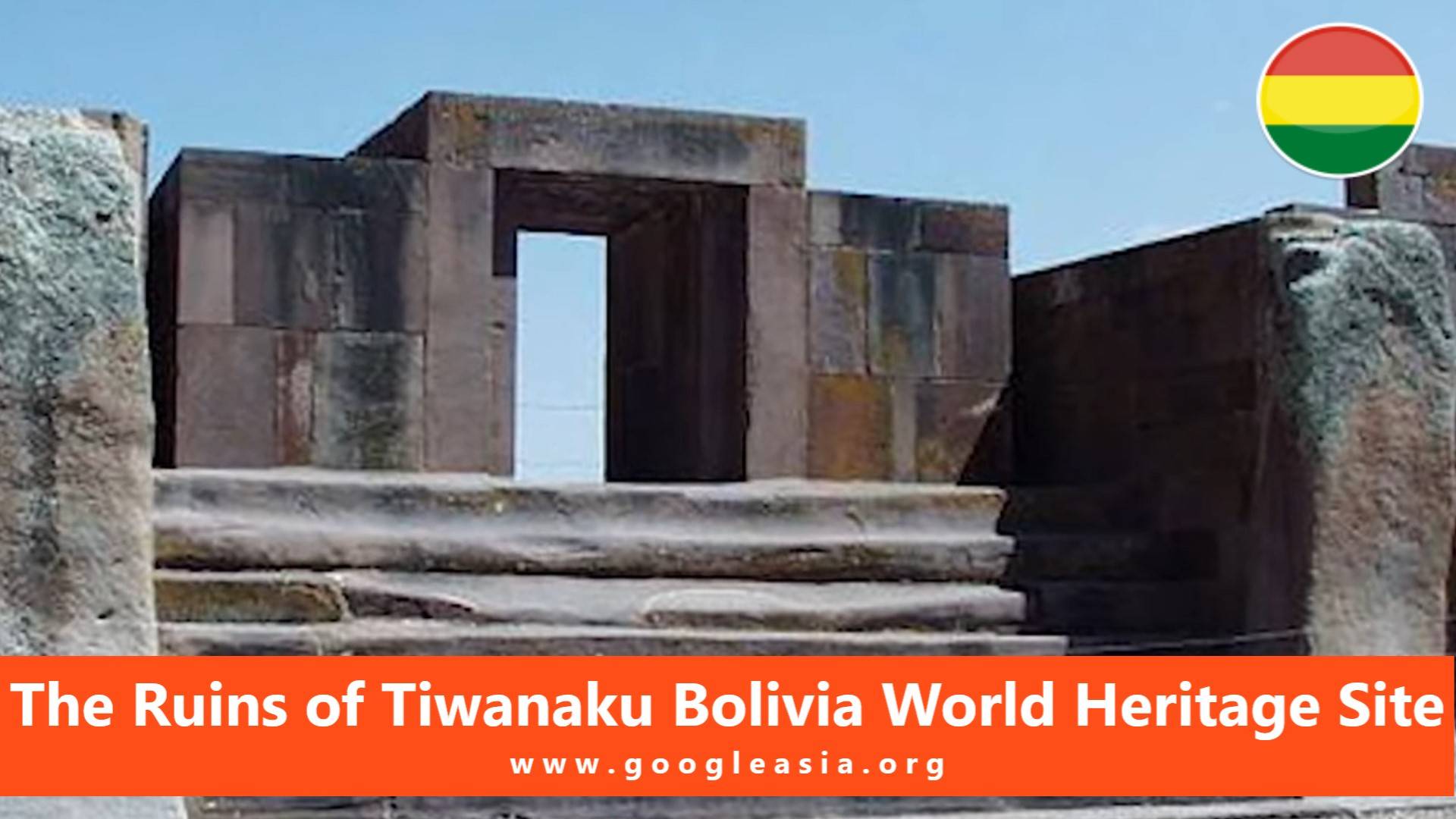
    The Kalasasaya Temple is a vast ceremonial courtyard aligned with solar events, underscoring Tiwanaku’s mastery of astronomy. Within the complex lies the famous Gateway of the Sun, a monolithic andesite structure carved with intricate motifs. These carvings are thought to depict celestial and mythological themes, offering insight into the spiritual beliefs of the Tiwanaku people. The gateway’s artistry demonstrates their advanced stone-carving techniques and symbolic sophistication. Guided tours often highlight interpretations of the carvings, enriching visitors’ understanding of Tiwanaku’s cosmology and cultural legacy.

    Visit Puma Punku

    The enigmatic Puma Punku site, part of the Tiwanaku complex, is renowned for its precision-cut megalithic blocks. Measuring up to 130 tons, these stones were quarried kilometers away and transported to the site, a feat that continues to puzzle scholars. The blocks include the famous H-shaped andesite stones, cut so precisely that they interlock without mortar. Archaeological evidence shows the use of bronze clamps and lime-based mortar, reflecting advanced construction techniques. Puma Punku’s complexity has fueled debates about ancient technology, making it one of the most mysterious sites in the Andes. Visitors can explore its shattered gateways and massive platforms, guided by experts who explain the engineering marvels behind its construction.

    Explore the Local Museum

    Adjacent to the ruins, the Tiwanaku Museum houses artifacts that illuminate daily life and ritual practices. Exhibits include ceramics, textiles, tools, and ceremonial objects, showcasing the craftsmanship and artistry of the Tiwanaku people. Interactive displays provide context on agricultural innovations, religious symbolism, and social organization. The museum offers a deeper appreciation of Tiwanaku’s cultural achievements, complementing the experience of walking through the ruins.

    Take a Boat Tour on Lake Titicaca

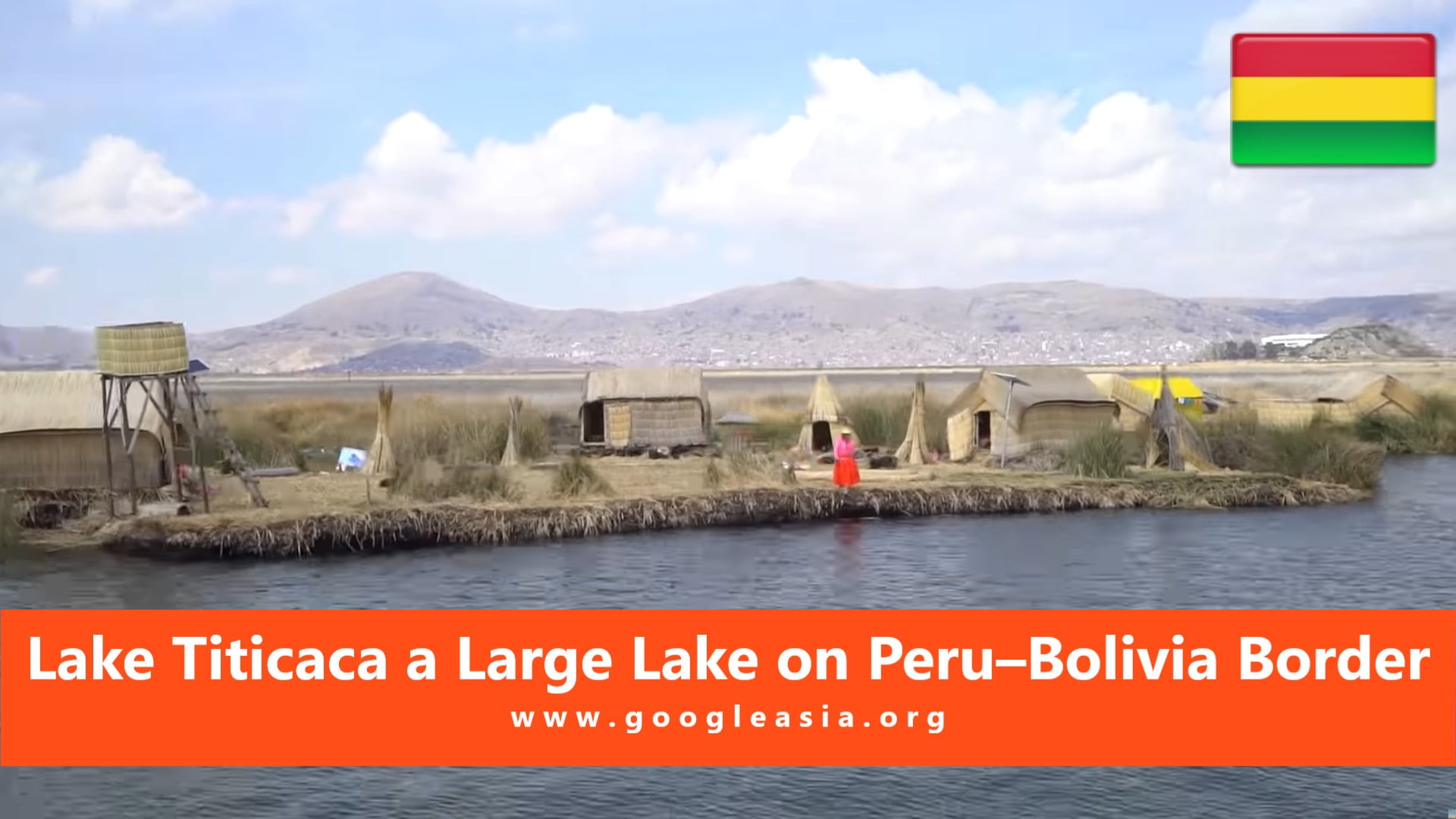
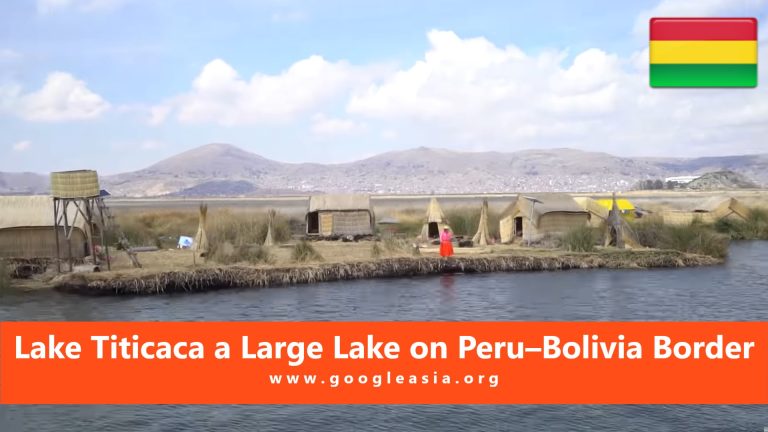
    Just a short distance from Tiwanaku lies Lake Titicaca, the world’s highest navigable lake at 3,812 meters above sea level. Boat tours allow visitors to explore its azure waters and visit the floating islands of the Uru people, who maintain traditional fishing and reed-house lifestyles. The lake offers breathtaking views of snow-capped peaks and serves as a cultural bridge, connecting modern communities with ancient traditions. For travelers, Lake Titicaca provides both scenic beauty and cultural immersion, making it an essential complement to a Tiwanaku visit.

    Foods

    Exploring the culinary delights at The Ruins of Tiwanaku offers a glimpse into the rich tapestry of Bolivian flavors, rooted in ancient Andean traditions and local ingredients. Here are some of the best foods to savor while visiting this historic site:

    Charque (Dried Beef)

    Charque is a traditional Andean delicacy, consisting of salted and air-dried beef. This preservation method dates back centuries, allowing communities around Lake Titicaca and Tiwanaku to store protein-rich food in harsh climates. Its robust flavor and chewy texture made it a staple in Bolivian cuisine, often served with potatoes or maize. Charque reflects the resourcefulness of ancient Andean societies, who relied on drying techniques to ensure sustenance during long winters and food shortages.

    Tunta (Dried Potatoes)

    Tunta, or freeze-dried potatoes, is one of the most iconic foods of the Andes. Prepared by exposing potatoes to freezing nighttime temperatures and then drying them under the sun, tunta can last for years without spoiling. Rich in carbohydrates and minerals, it was vital for survival in high-altitude regions. Today, tunta is often served in stews or as a side dish, offering a unique texture and flavor. Its preparation embodies ancient agricultural practices and showcases the ingenuity of Andean food preservation.

    Ocopa (Sauce)

    Ocopa is a creamy, aromatic sauce blending ají peppers with huacatay (black mint), peanuts, and cheese. Originating from indigenous traditions but influenced by Spanish culinary techniques, ocopa represents Bolivia’s fusion of cultures. It is typically served over potatoes or meats, adding a spicy and herbal depth to meals. Popular across the Andes, ocopa remains a flavorful reminder of Tiwanaku’s enduring culinary heritage.

    Queso de Ch’alla (Cheese)

    Queso de Ch’alla is a distinctive Andean cheese, made from cow or llama milk. Known for its smooth texture and mild spiciness, it is often paired with corn cakes or enjoyed on its own. This cheese reflects the importance of dairy farming in the region and highlights traditional cheese-making practices. Its popularity around Tiwanaku underscores the role of local gastronomy in sustaining communities and delighting visitors.

    Llanp’atas (Corn Cakes)

    Llanp’atas are soft, fluffy corn cakes cherished for their sweet maize flavor. As maize was a cornerstone of Andean agriculture, these cakes symbolize the central role of corn in Andean diets. Served as a side dish or snack, llanp’atas are simple yet satisfying, embodying centuries-old culinary traditions. Their enduring appeal makes them a favorite among both locals and tourists exploring Tiwanaku.

    Ch’arki (Jerky)

    Ch’arki is a type of jerky made from llama or alpaca meat, seasoned and air-dried for preservation. It provided a portable, protein-rich snack for travelers and herders in the Andes. Beyond its nutritional value, ch’arki reflects the ancestral reliance on llamas and alpacas, which were essential for both food and textiles. Today, it remains a popular snack for hikers and visitors exploring Tiwanaku’s archaeological wonders.

    Choclos (Maize)

    Choclos are a native variety of sweet maize, prized for their large kernels and distinctive flavor. They are used in corn cakes, stews, and other traditional dishes, adding sweetness and texture to meals. Cultivated for centuries in the Andean highlands, choclos represent indigenous agricultural knowledge and sustainable farming practices. Their continued cultivation highlights the diversity of maize varieties and their importance in Andean cuisine.

    Hotels

    When visiting the Tiwanaku archaeological complex, one of Bolivia’s most important pre-Columbian sites, accommodation plays a key role in shaping the travel experience. The area offers a variety of hostals and hotels, ranging from budget-friendly stays to eco-conscious retreats. Each option reflects the cultural and natural setting of the Altiplano, giving travelers more than just a place to sleep—it’s a chance to connect with the region’s heritage.

    Hostal Libertador

    Located just minutes from the ruins, Hostal Libertador is a favorite among budget travelers. Rooms are simple but comfortable, equipped with essential amenities. The onsite restaurant serves traditional Bolivian dishes, allowing guests to sample local flavors after a day of exploration. Reviews consistently highlight the friendly service and unbeatable proximity to Tiwanaku’s monuments.

    Hotel La Plazuela

    Hotel La Plazuela blends traditional Andean décor with modern facilities, offering cozy rooms and a peaceful garden area. Its location near Tiwanaku’s main attractions makes it convenient for visitors, while the onsite restaurant provides hearty meals. Guests often praise the quiet ambiance and attentive staff, making it a reliable choice for those seeking comfort and cultural charm.

    Inti Gut’i Tiwanaku

    For travelers who value scenery, Inti Gut’i offers panoramic views of the Altiplano. Spacious rooms with rustic charm create a tranquil retreat, complemented by a terrace and bar. Guests frequently mention the personalized service and serene atmosphere, ideal for unwinding after exploring Tiwanaku’s temples and monoliths.

    Hotel Puma Sierra

    Situated in a calm environment near the ruins, Hotel Puma Sierra features modern furnishings and private bathrooms. The restaurant specializes in Andean cuisine, and guided tours can be arranged directly through the hotel. Reviews highlight its cleanliness and courteous staff, making it a dependable option for travelers who want comfort with cultural immersion.

    Hostal Tiwanaku’s Inn

    Within walking distance of the archaeological site, this hostal offers affordable, cozy rooms. Facilities include a communal lounge, garden, and free breakfast. Guests appreciate the homely atmosphere, making it a welcoming choice for backpackers and budget-conscious visitors.

    Hostal Taypikala

    Hostal Taypikala emphasizes traditional Andean décor, giving guests a sense of cultural immersion. With a restaurant serving regional dishes, Wi-Fi, and 24-hour front desk service, it balances tradition with convenience. Reviews often note its prime location and cleanliness, making it a solid choice for travelers.

    Hostal Gran Shungo

    Set in a peaceful environment, Hostal Gran Shungo offers wooden-furnished rooms with scenic views. Guests can relax on the terrace or in the common lounge. Its tranquil atmosphere and friendly staff make it popular among those seeking a quiet stay near Tiwanaku.

    Eco-Hotel Kalasasaya

    For eco-conscious travelers, Eco-Hotel Kalasasaya provides a sustainable stay experience. Rooms are powered by solar energy, surrounded by organic gardens, and activities like birdwatching connect guests with nature. Reviews commend its commitment to conservation while maintaining comfort, making it a standout choice for environmentally minded visitors.

    Hotel Las Espinas de Tiwanaku

    Located near the archaeological complex, Hotel Las Espinas offers modern rooms with amenities like flat-screen TVs and minibars. Facilities include a restaurant, bar, and free parking. Guests often highlight the attentive service and cleanliness, making it a dependable option for those who prefer modern comforts.

    Hotel Laguna Colorada

    Set near the scenic Laguna Colorada, this hotel provides spacious rooms with rustic décor. Guests enjoy local cuisine at the restaurant, along with Wi-Fi and tour arrangements. Its stunning views and serene atmosphere make it a memorable stay for travelers exploring Tiwanaku and the surrounding landscapes.

    Travel Insight

    Accommodations near Tiwanaku are typically family-run hostals or eco-hotels, reflecting the rural setting and cultural heritage of the Altiplano. They emphasize local cuisine, personalized service, and proximity to the ruins, offering travelers an authentic experience rather than luxury. Staying here allows visitors to immerse themselves not only in the archaeological wonders of Tiwanaku but also in the living traditions of the Andean highlands.

    Conclusion

    A visit to Tiwanaku is more than a sightseeing trip—it’s a journey into the mysteries of an ancient civilization that shaped the Andes long before the Inca Empire. With its monumental architecture, cultural significance, and breathtaking setting, Tiwanaku offers travelers a unique chance to connect with Bolivia’s deep past. Plan your visit now and step into history.
    The Ruins of Tiwanaku Bolivia World Heritage Site

    Summary

    • Attraction: The Ruins of Tiwanaku
    • Country: Bolivia
    • Continent: South America
    • Capital Name: La Paz, Sucre
    • Language: Spanish
    • Currency: Bolivian boliviano (BOB)
    • Nationality: Bolivian
    • Category:  #Destination #SouthAmerica #BOLIVIA 

    Contact Information

    • Address: Tiwanaku Municipality, La Paz Department, Bolivia
    • Telephone: +591 2 289 0016 (local tourism office)
    • Website: Bolivia Tourism – Tiwanaku
    • Email: info@bolivia.travel
    • Entry Fee: Approx. 15–20 BOB (Bolivian Bolivianos) for foreign visitors
    • Business Hours: Daily, 9:00 AM – 5:00 PM

    Frequently Asked Questions

    Where is the Ruins of Tiwanaku located?

    The Ruins of Tiwanaku are located near the southern shores of Lake Titicaca in Bolivia, about 70 kilometers (43 miles) west of La Paz, Bolivia’s capital city. This archaeological site is renowned for its ancient remains of the Tiwanaku civilization, which flourished between 300 AD and 1000 AD.

    How to go to the Ruins of Tiwanaku?

    To travel to the Ruins of Tiwanaku from La Paz, Bolivia, you have a few transportation options:

    1. Private Tour or Guided Tour: Many tour operators in La Paz offer day trips to Tiwanaku, which typically include transportation, a guided tour of the ruins, and sometimes lunch. This is often the most convenient option as it takes care of logistics and provides insights into the site’s history.
    2. Public Bus: You can take a public bus from La Paz to Tiwanaku. Buses depart from the Cementerio General bus terminal in La Paz. The journey takes about 1.5 to 2 hours depending on traffic and road conditions.
    3. Taxi or Private Car: Another option is to hire a taxi or a private car for the day. This gives you flexibility in terms of timing and allows you to explore at your own pace.
    4. Self-Drive: If you have access to a car, you can drive to Tiwanaku. The route is straightforward, and road signage is generally adequate.

    What are the Ruins of Tiwanaku’s must-visit attractions or landmarks?

    The Ruins of Tiwanaku, an ancient archaeological site near Lake Titicaca in Bolivia, feature several must-visit attractions and landmarks that highlight the rich history and culture of the Tiwanaku civilization. Here are some of the key attractions you should explore:

    1. Kalasasaya Temple: This is one of the most prominent structures at Tiwanaku, characterized by its large stone platform and the famous Gateway of the Sun (Puerta del Sol). The Gateway of the Sun is adorned with intricate carvings and is believed to have served a ceremonial or astronomical purpose.
    2. Puerta de la Luna: Also known as the Gateway of the Moon, this structure is another impressive gateway adorned with carvings depicting various mythical and anthropomorphic figures. It is located near the Kalasasaya Temple.
    3. Akapana Pyramid: This is a massive stepped pyramid at Tiwanaku, believed to have served as a ceremonial or administrative center. Its precise function is still debated among archaeologists, but it stands as a testament to the advanced engineering skills of the Tiwanaku people.
    4. Semi-subterranean Temple: This sunken temple complex includes intricate stone carvings and chambers that are thought to have been used for ritualistic purposes. It provides insights into the religious practices of the Tiwanaku culture.
    5. Museum of Tiwanaku: Located near the archaeological site, the museum houses a collection of artifacts unearthed from Tiwanaku, including pottery, tools, and sculptures. It offers a deeper understanding of the daily life, art, and cultural practices of the Tiwanaku civilization.
    6. Puma Punku (optional visit): Although not within the main Tiwanaku site, Puma Punku is an adjacent archaeological complex known for its precisely cut stone blocks and is considered by some researchers to be even older than Tiwanaku itself. It’s located a short distance away and often visited in combination with Tiwanaku tours.

    Why should you visit the Ruins of Tiwanaku?

    Visiting the Ruins of Tiwanaku offers a unique opportunity to delve into the ancient history and cultural heritage of the Tiwanaku civilization, which flourished in the Andean region between 300 AD and 1000 AD. Here are compelling reasons to visit this archaeological site:

    1. Historical Significance: Tiwanaku is one of the most important archaeological sites in South America, showcasing the remains of an advanced pre-Columbian civilization. Exploring its monumental structures and artifacts provides insights into the political, religious, and social organization of the Tiwanaku people.
    2. Architectural Marvels: The site features impressive examples of ancient Andean architecture, including temples, pyramids, and intricate stone carvings. Structures like the Kalasasaya Temple and the Akapana Pyramid highlight the Tiwanaku’s engineering prowess and their mastery of stone masonry.
    3. Cultural Insights: Visiting Tiwanaku allows you to learn about the spiritual beliefs, artistic expressions, and daily life of the Tiwanaku civilization. The site’s art and iconography depict gods, animals, and mythological figures, offering a glimpse into their cosmology and worldview.
    4. Gateway of the Sun: One of Tiwanaku’s most iconic monuments, the Gateway of the Sun (Puerta del Sol), is renowned for its intricate carvings and ceremonial significance. It is believed to have served as a portal for rituals and astronomical observations, making it a highlight for visitors.
    5. Educational Experience: For history enthusiasts, archaeology buffs, and anyone interested in ancient civilizations, Tiwanaku provides a rich educational experience. Guided tours and museum exhibits offer detailed explanations of the site’s history, archaeological findings, and ongoing research.
    6. Scenic Location: Situated in the highlands near Lake Titicaca, Tiwanaku offers stunning views of the Andean landscape. The surrounding area, with its mountains and open plains, adds to the allure of the visit, providing a picturesque backdrop to the ancient ruins.
    7. Cultural Connection: By visiting Tiwanaku, you can connect with the indigenous heritage of the Andean region and gain a deeper appreciation for the cultural diversity and historical legacy of Bolivia and the broader Andean civilizations.

    Is it difficult to find halal food in the Ruins of Tiwanaku?

    Finding halal food specifically in the vicinity of the Ruins of Tiwanaku may be challenging due to the remote location and the predominantly non-Muslim population in the area. The focus of local dining establishments may not typically cater to halal dietary requirements. It’s advisable for Muslim travelers to plan ahead by bringing suitable snacks or meals, or to inquire with local tour guides or accommodations for any potential options available nearby.

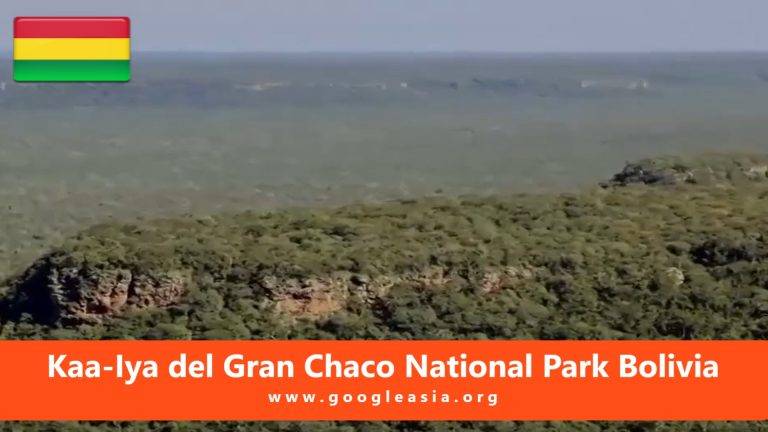
  • Kaa-Iya del Gran Chaco National Park, Bolivia: Travel Guide

    Kaa-Iya del Gran Chaco National Park, Bolivia: Travel Guide

    Kaa-Iya del Gran Chaco National Park, Bolivia

    Kaa-Iya del Gran Chaco National Park Bolivia is a stunning, biodiverse wildlife sanctuary that is home to a vast array of wildlife species and ecosystems. The park also serves as a refuge for indigenous cultures and helps to preserve their traditional way of life. Within the park, visitors will find unique landscapes ranging from subtropical rainforests to dry forests, wetlands, steppes and savannas.

    Other features include the world’s second-largest salt flats, the Salar de Uyuni, and the Iguazu Falls. With so much to explore, Kaa-Iya del Gran Chaco National Park is a must-visit for nature enthusiasts, photographers, and adventurers alike.

    The Kaa-Iya del Gran Chaco National Park, in Bolivia, is home to an amazing array of wildlife, including jaguar, giant anteaters, tapir, marsh deer and over 600 species of birds. The park also preserves the cultural heritage of indigenous people, as well as providing a vital environmental contribution to the region. Its lush evergreen and deciduous forest ecosystems provide refuge for threatened species, and the incredible biodiversity of its landscape is truly awe-inspiring.

    Introduction

    Kaa-Iya del Gran Chaco National Park in Bolivia stands as a testament to the region’s vast natural beauty and ecological significance. Covering an expansive 6,200 square kilometers, this national park is not only the largest protected area in Bolivia but also a crucial habitat for diverse flora and fauna.

    Location and Environment

    Location: Kaa-Iya del Gran Chaco National Park is situated in the Gran Chaco region of Bolivia, bordering Paraguay along the southern Andes Mountain range.

    Ecosystem: The park encompasses a variety of ecosystems characteristic of the Gran Chaco, a semi-arid region featuring woodlands, open grasslands, and marshes. These diverse habitats support a rich array of wildlife, including iconic species such as jaguars, maned wolves, pumas, and marsh deer. The presence of the quebracho blanco forest, known for its timber production, adds to the park’s ecological significance.

    Protected Areas and Indigenous Communities

    Protected Areas: Within Kaa-Iya del Gran Chaco National Park are two main protected areas: Awashí and Palmarito. These areas are not only vital for conservation but also home to several indigenous communities. These communities contribute to the park’s cultural richness and play a crucial role in its sustainable management.

    Indigenous Culture: The park is a stronghold of indigenous culture, housing a diverse array of ethnic and linguistic groups. These communities maintain traditional practices and contribute to the park’s conservation efforts while ensuring the preservation of their cultural heritage.

    Biodiversity and Conservation

    Biodiversity: With over 1,000 lakes and wetlands, Kaa-Iya del Gran Chaco National Park serves as a vital water source in South America. Its biodiversity is underscored by its designation as part of the Great Chaco-Bolivian Desert Ramsar Site, highlighting its global importance for wetland conservation.

    Conservation Efforts: The park plays a pivotal role in promoting sustainable development, conservation practices, and eco-tourism. Efforts are focused on preserving the park’s fragile ecosystems while fostering economic opportunities for local communities through responsible tourism initiatives.

    Things to Do

    Kaa-Iya del Gran Chaco National Park in Bolivia is an expansive reserve teeming with biodiversity and cultural richness. Spanning nearly two million hectares, this park offers visitors a range of activities to immerse themselves in its natural wonders and cultural heritage.

    Guided Wildlife Tours

    Wildlife Exploration: Engage in multi-day guided tours led by experienced naturalists and guides. These tours provide insights into the park’s diverse ecosystems and offer opportunities to observe its remarkable wildlife, including the elusive jaguars and over 250 bird species.

    • Location: Kaa-Iya del Gran Chaco National Park, Bolivia
    • Activity Type: Guided Wildlife Tours
    • Duration: Multi-day
    • Experience Level: All levels
    • Equipment Needed: Binoculars, sturdy hiking gear

    Archaeological Sites Exploration

    Historical Discoveries: Explore the park’s intriguing archaeological sites, such as megalithic structures, finely crafted burial urns, and the awe-inspiring “elFraile” rock painting. These sites provide glimpses into the ancient cultures that once thrived in the Chaco region.

    • Location: Kaa-Iya del Gran Chaco National Park, Bolivia
    • Activity Type: Archaeological Exploration
    • Highlights: Megalithic structures, rock paintings
    • Accessibility: Moderate to challenging

    Bird Watching

    Avian Diversity: Discover the park’s rich birdlife with guided bird watching tours. Spot rare and endemic species among the park’s varied habitats, guided by experts who enhance the experience with their knowledge of bird behavior and habitat.

    • Location: Kaa-Iya del Gran Chaco National Park, Bolivia
    • Activity Type: Bird Watching
    • Species: Over 250 bird species
    • Guides: Experienced birding guides
    • Best Time: Early mornings and late afternoons

    Fishing in Creeks and Rivers

    Angler’s Delight: Enjoy tranquil fishing experiences in the park’s numerous water bodies. Fish for native species amidst serene landscapes, offering a peaceful retreat into nature’s bounty.

    • Location: Kaa-Iya del Gran Chaco National Park, Bolivia
    • Activity Type: Fishing
    • Water Bodies: Creeks, streams, rivers
    • Species: Native fish
    • Gear Needed: Fishing rods, tackle

    Nature Trails

    Scenic Hiking: Traverse well-marked nature trails that wind through diverse vegetation and habitats. These trails offer serene walks amidst the park’s unique flora, providing opportunities for photography and wildlife observation.

    • Location: Kaa-Iya del Gran Chaco National Park, Bolivia
    • Activity Type: Nature Trails
    • Difficulty: Easy to moderate
    • Highlights: Flora, fauna, scenic views

    Stargazing

    Night Sky Exploration: Experience the brilliance of Bolivia’s night skies with stargazing sessions in the park. Away from light pollution, marvel at constellations, planets, and celestial phenomena in one of the clearest skies in South America.

    • Location: Kaa-Iya del Gran Chaco National Park, Bolivia
    • Activity Type: Stargazing
    • Best Time: Clear nights
    • Equipment Needed: Telescope (optional), star maps

    Foods

    Visiting Kaa-Iya del Gran Chaco National Park Bolivia offers not only the opportunity to explore its diverse wildlife and vast landscapes but also to indulge in its rich culinary offerings. Here are some of the best foods to savor while experiencing this unique natural environment:

    Quinoa

    Nutritional Powerhouse: Quinoa, revered for its nutritional density, is an ancient Andean grain rich in protein, fiber, and essential vitamins and minerals. It’s a staple that provides sustained energy and nourishment, perfect for adventurers exploring the park.

    • Type: Ancient Grain
    • Nutritional Benefits: High protein, fiber, vitamins, and minerals
    • Recommended Dishes: Quinoa salads, soups, pilafs

    Chicha

    Cultural Refreshment: Chicha is a traditional fermented beverage crafted from maize (corn), infused with fruits and spices for added depth of flavor. It serves as a refreshing and culturally significant drink during your exploration of the park.

    • Type: Beverage
    • Ingredients: Maize (corn), fruits, spices
    • Taste Profile: Fruity, mildly sour, aromatic

    Jaguay

    Hearty Bolivian Dish: Jaguay is a robust dish featuring maize, cheese, and potatoes, offering a satisfying and nutritious option for vegetarians and food enthusiasts alike. It’s known for its hearty flavors and local authenticity.

    • Type: Main Dish
    • Ingredients: Maize, cheese, potatoes
    • Highlights: Vegetarian, hearty, fiber-rich

    Sopa de Maní

    Peanut Power: Sopa de Maní, or peanut soup, is a flavorful and comforting traditional soup. With peanuts as the star ingredient, it provides a hearty meal that warms the body and soul after a day of outdoor activities in the park.

    • Type: Soup
    • Ingredients: Peanuts, vegetables, spices
    • Texture: Creamy, savory, nutty

    Carne Asada

    Grilled Delight: Carne Asada is a beloved Bolivian barbecue dish featuring marinated grilled beef. It’s renowned for its robust flavors and tender texture, making it a top choice for meat lovers seeking a satisfying meal at the park.

    • Type: Main Dish
    • Ingredients: Grilled beef, local spices
    • Serving Style: Tender, flavorful, grilled perfection

    Hotels

    Exploring Kaa-Iya del Gran Chaco National Park, Bolivia promises an immersive experience in one of South America’s largest and most biodiverse protected areas. Here are some of the best accommodation options that offer comfort and convenience for travelers:

    Kaa-Iya Lodge & Tented Camp

    Adjacent to the park, offering proximity to wildlife and natural landscapes. Accommodation Type: Lodge & Tented Camp. Features:

    • Scenic Views: Panoramic views of the Gran Chaco region.
    • Wildlife Viewing: Opportunity to spot wildlife from the comfort of the lodge.
    • Activities: Guided tours, birdwatching, nature walks.

    Amenities

    • Restaurant: Serving local and international cuisine.
    • Bar/Lounge: Relax with drinks after a day of exploration.
    • Guided Tours: Expert guides for wildlife and cultural tours.
    • Comfort: Tented accommodations with modern amenities.

    Suasi Lodge

    Nestled within the park, offering secluded and tranquil surroundings. Accommodation Type: Lodge. Features:

    • Eco-Friendly: Sustainable practices in harmony with the environment.
    • Comfort: Cozy rooms with nature-inspired decor.
    • Activities: Hiking, birdwatching, stargazing.

    Amenities

    • Restaurant: Serving organic and locally sourced meals.
    • Spa Services: Relaxation with natural treatments.
    • Guided Excursions: Explore the park with knowledgeable guides.

    Santa Cruz de la Sierra Plaza Hotel

    Convenient access to amenities and city attractions. Accommodation Type: City Hotel. Features:

    • Comfort: Modern rooms with city views.
    • Dining: On-site restaurant offering a variety of cuisines.
    • Accessibility: Close proximity to transportation hubs.

    Amenities

    • Business Center: Facilities for business travelers.
    • Fitness Center: Stay active during your stay.
    • Concierge Services: Assistance with tours and local attractions.

    Hotel La Casona

    Historic charm in a central location. Accommodation Type: Boutique Hotel. Features:

    • Heritage: Colonial architecture and cultural ambiance.
    • Hospitality: Personalized service and attention to detail.
    • Dining: Restaurant serving traditional and gourmet cuisine.

    Amenities

    • Courtyard: Relax in a tranquil outdoor setting.
    • Library: Quiet space for reading and relaxation.
    • Cultural Tours: Explore nearby historical sites and museums.

    Mbaracayu Lodge

    Bordering the park, offering direct access to nature. Accommodation Type: Lodge. Features:

    • Nature Experience: Eco-friendly lodgings in a pristine environment.
    • Activities: Wildlife watching, hiking trails, educational programs.
    • Community Engagement: Support local conservation efforts.

    Amenities

    • Outdoor Areas: Gardens and natural surroundings.
    • Educational Workshops: Learn about local flora and fauna.
    • Restaurant: Taste regional dishes with fresh ingredients.

    Conclusion

    Choosing the right accommodation in Kaa-Iya del Gran Chaco National Park, Bolivia ensures a memorable stay surrounded by breathtaking landscapes and diverse wildlife. Whether you prefer a rustic lodge experience like Kaa-Iya Lodge & Tented Camp or the comfort of a city hotel like Santa Cruz de la Sierra Plaza Hotel, each option offers unique amenities and opportunities to explore this extraordinary natural environment. Embrace the beauty of the Gran Chaco region and enhance your adventure with comfortable lodging that complements the park’s rugged allure.

    Kaa-Iya del Gran Chaco National Park Bolivia

    Summary

    • Attraction: Kaa-Iya del Gran Chaco National Park
    • Country: Bolivia
    • Continent: South America
    • Capital Name: La Paz, Sucre
    • Language: Spanish
    • Currency: Bolivian boliviano (BOB)
    • Nationality: Bolivian
    • Category: #Destination #SouthAmerica #BOLIVIA 

    Frequently Asked Questions

    Where is Kaa-Iya del Gran Chaco National Park located?

    Kaa-Iya del Gran Chaco National Park is located in the southeastern part of Bolivia, primarily within the Gran Chaco region. It covers a vast area of approximately 34,411 square kilometers (13,300 square miles), making it one of the largest national parks in South America. The park is known for its diverse wildlife, including species such as jaguars, giant anteaters, and a variety of bird species. It’s a significant conservation area, preserving the unique ecosystems found in the Gran Chaco region.

    How can one travel to Kaa-Iya del Gran Chaco National Park?

    Traveling to Kaa-Iya del Gran Chaco National Park in Bolivia typically involves a few logistical steps due to its remote location and the rugged terrain of the Gran Chaco region. Here’s a general guide on how to get there:

    1. By Air: The nearest major airport is Viru Viru International Airport (VVI) in Santa Cruz de la Sierra, Bolivia. From Santa Cruz, you can arrange domestic flights to regional airports closer to the park, such as in the towns of Camiri or Villamontes.
    2. By Road: From Santa Cruz de la Sierra, you can travel by road to reach the vicinity of the national park. The journey involves traveling southwards through the city of Camiri, which serves as a gateway to the Gran Chaco region.
    3. Guided Tours: Due to the park’s remote and challenging environment, it’s advisable to join organized tours or hire a local guide who knows the area well. Many tour operators in Santa Cruz de la Sierra offer packages that include transportation, accommodation, and guided excursions into the national park.
    4. Accommodation: Lodging options near Kaa-Iya del Gran Chaco National Park are limited and mostly basic. It’s recommended to arrange accommodations in advance, either through organized tours or by contacting local lodges or eco-lodges near the park.
    5. Local Guidance: Once in the vicinity of the park, local guides can provide valuable insights into navigating the terrain, accessing key areas within the park, and maximizing your wildlife viewing opportunities.
    6. Permits and Regulations: Ensure you have any required permits or permissions to enter the national park. Conservation regulations may apply to protect the park’s biodiversity and ecosystem.

    What are Kaa-Iya del Gran Chaco National Park’s must-visit attractions or landmarks?

    Kaa-Iya del Gran Chaco National Park in Bolivia is renowned for its expansive wilderness and unique biodiversity, making it a destination rich in natural attractions. Here are some of the must-visit features within the park:

    1. Wildlife Viewing: The park is home to a diverse range of wildlife, including jaguars, giant anteaters, pumas, armadillos, and numerous bird species. Wildlife enthusiasts can explore the park’s varied ecosystems to observe these fascinating creatures in their natural habitats.
    2. Gran Chaco Ecosystem: As one of the largest protected areas in South America, Kaa-Iya del Gran Chaco National Park preserves a significant portion of the Gran Chaco ecosystem. Visitors can experience the vast plains, dry forests, and wetlands that characterize this unique region.
    3. Cerro León: This prominent hill within the park offers panoramic views of the surrounding landscape. It serves as a scenic spot for observing wildlife and enjoying the natural beauty of the Gran Chaco.
    4. Indigenous Communities: The park is also home to indigenous communities such as the Ayoreo people, who have inhabited the region for centuries. Cultural tours and interactions with local communities provide insight into their traditional lifestyles and knowledge of the natural environment.
    5. Birdwatching: With over 300 bird species recorded in the park, including parrots, toucans, and various raptors, Kaa-Iya del Gran Chaco is a paradise for birdwatchers. Birding tours can be organized to explore different habitats and spot endemic and migratory species.
    6. Adventure Activities: For adventurous travelers, the park offers opportunities for hiking, wildlife tracking, and camping in designated areas. Exploring the rugged terrain and diverse ecosystems provides a thrilling experience for outdoor enthusiasts.

    Is Kaa-Iya del Gran Chaco National Park a suitable travel destination for solo adventurers, honeymooning couples, or those traveling with families?

    Kaa-Iya del Gran Chaco National Park in Bolivia caters primarily to adventurous travelers seeking wilderness experiences and wildlife encounters. Here’s how it suits different types of travelers:

    1. Solo Adventurers: Solo adventurers who enjoy exploring remote and rugged landscapes will find Kaa-Iya del Gran Chaco National Park a rewarding destination. The park offers opportunities for hiking, wildlife spotting, and cultural experiences with indigenous communities. However, solo travelers should ensure they have adequate preparation, such as local guides and accommodations, due to the park’s remote nature.
    2. Honeymooning Couples: While Kaa-Iya del Gran Chaco offers unique natural beauty and wildlife, it may not be ideal for honeymooning couples seeking luxury or romantic amenities. Accommodations are basic, and the focus is on nature and adventure rather than luxury and relaxation.
    3. Families: Families traveling with older children who are interested in wildlife and outdoor activities can have a fulfilling experience in Kaa-Iya del Gran Chaco. However, families with young children should consider the remote location, limited amenities, and the rugged terrain of the park, which may pose challenges.

    Overall, Kaa-Iya del Gran Chaco National Park is best suited for adventurous travelers, nature enthusiasts, and those seeking authentic experiences in a pristine natural environment. Families and couples should assess their comfort level with rustic accommodations and outdoor activities before planning a visit.

    Why should you visit Kaa-Iya del Gran Chaco National Park?

    Here are compelling reasons to visit Kaa-Iya del Gran Chaco National Park in Bolivia:

    1. Unique Wildlife: The park is renowned for its rich biodiversity, including elusive species like jaguars, pumas, giant anteaters, and numerous bird species. It offers unparalleled opportunities for wildlife enthusiasts and photographers to observe these creatures in their natural habitats.
    2. Gran Chaco Ecosystem: As one of the largest protected areas in South America, Kaa-Iya del Gran Chaco preserves a significant portion of the Gran Chaco ecosystem. Visitors can explore diverse landscapes ranging from dry forests and savannas to wetlands and rivers, experiencing the unique flora and fauna of this region.
    3. Cultural Experience: The park is home to indigenous communities such as the Ayoreo people, who have maintained their traditional lifestyles and knowledge of the natural environment. Cultural tours offer insights into their customs, crafts, and spiritual connection with the land, providing a rich cultural experience.
    4. Scenic Landscapes: Kaa-Iya del Gran Chaco features scenic vistas, including the iconic Cerro León, which offers panoramic views of the surrounding plains and forests. Hiking and exploring the park’s terrain reveal breathtaking landscapes and geological formations.
    5. Adventure Activities: For adventure seekers, the park offers activities such as hiking, wildlife tracking, birdwatching, and camping. Exploring the rugged terrain and engaging in outdoor pursuits provide thrilling experiences for active travelers.
    6. Conservation and Preservation: Visiting Kaa-Iya del Gran Chaco supports conservation efforts aimed at protecting the Gran Chaco ecosystem and its wildlife. By experiencing the park’s natural beauty firsthand, visitors can appreciate the importance of preserving this biodiverse region.

    Is there any halal food available in the vicinity of the Kaa-Iya del Gran Chaco National Park?

    Finding halal food in the vicinity of Kaa-Iya del Gran Chaco National Park can be challenging due to its remote location and the predominantly non-Muslim population in the area. The park is located in the Gran Chaco region of Bolivia, which is sparsely populated and primarily inhabited by indigenous communities.
    Here are some considerations regarding halal food options:

    1. Limited Availability: Given the remote and rural nature of the area, there may be limited access to halal-certified or halal-prepared food items. Local dining options typically reflect the traditional diets of the indigenous communities, which may not include halal meats or adherence to Islamic dietary guidelines.
    2. Self-Catering: Travelers who follow halal dietary restrictions may find it more convenient to bring their own non-perishable halal food items or snacks when visiting Kaa-Iya del Gran Chaco National Park. This ensures dietary preferences and restrictions are accommodated during their stay.
    3. Urban Centers: For those seeking halal food options, larger urban centers in Bolivia, such as Santa Cruz de la Sierra or La Paz, may offer more diverse dining choices that cater to international and religious dietary needs. However, these cities are located some distance from the national park.
    4. Local Cuisine: Exploring local cuisine can still provide enjoyable dining experiences, even if specific halal options are not available. Traditional meals often feature locally sourced ingredients such as meats, grains, and vegetables, prepared in ways that showcase the flavors of the region.
  • Potosí, Bolivia: The Must-Visit Silver Mines City

    Potosí, Bolivia: The Must-Visit Silver Mines City

    Potosí, Bolivia

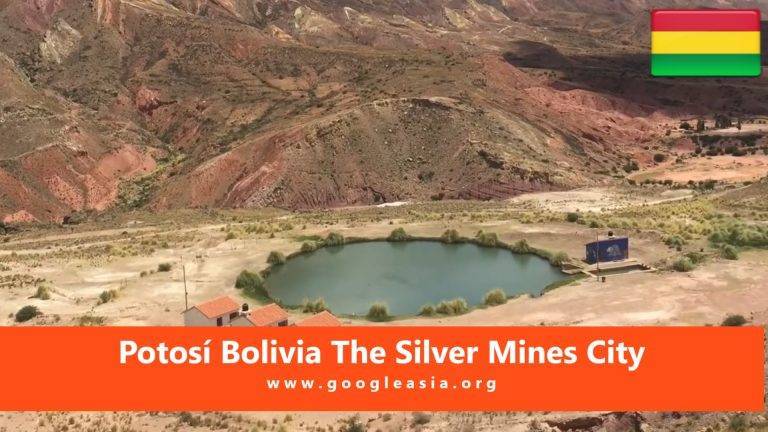
    Potosí is a fascinating place to visit because it is a living history museum, boasting Spanish colonial buildings and other monuments which are a reminder of centuries of mining and industrialization. The city has a rich cultural heritage, and it is the highest city in the world.

    The city is also home to Cerro Rico, one of the largest silver mines in the world and is a UNESCO World Heritage Site. Among all of this, the cuisine here is renowned as one of the best in Latin America. It is a destination that offers visitors a unique combination of culture, history, and natural beauty.

    Potosí, Bolivia is a picturesque colonial town situated 4,090 m above sea level in the Andes mountains. Famous for its silver mines, and nicknamed the “The mountain which eats men”, Potosí has a rich history of colonial architecture and is a great spot for exploring.

    Introduction

    Potosí, a historic city nestled in the southern highlands of Bolivia, is renowned for its rich history, cultural heritage, and high-altitude allure. Standing at 4,090 meters (13,420 feet) above sea level, it is one of the highest cities in the world. Known for its significant role in the Spanish colonial era due to its vast silver deposits, Potosí offers visitors a unique glimpse into Bolivia’s past and present.

    Historical Significance

    The Cerro Rico

    Cerro Rico, meaning “Rich Mountain,” is the iconic symbol of Potosí. This mountain was the site of one of the world’s largest silver deposits during the Spanish colonial period. The wealth extracted from Cerro Rico played a crucial role in Spain’s empire, making Potosí one of the richest cities in the world during the 16th and 17th centuries.

    Historical Impact: The silver mined from Cerro Rico contributed to the vast wealth of the Spanish crown and shaped the economic history of the region. However, the extraction methods led to severe exploitation and harsh conditions for the indigenous and enslaved laborers.

    Colonial Architecture

    Potosí’s colonial-era architecture includes numerous churches, mansions, and public buildings that showcase the city’s past grandeur. The city’s historic center is a UNESCO World Heritage Site, recognized for its well-preserved colonial buildings.

    • Key Sites:
      • Casa de la Moneda: A former mint that now serves as a museum showcasing the history of coin production and the impact of silver on the city.
      • Catedral Metropolitana de Potosí: A stunning cathedral that reflects the wealth and influence of the colonial era through its ornate interior and architectural style.

    Cultural and Indigenous Heritage

    Andean Markets

    Potosí’s markets are vibrant and full of life, offering a wide range of traditional Andean products, including textiles, crafts, and local produce.

    Notable Markets:

    • Mercado Central: A bustling market where visitors can experience local flavors, including traditional Bolivian dishes and fresh produce.

    Festivals and Celebrations

    • Carnival: An exuberant celebration with colorful parades, music, and dance, reflecting the city’s blend of indigenous and colonial cultures.
    • Feria de la Virgen El Carmen: Celebrated in honor of the Virgin of Mount Carmel, this festival features traditional dances, religious ceremonies, and local festivities.
    • Fiesta de La Virgen del Socavón: Known as the Festival of the Virgin of the Mine, this event celebrates the patron saint of miners with elaborate processions, traditional music, and vibrant costumes.

    Cultural Attractions

    Churches and Religious Sites

    • Iglesia de San Francisco: A historic church known for its architectural beauty and religious significance.
    • Iglesia de San Lorenzo: Another notable church that highlights the city’s colonial religious heritage.

    Museums and Historical Sites

    • Museo Nacional de la Casa de la Moneda: Offers insight into the history of Potosí’s silver mining and its impact on the Spanish empire.
    • Museo de la Real Casa de Moneda: Provides a detailed account of the minting process and the history of Potosí’s economic significance.

    Things to Do

    Potosí, Bolivia, a city steeped in history and culture, offers a variety of activities that cater to history enthusiasts, culture seekers, and adventurers alike. Nestled high in the Andes, Potosí is renowned for its colonial architecture, rich mining history, and vibrant local culture. Here are some of the top things to do in this historic city:

    Historical and Cultural Exploration

    Visit Casa de la Moneda

    Casa de la Moneda, or the Mint House, is a must-see historical site in Potosí. This 17th-century building, once a mint for the Spanish empire, now serves as a museum showcasing the city’s rich history in silver mining.

    Highlights: The museum exhibits ancient minting tools, historical documents, and artifacts that offer insights into Potosí’s role in the Spanish colonial economy.

    Explore Local Churches

    • Iglesia de San Lorenzo
      • Description: Known for its stunning baroque facade, Iglesia de San Lorenzo is a prime example of colonial architecture in Potosí.
      • Highlights: Admire the intricately carved wood sculptures and ornate interior decorations.
    • Other Notable Churches:
      • Iglesia Concepción: Features beautiful architecture and historical significance.
      • Iglesia San Francisco: Offers a glimpse into the city’s religious past.

    Check Out La Plaza 10 de Noviembre

    La Plaza 10 de Noviembre, also known as Plaza Murillo, is the main square of Potosí. Recently renovated, it’s now a pedestrian-only zone.

    Highlights: The square is surrounded by colorful buildings and is perfect for people-watching, taking photos, and soaking in the local atmosphere.

    Adventurous Activities

    Take a Guided Tour of Cerro Rico

    Cerro Rico, or “Rich Mountain,” was once the world’s largest silver deposit. Join a guided tour to explore its historic mines and learn about the harsh conditions faced by miners.

    Highlights: Discover the historical significance of Cerro Rico and its impact on Potosí’s wealth and development.

    Hike Up Cerro de Potosí

    For panoramic views of the city and its surrounding landscape, hike up Cerro de Potosí. The climb is steep but rewards hikers with stunning vistas.

    Highlights: Enjoy breathtaking views of Potosí and the surrounding Andes mountains.

    Local Markets and Shopping

    Browse the Shops in the Crafts Market

    The three-story Crafts Market in central Potosí is the go-to place for unique souvenirs.

    Highlights: Shop for alpaca wool clothing, silverware, jewelry, and traditional crafts.

    Check Out the Local Markets

    Explore Potosí’s bustling local markets to experience the city’s vibrant culture. From food stalls to artisan goods, these markets offer a variety of local products and a lively atmosphere.

    Highlights: Find unique souvenirs and enjoy local delicacies.

    Museums and Historical Sites

    Learn About Potosí’s Ancient Past in Quillacollo Museum

    The Quillacollo Museum provides insights into Potosí’s pre-Columbian history with exhibits on ancient Tarabuco, Colla, and Ayaviri cultures.

    Highlights: View excavated artifacts and learn about the region’s ancient civilizations.

    Visit Khapi Museum

    The Khapi Museum focuses on the cultural and historical heritage of Potosí. It features exhibits related to the Cerro Rico mines and local traditions.

    Highlights: Explore permanent exhibitions that highlight the city’s mining history and cultural artifacts.

    Cultural Experiences

    Take a Ride on the Historical Silver Route

    Explore the historical routes that were crucial during the silver mining era. Learn about the journey of silver from the mines to the rest of the world.

    Highlights: Gain a deeper understanding of Potosí’s economic history and its global impact.

    Foods

    Potosí, Bolivia, is not only rich in history and culture but also offers a delightful array of traditional foods. The city’s culinary scene reflects its heritage and diverse influences, offering both hearty meals and unique local specialties. Here’s a guide to the best foods you should try when visiting Potosí:

    Traditional Soups and Stews

    Chairo Soup

    Chairo is a robust and spicy stew that embodies the heartiness of Bolivian cuisine. Made with lamb, potatoes, peas, and a variety of local spices, this dish is perfect for warming up in the high-altitude climate of Potosí.

    Highlights: The rich, flavorful broth and tender lamb make Chairo a comforting and satisfying meal.

    Fritanga

    Fritanga is a traditional Bolivian stew made from beef and potatoes. It’s a flavorful dish that’s often enjoyed with a side of rice or bread.

    Highlights: The combination of beef and potatoes simmered in a savory sauce is both hearty and delicious.

    Pastries and Snacks

    Salteñas

    Salteñas are Bolivian pastries filled with a savory mix of beef, potatoes, and vegetables. These are similar to empanadas but with a juicier filling.

    Highlights: The slightly spicy and flavorful filling, combined with the crisp pastry, makes Salteñas a popular and tasty snack.

    Empanadas Potosinas

    These are corn flour empanadas, traditionally filled with cheese, olives, and sometimes other ingredients like eggs or vegetables.

    Highlights: The combination of cheese and olives provides a unique and flavorful twist on the classic empanada.

    Corn-Based Dishes

    Humintas

    Humintas are tamales made from cornmeal, often stuffed with cheese or other fillings. They are wrapped in corn husks and steamed.

    Highlights: The soft, savory texture of Humintas, along with their rich corn flavor, makes them a popular choice.

    Apthapi

    Apthapi is a traditional Bolivian porridge made from buckwheat, served with cheese and butter.

    Highlights: The nutty flavor of buckwheat combined with the creamy cheese and butter creates a comforting and filling dish.

    Cheese and Chocolate

    Queso de Loma

    Queso de Loma is a traditional Bolivian cheese made in the Potosí region. It’s known for its distinctive flavor and texture.

    Highlights: This cheese pairs well with many local dishes and is a must-try for cheese enthusiasts.

    Chocolates Potosinos

    Chocolates Potosinos are local chocolate truffles made with Bolivian ingredients, often including exotic flavors and high-quality cocoa.

    Highlights: These truffles offer a sweet and luxurious taste of Bolivia’s rich cocoa heritage.

    Unique and Regional Specialties

    Pique a lo Macho

    Pique a lo Macho is a hearty dish featuring grilled steak and sausage, served with potatoes, onions, and tomatoes. It’s often enjoyed as a main course.

    Highlights: The combination of grilled meats and fresh vegetables creates a flavorful and satisfying meal.

    Chuno de Mandioca

    Chuno de Mandioca is a cassava cake, sometimes topped with fancy ingredients or decorations.

    Highlights: This dish provides a unique take on cassava, offering a sweet and sometimes savory option.

    Hotels

    Potosí, a city renowned for its rich history and high-altitude charm, offers a range of accommodations that cater to various preferences and budgets. Here are some of the best hotels to stay in Potosí, ensuring a comfortable and memorable experience in this historic city:

    Comfortable and Convenient Accommodations

    Hostal Privado El Almendro

    Hostal Privado El Almendro offers a warm and welcoming environment with cozy rooms and modern amenities. It’s a great choice for travelers seeking a homey feel.

    Highlights: Friendly staff, comfortable beds, and a central location make this a popular option.

    Casa Kallpa

    Casa Kallpa provides a blend of traditional charm and modern comfort. The hotel features well-appointed rooms and personalized service.

    Highlights: Its charming décor and attentive service make it a favorite among guests.

    Hotel La Casona

    Located in a colonial-era building, Hotel La Casona combines historical ambiance with contemporary comforts. The hotel features elegant rooms and a pleasant atmosphere.

    Highlights: Historic architecture and stylish interiors enhance the guest experience.

    Historic and Boutique Hotels

    Hotel Colonial Potosí

    Hotel Colonial Potosí offers a taste of colonial elegance with its beautifully restored building and classic design. It’s a perfect choice for those looking to immerse themselves in Potosí’s rich history.

    Highlights: Elegant rooms and a historical setting provide a unique experience.

    Hostal Dorado

    Hostal Dorado is known for its excellent value and friendly service. It provides comfortable accommodations in a convenient location.

    Highlights: Affordable rates and a central location make it an excellent choice for budget-conscious travelers.

    Ñusta Hotel Boutique & Spa

    Ñusta Hotel Boutique & Spa offers a luxurious stay with a focus on relaxation and wellness. It features elegant rooms, a spa, and high-end amenities.

    Highlights: Spa services and upscale accommodations provide a touch of luxury.

    Relaxing and Modern Options

    Hotel El Descanso

    Hotel El Descanso combines modern amenities with a relaxed atmosphere. It’s ideal for travelers looking for comfort and convenience.

    Highlights: Modern facilities and a relaxed setting ensure a pleasant stay.

    Hotel Europa

    Hotel Europa provides contemporary accommodations with all the necessary amenities for a comfortable stay. It’s a great choice for both business and leisure travelers.

    Highlights: Well-equipped rooms and a professional staff cater to various needs.

    Hostal Urqu

    Hostal Urqu is known for its cozy atmosphere and excellent service. It offers a comfortable stay with a homely feel.

    Highlights: Personalized service and a welcoming environment make it a favorite among guests.

    Charming and Unique Stays

    El Hostal de la Plaza

    El Hostal de la Plaza offers a charming stay right in the heart of Potosí. Its prime location and comfortable rooms make it a great choice for exploring the city.

    Highlights: Central location and comfortable accommodations enhance the visitor experience.

    Conclusion

    Potosí’s hotel scene provides a diverse range of options for travelers, from historic and boutique accommodations to modern and comfortable stays. Whether you’re seeking a luxurious retreat at Ñusta Hotel Boutique & Spa, enjoying the colonial charm of Hotel Colonial Potosí, or looking for a budget-friendly option like Hostal Privado El Almendro, Potosí offers something to suit every traveler’s needs. Each of these hotels offers a unique blend of comfort, service, and local charm, ensuring that your stay in this historic city is as enjoyable as it is memorable.

    Potosí Bolivia The Silver Mines City

    Summary

    • Attraction: Potosí
    • Country: Bolivia
    • Continent: South America
    • Capital Name: La Paz, Sucre
    • Language: Spanish
    • Currency: Bolivian boliviano (BOB)
    • Nationality: Bolivian
    • Category: #Destination #SouthAmerica #BOLIVIA 

    Frequently Asked Questions

    Where is Potosí located?

    Potosí is located in Bolivia, specifically in the southern part of the country. It is situated in the Andes Mountains, at an elevation of approximately 4,090 meters (13,420 feet) above sea level. Potosí is known for its rich history tied to the Spanish colonial era and its once-thriving silver mining industry, which played a significant role in global economics during the 16th and 17th centuries.

    How can one travel to Potosí?

    Traveling to Potosí, Bolivia, typically involves several options depending on your starting point and preferred mode of transportation:

    1. By Air: The nearest major airport to Potosí is the Juana Azurduy de Padilla International Airport (also known as Sucre International Airport) in Sucre, Bolivia. From Sucre, you can travel to Potosí by road, which takes approximately 3-4 hours depending on traffic and road conditions.
    2. By Bus: Buses are a common and economical way to travel between cities in Bolivia. From major cities like La Paz, Cochabamba, or Sucre, there are direct bus services to Potosí. The journey duration varies depending on the starting point, but expect travel times of around 8-12 hours due to Bolivia’s mountainous terrain and road conditions.
    3. By Car: If you prefer driving, you can rent a car and travel to Potosí. The road network in Bolivia connects major cities, but it’s important to be aware of mountainous terrain, winding roads, and potentially challenging driving conditions, especially during rainy seasons.
    4. Tourist Services: Some travel agencies offer guided tours to Potosí from major cities like Sucre or La Paz. These tours often include transportation, guided visits to historical sites, and accommodations, providing a convenient and informative way to explore the city and its surroundings.

    What are Potosí’s must-visit attractions or landmarks?

    Potosí, Bolivia, offers several must-visit attractions and landmarks that showcase its rich history and cultural significance:

    1. Cerro Rico: Known as the “Rich Mountain,” Cerro Rico is a historic silver mining mountain that towers over Potosí. Guided tours are available to explore the mines and learn about the city’s mining history.
    2. Casa Nacional de la Moneda: This colonial-era mint museum is a UNESCO World Heritage site and provides insights into Potosí’s role in the global silver trade. Visitors can see historic minting machinery and exhibits on Bolivia’s numismatic history.
    3. Plaza 10 de Noviembre: Potosí’s central square, surrounded by colonial-era buildings and the iconic Cathedral Basilica of Our Lady of Peace. It’s a hub of local activity and a great place to experience the city’s culture.
    4. San Lorenzo Church: This historic church dates back to the 16th century and features impressive colonial architecture and religious artworks.
    5. Santa Teresa Convent Museum: Located in a former convent, this museum offers a glimpse into the lives of the nuns who lived there and displays religious artifacts and art.
    6. Museum of Santa Teresa: Exhibits artifacts from the colonial era, including religious objects, art, and everyday items from Potosí’s past.
    7. Casa de la Libertad: Although primarily associated with Sucre, this historic house played a crucial role in Bolivia’s independence from Spanish colonial rule.
    8. El Mirador de la Recoleta: A viewpoint that offers panoramic views of Potosí and the surrounding mountains. It’s a great spot for photography and enjoying the cityscape.

    Is Potosí a suitable travel destination for solo adventurers, honeymooning couples, or those traveling with families?

    Potosí can be a suitable travel destination for various types of travelers, but it’s important to consider the following:

    1. Solo Adventurers: Solo travelers interested in history, culture, and adventure will find Potosí intriguing. Exploring the mines of Cerro Rico and visiting historic sites like Casa Nacional de la Moneda can be both educational and adventurous. However, solo travelers should be mindful of safety precautions, especially when exploring the mines or wandering around the city.
    2. Honeymooning Couples: Potosí may not be the typical romantic destination, as it is more known for its historical and cultural attractions rather than luxury resorts or beaches. However, couples interested in history and off-the-beaten-path experiences may find Potosí appealing for a unique honeymoon adventure.
    3. Families: Traveling with children to Potosí can be educational and eye-opening, especially for older children interested in history and culture. However, families should consider the altitude (Potosí is located at over 4,000 meters above sea level) and plan activities accordingly to avoid altitude sickness. Some attractions, such as the mines, may not be suitable for young children due to safety concerns.

    Why should you visit Potosí?

    There are several compelling reasons to visit Potosí, Bolivia:

    1. Historical Significance: Potosí is renowned for its rich history as one of the wealthiest cities in the Americas during the Spanish colonial period. It was fueled by the vast silver mines of Cerro Rico, which attracted settlers and made Potosí a hub of economic activity and cultural exchange.
    2. UNESCO World Heritage Sites: The city boasts several UNESCO World Heritage sites, including the Casa Nacional de la Moneda (National Mint) and the historic center, which preserves colonial architecture and landmarks that reflect its past prosperity.
    3. Mining Heritage: Cerro Rico, the iconic “Rich Mountain,” offers a unique opportunity to explore historic mines and learn about the city’s mining heritage. Tours take visitors into the depths of the mountain, providing insights into the harsh conditions faced by miners past and present.
    4. Cultural Experience: Potosí’s cultural richness is evident in its festivals, local cuisine, and vibrant markets. Visitors can experience traditional Bolivian culture and cuisine, explore local crafts, and interact with friendly locals.
    5. Scenic Beauty: Surrounded by the rugged Andes Mountains, Potosí offers stunning views and opportunities for outdoor activities such as hiking and nature exploration.
    6. Educational Value: For history enthusiasts, Potosí provides a deep dive into Bolivia’s colonial past and its impact on global trade and economics. Museums and historical sites offer valuable insights into the city’s pivotal role in shaping South American history.
    7. Off-the-Beaten-Path Destination: Unlike more touristy cities in Bolivia, Potosí offers a more authentic and less commercialized travel experience. It’s a destination for travelers seeking to delve into Bolivia’s lesser-known historical and cultural treasures.

    Is it difficult to find halal food in Potosí?

    Finding halal food in Potosí, Bolivia, may be challenging due to the city’s predominantly non-Muslim population and lack of dedicated halal restaurants. Here are some considerations:

    1. Limited Availability: Halal food options are generally limited in Potosí, as it is not a destination with a significant Muslim population or infrastructure catering specifically to halal dietary needs.
    2. Local Cuisine: Traditional Bolivian cuisine often includes meat dishes like grilled meats (asado), but these may not necessarily be prepared according to halal standards, which require specific methods of slaughter and preparation.
    3. Adaptability: In larger cities like La Paz or Santa Cruz, some international restaurants or hotels may offer halal options or be willing to accommodate dietary preferences upon request. However, Potosí’s options are likely more limited.
    4. Preparation Considerations: Travelers adhering to halal dietary guidelines may find it helpful to communicate their dietary requirements clearly to restaurant staff and be prepared for simpler meals that avoid non-halal ingredients.
    5. Alternative Dining: As an alternative, vegetarian or seafood options might be more widely available and easier to adapt to dietary preferences compared to meat-based dishes.
  • Yungas Road: The World’s Most Dangerous Road

    Yungas Road: The World’s Most Dangerous Road

    Yungas Road, Bolivia

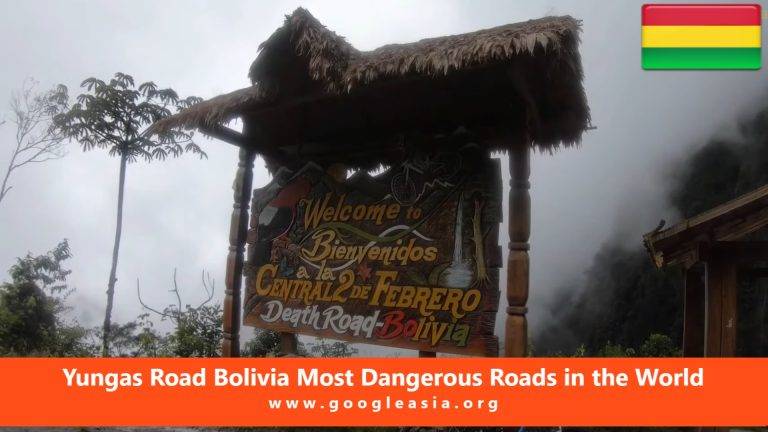
    Yungas Road Bolivia is an incredibly scenic stretch of road that is known as the “world’s most dangerous road” because of its steep cliffs and hairpin turns. The road is a thrilling ride and provides some of the best views in all of Bolivia. Yungas Road also connects the Amazon rainforest of northern Bolivia to the city of La Paz, also known as “The City of the Sky”. Visitors can take in the stunning vistas, explore old ruins, and even enjoy some extreme mountain biking along this road.

    The Yungas Road in Bolivia is a stretch of road known as one of the most dangerous roads in the world. It is a winding, single lane road carved into the side of a mountain, with no guardrails and countless hairpin turns. It is considered treacherous due to its steep drop-off, unpredictable fog, and tight curves. The road has claimed over 300 lives since it was built in the 1930s, and drivers must stay alert to avoid potential tragedies.

    Introduction

    Yungas Road, infamously known as the “Death Road,” is one of the most perilous roads globally. Nestled in Bolivia, this 67-mile stretch connects the capital city of La Paz to the lush town of Coroico. Despite its daunting reputation, it remains a significant route for locals and a thrilling adventure for daring travelers.

    Geography and Elevation

    The Path of the Road

    Yungas Road begins in La Paz, Bolivia’s bustling administrative capital, and descends to Coroico in the Yungas region. The road meanders through the Andes mountains, presenting travelers with breathtaking views and extreme altitude changes.

    High Altitude Challenges

    At its highest point, Yungas Road reaches an elevation of 15,430 feet (4,700 meters), making it one of the highest roads in the world. The extreme altitude can pose challenges such as altitude sickness and difficulty breathing, adding to the road’s treacherous nature.

    Road Conditions

    Hairpin Turns and Narrow Sections

    The road is notorious for its sharp hairpin turns and extremely narrow sections. In many areas, there is barely enough space for two vehicles to pass each other. The sheer cliffs on one side and the mountain wall on the other create a precarious driving environment.

    Steep Drops and Weather Impact

    Yungas Road features steep drops with sheer cliff faces and limited guardrails. Weather conditions can worsen the situation; frequent rain and fog can make the road slippery and visibility poor, increasing the risk of accidents.

    Traffic and Usage

    Heavy Traffic

    The road is heavily trafficked by trucks and buses transporting goods and passengers between La Paz and the Yungas region. The volume of traffic, combined with the road’s challenging conditions, contributes to its dangerous reputation.

    Mountain Biking Tours

    Despite its hazards, Yungas Road has become a popular destination for adventurous mountain bikers. Tours offer a thrilling ride down the road’s winding paths, but participants are advised to take extreme caution and use professional guides.

    Safety Concerns

    Historical Accidents

    Yungas Road has earned its nickname, “Death Road,” due to its high accident rate. Historically, many accidents have occurred, often involving vehicles losing control and plunging off the edge. The combination of narrow lanes, sharp turns, and unprotected cliffs makes this road particularly deadly.

    Modern Improvements

    In recent years, improvements and alternative routes have been developed to increase safety. A new road has been constructed to divert traffic away from the most dangerous sections of Yungas Road. However, the original road remains a vital route for local communities and a high-risk adventure for thrill-seekers.

    Tourism and Adventure

    Attractions for Adventurers

    For those brave enough to tackle it, Yungas Road offers unparalleled adventure and stunning vistas. The descent provides a unique perspective of Bolivia’s diverse landscapes, from high-altitude tundra to lush rainforest. The thrill of biking down the road attracts thousands of tourists each year, despite the inherent risks.

    Guided Tours and Precautions

    Tour operators offer guided tours that emphasize safety and preparedness. Participants are equipped with safety gear and provided with thorough briefings before embarking on the descent. Following safety protocols is crucial for reducing risks while enjoying the adrenaline-pumping experience.

    Things to Do

    Yungas Road, Bolivia, is famous for its breathtaking scenery and daunting conditions. Despite its reputation as one of the world’s most dangerous roads, it offers a wealth of activities and attractions for the adventurous traveler. From stunning natural views to exciting outdoor adventures, here’s a guide to the best things to do on Yungas Road.

    Scenic Attractions

    Take in the Mesmerizing Views

    Yungas Road offers some of the most awe-inspiring views of the Yungas tropical rainforest. As you traverse this winding route, you’ll be treated to a panorama of vibrant green foliage, steep hills, and dramatic valleys. The changing landscapes provide an ever-evolving backdrop, making the drive itself a visual feast.

    Visit the Coroico Waterfalls

    The Coroico Waterfalls, perched atop a steep hill, are a must-see. These majestic falls cascade into a picturesque lagoon, offering a spectacular natural sight. The journey to the falls also provides stunning views of the surrounding landscape.

    Adventure Activities

    Ride the Highway of Death

    Known locally as El Camino de La Muerte, the Highway of Death is the most famous segment of Yungas Road. The ride along this narrow, switchback road is both exhilarating and nerve-wracking, taking you through fog-shrouded valleys and lush cloud forests. It’s a thrilling experience that should be undertaken with caution.

    Go Whitewater Rafting

    For thrill-seekers, the Las Guatinas and Azangaro rivers offer some of Bolivia’s best whitewater rafting experiences. The rapids vary in intensity, providing an exciting adventure for both beginners and experienced rafters.

    Hiking and Exploration

    Take a Hike on the John Kennedy Trail

    The John Kennedy Trail, stretching from Patacamaya to Tupiza, is a serene hiking route through eucalyptus forests and lush vegetation. It offers a peaceful respite from the adrenaline-pumping activities and allows hikers to connect with the natural beauty of the Yungas region.

    Explore the Ruins of Cobija

    Cobija, an abandoned town that once served as the capital of Yungas province, is now a fascinating historical site. Explore the ruins to discover remnants of old buildings and monuments that tell the story of this once-thriving settlement.

    Visit the Orureña Archaeological Site

    The Orureña site provides insight into the pre-Inca culture of the Yungas region. Archaeological remains and artifacts offer a glimpse into the ancient civilizations that once inhabited the area.

    Local Experiences

    Grab a Bite in Coroico or Alemane

    Both Coroico and Alemane are charming towns along Yungas Road with vibrant dining scenes. Enjoy local delicacies and immerse yourself in the culinary culture of the region. The restaurants offer a unique local flavor and are perfect spots to relax after a day of adventure.

    Get Up Close with Local Wildlife

    The Yungas region is home to a diverse array of wildlife. From spectacled bears and vultures to toucans and monkeys, the area offers numerous opportunities for wildlife spotting. Bring binoculars and a camera to capture the unique fauna.

    Visit the Chapare Cocoa Plantations

    The Chapare region, located along Yungas Road, is renowned for its organic cocoa plantations. Tour these plantations to learn about the cocoa production process and enjoy tastings of some of the world’s finest chocolate.

    Foods

    Yungas Road, Bolivia, is not only a thrilling destination but also a culinary delight. The region offers a variety of traditional Bolivian foods that reflect its rich culture and diverse influences. Here’s a guide to the best foods you can savor along Yungas Road.

    Traditional Bolivian Dishes

    Salteñas

    Salteñas are a Bolivian favorite, often described as the national dish. These savory pastries are filled with a mixture of meat (usually beef or chicken), potatoes, vegetables, and spices. The dough is slightly sweet and baked to a golden crisp, making salteñas a perfect snack or light meal.

    Silpancho

    Silpancho is a classic Bolivian dish featuring a thinly pounded steak that is breaded and fried, then served over a crispy corn-based patty. It’s topped with potatoes, salad, and a fried egg. This hearty meal is a flavorful and satisfying option for those looking to enjoy local cuisine.

    Empanadas

    Empanadas are savory turnovers filled with a variety of ingredients, including beef, chicken, or cheese. These deep-fried pastries are often served with a tangy salsa, making them a popular choice for a quick and delicious bite.

    Snacks and Street Foods

    Chicharrones

    Chicharrones are crispy, fried pork rinds that are a beloved snack staple in Bolivia. They are often enjoyed with a side of pickled vegetables or a spicy sauce, providing a crunchy and flavorful treat.

    Anticuchos

    Anticuchos are skewers of grilled beef heart marinated in vinegar, garlic, and spices. This popular street food is known for its robust flavor and tender texture. Often served with potatoes or corn, anticuchos are a must-try for those seeking authentic Bolivian street food.

    Humitas

    Humitas are steamed cornmeal dumplings spiced with ají (a type of chili pepper). Typically served with llajwa (a spicy tomato-based salsa), humitas are a delicious street vendor favorite that combines the sweetness of corn with savory spices.

    Drinks and Sweets

    Mocochinchi

    Mocochinchi is a traditional Bolivian drink made from dried peaches simmered with spices, creating a sweet and aromatic beverage. This refreshing drink is enjoyed both hot and cold, offering a unique taste of Bolivian flavors.

    Api

    Api is a creamy corn-based drink that can be served hot or cold. It’s often flavored with cinnamon and cloves, providing a sweet and comforting drink that’s popular in Bolivia.

    Singani

    Singani is a Bolivian liquor made from white Muscat of Alexandria grapes. It’s similar to pisco and is often enjoyed as a refreshing cocktail or sipped neat. Singani has a distinctive, smooth flavor that complements many local dishes.

    Condiments and Accompaniments

    Llajwa

    Llajwa is a spicy tomato-based salsa that accompanies many Bolivian dishes. Made with tomatoes, onions, and ají peppers, llajwa adds a flavorful kick to meals, enhancing the overall dining experience.

    Hotels

    Exploring the Yungas Road, Bolivia’s famously perilous yet stunning route, is a thrilling adventure. To make your journey comfortable and memorable, consider staying at one of the top hotels in the area. Whether you’re looking for luxury or a cozy retreat, here are some of the best hotels to stay near Yungas Road.

    Hotels in Luribay

    Casa de Montaña Villa Abstgona

    • Location: Luribay
    • Features: Nestled in the serene mountains, this hotel offers a tranquil retreat with stunning views of the surrounding landscape. It provides comfortable rooms and excellent amenities, ideal for relaxation after a day of exploring.
    • Highlights: Scenic views, spacious rooms, peaceful environment.

    Hotel Valle Hermoso

    • Location: Villa Abstgona
    • Features: Known for its beautiful setting and warm hospitality, Hotel Valle Hermoso offers comfortable accommodations with modern amenities. It’s an excellent choice for travelers seeking a blend of comfort and nature.
    • Highlights: Beautiful surroundings, friendly staff, comfortable rooms.

    Hotels in Cochabamba

    Yungas Hotel

    • Location: Cochabamba
    • Features: A well-regarded hotel that combines convenience with comfort. Yungas Hotel offers modern facilities, making it a great base for exploring the Yungas region.
    • Highlights: Modern amenities, central location, good service.

    Hostal Tupiza

    • Location: Cochabamba
    • Features: A budget-friendly option with clean and simple accommodations. Hostal Tupiza provides a cozy environment and basic amenities for a comfortable stay.
    • Highlights: Affordable rates, clean rooms, friendly atmosphere.

    Hotels in Coroico

    Hotel El Refugio

    • Location: Coroico
    • Features: This charming hotel offers a peaceful retreat with beautiful views of the Yungas rainforest. It provides cozy rooms and excellent service, making it a popular choice among travelers.
    • Highlights: Scenic location, cozy accommodations, great service.

    Hotel La Cumbre

    • Location: Coroico
    • Features: A comfortable hotel with well-appointed rooms and beautiful surroundings. Hotel La Cumbre offers a range of amenities to ensure a pleasant stay.
    • Highlights: Comfortable rooms, lovely views, convenient amenities.

    Hotel Casa Condor

    • Location: Coroico
    • Features: Known for its distinctive architecture and comfortable rooms, Hotel Casa Condor offers a unique lodging experience with excellent service and beautiful views.
    • Highlights: Unique design, great views, attentive service.

    Hotels in Carrasco

    Elite Yungas Lodge

    • Location: Carrasco
    • Features: This eco-friendly lodge provides a unique experience with its focus on sustainability and comfort. It offers cozy accommodations amidst the natural beauty of the Yungas region.
    • Highlights: Eco-friendly, beautiful surroundings, comfortable rooms.

    Hotels in Villa Abstgona

    La Cascada Hotel Boutique

    • Location: Villa Abstgona
    • Features: A boutique hotel offering a blend of luxury and nature. La Cascada provides elegant rooms and stunning views, perfect for those seeking a more upscale experience.
    • Highlights: Elegant rooms, stunning views, luxurious amenities.

    Additional Recommendations

    Hostal Abstgona

    • Location: Luribay
    • Features: A charming guesthouse offering a homely atmosphere and basic amenities. Hostal Abstgona is ideal for travelers looking for a comfortable yet budget-friendly stay.
    • Highlights: Homely feel, budget-friendly, basic amenities.

    Conclusion

    Staying near Yungas Road offers a variety of accommodation options to suit different preferences and budgets. From luxury lodges and boutique hotels to cozy hostels, each option provides unique features and a chance to experience the natural beauty and culture of Bolivia. Whether you’re seeking comfort, adventure, or a blend of both, these top hotels near Yungas Road ensure a memorable stay as you explore one of Bolivia’s most famous routes.

    Yungas Road Bolivia Most Dangerous Roads in the World

    Summary

    • Attraction: Yungas Road
    • Country: Bolivia
    • Continent: South America
    • Capital Name: La Paz, Sucre
    • Language: Spanish
    • Currency: Bolivian boliviano (BOB)
    • Nationality: Bolivian
    • Category: #Destination #SouthAmerica #BOLIVIA 

    Frequently Asked Questions

    Where is Yungas Road located?

    Yungas Road, also known as “Death Road,” is located in Bolivia, South America. It connects the city of La Paz, which is situated in the highlands, to the region of Coroico in the Yungas region. This road is famous for its dangerous conditions and steep drops, making it a popular destination for adrenaline-seeking cyclists and adventurous travelers.

    How to go to Yungas Road?

    To reach Yungas Road, you typically start from La Paz, Bolivia, as it’s the nearest major city. Here are the general steps to get there:

    1. Travel to La Paz: La Paz is accessible by air from major cities in South America, such as Lima, Santiago, Buenos Aires, and São Paulo, among others. El Alto International Airport (IATA: LPB) serves La Paz.
    2. From La Paz to Yungas Road:
      • By Road: The journey from La Paz to Yungas Road involves traveling northeast from the city center. You can hire a private vehicle, take a tour, or rent a car. The road typically passes through the city and descends into the Yungas region.
      • Tour Options: Many tour operators in La Paz offer guided tours to Yungas Road, often including transportation, safety equipment (if cycling), and a guide. This is recommended due to the road’s dangerous reputation.
      • Public Transport: It’s less common to use public buses directly to Yungas Road due to the road’s conditions and the popularity of guided tours for safety reasons.
    3. Safety Considerations: Yungas Road is notorious for its narrow lanes, sharp turns, and steep drops, so it’s crucial to prioritize safety. If cycling or driving, ensure you have the necessary experience and equipment. Tours often provide safety gear and knowledgeable guides who are familiar with the road’s challenges.
    4. Travel Advisory: Check travel advisories and local conditions before embarking on the journey, as road conditions and accessibility can vary, especially during the rainy season (November to March).

    What are Yungas Road’s must-visit attractions or landmarks?

    Yungas Road, also known as “Death Road,” is more renowned for its adventurous and scenic journey rather than specific attractions or landmarks along the road itself. Here are some highlights and experiences that make it a unique destination:

    1. Scenic Views: As you descend from the high-altitude city of La Paz into the Yungas region, you’ll experience breathtaking views of the Andes Mountains and lush, tropical landscapes.
    2. Adventurous Cycling: Yungas Road is famous among thrill-seekers for its downhill cycling tours. These tours start near La Paz and take cyclists through challenging terrain with dramatic drops and stunning scenery.
    3. Cultural Insights: Along the journey, you may encounter local communities and villages in the Yungas region. This offers a glimpse into the culture and daily life of Bolivia’s diverse population.
    4. Historical Significance: Originally constructed by Paraguayan prisoners of war in the 1930s, Yungas Road served as the main route connecting La Paz to the Yungas region before a modern highway was built. Its history and engineering challenges add to its allure.
    5. Adventure Tourism: The road’s reputation as one of the world’s most dangerous highways has made it a magnet for adventure tourists seeking adrenaline-pumping experiences.

    Is Yungas Road a suitable travel destination for solo adventurers, honeymooning couples, or those traveling with families?

    Yungas Road, often referred to as “Death Road,” is primarily known for its adventurous and challenging nature rather than being a traditional tourist destination with family-friendly activities. Here’s how it caters to different types of travelers:

    1. Solo Adventurers: Yungas Road is extremely popular among solo adventurers and thrill-seekers, especially those interested in extreme sports like downhill mountain biking. It offers a unique and adrenaline-filled experience with stunning scenery and challenging terrain.
    2. Honeymooning Couples: While Yungas Road may not be the typical romantic destination, adventurous couples looking for unconventional experiences might find it exhilarating. However, the rugged nature of the road and safety considerations may not align with a traditional honeymoon experience.
    3. Families: Yungas Road is generally not recommended for families with children due to its dangerous reputation and challenging conditions. The road’s narrow paths, steep cliffs, and lack of safety barriers make it risky for young children and families seeking a safe and relaxed vacation.

    Why should you visit Yungas Road?

    Visiting Yungas Road, famously known as “Death Road,” offers a unique and thrilling experience for adventurous travelers. Here are compelling reasons why you might consider exploring this iconic route:

    1. Adrenaline-Pumping Adventure: Yungas Road is renowned for its extreme downhill cycling tours. For adrenaline junkies and adventure enthusiasts, navigating the winding, narrow road with dramatic drops and stunning mountain views provides an exhilarating challenge.
    2. Breathtaking Scenery: The journey from La Paz down to the Yungas region offers breathtaking views of the Andes Mountains and lush, tropical landscapes. The contrast between the high-altitude cityscape of La Paz and the verdant Yungas valleys below makes for a visually stunning experience.
    3. Cultural Interaction: Along the road, you may encounter local communities and villages nestled in the mountains. This presents opportunities to interact with indigenous cultures and learn about their traditional ways of life, adding depth to your travel experience.
    4. Historical Significance: Originally built in the 1930s by Paraguayan prisoners of war, Yungas Road has a rich history. It was the main route connecting La Paz to the Yungas region before a modern highway was constructed, making it an interesting site for history buffs and those interested in Bolivia’s past.
    5. Bucket List Experience: For many travelers, conquering Yungas Road is a bucket list item. Its reputation as one of the world’s most dangerous highways adds an element of challenge and achievement to your journey.

    Are there any halal food options near the Yungas Road?

    Finding halal food options near Yungas Road can be challenging due to its remote and mountainous location, primarily catering to adventurous activities rather than offering extensive dining facilities. The area is more known for its rugged terrain and scenic landscapes rather than culinary diversity. Travelers seeking halal food might need to plan ahead and consider bringing suitable provisions or exploring options in larger cities like La Paz before embarking on the Yungas Road adventure.

  • Sajama National Park, Bolivia: Stunning Volcano and Amazing Culture

    Sajama National Park, Bolivia: Stunning Volcano and Amazing Culture

    Sajama National Park, Bolivia

    Sajama National Park Bolivia is an incredible destination for adventure seekers, conservationists, and travelers looking to reconnect with nature. It is Bolivia’s largest protected area and also part of the largest high-altitude meadows in the world. Visitors can explore an array of natural wonders such as high-mountain glaciers, hot springs, and stunning views of the Andes Mountain range.

    Different ecosystems within the park provide habitats for a variety of wildlife, including the critically endangered Andean fox, the mountain viscacha, and several species of parrots. Those with an interest in indigenous history will appreciate the opportunity to explore Sajama National Park Bolivia’s ancient archeological sites, which afford unique insights into the beliefs and lifestyles of the Aymara people.

    Sajama National Park is Bolivia’s first and oldest national park, established in 1939. Located in the Andean Plateau, the park is home to a spectacular alpine landscape, rare wildlife, and archaeological remains of the Uru, colla and Aymará cultures. It contains diverse ecosystems, including lakes, wetlands, glaciers, and hot springs.

    Introduction

    Geography and Landscape

    Sajama National Park is situated in the Oruro region of southwestern Bolivia, near the Chilean border. It encompasses diverse landscapes ranging from high-altitude volcanoes to oasis-like lagoons and hot springs.

    Wildlife and Biodiversity

    Fauna

    The park is home to a variety of wildlife adapted to the extreme altitudes, including high-altitude birds, vicuñas, pumas, and tapirs. The diverse ecosystem supports unique species that thrive in the harsh conditions.

    Flora

    Vegetation in Sajama National Park varies from barren volcanic slopes to areas of high-altitude grasslands and wetlands. Unique plant species are adapted to the high-altitude environment and contribute to the park’s biodiversity.

    Cultural Heritage

    Indigenous Communities

    Aymara communities inhabit the area, maintaining traditional lifestyles focused on llama herding and preserving ancient cultural practices. Visitors can experience local traditions and customs firsthand.

    Archaeological Sites

    The park contains ancient Inca ruins, petroglyphs, and pre-Columbian tombs, providing insights into the region’s rich archaeological history. These sites offer glimpses into past civilizations that thrived in the area.

    Things to Do

    Sajama National Park is a remarkable destination for outdoor enthusiasts and nature lovers. Nestled in the Andes Mountains, the park offers a diverse range of activities that cater to adventurers, bird watchers, and those seeking tranquility. Here’s a guide to some of the best activities you can enjoy in Sajama National Park:

    Hiking and Trekking

    Explore Remote Trails

    Sajama National Park boasts vast mountainous terrain ideal for hiking. Visitors can explore a variety of trails that offer breathtaking views of the park’s unique landscapes. Whether you’re an experienced trekker or a casual hiker, the park’s trails provide opportunities to experience the natural beauty of the Andes.

    Summit Sajama Volcano

    For those seeking a more challenging adventure, summiting Sajama Volcano is a rewarding endeavor. As Bolivia’s highest peak, it offers stunning vistas and an unforgettable climbing experience for seasoned mountaineers.

    Mountain Biking

    Traverse Scenic Trails

    The park’s rugged terrain is perfect for mountain biking. Cyclists can navigate trails that wind through the Andes, taking in diverse landscapes, from alpine meadows to rocky outcrops. The combination of challenging routes and scenic beauty makes biking in Sajama National Park a thrilling experience.

    Bird Watching

    Spot High-Altitude Species

    Sajama National Park is a paradise for bird watchers. The high-altitude environment is home to numerous bird species, including the Andean condor and various high-altitude passerines. Early mornings and clear days are ideal for spotting these majestic birds in their natural habitat.

    Join Birding Tours

    For a more focused bird-watching experience, consider joining a birding tour. Expert guides can help you identify rare and elusive species while providing insights into the park’s avian diversity.

    Camping

    Camping in Sajama National Park offers a unique way to experience the park’s serene environment. Several campsites are available where you can pitch a tent and spend the night under the stars. The peaceful surroundings and crisp mountain air make for a memorable camping experience.

    Fishing

    Fishing enthusiasts can enjoy a tranquil experience in Sajama National Park’s lakes and rivers. The park offers opportunities for fly fishing and trolling, with a variety of fish species available in its pristine waters.

    Wildlife Viewing

    Spot Diverse Fauna

    In addition to bird watching, Sajama National Park is home to a diverse range of wildlife. Keep an eye out for vicuñas, llamas, foxes, and even elusive pumas as you explore the park. Wildlife viewing is best done during early morning or late afternoon when animals are most active.

    Relax and Reflect

    For those looking to simply relax and enjoy the natural beauty, Sajama National Park offers numerous tranquil spots. Whether you’re enjoying a peaceful moment by a lagoon or taking in the views from a high vantage point, the park provides a perfect setting for reflection and relaxation.

    Foods

    Sajama National Park offers not only breathtaking landscapes but also a variety of delicious foods that reflect the rich culinary traditions of Bolivia. From hearty local dishes to fresh produce, the park provides an array of flavors to satisfy any palate. Here’s a guide to some of the best foods you can enjoy while visiting Sajama National Park.

    Grilled Llama

    Grilled llama is a highlight of Bolivian cuisine, especially in the high-altitude regions like Sajama National Park. The tenderloin, known for its rich flavor and tenderness, is often seasoned and grilled to perfection. This dish showcases the unique taste of llama meat, which is a staple in Andean cuisine.

    Salteñas

    Salteñas are a popular Bolivian snack and a must-try when visiting the park. These pastries are filled with a savory mix of beef or chicken, potatoes, chickpeas, and spices. Their flaky crust and flavorful filling make them a favorite among locals and tourists alike.

    Charque

    Charque is a traditional Bolivian dish made from dried llama or alpaca meat. The meat is typically served with potatoes and accompanied by a spicy chili sauce. This preservation method adds a distinct flavor to the meat, making charque a unique and tasty experience.

    Fresh Fruit

    Sajama National Park offers visitors the chance to enjoy fresh, local fruits. Palta (Hass avocados) and wild bananas are among the popular varieties you can taste straight from the trees. The freshness and flavor of these fruits are a refreshing treat in the park’s pristine environment.

    Sweet Bread

    Local bakeries in the Sajama region produce a variety of sweet breads that are perfect for a snack or dessert. Flavors range from nutella and chocolate to guava, offering a sweet contrast to the savory dishes found in the park.

    Cheese

    Cheese is a staple in Bolivian cuisine, and Sajama National Park is no exception. Try unique varieties such as queso amarillo (yellow cheese), known for its strong flavor. This cheese pairs well with local dishes and adds a distinct taste to your meals.

    Soups

    Bolivian soups are renowned for their rich flavors and hearty ingredients. In Sajama National Park, you can enjoy traditional soups such as locro de zapallo (pumpkin soup) and chairo (a spicy potato stew). These soups are perfect for warming up after a day of outdoor activities.

    Street Food

    Street food in the Sajama area provides an opportunity to sample a variety of local dishes. Expect to find grilled meats, vegetable-based treats, fried pastries, and other regional specialties. Street food is a fun and casual way to experience Bolivian cuisine.

    Hotels

    Sajama National Park offers a range of accommodation options to suit various preferences and budgets. Whether you’re seeking luxury, comfort, or a closer connection to nature, the park’s hotels and lodges provide a unique experience amid Bolivia’s stunning landscapes. Here’s a guide to some of the best places to stay in and around Sajama National Park.

    Hotel Tierra del Sol

    Located in Llallagua, Hotel Tierra del Sol offers a comfortable and welcoming stay with picturesque views of the surrounding highlands. The hotel is known for its excellent service and cozy rooms.

    Features

    • Comfortable Accommodations: Spacious rooms with modern amenities.
    • Dining: On-site restaurant serving local and international cuisine.
    • Activities: Easy access to Sajama National Park for various outdoor adventures.

    Hotel Kallawaya Boutique

    Situated in Sajama, Hotel Kallawaya Boutique provides a charming and intimate atmosphere. This boutique hotel is ideal for travelers looking for a more personalized experience in the heart of the park.

    Features

    • Unique Decor: Boutique-style rooms with traditional Bolivian décor.
    • Personalized Service: Friendly staff offering tailored recommendations.
    • Proximity to Attractions: Close to major park highlights and hiking trails.

    Hotel Sajama Hacienda

    Hotel Sajama Hacienda in Llallagua combines rustic charm with modern comforts. This hacienda-style hotel offers a taste of traditional Bolivian architecture and hospitality.

    Features

    • Traditional Architecture: Classic hacienda design with warm, inviting rooms.
    • Amenities: Includes a restaurant and common areas for relaxation.
    • Local Experience: Provides insight into local culture and traditions.

    Del Sol Sajama Hotel

    Located in Sajama, Del Sol Sajama Hotel offers a blend of comfort and convenience. The hotel is well-suited for those looking to explore the park while enjoying comfortable lodging.

    Features

    • Comfortable Rooms: Well-equipped rooms with essential amenities.
    • On-Site Facilities: Includes dining options and tour arrangements.
    • Accessibility: Easy access to park entrances and key attractions.

    Hotel Cabañas de Sajama

    Hotel Cabañas de Sajama provides a cozy and rustic lodging option in Sajama. The cabañas (cabins) offer a charming and secluded retreat surrounded by natural beauty.

    Features

    • Rustic Charm: Cabins designed to blend with the natural surroundings.
    • Scenic Views: Stunning views of the Sajama Volcano and the park.
    • Outdoor Activities: Ideal base for exploring the park’s trails and landscapes.

    Eco-Lodge Sajama

    Eco-Lodge Sajama focuses on sustainability and environmental conservation while providing a comfortable stay. This eco-friendly lodge is perfect for environmentally conscious travelers.

    Features

    • Sustainable Practices: Built with eco-friendly materials and practices.
    • Comfortable Accommodations: Rooms designed with natural materials.
    • Guided Tours: Offers tours and activities that emphasize conservation.

    Eco Refugio Altiplano

    Eco Refugio Altiplano in Sajama combines eco-friendly lodging with spectacular views. It provides a unique experience for guests looking to immerse themselves in nature.

    Features

    • Eco-Friendly Design: Emphasizes sustainable living and minimal environmental impact.
    • Panoramic Views: Offers breathtaking views of the Altiplano and Sajama Volcano.
    • Local Cuisine: Features local ingredients and traditional dishes.

    Hotel Refugio del Sol

    Hotel Refugio del Sol offers a tranquil and picturesque stay in Sajama. Its comfortable accommodations and scenic surroundings make it a great choice for visitors.

    Features

    • Scenic Location: Beautiful setting with views of the park’s landscapes.
    • Relaxation: Focuses on providing a peaceful retreat.
    • Local Experience: Integrates local culture and traditions into the guest experience.

    Villarica Sajama Adventure Hotel & Spa

    Villarica Sajama Adventure Hotel & Spa provides luxury and relaxation in Sajama. This hotel features a spa and various adventure activities for a comprehensive experience.

    Features

    • Luxury Accommodations: Includes upscale rooms and spa facilities.
    • Adventure and Relaxation: Offers a range of activities from hiking to spa treatments.
    • High-Quality Dining: On-site dining options featuring local and international cuisine.

    Hotel Santa Clara

    Hotel Santa Clara in Sajama is known for its cozy atmosphere and welcoming service. It provides a comfortable and convenient base for exploring the park.

    Features

    • Comfortable Rooms: Offers a range of room options with essential amenities.
    • Friendly Service: Known for attentive and helpful staff.
    • Central Location: Conveniently located for accessing park attractions.

    Conclusion

    Sajama National Park offers a variety of lodging options to suit different tastes and budgets. From luxurious eco-lodges to charming boutique hotels and rustic cabins, each accommodation provides a unique way to experience the park’s stunning natural beauty and rich cultural heritage. Whether you’re seeking a high-end retreat or a cozy base for your outdoor adventures, Sajama National Park has something to offer every traveler.

    Sajama National Park Bolivia Volcano and Culture

    Summary

    • Attraction: Sajama National Park Bolivia
    • Country: Bolivia
    • Continent: South America
    • Capital Name: La Paz, Sucre
    • Language: Spanish
    • Currency: Bolivian boliviano (BOB)
    • Nationality: Bolivian
    • Category: #Destination #SouthAmerica #BOLIVIA 

    Frequently Asked Questions

    Where is Sajama National Park located?

    Sajama National Park is located in Bolivia, near the border with Chile. It is situated in the Oruro Department, specifically in the Sajama Province. The park is known for its diverse landscapes, including the Sajama Volcano, the highest peak in Bolivia, and the surrounding Andean highlands.

    How to go to Sajama National Park?

    To reach Sajama National Park in Bolivia, you typically need to travel from the city of La Paz or from Oruro. Here are the general steps to get there:

    1. From La Paz:
      • By Road: Take a bus or drive from La Paz to the town of Oruro. From Oruro, you can continue by road to Sajama National Park. The journey takes several hours, and it’s recommended to have a reliable vehicle due to the remote and rugged terrain.
    2. From Oruro:
      • By Road: From Oruro, travel towards the southwest towards the town of Sajama. The park is located approximately 3-4 hours by road from Oruro, depending on the conditions.
    3. Public Transportation: Buses or shared taxis (known locally as “colectivos”) might be available from Oruro to Sajama or nearby towns. However, public transportation options can be limited and less frequent in remote areas.
    4. Private Transportation: Consider hiring a private vehicle or joining a guided tour from La Paz or Oruro. Many tour operators offer packages that include transportation, accommodation, and guided activities in Sajama National Park.
    5. Local Advice: It’s advisable to check local conditions and consult with travel agencies or locals in La Paz or Oruro for the most current information on road conditions, transportation options, and any necessary permits for visiting the national park.

    What are Sajama National Park’s must-visit attractions or landmarks?

    Here are some must-visit attractions and landmarks within the park:

    1. Sajama Volcano: The park’s centerpiece, Sajama Volcano, is the highest peak in Bolivia, standing at 6,542 meters (21,463 feet). It’s a popular destination for trekking and mountaineering.
    2. Hot Springs of Polques: Located near the Chilean border, these thermal springs offer a relaxing experience amidst the high-altitude scenery.
    3. Chungara Lake: Although primarily in Chile, the northern shores of Chungara Lake extend into Sajama National Park, offering breathtaking views and opportunities for wildlife spotting.
    4. Geysers of Sol de Mañana: Found in the southwestern part of the park, these geysers and fumaroles emit steam and sulfur gases, creating a surreal landscape.
    5. Lagoons: Various high-altitude lagoons dot the park, such as Huayñacota and Hedionda Lagoons, providing habitat for Andean wildlife like flamingos and vicuñas.
    6. Flora and Fauna: Explore the unique Andean flora and fauna, including high-altitude plants like queñua trees and the iconic wildlife such as vicuñas, Andean foxes, and birds like the Andean condor.
    7. Cultural Heritage: Visit local communities like Sajama village, known for its traditional architecture and cultural practices, offering insights into Andean life.
    8. Astronomy: Due to its high elevation and clear skies, Sajama National Park is an excellent location for stargazing and astronomy enthusiasts.

    Is Sajama National Parka suitable travel destination for solo adventurers, honeymooning couples, or those traveling with families?

    Sajama National Park in Bolivia can be a suitable travel destination for various types of travelers:

    • Solo Adventurers: Solo adventurers can enjoy trekking, mountaineering, and exploring the diverse landscapes and wildlife of the park. It’s a great destination for those seeking outdoor activities and solitude in nature.
    • Honeymooning Couples: For honeymooning couples who appreciate remote and unique landscapes, Sajama National Park offers romantic settings like hot springs, stunning views of volcanoes and lagoons, and opportunities for peaceful moments amidst nature.
    • Families: Families can also enjoy visiting Sajama National Park, especially if they are interested in wildlife spotting, cultural experiences in local communities, and outdoor activities suitable for children, such as easy hikes and exploring the natural beauty of the Andean region.

    Why should you visit Sajama National Park?

    Here are some compelling reasons to visit Sajama National Park:

    1. Stunning Natural Landscapes: Sajama National Park boasts breathtaking landscapes with snow-capped peaks, volcanic scenery, high-altitude lakes, and vast plains. It’s a paradise for nature lovers and photographers.
    2. Diverse Wildlife: The park is home to diverse wildlife, including vicuñas, llamas, alpacas, Andean condors, and flamingos. Wildlife enthusiasts will appreciate the opportunity to observe these species in their natural habitat.
    3. Cultural Experience: The park is located near indigenous Aymara communities, providing visitors with a chance to learn about their traditional way of life, customs, and handicrafts. This cultural immersion adds depth to the travel experience.
    4. Outdoor Activities: Sajama offers a range of outdoor activities such as hiking, trekking, and mountaineering. Adventurers can explore trails that lead to hot springs, geysers, and unique geological formations.
    5. Volcano Climbing: It’s possible to climb Nevado Sajama, the highest peak in Bolivia, offering a challenging but rewarding experience for mountaineers and adventure seekers.
    6. Natural Hot Springs: Relax in natural hot springs surrounded by the stunning scenery of the Andes mountains, providing a therapeutic and soothing experience after a day of exploration.
    7. Astrophotography: Due to its remote location and high altitude, Sajama National Park offers excellent conditions for stargazing and astrophotography. The clear skies and minimal light pollution create an ideal environment for observing the night sky.
    8. Sustainable Tourism: Visiting Sajama National Park supports sustainable tourism practices that benefit local communities and help preserve the park’s natural and cultural heritage.

    Are there any halal food options near the Sajama National Park?

    Finding halal food options near Sajama National Park can be challenging due to its remote location and the predominantly non-Muslim population in the surrounding areas. It’s recommended to bring along non-perishable halal food items if adherence to halal dietary guidelines is crucial during your visit.

    Alternatively, if staying in larger towns or cities before heading to the park, such as La Paz or Oruro, you may find some halal food options in local markets or restaurants catering to international cuisines. However, availability can vary, so planning ahead and confirming with local sources or accommodations is advisable.

  • Valley of the Moon: A Surreal Desert Landscape

    Valley of the Moon: A Surreal Desert Landscape

    Valley of the Moon, Bolivia

    Valley of the Moon, also known as Valley of the Rocks or Valle de la Luna, is a unique geological site located in the Andes of Bolivia. This magical place is home to an array of stunning landscapes, including eroded sandstone formations and monolithic rocks, all bathed in the glow of the moon at night. It’s a great place to explore and take in the spectacular scenery, and visitors can enjoy activities such as hiking, camping, and mountain biking. The valley is also rich in natural resources, so visiting it is a great way to learn about the ecosystem and experience the indigenous culture of the region.

    Surrounded by cacti and soaring volcanoes, the Valley of the Moon in Bolivia is an awe-inspiring landscape. Formed by the weathering of volcanic ash, the valley is home to multiple lagoons, vast salt flats and dramatic red rock formations, all offering a breathtaking backdrop of desert scenery.

    Introduction

    Geological Formation

    The Valley of the Moon, known locally as Valle de la Luna, is renowned for its surreal and moon-like landscape. Located in the Atacama Desert spanning northern Chile and southwest Bolivia, this geological marvel is shaped by sandstone, salt, and various mineral deposits. Over millennia, these elements have been sculpted by the relentless forces of wind, sun, and rain, creating a landscape of otherworldly shapes and textures.

    Natural Beauty and Features

    Spectacular Views

    From its highest peaks, the Valley of the Moon offers breathtaking panoramic views of the surrounding desert expanses and distant Andes Mountains. The terrain is characterized by its vibrant hues of red and ochre, contrasting with the stark white of the salt flats nearby. This color palette, combined with the unique geological formations, contributes to the valley’s ethereal and almost extraterrestrial ambiance.

    Unique Flora

    Despite its harsh desert environment, the Valley of the Moon supports a surprising variety of desert flora. Among its notable inhabitants are unique species of cacti adapted to the arid conditions. These plants not only survive but thrive amidst the extreme temperatures and minimal rainfall, adding to the area’s biological diversity and visual appeal.

    Visitor Experience

    Tourist Facilities

    The valley is accessible via guided tours from nearby towns such as San Pedro de Atacama in Chile and Uyuni in Bolivia. Tour operators provide informative excursions, highlighting the geological processes that shaped the valley and its ecological significance. Basic facilities, including viewpoints and interpretive signs, enhance the visitor experience while preserving the valley’s natural integrity.

    Things to do

    The Valley of the Moon, or Valle de la Luna, in Bolivia is a mesmerizing natural wonder characterized by its surreal landscapes and unique geological formations. Nestled in the Potosí highlands and overlooking Laguna Hedionda, this area offers visitors a range of activities to immerse themselves in the natural beauty and tranquility of the region.

    Horseback Riding Tours

    One of the most enchanting ways to explore the Valley of the Moon is through a horseback riding tour. Guided by local experts, these tours take you through stunning landscapes surrounded by the snowcapped peaks of the Cordillera Real mountain range. It’s an opportunity to connect with nature and witness the valley’s beauty from a unique perspective.

    Cave of Winds Exploration

    Located at an elevation of 3,600 meters, the Cave of Winds is a geological treasure trove offering insights into ancient civilizations and natural formations. Visitors can explore the cave’s depths, marvel at intricate stalactites and stalagmites, and discover ancient cave paintings that depict the cultural significance of this site to the region’s indigenous peoples.

    Mountain Biking Adventures

    For adrenaline seekers, mountain biking in the Valley of the Moon provides an exhilarating experience. Traverse rugged trails that wind through breathtaking scenery, with panoramic views of the surrounding valleys and distant snow-capped mountains. It’s a perfect blend of adventure and natural beauty.

    Thermal Pools Relaxation

    A visit to the thermal pools is a must-do activity in the Valley of the Moon. Nestled amidst towering mountains, these warm, mineral-rich pools offer relaxation and rejuvenation amid serene surroundings. Whether you’re unwinding after a day of exploration or simply taking in the tranquil ambiance, the thermal pools provide a soothing retreat.

    Flora and Fauna Discovery

    The Valley of the Moon is teeming with diverse flora and fauna, showcasing unique species such as the Bolivian national butterfly and the giant hummingbird. Take a leisurely stroll through the area to observe these fascinating plants and animals in their natural habitat, gaining insights into the delicate ecosystem that thrives in this arid environment.

    Valley of Death Exploration

    Explore the Valley of Death, an area within the Valley of the Moon characterized by striking rock formations and an otherworldly atmosphere. The sculpted walls of solid rock and surreal landscapes create a dramatic backdrop, offering visitors a glimpse into geological processes and natural formations rarely seen elsewhere.

    Exploration and Photography

    Visitors to the Valley of the Moon can explore its labyrinthine paths and trails, marveling at the sculpted formations and taking in the stark beauty of the desert landscape. Photographers particularly appreciate the interplay of light and shadow on the valley’s intricate geological features, capturing stunning images of this natural wonder.

    Foods

    When visiting Valley of the Moon, Bolivia, exploring the nearby culinary delights is a must. Here are some of the best foods you can enjoy in the vicinity:

    Grilled Salteña

    A popular Bolivian pastry filled with either savory beef or chicken stew, deep-fried until golden brown.

    Pollo Silpancho

    Thinly-pounded chicken fried in a spicy sauce, served atop french fries for a hearty and flavorful meal.

    Papa Rellena

    A delicious potato ball stuffed with a savory mixture of vegetables, herbs, and spices, fried to perfection.

    Pique Macho

    A traditional Bolivian dish featuring tender steak strips, accompanied by potatoes, onions, and hot peppers.

    Sajra

    A spicy and cheesy Bolivian soup made with potatoes, corn, and cheese, offering warmth and robust flavors.

    Corn Cholopo

    A hearty Bolivian stew made with corn, pepper, cheese, and nuts, providing a rich and satisfying taste.

    Queso K’allani

    A traditional Bolivian cheese dish combining goat and cow’s-milk cheeses, known for its creamy texture and rich flavor.

    Llama Shish Kebab

    A regional specialty featuring marinated llama skewers, grilled to perfection and served with potatoes.

    Trigo Parlante

    A sweet pastry filled with raisins and nuts, dusted with powdered sugar, offering a delightful dessert option.

    A sweet corn-based beverage infused with cinnamon and spices, perfect for refreshing yourself after exploring.

    Hotels

    Refugio del Alto Amazonas Lodge

    Refugio del Alto Amazonas Lodge is located on a remote hilltop in the heart of the Amazon rainforest. It offers guests stunning mountain views and an immersive experience in the Amazonian ecosystem.

    Accommodations

    The lodge provides luxurious accommodations with modern amenities, blending comfort with the natural surroundings. Each room offers breathtaking views of the rainforest and mountains.

    Activities and Experiences

    Exclusive activities include guided nature walks, birdwatching tours, and visits to indigenous communities. Guests can experience the rich biodiversity of the Amazon up close.

    La Estancia Kaata

    La Estancia Kaata is situated near the Ucayali River and the Madre de Dios region, surrounded by lush vegetation and diverse wildlife. It offers a true immersion into the Amazon rainforest.

    Accommodations

    The lodge provides comfortable and rustic accommodations that harmonize with the natural environment. Each room is designed to offer guests a serene retreat amidst the rainforest.

    Activities and Experiences

    Activities include river excursions, jungle hikes, and cultural encounters with local communities. Guests can explore the flora and fauna of the Amazon while enjoying personalized hospitality.

    Casa del Condor

    Casa del Condor is located in the remote Puna of the Yungas, within the Valley of the Moon region. It offers sweeping views of the rugged Andes mountains and serene natural surroundings.

    Accommodations

    The lodge features modern and sustainable accommodations that prioritize comfort and environmental harmony. Guests can enjoy spacious rooms with panoramic views of the valley.

    Activities and Experiences

    Outdoor activities include trekking, mountain biking, and stargazing sessions. Casa del Condor offers guests an opportunity to reconnect with nature while enjoying luxurious amenities.

    Refugio Chilo Chilo

    Refugio Chilo Chilo is a hidden gem nestled in the lush vegetation of the Valley of the Moon in the Andes mountains. It offers a secluded retreat surrounded by unique flora and fauna.

    Accommodations

    The lodge provides cozy accommodations with rustic charm, offering guests a tranquil escape in the heart of nature. Rooms are designed to blend with the natural environment.

    Activities and Experiences

    Guests can engage in guided nature walks, birdwatching, and photography tours. Refugio Chilo Chilo promises an authentic experience of the Andean ecosystem.

    La Roca Ecolodge

    La Roca Ecolodge is tucked away in the Valle de las Yungas, near the Bolivian border. Its seventeenth-century style architecture and serene ambiance offer a historic yet relaxing retreat.

    Accommodations

    The ecolodge features comfortable rooms adorned with traditional décor, providing a unique blend of history and modern comfort. Guests can enjoy panoramic views of the lush valley.

    Activities and Experiences

    Activities include exploring nearby hiking trails, cultural tours, and enjoying local cuisine. La Roca Ecolodge is ideal for travelers seeking tranquility and immersion in nature.

    Conclusion

    Staying near the Valley of the Moon in Bolivia offers a unique opportunity to explore some of the most breathtaking natural landscapes and diverse ecosystems in the world. Whether you choose Refugio del Alto Amazonas Lodge for its luxurious Amazon rainforest experience or La Roca Ecolodge for its historic charm near Valle de las Yungas, each of these lodges promises unforgettable accommodations and immersive activities amidst Bolivia’s stunning natural beauty.

    Valley of the Moon Region of Moquegua Bolivia

    Summary

    • Attraction: Valley of the Moon Bolivia
    • Continent: South America
    • Capital Name: La Paz, Sucre
    • Language: Spanish
    • Currency: Bolivian boliviano (BOB)
    • Nationality: Bolivian
    • Category: #Destination #SouthAmerica #BOLIVIA 

    Frequently Asked Questions

    Where is Valley of the Moon located?

    The Valley of the Moon (Valle de la Luna) is located near La Paz, Bolivia. It’s about 10 kilometers (6.2 miles) south of downtown La Paz, situated in the Pedro Domingo Murillo Province, within the La Paz Department of Bolivia. This unique geological formation is a popular tourist destination known for its otherworldly landscapes resembling the surface of the moon, hence its name.

    How to go to Valley of the Moon?

    To reach the Valley of the Moon (Valle de la Luna) from La Paz, Bolivia, you can follow these directions:

    1. By Taxi or Car: The most convenient way is to take a taxi or drive. It’s about a 30-minute drive from downtown La Paz, heading south towards Mallasa.
    2. Public Transportation:
      • Bus: Take a bus from downtown La Paz heading towards Mallasa. Ask the driver to drop you off at Valle de la Luna. Buses are frequent, but schedules may vary.
      • Minibus: You can also take a minibus (locally known as “micro”) that travels towards Mallasa or Mallasilla. These are smaller vans that can be more crowded but offer a budget-friendly option.
    3. Tour: Many travel agencies in La Paz offer guided tours to the Valley of the Moon, which include transportation and a guide. This option can be convenient if you prefer a structured tour with explanations about the geological formations and history of the area.
    4. Walking: For those who enjoy walking, it’s also possible to hike from certain parts of La Paz, although this can be a longer and more challenging option due to the city’s elevation and distance.

    What are Valley of the Moon’s must-visit attractions or landmarks?

    The Valley of the Moon (Valle de la Luna) near La Paz, Bolivia, is renowned for its unique geological formations and stunning landscapes. Here are some must-visit attractions and landmarks within the Valley of the Moon:

    1. Eroded Sandstone Formations: Explore the intricate and otherworldly sandstone formations that resemble the surface of the moon, giving the valley its name.
    2. Viewpoints: Climb to various viewpoints within the valley to get panoramic views of the surrounding area and appreciate the vastness of the eroded valleys and canyons.
    3. Walking Trails: Take leisurely walks along marked trails that wind through the valley, allowing you to get up close to the unique rock formations and observe the natural beauty of the area.
    4. Cueva del Diablo (Devil’s Cave): Discover the Cueva del Diablo, a small cave within the valley known for its interesting rock formations and local legends.
    5. Sunset Views: Visit during sunset for spectacular views as the sun casts a golden hue over the valley, enhancing the surreal beauty of the landscape.
    6. Photography Opportunities: Capture the dramatic and surreal landscapes through photography, especially during sunrise or sunset when the lighting is most dramatic.
    7. Local Flora and Fauna: Observe the unique plants and wildlife that have adapted to this arid environment, including cacti and various desert birds.
    8. Educational Displays: Learn about the geological processes that have shaped the valley through educational displays and interpretive signs along the trails.

    Is Valley of the Moon a suitable travel destination for solo adventurers, honeymooning couples, or those traveling with families?

    The Valley of the Moon (Valle de la Luna) in Bolivia is a versatile destination suitable for different types of travelers:

    • Solo Adventurers: Solo adventurers will find the Valley of the Moon fascinating for its unique geological formations and the opportunity to explore trails and viewpoints on their own.
    • Honeymooning Couples: Couples seeking a romantic and unique experience can enjoy the surreal landscapes and stunning sunset views together, making it a memorable destination for honeymooners.
    • Families: Families can visit the Valley of the Moon as part of a day trip from La Paz. It offers educational opportunities about geology and natural history, with easy walking trails suitable for children.

    Why should you visit Valley of the Moon?

    The Valley of the Moon (Valle de la Luna) near La Paz, Bolivia, is a unique and captivating destination for several reasons:

    1. Unique Geological Formations: The valley’s landscape resembles the surface of the moon, with bizarre rock formations and eroded hills that create an otherworldly atmosphere.
    2. Scenic Views: Visitors can enjoy panoramic views of the valley and surrounding mountains, especially at sunrise and sunset when the colors of the rocks change dramatically.
    3. Educational Experience: It offers insights into geological processes and the natural history of the area, making it an educational destination suitable for students, families, and anyone interested in earth sciences.
    4. Outdoor Activities: There are opportunities for hiking and exploring the trails that wind through the valley, allowing visitors to immerse themselves in the unique environment.
    5. Cultural Significance: The valley holds cultural significance as it was an important site for the indigenous Aymara people, adding a layer of historical and cultural interest to the visit.
    6. Accessibility: Located just a short drive from La Paz, it’s easily accessible for day trips or as part of a broader exploration of the region.

    How accessible is halal food in Valley of the Moon?

    Halal food options may not be readily available in the Valley of the Moon itself, as it is primarily a natural and geological attraction rather than a developed urban area with restaurants or eateries. Visitors often travel from nearby cities like La Paz to explore the Valley of the Moon, where halal food options might be more accessible due to a diverse culinary scene.

  • Madidi National Park, Bolivia: UNESCO World Heritage Site

    Madidi National Park, Bolivia: UNESCO World Heritage Site

    Madidi National Park, Bolivia

    Madidi National Park in Bolivia is one of the most diverse conservation areas on the planet, with an incredible variety of habitats and plant and animal species. Visitors to the park can experience stunning scenery, incredible wildlife sightings, guided hikes, and relaxing stays in comfortable lodges. With over 20,000 species of plants, more than 500 species of birds, 200 species of mammals, 350 species of fish, and rare species like the titi monkey, Madidi National Park is a must-visit destination for nature lovers and adventure-seekers alike.

    Madidi National Park in Bolivia is one of the most biologically diverse places in the world, with over 1,000 species of birds, 1,000 species of butterflies, 10,000 species of plants, and 120 different mammalian species. It is also home to 25 indigenous communities, including small hunting-and-gathering tribes untouched by modern society.

    Introduction

    Rich Flora

    • Diverse Ecosystems: Madidi National Park is renowned for its vast biodiversity, encompassing nearly 19,000 square kilometers of pristine landscapes.
    • Plant Life: Home to over 11,000 species of plants, ranging from dense lowland jungles to high-altitude mountain flora.
    • Unique Species: Explore unique plants like the rare bromeliads and orchids that thrive in the park’s diverse habitats.

    Diverse Fauna

    • Bird Watching: Discover over 1,000 species of birds, including the iconic Andean condor and vibrant macaws.
    • Mammals: Encounter diverse mammals such as jaguars, pumas, spectacled bears, and the elusive Amazonian manatee.
    • Amphibians and Reptiles: Witness the park’s 560 species of amphibians and reptiles, from colorful frogs to giant anacondas.

    Natural Landscapes

    • Mountainous Regions: Marvel at the majestic peaks, valleys, and rugged terrain that characterize Madidi.
    • Rivers and Wetlands: Experience the adventure of exploring rivers like the Tuichi, known for thrilling rapids ideal for rafting and kayaking.
    • Swamps and Valleys: Discover tranquil wetlands and lush valleys that support diverse ecosystems.

    Cultural and Indigenous Heritage

    • Local Culture: Encounter indigenous groups and communities within the park, preserving traditional lifestyles and knowledge.
    • Villages: Visit remote villages where traditional practices coexist with conservation efforts.
    • Community Tourism: Engage in cultural exchanges, guided hikes, and learning about local customs and traditions.

    Things to Do

    Guided Nature Tours

    • Educational Tours: Join expert-guided tours to learn about the diverse flora and fauna of Madidi National Park.
    • Bird Watching: Spot over 1,500 bird species, including the iconic Andean condors and vibrant tropical birds.

    Adventure Activities

    Outdoor Excursions

    • Hiking and Trekking: Explore the park’s lush landscapes and diverse ecosystems on guided hikes and treks.
    • Camping: Experience the wilderness up close with camping opportunities amidst stunning natural surroundings.

    Thrilling Adventures

    • Fishing Expeditions: Enjoy fishing in the park’s rivers and lakes, known for their trout and other fish species.
    • White-Water Rafting: Brave the rapids on white-water rafting trips along the park’s rivers, offering exhilarating adventures.

    Cultural Immersion

    • Quechua Villages: Visit indigenous Quechua communities to learn about their traditions, including weaving and pottery-making.
    • Kayaking Excursions: Embark on kayaking adventures on the Beni River, exploring historical and cultural sites along the way.

    Serene Retreat

    • Birdwatching: Relax and observe diverse bird species in the tranquil surroundings of Surutato Valley.
    • Nature Photography: Capture the breathtaking landscapes and wildlife of Madidi National Park.

    Foods

    Local Cuisine to Try

    Freshwater Fish Delicacies

    • Locally Caught Fish: Enjoy a variety of fish caught fresh from the rivers and lakes within Madidi National Park. Popular dishes include grilled or fried preparations that highlight the natural flavors of the region’s fish species.

    Traditional Andean Fare

    • Quinoa-Based Dishes: Indulge in hearty meals featuring quinoa, a nutritious Andean staple. Dishes like chairo and qilincho showcase quinoa’s versatility and nutritional benefits, perfect for sustaining energy during explorations.

    Root Vegetables

    • Boiled Yuca: Sample boiled yuca (cassava), a versatile root vegetable served with flavorful sauces. Its mild taste complements many dishes and offers a satisfying culinary experience.

    Unique Culinary Experiences

    Exotic Flavors

    • Starfruit Ceviche: Experience a twist on traditional ceviche with starfruit, known for its tangy and refreshing flavor. This dish combines fresh fish or shrimp marinated in lime juice and spices, offering a delightful taste of the park’s biodiversity.

    Fresh-Caught Trout

    • Lake-Caught Trout: Savor the flavors of trout sourced from the pristine waters of Madidi National Park. Whether grilled or pan-fried, trout dishes highlight the park’s abundant aquatic resources and are a must-try for seafood enthusiasts.

    Hotels

    Lodges and Eco-Lodges

    Tucuma Amazonian Lodge (Rurrenabaque)

    • Location: Nestled in Rurrenabaque, offering convenient access to Madidi National Park.
    • Features: Eco-friendly accommodations with rustic charm, emphasizing immersion in the Amazonian rainforest.

    Eco Amazonia Lodge (Rurrenabaque)

    • Location: Situated in Rurrenabaque, providing a serene setting amidst lush surroundings.
    • Features: Eco-conscious lodging options, guided tours into Madidi National Park, and authentic Amazonian experiences.

    Madidi Eco-Lodge (Carrasco National Park)

    • Location: Located in Carrasco National Park, adjacent to Madidi National Park.
    • Features: Sustainable lodge focusing on biodiversity conservation, ideal for nature enthusiasts seeking immersion in the rainforest.

    Madidi Jungle Ecolodge (Rurrenabaque)

    • Location: Positioned in Rurrenabaque, offering close proximity to Madidi National Park.
    • Features: Ecolodge emphasizing eco-tourism and wildlife observation, providing comfortable accommodations in a natural setting.

    Unique Stay Options

    Madidi Jungle Lodge (Rurrenabaque)

    • Location: Central location in Rurrenabaque, catering to travelers exploring Madidi National Park.
    • Features: Provides a blend of comfort and adventure, with guided tours and wildlife viewing opportunities.

    Mangal Embo Lagoonhouse (San Buenaventura)

    • Location: Set in San Buenaventura, offering a tranquil retreat near Madidi National Park.
    • Features: Lagoonside accommodations, perfect for relaxation and birdwatching amidst the park’s natural beauty.

    Villa Limón (Rurrenabaque)

    • Location: In Rurrenabaque, a convenient base for exploring Madidi National Park.
    • Features: Cozy lodge offering personalized service and local hospitality, ensuring a comfortable stay for guests.

    Hotel Amigo Amazonas (Rurrenabaque)

    • Location: Located in Rurrenabaque, providing easy access to Madidi National Park.
    • Features: Budget-friendly accommodations with essential amenities, suitable for adventurers and nature lovers.

    Hotel Chamana (Rurrenabaque)

    • Location: Situated in Rurrenabaque, ideal for visitors planning excursions into Madidi National Park.
    • Features: Quaint hotel with a focus on affordability and convenience, perfect for exploring the surrounding rainforest.

    Amazon Rainforest Survival Ecolodge (Rurrenabaque)

    • Location: Located in Rurrenabaque, offering immersive experiences in the Amazon rainforest.
    • Features: Unique accommodations focused on eco-tourism and wilderness survival skills, providing an adventurous stay option.

    Conclusion

    Madidi National Park in Bolivia offers a range of accommodations, from eco-lodges immersed in the rainforest to comfortable lodges in Rurrenabaque. Whether you prefer sustainable stays like Tucuma Amazonian Lodge and Madidi Eco-Lodge or cozy options such as Villa Limón and Hotel Amigo Amazonas, there’s a lodging to suit every traveler’s preferences. Enjoy your exploration of Madidi National Park with these top lodging choices, ensuring a memorable and comfortable experience amidst Bolivia’s stunning biodiversity.

    Madidi National Park Bolivia UNESCO World Heritage Site

    Summary

    • Attraction: Madidi National Park Bolivia
    • Continent: South America
    • Capital Name: La Paz, Sucre
    • Language: Spanish
    • Currency: Bolivian boliviano (BOB)
    • Nationality: Bolivian
    • Category:  #Destination #SouthAmerica #BOLIVIA 

    Frequently Asked Questions

    Where is Madidi National Park located?

    Madidi National Park is located in the upper Amazon river basin in the northwestern part of Bolivia, near the borders with Peru and Brazil. It spans across the departments of La Paz, Beni, and Pando in Bolivia.

    How to go to Madidi National Park?

    To reach Madidi National Park in Bolivia, you typically need to travel to the nearest towns or cities that serve as gateways to the park. Here’s a general guide on how to get there:

    1. From La Paz:
      • By Air: Fly from La Paz to Rurrenabaque. Rurrenabaque has an airport with regular flights from La Paz. From Rurrenabaque, you can arrange tours or transportation to Madidi National Park.
      • By Land: You can also take a bus or drive from La Paz to Rurrenabaque. The journey takes approximately 18-20 hours by bus due to the rugged terrain.
    2. From other cities (e.g., Santa Cruz, Cochabamba):
      • You can fly to La Paz and then follow the route mentioned above.
    3. From Rurrenabaque to Madidi National Park:
      • Once in Rurrenabaque, which is a popular starting point for tours to Madidi, you can arrange guided tours or riverboat trips that take you deeper into the park.
    4. Guided Tours:
      • Most visitors to Madidi National Park join guided tours offered by local tour operators in Rurrenabaque. These tours typically include transportation, accommodation (often rustic lodges or camps), meals, and guided hikes or river expeditions.
    5. Travel Considerations:
      • The infrastructure around Madidi National Park is geared towards eco-tourism, so expect basic amenities and prepare for adventure-style travel.
      • It’s advisable to book tours in advance, especially during peak seasons, and ensure that your chosen operator follows responsible tourism practices.

    What are Madidi National Park’s must-visit attractions or landmarks?

    Madidi National Park, located in Bolivia, is renowned for its rich biodiversity and stunning landscapes. Here are some must-visit attractions and landmarks within the park:

    1. Amazon Rainforest Biodiversity:
      • Madidi is one of the most biodiverse places on Earth, home to a vast array of flora and fauna, including many endemic species. Exploring the rainforest here offers a chance to see rare plants, insects, birds, and mammals.
    2. Tambopata River:
      • This river flows through Madidi National Park, offering opportunities for boat trips and wildlife spotting along its banks. It’s a key feature of the park’s ecosystem and provides access to remote areas.
    3. Spectacled Bear Conservation Center:
      • Located within Madidi, this center focuses on the conservation of the Andean spectacled bear (also known as the Andean bear), providing insights into efforts to protect this endangered species.
    4. Pampas del Yacuma:
      • These grasslands are part of the Madidi landscape, known for their biodiversity and as habitat for species like capybaras, caimans, and various bird species. Guided tours often include visits to observe wildlife here.
    5. Chalalán Ecolodge:
      • Although technically outside the park but within the Madidi Biosphere Reserve, Chalalán Ecolodge offers sustainable accommodation and guided tours that provide insights into the rainforest and local indigenous culture.
    6. River Dolphin Watching:
      • In certain parts of Madidi, particularly along rivers like the Beni and Tuichi, visitors can spot Amazon river dolphins, a highlight for many wildlife enthusiasts.
    7. Climbing Opportunities:
      • For those seeking adventure, Madidi National Park offers opportunities for climbing, with some peaks providing stunning panoramic views of the rainforest and surrounding landscapes.
    8. Birdwatching:
      • Madidi is a paradise for birdwatchers, with over 1,000 species recorded. The diversity of habitats—from lowland rainforest to high Andean slopes—supports a wide range of birdlife, including toucans, macaws, and hummingbirds.

    Is Madidi National Park a suitable travel destination for solo adventurers, honeymooning couples, or those traveling with families?

    Madidi National Park offers a diverse range of experiences that can appeal to various types of travelers:

    1. Solo Adventurers: Solo adventurers can find Madidi National Park ideal for exploring its wilderness, participating in eco-tours, birdwatching, and wildlife spotting. However, it’s essential to join guided tours for safety and to navigate the remote areas effectively.
    2. Honeymooning Couples: For couples seeking a unique and adventurous honeymoon experience, Madidi provides opportunities to stay at eco-lodges like Chalalán Ecolodge, offering romantic seclusion amidst the Amazon rainforest. Guided hikes, river excursions, and wildlife encounters can make for memorable experiences.
    3. Families: Families with children can enjoy educational experiences at Madidi, learning about biodiversity, indigenous cultures, and conservation efforts. However, families should plan for guided tours that accommodate children and ensure safety in the jungle environment.

    Why should you visit Madidi National Park?

    Madidi National Park in Bolivia is a remarkable destination for several compelling reasons:

    1. Breathtaking Biodiversity: It boasts one of the planet’s most biologically diverse ecosystems, with thousands of species of plants, mammals, birds, and amphibians. Exploring Madidi offers unparalleled opportunities to witness this rich biodiversity up close.
    2. Cultural Experience: Home to indigenous communities, Madidi provides insights into traditional lifestyles and cultural practices. Visitors can learn about indigenous knowledge of the rainforest and their sustainable use of natural resources.
    3. Unique Wilderness: Madidi encompasses diverse landscapes, from lowland rainforests to high Andean mountains. This diversity supports unique flora and fauna adapted to various altitudes, making it a haven for nature enthusiasts and researchers alike.
    4. Adventure Activities: Visitors can engage in a range of activities such as hiking through pristine rainforests, birdwatching, wildlife spotting (including jaguars and giant otters), and river excursions. These activities offer thrilling experiences in an untouched natural environment.
    5. Conservation and Sustainability: By visiting Madidi, travelers support conservation efforts and sustainable tourism practices that benefit local communities and protect the park’s fragile ecosystems.

    Is there any halal food available in the vicinity of the Madidi National Park?

    here is generally no specific information available regarding halal food options in the vicinity of Madidi National Park. Given its remote and natural setting, the availability of halal food may be limited. It’s advisable for Muslim travelers to plan accordingly and perhaps bring suitable food items or inquire locally if any accommodations can be made.

  • La Paz, Bolivia: World’s Highest Administrative Capital

    La Paz, Bolivia: World’s Highest Administrative Capital

    La Paz, Bolivia

    La Paz is the political capital and largest city of Bolivia, offering visitors a mix of historical, cultural and educational attractions. From the iconic Maid of La Paz monument to the eclectic San Francisco Church and bustling Witches’ Market, La Paz has a wealth of cultural attractions and activities to explore. Adventurous travelers will be delighted to experience outdoor activities such as trekking in the Andean mountains, whitewater rafting, biking through the streets and valleys, and visiting the famous Lake Titicaca. La Paz is also home to a vibrant nightlife with a wide variety of bars, clubs, and restaurants to explore.

    La Paz, Bolivia is an incredibly vibrant and diverse city, surrounded by snow-capped mountains. Tourists can experience a mix of Inca and Spanish colonial architecture, museums with ancient artifacts, and colorful markets selling everything from traditional deities to alpaca sweaters. Adventurous travelers can explore the rugged landscapes of the Altiplano and the breathtaking snow-capped peaks of the Andes mountains. Whether you’re looking for an adventure or a cultural experience, La Paz is a must-see destination.

    Introduction

    Location and Elevation

    • Capital: La Paz, Bolivia
    • Location: Western Bolivia, southern highlands
    • Elevation: 3650 meters (11,975 feet)
    • Nearby: Northeast of Lake Titicaca

    Cultural and Administrative Hub

    Administrative and Cultural Significance

    • Administrative Capital: Highest in the world
    • Cultural Center: Thriving cultural life with markets, clubs, festivals
    • Sports: Home to the San Francisco football team

    Attractions and Activities

    Tourism and Outdoor Adventures

    • Tourist Hotspot: Popular destination for tourists
    • Mountaineering and Trekking: Opportunities in Cordillera Real Mountain range
    • Connectivity: Well-connected by bus, train, and air

    Cultural and Architectural Marvels

    Architectural Highlights

    • Colonial Architecture: Blend of traditional and modern influences
    • Government Palace: Main cultural and administrative center
    • Museums and Galleries: Abound in the city showcasing Bolivian history and art

    Things to Do

    Explore the Indigenous Market

    • Vibrant Atmosphere: Experience the lively ambiance of La Paz’s Indigenous Market, bustling with traditional clothes, crafts, and local cuisine.
    • Local Artisans: Meet local artisans showcasing their craftsmanship in jewelry and other indigenous items.
    • Street Performers: Enjoy the colorful street performers and musicians adding to the market’s lively charm.

    Take a Cable Car Ride

    • Mi Teleférico: Ride the world’s largest and highest cable car system for stunning panoramic views of La Paz.
    • Cityscape: Admire the city from above, gaining convenient access to various parts of La Paz.

    Visit the Witches’ Market

    • Traditional Healing: Explore the Witches’ Market renowned for items used in Bolivian spiritual and healing practices.
    • Good Luck Charms: Discover items believed to bring good fortune, protect against bad luck, and aid in healing.

    Explore Moon Valley

    • Unique Landscape: Witness the moon-like formations of Moon Valley, a breathtaking natural wonder near La Paz.
    • Rock Formations: Wander through unique rock formations, perfect for photography enthusiasts.

    Shop at Sagarnaga Street

    • Main Shopping Area: Visit La Paz’s bustling Sagarnaga Street for local stores, traditional markets, and diverse eateries.
    • Cultural Exploration: Immerse yourself in the blend of modern and traditional Bolivian culture.

    Visit the San Francisco Church

    • Historic Church: Explore the San Francisco Church, renowned for its beautiful artworks and spiritual significance in La Paz.
    • Cultural Heritage: Learn about the church’s historical and cultural importance to the local community.

    Check out the Hanging Graves of Sajama

    • Unique Sight: Visit Sajama National Park to see the hanging graves, intriguing burial sites suspended from towering cliffs.
    • Cultural Significance: Discover the cultural and historical significance of these unique burial practices.

    Visit the Valley of the Moon

    • Symbolic Landscape: Explore the mystical Valley of the Moon, symbolizing indigenous culture and spirituality.
    • Scenic Trails: Hike through the trails for breathtaking views and a deeper connection with nature.

    Hike the Wall

    • Challenging Hike: Challenge yourself with a hike along the iconic Wall, offering spectacular views of La Paz.
    • Fitness and Adventure: Enjoy a rewarding trek amidst stunning natural surroundings.

    Go Sandboarding

    • Sand Dunes: Experience the thrill of sandboarding on the unique sand dunes near La Paz.
    • Adventure Sport: Enjoy sandboarding with incredible panoramic views of the surrounding landscapes.

    Foods

    Salteñas

    • Savory Delight: Enjoy Salteñas, a traditional Bolivian pastry filled with meat, vegetables, and a rich, flavorful broth.
    • Popular Snack: Often enjoyed as a hearty snack or light meal, Salteñas are a staple in Bolivian cuisine.
    • Variety: Find different fillings including chicken, beef, or pork, each with its own unique blend of spices.

    Pastel de Lomo

    • Satisfying Treat: Delight in Pastel de Lomo, an oven-baked pastry filled with diced steak, vegetables, and olives.
    • Rich Flavor: The combination of tender steak and savory fillings makes it a favorite among locals and visitors alike.
    • Perfect Pairing: Enjoy with a side of llajua, a spicy Bolivian sauce, for an extra kick of flavor.

    Papas Rellenas

    • Deep-Fried Goodness: Indulge in Papas Rellenas, deep-fried mashed potato balls filled with seasoned beef, egg, olives, and spices.
    • Street Food Favorite: Often found in local markets and street stalls, perfect for a quick and satisfying snack.
    • Comfort Food: Enjoy the crispy exterior contrasting with the flavorful, savory filling.

    Salchipapas

    • Tasty Combo: Experience Salchipapas, a beloved street snack featuring french fries topped with sliced hot dogs and various sauces.
    • Popular Choice: Enjoyed by locals and tourists alike for its simple yet satisfying flavors and convenient preparation.
    • Variety: Try different sauces ranging from mild to spicy, adding a unique twist to this classic street food.

    Sajta de Pollo

    • Flavorful Preparation: Savor Sajta de Pollo, a traditional Bolivian dish featuring sautéed chicken cooked with onions, tomatoes, and aromatic spices.
    • Hearty Meal: Often served with rice and potatoes, offering a wholesome and filling dining experience.
    • Authentic Taste: Enjoy the blend of fresh ingredients and bold spices, characteristic of Bolivian culinary traditions.

    Carne Asada

    • Grilled Perfection: Taste Carne Asada, grilled steak marinated with local spices, offering a flavorful and tender eating experience.
    • Served with Llajua: Accompanied by llajua, a traditional Bolivian hot sauce made from tomatoes and locoto peppers, enhancing the dish’s flavor.
    • Popular Dish: Enjoyed across Bolivia, especially during festive occasions and family gatherings.

    Silpancho

    • Hearty Dish: Try Silpancho, featuring a base of fried rice topped with breaded and fried beef, accompanied by eggs and potatoes.
    • Texture and Flavor: Experience the combination of crispy beef, fluffy rice, and creamy eggs, creating a satisfying and comforting meal.
    • Local Favorite: Celebrated for its simplicity and robust flavors, making it a staple in Bolivian cuisine.

    Chicharrón

    • Crispy Goodness: Indulge in Chicharrón, a popular dish made from fried pork skin, served with rice and salad for a balanced meal.
    • Textural Contrast: Enjoy the crunchy texture of the chicharrón complemented by the tender meat and fresh salad.
    • Rich Tradition: Appreciate its historical significance in Bolivian gastronomy, often enjoyed during festivals and celebrations.

    Fricase

    • Slow-Simmered Goodness: Delight in Fricase, a savory stew made with tender beef, potatoes, and a blend of aromatic spices.
    • Slow Cooking: Enjoy the rich flavors developed through slow cooking, resulting in a hearty and comforting meal.
    • Family Recipe: Passed down through generations, Fricase reflects Bolivian culinary heritage and regional variations.

    Cuñapé

    • Fried Yucca Dough: Try Cuñapé, small pieces of fried yucca dough mixed with cheese and eggs, offering a savory and satisfying snack.
    • Cheesy Goodness: Experience the combination of crispy exterior and soft, cheesy interior, perfect for any time of the day.
    • Local Flavor: Enjoyed across Bolivia, often served as a quick bite or appetizer during social gatherings and meals.

    Hotels

    Hotel Europa

    • Location: Situated in the heart of La Paz, Hotel Europa offers convenient access to major attractions, shopping areas, and dining options.
    • Amenities: Enjoy well-appointed rooms with modern amenities, including free Wi-Fi, restaurant, and bar.
    • Convenience: Ideal for both business and leisure travelers seeking comfort and accessibility in La Paz.

    Mercure La Paz Bardini

    • Style: Known for its contemporary design and stylish interiors, Mercure La Paz Bardini offers a sophisticated ambiance.
    • Location: Located in a prime area with stunning views of the city, the hotel provides easy access to cultural and business districts.
    • Facilities: Features include spacious rooms, rooftop terrace, restaurant serving local and international cuisine, and fitness center.

    Hotel Mamita

    • Charming Boutique: Hotel Mamita offers a cozy and intimate atmosphere, perfect for travelers seeking personalized service.
    • Unique Experience: Each room is uniquely decorated, reflecting Bolivian culture and artistry.
    • Hospitality: Guests can enjoy a warm welcome, attentive staff, and a tranquil setting in the midst of La Paz.

    Comfort Hotel

    • Modern Design: Comfort Hotel boasts contemporary decor and furnishings, catering to the needs of discerning travelers.
    • Facilities: Offers spacious rooms, business center, fitness facilities, and an on-site restaurant serving local and international cuisine.
    • Accessibility: Located centrally, providing easy access to major landmarks, shopping areas, and transportation hubs.

    Grand Hotel

    • Historical Significance: Grand Hotel combines historic charm with modern comforts, offering a glimpse into La Paz’s rich heritage.
    • Location: Centrally located near cultural sites and government buildings, ideal for history enthusiasts and business travelers.
    • Amenities: Features include elegant rooms, dining options showcasing local flavors, and personalized service.

    Hotel Boutique San Camilo

    • Boutique Experience: Hotel Boutique San Camilo offers an intimate and luxurious stay with personalized service.
    • Character: Known for its unique architecture and attention to detail, showcasing Bolivian craftsmanship.
    • Relaxation: Guests can unwind in stylish rooms, enjoy gourmet dining, and explore nearby cultural attractions.

    Novotel Hotel

    • Upscale Comfort: Novotel Hotel provides a blend of modern luxury and Bolivian hospitality, catering to business and leisure travelers.
    • Facilities: Offers spacious rooms, state-of-the-art meeting facilities, fitness center, and rooftop restaurant with panoramic views.
    • Location: Conveniently situated for exploring La Paz’s attractions and vibrant nightlife.

    Hotel Eureka

    • Charming Setting: Hotel Eureka offers a quaint and peaceful retreat amidst the bustling city of La Paz.
    • Hospitality: Known for its warm hospitality and personalized service, ensuring a comfortable stay for guests.
    • Location: Centrally located with easy access to shopping, dining, and cultural sites, perfect for exploring the city on foot.

    Hotel Urbano

    • Urban Oasis: Hotel Urbano provides a contemporary urban retreat with sleek design and modern amenities.
    • Comfort: Features spacious rooms, rooftop terrace with city views, and an on-site restaurant serving local and international cuisine.
    • Convenience: Located in a vibrant neighborhood, offering proximity to cafes, art galleries, and entertainment venues.

    Las Brisas Hotel

    • Serene Atmosphere: Las Brisas Hotel offers a tranquil escape from the city hustle, surrounded by natural beauty.
    • Scenic Views: Guests can enjoy breathtaking views of La Paz and the surrounding mountains from the hotel’s vantage points.
    • Facilities: Provides comfortable rooms, garden areas, and a restaurant serving regional specialties, perfect for relaxation.

    Conclusion

    La Paz, Bolivia, offers a variety of accommodations ranging from luxurious hotels to charming boutique stays, each providing unique experiences and amenities. Whether you prefer historic charm, modern elegance, or boutique ambiance, these hotels cater to diverse tastes and ensure a memorable stay in one of South America’s most vibrant cities.

    La Paz Bolivia World’s Highest Administrative Capital

    Summary

    • Attraction: La Paz Bolivia
    • Continent: South America
    • Capital Name: La Paz, Sucre
    • Language: Spanish
    • Currency: Bolivian boliviano (BOB)
    • Nationality: Bolivian
    • Category: #Destination #SouthAmerica #BOLIVIA 

    Frequently Asked Questions

    Where is La Paz located?

    La Paz is located in Bolivia, South America. It is situated in the western part of the country, nestled in a valley surrounded by the Andes Mountains.

    How can one travel to La Paz?

    Traveling to La Paz, Bolivia, typically involves flying into El Alto International Airport (IATA: LPB), which serves as the main gateway to the city. Here are common ways to reach La Paz:

    1. By Air: Most international travelers arrive at El Alto International Airport, located about 13 kilometers (8 miles) southwest of La Paz city center. Airlines like Boliviana de Aviación, LATAM Airlines, and others operate flights to and from major cities in South America and beyond.
    2. By Bus: Long-distance buses are available from other cities in Bolivia and neighboring countries like Peru and Chile. Buses are a popular mode of travel within South America, offering various comfort levels from standard to luxury.
    3. By Car: For those traveling within Bolivia or from neighboring countries, driving to La Paz is an option. However, road conditions can vary, so it’s essential to check travel advisories and ensure your vehicle is suitable for mountainous terrain.
    4. By Train: While Bolivia’s train network is limited compared to other modes of transport, there are some routes available. The Ferroviaria Andina runs a scenic route called “Death Road” from La Paz to Coroico, known for its stunning views.

    What’s the climate like in La Paz?

    La Paz, Bolivia, experiences a subtropical highland climate, characterized by distinct dry and wet seasons. Here are some key features of the climate in La Paz:

    1. Dry Season: The dry season typically spans from May to October. During this time, the weather is cooler and drier, with clear skies and sunny days. Nights can be cold, especially at higher elevations.
    2. Wet Season: The wet season occurs from November to April. This period brings more precipitation, primarily in the form of afternoon thunderstorms. Rainfall is more frequent and temperatures can be slightly warmer compared to the dry season.
    3. Temperature: Due to its high elevation (approximately 3,650 meters or 11,975 feet above sea level), La Paz has relatively cool temperatures year-round. Average daily temperatures range from 5°C (41°F) to 15°C (59°F) during the day, and can drop below freezing at night, especially in the dry season.
    4. Altitude Effects: The high altitude of La Paz affects weather conditions significantly. Visitors may experience altitude-related effects such as decreased oxygen levels, cooler temperatures, and intense sunlight due to the thinner atmosphere.
    5. Microclimates: La Paz and its surroundings have varied microclimates due to its diverse geography, from the high plains (altiplano) to valleys and mountains. Temperatures and precipitation levels can vary notably between different areas within and around the city.

    What are La Paz’s must-visit attractions or landmarks?

    La Paz, Bolivia, offers a range of captivating attractions and landmarks that highlight its rich cultural heritage, stunning natural landscapes, and unique urban setting. Here are some must-visit places in La Paz:

    1. Witches’ Market (Mercado de las Brujas): A bustling market where traditional healers sell herbs, potions, and folk remedies. It’s also known for its colorful displays of llama fetuses and other ritual items.
    2. Plaza Murillo: The central square of La Paz, surrounded by important buildings such as the Presidential Palace, the National Congress, and the Cathedral. It’s a hub of political and cultural activity.
    3. Valley of the Moon (Valle de la Luna): A surreal geological formation just outside the city, resembling a lunar landscape with spiky rock formations and canyons. It’s popular for hiking and photography.
    4. Mi Teleférico: The cable car system that connects various parts of La Paz with El Alto. It offers stunning panoramic views of the city and surrounding mountains.
    5. Iglesia de San Francisco: A historic church dating back to the 16th century, known for its ornate Baroque architecture and impressive facade.
    6. Museo Nacional de Arte: The National Art Museum showcasing a rich collection of Bolivian art, including colonial religious art, contemporary paintings, and sculptures.
    7. Mirador Killi Killi: A viewpoint offering panoramic views of La Paz and the surrounding mountains. It’s a great spot for sunset views.
    8. La Paz Metropolitan Cathedral: Located in Plaza Murillo, this cathedral is a prominent example of colonial architecture and houses valuable religious artifacts.
    9. Calle Jaén: A picturesque colonial street lined with brightly colored buildings, housing several museums, including the Museum of Precious Metals and the Museo Costumbrista.
    10. Cholita Wrestling: Experience traditional Bolivian wrestling matches featuring cholitas (indigenous women) in colorful traditional attire. It’s a unique cultural experience.

    Is La Paz a suitable travel destination for solo adventurers, honeymooning couples, or those traveling with families?

    La Paz can be a suitable travel destination for various types of travelers:

    1. Solo Adventurers: La Paz offers plenty of opportunities for solo travelers to explore its unique culture, visit markets, museums, and enjoy outdoor activities like hiking in the nearby Valley of the Moon or taking cable car rides for panoramic views. Safety precautions, like being aware of your surroundings and using reputable transportation options, are advisable.
    2. Honeymooning Couples: For couples looking for a blend of adventure and romance, La Paz provides a vibrant atmosphere with historic sites, charming colonial architecture, and scenic viewpoints. Nearby attractions like Lake Titicaca or the surreal landscapes of Salar de Uyuni offer romantic settings for memorable experiences.
    3. Families: Traveling with families to La Paz can be rewarding, especially with older children who can appreciate cultural experiences and outdoor activities. The city’s markets, museums, and cable cars provide educational opportunities, while nearby natural wonders offer opportunities for family-friendly adventures. Families should be mindful of altitude sickness and take precautions accordingly, especially with young children.

    Why should you visit La Paz?

    There are several compelling reasons to visit La Paz:

    1. Unique Altitude and Landscape: La Paz is one of the highest cities in the world, offering a unique high-altitude experience. Its location amidst the Andes Mountains provides stunning vistas and access to nearby natural wonders like the Valley of the Moon and Lake Titicaca.
    2. Rich Cultural Heritage: The city boasts a vibrant cultural scene, with indigenous influences blending seamlessly with Spanish colonial architecture and traditions. Visitors can explore markets like the Witches’ Market (Mercado de las Brujas), museums, and historical sites that highlight Bolivia’s history and indigenous cultures.
    3. Adventure Opportunities: La Paz serves as a gateway to numerous outdoor adventures. From trekking and mountain biking in the surrounding mountains to exploring ancient ruins and participating in cultural festivals, there’s no shortage of activities for adventure enthusiasts.
    4. Culinary Delights: Bolivian cuisine, influenced by indigenous traditions and Spanish flavors, offers unique culinary experiences. Visitors can sample traditional dishes like salteñas (savory pastries), llama meat, and indigenous ingredients at local markets and restaurants.
    5. Colorful Markets and Festivals: The city’s markets, such as the Mercado Rodríguez and Mercado Lanza, are bustling hubs of activity where you can immerse yourself in local life and shop for artisanal crafts, textiles, and souvenirs. La Paz also hosts vibrant festivals throughout the year, celebrating everything from indigenous culture to religious traditions.

    Is it difficult to find halal food in La Paz?

    Finding halal food in La Paz can be challenging as Bolivia, like many South American countries, has a predominantly non-Muslim population. However, there are a few options available:

    1. International Hotels and Restaurants: Some international hotels in La Paz may offer halal options or can accommodate dietary restrictions upon request. Restaurants catering to a more diverse clientele might also have halal choices.
    2. Middle Eastern Restaurants: There are a few Middle Eastern restaurants in La Paz that may serve halal food. These restaurants typically offer dishes like falafel, hummus, and kebabs.
    3. Vegetarian and Seafood Options: In general, vegetarian dishes and seafood can often be found throughout the city, providing alternatives for those seeking halal-friendly meals.
    4. Local Markets: While not specifically halal-certified, fresh fruits, vegetables, and some grains can be purchased at local markets. It’s advisable to inquire about ingredients and cooking methods to ensure they meet halal standards.
    5. Advance Planning: For travelers adhering strictly to halal dietary guidelines, it’s recommended to research and plan ahead or contact hotels and restaurants directly to inquire about halal options.
  • Lake Titicaca, Must-Visit Natural Beauty in Bolivia

    Lake Titicaca, Must-Visit Natural Beauty in Bolivia

    Lake Titicaca, Bolivia

    Lake Titicaca, one of Bolivia’s most beautiful and unique destinations, offers stunning views and a rich cultural experience. As the highest navigable lake in the world, it’s surrounded by breathtaking mountains and dotted with islands that have a deep cultural history. You can visit traditional villages, learn about ancient customs, and take peaceful boat rides across its clear waters. If you’re looking for something special and unforgettable in Bolivia, Lake Titicaca is definitely a place you won’t want to miss.

    Introduction

    The first thing you’ll notice about Lake Titicaca is its sheer size and beauty. Spanning 3,812 meters (12,507 feet) above sea level, the lake is not only a natural wonder but a place steeped in history. It’s the largest freshwater lake in South America by volume and the second-largest by surface area (after the Amazon River basin). The clear blue waters are a stunning contrast against the backdrop of snow-capped peaks—creating a postcard-worthy scene at every turn.

    Cultural Significance

    But Lake Titicaca is more than just a beautiful body of water; it’s also a place of deep cultural importance. The lake has been central to indigenous communities for thousands of years. The Uros people, for instance, live on floating islands made of totora reeds. These islands, constantly maintained and reconstructed, offer a glimpse into a way of life that has remained largely unchanged for centuries.

    Nearby, you can visit the Uros Islands, where locals practice ancient crafts, fish, and follow age-old traditions. These islands seem like something straight out of a dream, and the people who live there are incredibly welcoming, offering a chance to immerse yourself in the local culture.

    A Window to the Past

    Not far from the lake shores lies Tiwanaku, a fascinating archaeological site that was once the heart of an ancient Andean civilization long before the Inca Empire. The ruins, including massive stone structures and intricate carvings, speak to the engineering genius of its creators and offer a glimpse into the region’s mysterious past.

    Local Life and Economic Impact

    Though remote in many ways, Lake Titicaca supports a thriving local economy. Fishing is a major industry, with native species like trout and the endemic Titicaca Orestias providing sustenance for local communities. Many visitors come to enjoy the lake’s natural beauty, but they also get the chance to support local businesses and experience the warmth of Bolivian culture.

    Protecting the Precious Waters

    Lake Titicaca’s unique ecosystem faces challenges, as pollution and climate change threaten its delicate balance. Efforts are being made by both local communities and conservation organizations to protect the lake’s biodiversity, ensuring that it remains a source of life and inspiration for future generations.

    Foods

    When you visit Lake Titicaca, it’s not just the scenery that will leave an impression—Bolivian cuisine is another highlight. Here are some must-try dishes that capture the essence of this beautiful region:

    • Pique Macho: This hearty dish combines beef, tomatoes, onions, peppers, and crispy French fries for a satisfying meal.
    • Papa Rellena: Mashed potatoes stuffed with seasoned ground beef, onions, and herbs, then fried to perfection.
    • Salteñas: Bolivian-style pastries filled with savory beef, vegetables, and spices—think of them as a South American twist on a savory pastry.
    • Quinoa Soup: A comforting soup packed with quinoa, beans, potatoes, and garlic—perfect for warming up after a day of exploring.
    • Llama Stew: Rich, tender llama meat simmered with spices and potatoes—this dish is a Bolivian classic.

    Things to do

    Lake Titicaca is the perfect destination for water-based activities. You can spend your days kayaking, sailing, or simply lounging by the shores, soaking in the tranquil beauty. One of the most magical moments of your visit will be witnessing the sunrise or sunset over the lake. As the sun dips below the horizon, the sky lights up with vibrant hues, creating a surreal atmosphere perfect for photos.

    Exploring by Foot and Boat

    The region offers more than just scenic views. Hiking around the lake’s shores or even taking a boat ride to visit the floating islands or Isla del Sol (Island of the Sun) allows you to experience the unique landscapes firsthand. Hiking on the island provides stunning views of the lake, and you’ll be walking in the footsteps of ancient civilizations, adding to the historical charm.

    Stargazing in the Clear Mountain Skies

    If you’re a fan of stargazing, the nights here are magical. Due to the lake’s high-altitude location and the absence of light pollution, the sky is a perfect canvas for stargazers. Imagine camping under a sky filled with constellations, far away from city lights—an experience that feels out of this world.

    Conclusion

    With its unique blend of natural beauty, cultural richness, and outdoor adventure, Lake Titicaca is a destination you’ll never forget. Whether you’re exploring its ancient ruins, visiting traditional islands, or simply enjoying the serene waters, there’s something about the place that captivates everyone who steps foot here. Make sure to pack your camera (and your sense of wonder) as you embark on one of the most memorable journeys of your life.

    Ready to discover Lake Titicaca for yourself? Start planning your trip to one of the world’s most stunning and culturally rich destinations today!

    Lake Titicaca a Large Lake on Peru–Bolivia Border

    Summary

    • Attraction: Lake Titicaca, Bolivia
    • Continent: South America
    • Capital City: La Paz, Sucre
    • Official Language: Spanish
    • Currency: Bolivian boliviano (BOB)
    • Nationality: Bolivian
    • Category: #Destination #SouthAmerica #BOLIVIA 

    Frequently Asked Questions

    Where is Lake Titicaca located?

    Lake Titicaca is located in the Andes Mountains on the border between Peru and Bolivia. It is the largest lake in South America by volume of water and surface area, and it is also considered the highest navigable lake in the world, sitting at an elevation of about 3,812 meters (12,507 feet) above sea level. The lake is divided roughly equally between the two countries, with notable cities like Puno in Peru and Copacabana in Bolivia situated along its shores.

    How to go to Lake Titicaca?

    Traveling to Lake Titicaca involves a few steps, depending on whether you are approaching from the Peruvian or Bolivian side.

    From Peru:

    1. Fly to Juliaca:
      • The nearest airport to Lake Titicaca in Peru is Inca Manco Cápac International Airport in Juliaca. You can take a direct flight from Lima, the capital of Peru.
    2. Travel from Juliaca to Puno:
      • From Juliaca, you can take a bus or a taxi to Puno, which is about an hour’s drive away. Puno is a major city located on the shore of Lake Titicaca.

    From Bolivia:

    1. Fly to La Paz:
      • The nearest major airport to Lake Titicaca in Bolivia is El Alto International Airport in La Paz. There are direct flights to La Paz from various international destinations.
    2. Travel from La Paz to Copacabana:
      • From La Paz, you can take a bus to Copacabana, a town located on the Bolivian side of Lake Titicaca. The bus ride typically takes about 3 to 4 hours.
    3. Alternative Route:
      • You can also take a boat trip from Copacabana to Isla del Sol, a popular island on Lake Titicaca.

    General Tips:

    • Tour Packages: Consider booking a tour package that includes transportation, as this can simplify your journey and ensure a smoother travel experience.
    • Accommodations: Book your accommodations in advance, especially during peak travel seasons, to secure a place to stay in either Puno or Copacabana.
    • Travel Insurance: Ensure you have travel insurance that covers high-altitude destinations, as Lake Titicaca is situated at a high elevation.

    What are Lake Titicaca’s must-visit attractions or landmarks?

    Lake Titicaca is rich in history, culture, and natural beauty. Here are some of the must-visit attractions and landmarks around the lake:

    1. Uros Floating Islands (Peru)

    • Description: The Uros Floating Islands are a group of artificial islands made of totora reeds. The Uros people have lived on these islands for centuries.
    • Highlights: Experience the unique way of life of the Uros people, explore the reed islands, and learn about their traditional customs and crafts.

    2. Taquile Island (Peru)

    • Description: Taquile Island is known for its vibrant culture and beautiful textiles.
    • Highlights: Visit the local weaving cooperatives, hike to the top of the island for panoramic views, and enjoy the serene atmosphere.

    3. Amantani Island (Peru)

    • Description: Amantani Island offers an authentic cultural experience with its indigenous Quechua-speaking inhabitants.
    • Highlights: Stay with local families, participate in traditional ceremonies, and explore ancient ruins.

    4. Isla del Sol (Bolivia)

    • Description: Isla del Sol, or “Island of the Sun,” is one of the largest islands on Lake Titicaca and is steeped in Incan mythology.
    • Highlights: Hike the Inca trails, visit the Pilko Kaina ruins, and enjoy breathtaking views of the lake and surrounding mountains.

    5. Isla de la Luna (Bolivia)

    • Description: Isla de la Luna, or “Island of the Moon,” is smaller than Isla del Sol but equally significant in Incan mythology.
    • Highlights: Explore the ruins of the Temple of the Moon, which is believed to have been a religious site for Incan priestesses.

    6. Puno (Peru)

    • Description: Puno is a major city on the Peruvian side of Lake Titicaca and serves as a gateway to the lake’s attractions.
    • Highlights: Visit the Puno Cathedral, explore the Yavari ship museum, and attend the colorful festivals such as the Feast of the Virgen de la Candelaria.

    7. Copacabana (Bolivia)

    • Description: Copacabana is a charming town on the Bolivian side of Lake Titicaca, known for its religious significance and stunning views.
    • Highlights: Visit the Basilica of Our Lady of Copacabana, hike up to the Cerro Calvario for a panoramic view of the town and lake, and take a boat trip to the nearby islands.

    8. Sillustani (Peru)

    • Description: Sillustani is an ancient cemetery site located on the shores of Lake Umayo, near Lake Titicaca.
    • Highlights: Explore the chullpas (funeral towers) built by the pre-Incan Colla people, and enjoy the scenic beauty of the surrounding landscape.

    9. Chucuito (Peru)

    • Description: Chucuito is a small town near Puno, known for its Inca Uyo ruins.
    • Highlights: Visit the Inca Uyo temple, believed to be an ancient fertility site, and explore the town’s colonial architecture.

    Is Lake Titicaca a suitable travel destination for solo adventurers, honeymooning couples, or those traveling with families?

    Yes, Lake Titicaca is a versatile travel destination that caters to various types of travelers:

    1. Solo Adventurers

    • Suitability: Highly suitable
    • Highlights: Solo travelers will find plenty of opportunities for exploration and adventure. The islands, such as Taquile and Amantani, offer rich cultural experiences and beautiful hiking trails. The bustling markets and vibrant festivals in Puno and Copacabana are perfect for those looking to immerse themselves in local life.
    • Activities: Hiking, cultural tours, boat trips, exploring ancient ruins, and interacting with local communities.

    2. Honeymooning Couples

    • Suitability: Highly suitable
    • Highlights: The serene and picturesque landscapes of Lake Titicaca provide a romantic backdrop for honeymooners. Staying on islands like Isla del Sol or Isla de la Luna offers a peaceful retreat with stunning sunset views. The opportunity to stay with local families on Amantani Island adds a unique and intimate touch to the trip.
    • Activities: Romantic boat rides, private tours of the islands, enjoying the tranquil beaches, and experiencing local traditions together.

    3. Families

    • Suitability: Suitable with planning
    • Highlights: Families can enjoy educational and fun activities such as visiting the Uros Floating Islands, where children can learn about the unique way of life of the Uros people. The islands offer safe and engaging environments for children to explore. Family-friendly accommodations and guided tours make it easier to navigate the region.
    • Activities: Family boat tours, visiting educational sites like the Uros islands, interactive cultural experiences, and exploring nature.

    Key Considerations

    • Safety: Lake Titicaca is generally safe for all types of travelers, but as with any travel destination, it’s important to take standard precautions, such as securing valuables and being aware of your surroundings.
    • Accessibility: The region is accessible by bus and boat, and there are numerous guided tours available to help navigate the area.
    • Accommodations: There are a variety of accommodation options ranging from budget-friendly hostels to mid-range hotels and more unique homestays on the islands.

    Why should you visit Lake Titicaca?

    ake Titicaca offers a unique blend of natural beauty, cultural richness, and historical significance, making it a must-visit destination for a variety of reasons:

    1. Stunning Natural Beauty

    • Highlights: As the highest navigable lake in the world, Lake Titicaca boasts breathtaking landscapes, clear blue waters, and stunning sunsets. The serene environment is perfect for relaxation and photography.
    • Unique Features: The lake’s high altitude and vastness create a unique and mesmerizing vista that is unlike any other.

    2. Cultural Richness

    • Highlights: The area is home to indigenous communities with rich traditions and customs. Visitors can experience the unique lifestyle of the Uros people on the floating islands and the Quechua-speaking communities on Taquile and Amantani Islands.
    • Activities: Cultural tours, homestays, and interactions with local artisans provide deep insights into the local way of life.

    3. Historical Significance

    • Highlights: Lake Titicaca is steeped in history, with numerous ancient ruins and archaeological sites. The lake is considered sacred by the Andean people and is linked to many myths and legends.
    • Sites to Visit: The Inca ruins on Isla del Sol, the pre-Inca ruins on Isla de la Luna, and the archaeological sites in Puno.

    4. Adventure and Exploration

    • Highlights: The lake and its surroundings offer numerous opportunities for adventure. From hiking the trails on the islands to exploring the rugged landscapes and visiting remote villages, there’s plenty to satisfy the adventurous spirit.
    • Activities: Boating, hiking, and exploring ancient ruins are popular activities.

    5. Unique Experiences

    • Highlights: Staying with local families on the islands provides an authentic and immersive experience. The traditional reed boats, colorful textiles, and vibrant festivals add to the unique charm of the region.
    • Special Features: The chance to learn traditional crafts, participate in local celebrations, and taste unique Andean cuisine.

    Are there any halal food options near the Lake Titicaca?

    Halal food options near Lake Titicaca can be limited, especially in the smaller towns and villages around the lake. In larger cities like Puno, Peru, which is the main gateway to Lake Titicaca from the Peruvian side, you might find a few restaurants that offer halal options or are willing to accommodate halal dietary requirements upon request. It’s advisable to inquire locally or check with your accommodations for recommendations or options available during your visit.

  • Salar de Uyuni, Must-Visit Nature Wonder in Bolivia

    Salar de Uyuni, Must-Visit Nature Wonder in Bolivia

    Salar de Uyuni, Bolivia

    Salar de Uyuni, Bolivia’s most iconic destination, offers an experience like no other. As the world’s largest salt flat, this vast expanse creates a mirror effect during the rainy season and a stunning white desert landscape during the dry season. Whether you’re capturing breathtaking photos, exploring unique geological features, or stargazing under an endless sky, Salar de Uyuni is an unmissable destination for travelers. If you’re planning a trip to Bolivia, this extraordinary natural wonder should be at the top of your list.

    Introduction

    When you think of Bolivia, one place that will likely come to mind is Salar de Uyuni, the world’s largest salt flat. Nestled in southwest Bolivia, this vast, surreal landscape stretches over 10,000 square kilometers, offering visitors one of the most unique environments on the planet.

    Formed from ancient lakes that evaporated long ago, Salar de Uyuni is mostly salt, with a thin layer of water covering its surface during the rainy season. This creates a mesmerizing mirror effect that reflects the sky perfectly, making it seem like you’re walking on clouds. Whether you’re a photographer, nature lover, or thrill-seeker, there’s something about this place that feels both otherworldly and tranquil at the same time.

    The Unforgettable Landscape

    There’s no denying that the landscape is the star of the show here. With its endless horizon and blinding white salt covering the ground, it almost feels like you’ve entered a completely different dimension. Whether it’s day or night, Salar de Uyuni offers unmatched scenic beauty. During sunrise and sunset, the sky glows with colors so vibrant, it’s hard to believe they’re real.

    Pro Tip: The best time to visit is during the rainy season (December to March) when the salt flats become a giant mirror, reflecting the sky in every direction. But even in the dry season, the salt crystals create an intricate, sparkling texture that’s just as breathtaking.

    Cultural Significance

    Salar de Uyuni isn’t just about jaw-dropping views and activities; it’s also rich in culture. The surrounding indigenous communities have lived here for centuries, adapting to the unique environment. You can learn about their traditions and how they’ve managed to thrive in such an extreme landscape. Don’t forget to check out the local towns, where colorful markets and delicious food await.

    Things to Do

    Sunrise and Sunset Views

    The sunrises and sunsets here are like no other. The way the light dances across the salt creates magical colors that seem too vivid to be real. It’s the perfect time to snap a few photos, but even if you don’t have a camera, the serene atmosphere makes it an unforgettable experience.

    Visit the Uyuni Train Cemetery

    A short trip from Salar de Uyuni is the Uyuni Train Cemetery, where abandoned trains from the 19th century have been left to rust. These ghostly relics make for amazing photos and offer a glimpse into Bolivia’s railroad history.

    Take a Hot-Air Balloon Ride

    For a truly unique perspective of the salt flats, consider flying high in a hot-air balloon. The sweeping views from above provide a sense of just how vast and isolated this place truly is.

    Spot Flamingos at Laguna Colorada

    Head to Laguna Colorada to see wild flamingos thriving in the salt flats’ harsh environment. Their pink hue adds a beautiful contrast to the landscape, and with the Andean mountains as the backdrop, it’s a photographer’s dream.

    Visit the Colored Lakes

    Not far from Salar de Uyuni, you’ll find the Colorada and Verde Lakes, which are famous for their vibrant hues—pink and green. They’re home to unique algae and microorganisms, making them a protected area with environmental importance.

    Adventure Awaits

    While the landscape steals the show, the adventures in and around Salar de Uyuni are equally impressive. From off-roading in 4×4 vehicles to stargazing under the clearest skies, there’s a wide range of activities to enjoy:

    • 4×4 Tours: Hop into a 4×4 for an unforgettable guided tour that takes you across this fascinating terrain, with stops at the nearby Incahuasi Island, the Train Cemetery, and Tunupa Volcano.
    • Stargazing: The lack of light pollution here means that when night falls, you’re treated to a celestial show. Whether you’re a photographer or a casual observer, this is one of the best places in the world to catch a glimpse of the Milky Way.
    • Biking and Hiking: For a more active adventure, grab a bike or lace up your hiking boots and explore the vast salt flats on foot. Trust us, there’s nothing like feeling the crunch of salt beneath your feet.

    Foods

    After a long day exploring, satisfy your cravings with traditional Bolivian dishes that reflect the region’s unique flavors. Here are some top picks:

    • Chicharrón with Llajwa: Crispy fried pork skin served with llajwa, a spicy salsa, makes for a savory treat.
    • Chairo Soup: This comforting soup is made with chicken, potatoes, and spices, perfect for warming up after your adventure.
    • Pique Macho: A hearty dish of beef or llama, served with French fries and spicy sauce—a classic Bolivian comfort food.
    • Llama Stew: Traditional stew made with llama meat that’s rich in flavor and deeply tied to local culinary heritage.
    • Alfajores: Finish off with sweet pastries filled with dulce de leche. These delicate treats are perfect for anyone with a sweet tooth.

    Conclusion

    If you’re looking for an unforgettable adventure, Salar de Uyuni, Bolivia, should definitely be on your bucket list. From its breathtaking landscapes and exciting activities to its rich culture and delicious cuisine, there’s something for every type of traveler here.

    Plan your trip today and get ready for an experience that will leave you in awe and create memories that last a lifetime.

    Ready to experience Salar de Uyuni for yourself? Start planning your adventure today and dive into the wonder of Bolivia’s most iconic natural wonder!

    Salar de Uyuni Bolivia World’s Largest Salt Flat

    Summary

    • Attraction: Salar de Uyuni
    • Country: Bolivia
    • Continent: South America
    • Capital City: La Paz, Sucre
    • Official Language: Spanish
    • Currency: Bolivian boliviano (BOB)
    • Nationality: Bolivian
    • Category: #Destination #SouthAmerica #BOLIVIA 

    Frequently Asked Questions

    Where is Salar de Uyuni located?

    Salar de Uyuni is located in southwest Bolivia, in the Daniel Campos Province of the Potosí Department. It is the world’s largest salt flat, covering an area of over 10,000 square kilometers (about 3,900 square miles).

    How can one travel to Salar de Uyuni?

    Traveling to Salar de Uyuni typically involves the following options:

    1. By Air: The nearest major airport is in Uyuni town itself (Joyce El Alto International Airport), which has flights from La Paz and other major cities in Bolivia. From Uyuni, you can arrange tours or transportation to Salar de Uyuni.
    2. By Bus or Train: You can take a bus or train from major Bolivian cities like La Paz or Oruro to Uyuni. From Uyuni town, tours to Salar de Uyuni are readily available, often as part of multi-day tours that also include other attractions like the Eduardo Avaroa National Park.
    3. Tour Packages: Many travelers opt for organized tours from Uyuni, which include transportation, accommodation, meals, and guided visits to the salt flats and nearby attractions. These tours range from one to several days, allowing you to explore the stunning landscapes and unique features of the area.
    4. Self-Drive: For more adventurous travelers, renting a 4×4 vehicle in Uyuni and driving to Salar de Uyuni and surrounding areas is an option, though the terrain can be challenging and navigation can be tricky due to the vast, flat salt plains.

    What’s the climate like in Salar de Uyuni?

    The climate in Salar de Uyuni can be characterized as cold and dry, with distinct seasonal variations:

    1. Dry Season (May to October): This period is generally cooler and drier, with clear skies and sunny days. Temperatures during the day can range from around 10°C to 20°C (50°F to 68°F), but nighttime temperatures can drop significantly, often below freezing.
    2. Wet Season (November to April): During this time, Salar de Uyuni experiences more precipitation, particularly from December to February. The salt flats may be covered with a thin layer of water, creating a stunning mirror effect. Daytime temperatures are milder, ranging from 15°C to 25°C (59°F to 77°F), but it can still get cold at night.
    3. Altitude and Sun Exposure: Due to its high altitude (around 3,656 meters or 11,995 feet above sea level), UV radiation is stronger. Visitors should use sunscreen and wear protective clothing, even on cooler days.

    What are Salar de Uyuni’s must-visit attractions or landmarks?

    When visiting Salar de Uyuni, there are several must-visit attractions and landmarks that offer unique and breathtaking experiences:

    1. The Salt Flats (Salar de Uyuni): This vast expanse of salt is the largest salt flat in the world, offering surreal landscapes that seem to stretch endlessly into the horizon. The hexagonal patterns formed by the salt crust and the mirror effect during the rainy season are particularly mesmerizing.
    2. Isla Incahuasi (Fish Island): Located within Salar de Uyuni, Isla Incahuasi is an island covered in giant cacti and surrounded by the salt flats. It provides panoramic views of the salt flat and is a popular spot for visitors to explore.
    3. Eduardo Avaroa National Park: This national park, located near Salar de Uyuni, is known for its diverse and stunning landscapes, including colorful lagoons such as Laguna Colorada and Laguna Verde, geothermal features like geysers and hot springs, and unique wildlife such as flamingos.
    4. Train Cemetery (Cementerio de Trenes): Located on the outskirts of Uyuni town, this cemetery is a fascinating collection of old, rusted-out trains and locomotives from the early 20th century. It’s a popular spot for photographers and history enthusiasts.
    5. Laguna Colorada: This red-colored salt lake within Eduardo Avaroa National Park is famous for its striking coloration due to algae and mineral deposits. It is also home to flocks of flamingos, making it a beautiful and unique natural attraction.
    6. Geysers and Hot Springs: Within Eduardo Avaroa National Park, you can visit geothermal areas with active geysers and natural hot springs. The Sol de Mañana geysers are particularly impressive, with steam vents and bubbling mud pools.
    7. Ojos de Sal (Salt Eyes): These small pools of water on the salt flats create perfect reflections, especially during the rainy season, adding to the surreal beauty of Salar de Uyuni.

    Is Salar de Uyuni a suitable travel destination for solo adventurers, honeymooning couples, or those traveling with families?

    Salar de Uyuni can be a suitable travel destination for various types of travelers, including solo adventurers, honeymooning couples, and families, but it’s essential to consider certain factors:

    1. Solo Adventurers: Traveling solo to Salar de Uyuni is common and feasible, especially if you join organized tours from Uyuni town. Tours typically include transportation, accommodation, and guided visits to attractions, which can enhance safety and provide opportunities to meet fellow travelers.
    2. Honeymooning Couples: Salar de Uyuni offers a unique and romantic setting, particularly during the rainy season when the salt flats reflect the sky like a mirror. Staying in a comfortable accommodation and enjoying private tours or romantic walks on the salt flats can make for memorable experiences.
    3. Families: Families can enjoy visiting Salar de Uyuni, but it’s important to plan for the high altitude and fluctuating temperatures, especially if traveling with young children or elderly family members. Many tour operators offer family-friendly options with accommodations and activities suitable for all ages.
    4. Accessibility: The salt flats and surrounding attractions are accessible via tours from Uyuni, which cater to different preferences and travel styles. Private tours can be arranged for more personalized experiences, while group tours offer opportunities for social interaction.
    5. Safety Considerations: Due to the remote location and high altitude, travelers should be prepared for basic amenities and weather changes. It’s advisable to travel with reputable tour operators, carry sufficient supplies like water and sunscreen, and be mindful of altitude sickness.

    Why should you visit Salar de Uyuni?

    There are several compelling reasons why visiting Salar de Uyuni should be on your travel list:

    1. Unique Natural Wonder: Salar de Uyuni is the world’s largest salt flat, offering a surreal and otherworldly landscape that stretches as far as the eye can see. The vast expanse of perfectly flat salt crust, especially during the dry season, creates a mesmerizing and unique experience.
    2. Mirror Effect: During the rainy season (November to March), a thin layer of water transforms the salt flats into a giant mirror, reflecting the sky with stunning clarity. This phenomenon creates incredible photo opportunities and a sense of walking on water.
    3. Breathtaking Landscapes: Beyond the salt flats, Salar de Uyuni is surrounded by diverse landscapes that include volcanoes, colorful lagoons, geysers, and unique rock formations. Eduardo Avaroa National Park nearby is home to these natural wonders, adding to the area’s allure.
    4. Rich Cultural Experience: Visiting Salar de Uyuni allows you to immerse yourself in the local culture of Bolivia, from the nearby towns like Uyuni to the indigenous communities that inhabit the region. You can learn about the traditions, lifestyles, and history of the Andean people.
    5. Photographer’s Paradise: Whether you’re a professional photographer or an amateur enthusiast, Salar de Uyuni offers unparalleled opportunities for capturing stunning landscapes, unique perspectives, and the play of light and reflection on the salt flats.
    6. Adventure and Exploration: For adventure seekers, Salar de Uyuni provides opportunities for off-road excursions, hiking around volcanic landscapes, soaking in hot springs, and witnessing geothermal activity. It’s an ideal destination for those who enjoy outdoor activities and exploration.
    7. Astrological Delights: Due to its high altitude and remote location, Salar de Uyuni offers excellent conditions for stargazing. Clear skies and minimal light pollution make it possible to see the Milky Way and constellations in all their glory.
  • Bolivia Wonders: Culture, Nature & Travel Guide for US Tourists

    Bolivia Wonders: Culture, Nature & Travel Guide for US Tourists

    Bolivia

    Discover Bolivia’s breathtaking salt flats, vibrant indigenous culture, and stunning Andean landscapes. From La Paz to Lake Titicaca, this guide highlights the best attractions and essential visitor information. Plan your Bolivia adventure today and explore South America’s hidden gem!

    Introduction

    Bolivia is a land of fascinating landscapes and rich history, offering travelers an experience like no other. Begin your adventure in La Paz, the world’s highest capital city, set against the backdrop of the towering Andes Mountains. Don’t miss the surreal Salar de Uyuni, the world’s largest salt flat, which creates an otherworldly landscape that’s perfect for a photo op. For a unique cultural experience, visit the ancient ruins of Tiwanaku, a mysterious pre-Inca site. Nature enthusiasts will love exploring the wild beauty of Madidi National Park in the Amazon. Bolivia’s diverse attractions offer an unforgettable adventure for every type of traveler.

    Budget Travel $100

    Bolivia is one of South America’s most affordable countries, and $100 can stretch surprisingly far. Food is inexpensive, with local almuerzos (set lunches) costing $2–$3 and including soup, a main dish, and a drink. Street snacks such as salteñas, tucumanas, or api with pastries are usually under $1, while a sit-down dinner in a mid-range restaurant rarely exceeds $8–$10. Public transport is equally budget-friendly: minibuses and shared taxis within cities cost less than $0.50 per ride, and long-distance buses average $1–$2 per hour of travel, meaning you can cross large regions without overspending.

    For entrance fees and tickets, Bolivia offers remarkable value. Museums and cultural sites in La Paz or Sucre often charge $1–$3, while natural attractions such as waterfalls or mountain viewpoints have symbolic fees under $5. Even bucket-list experiences like the Uyuni Salt Flats can be done affordably, with group tours starting around $25–$30. According to recent travel cost data, the average traveler spends about $64 per day in Bolivia, meaning a careful budgeter can stretch $100 across multiple days of meals, transport, and sightseeing.

    Tips for American Travelers

    For American travelers, Bolivia is welcoming but requires some key considerations. The local currency is the Boliviano (BOB), so carrying cash—especially small bills—is essential, as many shops and buses do not accept cards. Safety is generally good in tourist areas, but practicing common-sense precautions such as avoiding isolated streets at night and keeping valuables secure is important. Altitude is another major factor: La Paz sits at over 11,000 feet above sea level, and Lake Titicaca is nearly 12,500 feet, so travelers should pace themselves, stay hydrated, and allow time to acclimate.

    Language is another aspect to keep in mind. Spanish is dominant, and while English is spoken in tourist hubs, learning a few phrases can greatly improve interactions. Public transportation is reliable but can be crowded, so patience and flexibility are valuable. Bolivia’s diverse climate also means packing layers is wise, as temperatures can vary dramatically between high-altitude cities and lowland regions. By blending cultural awareness with practical planning, Americans can enjoy Bolivia’s rich traditions, stunning scenery, and warm hospitality with ease

    1‑Day Itinerary (La Paz)

    • 8:00 AM – Breakfast at a local café (try salteñas, Bolivia’s famous savory pastries)
    • 9:00 AM – Visit Plaza Murillo (historic square with government buildings)
    • 11:00 AM – Explore Witches’ Market (unique handicrafts and cultural curiosities)
    • 1:00 PM – Lunch at Mercado Lanza (local dishes like api con pastel)
    • 2:30 PM – Ride Mi Teleférico cable cars (spectacular views of La Paz valley)
    • 5:00 PM – Stroll through Valle de la Luna (otherworldly rock formations)
    • 7:00 PM – Dinner in Sopocachi district (modern Bolivian cuisine & nightlife)

    Hot & Trending Destination

    Click below to start exploring and find your next destination.

    Bolivia Best South America Countries to Visit

    Summary

    • Popular Hashtags: #Destination #SouthAmerica #Bolivia 
    • Country: Bolivia
    • Continent: South America
    • Capitals: La Paz (administrative), Sucre (constitutional)
    • Language: Spanish (official)
    • Currency: Bolivian Boliviano (BOB)
    • Nationality: Bolivian

    Contact Information (Tourism Bolivia)

    • Address: Av. Mariscal Santa Cruz, La Paz, Bolivia
    • Telephone: +591 64246578
    • Website: tourismbolivia.com
    • E-mail: info@tourismbolivia.com
    • Entry Fee: Free access to tourist information services
    • Business Hours: Monday–Friday, 9:00 AM – 5:00 PM

    Frequently Asked Questions

    What are Bolivia’s must-visit cities?

    Bolivia is home to cities that blend colonial charm with vibrant culture and historical significance. Must-visit cities in Bolivia include:

    1. La Paz: It’s bustling capital, nestled in the Andes, is known for its markets, historic landmarks, and the unique Valley of the Moon.
    2. Sucre: Bolivia’s constitutional capital, Sucre exudes colonial elegance with well-preserved architecture, museums, and UNESCO-listed historic sites.
    3. Potosí: Famous for its mining history, Potosí features Cerro Rico, a silver mine that was once a cornerstone of the Spanish empire.
    4. Cochabamba: Located in the heart of Bolivia, Cochabamba offers a pleasant climate, historic sites like Cristo de la Concordia, and vibrant street markets.
    5. Santa Cruz de la Sierra: A dynamic city in the eastern lowlands, Santa Cruz is a hub of commerce and culture, with modern amenities and a lively atmosphere.
    6. Tarija: Known for its wine production, Tarija is a charming city with colonial architecture, vineyards, and a relaxed ambiance.
    7. Copacabana: Nestled on the shores of Lake Titicaca, Copacabana is a picturesque town with a lively atmosphere, making it a popular stop for travelers.
    8. Oruro: Famous for its Carnival de Oruro, this city celebrates Bolivia’s cultural and religious traditions with vibrant parades and festivities.
    9. Tupiza: Surrounded by striking red canyons and dramatic landscapes, Tupiza is known for its unique geography and offers a gateway to the Salar de Uyuni.
    10. Trinidad: Located in the Amazon basin, Trinidad is a city with a blend of urban and natural attractions, including wildlife reserves and nearby Jesuit missions.

    What are Bolivia’s must-visit destinations?

    Bolivia boasts an array of must-visit destinations, each offering a unique blend of natural beauty, cultural heritage, and adventure:

    1. Uyuni Salt Flats: Witness the mesmerizing expanse of the world’s largest salt flat, particularly during the captivating mirror effect in the rainy season.
    2. Lake Titicaca: Explore the highest navigable lake globally, discovering the serene Isla del Sol and Isla de la Luna.
    3. Tiwanaku: Uncover Bolivia’s ancient past at the archaeological site of Tiwanaku, home to pre-Columbian ruins and artifacts.
    4. La Paz: Bolivia’s bustling capital, nestled in the Andes, offers vibrant markets, historic landmarks, and the unique Valley of the Moon.
    5. Sucre: Immerse yourself in colonial charm in Bolivia’s constitutional capital, featuring well-preserved architecture and UNESCO-listed historic sites.
    6. Potosí: Explore the mining history of Cerro Rico, a silver mine that played a pivotal role in the Spanish empire.
    7. Madidi National Park: Delve into the heart of the Amazon rainforest, experiencing its rich biodiversity, wildlife, and lush landscapes.
    8. Sajama National Park: Marvel at Nevado Sajama, Bolivia’s highest peak, and unwind in thermal springs amidst breathtaking scenery.
    9. Rurrenabaque: The gateway to the Amazon, offering jungle tours, wildlife encounters, and adventurous river excursions.
    10. Torotoro National Park: Discover ancient caves, dinosaur footprints, and unique geological formations in this hidden gem.

    What are Bolivia’s must-visit attractions?

    Bolivia boasts an array of must-visit attractions, offering a rich tapestry of natural wonders and cultural gems:

    1. Uyuni Salt Flats: The world’s largest salt flat mesmerizes with its endless white expanse, especially during the mirror effect in the rainy season.
    2. Lake Titicaca: Explore the highest navigable lake, dotted with picturesque islands like Isla del Sol and Isla de la Luna.
    3. Tiwanaku: Uncover ancient history at the archaeological site of Tiwanaku, showcasing pre-Columbian ruins and artifacts.
    4. La Paz: Bolivia’s bustling capital nestled in the Andes, offering vibrant markets, historic sites, and the Valley of the Moon.
    5. Sucre: The constitutional capital boasts colonial architecture, museums, and a UNESCO-listed historic center.
    6. Potosí: Delve into mining history at Cerro Rico, a silver mine that once fueled the Spanish empire.
    7. Madidi National Park: Immerse yourself in the Amazon rainforest’s biodiversity, with diverse wildlife and lush landscapes.
    8. Sajama National Park: Marvel at Bolivia’s highest peak, Nevado Sajama, and relax in thermal springs surrounded by stunning scenery.
    9. Rurrenabaque: Gateway to the Amazon, offering jungle tours, wildlife spotting, and river adventures.
    10. Torotoro National Park: Unearth dinosaur footprints, ancient caves, and unique geological formations in this hidden gem.

    How can one travel to Bolivia?

    Traveling to Bolivia involves several considerations depending on your starting point and preferred mode of transportation. Here’s a comprehensive guide:

    1. By Air:
      • International Flights: The main international airport in Bolivia is El Alto International Airport (LPB) in La Paz. Viru Viru International Airport (VVI) in Santa Cruz de la Sierra also receives international flights.
      • Domestic Flights: Domestic flights connect major cities like La Paz, Santa Cruz, and Cochabamba. Some remote areas may have limited or seasonal air service.
    2. By Land:
      • From Peru: Travelers can enter Bolivia from Peru through several border crossings, including Desaguadero near Lake Titicaca. Buses and taxis are common modes of transport.
      • From Chile: Border crossings between Chile and Bolivia include the land border at Chungará-Tambo Quemado. Buses and private vehicles are options for travel.
      • From Argentina: Border crossings with Argentina include Villazón-La Quiaca and Yacuiba-Salta. Buses and taxis are available for transportation.
    3. Visa Requirements:
      • Citizens of many countries, including the US, EU countries, Canada, Australia, and New Zealand, can enter Bolivia visa-free for tourism purposes for a certain period (usually up to 90 days). Check the visa requirements specific to your nationality before traveling.
    4. Health and Safety:
      • Bolivia’s altitude can affect some travelers. La Paz, for instance, is over 3,600 meters (11,800 feet) above sea level. Altitude sickness is a common concern, so acclimatization is important.
      • Check with your healthcare provider for recommended vaccinations and precautions.
    5. Currency and Banking:
      • The official currency in Bolivia is the Bolivian Boliviano (BOB). US dollars are widely accepted in tourist areas, but it’s advisable to carry local currency for smaller purchases and in rural areas.
      • ATMs are available in major cities, but services may be limited in remote areas.
    6. Local Transportation:
      • Within Bolivia, buses are the primary mode of transportation for long-distance travel between cities. Taxis and local buses (micros) are common for shorter trips within cities.
    7. Accommodation:
      • Bolivia offers a range of accommodations from budget hostels to luxury hotels. Book accommodations in advance, especially during peak tourist seasons and in popular destinations like La Paz, Sucre, and Salar de Uyuni.
    8. Language and Communication:
      • Spanish is the official language of Bolivia. English is not widely spoken outside tourist areas, so basic Spanish phrases can be helpful for communication.
    9. Cultural Considerations:
      • Bolivia has a rich cultural heritage, with indigenous traditions and festivals celebrated throughout the country. Respect local customs, traditions, and etiquette, especially when visiting indigenous communities.
    10. Safety and Security:
      • While Bolivia is generally safe for tourists, travelers should be cautious of petty theft and scams, especially in crowded areas and tourist sites. Stay informed about local safety conditions and follow travel advisories from your government.

    What’s the climate like in Bolivia?

    Bolivia’s climate varies widely due to its diverse geography and elevation changes across the country. Here’s an overview of the climate in different regions of Bolivia:

    1. Altiplano (High Plateau):
      • Located in western Bolivia, the Altiplano is characterized by high altitude plains and includes cities like La Paz and Oruro.
      • Climate: The climate is cold and dry, with temperatures influenced by altitude. Daytime temperatures can range from 10°C to 20°C (50°F to 68°F), but temperatures drop significantly at night.
      • Rainfall: Rainfall is limited, especially in the southern Altiplano, resulting in a semi-arid to arid climate.
    2. Yungas and Amazon Basin:
      • The Yungas region and the northern parts of Bolivia extend into the Amazon Basin, characterized by tropical rainforest.
      • Climate: Hot and humid climate with temperatures averaging 25°C to 30°C (77°F to 86°F) throughout the year.
      • Rainfall: Heavy rainfall occurs year-round, peaking during the rainy season from December to March.
    3. Eastern Lowlands (Santa Cruz and Chaco Region):
      • The eastern lowlands of Bolivia include the departments of Santa Cruz, Beni, Pando, and parts of Tarija.
      • Climate: Tropical and sub-tropical climate with hot temperatures year-round. Daytime temperatures range from 25°C to 35°C (77°F to 95°F).
      • Rainfall: Rainfall varies by region, with wetter conditions in the north (Amazon Basin influence) and drier conditions in the southeast (Chaco region).
    4. Valleys and Inter-Andean Valleys:
      • Valleys such as Cochabamba and Sucre, located between the eastern and western mountain ranges of the Andes.
      • Climate: Temperate climate with mild temperatures year-round. Daytime temperatures range from 15°C to 25°C (59°F to 77°F), depending on altitude and location.
      • Rainfall: Rainfall is moderate, with a rainy season typically from December to March.
    5. Southwestern Desert (Salar de Uyuni and Southern Altiplano):
      • This region includes the world’s largest salt flat, Salar de Uyuni, and the southern Altiplano near the border with Chile.
      • Climate: Cold desert climate with extreme temperature variations between day and night. Daytime temperatures can reach 20°C to 25°C (68°F to 77°F), while nighttime temperatures can drop below freezing.
      • Rainfall: Very low precipitation, resulting in a dry and arid environment.

    Is Bolivia a suitable travel destination for solo adventurers, honeymooning couples, or those traveling with families?

    Bolivia can be a suitable travel destination for different types of travelers, including solo adventurers, honeymooning couples, and families, each offering unique experiences and challenges:

    1. Solo Adventurers:
      • Adventure Opportunities: Bolivia is a paradise for adventure seekers with activities such as trekking in the Andes, exploring the Amazon rainforest, and visiting the world’s largest salt flat, Salar de Uyuni.
      • Affordable Travel: Bolivia generally offers budget-friendly options for accommodations, food, and transportation, making it accessible for solo travelers on a tight budget.
      • Cultural Immersion: Solo travelers can immerse themselves in Bolivia’s rich indigenous cultures, visit traditional markets, and participate in local festivals.
    2. Honeymooning Couples:
      • Romantic Settings: Bolivia offers romantic settings such as the colonial city of Sucre, the Uyuni Salt Flats (especially during sunrise or sunset), and the serene Lake Titicaca.
      • Luxury Options: Upscale accommodations are available in cities like La Paz, Sucre, and Santa Cruz, offering amenities such as spa services, gourmet dining, and private tours.
      • Unique Experiences: Couples can enjoy private tours of historic sites, scenic train rides, and cultural experiences like learning about traditional textiles and handicrafts.
    3. Families:
      • Educational Opportunities: Bolivia’s rich history, diverse landscapes, and indigenous cultures provide educational experiences for children and adults alike.
      • Family-Friendly Activities: Families can enjoy activities such as visiting wildlife reserves, exploring ancient ruins like Tiwanaku, and taking boat rides on Lake Titicaca.
      • Safety Considerations: While Bolivia is generally safe for tourists, families should take precautions regarding altitude sickness, food safety, and transportation.

    Considerations for All Travelers:

    • Altitude: Many parts of Bolivia are located at high altitudes, which can affect travelers, especially those with health conditions or young children. It’s important to acclimatize gradually and stay hydrated.
    • Infrastructure: Bolivia’s infrastructure may vary in different regions, affecting travel logistics. Plan transportation and accommodation bookings in advance, especially during peak tourist seasons.

    Why should you visit Bolivia?

    There are several compelling reasons why Bolivia is a fascinating and rewarding travel destination:

    1. Natural Wonders:
      • Salar de Uyuni: Explore the otherworldly landscapes of the world’s largest salt flat, particularly stunning during the rainy season when it becomes a vast mirror reflecting the sky.
      • Lake Titicaca: Visit the highest navigable lake in the world, home to indigenous communities, floating islands, and Incan ruins.
      • Amazon Rainforest: Experience the biodiversity of the Amazon Basin in Bolivia’s northern regions, offering opportunities for wildlife viewing and eco-tourism.
    2. Cultural Richness:
      • Indigenous Heritage: Bolivia has a diverse indigenous population, each with its own traditions, languages, and customs. Explore vibrant markets like those in La Paz and Sucre, where you can find colorful textiles, handicrafts, and local cuisine.
      • Historic Sites: Discover ancient civilizations at archaeological sites such as Tiwanaku, known for its impressive ruins dating back to pre-Incan times.
    3. Adventure Activities:
      • Trekking and Climbing: Bolivia offers challenging treks in the Andes Mountains, including hikes to peaks like Huayna Potosi and Illimani, providing stunning views and adventure opportunities.
      • Mountain Biking: Descend the infamous “Death Road” near La Paz, a thrilling experience on a scenic route that descends from the Andes into the Amazon rainforest.
      • White-Water Rafting: Brave the rapids of the Tuichi and Beni rivers in the Amazon Basin, offering adrenaline-pumping experiences amidst pristine jungle scenery.
    4. Unique Culinary Experiences:
      • Traditional Foods: Taste Bolivia’s diverse cuisine, influenced by indigenous, Spanish, and Andean flavors. Try specialties like salteñas (empanada-like pastries), quinoa dishes, and traditional soups.
      • Street Food: Sample street food delicacies such as anticuchos (beef skewers), api (corn drink), and tucumanas (fried pastries filled with meat or cheese).
    5. Affordability and Authenticity:
      • Bolivia remains relatively affordable for travelers compared to neighboring countries, offering budget-friendly accommodations, meals, and transportation options.
      • Experience genuine interactions with locals who are known for their warmth and hospitality, providing an authentic cultural experience.
    6. Diverse Landscapes and Climates:
      • From the high-altitude plains of the Altiplano to the lush valleys of Cochabamba and the steamy jungles of the Amazon Basin, Bolivia’s varied landscapes offer something for every traveler’s taste.

    Is it difficult to find halal food in Bolivia?

    Finding halal food in Bolivia can be challenging due to the country’s predominantly non-Muslim population and limited awareness of halal dietary restrictions. Here are some considerations:

    1. Limited Availability: Dedicated halal restaurants or halal-certified food options are scarce in Bolivia, especially outside major cities like La Paz and Santa Cruz.
    2. Alternative Options: Some international cuisine restaurants, particularly those serving Middle Eastern or Mediterranean food, may offer halal options. It’s advisable to inquire about the ingredients and preparation methods to ensure they meet halal standards.
    3. Local Cuisine Adaptation: Bolivian cuisine typically includes meat dishes, but pork is commonly consumed. Finding local dishes that strictly adhere to halal dietary restrictions can be challenging.
    4. Grocery Stores: In larger cities, you may find imported halal food products in specialty grocery stores catering to diverse dietary needs. These stores may stock halal-certified meat, canned goods, and other imported food items.
    5. Communication: Communicate your dietary preferences clearly when dining out. While English may not be widely spoken, basic Spanish phrases can help convey your dietary requirements.
    6. Planning Ahead: Research and plan your meals in advance, especially if you have specific dietary needs. Online platforms and forums where travelers share their experiences can provide insights into finding halal food in Bolivia.

error: Content is protected !!