Selous Game Reserve, Tanzania
Step into the untamed wilderness of Selous Game Reserve, a sanctuary of extraordinary biodiversity. Roam vast landscapes teeming with wildlife wonders. Your safari adventure begins here. Explore the secrets of Selous – Africa’s largest game reserve. Read more and embark on an unforgettable journey!
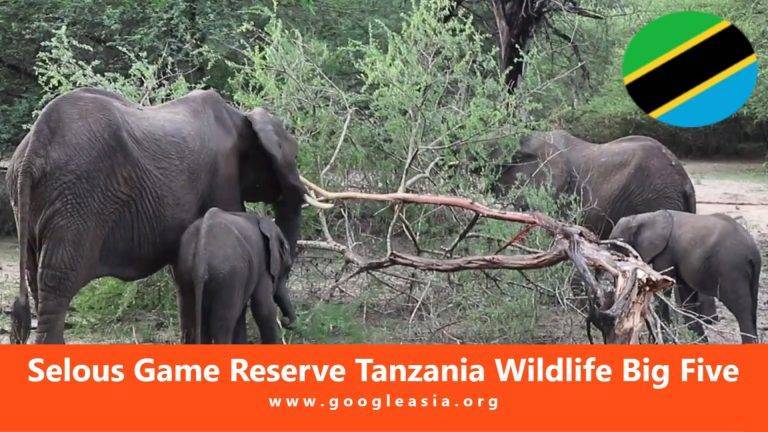
Selous Game Reserve in Tanzania is one of the largest protected areas in Africa. It covers around 50,000 km² of exceptional wilderness, with a vibrant array of wildlife, including the ‘Big Five’ – lion, elephant, buffalo, rhino, and leopard – along with hippo, antelope and many other species.
Introduction
The Selous Game Reserve stands as a testament to Tanzania’s commitment to preserving its natural heritage on a grand scale. Spanning nearly 54,600 square kilometers, it is not only one of the largest game reserves in Africa but also one of the oldest, established in 1922. Here’s a glimpse into what makes Selous Game Reserve a unique and vital conservation area:
Rich Biodiversity in Diverse Landscapes
Selous Game Reserve boasts a diverse landscape that includes expansive plains, bushlands, scrublands, dense forests, winding rivers, and picturesque lakes. This variety of habitats supports a remarkable array of wildlife species, making it a haven for both iconic and lesser-known African animals.
Wildlife Encounters
- African Wild Dog: Perhaps the most famous resident of Selous, the African wild dog, thrives in this expansive and relatively undisturbed wilderness. These endangered canines find refuge here, offering rare opportunities for observation.
- Big Five and Beyond: Visitors can also encounter African buffalo, elephants, giraffes, hippos, various antelope species, and prides of lions roaming freely across the reserve.
Avian Paradise
- Birdwatcher’s Haven: Bird enthusiasts will be delighted by the abundance of bird species in Selous. From majestic pelicans to colorful bee-eaters, graceful African skimmers to distinctive hornbills, the reserve is a paradise for birdwatching aficionados.
Conservation Importance
Selous Game Reserve is not just a local treasure but a global conservation priority. It forms part of the proposed Selous-Niassa Conservation Area, an ambitious initiative aimed at creating a continuous protected area spanning almost 200,000 square kilometers across Tanzania, Mozambique, and Malawi. This expansive conservation effort aims to safeguard critical wildlife habitats and corridors, ensuring the long-term survival of numerous species.
Visitor Experience and Activities
- Game Drives: Explore the vast wilderness of Selous on guided game drives, offering opportunities to witness wildlife in their natural habitats.
- Boat Safaris: Navigate the meandering rivers and tranquil lakes of the reserve on boat safaris, ideal for spotting hippos, crocodiles, and a variety of birdlife.
- Walking Safaris: Embark on walking safaris accompanied by experienced guides, immersing yourself in the sights, sounds, and scents of the African bush.
Things to Do
Selous Game Reserve, one of Africa’s largest and most diverse wildlife sanctuaries, beckons adventurers with its pristine landscapes and abundant wildlife. Here are the top activities to experience during your visit:
Safari Adventures
- Explore by Jeep: Embark on thrilling game drives across the vast plains and along the meandering rivers of Selous. Encounter a variety of wildlife including elephants, lions, hippos, hyenas, and the endangered wild dogs.
- Walking Safaris: Delve deeper into the bush on foot with experienced guides. Witness wildlife up close and learn about the smaller details of the ecosystem, from tracks to plant life.
Water Safari Experiences
- Up-close Wildlife Encounters: Glide through the tranquil waters of Rufiji River, observing crocodiles sunning on banks, hippos lazing in the water, and elephants cooling off at the river’s edge.
- Birdwatching: Marvel at the diverse birdlife, from fish eagles swooping down for prey to flocks of flamingos coloring the sky. Spot herons, pelicans, and numerous aquatic birds in their natural habitats.
Leisure Activities
- Sport Fishing: Cast your line into the Rufiji River, known for its rich diversity of fish species. Whether from the comfort of a boat or standing in the midst of nature, fishing here offers a serene escape amidst the wilderness.
Photography Opportunities
- Wildlife Photography: Capture the essence of African wildlife in its natural habitat. With diverse landscapes and close encounters with iconic species, Selous provides ample opportunities for stunning photographs.
Hot Air Balloon Flights
- Aerial Views: Rise early for a breathtaking hot air balloon flight over Selous. Witness the reserve come alive with the sunrise, offering panoramic views of its sprawling landscapes and wildlife below.
Foods
Indulge in the flavors of Tanzania amidst the untamed wilderness of Selous Game Reserve. From traditional dishes to fresh fruits and unique African delicacies, here are the culinary highlights to savor during your safari adventure:
Traditional Tanzanian Dishes
Nyama Choma
- Description: Succulent barbecued game meat, often seasoned with local spices.
- Experience: Enjoy the smoky flavors of grilled meats under the African sky, reflecting the rich culinary heritage of Tanzania.
Pilau
- Description: Spicy rice dish cooked with aromatic spices and often accompanied by meat or vegetables.
- Experience: A flavorful staple that satisfies and energizes after a day of safari adventures.
Githeri
- Description: Hearty stew made with maize, beans, and vegetables, simmered to perfection.
- Experience: Experience the comfort of traditional African cuisine, ideal for replenishing energy after outdoor activities.
Irio
- Description: Mashed potatoes blended with corn and peas, seasoned to enhance its savory profile.
- Experience: A comforting side dish that complements various main courses, offering a taste of local farm-to-table ingredients.
Fresh Seasonal Fruits
- Selection: Melons, mangoes, coconuts, and bananas.
- Experience: Delight in the sweetness and juiciness of tropical fruits, perfect for refreshing breaks between safari excursions.
Swahili and Seafood Specialties
Coconut Beef
- Description: Tender beef cooked in coconut milk and spices, creating a rich and creamy dish.
- Experience: Discover the fusion of Swahili flavors with tender meat, a testament to coastal influences.
Seafood Delights
- Selection: Lobster, prawns, and calamari.
- Experience: Indulge in fresh seafood dishes, showcasing the bounty of the nearby Indian Ocean and Rufiji River.
Local Beverages and Exotic Treats
Tusker Beer
- Description: Tanzania’s renowned lager beer, crisp and refreshing.
- Experience: Raise a glass of Tusker to toast your safari adventures, enjoying its smooth taste under the African sunset.
African Delicacies
- Selection: Sago worms, smoked caterpillars, and indigenous nuts.
- Experience: Embrace the adventurous spirit with unique local delicacies, offering a taste of traditional African culinary traditions.
Traditional African Teas and Coffees
- Selection: Spiced teas and rich coffees.
- Experience: Savor the aromas and flavors of traditional African beverages, crafted with local spices and techniques.
Hotels
Discover luxury, comfort, and unparalleled wilderness experiences at Selous Game Reserve with these top accommodation options:
Impala Camp
- Location: Nestled along the Rufiji River, offering serene views and close proximity to wildlife.
- Accommodation: Tented suites with private decks, blending luxury with authentic safari ambiance.
- Highlights: Guided game drives, walking safaris, and boat safaris to explore the reserve’s diverse landscapes and wildlife.
Bushtops
- Location: Set in a secluded area of Selous, providing exclusivity and privacy.
- Accommodation: Luxurious tented suites with modern amenities and panoramic views of the surrounding bush.
- Highlights: Tailored safari experiences including game drives, bush walks, and birdwatching led by knowledgeable guides.
Siwandu Camp
- Location: Located on the shores of Lake Nzerakera, offering stunning vistas and abundant wildlife sightings.
- Accommodation: Spacious tented accommodations with en-suite bathrooms and private verandas.
- Highlights: Daily safaris by vehicle, boat, or on foot, providing opportunities to encounter elephants, lions, and hippos.
Mbega Camp
- Location: Positioned in a prime wildlife viewing area of Selous, ensuring close encounters with nature.
- Accommodation: Comfortable tented lodgings with rustic charm and modern conveniences.
- Highlights: Guided safaris and cultural interactions with local communities, offering a holistic safari experience.
Selous Safari Camp
- Location: Overlooking the Nzerakera River, offering a tranquil setting amidst the reserve’s natural beauty.
- Accommodation: Classic safari tents with traditional decor and private outdoor showers.
- Highlights: Game drives, birdwatching, and boat safaris accompanied by experienced guides, showcasing the best of Selous wildlife.
Jongomero Camp
- Location: Situated in a remote area of Selous, ideal for those seeking seclusion and wilderness immersion.
- Accommodation: Elegant tented suites featuring expansive views and luxurious amenities.
- Highlights: Walking safaris, birdwatching, and night game drives to witness nocturnal wildlife activities.
Rufiji River Camp
- Location: Located on the banks of the Rufiji River, offering breathtaking river views and abundant birdlife.
- Accommodation: Comfortable tented rooms with verandas overlooking the river.
- Highlights: Boat safaris, fishing excursions, and cultural visits to nearby villages, providing a deeper insight into local life.
Selous River Camp
- Location: Positioned in a secluded area near the river, ensuring a peaceful and immersive safari experience.
- Accommodation: Spacious tents with private decks and modern amenities.
- Highlights: Guided safaris, bush breakfasts, and sundowners overlooking the reserve’s scenic landscapes.
Sand Rivers
- Location: Set along the Rufiji River, offering panoramic views and access to diverse wildlife habitats.
- Accommodation: Stylish suites and cottages with open-air bathrooms and private plunge pools.
- Highlights: Game drives, walking safaris, and fly-camping experiences for a closer encounter with Selous’ wilderness.
Azura
- Location: Located in a secluded area of Selous, offering exclusivity and luxury amidst the reserve’s natural beauty.
- Accommodation: Elegant tented suites with modern amenities and private decks.
- Highlights: Personalized safari experiences including game drives, birdwatching, and cultural interactions with local communities.
Conclusion
Selous Game Reserve represents a pinnacle of African conservation efforts, offering both visitors and wildlife a sanctuary where nature reigns supreme. Its vast expanses and diverse ecosystems provide a glimpse into Africa’s untouched wilderness, making it an essential destination for any nature enthusiast or wildlife lover seeking an authentic safari experience.
Summary
- Attraction Name: Selous Game Reserve
- Country: Tanzania
- Continent: African
- Capital Name: Dodoma
- Language: Swahili and English (de facto)
- Currency: Tanzanian Shilling
- Nationality: Tanzanian
- Category: #Destination #Africa #TANZANIA
Frequently Asked Questions
What are Selous Game Reserve’s nearby must-visit attractions or landmarks?
The Selous Game Reserve itself is a vast and remarkable wildlife destination with diverse ecosystems and abundant wildlife. However, the surrounding area also offers some attractions and landmarks that can complement your visit to the Selous. Here are a few nearby must-visit attractions:
- Mikumi National Park: Located to the northeast of Selous, Mikumi National Park is one of Tanzania’s popular safari destinations. It is known for its open grasslands, acacia woodlands, and diverse wildlife, including elephants, giraffes, and lions.
- Udzungwa Mountains National Park: To the northwest of Selous lies the Udzungwa Mountains National Park. Known for its lush forests, waterfalls, and diverse flora and fauna, it offers opportunities for hiking and birdwatching. The park is especially famous for the Udzungwa red colobus monkey.
- Ruaha National Park: While not in immediate proximity, Ruaha National Park is another significant wildlife area in Tanzania. It is the largest national park in the country and is known for its rugged landscapes, large elephant herds, and diverse wildlife.
- Isimila Stone Age Site: Located about 170 kilometers west of the Selous Game Reserve, the Isimila Stone Age Site is an archaeological site known for its ancient stone tools. The site provides insights into early human history in East Africa.
- Great Ruaha River: Running through Ruaha National Park, the Great Ruaha River is known for its scenic beauty and wildlife, including hippos and crocodiles. Boat safaris along the river can offer a different perspective on the region’s natural wonders.
- Kilwa Kisiwani and Songo Mnara: Kilwa Kisiwani and Songo Mnara are UNESCO World Heritage Sites located along the Tanzanian coast. These historic Swahili trading settlements feature ancient ruins, including mosques and tombs, showcasing the region’s historical significance.
- Mafia Island: Although not in close proximity, Mafia Island is an attractive destination for those interested in marine activities. The island, known for its coral reefs and marine life, offers diving and snorkeling opportunities.
Why should you visit Selous Game Reserve?
Visiting the Selous Game Reserve offers a unique and immersive safari experience, attracting travelers for several compelling reasons:
- Vast Wilderness: Selous is one of the largest game reserves in Africa, covering a vast expanse of diverse landscapes, including grasslands, woodlands, and the Rufiji River. The sheer size of the reserve allows for a more exclusive and remote safari experience.
- Abundance of Wildlife: Selous is renowned for its abundant and diverse wildlife. The reserve is home to a variety of animals, including elephants, lions, leopards, hippos, crocodiles, and a vast array of bird species. The large concentration of wildlife enhances the chances of exceptional sightings during game drives and boat safaris.
- Boat Safaris on Rufiji River: The Rufiji River flows through the Selous Game Reserve, providing opportunities for unique boat safaris. Witness hippos, crocodiles, and various bird species along the riverbanks while enjoying a different perspective of the reserve.
- Exclusive and Remote Setting: Compared to some other popular safari destinations, Selous offers a more secluded and off-the-beaten-path experience. Visitors can enjoy a sense of exclusivity and tranquility in a pristine natural setting.
- Walking Safaris: Selous is one of the few places in East Africa where walking safaris are permitted. Guided by experienced rangers, walking safaris offer a closer connection to the environment, allowing for a more intimate exploration of the reserve’s flora and fauna.
- Diverse Landscapes: The reserve features a variety of ecosystems, from open savannahs to dense woodlands and riverine habitats. This diversity of landscapes contributes to the richness of wildlife and provides a visually captivating experience.
- Birdwatching Paradise: With over 440 bird species recorded, Selous is a haven for birdwatchers. The reserve’s diverse habitats, including wetlands and forests, attract a wide variety of avian species.
- Cultural Interaction: Some lodges and camps near the Selous Game Reserve offer opportunities for cultural interactions with local communities, providing insights into traditional lifestyles and practices.
- Conservation Efforts: Selous is recognized as a UNESCO World Heritage Site due to its ecological importance. Visiting the reserve contributes to the conservation and protection of its unique ecosystems and wildlife.
- Photographic Opportunities: The unspoiled landscapes, diverse wildlife, and scenic views along the Rufiji River provide photographers with ample opportunities to capture stunning images of the natural beauty of Selous.
How to go to Selous Game Reserve?
Getting to the Selous Game Reserve, one of the largest wildlife reserves in Africa, usually involves a combination of flights and ground transportation. Here are general steps on how to go to the Selous Game Reserve:
- International Flight: Fly into Julius Nyerere International Airport (DAR) in Dar es Salaam, Tanzania. Dar es Salaam is the closest major international airport to the Selous Game Reserve.
- Domestic Flight: From Dar es Salaam, you’ll need to take a domestic flight to an airstrip near the Selous Game Reserve. Some airstrips commonly used for accessing the Selous include Selous Mbuyu, Selous Stieglers, and Selous Beho Beho.
- Airstrip Transfers: Upon arrival at the airstrip, you’ll be transferred to your chosen lodge or camp within the Selous Game Reserve. Many lodges and camps offer complimentary transfers from the airstrip.
- Road Transfers (Optional): Some lodges and camps may also arrange road transfers from Dar es Salaam or nearby towns to the Selous Game Reserve. This option is less common due to the considerable distance.
- Guided Safaris: Consider booking a guided safari tour that includes transportation to and from the Selous Game Reserve. Many tour operators offer packages that include domestic flights, transfers, and safari activities.
- Private Charters (Optional): For a more exclusive experience, you can inquire about private charters that can fly you directly to airstrips within or near the Selous Game Reserve.
- Choose an Accommodation: Decide on the specific area of the Selous Game Reserve you want to visit, as it is vast. There are various lodges and camps offering different experiences. Some popular areas include Selous Stieglers Gorge, Selous Mbuyu, and Selous Beho Beho.
- Check Seasonal Accessibility: Be aware of seasonal variations in accessibility, as heavy rains during the wet season (March to May) may affect road conditions and airstrip use.
- Conservation Fees and Permits: Be prepared to pay conservation fees upon entering the Selous Game Reserve. These fees contribute to wildlife conservation efforts.
- Game Drives and Activities: Once you reach the Selous, your chosen lodge or camp will organize game drives and other safari activities for you to explore the reserve’s diverse wildlife.
Are there any halal food options around the Selous Game Reserve?
The Selous Game Reserve, being a remote and wildlife-focused destination, may have limited options for specific halal restaurants or dedicated halal food establishments within the reserve itself. However, many lodges and camps around the Selous Game Reserve are experienced in catering to various dietary needs, including halal requirements.
Here are some suggestions to find halal food options around the Selous Game Reserve:
- Lodge or Camp Accommodations: Most lodges and camps within and around the Selous Game Reserve provide full-board or all-inclusive meal options. They are accustomed to catering to diverse dietary preferences, including halal. Before booking, communicate your dietary needs with the accommodation to ensure they can accommodate halal requirements.
- Advance Communication: Contact the lodge or camp management in advance to inform them of your halal dietary preferences. This allows them to make necessary arrangements and ensure that your meals meet halal standards.
- Customized Meals: Many lodges have skilled chefs who can prepare customized meals based on your dietary requirements. Discuss your preferences and any restrictions with the lodge staff during your stay.
- Local Cuisine: Explore local Tanzanian cuisine, which often includes dishes that align with halal dietary principles. Common Tanzanian meals include rice, grilled meats, vegetables, and stews.
- Inform Your Safari Guide: If you are on a guided safari, inform your guide about your halal dietary preferences. Guides often have relationships with lodges and can help communicate your needs to the kitchen staff.
- Pack Snacks: Consider bringing some halal snacks with you, especially if you have specific preferences or dietary restrictions. This can be helpful during game drives or excursions.