Sajama National Park, Bolivia
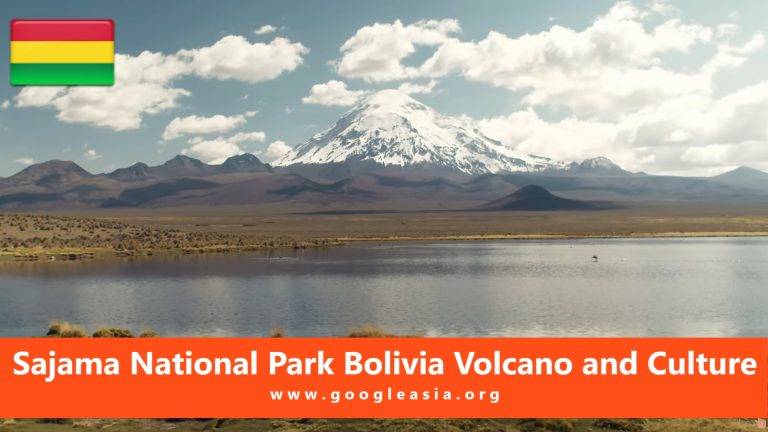
Sajama National Park Bolivia is an incredible destination for adventure seekers, conservationists, and travelers looking to reconnect with nature. It is Bolivia’s largest protected area and also part of the largest high-altitude meadows in the world. Visitors can explore an array of natural wonders such as high-mountain glaciers, hot springs, and stunning views of the Andes Mountain range.
Different ecosystems within the park provide habitats for a variety of wildlife, including the critically endangered Andean fox, the mountain viscacha, and several species of parrots. Those with an interest in indigenous history will appreciate the opportunity to explore Sajama National Park Bolivia’s ancient archeological sites, which afford unique insights into the beliefs and lifestyles of the Aymara people.
Sajama National Park is Bolivia’s first and oldest national park, established in 1939. Located in the Andean Plateau, the park is home to a spectacular alpine landscape, rare wildlife, and archaeological remains of the Uru, colla and Aymará cultures. It contains diverse ecosystems, including lakes, wetlands, glaciers, and hot springs.
Introduction
Geography and Landscape
Sajama National Park is situated in the Oruro region of southwestern Bolivia, near the Chilean border. It encompasses diverse landscapes ranging from high-altitude volcanoes to oasis-like lagoons and hot springs.
Wildlife and Biodiversity
Fauna
The park is home to a variety of wildlife adapted to the extreme altitudes, including high-altitude birds, vicuñas, pumas, and tapirs. The diverse ecosystem supports unique species that thrive in the harsh conditions.
Flora
Vegetation in Sajama National Park varies from barren volcanic slopes to areas of high-altitude grasslands and wetlands. Unique plant species are adapted to the high-altitude environment and contribute to the park’s biodiversity.
Cultural Heritage
Indigenous Communities
Aymara communities inhabit the area, maintaining traditional lifestyles focused on llama herding and preserving ancient cultural practices. Visitors can experience local traditions and customs firsthand.
Archaeological Sites
The park contains ancient Inca ruins, petroglyphs, and pre-Columbian tombs, providing insights into the region’s rich archaeological history. These sites offer glimpses into past civilizations that thrived in the area.
Things to Do
Sajama National Park is a remarkable destination for outdoor enthusiasts and nature lovers. Nestled in the Andes Mountains, the park offers a diverse range of activities that cater to adventurers, bird watchers, and those seeking tranquility. Here’s a guide to some of the best activities you can enjoy in Sajama National Park:
Hiking and Trekking
Explore Remote Trails
Sajama National Park boasts vast mountainous terrain ideal for hiking. Visitors can explore a variety of trails that offer breathtaking views of the park’s unique landscapes. Whether you’re an experienced trekker or a casual hiker, the park’s trails provide opportunities to experience the natural beauty of the Andes.
Summit Sajama Volcano
For those seeking a more challenging adventure, summiting Sajama Volcano is a rewarding endeavor. As Bolivia’s highest peak, it offers stunning vistas and an unforgettable climbing experience for seasoned mountaineers.
Mountain Biking
Traverse Scenic Trails
The park’s rugged terrain is perfect for mountain biking. Cyclists can navigate trails that wind through the Andes, taking in diverse landscapes, from alpine meadows to rocky outcrops. The combination of challenging routes and scenic beauty makes biking in Sajama National Park a thrilling experience.
Bird Watching
Spot High-Altitude Species
Sajama National Park is a paradise for bird watchers. The high-altitude environment is home to numerous bird species, including the Andean condor and various high-altitude passerines. Early mornings and clear days are ideal for spotting these majestic birds in their natural habitat.
Join Birding Tours
For a more focused bird-watching experience, consider joining a birding tour. Expert guides can help you identify rare and elusive species while providing insights into the park’s avian diversity.
Camping
Camping in Sajama National Park offers a unique way to experience the park’s serene environment. Several campsites are available where you can pitch a tent and spend the night under the stars. The peaceful surroundings and crisp mountain air make for a memorable camping experience.
Fishing
Fishing enthusiasts can enjoy a tranquil experience in Sajama National Park’s lakes and rivers. The park offers opportunities for fly fishing and trolling, with a variety of fish species available in its pristine waters.
Wildlife Viewing
Spot Diverse Fauna
In addition to bird watching, Sajama National Park is home to a diverse range of wildlife. Keep an eye out for vicuñas, llamas, foxes, and even elusive pumas as you explore the park. Wildlife viewing is best done during early morning or late afternoon when animals are most active.
Relax and Reflect
For those looking to simply relax and enjoy the natural beauty, Sajama National Park offers numerous tranquil spots. Whether you’re enjoying a peaceful moment by a lagoon or taking in the views from a high vantage point, the park provides a perfect setting for reflection and relaxation.
Foods
Sajama National Park offers not only breathtaking landscapes but also a variety of delicious foods that reflect the rich culinary traditions of Bolivia. From hearty local dishes to fresh produce, the park provides an array of flavors to satisfy any palate. Here’s a guide to some of the best foods you can enjoy while visiting Sajama National Park.
Grilled Llama
Grilled llama is a highlight of Bolivian cuisine, especially in the high-altitude regions like Sajama National Park. The tenderloin, known for its rich flavor and tenderness, is often seasoned and grilled to perfection. This dish showcases the unique taste of llama meat, which is a staple in Andean cuisine.
Salteñas
Salteñas are a popular Bolivian snack and a must-try when visiting the park. These pastries are filled with a savory mix of beef or chicken, potatoes, chickpeas, and spices. Their flaky crust and flavorful filling make them a favorite among locals and tourists alike.
Charque
Charque is a traditional Bolivian dish made from dried llama or alpaca meat. The meat is typically served with potatoes and accompanied by a spicy chili sauce. This preservation method adds a distinct flavor to the meat, making charque a unique and tasty experience.
Fresh Fruit
Sajama National Park offers visitors the chance to enjoy fresh, local fruits. Palta (Hass avocados) and wild bananas are among the popular varieties you can taste straight from the trees. The freshness and flavor of these fruits are a refreshing treat in the park’s pristine environment.
Sweet Bread
Local bakeries in the Sajama region produce a variety of sweet breads that are perfect for a snack or dessert. Flavors range from nutella and chocolate to guava, offering a sweet contrast to the savory dishes found in the park.
Cheese
Cheese is a staple in Bolivian cuisine, and Sajama National Park is no exception. Try unique varieties such as queso amarillo (yellow cheese), known for its strong flavor. This cheese pairs well with local dishes and adds a distinct taste to your meals.
Soups
Bolivian soups are renowned for their rich flavors and hearty ingredients. In Sajama National Park, you can enjoy traditional soups such as locro de zapallo (pumpkin soup) and chairo (a spicy potato stew). These soups are perfect for warming up after a day of outdoor activities.
Street Food
Street food in the Sajama area provides an opportunity to sample a variety of local dishes. Expect to find grilled meats, vegetable-based treats, fried pastries, and other regional specialties. Street food is a fun and casual way to experience Bolivian cuisine.
Hotels
Sajama National Park offers a range of accommodation options to suit various preferences and budgets. Whether you’re seeking luxury, comfort, or a closer connection to nature, the park’s hotels and lodges provide a unique experience amid Bolivia’s stunning landscapes. Here’s a guide to some of the best places to stay in and around Sajama National Park.
Hotel Tierra del Sol
Located in Llallagua, Hotel Tierra del Sol offers a comfortable and welcoming stay with picturesque views of the surrounding highlands. The hotel is known for its excellent service and cozy rooms.
Features
- Comfortable Accommodations: Spacious rooms with modern amenities.
- Dining: On-site restaurant serving local and international cuisine.
- Activities: Easy access to Sajama National Park for various outdoor adventures.
Hotel Kallawaya Boutique
Situated in Sajama, Hotel Kallawaya Boutique provides a charming and intimate atmosphere. This boutique hotel is ideal for travelers looking for a more personalized experience in the heart of the park.
Features
- Unique Decor: Boutique-style rooms with traditional Bolivian décor.
- Personalized Service: Friendly staff offering tailored recommendations.
- Proximity to Attractions: Close to major park highlights and hiking trails.
Hotel Sajama Hacienda
Hotel Sajama Hacienda in Llallagua combines rustic charm with modern comforts. This hacienda-style hotel offers a taste of traditional Bolivian architecture and hospitality.
Features
- Traditional Architecture: Classic hacienda design with warm, inviting rooms.
- Amenities: Includes a restaurant and common areas for relaxation.
- Local Experience: Provides insight into local culture and traditions.
Del Sol Sajama Hotel
Located in Sajama, Del Sol Sajama Hotel offers a blend of comfort and convenience. The hotel is well-suited for those looking to explore the park while enjoying comfortable lodging.
Features
- Comfortable Rooms: Well-equipped rooms with essential amenities.
- On-Site Facilities: Includes dining options and tour arrangements.
- Accessibility: Easy access to park entrances and key attractions.
Hotel Cabañas de Sajama
Hotel Cabañas de Sajama provides a cozy and rustic lodging option in Sajama. The cabañas (cabins) offer a charming and secluded retreat surrounded by natural beauty.
Features
- Rustic Charm: Cabins designed to blend with the natural surroundings.
- Scenic Views: Stunning views of the Sajama Volcano and the park.
- Outdoor Activities: Ideal base for exploring the park’s trails and landscapes.
Eco-Lodge Sajama
Eco-Lodge Sajama focuses on sustainability and environmental conservation while providing a comfortable stay. This eco-friendly lodge is perfect for environmentally conscious travelers.
Features
- Sustainable Practices: Built with eco-friendly materials and practices.
- Comfortable Accommodations: Rooms designed with natural materials.
- Guided Tours: Offers tours and activities that emphasize conservation.
Eco Refugio Altiplano
Eco Refugio Altiplano in Sajama combines eco-friendly lodging with spectacular views. It provides a unique experience for guests looking to immerse themselves in nature.
Features
- Eco-Friendly Design: Emphasizes sustainable living and minimal environmental impact.
- Panoramic Views: Offers breathtaking views of the Altiplano and Sajama Volcano.
- Local Cuisine: Features local ingredients and traditional dishes.
Hotel Refugio del Sol
Hotel Refugio del Sol offers a tranquil and picturesque stay in Sajama. Its comfortable accommodations and scenic surroundings make it a great choice for visitors.
Features
- Scenic Location: Beautiful setting with views of the park’s landscapes.
- Relaxation: Focuses on providing a peaceful retreat.
- Local Experience: Integrates local culture and traditions into the guest experience.
Villarica Sajama Adventure Hotel & Spa
Villarica Sajama Adventure Hotel & Spa provides luxury and relaxation in Sajama. This hotel features a spa and various adventure activities for a comprehensive experience.
Features
- Luxury Accommodations: Includes upscale rooms and spa facilities.
- Adventure and Relaxation: Offers a range of activities from hiking to spa treatments.
- High-Quality Dining: On-site dining options featuring local and international cuisine.
Hotel Santa Clara
Hotel Santa Clara in Sajama is known for its cozy atmosphere and welcoming service. It provides a comfortable and convenient base for exploring the park.
Features
- Comfortable Rooms: Offers a range of room options with essential amenities.
- Friendly Service: Known for attentive and helpful staff.
- Central Location: Conveniently located for accessing park attractions.
Conclusion
Sajama National Park offers a variety of lodging options to suit different tastes and budgets. From luxurious eco-lodges to charming boutique hotels and rustic cabins, each accommodation provides a unique way to experience the park’s stunning natural beauty and rich cultural heritage. Whether you’re seeking a high-end retreat or a cozy base for your outdoor adventures, Sajama National Park has something to offer every traveler.
Summary
- Attraction: Sajama National Park Bolivia
- Country: Bolivia
- Continent: South America
- Capital Name: La Paz, Sucre
- Language: Spanish
- Currency: Bolivian boliviano (BOB)
- Nationality: Bolivian
- Category: #Destination #SouthAmerica #BOLIVIA
Frequently Asked Questions
Where is Sajama National Park located?
Sajama National Park is located in Bolivia, near the border with Chile. It is situated in the Oruro Department, specifically in the Sajama Province. The park is known for its diverse landscapes, including the Sajama Volcano, the highest peak in Bolivia, and the surrounding Andean highlands.
How to go to Sajama National Park?
To reach Sajama National Park in Bolivia, you typically need to travel from the city of La Paz or from Oruro. Here are the general steps to get there:
- From La Paz:
- By Road: Take a bus or drive from La Paz to the town of Oruro. From Oruro, you can continue by road to Sajama National Park. The journey takes several hours, and it’s recommended to have a reliable vehicle due to the remote and rugged terrain.
- From Oruro:
- By Road: From Oruro, travel towards the southwest towards the town of Sajama. The park is located approximately 3-4 hours by road from Oruro, depending on the conditions.
- Public Transportation: Buses or shared taxis (known locally as “colectivos”) might be available from Oruro to Sajama or nearby towns. However, public transportation options can be limited and less frequent in remote areas.
- Private Transportation: Consider hiring a private vehicle or joining a guided tour from La Paz or Oruro. Many tour operators offer packages that include transportation, accommodation, and guided activities in Sajama National Park.
- Local Advice: It’s advisable to check local conditions and consult with travel agencies or locals in La Paz or Oruro for the most current information on road conditions, transportation options, and any necessary permits for visiting the national park.
What are Sajama National Park’s must-visit attractions or landmarks?
Here are some must-visit attractions and landmarks within the park:
- Sajama Volcano: The park’s centerpiece, Sajama Volcano, is the highest peak in Bolivia, standing at 6,542 meters (21,463 feet). It’s a popular destination for trekking and mountaineering.
- Hot Springs of Polques: Located near the Chilean border, these thermal springs offer a relaxing experience amidst the high-altitude scenery.
- Chungara Lake: Although primarily in Chile, the northern shores of Chungara Lake extend into Sajama National Park, offering breathtaking views and opportunities for wildlife spotting.
- Geysers of Sol de Mañana: Found in the southwestern part of the park, these geysers and fumaroles emit steam and sulfur gases, creating a surreal landscape.
- Lagoons: Various high-altitude lagoons dot the park, such as Huayñacota and Hedionda Lagoons, providing habitat for Andean wildlife like flamingos and vicuñas.
- Flora and Fauna: Explore the unique Andean flora and fauna, including high-altitude plants like queñua trees and the iconic wildlife such as vicuñas, Andean foxes, and birds like the Andean condor.
- Cultural Heritage: Visit local communities like Sajama village, known for its traditional architecture and cultural practices, offering insights into Andean life.
- Astronomy: Due to its high elevation and clear skies, Sajama National Park is an excellent location for stargazing and astronomy enthusiasts.
Is Sajama National Parka suitable travel destination for solo adventurers, honeymooning couples, or those traveling with families?
Sajama National Park in Bolivia can be a suitable travel destination for various types of travelers:
- Solo Adventurers: Solo adventurers can enjoy trekking, mountaineering, and exploring the diverse landscapes and wildlife of the park. It’s a great destination for those seeking outdoor activities and solitude in nature.
- Honeymooning Couples: For honeymooning couples who appreciate remote and unique landscapes, Sajama National Park offers romantic settings like hot springs, stunning views of volcanoes and lagoons, and opportunities for peaceful moments amidst nature.
- Families: Families can also enjoy visiting Sajama National Park, especially if they are interested in wildlife spotting, cultural experiences in local communities, and outdoor activities suitable for children, such as easy hikes and exploring the natural beauty of the Andean region.
Why should you visit Sajama National Park?
Here are some compelling reasons to visit Sajama National Park:
- Stunning Natural Landscapes: Sajama National Park boasts breathtaking landscapes with snow-capped peaks, volcanic scenery, high-altitude lakes, and vast plains. It’s a paradise for nature lovers and photographers.
- Diverse Wildlife: The park is home to diverse wildlife, including vicuñas, llamas, alpacas, Andean condors, and flamingos. Wildlife enthusiasts will appreciate the opportunity to observe these species in their natural habitat.
- Cultural Experience: The park is located near indigenous Aymara communities, providing visitors with a chance to learn about their traditional way of life, customs, and handicrafts. This cultural immersion adds depth to the travel experience.
- Outdoor Activities: Sajama offers a range of outdoor activities such as hiking, trekking, and mountaineering. Adventurers can explore trails that lead to hot springs, geysers, and unique geological formations.
- Volcano Climbing: It’s possible to climb Nevado Sajama, the highest peak in Bolivia, offering a challenging but rewarding experience for mountaineers and adventure seekers.
- Natural Hot Springs: Relax in natural hot springs surrounded by the stunning scenery of the Andes mountains, providing a therapeutic and soothing experience after a day of exploration.
- Astrophotography: Due to its remote location and high altitude, Sajama National Park offers excellent conditions for stargazing and astrophotography. The clear skies and minimal light pollution create an ideal environment for observing the night sky.
- Sustainable Tourism: Visiting Sajama National Park supports sustainable tourism practices that benefit local communities and help preserve the park’s natural and cultural heritage.
Are there any halal food options near the Sajama National Park?
Finding halal food options near Sajama National Park can be challenging due to its remote location and the predominantly non-Muslim population in the surrounding areas. It’s recommended to bring along non-perishable halal food items if adherence to halal dietary guidelines is crucial during your visit.
Alternatively, if staying in larger towns or cities before heading to the park, such as La Paz or Oruro, you may find some halal food options in local markets or restaurants catering to international cuisines. However, availability can vary, so planning ahead and confirming with local sources or accommodations is advisable.