Sacred Valley, Peru
Discover Peru’s Sacred Valley, where ancient Inca ruins meet breathtaking Andean landscapes. From Pisac to Ollantaytambo, this guide highlights the valley’s most iconic sites and essential visitor information. Plan your Sacred Valley adventure today and uncover Peru’s living history!
Introduction
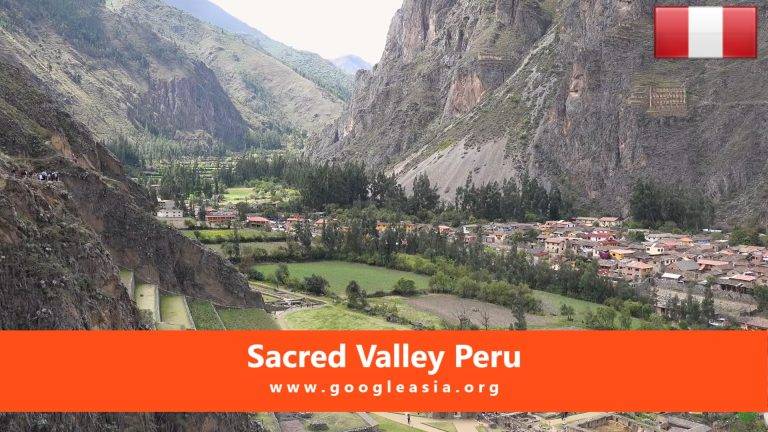
The Sacred Valley of Peru is a captivating destination nestled in the heart of the Peruvian Andes, offering stunning natural beauty, rich history, and unique cultural experiences. This breathtaking region stretches over 70 miles and boasts some of the most awe-inspiring landscapes in South America. The valley is not only a haven for nature lovers and adventure enthusiasts but also a treasure trove of ancient Inca ruins, traditional villages, and vibrant local markets. It is an unforgettable journey through time and nature that should be on every traveler’s bucket list.
Why Visit
Incredible Natural Beauty and Breathtaking Views
The Sacred Valley offers spectacular views, including snow-capped mountains, lush green terraces, and the winding Urubamba River. This diverse scenery provides the perfect backdrop for outdoor activities, including trekking, mountain biking, white-water rafting, and horseback riding.
Historical and Cultural Significance
This region is home to several significant Inca archaeological sites such as Ollantaytambo, Pisac, Moray, and the Salt Mines of Maras. Visitors can explore these ancient ruins and marvel at the ingenuity of the Inca civilization while learning about its fascinating history and cultural heritage.
Authentic Quechua Villages
The Sacred Valley is also home to indigenous Quechua communities that have preserved their ancestral customs, including traditional weaving, farming, and language. Visiting these villages offers a rare glimpse into the authentic Andean way of life.
1‑Day Itinerary (Sacred Valley)
- 8:00 AM – Breakfast in Urubamba (fresh fruit juices and Andean bread)
- 9:00 AM – Visit Pisac ruins and market (Inca terraces & artisan crafts)
- 12:00 PM – Lunch in Yucay (traditional dishes like trucha frita, fried trout)
- 1:30 PM – Explore Ollantaytambo fortress (Inca military stronghold with stunning views)
- 4:00 PM – Stroll through Ollantaytambo town (cobblestone streets & living Inca heritage)
- 6:00 PM – Dinner in Urubamba (farm‑to‑table Andean cuisine)
Budget Travel $100
The Sacred Valley of the Incas, stretching northwest of Cusco along the Urubamba River, is one of Peru’s most rewarding regions for budget travelers. With $100, you can comfortably explore several towns and archaeological sites. Food is inexpensive: local set lunches (menús) in Pisac, Urubamba, or Ollantaytambo cost $3–$5, while street snacks such as choclo con queso (corn with cheese) or empanadas are under $2. Mid-range restaurants average $8–$12 per meal, so balancing street food with occasional sit-down dining keeps costs low.
Transport is also affordable: colectivos (shared vans) between towns cost $3–$5, and buses from Cusco to Pisac or Ollantaytambo are usually under $5. Hiring a private driver for a full day costs $50–$100, but budget travelers often rely on colectivos to stretch their funds.
For entrance fees and tickets, the best value is the Cusco Boleto Turístico, which costs about $20–$25 and grants access to multiple sites including Pisac, Ollantaytambo, Chinchero, and Moray. Individual site tickets are available but add up quickly, so the pass is ideal for maximizing a $100 budget. Many natural attractions, such as scenic viewpoints along the Urubamba River or local markets, are free to visit.
With careful planning, $100 can cover two to three days of meals, transport, and entrance fees, allowing travelers to immerse themselves in the valley’s Inca heritage and stunning landscapes.
Tips for American Travelers
For American travelers, the Sacred Valley offers a gentler acclimatization compared to Cusco, as towns like Pisac and Urubamba sit at 2,800–3,000 meters—lower than Cusco’s 3,400 meters. This makes it an excellent base before heading to Machu Picchu. The local currency is the Peruvian sol (PEN), and while U.S. dollars are accepted in tourist hubs, carrying soles in small denominations is essential for colectivos, markets, and small shops. Safety is generally good, but practicing common-sense precautions—such as keeping valuables secure and avoiding isolated areas at night—is wise.
Language is another consideration: Spanish dominates daily life, and while English is spoken in tourist centers, learning basic phrases enhances interactions. Public transport is reliable but can be crowded, so patience and flexibility help. The climate varies, with warm days and cool nights, so packing layers is recommended.
Travelers should also start early to beat crowds at popular sites like Pisac or Ollantaytambo. By blending cultural awareness with practical planning, Americans can enjoy the Sacred Valley’s archaeological wonders, vibrant markets, and breathtaking scenery while staying well within a $100 budget.
Tips
Ideal Seasons for Exploring the Valley
The best time to visit the Sacred Valley is from April to October during the dry season, which is perfect for outdoor activities like trekking, rafting, and mountain biking. The rainy season (November to March) can be less ideal for hiking due to muddy conditions, but it offers fewer tourists and a lush, green landscape.
Altitude Awareness
The Sacred Valley sits at a high altitude (around 9,000 feet), so it’s important to acclimatize before engaging in strenuous activities. Take it easy for the first couple of days, drink plenty of water, and avoid alcohol to minimize the effects of altitude sickness.
Packing Essentials
Be sure to pack comfortable walking shoes, sunscreen, a hat, and layers for changing weather conditions. The temperature can vary throughout the day, so it’s always a good idea to have options for both warm and cool weather.
Attractions
Ollantaytambo
Ollantaytambo, often referred to as the “Living Inca Town,” is one of the best-preserved examples of Inca urban planning. The town is known for its impressive terraces and its fortress, which was once a royal estate. Wander through the cobbled streets and admire the magnificent views of the valley.
Pisac
Pisac is famous for its bustling market, where visitors can purchase handmade textiles, jewelry, and other local crafts. The nearby ruins offer panoramic views of the Urubamba Valley and include impressive agricultural terraces, a fascinating reminder of the Inca Empire’s agricultural prowess.
Moray
Moray is an archaeological site famous for its concentric circular terraces. These terraces are believed to have been used by the Incas for agricultural experimentation. Visitors can explore the fascinating ruins and learn about Inca innovations in agriculture.
Maras Salt Mines
The Salt Mines of Maras are another must-see attraction. These terraces, which have been used for salt extraction since Inca times, offer a unique insight into ancient Andean methods of salt production. The sparkling white salt pools against the backdrop of the mountains make for a stunning photo opportunity.
Things to Do
Trekking and Hiking
The Sacred Valley of the Incas, located near Cusco, is one of Peru’s most rewarding trekking regions. Its trails weave through dramatic Andean landscapes, ancient ruins, and vibrant Quechua villages. Hikes range from gentle day walks to multi-day expeditions, making it accessible to both casual travelers and seasoned adventurers.
Inca Trail and Alternative Routes
The Inca Trail is the most famous trek, the only route that leads directly into Machu Picchu through the Sun Gate. It typically takes 4 days, but shorter options like the two-day trek allow hikers to experience the valley’s beauty without the full commitment. Other popular alternatives include the Salkantay Trek, which passes snow-capped peaks, and the Lares Trek, known for its cultural immersion in remote Andean communities.
Rafting on the Urubamba River
A Historic Waterway
The Urubamba River, also known locally as the Vilcanota, cuts through the Sacred Valley like a lifeline. Fed by ancient glaciers, it flows past Inca ruins, terraced farmland, and eucalyptus-covered hillsides. Rafting here reveals a side of the valley few hikers ever see, with birdlife rising from the reeds and glacier-crowned peaks towering above.
Rapids for All Skill Levels
Sections of the river near Cusipata offer Class II and III rapids, perfect for beginners and families, while more advanced rafters can tackle Class IV rapids further downstream. Many tours include extras like hot showers, saunas, and even zip-lining across the river after the rafting adventure.
Mountain Biking and Horseback Riding
Biking the Inca Trails
The Sacred Valley’s rugged terrain and network of ancient Inca footpaths make it a premier destination for mountain biking. Riders can descend steep Andean slopes, pass through traditional villages, and enjoy panoramic views of snow-capped peaks. Multi-day biking tours often combine adventure with cultural immersion, offering stops at archaeological sites and local markets.
Horseback Riding Through Incan Landscapes
Horseback riding is one of the most underrated experiences in the valley. Tame horses allow visitors to explore trails that wind past hidden ruins, rivers, and highland plateaus. Tours often highlight the Moray agricultural terraces and Maras salt mines, giving riders a unique perspective on Inca ingenuity and the valley’s natural beauty.
Foods
Ceviche
Fresh fish marinated in lime juice, chili peppers, onions, and cilantro. While coastal in origin, ceviche is widely enjoyed in the Sacred Valley, often prepared with river trout instead of ocean fish.
Pachamanca
An ancient Andean feast cooked underground with hot stones. Meat (usually lamb, pork, or chicken), potatoes, corn, and beans are layered and slow-cooked, symbolizing a ritual offering to Pachamama (Mother Earth). Pachamanca is often prepared during community gatherings and festivals.
Cuy (Roast Guinea Pig)
Considered a delicacy in the Andes, cuy has been consumed for over 5,000 years. Traditionally roasted whole and served with potatoes and corn, it remains a ceremonial dish for special occasions. In Cusco and Sacred Valley restaurants, cuy is often presented with spicy sauces like ají amarillo.
Other Local Specialties
Papa Rellena: Mashed potatoes stuffed with seasoned beef, onions, and olives, then fried until golden brown.).
Quinoa Stew (Sopa de Quinua): A protein-rich soup made from the Andean superfood quinoa, vegetables, and herbs.
Canguil Dorado: Fried corn kernels, crunchy and savory, often served as a snack or side dish.
Conclusion
The Sacred Valley of Peru offers an unbeatable combination of natural beauty, historical sites, cultural experiences, and outdoor adventures. Whether you’re an avid historian, an adventure enthusiast, or someone looking to explore the heart of the Andes, the Sacred Valley provides something for everyone. This incredible destination promises to leave you with memories that will last a lifetime.
Book your trip to the Sacred Valley today and embark on an unforgettable journey through time, nature, and culture!
Summary
- Attraction: Sacred Valley, Peru
- Country: Peru
- Continent: South America
- Capital City: Lima
- Official Language: Spanish (official), English
- Currency: The Sol
- Nationality: Peruvian
- Category: #Destination #SouthAmerica #PERU
Contact Peru Ministry of Culture
- Address: Dirección Desconcentrada de Cultura de Cusco, Av. de la Cultura 2380, Cusco, Peru
- Telephone: +51 84 582030
- Website: machupicchu.gob.pe (machupicchu.gob.pe in Bing)
- E-mail: info@machupicchu.gob.pe
- Entry Fee: Sacred Valley tourist ticket (Boleto Turístico) approx. $20–$25, covers Pisac, Ollantaytambo, Chinchero, and other sites
- Business Hours: Daily, 7:00 AM – 6:00 PM (varies by site)
Frequently Asked Questions
Where is Sacred Valley located?
The Sacred Valley, also known as the Urubamba Valley, is located in the Andean region of Peru. It lies between the towns of Pisac and Ollantaytambo, northwest of the city of Cusco. The valley is nestled in the Andes Mountains and follows the Urubamba River, providing a lush, fertile landscape that has been historically significant to the Inca civilization.
How to go to Sacred Valley?
Reaching the Sacred Valley from Cusco is relatively straightforward and can be done in several ways:
By Car or Taxi
- Hiring a private car or taxi is the most convenient and flexible option. The drive from Cusco to the Sacred Valley takes about 1.5 to 2 hours, depending on your exact destination within the valley (such as Pisac, Urubamba, or Ollantaytambo).
By Bus or Minivan
- Buses and minivans (known locally as “colectivos”) regularly travel between Cusco and various towns in the Sacred Valley. You can catch these from specific bus terminals in Cusco, such as the Terminal Terrestre de Cusco. This option is cost-effective but may take longer due to stops along the way.
By Train
- For a scenic and comfortable journey, you can take a train from Cusco (Poroy or San Pedro stations) to towns like Ollantaytambo in the Sacred Valley. PeruRail and Inca Rail operate these routes, and while this option is more expensive, it offers beautiful views and a relaxed travel experience.
By Tour
- Many tour operators in Cusco offer guided tours to the Sacred Valley, which include transportation, visits to key archaeological sites, and sometimes meals. This can be an excellent way to explore the area with the benefit of local knowledge and convenience.
By Bike or Hiking
- For the adventurous, biking or hiking from Cusco to the Sacred Valley is possible. Several trails and routes offer stunning scenery and a unique way to experience the landscape. This option requires good physical fitness and proper preparation.
Each of these options offers different advantages depending on your preferences for comfort, cost, and adventure.
What are Sacred Valley’s must-visit attractions or landmarks?
The Sacred Valley is rich with historical and cultural sites, each offering a unique glimpse into the Inca civilization and the natural beauty of the region. Here are some must-visit attractions and landmarks in the Sacred Valley:
Pisac
- Pisac Archaeological Park: Known for its impressive Inca ruins, including agricultural terraces, a sun temple, and intricate stonework. The site also offers panoramic views of the valley.
- Pisac Market: A vibrant local market where you can find traditional crafts, textiles, and fresh produce. It’s an excellent place to experience Andean culture and buy souvenirs.
Ollantaytambo
- Ollantaytambo Ruins: These well-preserved ruins feature massive terraces, a ceremonial center, and the Temple of the Sun. The town itself is also noteworthy for its original Inca urban planning and cobblestone streets.
- Pinkuylluna: A hike up this hill offers stunning views of the Ollantaytambo ruins and the town below. It also has lesser-known Inca storage structures.
Moray
- Moray Terraces: A fascinating archaeological site featuring circular agricultural terraces believed to have been used by the Incas for agricultural experimentation. The site’s unique design creates microclimates that vary with depth.
Maras
- Maras Salt Mines (Salineras de Maras): An array of thousands of salt pans carved into the mountainside, still harvested using traditional methods. The salt mines offer a striking and photogenic landscape.
Chinchero
- Chinchero Archaeological Site: Known as the birthplace of the rainbow, this site includes Inca ruins, a colonial church, and vibrant textile markets where you can watch traditional weaving demonstrations.
Urubamba
- Urubamba Town: Often considered the heart of the Sacred Valley, it serves as a central hub for exploring the region. The town has a relaxed atmosphere and offers various dining and lodging options.
Yucay
- Yucay Archaeological Site: A lesser-known site with beautiful terraced landscapes and irrigation systems. It’s a peaceful spot with fewer tourists.
Huchuy Qosqo
- Huchuy Qosqo Ruins: An archaeological site located high above the Sacred Valley, offering stunning views and a more off-the-beaten-path experience. It requires a hike to reach, adding to its appeal for adventurous travelers.
Inca Trail
- Inca Trail to Machu Picchu: While not entirely within the Sacred Valley, the famous Inca Trail starts nearby and offers an iconic trekking experience through stunning Andean landscapes, leading to the majestic Machu Picchu.
Is Sacred Valley a suitable travel destination for solo adventurers, honeymooning couples, or those traveling with families?
The Sacred Valley is a versatile travel destination that caters well to different types of travelers:
- Solo Adventurers:
- Solo adventurers can explore the Sacred Valley at their own pace, enjoying the archaeological sites, hiking trails, and local markets. There are opportunities for trekking, biking, and cultural immersion, making it an enriching experience for those traveling alone.
- Honeymooning Couples:
- The Sacred Valley offers a romantic setting with its picturesque landscapes, charming towns, and historical sites. Couples can enjoy scenic train rides, private tours, and quiet moments amidst the stunning Andean backdrop. Luxury accommodations and spa services are also available for a more intimate retreat.
- Families:
- Families will find plenty to do in the Sacred Valley, with activities suitable for children of all ages. Visiting archaeological sites like Pisac and Ollantaytambo can be educational and exciting. The valley’s relaxed atmosphere, open spaces, and family-friendly accommodations make it a great destination for bonding and exploration.
Why should you visit Sacred Valley?
Visiting the Sacred Valley in Peru offers travelers a unique and enriching experience for several compelling reasons:
- Rich Inca History and Archaeological Sites:
- The Sacred Valley was a crucial center of the Inca Empire, dotted with impressive ruins such as Pisac, Ollantaytambo, and Moray. These sites showcase advanced Inca engineering, agriculture, and architecture, offering a glimpse into ancient Andean civilizations.
- Stunning Natural Landscapes:
- Nestled within the Andes Mountains, the Sacred Valley boasts breathtaking natural beauty. The valley is lush and fertile, with terraced hillsides, snow-capped peaks, and the winding Urubamba River creating picturesque vistas at every turn.
- Cultural Immersion:
- Travelers can immerse themselves in Andean culture by visiting traditional markets in towns like Pisac and Chinchero, where vibrant textiles, handicrafts, and local cuisine are showcased. Witnessing traditional weaving demonstrations and interacting with local communities adds depth to the travel experience.
- Outdoor Activities and Adventure:
- The Sacred Valley offers ample opportunities for outdoor enthusiasts. Activities include trekking, hiking, mountain biking, and horseback riding along scenic trails and through ancient Inca pathways. Adventurers can also explore lesser-known sites like Huchuy Qosqo and the Maras Salt Mines.
- Gateway to Machu Picchu:
- Positioned on the route to Machu Picchu, the Sacred Valley serves as an ideal starting point for those embarking on the iconic Inca Trail trek or opting for a scenic train journey to the ancient citadel. Many travelers choose to acclimate to the altitude in the Sacred Valley before visiting Machu Picchu.
- Tranquil and Relaxing Atmosphere:
- Compared to the bustling city of Cusco, the Sacred Valley offers a quieter and more tranquil atmosphere. Visitors can unwind in charming towns like Urubamba and Yucay, enjoying the slower pace of life amidst stunning natural surroundings.
- Luxury and Wellness Retreats:
- The Sacred Valley is home to luxury hotels, spa resorts, and wellness retreats that cater to travelers seeking relaxation and rejuvenation. Guests can indulge in spa treatments, yoga sessions, and gourmet dining while surrounded by serene Andean landscapes.
How accessible is halal food in Sacred Valley?
Finding halal food in the Sacred Valley can be challenging due to the predominantly non-Muslim population and the focus on traditional Peruvian cuisine. The region does not have a significant Muslim population, and therefore, dedicated halal restaurants are scarce. However, there are a few options you can explore:
- Vegetarian and Seafood Dishes:
- Many Peruvian dishes are based on fresh seafood or vegetables, which can often be enjoyed by those following halal dietary restrictions. Look for seafood restaurants or vegetarian-friendly eateries where you can find suitable options.
- Communication with Restaurants:
- When dining out, especially in more tourist-oriented areas like Urubamba or Pisac, you can communicate your dietary preferences and restrictions to restaurant staff. They may be able to suggest dishes that meet your requirements or modify dishes accordingly.
- Self-Catering or Special Requests:
- If you’re staying in accommodations with kitchen facilities, consider self-catering using halal ingredients that you bring with you or purchase in larger cities like Cusco before heading to the Sacred Valley.
- International Hotels and Resorts:
- Some upscale hotels and resorts in the Sacred Valley cater to international guests and may offer more diverse dining options, including dishes that can be adapted to meet halal standards. It’s advisable to contact the hotel in advance to inquire about their food options.
- Capital City Preparation:
- Given the limited availability of halal food in the Sacred Valley itself, you may want to consider preparing or purchasing suitable food options in larger cities like Cusco before traveling to the region.