Moray, Peru
Step into Moray, Peru’s fascinating Inca site of concentric terraces once used for agricultural experiments. Surrounded by Andean peaks, this guide highlights the best experiences and essential visitor information. Plan your Moray adventure today and uncover the ingenuity of the Incas!
Introduction
Moray Peru is a spectacular archaeological site with well-preserved Incan agricultural terraces, which is believed to date back to between 500 and 1000 AD. The site offers some of the best preserved and most impressive Incan ruins in Peru, and its unique circular terraces make it a must-see for any traveler. Its rocky landscape and stunning views of the Sacred Valley make it the perfect place to take photographs. Moray also provides insight into the ancient Incan technologies of crop rotation, irrigation, and soil analysis. A visit to Moray offers a unique and unforgettable experience that cannot be duplicated elsewhere.
Moray, located near the town of Maras in Peru’s Cuzco Region, is an intriguing archaeological site renowned for its unique ancient terraces. While the exact purpose of Moray remains a subject of scholarly debate, it is widely believed to have served as an experimental agricultural center for the Inca Empire. This fascinating site provides valuable insights into Incan ingenuity and their advanced understanding of agriculture and environmental adaptation.
UNESCO World Heritage Site
Moray is part of the larger Cuzco Region, which is a designated UNESCO World Heritage Site. The recognition underscores the global significance of the Incan archaeological sites in this region, including Moray, Machu Picchu, and others. The designation highlights the exceptional cultural and historical value of these ancient ruins.
The Mysteries
Unusual Circular Terraces
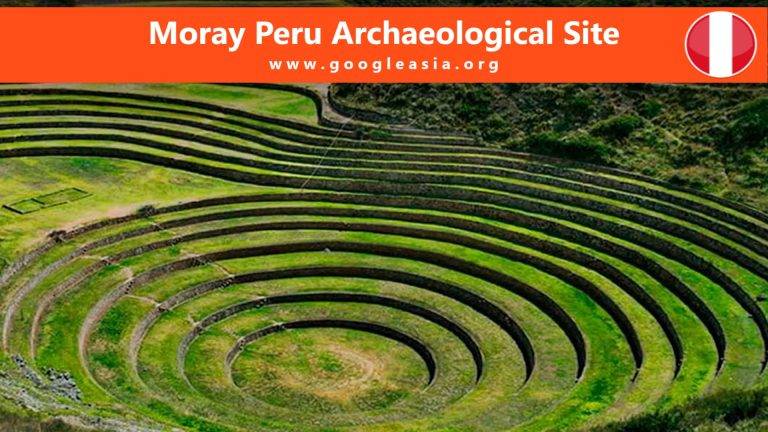
The most striking feature of Moray is its series of concentric circular terraces. These terraces are arranged in a deep, bowl-shaped depression, creating an impressive multi-level agricultural complex. The design is characterized by several circular terraces, each with distinct micro-climates and temperature variations. This design allowed the Incas to conduct experiments with various crops, assessing how different plant species thrived under varying conditions.
Purpose and Function
Although the exact purpose of Moray is not definitively known, it is widely believed to have been a center for agricultural experimentation. The Incas used the different terraces to test and optimize crop growth. Each terrace mimics a different altitude and climate, creating a variety of micro-environments. This allowed the Incas to cultivate a wide range of crops and find the best conditions for their growth, ultimately improving agricultural productivity and food security.
Budget Travel $100
Moray, located about 50 kilometers northwest of Cusco, is one of the Sacred Valley’s most fascinating archaeological sites, known for its concentric circular terraces that the Incas used as an agricultural laboratory. Visiting Moray is relatively affordable compared to Machu Picchu. The entrance fee is included in the Boleto Turístico del Cusco, which costs about $20–$25 for the partial pass (covering Moray, Pisac, Ollantaytambo, and Chinchero) or $45 for the full pass that grants access to 16 sites.
Transportation from Cusco to Moray typically involves taking a colectivo or bus to Maras (about $3–$5), followed by a short taxi ride to the site (around $5–$8). Travelers who prefer private tours can expect to pay $20–$30 per person in a group setting.
Food in nearby towns like Maras or Urubamba is inexpensive, with local set lunches costing $3–$5 and restaurant meals averaging $8–$12. Street snacks such as choclo con queso (corn with cheese) or empanadas are under $2. With $100, a traveler could cover transport, entrance fees, and meals for two days, while still having enough left for small souvenirs or additional site visits. Moray is often combined with the Maras salt mines, which have a separate entrance fee of about $2–$3, making it possible to see both iconic sites in one day without overspending.
Tips for American Travelers
For American travelers, visiting Moray requires some key considerations. The local currency is the Peruvian sol (PEN), though U.S. dollars are accepted in tourist hubs. Carrying soles in small denominations is essential for colectivos, taxis, and market purchases. Safety is generally good, but practicing common-sense precautions—such as keeping valuables secure and avoiding isolated areas at night—is wise.
Moray sits at about 3,500 meters (11,500 feet), slightly higher than Cusco, so altitude acclimatization is important. Spending a day or two in Cusco or the Sacred Valley before visiting helps reduce the risk of altitude sickness.
Language is another factor: Spanish dominates daily life, and while English is spoken in tourist centers, learning basic phrases enhances interactions. Public transport is reliable but can be crowded, so patience and flexibility help. The climate is variable, with warm days and cool nights, so packing layers is recommended. Travelers should also start early to avoid crowds and enjoy the site’s unique atmosphere in relative quiet. By blending cultural awareness with practical planning, Americans can experience Moray’s remarkable Inca engineering and combine it with nearby attractions while staying well within a $100 budget.
Attractions
Architectural and Engineering
Central Staircase and Connectivity
The terraces at Moray are interconnected by a central staircase and several smaller staircases. This architectural feature not only facilitated access to the different levels but also demonstrated the Incas’ advanced engineering skills. The staircases and the precise alignment of the terraces reflect a sophisticated understanding of both construction and environmental management.
Hydraulic Engineering
The site’s irrigation system is another marvel of Incan engineering. Water was meticulously channeled through a series of channels and aqueducts to ensure that each terrace received the necessary moisture. This hydraulic system was crucial for maintaining the terraces and supporting the agricultural experiments conducted at Moray.
Nearby Attractions
Salineras de Maras
A short drive from Moray, the Salineras de Maras (Maras Salt Mines) is another remarkable site worth visiting. The salt mines consist of thousands of terraced salt ponds that have been used since Inca times to harvest salt from the mineral-rich spring waters. The striking sight of the white salt crystals against the earthy terraced landscape creates a unique and captivating experience.
Cuzco and Sacred Valley
Moray is also conveniently located for exploring the broader Cuzco Region, including the Sacred Valley of the Incas. The Sacred Valley is home to other significant archaeological sites, traditional villages, and stunning landscapes. A visit to Cuzco, the former capital of the Inca Empire, offers additional opportunities to delve into Incan history and culture.
Things to Do
Moray, a charming village in the Cusco Region of Peru, is renowned for its stunning ancient terraced ruins and breathtaking natural scenery. While the primary attraction is the impressive archaeological site of Moray, there are several other activities and nearby destinations that make this region a fascinating and enriching visit. Here’s a guide to the best things to do in and around Moray:
Visit Incan Ruins at Moray
Explore the Concentric Terraces
The main attraction at Moray is its extraordinary set of concentric circular terraces, cut deep into the earth. Archaeologists believe these terraces functioned as an Incan agricultural laboratory, where different microclimates were created by varying depths and orientations. Temperature differences of up to 15°C (27°F) have been recorded between the top and bottom levels, allowing the Incas to experiment with crops from diverse ecological zones.
Discover the Irrigation Systems
Moray’s terraces are supported by an intricate hydraulic engineering system. Channels and aqueducts distributed water evenly across the terraces, demonstrating the Incas’ advanced knowledge of irrigation. This system ensured that crops could thrive in the high-altitude environment of the Sacred Valley.
View the Astronomical Features
Some scholars suggest that Moray may also have served as an astronomical observatory, with alignments used to track solstices and seasonal changes. This reflects the Incas’ integration of astronomy into agriculture, ensuring planting cycles matched celestial events.
Explore the Sacred Valley
Scenic Day Trips
The Sacred Valley of the Incas, stretching along the Urubamba River, is renowned for its fertile lands and dramatic Andean landscapes. Once the breadbasket of the Inca Empire, it remains dotted with archaeological sites, traditional villages, and vibrant markets.
Cultural Experiences
The valley is home to communities that preserve Quechua traditions, from weaving textiles with natural dyes to celebrating festivals like Inti Raymi (Festival of the Sun). Visitors can enjoy traditional cuisine, interact with artisans, and witness the living heritage of the Andes.
Hike to the Archaeological Site of Chinchero
Explore Incan Terraces
Chinchero, known as the “birthplace of the rainbow” in local lore, features beautifully restored Incan terraces and remnants of a temple dedicated to the sun. The site offers panoramic views of the Sacred Valley and snow-capped peaks such as Salkantay.
Visit the Chinchero Market
The Chinchero market is famous for its handwoven textiles, crafted using techniques passed down for generations. Artisans demonstrate natural dyeing methods using plants and minerals, making it an ideal place to purchase authentic souvenirs.
Visit the Salt Pans of Maras
Discover Natural Phenomena
Near Moray, the Maras Salt Pans consist of over 3,000 terraced pools fed by a subterranean saltwater spring. These pans have been in continuous use since Inca times, producing pink-hued salt prized for its mineral content.
Photography Opportunities
The geometric patterns of the salt pans, especially at sunset, create stunning photographic opportunities.
Spend Time at Lake Piuray
Outdoor Activities
Located near Pisaq, Lake Piuray is a tranquil spot for hiking, camping, and fishing. Its serene waters reflect the surrounding mountains, offering a peaceful retreat from the bustling Sacred Valley.
Bird Watching
The lake is home to native bird species such as the Andean duck and grebes, making it a prime location for birdwatching.
Explore Ollantaytambo
Visit the Ruins
Ollantaytambo is one of the most impressive Incan sites, featuring massive terraces, temples, and fortifications. It was the site of a rare Incan victory against Spanish conquistadors in 1536.
Wander the Historic Town
The town itself is a living museum, with cobblestone streets and houses built on Incan foundations. Ollantaytambo remains one of the best-preserved examples of Incan urban planning.
View the Intihuatana Sun Clock at Machu Picchu
Solar Clock
The Intihuatana stone at Machu Picchu is believed to have functioned as a solar clock, marking solstices and equinoxes. It reflects the Incas’ deep connection between astronomy and spirituality.
Explore the Lost City
Machu Picchu, rediscovered in 1911 by Hiram Bingham, is Peru’s most iconic archaeological site. Its temples, palaces, and terraces showcase the architectural genius of the Incas.
Trek the Inca Trail
The Inca Trail, a multi-day trek through diverse landscapes and archaeological sites, culminates at Machu Picchu’s Sun Gate. It remains one of the world’s most celebrated hiking experiences.
Visit the Tipón Ruins
Explore the Complex
Tipón, located near Cusco, is an archaeological site showcasing the Incas’ mastery of hydraulic engineering. Its terraces, canals, and fountains are still functional today, highlighting sustainable water management practices.
Enjoy Nature
Surrounded by lush landscapes, Tipón offers a blend of history and natural beauty, making it a favorite destination for both archaeologists and nature lovers.
Foods
Moray, while primarily known for its stunning Incan terraces and archaeological significance, also offers visitors a delightful array of traditional Peruvian foods. The local cuisine reflects the rich culinary heritage of the region, combining fresh ingredients and bold flavors. Here’s a guide to some of the best foods to enjoy while visiting Moray:
Iconic Peruvian Dishes
Ceviche
Ceviche is one of Peru’s most iconic dishes and a must-try for anyone visiting the region. It consists of raw fish, usually fresh from Lake Titicaca or nearby rivers, marinated in zesty lime juice. The dish is typically mixed with onions, cilantro, garlic, and chili peppers, adding layers of flavor and a kick of heat. It’s often served with side dishes like sweet potatoes or corn on the cob.
Lomo Saltado
Lomo Saltado is a beloved Peruvian stir-fry that showcases the fusion of indigenous and Asian flavors. This dish features tender strips of beef sautéed with onions, tomatoes, and bell peppers. The addition of soy sauce and vinegar creates a savory and tangy taste, while the dish is usually served over a bed of crispy French fries and accompanied by rice. It’s a flavorful representation of Peru’s diverse culinary influences.
Aji de Gallina
Aji de Gallina is a comforting and flavorful stew made from shredded chicken cooked in a creamy sauce of aji amarillo peppers, cheese, and peanuts. This rich, golden-hued dish is often served with rice and garnished with black olives and hard-boiled eggs. The sauce is creamy with a mild heat, offering a delightful taste of traditional Peruvian comfort food.
Anticuchos
Anticuchos are a popular street food throughout Peru, including the Moray region. These skewered and grilled meats, often made from beef heart, are marinated in a spicy, flavorful sauce before being cooked over an open flame. They are usually served with a variety of dipping sauces, including aji pepper sauce, and often accompanied by potatoes or corn. The smoky, charred flavors make them a delicious and savory snack.
Papa a la Huancaina
Papa a la Huancaina is a classic Peruvian dish from the Huancayo region but enjoyed throughout the country. It features boiled potatoes covered in a creamy, cheese-based sauce made with aji amarillo peppers. The dish is typically garnished with slices of hard-boiled eggs and black olives. The sauce has a slightly spicy and tangy flavor, complementing the tender potatoes perfectly.
Regional Specialties
Chicha Morada
Chicha Morada is a traditional Peruvian drink made from purple corn. The corn is boiled with pineapple, cinnamon, cloves, and sugar to create a refreshing, naturally sweet beverage with a deep purple color. This drink is not only delicious but also offers a unique taste of Peruvian ingredients and culture.
Tamales
Tamales are a popular snack or meal in Peru, made from a mixture of corn dough filled with meats, vegetables, or cheese. The dough is wrapped in corn husks and steamed to create a soft, flavorful treat. In Moray, you might find tamales with local fillings and variations, reflecting regional culinary traditions.
Quinoa Dishes
Quinoa, a staple grain in the Andean diet, is featured in various dishes around Moray. You can enjoy quinoa prepared in soups, salads, or as a side dish. Its nutty flavor and nutritional benefits make it a popular choice in local cuisine.
Sweet Treats
Picarones
Picarones are a delightful Peruvian dessert similar to doughnuts but made from a mixture of sweet potato and pumpkin. The dough is shaped into rings and deep-fried until golden brown, then drizzled with a sweet syrup made from chancaca (unrefined cane sugar). These sweet treats are perfect for ending a meal on a high note.
Mazamorra Morada
Mazamorra Morada is a traditional Peruvian dessert made from purple corn, which is cooked with fruits, spices, and sweeteners to create a thick, pudding-like dish. It has a rich, sweet flavor with hints of cinnamon and clove, and it’s often enjoyed as a comforting treat.
Hotels
Moray, known for its stunning Incan terraces and rich cultural history, is surrounded by several excellent accommodations that offer comfort, luxury, and convenience. Whether you’re looking for a luxurious retreat, a cozy lodge, or a charming boutique hotel, the region provides a range of options to suit various preferences and budgets. Here’s a guide to some of the best hotels to stay in while exploring Moray and its surrounding areas.
Top Accommodations Near Moray
Sol y Luna Lodge & Spa, Urubamba
Nestled in the heart of the Sacred Valley, Sol y Luna Lodge & Spa is renowned for its blend of luxury and cultural immersion. The lodge is surrounded by lush gardens filled with native flora, creating a tranquil retreat. Guests can enjoy horseback riding, hiking, and guided tours to nearby archaeological sites, including Moray and Maras. The on-site restaurant serves gourmet Peruvian cuisine, while the spa offers treatments inspired by Andean traditions.
Belmond Hotel Rio Sagrado, Urubamba
Located along the banks of the Urubamba River, the Belmond Hotel Rio Sagrado offers elegant rooms and suites with panoramic views of the valley. Its heated outdoor pool and extensive gardens provide a serene escape. The hotel is part of the globally recognized Belmond group, known for luxury hospitality, and offers easy access to Moray, Ollantaytambo, and Machu Picchu. Guests can indulge in fine dining that combines local ingredients with international flavors.
Hostal Kusicancha, Ollantaytambo
For travelers seeking charm and affordability, Hostal Kusicancha in Ollantaytambo provides cozy rooms decorated with traditional Andean motifs. Its location near the Ollantaytambo ruins and train station makes it a convenient base for exploring both Moray and Machu Picchu. The hostal’s welcoming atmosphere and proximity to local eateries make it popular among budget-conscious visitors.
Top Accommodations in Cusco
Inkaterra La Casona, Cusco
Housed in a colonial-era mansion, Inkaterra La Casona is one of Cusco’s most exclusive boutique hotels. It combines historical architecture with modern luxury, offering suites decorated with antique furnishings and contemporary comforts. The property is part of Inkaterra, a Peruvian company recognized for sustainable tourism. Guests enjoy gourmet dining, a spa, and private gardens, making it an elegant retreat after exploring Moray or Machu Picchu.
Royal Inka II, Cusco
Located in Cusco’s historic center, Royal Inka II offers comfortable rooms with traditional Peruvian design. Its central location provides easy access to the Plaza de Armas, museums, and transportation hubs for trips to the Sacred Valley. With affordable rates and reliable amenities, it’s a practical choice for travelers seeking convenience without sacrificing comfort.
Top Accommodations in Aguas Calientes
Tierra Viva Machu Picchu, Aguas Calientes
Tierra Viva Machu Picchu is a mid-range hotel known for its modern rooms and excellent service. Its location near the train station and bus stop makes it ideal for visitors heading to Machu Picchu. Breakfast is included, and guests can explore nearby dining options in Aguas Calientes. The Tierra Viva chain is recognized across Peru for offering consistent quality at reasonable prices.
Agua Calientes Hotel, Aguas Calientes
For a more luxurious stay, Agua Calientes Hotel offers upscale rooms with panoramic views of the surrounding mountains. Amenities include a spa, fitness center, and fine dining restaurant. Its prime location ensures easy access to Machu Picchu while providing a high level of comfort and relaxation.
Top Accommodations in Chivay (Colca Canyon Region)
Jhazaluna, Chivay
Located in the gateway town to Colca Canyon, Jhazaluna offers comfortable rooms decorated with Andean motifs. Guests can enjoy local and international cuisine at the restaurant, and the hotel provides tour services for exploring the canyon and nearby hot springs. Its affordability and welcoming atmosphere make it a popular choice among travelers.
Natura Vida Hotel, Chivay
An eco-friendly option, Natura Vida Hotel emphasizes sustainability and local traditions. Rooms are built with natural materials, and the restaurant uses locally sourced ingredients. Guests can participate in guided nature tours and cultural activities, making it an ideal choice for eco-conscious travelers exploring Colca Canyon.travelers interested in environmentally friendly practices and nature experiences.
Conclusion
Moray is more than terraces—it’s a living symbol of Inca innovation and harmony with nature. From its circular design to its scientific purpose, Moray offers a unique glimpse into the ingenuity of the ancient Andean world. Start planning your Moray journey today and let history and landscape inspire you.
Summary
- Attraction: Moray Peru
- Country: Peru
- Continent: South America
- Capital Name: Lima
- Language: Spanish (official), English
- Currency: The Sol
- Nationality: Peruvian
- Category: #Destination #SouthAmerica #COLOMBIA
Contact Peru Ministry of Culture
- Address: Dirección Desconcentrada de Cultura de Cusco, Av. de la Cultura 2380, Cusco, Peru
- Telephone: +51 84 582030
- Website: machupicchu.gob.pe (machupicchu.gob.pe in Bing)
- E-mail: info@machupicchu.gob.pe
- Entry Fee: Included in the Sacred Valley tourist ticket (Boleto Turístico) approx. $20–$25
- Business Hours: Daily, 7:00 AM – 6:00 PM
Frequently Asked Questions
Where is Moray located?
Moray is located in Peru, specifically in the Sacred Valley of the Incas, near the town of Maras. It is approximately 50 kilometers (31 miles) northwest of Cusco, the historic capital of the Inca Empire.
How to go to Moray?
To reach Moray, you typically need to travel from Cusco, Peru. Here’s how you can get there:
- From Cusco: Moray is located about 50 kilometers (31 miles) northwest of Cusco. The most common way to get there is by road.
- By Tour: Many travelers visit Moray as part of a guided tour that includes other sites in the Sacred Valley. You can book tours in Cusco that provide transportation to Moray along with a guide who explains the history and significance of the site.
- By Bus or Private Transport: If you prefer to travel independently, you can take a bus or hire a taxi or private car from Cusco to Moray. The journey takes about 1.5 to 2 hours depending on traffic and road conditions.
- Trekking or Cycling: For more adventurous travelers, there are options to hike or bike to Moray. However, these options require good physical condition and proper planning, as the altitude and terrain can be challenging.
- Entrance Fee: Upon arrival at Moray, you will need to pay an entrance fee to access the archaeological site. This fee helps support the maintenance and conservation efforts of the site.
What are Moray’s must-visit attractions or landmarks?
- Circular Terraces: The most distinctive feature of Moray is its concentric circular terraces, which descend into the ground in a series of concentric rings. These terraces were constructed with retaining walls and filled with fertile soil, creating microclimates that allowed the Incas to grow a variety of crops at different temperatures.
- Agricultural Experimentation: Archaeologists believe that Moray served as an agricultural laboratory where the Incas experimented with various crops. Each terrace represents a different microclimate, with temperature differences of up to 15°C (27°F) between the top and bottom terraces. This experimentation helped the Incas understand which crops could thrive in different environmental conditions.
- Viewpoints: Visitors can walk around the terraces and observe the site from different viewpoints. The panoramic views from the top terraces offer stunning vistas of the surrounding Sacred Valley and mountains.
- Historical Significance: Moray provides insight into the advanced agricultural techniques and engineering prowess of the Inca civilization. It demonstrates their ability to adapt to and manipulate environmental conditions for agricultural purposes.
- Cultural and Spiritual Context: Like many Inca sites, Moray is believed to have had spiritual significance, possibly associated with agricultural rituals and ceremonies. The layout and design of the terraces reflect the Inca’s reverence for nature and their deep understanding of ecological systems.
- Guided Tours and Interpretation: Guided tours are available at Moray, offering detailed explanations of the site’s history, architecture, and cultural significance. Local guides provide insights into the Inca civilization and the importance of Moray within the broader context of the Sacred Valley.
Is Moray a suitable travel destination for solo adventurers, honeymooning couples, or those traveling with families?
Moray can be a suitable travel destination for different types of travelers, depending on their interests and preferences:
- Solo Adventurers: Moray offers a unique archaeological site with fascinating circular terraces that solo adventurers interested in history, archaeology, and culture will appreciate. Exploring the site and learning about the Inca’s agricultural experimentation can be a rewarding experience for solo travelers.
- Honeymooning Couples: While Moray may not be a traditional honeymoon destination, couples interested in history and cultural exploration can enjoy visiting the site together. The picturesque setting and panoramic views from the terraces provide a romantic backdrop for exploring Inca ruins and learning about ancient agricultural practices.
- Families: Moray can be educational and engaging for families traveling with children who are curious about history and archaeology. However, the site involves walking and exploring outdoor terrain, so families should consider the physical abilities and interests of their children before visiting. Guided tours can help make the experience more informative and enjoyable for all family members.
- Accessibility: The site is accessible by road from Cusco or the Sacred Valley, making it relatively easy to reach with various transportation options available. However, visitors should be prepared for the high altitude (around 3,500 meters or 11,500 feet) and consider acclimatization if coming directly from lower altitudes.
Why should you visit Moray?
There are several compelling reasons to visit Moray, making it a unique and fascinating destination in Peru’s Sacred Valley:
- Archaeological Wonder: Moray is renowned for its concentric circular terraces, which archaeologists believe were used by the Incas for agricultural experimentation. The site showcases the ingenuity and advanced engineering skills of the Inca civilization.
- Historical Significance: Visiting Moray provides insight into the Inca’s sophisticated understanding of agriculture and ecology. The terraces were designed to create different microclimates, allowing the Incas to cultivate a variety of crops at varying altitudes and temperatures.
- Natural Beauty: The setting of Moray within the Sacred Valley offers stunning panoramic views of the surrounding mountains and landscapes. Walking around the terraces provides opportunities for scenic photography and appreciation of Peru’s natural beauty.
- Cultural Experience: Exploring Moray allows visitors to learn about the cultural and spiritual significance of the site for the Inca civilization. It offers a glimpse into ancient agricultural practices and rituals, providing a deeper understanding of Inca culture and history.
- Educational Value: For travelers interested in archaeology, history, and anthropology, Moray offers a rich educational experience. Guided tours provide informative insights into the site’s construction, purpose, and significance within the broader context of the Inca Empire.
- Off-the-Beaten-Path: While Machu Picchu is the most famous Inca site in Peru, Moray offers a quieter and less crowded alternative for those seeking a more intimate exploration of Inca ruins and culture.
- Adventure and Exploration: The journey to Moray involves traveling through the Sacred Valley, passing picturesque villages and agricultural landscapes. It can be combined with visits to other nearby attractions such as Maras Salt Mines or Ollantaytambo, enriching the travel experience.
- Photography Opportunities: The circular terraces of Moray and the surrounding scenery provide excellent opportunities for photography, especially during sunrise or sunset when the light enhances the beauty of the site.
Is it difficult to find halal food in Moray?
Yes, it can be quite difficult to find halal food in Moray. Moray is primarily an archaeological site in the Sacred Valley of Peru, and facilities catering specifically to halal dietary requirements are limited in the surrounding areas. Most dining options near Moray and in nearby towns typically offer Peruvian cuisine, which includes meat dishes that may not adhere to halal standards.w
For Muslim travelers adhering to halal dietary guidelines, it is recommended to plan ahead and consider bringing along suitable food options. Packing non-perishable items such as nuts, dried fruits, canned goods, and snacks can help ensure you have suitable food during your visit to Moray and the Sacred Valley. Additionally, discussing dietary needs with tour operators or accommodations in Cusco or other larger towns before traveling to Moray can help make necessary arrangements.