Mezquita-Catedral de Córdoba, Spain
The Mezquita-Catedral de Córdoba is one of Spain’s most remarkable landmarks. A unique blend of Islamic and Christian architecture, it offers a fascinating glimpse into the country’s history. Whether you’re interested in its stunning design or rich cultural heritage, this site in Córdoba is a must-see for anyone visiting Spain.
Introduction
The Mezquita-Catedral de Córdoba is one of Spain’s most captivating landmarks, offering a unique blend of history, culture, and stunning architecture. Located in Córdoba, this UNESCO World Heritage Site draws millions of visitors each year who are eager to experience the beauty of a place where two different cultures have shaped the city’s identity for centuries.
A Look Back
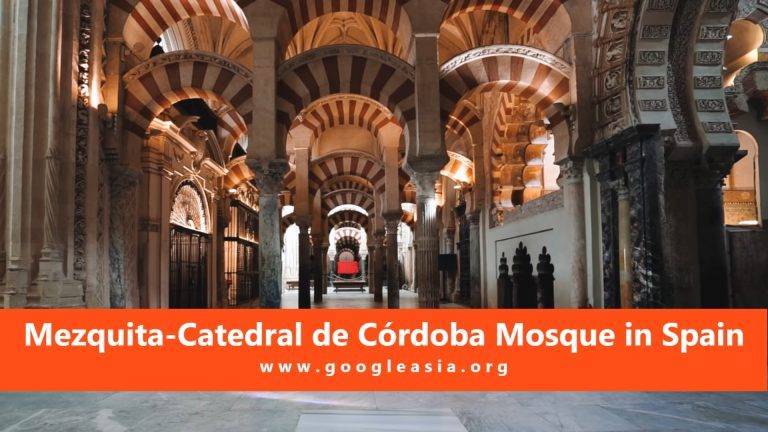
The story of this incredible building dates back to 784 AD when it was originally constructed as the Great Mosque of Córdoba during the reign of the Umayyad Caliphate. Built on the ruins of an earlier Christian church, this mosque quickly became one of the most impressive religious structures in the Muslim world. The mosque was famed for its vast prayer hall and distinctive horseshoe arches—a key feature of Moorish architecture.
In 1236, following the Christian Reconquista, the mosque was converted into a cathedral. Rather than demolishing the mosque’s features, the Christians simply added to and expanded it, creating a striking contrast between the Islamic and Christian elements that coexist within the building today.
Architectural Features
One of the first things that will strike you as you enter the Mezquita-Catedral is the forest of columns and arches that fill the prayer hall. Over 1,000 of these horseshoe arches, with their red-and-white striped design, create a mesmerizing effect, making this one of the most unique religious buildings in the world.
As you explore further, you’ll see how the cathedral’s Christian additions blend seamlessly with the original structure. The cathedral nave in the center is an obvious contrast to the mosque’s design, with its Renaissance and Baroque elements. It’s fascinating to see how different architectural styles coexist within the same building, each contributing its own charm to the space.
Significant
The Mezquita-Catedral isn’t just an architectural marvel; it also tells the story of Spain’s complex history. In 1984, the building was designated a UNESCO World Heritage Site, which recognized its outstanding universal value. The site is a symbol of the religious and cultural fusion that has defined the Iberian Peninsula for centuries.
Walking through the Mezquita-Catedral, you get a sense of the diverse cultures that have influenced the region—Islamic, Christian, and even Roman. This makes it an essential stop for anyone interested in the rich history of Spain.
Budget Travel $100 and £100
The general admission ticket to the Mezquita-Catedral costs around €13 (about $14 or £11), which is a modest expense compared to the grandeur of the site. This leaves most of your budget available for meals and transport. For food, Córdoba is famous for its tapas culture, where small plates such as salmorejo (a cold tomato soup thicker than gazpacho) or fried eggplant with honey can be enjoyed for just a few euros, often accompanied by complimentary bites when ordering drinks. With $100 or £100, you can easily afford several tapas stops throughout the day without overspending.
Public transport within Córdoba is inexpensive, with local buses costing around €1.30 per ride, though the Mezquita is located in the historic center and is best reached on foot. If you are traveling from another city, a round-trip train ticket from Seville or Málaga can fit within your budget, especially if booked in advance.
After visiting the Mezquita, you can explore free attractions such as the Roman Bridge, the Jewish Quarter, and Córdoba’s famous patios, which are open to the public during certain times of the year. By combining the entrance fee, affordable meals, and low-cost transport, your $100 or £100 budget easily covers a full day of cultural immersion.
Tips for USA and UK Travellers
For visitors from the USA and UK, a few cultural and practical points are essential. Currency exchange is best handled through ATMs rather than airport kiosks, as rates are more favorable. Language basics such as “Hola” and “Gracias” are appreciated, even though many staff in tourist areas speak English. Dining customs differ significantly—meals often begin later in the evening, and tipping is modest, usually rounding up the bill rather than leaving 15–20% as in the USA or 10–12% as in the UK.
Another important aspect is cultural respect. The Mezquita is both a historic monument and an active place of worship, so visitors should dress modestly and avoid loud behavior inside. Security checks at the entrance are strict, so allow extra time for bag inspections. Unlike in the USA or UK, where fast service and large portions are common, expect smaller servings and a slower pace when dining nearby. By being mindful of these differences and showing respect for local customs, USA and UK travellers can enjoy a smoother, more authentic experience at one of Spain’s most remarkable landmarks.
Things to Do
When you visit, there are a few highlights you shouldn’t miss.
Admire the Horseshoe Arches
These arches are the centerpiece of the building’s design. The effect of standing in a hall filled with these beautiful arches is simply breathtaking.
Explore the Cathedral Nave
It’s fascinating to see the contrast between the Islamic elements of the mosque and the Christian features added later. The cathedral’s grand nave and chapels are a perfect example of this architectural fusion.
Climb the Bell Tower
For an incredible view of the city, don’t miss the chance to climb the bell tower. From the top, you’ll have panoramic views of Córdoba and beyond, including the Guadalquivir River and the Sierra Morena mountains.
Experience Flamenco
When in Córdoba, flamenco is a must-see. It’s an integral part of Andalusian culture, and there are plenty of places nearby where you can catch an authentic performance.
Walk Across the Roman Bridge
This historic bridge connects the Mezquita-Catedral with Córdoba’s old Jewish Quarter. It offers lovely views of the river and is a perfect spot for a leisurely stroll after your visit to the cathedral.
Foods
When you visit Córdoba, make sure to try some of the local specialties. Salmorejo, a cold tomato soup, is perfect for a refreshing snack. If you’re in the mood for something hearty, try flamenquín—a breaded and fried pork cutlet that’s a local favorite. And if you’re a fan of cured meats, don’t miss out on jamón serrano, a delicacy that pairs perfectly with local wines.
Conclusion
There’s a reason the Mezquita-Catedral de Córdoba is one of Spain’s top tourist destinations. It’s not just about the stunning architecture (though that’s a big part of it); it’s also about the history that’s embedded in its walls. The way it blends Islamic and Christian elements tells the story of Spain’s past and showcases the beauty that comes from cultural exchange.
Whether you’re standing beneath the arches, exploring the chapels, or taking in the view from the bell tower, the Mezquita-Catedral will leave you in awe. So if you’re planning a trip to Spain, make sure you add this incredible site to your itinerary.
Visit the Mezquita-Catedral today and step into a world where history and architecture come to life!
Summary
- Attraction: Mezquita-Catedral de Córdoba
- Continent: Europe
- Capital: Madrid
- Language: Spanish
- Currency: Euro (EUR)
- Nationality: Spanish
- Category: #Destination #Europe #SPAIN
Frequently Asked Questions
Where is Mezquita-Catedral de Córdoba located?
The Mezquita-Catedral de Córdoba is located in the city of Córdoba, in the region of Andalusia, southern Spain. Specifically, it is situated in the historic center of Córdoba. The address is Calle Cardenal Herrero, s/n, 14003 Córdoba, Spain. The Mosque-Cathedral is one of the most iconic and historically significant landmarks in Spain, known for its architectural blend of Islamic and Christian elements.
How to go to Mezquita-Catedral de Córdoba?
If you are in Córdoba and want to visit the Mezquita-Catedral, here are some general directions:
- By Foot: If you are in the city center, especially around the historic area, you can easily walk to the Mezquita-Catedral. Follow the signs directing you to the historic district, and you’ll likely find your way.
- By Public Transportation: Córdoba has a public transportation system that includes buses. You can check the local bus routes and schedules to see if there’s a convenient stop near the Mezquita-Catedral. The main bus station in Córdoba is also relatively close to the city center.
- By Taxi or Ride-sharing: Taxis are available in Córdoba, and you can also use ride-sharing services if they operate in the area. Simply provide the address or name of the Mezquita-Catedral, and the driver will take you there.
- By Car: If you have a car, you can drive to the Mezquita-Catedral. Keep in mind that parking in the historic area might be limited, so it’s advisable to use public transportation or park in designated areas.
- Guided Tours: Many tourists prefer joining guided tours that include transportation. These tours often provide additional insights into the history and architecture of the Mezquita-Catedral.
What are Mezquita-Catedral de Córdoba’s must-visit attractions or landmarks?
The Mezquita-Catedral de Córdoba is a remarkable monument with numerous attractions and landmarks within its complex. Some of the must-visit features include:
- Mihrab: The Mihrab is a stunning prayer niche located in the heart of the mosque section. It is intricately decorated with colorful tiles, mosaics, and Quranic inscriptions.
- Horseshoe Archways: The mosque’s interior is characterized by a forest of horseshoe arches, creating a mesmerizing visual effect. The arches are supported by columns, many of which were taken from earlier Roman and Visigothic buildings.
- Court of Oranges (Patio de los Naranjos): This beautiful courtyard features orange trees, fountains, and a serene atmosphere. It serves as an entrance to the mosque and provides a peaceful space for visitors.
- Christian Altar and Nave: The construction of a Christian cathedral within the mosque resulted in the addition of a Renaissance-style nave and a high altar. The Christian elements, including chapels and the choir, are noteworthy.
- The Alminar (Bell Tower): Originally built as a minaret, the Alminar was converted into a Christian bell tower. Climbing to the top offers panoramic views of Córdoba.
- Capilla de Villaviciosa: This chapel is an example of Mudéjar architecture and features beautiful decorations and artwork.
- Mausoleum of Abd al-Rahman III: The founder of the original mosque, Abd al-Rahman III, is buried in this mausoleum. It’s a significant historical site within the complex.
- El Patio de los Reyes: Translated as the Court of the Kings, this area features a large reflecting pool and is surrounded by rooms with vaulted ceilings. It was used for ablutions and ceremonial purposes.
What are Mezquita-Catedral de Córdoba’s nearby must-visit attractions or landmarks?
Córdoba is a city rich in history and culture, and besides the Mezquita-Catedral, there are several nearby attractions and landmarks worth visiting. Here are some must-visit places in the vicinity:
- Alcázar de los Reyes Cristianos: Located near the Mezquita-Catedral, this medieval fortress and palace complex was once a residence of the Christian monarchs. It features beautiful gardens, impressive towers, and historic rooms.
- Roman Bridge (Puente Romano): Spanning the Guadalquivir River, the Roman Bridge is a picturesque structure with 16 arches. It offers great views of the Mezquita-Catedral and the city.
- Jewish Quarter (Judería): Explore the charming streets and alleys of the Jewish Quarter, known for its historic synagogues, the medieval synagogue of Córdoba (Synagogue of Rabbi Shlomo ben Aderet), and the Casa de Sefarad, a museum dedicated to Sephardic culture.
- Calleja de las Flores: This narrow alley is famous for its picturesque charm, adorned with colorful flowers and traditional Andalusian architecture. It’s a delightful spot for a leisurely stroll.
- Palacio de Viana: A Renaissance palace with 12 beautiful patios and gardens. Each patio has its own unique design and features a variety of plants, flowers, and fountains.
- Plaza del Potro: A lively square with a fountain featuring a statue of a young boy riding a horse. The square is surrounded by historic buildings and is a pleasant place to relax.
- Archaeological Museum of Córdoba (Museo Arqueológico de Córdoba): This museum houses a rich collection of artifacts from different historical periods, including Roman, Islamic, and medieval periods.
- Córdoba Synagogue: Dating back to the 14th century, this synagogue is one of the few remaining medieval synagogues in Spain. It provides insight into the city’s Jewish history.
Why should you visit Mezquita-Catedral de Córdoba?
Visiting the Mezquita-Catedral de Córdoba is a captivating experience for several compelling reasons:
- Architectural Marvel: The Mezquita-Catedral is a masterpiece of Moorish and Gothic architecture, showcasing the cultural and religious transitions that occurred in Córdoba over the centuries. The unique blend of Islamic and Christian elements is visually stunning.
- Historical Significance: The building has a rich history, starting as a mosque during the Islamic rule of Spain in the 8th century. After the Reconquista, it was converted into a Christian cathedral in the 13th century. Exploring the Mezquita-Catedral allows you to witness this historical evolution.
- Horseshoe Arches and Columns: The interior of the mosque is characterized by a mesmerizing forest of horseshoe arches supported by columns. Many of these columns were recycled from ancient Roman and Visigothic buildings, adding to the historical layers of the structure.
- Mihrab and Islamic Art: The Mihrab, a beautifully decorated prayer niche, is a masterpiece of Islamic art within the mosque. The intricate geometric patterns, colorful tiles, and Quranic inscriptions showcase the craftsmanship of the Islamic period.
- Christian Additions: The incorporation of a Christian cathedral within the mosque resulted in the addition of Renaissance-style elements, including a nave, chapels, and the choir. The fusion of Islamic and Christian architecture makes the Mezquita-Catedral a unique cultural symbol.
- Court of Oranges: The peaceful courtyard, known as the Patio de los Naranjos, with its orange trees and fountains, provides a serene entrance to the complex and offers a moment of tranquility.
- Alminar (Bell Tower): Climbing the former minaret, now a Christian bell tower, provides panoramic views of Córdoba and the surrounding areas, offering a unique perspective on the city.
- Cultural Symbol: The Mezquita-Catedral is a symbol of religious tolerance and coexistence, representing the shared history of Muslims and Christians in Spain.
- World Heritage Site: Designated as a UNESCO World Heritage Site, the Mezquita-Catedral is recognized for its outstanding cultural and architectural significance on a global scale.
Is it difficult to find halal food in the vicinity of the Mezquita-Catedral de Córdoba?
Finding halal food in the vicinity of the Mezquita-Catedral de Córdoba should not be too difficult, considering the cultural diversity and the presence of Muslim communities in the city. Here are a few tips to help you find halal food:
- Local Restaurants: Look for local restaurants, especially those in the historic area or near the Mezquita-Catedral. Many restaurants in Córdoba offer a variety of dishes, including halal options.
- Middle Eastern or North African Cuisine: Explore Middle Eastern or North African restaurants, as they often serve halal food. These establishments may offer a range of dishes influenced by Islamic culinary traditions.
- Ask Locals or Staff: Don’t hesitate to ask locals or the staff at your accommodation for recommendations. They may be able to direct you to nearby restaurants or eateries that serve halal food.
- Online Resources: Use online resources such as restaurant review websites, travel forums, or apps that specialize in finding halal dining options. Travelers often share their experiences and recommendations online.
- Halal Certification: Some restaurants display halal certification, making it easier for you to identify suitable dining options. Look for certification or inquire with the restaurant staff about their menu offerings.
- Hotel or Accommodation Services: If you’re staying in a hotel, ask the staff for assistance in finding halal food. They may provide recommendations or even offer in-house dining options that cater to halal dietary preferences.